The Whole Zelda Saga Explained The story of every game, in timeline order
Forty years, twenty-one main games, three branches of history and one curse: the whole legend of Link, Zelda and Ganon, told from the creation of the world to the newest adventure.
Games covered21 in the timeline, plus 3 Hyrule Warriors side stories
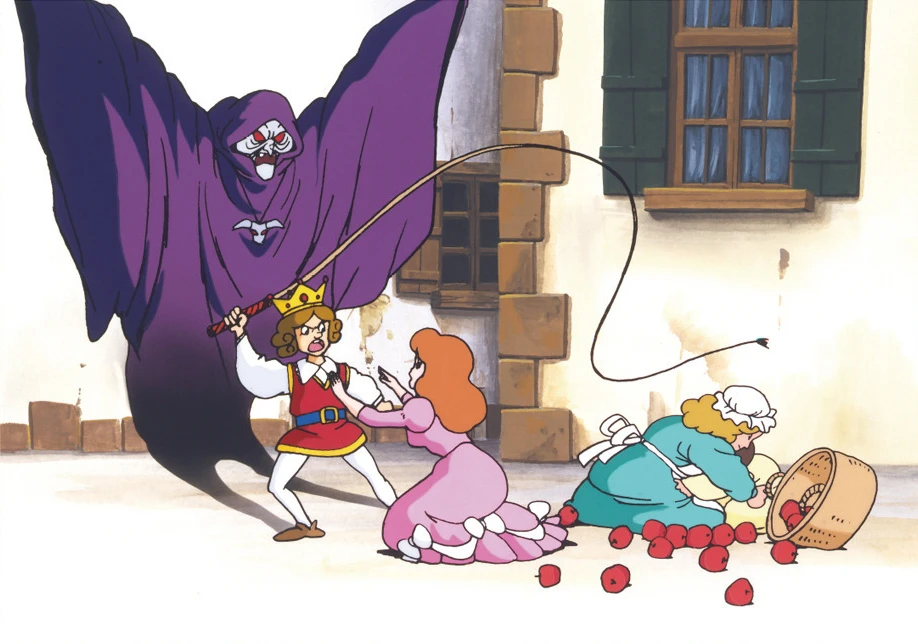
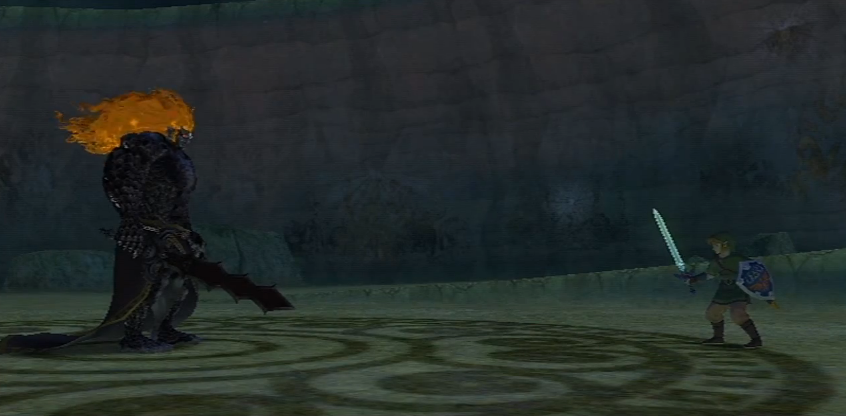
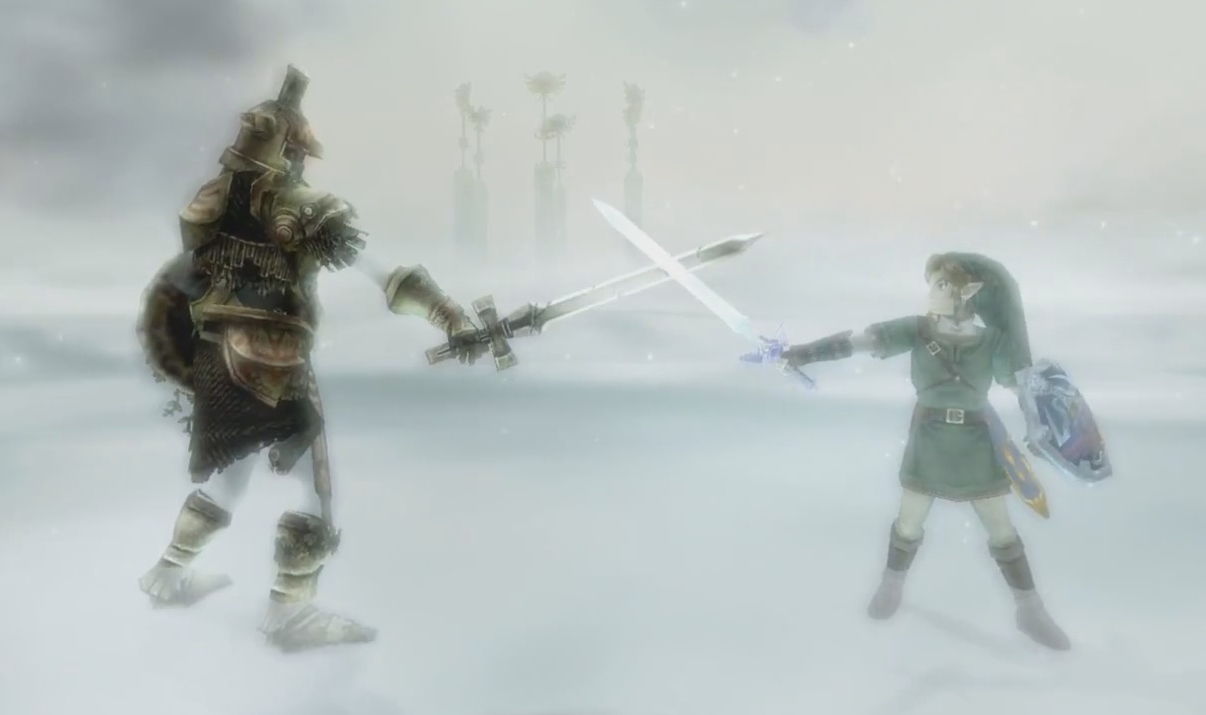
Link faces Demise in Skyward Sword: the duel that ends with a curse, and the reason the story keeps repeating.
Zelda games are legends, not a soap opera. Most of them star a new Link and a new Zelda, born centuries apart, who face an evil that refuses to stay dead. What ties them together is a shared history. Nintendo first set it down in Hyrule Historia in 2011 and still keeps it up to date on its official Japanese website, most recently in a Chronicle for the series’ 40th anniversary, which it updated in September 2026. This guide walks through that history from the creation of the world to the newest game, one era at a time, with a card for every game that tells its story and shows how it hooks into the others.
Here is the cycle in one breath. Long ago, three goddesses made the world and left behind the Triforce, a golden relic that grants the wish of whoever touches it. The goddess Hylia guarded it against the demon king Demise, and when Demise was finally beaten he swore that his hatred would return for ever to hunt the hero and the goddess’s bloodline. That curse is why the story keeps going round. Every few centuries a boy in green, a princess with sacred power and a hungry evil, usually Ganon, collide over the Triforce and the Master Sword.
Want the bare chart instead? Our Zelda timeline page has the branches, the order and every revision Nintendo has made, and the Triforce page follows the relic itself. Spoilers for every game follow, so tread carefully.
“…not the same person per se, but there’s sort of this fundamental soul that carries on.”
Hidemaro Fujibayashi, on Link and Zelda Game Informer, December 2023
“It could be both. Both could be correct.”
Fujibayashi, asked whether the ancient Hyrule of Tears of the Kingdom comes before Skyward SwordGame Informer, December 2023
“…this chronicle merely collects information that is believed to be true at this time.”
Hyrule Historia, on its own timeline Dark Horse edition, 2013
Quick answers
Where does the story start? With Skyward Sword (2011). Nintendo calls it the earliest tale in the timeline.
Why does history split? Because of the ending of Ocarina of Time. In one future the hero is sent back to his childhood, in another the world carries on without him, and in a third he lost the final battle.
The whole history in one picture, drawn by us from Nintendo’s current chronology. Read it from top to bottom: a single line runs from the age of myth to Ocarina of Time, splits three ways, and then, after a gap nobody has explained, leads into the age of Breath of the Wild. Every game links to its own page, and the cards further down tell each story in full.
Our own drawing of Nintendo’s official chronology, following the 40th-anniversary Chronicle on Nintendo’s Japanese site (as updated in September 2026 and read in November 2026). Era names are our translations of its Japanese labels. Nintendo does not say how the three branches lead into the age of Breath of the Wild.
Part one: the age of myth
In the beginning
The Golden Goddesses depart, in the creation legend the Great Deku Tree tells in Ocarina of Time.
Before there was anything, there was nothing: Nintendo’s 2026 Chronicle begins with a world of nothingness. Then came the three Golden Goddesses. In the legend the Great Deku Tree tells in Ocarina of Time, Din shapes the land, Nayru gives it law and order, and Farore fills it with life. When their work is done they leave for the heavens, and the Triforce stays behind. The Chronicle adds that they never ruled the world they made; they left its future to the land, its order and the creatures living there.
Echoes of Wisdom later added a darker motive. The goddesses, it reveals, made the world partly to seal away Null, a hungry thing that lived in the void and devoured anything that tried to take shape. It is the oldest enemy in the series, and the last to be named.
“Depicting the earliest tale in The Legend of Zelda timeline…”
— Nintendo UK, official description of Skyward Sword HD
Wii · HD version for Nintendo Switch, 2021 · The first story
Ages ago, the demon king Demise led an army of monsters against the land in search of the Triforce. The goddess Hylia lifted her surviving people into the sky on a great island, hid the Triforce with them above a sea of clouds, and sealed Demise away. Generations later, the people of Skyloft have forgotten the surface even exists. Link is a student at the Knight Academy and Zelda is his oldest friend; soon after Link wins the Wing Ceremony, a black tornado drags her down through the clouds.
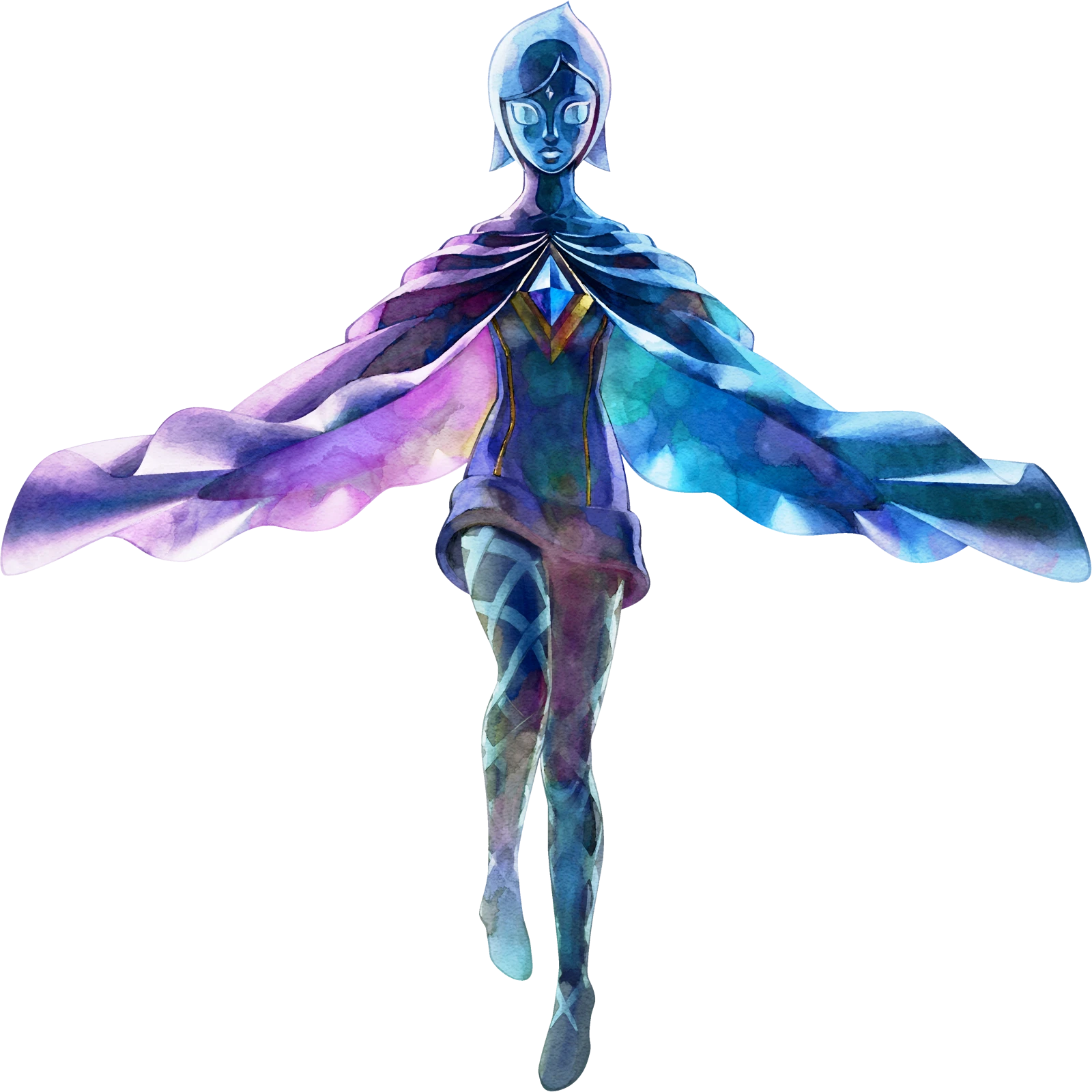
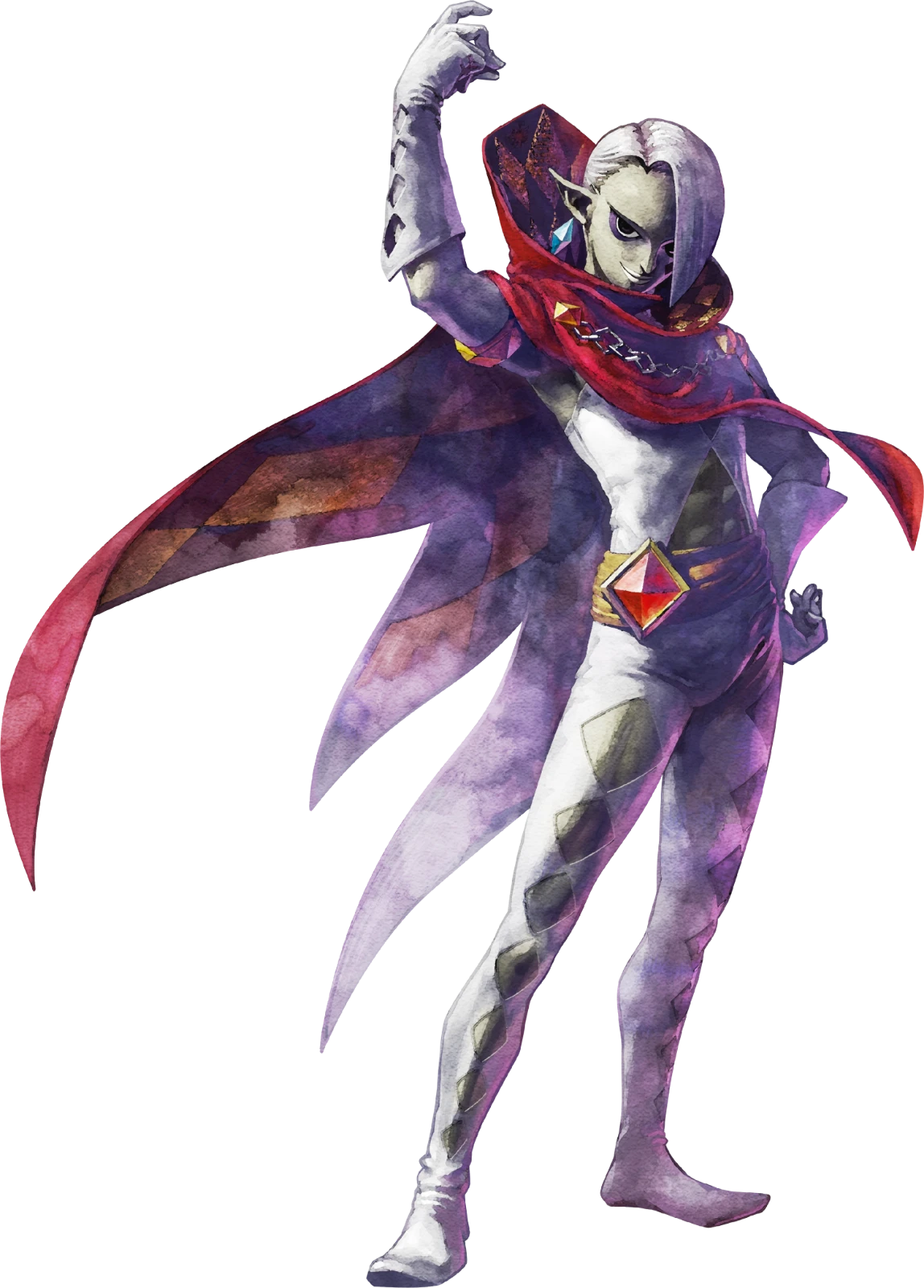
Link follows with the Goddess Sword and its spirit, Fi, chased all the way by the gloriously theatrical demon lord Ghirahim. The twist is that Zelda is Hylia reborn: the goddess gave up her divinity because only a mortal can use the Triforce. Zelda seals herself in crystal to keep Demise imprisoned, Link tempers his blade into the Master Sword and uses the Triforce to destroy the Imprisoned, the beast Demise became while sealed. Ghirahim still drags Zelda into the past and revives his master. Link wins the final duel, but the dying Demise lays the curse that drives the rest of the series. Fi sleeps in the sword that holds what is left of him, and Zelda stays on the surface, in the land that will become Hyrule.
Key moments (5)
The Wing Ceremony
Fi wakes in the Goddess Sword
Zelda is Hylia reborn
The Master Sword is tempered
The duel with Demise
How it connects
Where the Master Sword comes from, and why it is tied to the goddess
The first Link and Zelda: every later pair inherits their roles
Demise’s curse: the series’ own explanation for why evil keeps returning
The old woman Link meets in the present is Impa, who waited across the ages
Fi, the spirit of the Goddess Sword (official artwork).Ghirahim, the self-styled demon lord (official artwork).
Between the games: a kingdom is born
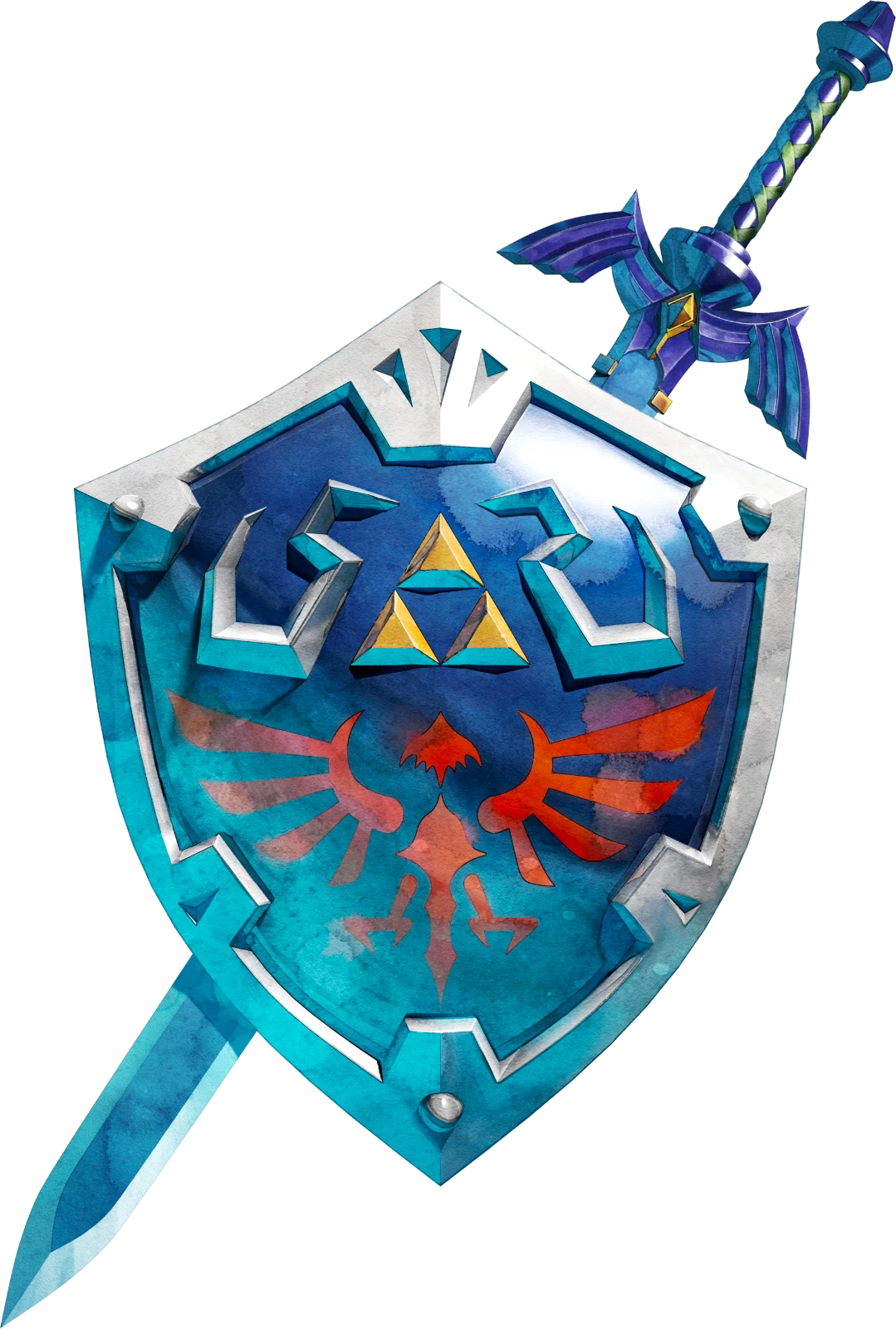
The Master Sword and the Hylian Shield (Skyward Sword artwork).
Nintendo’s chart follows Skyward Sword with three entries that have no game of their own: the Master Sword is born, the Sacred Realm that holds the Triforce is sealed, and the Kingdom of Hyrule is founded. The chart does not say who sealed the realm or who founded the kingdom. Since September 2026 it has also listed a second founding of Hyrule, by the Zonai, in the age that leads to Breath of the Wild; Part seven picks up that thread.
Part two: the Four Sword
The Picori Blade in stained glass (The Minish Cap artwork).
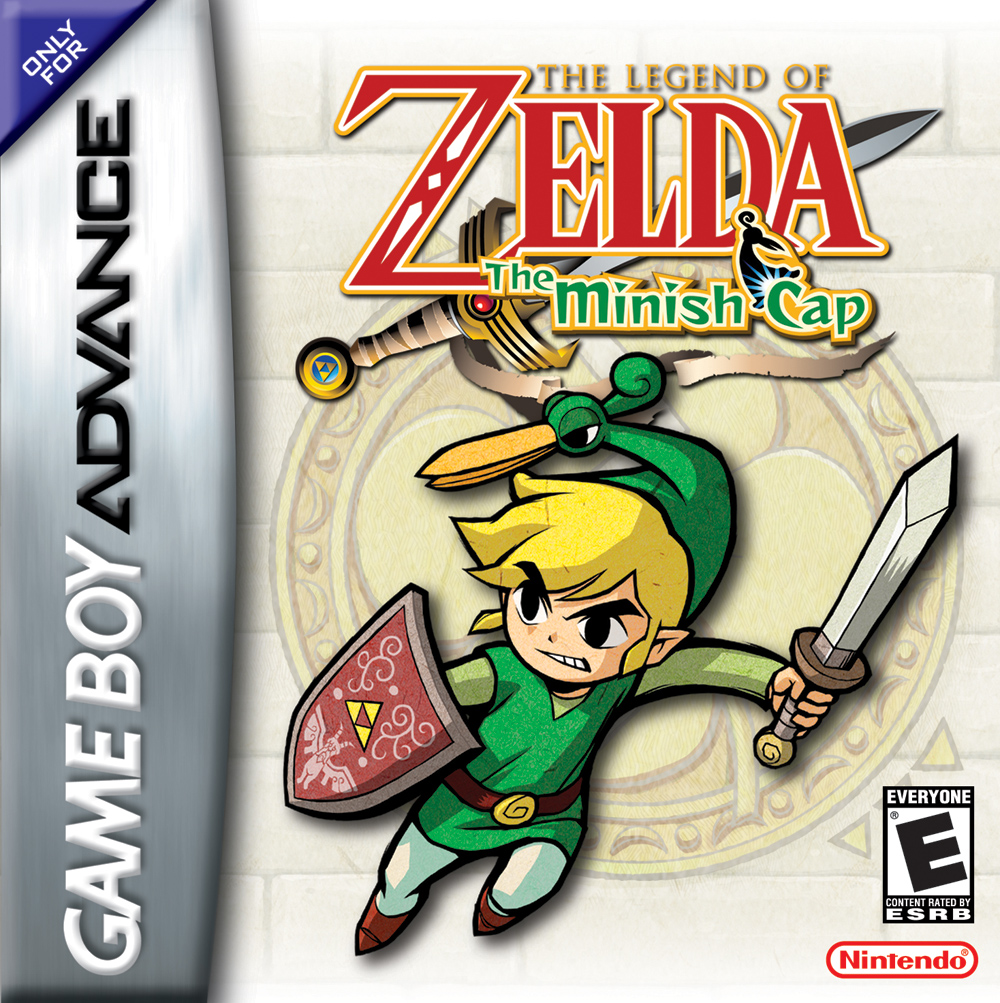
With Hyrule standing, the chart turns to a legend of tiny folk. Nintendo’s Chronicle lists the Four Sword being made from the Picori’s legendary blade, and then the wind sorcerer Vaati being born and, later, revived. Two games tell that story. Neither has a Ganon in it; this is the stretch of history where Vaati is the villain, and the hero’s famous green cap gets an origin story of its own.
Game Boy Advance · Vaati’s origin; the Four Sword is made
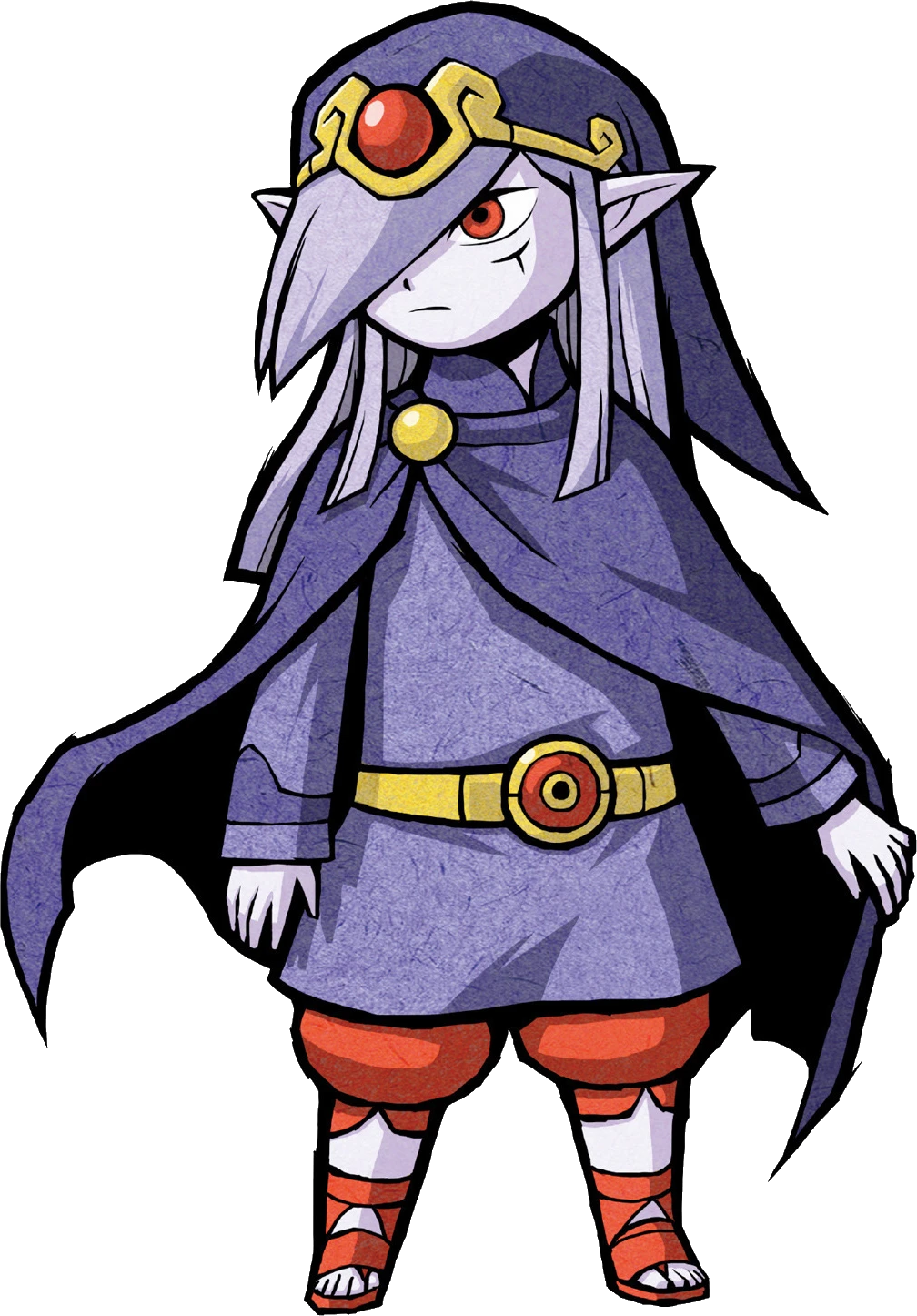
Every hundred years Hyrule throws a festival for the Picori, the thumb-sized folk who once helped a hero lock the monsters away with a blade and a golden power called the Light Force. This year the champion of the sword tournament is Vaati, a Minish sorcerer. Instead of accepting his prize he smashes the Picori Blade, frees the monsters and, fearing the strange power inside Princess Zelda, turns her to stone.
Link, grandson of the royal blacksmith Smith, sets out with the broken blade and soon picks up Ezlo, a cranky talking cap. Ezlo was once a Minish sage and Vaati’s master, until his apprentice stole his wish-granting Mage’s Cap and turned him into a hat. Shrinking to Picori size, Link gathers the four Elements of earth, fire, water and wind and reforges the blade into the Four Sword, which can split him into copies. The Light Force, it turns out, was never in the chest: it passed to the royal family and lives inside Zelda. Link beats Vaati, Zelda wishes his damage undone, and Ezlo, restored to his true form, leaves Link a parting gift. It is a green cap shaped just like himself, and hard not to read as the origin of the hero’s famous hat.
Key moments (5)
The Picori Festival
Zelda turned to stone
Ezlo’s confession
The White Sword becomes the Four Sword
Vaati’s Wrath
How it connects
Creates the Four Sword, which seals Vaati in the next two Vaati stories
Explains where Link’s cap comes from
Shows the Light Force passing to Hyrule’s royal family
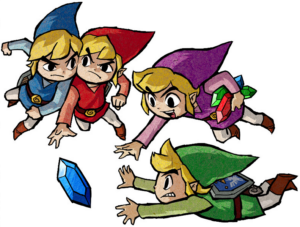
Packed in with the Game Boy Advance version of A Link to the Past, Four Swords opens with a legend that echoes the end of the previous game. A wind sorcerer called Vaati once terrorised Hyrule and carried off its young women, until a boy appeared whose sword split him into four. Together the four boys sealed Vaati inside the blade, and the Four Sword was set in a pedestal in its own sanctuary.
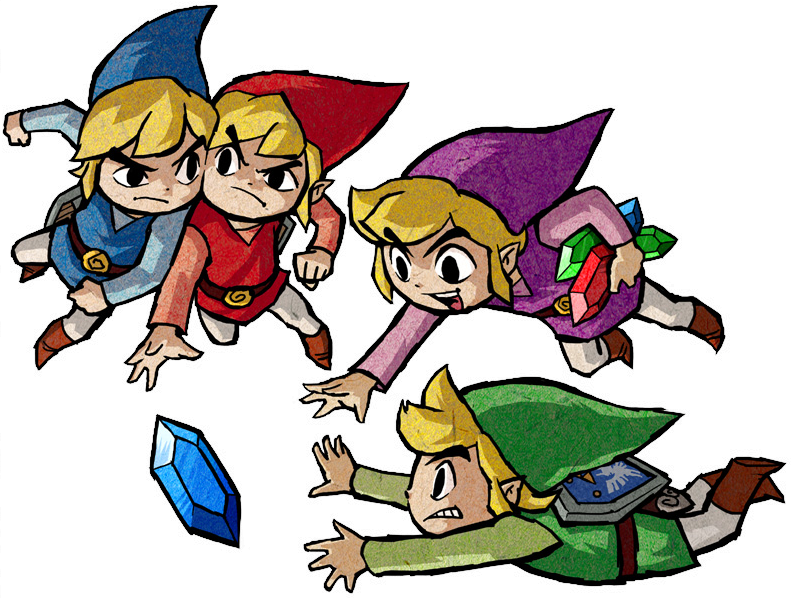
Ages later the seal is weakening. Princess Zelda brings Link to the sanctuary to see for herself, and while she is explaining what lies inside the sword, Vaati breaks free, seizes her and carries her off to his palace in the sky, meaning to make her his bride. Three fairies urge Link to draw the blade. He does, and becomes four Links in green, red, blue and purple. The team fights through the Sea of Trees, Death Mountain and Talus Cave, where three Great Fairies each hand over a key in return for enough Rupees, then storms the palace among the clouds and seals the sorcerer back in the sword. The 2011 Anniversary Edition retells the same adventure, with a mode for playing alone.
The four coloured Links return in Four Swords Adventures
Vaati, the Minish sorcerer (The Minish Cap artwork).Ezlo, the talking cap (The Minish Cap artwork).
Part three: the Hero of Time
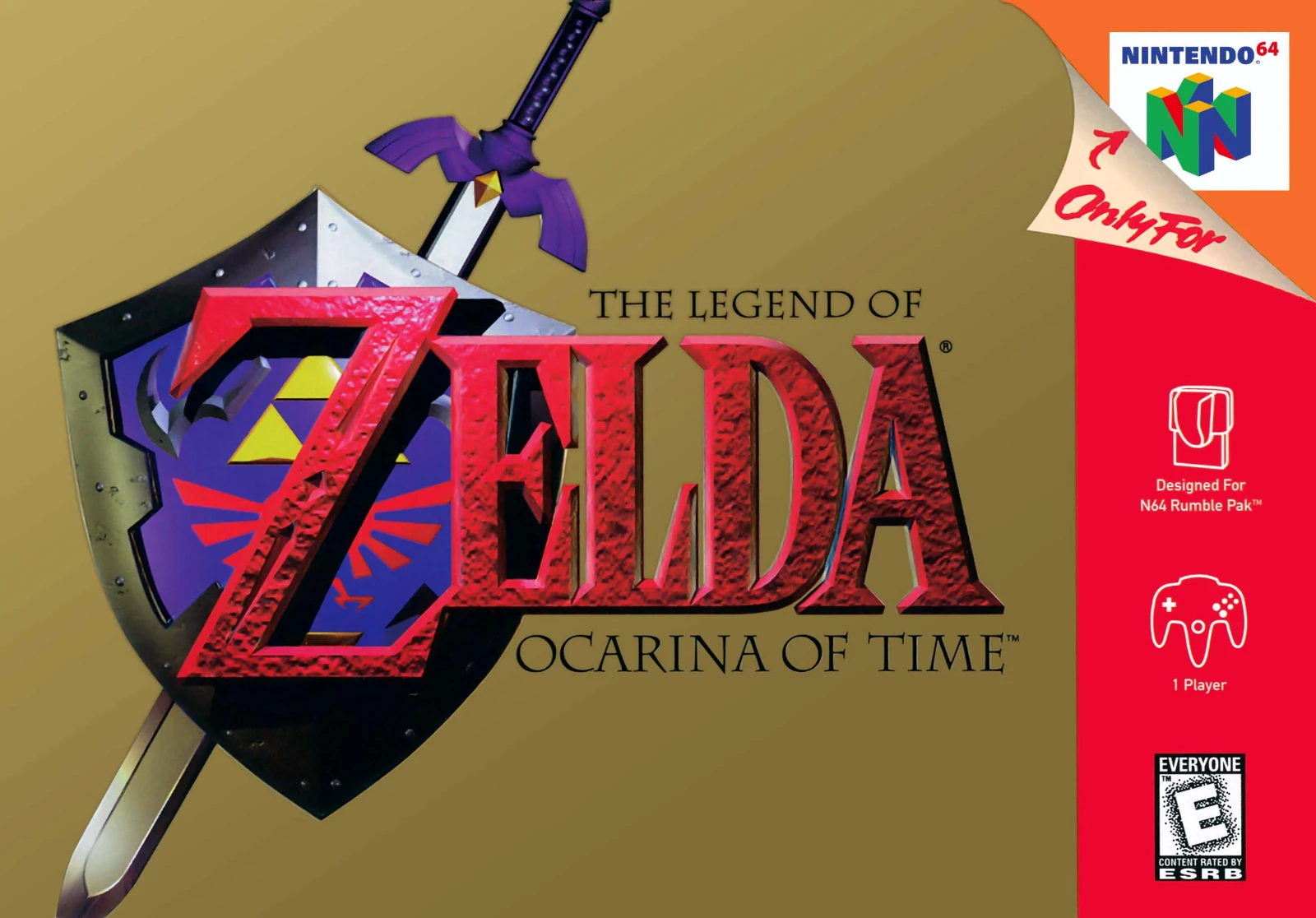
Before the next game, Nintendo’s chart records a war to unify Hyrule. Ocarina of Time shows what that war meant for one family: late in the adventure the Deku Tree Sprout reveals that Link’s Hylian mother fled the fighting into the forest with her baby, which is why the boy without a fairy was never really a Kokiri. Then comes the game on which the whole timeline turns.
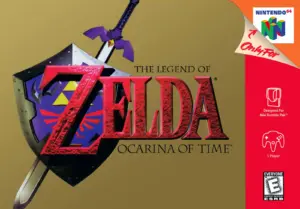
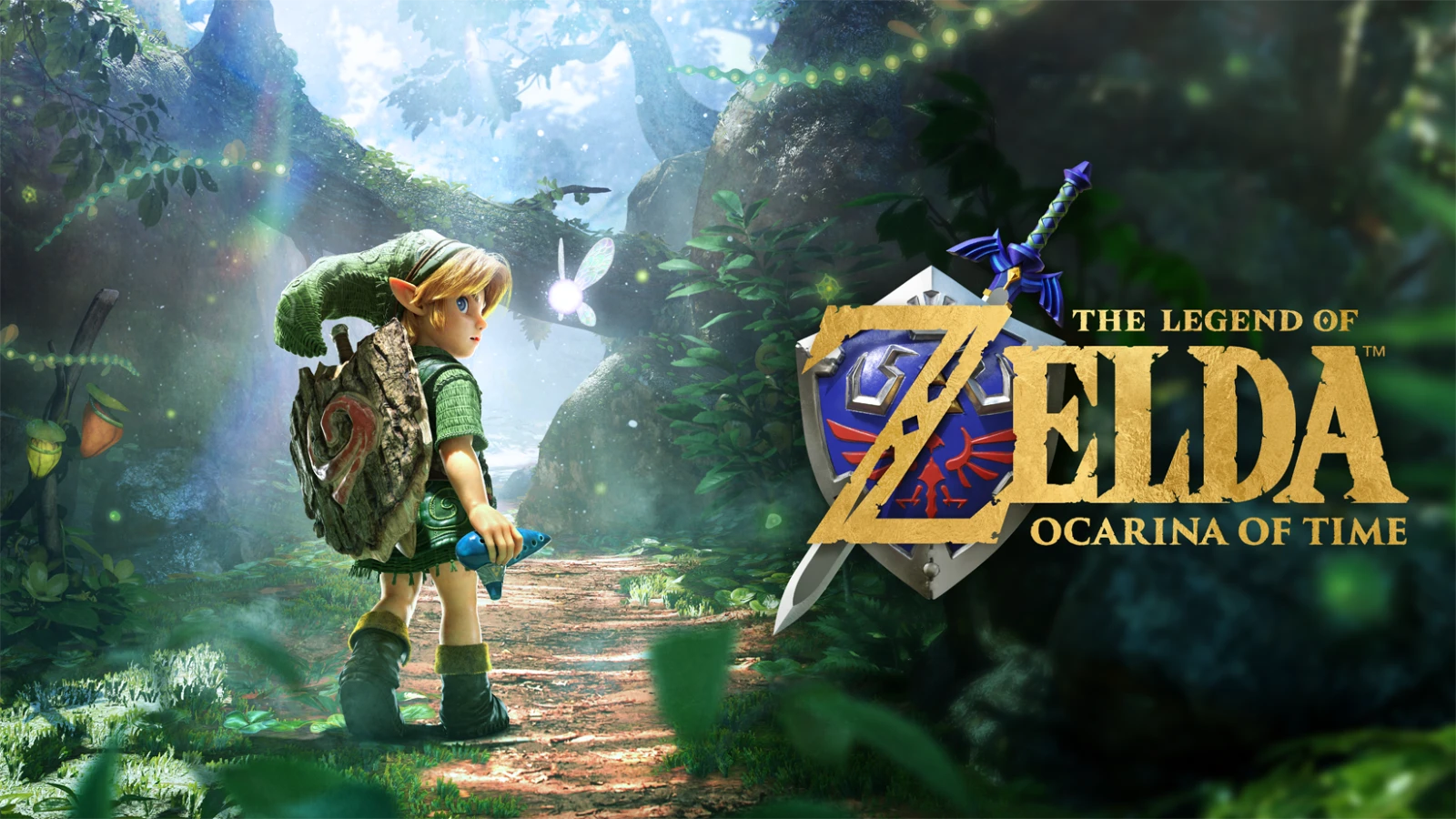
Link is the only Kokiri child without a fairy until Navi arrives with a summons from the dying Great Deku Tree. He gathers three Spiritual Stones, meets young Princess Zelda in the castle garden and learns her fear: Ganondorf, king of the Gerudo, is pretending to be loyal, and what he really wants is the Triforce. The children’s plan to reach the Sacred Realm first goes horribly wrong. When Link draws the blade behind the Door of Time he opens the way for Ganondorf, who seizes the Triforce, while Link is sealed away for seven years.
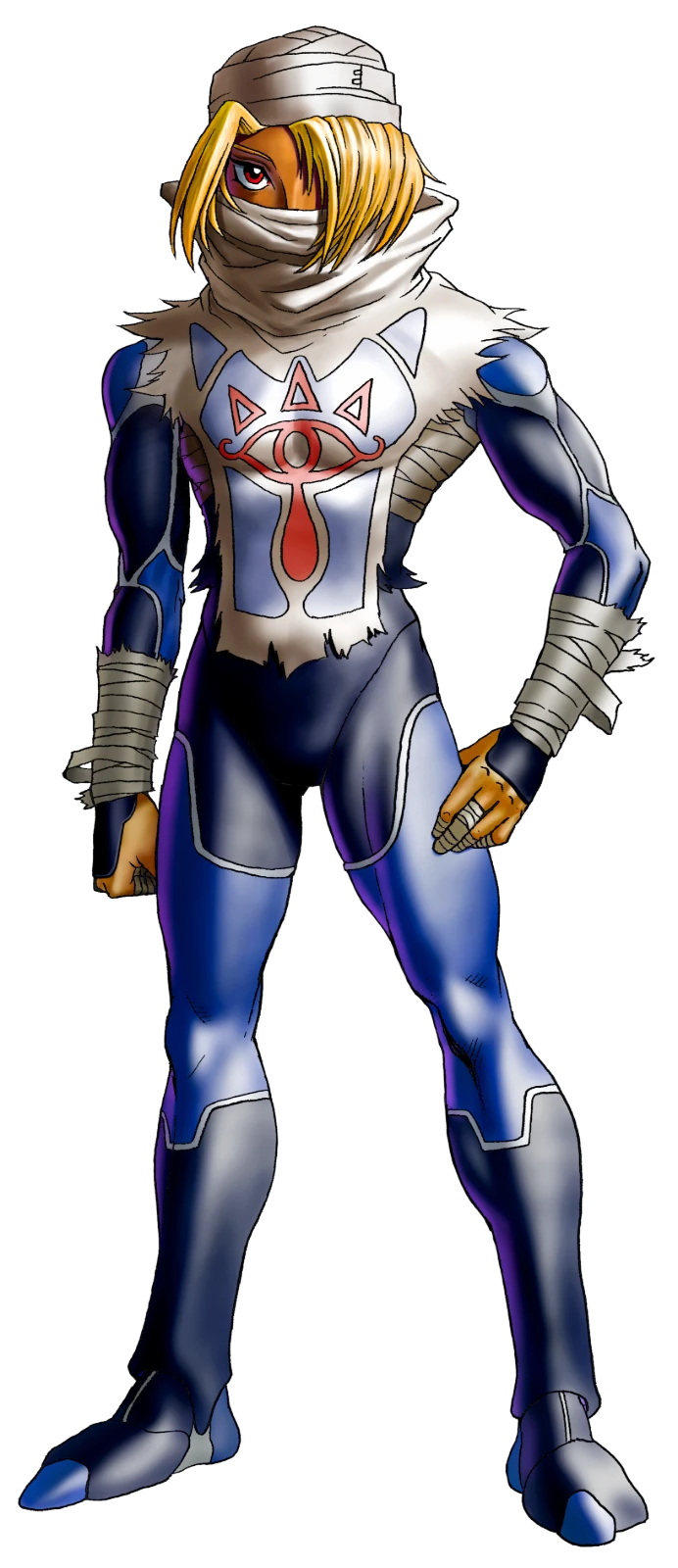
He wakes as an adult in a ruined Hyrule. The Triforce split when Ganondorf touched it: he kept Power, Zelda received Wisdom and Link Courage. Guided by Rauru, the Sage of Light, and a mysterious Sheikah called Sheik, Link clears the temples and wakes the Sages one by one. Sheik is Zelda in disguise, and the seventh Sage. Link beats Ganon, the Sages seal him away, and Zelda plays the Ocarina one last time to send Link back to the childhood he lost. From that one act, history splits into three. The 2026 Switch 2 remake tells the same story with voiced cutscenes; Eiji Aonuma told Game Informer the team chose not to add references to later games.
Key moments (6)
A fairy at last
The princess in the garden
The Door of Time
Seven years later
Sheik is Zelda
Back to childhood
How it connects
Ganondorf’s first appearance as a man, and the Triforce split three ways between him, Zelda and Link
The Sages and the Temple of Time, which return in many forms
Its ending is the fork that creates all three branches
Sheik, Zelda’s disguise (official artwork).Key artwork for the 2026 Nintendo Switch 2 remake.
Time splits
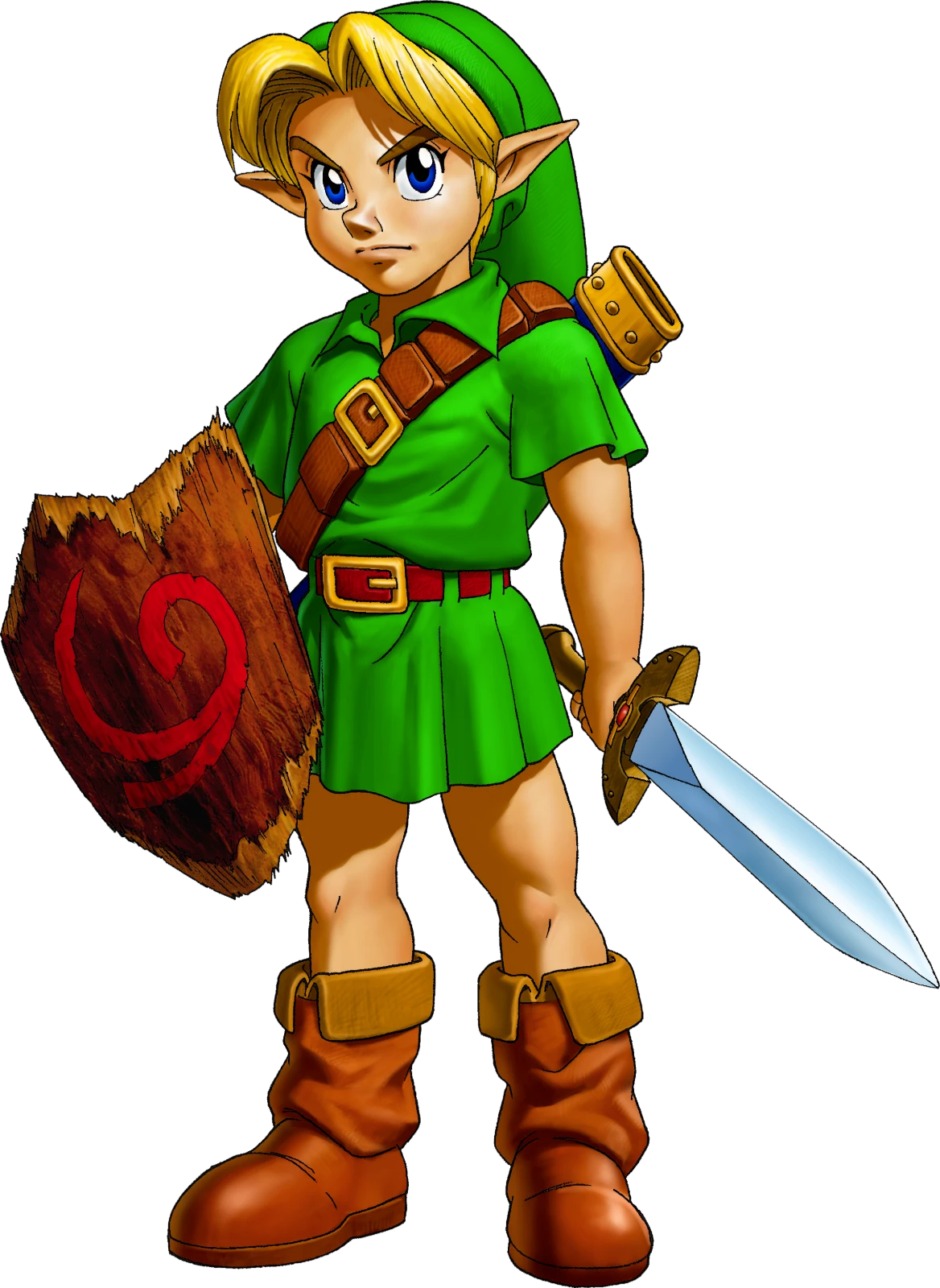
Young Link (Ocarina of Time artwork). Sent back to his own time, he starts a second history.
Nintendo’s timeline branches here, and the reason is Zelda’s last act. In one future, the boy sent back to his childhood warns the royal family about Ganondorf, and history takes a different course. In another, the future he left behind carries on without a hero at all. And in a third, which no player ever sees, Link lost the final battle. Nintendo has given that fallen-hero history the most games, nine of them, so we take it first.
Part four: the hero is defeated
The Seven Sages (A Link to the Past artwork), whose seal on the Golden Land is the start of this branch.
Nintendo’s label for this branch is blunt: the hero is defeated. With Link gone, Ganondorf takes all three pieces of the Triforce and becomes the beast Ganon, and he is sealed away only at great cost, by the Sages, in a conflict remembered as the Imprisoning War. Over the ages that follow, the chart says, the fighting over the Triforce comes back again and again, the sacred blood of the royal line grows thin and the kingdom shrinks. Nine games sit on this branch, more than on the other two put together.
The Age of Light and Darkness
Nintendo’s chart gives the era that follows the war a fitting name, the Age of Light and Darkness, and it opens with a hero who crosses between a Light World and a Dark one. Four games follow, the first two about the same boy.
Super NES · Game Boy Advance version, 2002 · The Imprisoning War’s aftermath
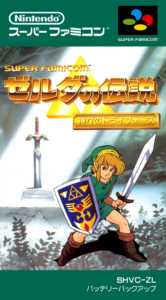
A Link to the Past looks back on the disaster as ancient history. A thief named Ganondorf broke into the Golden Land, touched the Triforce, and his wish twisted the sacred realm into a dark reflection of his heart. Seven wise men sealed the entrance while the Knights of Hyrule fought and died to protect them: the Imprisoning War. Centuries later the wizard Agahnim has taken over Hyrule Castle and is sending the descendants of those wise men away, one maiden at a time, to break the seal.
Woken one stormy night by Zelda’s voice in his head, Link follows his uncle into the castle and rescues her, wins the three Pendants of Virtue and draws the Master Sword in the Lost Woods. Agahnim still sends the princess away, and when Link defeats him he is pulled into the Dark World, the Golden Land as Ganon has twisted it. There he frees seven maidens from seven dungeons, Zelda among them, and learns that Agahnim was only ever a puppet for Ganon himself. With the Master Sword and the Silver Arrows, Link brings down the beast in the Pyramid of Power, touches the Triforce and wishes Hyrule whole again.
Key moments (5)
A voice in the night
Three Pendants of Virtue
The Master Sword
Into the Dark World
Ganon in the Pyramid of Power
How it connects
The Imprisoning War is Ganon’s sealing after the hero’s defeat in Ocarina of Time
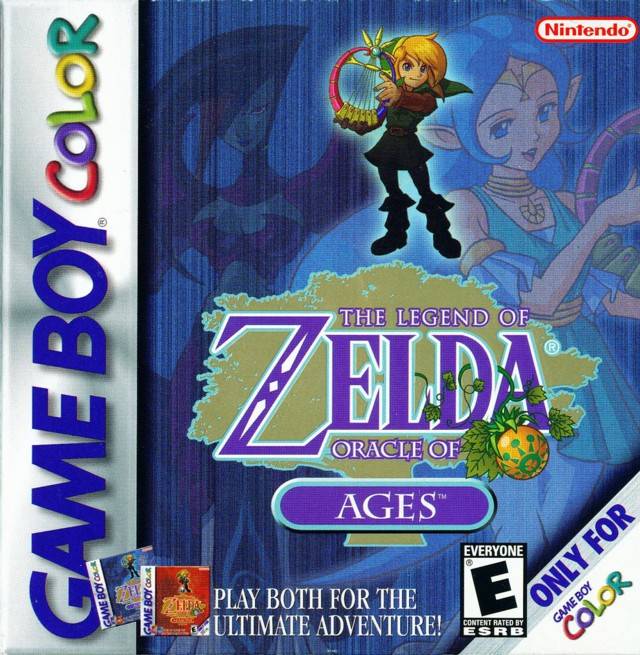
Game Boy · DX, 1998; Switch remake, 2019 · The dreaming island
Link’s Awakening follows the same Link out to sea. Shipwrecked on Koholint Island, he wakes to find Marin, a red-haired girl who sings, dreams of flying and looks a little like Zelda. His only way home is to collect the eight Instruments of the Sirens and wake the Wind Fish, which sleeps inside a giant egg on the island’s mountain. A wise owl points the way, and the Nightmares that guard the instruments would very much like him to fail.
The awful truth is that Koholint is the Wind Fish’s dream. Waking it means everyone Link has met will vanish, Marin included. He plays the Ballad of the Wind Fish anyway, and wakes adrift on a scrap of wreckage as the great whale flies overhead. It is one of the series’ saddest endings, with a small reward for players who finish without losing a life: Marin, flying at last. Nintendo moved the game ahead of the two Oracle games in its 2017 revision of the timeline, and the 2019 remake retold the dream in toy-like 3D.
The Triforce itself calls Link away from Hyrule and drops him in a forest in Holodrum, where a troupe of travelling performers is dancing. Their star, Din, is the Oracle of Seasons, and moments after Link joins in, Onox, General of Darkness, carries her off in a twister, seals her in crystal and sinks the Temple of Seasons deep underground. Holodrum’s weather goes haywire, lurching from season to season without warning.
Impa, travelling with the troupe, sends Link to the Maku Tree of Horon Village, who asks for the eight Essences of Nature. Down in Subrosia, a world of lava rivers hidden beneath Holodrum, Link claims the Rod of Seasons and, tower by tower, the power to change the season at will. Once he has all eight Essences, the Maku Tree’s seed breaks the barrier around Onox’s castle. The general fights in armour and then as a great dark dragon, and Din is freed. Far away, though, the twin witches Twinrova have been watching. Onox was their pawn, and his reign of chaos has lit the Flame of Destruction.
How it connects
Linked by password with Oracle of Ages for a secret ending
Its Oracle shares her name with the goddess of power
Twinrova first appeared as Ganondorf’s guardians in Ocarina of Time
The Triforce sweeps Link to Labrynna, where Impa leads him to Nayru, the Oracle of Ages, singing to the animals in a forest clearing. Then a shadow rises out of Impa: Veran, Sorceress of Shadows, who has been riding inside the nursemaid all along. She leaps into Nayru, takes her body and her power over time, and vanishes four hundred years into the past. History starts to unravel at once; even the Maku Tree of Lynna City fades away in mid-sentence.
With the Harp of Ages, Link moves between the two eras, saves the Maku Tree as a sapling and hunts down the eight Essences of Time. In the past, Veran has made herself adviser to Queen Ambi, smothered the land in a day that never ends and set every able man to work on Ambi’s Black Tower. Link drives her out of Nayru, so she jumps into the queen instead, and at the top of the tower he beats her through all her forms. By then, though, the Flame of Sorrow is already burning.
Its Oracle shares her name with the goddess of wisdom
Veran, like Onox, is working for Twinrova
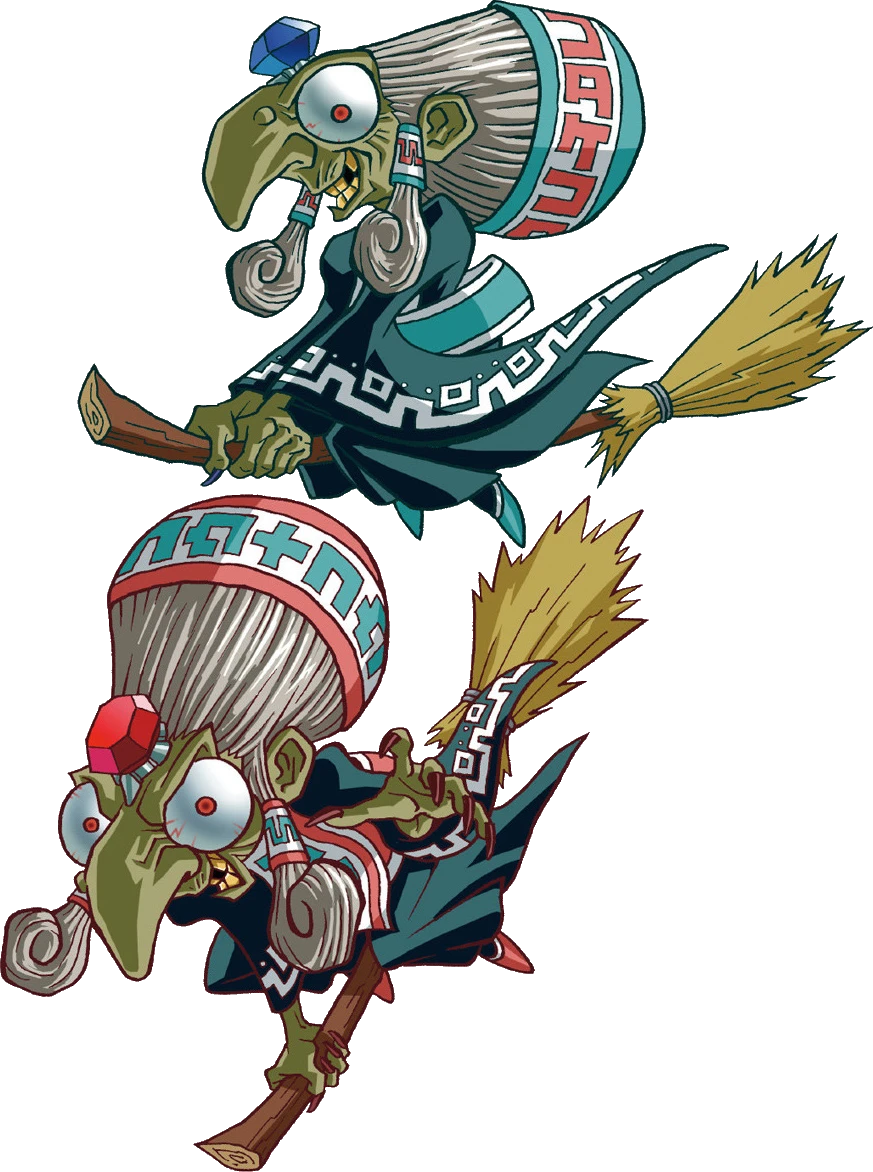
Each Oracle game stands alone, but finish one and it gives you a password that turns the other into a sequel. Play that linked game through and a secret ending appears. Onox and Veran were both pawns of Twinrova, the witches who raised Ganondorf, and each villain’s reign of misery lit one of three magic flames. The witches kidnap Zelda to light the third, the Flame of Despair, and plan to sacrifice her to bring Ganon back. Link defeats them, the witches offer up their own bodies in her place, and the Ganon who rises is a mindless beast. Link destroys him and frees the princess.
Marin of Koholint (Link’s Awakening artwork).Twinrova, the witches behind both Oracles’ villains (artwork).
Lorule, Hytopia and the rift
Long after the hero of A Link to the Past has passed into legend, the same Hyrule gets a new Link, and the branch’s three most recent games follow one another. Two share a hero who keeps wandering into other kingdoms; the third hands the starring role to the princess.
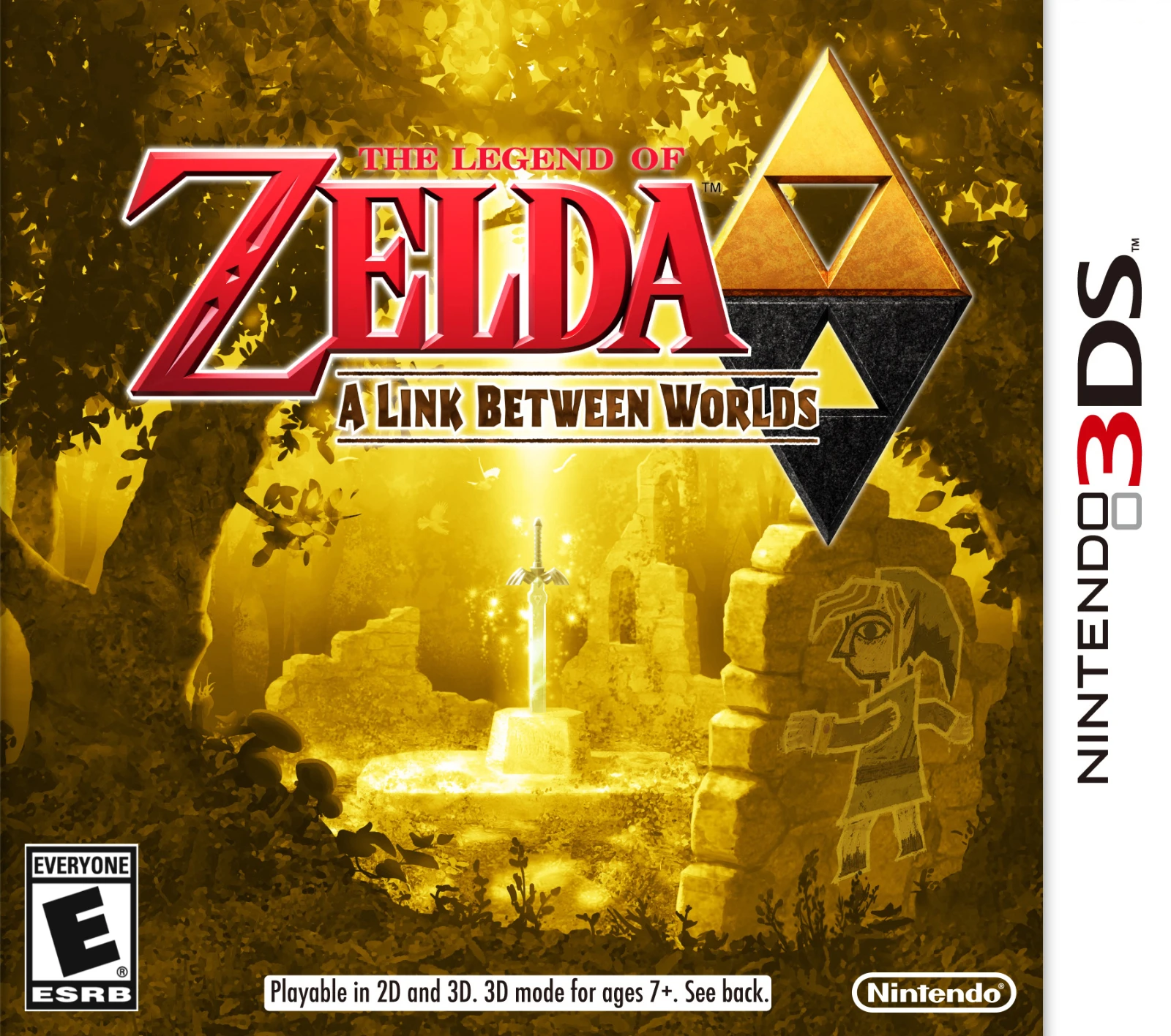
A Link Between Worlds returns to the map of A Link to the Past long after that game’s hero has passed into legend. A painter-sorcerer named Yuga is turning the descendants of the Seven Sages into paintings, and then Zelda herself. A young blacksmith’s apprentice named Link gains the power to merge into walls as a painting, draws the Master Sword and chases Yuga into Lorule. It is a shadow kingdom whose people destroyed their own Triforce to end the fighting over it, and then watched their world crumble. Yuga uses the captured Sages to bring Ganon back and fuses with him, and in Lorule Castle Link has to bring down the result.
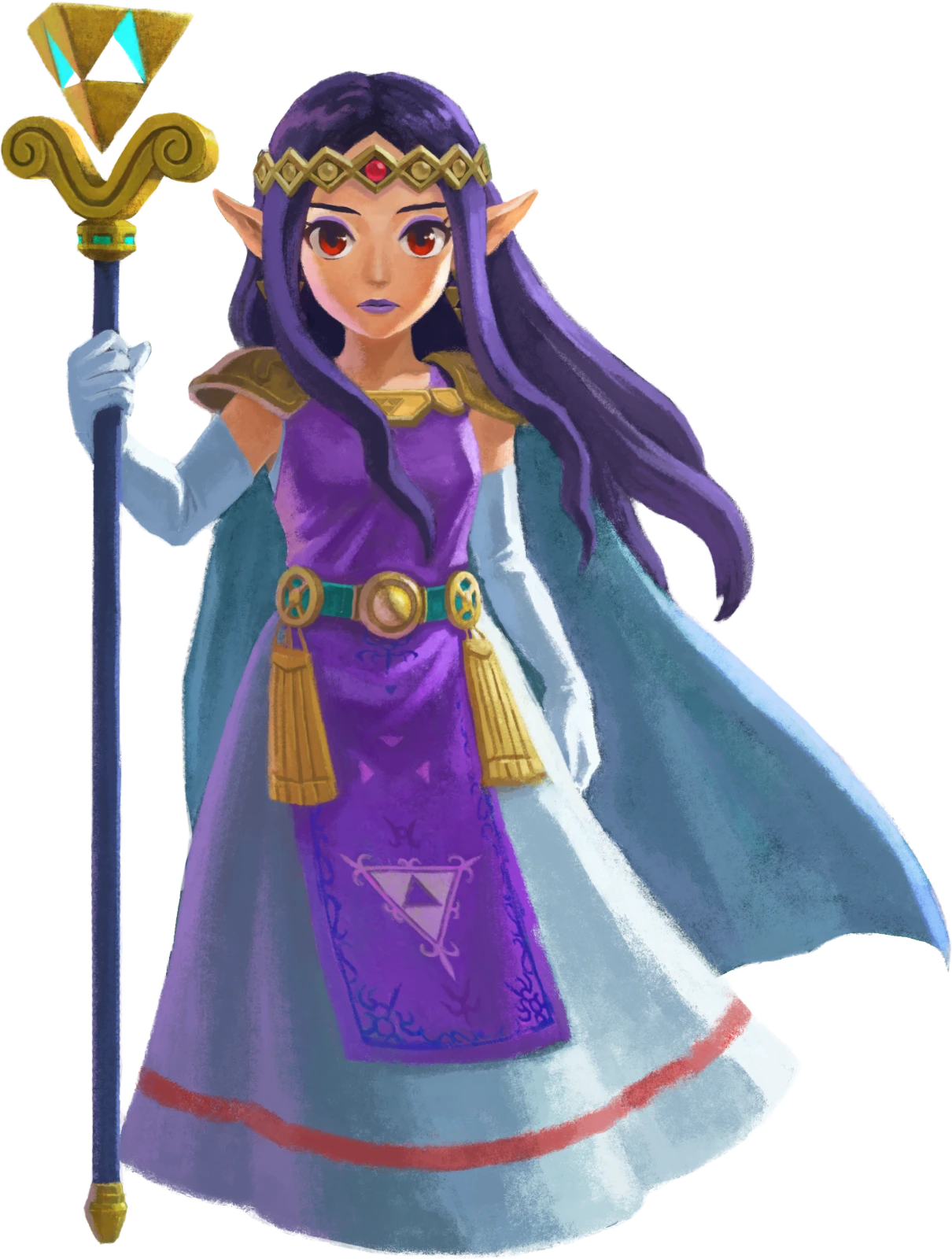
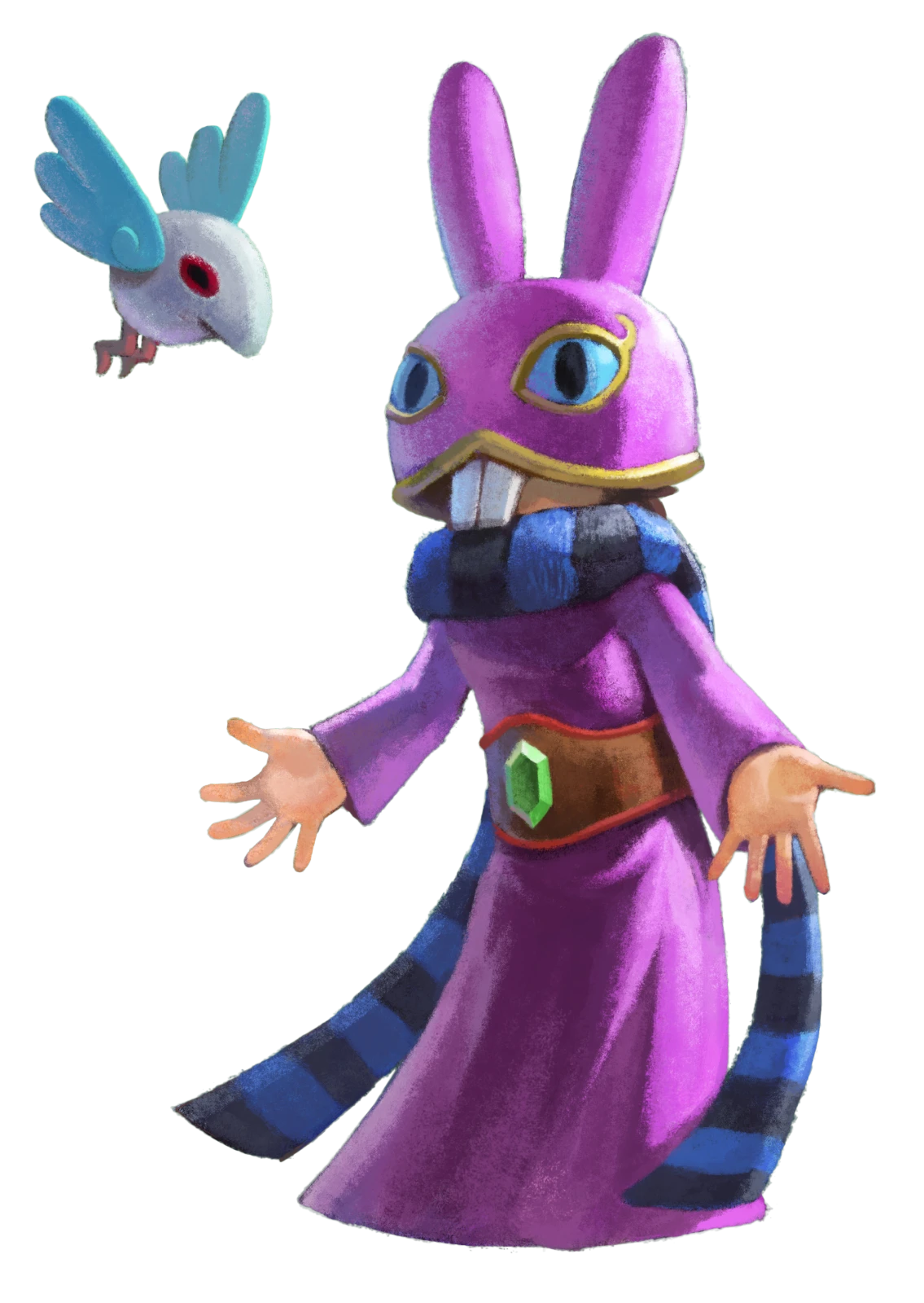
Lorule’s Princess Hilda planned it all, to steal Hyrule’s Triforce for her dying land. It is Ravio, the cheerful rabbit-hooded merchant who has been renting Link his gear all along, who stops her. He is Lorule’s own counterpart of Link, too frightened to stand up to her before now. Hilda gives in and sends the heroes home, and Link and Zelda use Hyrule’s Triforce to wish Lorule’s back into being.
How it connects
Set on the map of A Link to the Past, long afterwards
Lorule is a dark mirror of Hyrule, as the Dark World was
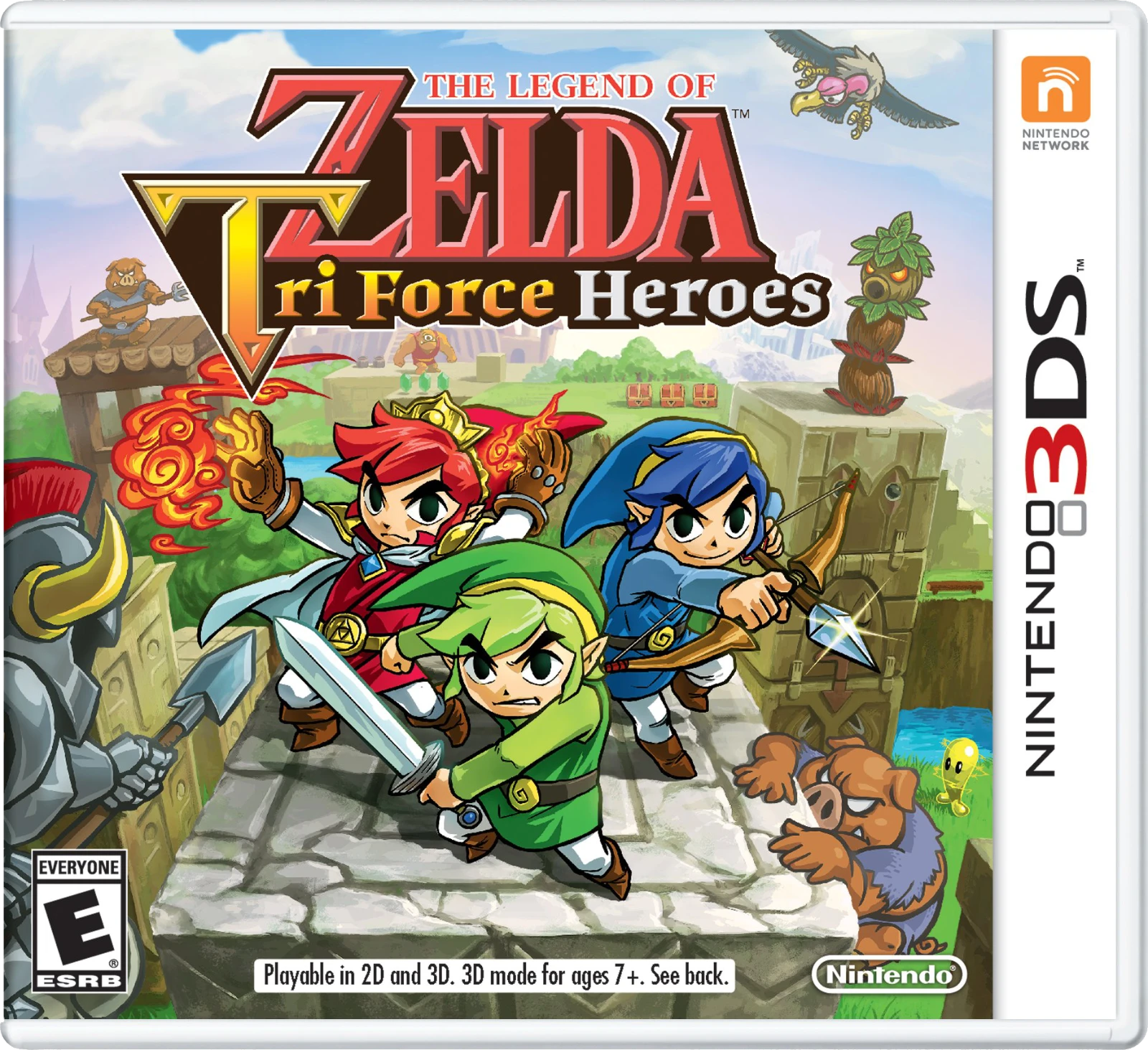
Nintendo 3DS · The A Link Between Worlds hero in Hytopia
Tri Force Heroes is the comedy sequel. Some time after his last adventure, the same Link wanders into Hytopia, a kingdom where fashion is everything, just after a jealous witch called the Lady has cursed its Princess Styla with a gift: a shapeless brown bodysuit that will not come off. Styla hides in shame and the whole kingdom loses its nerve for style. An old prophecy describes the only heroes who can enter the witch’s Drablands: pointy ears, sideburns, hair parted to one side and a knack for stacking into a totem. Link fits the bill, and Madame Couture’s apprentice signs him up.
Every trip into the Drablands is made by three Links, dressed in outfits from Madame Couture’s shop. They fight through woods, temples, ice caverns and ruins to the Sky Temple, where the Lady fights in four stages with a change of outfit between each. Beating her is not quite enough to lift the curse. Madame Couture, who turns out to be the witch’s younger sister, copies the Lady’s own outfit, and wearing it breaks the spell. Styla is delighted, mostly about the fashion.
How it connects
A direct continuation of A Link Between Worlds, with the same hero
Three Links at once, built for co-operative play
In November 2024 Nintendo placed Echoes of Wisdom straight after it
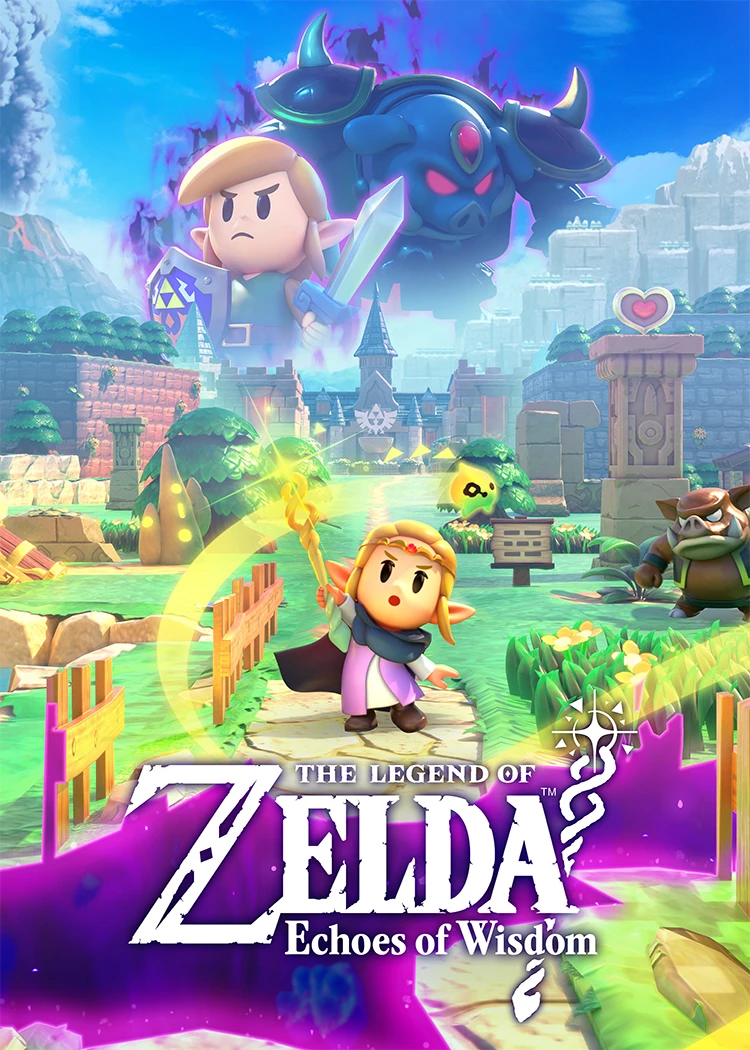
Echoes of Wisdom begins like a classic. Link storms Ganon’s lair and frees Zelda from a crystal, and then a black rift opens and swallows him. With the hero gone, perfect copies of the king and his advisers climb out of another rift and brand the princess a traitor. Tri, a little glowing being, conjures her a rod for copying objects and monsters, and Impa helps her slip away. Rift by rift, Zelda saves the kingdom’s peoples, and each of the three Golden Goddesses blesses her along the way. They also reveal the enemy: Null, the void-thing the world was made to seal away.
Null’s last trick is a perfect copy of Zelda, which reaches the Triforce first. Its unbalanced heart gets only Power; the real Zelda receives Wisdom, and Courage flies to wherever Link is imprisoned. This time it is the princess who breaks the hero’s crystal. Side by side they tear Power away from Null, and with the relic made whole Zelda wishes the void-creature out of existence. Nintendo added the game to its official timeline on 26 November 2024, between Tri Force Heroes and the original The Legend of Zelda.
How it connects
Nintendo’s own summary: Link beats Ganon and is swallowed by an eerie rift
Explains why the goddesses made the world
The first main game in which Zelda is the hero
Princess Hilda of Lorule (official artwork).Ravio and his bird Sheerow (official artwork).Tri, Zelda’s companion (Echoes of Wisdom render).
Golden Age and decline
The first Princess Zelda (Zelda II artwork). Her tragedy falls in the Age of Decline.
After Echoes of Wisdom the chart runs through a long stretch with no game at all: mysterious rifts, then a Golden Age in which a kingdom holding the Triforce prospers, then an Age of Decline. Along the way comes the tragedy of the first Princess Zelda, and Hyrule shrinks until it is no more than a small regional kingdom. The two oldest games in the series close the branch.
Famicom Disk System and NES · Age of Decline; eight pieces of Wisdom
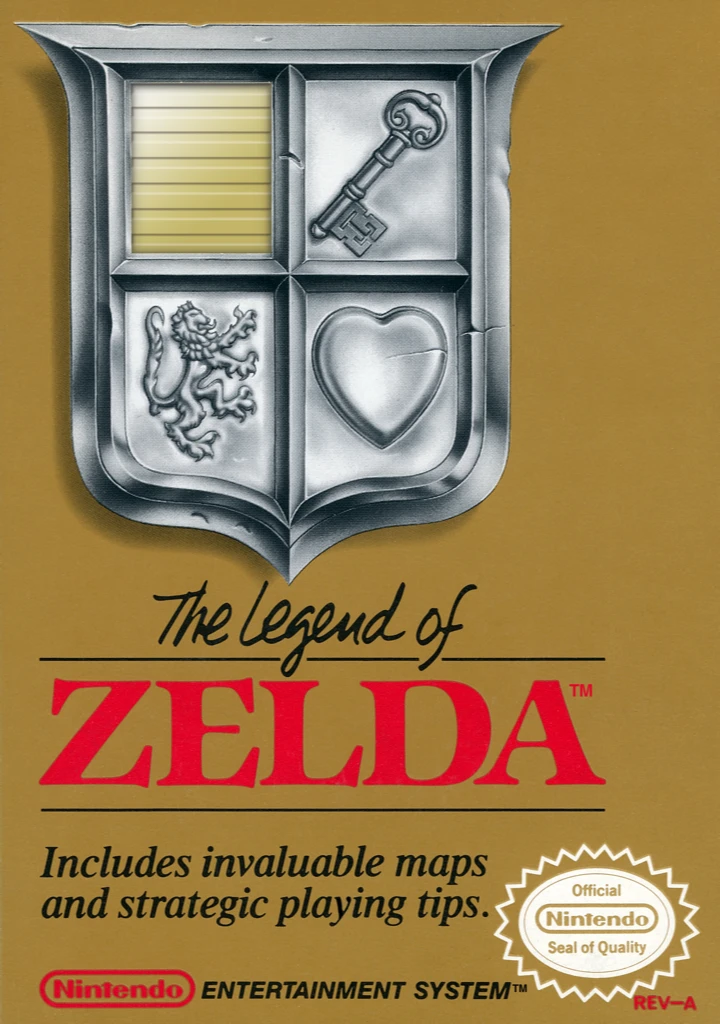
By the time of the very first game, The Legend of Zelda, Hyrule is a small kingdom with a long memory. Ganon, the Prince of Darkness, leads an army of monsters into the kingdom and seizes the Triforce of Power. To keep the Triforce of Wisdom out of his hands, Princess Zelda shatters it, scatters the eight pieces through underground labyrinths and sends her nursemaid Impa to look for a hero. Ganon’s forces capture the princess and have Impa cornered when a wandering boy named Link chases them off. Hearing her story, he sets out to find the pieces himself.
In a cave on the very first screen an old man hands him a wooden sword with the most famous line in the series: “It’s dangerous to go alone! Take this.” Link gathers the eight fragments, descends into Ganon’s lair beneath Death Mountain and destroys him with the Silver Arrow. He takes the Triforce of Power from the ashes, frees Zelda and returns both pieces to her. The closing text promises that another quest will start from here, and it does.
How it connects
Ganon and Zelda each hold one piece of the Triforce, as so often
Famicom Disk System and NES · The first Zelda wakes
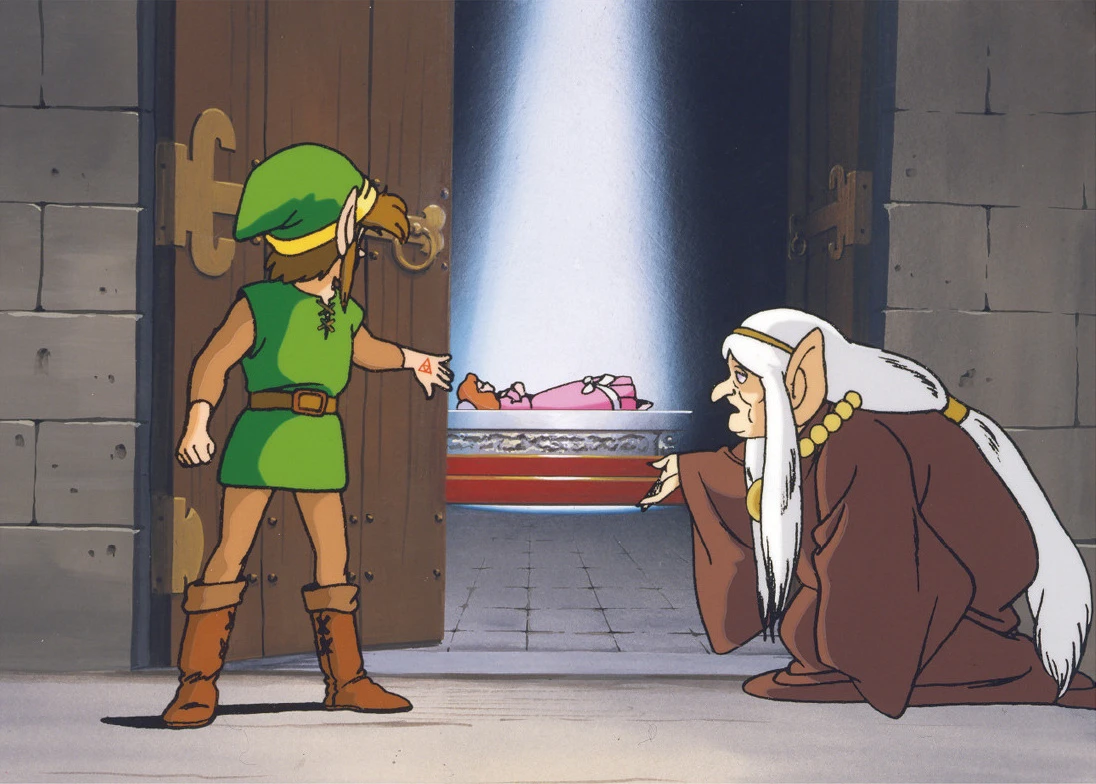
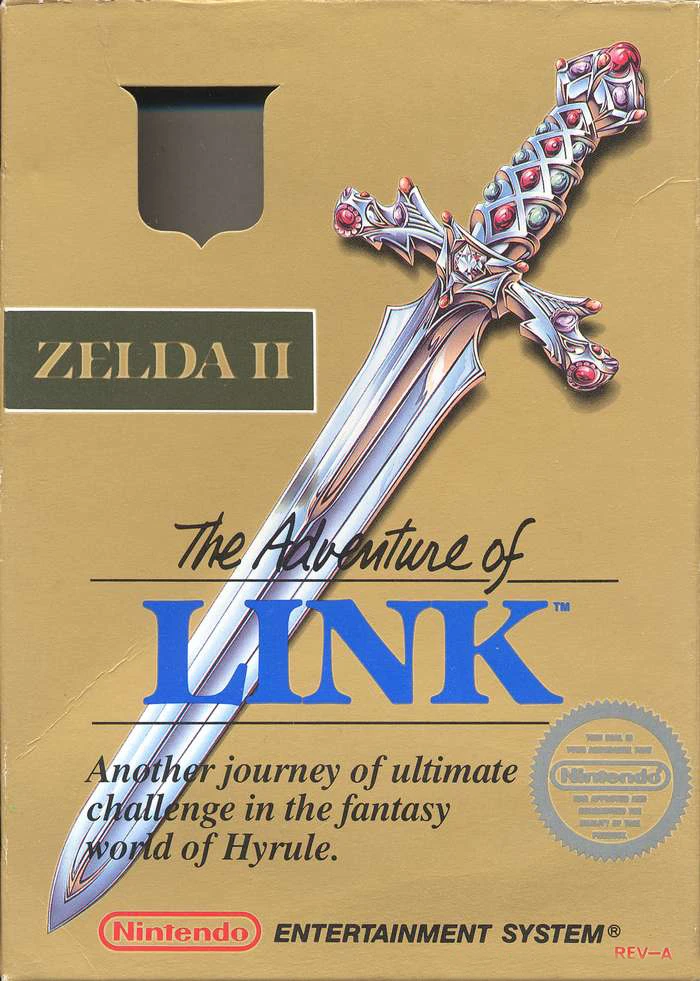
Some years later, as his sixteenth birthday approaches, a mark of the Triforce appears on Link’s hand. Impa leads him to a sealed room in the North Castle, where a door opens at his touch. Behind it lies another Zelda in an enchanted sleep. She is the first Princess Zelda, put to sleep long ago by a magician after she refused to tell her brother, the prince, where the rest of the Triforce was hidden. Ever since, every daughter born to the royal family has been named Zelda in her memory.
To wake her, Link must set six crystals in six palaces and claim the Triforce of Courage from the Great Palace, while Ganon’s followers hunt him, because his blood could bring their master back. He defeats the Thunderbird and then his own shadow, takes Courage, unites the Triforce and wakes the sleeping princess. Nintendo’s chart ends the branch right there, with the hidden Triforce of Courage found.
How it connects
The same Link as The Legend of Zelda
Explains why every princess is called Zelda
Introduces the Triforce of Courage, and the hero’s dark double
Part five: the hero is triumphant (child)
Back in his childhood, Link meets Zelda again and warns her about Ganondorf. In Nintendo’s words a different history begins, one in which the Gerudo king’s plot is exposed before he can reach the Triforce. The Hero of Time himself does not stay to see it. He rides off in search of a lost friend, and the branch follows him first.
Nintendo 64 · 3DS remake, 2015 · The Hero of Time in Termina
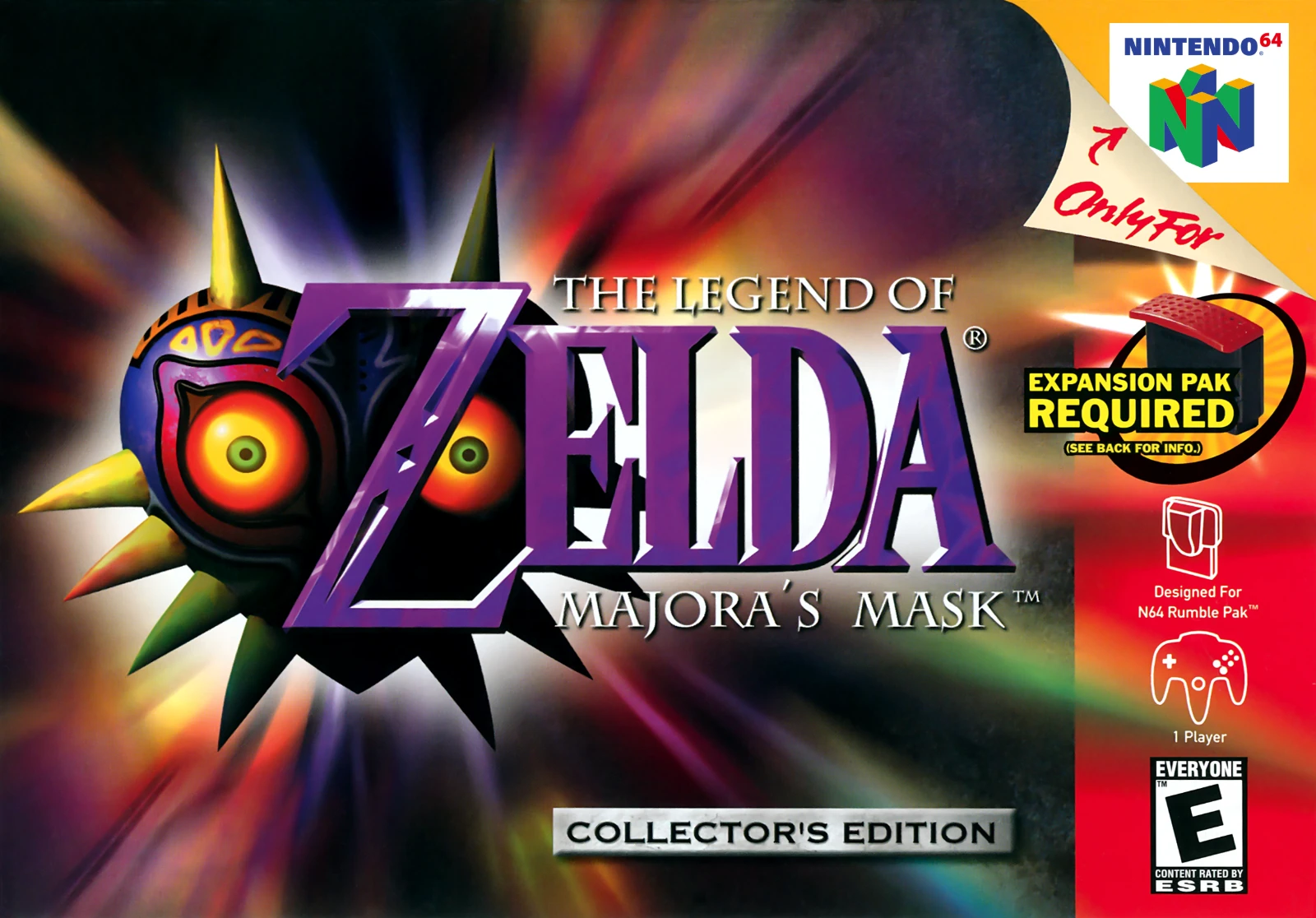
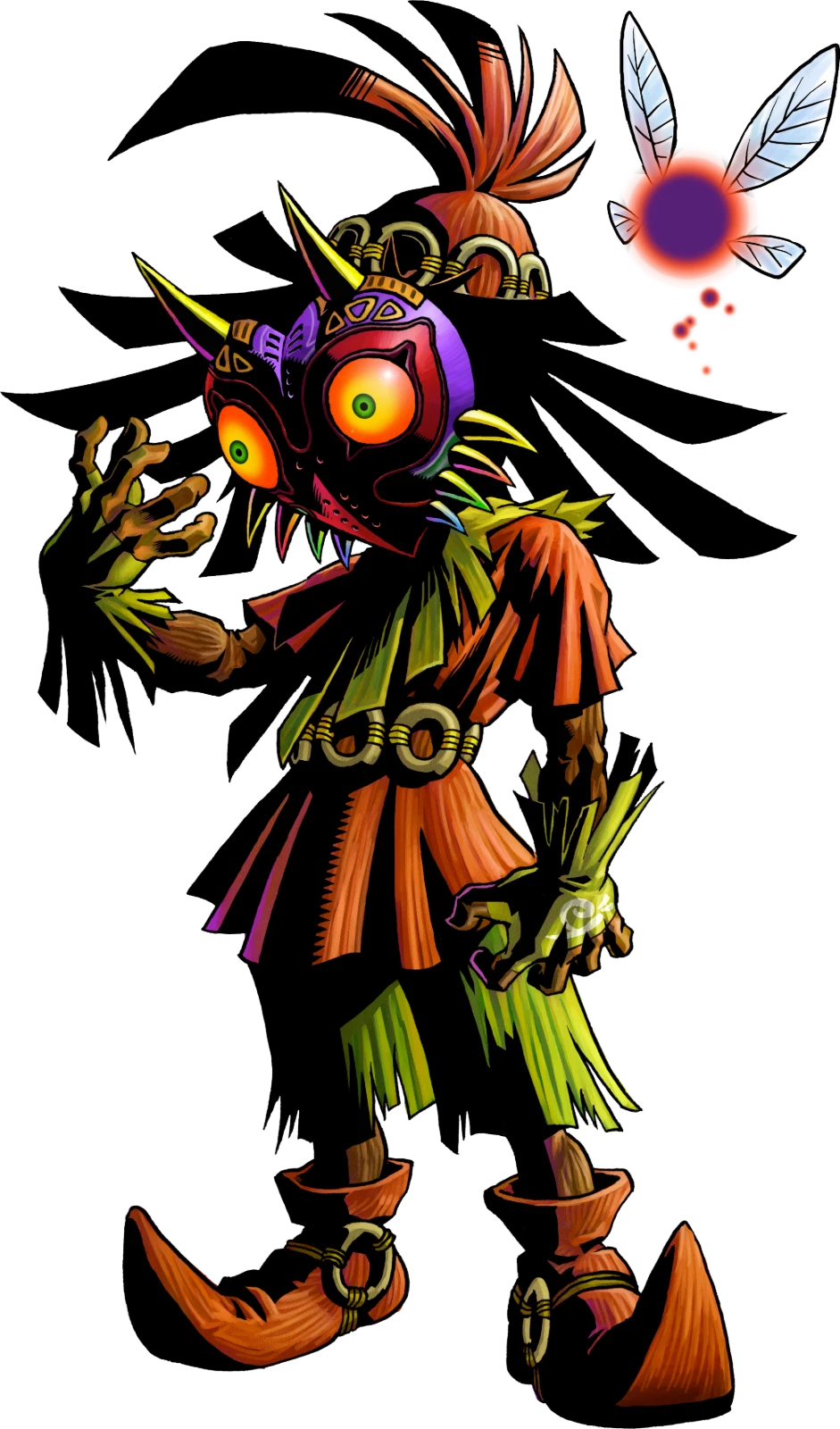
Majora’s Mask follows the Hero of Time soon after Ocarina of Time, riding Epona through the woods in search of Navi. A Skull Kid wearing a stolen, cursed mask ambushes him, takes his horse and the Ocarina, turns him into a Deku Scrub and leaves him in Termina, a strange mirror of Hyrule. Above Clock Town hangs a furious moon, and in three days it will fall.
With the Song of Time, Link relives those three days again and again. He wakes the four Giants who guard the land’s corners, helps a town full of people facing the end of the world, and collects masks that hold the spirits of the dead, a Deku child, a Goron hero and a Zora guitarist among them. On the final night the Giants catch the falling moon, Link defeats the mask’s evil inside it, and the Skull Kid, freed at last, realises that Link is the fairy boy who once taught him a song in the Lost Woods. Then the hero rides on, and nobody says where he goes.
Key moments (5)
Ambushed in the woods
The first three days
Four Giants
The moon falls
Friends again
How it connects
The same Link as Ocarina of Time
The Skull Kid of the Lost Woods, first met in Ocarina of Time
Termina is the series’ strangest other land: see Other Lands
GameCube and Wii · HD version, 2016 · Midna, Zant and Ganondorf’s return
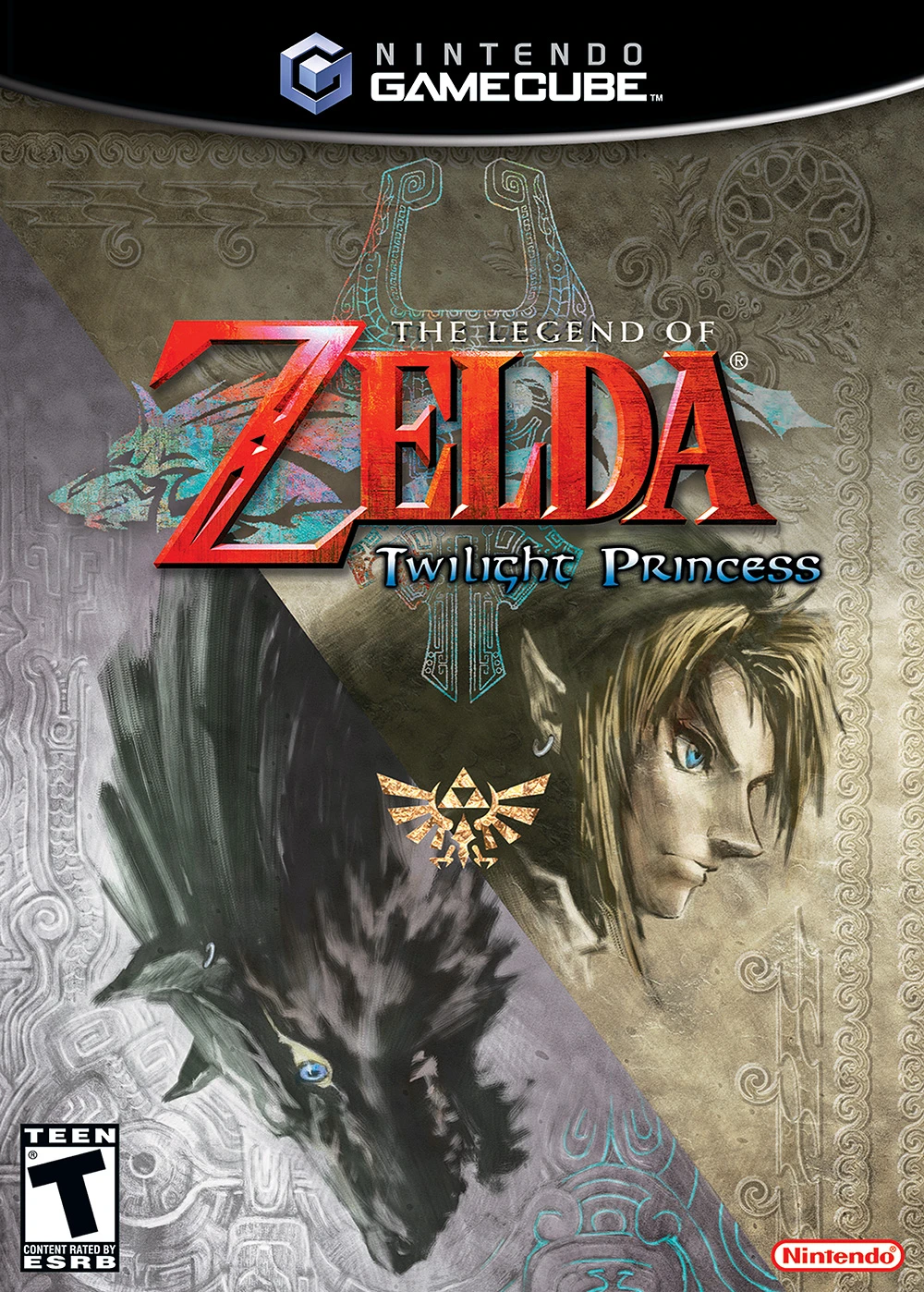
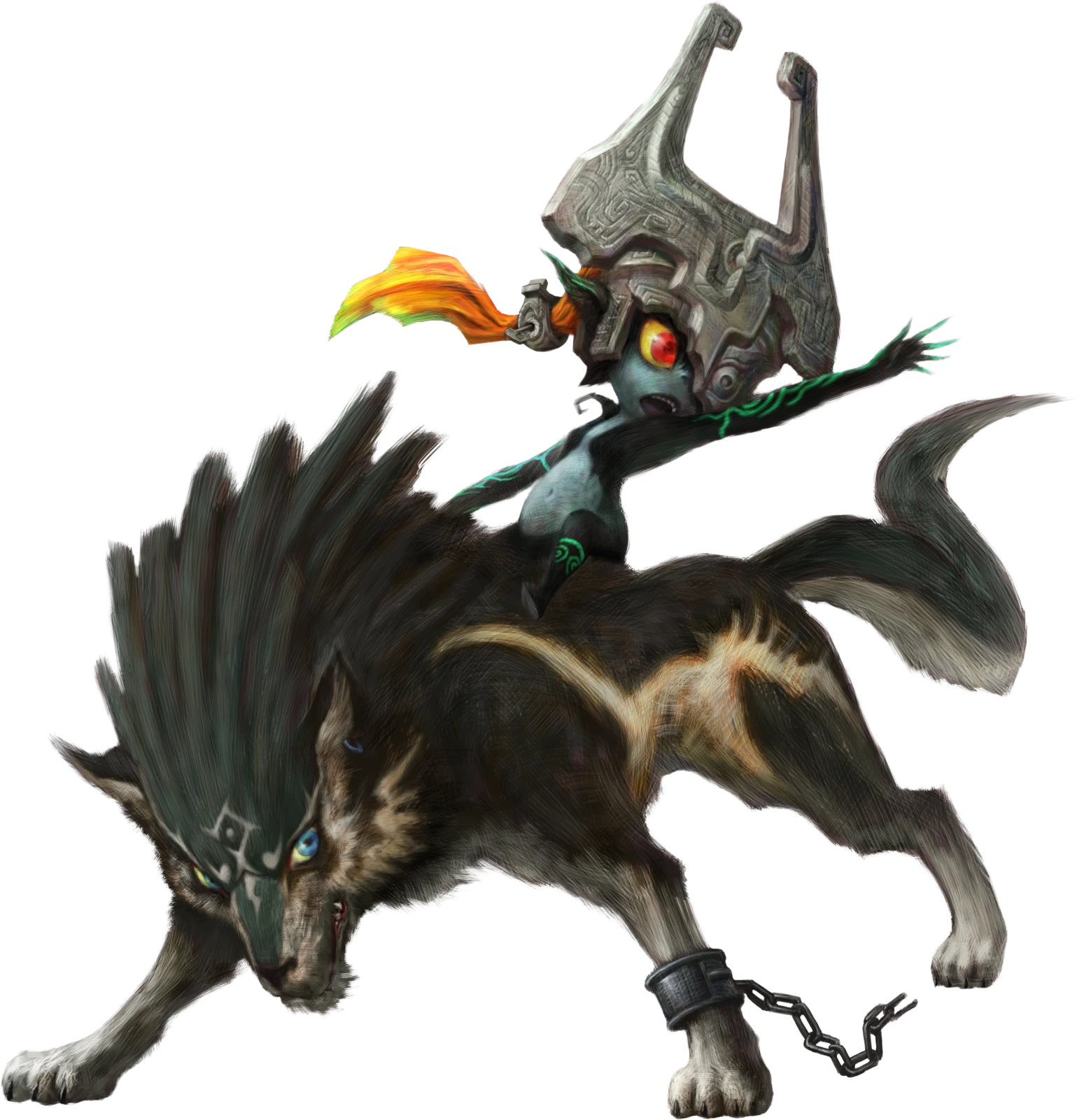
Twilight Princess takes place “a hundred and something years” after Ocarina of Time, as Eiji Aonuma put it in 2007. Thanks to the young hero’s warning, Ganondorf was sentenced to death, but the Triforce of Power saved him, and the panicked Sages banished him through the Mirror of Twilight instead. Now a new Link, a ranch hand from Ordon Village, is dragged into a twilight that has covered the land and turned into a wolf. His guide is Midna, an impish Twili who is far more important than she lets on.
The usurper Zant has seized her throne, with Ganondorf pulling the strings. Link restores the Light Spirits, gathers the Fused Shadows, draws the Master Sword in the Sacred Grove and storms the Palace of Twilight. Princess Zelda, who gave her kingdom up to spare her people, gives her own life force to save Midna, and in the final battle on Hyrule Field Link drives the Master Sword through Ganondorf. Midna, restored to her true form, shatters the Mirror of Twilight behind her as she goes home. Along the way a skeletal warrior, the Hero’s Shade, teaches Link the hidden skills; Hyrule Historia says he is the Hero of Time, passing on what he knew.
Key moments (5)
Into the twilight
The Light Spirits
The Fused Shadows
The Master Sword
Hyrule Field
How it connects
Ganondorf’s failed execution follows from the warning at the end of Ocarina of Time
The Hero’s Shade links Link to his predecessor
Midna and the Twili have no counterpart on the other branches
GameCube · A new Ganondorf, sealed in the Four Sword
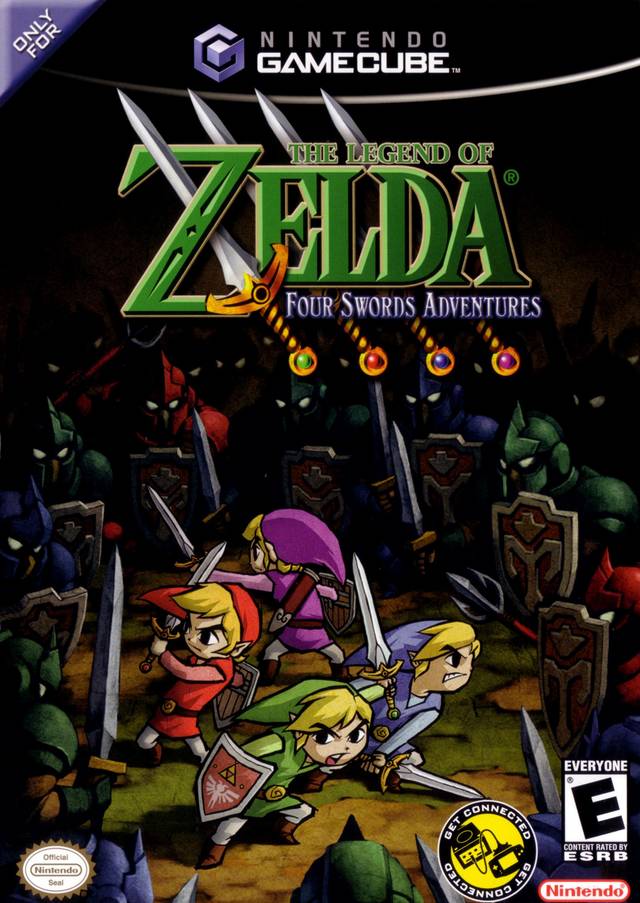
Four Swords Adventures ends the branch. Princess Zelda fears the seal on Vaati is failing, so she and six Shrine Maidens open a portal to the Four Sword Sanctuary to check. A dark double of Link bursts out and carries them all off. Link pulls the Four Sword from its pedestal and splits into four, but drawing the blade frees Vaati too, and as the four Links rescue the maidens one by one, a Dark World starts bleeding into Hyrule and more Shadow Links keep appearing.
In the Desert of Doubt the Gerudo admit the truth. The man behind it all is a new Ganondorf, born among them, who stole a trident full of dark power, became Ganon and used the Dark Mirror to create Shadow Link. It was Ganon who tricked Link into drawing the sword; Vaati was only ever a distraction. The heroes win back the mirror, defeat Vaati in his Palace of Winds and then Ganon himself, who is sealed inside the Four Sword by the power of Zelda and the maidens. Nintendo’s chart closes the branch with that sealing.
A different Ganondorf from the one in Twilight Princess
The last game on the child branch
The Skull Kid in Majora’s Mask (official artwork).Midna and Wolf Link (Twilight Princess artwork).Link and the ancient hero’s spirit who trains him (Twilight Princess).
Part six: the hero is triumphant (adult)
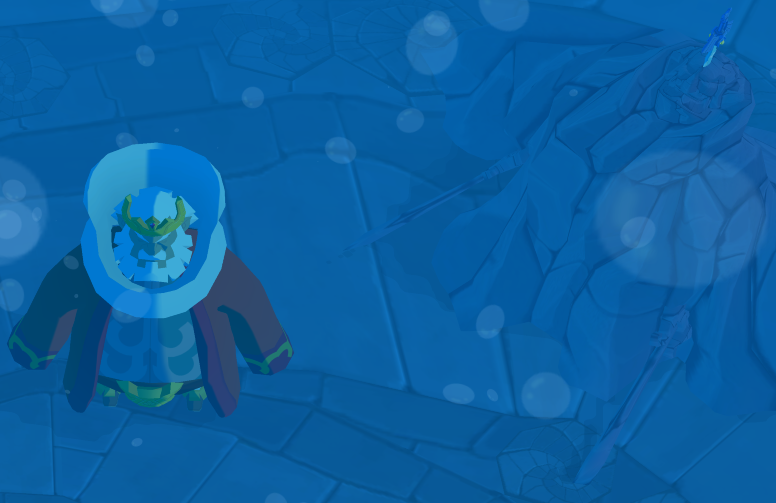
Hyrule disappears beneath the waves (The Wind Waker).
When Link went back in time, the future he left had no hero. Nintendo’s chart calls it the Era without a Hero: the world is cleansed for a while, but its troubles do not end, and when Ganondorf returns there is nobody in green to stop him. Hyrule is sealed and drowned beneath the waves, and the story of the kingdom moves out to sea.
The Wind Waker opens with a legend that went wrong. When Ganon returned, the people prayed for the Hero of Time, and he never came. The gods flooded Hyrule to seal it away, and the survivors’ mountaintops became the islands of the Great Sea. Centuries later, on Outset Island, a boy is dressed in green for his birthday in honour of the lost hero, just as a monstrous bird trying to carry off a pirate girl snatches his little sister instead. With Tetra’s pirates and a talking boat, the King of Red Lions, Link sails out to save her.
The boat is the last King of Hyrule, Daphnes Nohansen Hyrule. Tetra is Princess Zelda and carries the Triforce of Wisdom without knowing it. The villain is Ganondorf, back after centuries. Link restores the Master Sword’s power by finding two new Sages, gathers the scattered Triforce of Courage and finally faces Ganondorf in the drowned kingdom beneath the sea. The king makes his wish on the reunited Triforce: wash away the old Hyrule and give the children a future. Link drives the Master Sword into Ganondorf’s head, turning him to stone, and he and Tetra sail off to find a new land.
Key moments (5)
A birthday on Outset Island
The King of Red Lions
Tetra is Zelda
The Master Sword reawakened
The last wish
How it connects
Its opening legend retells Ocarina of Time from the side of the future Link left
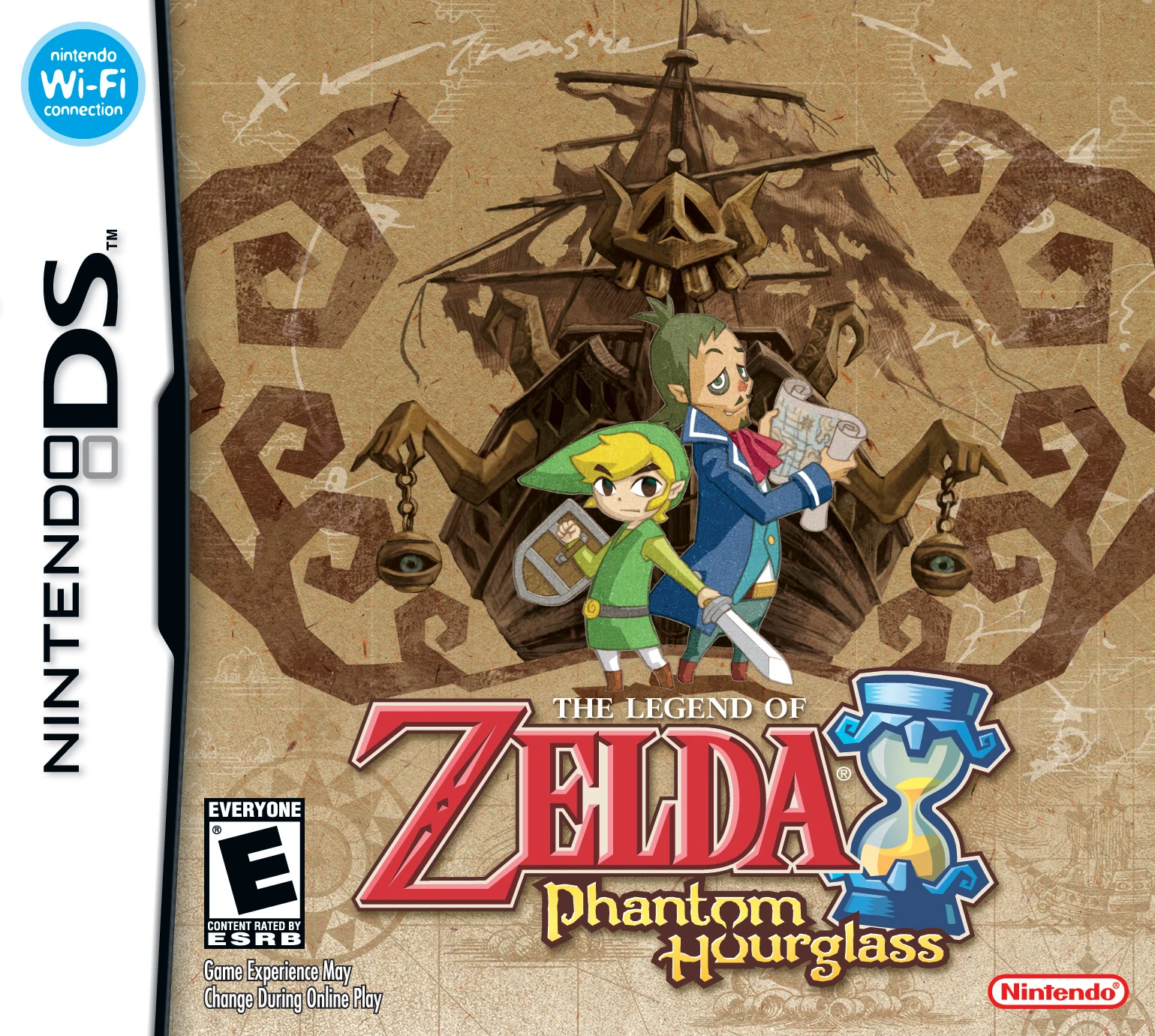
Phantom Hourglass picks up straight away. Out on the open sea, Tetra boards a fog-shrouded ghost ship and vanishes. Link leaps after her, misses, and washes up on Mercay Island in the World of the Ocean King, where a cross little fairy called Ciela and a grumpy old man named Oshus take him in. His transport is the S.S. Linebeck, captained by a cowardly treasure hunter of the same name, and the Phantom Hourglass lets him survive the life-draining Temple of the Ocean King for a little longer each time.
Freeing three spirits of Power, Wisdom and Courage lifts the fog around the ghost ship, but Tetra has been turned to stone. Oshus reveals that he is the Ocean King himself, robbed of his life force by Bellum, a monster that feeds on living things. Link forges the Phantom Sword from three pure metals and destroys Bellum at the bottom of the temple, at sea and finally inside Linebeck himself. He wakes on Tetra’s ship, where only about ten minutes seem to have passed, and spots Linebeck’s steamboat on the horizon.
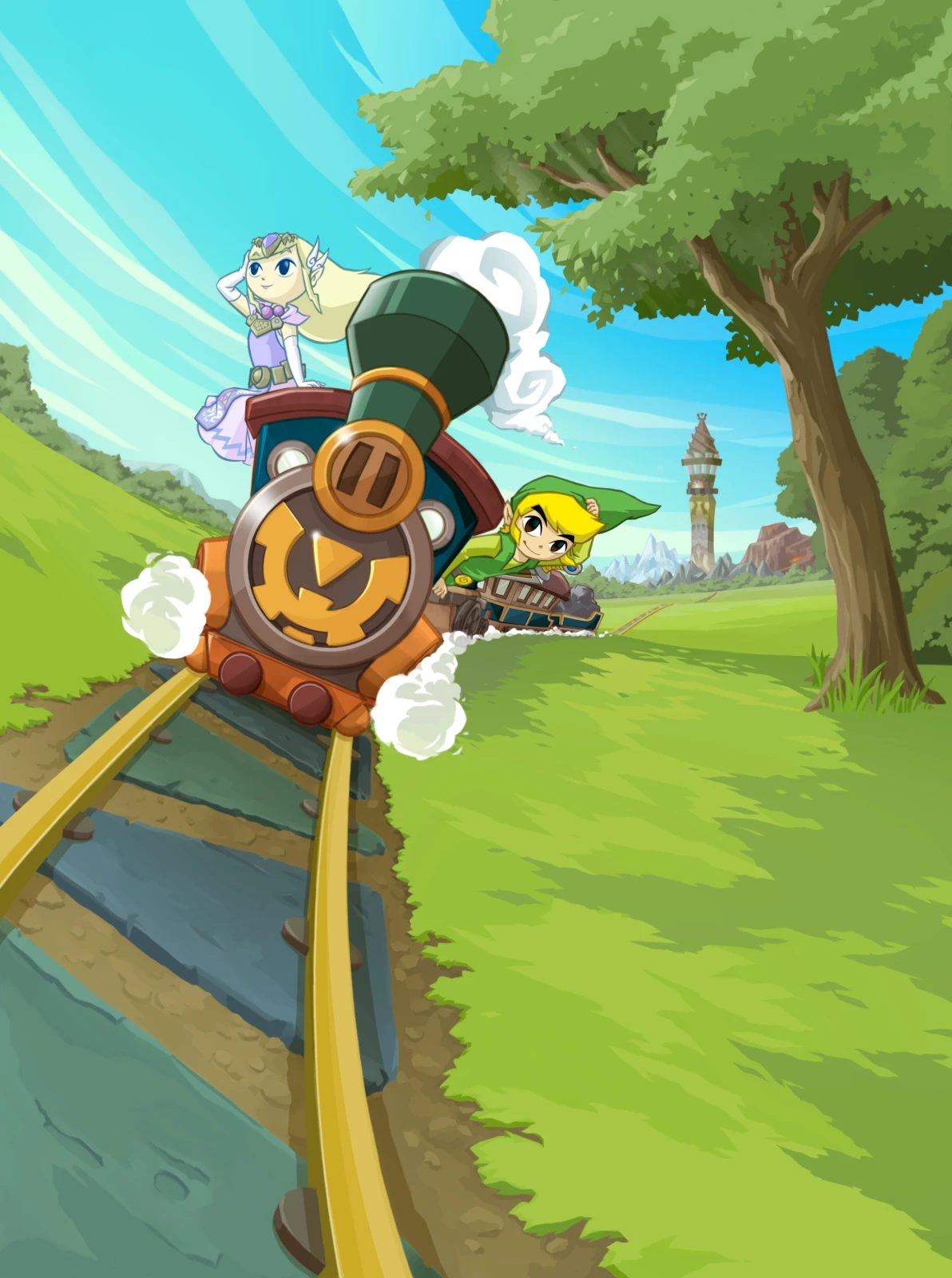
Spirit Tracks jumps about a century ahead, to New Hyrule, the kingdom Tetra founded across the sea. Long ago, its legend says, spirits buried a Demon King underground and bound him with the Spirit Tracks, rails that run across the land, with the Tower of Spirits as their lock. Link, a trainee engineer, collects his certificate from Princess Zelda, Tetra’s descendant, just as the tracks start to vanish. Soon the chancellor, Cole, reveals himself as a demon, and he tears Zelda’s spirit from her body so that the Demon King Malladus can use it as a vessel.
The princess’s spirit joins Link, and inside the tower she can take over the armoured Phantoms that guard it. Together they restore the tracks realm by realm, with help from the ancient Lokomo sages and a pan flute handed down in Zelda’s family. Malladus seizes her body anyway, and the Spirit Train wrecks the Demon Train in the Dark Realm, Zelda wins back her own body, and in the last battle she fires the Bow of Light at Link’s side. With the Demon King gone, the Lokomos rise to the heavens, and Nintendo’s chart ends the branch with their ascent.
Key moments (4)
The engineer’s certificate
A princess without a body
The Tower of Spirits
The Dark Realm
How it connects
Set in the land Tetra’s crew discovered after Phantom Hourglass
Zelda is Link’s companion from start to finish
The last game on the adult branch
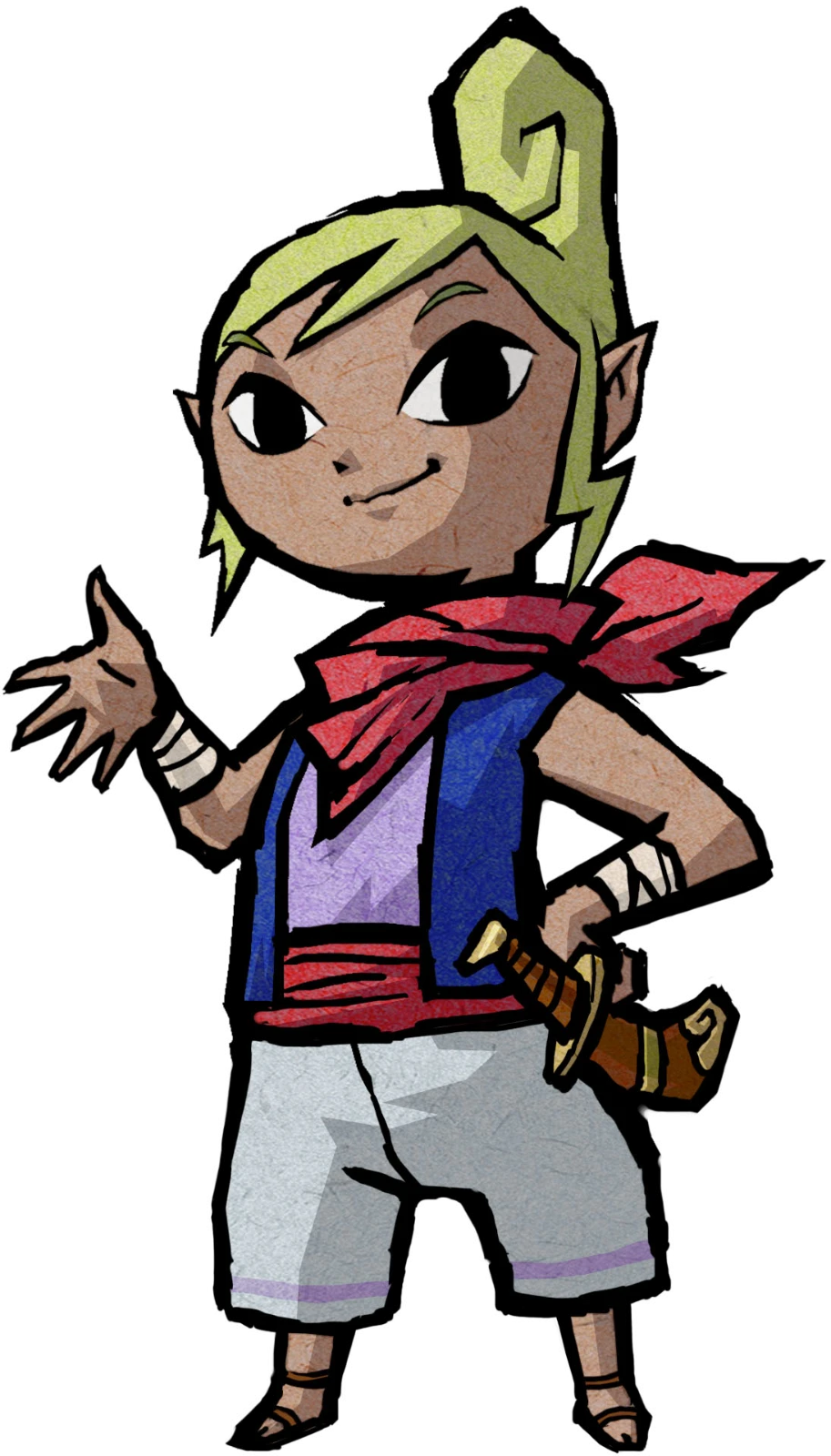
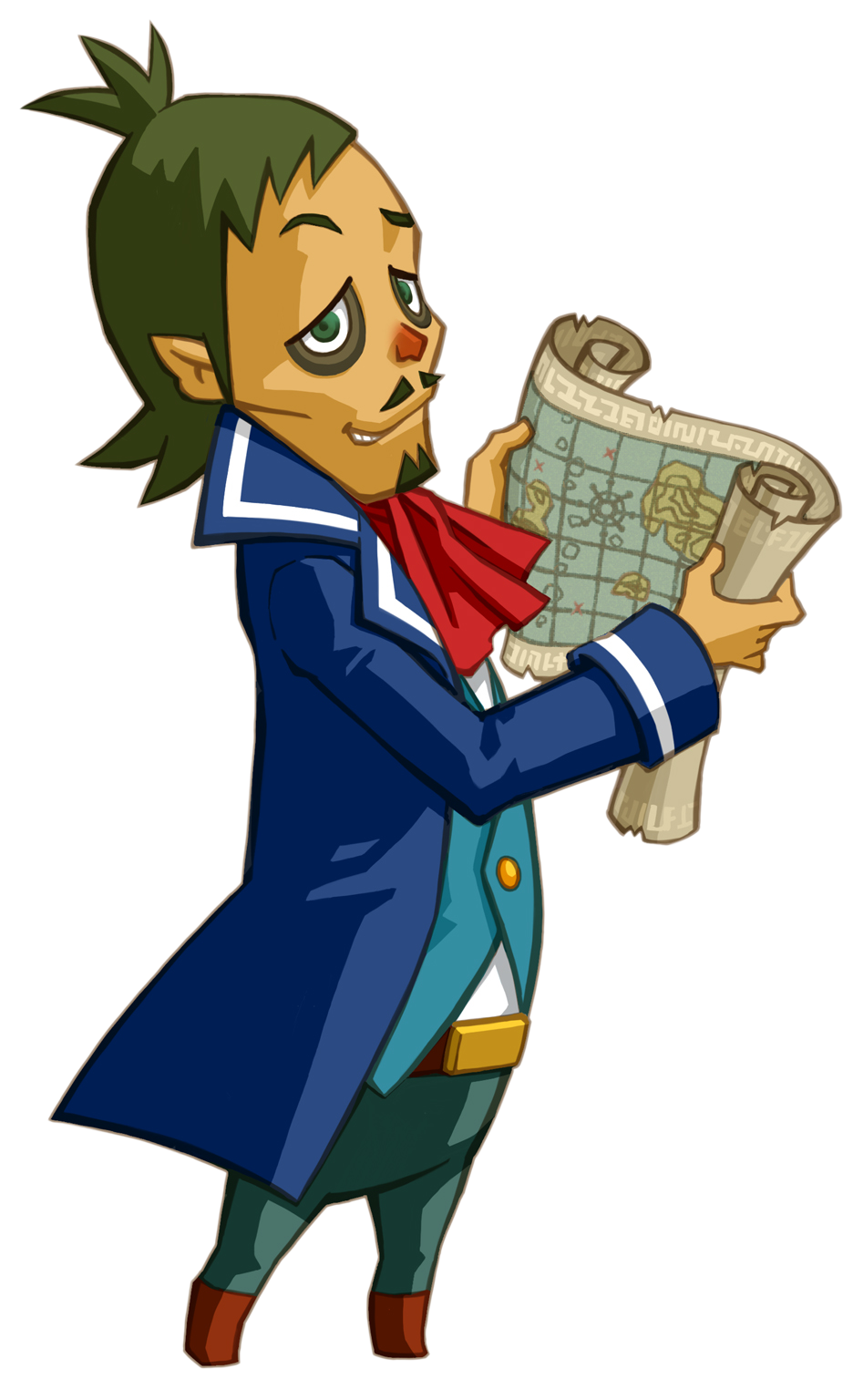
Tetra, pirate captain and princess (official artwork).Captain Linebeck (Phantom Hourglass artwork).Link and Phantom Zelda (Spirit Tracks artwork).
Part seven: the end of history
All three branches fade into legend, and the story jumps far ahead. Nintendo puts its last two games after every branch, and in the 2026 Chronicle all three lead into one shared age. How they get there is the series’ great unanswered question, and Nintendo’s designers seem happy to keep it that way: Eiji Aonuma has called it just another sort of puzzle for players to solve.
Before the Calamity
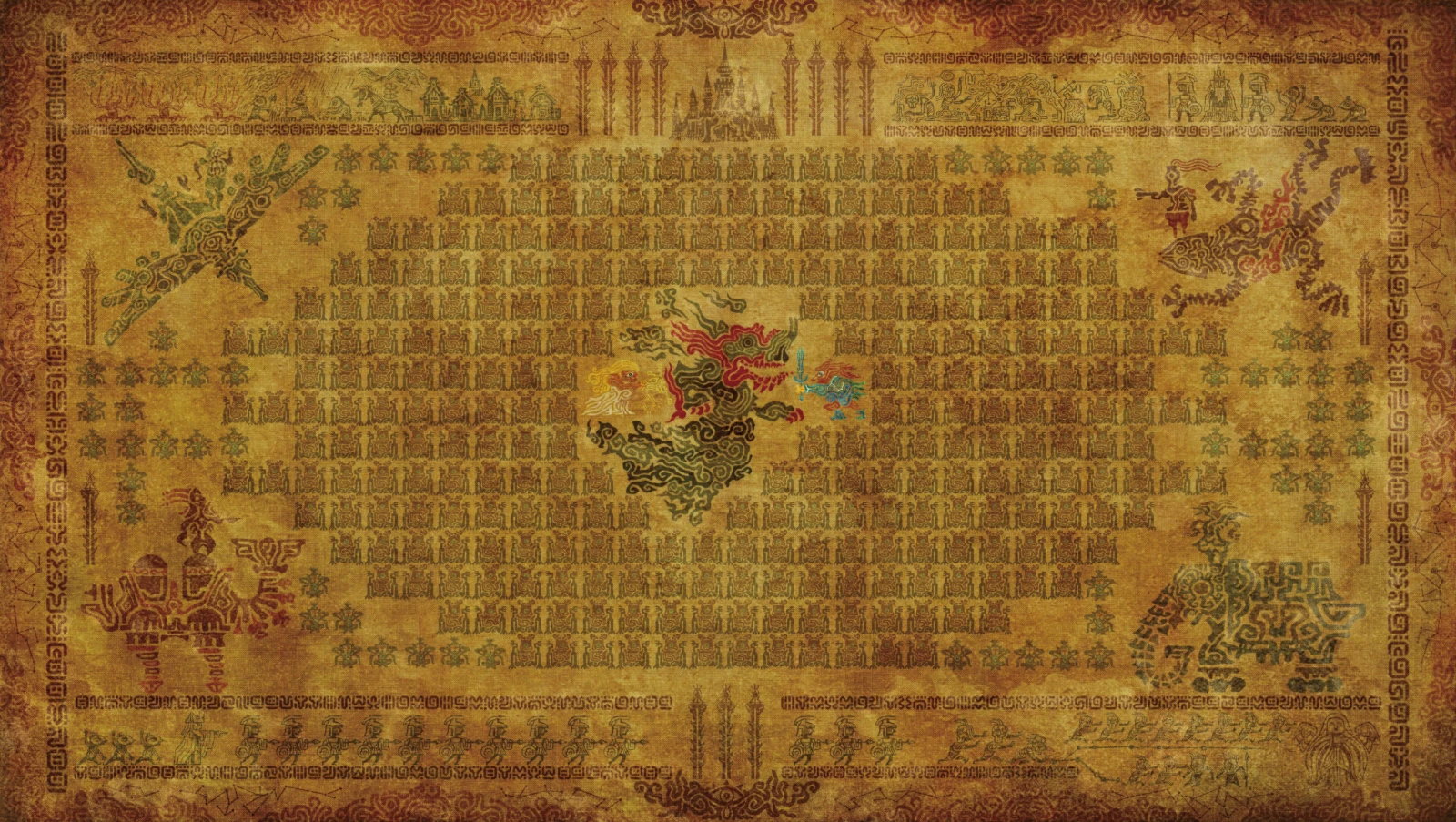
The Calamity Ganon tapestry (Breath of the Wild artwork), which tells of the ancient victory.
Nintendo’s 2026 chart sets out the deep history of this age. In an age of the gods, the Zonai found the Kingdom of Hyrule, an entry listed separately from the founding after Skyward Sword. The Demon King Ganondorf is born and is sealed after the Imprisoning War. More than 10,000 years ago Calamity Ganon appears, and around 10,000 years ago the people of ancient Hyrule seal him away; the legends of Breath of the Wild credit a hero, a princess and the machines of the Sheikah. About a century before the games, the Calamity returns and destroys the kingdom.
Wii U and Nintendo Switch · Switch 2 Edition, 2025 · The Great Calamity
Breath of the Wild begins a hundred years after that disaster. Hyrule’s plan to repeat the ancient victory was simple: four Champions would pilot four giant Divine Beasts, and Princess Zelda would awaken her sacred sealing power and face Ganon beside her appointed knight. It failed horribly. Calamity Ganon turned the machines on their makers, the Champions died and Link fell protecting Zelda. Her power woke in that moment. She sent him to heal in the Shrine of Resurrection and went alone to hold Ganon back inside Hyrule Castle.
Link wakes with no memory in a ruined, beautiful land. He frees the Divine Beasts, recovers the Master Sword from the Korok Forest and pieces his past together from photographs on the Sheikah Slate. Then he storms the castle, where the spirits of the Champions blast the Calamity with their beasts, and he defeats Dark Beast Ganon with Zelda’s Bow of Light before she seals it away. In the extended ending Zelda admits her power has faded and says that Hyrule must be rebuilt.
Key moments (4)
The Shrine of Resurrection
Four Divine Beasts
Recovered memories
Dark Beast Ganon
How it connects
Nintendo places it after all three branches, without saying how they connect
Nintendo Switch · Switch 2 Edition, 2025 · Rauru, the Imprisoning War, Ganondorf
Tears of the Kingdom picks up from there. Link and Zelda investigate gloom seeping from under Hyrule Castle and find murals of an ancient war and a mummified body held down by a glowing arm. The body wakes. It is Ganondorf. The Master Sword shatters, Link’s arm is ruined, the castle rises into the sky, islands appear overhead and Zelda vanishes. The spirit of Rauru, the Zonai first king of Hyrule, gives Link his own arm.
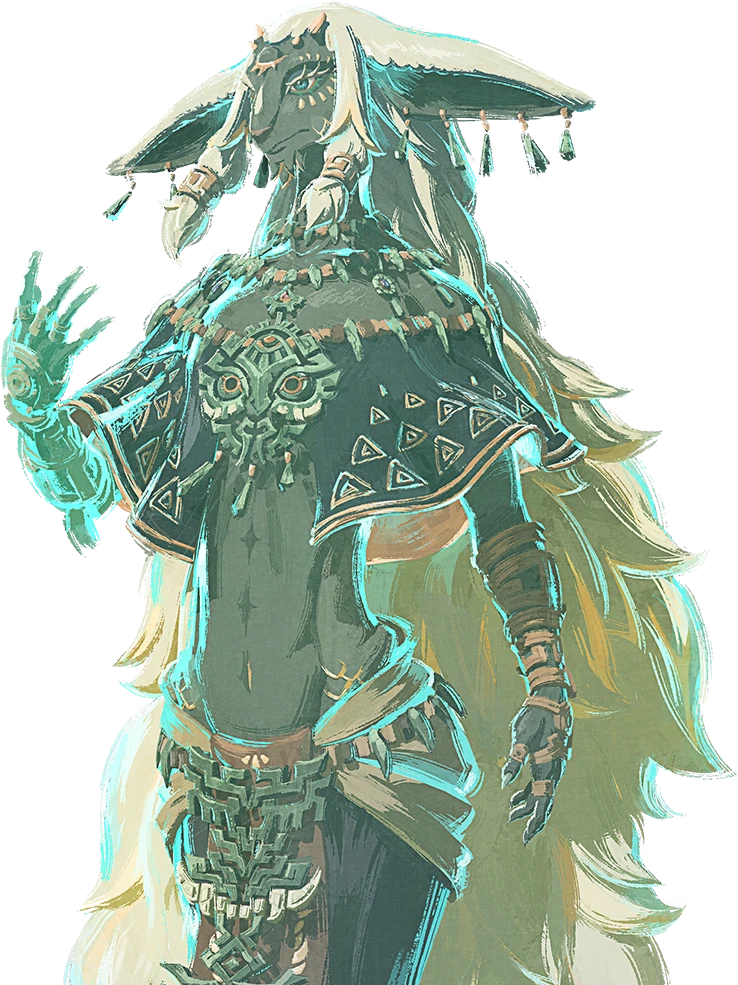
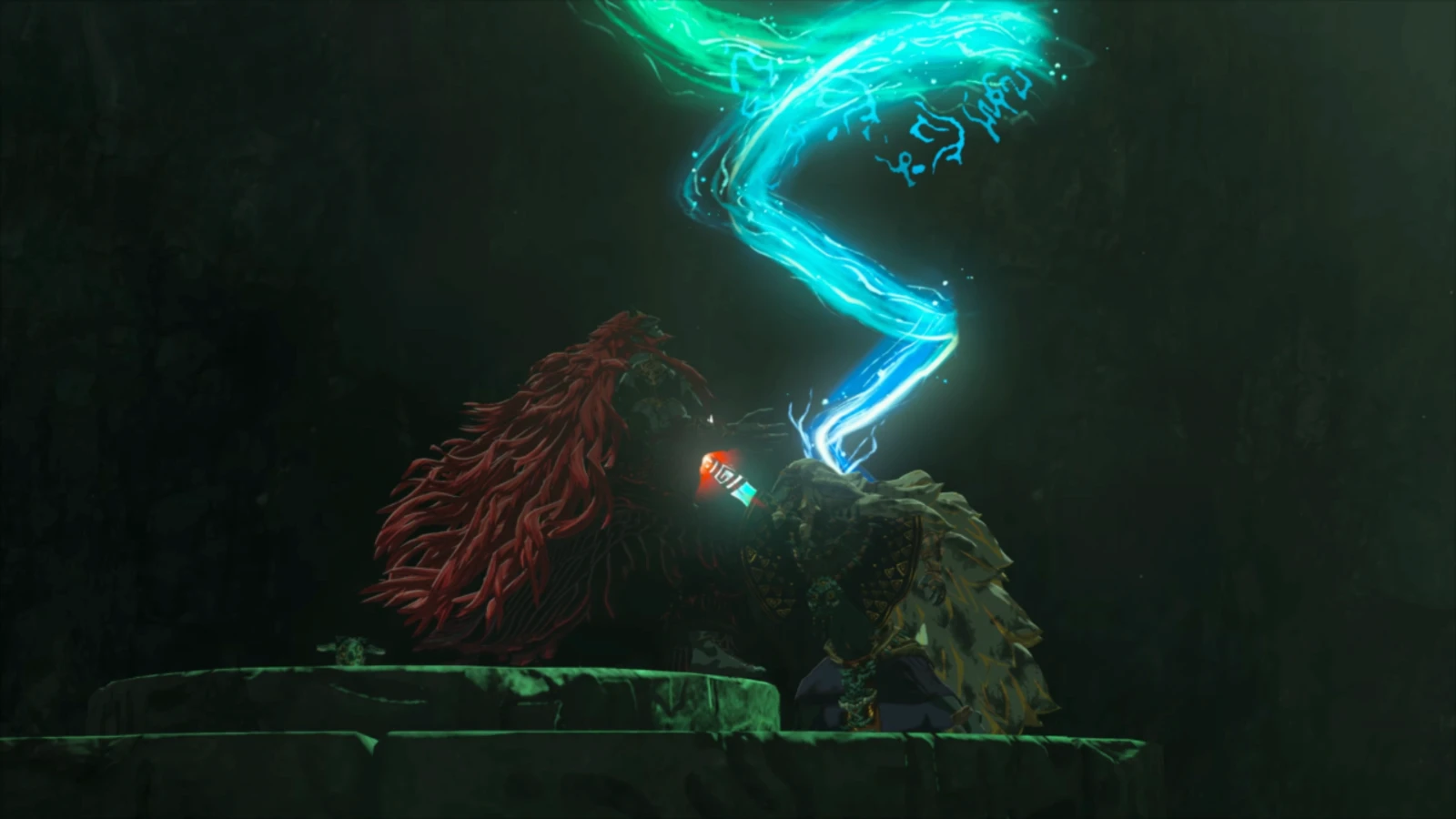
The Dragon’s Tears tell Zelda’s story. She fell into the age of Hyrule’s founding and stood beside Rauru and his Hylian queen, Sonia. Ganondorf murdered Sonia for her Secret Stone, and in the Imprisoning War Rauru gave his life to seal him. Then the shattered Master Sword appeared in Zelda’s own hands, sent back from Link’s time. Knowing it was forbidden, she swallowed her Secret Stone and became the Light Dragon, carrying the blade through the ages so that it would be whole again when Link found it. With new Sages at his side, Link defeats the Demon King and his dragon form. The spirits of Rauru and Sonia restore Zelda to human form, and Link dives through the sky to catch her.
Key moments (5)
Beneath the castle
The Great Sky Island
The Dragon’s Tears
The Light Dragon
The Demon King
How it connects
The second founding of Hyrule, by the Zonai, on Nintendo’s 2026 chart
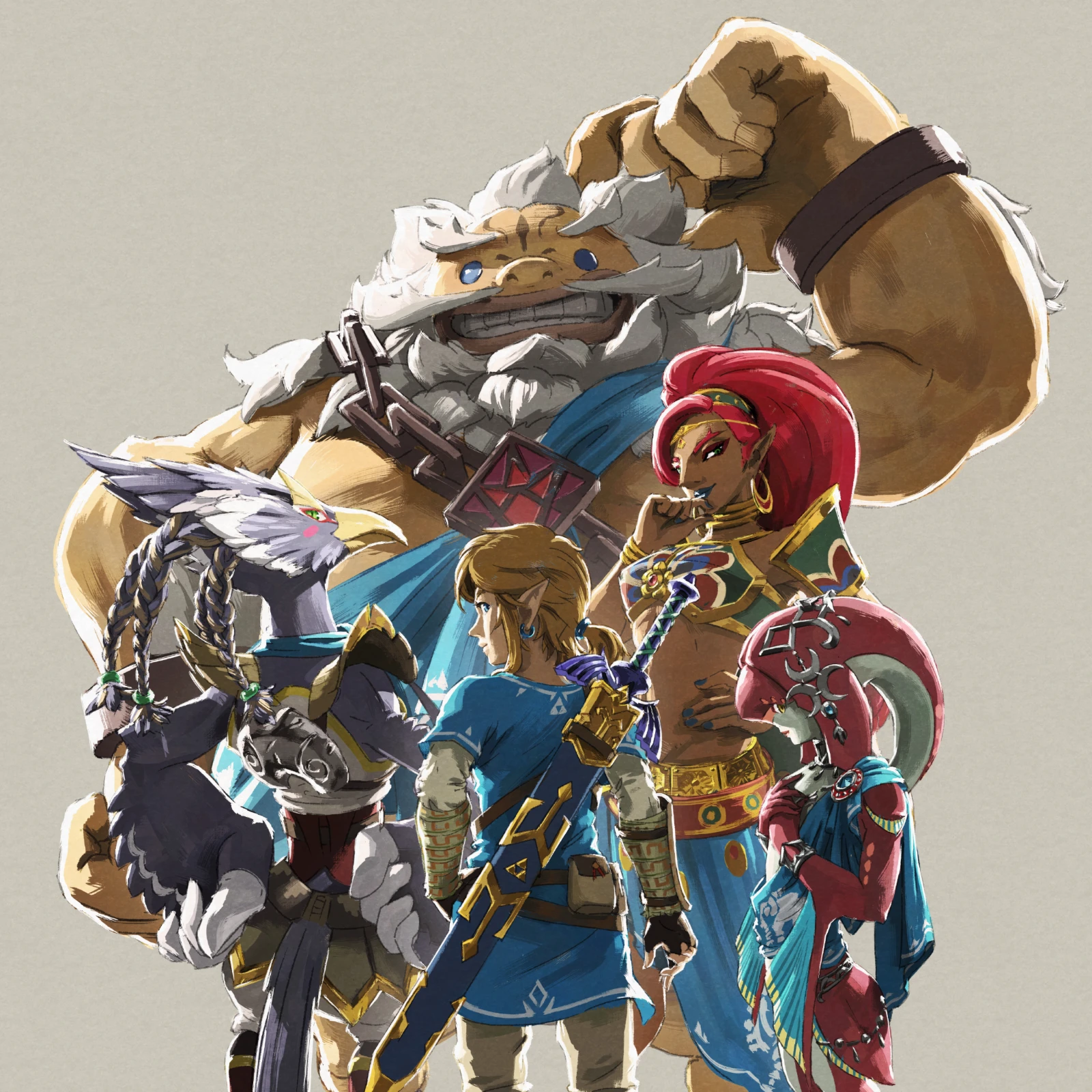
The four Champions (Breath of the Wild artwork).Rauru, first king of Hyrule (Tears of the Kingdom artwork).
Two foundings
The Imprisoning War, as remembered in Tears of the Kingdom.
Tears of the Kingdom gave Hyrule a founding, which started years of argument about how it fits with Skyward Sword, a game that ends with a kingdom about to be born. Asked in 2023 whether the ancient Hyrule of the flashbacks came before Skyward Sword, Hidemaro Fujibayashi told Game Informer that both answers could be correct, and that the team had something a little clearer in mind.
Fans had long argued for two separate foundings, a theory rather than an official answer. In September 2026 Nintendo’s chart came as close to an answer as it ever has, by listing the founding twice: once straight after Skyward Sword, and again, by the Zonai, in an age of the gods before Breath of the Wild. GamesRadar called it probably as close to official confirmation of the theory as fans are going to get. Our timeline page covers the debate in detail.
Side stories: the Hyrule Warriors games
Three action spin-offs made with Koei Tecmo tell Zelda stories of their own, with armies of monsters to cut through. Two of them reach back into the history behind Breath of the Wild and Tears of the Kingdom. They sit very differently in the official history: one has a dimension to itself, one splits away into an alternate future, and one fills a gap in the main story.
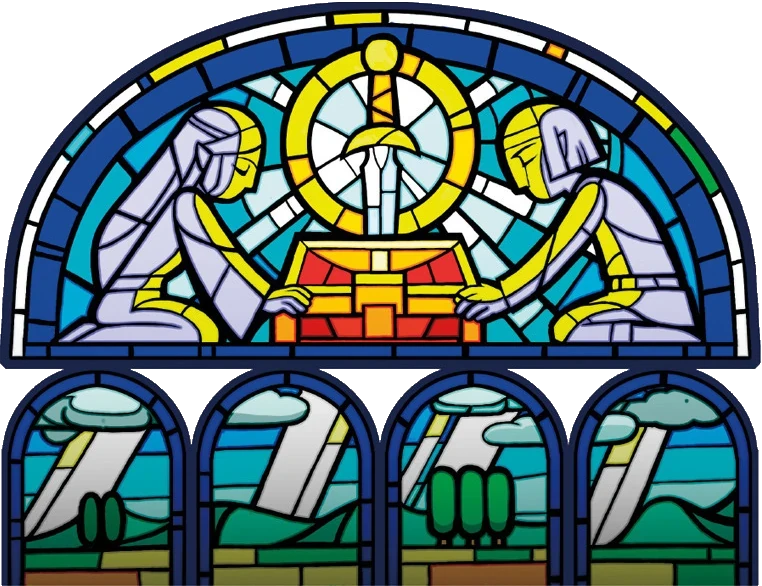
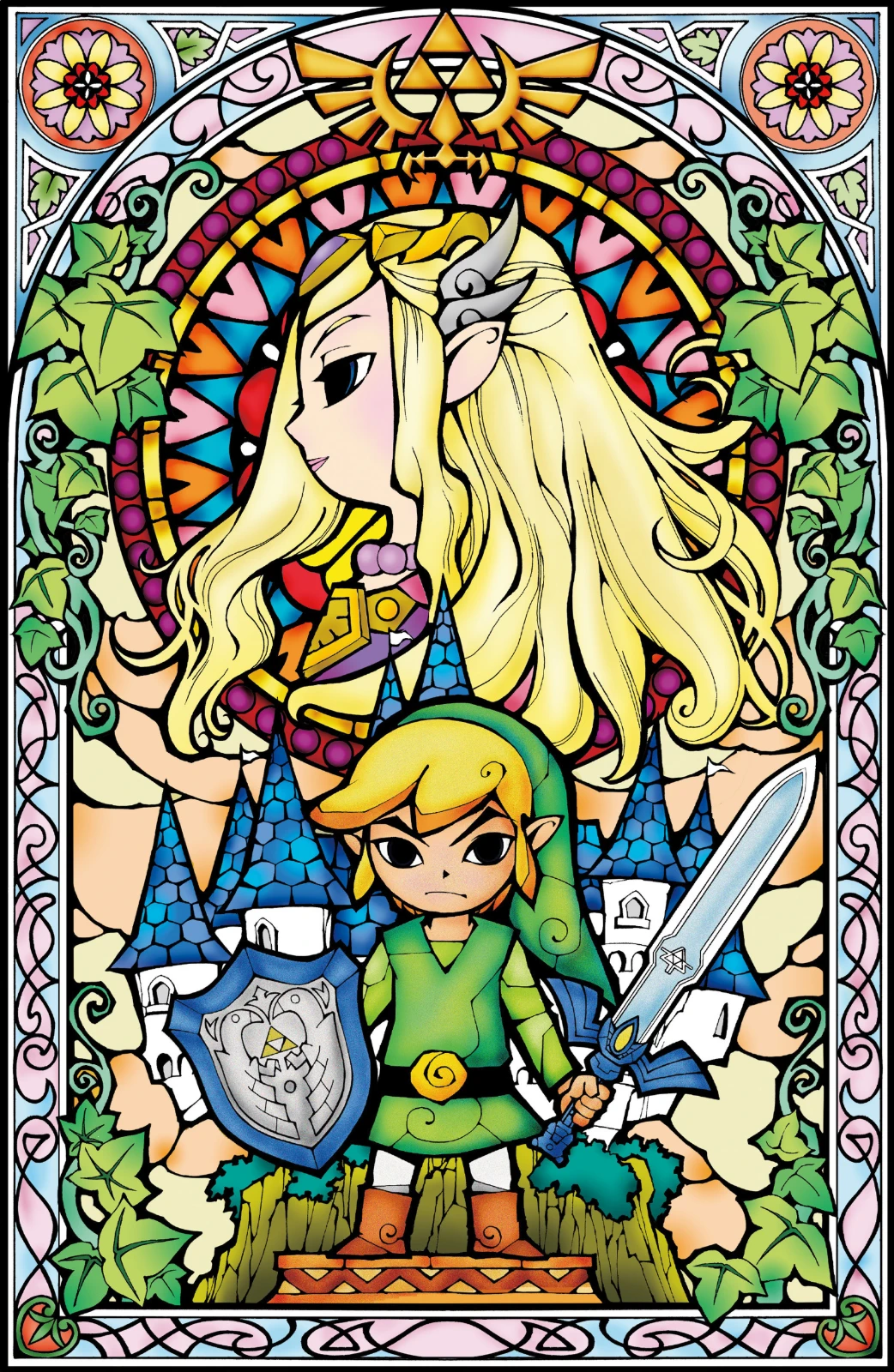
Princess Zelda and Link in stained glass (The Wind Waker artwork).
Demise’s dying words in Skyward Sword explain the whole series. His hatred will keep returning to hunt the hero and the goddess’s line, so they keep being reborn to meet it: Link with the spirit of a hero, Zelda with the blood of the goddess. Fujibayashi’s description is the neatest: not the same person, but the same fundamental soul.
Evil has one favourite face. Ganondorf is the Gerudo king of Ocarina of Time, The Wind Waker and Twilight Princess, and Ganon is the beast he becomes; a new Ganondorf is born in Four Swords Adventures, Breath of the Wild gives him a formless Calamity, and Tears of the Kingdom makes him the Demon King of Hyrule’s founding age. Whether that last Ganondorf is the same soul as the earlier ones, Nintendo has not said.
Face of evil
Who he is
Where
How it ends
DemiseThe source
The demon king who fought Hylia for the Triforce before Hyrule existed.
Sealed by Rauru for ages; destroyed by Link after he becomes a dragon.
Other villains take their turn as the face of evil, from Vaati, Majora and Bellum to Malladus, Yuga and Null, and two of the cleverest, Agahnim and Twinrova, turn out to have been working for Ganon all along. Our villains page has the full rogues’ gallery.
The Triforce
The Triforce (The Legend of Zelda artwork).
Power, Wisdom and Courage, left behind by Din, Nayru and Farore. A heart that is not balanced splits the relic apart, which is why Ganon, Zelda and Link so often carry one piece each: Ganondorf takes Power in Ocarina of Time, and in Echoes of Wisdom Null’s copy of Zelda gets nothing else. Wishes on the whole Triforce end A Link to the Past, The Wind Waker, A Link Between Worlds and Echoes of Wisdom. It plays no part in the plots of Breath of the Wild and Tears of the Kingdom, though its shape is everywhere in them. Our Triforce page follows it game by game.
The Master Sword
The Master Sword in artwork for the first anniversary of Breath of the Wild.
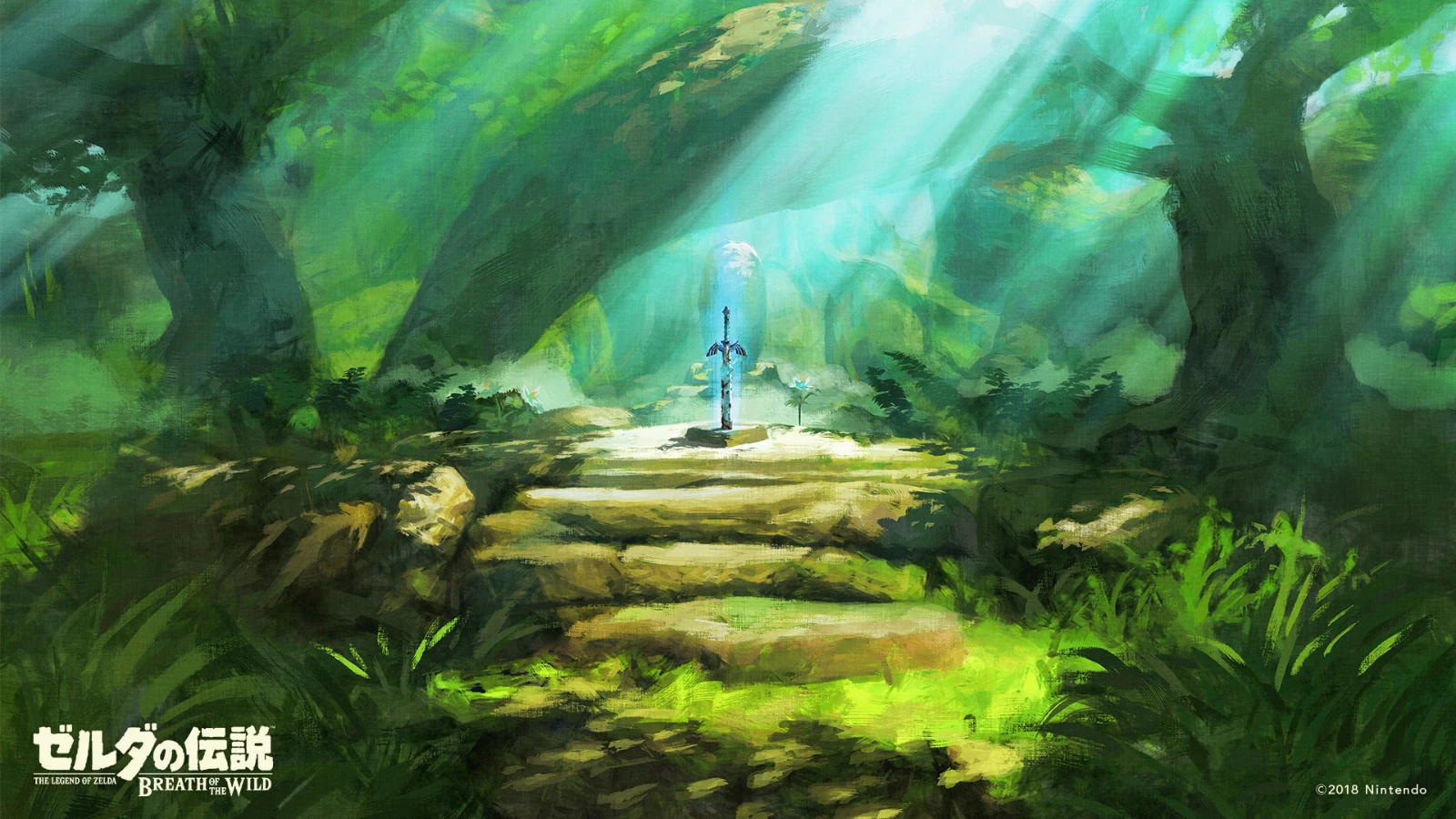
Forged from Hylia’s Goddess Sword in Skyward Sword, the blade of evil’s bane waits in a pedestal for the next hero in A Link to the Past, Ocarina of Time, Twilight Princess, The Wind Waker, A Link Between Worlds and Breath of the Wild, usually somewhere near the Lost Woods or the Temple of Time. In Tears of the Kingdom it shatters, and has to be carried down the ages by a dragon before it is whole again. Several of the games without it have legendary blades of their own: the Four Sword, the Phantom Sword and the Lokomo Sword.
Familiar faces
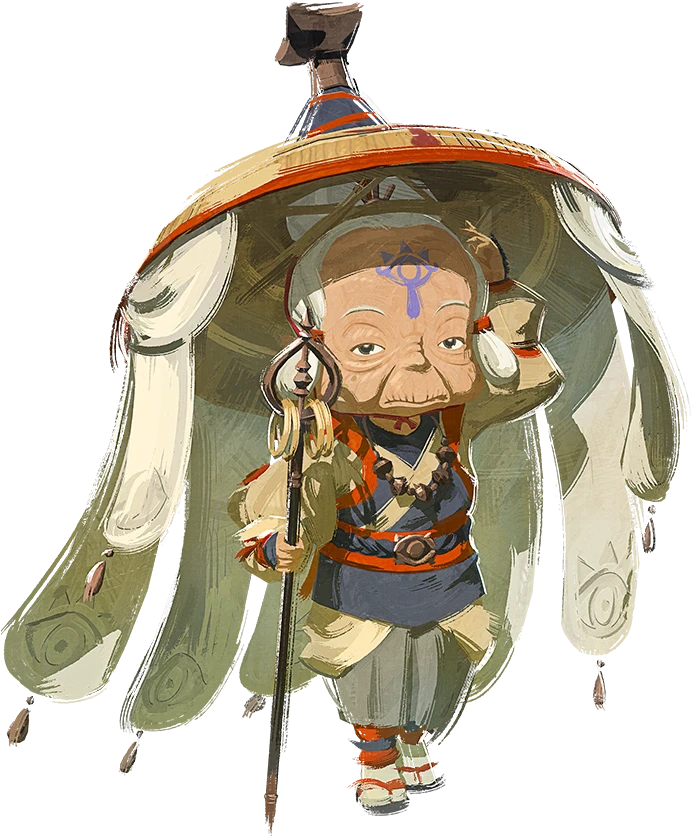
Impa in Tears of the Kingdom (artwork): one of the guardians who turns up in almost every age.
Impa watches over almost every Zelda, from the 1986 nursemaid to the Sheikah elder of the age of the Wild. Sages appear in a dozen forms, the Great Deku Tree and a wise owl keep turning up with advice, and the Gorons, Zoras and Gerudo are part of almost every Hyrule. The Rito, who first appear in The Wind Waker, are back in Breath of the Wild. The peoples of Hyrule and recurring characters pages follow them through the ages.
Every game at a glance
All twenty-one games in Nintendo’s order, top to bottom. The year is the original release; remakes tell the same stories.
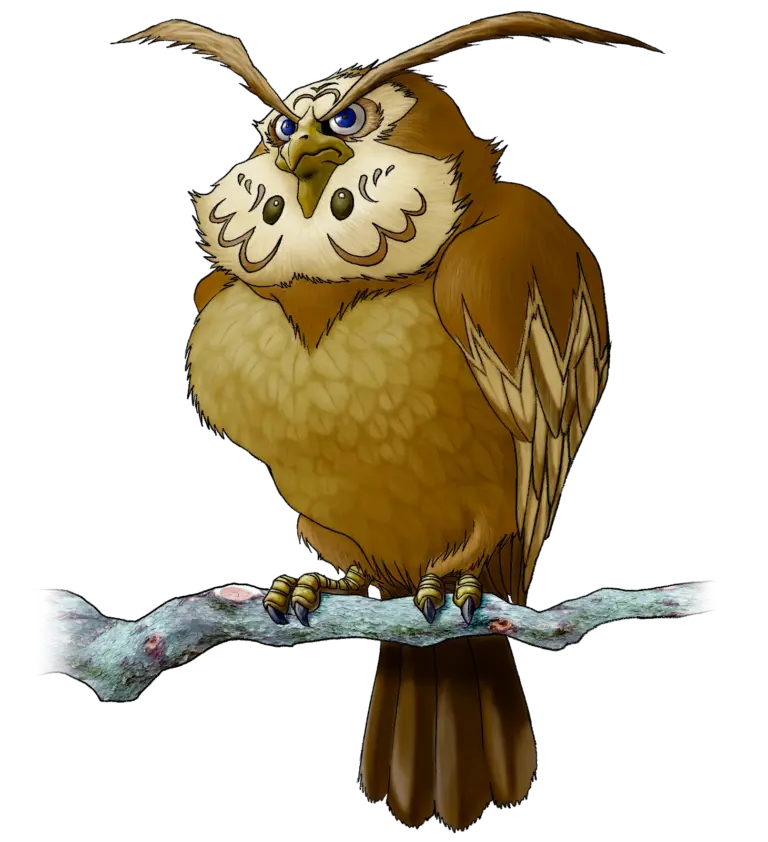
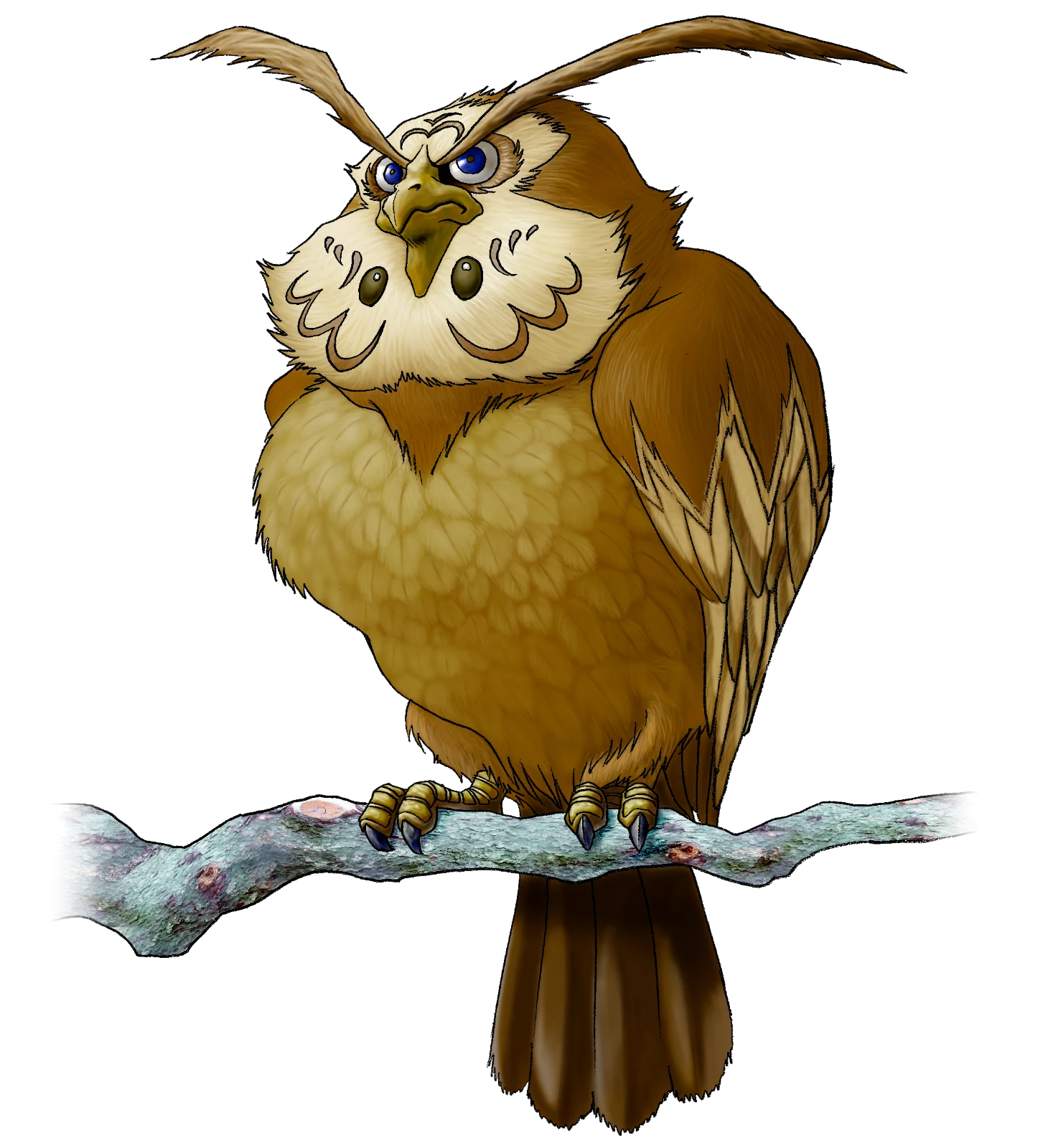
Kaepora Gaebora (Ocarina of Time artwork).Hyrule Historia identifies Kaepora Gaebora, the long-winded owl of Ocarina of Time, as Rauru, the Sage of Light, keeping an eye on the young hero in disguise.
The Imprisoning War (A Link to the Past artwork).Nintendo’s Japanese chart uses the same name, Fūin Sensō (“Sealing War”), for two different conflicts: the war that seals Ganon on the branch where the hero fell, and the war against the Demon King in the founding age of Tears of the Kingdom. In English, both are the Imprisoning War.
The first Zelda and her brother (Zelda II artwork).Zelda II: The Adventure of Link explains why every princess is called Zelda. A magician’s sleeping spell put the first Zelda under, then ran wild and killed the magician himself, and her remorseful brother, the prince, decreed that every princess born into the royal family would bear her name.
Linebeck III (Spirit Tracks model).Spirit Tracks keeps a few old faces in the family. Niko, once one of Tetra’s pirates, is an old man telling legends in Aboda Village, and Linebeck III, grandson of the captain from Phantom Hourglass, swaps treasures for train parts.
In November 1998 Shigeru Miyamoto told Nintendo Power that “Ocarina of Time is the first story, then the original Legend of Zelda”, followed by Zelda II and A Link to the Past. Thirteen years later Skyward Sword took the first slot, and in the official order A Link to the Past now comes well before the original game.
In 2007 Eiji Aonuma described the worlds of Twilight Princess and The Wind Waker as parallel, four years before Hyrule Historia drew the branches for everyone to see.
The line Nintendo wrote for Echoes of Wisdom on its timeline sums up the opening twist in a sentence: “Link defeats Ganon, only to be swallowed up by an eerie rift.”
For the 2026 remake of Ocarina of Time the team rewrote a lot of the text for clarity, and Aonuma said the scene in which Link passes from child to adult, which he felt was very low on explanation, now does more to explain Ganondorf’s part in it.
The saga goes to the cinema next. Wes Ball’s live-action The Legend of Zelda, with Benjamin Evan Ainsworth as Link and Bo Bragason as Zelda, is due in cinemas on 30 April 2027.
Further reading: Zelda Temple research draft, The Whole Zelda Saga Explained (8 November 2026; sources listed inside)
Manage Consent
To provide the best experiences, we use technologies like cookies to store and/or access device information. Consenting to these technologies will allow us to process data such as browsing behavior or unique IDs on this site. Not consenting or withdrawing consent, may adversely affect certain features and functions.
Functional
Always active
The technical storage or access is strictly necessary for the legitimate purpose of enabling the use of a specific service explicitly requested by the subscriber or user, or for the sole purpose of carrying out the transmission of a communication over an electronic communications network.
Preferences
The technical storage or access is necessary for the legitimate purpose of storing preferences that are not requested by the subscriber or user.
Statistics
The technical storage or access that is used exclusively for statistical purposes.The technical storage or access that is used exclusively for anonymous statistical purposes. Without a subpoena, voluntary compliance on the part of your Internet Service Provider, or additional records from a third party, information stored or retrieved for this purpose alone cannot usually be used to identify you.
Marketing
The technical storage or access is required to create user profiles to send advertising, or to track the user on a website or across several websites for similar marketing purposes.

 Skyward Sword2011 · The first story
 The Minish Cap2004 · Vaati; the Four Sword
 Four Swords2002 · Vaati sealed again
 Ocarina of Time1998 · The Hero of Time
 A Link to the Past1991
 Link’s Awakening1993
 Oracle of Seasons2001
 Oracle of Ages2001
 A Link Between Worlds2013
 Tri Force Heroes2015
 Echoes of Wisdom2024
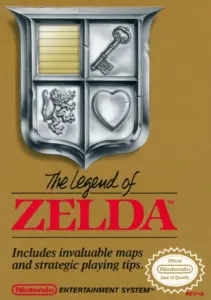 The Legend of Zelda1986
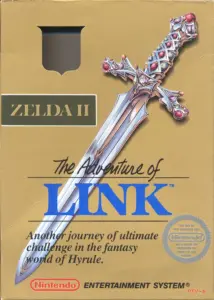 Zelda II1987
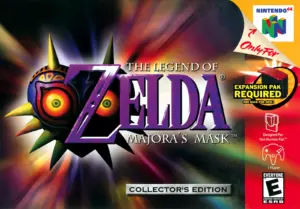 Majora’s Mask2000
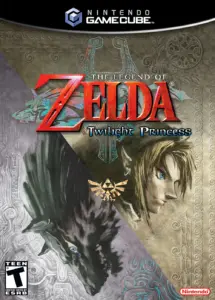 Twilight Princess2006
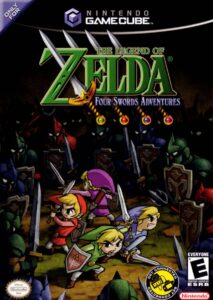 Four Swords Adventures2004
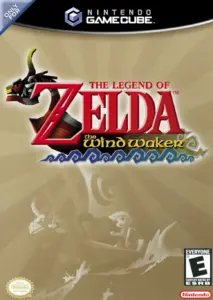 The Wind Waker2002
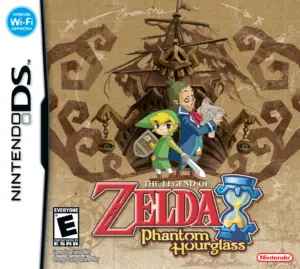 Phantom Hourglass2007
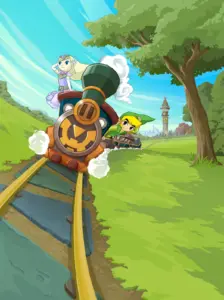 Spirit Tracks2009
 Breath of the Wild2017
 Tears of the Kingdom2023
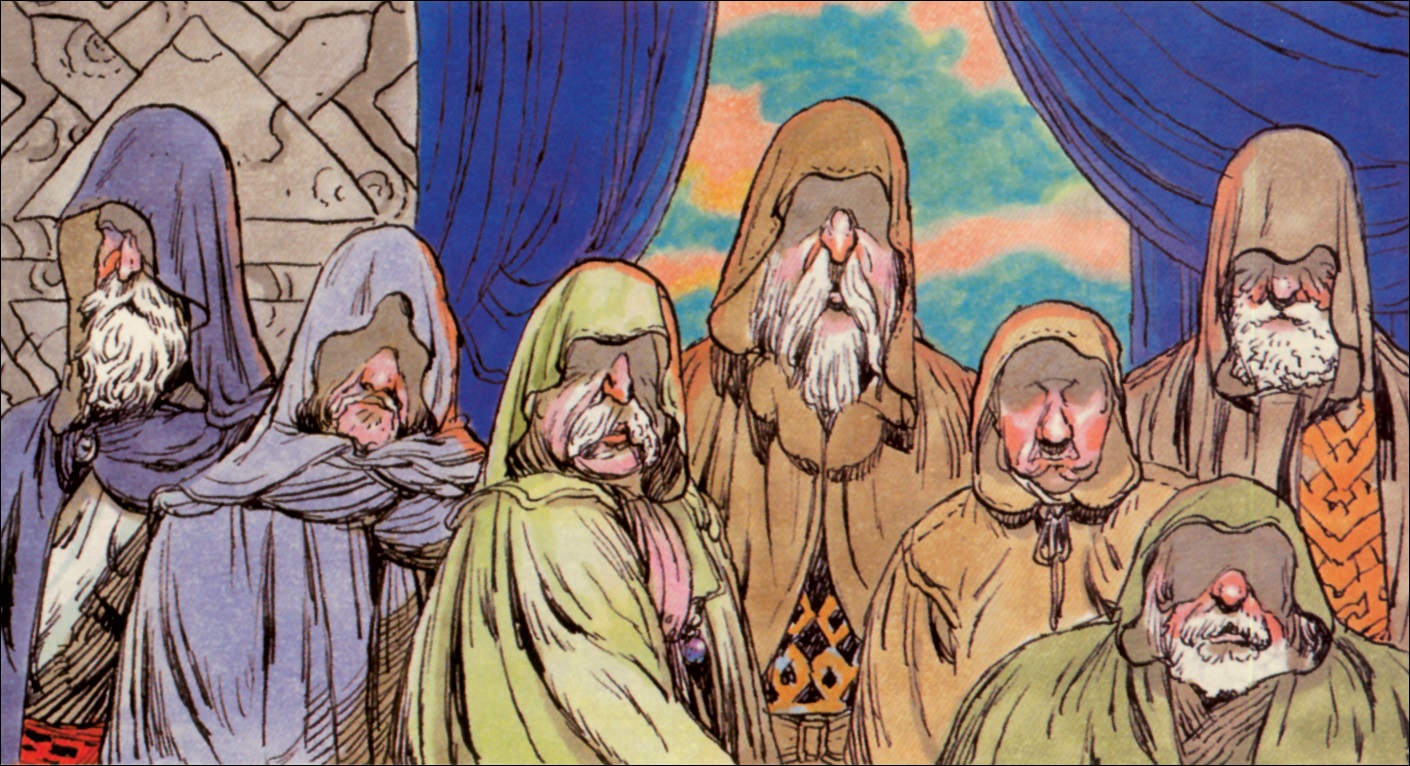
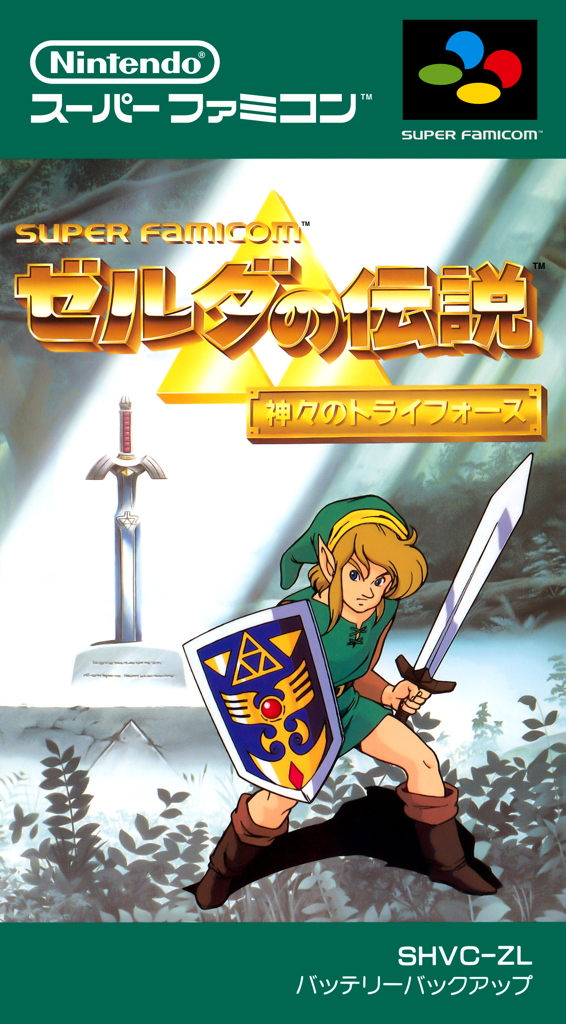
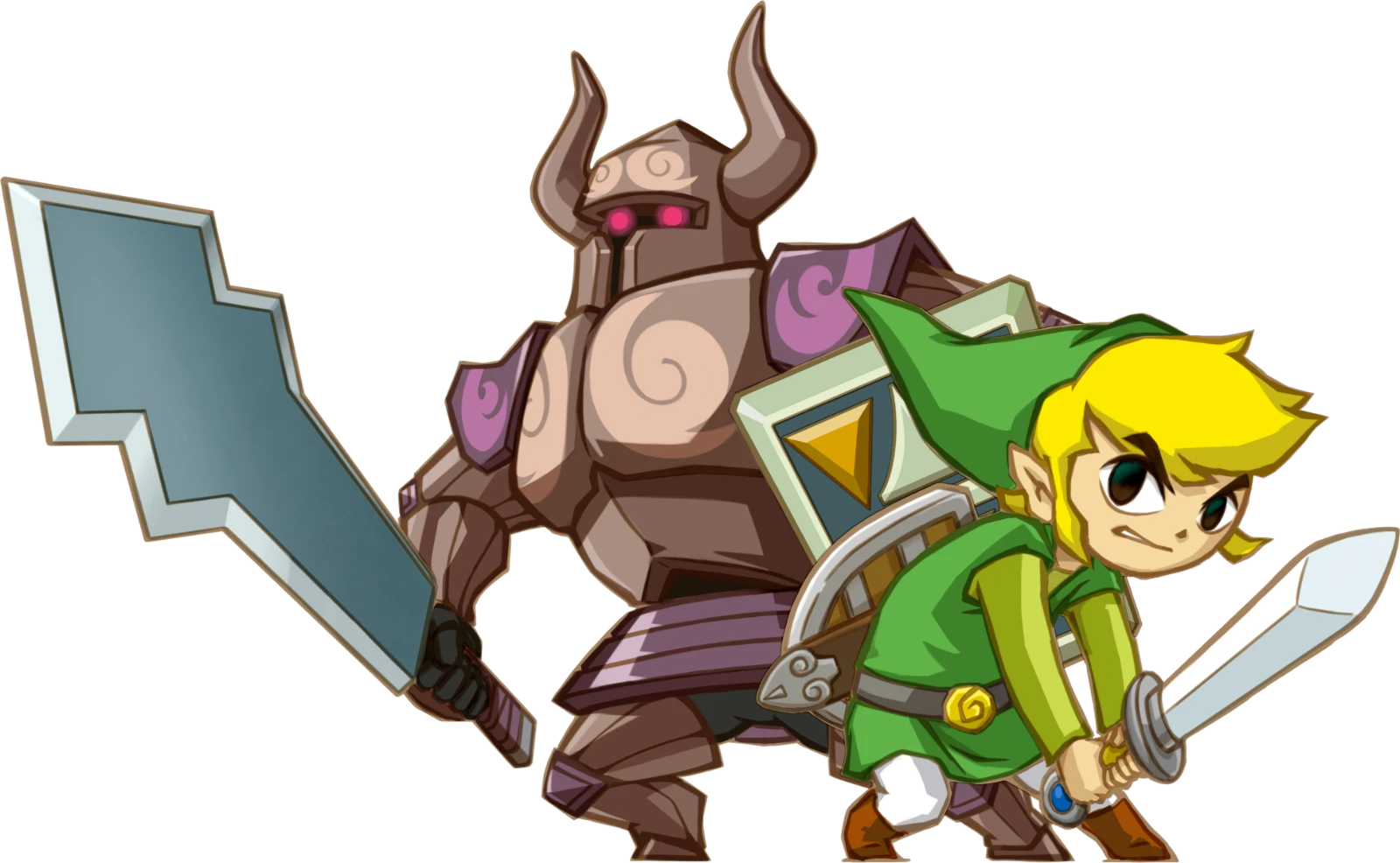
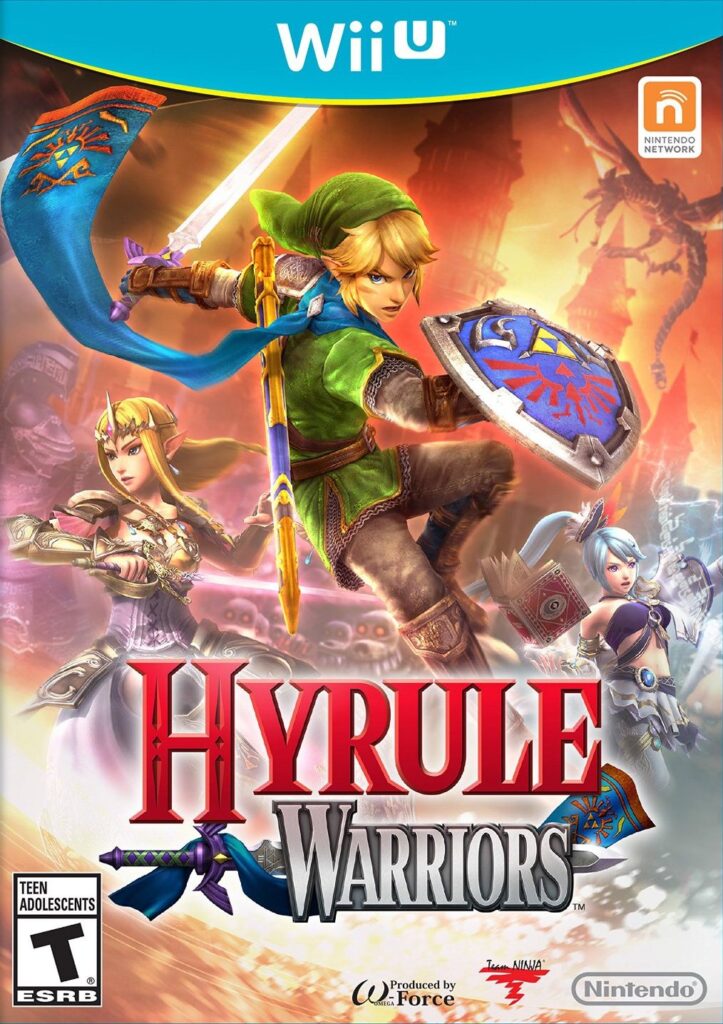 Hyrule WarriorsWii U, 2014 · also Legends (3DS, 2016) and the Switch Definitive Edition (2018)The sorceress Cia, sworn to watch over the Triforce and never interfere, falls for the hero who is reborn in every age. A fragment of Ganondorf’s soul twists her longing into jealousy, and she opens gates to other eras, pulling in heroes and villains from Ocarina of Time, Twilight Princess and Skyward Sword. Eiji Aonuma said it exists in a separate dimension, outside the main canon.
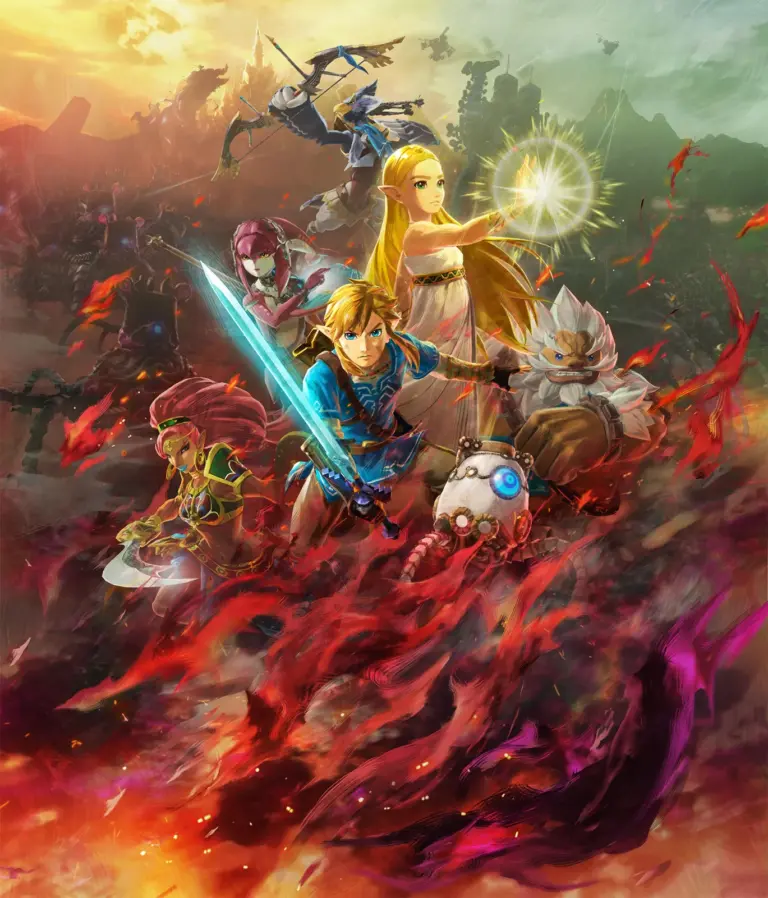 Hyrule Warriors: Age of CalamityNintendo Switch, 2020 · Definitive Edition for Switch 2 due 25 February 2027It opens in the middle of the Great Calamity, 100 years before Breath of the Wild, until a tiny Guardian, Terrako, escapes back through time with a warning. Hyrule gets to prepare, heroes arrive from the future to save the Champions, and Ganon is sealed before he can destroy the kingdom. Because Terrako changes events, this is an alternate history, not the one Breath of the Wild remembers.
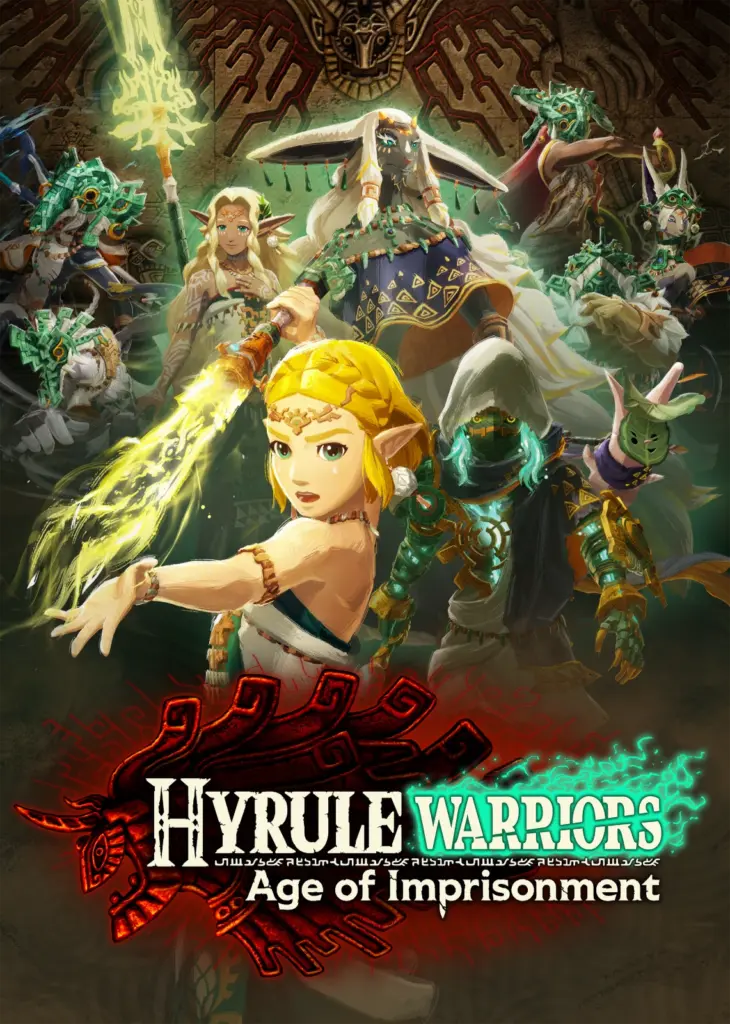 Hyrule Warriors: Age of ImprisonmentNintendo Switch 2, 2025 · The Imprisoning War from Zelda’s sideZelda falls into the age of Hyrule’s founding, and this time we see all of it: Rauru and Sonia, Rauru’s sister Mineru, the first Sages, Ganondorf’s false oath and the war that follows. New to the story is a silent Knight Construct powered by a splinter of the Master Sword. Nintendo’s announcement called the game a “canonical tale”, and its new material slots into the gaps the murals of Tears of the Kingdom leave.
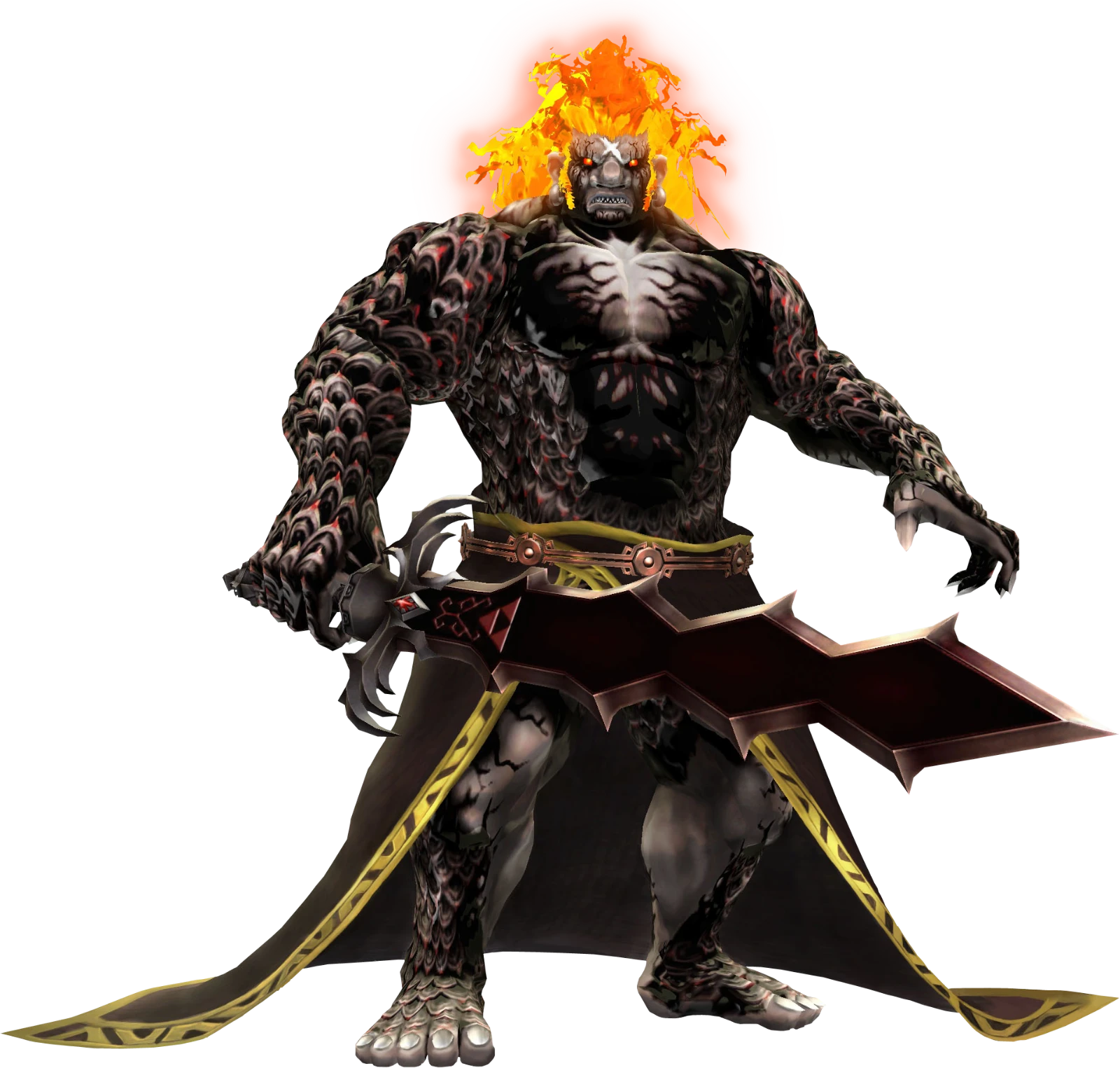 DemiseThe source
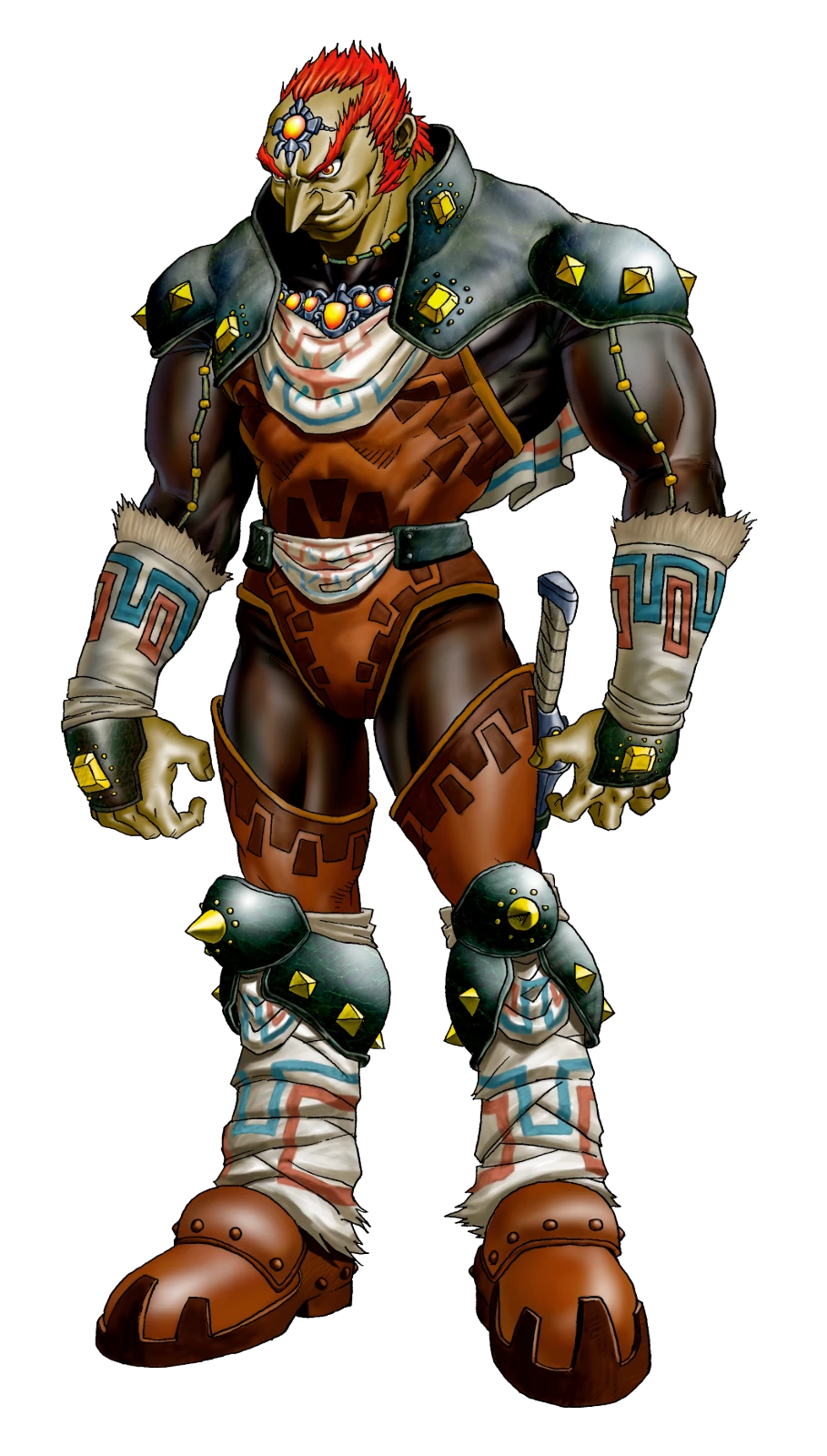 GanondorfKing of the Gerudo
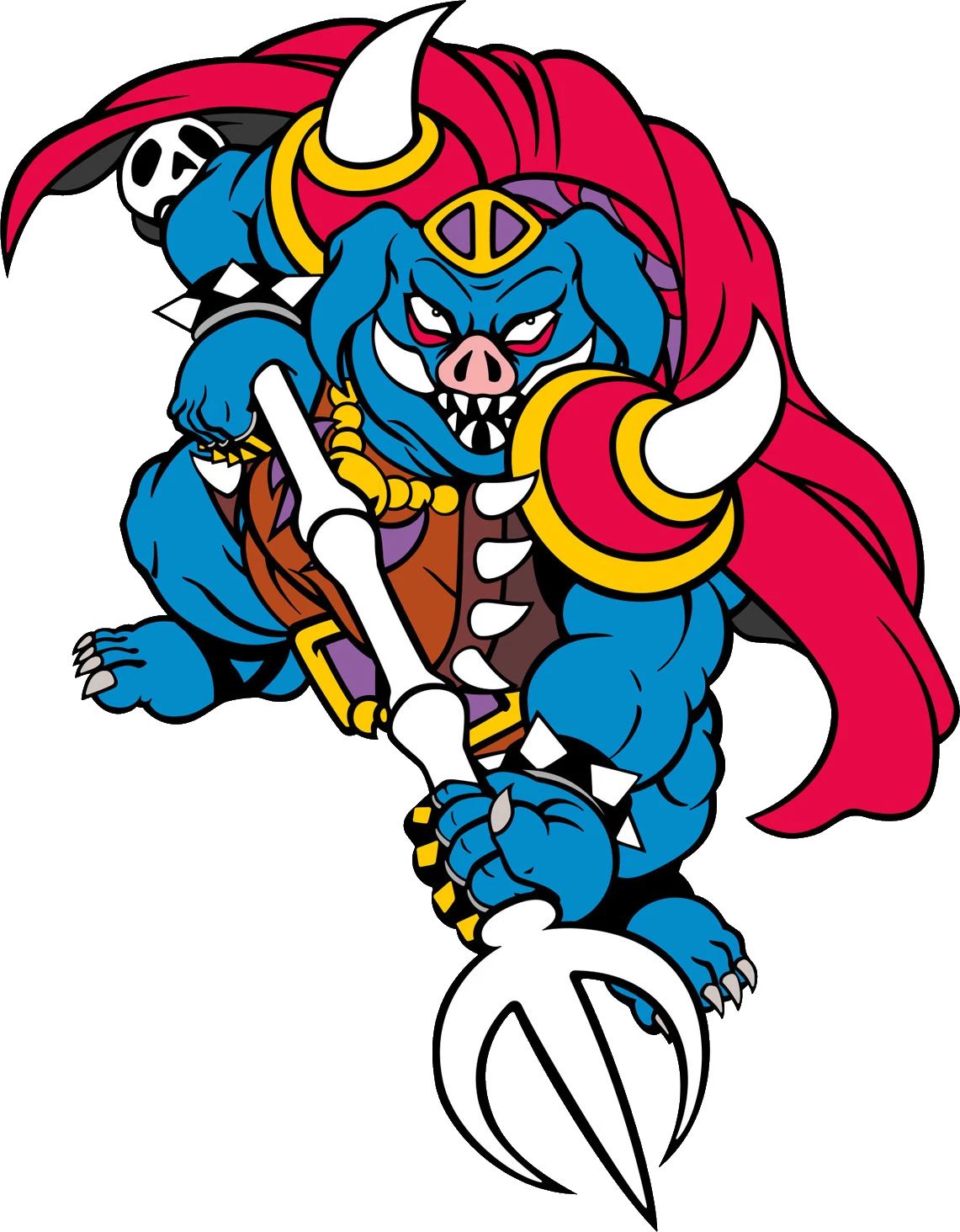 GanonThe beast
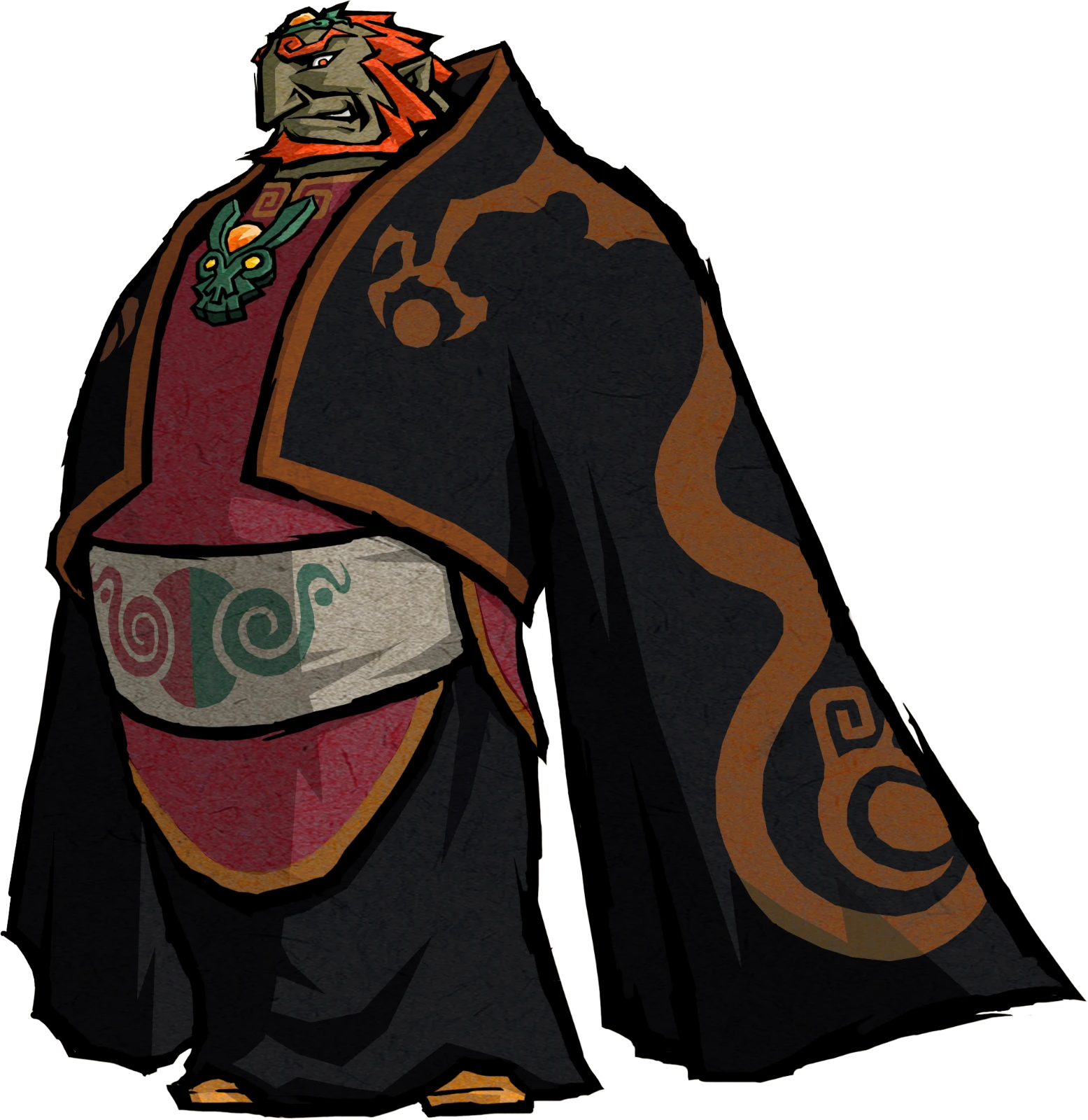 GanondorfUnder the Great Sea
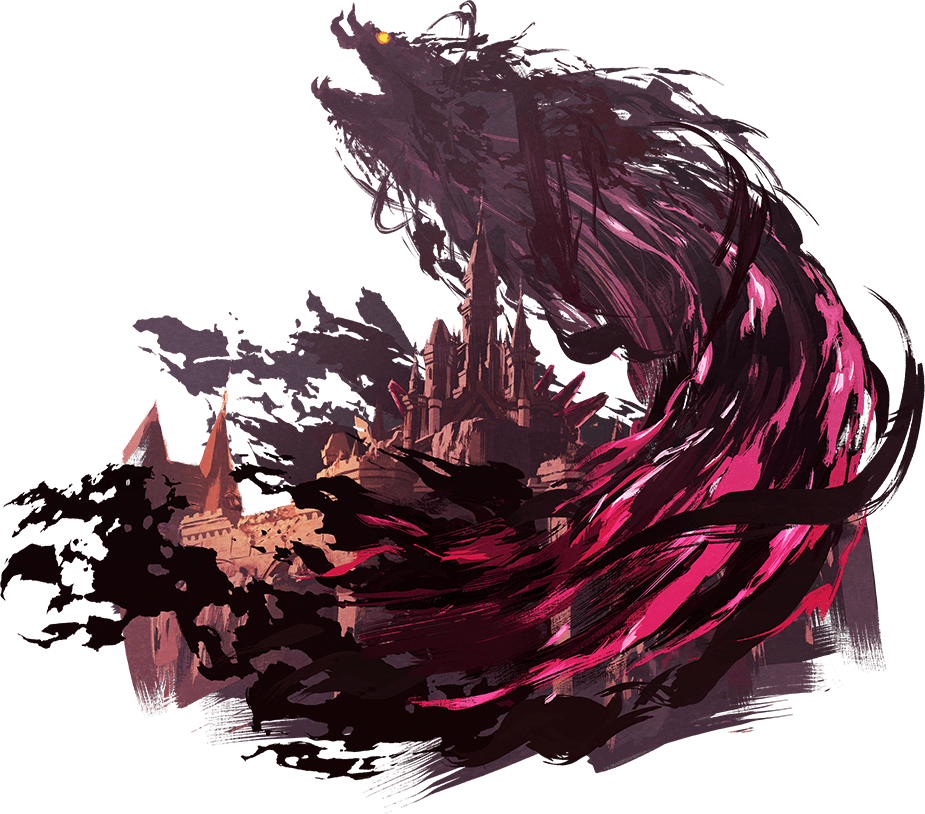 Calamity GanonPure malice
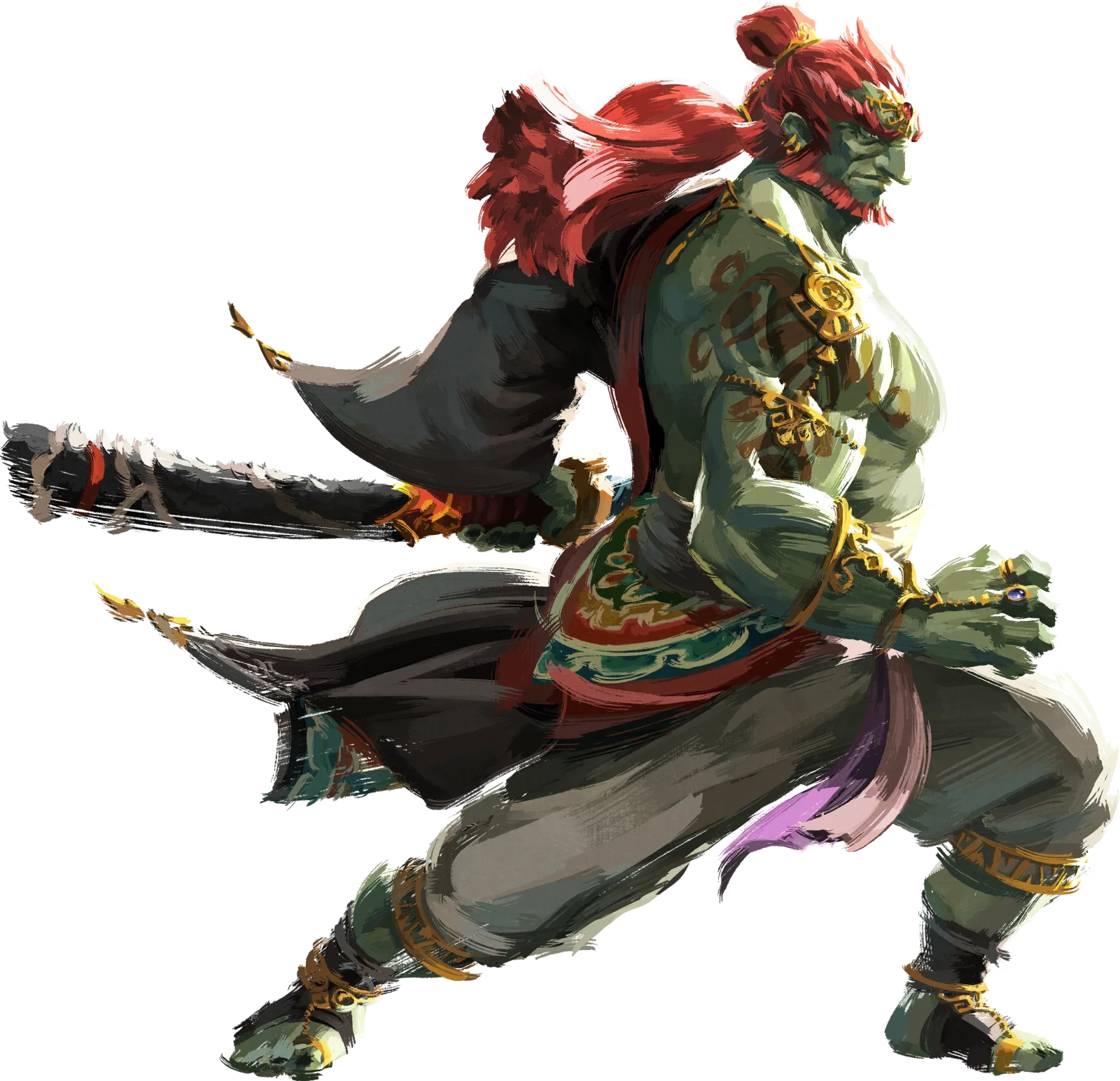 Demon King GanondorfThe founding age