Official book2011Dark Horse 2013Goddess Collection
Hyrule Historia The 25th-anniversary history and art book · 2011
The book that finally put the Zelda games in order: Nintendo’s 25th-anniversary history of Hyrule, with a Skyward Sword art section, the long-awaited official timeline, a quarter-century of concept art and a bonus Himekawa comic, all in a green-and-gold hardback that went to No. 1.
JapanShogakukan, 21 Dec 2011
EnglishDark Horse Books, 29 Jan 2013
Pages276 (English hardcover)
ForewordShigeru Miyamoto
Bonus comicAkira Himekawa
ChartsNo. 1 on Amazon and on the New York Times and Sunday Times lists
Original title
ハイラル・ヒストリア ゼルダの伝説 大全 (Hyrule Historia: Zelda no Densetsu Taizen)
Publisher (Japan)
Shogakukan, 21 December 2011
Publisher (English)
Dark Horse Books with Nintendo, 29 January 2013
Supervising editor
Eiji Aonuma
Foreword and afterword
Shigeru Miyamoto; Eiji Aonuma
Bonus comic
Akira Himekawa (A. Honda and S. Nagano)
English edition
Editor Patrick Thorpe; cover design Cary Grazzini
Format
Full-colour hardcover, 9 × 12 in, 276 pages
Price
US$34.99 at launch; Limited Edition US$69.99
ISBN
978-1-61655-041-7 (Limited Edition 978-1-61655-161-2); Japan 978-4-09-227159-3
Digital
Wii U (2013 bundle); Kindle and comiXology from 14 April 2020
The 25th anniversary logo: Hyrule Historia was Shogakukan’s contribution to the celebrations.
For 25 years Nintendo kept the order of its Zelda games to itself. Fans drew up rival timelines, fought over them in forums and letters pages, and waited. Then, in December 2011, a month after Skyward Sword came out in Japan, Shogakukan published Hyrule Historia to mark the series’ anniversary, and Nintendo set out the official chronology on paper for the first time. It was not the tidy line many had expected. The story splits three ways after Ocarina of Time, and one of those branches begins with the Hero of Time losing.
The timeline grabbed the headlines, but it is only one of three main parts. The first is a Skyward Sword art book in miniature, packed with character and location designs and notes from the development team. The third, Creative Footprints, works through 25 years of sketches and finished art game by game and ends with a catalogue of the games. Shigeru Miyamoto writes the foreword, Eiji Aonuma, who supervised the book, writes the afterword, and Akira Himekawa, the duo behind the Zelda manga, add a short comic set long before Skyward Sword.
Dark Horse’s English edition followed on 29 January 2013: slightly bigger than the Japanese book, printed on heavier paper and with every scribbled design note translated. Pre-orders had already knocked Fifty Shades of Grey off the top of Amazon’s chart, and within weeks it was No. 1 on the New York Times and Sunday Times lists. It also started something bigger: a whole shelf of Dark Horse Zelda books, beginning with the three-volume Goddess Collection.
Dark Horse Books and Nintendo bring you The Legend of Zelda: Hyrule Historia, containing an unparalleled collection of historical information on The Legend of Zelda franchise. This handsome hardcover contains never-before-seen concept art, the full history of Hyrule, the official chronology of the games, and much more!
Hyrule Historia is built around three main parts, framed by Miyamoto’s foreword and Aonuma’s afterword, with Himekawa’s comic as a bonus. Dark Horse’s editor Patrick Thorpe pointed out that Skyward Sword material bookends the book: its world opens the first section, and its prequel comic is the bonus. The English edition runs to 276 full-colour pages; the contents are essentially the same as the Japanese original, apart from the translation.
Foreword and afterword
Shigeru Miyamoto · Eiji Aonuma
The book opens with a welcome from Shigeru Miyamoto, the designer who created The Legend of Zelda for the Famicom in 1986, and Dark Horse’s description of the English edition leads with his introduction. At the other end, Eiji Aonuma, who has directed or produced the series since the late 1990s and is credited as the book’s supervising editor, signs off with an afterword. Kotaku’s first look at the English edition picked out these two letters alongside the timeline and the character designs.
Between them they frame the book as Nintendo’s own account of the series rather than an outsider’s guide. That matters most for the middle section: the chronology carries the authority of the people who make the games, even as the book admits that later games could change it (see The official timeline).
Part 1: The Legend Begins
The World of Skyward Sword
The opening section belongs entirely to Skyward Sword, which had come out in Japan a month before the book. Shogakukan’s own description presents it as the origin story of the whole saga, and that is how the chapter treats the game: it walks through the design of the characters and places of Skyloft and the Surface below, shows concept art (including designs that never made it into the game) and adds comments from the development team, tying the new material back to the rest of the series.
It is a lavish section, but it divided reviewers once the book reached the West. By January 2013 Skyward Sword was more than a year old, and GamesRadar felt the chapter had dated a little, suggesting that readers who had skipped the game could skip ahead too; some readers, it added, might wish Ocarina of Time or A Link to the Past had been given as much space. Destructoid’s Chris Carter, on the other hand, said it made him appreciate the game more.
Part 2: The History of Hyrule
A Chronology
The section everyone bought the book for. It tells the story of Hyrule from the beginning, starting with the goddesses who created the land and left the Triforce in Hylia’s care, and retells each game’s plot in timeline order, filling in what happens between them. Sidebars pick out characters, items and places.
The order runs Skyward Sword, The Minish Cap, Four Swords and Ocarina of Time, and then the history divides into three branches, each followed to its end. GamesRadar singled out the careful account of how much time, and how many alternate realities, separate Ocarina of Time from Spirit Tracks. Its one grumble was the book’s own disclaimer that the chronology only reflects what is believed to be true at the time, which it felt let future games off the hook. We cover the branches, and the arguments they started, in The official timeline below.
Part 3: Creative Footprints
Documenting 25 Years of Artwork
A walk through the art department’s archive, arranged by release date, from rough pencil sketches to finished illustrations, with the designers’ handwritten side notes translated. Some of the art had never been published before. GamesRadar picked out a set of sketches showing that The Wind Waker was once going to include an island shaped like a GameCube. A feature called Character Changes in Design follows Link, Zelda and Ganondorf from game to game, and there are pages on the monsters too.
The coverage is uneven, which nearly every reviewer noticed. Nintendo Life counted several pages for Spirit Tracks against a couple for A Link to the Past, and suspected the reason was simply how much art had survived from the older, smaller productions; Zelda Dungeon notes that The Minish Cap, Four Swords and Four Swords Adventures get no concept art at all. The section closes with a games catalogue showing the box art of each release region by region. It takes in Master Quest, the Collector’s Edition, the Satellaview games and Link’s Crossbow Training, while other spin-offs are left out.
Special comic: The Legend of Zelda: Skyward Sword
Akira Himekawa · a little over 30 pages
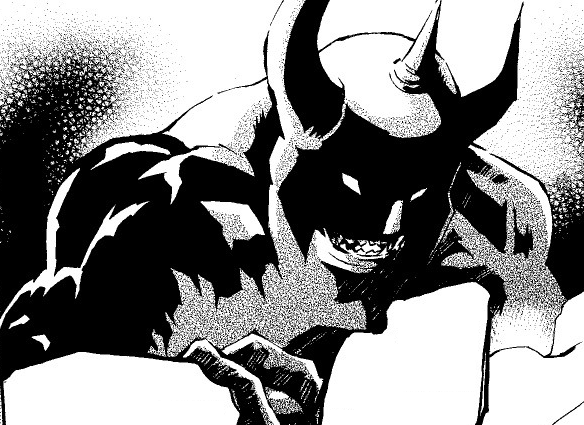
Himekawa’s bonus comic is a prequel. It opens in Skyloft, where a young Link watches a Crimson Loftwing and feels the pull to fly, then cuts back to the distant past on the Surface. There, a hero who warned of disaster and was ignored sits bruised and bitter in a prison cell, framed by Lord Dagianis. When the demon king Demise attacks and kills Dagianis, the villagers realise their mistake and free him, and he rallies them against Demise’s army.
The goddess Hylia arrives on a Crimson Loftwing, which the soldiers first take for a monster; the bird accepts the hero as its rider, and Hylia tells him that the gods forged the Master Sword, which he must now reforge himself. Even so, the battle goes Demise’s way and the hero takes a mortal blow. Between them, he and the goddess break the ground apart with the sword, and the survivors and the Triforce are carried up beyond the clouds. Too weak to go with them, he dies of his wounds, and Hylia promises to shed her divinity and come back in human form to stand beside him. The story ends back in Skyloft, with the Loftwing approaching the boy.
From game to page
The game tells of Hylia’s war with Demise only in legend and narration; the comic puts it on the page, with a mortal hero at the goddess’s side.
Lord Dagianis, the prison and the villagers are inventions of the comic.
In the comic the hero reforges the Master Sword himself, with no mention of the Sacred Flames that temper it in the game.
Hylia’s vow is personal: she wants to live as a human beside her hero. In the game the reason she gives up her divinity is that only a mortal can use the Triforce.
It gives Link’s red Loftwing a backstory: the bird’s bond with the family began with his ancestor.
The comic’s cast
Character
Who they are
In the cartoon
Voice
The heroLink’s ancestor
A Surface warrior, imprisoned after his warnings of disaster were ignored
Freed when Demise strikes, he leads the defence, reforges the Master Sword, helps Hylia lift the survivors into the sky and dies of his wounds.
Created for the comic.
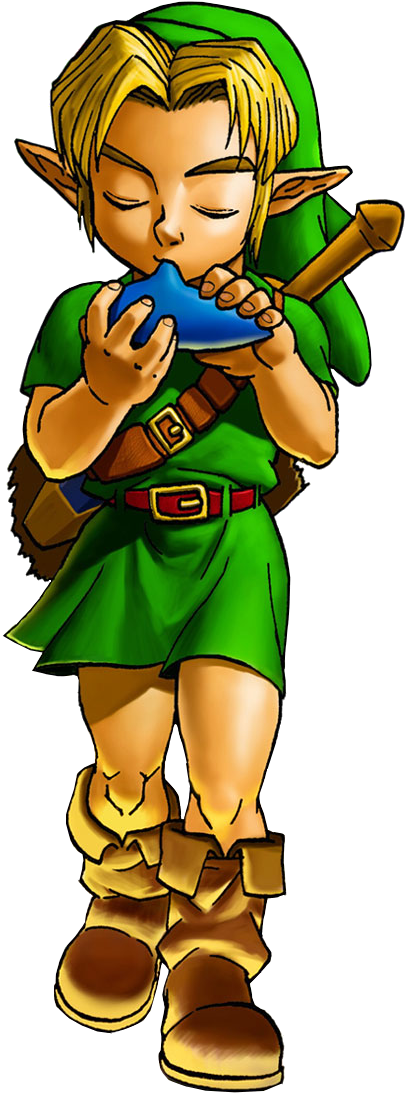
Linka boy of Skyloft
The Skyward Sword hero as a child
Frames the story: he watches a Crimson Loftwing on the first page, and the bird comes to him on the last.
First appears in Skyward Sword; the comic shows him younger than in the game.
Hyliagoddess
Guardian of the Triforce
Rides in on a Crimson Loftwing, tells the hero the gods made the Master Sword and vows to be reborn as a mortal at his side.
First appears in Skyward Sword, where she has already been reborn as Zelda.
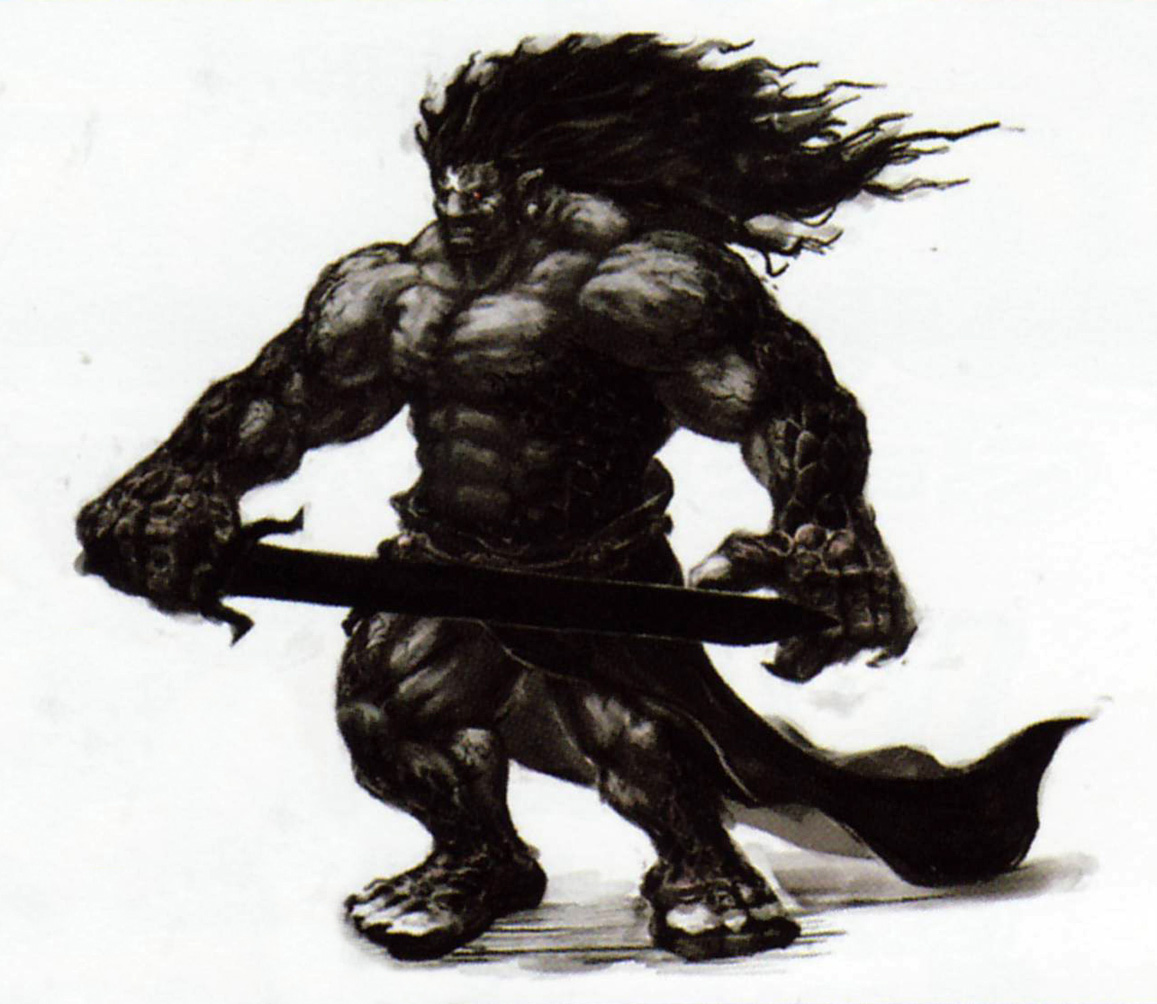
Demisedemon king
The demon king of the Skyward Sword legend
Leads his army against the Surface, kills Lord Dagianis and deals the hero his fatal wound.
Scorns the defenders at first, but comes to accept the hero after he answers that mortals have courage and integrity where they lack the gods’ power.
Explains why Skyward Sword’s Link has the only red Loftwing.
Lord Dagianisa lord
The man who framed the hero
Killed by Demise early on; his death turns the villagers in the hero’s favour.
Created for the comic.
The official timeline
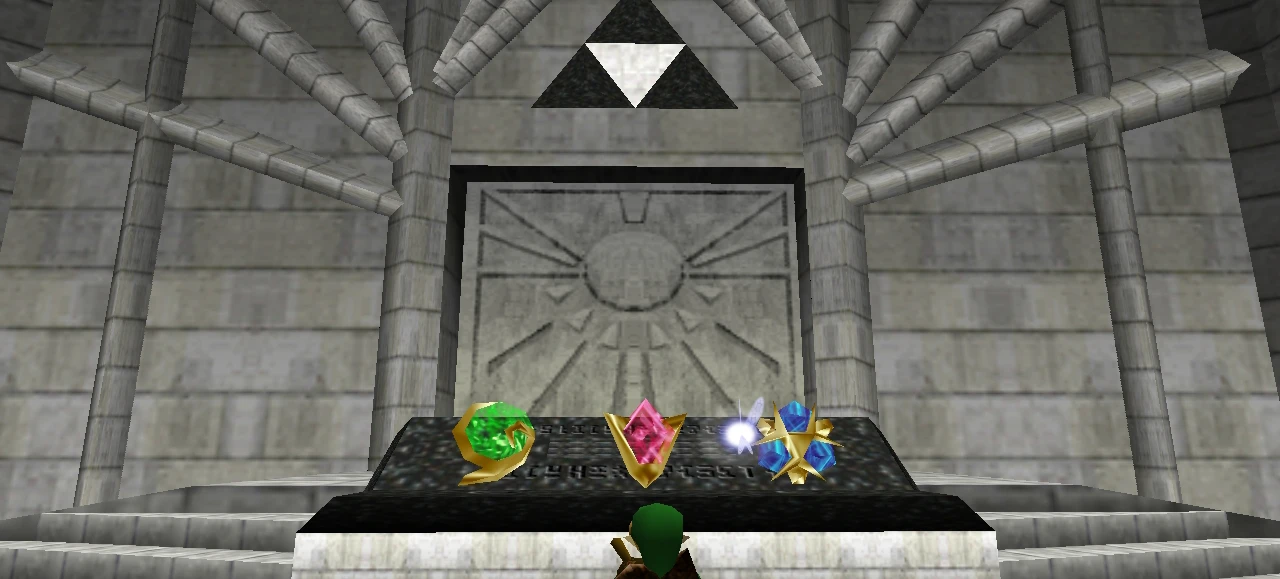
The Door of Time in Ocarina of Time. Where Link goes after he passes through it decides which of the book’s three histories you are reading.
Fans had argued about the order of the games for years, and Nintendo had admitted that an answer existed: in 2003 Miyamoto confirmed there was an internal document connecting the games, and in 2010 Aonuma said only Miyamoto and each game’s director could see it. Hyrule Historia was the first time it was published. Aonuma said the staff had worked through “stacks of ancient documents” to assemble it.
The early history is a single line: Skyward Sword, The Minish Cap, Four Swords and Ocarina of Time. At the end of Ocarina of Time it divides. In one future Link is the victorious hero, sent back to his childhood by Zelda; in another the adult world he saved is left without him; and in a third he is defeated by Ganon. Each branch carries on through its own games.
Branch
How it starts
Games, in order
Before the split
The goddesses create the land and leave the Triforce in Hylia’s keeping; Hyrule is founded.
Skyward Sword, The Minish Cap, Four Swords, Ocarina of Time
Child Link
Back in his own time, Link warns Zelda about Ganondorf, which leads, years later, to his failed execution in Twilight Princess.
Link falls to Ganon, who takes the whole Triforce; the Sages seal him in the Sacred Realm, which becomes the Dark World, and the Imprisoning War follows.
Order as printed in Hyrule Historia (2011). Later games and revisions are covered below.
A branch nobody predicted
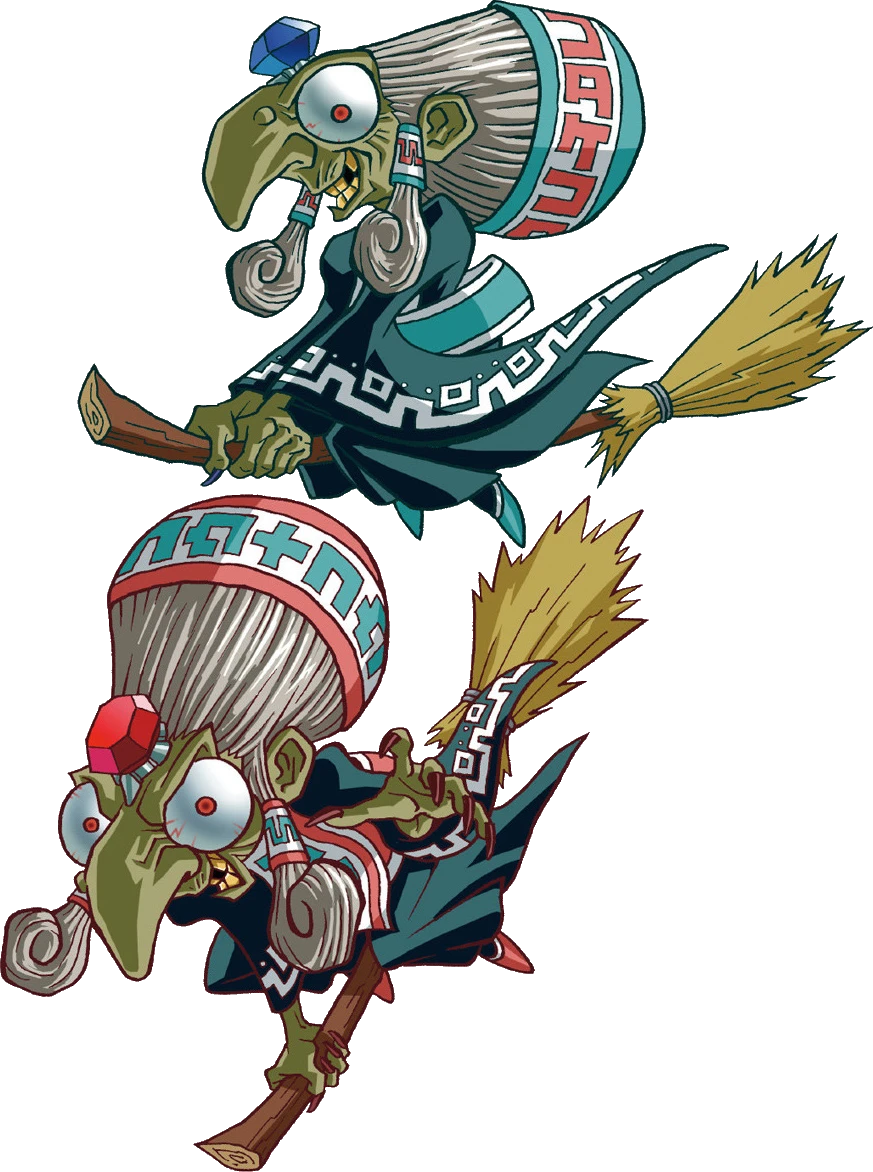
Twinrova, as drawn for Oracle of Seasons (official artwork).
The child and adult branches matched what many fans had already worked out from the games themselves. The third did not. No game shows Link losing to Ganon, yet this is the branch that holds the 2D games, from A Link to the Past to the NES originals. When a fan translation of the chronology spread in December 2011, Nintendo Life’s readers split between those who found it neat and those who felt a hero who can lose undercut the whole point. A Nintendo World Report editorial written after the English release went further, arguing that the defeated-hero branch should simply be cut, not least because Koume and Kotake, killed in Ocarina of Time, turn up again in the Oracle games on the same branch.
The book saw this coming. It describes its chronology as something that “merely collects information that is believed to be true at this time”, and Aonuma said in 2023 that he does not put too much stock in the chronology himself.
Revised since
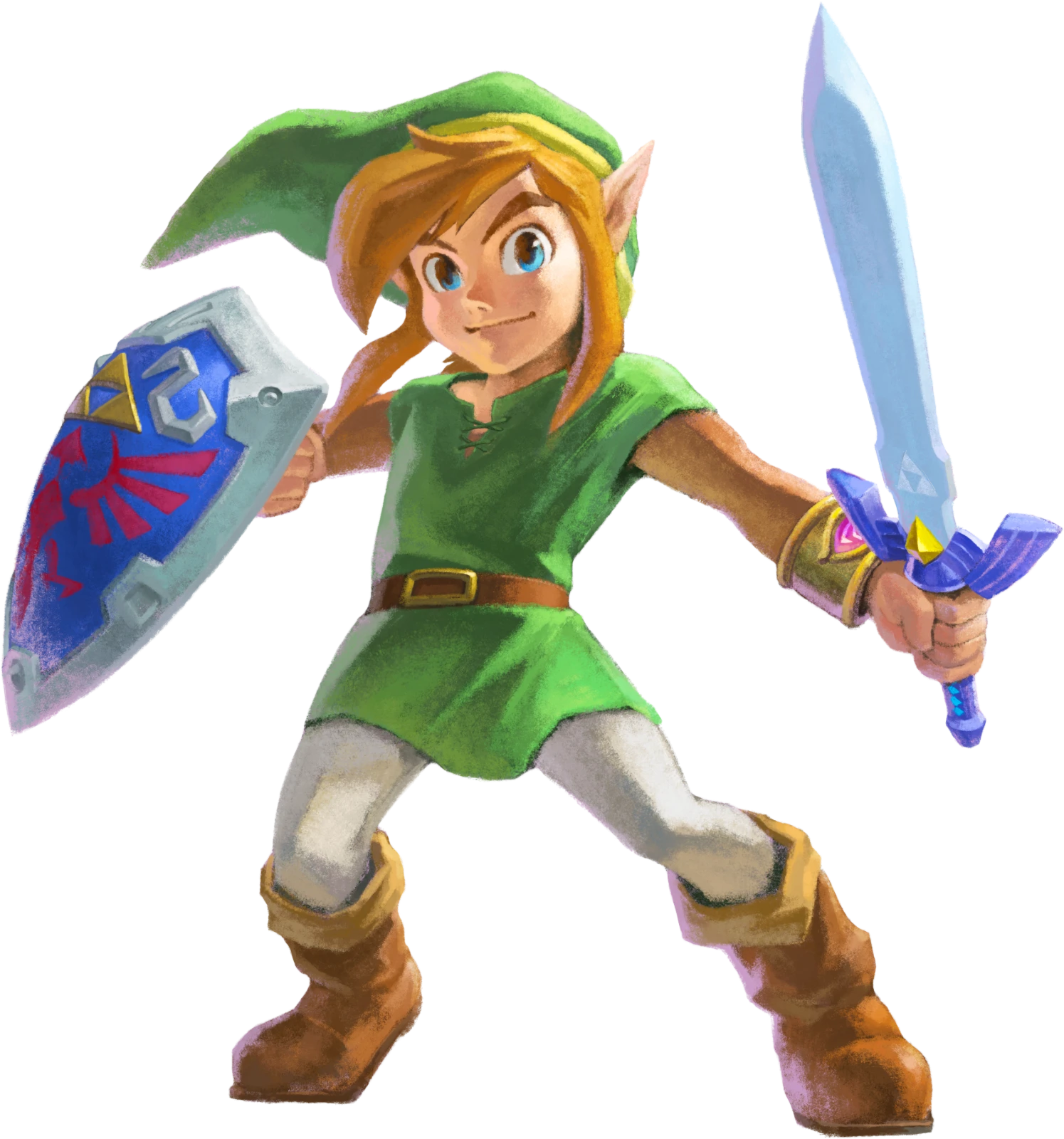
Link, as drawn for A Link Between Worlds (official artwork).
Nintendo has kept the chronology up to date without reprinting the book. In January 2016 the official Japanese Zelda Twitter account posted a new chart that added A Link Between Worlds and Tri Force Heroes to the defeated-hero branch. The Legend of Zelda Encyclopedia (Japan 2017, English 2018) then moved Link’s Awakening ahead of the Oracle games, and Breath of the Wild was placed after every earlier game without being tied to any branch. Hyrule Historia is still where it all began, but on the order of the 2D games it is no longer the last word.
merely collects information that is believed to be true at this time
Hyrule Historiaon its own chronology
an odd idea, perhaps, but quite a nice one
Christian Donlan, Eurogamer on fitting every game into one fictional timeline, January 2013
Historia at last gives the fans what they’d wanted for so long.
Henry Gilbert, GamesRadar review, February 2013
Editions
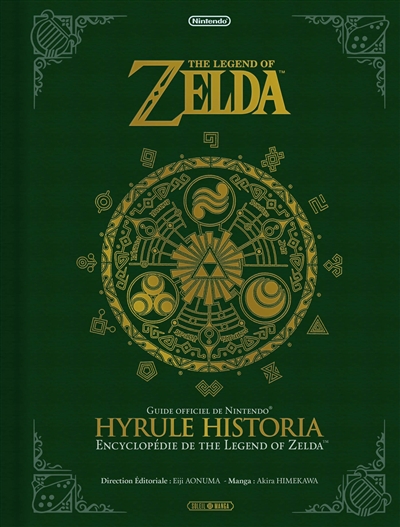
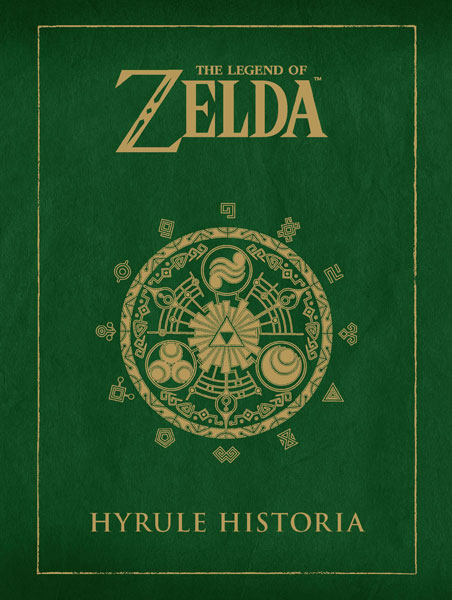
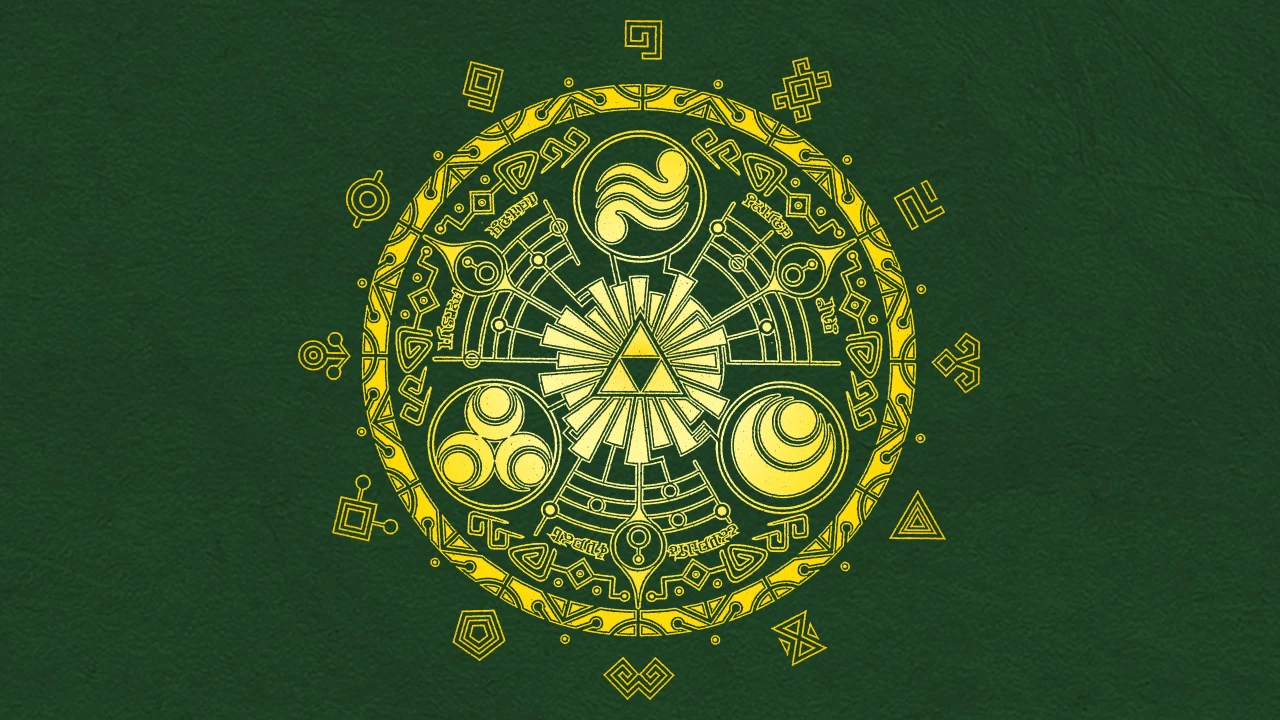
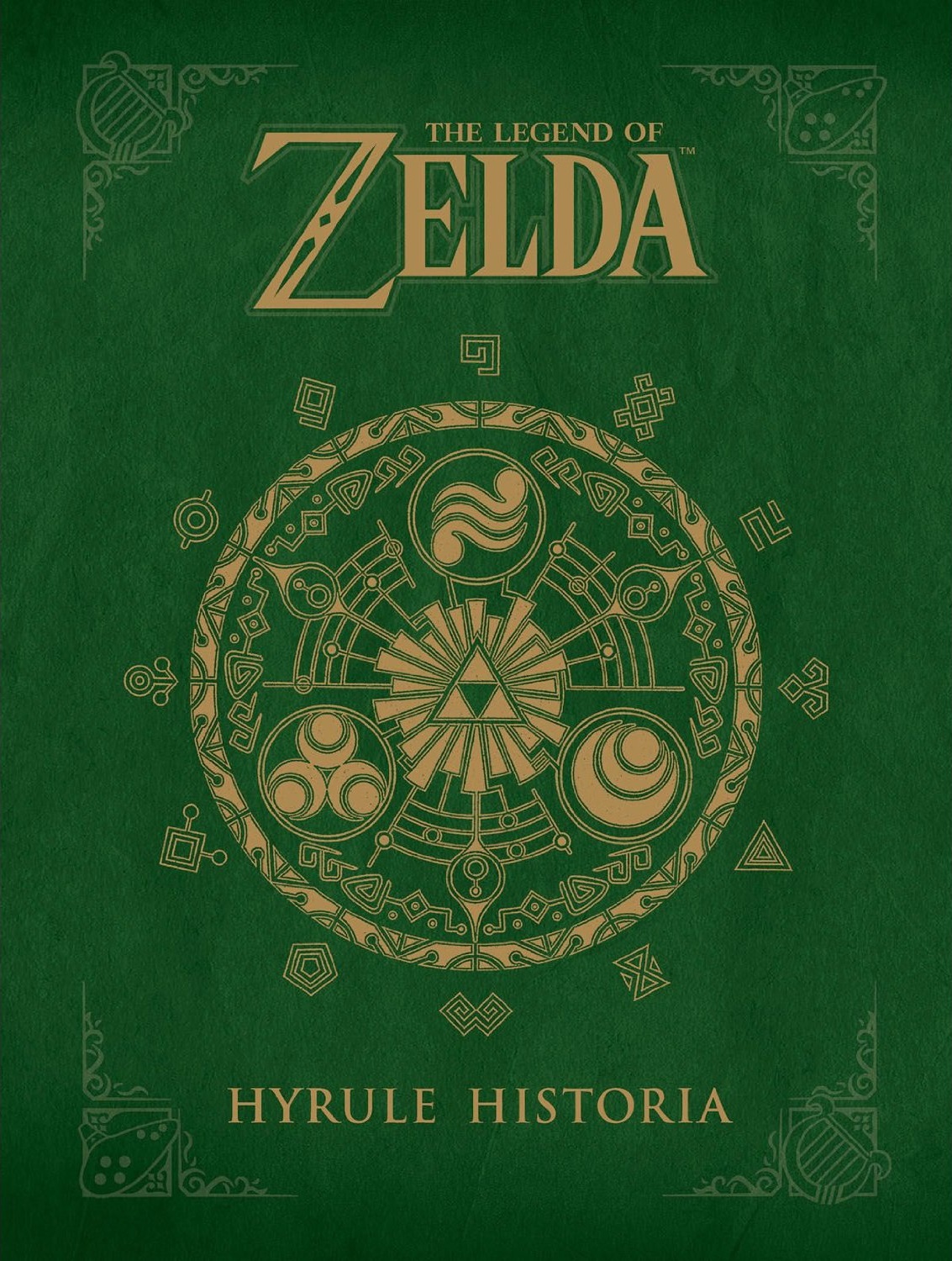
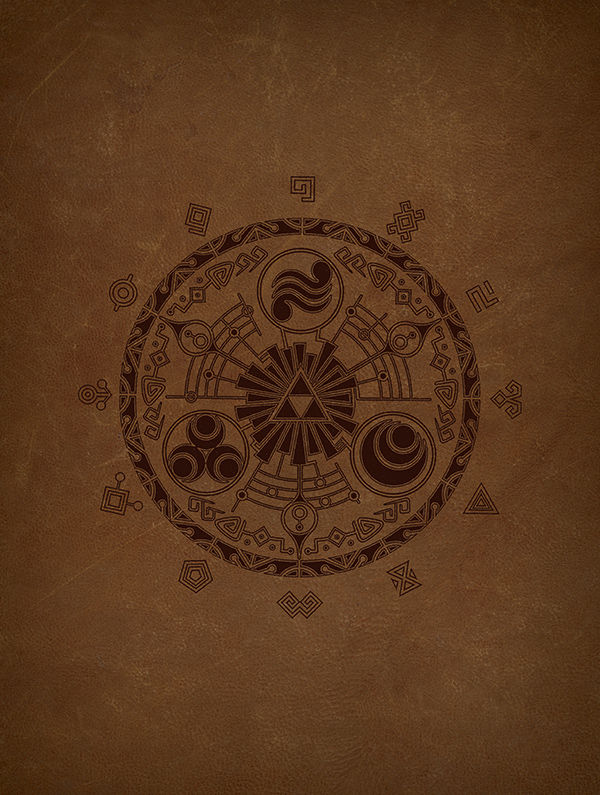
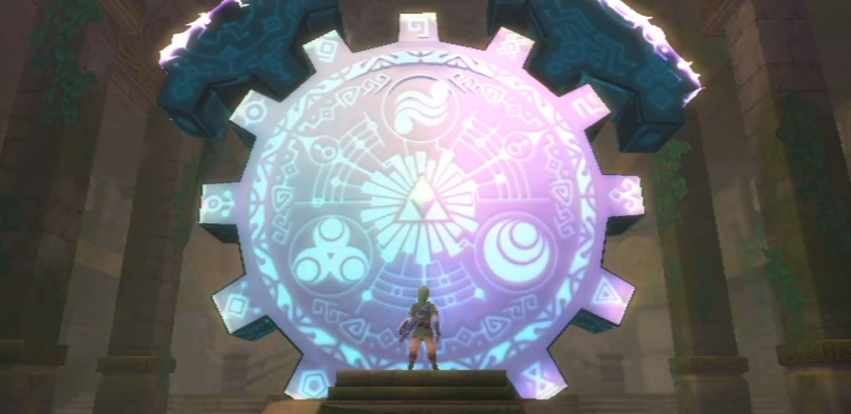
The Japanese original has a brown cover with gold lettering. Dark Horse went another way for the English edition: a forest-green cover with the series logo and the Triforce stamped in gold foil, the Gate of Time from Skyward Sword at the centre, and the symbols of the three goddesses around the Triforce. The Limited Edition went back to brown, in faux leather, with the same contents as the standard book.
Edition
Released
Details
Japanese (Shogakukan)
21 Dec 2011
Brown cover with gold lettering; ISBN 978-4-09-227159-3
English hardcover (Dark Horse)
29 Jan 2013
276 full-colour pages, 9 × 12 in; green cover with gold foil; US$34.99 at launch (Dark Horse now lists US$39.99); ISBN 978-1-61655-041-7. Released in North America, Europe and Australia
Limited Edition (Dark Horse)
12 Feb 2013
4,000 copies; faux-leather cover with the Gate of Time debossed, gold-gilded page edges; same contents; US$69.99; ISBN 978-1-61655-161-2
Wii U digital edition
20 Sep 2013
A digital copy came with the limited Wii U bundle of The Wind Waker HD
Digital (Kindle, comiXology)
14 Apr 2020
The first general digital release
Spanish (Norma Editorial)
2013
Spanish translation
German (Tokyopop)
2013
German translation
The cover images below come from Zelda Wiki; a French edition also exists, but we have not been able to confirm its publisher or date.
Cover of the French editionCover of the Spanish editionBanner for the digital edition on Wii U
How it was made
In Japan
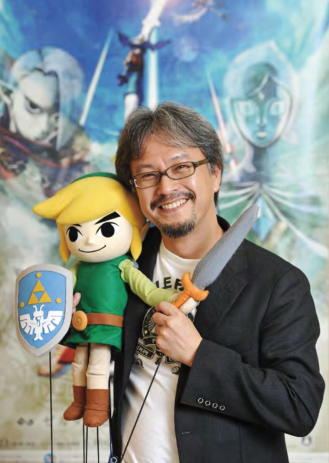
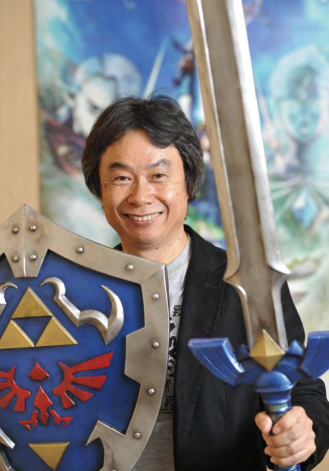
Eiji Aonuma, as pictured in Hyrule Historia. He supervised the book and wrote its afterword.
Hyrule Historia was put together in Japan by Shogakukan, with Eiji Aonuma as supervising editor, and timed for the 25th anniversary and the launch of Skyward Sword. According to Dark Horse’s Patrick Thorpe, Nintendo organised the material and chose what it wanted to show, with Shogakukan sorting the assets. Ambit, the Tokyo company that went on to produce Nintendo’s three 30th-anniversary books, also lists Hyrule Historia among the books it worked on.
Coming to English
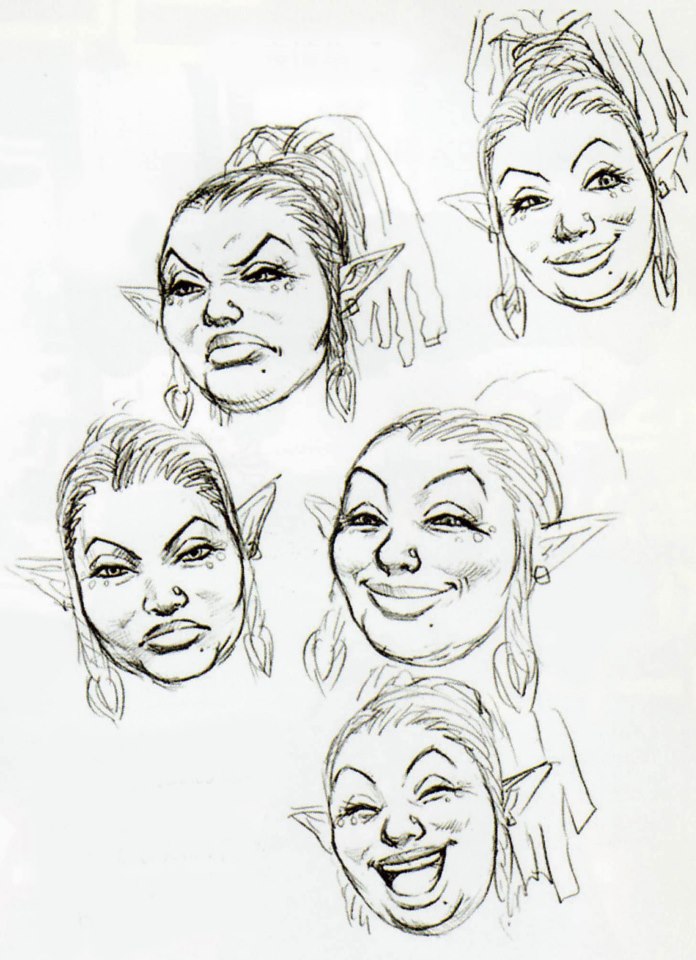
Concept art of Telma’s expressions for Twilight Princess, one of the Hyrule Historia pages on Zelda Wiki.
Dark Horse had wanted to do a Zelda book of its own. Thorpe told Nintendo Life that he pitched a 25th-anniversary retrospective to Nintendo after meeting its staff at San Diego Comic-Con in 2011; Nintendo was not sure it had the resources, then revealed it was already talking to another company. That company was Shogakukan, and Dark Horse was offered the English edition instead. The translation was announced in August 2012.
Six people worked on the translation and three on the design. The hardest job was the handwriting: translator Aria Tanner, a Canadian fan brought in because the schedule was tight, told Dark Horse that deciphering the developers’ notes on the concept art took three or four native speakers, and that one or two characters were never read. Fans had already been at work: in August 2012 Zelda Dungeon reported that GlitterBerri, whose site had been posting translated pages of the Japanese book, was now involved in the official localisation and would stop releasing her own. The English book came out on 29 January 2013, about two weeks later than first planned.
The cover
The first English cover Dark Horse showed used artwork; the final one, by Cary Grazzini, is all symbols. Thorpe explained in November 2012 that the Gate of Time suited a book about both the history of Hyrule and the history of the games, especially with Skyward Sword material at either end. Grazzini went on to design the later Dark Horse Zelda books, and Thorpe grouped the first three as the Goddess Collection, each in the colour of a goddess.
Sales and reviews
A bestseller
On paper, a translated art book about a video game series was not an obvious bestseller. Yet pre-orders for Hyrule Historia took it to No. 1 on Amazon’s US chart in August 2012, ahead of Fifty Shades of Grey, and the print run grew from 250,000 to nearly 400,000 to keep up. Many retailers sold it for around US$20, well under the list price.
2012Aug – English edition announced; pre-orders reach No. 1 on Amazon.com
201329 Jan – English edition released
20133 Feb – Top of The Sunday Times bestseller list in the UK (again on 17 February)
2013Feb – Debuts at No. 1 on the Publishers Weekly hardcover nonfiction chart
201317 Feb – No. 1 on the New York Times Hardcover Advice & Misc. list
2013Feb–Mar – Nielsen BookScan: 8,573 US copies in the week to 24 February, 6,128 in the week to 3 March
2013year – Amazon’s sixth best-selling print book of the year
2018Jun – Patrick Thorpe believes sales are around 900,000, though he says he does not know the exact figure
The Sunday Times estimated 9,255 UK sales by 17 February 2013.
Reviews
Reviewers loved the object and argued about the balance. Nintendo Life’s Damien McFerran called it “almost entirely successful” and said Nintendo had opened up its vaults, his only real complaint being that some games get far more space than others. GamesRadar’s Henry Gilbert called it “an incredibly classy collection that was worth the wait”, praising the paper, the translation and the embossed cover, and Eurogamer’s Christian Donlan picked Creative Footprints as the highlight, though he found some images small.
IGN’s Jesse Schedeen gave it 8.4 out of 10; he wanted more on the pre-N64 games, missed the CD-i games, the cartoon and other spin-offs, and wished the comic were in full colour. Destructoid’s Chris Carter admired the build and the minimalist cover, thought the timeline managed not to be too ridiculous, and recommended the book to committed fans rather than casual ones.
Trivia
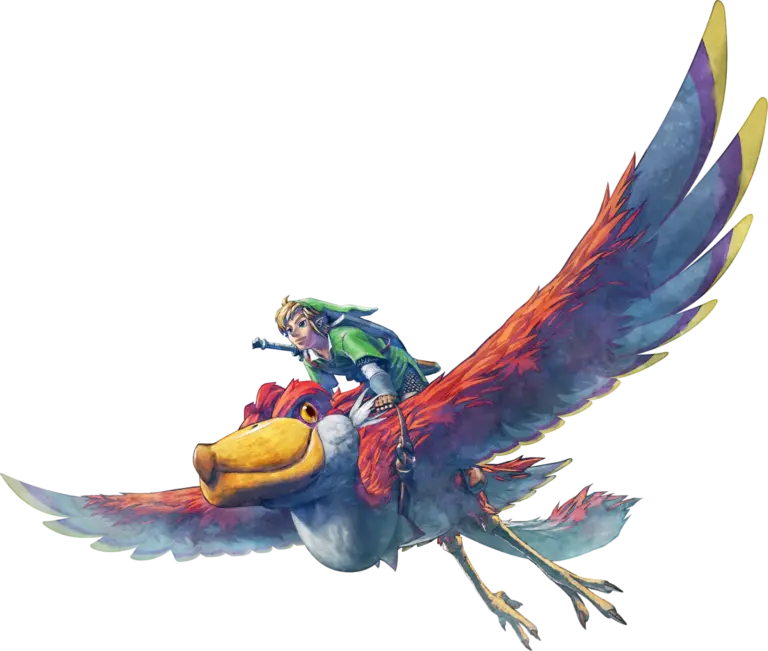
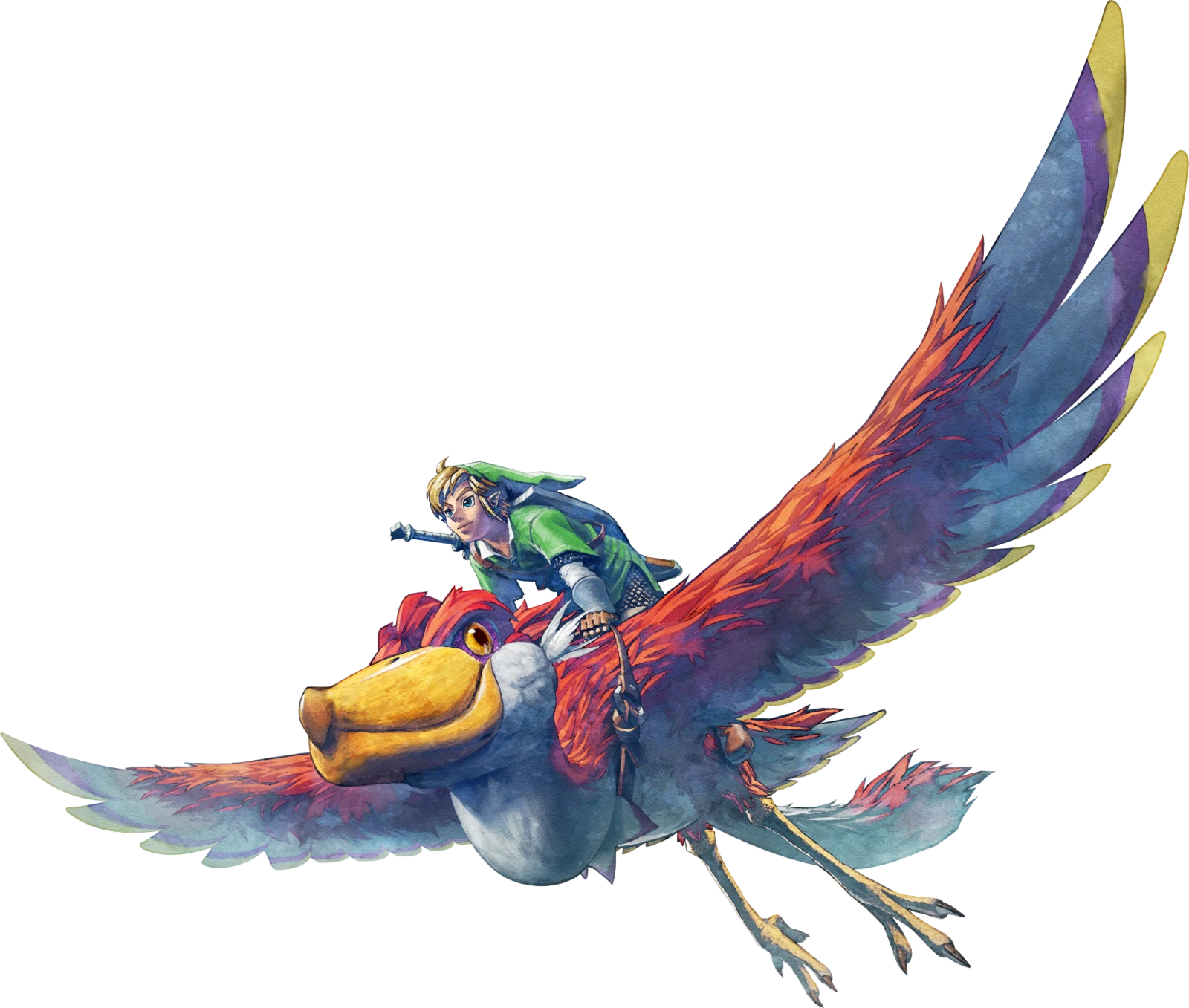
The Crimson Loftwing, official Skyward Sword artwork.The comic answers a small mystery from the game: why Skyward Sword’s Link rides the only red Loftwing. In Himekawa’s story a Crimson Loftwing chose his ancestor first.
The logo of the 1989 cartoon, which the book leaves out.IGN’s review regretted that the book has no room for the CD-i games or the cartoon. Zelda Temple does: see Link: The Faces of Evil and the 1989 cartoon.
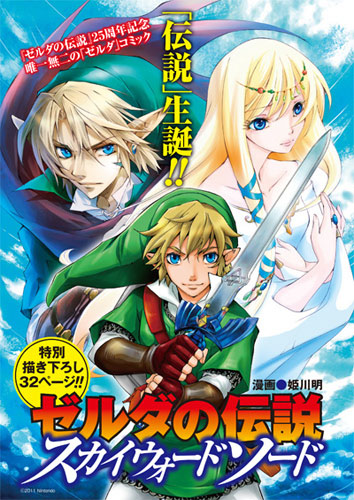
Japanese cover art of Himekawa’s Skyward Sword comic.Himekawa’s comic is tiny by the duo’s standards: Zelda Universe counts 32 pages, against 378 for the collected Ocarina of Time manga. (ANN counted 35 when Kotaku previewed it in December 2012.)
Pre-orders pushed Fifty Shades of Grey off the top of Amazon’s US chart in August 2012, five months before the book came out.
The concept art includes sketches for a Wind Waker island shaped like a GameCube, which GamesRadar believed had never been seen before.
Translator Aria Tanner joked that the developers’ “penmanship rivals that of doctors”. Her favourite Zelda game, she added, is Majora’s Mask.
Dark Horse’s first English cover showed artwork. It was dropped for the symbol-only design, and the original concept, according to Wikipedia, had many versions of Link on a brown background.
The book is the first of the Goddess Collection, and each volume takes a goddess’s colour; the third, the Encyclopedia, is in Nayru’s blue.
A Link Between Worlds and Tri Force Heroes came too late for the book. Nintendo slotted them into the defeated-hero branch on Twitter in January 2016.
The Limited Edition’s 4,000 copies have exactly the same pages as the standard book; the leather-look cover and gilded edges are the only differences.
Further reading: Zelda Temple Comics & Books research dossier (sources listed inside)
Manage Consent
To provide the best experiences, we use technologies like cookies to store and/or access device information. Consenting to these technologies will allow us to process data such as browsing behavior or unique IDs on this site. Not consenting or withdrawing consent, may adversely affect certain features and functions.
Functional
Always active
The technical storage or access is strictly necessary for the legitimate purpose of enabling the use of a specific service explicitly requested by the subscriber or user, or for the sole purpose of carrying out the transmission of a communication over an electronic communications network.
Preferences
The technical storage or access is necessary for the legitimate purpose of storing preferences that are not requested by the subscriber or user.
Statistics
The technical storage or access that is used exclusively for statistical purposes.The technical storage or access that is used exclusively for anonymous statistical purposes. Without a subpoena, voluntary compliance on the part of your Internet Service Provider, or additional records from a third party, information stored or retrieved for this purpose alone cannot usually be used to identify you.
Marketing
The technical storage or access is required to create user profiles to send advertising, or to track the user on a website or across several websites for similar marketing purposes.

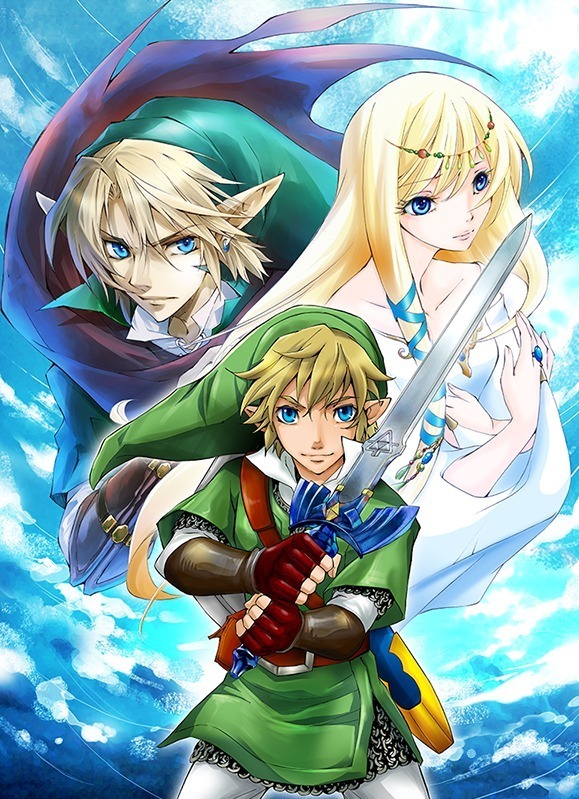
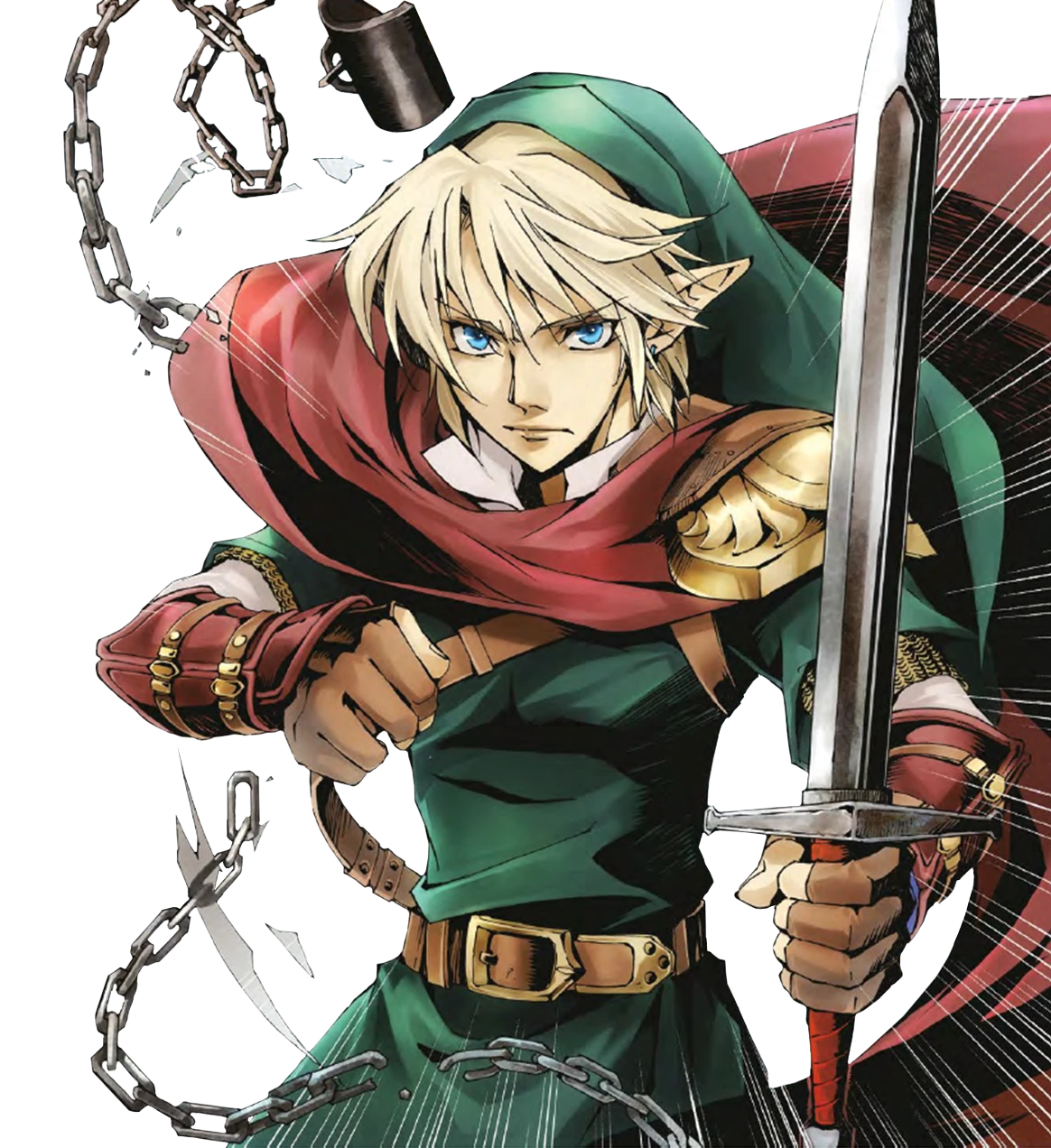 The heroLink’s ancestor
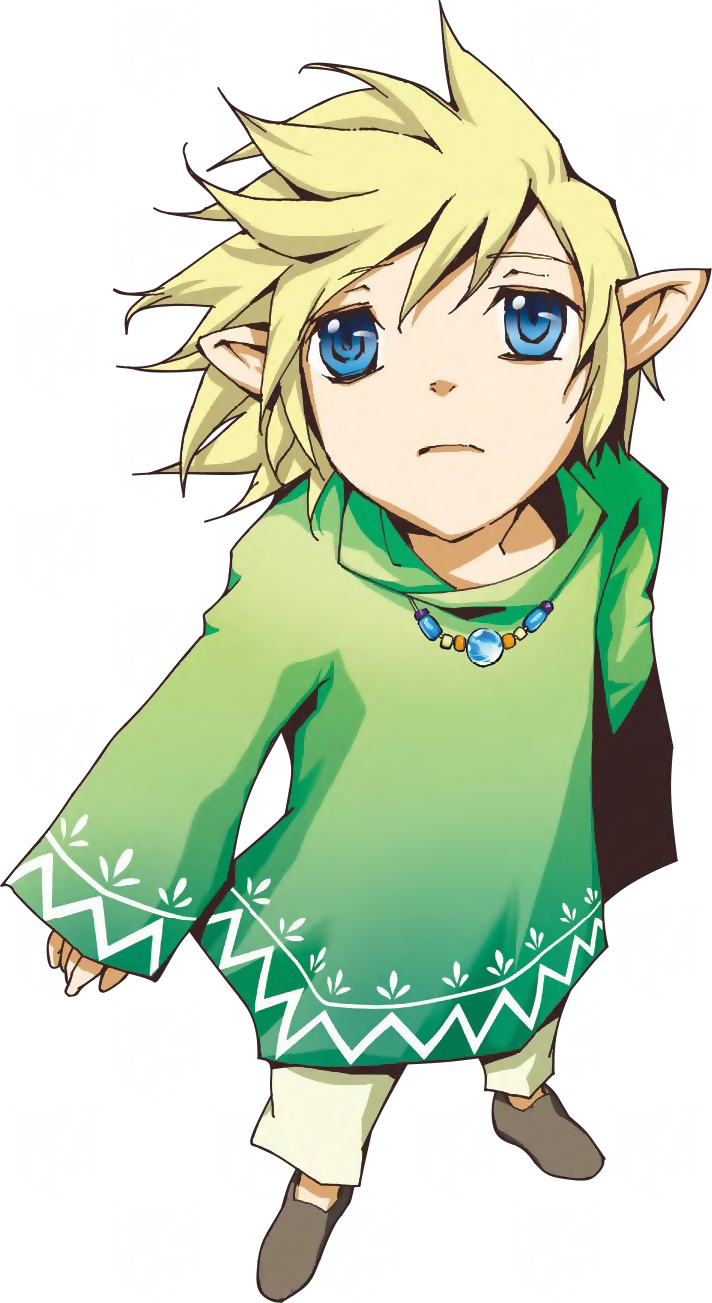 Linka boy of Skyloft
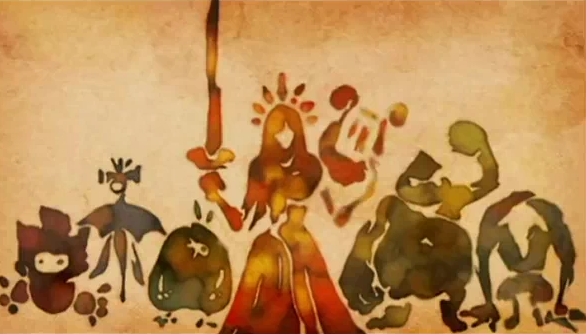 Hyliagoddess
 Demisedemon king