Nintendo 3DS2013Nintendo EADAction-adventureSequel to A Link to the Past
The Legend of Zelda: A Link Between Worlds
Twenty-two years after A Link to the Past came out, Link returns to the same Hyrule, finds a crooked mirror image of it called Lorule, and learns to slip flat into the walls like a painting.
Released22 November 2013 (EU, NA) · 23 November (AU) · 26 December (JP)
PlatformNintendo 3DS (60 fps stereoscopic 3D)
DeveloperNintendo EAD
DirectorHiromasa Shikata
ProducerEiji Aonuma
DungeonsTwelve, across Hyrule and Lorule
Metacritic91
Title
The Legend of Zelda: A Link Between Worlds ゼルダの伝説 神々のトライフォース2 (Zeruda no Densetsu: Kamigami no Toraifōsu Tsū, “Triforce of the Gods 2”)
Platform
Nintendo 3DS (playable without 3D on Nintendo 2DS)
Developer
Nintendo EAD
Publisher
Nintendo
Director
Hiromasa Shikata
Producer
Eiji Aonuma
Assistant directors
Shiro Mouri (also lead programmer), Kentaro Tominaga (plan leader)
Design leader
Koji Takahashi
Writers
Tatsuya Hishida, Mari Shirakawa
Music
Ryo Nagamatsu, arranging Koji Kondo’s A Link to the Past themes alongside new pieces
Players
1 (plus StreetPass battles)
Released (Europe, North America)
22 November 2013
Released (Australia)
23 November 2013
Released (Japan)
26 December 2013
Released (South Korea)
21 June 2014
Age rating
PEGI 7
Editions
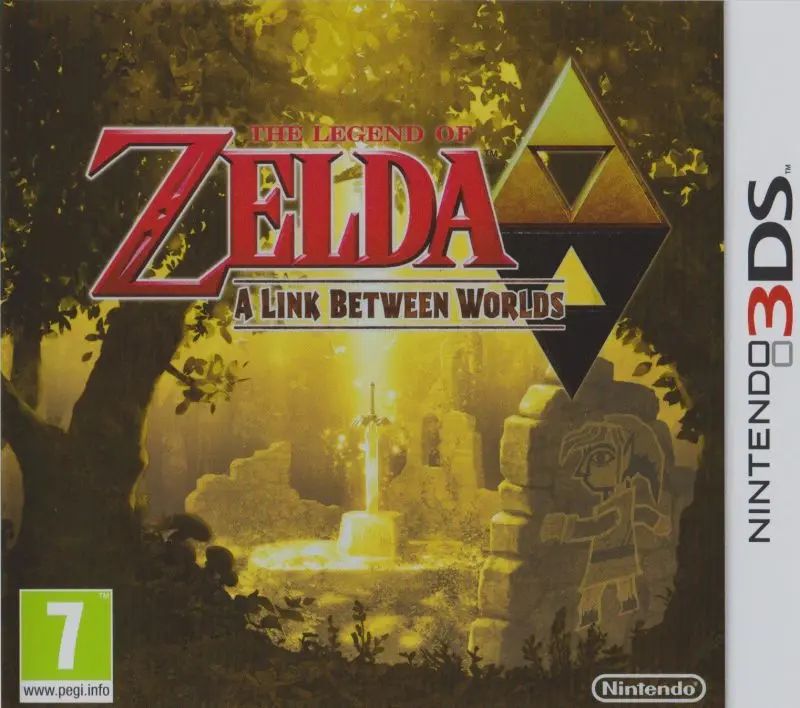
European reversible cover; bundle with a gold, Triforce-themed Nintendo 3DS XL; Nintendo Selects (Europe, 16 October 2015)
Timeline
Generations after A Link to the Past, in the branch where the Hero of Time fell
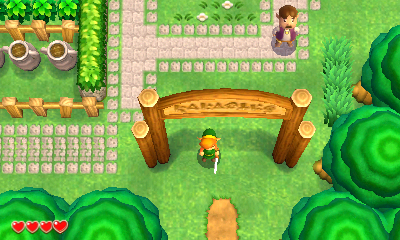
Few sequels have taken a bigger risk than going straight back to the scene of the series’ most beloved 16-bit adventure. A Link Between Worlds rebuilds the map of A Link to the Past: the same Kakariko Village, the same Lost Woods, the same Eastern Palace and Death Mountain, rebuilt in polygons and stereoscopic 3D on Nintendo 3DS, running at a silky 60 frames per second.
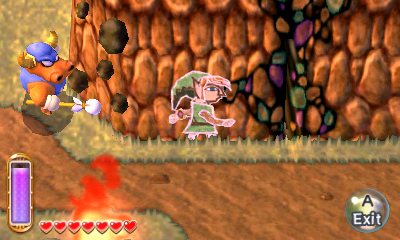
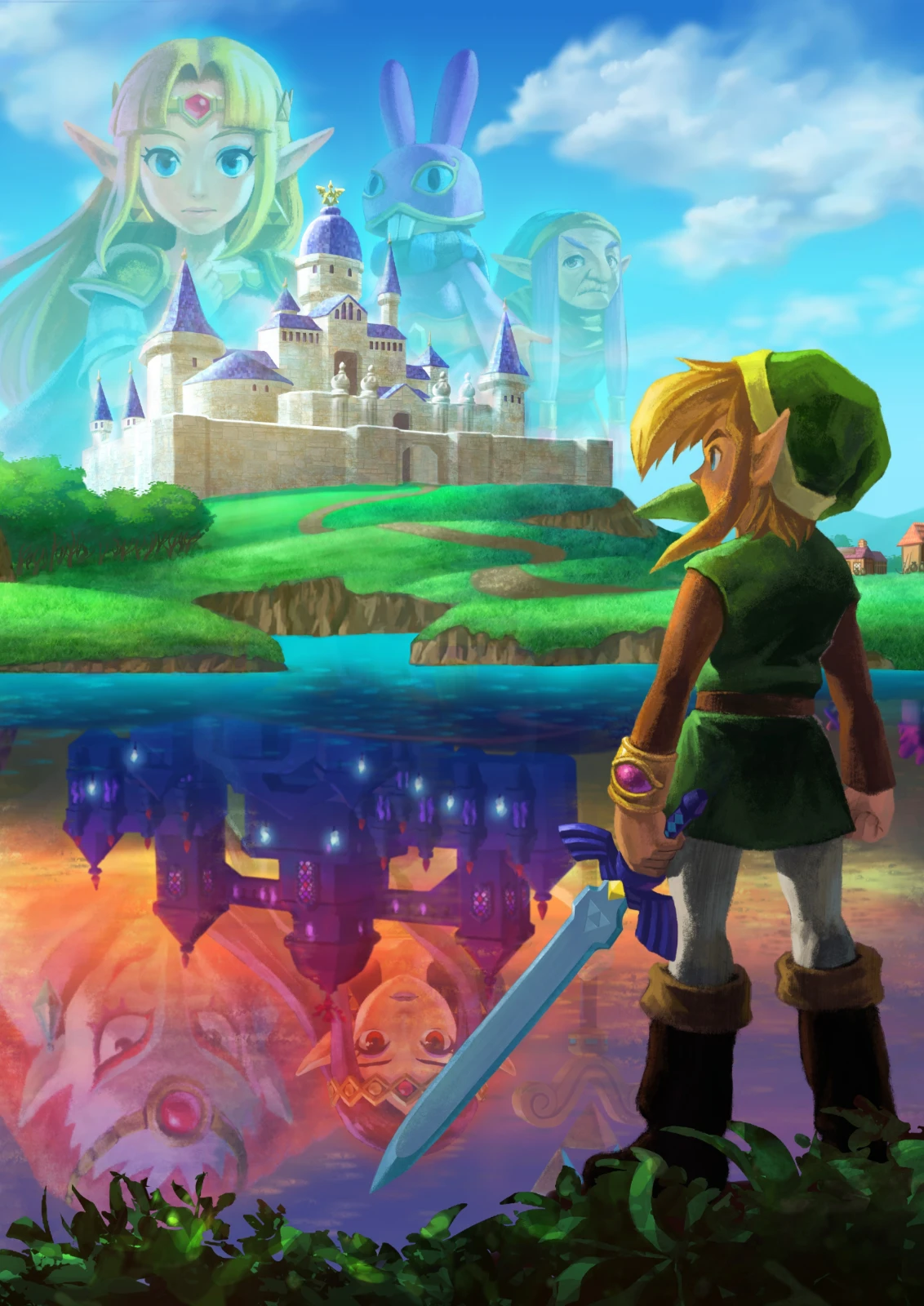
Then it pulls the rug out. A sorcerer called Yuga is turning people into paintings, and when he does it to Link, the spell backfires: thanks to a bracelet from a strange rabbit-hooded merchant called Ravio, Link can merge flat into any wall and shuffle along it like a living mural. That one trick turns the familiar top-down Hyrule into a puzzle box, and it is also the way into Lorule, a dark, broken twin of Hyrule ruled by a princess called Hilda.
The other big idea was just as bold. Instead of finding one key item in each dungeon, you rent or buy nearly all of them from Ravio from early on, which means the dungeons, especially the seven in Lorule, can be tackled in almost any order. Die, and the rentals go back to the shop. Critics adored it (Metacritic averages 91, and Nintendo Life and Game Informer both gave it ten out of ten), and its freedom now looks like a first step towards Breath of the Wild.
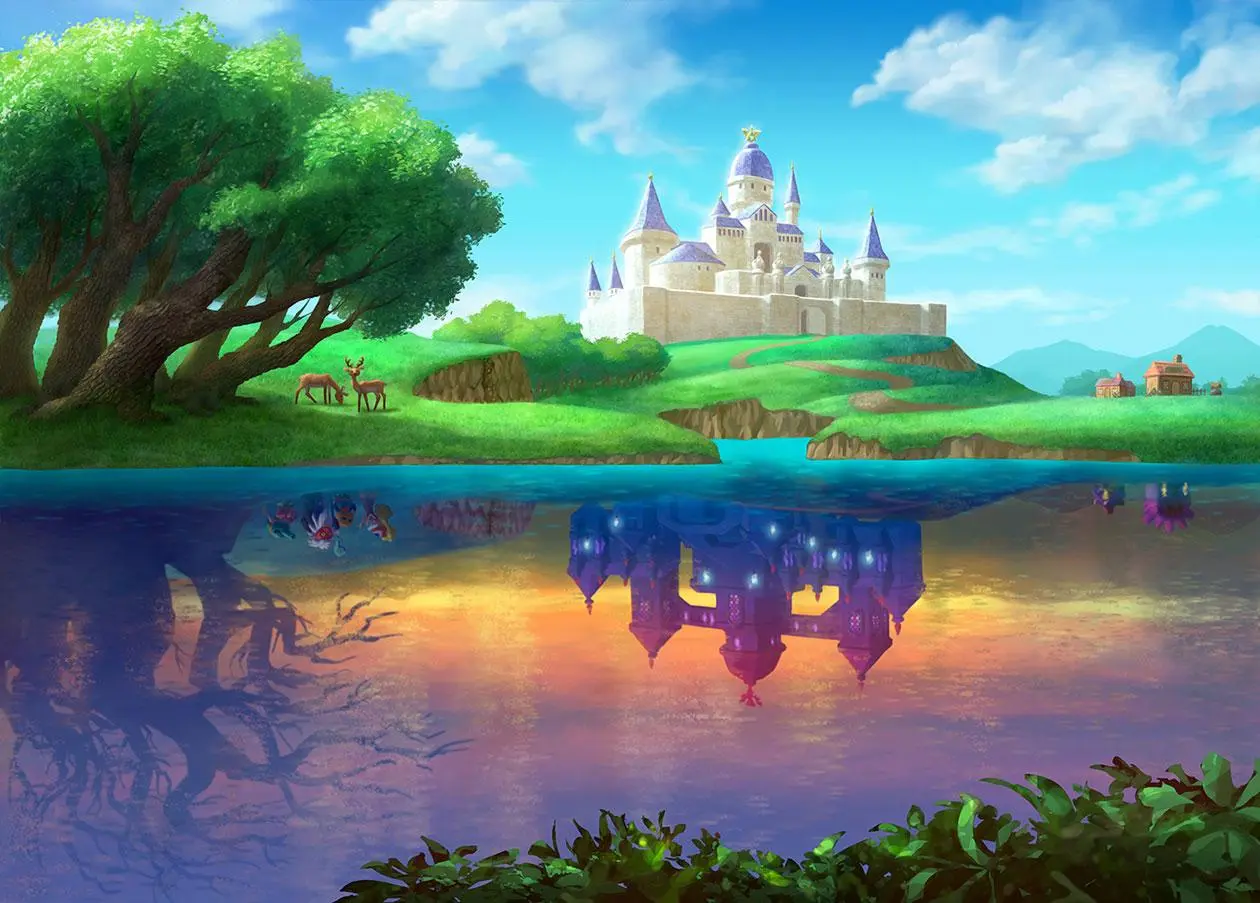
A familiar Hyrule, rebuilt in 3D.Link merged into a wall as a painting.Lorule, Hyrule’s dark twin.
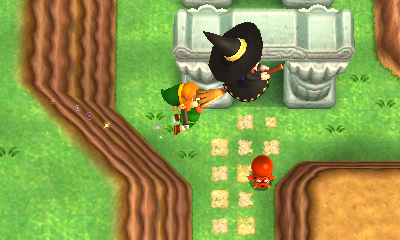
This time, Link can move across walls as if he were painted on them.
That is how Nintendo sums up the game’s big new trick on its own product page. The same description pitches the game as a follow-on to the 1992 Super NES adventure that tells a new story in the same kingdom, and promises that the 3DS’s 3D adds a new layer of depth to its top-down world. The electronic manual is plainer still, inviting players to control the hero Link as they explore dungeons and solve puzzles.
— Official description: Nintendo UK, The Legend of Zelda: A Link Between Worlds product page; Nintendo, electronic manual (2013). One line quoted; the rest summarised.
Quick Answers
The questions people ask most about A Link Between Worlds, answered first and explained further down the page.
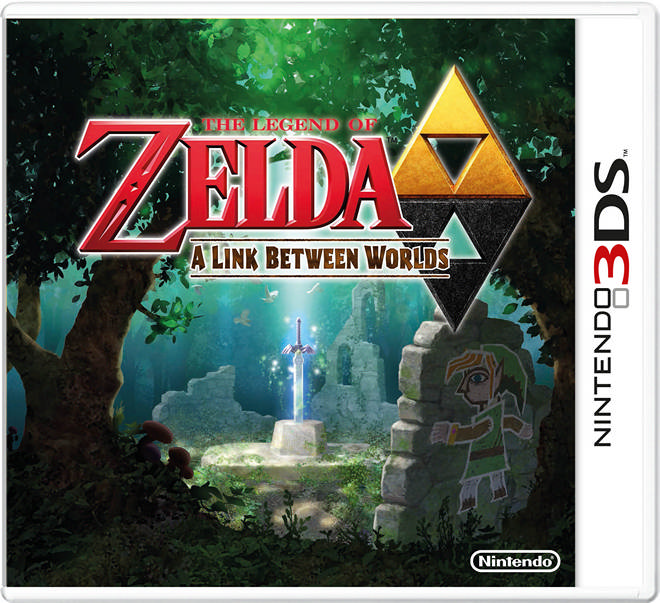
The main artwork for A Link Between Worlds.
When did A Link Between Worlds come out?
On 22 November 2013 in Europe and North America, 23 November in Australia and 26 December 2013 in Japan, for Nintendo 3DS. More →
Is it a sequel to A Link to the Past?
Yes. It is set in the same Hyrule generations later, reuses that game’s map and music, and its Japanese title is simply “Triforce of the Gods 2”. Nintendo avoided a “2” in the West because it is an all-new game rather than a remake. More →
What is Lorule?
A parallel kingdom that mirrors Hyrule. Long ago its royal family destroyed their own Triforce to end a war over it, and without it the land fell apart into a broken, gloomy wasteland split by chasms. Link reaches it through cracks in the walls. More →
Who is Ravio?
The rabbit-hooded merchant who moves into Link’s house, gives him the bracelet that lets him merge into walls and rents him items. At the end he is revealed as Link’s counterpart from Lorule. More →
How does item rental work?
Ravio rents out tools such as the Bow, Hookshot, Fire Rod and Hammer for a small fee, or sells them for much more. If Link falls in battle, rented items go back to the shop; bought ones are yours to keep and can be upgraded by Mother Maiamai. More →
Can you do the dungeons in any order?
Mostly. The early Hyrule dungeons come first (the House of Gales and the Tower of Hera in either order), then the seven Sage dungeons can be done in nearly any order, except that the Thieves’ Hideout has to come before the Desert Palace. More →
Who are the Seven Sages?
Descendants of the Sages who once sealed Ganon: Seres, Osfala, Gulley, Queen Oren, Irene, Rosso and Impa. Yuga turns all seven into paintings, and Link has to rescue them from Lorule’s dungeons. More →
Is there a Hero Mode?
Yes. It opens after you finish the story, and enemies hit four times as hard. More →
Do you need to play it in 3D?
No. The team learned about the 2DS during development and made sure every puzzle can be solved without the 3D effect, though Aonuma said the 3D makes things clearer. More →
Is there a sequel?
Yes: Tri Force Heroes (2015) stars the same Link in a multiplayer adventure in the kingdom of Hytopia. More →
Plot / Story
“The Hero Awakens”, one of the pictures that tell Hyrule’s legend.
Hyrule remembers its history the way old kingdoms do, as a legend. Long ago the royal family and the Seven Sages sealed the Triforce, the wish-granting relic of the gods, inside the Sacred Realm. A thief broke in anyway, seized it, and became the Demon King Ganon, until a hero wielding the Master Sword, helped by the descendants of the Sages, sealed him away in darkness. The Triforce was split into three. Anyone who has played A Link to the Past will recognise the tale, because they lived it; this game takes place generations later, in a Hyrule that has had a long time to forget.
The blacksmith’s apprentice
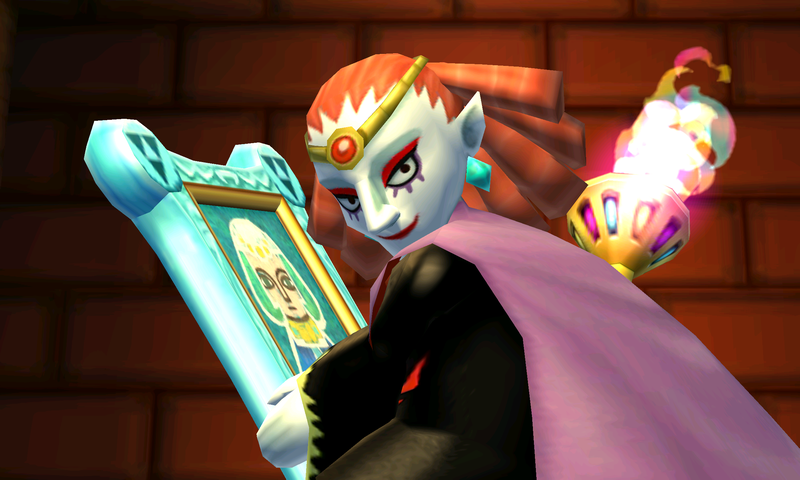
This Link is no knight. He is the blacksmith’s apprentice, sent on an errand to return a sword to the captain of the castle guard. The errand leads him to the Sanctuary, where he finds the captain already frozen into a painting and a flamboyant sorcerer named Yuga in the act of doing the same to Seres, the priest’s daughter. Yuga swats Link aside without a second thought.
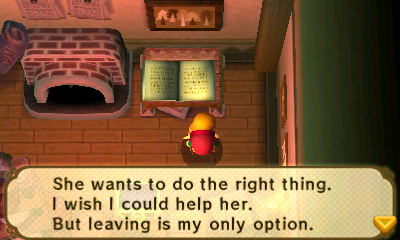
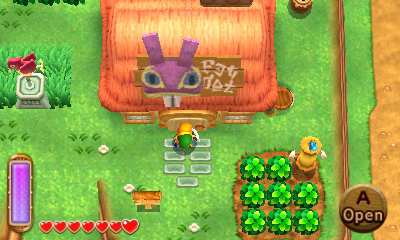
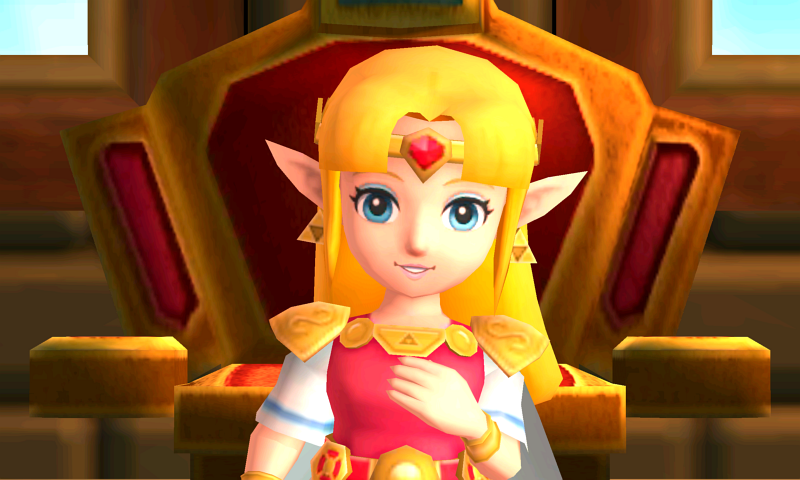
Link wakes to find a stranger in a purple rabbit hood looking down at him. Ravio introduces himself as a travelling merchant who found Link out cold in the Sanctuary, gives him a bracelet and asks, very politely, whether he might stay at Link’s house for a while. By the time Link gets home, it is well on its way to becoming Ravio’s Shop. Princess Zelda, meanwhile, hears Link’s report and gives him the Pendant of Courage: one of three pendants which together prove a hero worthy of the Master Sword.
Yuga turns Seres into a painting at the Sanctuary.Ravio makes himself at home in Link’s house.Princess Zelda entrusts Link with the Pendant of Courage.
Into the wall
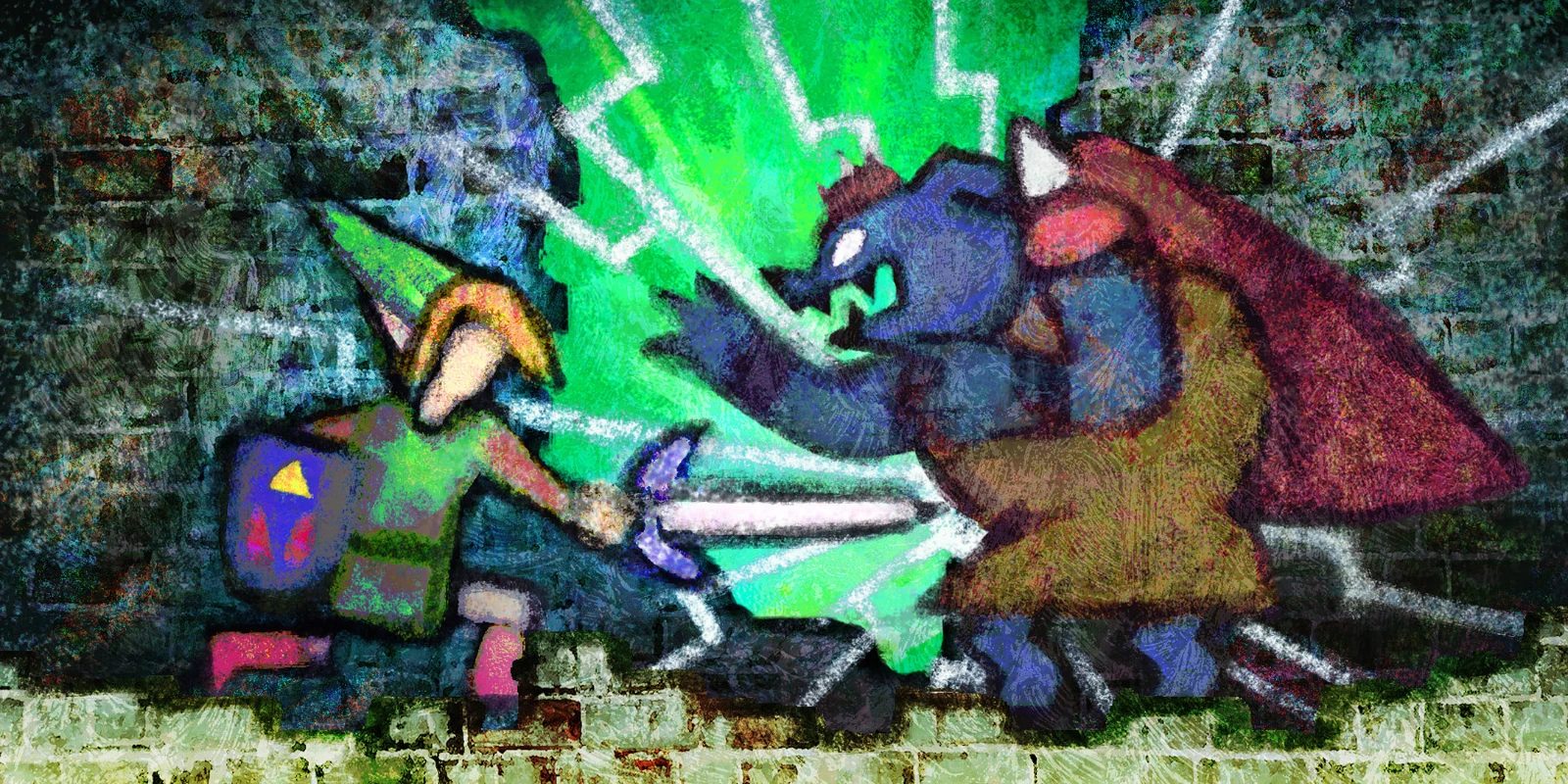
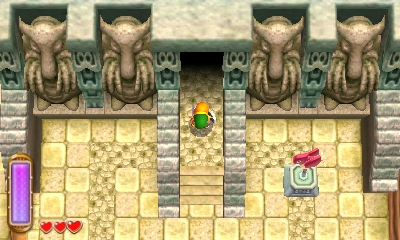
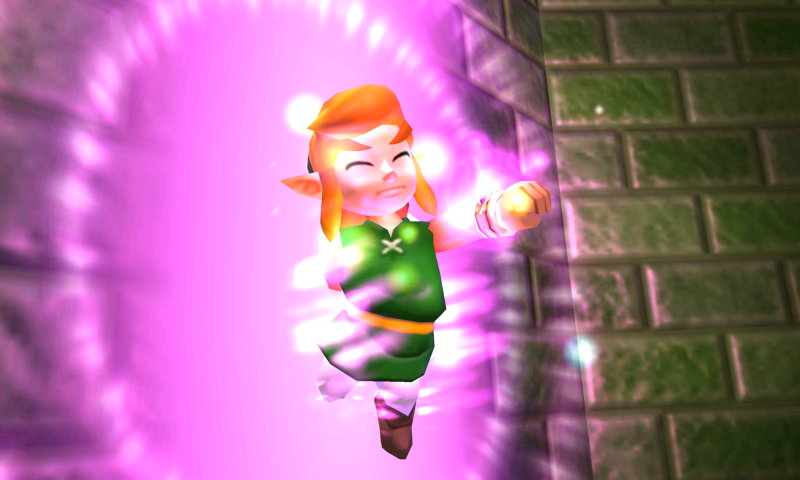
The wise old Sahasrahla points Link towards the Eastern Palace, where his fearless apprentice Osfala has gone looking for trouble. Yuga gets there first and paints Osfala into a picture, and when Link catches up, the fight ends with Link himself flattened into a painting on the wall. Ravio’s bracelet changes everything: its magic peels Link back off the wall, and from then on he can merge into walls whenever he likes, sidling around corners and across gaps as a flat, side-on mural until his energy runs low.
The Eastern Palace, as it looked in A Link to the Past, rebuilt in 3D.Link learns to merge into walls.
Two pendants and the Master Sword
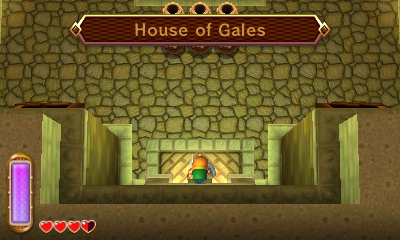
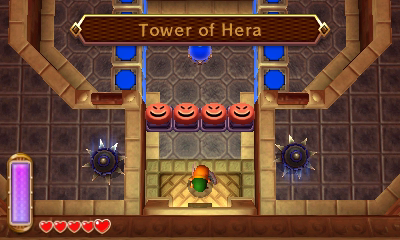
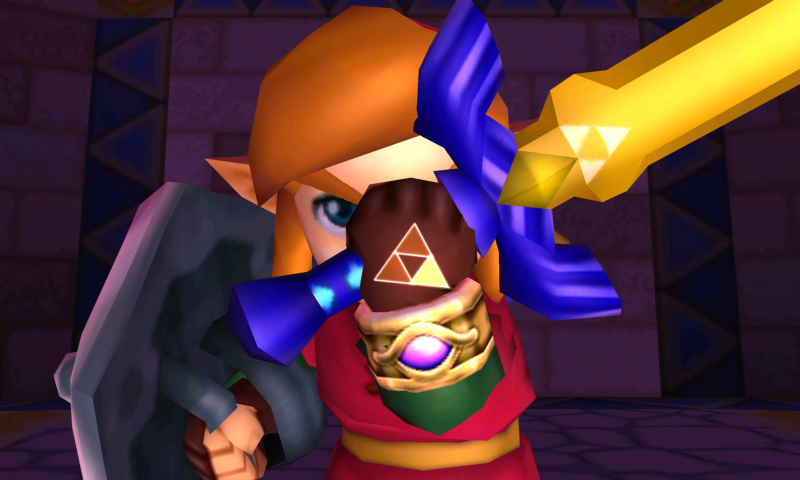
The other two pendants are hidden in classic places. The Pendant of Wisdom is in the House of Gales, a windswept tower on an island in Lake Hylia, which takes a rented Tornado Rod and a pair of Zora’s Flippers from Queen Oren to reach. The Pendant of Power waits at the top of the Tower of Hera on Death Mountain, where Link hammers moles to spring from floor to floor and battles the giant worm Moldorm, just as the hero of A Link to the Past did. With all three pendants, Link draws the Master Sword.
The House of Gales on Lake Hylia.Climbing the Tower of Hera.Link draws the Master Sword.
Hyrule Castle and the crack in the world
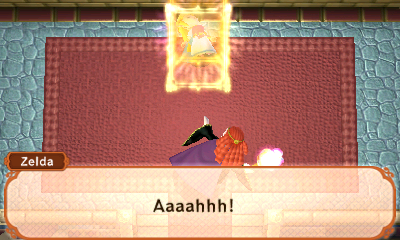
Link storms Hyrule Castle, only to watch Yuga trap Zelda in a painting. He battles the sorcerer again, but Yuga escapes through a crack in the wall into another world. Link follows him through.
Yuga captures Zelda in a painting.
Lorule
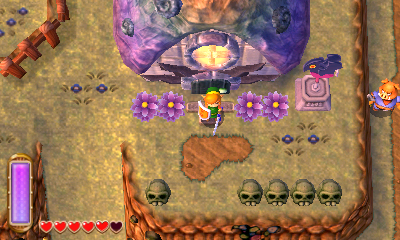
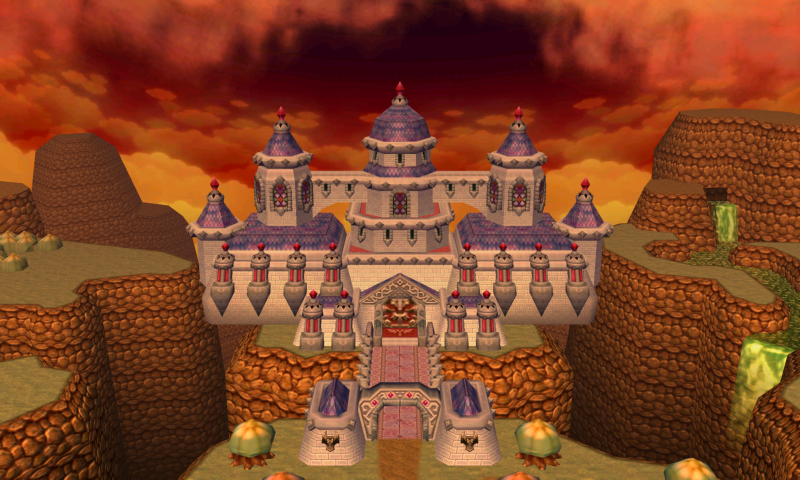
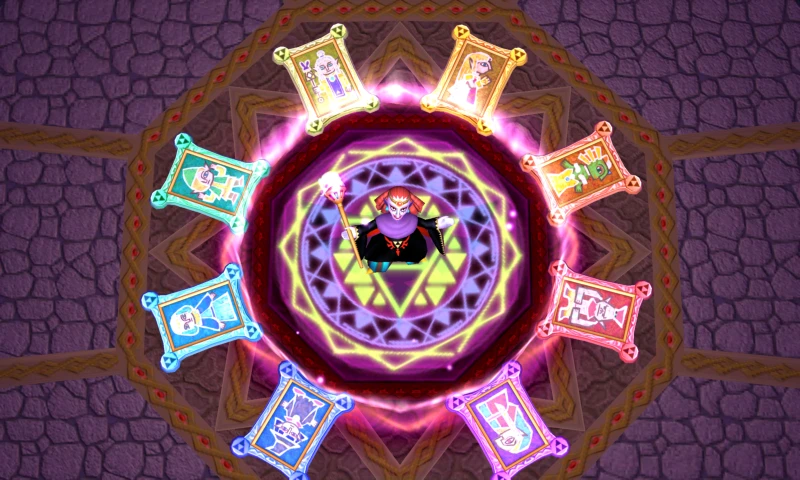
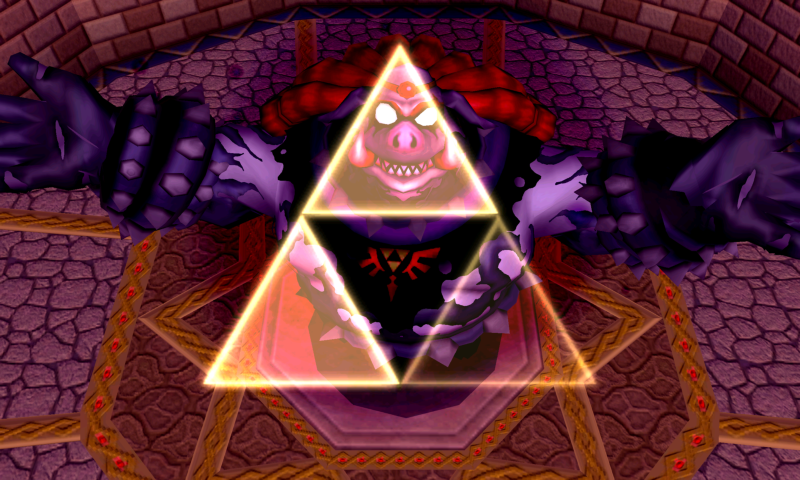
On the other side is Lorule: Hyrule’s mirror image, with the same mountains and lakes, but rotten. Chasms split the land, monsters roam freely, the people of Thieves’ Town have turned to crime or hidden behind masks, and its castle is sealed behind a barrier. In Lorule Castle Link finds Yuga using the paintings of the Seven Sages to resurrect Ganon, and then merging with the Demon King to become something worse.
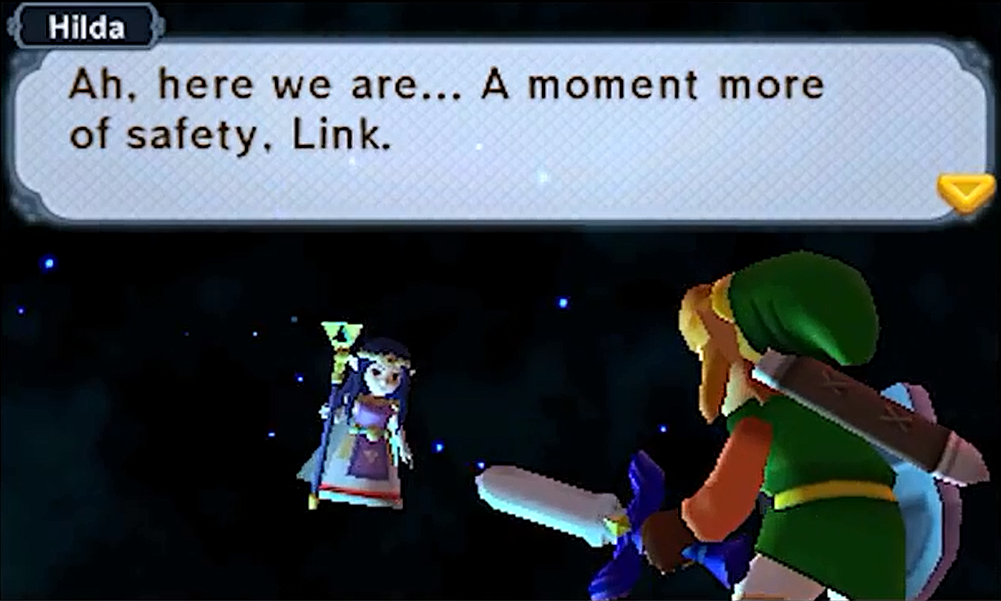
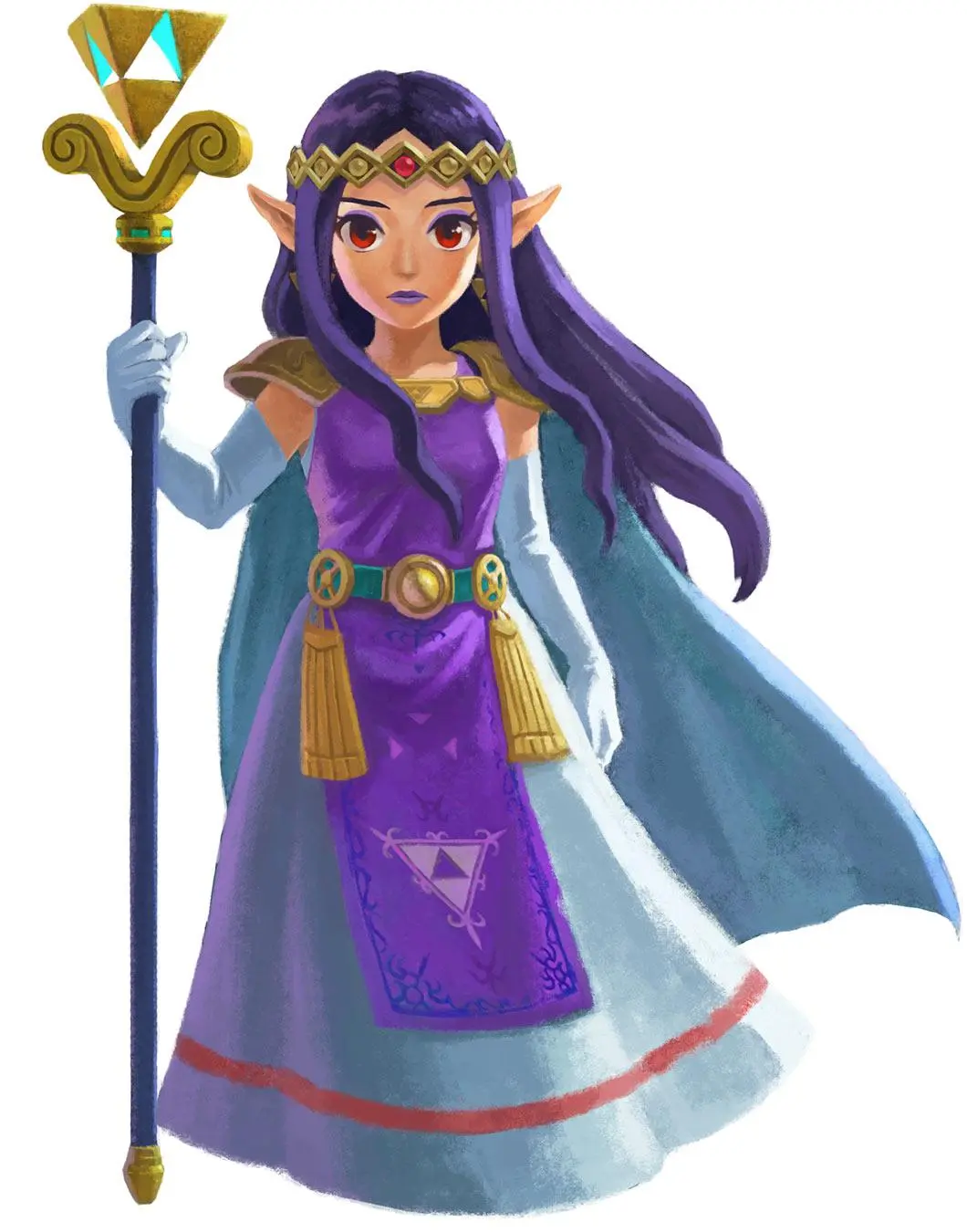
Before Yuga Ganon can finish Link off, a young woman appears and binds him with her magic. She is Hilda, Lorule’s princess, and she looks almost exactly like Zelda. She tells Link that Yuga threatens both worlds, explains that the Sages are imprisoned in Lorule’s dungeons, and sends him off to free them, keeping in touch telepathically as he goes and quietly speaking to Zelda’s portrait about how much she envies Hyrule.
Lorule Castle, sealed behind its barrier.Princess Hilda of Lorule.Yuga merges with Ganon.
Seven Sages, seven dungeons
Here the game opens right up. Seven dungeons are scattered across Lorule, each holding one Sage in a painting, and Link can tackle most of them in whatever order he likes, renting or buying the tools he needs from Ravio. The blacksmith’s son Gulley is in the Dark Palace; Queen Oren of the Zoras is in the Swamp Palace; Seres lies at the bottom of Skull Woods; Osfala’s portrait is hidden by Stalblind, the master of Lorule’s thieves, in Thieves’ Town; the miner Rosso’s painting lies deep in the Ice Ruins; the young witch Irene is guarded by the sandworm Zaganaga beyond the Desert Palace; and Zelda’s attendant Impa waits in Turtle Rock.
Each rescued Sage gathers in the Chamber of the Sages. When all seven are free, their combined power calls forth the Triforce of Courage, which chooses Link, and breaks the barrier around Lorule Castle.
The Seven Sages gather in the Chamber of the Sages.The Triforce of Courage appears for Link.
Hilda’s gambit
At Lorule Castle the truth comes out. Hilda takes the Triforce of Wisdom from Zelda and demands Link’s Triforce of Courage. Lorule, she explains, once had a Triforce of its own, and wars were fought over it until her ancestors destroyed it to end the fighting. Without it the kingdom crumbled. Her plan all along was to take Hyrule’s Triforce to save her people, with Yuga as her tool, and when Yuga failed to steal the Triforce of Courage she simply let Link earn it for her.
But Yuga has plans of his own. Once Link has beaten him, the sorcerer turns on his princess, traps her in a painting, takes her Triforce of Wisdom, and declares that he will remake Lorule in his own image. Link has to face him one last time, and wins.
The final battle with Yuga Ganon.
Ravio’s secret and the wish
Freed, Hilda still refuses to let go of her plan. It is Ravio who stops her. He finally drops the act: he is Link’s counterpart from Lorule, once Hilda’s servant, who knew what she and Yuga were planning, was too frightened to stand against them, and fled to Hyrule to find a hero braver than himself. Taking another kingdom’s Triforce, he tells her, would only repeat her ancestors’ mistake.
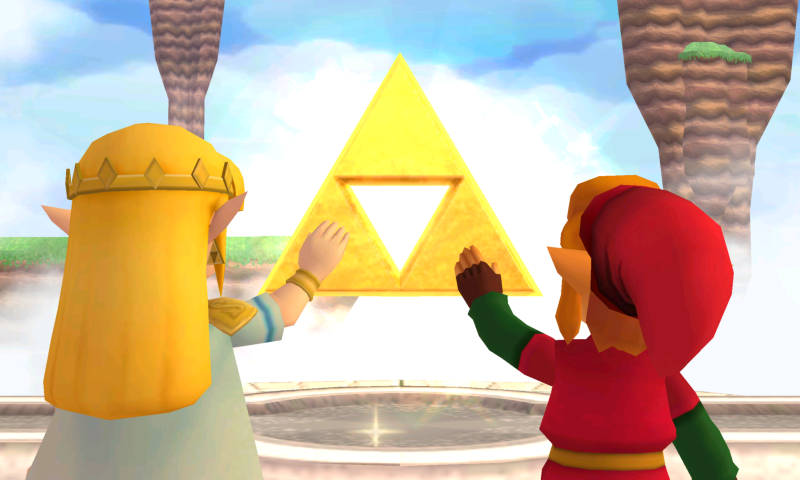
Hilda gives in, apologises to Zelda, and sends Link and Zelda home. There, in front of Hyrule’s reunited Triforce, they make a wish of their own: for Lorule’s Triforce to be restored. Lorule is saved, Ravio and Hilda set about rebuilding it together, and Link returns the Master Sword to its pedestal.
Ravio reveals who he really is.Link and Zelda wish on the Triforce.
Dungeons of Hyrule and Lorule
There are twelve main dungeons: three in Hyrule before the Master Sword, Hyrule Castle, seven Sage dungeons that can be played in nearly any order, and Lorule Castle at the end. The optional Treacherous Tower in Lorule is a challenge for completists.
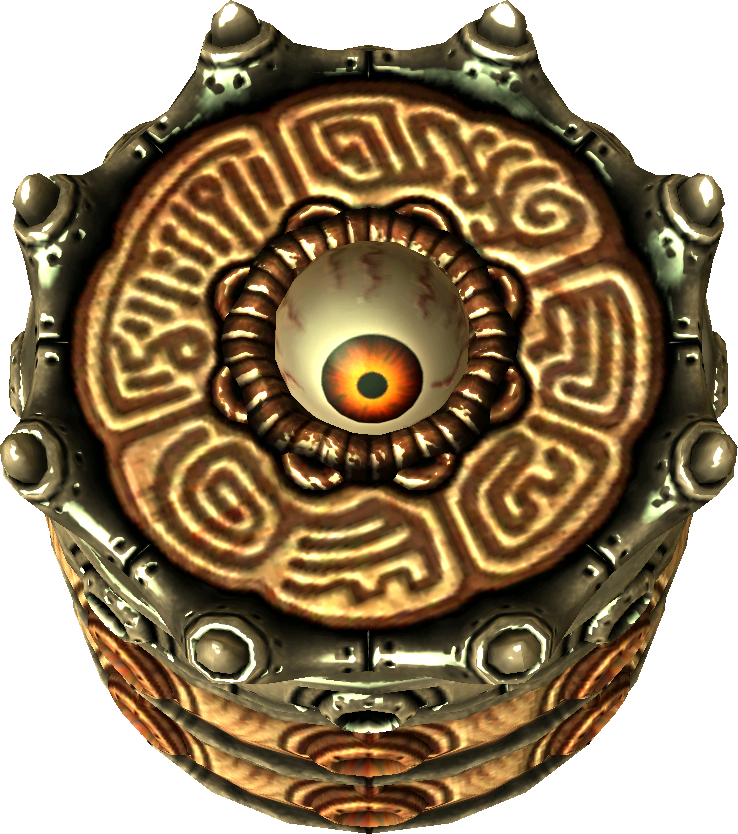
House of GalesHyrule · Lake HyliaNeeds the Tornado Rod and Zora’s Flippers. Boss: Margomill, a giant eye inside a protective contraption. Reward: Pendant of Wisdom.
Tower of HeraHyrule · Death MountainThirteen floors climbed by hammering moles; needs the Hammer and Power Glove. Boss: Moldorm. Reward: Pendant of Power.
Hyrule CastleHyruleYuga’s second stand, and the crack into Lorule.
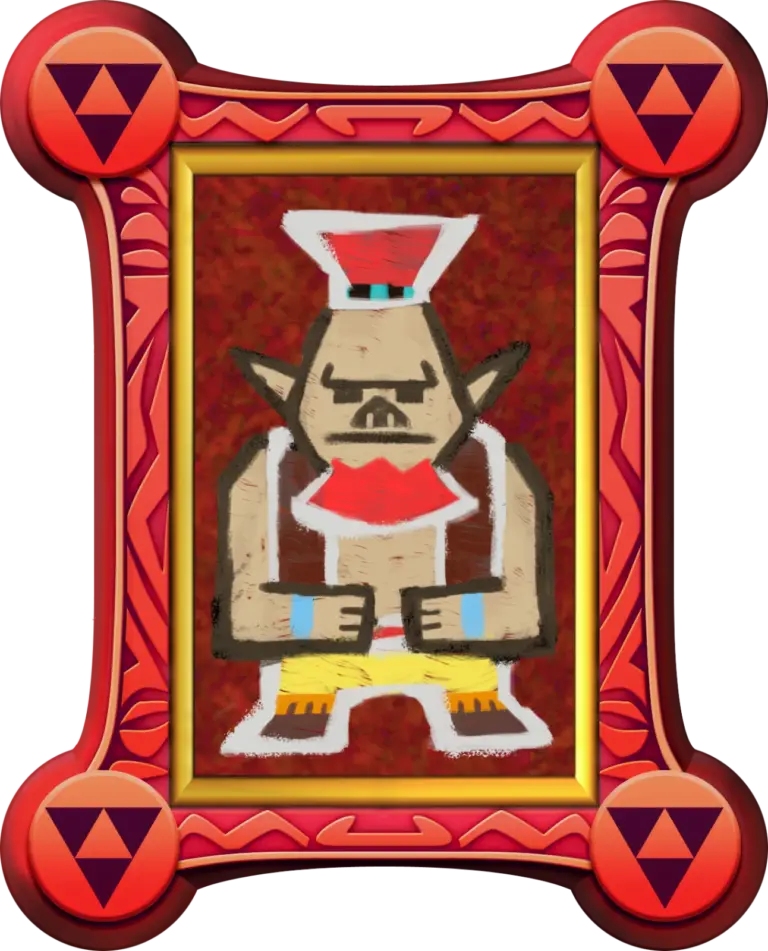
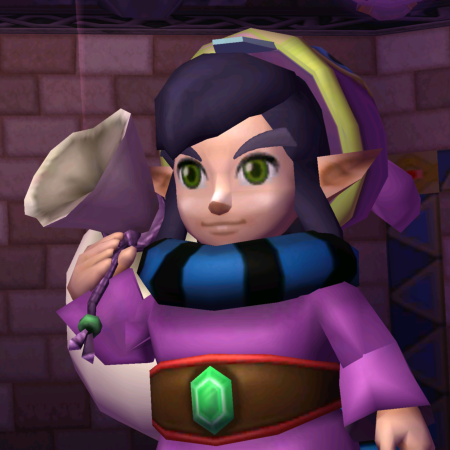
Thieves’ HideoutLorule · Thieves’ TownTeam up with the Thief Girl. Boss: Stalblind. Sage: Osfala, who brings the Sand Rod.
Dark PalaceLorule · eastLorule’s answer to the Eastern Palace. Boss: Gemesaur King. Sage: Gulley.
Skull WoodsLorule · north-westBoss: Knucklemaster, a steel-gloved hand with an eye in its palm. Sage: Seres.
Ice RuinsLoruleNeeds the Fire Rod. Boss: Dharkstare, frozen in ice. Sage: Rosso.
Desert PalaceHyrule’s desert, ending in Lorule’s Misery MireNeeds the Sand Rod, so it comes after the Thieves’ Hideout. Boss: Zaganaga, a cactus-shaped sandworm. Sage: Irene.
Turtle RockLorule LakeBoss: Grinexx, a lava-dwelling turtle beaten with the Ice Rod. Sage: Impa.
Lorule CastleLorule · final dungeonHilda’s home, sealed until Link holds the Triforce of Courage. Final boss: Yuga Ganon.
Weather Vanes across both worlds double as save points, and once Link has Irene’s bell he can ring for a lift to any he has activated.
In comics, TV & other media
Lorule’s cast found new homes after 2013, from a Koei Tecmo spin-off to a hood you can wear in Breath of the Wild.
Tri Force HeroesNintendo 3DS · 2015The direct sequel: the same Link travels to the kingdom of Hytopia for a three-player co-operative adventure, again directed by Hiromasa Shikata.
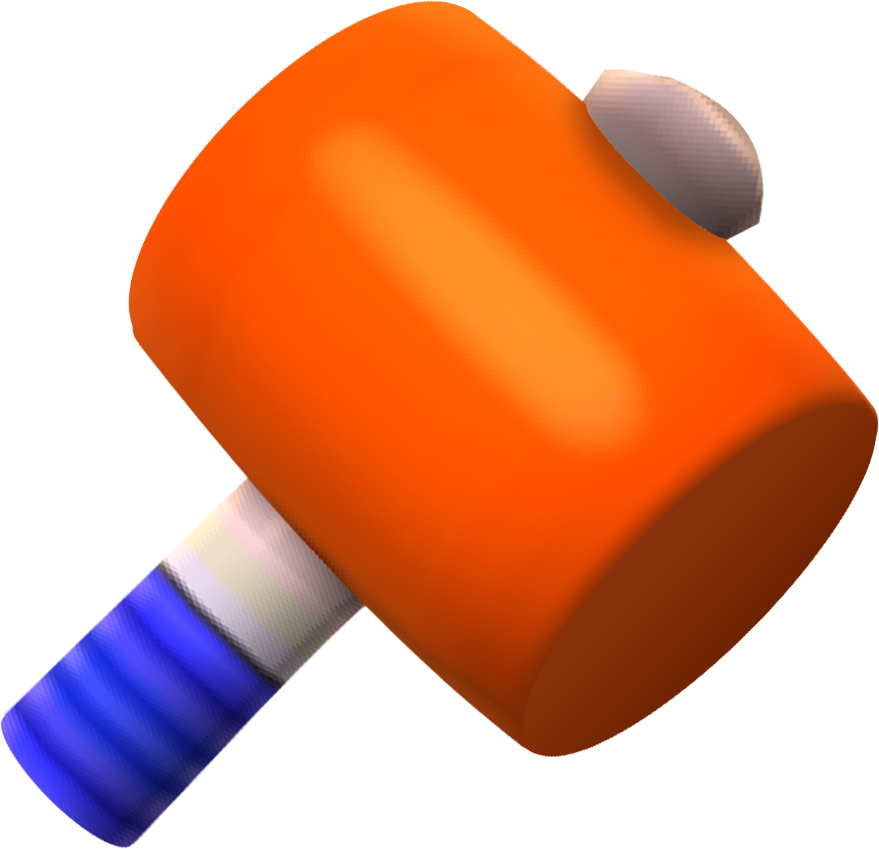
Hyrule Warriors Legends: A Link Between Worlds PackKoei Tecmo and Nintendo · 2016Downloadable content that made Ravio and Yuga playable (Ravio fights with a Rental Hammer) and added a Lorule adventure map, complete with an 8-bit Mother Maiamai. Both carried over to the Switch Definitive Edition.
Breath of the Wild and Tears of the KingdomNintendo · 2017 and 2023Ravio’s Hood is a wearable item, first in The Champions’ Ballad expansion of December 2017 and again in Tears of the Kingdom.
Super Smash Bros. UltimateNintendo · 2018Princess Zelda’s look in Ultimate is partly based on her A Link Between Worlds design, and music from the game plays on the Zelda stages.
Soundtrack CDClub Nintendo Europe · 2015The soundtrack was released on CD in Europe as a Club Nintendo reward.
Characters
A Link Between Worlds has a cast of two halves: familiar Hylians descended from A Link to the Past’s world, and their crooked reflections in Lorule. Here is who everyone is, their place in the wider saga, and what they do in this game.
Character
Who they are
In this game
Stats & abilities
LinkBlacksmith’s apprentice, hero of two worlds
Every few generations the Zelda series gives us a new Link, and this one lives in the same Hyrule as the hero of A Link to the Past, long after that hero’s time. He starts out as a blacksmith’s apprentice rather than a soldier or a chosen one, which makes it all the sweeter when the Triforce of Courage picks him. He went on to star in the sequel, Tri Force Heroes.
Chases Yuga across Hyrule and Lorule, gathers the three pendants and the Master Sword, rescues the Seven Sages, defeats Yuga Ganon and wishes Lorule’s Triforce back into being.
Merges into walls as a painting (drains the energy gauge)
Energy gauge powers bombs, arrows and rods: no ammo to collect
Princess ZeldaPrincess of Hyrule, bearer of the Triforce of Wisdom
The princess of Hyrule and keeper of the Triforce of Wisdom, as so many Zeldas are, with the loyal Impa at her side. Nintendo later based her Super Smash Bros. Ultimate look partly on this design.
Gives Link the Pendant of Courage, is captured in a painting by Yuga at Hyrule Castle, has her Triforce of Wisdom taken by Hilda, and at the end joins Link in wishing Lorule’s Triforce back.
Pale, dark-haired and green-eyed, otherwise the image of Link, Ravio hides under a purple robe and a hood shaped like a rabbit. He calls himself a travelling merchant and is, by his own eventual admission, a coward: Lorule’s Link, the hero who was too scared to be one.
Finds Link in the Sanctuary, gives him the bracelet that lets him merge into walls, moves into his house and turns it into Ravio’s Shop. His bird, Sheerow, collects rented items whenever Link falls. At the end he reveals that he fled Lorule to find a braver hero, and talks Hilda out of taking Hyrule’s Triforce.
Rents and sells almost every item
Companion: Sheerow
His journal turns up in the Vacant House in Hero Mode
Later: playable in Hyrule Warriors Legends; his hood is wearable in Breath of the Wild
Princess HildaPrincess of Lorule
Lorule’s ruler and Zelda’s counterpart, almost identical to her but for her darker hair, eyes, clothes and make-up. She carries a staff topped with Lorule’s upside-down Triforce, and she is the most sympathetic schemer the series has produced: everything she does is for her dying kingdom.
Saves Link from Yuga Ganon, guides him across Lorule and asks him to free the Sages, then takes the Triforce of Wisdom from Zelda and demands Link’s Triforce of Courage. Betrayed by Yuga, freed by Link and talked round by Ravio, she apologises and sends Link and Zelda home.
Binding magic strong enough to hold Yuga Ganon
Speaks to Link telepathically
Japanese name: ヒルダ姫 (Princess Hilda)
YugaLorule’s sorcerer
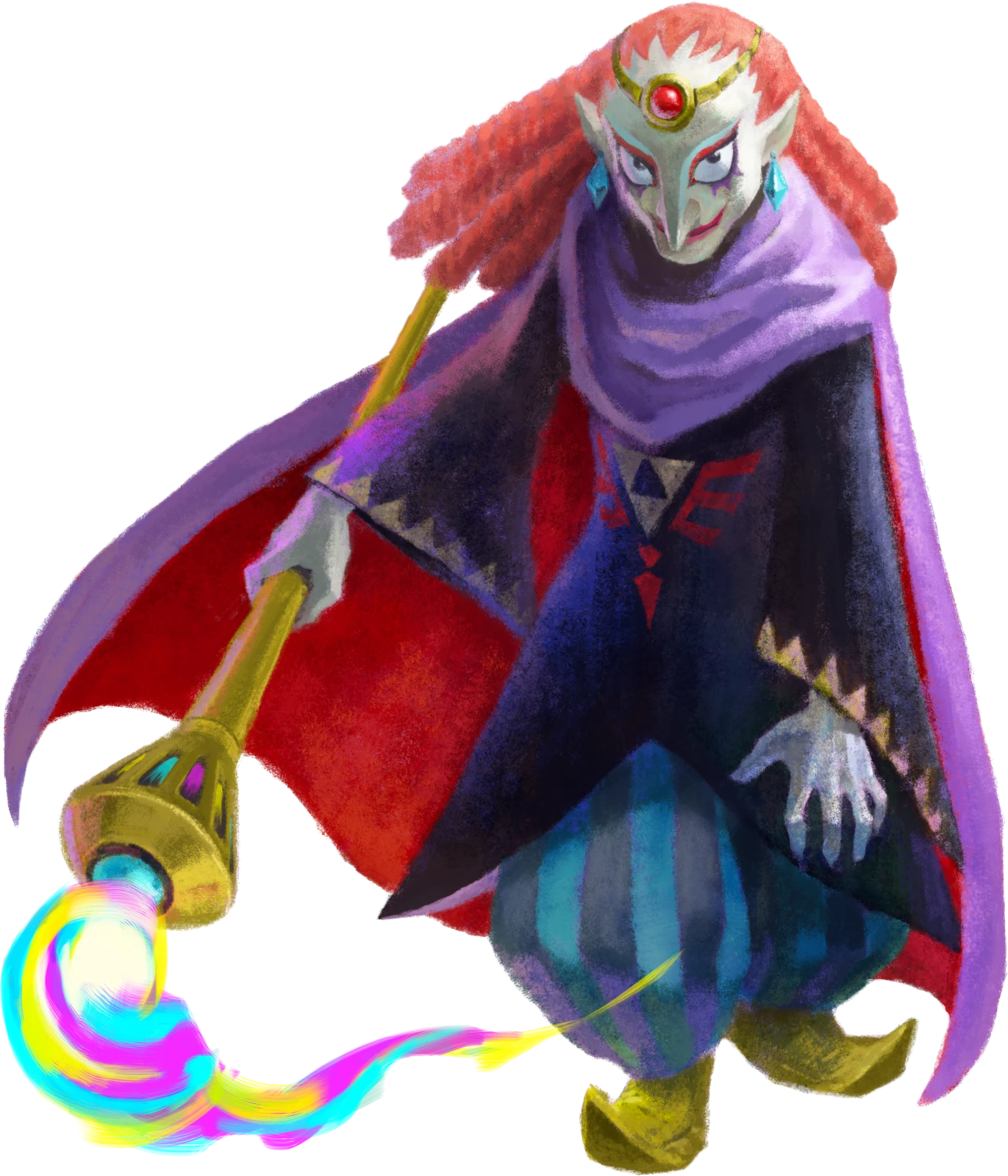
A vain, theatrical sorcerer obsessed with beauty, who turns everything he admires into a painting. His name comes from the Japanese word for oil painting. Aonuma compared his over-inflated self-importance to Ghirahim’s in Skyward Sword, and fans have noticed his colouring recalls Ganondorf.
Paints the Seven Sages and Zelda, uses them to revive Ganon and merges with him, then betrays Hilda, takes her Triforce and plans to remake Lorule in his own image. Fought at the Eastern Palace, at Hyrule Castle and, as Yuga Ganon, at Lorule Castle.
Turns people into paintings and hides in walls himself
As Yuga Ganon: Ganon’s power plus the Triforce of Power
Later: playable in Hyrule Warriors Legends
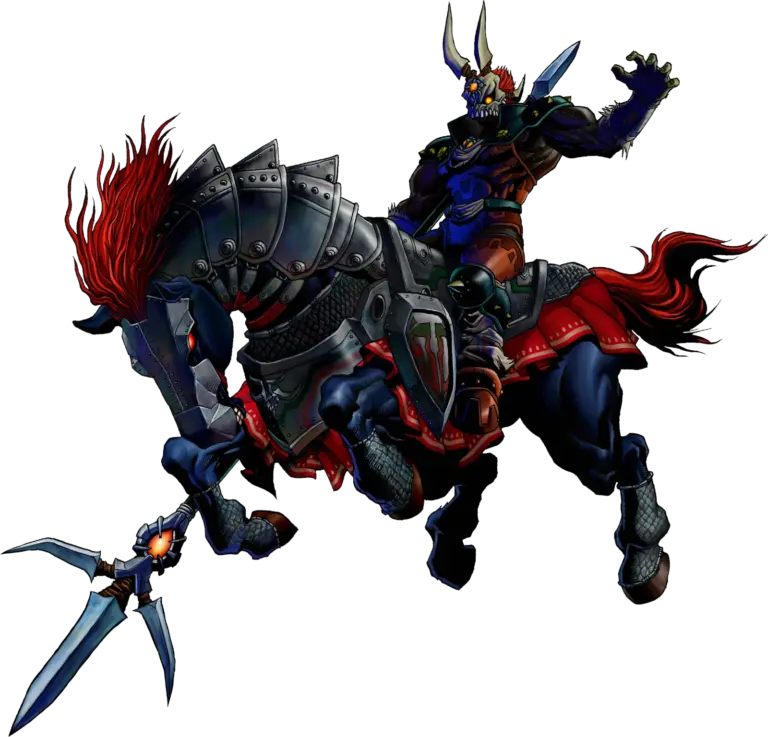
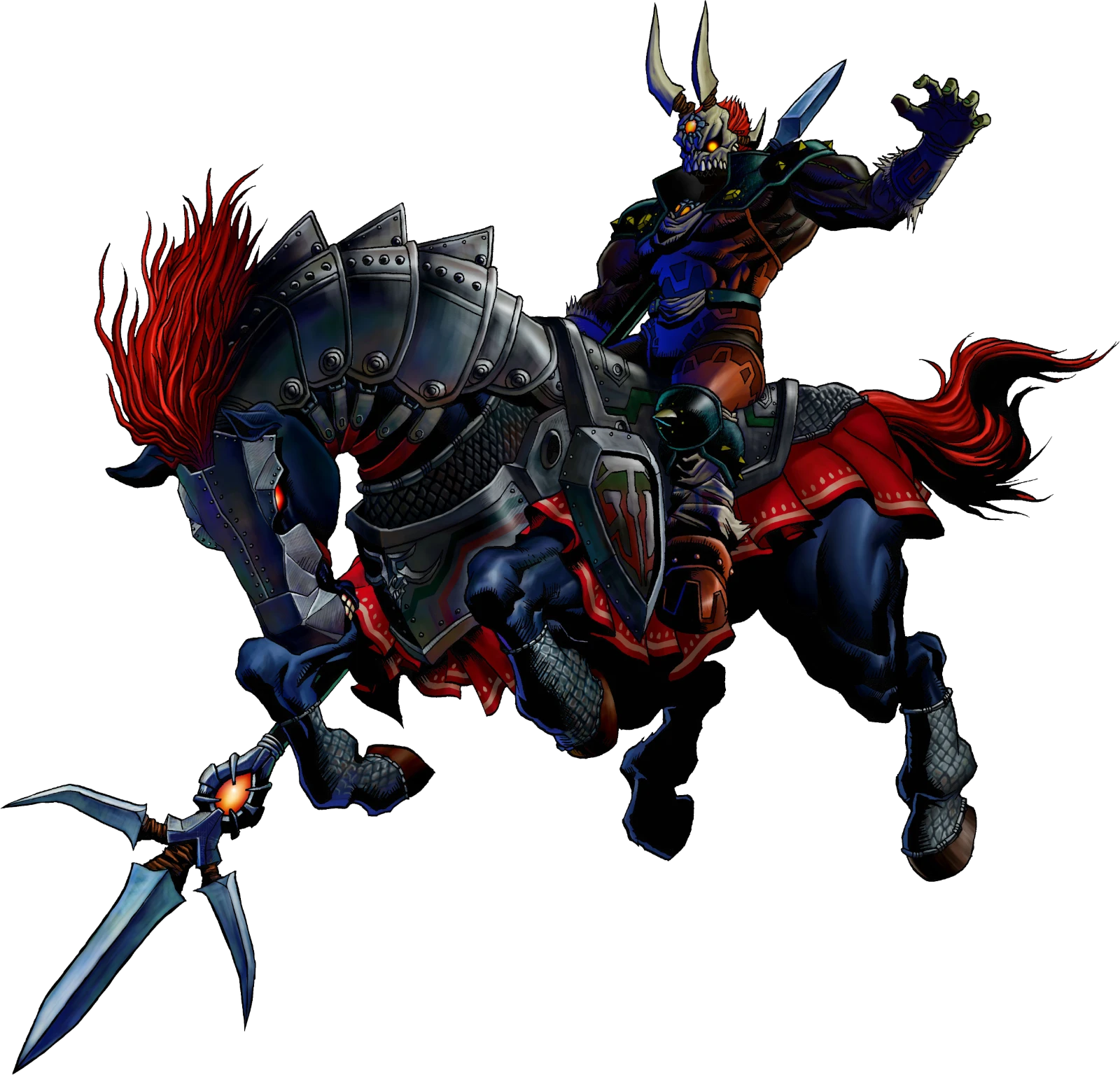
GanonThe Demon King
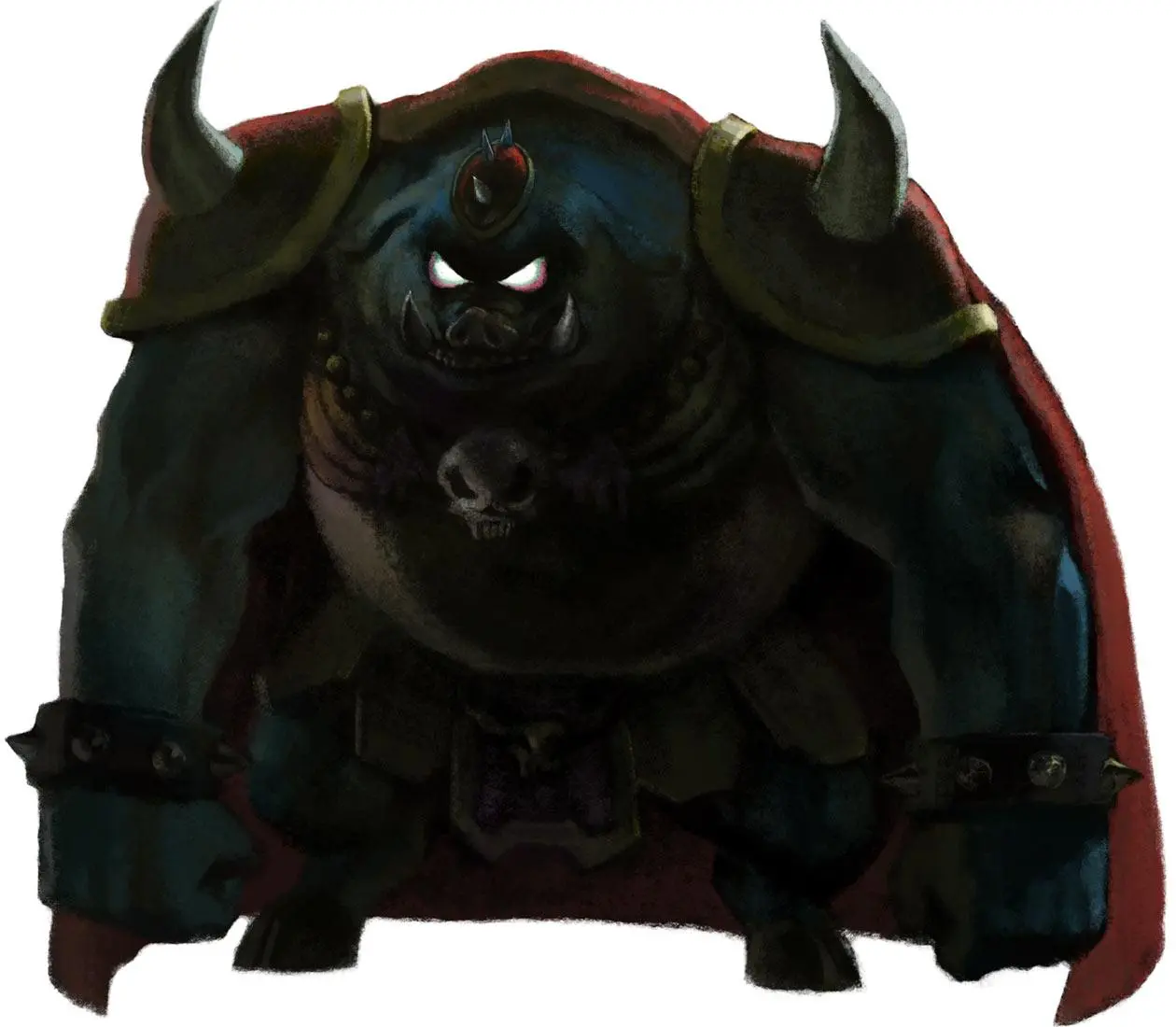
The series’ great villain, the thief who seized the Triforce and was sealed away by the hero of A Link to the Past. In this game he is a power for Yuga to use.
Resurrected by Yuga in Lorule Castle with the Sages’ paintings, and absorbed into him to create Yuga Ganon, whose look recalls Ganon’s in A Link to the Past.
Fought only as part of Yuga Ganon.
ImpaZelda’s attendant; a Sage
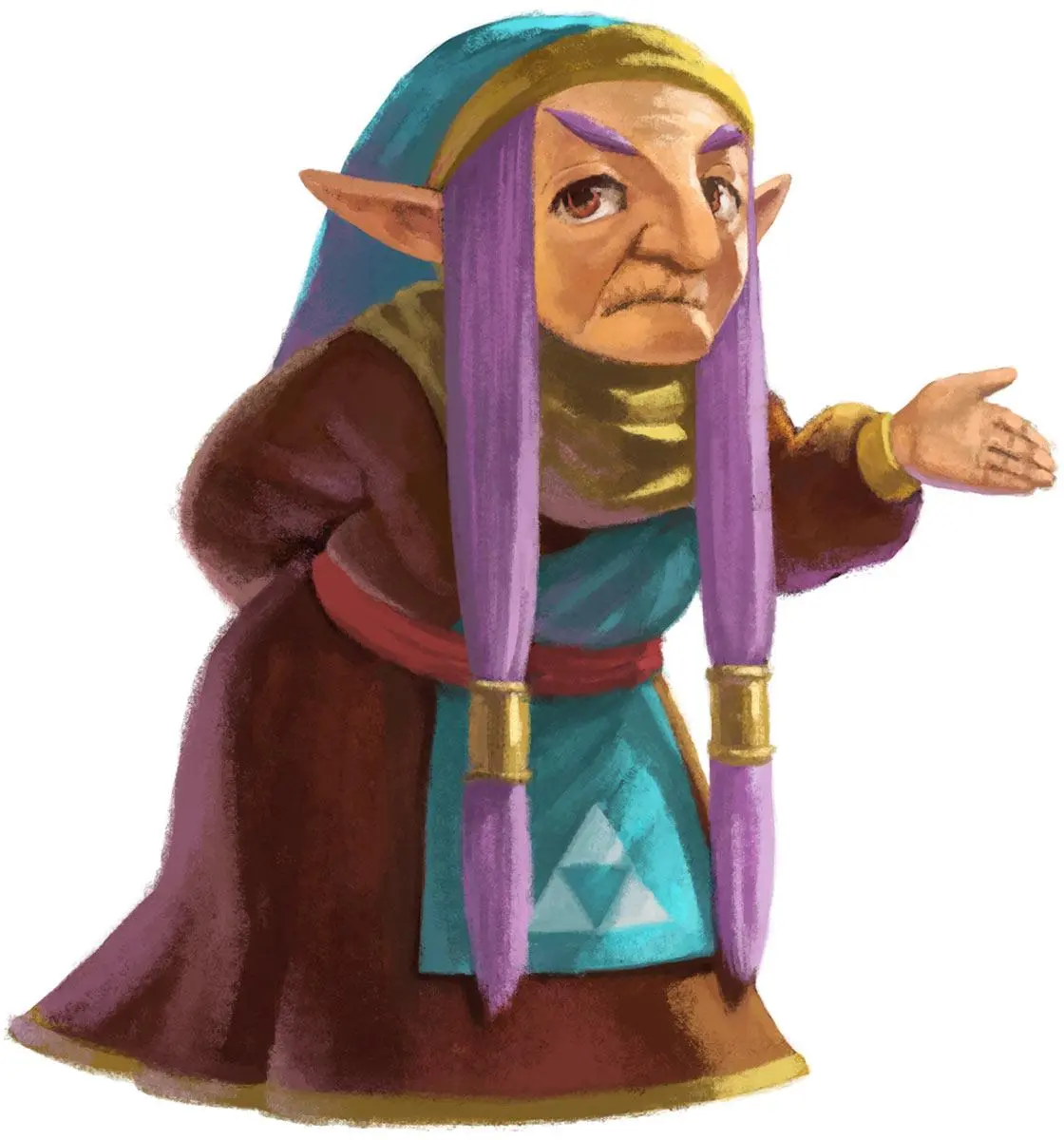
Zelda’s loyal guardian across the series, from the Sheikah of Ocarina of Time to the elder of Kakariko in Breath of the Wild. Here she is Zelda’s aide at Hyrule Castle.
Captured by Yuga and revealed as one of the Seven Sages; Link frees her from Turtle Rock after beating Grinexx.
Sage, Turtle Rock.
Sahasrahla & OsfalaThe wise elder and his apprentice
Sahasrahla shares his name with the wise elder who guided Link in A Link to the Past. His apprentice Osfala is brave to the point of foolishness, and is secretly adored by the woman who keeps Sahasrahla’s cottage.
Sahasrahla sends Link after Osfala at the Eastern Palace, where Yuga paints him. Osfala turns out to be a Sage; Stalblind hides his painting in Thieves’ Town, and once freed he hands over the Sand Rod, which Sheerow promptly carries off to Ravio’s shop.
Osfala: Sage, Thieves’ Hideout. Key to the Sand Rod.
SeresThe priest’s daughter; a Sage
The daughter of the Sanctuary’s priest, admired by both the captain of the guard and the gravedigger Dampé.
The first Sage Yuga paints, in the opening scene at the Sanctuary. Link finds her painting at the bottom of Skull Woods after beating Knucklemaster.
Sage, Skull Woods.
GulleyThe blacksmith’s son; a Sage
The son of Link’s boss, the blacksmith, and about Link’s age.
Revealed as a descendant of the Sages after Link collects the pendants, then captured by Yuga. Held in the Dark Palace, Lorule’s version of the Eastern Palace, behind Gemesaur King.
Sage, Dark Palace.
Queen OrenQueen of the Zoras; a Sage
The gracious, dignified ruler of the Zoras, whose power is held in check by a Smooth Gem.
When a Shady Guy steals her gem she starts to swell; Link buys it back for 200 Rupees, and she rewards him with Zora’s Flippers. Later captured by Yuga and rescued from Arrghus in the Swamp Palace.
Sage, Swamp Palace. Gives Zora’s Flippers.
IreneJunior witch; a Sage
A breezy young witch, granddaughter of the potion-selling witch in Hyrule, who describes herself as the best witch of her generation (if still a junior one).
Gives Link a bell: ring it and she flies him on her broom to any Weather Vane he has visited. After Yuga paints her, the broom keeps coming without her. Link frees her in Misery Mire after beating Zaganaga.
Sage, Desert Palace. Fast travel by broom.
RossoMiner; a Sage
A burly, good-natured miner who lives near Death Mountain.
After falling rocks smash his roof, he sympathises with Link and gives him the Power Glove. Later found frozen in the Ice Ruins behind Dharkstare; he admits he always knew he was a Sage but was too busy mining to mention it.
Sage, Ice Ruins. Gives the Power Glove.
Mother MaiamaiThe giant hermit crab-octopus
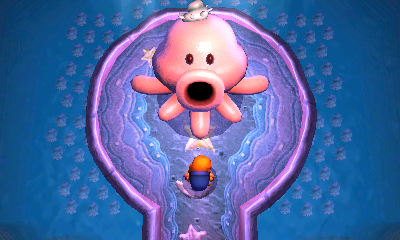
A huge creature, part octopus and part hermit crab, living in a cave north of Lake Hylia, whose 100 babies have got themselves lost all over Hyrule and Lorule.
Bring her lost Maiamai and she upgrades items you own (not rentals) into “Nice” versions, one upgrade per item. Return all 100 and she teaches Link the Great Spin Attack.
Upgrades bought items only.
Shadow LinkStreetPass rival
The series’ dark doppelgänger, here powered by other players.
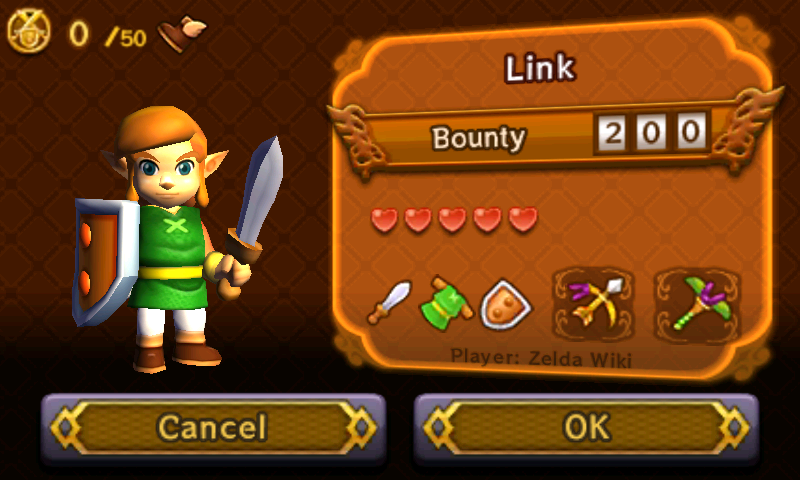
Pass another player via StreetPass and their Link appears in your game as a Shadow Link to battle. Each player sets up his own Shadow Link with Gramps in Kakariko, and the gear he carries decides the Rupee bounty for beating him.
Rupee bounty set by the other player’s gear.
Bosses and notable enemies
Several bosses return from A Link to the Past, and most of the rest are built around a particular item or around wall-merging.
YugaEastern Palace · Hyrule CastleSlips in and out of the walls as a painting while he attacks.
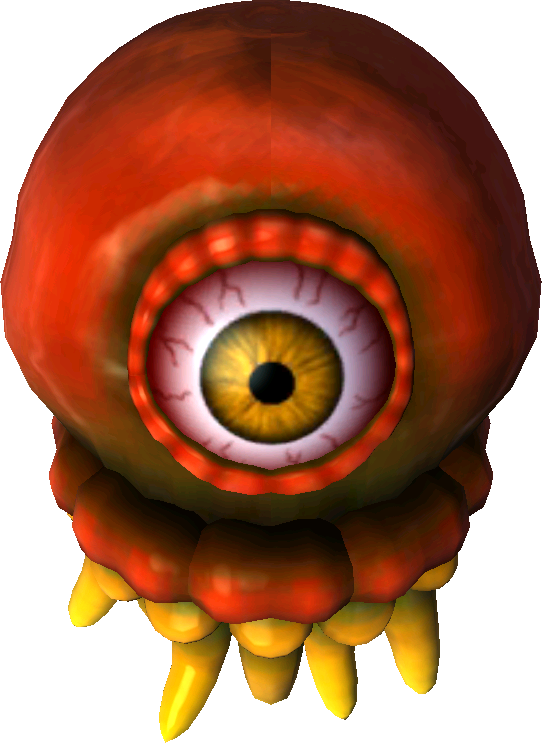
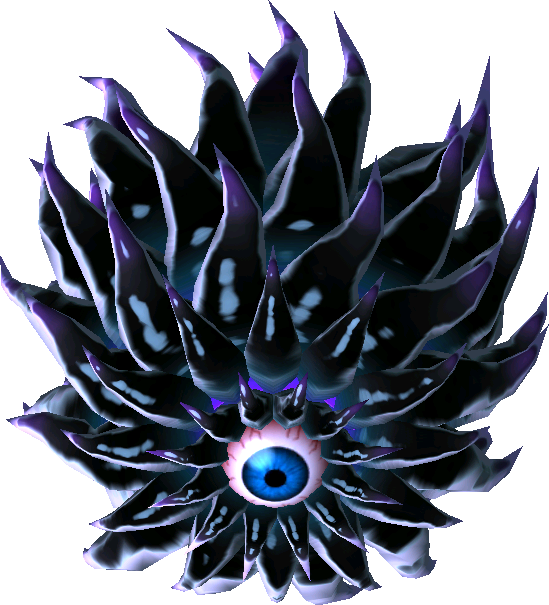
MargomillHouse of GalesA giant eyeball inside a protective contraption, in the wind-blown House of Gales.
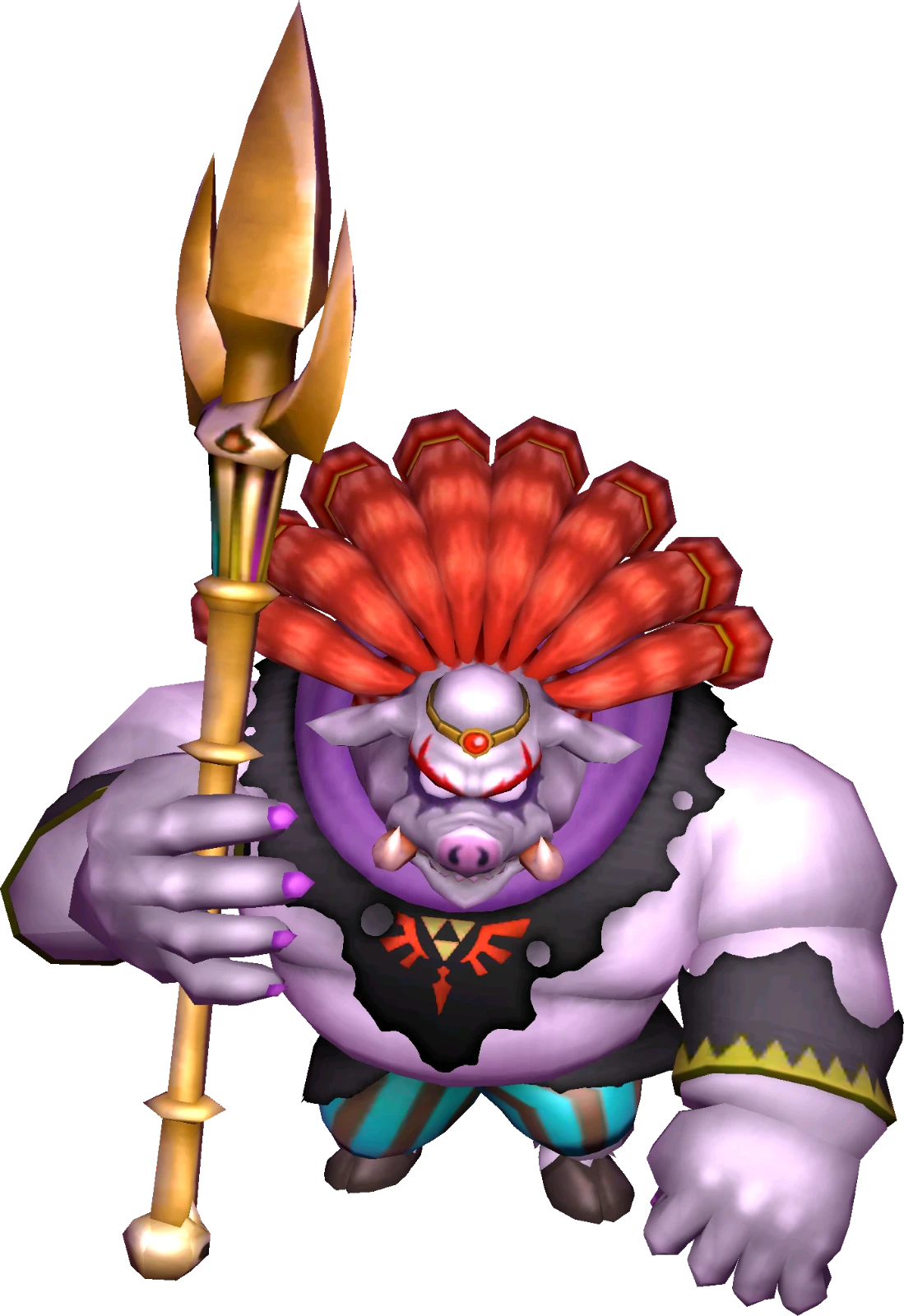
MoldormTower of HeraThe segmented worm from A Link to the Past, circling a tiny platform. Hit its tail.
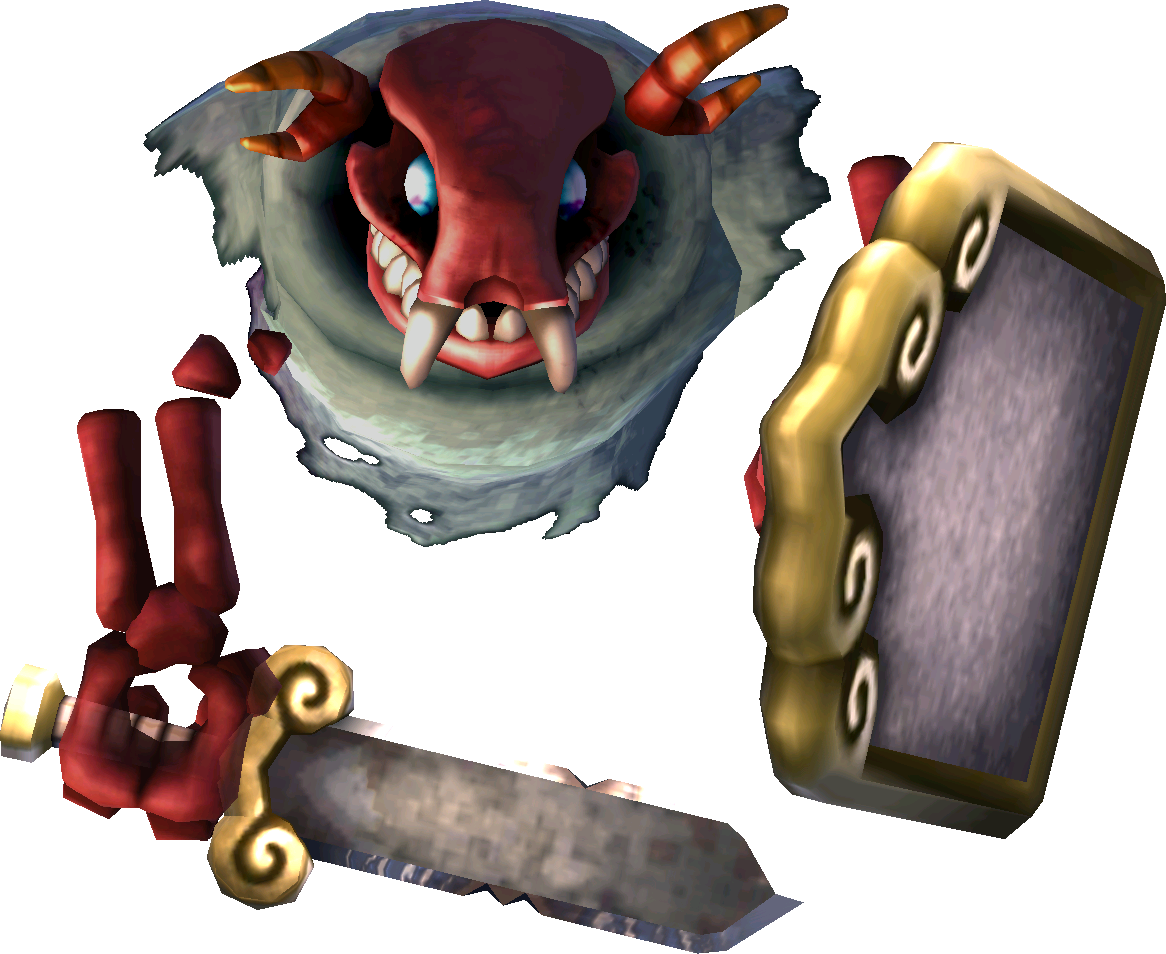
StalblindThieves’ HideoutLorule’s king of thieves and its counterpart of Blind. Merge into his shield when his guard drops; later his detached head is invulnerable, so hit the body.
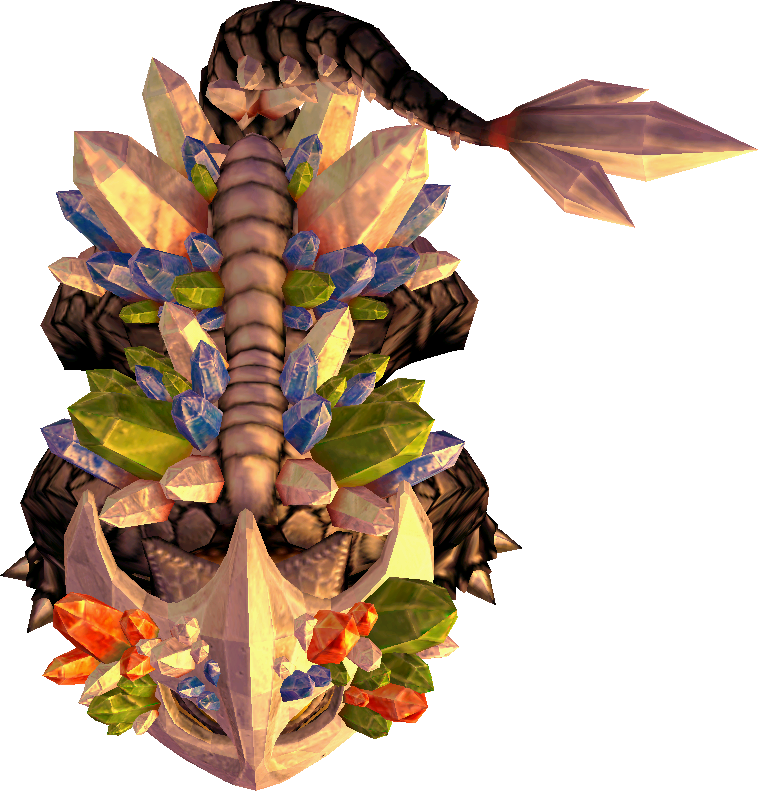
Gemesaur KingDark PalaceA crystal-covered Helmasaur. Bomb its mask, then hit the red weak spot; it blows out the lights for its second wind.
ArrghusSwamp PalaceAnother returning foe from A Link to the Past’s Swamp Palace.
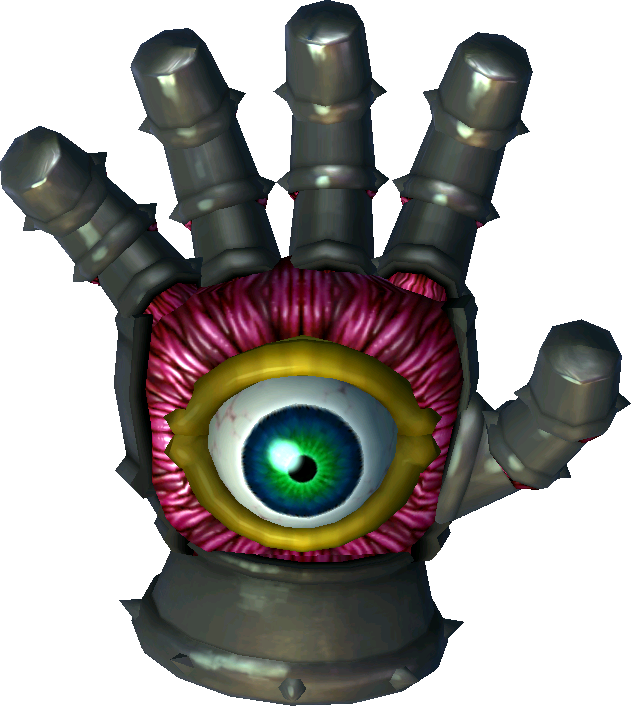
KnucklemasterSkull WoodsA living steel gauntlet with an eye in its palm. Dodge the punches until it hits the wall, then strike the eye.
DharkstareIce RuinsEncased in ice; melt it with three blasts of the Fire Rod, then use the sword.
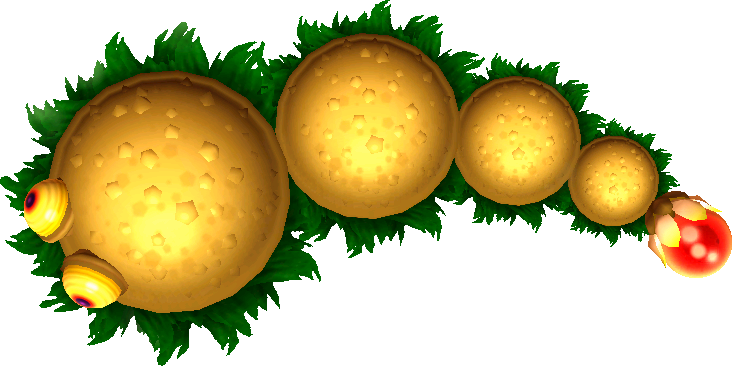
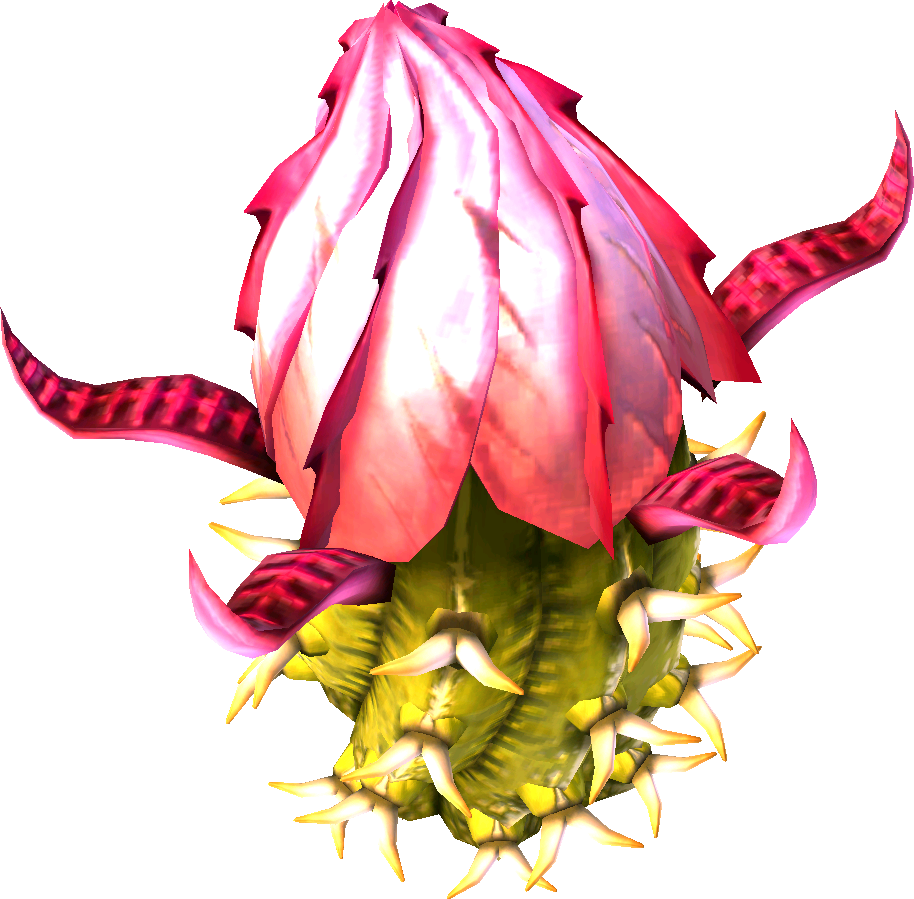
ZaganagaDesert Palace (Misery Mire)A cactus-shaped sandworm over sinking sand. Build a path with the Sand Rod to reach it.
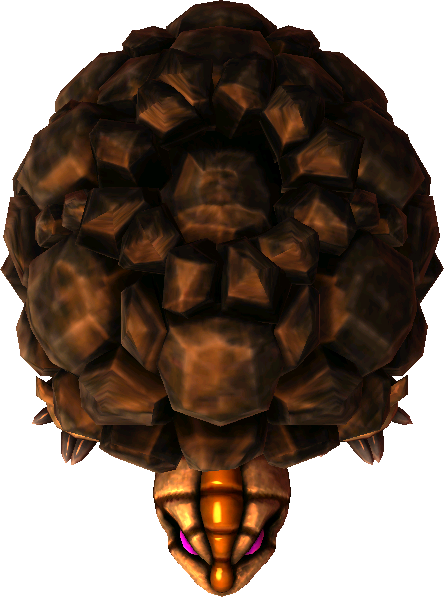
GrinexxTurtle RockA turtle in a lava pool. Drop ice blocks on it with the Ice Rod, then strike its head.
Yuga GanonLorule CastleThe final battle, against Yuga swollen with Ganon’s power.
Shadow LinkAnywhere (StreetPass)Other players’ Links, fought for a bounty.
The people who made it
Key staff, as named in Nintendo’s Iwata Asks interview and the game’s credits.
Hiromasa ShikataDirectorHis first time directing a Zelda. Came up with the idea of Link entering walls during the project’s first, shelved phase, and later directed Tri Force Heroes.
Eiji AonumaProducerRevived the shelved project after Skyward Sword, rebuilt A Link to the Past’s landforms in 3D himself to sell the idea, and came up with item rental.
Shiro MouriAssistant director, lead programmerBuilt the first wall-merging prototype in a single day and insisted on 60 frames per second.
Kentaro TominagaAssistant director, plan leaderKept refining wall-merging while the original team was away, and designed dungeons around it.
Koji TakahashiDesign leaderSuggested that Link should become a mural on the wall rather than simply walk inside it, which led to Yuga.
Tatsuya Hishida, Mari ShirakawaWritersWrote the script.
Ryo NagamatsuComposerArranged the A Link to the Past music, wrote new pieces, played the flute heard in the milk bar and sang the eerie choral parts himself.
Koji KondoOriginal themesMany of the tunes are his, from A Link to the Past.
Shigeru MiyamotoNintendo veteranRejected the first pitch as an idea that sounded twenty years old, then suggested building the game on A Link to the Past.
How it was made
A Link Between Worlds nearly did not happen. It began as a three-person experiment, was shelved for over a year, and was saved by a parting gift to its producer. Nintendo’s Iwata Asks interview with the team tells most of the story.
“An idea that’s 20 years old”
A prototype concept image from the game’s development.
When Spirit Tracks was finished in late 2009, most of its team moved on to Skyward Sword. Three stayed behind to dream up a new Zelda for the coming 3DS: Hiromasa Shikata, programmer Shiro Mouri and one more programmer. About half a year in, they presented an idea built around the theme of communication to Shigeru Miyamoto, and his verdict was crushing: it sounded like an idea that was twenty years old.
One idea survived. Shikata wondered aloud about letting Link go inside walls, without being sure it would be fun; his colleague argued for it, and Mouri built a prototype of Link turning corners along a wall in a single day. Miyamoto approved it around October 2010.
“Don’t forget us!”
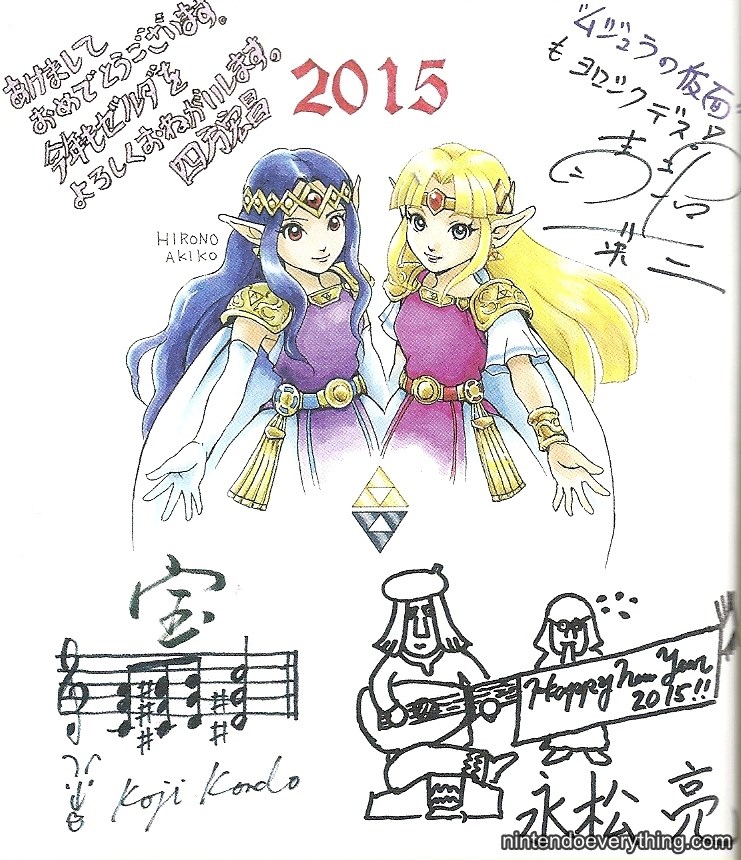
A 2015 New Year greeting card from the game’s developers.
Within weeks the core team was reassigned to Wii U launch games and the project stopped. Before they left, they gave Miyamoto, Takashi Tezuka and Eiji Aonuma a 3DS with the prototype on it, which Aonuma took as a plea to remember the project existed. He did. Once Skyward Sword shipped in November 2011, he restarted work with a new programmer, and Kentaro Tominaga joined to keep improving wall-merging until the original team could return.
Back to A Link to the Past
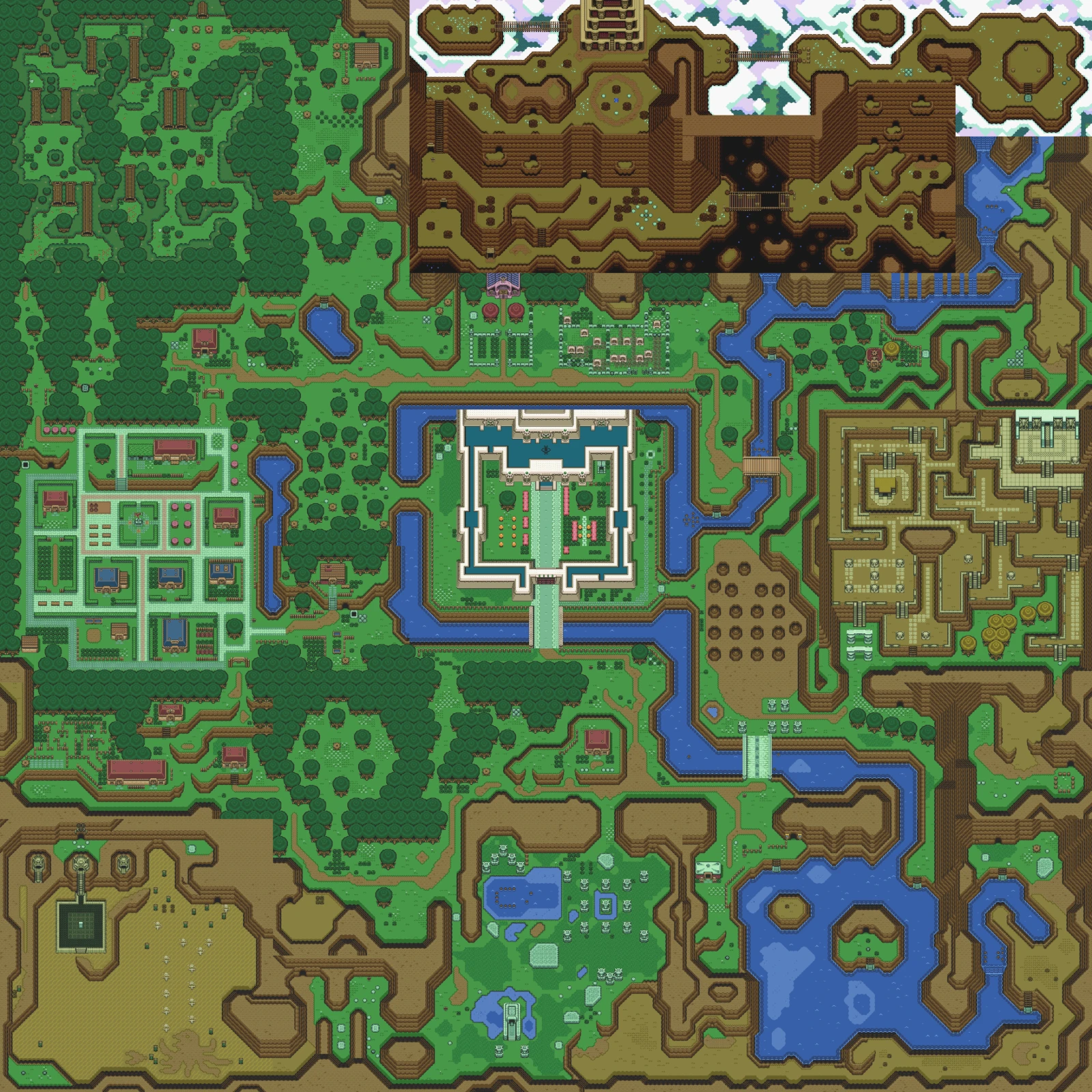
The Light World map of A Link to the Past, which the game was built on.
In May 2012 Tominaga showed Miyamoto dungeons built around entering walls, and Miyamoto turned them down too, but with a suggestion: why not base the game on A Link to the Past? Aonuma saw that the old game’s fixed overhead view would suit wall-merging, because the switch from top-down to side-on would look striking in stereoscopic 3D. To convince everyone he rebuilt A Link to the Past’s landforms in 3D himself, which took him about three days. It still took four presentations, alternating between rejection and approval, before Miyamoto signed off in July 2012. Shikata came back to direct and Mouri to lead programming, and the game was finished in October 2013.
A tilted world at 60 frames
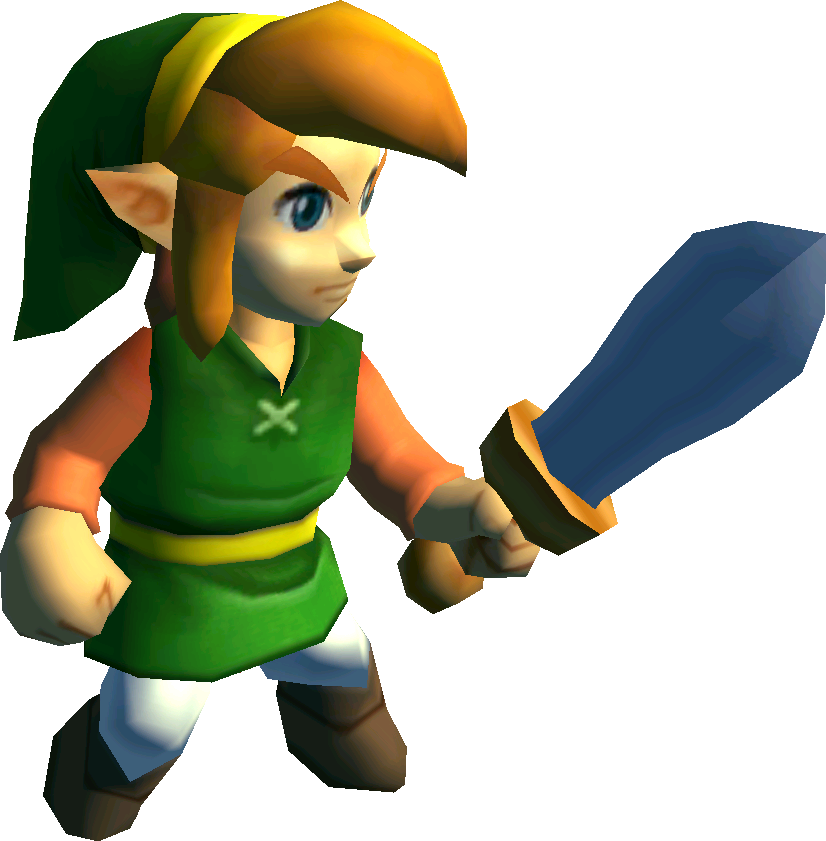
Link’s in-game model.
A true top-down camera has a problem: you see the tops of everyone’s heads. The team’s fix was to tilt characters and objects towards the camera so faces stay visible, a trick they revealed at New York Comic-Con and one you can spot when Link merges into a wall and sees the world side-on.
Mouri also pushed hard for 60 frames per second, a big ask of the artists, because it kept the 3D effect stable. He never regretted it: the sword swings looked smoother, and the touch screen’s drag-and-drop item menu felt instant. During development the team learned of the Nintendo 2DS, which has no 3D, and revised some dungeons so every puzzle could be solved without it.
Link the mural, and Yuga the painter
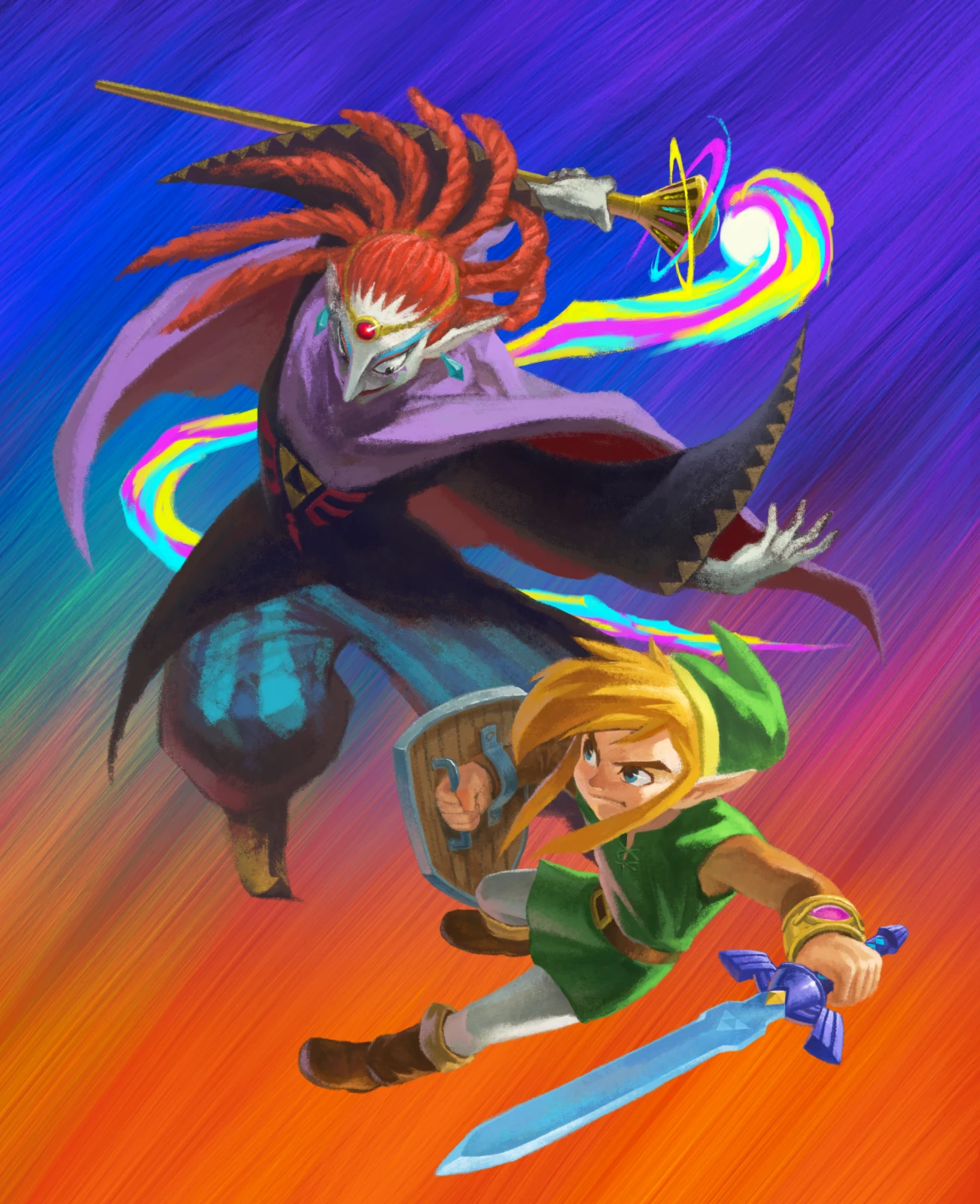
Official art of Link fighting Yuga.
Originally Link was going to step inside the walls. Design leader Koji Takahashi suggested turning him into a mural painted on them instead, and the team justified it with a strange artist enemy who could put people into pictures. Mouri was against the change at first, and a planned jump in mural form was dropped so that merging would only ever be about movement. That artist became Yuga. Aonuma has also said that the idea of Link as a painting owed something to Phantom Ganon riding in and out of paintings in Ocarina of Time.
Rethinking the unquestioned
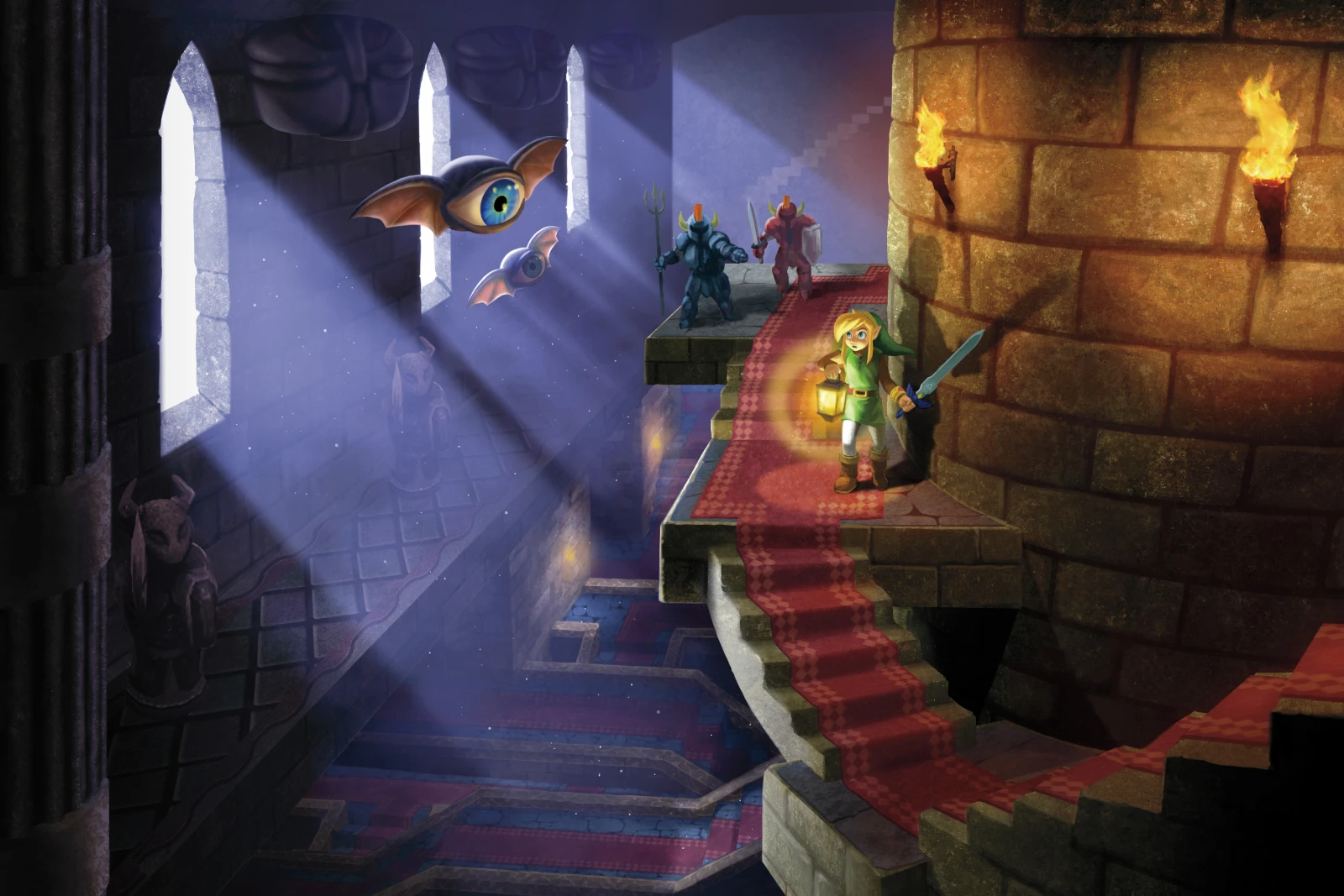
Official art of a dungeon.
The team questioned rules the series had always followed. The fixed order of dungeons went, at least for the seven in Lorule. So did finding one key item per dungeon: items are rented or bought from Ravio instead, an idea Aonuma took from a hobby he declined to name. Renting cheaply, he reasoned, would make players want their own gear and work to earn Rupees, and he called it gameplay that had never existed before in the history of the series. Timed rentals and late fees were considered before the team settled on simply losing rentals when Link falls.
Music
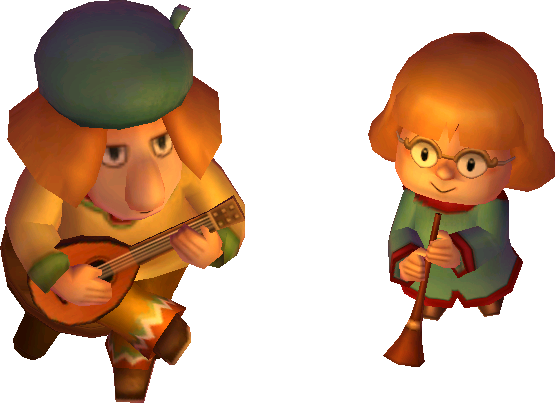
The milk bar musicians.
Ryo Nagamatsu arranged Koji Kondo’s A Link to the Past score and wrote new music to sit beside it, balancing the two for old fans and new players. There was no live orchestra, because orchestral reverb and low notes do not suit the 3DS speakers; most of the soundtrack is digital, made to sound live. Some parts were played for real: Nagamatsu played the flute in the milk bar and Toru Minegishi the guitar, and the haunting choral voices in the eerier scenes are Nagamatsu himself, layered on multitrack.
The name
The Japanese logo.
In Japan the game is Triforce of the Gods 2, a direct follow-on from A Link to the Past’s Japanese title. Nintendo dropped the number abroad because it is an all-new game rather than a remake, and chose A Link Between Worlds for the journey between Hyrule and Lorule. The New Legend of Zelda was also on the table. The game was announced in a Nintendo Direct in April 2013 and got its English name at E3 that June.
Firsts: what this game introduced
A Link Between Worlds questioned a lot of Zelda traditions. These are the things it brought to the series.
1Wall-mergingLink can flatten into a painting on any wall and move along it, the game’s signature mechanic.
2Item rentalRent or buy nearly every item from Ravio from early on. Aonuma called it gameplay that had never existed in the series before.
3LoruleHyrule’s parallel twin, with its own princess, Hilda, and an upside-down Triforce symbol.
4The first all-new Zelda for 3DSAonuma promised in 2011 that the 3DS project would be an original game, not a remake, and it runs at 60 frames per second in stereoscopic 3D.
5Ravio, Hilda and YugaThree new characters; Ravio and Yuga later joined Hyrule Warriors Legends, and Ravio’s hood made it into Breath of the Wild.
6Maiamai upgradesFind Mother Maiamai’s 100 lost children to power up your own items into “Nice” versions.
Cheats & secrets
There are no cheat codes in A Link Between Worlds, but it is packed with secrets and side quests.
Hero Mode
Link reads Ravio’s diary.
Finish the story and Hero Mode opens up, in which enemies deal four times the damage. Look in the Vacant House on this run for Ravio’s journal, which reveals his plan to stop Hilda and Yuga.
Mother Maiamai’s children
Mother Maiamai and her babies.
100 baby Maiamai are hidden all over Hyrule and Lorule, and the map shows how many are left in each area. Take them to Mother Maiamai in her cave north of Lake Hylia (bomb the entrance) and she upgrades an item you own into its “Nice” version. Rentals cannot be upgraded. Bring her all 100 for the Great Spin Attack.
Rent or buy?
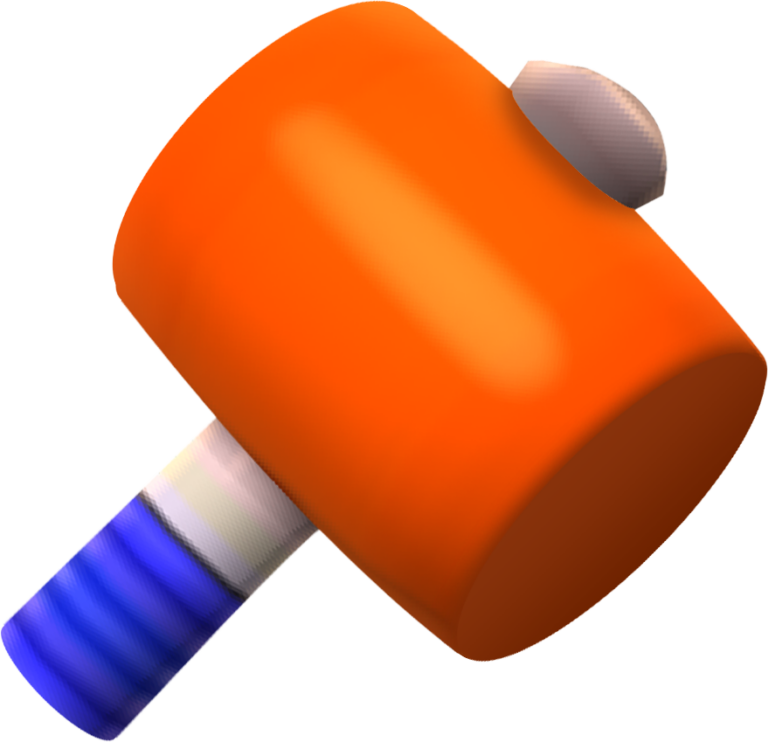
The Hammer in its rented form.
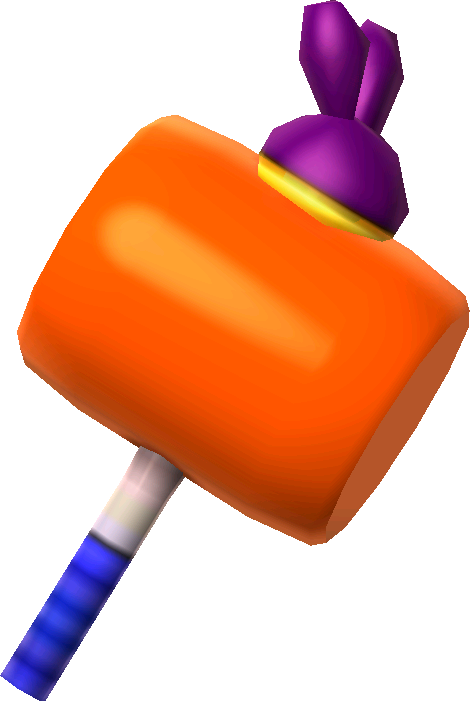
Rentals are cheap but go back to Ravio, collected by his bird Sheerow, if Link falls. Buying costs far more but the item is yours for good, and only owned items can be upgraded. The Sand Rod is the exception to Ravio’s early stock: it only appears in the shop after Osfala is rescued.
StreetPass Shadow Links
The StreetPass setup screen.
Set up your own Shadow Link with Gramps in Kakariko Village, choosing what gear he carries. The better his kit, the higher the bounty when someone else beats him. Shadow Links from players you pass appear in your game to fight for Rupees.
Hint Ghosts
Official art of a Hint Ghost.
Put on the Hint Glasses to see Hint Ghosts at tricky spots. They give advice in exchange for Play Coins, which the 3DS awards for walking around with it.
Irene’s broom
Irene’s broom taxi.
Activate Weather Vanes as you explore (they are also where you save), then ring Irene’s bell to fly to any of them.
The impossible cucco game
Failing Endless Mode at the Cucco Ranch.
Among the minigames are a batting game and a game of dodging cuccos. According to the developers, the top level of the cucco game was too hard for any member of staff to clear.
Zelda Temple’s original A Link Between Worlds secrets will be merged here once Luke’s old article has been checked.
Glitches, exploits and oddities
A Link Between Worlds is a polished game, and its strangest moments are mostly deliberate.
The leaning world
Merge into a wall to see the tilted world side-on.
Everything in Hyrule leans back towards the camera so that you can see faces and fronts from the overhead view. It is invisible in normal play, but merge into a wall and look along the scenery and the statues, grass and people all tilt at a strange angle.
Made for a 3DS without 3D
The team only learned about the Nintendo 2DS during development, and adjusted dungeons so that no puzzle relied on seeing depth. “It’s definitely still playable in 2D!” Aonuma promised, though he felt the 3D made the action clearer.
Items that walk home
Official art of Sheerow.
Fall in battle and your rented items do not just vanish: Ravio’s bird Sheerow flies off with them, and they reappear on the shelves of Ravio’s Shop.
Videos & media
Nintendo of America’s reveal trailer and its launch trailer from November 2013.
Nintendo of America’s official trailer (2013).
Nintendo of America’s official launch trailer (2013).
Trivia & facts
Miyamoto’s verdict on the team’s first pitch, that it sounded like an idea from twenty years ago, became the title of the first chapter of the Iwata Asks interview.
Mouri built the first wall-merging prototype in one day.
When the project was shelved in 2010, the departing team left Miyamoto, Tezuka and Aonuma a 3DS with the prototype on it, as a reminder not to forget them.
Aonuma spent about three days rebuilding A Link to the Past’s world in 3D himself to win the team over.
It took four presentations to Miyamoto, alternately rejected and approved, before the game got the green light in July 2012.
The Hammer, used to climb the Tower of Hera.When Aonuma showed him the Tower of Hera before E3 2013, Satoru Iwata’s reaction was “We can do that?!”, which became another chapter title.
The New Legend of Zelda was floated as a title, after the New Super Mario Bros. games.
“Yuga” comes from the Japanese word for an oil painting.
Official art of Phantom Ganon from Ocarina of Time.Aonuma said the idea of Link becoming a painting was inspired by Phantom Ganon riding in and out of paintings in Ocarina of Time.
Link was originally going to be able to jump while merged into a wall; it was dropped to keep merging purely about movement.
Item rental was inspired by one of Aonuma’s hobbies, which he refused to name.
There is no live orchestra: the 3DS speakers could not do justice to orchestral reverb and low notes. Composer Ryo Nagamatsu played the milk bar flute himself and sang the choir parts on multitrack.
The reverse side of the European reversible cover.The European box came with a reversible sleeve: multicoloured on one side and gold on the other.
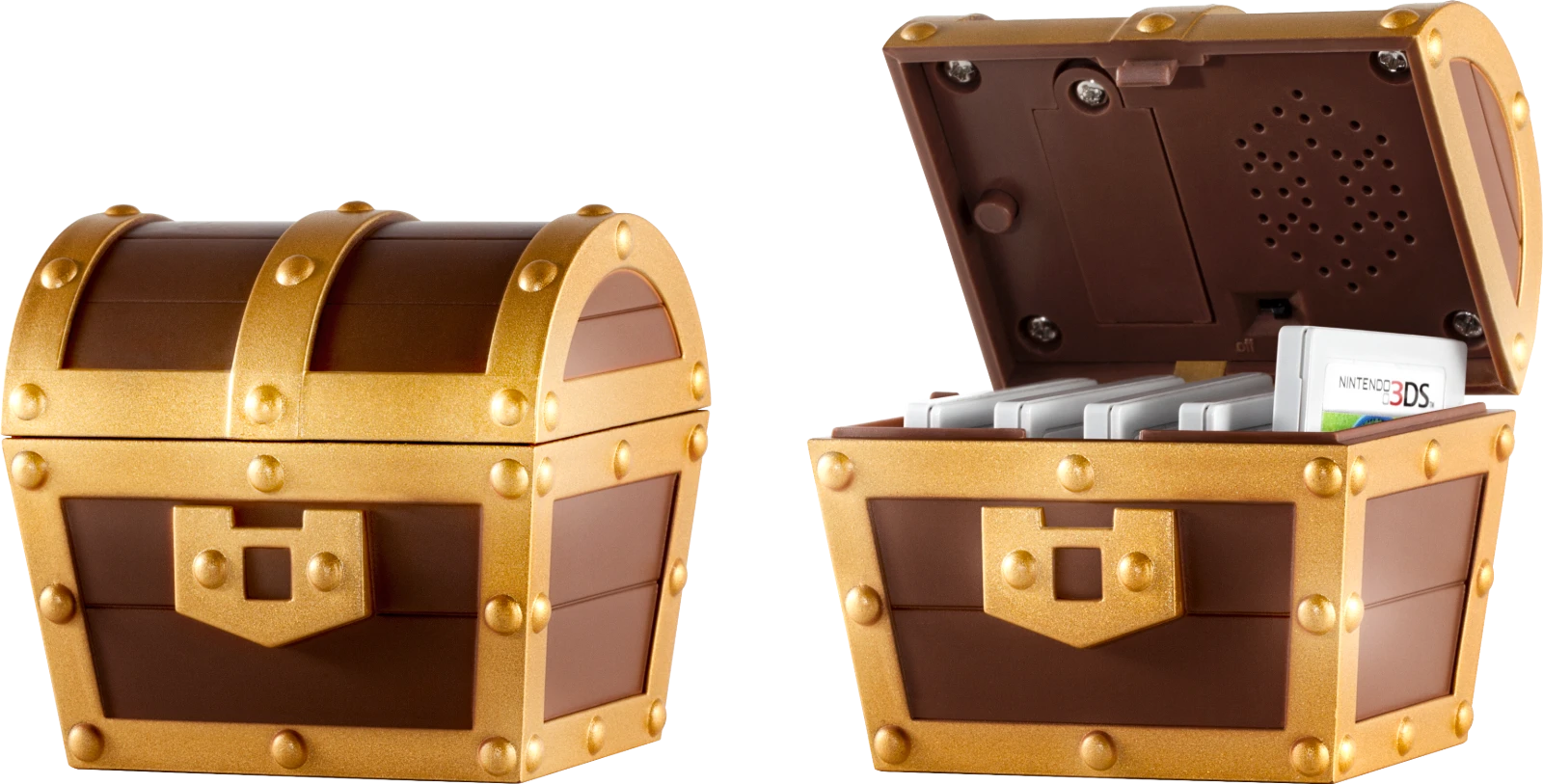
In Australia, EB Games gave away a musical treasure chest that holds 3DS cartridges with pre-orders.
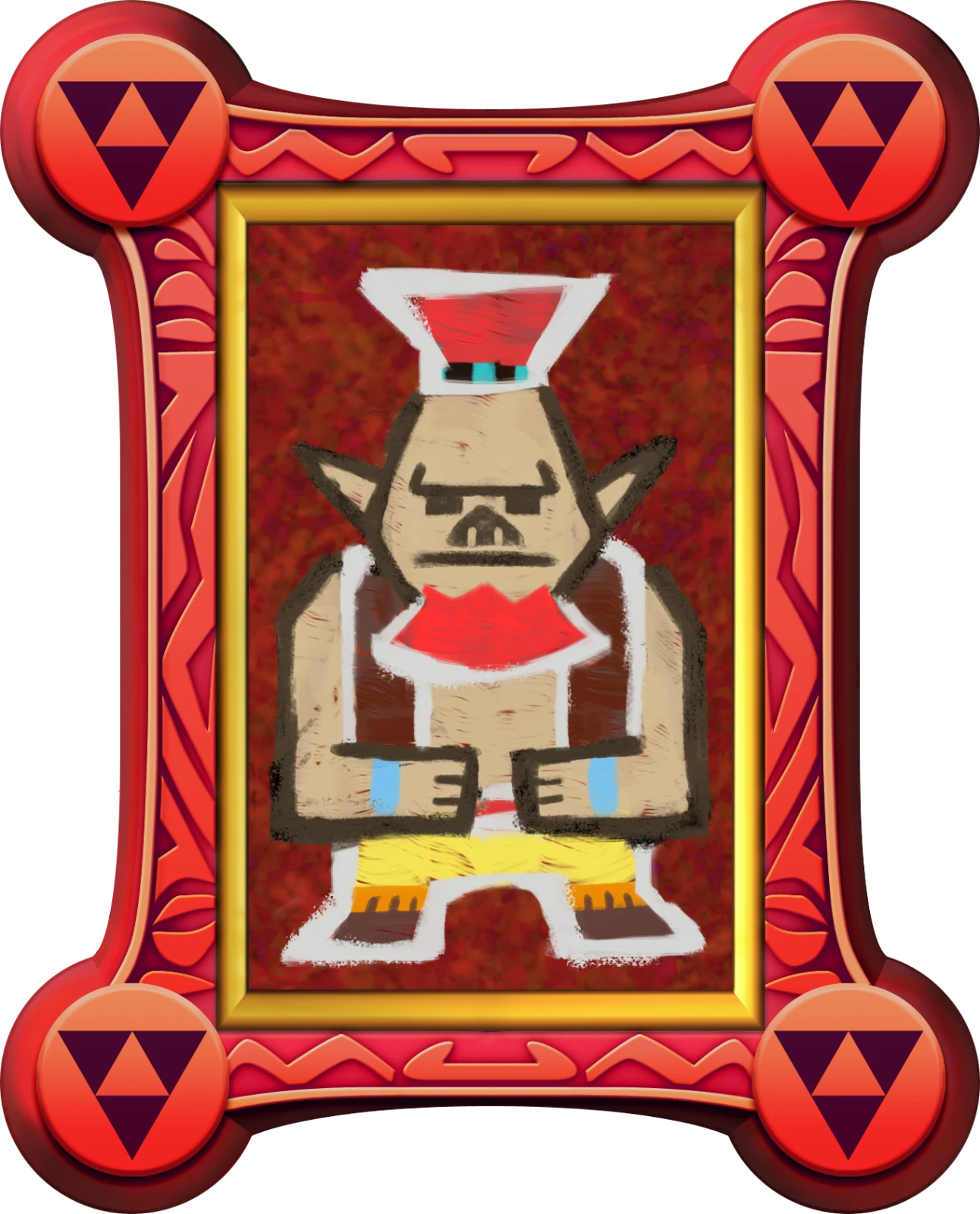
Rosso’s portrait.Rosso always knew he was a descendant of the Sages but never mentioned it because he was too busy mining.
In the German version Hilda is called Lorule’s queen rather than its princess.
Queen Oren swells up when her Smooth Gem is stolen; Link buys it back from a Shady Guy for 200 Rupees.
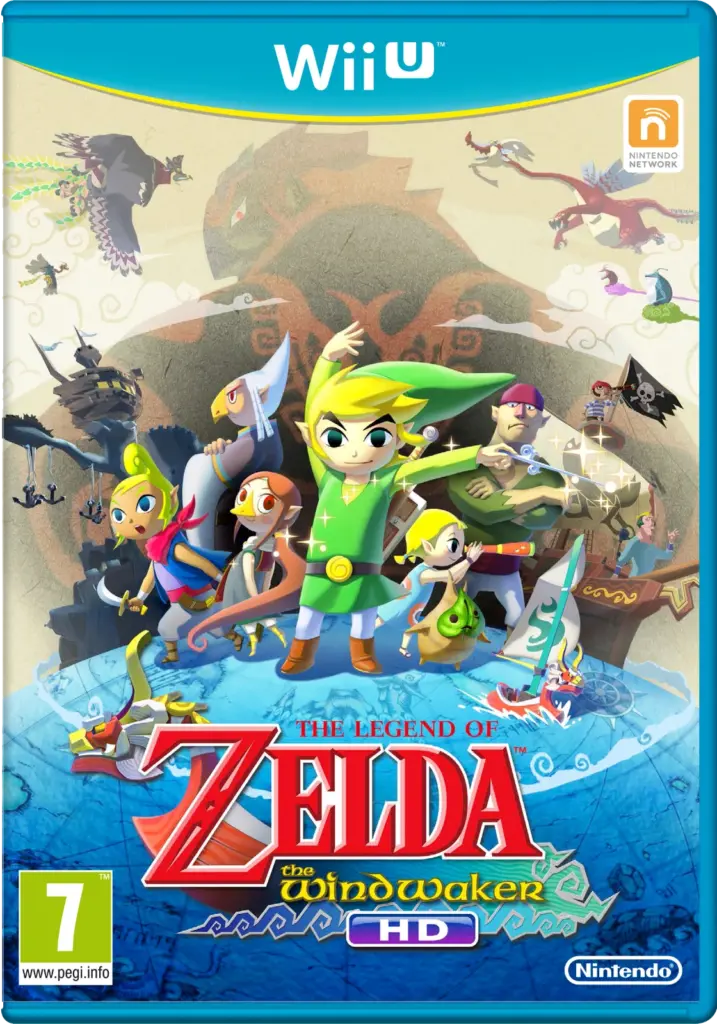
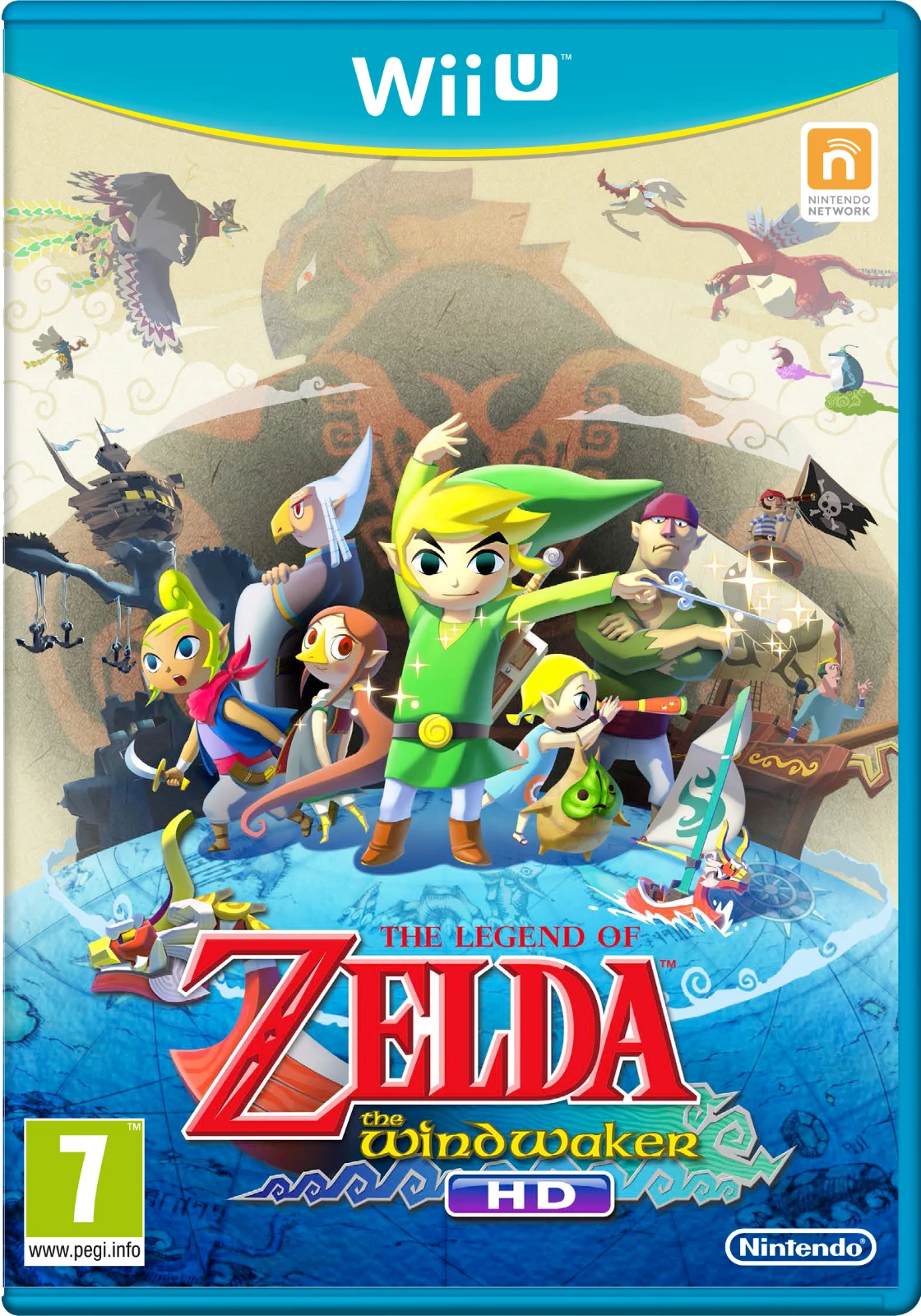
The Wind Waker HD for Wii U (European box).It arrived the same autumn as The Wind Waker HD on Wii U, giving Zelda fans two big releases in a matter of weeks.
Its Japanese release came more than a month after the Western one, on 26 December 2013.
Media & artwork
Box art, official artwork and screenshots from A Link Between Worlds. Select any image to view it larger.
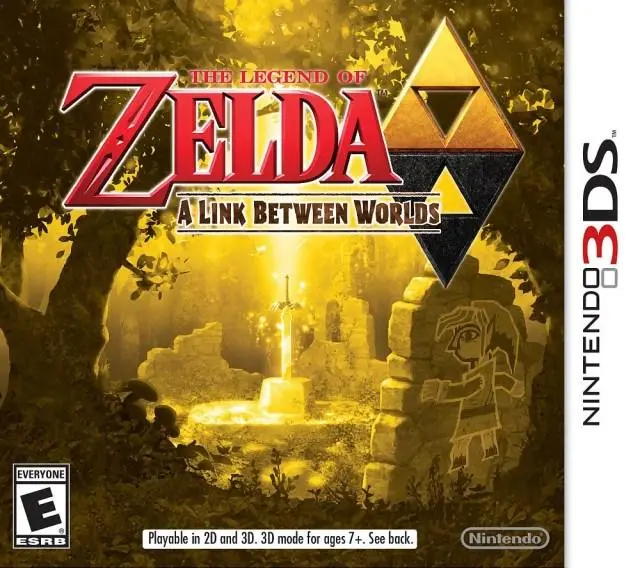
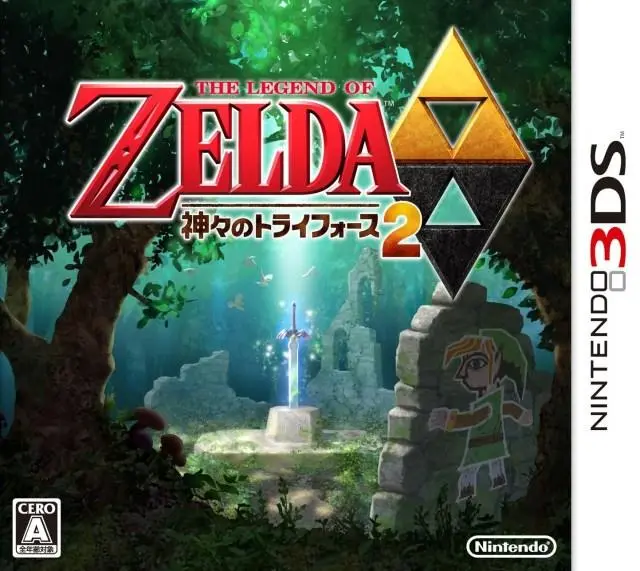
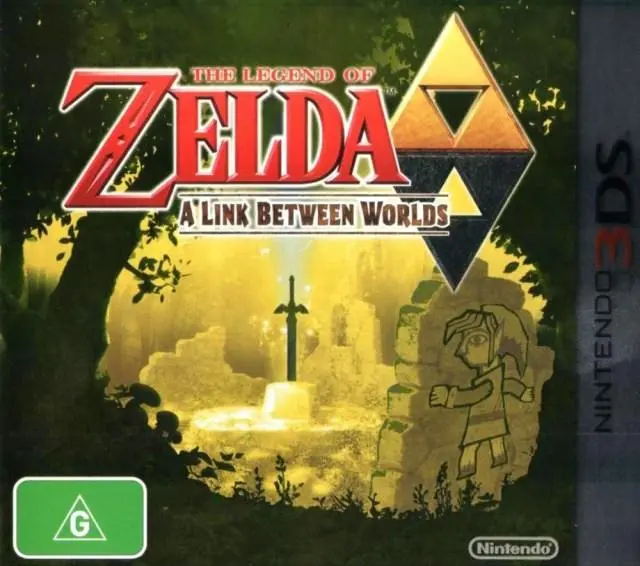
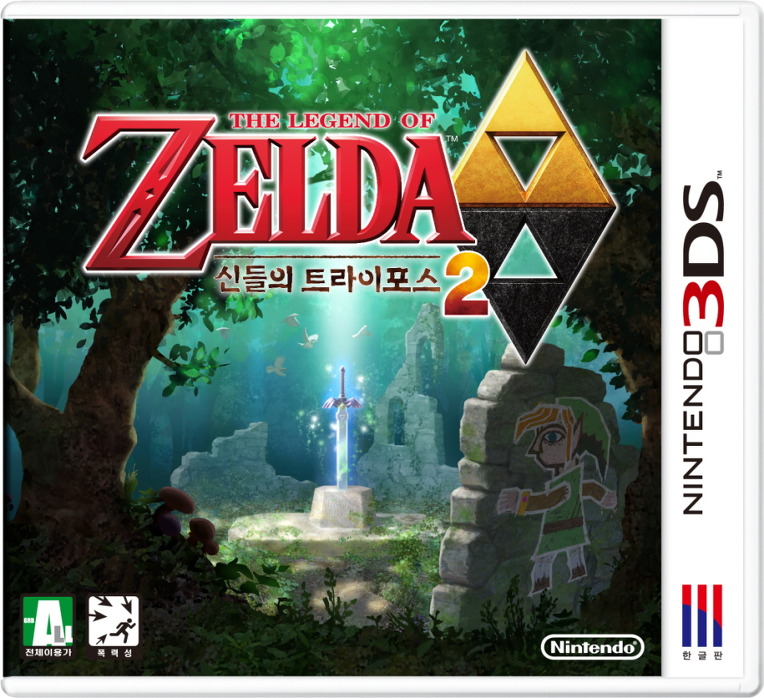
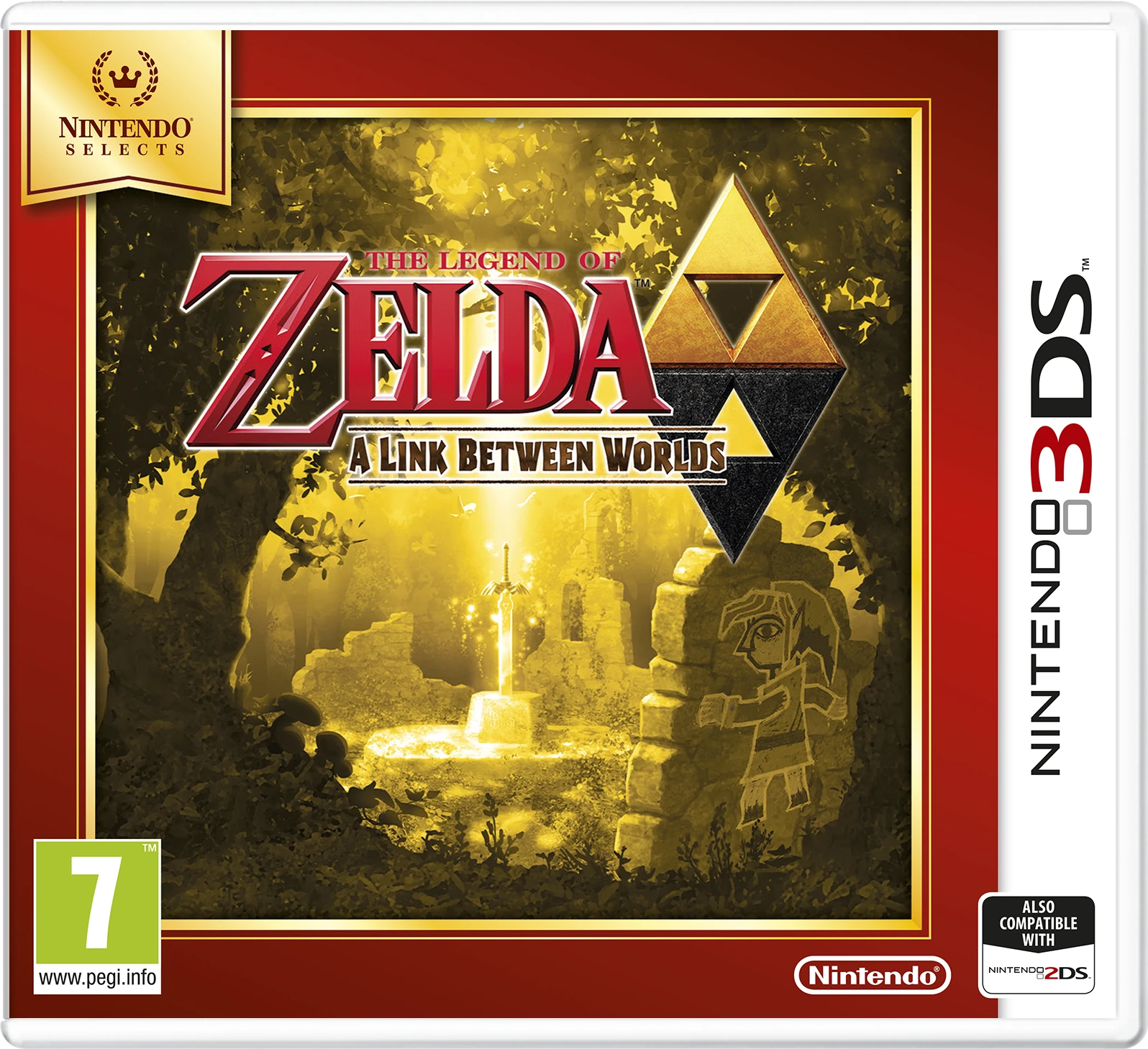
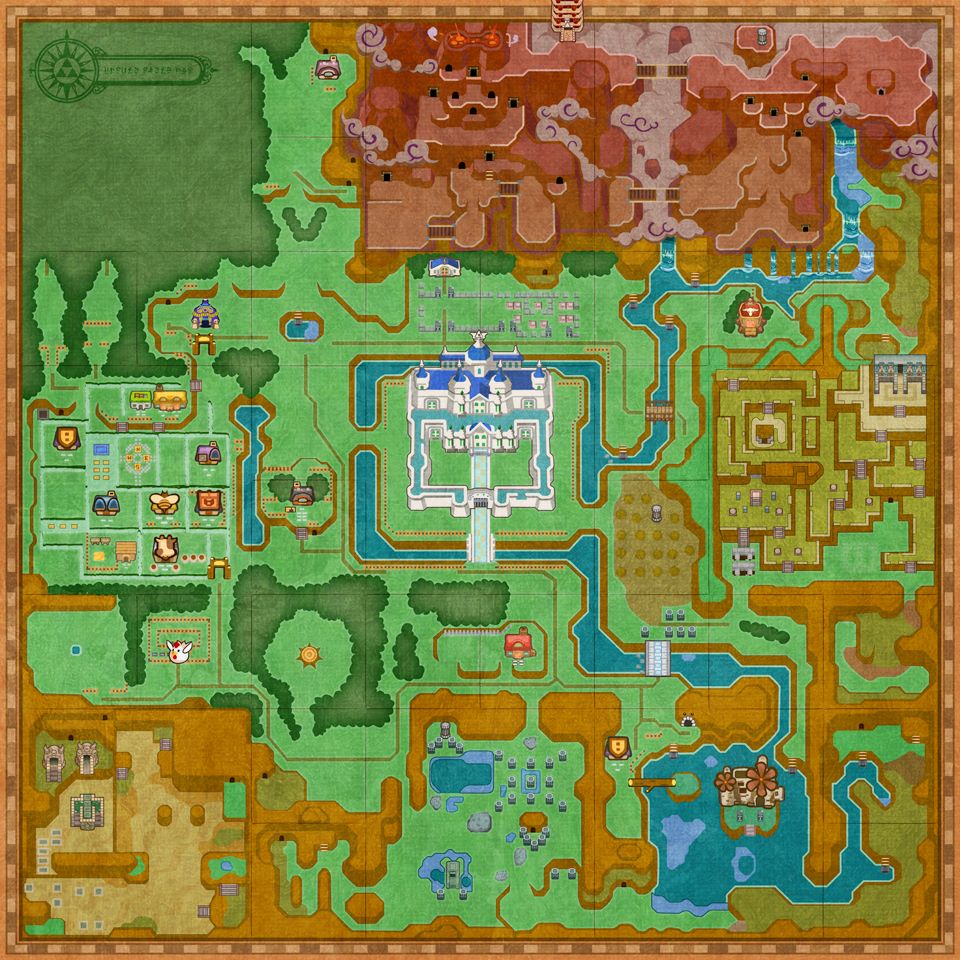
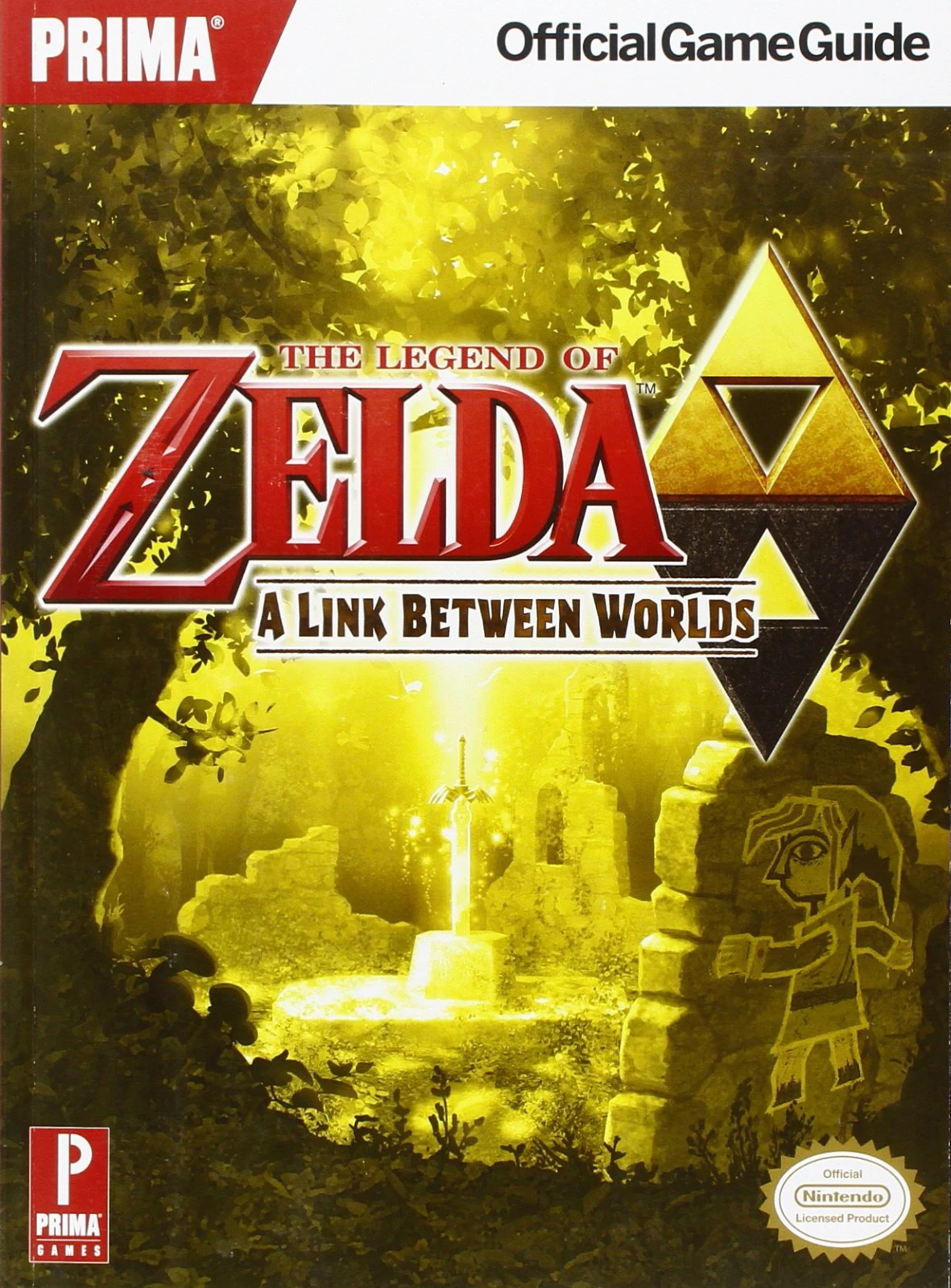
North American 3DS box (2013)Japanese 3DS box, Kamigami no Triforce 2 (2013)Australian 3DS box (2013)South Korean 3DS box (2014)European Nintendo Selects box (2015)The English logoMap of HyruleOfficial art of Hyrule and LoruleThe treasure chest game-card holder offered with pre-ordersPrima’s official game guide
A Link Between Worlds proved that a top-down Zelda could still feel new, and its freedom to tackle dungeons in any order now looks like an early signpost towards Breath of the Wild.
Release history
AnnouncedApril 2013 – Revealed in a Nintendo Direct as a 3DS game set in the world of A Link to the Past; English title confirmed at E3 in June.
Nintendo 3DS22 November 2013 – Europe and North America; Australia on 23 November.
Gold 3DS XL bundleNovember 2013 – A gold, Triforce-decorated Nintendo 3DS XL with a digital copy of the game.
Japan26 December 2013 – As Kamigami no Triforce 2.
South Korea21 June 2014 – Korean release.
Nintendo Selects16 October 2015 – Budget re-release in Europe.
Tri Force HeroesOctober 2015 – The direct sequel, starring the same Link.
Hyrule Warriors Legends DLC2016 – Ravio and Yuga join the roster with a Lorule map.
The Champions’ BalladDecember 2017 – Ravio’s Hood arrives in Breath of the Wild.
Super Smash Bros. UltimateDecember 2018 – Zelda’s design draws on this game.
Tears of the KingdomMay 2023 – Ravio’s Hood returns.
The road to Breath of the Wild
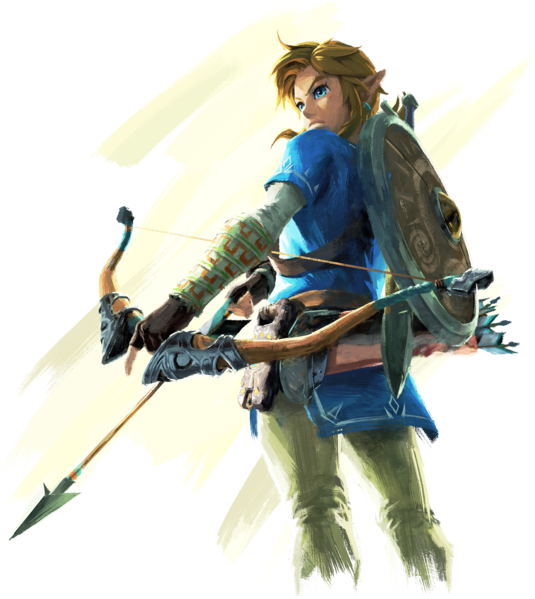
Official art of Link from Breath of the Wild.
A world you can tackle in your own order, with a hero whose tools are nearly all available from the start: A Link Between Worlds tried that in a small, dense Hyrule two years after Skyward Sword, and it is hard not to see the same thinking, on a vastly bigger scale, in Breath of the Wild. Hiromasa Shikata went straight on to direct Tri Force Heroes, a three-player adventure starring the same Link.
Sales & reviews
Sales figures
A Link Between Worlds topped the Japanese chart in its first week, and had sold more than 2 million copies worldwide by 31 March 2014, four months after launch.
2m+by 31 March 2014
91Metacritic, 81 critics
38/40Famitsu
Reception and review scores
Reviews were glowing. Metacritic averages 81 reviews at 91 out of 100. These are the scores we found with the outlet named:
Nintendo LifeUK · Martin Watts, 14 November 2013
10/10
Game InformerUS · Dan Ryckert, 14 November 2013
10/10
FamitsuJapan · 10, 9, 10, 9
38/40
PolygonUS · November 2013
9.5/10
Nintendo World ReportUS · November 2013
9.5/10
IGNUS · 14 November 2013
9.4/10
GameSpotUK/US · Martin Gaston, 14 November 2013
9/10
EurogamerUK · November 2013
8/10
The GuardianUK · November 2013
4/5
DestructoidUS · November 2013
6.5/10
Nintendo Life’s Martin Watts called it “currently the greatest game you can experience on the 3DS”, and Game Informer’s Dan Ryckert said it was everything you could want from a Zelda. GameSpot loved its dungeons, the control that renting gives you and its secrets, with a mild grumble that it sometimes felt too familiar.
That familiarity was the main complaint. GamesRadar, while calling it a must-play, missed the mystery of an unknown world on a map it already knew, and felt that having almost every item from the start took away the thrill of finding them in dungeons.
Honours
D.I.C.E. Awards · February 2014Handheld Game of the YearWon; also nominated for Game of the Year and Adventure Game of the Year.
Game Developers Choice Awards · March 2014Best Handheld/Mobile GameWon, for games of 2013.
Famitsu38/40Two tens and two nines from its four reviewers.
Reader reviews
No reader reviews yet. Played it? Give it a score out of 10 and tell other fans what you think.
Every fact on this page was checked against the sources below in November 2026. Scores for Famitsu, Polygon, Nintendo World Report, IGN, Eurogamer, The Guardian and Destructoid come from Wikipedia’s review table (IGN, Polygon and Eurogamer could not be opened directly); the others were read on the outlets’ own pages.
To provide the best experiences, we use technologies like cookies to store and/or access device information. Consenting to these technologies will allow us to process data such as browsing behavior or unique IDs on this site. Not consenting or withdrawing consent, may adversely affect certain features and functions.
Functional
Always active
The technical storage or access is strictly necessary for the legitimate purpose of enabling the use of a specific service explicitly requested by the subscriber or user, or for the sole purpose of carrying out the transmission of a communication over an electronic communications network.
Preferences
The technical storage or access is necessary for the legitimate purpose of storing preferences that are not requested by the subscriber or user.
Statistics
The technical storage or access that is used exclusively for statistical purposes.The technical storage or access that is used exclusively for anonymous statistical purposes. Without a subpoena, voluntary compliance on the part of your Internet Service Provider, or additional records from a third party, information stored or retrieved for this purpose alone cannot usually be used to identify you.
Marketing
The technical storage or access is required to create user profiles to send advertising, or to track the user on a website or across several websites for similar marketing purposes.

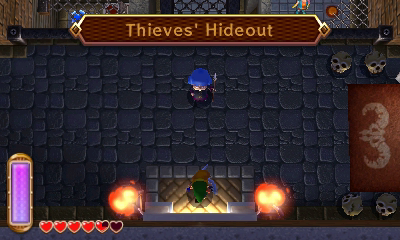 Thieves’ HideoutLorule · Thieves’ TownTeam up with the Thief Girl. Boss: Stalblind. Sage: Osfala, who brings the Sand Rod.
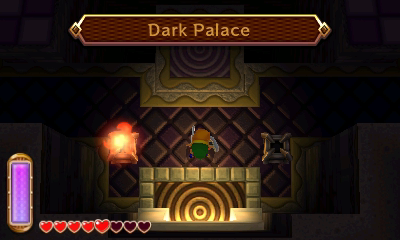 Dark PalaceLorule · eastLorule’s answer to the Eastern Palace. Boss: Gemesaur King. Sage: Gulley.
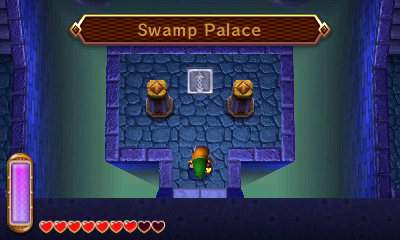 Swamp PalaceLoruleBoss: Arrghus. Sage: Queen Oren.
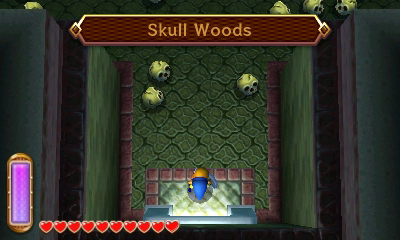 Skull WoodsLorule · north-westBoss: Knucklemaster, a steel-gloved hand with an eye in its palm. Sage: Seres.
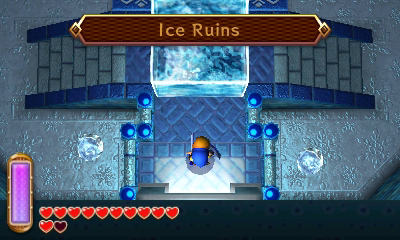 Ice RuinsLoruleNeeds the Fire Rod. Boss: Dharkstare, frozen in ice. Sage: Rosso.
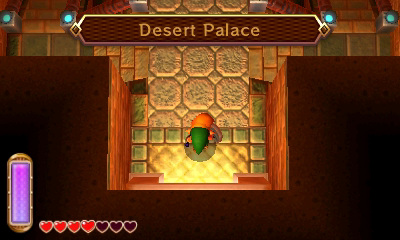 Desert PalaceHyrule’s desert, ending in Lorule’s Misery MireNeeds the Sand Rod, so it comes after the Thieves’ Hideout. Boss: Zaganaga, a cactus-shaped sandworm. Sage: Irene.
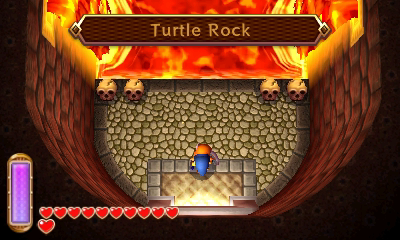 Turtle RockLorule LakeBoss: Grinexx, a lava-dwelling turtle beaten with the Ice Rod. Sage: Impa.
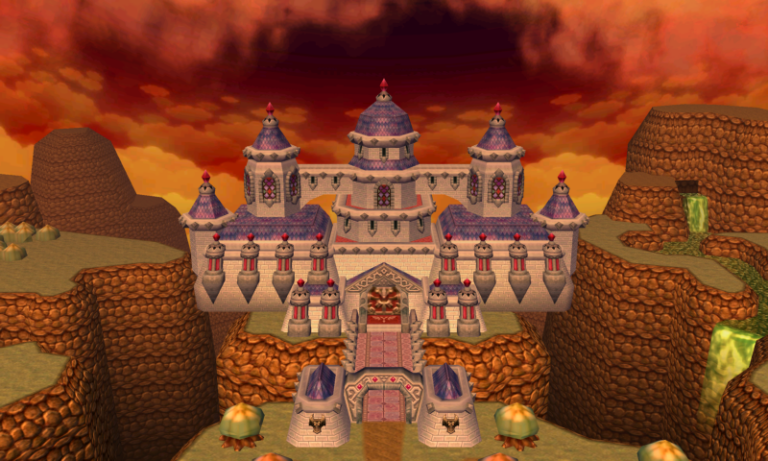 Lorule CastleLorule · final dungeonHilda’s home, sealed until Link holds the Triforce of Courage. Final boss: Yuga Ganon.
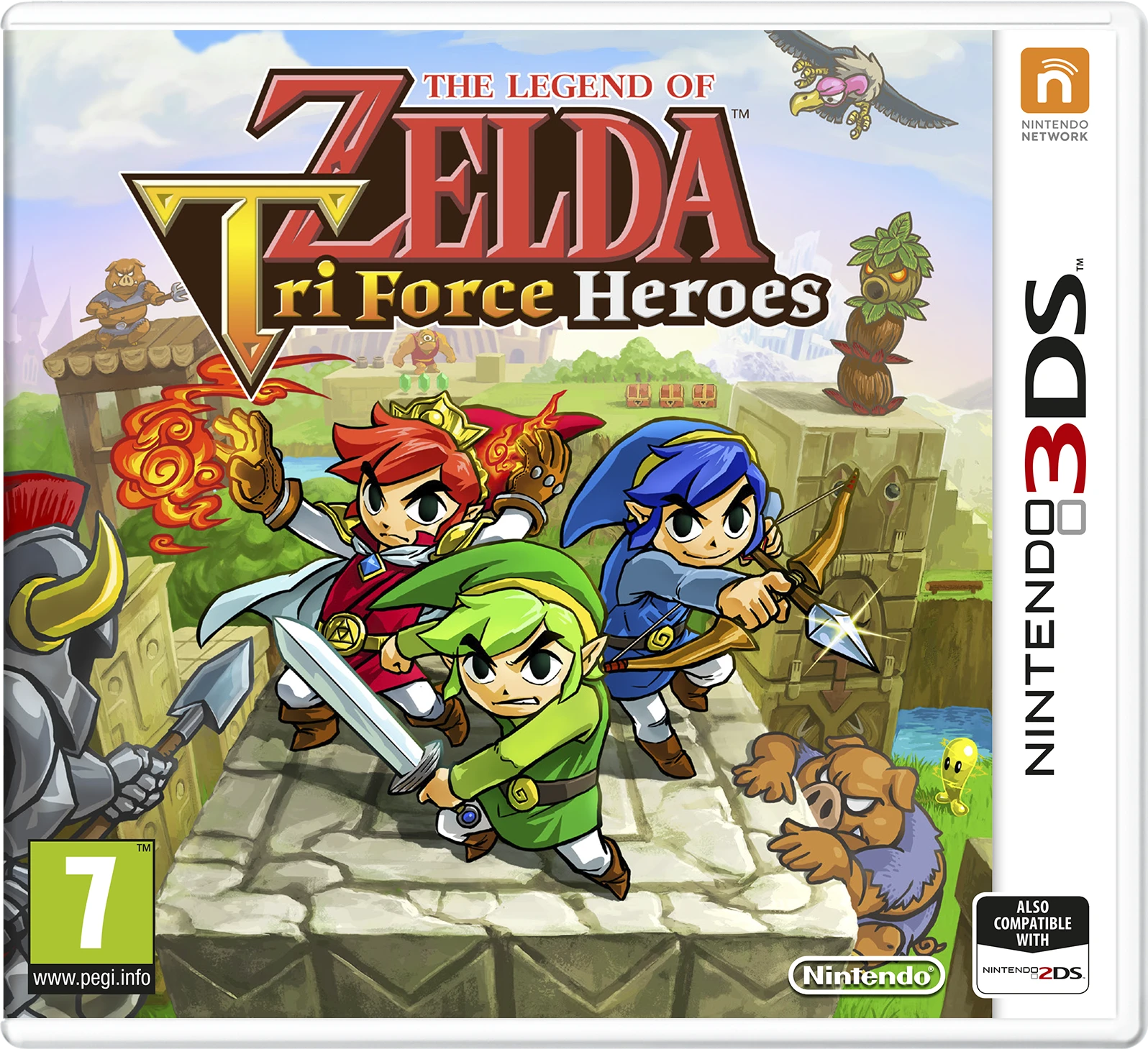 Tri Force HeroesNintendo 3DS · 2015The direct sequel: the same Link travels to the kingdom of Hytopia for a three-player co-operative adventure, again directed by Hiromasa Shikata.
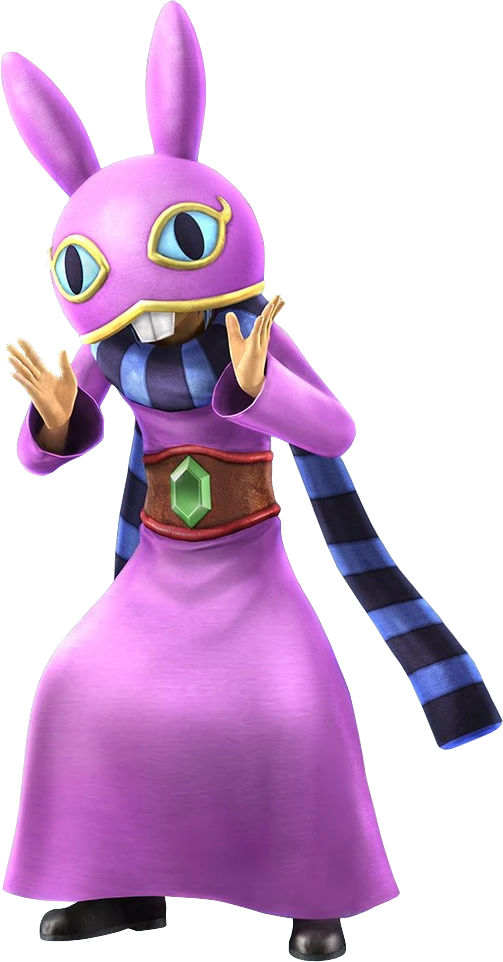 Hyrule Warriors Legends: A Link Between Worlds PackKoei Tecmo and Nintendo · 2016Downloadable content that made Ravio and Yuga playable (Ravio fights with a Rental Hammer) and added a Lorule adventure map, complete with an 8-bit Mother Maiamai. Both carried over to the Switch Definitive Edition.
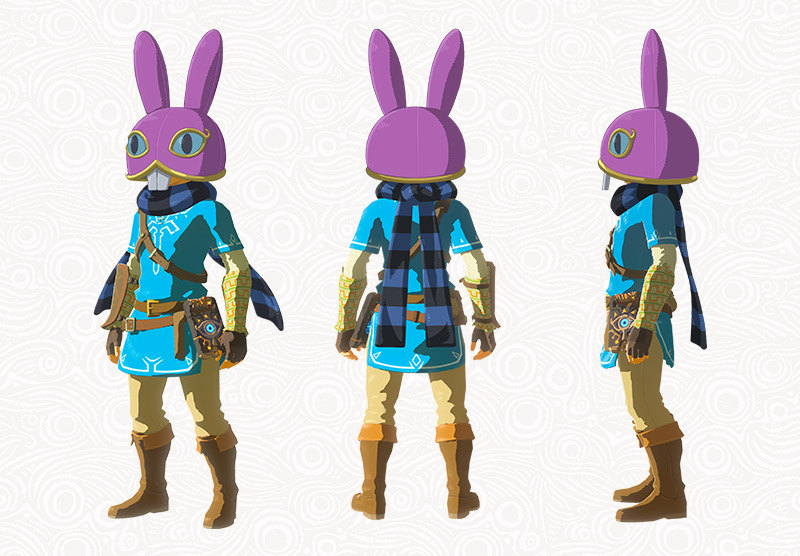 Breath of the Wild and Tears of the KingdomNintendo · 2017 and 2023Ravio’s Hood is a wearable item, first in The Champions’ Ballad expansion of December 2017 and again in Tears of the Kingdom.
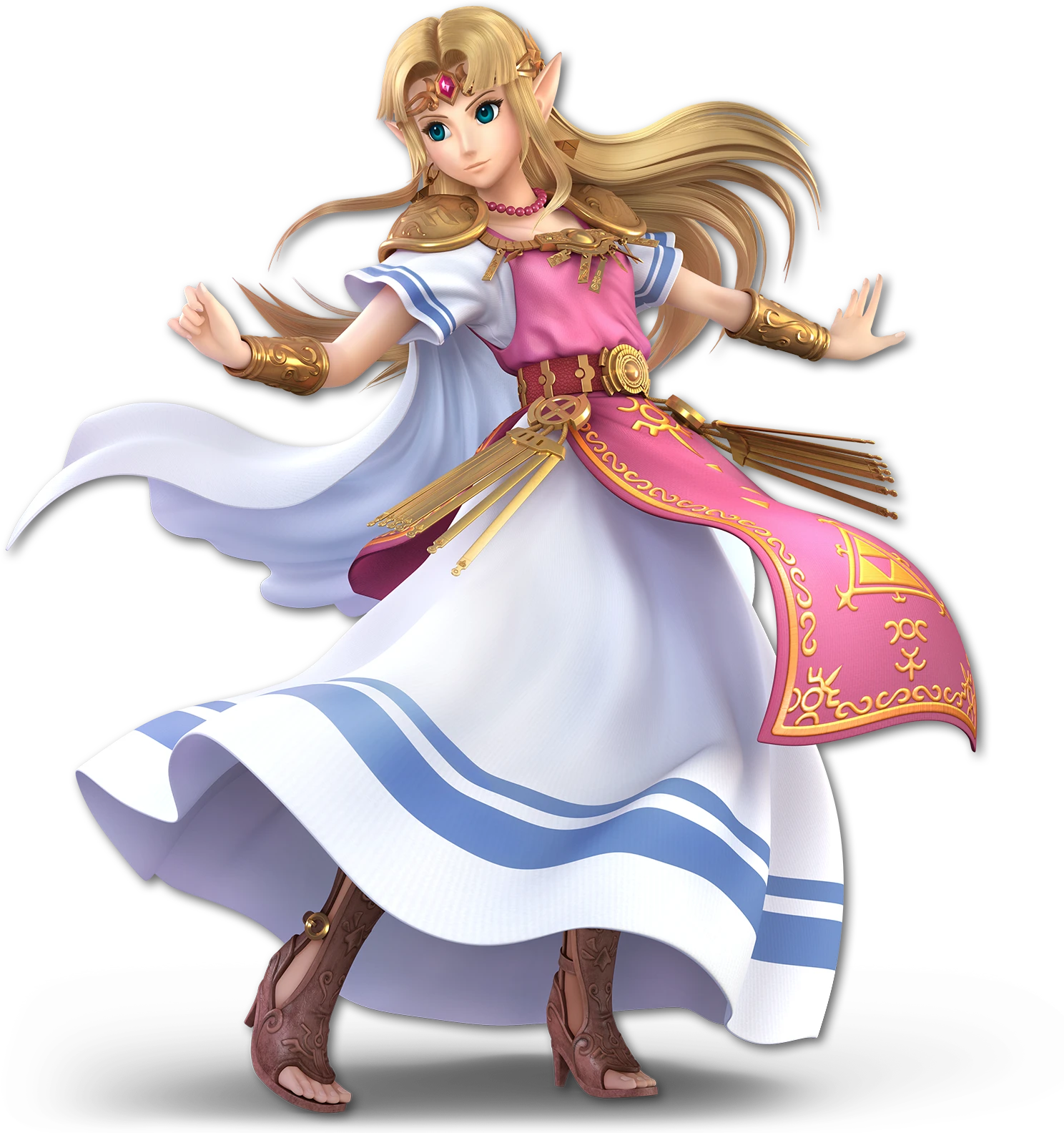 Super Smash Bros. UltimateNintendo · 2018Princess Zelda’s look in Ultimate is partly based on her A Link Between Worlds design, and music from the game plays on the Zelda stages.
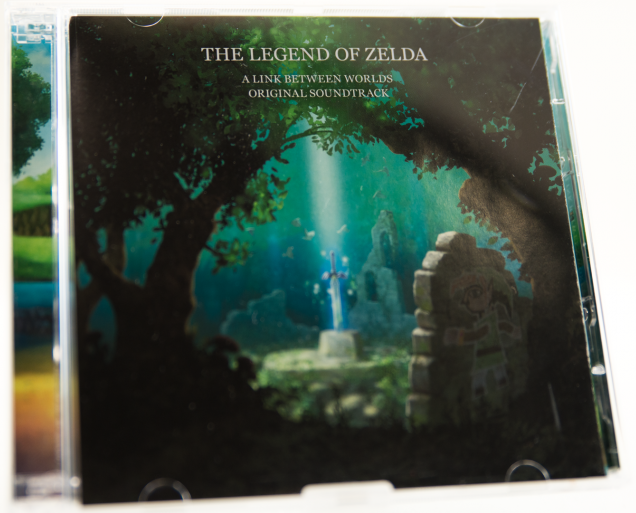 Soundtrack CDClub Nintendo Europe · 2015The soundtrack was released on CD in Europe as a Club Nintendo reward.
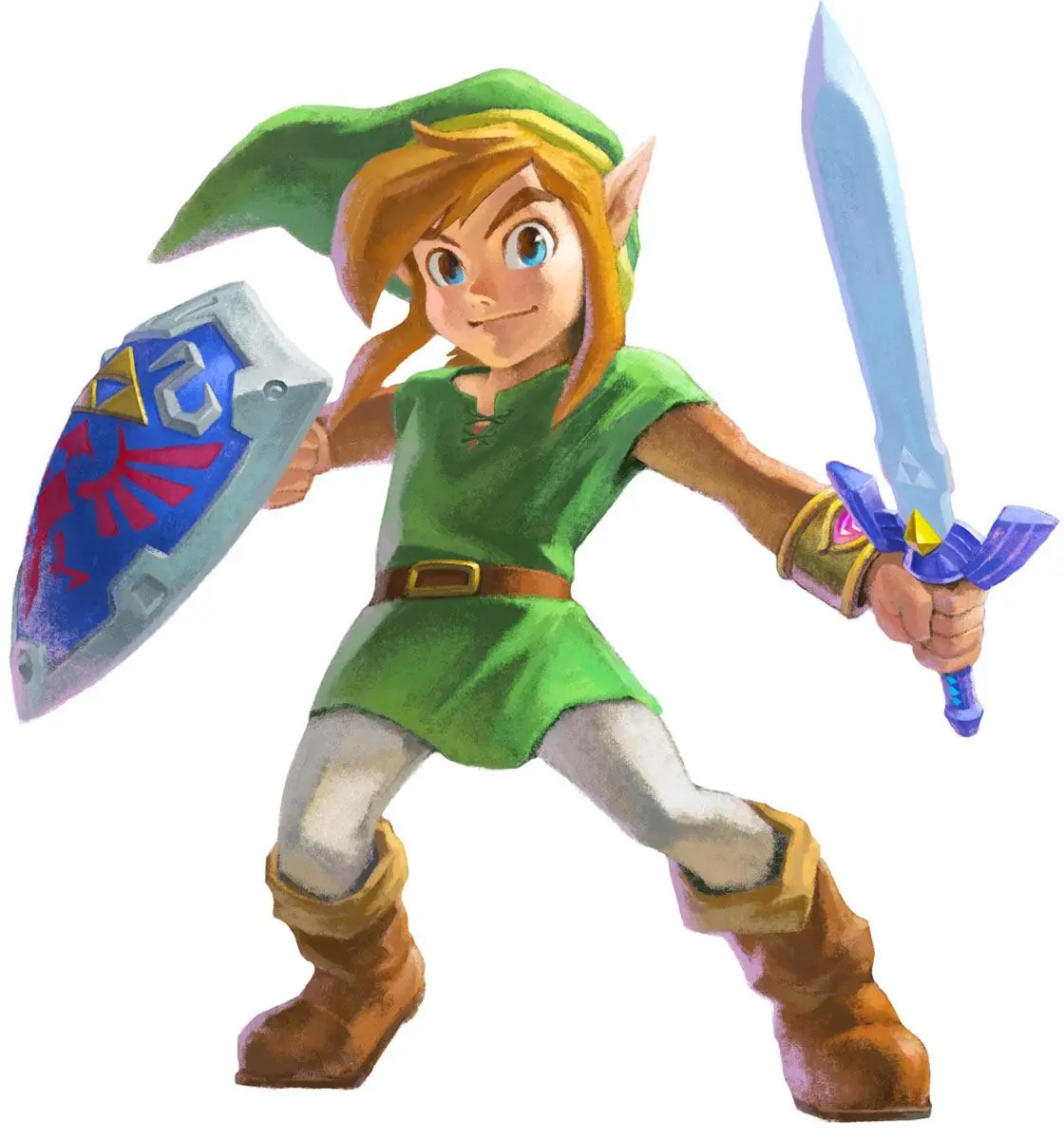 LinkBlacksmith’s apprentice, hero of two worlds
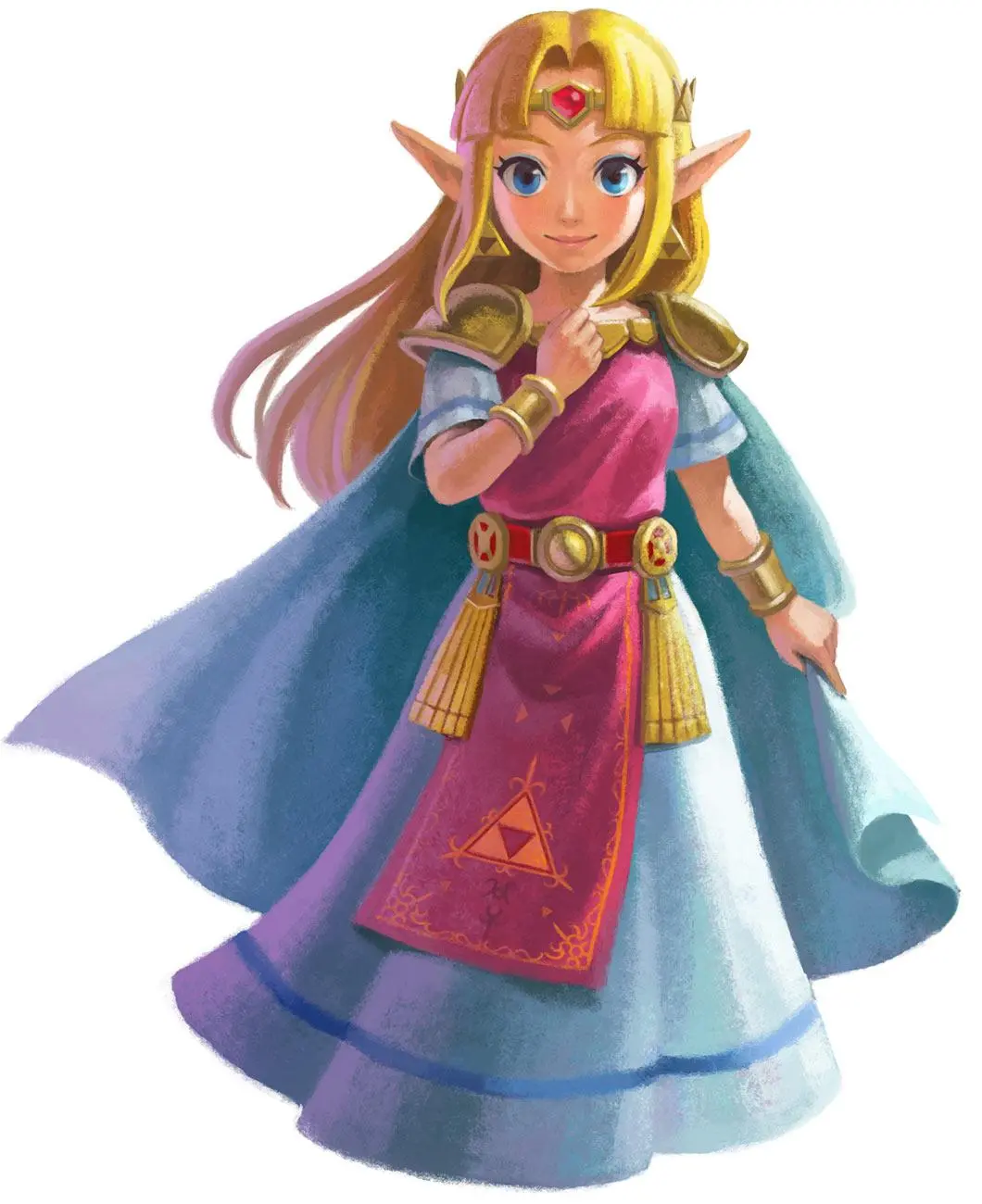 Princess ZeldaPrincess of Hyrule, bearer of the Triforce of Wisdom
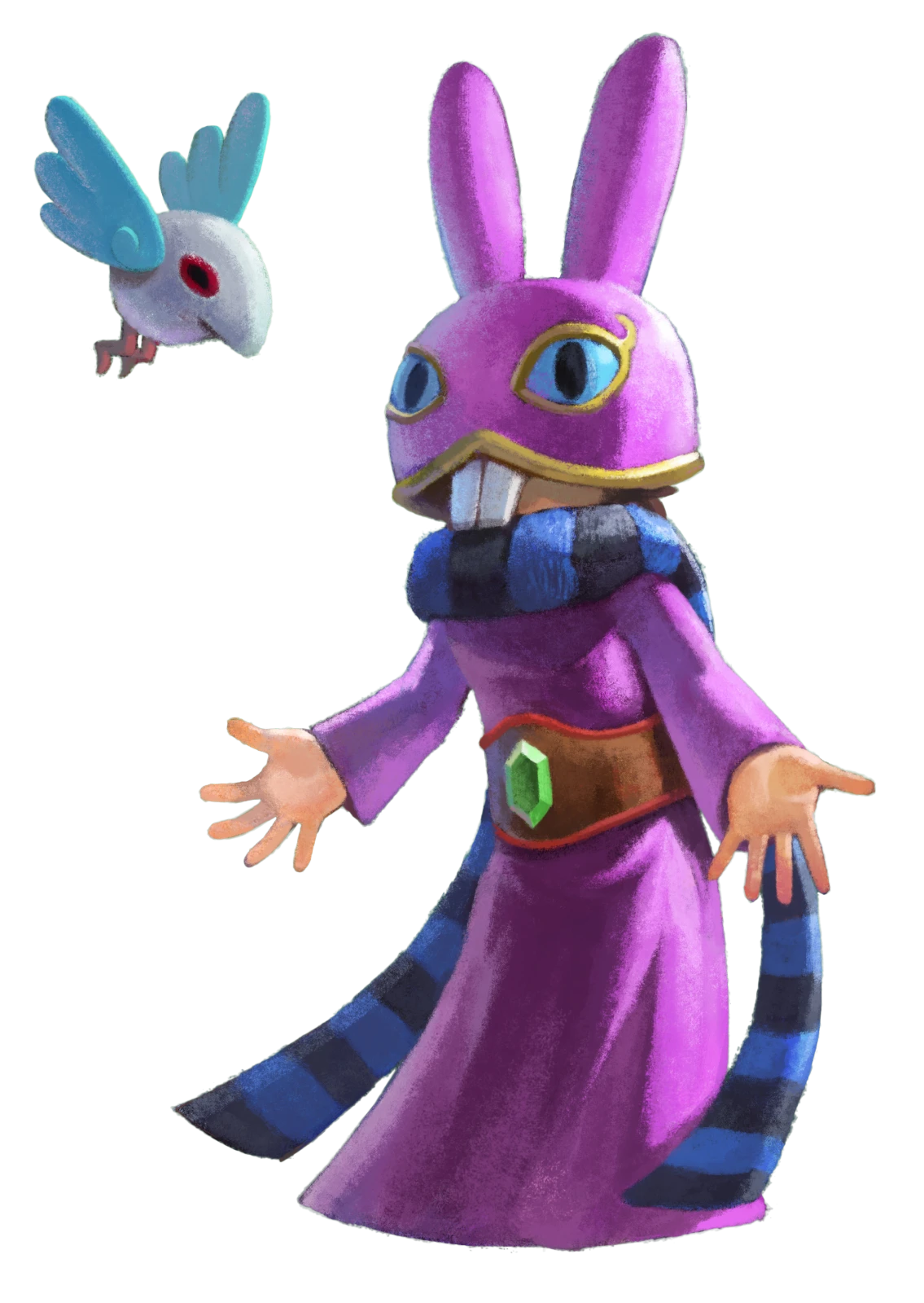 RavioThe rabbit-hooded merchant; Link’s Lorulean counterpart
 Princess HildaPrincess of Lorule
 YugaLorule’s sorcerer
 GanonThe Demon King
 ImpaZelda’s attendant; a Sage
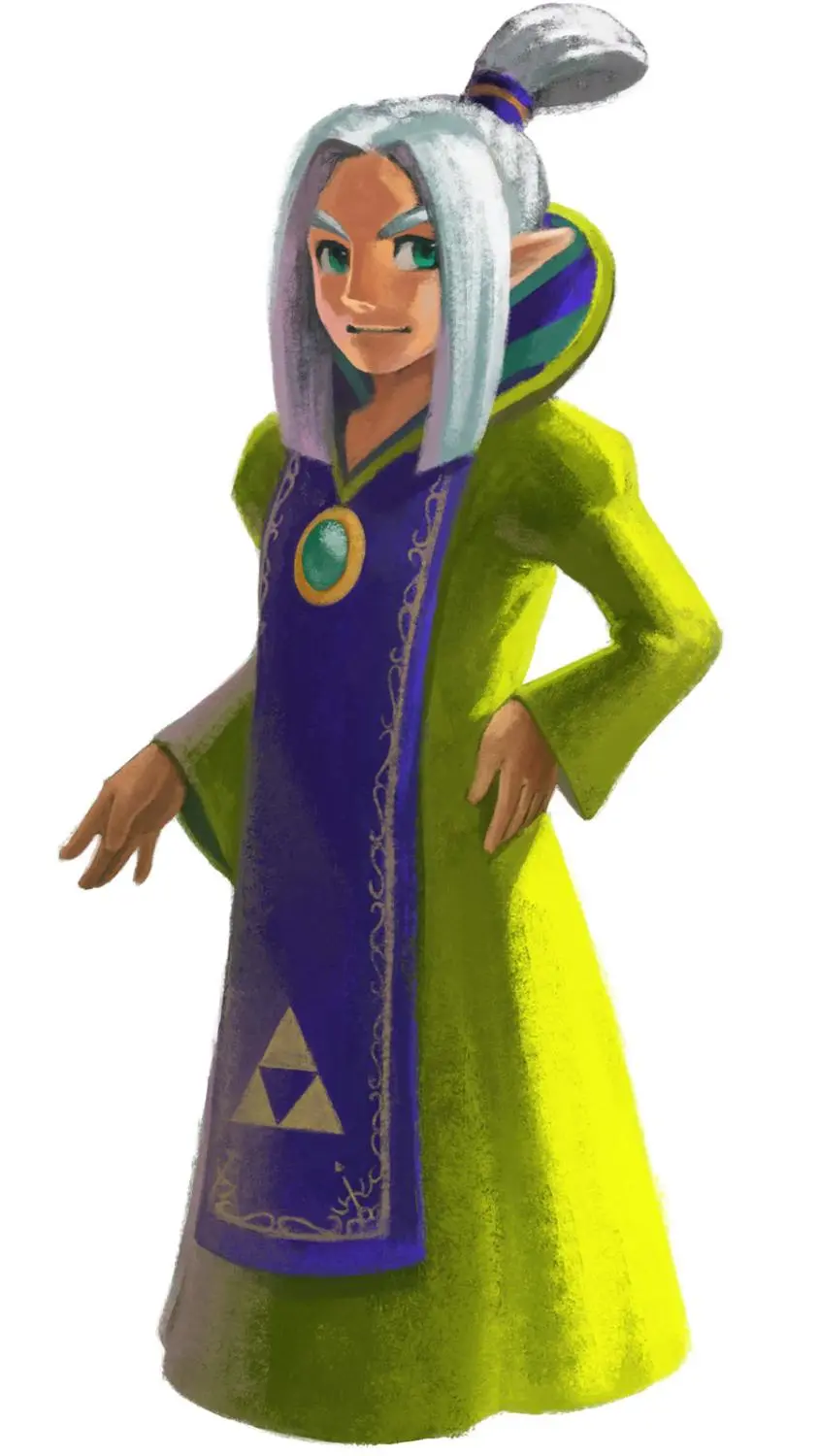 Sahasrahla & OsfalaThe wise elder and his apprentice
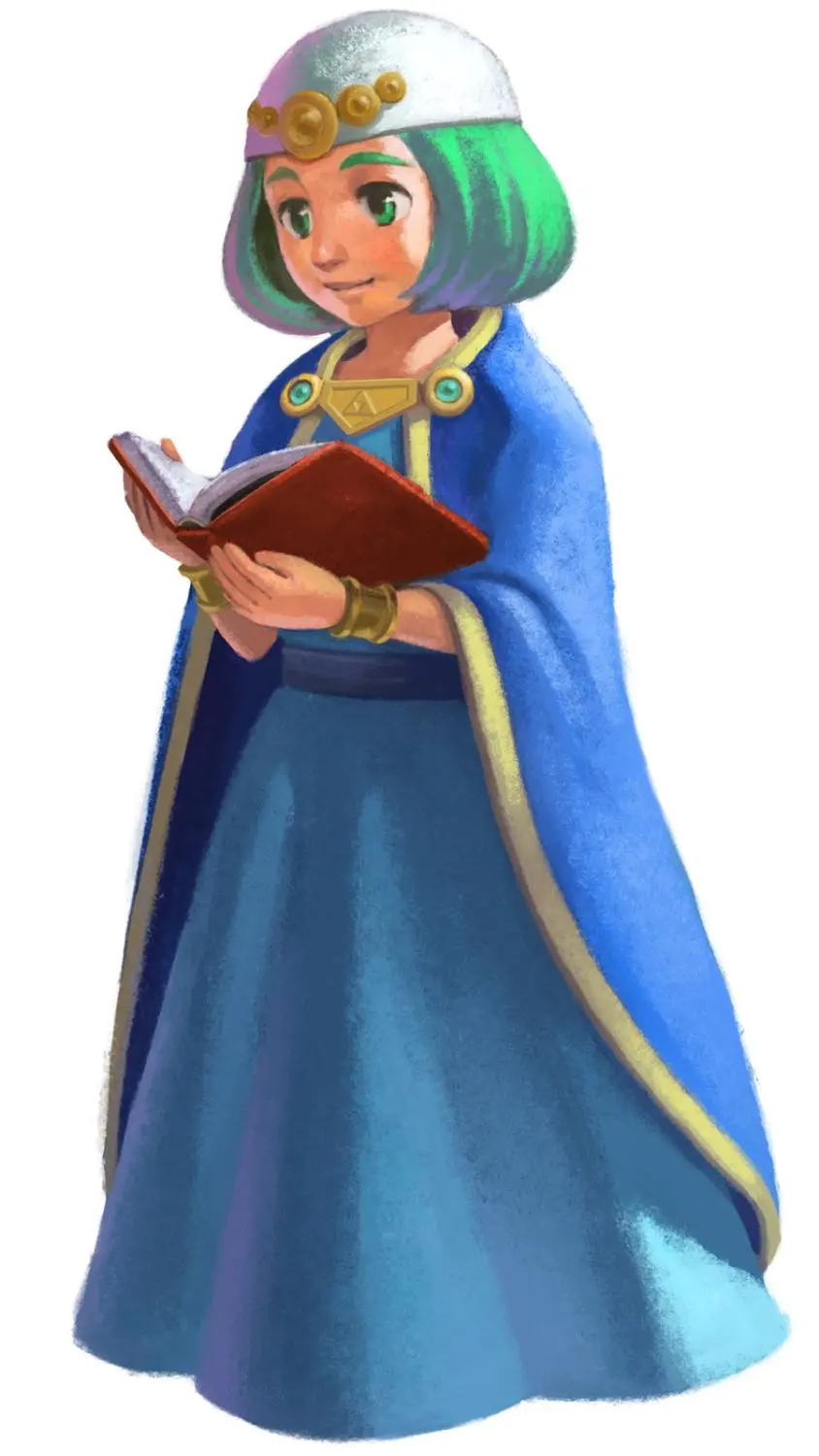 SeresThe priest’s daughter; a Sage
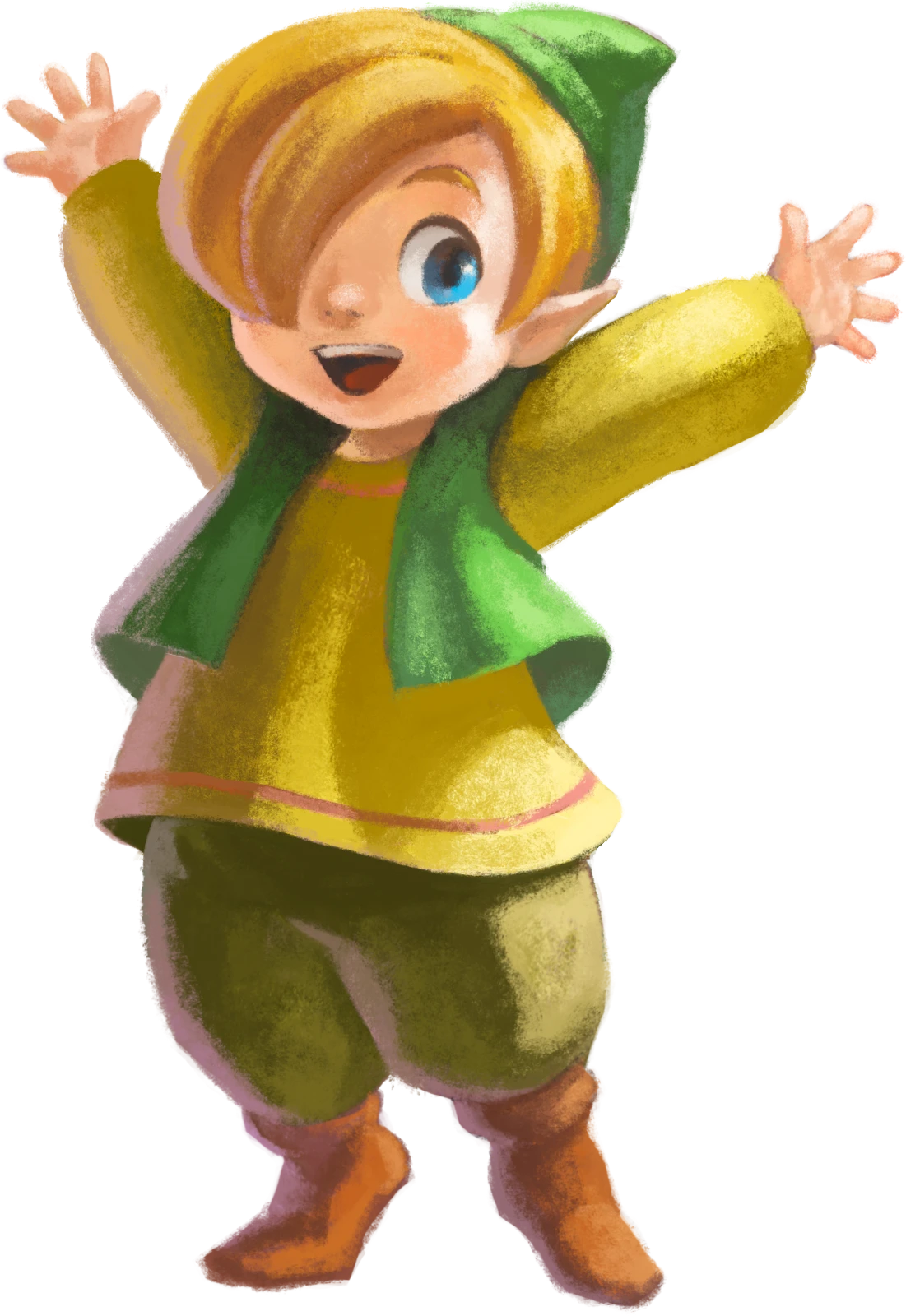 GulleyThe blacksmith’s son; a Sage
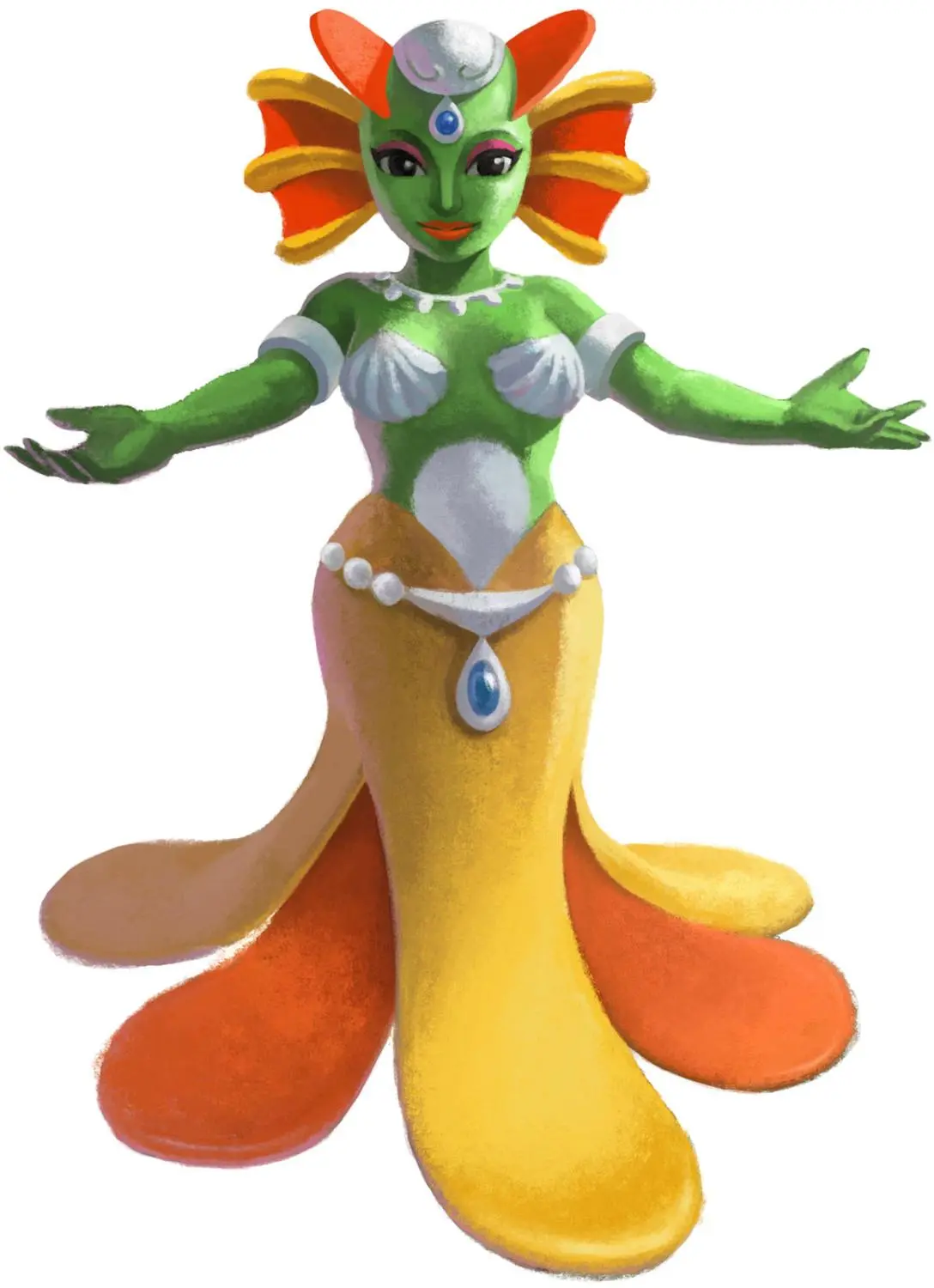 Queen OrenQueen of the Zoras; a Sage
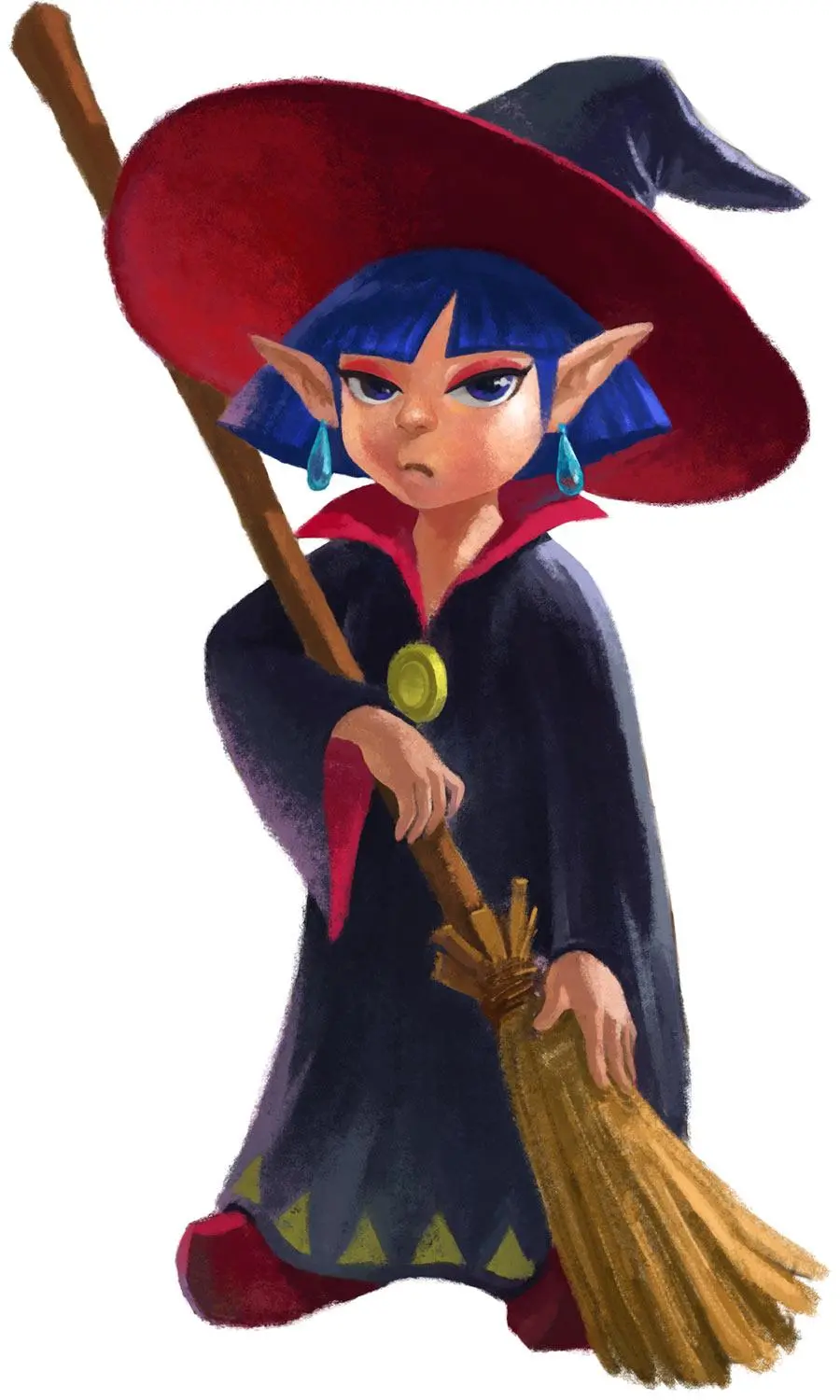 IreneJunior witch; a Sage
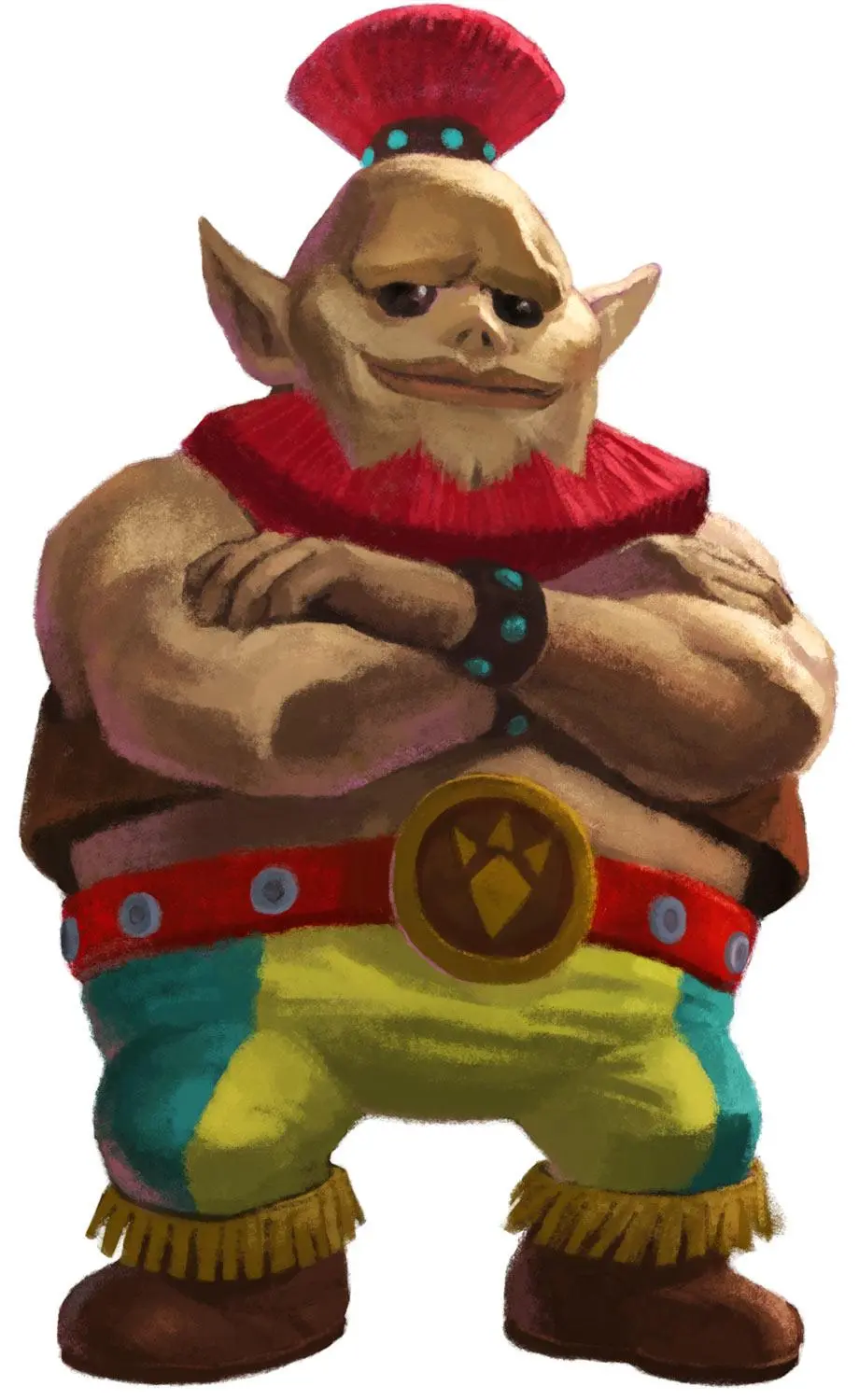 RossoMiner; a Sage
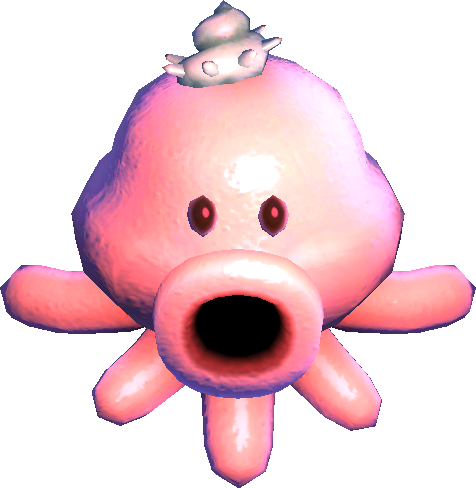 Mother MaiamaiThe giant hermit crab-octopus
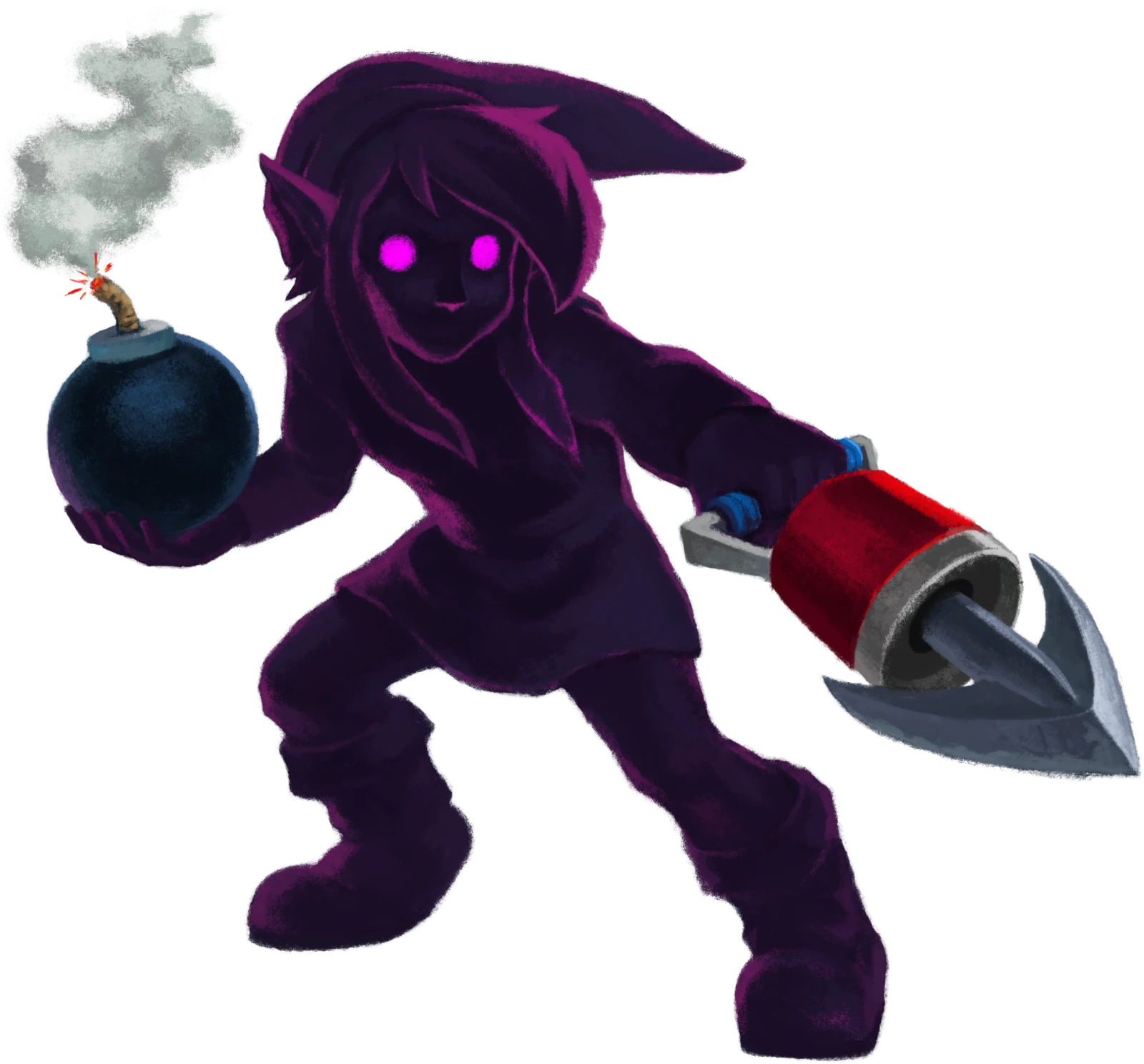 Shadow LinkStreetPass rival
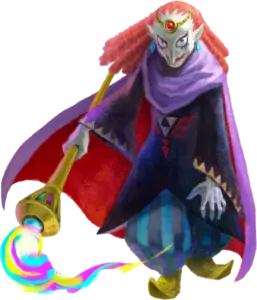 YugaEastern Palace · Hyrule CastleSlips in and out of the walls as a painting while he attacks.
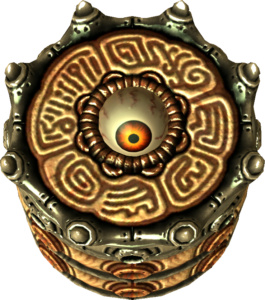 MargomillHouse of GalesA giant eyeball inside a protective contraption, in the wind-blown House of Gales.
 MoldormTower of HeraThe segmented worm from A Link to the Past, circling a tiny platform. Hit its tail.
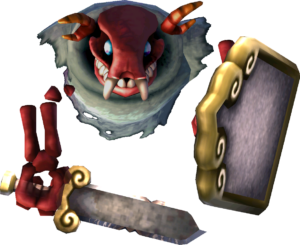 StalblindThieves’ HideoutLorule’s king of thieves and its counterpart of Blind. Merge into his shield when his guard drops; later his detached head is invulnerable, so hit the body.
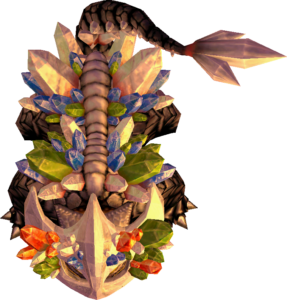 Gemesaur KingDark PalaceA crystal-covered Helmasaur. Bomb its mask, then hit the red weak spot; it blows out the lights for its second wind.
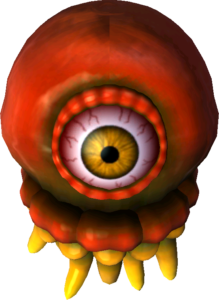 ArrghusSwamp PalaceAnother returning foe from A Link to the Past’s Swamp Palace.
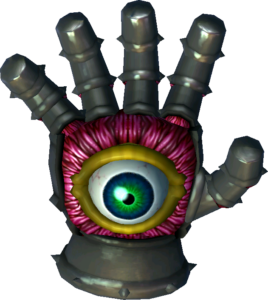 KnucklemasterSkull WoodsA living steel gauntlet with an eye in its palm. Dodge the punches until it hits the wall, then strike the eye.
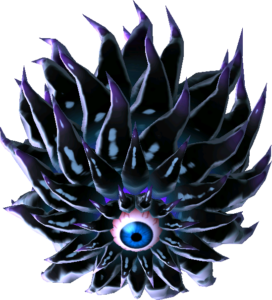 DharkstareIce RuinsEncased in ice; melt it with three blasts of the Fire Rod, then use the sword.
 ZaganagaDesert Palace (Misery Mire)A cactus-shaped sandworm over sinking sand. Build a path with the Sand Rod to reach it.
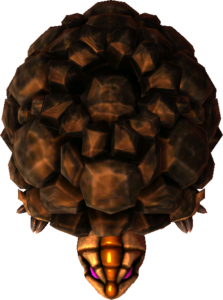 GrinexxTurtle RockA turtle in a lava pool. Drop ice blocks on it with the Ice Rod, then strike its head.
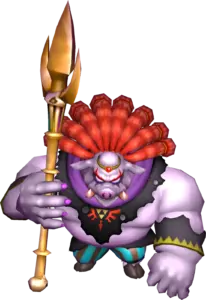 Yuga GanonLorule CastleThe final battle, against Yuga swollen with Ganon’s power.
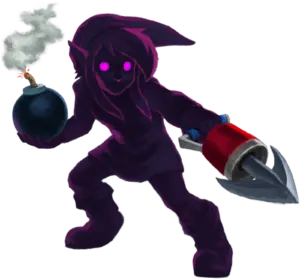 Shadow LinkAnywhere (StreetPass)Other players’ Links, fought for a bounty.
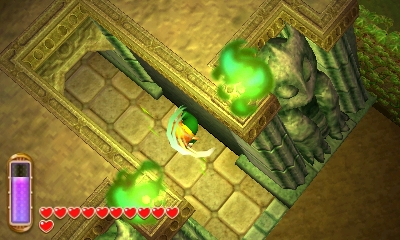 Wall-mergingLink can flatten into a painting on any wall and move along it, the game’s signature mechanic.
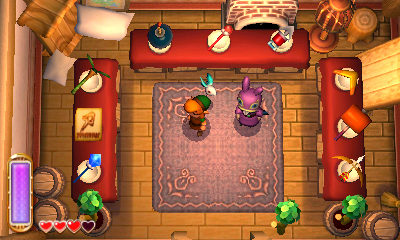 Item rentalRent or buy nearly every item from Ravio from early on. Aonuma called it gameplay that had never existed in the series before.
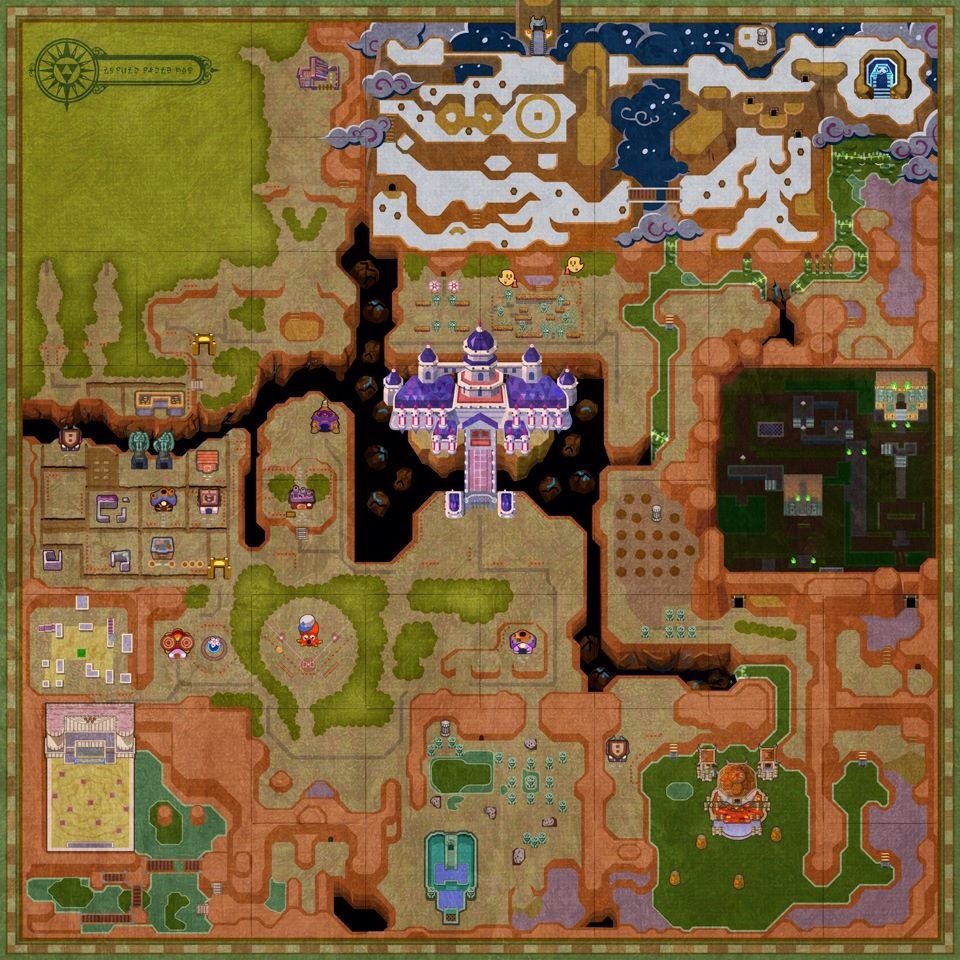 LoruleHyrule’s parallel twin, with its own princess, Hilda, and an upside-down Triforce symbol.
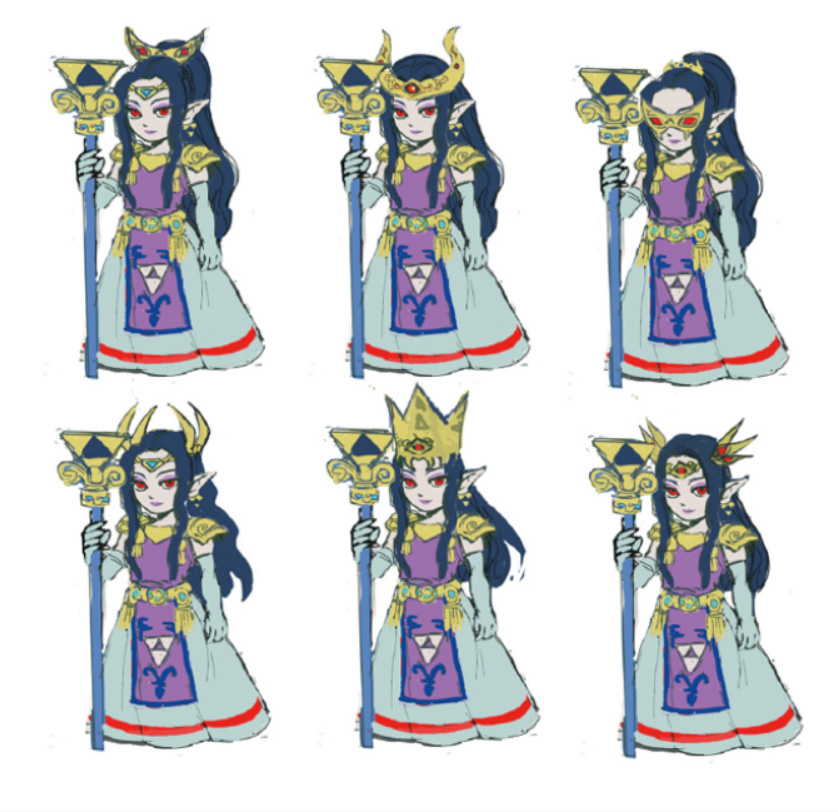 Ravio, Hilda and YugaThree new characters; Ravio and Yuga later joined Hyrule Warriors Legends, and Ravio’s hood made it into Breath of the Wild.
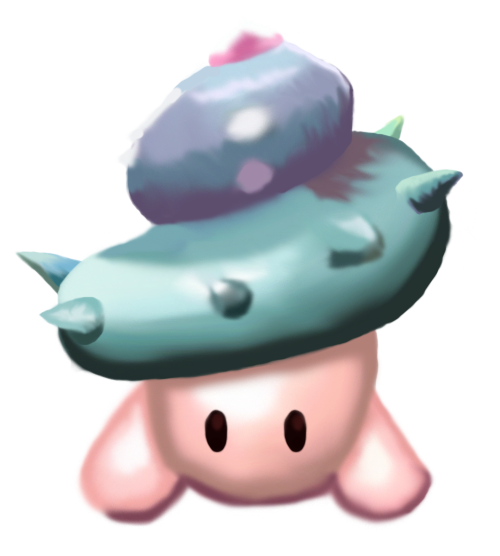 Maiamai upgradesFind Mother Maiamai’s 100 lost children to power up your own items into “Nice” versions.