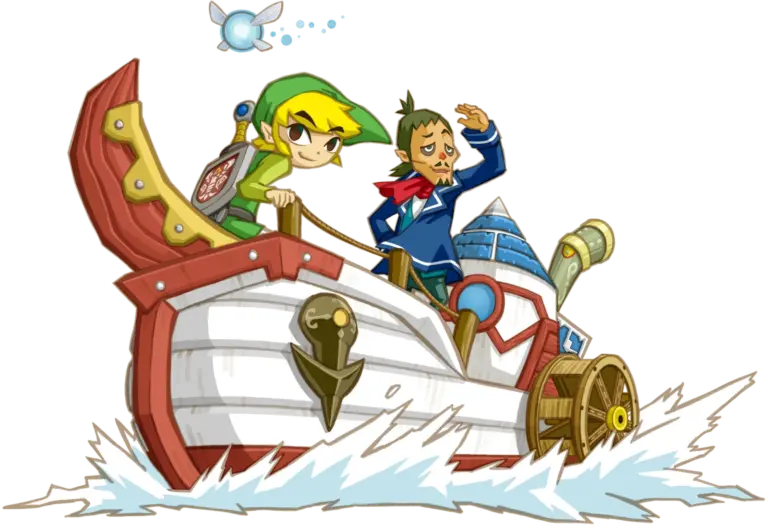
All aboard: a hundred years after the pirates found a new land, a young train engineer and a princess without a body race to stop a demon king, one stretch of magic railway at a time.
Released7 December 2009 (North America) · 11 December 2009 (Europe) · 23 December 2009 (Japan)
DeveloperNintendo EAD
DirectorDaiki Iwamoto
ProducerEiji Aonuma
MusicToru Minegishi, Manaka Tominaga, Asuka Ota; ending theme by Koji Kondo
DungeonsThe Tower of Spirits plus five temples
Players1 (Battle Mode 2–4)
Sales2.61 million by March 2010
Title
The Legend of Zelda: Spirit Tracks ゼルダの伝説 大地の汽笛 (Zeruda no Densetsu: Daichi no Kiteki, roughly “Steam Whistle of the Earth”)
Platform
Nintendo DS (later on Wii U Virtual Console: Europe 2015, North America 2016)
2.61 million by 31 March 2010 (0.76 million in Japan, 1.85 million overseas)
Overview
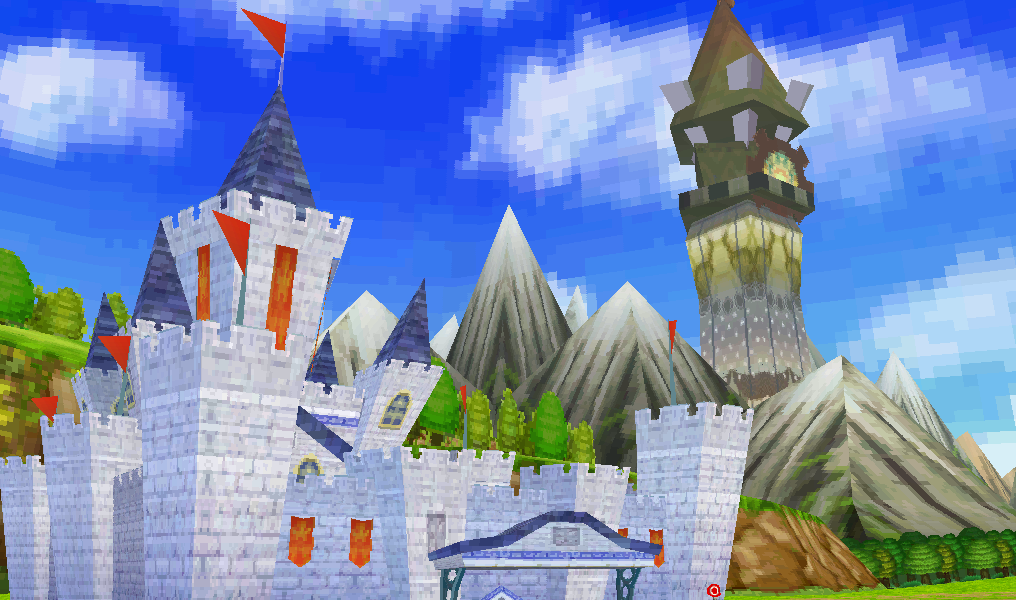
Spirit Tracks swaps the sea for the railway. Set in the cel-shaded world of The Wind Waker and Phantom Hourglass, it takes place a hundred years after Tetra’s pirates discovered a new land and founded New Hyrule. Link is a young apprentice engineer on the day of his graduation, Princess Zelda is a ruler who suspects her own chancellor, and the Spirit Tracks, the magical railway that criss-crosses the kingdom, are vanishing one line at a time.
What makes it special is Zelda. Her body is stolen in the first act, and for the rest of the game her spirit travels with Link: chatting, bickering, and stepping into the suits of armour worn by the Tower of Spirits’ Phantom guards to fight and solve puzzles at his side. It is one of the biggest roles Zelda has ever had in her own series.
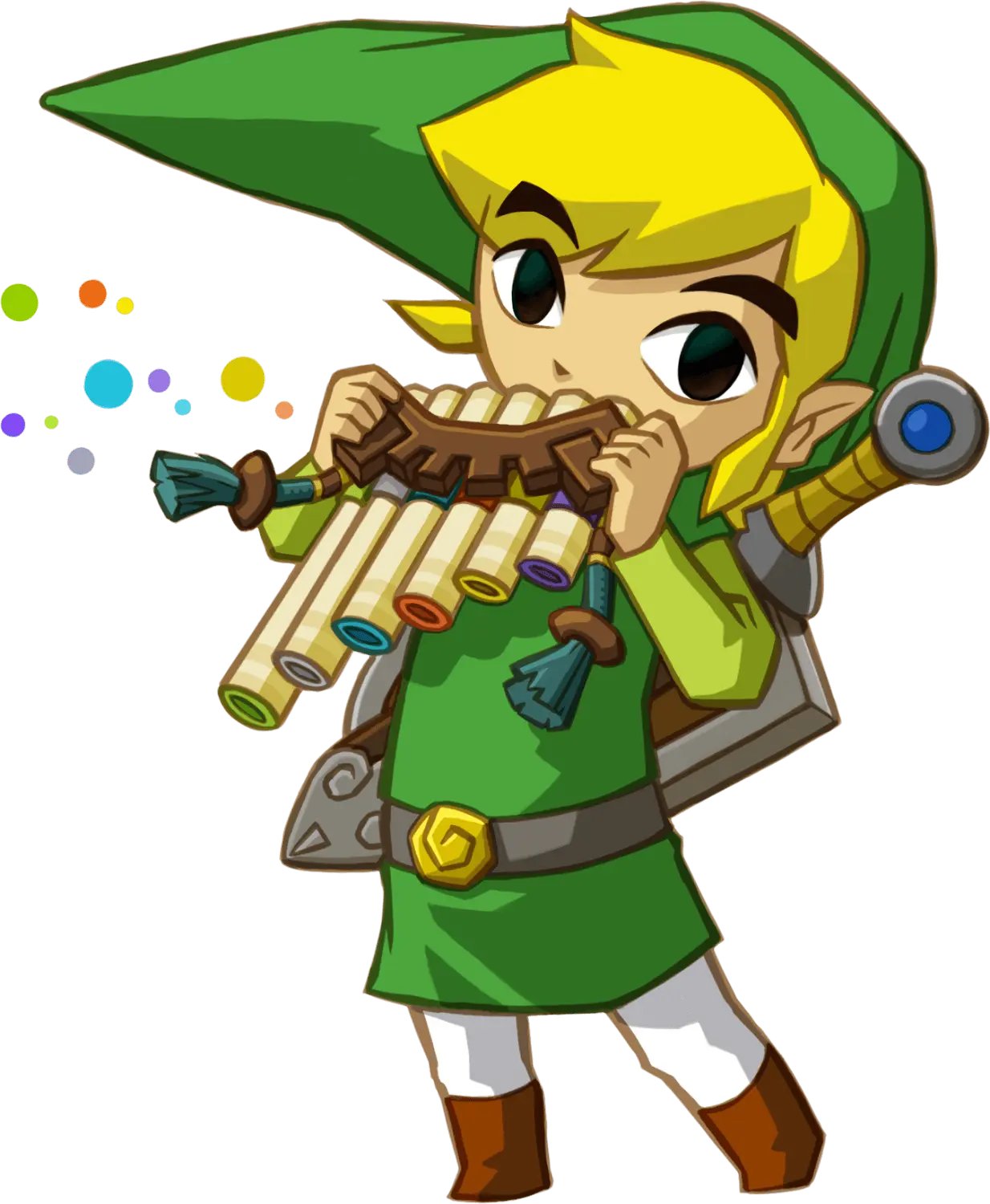
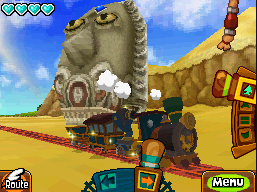
The rest is pure DS. Link moves, fights and throws boomerangs with the stylus, plays the Spirit Flute by blowing into the microphone, and drives his train by drawing routes on a map, pulling the whistle and cranking a gear stick. Producer Eiji Aonuma got the idea from a picture book his son loved, and director Daiki Iwamoto’s team spent a year building a track-laying system before throwing it away. The finished game sold 2.61 million copies in its first four months.
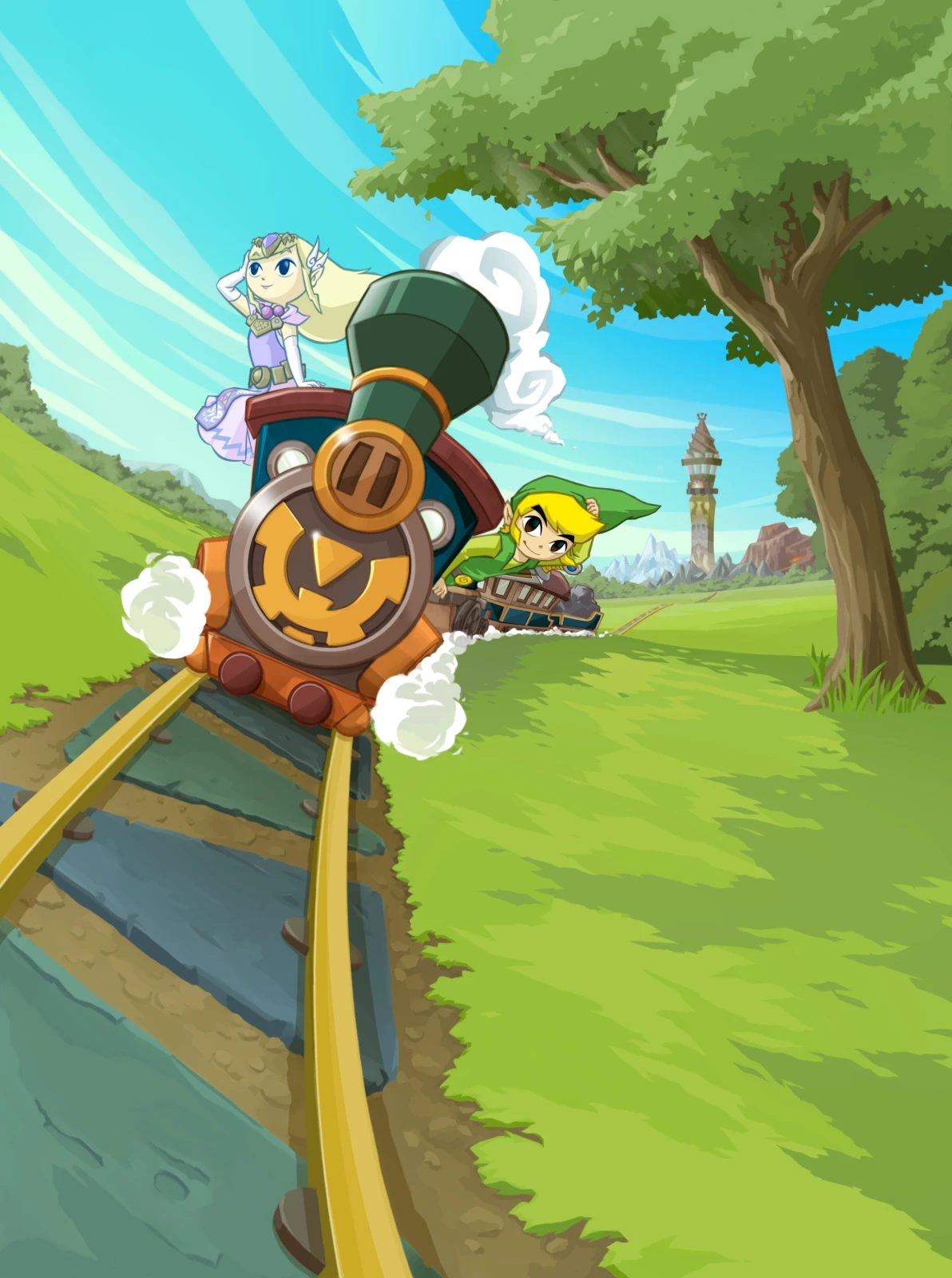
Driving the Spirit Train across the Forest Realm.Zelda in a Phantom’s armour, working alongside Link in the Tower of Spirits.Playing the Spirit Flute with the DS microphone.
The evil Demon King rose to power, destroying everything in his path.
So begins the legend the game tells in its opening. The spirits of good fought the Demon King in a long war; unable to destroy him, they sealed his spirit underground, with tracks for shackles and a tower for a lock, then returned to the heavens and left the land in human hands.
— Official text: The Legend of Zelda: Spirit Tracks (Nintendo, 2009), opening prologue (English version, as transcribed by Zelda Dungeon). One line quoted; the rest summarised.
Quick Answers
Quick answers about Spirit Tracks, with more detail further down the page.
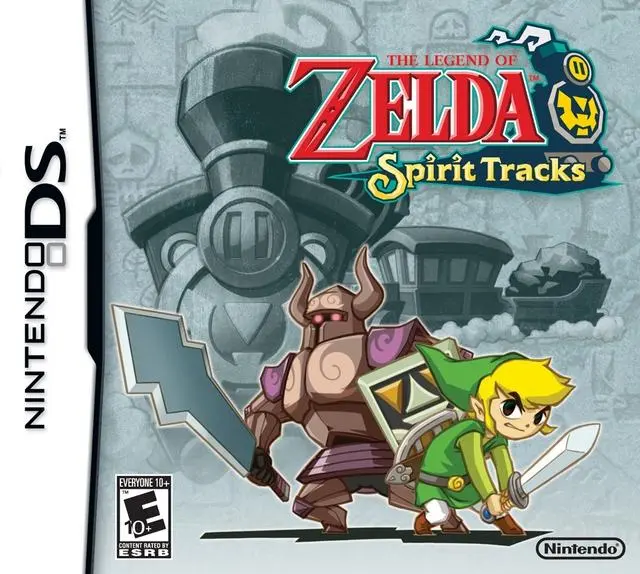
The main key art for Spirit Tracks.
When did Spirit Tracks come out?
On Nintendo DS in North America on 7 December 2009, in Australia on 10 December, in Europe on 11 December and in Japan on 23 December 2009. It came to the Wii U Virtual Console in Europe on 13 November 2015 and in North America on 20 October 2016. More →
Is Spirit Tracks a sequel to Phantom Hourglass?
Yes, in a sense. It is set about a hundred years after Phantom Hourglass in New Hyrule, the kingdom founded by Tetra. Its Link and Zelda are new characters, Zelda being Tetra’s great-great-granddaughter. More →
Can you play as Zelda in Spirit Tracks?
In a way. Zelda’s spirit can possess the armoured Phantoms in the Tower of Spirits, and you guide her by drawing a path on the touch screen to fight, carry Link across hazards and solve puzzles together. More →
How many dungeons are in Spirit Tracks?
There are five temples (Forest, Snow, Ocean, Fire and Sand) plus the Tower of Spirits, which Link and Zelda climb a section at a time between the temples, and the final journey into the Dark Realm. More →
Who is the villain of Spirit Tracks?
Malladus, a Demon King sealed beneath the Tower of Spirits, served by Chancellor Cole, a demon disguised as Zelda’s chancellor, and the rogue Lokomo Byrne. More →
Does Spirit Tracks have multiplayer?
Yes: Battle Mode for two to four players over local wireless, from a single game card by DS Download Play. Players race to collect Force Gems while dodging Phantoms and hazards. There is no online play. More →
Where did the train idea come from?
From a picture book. Eiji Aonuma was reading his son a book about children building a railway across the countryside and decided the next DS Zelda should be about tracks. More →
How many copies did Spirit Tracks sell?
2.61 million by 31 March 2010, according to Nintendo: 0.76 million in Japan and 1.85 million elsewhere. More →
Plot / Story
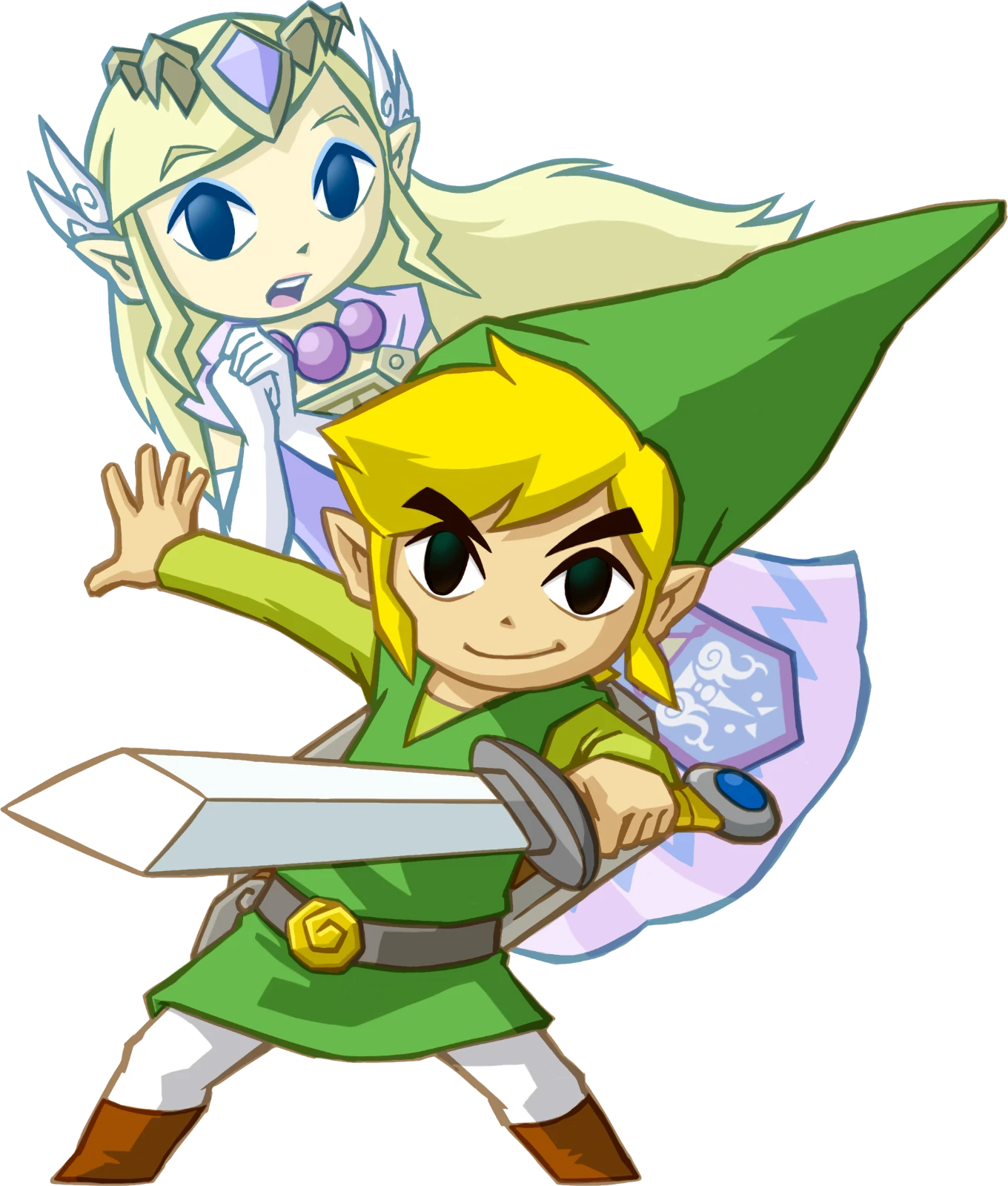
Official art of Link and Princess Zelda.
Long ago, before the kingdom had a name, a Demon King rose up and laid waste to everything in his path. The spirits of good fought him in a long war but could not kill him, so they buried his spirit deep underground. The Spirit Tracks, a network of rails running across the land, became his shackles, and the great Tower of Spirits at its centre became the lock. The spirits returned to the heavens, leaving the land in the care of its people and of the Lokomos, their servants, who guarded the tower and the tracks.
A century before the game begins, a band of pirates led by a girl named Tetra sailed in from across the sea, discovered this land and founded a new kingdom there: New Hyrule. One of her old crew, Niko, now a white-haired old man living in Aboda Village, tells the legend of the Demon King with his treasured paper cut-outs in the game’s opening. Tetra’s great-great-granddaughter now sits on the throne.
An engineer’s graduation
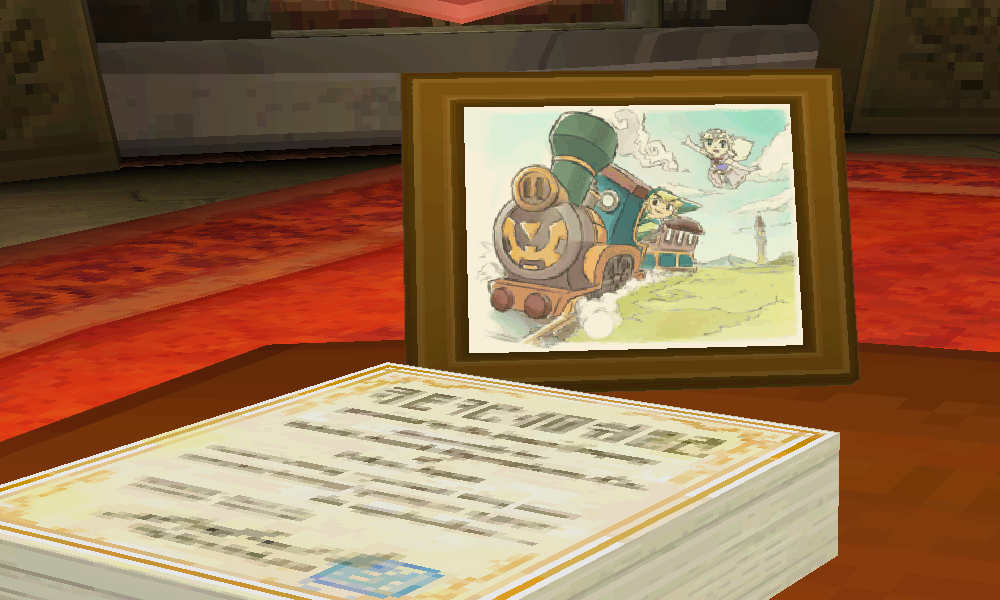
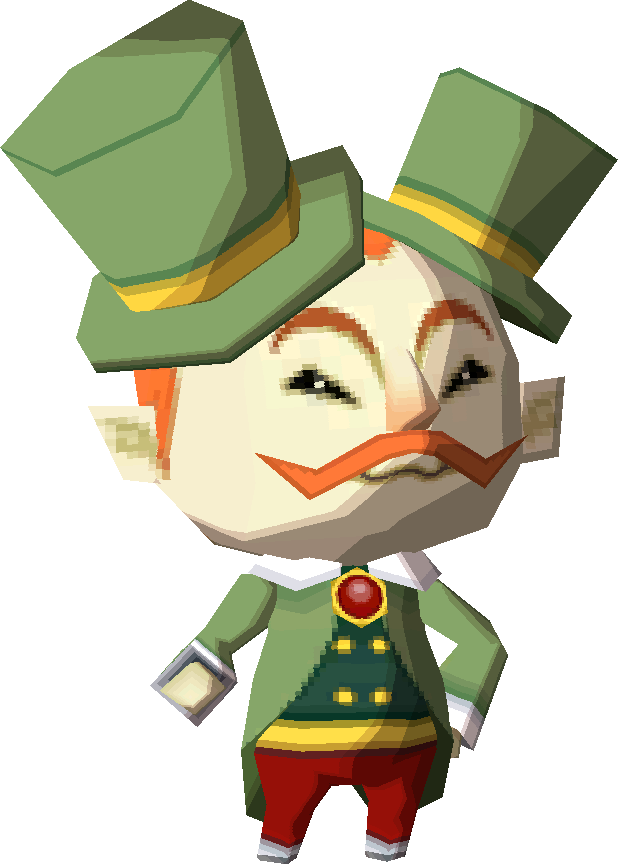
Link has been learning to drive trains under Alfonzo, Aboda’s engineer and once the finest swordsman in the royal guard. Today he travels to Hyrule Castle to receive his engineer’s certificate from Princess Zelda herself. The ceremony has one sour note: the chancellor, Cole, a short man in a tall hat, sneers that the Spirit Tracks will soon be useless anyway.
Zelda slips Link a secret note. In private she tells him that the tracks really are disappearing, that she no longer trusts her chancellor, and that she wants to see Anjean, the wise woman of the Tower of Spirits. Link sneaks her past her guards, and with Alfonzo they set off for the tower by train. The rails vanish beneath them. Cole appears, revealed as something far worse than a sour chancellor, and with him a tall, armoured figure called Byrne, who brushes Alfonzo aside. Cole tears Zelda’s spirit from her body and carries the body away as the tower breaks into floating pieces.
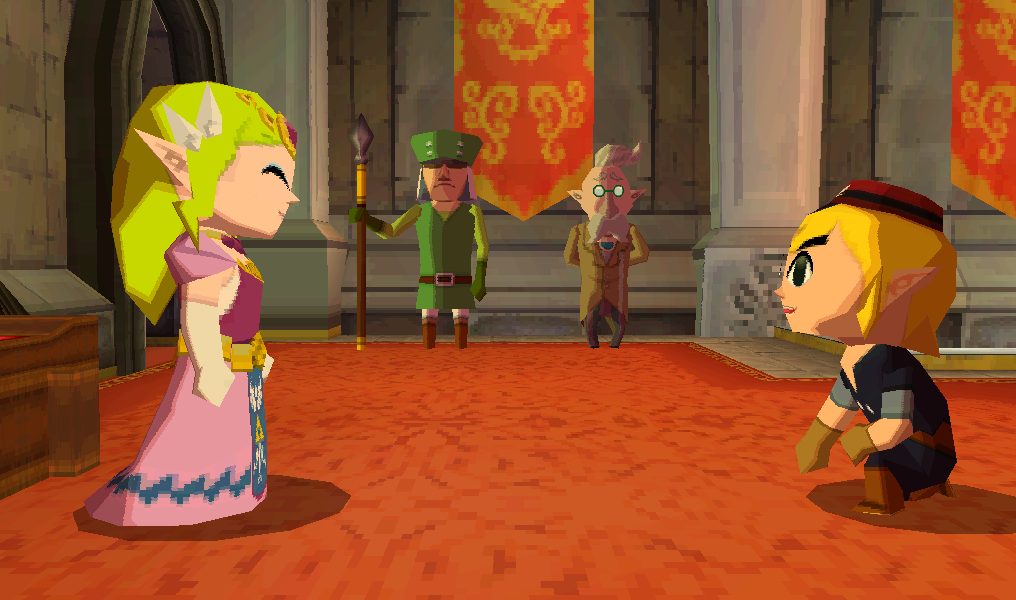
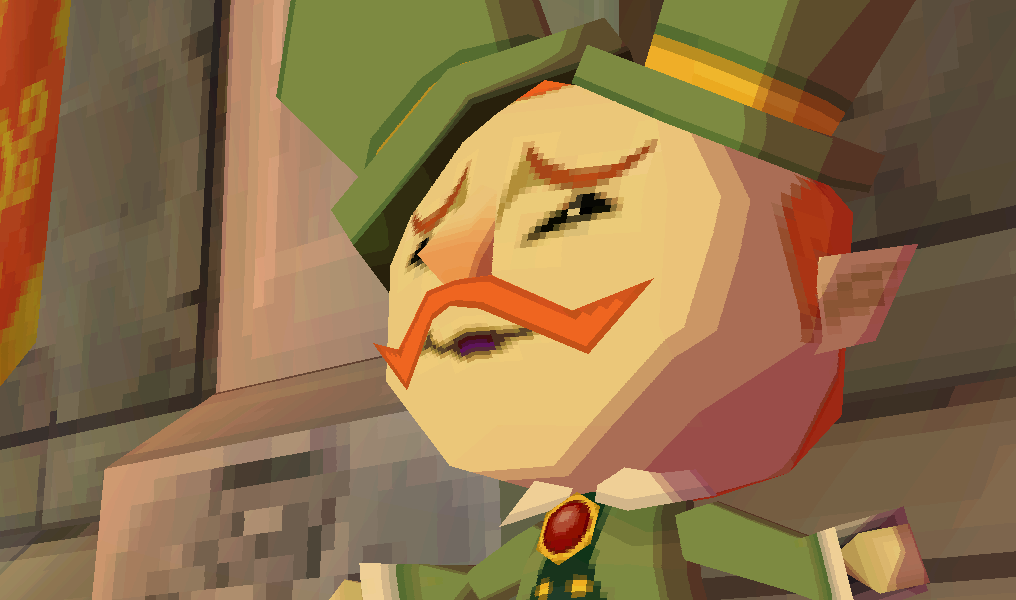
Link’s engineer certification ceremony at Hyrule Castle.Chancellor Cole and Byrne reveal themselves.The Tower of Spirits breaks apart.
A princess without a body
Link comes round to find a ghostly Zelda at his side, invisible to everyone else. Together they reach the Tower of Spirits, where Anjean explains the danger. Cole is a demon who serves Malladus, the Demon King, and he wants Zelda’s body as a vessel for his master’s return. To stop him they must restore the tower and the Spirit Tracks before Malladus wakes.
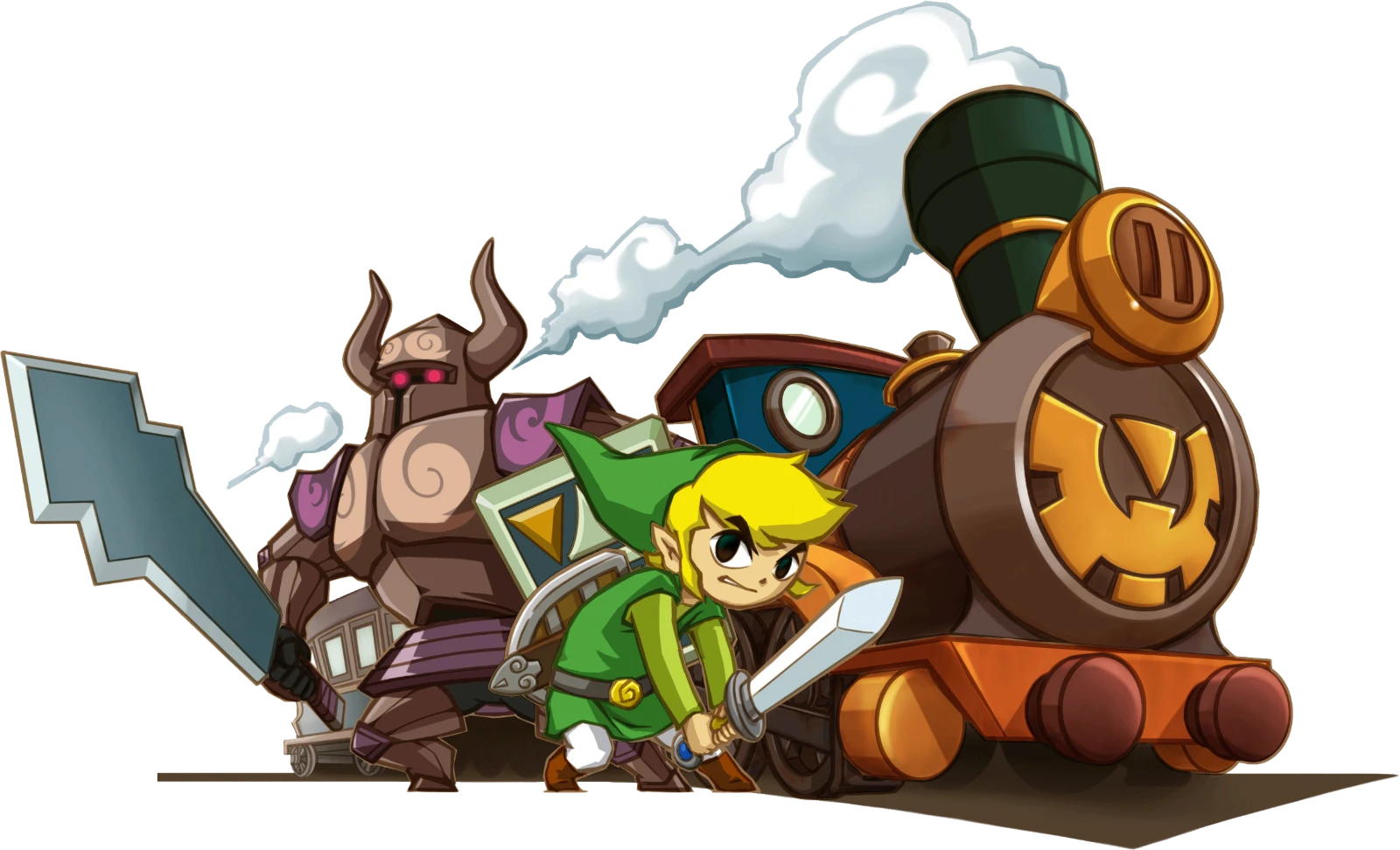
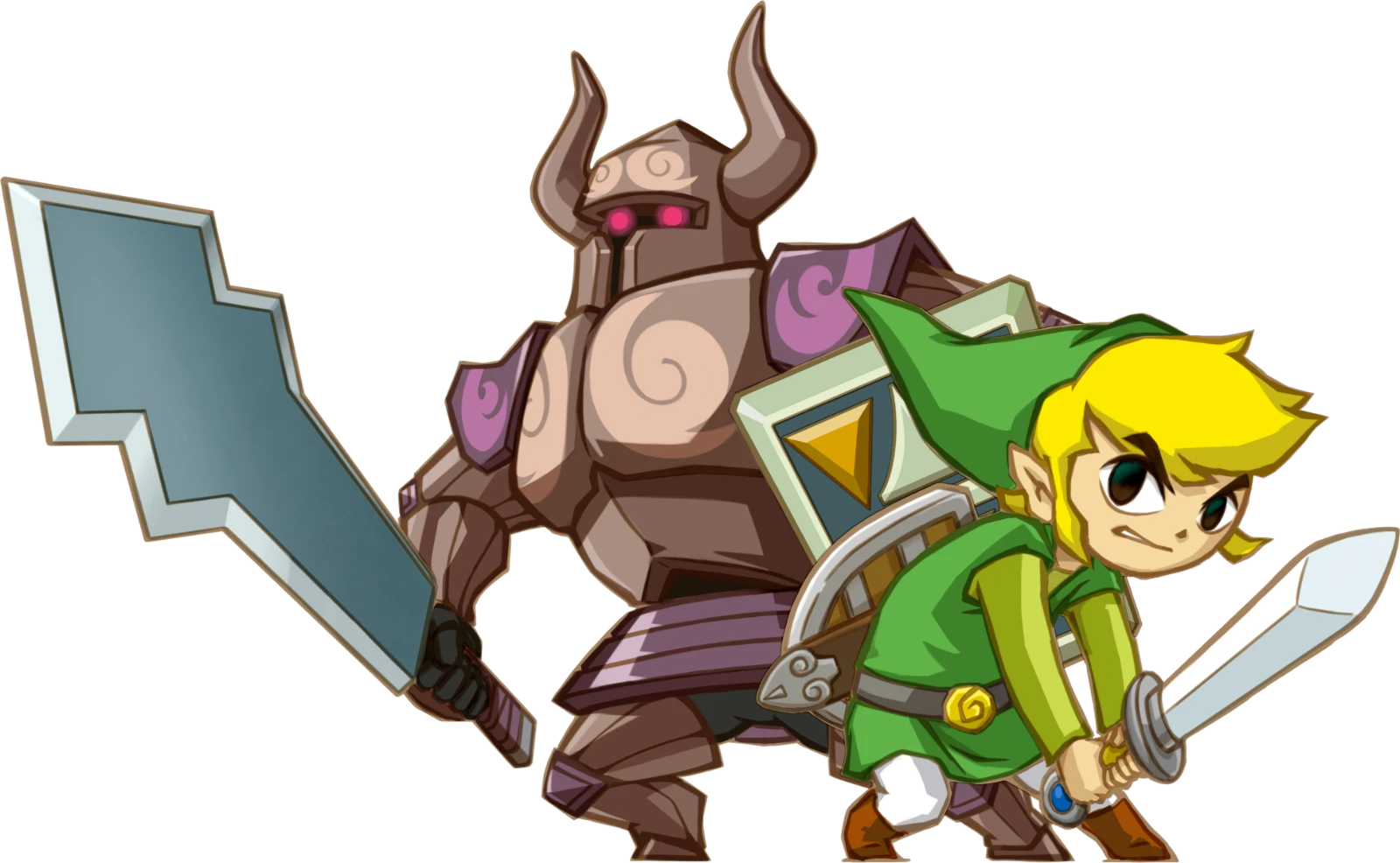
The tower is guarded by Phantoms, giant suits of armour who attack anyone they find. But a spirit can step inside one, and once Link stuns a Phantom from behind, Zelda can possess it and fight alongside him. Each of the first four climbs of the tower wins a Rail Map, and Anjean lends them the Spirit Train, a sacred locomotive kept in stone inside the tower, so they can follow the restored lines out into the realms. Link also carries the Spirit Flute, a Lokomo pan flute handed down in Zelda’s family, which she gave him back at the castle and which will let him play duets with the sages.
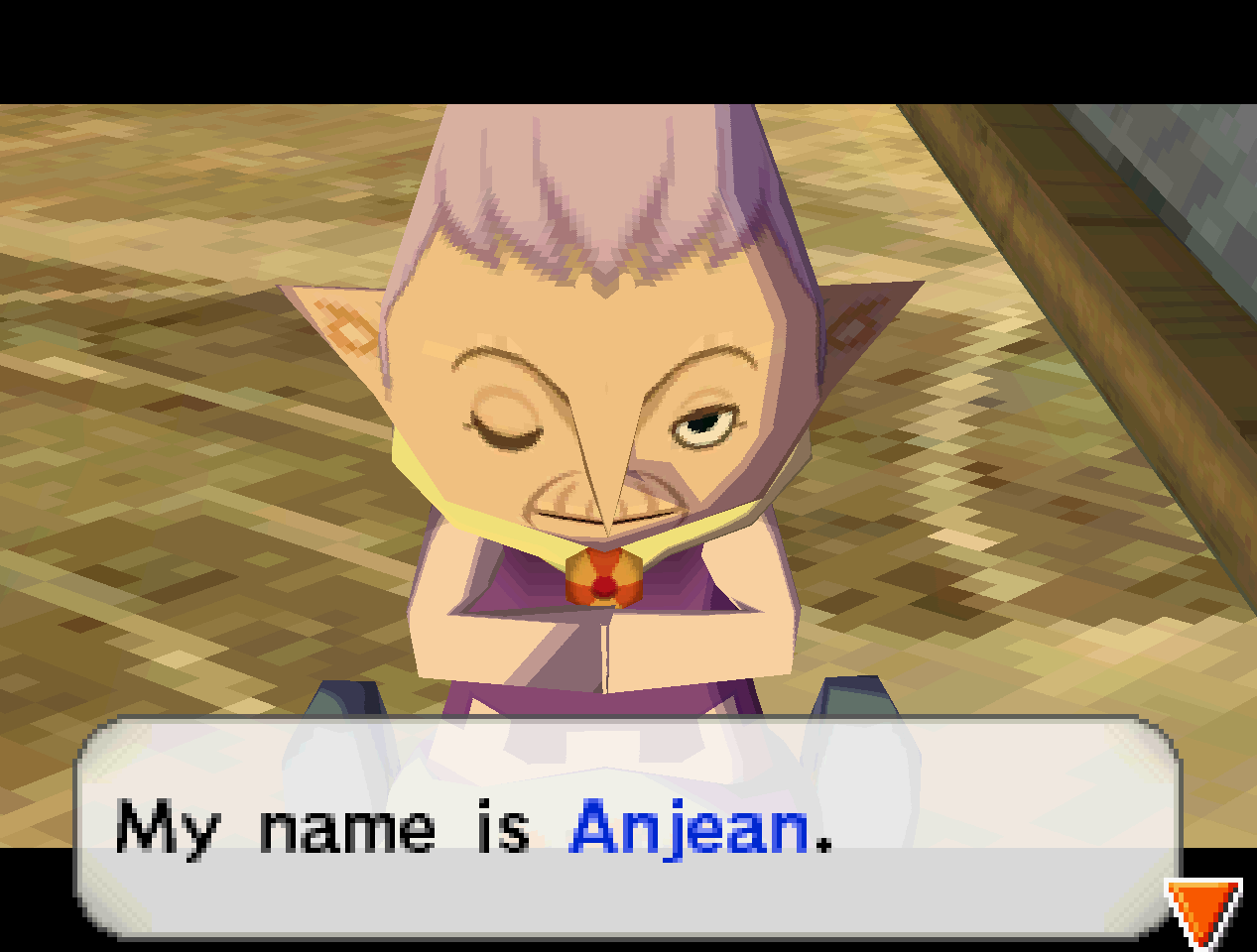
Anjean, guardian of the Tower of Spirits.Zelda possesses a Phantom for the first time.
Across the realms
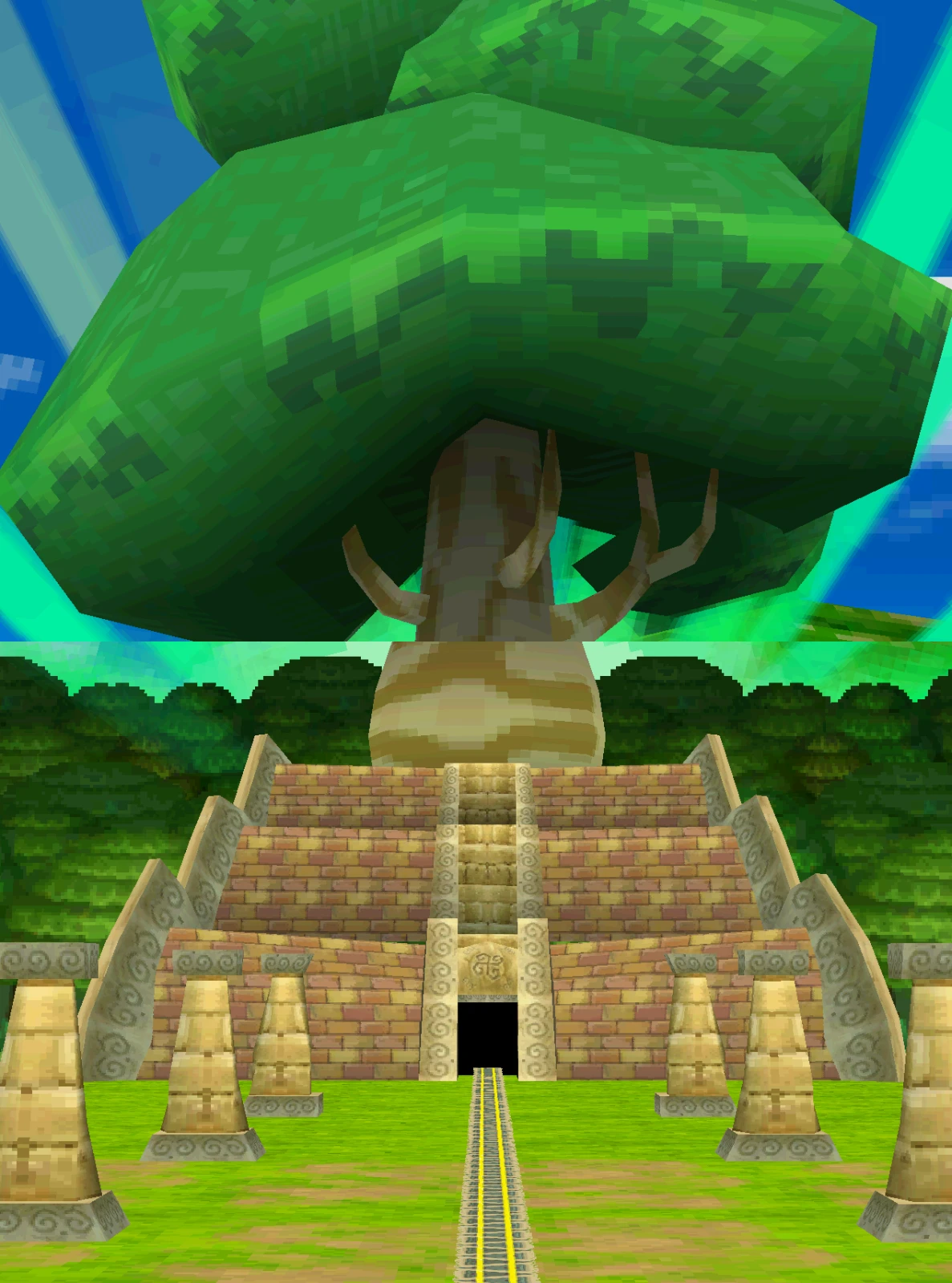
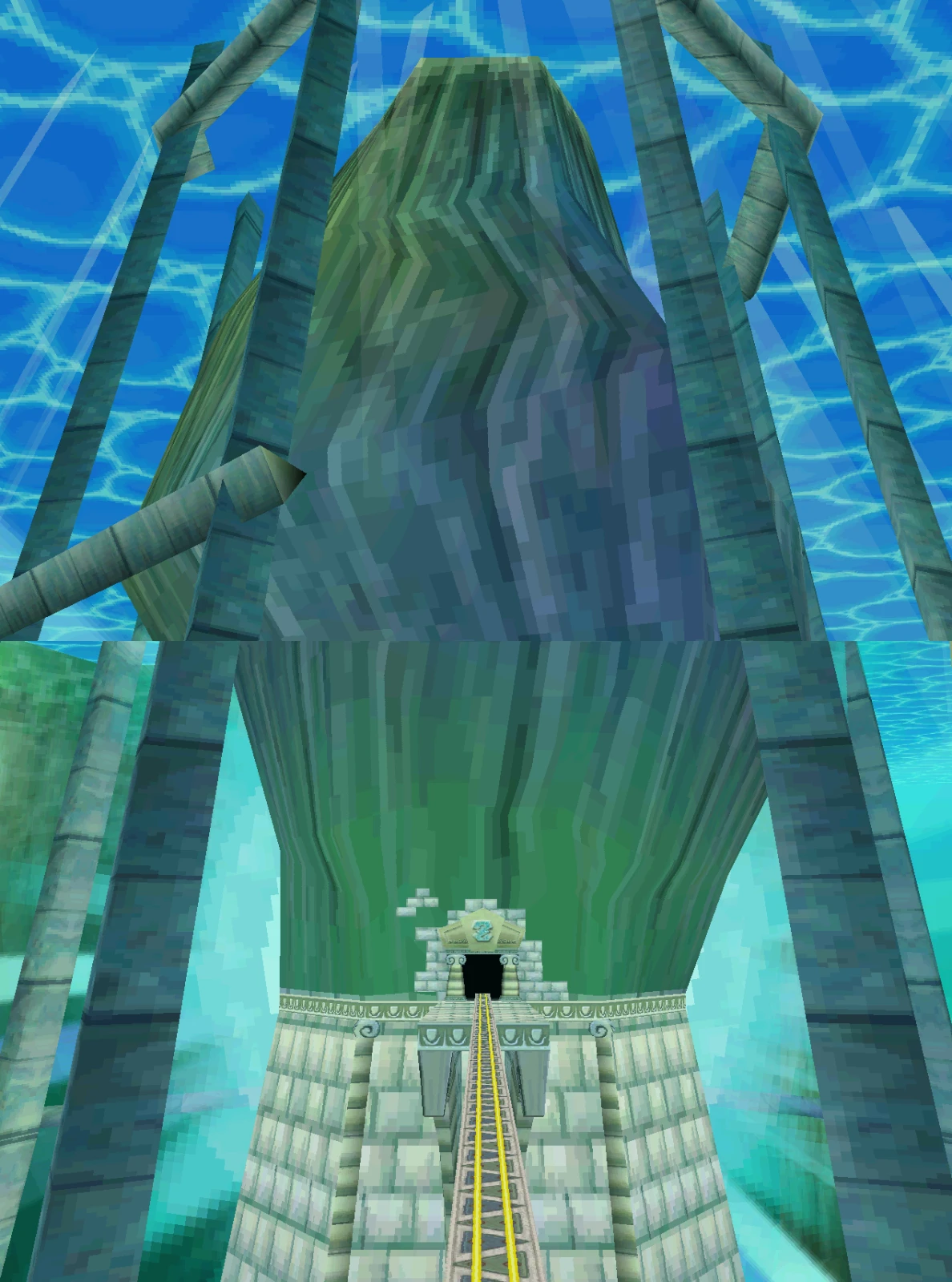
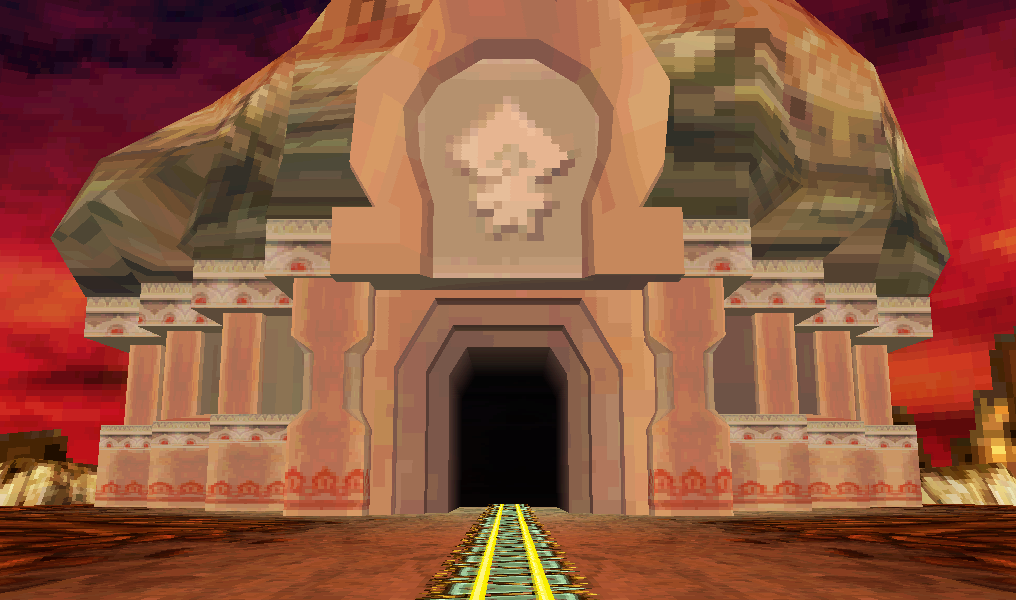
New Hyrule is divided into realms, and each has a temple whose power keeps the tracks alive. In every realm Link and Zelda find the local Lokomo, an elderly sage, and play a duet with the Spirit Flute to restore the lines, then fight through the temple, which has been overrun by Malladus’s followers. The Forest Temple hides the Whirlwind and the giant beast Stagnox; the Snow Realm’s temple, beyond the village of the Anouki, holds the Boomerang and the ice-and-fire monster Fraaz; the Ocean Temple gives up the Whip and Phytops; and in the Fire Realm, near the Goron village, Link takes the Bow and defeats Cragma.
Between the temples the pair return to the tower to climb another section, and in the meantime Link becomes a working engineer. He ferries passengers who complain if he speeds or misses their station, hauls cargo between villages, trades treasures for new train parts with the treasure-mad Linebeck III, and chases down rabbits, stamps and Force Gems in a world full of side jobs.
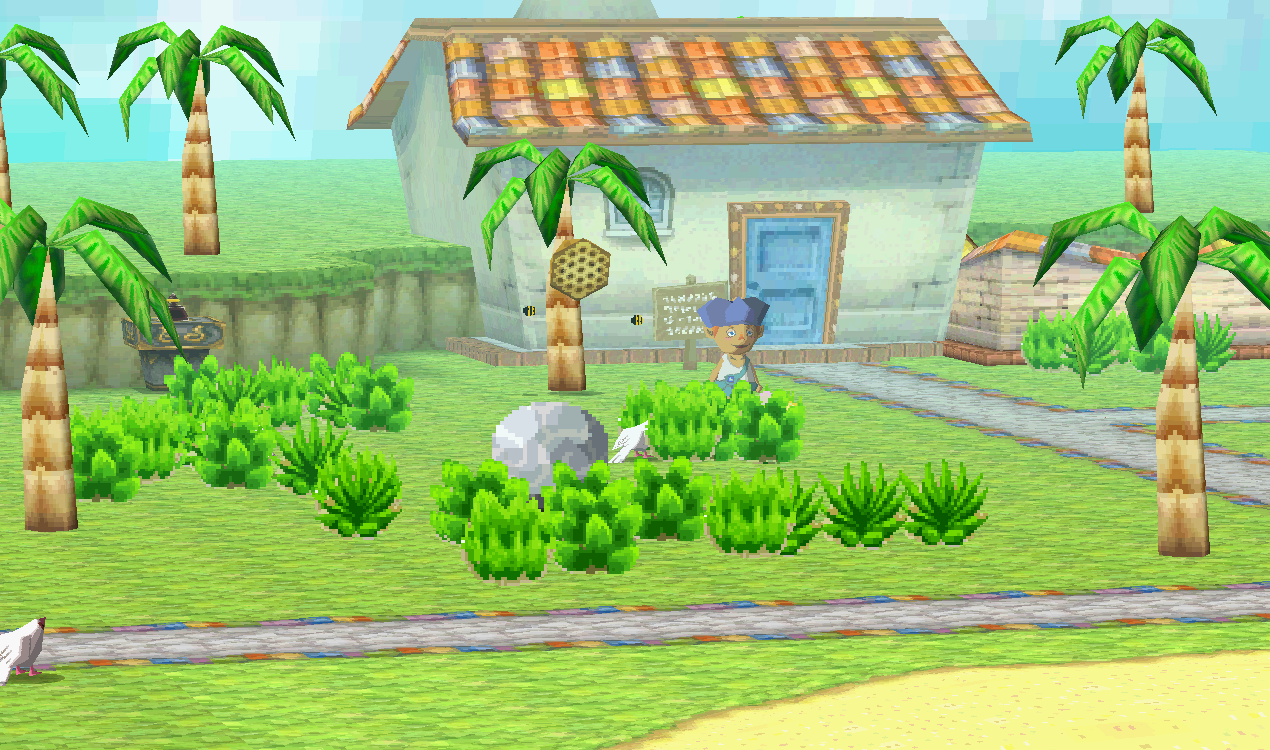
The Forest Realm, home to Aboda Village and Castle Town.The Snow Realm.Sailing by rail in the Ocean Realm.The Fire Realm.
The Demon King rises
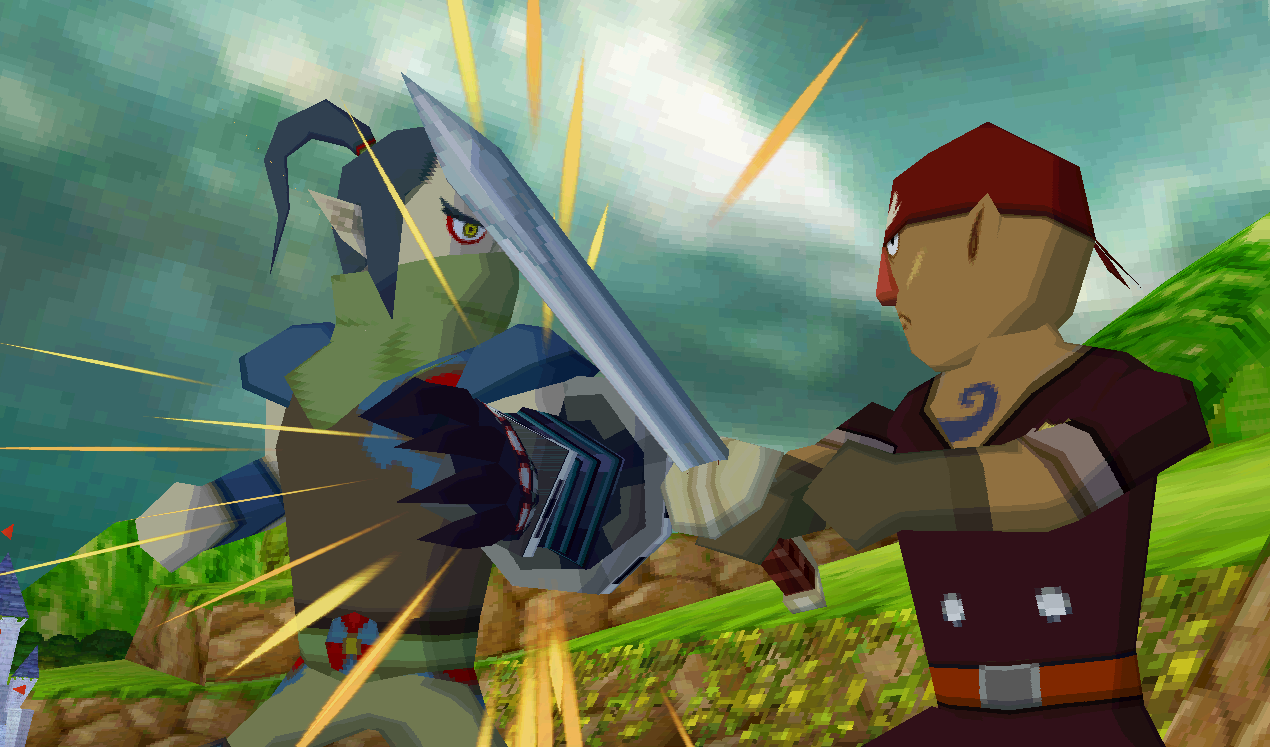
At the top of the restored tower Link and Zelda finally fight Byrne. He turns out to be a Lokomo, Anjean’s former apprentice, who left the tower because the spirits never gave him the power he craved, and went looking for the one being strong enough to rival them. He loses, but it is too late. Malladus takes possession of Zelda’s body, knocks Byrne aside when he asks for his reward, and escapes with Cole aboard the Demon Train into the Dark Realm.
To follow them, Link needs more than a sword. In the Sand Realm, with the help of the sage Rael, the pair brave the Sand Temple for the Sand Wand and the Bow of Light, a weapon that can separate a soul from its body. The Compass of Light reveals the way into the Dark Realm, and Anjean hands Link the Lokomo Sword, saying she thinks he is the one meant to wield it.
Byrne at the top of the Tower of Spirits.Malladus wakes inside Zelda’s body.The Sand Realm.
The Dark Realm and the last battle
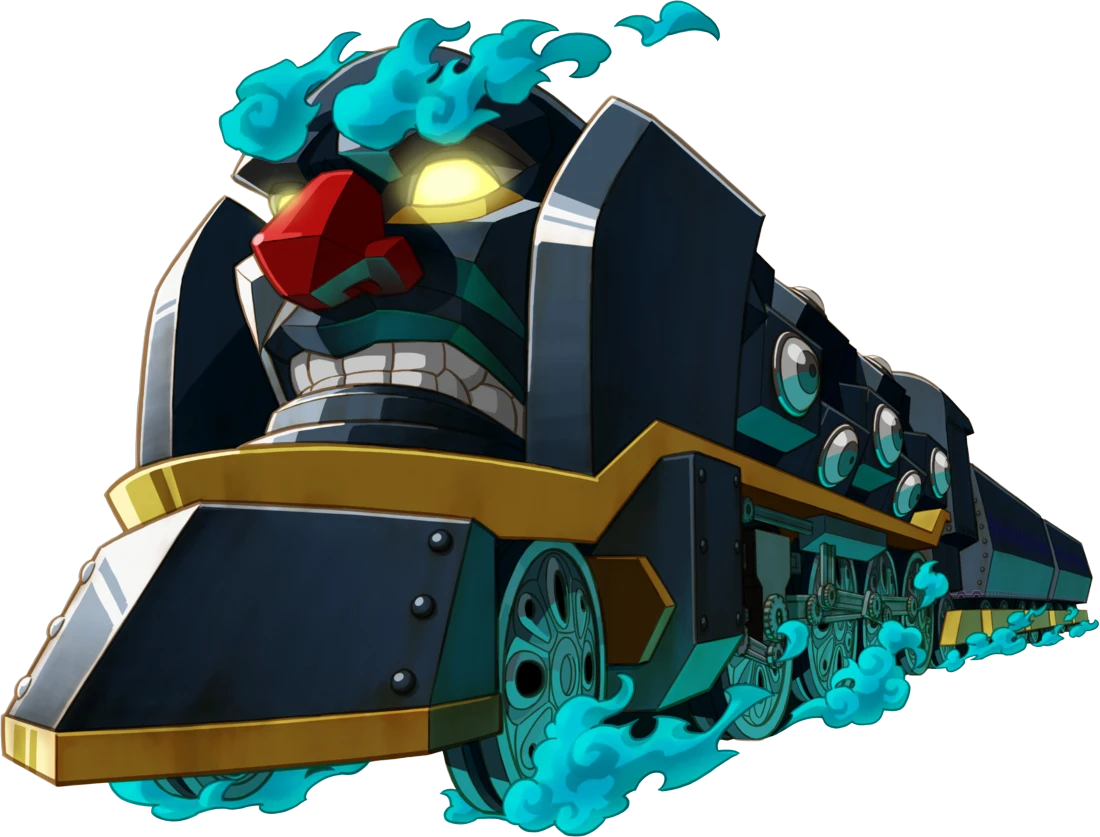
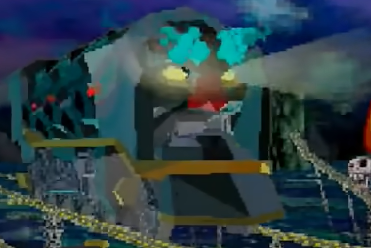
In the Dark Realm the Spirit Train duels the Demon Train, cannon against cannon, until the demons’ engine is wrecked. On its roof Link fires the Bow of Light at the possessed princess and drives Malladus out of her. As the demon tries to take her again, Byrne, who has been nursed back to life by Anjean, uses the last of his strength to hold Malladus off long enough for Zelda to return to her body, and is killed for it.
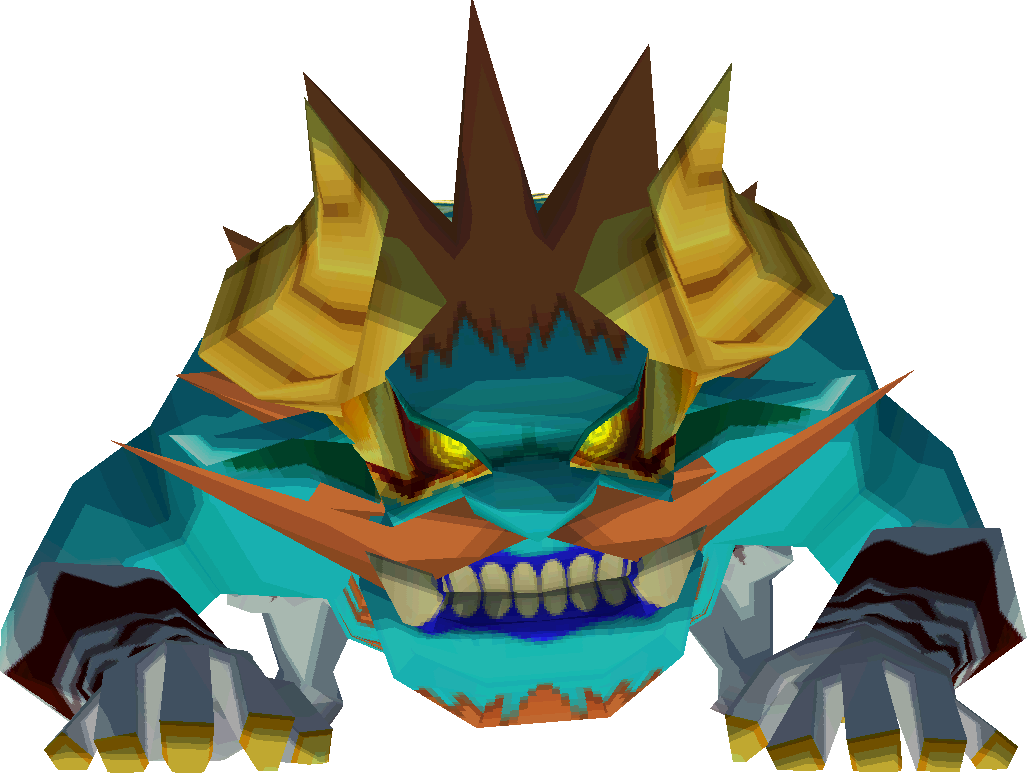
Malladus seizes the nearest host, Cole, and swells into a monstrous form. The final battle is fought together, with Zelda back in her own body at Link’s side: a song on the Spirit Flute exposes the weak point on the Demon King’s back, Zelda strikes it with the Bow of Light, Link cuts at the gem on his forehead until both horns break, and at last he drives the Lokomo Sword into Malladus’s skull. The Demon King and his chancellor are destroyed.
The Spirit Train battles the Demon Train.The final battle with Malladus in Cole’s body.
Goodbye to the Lokomos
With the Demon King gone, the Lokomos’ long watch is over. Anjean tells Zelda that Byrne chose his sacrifice, and that his spirit will return one day in another form. Then she and the other Lokomos rise into the sky as balls of light, carrying Byrne with them, and leave New Hyrule to its people. Before the last battle Zelda asks Link what he will do when it is all over, and the scene after the credits changes with his answer.
Link and Zelda after the credits.
Dungeons and realms of Spirit Tracks
Spirit Tracks alternates between the Tower of Spirits, climbed a section at a time with Phantom Zelda, and five temples spread over New Hyrule’s realms. Unlike the Temple of the Ocean King in Phantom Hourglass, the tower has no time limit or curse, and a central spiral staircase means you never replay floors you have already cleared.
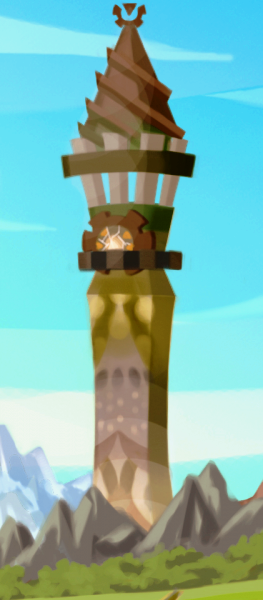
Tower of SpiritsCentre of New HyruleThe lock on Malladus’s prison, climbed in stages with Zelda possessing Phantoms. The first four climbs each win a Rail Map, the fifth ends in a duel with Byrne, and a sixth leads to the Compass of Light.
Forest TempleForest RealmItem: Whirlwind. Boss: Stagnox, a giant armoured beast.
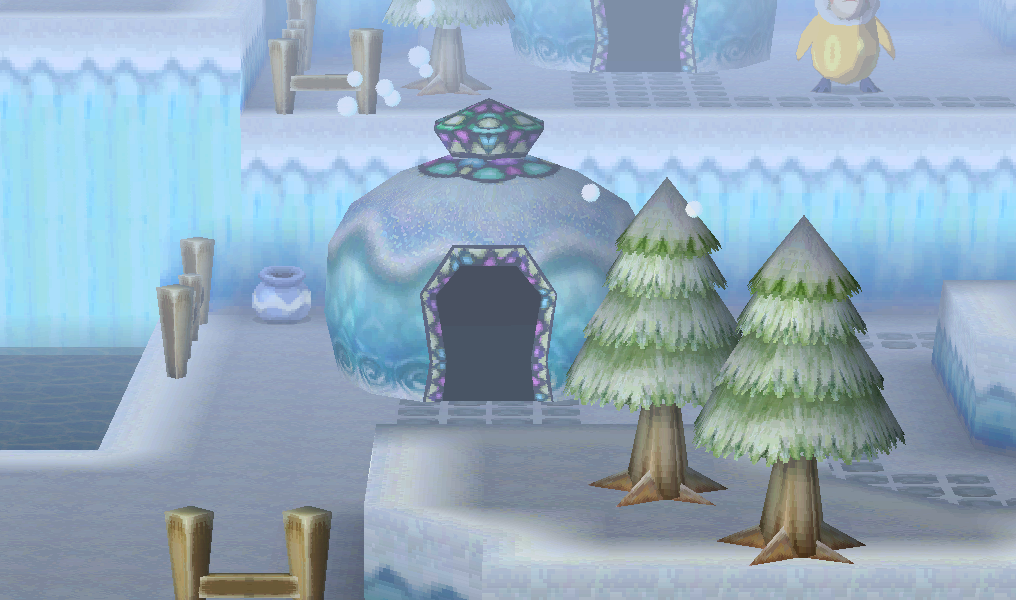
Snow TempleSnow RealmItem: Boomerang. Boss: Fraaz, beaten by turning his fire and ice against him with torches and the Boomerang.
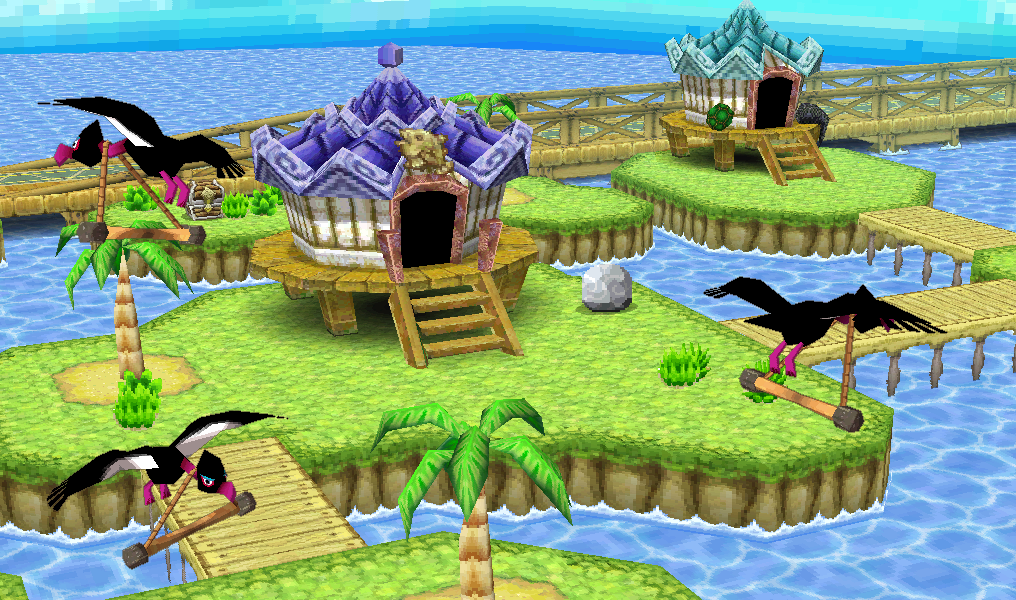
Ocean TempleOcean RealmItem: Whip. Boss: Phytops.
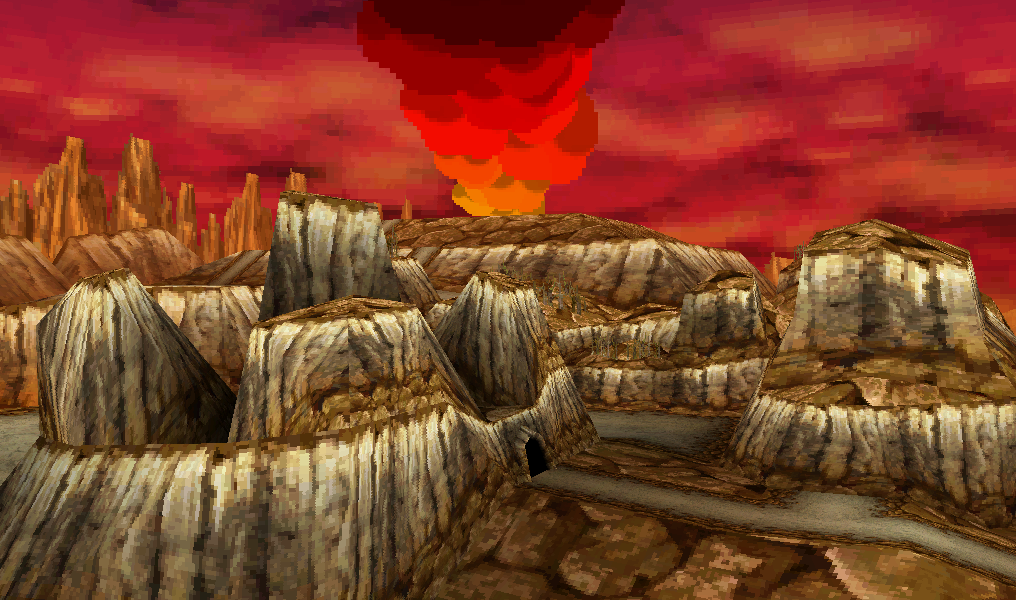
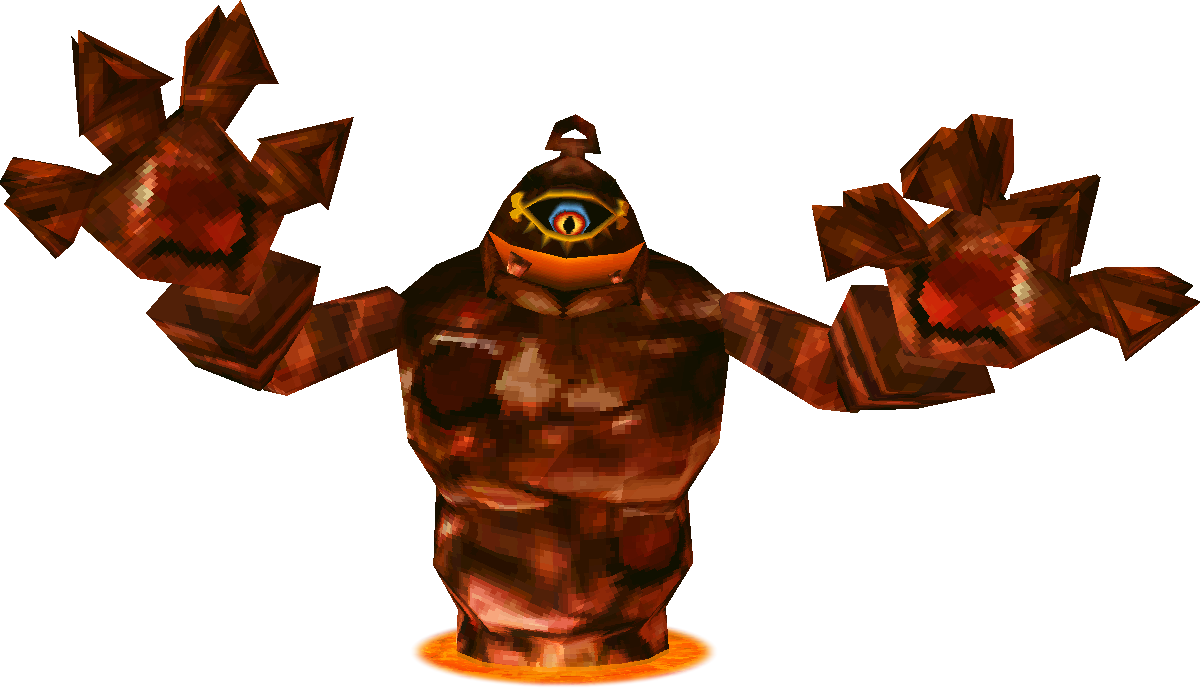
Fire TempleFire RealmItem: Bow. Boss: Cragma, a lava giant.
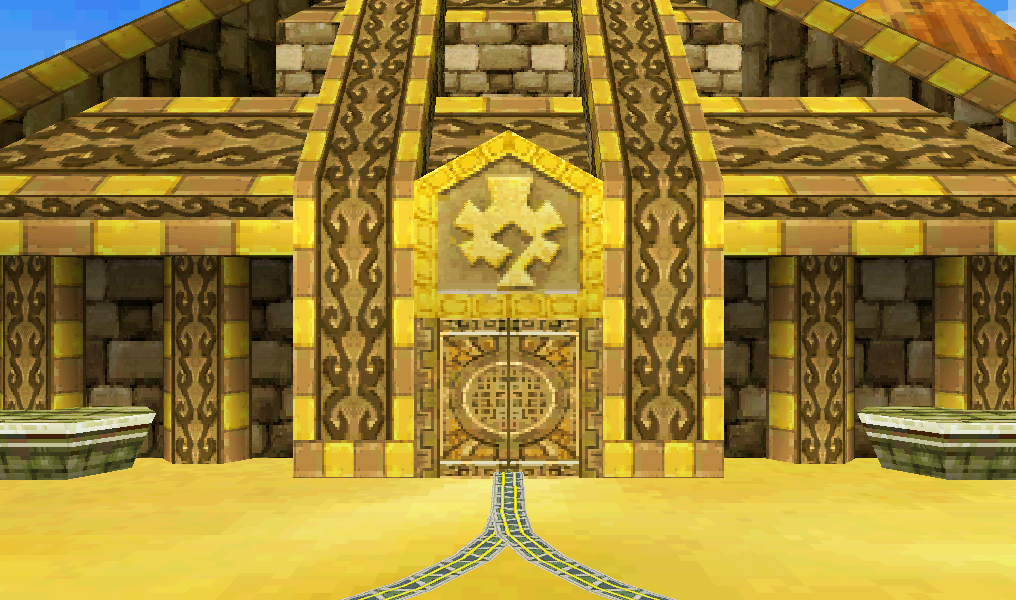
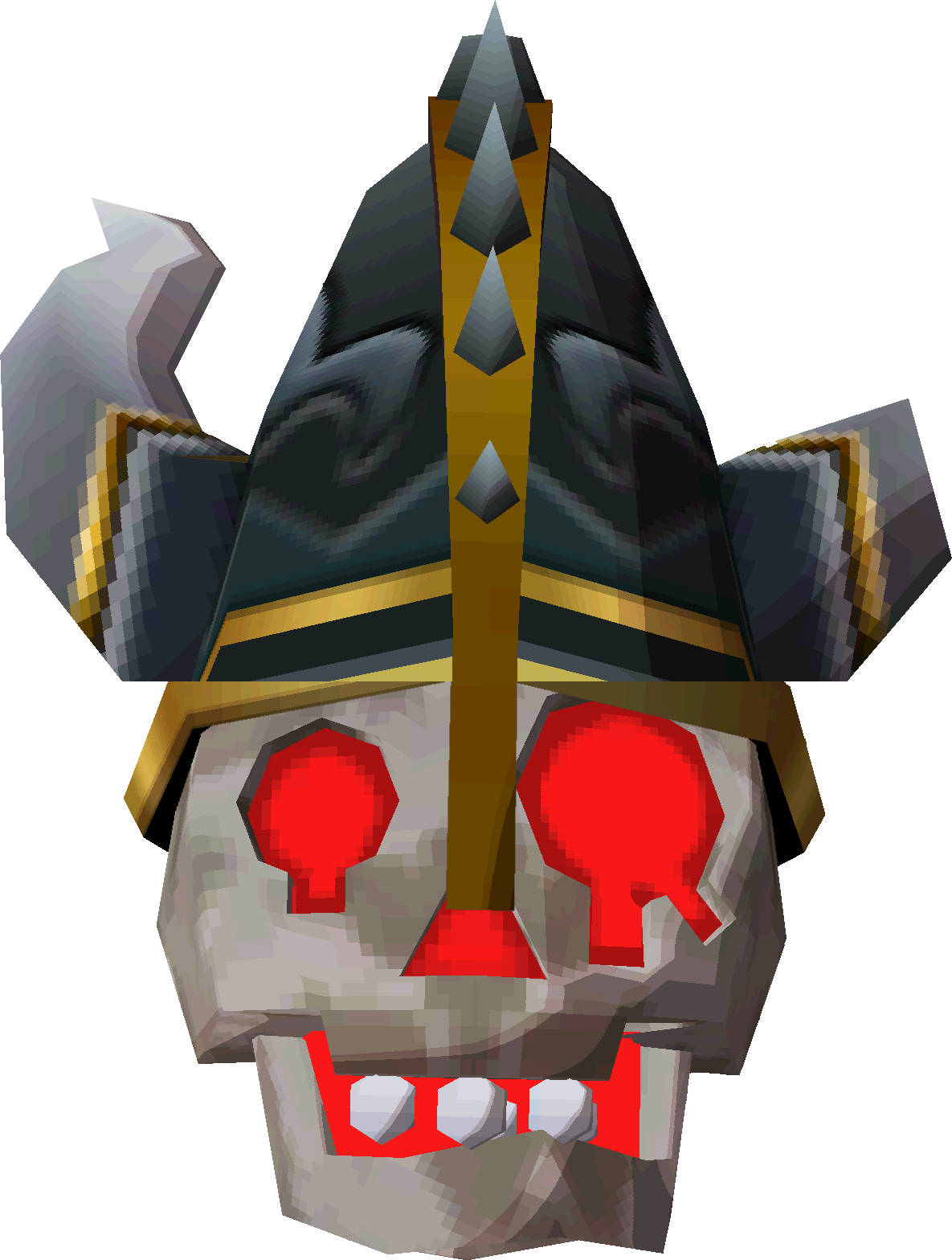
Sand TempleSand RealmItems: Sand Wand and the Bow of Light. Boss: Skeldritch.
Dark RealmFinal areaA train battle with the Demon Train, then the final fights with the possessed Zelda, Cole and Malladus.
Outside the dungeons, the realms hold the villages: Aboda Village, Castle Town and Whittleton in the Forest Realm, the Anouki village in the Snow Realm, Papuchia in the Ocean Realm and the Goron village in the Fire Realm.
In comics, TV & other media
Spirit Tracks has had fewer adaptations than most Zeldas, but its train and its cast have travelled further than you might think.
Super Smash Bros. for Nintendo 3DSStage · 2014The Spirit Train is a stage: three train cars racing along the tracks while enemy trains try to ram them, with Alfonzo at the controls when Link or Toon Link is fighting. Malladus is a trophy.
Super Smash Bros. UltimateStage · 2018The Spirit Train stage returns just as it was in the 3DS game.
Hyrule Warriors LegendsDownload pack · 2016The Phantom Hourglass & Spirit Tracks pack (1 September 2016) added Toon Zelda, fighting in a Phantom’s armour, and the Sand Wand for Toon Link, which summons the Spirit Train to ram enemies. Cole’s hat, jacket and trousers turn up as fairy clothing.
The Tracks Go On (Senro wa tsuzuku)Japanese picture bookThe children’s book about youngsters laying a railway across the countryside that Aonuma read to his son, and the seed of the whole game.
The LNER A4 MallardReal-world referenceMalladus appears to take his English name from Mallard, the British steam locomotive that holds the world speed record for steam. Several European translations simply call him Mallard.
Characters
Spirit Tracks has a small, sharply drawn cast, with the princess at the centre of it. Who they are, how they fit into Zelda lore, and what they do here:
Character
Who they are
In this game
Stats & abilities
LinkRoyal Engineer
Each Zelda has its own Link, a new young hero in a new age. This one is from Aboda Village in New Hyrule, a cheerful apprentice train driver taught by Alfonzo, who becomes a fully qualified Royal Engineer in the opening scene. He belongs to the toon-shaded Wind Waker branch of the timeline, a century after the Link who sailed with Tetra.
Restores the Spirit Tracks and the Tower of Spirits with Zelda’s spirit at his side, drives the Spirit Train across five realms, and finishes Malladus with the Lokomo Sword.
Spirit Flute played by blowing into the microphone
Drives the Spirit Train: speed gear, whistle, cannon
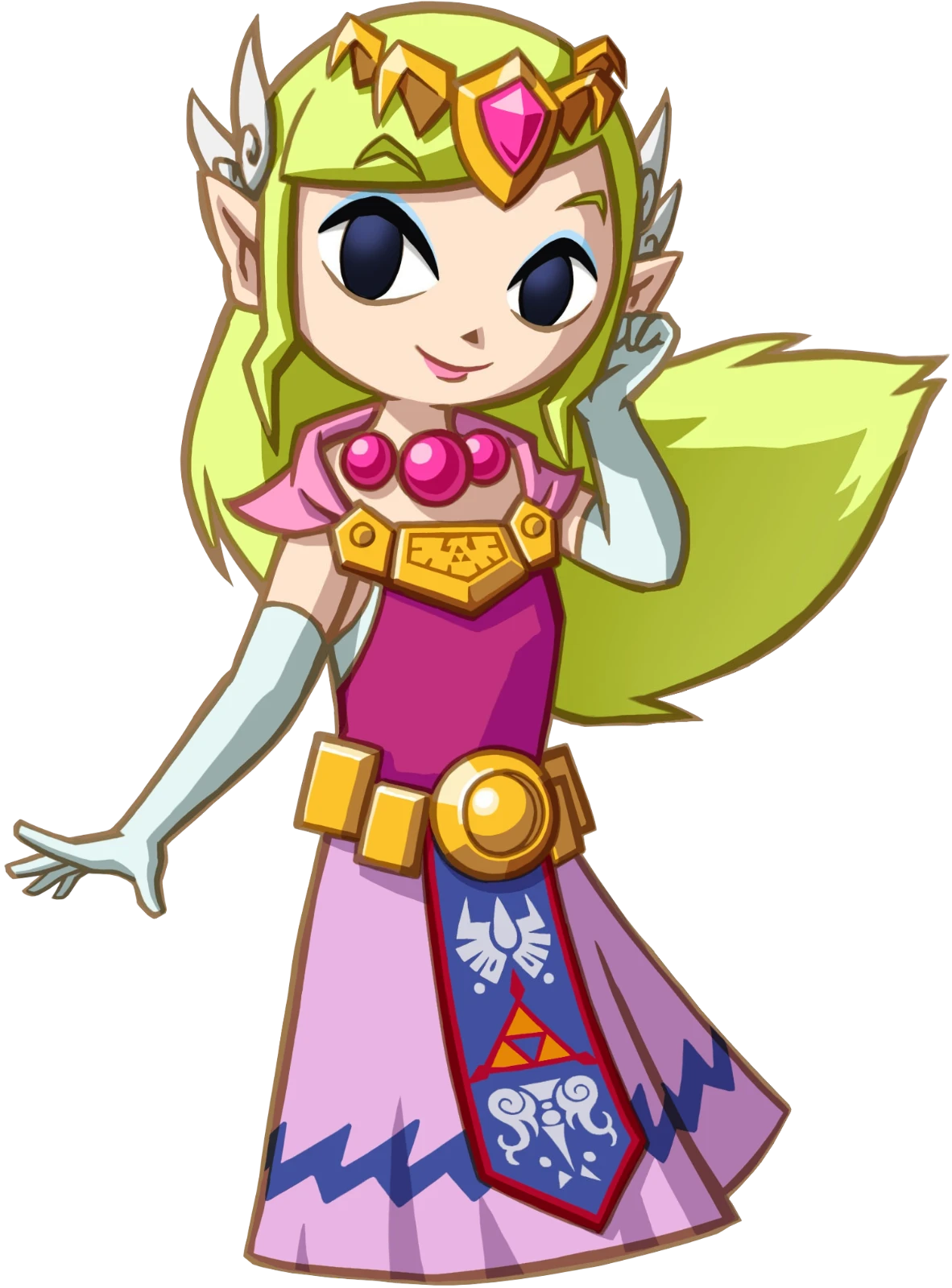
Princess ZeldaSpirit, partner, princess
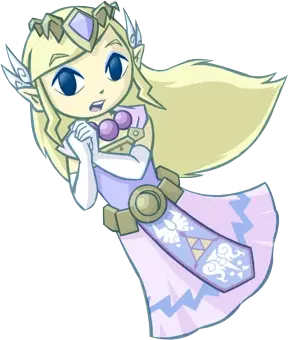
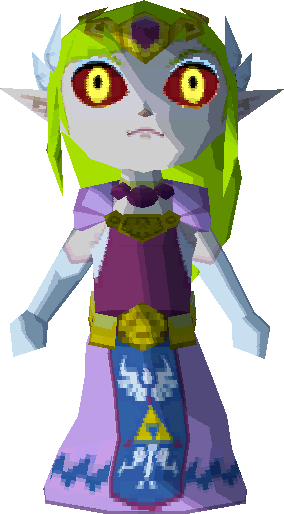
The princess of the title, usually the bearer of the Triforce of Wisdom and, since Skyward Sword, understood as the reincarnated line of the goddess Hylia. This Zelda is the great-great-granddaughter of Tetra, the pirate captain who was revealed as Zelda in The Wind Waker. Director Daiki Iwamoto asked to use Zelda rather than invent a new heroine, because a princess who was not Zelda seemed less fun, and he wanted her to be a real part of the adventure.
Loses her body to Cole in the opening and spends the game as a spirit only Link can see. She possesses Phantoms in the Tower of Spirits to fight and solve puzzles with him, regains her body in the Dark Realm with Byrne’s help, and fights the final battle in her own body, wielding the Bow of Light.
Possesses Phantoms once Link stuns them
Takes on the Phantom’s powers: Torch, Warp and Wrecker types
Guided by drawing a path
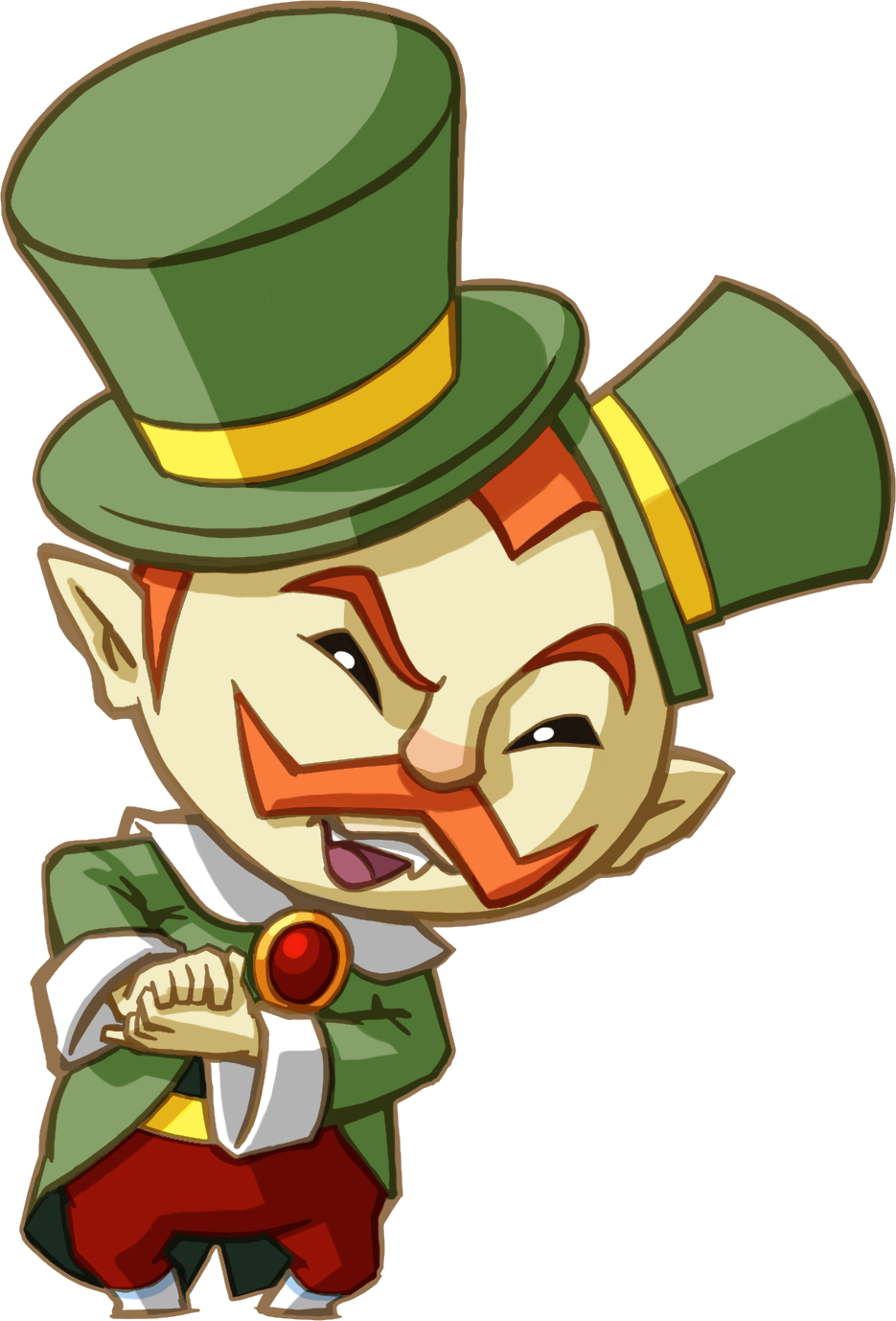
Chancellor ColeThe demon in the tall hat
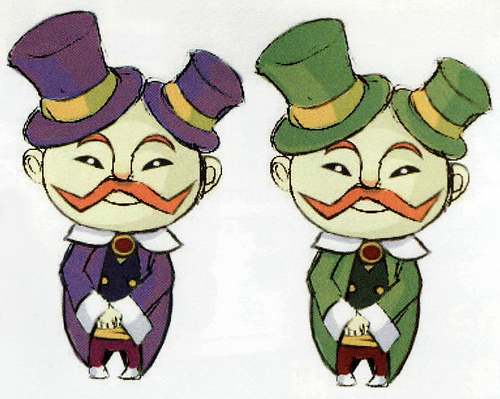
Zelda’s chancellor, apparently a Hylian, actually a demon whose hats hide a pair of horns. He thinks of the job as being a royal babysitter and has been quietly working to free his master.
Makes the Spirit Tracks vanish to weaken Malladus’s seal, steals Zelda’s body to serve as the Demon King’s vessel and rides the Demon Train to the Dark Realm. At the end Malladus possesses him against his will, and he is destroyed with his master.
Fought alongside the possessed Zelda on top of the Demon Train.
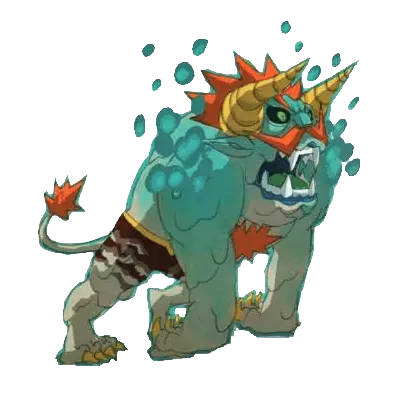
MalladusThe Demon King
A demon who terrorised the land’s first inhabitants until the spirits of good sealed him beneath the Tower of Spirits. His Japanese name is Maradō; his English name appears to come from the record-breaking steam locomotive Mallard.
Wakes inside Zelda’s body at the top of the tower, flees into the Dark Realm, is driven out of her by the Bow of Light and takes over Cole instead. The final boss.
Weak to the Bow of Light, which separates souls from bodies
Finished with the Lokomo Sword
A trophy in Super Smash Bros. for Nintendo 3DS
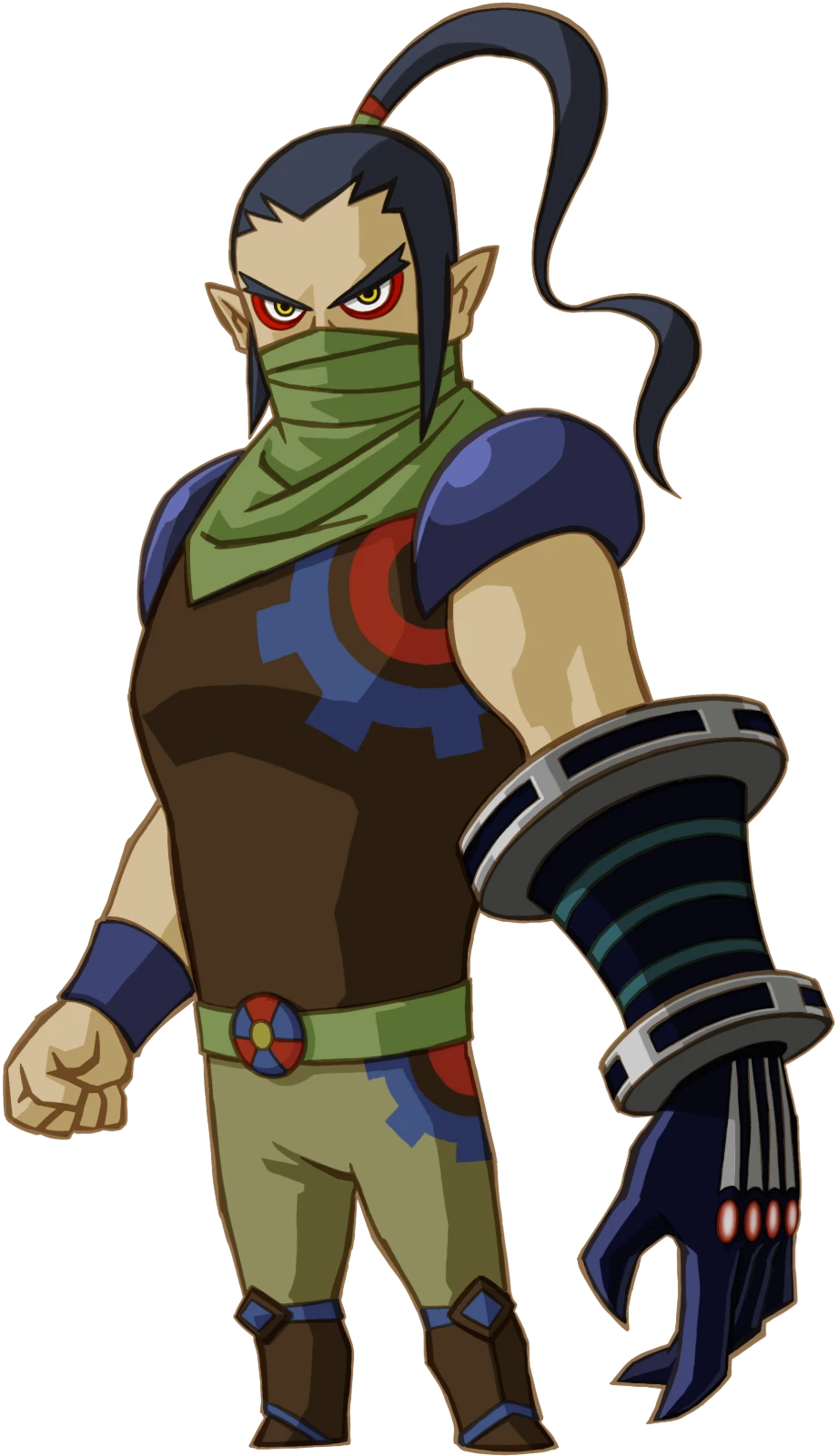
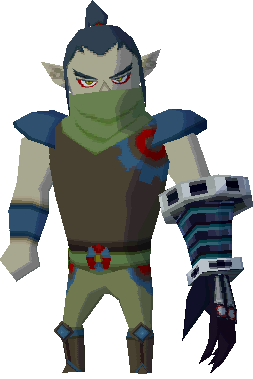
ByrneThe rogue Lokomo
A Lokomo who trained under Anjean in the Tower of Spirits. When the spirits never granted him the strength he wanted, he left to become stronger than they were, and threw in his lot with Malladus.
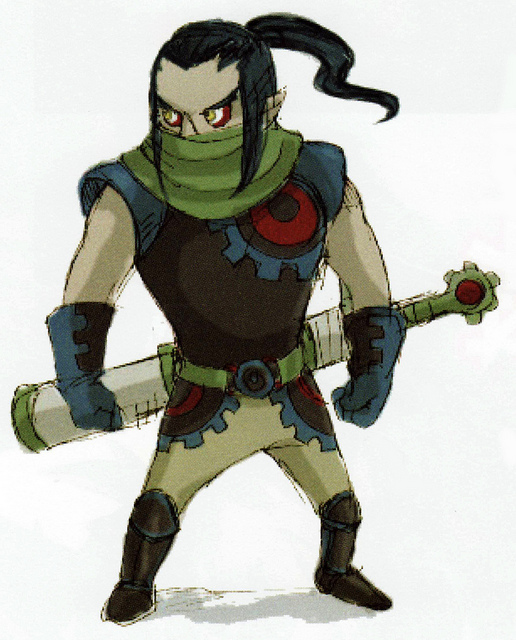
Cole’s muscle, who ambushes Link and Alfonzo and later fights Anjean to a standstill. He is the boss at the top of the tower. Betrayed by Malladus, he is nursed by Anjean, and in the Dark Realm he gives his life to let Zelda return to her body.
Clawed gauntlet, energy swipes and orbs of light
Anjean says he will return one day in a new form, without his memories
AnjeanGuardian of the Tower of Spirits
An old Lokomo, the wise woman of the tower, probably more than a century old and likely a friend of Tetra’s when the pirates first arrived. The Lokomos are servants of the spirits of good who protect the land, the tracks and the temples.
Explains Malladus and Cole’s plan, sends Zelda’s spirit to help Link, lends them the Spirit Train, confronts Byrne, gives Link the Lokomo Sword and rides with them to the Dark Realm. At the end she ascends to the heavens, taking Byrne with her.
Not playable.
The Lokomo sagesGage, Steem, Carben, Embrose and Rael
The other Lokomos who still live in New Hyrule, each guarding a realm’s sanctuary and its temple: Steem in the Snow Realm, Carben in the Ocean Realm and Rael in the Sand Realm among them. Each plays an instrument.
Link and Zelda find each sage and play a duet with them on the Spirit Flute to restore the tracks into their realm. They too leave for the heavens when Malladus falls.
Not playable. Their duets are the game’s musical highlights.
AlfonzoLink’s mentor
Aboda Village’s engineer, modest about being the best driver in Hyrule, and once a member of the royal castle guard said to have been the greatest swordsman in the kingdom.
Teaches Link to drive, tries to protect Zelda from Byrne and is badly beaten, then fits Link’s train with a cannon and attaches the new cars Link earns. In Super Smash Bros. for 3DS and Ultimate he drives the Spirit Train stage whenever Link or Toon Link is one of the fighters.
Not playable.
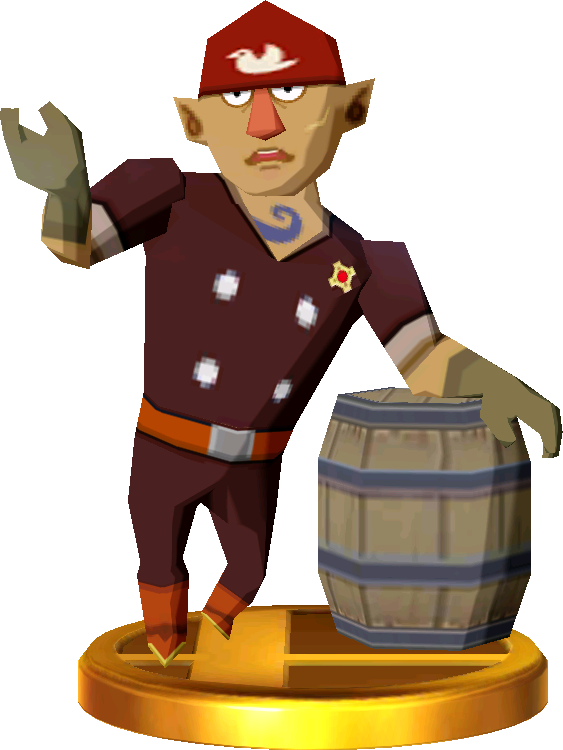
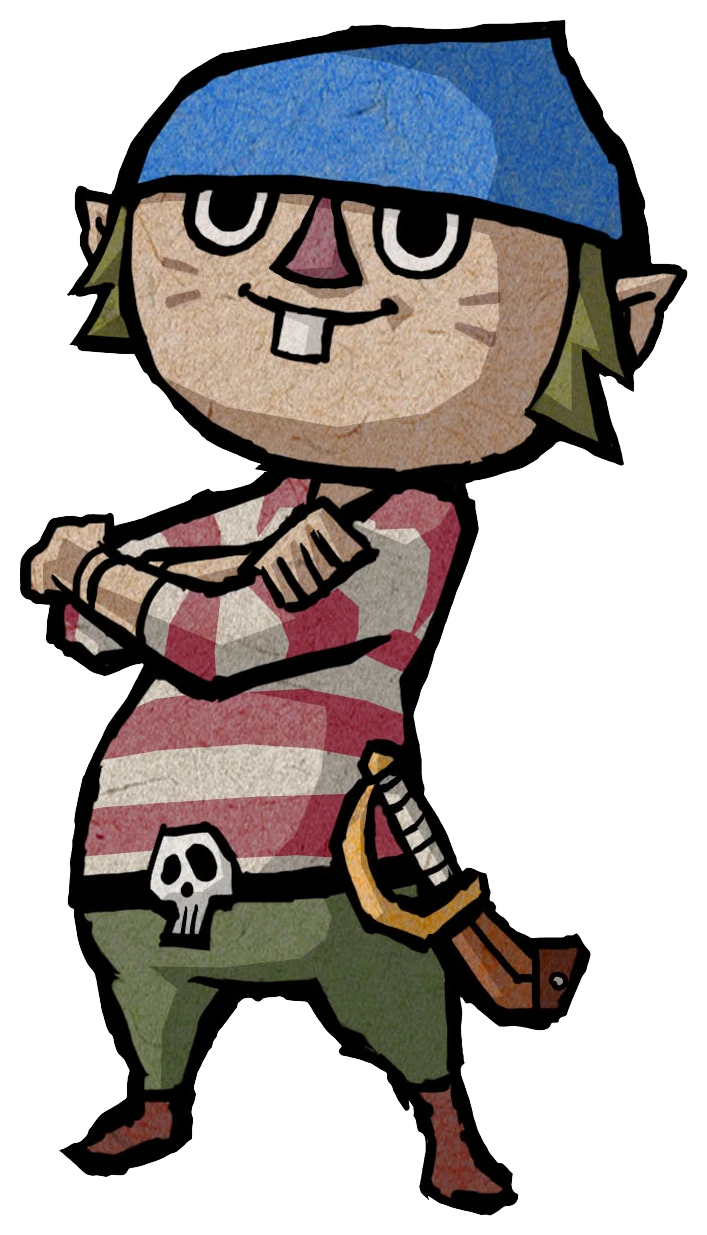
NikoThe last of Tetra’s pirates
The lowest-ranking member of Tetra’s crew in The Wind Waker, who set Link his rope-swinging tests, and the narrator of Phantom Hourglass’s opening. A hundred years on he is an old man in Aboda Village, still in love with his paper cut-outs.
Tells the legend of the Demon King and the spirits of good in the opening and gives Link a Stamp Book to fill at stations around the kingdom.
Stamp Book rewards: Shield of Antiquity (10 stamps), the Engineer’s Clothes (15), Great Spin (20).
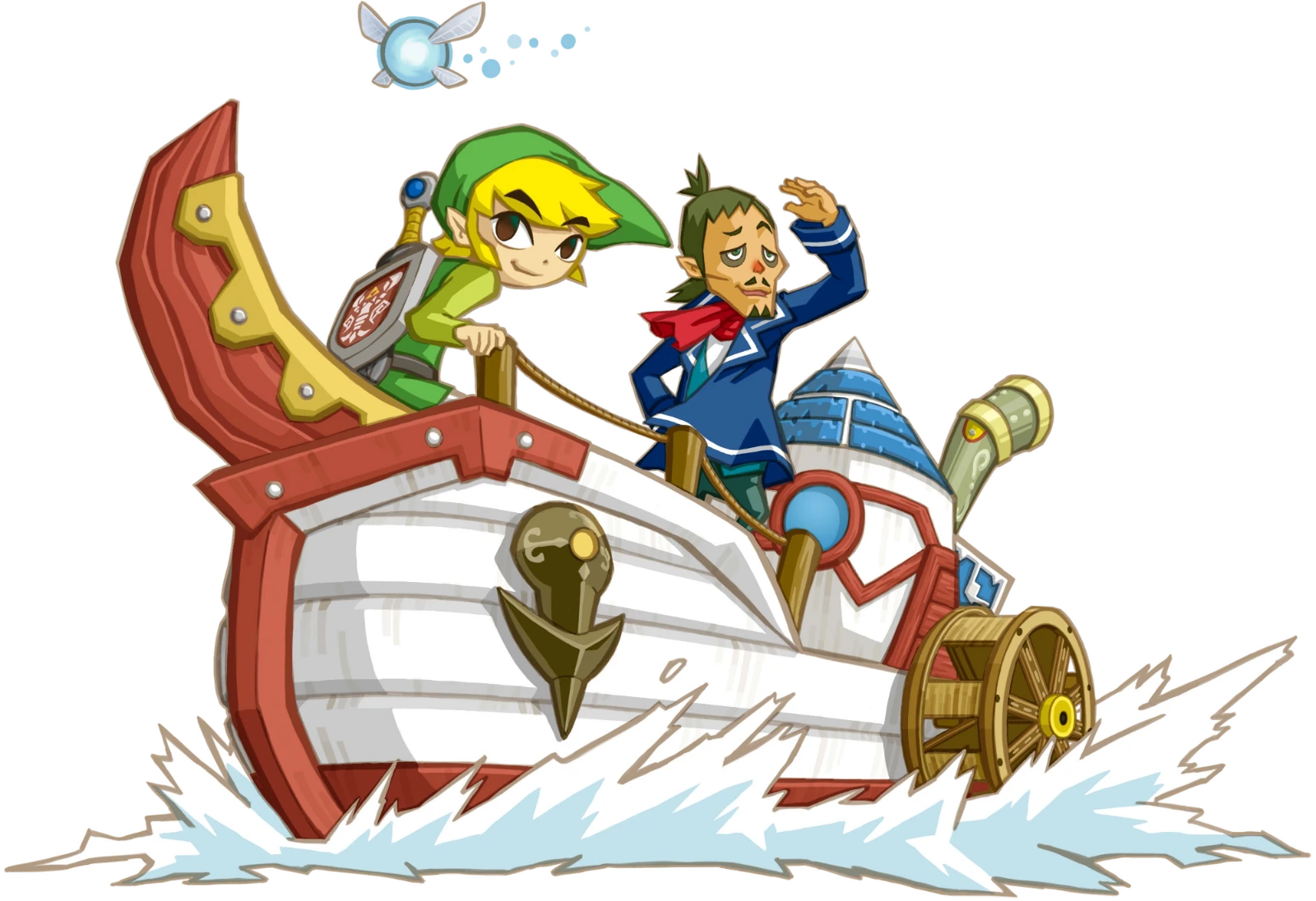
Linebeck IIITreasure trader
Grandson of Linebeck, the cowardly, treasure-loving sea captain of Phantom Hourglass, and every bit as obsessed with loot. He runs the Linebeck Trading Company from a shack at the Trading Post in the Forest Realm.
Buys the treasures Link finds and pays in Rupees or train parts, sells replacement shields at a steep price, and needs Link to solve his grandfather’s riddle for the Regal Ring.
Matching sets of train cars from his stock raise the Spirit Train’s defence from the standard four hearts to six, or eight for the Golden Train.
TetraFounder of New Hyrule (in legend)
The pirate captain of The Wind Waker and Phantom Hourglass, who was revealed to be Princess Zelda. She led her crew to this land and founded New Hyrule.
Seen only in a stained-glass window in Hyrule Castle’s throne room, though Anjean remembers her as an old friend. Her descendant is this game’s Zelda.
Not playable.
PhantomsGuardians of the tower
Armoured giants first seen in Phantom Hourglass, where Bellum made them from the Sand of Hours. Here they are guardians of the Tower of Spirits, corrupted by evil spirits once the tracks began to disappear, and they cannot be destroyed for good.
Patrol the tower and hunt Link. Collect the three Tears of Light on a floor and Link can stun one from behind, letting Zelda move in.
Phantom: sword and shield
Torch Phantom: lights torches and dark rooms
Warp Phantom: teleports to Phantom Eyes
Wrecker Phantom: rolls into a boulder
Bosses
The bosses of Spirit Tracks, with the items you need to beat them.
StagnoxForest TempleA huge armoured beast. The Whirlwind and the sword.
FraazSnow TempleSwitches between ice and fire. Boomerang plus the fire and ice torches.
PhytopsOcean TempleThe Whip and the sword.
CragmaFire TempleA giant of lava and rock. The Bow and the sword.
ByrneTower of Spirits (top)Link and Phantom Zelda fight him together; if he grabs Zelda, Link strikes his hand to free her.
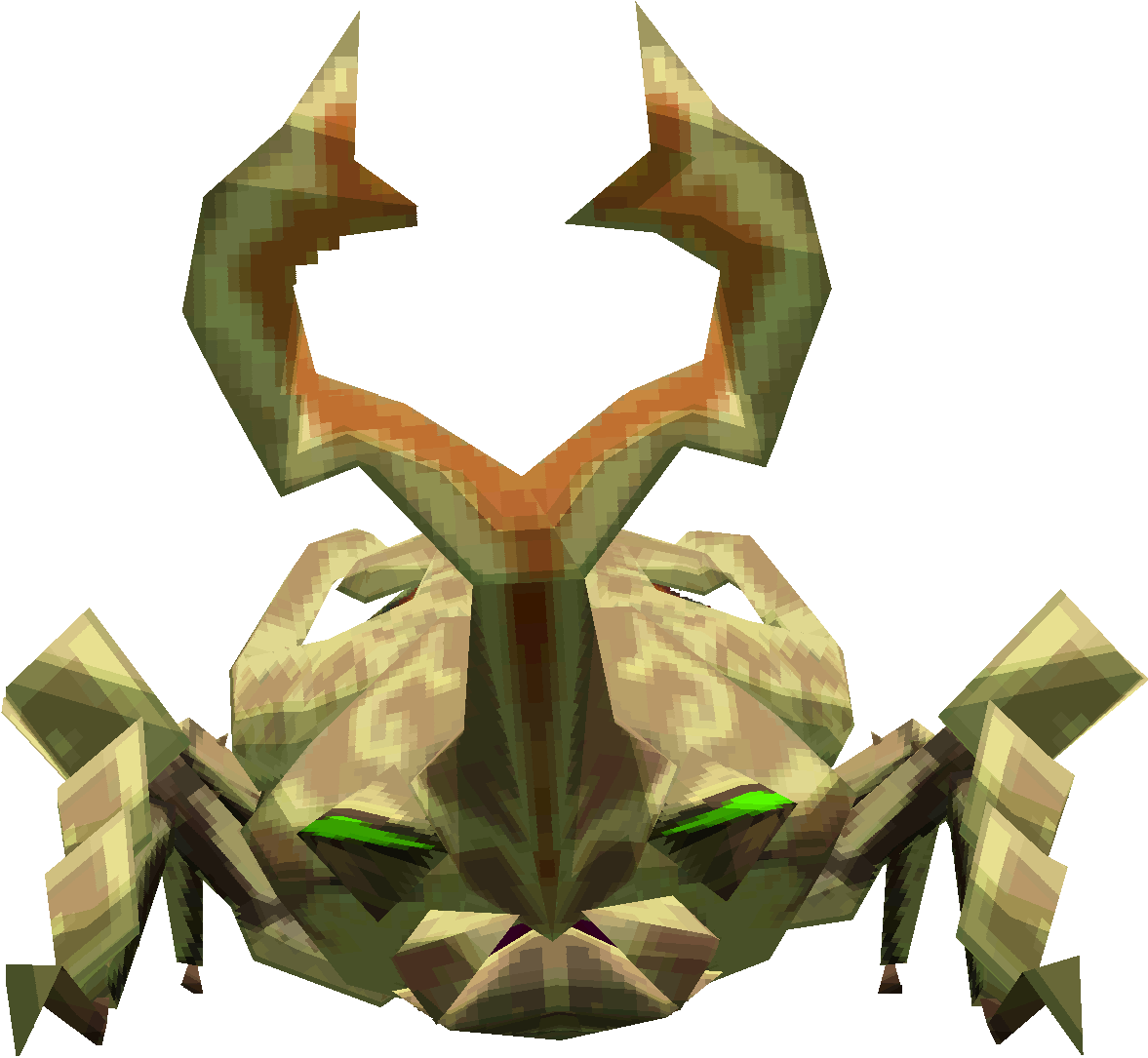
SkeldritchSand TempleThe Sand Wand, with the Bow, Boomerang or Bombs for the catapult switches.
Demon TrainDark RealmA train-versus-train battle with the Spirit Train’s cannon.
Cole and the possessed ZeldaAtop the Demon TrainBoomerang and the Bow of Light.
MalladusDark RealmSpirit Flute, Bow of Light and Lokomo Sword, with Zelda, back in her own body, firing the bow.
The people who made it
Spirit Tracks was made by Nintendo EAD, and about half of its staff had also worked on Phantom Hourglass.
Daiki IwamotoDirectorDirected Phantom Hourglass before it and worked on Ocarina of Time; chose to make Zelda Link’s partner.
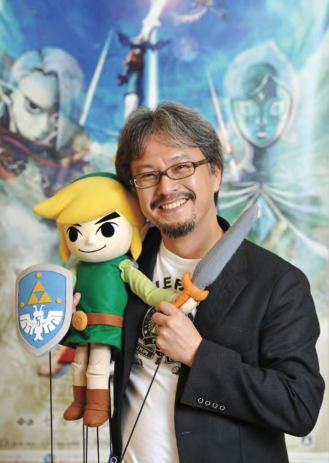
Eiji AonumaProducerProposed dropping the ship for a train after reading his son a picture book, and later suggested scrapping the track-laying system.
Shiro Mouri & Masahiro NittaProgrammingThe lead programmers.
Koji Takahashi & Koji KitagawaArtThe lead artists.
Toru MinegishiMusicWrote the main overworld theme.
Manaka Tominaga & Asuka OtaMusicCo-composers of the score (Wikipedia’s infobox lists them by their later names, Manaka Kataoka and Asuka Hayazaki).
Koji KondoMusicThe series’ original composer, who wrote the ending theme.
How it was made
Spirit Tracks was meant to be a quick follow-up to Phantom Hourglass. It took two years, and half of that went on a feature that was thrown away. Satoru Iwata’s Iwata Asks interview with Eiji Aonuma and Daiki Iwamoto tells the story.
Why a train?
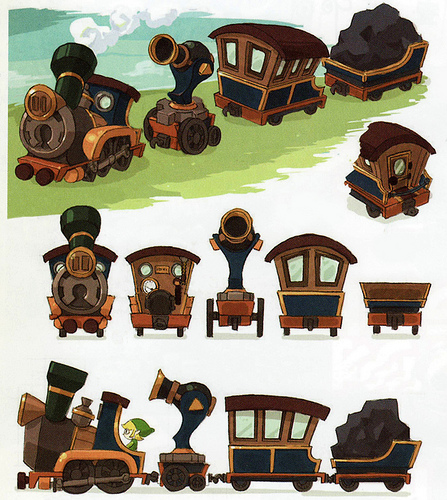
Concept art of the Spirit Train.
With Phantom Hourglass finished, Aonuma and Iwamoto carried straight on, with about half of the new team drawn from that game, hoping for a fast sequel on the same hardware, the way Majora’s Mask had followed Ocarina of Time. Aonuma’s opening proposal was blunt: this time, why not get rid of the ship? He wanted the feeling of rushing across a wide world, and he had found it in a picture book his son adored, about children laying a railway across the countryside. He kept the book to himself at first and pitched the staff only two words: a train, and laying tracks.
Some of the team doubted a train belonged in Zelda at all. It stayed, and so did the toon-shaded look of Phantom Hourglass, chosen, Aonuma said, because realistic graphics would have left the characters poorly scaled to their surroundings.
The track-laying year
Official art of a Rail Map. Drawing routes on the map is what was left of the track-laying idea.
The first plan was that Link would build his own railway. The team spent about a year, half the whole schedule, on a system that let players lay track freely across the map. It never quite worked, and in the end Aonuma suggested dropping it. The replacement was a compromise: the tracks already exist but have been erased, and Link brings them back stretch by stretch. Testers found it far easier to understand. Because every line in the game is single-track, leaving no way round an oncoming train, the team let players brake, reverse and switch lines at forks, and marked the routes of other trains on the map so players could time their runs.
The Tower of Spirits changed too. An early plan had Link climbing it from the bottom each time, as in Phantom Hourglass’s Temple of the Ocean King; it became a tower with a central spiral staircase so that cleared floors never have to be replayed.
Zelda takes the stage
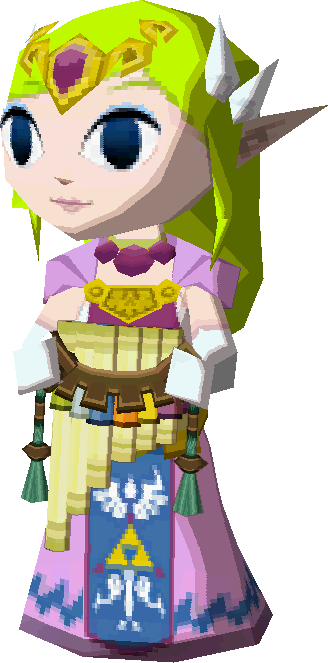
Princess Zelda with the Spirit Flute (in-game model).
Iwamoto did not want Tetra in every game and first thought about a brand-new heroine, but decided that a princess who was not Zelda would be less fun in a Zelda game, and asked to use Zelda herself. He wanted her to be a more integral part of the adventure, helped along by an American survey suggesting players liked more independent female characters. The idea of controlling a second character by steering a near-invincible Phantom came very early, as a natural way to handle a partner on a touch screen.
The Spirit Flute was another early decision, a sound item that uses the DS microphone. It gave the game its Japanese subtitle: the team called the instrument the Whistle of the Wide World, named the areas the Wide World of the forest, snow and so on, and settled on Daichi no Kiteki for the title, which Shigeru Miyamoto approved.
Battle Mode
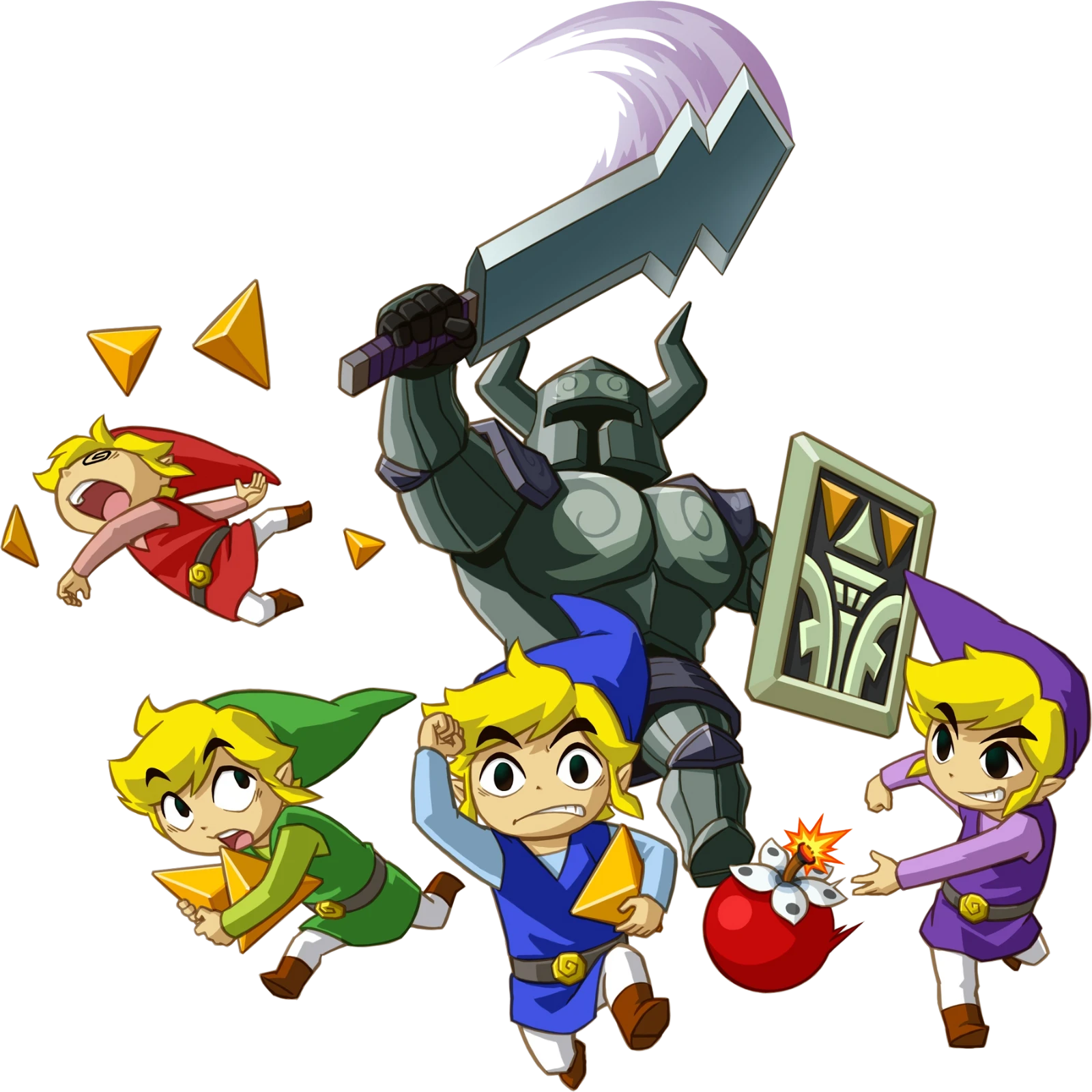
Official art for Battle Mode.
Phantom Hourglass’s online battle game had been strategic, and some players found it too hard. For Spirit Tracks the team went for something more immediate: up to four players over local wireless from a single card, racing to grab Force Gems while luring Phantoms on to their friends. Wikipedia credits the inspiration to Miyamoto’s fondness for Four Swords. There is no online play this time.
Release
A UK and Ireland advertisement for Spirit Tracks.
Nintendo confirmed the game in March 2009 and released it in North America on 7 December 2009, with Europe and Australia following within days. Japan, unusually, came last, on 23 December. Nintendo of America and Nintendo of Europe each wrote their own English script, so names and lines differ between the two, and the Japanese version makes a few late Tower of Spirits floors easier, including making the very last floor of the final climb optional.
Firsts: what this game introduced
What Spirit Tracks added to the series.
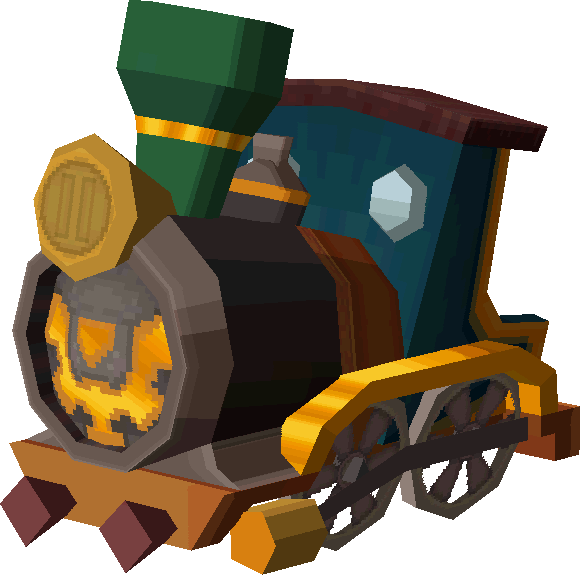
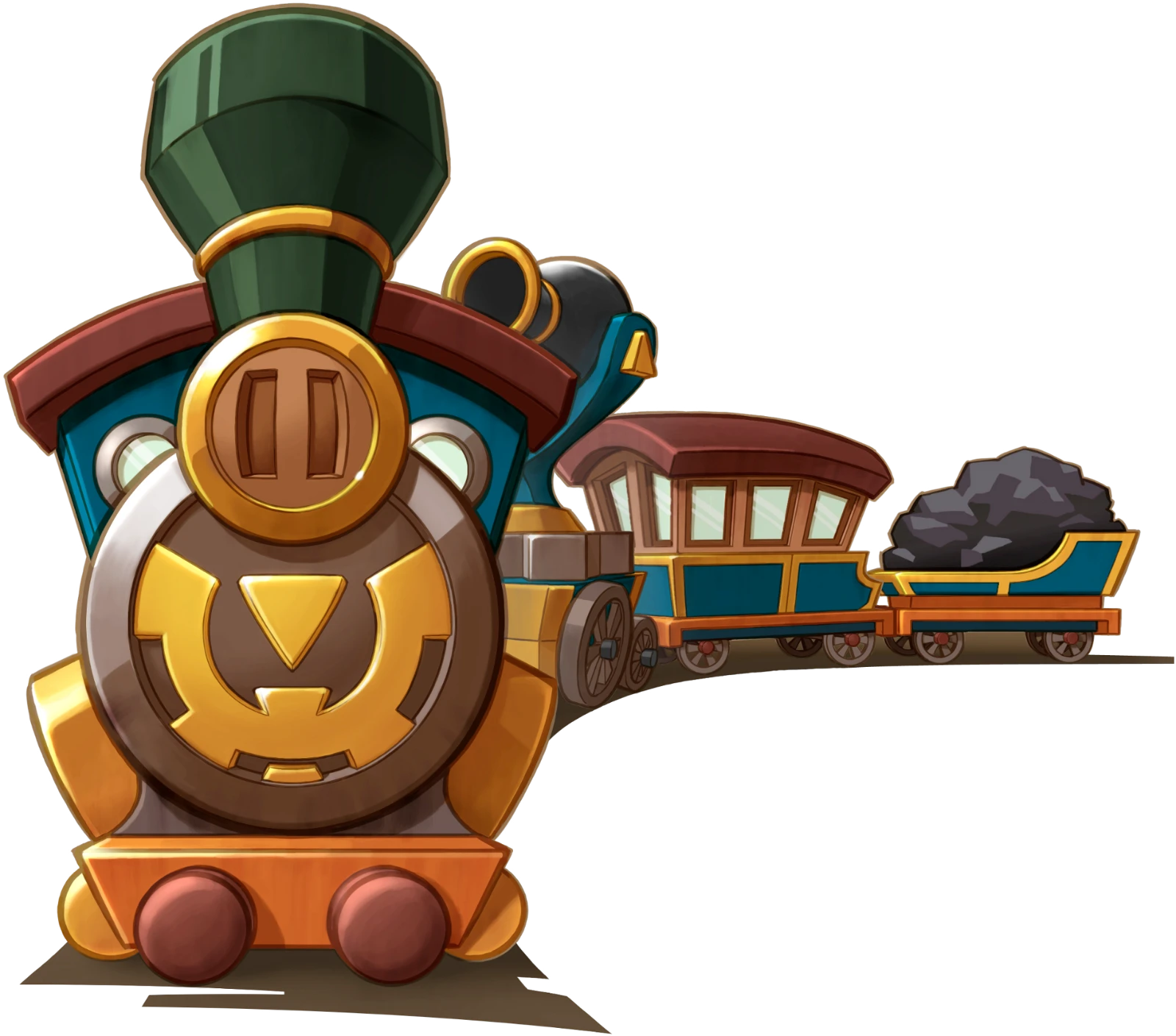
1The Spirit TrainThe series’ first and so far only train, driven by drawing routes, a speed gear and a whistle, and kitted out with a cannon and collectible cars.
2Zelda at Link’s sidePrincess Zelda travels with Link for the whole adventure and fights alongside him by possessing Phantoms.
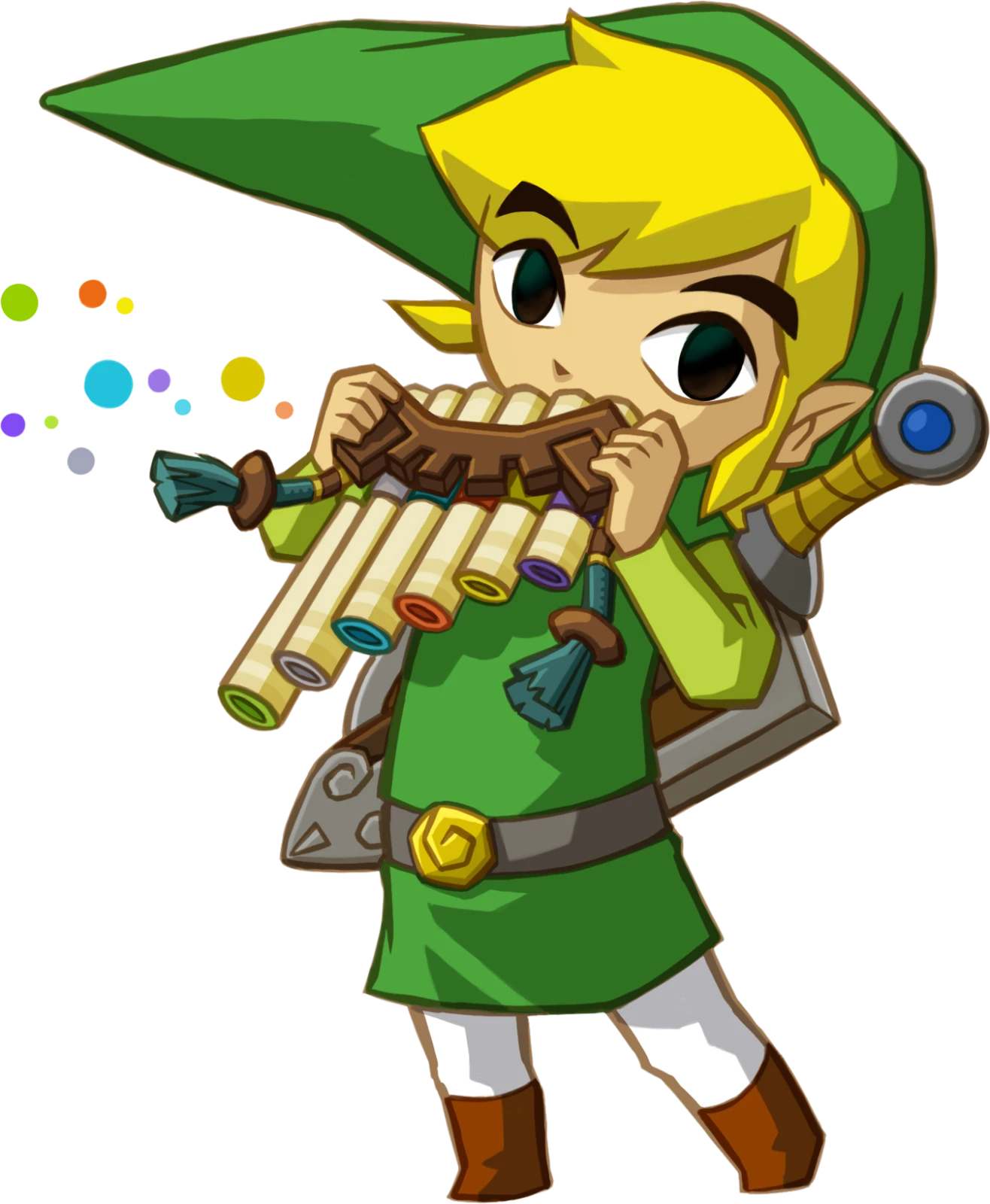
3The Spirit FluteA pan flute played by blowing into the DS microphone, used for duets with the Lokomo sages.
4New itemsThe Whirlwind and the Sand Wand debut; the Whip, another newcomer, returned in Skyward Sword.
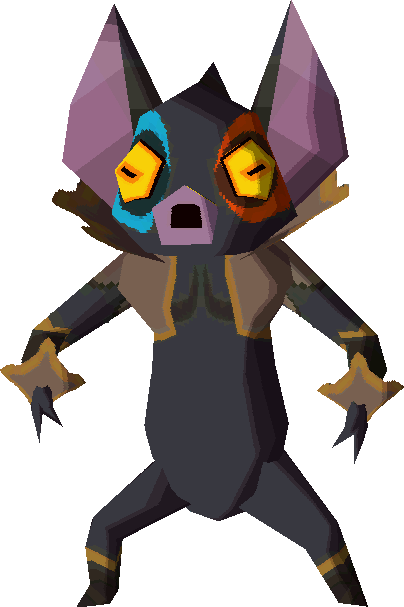
5The Lokomos and MalladusThe guardians of New Hyrule and its Demon King, plus Chancellor Cole and Byrne.
Cheats & secrets
Spirit Tracks has no cheat codes, but there is a lot to do once you stray from the main line.
Niko’s Stamp Book
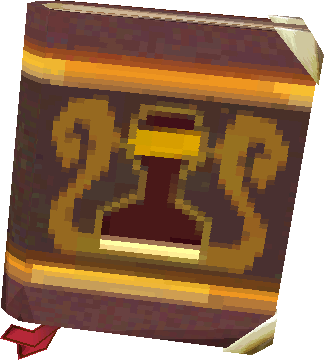
The Stamp Book (in-game model).
Niko gives Link a Stamp Book in Aboda Village. Stamp stations are hidden around New Hyrule; ten stamps earn the Shield of Antiquity, fifteen let Link change his uniform, and twenty teach him the Great Spin.
Train cars from Linebeck III
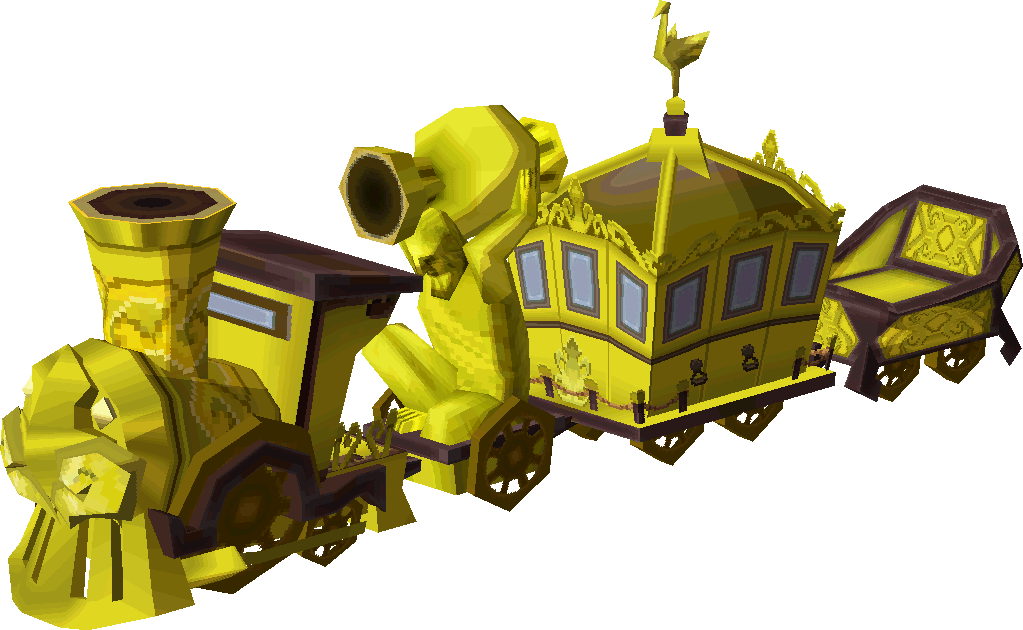
The Golden Train (in-game model).
Trade treasures to Linebeck III at the Trading Post for train parts, and Alfonzo will fit them. A matching set of engine, cannon, passenger car and freight car raises the train’s durability, from the four hearts of the standard Spirit Train to six for most complete sets and eight for the full Golden Train.
Passengers and cargo
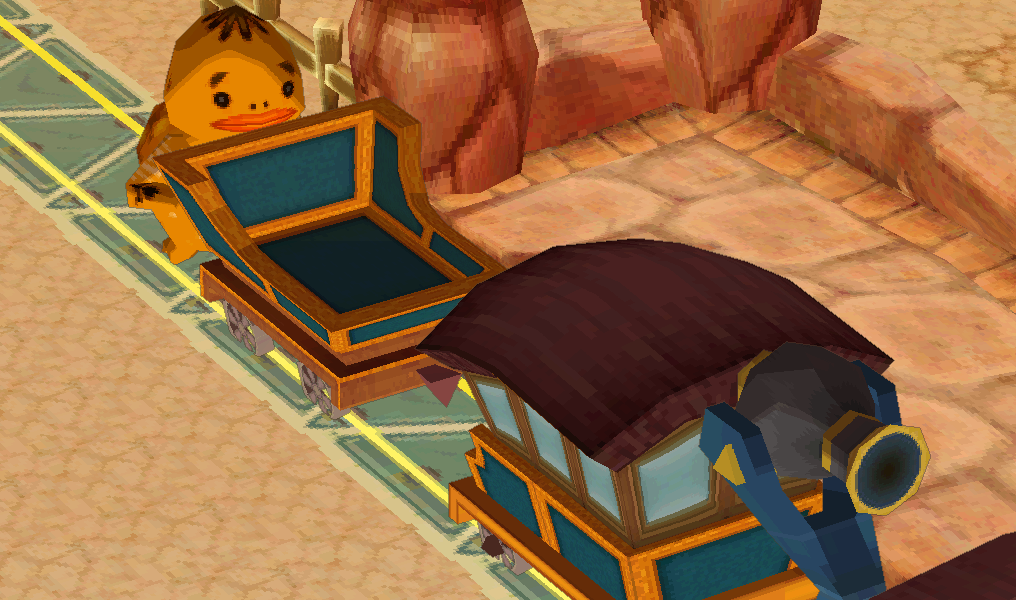
A Goron pushing the freight car.
As a Royal Engineer Link can carry passengers and freight between stations. Obey the speed and whistle signs and stop at the right station, or your passengers will leave. Many jobs reward Force Gems, which unlock new stretches of track.
Battle Mode
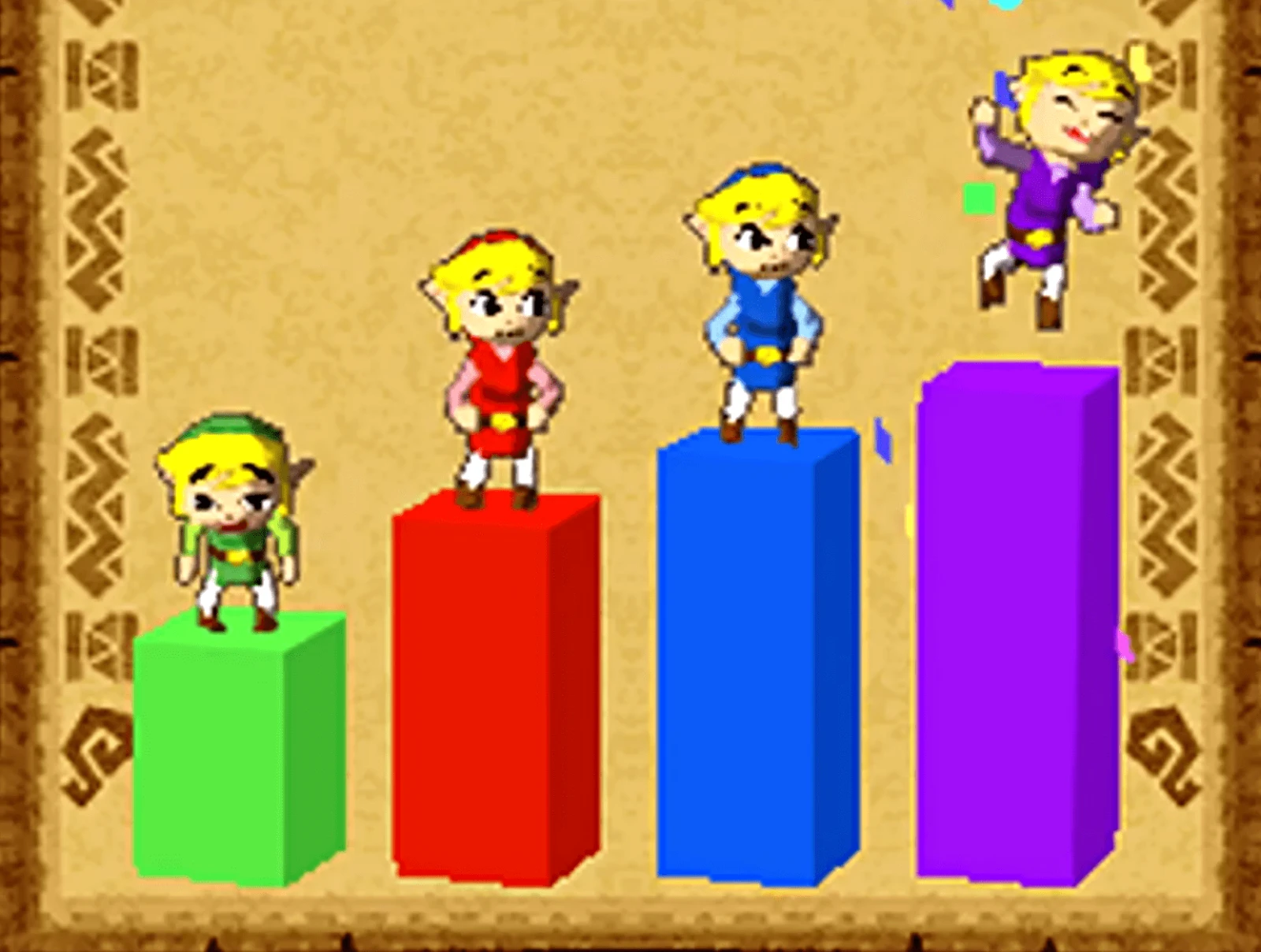
The results screen in Battle Mode.
Up to four players can play Battle Mode by DS Download Play from one game card. Each player controls a coloured Link, collecting Force Gems against the clock while Phantoms and hazards attack.
Tag Mode
The Alchemy Stone, one of the treasures players can trade (in-game model).
Tag Mode lets two players trade treasures, useful because the treasures each player finds vary.
Checked against the Zelda wikis and the developers’ own Iwata Asks interview.
Glitches, exploits and oddities
Spirit Tracks is a clean game, but there are some curiosities under the bonnet.
The anti-piracy derailment
The Spirit Engine (in-game model).
If the game detects that it is running from a pirated copy, it removes the train controls, so players get stuck at the first stretch of driving.
A leftover E3 dungeon
The fire-themed demo dungeon from Nintendo’s E3 showing, built from puzzles in other dungeons, is still on the cartridge, along with demo menus and maps. It is not connected to the main game, and in it Zelda clips through walls and some chests appear early.
Two English scripts
Official art of the Spirit Flute, which the European script calls the Spirit Pipes.
Nintendo of America and Nintendo of Europe translated the game separately, so many names and lines differ between the North American and European releases; the European text sticks closer to the Japanese.
An easier tower in Japan
Official art of the Tower of Spirits.
The Japanese release, which came out last, shortens two puzzles on the fifth visit to the Tower of Spirits and makes the last floor of the sixth visit optional.
Hidden details
Byrne’s mouth is fully modelled and textured even though his scarf always hides it, and two pieces of Phantom Hourglass music sit unused in updated arrangements.
Videos & media
The announcement trailer and a later trailer showing the trains, the Spirit Flute and Phantom Zelda in action.
The announcement trailer, uploaded by Nintendo Life.
A Nintendo DS trailer, uploaded by IGN.
Trivia & facts
The whole game began with a picture book: Aonuma read his son a story about children laying a railway and decided the next Zelda would be about trains.
Official art of the SS Linebeck, the ship of Phantom Hourglass.Aonuma’s opening line to the team, according to Iwata Asks: why not get rid of the ship this time?
Half of the two-year development went on a free track-laying system that was eventually scrapped.
Eiji Aonuma, as pictured in Hyrule Historia.Aonuma only rejoined the team full-time for roughly the last three months.
The Japanese subtitle, Daichi no Kiteki, echoes the Spirit Flute’s Japanese name, the Whistle of the Wide World.
Malladus appears to be named after the steam locomotive Mallard: in the European French, Spanish and Italian versions he is simply called Mallard.
Concept art of Chancellor Cole.Chancellor Cole hides his horns under his hats.
Zelda is the great-great-granddaughter of Tetra, the pirate captain of The Wind Waker.
Linebeck III is the grandson of Phantom Hourglass’s Linebeck, and just as greedy.
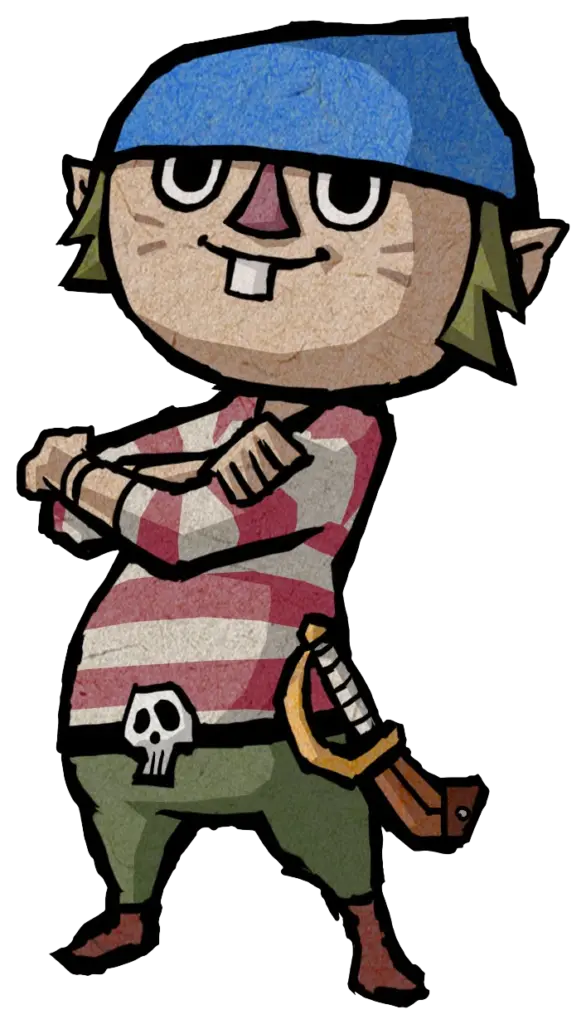
Official art of Niko from The Wind Waker.Niko, the cabin boy of Tetra’s crew in The Wind Waker, is still alive a century later, and still showing people his paper cut-outs.
Unlike in Phantom Hourglass, rolling is done by double-tapping the touch screen rather than drawing circles.
The game works the same on every DS model, with no DSi-specific features.
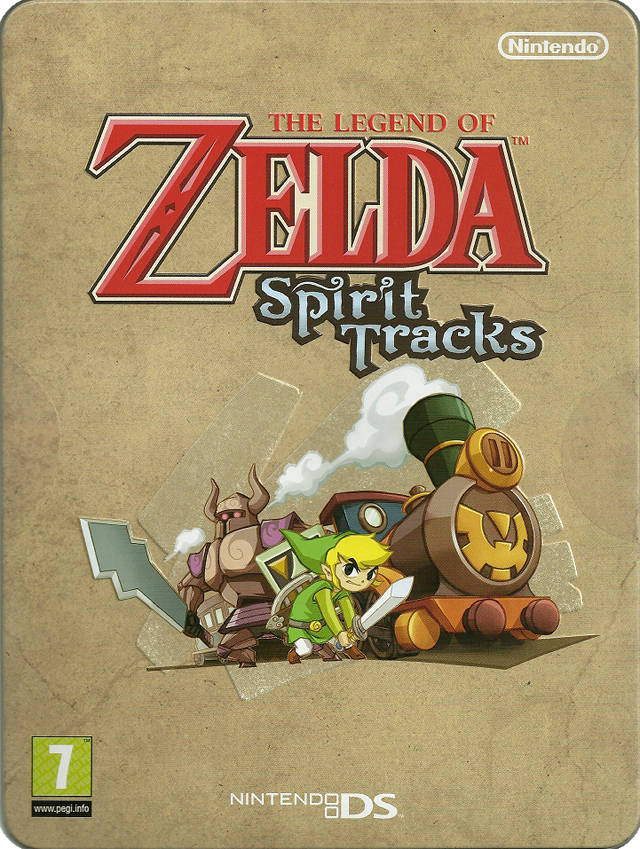
Box art of the European limited edition.Europe got a limited tin edition with figurines of Link and a Phantom.
North America got the game more than two weeks before Japan.
Anjean promises that Byrne’s spirit will return one day in a new form.
The Alfonzo trophy in Super Smash Bros. for Nintendo 3DS.The Spirit Train has been a stage in Super Smash Bros. since the 3DS game, with Alfonzo taking over the cab whenever Link or Toon Link is fighting.
Media & artwork
Box art, artwork and screenshots from Spirit Tracks. Select any image to view it larger.
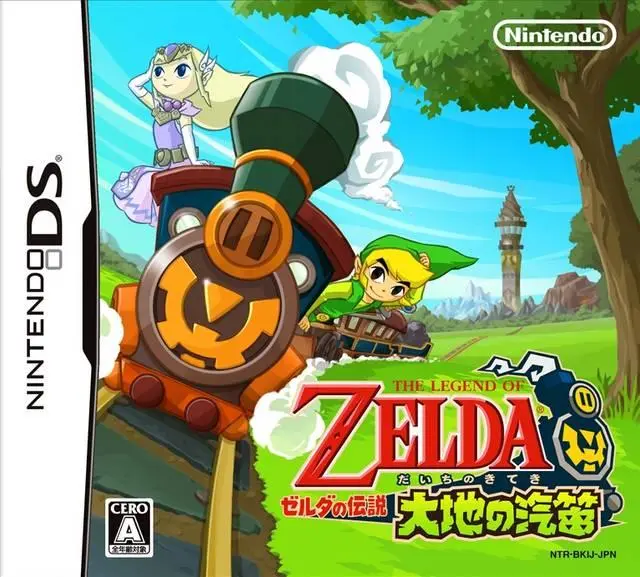
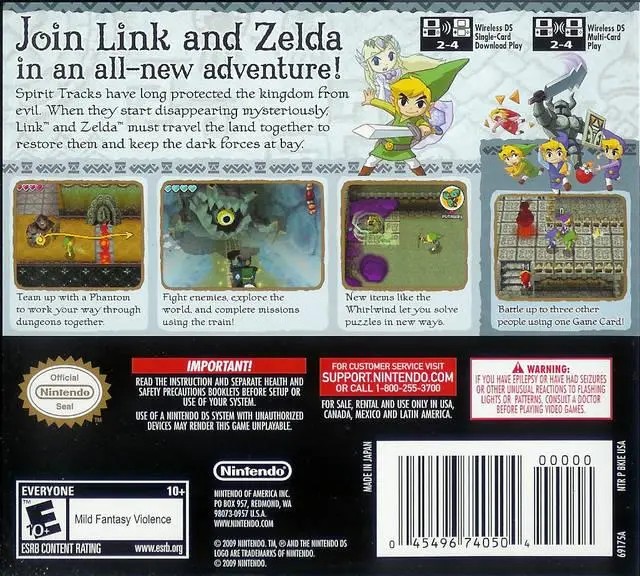
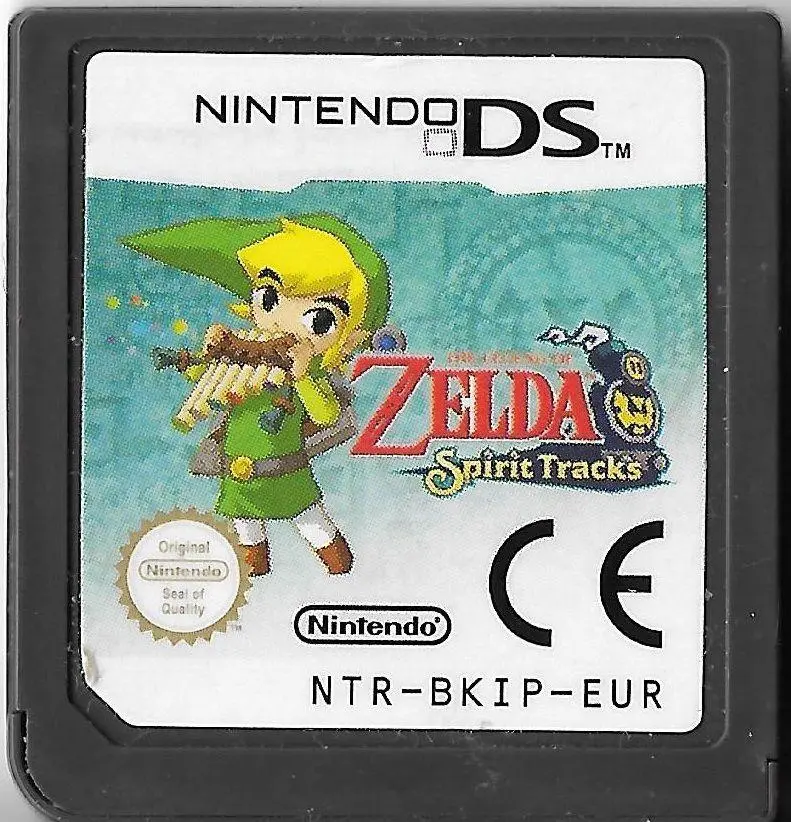
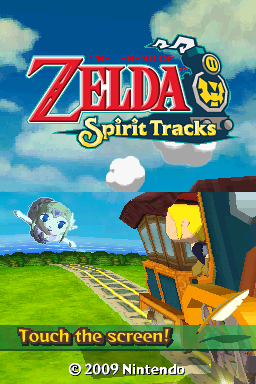
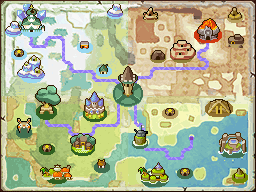
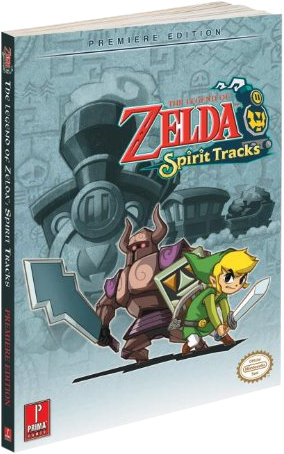
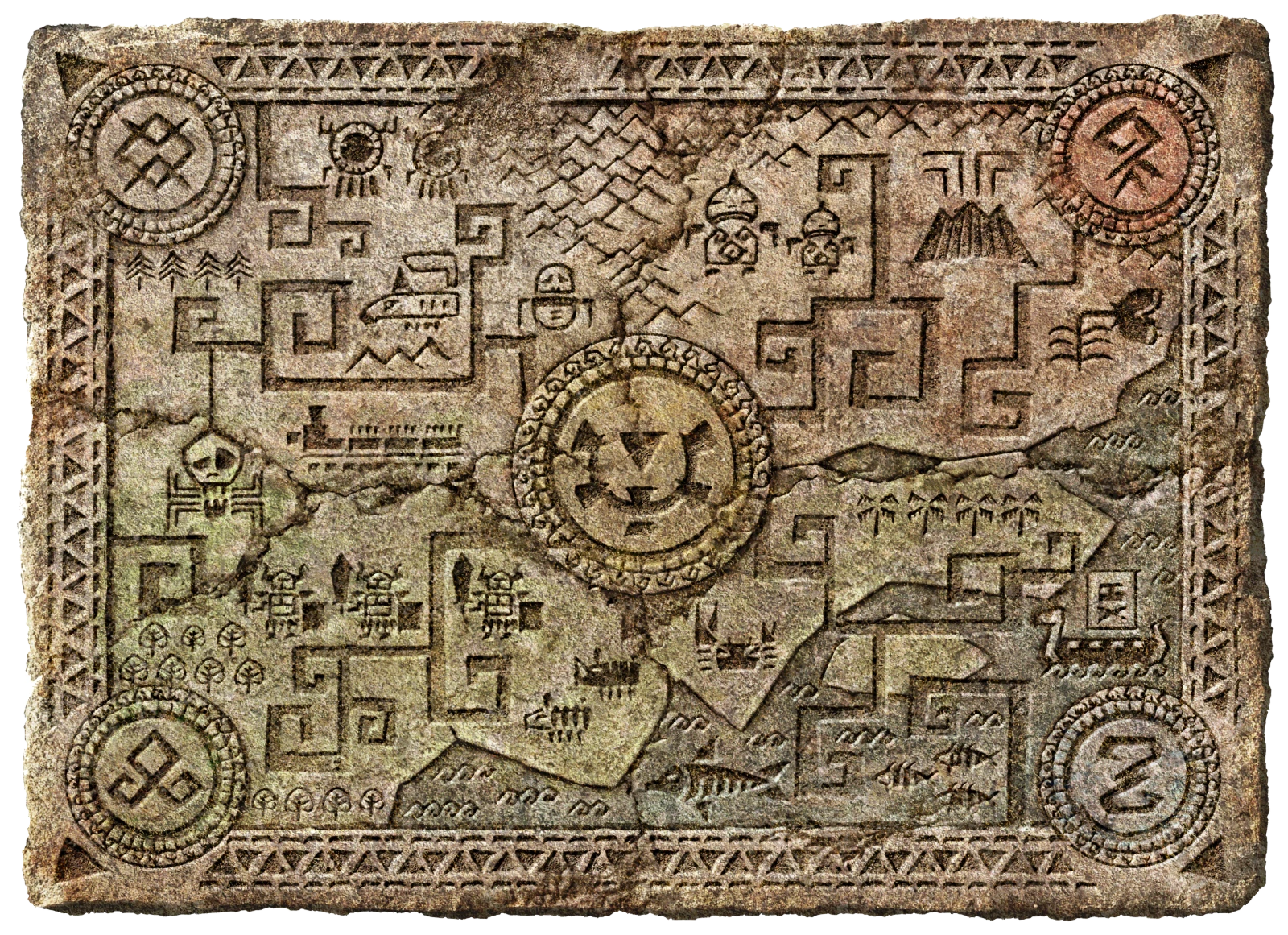
UK and Ireland DS box, front (2009)Japanese DS box, front (2009)Australian and New Zealand DS box, front (2009)North American DS box, back (2009)UK and Ireland DS game cardJapanese logoEarly concept version of the English logoTitle screenMap of New HyrulePrima official game guide
Spirit Tracks closed the run of DS Zeldas and, for now, the toon-styled branch of the timeline that began with The Wind Waker.
Timeline
ConfirmedMarch 2009 – Nintendo officially confirms the game.
Nintendo DSDecember 2009 – North America 7 December, Australia 10 December, Europe 11 December, Japan 23 December.
Super Smash Bros. for Nintendo 3DS2014 – The Spirit Train becomes a stage; Malladus becomes a trophy.
Wii U Virtual Console2015–2016 – The DS game is re-released for Wii U: in Europe on 13 November 2015, in North America on 20 October 2016.
Hyrule Warriors Legends1 September 2016 – The Phantom Hourglass & Spirit Tracks pack adds Toon Zelda in Phantom armour and the Sand Wand.
Super Smash Bros. Ultimate2018 – The Spirit Train stage returns.
The end of the line
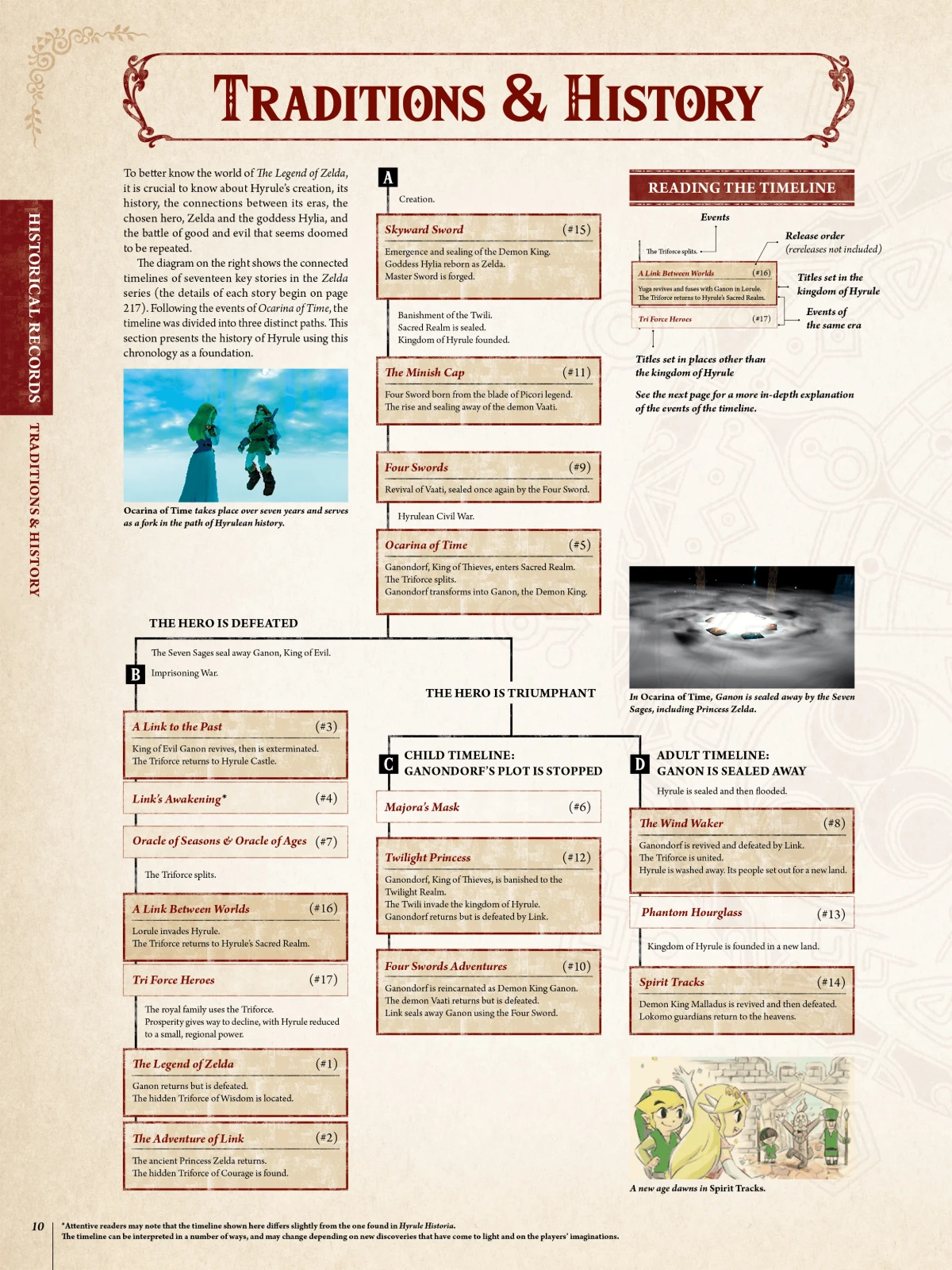
The official timeline as printed in The Legend of Zelda: Encyclopedia.
Nintendo’s official timeline places Spirit Tracks at the end of the branch in which the Hero of Time vanished and Hyrule was flooded: after The Wind Waker and Phantom Hourglass, a century on. No later game has continued it, so for now the story of Tetra’s descendants ends with an engineer and a princess on a train.
Where to play it today
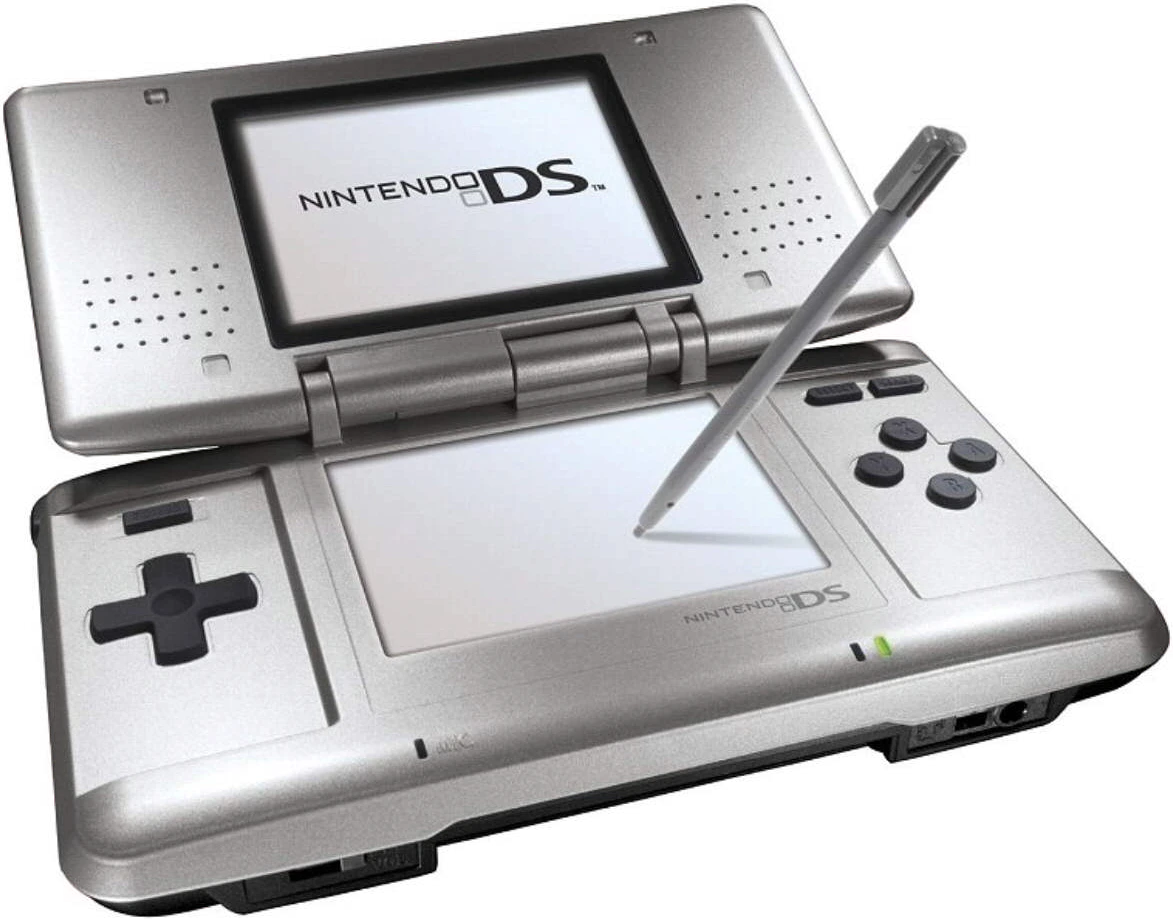
The Nintendo DS, still the main way to play Spirit Tracks.
Spirit Tracks was released on the Wii U Virtual Console in Europe in November 2015 and in North America in October 2016, but the Wii U eShop has since closed to new purchases, so today it is mainly played on the original DS cartridge, which also works on DSi and 3DS systems.
Sales & reviews
Sales figures
Nintendo reported 2.61 million copies sold by 31 March 2010, less than four months after release: 0.76 million in Japan and 1.85 million in the rest of the world. That put it on Nintendo’s list of million-sellers for the year.
2.61msold by 31 March 2010
0.76min Japan
1.85moutside Japan
Reception and review scores
Spirit Tracks scored 87 on Metacritic from 75 reviews. These are the period scores we could check:
Nintendo PowerUS
9.5/10
FamitsuJapan
37/40
GamesMasterUK
92%
NGamer (Nintendo Gamer)UK
92%
Nintendo LifeUK · James Newton, 8 December 2009
9/10
EdgeUK
8/10
games™UK
8/10
Reviewers loved having Zelda along for the ride, the Phantom puzzles, the dungeons and the bosses; NGamer summed it up as peril, puzzles, laughs and rabbits. The common complaint was the train, which some found slow and tedious, and others felt the game leaned heavily on Phantom Hourglass, with Edge and games™ both stopping at eight out of ten.
Reader reviews
No reader reviews yet. Played it? Give it a score out of 10 and tell other fans what you think.
Every fact on this page was checked against the sources below in November 2026. Zelda Wiki (zeldawiki.wiki) refused automated reading; the fandom Zelda Wiki and Zelda Dungeon Wiki were used instead and cross-checked with Nintendo’s own interview and financial reports.
To provide the best experiences, we use technologies like cookies to store and/or access device information. Consenting to these technologies will allow us to process data such as browsing behavior or unique IDs on this site. Not consenting or withdrawing consent, may adversely affect certain features and functions.
Functional
Always active
The technical storage or access is strictly necessary for the legitimate purpose of enabling the use of a specific service explicitly requested by the subscriber or user, or for the sole purpose of carrying out the transmission of a communication over an electronic communications network.
Preferences
The technical storage or access is necessary for the legitimate purpose of storing preferences that are not requested by the subscriber or user.
Statistics
The technical storage or access that is used exclusively for statistical purposes.The technical storage or access that is used exclusively for anonymous statistical purposes. Without a subpoena, voluntary compliance on the part of your Internet Service Provider, or additional records from a third party, information stored or retrieved for this purpose alone cannot usually be used to identify you.
Marketing
The technical storage or access is required to create user profiles to send advertising, or to track the user on a website or across several websites for similar marketing purposes.

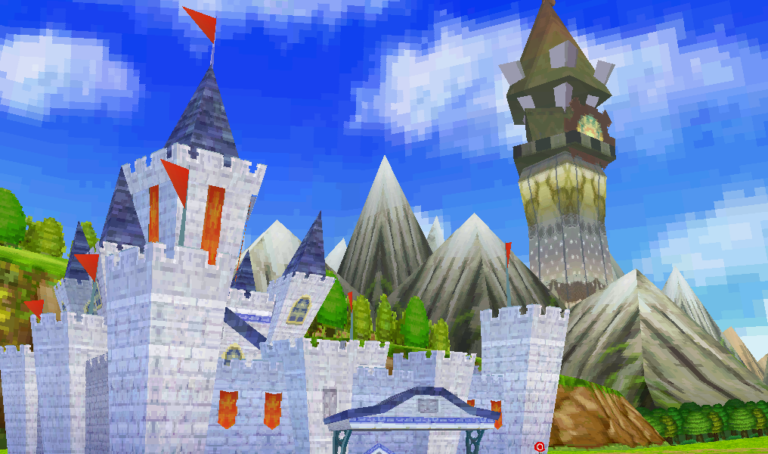 Tower of SpiritsCentre of New HyruleThe lock on Malladus’s prison, climbed in stages with Zelda possessing Phantoms. The first four climbs each win a Rail Map, the fifth ends in a duel with Byrne, and a sixth leads to the Compass of Light.
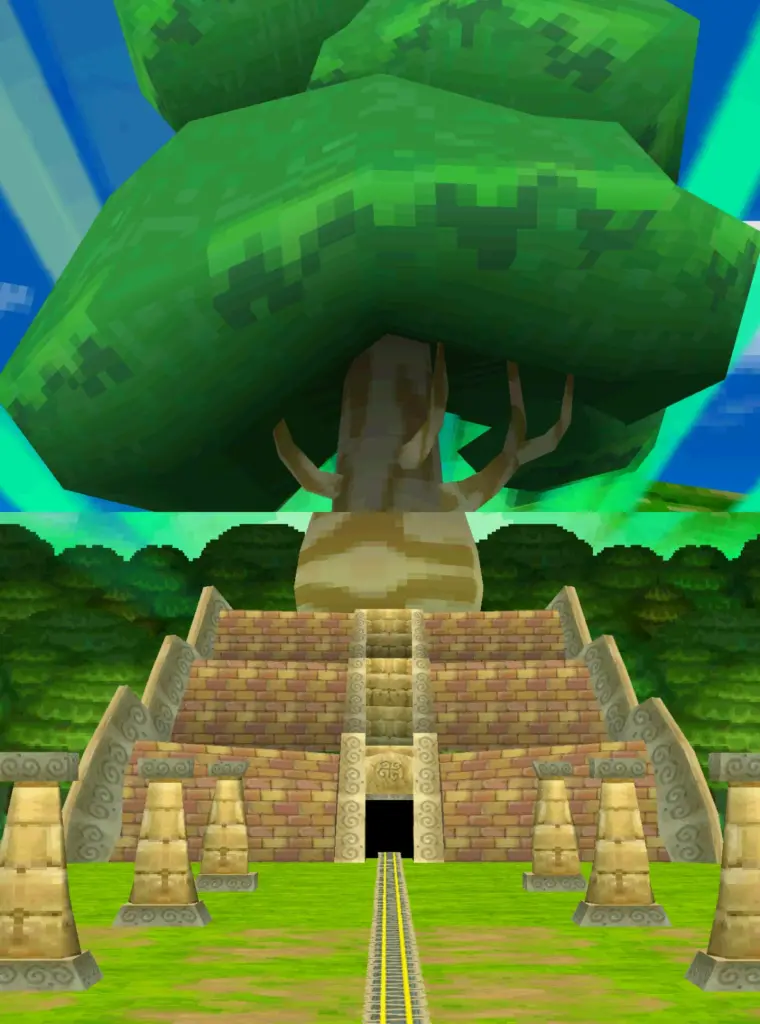 Forest TempleForest RealmItem: Whirlwind. Boss: Stagnox, a giant armoured beast.
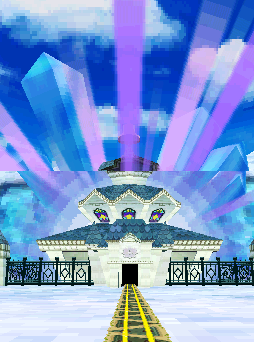 Snow TempleSnow RealmItem: Boomerang. Boss: Fraaz, beaten by turning his fire and ice against him with torches and the Boomerang.
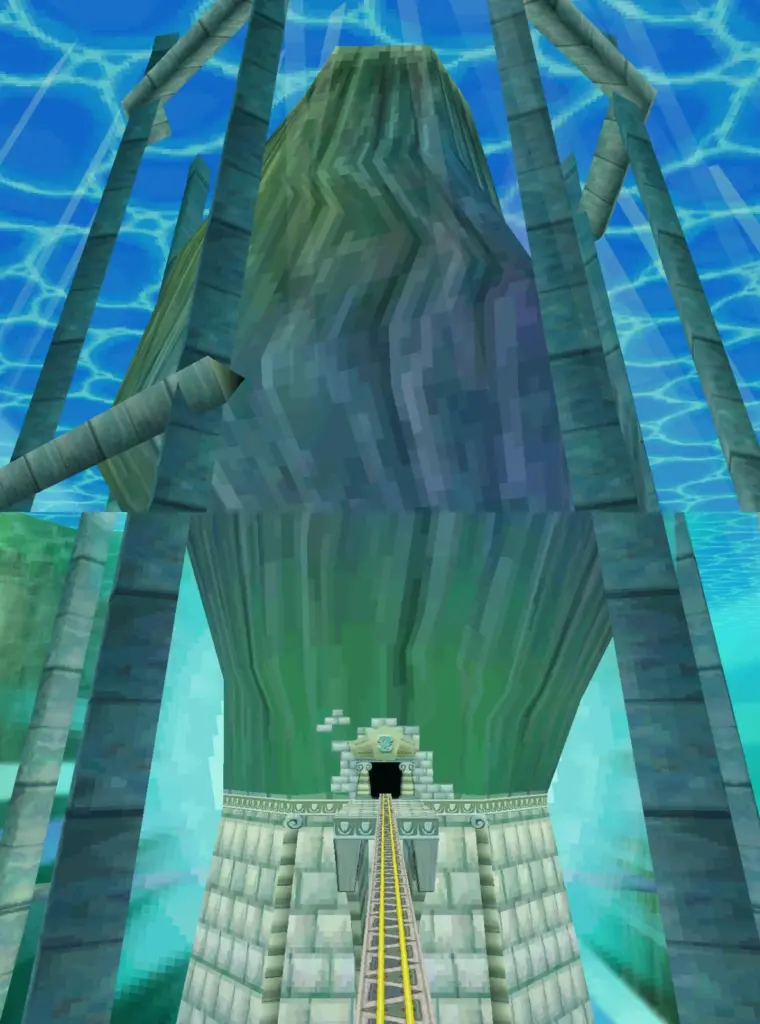 Ocean TempleOcean RealmItem: Whip. Boss: Phytops.
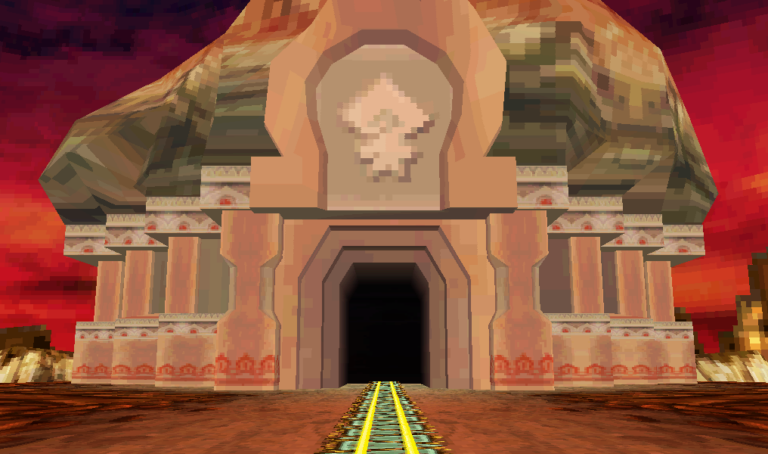 Fire TempleFire RealmItem: Bow. Boss: Cragma, a lava giant.
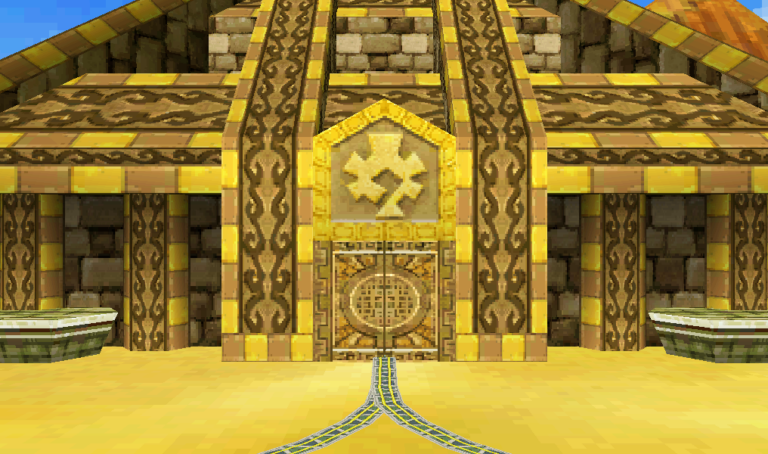 Sand TempleSand RealmItems: Sand Wand and the Bow of Light. Boss: Skeldritch.
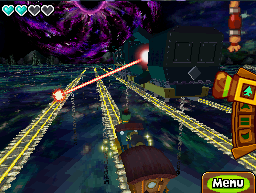 Dark RealmFinal areaA train battle with the Demon Train, then the final fights with the possessed Zelda, Cole and Malladus.
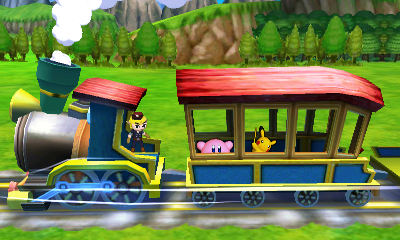 Super Smash Bros. for Nintendo 3DSStage · 2014The Spirit Train is a stage: three train cars racing along the tracks while enemy trains try to ram them, with Alfonzo at the controls when Link or Toon Link is fighting. Malladus is a trophy.
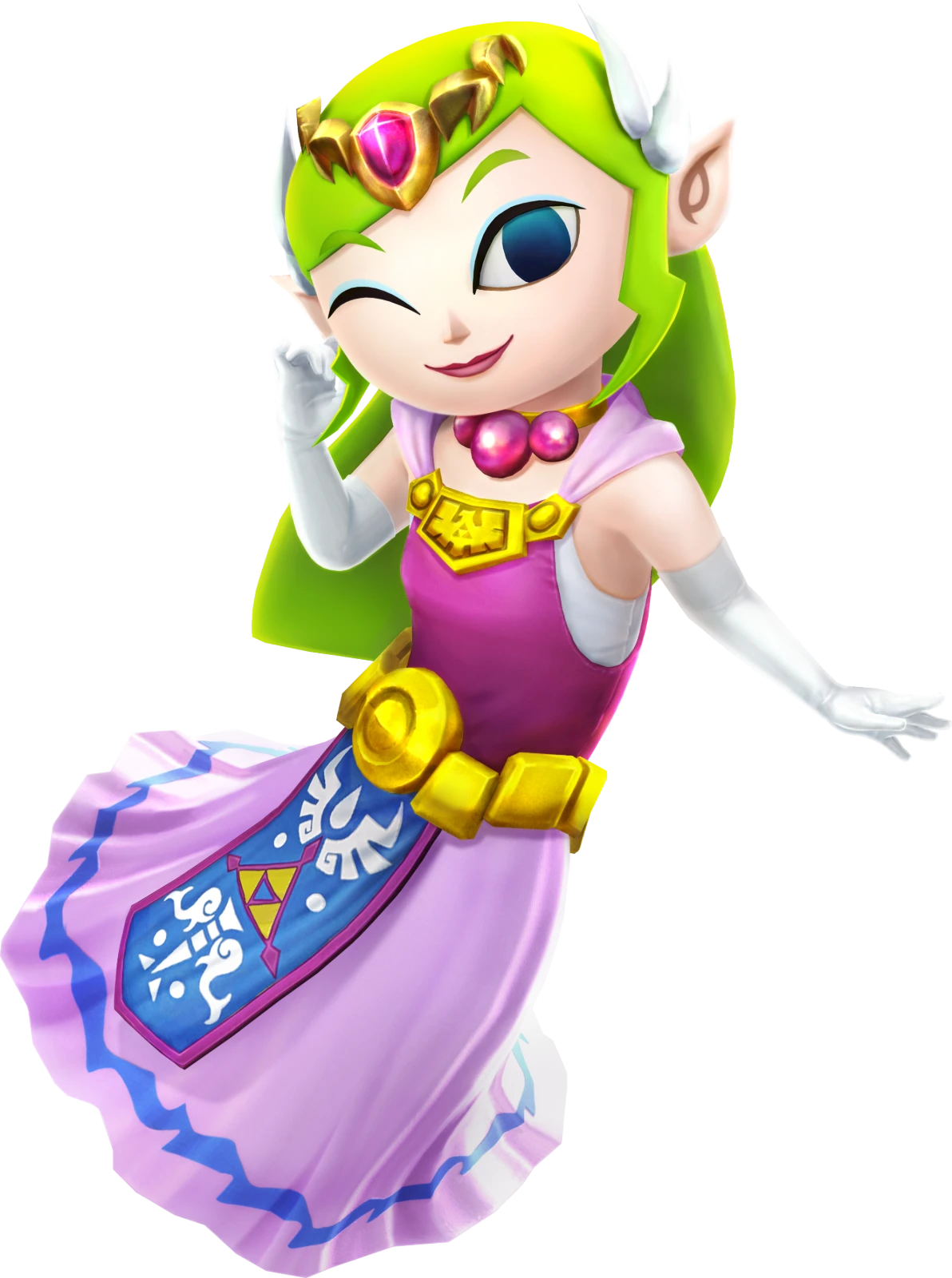 Hyrule Warriors LegendsDownload pack · 2016The Phantom Hourglass & Spirit Tracks pack (1 September 2016) added Toon Zelda, fighting in a Phantom’s armour, and the Sand Wand for Toon Link, which summons the Spirit Train to ram enemies. Cole’s hat, jacket and trousers turn up as fairy clothing.
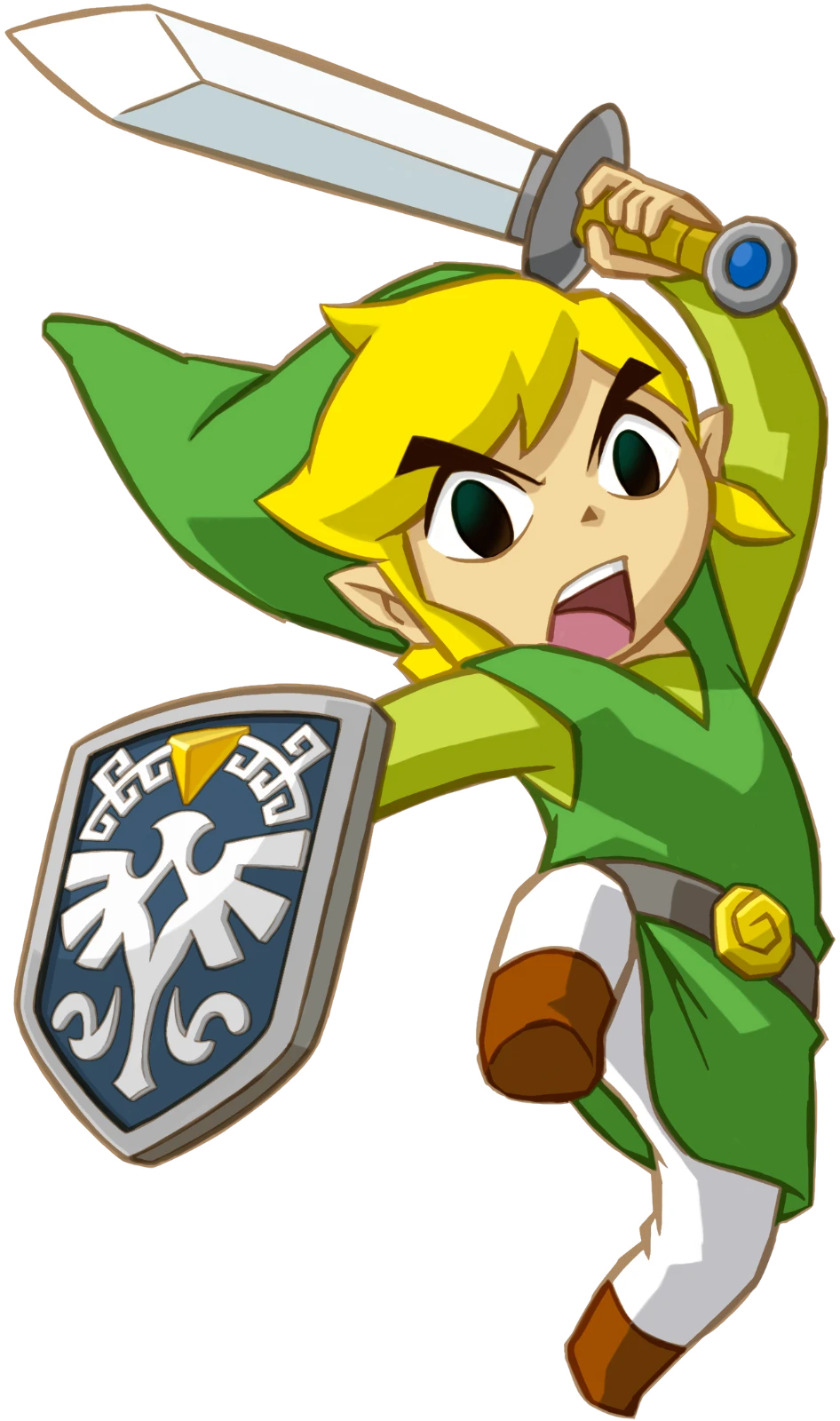 LinkRoyal Engineer
 Princess ZeldaSpirit, partner, princess
 Chancellor ColeThe demon in the tall hat
 MalladusThe Demon King
 ByrneThe rogue Lokomo
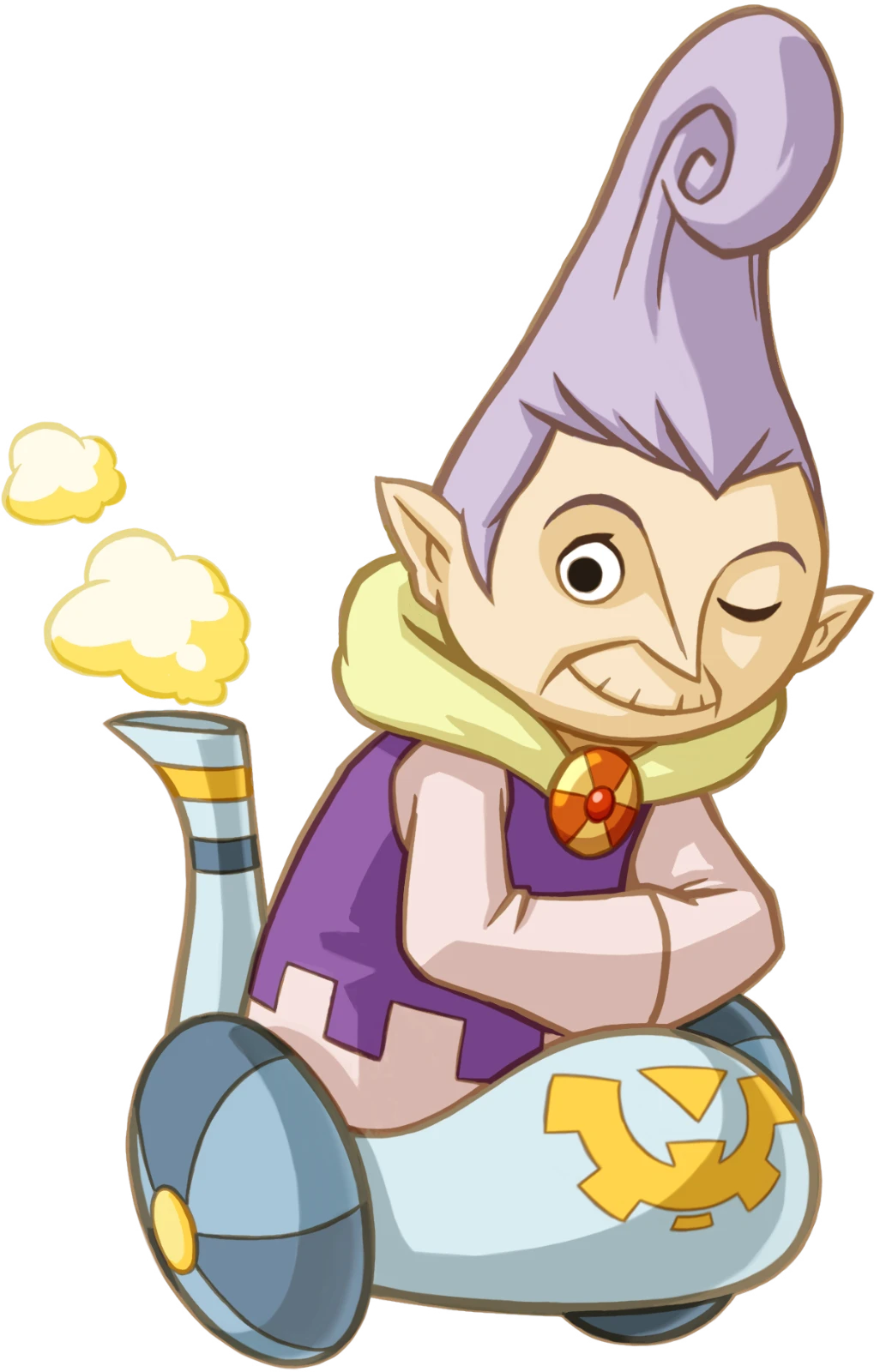 AnjeanGuardian of the Tower of Spirits
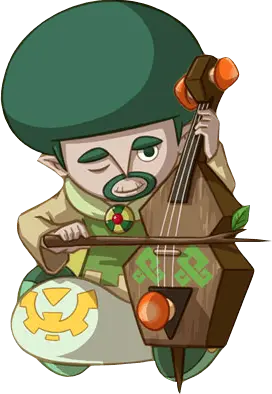 The Lokomo sagesGage, Steem, Carben, Embrose and Rael
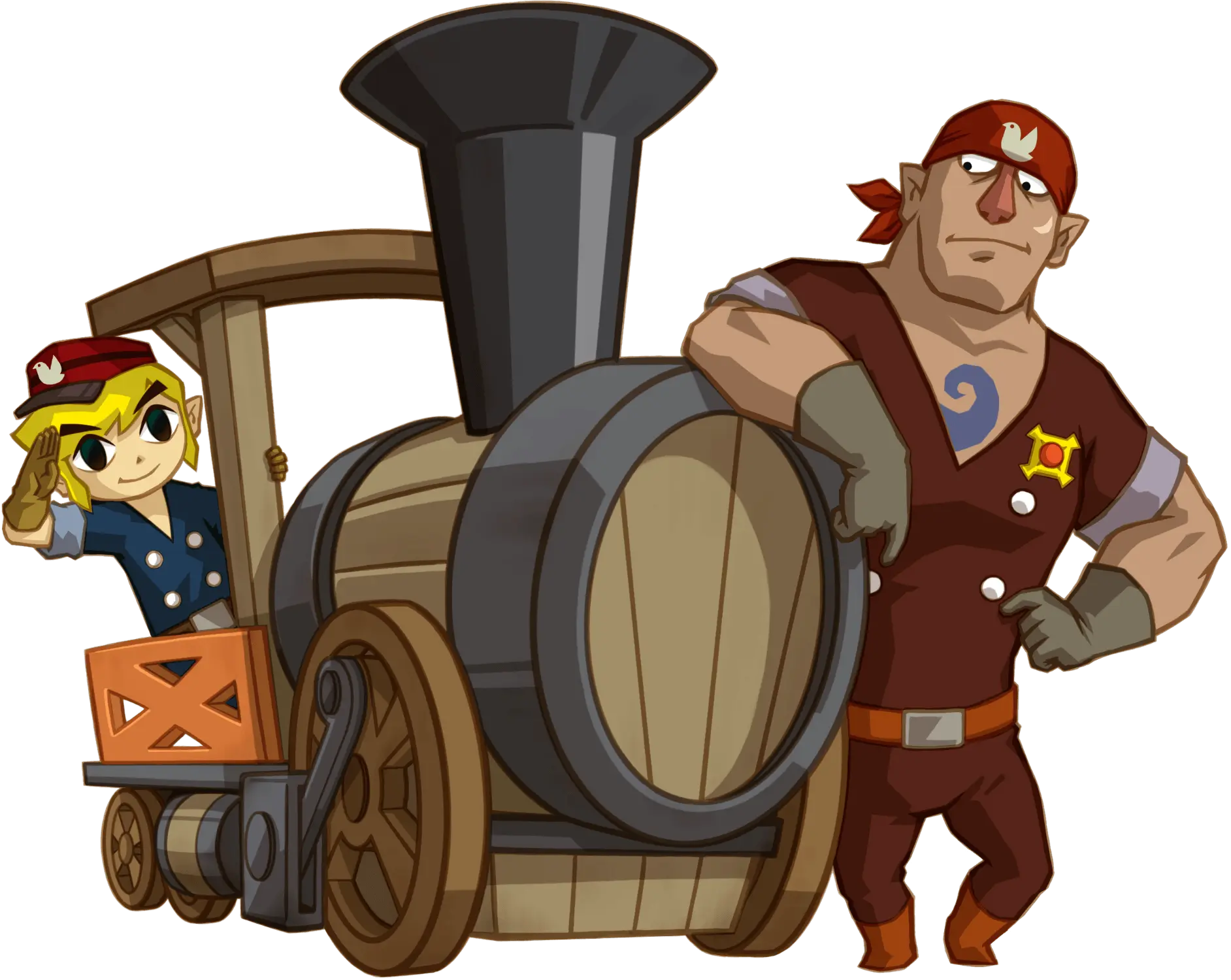 AlfonzoLink’s mentor
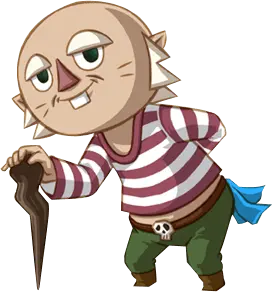 NikoThe last of Tetra’s pirates
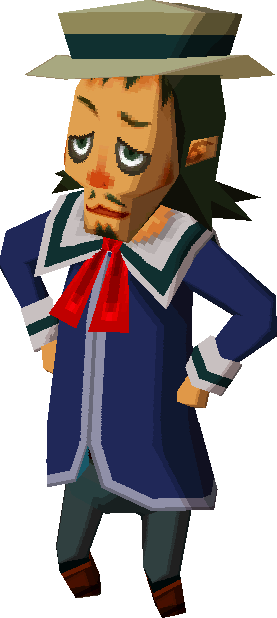 Linebeck IIITreasure trader
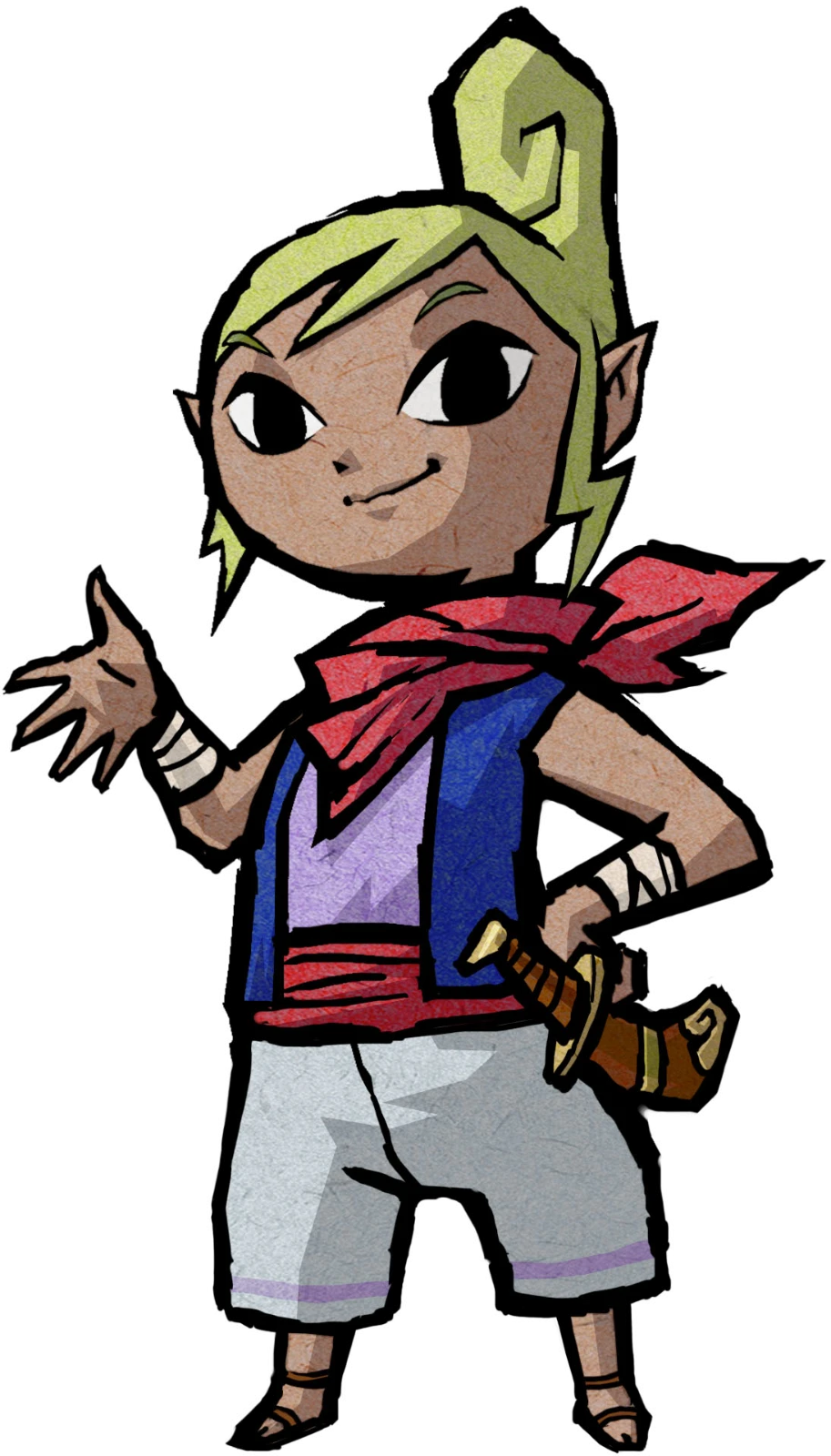 TetraFounder of New Hyrule (in legend)
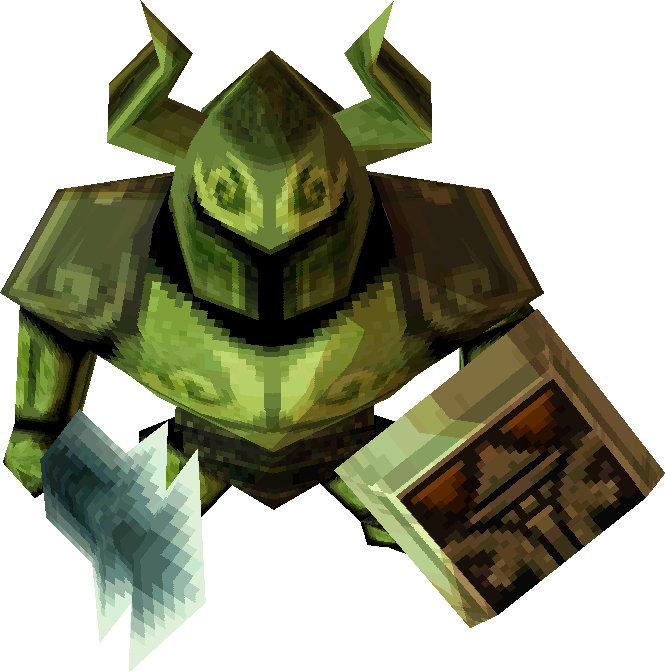 PhantomsGuardians of the tower
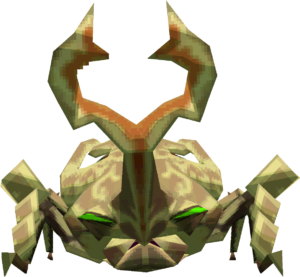 StagnoxForest TempleA huge armoured beast. The Whirlwind and the sword.
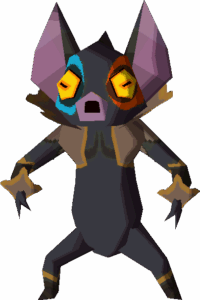 FraazSnow TempleSwitches between ice and fire. Boomerang plus the fire and ice torches.
 PhytopsOcean TempleThe Whip and the sword.
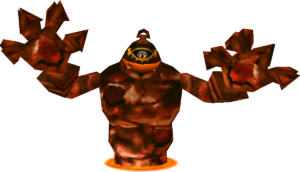 CragmaFire TempleA giant of lava and rock. The Bow and the sword.
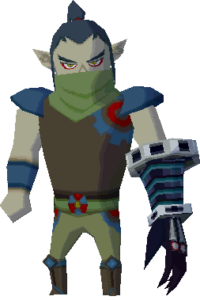 ByrneTower of Spirits (top)Link and Phantom Zelda fight him together; if he grabs Zelda, Link strikes his hand to free her.
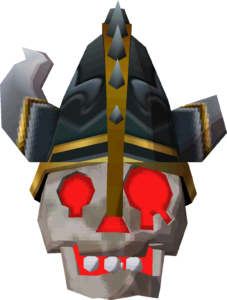 SkeldritchSand TempleThe Sand Wand, with the Bow, Boomerang or Bombs for the catapult switches.
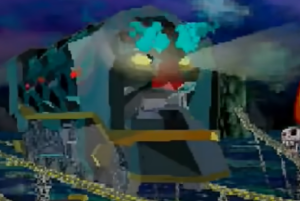 Demon TrainDark RealmA train-versus-train battle with the Spirit Train’s cannon.
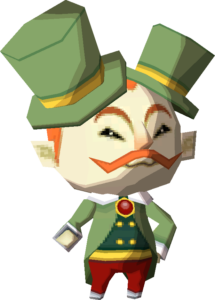 Cole and the possessed ZeldaAtop the Demon TrainBoomerang and the Bow of Light.
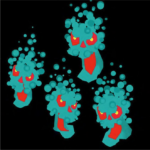 MalladusDark RealmSpirit Flute, Bow of Light and Lokomo Sword, with Zelda, back in her own body, firing the bow.

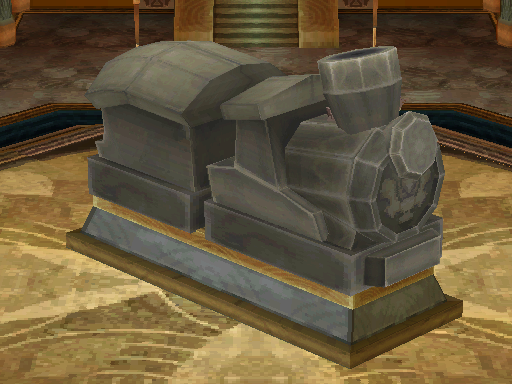 The Spirit TrainThe series’ first and so far only train, driven by drawing routes, a speed gear and a whistle, and kitted out with a cannon and collectible cars.
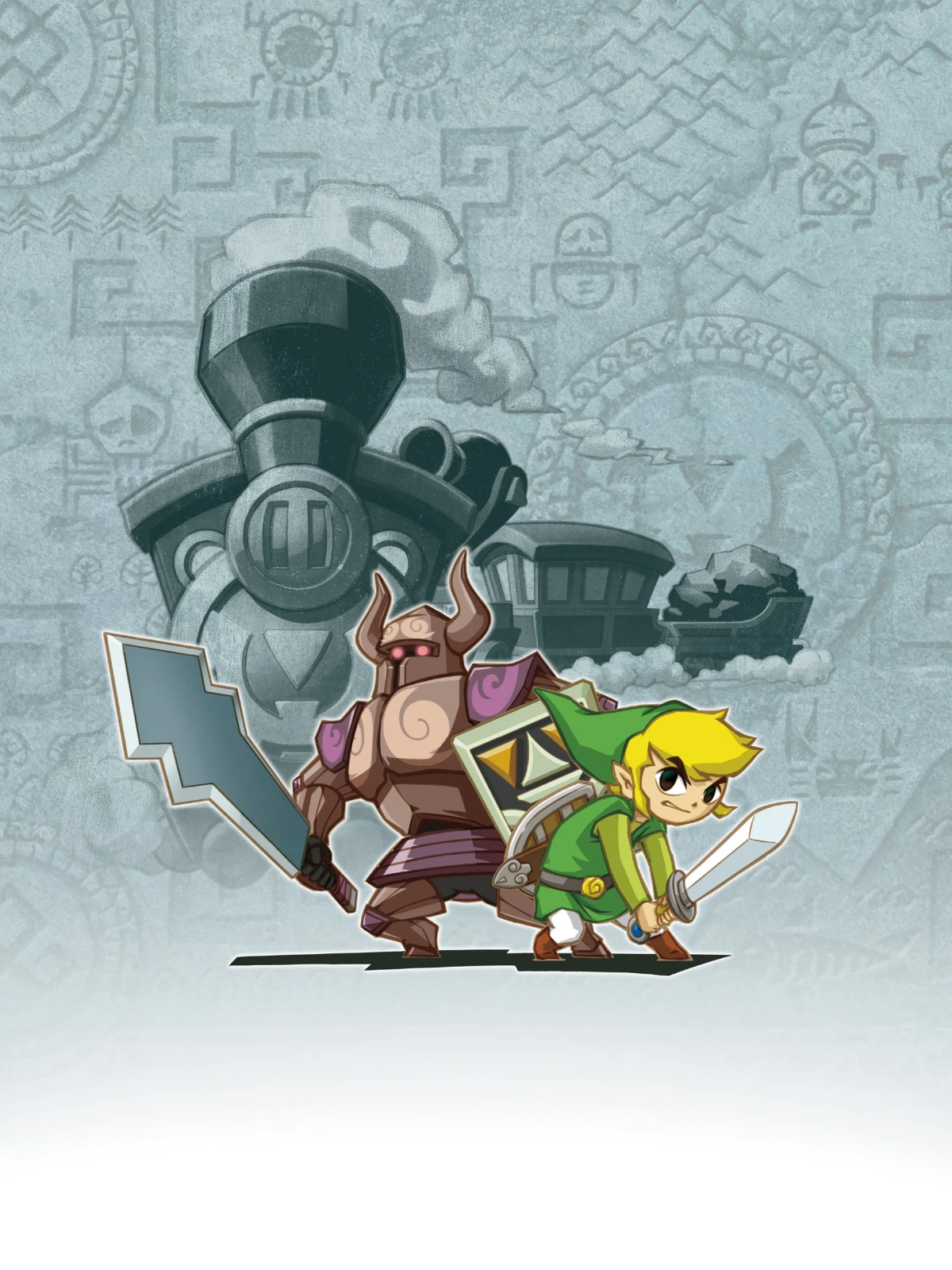 Zelda at Link’s sidePrincess Zelda travels with Link for the whole adventure and fights alongside him by possessing Phantoms.
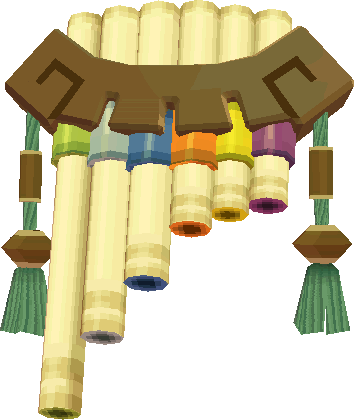 The Spirit FluteA pan flute played by blowing into the DS microphone, used for duets with the Lokomo sages.
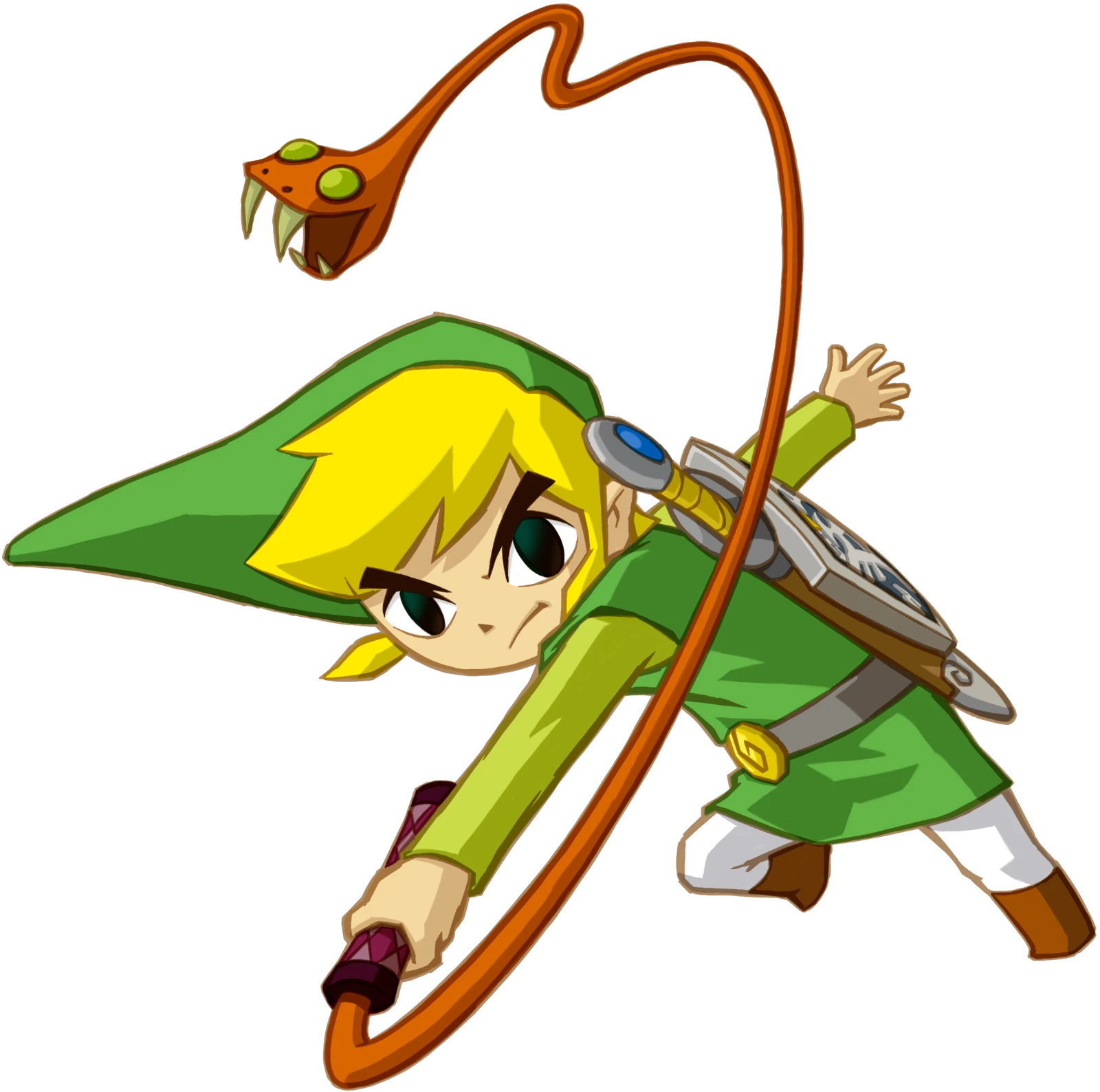 New itemsThe Whirlwind and the Sand Wand debut; the Whip, another newcomer, returned in Skyward Sword.
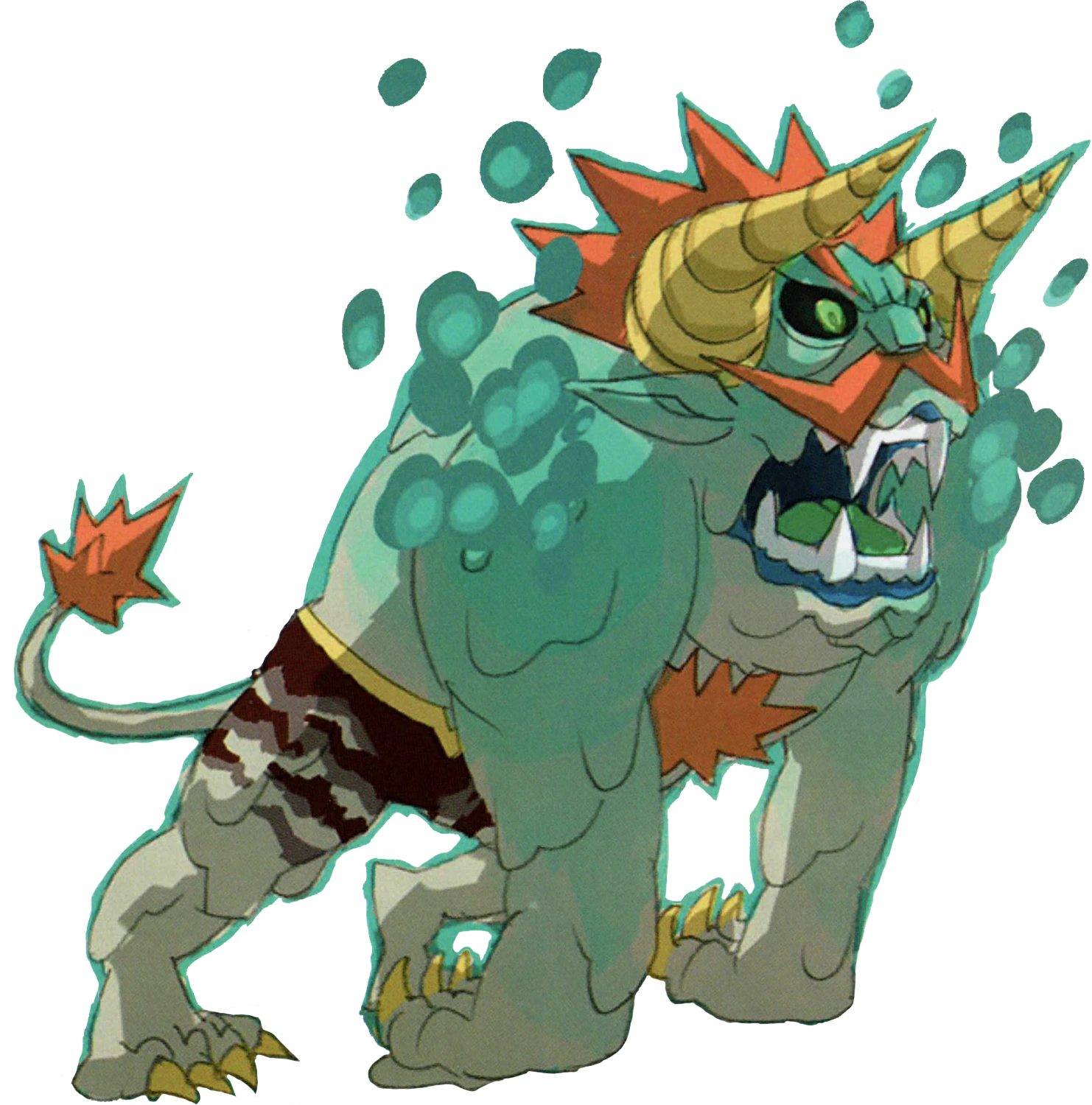 The Lokomos and MalladusThe guardians of New Hyrule and its Demon King, plus Chancellor Cole and Byrne.