Nintendo Switch2024Grezzo / Nintendo EPDAction-adventure
The Legend of Zelda: Echoes of Wisdom
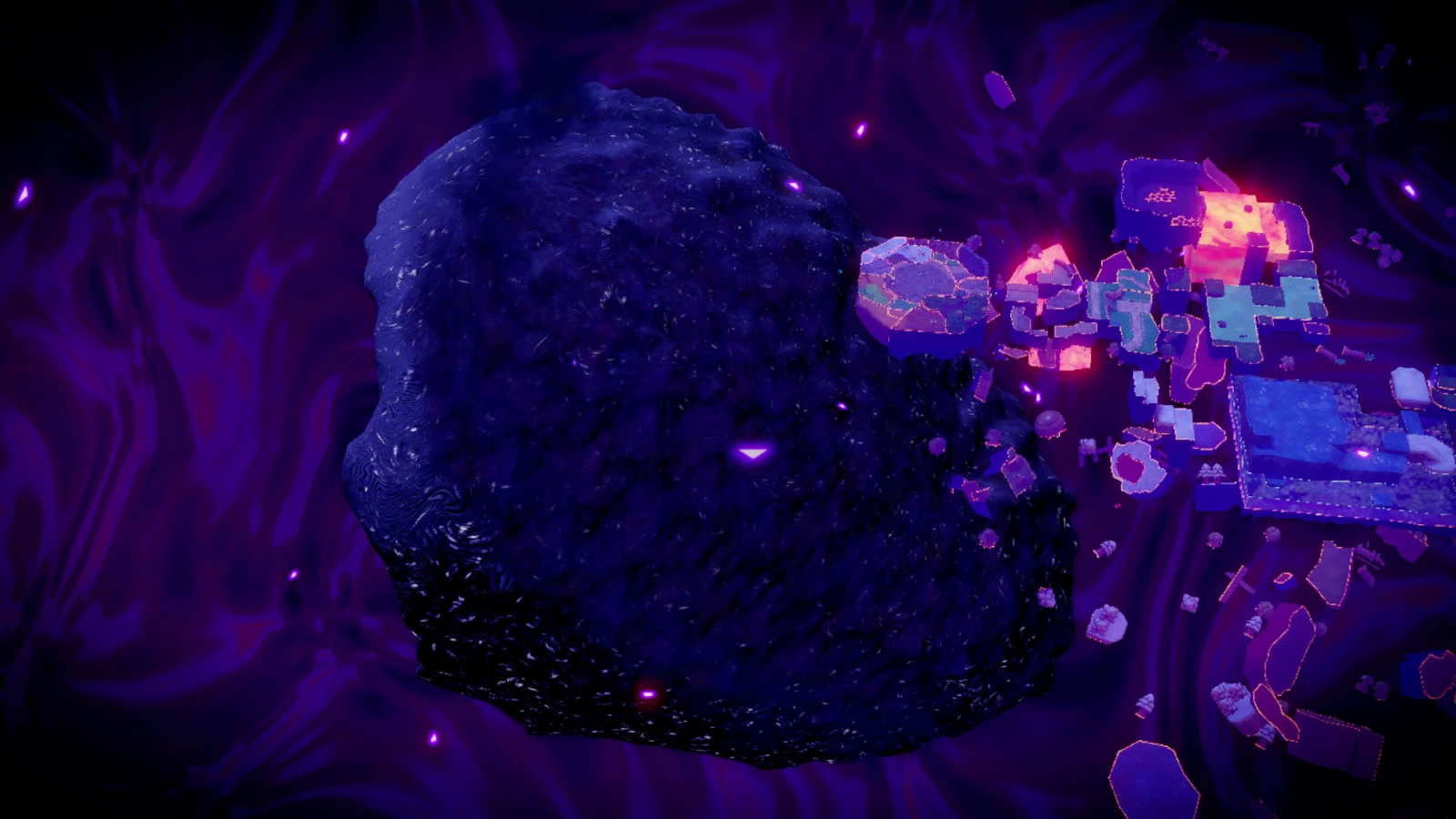
For the first time in a main Zelda game, the princess does the rescuing: Link is lost in a rift, Hyrule is being swallowed piece by piece, and Zelda sets out with a fairy called Tri and a rod that copies almost anything.
Thirty-eight years after the princess first lent her name to the series, Echoes of Wisdom finally hands her the controller. Link is pulled into a mysterious rift in the opening minutes, the king vanishes soon after, and Princess Zelda slips out of Hyrule Castle in a borrowed hood to put things right herself.
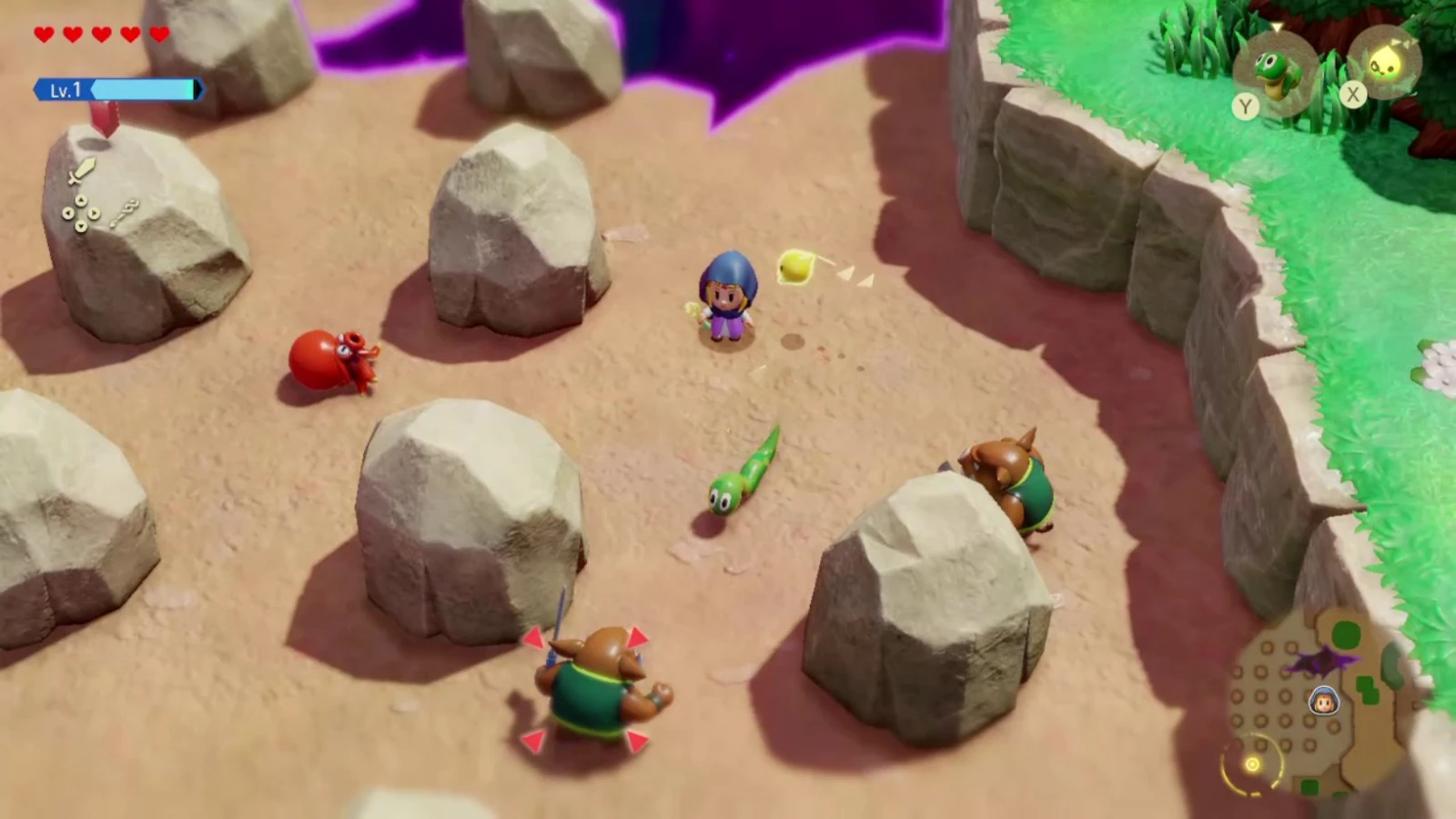
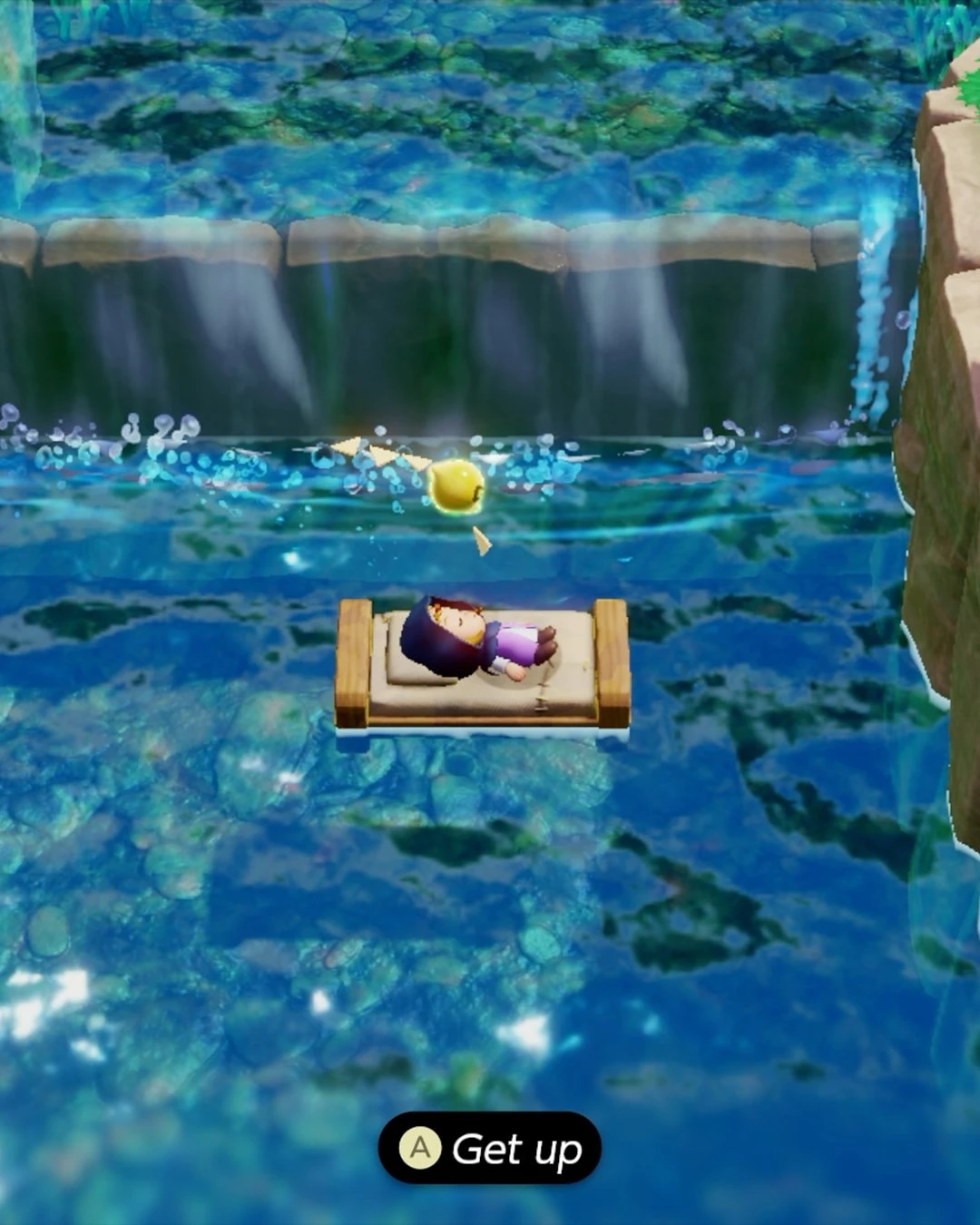
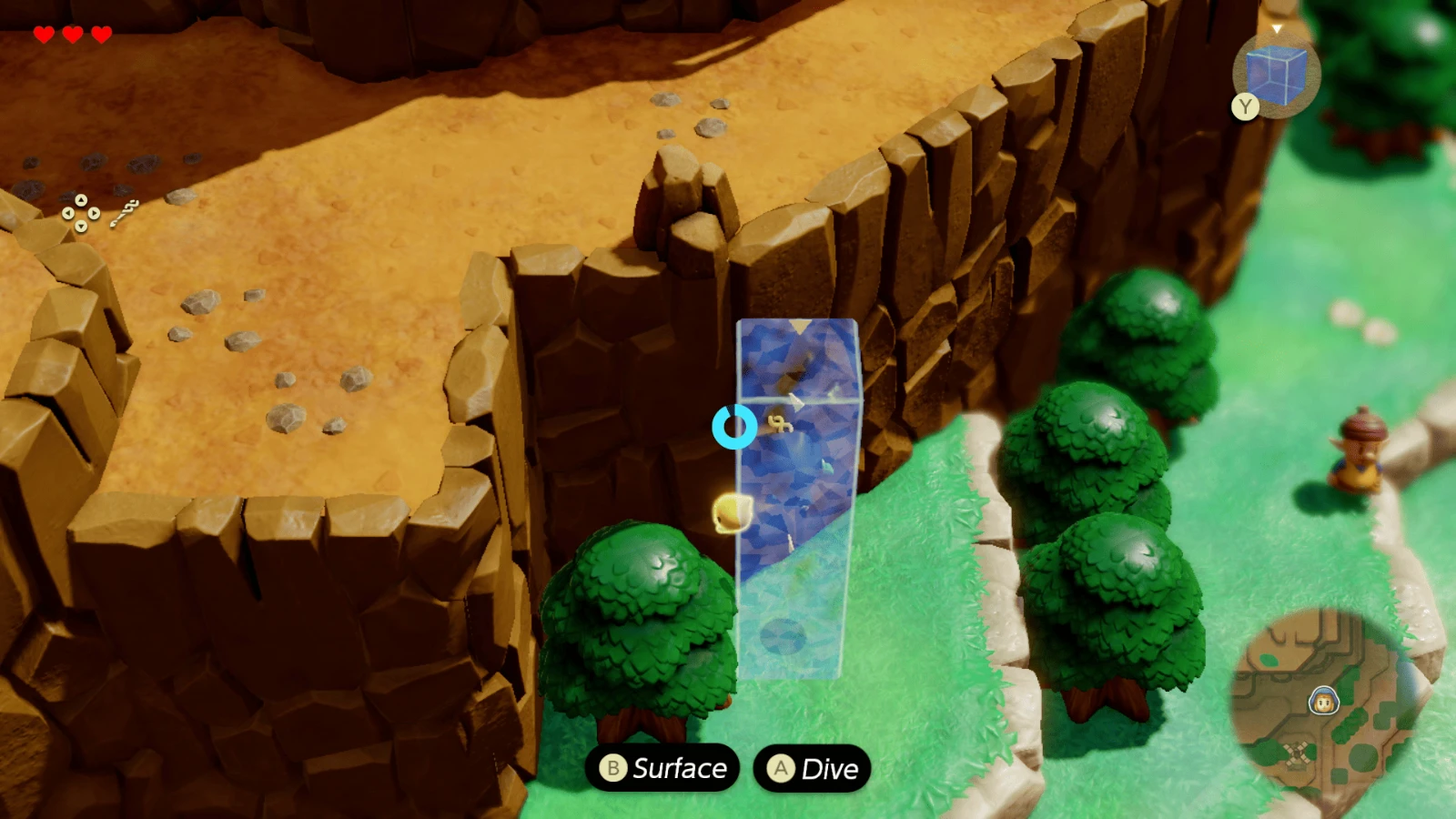
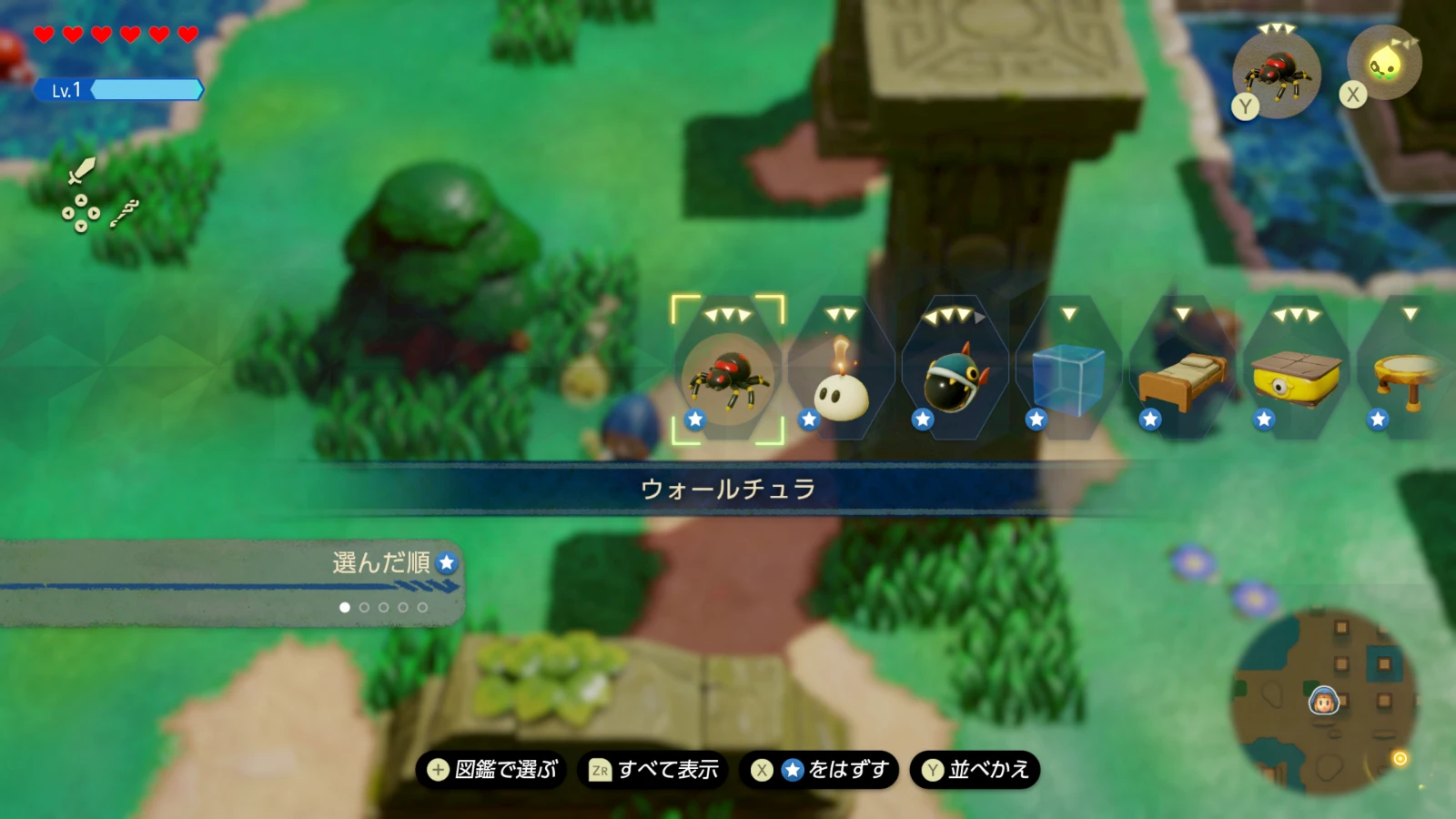
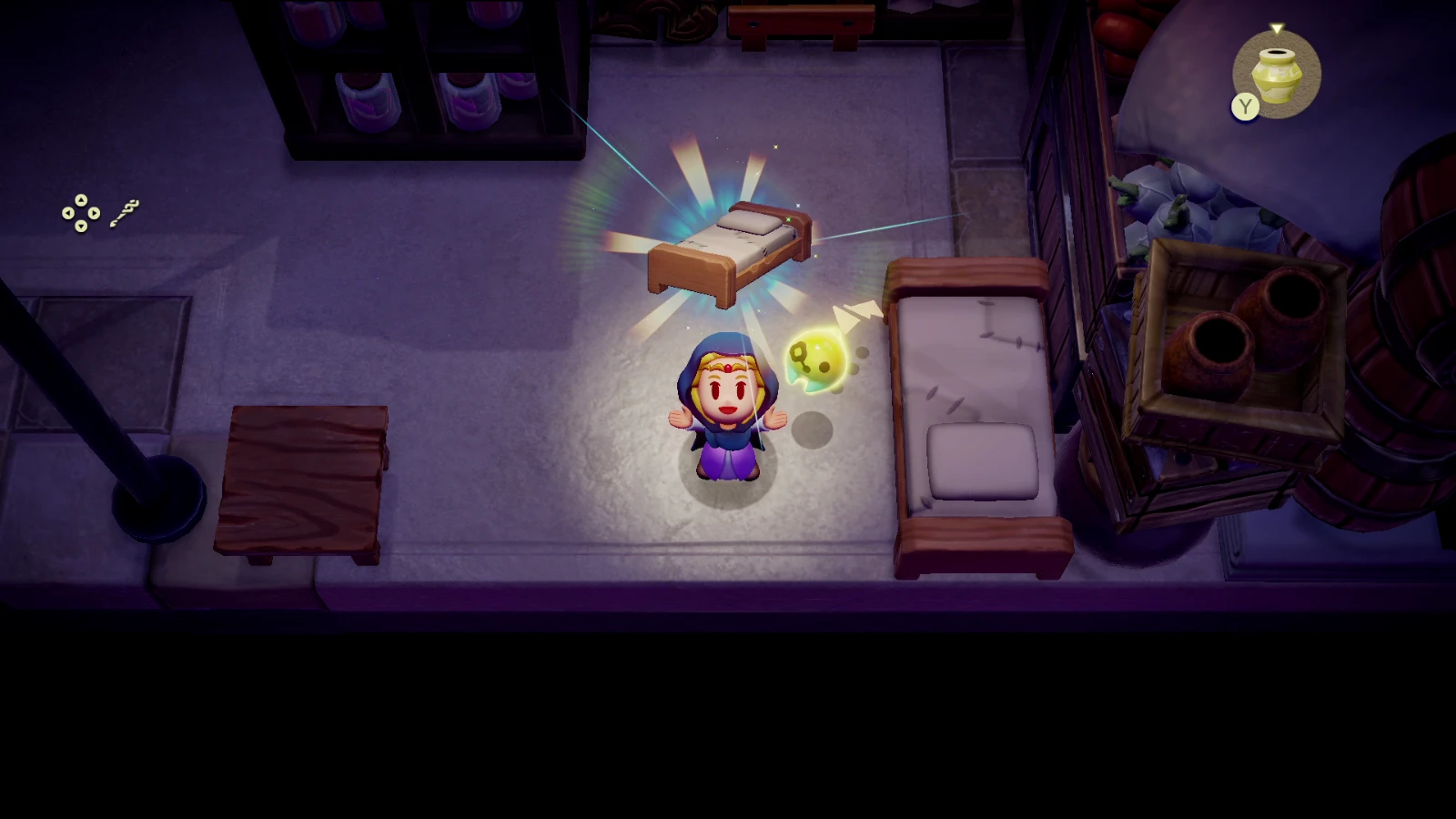
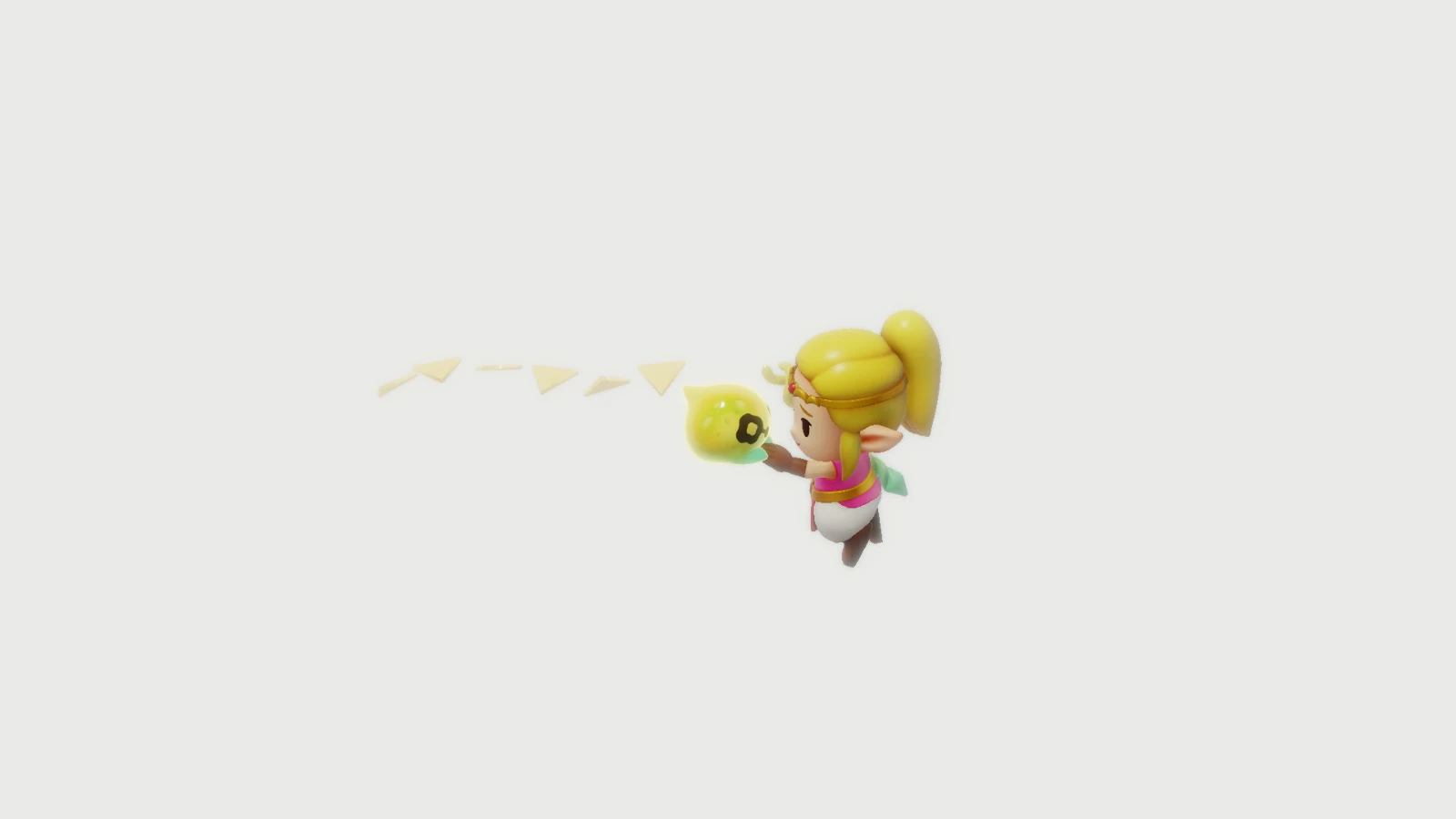
She does not pick up a sword and shield. Instead the fairy-like Tri gives her the Tri Rod, which memorises things she sees, from tables and beds to water blocks and monsters, and conjures copies of them on demand. These copies are called echoes, and there are 127 to collect. Stack beds into a staircase, float across a chasm on a cloud, or let a summoned Moblin do the fighting while you keep your distance: the game is built around letting you solve problems your own way.
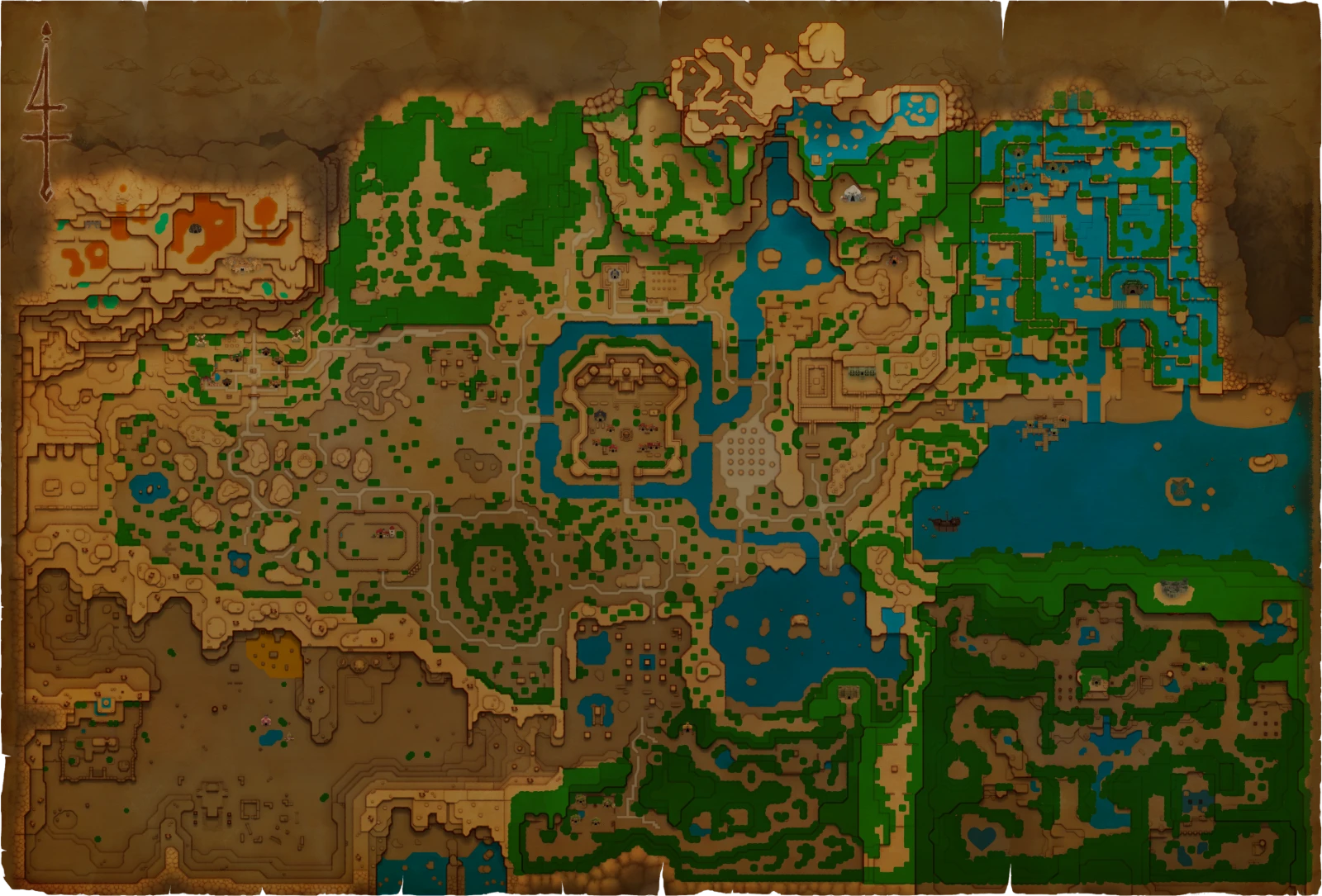
It was made by Grezzo, the studio behind the 3DS remakes of Ocarina of Time and Majora’s Mask and the 2019 Link’s Awakening, working with Nintendo’s own team under series producer Eiji Aonuma. It looks like that Link’s Awakening remake, all toy-box figures and tilt-shift colour, but it is a brand-new adventure across a Hyrule eight times the size of Koholint Island, with Gerudo, Zora, Goron and Deku Scrub country to explore and a frozen realm called the Still World behind every rift.
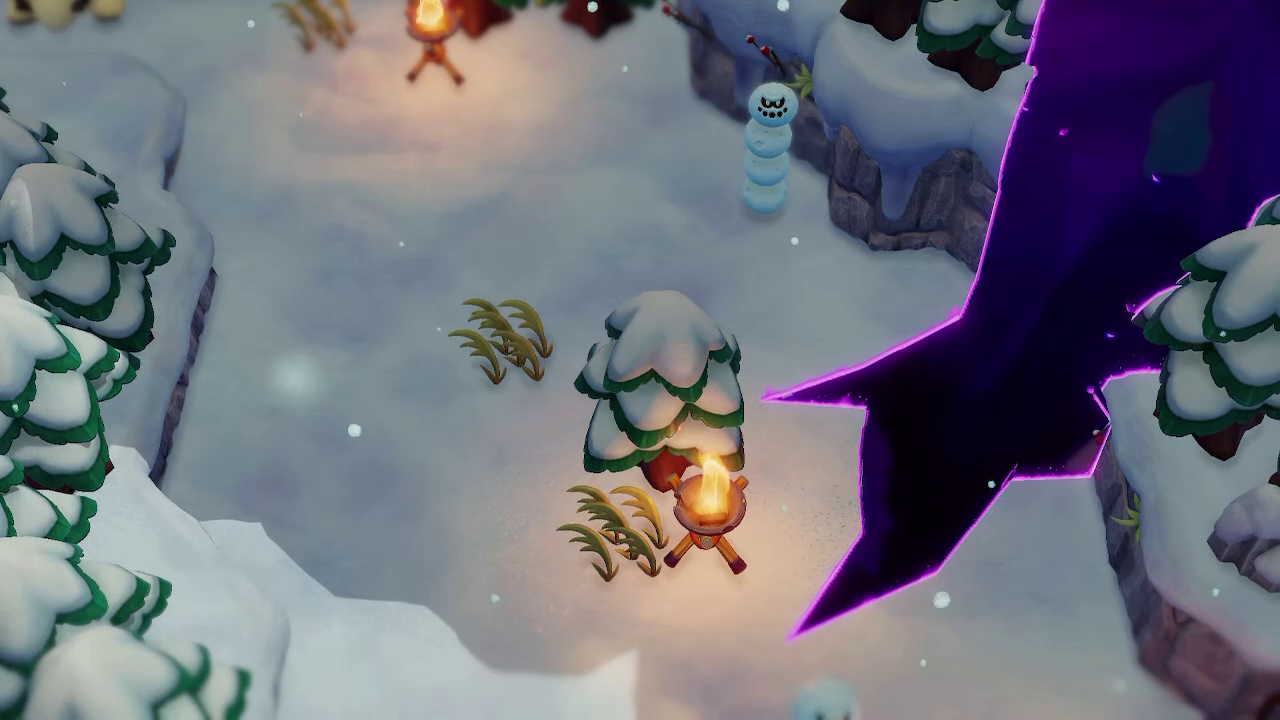
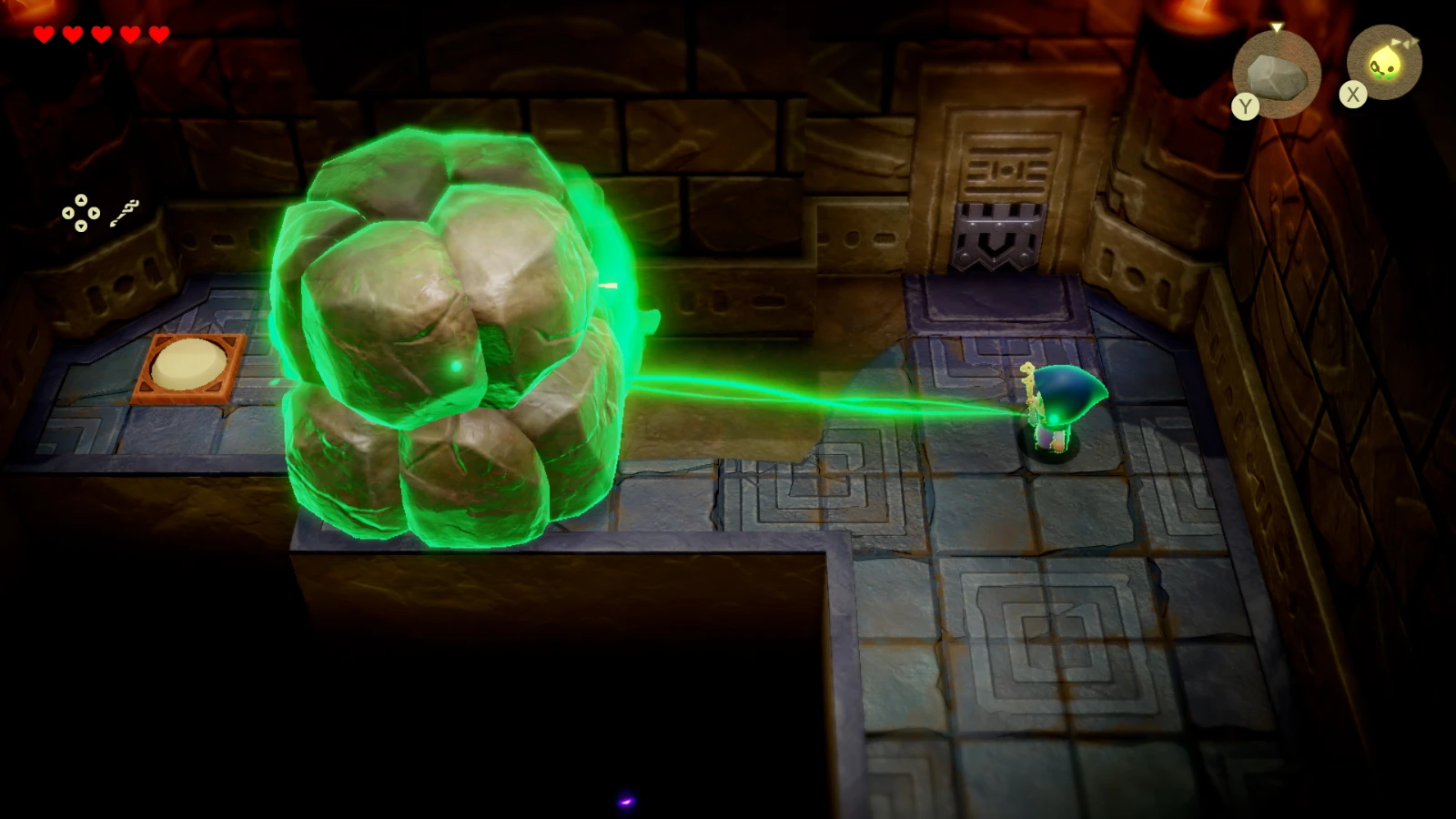
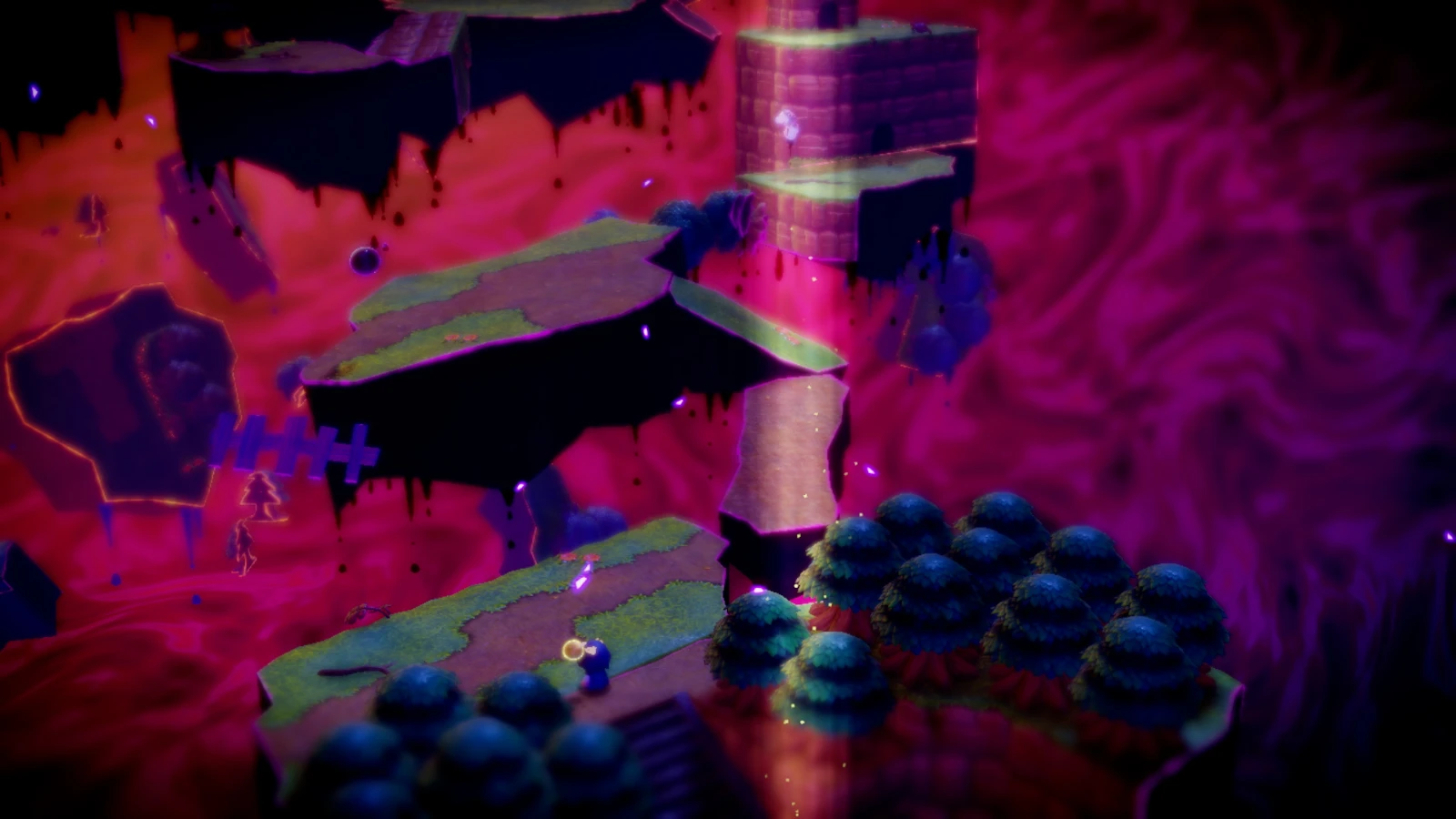
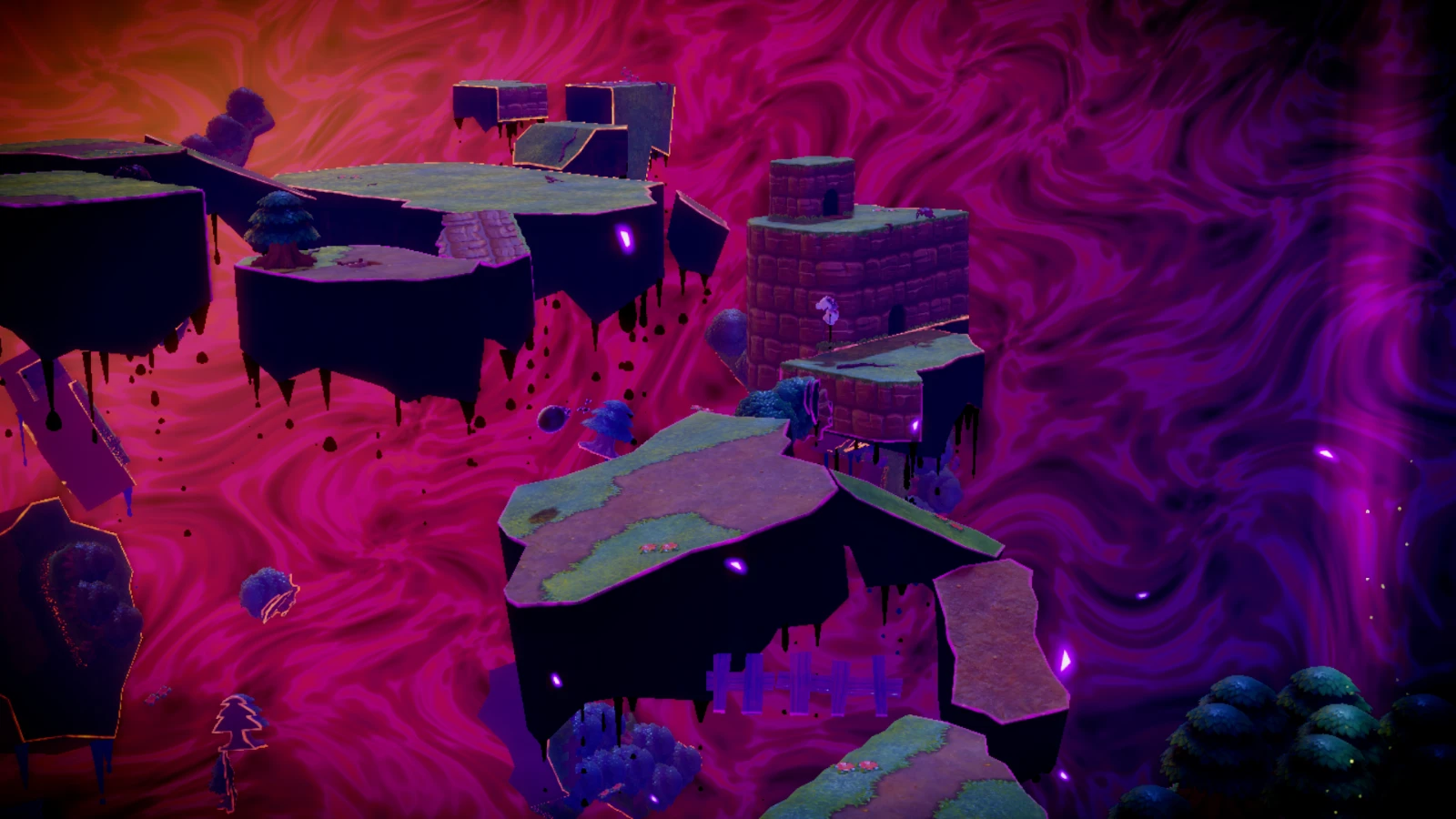
Zelda stacks Old Bed echoes to climb a ledge: the trick everyone tries first.Bind lets Zelda drag objects and enemies around, or hitch a ride on them.Inside a rift: the Still World, where pieces of Hyrule float frozen in the void.
In this latest adventure, the people of Hyrule are being stolen away inside strange rifts appearing throughout the land.
That is how Nintendo set the scene in its launch-week announcement. The release goes on to describe Tri as an ethereal creature who helps the princess, explains that echoes are imitations of things found in the world, introduces Bind as Tri’s own power to make objects follow Zelda, and promises a strange, distorted place called the Still World where the missing must be rescued, plus a mysterious sword that turns Zelda into a swordfighter for short bursts.
— Official description: Nintendo of America press release, “The Legend of Zelda: Echoes of Wisdom Launch Trailer Puts the Fate of Hyrule in Princess Zelda’s Hands” (25 September 2024). One line quoted; the rest summarised.
Quick Answers
The questions people ask most about Echoes of Wisdom, answered briefly here and in more depth further down.
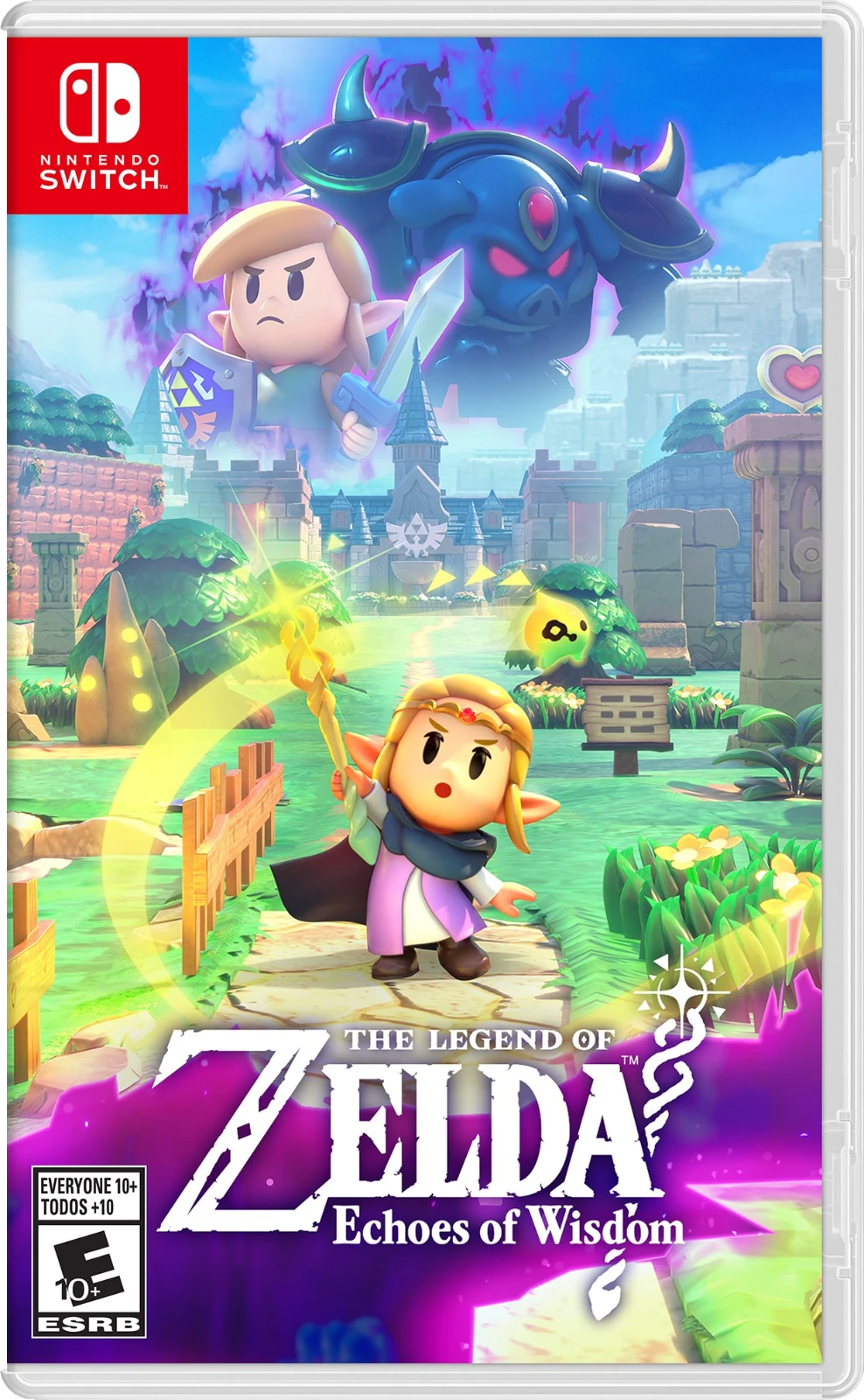
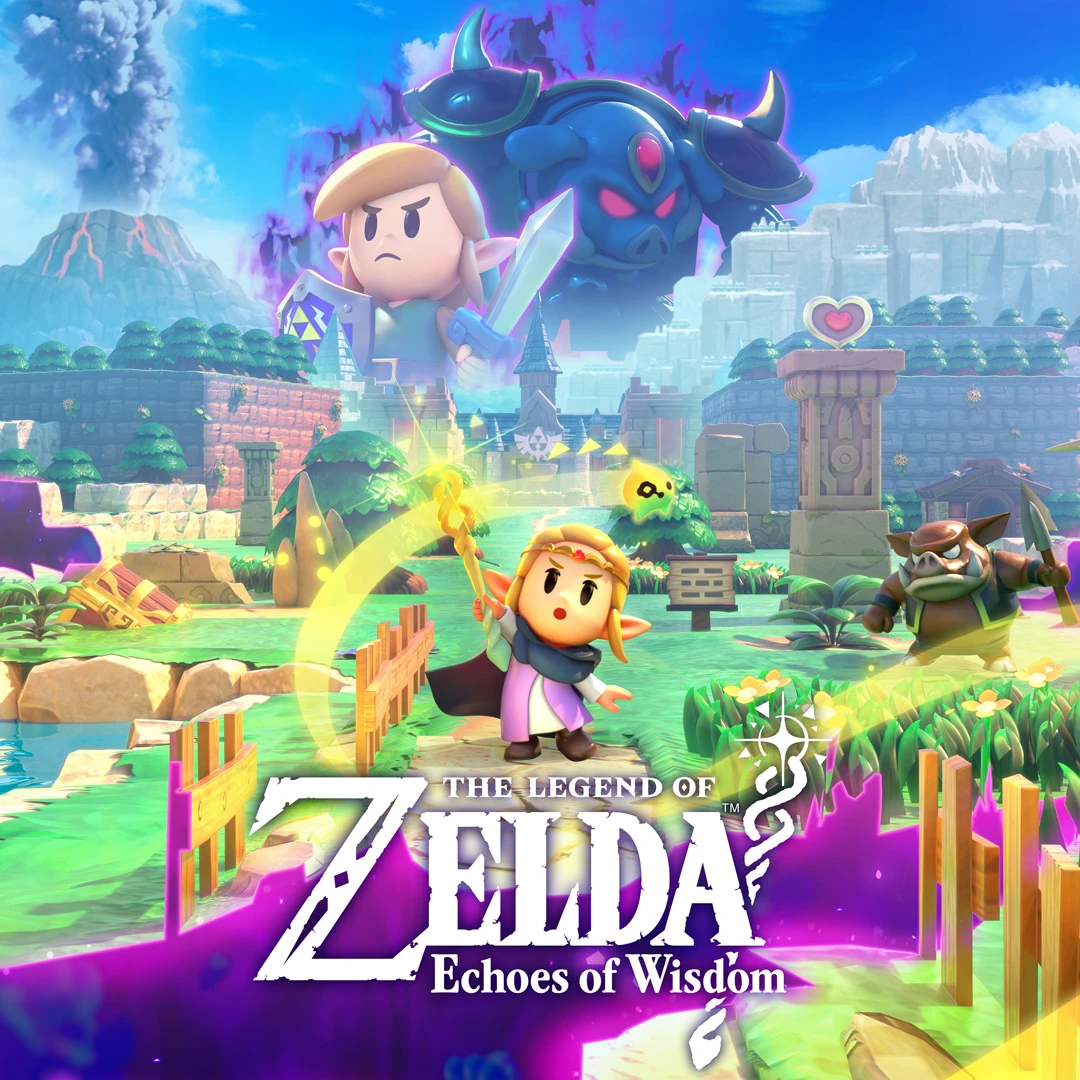
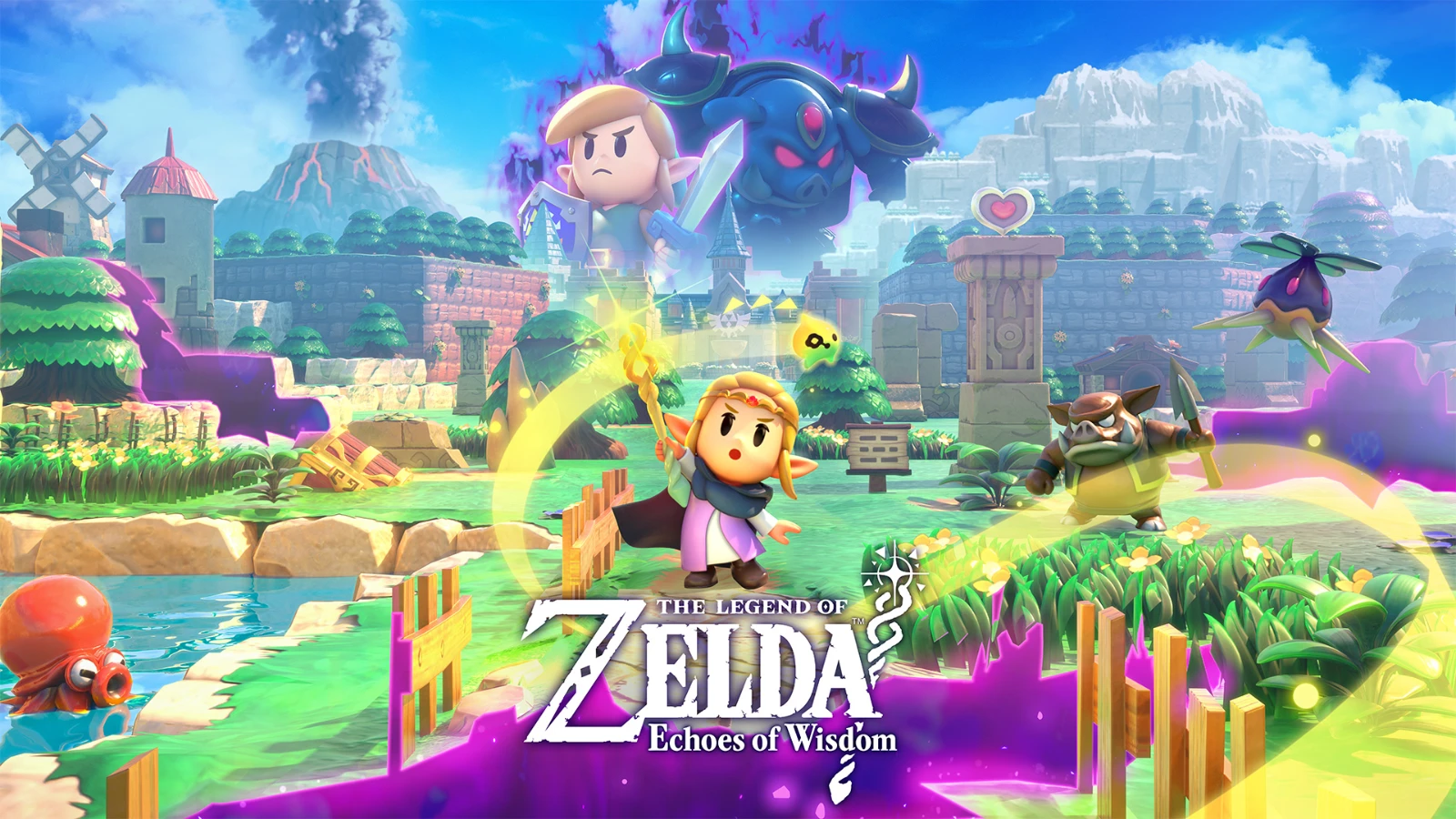
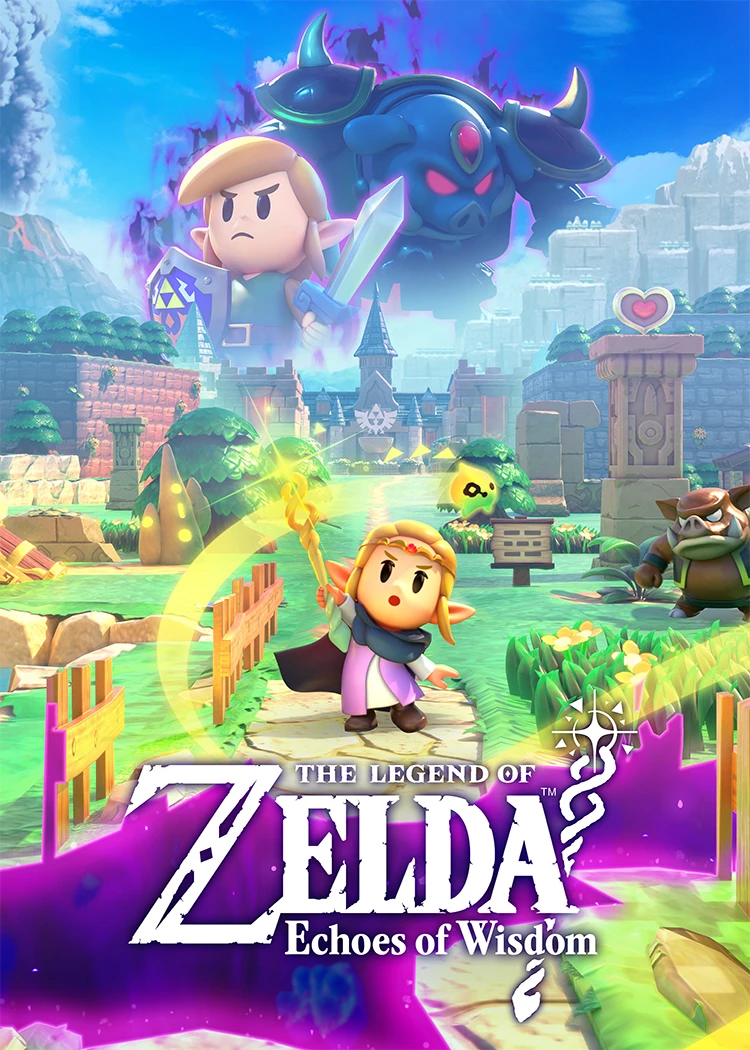
Key art for Echoes of Wisdom.
When did Echoes of Wisdom come out?
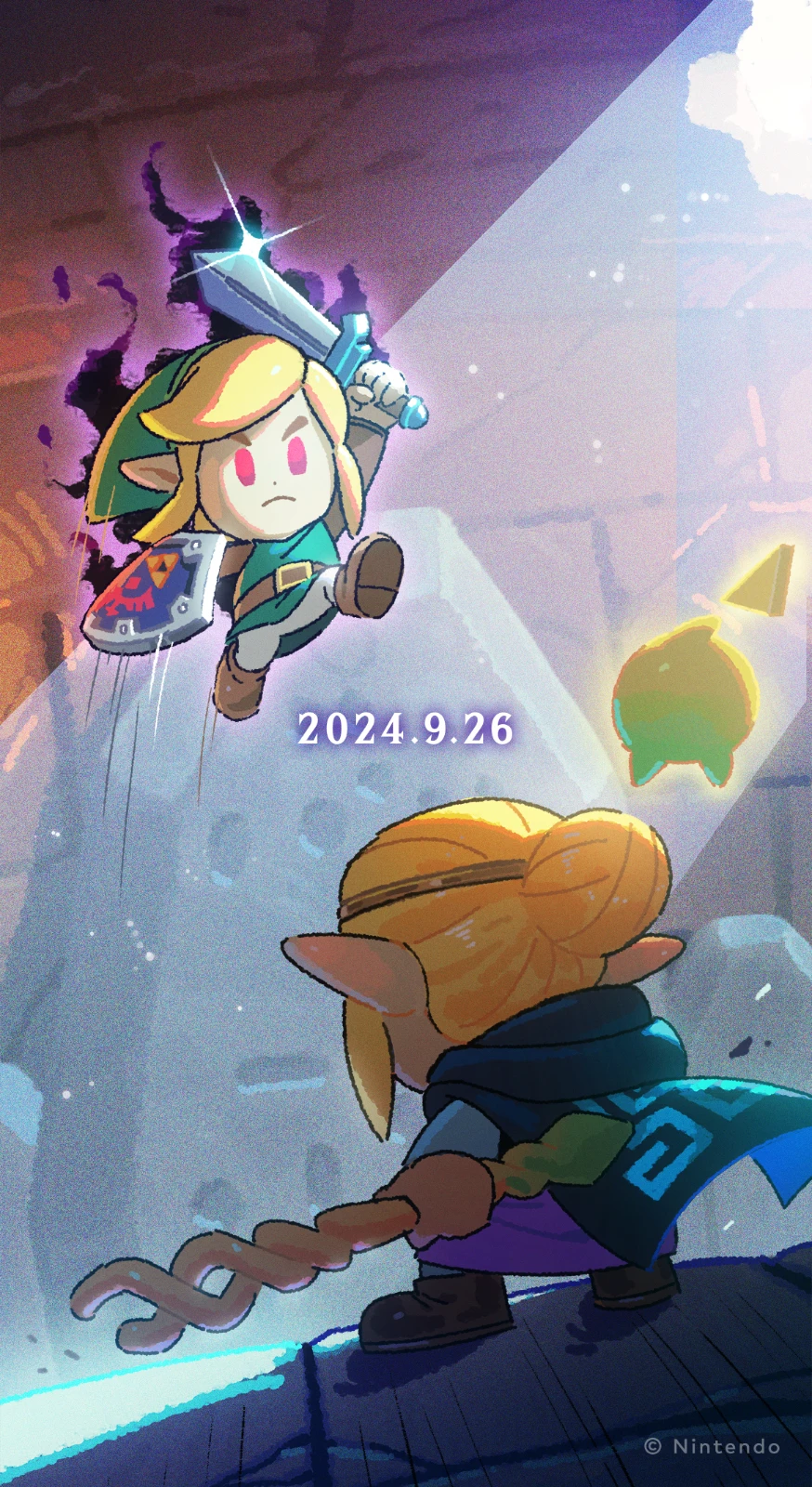
On 26 September 2024, on the same day all over the world, for Nintendo Switch. Nintendo had revealed it in a Nintendo Direct on 18 June 2024. More →
Can you play as Link in Echoes of Wisdom?
Only in the short prologue. After Link is swallowed by a rift, Princess Zelda is the playable character for the rest of the game, although Link fights at her side in the final dungeon and she can borrow his moves in Swordfighter Form. More →
Is it the first Zelda game where you play as Zelda?
It is the first main-series game with Zelda as the lead. She had starred before in two Philips CD-i games that Nintendo did not make (Zelda: The Wand of Gamelon and Zelda’s Adventure) and is playable in spin-offs such as Hyrule Warriors and Cadence of Hyrule. More →
Who made Echoes of Wisdom?
Grezzo, the studio behind several Zelda remakes, co-developed it with Nintendo. Satoshi Terada of Grezzo and Tomomi Sano of Nintendo directed, and Eiji Aonuma produced. Nintendo describes Sano as the series’ first female director. More →
What are echoes?
Copies of objects and monsters that Zelda memorises with the Tri Rod and can summon whenever she likes, as long as Tri has enough triangle points to pay their cost. There are 127 in all, from beds and boulders to Lynels. More →
How many dungeons are there?
Eight main dungeons, including Hyrule Castle and the final one inside Null, plus three optional ones tied to side quests. More →
Who is the villain?
Ganon appears, but only as a copy. The real mastermind is Null, a being from the void that existed before the goddesses made the world, which opens the rifts to drag everything back into nothingness. More →
Where does it fit on the Zelda timeline?
Nintendo placed it on the branch where the hero is defeated, after Tri Force Heroes and before the events that lead to the original 1986 Legend of Zelda. More →
Does it run better on Nintendo Switch 2?
Yes. A free update (version 1.1.0) released just before the Switch 2 launched in June 2025 sharpens the image on Switch 2 and adds HDR. Both consoles also got a filter that shows only your favourite echoes. More →
How long is it?
Nintendo Life’s reviewer put the main adventure at 15 to 20 hours; finding all 127 echoes, 40 Pieces of Heart and 50 side quests takes considerably longer. More →
Plot / Story
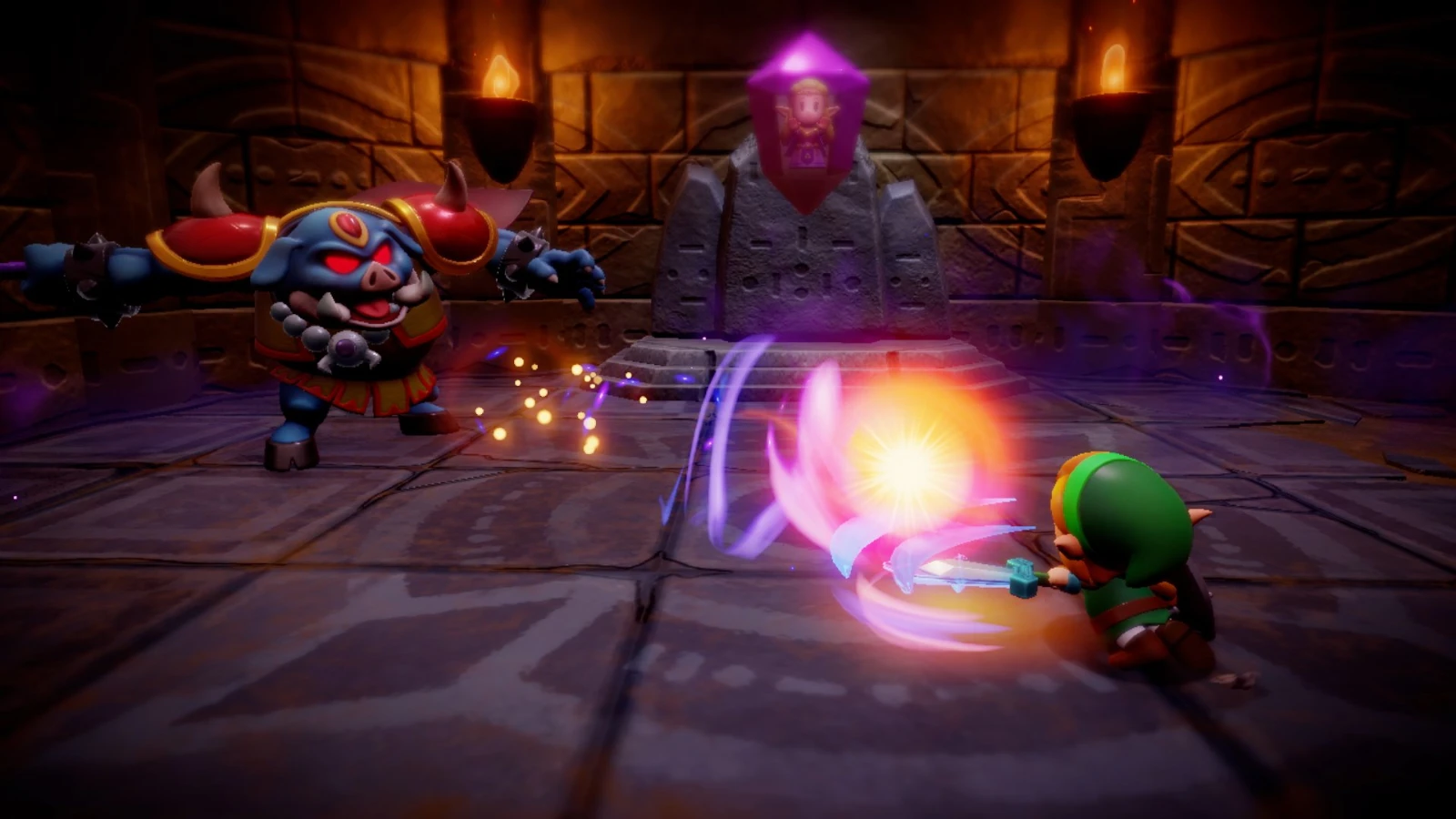
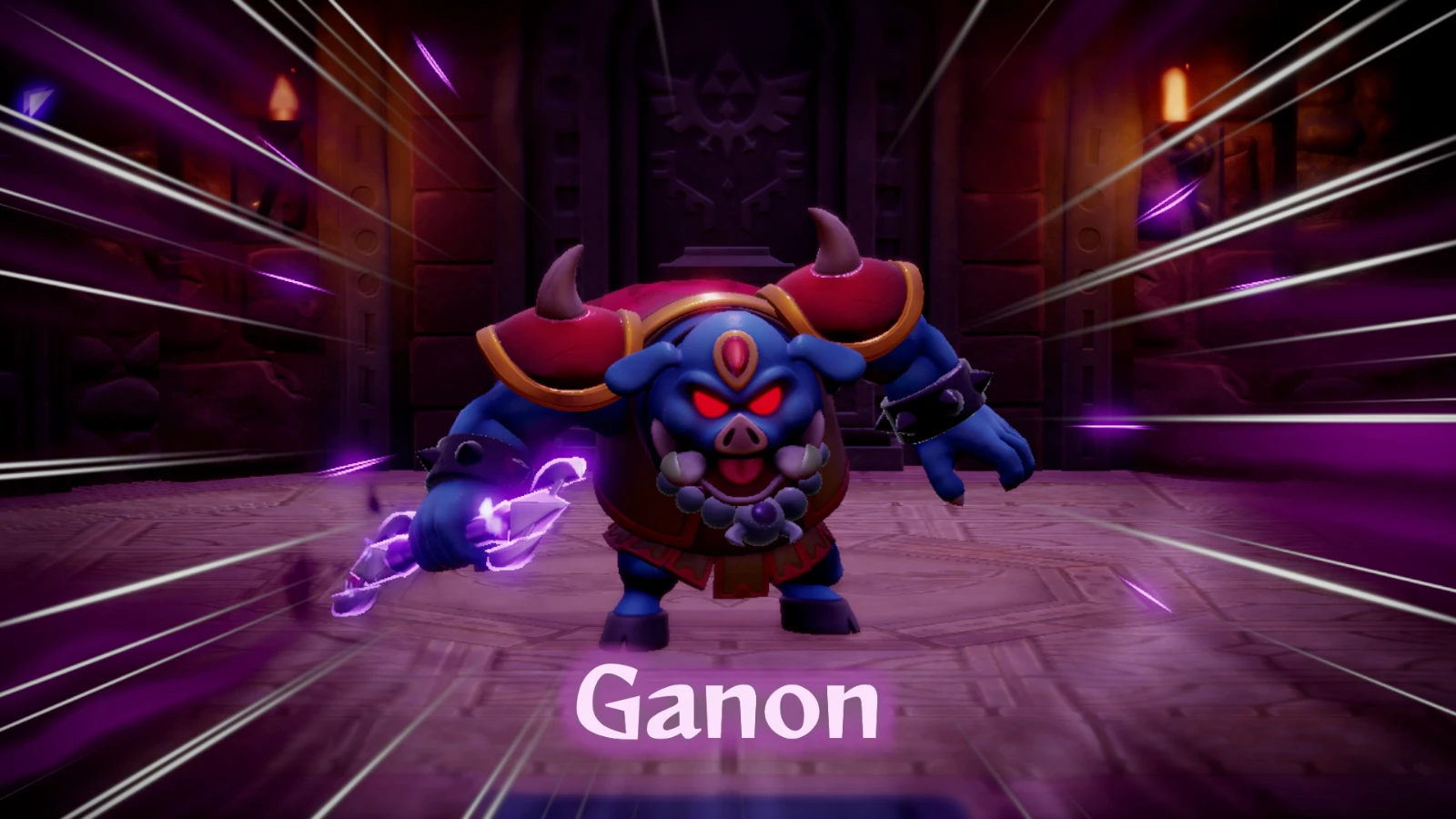
The fight with Ganon, from Nintendo’s promotional screenshots.
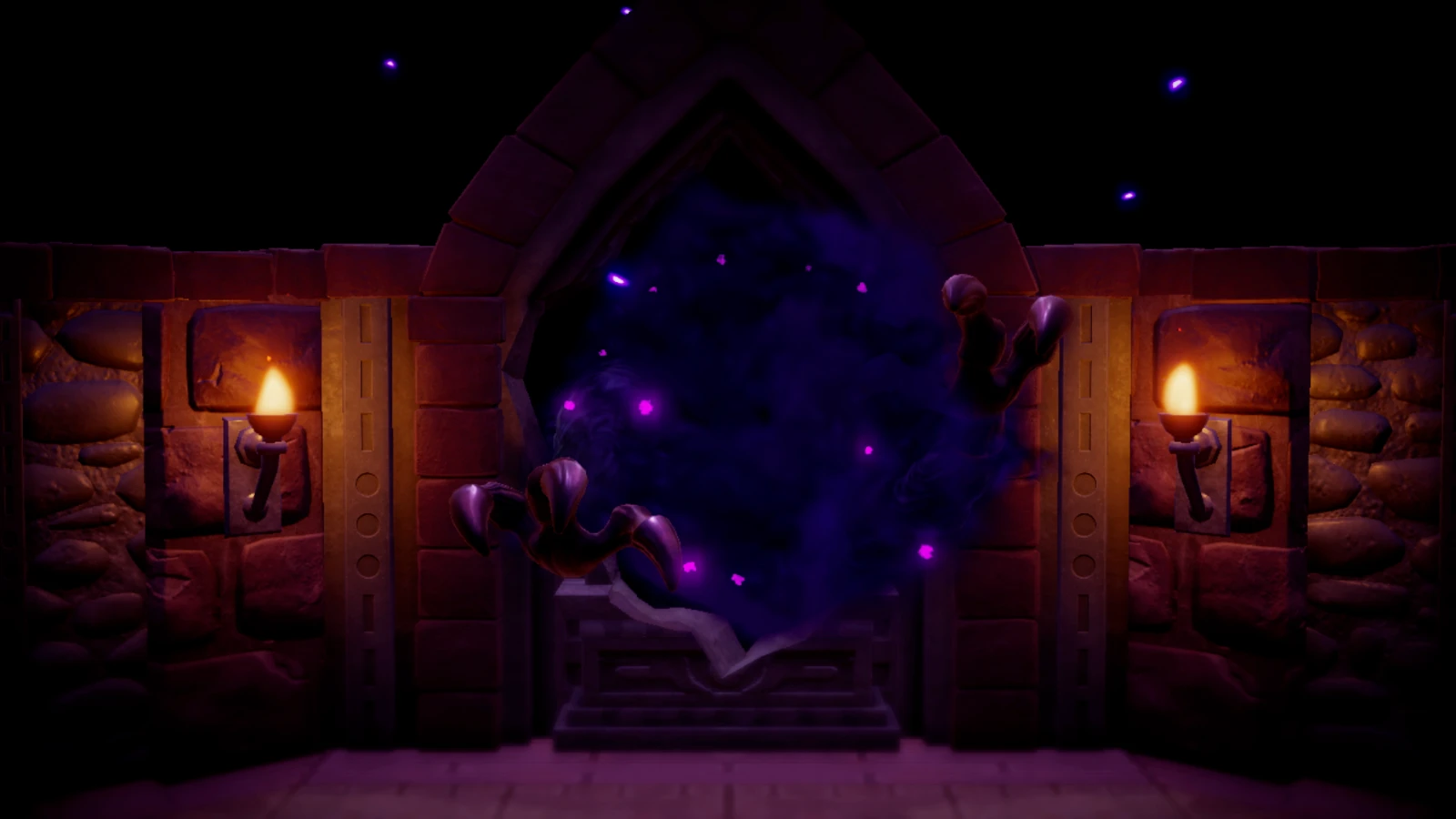
Most Zelda stories begin with the princess in trouble, and this one does too, for about five minutes. Ganon has Zelda sealed inside a crystal, Link fights his way to her and knocks the Demon King back, and then something new happens. A black tear in the world opens up and starts to swallow everything. Link is dragged in, but not before he puts an arrow through the crystal and sets Zelda free. She escapes alone, and as she runs she is followed by a small glowing shape nobody else seems to notice.
Nintendo’s own summary for the official timeline puts it plainly: the hero beats Ganon and is swallowed by an eerie rift. From there, the princess has to carry the legend.
A princess on the run
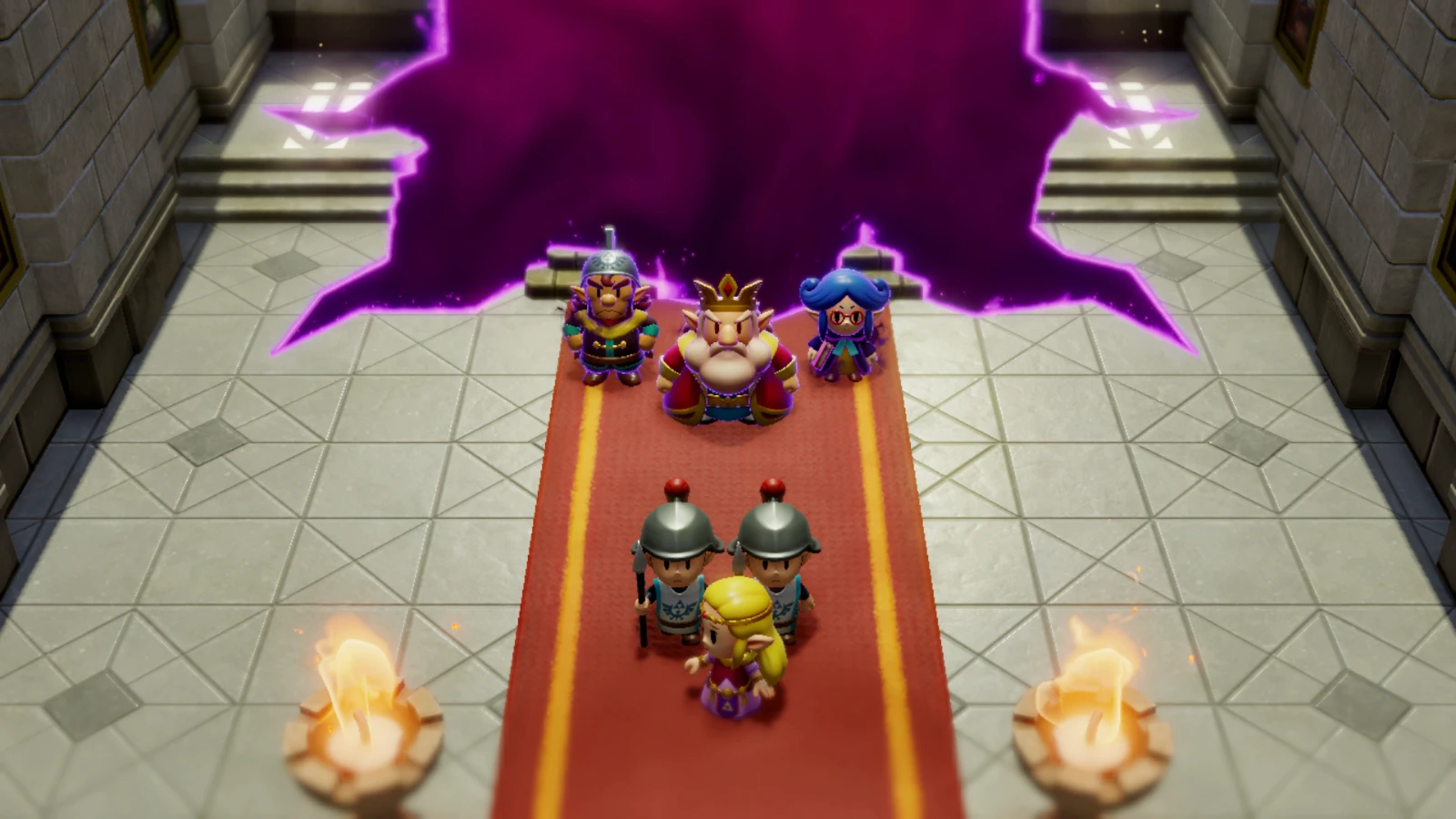
Back at Hyrule Castle, Zelda finds her father, the King of Hyrule, in council with General Wright and Minister Lefte about the rifts that have been opening across the kingdom. Then one opens in the throne room itself and swallows all three of them. What climbs back out are perfect copies, and the false king wastes no time: the rifts are Zelda’s doing, he announces, and she is thrown in the cells beneath the castle to await execution.
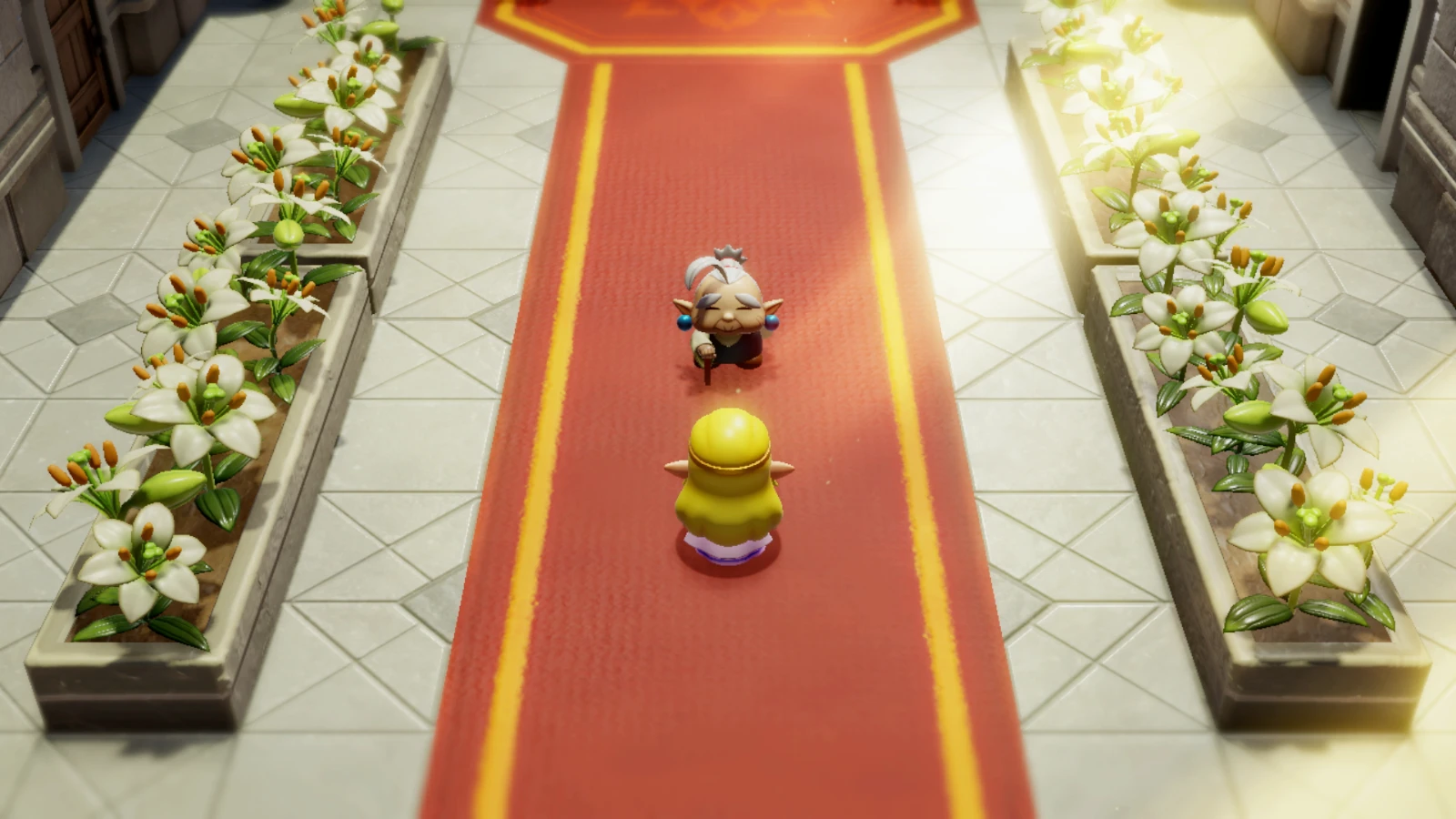
In the dark, the glowing shape shows its true form. It is Tri, one of a race of beings whose job is to mend rifts, and it conjures a rod for Zelda so she can copy things and get out. Her old nursemaid Impa, who cannot see Tri but believes every word Zelda says, gives her a disguise and a journal with a map, then holds off three guards with her walking stick while the princess slips away. An underground waterway carries Zelda out to Suthorn Beach in the far south, and from there she makes for the house Impa marked on the map.
The throne-room rift: the king, the general and the minister are taken.Tri appears to Zelda in the castle cells.Impa covers Zelda’s escape.
Into the Still World
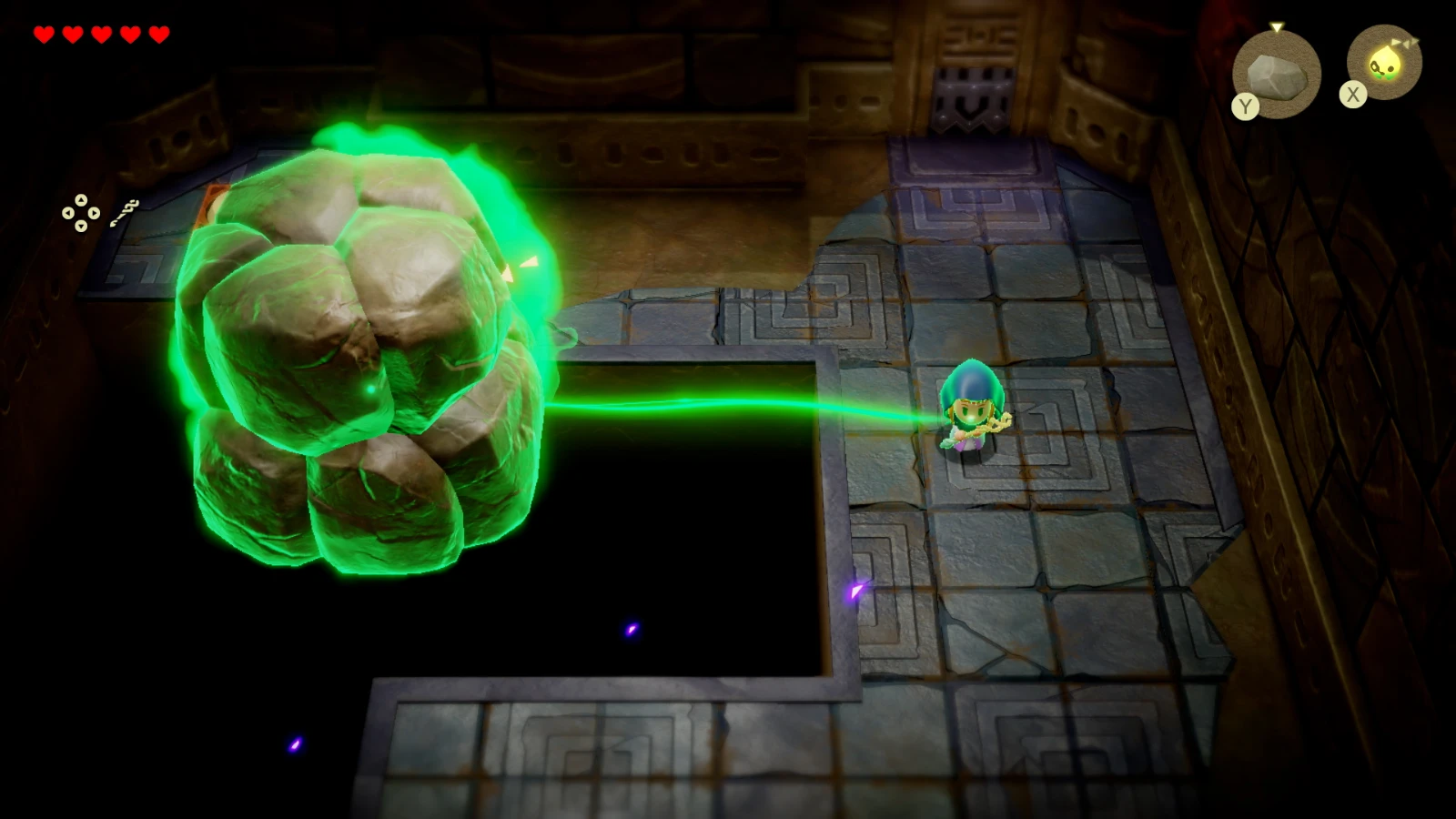
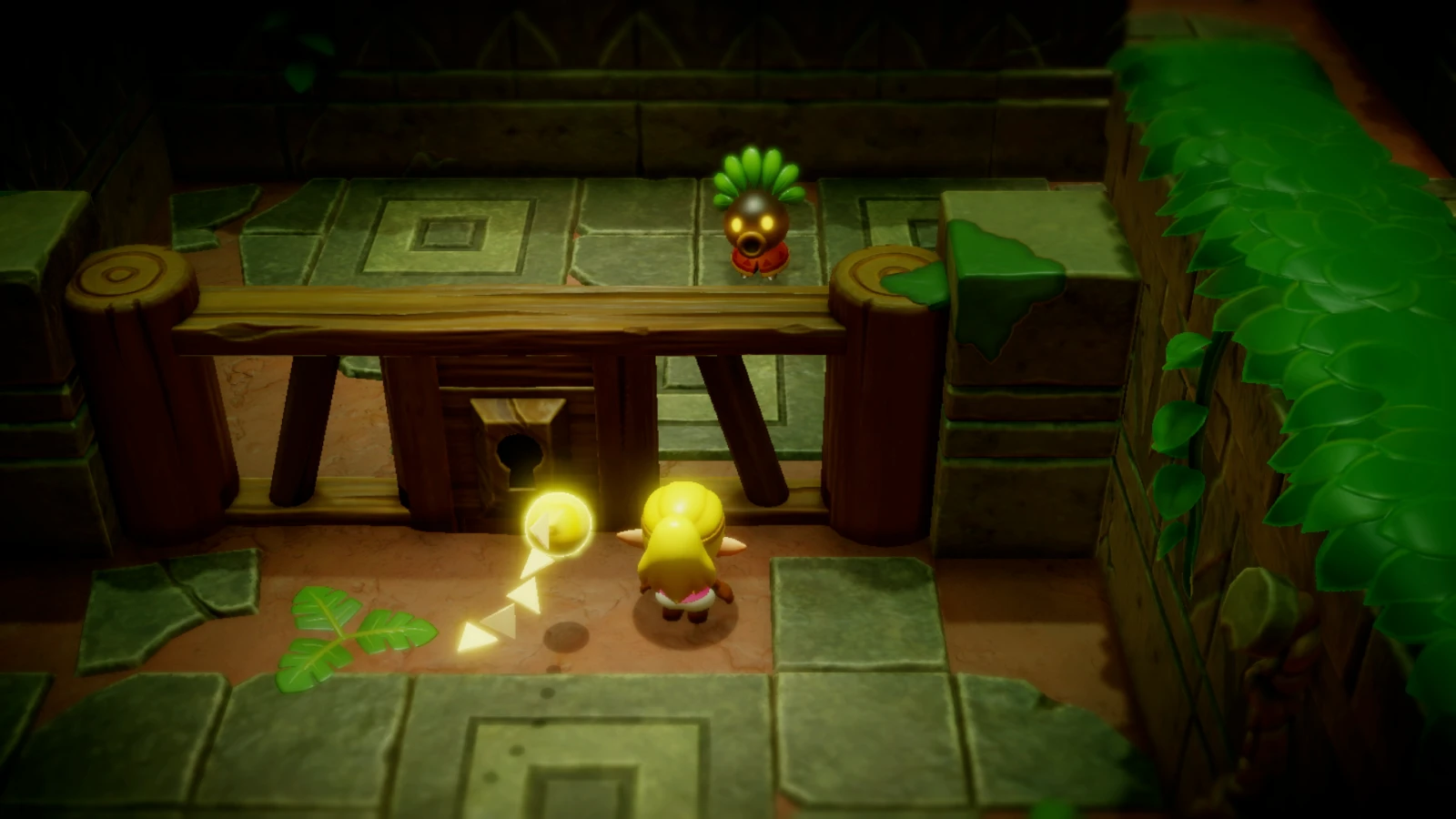
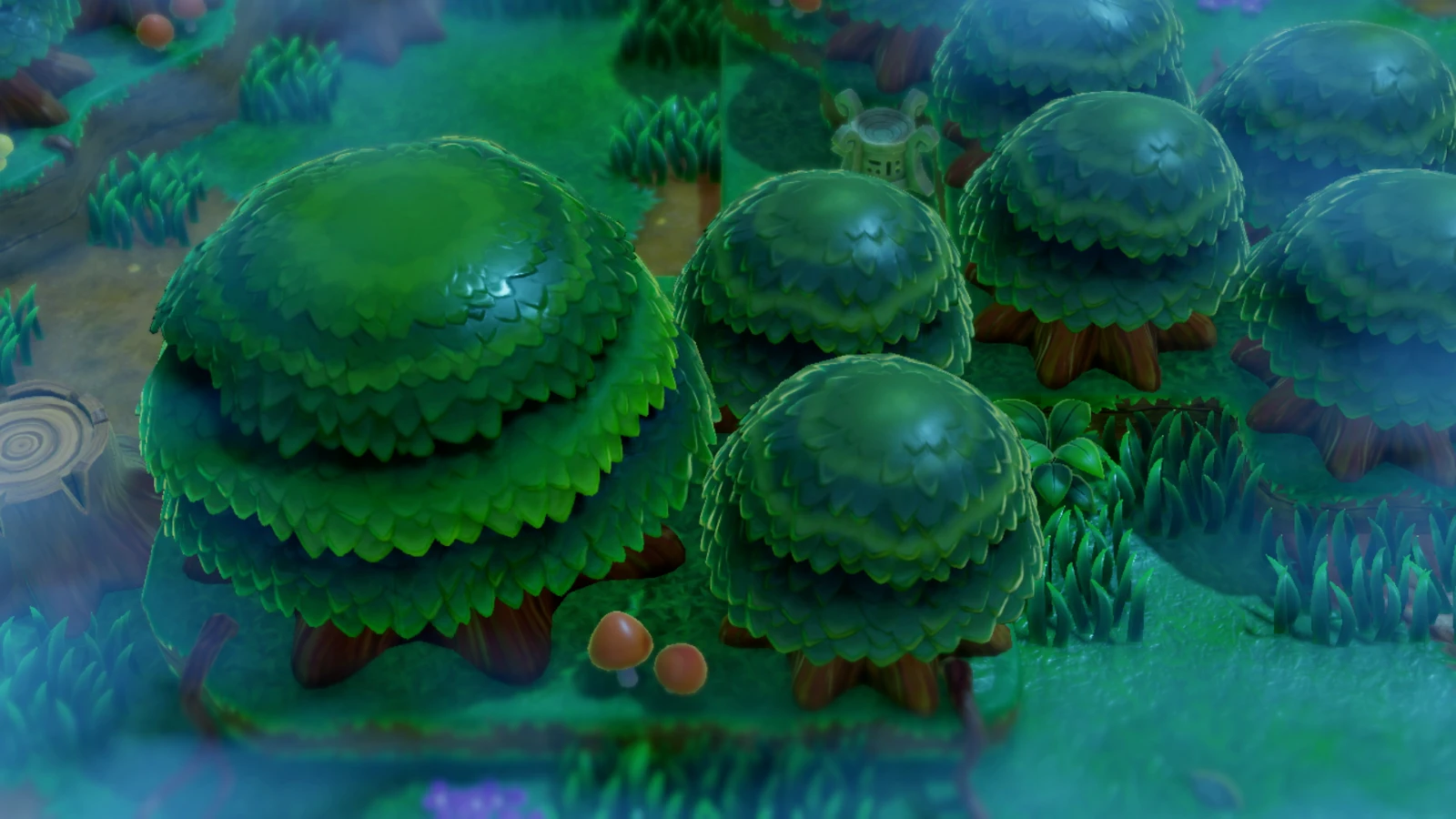
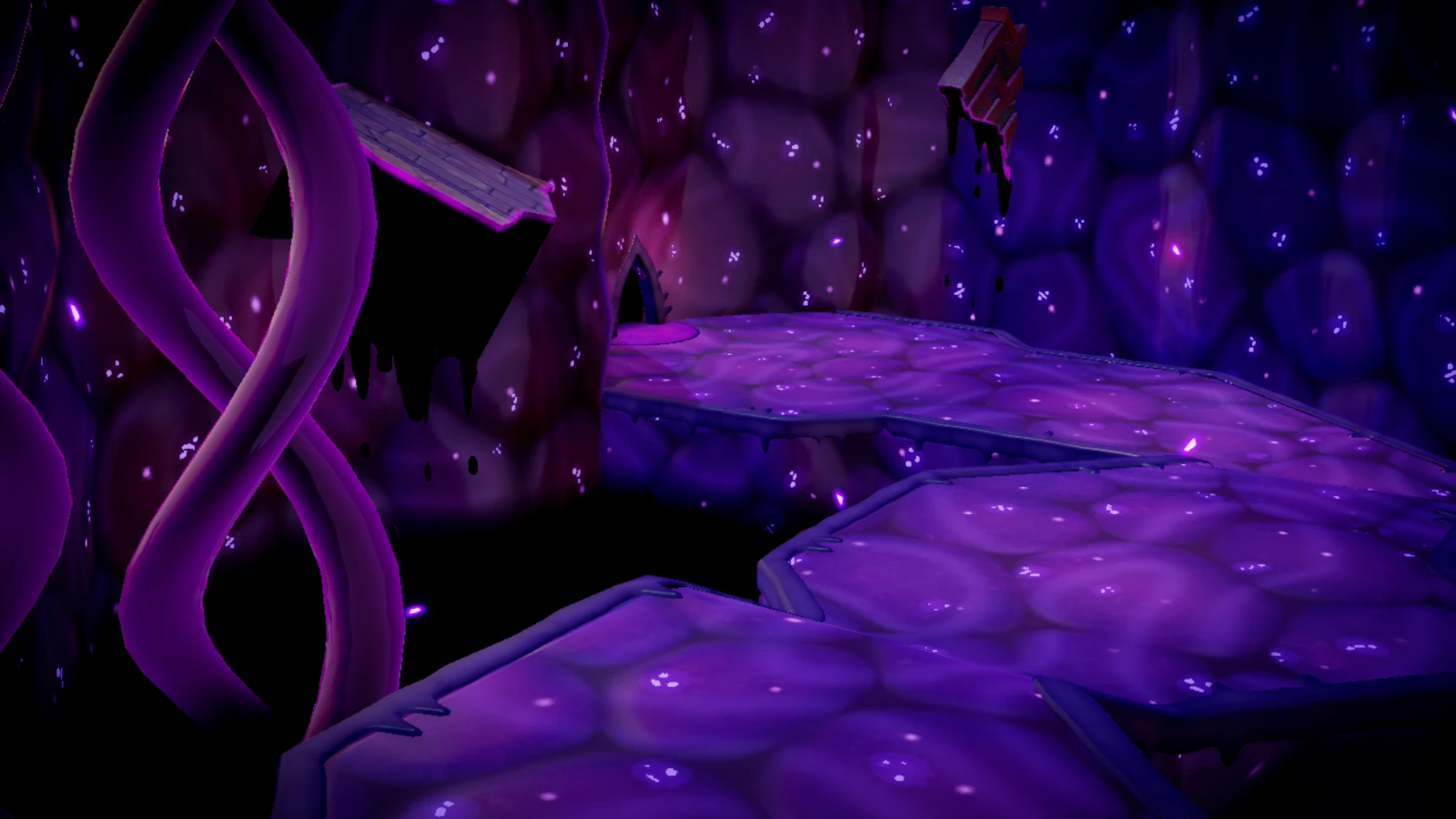
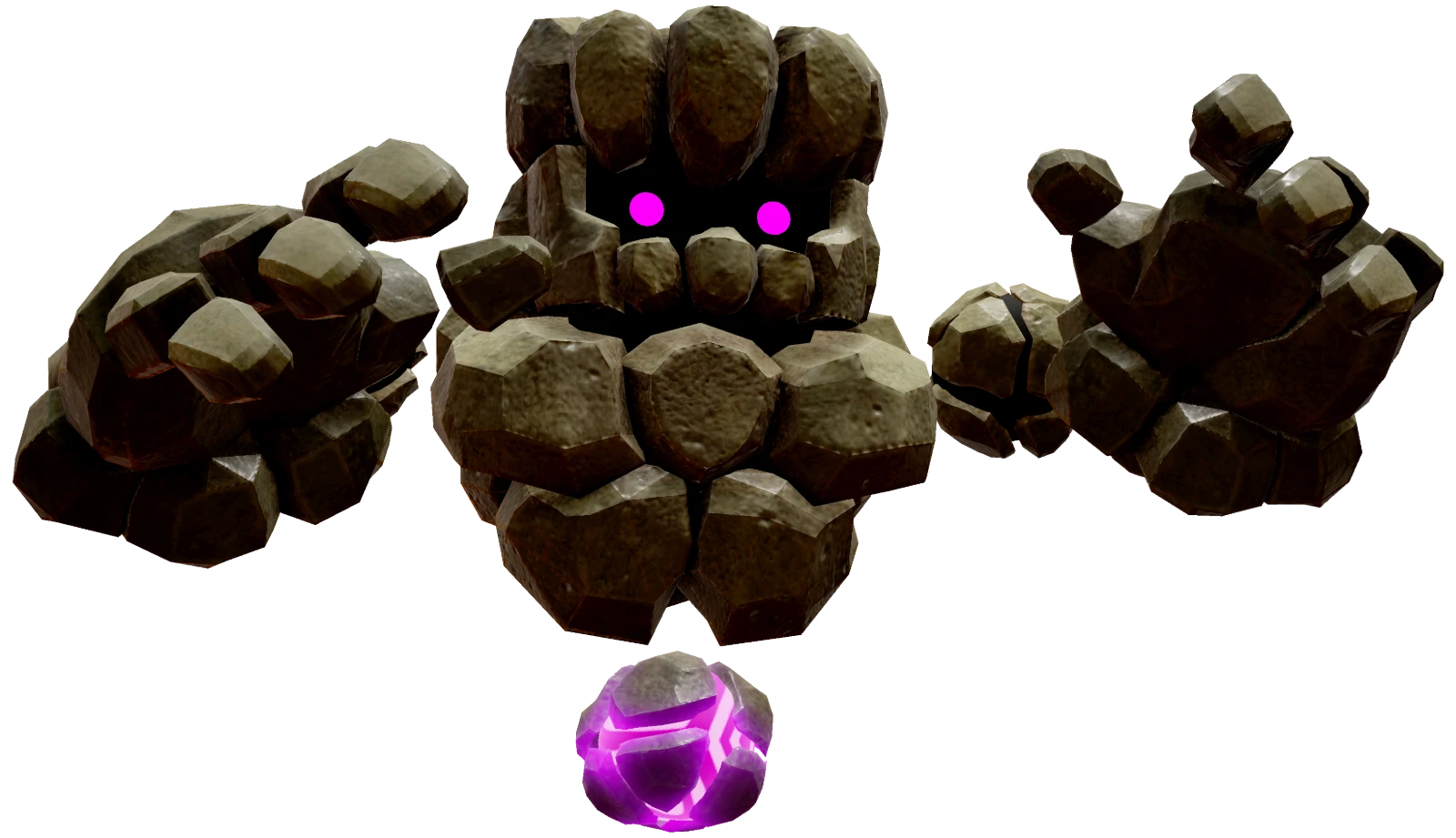
The marked spot, in Suthorn Forest, has already been eaten by a rift. With Tri’s help Zelda steps through it into the Still World, a silent place where swallowed scraps of Hyrule hang frozen in the void, along with the people taken with them. In the stilled forest she finds Minister Lefte, and in the Suthorn Ruins beyond she defeats the Seismic Talus, a rock monster that has trapped some of Tri’s friends. Each Tri she frees helps seal the tear, and as it closes the forest comes back.
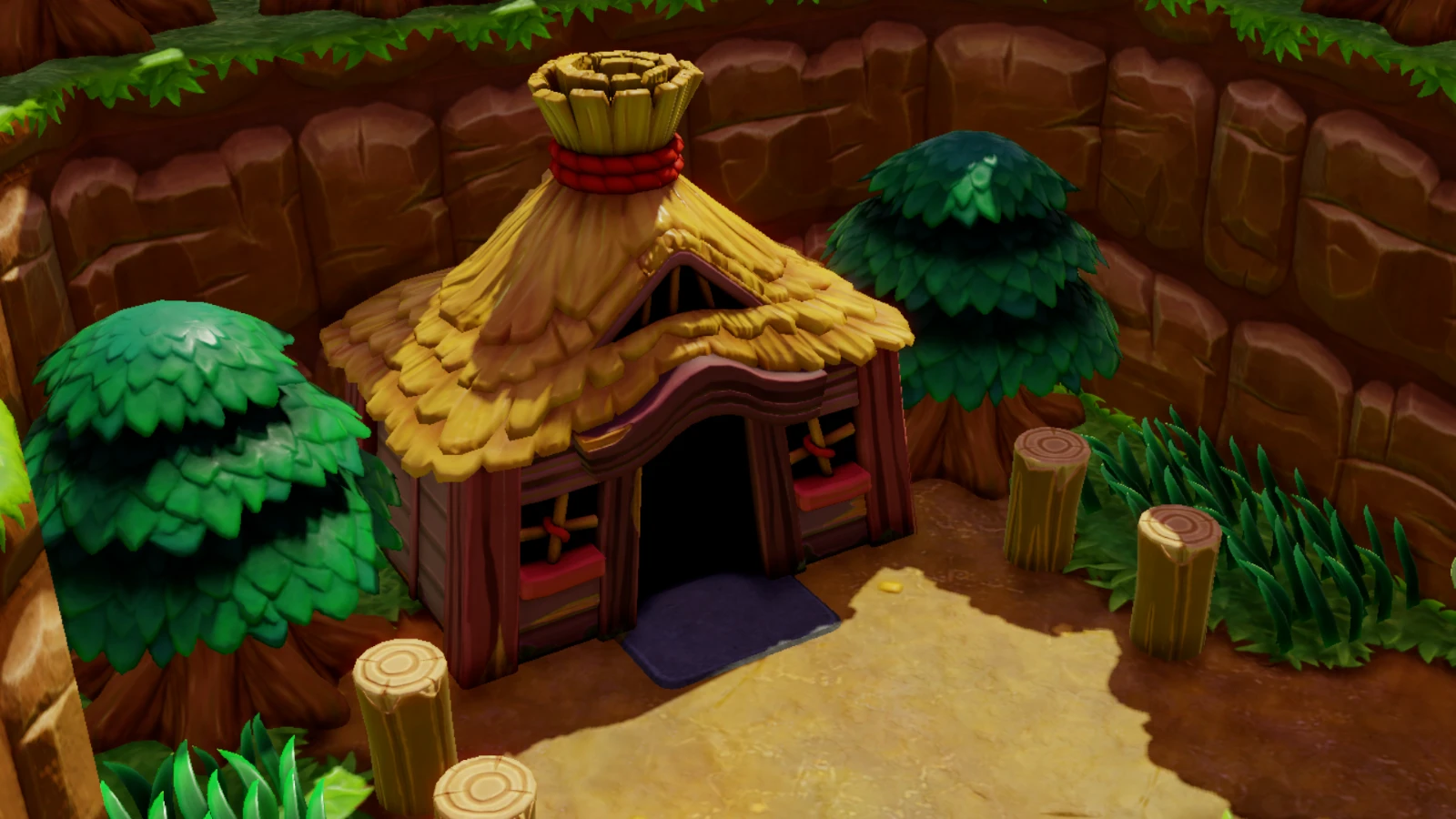
Lefte, restored to normal, guides her to Lueburry, Impa’s elder brother: a grumpy old Sheikah inventor who has been studying the rifts and was about to set off to look for Link himself. He agrees to work with her. Flying high above Suthorn, Tri spots two more great rifts, one in Jabul Waters and one in the Gerudo Desert, and the search for the king, the general and Link begins.
The Stilled Suthorn Forest.Lueburry’s house becomes Zelda’s base.
Desert and water
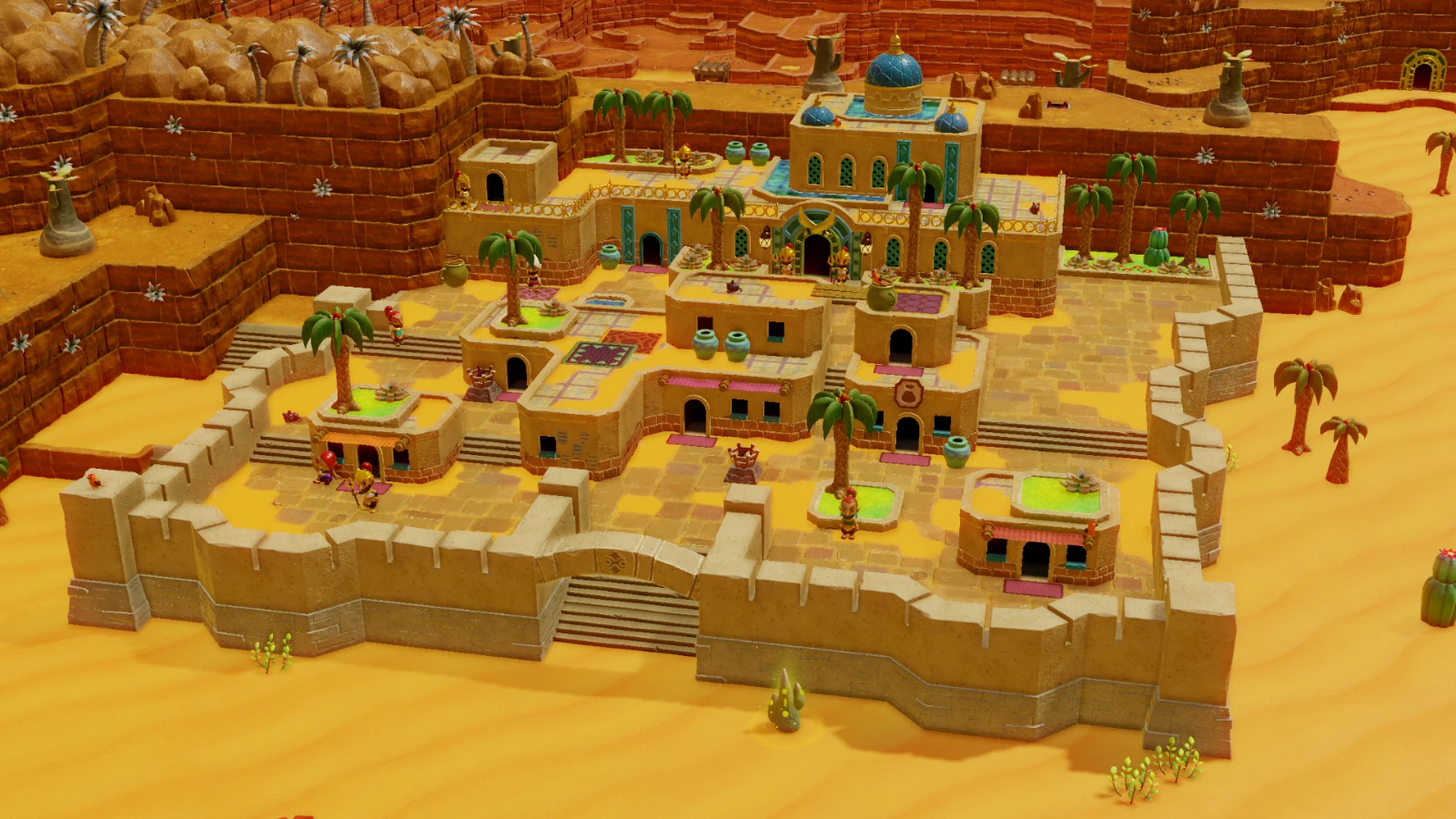
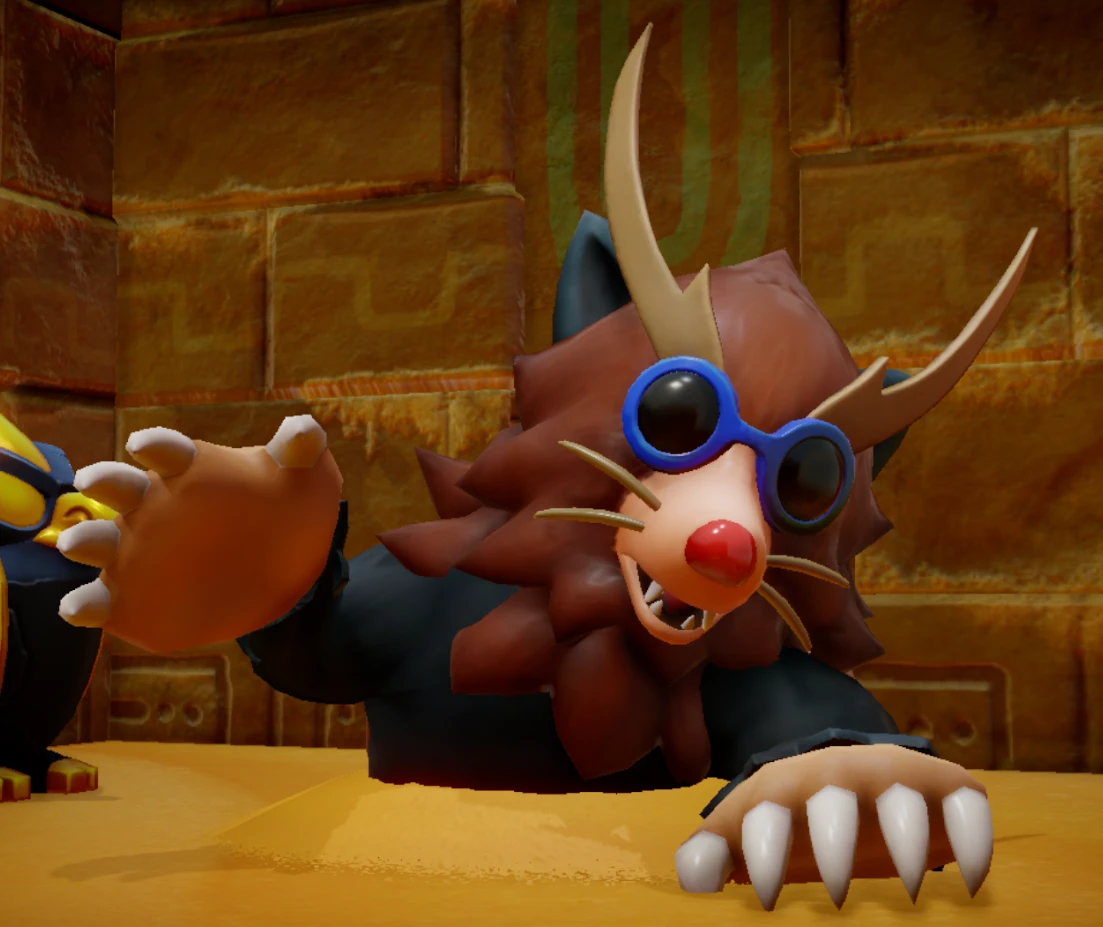
In the Gerudo Desert, Zelda helps Captain Dohna fight off monsters, but when Dohna asks her mother, Chief Seera, for help, the chief turns her down. Dohna asks Zelda instead to mend three smaller rifts in the south of the desert, which wins Seera round. Zelda then rescues Gerudo warriors from a great rift in the east and exposes the chief’s deputy, Facette, as an impostor. Draining the sand from a hidden mechanism in the Cryptic Cavern raises the Gerudo Sanctum, where the sand-burrowing Mogryph waits.
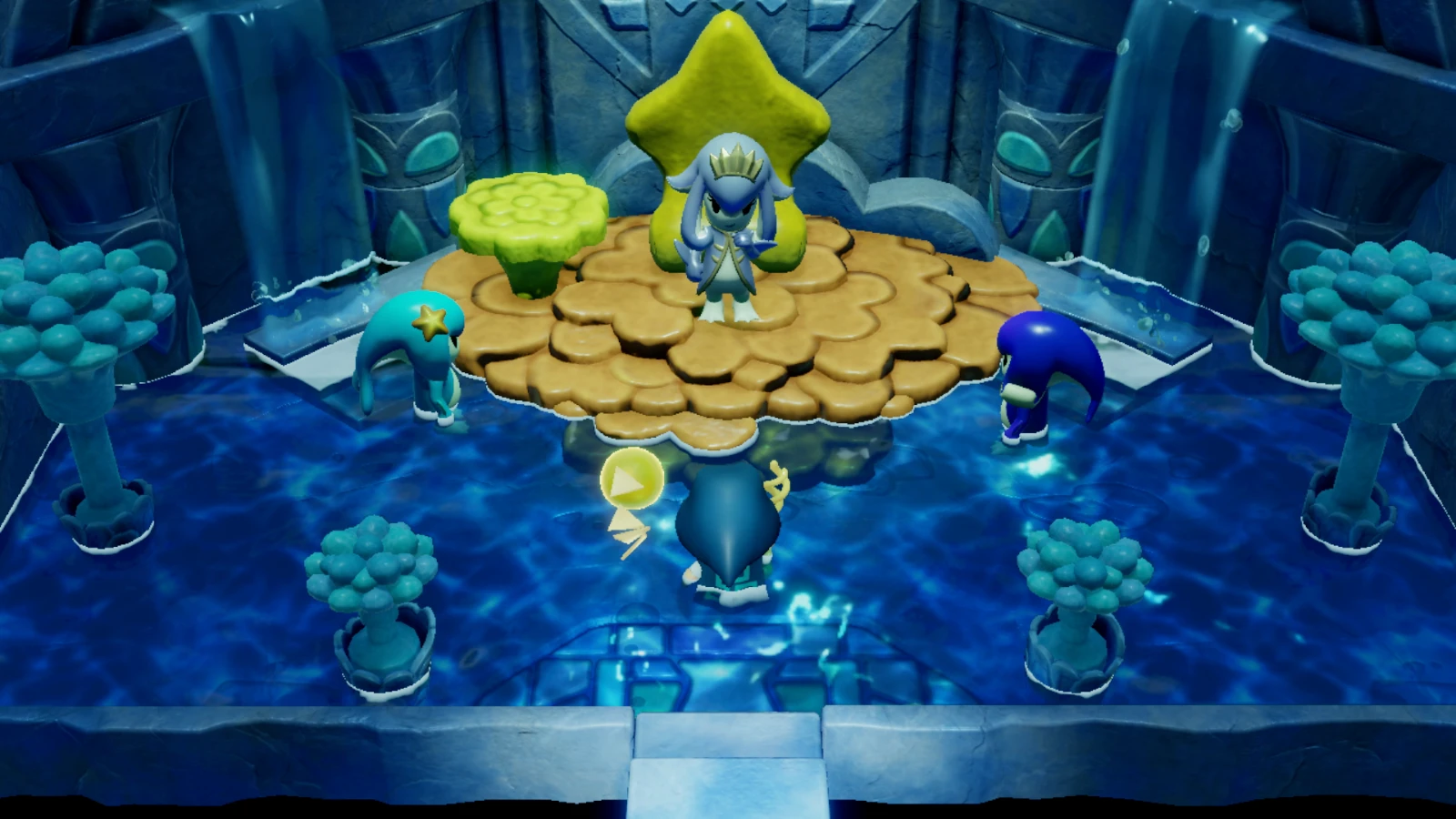
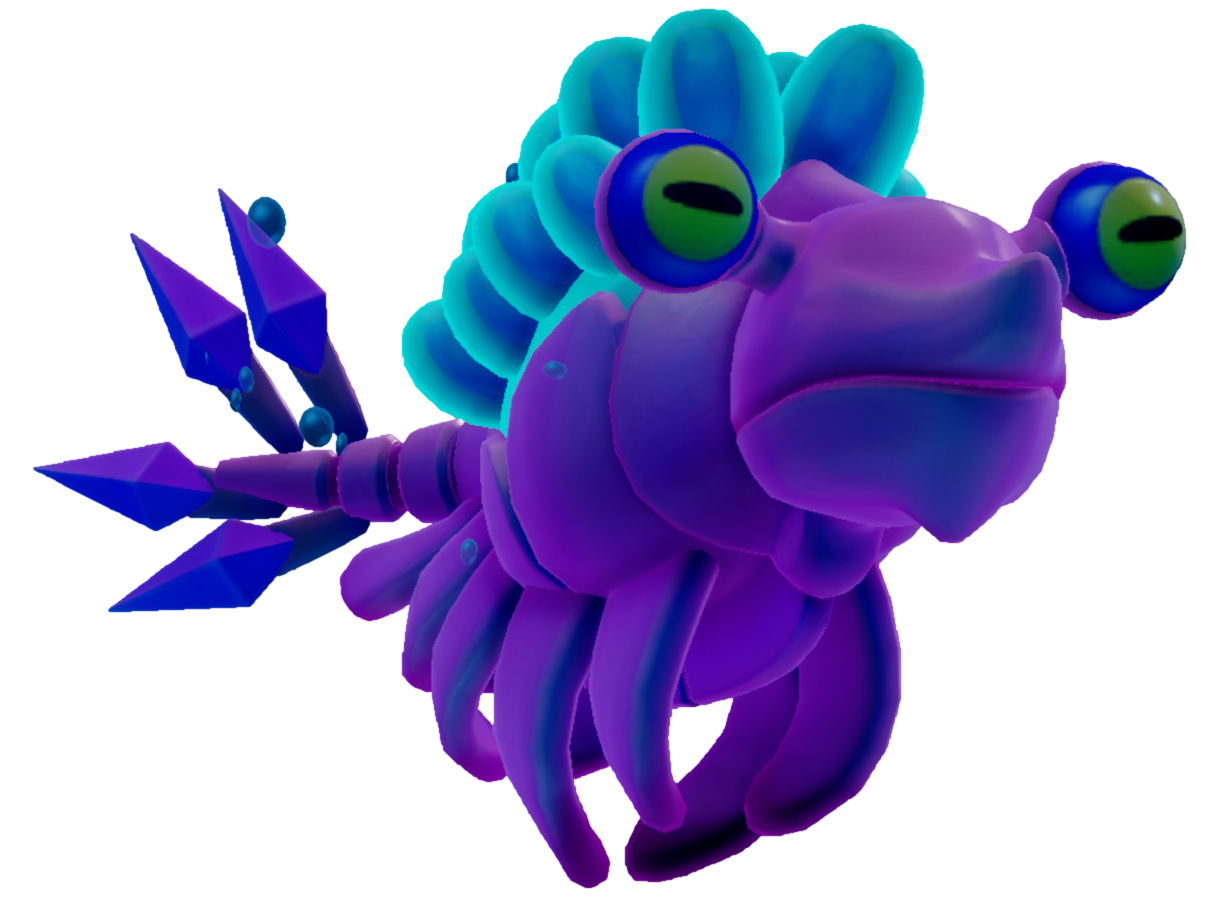
Jabul Waters has a different problem: neighbours who will not speak to each other. The River Zora under Chief Dradd and the Sea Zora under Chief Kushara are already at odds when Lord Jabu-Jabu, the Zora’s giant guardian fish, goes on a rampage and swallows an assistant from each side. Zelda follows the trouble upriver, pulls Dradd out of a rift he fell into while saving a child, and then has to get both chiefs to play their music together, because only that will open the way into the rift that hides the Jabul Ruins and the whirlpool-making Vocavor.
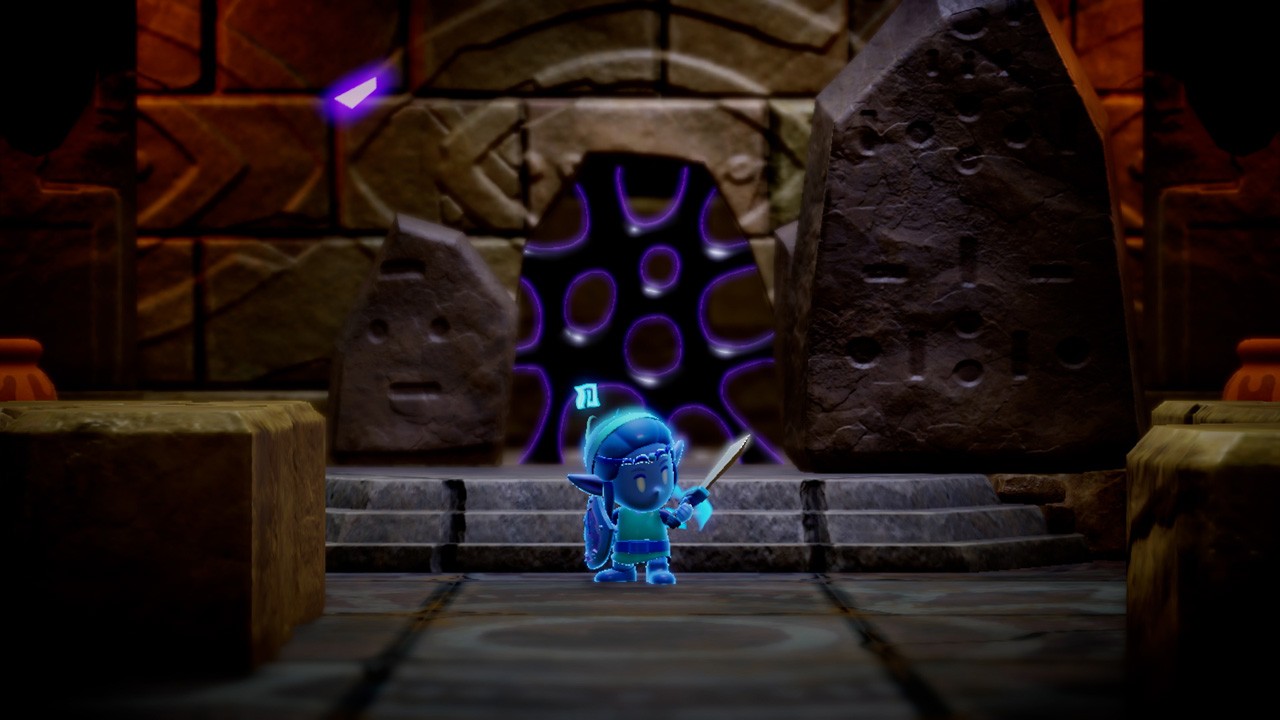
Along the way, the Still World throws up something Zelda did not expect: dark copies of Link. Beating them wins back pieces of his equipment. By the time both great rifts are sealed, General Wright is free too. The king and Link are still missing.
Gerudo Town and the desert rifts.Rival chiefs: Dradd of the River Zora and Kushara of the Sea Zora.Lord Jabu-Jabu on the rampage.
The castle and the false Ganon
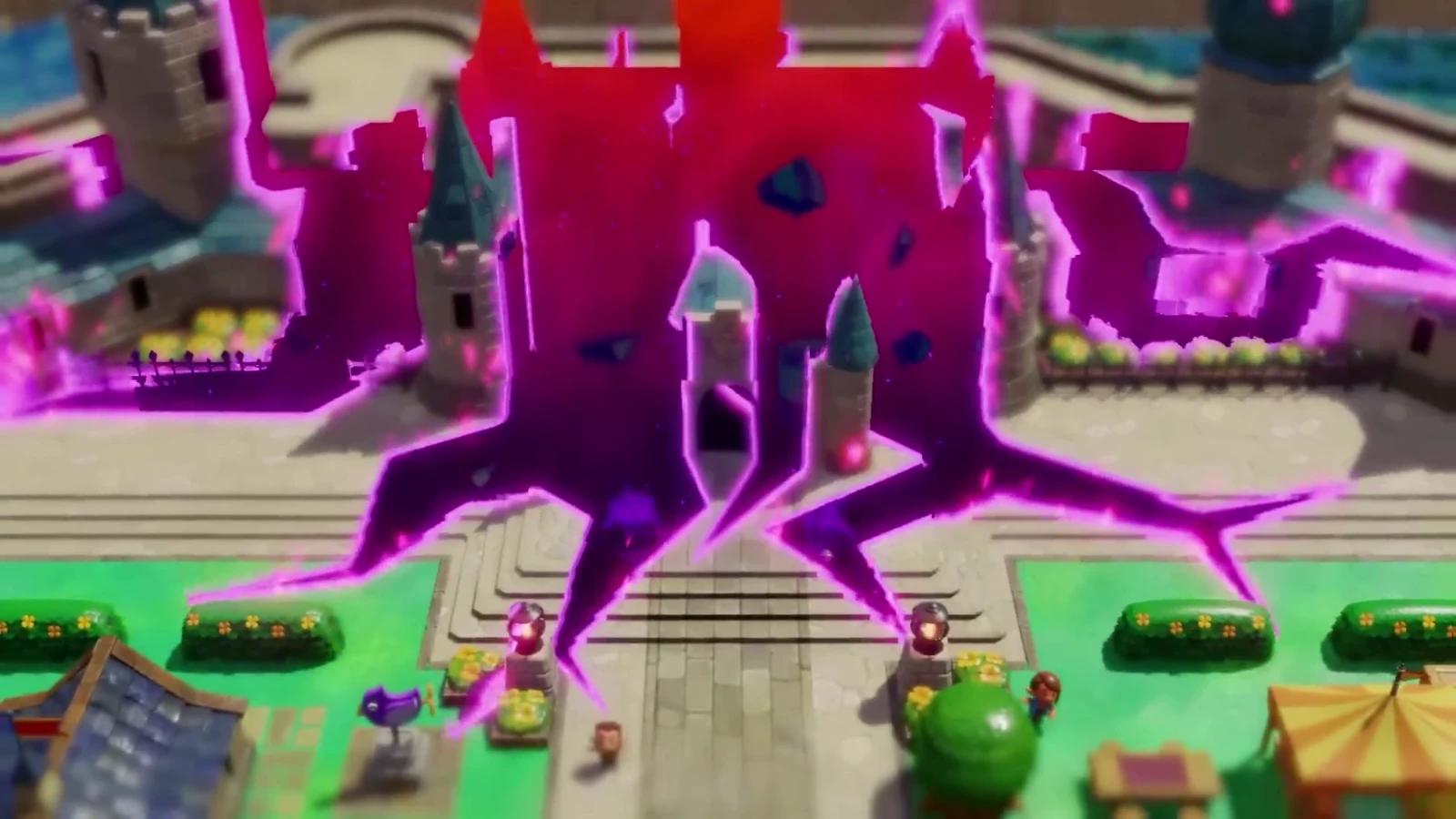
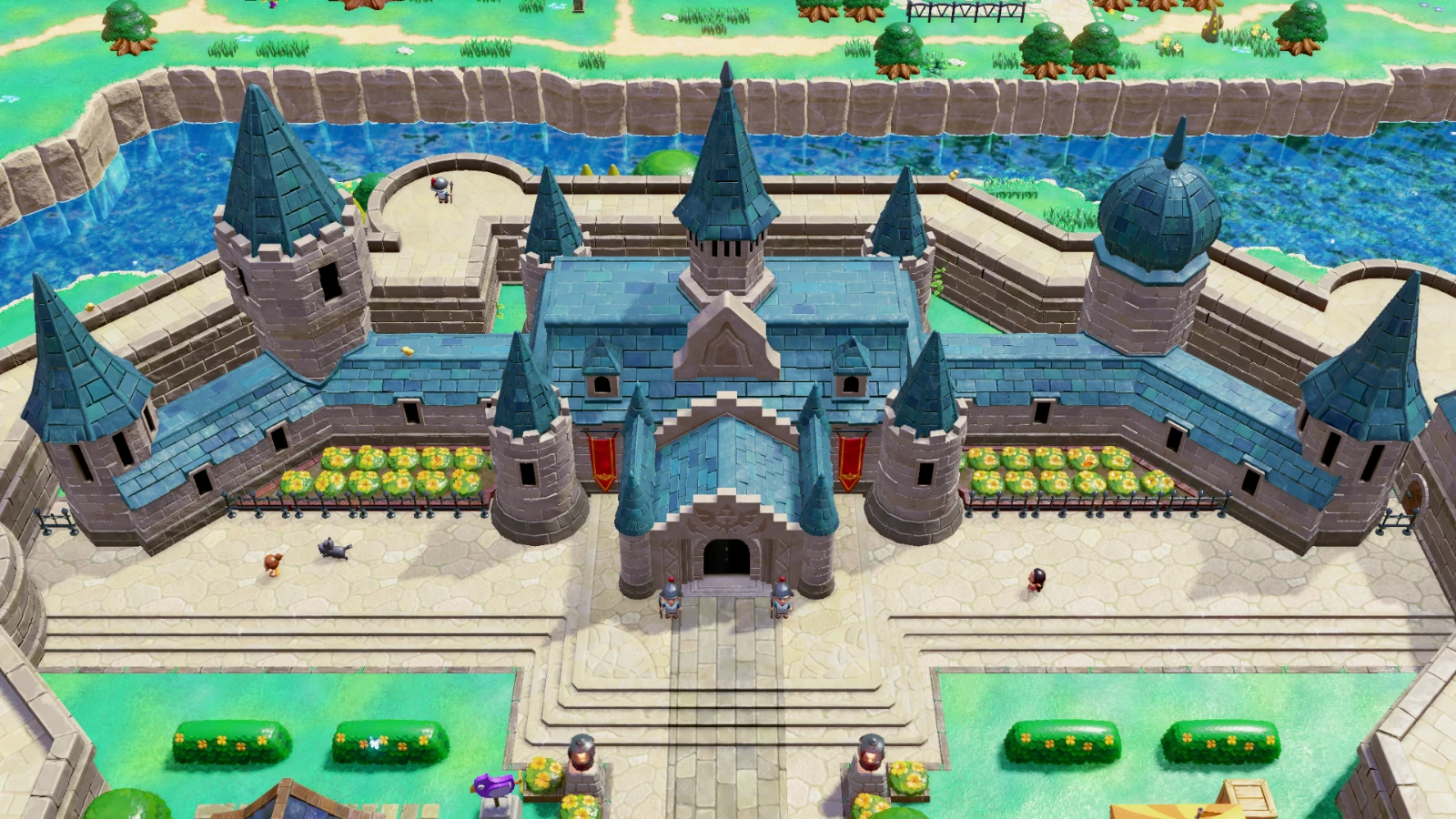
Back at Lueburry’s house, General Wright decides to march on the castle and unmask the impostors, and Minister Lefte goes after him to stop him. Before they get there, a vast rift swallows Hyrule Castle Town. Zelda drops down a town well to find a way in, crosses the stilled town and works her way up the stilled castle to the throne room, where the real king is trapped.
Waiting for her is Ganon, trident and all. When he falls, he turns out to be another echo, which even Tri cannot explain. The rift closes, the impostors vanish and the real king is home. But someone has taken Link. Talking with her father afterwards, Zelda learns what is really at stake: an old legend of a hero who fights beside a priestess against an evil that wants the Prime Energy, the power the goddesses left behind. New rifts have opened in the three lands tied to those goddesses.
Hyrule Castle Town disappears into a rift.The battle with the false Ganon in the stilled castle.
The lands of the goddesses
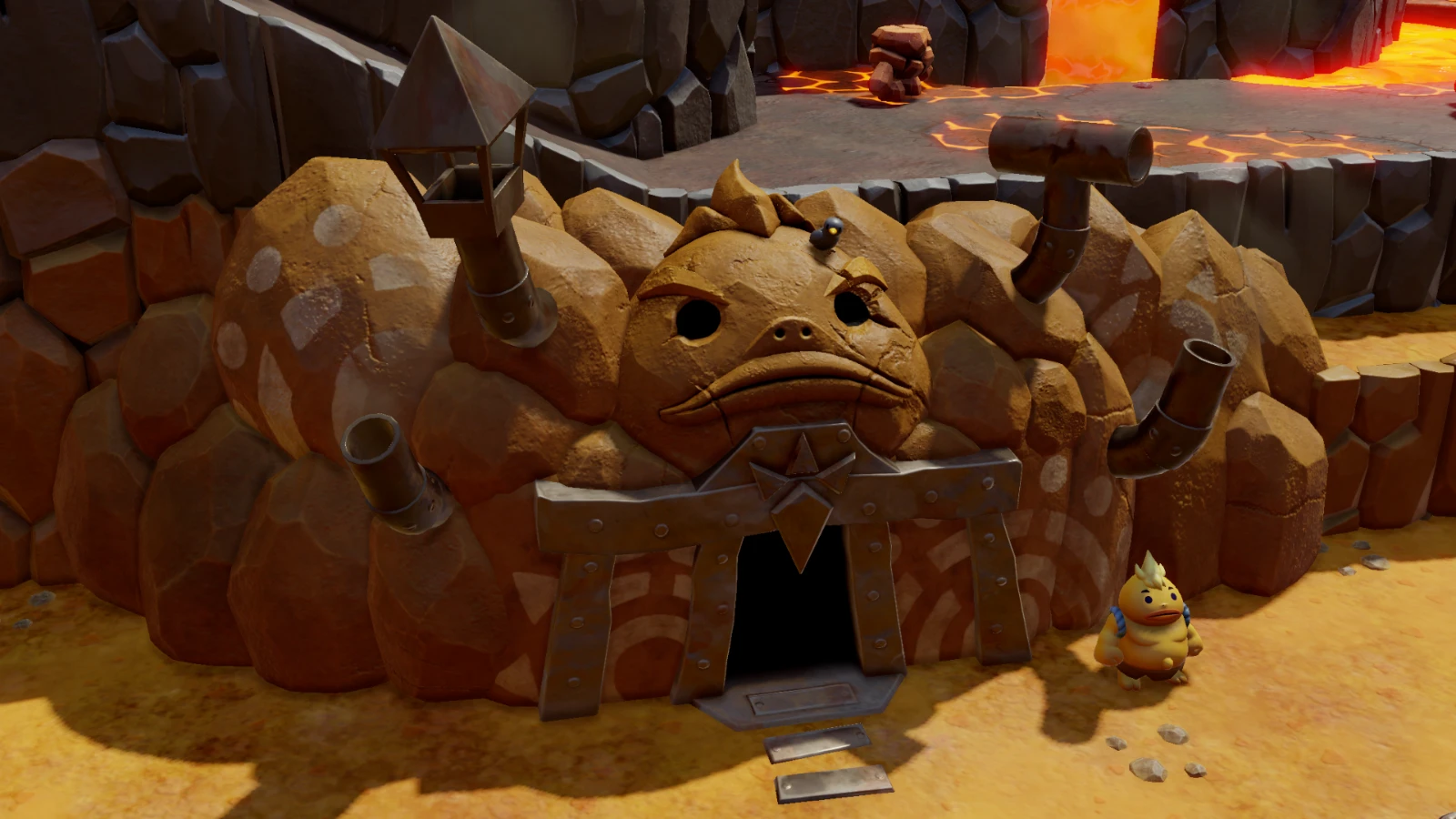
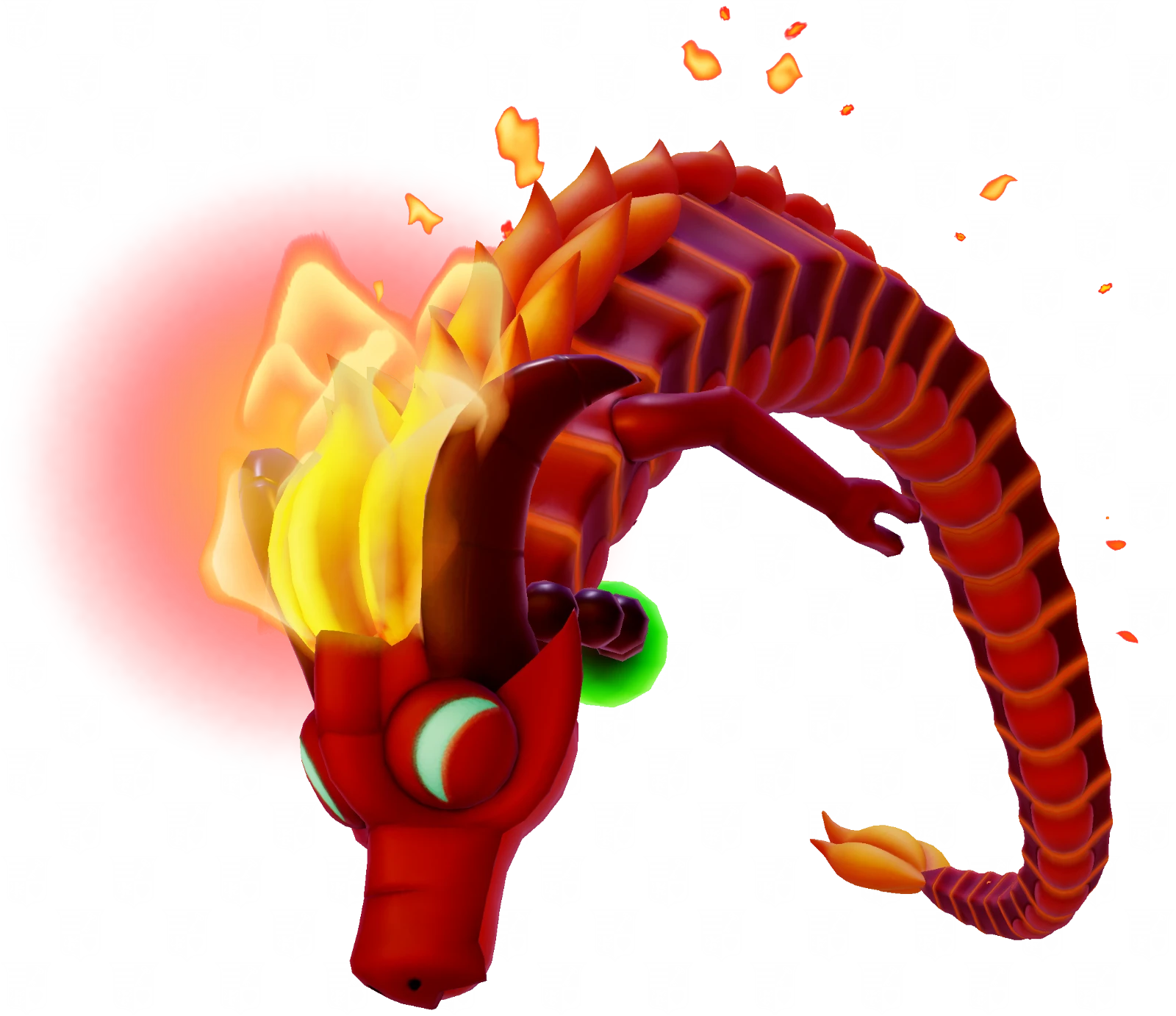
On Eldin Volcano, a rift has taken Goron City and its new chief, Darston, a young Goron who doubts his own judgement and keeps consulting the 56 “nuggets of wisdom” on a slate his late father left him. With help from the elders Gol and Silv and a shortcut hidden behind a portrait in the old chief’s room, Zelda reaches the crater, where the lava dragon Volvagia guards the Eldin Temple. Darston grows into the job, and the Gorons throw a party.
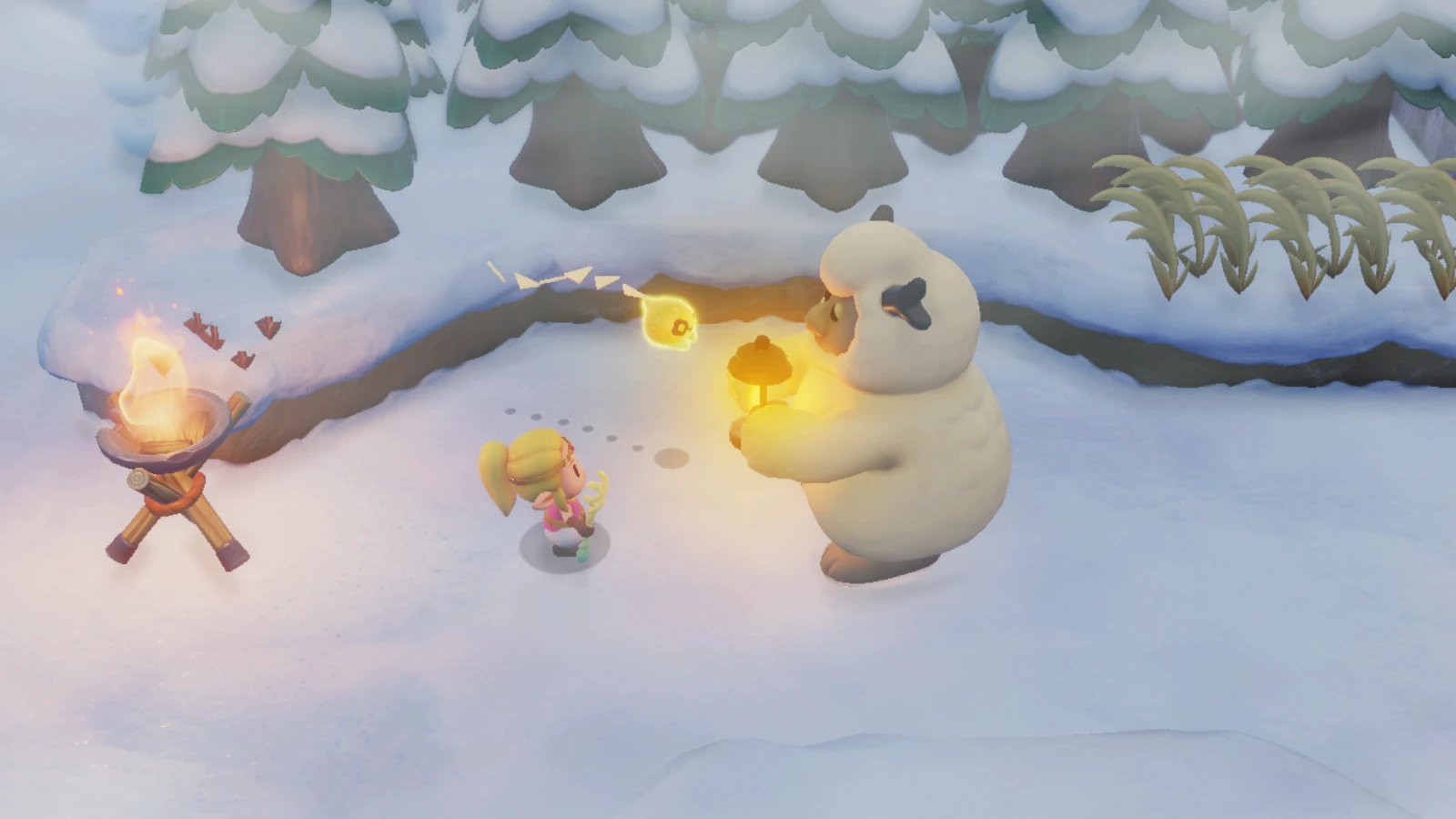
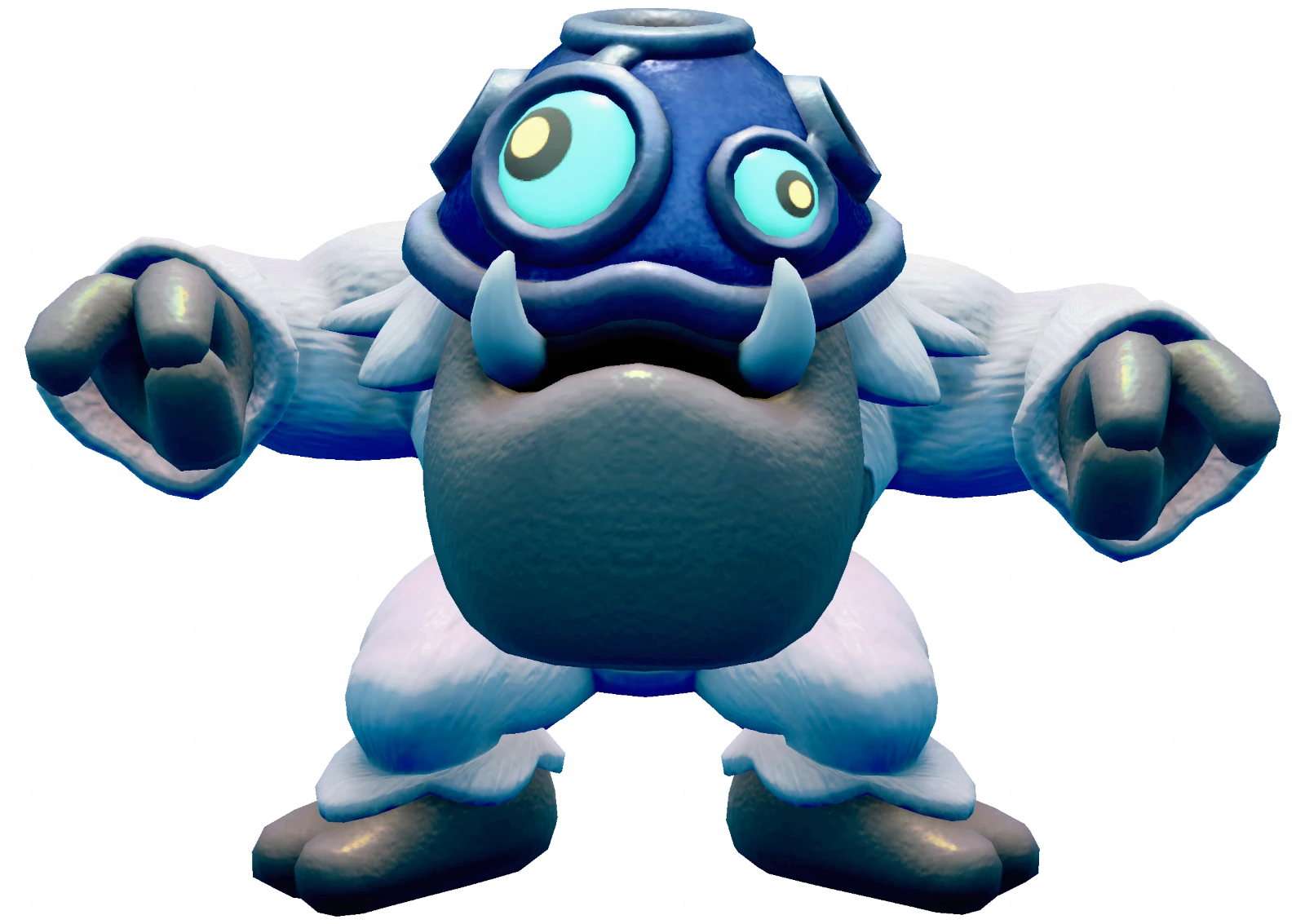
On Hebra Mountain a blizzard drives Zelda into the home of Condé, a solitary yeti who, unusually, can see Tri. His older brother set out for Holy Mount Lanayru and Condé fears he has let him down; inside the rift at the summit, a message the brother left on a wall shows how much he cares. Beyond it lies the Lanayru Temple and the white-furred beast Skorchill.
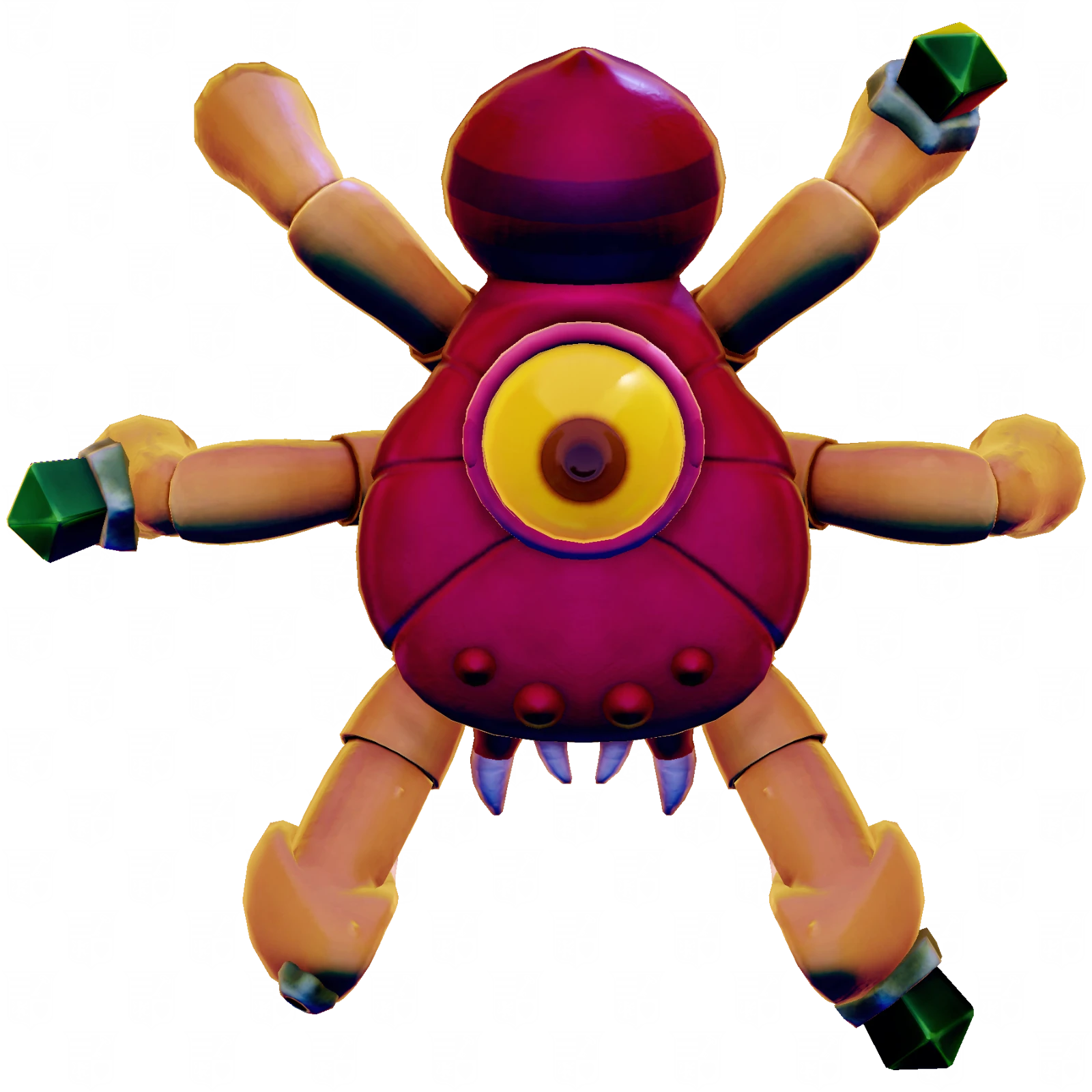
In the Faron Wetlands, Zelda restores a Deku Scrub called Blossu’s home, only for the other Scrubs to arrest her and confiscate the Tri Rod (it comes back sticky). Blossu’s membership card gets her into the Scrubs’ Sweet Spot, where a spreading rift has swallowed more Scrubs; inside it lie the Faron Temple and the giant arachnid Gohma.
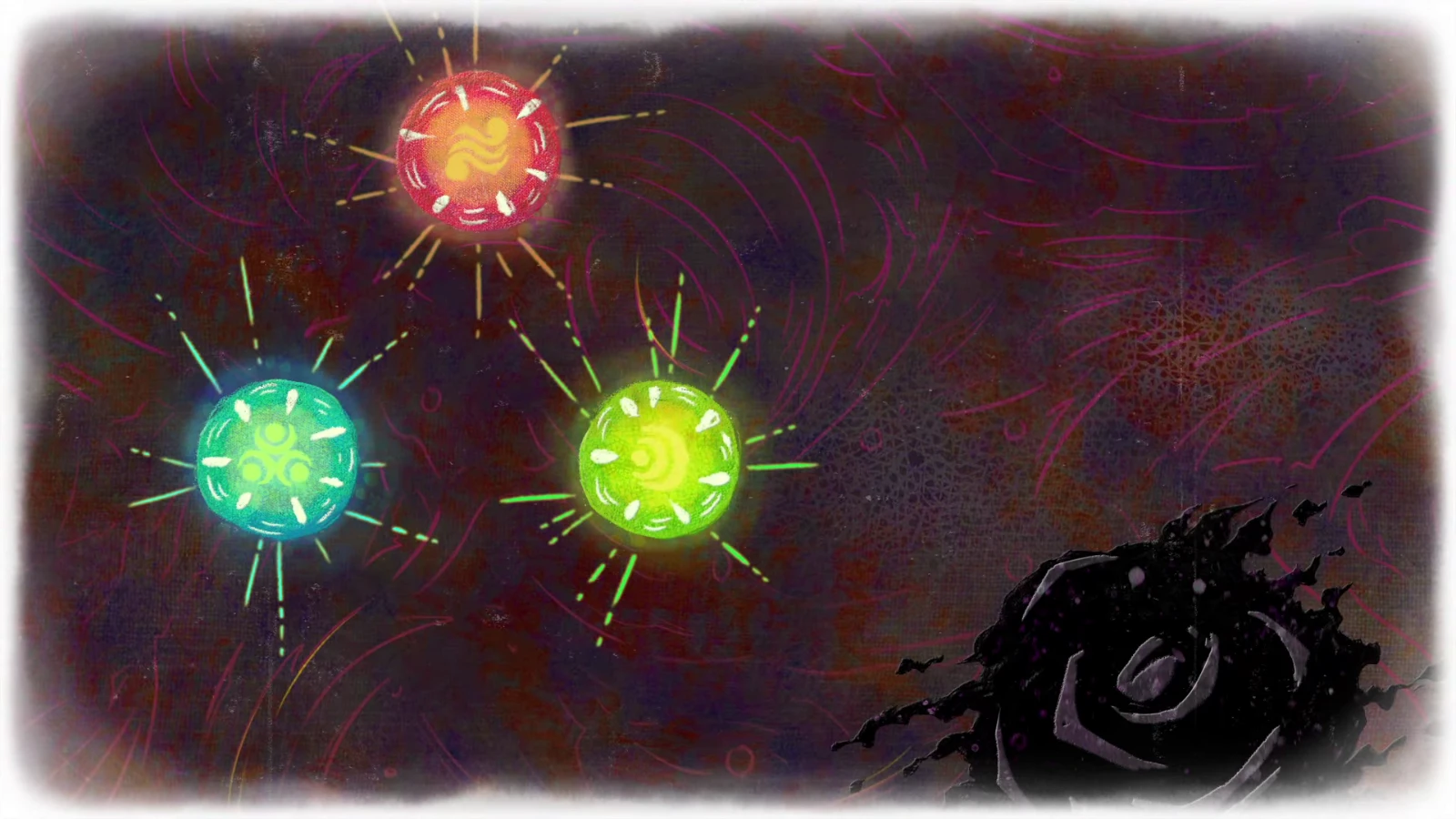
Each time, a Golden Goddess grants Zelda a sanction: Din for power, Nayru for wisdom and Farore for courage. The goddesses also explain the truth. Before the world existed there was only a void, and something lived in it that devoured anything that tried to take shape. The goddesses made the world to seal it away and created the Tris to repair the holes it tears. Its name is Null, and it has been copying the people of Hyrule with stolen Tri power all along.
Goron City on Eldin Volcano.Condé the yeti shelters Zelda from the blizzard.Arrested by Deku Scrubs in the Faron Wetlands.A Golden Goddess grants Zelda her sanction.
Two Zeldas, one Triforce
Null’s cleverest trick is saved for last. It wraps Zelda in darkness and makes a perfect echo of her, sanctions and all, which fools General Wright and even the Great Deku Tree. In the Eternal Forest north-west of the castle, where soldiers lie collapsed in a blue fog, the false princess reaches the Prime Energy first. It splits into three. The echo’s unbalanced heart gets only the Triforce of Power; the real Zelda receives the Triforce of Wisdom; and the Triforce of Courage flies off to wherever Link is being held.
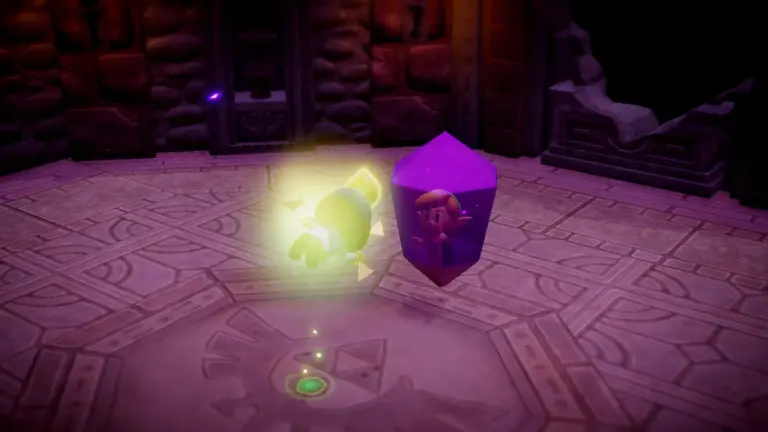
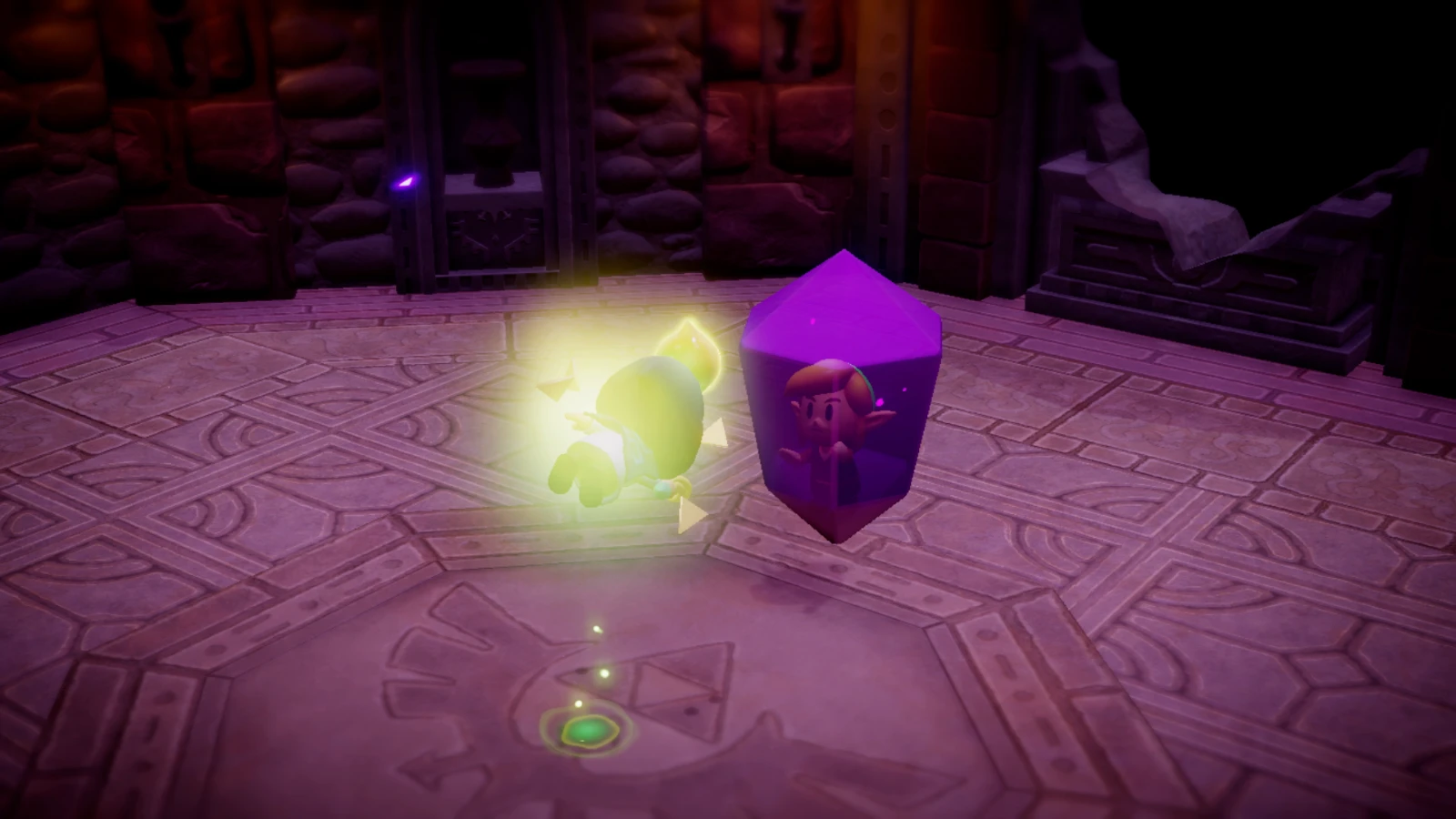
Zelda follows the echo into the Stilled Ancient Ruins, defeats her own double and finds Link sealed in a crystal. This time it is the princess who shoots the arrow. With his weapons returned, the two of them enter Null’s Body together, Link helping with ranged attacks while Zelda solves the puzzles with echoes. At its core they find Null, swollen with the Triforce of Power and taking the shape of a huge purple Tri.
The Eternal Forest and its sleeping soldiers.Roles reversed: Zelda frees Link from a crystal.Zelda and Link together in Null’s Body.
The ending
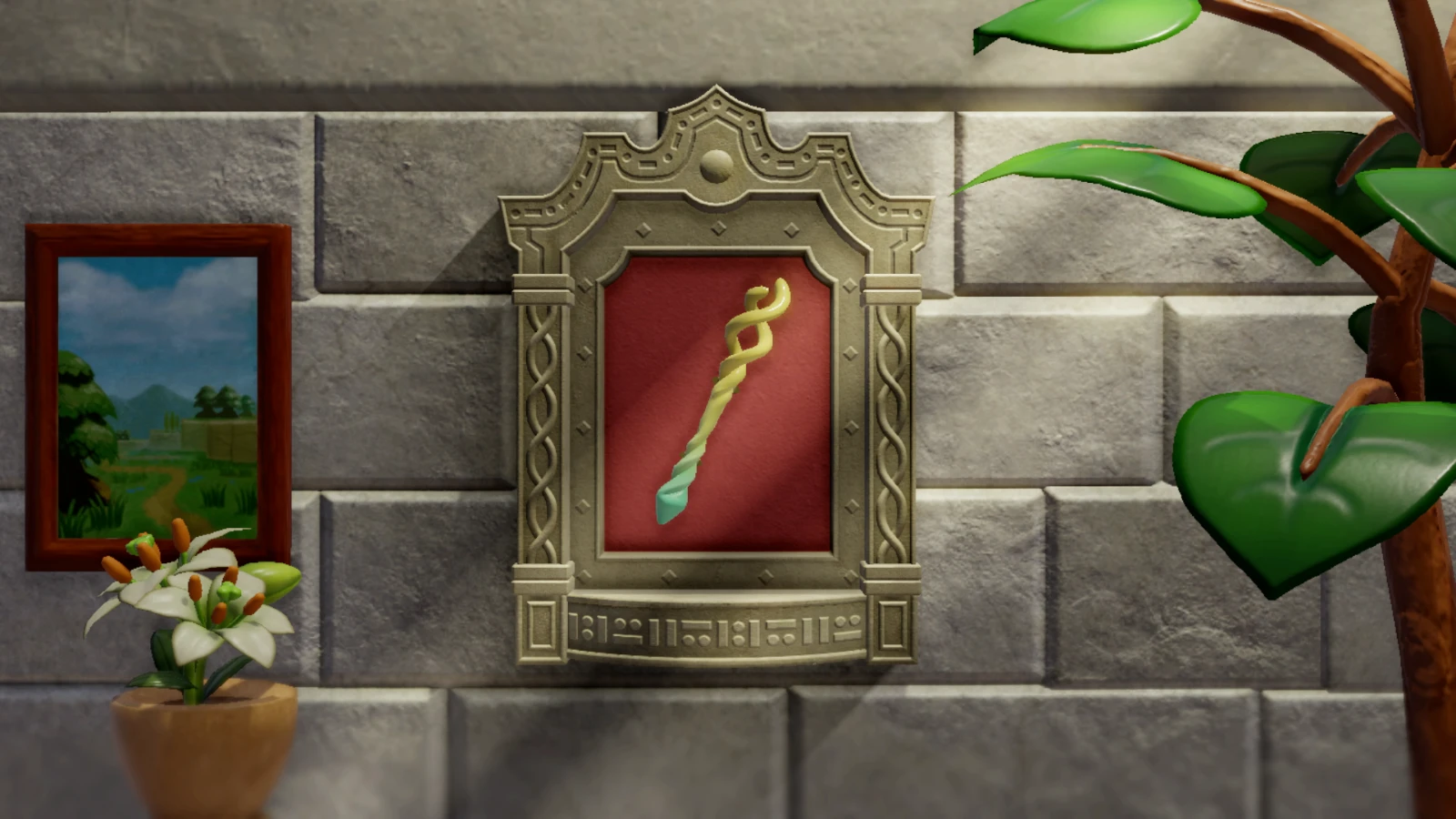
With Tri’s Bind, Zelda and Link tear the Triforce of Power out of Null, and Zelda wishes on the reunited Prime Energy for Null to be destroyed. The freed Tris seal the last rifts, and with their work done they go back to the goddesses to sleep. Tri says goodbye, thanks Zelda and tells her how glad it is to have known her. The princess is reunited with her father, and the Tri Rod ends up framed on the wall of her room as a keepsake.
The final battle with Null.A keepsake: the Tri Rod on Zelda’s wall.
How Zelda adventures
Echoes are the heart of it. Each one costs a number of Tri’s triangles while it exists, and Tri starts with three, so early on you juggle a few cheap echoes at a time. Rescuing Tri’s friends from rifts levels Tri up, to a maximum of level 11, adding triangles and cutting the cost of echoes. Bind, Tri’s own power rather than the rod’s, ties an object to Zelda so it follows her, and Reverse Bond lets her ride along with something else instead.
Swordfighter Form is the safety valve for players who miss the old ways. After Zelda finds a mysterious sword she can briefly turn into a Link-like fighter, with a gauge that drains as she fights and refills from energy found in the Still World. Elsewhere there are Waypoints for fast travel, horses to ride, outfits and accessories, smoothies blended from ingredients by Business Scrubs, and automatons built by the engineer Dampé that Zelda can put to work.
Dungeons in Echoes of Wisdom
There are eight main dungeons, most of them hidden inside rifts, and three optional ones tied to side quests. Each ends with a boss, and several of the bosses are old faces from earlier Zelda games.
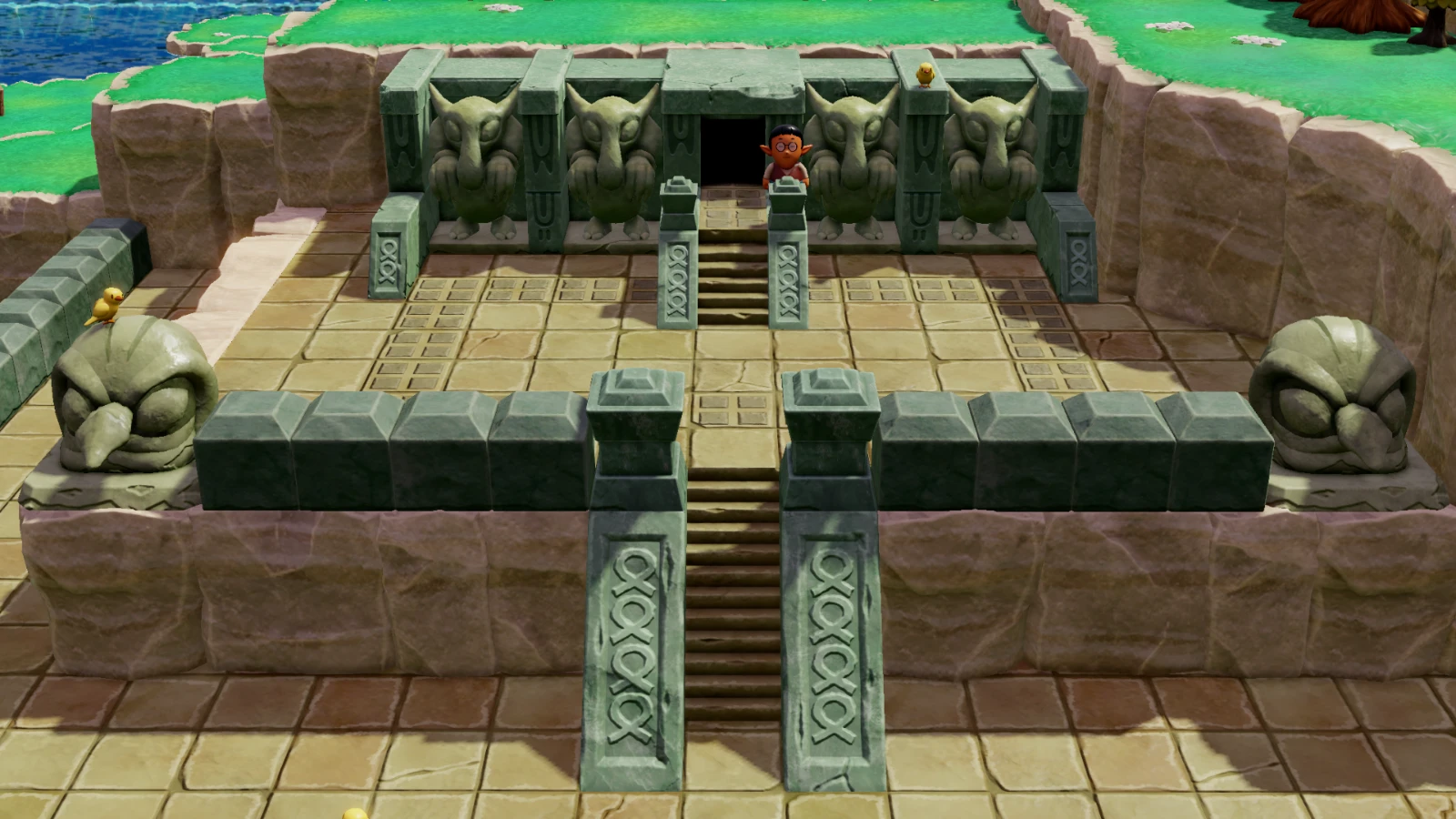
Suthorn RuinsSuthorn Forest · boss: Seismic TalusThe first dungeon, inside the Suthorn Forest rift. A rock creature made of joined boulders guards Tri’s captured friends.
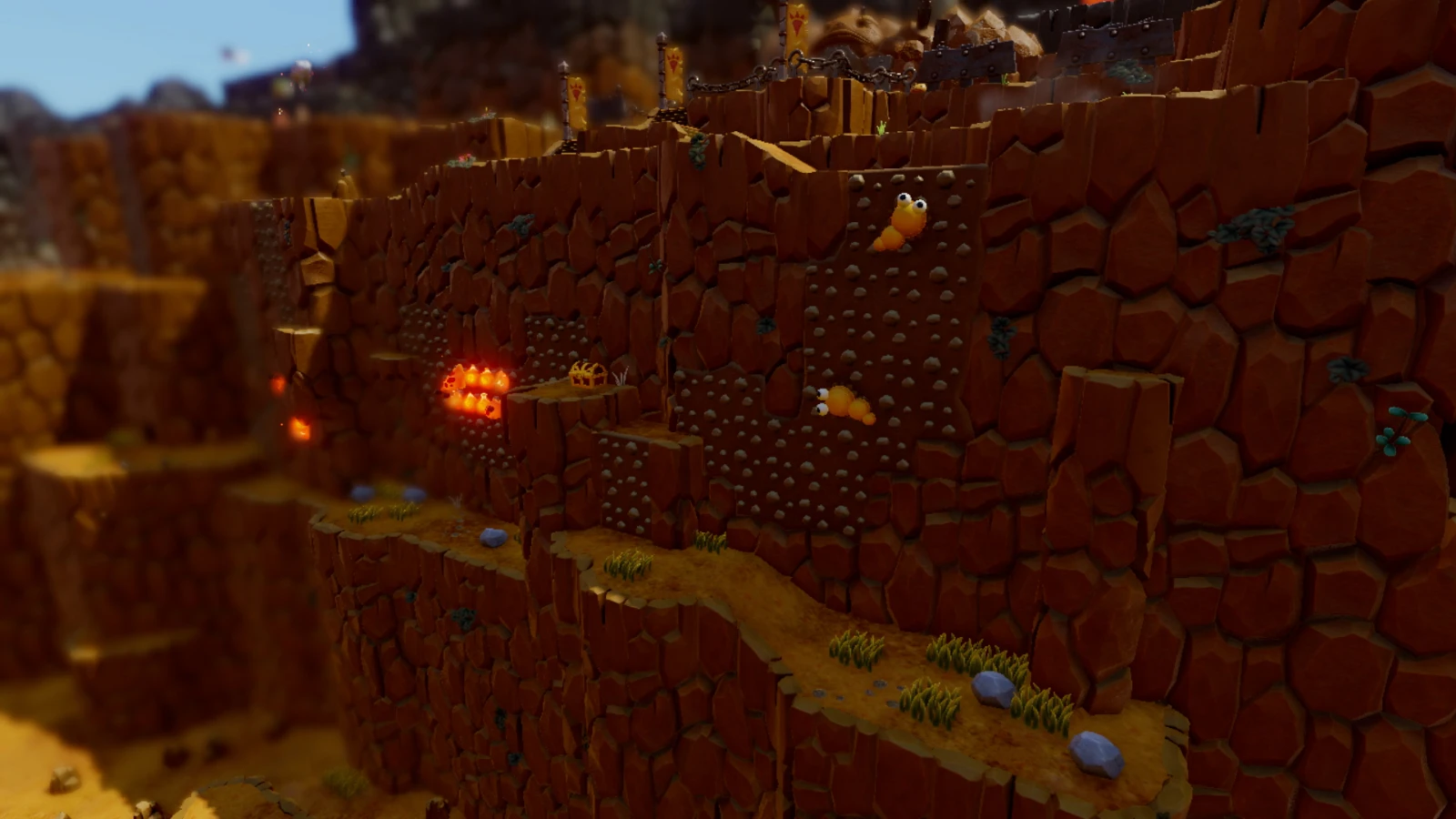
Gerudo SanctumGerudo Desert · boss: MogryphRaised from the sand after Zelda drains the Cryptic Cavern. Its boss burrows through the sand and controls it.
Jabul RuinsJabul Waters · boss: VocavorReached only once the River and Sea Zora chiefs make music together. The boss is a fish-like monster that whips up whirlpools.
Hyrule CastleStilled Hyrule Castle Town · boss: Ganon (echo)The midpoint: the stilled castle, the trapped king and a trident-wielding copy of the Demon King.
Eldin TempleEldin Volcano · boss: VolvagiaIn the crater of the volcano. The magma dragon from Ocarina of Time’s Fire Temple is back.
Lanayru TempleHoly Mount Lanayru · boss: SkorchillHigh above Hebra Mountain, inside the summit rift. Its boss is a white-furred beast.
Faron TempleFaron Wetlands · boss: GohmaReached through the rift in the Deku Scrubs’ Sweet Spot. Gohma, one of the oldest bosses in the series, returns.
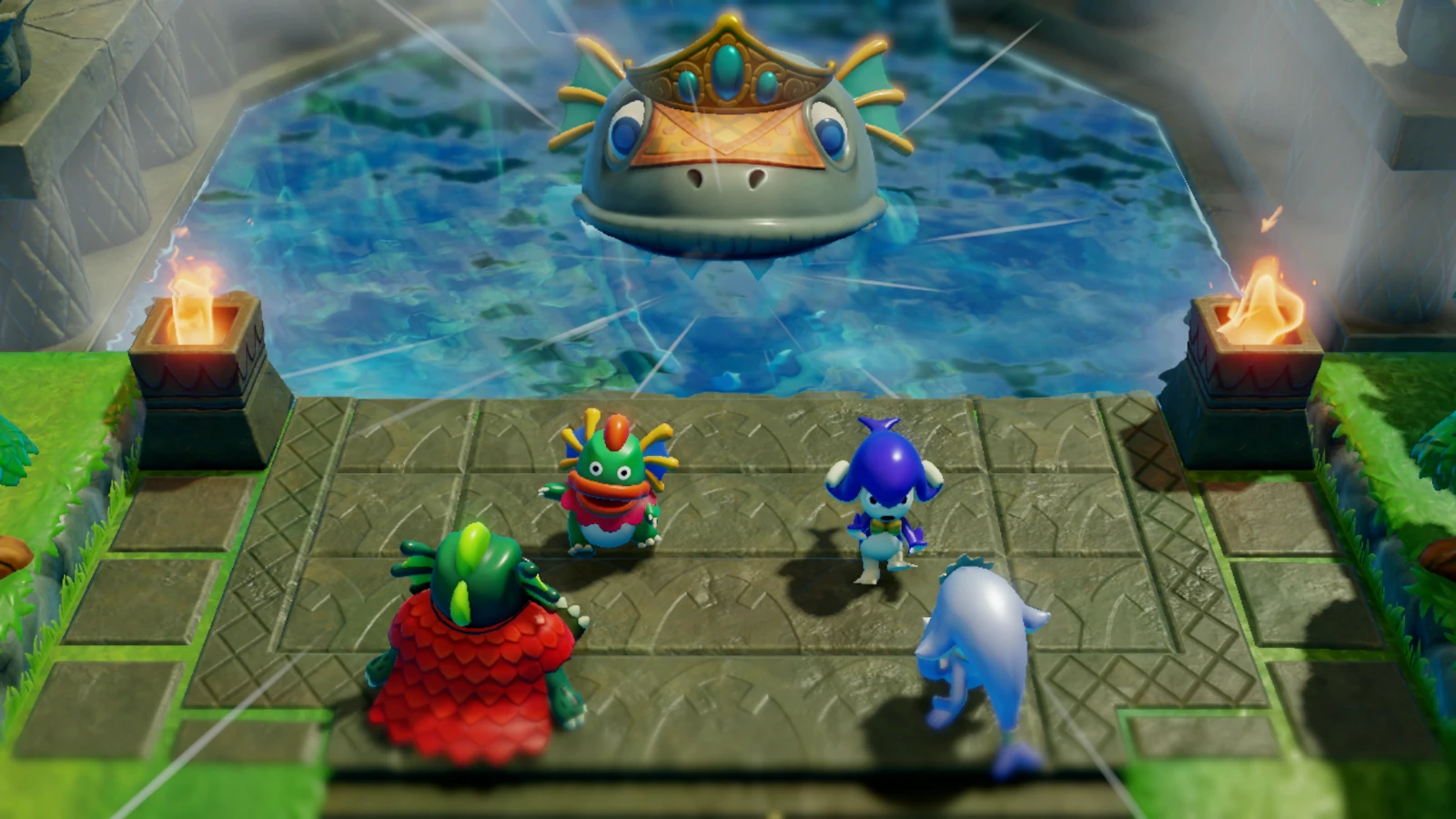
Null’s BodyFinal dungeon · boss: NullEntered with Link at Zelda’s side. There is no turning back once you go in.
Eastern TempleOptional · Eastern Hyrule FieldTied to the side quest “Let’s Play a Game”.
Wrecked ShipOptional · Zora CoveTied to the side quest “The Zappy Shipwreck”.
Hidden RuinsOptional · Faron WetlandsTied to the side quest “Cotton-Candy Hunt”.
Before the final dungeon, Zelda must also beat her own double in the Stilled Ancient Ruins. Hyrule itself takes in Suthorn in the south, Hyrule Castle Town and Hyrule Field, the Gerudo Desert, Jabul Waters and Lake Hylia, Eldin Volcano, Hebra Mountain and Holy Mount Lanayru, the Faron Wetlands and the Eternal Forest.
In comics, TV & other media
Echoes of Wisdom is too new to have been adapted into comics, manga or television; we know of no adaptation as of November 2026. These are the official places it has turned up beyond the game itself.
Nintendo Switch Lite: Hyrule EditionHardware · 26 September 2024A gold Switch Lite inspired by the Zelda series, released alongside the game and sold with a year of Nintendo Switch Online + Expansion Pack.
The official Zelda timelineNintendo · November 2024Two months after launch, Nintendo added the game to the history page on its Zelda website, on the branch where the hero is defeated, between Tri Force Heroes and the decline of the Hyrule kingdom that sets up the 1986 original.
Ask the Developer, Vol. 13Nintendo · September 2024A four-part interview with Eiji Aonuma, Tomomi Sano and Satoshi Terada, published in the week of release. Most of what we know about how the game was made comes from it (see Development).
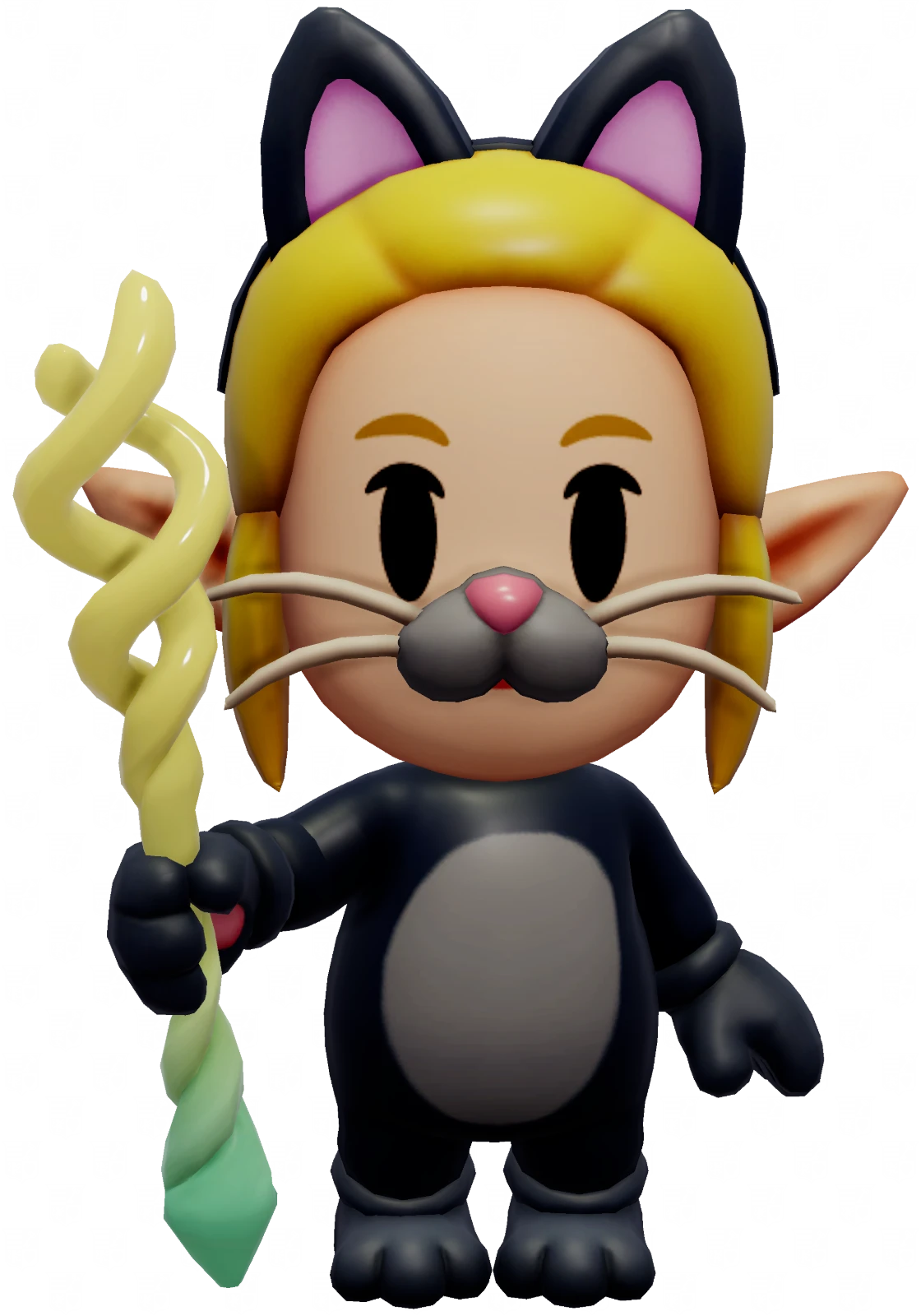
amiibo outfitsIn-game · 2024Any Zelda-series amiibo works. Zelda figures unlock a Blue Attire, Link figures a Red Tunic, and Ganondorf and other Zelda figures a Black Cat outfit, once the fourth dungeon is done.
Characters
A princess, a fairy and a hero who spends most of the game missing, plus a supporting cast drawn from every corner of Hyrule. Here is who is who, where they come from in Zelda lore, and what they do in this adventure.
Character
Who they are
In this game
Stats & abilities
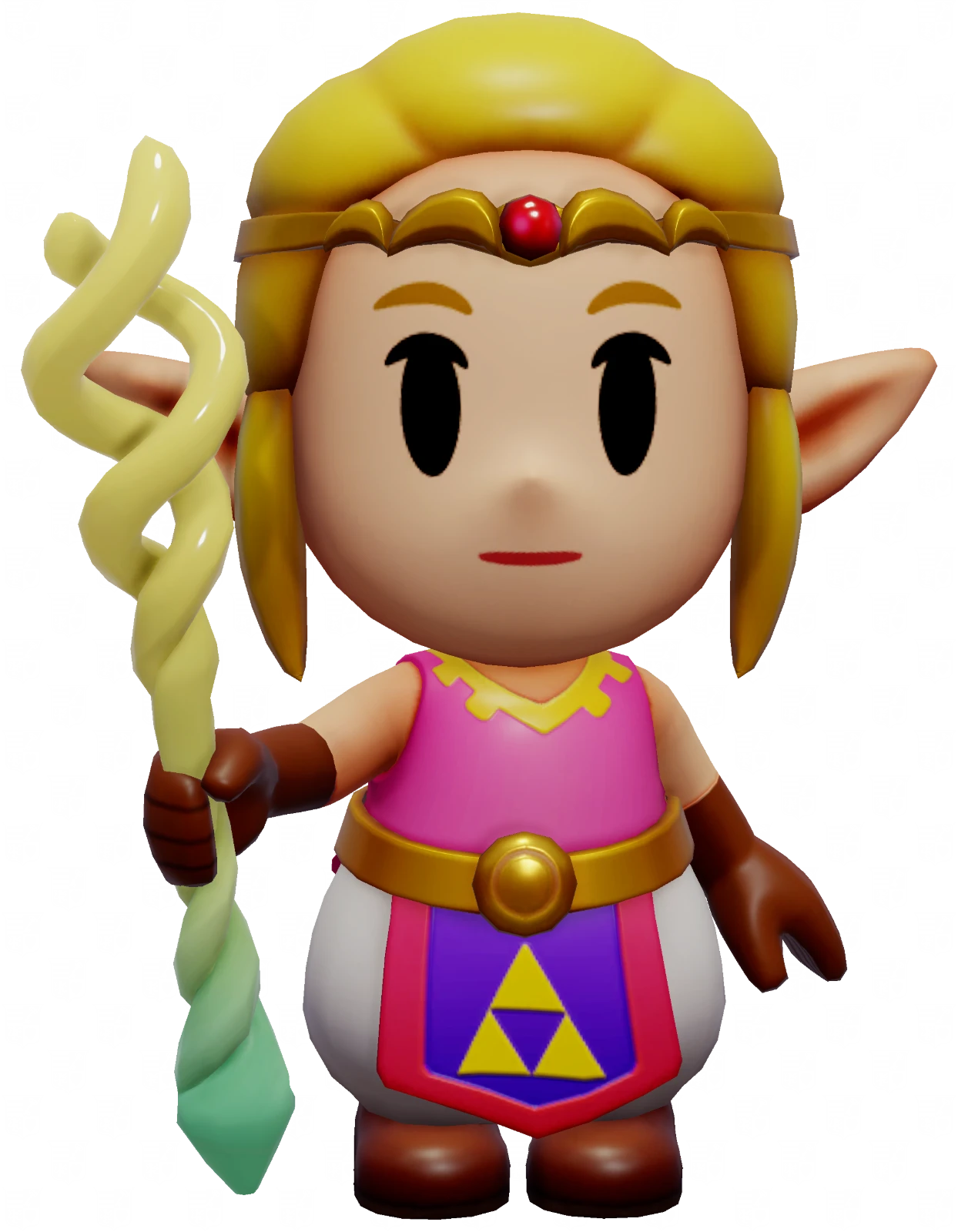
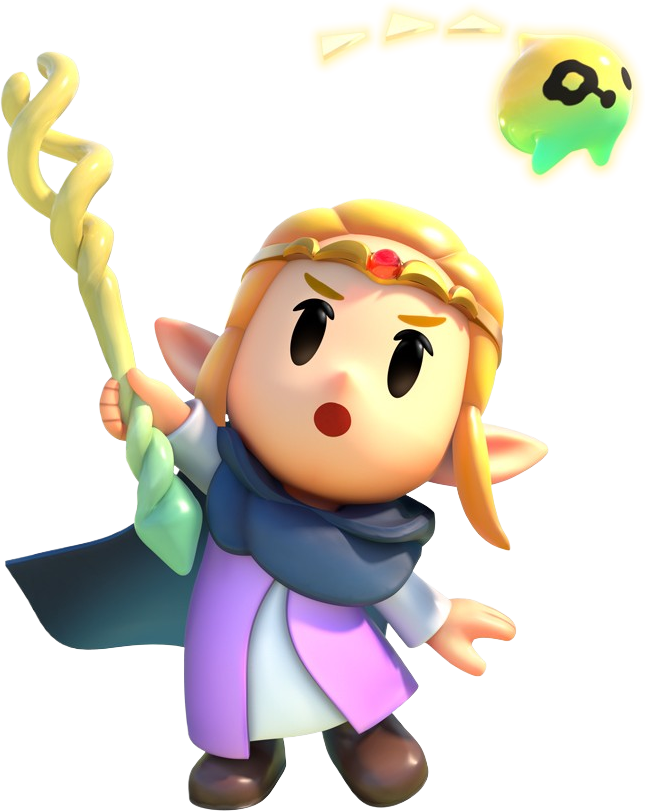
Princess ZeldaThe heroine
The princess of Hyrule has been in the series since the 1986 original, where she split the Triforce of Wisdom to keep it from Ganon. Shigeru Miyamoto took her name from Zelda Fitzgerald, wife of the novelist F. Scott Fitzgerald. Over the years she has been a captive, a descendant of the sages, the Sheikah warrior Sheik and the pirate captain Tetra, and she is the bearer of the Triforce of Wisdom.
The playable lead. Framed by impostors and hunted by her own guards, she travels Hyrule in a hood inspired by Link’s, mends the rifts, rescues her father and finally rescues Link. She is revealed as the priestess of an old legend, and at the end she receives the Triforce of Wisdom.
Tri Rod: memorises and summons 127 echoes
Bind and Reverse Bond (Tri’s power)
Swordfighter Form for short bursts
Outfits, accessories and smoothies
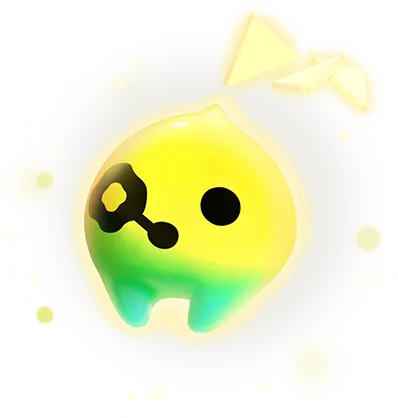
TriThe companion
A small, yellow, ethereal being new to the series, one of many Tris created by the Golden Goddesses to repair the rifts that Null tears in the world. At first only Zelda can see Tri; people rescued from rifts can see Tri afterwards.
Tri appears to Zelda in her cell, makes the Tri Rod and guides her through the whole adventure. Rescuing Tri’s captured friends in each rift levels Tri up. It leaves Zelda with a heartfelt goodbye once the last rift is sealed.
Starts with 3 triangles (echo cost), up to 6
Levels up to Lv. 11
Can open entrances into rifts and seal them
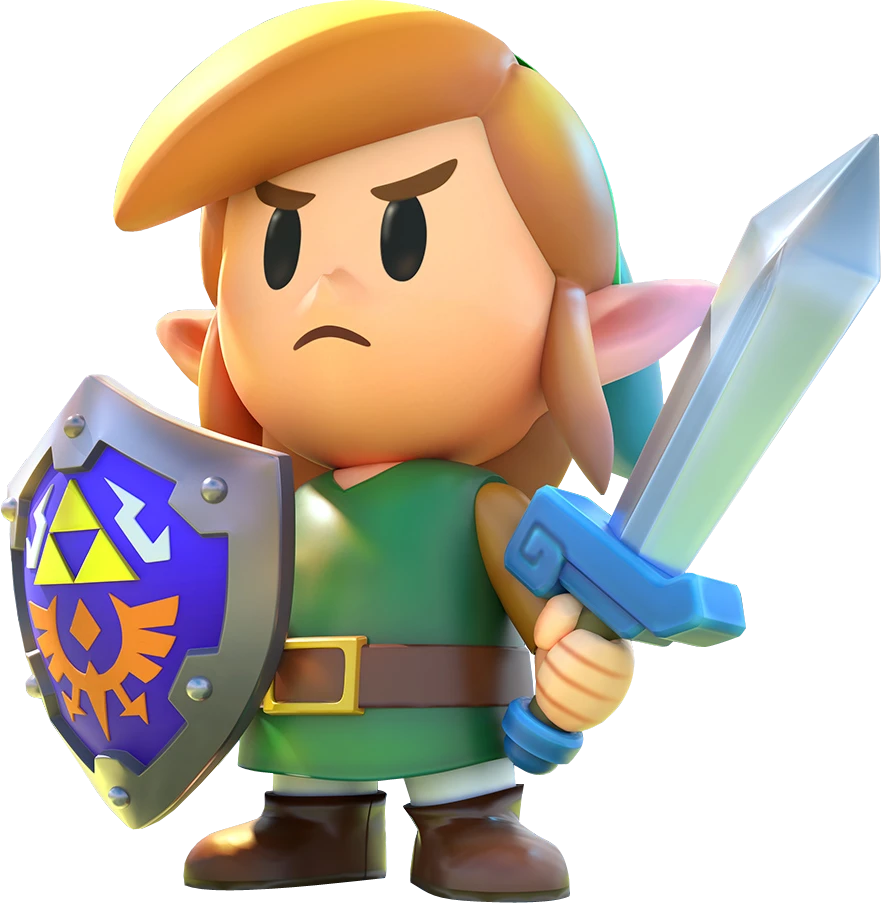
LinkThe missing hero
The series’ usual hero, a Hylian swordsman who bears the Triforce of Courage. Miyamoto has said the name came from the idea of a character who links past and future, and that it reflects how Link connects people.
Playable only in the prologue, where he frees Zelda and is swallowed by a rift. Dark copies of him prowl the Still World, Null takes him prisoner, and the Triforce of Courage finds him in his crystal. Freed by Zelda, he fights beside her through Null’s Body and the final battle.
Playable in the prologue only
Fights beside Zelda in the final dungeon
His new hooded outfit was designed first; Zelda’s hood followed
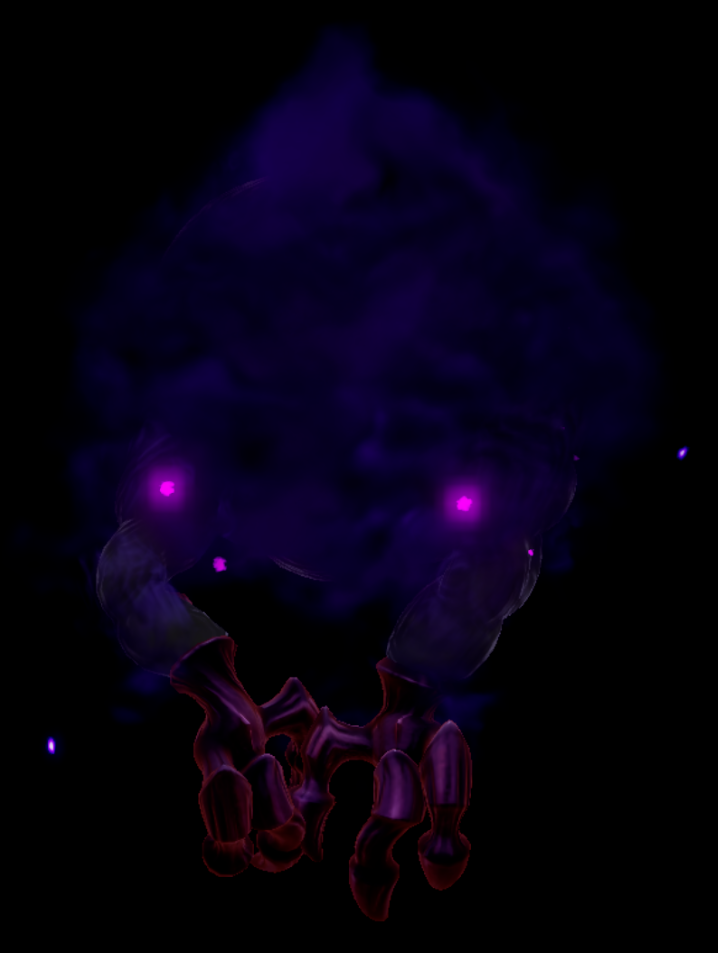
NullThe true villain
A new villain: a being from the void that existed before creation, which devoured anything that took shape. The Golden Goddesses built the world to seal it away.
Opens the rifts to return Hyrule to nothingness, imprisons the Tris and uses their power to make echoes, including the false royal court, the false Ganon and a perfect copy of Zelda. It seizes the Triforce of Power and fights as a vast, dark Tri.
Final boss with three phases
Makes echoes of people and monsters
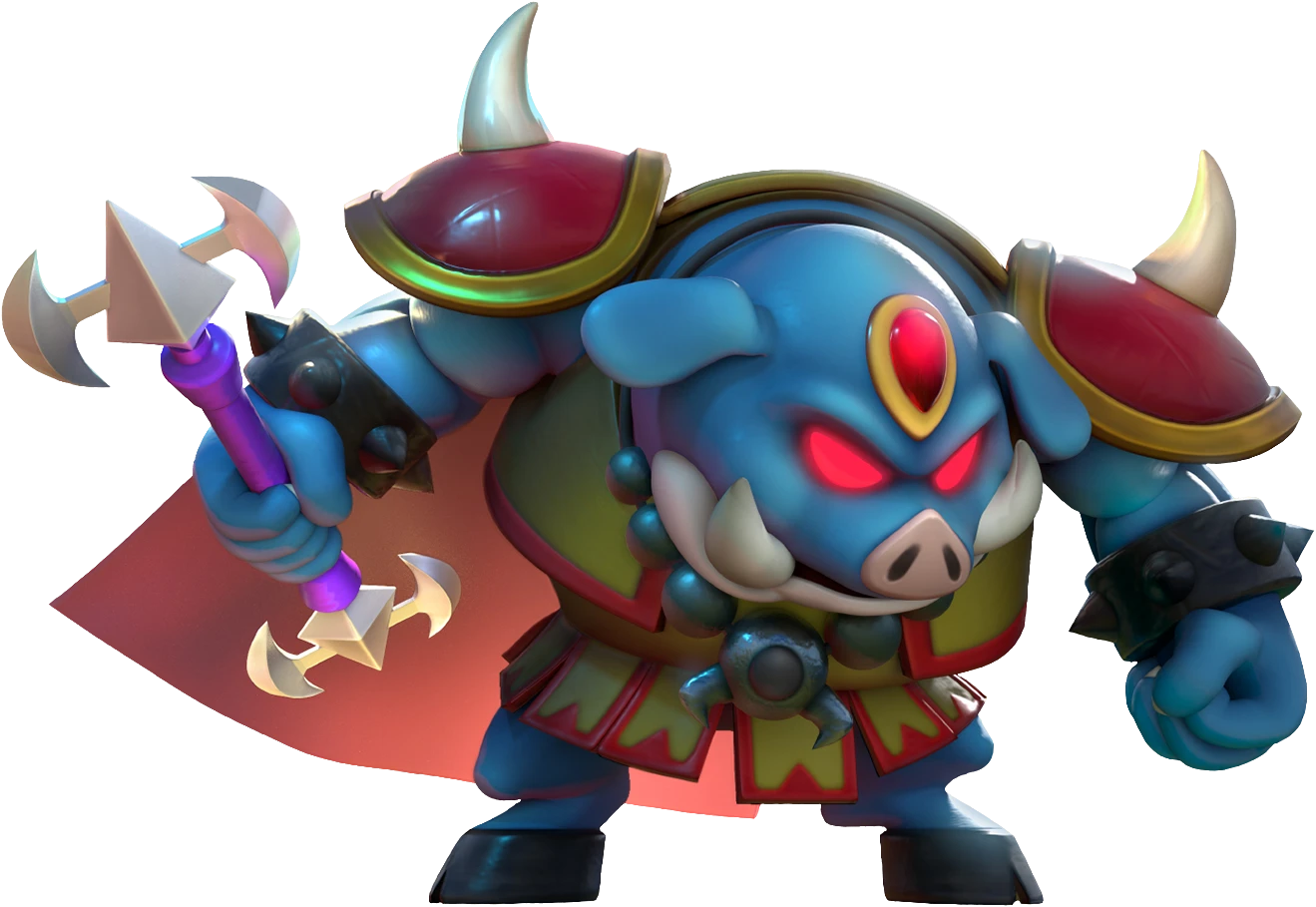
GanonAn echo of the Demon King
The boar-like Demon King has been the series’ great villain since 1986, the beast form of Ganondorf and holder of the Triforce of Power.
Seen holding Zelda prisoner in the prologue, and fought again at the end of the Hyrule Castle dungeon, where he turns out to be an echo made by Null. Nintendo’s timeline text simply says Link defeats Ganon in the opening; Wikipedia’s Ganon article treats the prologue Ganon as an echo too.
Trident
Boss of the Hyrule Castle dungeon
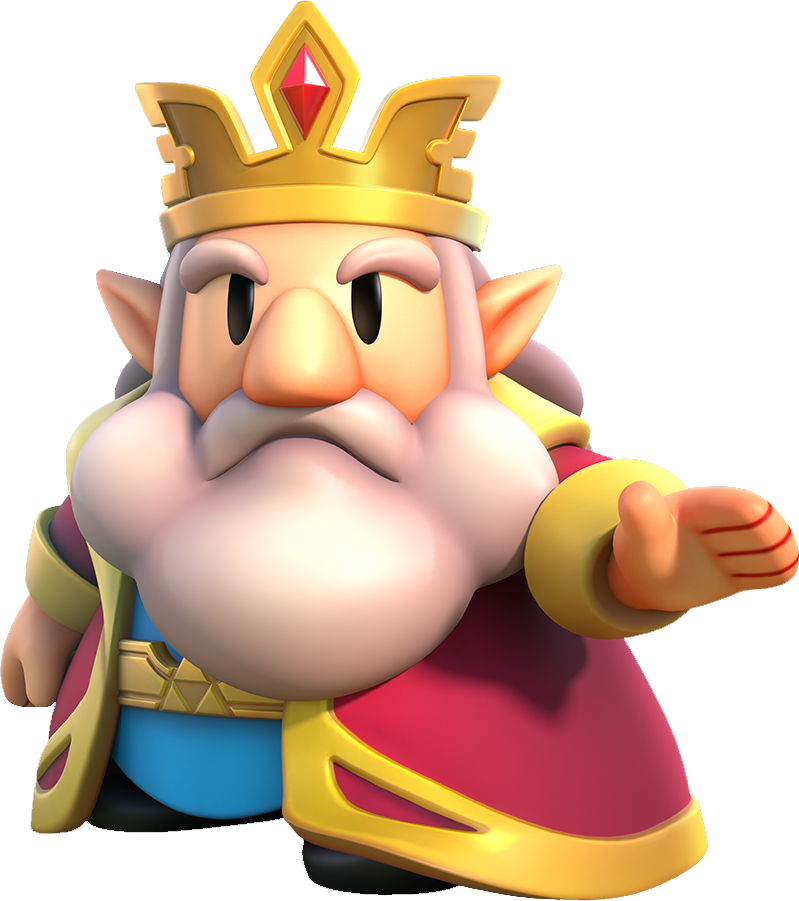
King of HyruleZelda’s father
Zelda’s father and the ruler of Hyrule. The developers planned his loss as one of Zelda’s strongest reasons to set out.
Swallowed by the throne-room rift and replaced by an impostor who orders Zelda’s execution. Rescued in the stilled castle, he tells her the legend of the priestess, the hero and the Prime Energy.
Not playable.
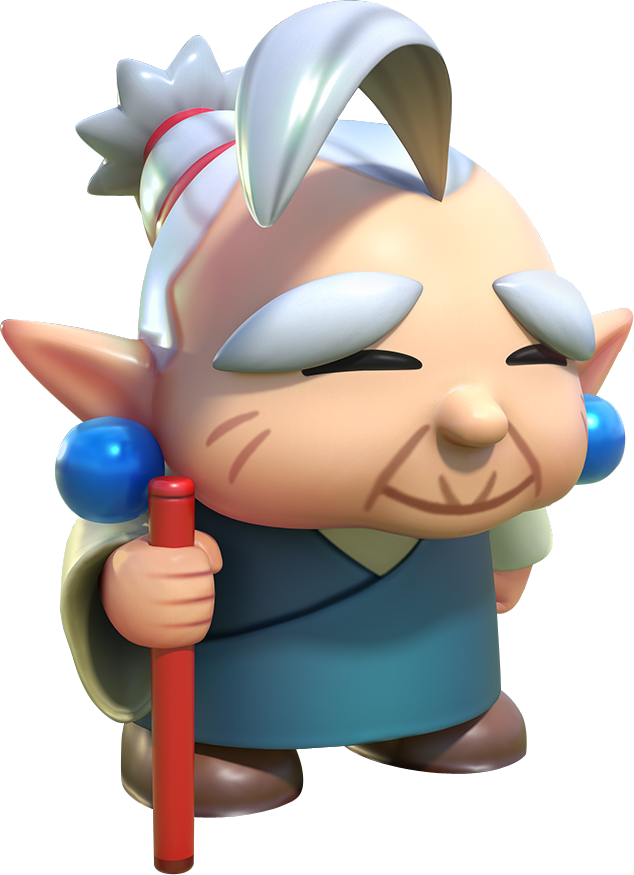
ImpaZelda’s old nursemaid
The Sheikah guardian of the royal family. In the 1986 original’s backstory she is the old woman who sends Link on his quest; in Ocarina of Time she is Zelda’s bodyguard and the Sage of Shadow; in Breath of the Wild she is the elder of Kakariko.
An elderly Impa with a walking stick believes Zelda’s story, gives her a disguise and the journal-and-map Log, and beats three soldiers with her cane to cover the escape.
Not playable. Her diary can be found in a cell under the castle.
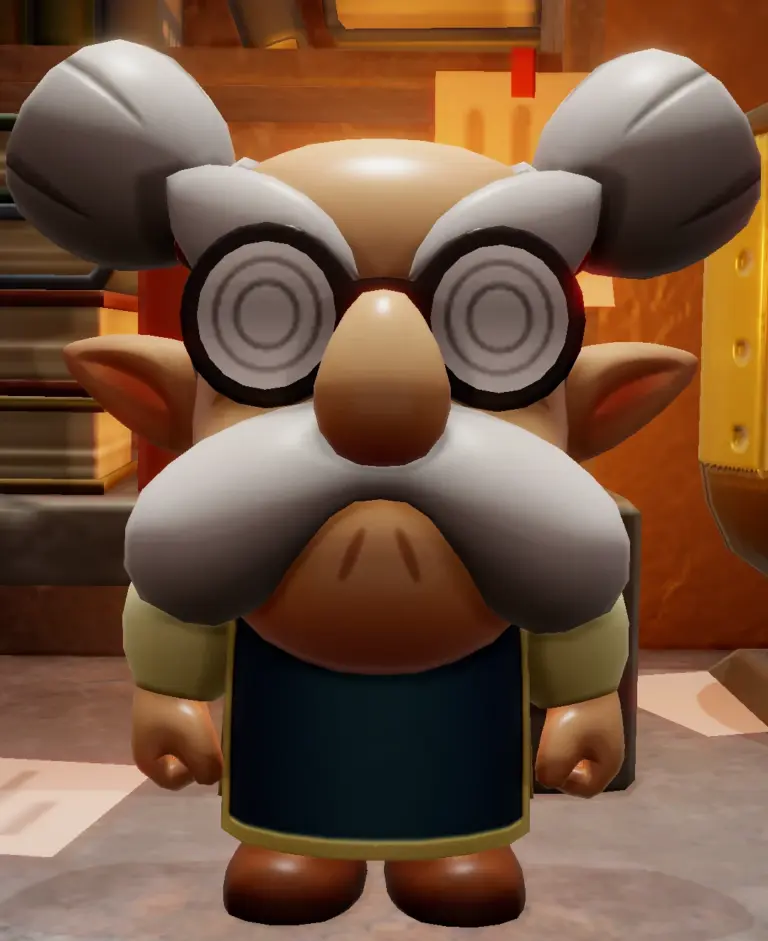
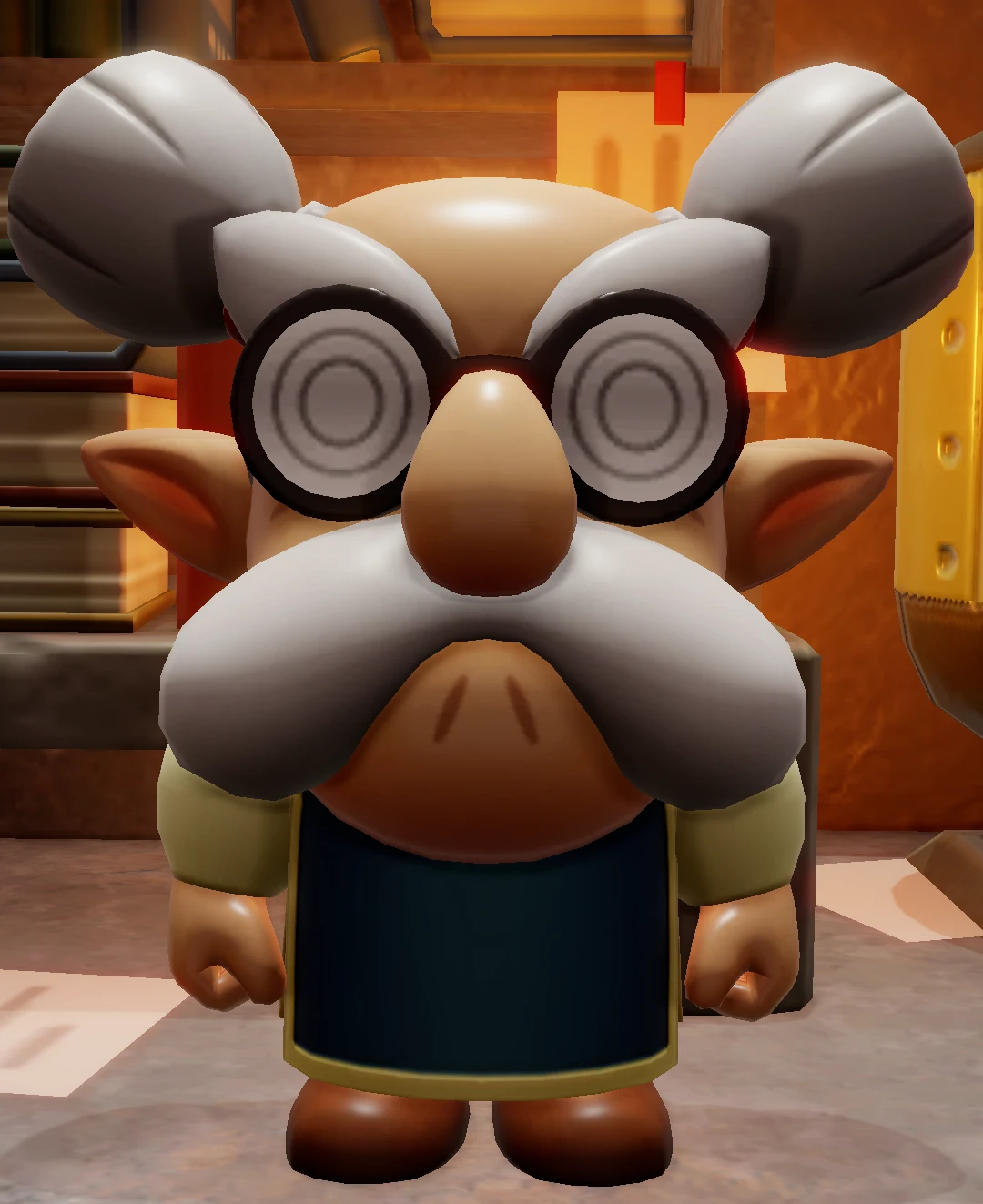
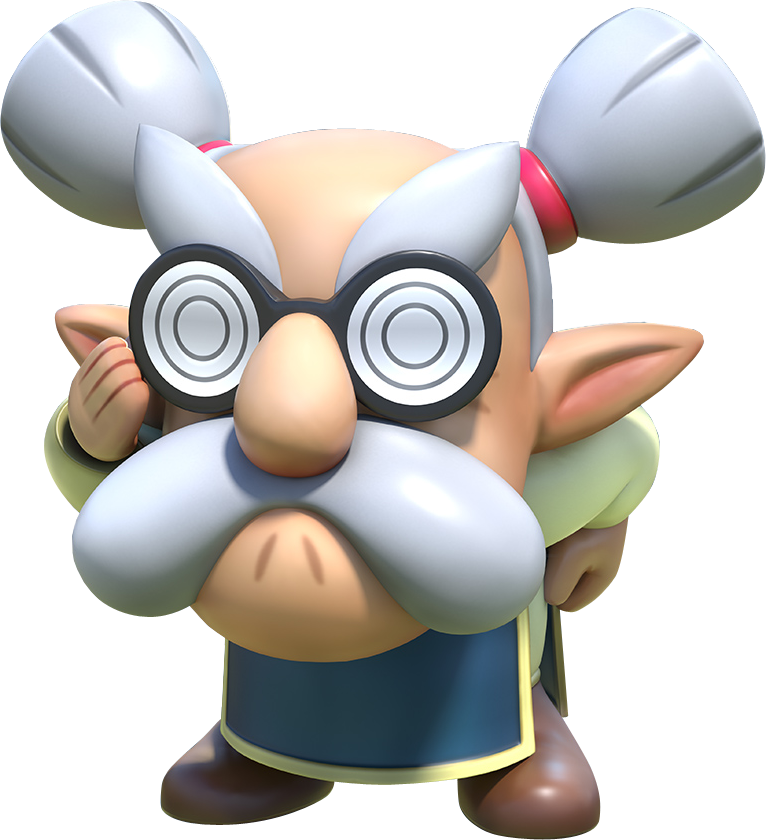
LueburrySheikah inventor
A new character: Impa’s elder brother, an old Sheikah who researches the rifts and is a gifted, grumpy inventor. His name plays on “blueberry”.
His house in the south becomes Zelda’s base, where she reports back between rifts. It also holds a secret reward for Might Crystal collectors.
Not playable.
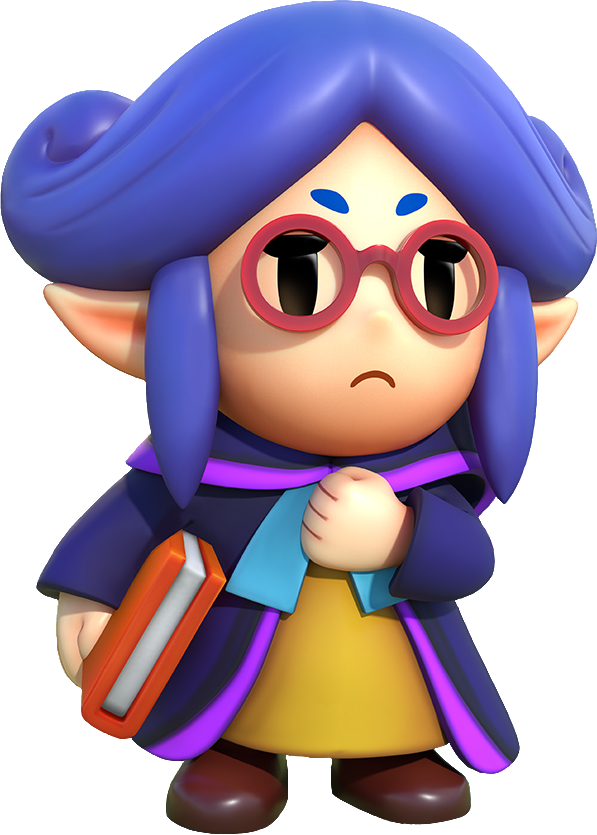
Minister LefteRoyal minister
New to the series: a serious, polite and diligent minister of the royal court.
Swallowed in the throne room and copied by an impostor; the first person Zelda rescues, in the Stilled Suthorn Forest. She then leads Zelda to Lueburry and later goes after General Wright when he storms the castle.
Not playable.
General WrightCommander of the guard
New to the series: the passionate, principled general of Hyrule’s army.
Taken and copied with the king and the minister. Freed during the first great rifts, he heads for the castle to unmask the impostors. Later the false Zelda fools him too.
Not playable.
Dohna and Chief SeeraThe Gerudo
The Gerudo are a desert people of women warriors. In this game they have no connection to Ganon.
Captain Dohna fights the monsters pouring out of the rifts and wants help; her mother, Chief Seera, refuses it until Zelda earns her trust and unmasks the deputy chief, Facette, as an impostor.
Not playable.
Dradd and KusharaThe Zora chiefs
Two new chiefs for the Zora, Hyrule’s long-standing water people, who here are split into River Zora and Sea Zora.
Dradd leads the River Zora and Kushara the Sea Zora, and they do not get along. Lord Jabu-Jabu swallows their assistants, Inawa and Rogma, and only by making music together can the chiefs open the way to the rift.
Not playable.
DarstonGoron chief
A new Goron: the young chief of Goron City, recently promoted after his father’s death.
Swallowed by the Goron City rift with many of his people. Once rescued he searches for the rest, smashes the boulder blocking the way to the crater and finally grows into the role. Elders Gol and Silv advise him.
Carries his father’s slate of 56 “nuggets of wisdom”.
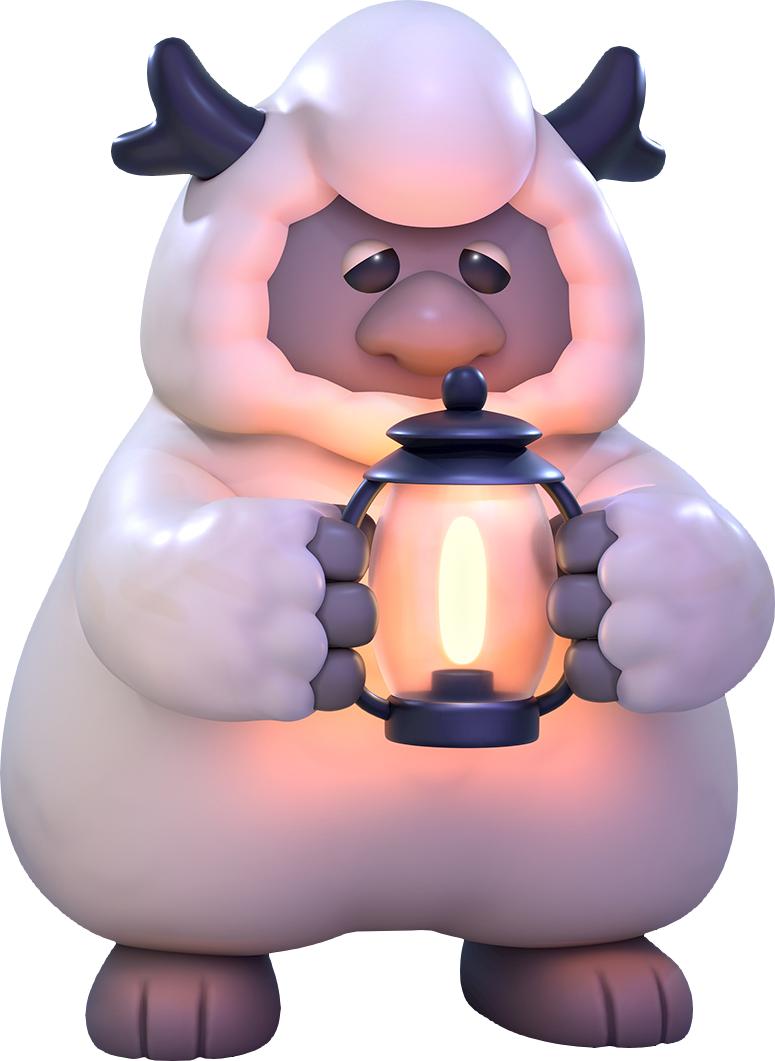
CondéHebra Mountain yeti
A new character: a solitary yeti on Hebra Mountain, one of the few people who can see Tri without having been in a rift.
Shelters Zelda from a blizzard and tries to deal with a rift on his own. His worry about his older brother, who left for Holy Mount Lanayru, is resolved inside the summit rift.
Not playable.
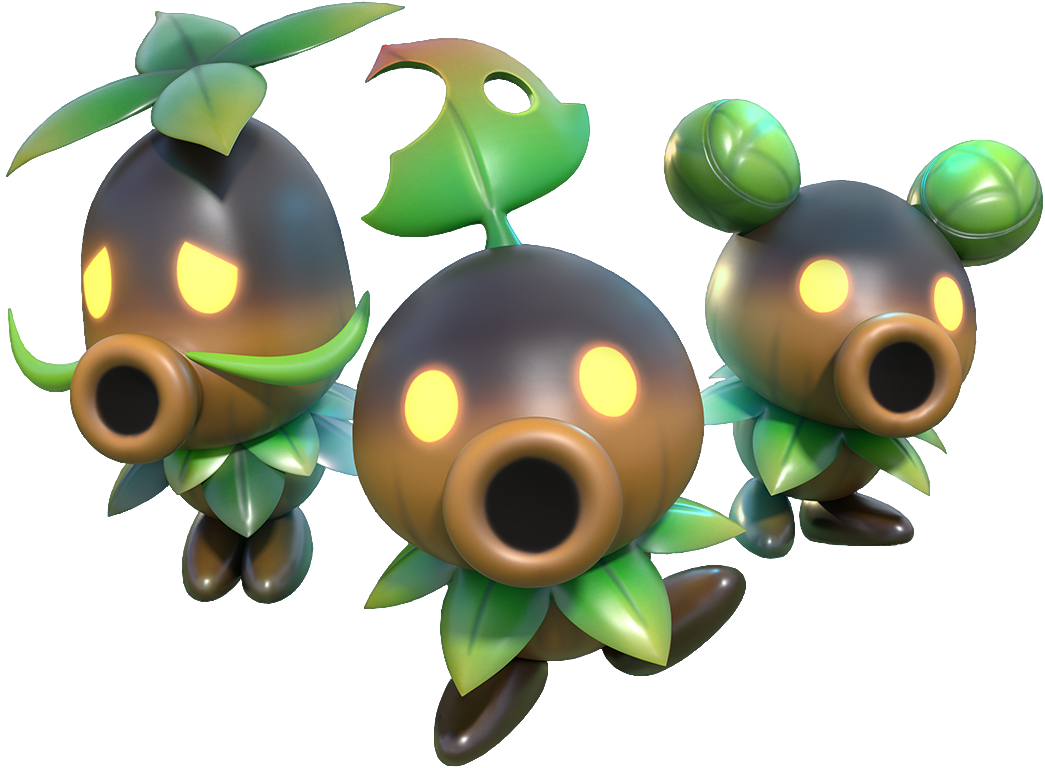
Blossu and the Deku ScrubsFaron Wetlands
Deku Scrubs are small, wary plant people of the forests and wetlands. Blossu is new.
Zelda saves Blossu’s home from a rift, the other Scrubs arrest her for it, and Blossu’s membership card opens the Sweet Spot that hides the Faron rift.
Business Scrubs run the smoothie shops.
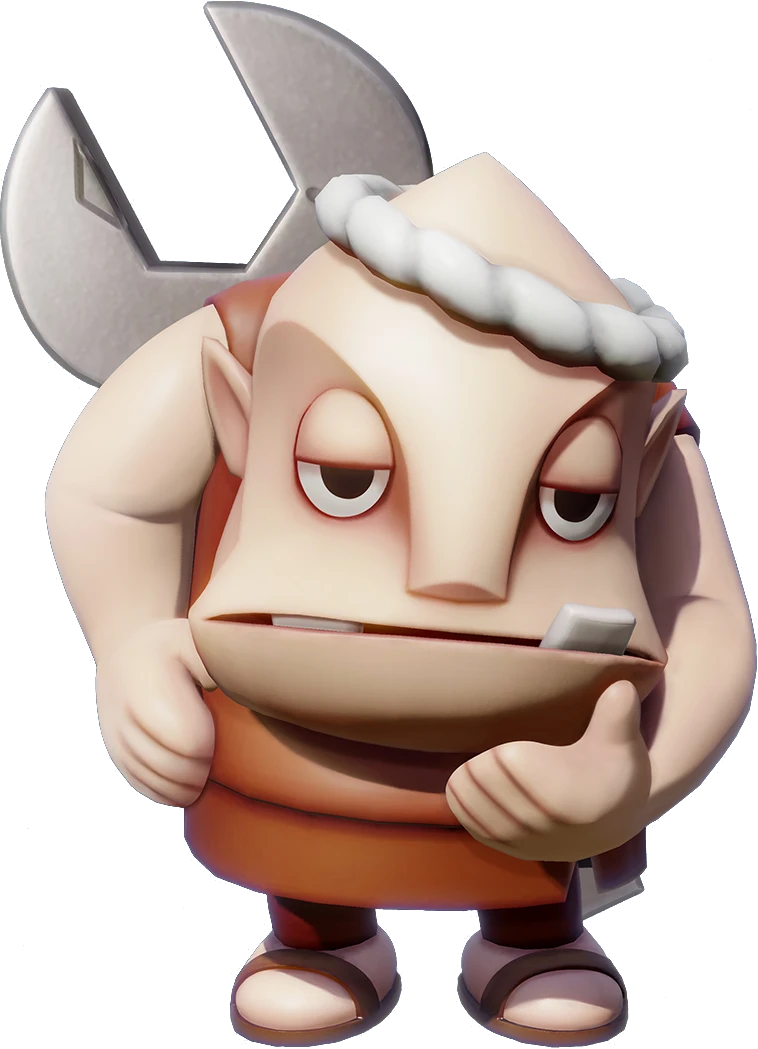
DampéAutomaton engineer
A familiar face: Dampé first appeared as the gravekeeper in Ocarina of Time, and in the 2019 Link’s Awakening remake he ran the Chamber Dungeon builder.
A crafty engineer who builds automatons that Zelda can use. There are six to make.
Not playable.
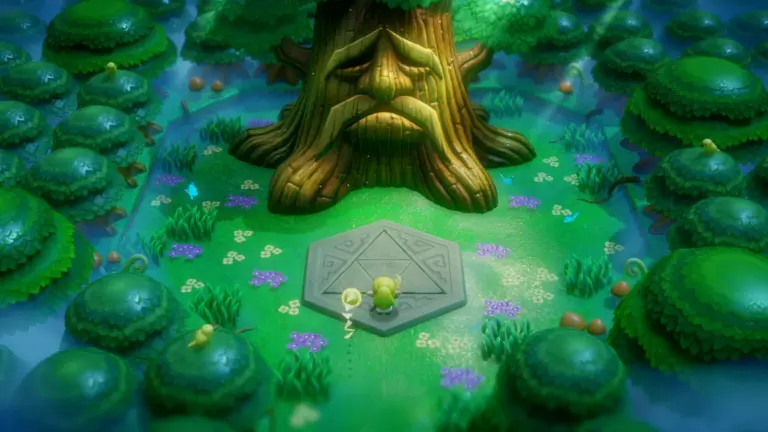
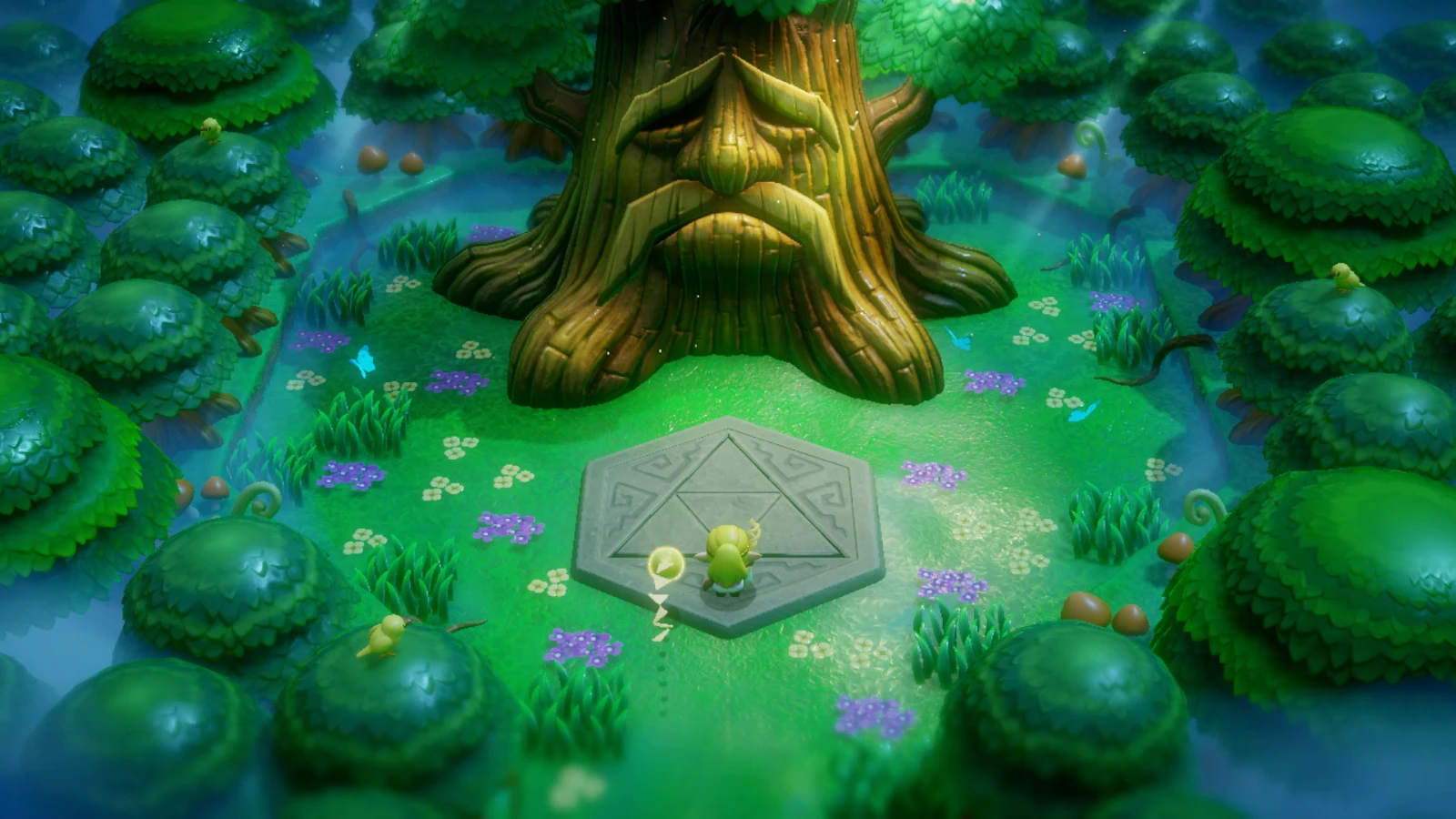
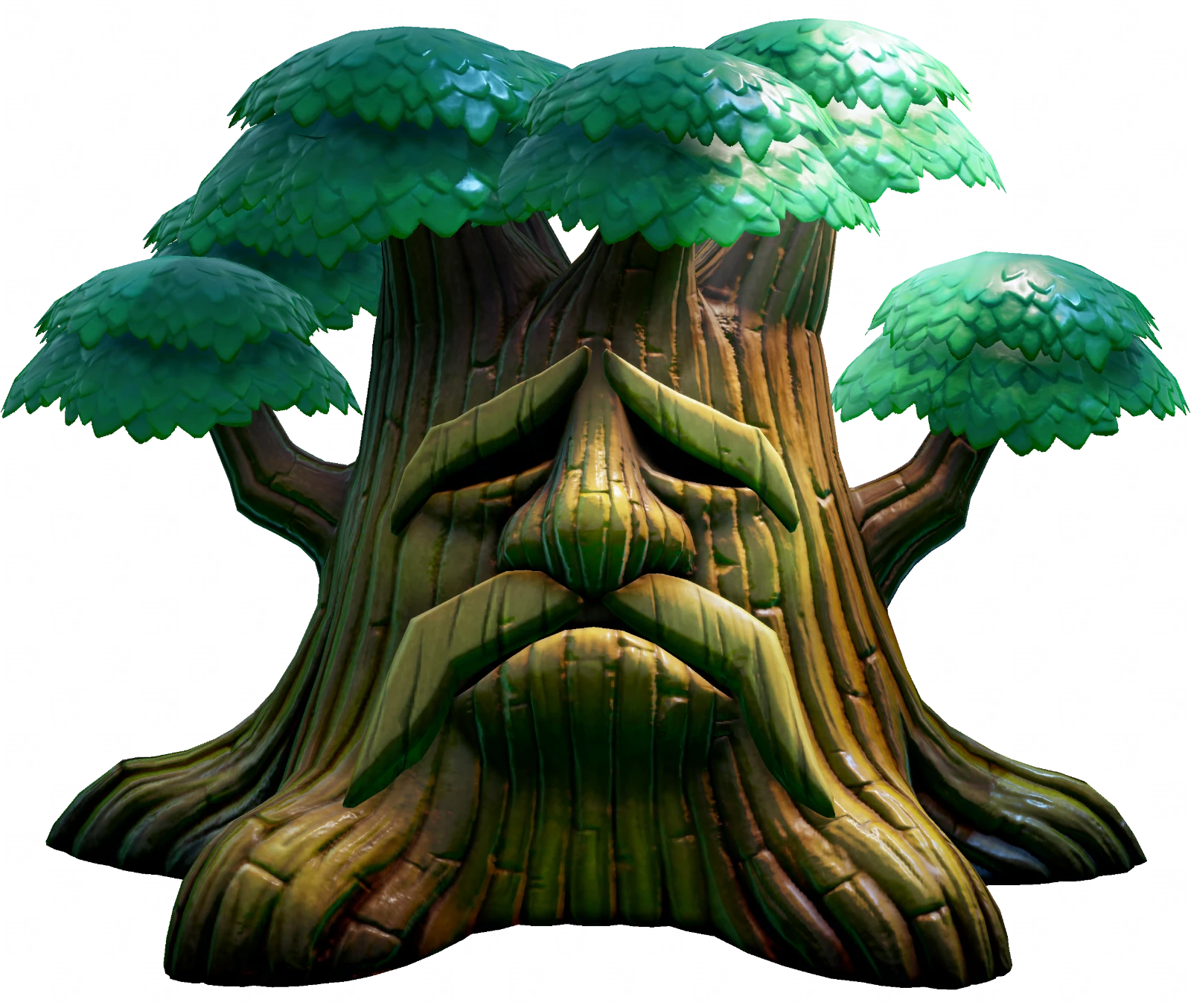
The Great Deku TreeGuardian of the Eternal Forest
The ancient talking tree has guarded forests in Zelda games since Ocarina of Time.
Watches over the path to the Prime Energy in the Eternal Forest and is fooled by Null’s echo of Zelda. After the credits he will tell you which echoes you are still missing.
Not playable.
Din, Nayru and FaroreThe Golden Goddesses
The three goddesses of power, wisdom and courage who, in Zelda lore, created Hyrule and left the Triforce behind.
Trapped in the rifts of Eldin, Lanayru and Faron. Once freed, each grants Zelda a sanction and between them they reveal the story of Null and the Tris.
Their power is called the Prime Energy here.
Bosses and notable enemies
The dungeon bosses, plus a few of the monsters you will fight or copy. Every defeated monster can become an echo, so the enemy list doubles as Zelda’s toolbox.
Seismic TalusSuthorn RuinsA creature of joined rocks; the first boss.
VocavorJabul RuinsA fish-like monster that creates whirlpools.
Ganon (echo)Hyrule CastleNull’s copy of the Demon King.
VolvagiaEldin TempleA dragon that swims through magma, back from Ocarina of Time.
SkorchillLanayru TempleA white-furred beast.
GohmaFaron TempleA giant arachnid, a series regular since 1986.
Zelda’s echoStilled Ancient RuinsNull’s perfect copy of the princess.
NullNull’s BodyThe final boss, in three phases.
Moblins and DarknutsThroughoutSpear and sword Moblins, and armoured Darknuts in three levels; Terada describes players using a shielded Moblin echo as a decoy.
LynelThroughoutOne of the strongest monsters to copy, if you can beat one first.
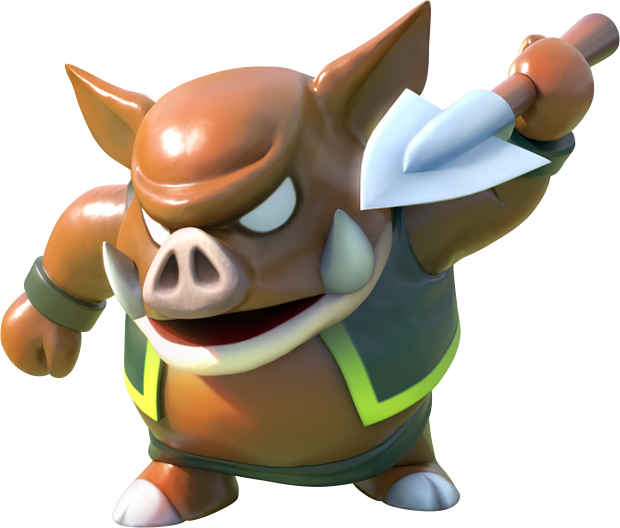
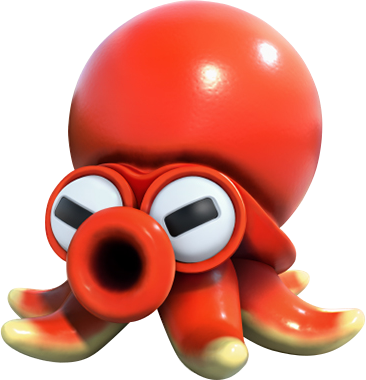
Octoroks, Tektites, Peahats and ZolsThroughoutClassic monsters from the 1986 original, all of them copyable.
The people who made it
The three people Nintendo put in front of the press, from its Ask the Developer interview.
Eiji AonumaProducer · NintendoSeries producer, who wanted a top-down Zelda line alongside the 3D games, steered Grezzo away from its first prototype, chose Zelda as the lead, wrote a working script during the story boot camp and played the finished game at least eight times.
Tomomi SanoDirector · NintendoManaged and coordinated production on Nintendo’s side and checked that the game felt like Zelda. She had previously supported directors on Grezzo’s remakes, Twilight Princess HD and Mario & Luigi games. Nintendo calls her the first female director in the series.
Satoshi TeradaDirector · GrezzoA designer who began in terrain and level design and joined the series on Ocarina of Time 3D. On the Link’s Awakening remake he was in charge of the art style, 3D backgrounds and lighting. This was his first time directing.
GrezzoCo-developerFounded in 2006 and a Zelda remake specialist since Ocarina of Time 3D; this was its first original Zelda game. Its designers handled the dungeons and the regional graphics.
How it was made
Nintendo’s four-part Ask the Developer interview, published in release week, tells the story of how a copy-and-paste experiment became the first main Zelda game starring Zelda.
A second line of Zelda games
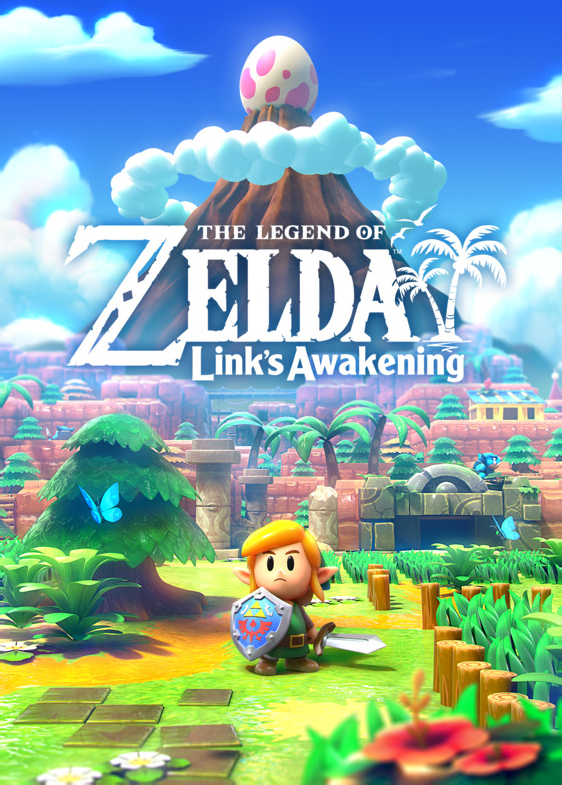
Key art for the 2019 Link’s Awakening remake, whose style this game builds on.
Eiji Aonuma had wanted a top-down series to run alongside the big 3D Zeldas like Breath of the Wild, and Grezzo’s 2019 remake of Link’s Awakening convinced him the old overhead view still worked on modern hardware. So Nintendo asked Grezzo, a studio it had trusted with remakes for years, to make a new Zelda of its own for the first time.
Grezzo opened the floor to everyone: planners, artists and programmers. Dozens of people pitched, and reading the ideas took about three days. Two stood out: copying and pasting things from the world, and mixing the top-down view with side-on sections. Aonuma then asked the team to give players more freedom to solve problems their own way.
The dungeon editor that became echoes
A Chamber Dungeon render from the 2019 Link’s Awakening remake.
The first prototype was called “edit dungeon”: you would copy objects such as doors and candlesticks out in the field and use them to build dungeons of your own (fans of the remake will think of Dampé’s Chamber Dungeons). Grezzo worked on it for about a year. When Aonuma played it, he felt the copying was more fun as a tool for adventuring, and the team changed course, an about-turn Sano compared to “upending the tea table”. Aonuma admits he was afraid that copying so many objects would eat the memory and crash the game, but pushed on anyway.
The two views fed each other. Sano’s favourite example is the Thwomp, which in Link’s Awakening only ever appeared in side-on rooms. Copy one into the top-down world and it can crush things from above or serve as a block to climb, and the team found that switching perspective made ideas twice as satisfying.
Balancing more than a hundred echoes
Official render of an echo being summoned.
Every echo had to be capable of helping and hindering, and every one had to work in both views. If any single echo were too good, Terada reasoned, players would never use the others, so each got a distinct character that makes it easy to remember. Monsters had to be beaten before they could be copied, which let the team make allied echoes strong without making the enemies unfair.
Some early rules were thrown out. One idea capped Zelda at 20 echoes per dungeon, but it broke solutions that had worked a moment earlier, so restrictions were stripped away and the game got better for it. Water blocks were a particular headache: flat in side view, solid cubes you can swim through from above, and in early builds swimmers could fall out through the gaps between them. Early on, echoes also took too long to act while Zelda waited; Nintendo asked for every action to happen instantly, so a monster echo attacks at once and a fire echo lights straight away.
The team wrote down a philosophy it called “being mischievous”. Players should be able to paste anything wherever and whenever they like, solve puzzles with things that are not there, and enjoy uses so clever they feel like cheating. The document even pointed to the Breath of the Wild shrine where you can flip the maze board over and roll the ball home along its smooth underside.
Why Zelda?
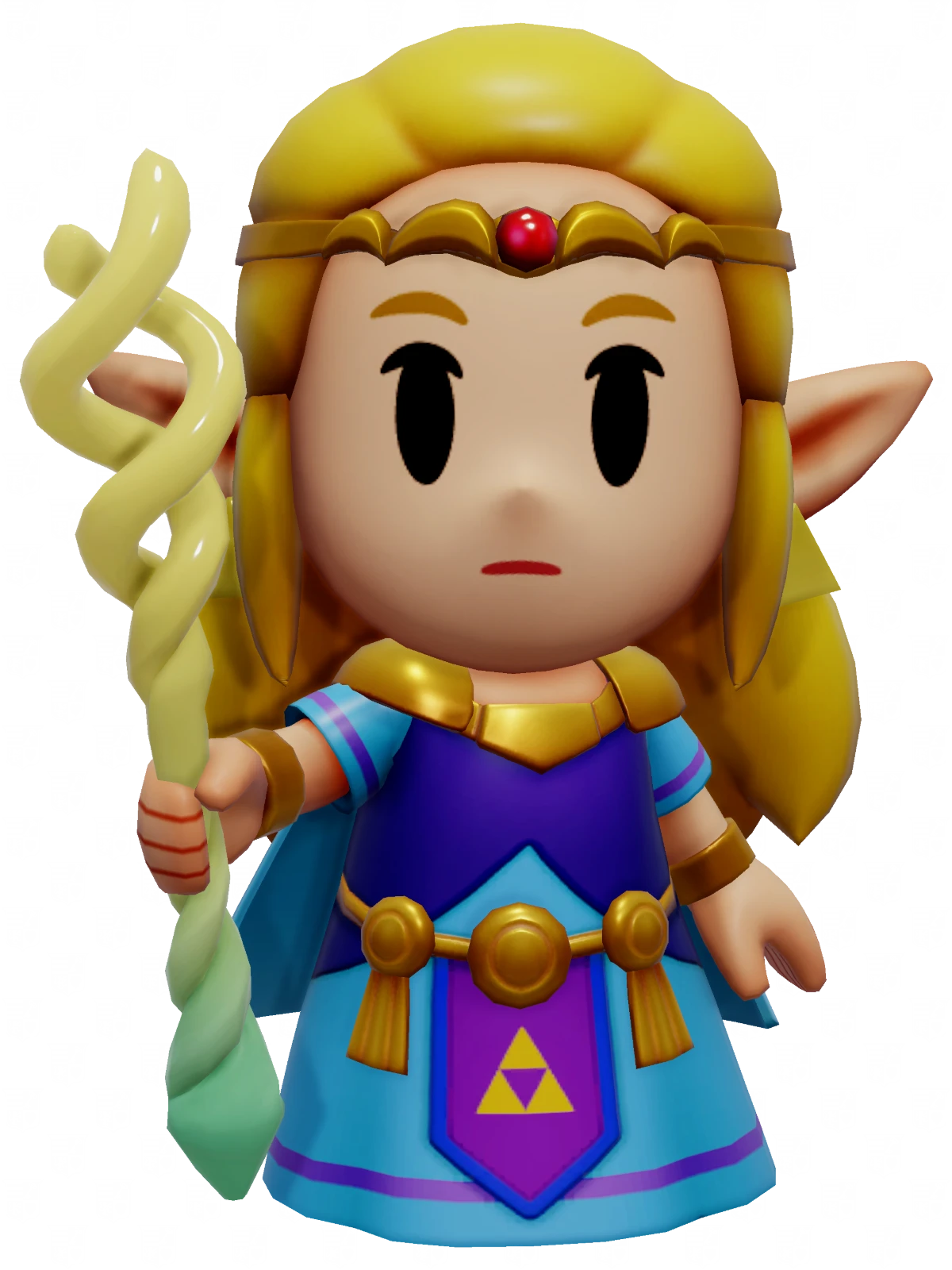
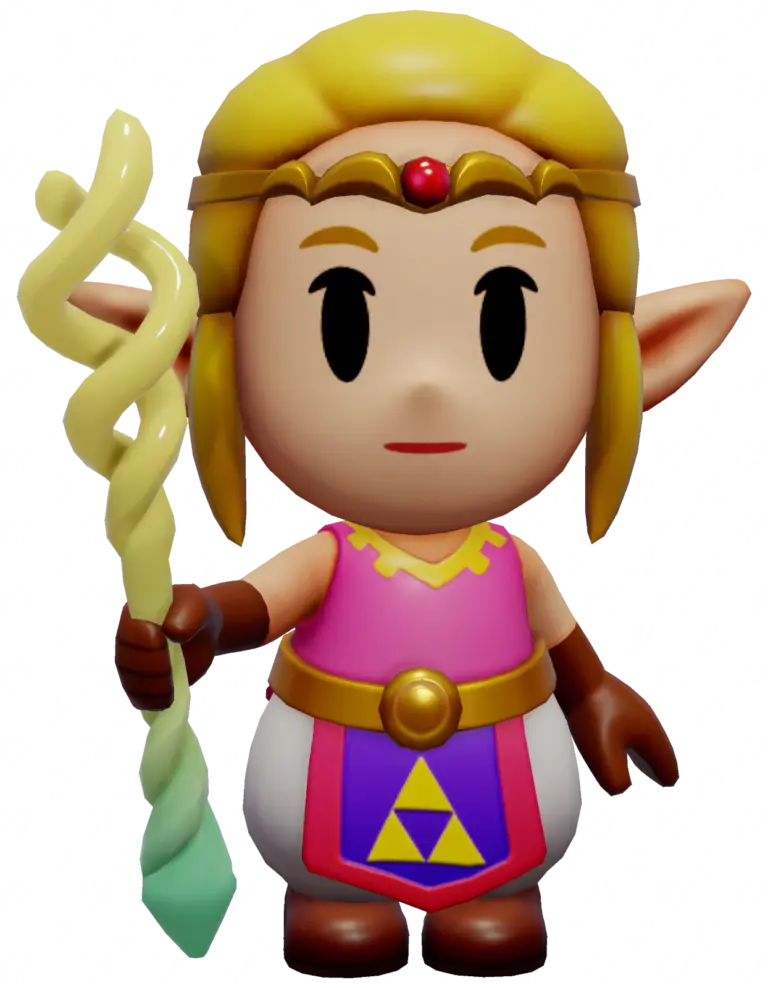
Official artwork of Zelda’s disguise.
“We were initially thinking that Link would be the protagonist,” Aonuma says. But with a sword and shield, players simply fought, and the echoes went unused; Terada says the two just did not work together. A hero without a sword pointed to Zelda, whose wisdom suited a power that works indirectly, and fans had been asking for years whether she would ever lead. When the team was struggling to settle on a protagonist, Aonuma realised that this was exactly the game for her.
They still wanted swordplay, so Zelda imitates Link through echoes, which became Swordfighter Form. Her look took thought too: ordinary adventuring clothes would suggest she had planned to leave the castle. The answer was a hood. Link’s new outfit was designed first, with a hood that marks him as a seasoned hero, and Zelda inherits it, travelling in secret and carrying a reminder of the person she is looking for. Sano says the team thought it would be touching for Zelda to inherit Link’s hood.
A reason to leave the castle
Official artwork of a rift.
The hardest story problem was motive. Link is the one destined to set out when monsters appear, and the princess has people around her who can fight, so monsters alone would never send her on the road. The rifts solved it: if the kingdom itself is being destroyed and changed, she has to act, and losing her father to one makes it personal. Sano says the scene of the king being swallowed was one of the hardest to get right. Aonuma wanted the danger to be clear without anything too cruel, since the heroine is not a fighter.
An attempt to keep Hyrule’s history deliberately vague did not work, so around the summer of 2023 the team decided to work the story out at boot camps: a few sessions adding up to nine days, working from morning until night. Aonuma wrote a working script overnight in his hotel and the team layered familiar Zelda elements on top of it. He says they had no intention of adding new theories to the series’ lore, and that balancing how much to change is very hard when fans notice everything.
World, dungeons and music
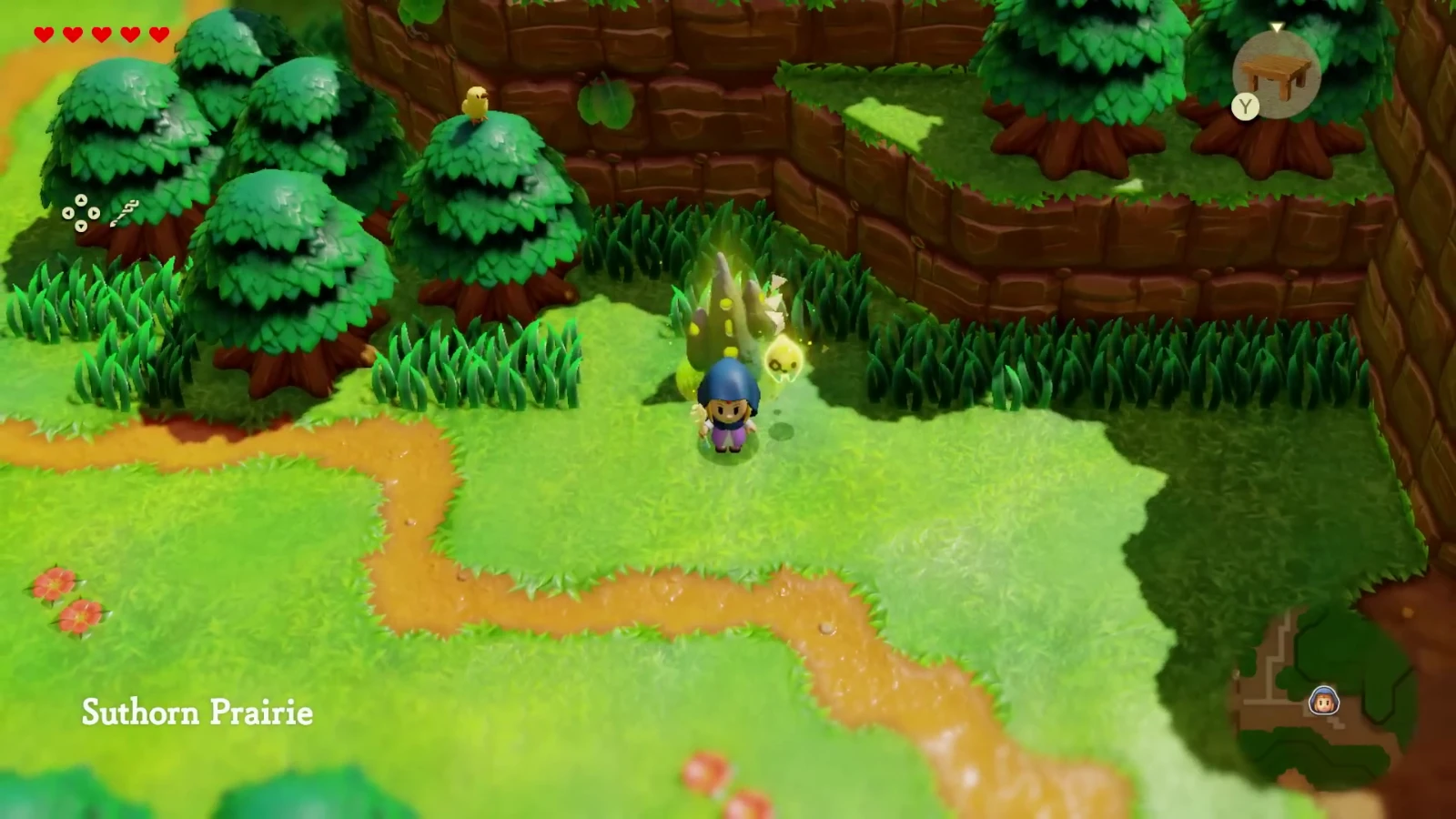
Suthorn Prairie, where the main theme is first heard.
The map was first planned at four times the size of Link’s Awakening and grew to eight times, but Aonuma wanted it to stay compact enough not to intimidate. Grezzo designed the dungeons and the regional graphics, and the familiar structure of dungeons and bosses stayed, now tackled with echoes. Players can even rest in a bed echo mid-fight to recover, rather than relying on hearts placed before the boss door.
Sound arrived late. The team spent a long time working in silence, and hearing the main theme near the end transformed the mood. It first plays as Zelda leaves the cave from Suthorn Beach onto Suthorn Prairie, the moment Aonuma singles out; Sano picks the first confrontation with Ganon.
Firsts: what this game introduced
What Echoes of Wisdom brought to the series. Only firsts we could confirm are listed.
1Zelda as the main-series leadThe first main Zelda game with the princess as the playable protagonist. (She starred in two Philips CD-i games that Nintendo did not develop and is playable in spin-offs.)
2Grezzo’s first original ZeldaAfter years of remakes, the studio’s first new game in the series.
3The series’ first female directorNintendo describes co-director Tomomi Sano as the first woman to direct a Zelda game.
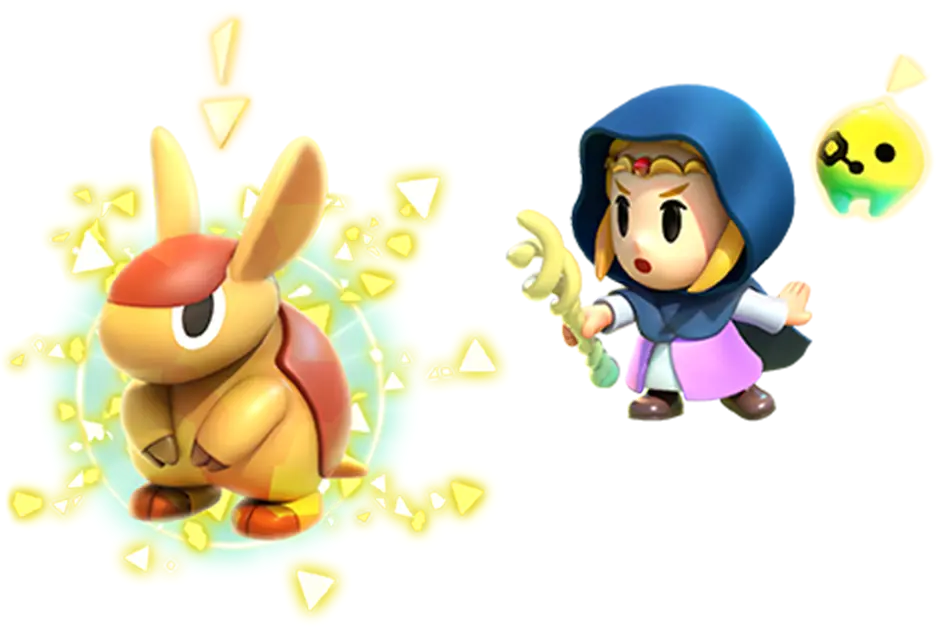
4Echoes and the Tri RodCopy almost anything you see, then summon it at will: 127 echoes in all.
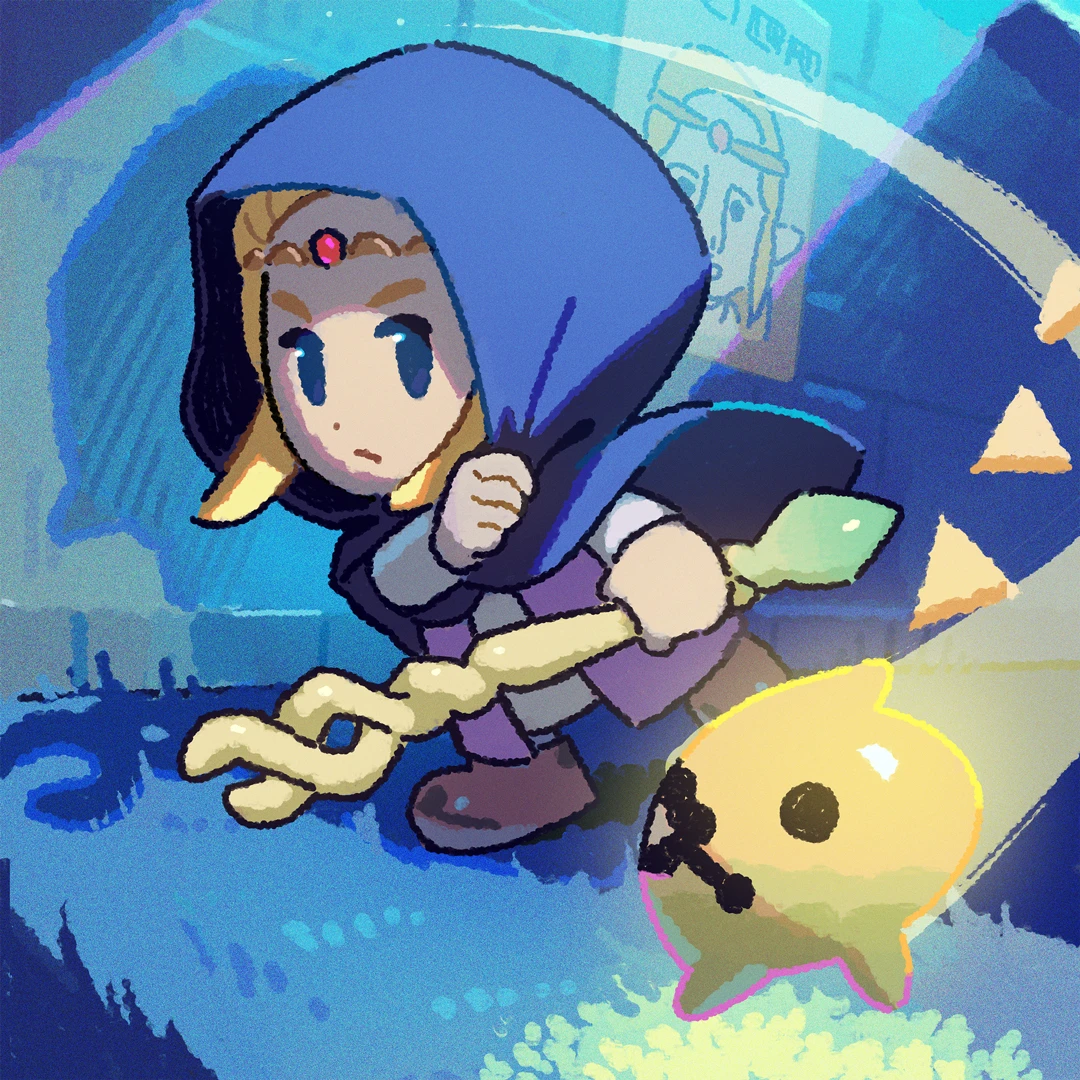
5TriA new companion, one of the goddess-made Tris that mend rifts.
6Null and the Still WorldA new villain from the void before creation, and the frozen realm inside its rifts.
7Swordfighter FormZelda borrowing Link’s fighting style through echo power, on a timer.
8AutomatonsDampé’s machines, built for Zelda to put to work.
Cheats & secrets
Echoes of Wisdom has no button codes, but it is full of secrets, unlockables and tricks the developers actively wanted you to find.
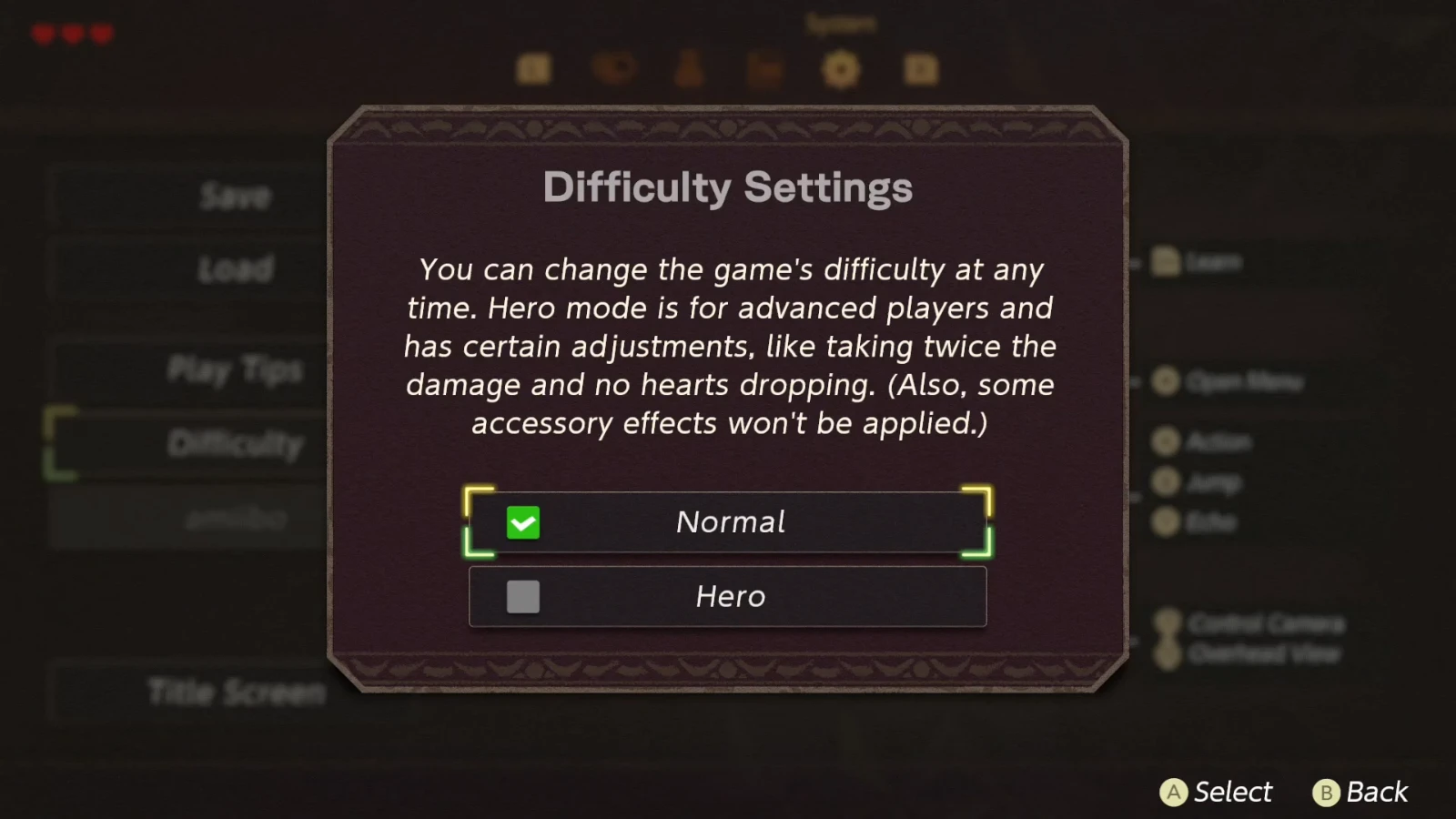
Hero Mode from the start
Hero Mode, available from the start.
The harder difficulty does not have to be earned. Choose Hero Mode under Difficulty in the Settings menu at any point after the prologue, and switch back whenever you like. Monsters do double damage, grass, pots and enemies stop dropping hearts, and wild fairies disappear (you can still find them at the pond near Suthorn Village and at the Great Fairy Shrine in Lake Hylia).
amiibo outfits
The Blue Attire, unlocked with a Zelda amiibo.
Once the fourth dungeon (Hyrule Castle) is done, any Zelda-series amiibo can unlock an outfit on its first scan: Zelda figures give the Blue Attire, Link figures the Red Tunic, and Ganondorf or other Zelda figures the Black Cat Clothing. Each amiibo can be scanned once a day, up to three different figures a day, for smoothie ingredients.
Collect everything
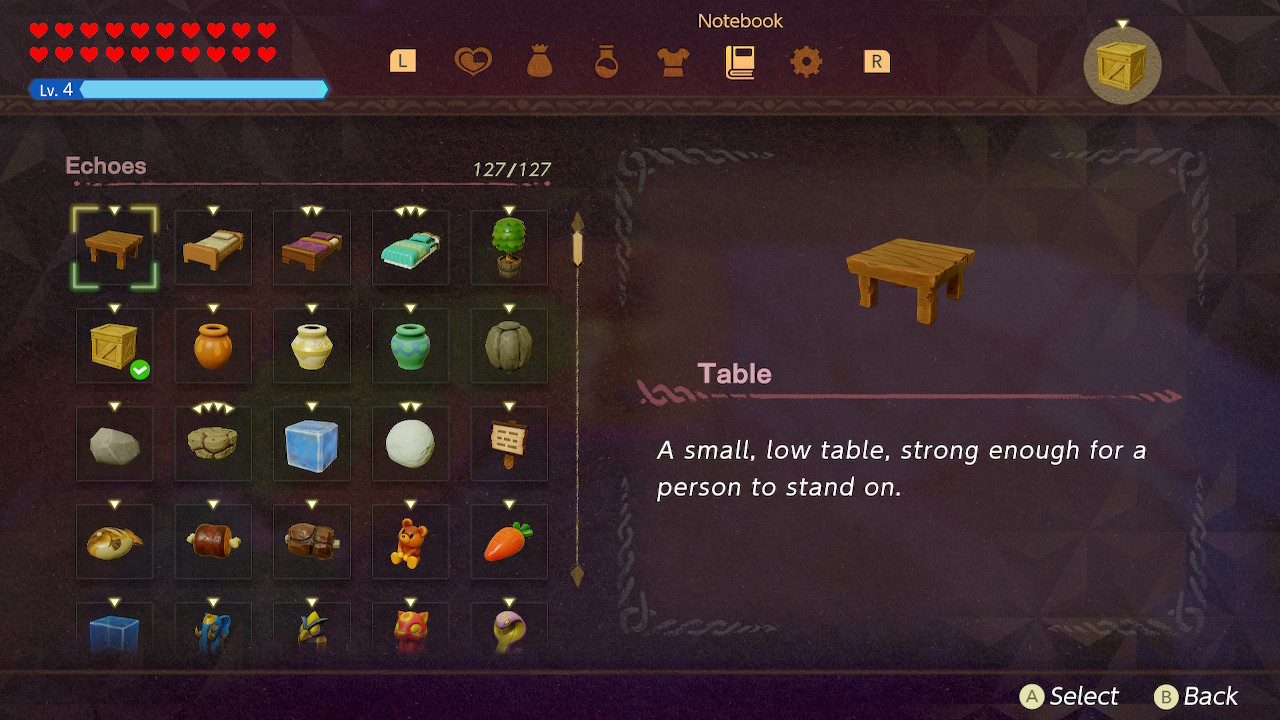
The notebook screen at 100 per cent completion.
The full set is 127 echoes, 40 Pieces of Heart, 25 stamps across five Stamp Cards, 69 smoothie recipes, 50 side quests, 11 outfits (three of them from amiibo), 150 Might Crystals, 15 Slumber Dojo trials, six automatons and four bottles. Tri tops out at level 11. After the credits, the Great Deku Tree will tell you which echoes you are still missing, and there is a secret reward at Lueburry’s house for Might Crystals.
Sleep through a boss fight
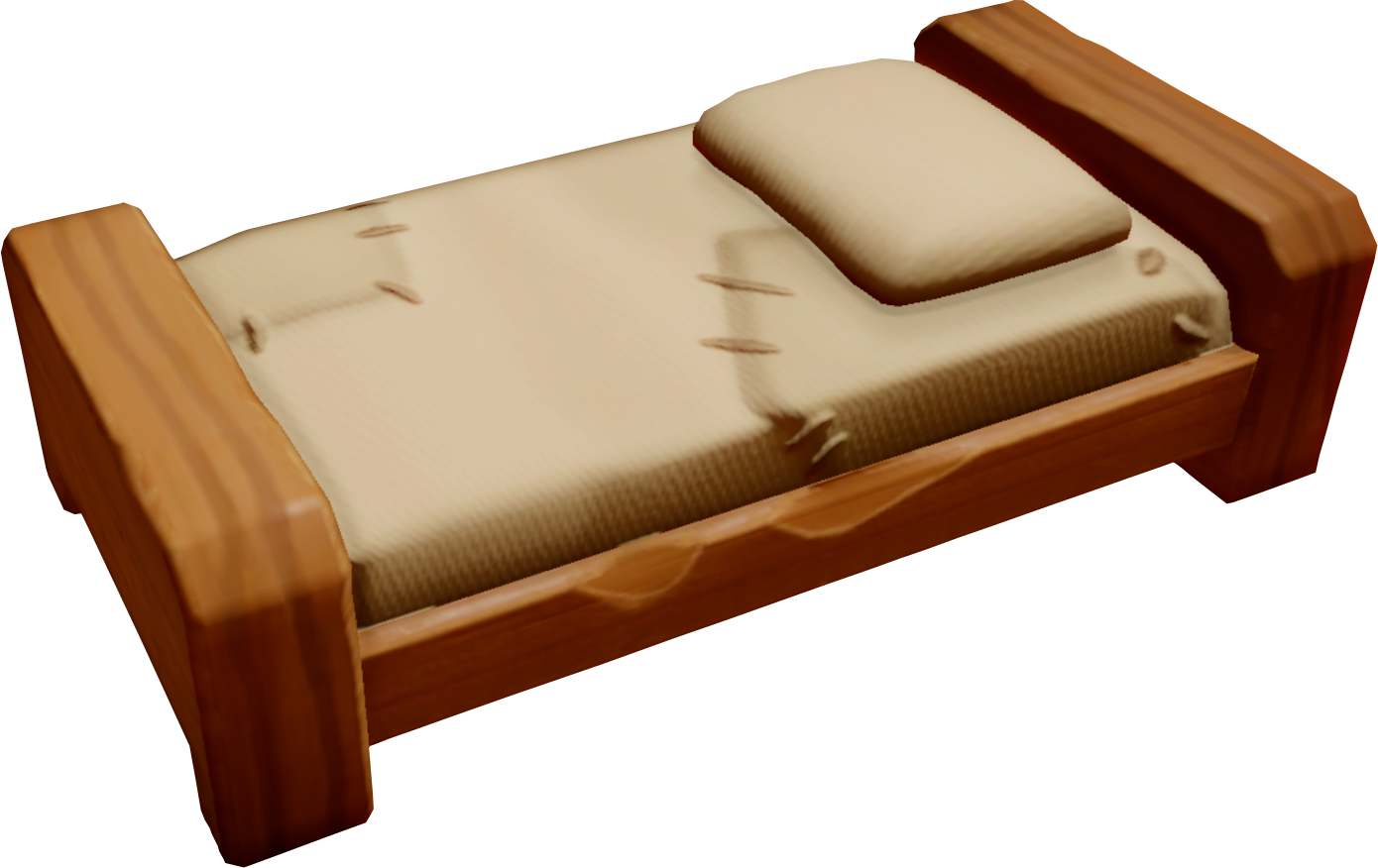
The Old Bed echo.
Echoes work everywhere, including boss arenas. Terada describes players who leave the boss to their strongest echoes, summon a bed and sleep through the battle to recover health; Aonuma adds that the bed replaces the recovery items earlier games left outside the boss door.
Let your echoes do the dirty work
A Rope echo, from Nintendo’s promotional screenshots.
Approaches Terada has seen players take: swarm a boss with cheap Rope echoes, or summon a shielded Moblin as a decoy and attack from behind in Swordfighter Form. Aonuma, on his eighth playthrough, discovered that you can Bind an enemy and drag it straight into your echo’s attacks.
Climb anything
Old Bed echoes at a waterfall, from Nintendo’s promotional screenshots.
Stacking Old Beds, tables, boxes or water blocks to reach places you were not obviously meant to reach is not a bug. The team’s rules said players should be able to paste things wherever and whenever they want, and that tricks which feel like cheating are part of the fun.
Favourite echoes (version 1.1.0)
Since the June 2025 update, once you have learned 30 echoes you can mark favourites and show only those in the echo list, which saves a lot of scrolling.
Compiled for this page from Nintendo’s interview and support pages and from Nintendo Life and Nintendo Everything guides.
Glitches, exploits and oddities
Echoes of Wisdom launched in good shape, but a few problems were patched, and its performance on the original Switch drew comment.
Stuck outside Goron City
Eldin Volcano, home of Goron City.
Version 1.0.2 (October 2024) fixed an invisible barrier at the entrance to Goron City that could block progress during the Eldin Volcano main quest.
Binding to thin air
Bind in use.
The same update fixed a spot where you could target empty space, Bind to it and pull in a way that left you unable to progress.
Grass-cutting slowdown
Hebra Mountain, one of the areas where the frame rate dips on Switch.
The game aims for 60 frames per second on Switch but dips often in the overworld, especially when cutting grass, and the Gerudo Desert and Hebra Mountain can be choppy; dungeons and interiors run smoothly. The Switch 2 update improves image quality, though Nintendo’s notes do not mention frame rate.
The endless echo list
Not a bug, but the most common complaint: scrolling sideways through more than a hundred echoes to find the one you want. Terada has said the design is meant to make players come across echoes they may not have noticed; the 1.1.0 favourites filter softened it.
Falling out of the water
Water Block echoes.
A development-era oddity: in early builds, joined water blocks left gaps, and a swimming Zelda could slip out between them. It was fixed before release.
Videos & media
Two films from Nintendo: the launch trailer, and a longer guided tour of the Still World, Swordfighter Form and the wider game.
Nintendo of America’s official launch trailer, September 2024.
Nintendo of America’s extended overview trailer from 30 August 2024, covering the Still World, Swordfighter Form, Dampé’s automatons and more.
Trivia & facts
The Japanese logo: Chie no Karimono.The Japanese title, Chie no Karimono, means roughly “wisdom’s borrowed things”: in Japanese, echoes are karimono, borrowed objects, and Bind is called Sync.
Nintendo’s interviewer introduced Tomomi Sano as the first female director in the series’ history.
The very first prototype had nothing to do with adventuring: it was a dungeon-building game, and Grezzo spent about a year on it.
An early rule limited Zelda to 20 echoes per dungeon. It was dropped because it kept breaking solutions players had just used.
Zelda’s Royal Travel Attire.Zelda’s hood comes from Link. His new outfit was designed first, and the team thought it would be touching for her to inherit the hood.
The story was hammered out at boot camps adding up to nine days, set up around the summer of 2023, starting from a script Aonuma wrote back at his hotel and brought in the next day.
The world began at four times the size of Link’s Awakening and ended up eight times as big.
The developers built most of the game in silence; music and sound came very late.
The design document behind the echoes cited a Breath of the Wild shrine where you can flip the board and roll the ball home on its smooth back.
Link held captive, waiting for Zelda to return the favour.The opening mirrors the ending. Link frees Zelda from a crystal by shooting it with an arrow; near the end, Zelda frees Link from a crystal the same way.
In this game the goddesses’ power is called the Prime Energy, which splits into the three Triforce pieces in the finale.
Its first week in Japan, 200,121 boxed copies, beat the first weeks of the Link’s Awakening remake (141,375) and Skyward Sword HD (159,089), according to figures cited by Gamereactor.
Of the 4.09 million copies sold by the end of March 2025, 2.58 million went in the first five days.
Nintendo added it to the official timeline in November 2024, on the “hero is defeated” branch, just before the original 1986 game.
The Great Deku Tree.There are 127 echoes; the post-game Great Deku Tree will point you to the ones you missed.
Hero Mode is available from the start rather than unlocked after the credits.
Lueburry.Lueburry’s name is a play on “blueberry”.
Media & artwork
Box art, artwork and screenshots from Echoes of Wisdom. Select any image to view it larger.
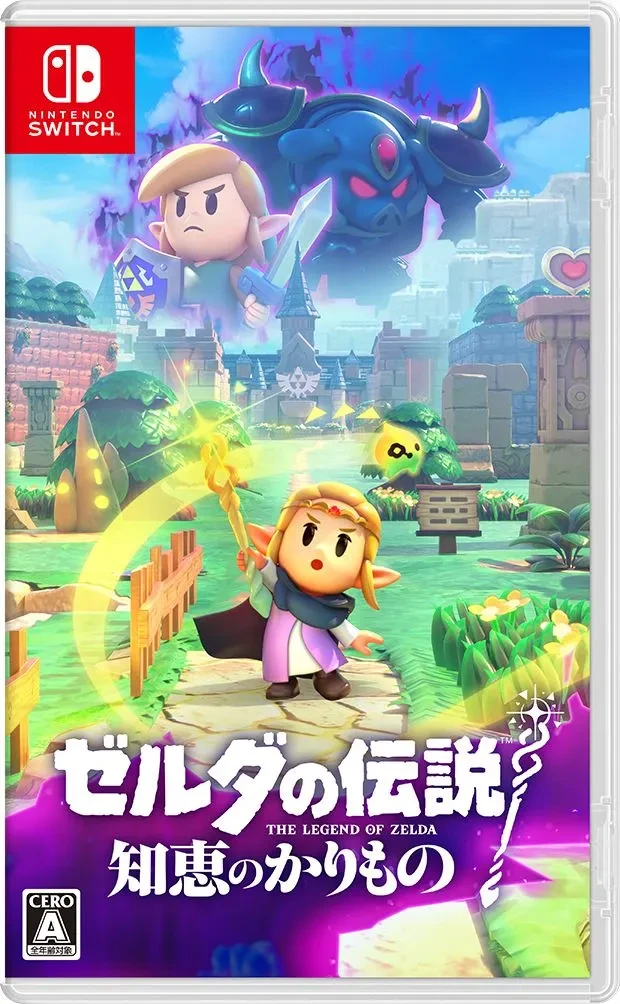
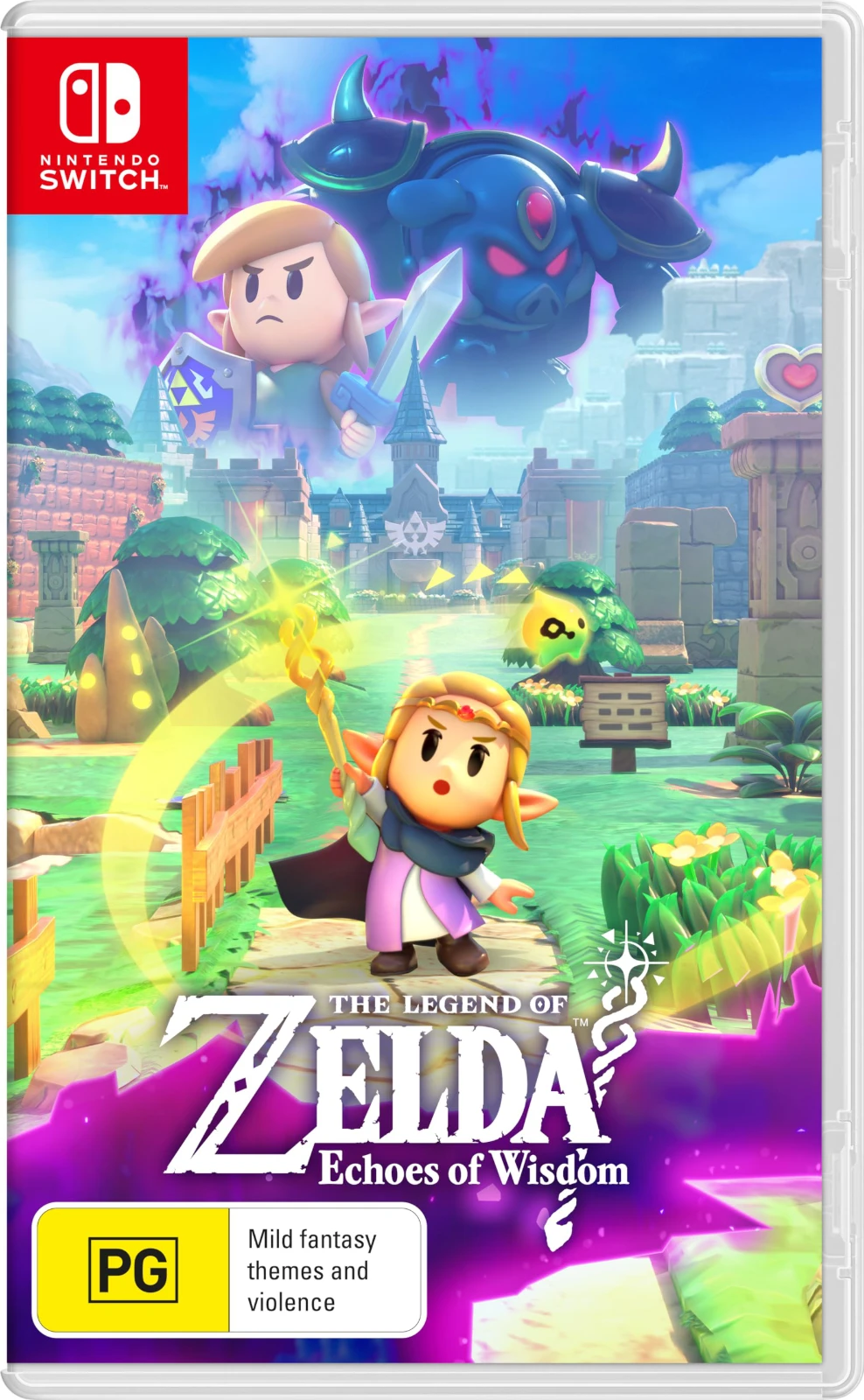
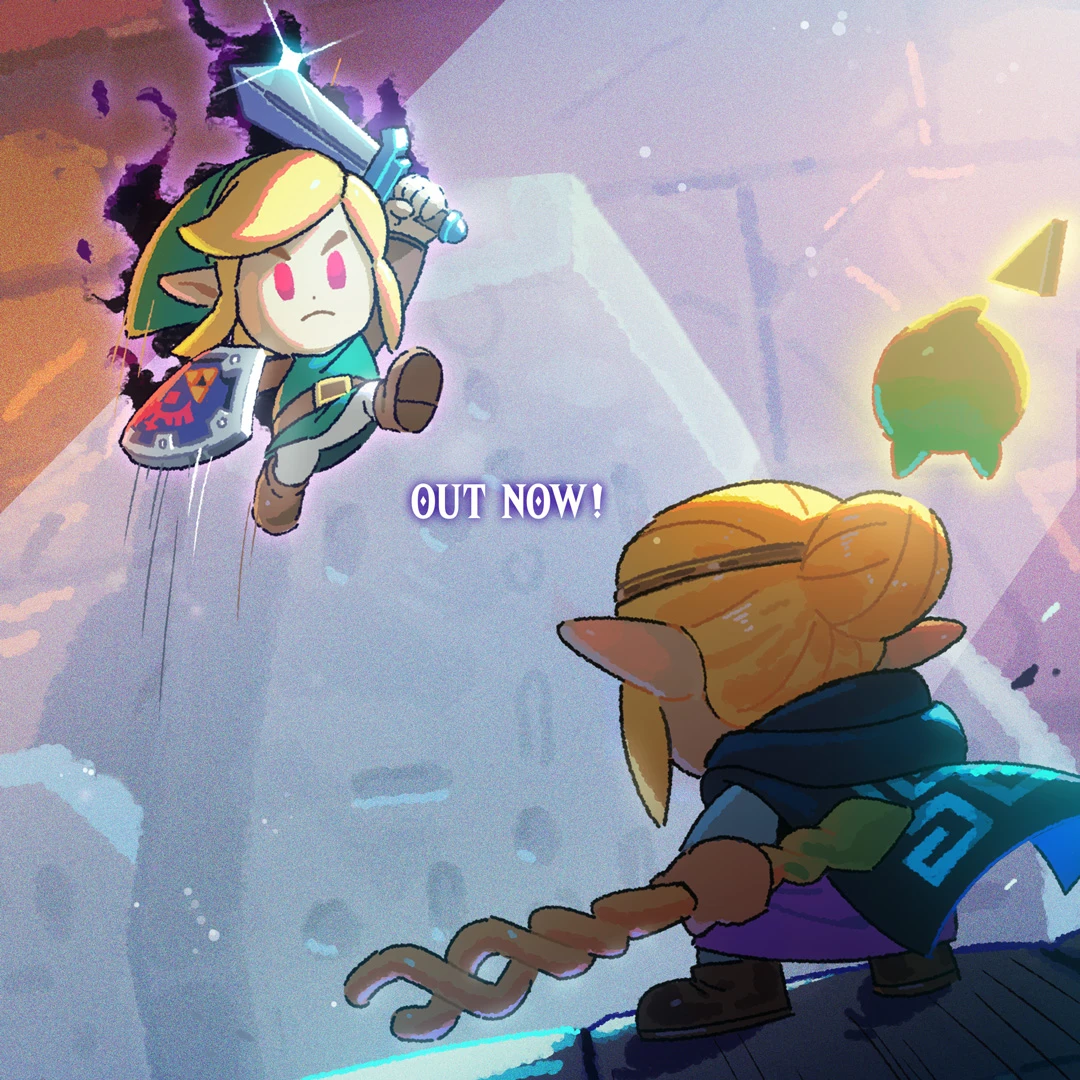
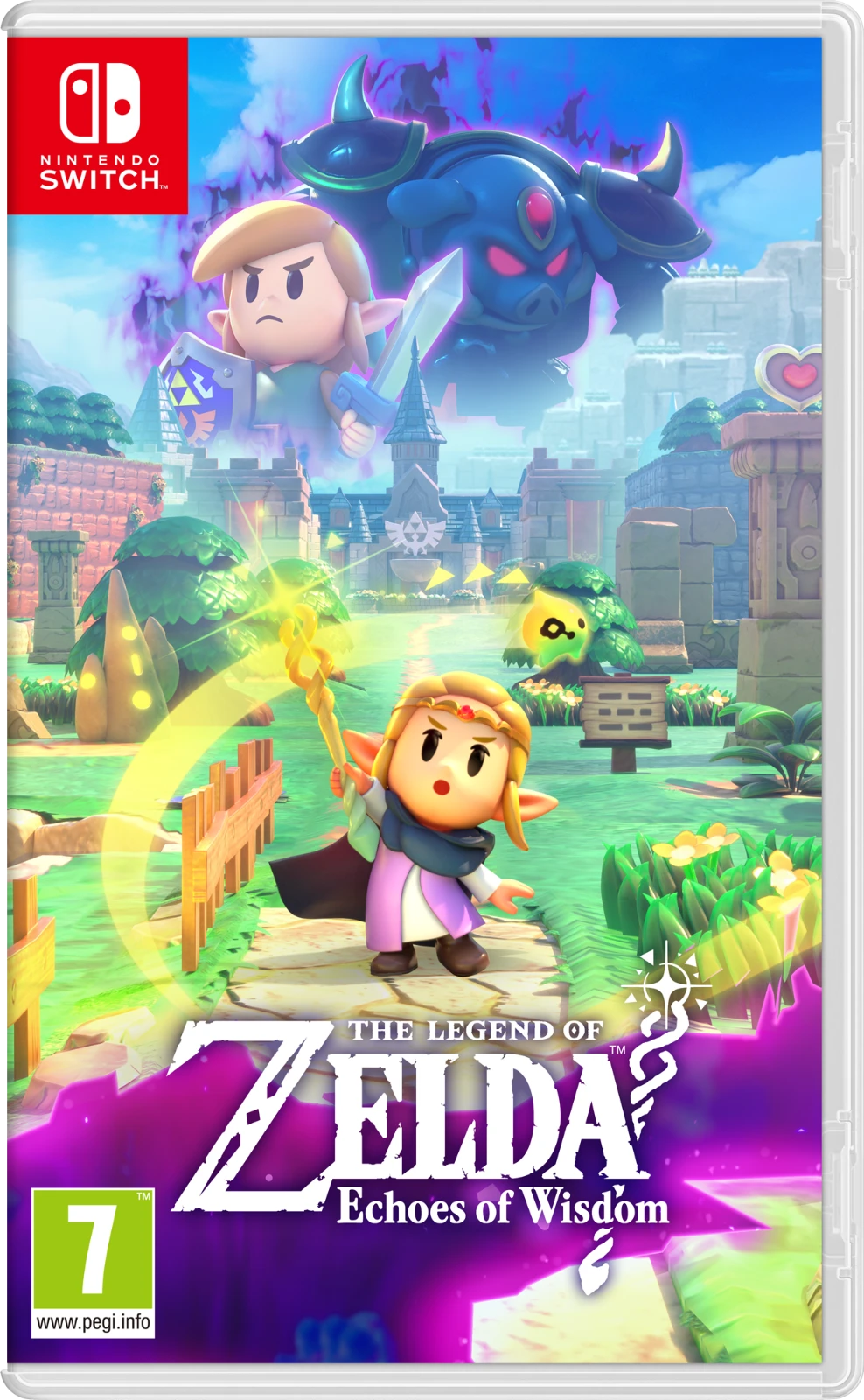
North American Switch box (2024)Japanese Switch box (2024)Australian Switch box (2024)Title screenMap of HyruleKey art, square versionRelease-day artworkBlack Cat Clothes, an amiibo outfitSwordfighter Form, promotional screenshot
Legacy
Echoes of Wisdom is still young, but it has already had a Nintendo Switch 2 update, a place on the official timeline and, if Aonuma gets his wish, a new line of top-down Zelda games ahead of it.
From reveal to Switch 2
Revealed18 June 2024 – Announced in a Nintendo Direct, with Aonuma demonstrating echoes.
Into the Still World trailer30 August 2024 – The Still World, Swordfighter Form and Dampé’s automatons revealed.
Nintendo Switch26 September 2024 – Worldwide release, with the gold Switch Lite: Hyrule Edition. Day-one patch 1.0.1 dated 25 September.
Version 1.0.220 October 2024 – Fixes for two progress-blocking bugs.
Official timeline26 November 2024 – Nintendo Life reports that Nintendo’s Zelda site now places the game after Tri Force Heroes, before the original Legend of Zelda.
Version 1.1.04 June 2025 – Free update (3 June in the Americas): sharper visuals and HDR on Switch 2, favourite echoes on both consoles. The Switch 2 launched the next day.
On Nintendo Switch 2
The favourite echoes filter added in version 1.1.0.
Echoes of Wisdom was one of the Switch games Nintendo upgraded for free ahead of the Switch 2 launch on 5 June 2025. Version 1.1.0 optimises the visuals for the Switch 2 screen and high-resolution TVs and adds HDR support (an HDR display is needed in TV mode). Owners on both consoles got the favourites filter for the echo list. Unlike Breath of the Wild and Tears of the Kingdom, it did not get a separate paid Nintendo Switch 2 Edition.
A new path for top-down Zelda
Nintendo’s release-day artwork.
Aonuma has said that top-down Zelda had changed little for a long time before this game, that Terada brought it a fresh direction, and that he hopes it leads to more top-down adventures. In the official chronology it now sits immediately before the 1986 original, the game where Zelda’s story began.
Sales & reviews
Sales figures
Nintendo reported 2.58 million copies sold by 30 September 2024, its fifth day on sale, and 4.09 million by 31 March 2025. In Japan it entered the Famitsu chart at number one with 200,121 boxed copies in its first week, ahead of the opening weeks of the Link’s Awakening remake and Skyward Sword HD.
2.58mby 30 Sep 2024
4.09mby 31 Mar 2025
200,121Japan, first week (boxed)
85Metacritic
Reception and review scores
Critics were mostly very positive, with a handful of more reserved verdicts. Metacritic’s average is 85 from more than 120 critics.
DexertoSep 2024
5/5
Zelda DungeonRod Lloyd · 29 Oct 2024
9.5/10
FamitsuJapan · issue 1867 (10/9/9/8)
36/40
Nintendo LifeAlana Hagues · 25 Sep 2024
9/10
IGNSep 2024
9/10
GAMINGbibleSep 2024
9/10
InverseSep 2024
8/10
EurogamerSep 2024
4/5
Video Games ChronicleSep 2024
3/5
The Guardian25 Sep 2024
3/5
Praise centred on the freedom echoes give you and on classic-style dungeons; Nintendo Life called it a new standard for top-down Zelda. The doubters, including VGC and The Guardian, liked the ideas but wanted them pushed further and wanted Zelda to feel more powerful. The most common criticisms were the frame rate on Switch, fiddly lock-on targeting and the long, sideways-scrolling echo menu.
Honours
The Game Awards · 2024Two nominationsBest Action/Adventure Game and Best Family Game.
NAVGTR Awards · 2025WinnerControl Design, 2D or Limited 3D/VR; nominated in four more categories including Game of the Year.
BAFTA Games Awards · 2025NominatedBest Game and Game Design; longlisted for Family.
Golden Joysticks / D.I.C.E. · 2024–25NominatedConsole Game of the Year (Golden Joysticks) and Adventure Game of the Year (D.I.C.E.).
Reader reviews
No reader reviews yet. Played it? Give it a score out of 10 and tell other fans what you think.
Every fact on this page was checked against the sources below. Story details come from Nintendo’s own descriptions and interview, cross-checked between the Zelda Dungeon wiki, guide sites and the English and Japanese Wikipedia articles. zeldawiki.wiki blocks automated reading and was not used.
To provide the best experiences, we use technologies like cookies to store and/or access device information. Consenting to these technologies will allow us to process data such as browsing behavior or unique IDs on this site. Not consenting or withdrawing consent, may adversely affect certain features and functions.
Functional
Always active
The technical storage or access is strictly necessary for the legitimate purpose of enabling the use of a specific service explicitly requested by the subscriber or user, or for the sole purpose of carrying out the transmission of a communication over an electronic communications network.
Preferences
The technical storage or access is necessary for the legitimate purpose of storing preferences that are not requested by the subscriber or user.
Statistics
The technical storage or access that is used exclusively for statistical purposes.The technical storage or access that is used exclusively for anonymous statistical purposes. Without a subpoena, voluntary compliance on the part of your Internet Service Provider, or additional records from a third party, information stored or retrieved for this purpose alone cannot usually be used to identify you.
Marketing
The technical storage or access is required to create user profiles to send advertising, or to track the user on a website or across several websites for similar marketing purposes.


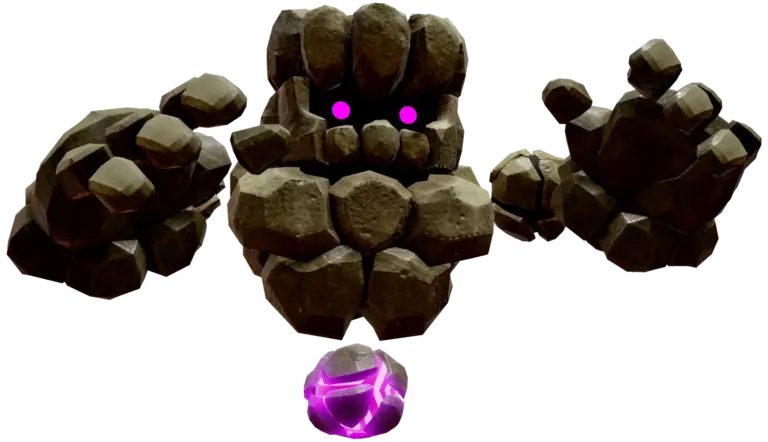 Suthorn RuinsSuthorn Forest · boss: Seismic TalusThe first dungeon, inside the Suthorn Forest rift. A rock creature made of joined boulders guards Tri’s captured friends.
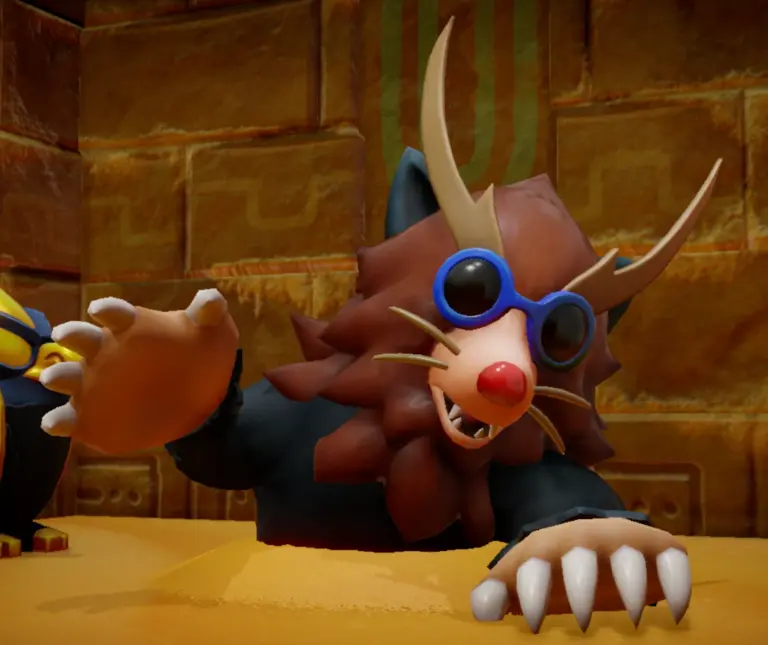 Gerudo SanctumGerudo Desert · boss: MogryphRaised from the sand after Zelda drains the Cryptic Cavern. Its boss burrows through the sand and controls it.
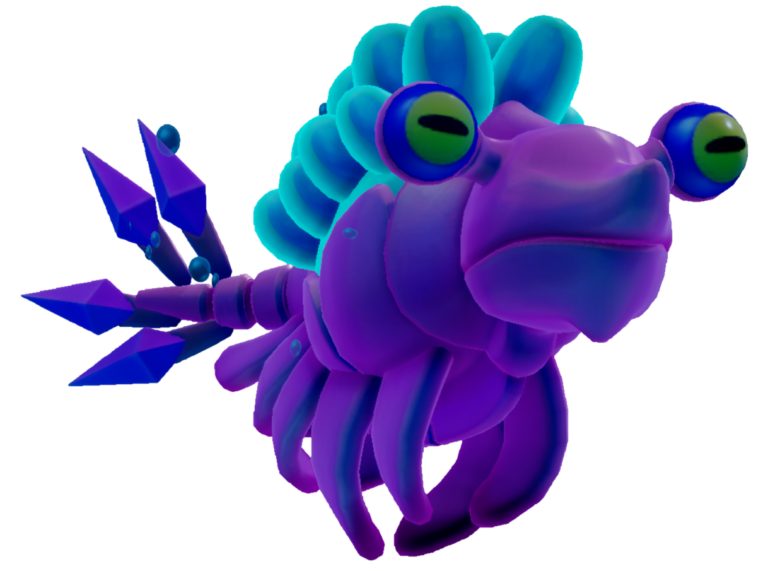 Jabul RuinsJabul Waters · boss: VocavorReached only once the River and Sea Zora chiefs make music together. The boss is a fish-like monster that whips up whirlpools.
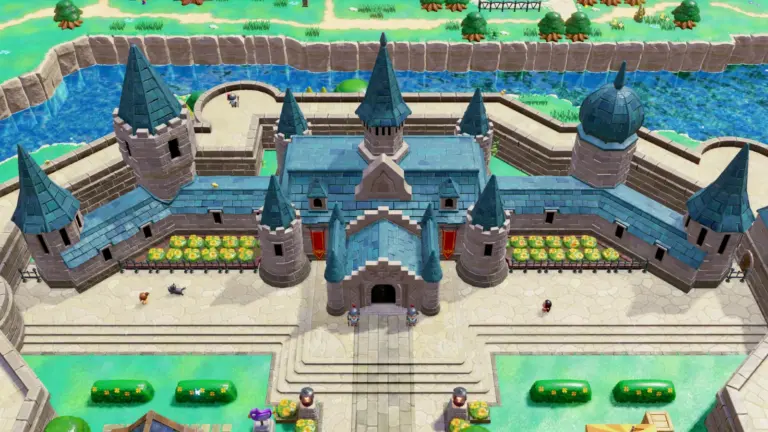 Hyrule CastleStilled Hyrule Castle Town · boss: Ganon (echo)The midpoint: the stilled castle, the trapped king and a trident-wielding copy of the Demon King.
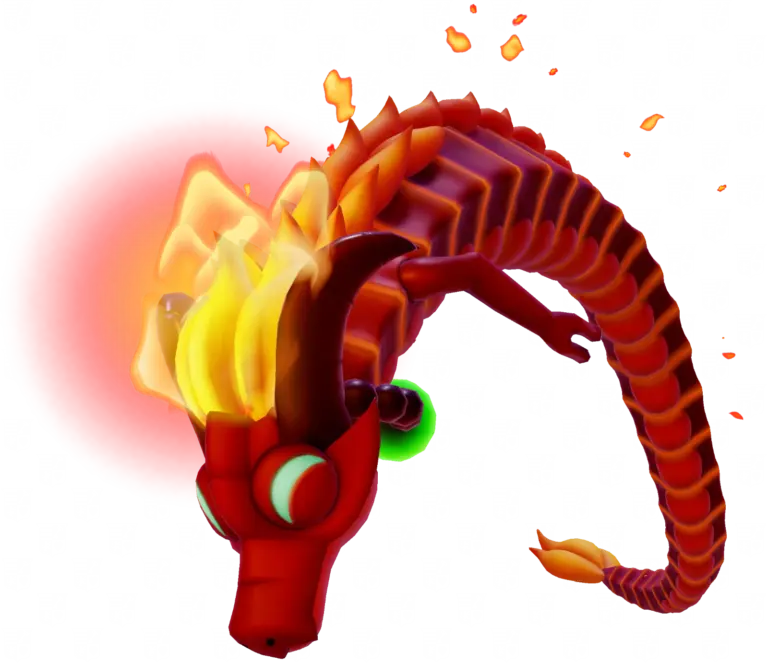 Eldin TempleEldin Volcano · boss: VolvagiaIn the crater of the volcano. The magma dragon from Ocarina of Time’s Fire Temple is back.
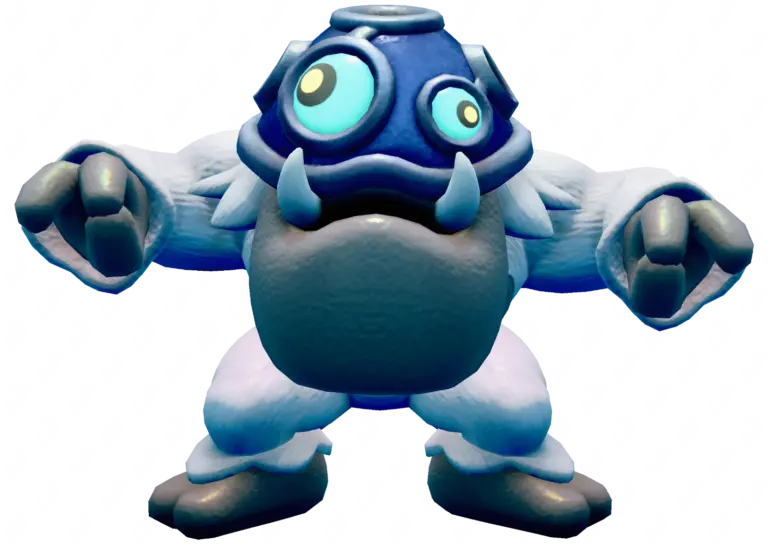 Lanayru TempleHoly Mount Lanayru · boss: SkorchillHigh above Hebra Mountain, inside the summit rift. Its boss is a white-furred beast.
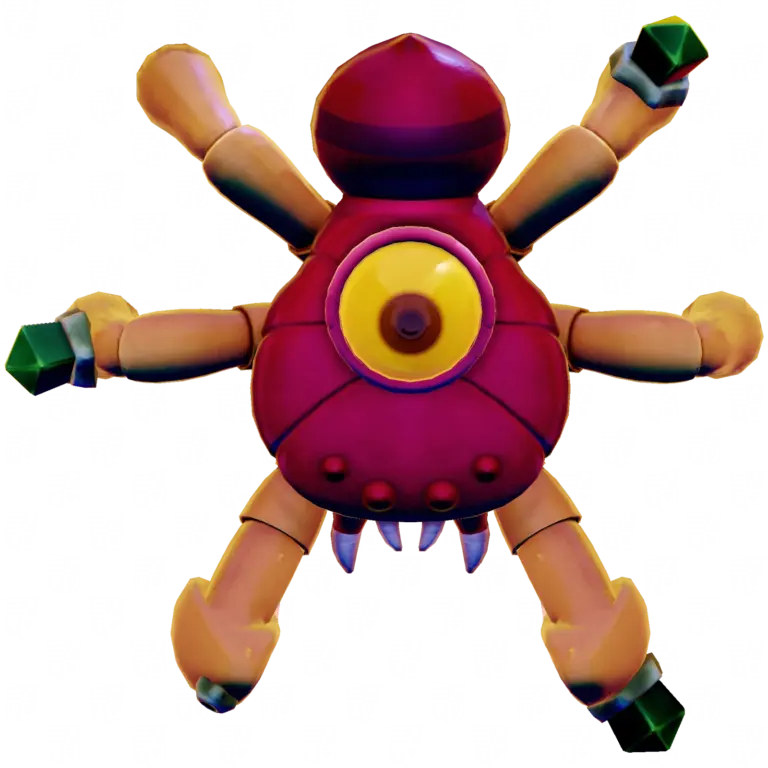 Faron TempleFaron Wetlands · boss: GohmaReached through the rift in the Deku Scrubs’ Sweet Spot. Gohma, one of the oldest bosses in the series, returns.
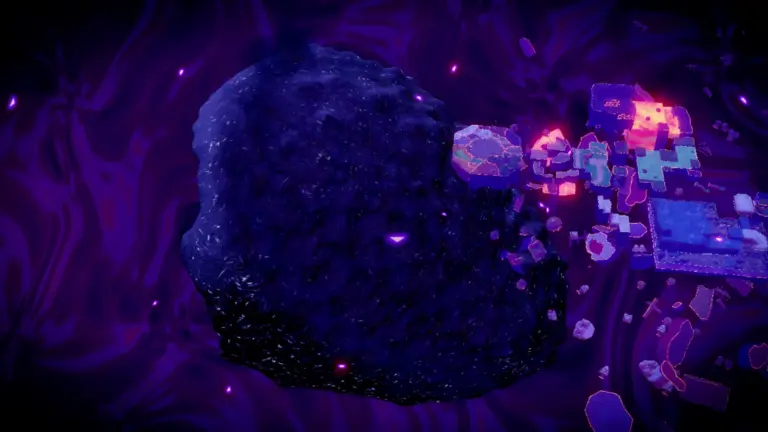 Null’s BodyFinal dungeon · boss: NullEntered with Link at Zelda’s side. There is no turning back once you go in.
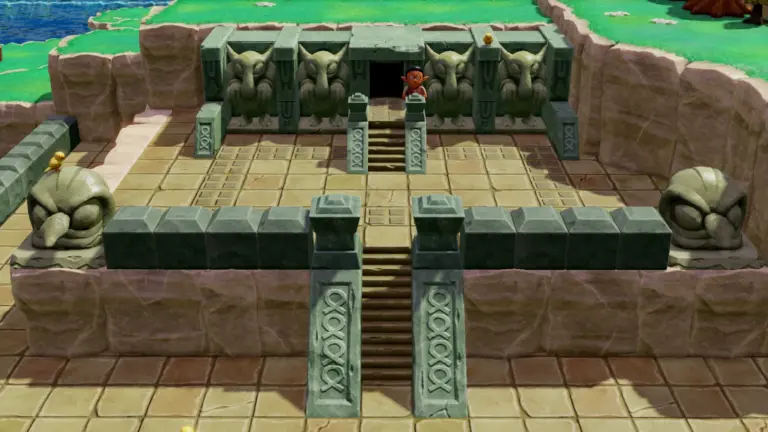 Eastern TempleOptional · Eastern Hyrule FieldTied to the side quest “Let’s Play a Game”.
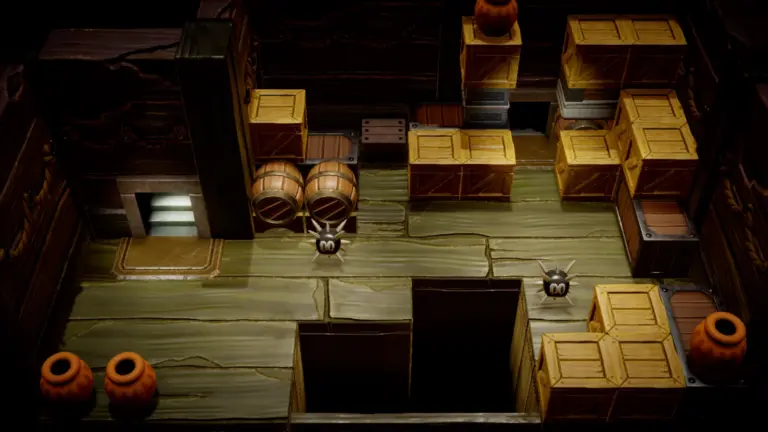 Wrecked ShipOptional · Zora CoveTied to the side quest “The Zappy Shipwreck”.
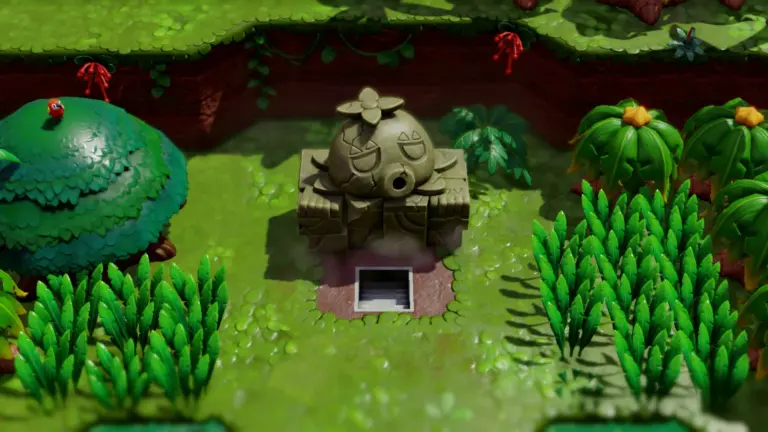 Hidden RuinsOptional · Faron WetlandsTied to the side quest “Cotton-Candy Hunt”.
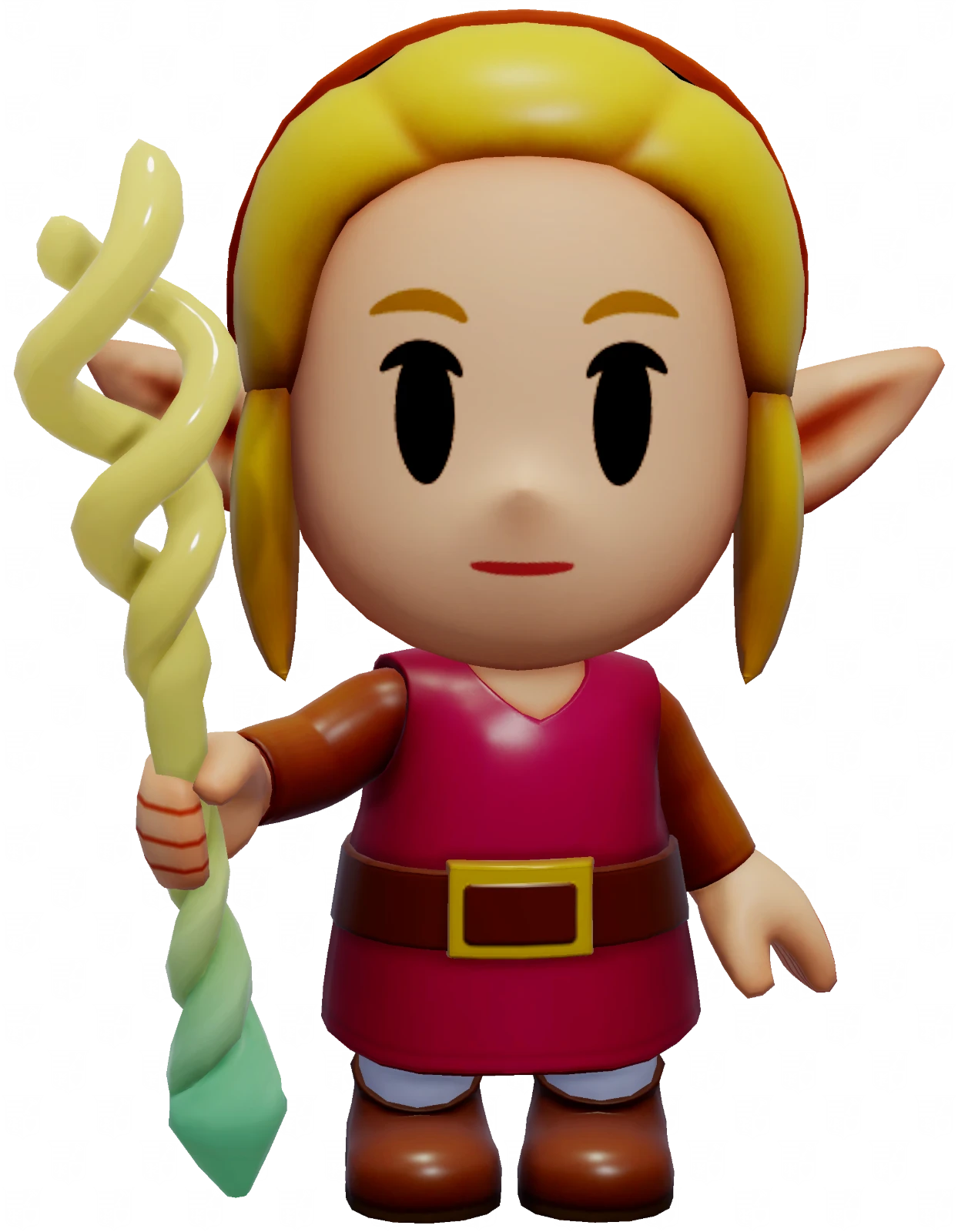 amiibo outfitsIn-game · 2024Any Zelda-series amiibo works. Zelda figures unlock a Blue Attire, Link figures a Red Tunic, and Ganondorf and other Zelda figures a Black Cat outfit, once the fourth dungeon is done.
 Princess ZeldaThe heroine
 TriThe companion
 LinkThe missing hero
 NullThe true villain
 GanonAn echo of the Demon King
 King of HyruleZelda’s father
 ImpaZelda’s old nursemaid
 LueburrySheikah inventor
 Minister LefteRoyal minister
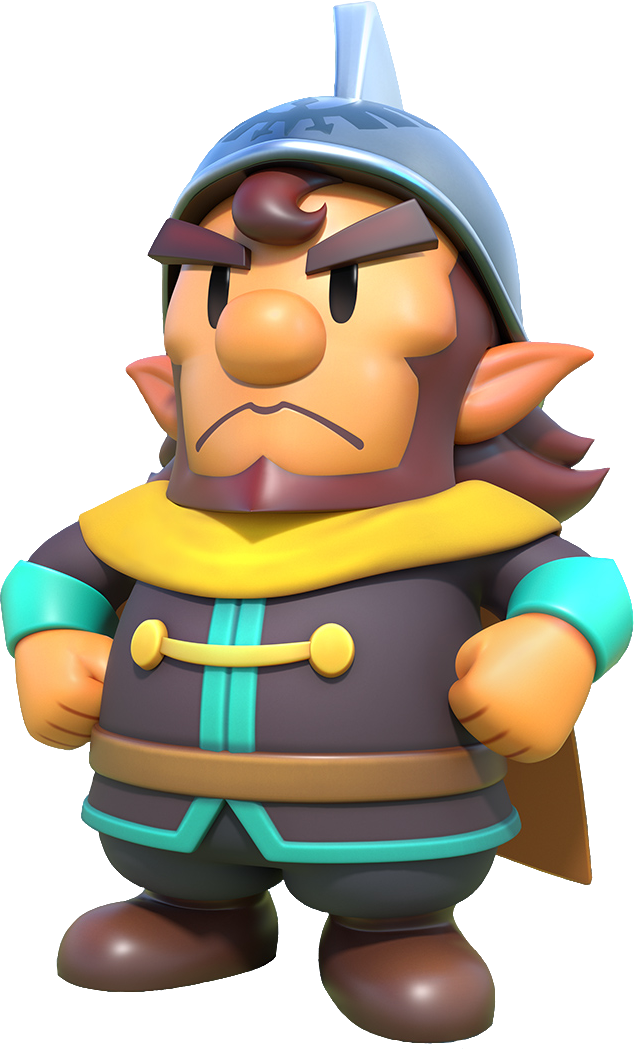 General WrightCommander of the guard
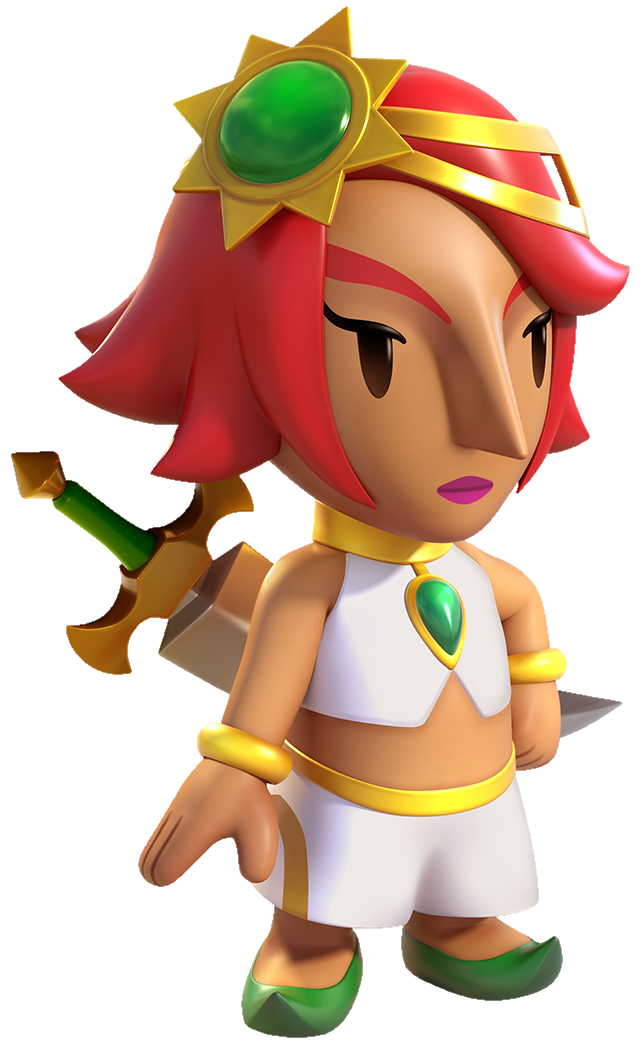 Dohna and Chief SeeraThe Gerudo
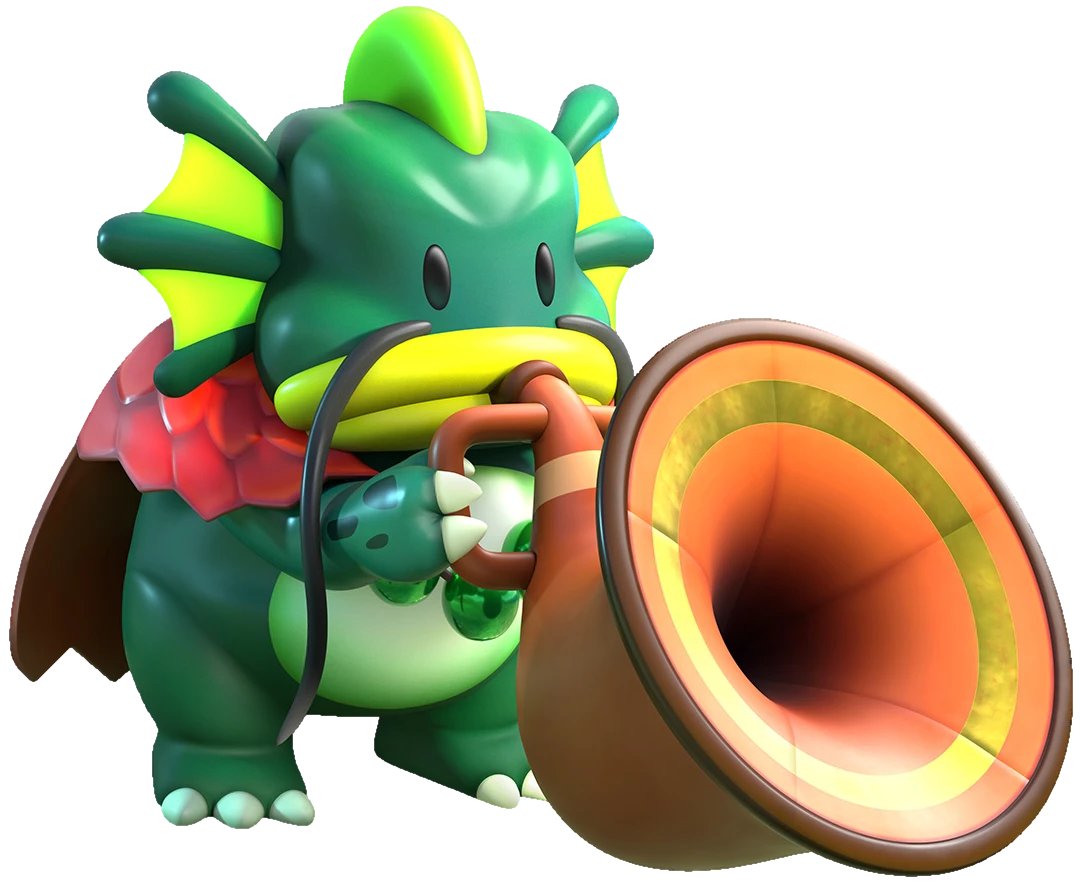 Dradd and KusharaThe Zora chiefs
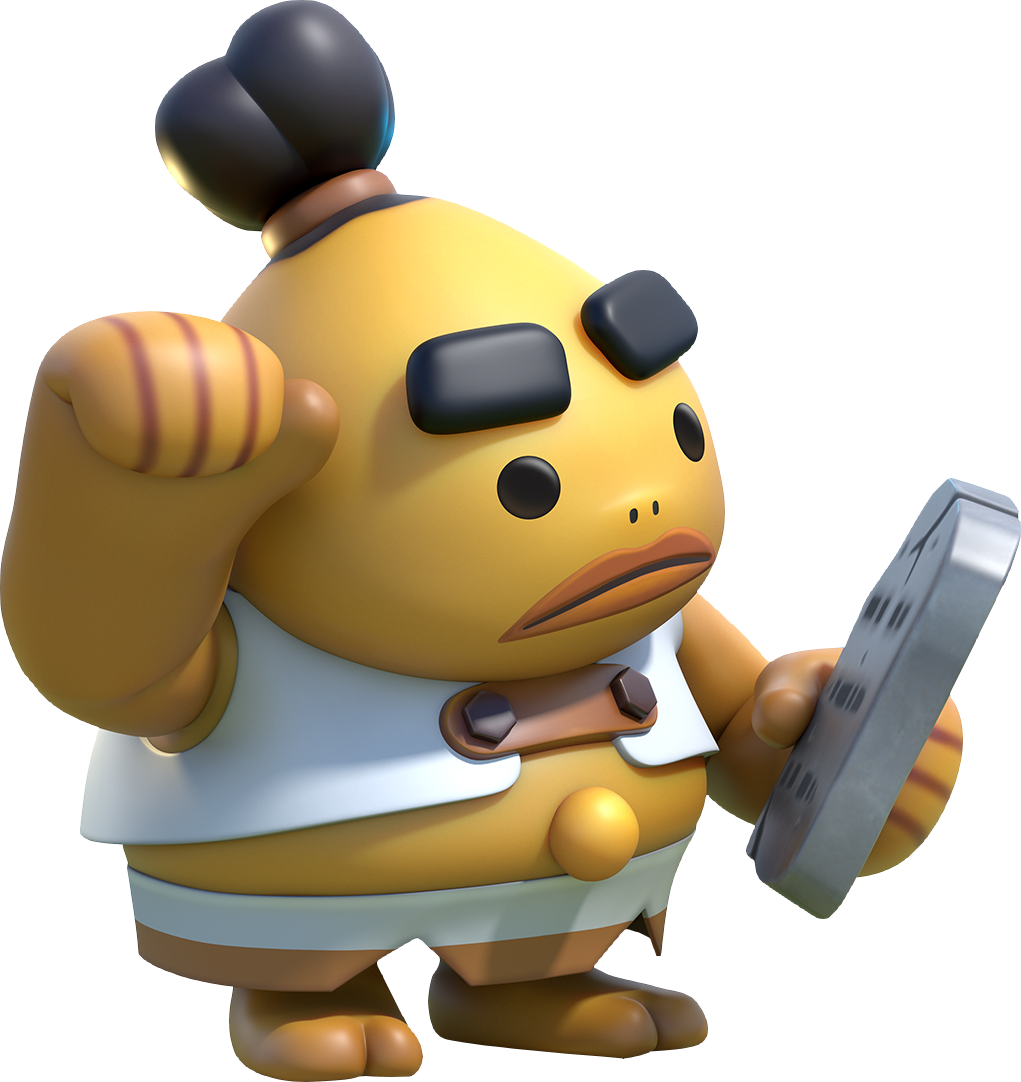 DarstonGoron chief
 CondéHebra Mountain yeti
 Blossu and the Deku ScrubsFaron Wetlands
 DampéAutomaton engineer
 The Great Deku TreeGuardian of the Eternal Forest
 Din, Nayru and FaroreThe Golden Goddesses
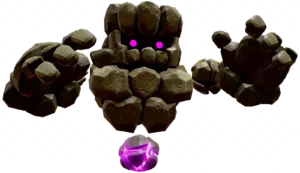 Seismic TalusSuthorn RuinsA creature of joined rocks; the first boss.
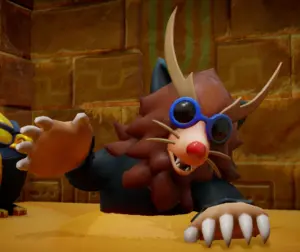 MogryphGerudo SanctumA huge sand-controlling burrower.
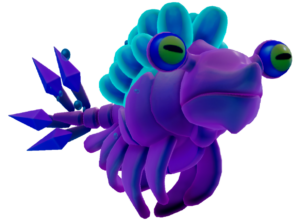 VocavorJabul RuinsA fish-like monster that creates whirlpools.
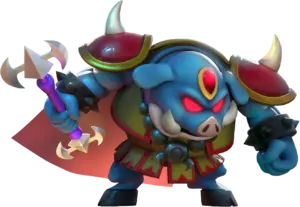 Ganon (echo)Hyrule CastleNull’s copy of the Demon King.
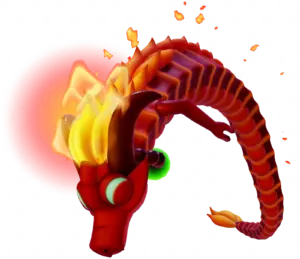 VolvagiaEldin TempleA dragon that swims through magma, back from Ocarina of Time.
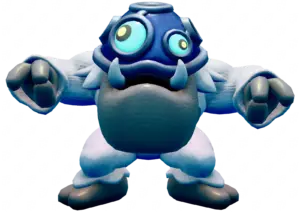 SkorchillLanayru TempleA white-furred beast.
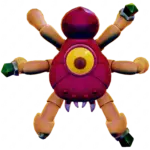 GohmaFaron TempleA giant arachnid, a series regular since 1986.
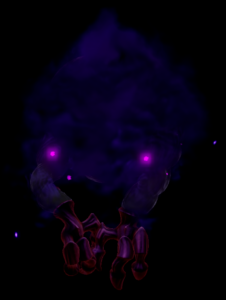 NullNull’s BodyThe final boss, in three phases.
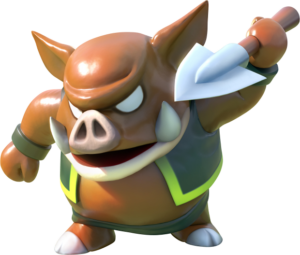 Moblins and DarknutsThroughoutSpear and sword Moblins, and armoured Darknuts in three levels; Terada describes players using a shielded Moblin echo as a decoy.
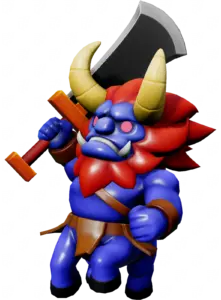 LynelThroughoutOne of the strongest monsters to copy, if you can beat one first.
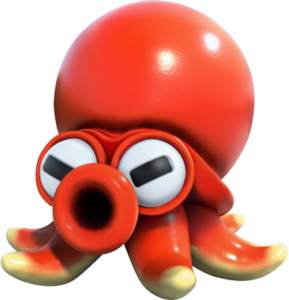 Octoroks, Tektites, Peahats and ZolsThroughoutClassic monsters from the 1986 original, all of them copyable.
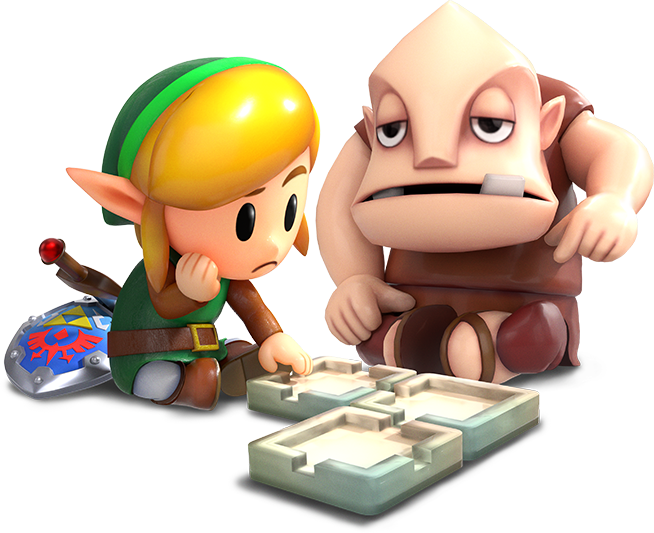
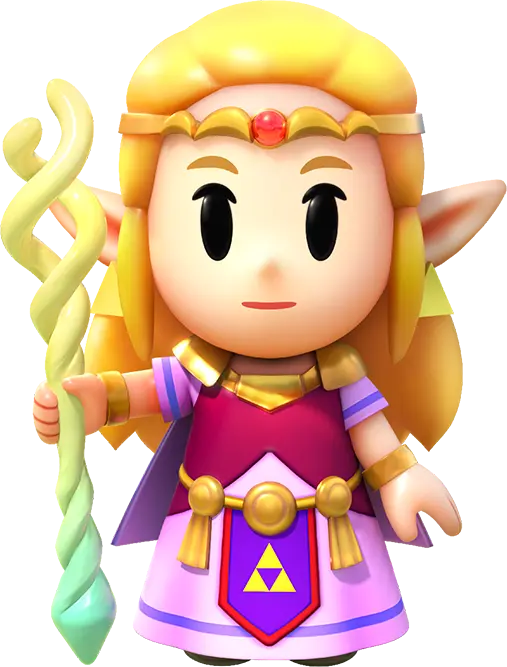 Zelda as the main-series leadThe first main Zelda game with the princess as the playable protagonist. (She starred in two Philips CD-i games that Nintendo did not develop and is playable in spin-offs.)
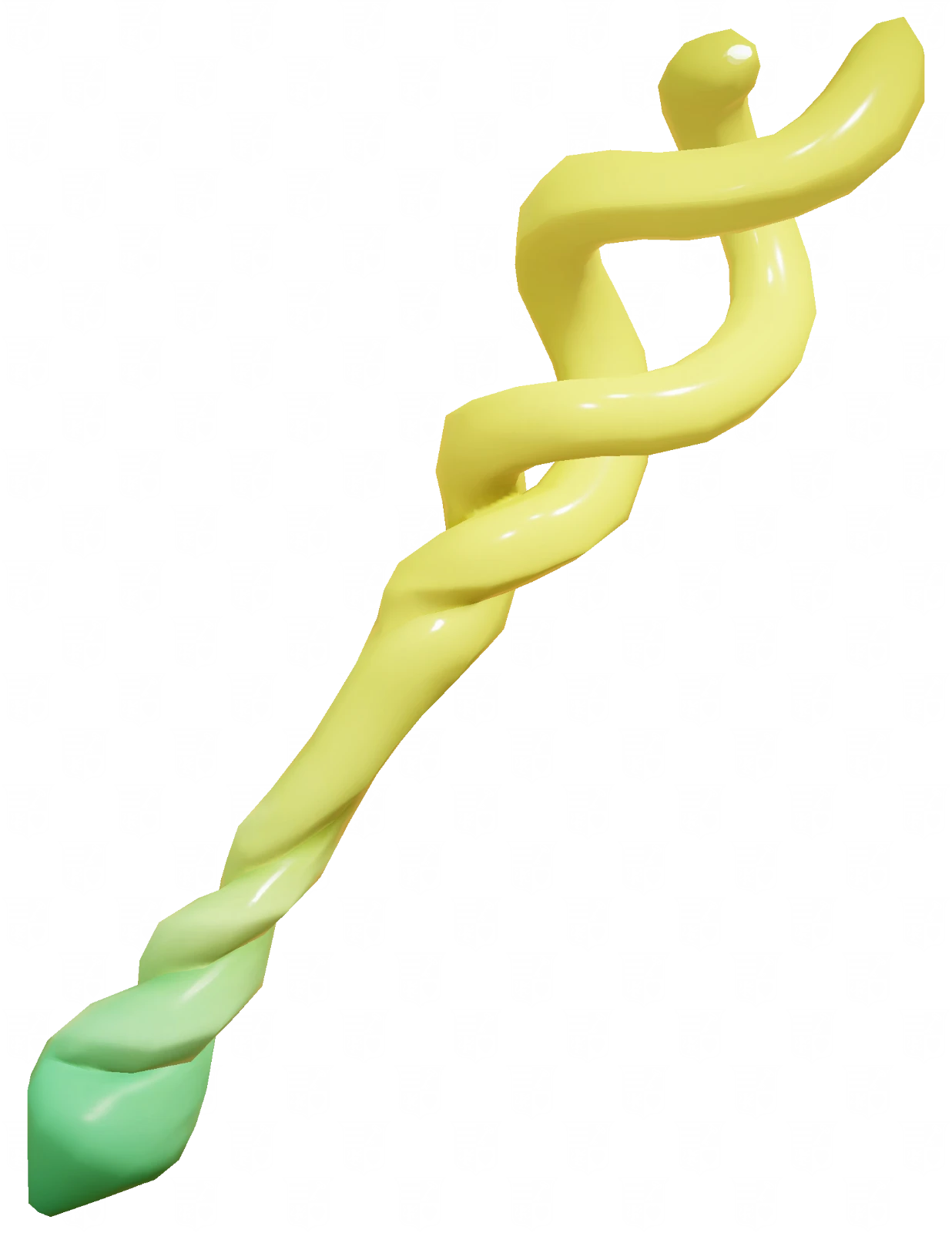 Echoes and the Tri RodCopy almost anything you see, then summon it at will: 127 echoes in all.
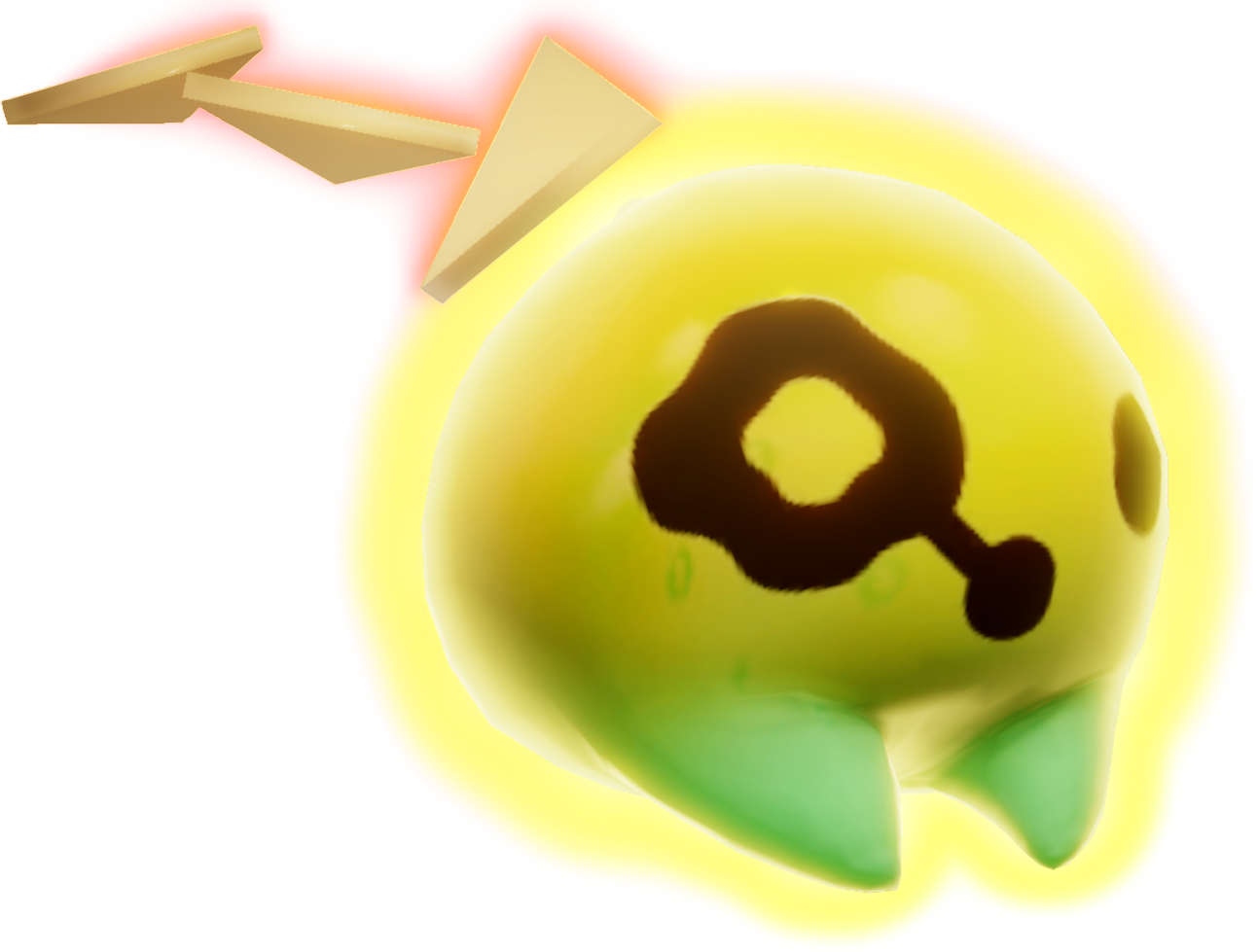 TriA new companion, one of the goddess-made Tris that mend rifts.
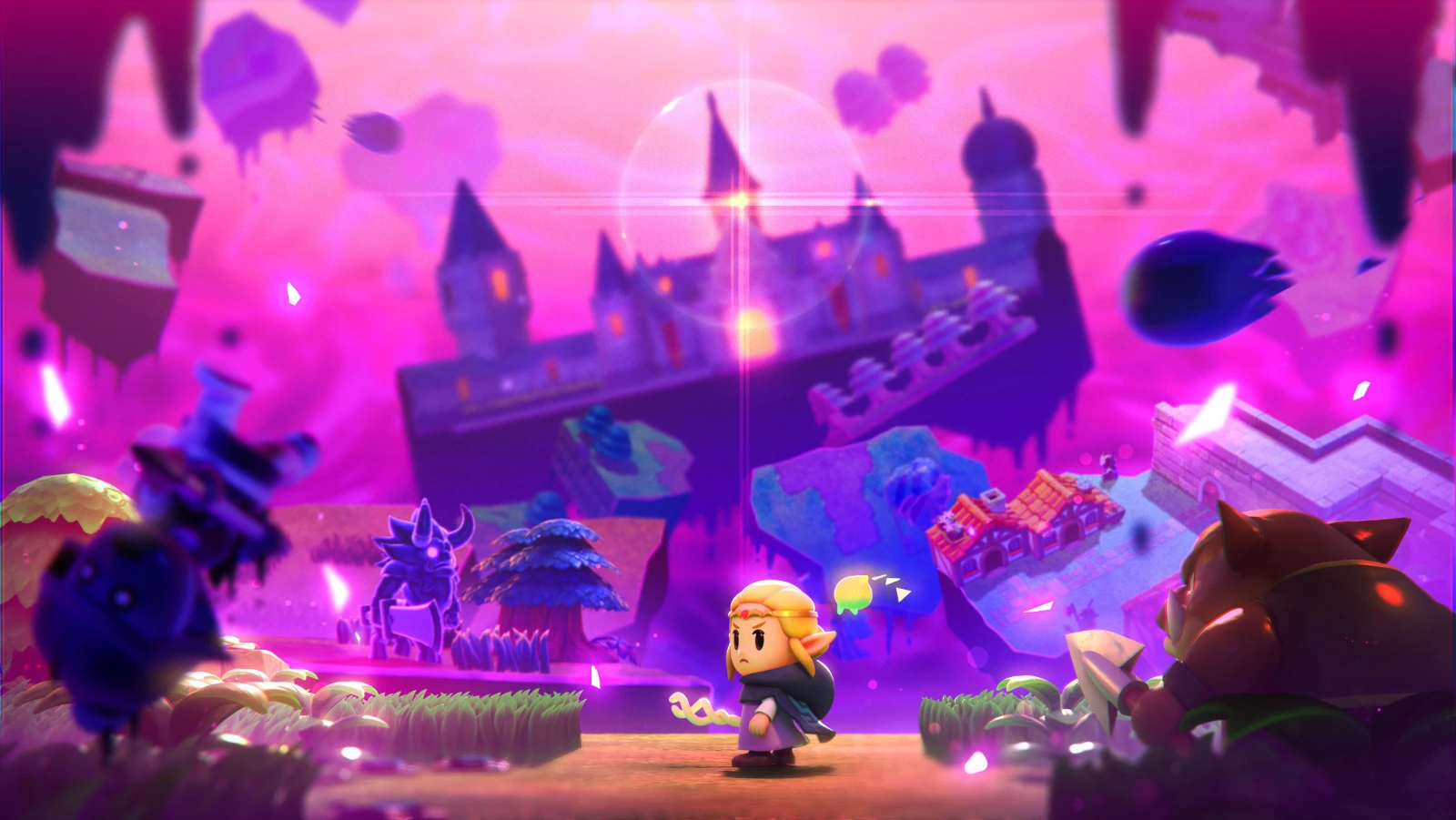 Null and the Still WorldA new villain from the void before creation, and the frozen realm inside its rifts.
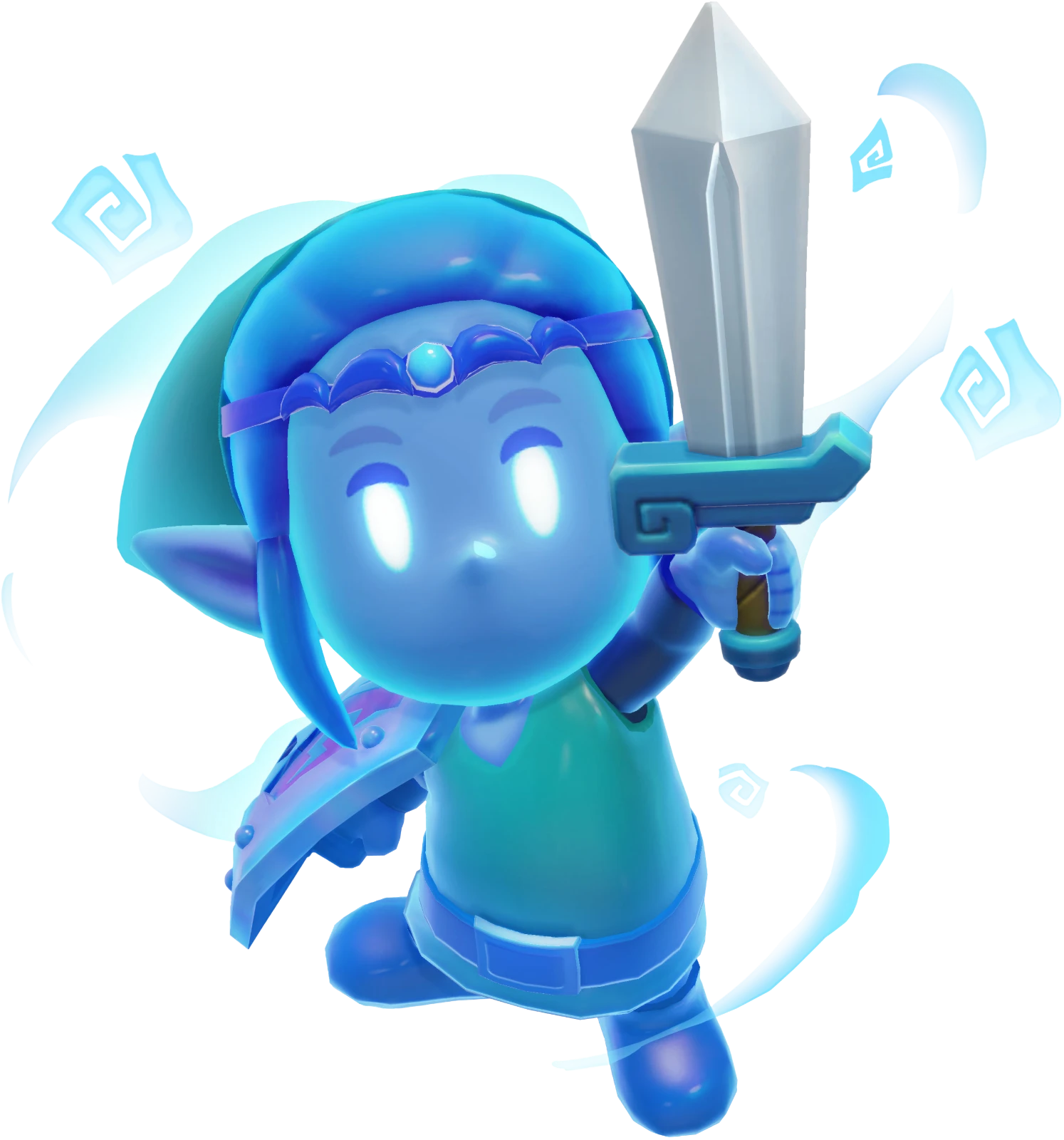 Swordfighter FormZelda borrowing Link’s fighting style through echo power, on a timer.
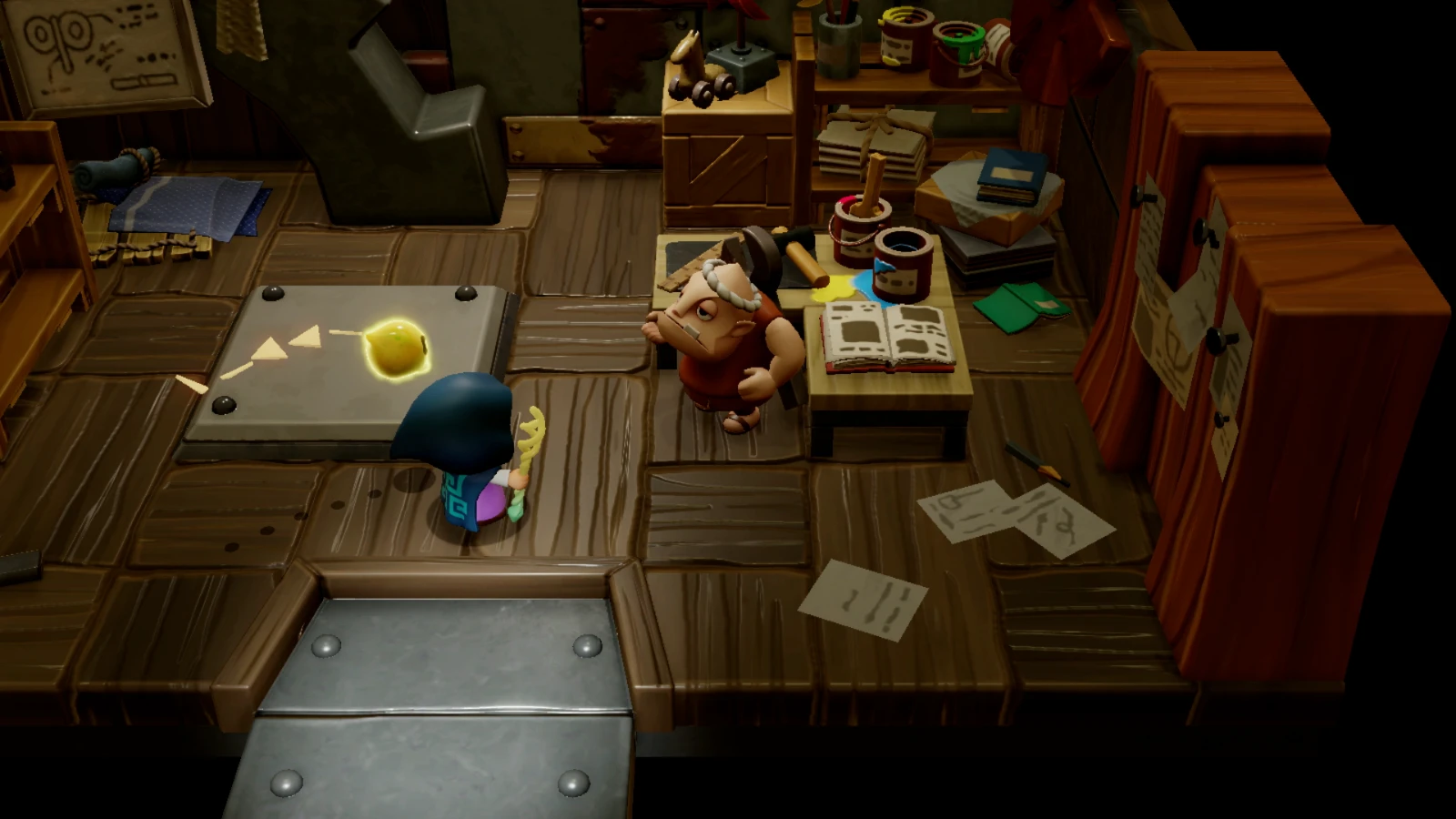 AutomatonsDampé’s machines, built for Zelda to put to work.