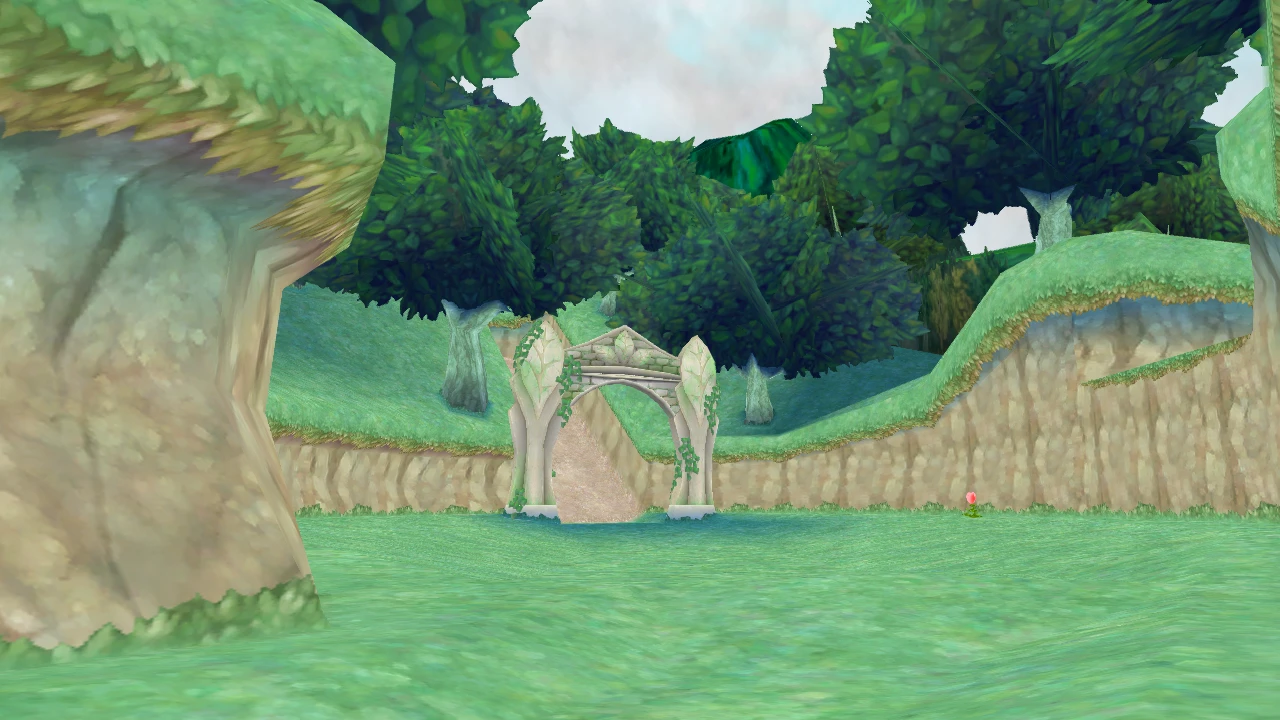
迷いの森 (Mayoi no Mori, “forest of getting lost”); コキリの森 (Kokiri no Mori, Kokiri Forest); コログの森 (Korogu no Mori, Korok Forest)
Other names
Forest of Maze (1986); Maze Woods (Nintendo Power)
First appearance
The Legend of Zelda (1986)
Latest appearance
Ocarina of Time for Nintendo Switch 2 (5 November 2026); the Korok Forest in Tears of the Kingdom (2023) and its Switch 2 Edition (2025)
Region
South-west Hyrule (1986); north-west, above Kakariko (1991, 2013); around Kokiri Forest in the east (1998); the Great Hyrule Forest, north of Hyrule Castle (2017, 2023)
Inhabitants
Kokiri, Koroks, Skull Kids, Deku Scrubs, fairies, the Great Deku Tree
Dungeons
Inside the Deku Tree, Forest Temple, Skull Woods, Forbidden Woods, Deku Tree Chasm
Music
Saria’s Song (Koji Kondo, 1998); “Lost Woods” (Manaka Kataoka) and “Korok Forest” (Yasuaki Iwata), 2017
Overview
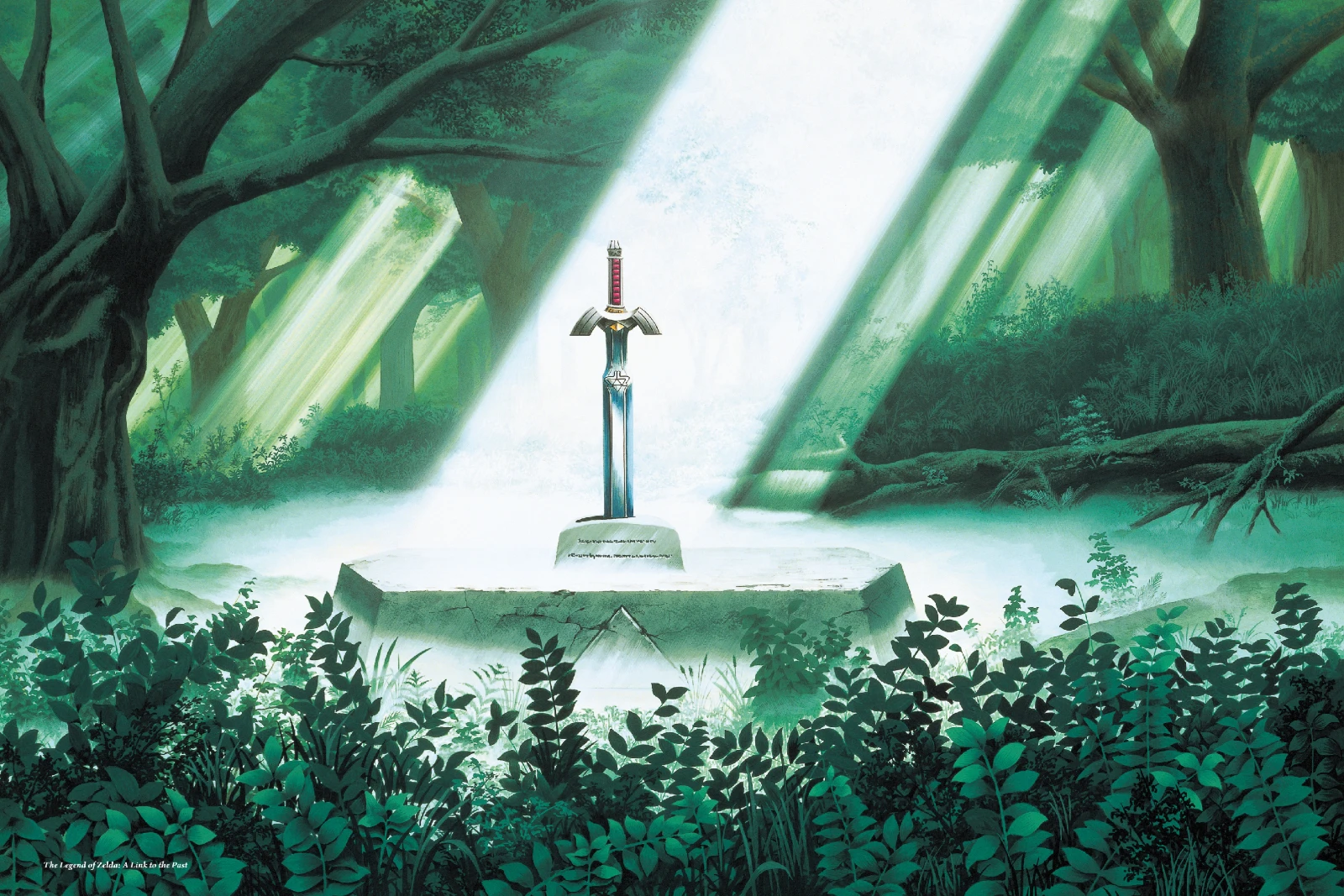
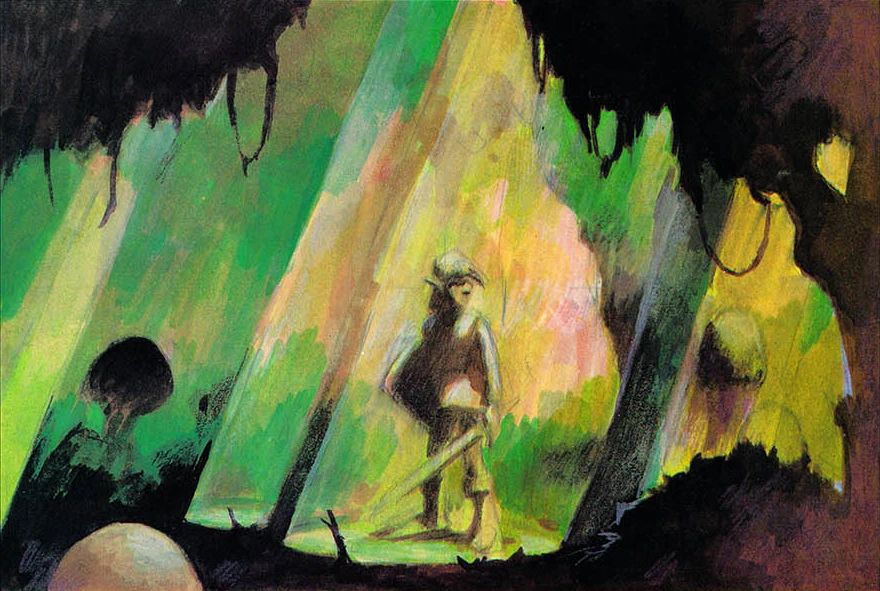
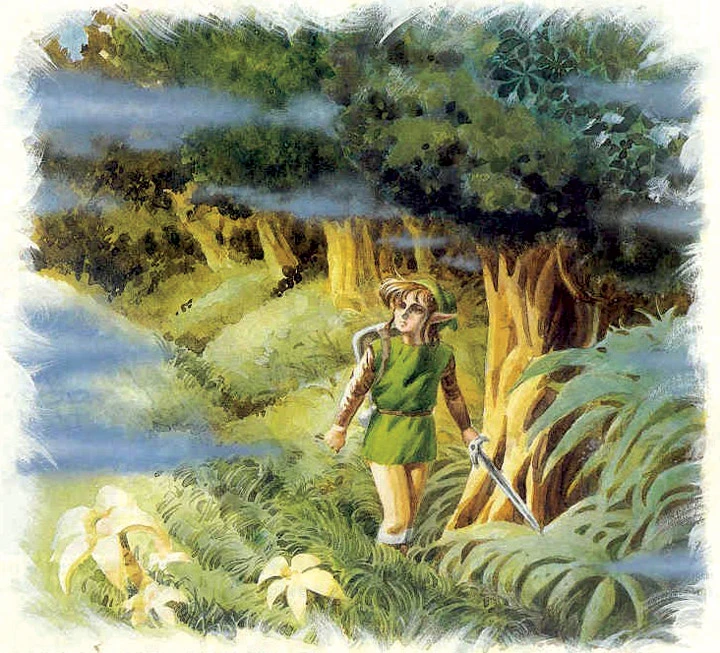
The Lost Woods in Nintendo’s artwork for A Link to the Past (1991).
Take a wrong turn and you are back where you started. That, in a sentence, is the Lost Woods, the enchanted maze of a forest that has been part of Zelda since the very first game in 1986. Its paths loop back on themselves, fog rolls in, and the only way through is to know the route, follow a sound or carry a light. Hyrule’s folklore adds a shiver: in Ocarina of Time the Kokiri warn that outsiders who lose their way turn into Stalfos, and Navi wonders aloud whether the impish Skull Kids were once lost children.
The woods are holy ground as well as a trap. The Master Sword was first drawn from a grove deep inside them in A Link to the Past, and it has been left in a forest again and again since, most famously in front of the Great Deku Tree in Breath of the Wild. The forest is home to the children of the woods too: the ageless Kokiri of Ocarina of Time, and the leafy Koroks who, according to the Hyrule Encyclopedia, are what the Kokiri became. This page covers the woods, Kokiri Forest and the Korok Forest together.
“That guy isn’t here anymore. Anybody who comes into the forest will be lost. Everybody will become a Stalfos.”
Fado, a Kokiri girl Ocarina of Time (line and speaker as given by Zelda Wiki)
“They say that when non-fairy folk enter the Lost Woods, they become monsters!”
A Gossip Stone Ocarina of Time
“Hree hee hee! Welcome to the Lost Woods! These woods will trick you into going back the way you came!”
A Poe A Link Between Worlds
At a glance
Type
Enchanted maze forest; home of forest peoples and, often, the Master Sword
How to get through
Buy the route (1986), follow Saria’s Song (1998), change the seasons (2001), ask the locals (2009), follow the right Poe (2013), carry a torch (2017)
The Lost Woods, rebuilt for Ocarina of Time on Nintendo Switch 2 (2026).
Every Lost Woods works on the same principle: there is one real path, and every wrong step resets the maze. The first game used a single repeating screen; Ocarina of Time built a tangle of clearings where the wrong gap dumps Link back in Kokiri Forest; Breath of the Wild turned the walls into fog that quietly walks you back to the entrance. What changes is the key. Over forty years Link has bought the route from an old woman, followed a song, changed the seasons, taken directions from talking trees, trailed a ghost and watched the embers of a torch. The Japanese name says it all: Mayoi no Mori, roughly “the forest where you get lost”.
Lost children
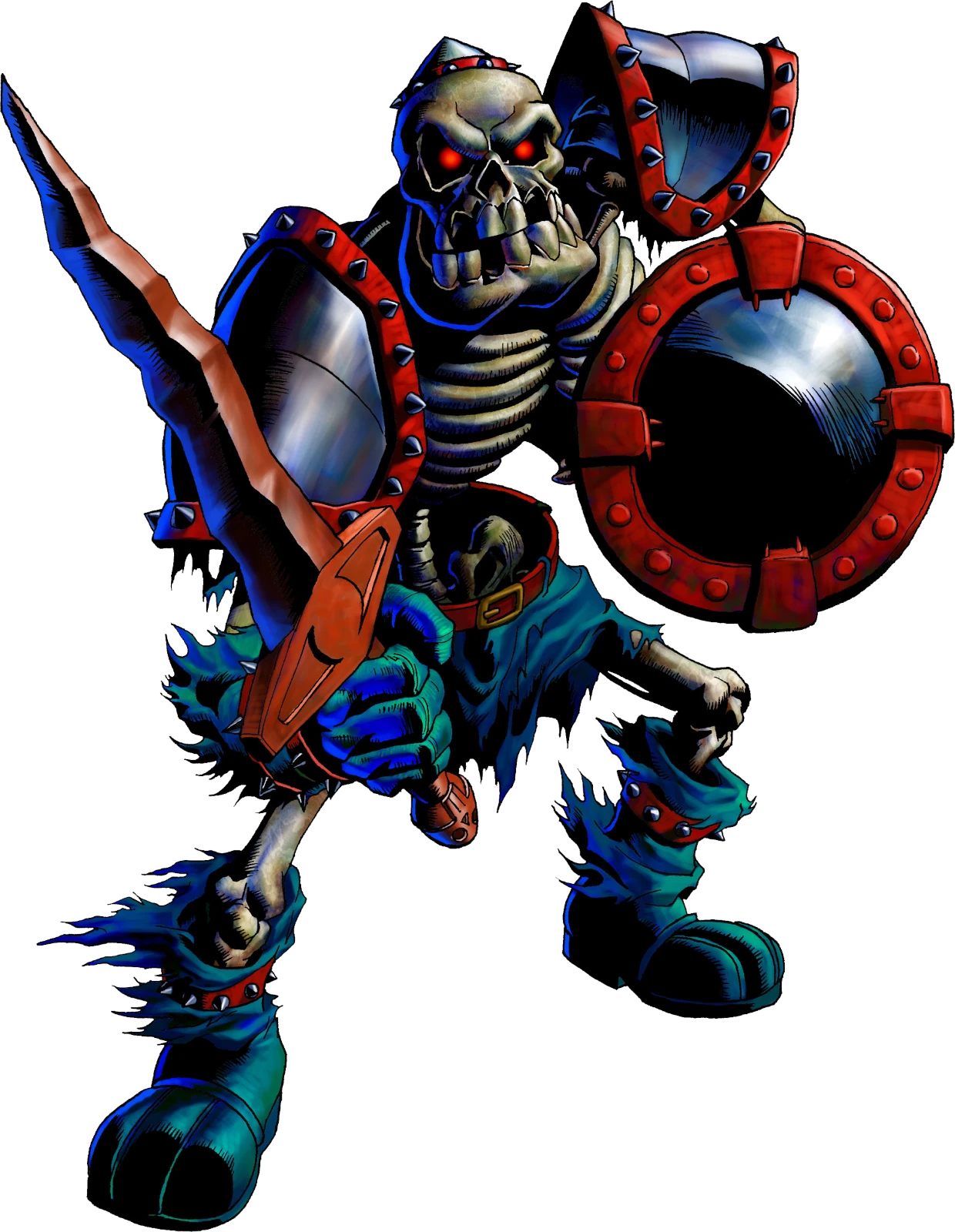
A Stalfos in Ocarina of Time artwork: the fate, say the Kokiri, of anyone lost in the woods.
The woods also have a darker legend. In Ocarina of Time a Kokiri girl warns that everybody who comes into the forest will become a Stalfos, a Gossip Stone claims that anyone who is not a fairy turns into a monster, and Navi wonders whether the Skull Kids are lost children. Zelda Dungeon sums up the folk belief: a lost child becomes a Skull Kid, a lost adult a Stalfos. Four Swords Adventures has Deku Scrubs who claim the lost become Deku Scrubs instead. Treat it all as Hyrule’s folklore: Nintendo has never confirmed where the Skull Kids come from, and our Skull Kid page has more on the theory.
Holy ground
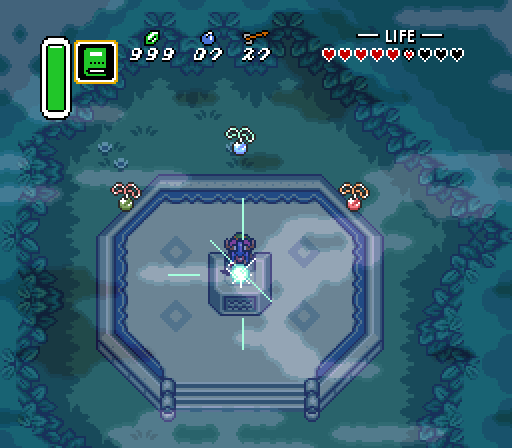
The Pedestal of the Master Sword in the Sacred Grove (A Link to the Past).
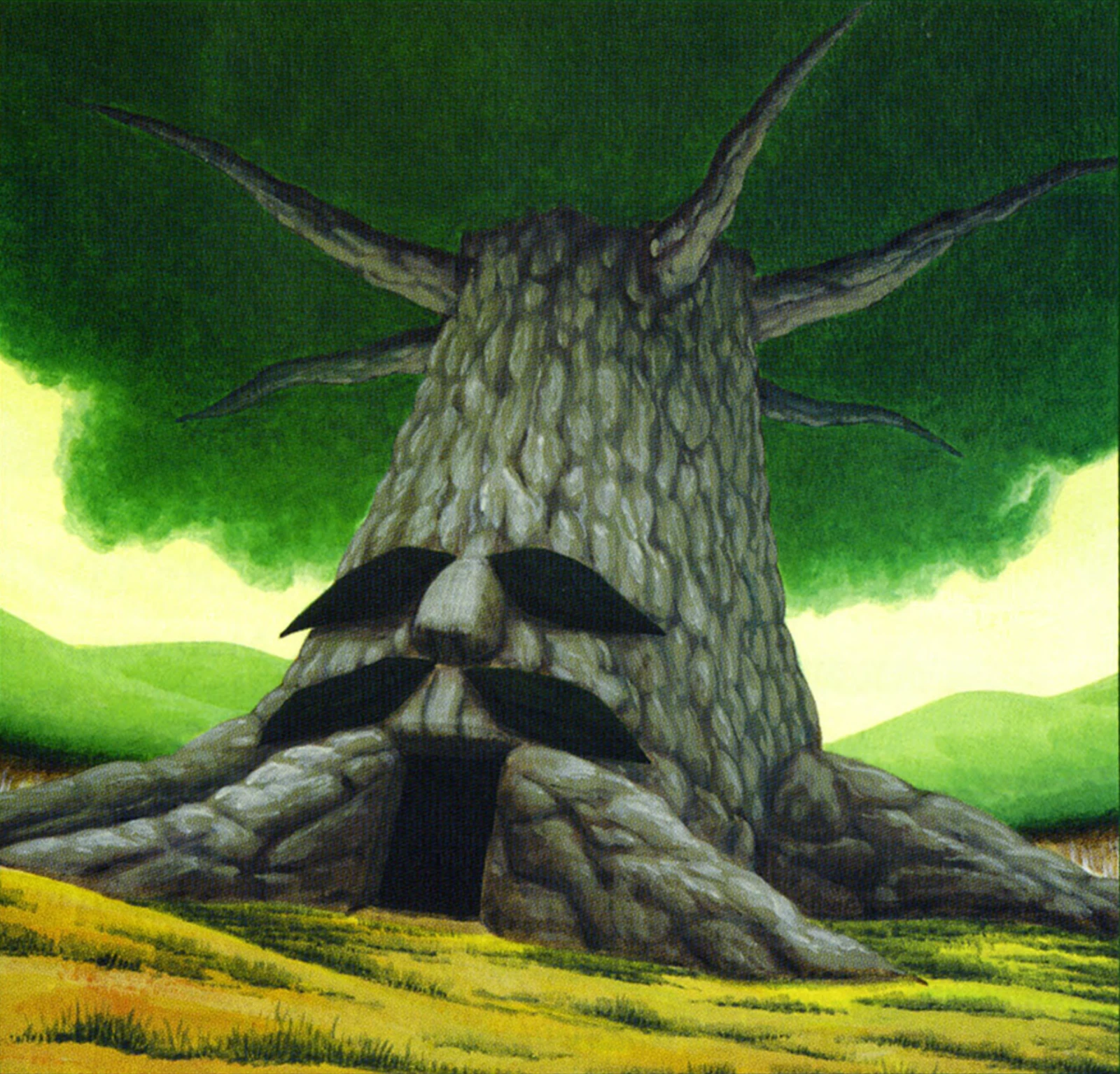
Deep in the woods there is usually something worth protecting. In A Link to the Past it is the Sacred Grove and the Master Sword, and the blade has kept coming back to the forest: the Noble Sword’s pedestal in Oracle of Seasons, the Sacred Grove of Twilight Princess, the Poe-guarded grove of A Link Between Worlds and the Korok Forest of Breath of the Wild. The forest’s other treasure is its guardian. A Great Deku Tree watches over the children of the woods in Ocarina of Time, The Wind Waker, Breath of the Wild, Tears of the Kingdom and Echoes of Wisdom, and the maze keeps the unworthy away from tree and sword alike.
Kokiri Forest
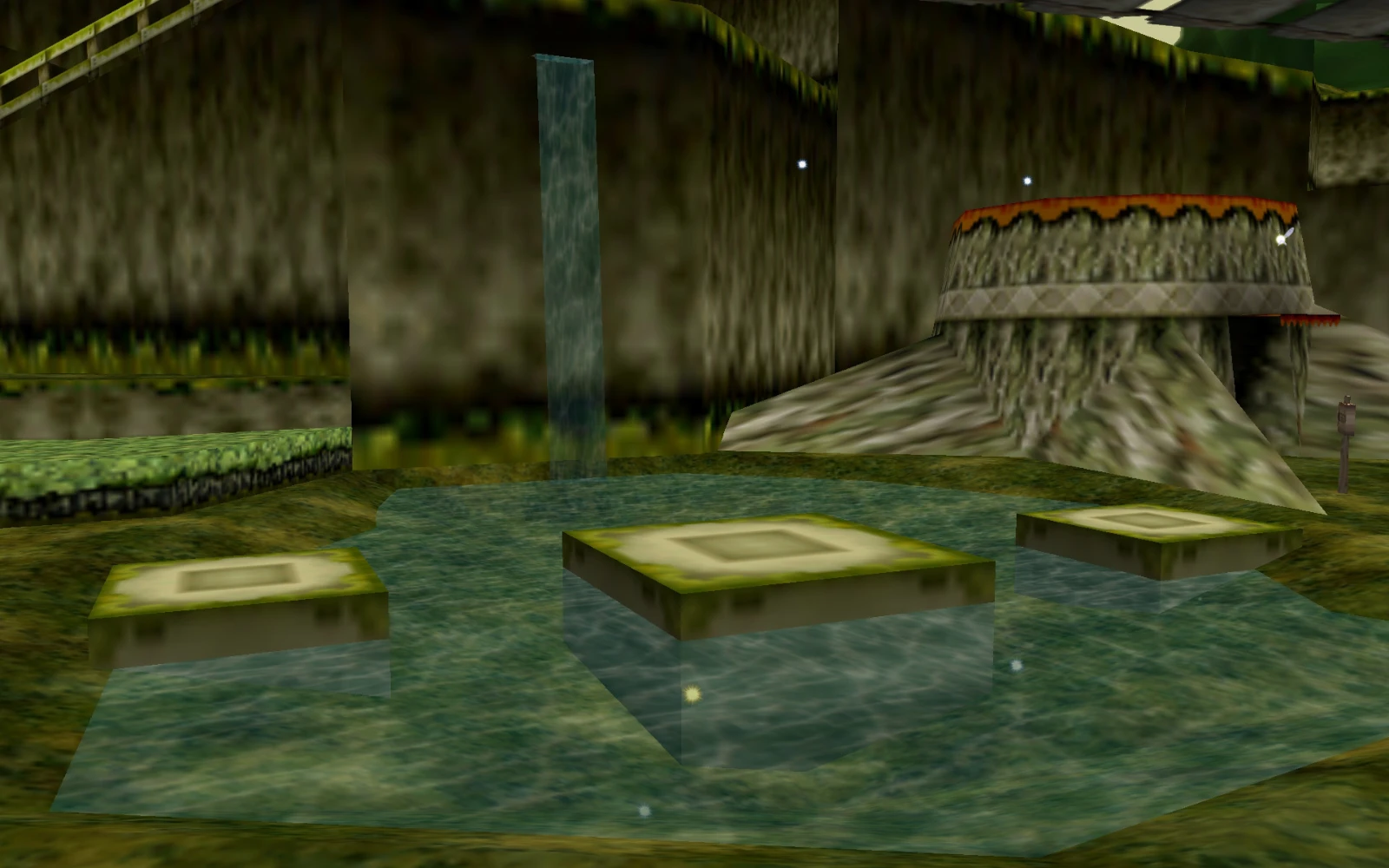
Kokiri Forest, Link’s home village, in Ocarina of Time.
Link’s childhood home in Ocarina of Time is a village of tree houses at the heart of the Lost Woods, in the east of Hyrule, linked to Hyrule Field by a little wooden bridge. It belongs to the Kokiri, children who never grow up, each paired with a guardian fairy and all in the care of the Great Deku Tree, whose meadow lies at the back of the village. Leaving is said to be fatal: “The Great Deku Tree said that if a Kokiri leaves the woods, he or she will die!” There is a shop that sells Deku Shields, a training area where the Kokiri Sword is hidden, and the houses of Saria, Mido and the Know-It-All Brothers, while the entrance to the Lost Woods sits on a ledge above the rooftops.
The Korok Forest
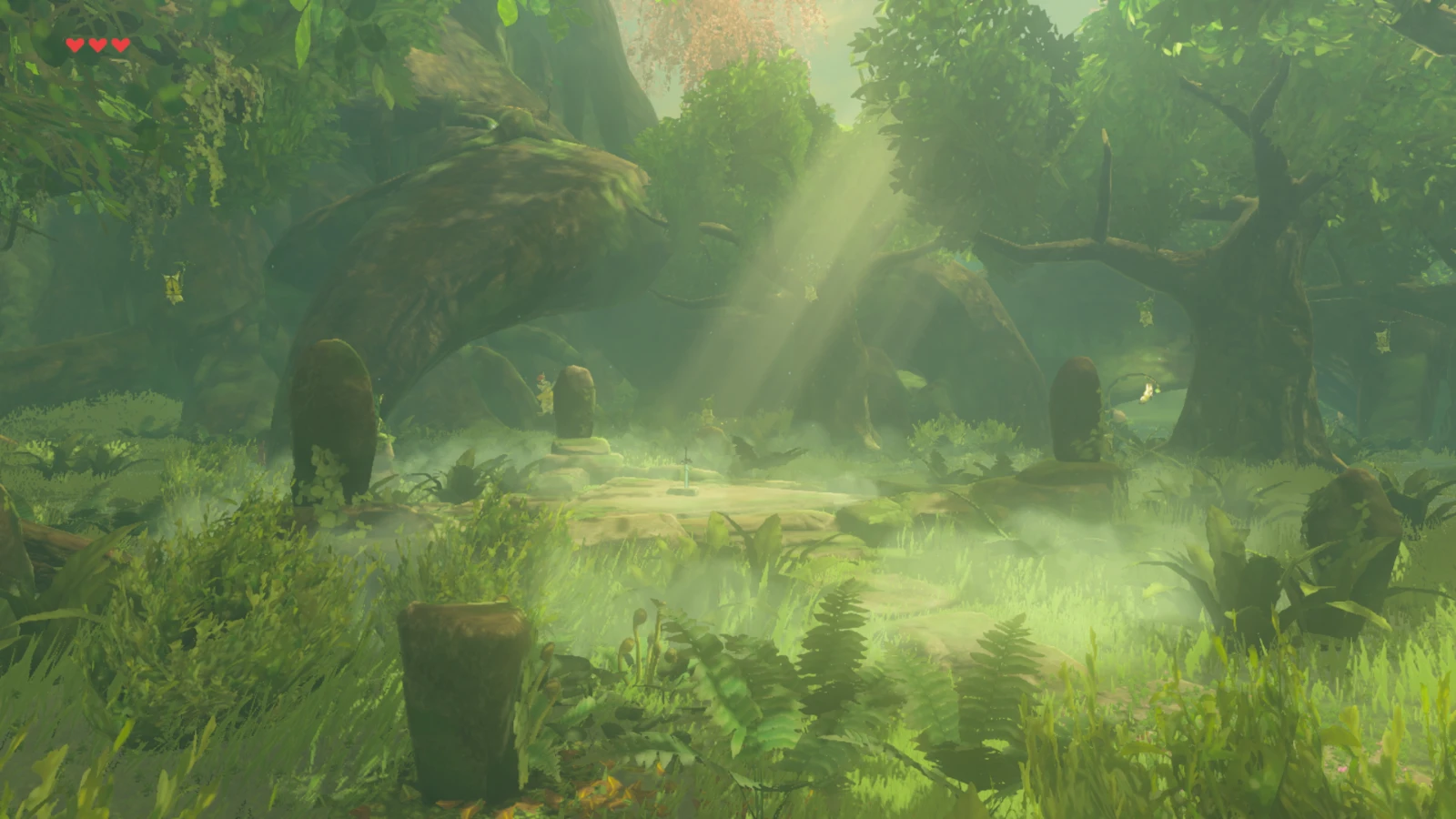
The Korok Forest and the Great Deku Tree in Breath of the Wild.
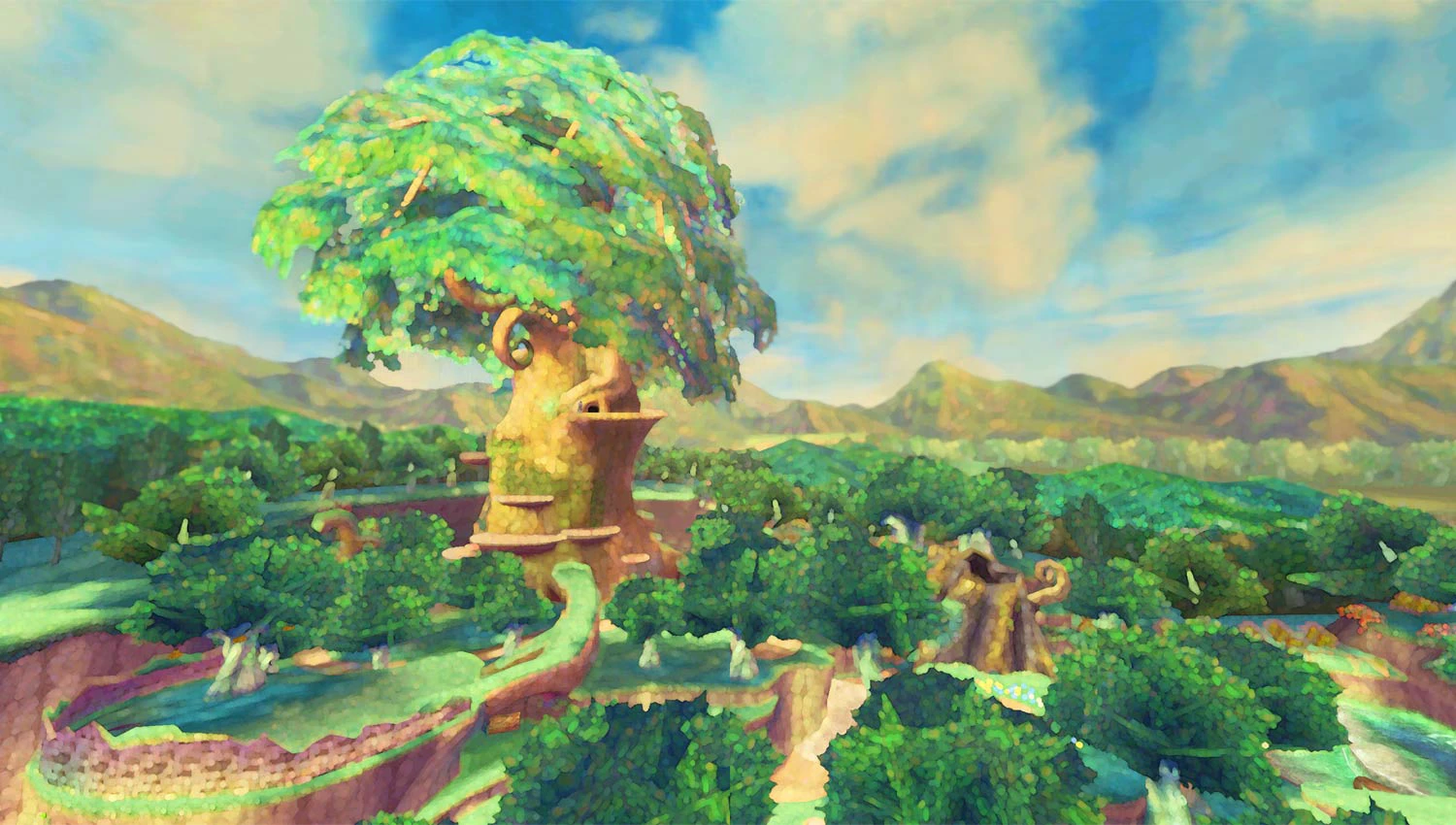
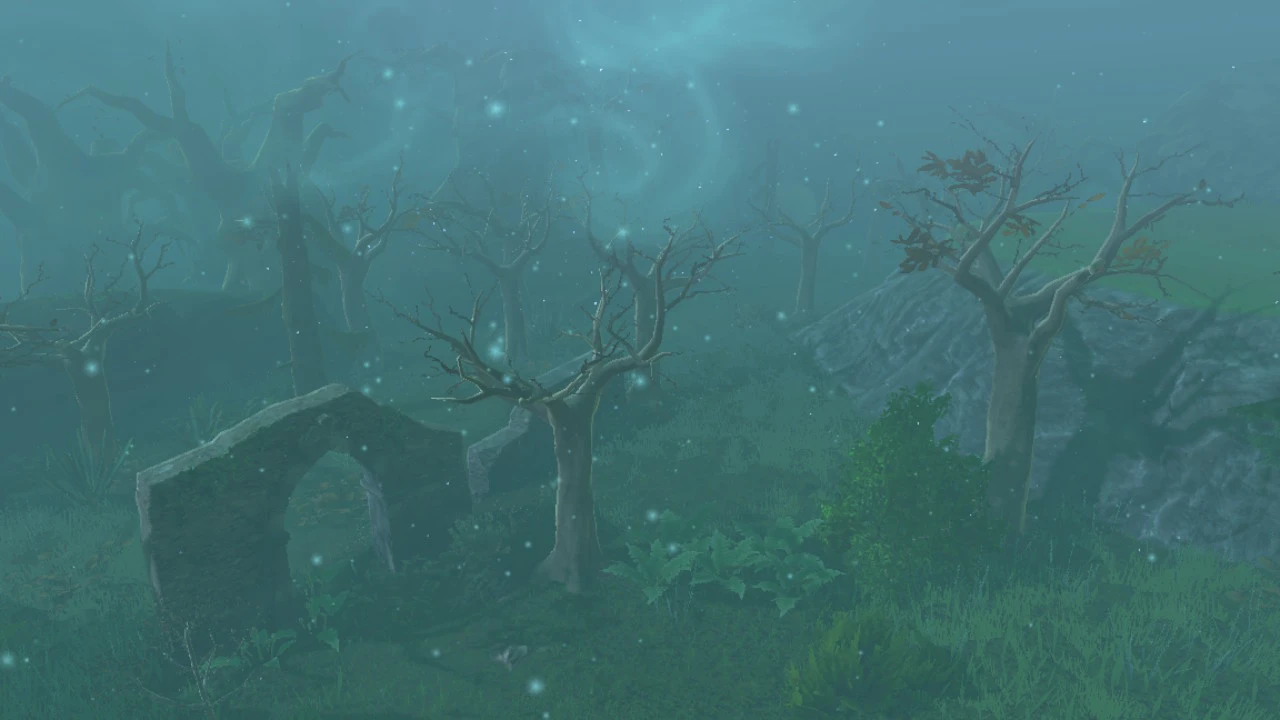
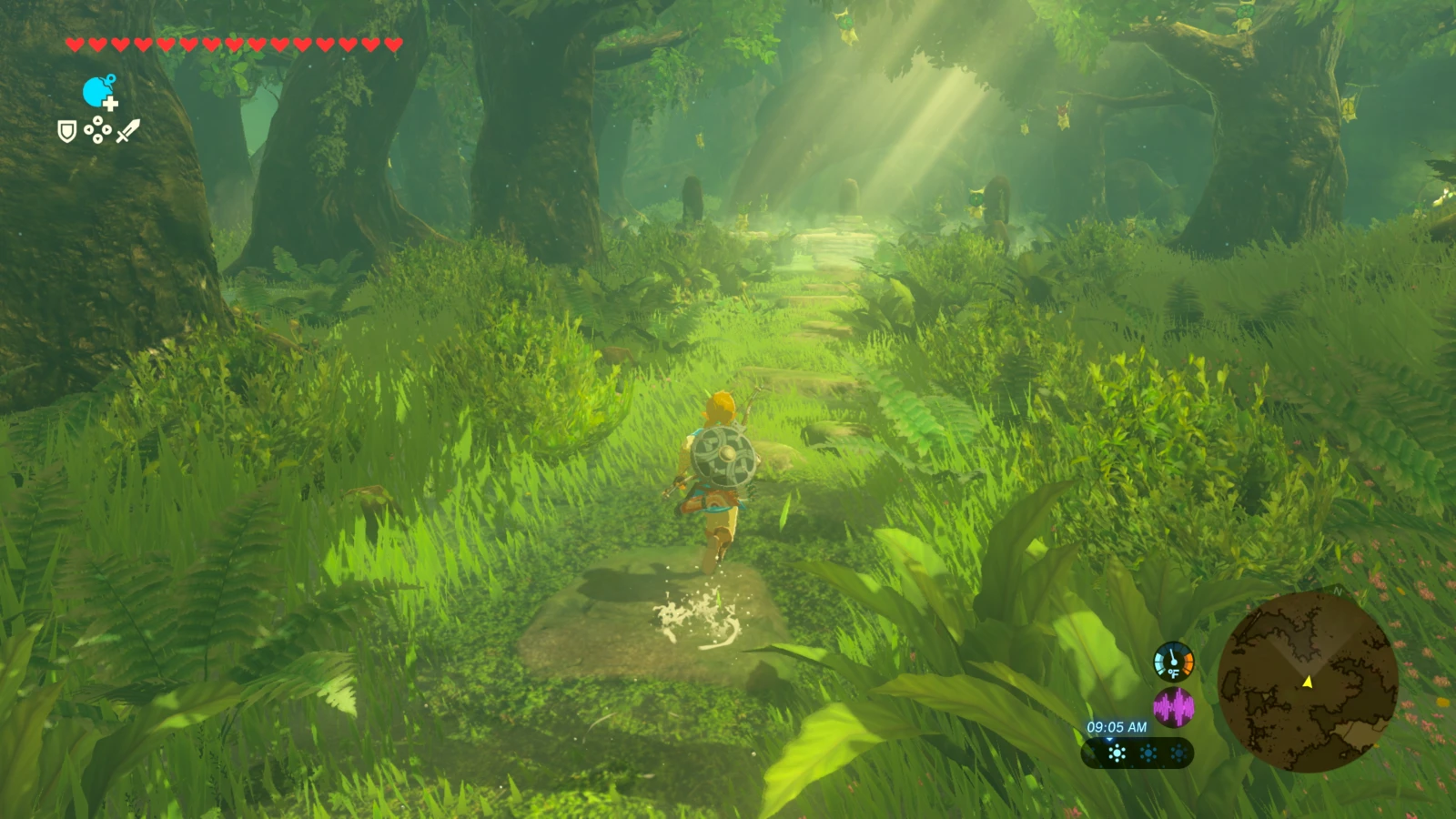
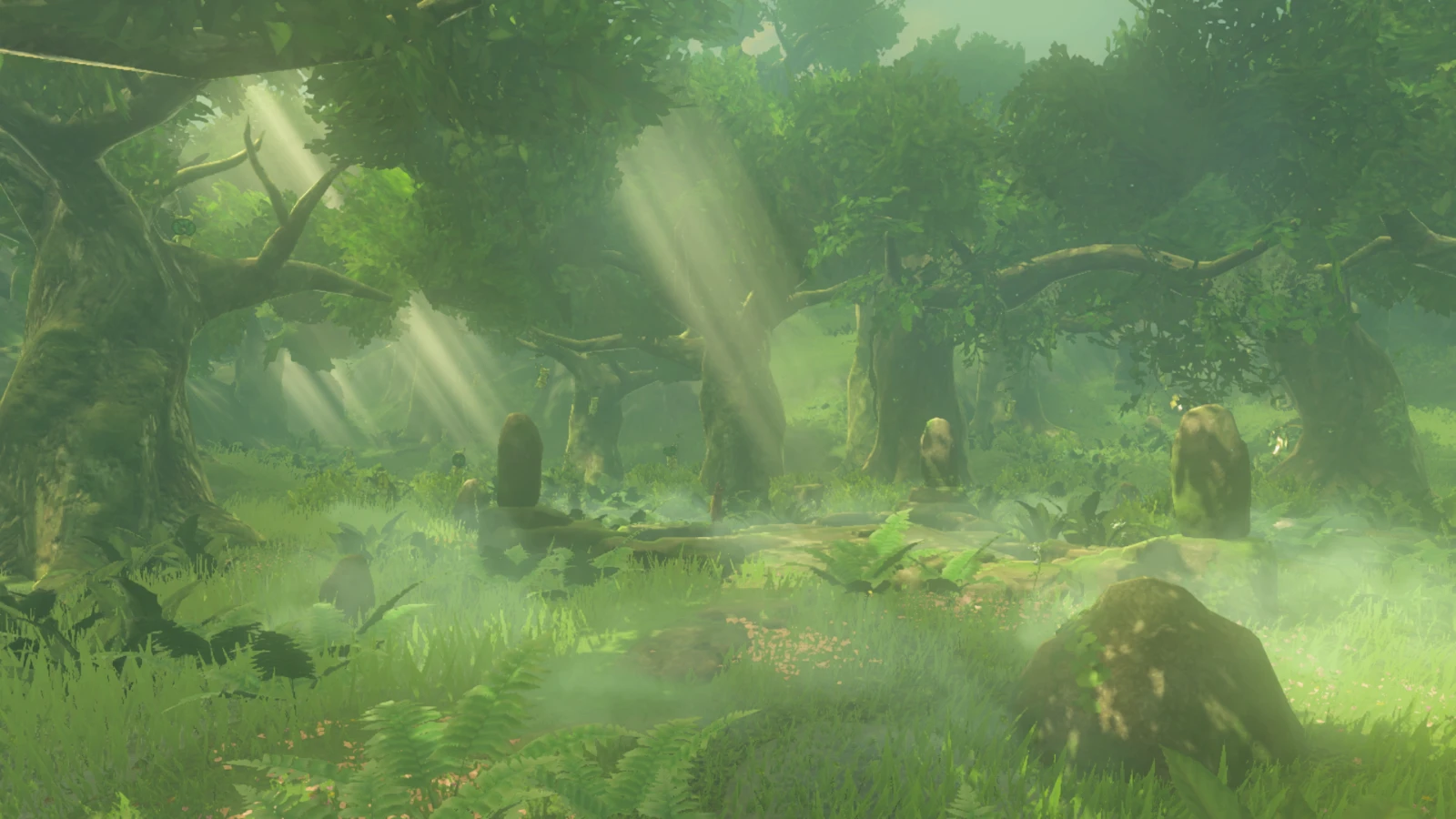
The hidden heart of Breath of the Wild’s Lost Woods is a glade of flowers and shallow pools, scattered with acorns and lit by lamps made from glowing beans. In the middle stands an enormous Great Deku Tree, and around him live the Koroks, little forest spirits with leaves for faces. The village is unusual: its General Shoppe, Spore Store, inn and goddess statue are all tucked inside the tree, the Keo Ruug Shrine stands beside him, and in front of him waits the Master Sword, which Zelda brought here after the Great Calamity. In Tears of the Kingdom gloom freezes the whole forest still.
From Kokiri to Korok
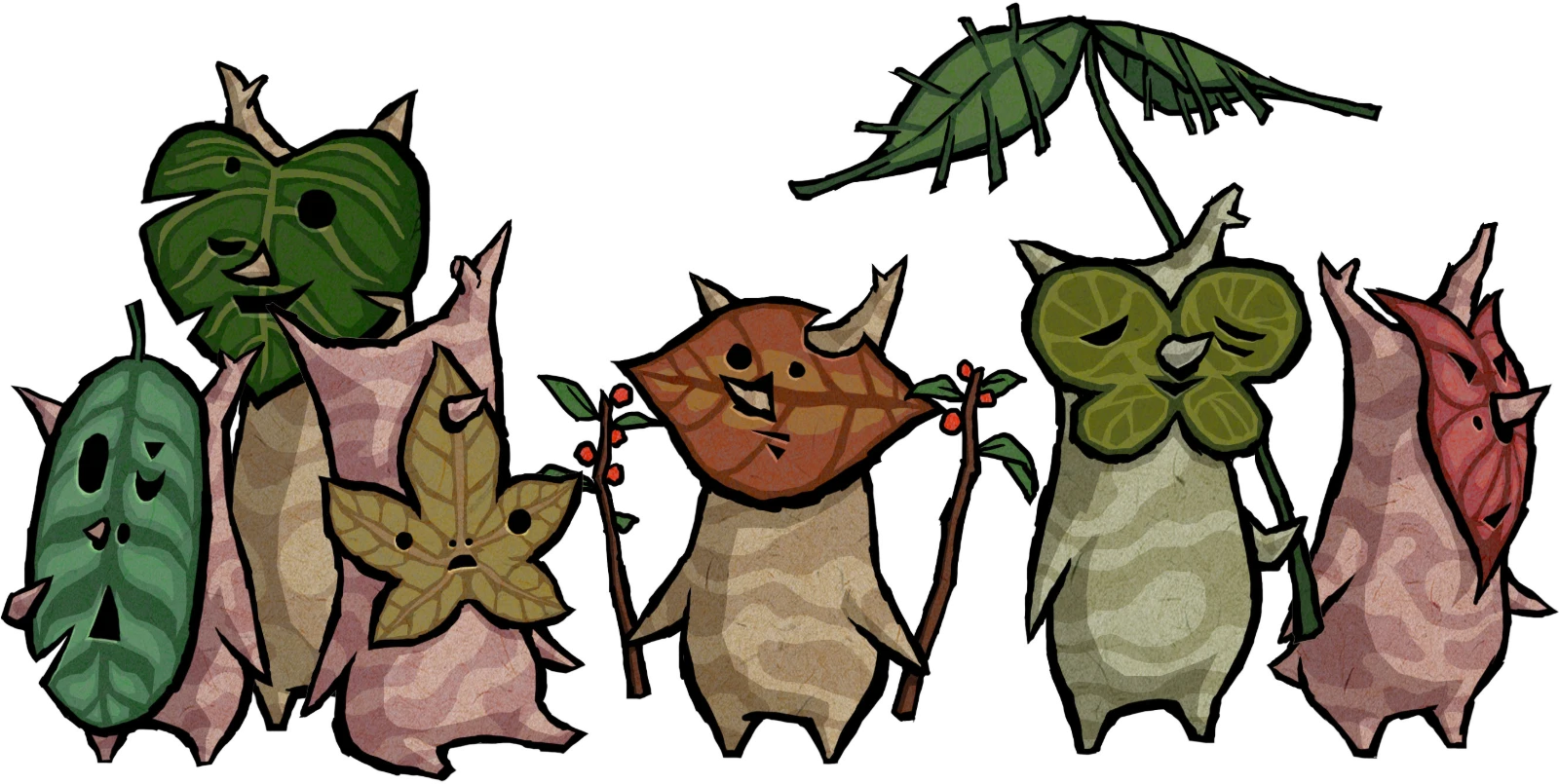
Koroks in Nintendo’s artwork for The Wind Waker.
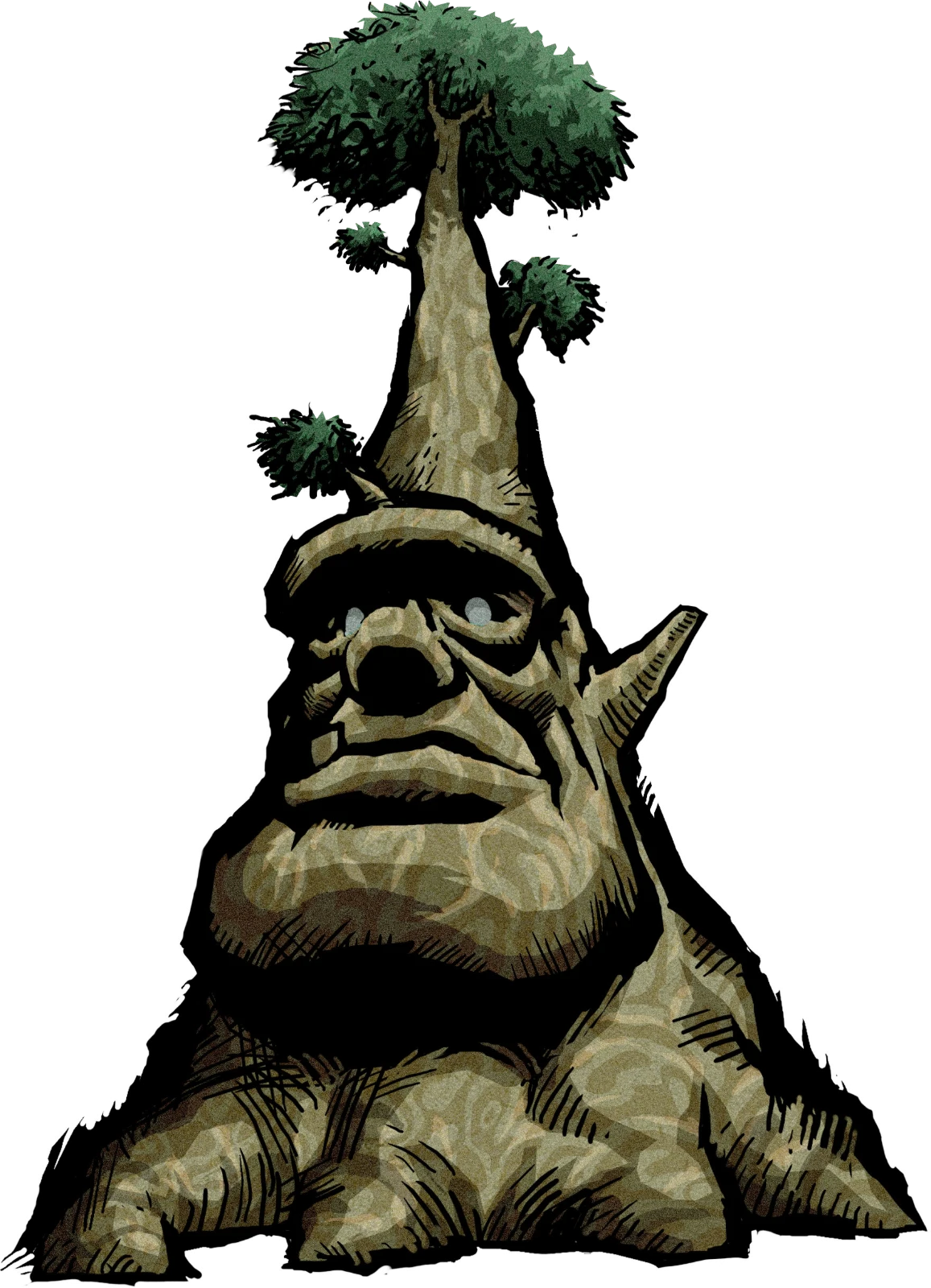
The two peoples are officially one. In The Wind Waker, set after Hyrule has drowned, the Great Deku Tree of the Forest Haven explains that his Koroks once had human form and changed when they came to live on the sea, and the Hyrule Encyclopedia says it plainly, as quoted by Zelda Wiki: “To adapt to a world composed mostly of water, the Kokiri became the Koroks.” Zelda Wiki also cites Eiji Aonuma, in Enterbrain’s Japanese Zelda Box, describing the Koroks as what the Kokiri became once they left the forest. What no official book says is whether the Forest Haven’s tree is the sprout that appears in Kokiri Forest at the end of Ocarina of Time. That is a popular fan theory, nothing more.
Game by game
Every appearance in release order, from the looping forest of 1986 to the Switch 2 remake of 2026. Remakes are covered inside the original’s card. Kokiri Forest and the Korok Forest sit inside the cards for their games, and three cards cover forests that play the Lost Woods’ part under another name: the Forest Haven, Faron Woods and the Eternal Forest. The spin-offs are further down.
NES / Famicom Disk System · A single looping screen in south-west Hyrule
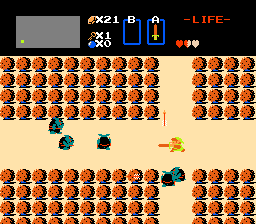
The very first Lost Woods is one screen of grey, dead-looking trees in the south-west of Hyrule, and it is a trap: leave by most exits and you are back where you started. The way through is a sequence of exits, and the game makes you pay for it. An old woman tucked away behind a waterfall sells the route, in the immortal words “GO NORTH,WEST,SOUTH, WEST TO THE FOREST OF MAZE”. Get it right and the woods let you through to the Graveyard, the hidden Magical Sword and Level 6. The Stepladder from Level 4 lets you dodge the forest via a river crossing on Death Mountain, but the Second Quest hides it in the Graveyard dungeon itself. The template was set: a loop, a secret route and a prize beyond.
Key facts
Route: north, west, south, west
Guards the Graveyard, the Magical Sword and Level 6
Can be bypassed in the First Quest with the Stepladder
Super NES · Fog, thieves and the first Master Sword · also on Game Boy Advance (2002)
The woods move to the north-west of the Light World, just above Kakariko Village, and fill up with fog, thieves and toadstools. Thieves try to pinch Link’s Rupees, bombs and arrows, Magic Mushrooms grow in the undergrowth (Syrup the witch turns one into Magic Powder), and swords sticking out of the ground turn out to be fakes.
The real blade waits in the Sacred Grove, reached through a hollow log. Once Link holds all three Pendants of Virtue he draws the Master Sword, its first appearance in the series, and the mist over the woods clears. In the Dark World the same forest becomes Skull Woods, with a dungeon underneath and the moth Mothula at the bottom. At the end, Link returns the sword to its pedestal.
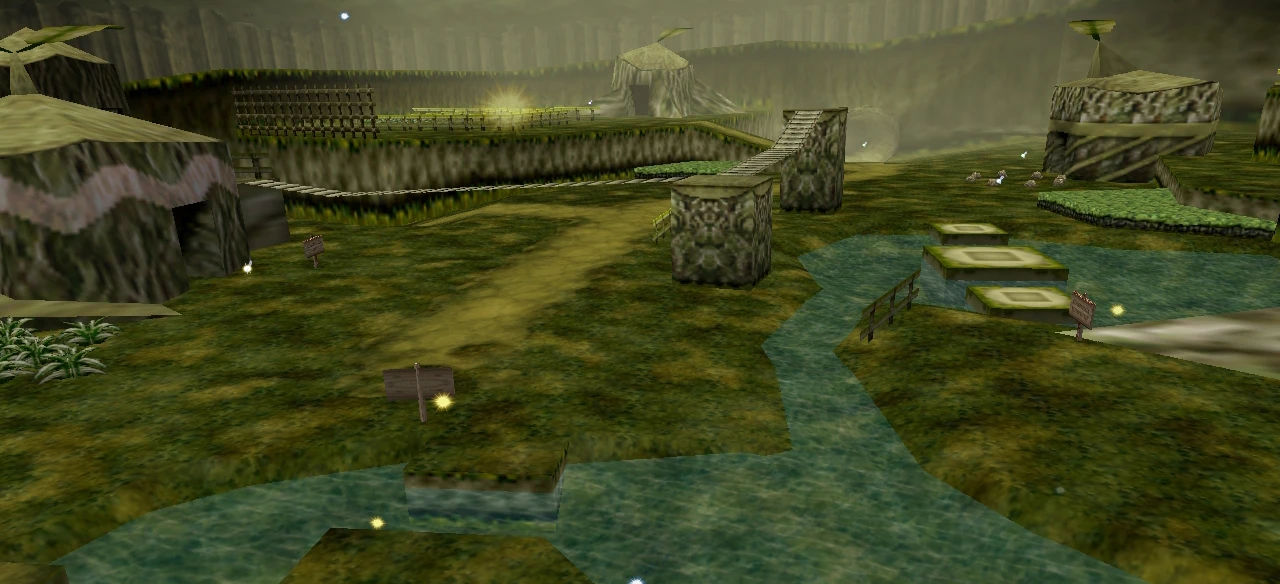
Ocarina of Time is where the Lost Woods became a place you remember with your ears. The maze sits on a ledge above Kokiri Forest, Link’s home, a tangle of clearings joined by gaps in the trees; pick the wrong one and Link walks straight back into the village. The secret is Saria’s Song: follow the sound and it leads to the Sacred Forest Meadow, Saria’s secret place, where she teaches Link her tune.
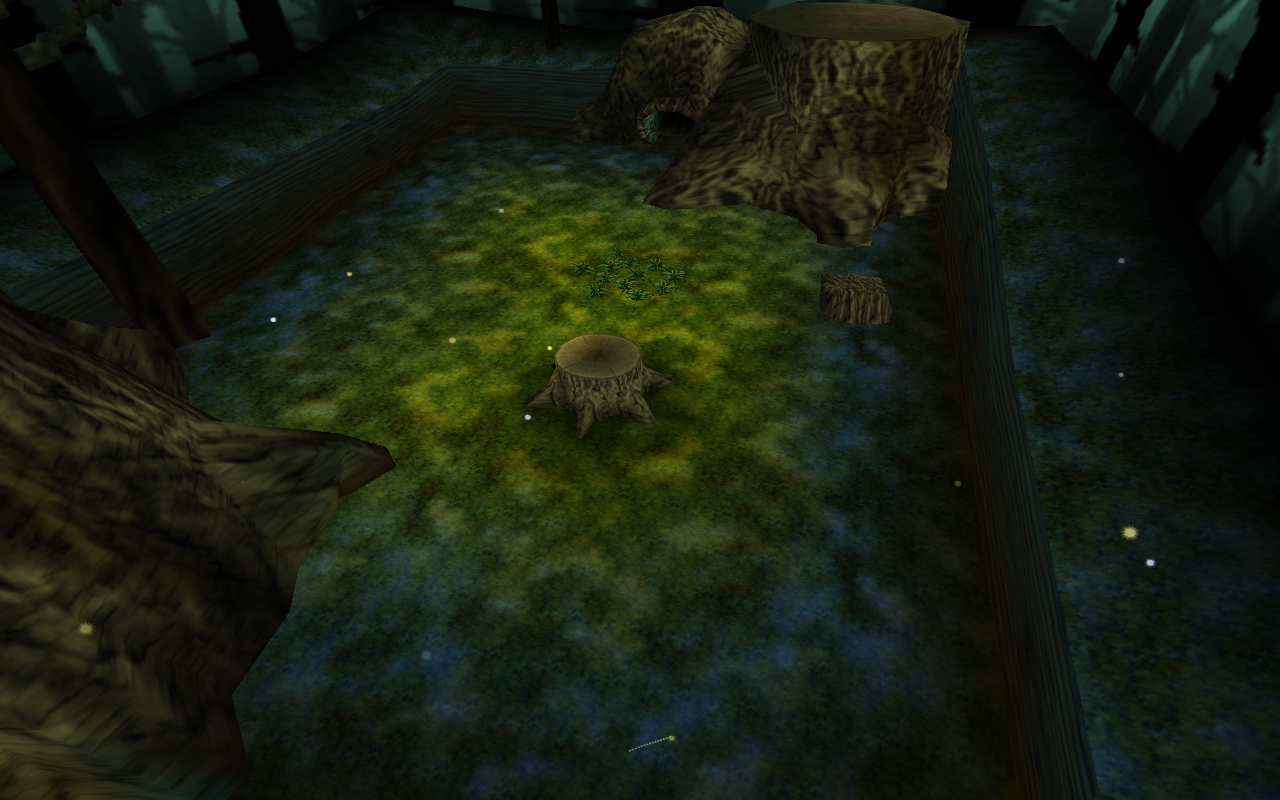
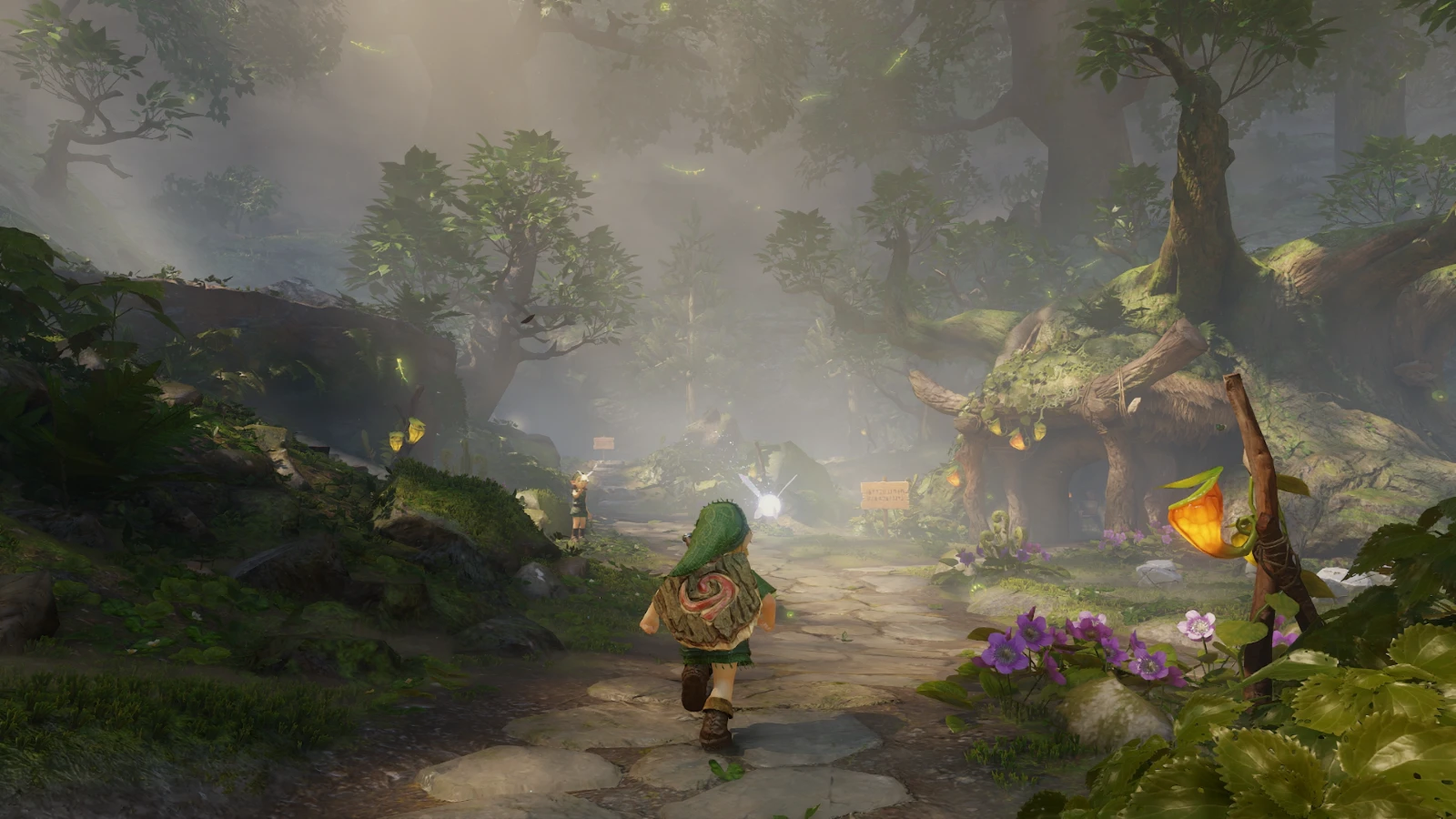
Skull Kids duet with young Link for a Piece of Heart, Business Scrubs sell upgrades, Deku Scrubs on a hidden Forest Stage judge his masks, the game’s only Moblins stomp about, and hollow logs drop him into Goron City or by Zora’s River. Seven years later adult Link climbs past the meadow to the haunted Forest Temple. The 2026 Switch 2 version rebuilds it all in far more detail and gives Saria a voice and a sadder farewell: she leaves heartbroken, then catches up with Link outside the forest to make amends and hand over the Fairy Ocarina.
What’s new
Saria’s Song as the guide through the maze
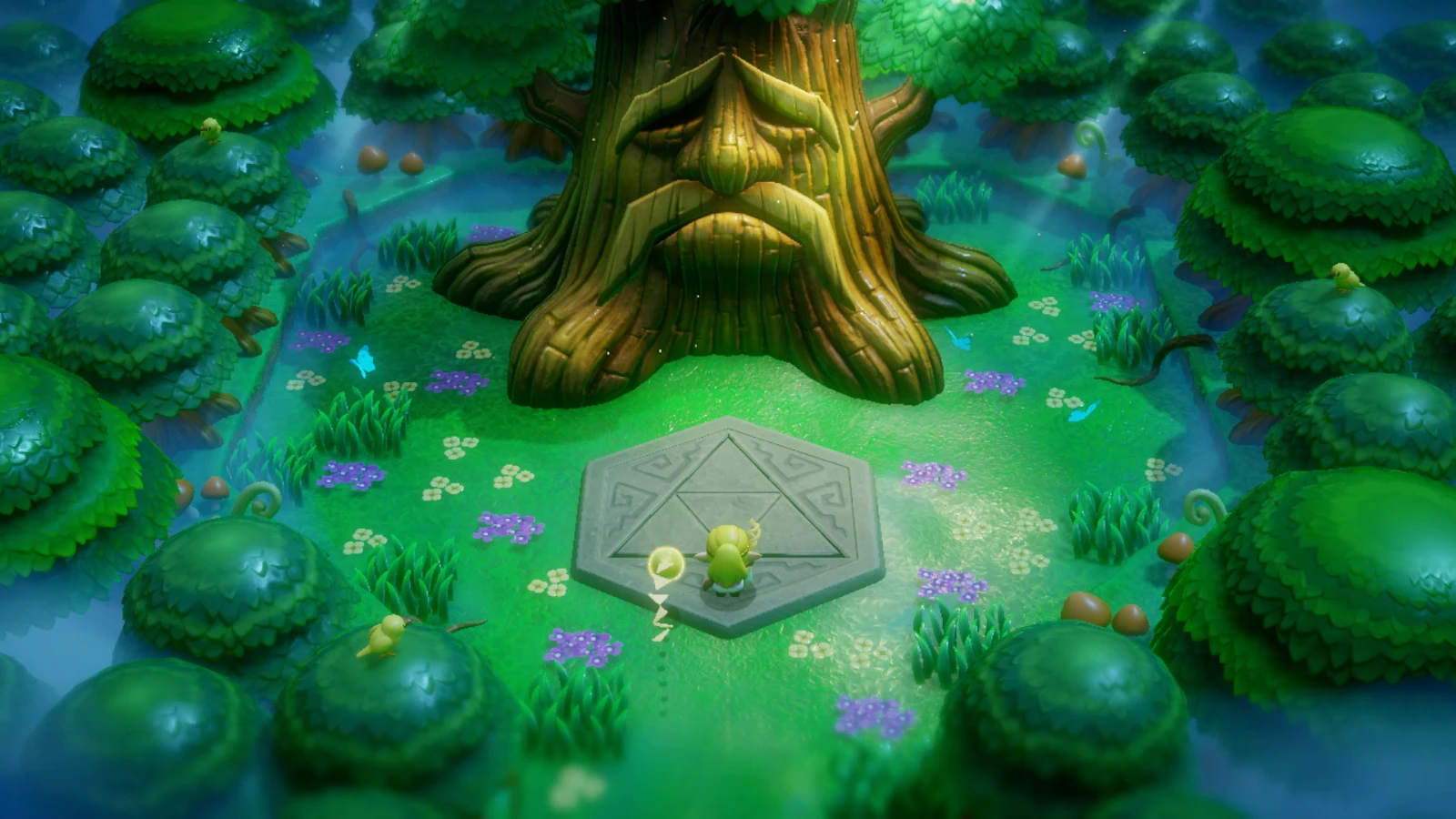
Kokiri Forest and the Great Deku Tree
Switch 2: Saria voiced by Suzie Yeung, the Deku Tree by Richard Epcar; Mido shows more feeling
Nintendo 64 · The ambush that starts it all · also Majora’s Mask 3D (2015)
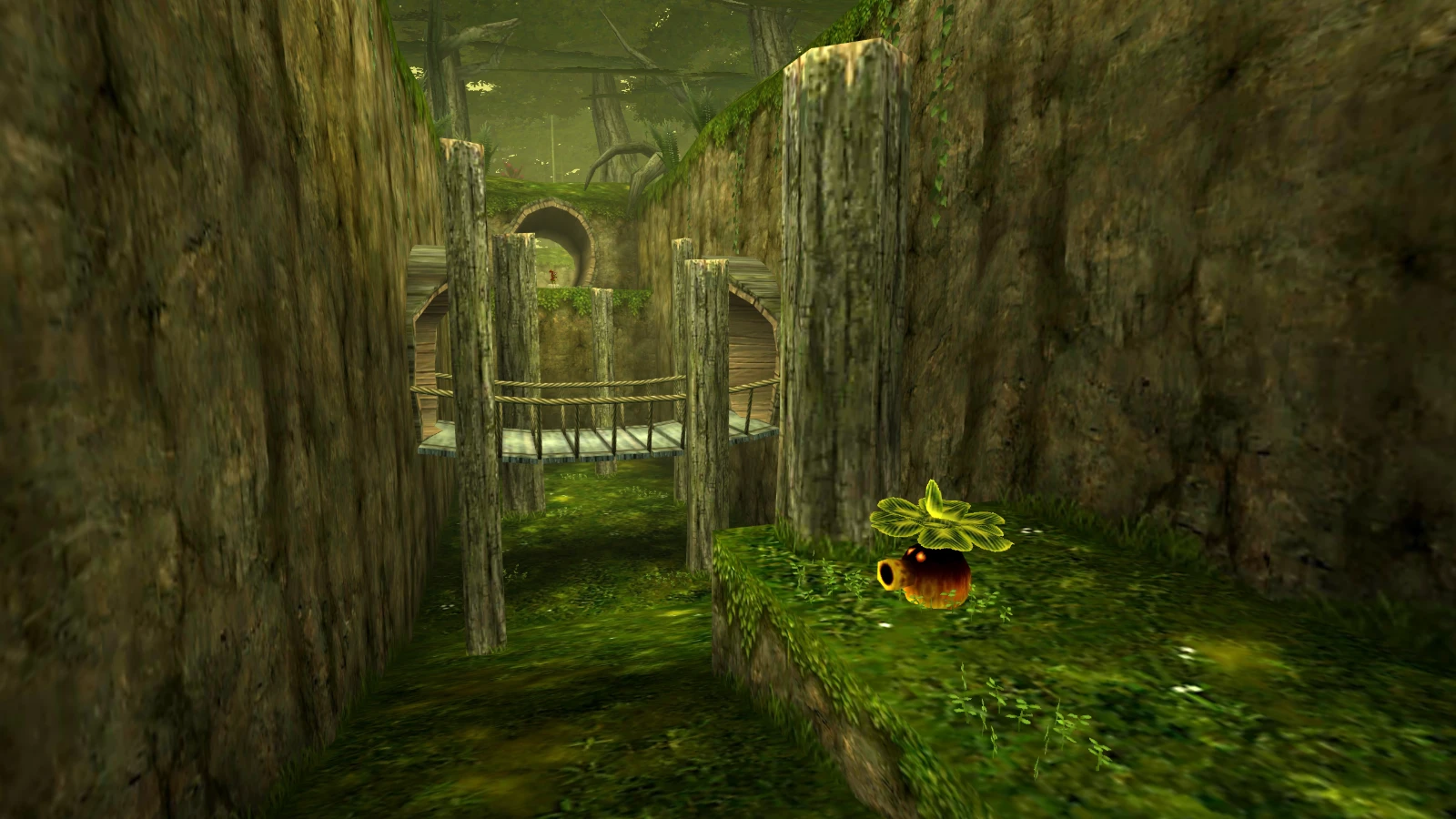
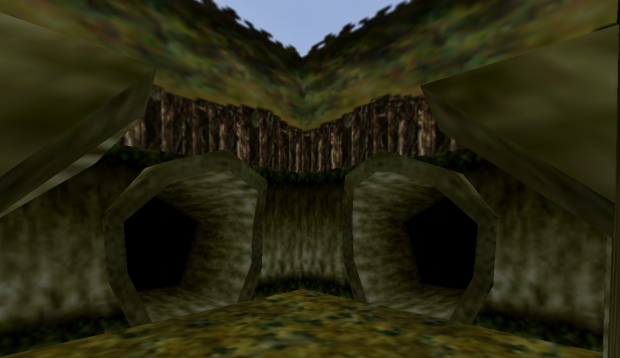
Majora’s Mask spends only its opening minutes in the Lost Woods, but they may be the most important minutes in the game. Months after saving Hyrule, Link rides Epona deep into a misty forest in search of a friend, generally taken to be Navi. The fairies Tatl and Tael spook his horse, Link is thrown, and a Skull Kid in a spiky, heart-shaped mask makes off with the Ocarina of Time and Epona. Giving chase, Link plunges into a hollow tree, falls a very long way and is cursed into a Deku Scrub: the start of his three days in Termina. These woods are also where the Skull Kid stole Majora’s Mask from the Happy Mask Salesman, and the ending reveals he is the same imp young Link once played Saria’s Song with.
Holodrum has its own Lost Woods, in the north-west corner beside the Tarm Ruins, and Capcom’s Flagship team turned the maze into a seasons puzzle. A Deku Scrub explains the rule: head west, south, east and then north, making each move in a warmer season than the one before. Changing the weather with the Rod of Seasons as you go opens the way to the sixth dungeon, the Ancient Ruins.
The woods also hold the end of the trading quest. Bring Guru-Guru’s Phonograph to a singing Deku Scrub in a nearby cave (“Dee! What a tune! I love it!”) and he shares the way to his Secret Spot: “If temperatures rise as you go far to the west, you’ll find it!” There the Noble Sword waits in a pedestal, or the Master Sword itself in a linked game.
Key facts
Route: west, south, east, north, each in a warmer season
GameCube · The Forest Haven, home of the Koroks · also The Wind Waker HD (2013)
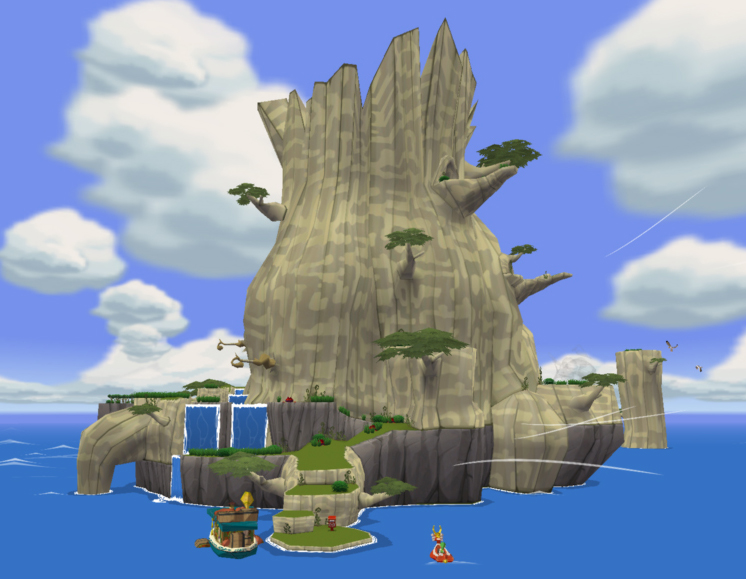
With Hyrule drowned beneath the Great Sea there is no Lost Woods, but the forest’s guardian lives on. On an island inside the Forest Haven, a Great Deku Tree watches over the Koroks, the leaf-faced spirits the Kokiri became. Link clears the old tree of ChuChus, takes the Deku Leaf and glides over to the overgrown Forbidden Woods to rescue Makar, the Koroks’ tiny fiddler, from Kalle Demos.
Makar gets home in time for the yearly ceremony, at which the Koroks dance to his music and then float away across the sea with the Deku Tree’s seeds to plant new forests. The tree rewards Link with Farore’s Pearl, and Makar later turns out to be the Sage of Wind. Fans have long wondered whether this is Ocarina of Time’s sprout grown up; no game says so.
What’s there
The Forest Haven and the Koroks’ seed ceremony
Next door: the Forbidden Woods (boss: Kalle Demos)
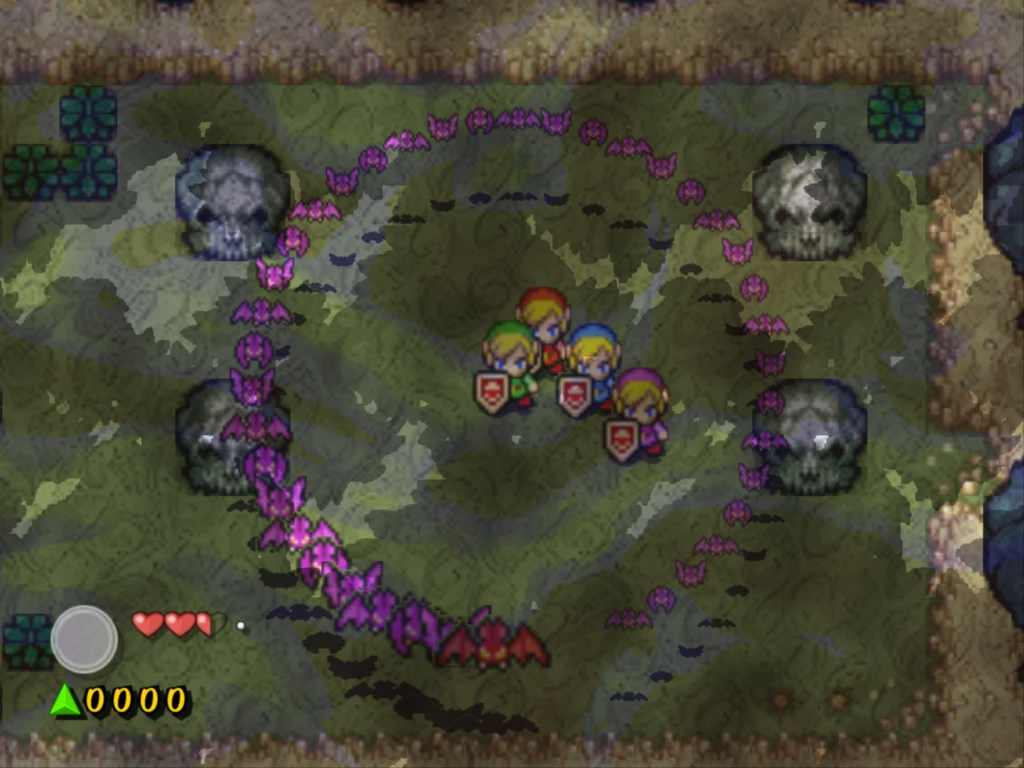
Four Swords Adventures sends its four Links into the Lost Woods as the first stage of its fifth level, The Dark World, and the forest has gone bad. Bones and skulls litter the ground, and the White Maiden explains: “Link, this is the Forest of Light. Or rather, it once was.” The residents are Deku Scrubs on Ganon’s side. One warns that “If you wander lost here for too long, you too can become a Deku Scrub!”, while another looks forward to the day when “Lord Ganon’s power will change all of Hyrule’s forests into Lost Woods!” The path out leads on to Kakariko Village and, at the end of the level, the Temple of Darkness and another round with Phantom Ganon.
GameCube / Wii · The Sacred Grove, deep in Faron Woods · also Twilight Princess HD (2016)
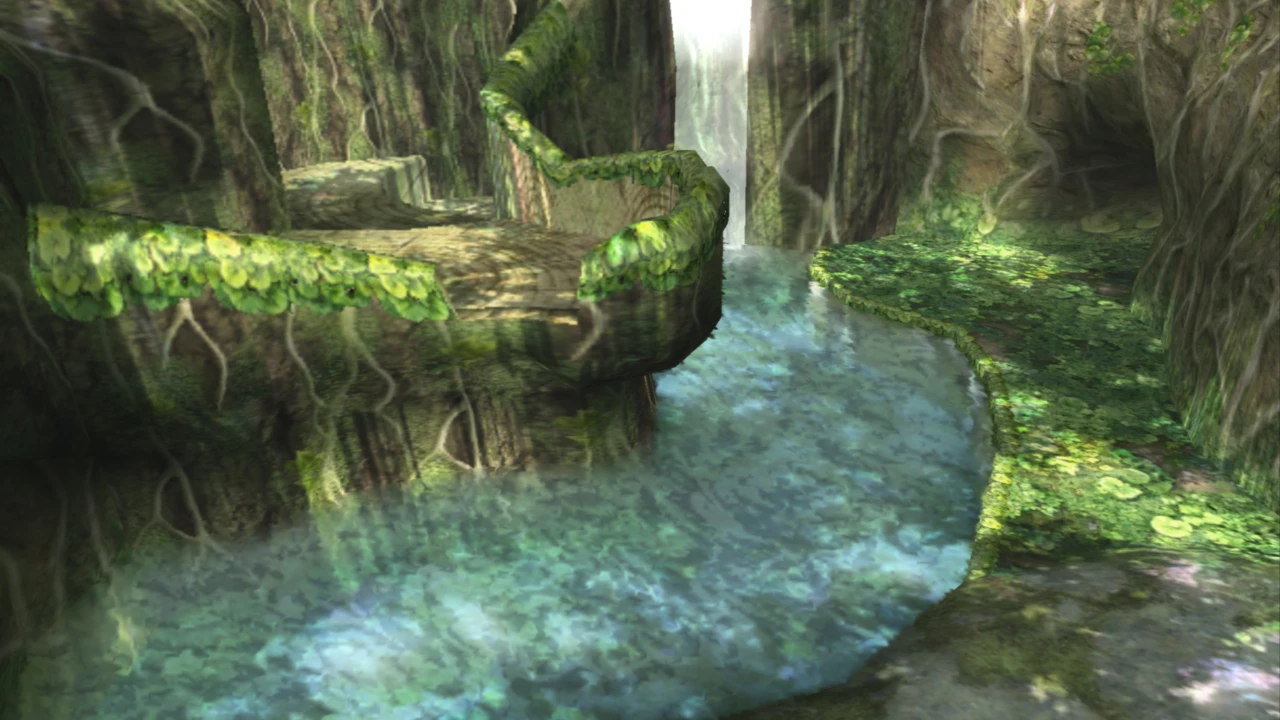
Twilight Princess folds the legend into Faron Woods. Deep in the forest lies the Sacred Grove, and wolf Link follows the lantern-swinging Skull Kid through the mist as he plays Saria’s Song on a horn and sets twitching wooden puppets on him. A puzzle set by two stone guardians leads to the clearing where the Master Sword stands. Drawing it casts out the dark shard that keeps Link a wolf, and he can switch between man and wolf at will from then on.
On a second visit a guardian blocks a stairway until Link strikes the pedestal with the sword. Beyond lies the Temple of Time as it was in the past, a full dungeon with the Dominion Rod inside. Zelda Dungeon describes the grove as the place where the temple once stood, now ruins around the pedestal.
Nintendo DS · The Forest Realm, just west of Whittleton
New Hyrule, the kingdom founded after The Wind Waker, has its own Lost Woods in the Forest Realm, just west of the village of Whittleton. Charge in blind and the woods send Link back to the entrance. The villagers know the trick: the trees point the way, all except one, which has no sense of direction. Follow the others and the maze opens on the Forest Sanctuary, where Link and Zelda, still a spirit, meet the forest’s Lokomo sage and play a duet on the Spirit Flute to restore the tracks to the Forest Temple. Inside the temple Link finds the Whirlwind and defeats Stagnox, a giant armoured beast. A neat twist: a maze solved by listening to the locals.
Wii · Faron Woods, the “Not” Lost Woods · also Skyward Sword HD (2021)
Skyward Sword’s first stop below the clouds is Faron Woods, a forest of giant trees and huge mushrooms, and it is not officially the Lost Woods at all. In Iwata Asks its designers explained that they wanted a bright, friendly first region, full of animals and bugs to chase with the net, and planner Hiramuki called it the “Not” Lost Woods, because the Beacon and dowsing stop you getting lost.
It still has plenty in common with the forests to come. Its residents are the Kikwi, shy plant-backed creatures who hide from Link until he proves he means no harm, and it holds the vine-choked Skyview Temple, with Ghirahim waiting at its heart, and later the golden Ancient Cistern beyond Lake Floria. Whether Faron Woods grows into the Lost Woods of later ages is a question for fans; no official source we have checked says so.
A Link Between Worlds rebuilds the 1991 map, and its Lost Woods are nearly the same woods, with one new obstacle: ghosts. In a clearing before the Sacred Grove, nine Poes cackle a welcome and set Link a shell game. First he must follow a single bouncing Poe; then two try to mislead him; then three. Follow the wrong one and he is back at the start.
Link needs the three Pendants of Virtue to draw the Master Sword, and the moment he does, Sahasrahla speaks to him telepathically: the blade can break the barrier at Hyrule Castle, so hurry. Across the divide, Lorule’s version of the forest is Skull Woods, where Link frees the Sage Seres after beating Knucklemaster, a steel-gloved hand with an eye in its palm.
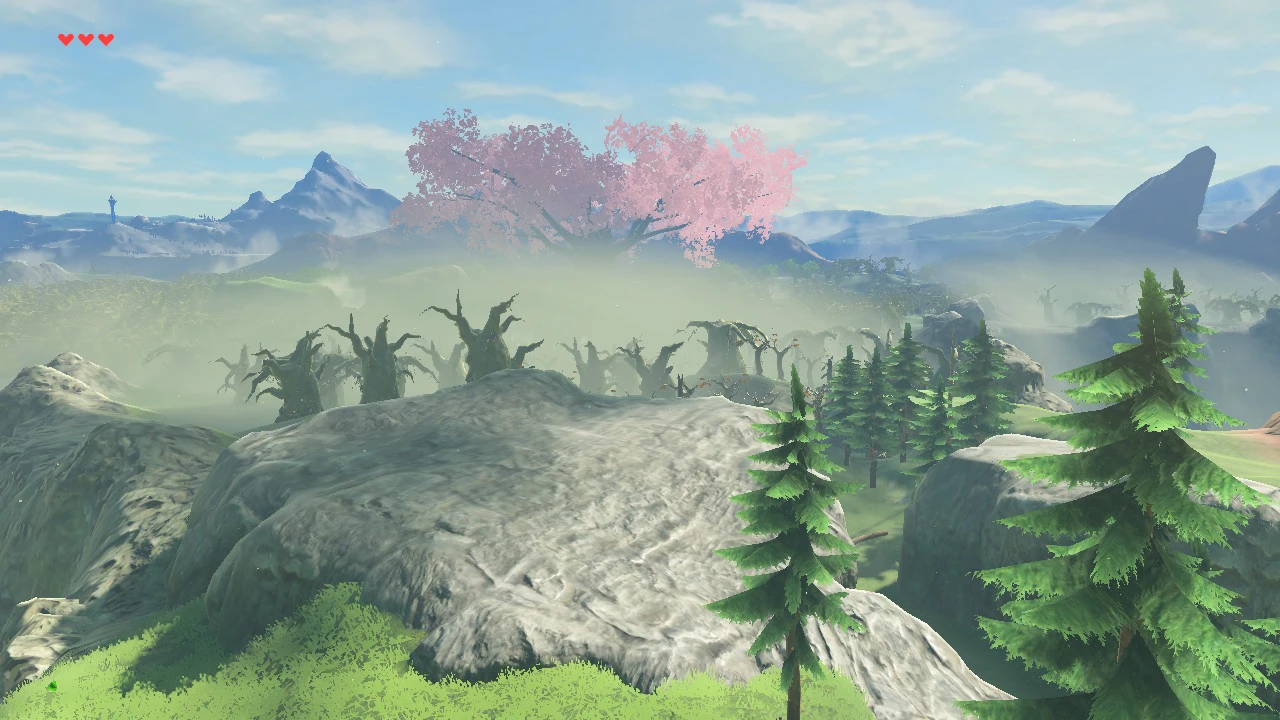
The Lost Woods fill the heart of the Great Hyrule Forest, north of Hyrule Castle. The fog is the maze: stray off the path and it closes in until Link finds himself back at the entrance. The classic way through is to light a torch at the braziers by the edge and watch the embers, which drift towards the right path; if you know the route you can manage without.
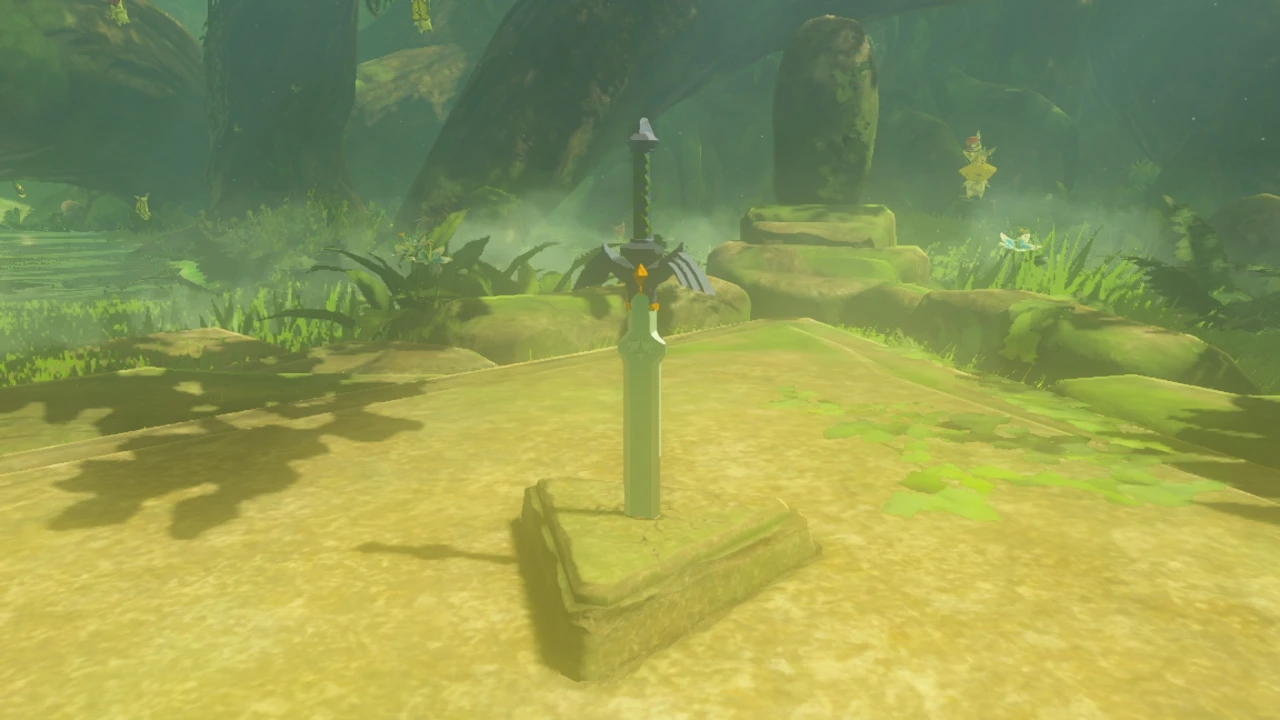
Beyond lies the Korok Forest, where the Great Deku Tree has guarded the Master Sword for a century. Link can draw it once he has at least 13 heart containers; try it any weaker and the blade drains the life out of him. Pulling it unlocks a memory of Zelda entrusting the sword to the tree. The Master Trials DLC (2017) added the Trial of the Sword here, and the 2025 Switch 2 Edition finally gives the busy forest a steady frame rate.
What’s there
Master Sword: at least 13 heart containers
Hestu swaps Korok seeds for bigger pouches (441 of 900 max everything)
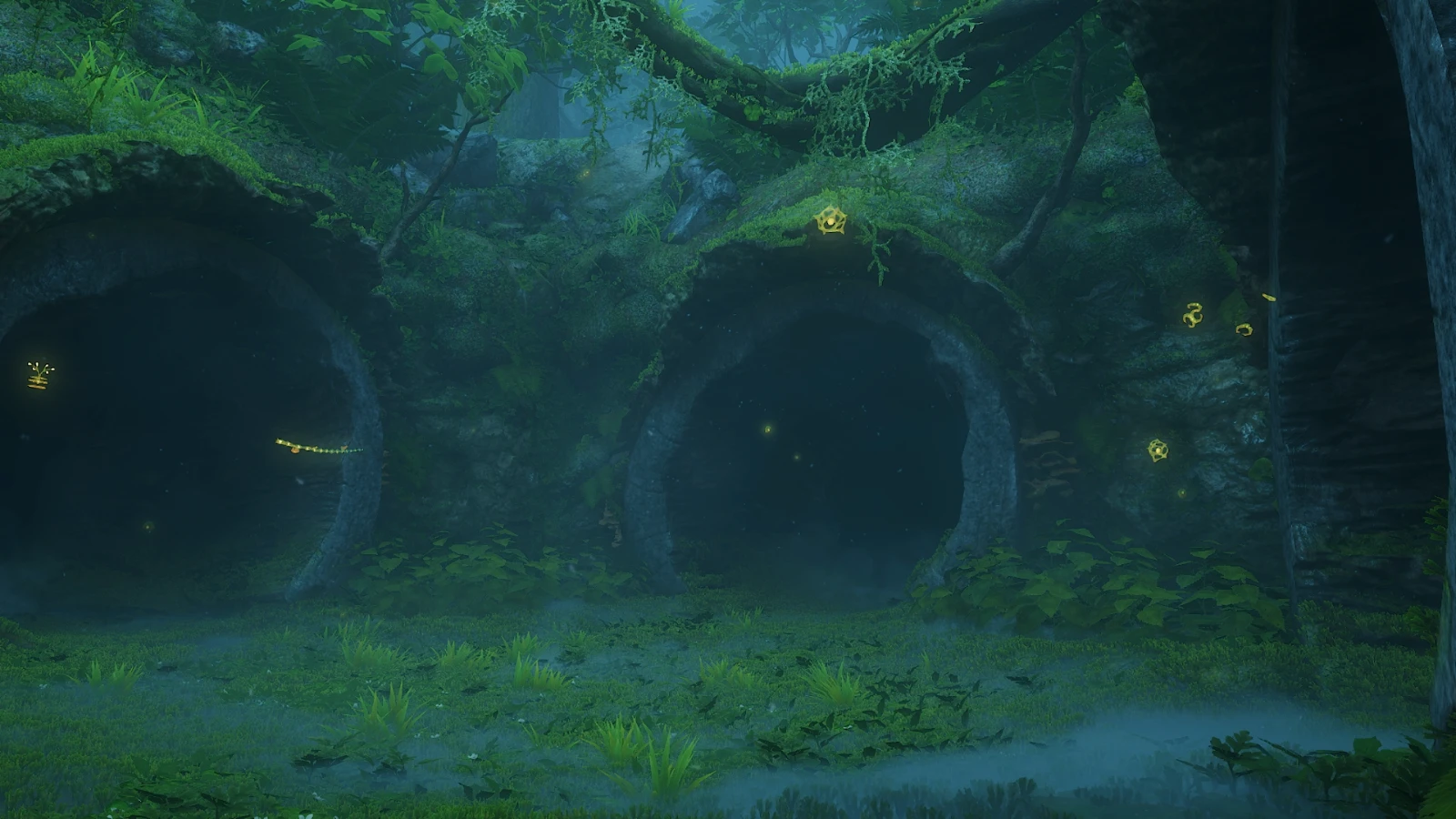
By Tears of the Kingdom something is badly wrong. A gloomy fog rolls through the Lost Woods and the old path leads nowhere. The way in is from below: Link drops into the Depths, crosses to the Korok Grove beneath the forest and climbs a column back up, to find the Korok Forest frozen like a gallery of statues.
Gloom is poisoning the tree from underneath. In the Deku Tree Chasm below the roots a Gloom Spawn and then Phantom Ganon are holding the forest still, and only when both are beaten does it stir again. The tree then helps Link track the Master Sword to the head of the Light Dragon, where pulling it free takes two full wheels of stamina. Hestu needs rescuing again, and there are now 1,000 Korok seeds to find.
Switch · The Eternal Forest, north-west of Hyrule Castle
Echoes of Wisdom has no place called the Lost Woods, but its Eternal Forest, north-west of Hyrule Castle, plays the old part. A Great Deku Tree guards the way to the Prime Energy, and when Zelda arrives a strange blue fog has left Hyrule’s soldiers lying collapsed among the trees.
Null saves its cleverest trick for this forest. A perfect echo of Zelda fools General Wright and even the Great Deku Tree, and the false princess reaches the Prime Energy first. It splits into three: the echo’s unbalanced heart wins only the Triforce of Power, the real Zelda receives the Triforce of Wisdom, and the Triforce of Courage flies off to wherever Link is held. After the credits the Great Deku Tree tells you which echoes you have missed.
Key moments
A Great Deku Tree guards the Prime Energy
Null’s echo of Zelda fools the tree
The Triforce splits in the forest
In timeline order
The Great Deku Tree of the Forest Haven, in the adult timeline (The Wind Waker artwork).
Nintendo’s official chronology, set out in Hyrule Historia (2011) and the Hyrule Encyclopedia (2017), begins with Skyward Sword, runs through Ocarina of Time and then splits three ways, depending on whether the Hero of Time wins or loses. The forest turns up on every branch. The placements are Nintendo’s; links between one era’s forest and the next are mostly unofficial.
Before the splitSkyward Sword – Faron Woods, home of the Kikwi: the “Not” Lost Woods, never officially the Lost Woods.
Before the splitOcarina of Time – Kokiri Forest, the Lost Woods, the Sacred Forest Meadow and the Forest Temple; the Deku Tree dies and a sprout replaces him.
Child timelineMajora’s Mask – The misty woods where the Skull Kid ambushes Link on his way to Termina.
Child timelineTwilight Princess – The Sacred Grove deep in Faron Woods, with the Master Sword and the ruins of the Temple of Time.
Child timelineFour Swords Adventures – The corrupted Lost Woods of the Dark World, once the Forest of Light.
Adult timelineThe Wind Waker – The Forest Haven, where a Great Deku Tree looks after the Koroks.
Adult timelineSpirit Tracks – New Hyrule’s own Lost Woods beside Whittleton, guarding the Forest Sanctuary.
Downfall timelineA Link to the Past – The Master Sword’s woods north of Kakariko, with Skull Woods in the Dark World.
Downfall timelineOracle of Seasons – Holodrum’s seasonal Lost Woods and the Noble Sword.
Downfall timelineA Link Between Worlds – The 1991 woods again, now haunted by Poes, with Lorule’s Skull Woods across the divide.
Downfall timelineEchoes of Wisdom – The Eternal Forest; Nintendo’s Japanese site places the game between Tri Force Heroes and the first Legend of Zelda.
Downfall timelineThe Legend of Zelda – The original looping woods, guarding the Graveyard.
Tiny plant spirits with leaf masks: the Kokiri, as the ages changed them.
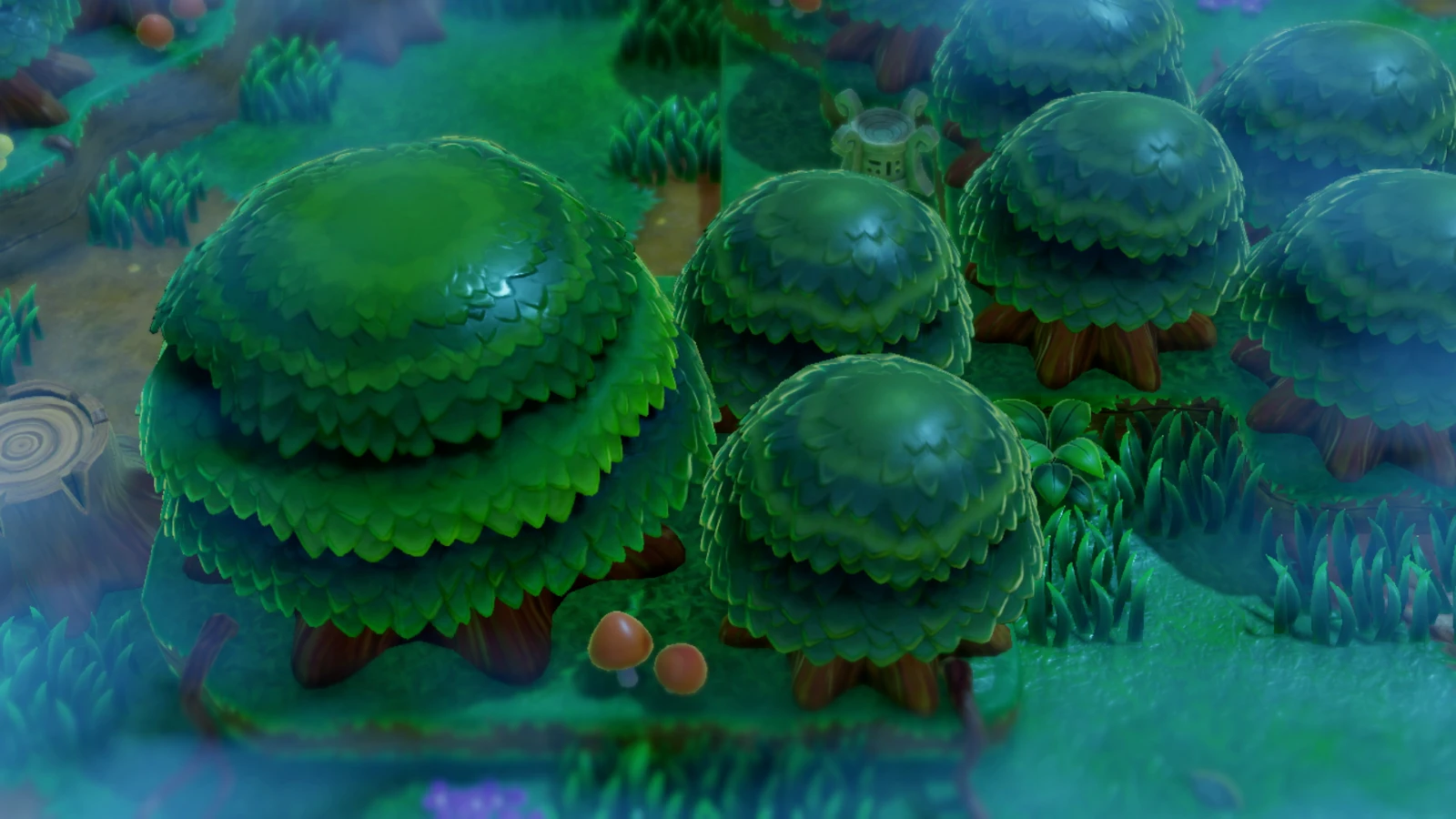
Live in the Forest Haven and the Korok Forest; 900 hide across Hyrule in Breath of the Wild, 1,000 in Tears of the Kingdom.
The Wind Waker, Breath of the Wild, Tears of the Kingdom
Dungeons and landmarks
Inside the Deku TreeOcarina of Time · boss: Queen GohmaThe first dungeon of the first 3D Zelda. Link climbs through the hollow guardian past giant spiders to the parasite gnawing at its roots. He is too late to save the tree, and leaves with the Kokiri’s Emerald.
Forest TempleOcarina of Time · boss: Phantom GanonA haunted temple above the Sacred Forest Meadow, where Link chases four Poe Sisters through twisted corridors and Phantom Ganon rides out of the paintings. Saria wakes here as the Sage of Forest.
The Sacred GroveA Link to the Past · A Link Between WorldsA quiet clearing in the north-west of the woods, reached through a hollow log in 1991. Draw the Master Sword with all three Pendants of Virtue and the fog lifts; in 2013 the Poes test Link first.
Skull WoodsA Link to the Past · boss: MothulaThe Dark World’s version of the Lost Woods, a skull-strewn forest with a dungeon beneath it holding the third crystal maiden. The giant moth Mothula waits at the bottom.
Forbidden WoodsThe Wind Waker · boss: Kalle DemosAn overgrown island beside the Forest Haven, reached by gliding on the Deku Leaf. Link wins the Boomerang, cuts down Kalle Demos and brings Makar home in time for the ceremony.
Forest TempleTwilight Princess · mini-boss: Ook · boss: DiababaA huge tree temple in Faron Woods, full of captive monkeys. Link frees them, wins the Gale Boomerang and slays the Twilit Parasite Diababa for the first piece of the Fused Shadow.
Sacred Grove and Temple of TimeTwilight Princess · the Master SwordThe Skull Kid’s playground, the Master Sword’s clearing and, on a later visit, the way into the Temple of Time of the past.
Trial of the SwordBreath of the Wild · The Master Trials (2017)Stripped of his gear in the Korok Forest, Link fights through 45 rooms of enemies in three trials. Each trial powers up the Master Sword, until it stays at full strength for good.
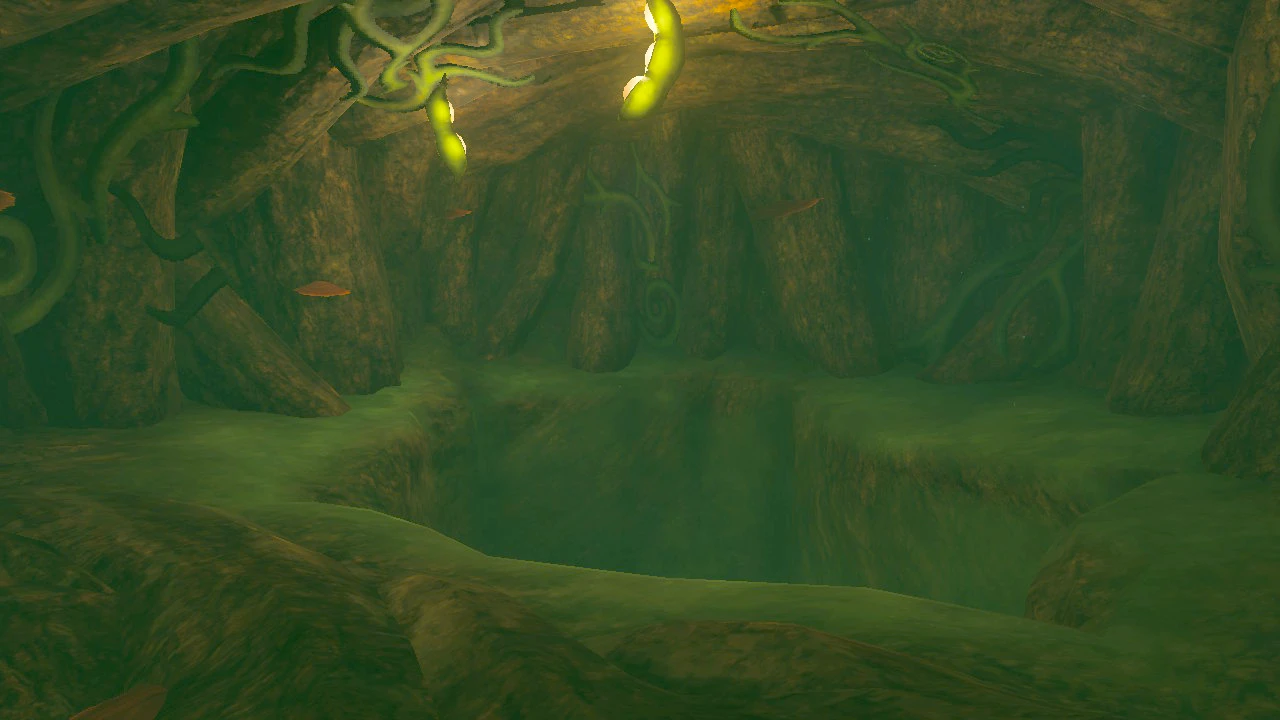
Deku Tree ChasmTears of the Kingdom · Gloom Spawn, Phantom GanonThe hollow beneath the Korok Forest where gloom holds the whole forest still. Beat both foes and the Great Deku Tree can speak again.
Music
Saria’s Song in the Nintendo Switch 2 version of Ocarina of Time.
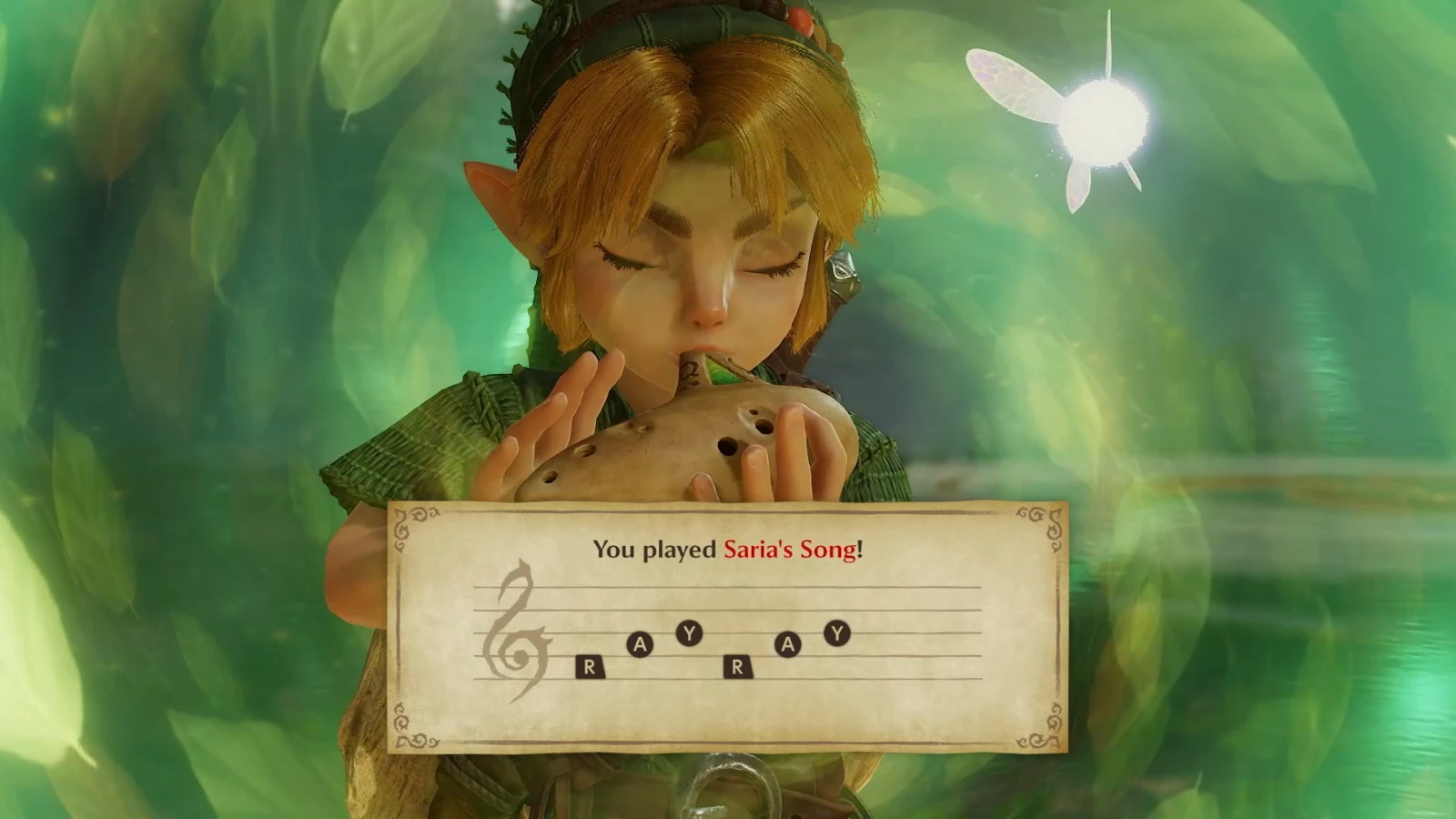
The Lost Woods’ signature is Saria’s Song, Koji Kondo’s bouncy ocarina tune from Ocarina of Time. It is both a song Link learns and the woods’ background music, and following the sound leads him to the Sacred Forest Meadow. Once learned, it lets him talk to Saria through the ocarina and cheers up the sulking Goron chief Darunia. Zelda Dungeon points out that the tune became a marker for mysterious forests rather than just for Saria, returning in Majora’s Mask’s Woods of Mystery, and its wiki describes Twilight Princess’s Sacred Grove theme as a rearrangement of the Lost Woods music; the Skull Kid even plays the melody on his horn.
Kokiri Forest has a theme of its own, which returns as a slower piece for the Forest Haven in The Wind Waker, with snippets tucked into Outset Island’s music. For Breath of the Wild the soundtrack album credits the eerie “Lost Woods” to Manaka Kataoka and “Korok Forest” to Yasuaki Iwata, and its list of series references names no older tune for either. The 2026 remake’s sound team consulted Kondo on each piece and added rustling leaves, insects and a Kokiri Forest waterfall that fades as you walk away. Saria’s Song reached Super Smash Bros. Melee as “Saria’s Theme”, which SmashWiki calls an airy remix of the Lost Woods’ theme; it can play on the Great Bay stage.
Game
Track
Composer or arranger
Ocarina of Time
Saria’s Song (the Lost Woods)
Koji Kondo
Ocarina of Time
Kokiri Forest
Koji Kondo
Majora’s Mask
Woods of Mystery (built on Saria’s Song, per Zelda Dungeon)
Not verified per track
The Wind Waker
Forest Haven (a slower Kokiri Forest theme)
Not verified per track
Twilight Princess
Sacred Grove (a rearranged Lost Woods theme)
Not verified per track
Breath of the Wild
Lost Woods
Manaka Kataoka (album credits)
Breath of the Wild
Korok Forest
Yasuaki Iwata (album credits)
Super Smash Bros. Melee
Saria’s Theme
HAL Laboratory, arrangement supervised by Hirokazu Ando (SmashWiki)
Through the ages
One view per game, from the 16-bit woods to the Switch 2 remake.
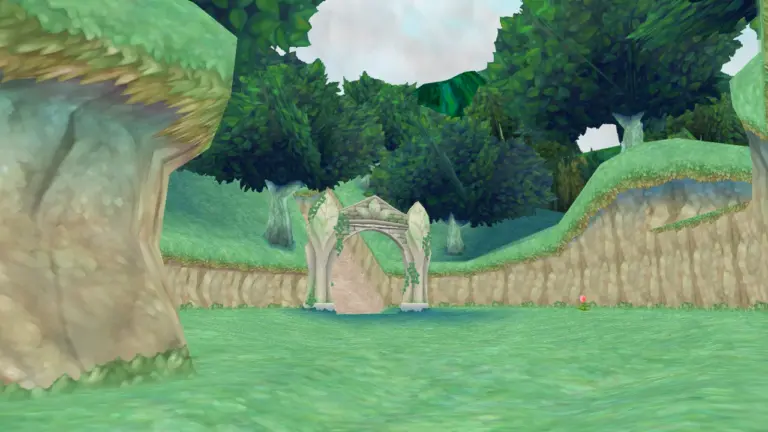
The Lost Woods in the closing credits of A Link to the Past (1991).Kokiri Forest in Ocarina of Time (1998).The Lost Woods in winter (Oracle of Seasons, 2001).The Sacred Grove in Twilight Princess HD (2016).Faron Woods in Skyward Sword artwork (2011).The Lost Woods in A Link Between Worlds (2013).The Korok Forest in the Switch 2 Edition of Breath of the Wild (2025).The Korok Forest in Tears of the Kingdom (2023).The Great Deku Tree of the Eternal Forest (Echoes of Wisdom, 2024).Kokiri Forest in the Switch 2 version of Ocarina of Time (2026).
Beyond the main games
The forest has a busy life outside the main series, from the Satellaview, where BS Zelda no Densetsu (1995) keeps a Lost Woods on its half-size map, to musou battles, a Wii Zapper shooting gallery, a rhythm game and the manga.
Ancient Stone Tablets (1997)Satellaview · Week two and week fourThe broadcast follow-up to A Link to the Past reaches the Lost Woods in week two, hides its fourth dungeon deep in the woods, and lets the Hero of Light draw the Master Sword in week four.
Link’s Crossbow Training (2007)Wii · Sacred Grove: DefenderNintendo’s Wii Zapper shooter turns the Sacred Grove into a shooting gallery. In the final level the Skull Kid sends waves of wooden puppets at Link; as elsewhere in the game, shooting a glowing green enemy earns automatic fire.
Hyrule Warriors (2014)Wii U · Faron WoodsFaron Woods becomes a battlefield: a forest village built around the Great Deku Tree, defended by the sorceress Lana and her resistance, with Gohma as the boss of The Sorceress of the Woods. Lana’s spear can even call on the Deku Tree.
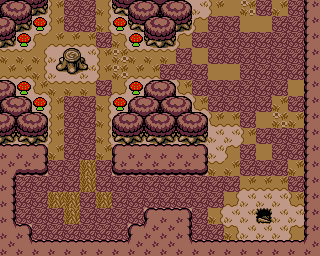
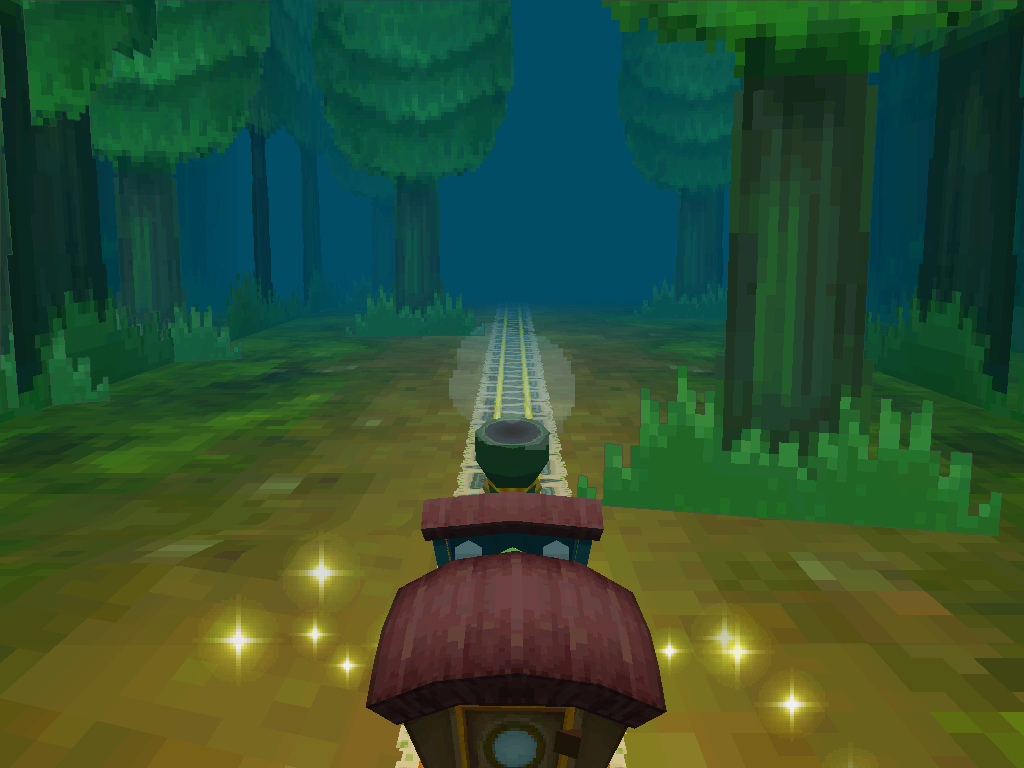
Cadence of Hyrule (2019)Switch · Through the Lost WoodsIn the rhythm crossover the Lost Woods are placed at random in the forest and repeat the same screen until you leave by the right exits. Tingle, snoring in a tree stump, lends a tuner that rumbles hardest at the right exit, and beyond the woods the Lost Swamp hides the lair of Gohmaracas.
Hyrule Warriors: Age of Calamity (2020)Switch · Freeing Korok ForestRevali clears the way from Vah Medoh, Hestu guides the heroes through the misty Lost Woods, only for Astor to fill the forest with Hollows, shadowy copies of the Champions. Link ends the battle by drawing the Master Sword.
Hyrule Warriors: Age of Imprisonment (2025)Switch 2 · A Korok heroThe Imprisoning War has no Lost Woods, but it does have a Korok hero: Calamo, a boisterous wanderer looking for somewhere to put down roots, who fights beside a silent construct and takes root next to it at the end. Any link to later forests is fan speculation.
Ocarina of Time manga (Akira Himekawa)Manga · The Skull Kid and the MaskA bonus story sends Link and Saria into the Lost Woods after a stolen festival mask, where a Skull Kid turns out to be serving the Baga Tree, an evil tree out to take over the forest. In Himekawa’s A Link to the Past manga, the Master Sword speaks to Link as he draws it.
Trivia
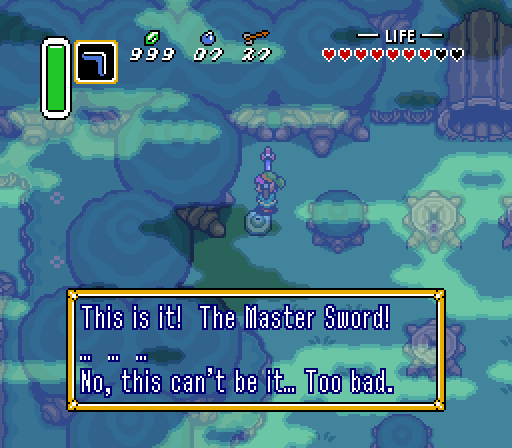
A fake Master Sword (A Link to the Past).Not the sword you are looking for.A Link to the Past’s woods are dotted with fake Master Swords. Pull one and the game sighs: “This is it! The Master Sword!… No, this can’t be it…Too bad.”
Maze Woods.Nintendo Power once called the forest the Maze Woods (volume 103, says Zelda Wiki), and its Korean name, Milosup, means “maze forest”.
Mario got lost too. According to Zelda Wiki, the Japanese name Mayoi no Mori was reused for the Forest of Illusion in Super Mario World.
Stalfos or shrubbery? In the English Ocarina of Time the lost become Stalfos; Zelda Wiki notes that the German script has them turning into plants instead.
Faron Woods, the “Not” Lost Woods (Skyward Sword).The “Not” Lost Woods. In Iwata Asks, the team behind Skyward Sword said Faron Woods was meant to be a bright, friendly first region full of mushrooms, animals and bugs, and planner Hiramuki dubbed it the “Not” Lost Woods because the Beacon and dowsing keep you from getting lost.
Ten minutes to the credits. In January 2020 speedrunners found a way to warp from Kokiri Forest straight to the end credits of Ocarina of Time with only the ocarina and slingshot; by February the world record was under ten minutes.
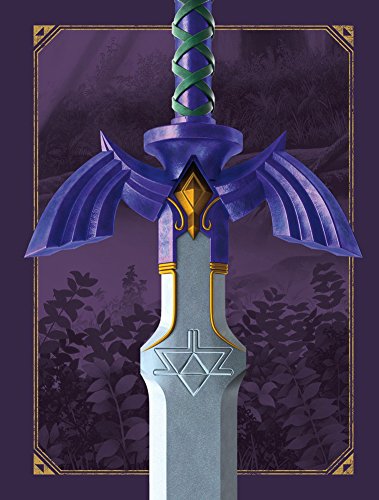
The Limited Edition of Art & Artifacts, with the Lost Woods on its cover.Judge a book by its cover. The Limited Edition of Art & Artifacts (2017) shows the Lost Woods in a custom-mixed deep purple ink, with an embossed Master Sword hilt in the middle and a clear sleeve printed as its sheath.
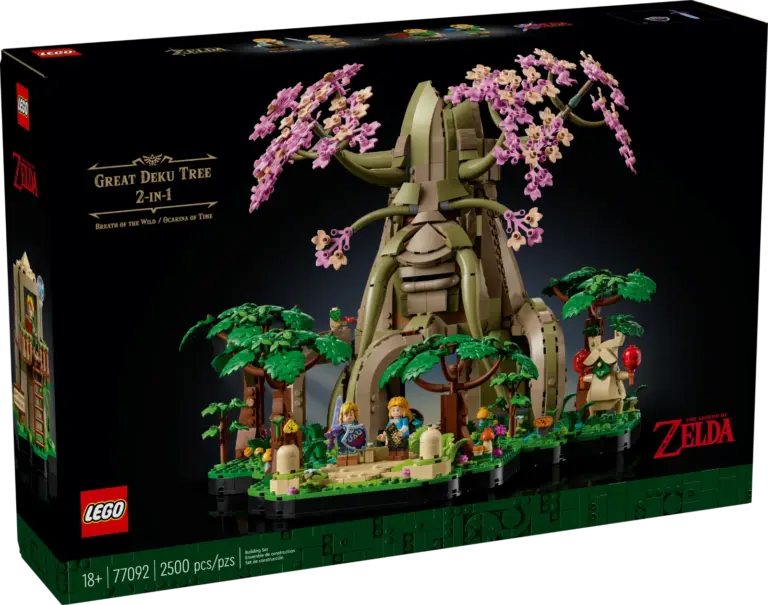
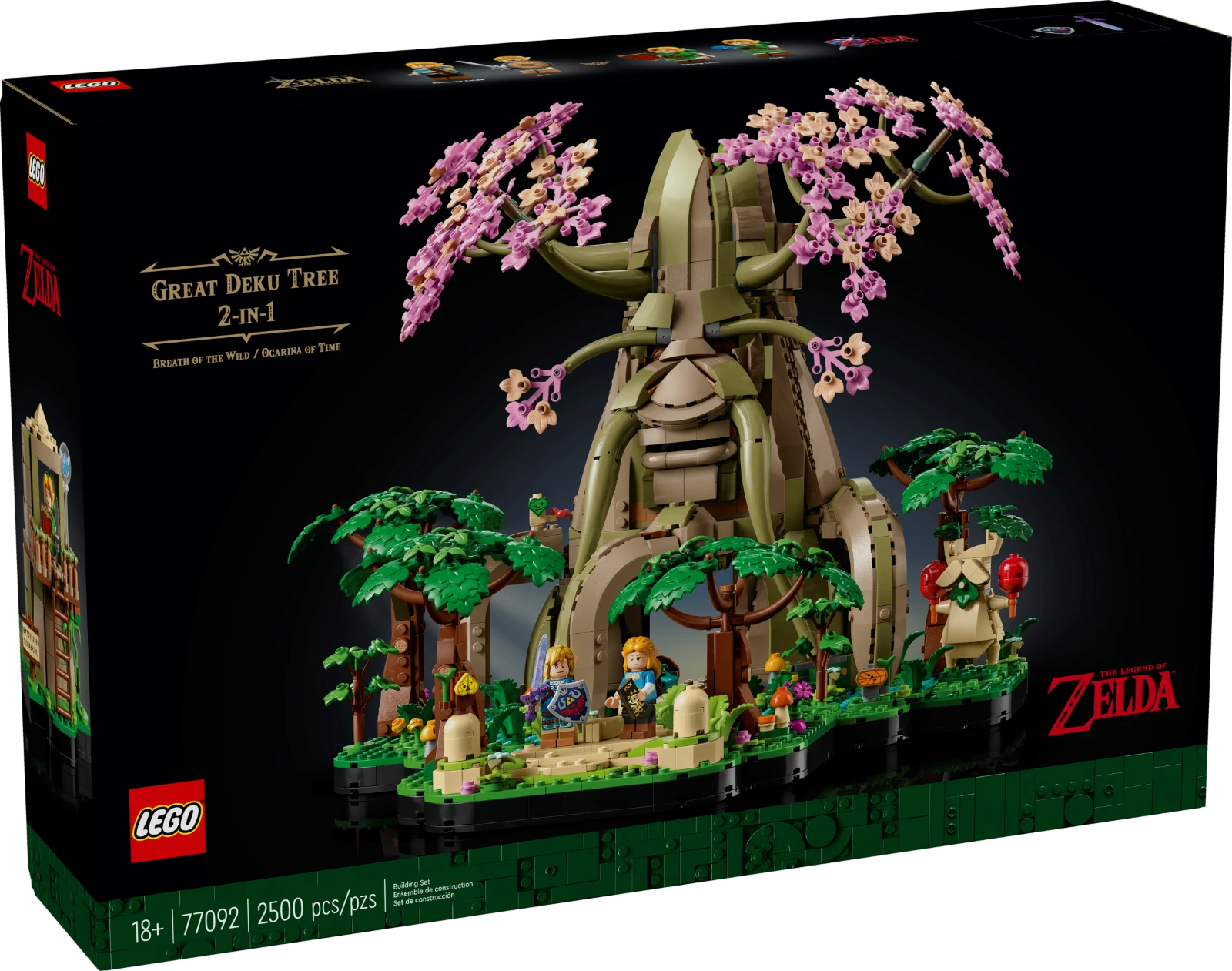
The LEGO Great Deku Tree 2-in-1, built as the Breath of the Wild tree.Build your own guardian. The first LEGO Zelda set, the 2,500-piece Great Deku Tree 2-in-1, went on sale on 1 September 2024. It builds either the Ocarina of Time tree or the Breath of the Wild one.
Spot the Korok. Floating bits of forest debris in the Switch 2 remake’s Kokiri Forest and Lost Woods look a lot like Koroks. Game Informer suspects it is the remake’s only wink at later games.
Smooth at last. The Korok Forest was notorious for slowdown on the original Switch; Nintendo Life wrote that it “would still tank the frame rate” in Tears of the Kingdom. In the 2025 Switch 2 Editions of Breath of the Wild and Tears of the Kingdom it runs at a steady 60 frames a second.
In timeline order: Zelda Temple research draft, The Lost Woods (8 November 2026); Zelda Temple places research notes (timeline placements, music credits); Nintendo Wire on Echoes of Wisdom’s timeline placement (26 November 2024); Zelda Temple game guides (verified data; sources on each page)
Further reading: Zelda Temple game guides (verified data; sources on each page)
Manage Consent
To provide the best experiences, we use technologies like cookies to store and/or access device information. Consenting to these technologies will allow us to process data such as browsing behavior or unique IDs on this site. Not consenting or withdrawing consent, may adversely affect certain features and functions.
Functional
Always active
The technical storage or access is strictly necessary for the legitimate purpose of enabling the use of a specific service explicitly requested by the subscriber or user, or for the sole purpose of carrying out the transmission of a communication over an electronic communications network.
Preferences
The technical storage or access is necessary for the legitimate purpose of storing preferences that are not requested by the subscriber or user.
Statistics
The technical storage or access that is used exclusively for statistical purposes.The technical storage or access that is used exclusively for anonymous statistical purposes. Without a subpoena, voluntary compliance on the part of your Internet Service Provider, or additional records from a third party, information stored or retrieved for this purpose alone cannot usually be used to identify you.
Marketing
The technical storage or access is required to create user profiles to send advertising, or to track the user on a website or across several websites for similar marketing purposes.

 The Great Deku TreeGuardian of the forest
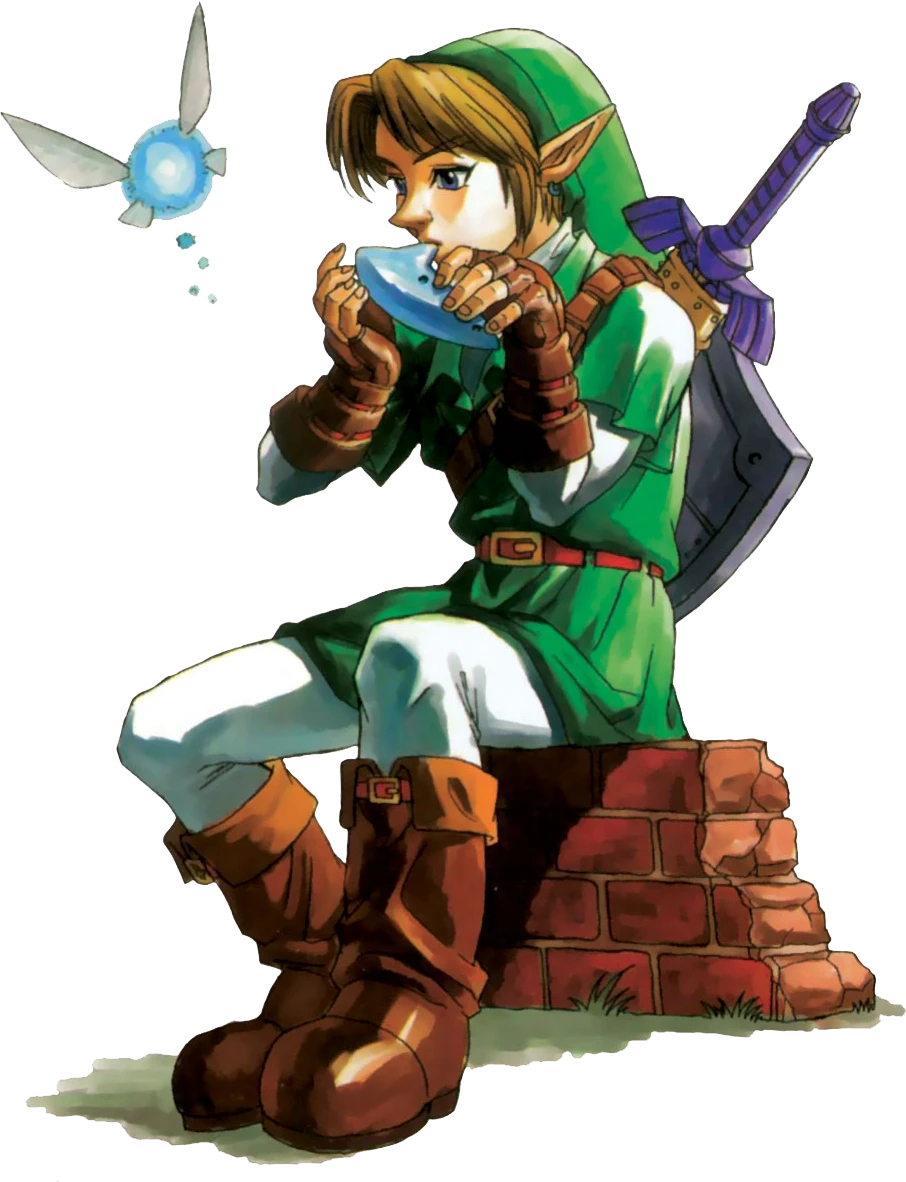 LinkRaised as a Kokiri
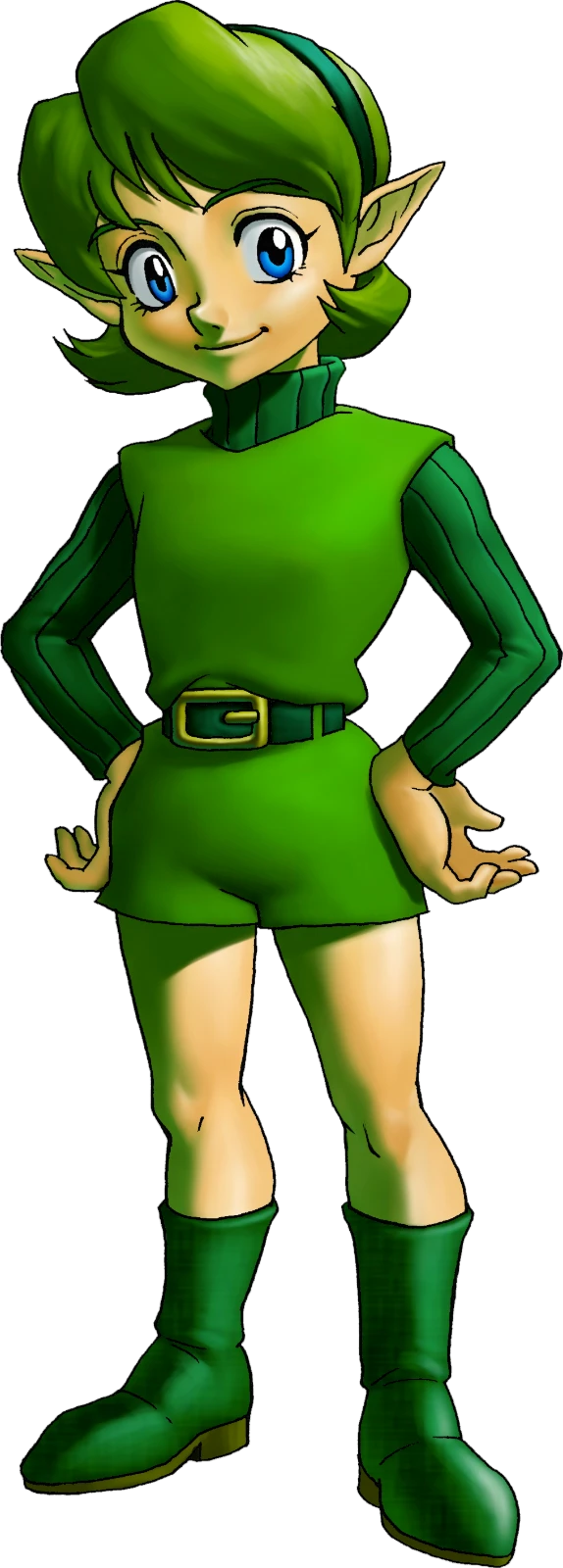 SariaSage of Forest
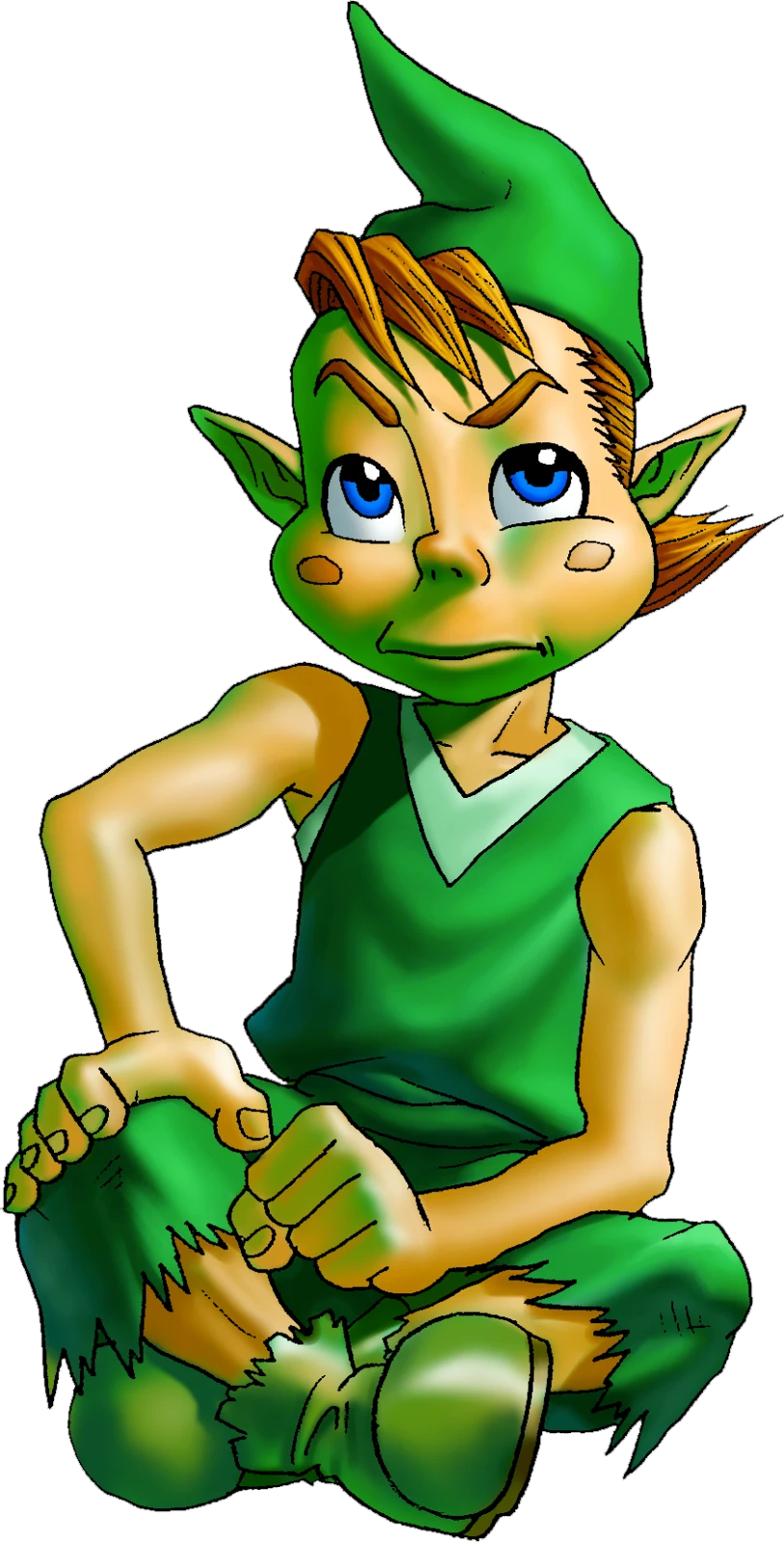 MidoSelf-appointed boss
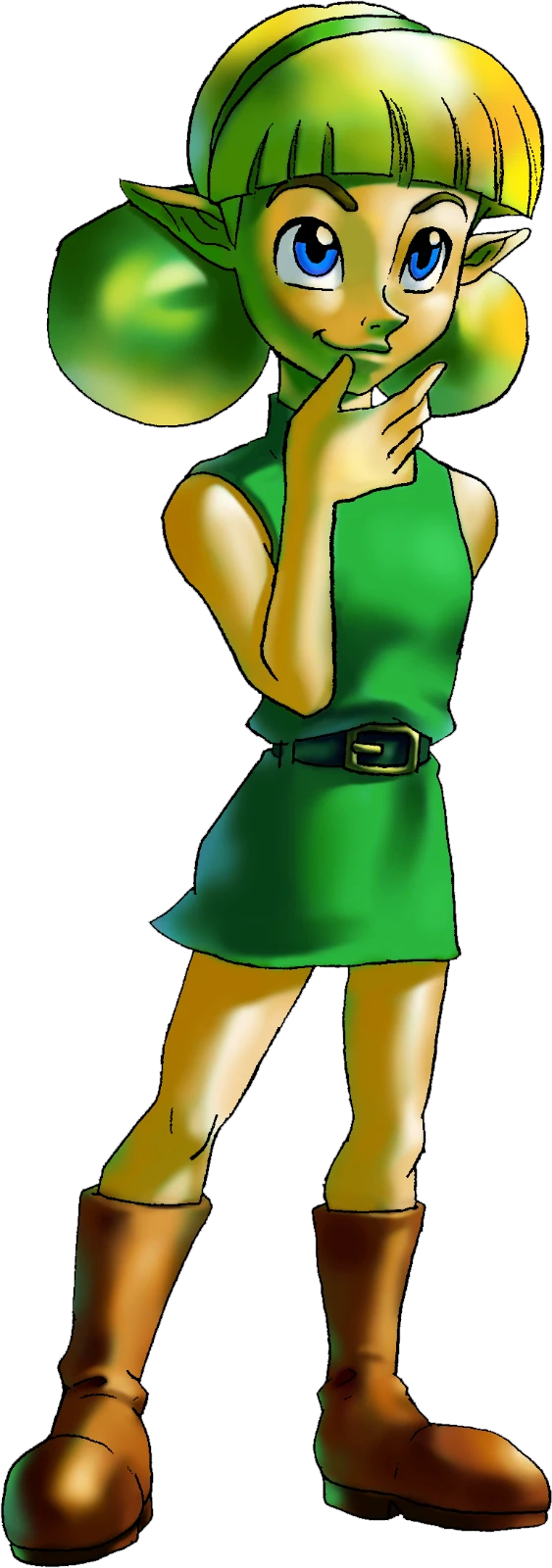 FadoKokiri girl
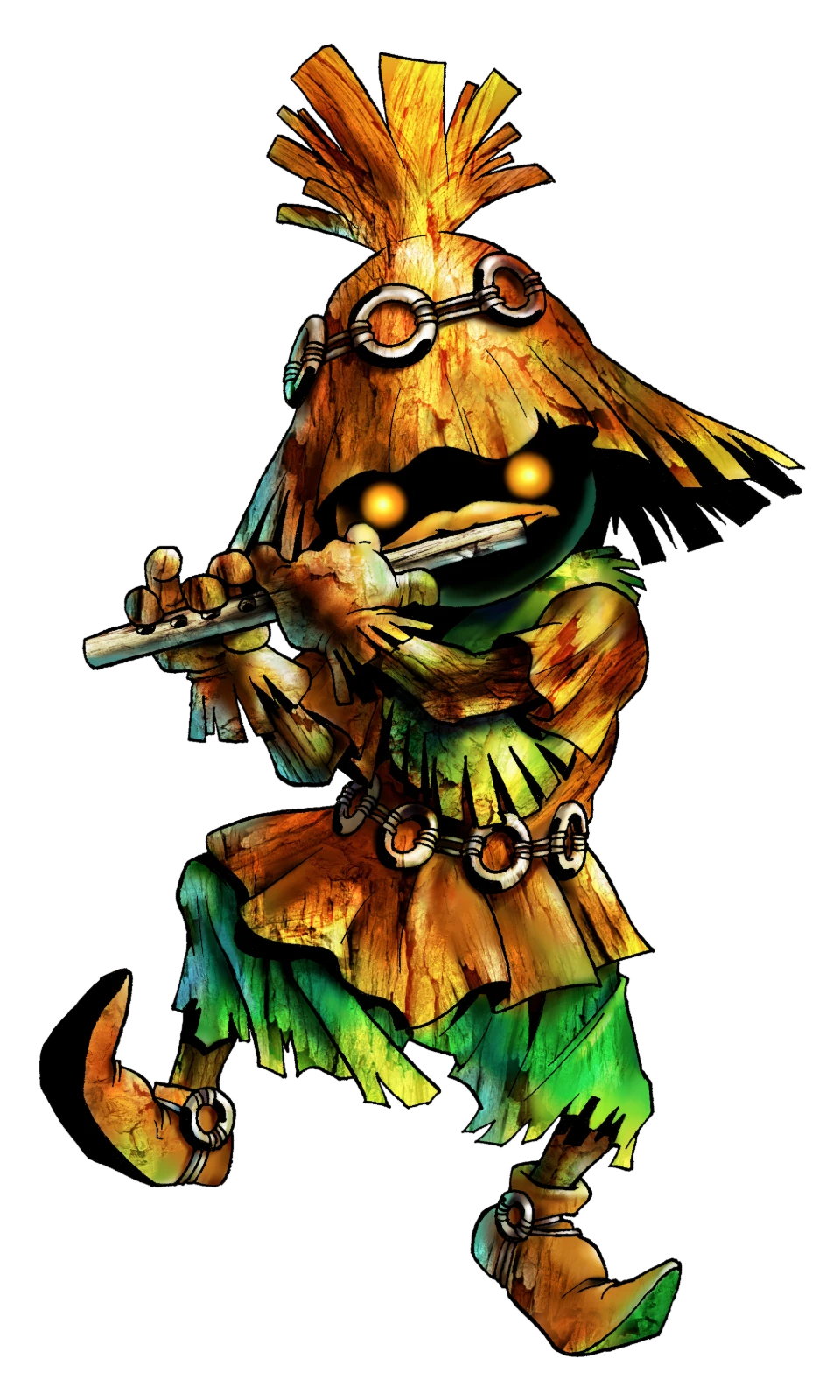 Skull KidImp of the woods
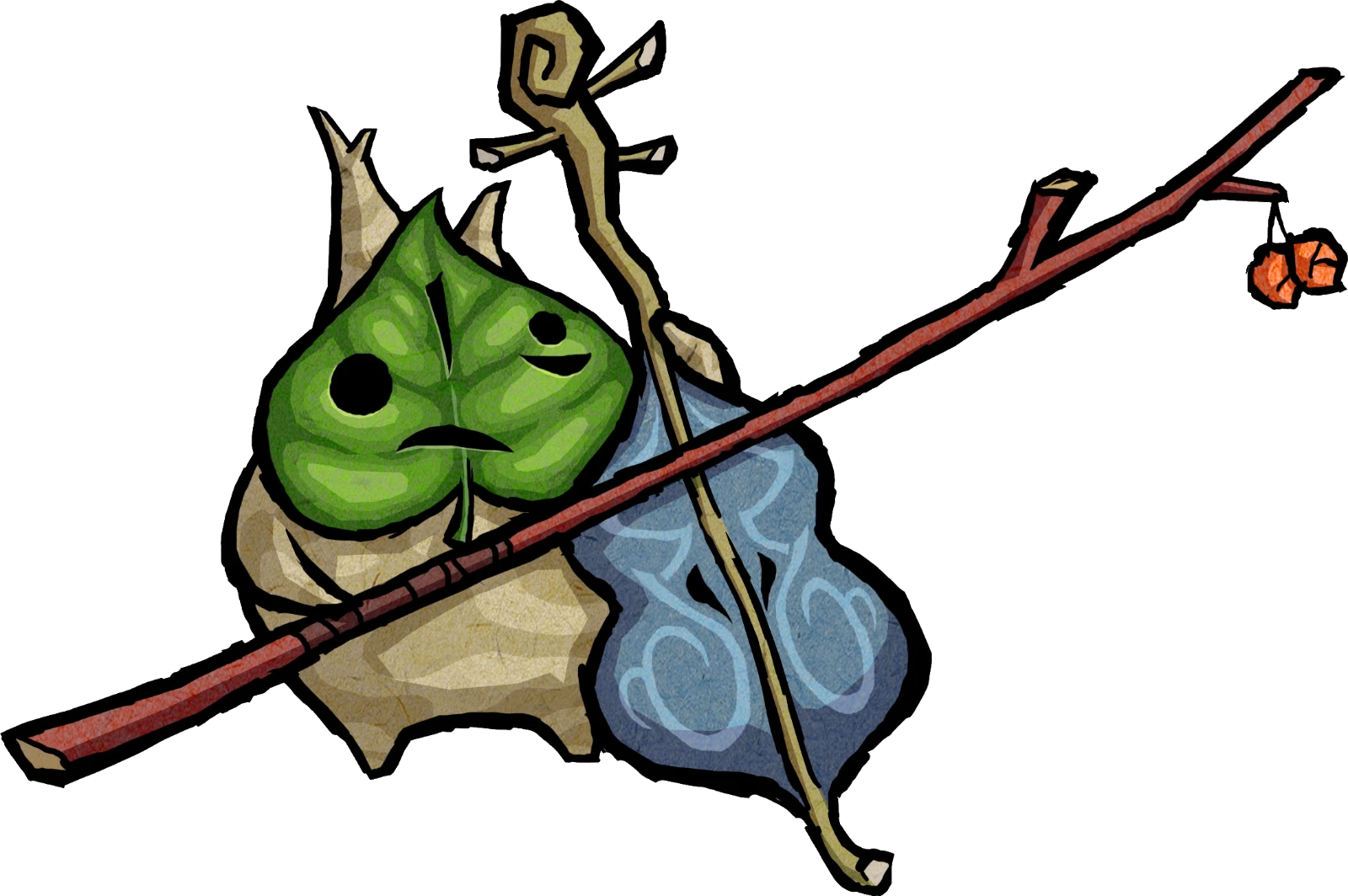 MakarSage of Wind
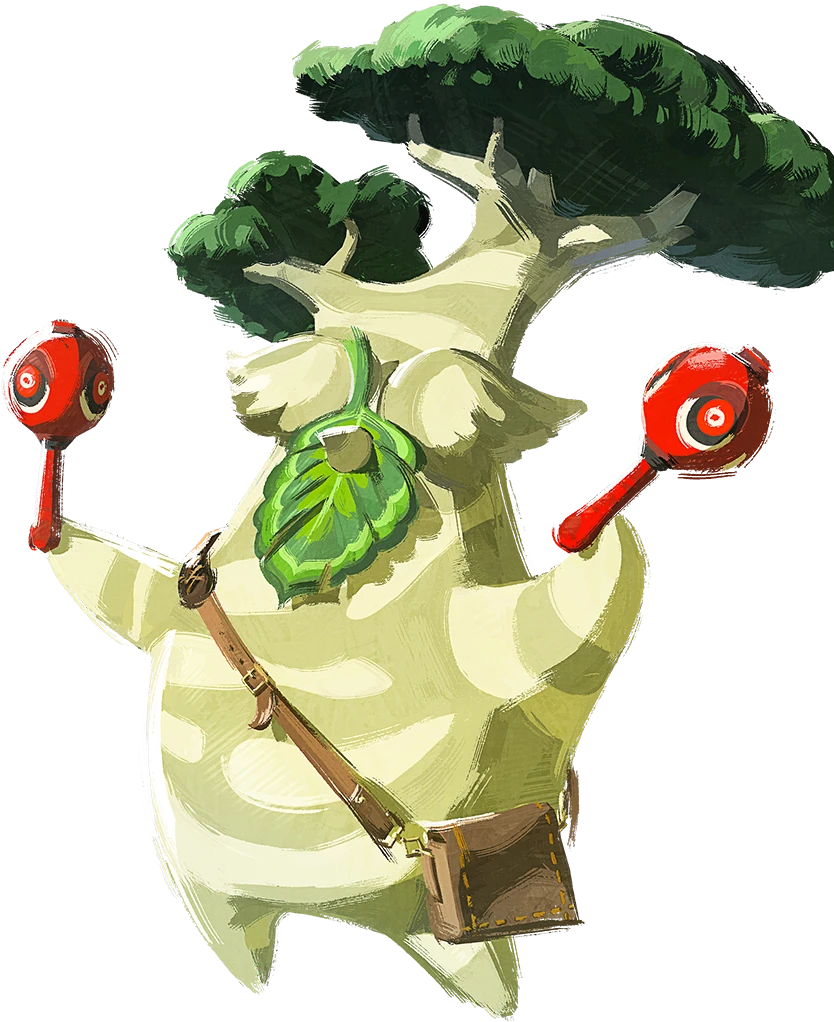 HestuThe maraca Korok
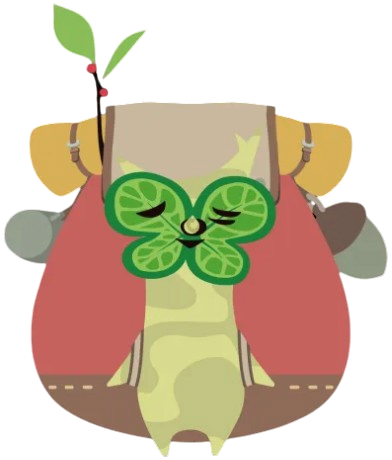 The KoroksForest spirits
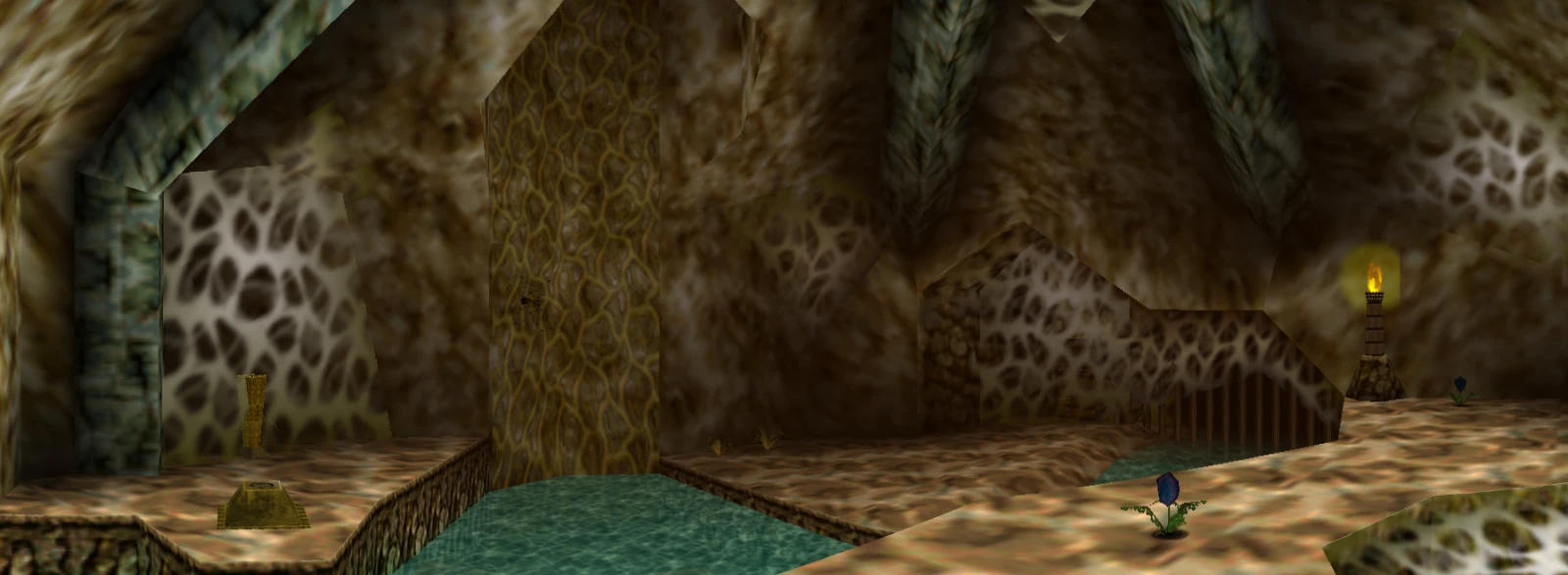 Inside the Deku TreeOcarina of Time · boss: Queen GohmaThe first dungeon of the first 3D Zelda. Link climbs through the hollow guardian past giant spiders to the parasite gnawing at its roots. He is too late to save the tree, and leaves with the Kokiri’s Emerald.
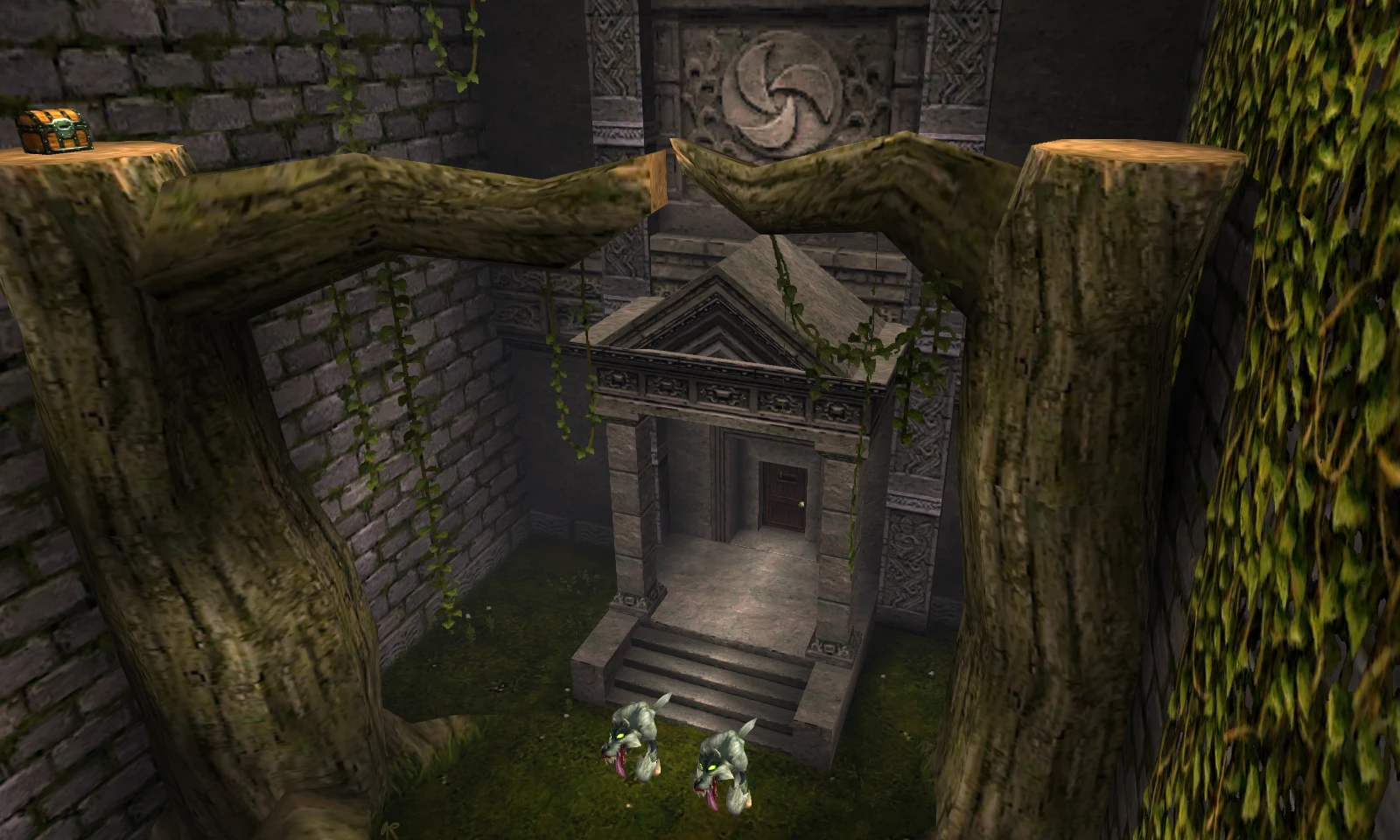 Forest TempleOcarina of Time · boss: Phantom GanonA haunted temple above the Sacred Forest Meadow, where Link chases four Poe Sisters through twisted corridors and Phantom Ganon rides out of the paintings. Saria wakes here as the Sage of Forest.
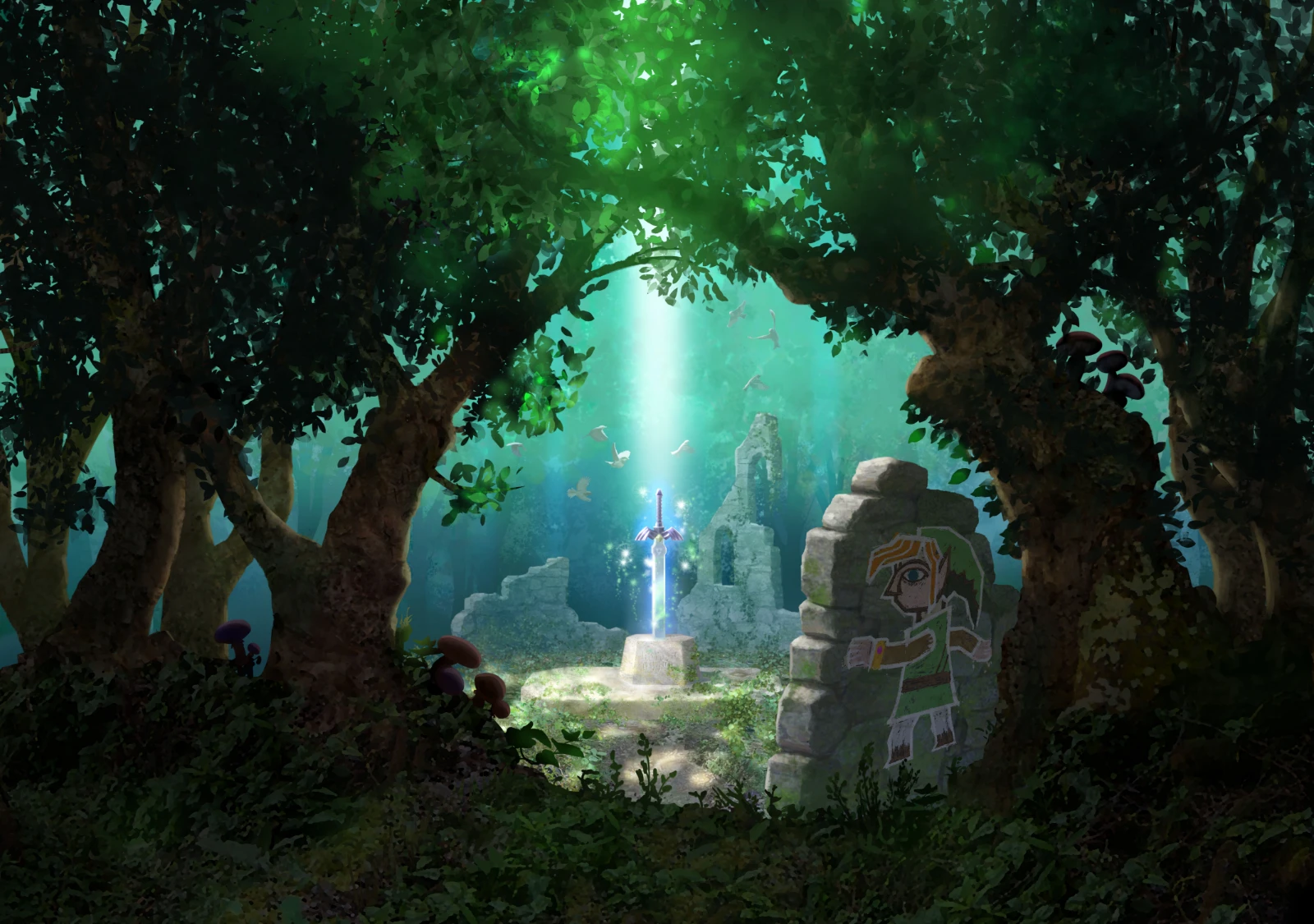 The Sacred GroveA Link to the Past · A Link Between WorldsA quiet clearing in the north-west of the woods, reached through a hollow log in 1991. Draw the Master Sword with all three Pendants of Virtue and the fog lifts; in 2013 the Poes test Link first.
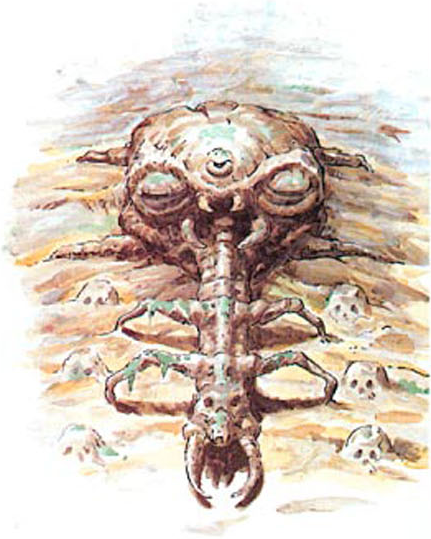 Skull WoodsA Link to the Past · boss: MothulaThe Dark World’s version of the Lost Woods, a skull-strewn forest with a dungeon beneath it holding the third crystal maiden. The giant moth Mothula waits at the bottom.
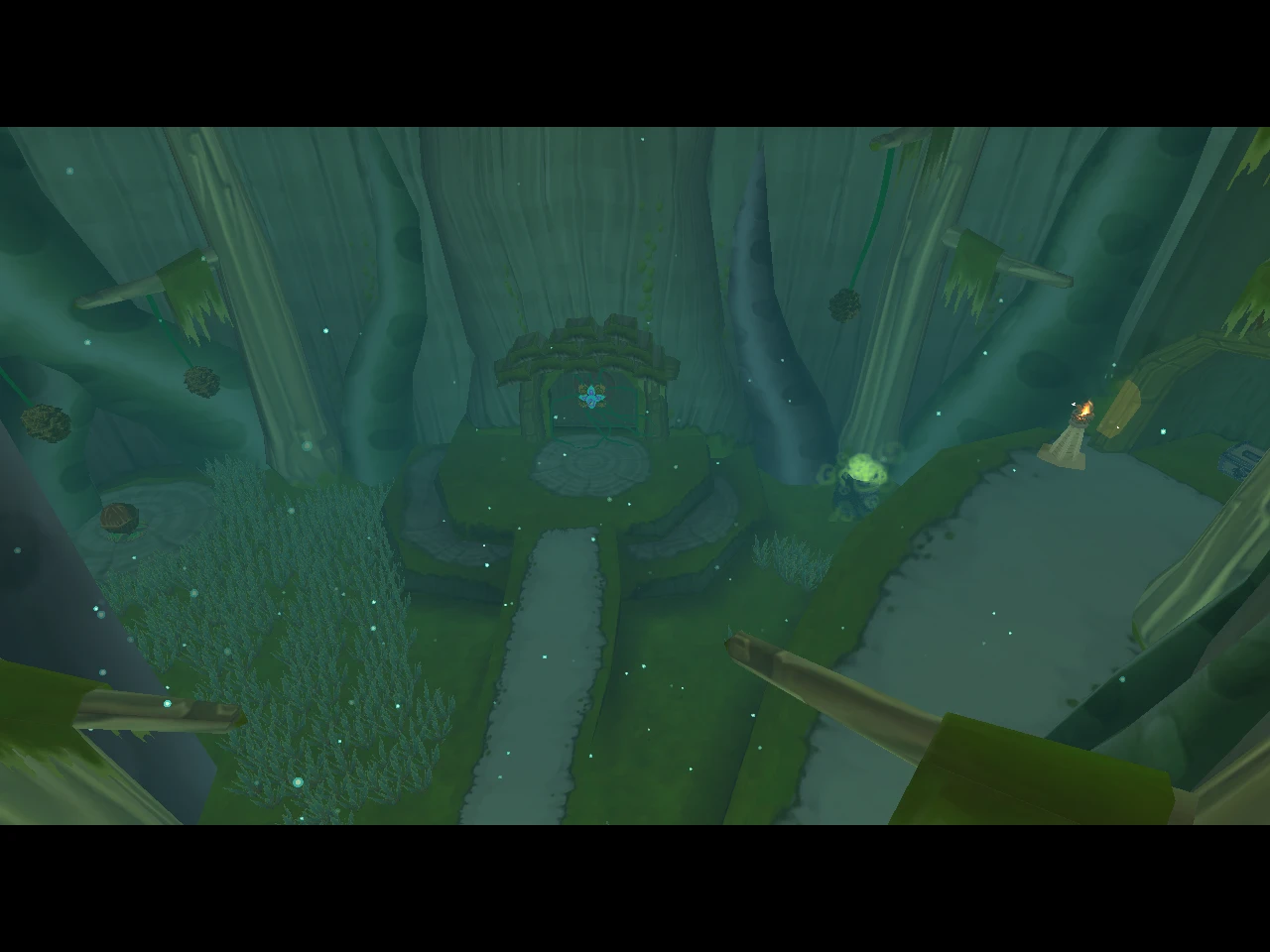 Forbidden WoodsThe Wind Waker · boss: Kalle DemosAn overgrown island beside the Forest Haven, reached by gliding on the Deku Leaf. Link wins the Boomerang, cuts down Kalle Demos and brings Makar home in time for the ceremony.
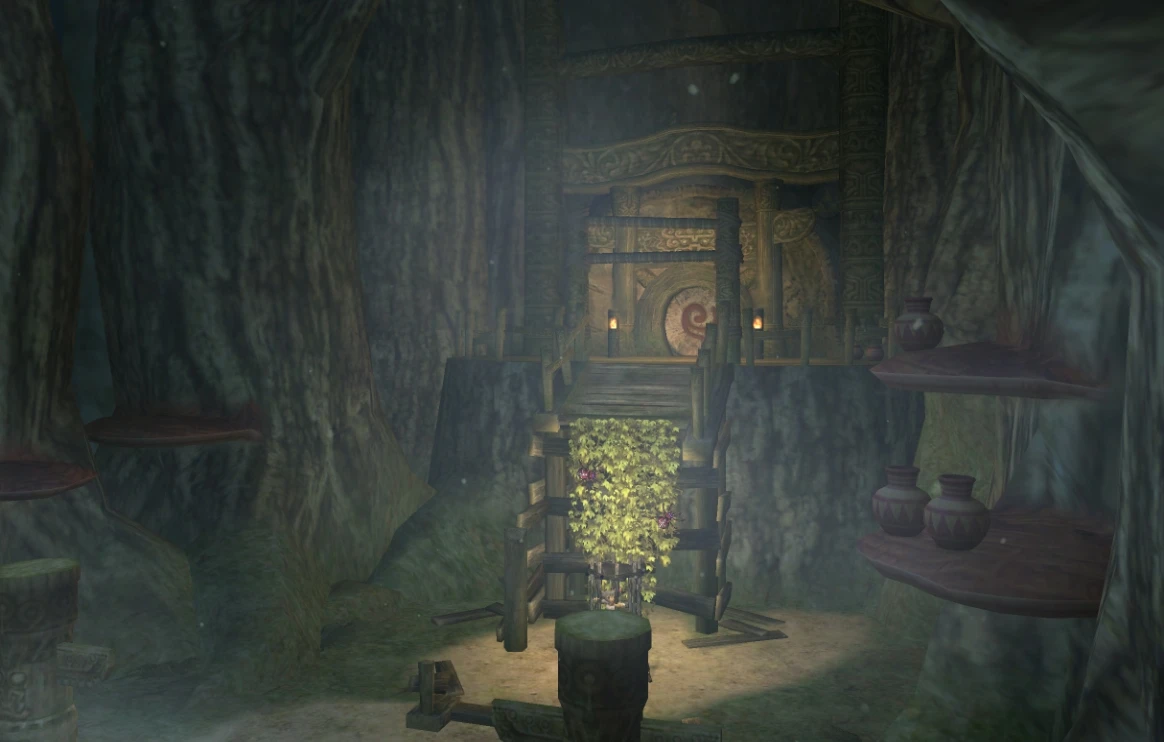 Forest TempleTwilight Princess · mini-boss: Ook · boss: DiababaA huge tree temple in Faron Woods, full of captive monkeys. Link frees them, wins the Gale Boomerang and slays the Twilit Parasite Diababa for the first piece of the Fused Shadow.
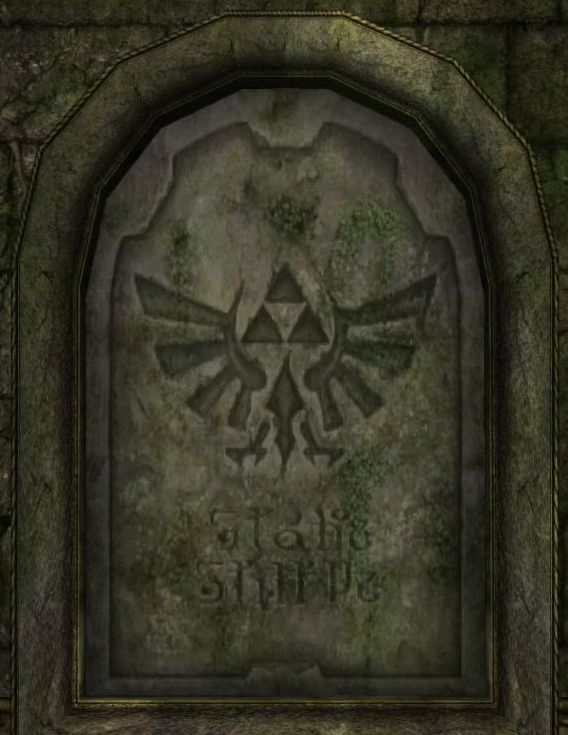 Sacred Grove and Temple of TimeTwilight Princess · the Master SwordThe Skull Kid’s playground, the Master Sword’s clearing and, on a later visit, the way into the Temple of Time of the past.
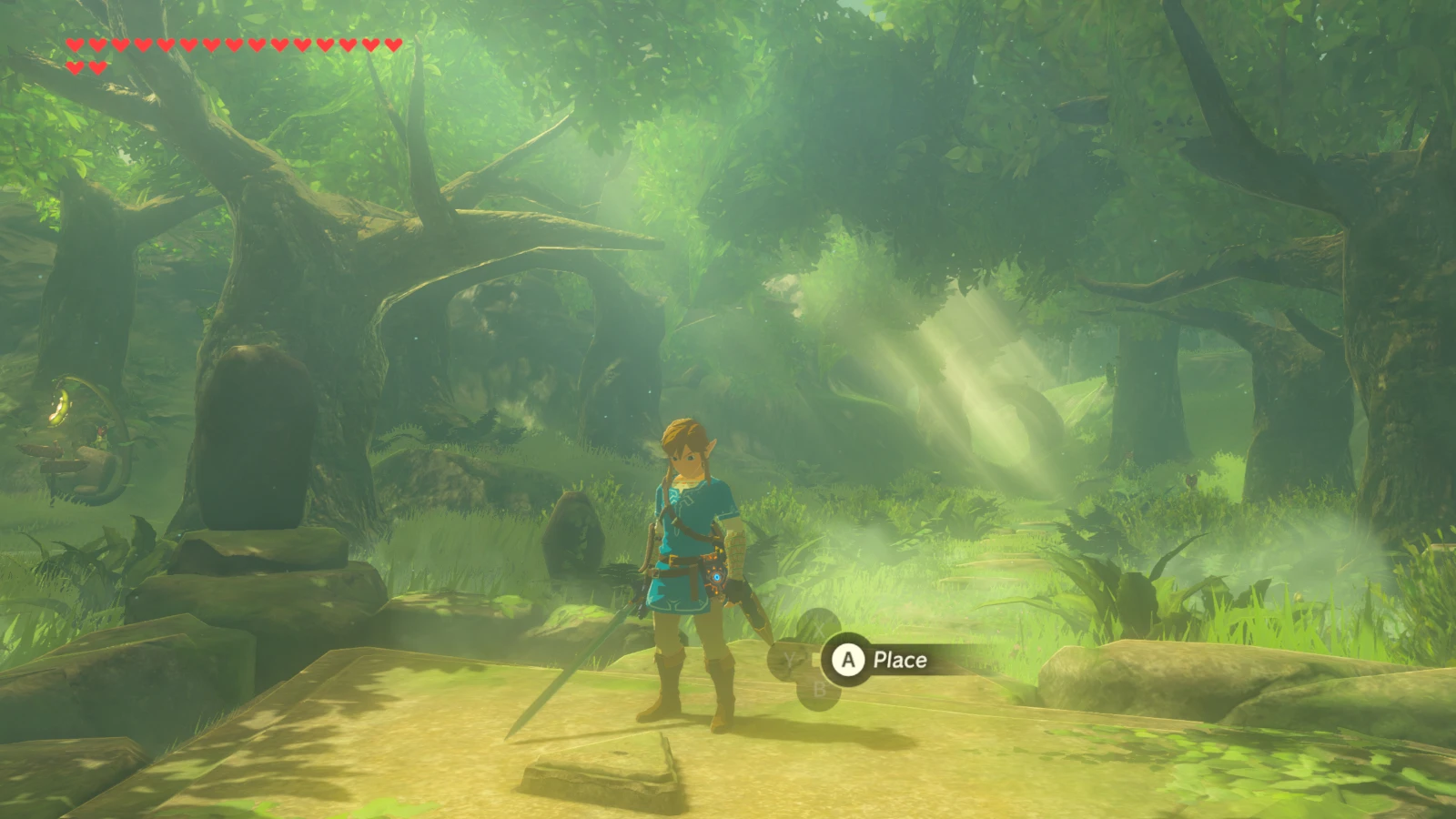 Trial of the SwordBreath of the Wild · The Master Trials (2017)Stripped of his gear in the Korok Forest, Link fights through 45 rooms of enemies in three trials. Each trial powers up the Master Sword, until it stays at full strength for good.
 Deku Tree ChasmTears of the Kingdom · Gloom Spawn, Phantom GanonThe hollow beneath the Korok Forest where gloom holds the whole forest still. Beat both foes and the Great Deku Tree can speak again.
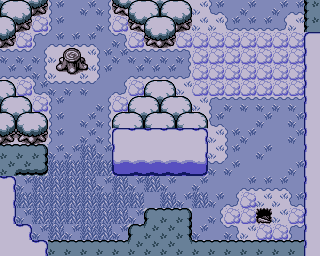
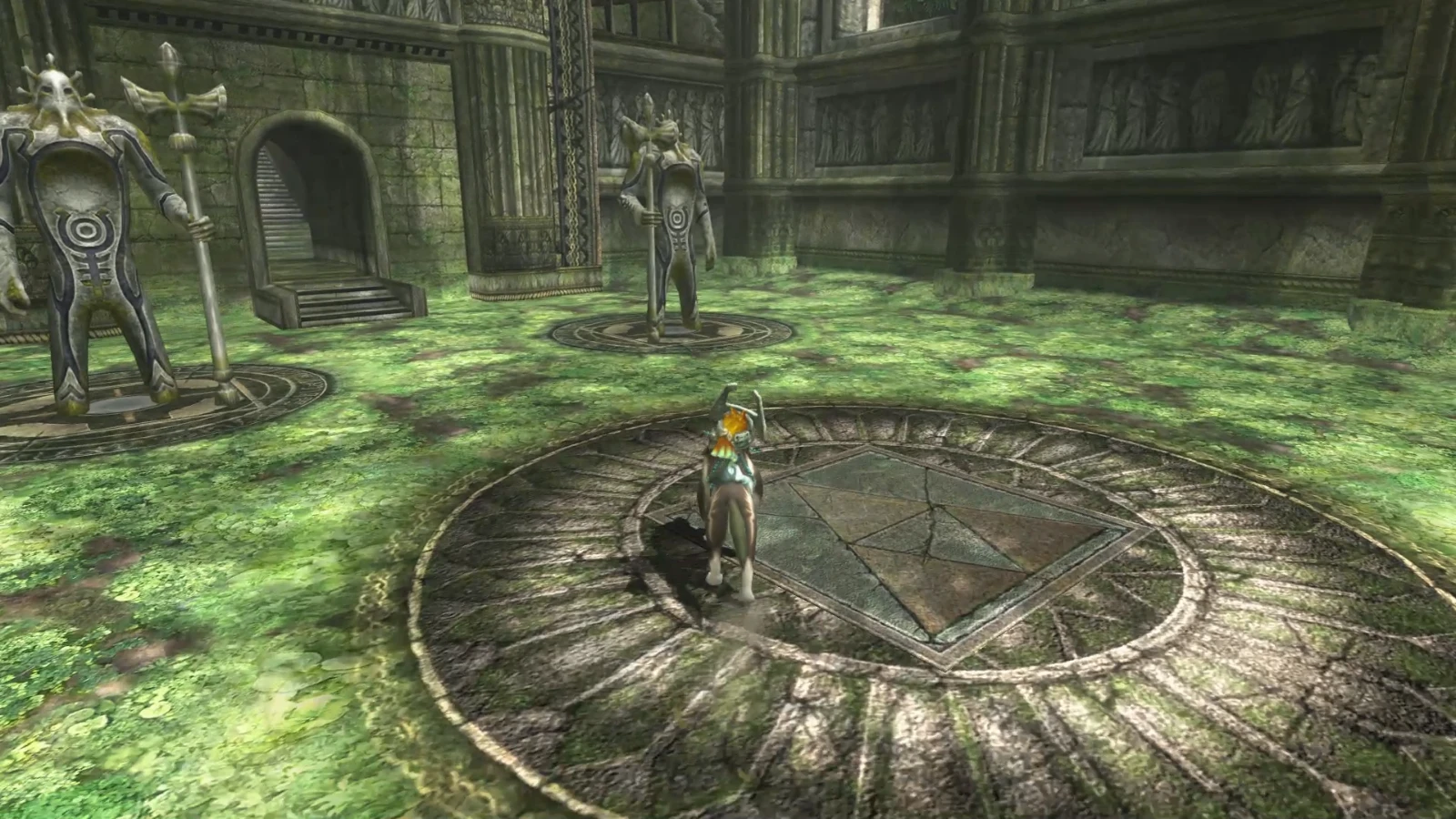
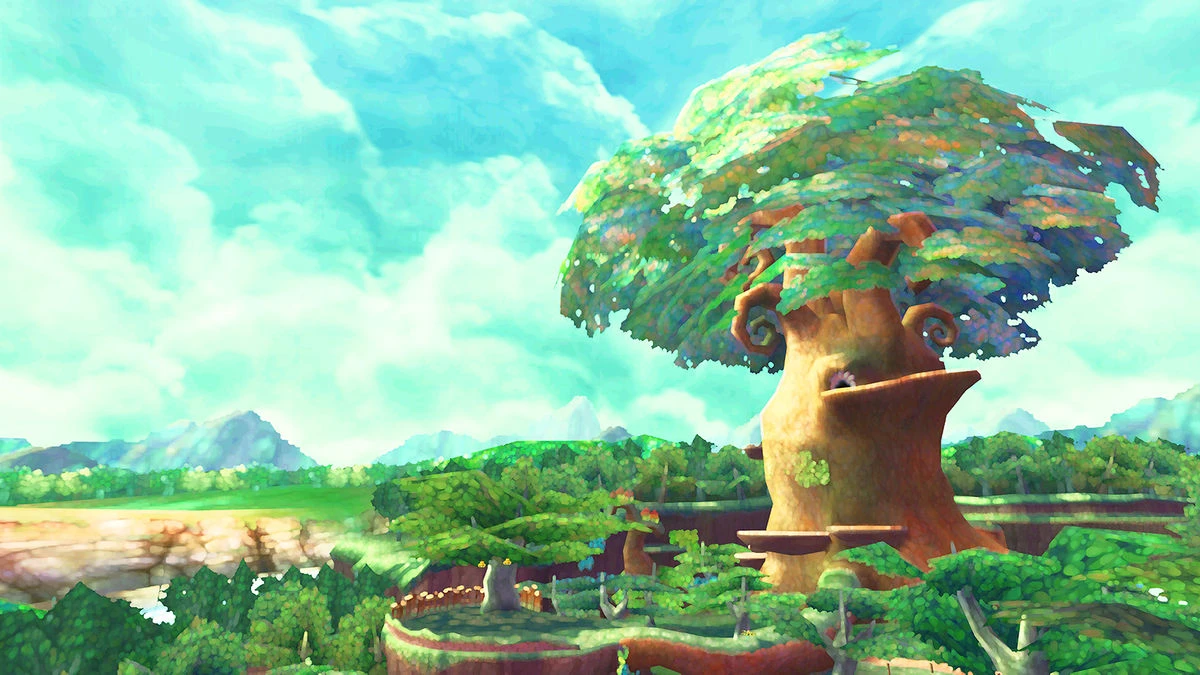
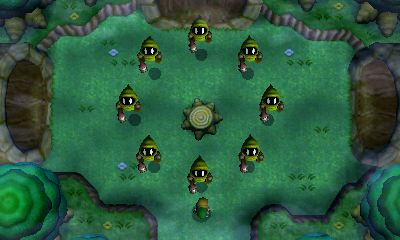
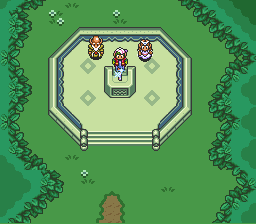 Ancient Stone Tablets (1997)Satellaview · Week two and week fourThe broadcast follow-up to A Link to the Past reaches the Lost Woods in week two, hides its fourth dungeon deep in the woods, and lets the Hero of Light draw the Master Sword in week four.
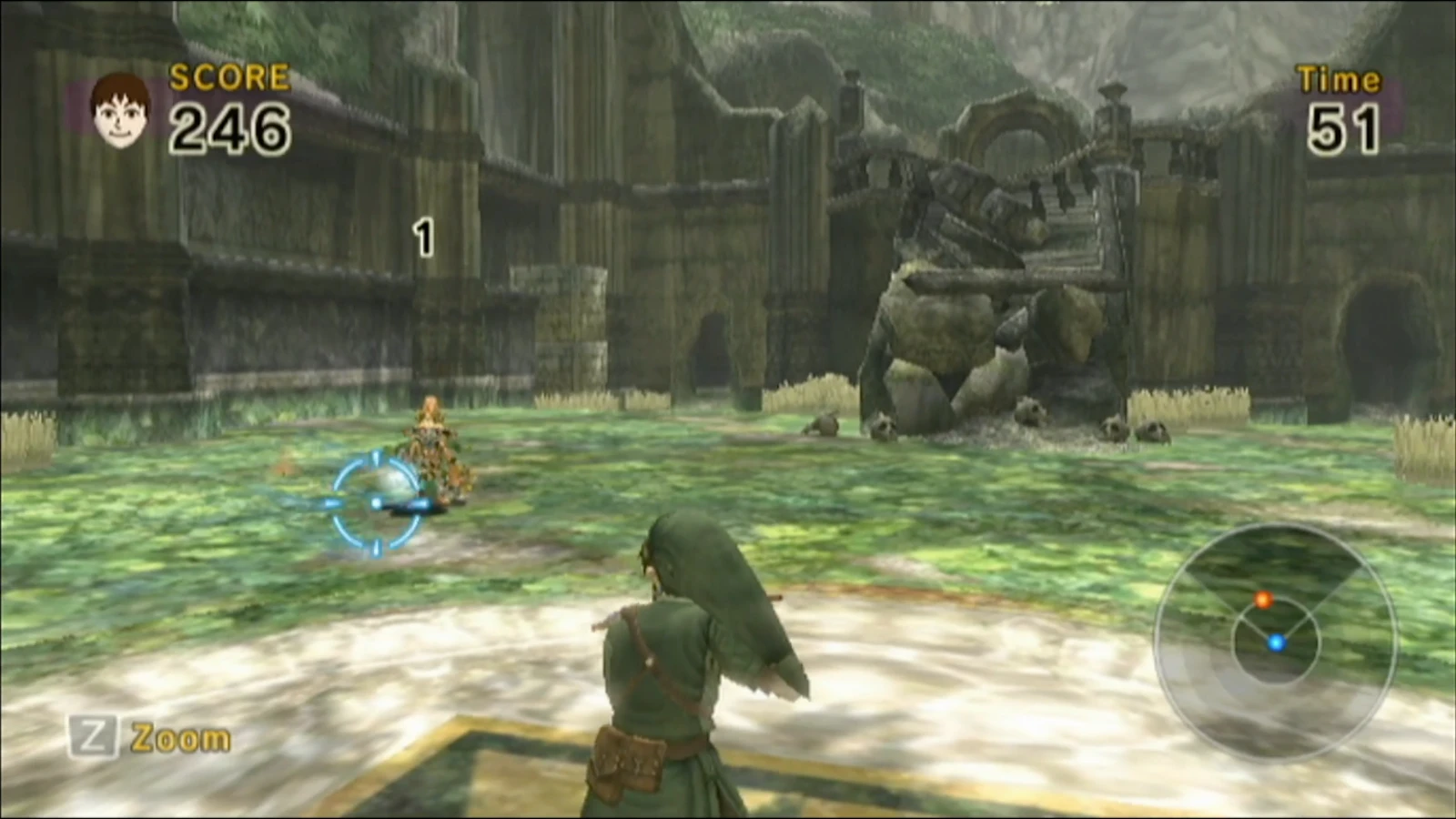 Link’s Crossbow Training (2007)Wii · Sacred Grove: DefenderNintendo’s Wii Zapper shooter turns the Sacred Grove into a shooting gallery. In the final level the Skull Kid sends waves of wooden puppets at Link; as elsewhere in the game, shooting a glowing green enemy earns automatic fire.
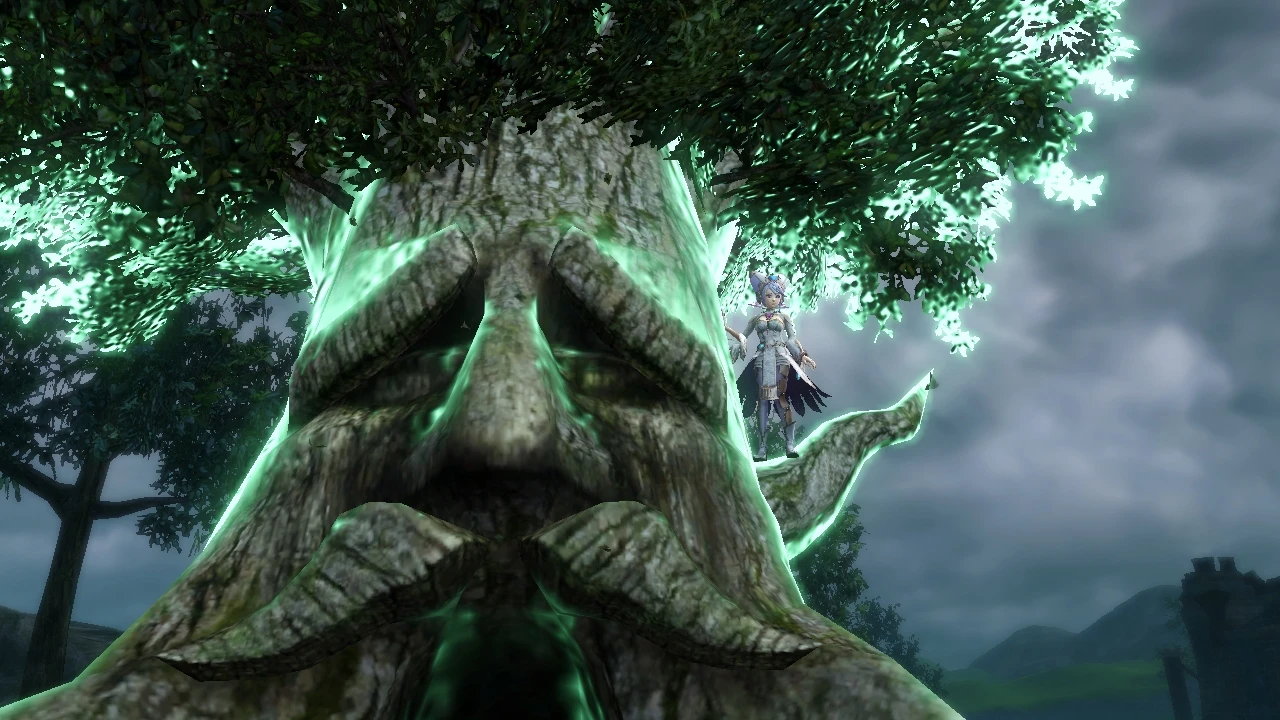 Hyrule Warriors (2014)Wii U · Faron WoodsFaron Woods becomes a battlefield: a forest village built around the Great Deku Tree, defended by the sorceress Lana and her resistance, with Gohma as the boss of The Sorceress of the Woods. Lana’s spear can even call on the Deku Tree.
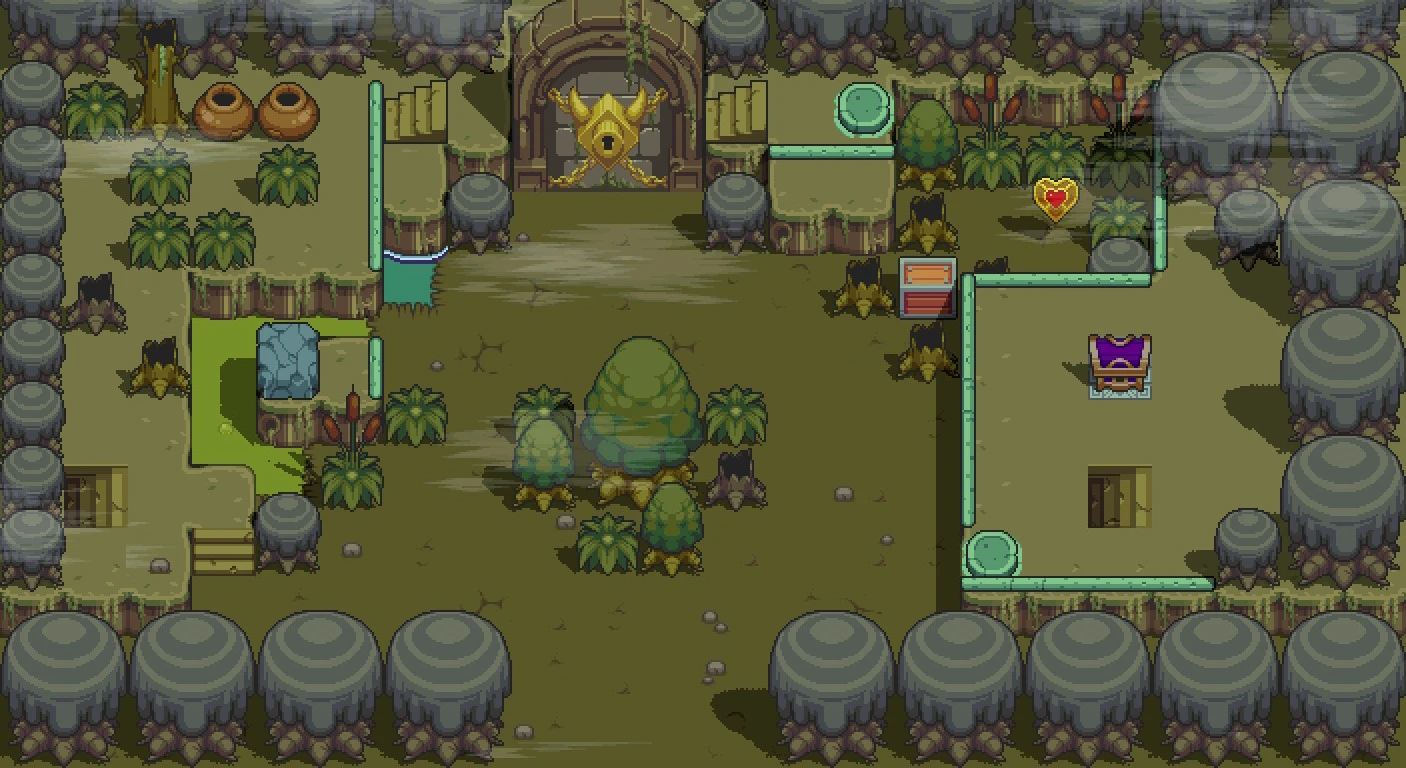 Cadence of Hyrule (2019)Switch · Through the Lost WoodsIn the rhythm crossover the Lost Woods are placed at random in the forest and repeat the same screen until you leave by the right exits. Tingle, snoring in a tree stump, lends a tuner that rumbles hardest at the right exit, and beyond the woods the Lost Swamp hides the lair of Gohmaracas.
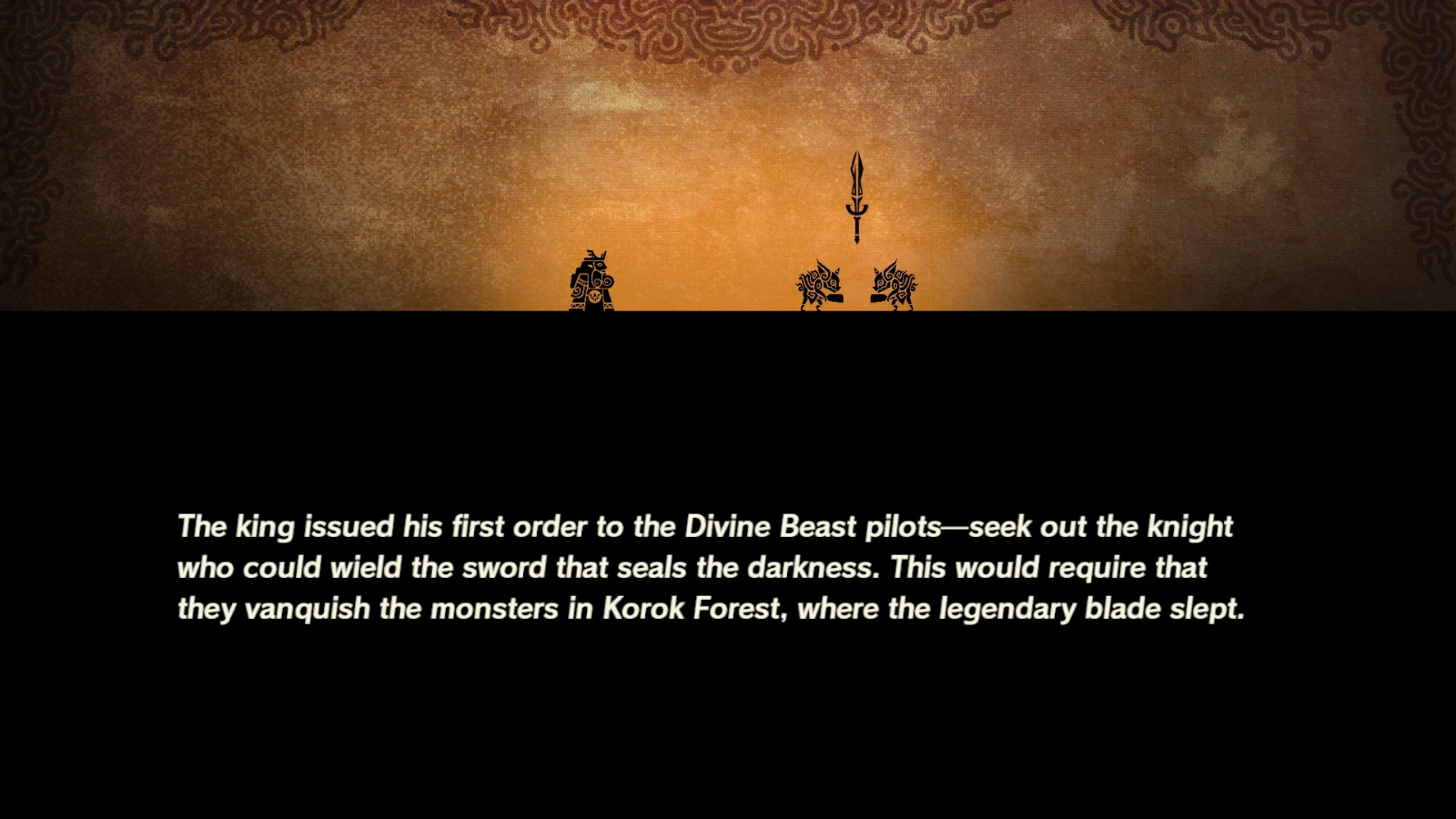 Hyrule Warriors: Age of Calamity (2020)Switch · Freeing Korok ForestRevali clears the way from Vah Medoh, Hestu guides the heroes through the misty Lost Woods, only for Astor to fill the forest with Hollows, shadowy copies of the Champions. Link ends the battle by drawing the Master Sword.
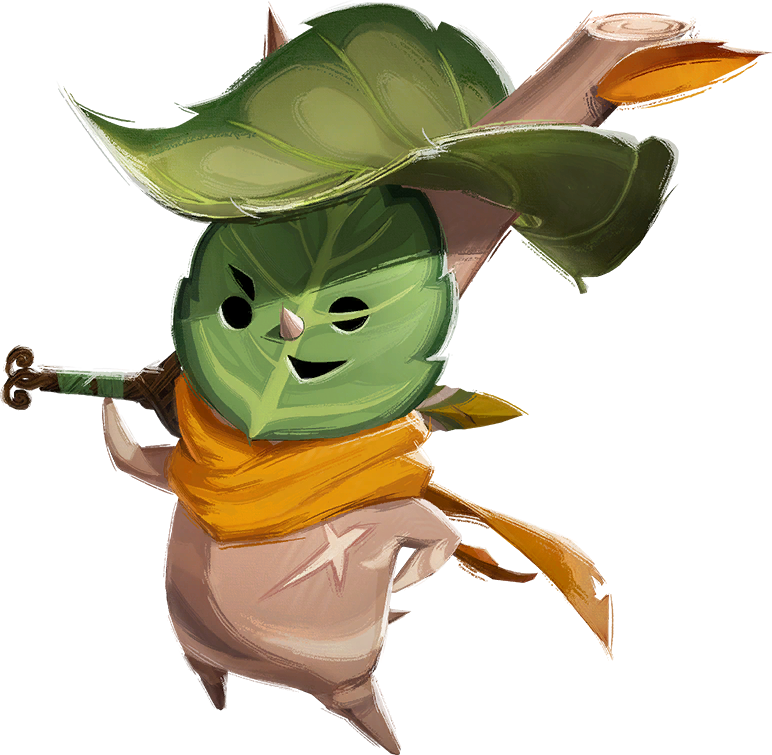 Hyrule Warriors: Age of Imprisonment (2025)Switch 2 · A Korok heroThe Imprisoning War has no Lost Woods, but it does have a Korok hero: Calamo, a boisterous wanderer looking for somewhere to put down roots, who fights beside a silent construct and takes root next to it at the end. Any link to later forests is fan speculation.
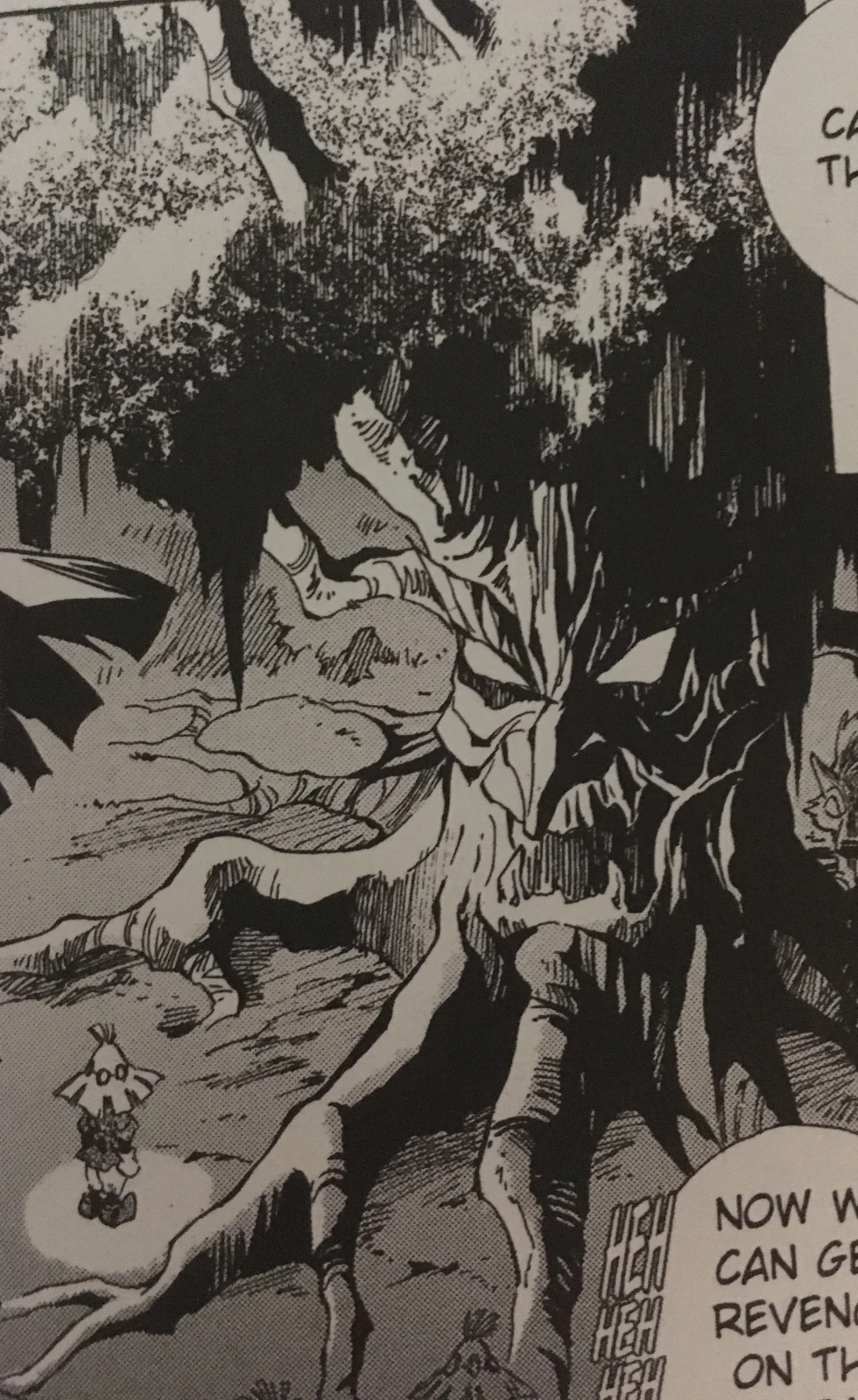 Ocarina of Time manga (Akira Himekawa)Manga · The Skull Kid and the MaskA bonus story sends Link and Saria into the Lost Woods after a stolen festival mask, where a Skull Kid turns out to be serving the Baga Tree, an evil tree out to take over the forest. In Himekawa’s A Link to the Past manga, the Master Sword speaks to Link as he draws it.