Wii U · Nintendo Switch2014Koei Tecmo / NintendoWarriors action
Hyrule Warriors
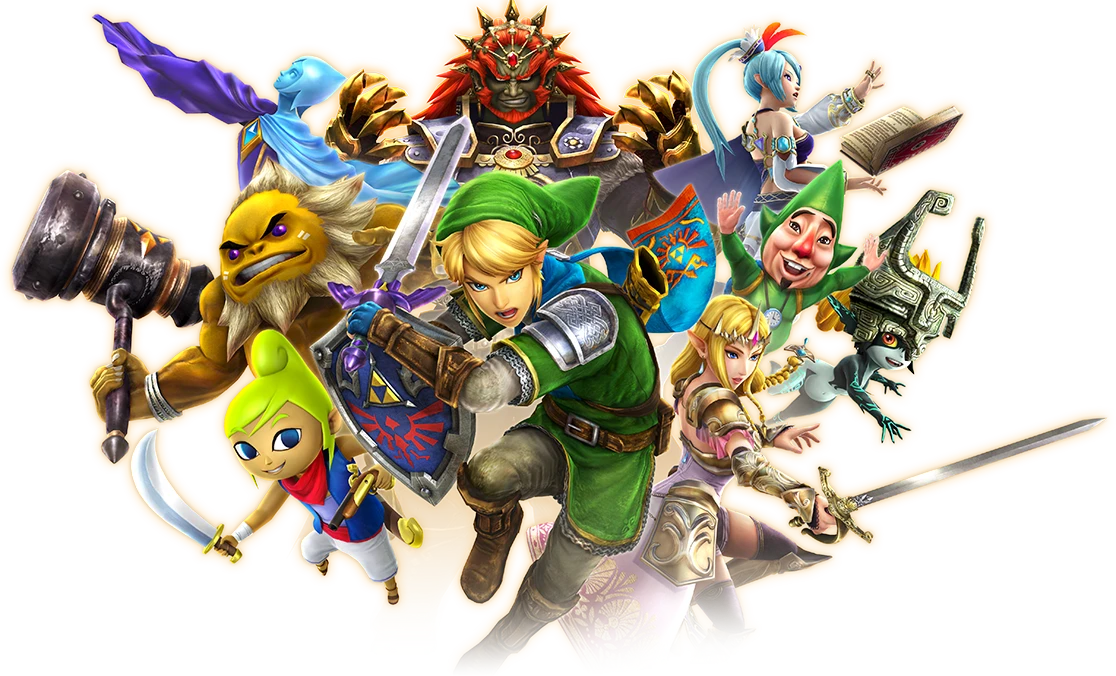
Zelda meets Dynasty Warriors: Link, Zelda, Midna, Ganondorf and friends against armies of thousands, in a war that drags three eras of Hyrule into one.
Released14 August 2014 (JP) · 19 September 2014 (EU) · 20 September 2014 (AU) · 26 September 2014 (NA)
Definitive EditionNintendo Switch: 22 March 2018 (JP) · 18 May 2018 (NA, EU, AU)
Wii U (2014); Nintendo Switch (Definitive Edition, 2018). The Nintendo 3DS version, Hyrule Warriors Legends (2016), has its own page
Developers
Omega Force and Team Ninja, both part of Koei Tecmo
Publisher
Koei Tecmo in Japan; Nintendo everywhere else
Director
Masaki Furusawa
Producers
Hisashi Koinuma, Yosuke Hayashi
Supervisor
Eiji Aonuma (Nintendo)
Design
Takahiro Kawai
Programming
Takanori Goshima
Art
Mariko Hirokane
Story
Hiroyuki Numoto, Junpei Imura
Music
Masato Koike, Yuki Matsumura
Players
1 or 2 (local co-op: GamePad plus TV on Wii U, split screen on Switch)
Released (Japan)
14 August 2014
Released (Europe)
19 September 2014
Released (Australia)
20 September 2014
Released (North America)
26 September 2014
Definitive Edition
22 March 2018 (Japan); 18 May 2018 (North America, Europe, Australia)
Downloadable packs
Master Quest, Twilight Princess, Majora’s Mask and Boss Packs (October 2014 to March 2015); Legends Character Pack, Link’s Awakening, Phantom Hourglass & Spirit Tracks and A Link Between Worlds Packs (2016). All are built into the Definitive Edition
Playable characters
13 at launch on Wii U; 29 in the Definitive Edition
1 million copies shipped by January 2015 (Koei Tecmo)
Metacritic
76 on Wii U (81 reviews); 78 for the Definitive Edition (59 reviews)
Overview
Hyrule Warriors is what happens when The Legend of Zelda is handed to the people who make Dynasty Warriors. Out go the quiet dungeons and the single, careful duel; in come battlefields the size of small countries, keeps to capture, and enemies by the hundred. One swing of the Hylian Sword sends a whole squad of Bokoblins flying. It is a spin-off, not a main-series adventure, and it does not pretend otherwise.
What makes it a Zelda game is everything wrapped around the fighting. The cast is drawn from across the series: Link, Zelda, Impa and Sheik, Darunia and Ruto from Ocarina of Time, Midna, Agitha and Zant from Twilight Princess, Fi and Ghirahim from Skyward Sword, and Ganondorf himself, all playable. Bombs, the bow, the boomerang and the hookshot come out of treasure chests with the proper fanfare, and giant bosses such as King Dodongo and Gohma still fall to the right item at the right moment.
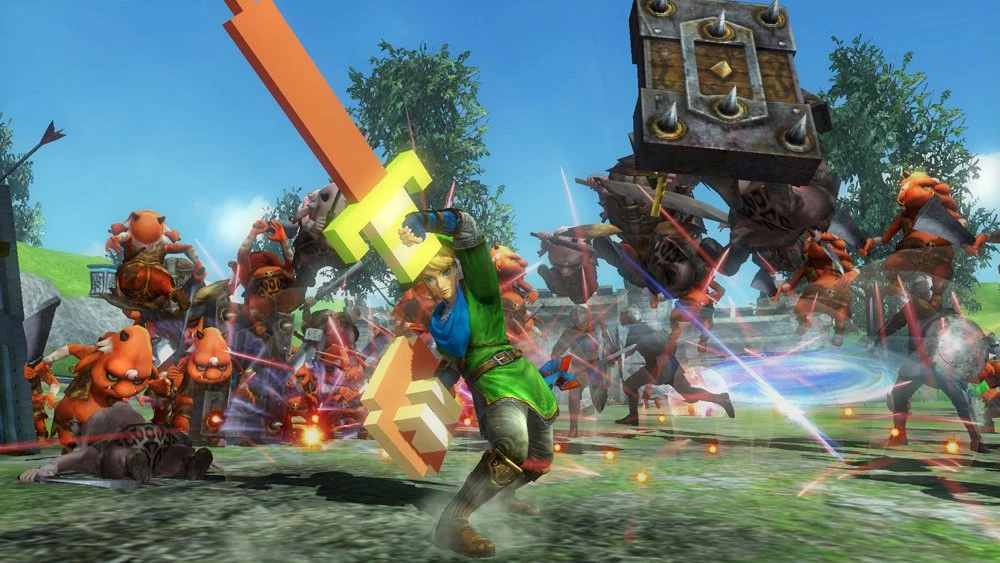
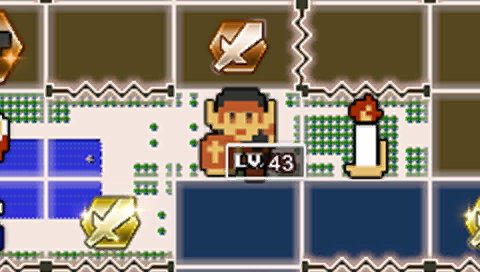
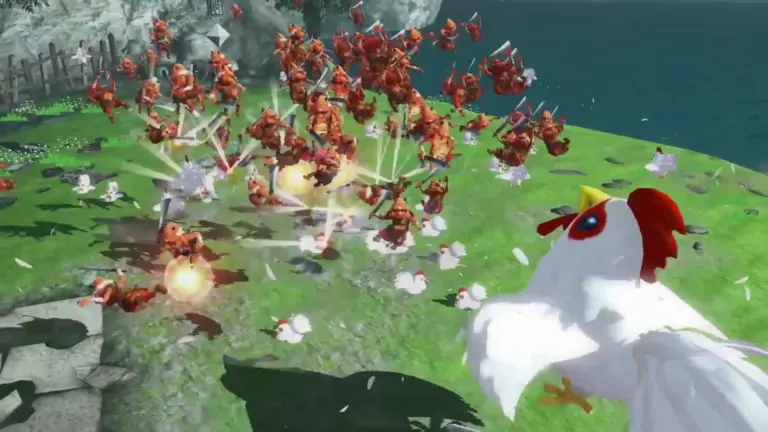
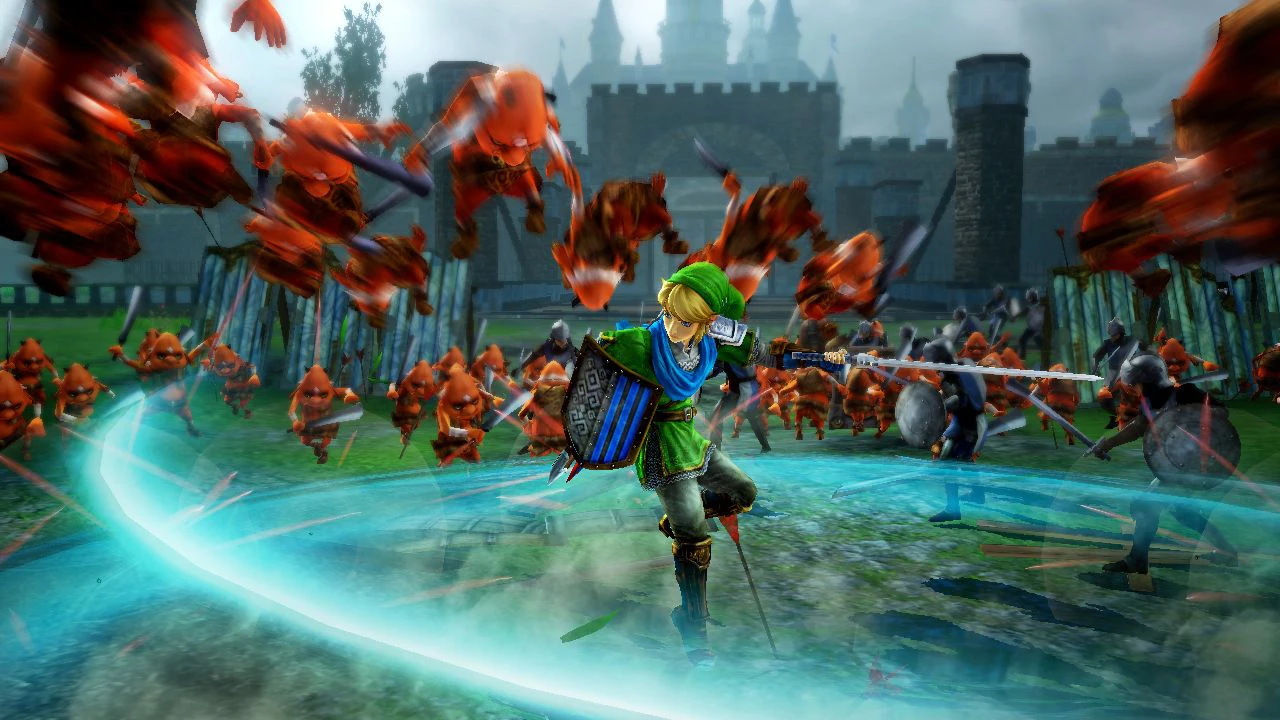
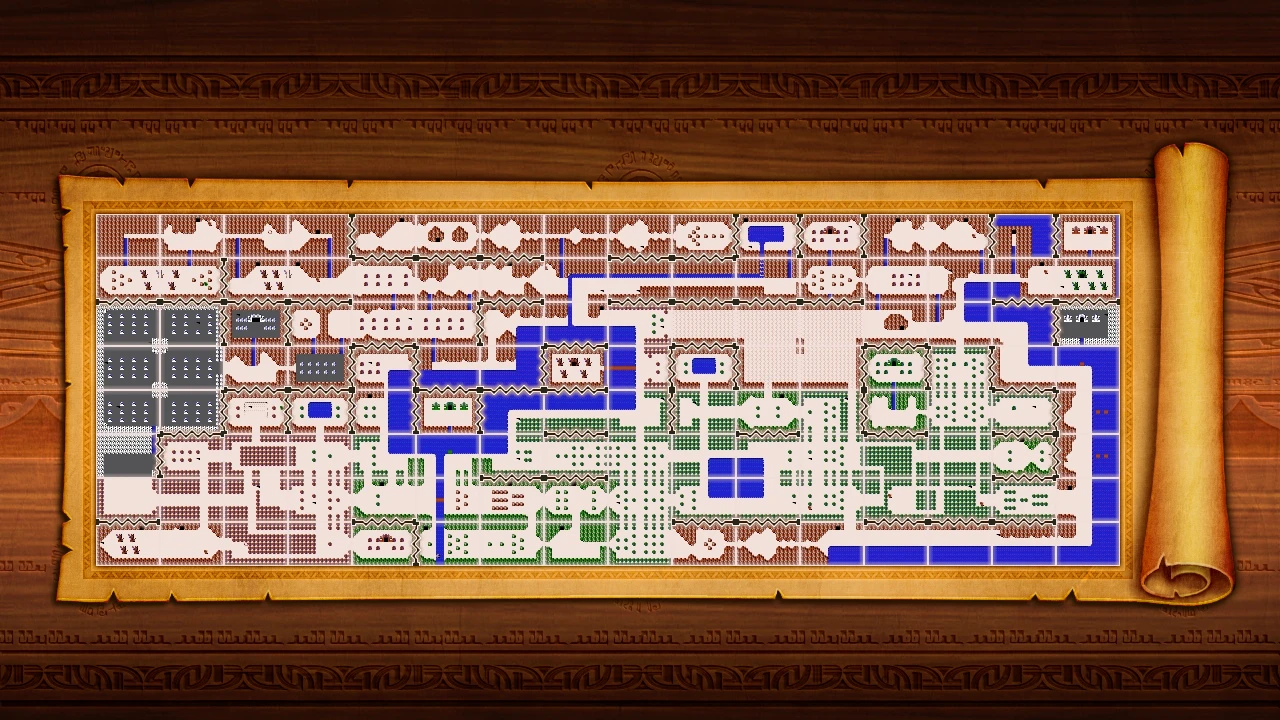
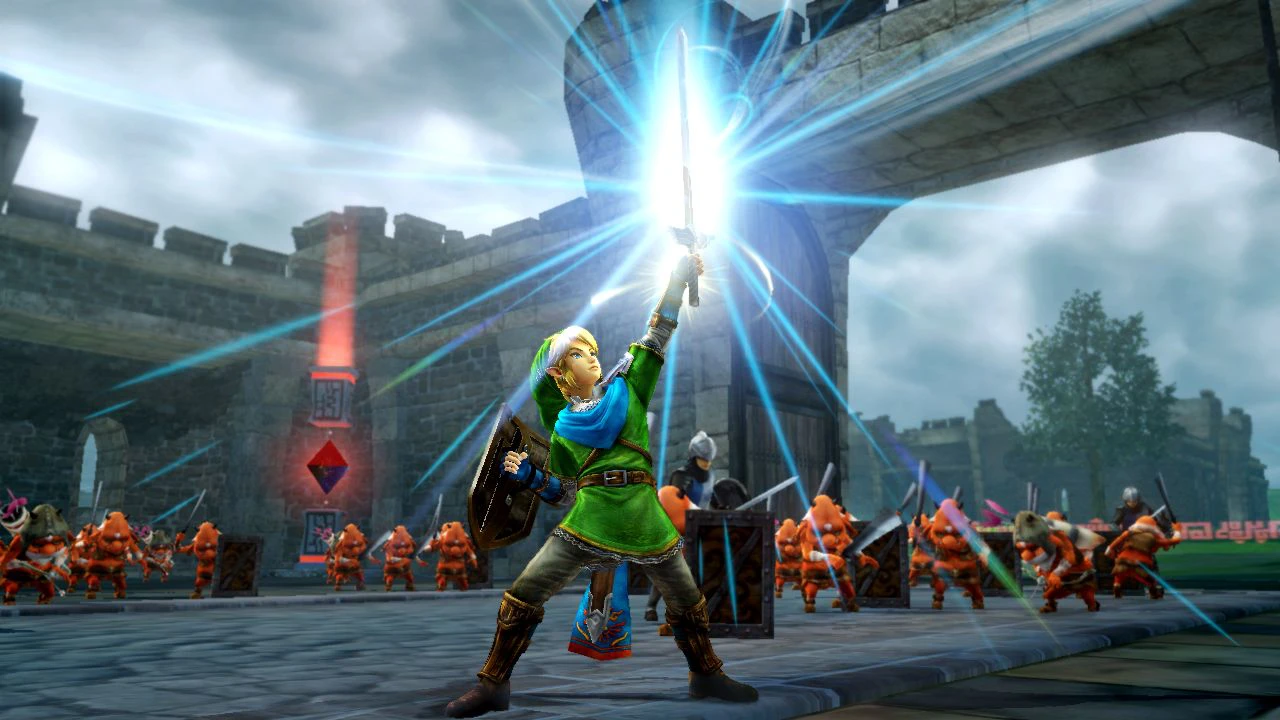
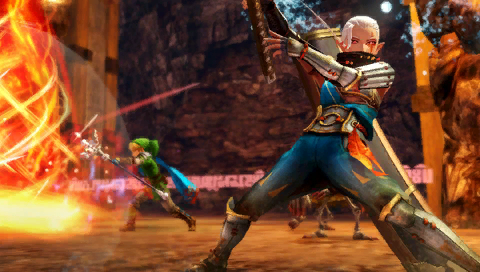
Link wades into Cia’s army on Hyrule Field.King Dodongo, the first giant boss.Adventure Mode’s map, drawn like the 1986 original.
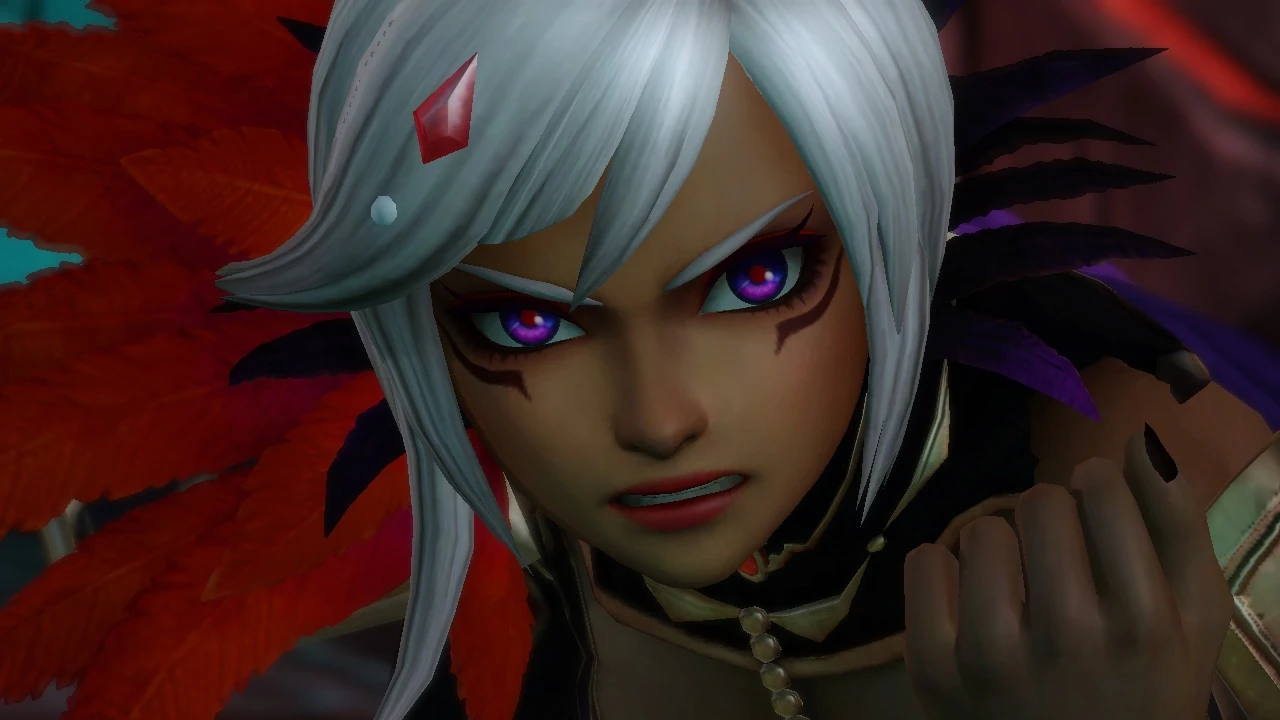
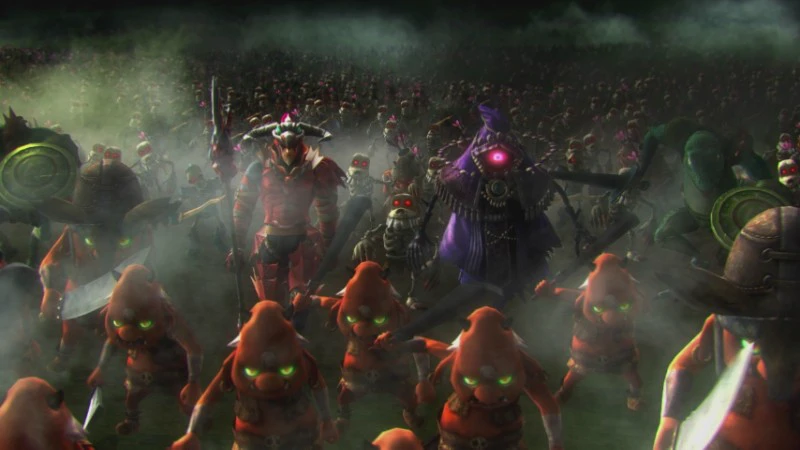
The story is brand new. A sorceress called Cia, who was meant to watch over the Triforce, falls for the hero she has been watching, is corrupted, and tears open a Gate of Souls that pulls three eras of Hyrule into the present. Her opposite number, the white sorceress Lana, sides with Link, and both were created for this game, along with Cia’s lieutenants Volga and Wizzro.
Koei Tecmo’s Omega Force and Team Ninja built it under the eye of Zelda producer Eiji Aonuma, and it reached Wii U in Japan in August 2014 and everywhere else that September. A season of downloadable packs followed, then an expanded handheld version, Hyrule Warriors Legends, on Nintendo 3DS in 2016, and a second season of packs. In 2018 the lot was gathered up as Hyrule Warriors: Definitive Edition on Nintendo Switch, which is the version to play today.
“Hyrule’s greatest warriors charge into battle in Hyrule Warriors on Wii U!”
That is how Nintendo UK’s game page opens. It goes on to promise a “tour de force through the beloved locales of Hyrule” against the fiercest enemies in Zelda history, and sets the scene: the balance of the Triforce has been upset, the kingdom is being torn apart by a dark power led by Cia, and Link must find the missing Princess Zelda. For the Switch release the same site invites you to “charge into battle with Hyrule’s mightiest legends”.
— Official description: Nintendo UK game pages for Hyrule Warriors (Wii U) and Hyrule Warriors: Definitive Edition (Nintendo Switch). Short phrases quoted; the rest summarised.
Quick Answers
The questions people most often ask about Hyrule Warriors, answered quickly and explained further down the page.
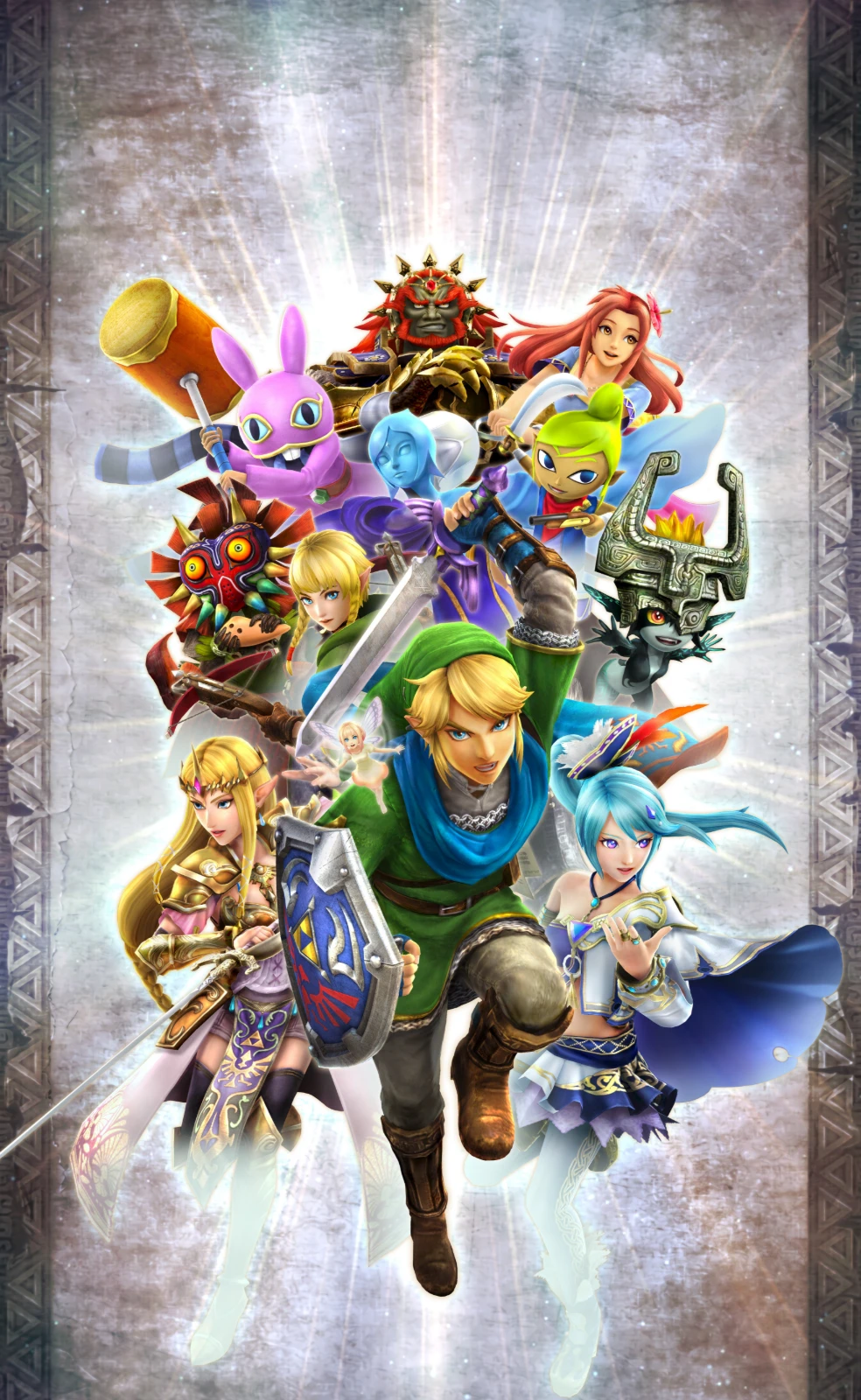
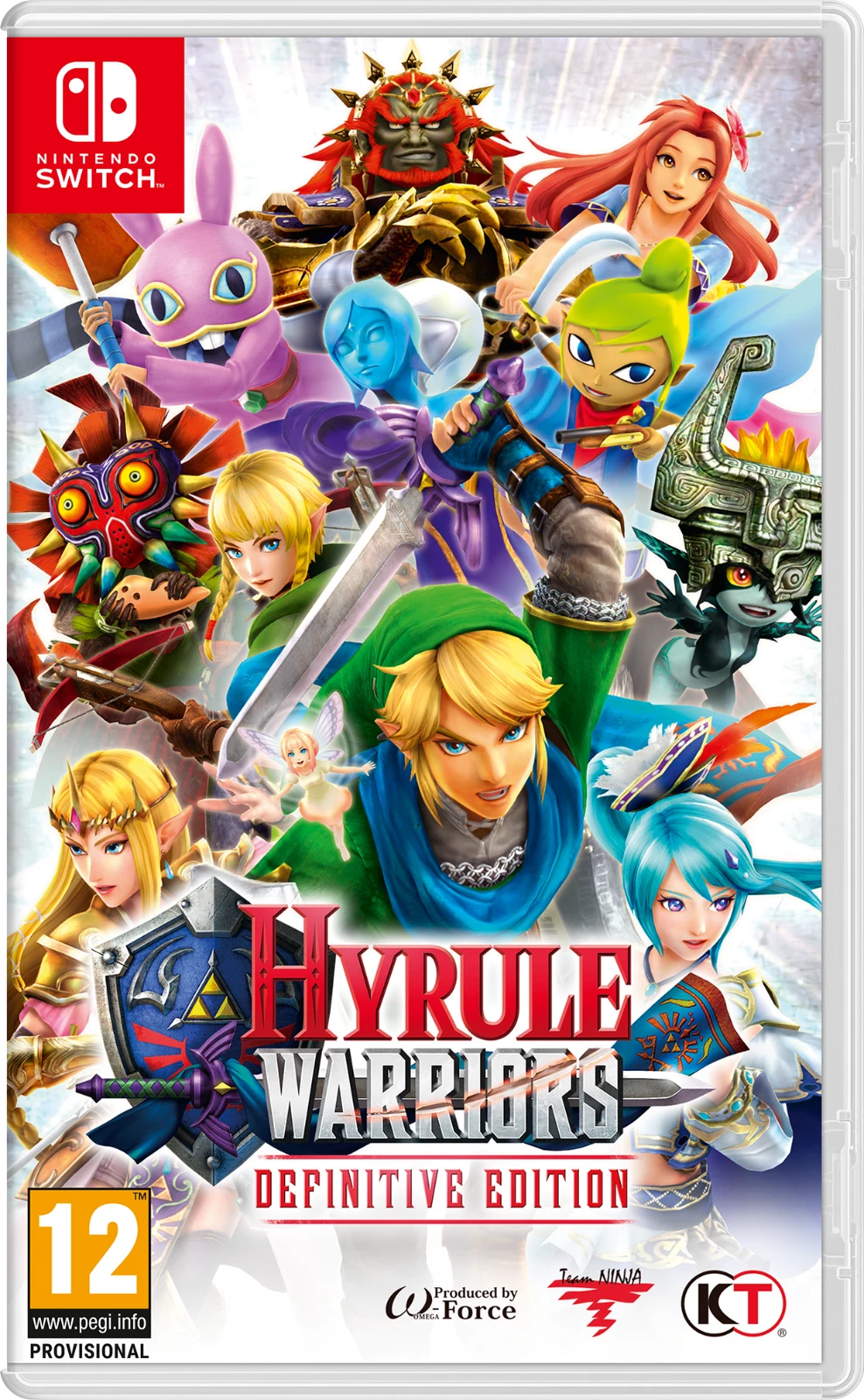
Key art for Hyrule Warriors: Definitive Edition.
When did Hyrule Warriors come out?
On Wii U on 14 August 2014 in Japan, 19 September in Europe, 20 September in Australia and 26 September in North America. The Definitive Edition for Nintendo Switch followed on 22 March 2018 in Japan and 18 May 2018 elsewhere. More →
Who made it?
Koei Tecmo’s Omega Force (the Dynasty Warriors studio) and Team Ninja, with Masaki Furusawa directing, Hisashi Koinuma and Yosuke Hayashi producing and Nintendo’s Eiji Aonuma supervising. More →
Is Hyrule Warriors part of the Zelda timeline?
No. Satoru Iwata introduced it as a spin-off, and Eiji Aonuma has described it as a separate dimension that touches several eras of the timeline without belonging to it. More →
Which version should I play?
The Definitive Edition on Switch. It has every character, stage, mode and paid pack from the Wii U and 3DS versions on one cartridge, runs at a higher resolution and brings back two-player co-op. More →
How many playable characters are there?
The Wii U game launched with 13, a free update added Cia, Volga and Wizzro, and paid packs and the 3DS version raised the total to 29, all of whom are in the Definitive Edition. More →
Is there multiplayer?
Two players can fight side by side on one console: one on the GamePad and one on the TV on Wii U, or in split screen on Switch. The 3DS version is single-player, and there is no online co-op in any of them. More →
What is Adventure Mode?
A second, much longer campaign played across a grid drawn like the map of the 1986 Legend of Zelda. Every square is a battle with its own rules, and winning them unlocks characters, weapons and costumes. More →
Who are Lana and Cia?
Two sorceresses created for this game. They were once a single guardian of the Triforce; Cia is what was left when Ganondorf drove the light out of her, and Lana is that light. More →
Do I need to have played Dynasty Warriors?
Not at all. The combat is built on two attack buttons and simple combos, and the items, lock-on targeting and treasure chests work the way Zelda players expect. More →
Can I still buy the Wii U downloadable packs?
No. Purchases on the Wii U and 3DS eShops ended on 27 March 2023. Everything that was sold separately is included in the Definitive Edition. More →
How well did it sell?
Koei Tecmo announced one million copies shipped by January 2015, the million its president had hoped for before launch. More →
Hyrule Warriors exists in three forms. The Wii U original grew steadily through free updates and paid packs between 2014 and 2016. Hyrule Warriors Legends squeezed it onto Nintendo 3DS in 2016 with new characters, chapters and ideas, most of which could be bought back into the Wii U game. The Definitive Edition of 2018 put everything from both on Nintendo Switch. This page covers the Wii U game and the Definitive Edition; the 3DS version has a page of its own.
Wii U (2014)
Legends, 3DS (2016)
Definitive Edition, Switch (2018)
Playable characters
13 at launch, 16 after a free update, 29 with every pack
24 on the cartridge, 29 with Medli and the packs
All 29
Legend Mode
18 scenarios; 5 more (Cia’s Tale) with the Master Quest Pack
32 scenarios, adding Linkle’s Tale and the Wind Waker chapters
All 32
Battlefields
14
16 (adds Forsaken Fortress and the Wind and Earth Temples)
16
Adventure maps
1 on the disc; Master Quest, Twilight and Termina maps by paid pack
The four Wii U maps plus the Great Sea; four more by paid pack
All nine, plus the Rewards Map
Two-player co-op
Yes: one player on the GamePad, one on the TV
No
Yes: split screen
Challenge Mode
Yes; Boss Challenge and Ganon’s Fury with the Boss Pack
No
Yes, with Boss Challenge and Ganon’s Fury
Switching characters mid-battle
No
Yes
Yes
Ocarina, Owl Statues and the Hammer
No
Yes
Yes
My Fairy
No
Yes
Yes
Item Card shop
No
No
Yes
Picture
720p
Stereoscopic 3D on New Nintendo 3DS only
1080p on a TV, 720p in handheld mode
Breath of the Wild outfits
No
No
Yes, for Link and Zelda
Paid extras
Two season passes of packs
One season pass
None: everything is included
The Wii U packs, 2014 to 2015
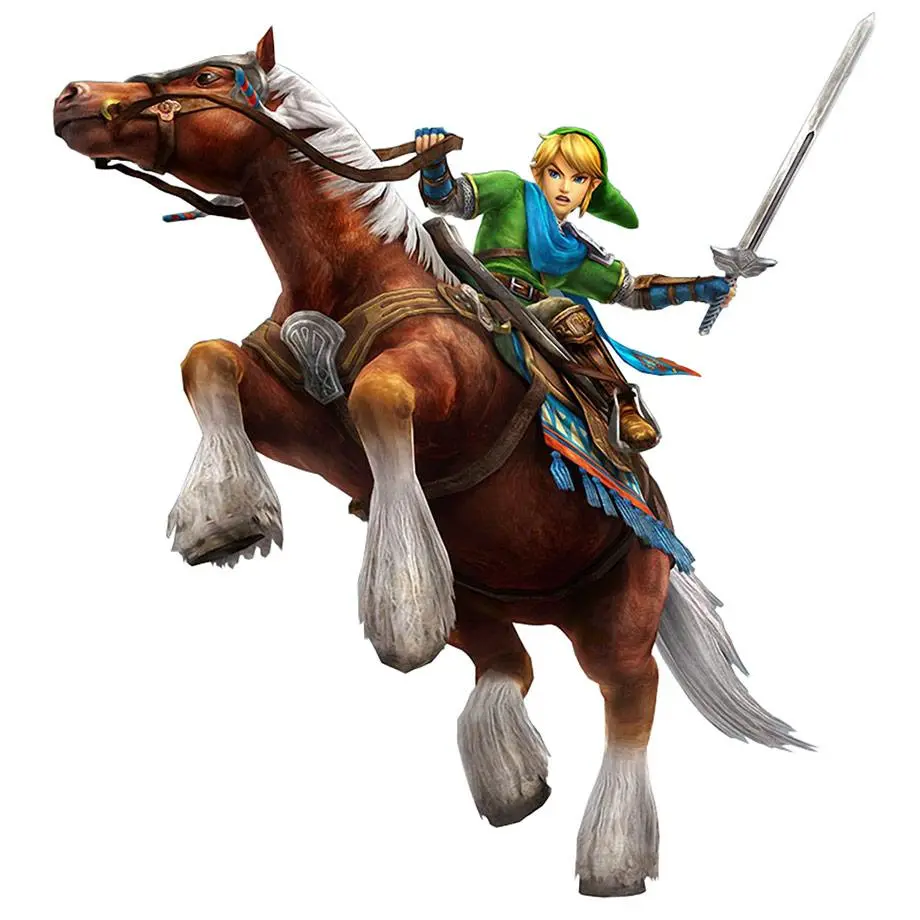
Link on Epona, the Master Quest Pack’s new weapon.
Nintendo and Koei Tecmo supported the Wii U game for seven months after launch. The free updates mattered as much as the paid packs: a launch-day update added Challenge Mode, and version 1.3.0, in mid-October 2014 in the West, made the three villains Cia, Volga and Wizzro playable for everyone. Later updates brought amiibo support and lifted the level cap in steps, to 150, then 200 and finally 255.
Four paid packs made up the first season, sold together as the Hero of Hyrule Pack (US$19.99), which threw in a Dark Link costume. The Master Quest Pack (16 October 2014 in Europe and North America, a fortnight after Japan) added Cia’s Tale, five scenarios that tell the war from the villain’s side, plus Epona as a weapon for Link, Guardian of Time costumes for Lana and Cia, and the Master Quest Map. The Twilight Princess Pack (27 November 2014) brought Twili Midna, the Dominion Rod for Zelda, a Postman costume for Link, an Ilia costume for Zelda and the Twilight Map.
The Majora’s Mask Pack (29 January 2015 in Europe and Japan, 5 February in North America) added Young Link and Tingle, the Termina Map, Skull Kid’s clothes for Lana and Ocarina of Time-era outfits for Sheik and Impa. Last came the Boss Pack (26 February 2015 in Europe and Japan, 12 March in North America), with two new sets of challenges: Boss Challenge, which sends several giant bosses at you at once, and Ganon’s Fury, in which you play as the beast Ganon himself.
The Legends packs, 2016
Official art for Hyrule Warriors Legends, the 3DS game these characters came from.
When Hyrule Warriors Legends came out in 2016, its new content was not kept from Wii U owners. Every new copy of the 3DS game carried a download code that added Linkle, Skull Kid, Toon Link, Tetra, King Daphnes and Ganondorf’s Trident to the Wii U game, for use in Free Mode and Adventure Mode. Players without the 3DS game could buy the same set as the Legends Character Pack (£10.79 in the UK). The new story chapters and stages stayed on 3DS.
A second season, the Legends of Hyrule Pack, then ran through 2016 on both machines. Medli, the Rito attendant from The Wind Waker, was given away free on 19 May. The Link’s Awakening Pack (30 June) added Marin and a pair of boots as a weapon for Linkle; the Phantom Hourglass & Spirit Tracks Pack (1 September) added Toon Zelda and the Sand Wand for Toon Link; and the A Link Between Worlds Pack (31 October) closed the roster with Ravio and Yuga. On Wii U each pack cost £4.49 and held only the characters and weapons; the new Adventure maps and fairy clothing were for 3DS. The Wii U game’s final update, version 1.12.0, arrived with that last pack on 31 October 2016.
The Definitive Edition, 2018
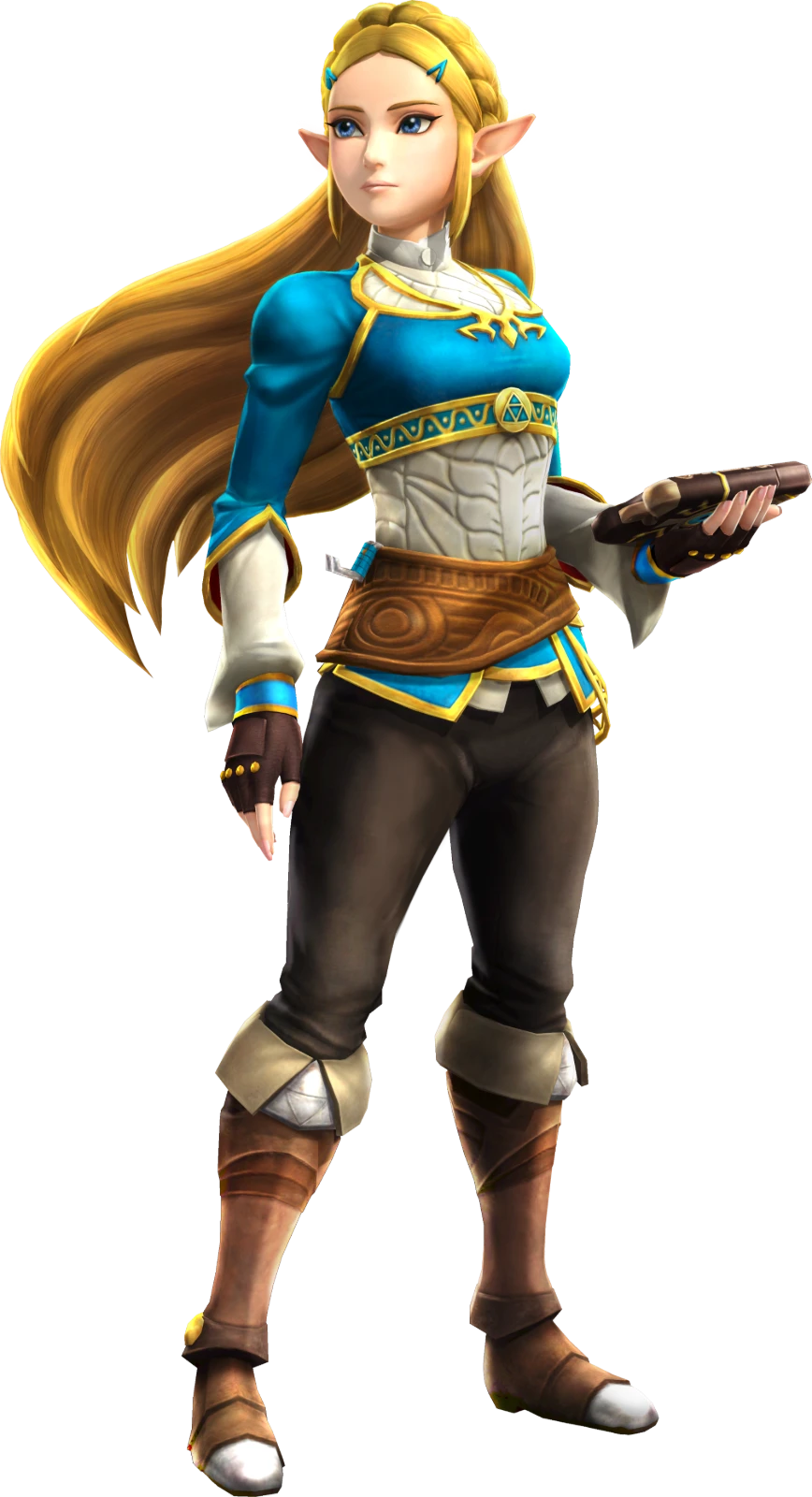
Zelda in her Breath of the Wild outfit, new to the Definitive Edition.
Nintendo announced Hyrule Warriors: Definitive Edition in a Nintendo Direct Mini on 11 January 2018. It went on sale in Japan on 22 March and in North America, Europe and Australia on 18 May, priced at £49.99 or US$59.99. Its job is simple: one cartridge with all 29 characters, every map and mission from the Wii U and 3DS games and every piece of paid content, with nothing left to buy.
It is the Wii U game’s looks married to the 3DS game’s ideas. You can switch between up to four warriors during a battle, give orders to the ones you are not controlling, warp between Owl Statues with the Ocarina and raise companion fairies in My Fairy, all of which began in Legends. Challenge Mode and two-player co-op, both missing from the 3DS game, are back, and co-op is now ordinary split screen, with a single Joy-Con each if you like. A welcome addition in Adventure Mode is a shop that sells Item Cards you have already found, which spares you replaying battles to restock.
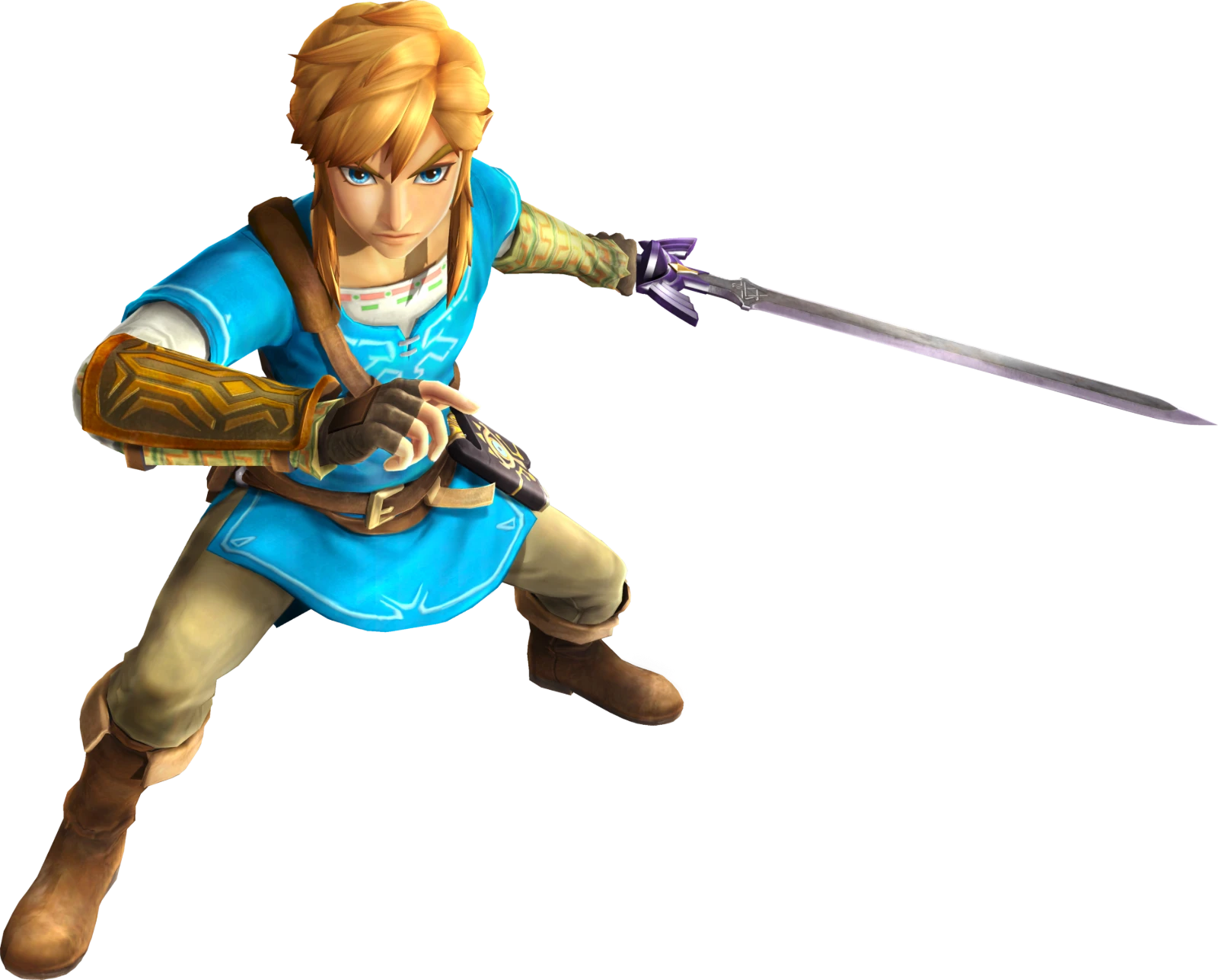
The only brand-new content is a pair of costumes: Link and Zelda as they appear in Breath of the Wild, unlocked after the opening battle. That first victory also opens up most of the original cast straight away, so you are not stuck with Link for hours. On a television the game renders at 1080p, up from 720p on Wii U, and aims for 60 frames per second, with dips when the screen is at its busiest; in handheld mode reviewers reported roughly 720p and 30.
If you own nothing yet, buy the Definitive Edition. The Wii U and 3DS eShops stopped taking purchases on 27 March 2023, so the older versions can no longer be completed with their packs.
Plot / Story
Cia, the sorceress who starts the war.
Hyrule Warriors tells its own story, set in a Hyrule of its own. Long ago Ganondorf was beaten and his soul was split into four fragments. Three were sealed away in different eras of history; the fourth was pinned beneath the Master Sword. The Triforce, meanwhile, was watched over by a sorceress named Cia, whose task was to observe the ages and never interfere.
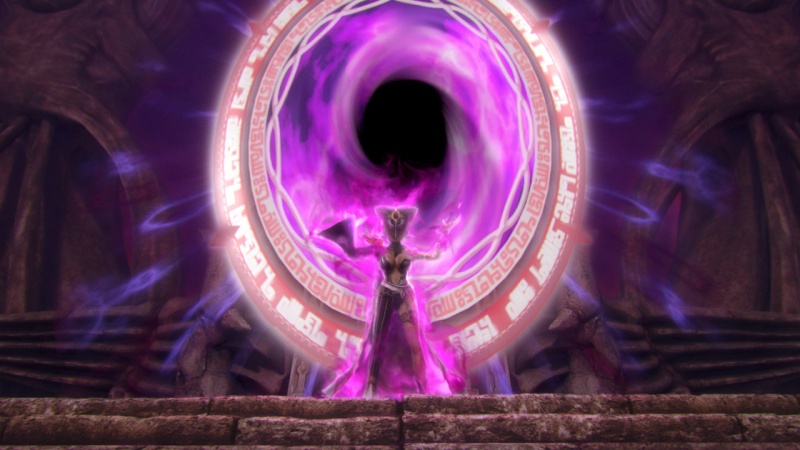
Cia watched one soul more closely than the rest: the hero who is reborn again and again. Fascination became longing, longing became jealousy of the princess always at his side, and that was the crack Ganondorf’s fragment needed. It forced the light out of her heart, and what remained wanted two things: the Triforce and Link. She opened the Gate of Souls, a doorway to other times, and called an army of monsters through it.
The armies of ruin
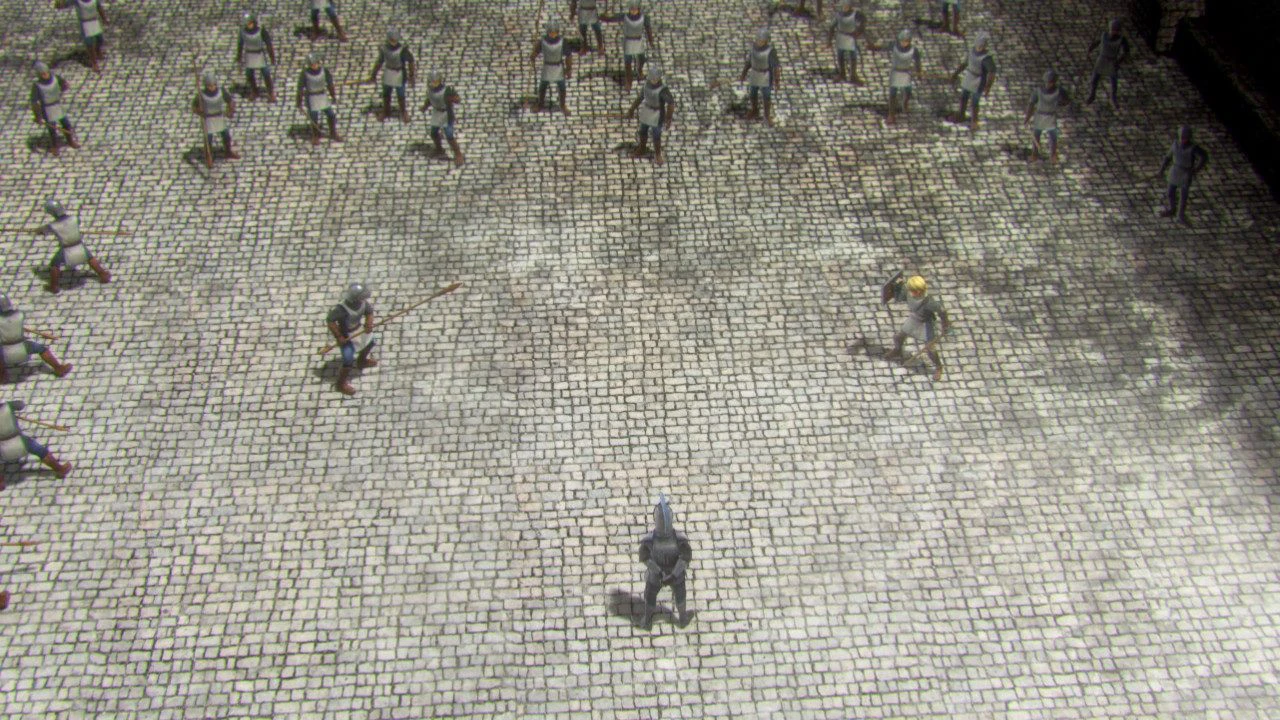
The war opens at Hyrule Castle. Princess Zelda, troubled by a nightmare, has been searching with her general, Impa, for the hero the kingdom will need, when Cia’s horde arrives on Hyrule Field under two commanders: Volga, a knight who can take the form of a dragon, and Wizzro, a scheming wizard born from a cursed ring. Among the trainee soldiers left behind the walls is Link, who grabs his practice sword and runs out to help. When he throws himself between Impa and Volga’s fire, the Triforce of Courage lights up on his hand. King Dodongo is brought down with a mouthful of bombs, but by the end of the day the castle has fallen and Zelda is missing.
Impa and Link set out to find her. In the Eldin Caves they meet Sheik, a Sheikah warrior who claims to know where the princess is. In Faron Woods the resistance they hoped Zelda was leading turns out to be commanded by Lana, a cheerful young sorceress from the same clan as Cia, and together they see off Wizzro and the giant spider Gohma. The four press on to the Valley of Seers to shut the Gate of Souls, and walk into a trap. Cia snares Link and Sheik, and Sheik turns out to carry the Triforce of Wisdom. Cia takes both pieces, joins them to her own Triforce of Power and uses the whole thing to rip open three more gates, each leading to the resting place of one of Ganondorf’s fragments.
Link, a trainee soldier, joins the defence of the castle.Lana leads the resistance in Faron Woods.The Gate of Souls in the Valley of Seers.
Three eras, three gates
The heroes split into three parties, and the game lets you tackle their campaigns in any order. Impa and Sheik step into the age of Ocarina of Time, where a false Zelda has turned the Goron chief Darunia against the Zoras and Princess Ruto is a prisoner on Death Mountain. Once Darunia has been knocked back to his senses they march on the Water Temple at Lake Hylia and unmask the impostor as Wizzro. By the time this campaign is over, Sheik’s own disguise has dropped as well: the mysterious warrior is Zelda.
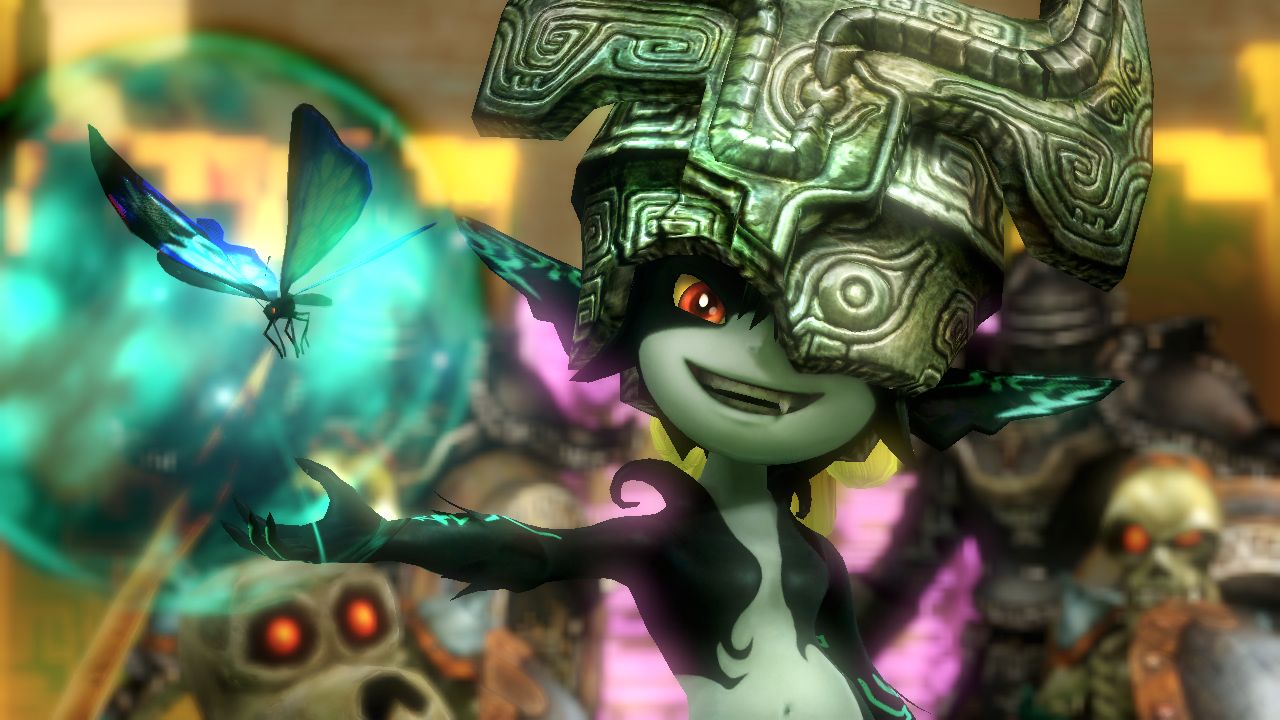
Lana takes the world of Twilight Princess, a Hyrule smothered in twilight. She rescues the bug-collecting Agitha, whose Goddess Butterfly can lead the way to the gate, and crosses swords with Midna, who has been cursed into her imp form by Cia and wants revenge. Once Midna is convinced they share an enemy, the three follow the butterfly to the Palace of Twilight, where Zant and the dragon Argorok are waiting. Cia herself appears at the end, and when Midna knocks the mask from her face it is Lana’s face underneath.
Link is sent to the skies of Skyward Sword, where Skyloft is under attack from Ghirahim and Volga. He gains a partner in Fi, the spirit of the Goddess Sword, and with a thunderstorm called down by the sky spirit Levias the pair drive Volga off, then chase Ghirahim to the Sealed Grounds and face the Imprisoned.
With all three gates shut, Lana owns up. She and Cia were once one person, and she is the light that Ganondorf cast out. The victories have come too late, though: three fragments are free and Ganondorf’s body is re-forming. He has no more use for Cia and reaches for the Triforce, but she sends the pieces of Courage and Wisdom back to Link and Zelda and uses her own to shut him away.
Darunia and Ruto, allies from the era of Ocarina of Time.Midna and Agitha in the Twilight era.Fi joins Link above the clouds at Skyloft.
The Master Sword and the fall of Cia
Cia fights on alone, and Zelda decides that Hyrule needs the blade of evil’s bane. At the Temple of the Sacred Sword Link pushes through an army of ghost soldiers and a Wizzro disguised as Lana to draw the Master Sword. It goes to his head. At the Temple of Souls he charges ahead of the army and is swamped by Dark Links, shadow copies of himself conjured by Cia, and it takes his friends to pull him out. The lesson, spelled out by the game, is that the sword draws its strength from those bonds.
The last battle with Cia is fought back in the Valley of Seers. She pours her own life force into her troops; Volga, his pride as a warrior stung by Zelda, throws off her control to duel Link on his own terms and dies without regret. Beaten at last, Cia fades away, and her Triforce of Power passes to Lana. The allies from other eras are sent home through portals, and Lana closes the Gate of Souls.
Link draws the Master Sword.Dark Links swarm the hero at the Temple of Souls.
Ganondorf’s return
There was a price for drawing the sword. The Master Sword was the lock on the fourth fragment, and with it gone Ganondorf is whole again. For three scenarios the game hands you the villain: he retakes the Gerudo Desert, summons Zant and Ghirahim to serve as his generals, hunts Lana through the Valley of Seers for the Triforce of Power, and then storms Hyrule Castle to take Courage and Wisdom from Link and Zelda.
With the complete Triforce he seizes the castle, which becomes Ganon’s Tower. Lana calls the heroes of the other eras back for one more fight. They beat Ghirahim and Zant in the desert while their master is away, then lay siege to the tower. Link defeats Ganondorf, who transforms into the monstrous Ganon, and it takes Zelda’s light arrows to finish him. The Triforce, back with Link, Zelda and Lana, seals him once more. The visitors return to their own times, Lana takes up Cia’s old post as guardian, and Link and Zelda walk the Master Sword back to its pedestal.
Ganondorf, restored.The final battle with Ganon at Ganon’s Tower.
Cia’s Tale
The Master Quest Pack added a second view of the same war, later built into the 3DS and Switch versions. Its five scenarios are played as Cia, with Volga and Wizzro joining in. She opens the Gate of Souls and marches into the Eldin Caves to recruit the Dragon Knight, beating both him and the newly awakened Wizzro into her service. She leads the invasion of Hyrule Castle, breaks Zant in the Palace of Twilight and Ghirahim on Skyloft to add their armies to hers, and finally, with her lieutenants beaten and Ganondorf marching on the Valley of Seers for the Triforce of Power, burns up her own life to hold him off.
Cia’s Tale shows the invasion from the other side.
Linkle and the Great Sea
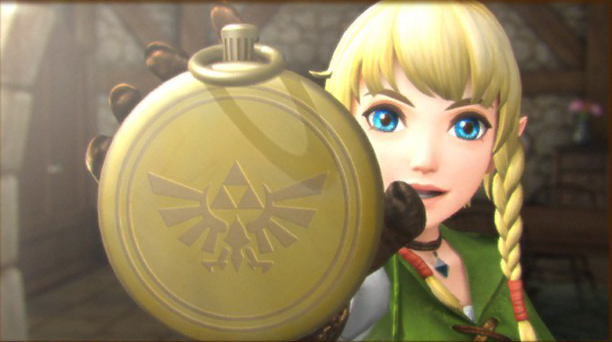
Two more sets of chapters were written for Hyrule Warriors Legends and are part of the Definitive Edition. Linkle’s Tale follows a Cucco farmer in a green tunic who is sure she is the hero reborn and sets off for the castle with her grandmother’s compass, getting hopelessly lost on the way. The Wind Waker chapters are an epilogue: pieces of the Great Sea are pulled into Hyrule, Tetra and King Daphnes join the cast, and the true schemer behind it all, Phantom Ganon, is unmasked, which gives Cia a happier ending beside Lana. The full telling is on the Hyrule Warriors Legends page.
Linkle, heroine of five extra chapters.
Where it fits
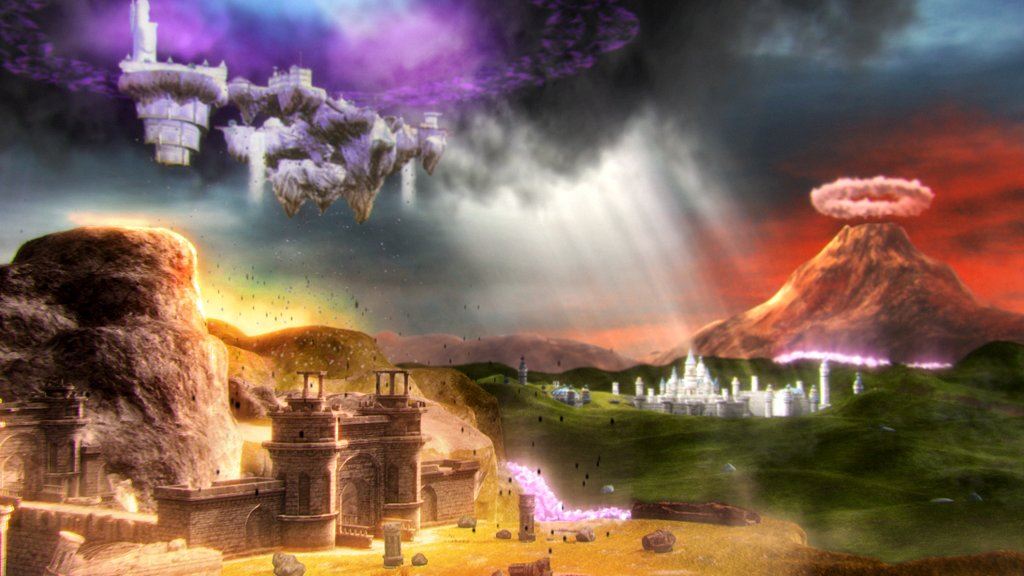
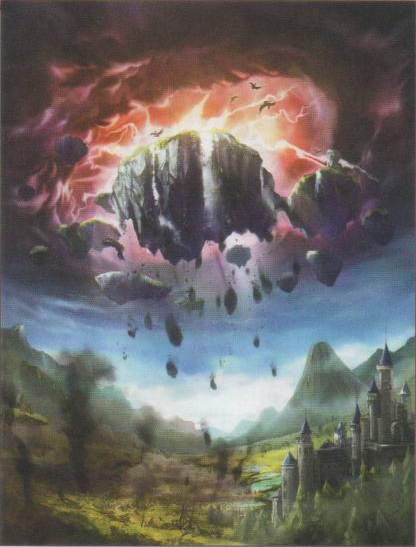
Concept art of several worlds fused into one.
Nowhere, officially. Nintendo president Satoru Iwata introduced the game as a Zelda spin-off, and Eiji Aonuma has said that while it is connected to the timeline, it sits in a separate dimension outside the main series, a meeting of heroes he likened to The Avengers. Its Link, Zelda and Impa are new versions of the characters, and the visitors from Ocarina of Time, Twilight Princess and Skyward Sword are borrowed from their own eras and returned afterwards.
Battlefields in Hyrule Warriors
The Wii U game has 14 battlefields, each a network of keeps and outposts, and the 18 scenarios of Legend Mode are fought across them. Legends and the Definitive Edition add two more from The Wind Waker. The scenarios named here are the story battles confirmed for each stage.
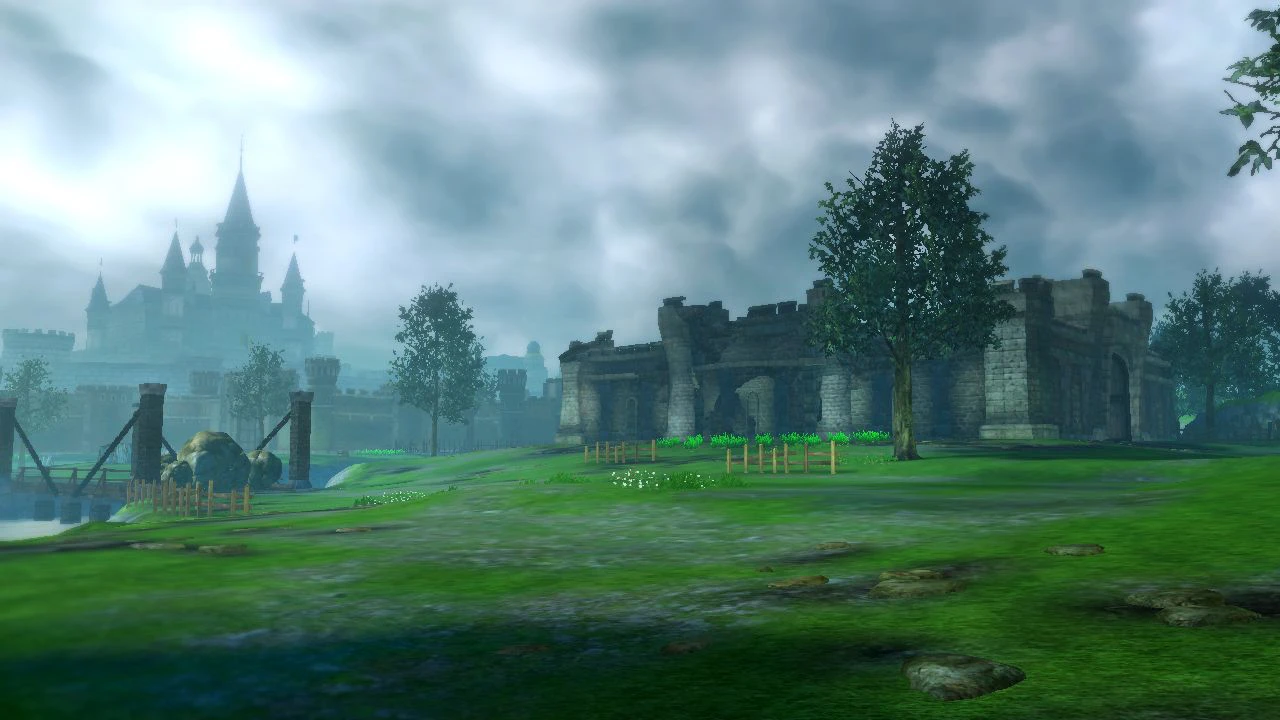
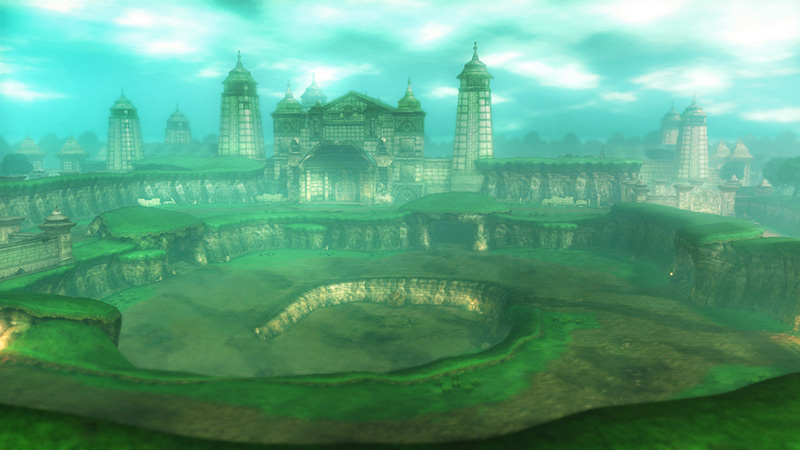
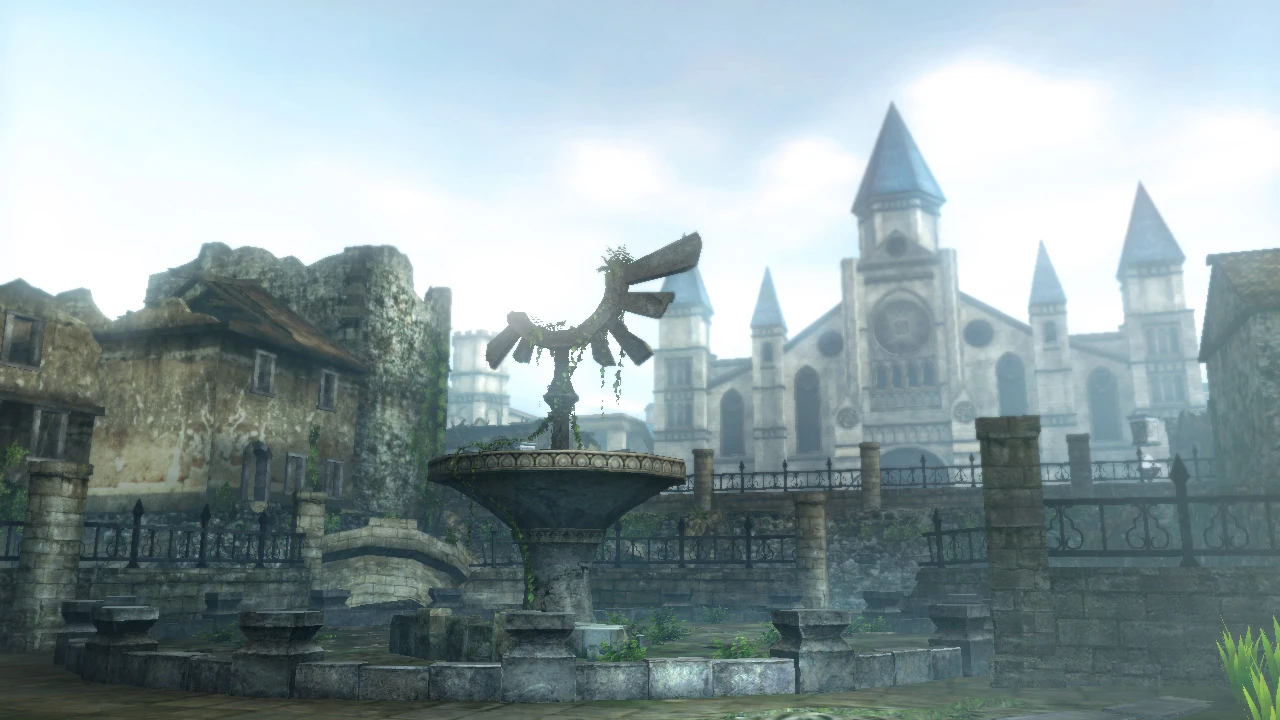
Hyrule FieldThe Armies of RuinThe plain in front of Hyrule Castle, where the war begins. Bombs are found here and King Dodongo is the first giant boss.
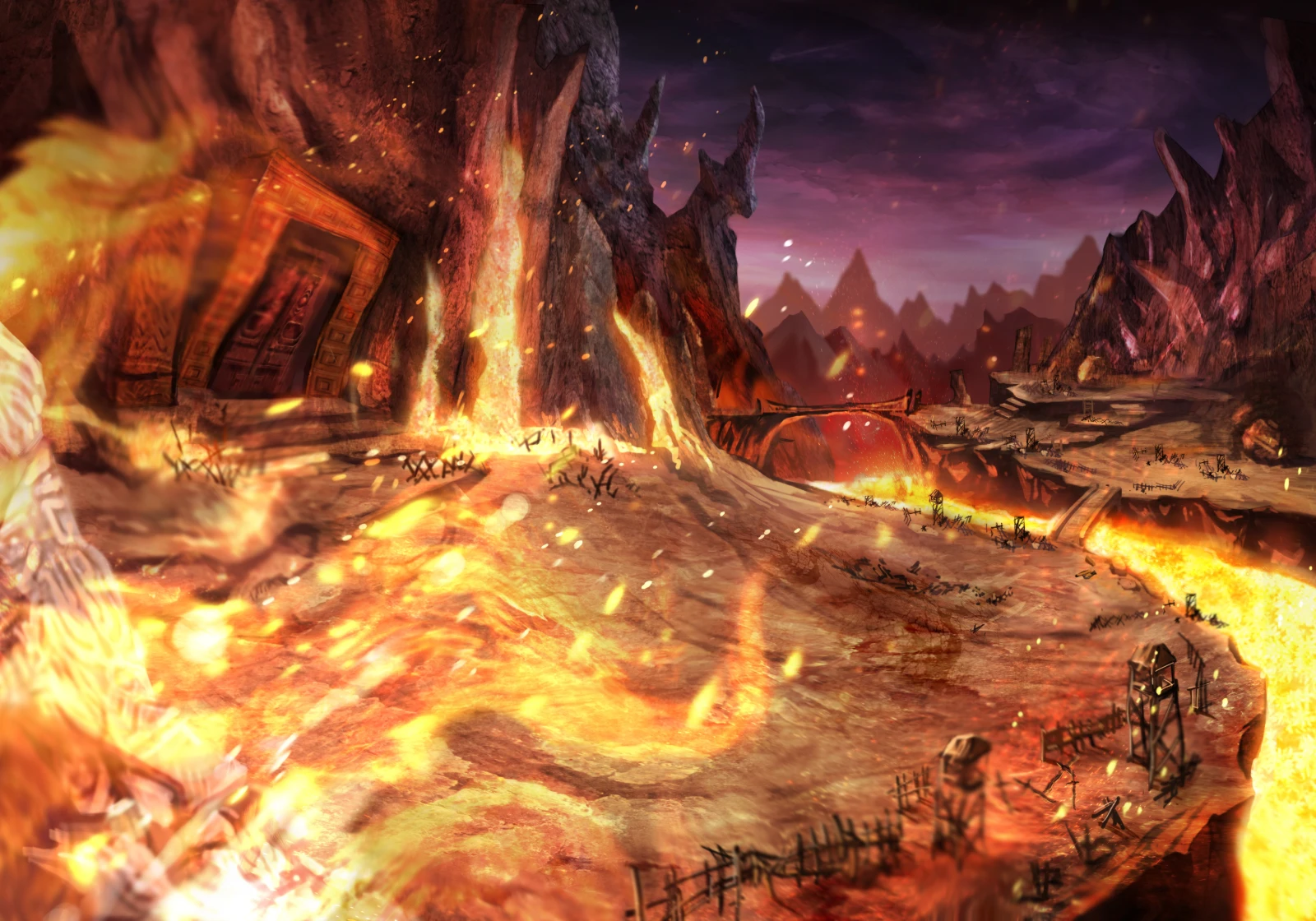
Eldin CavesThe Sheikah Tribesman · The Dragon of the Caves (Cia’s Tale)Volcanic tunnels on the road to Faron Woods, cleared with Bombchus. Sheik joins here.
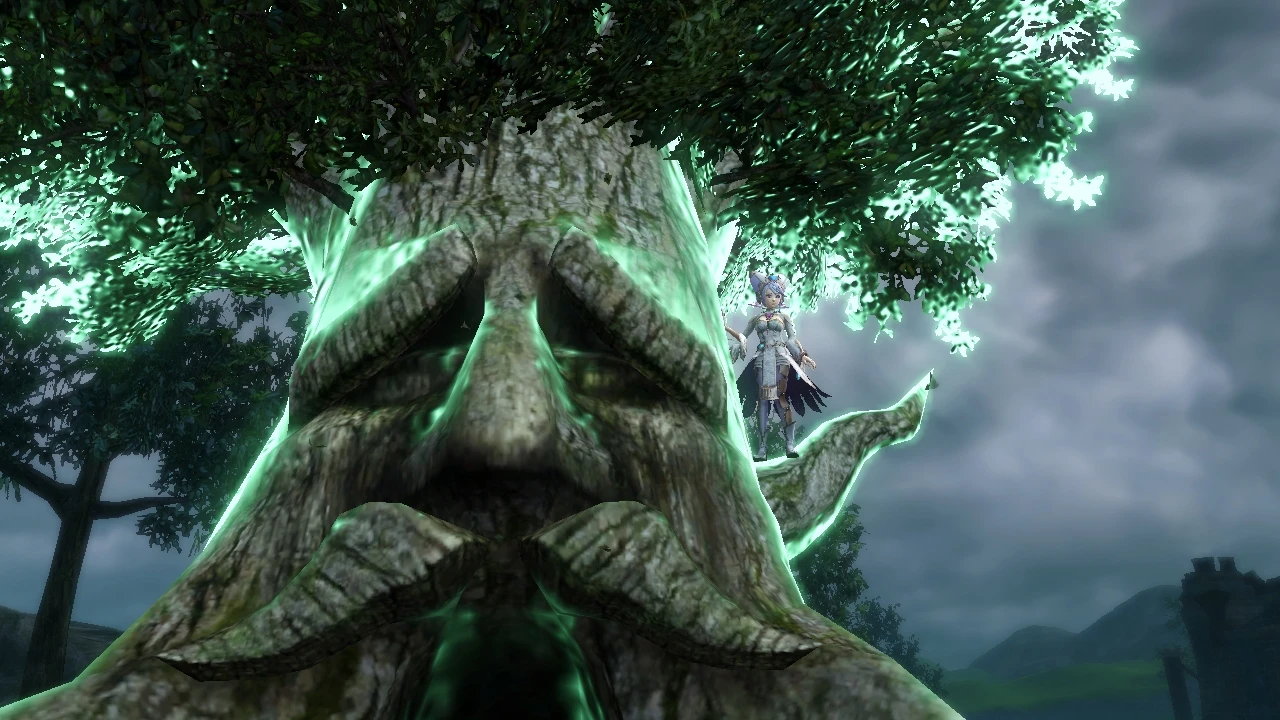
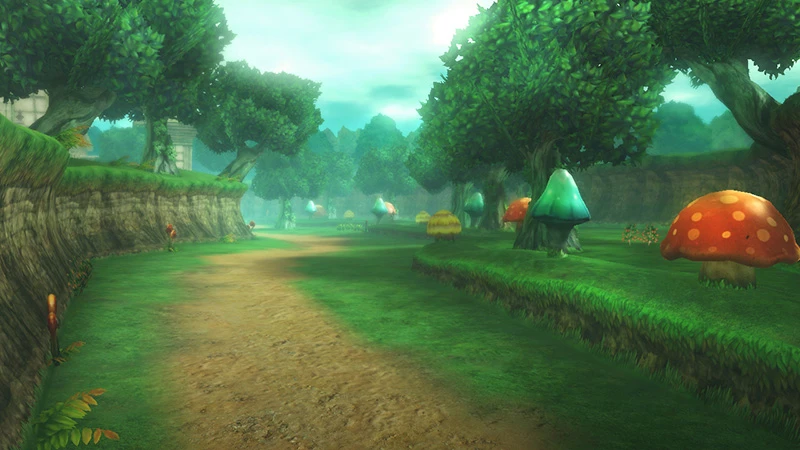
Faron WoodsThe Sorceress of the WoodsA forest village built around the Great Deku Tree, defended by Lana. The Bow is found here, and Gohma is the boss.
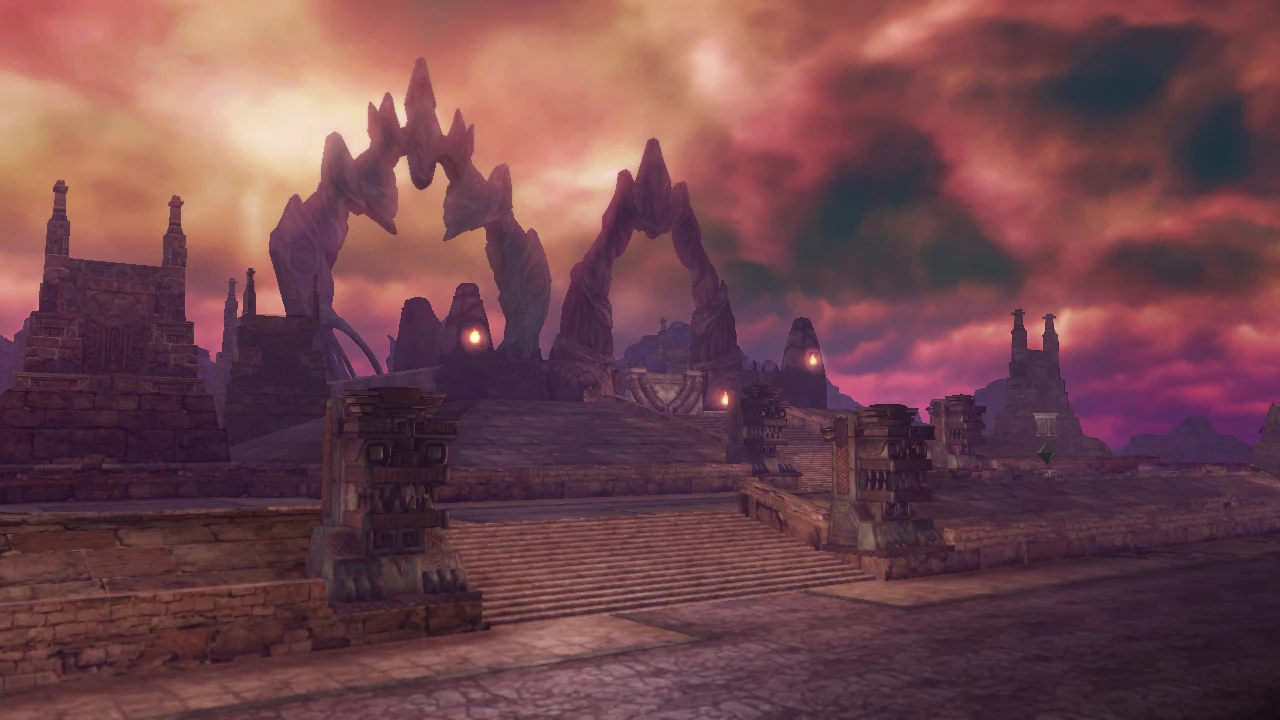
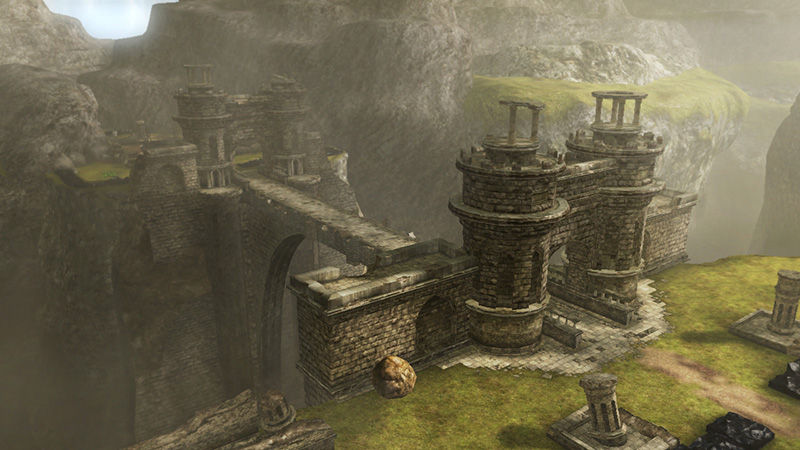
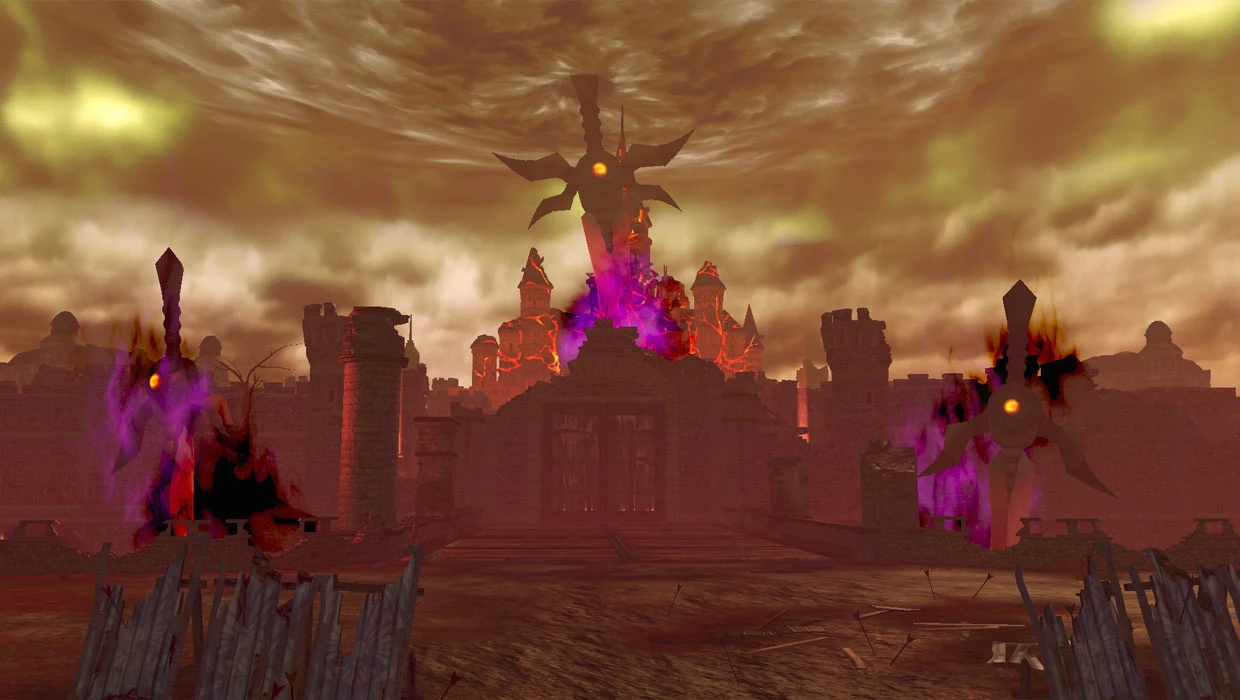
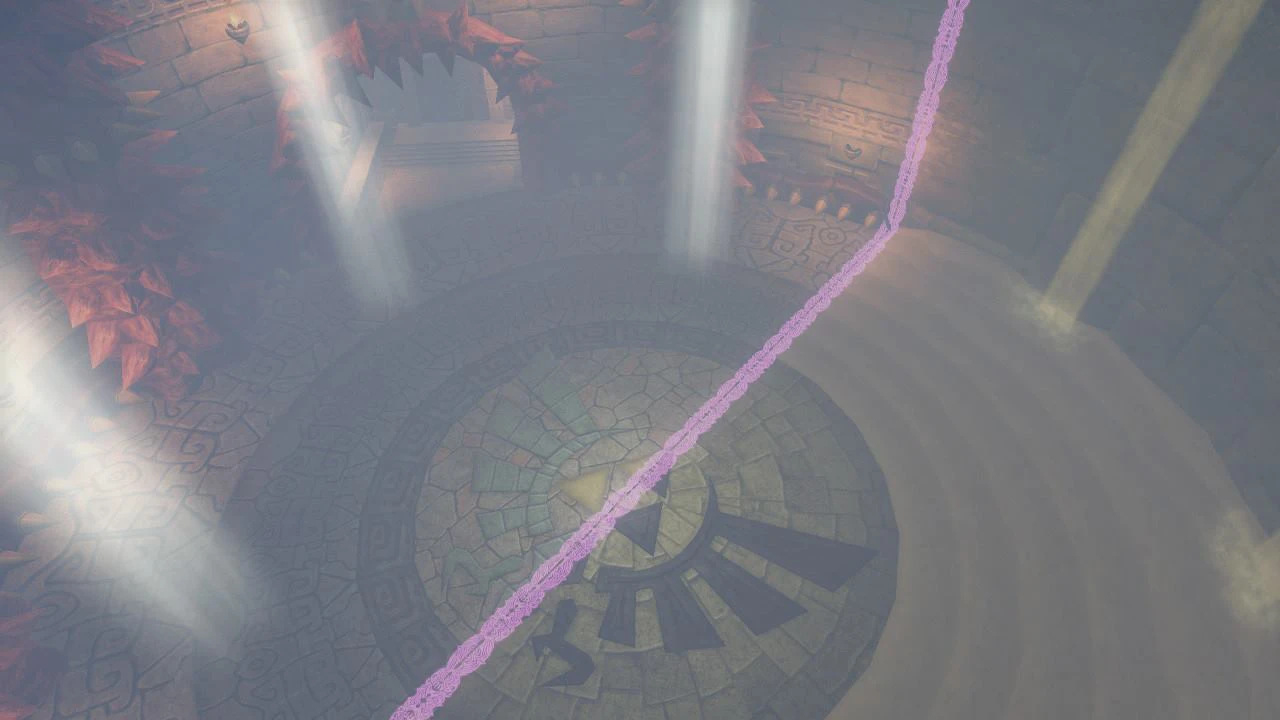
Valley of SeersThe Sorceress of the Valley · Shining Beacon · March of the Demon King · Darkness Falls (Cia’s Tale)Cia’s stronghold, home of the Gate of Souls, and a place created for this game. The Boomerang is found here, and Manhandla is the boss.
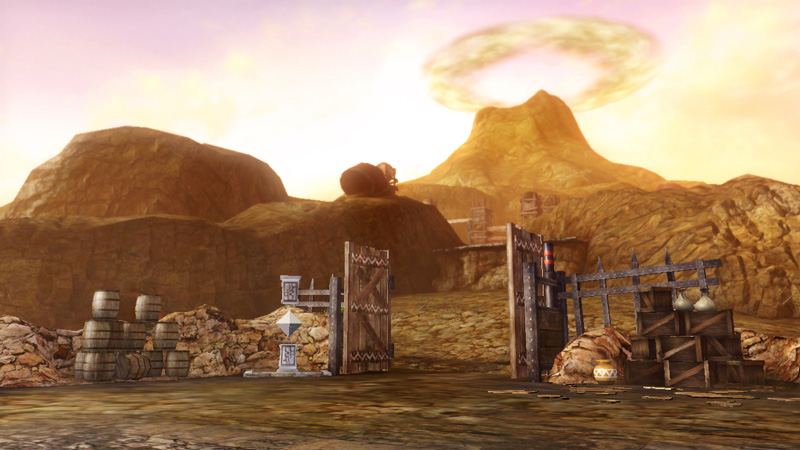
Death MountainLand of MythFrom Ocarina of Time. Impa and Sheik climb it to free Ruto from a deluded Darunia.
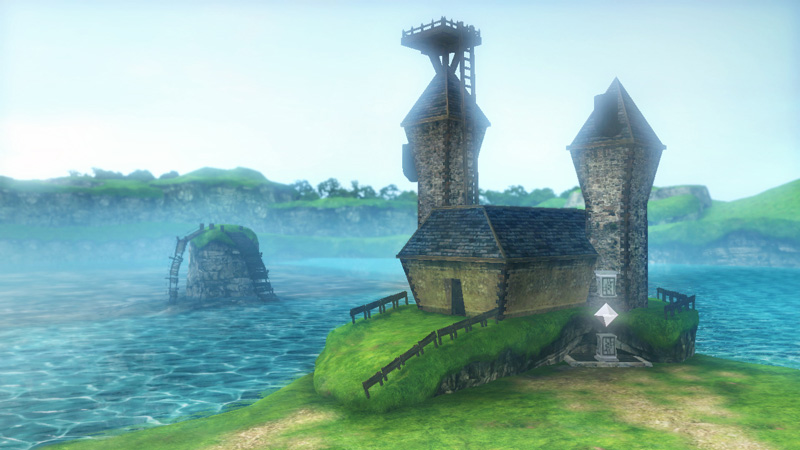
Lake HyliaThe Water TempleFrom Ocarina of Time. The Water Temple here hides a Gate of Souls.
Twilight FieldLand of TwilightFrom Twilight Princess: Hyrule under a blanket of twilight. Lana meets Agitha and Midna here.
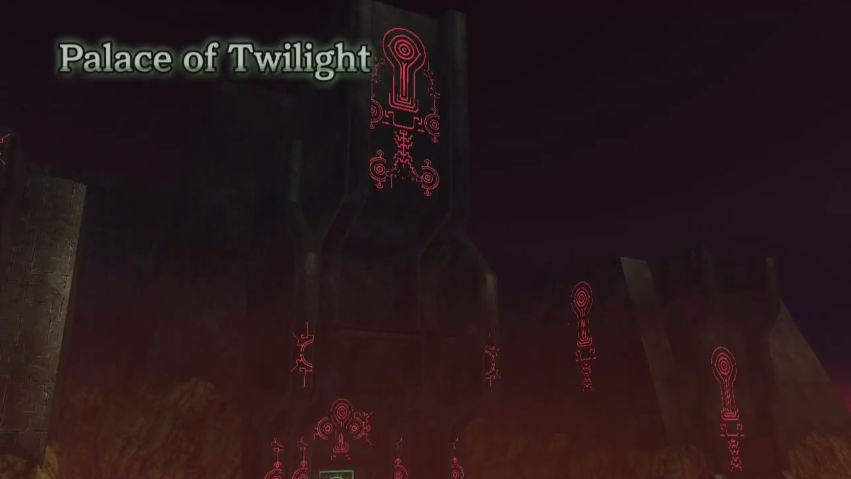
Palace of TwilightThe Shadow King · The Usurper King (Cia’s Tale)From Twilight Princess. Zant’s seat of power. The Hookshot is found here, and Argorok attacks from the air.
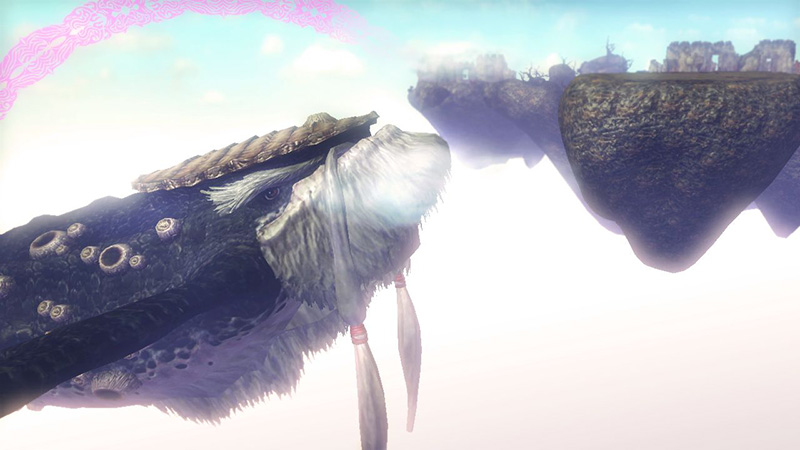
SkyloftLand in the Sky · The Demon Lord (Cia’s Tale)From Skyward Sword: the floating island, besieged by Ghirahim and Volga.
Sealed GroundsSealed AmbitionFrom Skyward Sword. Ghirahim springs his trap here and the Imprisoned breaks loose.
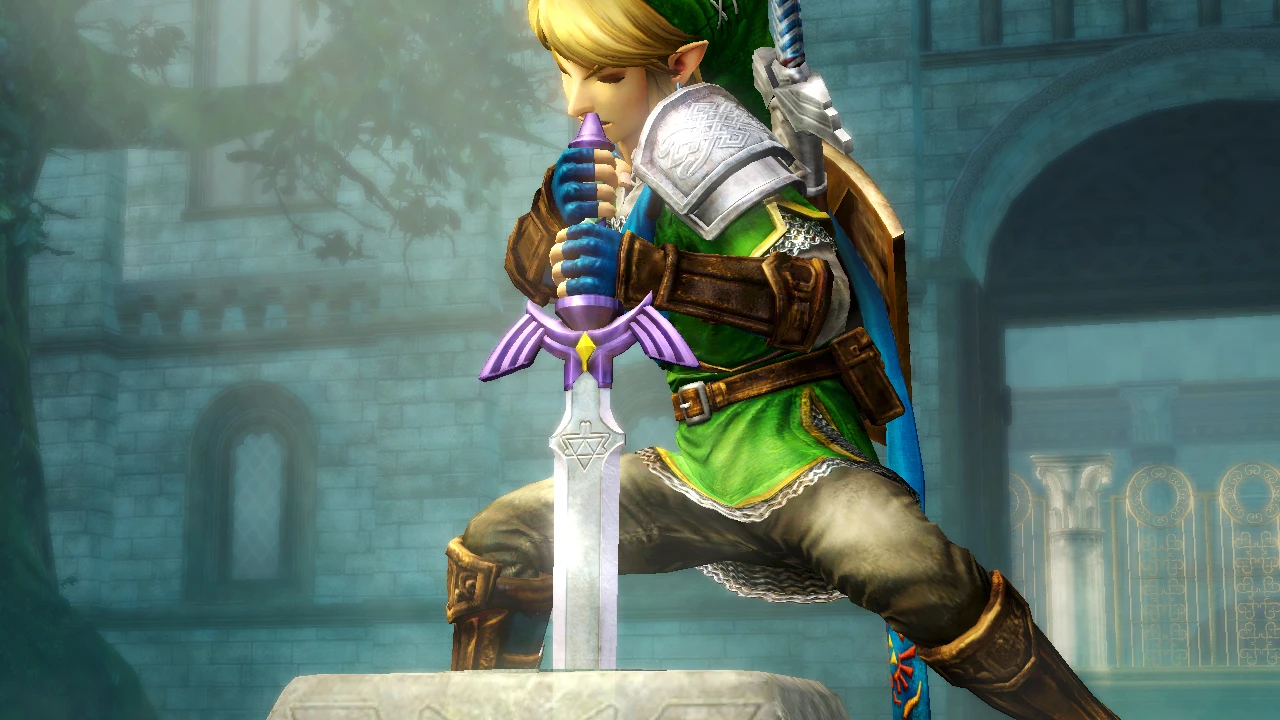
Temple of the Sacred SwordThe Sacred SwordResting place of the Master Sword, guarded by an army of ghost soldiers.
Temple of SoulsA War of SpiritWhere Link, Master Sword in hand, is ambushed by Dark Links.
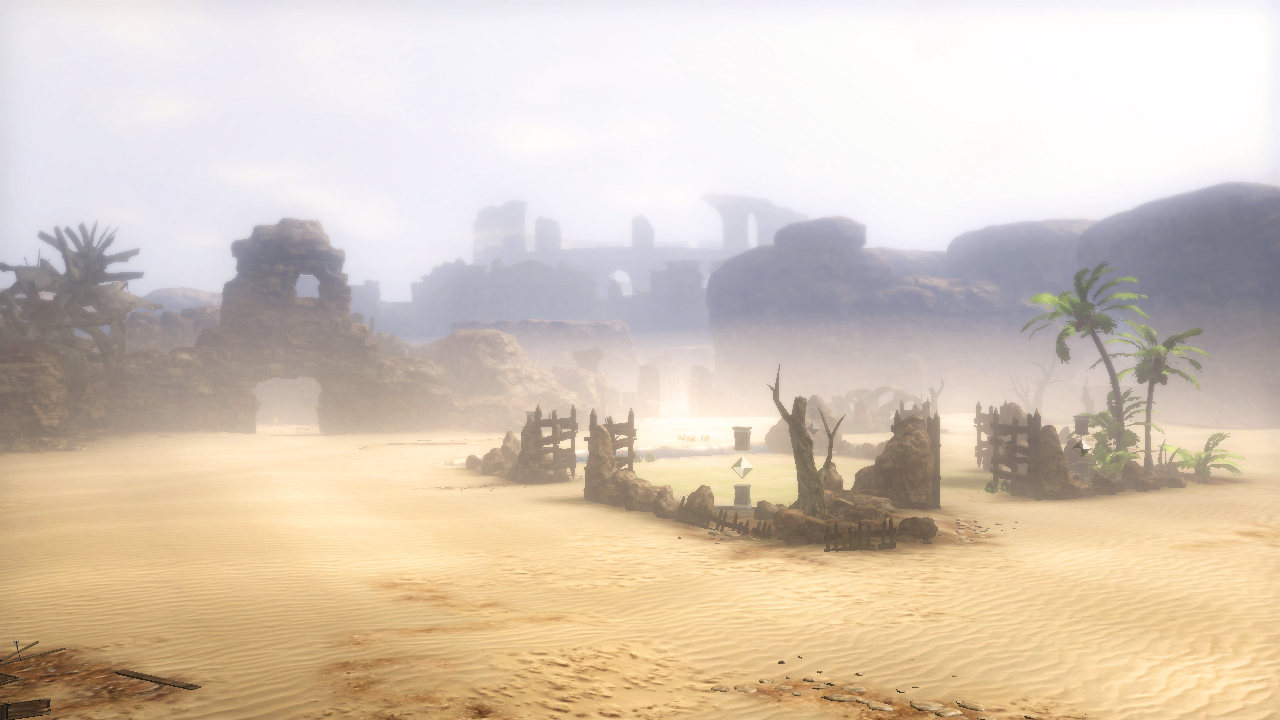
Gerudo DesertGanondorf’s Return · Enduring ResolveGanondorf’s stronghold. You conquer it as him, then return as Link to beat Zant and Ghirahim.
Ganon’s TowerLiberation of the TriforceHyrule Castle after Ganondorf has seized it. The final battle of the original story, against Ganondorf and then Ganon.
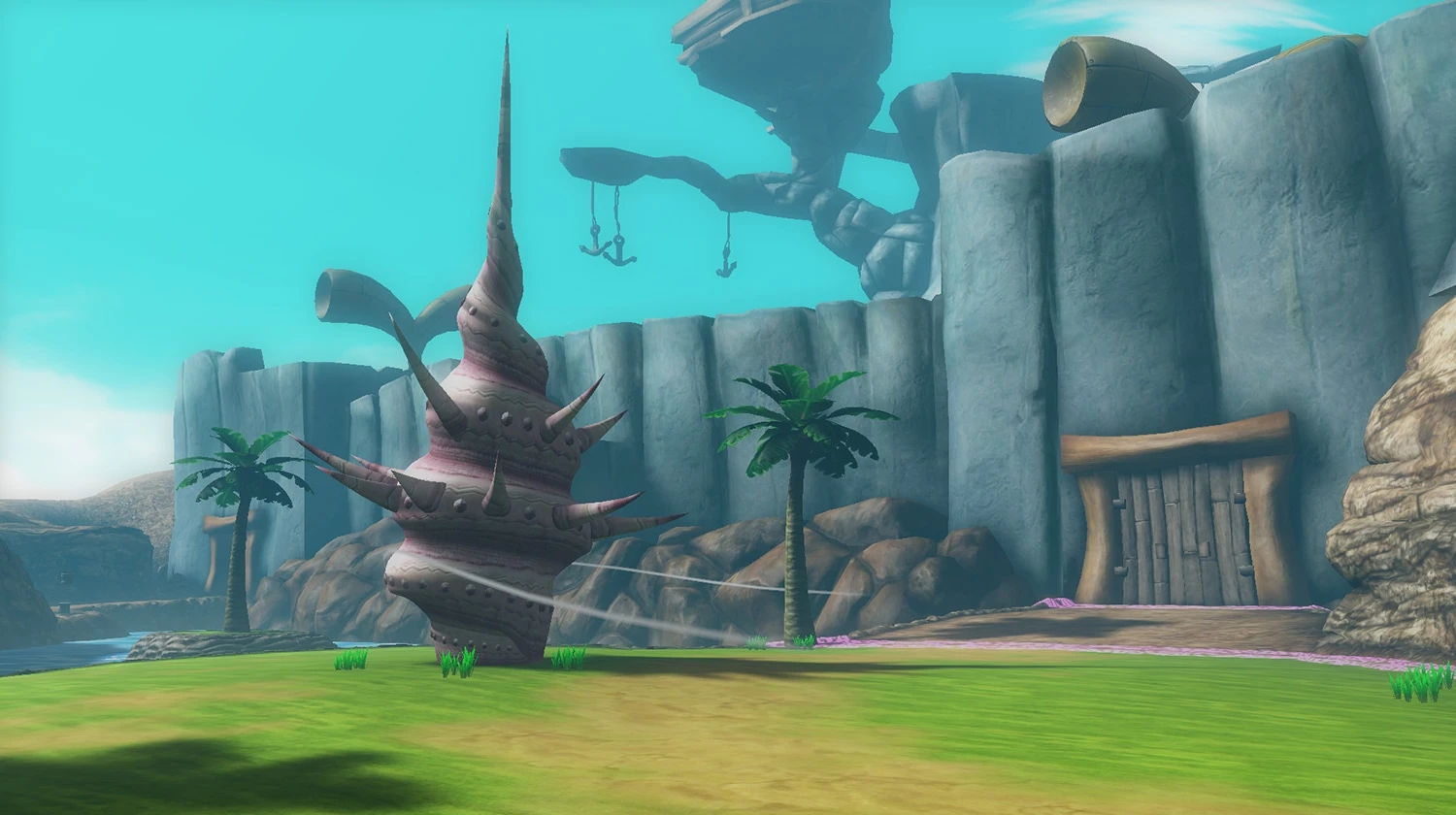
Forsaken FortressLegends and Definitive Edition onlyFrom The Wind Waker, used in the Great Sea chapters.
Wind and Earth TemplesLegends and Definitive Edition onlyTwo Wind Waker dungeons joined into one battlefield.
The remaining story battles reuse these stages: Battle of the Triforce, the last of Ganondorf’s three scenarios, is his siege of Hyrule Castle, and The Invasion Begins shows Cia’s opening attack on the castle from her side.
How it plays
Capturing keeps, as the game’s tutorial shows it.
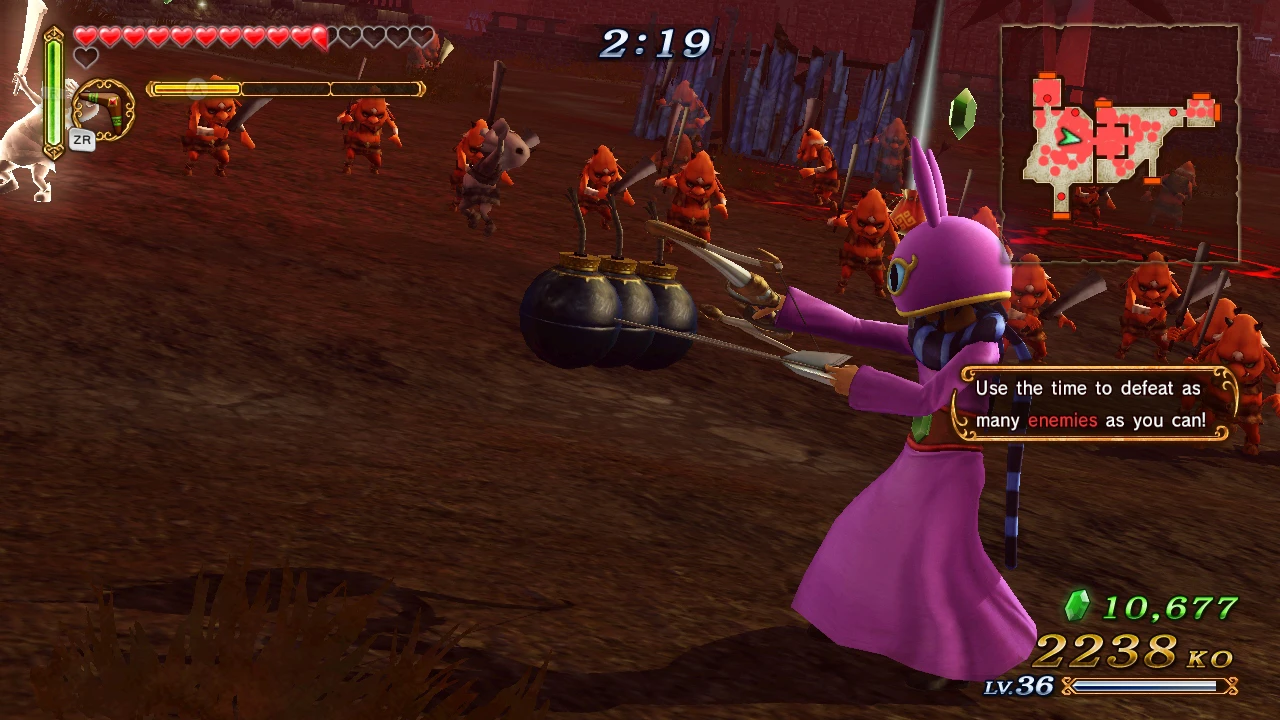
A battle in Hyrule Warriors is a tug-of-war over a map. You pick a warrior and a weapon, drop on to a battlefield dotted with keeps, and try to swing the fight your side’s way before your base falls or a key ally runs. The moment-to-moment action is pure Dynasty Warriors; the tools, sounds and bosses are pure Zelda.
Item
Powered-up form
First found in
Used on
Bombs
Super Bomb
The Armies of Ruin
Boulders, Beamos and King Dodongo
Bow
Sacred Bow with Light Arrows
The Sorceress of the Woods
Deku Babas and Gohma
Boomerang
Gale Boomerang
The Sorceress of the Valley
Manhandla and its stalks
Hookshot
Clawshot
The Shadow King
High ledges and Argorok
Ocarina (Legends, Definitive Edition)
None
The Sorceress of the Woods
Warping between Owl Statues
Hammer (Legends, Definitive Edition)
Upgraded Hammer
A New Disturbance
ChuChus and the Helmaroc King
Keeps, captains and morale
The map of the Hyrule Field battlefield.
Every stage is divided into keeps and smaller outposts. Allied keeps show blue on the map and enemy keeps red, and each one feeds soldiers into the fight. Thin out the defenders of an enemy keep and its Keep Boss appears; beat him and the keep changes sides. Enemy forces come in three grades: grunts in their hundreds, tougher captains who lead charges and guard gates, and commanders, who are usually named characters and usually the target of the mission.
You are not alone, and that is where the strategy comes from. Allied officers fight their own battles across the map, and when one drops to a quarter of their health they call for help; reach them in time and they are healed. Lose the wrong ally or the home base and the battle is over. Morale rises when keeps are taken and enemy captains flee, and an army with high morale hits harder and holds out longer.
Combos, Special Attacks and Focus Spirit
Link’s Special Attack with the Hylian Sword.
Each warrior strings together weak and strong attacks, and where in the string you press the strong button decides which combo comes out. You can dodge, guard and lock on to a single enemy, a system borrowed straight from Zelda’s Z-targeting. Defeating enemies fills a yellow gauge for a screen-clearing Special Attack, and collecting magic fills a green one for Focus Spirit, a spell of extra speed and power that ends with a finishing blow of its own.
Captains, commanders and giant bosses cannot simply be battered down. After certain attacks they leave themselves open and a Weak Point Gauge appears above them; empty it and your warrior delivers a Weak Point Smash. Giant bosses add a Zelda twist, since each is stunned by one particular item, used at the right moment.
Weapons and elements
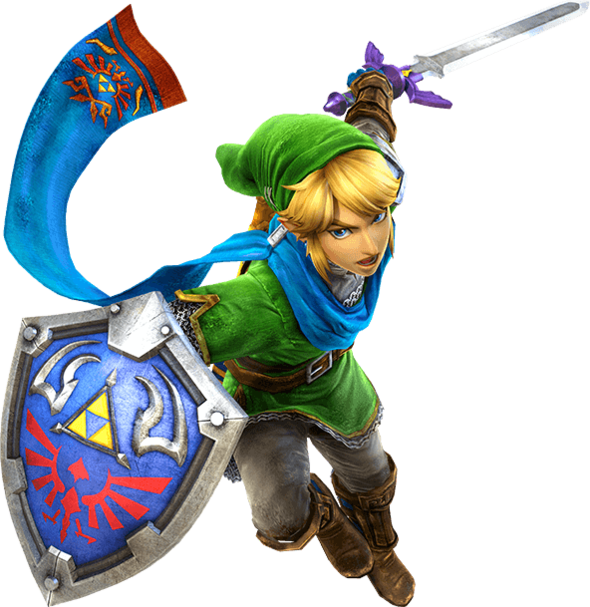
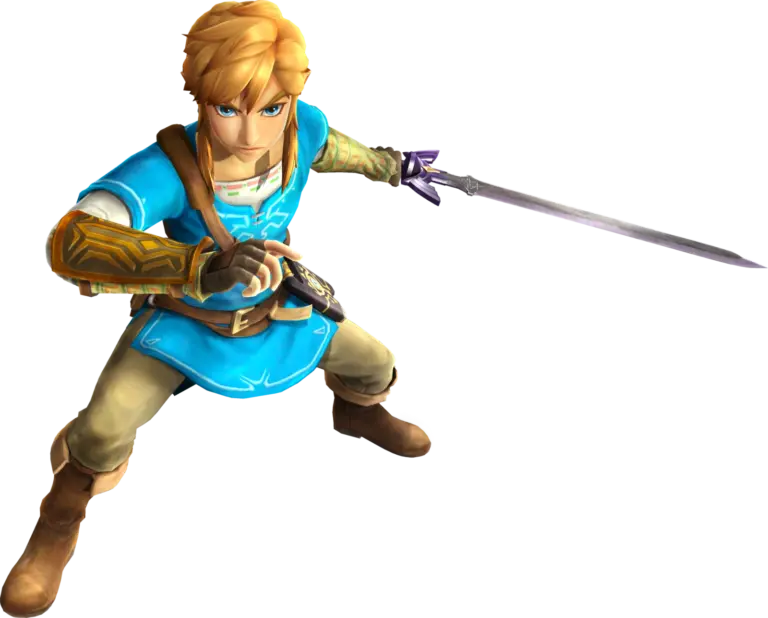
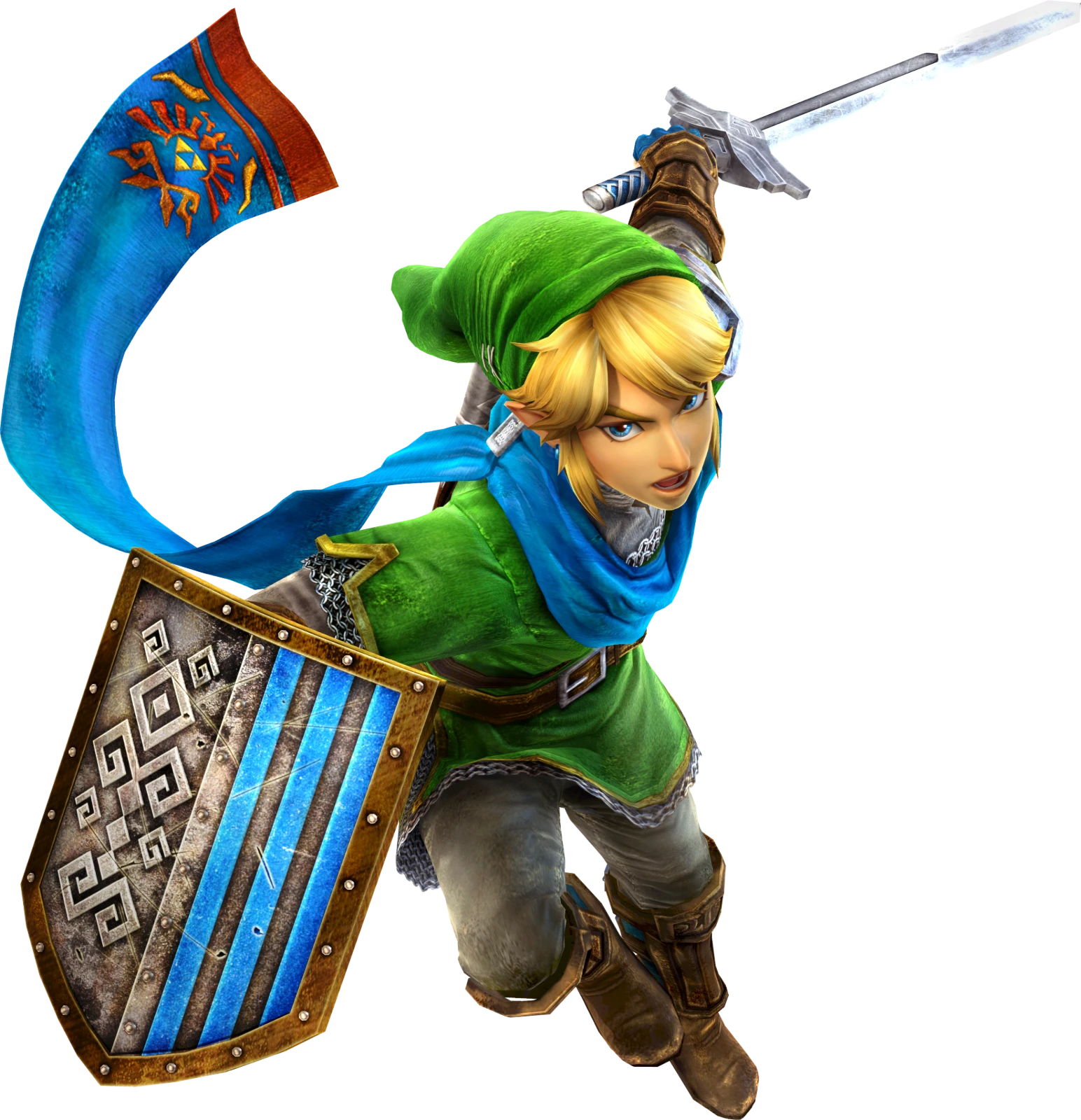
Official art of Link with the Hylian Sword, one of his weapon types.
A warrior’s moves come from the weapon, not the person. Link with the Hylian Sword, Link with the Magic Rod and Link riding Epona are effectively three different characters. Every weapon type belongs to one of five elements (Light, Fire, Water, Lightning or Darkness) and came in three levels in the Wii U game; Legends and the Definitive Edition add a fourth. Enemies drop weapon bags holding a random example with its own star rating and skills, while sealed weapons in treasure chests unlock new types.
Between battles the Bazaar has four shops. The Badge Market turns monster materials into badges that extend combos, gauges and defences; the Training Dojo sells level-ups for rupees; the Apothecary brews a mixture that lasts one battle; and the Smithy moves a skill from one weapon to another, destroying the donor.
Legend, Free and Challenge Modes
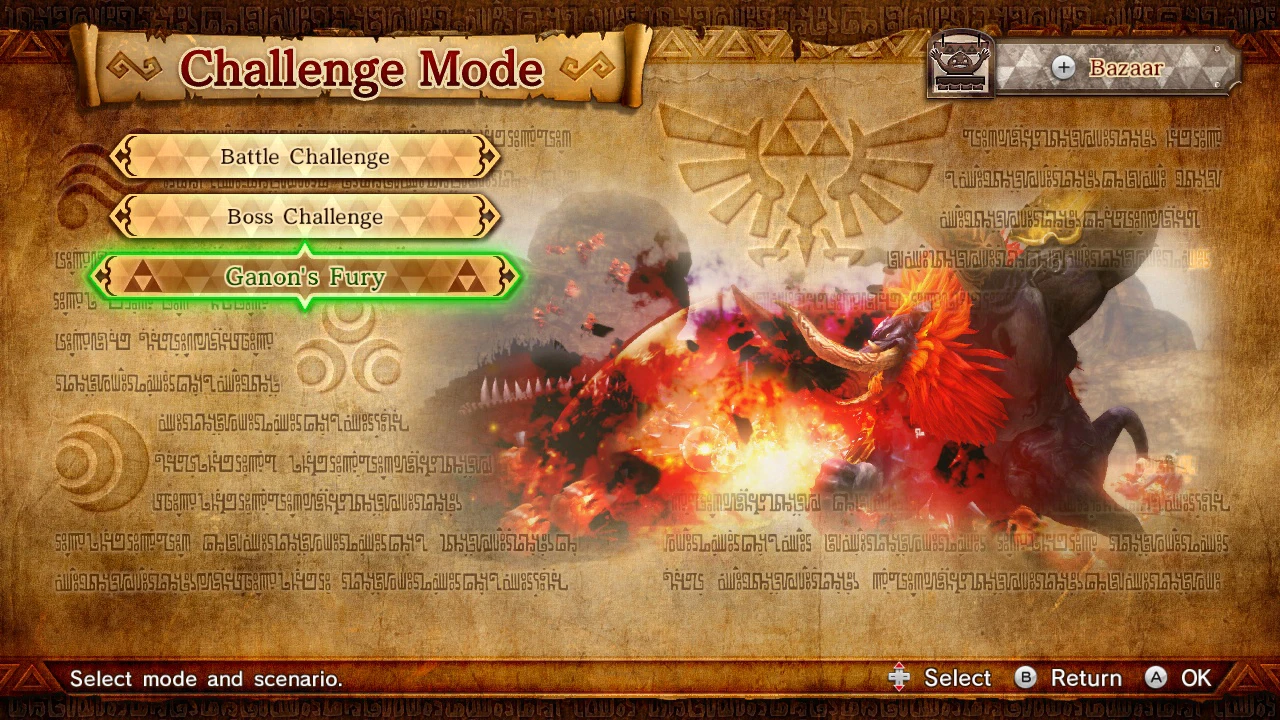
Ganon’s Fury puts you in control of the beast.
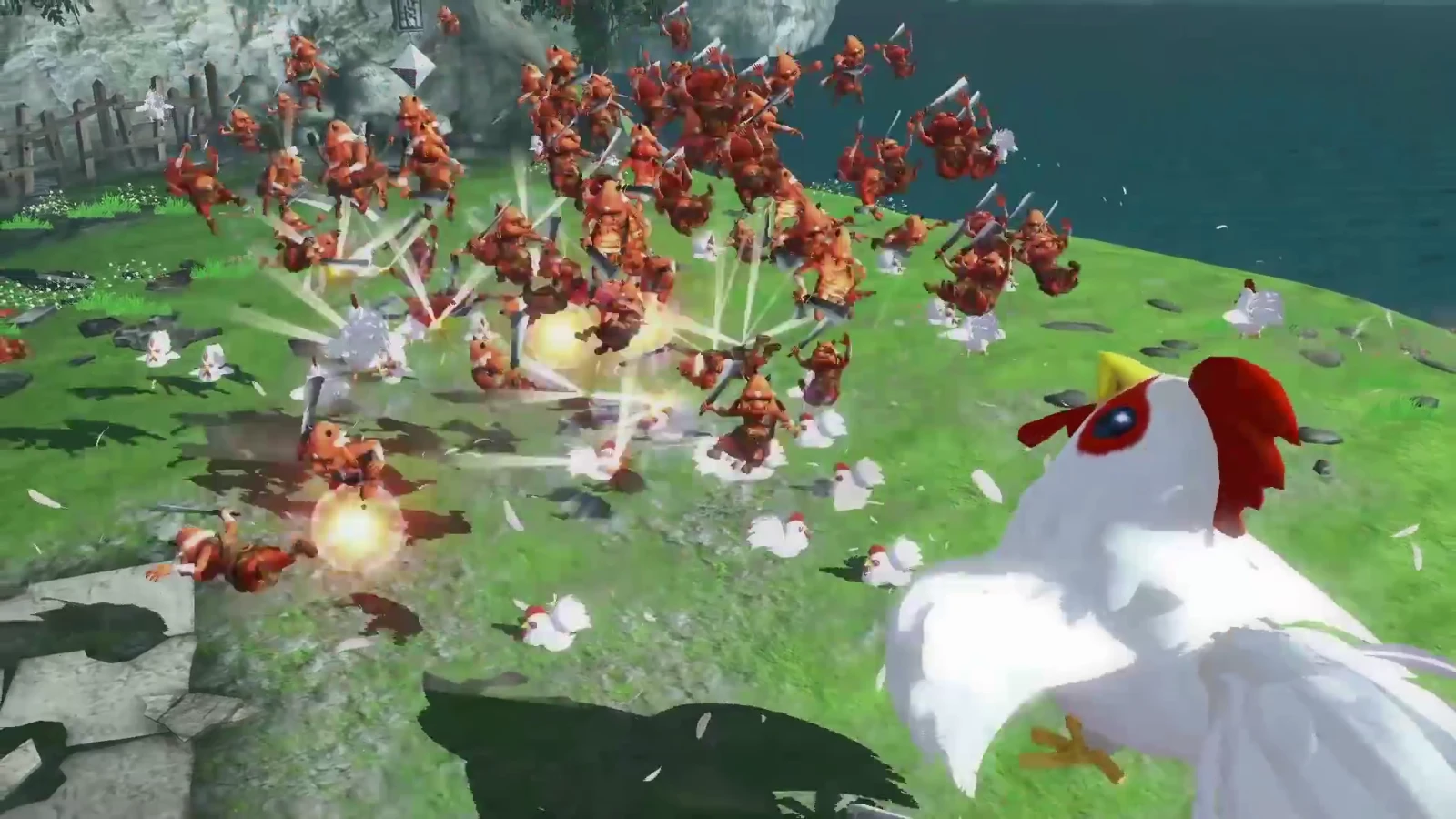
Legend Mode is the story, 18 scenarios in the original game, with the three era campaigns playable in any order. Free Mode lets you replay any of them with any warrior you have unlocked. Challenge Mode, added by an update at launch, is a set of stand-alone battles with special rules; the Boss Pack expanded it with Boss Challenge and with Ganon’s Fury, in which you stomp around as the giant Ganon, beating King Dodongo, Gohma, Manhandla and Argorok and stealing an attack from each. A variation swaps Ganon for an equally giant Cucco.
Adventure Mode
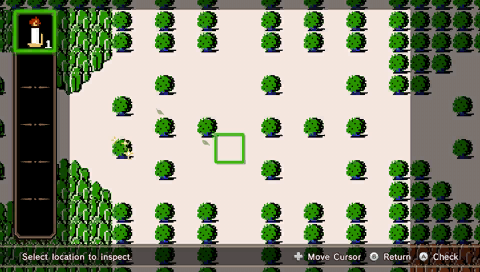
The search screen, where Item Cards are used.
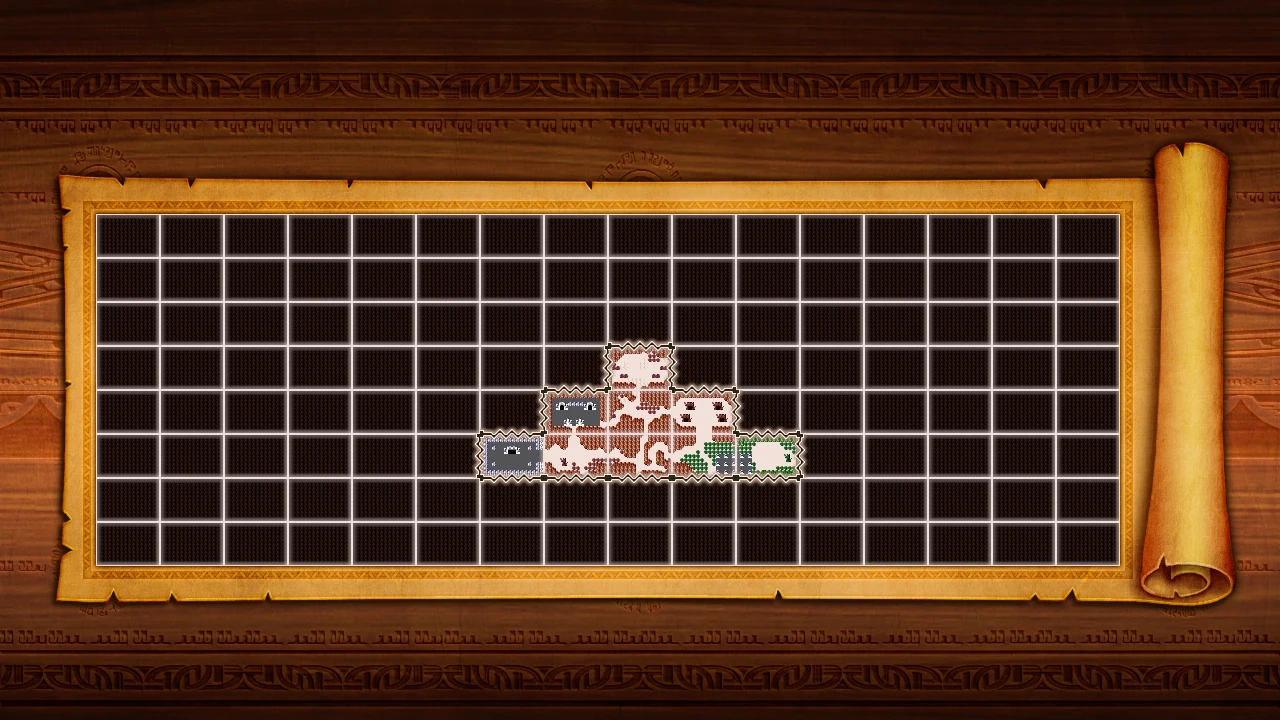
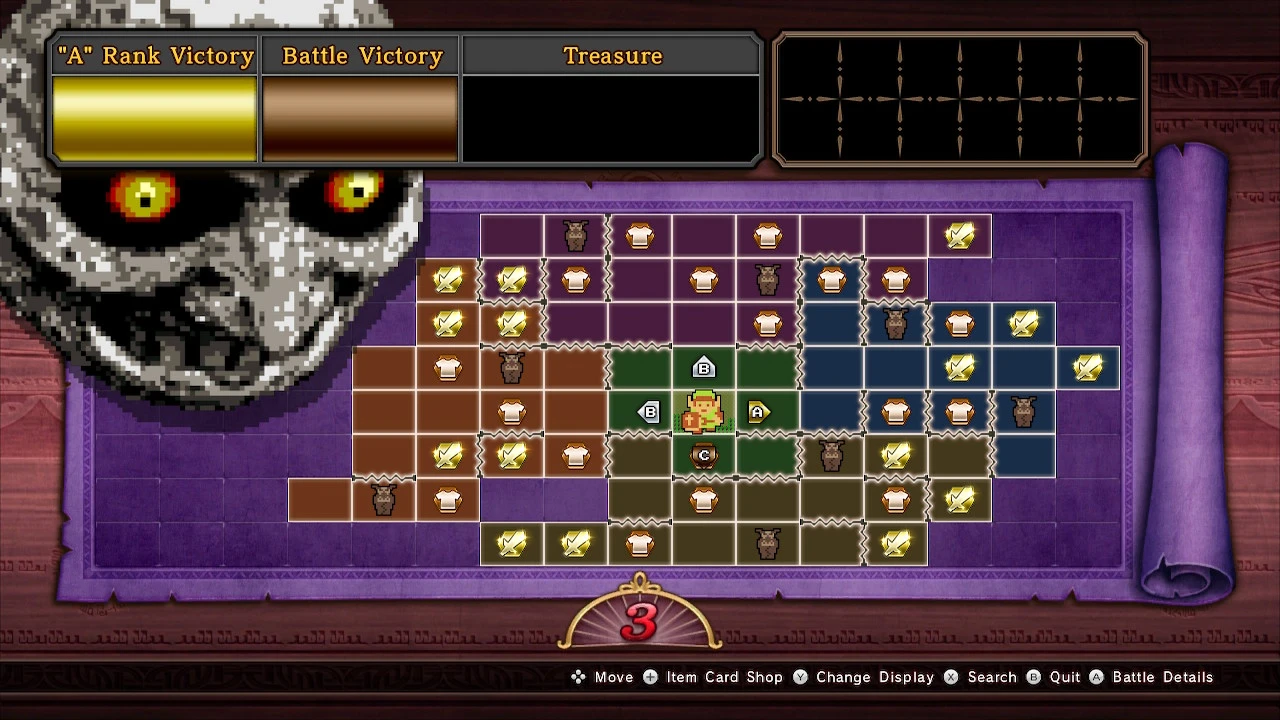
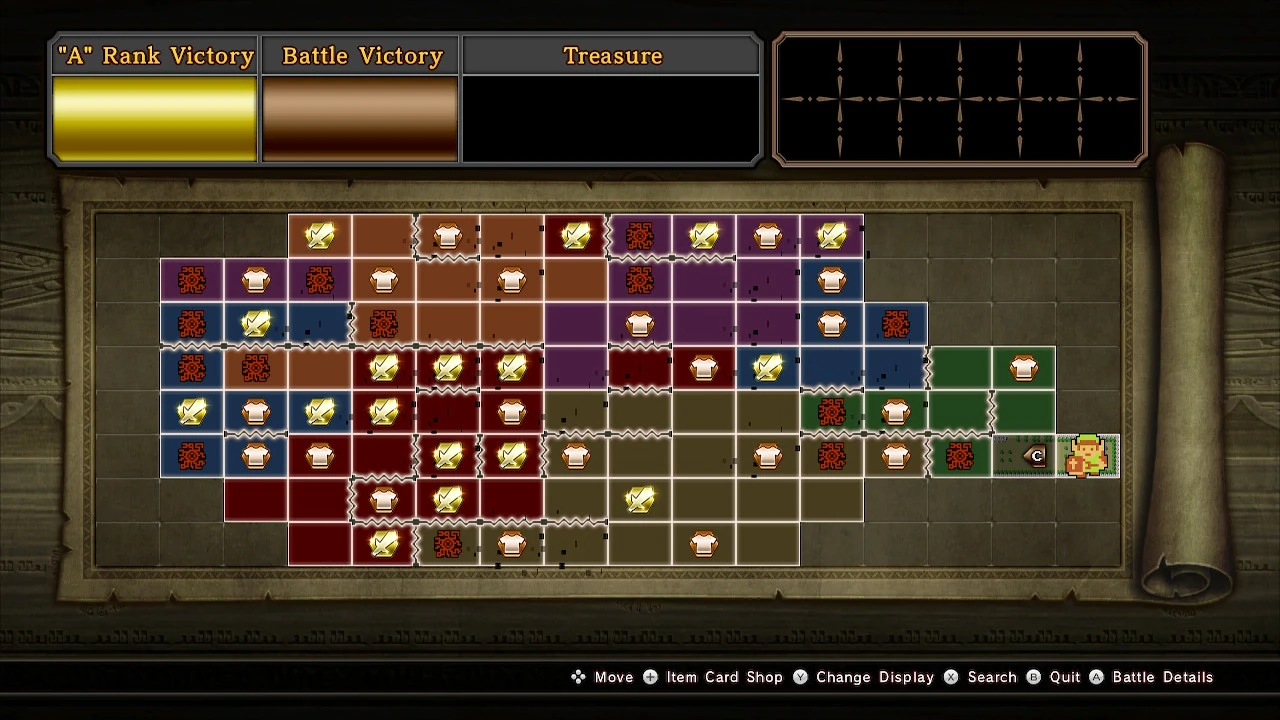
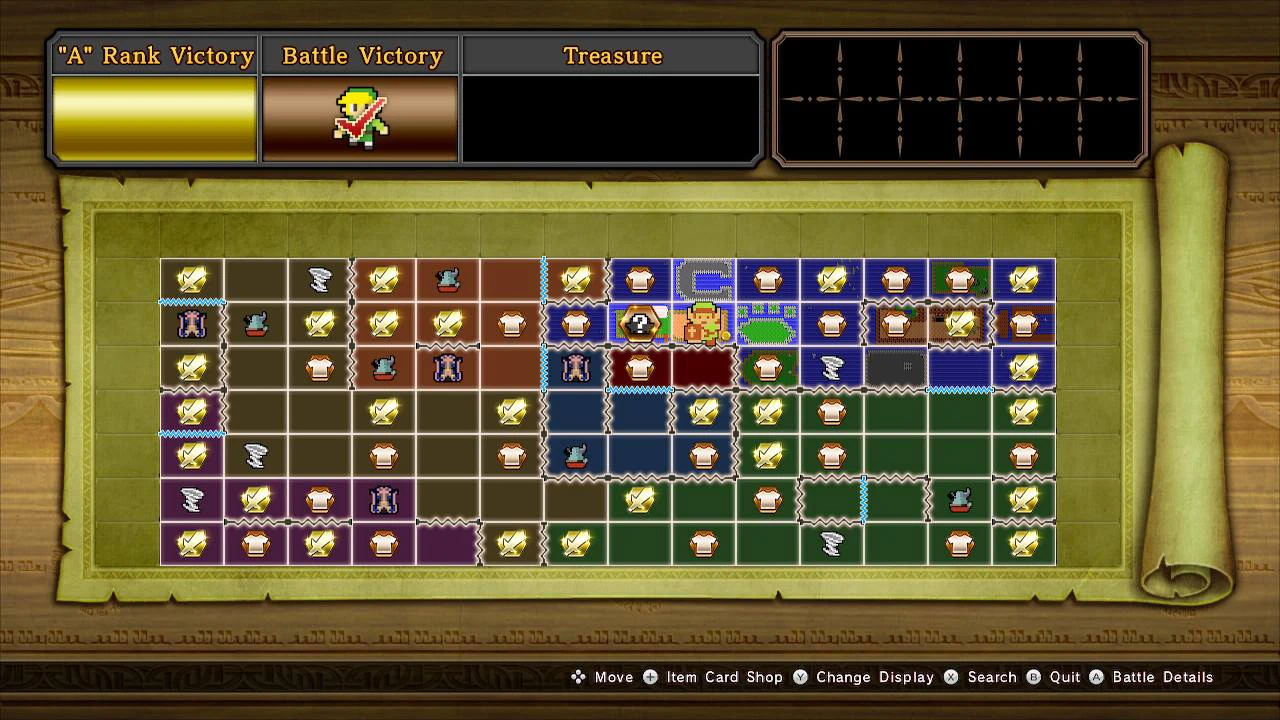
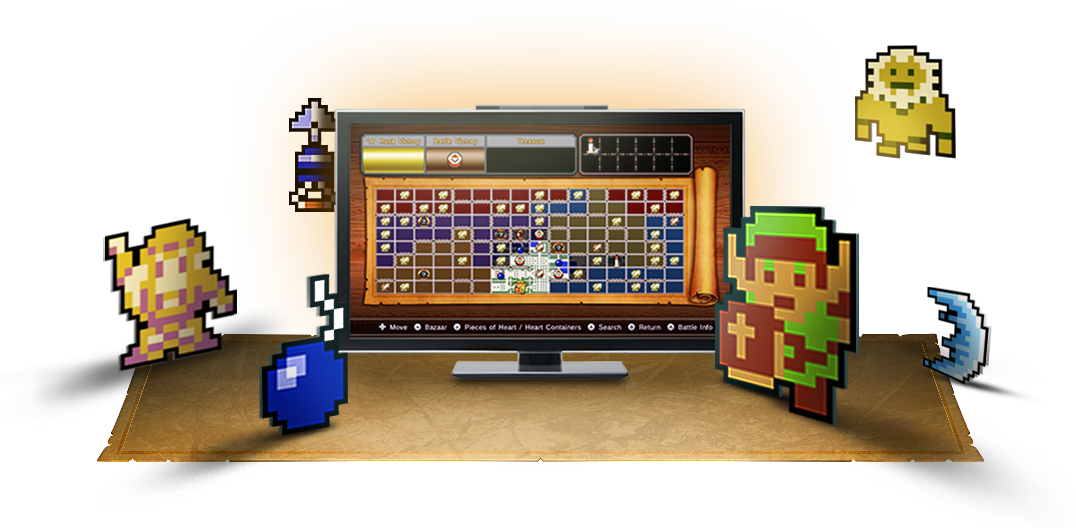
Adventure Mode is where most players spend most of their time. Its map is a 16-by-8 grid of squares drawn in the style of the original The Legend of Zelda, up to 128 in all, and each square is a battle with its own rules: beat a number of enemies against the clock, fight a pack of giant bosses, win with one named character and weapon. You are graded on enemies defeated, time and damage taken, and a good enough rank opens the neighbouring squares.
The clever part is the searching. Battles pay out Item Cards (bombs, candles, a raft, a ladder, the recorder) that you spend on the map itself, burning a bush or bombing a rock face in the same spots a 1986 player would try, to reveal hidden rewards. Nintendo called the mode “a nostalgic twist on the original The Legend of Zelda game”, and it is where several characters, the higher weapon levels and most costumes are unlocked.
Later maps layer a gimmick from another Zelda on top. The Master Quest Map adds handicaps such as no healing or a strict time limit. The Twilight Map hides its enemies under twilight until you spend Tears of Light. The Termina Map runs on a 72-hour clock that drops an hour with every battle and resets the map at zero, just as Majora’s Mask would. The Great Sea Map throws warships, Big Octos and tornadoes in your way, the Koholint Island Map has you collect the eight instruments of Link’s Awakening, the Grand Travels Map hands out ships and trains from Phantom Hourglass and Spirit Tracks, and the Lorule Map lets you warp around as a wall painting.
The Termina Map and its 72-hour countdown.The Twilight Map.The Great Sea Map.
Two players
Two-player co-op, as the Wii U game’s tutorial shows it.
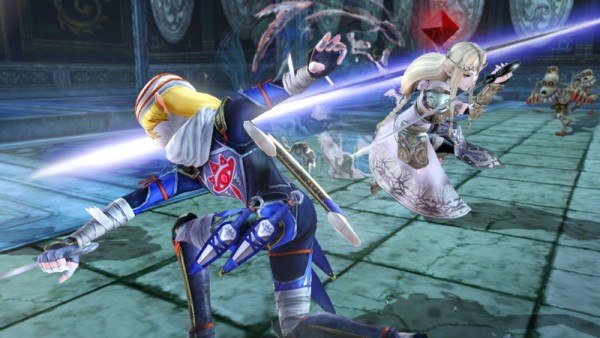
A second player can join any battle. On Wii U one of you plays on the GamePad’s screen and the other on the television, so nobody loses half the picture, although reviewers noticed the price in resolution and frame rate. The Definitive Edition uses a conventional split screen. In both, two heroes on the same map means two fires can be put out at once, which changes the game more than you might expect.
Special editions, costumes & amiibo
Hyrule Warriors was sold in several boxed editions, and a good deal of its wardrobe was handed out through shops and promotions before it reached the eShop.
Premium BoxJapan · 14 August 2014The game with an art book, a table clock in the shape of the Triforce and the Courage and Wisdom costume sets for Link and Zelda. The art book is where sketches of a female Link first appeared.
Treasure BoxJapan · Amazon Japan and Koei Tecmo’s GAMECITY shopEverything in the Premium Box plus the Power costume set for Ganondorf, a scarf like the one Link wears in the game, a replica treasure chest that plays a sound, and five postcards.
Limited EditionEurope and Australia; North America through the Nintendo World StoreA boxed copy of the game with a replica of Link’s scarf, Triforce emblem included.
Pre-order costumes2014Outfits for Link and Zelda based on Ocarina of Time, Twilight Princess and Skyward Sword were given away by different retailers, and Club Nintendo members who registered the game in its first weeks received Ganondorf’s Ocarina of Time and Twilight Princess looks. All of them went on sale on the eShop that December.
amiiboFrom version 1.4.0, 27 November 2014Scanning a Link or Toon Link figure for the first time unlocks the Spinner from Twilight Princess as a weapon for Link. Other Zelda-series figures give a strong weapon for their character once a day, and any other amiibo gives a random weapon, material or rupees.
Classic TunicFree update, June 2015A costume for Link based on the original Legend of Zelda, released free to mark the announcement of Hyrule Warriors Legends.
Characters
Thirteen warriors were on the Wii U disc, and by the end of 2016 there were 29, every one of them in the Definitive Edition. They are listed here in the order they joined. Ganon himself is also playable, but only in the Ganon’s Fury challenges.
Character
Who they are
In this game
Stats & abilities
LinkThe hero · original roster
In this telling Link is a trainee in the Hyrulean army, not yet a knight, who discovers during the first battle that he bears the Triforce of Courage.
Leads the Skyward Sword campaign, draws the Master Sword, defeats Cia and finally Ganon. The only warrior available from the very start.
Hylian Sword (Light)
Magic Rod (Fire)
Great Fairy
Gauntlets
Master Sword, won in the story
Horse (Epona): Master Quest Pack
Spinner: Link or Toon Link amiibo
ImpaGeneral of the Hyrulean army
Zelda’s protector, here the commander of Hyrule’s forces rather than a nursemaid.
Recruits Link, leads the search for Zelda and commands the Ocarina of Time campaign.
Giant Blade
Naginata
Joins after The Armies of Ruin
SheikSheikah warrior
The masked Sheikah from Ocarina of Time, who appears in the Eldin Caves claiming to know where Zelda is.
Fights beside Impa, is found to hold the Triforce of Wisdom and is eventually revealed as Zelda in disguise.
Harp
Joins after The Sheikah Tribesman
LanaThe White Sorceress · new character
Created for this game. A bright, energetic sorceress who says she comes from the same clan as Cia; in truth she is the half of Cia that stayed good.
Leads the Faron Woods resistance and the Twilight Princess campaign, inherits the Triforce of Power and ends the story as its guardian.
Book of Sorcery (lightning and barriers)
Spear, which calls on the Deku Tree
Summoning Gate, which calls up giant bosses
Joins after The Sorceress of the Woods
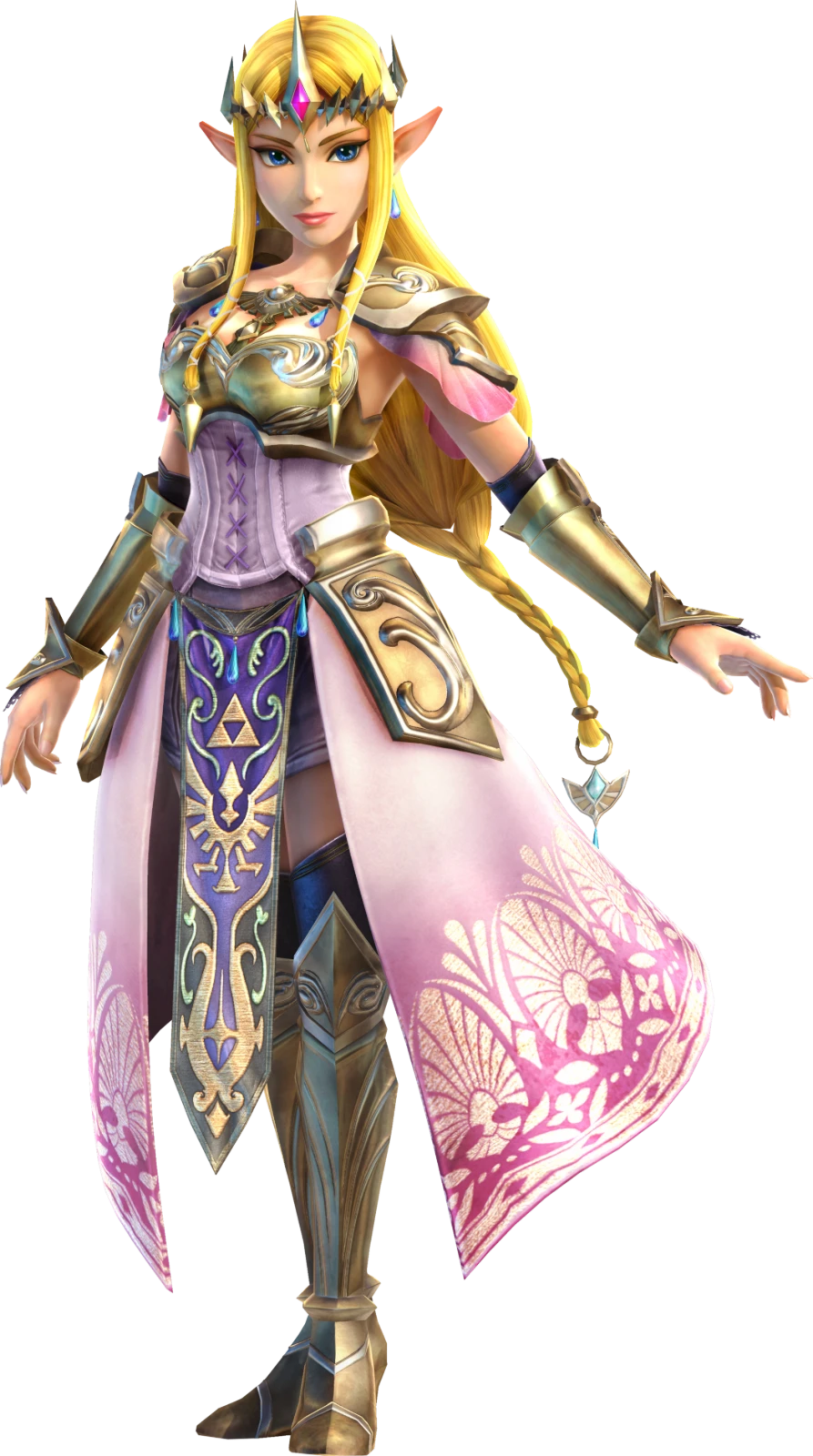
ZeldaPrincess of Hyrule
Hyrule’s ruler leads her army from the front, then vanishes when the castle falls and spends the first half of the story as Sheik.
Bearer of the Triforce of Wisdom; her light arrows finish Ganon.
Rapier
Baton
Dominion Rod: Twilight Princess Pack
Unlocked once all three era campaigns are complete
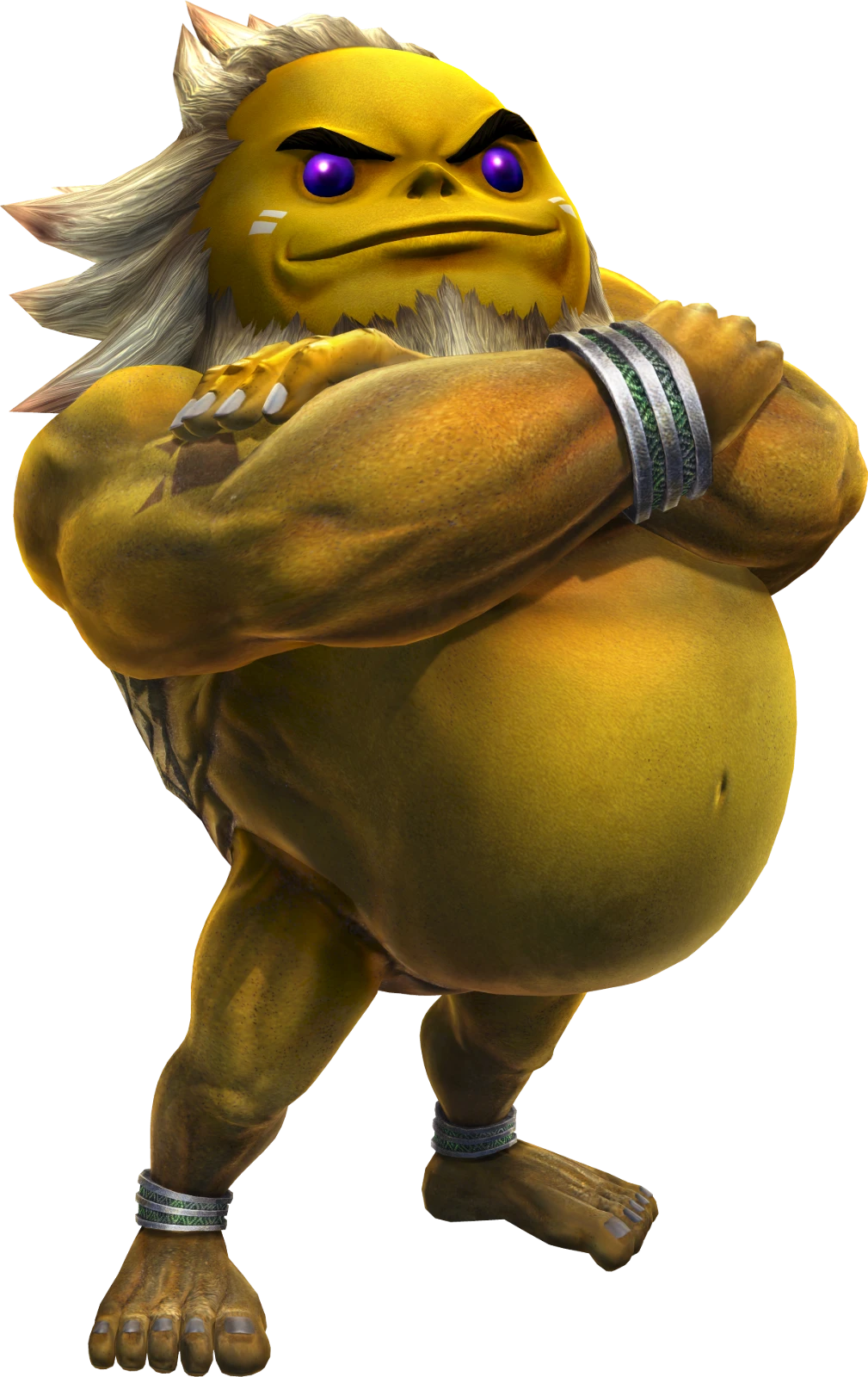
DaruniaGoron chief · Ocarina of Time
The boisterous leader of the Gorons.
Tricked by a false Zelda into attacking the Zoras; joins Impa once he has been beaten back to his senses.
Hammer
Joins after Land of Myth
RutoZora princess · Ocarina of Time
The headstrong princess of the Zoras.
Held captive on Death Mountain, then guides the army into the Water Temple.
Zora Scale: waves, bubbles and pools of water
On Wii U, unlocked in Adventure Mode
AgithaBug princess · Twilight Princess
The girl from Castle Town who collects golden bugs.
Rescued by Lana; her Goddess Butterfly leads the army to the Palace of Twilight.
Parasol
Summons golden butterflies and giant beetles
On Wii U, unlocked in Adventure Mode
MidnaTwilight Princess
The Twilight Princess in her imp form, a curse that in this story is Cia’s doing.
Starts as Lana’s opponent, then joins her to take revenge on Cia and Zant.
Shackle
Fights with her hair and Twilit wolves
Joins after Land of Twilight
FiSpirit of the sword · Skyward Sword
The calm, calculating spirit who lives in the Goddess Sword.
Becomes Link’s partner on Skyloft and at the Sealed Grounds.
Goddess Blade: she becomes the sword herself
Joins after Land in the Sky
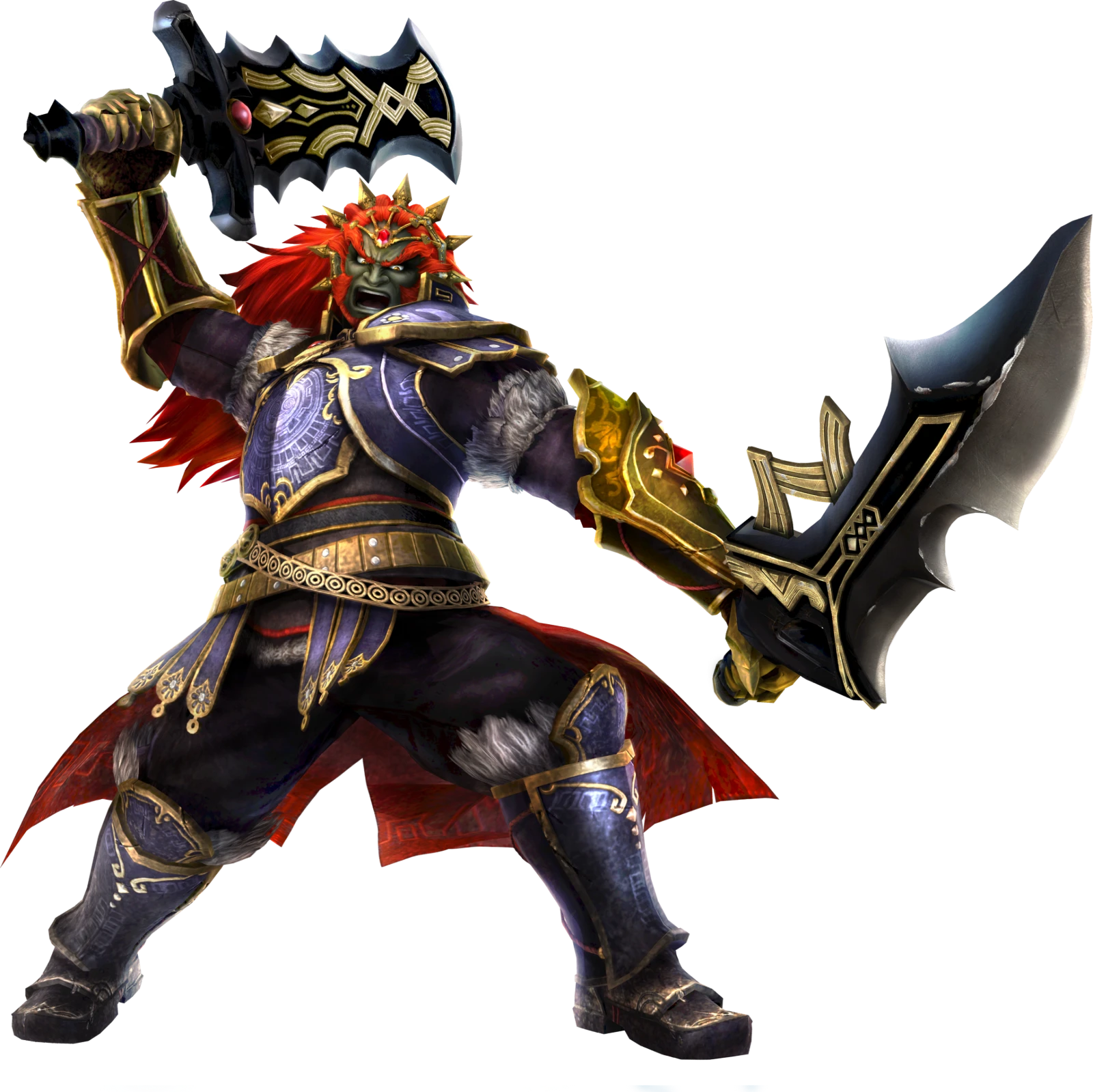
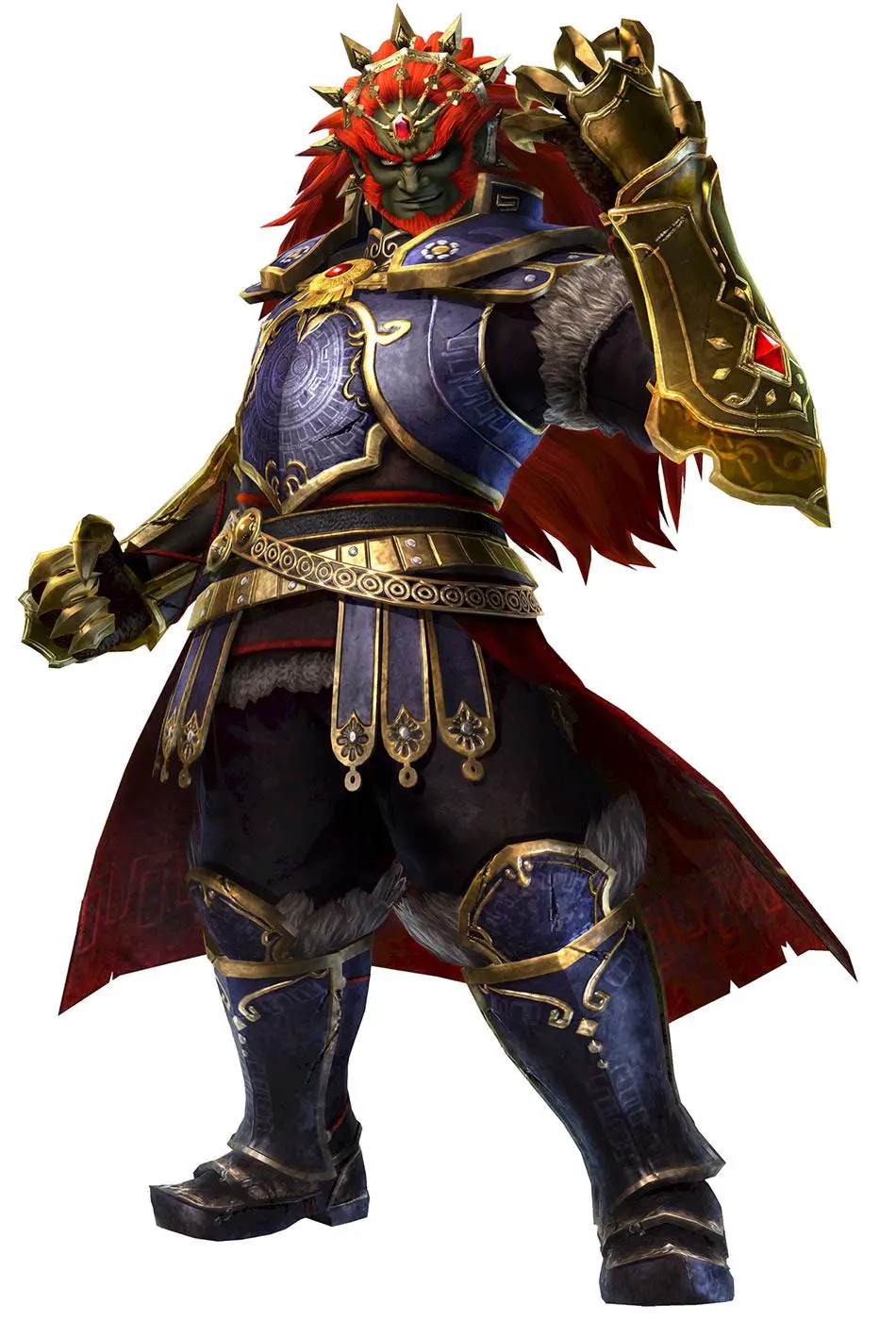
GanondorfThe Demon King
The series’ great villain, his soul split in four and sealed across the ages.
Manipulates Cia into freeing him, then stars in three scenarios of his own before the final battle.
Great Swords
Trident: Legends
Unlocked by completing Shining Beacon
ZantUsurper King · Twilight Princess
The unhinged ruler who stole the Twilight Realm.
Boss of the Twilight campaign, later one of Ganondorf’s two generals.
Scimitars
On Wii U, unlocked in Adventure Mode
GhirahimDemon Lord · Skyward Sword
The flamboyant swordsman who served Demise.
Besieges Skyloft with Volga, springs the trap at the Sealed Grounds and returns as Ganondorf’s other general.
Demon Blade
On Wii U, unlocked in Adventure Mode
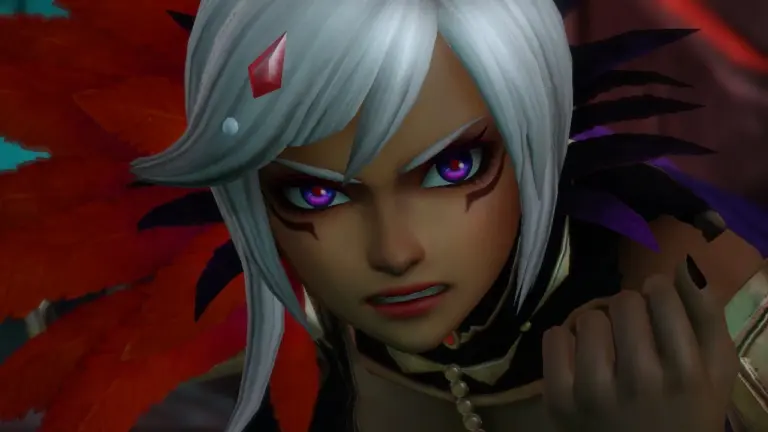
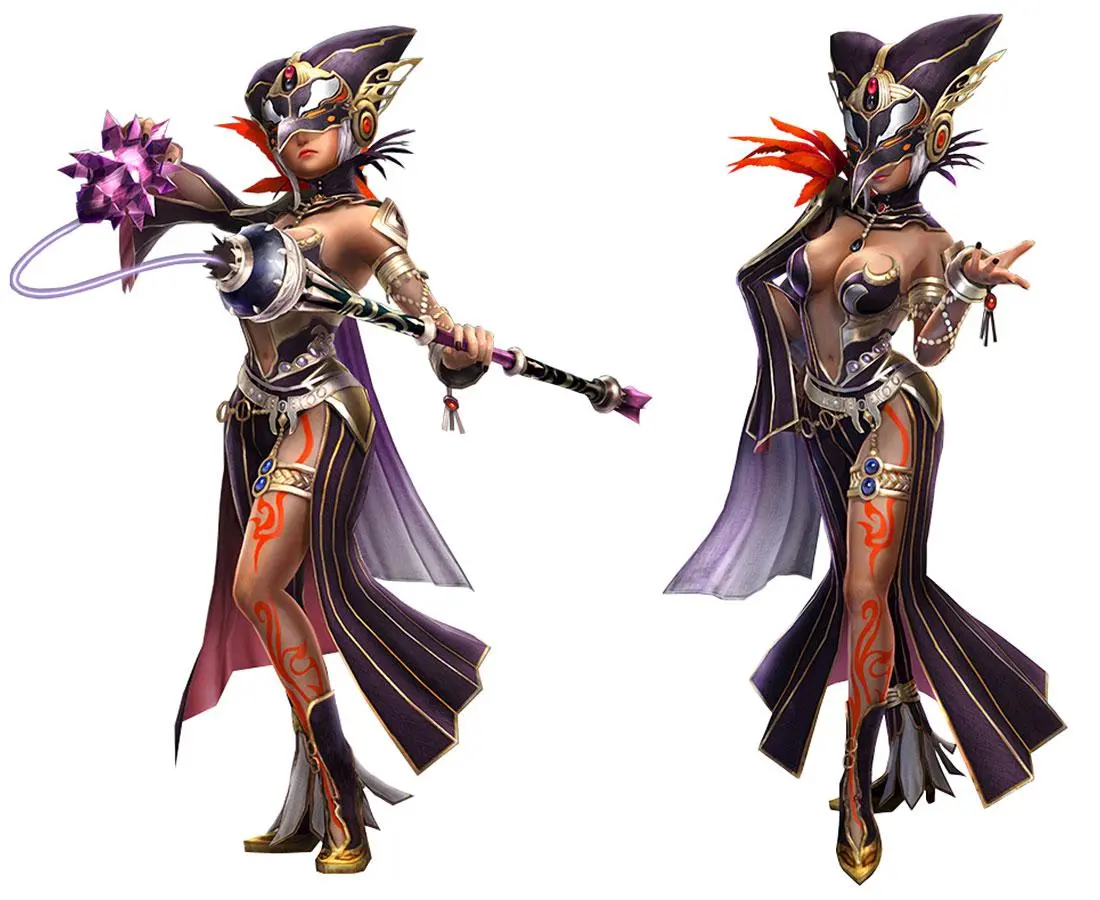
CiaThe Dark Sorceress · new character
Created for this game. Once the guardian of the Triforce, corrupted through her longing for Link.
The villain of the first two acts. Made playable by free update 1.3.0 (16 October 2014 in the West), with five scenarios of her own in Cia’s Tale.
Scepter, used as a whip
Summons Dark Links
Darkness element
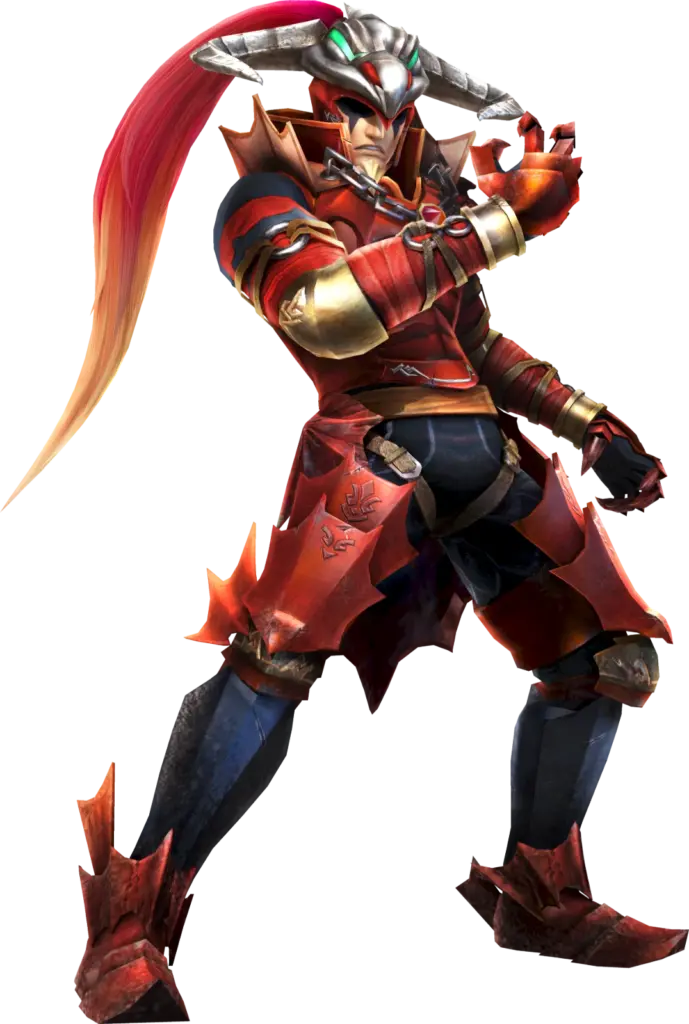
VolgaThe Dragon Knight · new character
Created for this game and designed to recall Volvagia, the dragon of Ocarina of Time’s Fire Temple: in the designers’ words, a dragon in human form.
Cia’s field commander, bound to her by magic. Dies free, in a duel with Link.
Dragon Spear
Shifts between human and dragon forms
Free update, October 2014
WizzroThe Twisted Wizard · new character
Created for this game. A ring that spent centuries feeding on its wearers until Cia’s magic gave it a body.
A coward and a shape-shifter who impersonates Zelda and Lana and serves whoever is winning.
Ring
Dark magic and a giant grasping hand
Free update, October 2014
Twili MidnaMidna’s true form
Midna as she appears at the end of Twilight Princess, freed from the curse.
Added by the Twilight Princess Pack on 27 November 2014.
Mirror
Young LinkMajora’s Mask
The child hero of Ocarina of Time and Majora’s Mask.
Added by the Majora’s Mask Pack in early 2015.
Mask
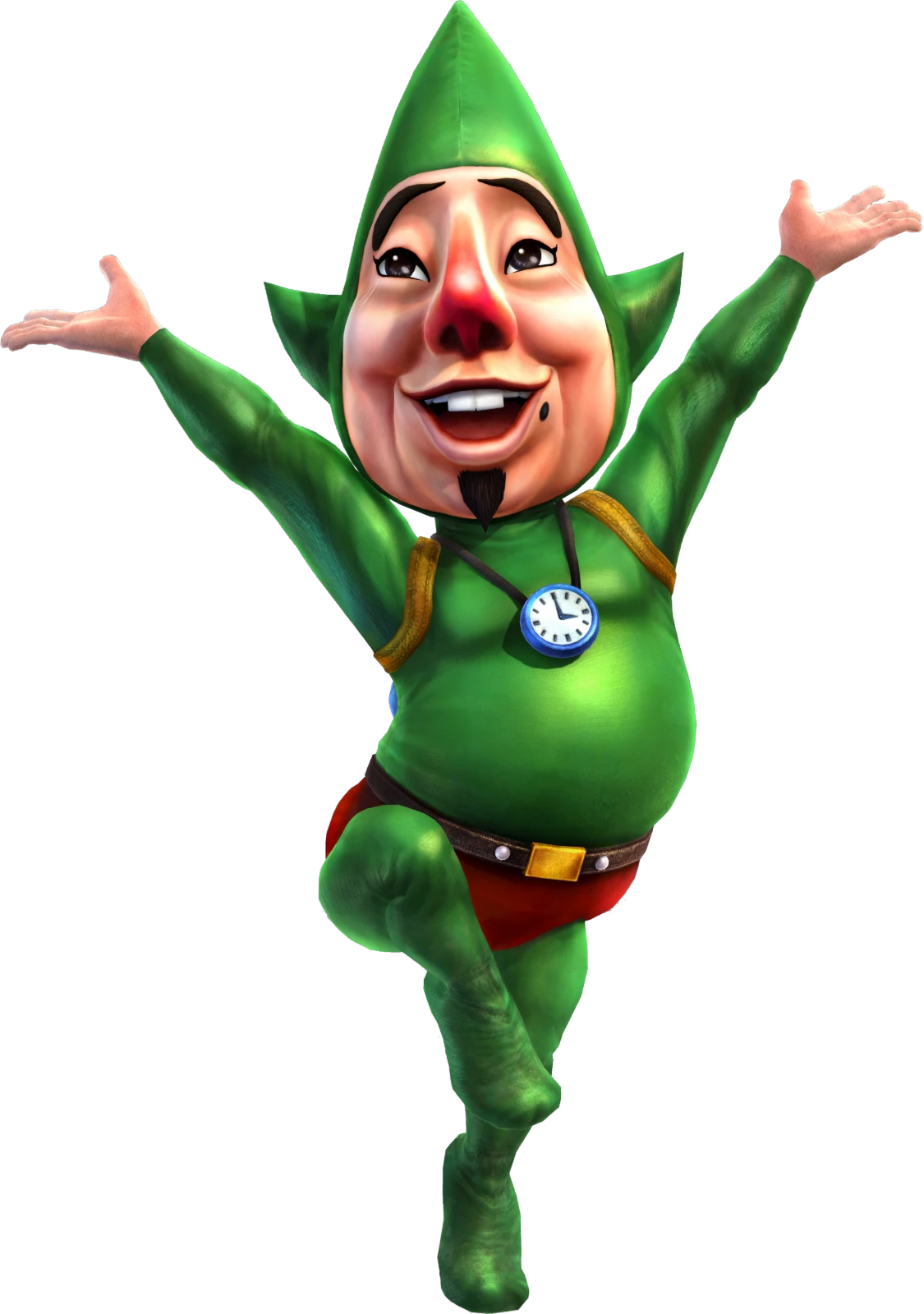
TingleMajora’s Mask
The map-selling would-be fairy in the green bodysuit.
Added by the Majora’s Mask Pack in early 2015.
Balloon
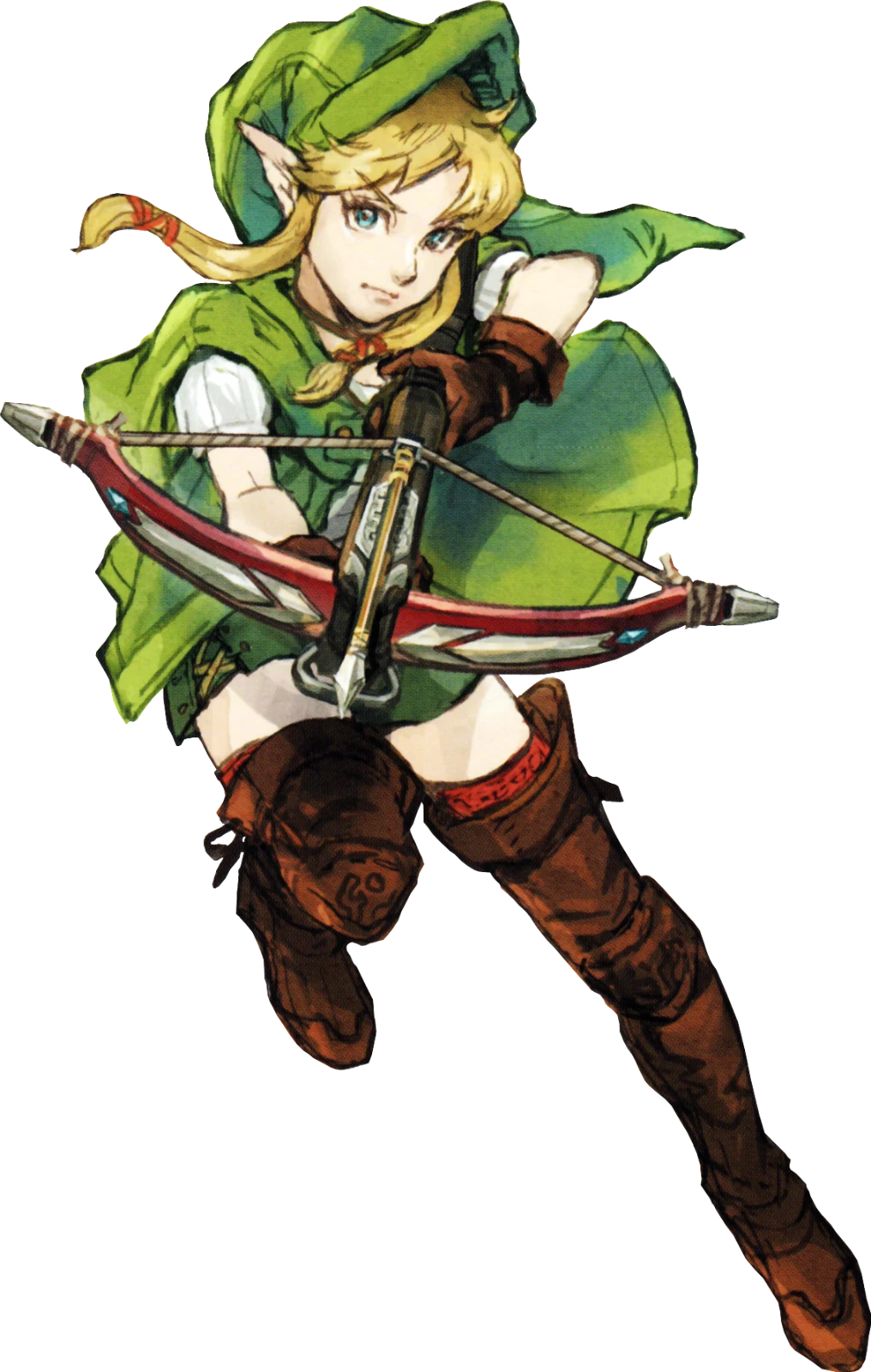
LinkleNew character · Legends
A Cucco farmer convinced she is the hero reborn, created for Hyrule Warriors Legends from an idea sketched during the first game.
Star of Linkle’s Tale. On Wii U she comes with the Legends download code or Character Pack.
Crossbows
Boots: Link’s Awakening Pack
Skull KidMajora’s Mask · Legends
The masked imp of Termina.
Tries to steal Linkle’s compass in her story. Added with the Legends characters.
Ocarina
Toon LinkThe Wind Waker · Legends
The cartoon-style hero of the Great Sea.
Added with the Legends characters.
Light Sword
Sand Wand: Phantom Hourglass & Spirit Tracks Pack
TetraThe Wind Waker · Legends
The young pirate captain.
An ally in the Wind Waker chapters. Added with the Legends characters.
Cutlass
King DaphnesThe Wind Waker · Legends
Daphnes Nohansen Hyrule, the king who sails as the King of Red Lions.
An ally in the Wind Waker chapters. Added with the Legends characters.
Sail
MedliThe Wind Waker
The Rito girl who becomes Sage of the Earth Temple.
Given away free on 19 May 2016.
Rito Harp
MarinLink’s Awakening
The singer of Koholint Island.
Added by the Link’s Awakening Pack on 30 June 2016.
Bell
Toon ZeldaSpirit Tracks
The princess of Spirit Tracks, who fights from inside a suit of Phantom armour.
Added by the Phantom Hourglass & Spirit Tracks Pack on 1 September 2016.
Phantom Arms
RavioA Link Between Worlds
The hooded merchant who rents out items.
Added by the A Link Between Worlds Pack on 31 October 2016.
Rental Hammer
YugaA Link Between Worlds
The sorcerer who turns people into paintings.
Added by the A Link Between Worlds Pack on 31 October 2016; the 29th and last warrior.
Picture Frame
Giant bosses and enemies
The rank and file are Bokoblins, Bulblins and Stalchildren, led by captains such as Lizalfos, Dinolfos, Moblins, Darknuts, Gibdos, ReDead Knights and Big Poes. Above them tower the giant bosses, most of which must be stunned with the right item before they can be hurt.
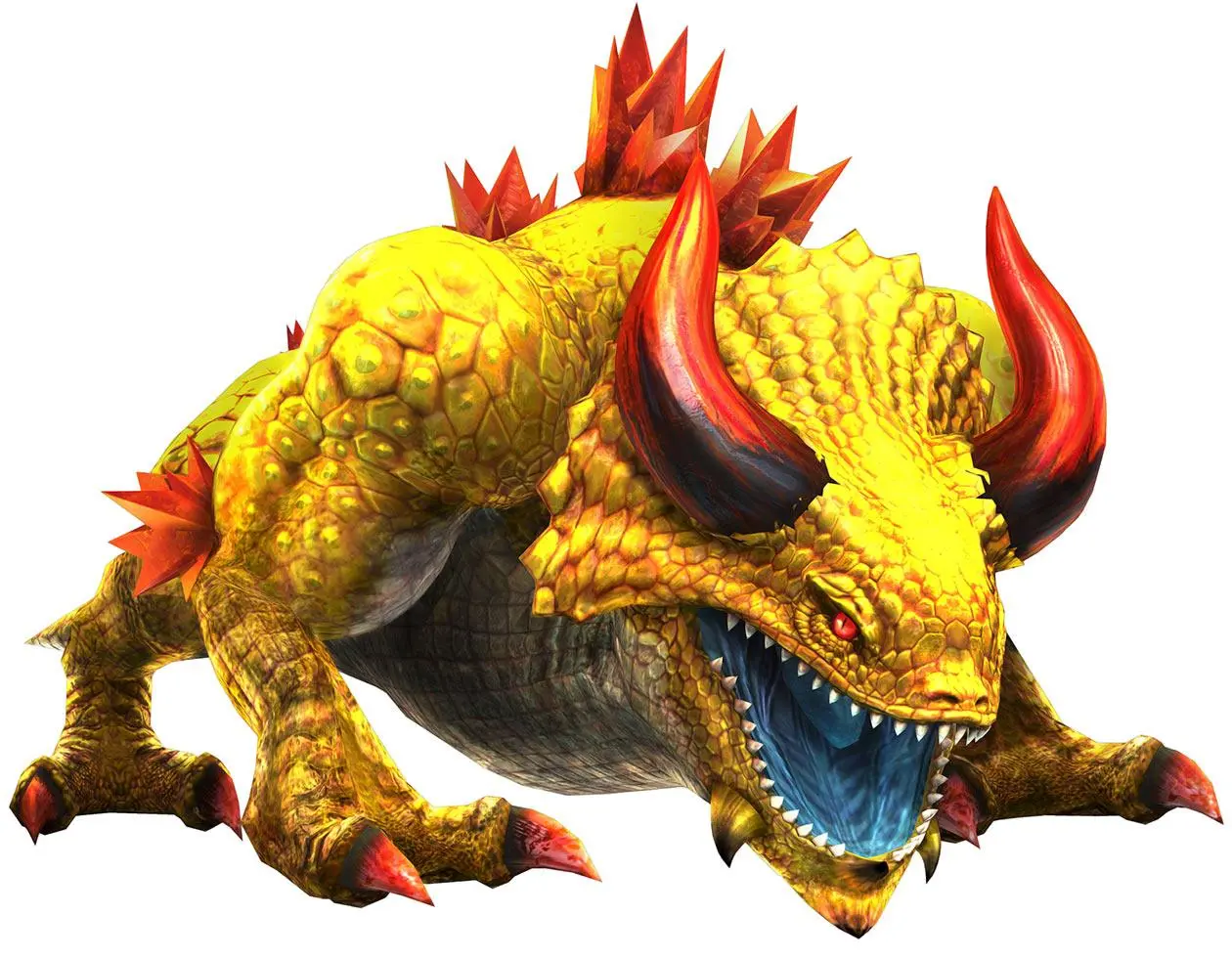
King DodongoHyrule Field · The Armies of RuinThe fire-breathing giant from Ocarina of Time. Throw bombs into its mouth as it inhales.
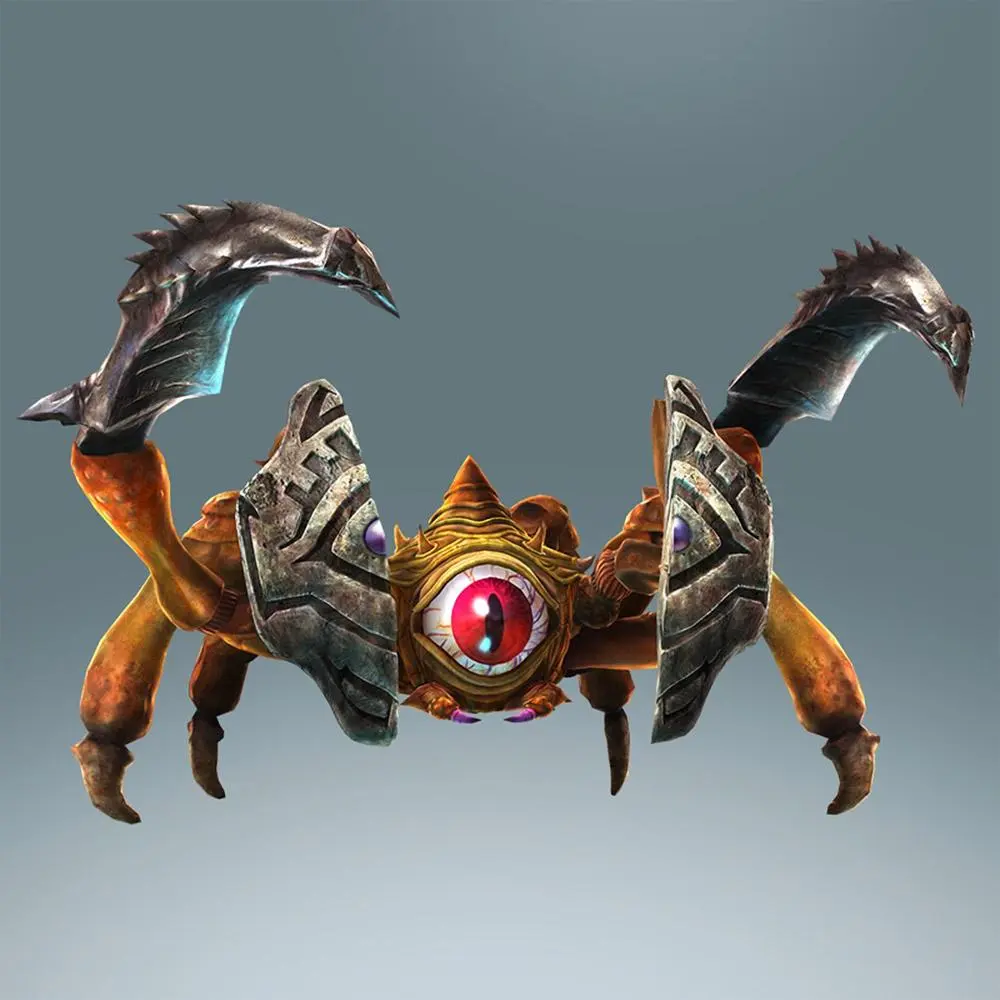
GohmaFaron Woods · The Sorceress of the WoodsThe armoured one-eyed spider, a Zelda boss since 1986. Its eye is the target for the bow.
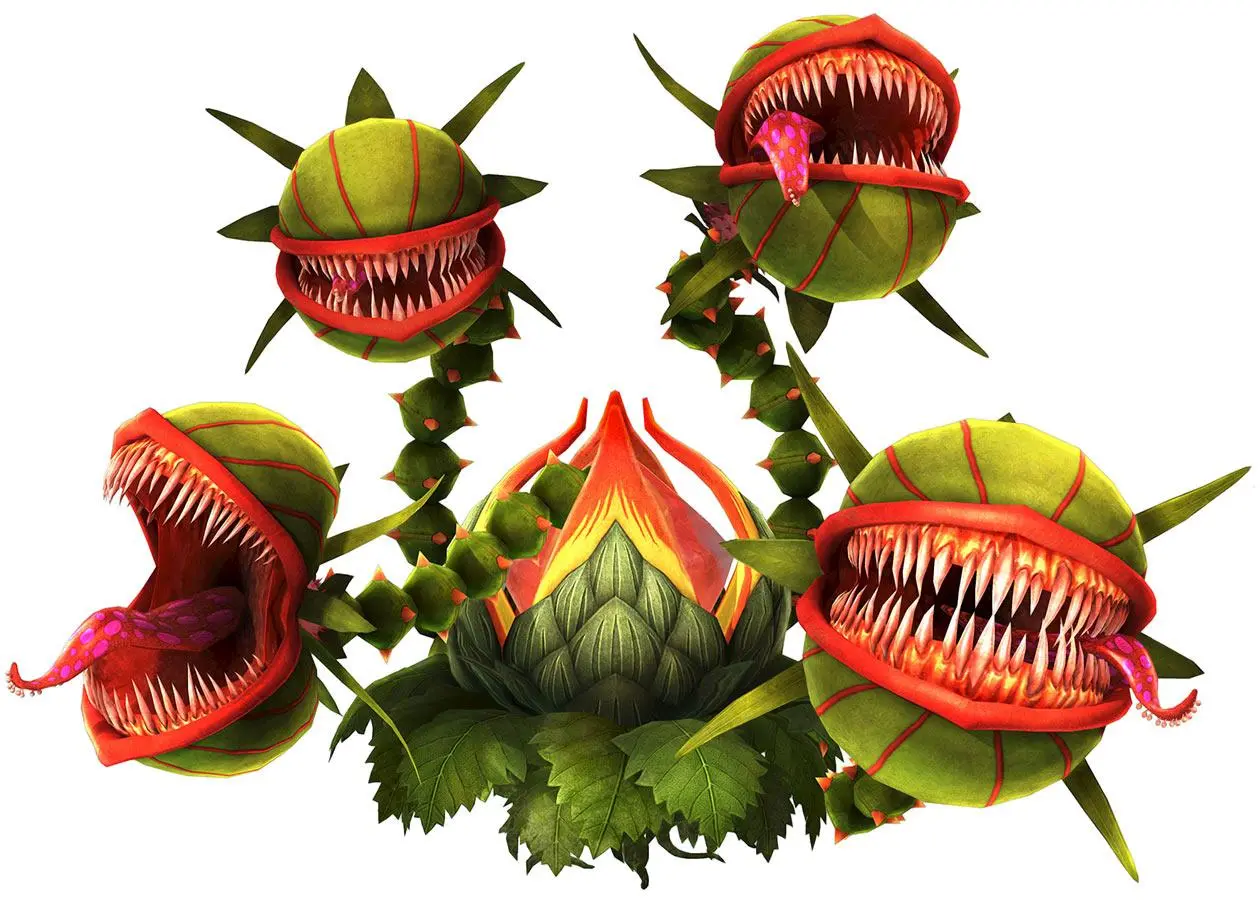
ManhandlaValley of Seers · The Sorceress of the ValleyThe four-headed plant from the original Legend of Zelda. The boomerang deals with its heads and its stalks.
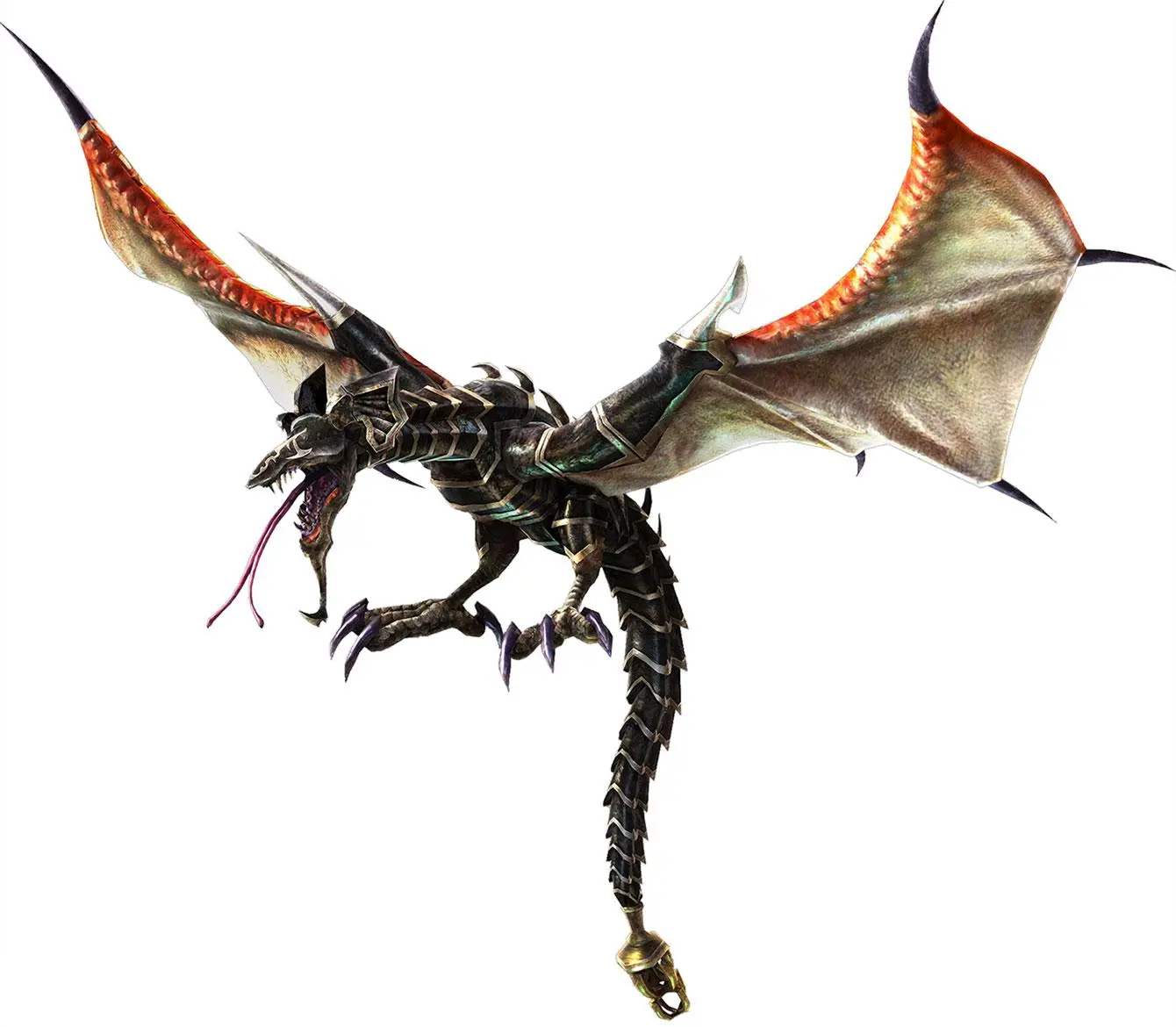
ArgorokPalace of Twilight · The Shadow KingThe armoured dragon from Twilight Princess, which strafes the allied base from the air until the hookshot drags it down.
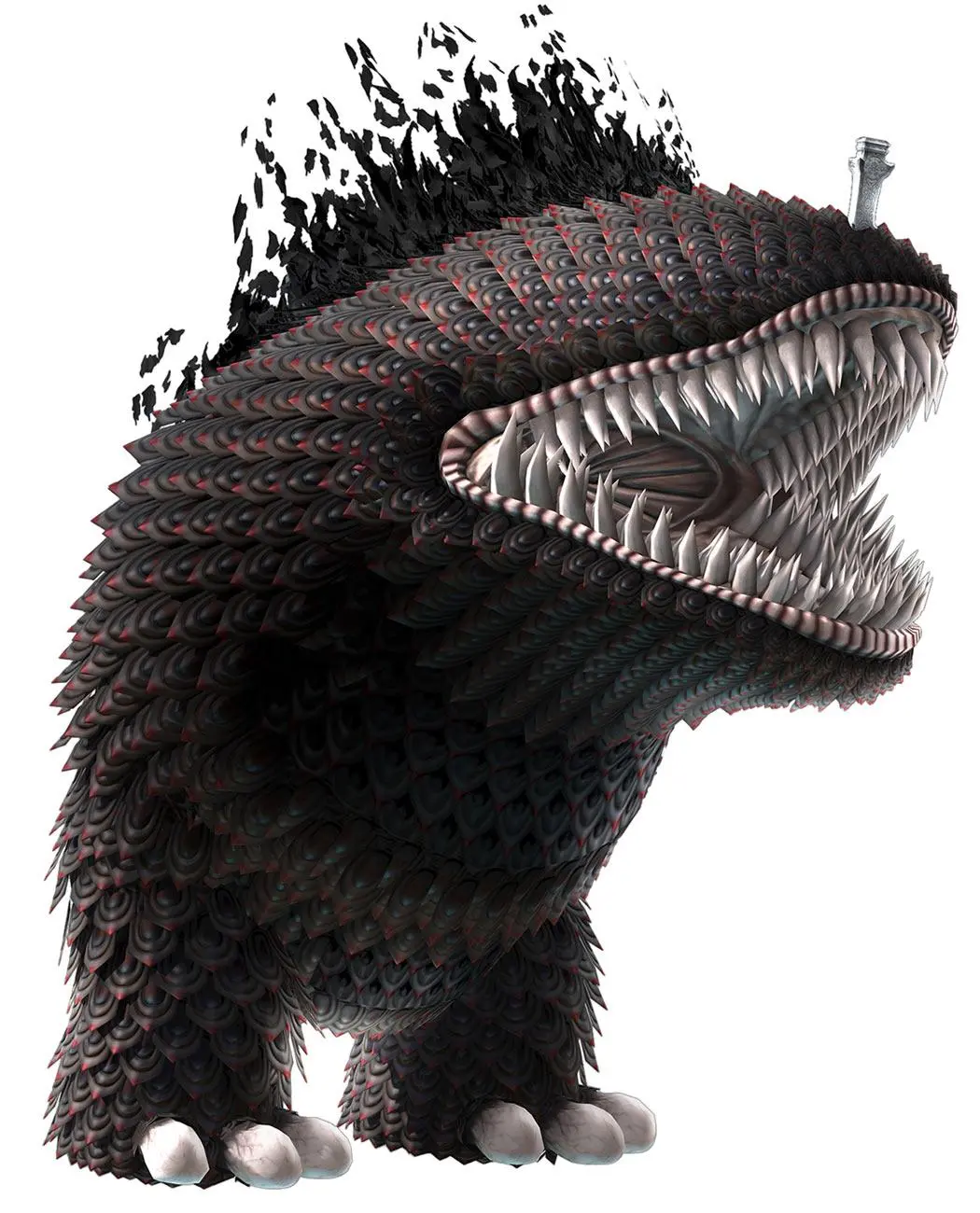
The ImprisonedSealed Grounds · Sealed AmbitionThe scaly giant from Skyward Sword, which breaks out at the Sealed Grounds.
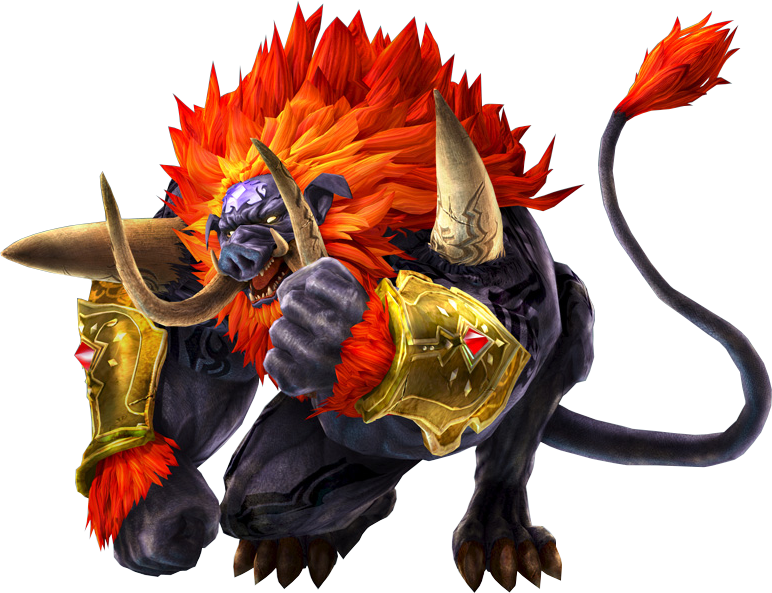
GanonGanon’s Tower · Liberation of the TriforceGanondorf’s beast form and the final boss, finished with light arrows. Playable in Ganon’s Fury.
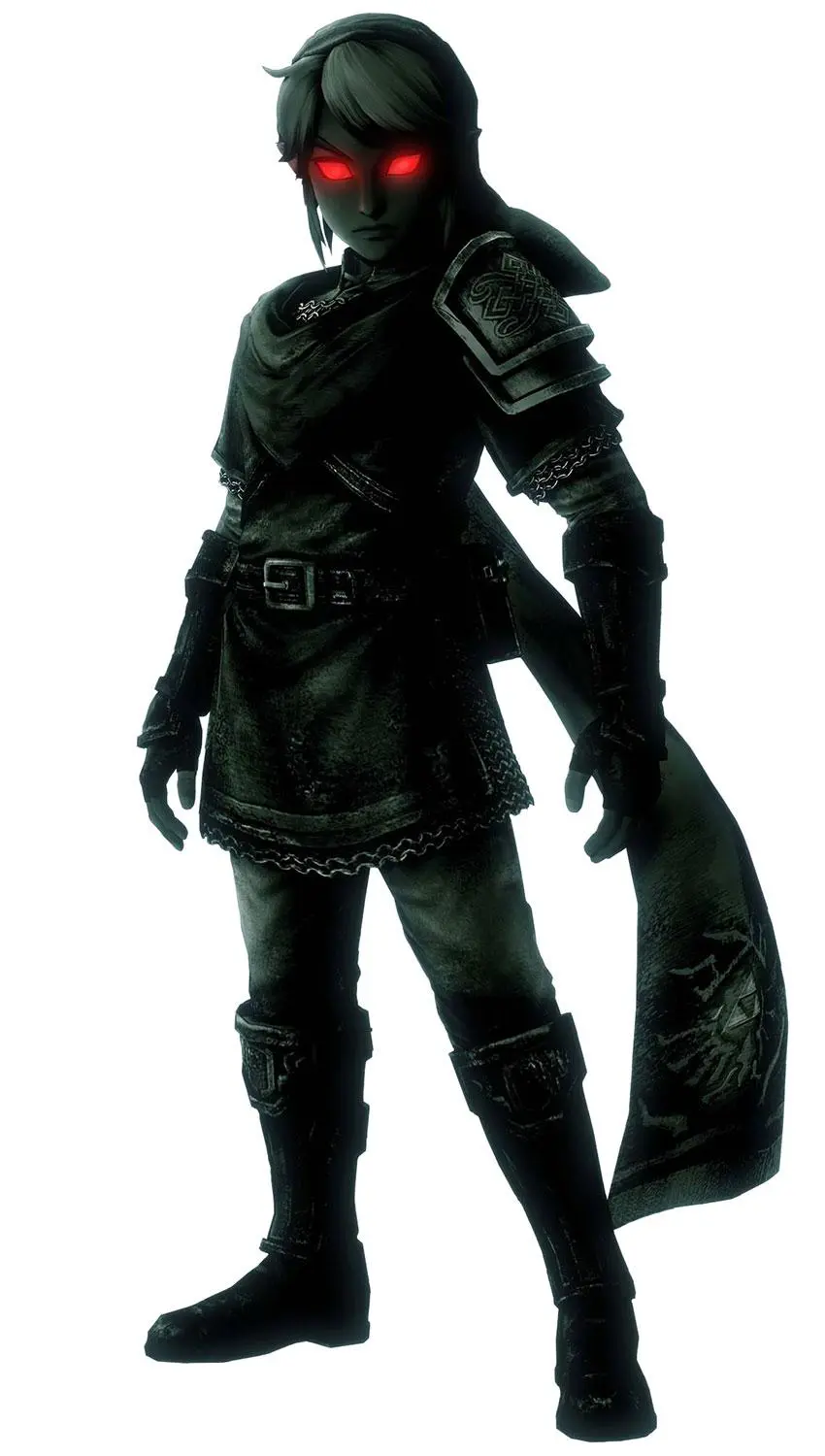
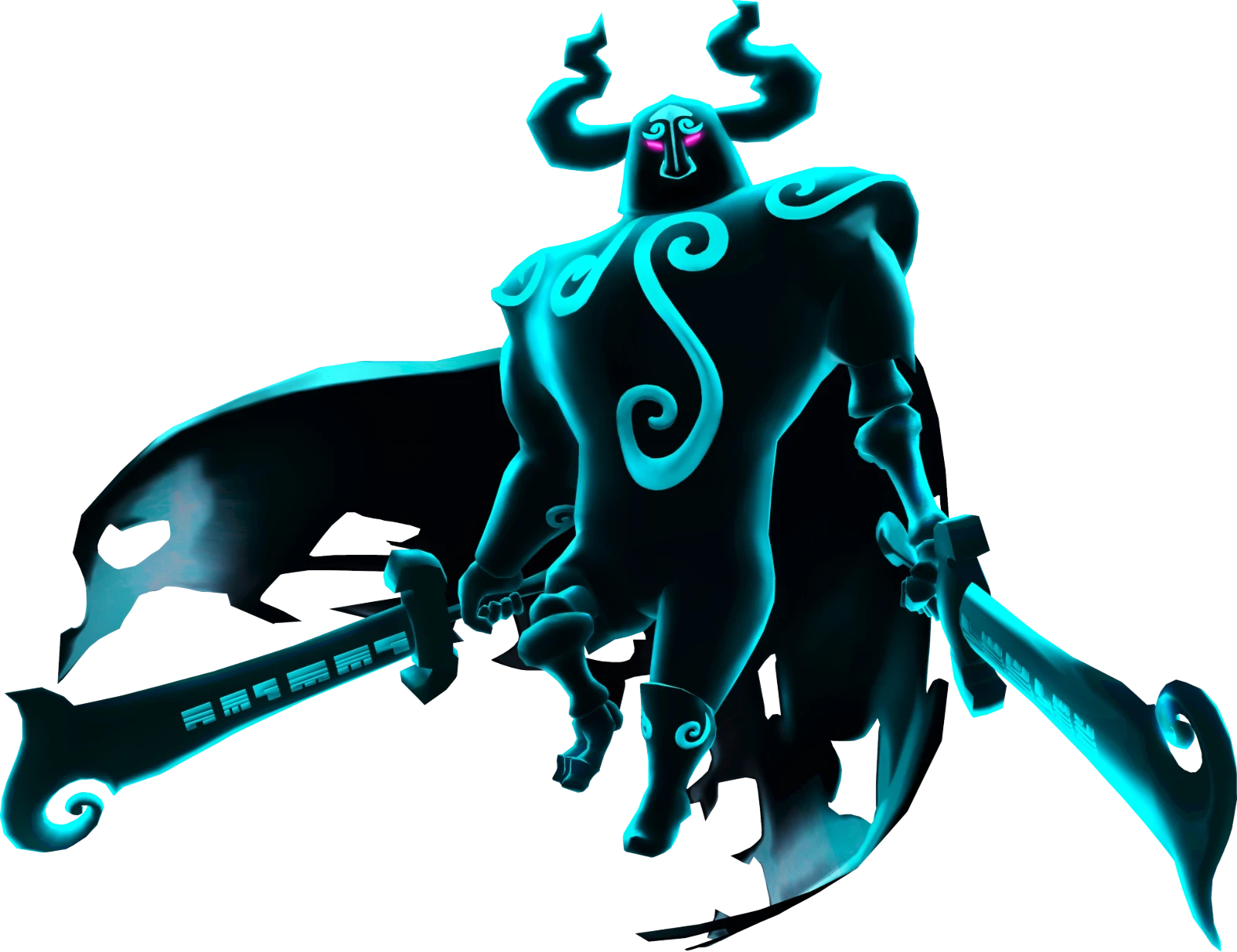
Dark LinkTemple of Souls · A War of SpiritShadow copies of the hero, summoned by Cia. Also a costume for Link.
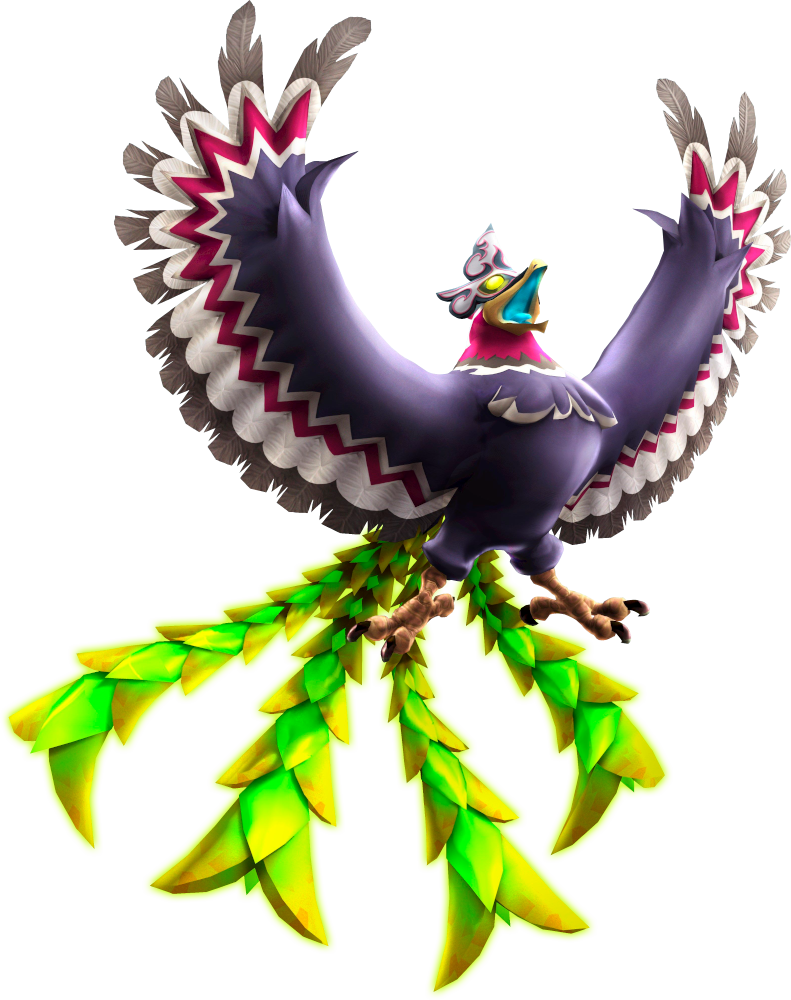
Helmaroc KingLegends and Definitive EditionThe giant masked bird from The Wind Waker, brought down with the Hammer.
Phantom GanonLegends and Definitive EditionThe villain behind the Wind Waker chapters and their final boss.
The people who made it
Hyrule Warriors was built at Koei Tecmo by two of its studios, with Nintendo’s Zelda team looking on. These are the key credited names.
Masaki FurusawaDirectorDirected the game. He returned as a producer of Age of Calamity in 2020.
Hisashi KoinumaProducerKoei Tecmo’s executive vice-president at the time, who wanted to make a Warriors game with Nintendo.
Yosuke HayashiProducerTeam Ninja’s leader, who suggested Zelda as the partner series and presented the game alongside Aonuma.
Eiji AonumaSupervisorNintendo’s Zelda producer, who oversaw the project and saw it as a chance to step away from Zelda habits.
Shigeru MiyamotoNintendoPut the idea to Aonuma, and later “up-ended the tea table” to insist the game stay a Warriors game at heart.
Takahiro KawaiDesignCredited designer.
Takanori GoshimaProgrammingCredited programmer.
Mariko HirokaneArtCredited artist.
Hiroyuki Numoto & Junpei ImuraStoryCredited writers of the scenario.
Masato Koike & Yuki MatsumuraMusicComposers of a soundtrack that rearranges Zelda themes with electric guitars.
How it was made
Hyrule Warriors began as Koei Tecmo’s idea, and became a Nintendo game only after one of Shigeru Miyamoto’s famous interventions.
“Zelda Musou”
By 2013 Koei Tecmo’s Warriors series (Musō in Japan) had already crossed over with One Piece, Gundam and Fist of the North Star, and Hisashi Koinuma wanted to try something with Nintendo. It was Yosuke Hayashi, the leader of Team Ninja, who asked whether Zelda might be the one. Many of the staff were Zelda fans, he explained, and they thought the series’ one-on-one sword fights would become more interesting with a Warriors-sized crowd around them.
On Nintendo’s side the suggestion reached Eiji Aonuma through Shigeru Miyamoto, who told him that Koei Tecmo was talking about a “Zelda Musou” and asked whether he was interested. He was. Aonuma had seen One Piece: Pirate Warriors in a presentation and had been won over by it, and he later said that the order and timing in which you capture bases was a new idea he was excited to connect with Zelda. The details come from an interview with Famitsu in May 2014, in which Nintendo was said to have had more hopes than worries about the project, given Koei Tecmo’s record.
Miyamoto up-ends the tea table
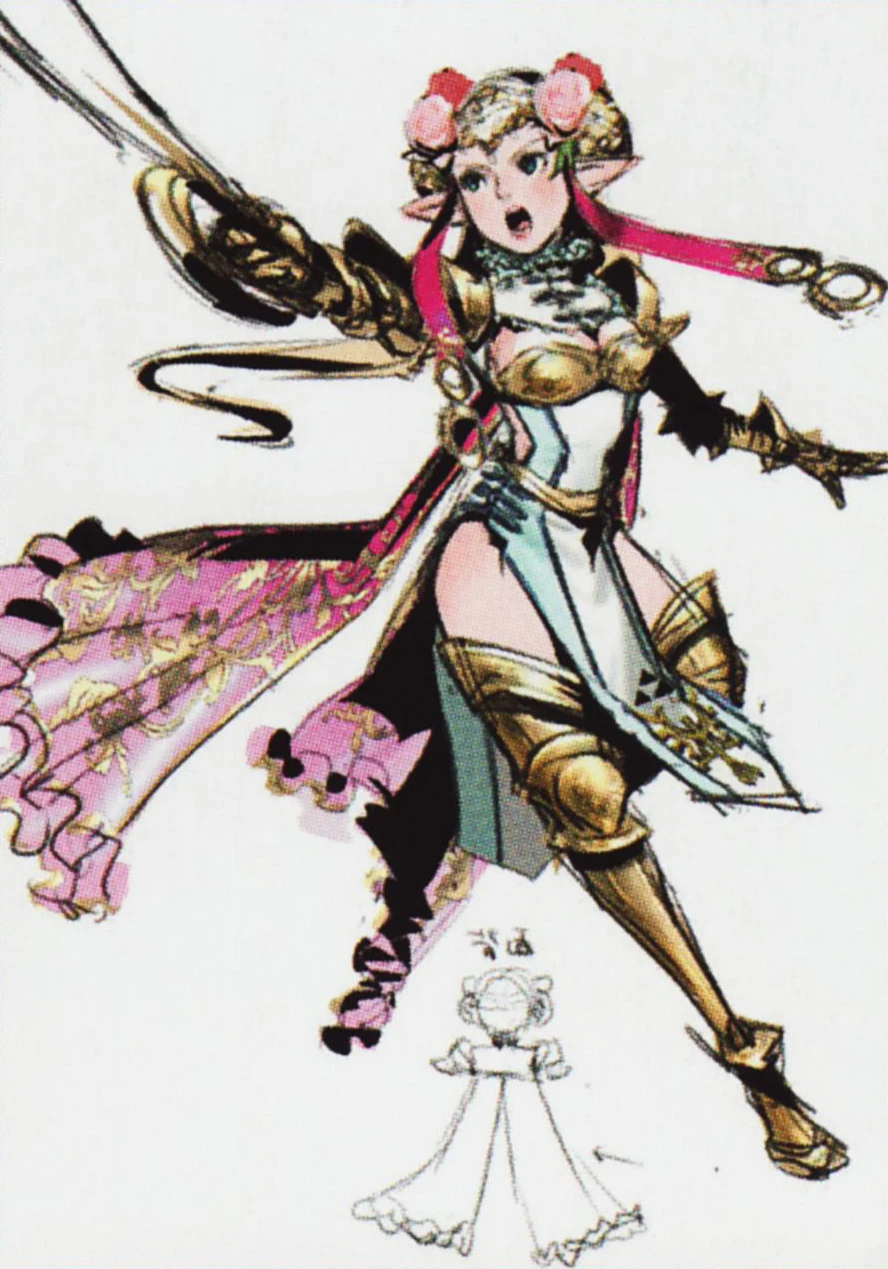
Concept art of Zelda for Hyrule Warriors.
The first plan leaned the other way. According to Aonuma, Hayashi “wanted to make this title closer to a Zelda game than a Dynasty Warriors game”, with boss battles inside dungeons among other things. Then, as Aonuma told Nintendo Life in September 2014, “Miyamoto came along and up-ended the tea table”, the phrase Nintendo staff use for the moments when he overturns a project.
His instruction was blunt: “What we’re doing here is grafting Zelda onto the Dynasty Warriors experience.” The game was to be a Warriors game first, dressed in Zelda, not the reverse. Hayashi’s team then spent the rest of development working out how much Zelda to add back, and he admitted they were still adding elements at the very end. The treasure-chest opening scenes, the item fanfares and the familiar sound effects are the result.
Two studios
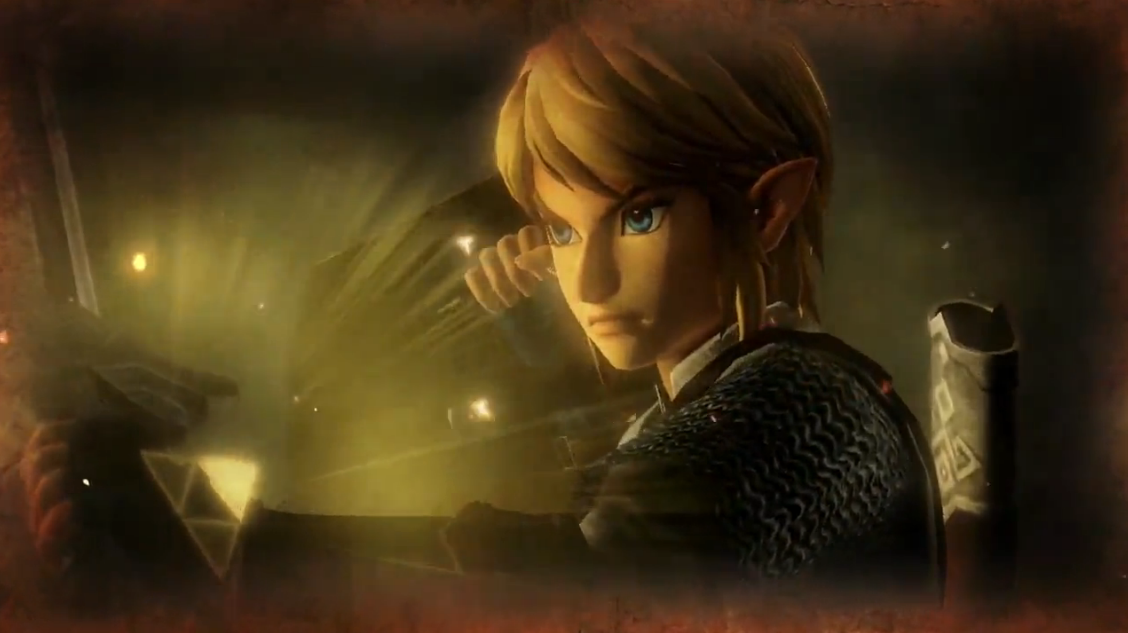
Link in the game’s E3 trailer.
Omega Force, the studio behind Dynasty Warriors, built the game. Team Ninja, known for Ninja Gaiden and Dead or Alive, contributed its experience of one-on-one combat and a supply of new ideas. Game Informer’s reviewer remarked that the partnership had gone a good deal better than Team Ninja’s previous work with Nintendo, Metroid: Other M.
Aonuma supervised throughout, and treated the project as part of a wider effort to break with Zelda traditions. Koei Tecmo’s president, Yoichi Erikawa, said before release that he hoped the game would please fans of both series and sell at least a million copies.
Choosing the cast
The female Link sketched for the first game, later reworked as Linkle.
The first rule for the roster, Hayashi said, was to pick characters that Nintendo fans would want to play, and then give each a fighting style of their own. Some were easier than others. Aonuma confessed that he found it hard to picture Agitha, a little girl with a parasol, in a battle at all, but thought the team had made her fun.
One idea did not make the cut. A female counterpart to Link was designed for the game and dropped, surviving only as sketches in the art book packed with the Japanese special editions. She came back in 2016, with a name, a pair of crossbows and a story of her own, as Linkle in Hyrule Warriors Legends.
Inventing Adventure Mode
Official art for Adventure Mode.
Legend Mode plays out in a fixed order, so the team added a second mode that does not. Hayashi described Adventure Mode as a return to the screen-by-screen exploring of the NES game, down to working out which wall to bomb: series veterans can lean on what they remember, and newcomers can still enjoy the hunt. It was revealed in the Hyrule Warriors Direct of August 2014 and turned out to hold most of the game.
From reveal to release
Hyrule Warriors was announced in a Nintendo Direct on 18 December 2013, where Satoru Iwata was careful to call it a spin-off and not the next main Zelda. At E3 in June 2014 Lana, Midna and Agitha were confirmed as playable, with Zant and Argorok as bosses; Fi, Ruto, Darunia and Sheik followed on the official website, along with Ghirahim, the Imprisoned and Gohma as enemies.
A dedicated Hyrule Warriors Direct, hosted by Hayashi with Aonuma at the start of August 2014, saved the best for last: Zant and Ghirahim would be playable at launch, and so would Ganondorf. The game reached Japan on 14 August 2014, published there by Koei Tecmo, and Nintendo released it in Europe on 19 September, Australia on 20 September and North America on 26 September.
Aonuma came away with homework. Players on Miiverse praised the game’s cutscenes so warmly, he said, that he felt he now had a mission to make sure the new Zelda he was working on could hold its own. That game was Breath of the Wild.
Firsts: what this game introduced
A spin-off has less to be first at than a main-series game, but Hyrule Warriors started several things.
1The Hyrule Warriors seriesThis is the first of the Zelda and Warriors crossovers. Koei Tecmo and Nintendo returned to the idea with Age of Calamity in 2020 and Age of Imprisonment in 2025, both tied to the stories of main-series games.
2Lana, Cia, Volga and WizzroTwo sorceresses, a dragon knight and a living ring: the four characters created for the game, who carry its whole plot.
3Adventure ModeThe grid of battles laid over the 1986 overworld, searched with Item Cards, was invented for this game and extended with eight more maps.
Secrets & unlockables
There are no cheat codes, but Hyrule Warriors is stuffed with things to find. These are the ones worth knowing about.
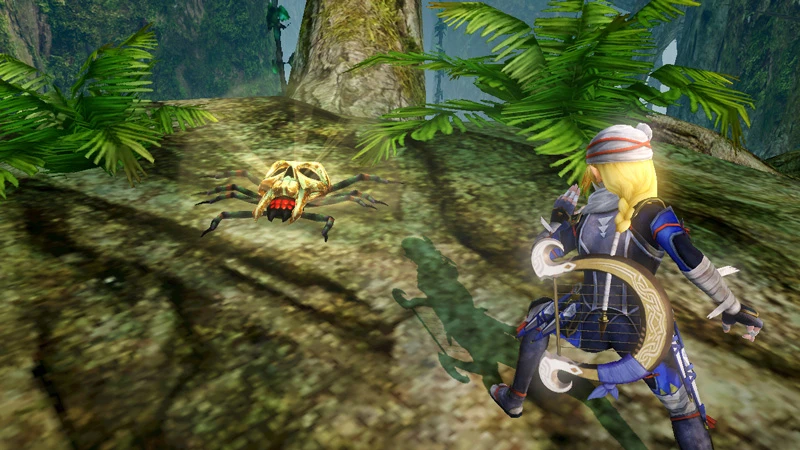
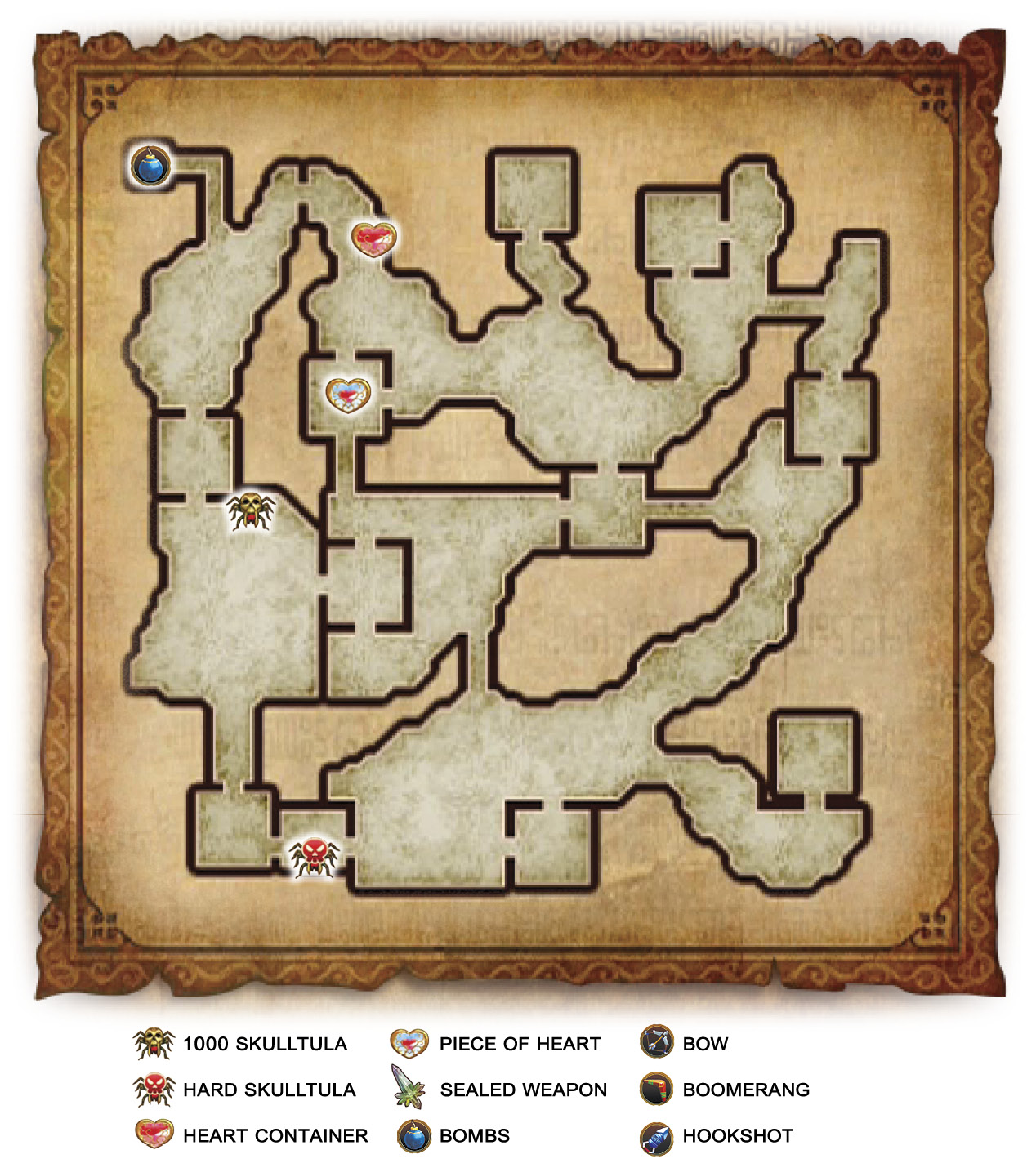
Gold Skulltulas
A Gold Skulltula.
One hundred Gold Skulltulas hide in the Wii U game. Every Legend Mode scenario hides two, and Adventure Mode has more. Meet a battle’s secret condition, usually a number of knock-outs, and a spider’s web appears on the map; the music fades as you get close. Each one collected adds a piece to an illustration and improves what the Apothecary can brew, and finished illustrations open squares on the Rewards Map.
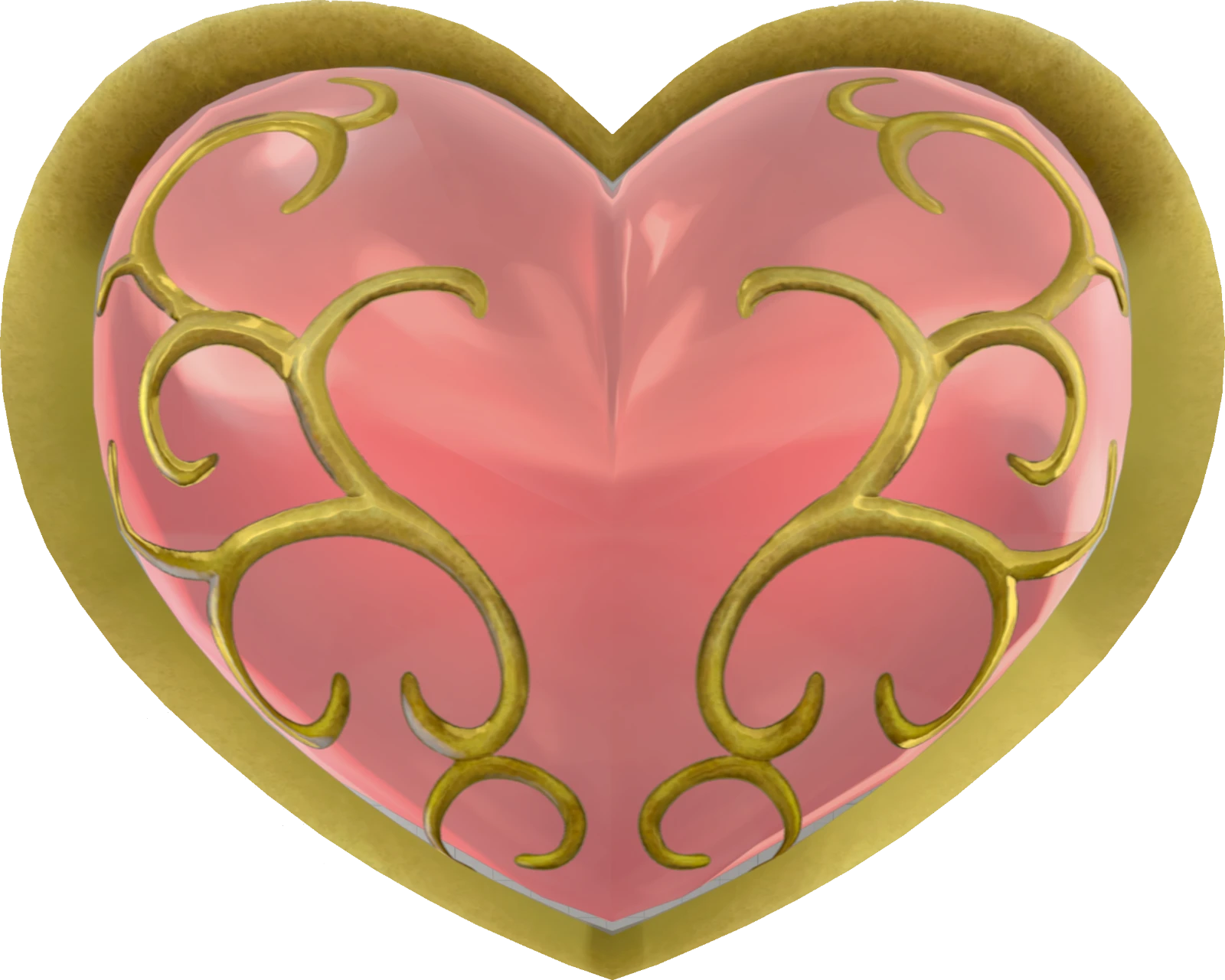
Hearts in the story
A Heart Container.
Heart Containers and Pieces of Heart are tucked into Legend Mode stages, but each can only be collected by a particular warrior. The Heart Container in The Sheikah Tribesman, for instance, is for Impa, while its Piece of Heart is for Link.
Hero difficulty
Finishing all 18 scenarios of the original Legend Mode unlocks Hero, the hardest difficulty. Completing the story also puts a second Gold Skulltula in each scenario, which appears only on the harder settings and with a set character.
The Master Sword
Official art of Link’s Master Sword.
Link wins the Master Sword as a weapon by completing The Sacred Sword in Legend Mode.
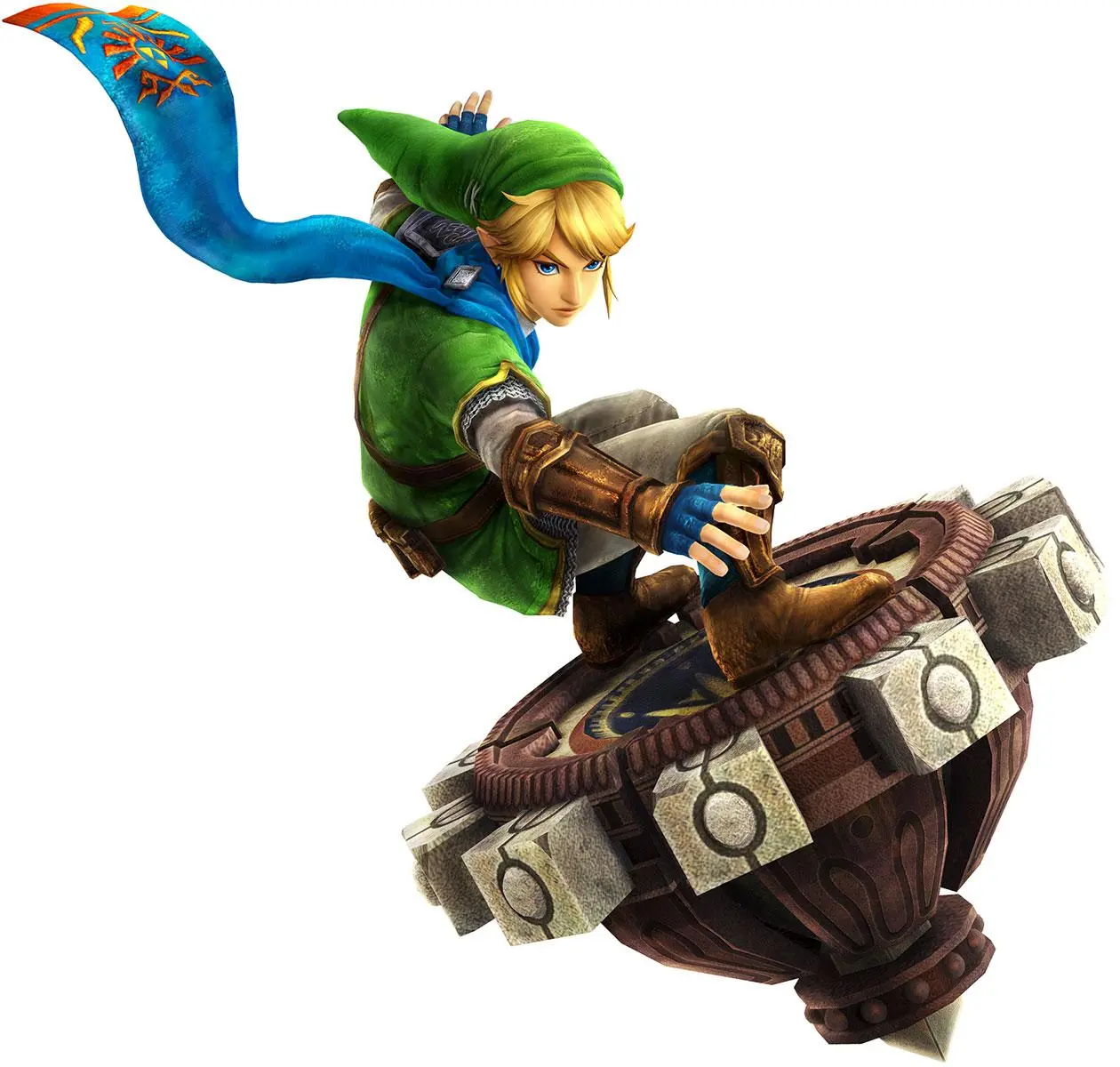
The Spinner
The Spinner, Link’s amiibo weapon.
On Wii U the Spinner from Twilight Princess can only be had by scanning a Link or Toon Link amiibo. In Legends and the Definitive Edition it is part of the game.
8-bit weapons
Link with the 8-Bit Wooden Sword (Definitive Edition).
The launch update added an 8-Bit Wooden Sword, drawn as the blocky sprite from the 1986 game, and the Master Quest Pack added six more 8-bit weapons.
Dark Link and other costumes
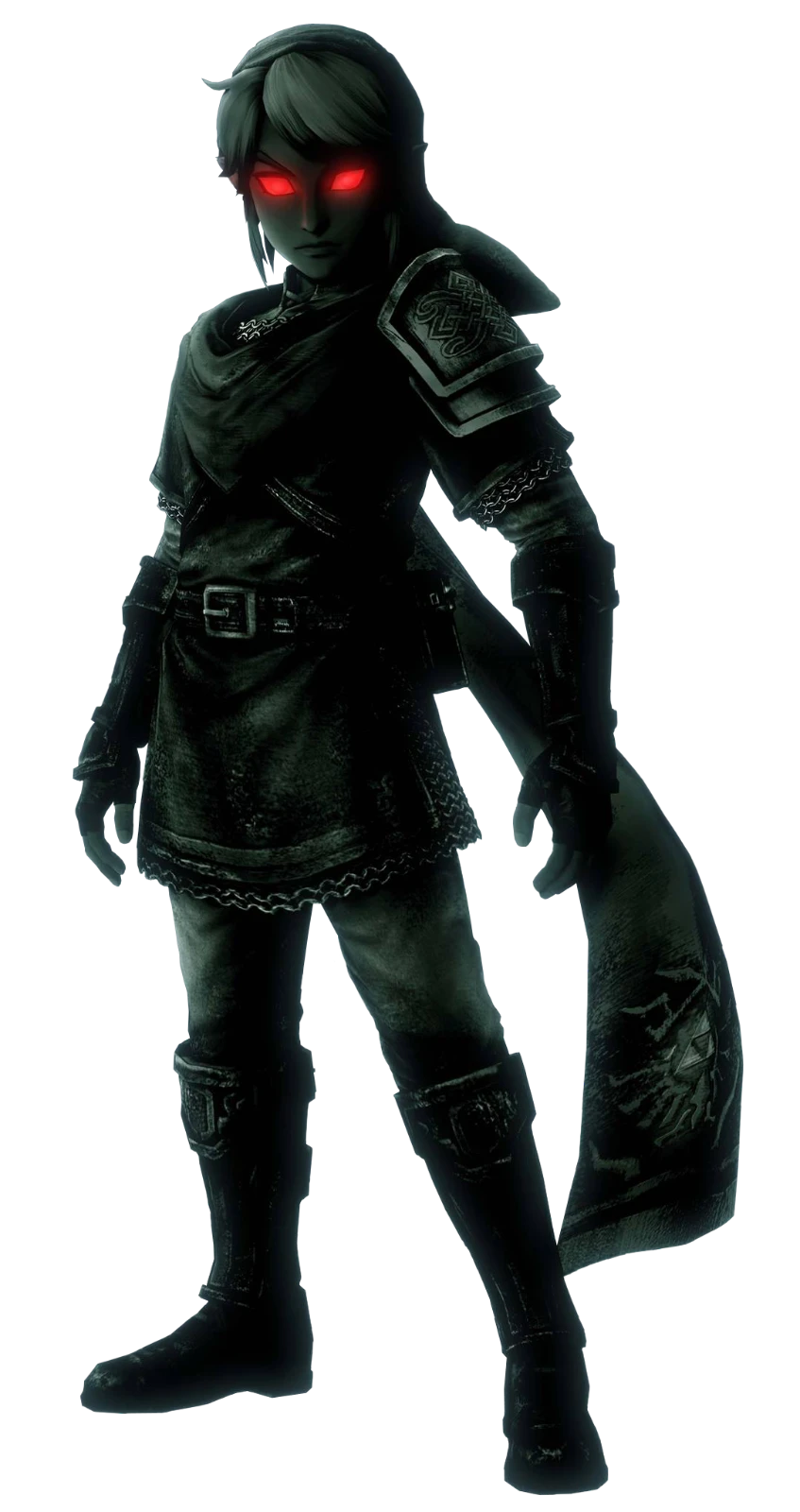
The Dark Link costume.
A Dark Link costume was the bonus for buying all four Wii U packs together as the Hero of Hyrule Pack. Most other costumes are won on the Adventure maps, such as the Giant’s Mask for Volga on the Termina Map.
Network Links
Network Links in the game’s tutorial.
On Wii U and 3DS, connected players could find Network Links on their Adventure maps: clearing one paid a Friend Bonus of 100,000 rupees and a temporary boost to experience.
A head start on Switch
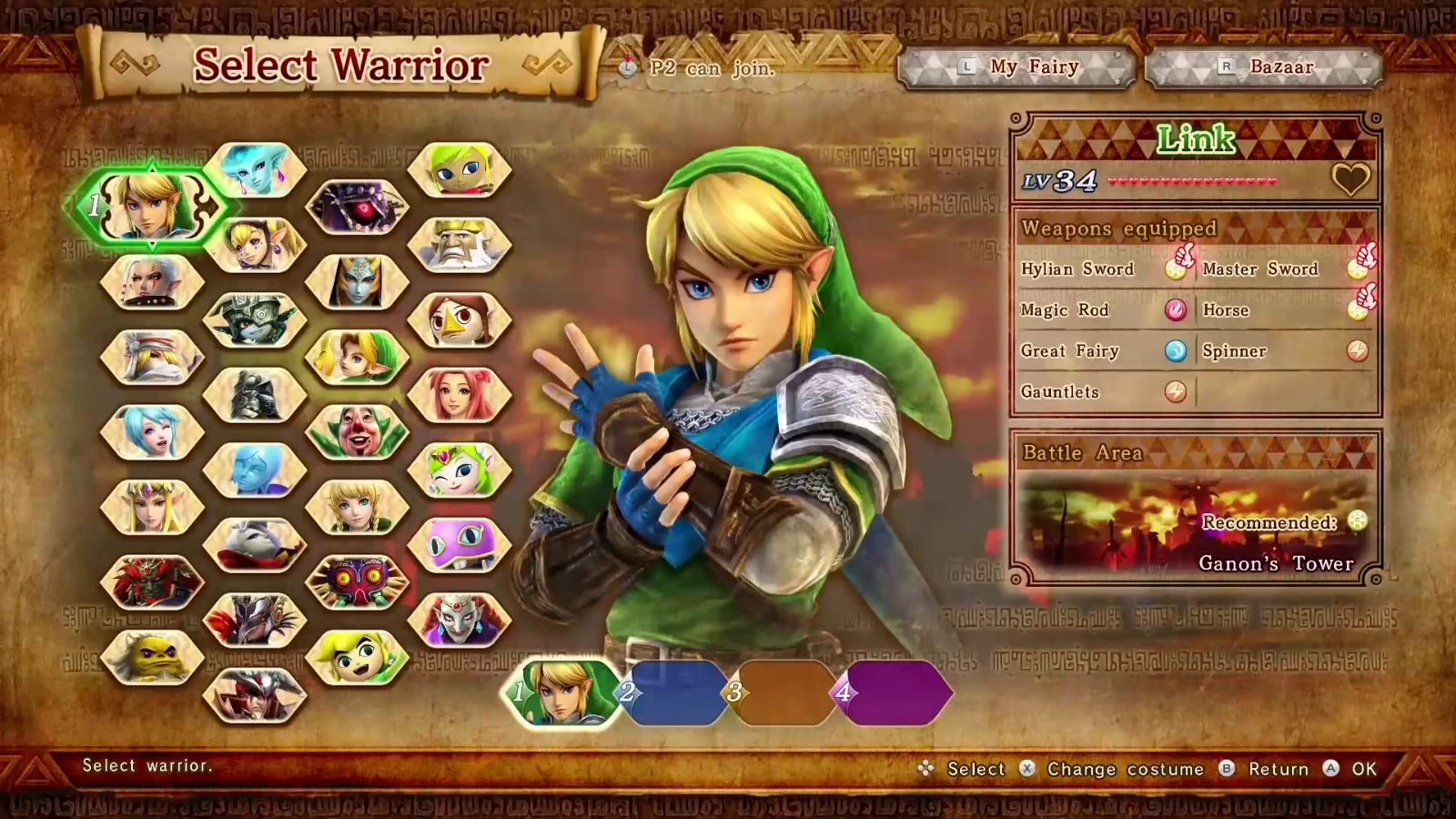
The Definitive Edition’s warrior select screen.
In the Definitive Edition, winning the very first battle unlocks most of the original cast and the Breath of the Wild costumes in one go, and the Item Card shop means a wasted card is no longer a disaster.
Checked against Zelda Dungeon, the Zelda Wiki on Fandom, Wikipedia and Nintendo UK’s game pages, November 2026.
Glitches, exploits and oddities
Hyrule Warriors was patched more than a dozen times on Wii U, and a few of its bugs and leftovers are worth recording. The unused material comes from The Cutting Room Floor.
Zelda hums her own lullaby
Zelda, who has an unused victory sound.
The game’s files contain a clip of Zelda humming Zelda’s Lullaby, stored among her victory sounds but never played. For a while it could be heard through a glitch that let Zelda wield Lana’s Summoning Gate, until an update removed the trick.
Tingle was pencilled in early
Tingle, who arrived in the Majora’s Mask Pack.
Placeholder portraits in the files show Link’s face covered with Japanese text reading “Chinkuru (Temporary)”, Chinkuru being Tingle’s Japanese name. He eventually arrived in the Majora’s Mask Pack.
Ravio has a face
Ravio never lowers his hood.
Ravio keeps his hood up throughout, but his model has unused textures for eyes, a mouth, teeth and hair, and a full set of facial bones attached to nothing, which suggests the hood was once meant to come off.
Darunia’s old face
Darunia as he looks in Hyrule Warriors.
Tucked into Darunia’s texture file is an enlarged, lightly edited copy of his face from Ocarina of Time, probably left over from use as a reference.
The slow-loading update
Version 1.5.0 of the Wii U game, the Majora’s Mask Pack update, introduced a bug that made loading slower. Version 1.6.0 fixed it a month later.
Ganon’s weapons from an amiibo
After the Boss Pack came out, a glitch meant that scanning an amiibo could hand some players Ganon’s Rage and Cucco’s Spirit, which belong to the giant Ganon and Cucco of Ganon’s Fury.
Co-op strain
IGN’s review of the Wii U game complained of a lower resolution and significant slowdown in two-player mode. The Switch version handles co-op better, but Nintendo World Report found that it thins out the enemy crowds and occasionally leaves enemies stuck in mid-air.
Videos & media
Two official trailers: Nintendo’s trailer for the Wii U original, and the launch trailer for the Definitive Edition on Nintendo Switch.
“Wii U – Trailer – Hyrule Warriors”, official trailer from Nintendo Australia’s YouTube channel (NintendoAU).
“Hyrule Warriors: Definitive Edition – Launch trailer (Nintendo Switch)”, from Nintendo UK’s YouTube channel, May 2018.
Trivia & facts
The Japanese logo.In Japan the game is simply Zelda Musō, “Zelda Warriors”, Musō being the Japanese name of the Warriors series. Miyamoto used the same name when he first mentioned the idea to Aonuma.
Koei Tecmo showed Nintendo its One Piece: Pirate Warriors as an example of what a licensed Warriors game could be. That game sold 655,774 copies in its first week in Japan; Hyrule Warriors managed 69,090.
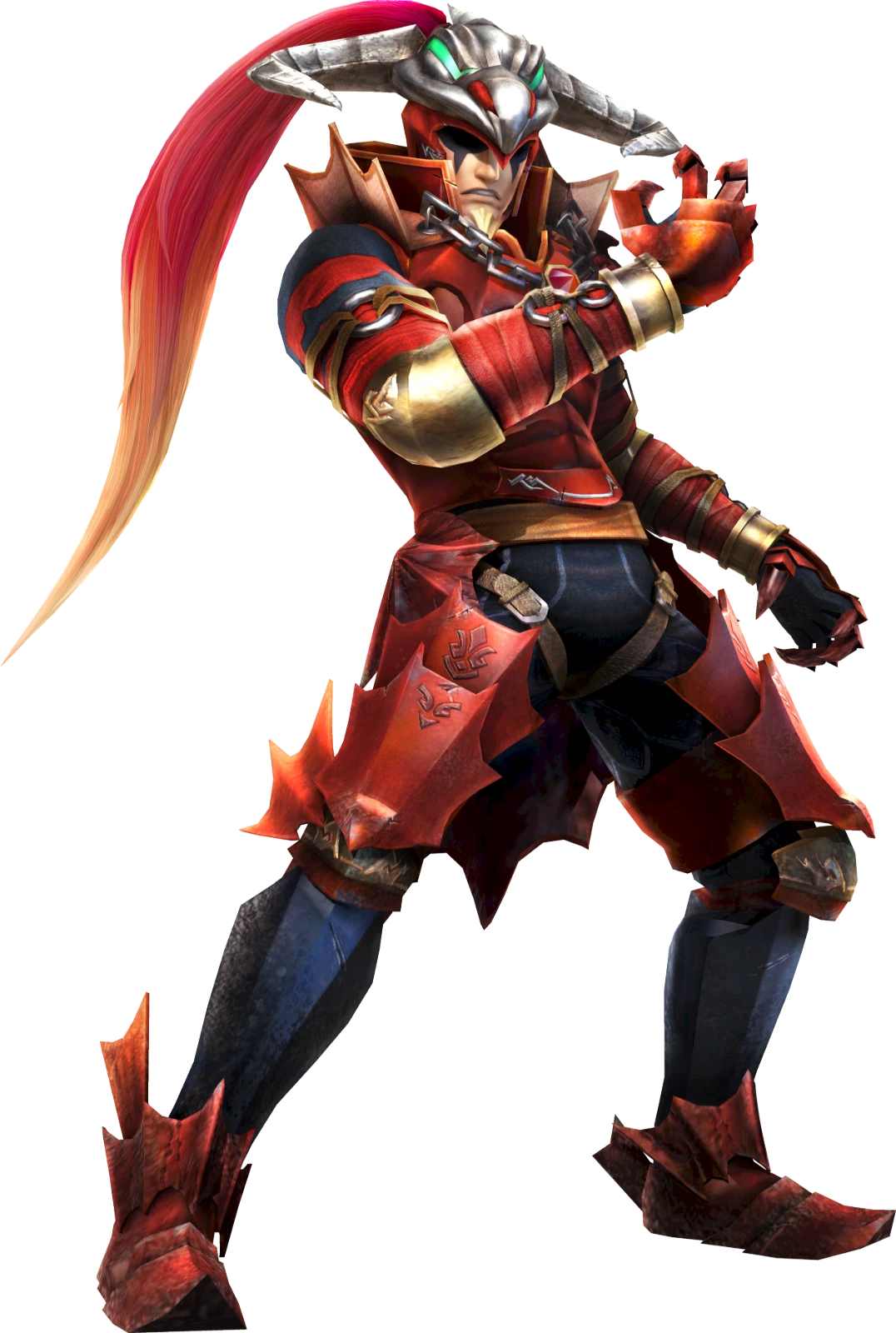
Volga, the Dragon Knight.Volga was designed so that players would look at him and think of Volvagia, the dragon boss of Ocarina of Time. His helmet hides his eyes on purpose, to make him more mysterious, according to the designers’ notes in Prima’s official guide.
Wizzro, whose name recalls the series’ robed Wizzrobes, has a different name in each European language: Iscerro in French, Invocante in Spanish, Pyroma in German and Sciaman in Italian.
Cia without her mask: the face is Lana’s.Lana and Cia have the same face, which the story hides until Midna knocks off Cia’s mask. In Japan Cia is billed as 黒の魔女, the Black Witch; in English she is the Dark Sorceress and Lana the White Sorceress.
Chris Carter of Destructoid called the amount of fan service “staggering”. Polygon and GamesRadar+ were less charmed, scoring the Wii U game 5.5 out of 10 and 2 out of 5.
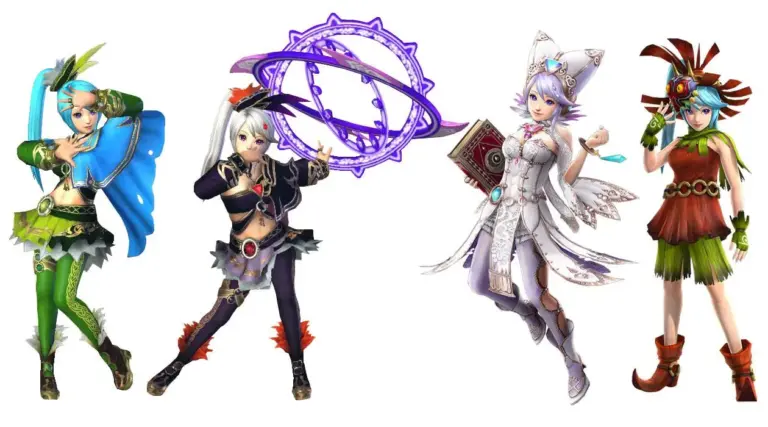
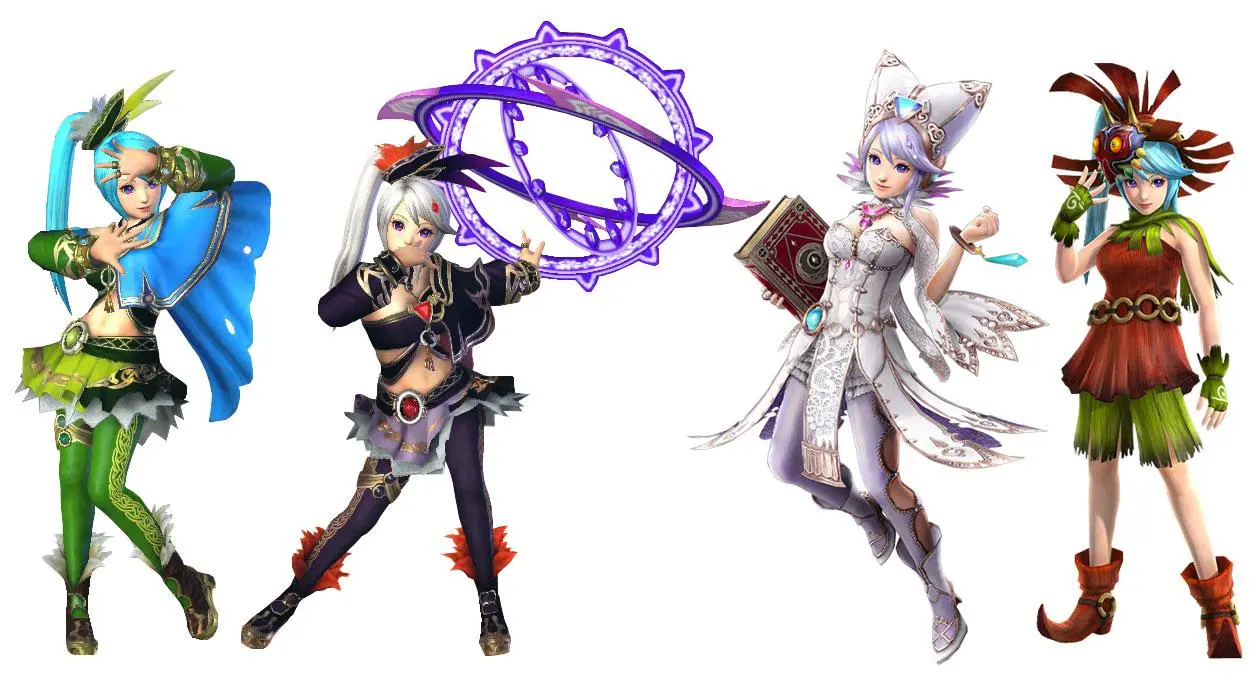
Official art of Lana’s costumes.Lana’s costumes are a tour of the series: Adventure Mode can dress her as the Deku Princess, Aryll, Skull Kid and even the Wind Fish.
The download was 7,085 MB on Wii U; the Definitive Edition, with everything included, is 12.9 GB on Switch.
The giant Cucco (Definitive Edition).Ganon’s Fury has a sillier twin in which the giant on the rampage is a Cucco.
Link dressed for Breath of the Wild.The Definitive Edition’s only brand-new content is two costumes: Link and Zelda dressed as they are in Breath of the Wild.
Media & artwork
Box art for every edition, official character artwork, weapon renders and screenshots from the Wii U game and the Definitive Edition. Select any image to view it larger.
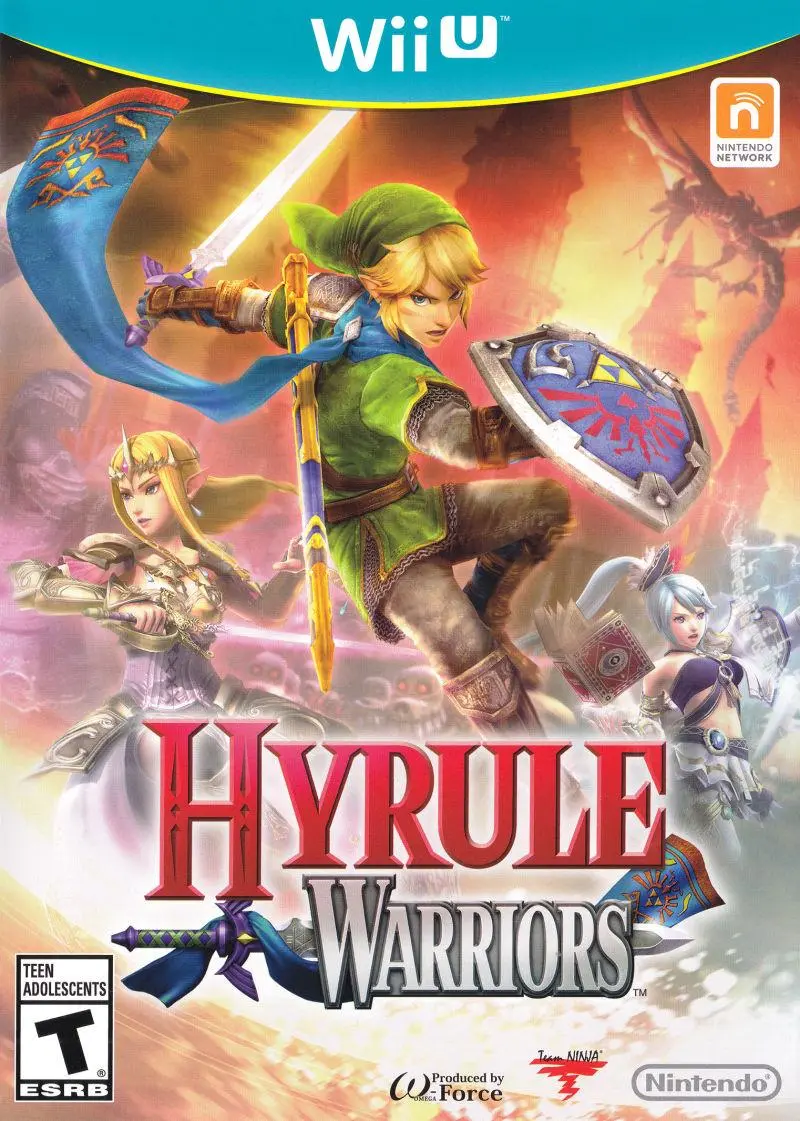
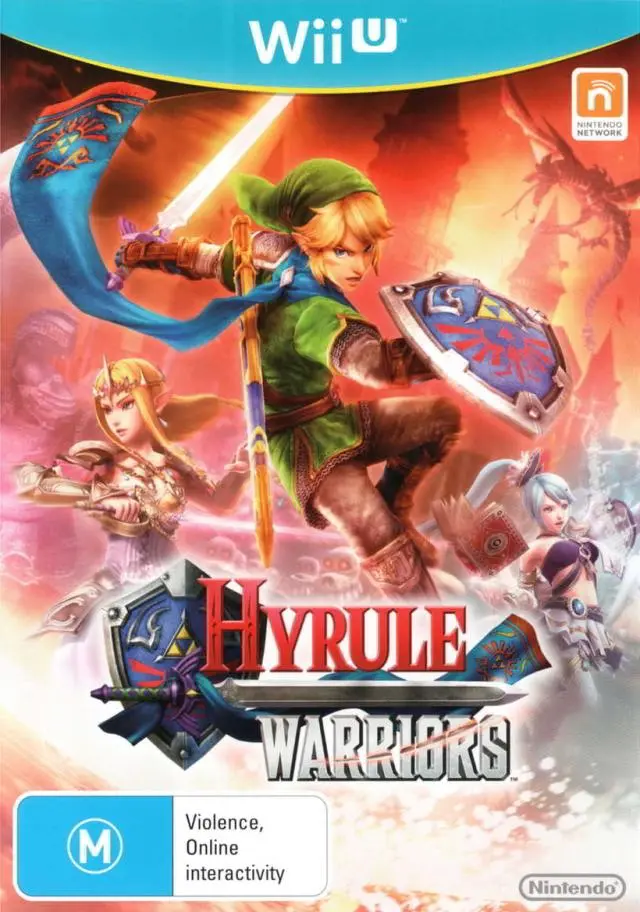
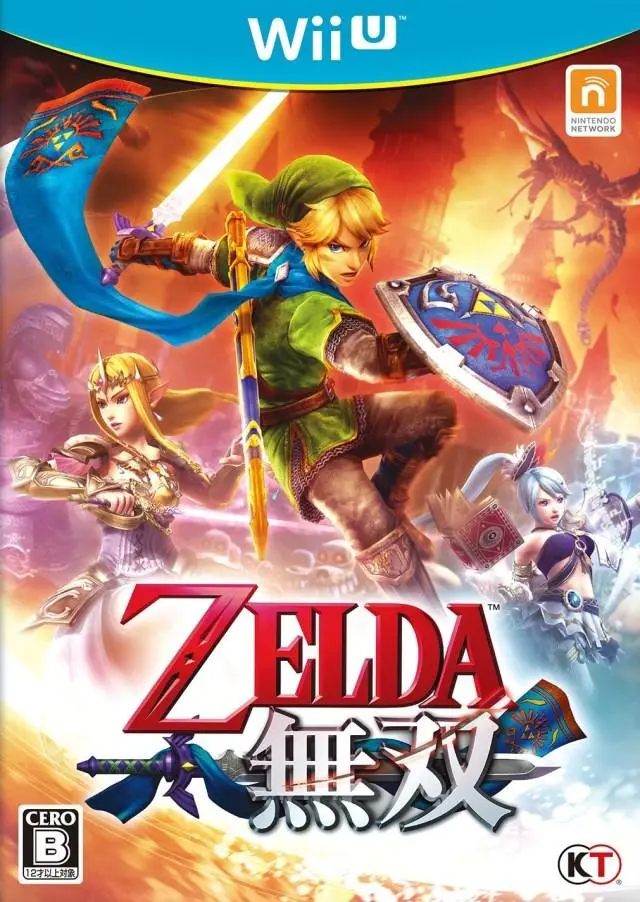
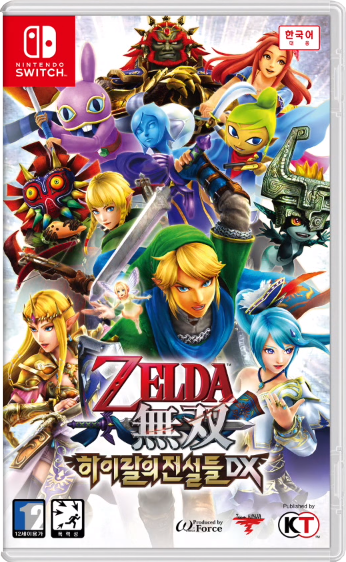
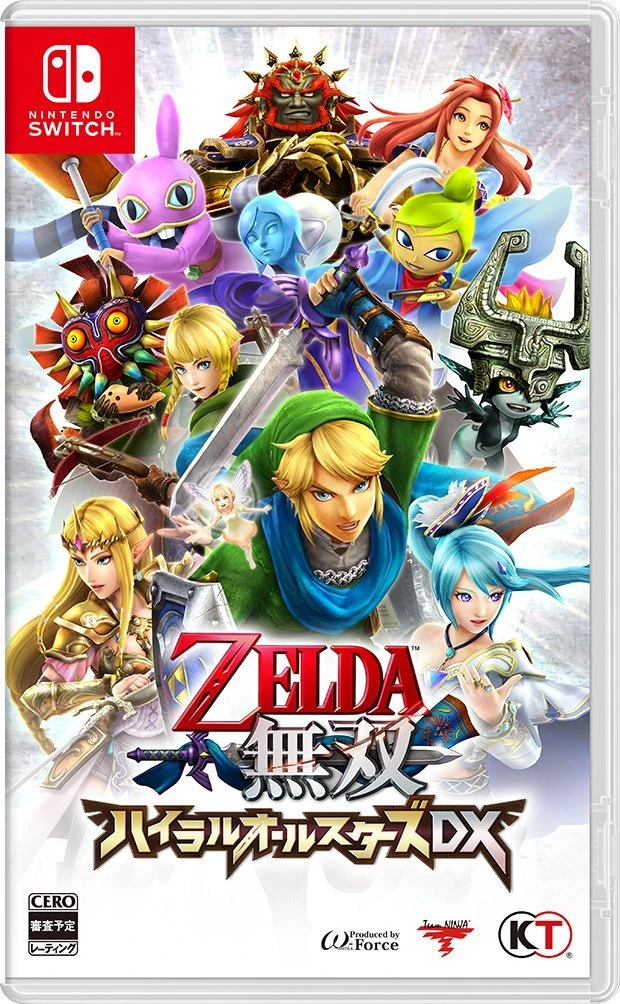
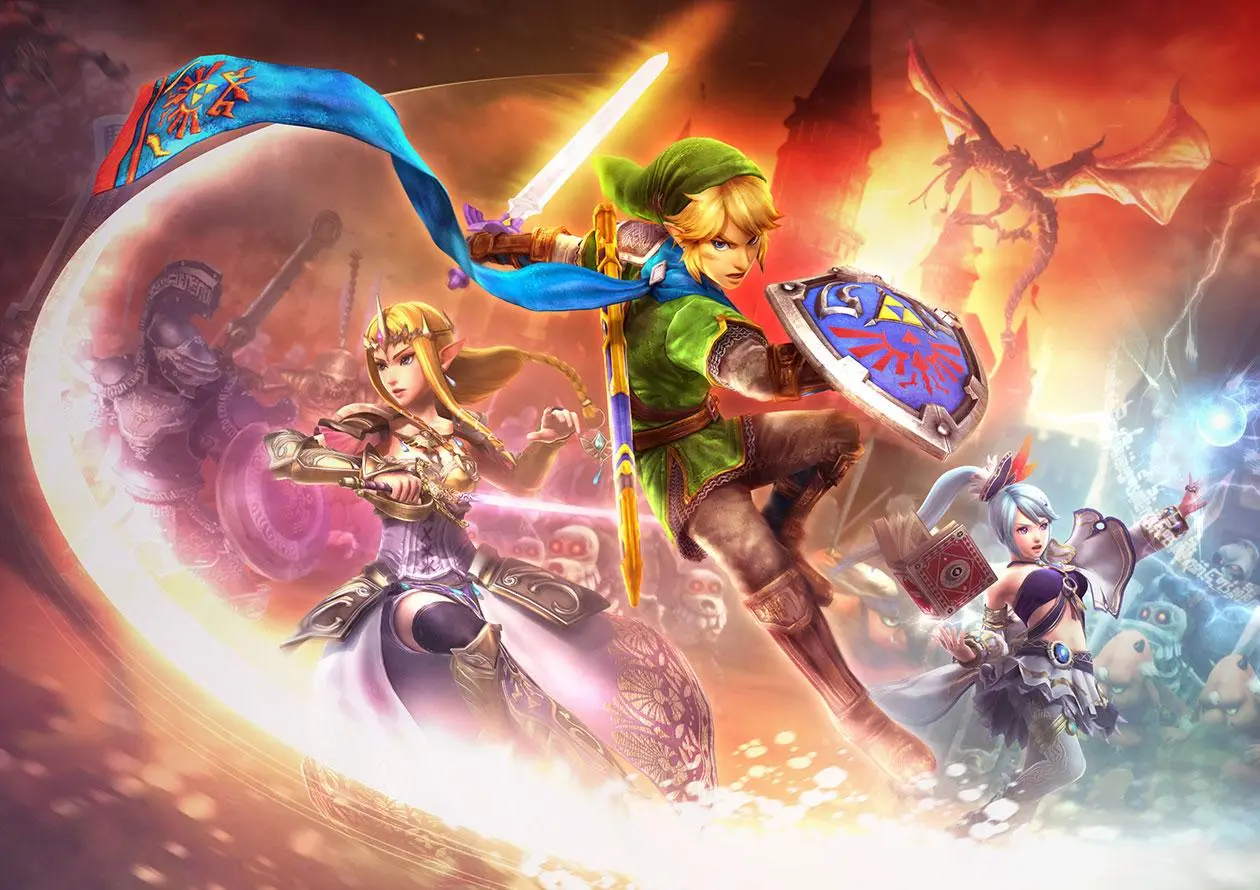
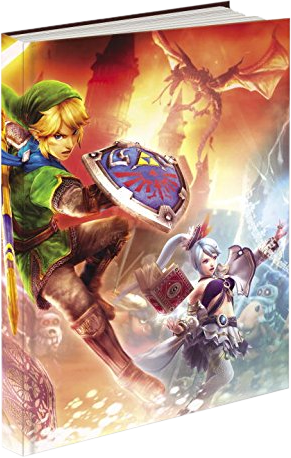
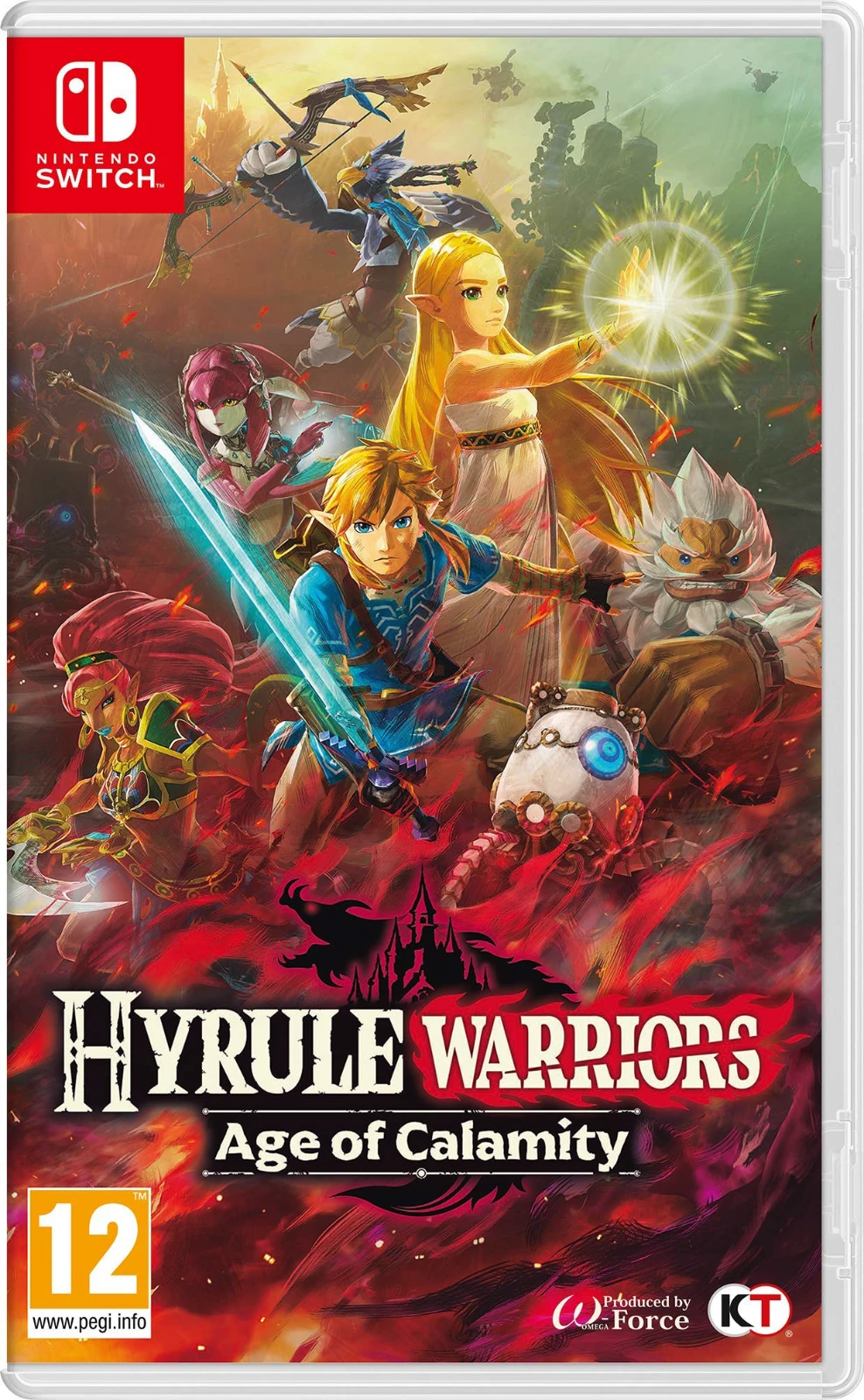
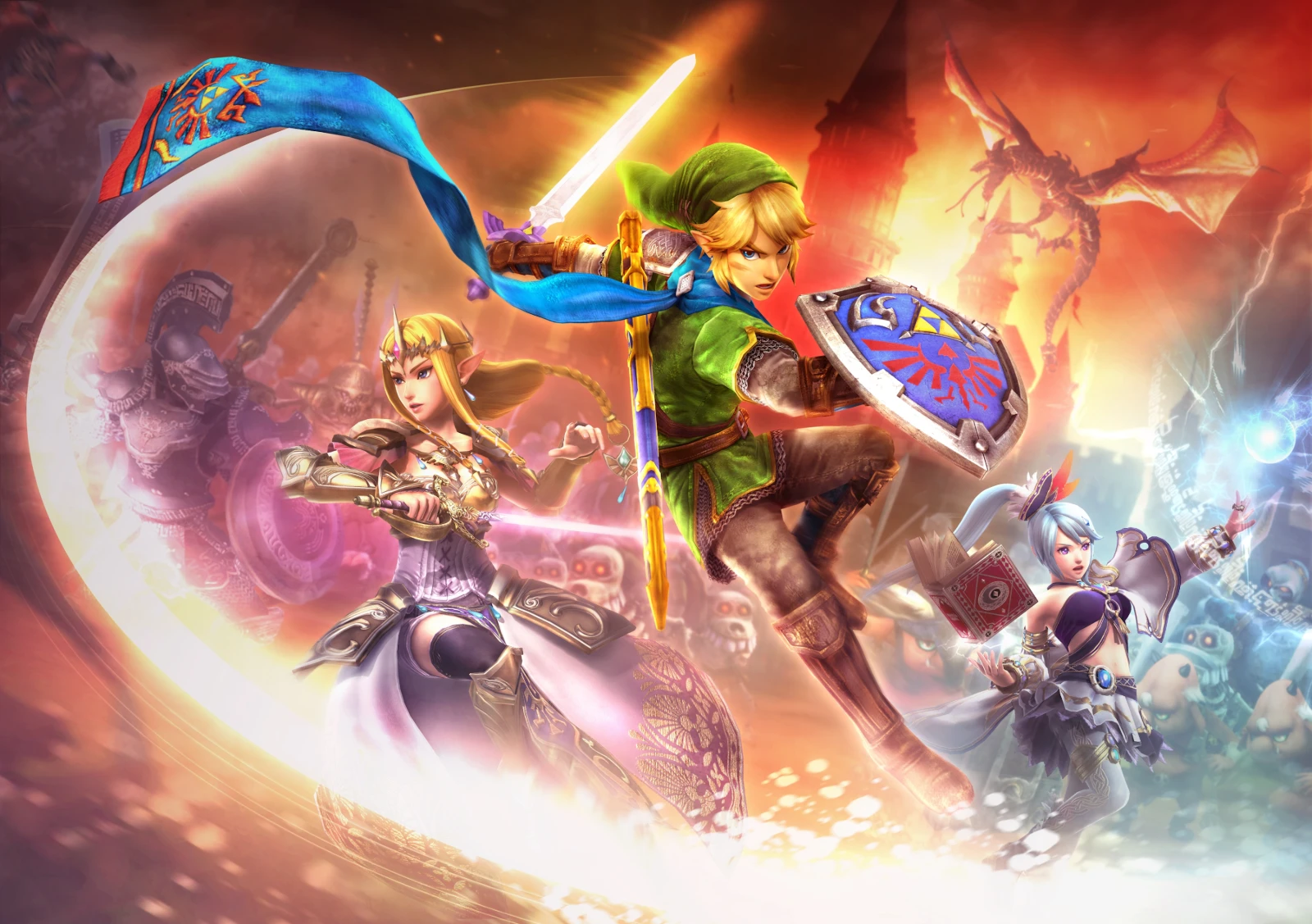
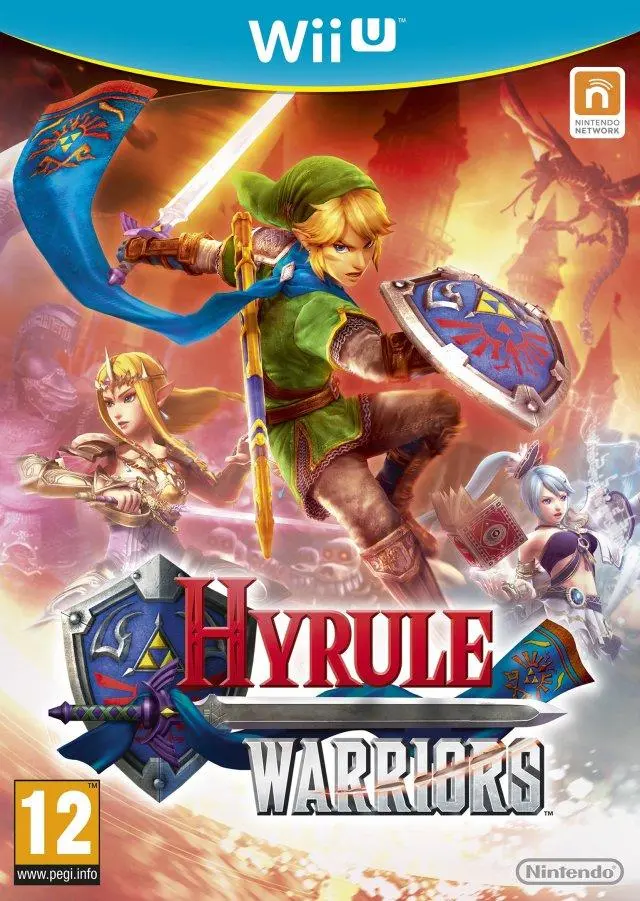
North American Wii U box (2014).Australian Wii U box (2014).Japanese Wii U box, Zelda Musō (2014).Korean box of the Definitive Edition (Switch, 2018).Japanese box of the Definitive Edition (Switch, 2018).Logo of Hyrule Warriors: Definitive Edition.Key art for the Wii U game.Adventure Mode’s Rewards Map.Prima’s official guide to the Wii U game.Official art of the game’s world.
Hyrule Warriors was not a one-off. It was expanded for two years, ported twice, and turned into a series that is still going.
Release history
Announced18 December 2013 – Revealed in a Nintendo Direct as a collaboration between Nintendo and Koei Tecmo.
Wii U, Japan14 August 2014 – Released as Zelda Musō, published by Koei Tecmo, with Premium Box and Treasure Box editions.
Wii U, worldwide19–26 September 2014 – Europe on 19 September, Australia on 20 September, North America on 26 September, published by Nintendo.
First season of packsOctober 2014 – March 2015 – Master Quest, Twilight Princess, Majora’s Mask and Boss Packs, plus free updates that made Cia, Volga and Wizzro playable and added amiibo support.
Hyrule Warriors Legends21 January 2016 (JP) · 24–25 March 2016 – The expanded Nintendo 3DS version. Its new characters could be added to the Wii U game.
Second season of packsMay – October 2016 – Medli (free), then the Link’s Awakening, Phantom Hourglass & Spirit Tracks and A Link Between Worlds Packs. The final Wii U update, 1.12.0, came on 31 October 2016.
Definitive Edition announced11 January 2018 – In a Nintendo Direct Mini.
Nintendo Switch22 March 2018 (JP) · 18 May 2018 – Hyrule Warriors: Definitive Edition, with everything from the Wii U and 3DS versions.
Wii U eShop27 March 2023 – Purchases end on the Wii U and 3DS eShops, so the original packs can no longer be bought.
The Warriors games that followed
Age of Calamity (2020), the first sequel.
The crossover worked well enough for Nintendo to hand Koei Tecmo something more precious the second time. Hyrule Warriors: Age of Calamity, released on Nintendo Switch on 20 November 2020, dropped the all-stars approach and told a story set 100 years before Breath of the Wild. Hyrule Warriors: Age of Imprisonment followed on Nintendo Switch 2 on 6 November 2025 and covers the Imprisoning War seen in the flashbacks of Tears of the Kingdom. Neither brought back Lana, Cia or Adventure Mode, which leaves the first game as the only one that treats the whole series as its toy box. Age of Calamity is due a Definitive Edition of its own on Switch 2 on 25 February 2027.
Where to play it today
The Definitive Edition on Nintendo Switch is the complete game and the only version still on sale. The Wii U disc still plays, and so do any packs already downloaded, but nothing more can be bought for it, and the same goes for the 3DS version. A Wii U disc without its packs has 13 to 17 characters and a single Adventure map, against 29 and nine on Switch.
Reputation
Official artwork for Hyrule Warriors.
At the time, Hyrule Warriors divided reviewers along one line: whether they could enjoy a Warriors game at all. Those who could found a generous, affectionate tribute to Zelda; those who could not found a button-masher in a nice costume. The Definitive Edition reviewed a little better than the original, and the game is now mostly remembered for its sheer quantity of things to do, and for Linkle.
Sales & reviews
Sales figures
Japan was the weakest market. Media Create counted 69,090 copies in the first week there in August 2014, a little over 57% of the stock shipped to shops, according to Siliconera’s report of 22 August 2014. The West made up for it: Nintendo of America put its opening weekend in North America at 190,000 copies that September, and Koei Tecmo said overseas demand had beaten its expectations.
On 27 January 2015 Nintendo Life reported that Koei Tecmo was celebrating one million copies shipped worldwide with a set of wallpapers, the figure its president had hoped for before launch. That made it one of the better-selling games on Wii U.
The Definitive Edition opened with 24,908 copies in Japan in the week of 19 to 25 March 2018 (Media Create, via Gematsu), sixth in that week’s chart. Koei Tecmo gave no worldwide total, but told investors in October 2018 that the Switch version had sold better than it expected outside Japan.
1 millionWii U copies shipped by January 2015 (Koei Tecmo)
69,090first week in Japan, Wii U (Media Create, August 2014)
190,000first weekend in North America (Nintendo of America, September 2014)
24,908first week in Japan, Definitive Edition (Media Create, March 2018)
Reception and review scores
Reviews were positive overall, with a few loud exceptions. These scores are as collected by Wikipedia and Metacritic from each outlet; scores not out of 100 are converted.
FamitsuJapan · Wii U · August 2014
36/40
Official Nintendo MagazineUK · Wii U · 2014
87%
DestructoidUS · Wii U · 2014
8.5/10
Nintendo World ReportUS · Wii U · 2014
8.5/10
GameSpotUS · Wii U · 2014
8/10
EurogamerUK · Wii U · 2014
8/10
Game InformerUS · Wii U · 2014
8/10
The GuardianUK · Wii U · 2014
4/5
IGNUS · Wii U · 17 September 2014
7/10
Nintendo LifeUK · Wii U · 2014
7/10
EdgeUK · Wii U · 2014
6/10
Giant BombUS · Wii U · 2014
3/5
PolygonUS · Wii U · 2014
5.5/10
GamesRadar+UK · Wii U · 17 September 2014
2/5
ShacknewsUS · Definitive Edition · 2018
9/10
Nintendo LifeUK · Definitive Edition · 16 May 2018
8/10
GameSpotUS · Definitive Edition · 2018
8/10
IGNUS · Definitive Edition · 2018
7.5/10
On Metacritic the Wii U game averages 76 from 81 reviews (52 positive, 27 mixed, 2 negative) and the Definitive Edition 78 from 59. All four of Famitsu’s reviewers gave it nine out of ten.
The praise was for the fan service and the surprising amount of game. GameSpot’s Miguel Concepcion enjoyed the “delightful” Zelda touches, Destructoid’s Chris Carter called the fan service “staggering”, and Eurogamer’s Simon Parkin argued that Warriors games are unfairly dismissed and reward players who think strategically. The complaints were about repetition. GamesRadar+ found the combat “unimaginative”, Giant Bomb’s Dan Ryckert wrote of “mindless slashing”, and GameTrailers concluded that how long you enjoy it depends on how much you like hack-and-slash games. IGN’s Jose Otero liked the crossover but marked it down for the slowdown in two-player mode.
Four years later the Switch version was welcomed as the best way to play. Nintendo Life’s Mitch Vogel gave it 8 out of 10 on 16 May 2018, calling it “way more fun than it has any right to be” while noting that it does not fix the repetitive level design of the original.
Reader reviews
No reader reviews yet. Played it? Give it a score out of 10 and tell other fans what you think.
Every fact on this page was checked against the sources below in November 2026. IGN, Polygon and Eurogamer could not be read directly, so their reviews are quoted only as reported by Wikipedia and Metacritic. Zelda Wiki (zeldawiki.wiki) blocks automated reading, so it was not used.
To provide the best experiences, we use technologies like cookies to store and/or access device information. Consenting to these technologies will allow us to process data such as browsing behavior or unique IDs on this site. Not consenting or withdrawing consent, may adversely affect certain features and functions.
Functional
Always active
The technical storage or access is strictly necessary for the legitimate purpose of enabling the use of a specific service explicitly requested by the subscriber or user, or for the sole purpose of carrying out the transmission of a communication over an electronic communications network.
Preferences
The technical storage or access is necessary for the legitimate purpose of storing preferences that are not requested by the subscriber or user.
Statistics
The technical storage or access that is used exclusively for statistical purposes.The technical storage or access that is used exclusively for anonymous statistical purposes. Without a subpoena, voluntary compliance on the part of your Internet Service Provider, or additional records from a third party, information stored or retrieved for this purpose alone cannot usually be used to identify you.
Marketing
The technical storage or access is required to create user profiles to send advertising, or to track the user on a website or across several websites for similar marketing purposes.

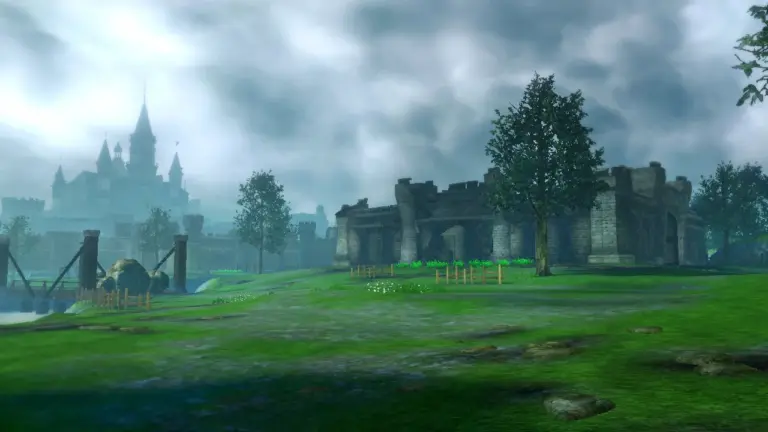 Hyrule FieldThe Armies of RuinThe plain in front of Hyrule Castle, where the war begins. Bombs are found here and King Dodongo is the first giant boss.
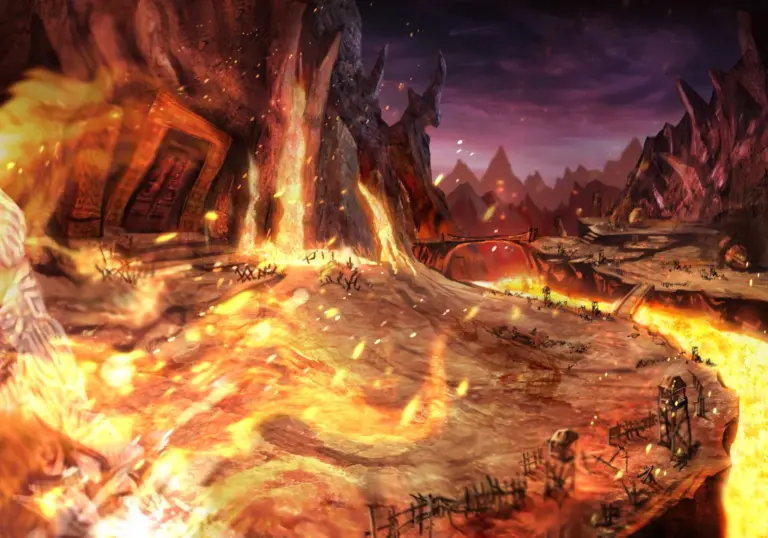 Eldin CavesThe Sheikah Tribesman · The Dragon of the Caves (Cia’s Tale)Volcanic tunnels on the road to Faron Woods, cleared with Bombchus. Sheik joins here.
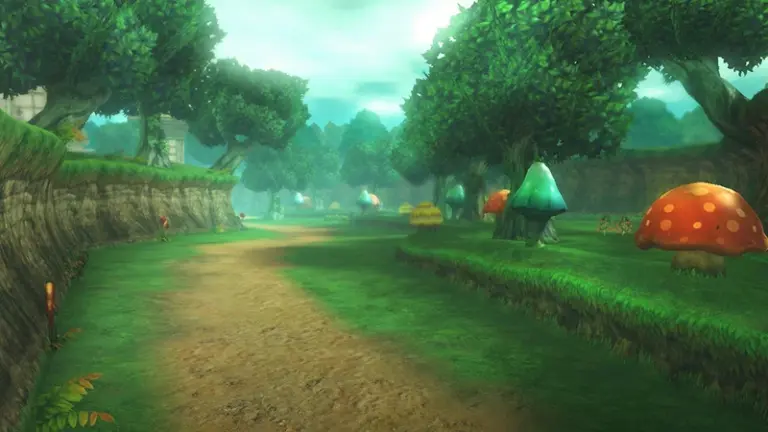 Faron WoodsThe Sorceress of the WoodsA forest village built around the Great Deku Tree, defended by Lana. The Bow is found here, and Gohma is the boss.
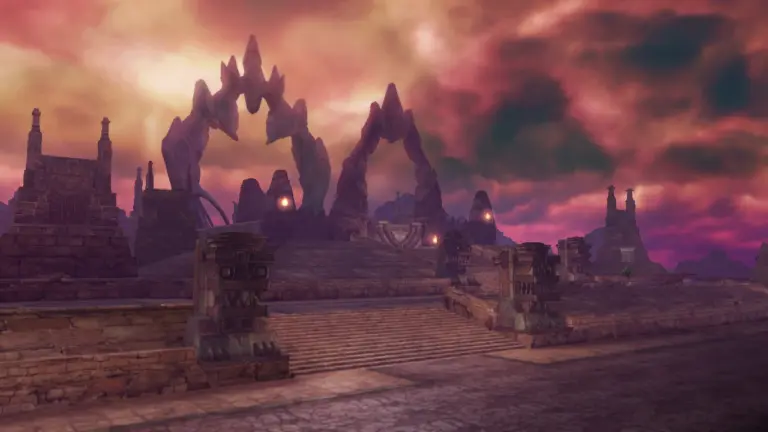 Valley of SeersThe Sorceress of the Valley · Shining Beacon · March of the Demon King · Darkness Falls (Cia’s Tale)Cia’s stronghold, home of the Gate of Souls, and a place created for this game. The Boomerang is found here, and Manhandla is the boss.
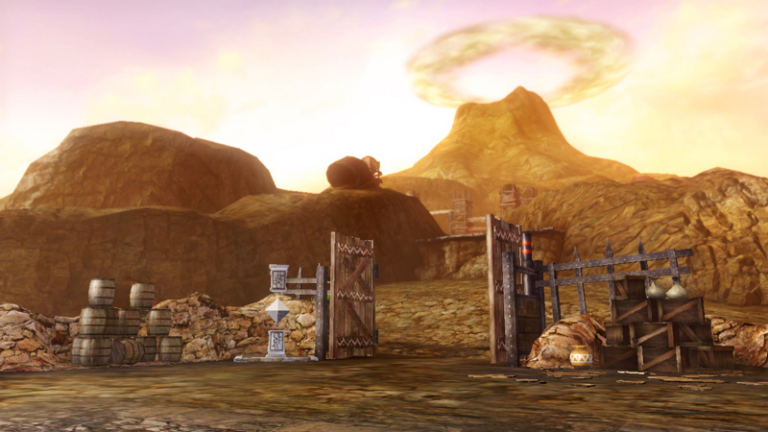 Death MountainLand of MythFrom Ocarina of Time. Impa and Sheik climb it to free Ruto from a deluded Darunia.
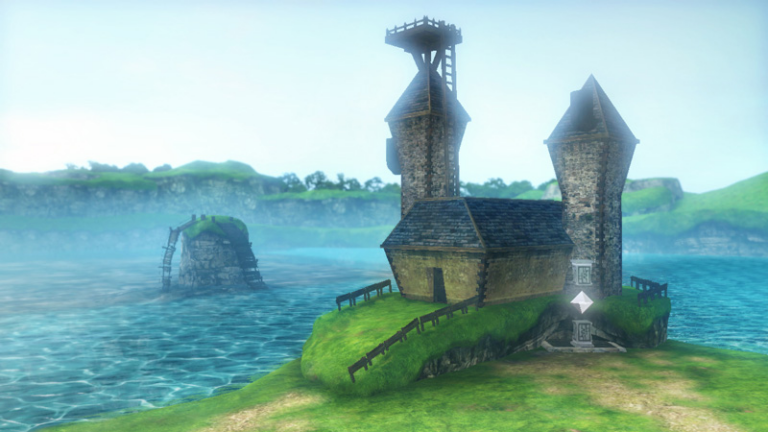 Lake HyliaThe Water TempleFrom Ocarina of Time. The Water Temple here hides a Gate of Souls.
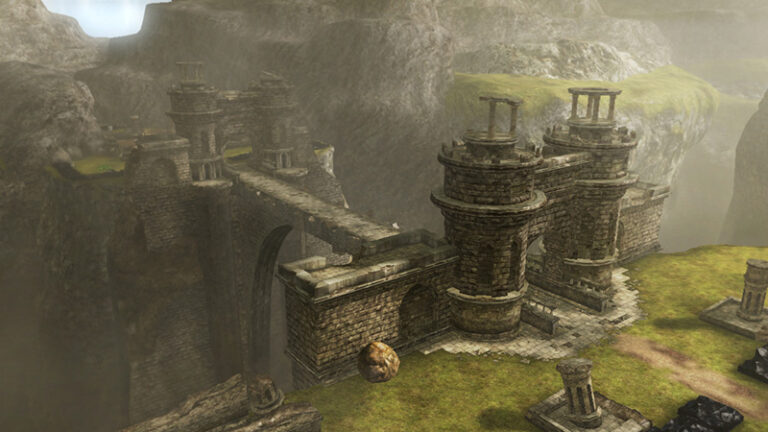 Twilight FieldLand of TwilightFrom Twilight Princess: Hyrule under a blanket of twilight. Lana meets Agitha and Midna here.
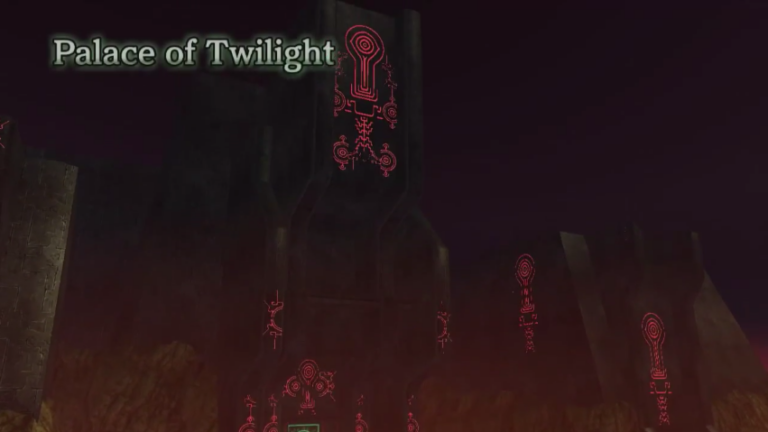 Palace of TwilightThe Shadow King · The Usurper King (Cia’s Tale)From Twilight Princess. Zant’s seat of power. The Hookshot is found here, and Argorok attacks from the air.
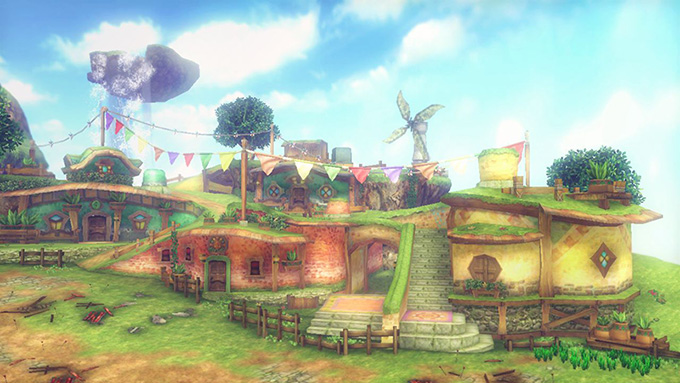 SkyloftLand in the Sky · The Demon Lord (Cia’s Tale)From Skyward Sword: the floating island, besieged by Ghirahim and Volga.
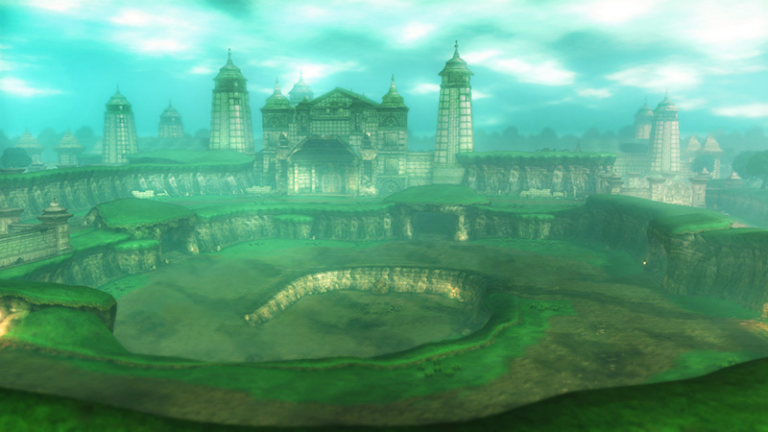 Sealed GroundsSealed AmbitionFrom Skyward Sword. Ghirahim springs his trap here and the Imprisoned breaks loose.
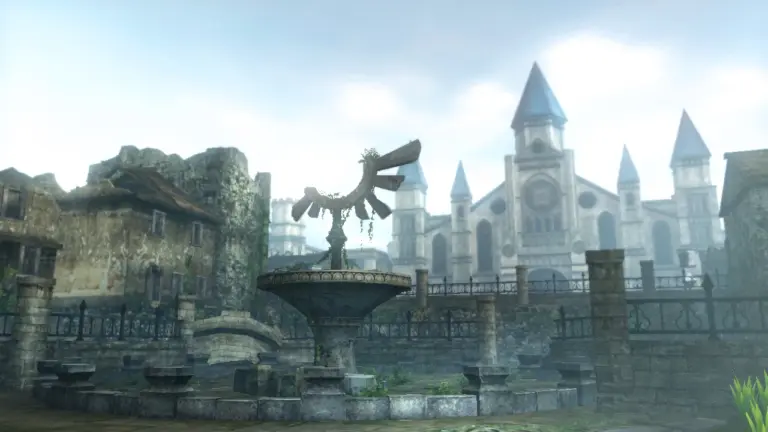 Temple of the Sacred SwordThe Sacred SwordResting place of the Master Sword, guarded by an army of ghost soldiers.
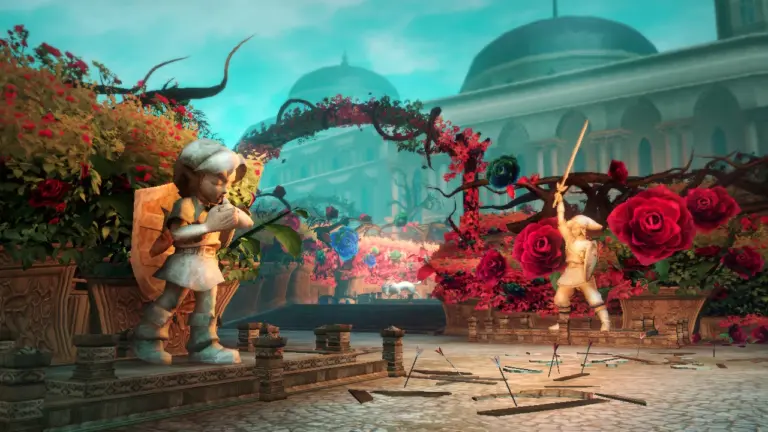 Temple of SoulsA War of SpiritWhere Link, Master Sword in hand, is ambushed by Dark Links.
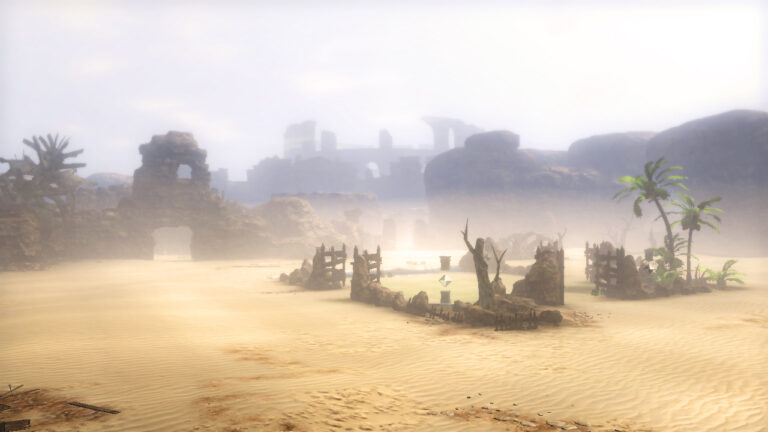 Gerudo DesertGanondorf’s Return · Enduring ResolveGanondorf’s stronghold. You conquer it as him, then return as Link to beat Zant and Ghirahim.
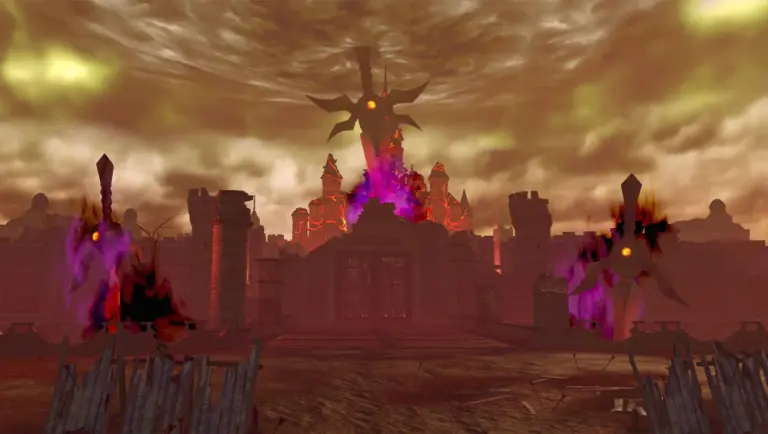 Ganon’s TowerLiberation of the TriforceHyrule Castle after Ganondorf has seized it. The final battle of the original story, against Ganondorf and then Ganon.
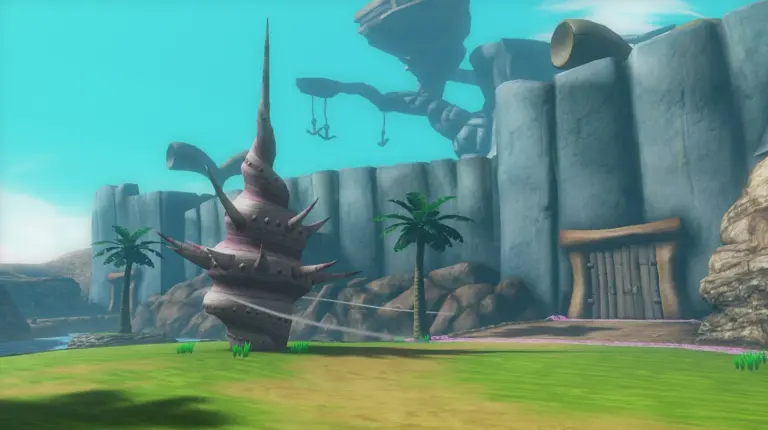 Forsaken FortressLegends and Definitive Edition onlyFrom The Wind Waker, used in the Great Sea chapters.
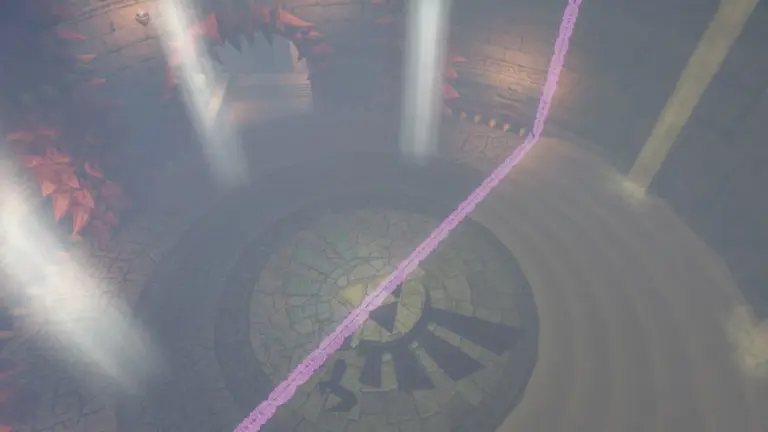 Wind and Earth TemplesLegends and Definitive Edition onlyTwo Wind Waker dungeons joined into one battlefield.
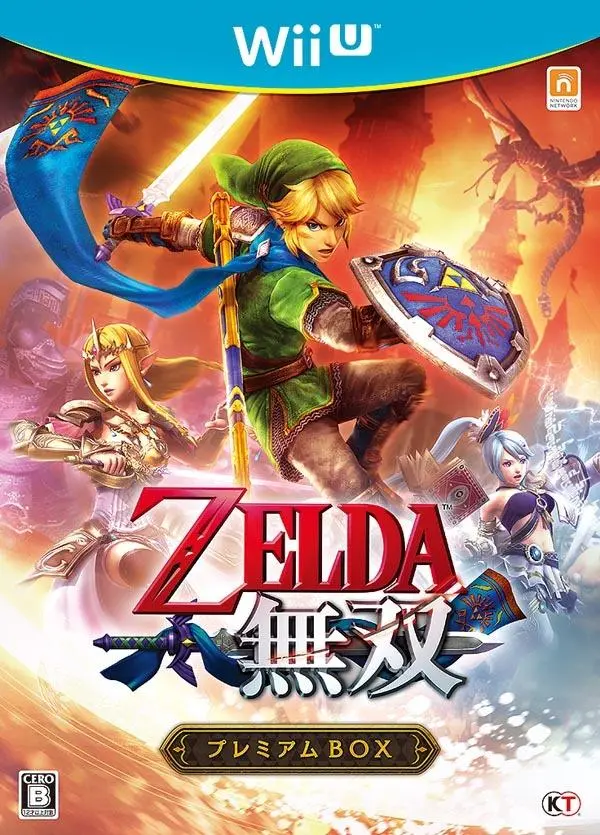 Premium BoxJapan · 14 August 2014The game with an art book, a table clock in the shape of the Triforce and the Courage and Wisdom costume sets for Link and Zelda. The art book is where sketches of a female Link first appeared.
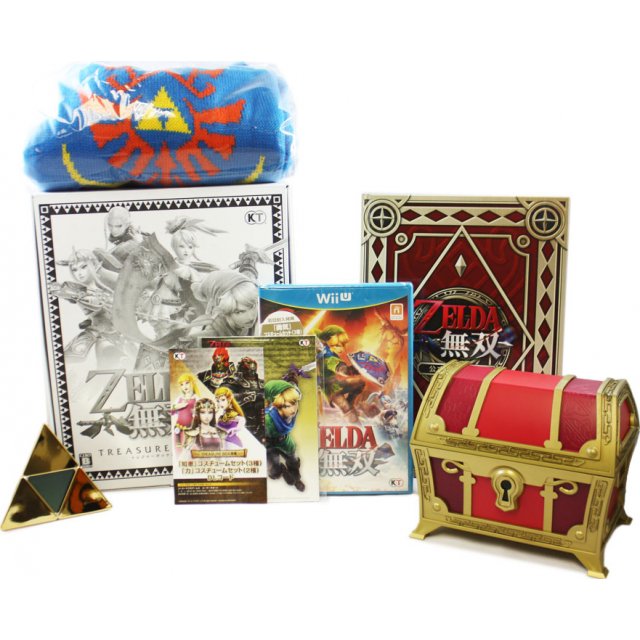 Treasure BoxJapan · Amazon Japan and Koei Tecmo’s GAMECITY shopEverything in the Premium Box plus the Power costume set for Ganondorf, a scarf like the one Link wears in the game, a replica treasure chest that plays a sound, and five postcards.
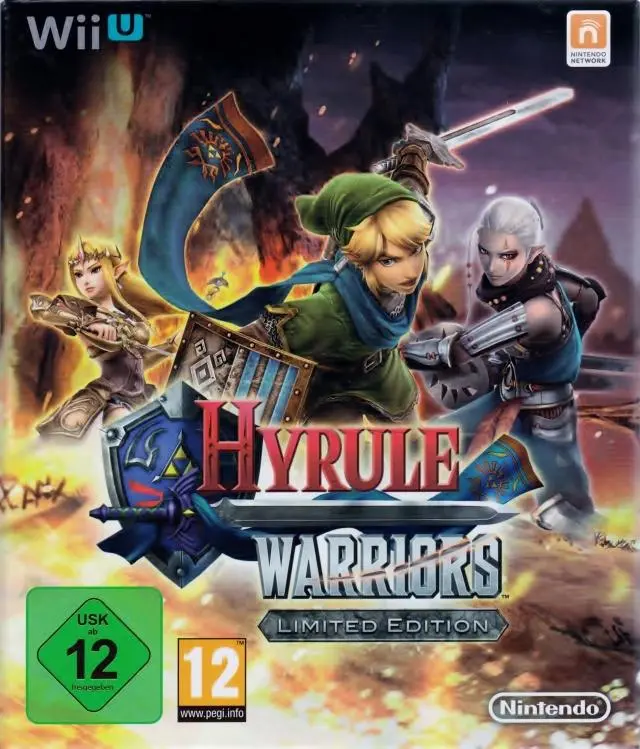 Limited EditionEurope and Australia; North America through the Nintendo World StoreA boxed copy of the game with a replica of Link’s scarf, Triforce emblem included.
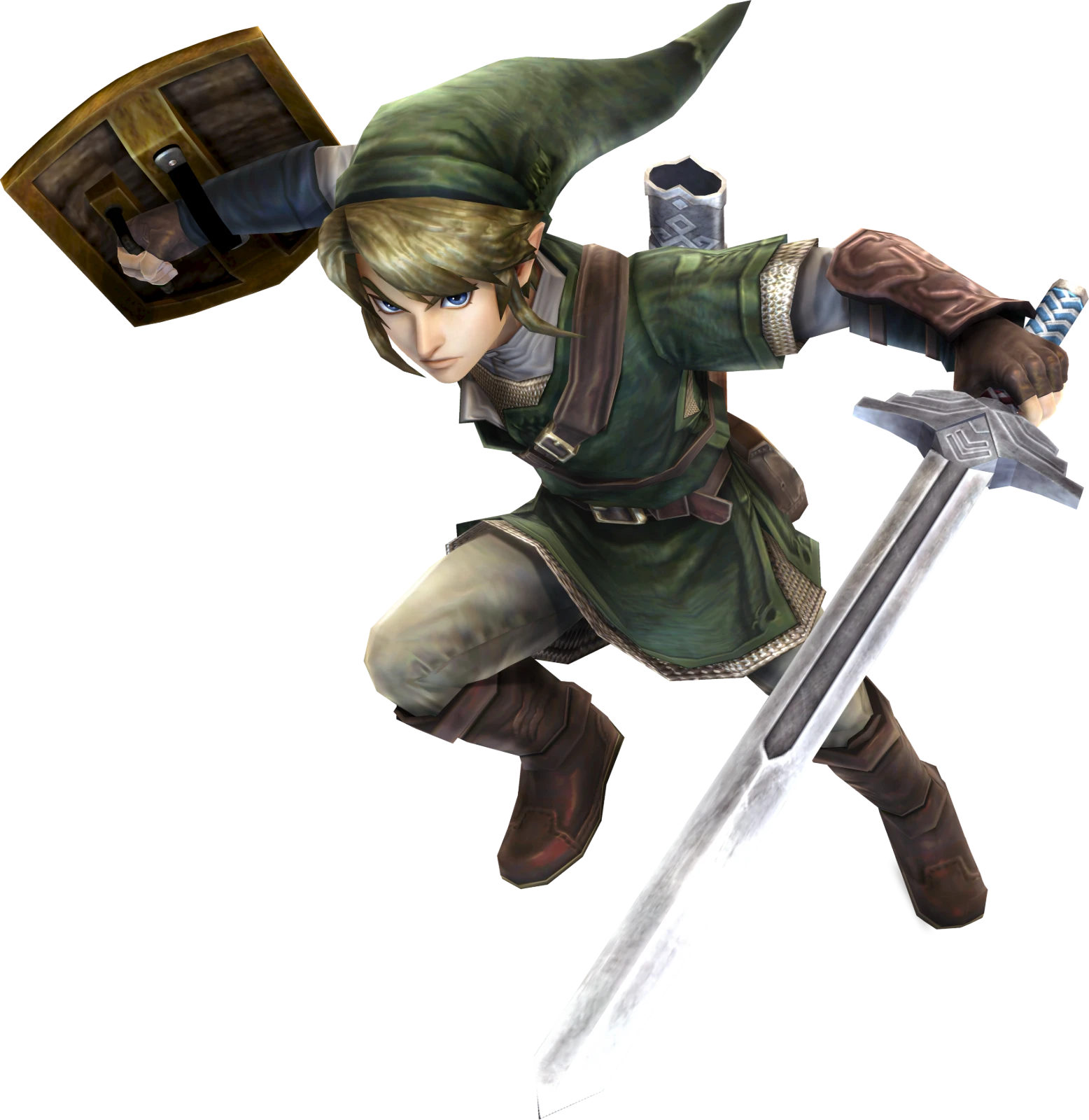 Pre-order costumes2014Outfits for Link and Zelda based on Ocarina of Time, Twilight Princess and Skyward Sword were given away by different retailers, and Club Nintendo members who registered the game in its first weeks received Ganondorf’s Ocarina of Time and Twilight Princess looks. All of them went on sale on the eShop that December.
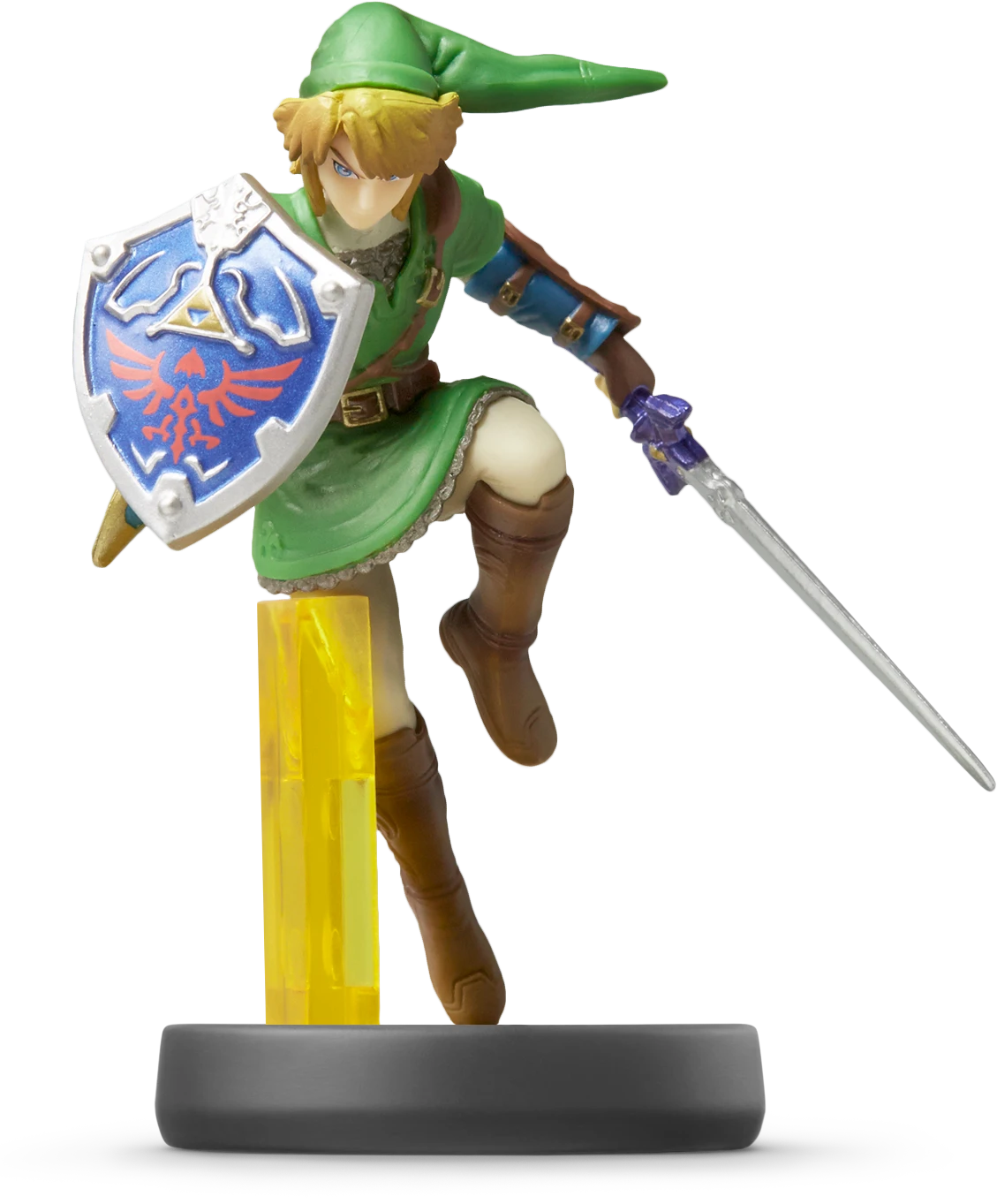 amiiboFrom version 1.4.0, 27 November 2014Scanning a Link or Toon Link figure for the first time unlocks the Spinner from Twilight Princess as a weapon for Link. Other Zelda-series figures give a strong weapon for their character once a day, and any other amiibo gives a random weapon, material or rupees.
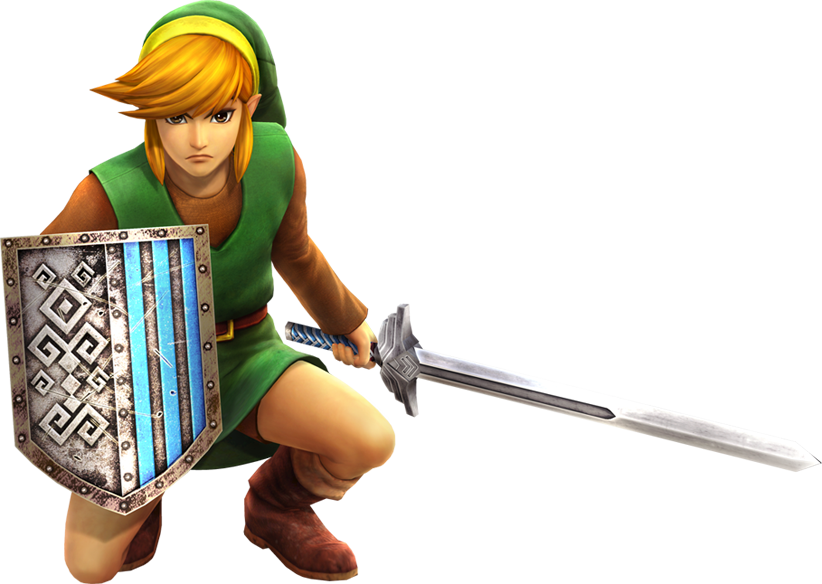 Classic TunicFree update, June 2015A costume for Link based on the original Legend of Zelda, released free to mark the announcement of Hyrule Warriors Legends.
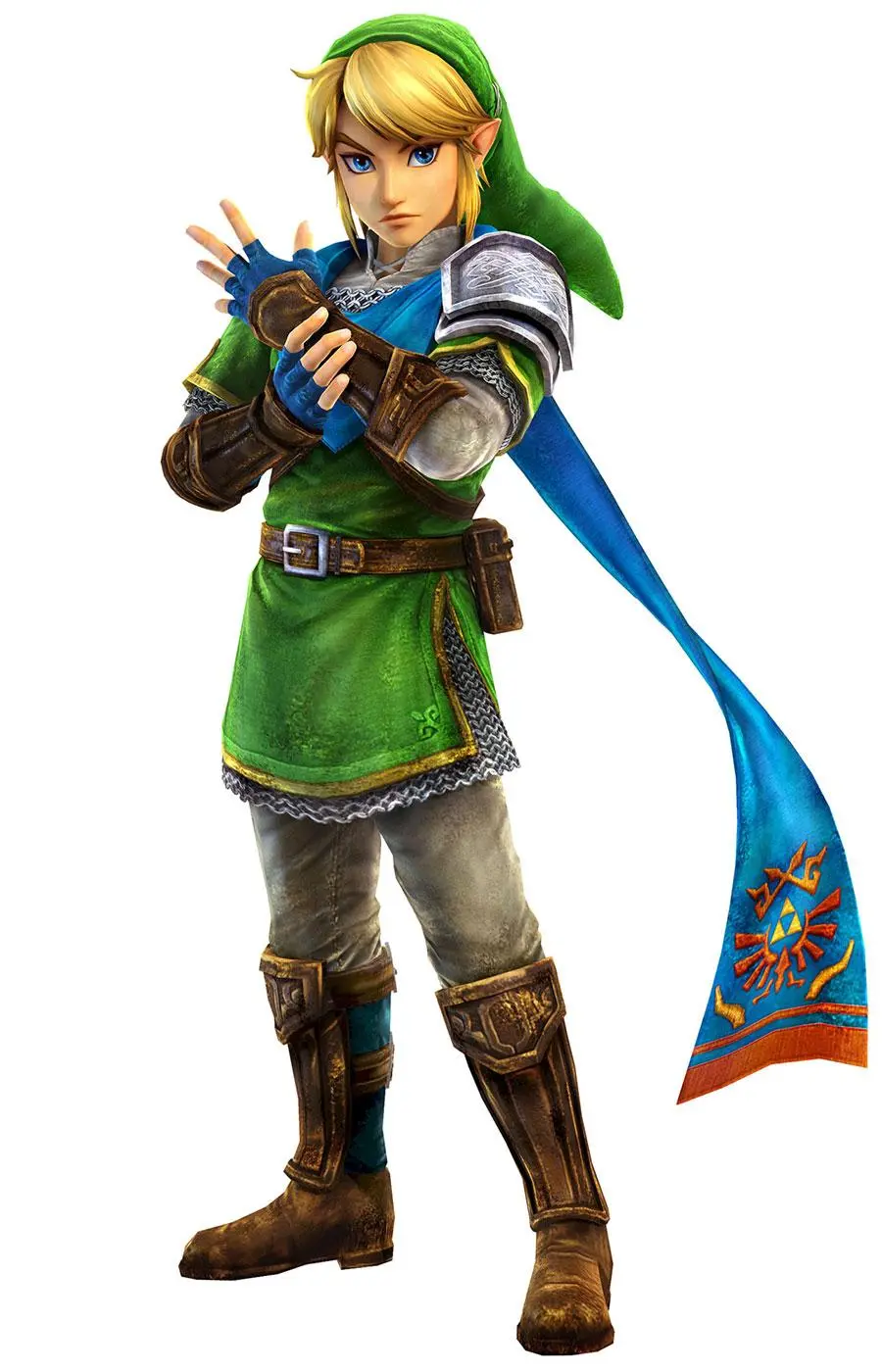 LinkThe hero · original roster
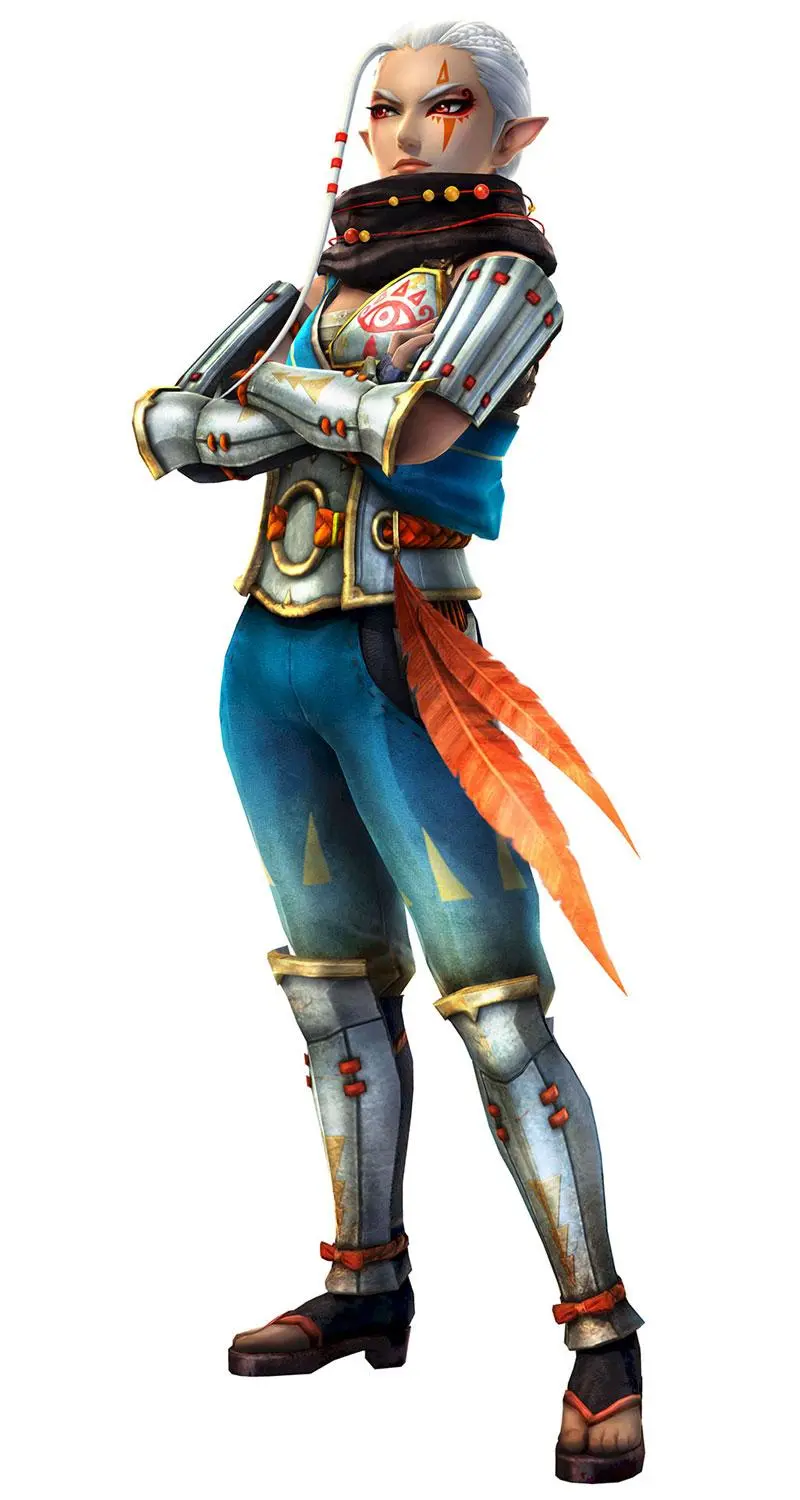 ImpaGeneral of the Hyrulean army
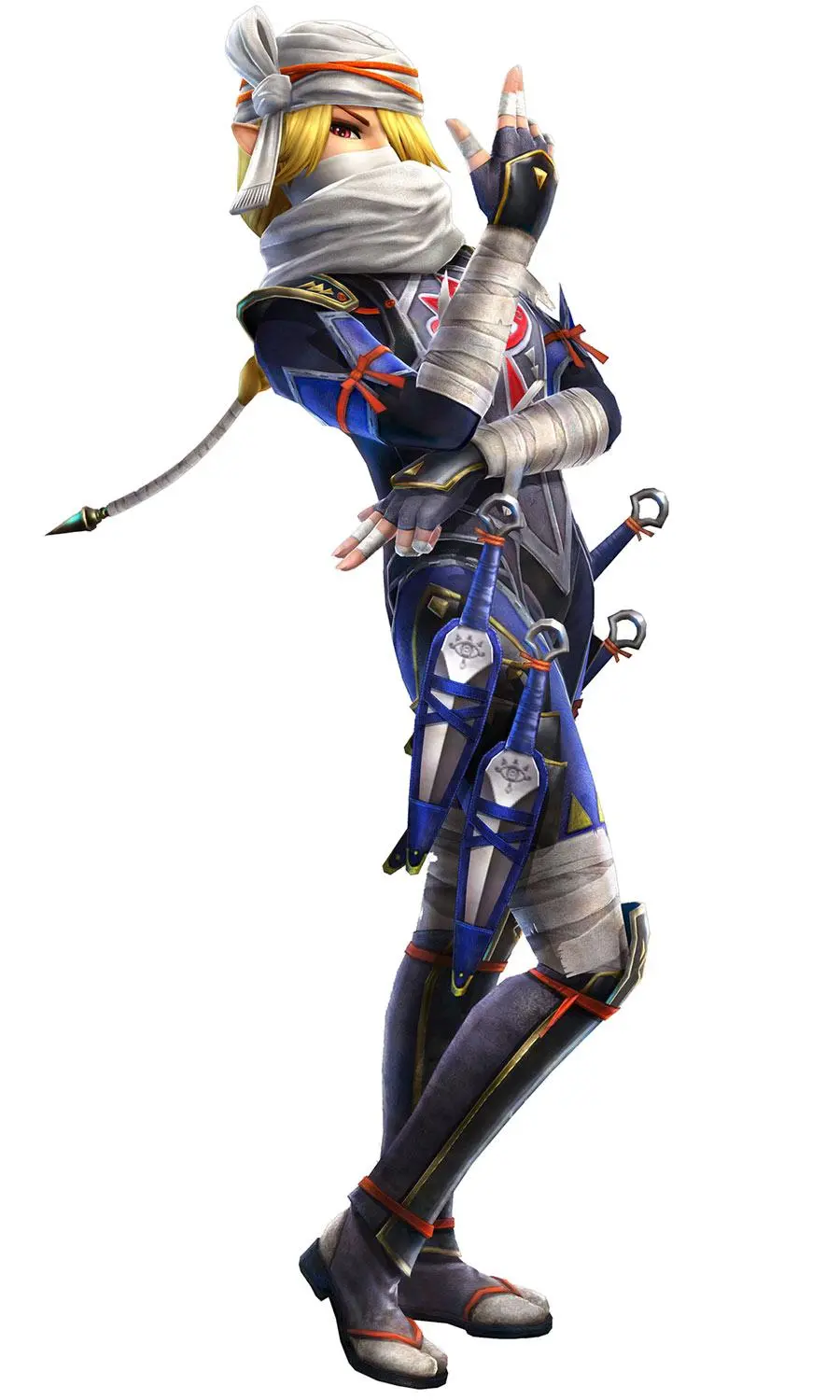 SheikSheikah warrior
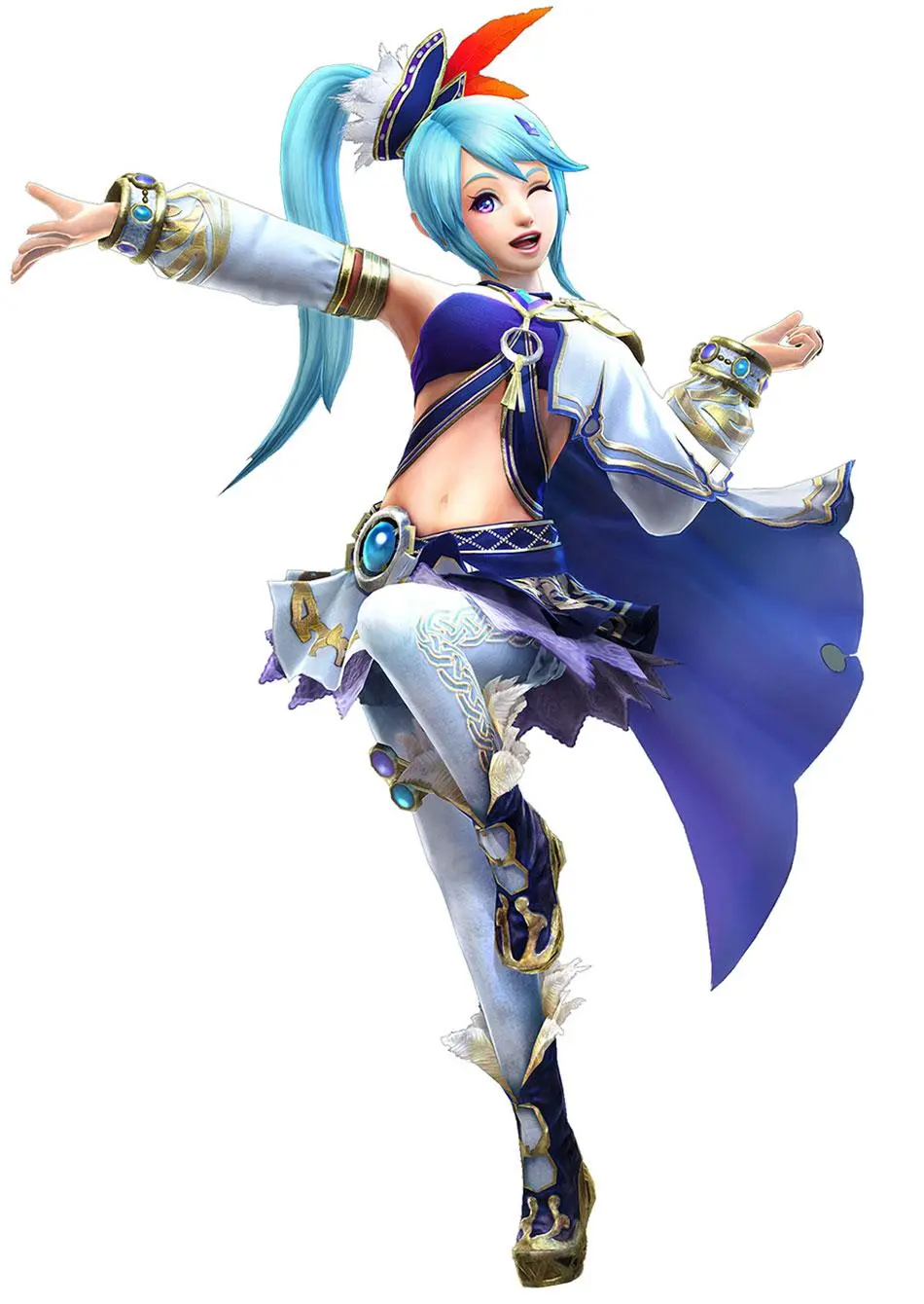 LanaThe White Sorceress · new character
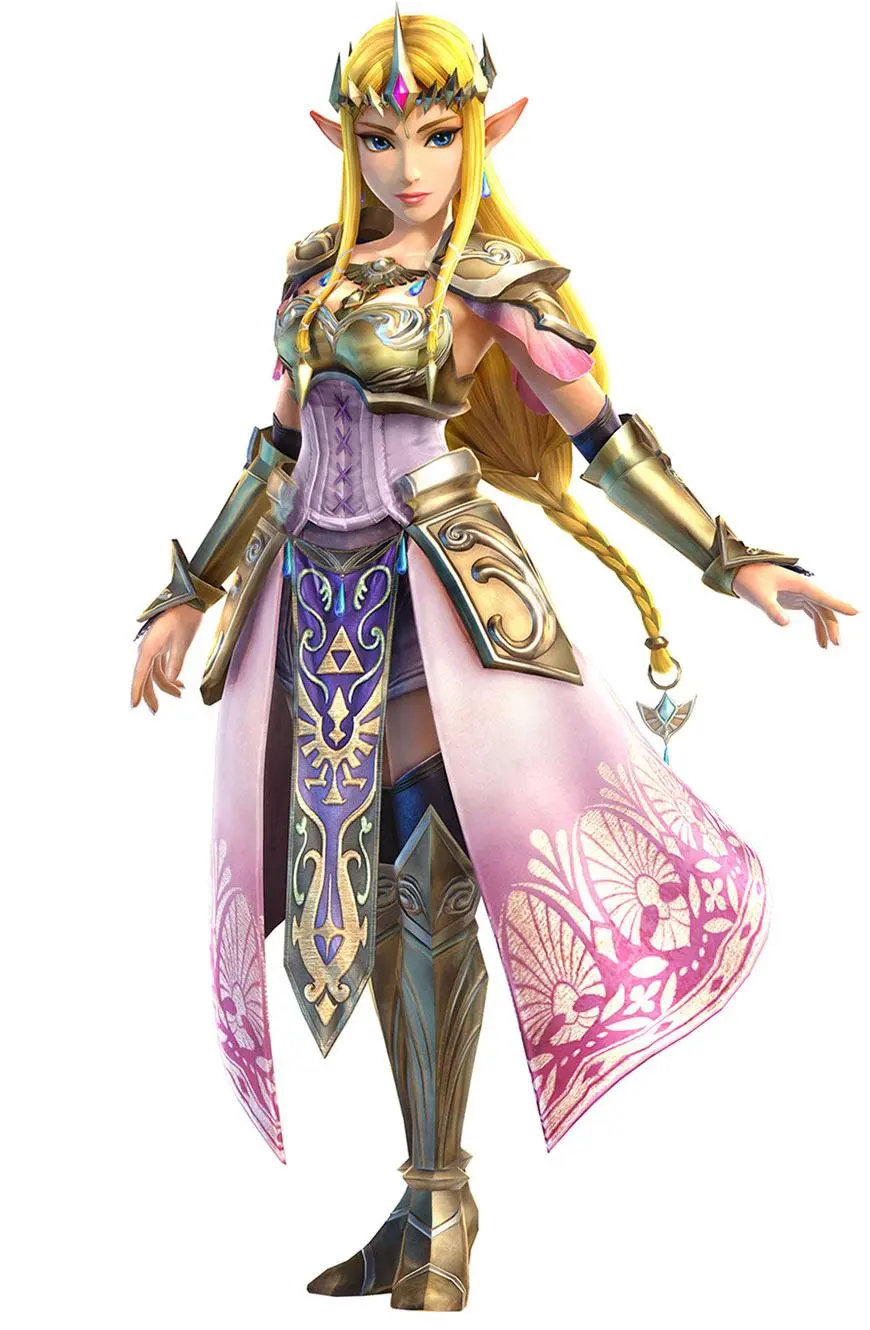 ZeldaPrincess of Hyrule
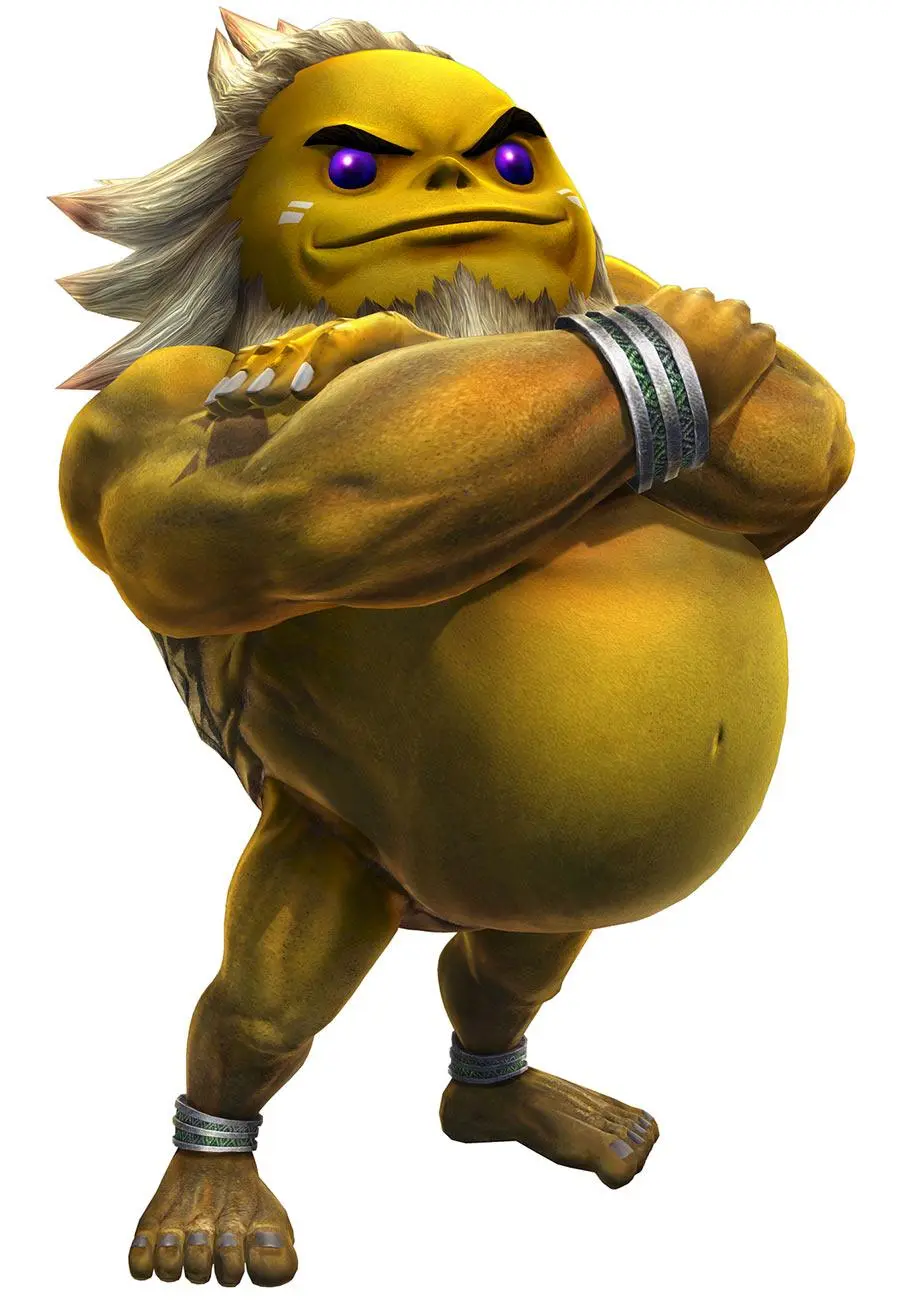 DaruniaGoron chief · Ocarina of Time
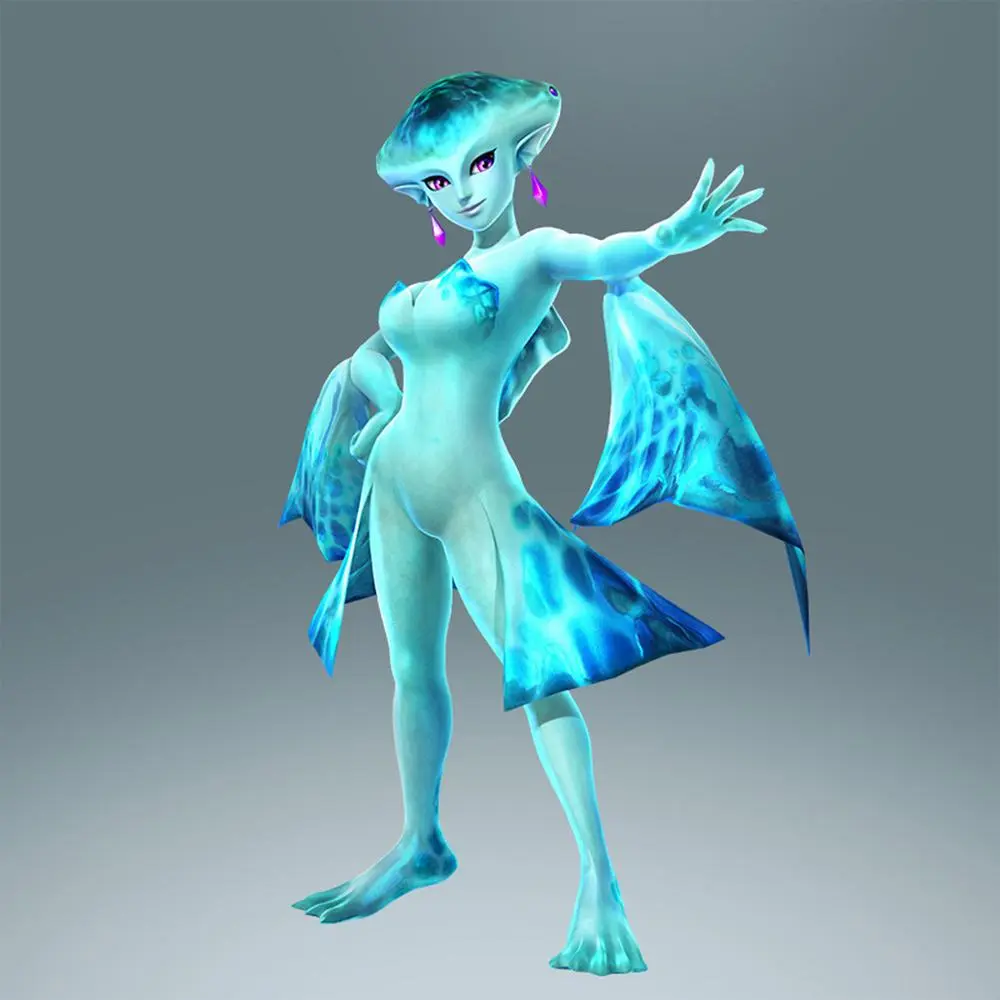 RutoZora princess · Ocarina of Time
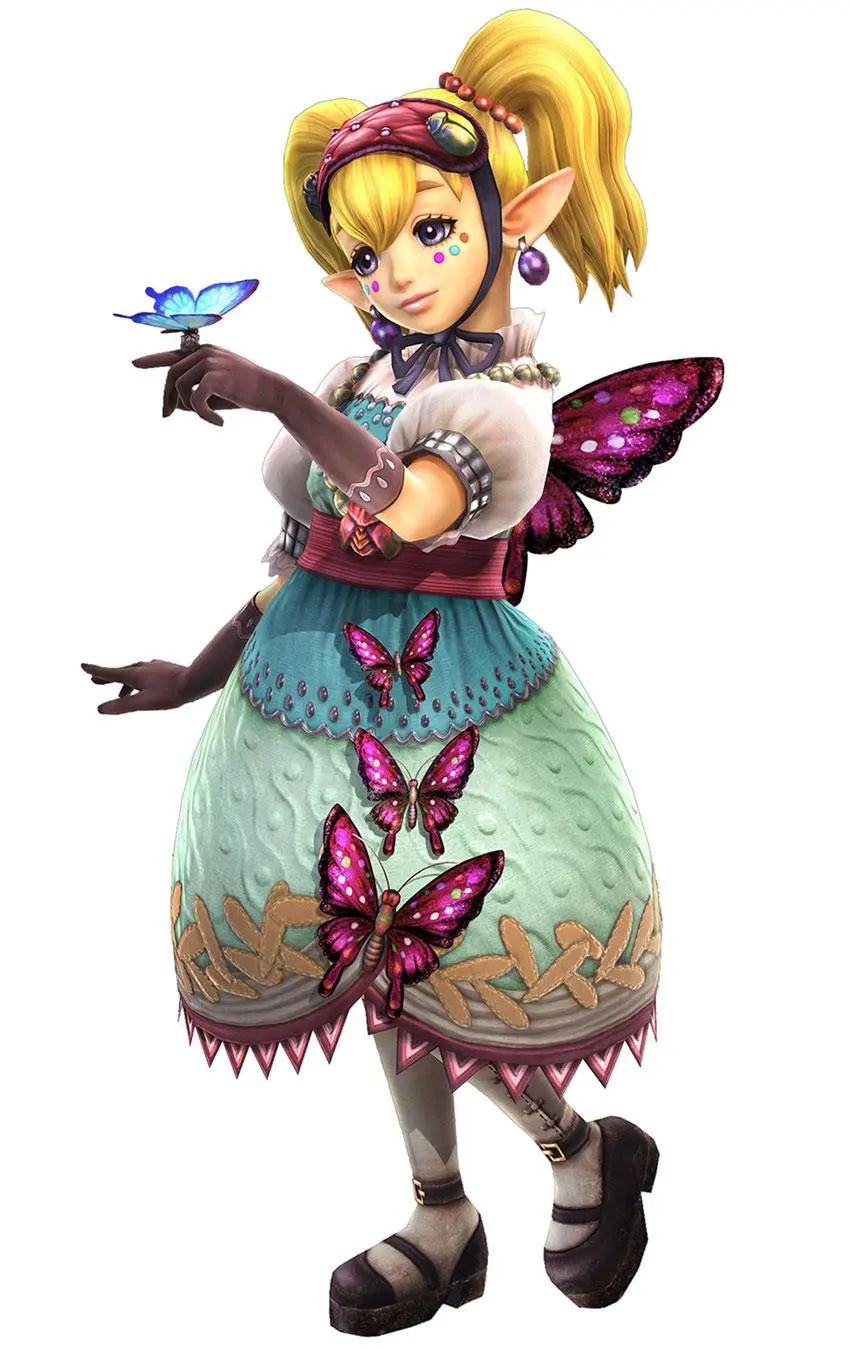 AgithaBug princess · Twilight Princess
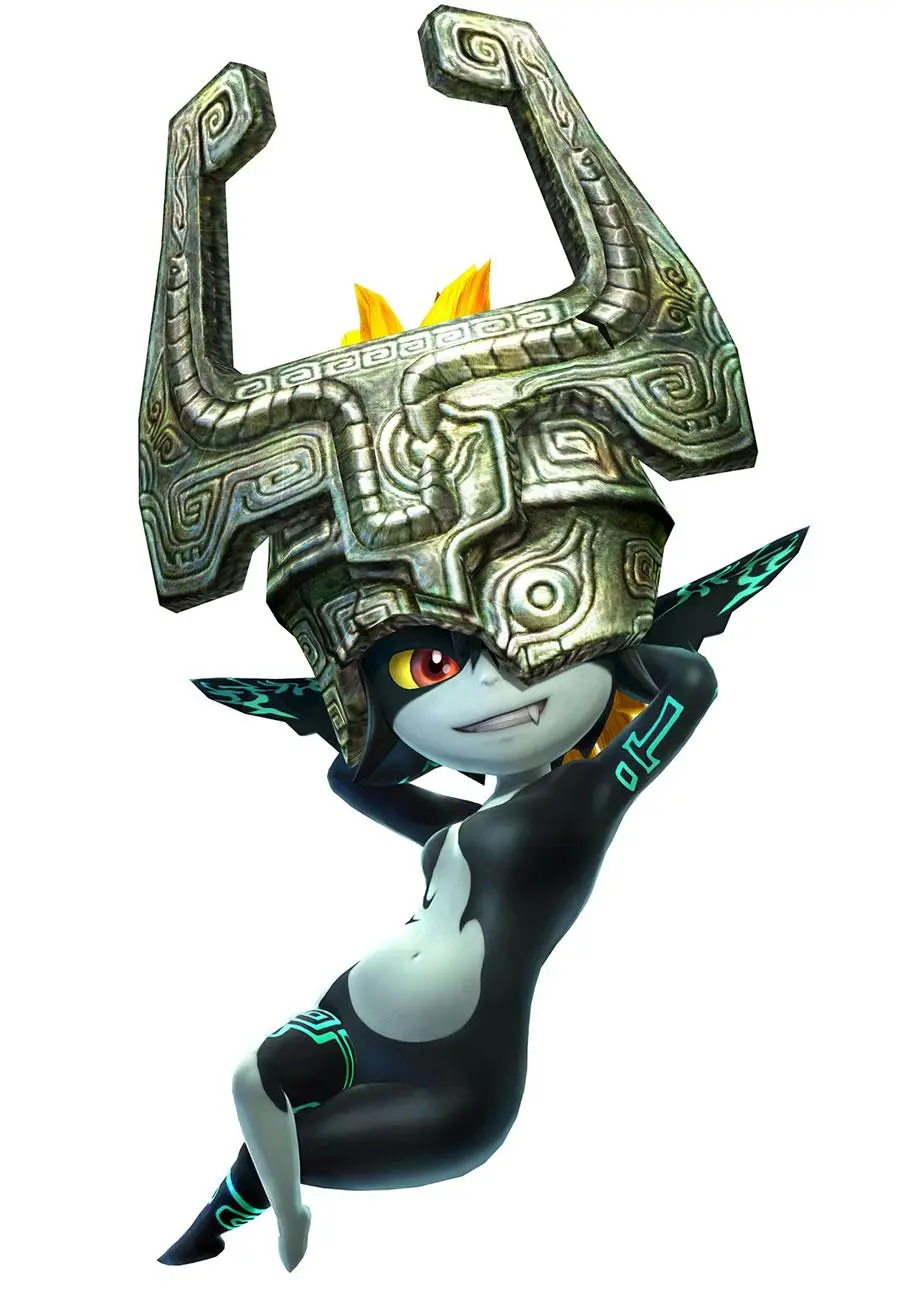 MidnaTwilight Princess
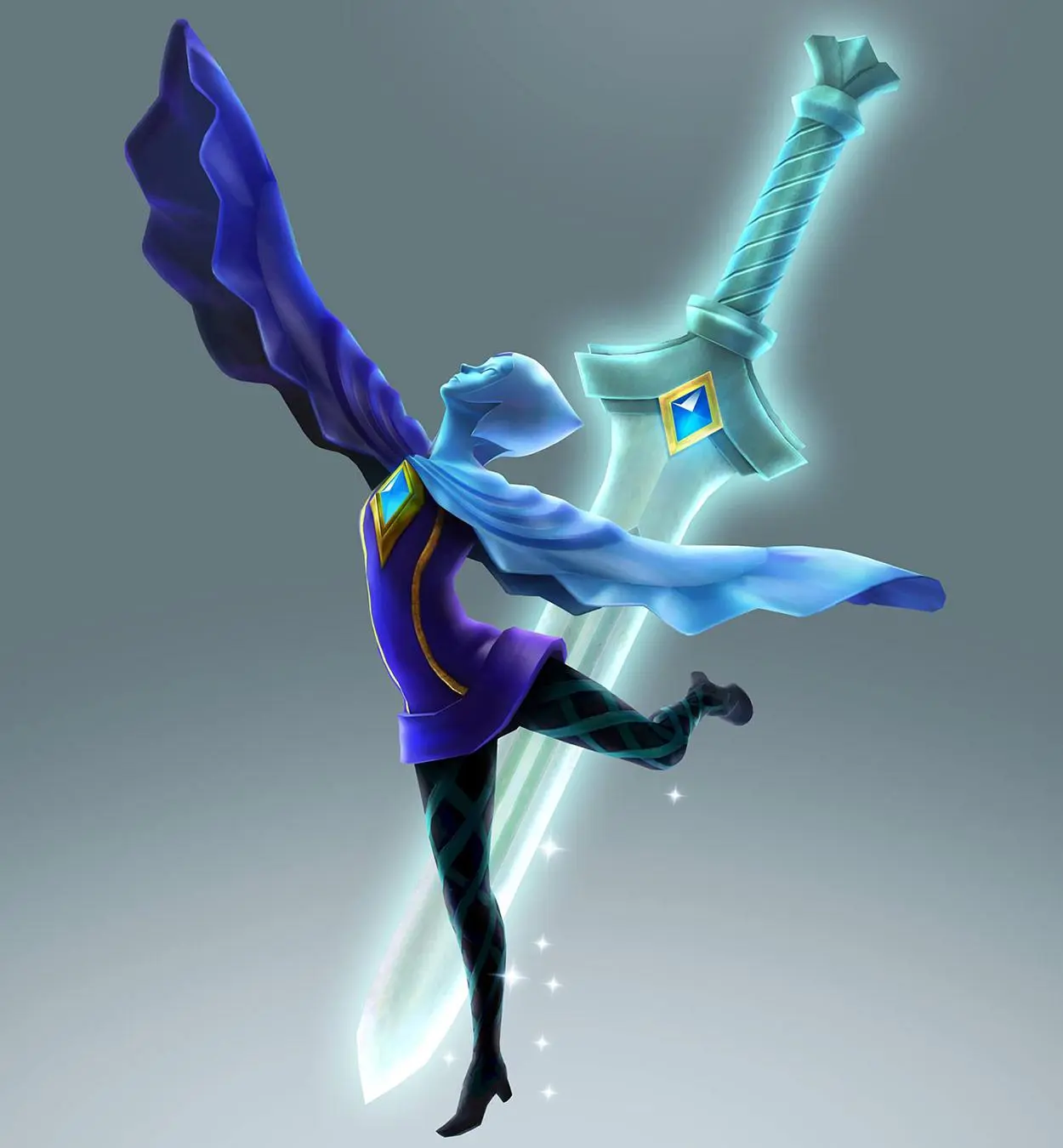 FiSpirit of the sword · Skyward Sword
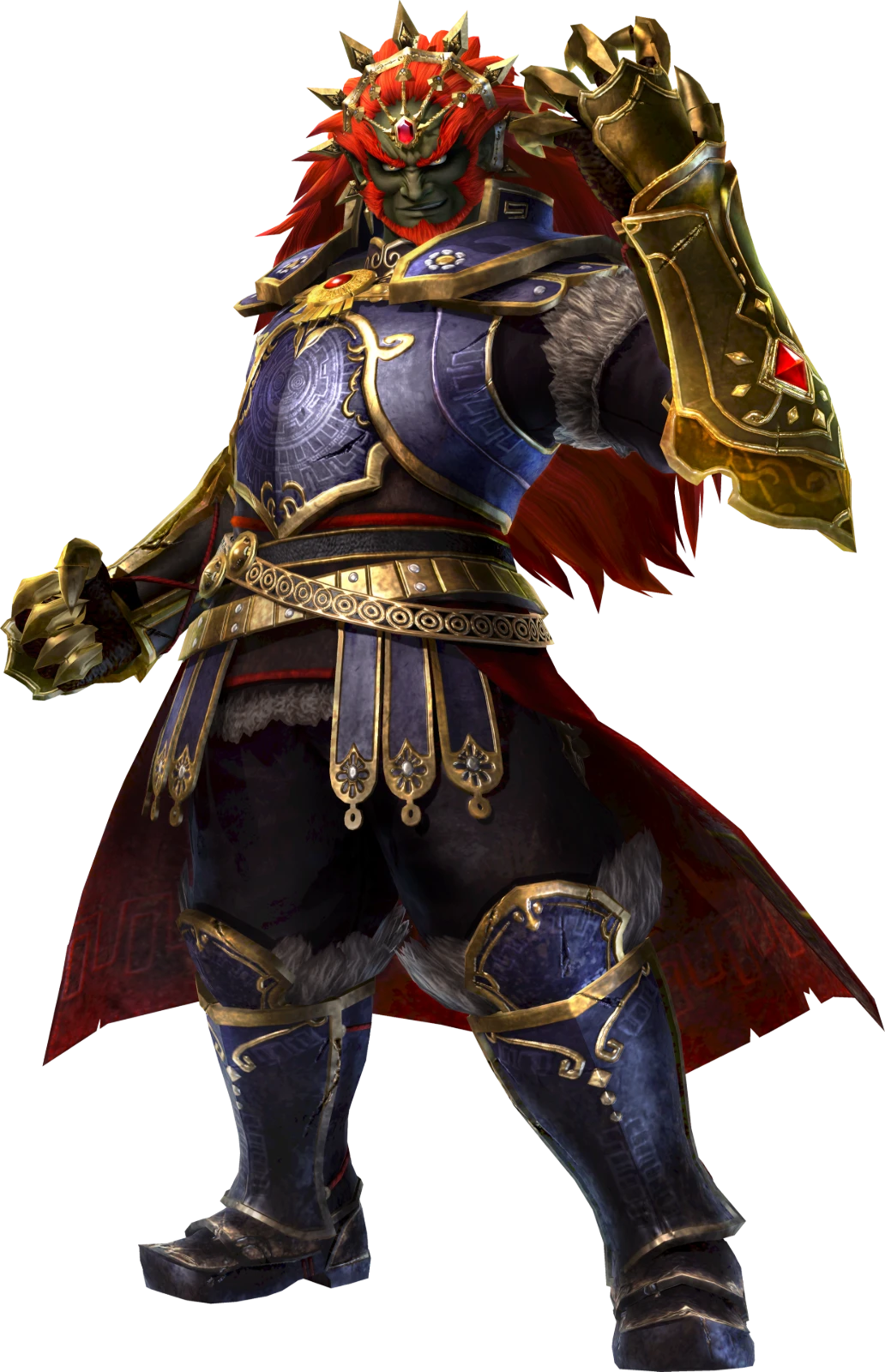 GanondorfThe Demon King
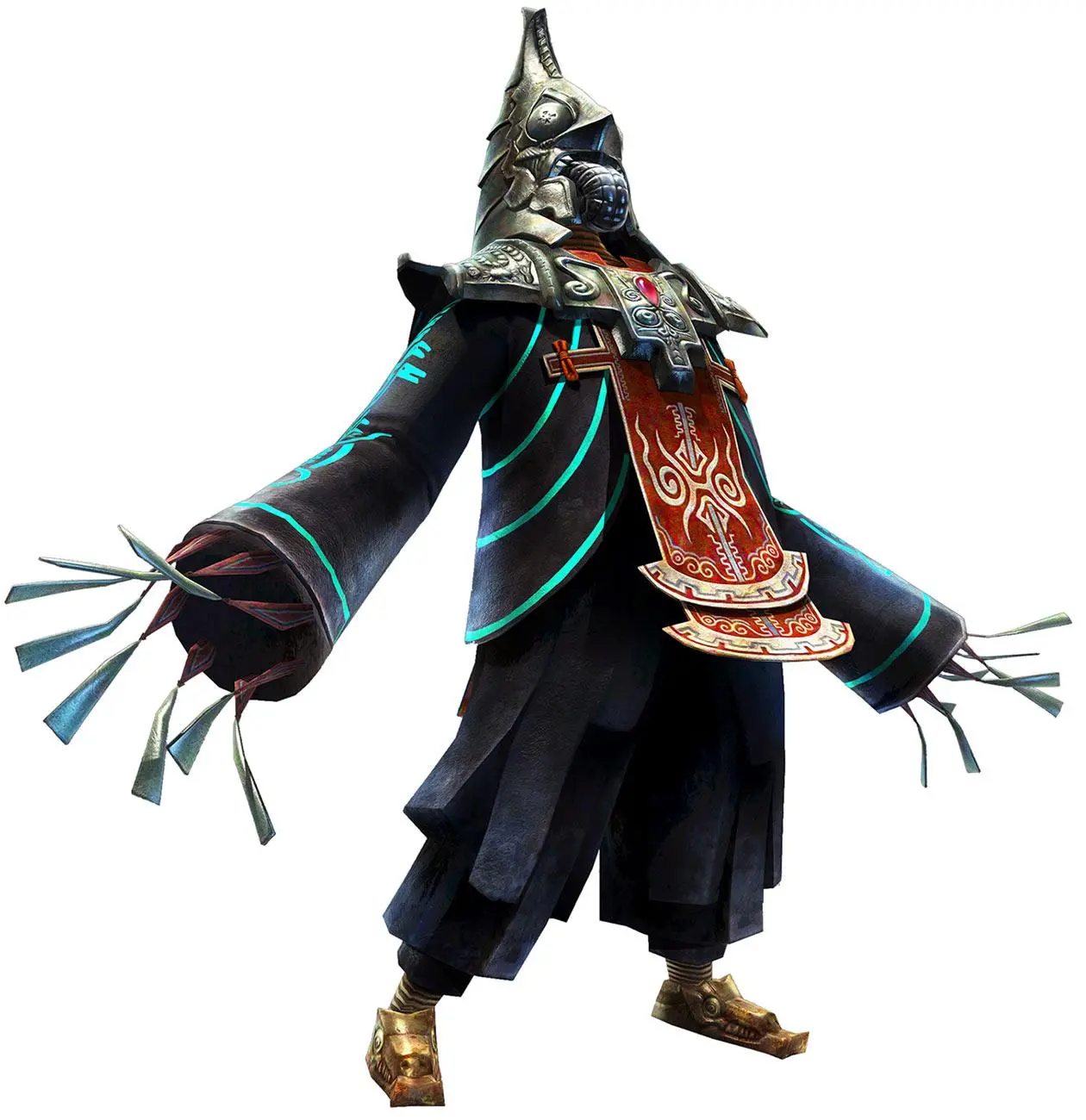 ZantUsurper King · Twilight Princess
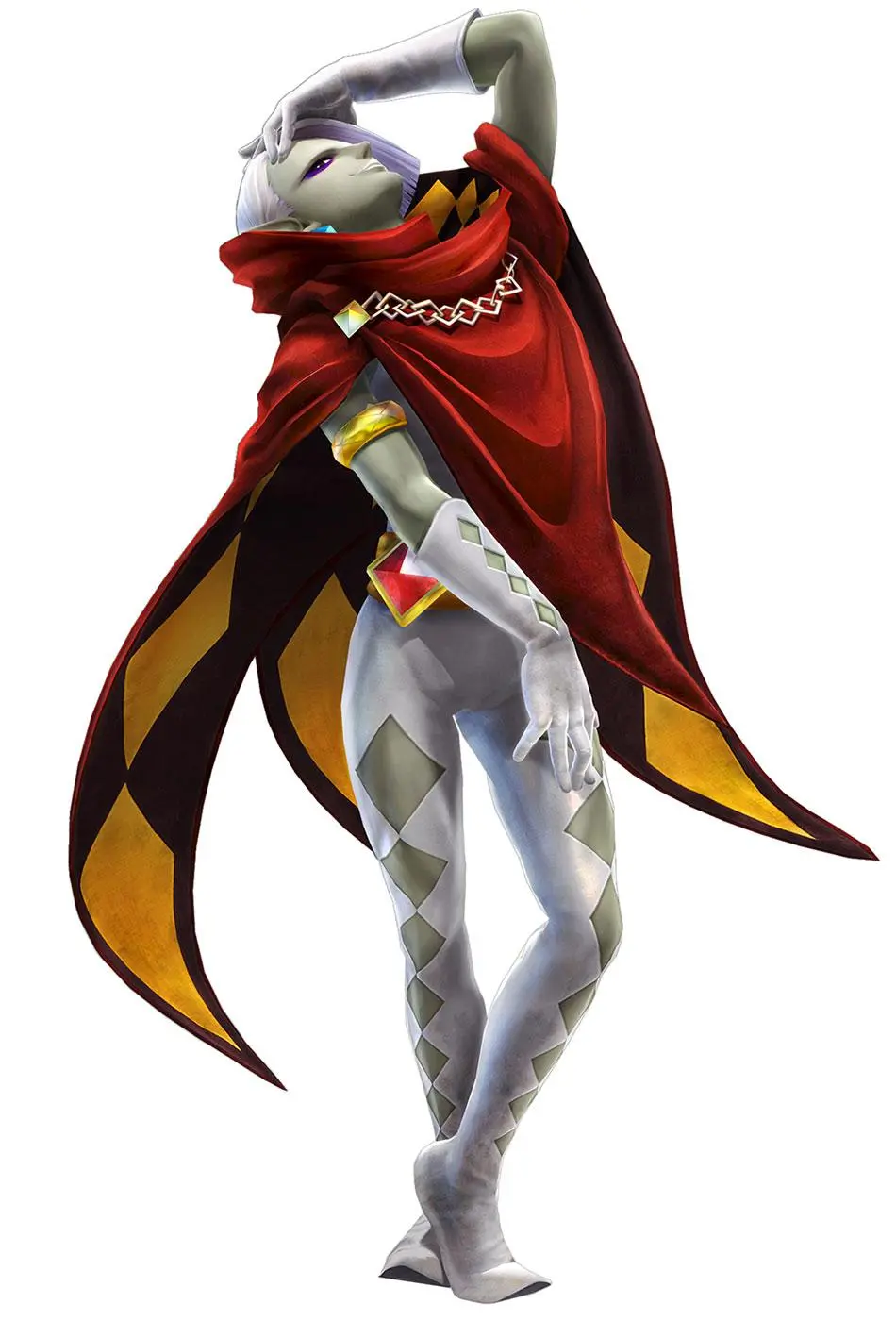 GhirahimDemon Lord · Skyward Sword
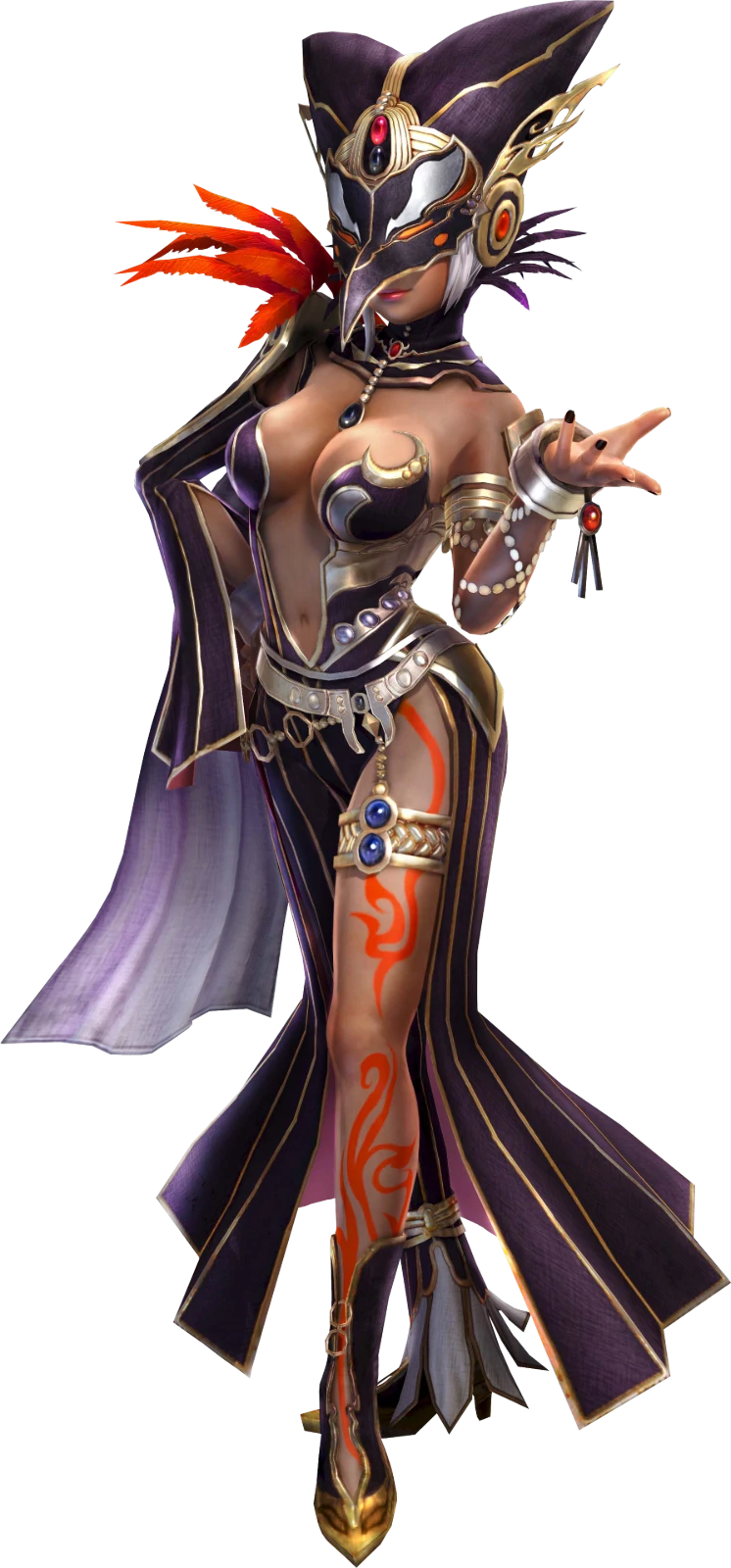 CiaThe Dark Sorceress · new character
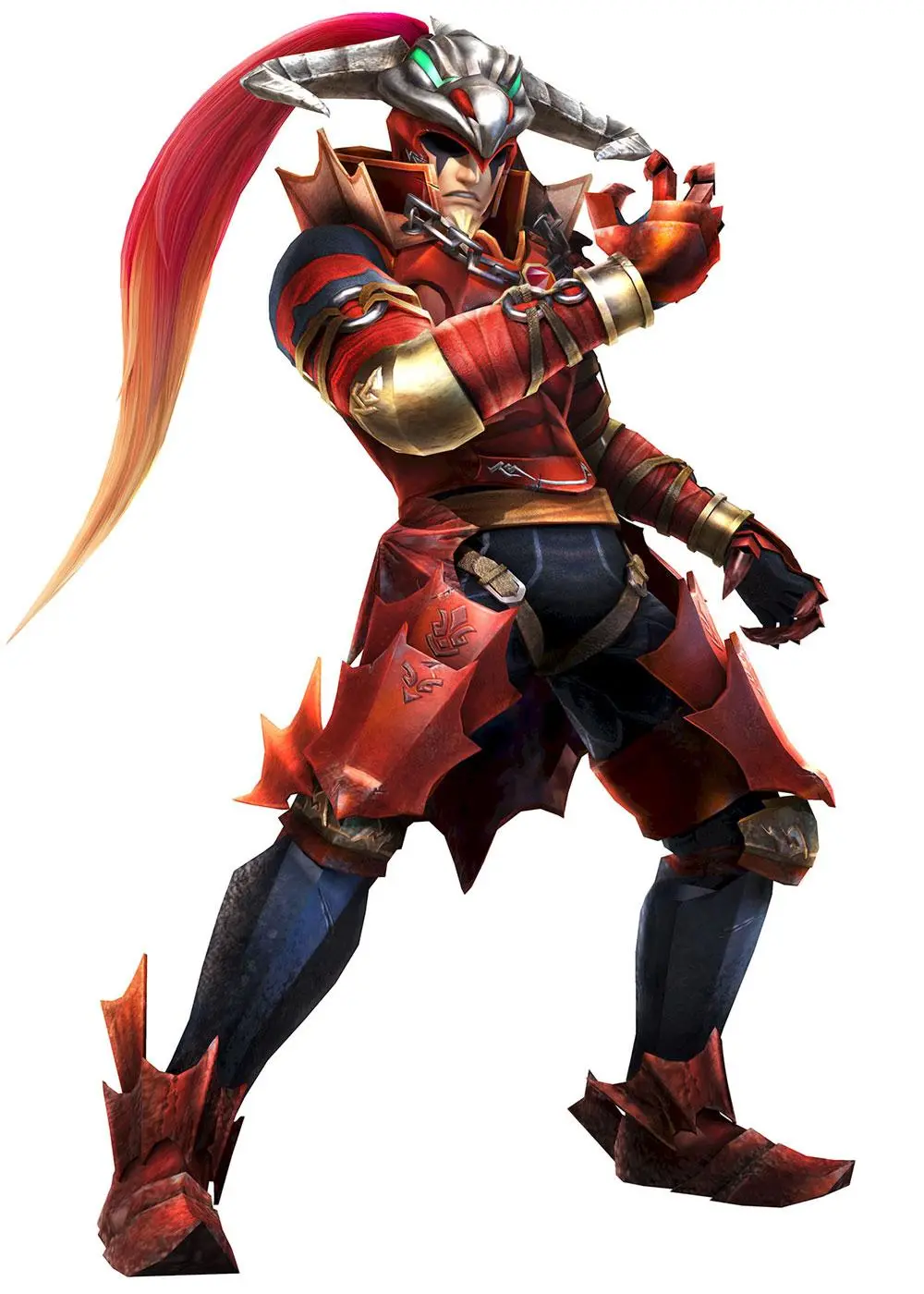 VolgaThe Dragon Knight · new character
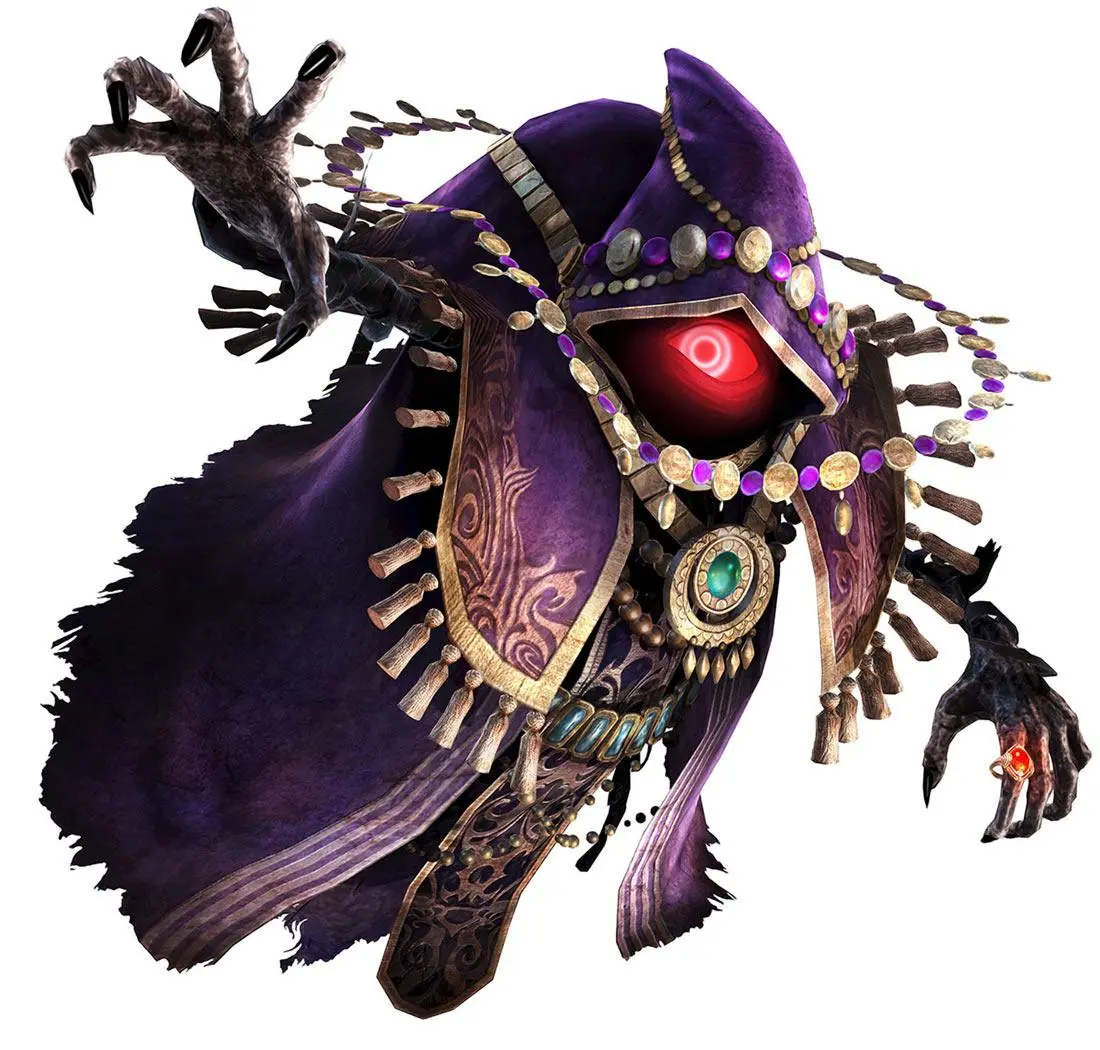 WizzroThe Twisted Wizard · new character
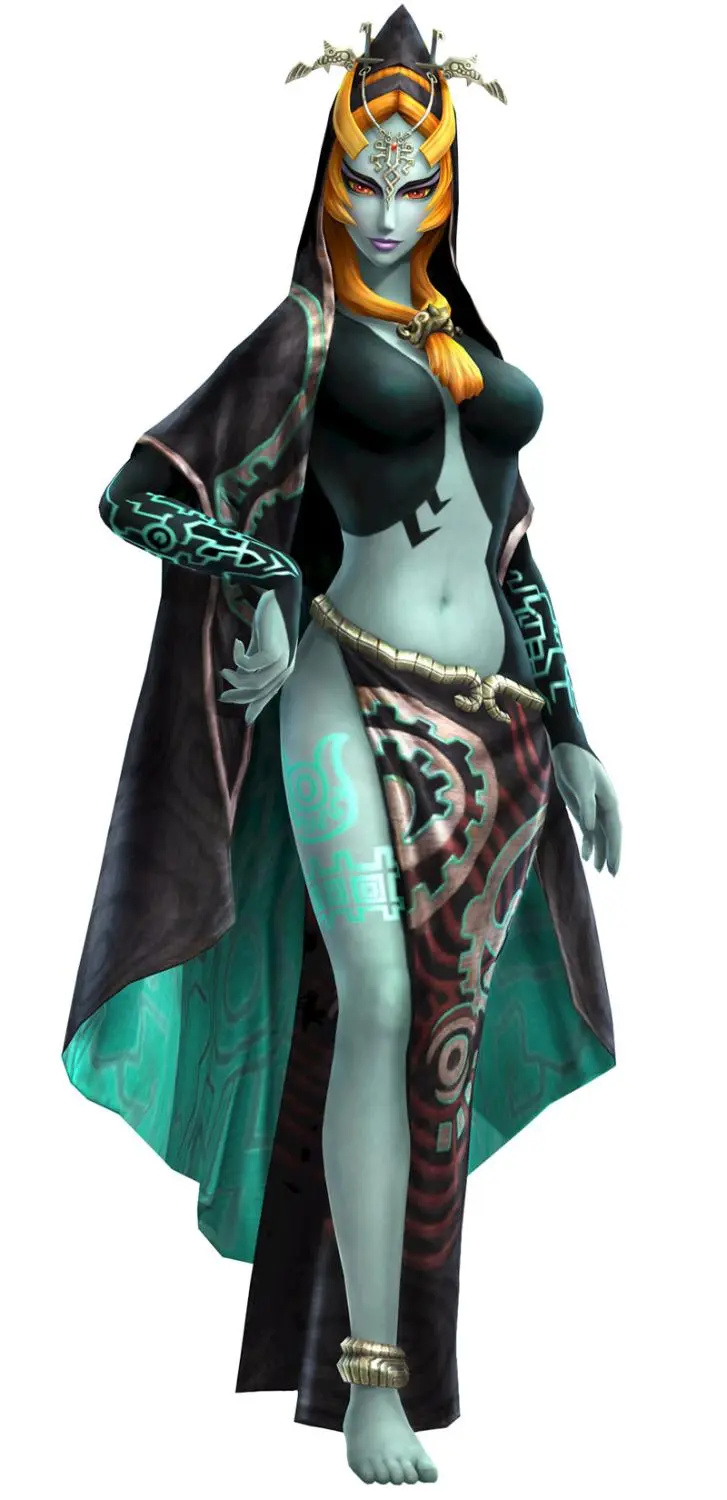 Twili MidnaMidna’s true form
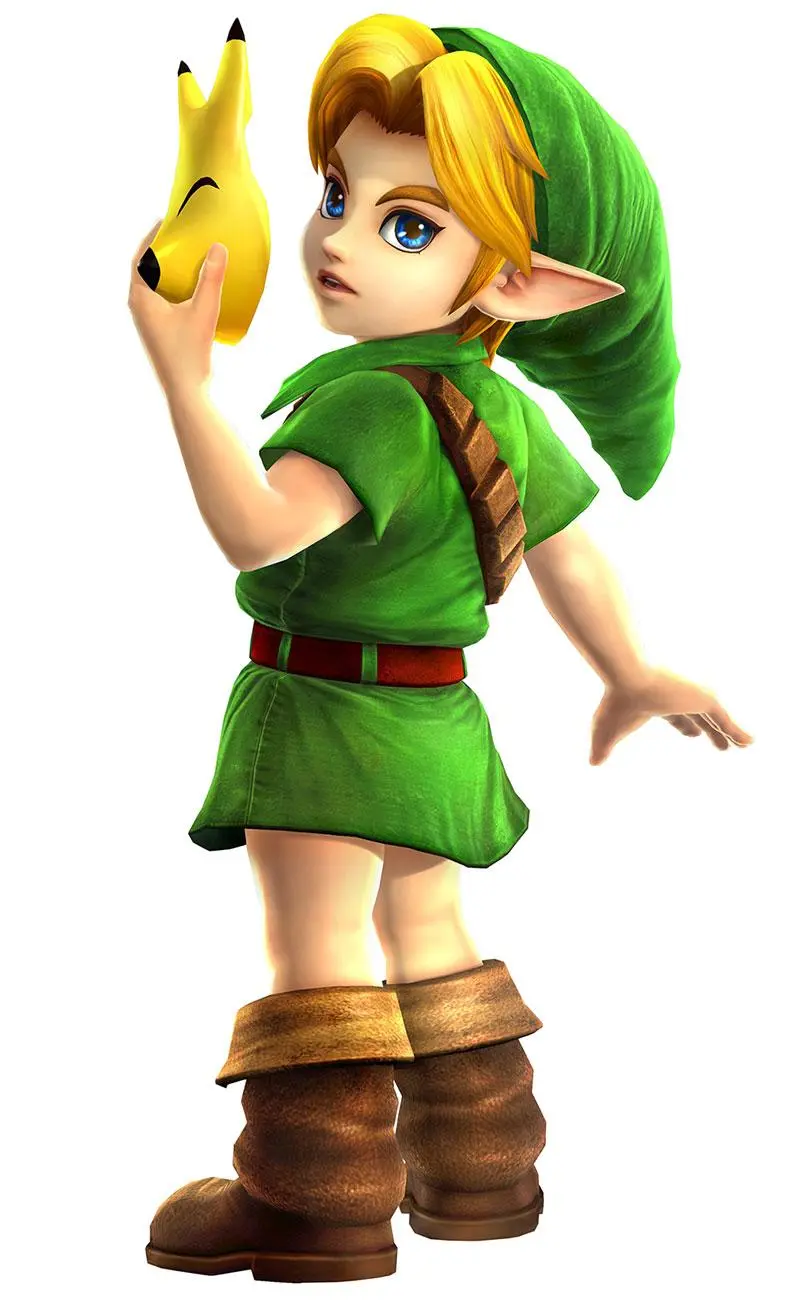 Young LinkMajora’s Mask
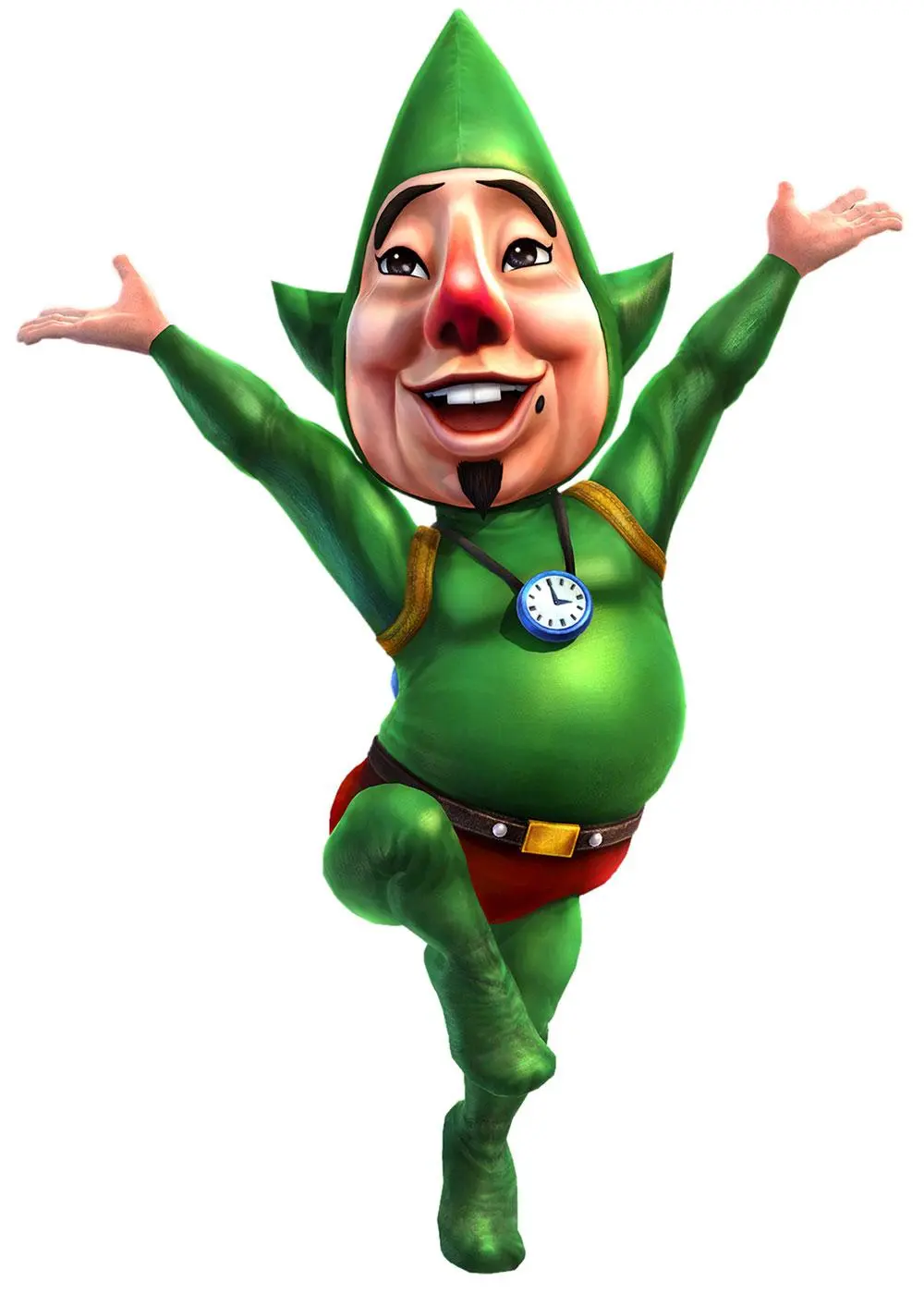 TingleMajora’s Mask
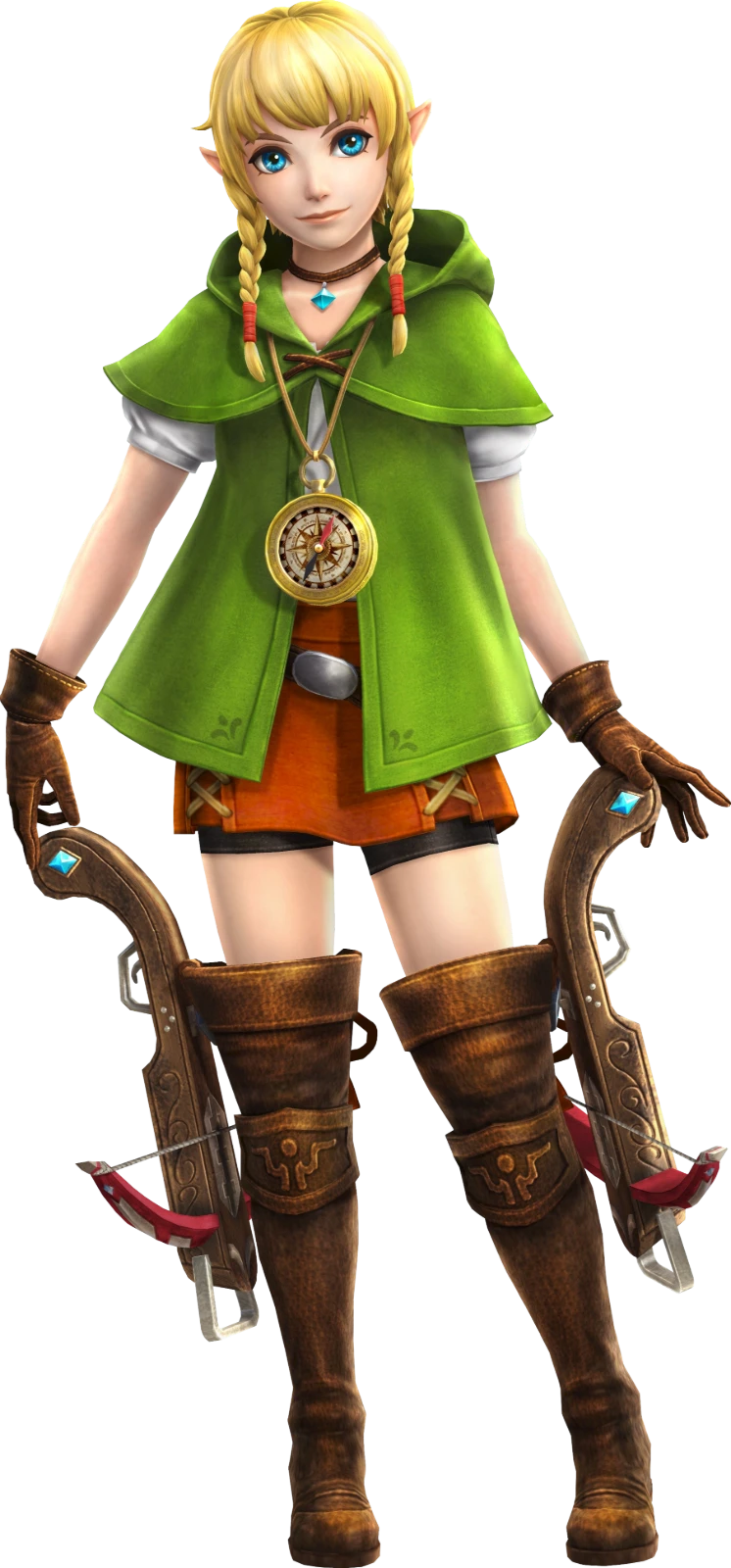 LinkleNew character · Legends
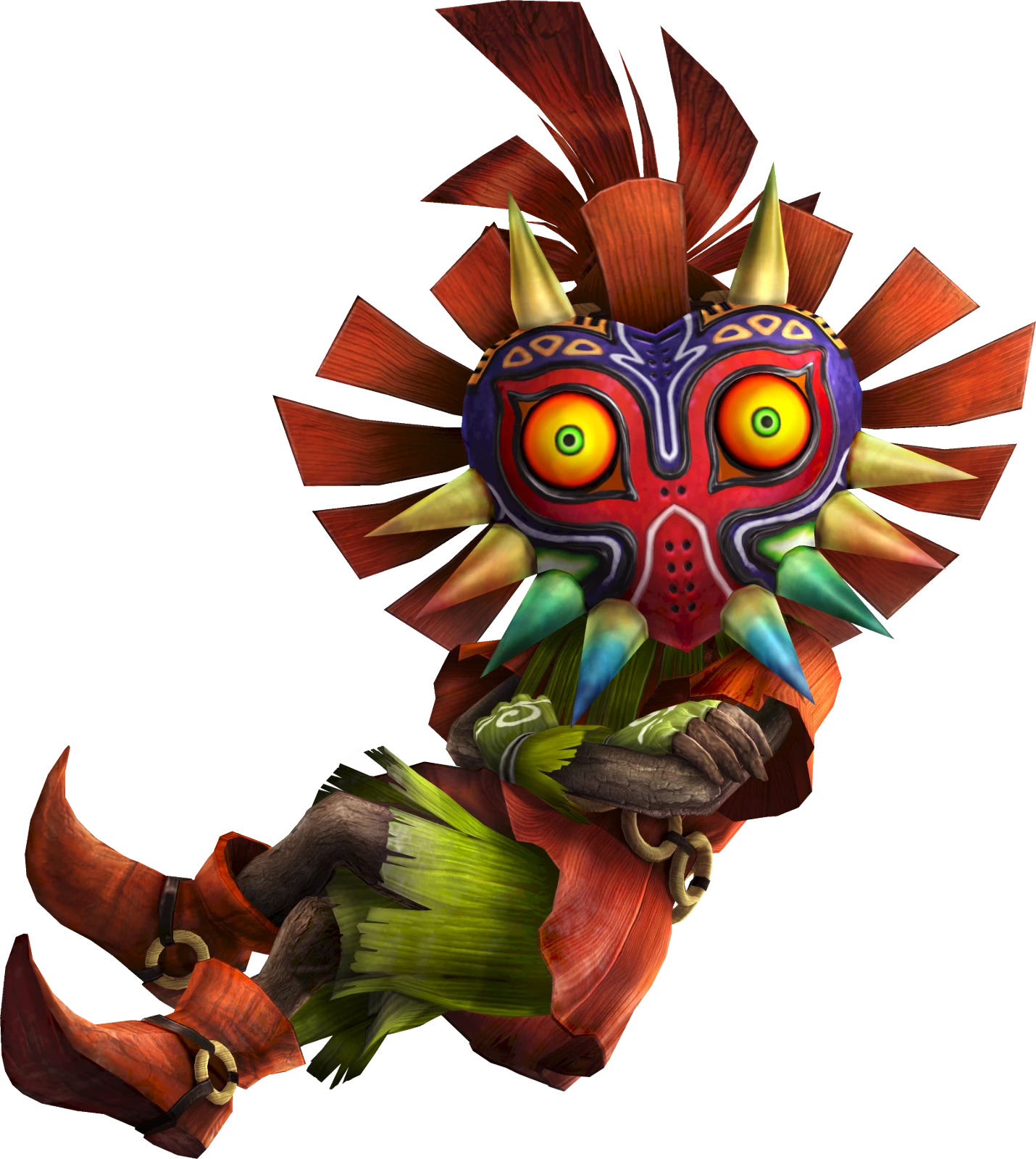 Skull KidMajora’s Mask · Legends
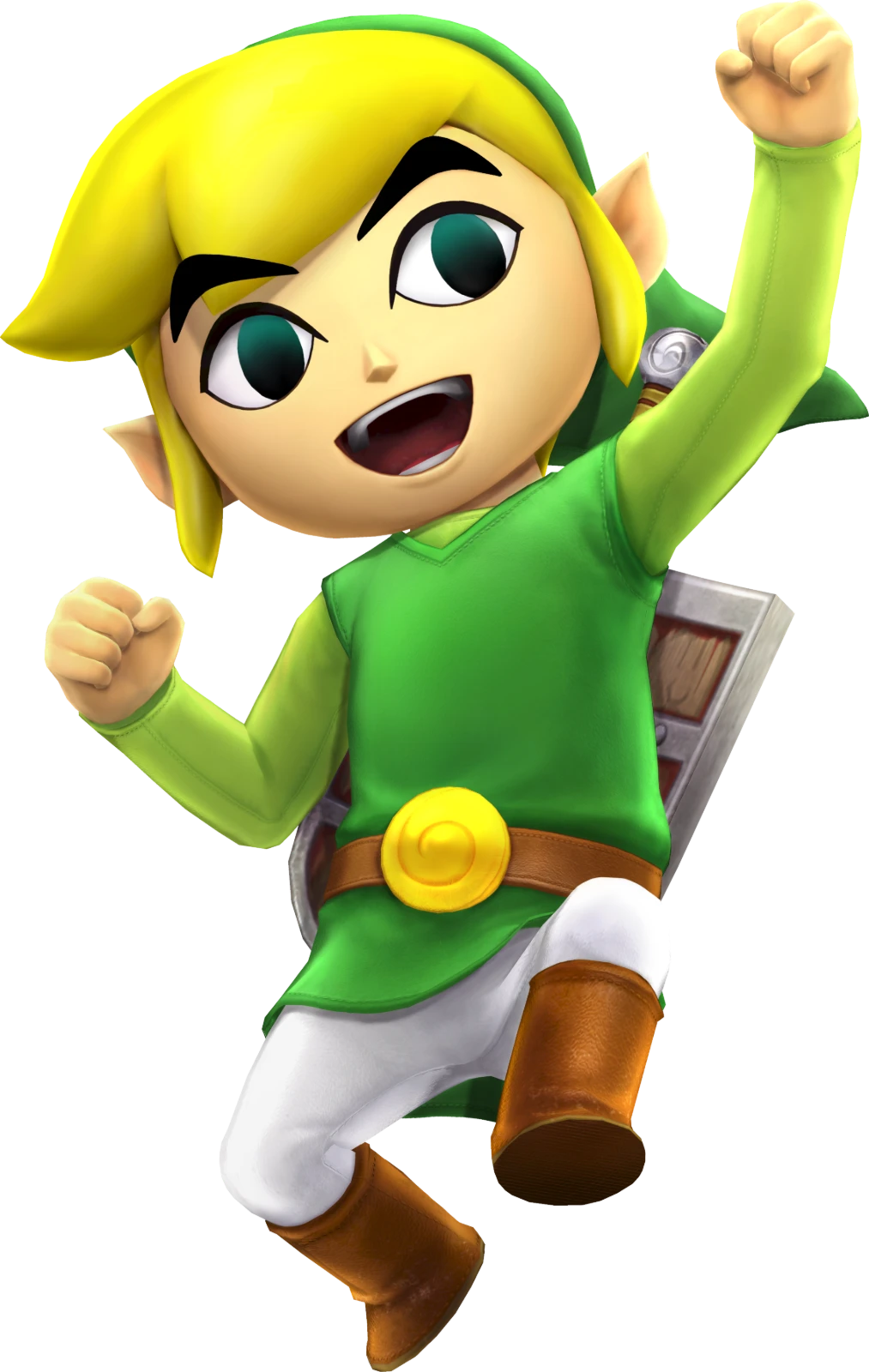 Toon LinkThe Wind Waker · Legends
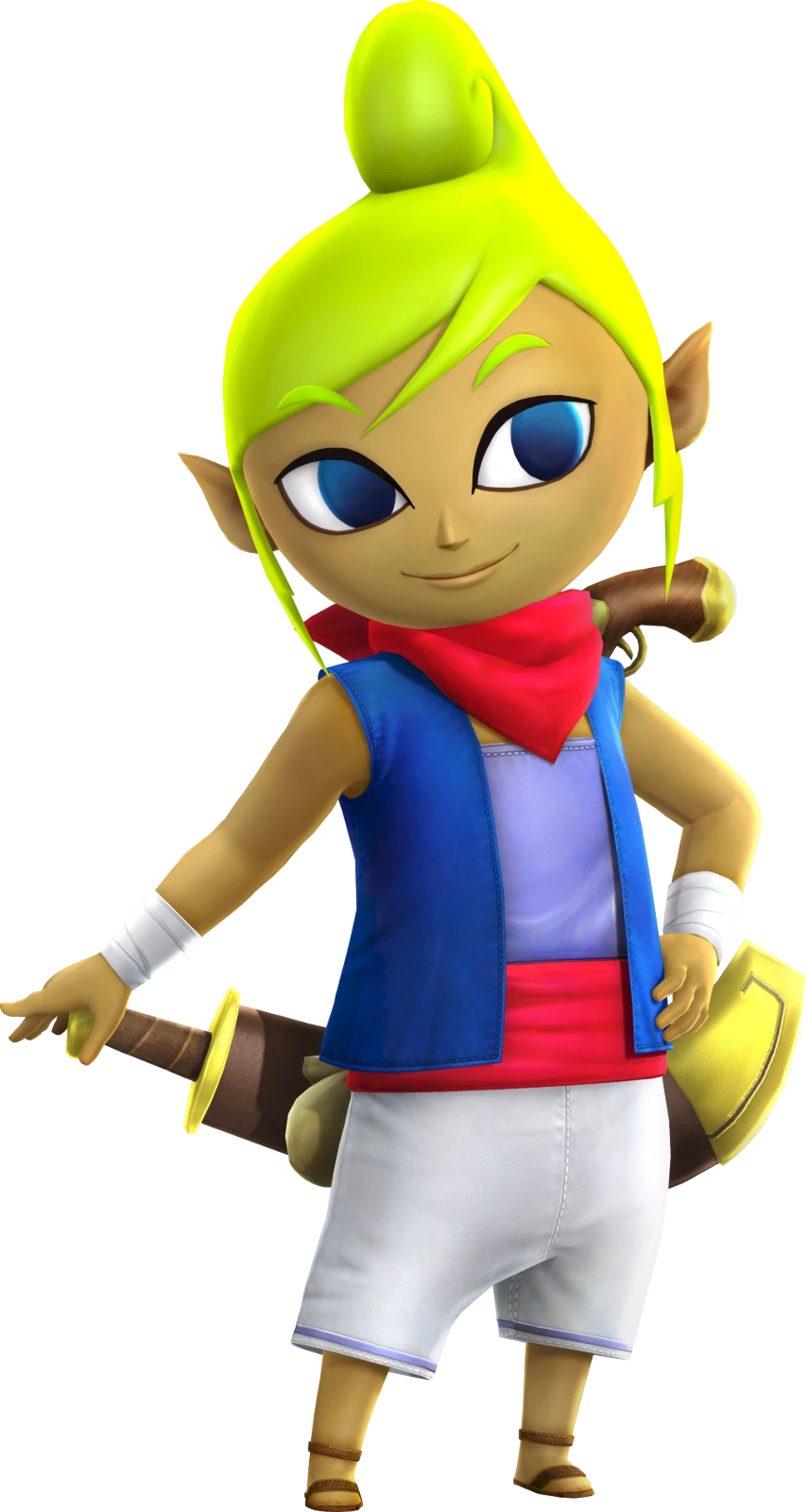 TetraThe Wind Waker · Legends
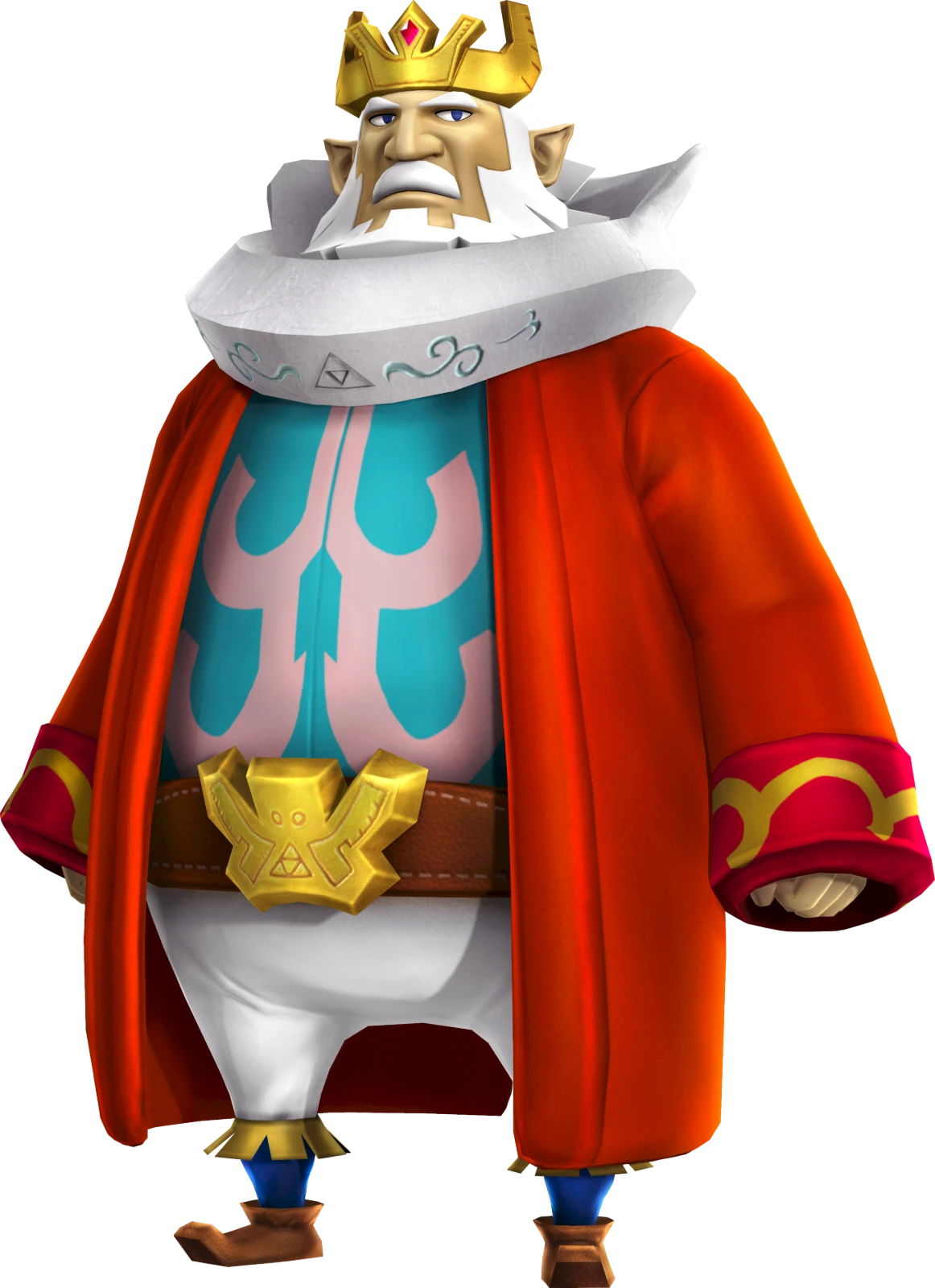 King DaphnesThe Wind Waker · Legends
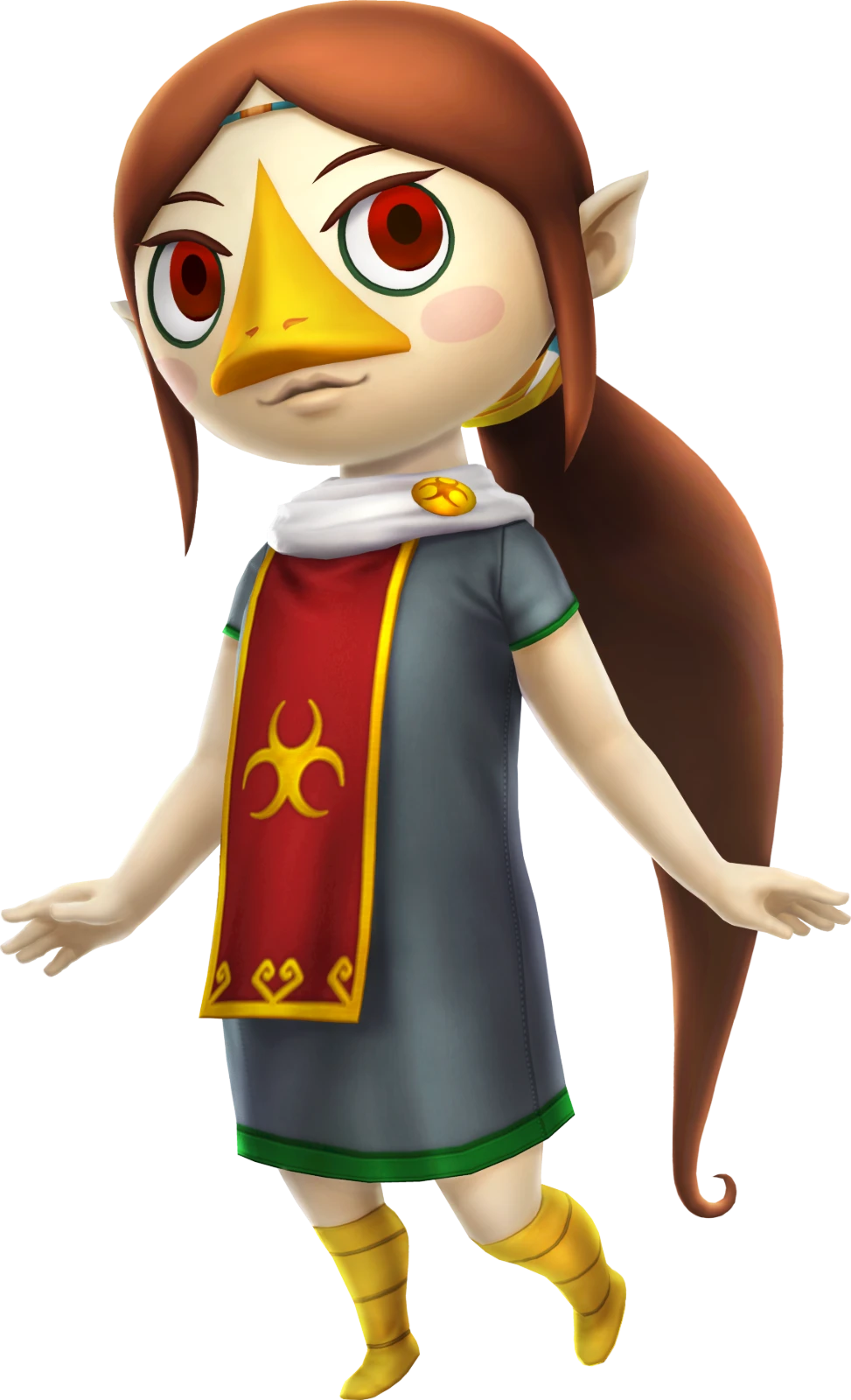 MedliThe Wind Waker
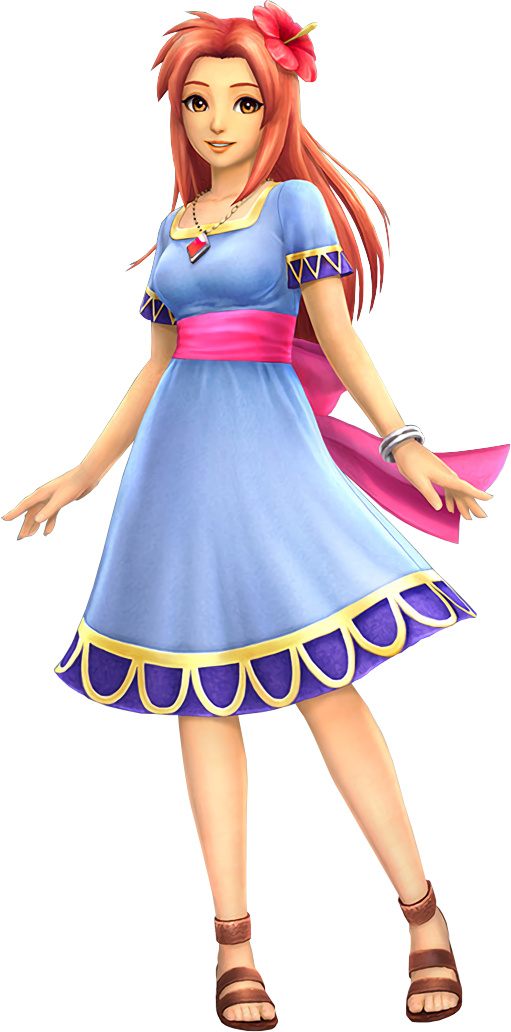 MarinLink’s Awakening
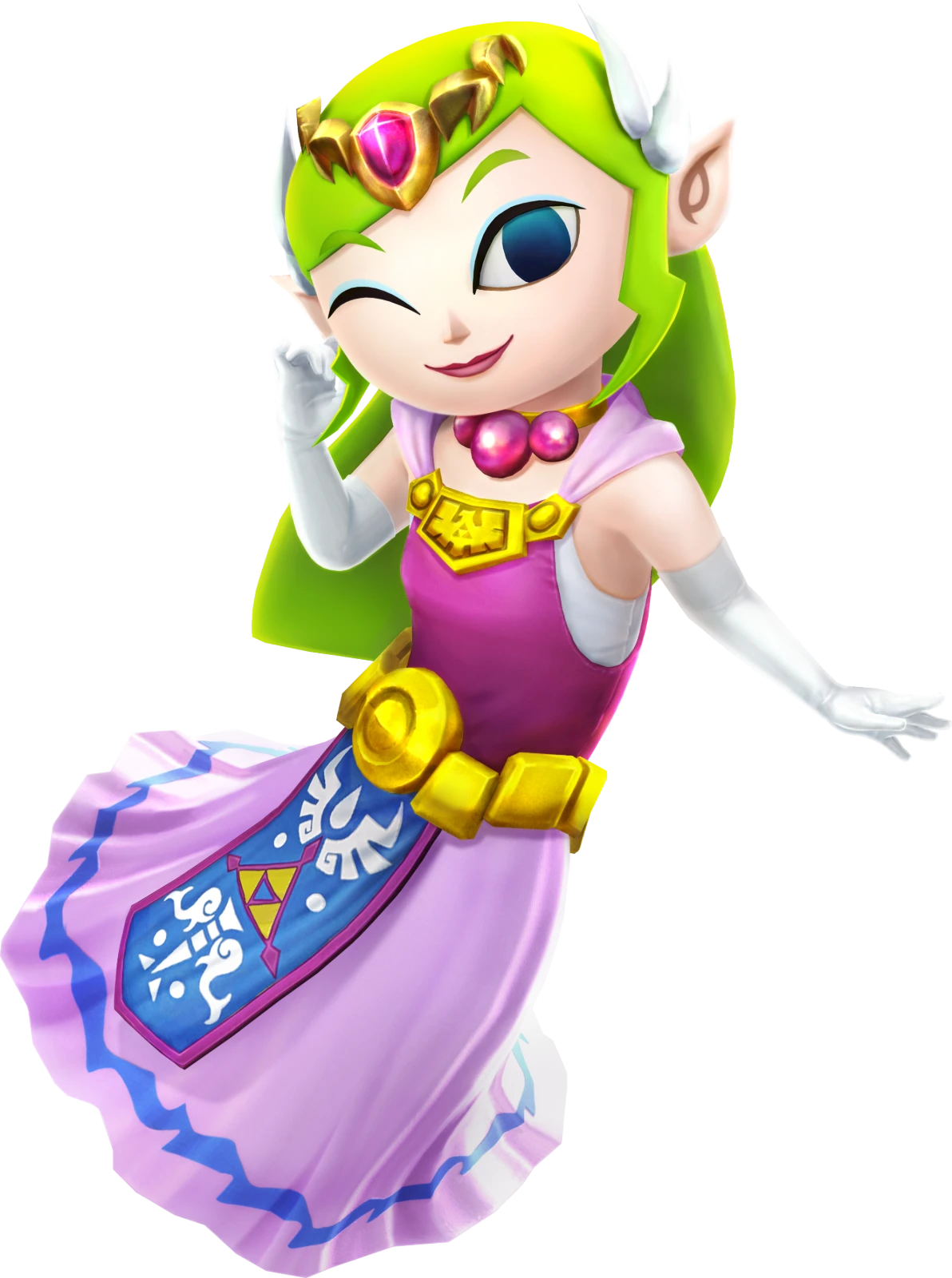 Toon ZeldaSpirit Tracks
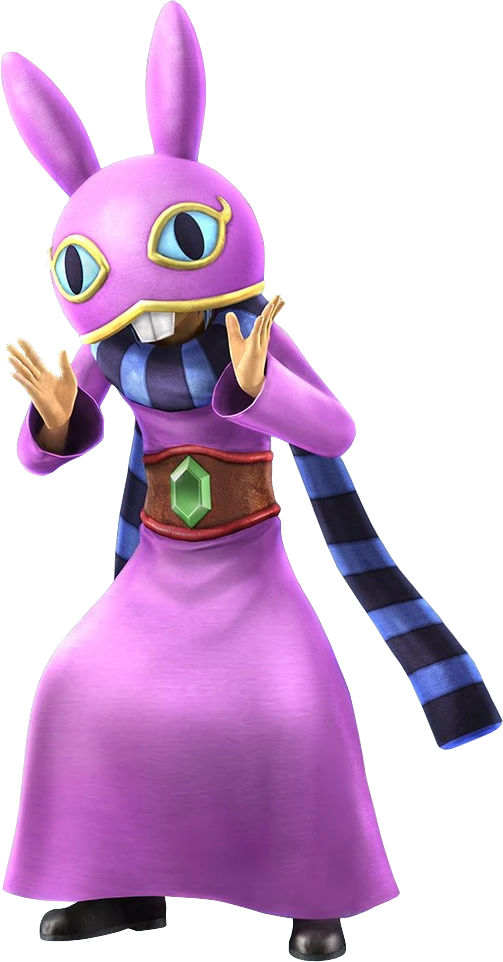 RavioA Link Between Worlds
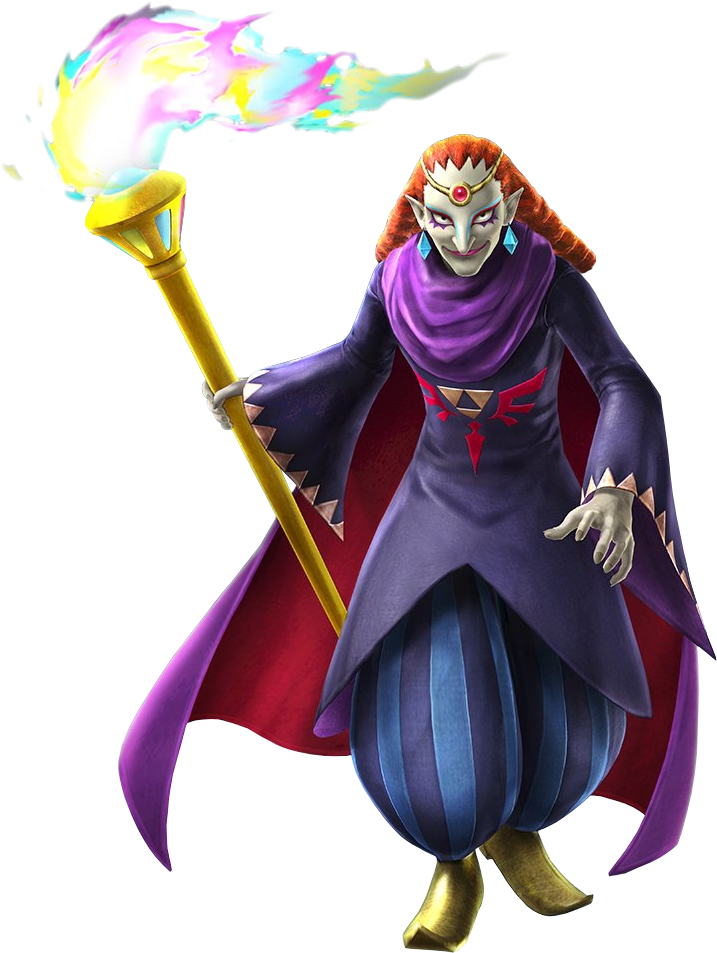 YugaA Link Between Worlds
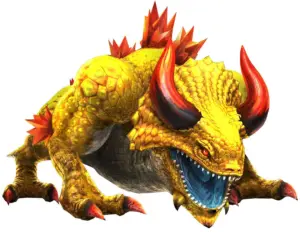 King DodongoHyrule Field · The Armies of RuinThe fire-breathing giant from Ocarina of Time. Throw bombs into its mouth as it inhales.
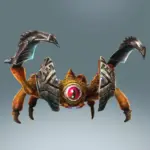 GohmaFaron Woods · The Sorceress of the WoodsThe armoured one-eyed spider, a Zelda boss since 1986. Its eye is the target for the bow.
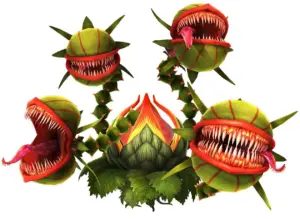 ManhandlaValley of Seers · The Sorceress of the ValleyThe four-headed plant from the original Legend of Zelda. The boomerang deals with its heads and its stalks.
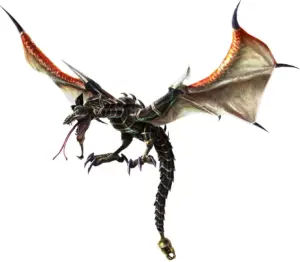 ArgorokPalace of Twilight · The Shadow KingThe armoured dragon from Twilight Princess, which strafes the allied base from the air until the hookshot drags it down.
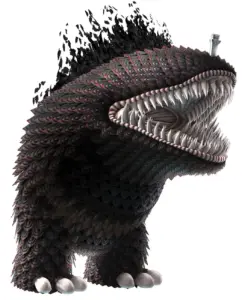 The ImprisonedSealed Grounds · Sealed AmbitionThe scaly giant from Skyward Sword, which breaks out at the Sealed Grounds.
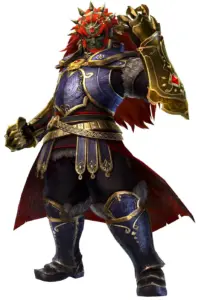 GanonGanon’s Tower · Liberation of the TriforceGanondorf’s beast form and the final boss, finished with light arrows. Playable in Ganon’s Fury.
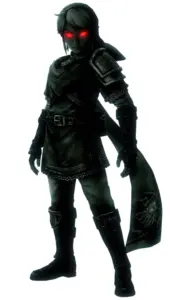 Dark LinkTemple of Souls · A War of SpiritShadow copies of the hero, summoned by Cia. Also a costume for Link.
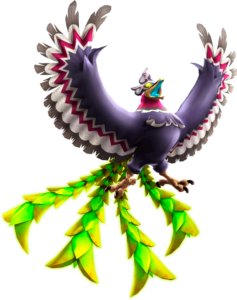 Helmaroc KingLegends and Definitive EditionThe giant masked bird from The Wind Waker, brought down with the Hammer.
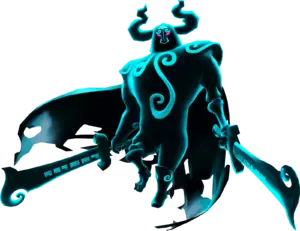 Phantom GanonLegends and Definitive EditionThe villain behind the Wind Waker chapters and their final boss.
 The Hyrule Warriors seriesThis is the first of the Zelda and Warriors crossovers. Koei Tecmo and Nintendo returned to the idea with Age of Calamity in 2020 and Age of Imprisonment in 2025, both tied to the stories of main-series games.
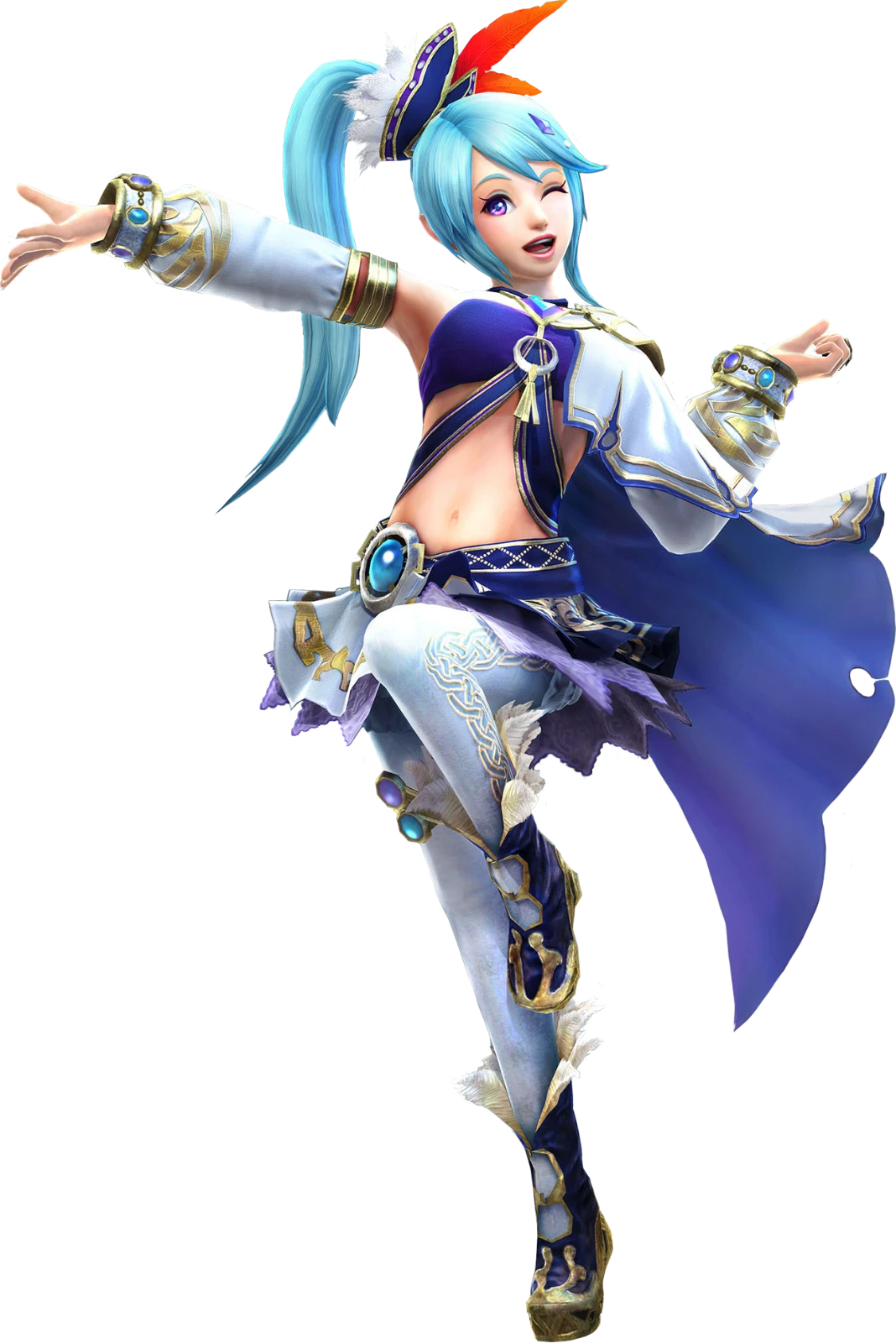 Lana, Cia, Volga and WizzroTwo sorceresses, a dragon knight and a living ring: the four characters created for the game, who carry its whole plot.
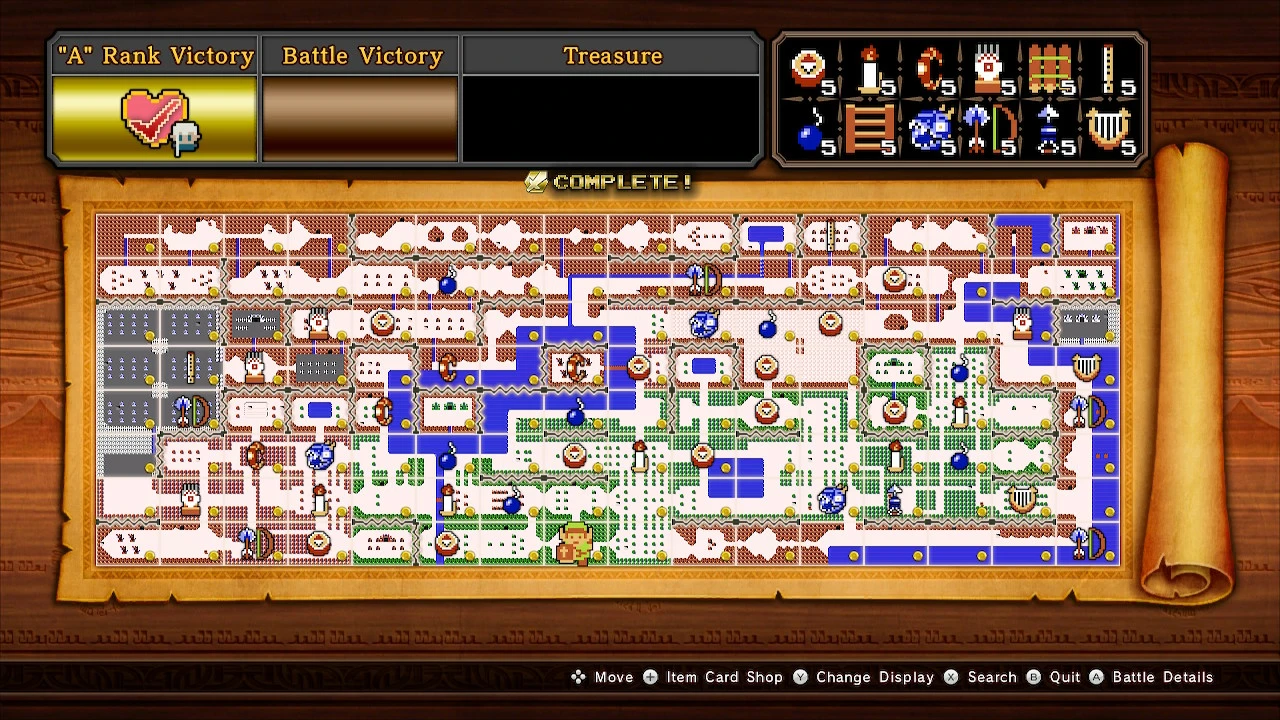 Adventure ModeThe grid of battles laid over the 1986 overworld, searched with Item Cards, was invented for this game and extended with eight more maps.