Game Boy Color2001Flagship (Capcom)Action-adventure
The Legend of Zelda: Oracle of Ages
A sorceress has stolen the Oracle of Ages and bent four hundred years of history out of shape. Armed with a harp that opens doors in time, Link must fix Labrynna’s past to save its present.
Released27 February 2001 (JP) · 14 May 2001 (NA) · 5 October 2001 (EU)
DeveloperFlagship (Capcom)
DirectorHidemaro Fujibayashi
PlatformGame Boy Color
DungeonsEight, plus the Black Tower
Companion gameOracle of Seasons
Title
The Legend of Zelda: Oracle of Ages ゼルダの伝説 ふしぎの木の実 時空の章 (Fushigi no Kinomi: Jikū no Shō, roughly “The Mysterious Seed: Chapter of Time and Space”)
Platform
Game Boy Color (with extras on Game Boy Advance)
Developer
Capcom, with its subsidiary Flagship writing the scenario
Publisher
Nintendo
Director
Hidemaro Fujibayashi (also designer and writer)
Producer
Noritaka Funamizu
Designers
Hidemaro Fujibayashi, Yoichiro Ikeda, Su Chol Lee
Character design
Yusuke Nakano
Music
Pure Sound: “M-Adachi” (Minako Adachi) and “Kyopi” (Kiyohiro Sada or Kyoko Nakamura; sources differ)
Players
1
Released
Japan 27 February 2001; North America 14 May 2001; Europe and Australia 5 October 2001 (the same days as Oracle of Seasons)
Cartridge
8 megabits (16 megabits in Europe)
Linked game
Oracle of Seasons: passwords or a Game Link Cable carry your progress between the two
Re-releases
Nintendo 3DS Virtual Console (Japan 27 February 2013; Europe, Australia and North America 30 May 2013); Nintendo Switch Online Game Boy library (27 July 2023)
3.99 million for Ages and Seasons combined; 746,054 in Japan
Overview
It was a big moment in 2001 when Nintendo let another company make two brand-new Zelda games. Oracle of Ages and its twin, Oracle of Seasons, were made by Capcom and its scenario-writing subsidiary Flagship, and released on the same day as a pair. They are the seventh and eighth Zelda games, and they look and play like a souped-up Link’s Awakening in full colour.
The two are not the same game in different colours, Pokémon-style. Seasons leans on action and lets Link change the seasons; Ages leans on brain-teasing puzzles and lets him travel in time. With the Harp of Ages, Link hops between present-day Labrynna and the same land four hundred years earlier, and what he changes in the past reshapes the present: mend a village’s broken relic in one era and a way opens in the other.
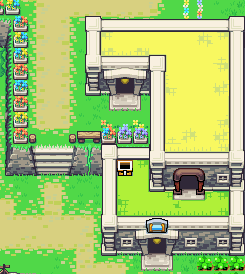
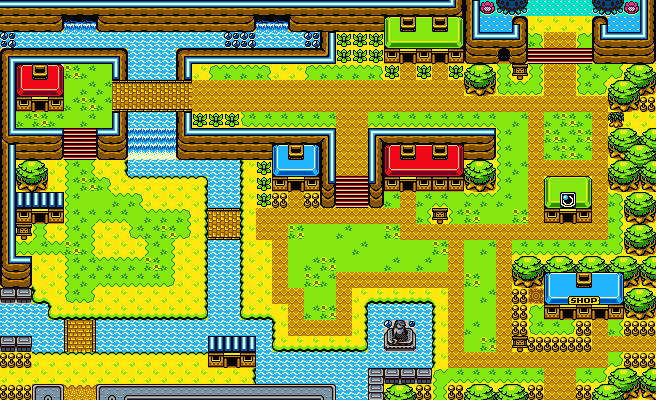
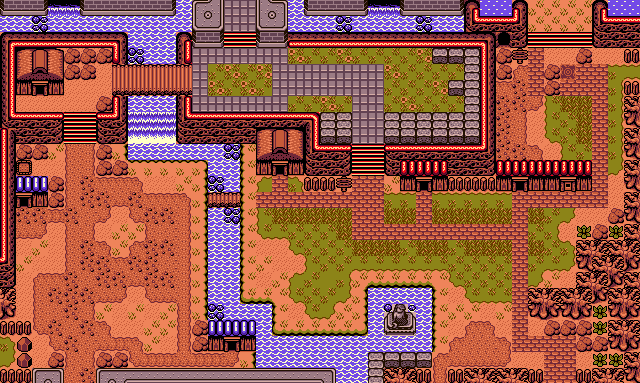
Present-day Lynna City, Labrynna’s main town.A time portal: play the right tune and Link jumps four centuries.The same land in the past, four hundred years earlier.
The clever part is what happens when you finish. Each game hands you a password that starts a “linked” version of the other, with new conversations, items traded between the two and a secret final chapter that only appears in the second game you play. It is a unique experiment in the series, and the closest Zelda has come to a two-part epic.
The story is one of the series’ best on handheld: a sorceress who hides inside other people, a queen who only wanted a beacon to guide her love home from the sea, a hot-headed friend who learns he is descended from the woman he wants to fight, and a gentle oracle whose song opens the doors of time.
As the Oracle of Ages, Nayru wields power over the currents of time in Labrynna.
That is how Nintendo’s own instruction manual introduces the oracle at the centre of the game. The manual goes on to describe her as wise and serene, sets up Veran, the Sorceress of Shadows, as the villain who has thrown the flow of time into disarray, and frames the game as Link’s quest across past and present to put things right.
— Official description: Nintendo, The Legend of Zelda: Oracle of Ages instruction manual (2001), character page for Nayru, as transcribed by the Zelda Wiki on Fandom. One line quoted; the rest summarised.
Quick Answers
Quick answers to the questions people ask most about Oracle of Ages, with links to the detail further down.
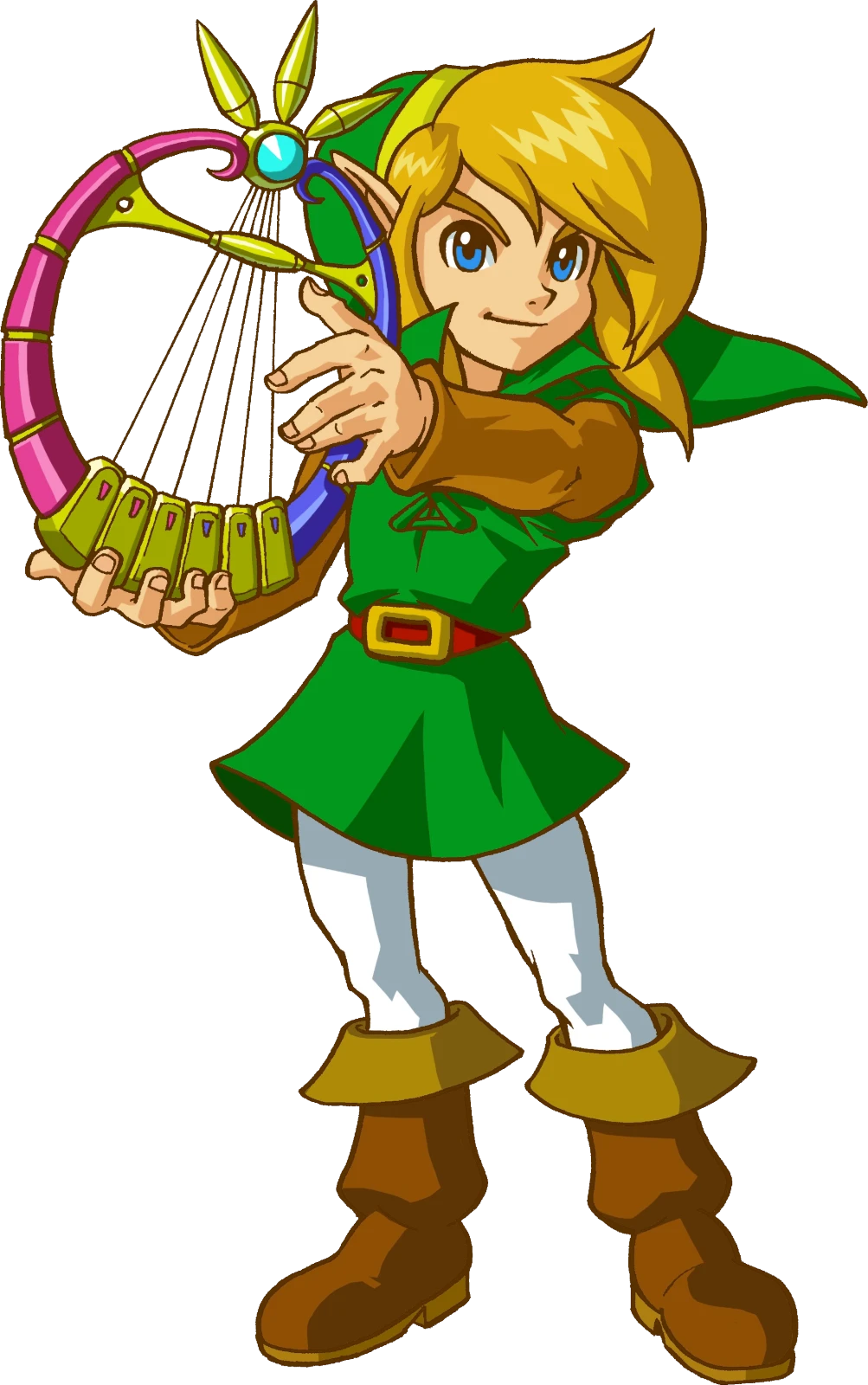
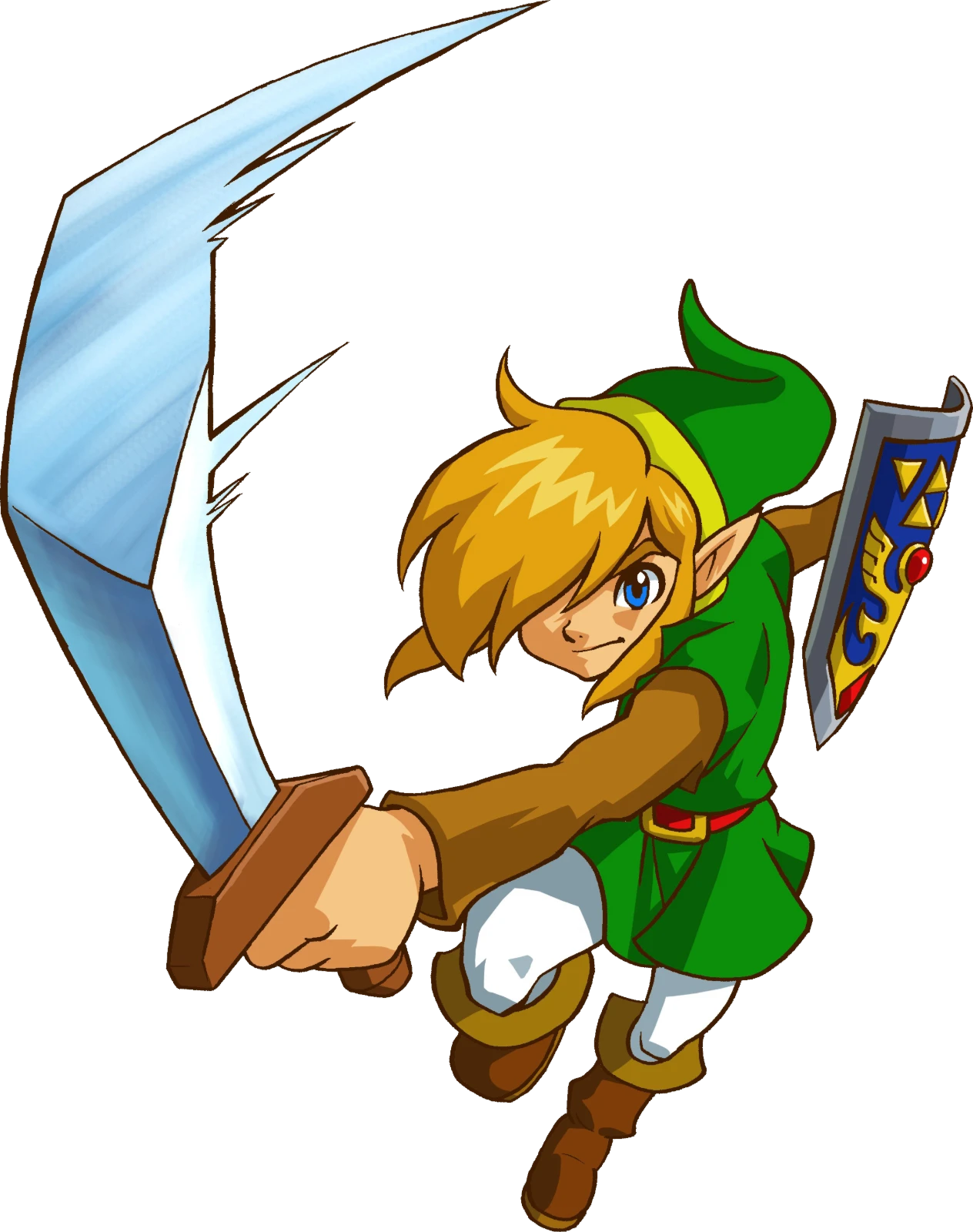
Official art of Link for Oracle of Ages.
When did Oracle of Ages come out?
27 February 2001 in Japan, 14 May 2001 in North America and 5 October 2001 in Europe and Australia, on the same day as Oracle of Seasons in each region. More →
What is the difference between Oracle of Ages and Oracle of Seasons?
They are two separate adventures with their own worlds, dungeons and villains. Ages is set in Labrynna, focuses on puzzles and uses time travel; Seasons is set in Holodrum, focuses on action and lets Link change the seasons. More →
Which Oracle game should I play first?
Either. Finishing one gives you a password to start a linked version of the other, and the true ending, with the last two bosses, appears at the end of whichever game you play second. More →
How does the linked game work?
At the end of your first game you get a password (a “secret”). Enter it when starting the other game and it becomes a linked game, with extra scenes, characters who swap passwords for items and upgrades with your first file, and the secret final chapter. More →
How many dungeons are there?
Eight, each holding one of the eight Essences of Time, plus the final Black Tower. More →
How does time travel work?
The Harp of Ages. Its first tune opens fixed time portals; later tunes let Link warp between past and present far more freely. Changes in the past ripple into the present. More →
Who is the villain?
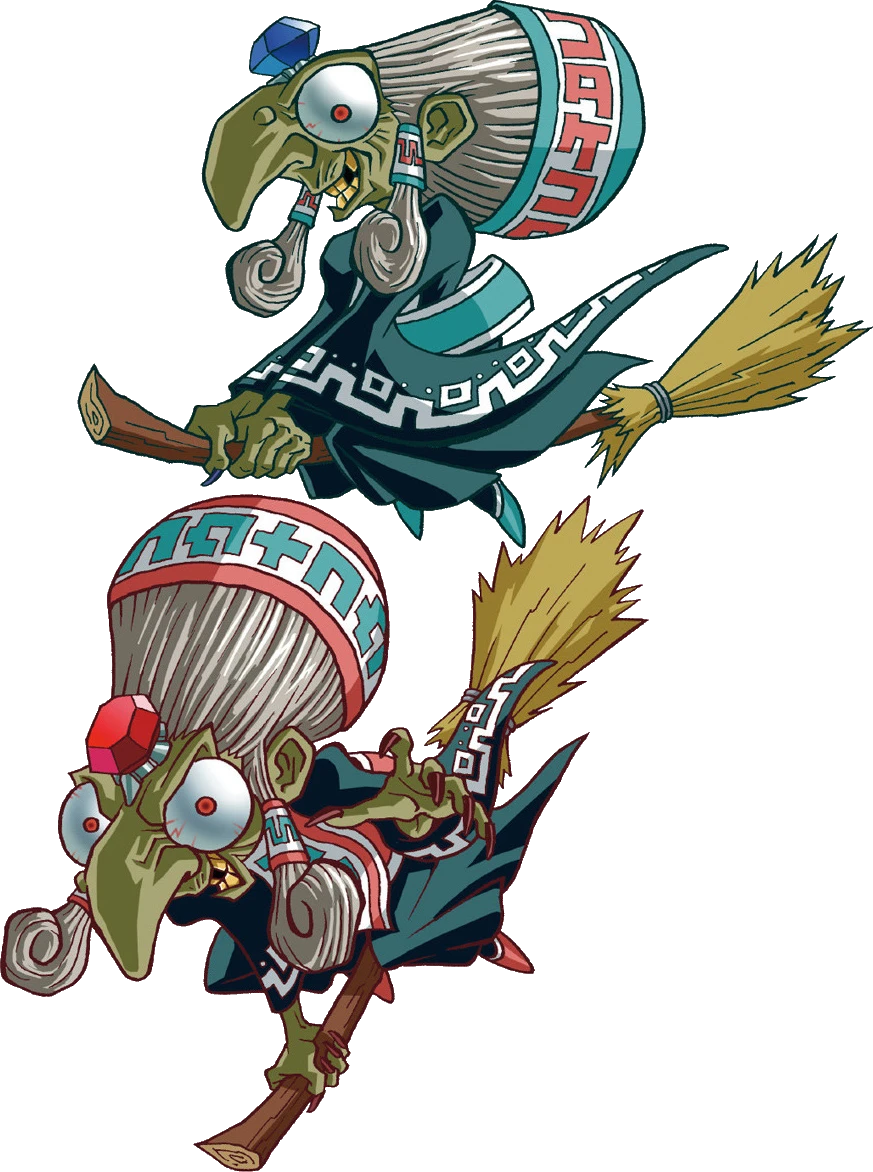
Veran, the Sorceress of Shadows, who possesses other people. Behind her, the witches Twinrova are working to bring back Ganon. More →
Can I play it today?
Yes: it is in the Nintendo Switch Online Game Boy library (added 27 July 2023). It was also on the Nintendo 3DS Virtual Console from 2013 until that shop closed. More →
Plot / Story
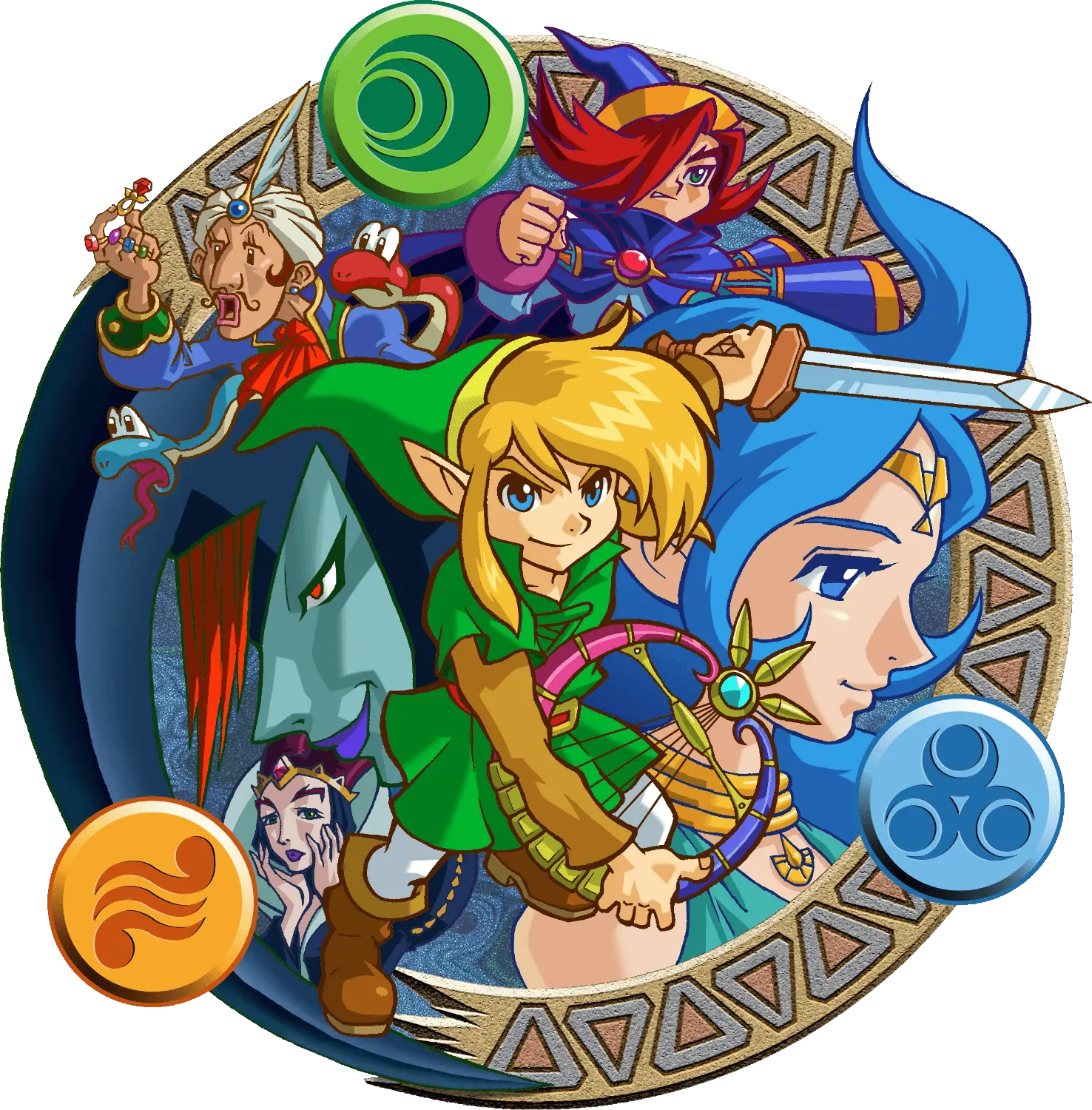
Official artwork for Oracle of Ages.
Labrynna is a land with a long memory. Four hundred years ago it was ruled by Queen Ambi from her palace in Lynna Village; in the present, Lynna City has grown up on the same spot, watched over by the great Maku Tree. Holding the whole timeline steady is Nayru, the Oracle of Ages, a young woman with a beautiful voice and the power to guide the currents of time.
Into this world, from very far away, comes Link. The Triforce itself sweeps him out of Hyrule and drops him in Labrynna, where he finds a woman surrounded by monsters. She is Impa, Princess Zelda’s nursemaid, sent to find Nayru and bring her to Hyrule.
A song in the forest
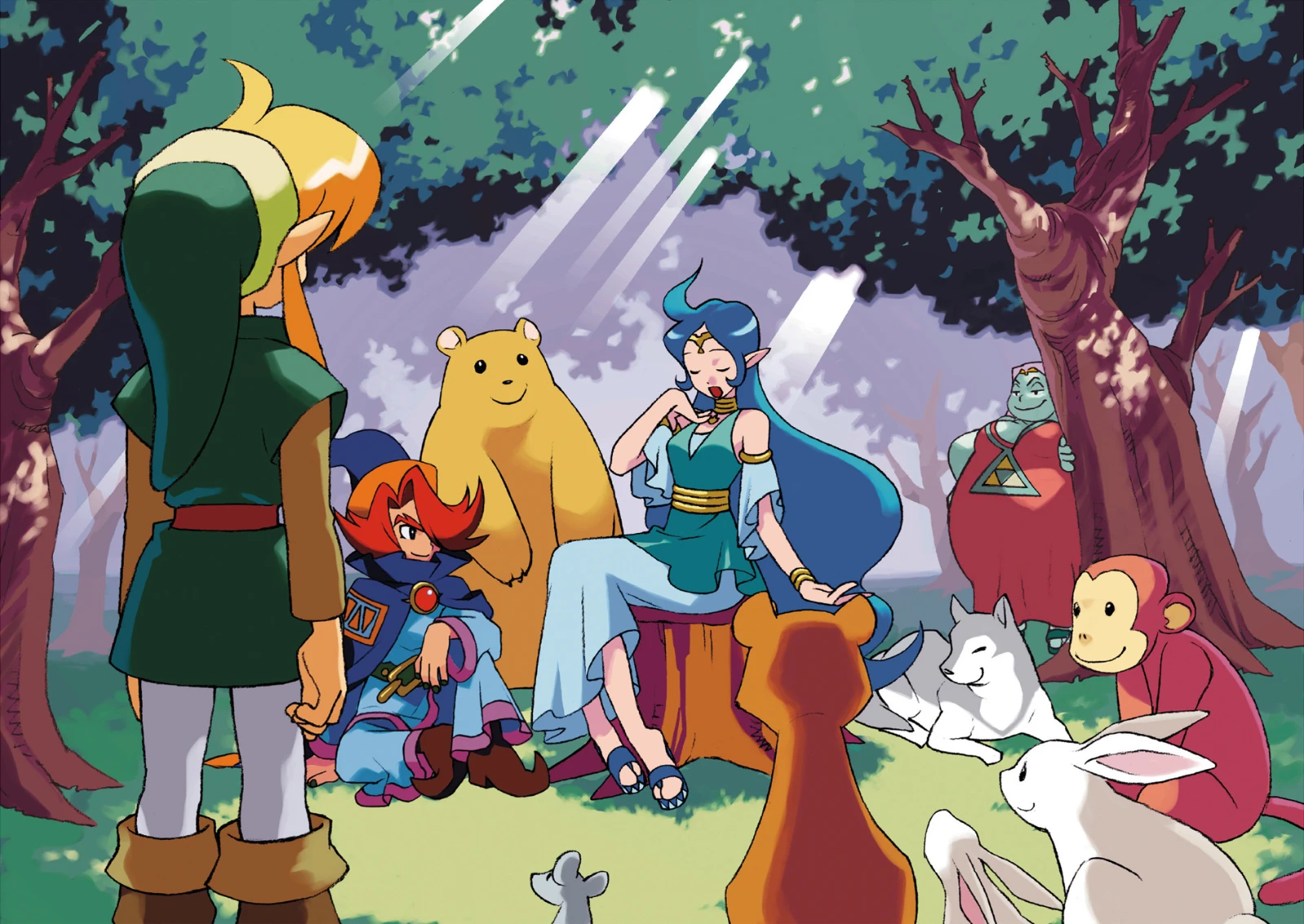
Impa leads Link to a clearing where Nayru is singing to an audience of animals, with her childhood friend and self-appointed bodyguard Ralph keeping watch. It is a lovely moment, and it lasts about a minute. A shadow rises out of Impa’s body: Veran, the Sorceress of Shadows, who has been riding inside the nursemaid all along to get close to the oracle. She leaps into Nayru, takes her body and her powers, and vanishes four hundred years into the past.
Time immediately starts to go wrong. Impa, freed and shaken, recognises the mark of the Triforce on Link’s hand, gives him a wooden sword and hides in Nayru’s house. Ralph charges through a time portal after his friend.
Nayru sings to the animals, moments before Veran strikes.Veran emerges and takes Nayru.
Saving the Maku Tree
In Lynna City, the Maku Tree begins to tell Link what is happening and then simply fades away mid-sentence. Something in the past has erased her. Link follows the trail back through time and finds her as a tiny sprout in Lynna Village, about to be destroyed by Moblins. Saving the sapling restores the great tree in the present, but she has lost her memories of what is supposed to happen.
To restore them, and to gain the power to see through Veran’s deceptions, Link needs the eight Essences of Time, hidden in dungeons scattered across both eras. Along the way a vision of Nayru teaches him a tune for the Harp of Ages, and from then on time travel is in his hands. Each Essence he brings back helps the Maku Tree grow, remember and point him to the next.
The Maku Tree, guardian of Labrynna.The Harp of Ages.
The day that never ends
In the past, Veran is busy. Wearing Nayru’s face, she has become trusted adviser to Queen Ambi, a ruler who has been building a great tower as a beacon to guide her beloved, a sailor, home from the sea. Veran uses the oracle’s power to make a day that never ends, persuades the queen to put every able man in Labrynna to work on the tower without rest, and turns it into a monument of misery. Labrynna fills with sorrow, which is exactly what Veran wants.
Across two ages
The quest takes Link the length of Labrynna in both eras. Shipwrecked on Crescent Island, he meets the lizard-like Tokay, who have never seen anyone like him and help themselves to his gear, from his seed satchel to the Harp itself; he must work across two time periods to win it all back. In the past he carries Symmetry Village’s broken Tuni Nut up the Restoration Wall to be mended, which calms the volcano and opens the way to the fourth dungeon in the present. He climbs into the Goron homeland of Rolling Ridge, rescues the Fairy Queen so her power can clean the Zoras’ polluted seas and King Zora will let him near the ailing Lord Jabu-Jabu, and sails out into the Sea of No Return.
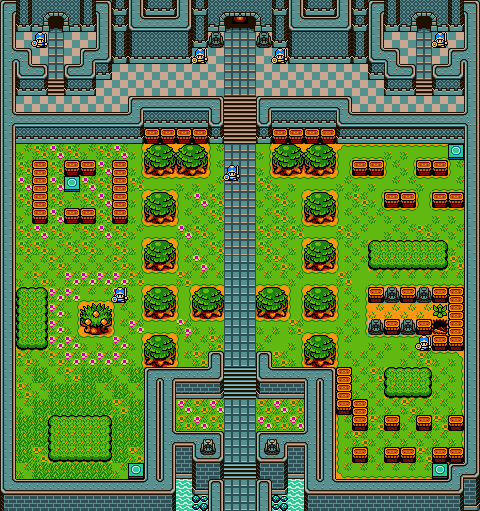
The Tokay of Crescent Island.Symmetry Village, as Symmetry City is called in the past.
Freeing Nayru
Veran can only be harmed without hurting her host by Mystery Seeds, so she has Queen Ambi offer a reward for every one handed in. With some smart thinking, Link slips into Ambi’s palace while the queen is away and drives the sorceress out of Nayru. The oracle is free, but Veran simply jumps into Queen Ambi and shuts herself away at the top of the Black Tower.
Ralph learns the awful truth here: he is a distant descendant of Ambi, so if she dies, he will never be born. He goes after Veran anyway, ready to sacrifice himself, and is beaten. It falls to Link.
Queen Ambi’s palace.
The Black Tower
With all eight Essences, time flows true again and the Maku Tree produces a huge Maku Seed that lets Link break into the tower. At the top, Veran takes on a winged demon form, and when that fails, her true self cycles through the shapes of a turtle, a bee and a spider.
Beaten, she gloats with her last breath that the Flame of Sorrow has already been lit. Queen Ambi is freed and rallies her soldiers to help, and in the epilogue she commissions statues of the hero. Ralph asks Link to train him, and during the credits his attempt at a Spin Attack spirals into an out-of-control Hurricane Spin.
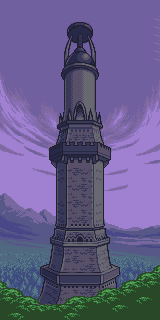
The Black Tower.Veran in battle.
The linked game and the secret ending
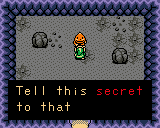
Finish either Oracle game and you are given a password, which the games call a secret. Start the other game with it and you are playing a linked game: the same adventure, but now aware of your first one. Characters give Link secrets to carry back to his first file, and accept secrets from it in return, so items and upgrades can move between the games. Magic rings can be swapped by password too, or by connecting two Game Boys with a Game Link Cable. Even your choice of animal companion changes the passwords.
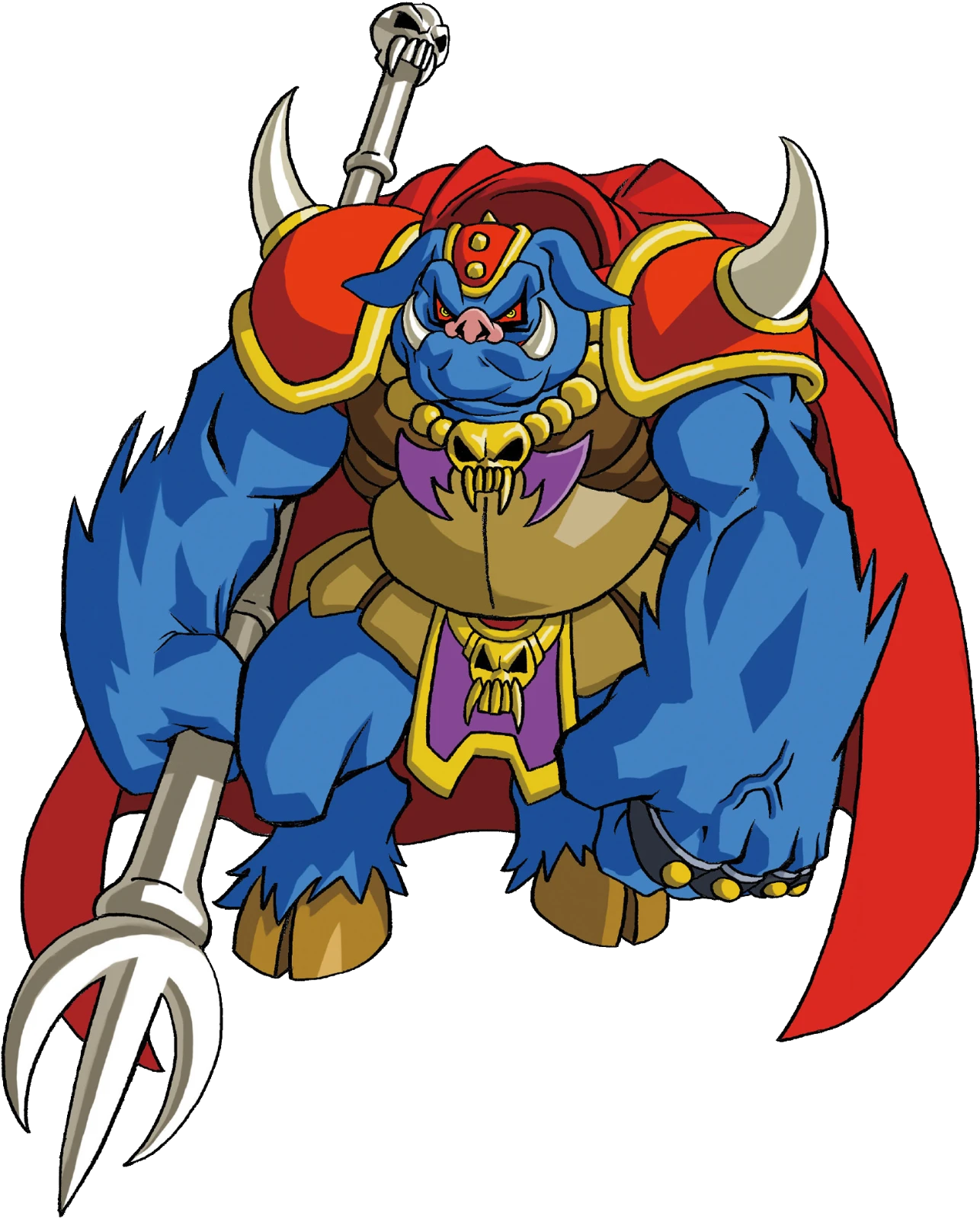
The real reward is the ending. Veran in Ages and General Onox in Seasons were never the masterminds; both were pawns of Twinrova, the twin witches who raised Ganondorf. Each villain’s reign of misery lit one of three magic flames, the Flame of Sorrow and the Flame of Destruction. In the linked game, Twinrova kidnap Princess Zelda to light the third, the Flame of Despair, and plan to sacrifice her to bring Ganon back. Link storms their lair and defeats them, but the witches offer themselves in Zelda’s place. What rises is Ganon, revived but mindless. Link destroys him and rescues the princess, and one more password earns the Victory Ring to commemorate the win.
Twinrova, the witches behind both Oracle games.The revived Ganon, the last boss of a linked game.
Dungeons and the Essences of Time
Eight dungeons, each holding an Essence of Time and the item you need to reach the next, spread across present and past. The order below is the order the game intends.
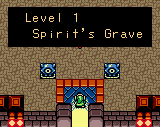
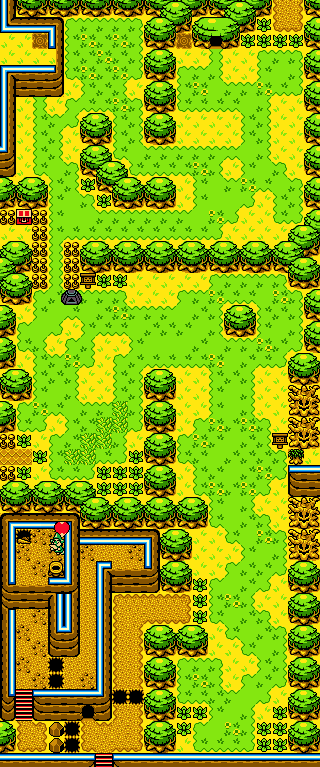
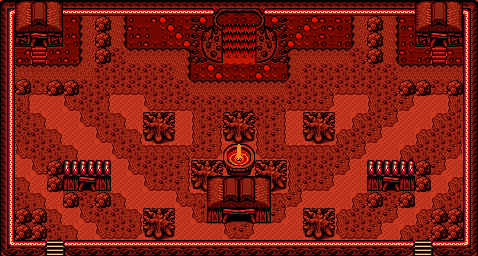
Spirit’s GraveLevel 1Hidden in Yoll Graveyard. Item: Power Bracelet. Boss: Pumpkin Head. Essence: Eternal Spirit.
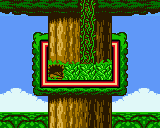
Wing DungeonLevel 2 · pastIn the Deku Forest of the past; in the present it has crumbled away. Item: Roc’s Feather. Boss: Head Thwomp. Essence: Ancient Wood.
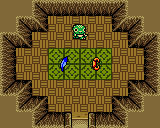
Skull DungeonLevel 4 · presentInside the volcano near Symmetry City, opened by fixing the Tuni Nut in the past. Item: Switch Hook. Boss: Eyesoar. Essence: Burning Flame.
Crown DungeonLevel 5In Rolling Ridge, home of the Gorons. Item: Cane of Somaria. Boss: Smog. Essence: Sacred Soil.
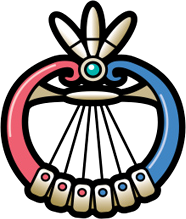
Mermaid’s CaveLevel 6 · past and presentOne dungeon in two eras, needing a key for each. Item: Mermaid Suit. Boss: Octogon. Essence: Lonely Peak.
Jabu-Jabu’s BellyLevel 7 · presentInside the Zoras’ guardian. Boss: Plasmarine. Essence: Rolling Sea.
Ancient TombLevel 8Out in the Sea of No Return. Item: Power Glove. Boss: Ramrock. Essence: Falling Star.
Black TowerFinal dungeonQueen Ambi’s tower, Veran’s last refuge.
In comics, TV & other media
Oracle of Ages has been retold on paper twice, and its cast turned up again in a later Flagship Zelda.
The Legend of Zelda: Oracle of Ages (manga)Manga · Akira Himekawa · Shogakukan; Viz Media volume 5 in EnglishOne of the two Oracle volumes in Akira Himekawa’s long-running series of Zelda manga adaptations. It reshapes the plot freely: Veran possesses Impa in a different way, and Nayru herself reveals that Ralph is Queen Ambi’s descendant.
You Decide on the AdventureGamebook · Scholastic · January 2002A choose-your-path book based on the game, written by Craig Wessel; a companion volume based on Oracle of Seasons came out in October 2001.
The Minish CapGame · Game Boy Advance · 2004Nayru, Din and Farore turn up in Hyrule Town as three young women looking for a house. Help Nayru and she leaves Link a charm.
Characters
Oracle of Ages has one of the most interesting casts of any 2D Zelda, mixing new faces from Labrynna with some very old ones. Here is who they are, where they come from in the series, and what they do in this game.
Character
Who they are
In this game
Stats & abilities
LinkThe hero
The series’ silent hero, reborn in every era. This Link begins the Oracle saga in Hyrule, where the Triforce chooses him and transports him to a distant land that needs him.
Arrives in Labrynna with nothing, receives a wooden sword from Impa and spends the game hopping between two eras with the Harp of Ages to collect the eight Essences of Time and stop Veran.
Harp of Ages: travel between past and present
Seed Satchel and Seed Shooter: Ember, Scent, Pegasus, Gale and Mystery Seeds
Switch Hook: swap places with objects
Magic rings with special effects
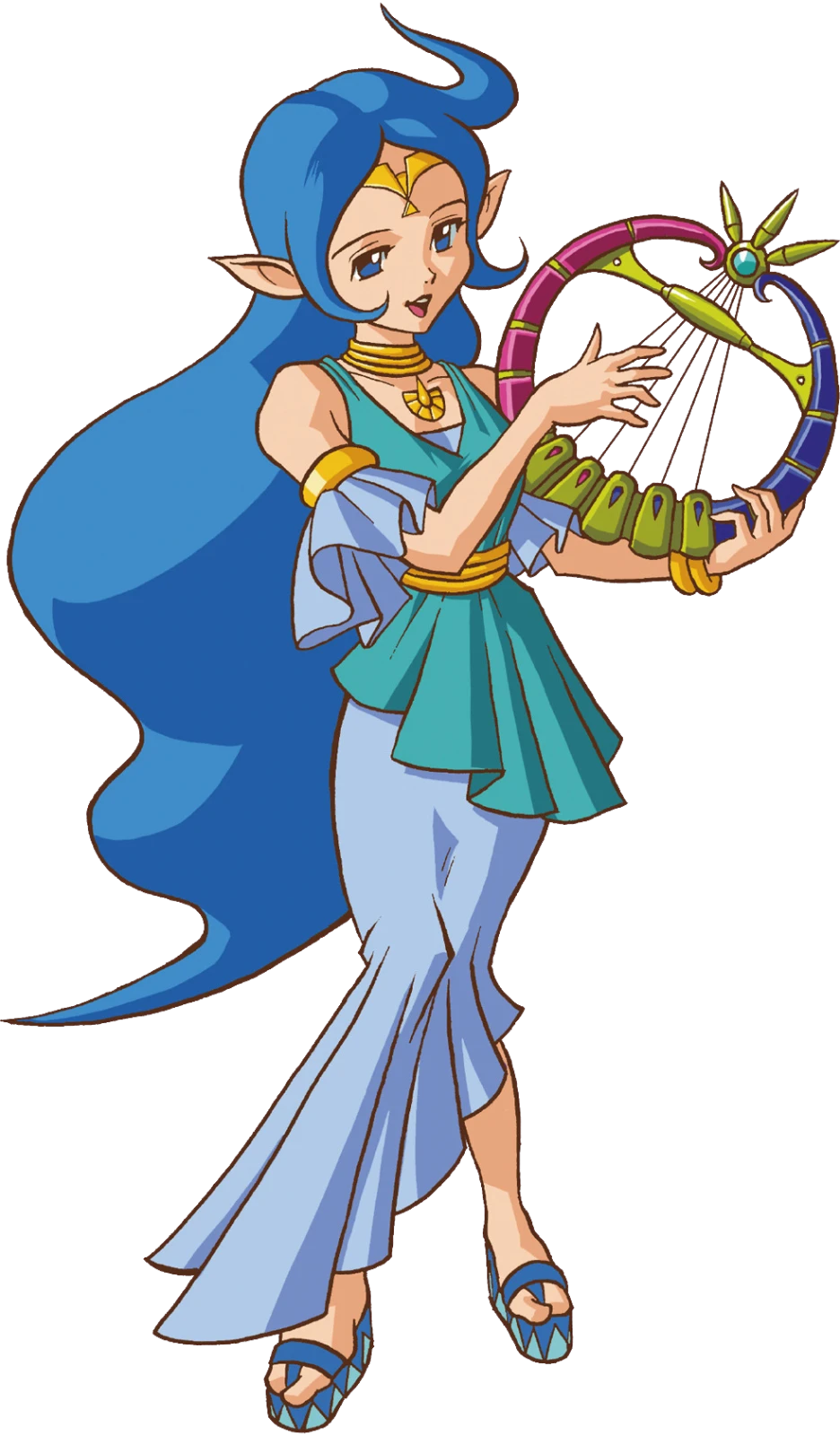
NayruThe Oracle of Ages
Nayru shares her name with the goddess of wisdom who, in the legend told in Ocarina of Time, helped create Hyrule. This Nayru is a mortal oracle: calm, kind and a little shy, with one of the finest voices in Labrynna. People and animals gather to hear her sing, and she guides the flow of time itself.
Possessed by Veran in the opening scene, her powers are used to wreck history. She is the voice that teaches Link his first harp tune, and once Link frees her she teaches him the final tune that unlocks the Harp’s full power.
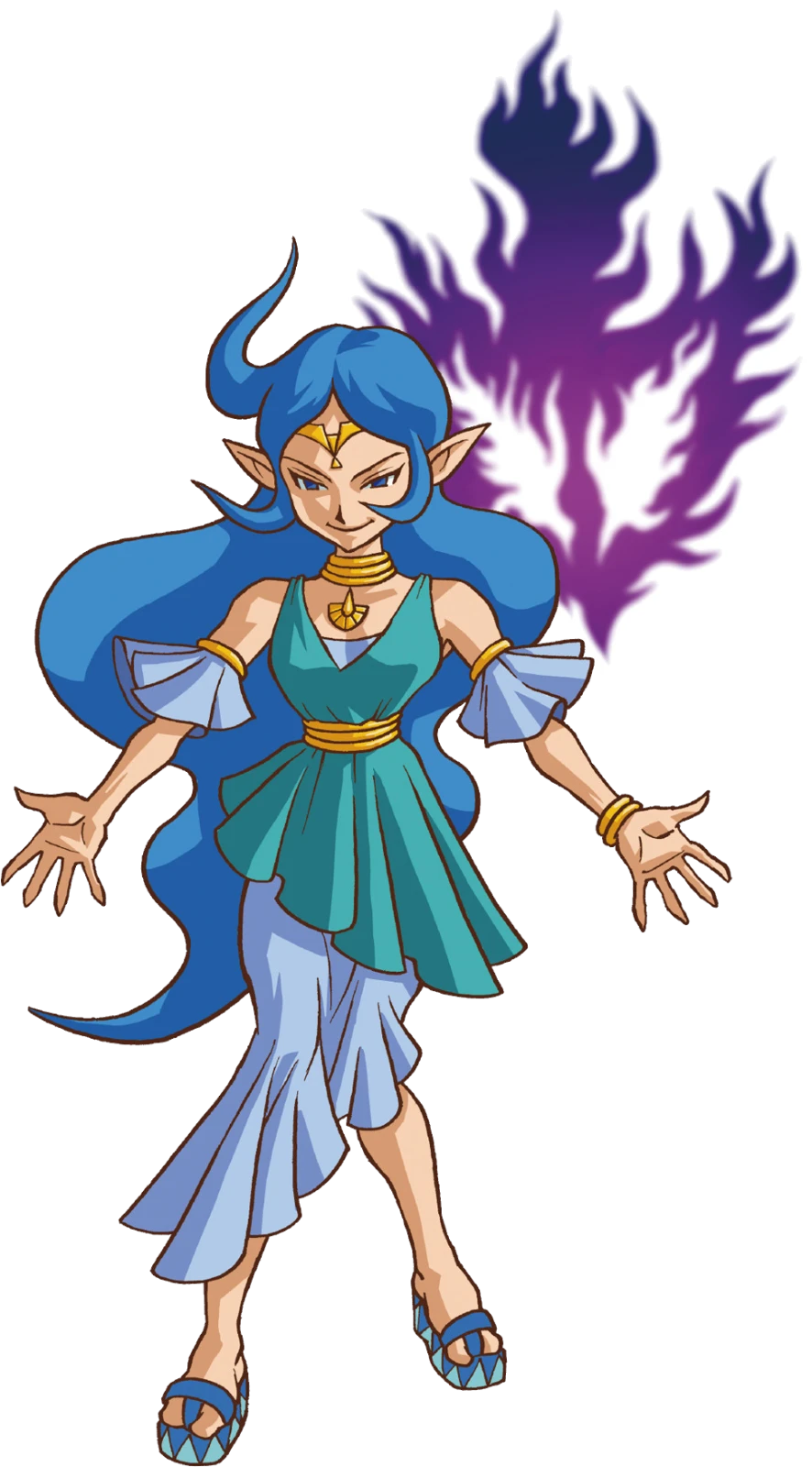
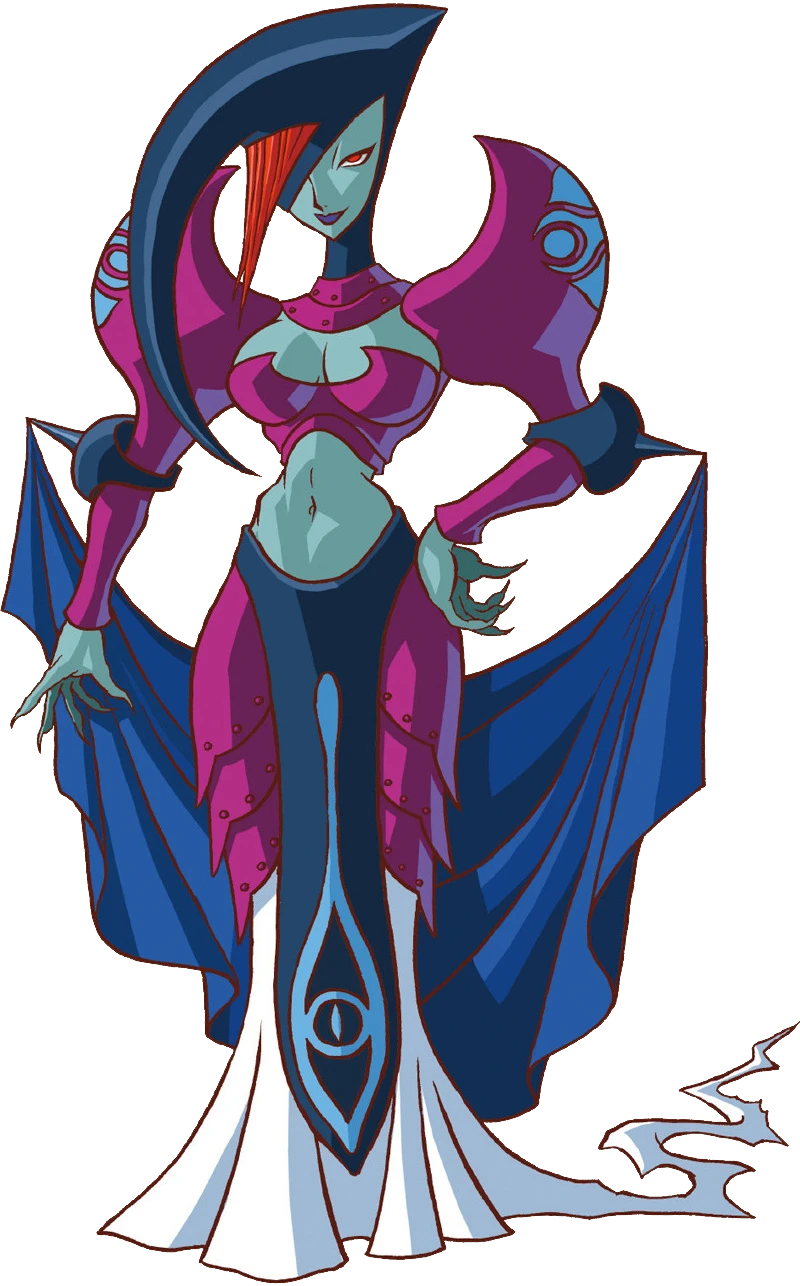
A teal-skinned, vain and thoroughly nasty sorceress who can slip inside other people and wear them like a disguise. Hurt her while she is inside someone and the host suffers, which makes her almost untouchable. She is a servant of Twinrova.
Possesses Impa, then Nayru, then Queen Ambi, using the oracle’s power to create an endless day and fill Labrynna with sorrow, which lights the Flame of Sorrow for Twinrova. Fought at the top of the Black Tower.
Weakness: Mystery Seeds (drive her out of a host)
Forms: possessed Nayru, possessed Ambi, winged demon, then turtle, bee and spider
Japanese name: Beran
RalphNayru’s protector
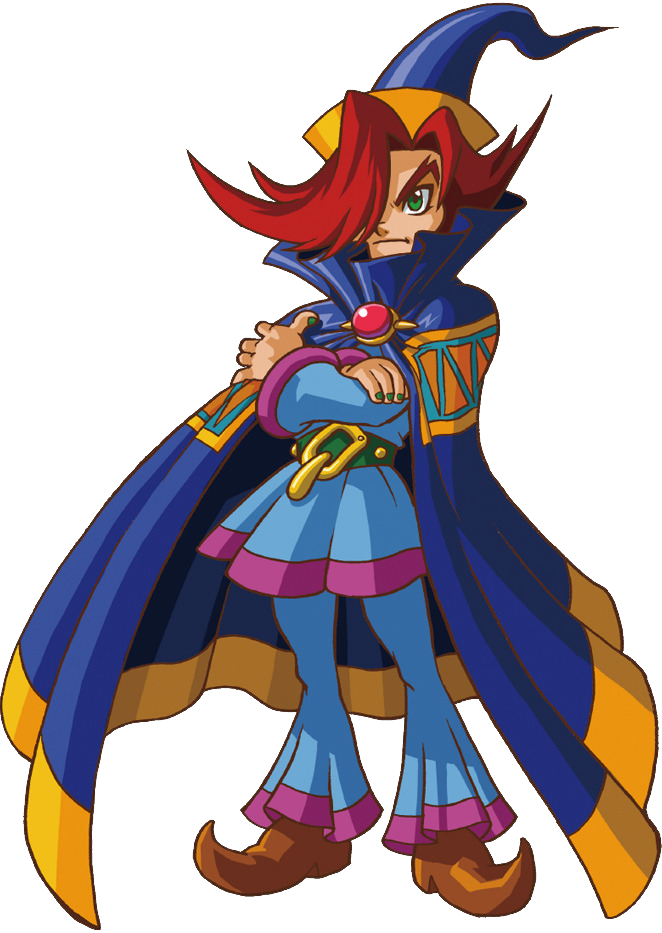
Nayru’s childhood friend and self-appointed bodyguard: noble, stubborn and hot-headed. He insists he does not need Link’s help, which tells you everything.
Link’s friendly rival throughout. He learns he is a distant descendant of Queen Ambi, meaning that killing the possessed queen would erase him from history, and he still tries to take on Veran alone. Afterwards he asks Link to train him.
Chases Veran through time
Botches a Spin Attack in the credits
ImpaZelda’s nursemaid
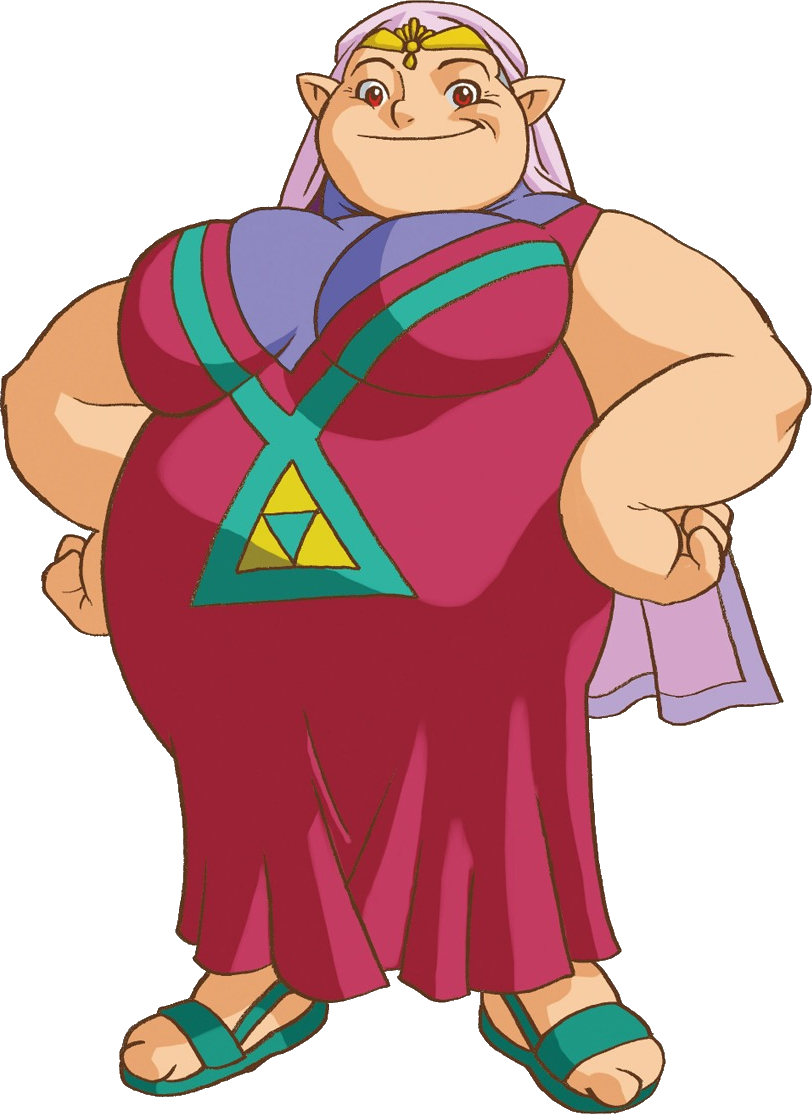
The Sheikah guardian of the royal family, a fixture of the series: she sends Link on his quest in the 1986 original, is Zelda’s nursemaid and the Sage of Shadow in Ocarina of Time, and becomes the elder of Kakariko in Breath of the Wild. In the Oracle games she is Zelda’s royal nurse once more.
Zelda sends her to bring Nayru to Hyrule, but Veran is hidden inside her and uses her to reach the oracle. Once freed, she recognises the Triforce on Link’s hand, gives him his first sword and shelters in Nayru’s house. In a linked game she gives him a wooden shield instead.
Gives Link the Wooden Sword
Also appears in Oracle of Seasons
Queen AmbiQueen of Labrynna, 400 years ago
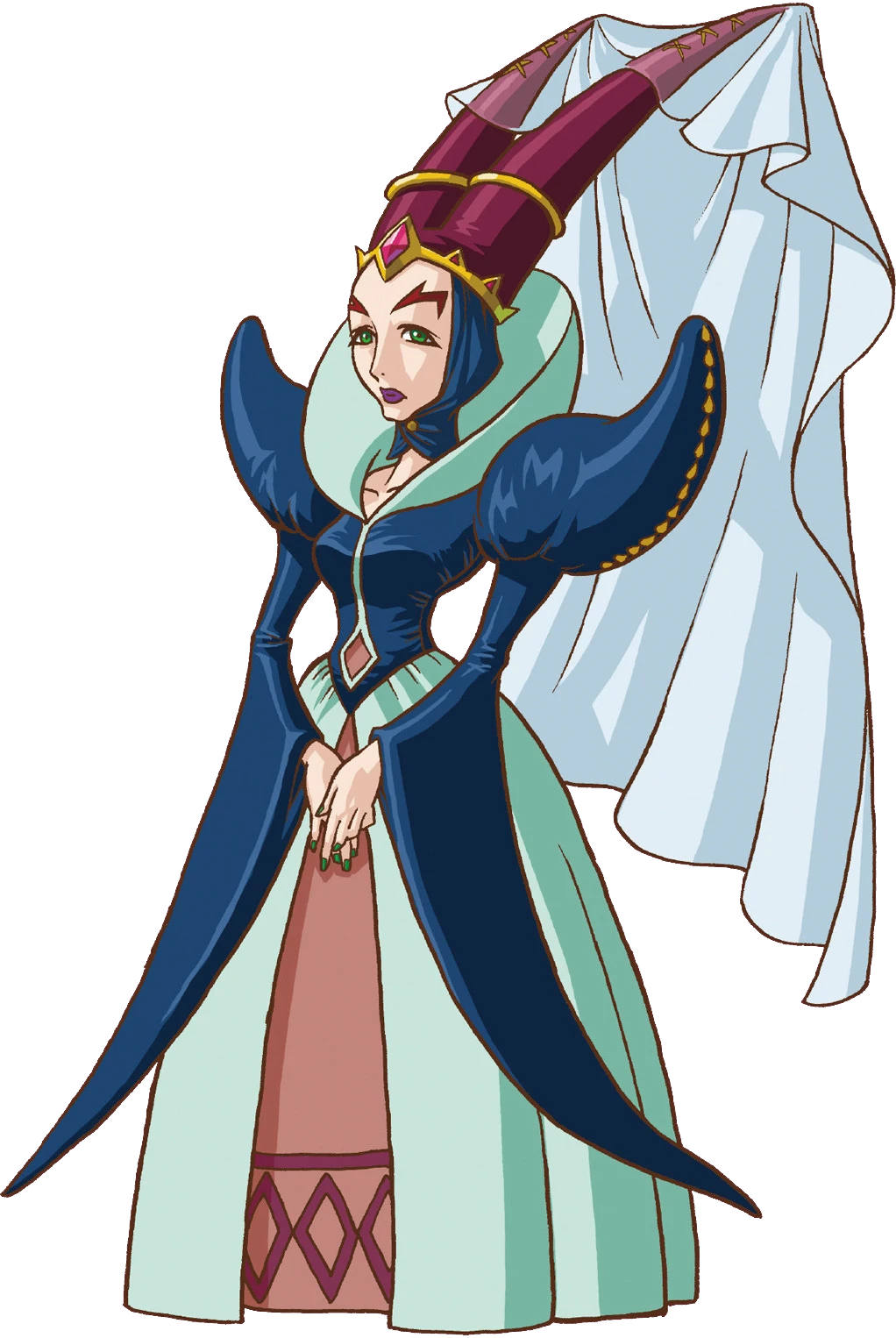
The ruler of Labrynna in the past. She began the Black Tower as a beacon to guide her love, a seafaring man, home from his voyages.
Veran, disguised as Nayru, turns her into a tyrant who works her subjects without rest. After Link frees Nayru, Veran possesses Ambi herself. Once rescued, Ambi helps Link and later raises statues in his honour.
Ancestor of Ralph
Her palace guards answer to Veran
The Maku TreeGuardian of Labrynna
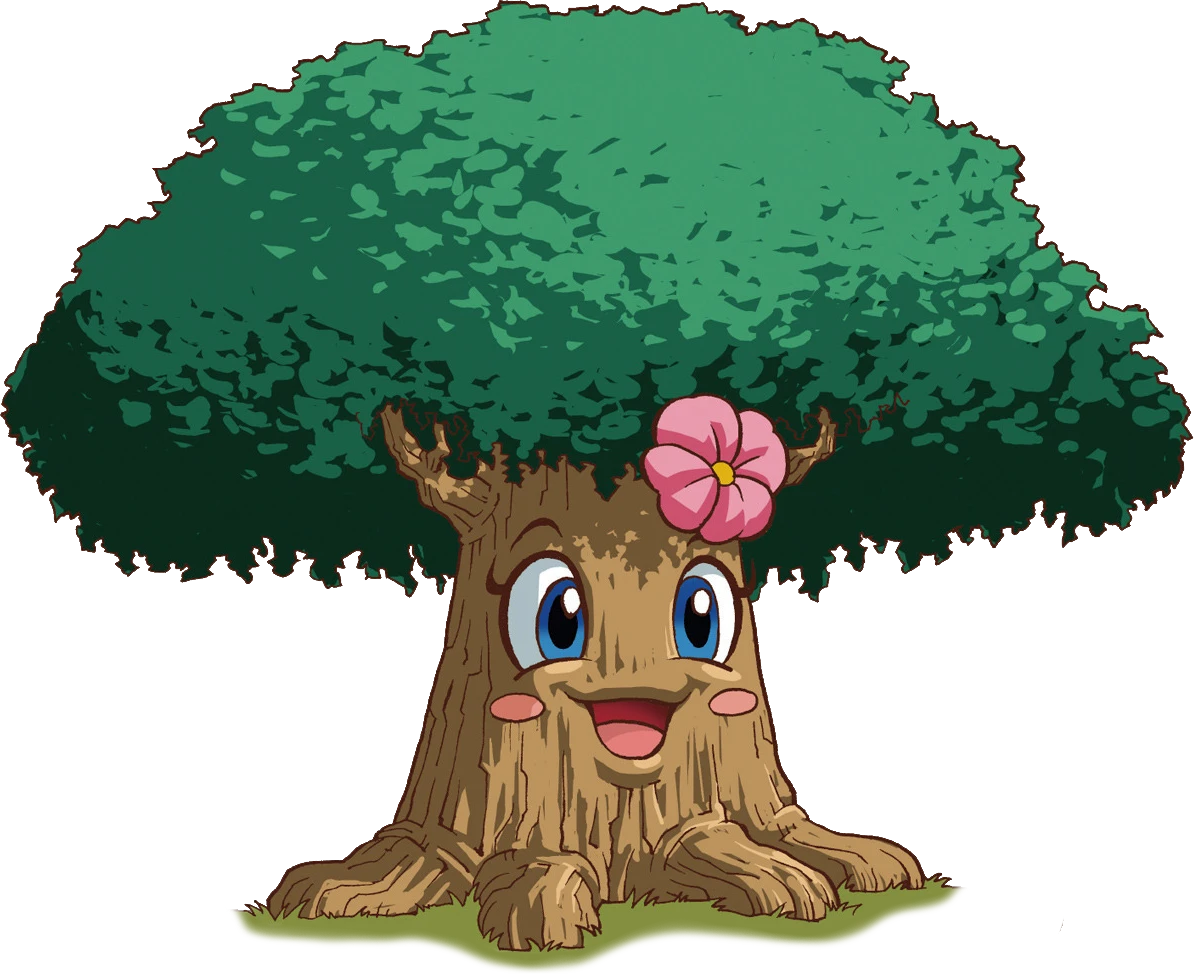
Each Oracle game has its own Maku Tree; Labrynna’s is female, growing in the northeast of Lynna City (Lynna Village in the past). After Link saves her, she falls rather in love with him.
Erased from the present when Veran’s meddling threatens her as a sapling. Link rescues the sprout in the past; she then needs the eight Essences of Time to recover her memory, gives hints to each, and finally produces the Maku Seed that opens the way into the Black Tower.
Grows with each Essence and offers seeds and healing
Gives the Maku Seed
TwinrovaKoume and Kotake
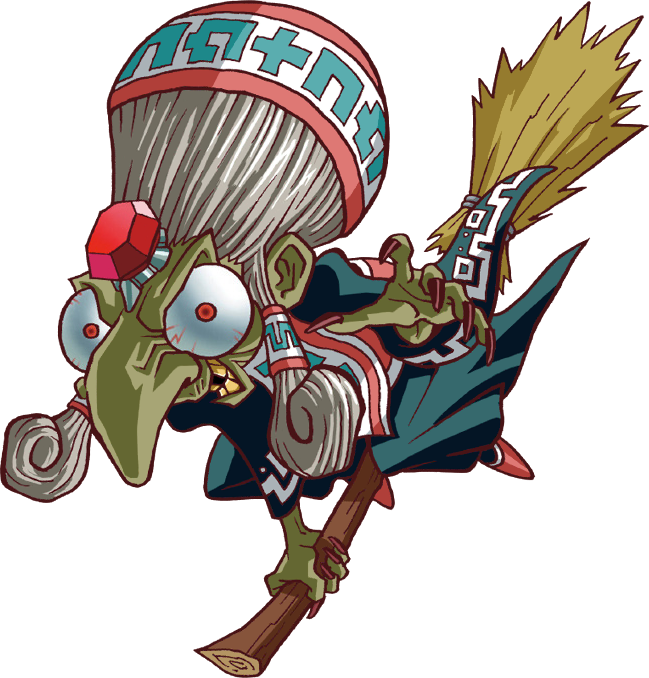
Gerudo twin witches, Koume (fire) and Kotake (ice), the surrogate mothers of Ganondorf. They were the Spirit Temple boss in Ocarina of Time and ran a potion shop and boat cruise in Majora’s Mask.
The true masterminds of both Oracle games. They used Veran and General Onox to light the Flames of Sorrow and Destruction; in a linked game they kidnap Zelda for the Flame of Despair and, when beaten, sacrifice themselves to revive Ganon.
Linked-game boss
Fire and ice magic
GanonThe King of Evil
The series’ arch-villain, sometimes the Gerudo man Ganondorf and sometimes a monstrous beast. He has been the final enemy since the very first game.
Only appears in a linked game. Twinrova’s ritual brings him back incomplete, a mindless beast, and Link destroys him to end the Oracle saga.
Final boss of a linked game
Beating him earns the Victory Ring password
Princess ZeldaPrincess of Hyrule
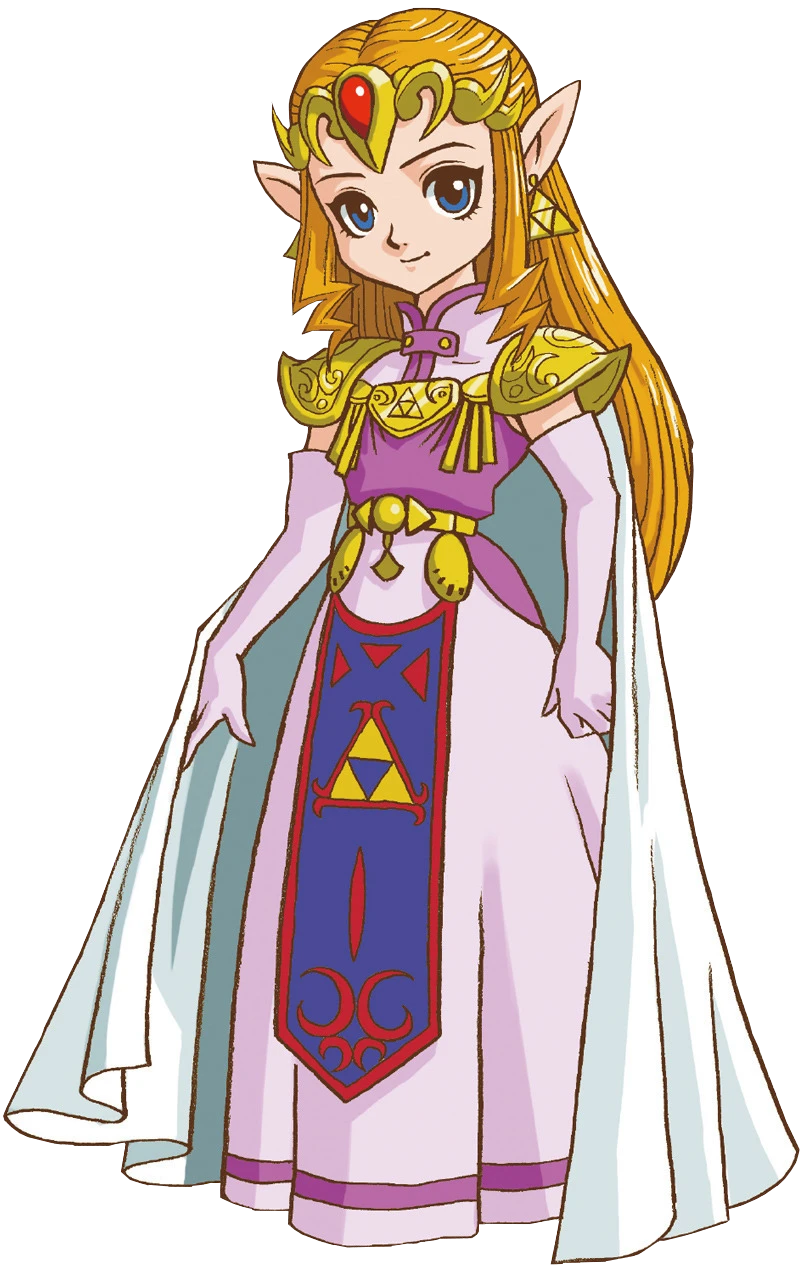
The princess of Hyrule, whose name is on the box of every game. Here she stays mostly off stage in Hyrule, sending Impa to fetch the oracles.
In a linked game she appears in person and is kidnapped by Twinrova, who want her for the Flame of Despair. Link rescues her after defeating Ganon.
Sent Impa to find Nayru
Kidnapped in the linked ending
Moosh, Ricky & DimitriAnimal companions
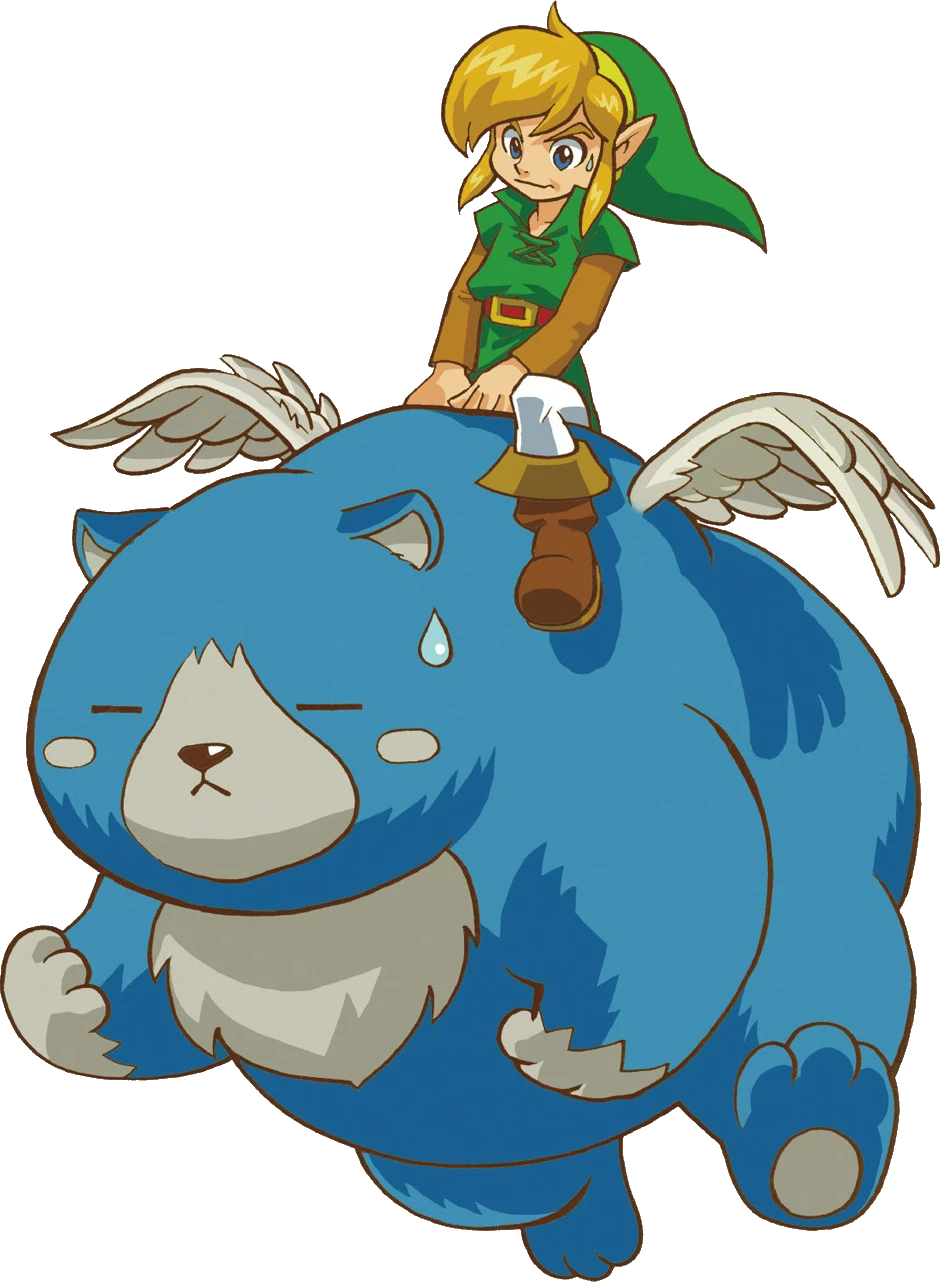
Three animal friends shared by both Oracle games: Moosh, a winged blue bear; Ricky, a boxing kangaroo; and Dimitri, a Dodongo who can swim.
Moosh first appears in Yoll Graveyard, helping Link cross holes. Later Link teams up with one companion for good, summoned with a flute, and that choice also changes the passwords for a linked game.
Moosh flies over pits but cannot swim
Summoned with their flute
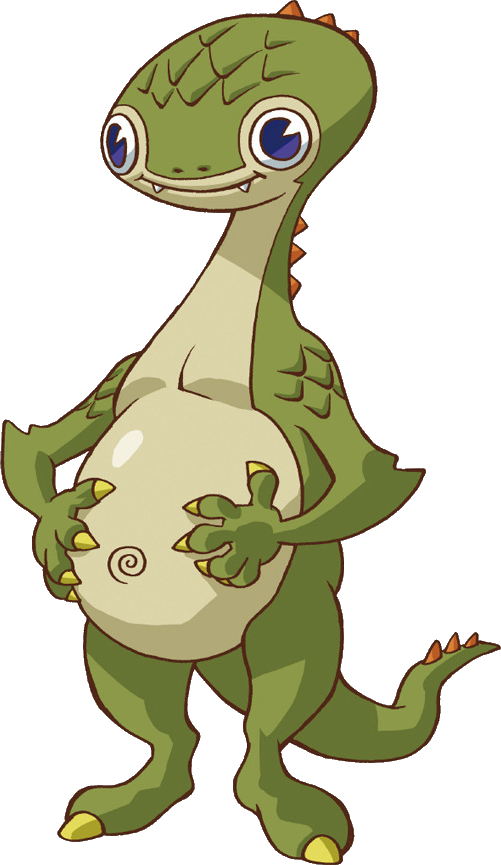
The TokayIslanders of Crescent Island
A people of lizard-like humanoids who covet possessions, cannot be trusted an inch and happen to be excellent gardeners. They have never left their island.
They mistake Link for a tail-less Tokay and help themselves to his gear, including the Harp of Ages. They still live on the island in the present, where a museum commemorates their meat-throwing game, Wild Tokay.
Steal Link’s items when he washes ashore
Wild Tokay mini-game
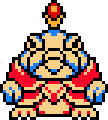
King Zora & Lord Jabu-JabuThe Zoras’ ruler and guardian
The whale-like guardian Lord Jabu-Jabu first appeared in Ocarina of Time, swallowing Princess Ruto. Labrynna has its own Jabu-Jabu, and its own King Zora.
Polluted seawater has left Jabu-Jabu close to death, and the king will not let Link near him. Once the seas are cleaned, Link enters the guardian’s belly for the seventh Essence.
Jabu-Jabu’s Belly: Level 7
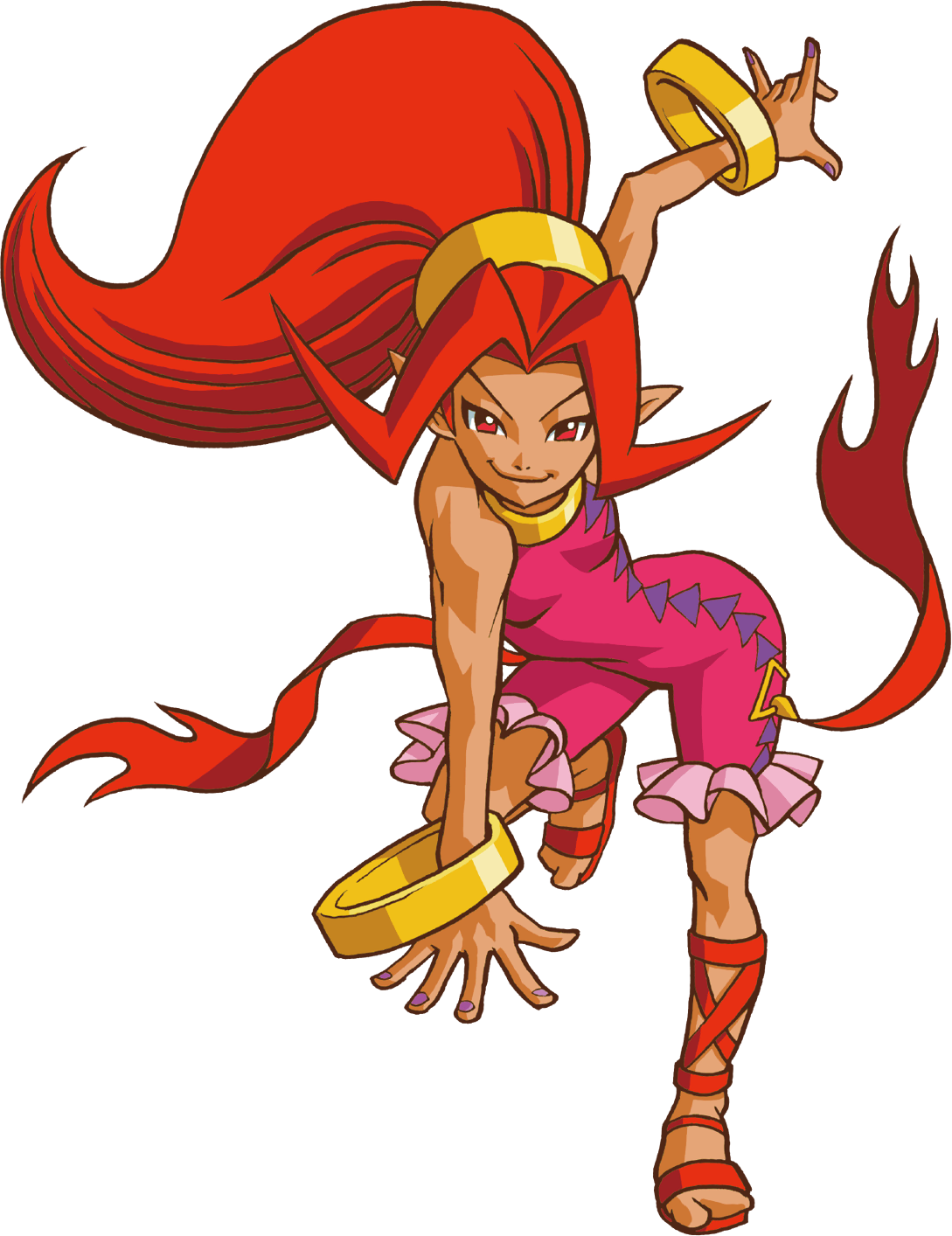
Din & FaroreThe other Oracles
Nayru is one of three oracles named after the goddesses. Din, the Oracle of Seasons, is a travelling dancer and the heroine of Oracle of Seasons. Farore, the Oracle of Secrets, is generally thought to have been meant for the cancelled third game, since the three oracles are named after the three goddesses.
Farore appears in both games as the oracle who deals in the secrets that link them. All three later appear together in The Minish Cap, hunting for a house in Hyrule Town.
Din: Oracle of Seasons
Farore: Oracle of Secrets
Bosses
The boss of every dungeon, plus the final bosses.
Pumpkin HeadSpirit’s GraveA ghost with a pumpkin for a head.
Head ThwompWing DungeonA spinning stone face.
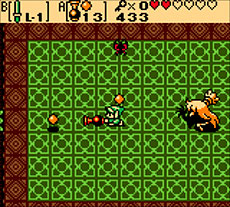
Shadow HagMoonlit GrottoA witch who hides in shadows; Subterror is the miniboss.
EyesoarSkull DungeonA giant flying eye.
SmogCrown DungeonA cloud of smoke that must be cornered.
Junichi MiyashitaScenarioOne of more than ten Flagship scenario writers, previously of Resident Evil.
Minako Adachi & Kiyohiro SadaMusicOf the sound studio Pure Sound. The music is credited to “M-Adachi” (Adachi) and “Kyopi”, who is identified as Sada by some sources and as Kyoko Nakamura by others.
How it was made
The Oracle games began as a remake, grew into a trilogy, and ended up as one of the most unusual experiments in Zelda history.
From a remake to a trilogy
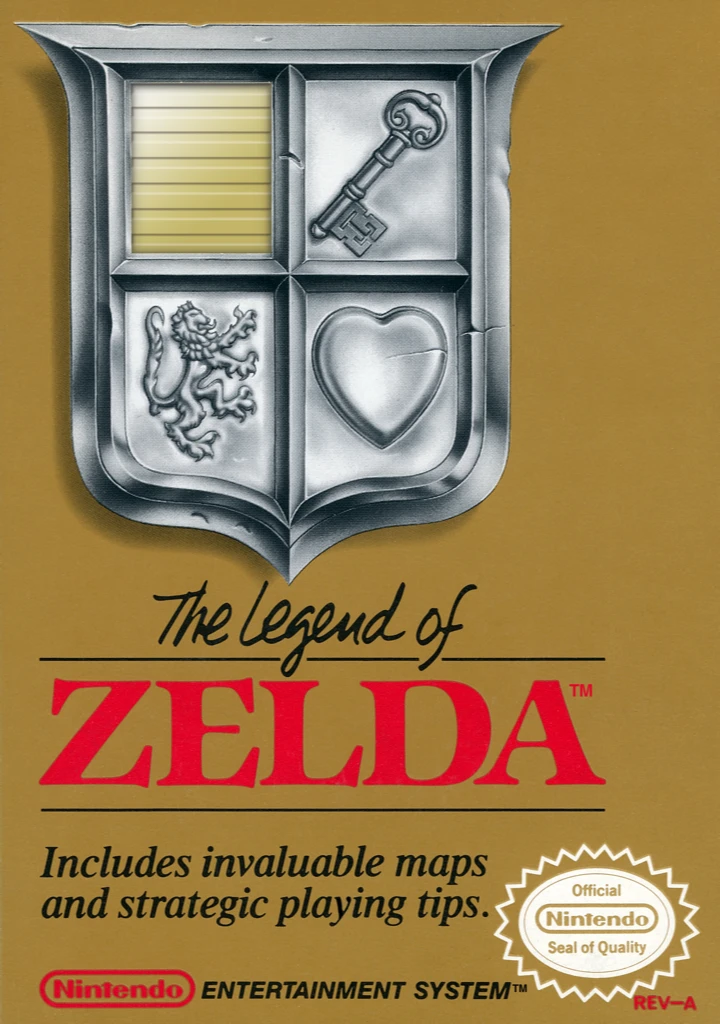
The original Legend of Zelda (North American NES box), the game the project set out to remake.
Early in 1999 Yoshiki Okamoto, who ran Capcom’s scenario-writing subsidiary Flagship, took an idea to Shigeru Miyamoto: remake the original Legend of Zelda for the Game Boy Color. He wanted something young children could enjoy, and a testing ground for a more ambitious sequel. (IGN later reported that Flagship had been asked for six Zelda games; Okamoto said that was not true.)
The plan snowballed into the “Triforce Series”: three linked games, one for each piece of the Triforce. The first, Fushigi no Kinomi: Chikara no Shō (the Mysterious Seed: Chapter of Power), was shown at Nintendo’s Space World show in 1999. The other two, the Chapter of Wisdom, built around colour puzzles, and the Chapter of Courage, built around the time of day, were never shown. In English they were to be Mystical Seed of Power, Wisdom and Courage.
Three becomes two
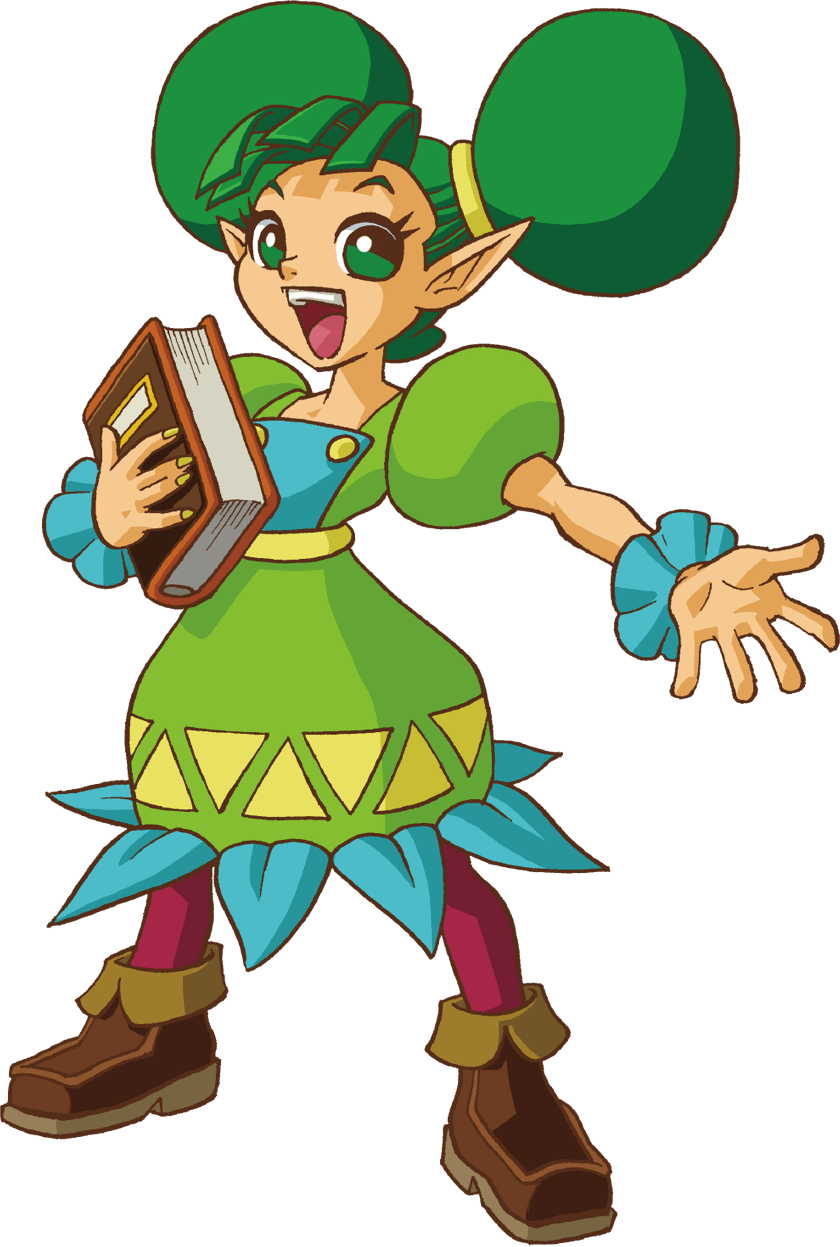
Official art of Farore, the Oracle of Secrets.
The team wanted the games to share data, and looked at using a mobile phone adapter before settling on passwords. Keeping three interlocking games in step proved too complicated, and Miyamoto suggested cutting back to two. Mystical Seed of Power became Oracle of Seasons, Mystical Seed of Wisdom became Oracle of Ages, and Courage was dropped. Farore, the third oracle, appears in both finished games as the keeper of secrets.
More than ten Flagship scenario writers worked on the stories, among them Junichi Miyashita of Resident Evil. Character designer Yusuke Nakano drew on Majora’s Mask for Ages and Ocarina of Time for Seasons.
Ready for the Game Boy Advance
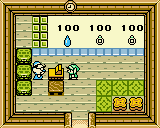
Inside the Advance Shop (screenshot from Oracle of Seasons).
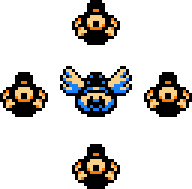
The team had considered features that only worked on the coming Game Boy Advance, but feared it would hold the games up. When the new handheld’s launch was pushed back, they added the extras anyway and released the Oracles about a month before it. Played on a Game Boy Advance, each game opens a secret shop selling a Gasha Seed and two magic rings, each for 100 Rupees; in Ages it sits next to the Lynna Village Shooting Gallery.
Both games shipped on 8-megabit cartridges (16 megabits in Europe), backed by a marketing budget of $5 million.
A partnership that continued
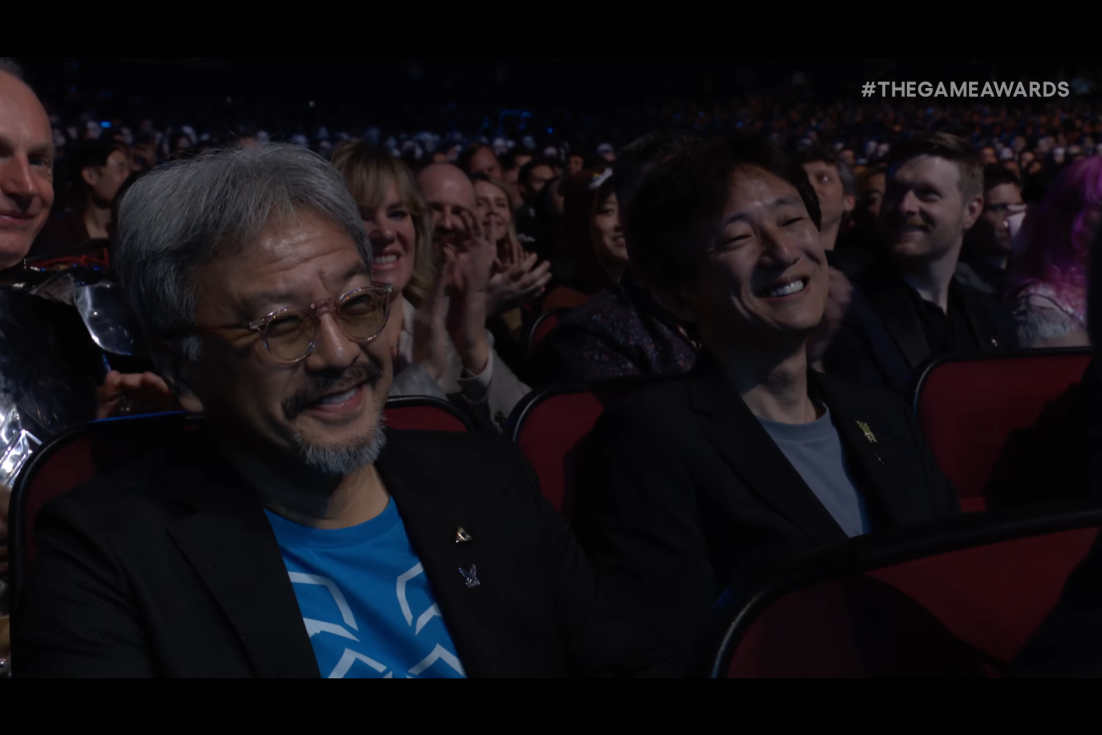
Eiji Aonuma and Hidemaro Fujibayashi at The Game Awards 2023.
What Oracle of Ages and its twin brought to the series.
1Linked gamesThe only pair of Zelda games built to talk to each other, by password or Game Link Cable, with a final chapter that only appears in the second game you play.
2Capcom’s first ZeldasThe first Zelda games made by Capcom, through its Flagship studio, and the start of a partnership that produced The Minish Cap.
3Labrynna and its peopleNayru the oracle, Veran, Ralph, Queen Ambi and the Tokay all debut here.
4The Harp of AgesTime travel by harp, between two versions of the same land four centuries apart.
5The Switch HookA hookshot that swaps Link’s position with whatever it hits.
6Gasha SeedsPlant one in soft soil, defeat enough enemies and it grows into a nut holding a random prize. They only appear in the Oracle games.
Cheats & secrets
There are no cheat codes in Oracle of Ages, but the password system is full of secrets of its own.
Secrets between the games
The Biggoron Secret, one of the passwords a linked game hands out.
In a linked game, certain characters give Link a secret to take back to his first file, and accept secrets from it, so upgrades and items can be carried across. Your choice of animal companion changes which passwords you get.
Magic rings
Official art of Vasu, the jeweller who appraises magic rings.
There are 64 magic rings across the two Oracle games. Some boost defence or attack, some are useless or even harmful, and a few can only be had in a linked game or with a Game Boy Advance. Rings can also be traded by password, or generated at random by linking two games with a Game Link Cable.
The Victory Ring
Beat Ganon at the end of a linked game and the final password rewards you with the Victory Ring.
The Game Boy Advance shop
The Shooting Gallery, next to which the secret shop opens.
Play the cartridge on a Game Boy Advance and a secret shop opens next to the Lynna Village Shooting Gallery, selling a Gasha Seed and two magic rings for 100 Rupees each. It does not appear in the 3DS or Nintendo Switch Online versions.
Gasha Seeds
Plant them in soft soil around Labrynna and keep fighting nearby; each one eventually grows into a nut with a prize inside.
The trading sequence
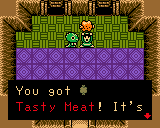
Link obtaining the Tasty Meat in the trading sequence.
Like Link’s Awakening, Ages has a chain of item swaps. One stop: a Tokay cook with a blocked nose who trades Tasty Meat for the Stink Bag from Lynna Village, which Link then passes to the Happy Mask Salesman.
Wild Tokay
The Wild Tokay Museum on Crescent Island.
On Crescent Island in the past, Link can play the Tokay’s meat-throwing game for prizes. In the present only a museum to it remains.
Checked against Wikipedia, Zelda Dungeon, the Zelda Wiki on Fandom and Time Extension.
Glitches, exploits and oddities
Oracle of Ages is a tidy game, but The Cutting Room Floor and players have turned up a few oddities.
Stuck in Rafton’s wall
Rafton’s house, seen from outside.
In the Japanese and North American versions, the shelves in the mailman’s house can be destroyed, which they should not be. Exploiting it can deposit Link inside a wall in Rafton’s house, where the only way out is to reset. The European version fixed the shelves.
Regional changes
Inside Spirit’s Grave.
The bottom-left room of Spirit’s Grave is empty in Japan but holds a pushable jar on a switch in Western versions; a Green Goron in Rolling Ridge who points players to the Mermaid Keys only exists outside Japan; and the ending’s message about carrying on in Oracle of Seasons is missing from the Japanese release.
The Virtual Console versions
The 3DS release fades to white before interiors, which the original never did. Because the 3DS has no Game Link Cable, the character who handles cable trades is switched off, and the Game Boy Advance shop never opens, so the GBA Time and GBA Nature rings can only be had through a modified ring secret.
Leftovers in the cartridge
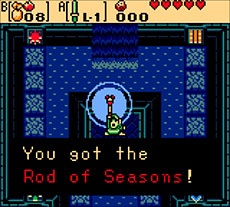
Link with the Rod of Seasons in Oracle of Seasons; Ages keeps an unused slot for it.
The data still contains placeholder slots for items from Oracle of Seasons, among them the Rod of Seasons, a magnetic glove, the Slingshot and Fool’s Ore, plus unused enemies and an older layout of the Black Tower on an unused screen.
Videos & media
Nintendo of America’s announcement of both Oracle games joining Nintendo Switch Online in July 2023, and IGN’s upload of the official Switch Online trailer.
Nintendo of America’s official Switch Online trailer (July 2023).
The official Switch Online trailer, uploaded by IGN.
Trivia & facts
The Japanese title, Fushigi no Kinomi: Jikū no Shō, means something like “The Mysterious Seed: Chapter of Time and Space”.
A Japanese concept logo for the game that became Oracle of Seasons.During development the game was Mystical Seed of Wisdom, the Wisdom chapter of a planned Triforce trilogy. Early plans built it around colour puzzles rather than time travel.
The third game, Mystical Seed of Courage, was cancelled. The third oracle, Farore, appears in both finished games as the keeper of secrets.
The project started life as a pitch to remake the original Legend of Zelda for Game Boy Color.
Flagship briefly considered linking the games through a mobile phone adapter before going with passwords.
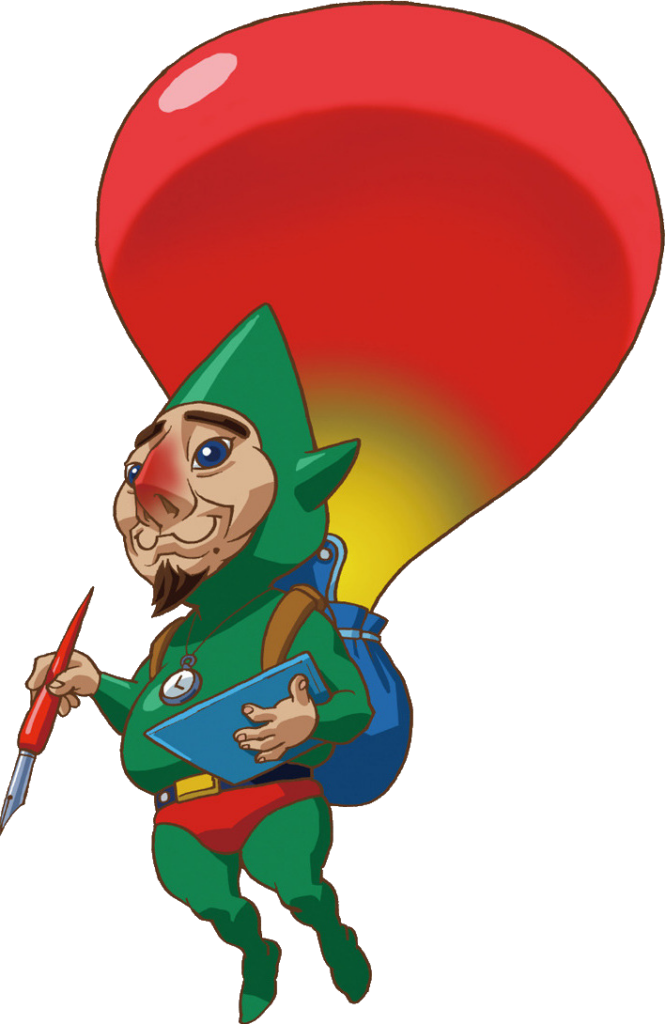
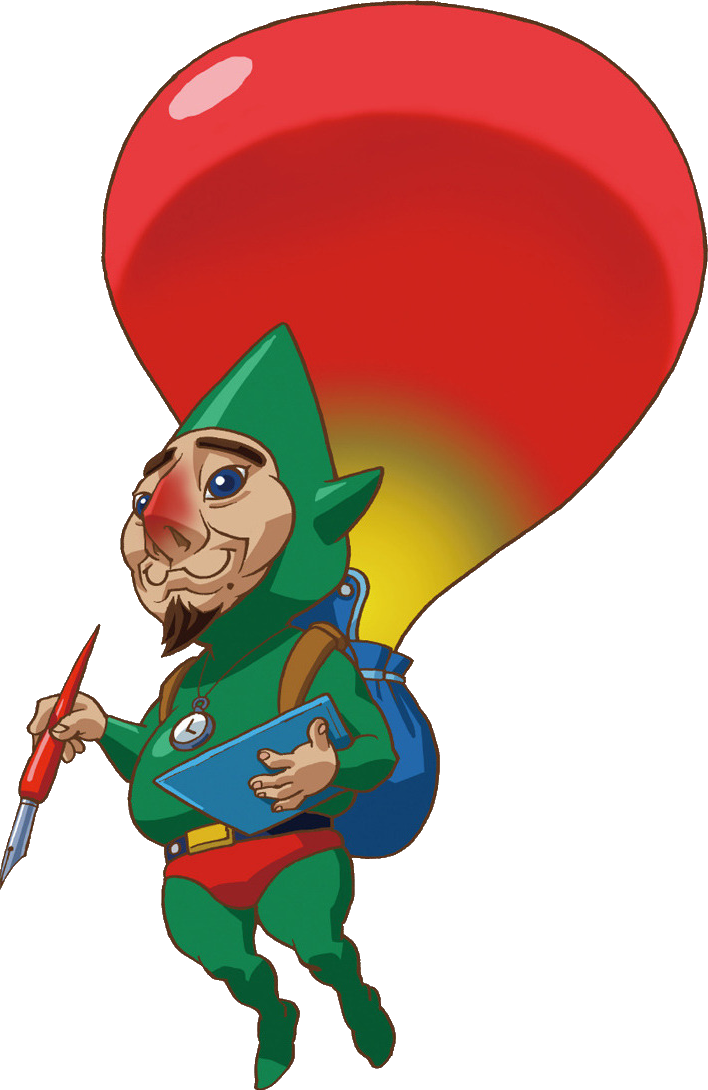
Official Oracle of Ages art of Tingle, a character from Majora’s Mask.Character designer Yusuke Nakano modelled Ages’ look on Majora’s Mask.
A writer from Capcom’s Resident Evil series, Junichi Miyashita, was among more than ten scenario writers on the Oracle games.
The Oracle games launched about a month before the Game Boy Advance and already had secret features for it.
Nintendo backed the pair with a $5 million marketing budget.
European cartridges were twice the size of the others: 16 megabits rather than 8.
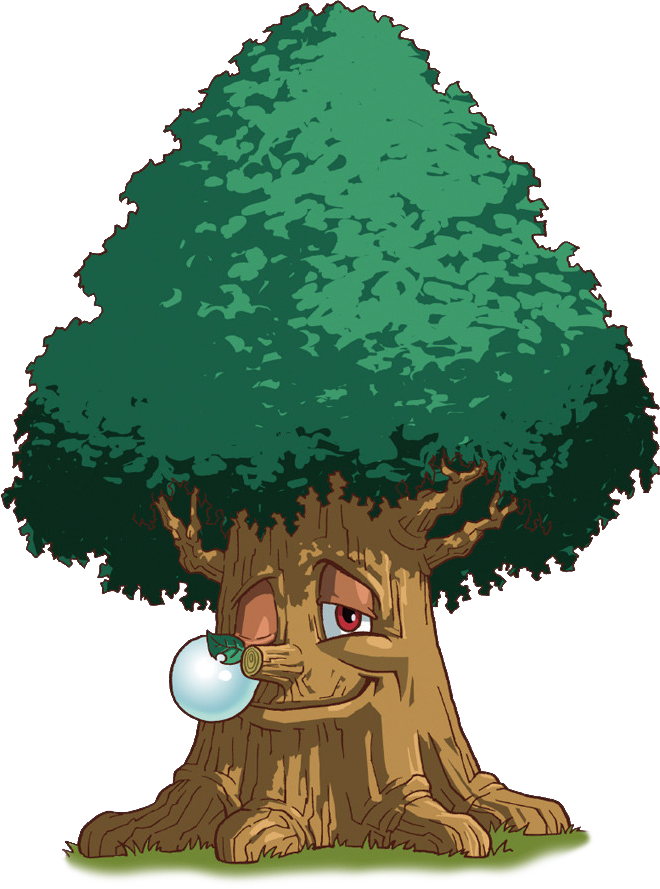
Official art of Holodrum’s Maku Tree, from Oracle of Seasons.Each Oracle game has its own Maku Tree. Labrynna’s is female, Holodrum’s is male.
Ralph is descended from Queen Ambi, the woman Veran possesses, so defeating her could erase him from history.
Veran’s Japanese name is Beran.
Gasha Seeds appear only in the two Oracle games.
In the US version, a password made entirely of capital Ns replaces Link’s name with placeholder characters.
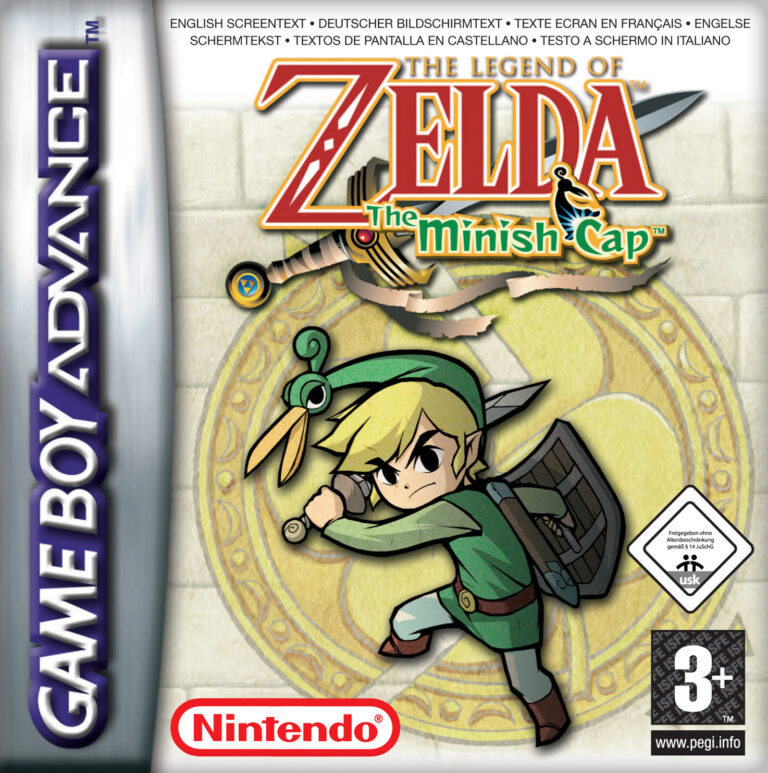
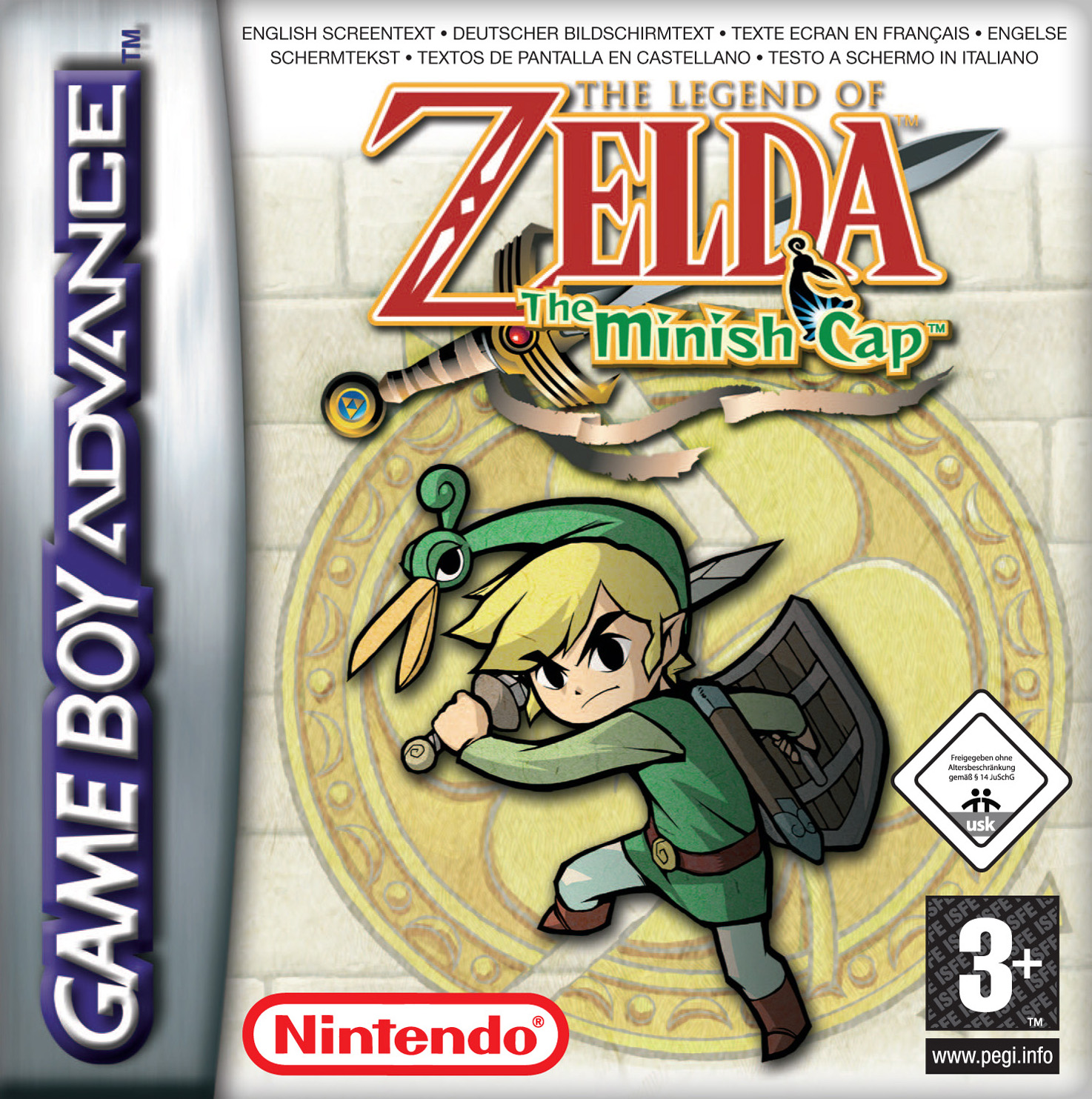
European box art of The Minish Cap.Nayru, Din and Farore made a joint cameo three years later in The Minish Cap, as house-hunters in Hyrule Town.
Media & artwork
Box art, artwork and screenshots from Oracle of Ages. Select any image to view it larger.
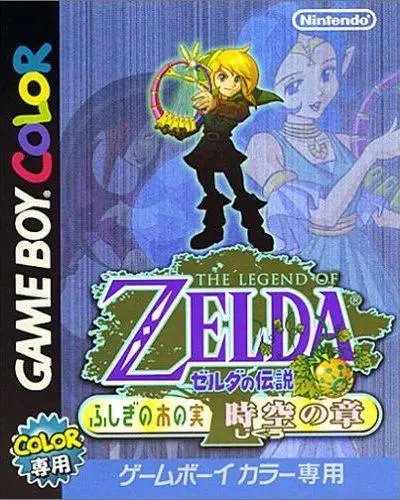
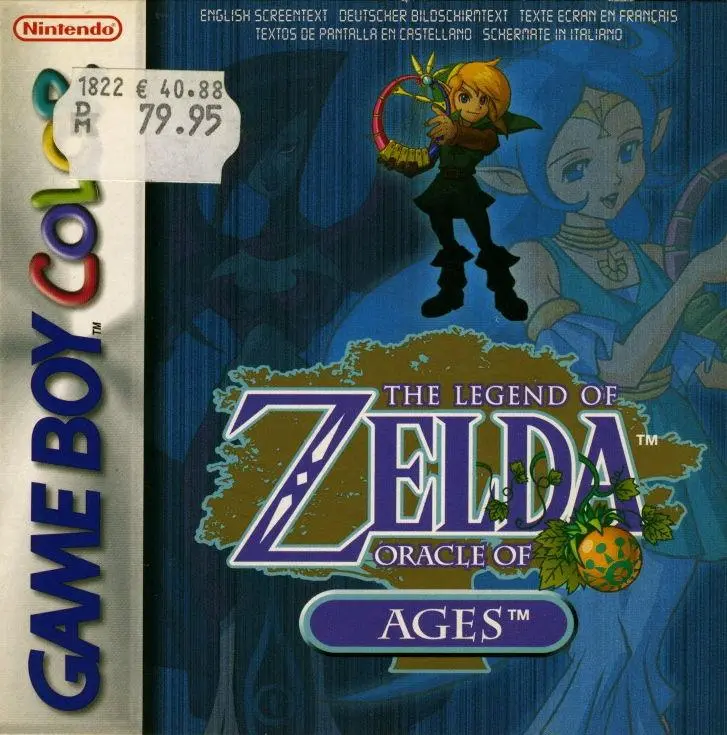
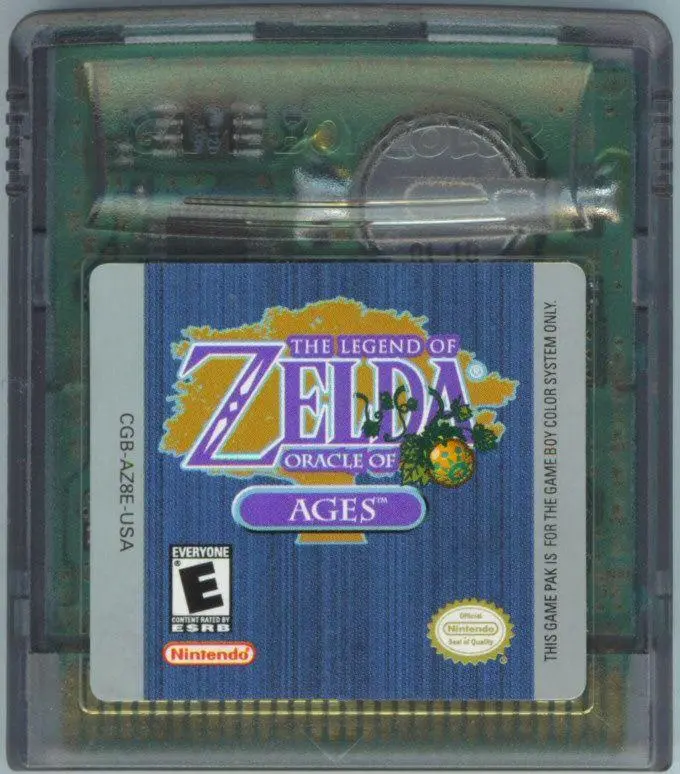
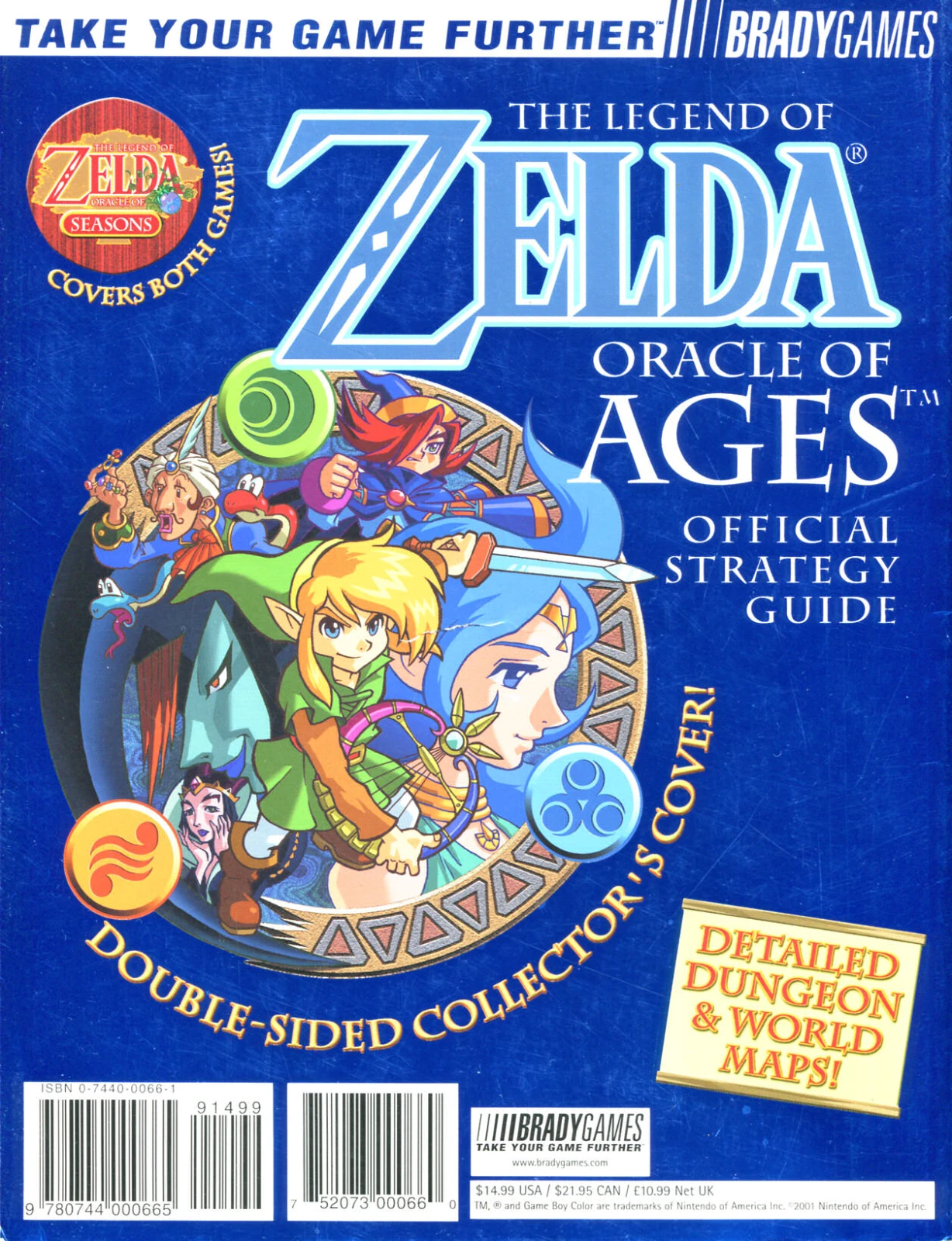
Japanese Game Boy Color box, front (2001)European Game Boy Color box, front (2001)Australian and New Zealand Game Boy Color box, frontNorth American Game Boy Color box, backNorth American Game Boy Color cartridgeEuropean instruction manualEuropean advertisement for the gameCover of the BradyGames strategy guideThe Japanese logoThe ending sequence
Oracle of Ages has been easy to find on Nintendo’s digital services, and its cast has resurfaced in later games.
Releases
Game Boy Color (Japan)27 February 2001 – Released alongside Oracle of Seasons.
Game Boy Color (North America)14 May 2001 – Again on the same day as Oracle of Seasons.
Game Boy Color (Europe and Australia)5 October 2001 – On 16-megabit cartridges.
Nintendo 3DS Virtual Console2013 – Japan 27 February; Europe, Australia and North America 30 May.
Nintendo Switch Online27 July 2023 – Added to the Game Boy library alongside Oracle of Seasons.
Later appearances
The Happy Hearth Inn in The Minish Cap, where the three oracles are found.
Nayru, Din and Farore returned as a trio in The Minish Cap (2004), another Flagship-made Zelda directed by Hidemaro Fujibayashi. Twinrova’s role as the schemers behind both Oracle games tied the handheld pair back to the witches of Ocarina of Time.
Where to play it today
Oracle of Ages is part of the Nintendo Switch Online Game Boy library, alongside Oracle of Seasons. The 3DS Virtual Console release is no longer on sale now that the 3DS eShop has closed. The Game Boy Advance secret shop only works on original hardware.
Sales & reviews
Sales figures
Oracle of Ages and Oracle of Seasons sold 3.99 million copies combined, according to CESA’s 2020 Games White Paper. In Japan they sold 746,054 copies between them, which Famitsu ranked third among games made only for the Game Boy Color.
3.99mAges and Seasons combined
746,054in Japan, combined
3rdbest-selling GBC-only games in Japan
Reception and review scores
Reviewers loved the time-travel puzzles, the colourful graphics and the way the two games tied together. GameRankings averaged Oracle of Ages at 92.20% from 20 reviews. Some scores below were given to the pair together.
IGNUS · Chris Carle · 14 May 2001
10/10
Nintendo PowerUS · 2001
5/5
GameSpotUS · Brad Shoemaker · 4 June 2001
9.2/10
Power UnlimitedNetherlands · both games
91/100
Nintendo Life3DS Virtual Console · Patrick Elliot · 2013
9/10
GameProUS · 22 May 2001
4/5
FamitsuJapan · 8, 7, 8, 7
30/40
The main complaint was sound: the Game Boy Color’s speaker and some basic sound effects drew criticism, though the music itself was praised. Japan’s Famitsu was cooler on both games than the Western press. Nintendo Life’s review, first published in 2013, is headlined “an engrossing tale and true series classic” and lists fiddly item-swapping among its few flaws.
Honours
GameSpot · 2001Best Game Boy Color GameAwarded to the Oracle games.
Interactive Achievement Awards · 2002Nominee: Console Role-Playing Game of the YearOracle of Ages was nominated at the 5th annual awards; Seasons was nominated for Hand-Held Game of the Year.
Nintendo Power · Top 200No. 39Oracle of Ages in the magazine’s list of the best Nintendo games (Seasons was 34th).
Reader reviews
No reader reviews yet. Played it? Give it a score out of 10 and tell other fans what you think.
To provide the best experiences, we use technologies like cookies to store and/or access device information. Consenting to these technologies will allow us to process data such as browsing behavior or unique IDs on this site. Not consenting or withdrawing consent, may adversely affect certain features and functions.
Functional
Always active
The technical storage or access is strictly necessary for the legitimate purpose of enabling the use of a specific service explicitly requested by the subscriber or user, or for the sole purpose of carrying out the transmission of a communication over an electronic communications network.
Preferences
The technical storage or access is necessary for the legitimate purpose of storing preferences that are not requested by the subscriber or user.
Statistics
The technical storage or access that is used exclusively for statistical purposes.The technical storage or access that is used exclusively for anonymous statistical purposes. Without a subpoena, voluntary compliance on the part of your Internet Service Provider, or additional records from a third party, information stored or retrieved for this purpose alone cannot usually be used to identify you.
Marketing
The technical storage or access is required to create user profiles to send advertising, or to track the user on a website or across several websites for similar marketing purposes.



 Spirit’s GraveLevel 1Hidden in Yoll Graveyard. Item: Power Bracelet. Boss: Pumpkin Head. Essence: Eternal Spirit.
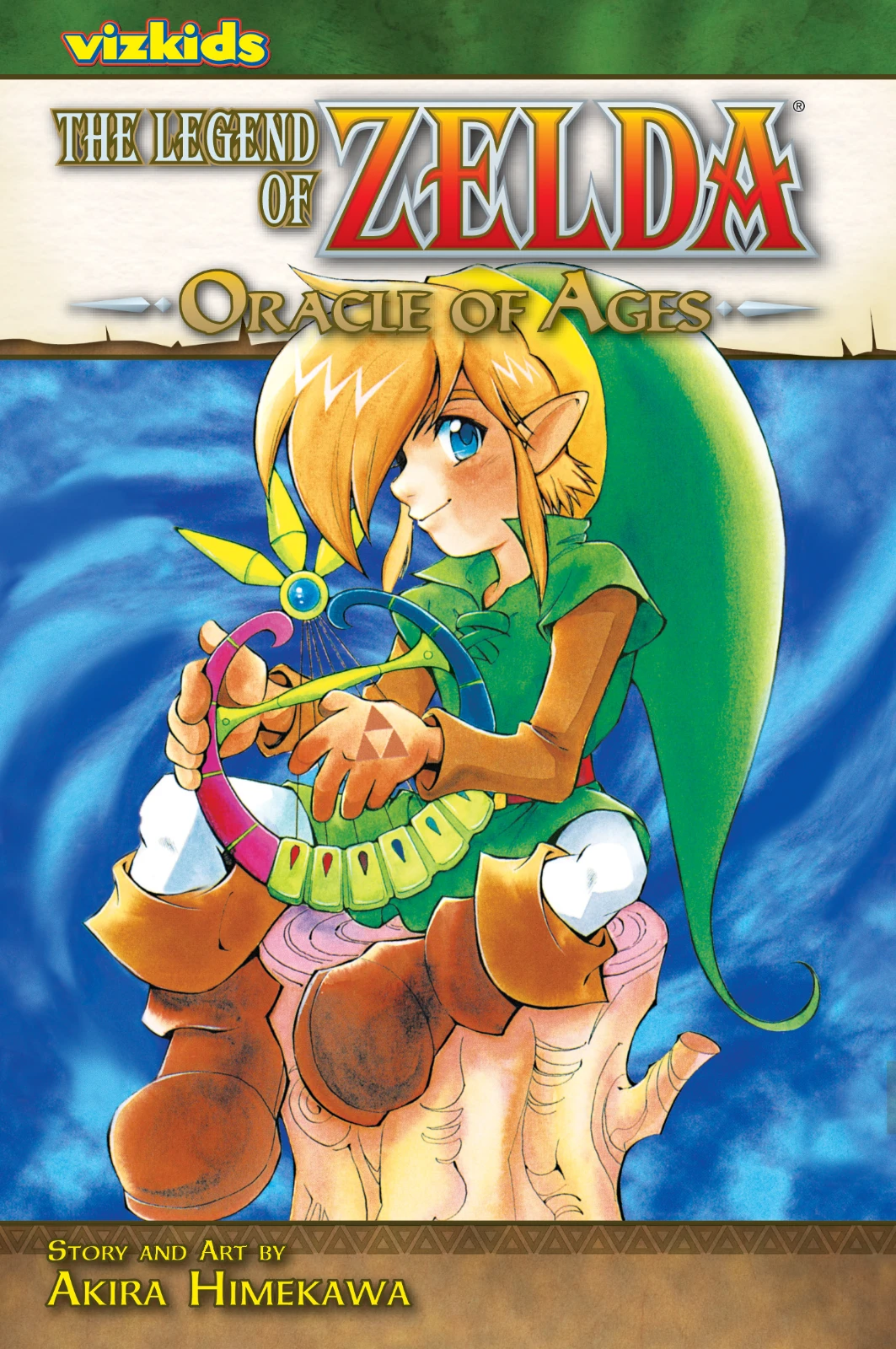 The Legend of Zelda: Oracle of Ages (manga)Manga · Akira Himekawa · Shogakukan; Viz Media volume 5 in EnglishOne of the two Oracle volumes in Akira Himekawa’s long-running series of Zelda manga adaptations. It reshapes the plot freely: Veran possesses Impa in a different way, and Nayru herself reveals that Ralph is Queen Ambi’s descendant.
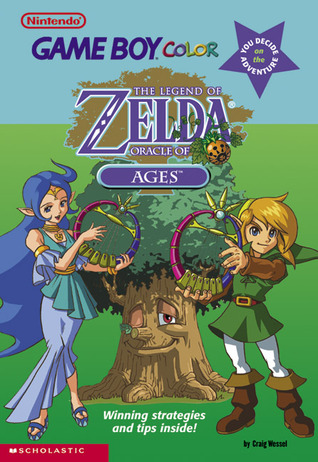 You Decide on the AdventureGamebook · Scholastic · January 2002A choose-your-path book based on the game, written by Craig Wessel; a companion volume based on Oracle of Seasons came out in October 2001.
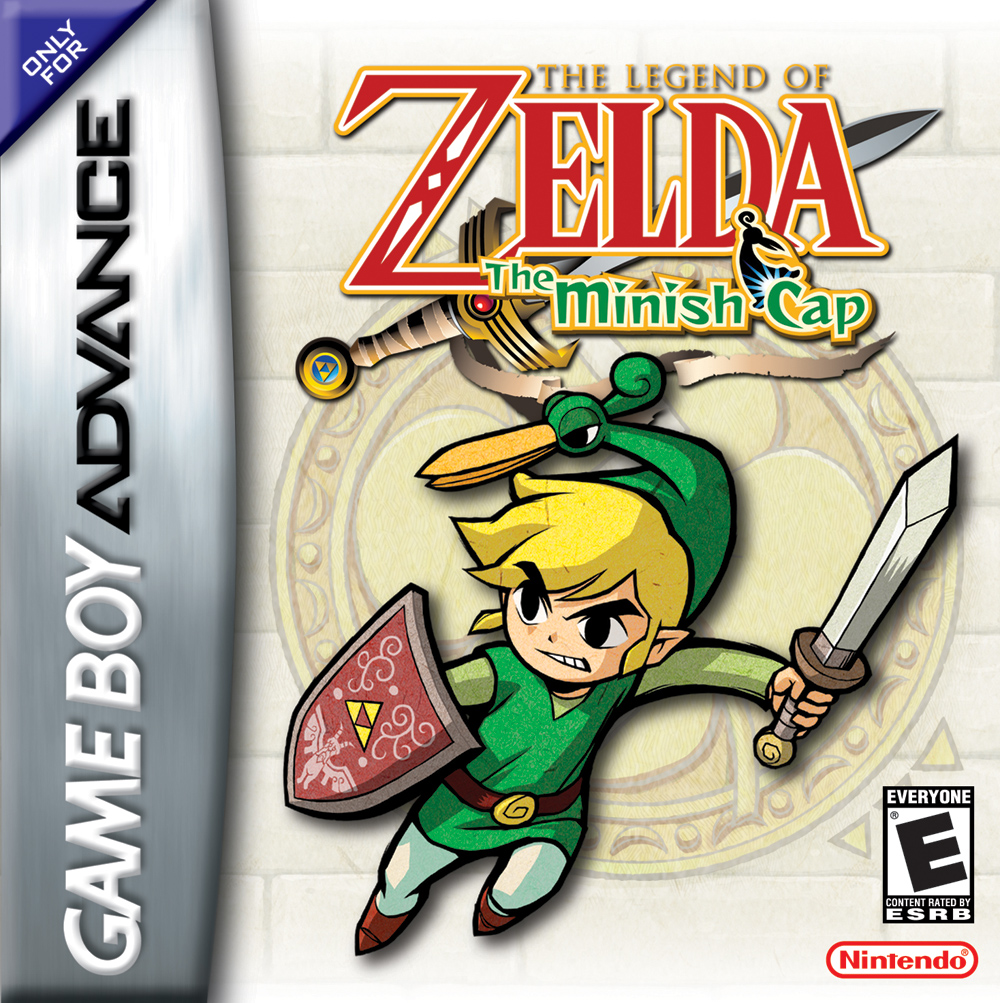 The Minish CapGame · Game Boy Advance · 2004Nayru, Din and Farore turn up in Hyrule Town as three young women looking for a house. Help Nayru and she leaves Link a charm.
 LinkThe hero
 NayruThe Oracle of Ages
 VeranSorceress of Shadows
 RalphNayru’s protector
 ImpaZelda’s nursemaid
 Queen AmbiQueen of Labrynna, 400 years ago
 The Maku TreeGuardian of Labrynna
 TwinrovaKoume and Kotake
 Princess ZeldaPrincess of Hyrule
 Moosh, Ricky & DimitriAnimal companions
 The TokayIslanders of Crescent Island
 King Zora & Lord Jabu-JabuThe Zoras’ ruler and guardian
 Din & FaroreThe other Oracles
 Pumpkin HeadSpirit’s GraveA ghost with a pumpkin for a head.
 Head ThwompWing DungeonA spinning stone face.
 Shadow HagMoonlit GrottoA witch who hides in shadows; Subterror is the miniboss.
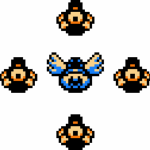 EyesoarSkull DungeonA giant flying eye.
 SmogCrown DungeonA cloud of smoke that must be cornered.
 OctogonMermaid’s CaveA giant octopus, fought partly underwater.
 PlasmarineJabu-Jabu’s BellyAn electric orb inside the guardian.
 RamrockAncient TombA stone guardian of the tomb.
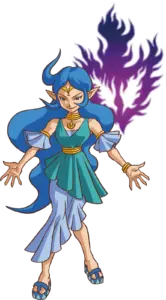 VeranBlack TowerPossessed Queen Ambi, then a winged demon, then her true forms. She is fought once before, in Ambi’s palace, while possessing Nayru.
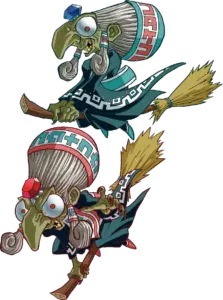 TwinrovaLinked gameThe twin witches.
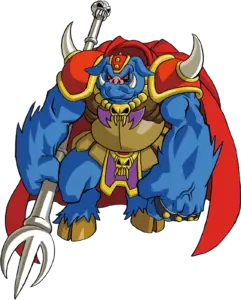 GanonLinked gameRevived without his mind.
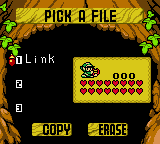 Linked gamesThe only pair of Zelda games built to talk to each other, by password or Game Link Cable, with a final chapter that only appears in the second game you play.
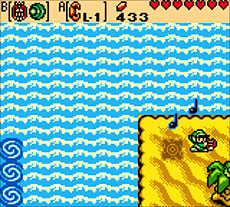 The Harp of AgesTime travel by harp, between two versions of the same land four centuries apart.
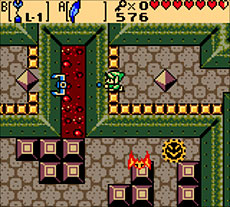 The Switch HookA hookshot that swaps Link’s position with whatever it hits.