BS Zelda no Densetsu: Inishie no Sekiban (Ancient Stone Tablets)
Six years after A Link to the Past, Link is abroad, Ganon is stirring, and the only hero to hand has just fallen out of the sky wearing a baseball cap. A four-week radio adventure that existed for one hour at a time.
First broadcast30 March to 26 April 1997 (Japan only)
Made byNintendo with St.GIGA
Supervised byTakashi Tezuka, Tatsuya Hishida
FormatFour weekly chapters of one hour
Last shownMay 1999
Players1
Title
BS Zelda no Densetsu: Inishie no Sekiban BSゼルダの伝説 古代の石盤 (“BS The Legend of Zelda: Ancient Stone Tablets”). Early fan sites misread the title as Kodai no Sekiban
Platform
Satellaview (satellite receiver for the Super Famicom)
Planned and produced by
Nintendo and St.GIGA
Producers
Satoshi Yamato for Nintendo; Yakushiji (薬師寺文佳) for St.GIGA
Inishie no Sekiban, known in English as Ancient Stone Tablets, is the nearest thing A Link to the Past ever had to a sequel on its own console, and almost nobody outside Japan saw it. It was transmitted by satellite in the spring of 1997 to owners of the Satellaview, Nintendo’s broadcast receiver for the Super Famicom, in four chapters that could each be played only while they were on the air.
It uses the engine, the graphics and the Light World map of the 1991 game, but the story is new, all eight dungeons are new, and Link has gone travelling. The hero is the player’s own Satellaview character, pulled into Hyrule by a strange light and hailed by Princess Zelda as the Hero of Light. Over four weeks they gather eight stone tablets, two at a time, while the land around them changes by the minute: rain comes down, the princess is ambushed, a priest falls in a lake, a mole pops out of the ground.
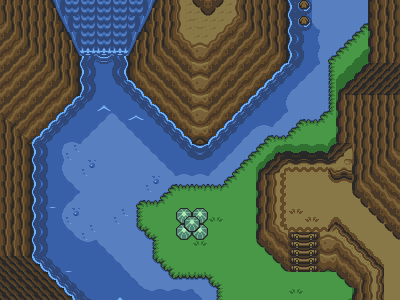
A familiar Hyrule, with a clock and a new hero.Every dungeon was built fresh for the broadcast.When the rain comes, the Zoras leave the river.
Everything was held together by sound. As in the first BS Zelda two years earlier, St.GIGA’s radio channel played over the game, but this time with a cast of five. Zelda, the sage Aginah, a fortune teller and the castle guard talk to each other and to you from start to finish, like a radio serial in which one of the characters happens to be holding a controller.
It was shown four times, the last in May 1999, and then it was gone. What can be played today is a reconstruction, put together by fans from rescued data, old video tapes and a great deal of patience.
“This game runs on ‘Zelda time’, so you cannot save it to your memory pack. With that, we welcome you to the wonderful world of Zelda!”
So said the announcer at the top of chapter one, after promising a nationwide satellite broadcast and “high-quality BS sound”. Then the narrator took over with the only premise a player needed: six years earlier the hero Link had thrown down Ganon, the King of Evil, and Hyrule had been at peace ever since.
— Opening announcement of BS Zelda no Densetsu: Inishie no Sekiban, chapter 1 (Nintendo and St.GIGA, 1997), as heard in a viewer’s recording. Transcription by Gekkahiro; English translation by GlitterBerri, published on The BS Zelda Homepage. The summary around it is Zelda Temple’s.
Quick Answers
The questions people most often ask about Ancient Stone Tablets, answered quickly and explained further down the page.
What is Ancient Stone Tablets?
A Zelda adventure broadcast by satellite in Japan in 1997, built on A Link to the Past and set six years after it. Its Japanese name is BS Zelda no Densetsu: Inishie no Sekiban. More →
When was it broadcast?
First from 30 March to 26 April 1997, one chapter a week. It was repeated in June 1997, at the end of 1998 and for the last time in May 1999. More →
Is it a sequel to A Link to the Past?
In its own story, yes: the narrator opens by saying that Link defeated Ganon six years ago. Nintendo has never given it a place on the official timeline. More →
Do you play as Link?
No. Link has left Hyrule. The lead is the character you made on the Satellaview, boy or girl, whom Zelda takes to be the Hero of Light. More →
How is it different from A Link to the Past?
New story and dungeons, a one-hour clock, weather and timed events, a score, rental shops, and five voice actors talking over the top. The Dark World is missing until the finale. More →
Who is Aginah?
A sage and the younger brother of Sahasrahla. He finds the hero with Zelda and guides them through all four weeks. More →
Was it released outside Japan?
No. It has never been sold or re-released anywhere, in any form. More →
Can you still play it?
Only in a fan restoration. The original voices and music were streamed and not stored, so fans rebuilt the game from data left on Memory Packs and from video recordings, and in 2016 added an English-dubbed soundtrack. More →
How it differs from A Link to the Past
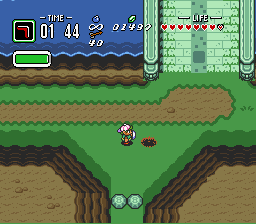
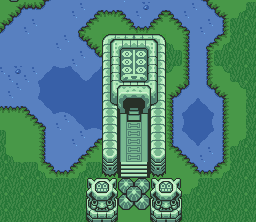
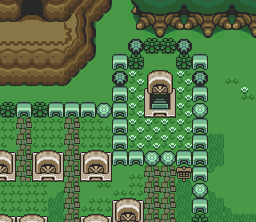
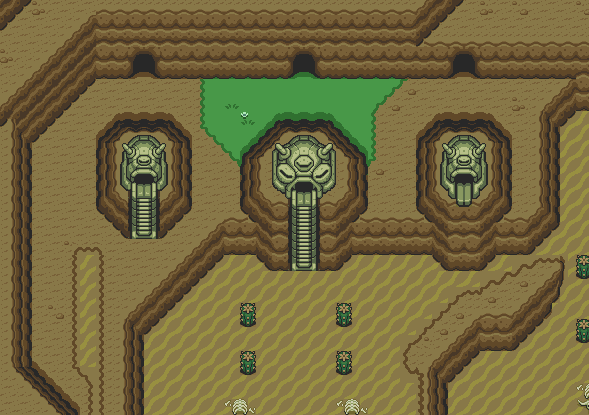
The Eastern Palace grounds in the 1997 broadcast.
Anyone who knows the 1991 game will feel at home within seconds: the same sprites, the same sword swing, the same Kakariko. Then the differences start to pile up. Nintendo reused its best 16-bit adventure as a stage set and wrote a new play for it.
Feature
A Link to the Past (1991)
Inishie no Sekiban (1997)
The hero
Link
Your Satellaview avatar, the Hero of Light, redrawn in the game’s style
The quest
Three pendants, then seven crystals
Eight stone tablets, two a week
The world
Light World and Dark World
The Light World, opened up area by area, with clouds over what is out of bounds; only the final tower lies beyond it
Dungeons
Thirteen, on several floors
Eight new, smaller ones, plus a new Ganon’s Tower
Time
Play at your own pace and save
Four chapters of one real-time hour; no title screen, no file select
Storytelling
On-screen text
A voiced radio drama that runs while you play
Starting kit
Your uncle’s sword and shield within minutes
No sword at all: a lantern, a net, an ocarina and a golden bee in a bottle
Pegasus Boots
Dash in a straight line
Turn corners while dashing and run from one screen to the next
The flute
Calls a bird that carries you around Hyrule
An ocarina that takes you back to the dungeon entrance
Bombable walls
Marked with cracks
Unmarked: tap the wall with your sword and listen
Shops
Buy items to keep
Also rental shops, a once-a-day gold potion and a thief’s games of chance
World events
None
Fog, rain, rescues, sales and borrowed powers on a timetable
Rupees and score
A three-figure purse
A five-figure purse and a points total for the national rankings
One world, a week at a time
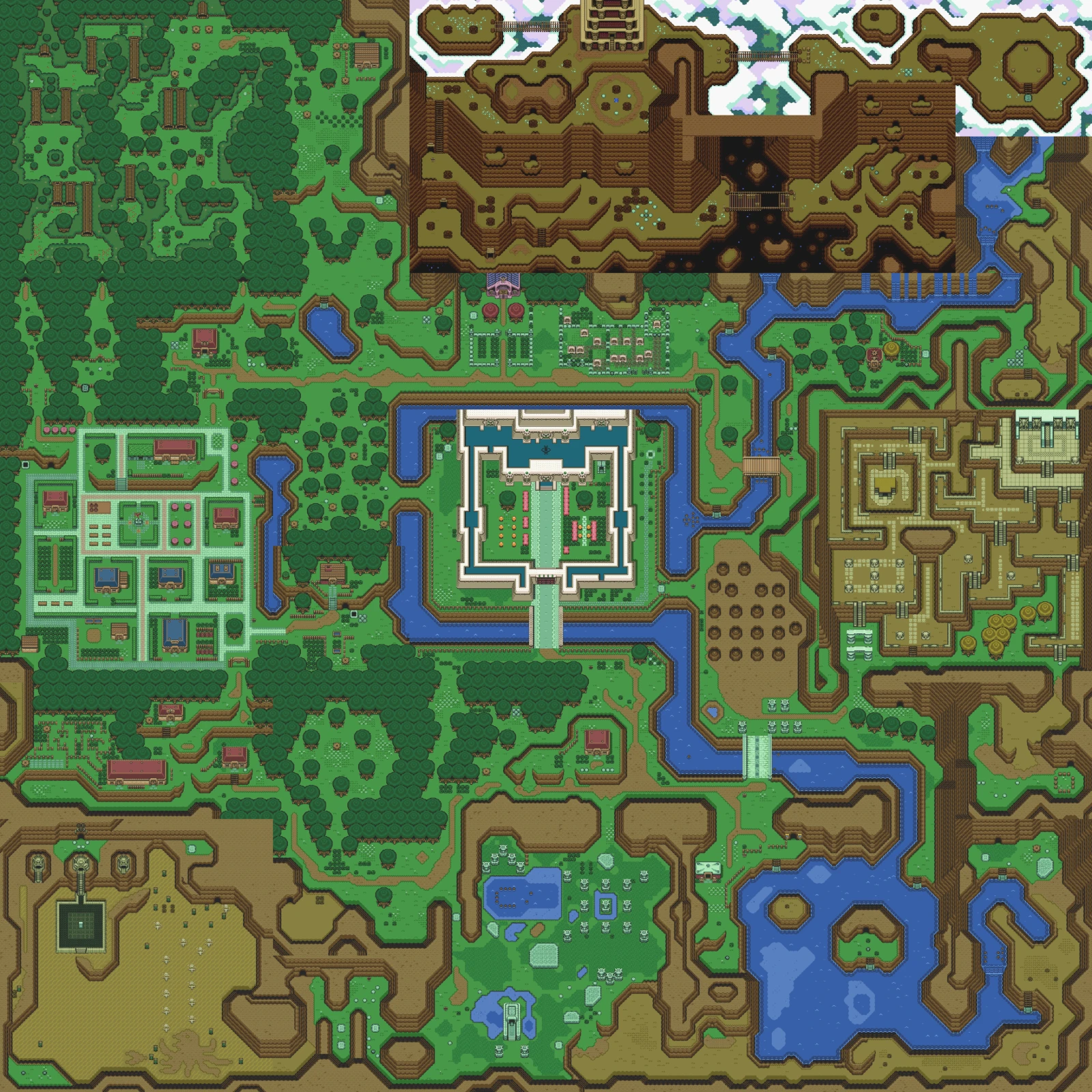
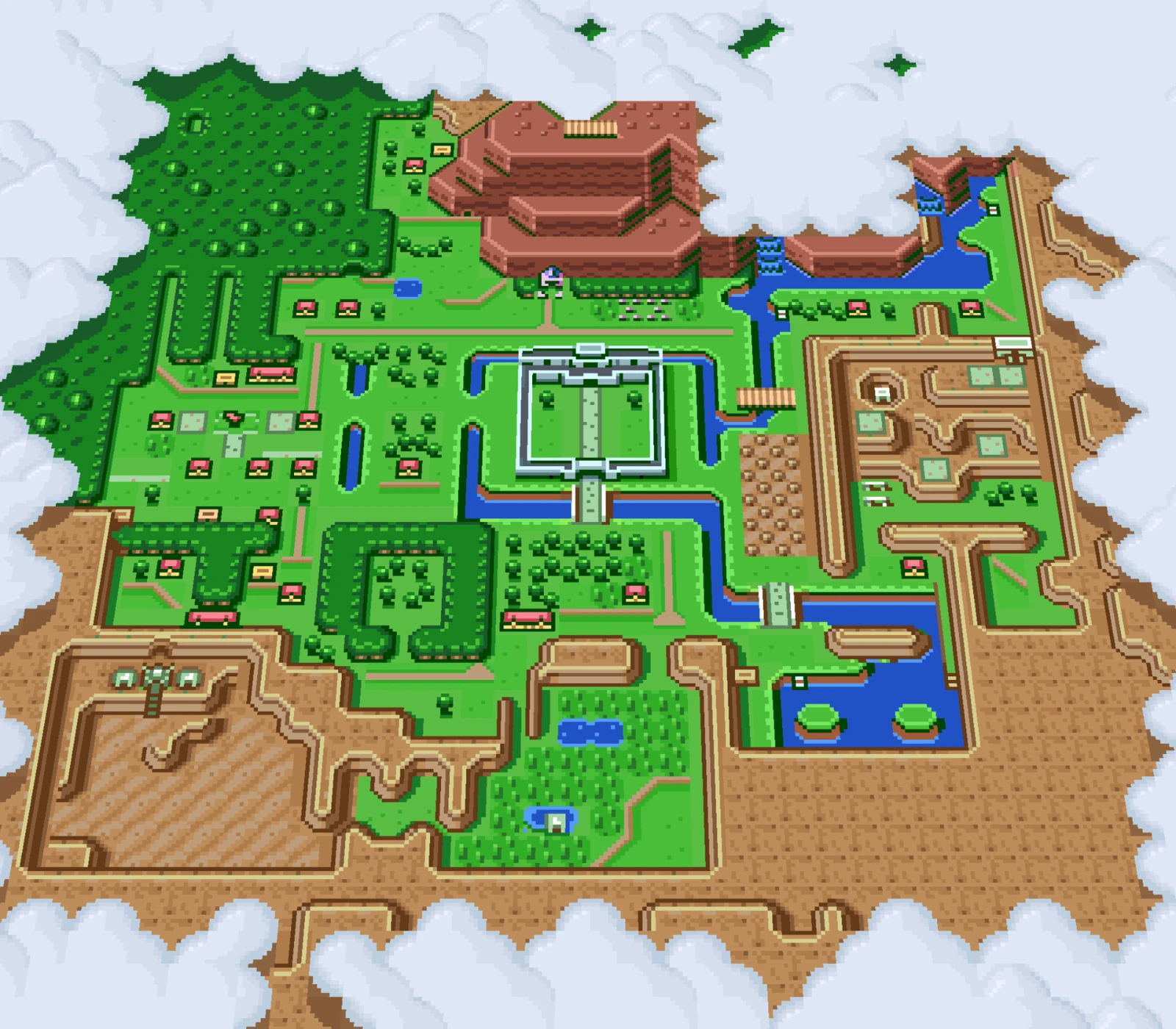
The overworld map of Ancient Stone Tablets.
The overworld is the Light World of A Link to the Past, more or less untouched, but you are only let into part of it each week. The first chapter keeps you in the east, around the Eastern Palace and Zora’s river. The second moves to Kakariko and the Lost Woods, the third to the south and the desert, and the fourth opens almost everything, up to the top of Death Mountain. On the map screen the closed regions lie under cloud, and in the field they are fenced off by obstacles that need the next week’s hammer or gloves.
There is no Dark World to explore. Take a fully equipped hero into an early chapter with a hacked save, The Cutting Room Floor reports, and the land beyond the boundaries falls apart: garbled enemies, caves that cannot be entered and no Dark World warps at all. The one trip to the other side is the last one, through a portal to a new Ganon’s Tower.
Eight new dungeons, old guardians
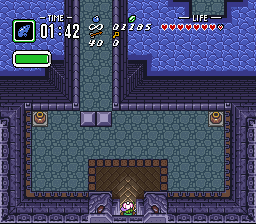
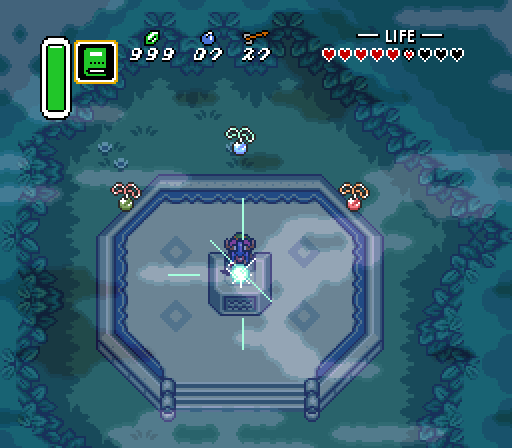
Winning a stone tablet, the prize at the end of every dungeon.
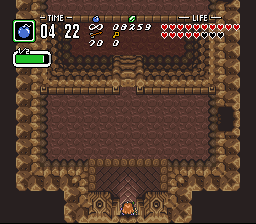
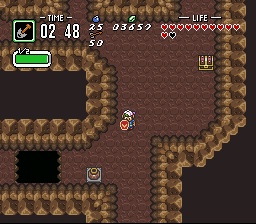
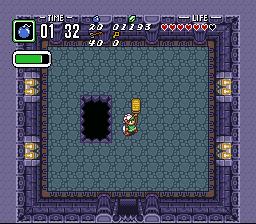
Each chapter has two dungeons, and none of them reuses a floor plan from the cartridge. Some stand where old ones stood (the Eastern Palace, the Desert Palace); others are in fresh places, such as behind the Waterfall of Wishing or under the graveyard by the Sanctuary. They are smaller than the originals, and each ends with a stone tablet in place of a pendant or crystal.
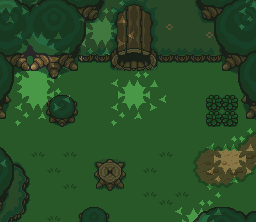
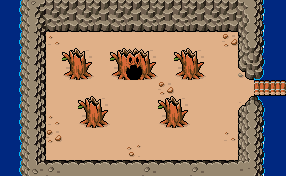
The bosses are borrowed from A Link to the Past but dealt out in a different order. Moldorm leaves his tower for a cave behind a waterfall, Arrghus turns up in the woods, and Mothula has moved to the desert. The treasure order is shuffled too: the Power Glove, an early find in the original, does not arrive until week three.
No sword, no Link
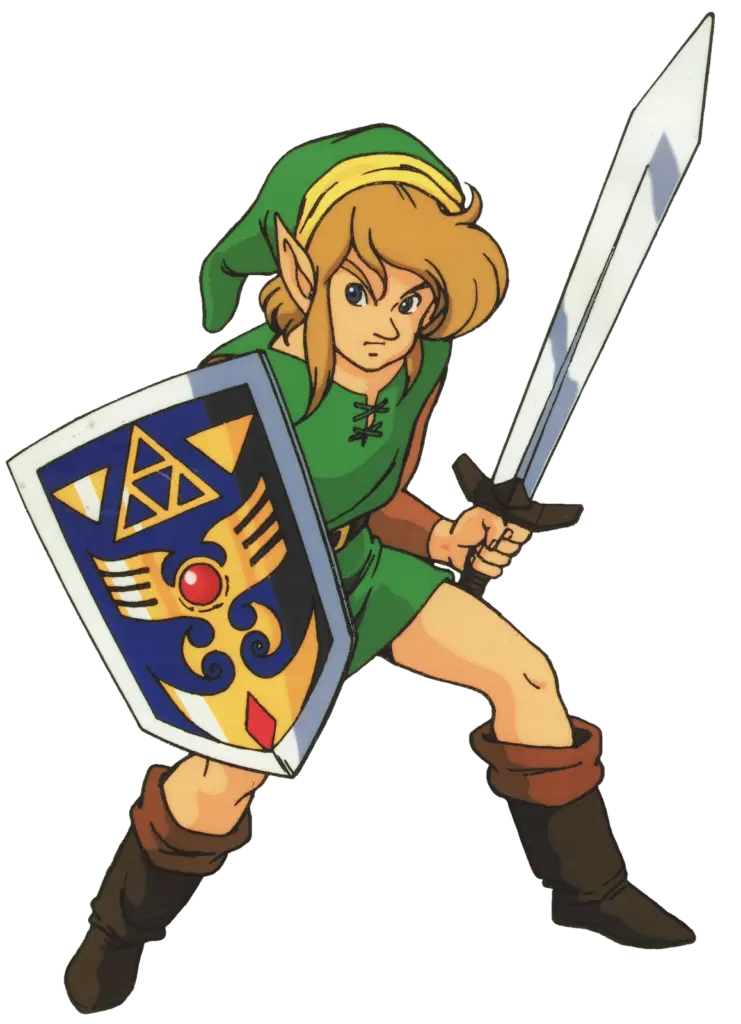
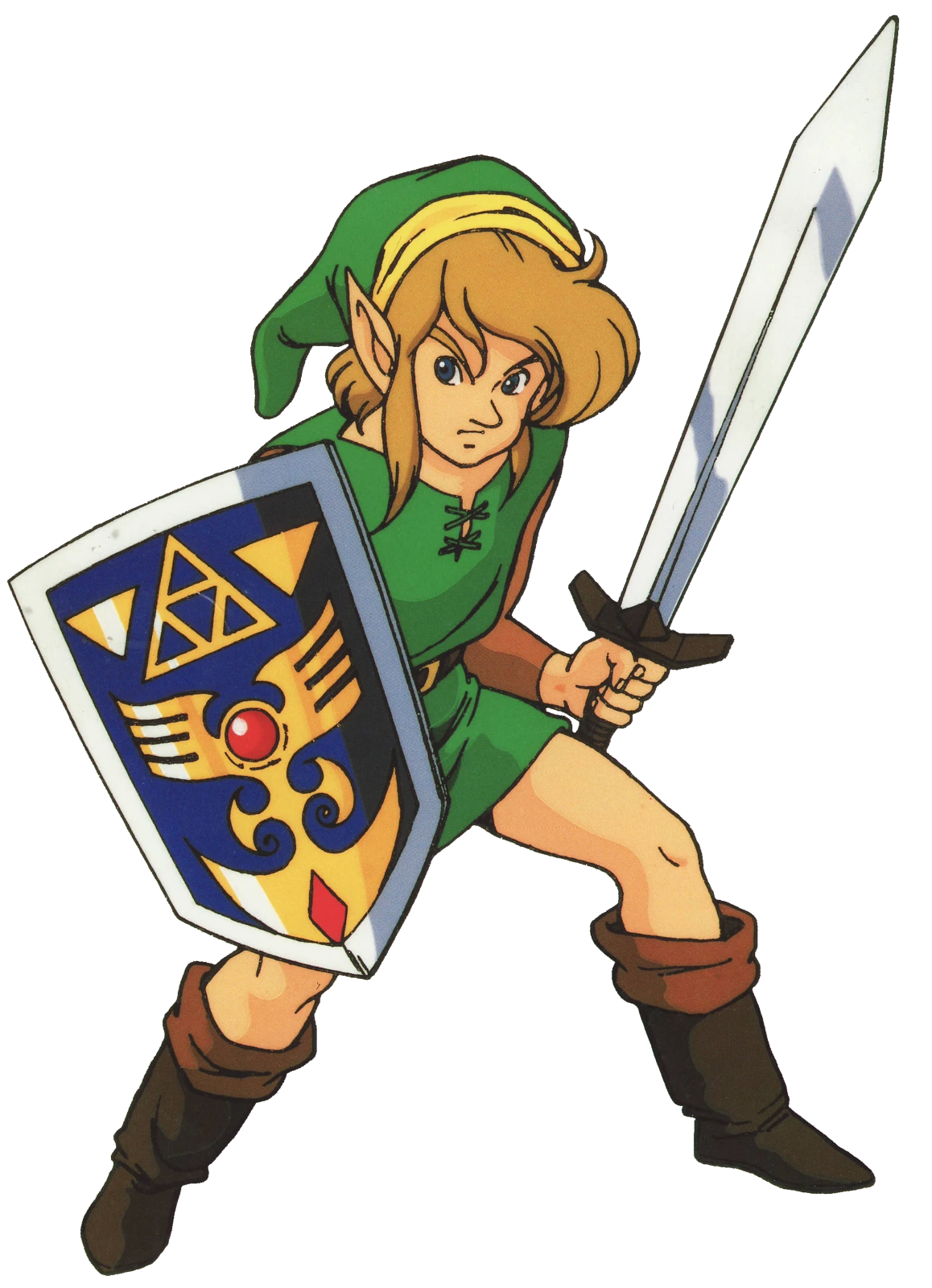
The hero is whoever you made in the Satellaview’s menu, boy or girl, drawn larger than in the 1995 game so as to sit naturally among the Link to the Past characters. The boy is essentially Link in a baseball cap; the girl has long hair where the green hat would be. Nobody uses a name. The cast say “youth” or “Hero of Light”, a phrase that in Japanese gives away nothing about whether they mean a boy or a girl.
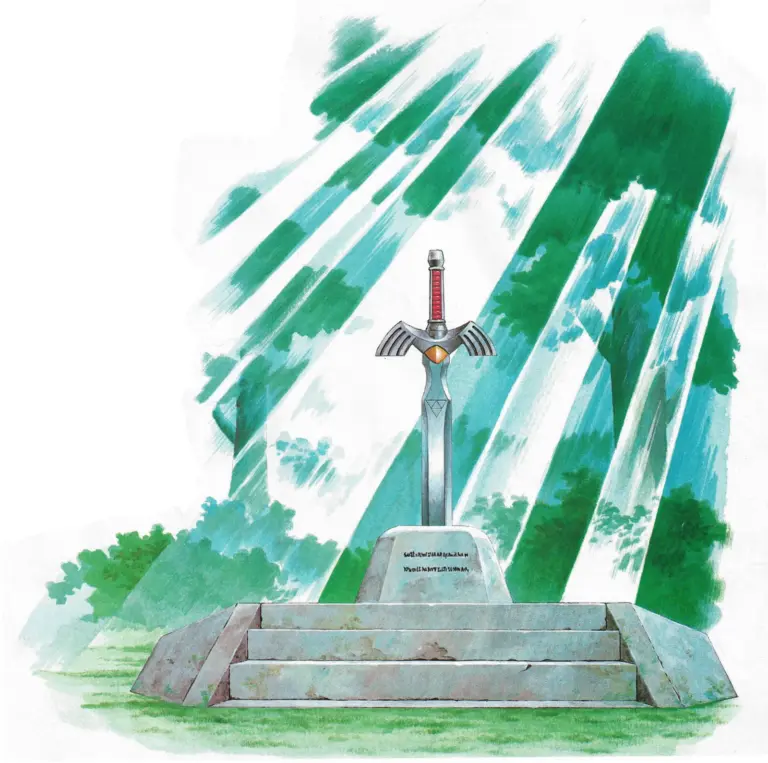
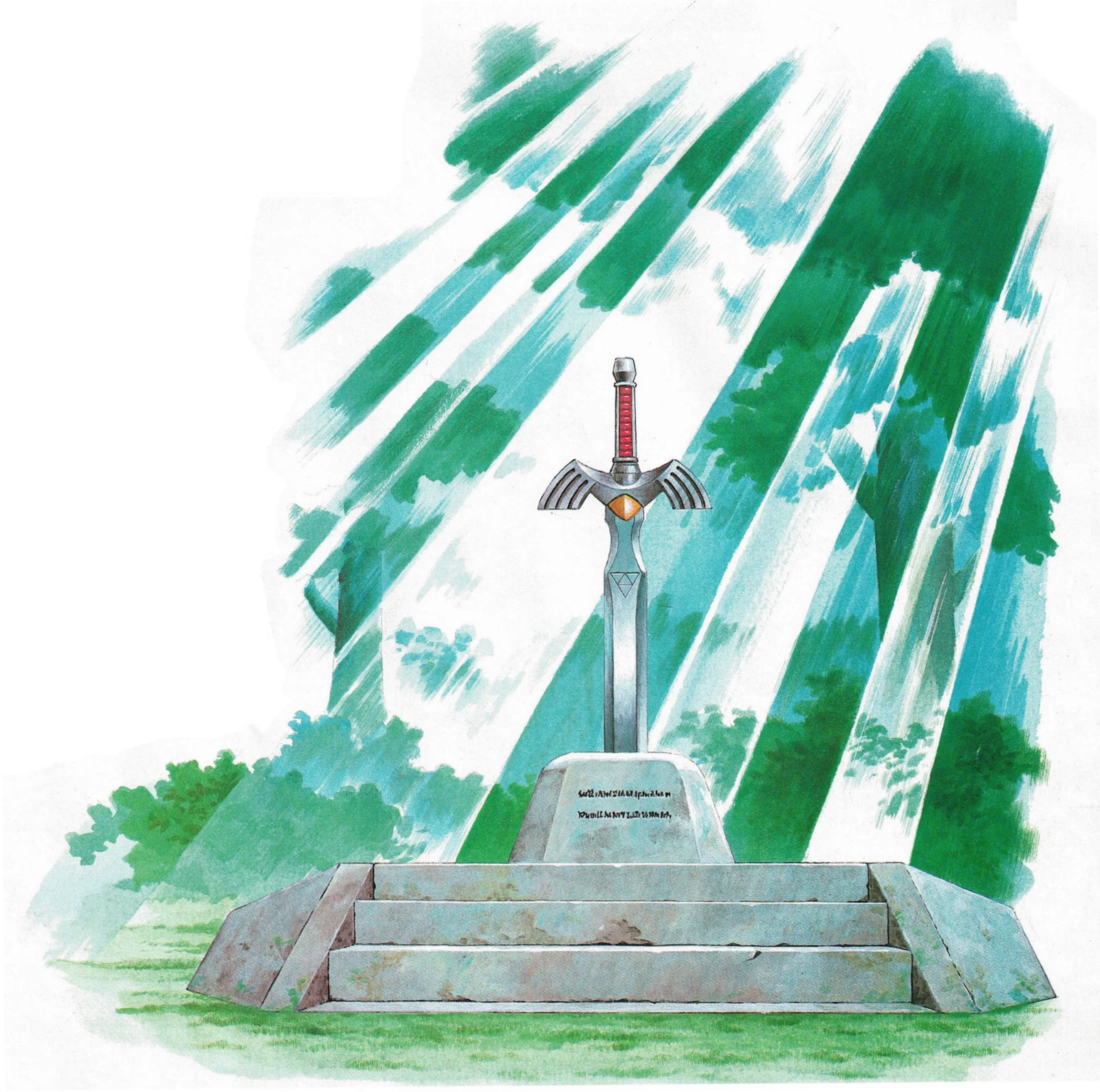
For the first stretch of week one the Hero of Light is unarmed. Aginah hands over a bag of his brother Sahasrahla’s things, among them a bottle with a golden bee inside, and the bee does the fighting until a sword and shield are found in the Eastern Palace. The Master Sword, by contrast, comes right at the end, in week four.
Small changes with big effects
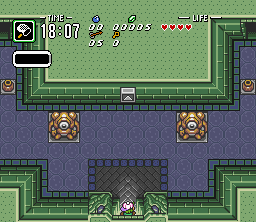
Several of the rule changes are about saving seconds. The Pegasus Boots can turn through a right angle mid-dash and carry on across the edge of the screen. The ocarina is a quick way back to the door of the dungeon you are in, so a wrong turn does not cost five minutes. Pressing R brings up help on items and controls, or, on the item screen, a reminder of the week’s goals.
Others make the world less predictable. Walls that can be bombed no longer show a crack, apart from a few with a faintly different pattern; you find them by prodding with your sword and listening for a hollow note, as in Link’s Awakening. And the people of Hyrule move about. A dwarf smith is lost in the woods, the princess slips out of the castle, and where they are depends on what time it is.
Shops, thieves and a mole
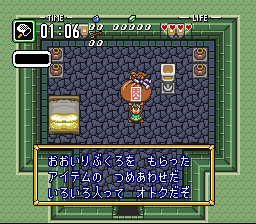
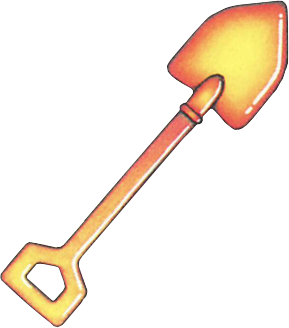
The broadcast added a small economy of its own. Rental shops lend out a stronger sword or a shovel for ten minutes at 100 Rupees a time; the first shovel hire of the week also marks a spot where a Piece of Heart is buried. The witch’s shop brews a gold potion, one a day, that refills hearts and magic and makes the sword charge faster for a while. Thieves hidden behind walls will enlarge your bomb bag or quiver for a fee that rises as the weeks go by.
A shady pedlar sets up a different game of chance late in each hour: pot-smashing, bomb-tossing, an archery range and finally a slot machine worked with the boomerang. And once a week a mole surfaces somewhere in the open chapter. Speak to him and he digs a tunnel to a cache of Rupees, 600 in the first week and 1,400 by the last, a deliberate helping hand for anyone who had missed an episode and fallen behind.
Plot / Story
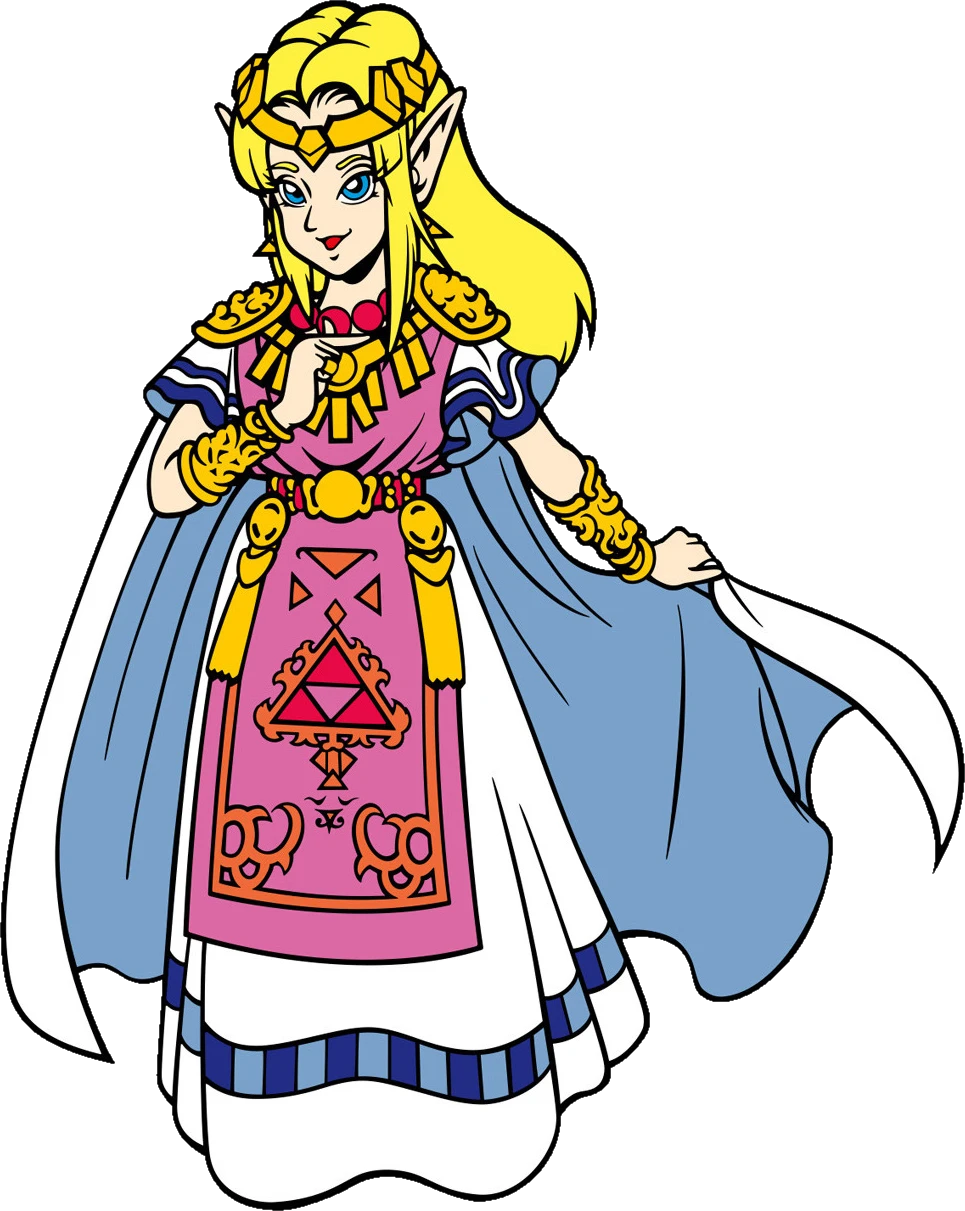
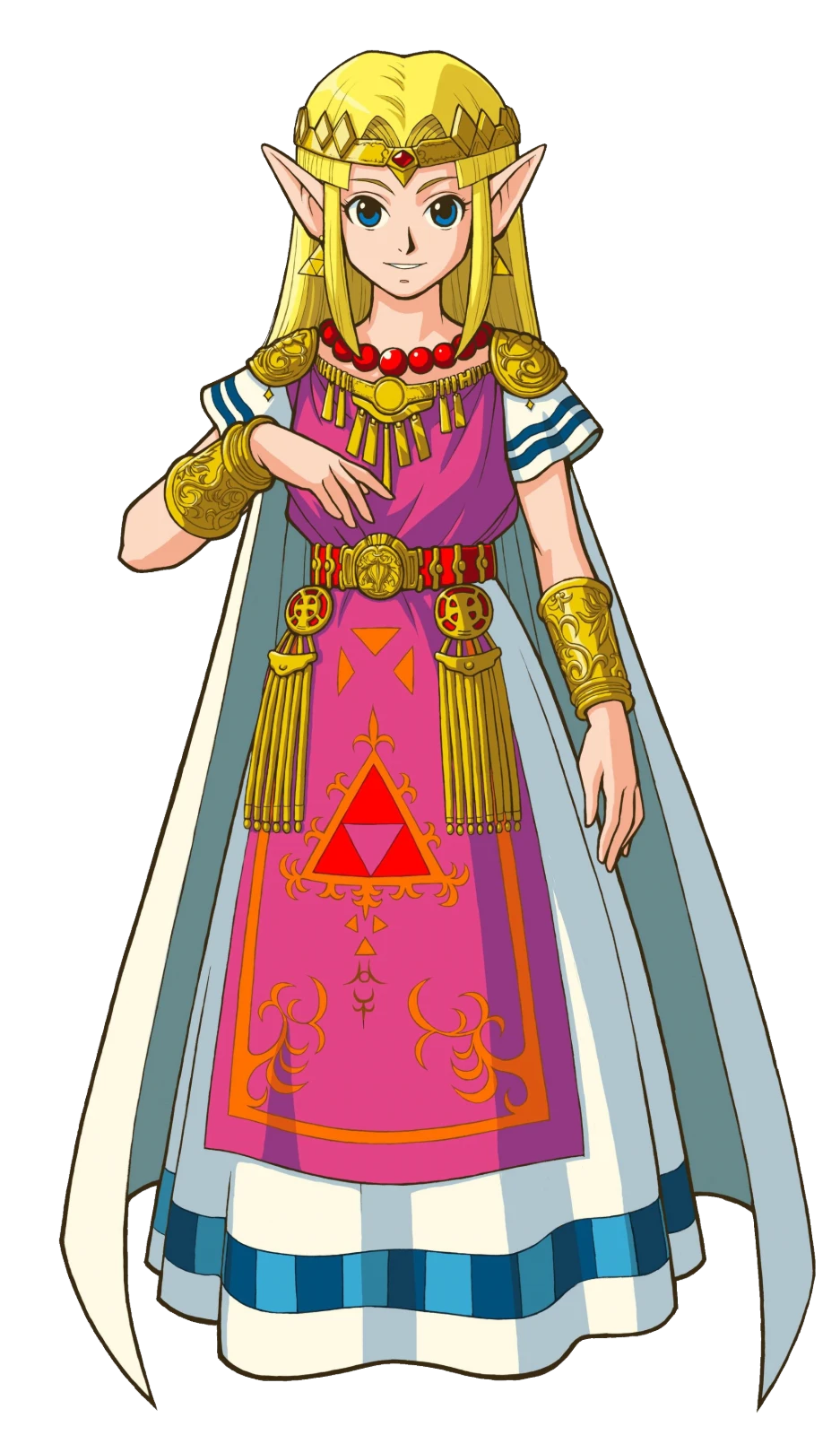
Princess Zelda in official art for A Link to the Past.
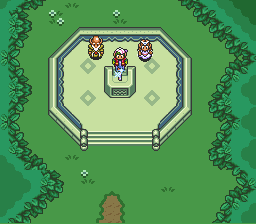
“Six years ago, the Hero Link threw down the King of Evil, Ganon.” The narrator’s first line places the story exactly: this is the Hyrule that Link saved in A Link to the Past, at peace ever since. Link himself has gone abroad. And Princess Zelda has started having the same dream night after night, of a dark shadow falling across a vast temple.
The player’s side of the story starts somewhere else entirely, in the little town inside the Satellaview’s menu cartridge. There, in a fortune teller’s house, the avatar finds nobody at home except a golden bee, follows it out through the back, and is swept away by a powerful magic.
A light in the east
Zelda sees a strange light come down in the east and goes after it. Aginah, the younger brother of the elder Sahasrahla, has seen it too, and where it fell the two of them find a youth lying unconscious. They carry the stranger to a shrine near the Eastern Palace. Aginah explains that his brother sensed danger and has gone to look for Link; Zelda, studying the newcomer, feels an odd power. “If endowed with courage,” she says, “this could be the Hero of Light!”
Then a wounded soldier staggers in. Monsters have overrun the Eastern Palace and he is the only one of its guards left alive. Aginah wakes the youth, lends them a lantern, a net, an ocarina and the bottled bee, and sends them to the palace to find a sword.
Week one begins in Aginah’s shrine.
The first tablets
The Eastern Palace gives up a sword, a shield, a bow, the Pegasus Boots and, from its guardians the Armos Knights, a slab of stone covered in writing nobody can read. A second tablet lies in a dungeon behind the Waterfall of Wishing, which means first buying a pair of flippers from the bad-tempered King Zora.
Late in the hour a soldier reports that the princess has vanished from the castle. Three minutes later she is found in a glade south of the palace with Octoroks closing in, and if the hero gets there in time and walks her home, there is a reward waiting. The chapter ends with Zelda promising not to leave the castle again and Aginah proposing a trip to his brother’s house in Kakariko Village, where there may be a clue to the tablets.
Kakariko and the Lost Woods
The second chapter opens in Sahasrahla’s house, and with a history lesson: the narrator retells how Ganondorf took the Triforce, how the wizard Agahnim sacrificed the descendants of the sages, and how Link answered Zelda’s call. The search of the house turns up nothing. Two more tablets do, one from an underground maze east of the village and one from a temple deep in the Lost Woods, where a dwarf smith is also wandering in need of an escort back to his partner.
Zelda, meanwhile, has been reading notes Link left behind about the monsters he fought, and passes on what she finds. By the end of the hour she has a better idea. Link’s old house, south of the castle, may still hold the Book of Mudora, the one thing that might make sense of the tablets.
Kakariko Village, week two.
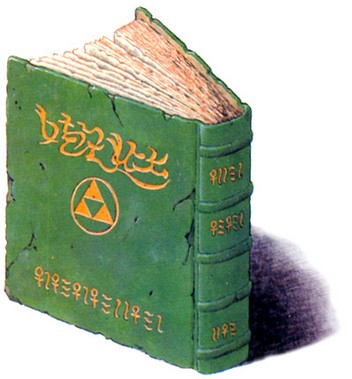
The Book of Mudora
Week three starts in Link’s house, with Aginah rummaging through the absent hero’s belongings while the youth heads for a temple in the Great Swamp and then the Desert Palace. Partway through, a cry goes up from the lake in the south: the priest of the Sanctuary has fallen into the water and has to be fished out and taken to the castle.
It is the fortune teller who cracks the problem, divining that the book is deep in the basement. Zelda sends a soldier running, Aginah finds it, and the tablets can finally be read. They speak of a sealed power buried on a mountain: the Silver Arrows. Aginah wonders aloud whether that means Death Mountain, and the party spends the night at the Sanctuary before the climb.
Link’s house, where the Book of Mudora is hidden.
Death Mountain
Zelda has dreamed of standing on Death Mountain with the book in her hands, and since only she can read it she refuses to be left behind. Aginah gives in (“I leave Princess Zelda to you!”) and for the final chapter the princess follows at the hero’s heels, waiting outside each cave and dungeon. The last two tablets come from a crypt beneath the graveyard and a cavern under the mountain, and in the grove in the Lost Woods the Hero of Light draws the Master Sword that Link laid to rest there.
With minutes to go, the fortune teller sees the King of Evil and the Silver Arrows together on the summit, and Zelda voices the fear that Ganon has returned. At the top she reads the great stone monument. It splits open, the Silver Arrows are inside, and a portal appears beside it.
The Master Sword in the Lost Woods.The monument on the summit of Death Mountain.
What Ganon wanted
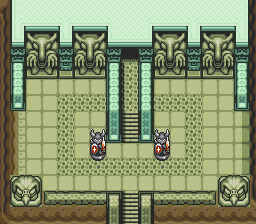
Beyond the portal stands a new Ganon’s Tower, and in it the King of Evil himself. He fights as he did in A Link to the Past, with trident and fire-bats and torches that have to be relit, and it takes the Silver Arrows to finish him. Afterwards Zelda explains what happened. Six years ago Link destroyed Ganon’s body but not his malice. That lingering will is what dragged the youth into Hyrule, and Japanese Wikipedia’s summary adds why: it wanted a new body.
Aginah and Zelda say their goodbyes. The Hero of Light returns the Master Sword to its pedestal in the Lost Woods and vanishes, back to a town with no name. There is another ending, for those who ran out of time: the hero is found collapsed outside the witch’s hut and told, kindly, that they gave it their best shot.
Ganon, in his new tower.The Master Sword goes back to its pedestal.
The four chapters and their dungeons
Two dungeons a week. The dungeons have no names on screen, so they are listed by where they stand; treasures and bosses follow The BS Zelda Homepage’s walkthrough and the Zelda Wiki on Fandom.
Dungeon 1: the Eastern PalaceChapter 1 · boss: Armos KnightsSword, shield, bow and Pegasus Boots, all in one visit. The golden bee keeps the monsters off until the sword turns up.
Dungeon 2: behind the Waterfall of WishingChapter 1 · boss: MoldormReached by swimming, once King Zora has sold you the flippers. Holds the boomerang.
Dungeon 3: the maze east of KakarikoChapter 2 · boss: Helmasaur KingAn underground labyrinth with the Magic Hammer and the Blue Mail. Zelda’s tip from Link’s notes: bombs break the iron mask.
Dungeon 4: deep in the Lost WoodsChapter 2 · boss: ArrghusThe hookshot and a better shield are inside.
Dungeon 5: the Great SwampChapter 3 · boss: LanmolasThe Power Glove at last, and a stronger sword.
Dungeon 6: the Desert PalaceChapter 3 · boss: MothulaHolds the Red Mail and the Fire Rod.
Dungeon 7: the crypt under the graveyardChapter 4 · boss: KholdstareTitan’s Mitt and the Cane of Somaria. Aginah’s advice for the frozen eyeball at the end: fire.
Dungeon 8: under Death MountainChapter 4 · boss: TrinexxMirror Shield and Ice Rod. Zelda herself explains the three-headed boss: fire for the blue head, ice for the red.
Ganon’s TowerChapter 4 · final boss: GanonThrough the portal on the summit, once all eight tablets are in hand and Zelda has read the monument. Silver Arrows required.
A chapter’s dungeons close when its week is over. If you missed one, a thief waiting outside hands over a bag with what you would have found inside.
How an episode worked
To play Inishie no Sekiban in 1997 you needed a Super Famicom, a Satellaview underneath it, a satellite tuner and dish, a subscription to St.GIGA and, above all, to be sitting down at the right time.
Clock
What you heard in chapter one
What it did
18:06
Aginah wakes the youth and hands over his brother’s bag
Play begins, with a bee instead of a sword
18:15
An announcement: the bow will not run dry for a while
Unlimited arrows, until 18:21
18:21
Fog rolls in
The view closes in; rain is on the way
18:23
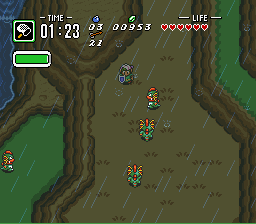
Rain. “Young one, you must be wary of the Zoras!”
Bombs fizzle outdoors and Zoras come up on land; King Zora, though, is in a better mood
18:26
A rental shop opens north of the palace
A stronger sword or a shovel for ten minutes
18:30
The rain stops; half the hour has gone
Zoras return to the river; the fog lifts at 18:33
18:43
Zelda is being chased by monsters in the glade
Rescue her and walk her to the castle for 300 Rupees and 10,000 points
18:45
A suspicious pedlar sets up shop in a hole in the ground
The pot-smashing game opens
18:47
A burst of strength for the youth
The hero’s hearts are raised to the maximum, until 18:53
18:56
Zelda and Aginah sum up; the announcer signs off
Results screen, and a week’s wait
SoundLink: the game you listened to
The Satellaview, launched in Japan in April 1995, received data from a broadcasting satellite and stored it on a Memory Pack plugged into a special cartridge. Most of what it received were ordinary downloads. A SoundLink game was something stranger: the game arrived as data, and then a radio programme from St.GIGA, the satellite station that ran the service with Nintendo, was played through the television on top of it, timed to match.
For this game that meant close to an hour of continuous drama and music. The score was not the Super Famicom’s own. It was orchestral, taken from the Sound & Drama album of arrangements released in 1994, and it played straight through without changing from place to place. Of the cartridge music still sitting in the data, only the dungeon-clear fanfare was actually used.
Five voices and no pauses
The 1995 BS Zelda stopped dead whenever its old man had something to say. Inishie no Sekiban never stops. Conversations carry on over the top of the action, so the plot reaches you while you are fighting, and the cast has grown from three to five. The narrator addresses the player directly; Aginah and Zelda speak to the hero by telepathy; the fortune teller reports visions, which is how the game announces fairies, storms and borrowed powers; and a soldier brings news from around the kingdom.
The side stories were voiced as well. Because nobody could know when a player would arrive, The BS Zelda Homepage assumes that the actors’ lines for an optional rescue were repeated for as long as the event was open, whether or not anyone had turned up to hear them.
The hour and the weather
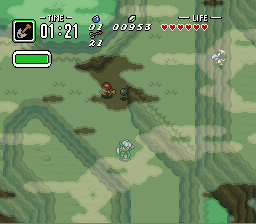
Fog over Hyrule, a few minutes before the rain.
Each chapter was an hour of what the broadcast called Zelda Time, of which about fifty minutes was play. The clock kept running when the item screen was open, though the monsters politely waited. When it ran out the chapter ended wherever you were, and tablets, items and Rupees were carried forward to the next week.
The timetable above is from the first chapter; every week had its own. The set piece was the weather. In the first two chapters, at least, fog crept over the land, rain followed, bombs would not light outdoors and the usual enemies were replaced by Zoras that a boomerang could hurt but not stun. Around it were scattered smaller gifts and hazards: fairies, unlimited bombs, arrows or magic, a boomerang that passed through enemies, two minutes of invincibility, sword beams, half-price sales at the witch’s shop.
Playing for points
Every chapter ended with a score. Points came from opening chests and collecting keys, Pieces of Heart, dungeon treasures and tablets, from finishing the week’s rescue (10,000 points) and from talking to the mole (another 10,000). Points drained away for every minute that passed before both tablets were found, and for lost hearts and deaths. In the fourth week drawing the Master Sword was worth 5,000.
The read-out came with a password to send in, and during the first run the five best players each week won an 8M Memory Pack. The repeats were played for fun.
Characters
A Link to the Past’s supporting cast returns, six years older, with one newcomer in the lead and Link conspicuously absent. Five actors supplied the voices.
Character
Who they are
In this game
Stats & abilities
The Hero of LightThe player’s avatar, boy or girl
The character each player created on the Satellaview: a lad with his cap on back to front, or a red-haired girl, in a tunic like Link’s. The same pair starred in BS Zelda no Densetsu.
Pulled into Hyrule by Ganon’s lingering malice, found by Zelda and Aginah, and sent to collect the eight tablets. Never speaks and is never named.
Link’s full move set, with sharper Pegasus Boots
Starts with no sword
Draws the Master Sword in week four
Princess ZeldaVoiced by Mariko Kōda
The princess Link rescued six years ago, now troubled by dreams that turn out to be warnings.
Finds the hero, names them the Hero of Light, gets herself ambushed in week one, works out where the Book of Mudora is in week two, and climbs Death Mountain in week four to read the monument.
Follows the hero in weeks one and four
Speaks by telepathy
The only one who can read the Book of Mudora
AginahVoiced by Kōji Yada
An elderly sage in green, the younger brother of Sahasrahla. In A Link to the Past he is the hermit in a cave near the desert.
The hero’s guide and travelling companion. He equips them from his brother’s belongings, puzzles over the tablets, and finds the Book of Mudora in Link’s basement.
Gives the Big Bag: lantern, bug-catching net, ocarina and the golden bee.
The fortune tellerVoiced by Yasuhiro Takato
A seer in Zelda’s service.
The voice of the timetable. Every fairy, storm and gift of power is something the fortune teller “sees”. One vision locates the book, and another reveals Ganon.
Announces timed events.
The soldiers of HyruleVoiced by Moriya Endō
The castle guard, no longer bewitched. One actor plays every soldier in the kingdom.
The lone survivor of the Eastern Palace garrison raises the alarm. Others report Zelda missing, gossip about the pedlar and carry messages.
Not playable.
The narratorVoiced by Hiroshi Isobe
The storyteller, outside the action.
Opens each chapter with a recap, teaches the controls and gives dungeon tips. (“Be especially suspicious of rooms with nothing in them.”)
Not a character in the game world.
SahasrahlaElder of Kakariko
Link’s mentor in A Link to the Past and Aginah’s elder brother.
Said to have sensed the danger first and gone to find Link. The hero borrows his net and wakes up in his house in week two.
Does not join the quest.
LinkThe hero of six years ago
The Link of A Link to the Past, remembered throughout as “the Hero Link”.
Never appears. His house, his notes on monsters, his Book of Mudora and his sword all play a part.
Absent.
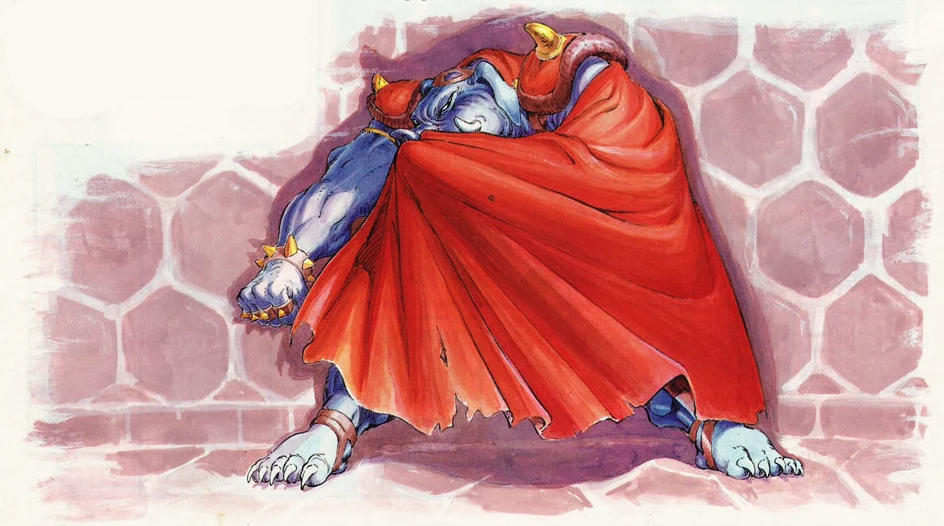
GanonThe King of Evil
Destroyed in body six years ago, but not in spirit.
His surviving malice calls the hero to Hyrule, meaning to take their body, and gathers on Death Mountain. He is fought in a new Ganon’s Tower at the end of week four.
Trident and fire-bats
Vulnerable to the Silver Arrows
The priestSanctuary
The priest of the Sanctuary, alive again after the events of A Link to the Past.
Falls into the lake in week three and has to be rescued. The party stays at his church before the climb.
Rescue: 10,000 points.
King ZoraZora’s Waterfall
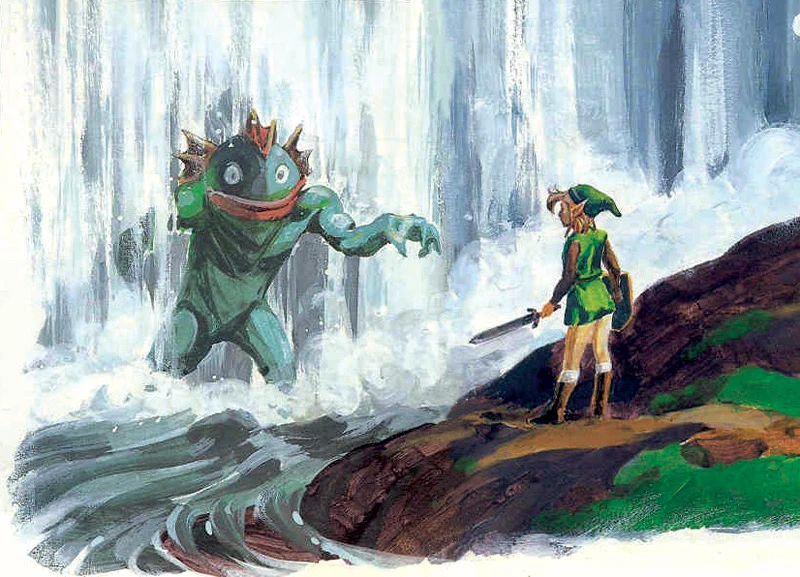
The enormous Zora who sells flippers.
Still selling them, at 300 Rupees or less when the rain has put him in a good mood.
Sells Zora’s Flippers.
The moleOnce a week
A burrowing stranger who surfaces at a set minute, in one of five places.
Talk to him and he digs through to a hidden hoard of Rupees. His spot changed from one broadcast to the next.
10,000 points for finding him.
Dungeon masters
The guardians of the eight tablets, all veterans of A Link to the Past, in the order the broadcast used them.
Armos KnightsDungeon 1 · Eastern PalaceThe stone knights, back at their old post.
MoldormDungeon 2 · Waterfall of WishingThe worm with the weak tail.
Helmasaur KingDungeon 3 · east of KakarikoBombs break the iron mask.
ArrghusDungeon 4 · Lost WoodsPull its puffballs away with the hookshot found in the same dungeon.
LanmolasDungeon 5 · Great SwampThe burrowing sand-worms, a long way from the desert.
MothulaDungeon 6 · Desert PalaceThe giant moth of Skull Woods.
KholdstareDungeon 7 · graveyard cryptThe eye in the ice. The Fire Rod from week three melts it.
TrinexxDungeon 8 · Death MountainThree heads: fire, ice and the real one.
GanonGanon’s TowerThree rounds of sword-work, each finished with a Silver Arrow.
The people who made it
Credits as listed on Japanese Wikipedia. The drama was produced with the voice agency Aoni Production.
Satoshi YamatoProducerNintendo’s producer on both BS Zelda games, working with a producer from St.GIGA.
Takashi TezukaSupervisionThe director of A Link to the Past, overseeing a new story in his own world.
Tatsuya HishidaSupervisionHad written the script and co-ordinated the audio for the 1995 BS Zelda.
Mariko KōdaVoice of Princess ZeldaThe second actress to play Zelda for the Satellaview, after Naomi Fujisawa in 1995.
Kōji YadaVoice of AginahPlays the old sage who carries most of the dialogue.
Yasuhiro TakatoVoice of the fortune tellerAnnounces the hour’s events.
Moriya EndōVoice of the soldiersOne actor for every guard in Hyrule.
Hiroshi IsobeNarratorRecaps, controls and countdowns.
Super Mario Club and the Zelda staffCo-operationBoth are thanked in the credits for their help.
How it was made
Nintendo has published next to nothing about the making of Inishie no Sekiban. The outline below comes from the broadcast’s credits and schedule, and from what the surviving data shows.
From remake to sequel
The overworld of the 1995 BS Zelda, outside Level 1.
The first BS Zelda, in August 1995, had been a reworking of the original NES game, and a hit that was repeated three times within months. Its follow-up was more ambitious. Where the 1995 game changed the maps and left the plot alone, the 1997 one kept the map and wrote a new story, supervised by Takashi Tezuka, who had directed A Link to the Past, and by Tatsuya Hishida, who had scripted the earlier broadcast.
Leftovers in the data hint at ideas that did not make it. The Magic Cape and the Book of Mudora both exist as working items that can never be picked up, leaving two empty slots on the item screen; The Cutting Room Floor suspects the book was once meant to be found by the player and handed to Zelda. There are also unused animations of both avatars praying, as Link does at the Desert Palace, and turning into a rabbit, as he does in the Dark World.
A warm-up broadcast
The title screen of Zelda no Densetsu: Kamigami no Triforce, the Japanese A Link to the Past.
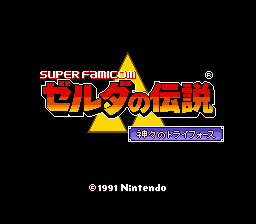
Four weeks before the first chapter, on 2 March 1997, the Satellaview began carrying Zelda no Densetsu: Kamigami no Triforce, the Japanese A Link to the Past, unaltered. It had no voices and no timetable; a download could be started five times before it had to be fetched again. Japanese Wikipedia describes it as practice for what was coming, a chance for the audience to learn the map before the clock started.
On the air
The first chapter went out on Sunday 30 March 1997, and each of the four had a week on the schedule, the last ending on 26 April. In March 1997 the Satellaview reached its largest audience, 116,378 active users by St.GIGA’s count. The game was repeated from 1 to 28 June, with Nintendo’s website recommending it to subscribers, and again from 29 November to 26 December 1998.
By then the service was winding down. Nintendo and St.GIGA had fallen out over the station’s debts, and Nintendo withdrew from making new programmes early in 1999. Inishie no Sekiban was chosen for the farewell: its fourth run, in May 1999, was the last SoundLink broadcast of all. St.GIGA kept the Satellaview going with repeats until 30 June 2000.
The only official glimpse
One official glimpse exists. Zelda no Video, a Japanese documentary from 2003, includes a few minutes of the game in action, with the title screen, the introduction, the original voices and some of the dungeon rooms. The BS Zelda Homepage keeps a copy of the clip.
Firsts: what this game introduced
A one-off, but several of its ideas came back in later Zelda games.
1Renting your equipmentTen-minute hire of a sword or shovel. The Cutting Room Floor points out that rental returned in A Link Between Worlds, another game set in this Hyrule.
2A world on a scheduleCharacters who move, get into trouble and need help at particular minutes of a fixed clock: the idea at the heart of Majora’s Mask three years later.
3A talking castThe 1995 broadcast had a narrator and a guide. This one had conversations: five actors playing off each other for an hour at a time.
4Zelda at your sideIn weeks one and four the princess walks behind the hero across the open map, and in the last chapter she is essential to the ending.
Secrets & side quests
A game on a timetable hides things in time as well as in space. Clock times are from The BS Zelda Homepage’s walkthrough and its translations of the broadcast; other sources differ by a few minutes here and there.
The mole’s hoards
The hole the mole digs to his hoard.
The mole comes up at about 18:44 in weeks one and three, 18:47 in week two and 18:34 in week four. In week one his tunnel leads to a cave west of the witch’s hut with six chests of 100 Rupees. In week two the hoard is near the smithy and needs the hookshot, and by week four it is under Death Mountain and worth 1,400.
The rescues
Three chapters have a rescue worth 10,000 points: Zelda from the Octoroks in week one, the lost dwarf smith in week two (who also tempers your sword once he is home) and the priest in the lake in week three.
Four bottles
A bottle, in official art for A Link to the Past.
The first holds Aginah’s bee. A stranger sells the second in Kakariko from 18:28 in week two for 100 Rupees, the third belongs to a man under the bridge east of Link’s house in week three, and the fourth is under a gravestone in the north-west corner of the graveyard in week four.
The gold potion
The witch’s shop finishes one gold potion per chapter, announced over the air. It restores everything and speeds up the sword charge for a while.
Buried treasure
The shovel, hired for ten minutes at a time.
Hire the shovel and the shopkeeper marks on your map where that week’s Piece of Heart is buried: one of three possible spots in week one, and one of four in weeks two and three. The shovel also turns up Rupees almost anywhere.
The pedlar’s games
Pot-smashing with a borrowed hammer in week one, bomb-tossing in week two (five in a row pays 300 Rupees), an archery range in week three and a boomerang-operated slot machine in week four, where three Octoroks pay 900.
A cheaper swim
King Zora wants 300 Rupees for his flippers, but he likes the rain: buy while it is falling and the price drops.
Magic upgrade
Magic Powder, in official art for A Link to the Past.
In week two a mushroom from the forest becomes Magic Powder at the witch’s shop, and sprinkling the powder on a certain altar halves the cost of magic.
Checked against The BS Zelda Homepage’s walkthrough of the broadcast version, its translations of the broadcast audio and the Zelda Wiki on Fandom, November 2026.
Oddities in the surviving data
What is known about the game’s loose ends comes from the four chapter files that were rescued from Memory Packs, as catalogued by The Cutting Room Floor.
Two items you cannot get
The Magic Cape and the Book of Mudora are programmed in and fill the two gaps on the item screen if hacked into the inventory. The cape works exactly as in A Link to the Past. The book does nothing at all.
A rabbit that never appears
Both avatars have a set of rabbit sprites, although nothing in the game ever turns the Hero of Light into one, and a praying pose for a scene that is not there.
Hyrule beyond the fence
The Light World of A Link to the Past, whose leftovers lie beyond each week’s boundary.
The chapters only altered the parts of the old overworld they needed. Step outside a week’s boundary with a doctored save and you find A Link to the Past’s leftovers in a broken state; a water warp crashes the game outright.
Music with nowhere to play
The cartridge soundtrack of A Link to the Past is all there, but the broadcast used only the dungeon-clear jingle from it, because the radio supplied everything else.
The mole that got away
The mole’s treasure cave.
The mole’s position was changed between broadcasts. Wikipedia notes that the four recovered files represent one set of positions, and that the versions with the others may be lost for good.
Videos & media
There is no official release of this footage. The first video is a home recording of the original Japanese broadcast; the second shows the fan restoration with its restored soundtrack.
Chapter one as it went out, recorded from the original broadcast. Uploaded by mikarinbsx2007 on YouTube.
Week one of the fan restoration with MSU-1 audio. Video by ShiryuGL on YouTube.
Trivia & facts
The Super Famicom original, 1991.The six-year gap in the story roughly matches the real one: A Link to the Past came out in Japan in November 1991, and this followed in March 1997.
The Japanese for “Hero of Light” does not say whether the hero is male or female, which let one script serve both avatars.
The orchestral music came from Sound & Drama, the arranged album of A Link to the Past music issued in 1994.
The Master Sword in official art for A Link to the Past.In week four the narrator reminds listeners that the Master Sword was sealed in the Lost Woods. A Link to the Past’s ending had said it would sleep there “forever”.
The Rupee counter runs to five figures, where the original stops at 999.
For years the game was known in the West as Kodai no Sekiban, a misreading of the first two characters of the subtitle. The correct reading is Inishie.
Link in official art for A Link to the Past. His notes supply Zelda’s boss tips.In week two Zelda’s tips for beating the bosses are read from notes that Link left behind.
The fan-made “Master Quest” version puts the unused Magic Cape and Book of Mudora back in as hidden items, and will not let you into the eighth dungeon without the book.
An optional patch for the restoration swaps the avatars for Link and for Impa, Malon or Saria.
The fastest restricted-glitch run through all four weeks of the restored game is 1 hour 6 minutes 28 seconds, by RealAlphaGamer in June 2021, according to the Zelda Wiki on Fandom. The broadcast took four weeks.
South Korea’s game developers’ conference later cited the game as an example of score rankings stirring up competition among Japanese players, Wikipedia records.
Chapter one closed with the announcer’s sign-off: “This program has been brought to you by Nintendo and St. GIGA.”
Media & artwork
Screenshots of the broadcast and the restored game, maps of the new dungeons, and the Satellaview hardware. Select any image to view it larger.
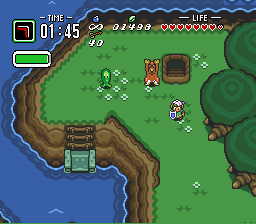
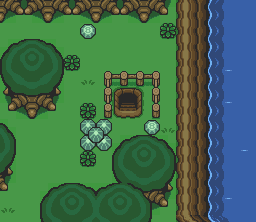
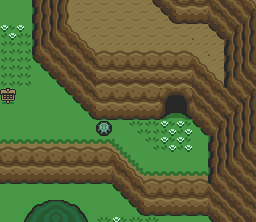
Outside dungeon 2, behind the Waterfall of Wishing.The entrance of dungeon 2.Outside dungeon 4, deep in the Lost Woods.Outside dungeon 5, in the Great Swamp.Outside dungeon 7, the crypt under the graveyard.The entrance of dungeon 8, under Death Mountain.A treasure cave.
Legacy
Inishie no Sekiban was broadcast four times in a little over two years. Putting it back together has taken fans more than twenty.
Broadcasts and restoration
Warm-up2 March 1997 – The Satellaview begins broadcasting A Link to the Past itself, unaltered.
First broadcast30 March–26 April 1997 – Four chapters, one a week, with prizes for the five best scores each week.
First repeat1–28 June 1997 – The whole serial again.
Second repeat29 November–26 December 1998 – A run through December.
Final broadcastMay 1999 – The last SoundLink programme ever shown, as Nintendo’s partnership with St.GIGA ends.
First patches1999–2005 – Fans get the rescued data to boot, restore the overworld and, on 26 August 2005, release an English translation.
Dungeons rebuiltSeptember 2006 – The interiors, missing from the usable data, are reconstructed by hand for all four weeks.
Recordings foundLate 2007 – Videos of complete play sessions appear on a Japanese video site, and by Christmas the rebuilt rooms are corrected to match them.
Restoration complete21 December 2009 – Music, title screen, credits, and an introduction and ending based on the broadcast are in place.
English dub2 October 2016 – MSU-1 audio for all four weeks gives the game back its radio play, in English.
Why the broadcast version is gone
A SoundLink programme was two things at once, and only one of them left a trace. The chapter data was written to the player’s Memory Pack as a temporary file, due to be replaced by whatever was downloaded next. The voices and the music were never written anywhere; they passed through the machine’s working memory and were lost as soon as it was switched off. With the satellites silent, there is nothing left to synchronise to.
So even a perfect copy of the data is not the game. Run by itself it has no drama, no music beyond a jingle and no way of knowing what time it is. The Cutting Room Floor classes it bluntly as defunct. Nintendo has never reissued it, and Wikipedia notes that some variants, such as the alternative mole positions, have not been recovered at all.
The restoration
The surviving chapter files came from Memory Packs that had never been overwritten, and at first they were barely playable. The team that gathered at The BS Zelda Homepage worked through the problems in layers. Roto and Dreamer_Nom produced the base patch that repaired the overworld, the sound and most of the indoor items. The room contents were the hard part: the dumps did not yield working interiors, so Euclid and Duke Serkol laid out every dungeon, cave and house by hand, finishing in September 2006.
Then came a stroke of luck. Near the end of 2007 somebody found recordings on the Japanese site NicoVideo of entire sessions played during the real broadcasts, rooms, voices and all. Kiddo Cabusses copied them to YouTube, the rebuilt interiors were checked against them and corrected, and volunteers including GlitterBerri and jacensolo06 translated every spoken line from Gekkahiro’s transcriptions. The text of the game had already been put into English by David, Euclid, Duke Serkol and Beno.
The rest was polish, much of it by a programmer called Con: the Link to the Past music switched back on, a clock that survives between sessions, subtitles carrying the broadcast dialogue, a title screen and credits, and a fix by d4s so that it all runs on a real console. German, French and Spanish translations followed. The final piece arrived on 2 October 2016, when the site released MSU-1 soundtracks for all four weeks: about an hour each of continuous music and speech, re-acted in English. Nintendo Life’s report summed it up as a chance to relive 1997 “as if it had happened in the west”.
Where it fits
Hyrule Historia, which mentions the Satellaview games only briefly.
By its own account the game is a direct sequel to A Link to the Past. Officially it is nothing of the kind: according to The Cutting Room Floor, Nintendo’s Hyrule Historia mentions the Satellaview games only briefly and does not count them as part of the official story. Fans like to think that Link’s absence overlaps with Link’s Awakening, in which the same hero is away at sea, but the broadcast never spells that out.
What it did leave behind is a set of ideas. A Hyrule that runs to a clock, a princess who walks beside you, equipment on hire: all of them turn up again in later games, and the true successor to A Link to the Past, A Link Between Worlds, finally arrived in 2013.
Reception
On the air
Nothing was sold, so nothing was counted, and no magazine gave it a score. The measure of its success is that it kept coming back: three repeats, a place in a Top 30 of Satellaview programmes voted for by players, and the honour of closing the SoundLink era in May 1999.
It also had the largest audience the Satellaview ever offered. St.GIGA’s own figures put the number of active users at 116,378 in March 1997, the month the first chapter aired.
4runs between March 1997 and May 1999
116,378active Satellaview users in March 1997 (St.GIGA)
Looking back
No magazine scored it at the time. Coverage since has concentrated on the restoration.
Nintendo Life reported the English dub in October 2016 and, in a 2023 feature, described the game as both a remix of and a sequel to A Link to the Past. The same feature drew the wider moral: most of what was made for the Satellaview has not survived, and its writer, Jonathon Greenall, called the vast majority of that work “now lost to time”. Ancient Stone Tablets is one of the few exceptions, and only because its audience refused to let it go.
Reader reviews
No reader reviews yet. Played it? Give it a score out of 10 and tell other fans what you think.
Every fact on this page was checked against the sources below in November 2026. The pages Nintendo published about the broadcast in 1997 are preserved in a web archive that refuses automated reading; where they matter, they are cited by way of Wikipedia. Zelda Wiki (zeldawiki.wiki) could not be consulted for the same reason.
To provide the best experiences, we use technologies like cookies to store and/or access device information. Consenting to these technologies will allow us to process data such as browsing behavior or unique IDs on this site. Not consenting or withdrawing consent, may adversely affect certain features and functions.
Functional
Always active
The technical storage or access is strictly necessary for the legitimate purpose of enabling the use of a specific service explicitly requested by the subscriber or user, or for the sole purpose of carrying out the transmission of a communication over an electronic communications network.
Preferences
The technical storage or access is necessary for the legitimate purpose of storing preferences that are not requested by the subscriber or user.
Statistics
The technical storage or access that is used exclusively for statistical purposes.The technical storage or access that is used exclusively for anonymous statistical purposes. Without a subpoena, voluntary compliance on the part of your Internet Service Provider, or additional records from a third party, information stored or retrieved for this purpose alone cannot usually be used to identify you.
Marketing
The technical storage or access is required to create user profiles to send advertising, or to track the user on a website or across several websites for similar marketing purposes.


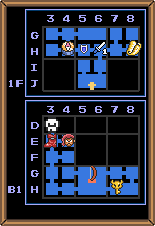 Dungeon 1: the Eastern PalaceChapter 1 · boss: Armos KnightsSword, shield, bow and Pegasus Boots, all in one visit. The golden bee keeps the monsters off until the sword turns up.
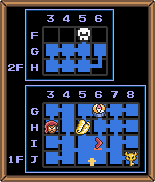 Dungeon 2: behind the Waterfall of WishingChapter 1 · boss: MoldormReached by swimming, once King Zora has sold you the flippers. Holds the boomerang.
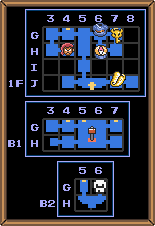 Dungeon 3: the maze east of KakarikoChapter 2 · boss: Helmasaur KingAn underground labyrinth with the Magic Hammer and the Blue Mail. Zelda’s tip from Link’s notes: bombs break the iron mask.
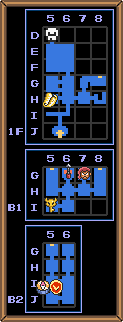 Dungeon 4: deep in the Lost WoodsChapter 2 · boss: ArrghusThe hookshot and a better shield are inside.
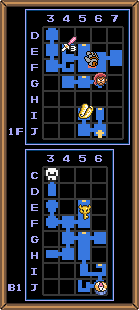 Dungeon 5: the Great SwampChapter 3 · boss: LanmolasThe Power Glove at last, and a stronger sword.
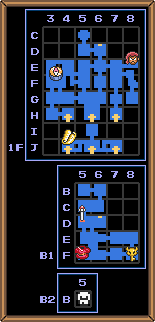 Dungeon 6: the Desert PalaceChapter 3 · boss: MothulaHolds the Red Mail and the Fire Rod.
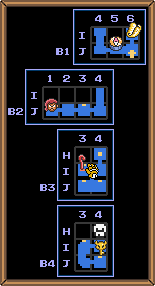 Dungeon 7: the crypt under the graveyardChapter 4 · boss: KholdstareTitan’s Mitt and the Cane of Somaria. Aginah’s advice for the frozen eyeball at the end: fire.
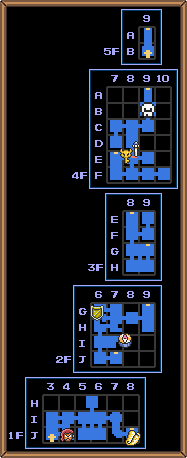 Dungeon 8: under Death MountainChapter 4 · boss: TrinexxMirror Shield and Ice Rod. Zelda herself explains the three-headed boss: fire for the blue head, ice for the red.
 Princess ZeldaVoiced by Mariko Kōda
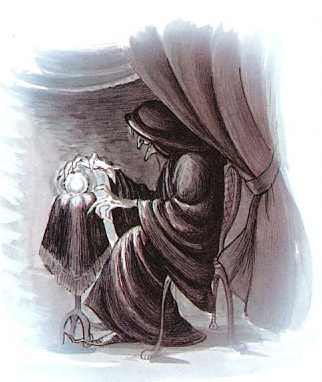 The fortune tellerVoiced by Yasuhiro Takato
 The soldiers of HyruleVoiced by Moriya Endō
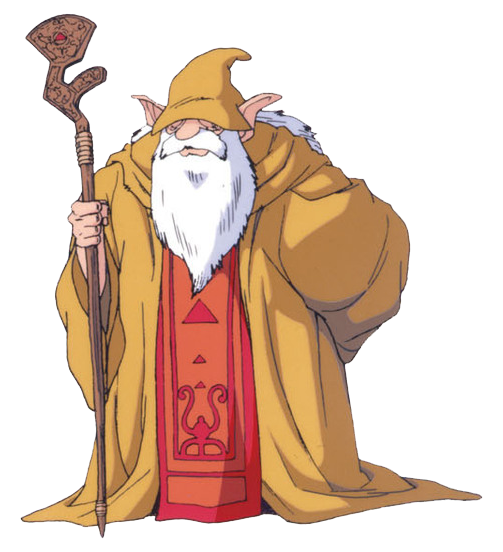 SahasrahlaElder of Kakariko
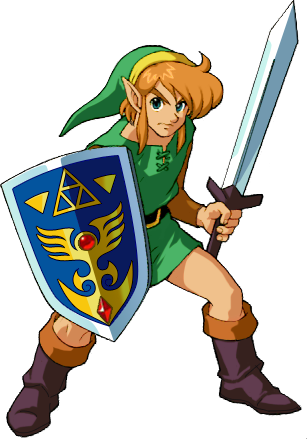 LinkThe hero of six years ago
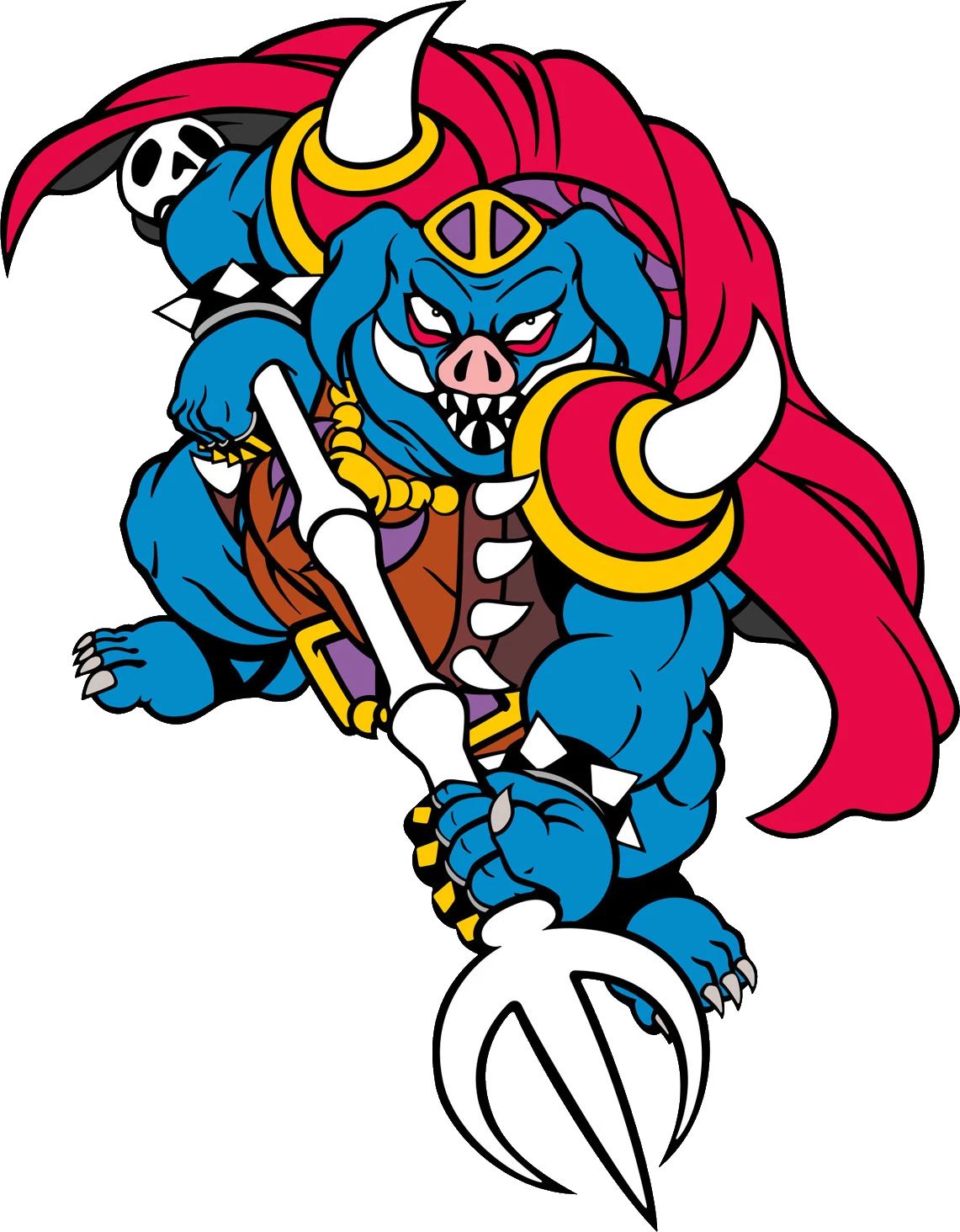 GanonThe King of Evil
 King ZoraZora’s Waterfall
 Armos KnightsDungeon 1 · Eastern PalaceThe stone knights, back at their old post.
 MoldormDungeon 2 · Waterfall of WishingThe worm with the weak tail.
 Helmasaur KingDungeon 3 · east of KakarikoBombs break the iron mask.
 ArrghusDungeon 4 · Lost WoodsPull its puffballs away with the hookshot found in the same dungeon.
 LanmolasDungeon 5 · Great SwampThe burrowing sand-worms, a long way from the desert.
 KholdstareDungeon 7 · graveyard cryptThe eye in the ice. The Fire Rod from week three melts it.
 TrinexxDungeon 8 · Death MountainThree heads: fire, ice and the real one.
 GanonGanon’s TowerThree rounds of sword-work, each finished with a Silver Arrow.



 Renting your equipmentTen-minute hire of a sword or shovel. The Cutting Room Floor points out that rental returned in A Link Between Worlds, another game set in this Hyrule.
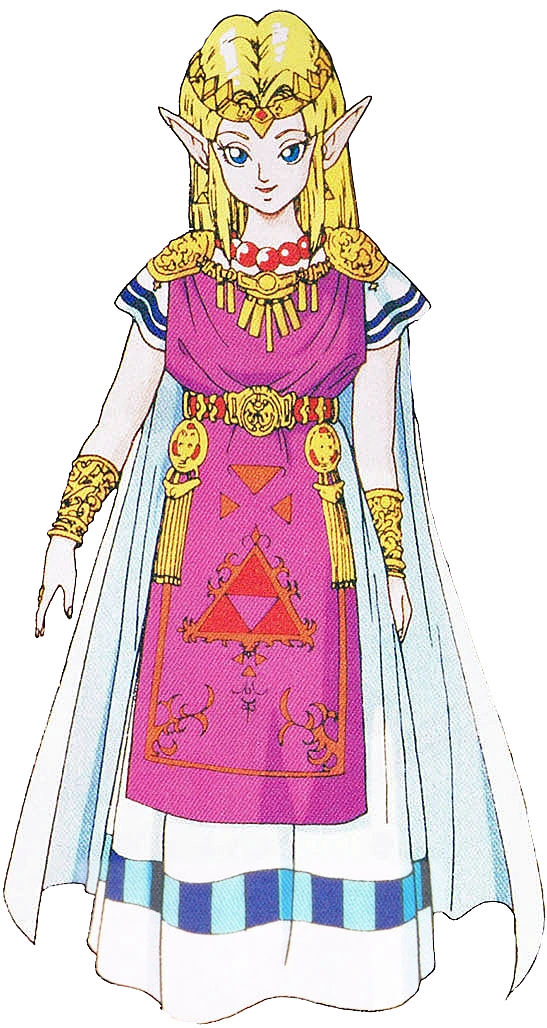 Zelda at your sideIn weeks one and four the princess walks behind the hero across the open map, and in the last chapter she is essential to the ending.