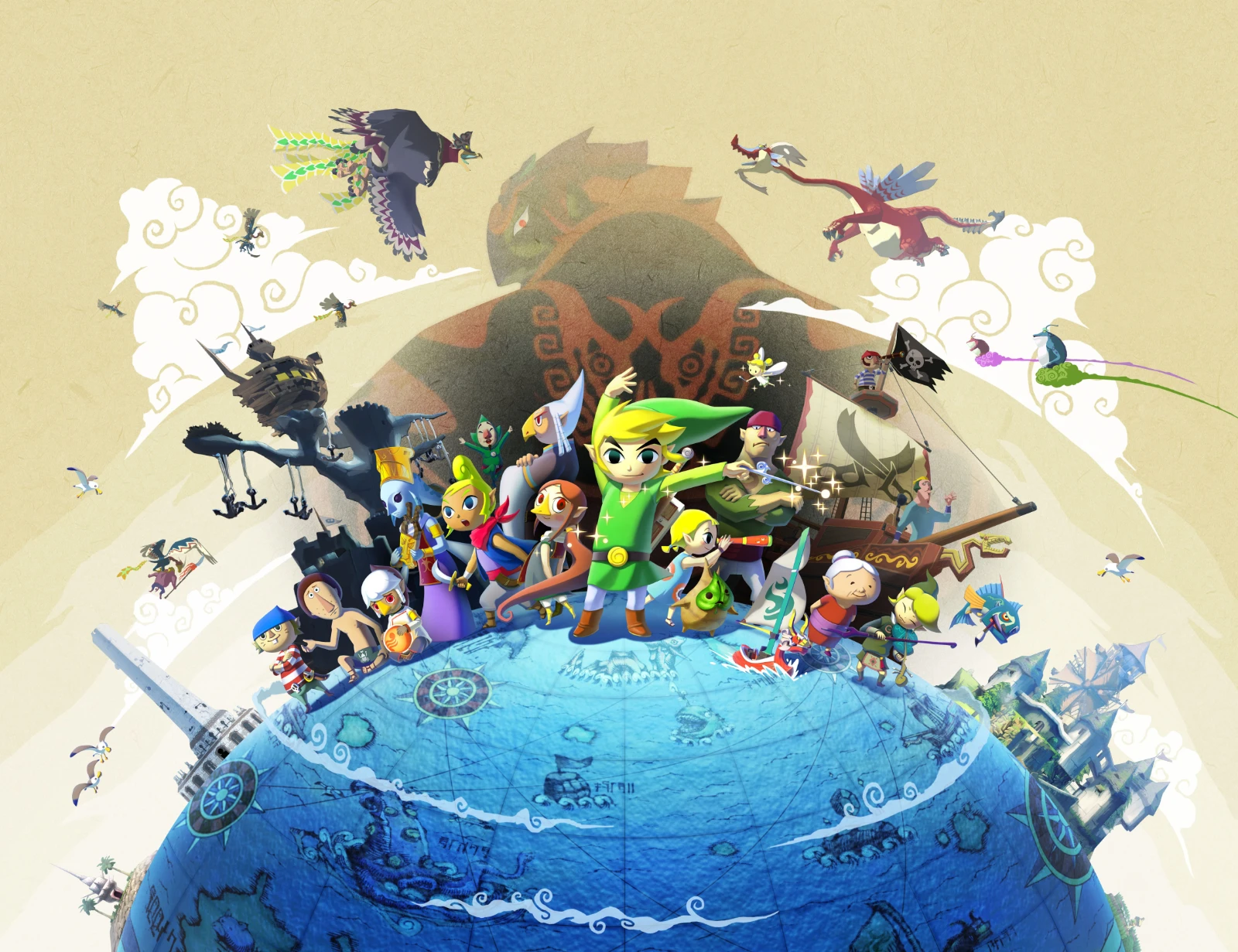
The cartoon Zelda that split the fans in 2001, relit in 1080p for Wii U, with a faster sail, a shorter Triforce hunt and a decade of grumbles put right.
Released20 September 2013 (NA, eShop) · 26 September 2013 (JP) · 4 October 2013 (EU; NA disc) · 5 October 2013 (AU)
DeveloperNintendo EAD
DirectorDaiki Iwamoto
ProducerEiji Aonuma
Players1
Sales2.37 million (Nintendo, life to date)
Title
The Legend of Zelda: The Wind Waker HD ゼルダの伝説 風のタクト HD (Zeruda no Densetsu: Kaze no Takuto HD)
2.37 million worldwide (Nintendo, life to date, including downloads and bundled copies)
Metacritic
90/100 from 70 critics
Overview
In August 2001 Nintendo showed the world a cartoon Link, and a large part of the audience recoiled. In January 2013 it showed the same cartoon Link again, this time in high definition, and by Eiji Aonuma’s account the response was very favourable. The Wind Waker HD is that second showing turned into a full release: the 2002 GameCube adventure The Wind Waker, brought to Wii U in 1080p with completely new lighting and a long list of fixes for things players had been grumbling about for a decade.
It is a remaster, not a remake. The story, the islands, the dungeons and even the character models and animation are the ones from the GameCube disc. What changes is how it looks and how it flows. A new lighting system gives the Great Sea real shadows and glowing skies, the boat can be fitted with a Swift Sail that roughly doubles its speed, the late-game Triforce hunt needs three charts where it used to need eight, and the Wii U GamePad takes over the map and the inventory so the adventure on the television rarely has to stop.
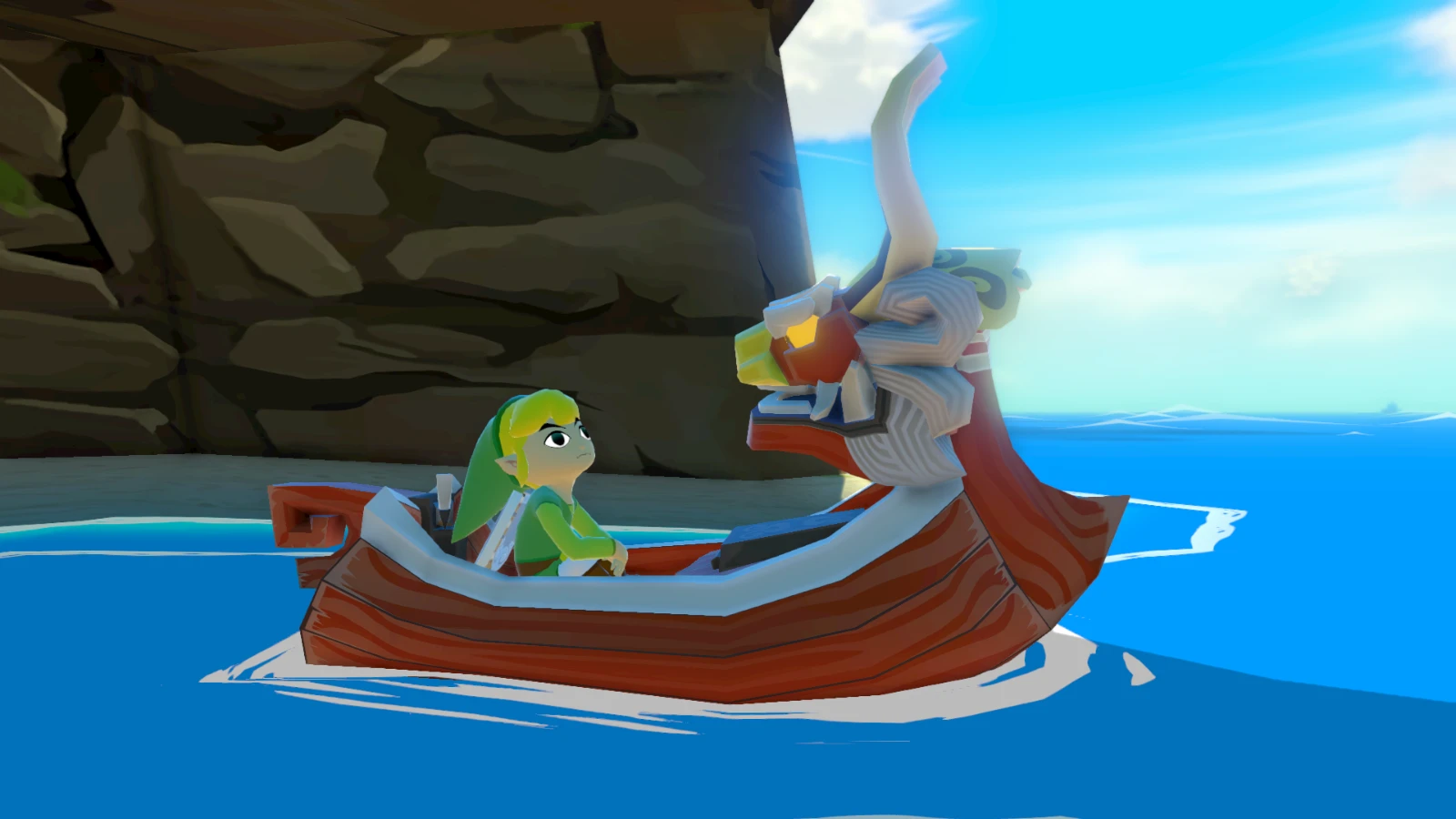
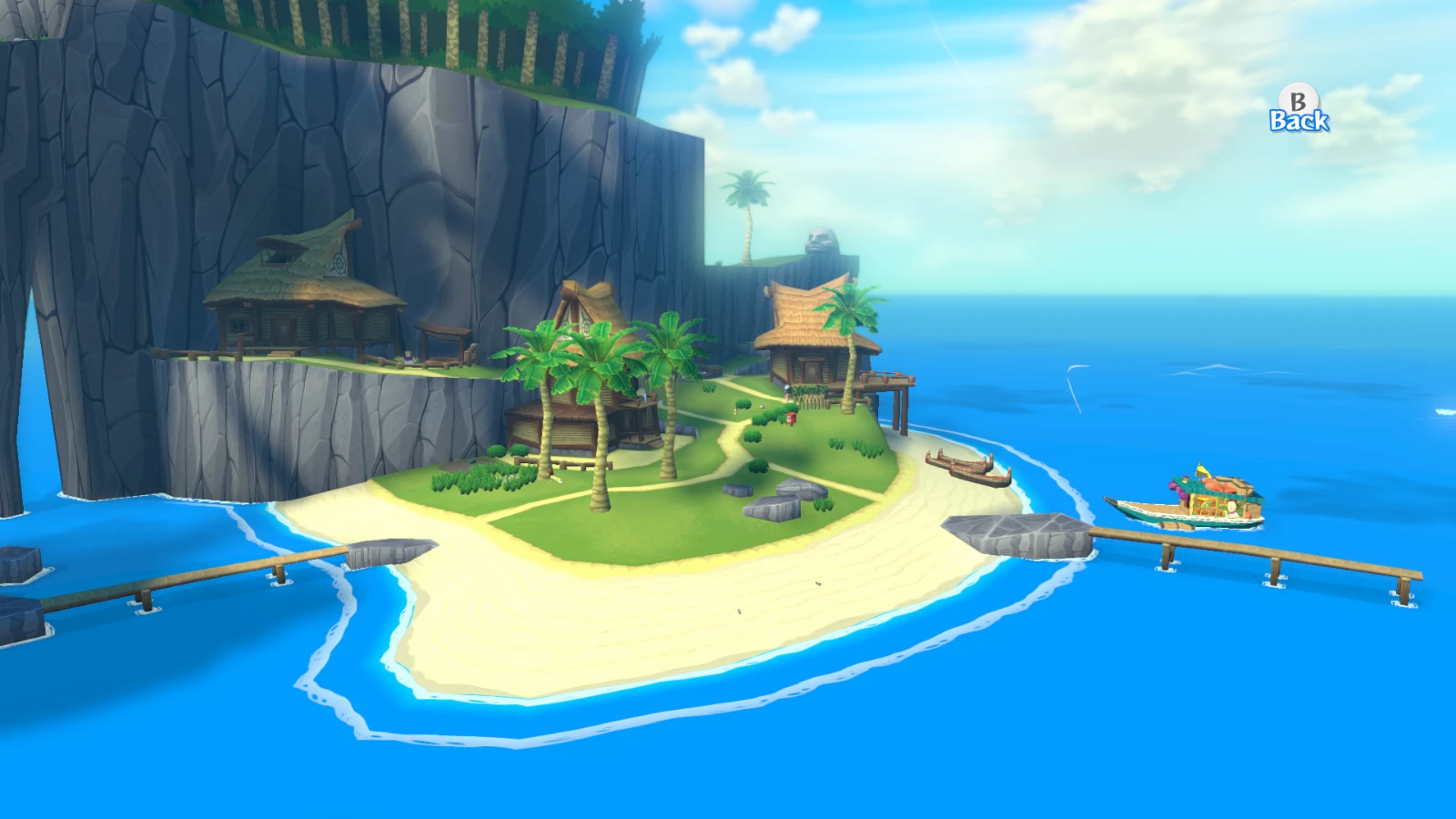
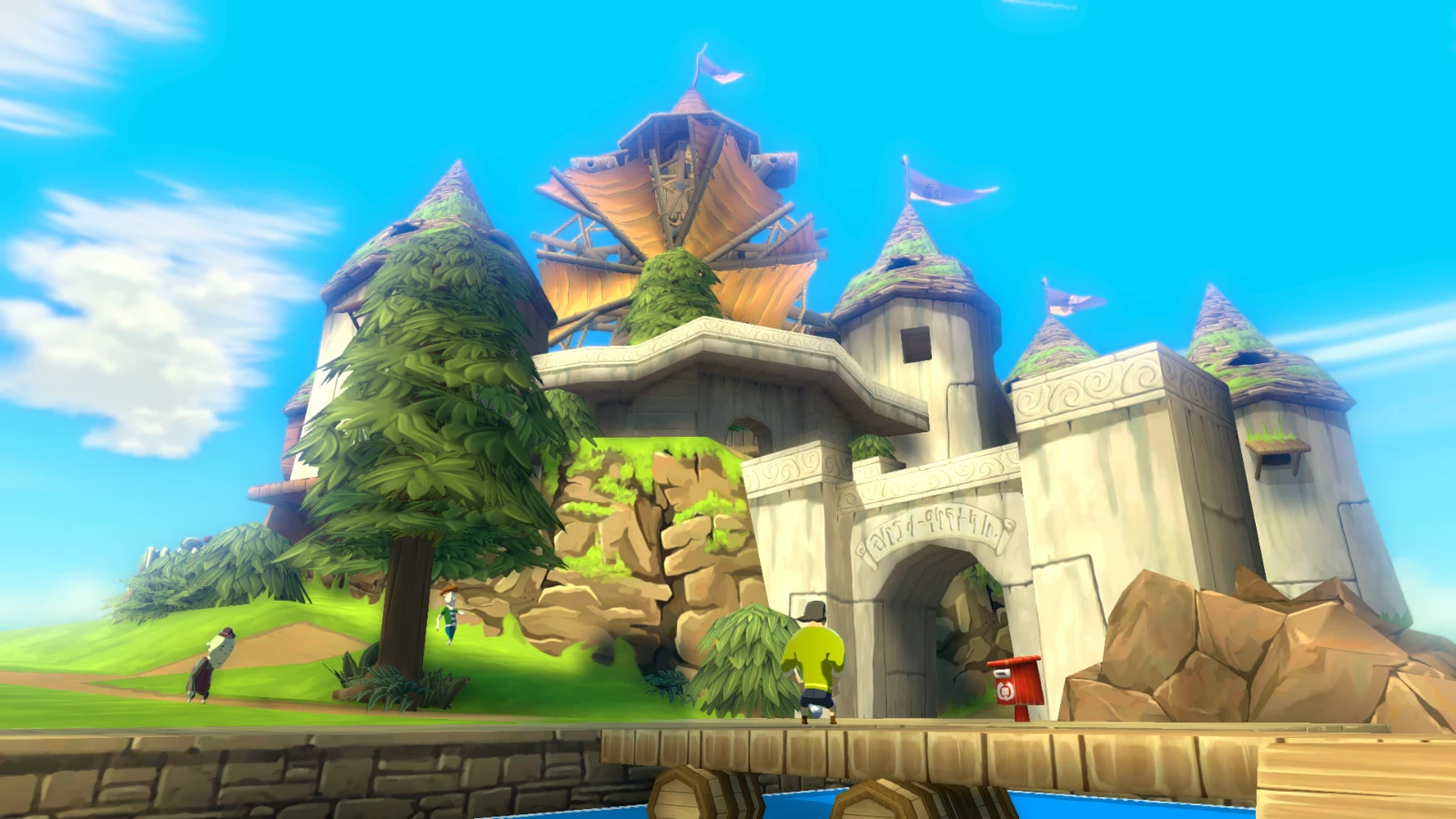
Outset Island under the new lighting.The King of Red Lions under the red Swift Sail.Windfall Island, the subject of the first HD images in January 2013.
The project was close to an accident. While deciding how the next all-new Zelda should look on Wii U, the art team fed data from older games into the new console to see what would happen. The Wind Waker came out looking so good that Aonuma asked how quickly a full conversion could be done. The answer was under a year, and by his own count the work took about six months. Daiki Iwamoto, director of the two DS sequels, took charge, with Aonuma producing.
It reached the North American eShop on 20 September 2013, Japan on 26 September and European shops on 4 October, alongside a Wii U console bundle with a gold-trimmed GamePad. Critics gave it a Metacritic average of 90, and Nintendo counts 2.37 million copies sold, more than any other Zelda release on the console. It has never left Wii U: the Wind Waker added to Nintendo Switch 2’s GameCube library in June 2025 is the original game, not this version.
Set sail for a vast adventure in The Legend of Zelda: The Wind Waker HD, exclusively on Wii U.
That is the opening line of Nintendo UK’s page for the game. The page goes on to promise 1080p graphics, a swifter sail that can be bought to cross the Great Sea more quickly, an improved “collection event” in the second half of the adventure (which can only mean the Triforce quest) and a Hero Mode in which enemies hit twice as hard.
— Official description: Nintendo UK, game page for The Legend of Zelda: The Wind Waker HD (nintendo.com/en-gb). One line quoted; the rest summarised.
Quick Answers
The questions people most often ask about the Wii U version, answered in a line or two. Follow the links for the detail.
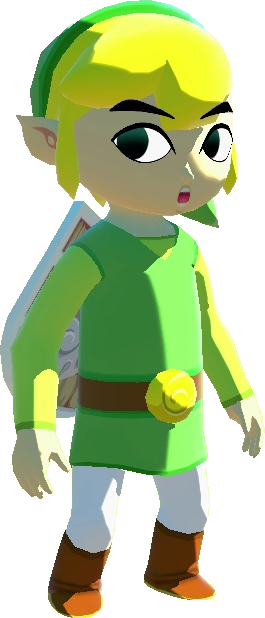
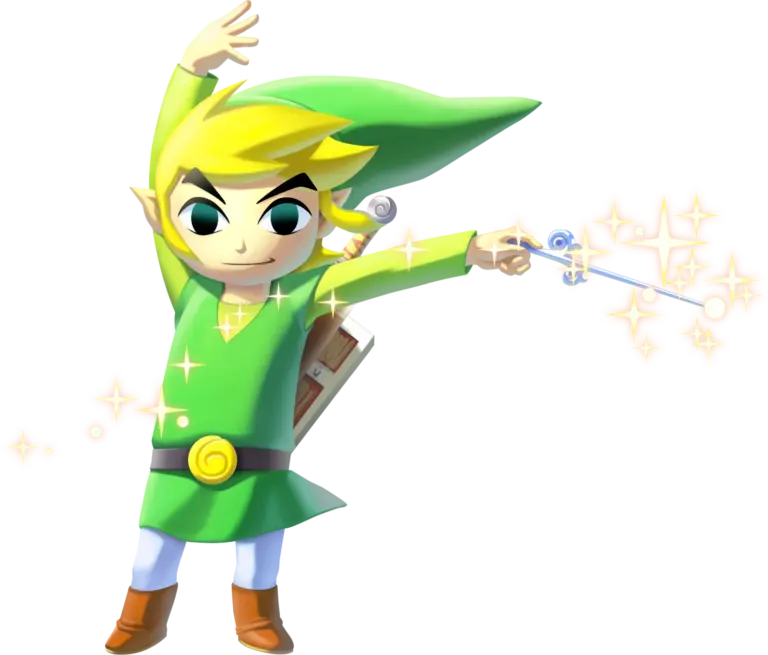
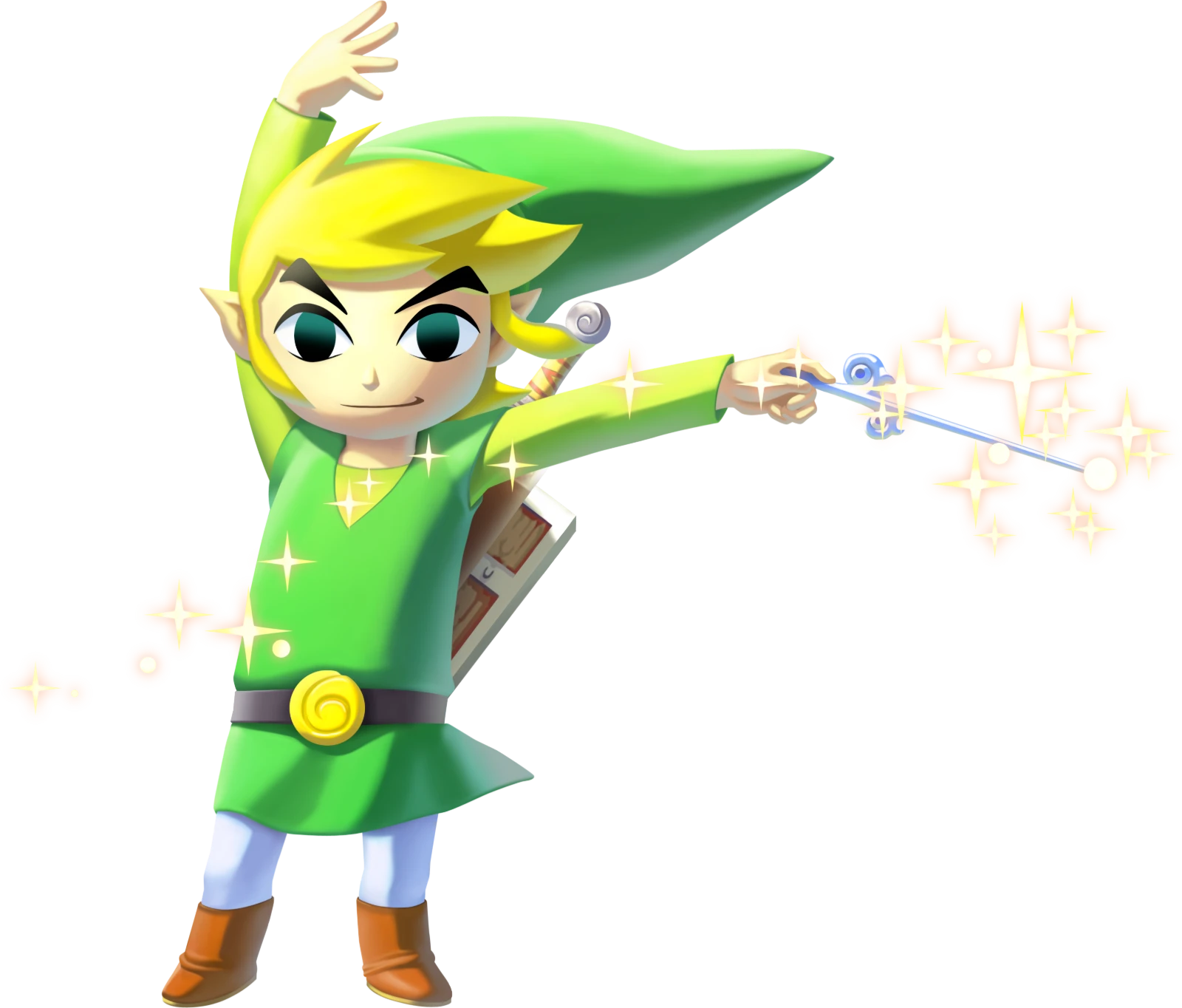
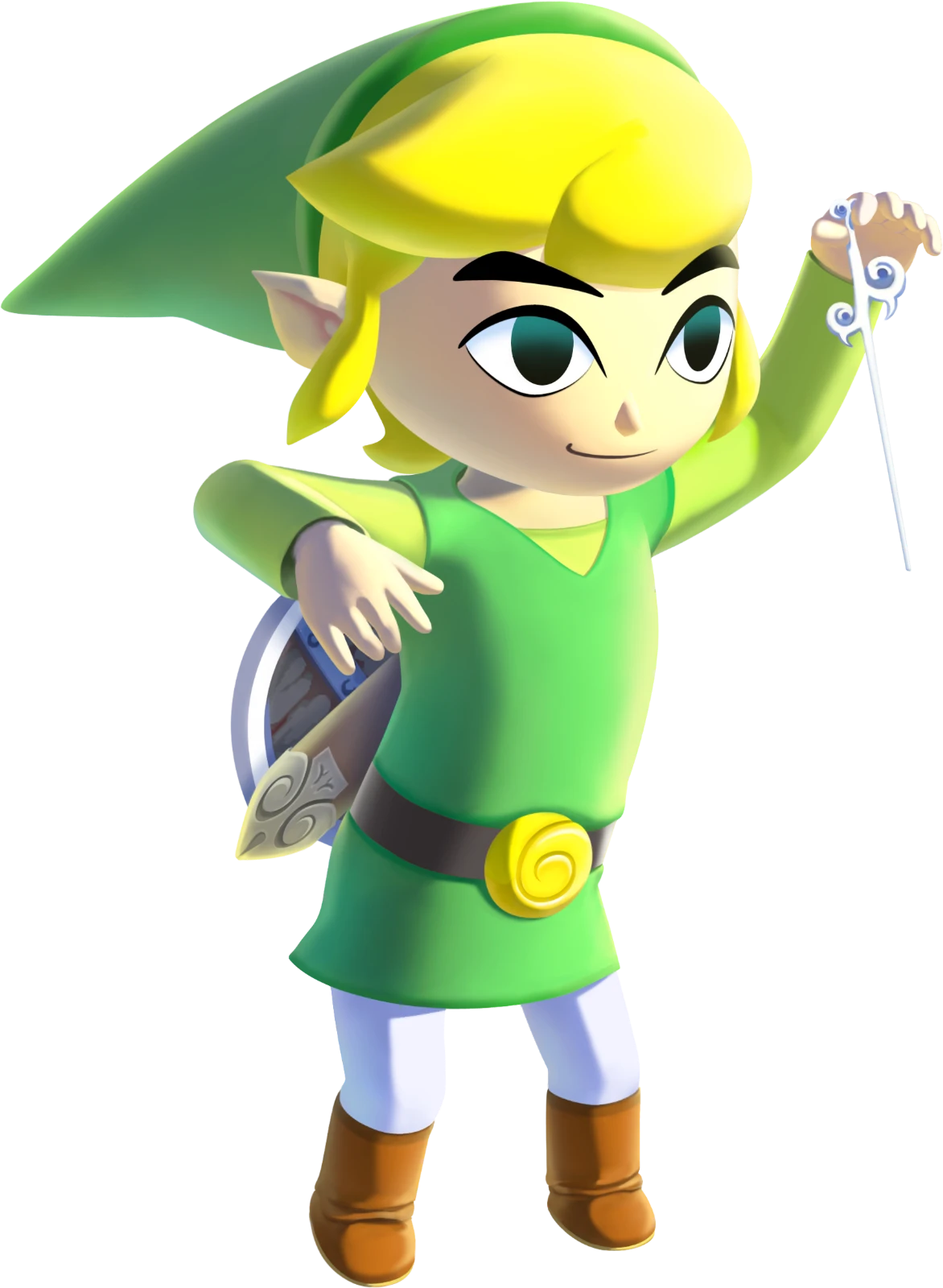
Official art of Link for The Wind Waker HD.
Is The Wind Waker HD the same game as the GameCube original?
Underneath, yes. The story, the Great Sea, the dungeons and the bosses are the same, and the original character models and animation were kept. The HD version changes the picture, the pacing and the controls, not the adventure. More →
What is new in The Wind Waker HD?
1080p graphics with a new lighting system, the Swift Sail, a shorter Triforce quest, Hero Mode from the start, a 12-shot Picto Box that takes selfies, the map and inventory on the GamePad, gyro aiming, Off-TV Play, and the Tingle Bottle, which sent messages to other players over Miiverse. More →
What is the Swift Sail and where do you get it?
A red sail that makes the boat almost twice as fast and always has the wind behind it, so there is no need to conduct the Wind’s Requiem every time you turn. It comes up at the Windfall Island auction once Dragon Roost Cavern is cleared. More →
How was the Triforce quest changed?
On GameCube each of the eight Triforce Shards needed its own chart, and Tingle charged 398 Rupees to decipher every one. In the HD version five shards are found directly and only three charts are left. More →
Did the HD version restore the dungeons cut from the original?
No. Aonuma said in 2013 that there would be no new content, and that the two unfinished dungeons had already been used in later Zelda games. More →
Is The Wind Waker HD on Nintendo Switch or Switch 2?
No. It has only ever been released on Wii U. The Wind Waker that arrived on Nintendo Switch 2 on 5 June 2025, through Nintendo Switch Online + Expansion Pack, is the GameCube original. Nintendo has said only that “all options are on the table” for the HD version. More →
Which version should I play?
The HD version is the smoother ride, with faster sailing, a shorter Triforce hunt and far less menu juggling, but it needs a Wii U and, now that the eShop has closed, a second-hand disc. The GameCube original is the easy one to reach, on Switch 2, and plays as it did in 2002, long Triforce hunt and all. More →
Does the Tingle Bottle still work?
No. It relied on Miiverse, which Nintendo closed on 8 November 2017, so bottles can no longer be sent or received. The adventure itself does not depend on it. More →
What’s different from the original
The brief for the remaster was narrow. Aonuma told Kotaku at E3 2013 that the aim was to stay faithful to the original while fixing its balance, and that nothing new would be added. So the map is the same and the dungeons are the same; what changed is almost every system the player touches. Director Daiki Iwamoto replayed the GameCube game, noted everything that would grate on a player in 2013, and went through the list with the people who had made it.
The table shows the main differences at a glance. The sections after it go through the big ones.
Feature
The Wind Waker (GameCube, 2002)
The Wind Waker HD (Wii U, 2013)
Picture
480p
1080p, with new lighting and shadows over the original models and animation
Sound
Dolby Pro Logic II surround
5.1 surround; some music and sound effects remastered
Sailing
One sail; conduct the Wind’s Requiem to put the wind behind you
Optional Swift Sail: almost twice as fast, with the wind always behind you
The Great Sea
Loaded a piece at a time as you sail
Loaded all at once, so islands no longer pop into view
Triforce quest
Eight Triforce Charts, each deciphered by Tingle for 398 Rupees (3,184 in all)
Five shards found directly; three charts left (1,194 Rupees)
Starting wallet
200 Rupees
500 Rupees
Picto Box
Holds 3 pictographs; the Deluxe upgrade needs a Forest Firefly; Carlov carves one figurine a day
Holds 12, takes selfies and marks shots Carlov will accept; no firefly needed; up to 12 figurines a day
Tingle’s gadget
Tingle Tuner: a second player helps from a Game Boy Advance
Tingle Bottle: messages to other players over Miiverse (ended November 2017)
Map and items
On the pause screen
On the GamePad touch screen; Wind Waker, cannon and salvage arm fixed to the D-pad
Aiming
Control stick, standing still
Optional gyro aiming; Link can move while aiming in first person
Difficulty
One setting
Hero Mode available from the start: double damage and no recovery hearts
Hero’s Charm
From Mrs Marie, for 40 Joy Pendants
At the end of the Savage Labyrinth
Where you play
On the television
On the television or on the GamePad alone (Off-TV Play)
New light on an old sea
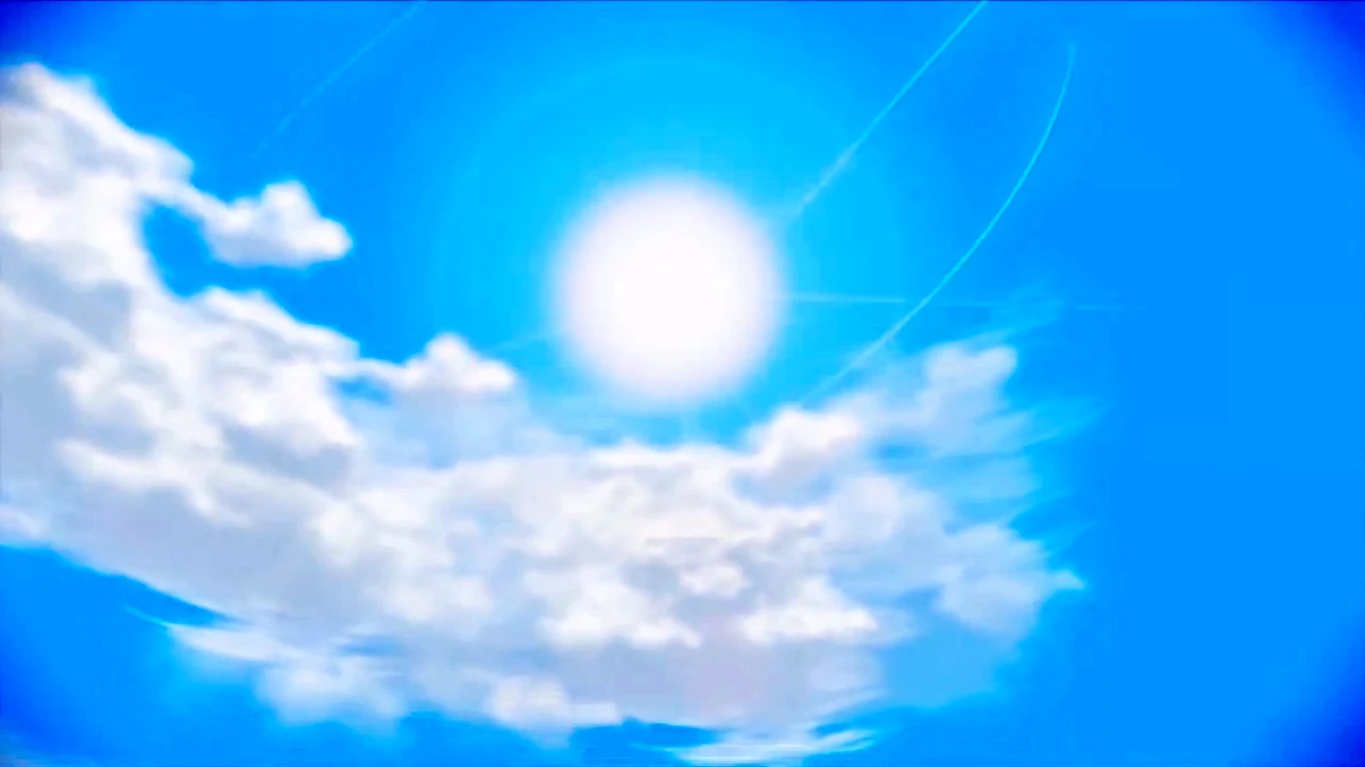
Lens flare in the HD version.
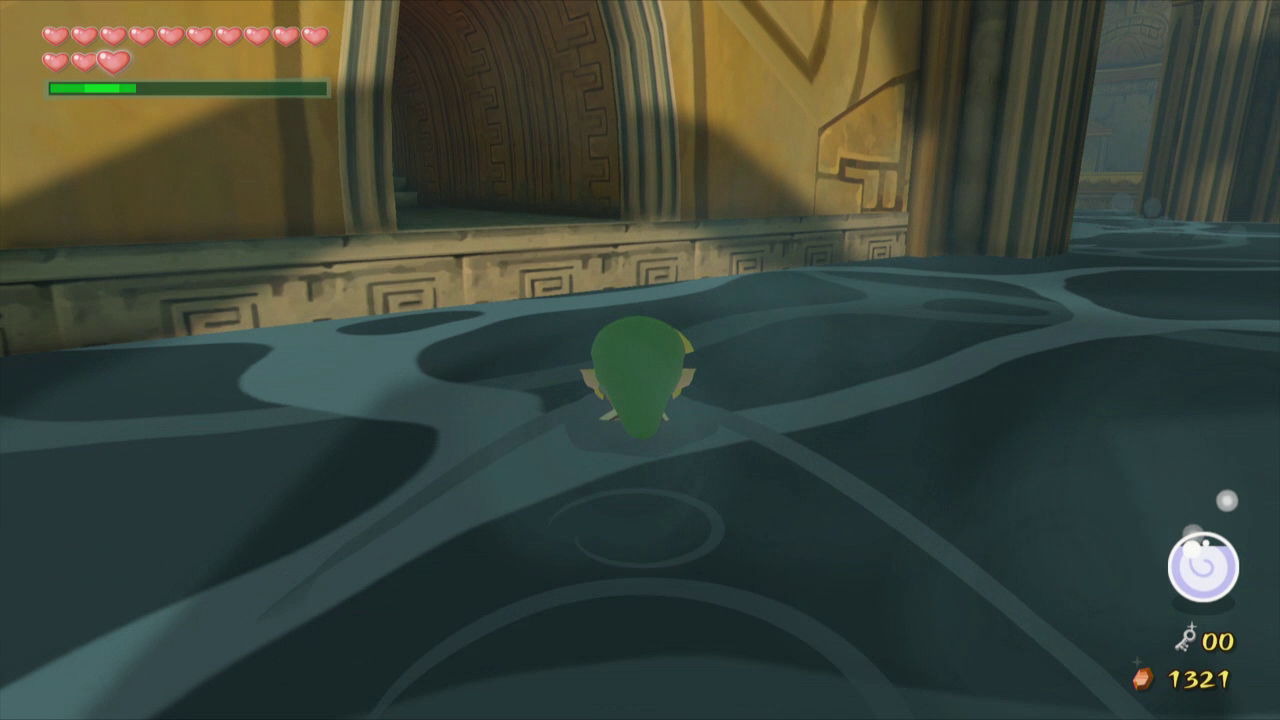
The Wind Waker HD runs at 1080p where the GameCube managed 480p, but resolution is the least of it. The team left the 3D models and the animation almost exactly as they were and rebuilt the lighting instead. Satoru Takizawa, the HD refining art director, says the lighting was “completely redone” while the animation was barely corrected, because he considers the original the most pleasant Zelda to watch. The flat cel-shading of 2002 now sits inside a full system of light and shadow, with bloom on the brightest parts of the picture and objects that pick up the colour of the lights around them.
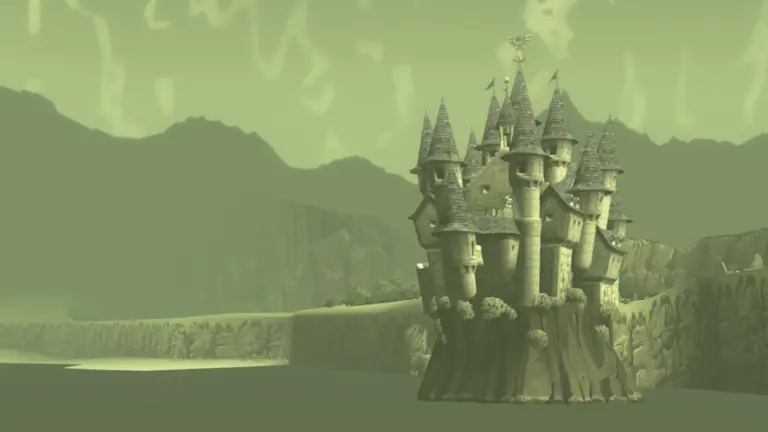
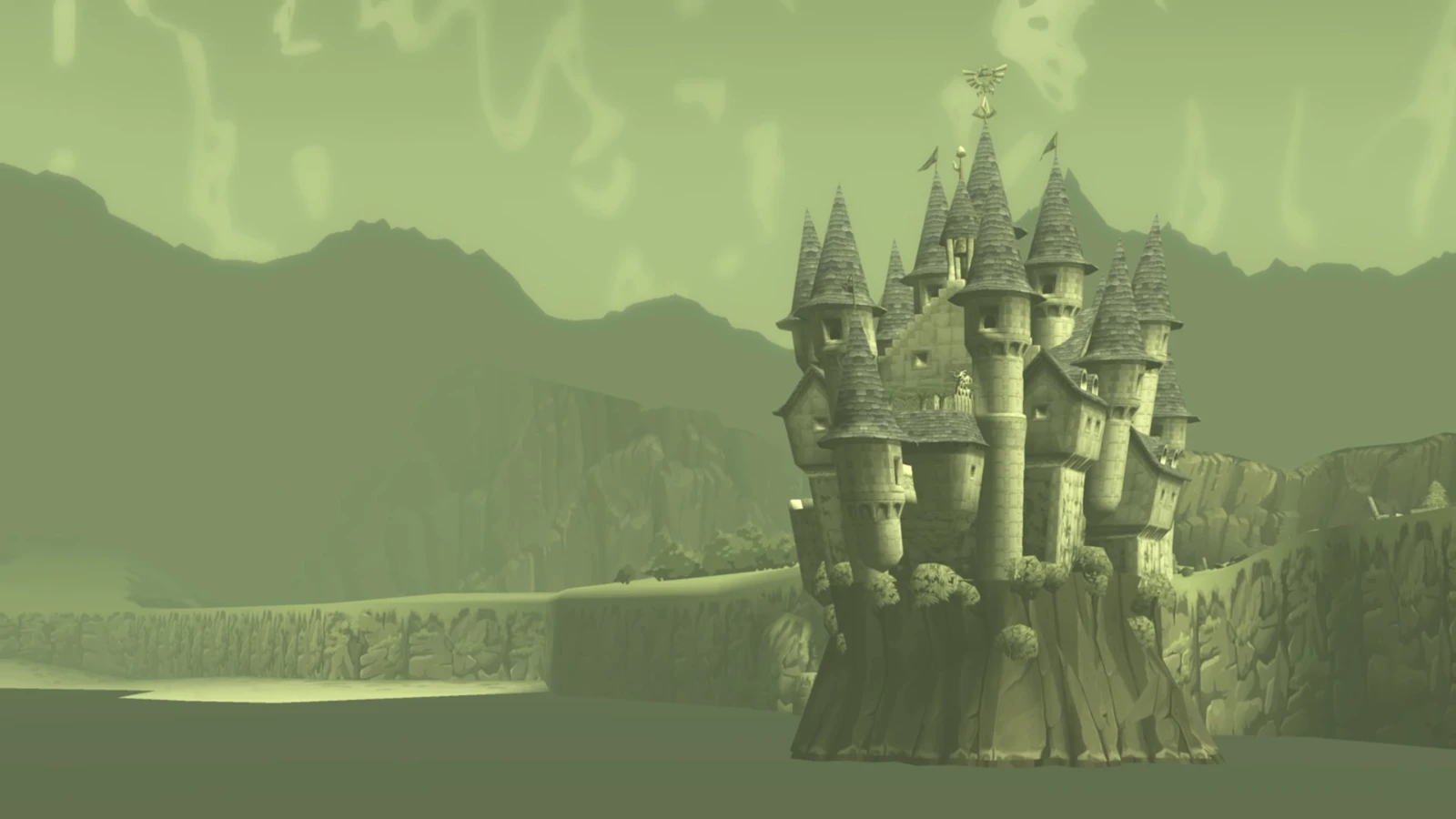
Textures were brought up to high resolution with help from outside designers, and the icons and menus were redrawn to match the official artwork. Because the Wii U holds the whole Great Sea in memory, islands no longer pop into view as you approach. A few scenes were restyled along the way: the frozen Hyrule Castle beneath the waves, black-and-white on GameCube, is tinted sepia in HD.
The sound was upgraded too. Nintendo UK advertised uncompressed 5.1 surround, and some of the music and effects were remastered with richer instrument samples.
The Swift Sail
Official art of the ordinary sail, which the Swift Sail copies in red.
Ask what was wrong with the original and most people will say the sailing. On GameCube the King of Red Lions is only quick with the wind at his back, and changing course means stopping to conduct the Wind’s Requiem so that it is behind you again. The HD answer is the Swift Sail, a red version of the usual blue sail. With it raised the boat goes almost twice as fast, by Aonuma’s reckoning, and the wind simply follows wherever you steer.
It is not handed over. The sail comes up at the night auction on Windfall Island once Dragon Roost Cavern has been cleared, with bidding opening at 100 Rupees, and Aonuma has said the boost was held back on purpose so that players would feel the size of the sea first. It is also optional. The ordinary sail still works for anyone who wants to play the old way, and the Boating Course race insists on it. Nintendo World Report’s reviewer, who otherwise gave the game full marks, complained that the Swift Sail is “quite obtuse to get”.
Why not simply make the old boat faster? Because in 2002 it could not be done. In his E3 2013 presentation Aonuma explained that the GameCube could not hold the whole ocean at once, so the sea was loaded a piece at a time and the boat’s speed was capped to stop players outrunning it. The Wii U loads the entire Great Sea in one go, and the limit went with it. Introducing the sail on Miiverse that August, he saw the funny side: “Some of you may wonder whether this can still be called a sailing ship”, he wrote.
One smaller change helps as well: a hit at sea rarely throws Link overboard any more.
A shorter Triforce hunt
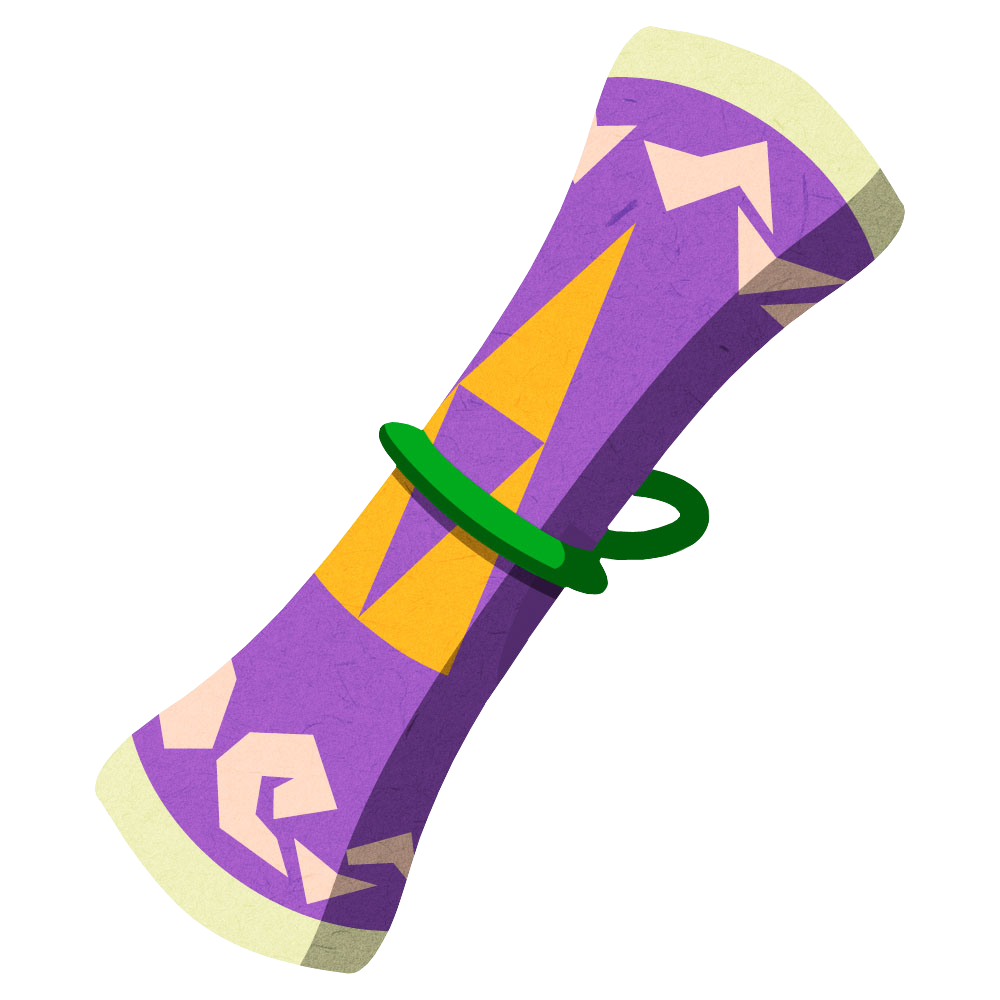
Official art of a Triforce Chart. Only three are left in the HD version.
The other famous complaint was the Triforce hunt near the end. On GameCube all eight Triforce Shards lie on the sea bed, and each needs its own Triforce Chart, which must be found and then taken to Tingle, who charges 398 Rupees a time to make it readable. That is 3,184 Rupees in all, on top of the sailing. Aonuma admitted in 2013 that some players felt they were being given the runaround.
In the HD version five of the charts are gone and the shards themselves sit where those charts used to be. Going by Zelda Dungeon’s list, the Ghost Ship, the 30th floor of the Savage Labyrinth, the Private Oasis, Stone Watcher Island and Overlook Island now hand over a shard on the spot, and only the charts at the Islet of Steel, Bird’s Peak Rock and Needle Rock Isle remain, for a total fee of 1,194 Rupees. Link’s wallet holds 500 Rupees from the start instead of 200, so there is less saving up as well.
Reviewers welcomed the change, though it is a trim, not a rewrite. Nintendo Life pointed out that the shard errands are still less inventive than the dungeons before them.
The GamePad, gyro aiming and Off-TV Play
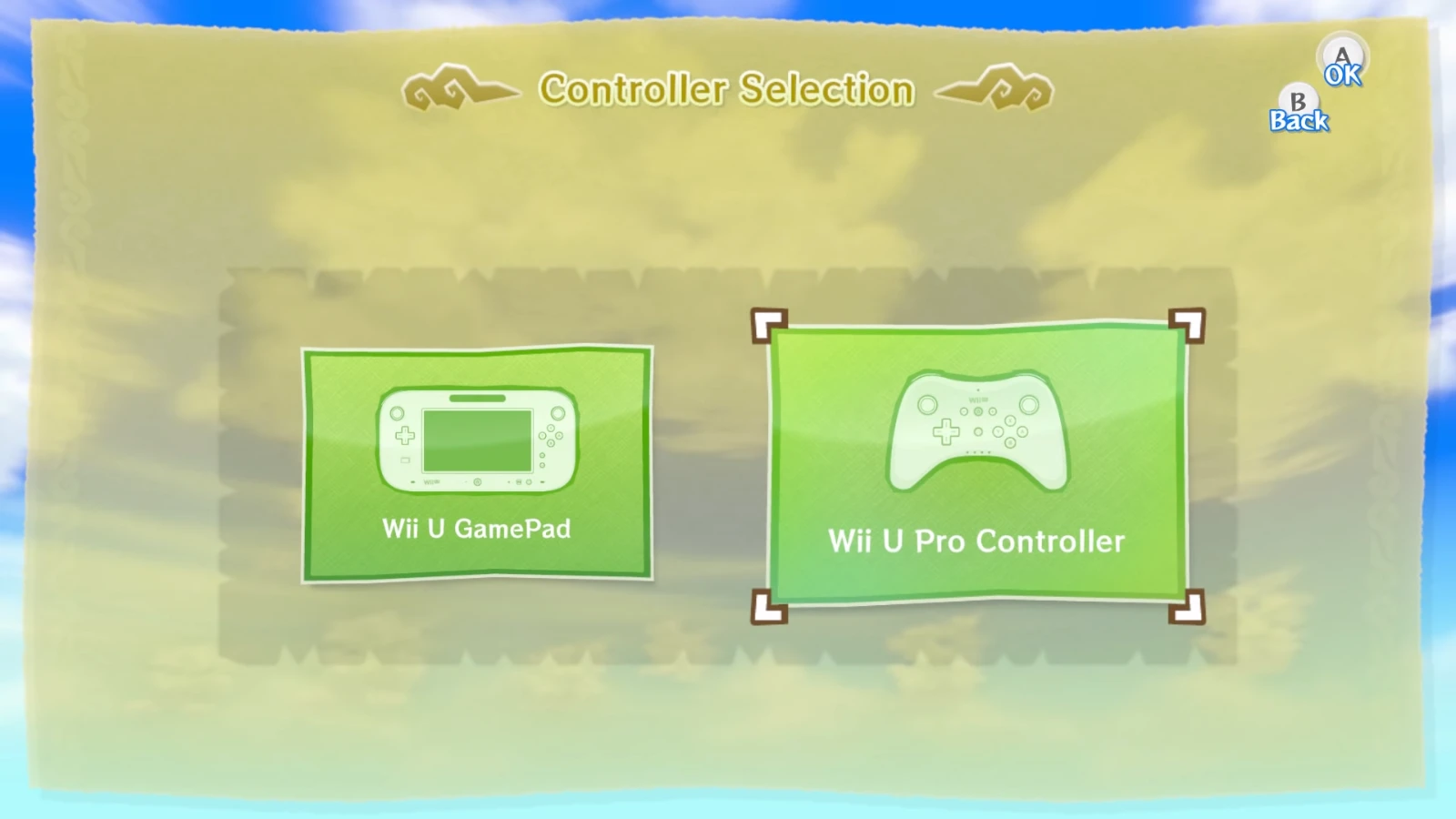
The controller selection screen of the HD version.
The Wii U GamePad does the job the pause screen used to do. Its touch screen shows the inventory and the sea chart, and items are assigned by dragging them onto a button without opening a menu on the television. The Wind Waker itself, the cannon and the salvage arm no longer use up item slots at all: they live on the D-pad. Songs can even be conducted by drawing the baton’s movements on the touch screen with the stylus.
The bow, the Boomerang and the Hookshot can be aimed by tilting the GamePad, just as in Ocarina of Time 3D, and the option can be switched off; Link can also walk about while aiming in first person. Pressing the minus button moves the whole game onto the GamePad for Off-TV Play, although the touch-screen map is lost when you do. The Wii U Pro Controller is supported too.
Tingle Bottle, Miiverse and the Picto Box
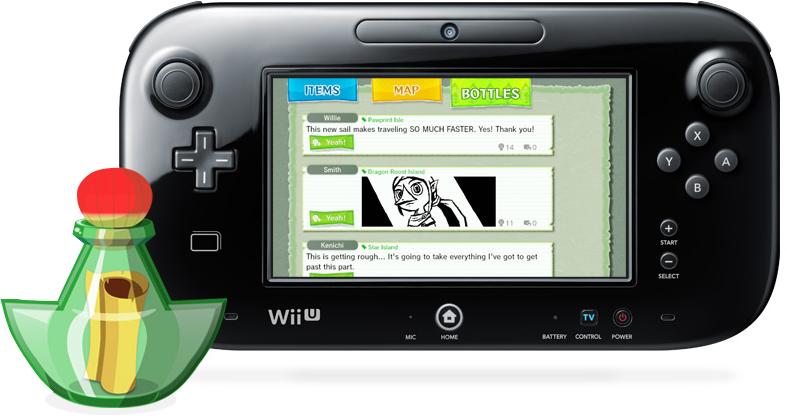
Official art of the Tingle Bottle, whose messages travelled by Miiverse.
On GameCube, freeing Tingle from his cell on Windfall earned the Tingle Tuner, which let a second player join in from a Game Boy Advance. The Wii U has no such link, so in the HD version Tingle hands over a Tingle Bottle. Write or draw a message, throw the bottle into the sea, and it was posted to Miiverse, the Wii U’s social network. Other players then found it bobbing on the water or washed up on a beach in their own game. Pictographs could be attached, and saved from other people’s bottles.
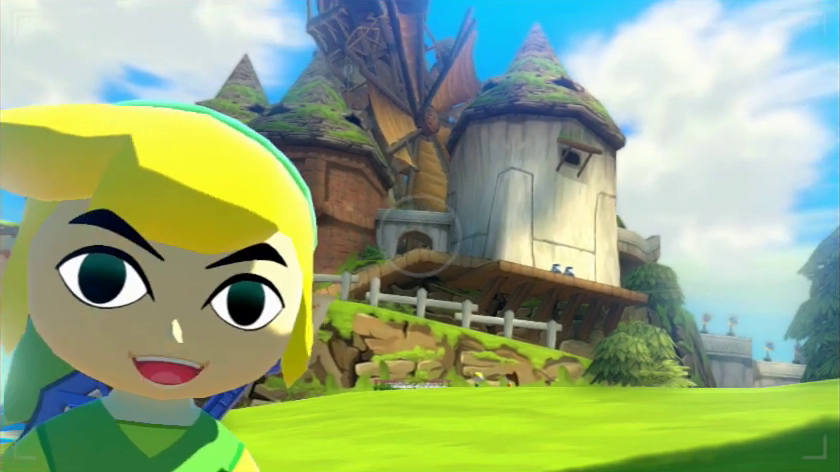
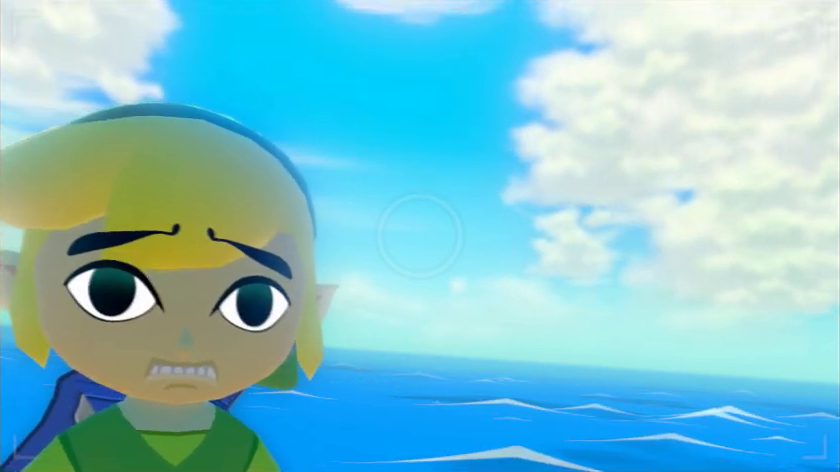
That goes with a much-improved Picto Box. It holds 12 pictographs where it used to hold three, puts a small Carlov emblem on any shot good enough to become a Nintendo Gallery figurine, and lets Link turn the camera on himself and pick an expression with the D-pad. The Deluxe Picto Box arrives once Lenzo’s three jobs are done, with no Forest Firefly to catch, and Carlov will carve up to 12 figurines a day where he once managed one.
Miiverse closed on 8 November 2017, and the bottles stopped washing up with it.
A Picto Box selfie.The Carlov emblem marks a pictograph he will accept.
Hero Mode and the small fixes
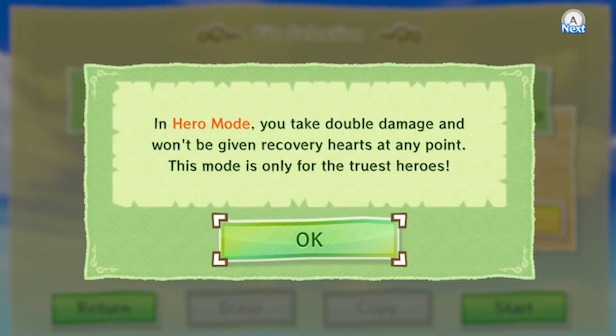
The Hero Mode screen of the HD version.
Hero Mode, the harder setting that Skyward Sword kept back until the adventure was finished, is here from the first minute and can be switched on or off from the file-select screen. Enemies hit twice as hard and no recovery hearts appear, so healing comes down to fairies, potions and soup.
The rest is housekeeping, and there is a lot of it. Text appears much faster. The Wind Waker’s songs play out in full only the first time you conduct them. Swinging on the Grappling Hook and hauling treasure off the sea bed take a fraction of the time, and Link can change direction in mid-swing. The cannon shows where its shot will land, the Deku Leaf shows where Link will touch down, Forest Water keeps for 30 minutes instead of 20, the Magic Armour runs on Rupees instead of magic, the Fishmen’s hints can be read again on the chart, and the opening legend can be skipped.
What nobody touched: the 49 squares of the Great Sea, the dungeons, the bosses and the plot. For all of those, the page for the original Wind Waker is the place to go.
Plot / Story
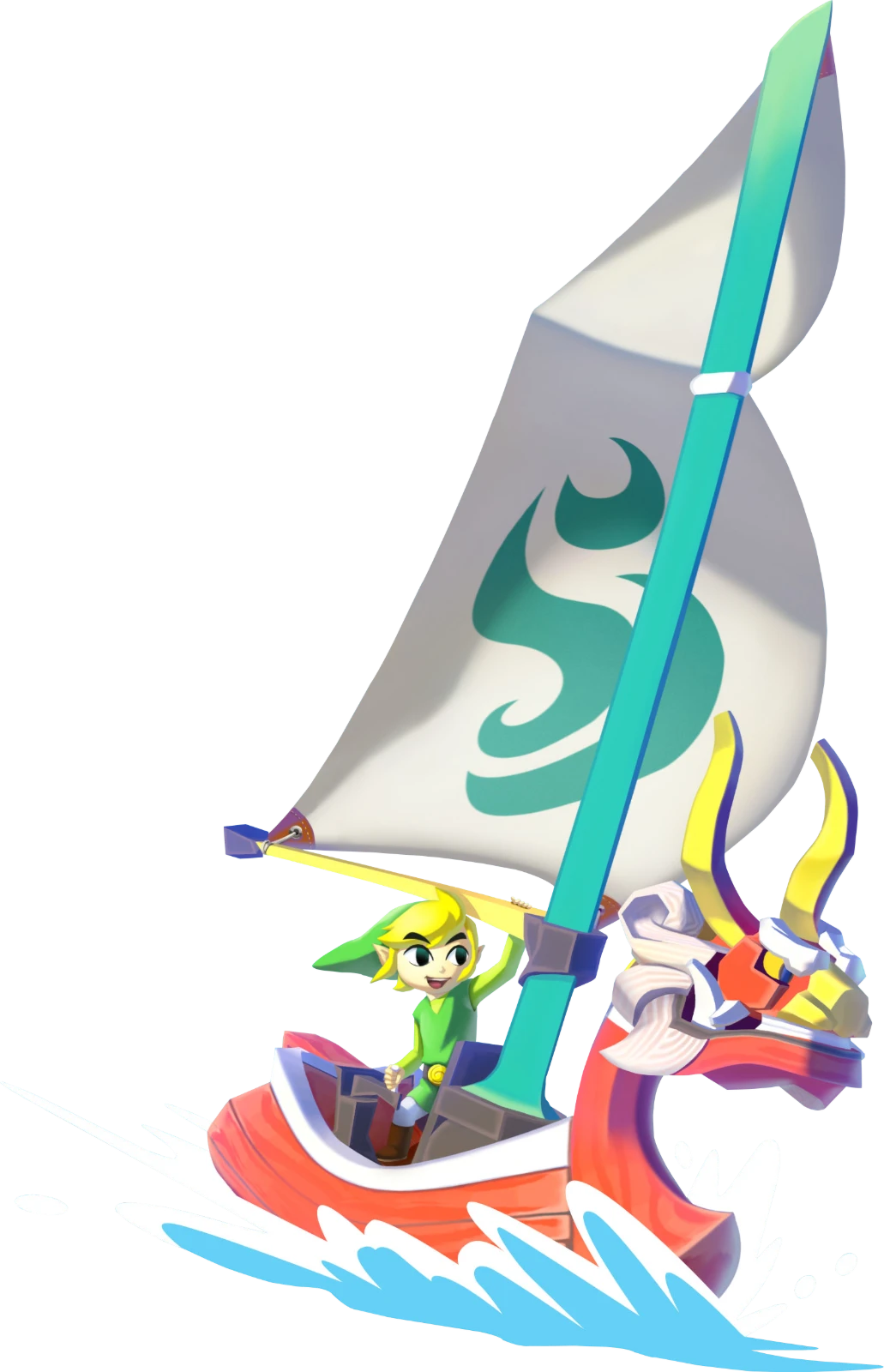
Official art of Link sailing, made for the HD version.
The story is untouched, so this is only a reminder. Centuries after Ocarina of Time, the evil the Hero of Time sealed away returned, no hero came, and the gods drowned Hyrule beneath a great flood. All that is left is the Great Sea and its scattered islands, where on Outset Island boys are dressed in green when they come of age, in honour of the hero of that old legend.
On Link’s birthday a monstrous bird, the Helmaroc King, carries off his sister Aryll. Link sails after it with the pirate captain Tetra, is launched over the walls of the Forsaken Fortress and ends up thrown into the sea on the orders of its master, Ganondorf. A talking boat, the King of Red Lions, fishes him out and sets him to work: three Pearls of the Goddesses to gather, the Tower of the Gods to climb, and at the bottom of the ocean a Hyrule frozen in time, where the Master Sword waits.
From there the secrets come out. Tetra is the heir of Hyrule’s royal family, Princess Zelda, and the boat is its last king, Daphnes Nohansen Hyrule. The Master Sword has lost its power, so Link must find two new sages, Medli of the Rito and Makar the Korok, to pray for it in the Earth and Wind Temples. He then reassembles the Triforce of Courage, the stretch of the adventure the HD version shortens, and faces Ganondorf at the top of his tower while the king wishes the old kingdom washed away for good. Link and Tetra sail off to find a new land, which is where Phantom Hourglass begins.
One thing about the telling did change. Aonuma wrote the King of Red Lions’ lines for the original as a brand-new father, and has said that when he reread them for the remake the boat seemed self-important, forever pushing Link along, so he made its speech a little milder. For the full story, island by island, see the story section of our Wind Waker page.
Special editions, bundles & soundtrack
Nintendo sold The Wind Waker HD in more ways than most Zelda games: with a console, with a statue, in gold foil and, later, at a budget price.
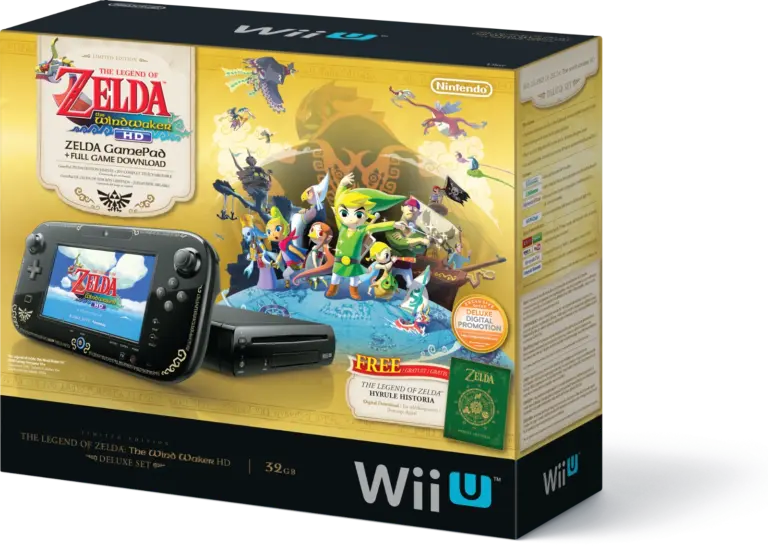
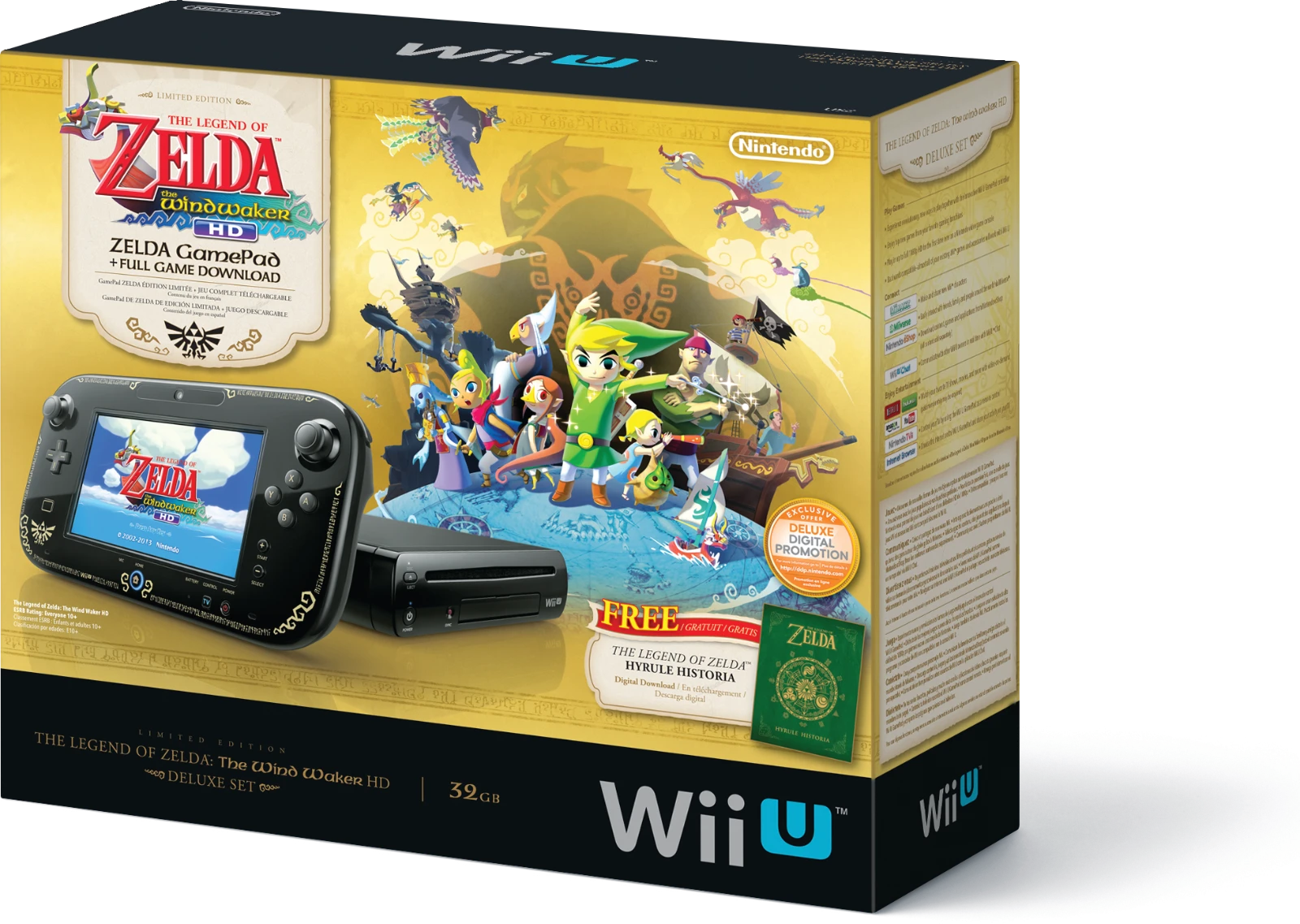
Wii U Deluxe Set bundle (North America)20 September 2013 · US$299.99A limited-edition black Deluxe console whose GamePad is trimmed in gold: a Hyrule crest, lettering and symbols taken from the game. In the box were download codes for the game and for a digital edition of Hyrule Historia. It went on sale the day the Deluxe Set’s price dropped by US$50, two weeks ahead of the disc.
The Wind Waker HD Premium Pack (Europe)4 October 2013Europe’s version of the bundle: a black 32GB Premium console, the same gold-trimmed GamePad and a download code for the game. Nintendo UK’s announcement makes no mention of Hyrule Historia. Australia got neither the bundle nor the figurine edition, according to Zelda Universe.
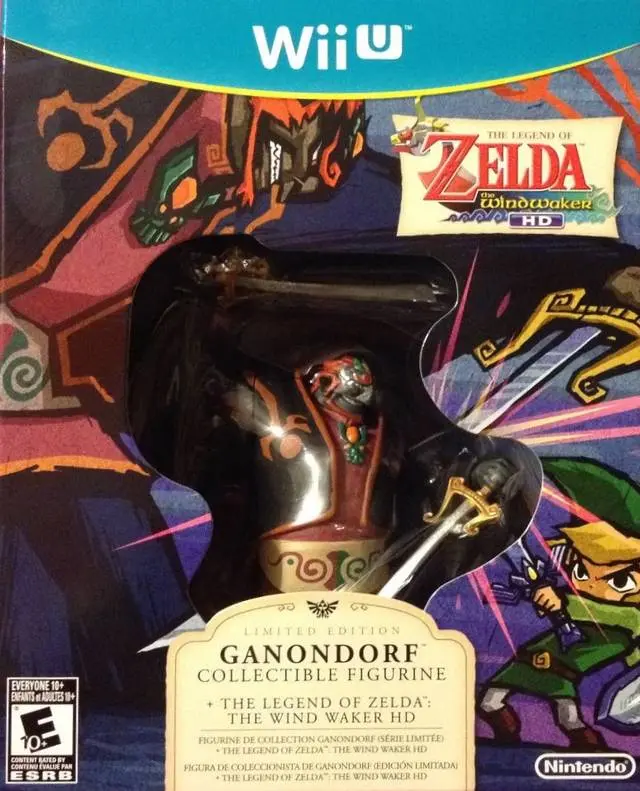
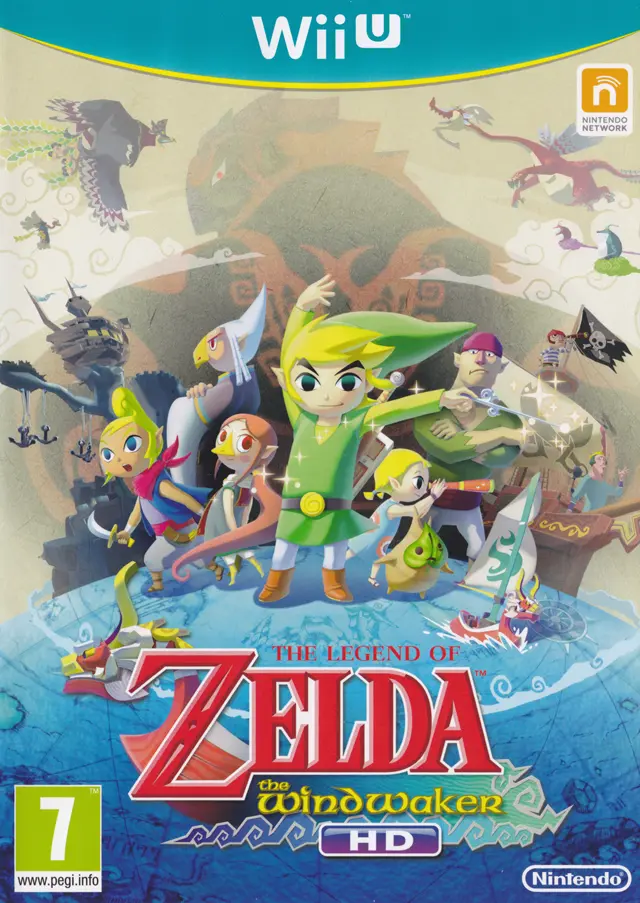
Limited Edition with Ganondorf figurine4 October 2013 · Europe and North AmericaThe boxed game with a figurine of Ganondorf swinging his two swords. In Europe it was the Limited Edition, with a double-sided cover sheet and the figurine under a transparent dome, and MCV reported it as a GAME exclusive in the UK. In North America it was sold only by GameStop, at US$54.99.
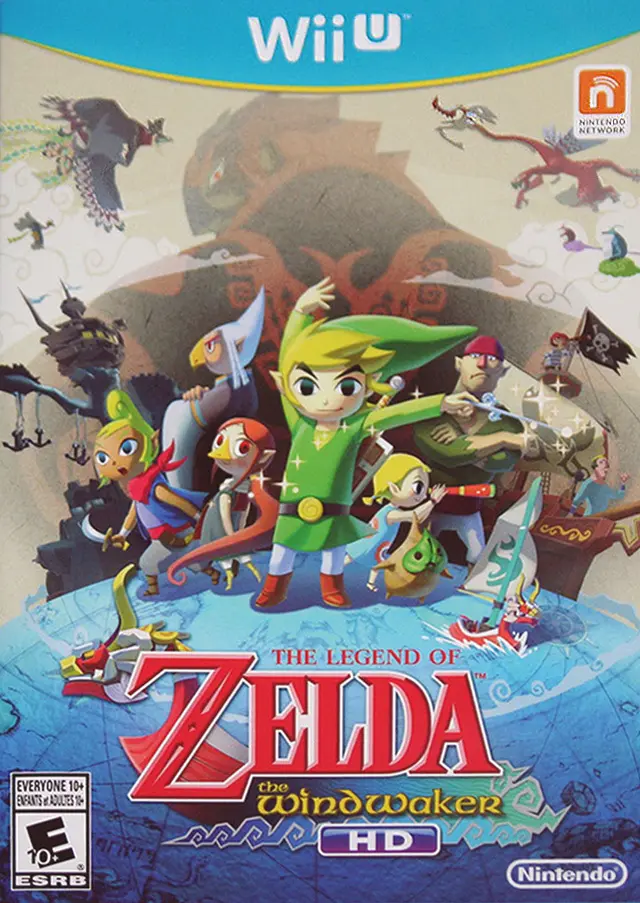
Gold-foil packaging (North America)4 October 2013 · US$49.99The standard North American disc came in distinctive gold-foil packaging, at the same price as the download.
The Wind Waker HD Sound SelectionClub Nintendo, Japan · 2013A 50-track CD of the remastered music, from the title theme to the epilogue, offered to Club Nintendo members in Japan who registered the game between 26 September and 4 November 2013.
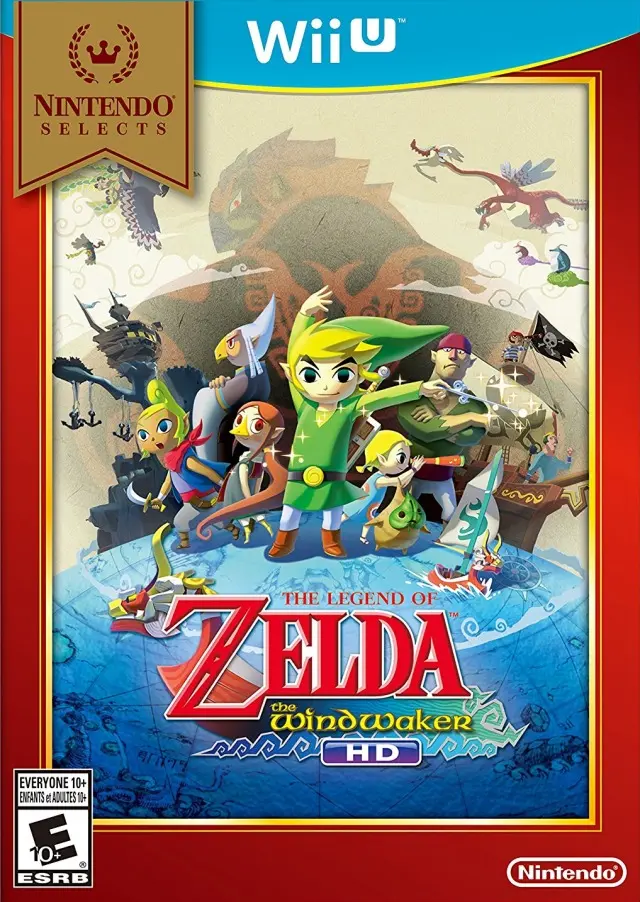
Nintendo Selects15 April 2016 (Europe) · 26 August 2016 (North America)The budget reprint. It joined the first batch of Wii U Nintendo Selects in Europe, and reached North America four months later at US$19.99.
How it was made
Almost everything known about how the HD version was made comes from Nintendo itself: an Iwata Asks round-table published in September 2013, Aonuma’s Nintendo Direct and E3 presentations, and the interviews he gave that year.
Who made the HD version
A small in-house team at Nintendo EAD, mixing people who built the 2002 original with people who had only played it.
Eiji AonumaProducerDirector of the original and producer of the series. He pushed the remaster through once he heard it could be done in under a year, and played the game from the beginning again to judge its flow.
Daiki IwamotoDirectorNot part of the original team: he bought The Wind Waker as a player and had complaints. The director of Phantom Hourglass and Spirit Tracks drew up the list of changes.
Satoru TakizawaHD refining art directorA design manager on the original, mainly responsible for enemies and effects. He made the first HD test images and kept tuning light and colour to the end.
Takuhiro DohtaHD refining program directorJoined Nintendo after the original came out, having played it as a fan. He devised the method that converted the GameCube data for Wii U.
Masanao ArimotoDesignerBuilt much of the original’s world from the character artists’ drawings. On the HD version he got the old data working on the new hardware.
Kenta Nagata, Hajime Wakai, Asuka Hayazaki, Atsuko AsahiMusicCredited by Wikipedia with updating the soundtrack. Nagata and Wakai were two of the original composers.
HexaDriveTexture technologyThe Japanese studio says on its own site that it gave technical help with raising the resolution of the textures.
It began as an art test for the next Zelda
At E3 2011 Nintendo showed off the Wii U with the Zelda HD Experience, a tech demo that Takizawa calls a natural evolution of Twilight Princess. Afterwards, while the team worked out how its first all-new Wii U Zelda should look, it kept experimenting, and one experiment was to load the data from older Zelda games into the new console in HD and see what came out.
Takizawa lined up several Links under the same shader, among them the one from the demo and the one from The Wind Waker. The cartoon Link, he said, “exerted some kind of unnatural pressure”, which is a designer’s way of saying nobody could look at anything else. Aonuma told Wired the same story from the producer’s chair: the Twilight Princess and Skyward Sword conversions looked much as expected, but with The Wind Waker “we were really surprised at how great it looked”. Takizawa then set up the sea and a few islands on Wii U in strong, high-contrast sunlight. Images from that test were what the public saw in the Nintendo Direct of January 2013.
Under a year, or not at all
Windfall Island in the finished HD version.
Takuhiro Dohta was building those images when an e-mail arrived from Aonuma asking how long a full HD Wind Waker would take. The team had quietly been doing the same sum, and Dohta replied that it could be on sale by autumn 2013. That decided it. Aonuma says he would never have proposed a long project, “but under a year was extremely attractive!” He also saw it as a way of learning how to make Zelda graphics for the new machine.
Not everybody was keen. Aonuma told Wired that some staff inside Nintendo resisted because they had never warmed to the young Link, and in the Iwata Asks he describes going to Shigeru Miyamoto for permission. What helped was the “Zelda cycle”, the idea often voiced by Nintendo of America’s Bill Trinen that each new Zelda is criticised on arrival and admired a few years later. Miyamoto said yes.
The game was announced in the Nintendo Direct of 23 January 2013. Aonuma explained that the all-new Wii U Zelda, the game that became Breath of the Wild, was going to take a long time, so The Wind Waker would be “reborn on Wii U” in the meantime. The full title was confirmed at E3 that June, along with the first trailer. Asked later by Japan’s 4Gamer how long the work had taken, Aonuma answered: about six months.
Digital archaeology
Link’s in-game model in the HD version.
There was no time to rebuild the game and only a handful of designers to work on it. Outside designers produced the high-resolution textures, while Takizawa, Masanao Arimoto and one colleague led the refining. Dohta’s method converted the GameCube data for Wii U and improved the picture while barely touching the original 3D models.
The catch was that the 2002 team had done its cel-shading by hand, each artist in a personal way, and parts of the old specification were no longer understood. Programmers had to work out what the original designers had intended and teach it to the new shader. Sometimes a familiar effect turned out to be the product of a bug, and the bug had to be recreated. “It sounds like archeology!” said Satoru Iwata. Getting Link’s eyes to move properly took advice from all over the company.
Because nobody could predict what a converted scene would look like, the artists were regularly surprised by their own work. Arimoto called it “a new sensation for something to show up when I had no memory of making it”. Takizawa says the quality leapt forward in the second half of the schedule, sometimes changing noticeably within half a day, and that he went on adjusting light and colour to the very end, drawing on his love of Okinawa and the southern islands to make pictures you could almost feel the temperature of. Iwata’s verdict was that if the old data looked better simply for being moved to stronger hardware, it must have been “over-designed” for the GameCube.
A director with a list
Aonuma did not direct the remaster himself. He gave the job to Daiki Iwamoto, who had not worked on the original and had played it as a customer. Iwamoto had been frank about what bothered him, and Aonuma’s reasoning was simple: “since he pays so much attention, we asked him to be director this time.”
Iwamoto replayed the game, listed what today’s players would not put up with, and took the list to the original staff to decide what to change. Iwata recalled the old verdict on The Wind Waker, that the early hours were divine and the later ones dragged, and Aonuma admitted the criticism had stung for years. Seeing the fixes in place, he asked the obvious question: “Why didn’t we do it that way in the first place?” He told MTV that the boat’s speed was the thing he most wanted to improve, and that the goal throughout was a better flow in the later half of the game.
Why the Tingle Tuner had to go
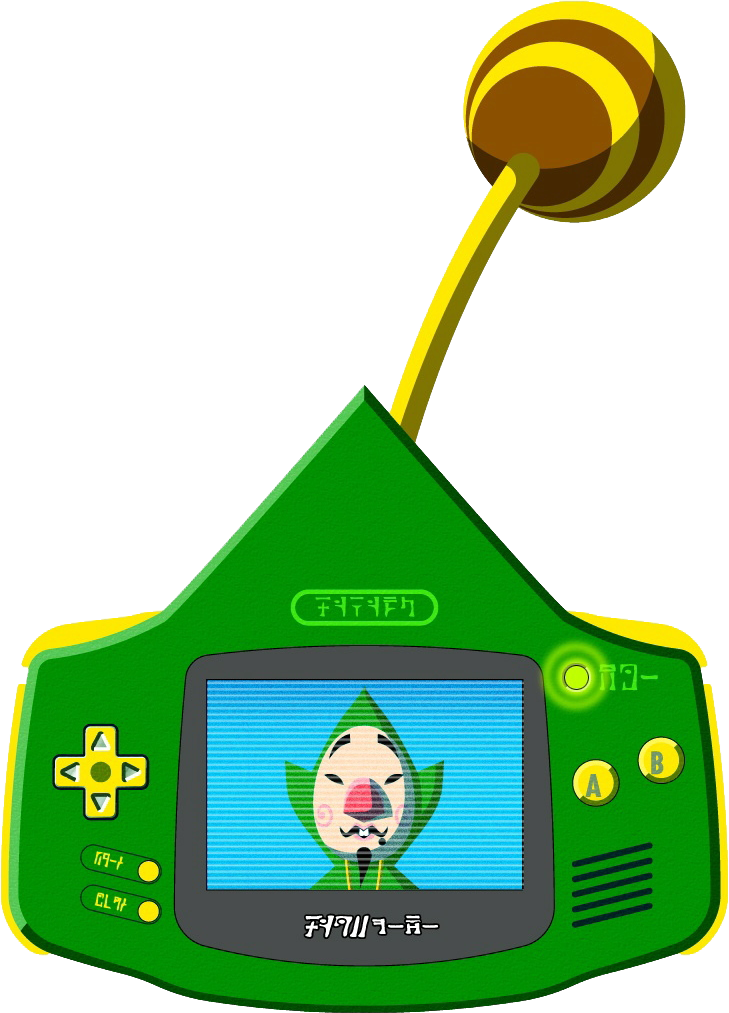
A render of the Tingle Tuner, which needed a Game Boy Advance on GameCube.
With a screen in the player’s hands, the GamePad looks like a ready-made Tingle Tuner, and the team tried it. Aonuma told MTV that it clashed with what the GamePad was already doing, the items and the map, and that it could not offer the old two-player arrangement because the person playing Link needs the GamePad. It “just felt a little bit off”, he said. Miiverse was the substitute for that feeling of somebody helping from the sidelines, and to Wired he described the bottles as a kind of multiplayer that still keeps to one Link per adventure.
No new dungeons
The Earth Temple in HD. The dungeon count is the same as in 2002.
Fans hoped the remaster would restore the dungeons dropped from the original for lack of time. It did not. At E3 2013 Aonuma told Kotaku’s Stephen Totilo that the HD version would have “no new content”, that calling the dungeons cut overstated things, and that he now thought the amount of game was about right. That October he gave IGN the practical reason: “we’ve already used those two dungeons for other titles after Wind Waker already.” To Wired he put the thin second half down to tuning that was never finished, which is exactly what the remaster set out to fix.
Secrets & extras
Like the original, the HD version has no cheat codes. What it does have is a set of secrets that were moved, renamed or added for Wii U. For the ones both versions share, see the secrets on our Wind Waker page.
Winning the Swift Sail
The auction house sign on Windfall Island, in the HD version.
The game never announces it. Clear Dragon Roost Cavern, then go to the night auction on Windfall Island, where the sail is the lot and bidding opens at 100 Rupees. A Fishman and a couple of Windfall gossips drop hints that it exists.
The Hero’s Charm moves to the Savage Labyrinth
The Hero’s Charm shows how much health an enemy has left.
On GameCube the Hero’s Charm, which shows enemies’ health, was Mrs Marie’s reward for 40 Joy Pendants. In the HD version it waits at the very end of the Savage Labyrinth under Outset Island, and the Piece of Heart that used to be there has moved to a sunken chest. A Triforce Shard now sits on the labyrinth’s 30th floor, where the GameCube game kept a chart.
Tingle Statues and Knuckle without a Game Boy Advance
Knuckle’s figurine, as modelled for the GameCube game.
The five Tingle Statues hidden in the dungeons once needed Tingle Bombs, dropped with the Tingle Tuner. Now an ordinary bomb in the right spot reveals them, although with the Tuner gone nothing hints at where to look. Collect all five and Tingle’s brother Knuckle turns up on Tingle Island, which matters to completists: his figurine is needed to finish the Nintendo Gallery.
Five extra Treasure Charts
Official art of a Treasure Chart in the HD version.
The five Triforce Charts that were removed did not leave empty chests behind: ordinary Treasure Charts took their places. The Zelda wiki on Fandom lists Treasure Chart 46 as the one that now leads to the Piece of Heart moved out of the Savage Labyrinth.
Checked against Zelda Dungeon, the Zelda Universe changes list and the Zelda wiki on Fandom, November 2026.
Glitches, exploits and oddities
The remaster fixed some of the original’s bugs, kept others on purpose and introduced a famous one of its own, which kept the HD version ahead in speedrunning for most of eight years.
Item Sliding
Link swimming in the HD version.
Found in 2016 and exclusive to the HD version, Item Sliding lets Link build up enormous momentum. It made superswimming possible and opened up new skips, and according to GamesRadar+ it put the HD speedrun about 20 minutes ahead of the GameCube one.
Barrier Skip
A Morth (GameCube model), the enemy behind the 2018 Barrier Skip.
A magical barrier walls off the endgame until Link has done everything the story asks. Runners had been hunting for a way past it for about five years, with a bounty of at least US$800 on offer, when LinkOscuro got through in August 2016 using Item Sliding and the Iron Boots. It saved about five minutes at first. In January 2018 gymnast86 found a more dependable method, killing a Morth on exactly the right frame, and the runner Linkus7 soon set a record with it.
HD against GameCube
In 2022 an exploit using the Wii U Pro Controller let HD runners skip still more cutscenes. GameCube runners clawed the time back with discoveries of their own, and on 10 November 2024 the original’s record passed the remaster’s for the first time in eight years.
Bugs fixed, bugs kept
Official art of the Wind Waker.
Zelda Dungeon notes that the old trick of conducting the Wind Waker while falling is gone. Other bugs were preserved deliberately: Dohta told Iwata that some of the GameCube game’s visual effects turned out to be the result of errors, and the team reproduced them so the picture would still look right.
Left on the disc
The Cutting Room Floor found that 41 unused maps were converted along with the real ones, most of them with updated textures, while about 24 test levels were dropped. The leftovers include an early Outset Island with extra pigs and the pirate ship, and a test copy of the Savage Labyrinth’s last room whose chest still holds the GameCube prize, a Piece of Heart, where the finished HD game puts the Hero’s Charm. A music stream named for an E3 title screen, already unused on GameCube, was converted as well.
Videos & media
Two official Nintendo trailers from 2013: the one shown at E3, and the one that introduced Hero Mode.
Nintendo UK’s upload of the E3 2013 trailer for the Wii U version.
Nintendo of America’s trailer for Hero Mode, the harder setting added for the HD version.
Trivia & facts
The whole remaster took about six months, Aonuma told Japan’s 4Gamer.
Link in his HD artwork.Takizawa on the star of the game: “he is the manliest Link in the history of the series.” Arimoto agreed that Link is cute but never sugary about it.
Its internal name is “cking”, a pun on “sea king”, according to The Cutting Room Floor. Other Zelda projects of the time were named like playing cards: Queen (Ocarina of Time 3D), Jack (A Link Between Worlds) and Joker (Majora’s Mask 3D).
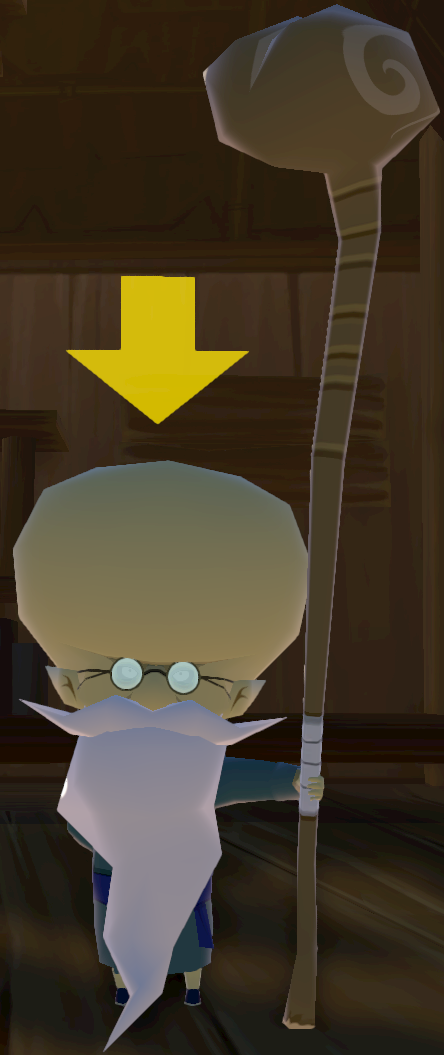
Sturgeon as modelled for the HD version.In HD there is a sharp glint in Sturgeon’s eyes behind his glasses, which Arimoto says finally makes him look like Orca’s brother.
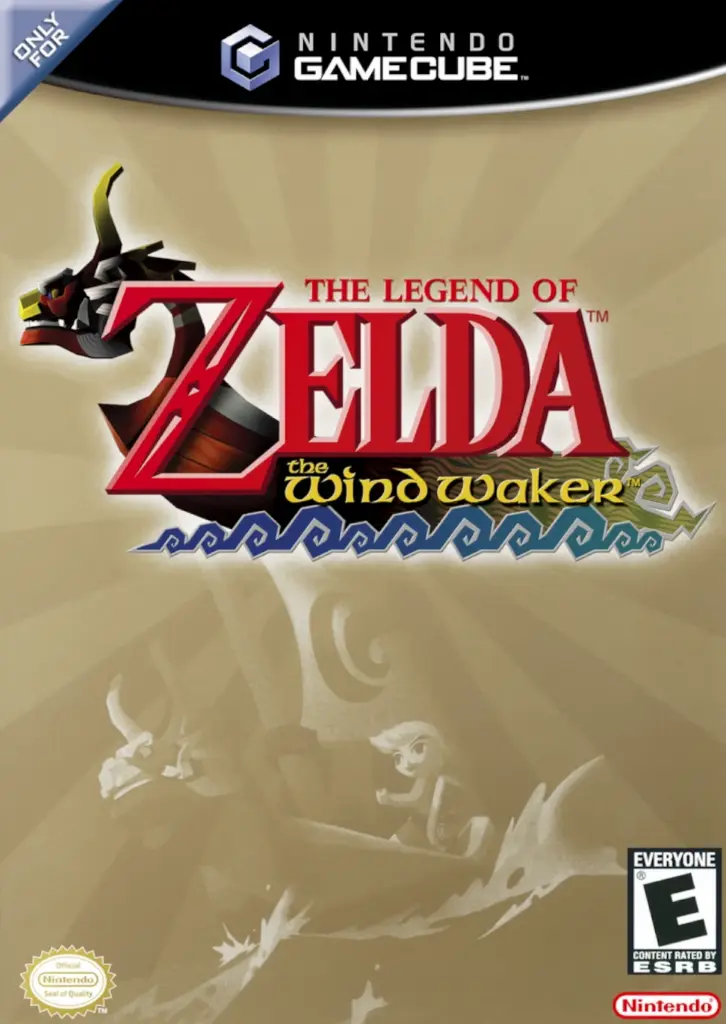
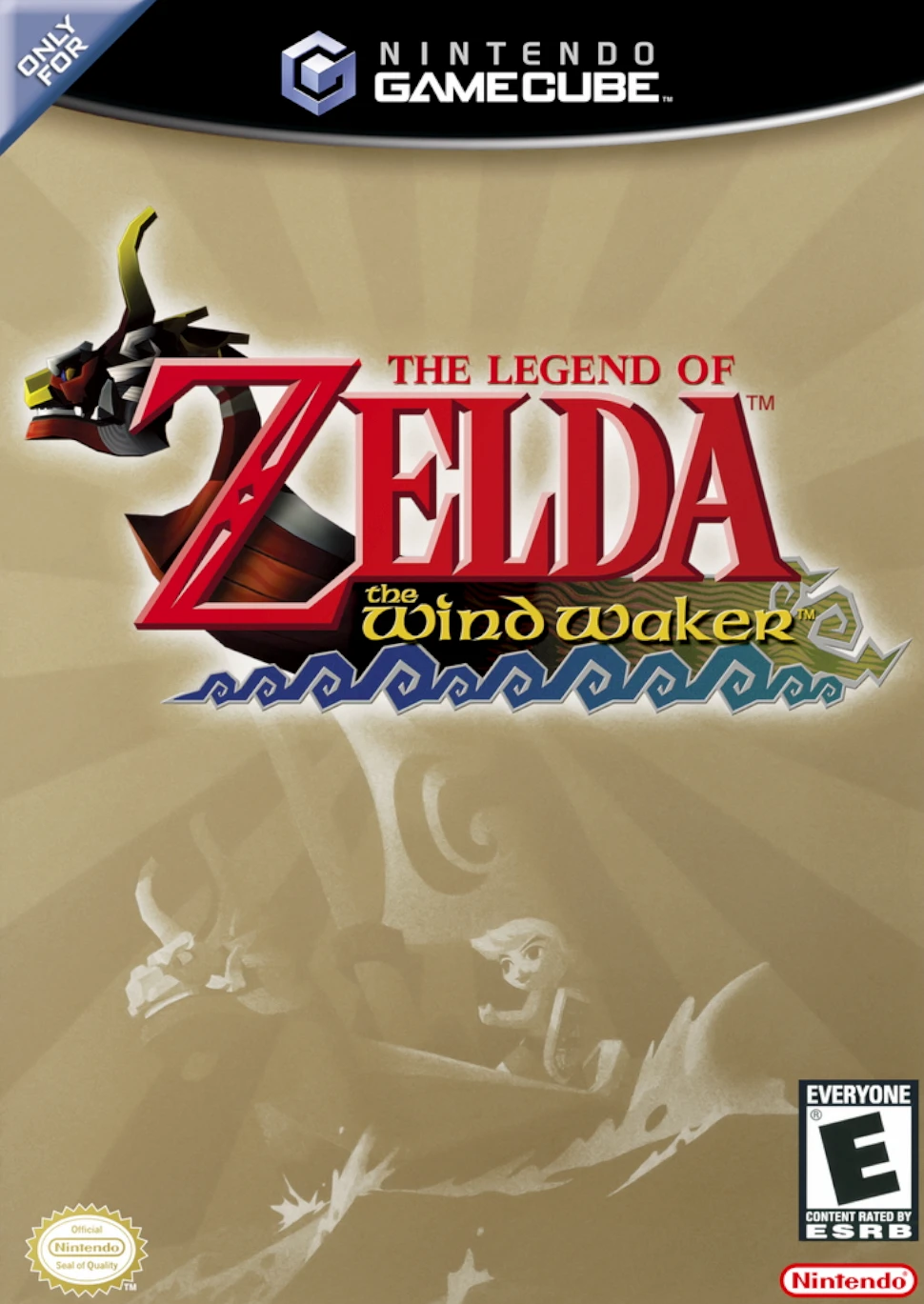
The GameCube original’s North American box.Dohta, the HD refining program director, had played the GameCube original as a fan before he joined Nintendo. When Iwata remarked that he could never have imagined reshaping the game’s data 11 years later, Dohta answered: “You can say that again!”
Hyrule Castle in the HD version.The drowned Hyrule Castle is black-and-white on GameCube. In HD it is sepia.
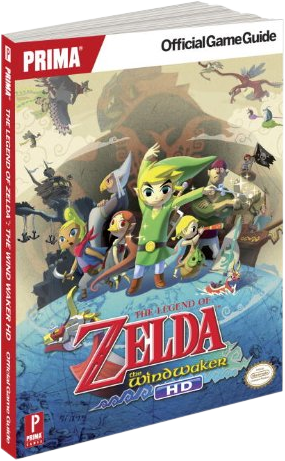
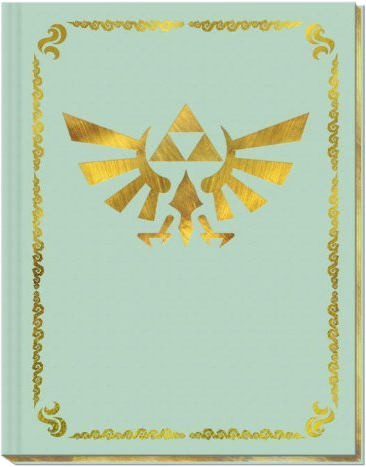
Prima’s strategy guide for the HD version.Replaying their own game for the remaster, the developers forgot how its puzzles worked. Takizawa admitted the team kept a strategy guide within reach.
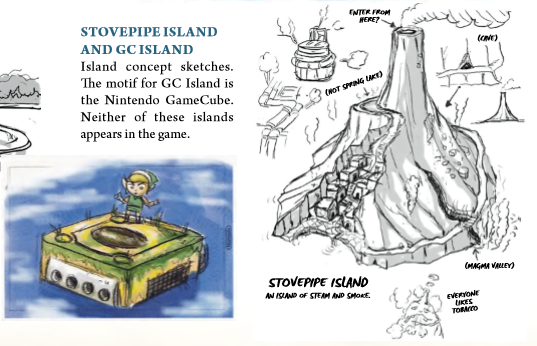
Concept art of islands cut from the game.Hyrule Historia includes concept art of a “GameCube island” that never made it into the game. Asked about it in 2013, Aonuma said “it just doesn’t fit in this world”.
Box of a Wind Waker HD Wii U console bundle.The download reached North America two weeks before the disc. Game Informer reported that its date was moved forward to 20 September 2013, the day the console bundle with the gold-trimmed GamePad went on sale.
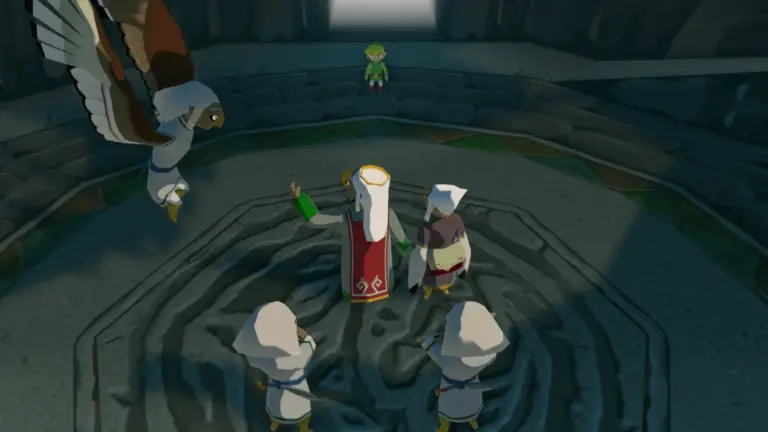
The Rito Aerie in the HD version.Nintendo UK’s launch announcement said this was the first time in the series that players could explore a world in 1080p, and it promised uncompressed 5.1 PCM surround sound to go with it.
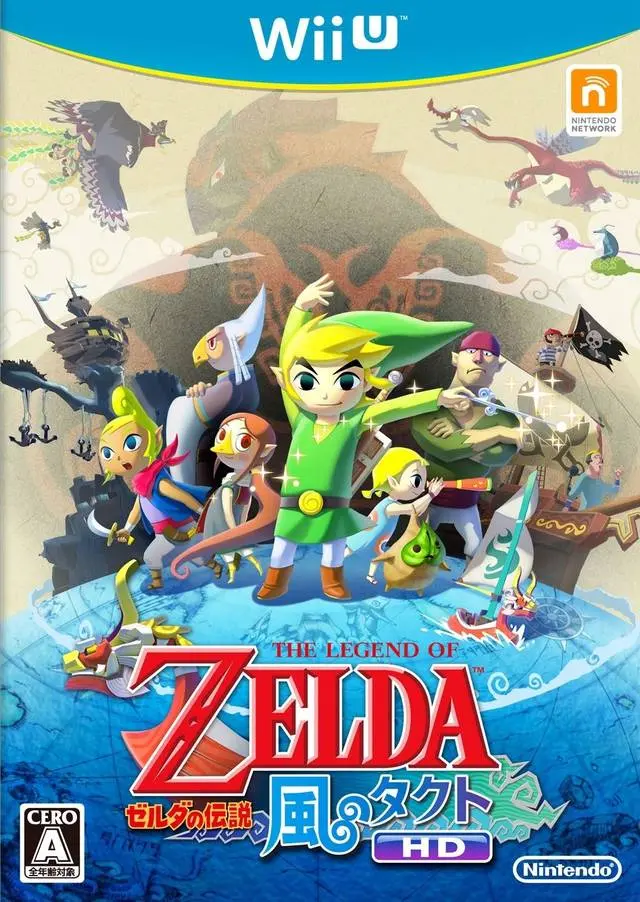
The Japanese box, Kaze no Takuto HD.Of the 1.15 million copies sold by the end of 2013, only about 90,000 were bought in Japan, where the game entered the chart in seventh place.
During E3 2013, Aonuma recalled, people queued to try it at the demo stations Nintendo had set up in Best Buy shops.
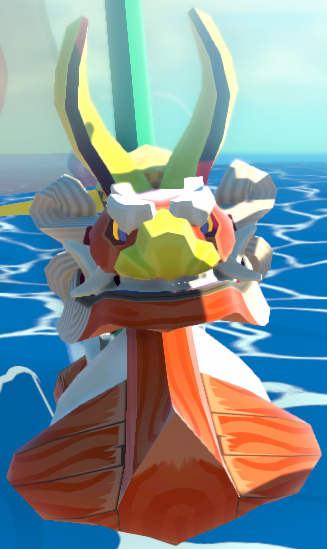
The King of Red Lions as modelled for the HD version.Aonuma wrote the King of Red Lions for the original as a new father. Rereading the script for the remaster he found the boat self-important, and toned its lines down.
Media & artwork
Box art, official artwork and screenshots from The Wind Waker HD.
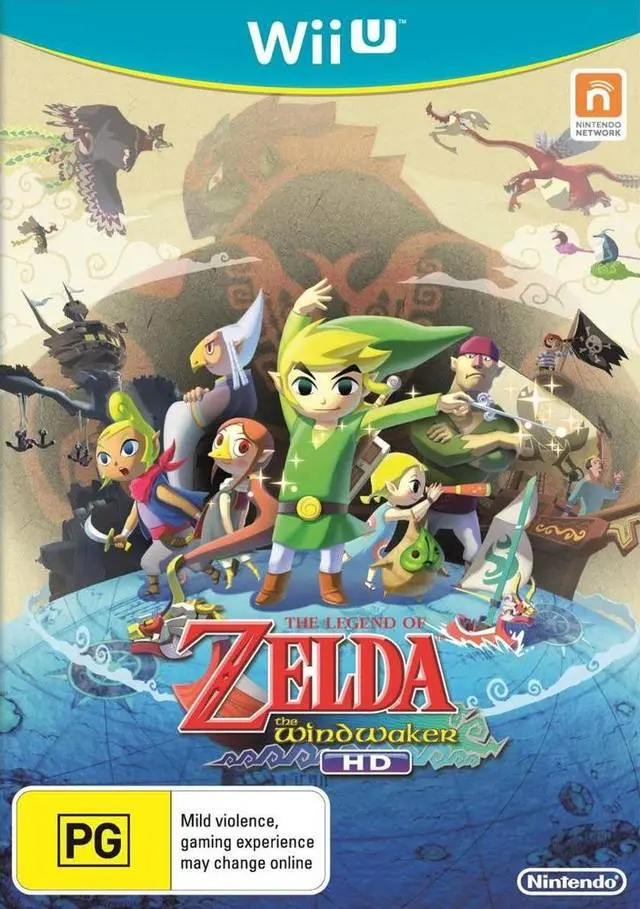
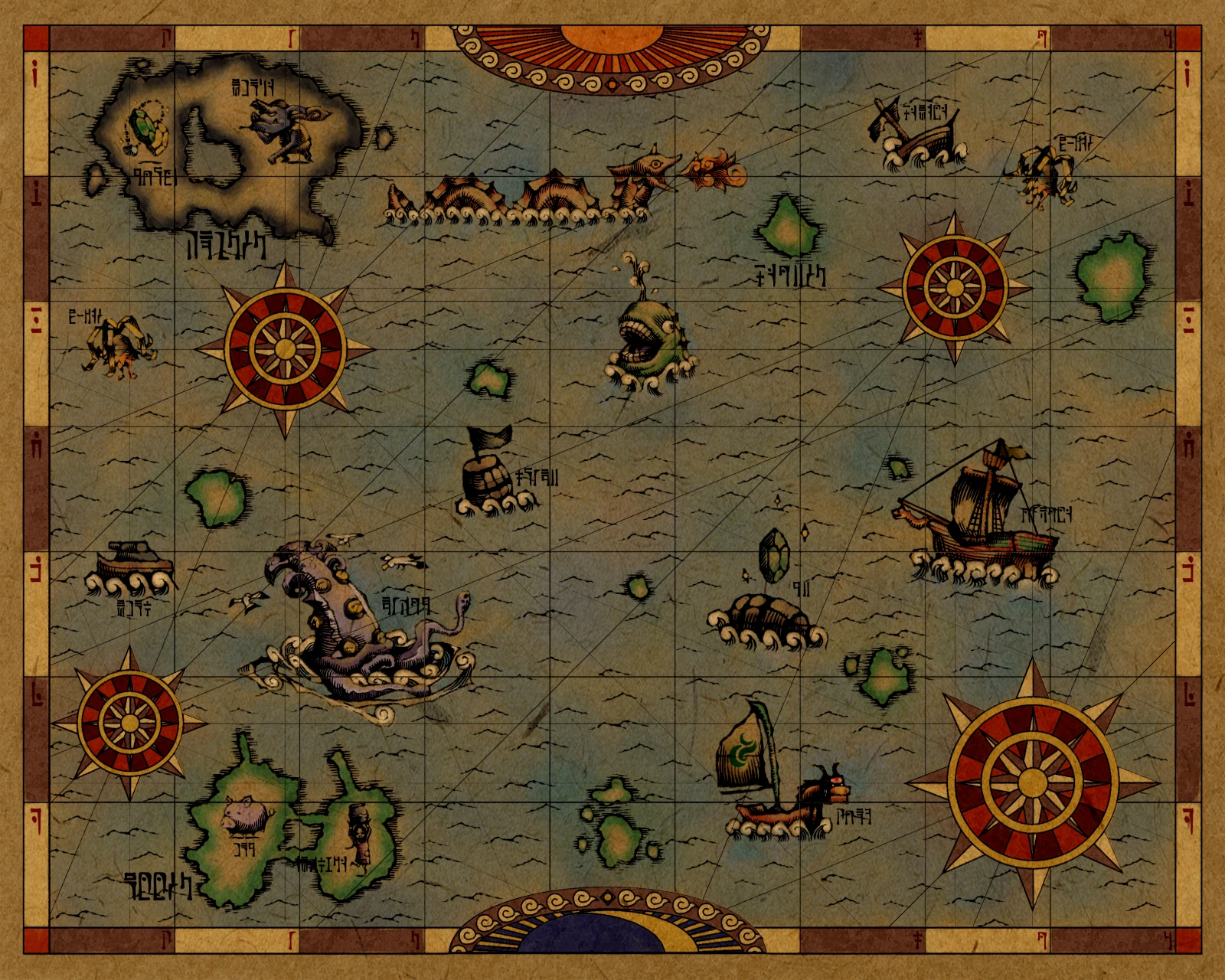
Australian and New Zealand box (2013)North American GameStop edition with the Ganondorf figurine (2013)North American Nintendo Selects box (2016)North American reprint with a full cover (June 2015)Prima’s Collector’s Edition strategy guideOfficial art of the Great Sea for the HD versionOfficial artwork made for the HD versionMiiverse in the HD version, before the service closed in 2017
The Wind Waker HD did two jobs. It gave Wii U owners a Zelda to play during the long wait for the next one, and it taught the team how to light and shade a Zelda world in high definition.
From art test to budget reprint
Zelda HD ExperienceJune 2011 – The Wii U tech demo at E3 2011. The HD experiments that followed it led to the remaster.
Announcement23 January 2013 – Aonuma shows HD images of Windfall Island in a Nintendo Direct and promises the game for later that year.
E3 2013June 2013 – The final title, the first trailer and Aonuma’s developer presentation.
North American eShop and Wii U bundle20 September 2013 – The download and the limited-edition Deluxe Set arrive two weeks before the disc.
Japan26 September 2013 – On disc and as a download, at ¥5,700 before tax.
Europe, and North America on disc4 October 2013 – With the Premium Pack bundle and the Ganondorf figurine edition. Australia follows on 5 October.
Nintendo Selects2016 – Budget reissue: 15 April in Europe, 26 August in North America.
Miiverse closes8 November 2017 – The Tingle Bottle stops working.
Wii U eShop closes to purchases27 March 2023 – The download can no longer be bought.
The original on Nintendo Switch 25 June 2025 – The GameCube game, not the HD version, joins Nintendo GameCube – Nintendo Classics.
A dress rehearsal for Breath of the Wild
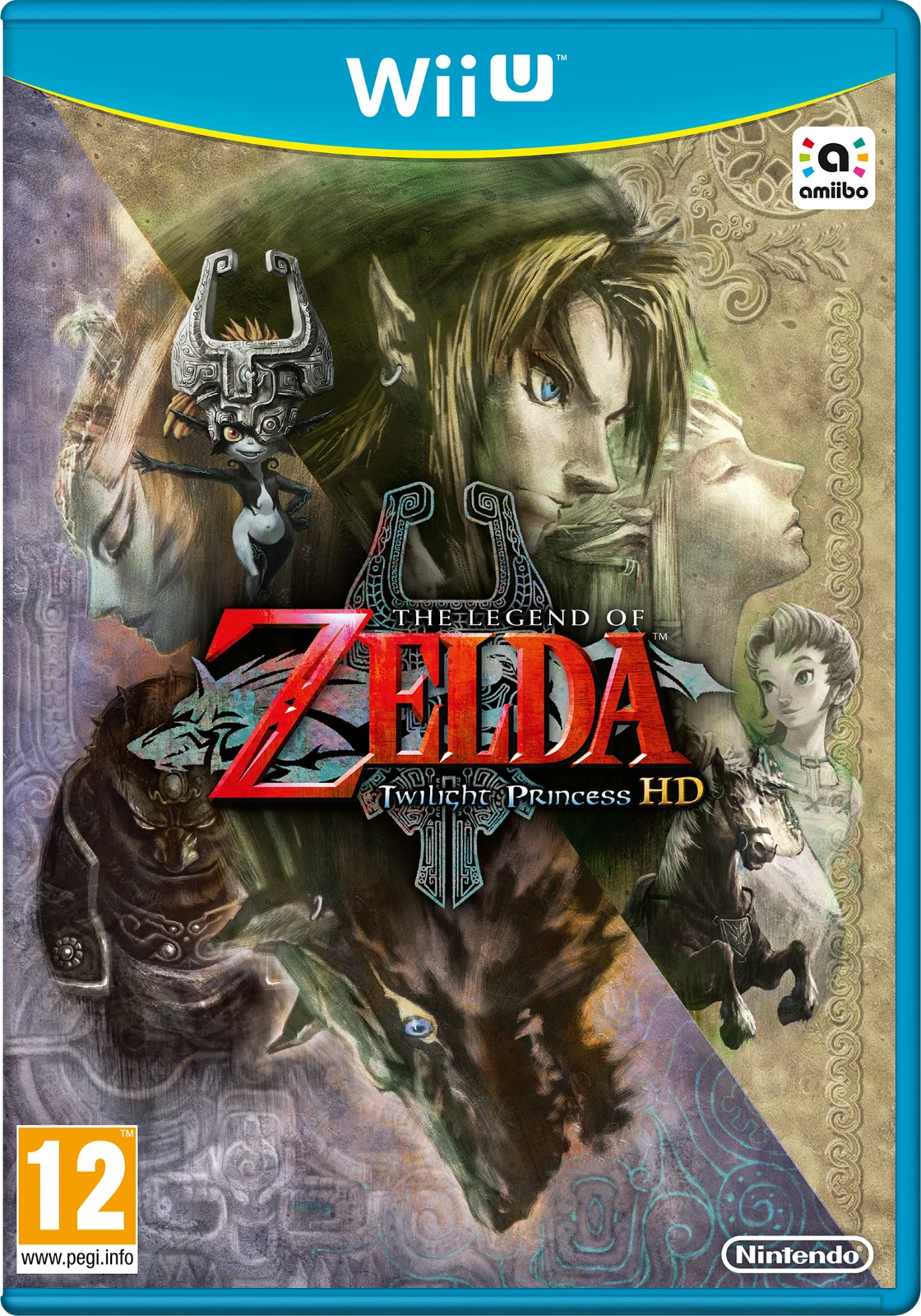
Twilight Princess HD followed on Wii U in 2016.
Aonuma described the remaster to Wired as “kind of a test pattern for the team”: what it learned about the hardware and the GamePad fed into the new Wii U Zelda. Takizawa singled out the console’s wide range of brightness, which he used to suggest warmth and temperature on the Great Sea, as something that would matter for future Zeldas, and Aonuma ended the Iwata Asks by saying the project could prove an important turning point for the series.
The same people carried the lessons forward. On Breath of the Wild Takizawa was art director, Dohta technical director and Iwamoto assistant director. A second Wii U remaster, Twilight Princess HD, followed in March 2016.
Where to play it today
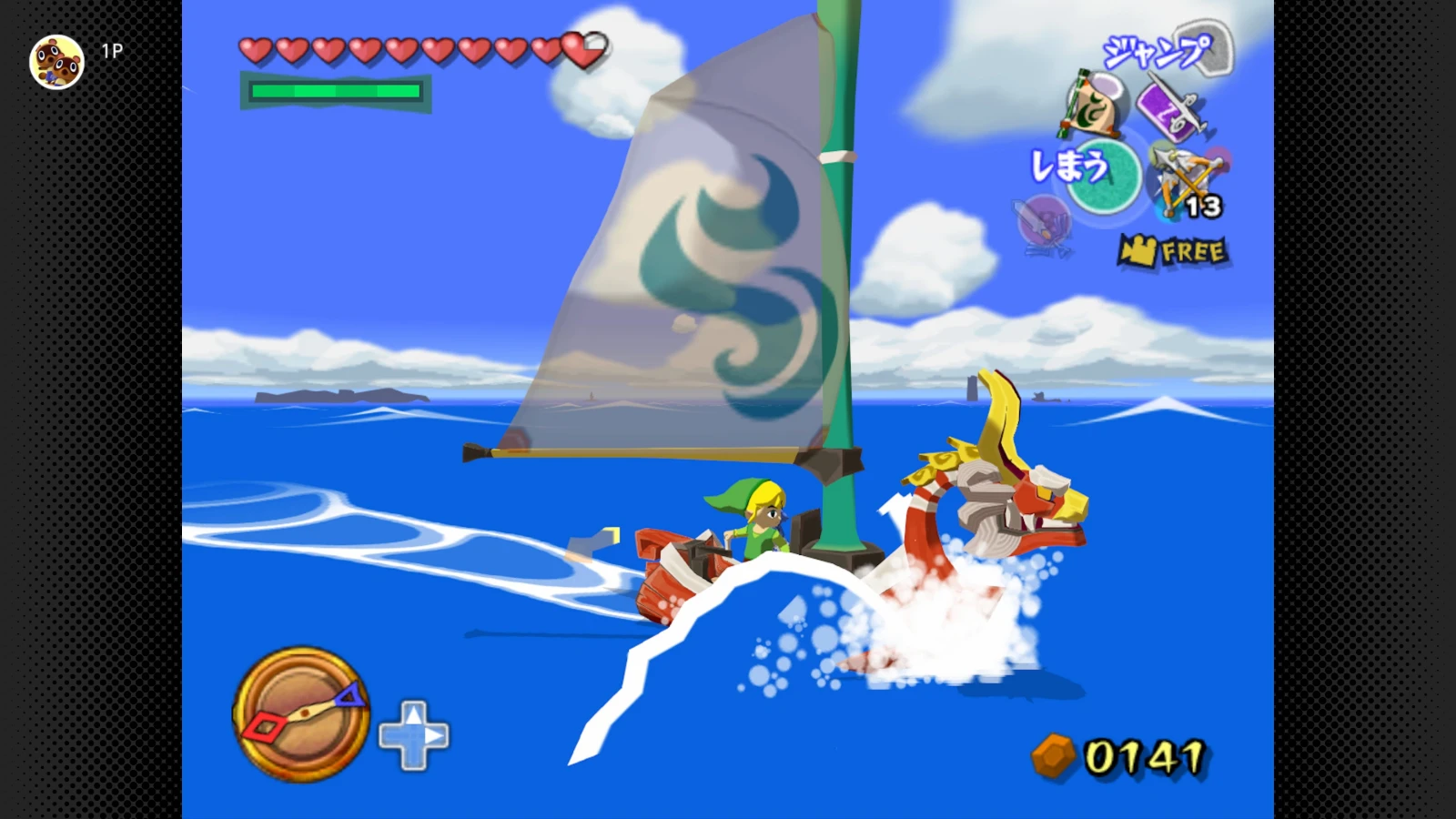
The GameCube original in a Nintendo Switch Online promotional screenshot. The HD version is not on Switch 2.
Only on a Wii U. The download can no longer be bought, because the Wii U eShop stopped taking purchases on 27 March 2023, so the practical route today is a second-hand disc: the 2013 release or the cheaper Nintendo Selects reprint. Miiverse has closed, so the Tingle Bottle has nothing to send or receive.
It is easy to assume the Switch 2 has it. It does not. The Wind Waker that joined Nintendo GameCube – Nintendo Classics on 5 June 2025, for Nintendo Switch Online + Expansion Pack members, is the 2002 GameCube game. It is sharper than it was on a GameCube, but it has the original lighting, the original sailing and all eight Triforce Charts. Our page on the original Wind Waker covers that version.
Whether the HD version will ever follow is an open question. Asked in April 2025 whether the GameCube release ruled out a port of the Wii U game, Nintendo of America’s Nate Bihldorff told Kinda Funny’s Tim Gettys that “all options are on the table”. As far as we can find, nothing had been announced when this page was written in November 2026.
Sales & reviews
Sales figures
The Wind Waker HD was never a blockbuster, but it kept selling for years. Nintendo reported 1.15 million copies by 31 December 2013, only about 90,000 of them in Japan, and 1.22 million by 31 March 2014. The total crept on through the Wii U’s life and beyond: 1.69 million in the results of February 2016, 1.72 million in the figures Nintendo published that April, 2.35 million by 30 September 2021.
Nintendo’s investor site now lists it at 2.37 million, a life-to-date figure that counts downloads and the copies bundled with consoles. That number was in place by September 2023 and is unchanged in the edition of the list dated 31 March 2026, where the game is ninth among all Wii U titles and the only Zelda in the top ten. The 1.22 million often quoted is the six-month figure, not the final one.
Its effect on the console was mixed. In Japan it entered Media Create’s chart in seventh place with 30,264 copies, and Wii U hardware sales barely moved. In Britain, where the game and the console bundle arrived together, trade paper MCV reported that Wii U hardware sales jumped by 685 per cent once the game was out. Nintendo UK’s James Honeywell said it reaffirmed the company’s belief that “software sells hardware”.
1.15msold by 31 December 2013
1.22mby 31 March 2014
2.37mNintendo’s life-to-date total
30,264first-week sales in Japan
685%rise in UK Wii U hardware sales on release
Reception and review scores
Metacritic averages 70 reviews at 90, and counts every one of them as positive. These are the scores we could confirm against the outlet itself or a round-up from the week of release.
EurogamerUK · 17 September 2013
10/10
Nintendo World ReportUS · 18 September 2013 (Neal Ronaghan)
10/10
GamesRadar+US · 18 September 2013 (Henry Gilbert; 100 on Metacritic)
5/5
IGNUS · September 2013
9.8/10
Jeuxvideo.comFrance · September 2013
19/20
Game InformerUS · 2013 (Dan Ryckert)
9.25/10
Official Nintendo MagazineUK · October 2013
92%
GamesMasterUK · October 2013
92%
Nintendo LifeUK · 17 September 2013 (Martin Watts)
9/10
CVGUK · September 2013
9/10
DestructoidUS · 18 September 2013 (James Stephanie Sterling)
8.5/10
GameSpotUS · September 2013
8/10
MetroUK · September 2013
8/10
GameTrailersUS · 18 September 2013
7.8/10
The praise was close to unanimous on two points: the art had aged remarkably well, and the changes to sailing and the Triforce hunt repaired the original’s weakest stretch. Game Informer’s Dan Ryckert wrote that the visual upgrade was obvious straight away, but that he was more impressed by how well a ten-year-old game still played. Nintendo World Report’s Neal Ronaghan called it the definitive version of The Wind Waker. IGN’s review put it this way: “As a returning fan, I couldn’t have asked for much of a better treatment.”
The reservations were about what had not changed. Nintendo Life’s Martin Watts noted frame-rate dips in busy scenes, the absence of new dungeons and a full price for what was essentially the same game, and wished the Command Melody did not still have to be conducted every time. Destructoid found the gyro aiming hit-and-miss. GameTrailers, the lowest score on Metacritic’s list at 7.8, was disappointed that the Triforce quest had not been properly reworked and still broke up the pacing.
Reader reviews
No reader reviews yet. Played it? Give it a score out of 10 and tell other fans what you think.
Every fact on this page was checked against the sources below in November 2026. Nintendo’s own interviews, press releases and sales pages were used wherever they exist; where a detail rests on a single fan wiki, the text says so.
To provide the best experiences, we use technologies like cookies to store and/or access device information. Consenting to these technologies will allow us to process data such as browsing behavior or unique IDs on this site. Not consenting or withdrawing consent, may adversely affect certain features and functions.
Functional
Always active
The technical storage or access is strictly necessary for the legitimate purpose of enabling the use of a specific service explicitly requested by the subscriber or user, or for the sole purpose of carrying out the transmission of a communication over an electronic communications network.
Preferences
The technical storage or access is necessary for the legitimate purpose of storing preferences that are not requested by the subscriber or user.
Statistics
The technical storage or access that is used exclusively for statistical purposes.The technical storage or access that is used exclusively for anonymous statistical purposes. Without a subpoena, voluntary compliance on the part of your Internet Service Provider, or additional records from a third party, information stored or retrieved for this purpose alone cannot usually be used to identify you.
Marketing
The technical storage or access is required to create user profiles to send advertising, or to track the user on a website or across several websites for similar marketing purposes.



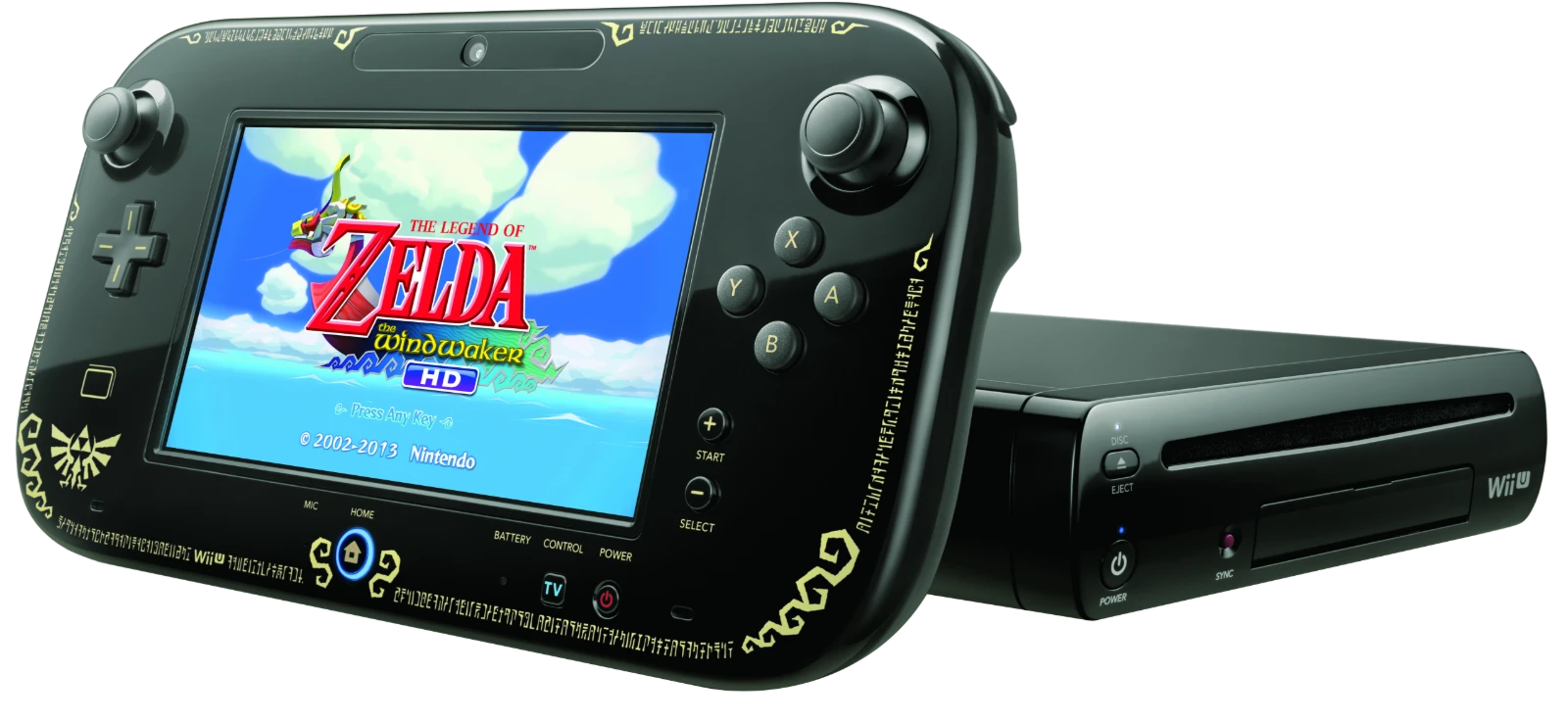 Wii U Deluxe Set bundle (North America)20 September 2013 · US$299.99A limited-edition black Deluxe console whose GamePad is trimmed in gold: a Hyrule crest, lettering and symbols taken from the game. In the box were download codes for the game and for a digital edition of Hyrule Historia. It went on sale the day the Deluxe Set’s price dropped by US$50, two weeks ahead of the disc.
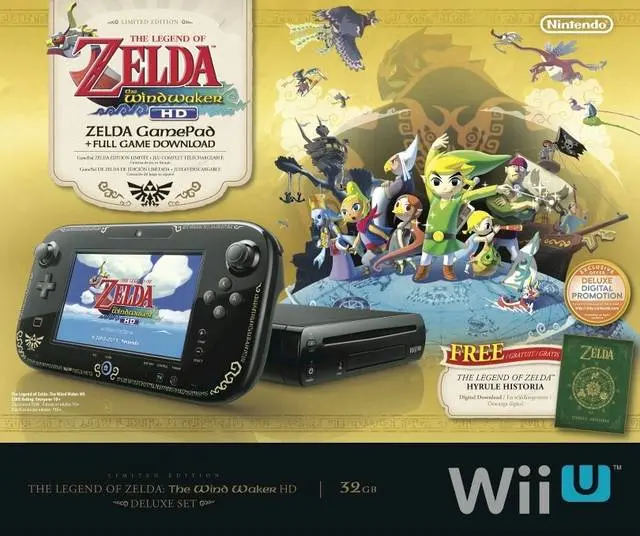 The Wind Waker HD Premium Pack (Europe)4 October 2013Europe’s version of the bundle: a black 32GB Premium console, the same gold-trimmed GamePad and a download code for the game. Nintendo UK’s announcement makes no mention of Hyrule Historia. Australia got neither the bundle nor the figurine edition, according to Zelda Universe.
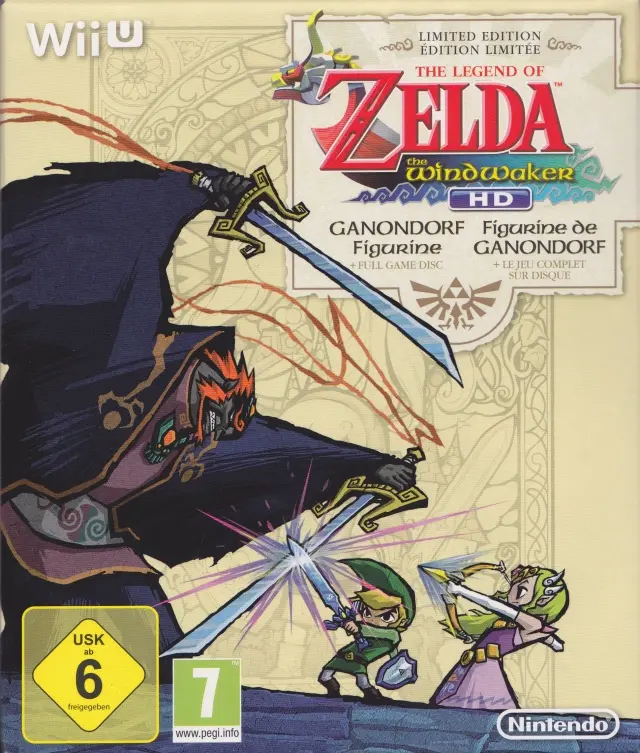 Limited Edition with Ganondorf figurine4 October 2013 · Europe and North AmericaThe boxed game with a figurine of Ganondorf swinging his two swords. In Europe it was the Limited Edition, with a double-sided cover sheet and the figurine under a transparent dome, and MCV reported it as a GAME exclusive in the UK. In North America it was sold only by GameStop, at US$54.99.
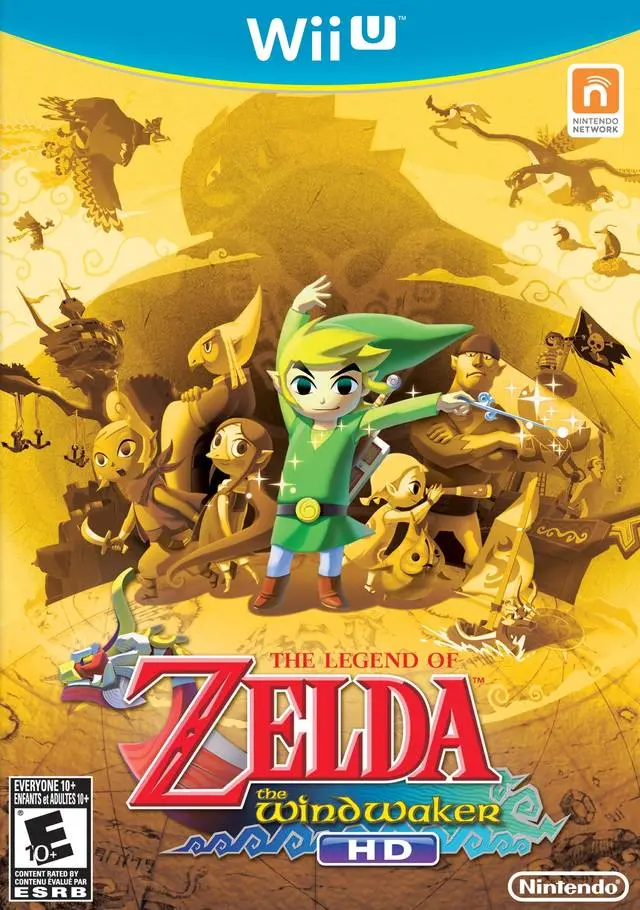 Gold-foil packaging (North America)4 October 2013 · US$49.99The standard North American disc came in distinctive gold-foil packaging, at the same price as the download.
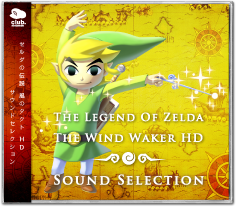 The Wind Waker HD Sound SelectionClub Nintendo, Japan · 2013A 50-track CD of the remastered music, from the title theme to the epilogue, offered to Club Nintendo members in Japan who registered the game between 26 September and 4 November 2013.
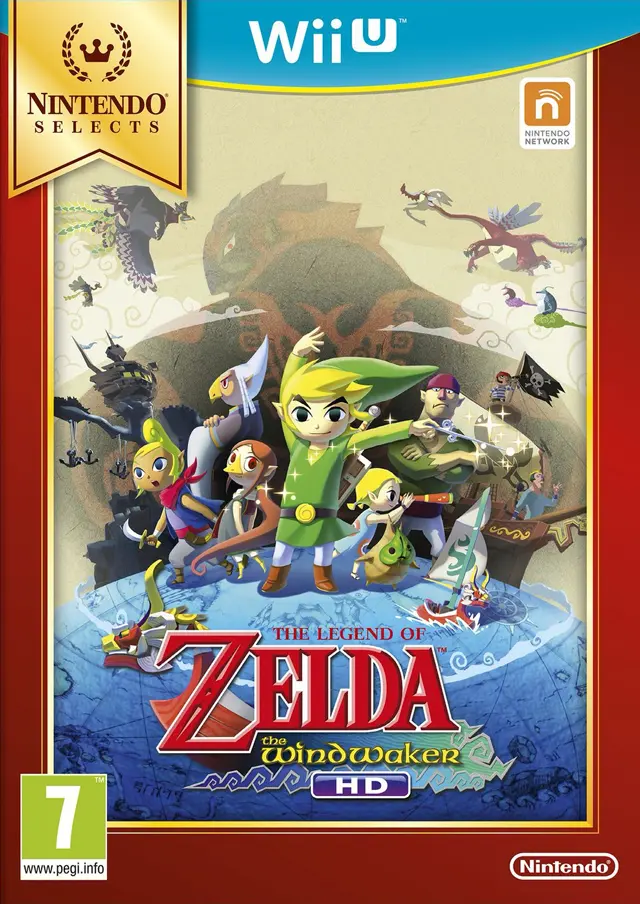 Nintendo Selects15 April 2016 (Europe) · 26 August 2016 (North America)The budget reprint. It joined the first batch of Wii U Nintendo Selects in Europe, and reached North America four months later at US$19.99.