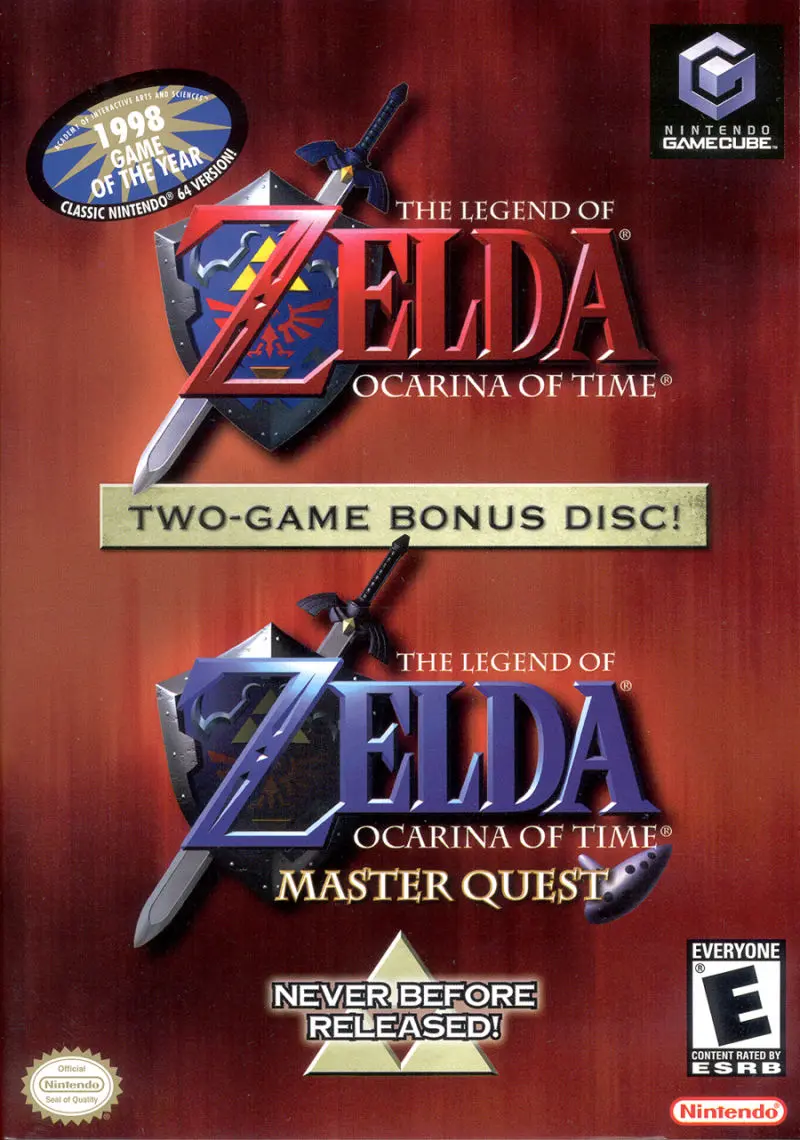
Ocarina of Time with every dungeon turned inside out: the lost 64DD expansion that Nintendo finally gave away with The Wind Waker, cows in the walls and all.
Released28 November 2002 (JP) · February 2003 (NA) · May 2003 (EU, AU)
Given with pre-orders of Kaze no Takuto (The Wind Waker) from 28 November 2002, as Toki no Okarina GC
North America
Given with pre-orders of The Wind Waker; the official pre-sell began on 16 February 2003 (databases usually list 28 February)
Europe
Packed with limited-edition copies of The Wind Waker at its launch at the start of May 2003
Australia
Packed with early copies of The Wind Waker, May 2003
Sold on its own
Never
Picture
640×480, twice the Nintendo 64’s resolution, with progressive scan support
Also on the disc
The original Ocarina of Time and a set of promotional videos that differs by region
Nintendo 3DS version
Unlocked by finishing Ocarina of Time 3D (June 2011); mirrored, with double damage
Review average
91 on Metacritic (10 reviews)
Overview
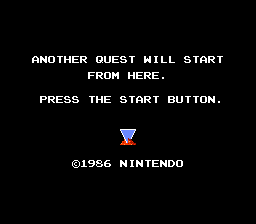
Master Quest is Ocarina of Time with the furniture moved. The story, the overworld, the characters and the side quests are exactly the ones you remember from 1998. What changes is the inside of every dungeon, where the rooms look familiar but the enemies, the chests, the switches and the solutions do not. It is the same idea as the second quest in the very first Legend of Zelda: a harder lap for people who thought they had finished.
It also took one of the strangest roads to release of any Zelda. It began as Ura Zelda, an expansion for the Nintendo 64’s 64DD disk drive, was completed, and was then left on the shelf when the drive flopped. It finally surfaced in November 2002 on a GameCube disc that was never sold in its own right. You got it by pre-ordering The Wind Waker in Japan and North America, or found it in the box with early copies in Europe and Australia.
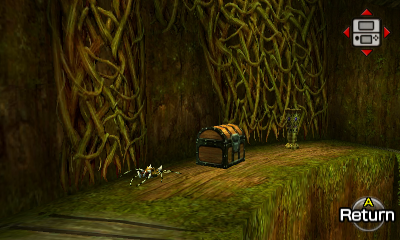
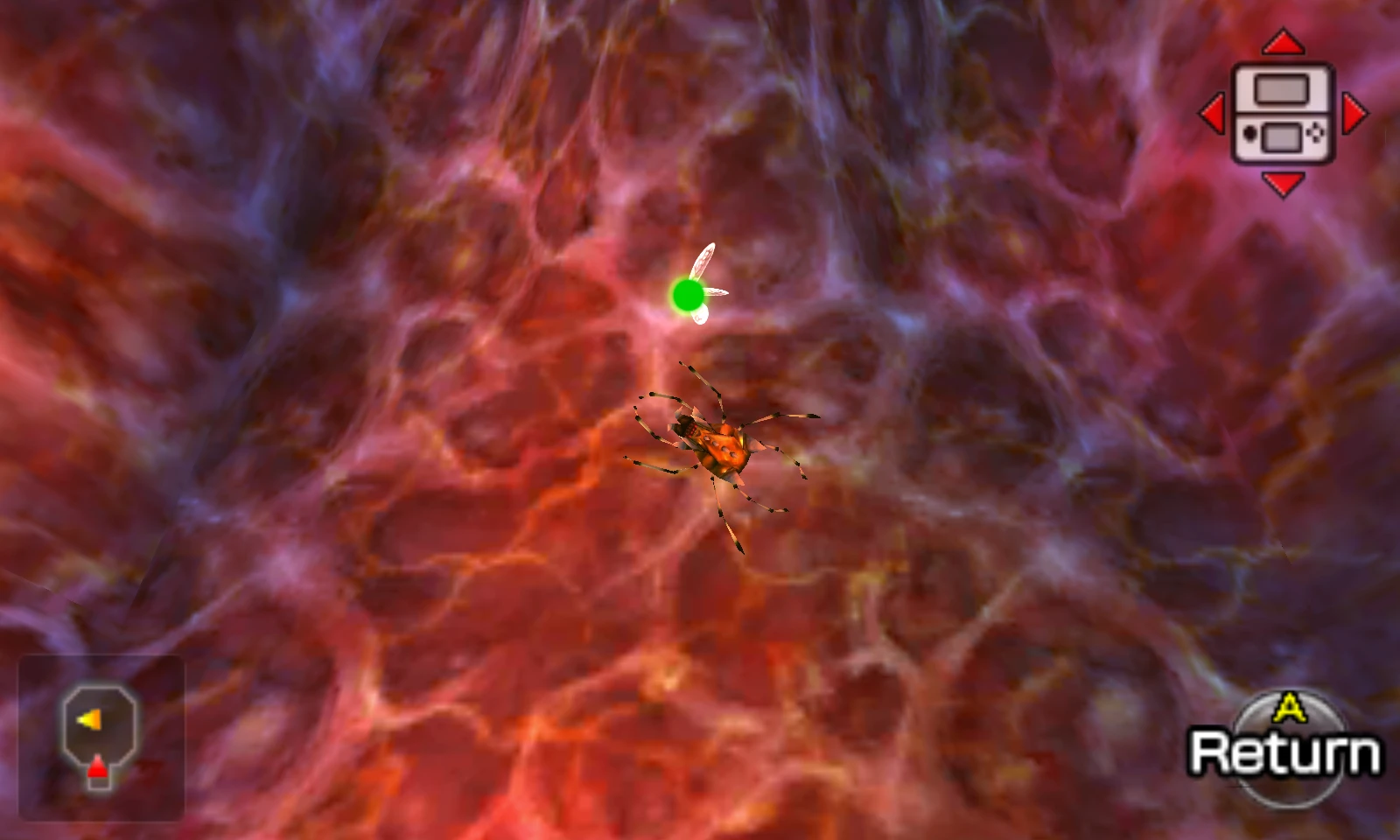
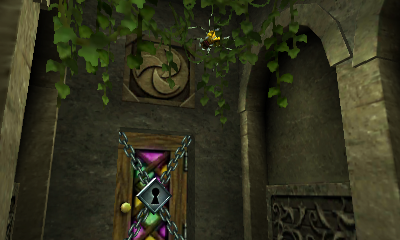
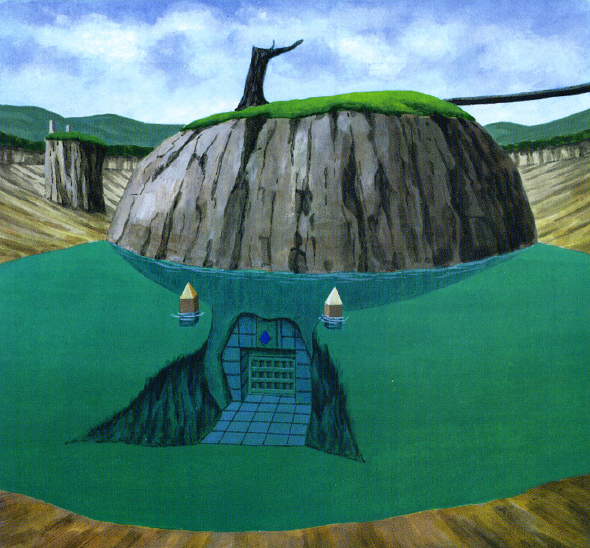
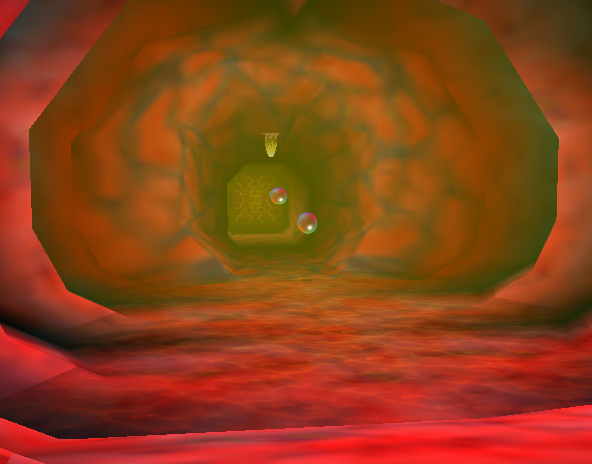
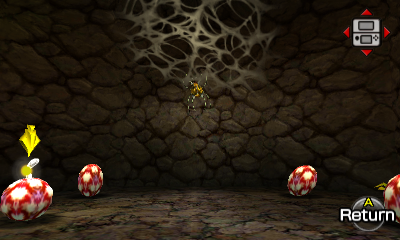
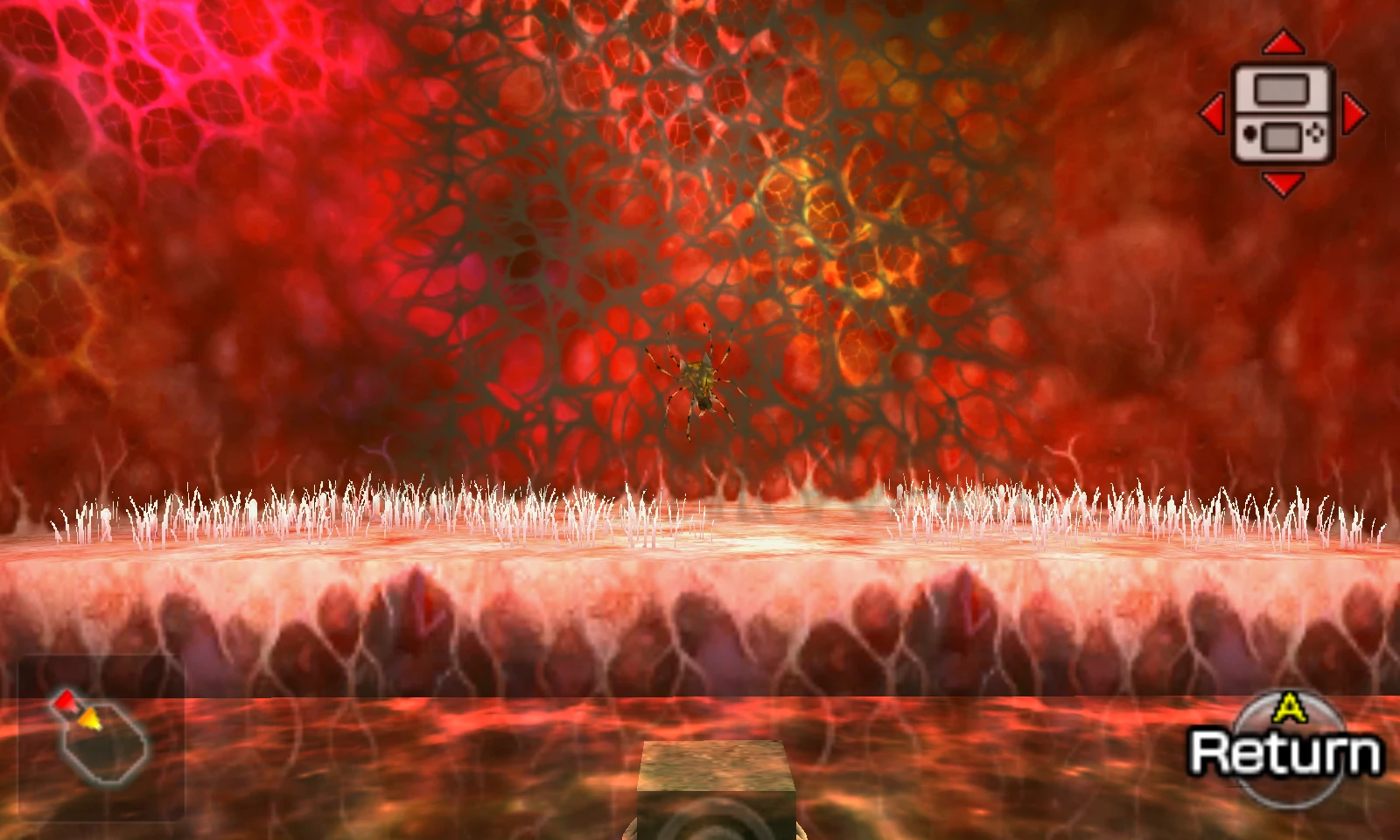
Inside the Deku Tree, where the changes begin.A cow switch inside Jabu-Jabu’s Belly.
The same disc carries the original Ocarina of Time, and both games run through an emulator at twice the Nintendo 64’s resolution. This page is about what is different. For the story in full, the characters and the making of the 1998 game, see the Ocarina of Time page.
Since then Master Quest has come back only once, inside Ocarina of Time 3D, where the whole world is flipped left to right and enemies hit twice as hard. The 2026 Nintendo Switch 2 remake left it out, so a GameCube disc or a 3DS card is still the only way in.
“…an updated version of the game never released outside of Japan.”
That is how Nintendo of America introduced Master Quest on 13 February 2003, when it confirmed the bonus disc: two full-length Nintendo 64 games and The Wind Waker for one price of $49.95, while supplies lasted. The line sold it short. Master Quest had not been released inside Japan either, until the Japanese version of this same disc appeared eleven weeks earlier. Marketing chief George Harrison had the better slogan: “This truly is Zelda cubed!”
— Official description: Nintendo of America press release, “Zelda Pre-Orders Look Strong”, 13 February 2003 (as carried by Nintendo World Report). Two short phrases quoted; the rest summarised by Zelda Temple.
Quick Answers
The questions people most often ask about Master Quest, answered quickly and explained further down the page.
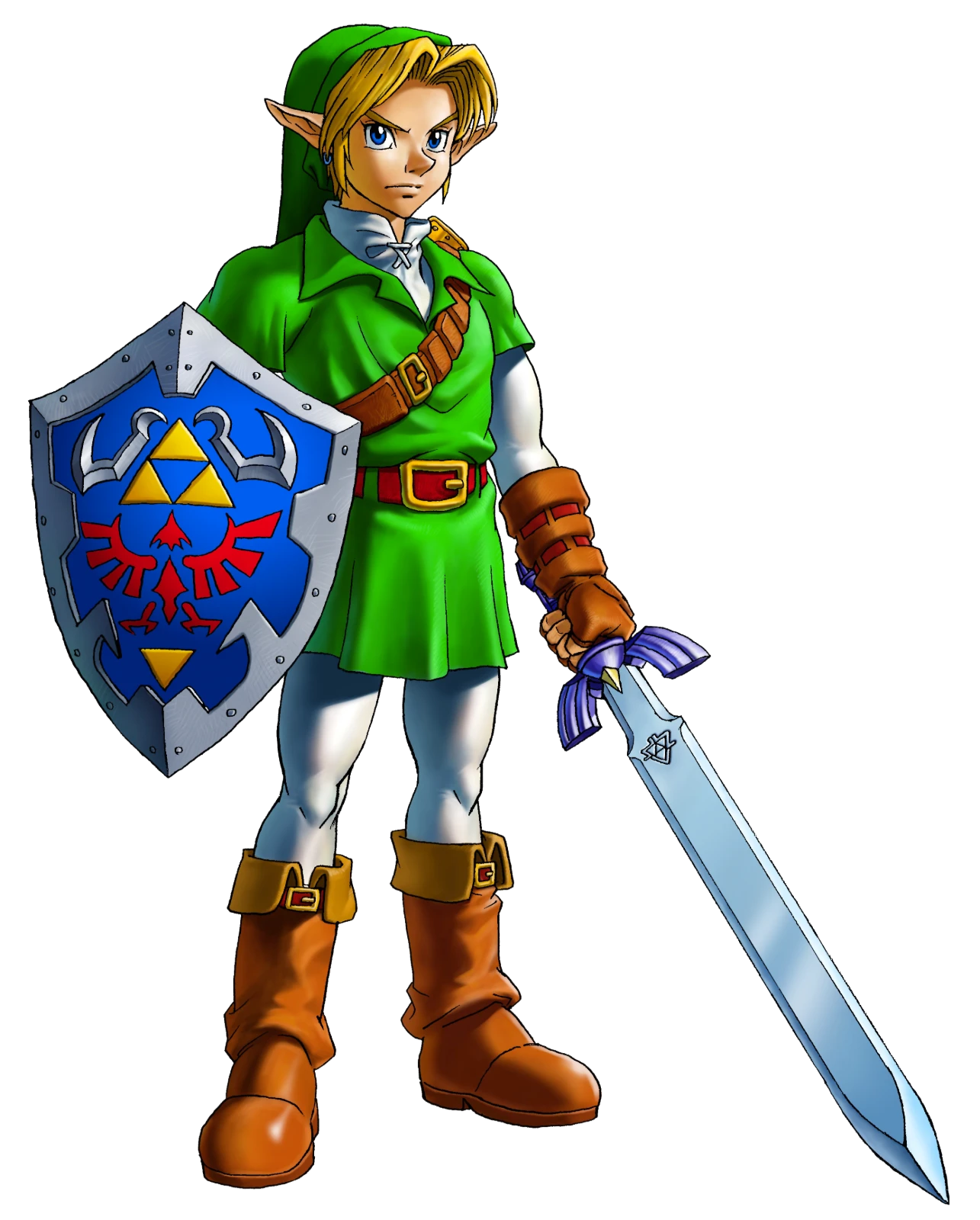
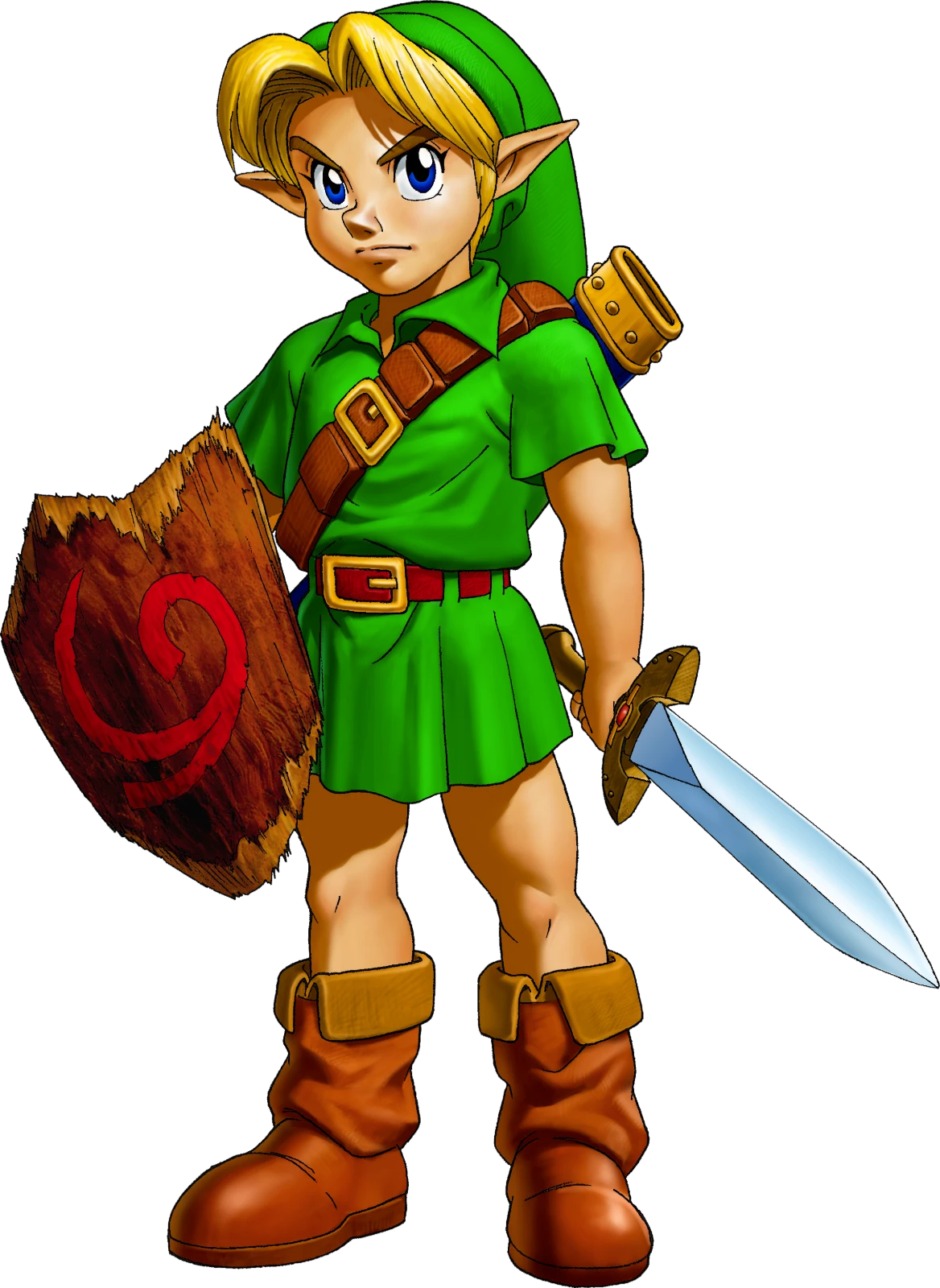
Official art of Link from Ocarina of Time.
What is Ocarina of Time Master Quest?
A second version of Ocarina of Time in which every dungeon has been redesigned to be harder. It was made for the Nintendo 64DD under the name Ura Zelda, shelved, and finally released on a GameCube bonus disc in 2002 and 2003. More →
Is it a different game from Ocarina of Time?
Only inside the dungeons. The story, the overworld, the characters, the side quests and everything you find outside the dungeons are the same. The dungeons keep their rooms but have new puzzles, enemies and item locations. More →
How did people get the GameCube disc?
It was never sold separately. Japan and North America gave it to people who pre-ordered The Wind Waker; Europe and Australia packed it in with early, limited-edition copies of the game. More →
Why are there cows in Jabu-Jabu’s Belly?
They are switches. Master Quest replaces the dungeon’s original switches with cow heads set into the walls, and hitting one opens a door. It is the best-known oddity in the game. More →
Is Master Quest much harder?
It is harder, with stronger enemies turning up earlier and puzzles that expect you to know the original. Reviewers at the time disagreed about how much. The 3DS version is the tough one: there, Link also takes double damage. More →
Is Master Quest in Ocarina of Time 3D or on Nintendo Switch?
It is in Ocarina of Time 3D, unlocked by finishing the main game. It is not part of the Nintendo 64 version on Nintendo Switch Online, and the 2026 Nintendo Switch 2 remake does not include it. More →
Can I still get it?
Only second-hand. The GameCube disc was a limited promotional item, and the 3DS eShop that sold the download version of Ocarina of Time 3D closed to purchases in March 2023. More →
What’s different from the original
Two different things changed between the Nintendo 64 cartridge and this disc, and it helps to keep them apart. The first is Master Quest itself, the redesigned dungeons. The second is the GameCube. Both games on the disc, the ordinary Ocarina of Time included, run through an emulator, which brings a sharper picture, recoloured button prompts and a handful of small edits.
The table gives the short version. In the rows about the picture, the buttons and the text, “this disc” means both games on it.
Feature
Ocarina of Time (Nintendo 64, 1998)
Master Quest disc (GameCube, 2002–03)
Dungeons
The original layouts
The same buildings with new routes, puzzles and solutions in every one
Story, overworld and side quests
As released in 1998
Unchanged, as is everything found outside the dungeons
Enemies
Introduced gradually
Rearranged, with tougher ones much earlier: Lizalfos inside Jabu-Jabu, an Iron Knuckle in the Fire Temple
Dungeon items
The familiar order
Often moved: the Fairy Slingshot and the Compass swap places in the Deku Tree, and the Megaton Hammer turns up far sooner
Small keys
Fire Temple 8, Water Temple 6, Spirit Temple 5
Fire Temple 5, Water Temple 2, Spirit Temple 7
Gold Skulltulas
The original hiding places
Moved around inside the dungeons
Jabu-Jabu’s switches
Fleshy switches hanging from the ceiling
Cow heads set into the walls
Picture
320×240
640×480, with progressive scan support
Button prompts
Blue A, green B, red Start; “Z-targeting”
Green A, red B, white Start, to match the GameCube pad; “L-targeting”
Rumble
Needs a Rumble Pak, and the Stone of Agony says so
Built into the controller, and the text is updated to match
Gerudo symbol
A crescent moon and star
The later Gerudo emblem, on the Mirror Shield, blocks and switches
End credits
Played live by the game
A pre-recorded video, ending on a black-and-white “The End”
Extras
None
Promotional videos for other games, different in each region
How you got it
Bought in a shop
A pre-order gift or a pack-in; never sold separately
Same Hyrule, new dungeons
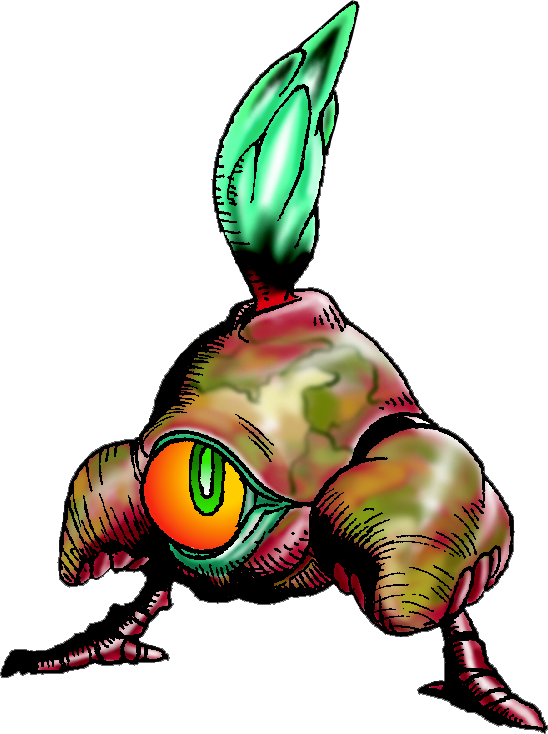
Official art of a Gohma Larva. They now swarm the Deku Tree.
Master Quest never touches the map. Kokiri Forest, Hyrule Field, Lake Hylia and the rest are where you left them, the people in them say the same things, and the story plays out scene for scene. The changes start the moment you walk through a dungeon door. The architecture is mostly as it was, but what is in each room, and what you are meant to do there, has been rethought, and some items you could ignore in the original are now needed to get through.
Inside the Deku Tree sets the tone. Gohma Larvae turn up all over the dungeon, along with Keese and Big Deku Babas. The Fairy Slingshot and the Compass have swapped chests. A Business Scrub will sell you a Deku Shield, and the Deku Scrub who used to give away the order for beating the three scrubs at the boss door has been replaced by a Mad Scrub who tells you nothing. RPGamer’s reviewer found this first dungeon much harder than its original, which is quite a welcome for a player with three hearts.
The cows of Jabu-Jabu, and other surprises
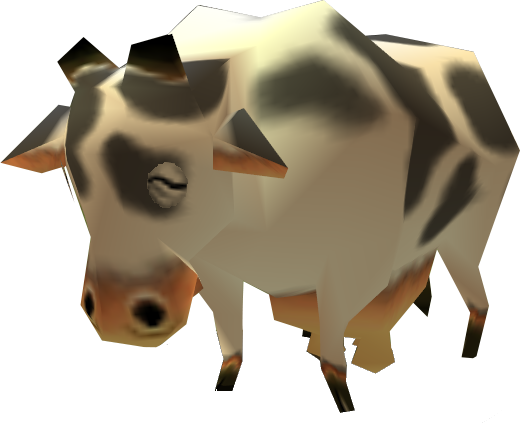
An Ocarina of Time cow. In Master Quest their heads are Jabu-Jabu’s switches.
The image everyone remembers is in the third dungeon. Inside Jabu-Jabu’s Belly, the switches that used to dangle from the ceiling are gone, and in their place are the heads of cows, poking out of the walls of a giant fish’s stomach. Hit one and a door opens. RPGamer counted a “disturbing amount of cows inside Jabu-Jabu”. Around them the dungeon has been rebuilt: Lizalfos and Like Likes move in, there are more Parasitic Tentacles, one room hides invisible Keese, and the Business Scrubs have left. The Dungeon Map, the Compass and the Boomerang all arrive much earlier, Bombchus become a puzzle tool, and Princess Ruto, whom Link lugs around the original dungeon, now only needs to press a single switch.
The adult dungeons are reworked just as freely. The Fire Temple asks for Din’s Fire in its opening rooms, hands over the Megaton Hammer and the Big Key far sooner, trims its small keys from eight to five and puts an Iron Knuckle in your way. The Water Temple drops from six small keys to two, clears out its boulders and most of its enemies, then adds nine Stalfos and a room of Dodongos, and gives you the Longshot early. The Spirit Temple goes the other way, from five keys to seven, sends you back through its first half as an adult to make a chest appear that only a child can reach, and brings in Wallmasters, Dinolfos, Gibdos and a Club Moblin.
Whether all this makes it a “master” quest was argued about from the start. The bosses are untouched, and RPGamer thought that after the first dungeon the difficulty rose only mildly. What Master Quest reliably does is wrong-foot anyone who knows the original by heart, which was always the point.
Ocarina on a GameCube
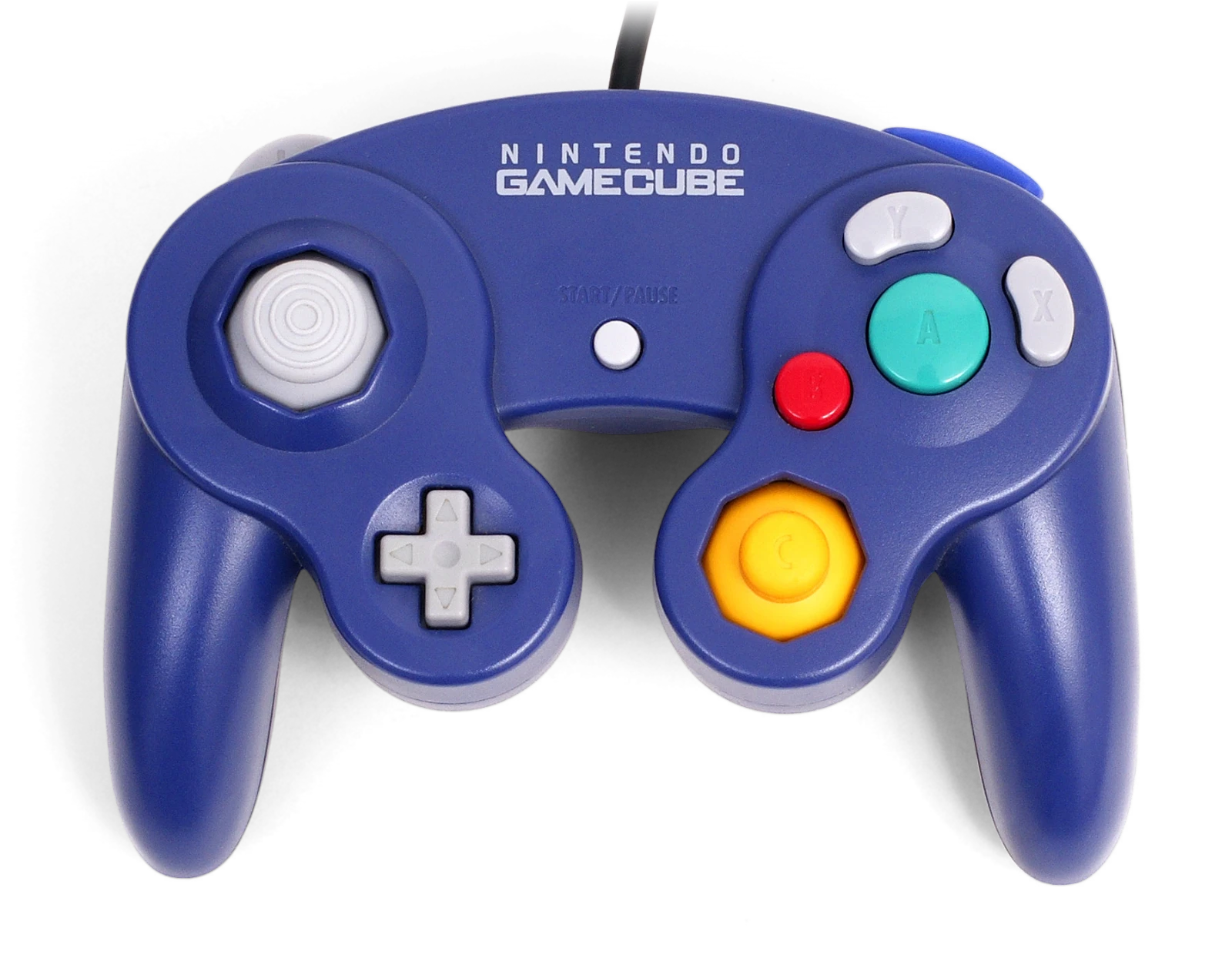
The GameCube controller, which the recoloured prompts were made to match.
Neither game on the disc was rebuilt for the GameCube. Both are the Nintendo 64 code running in an emulator, which draws the picture at 640×480 instead of 320×240 and can output progressive scan. Japan’s GAME Watch, trying the disc on the day it was handed out, found it almost identical to the cartridge, noticed that textures looked a generation old, and timed more than ten seconds of loading before the game started.
The visible edits are small and practical. The button icons were recoloured for the GameCube controller, so the A prompt is green, B is red and Start is white, and the script was adjusted to match: “Z-targeting” became “L-targeting”, and the Stone of Agony no longer asks for a Rumble Pak. According to The Cutting Room Floor, the GameCube builds also take in the bug fixes of the last European cartridge revision, and swap the crescent moon and star on the Mirror Shield and elsewhere for the later Gerudo emblem.
The controls were the weak spot. The Nintendo 64’s C buttons moved to the C-stick, which RPGamer found unreliable for playing ocarina songs, and the item on C-down could also be fired from the small Z button. IGN’s Peer Schneider, as summarised by Wikipedia, liked the sharper graphics but found that the frame rate had not improved and that the controls felt clumsy. Gaming Age disagreed and thought the pad more responsive than the original.
Four regions, four ways to get it
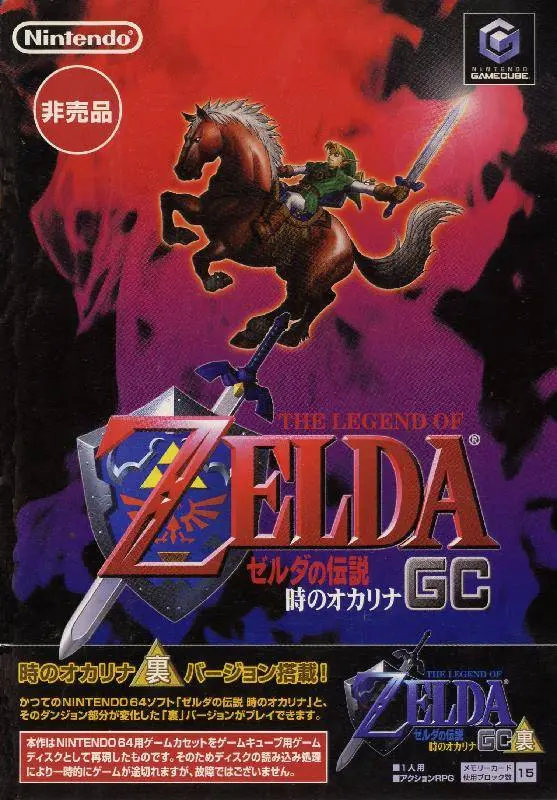
Front cover of the Japanese disc, Toki no Okarina GC.
Japan came first. The disc was called Zelda no Densetsu: Toki no Okarina GC, with a label promising that the “ura version” was on board, and it came as a booklet with the small GameCube disc in a paper sleeve inside the back cover. Nintendo first announced it as a limited gift, then on 22 November 2002 promised one to everybody who pre-ordered. Pre-orders opened on 28 November, and GAME Watch found queues of more than a hundred people at Yodobashi Camera in Shinjuku and at Laox Asobit City in Akihabara. Yodobashi asked for payment in full; Laox and Sofmap took a ¥2,000 deposit and handed the disc over at the counter. Pressing Z on the game select screen played eleven promotional videos, among them Capcom’s biohazard 4 and Killer7.
North America followed after fans noticed. Nintendo of America confirmed the disc on 13 February 2003, by which time more than 250,000 people had already reserved The Wind Waker, and began its official pre-sell on 16 February with the game renamed Master Quest. “We were surprised consumers tracked the program in Japan and were begging us to do it here,” said sales chief Peter MacDougall. The American disc had its own manual, a preview booklet for The Wind Waker and seven videos. It went quickly: by 24 February Nintendo had taken the offer off Zelda.com, saying the disc might no longer be available in some areas, and by 12 March more than 560,000 people had reserved the game. Wikipedia records that some customers placed a pre-order, collected the disc and then cancelled.
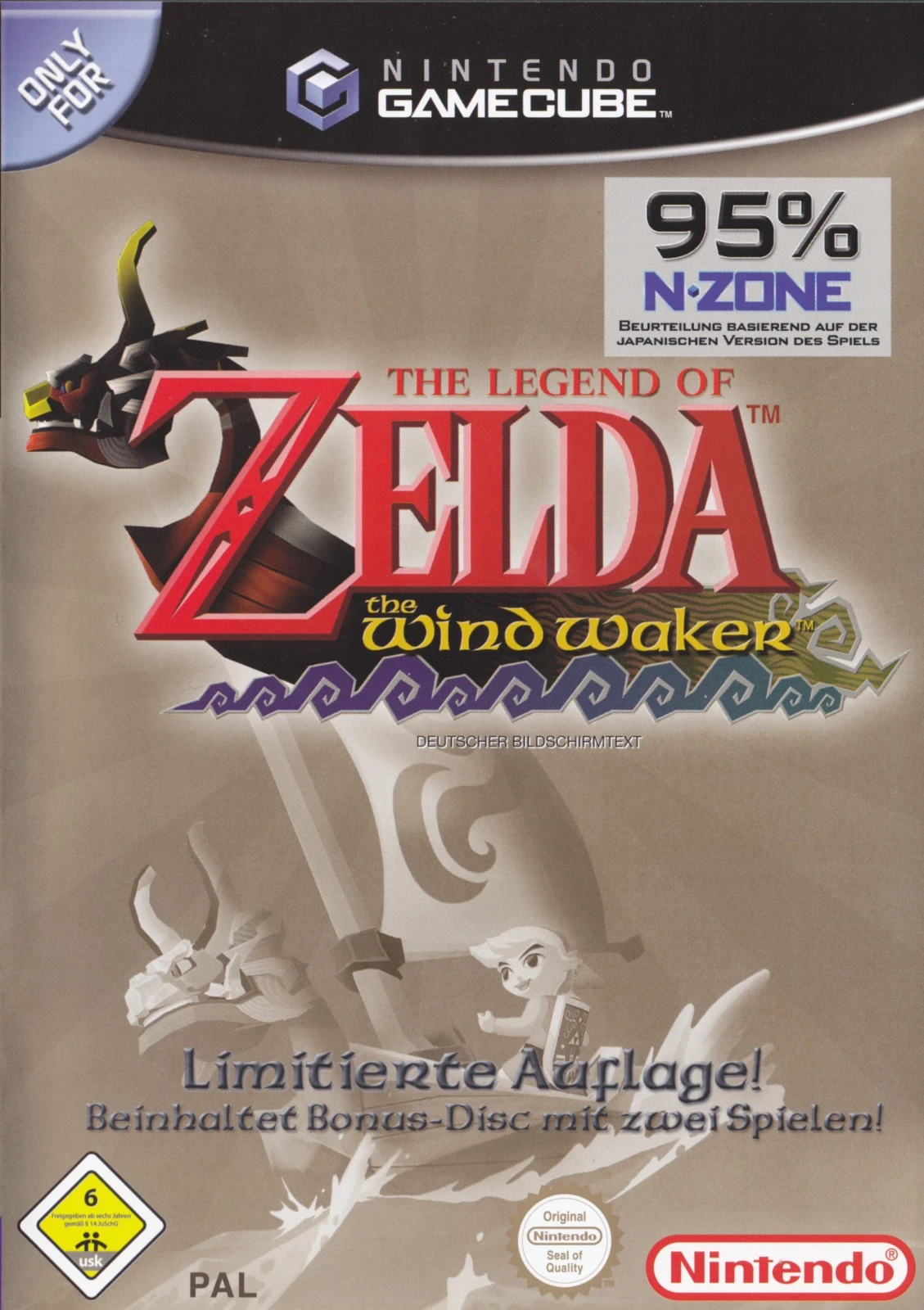
Europe skipped the pre-order scheme. On 18 February 2003 Nintendo of Europe announced a limited-edition double-disc set that would go on sale with The Wind Waker at the start of May for around €60, while stocks lasted. Its disc carries footage of six other games, from F-Zero to Super Monkey Ball 2. The Cutting Room Floor notes that the European build runs at 60Hz, has no language menu of its own (it follows the console’s setting) and opens the pause menu on the item screen, as the European cartridge did.
Australia was confirmed last, on 13 March 2003, when Nintendo Australia said a limited-edition bonus disc would come with The Wind Waker at its launch in early May. A local retailer was told it would begin as a pack-in, like any other two-disc game, with no firm end date.
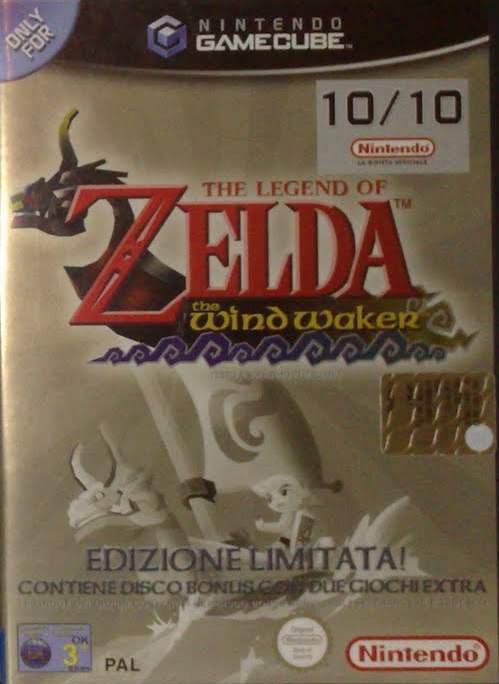
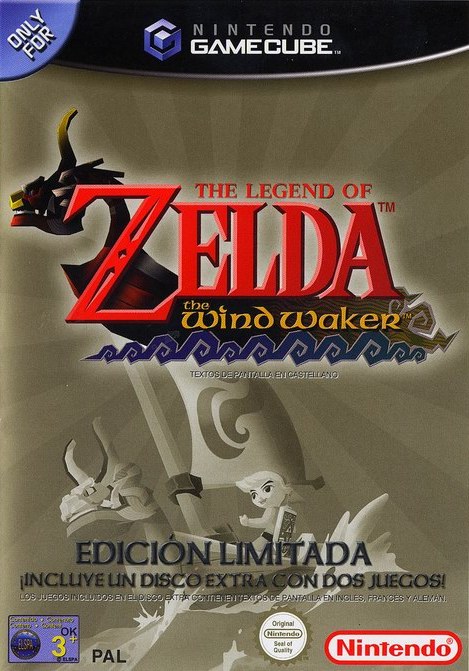
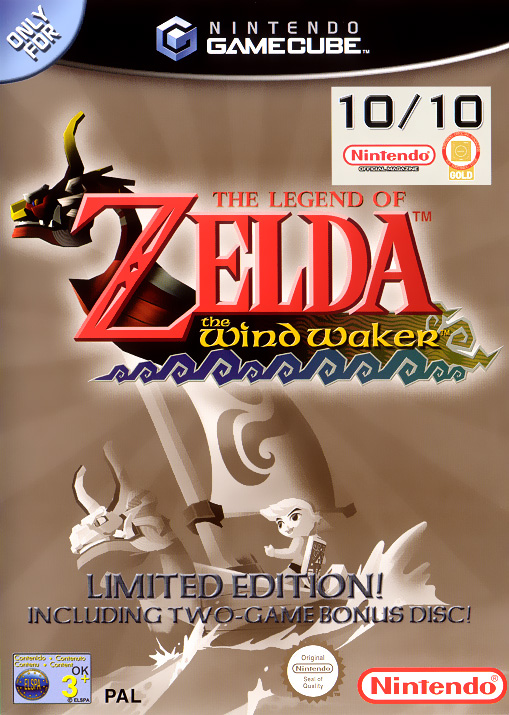
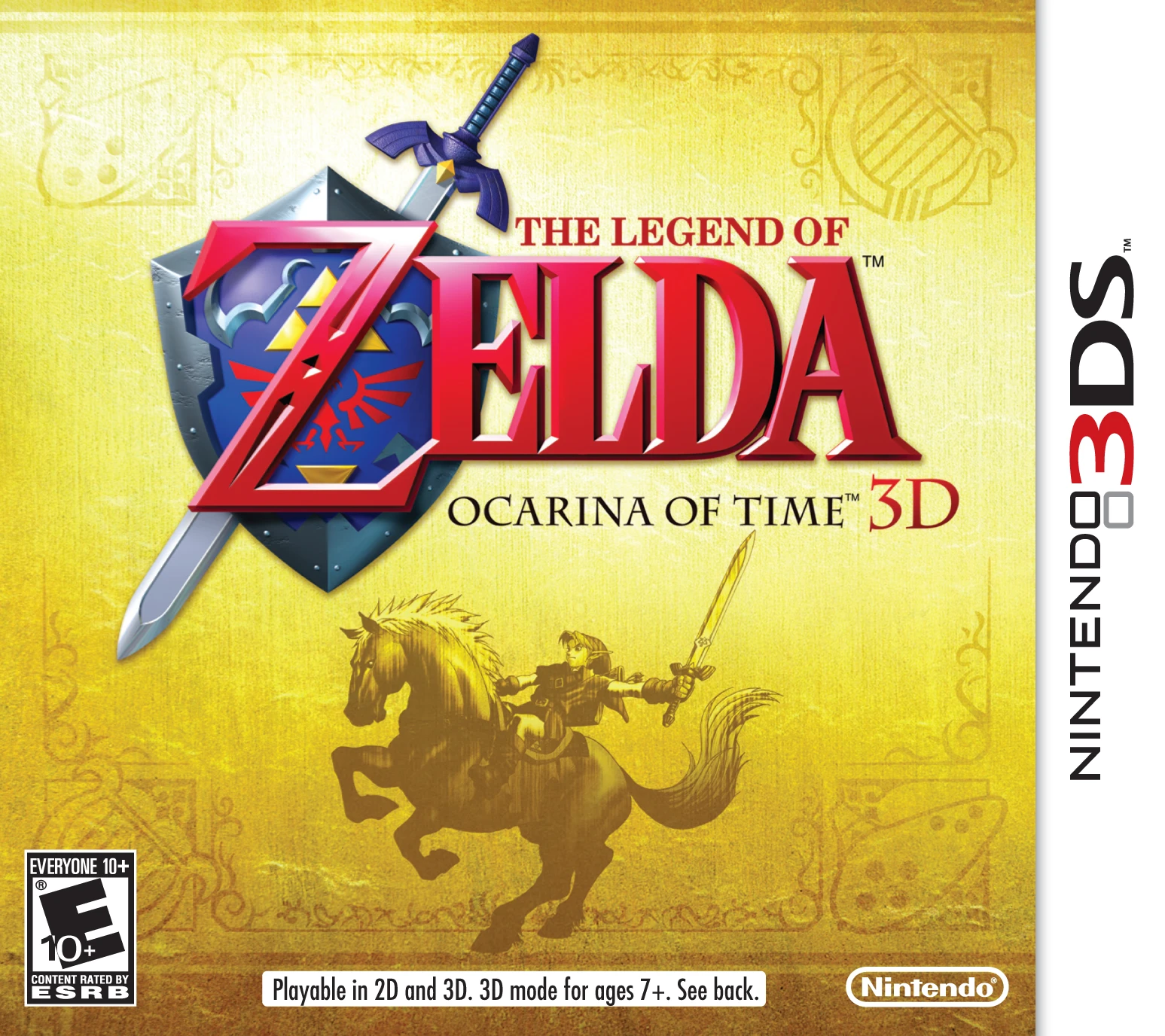
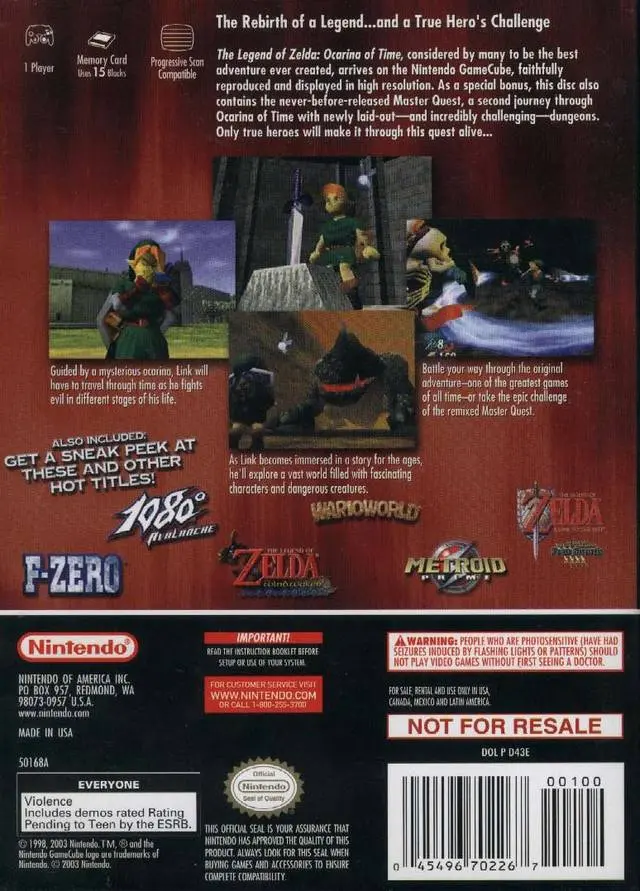
The North American bonus disc.Europe’s limited-edition Wind Waker with the second disc.
Through the looking glass on Nintendo 3DS
Master Quest’s Forest Temple on Nintendo 3DS, where the whole world is mirrored.
Master Quest returned in June 2011 inside Ocarina of Time 3D, Grezzo’s remake for Nintendo 3DS. Finish the main game once and the start-up screen offers a choice between the Main Quest and Master Quest. The dungeons are the GameCube ones, but two things were added. The entire world is mirrored, overworld and dungeons alike, so Kakariko Village sits on the other side of Hyrule Castle and Link holds his sword in his right hand. And every enemy and boss does twice the damage, in the adventure and in Master Quest’s own Boss Challenge.
Eiji Aonuma explained both decisions in Nintendo’s Iwata Asks interview. The mirror image is there to trip up players who stride in thinking they know the way, and the damage was doubled because he did not think Master Quest would be enough of a challenge otherwise. Nagako Ikuta, who played it during development, lost more than ten times in the Great Deku Tree alone. “In the Master Quest, one mistake is too many!” she said. Aonuma’s view: “Being able to brag is important.”
Plot / Story
Official art of young Link: the story is the one from 1998.
Master Quest does not change a line of the story. Link is still the boy without a fairy, growing up among the Kokiri until the Great Deku Tree sends Navi to wake him. He still meets Princess Zelda in the castle garden, gathers the three Spiritual Stones, opens the Door of Time and draws the Master Sword, only to sleep for seven years while Ganondorf takes the Triforce and Hyrule with it.
As an adult he still wakes the sages in the temples of forest, fire, water, shadow and spirit, learns who the mysterious Sheik really is, and climbs Ganon’s Castle for the final battle. The only difference is that every one of those dungeons now fights back in a new way.
Master Quest was finished years before anyone could play it. The full history of Ura Zelda and the 64DD is told on our Ocarina of Time page; this is the part that leads to the disc.
Ura Zelda, the other side of Ocarina
Ocarina of Time was planned for the 64DD, a disk drive that sat underneath the Nintendo 64, before it moved to a cartridge. Nintendo kept the drive in mind afterwards and planned an expansion disk that would plug into the finished game. Its name was Ura Zelda. 裏 (ura) means the reverse or hidden side of something, like the other face of a coin.
The plan was to keep Ocarina’s engine and its plot and to change the dungeons. Shigeru Miyamoto described it at the time as “very much a parody game based on Ocarina of Time”, and in August 1999 he confirmed that it was a separate project from Zelda Gaiden, the game that became Majora’s Mask.
The job Aonuma did not want
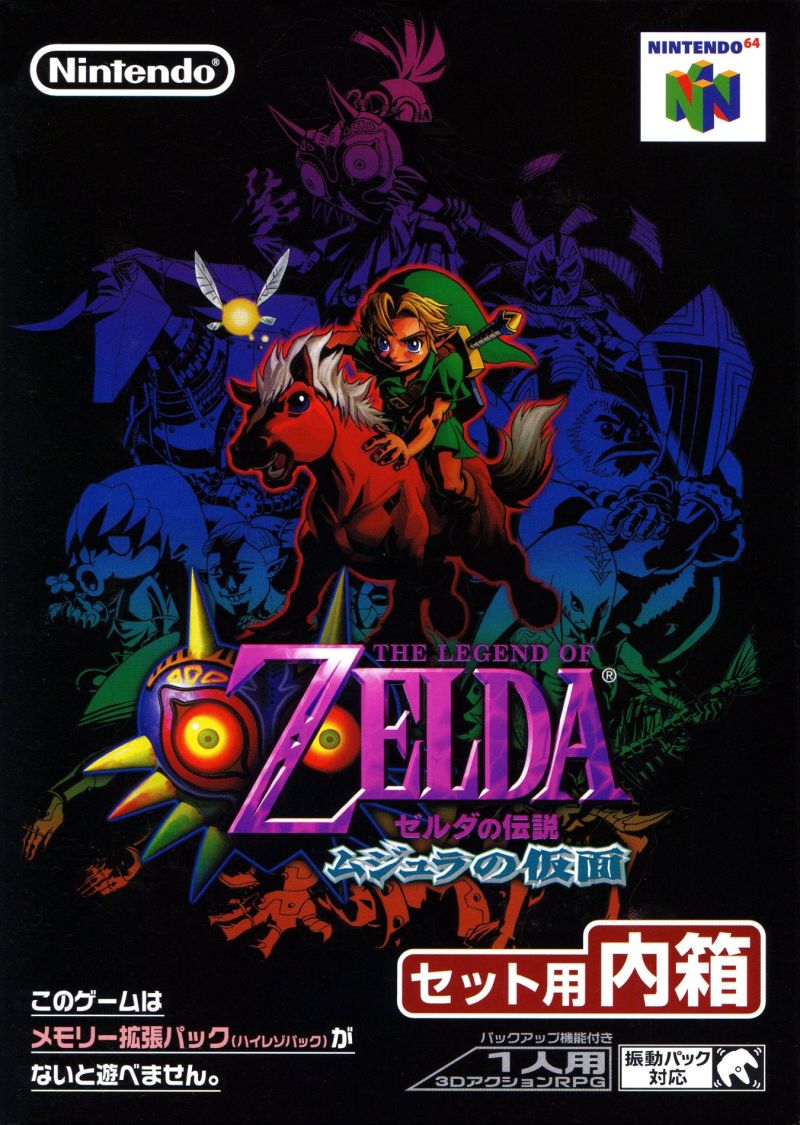
The Japanese box of Majora’s Mask, the game Eiji Aonuma made instead.
Eiji Aonuma, one of Ocarina of Time’s directors, was asked to rearrange its dungeons and did not like the idea of going back over work he considered finished. He began sketching new dungeons instead and asked Miyamoto whether he could make a new game. Miyamoto said yes, as long as it was done within a year. That game was Majora’s Mask.
Other staff completed the remixed dungeons. None of the sources we have read names them.
Finished, with nowhere to go
The 64DD reached shops only in Japan and sold badly, and most of the software planned for it never appeared. Ura Zelda was one of the casualties. In August 2000 Miyamoto told a press forum in Tokyo that it had been finished for some time, and Nintendo is reported to have considered other ways of getting it out, including through magazines. With so few drives in homes and Nintendo 64 cartridges expensive to make, none of them came to anything.
A home on GameCube
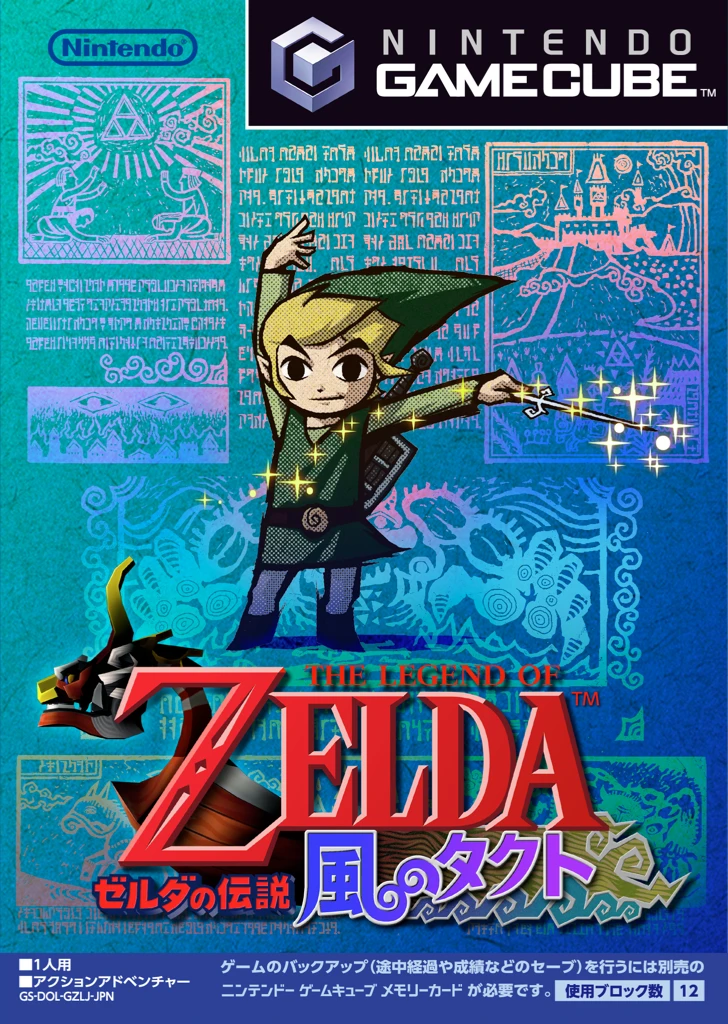
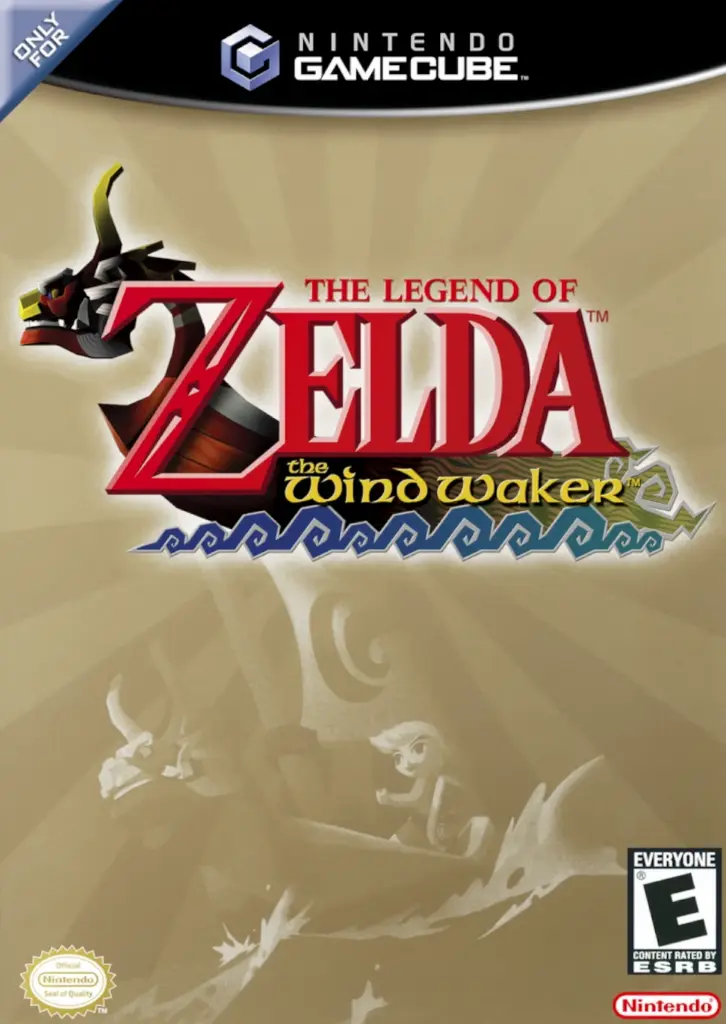
The Japanese box of Kaze no Takuto (The Wind Waker), the game the disc was made to promote.
The GameCube finally gave it a way out. Talking to IGN in December 2002, Miyamoto and Aonuma said the 64DD version had used few of the drive’s special features, so moving it to GameCube was simple, and that they wanted it in the hands of many players, not kept as a rarity. GAME Watch reported Nintendo’s other reason: The Wind Waker follows on from the story of Ocarina of Time, so the disc let newcomers catch up.
The dates stamped inside the games show how quickly it came together. The Japanese Ocarina of Time was built late on 29 October 2002 and its Master Quest about 25 minutes later, just after midnight. The American pair followed on 19 December 2002 and the European pair on 21 February 2003.
Is the result everything Ura Zelda was meant to be? Nobody outside Nintendo knows. Miyamoto had once talked of new maps and scenarios, and The Cutting Room Floor notes that some fans felt the released game amounted to a new logo and rearranged dungeon contents. Source Gaming, which traced the history in 2017, thought it very likely that Master Quest was built at least partly on Ura Zelda’s files and left the rest an open question.
Glitches & oddities
An emulated game with rearranged dungeons was always going to have loose ends. Most of these were catalogued by The Cutting Room Floor.
The Water Temple’s spare key
Official art of the Water Temple. Master Quest’s version has only two small keys, and one of them is not needed.
In the GameCube version, a locked door in the room with the large whirlpool shares its memory flag with the dragon statues you raise before meeting Dark Link. Raising the statues therefore unlocks the door, and the key meant for it is left over. Ocarina of Time 3D fixed the mistake.
The cow nobody was meant to see
Inside Jabu-Jabu’s Belly in the original Ocarina of Time.
Jabu-Jabu’s cows are not all in the walls. In the room after the sub-boss and the lift, the game loads four stone Hookshot targets, two small boxes and one more cow outside the playable area, where they can never be reached. Two stray bushes sit outside the map of the Deku Tree in the same way.
A filmed ending
The celebration in Ocarina of Time’s end credits.
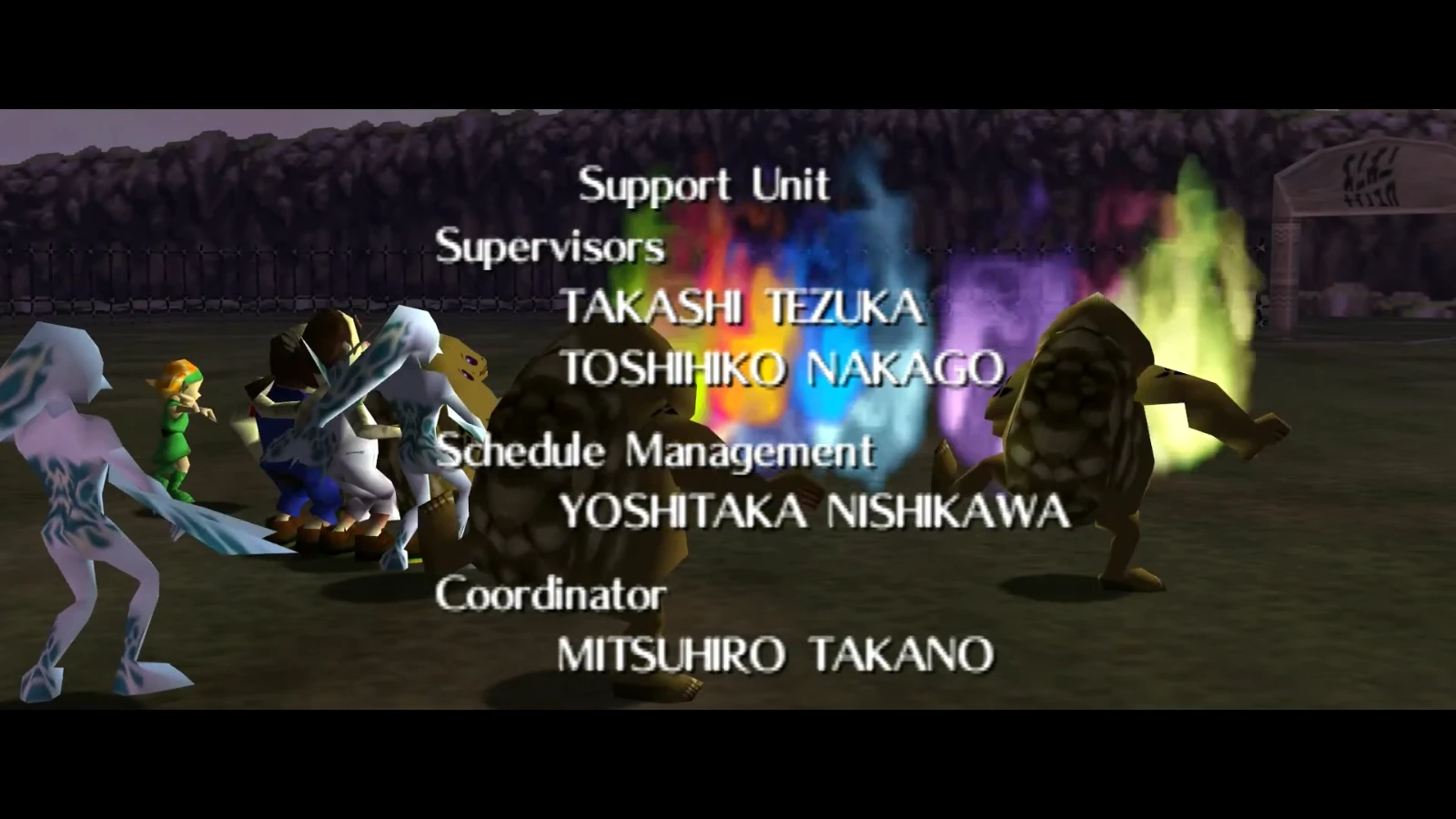
On Nintendo 64 the end credits are acted out by the game as you watch. On this disc they are a recorded video, so the small details that depended on your own save file are gone, such as the Running Man’s Bunny Hood. The final “The End” screen is black and white where the cartridge’s was sepia. The live version is still in the code and can be reached with glitches.
Emulation quirks
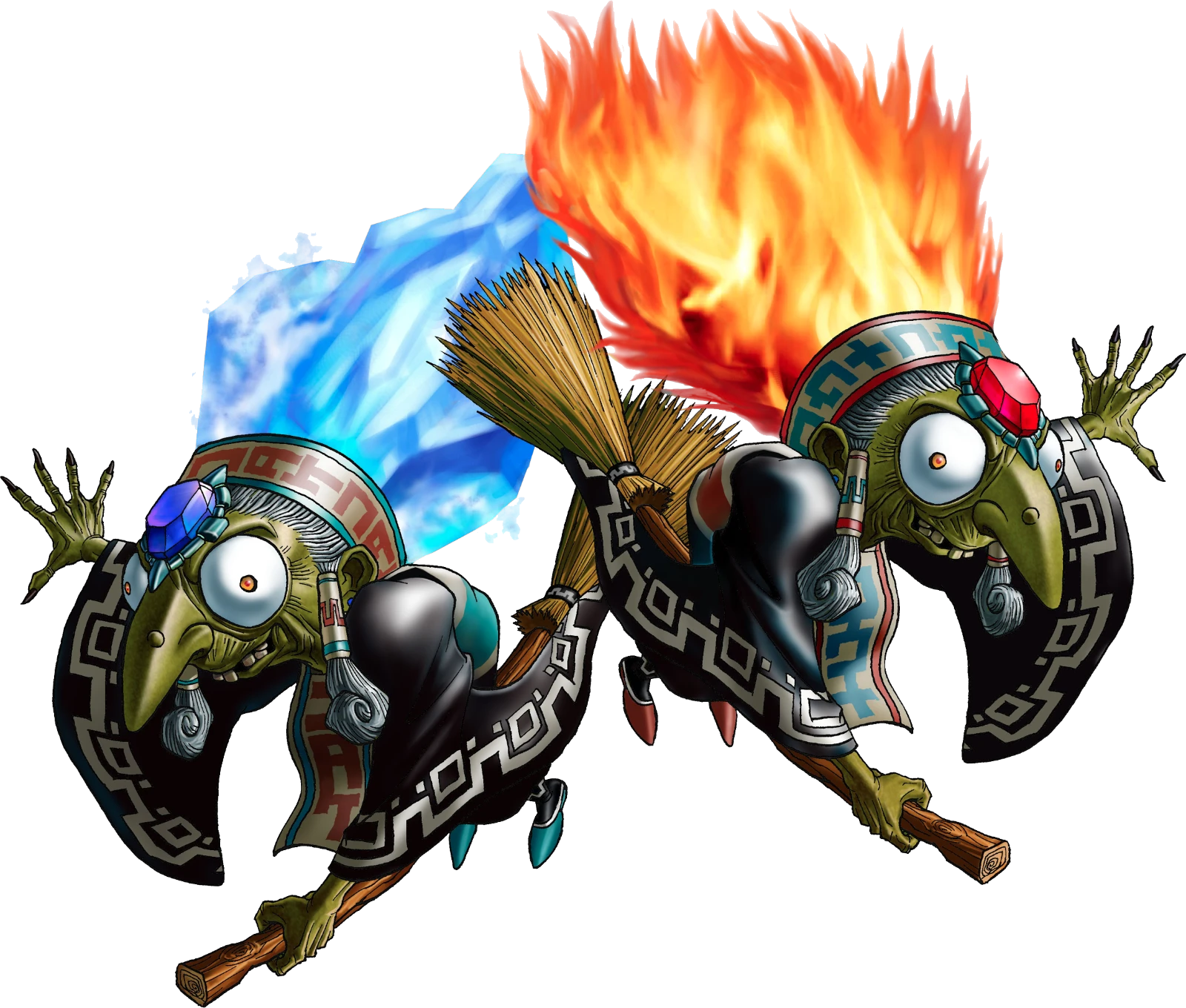
Official art of Twinrova, whose magic looks plainer on this disc.
The emulator holds a steadier frame rate than the console did, which throws the music out of step in a few cutscenes. Some effects are plainer, Twinrova’s magic among them, and a few crashes known from the cartridge cannot happen because the emulator ignores the faulty instructions that caused them.
Traces of the disk drive
Ocarina of Time itself still contains what Ura Zelda would have needed: error messages about inserting the wrong disk, and a “Disk” tag for save files that can be switched on by altering the game’s memory.
Videos & media
We could not find an official trailer for the GameCube disc, so here are the two that Nintendo of America made for the game’s return on Nintendo 3DS: the Master Quest trailer and the main trailer for Ocarina of Time 3D.
Nintendo of America’s trailer for the mirrored Master Quest in Ocarina of Time 3D.
Nintendo of America’s trailer for Ocarina of Time 3D, the only other release to include Master Quest.
Trivia & facts
The Japanese Ura logo.In Japan the disc is not called Master Quest. It is Toki no Okarina GC, and its label says 裏バージョン搭載: “ura version included”.
Nintendo of America’s own press release described Master Quest as never released outside Japan. It had never been released anywhere: the Japanese disc was its world premiere.
Princess Ruto.Princess Ruto gets off lightly. In the original Jabu-Jabu’s Belly Link has to carry her from room to room; in Master Quest she is needed for one switch.
The Japanese disc hides eleven promotional videos behind the Z button on its game select screen, including two Game Boy Advance titles and Capcom’s biohazard 4 and Killer7. The American disc has seven videos, among them The Wind Waker, F-Zero, Wario World and Metroid Prime.
A Gold Skulltula.Master Quest’s Spirit Temple has an optional room guarded by a Club Moblin that opens only if you play five songs, every non-warp song except Saria’s. Inside is a room full of Skulltulas, one of them gold.
According to GAME Watch, the Japanese title logo turns blue for the ura version, the one obvious sign at the start that you have picked the other game.
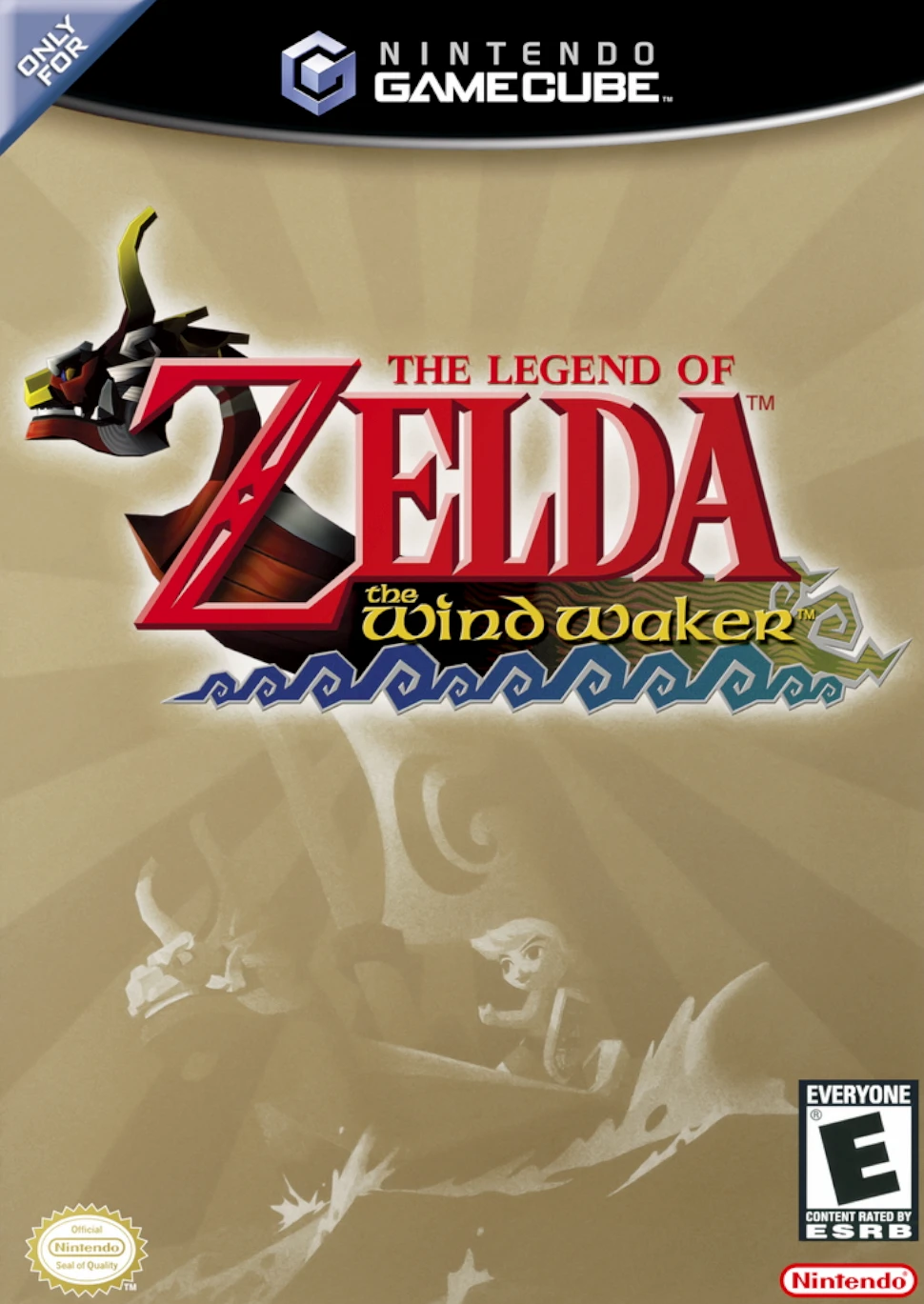
The North American box of The Wind Waker.More than 250,000 Americans had reserved The Wind Waker before Nintendo’s pre-sell officially began, and Nintendo took the bonus disc off Zelda.com eight days after it started.
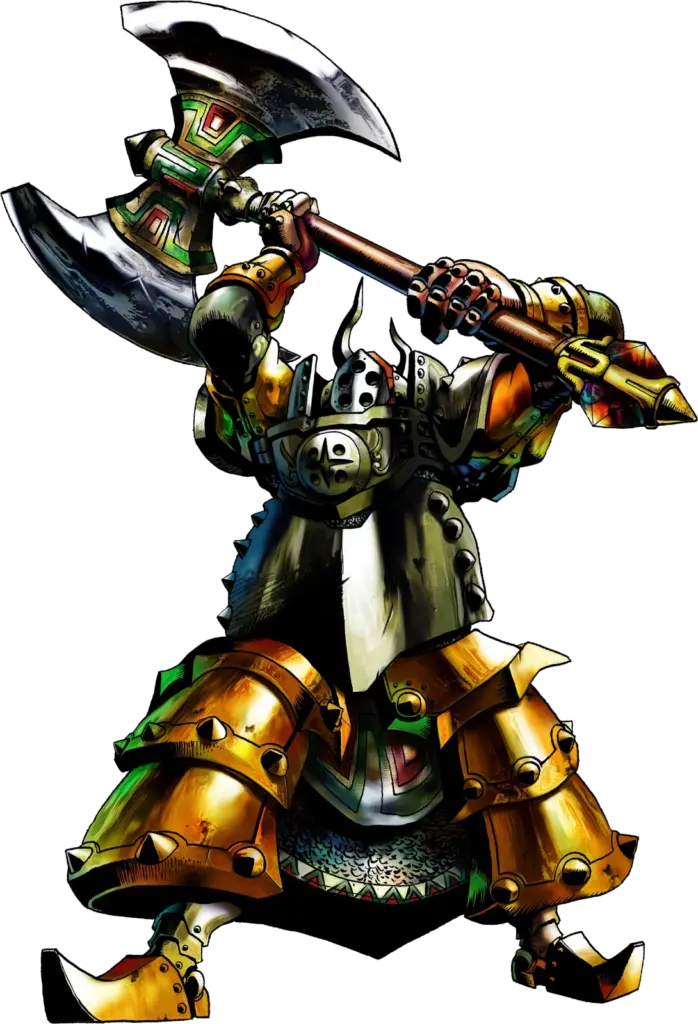
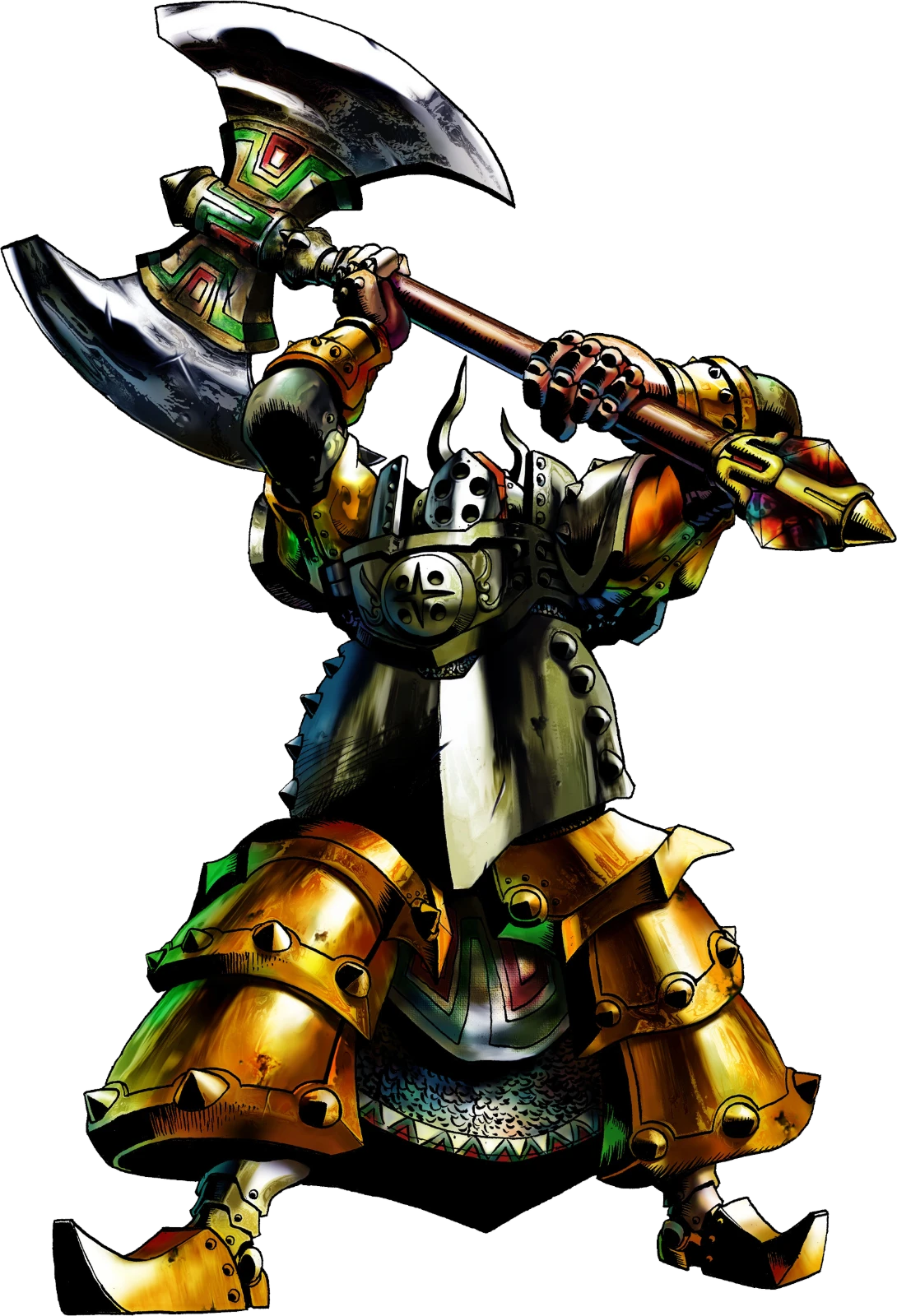
An Iron Knuckle.Master Quest’s Fire Temple has an Iron Knuckle in it, the axe-swinging knight that the original game uses as the Spirit Temple’s mini-boss.
The second quest of the first Legend of Zelda.IGN’s Peer Schneider compared Master Quest to the second quest of the first Legend of Zelda, and said he would have recommended the disc even at full price.
During work on the 3DS version, Nagako Ikuta phoned a colleague to say she could not clear the first dungeon. She had lost more than ten times inside the Great Deku Tree.
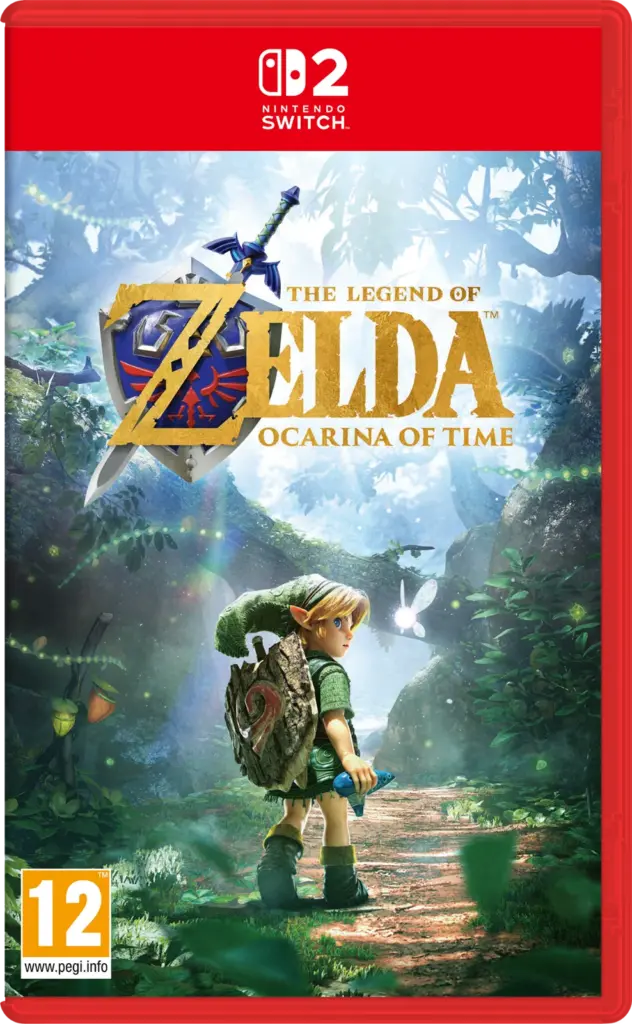
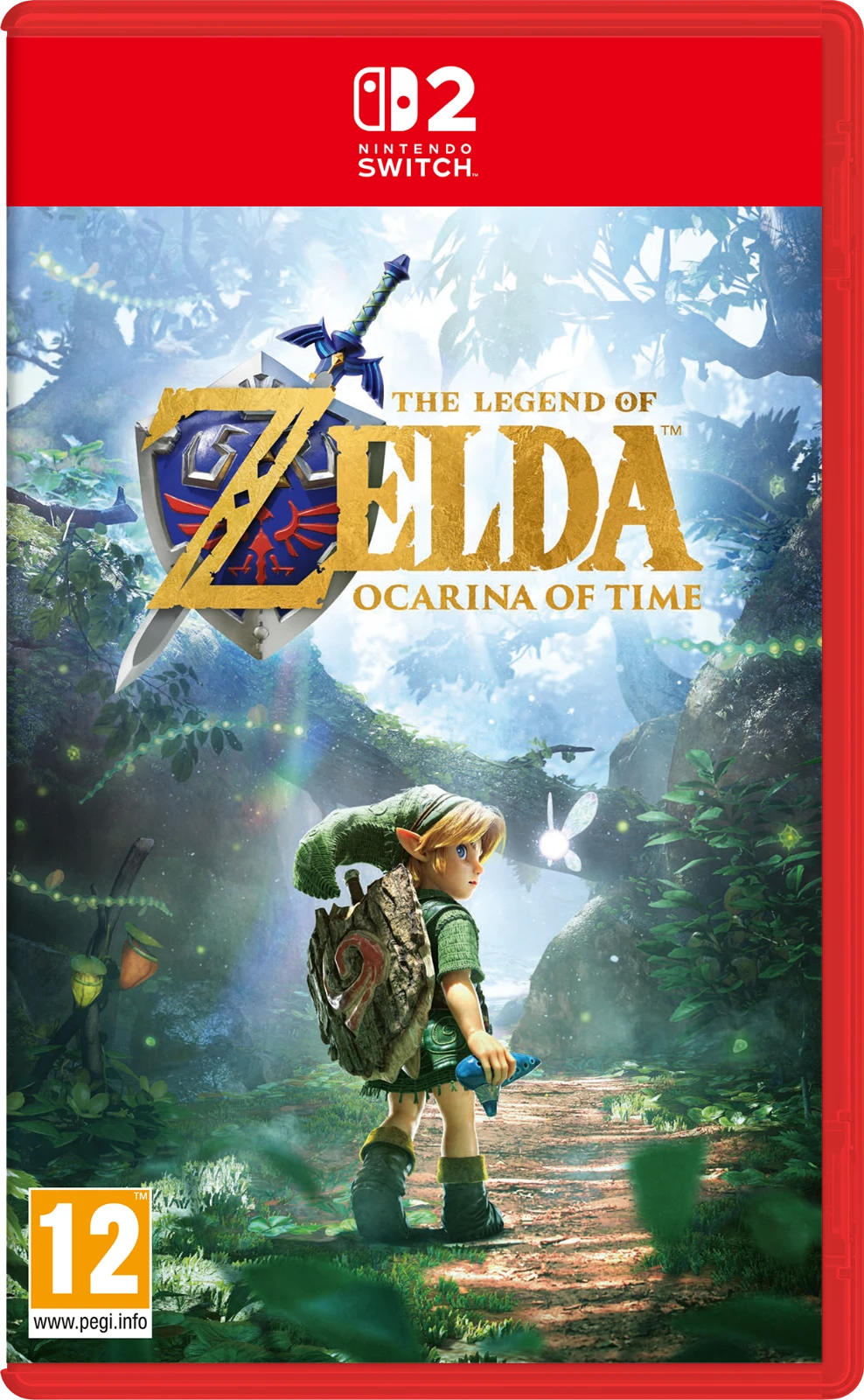
The European box of the 2026 Nintendo Switch 2 remake.The 2026 Nintendo Switch 2 remake of Ocarina of Time has no Master Quest. Nintendo Life’s review called that “a real bummer”.
Media & artwork
Disc and case scans from each region, logos, and screenshots of the redesigned dungeons. Select any image to view it larger.
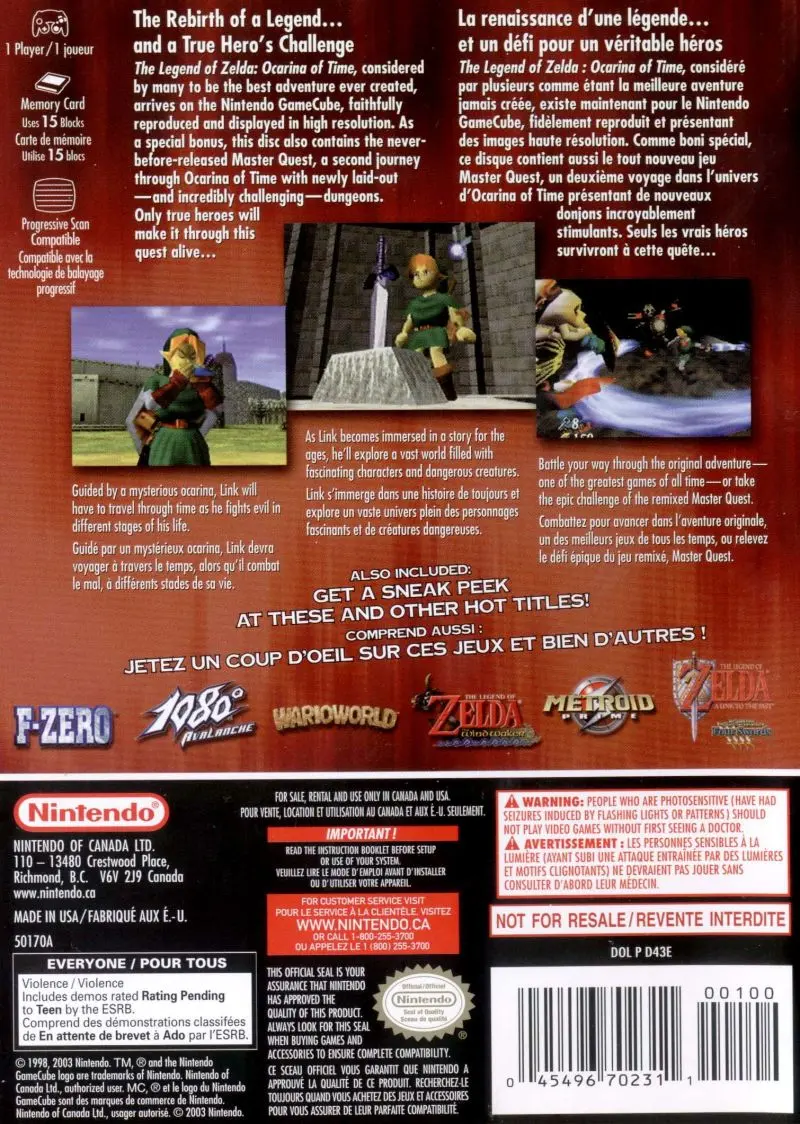
Spine of the North American bonus disc caseBack of the Canadian bonus disc caseThe Canadian bonus discItalian limited-edition Wind Waker with the Master Quest discSpanish limited-edition Wind Waker with the Master Quest discEuropean limited-edition box of The Wind WakerMaster Quest’s Deku Tree in Ocarina of Time 3DMaster Quest’s Jabu-Jabu’s Belly in Ocarina of Time 3D
Master Quest has had one re-release in more than twenty years, and it remains the rarest way to play the most famous Zelda of all.
Release history
Ura ZeldaAugust 2000 – Miyamoto says the 64DD expansion has been finished for some time. It is never released for the drive.
Japan28 November 2002 – Toki no Okarina GC is handed to everyone who pre-orders Kaze no Takuto.
North America13–16 February 2003 – Nintendo of America confirms the disc as Master Quest and starts its official pre-sell.
Europe announced18 February 2003 – Nintendo of Europe promises a limited-edition double-disc set instead of a pre-order scheme.
Australia announced13 March 2003 – Nintendo Australia confirms the disc for the local launch.
Europe and AustraliaMay 2003 – The disc ships in the box with early copies of The Wind Waker.
Collector’s EditionNovember 2003 – The Collector’s Edition disc brings back the GameCube Ocarina of Time, but not Master Quest.
Ocarina of Time 3DJune 2011 – Master Quest returns on Nintendo 3DS, mirrored and with double damage.
Nintendo Switch 2 remakeNovember 2026 – The remake of Ocarina of Time launches without Master Quest.
Where to play it today
Ocarina of Time 3D, the only other home of Master Quest.
There are two ways, and both mean buying second-hand. The GameCube disc gives you Master Quest as it was first released, unmirrored and at the original difficulty, along with the plain Ocarina of Time. Ocarina of Time 3D gives you the better-looking and much more punishing version, once you have finished its main quest.
Nothing newer includes it. The Nintendo 64 game offered through Nintendo Switch Online is the original only, and the Nintendo Switch 2 remake of November 2026 passed it over, to the disappointment of Nintendo Life’s reviewer.
Reputation
The back of the North American bonus disc case.
For a free disc, Master Quest has had a long life. It put Ocarina of Time on GameCube, and it gave people who knew the game by heart something they could not sleepwalk through. Opinion on the remixed dungeons is still divided between those who find them clever and those who find them merely awkward, but nobody forgets the cows. Writing in 2016, Cubed3 gave the disc 9 out of 10 and called it “one of the greatest love letters to exist”.
Sales & reviews
Pre-orders, not sales
Master Quest was never sold, so it has no sales figure. What can be counted is what it did for The Wind Waker. Nintendo of America said more than 250,000 people had reserved the game before the bonus-disc programme officially began, and more than 560,000 by 12 March 2003, twelve days before launch, which Nintendo called its own most successful pre-sell programme in history.
250,000+US reservations before the pre-sell officially began (Nintendo of America, 13 February 2003)
560,000+US reservations by 12 March 2003 (Nintendo of America)
Reception and review scores
Metacritic counts ten reviews of a disc that could not be bought, and averages them at 91. These are the eight it still shows, on its own 100-point scale; GameRankings, as recorded by Wikipedia, averaged 89.50%.
Nintendo PowerUS · March 2003, p. 134
100
Gaming Agevia Metacritic
100
GameBizvia Metacritic
97
Gamezilla!via Metacritic
92
Game Revolutionvia Metacritic
91
IGNvia Metacritic
90
Cheat Code Centralvia Metacritic
80
NintendophilesImport review · via Metacritic
80
Almost everyone agreed on the essentials: Ocarina of Time had lost little of its pull, the emulation was plain, and Master Quest was a generous extra for anyone coming back. IGN marked it down as a lazy port while calling Master Quest a wonderful bonus; Game Revolution thought the game showed its age beside newer role-playing games and was terrific anyway.
The sharpest disagreement was over difficulty. RPGamer’s reviewer felt that Master Quest “isn’t nearly as difficult as its name suggests” and found it rather unoriginal, yet still judged it one of the better bonus discs ever released.
Reader reviews
No reader reviews yet. Played it? Give it a score out of 10 and tell other fans what you think.
Every fact on this page was checked against the sources below in November 2026. IGN could not be read directly, so its 2000 and 2002 reports and its review are used only as summarised by Wikipedia and the Zelda Wiki on Fandom. Zelda Wiki (zeldawiki.wiki) blocks automated reading, so it was not used.
To provide the best experiences, we use technologies like cookies to store and/or access device information. Consenting to these technologies will allow us to process data such as browsing behavior or unique IDs on this site. Not consenting or withdrawing consent, may adversely affect certain features and functions.
Functional
Always active
The technical storage or access is strictly necessary for the legitimate purpose of enabling the use of a specific service explicitly requested by the subscriber or user, or for the sole purpose of carrying out the transmission of a communication over an electronic communications network.
Preferences
The technical storage or access is necessary for the legitimate purpose of storing preferences that are not requested by the subscriber or user.
Statistics
The technical storage or access that is used exclusively for statistical purposes.The technical storage or access that is used exclusively for anonymous statistical purposes. Without a subpoena, voluntary compliance on the part of your Internet Service Provider, or additional records from a third party, information stored or retrieved for this purpose alone cannot usually be used to identify you.
Marketing
The technical storage or access is required to create user profiles to send advertising, or to track the user on a website or across several websites for similar marketing purposes.