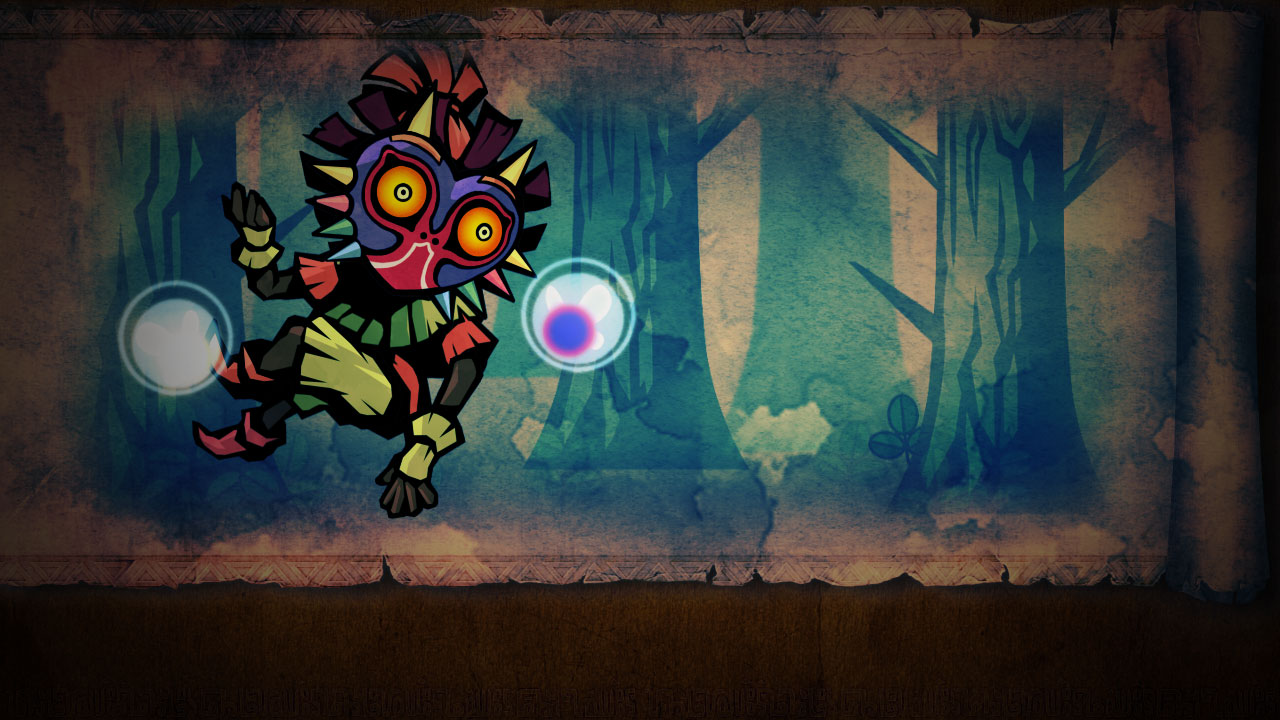
Skull Kid The lonely imp of the Lost Woods · 1998–today
A lonely imp of the Lost Woods with a straw hat, a wooden face and a love of music, who stole the wrong mask and nearly dropped the moon on a town.
First appearanceOcarina of Time (1998)
Biggest roleMajora’s Mask (2000)
RaceSkull Kid, a forest imp
Japanese nameSutaru Kiddo (“Stal Kid”)
Playable inHyrule Warriors Legends, Cadence of Hyrule
Japanese name
スタルキッド (Sutaru Kiddo, “Stal Kid”)
First appearance
Ocarina of Time (1998)
Latest confirmed appearance
Ocarina of Time for Nintendo Switch 2 (November 2026), in the Lost Woods; in spin-offs, Cadence of Hyrule: Symphony of the Mask (September 2020)
Race
Skull Kid, one of the forest imps of the Lost Woods
Home
The Lost Woods; Termina in Majora’s Mask
Friends
The fairies Tatl and Tael; the Four Giants
Signature item
Majora’s Mask (stolen); the Skull Mask in Ocarina of Time
Playable in
Hyrule Warriors Legends (2016) and its Wii U pack; Hyrule Warriors: Definitive Edition (2018); Cadence of Hyrule’s Symphony of the Mask (2020)
Smash Bros.
Assist Trophy since Smash for 3DS and Wii U; spirits No. 205 and No. 206 in Ultimate
Overview
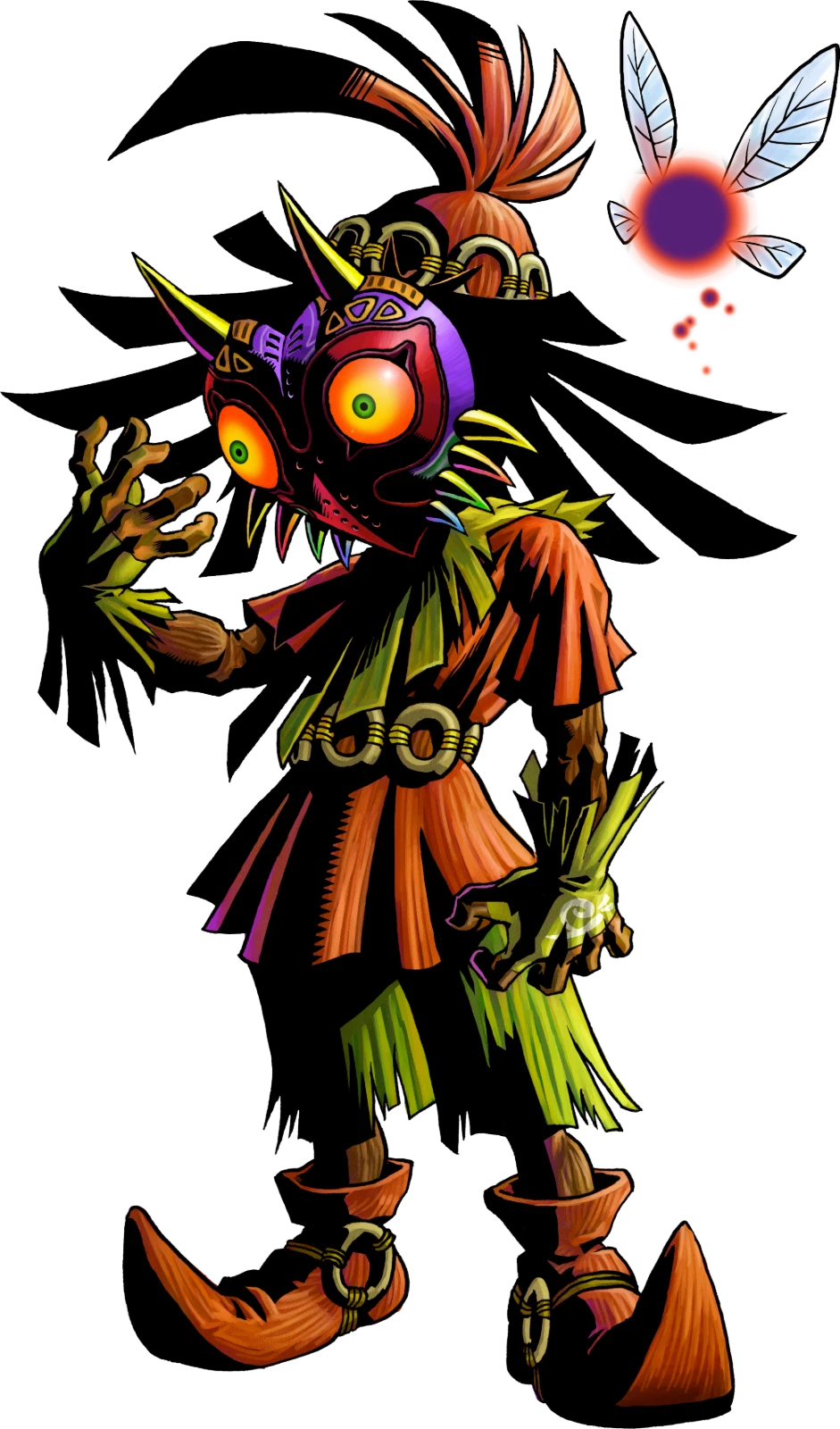
The Skull Kid with Majora’s Mask in Majora’s Mask 3D (official artwork).
Most Zelda villains want power. The Skull Kid just wanted his friends back. A mischievous little imp with a straw hat, a wooden face and a soft spot for music, he began as a bit-part player in the Lost Woods of Ocarina of Time (1998) and became one of the series’ most unforgettable antagonists in Majora’s Mask (2000), where a stolen mask turns his sulking into a plan to drop the moon on an entire town.
What sets him apart is that he is not really evil. The true monster is the mask he wears, and by the end of Majora’s Mask you are not cheering because the bad guy is beaten; you are relieved that a frightened, lonely kid has been set free. That twist and the bittersweet ending that follows have kept him a fan favourite for a quarter of a century, with a guiding role in Twilight Princess, playable turns in Hyrule Warriors Legends and Cadence of Hyrule, and a long career as a Super Smash Bros. Assist Trophy. Majora’s Mask itself is covered on our villains page.
Hidden within the mask resides tremendous power – a power that not even he understands.
— The Skull Kid’s entry in the Majora’s Mask instruction manual
Eh-hee-hee…You have the same smell as the fairy kid who taught me that song in the woods…
The Skull Kid Majora’s Mask, the ending
Is this what happens to kids who wander into the forest? It looks like he doesn’t like grownups.
Navi Ocarina of Time, meeting a Skull Kid as an adult
Is this what happens to kids who get lost in the forest? He might be our friend if we do something…
Navi Ocarina of Time, meeting a Skull Kid as a child
Who is the Skull Kid?
The name
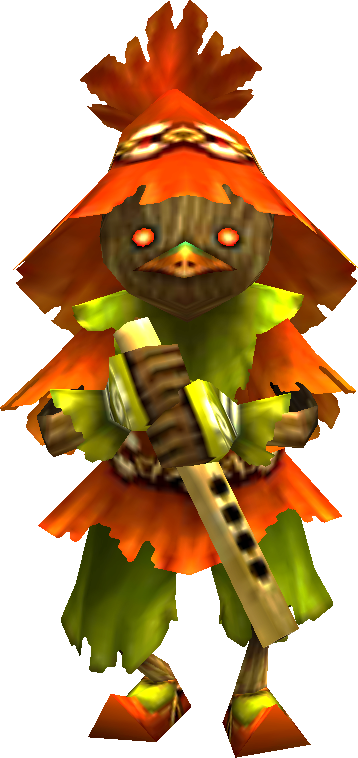
A Skull Kid in Ocarina of Time (model).
Skull Kid is both a species and a person. Ocarina of Time’s Lost Woods are home to several of the imps, and Majora’s Mask singles out one of them, the Skull Kid who once befriended the Four Giants and who, the game reveals, had already met Link. His Japanese name is Sutaru Kiddo, “Stal Kid”, and the “Stal” is the same one found in the names of the series’ skeletal monsters, such as Stalfos and Stalchild: a fitting echo for a creature the games hint was once a lost child.
Children of the Lost Woods
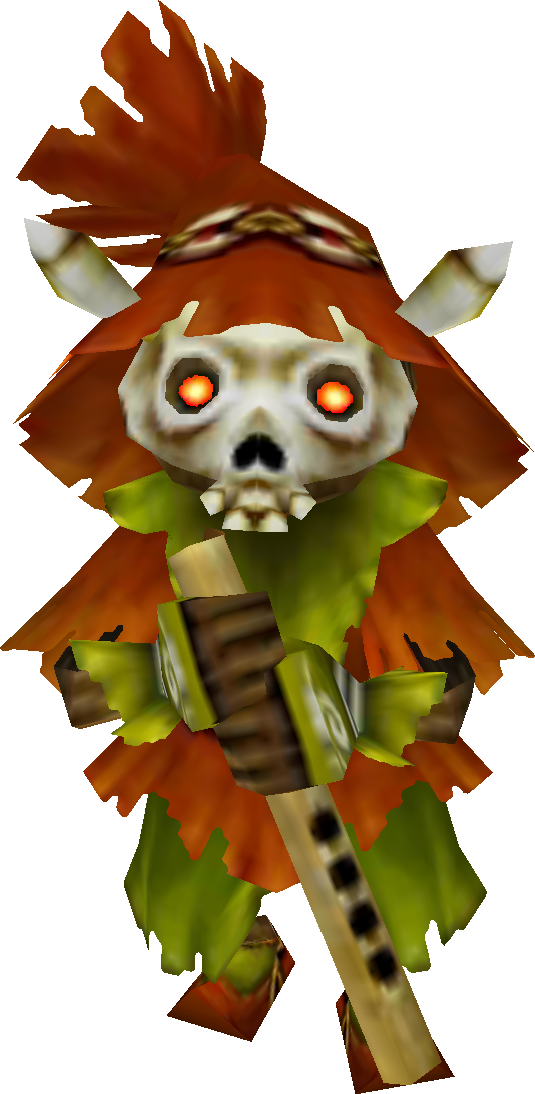
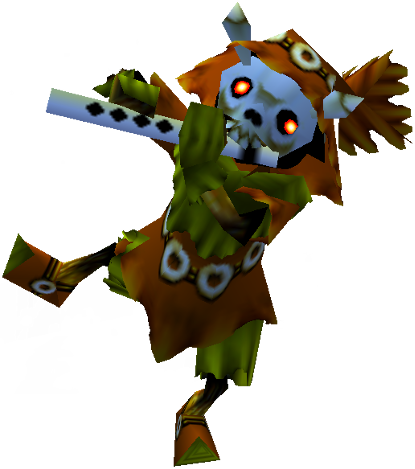
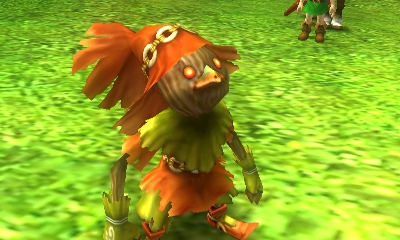
A Skull Kid wearing the Skull Mask in Ocarina of Time.
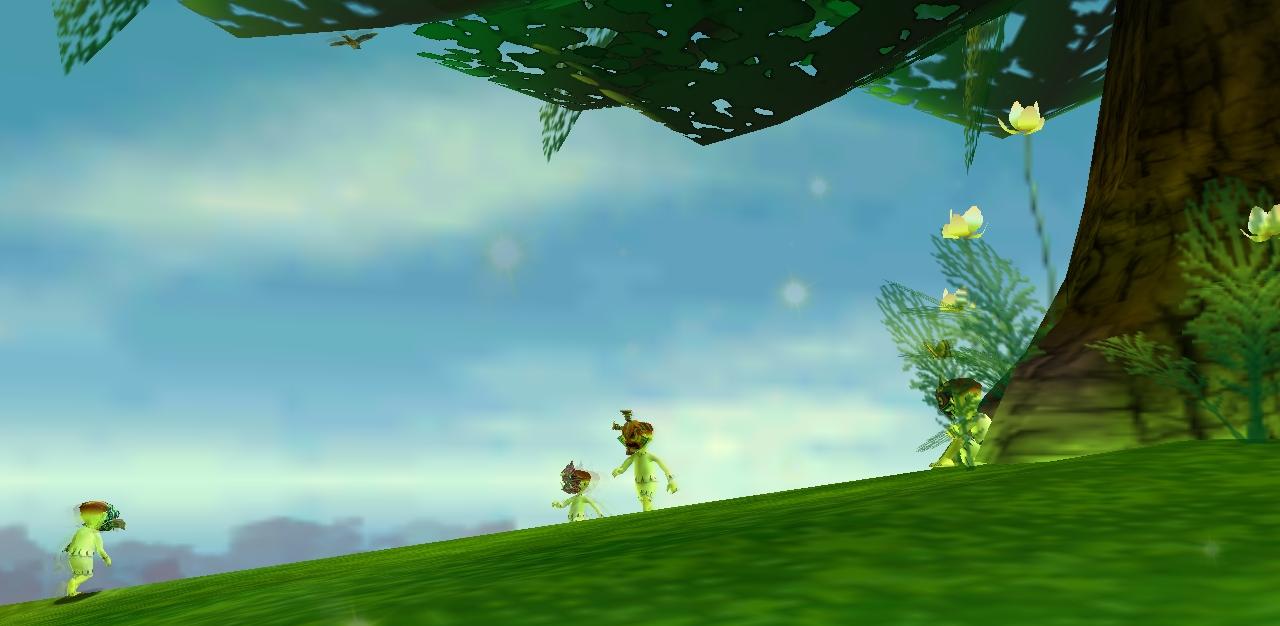
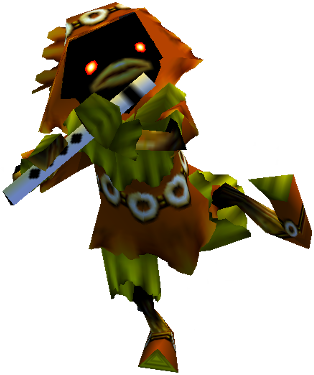
In Ocarina of Time the Skull Kids are the impish residents of the Lost Woods, the maze of a forest beyond the Kokiri village, and the game drops dark hints about where they come from. The Kokiri warn that outsiders who get lost in the forest turn into Stalfos, and a Gossip Stone says that anyone who is not a fairy and enters the Lost Woods becomes a monster. Navi is blunter. Every time Link meets one, she wonders aloud whether this is what becomes of children who wander into the forest. The games never quite spell it out, but the implication most fans draw is that the Skull Kids are lost children changed by the woods.
They are not wicked, just prickly and playful. A Skull Kid sitting on a tree stump is thrilled when young Link plays Saria’s Song for him, and later happily buys the Skull Mask. Seven years later the grown-up Link gets a far colder welcome: Skull Kids do not like adults.
The imp and the Four Giants
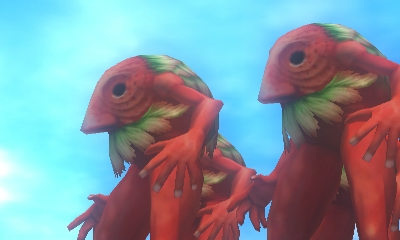
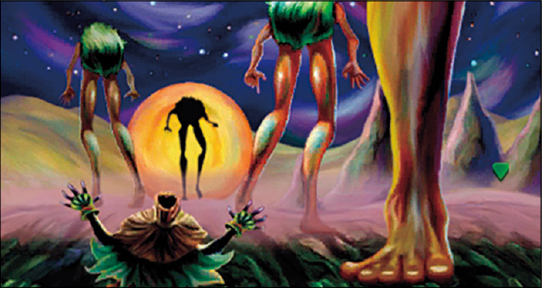
The Skull Kid and the guardian deities, Majora’s Mask 3D (artwork).
Majora’s Mask gives one Skull Kid a past. Long ago in the land of Termina he was friends with the Four Giants, the gentle guardians of its four regions. When they left to watch over the swamp, the mountain, the ocean and the canyon, he felt abandoned, and his hurt curdled into spite. Hyrule Historia, Nintendo’s official history, says it plainly: the imp had been friends with each land’s guardian deity, believed they had abandoned him when they left, and went on a rampage with Majora’s Mask.
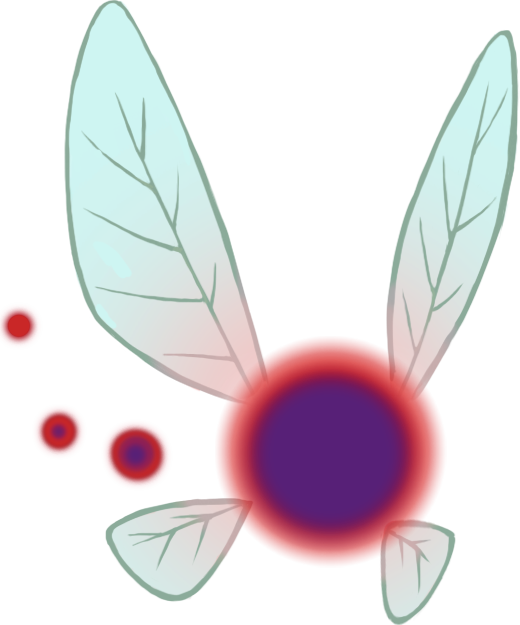
He was not entirely alone. Two fairy siblings, the prickly Tatl and her gentle little brother Tael, became his friends and went along with his pranks, and he once ran with the Bombers, Clock Town’s gang of children. As the game goes on, his mischief turns nasty: his magic has turned Kafei, Anju’s fiancé, into a child just before their wedding.
Majora’s Mask
The Skull Kid steals Majora’s Mask, Majora’s Mask 3D.
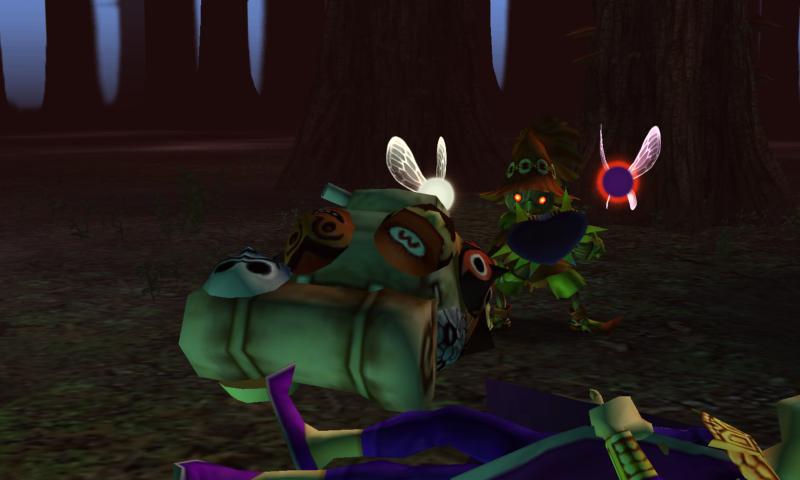
The Happy Mask Salesman had travelled far to find Majora’s Mask, an artefact that an ancient tribe used in hexing rituals and then sealed away for fear of its power. The Skull Kid ambushed him and stole it, and the mask gave the little imp terrible powers: flight, teleportation and curses strong enough to turn a boy into a Deku Scrub.
But the mask was using him. Hyrule Historia casts it as the true mastermind, manipulating the Skull Kid all along. Under its influence his grudge grew into something apocalyptic: he sealed each of the Four Giants inside a monster in a temple and began pulling the moon, its face twisted into a furious grimace, down on to Clock Town.
Redemption
The Skull Kid without the mask, Majora’s Mask 3D.
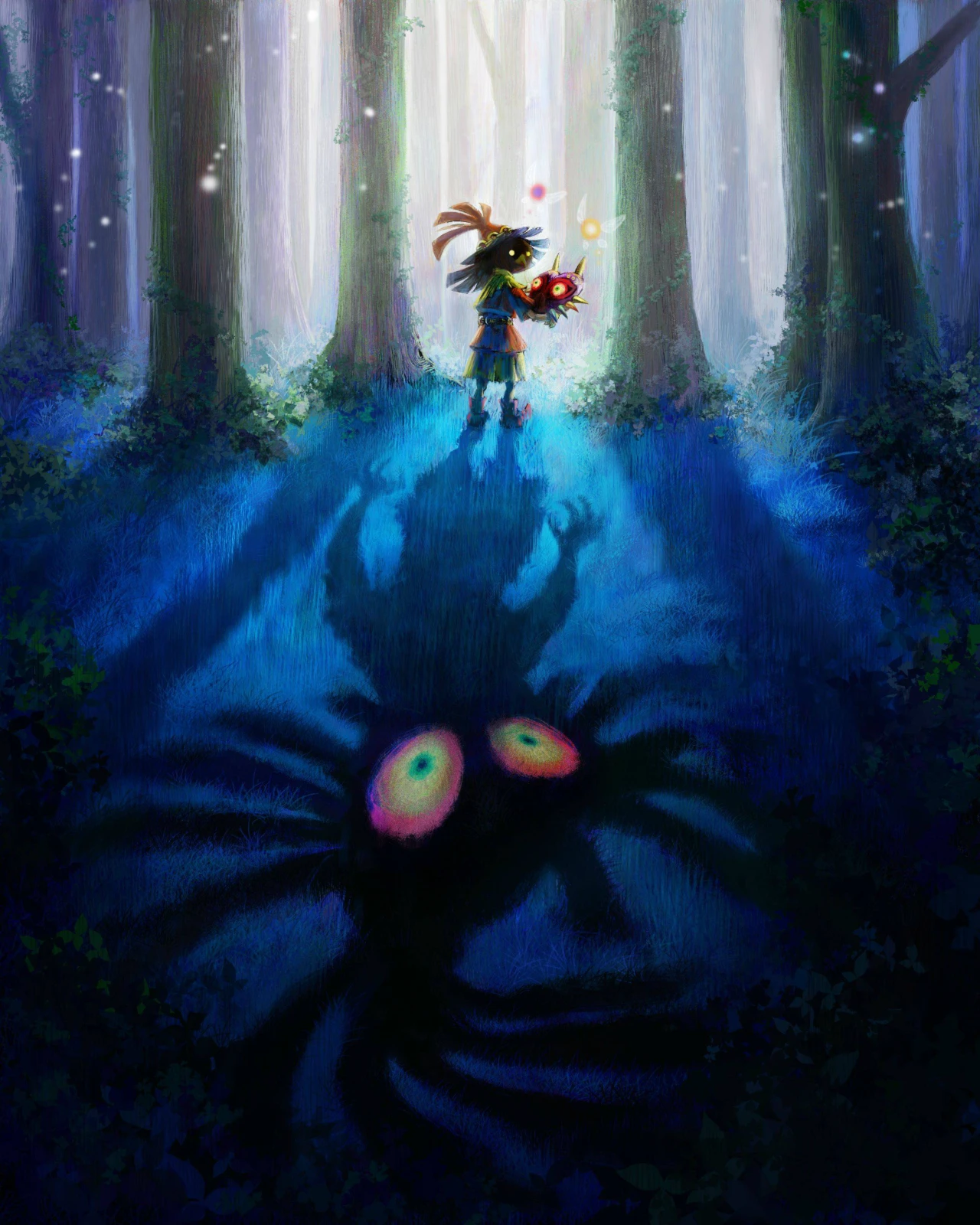
When Link frees the Giants and they catch the moon on their shoulders, the mask decides it has no further use for its puppet. The Skull Kid crumples, and Majora’s Mask flies up into the moon alone to face Link. Afterwards the Giants ask Link to forgive their old friend, and the imp realises he was never forgotten; Tael tells his sister not to be hard on him, because he was lonely. Then the Skull Kid sniffs at Link and recognises him as the fairy kid who taught him a song in the woods: confirmation that this is the very Skull Kid who played Saria’s Song with young Link. As Link rides away, the last image of the game is a tree stump on which the Skull Kid has drawn himself with his friends.
One Skull Kid or many?
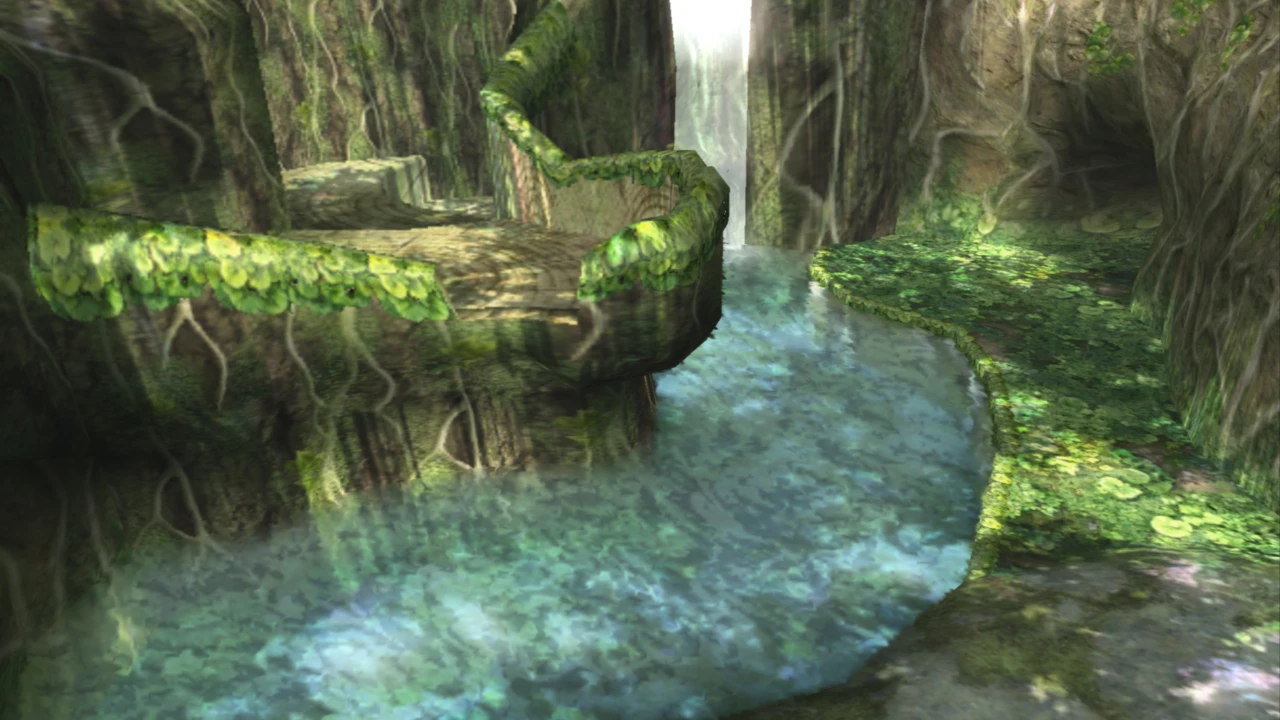
The Sacred Grove in Twilight Princess, where a Skull Kid lives.
The Skull Kid of Twilight Princess’s Sacred Grove is a puzzle. Nintendo has never said whether he is the Majora’s Mask imp, and Zelda Universe’s 2024 profile of the character points out that nothing confirms it. Fans who believe he is point to circumstantial clues: his horn looks like one played by a Deku in Majora’s Mask, and the tune he plays is Saria’s Song. Treat the link as a theory.
Game by game
The Skull Kid has three main-series appearances, each with its remakes. Every card links to our page for the game.
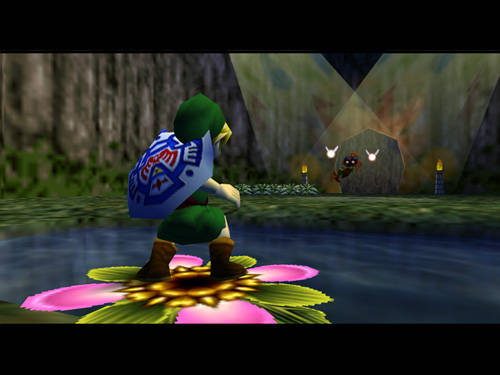
The Skull Kids make their debut in the Lost Woods, the maze of a forest that starts at the edge of Kokiri Forest. They are prickly, playful imps rather than villains, and the game uses them for two of its gentlest side stories. One sits on a tree stump in the woods; when young Link plays him Saria’s Song he joins in, delighted, and rewards his new friend with a Piece of Heart. The same imp becomes a customer in the Happy Mask Shop trading quest, buying the Skull Mask that Link has borrowed to sell on. Navi has something to say every time, wondering whether this is what happens to children lost in the forest.
Seven years later, adult Link finds the woods far less welcoming: the Skull Kids attack grown-ups on sight. Nothing in the game hints at what is coming, but Majora’s Mask would reveal that the stump-sitting Skull Kid is the one who goes on to steal the most dangerous mask in Zelda history. The 2011 3D remake brings the woods to the handheld, and the 2026 Nintendo Switch 2 version rebuilds them from scratch.
Where to find them (3)
Lost Woods, on a tree stump: play Saria’s Song for a Piece of Heart
Lost Woods: sell a Skull Kid the Skull Mask (Happy Mask Shop quest)
Lost Woods as an adult: Skull Kids attack grown-ups
What’s new
The first Skull Kids in the series.
Navi’s comments suggest they were once lost children.
Majora’s Mask later confirms that the Saria’s Song Skull Kid is its villain.
Nintendo 64 · The antagonist · Remade as Majora’s Mask 3D (2015)
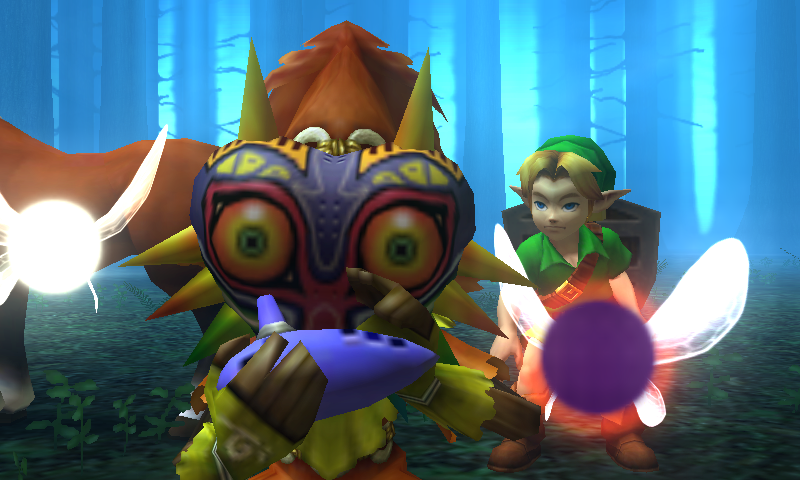
His starring role. Some months after Ocarina of Time, Link is riding through a misty wood in search of a lost friend when the Skull Kid, wearing a spiked, heart-shaped mask, crosses his path. His fairies Tatl and Tael spook Epona, Link is thrown, and while he lies dazed the imp makes off with the Ocarina of Time. Link chases him down a hollow tree, tumbles into the land of Termina and is cursed into the body of a Deku Scrub.
From then on the Skull Kid hangs over everything. He has sealed each of the Four Giants inside a temple boss, turned Kafei into a child, and is dragging the moon down on Clock Town, which it will hit in three days. On the final night he hovers on top of the Clock Tower; Link calls the Giants with the Oath to Order, they catch the moon, and the mask casts off its puppet and flees inside it. In the ending he is forgiven by the Giants and reunited with his fairies. The 2015 3DS remake leaves the story untouched.
Key moments (5)
The ambush in the woods: the Ocarina stolen and Link cursed into a Deku Scrub
Tael’s shouted clue about the four regions
On top of the Clock Tower on the final night
The Giants catch the moon and the mask discards him
Forgiven: he recognises Link’s smell
What’s new
The first time a Skull Kid is a villain, and the first time one is given a past.
Majora’s power: flight, teleportation, curses and the moon.
Revealed to be the Lost Woods Skull Kid of Ocarina of Time.
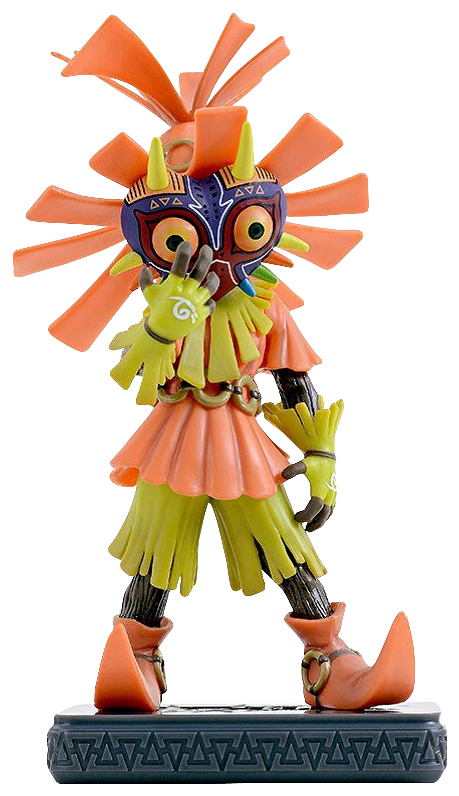
Nintendo of America’s Limited Edition of the 3DS remake came with a figurine of him wearing the mask.
GameCube and Wii · Guide of the Sacred Grove · Also in Twilight Princess HD (2016)
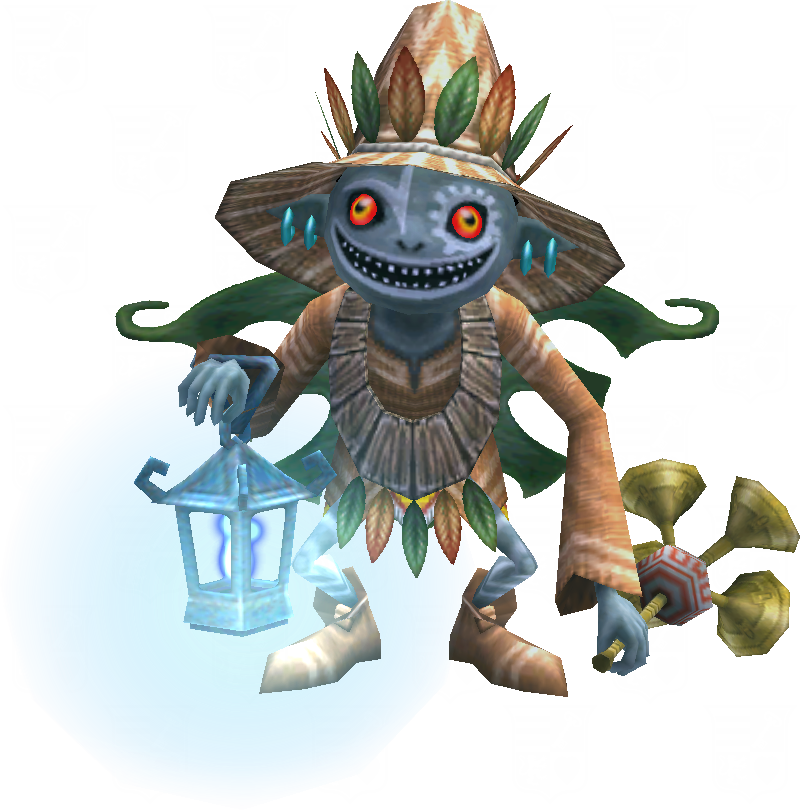
Deep in Faron Woods, the way to the Master Sword runs through the Sacred Grove, and a Skull Kid is waiting there. He leads Link a merry dance twice: first wolf Link, through the fog to the clearing where the sword rests, and later the human Link, on the way to the Temple of Time. He lights his way with a lantern, plays Saria’s Song on a horn, and summons twitching wooden puppets to slow him down before finally opening the way.
He is a guide and a gatekeeper rather than a villain, and his look is updated for the new game, with leaves around his hat and waist and a leaf-like cape. Whether he is the Majora’s Mask imp is anyone’s guess: Nintendo has never said. Twilight Princess HD keeps both chases, though the stone Triforce in the Sacred Grove was replaced outright for the remaster.
Key moments (2)
Hide-and-seek with wolf Link on the way to the Master Sword
A second chase with human Link on the way to the Temple of Time
What’s new
A guide and gatekeeper rather than a villain.
Plays Saria’s Song on a horn and carries a lantern.
Fights with wooden puppets.
His identity is never confirmed.
Spin-offs and guest roles
Away from the main series the Skull Kid has been a shooting-gallery boss, a Smash Bros. prankster, a Warriors fighter and, at last, the hero of his own story.
Link’s Crossbow Training (2007)Wii · Sacred Grove stage bossNintendo’s Wii Zapper shooter turns Twilight Princess’s places into shooting galleries. In Sacred Grove: Defender, part of the final level, the Skull Kid sends waves of wooden puppets at Link, each needing two hits; shoot the imp himself and, when he glows green, he hands over an automatic crossbow.
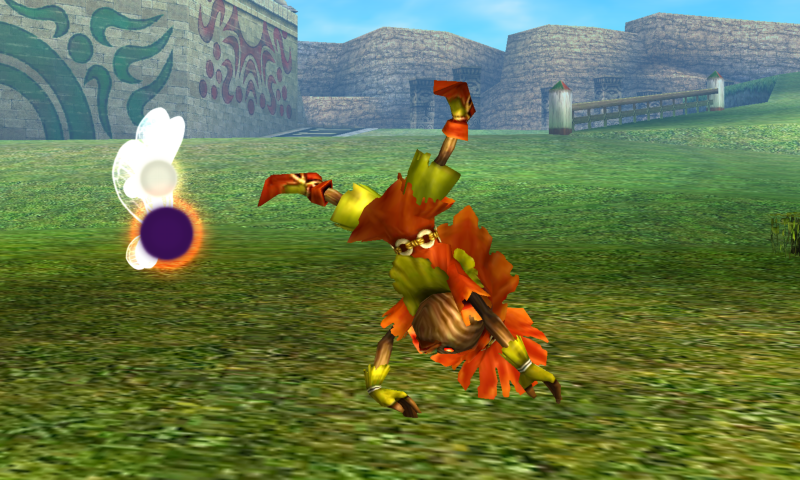
Super Smash Bros. seriesBrawl (2008) to Ultimate (2018)Melee mentions him only in trophy text, and Brawl gives him two stickers. In Smash for 3DS and Wii U he becomes an Assist Trophy, wearing Majora’s Mask, who flips the screen, reverses everyone’s controls or turns the fighters invisible. Ultimate keeps the Assist Trophy, adds two spirits and a Mii Brawler hat and outfit.
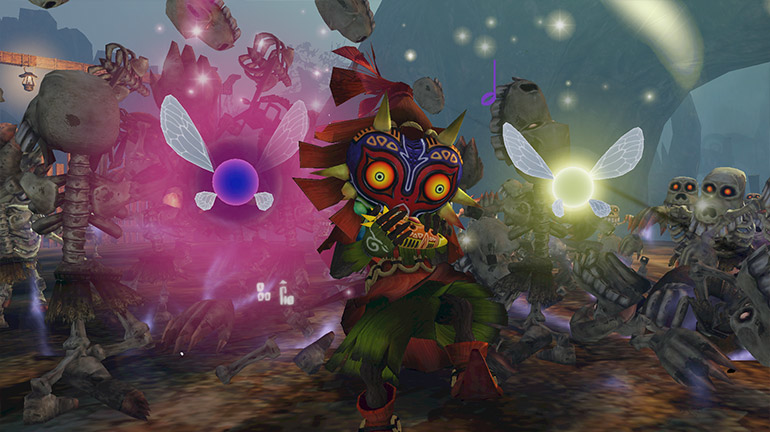
Hyrule Warriors Legends (2016)3DS, then Wii U and Switch · PlayableRevealed in October 2015, and called “often requested” by Twinfinite, he became one of Legends’ new warriors, fighting with an ocarina. In Linkle’s Tale he ambushes the would-be heroine and makes off with her compass. Wii U owners got him through the Legends Character Pack, and he is in Hyrule Warriors: Definitive Edition (2018).
Cadence of Hyrule: Symphony of the Mask (2020)Switch · Playable star of the third paid packHis own adventure, set in a ruined future Hyrule. He starts with only a Deku Mask head-butt, receives the Skull Mask and Mask Magic from the Deku King and swaps powers by swapping masks, six in all. The voice he takes for the Great Deku Tree turns out to be the Skull Mask, which Ganon steals to fight as Skull Ganon.
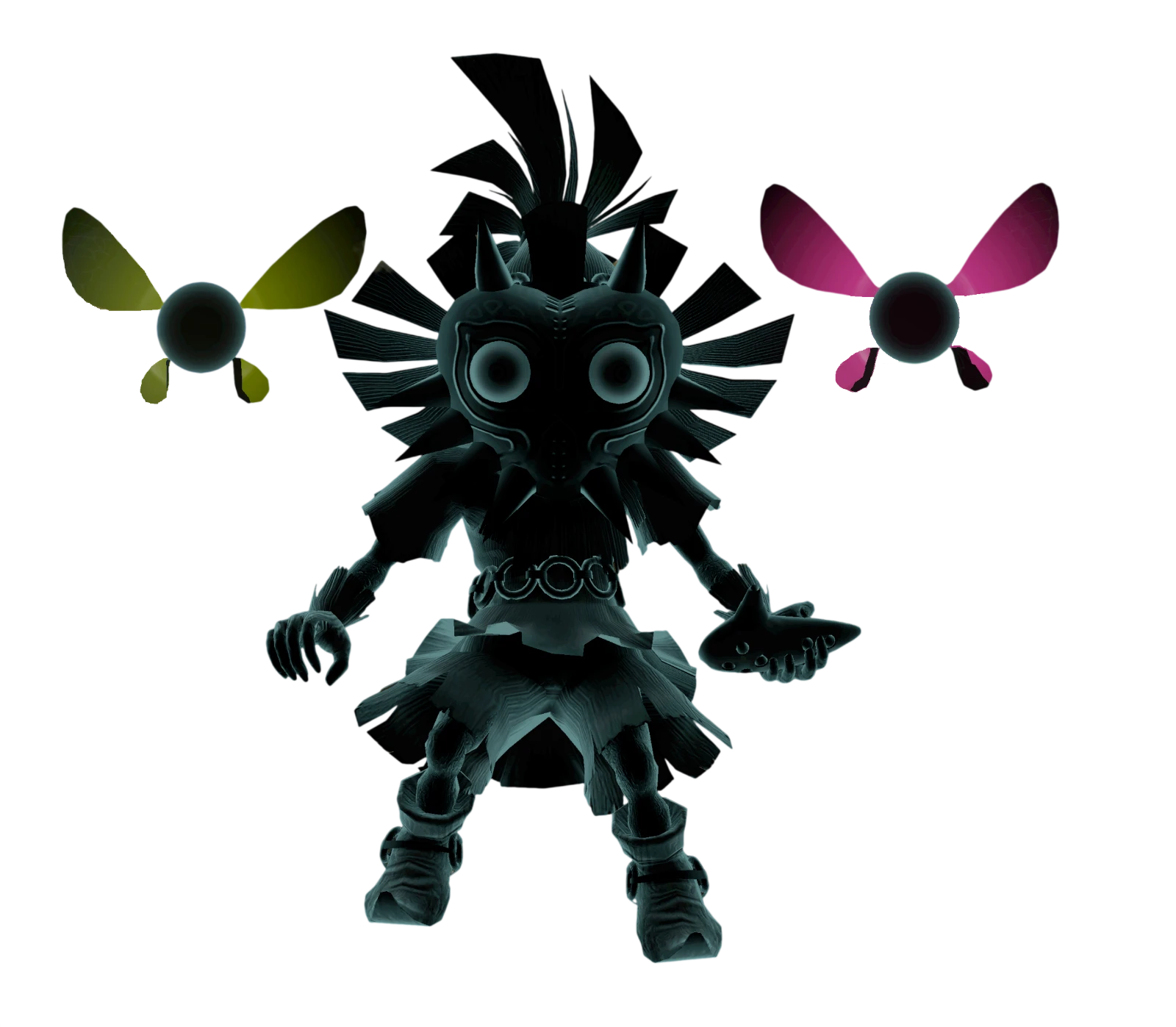
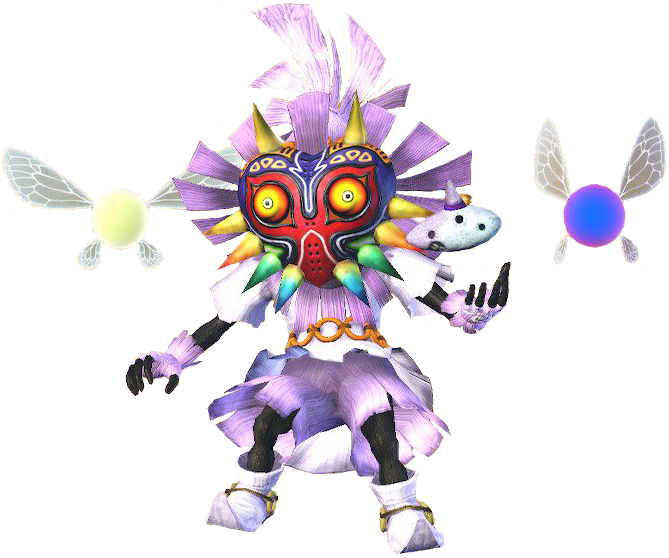
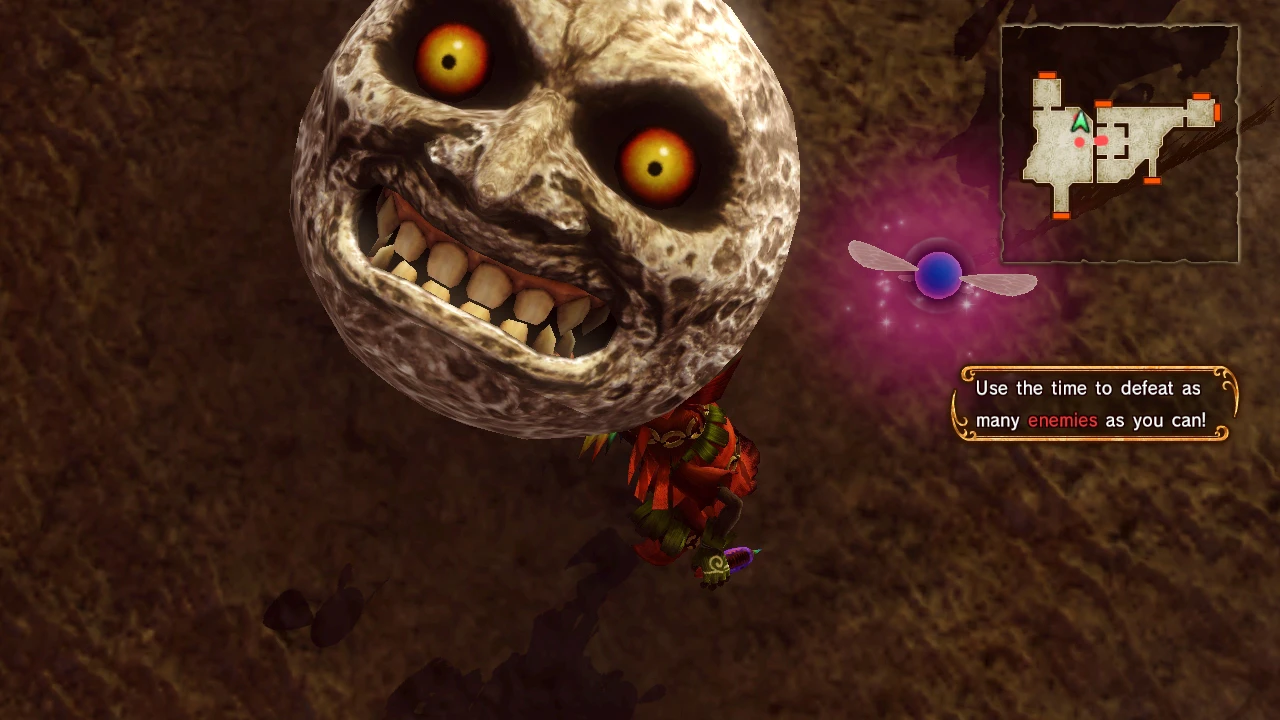
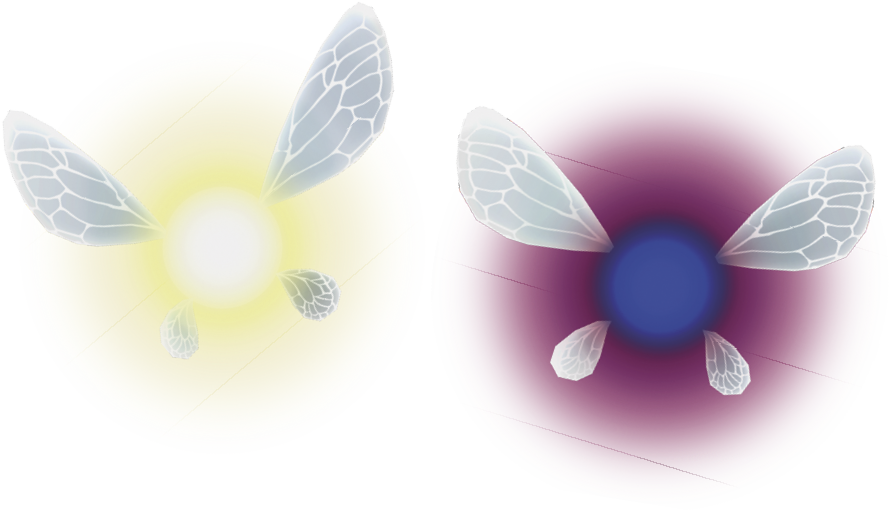
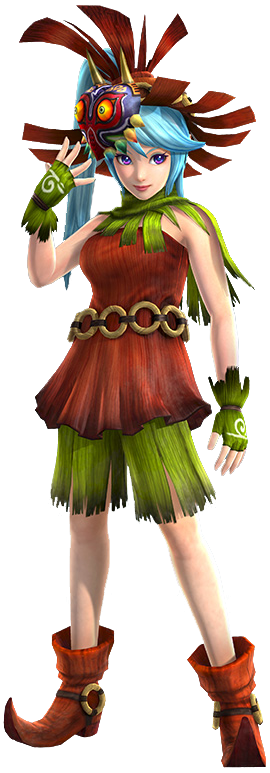
Skull Kid kicking the moon, Hyrule WarriorsTatl and Tael, Hyrule Warriors Legends (artwork)Lana in Skull Kid’s clothes, from Hyrule Warriors’s Majora’s Mask PackA Mii Brawler in Skull Kid’s outfit, Smash Ultimate
Smash Bros. in detail
Game
Role
Details
Super Smash Bros. Melee (2001)
Trophy text only
Mentioned in the descriptions of the Four Giants and Majora’s Mask trophies
Super Smash Bros. Brawl (2008)
Two stickers
One from Majora’s Mask, one from Ocarina of Time
Super Smash Bros. for Nintendo 3DS / Wii U (2014)
Assist Trophy, trophy
Wears Majora’s Mask; flips the camera, reverses directional controls or makes every fighter invisible
Super Smash Bros. Ultimate (2018)
Assist Trophy, two spirits, Mii costume
Invisibility half the time, otherwise a mirrored or flipped screen; cannot appear while the Moon Assist Trophy is out; spirits Skull Kid (No. 205) and Skull Kid & Majora’s Mask (No. 206)
Abilities
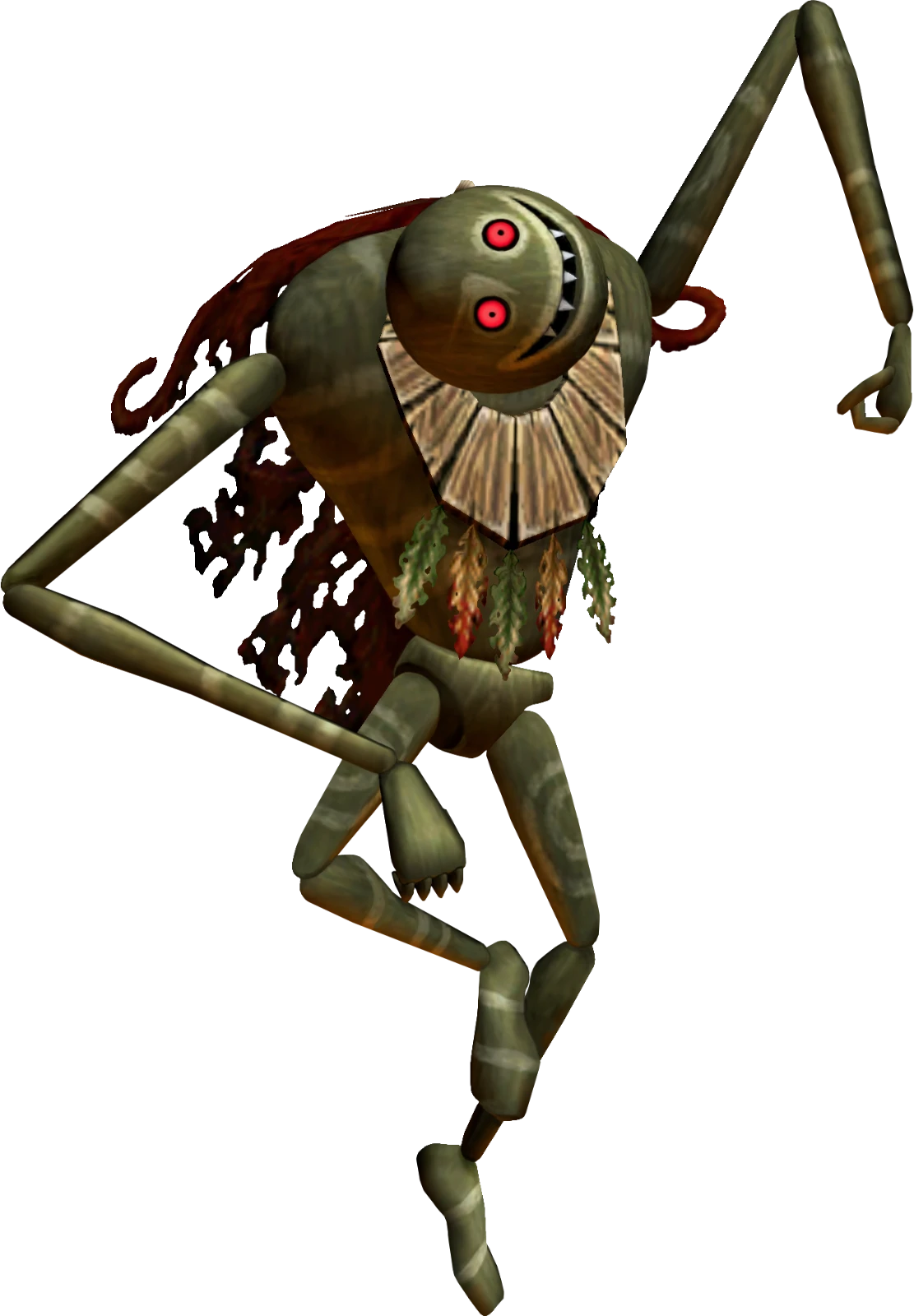
One of the wooden puppets the Skull Kid summons in Twilight Princess (render).
On his own the Skull Kid is a trickster with a few musical party pieces. With Majora’s Mask he is one of the most powerful beings in the series.
Mask-given magic (Majora’s Mask): flight, teleportation and curses, enough to turn Link into a Deku Scrub and Kafei into a child, and the power to drag the moon out of the sky.
Sealing the Giants: each of the Four Giants is imprisoned inside a temple boss (Odolwa, Goht, Gyorg and Twinmold).
Music: he plays along with Saria’s Song in Ocarina of Time, plays it on a horn in Twilight Princess, and fights with an ocarina in Hyrule Warriors Legends.
Puppets: in Twilight Princess and Link’s Crossbow Training he summons twitching wooden puppets.
Mask Magic (Cadence of Hyrule): six masks, each with its own powers.
Pranks (Smash): flipped or mirrored screens, reversed controls and invisible fighters.
Skull Kid’s Crackling Ocarina in Hyrule Warriors: Definitive Edition.
In both Hyrule Warriors games his weapon is an ocarina, a cheeky nod to the instrument he stole from Link.
Relationships
Character
Who they are
Relationship
Where
LinkThe fairy kid
The Hero of Time, as a boy.
Plays Saria’s Song with him in the Lost Woods; later the boy he robs and curses into a Deku Scrub, and the hero who frees him from the mask.
Ocarina of Time, Majora’s Mask
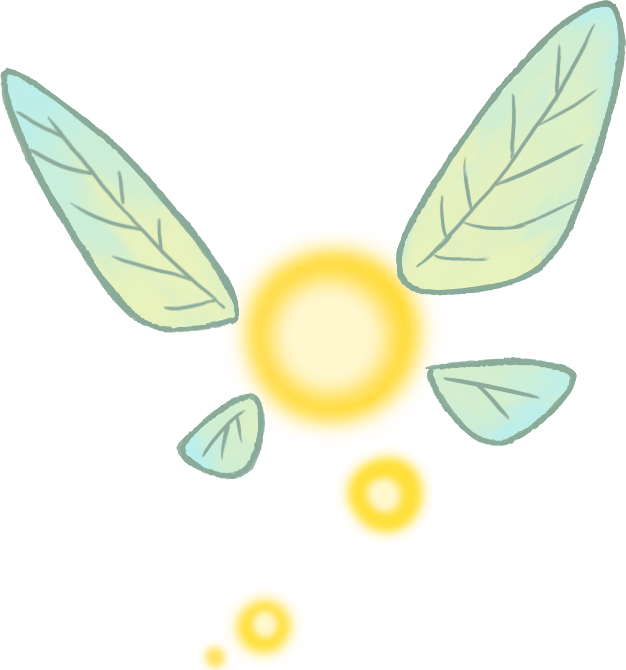
TatlFairy friend
A sharp-tongued fairy, Tael’s older sister.
His friend until she sees him hurt Tael; left behind in the opening, she guides Link instead, and is reunited with the pair at the end.
Stays with the Skull Kid, risks a beating to shout the clue about the four regions, and tells his sister the imp was lonely.
Majora’s Mask
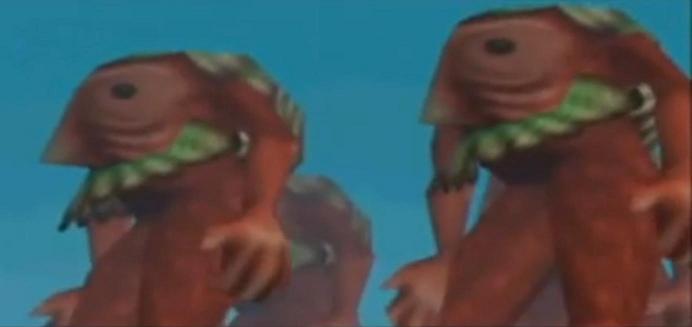
The Four GiantsOld friends
Termina’s gentle guardian deities.
Their departure is the wound the mask exploits. He seals each inside a temple boss; in the end they catch the moon and ask Link to forgive him.
Majora’s Mask
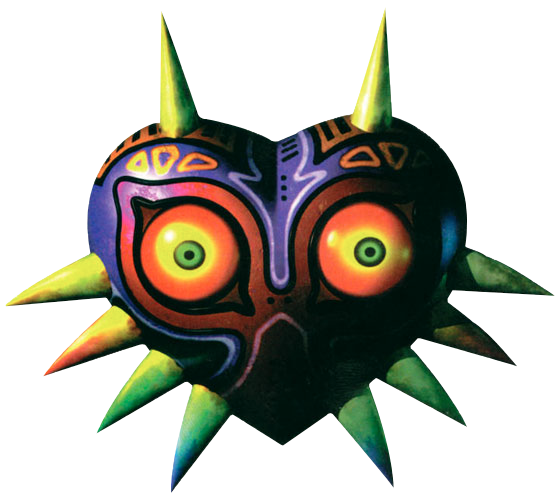
Majora’s MaskThe puppet-master
An ancient mask used in hexing rituals.
Possesses and manipulates him, then discards him when the Giants catch the moon. See our villains page.
Majora’s Mask
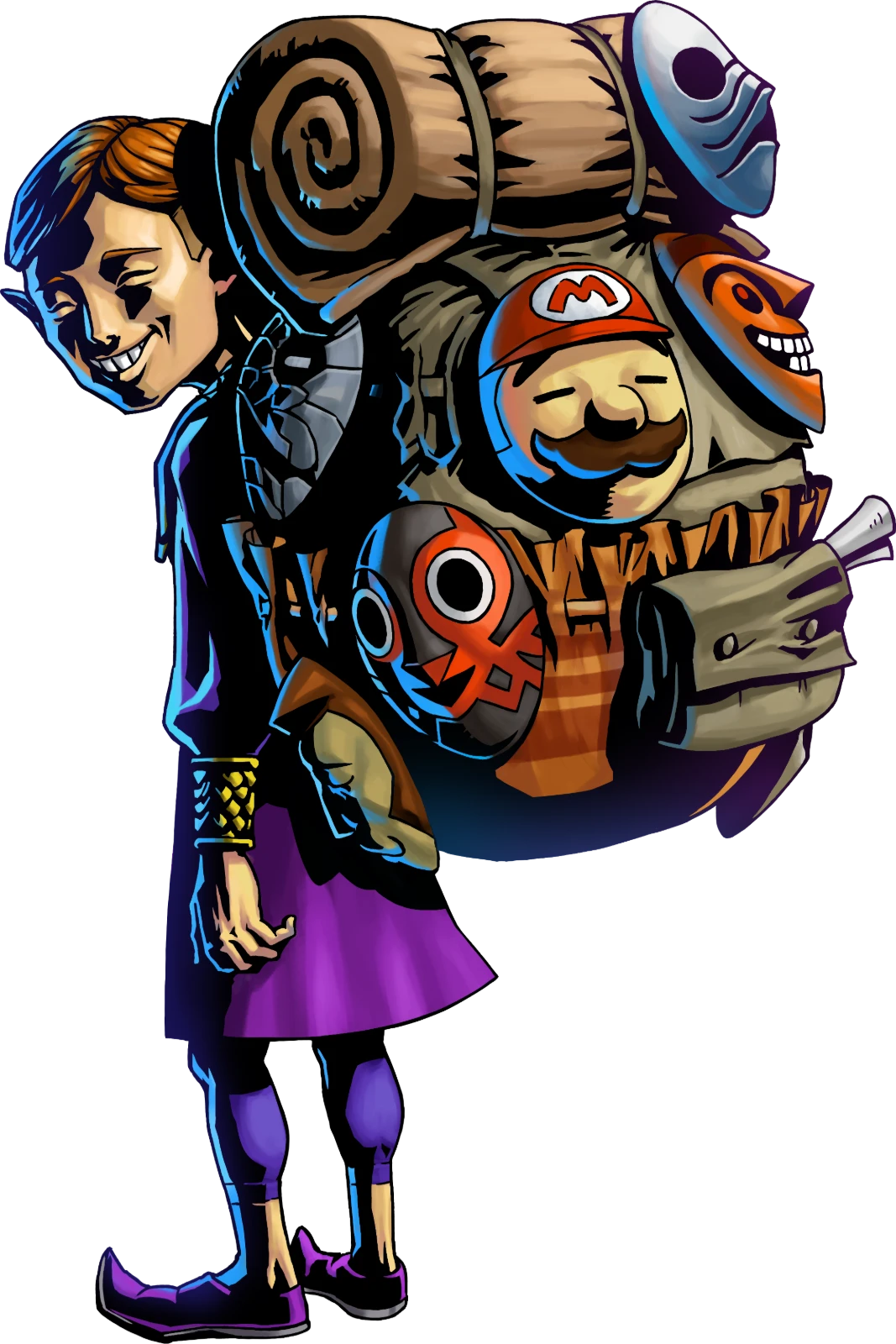
Happy Mask SalesmanHis victim
The travelling mask dealer.
Ambushed and robbed of Majora’s Mask; he takes it back, powerless, at the end. More on our recurring characters page.
Ocarina of Time, Majora’s Mask
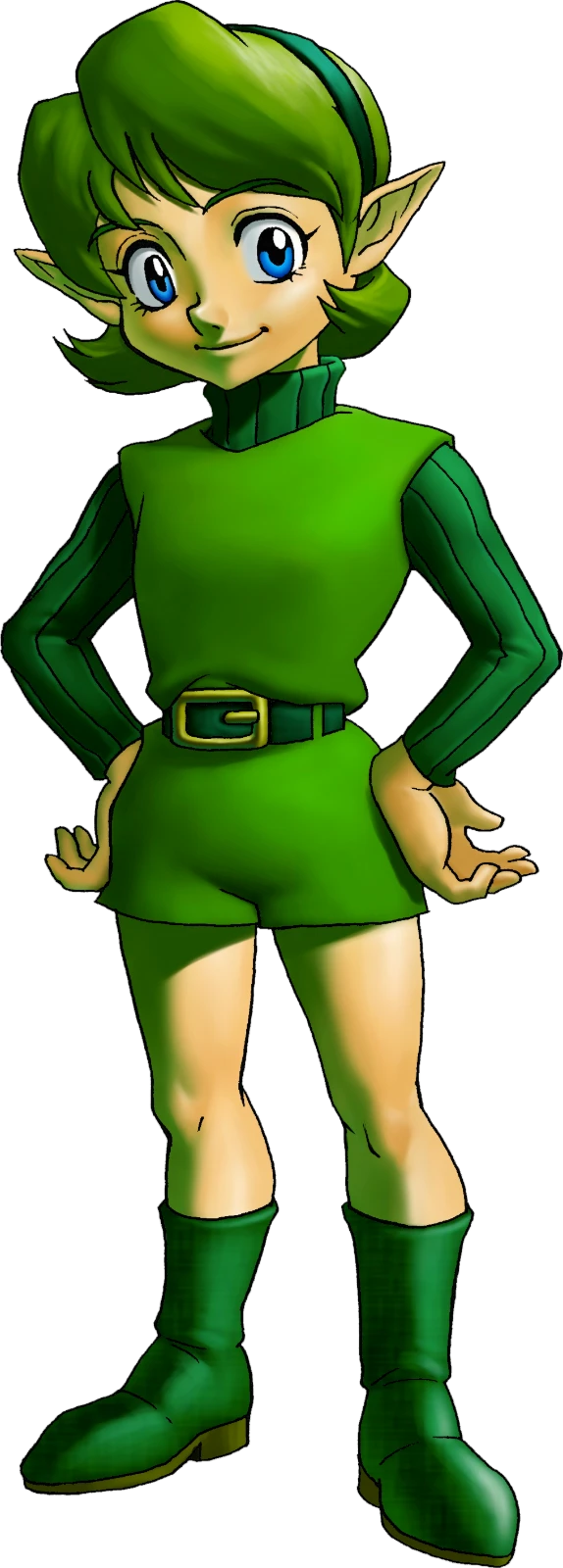
SariaThrough her song
Link’s Kokiri friend.
Her tune is what wins the Skull Kid over in the Lost Woods, and the Twilight Princess Skull Kid plays it too.
Ocarina of Time, Twilight Princess
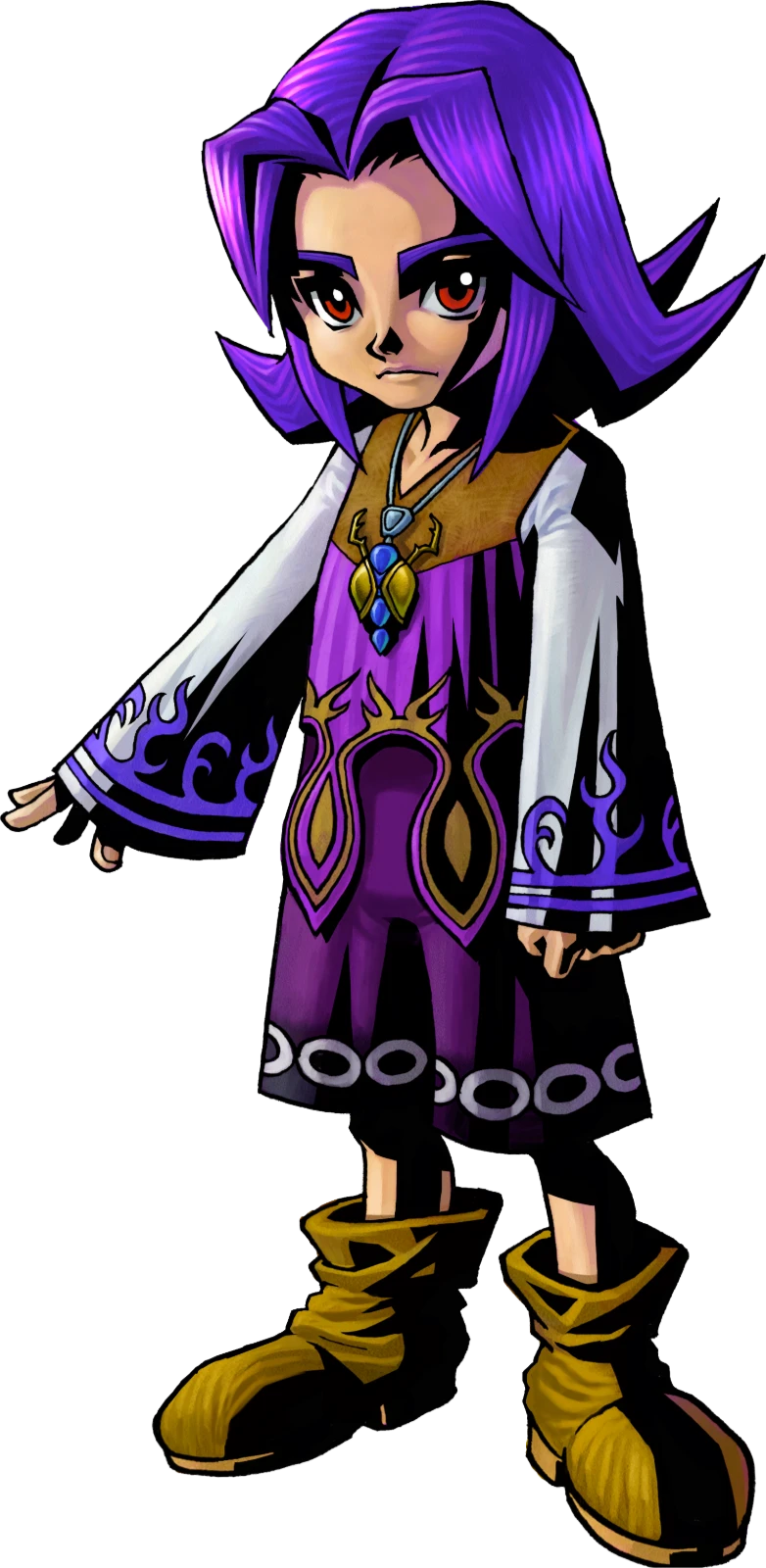
KafeiAnother victim
Anju’s fiancé, a former Bomber.
Turned into a child by the Skull Kid’s magic just before his wedding.
Majora’s Mask
Design evolution
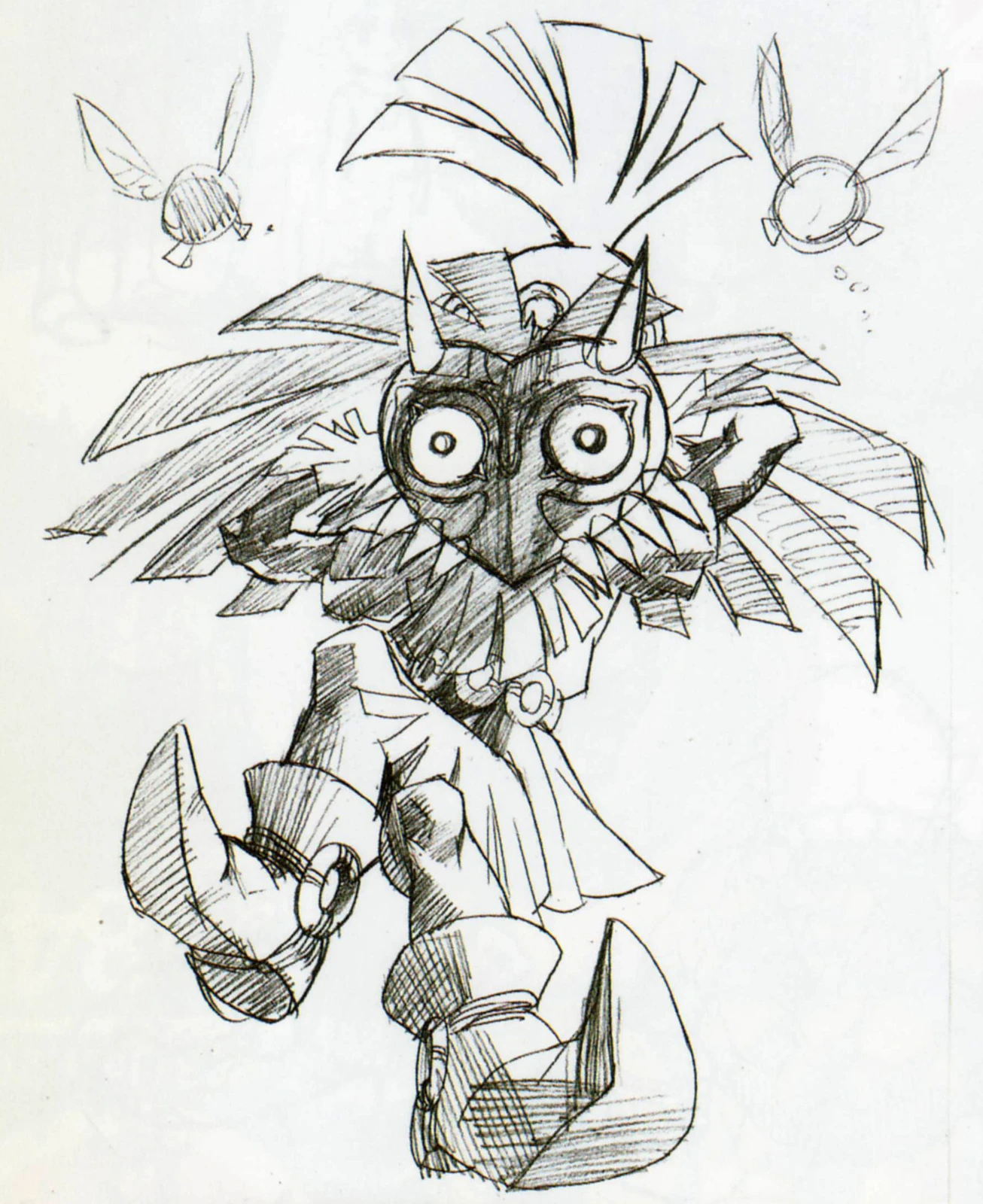
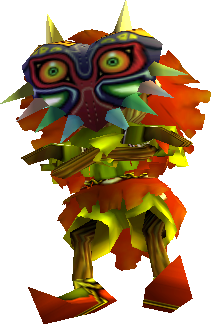
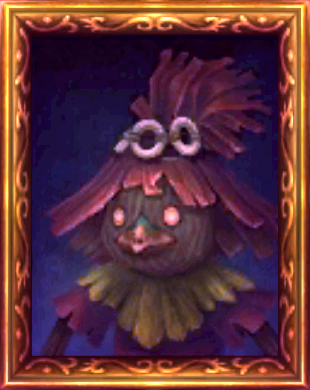
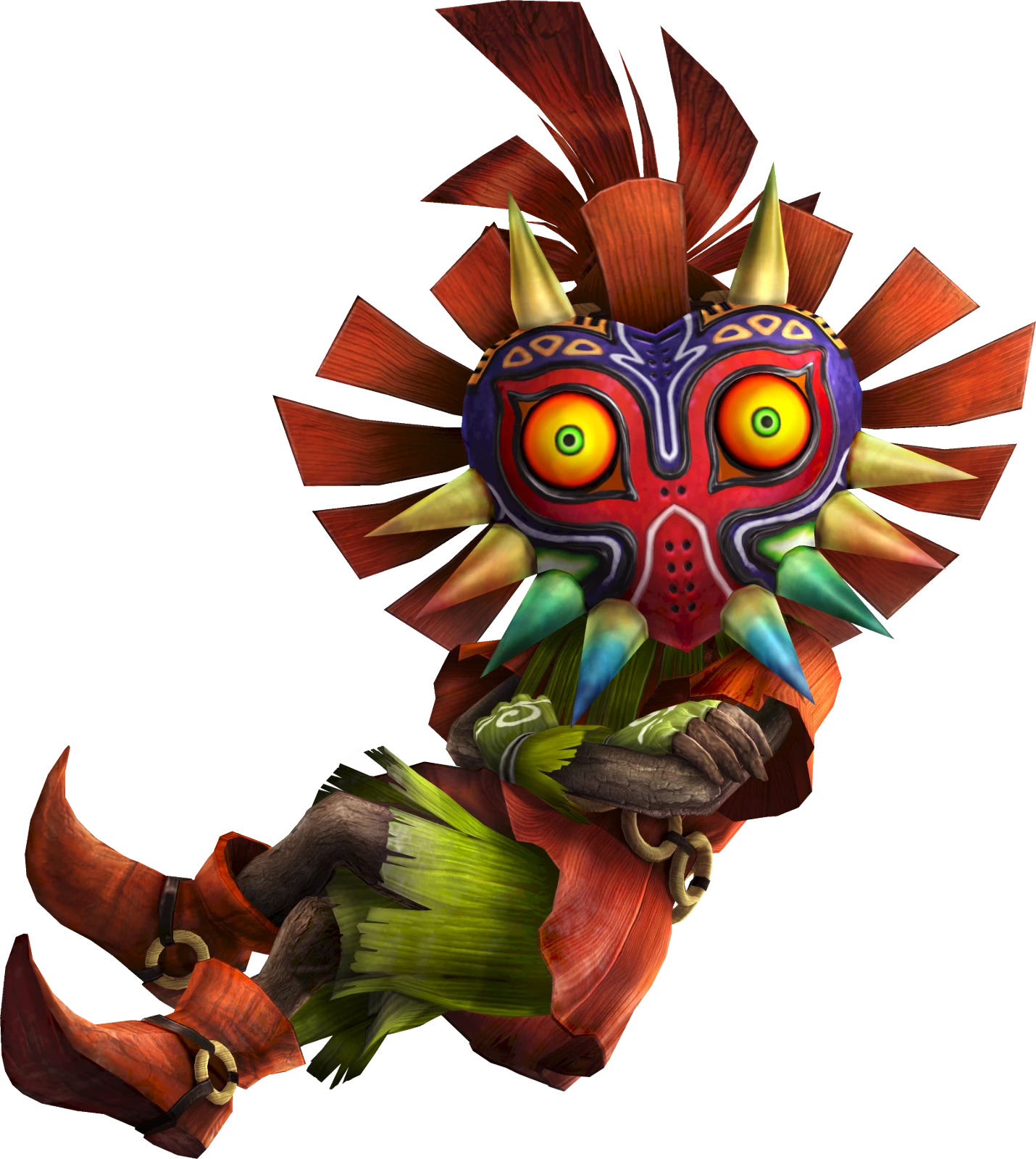
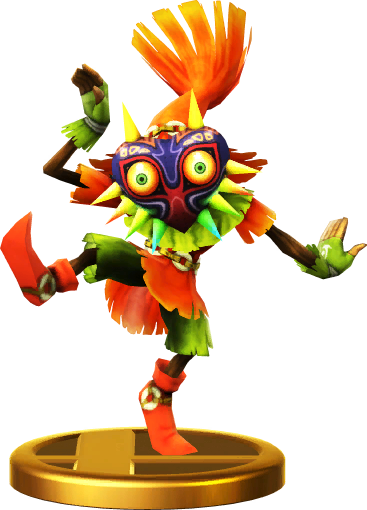
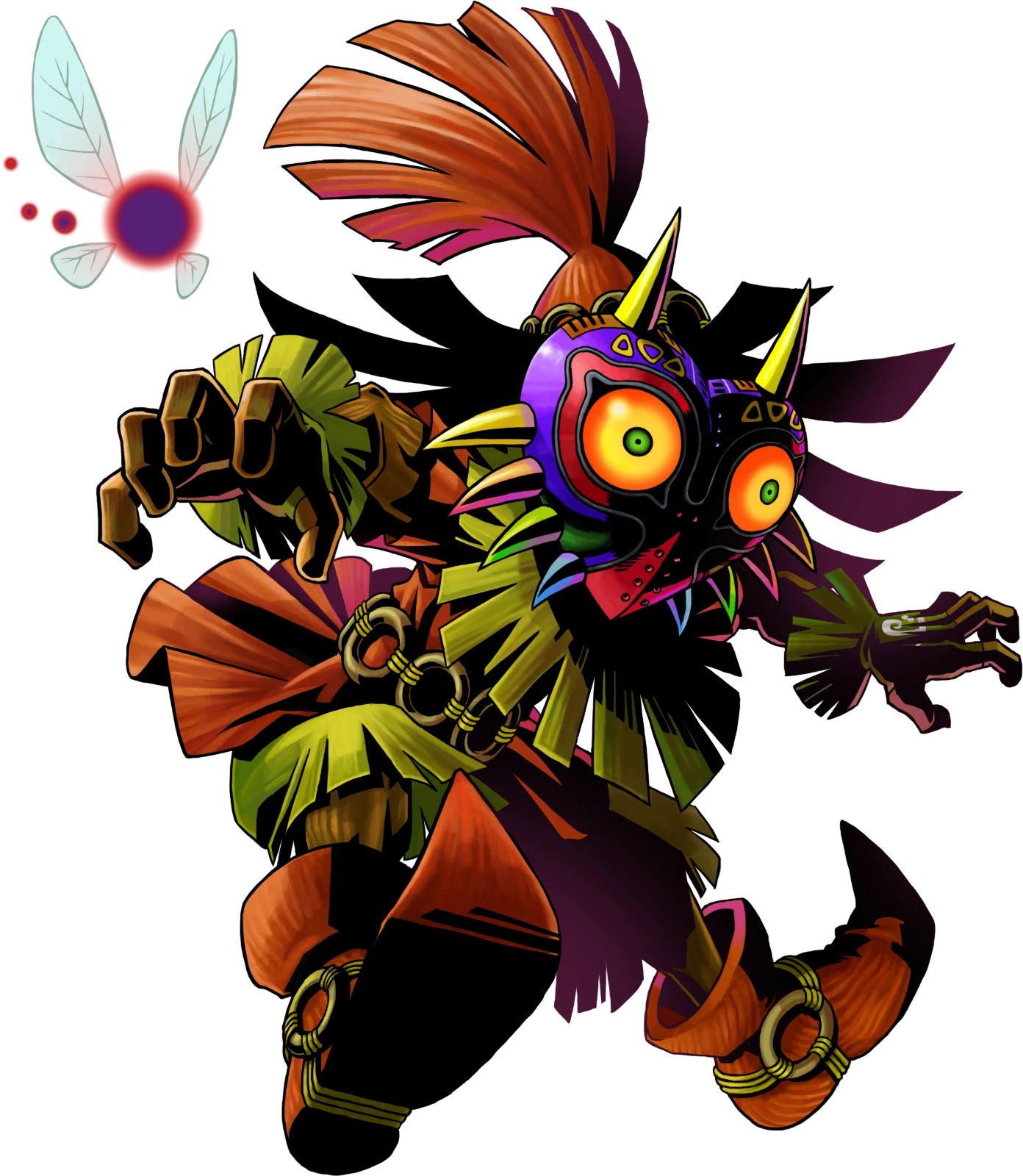
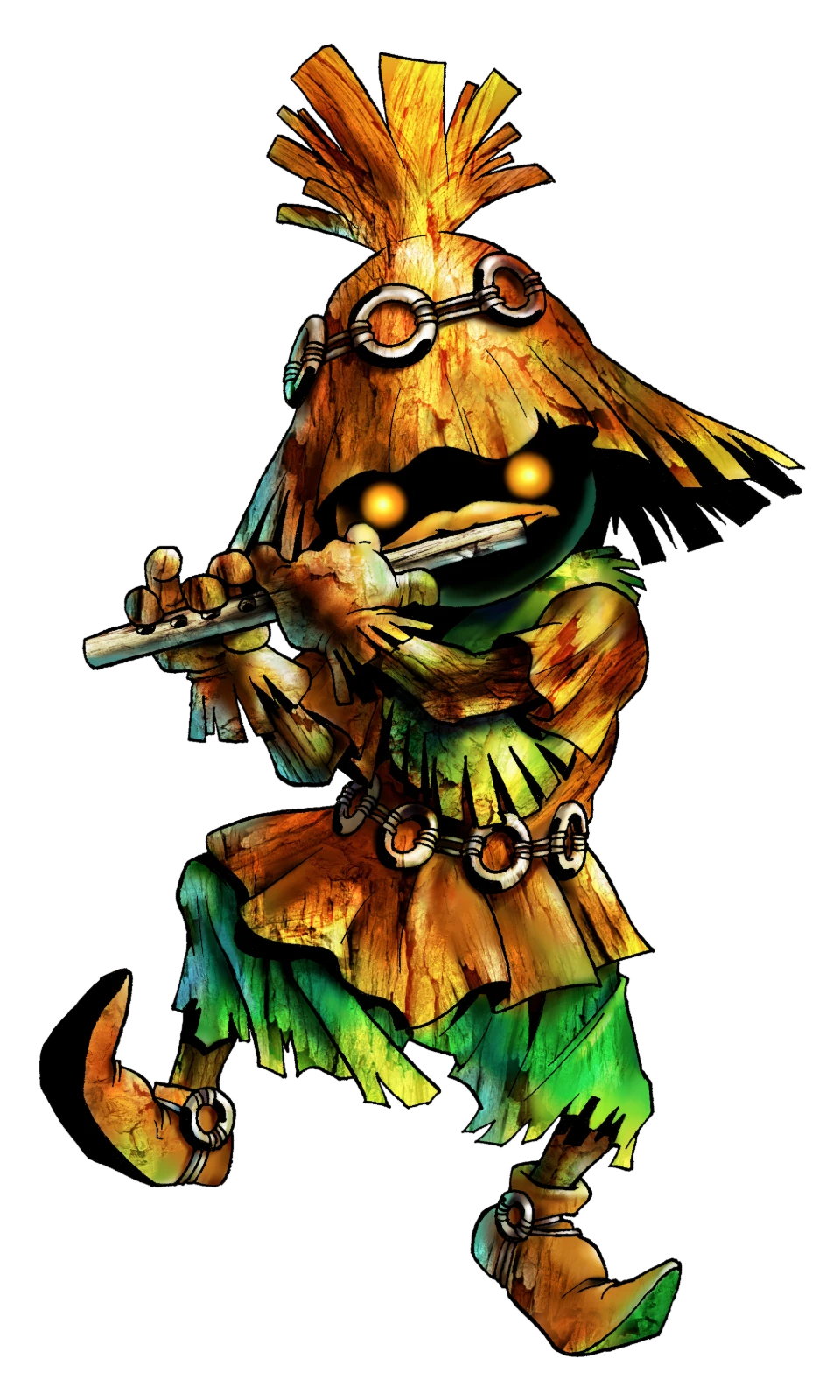
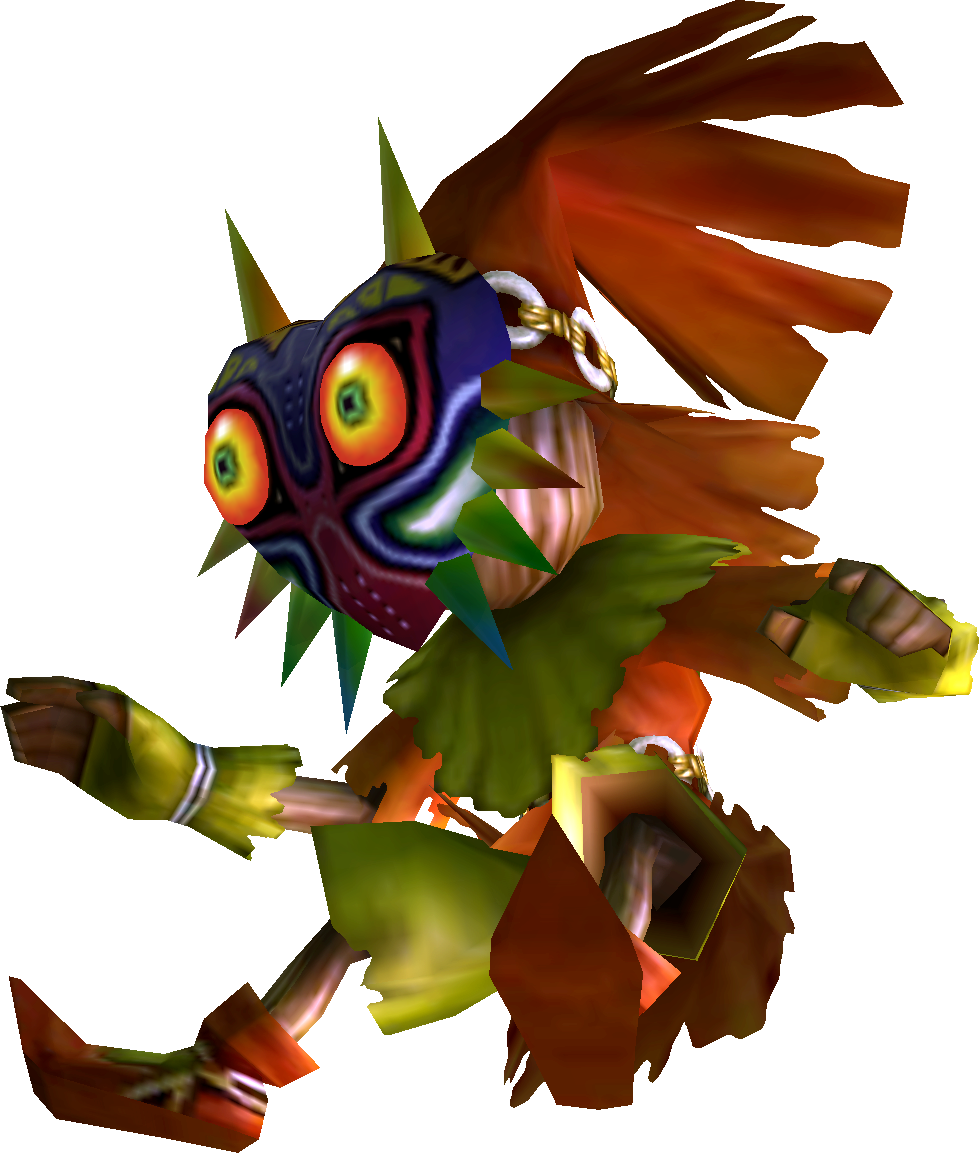
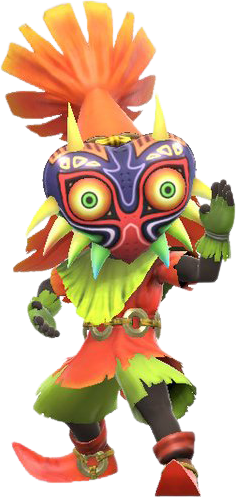
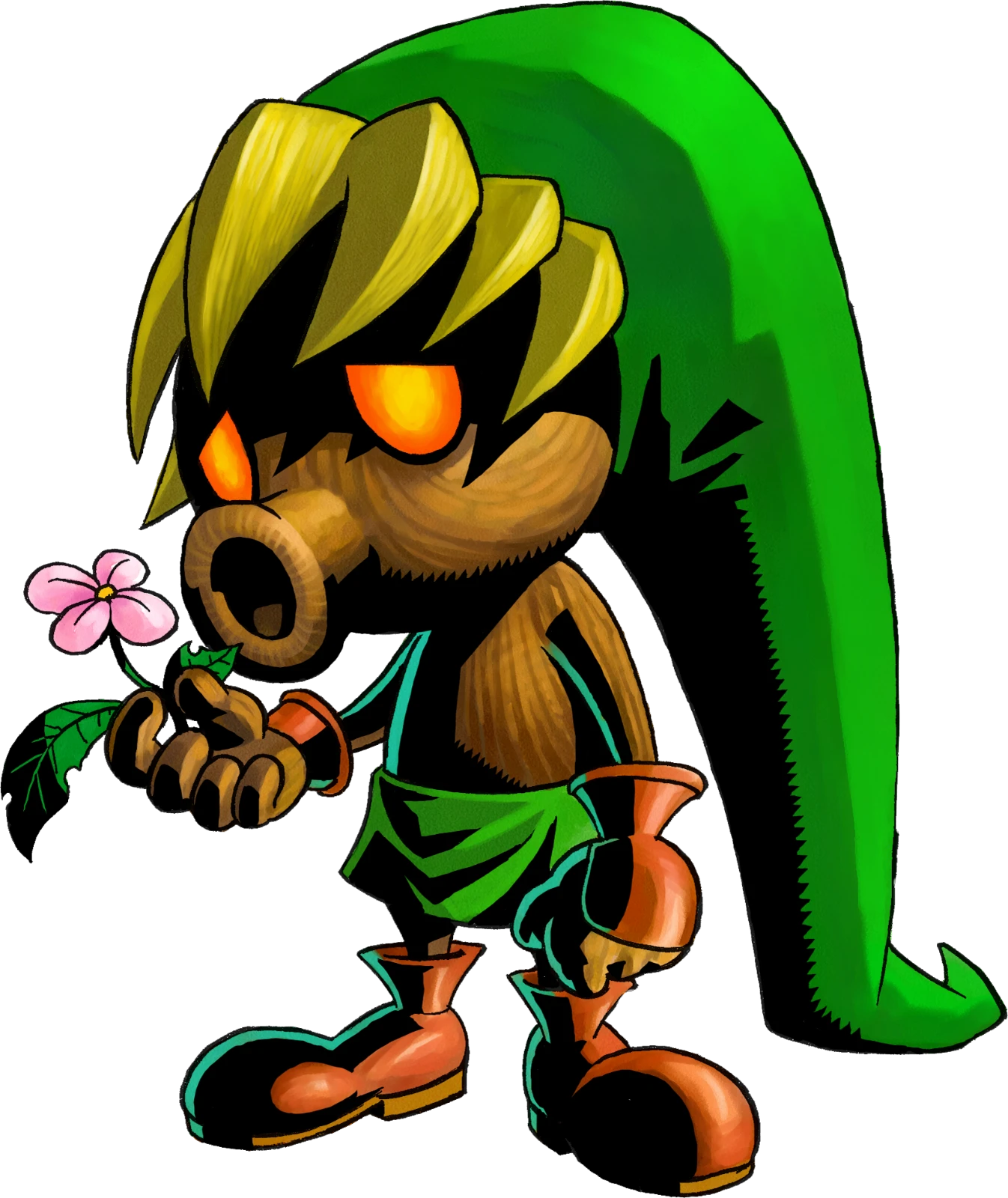
The Skull Kid’s look has barely changed since 1998, which is part of its charm: a small, skinny imp with a straw hat and a wooden face. Majora’s Mask reuses the Ocarina of Time design almost unchanged and simply puts the mask on top, and the 2015 3DS remake rebuilt him in finer detail. Twilight Princess gave him a woodland makeover, with leaves round his hat and waist and a leaf-like cape. The Hyrule Warriors games and Smash went back to the masked Majora’s Mask version, the one everybody remembers.
In the Skull Mask, Ocarina of Time 3D (2011)Concept art for Majora’s Mask (2000)The Majora’s Mask model (2000)Portrait model, Majora’s Mask 3D (2015)Hyrule Warriors render (2016)Dark Skull Kid, Hyrule Warriors: Definitive Edition (2018)Great Sea outfit, Hyrule Warriors: Definitive EditionTrophy, Super Smash Bros. for Wii U (2014)
Memorable moments
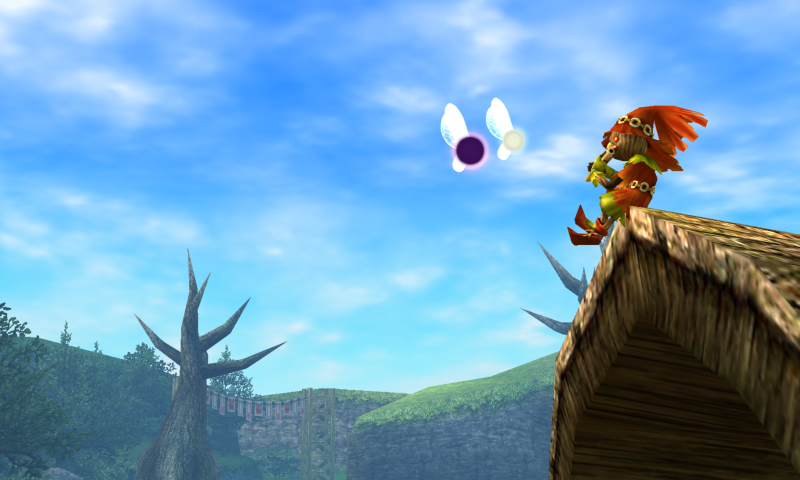
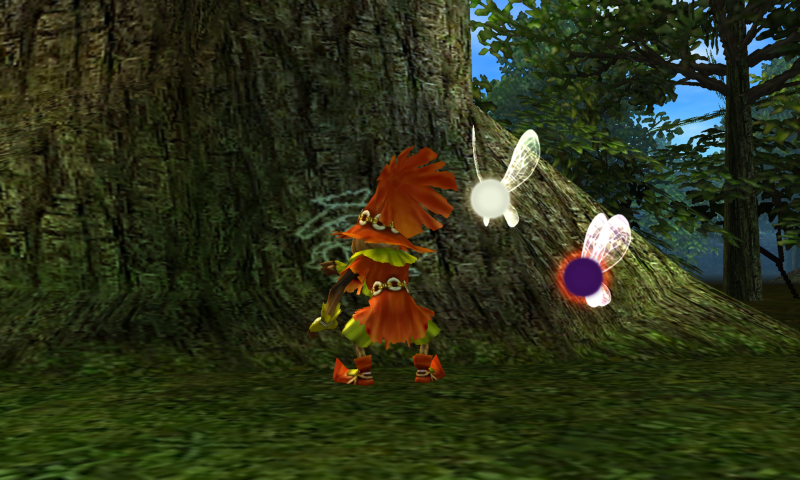
The Skull Kid and his fairies at play, Majora’s Mask 3DPlaying the stolen Ocarina of TimeLink and the Skull Kid, Majora’s MaskThe moon over Termina
Ocarina of Time: young Link plays Saria’s Song for a Skull Kid on a stump and is rewarded with a Piece of Heart, an innocent moment that pays off two years later.
Majora’s Mask: the opening chase into the woods, ending with Link turned into a Deku Scrub at the Skull Kid’s feet; then the big one, the imp hovering on top of the Clock Tower at midnight on the final night, the moon looming behind him.
The Four Giants, Majora’s Mask 3DA flute for the fairies, Majora’s Mask 3DThe Skull Kid and his fairies in a drawing, Majora’s Mask 3D
Majora’s Mask: the ending, when the Giants forgive him and he recognises Link’s scent, followed by the drawing on the tree stump.
Twilight Princess: a horn-playing Skull Kid leading wolf Link through the fog of the Sacred Grove to the Master Sword, then challenging the human Link to a second game of hide-and-seek on the way to the Temple of Time.
Beyond the games
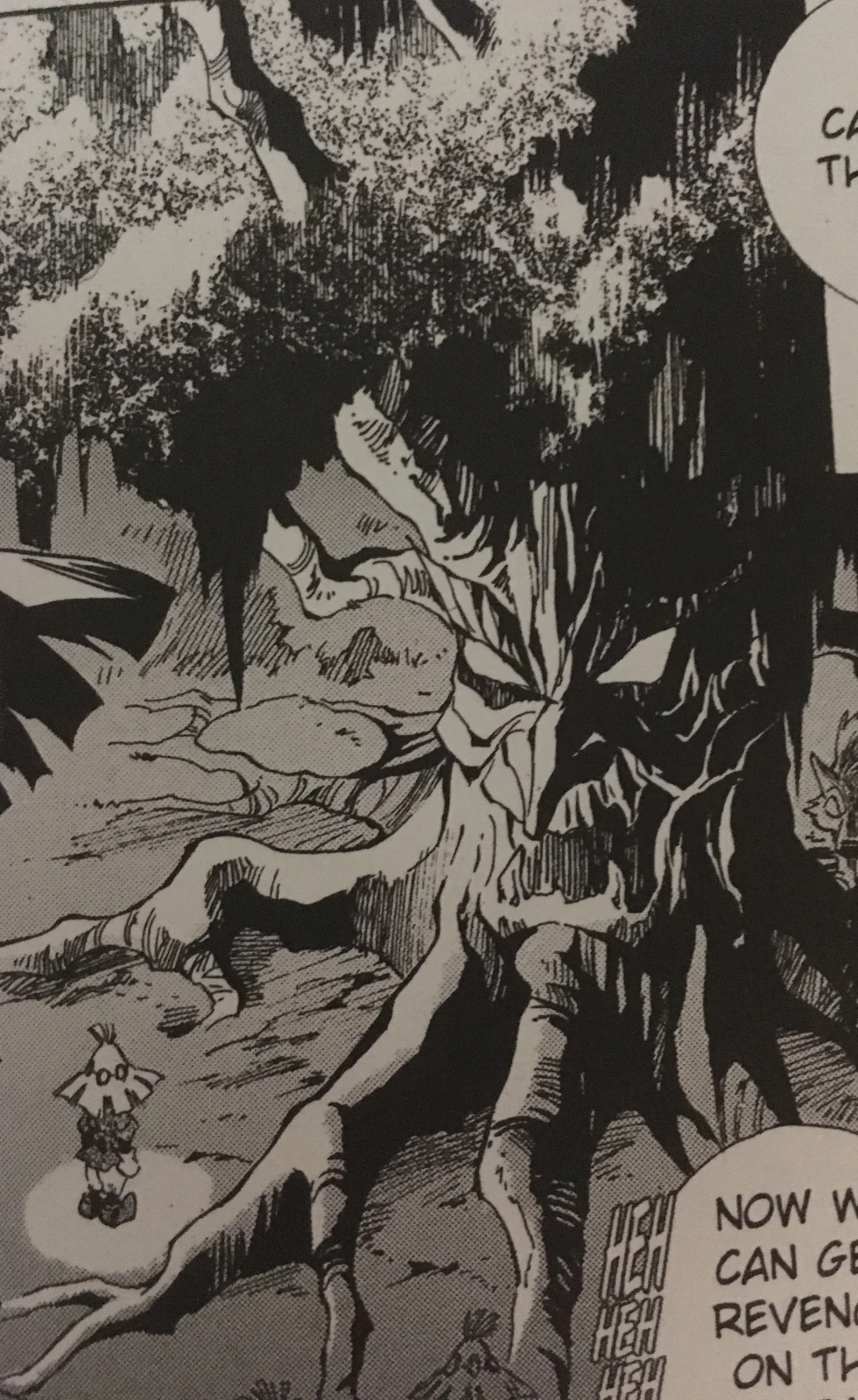
The Skull Kid and the Baga Tree, from the bonus story of Himekawa’s Ocarina of Time manga.
Manga. Akira Himekawa met the Skull Kid before Termina did. Their Ocarina of Time manga ends with a two-part bonus story, The Skull Kid and the Mask, in which a Skull Kid steals the mask Link has made for a Kokiri festival and turns out to be serving the Baga Tree, an evil tree out to take over the forest. Their Majora’s Mask manga (2001) then tells the main story: the Skull Kid and his fairies make off with Epona and the Ocarina, Anju’s promise to accept Kafei however he looks tips the imp into a rage just as the Giants arrive, and the last story chapter explains his friendship with the Giants. VIZ’s English blurb promised that “The mischievous Skull Kid steals the Ocarina of Time from Link and turns Link into a Deku Scrub!”
Terrible Fate (2016). Ember Lab’s acclaimed animated fan short retells the Skull Kid’s story and takes its title from the Happy Mask Salesman’s famous line; Wikipedia lists Joe Zieja as the Skull Kid’s voice. It is unofficial, but it put the studio on the map before it made Kena: Bridge of Spirits.
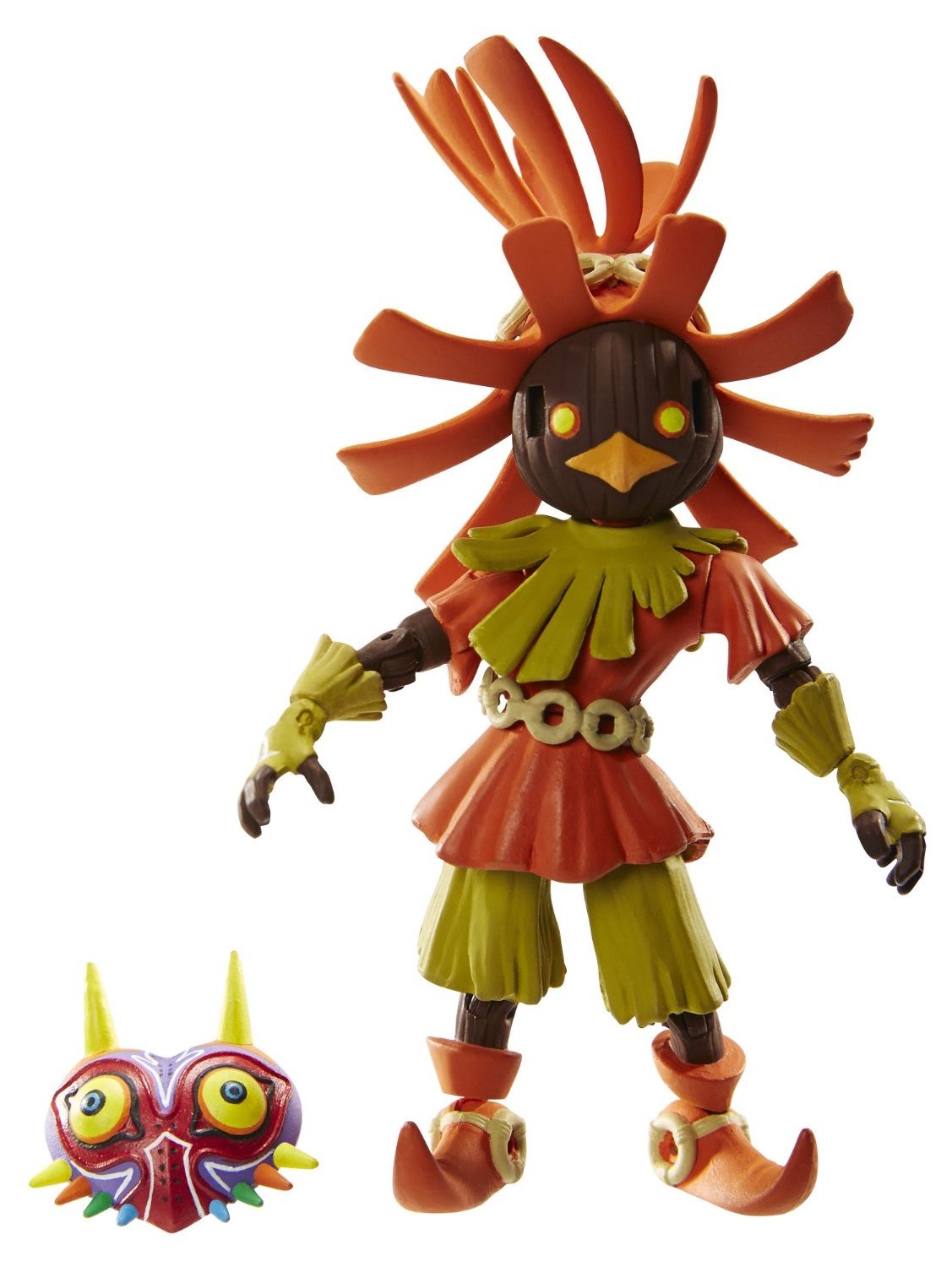
Merchandise. Nintendo of America’s Limited Edition of Majora’s Mask 3D (13 February 2015, $49.99) came packed with a figurine of the Skull Kid wearing the mask, and Nintendo’s UK store sold the same figurine in a bundle with the New Nintendo 3DS XL Majora’s Mask Edition.
The figurine from the North American Limited Edition of Majora’s Mask 3DA World of Nintendo figure of the Skull Kid, unmasked
Behind the scenes
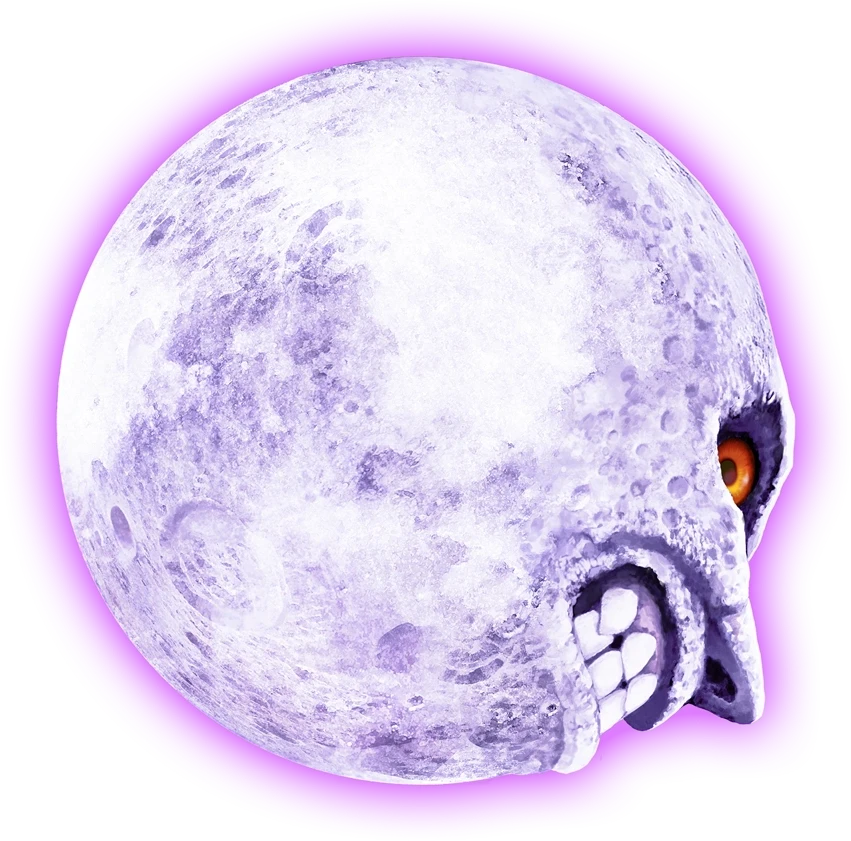
The moon in Majora’s Mask 3D (official artwork). Takaya Imamura designed it, along with the mask.
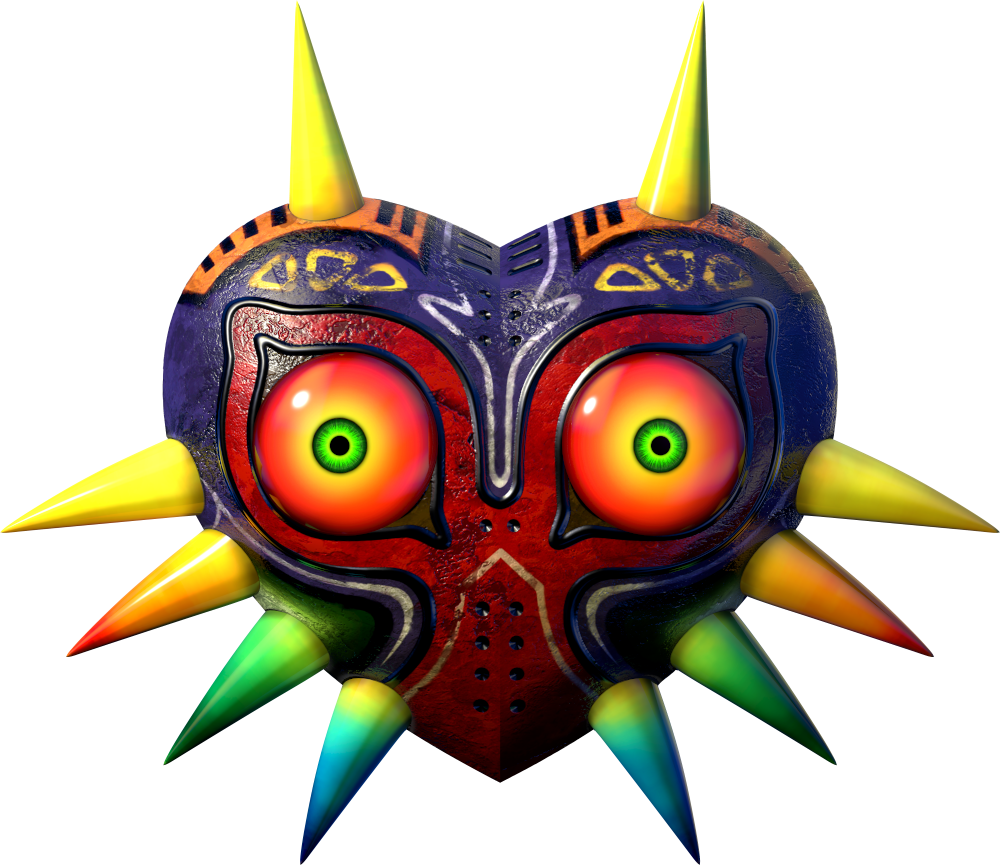
The Skull Kid himself predates Majora’s Mask, but the things that made him frightening were drawn for it. Art director Takaya Imamura designed both the mask and the falling moon, and told Edge in 2025 that, as far as he was concerned, neither was scary; the rest of the team disagreed. The mask’s Japanese name, Mujura, was his too: he told VGC that he built it from his own surname and his love of Jurassic Park.
Nintendo’s own materials have always framed the imp as the mask’s victim. The original manual’s entry on him says that even he does not understand the power hidden in the mask, and Hyrule Historia later explained his loneliness and named the mask as the one pulling the strings.
personally I didn’t think of them as scary at all
Takaya Imamura, on the mask and the moon Interview in Edge #407, as reported by GamesRadar+ (February 2025)
Majora’s Mask, rendered for Majora’s Mask 3D.
His Japanese name, Sutaru Kiddo, uses the “Stal” of the series’ skeleton enemies, a small detail that sits neatly beside Ocarina of Time’s hints that the Skull Kids are children the forest has changed. Nintendo has never given an official explanation of the name.
Reception
The Skull Kid in a Hyrule Warriors Legends cutscene.
The Skull Kid is one of the series’ most memorable characters. Kotaku’s Levi Winslow called him the scariest thing in Majora’s Mask, and the horror site Bloody Disgusting praised the heart-shaped mask for its “mystic appeal”. When Zelda Universe ranked the series’ 20 best bosses in 2020, the mask that possessed him came fifth.
Fans wanted to play as him, too. When he was finally added to Hyrule Warriors Legends, Twinfinite described him as “the often requested Skull Kid”, and four years later Cadence of Hyrule gave him a campaign of his own.
Trivia
The Four Giants as a Melee trophy.Super Smash Bros. Melee has no Skull Kid of its own; its only nods to him are in the descriptions of the Four Giants and Majora’s Mask trophies.
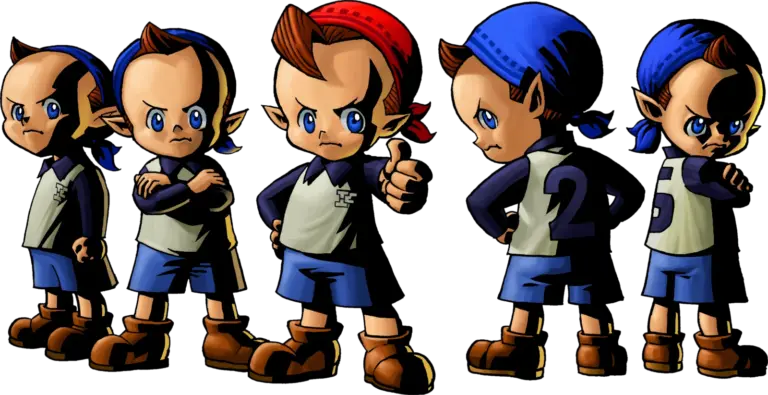
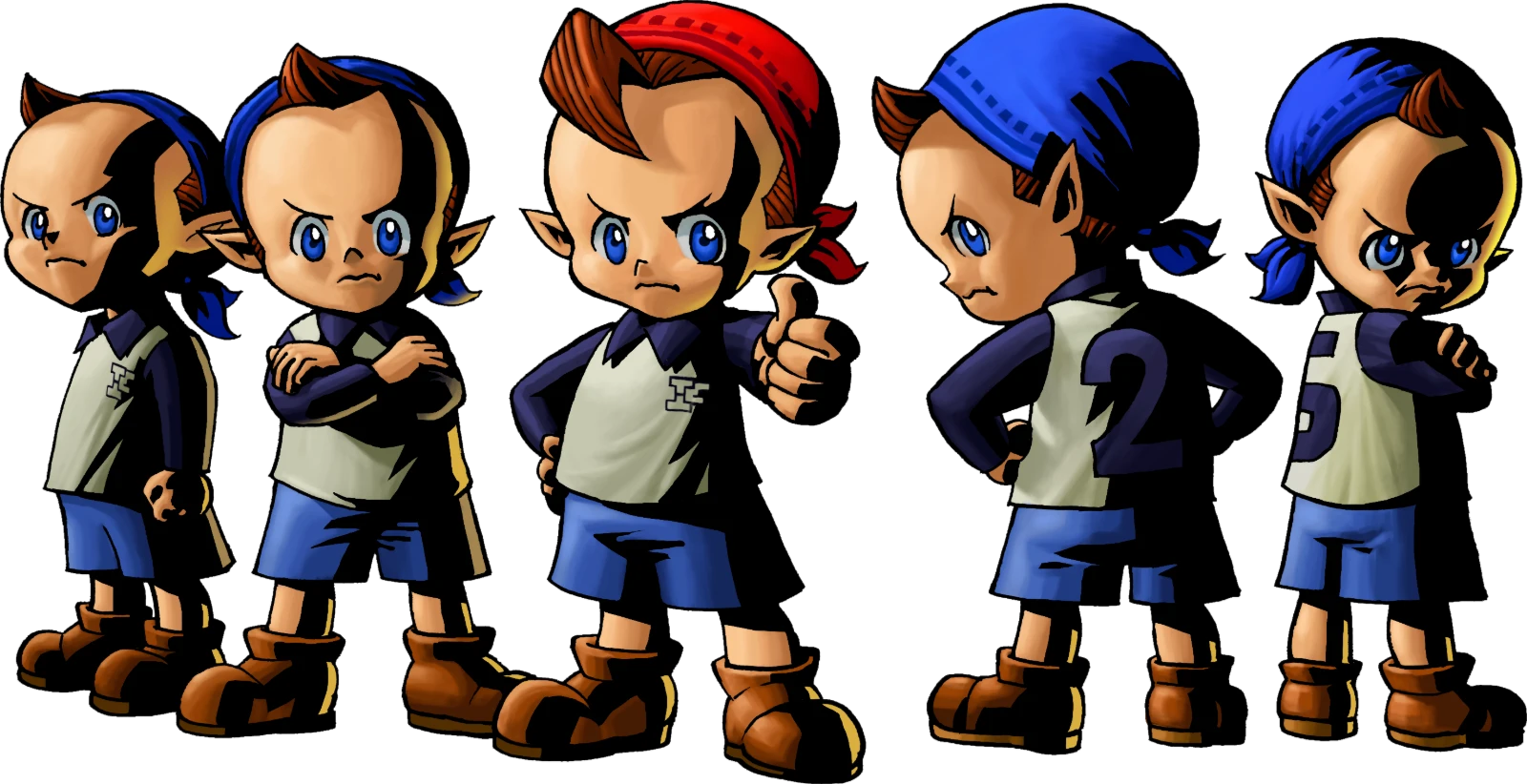
The Bombers in Majora’s Mask (official artwork).The Skull Kid once ran with the Bombers, Clock Town’s self-styled secret society of justice, and so did Kafei.
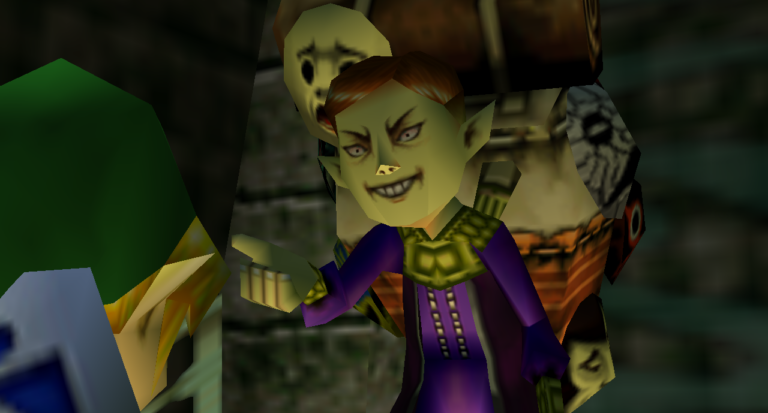
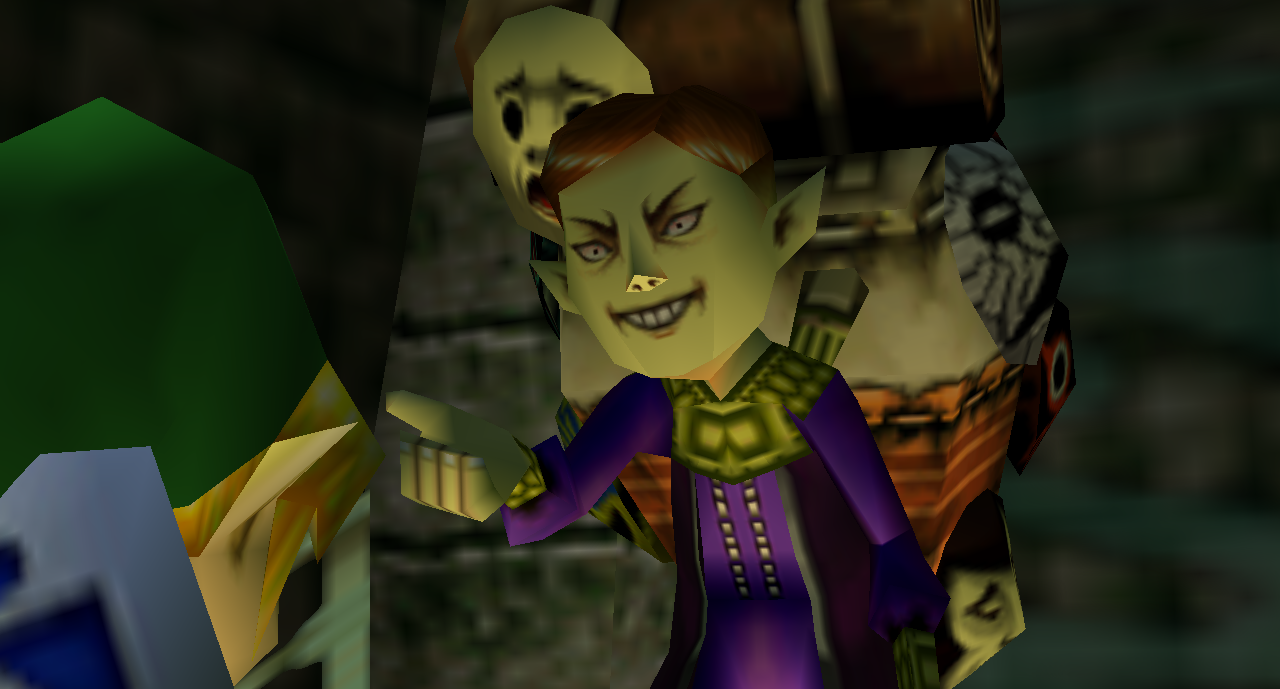
The Happy Mask Salesman loses his temper in Majora’s Mask.Ember Lab’s fan film Terrible Fate takes its name from the Happy Mask Salesman’s greeting: “You’ve met with a terrible fate, haven’t you?”
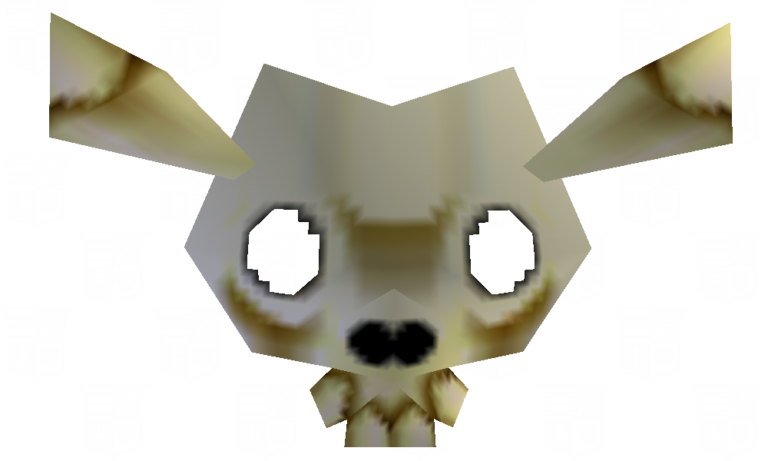
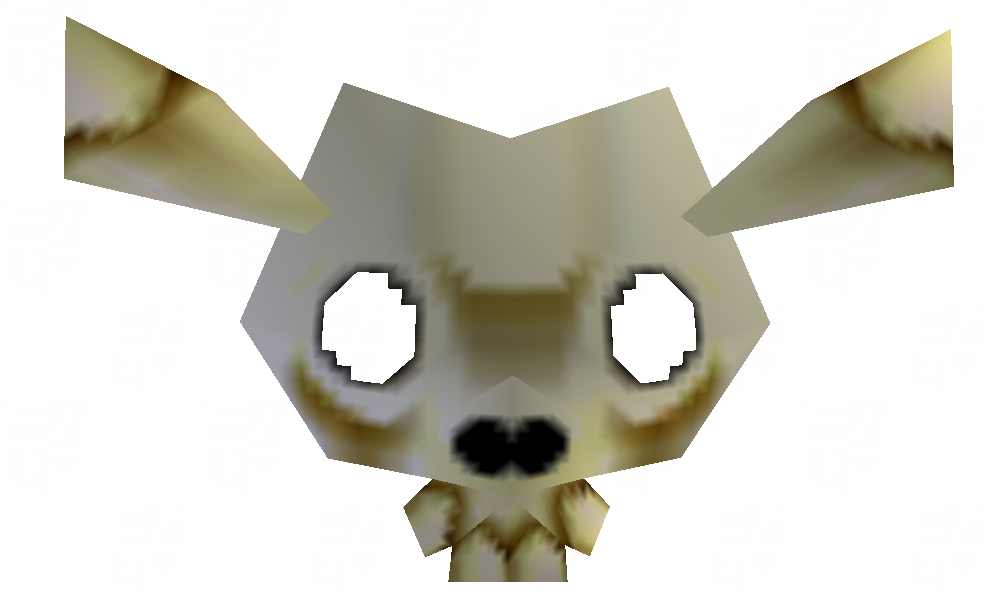
The Skull Mask in Ocarina of Time (model).Sell a Skull Kid the Skull Mask in Ocarina of Time and Navi notes that he “looks satisfied with his skull face.”
The four places Tael tries to point Link towards are the swamp, the mountain, the ocean and the canyon: the homes of the Four Giants.
He is one of very few Zelda villains who is forgiven and survives.
In Smash Ultimate he and the Moon Assist Trophy can never be on the stage together, a neat nod to his game.
His four-star Ultimate spirit, Skull Kid & Majora’s Mask, is earned by levelling his ordinary spirit up to 99.
In Smash for 3DS and Wii U, his Assist Trophy appears wearing Majora’s Mask.
Further reading: Zelda Temple’s fact-checked game pages (Ocarina of Time, Majora’s Mask and its 3D remake, Twilight Princess and HD, Link’s Crossbow Training, Hyrule Warriors and Legends, Cadence of Hyrule), each with its own sources
Manage Consent
To provide the best experiences, we use technologies like cookies to store and/or access device information. Consenting to these technologies will allow us to process data such as browsing behavior or unique IDs on this site. Not consenting or withdrawing consent, may adversely affect certain features and functions.
Functional
Always active
The technical storage or access is strictly necessary for the legitimate purpose of enabling the use of a specific service explicitly requested by the subscriber or user, or for the sole purpose of carrying out the transmission of a communication over an electronic communications network.
Preferences
The technical storage or access is necessary for the legitimate purpose of storing preferences that are not requested by the subscriber or user.
Statistics
The technical storage or access that is used exclusively for statistical purposes.The technical storage or access that is used exclusively for anonymous statistical purposes. Without a subpoena, voluntary compliance on the part of your Internet Service Provider, or additional records from a third party, information stored or retrieved for this purpose alone cannot usually be used to identify you.
Marketing
The technical storage or access is required to create user profiles to send advertising, or to track the user on a website or across several websites for similar marketing purposes.

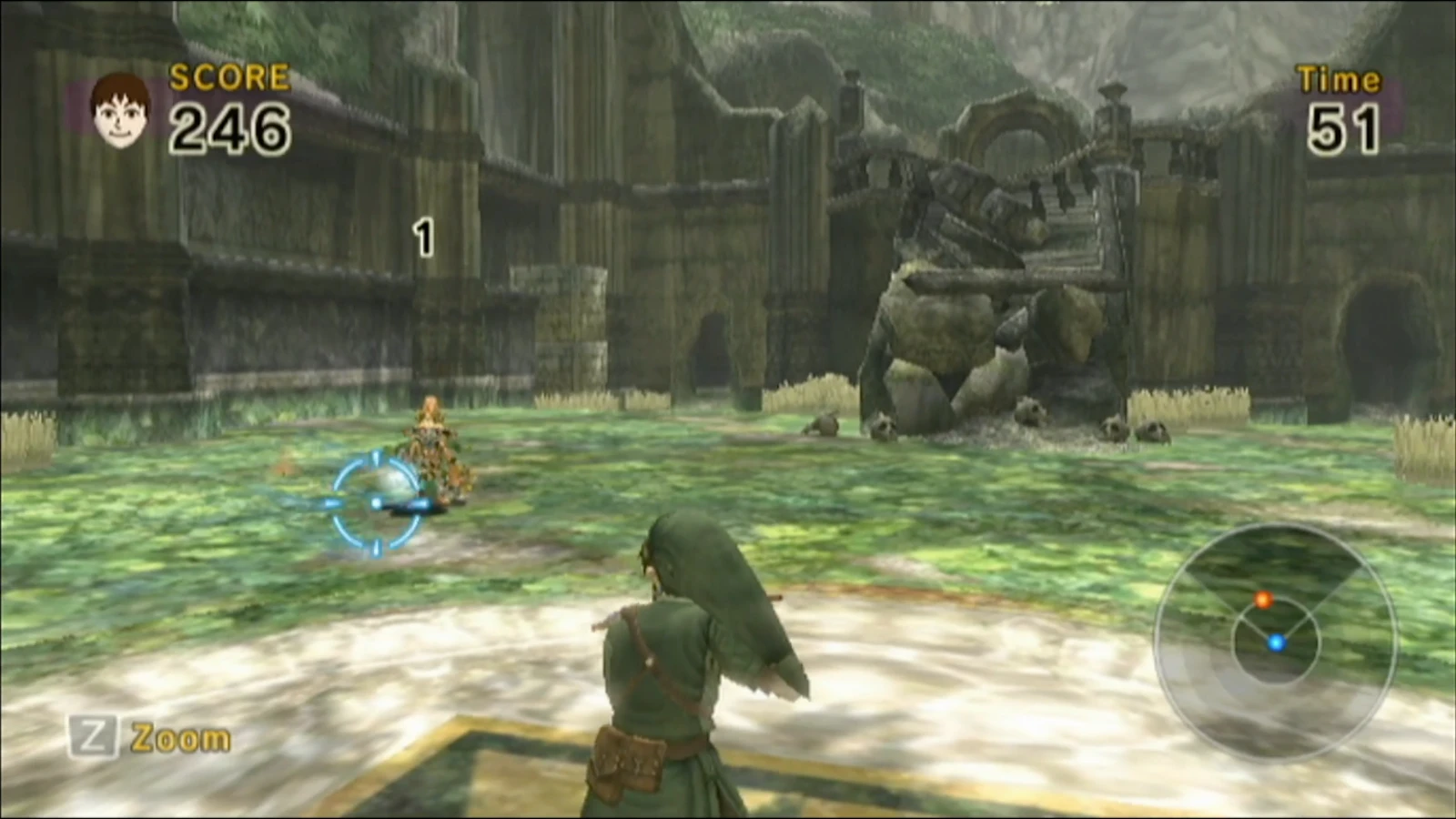 Link’s Crossbow Training (2007)Wii · Sacred Grove stage bossNintendo’s Wii Zapper shooter turns Twilight Princess’s places into shooting galleries. In Sacred Grove: Defender, part of the final level, the Skull Kid sends waves of wooden puppets at Link, each needing two hits; shoot the imp himself and, when he glows green, he hands over an automatic crossbow.
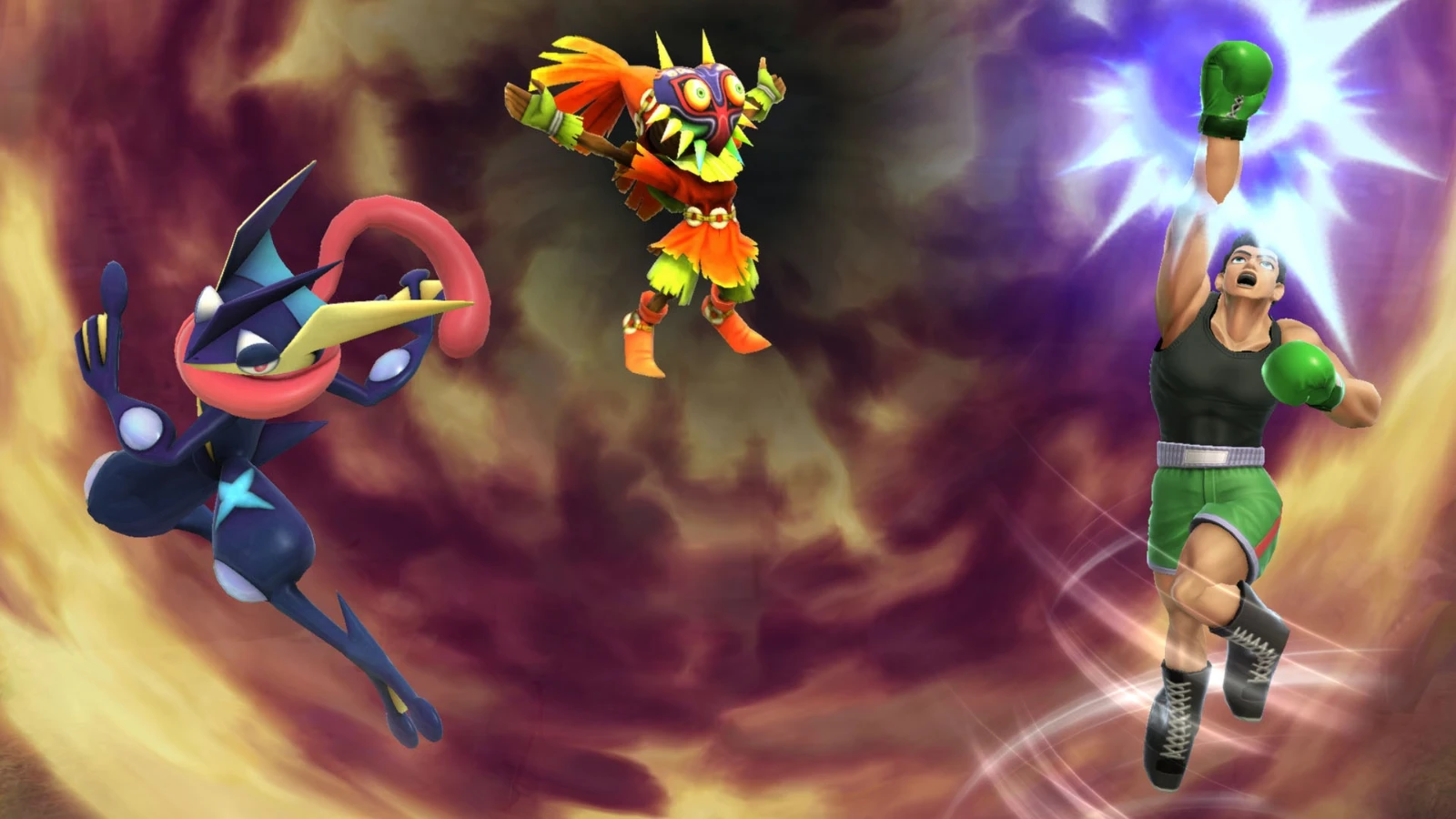 Super Smash Bros. seriesBrawl (2008) to Ultimate (2018)Melee mentions him only in trophy text, and Brawl gives him two stickers. In Smash for 3DS and Wii U he becomes an Assist Trophy, wearing Majora’s Mask, who flips the screen, reverses everyone’s controls or turns the fighters invisible. Ultimate keeps the Assist Trophy, adds two spirits and a Mii Brawler hat and outfit.
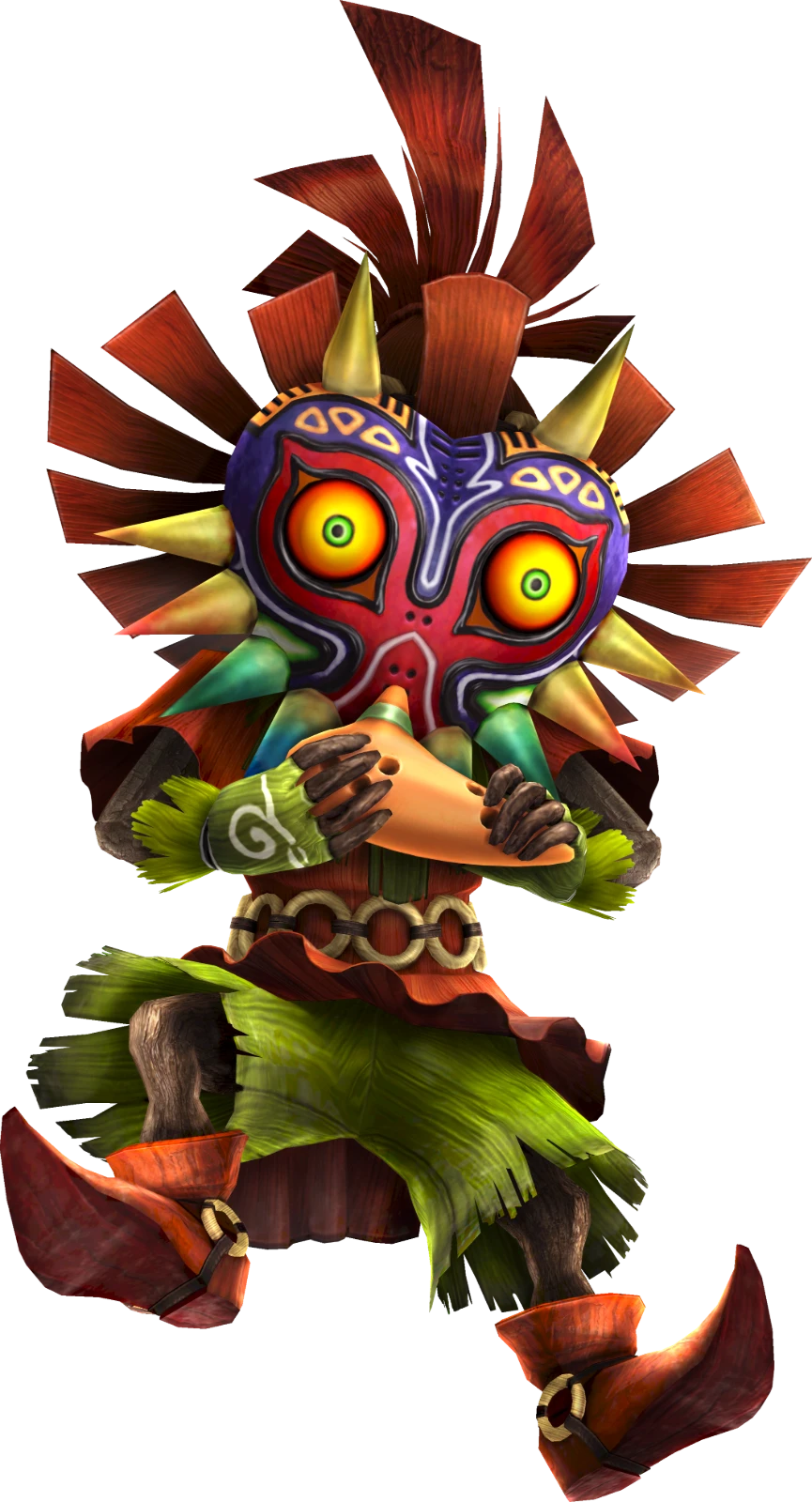 Hyrule Warriors Legends (2016)3DS, then Wii U and Switch · PlayableRevealed in October 2015, and called “often requested” by Twinfinite, he became one of Legends’ new warriors, fighting with an ocarina. In Linkle’s Tale he ambushes the would-be heroine and makes off with her compass. Wii U owners got him through the Legends Character Pack, and he is in Hyrule Warriors: Definitive Edition (2018).
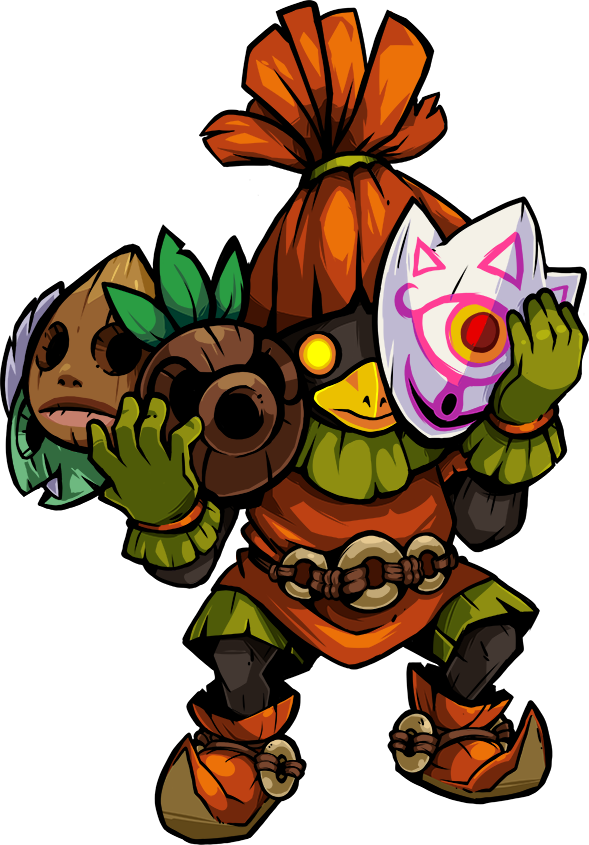 Cadence of Hyrule: Symphony of the Mask (2020)Switch · Playable star of the third paid packHis own adventure, set in a ruined future Hyrule. He starts with only a Deku Mask head-butt, receives the Skull Mask and Mask Magic from the Deku King and swaps powers by swapping masks, six in all. The voice he takes for the Great Deku Tree turns out to be the Skull Mask, which Ganon steals to fight as Skull Ganon.
 LinkThe fairy kid
 TatlFairy friend
 TaelFairy friend
 The Four GiantsOld friends
 Majora’s MaskThe puppet-master
 Happy Mask SalesmanHis victim
 SariaThrough her song
 KafeiAnother victim