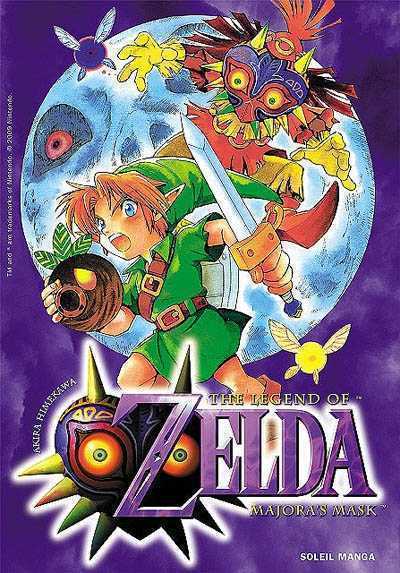
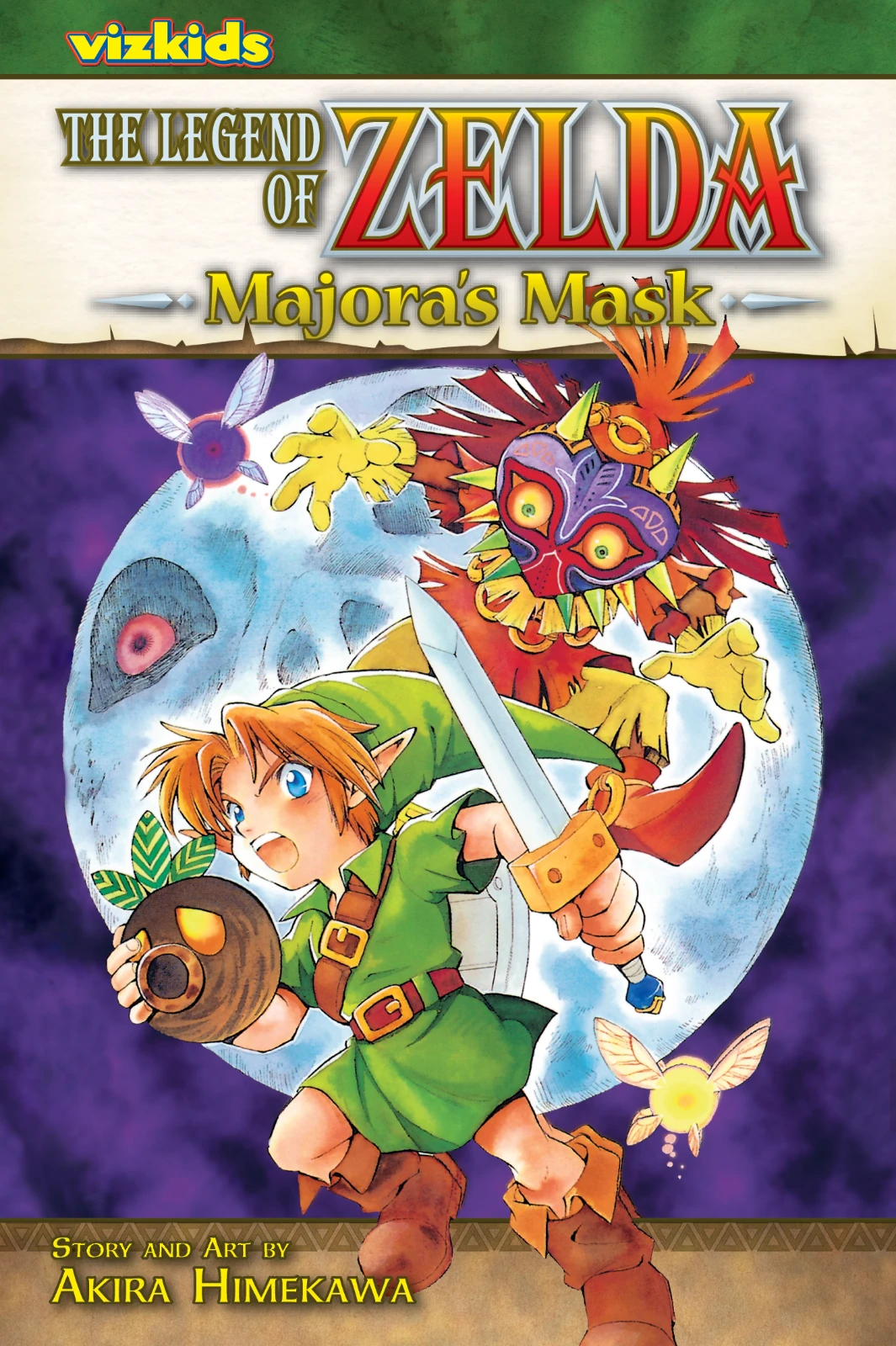
Link’s strangest adventure in a single volume: a hunt for Navi that ends in Termina, a moon on its way down and a final chapter in which Akira Himekawa invents a legend of their own for the mask.
Story & artAkira Himekawa
Volumes1 (10 chapters)
JapanShogakukan, 26 February 2001
EnglishVIZ Media, 3 February 2009
OmnibusWith A Link to the Past, 2016 (Japan) and 2017 (English)
AdaptsMajora’s Mask (2000)
Original title
ゼルダの伝説 ムジュラの仮面 (Zelda no Densetsu: Mujura no Kamen)
Story and art
Akira Himekawa (A. Honda and S. Nagano)
Magazine
Shogakukan’s Shōgaku Rokunensei (a supplement booklet with the June 2000 issue is catalogued by the National Diet Library)
Publisher (Japan)
Shogakukan, Tentōmushi Comics Special, 26 February 2001
Publisher (English)
VIZ Media, as The Legend of Zelda vol. 3, 3 February 2009
Volumes
1 (nine story chapters and a bonus chapter)
Pages (English)
216
ISBNs
Japan 4-09-149603-2; English 978-1-4215-2329-3
English text
Translation John Werry (Honyaku Center), adaptation Steve “Stan!” Brown, lettering John Hunt (as credited for the Legendary Edition)
Omnibus
With A Link to the Past: Kanzenban, 28 July 2016; Legendary Edition, 14 March 2017
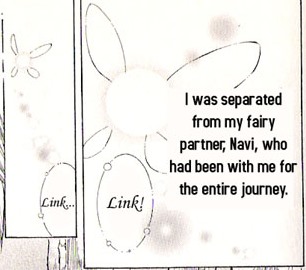
Akira Himekawa’s second Zelda book picks up exactly where their Ocarina of Time left off. Ganondorf is sealed away, Hyrule is at peace and Link, now a celebrated swordsman, is restless: Navi has gone, and he means to find her. The search takes him into the woods, into the hands of a masked Skull Kid and out the other side into Termina, a land three days from destruction.
It is one volume of nine story chapters, a ruthless edit of one of the densest Zelda games. The temples, the masks and most of the side quests are gone, the three-day loop is used once, and the space goes instead to the people Link meets: the dead Goron hero Darmani, the dying Zora guitarist Mikau and, above all, the lovers Anju and Kafei. Then comes a tenth chapter that the game never had, in which Himekawa imagine where Majora’s Mask came from.
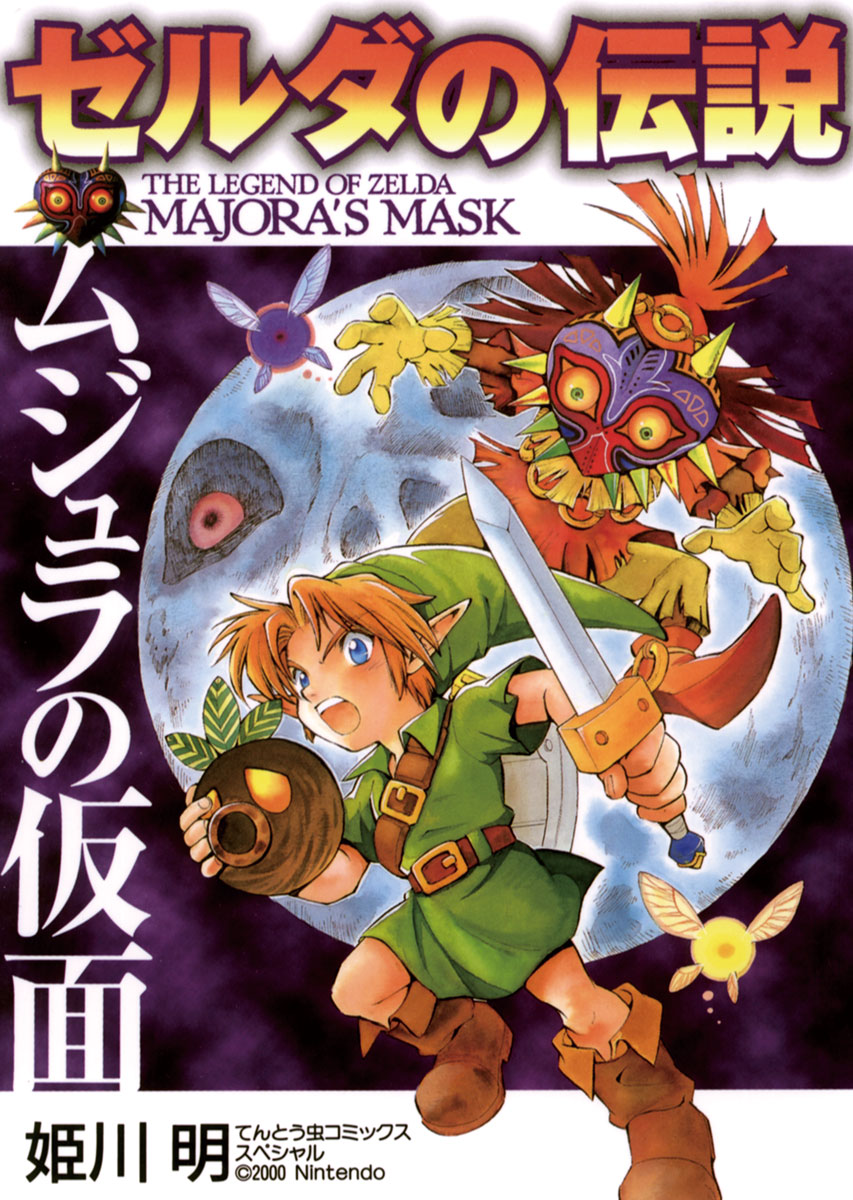
Shogakukan published the book in February 2001, after the story had run for young readers of Shōgaku Rokunensei. VIZ Media brought it to English readers as volume 3 of The Legend of Zelda on 3 February 2009, and in 2016 and 2017 it was paired with Himekawa’s A Link to the Past in the Japanese Kanzenban and the English Legendary Edition.
After Link seals Ganondorf in the Sacred Realm, peace returns to Hyrule.
— VIZ Media’s description of Volume 3 (first sentence)
VIZ’s blurb goes on to promise that “The mischievous Skull Kid steals the Ocarina of Time from Link and turns Link into a Deku Scrub!”, sending him into a parallel world to put things right.
Volume guide
The whole story fits in one book. Zelda Dungeon lists ten chapters, the last of them a bonus story; MyAnimeList agrees on the count. Dates are Shogakukan’s Japanese on-sale date and VIZ’s English release date.
Majora’s Mask (VIZ Volume 3)
Japan: Shogakukan, 26 Feb 2001 · English: VIZ Media, 3 Feb 2009 · 216 pages · ISBN 978-1-4215-2329-3
A long opening chapter shows Link’s life after Ocarina of Time: he is giving sword lessons at an old friend’s school when he sets off to look for Navi. In the woods the Skull Kid and his two fairies make off with Epona and the Ocarina of Time, and when Link follows them down a hole he is turned into a Deku Scrub. Left behind with the fairy Tatl, he stumbles into Clock Town, where Anju takes him in and tells him of the rumour that the moon will fall in three days. Link wins back the ocarina on top of the clock tower, turns back time and agrees to recover Majora’s Mask for the Happy Mask Salesman.
Then come the four regions, the first three a chapter each: the poisoned swamp, where monkeys save Link and the Deku Princess is held by Odolwa; Snowhead, where the spirit of Darmani gives him the Goron Mask; Great Bay, where the wounded Mikau gives him the Zora Mask and the Giant Turtle leads him and Lulu to Gyorg; and a brief clash with Twinmold. Back in town, a masked boy carrying a letter for Anju turns out to be her fiancé Kafei, shrunk by the Skull Kid. As the carnival begins, the Four Giants hold up the moon, the mask turns on its own host, and Link puts on the Fierce Deity’s Mask to finish it on the moon itself. The book closes with a wedding, a reunion with Epona and the bonus story of the mask’s origin.
Chapters (10)
Skull Kid and the Demon Mask
Link the Deku Scrub
The Happy Mask Shop
Odolwa: God of Woodfall
The Monster of Snowhead
The Great Bay
Anju and Kafei
Stop the Moon!!
Fierce Deity Link
Original Side Story (bonus chapter)
From game to page
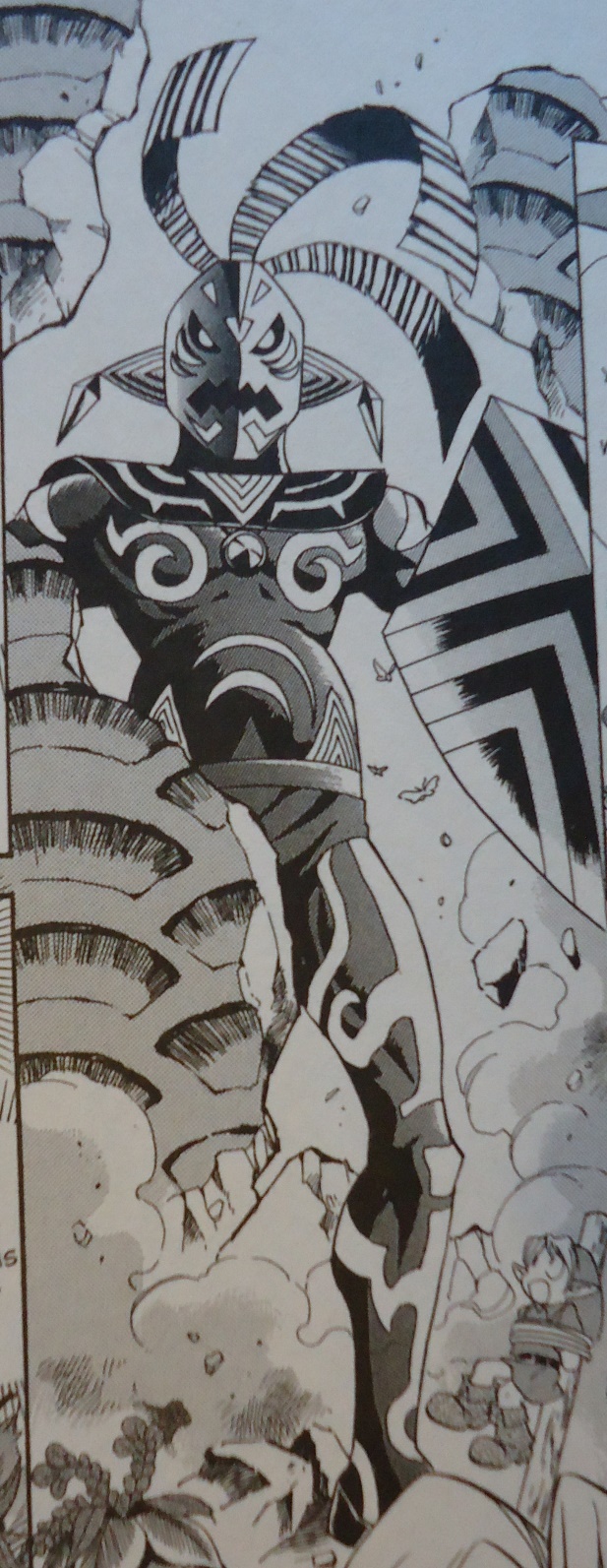
Link never enters a temple: Odolwa is fought in the Deku Palace, Goht on the open mountainside and Gyorg out in the bay, and Twinmold is beaten in a single fight without the Giant’s Mask.
Ikana Valley, Ikana Castle and the Stone Tower are skipped altogether, as Zelda Universe noticed.
Anju and Kafei, a side quest in the game, get a chapter of their own, and Kafei ends up at Link’s side at the clock tower.
The Fierce Deity’s Mask, an optional reward in the game, is the key to the final battle.
The Happy Mask Salesman is a shadier figure, and he tries to make off with the mask at the end.
The story
Before Termina
The game opens with Link already riding through the Lost Woods; the manga takes its time getting there. Its first chapter is about Link at home in Hyrule, a hero with nothing left to fight, teaching swordsmanship and missing his fairy. Leroy Douresseaux of Comic Book Bin thought this the weakest part of the book and felt the story found its feet only once Link went looking for the Giants.
Four regions, four masks
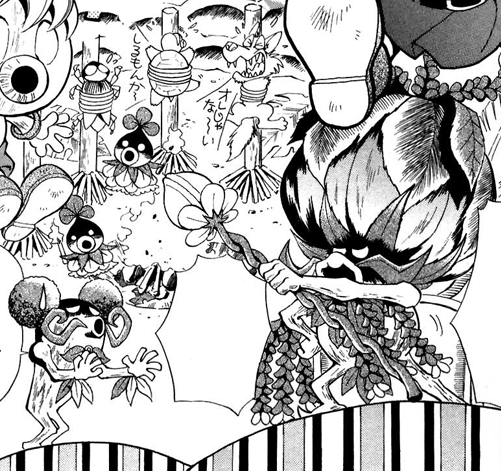
Each region of Termina gets roughly a chapter, and each turns on a mask. The Deku chapter plays the swamp for comedy, with a Deku King who locks up any creature he suspects. The Goron and Zora chapters are sadder: Link meets Darmani and Mikau when they are dead or dying, takes their faces and finishes their work, and Darmani even asks him to teach a Goron child the lullaby he had promised. Twinmold’s turn is the shortest of all; Zelda Universe noted that the manga drops the reader into the middle of the fight.
Anju and Kafei
The emotional centre of the book is a side quest. In the game, reuniting Anju with her missing fiancé is a long chain of errands most players never finish; Himekawa give it a whole chapter and fold it into the climax. Kafei, trapped in a child’s body, joins Link on the way to the clock tower, and Anju’s promise to accept him however he looks is what tips the Skull Kid into rage, just as the Four Giants arrive. The last story chapter reveals why the Skull Kid became what he did: his old friendship with the Giants and his loneliness when they left, which the mask exploited.
The bonus chapter: where the mask came from
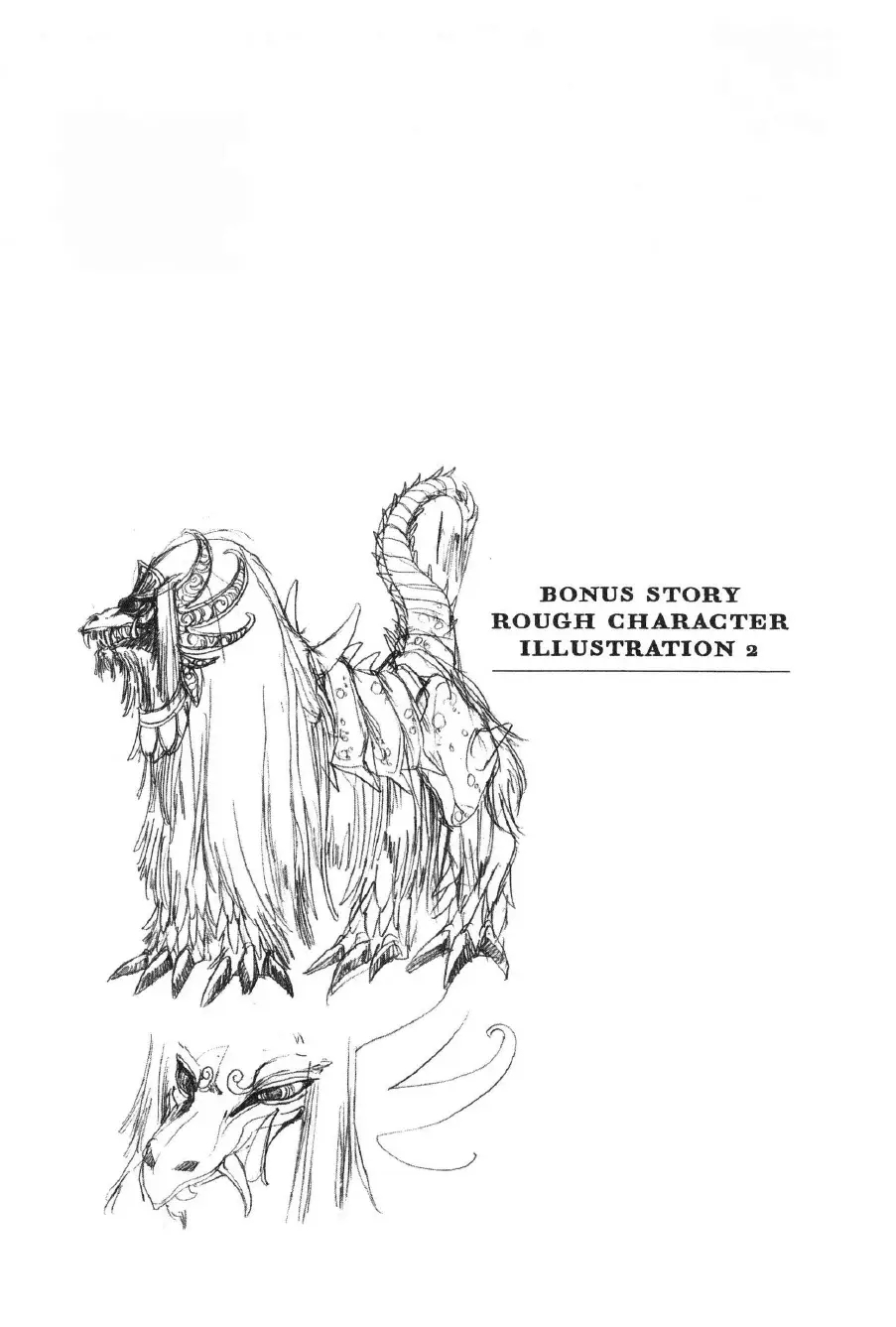
Himekawa’s artwork of Majora as a dragon, from the bonus chapter.
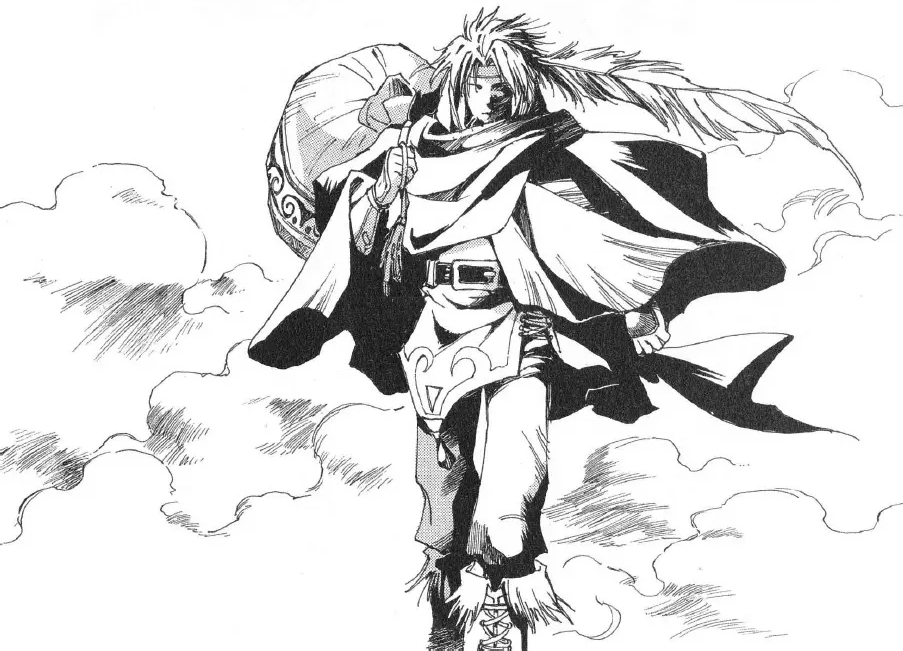
The tenth chapter is Himekawa’s own guess at the mask’s origin, and English Wikipedia is careful to call it the artist’s speculation. Majora was once a beast, a lonely dragon clad in magical armour. A travelling warrior from a far-off land played it a tune that made it dance for three days and nights until it dropped, then carved a piece of its armour into the mask and sealed the creature’s power inside. In a 2017 interview with Anime News Network the artists said the beast was inspired by the Barong, the lion-like creature of Indonesian dance.
Zelda Universe’s reviewer found it intriguing but wordy, summing it up as “All talk, no action”; in 2022 the same site put both the Traveling Warrior and Dragon Majora on its list of the most memorable characters found only in Himekawa’s manga.
Characters
A small cast, as Zelda Universe complained in 2006: Link, Tatl and the Happy Mask Salesman carry most of the book, with Anju and the Skull Kid close behind. The last column notes how each differs from the game.
Character
Who they are
In the cartoon
Voice
LinkThe hero
The Hero of Time, a renowned swordsman back in Hyrule.
Searching for Navi, he is cursed into a Deku Scrub, wears the Goron and Zora Masks, and finally becomes Fierce Deity Link to face Majora on the moon.
Talks freely, as in Himekawa’s Ocarina; Zelda Dungeon notes that he masters the Deku bubble attack the moment he is transformed.
TatlFairy partner
One of the Skull Kid’s two fairies, left behind when he flees.
Becomes Link’s guide in place of Navi, and later tells Anju what has happened to Kafei.
Much as in the game.
Skull KidWearer of the mask
A lonely imp of the woods, once a friend of the Four Giants.
Steals Epona and the ocarina, curses Link and Kafei, and pulls the moon towards Clock Town, until the mask turns on him.
His backstory with the Giants is told in the final chapter, as in the game.
Happy Mask SalesmanOwner of the mask
The travelling mask dealer from whom Majora’s Mask was stolen.
Hires Link to get the mask back, then tries to run off with it once it is powerless.
Darker than in the game; Zelda Dungeon notes that he is awake when he is robbed, rather than knocked out.
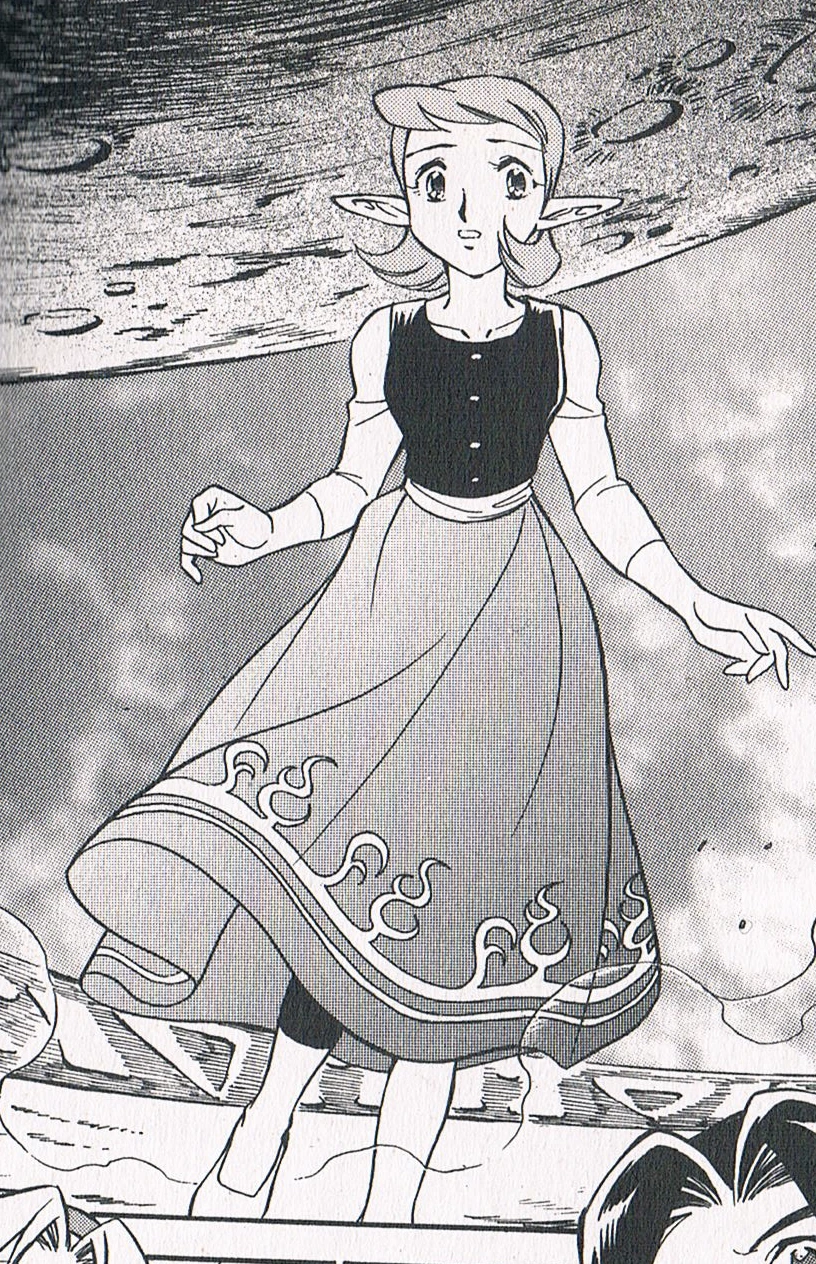
AnjuInnkeeper of Clock Town
The young woman whose fiancé has vanished days before their wedding.
Rescues Deku Link in the second chapter, and her love for Kafei drives the climax.
A much bigger part than in the game, where she belongs to a side quest.
KafeiAnju’s fiancé
Turned into a child by the Skull Kid; first seen as a masked boy with a letter.
Joins Link on the way to the clock tower, and marries Anju at the end.
Zelda Dungeon notes that Sakon does not steal his Sun’s Mask in the manga.
Deku KingRuler of the swamp
Father of the kidnapped Deku Princess.
Blames the wrong culprits for his daughter’s disappearance.
Locks up Wolfos, Snappers and bugs instead of putting the monkey on trial.
OdolwaMasked Jungle Warrior
The monster holding the Deku Princess.
Beaten by Link; its mask breaks and a Giant is set free.
Fought in the Deku Palace, not in Woodfall Temple.
DarmaniGoron hero
A Goron warrior killed fighting Goht.
His spirit passes into the Goron Mask and asks Link to finish the job.
He has only just died, rather than long before as in the game, and the Gorons do not yet know.
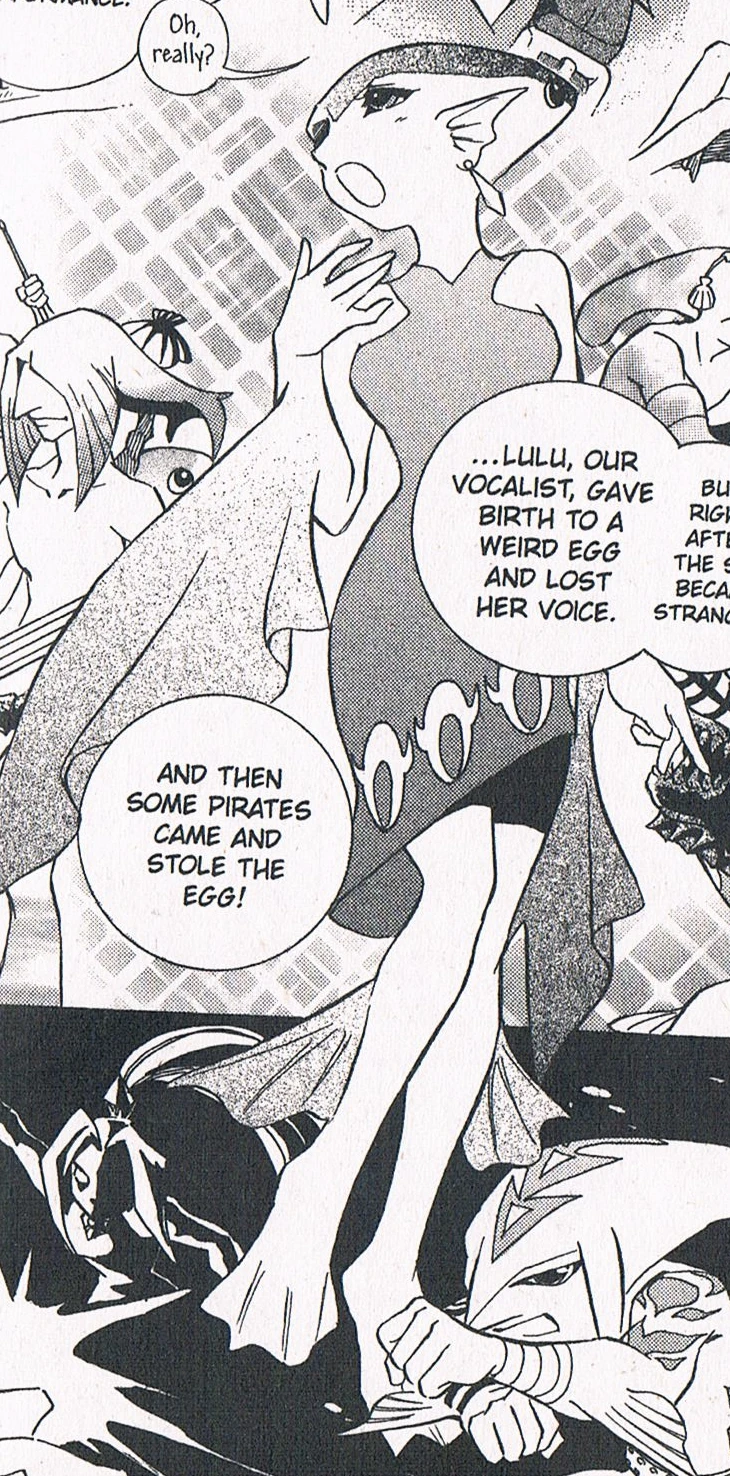
Mikau and LuluThe Zora band
The guitarist of the Zora band and its singer.
Mikau, beaten up by pirates over a stolen egg, gives Link the Zora Mask; Lulu sails with Link to Gyorg on the Giant Turtle.
Mikau is thrown into the bay rather than found floating, and there is one Zora egg, not seven.
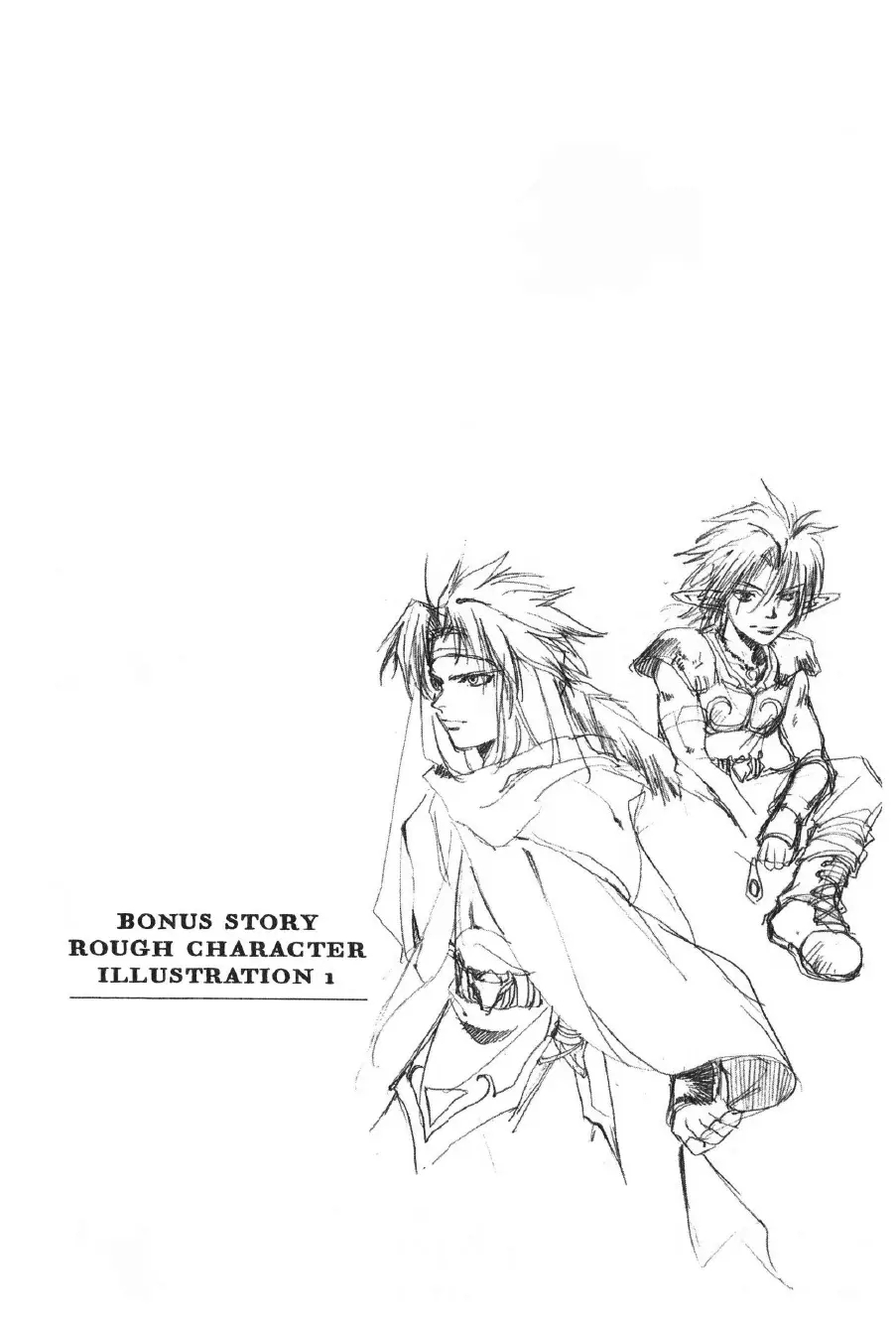
The Traveling WarriorManga original
A hero from a distant land, in the bonus chapter.
Calms the dragon Majora with music, then turns its armour into the mask.
Exists only in the manga.
Dragon MajoraManga original
The armoured beast of the bonus chapter.
Dances itself to exhaustion; its armour becomes Majora’s Mask.
Exists only in the manga; the artists cite the Indonesian Barong as the inspiration.
From game to comic
Majora’s Mask is built on repetition: three days, played over and over, with every resident of Clock Town following a timetable. A comic cannot do that, and Himekawa did not try. After one rewind early on, Link frees all four Giants in a single three-day run, which Zelda Dungeon points out would be impossible in the game alongside the Anju and Kafei quest. Allen Kesinger, reviewing the omnibus for No Flying No Tights in 2017, found that the result drops most of the puzzles, bosses and side quests in favour of a straightforward story, and that Link wins his fights too easily for real tension.
Zelda Universe counted about 17 pages a chapter, and some of the game’s set pieces get very little of that: about two pages for Goht, one attack from Twinmold. What survives is the game’s melancholy streak, carried by the masks of dead heroes and by the Anju and Kafei story.
In the game
In the manga
The three days
Repeated as often as the player likes
One early rewind, then a single run to the end
Temples
Woodfall, Snowhead, Great Bay and Stone Tower
None entered; the bosses are met outside
Deku Palace
The king blames a monkey and means to punish it
The king locks up assorted creatures
Darmani
Long dead, mourned by the Gorons
Only just dead; the Gorons have not heard
Zora eggs
Seven, in the Pirates’ Fortress and Pinnacle Rock
One, stolen by pirates met on a ship
Twinmold
Fought in Stone Tower Temple, where the Giant’s Mask lets Link grow
One quick fight, no Giant’s Mask
Epona
Recovered at Romani Ranch
Not seen again until the end
Fierce Deity’s Mask
An optional prize from the moon children
Needed to defeat Majora
Majora’s Mask
Its origin is left a mystery
A bonus chapter explains it, as the artists’ own idea
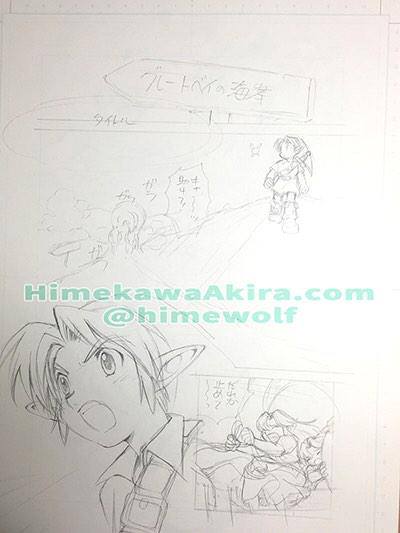
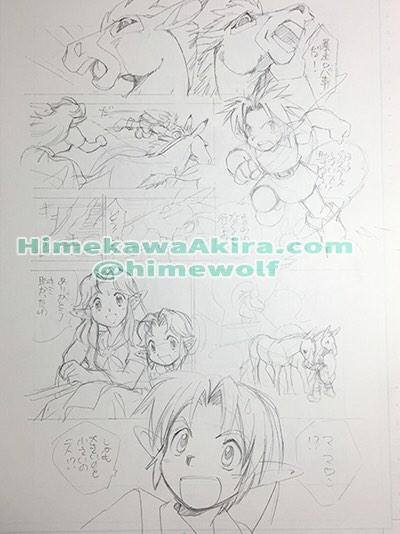
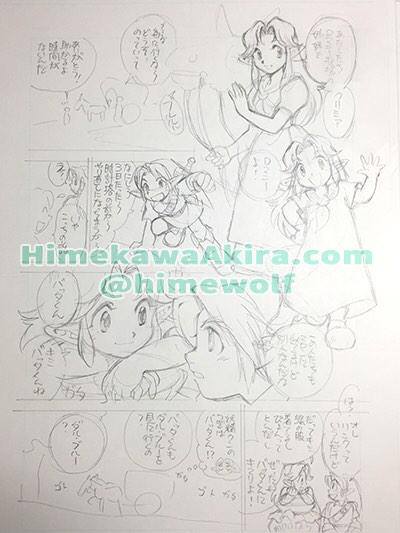
Majora’s Mask manga sketch of Cremia and Romani (1)Cremia and Romani sketch (2)Cremia and Romani sketch (3)
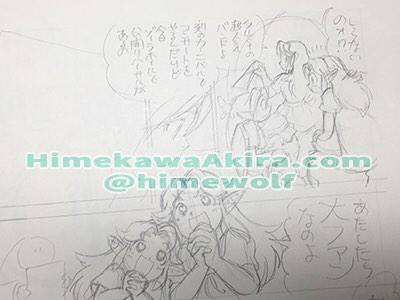
Romani Ranch is one of the casualties. In 2015 Himekawa released pages from a storyline set there that never made the book, in which Link finds Romani and Cremia struggling with the horses that pull Cremia’s wagon (see Creators).
Creators
Akira Himekawa are the duo A. Honda and S. Nagano, partners since 1991, who had just finished their Ocarina of Time for Shogakukan. In their 2017 Anime News Network interview they described the division of labour: Honda shapes the concept and the images, Nagano writes the script and works out the details. They also explained their general rule that a comic needs extra dialogue and extra stories to work for readers who have never played the game, which is exactly what the bonus chapter is.
The story was made for the readers of Shogakukan’s magazine for sixth-year pupils, Shōgaku Rokunensei: the National Diet Library holds a Mujura no Kamen booklet, drawn by Himekawa, that came with the June 2000 issue, less than two months after the game went on sale in Japan. The Zelda Archive fan wiki goes further and says the chapters were drawn alongside the game’s release, from little more than trailers and demos, which would explain why so much of the game is missing; we have not found that confirmed elsewhere.
Fifteen years later, to celebrate Majora’s Mask 3D, Himekawa shared manuscript pages over several weeks. The first sets came from the abandoned Romani Ranch storyline; a later set showed early, rougher versions of Zora Link’s scenes with Japas of the Indigo-Go’s, which the artists called their favourite scene in the manga.
Editions
The Japanese book came out on 26 February 2001 in Shogakukan’s Tentōmushi Comics Special line. VIZ Media’s English edition followed eight years later as the third book of its ten-volume Legend of Zelda series, under the VIZ Kids label, and was included in VIZ’s complete box set of 2011 (see the hub for the box sets).
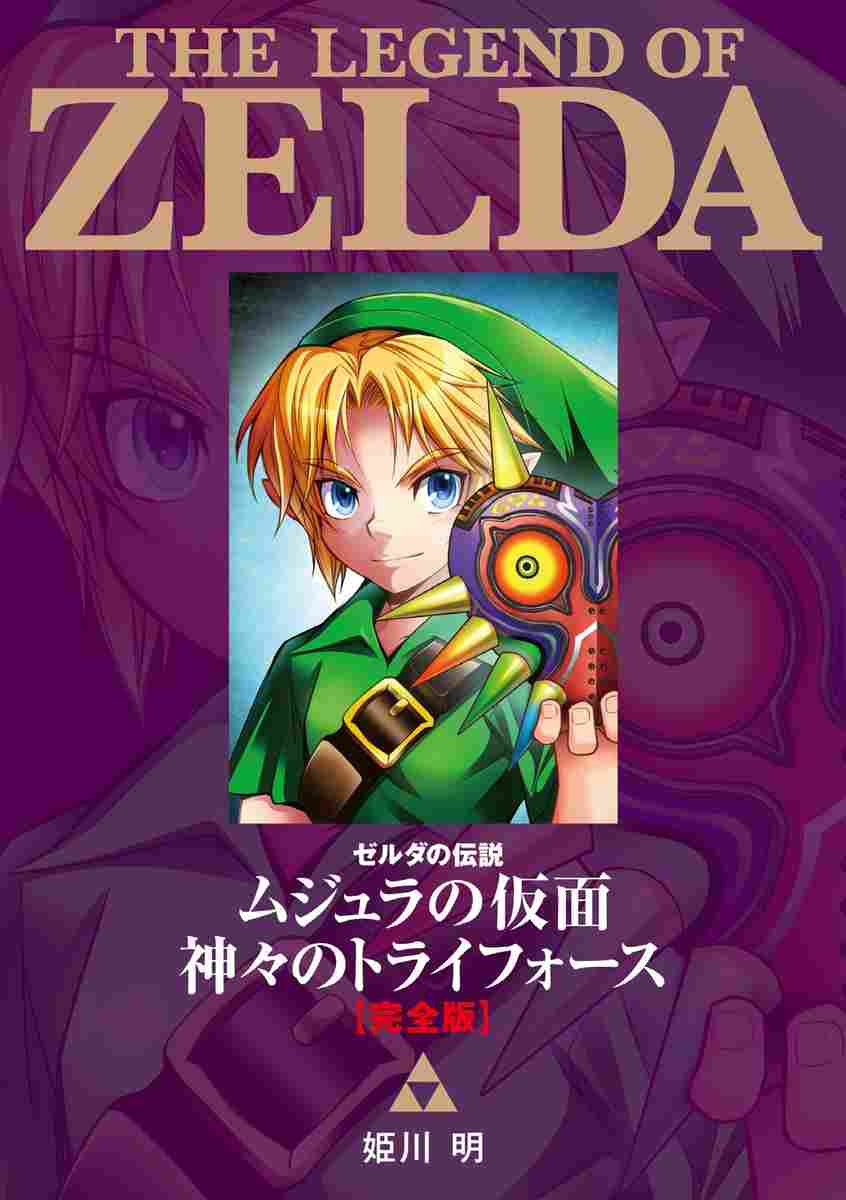
For the 30th anniversary reissues it was paired with Himekawa’s A Link to the Past, another single-volume story: Shogakukan’s Kanzenban (28 July 2016, 402 pages) and VIZ’s Legendary Edition, the third of five (14 March 2017, 402 pages, US$17.99), with colour pages and new cover art. The same pairing appeared in Italian and German in 2017, in a French hardcover and a Spanish edition the same year, in Portuguese in 2018, and in Argentine and Mexican Spanish editions in 2019 and 2020, according to the Video Game Library’s list. Spain’s Norma Editorial had earlier published the single volume as number 3 of its own series.
Edition
Released
Details
Shōgaku Rokunensei supplement
June 2000 issue
Booklet Zelda no Densetsu: Mujura no Kamen (National Diet Library)
Japan, Shogakukan
26 Feb 2001
Tentōmushi Comics Special; ISBN 4-09-149603-2
VIZ Media, Vol. 3
3 Feb 2009
216 pp; ISBN 978-1-4215-2329-3
Japan, Kanzenban
28 Jul 2016
With A Link to the Past; 402 pp; ISBN 978-4-09-142148-7
VIZ Legendary Edition 3
14 Mar 2017
With A Link to the Past; 402 pp; ISBN 978-1-4215-8961-2; US$17.99
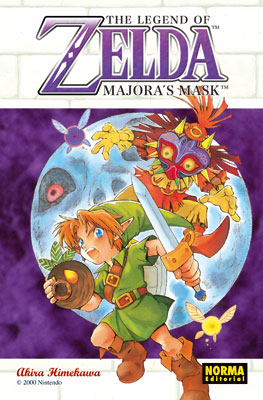
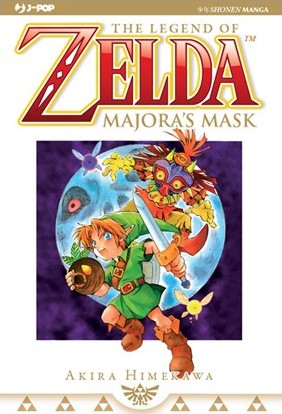
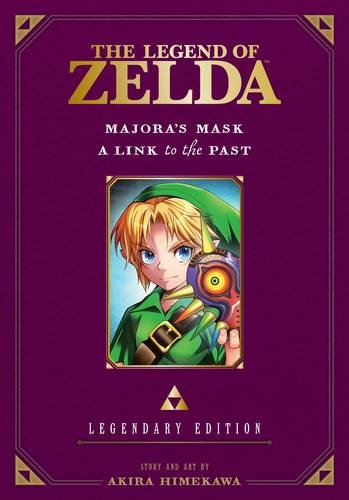
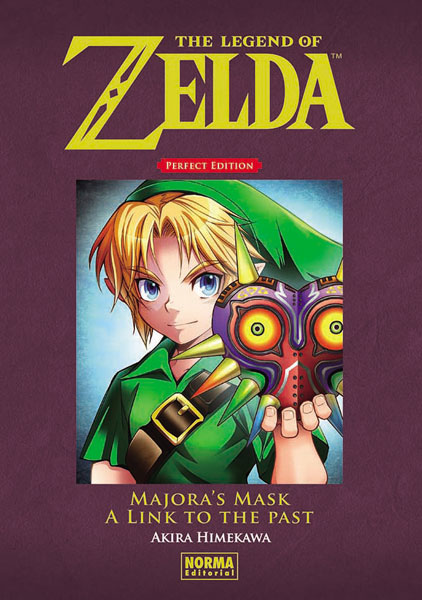
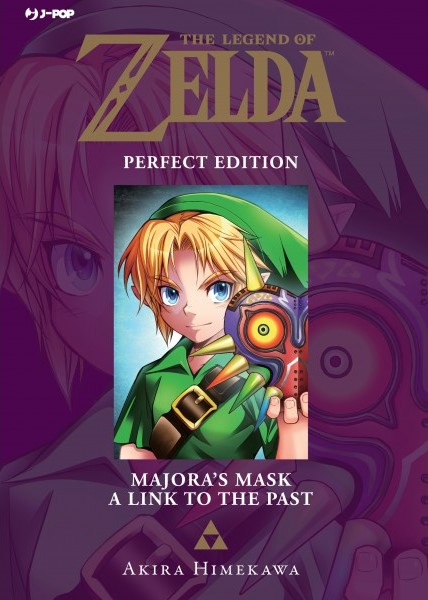
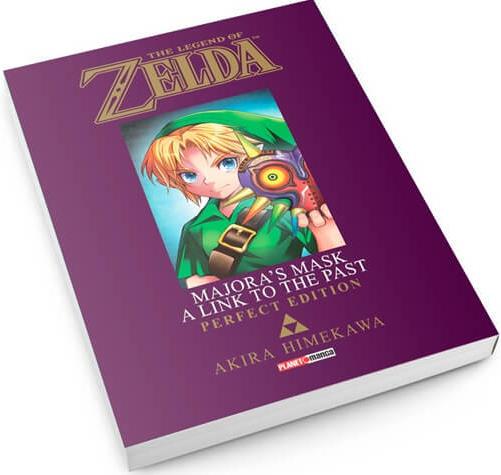
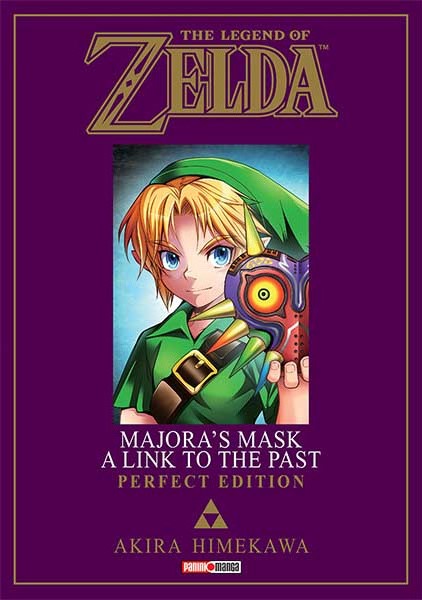
French coverSpanish coverItalian coverEnglish Legendary Edition (with A Link to the Past)Spanish Perfect EditionItalian Perfect EditionBrazilian Perfect EditionMexican Perfect Edition
Reception
Fans who read it before the English edition were not impressed. Zelda Universe’s 2006 review gave it two and a half hearts out of five: the art, it said, might even be better than in Ocarina of Time, but the cast was too small, the bosses too brief and the Giants’ quest underdeveloped, and it ranked the book among the weakest of the Zelda manga.
The 2017 omnibus did better. Leroy Douresseaux gave it a B+ on Comic Book Bin, admiring Himekawa’s clean, readable drawing and the way the story gathers pace; Allen Kesinger at No Flying No Tights recommended it with reservations, praising the art and the splash pages but missing the game’s puzzles and danger. Buyers did not hesitate: the Majora’s Mask / A Link to the Past Legendary Edition was number 4 on BookScan’s top 20 adult graphic novels for March 2017, ahead of the Ocarina and Oracle omnibuses.
“one of the weakest Zelda Mangas”
Zelda Universe Review, August 2006
“Majora’s Mask definitely finishes better than it started.”
Leroy Douresseaux, Comic Book Bin Review of the Legendary Edition, March 2017
Trivia
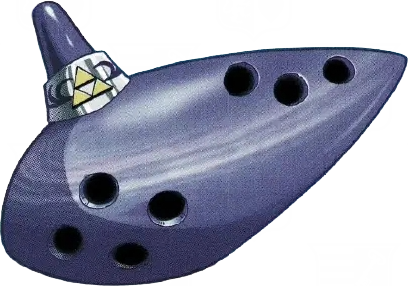
The Ocarina of Time, drawn by Himekawa for the Majora’s Mask manga.The story is driven by the Ocarina of Time, which the Skull Kid steals in the first chapter; Link only gets it back on top of the clock tower.
Majora’s Mask manga sketch of Cremia and Romani (4)A whole storyline at Romani Ranch, with Romani and Cremia, was drawn and dropped; Himekawa showed the pages in 2015, to mark the release of Majora’s Mask 3D.
Majora the dragon owes something to Indonesia: the artists told Anime News Network that the beast was inspired by the Barong.
The bonus chapter is not part of the official story. Wikipedia describes it as the artist’s own speculation about the mask.
Himekawa named Zora Link’s scenes with Japas of the Indigo-Go’s as their favourite in the book.
The National Diet Library holds a Mujura no Kamen booklet given away with Shōgaku Rokunensei in June 2000, less than a year before the collected book.
Link never fights inside a temple: every boss comes out to meet him.
The Japanese title is Mujura no Kamen, “Mujura’s mask”; Majora is the English spelling of the name.
Spain’s Norma Editorial kept the book as number 3 in its own series, the same slot VIZ gave it.
In March 2017 the omnibus outsold every other Zelda Legendary Edition on BookScan’s adult graphic novel chart.
Further reading: Zelda Temple Comics & Books research dossier (VIZ series and box sets)
Manage Consent
To provide the best experiences, we use technologies like cookies to store and/or access device information. Consenting to these technologies will allow us to process data such as browsing behavior or unique IDs on this site. Not consenting or withdrawing consent, may adversely affect certain features and functions.
Functional
Always active
The technical storage or access is strictly necessary for the legitimate purpose of enabling the use of a specific service explicitly requested by the subscriber or user, or for the sole purpose of carrying out the transmission of a communication over an electronic communications network.
Preferences
The technical storage or access is necessary for the legitimate purpose of storing preferences that are not requested by the subscriber or user.
Statistics
The technical storage or access that is used exclusively for statistical purposes.The technical storage or access that is used exclusively for anonymous statistical purposes. Without a subpoena, voluntary compliance on the part of your Internet Service Provider, or additional records from a third party, information stored or retrieved for this purpose alone cannot usually be used to identify you.
Marketing
The technical storage or access is required to create user profiles to send advertising, or to track the user on a website or across several websites for similar marketing purposes.

 AnjuInnkeeper of Clock Town
 Deku KingRuler of the swamp
 OdolwaMasked Jungle Warrior
 Mikau and LuluThe Zora band
 The Traveling WarriorManga original