From 1986 Zelda also came as books in which you choose the path: Japanese gamebooks, two American Nintendo Adventure Books, Scholastic’s pocket-sized Oracle adventures and a pair of Futabasha novels. Some let you play as Zelda decades before the games did.
Books13: 4 English gamebooks, 7 Japanese gamebooks, 2 Japanese novels
In a gamebook you do not read from front to back. Each numbered section ends with a choice (fight or flee, left or right, open the door or not), and your answer sends you to another section, towards treasure, a trap or one of a dozen endings. In the mid-1980s, when the format was booming and the Famicom was conquering Japan, it was a natural fit for a game about exploration, and Zelda gamebooks appeared in Japanese shops in the same year as the first game.
This page gathers the 13 such books we can confirm. Japan had seven gamebooks between 1986 and the 1990s, from Futabasha, Keibunsha, JICC Shuppankyoku and Shogakukan, one of them a choose-your-path manga, plus two prose novels in Futabasha’s Fantasy Novel Series in 1992. English readers got four: two Nintendo Adventure Books in 1992, with a bickering Link and Zelda straight out of the 1989 cartoon, and Scholastic’s two Game Boy books of the Oracle games in 2001 and 2002.
None of them is a classic, but they are fascinating curiosities. The Japanese books invent villains, kings and brothers the games never mention, and two of the books, one Japanese and one American, let you play as Zelda decades before Echoes of Wisdom. The only English Zelda novel we know of is a later, short children’s book: Tracey West’s 74-page Link and the Portal of Doom (Scholastic, 2006).
English gamebooks
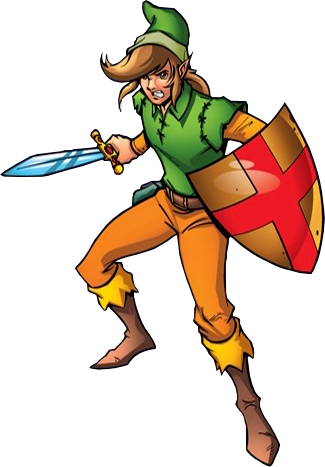
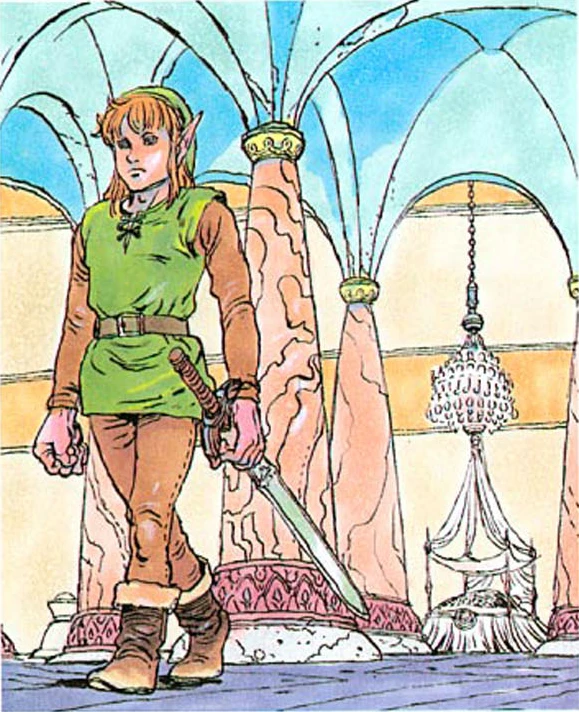
Link in the 1989 cartoon, whose cocky personality the Nintendo Adventure Books borrowed.
The Nintendo Adventure Books were a twelve-book series published in 1991 and 1992, in the United States by Simon & Schuster’s Archway imprint and in Britain by Mammoth. Ten star Mario and Luigi; numbers 9 and 10 belong to Link. Each book has 121 pages of numbered sections, with visual puzzles such as mazes and word searches, an inventory and a running tally of coins or points.
Nearly a decade later, Scholastic launched a much simpler line of four books tied to Game Boy Color and Game Boy Advance games. The first carried the Choose Your Own Adventure banner; the later ones, the two Zelda books among them, called themselves You Decide on the Adventure, probably because the original name is a trademark. They have no rules to learn, follow their games closely and come with a centre section of colour art.
NAB 9
Nintendo Adventure Books #9: The Crystal Trap
US: Archway / Simon & Schuster, Jan 1992 · UK: Mammoth · 121 pages, 62 sections, 14 endings
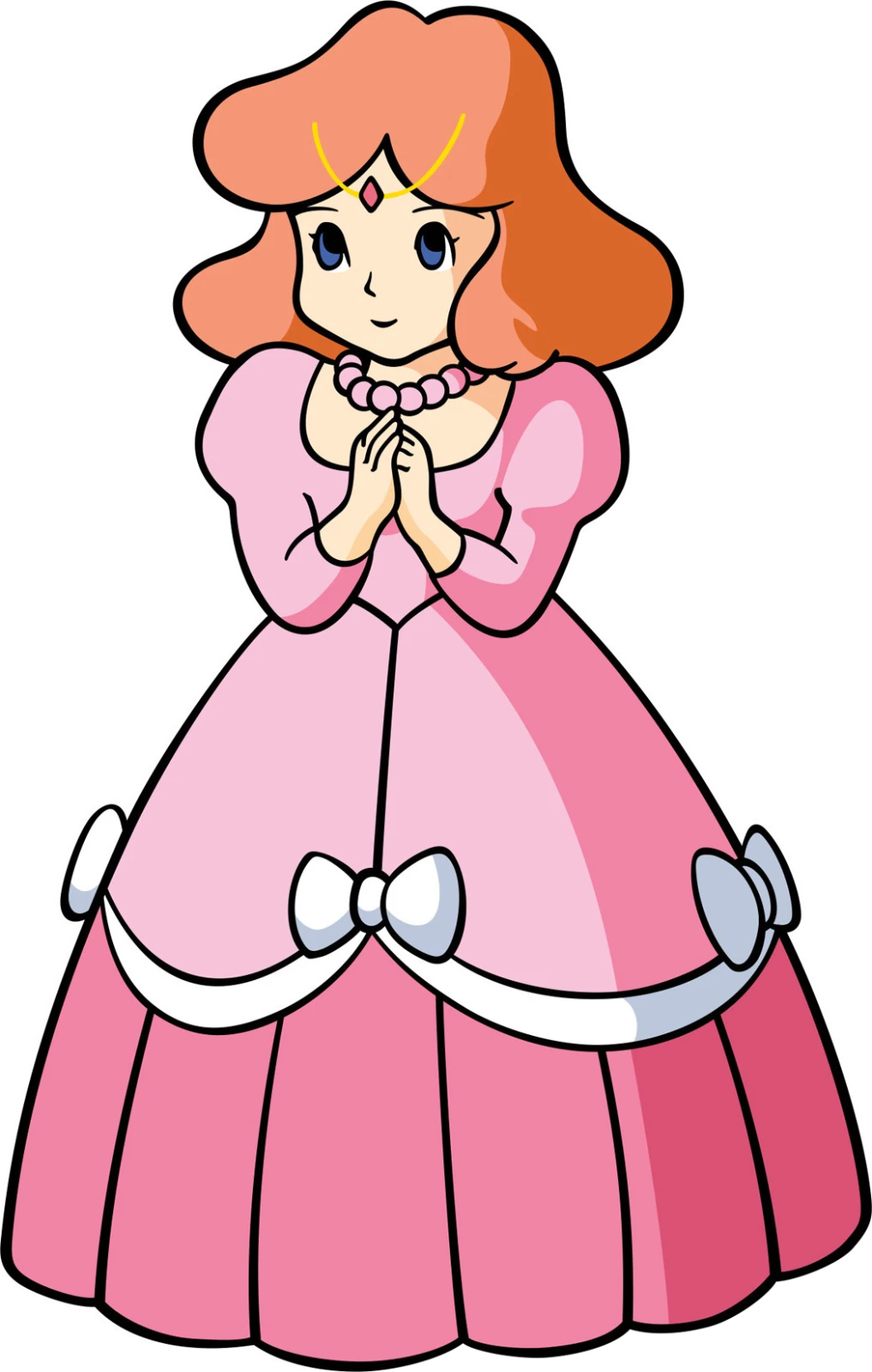
Chasing Ganon into an empty castle, Link and Zelda find it is a trap: he orders them to give up the Triforces of Wisdom and Courage, then locks both pieces in crystal. Since Link carries the Triforce of Courage in his heart, he is locked away with it. You play Zelda, who must work out how to free him or leave him imprisoned for ever.
Like the rest of the series, the book mixes choices with puzzles (mazes and grid puzzles among them) and asks you to keep track of items and a points score; sometimes the way forward depends on what Zelda is carrying. The cover credits Matt Wayne, while an inside credit gives the text to Richard Chevat, with cover art by Greg Wray and puzzle art by Josie Koehne. Gamebook reviewers have not been kind. Demian Katz of gamebooks.org found the writing bland and the puzzles mostly beside the point, noting that Zelda gets more of the spotlight than Link; UncleMac felt it read more like a gameplay guide than a story. A Swedish translation, Kristallfällan, also exists.
From game to page
Zelda is the hero you control; Link spends most of the book trapped.
Link and Zelda follow their 1989 cartoon personalities, the cocky hero and the haughty princess, according to UncleMac’s review.
The Triforce of Courage is said to live in Link’s heart.
NAB 10
Nintendo Adventure Books #10: The Shadow Prince
US: Archway / Simon & Schuster, Feb 1992 · UK: Mammoth · 121 pages, 59 sections, 11 endings
A band of Moblins has the upper hand on Link and Zelda until a stranger fights them off. He is Prince Charles, from a faraway kingdom, and he explains that he has to prove himself with good works before he may return home as king. The princess and the king take to him at once; Link does not, and you must decide whether Charles is hiding something or Link is just jealous.
Matt Wayne is again the name on the cover, with the text credited inside to Roger Peckinpaugh and the same artists as book 9. Demian Katz rates it the better of the two Zelda books: closer in tone to the cartoon, with mildly funny banter and a plot that holds the attention, even if most of the puzzles are weak and some give away what is coming. He warns that purists may wince at Link calling Zelda “Zel” and at a skeletal Ganon. In Sweden it became Prinsen från skuggorna.
From game to page
Prince Charles is invented for the book.
Zelda’s father the king takes part in the story, as he does in the cartoon.
Ganon is described as a skeletal figure.
Scholastic 2
Game Boy #2: The Legend of Zelda: Oracle of Seasons
Scholastic, late 2001 · Craig Wessel · 96 pages plus an 8-page colour insert, 2 endings
Scholastic’s Game Boy books dropped the game rules of the Nintendo Adventure Books and stuck closely to their source games, with a centre section of colour art. Craig Wessel, a strategy-guide writer, wrote both Zelda titles. The plot is the game’s: Onox, the General of Darkness, has seized Din, the Oracle of Seasons, and Link has to free her and set Holodrum’s seasons right.
It is essentially one long path through the game, with only two endings. Fireguard, reviewing it for gamebooks.org, noticed how closely it follows the game, right down to cutting bushes and pushing blocks; Demian Katz felt it read like a walkthrough, and pointed out that the middle of the adventure is skimmed in about two pages. Several dungeons are skipped altogether. On the plus side there are boss tips and nice artwork, and the book ends on a cliffhanger that leads into the next volume.
From game to page
Several dungeons, and many characters and items, are left out.
The middle of the game is summarised in a couple of pages.
The ending sets up the Oracle of Ages book.
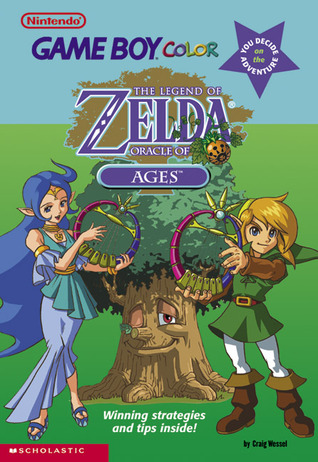
Game Boy #3: The Legend of Zelda: Oracle of Ages
Scholastic, Jan 2002 · Craig Wessel · 61 pages plus an 8-page insert, 5 endings
Link wakes in a forest, saves Impa from monsters and meets the singer Nayru and Ralph, before Veran, the Sorceress of Shadows, possesses Nayru and escapes into the past. In Lynna City you can visit the shop (no use without rupees), the ring shop, the mayor or Bipin and Blossom, who need a name for their baby, but every path leads to the Maku Tree. The Harp of Ages then opens the way to the past, and the book covers six of the game’s dungeons, from Spirit’s Grave to the Black Tower, where Link rescues Ralph, frees Queen Ambi from Veran’s spirit and wins.
It is a third shorter than the first book and more railroaded. Zelda Dungeon’s Rod Lloyd found most of its choices superficial, the Harp of Ages choice being the one that matters, and counted five endings: the victory and four deaths or captures. The insert has official art and profiles of Link, Nayru, Veran, Bipin and Blossom, Vasu, Maple and Great Moblin. Lloyd called the book flawed but charming; Demian Katz called it a cynical rush job.
From game to page
Crescent Island, the trading sequence, Symmetry City and the Gorons of Rolling Ridge are cut.
Link reaches Moonlit Grotto on Moosh, with no shipwreck or raft quest, and later crosses the sea without explanation.
The Seed Shooter turns up without being found, and Great Moblin appears in the insert but not in the story.
Nothing can stand in the way of Link’s quest to save the day
— Back cover of Scholastic’s Oracle of Ages, as quoted by Zelda Dungeon
Japanese gamebooks
Japan’s Zelda gamebooks began in 1986, the year of the first game, and they are a much stranger bunch than the English ones. Several come from Futabasha, working with the editorial studio Studio Hard; two come from Keibunsha’s Adventure Hero’s Books line, one of them a choose-your-path manga; and their writers were free to invent: a brother for Ganon, a pickpocket sidekick, a trip to the reign of the first king. None has been published in English, but since 2021 the archivist History of Hyrule has scanned most of them, and fans have begun translating.
Two related oddities are covered elsewhere: the 16-page choose-your-path comic in Shogakukan’s Shōgaku Ninensei magazine (July 1986) is on our early Japanese manga page, and the 1987 tips book Famicom Maruhi Waza 2 Daihyakka, which ends with a short Zelda II choose-your-path manga, is a guide rather than a gamebook.
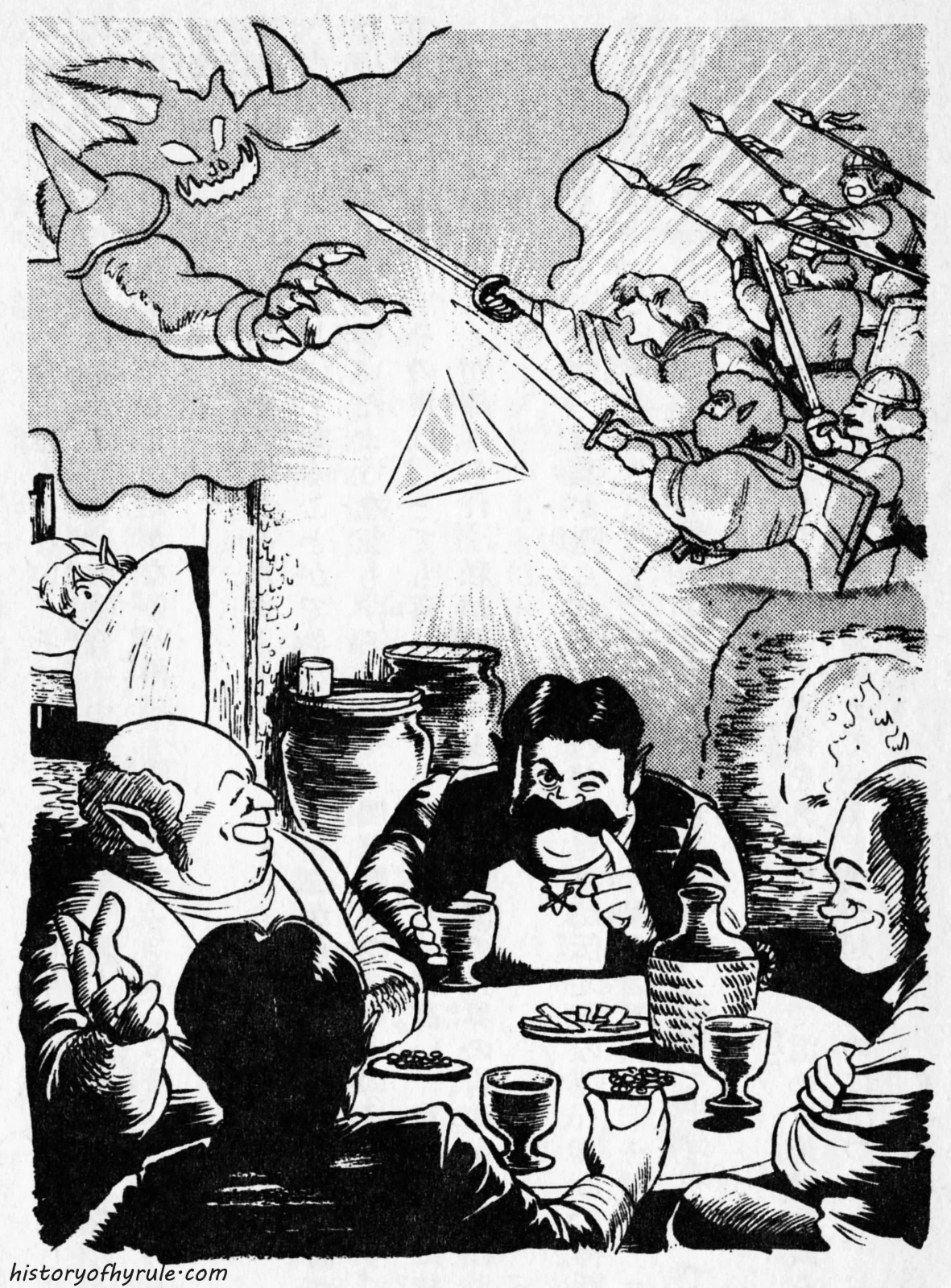
Page 127 of a Japanese Legend of Zelda gamebookPage 192 of the same gamebookPage 207 of the same gamebook
Zelda no Densetsu: Shinkirōjō no Tatakai (The Battle of Mirage Castle)
Futabasha with Studio Hard, Famicom Bōken Gamebook no. 3 · 1986 · about 282 pages
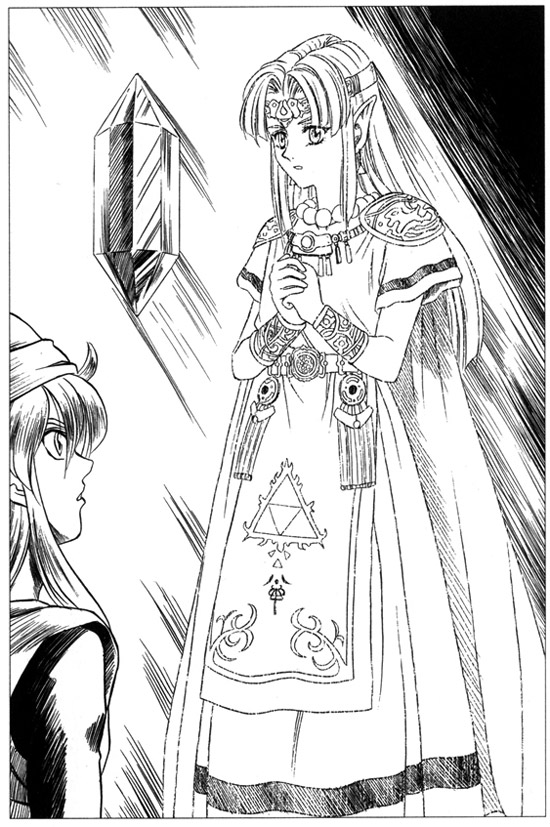
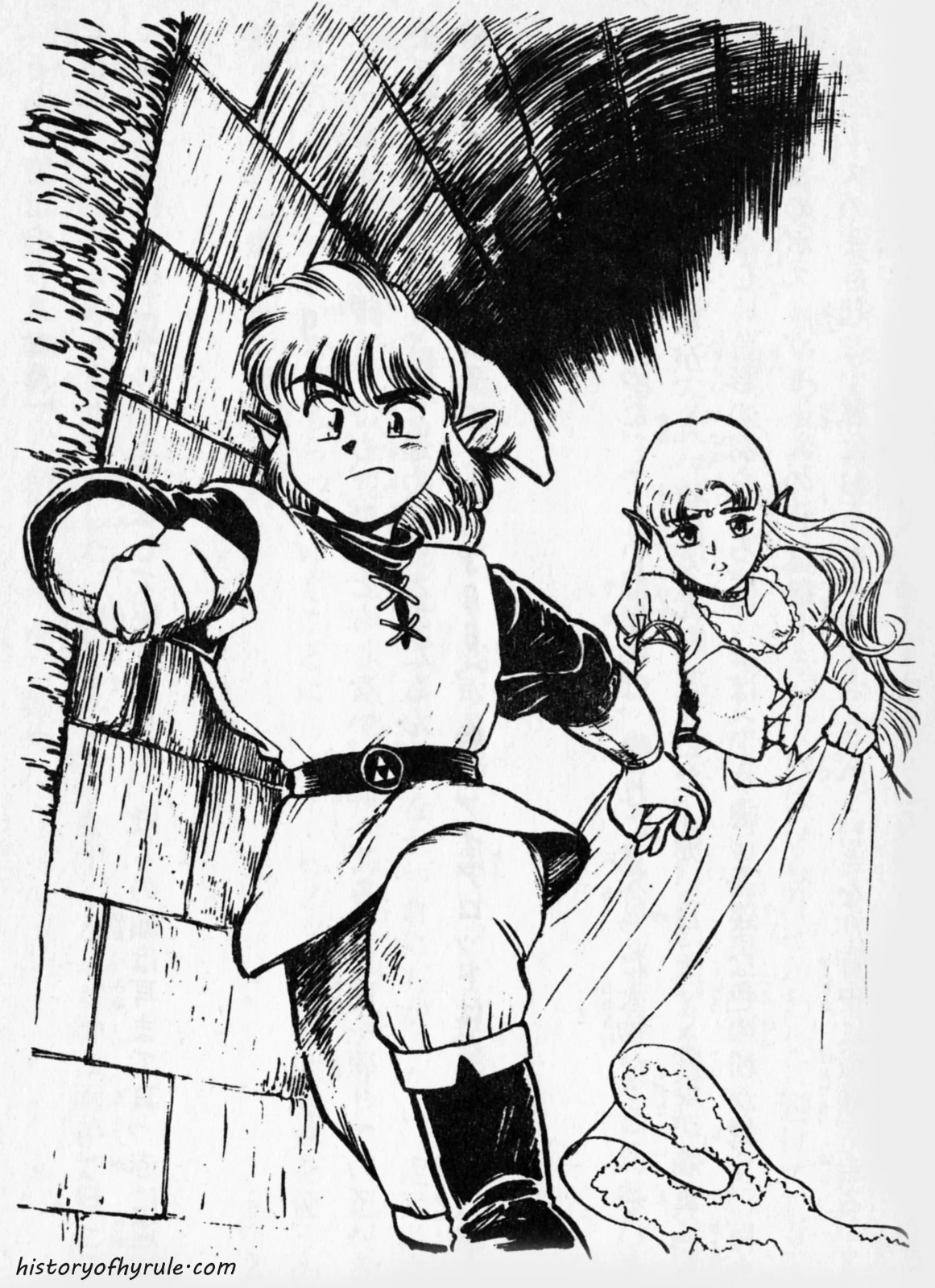
The oldest Zelda gamebook in book form that we know of, written by Akio Higuchi and illustrated by Yuko Tanaka. It is set after Link’s victory over Ganon, when Ganon’s younger brother, the Demon General Gaia, arrives from the dark world, seizes the Triforce, turns Hyrule into a demon realm and curses Link and Zelda. Because of the curse one of the pair is always shut inside a crystal, the two changing places at sunrise and sunset, so Link adventures by day and Zelda by night, with a fairy carrying messages between them.
History of Hyrule, whose scans brought the book online in 2022, describes a more open structure than most gamebooks, a kidnapping in which Gaia takes Zelda, a flute that frees her mind, and a twist: the king has been moving among his people in disguise all along. Nintendo Life noted that he is called King Graham II, a name the games have never used. A fan translation into English was begun in 2022.
From game to page
Zelda is a playable heroine, sharing the adventure with Link.
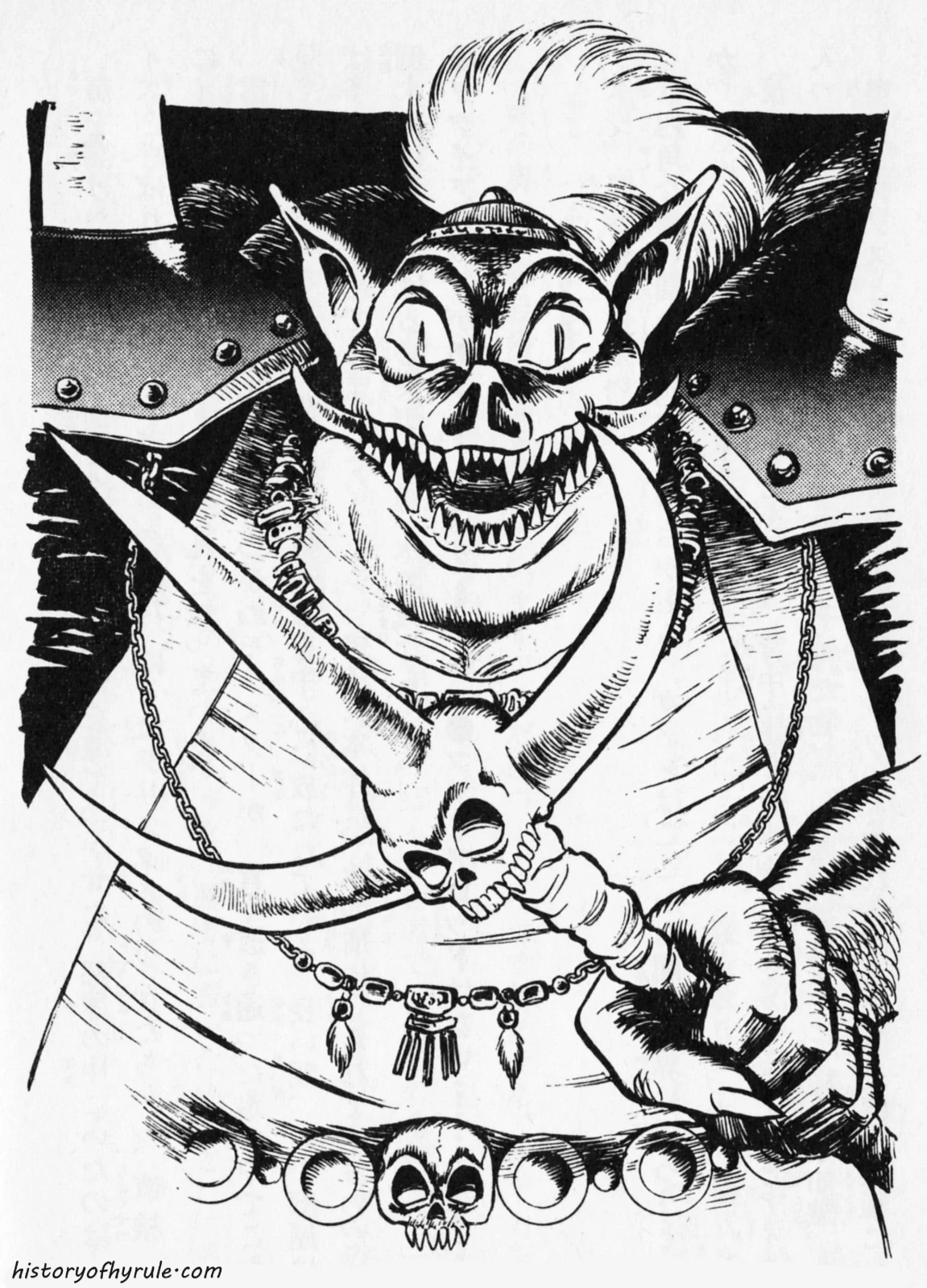
Gaia, Ganon’s brother, is the villain; the games never mention a brother.
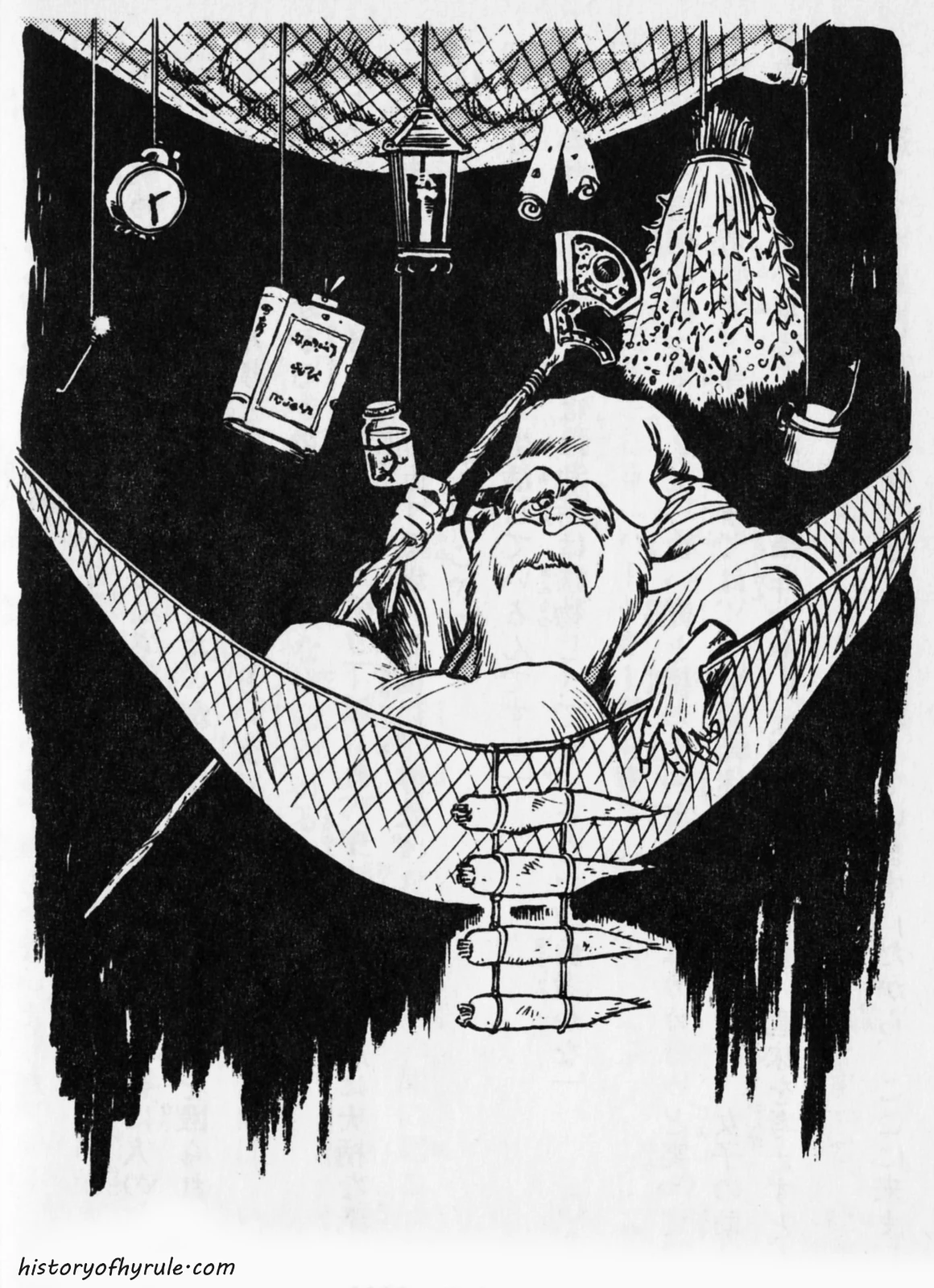
The king is named, and has a secret of his own.
Shin Zelda no Densetsu: Comic-ban (The Legend of Zelda, An Original Version)
Keibunsha, Adventure Hero’s Books no. 13 · 1986 or 1987 · about 220 pages
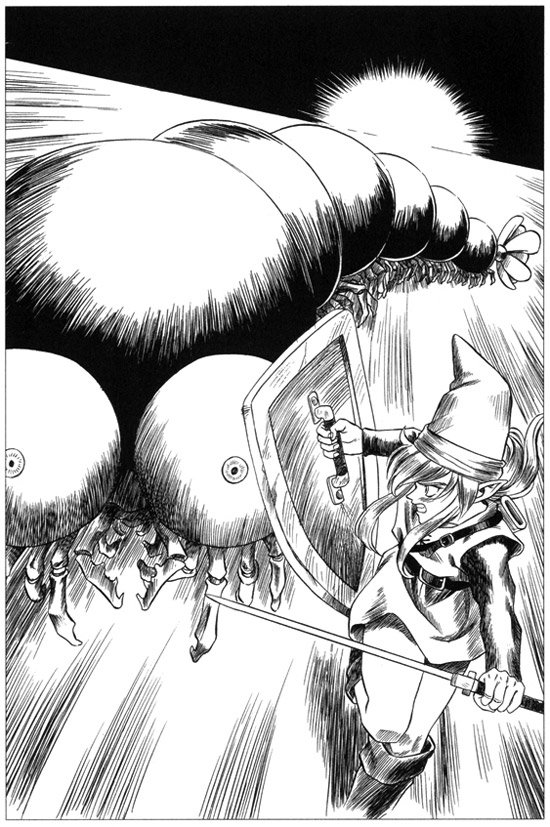
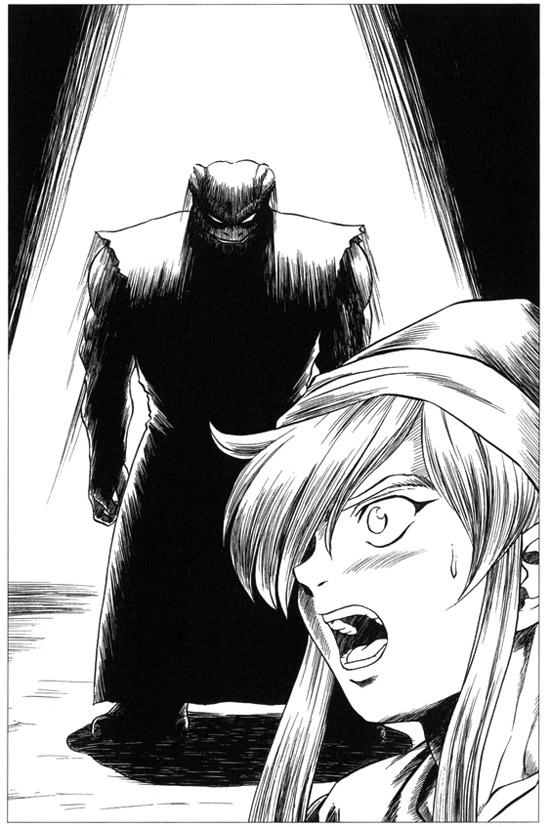
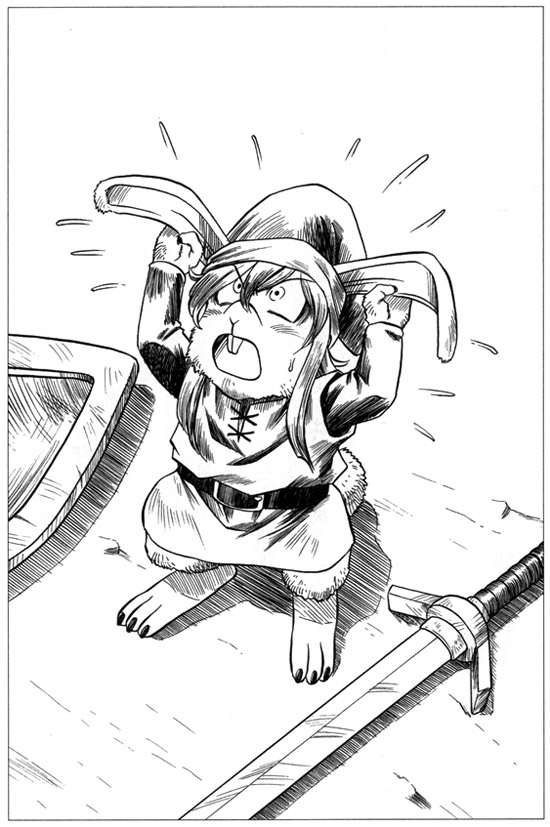
A choose-your-path manga, with story by Mitsunori Kitadono and art by Ikuo Miyazoe. A demon king called Ganos (Ganoth in one fan summary) demands Zelda’s hand; when her father refuses, he imprisons her in a crystal, the court magician cannot break the spell, and the king remembers a legend of three hidden treasures that could save her. Link, a young warrior travelling through Hyrule, sets out to find them, helped by a boy pickpocket named Com.
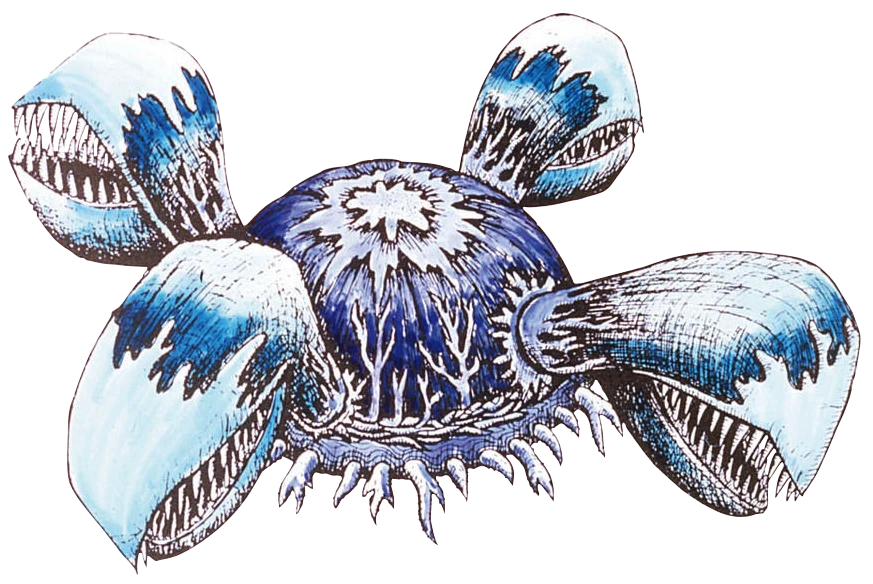
The choices come labelled with blunt options such as “Safety” and “Death”, and the right weapon matters: arrows work well on Manhandla, the boomerang less so, and Link’s power bracelets hold his sub-weapons and can turn into shields. Along the way there is a Gohma and a fairy forest. History of Hyrule suggests it may be the first Zelda story to trap the princess in a crystal, an idea A Link to the Past would make famous. Sources give both 1986 and 1987 for its publication.
From game to page
Ganon becomes Ganos, a suitor as well as a conqueror.
Link gets a sidekick, the pickpocket Com.
The quest is for three treasures rather than eight Triforce shards.
Link no Bōken: Ankoku Triforce Denshō (The Legend of the Black Triforce)
JICC Shuppankyoku / Takarajimasha, Famicom Gamebook Series 2 · 10 May 1987
One of three gamebooks based on Zelda II: The Adventure of Link, all from 1987, published by JICC Shuppankyoku (Takarajimasha) four months after the game came out in Japan. It is credited to Shōbi Inoue, with the project put together by Kenji Suzuki of Venture Project, a cover illustration by the anime designer Yutaka Izubuchi and interior illustrations by Masayoshi Yamaguchi.
We have not found a reliable summary of its plot beyond the title, which promises a dark counterpart to the Triforce, so we will not guess at one. History of Hyrule scanned the whole book in 2022, and it is one of the many Japanese Zelda books still waiting for an English translation.
Link no Bōken: Makai kara no Gyakushū (Counterattack from the Demon Realm)
Futabasha with Studio Hard · 19 Jul 1987 · about 287 pages
Futabasha’s own Adventure of Link gamebook was written by a Studio Hard team (Naoki Kusano, Shōko Uehara and Kuro Toresu), with illustrations by Nobori Kiritachi. Rather than retell the game, it sends its heroes back in time: a curse from the darkness drags Link and Zelda into the past, and Link finds himself in the reign of Hyrule’s first king, where an unexpected enemy is waiting.
Like Futabasha’s earlier Mirage Castle, it is a chunky paperback of nearly 300 pages, far longer than the American gamebooks that followed. Its details have only recently become easy to study, after History of Hyrule published full scans in 2022.
From game to page
The story is original, set in the distant past of Hyrule rather than the game’s present.
Zelda is caught up in the curse alongside Link.
Link no Bōken: Hyrule Eiyū Densetsu (The Legend of the Hero of Hyrule)
Keibunsha, Adventure Hero’s Books · 1987 · about 215 pages
Keibunsha’s second Zelda title, again in its Adventure Hero’s Books line and credited to Studio Hard. To free Hyrule from the grip of a demon king called Galgoa, Link goes in search of the Triforce of Courage, the prize at the end of Zelda II: The Adventure of Link. According to the Video Game Library’s summary, the final battle reveals a surprising truth about Link himself; we have not found out what it is.
Like the other Japanese books here it has never been published in English, but History of Hyrule has put scans of it online.
From game to page
The villain is a new demon king, Galgoa, rather than Ganon’s followers.
The ending adds a revelation about Link that the game does not have.
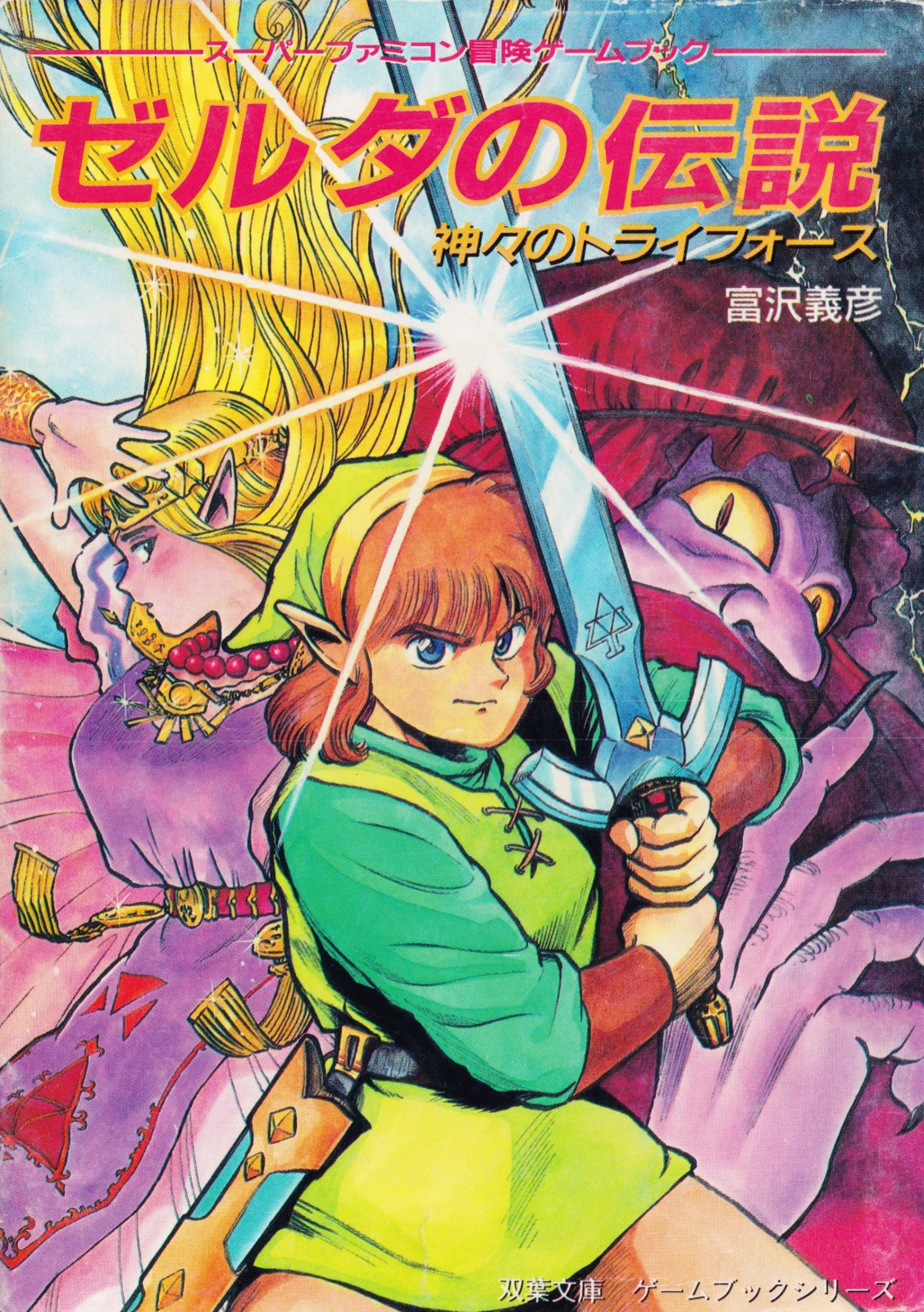
Futabasha returned to Zelda for the Super Famicom game A Link to the Past, known in Japan as Kamigami no Triforce (Triforce of the Gods), and published this gamebook in July 1992, eight months after the game. It was written by Yoshihiko Tomizawa and illustrated by Shinpei Itō, with further credits for Ken Sawafuji, Hiroshi Tominaga and Studio Hard.
It arrived in a busy year for Zelda books in Japan: Futabasha also published two Zelda novels in 1992 (see below). We have no reliable account of how closely it follows the game, so we leave the story there. History of Hyrule posted full scans in May 2022.
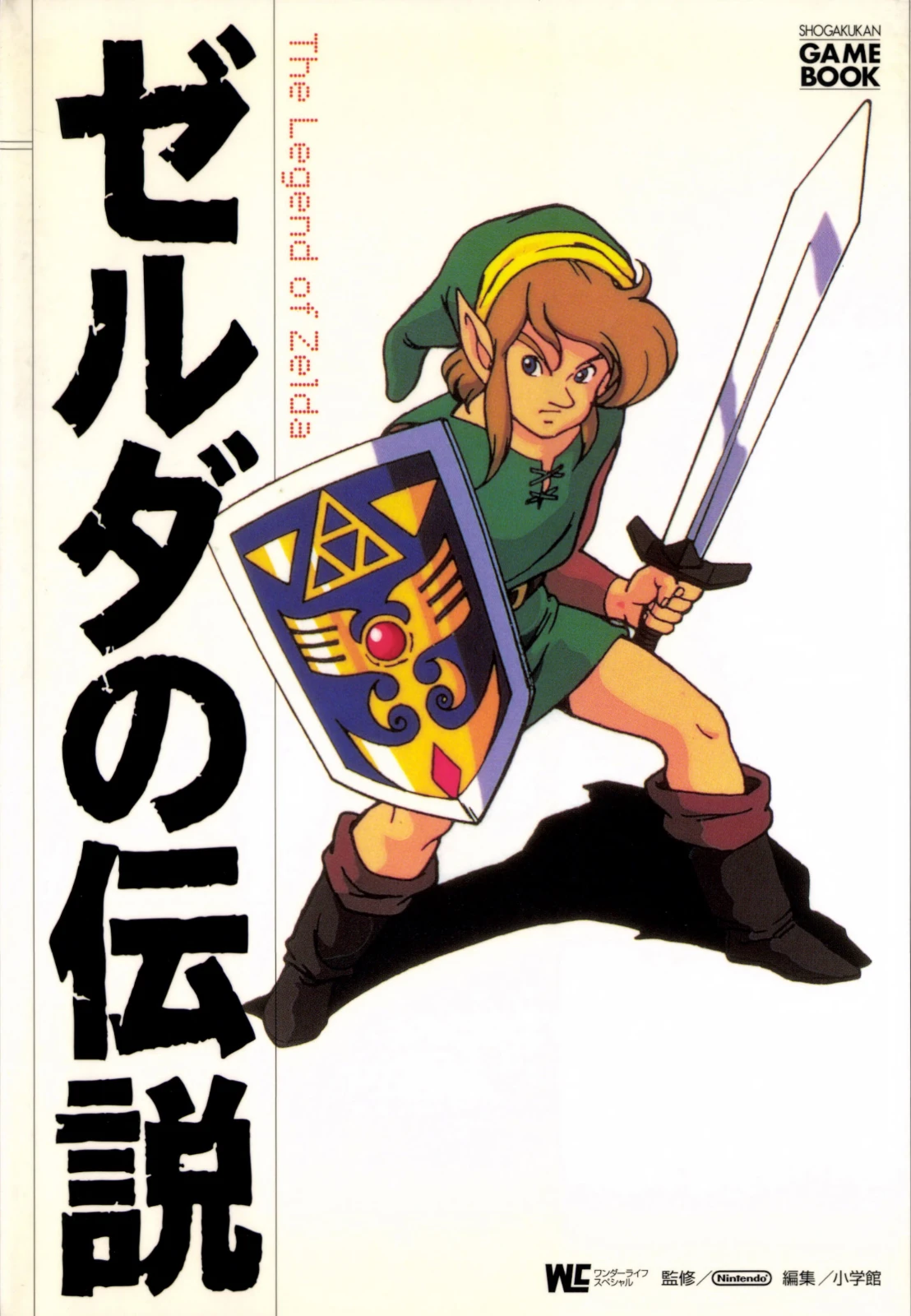
Shogakukan Game Book: Zelda no Densetsu
Shogakukan, Wonderlife Special · date unconfirmed
Shogakukan, publisher of the children’s magazines that later ran Akira Himekawa’s manga, issued a gamebook simply titled Zelda no Densetsu in its Wonderlife Special line. Its story is based on A Link to the Past. The Japanese Wikipedia list dates it to 1997 and calls it the last Zelda gamebook; a book on a Super Famicom game that late seems unlikely, and we have not been able to confirm the date, so treat it with caution.
History of Hyrule has uploaded scans of the book, which is about all that is easily available about it in English.
Page 29 of a Japanese A Link to the Past gamebookPage 158 of the same gamebookPage 195Page 226
Zelda Wiki holds the scans above under the names The Legend of Zelda Gamebook and LttP Gamebook; we have not been able to confirm which of the books listed here they come from.
Japanese novels
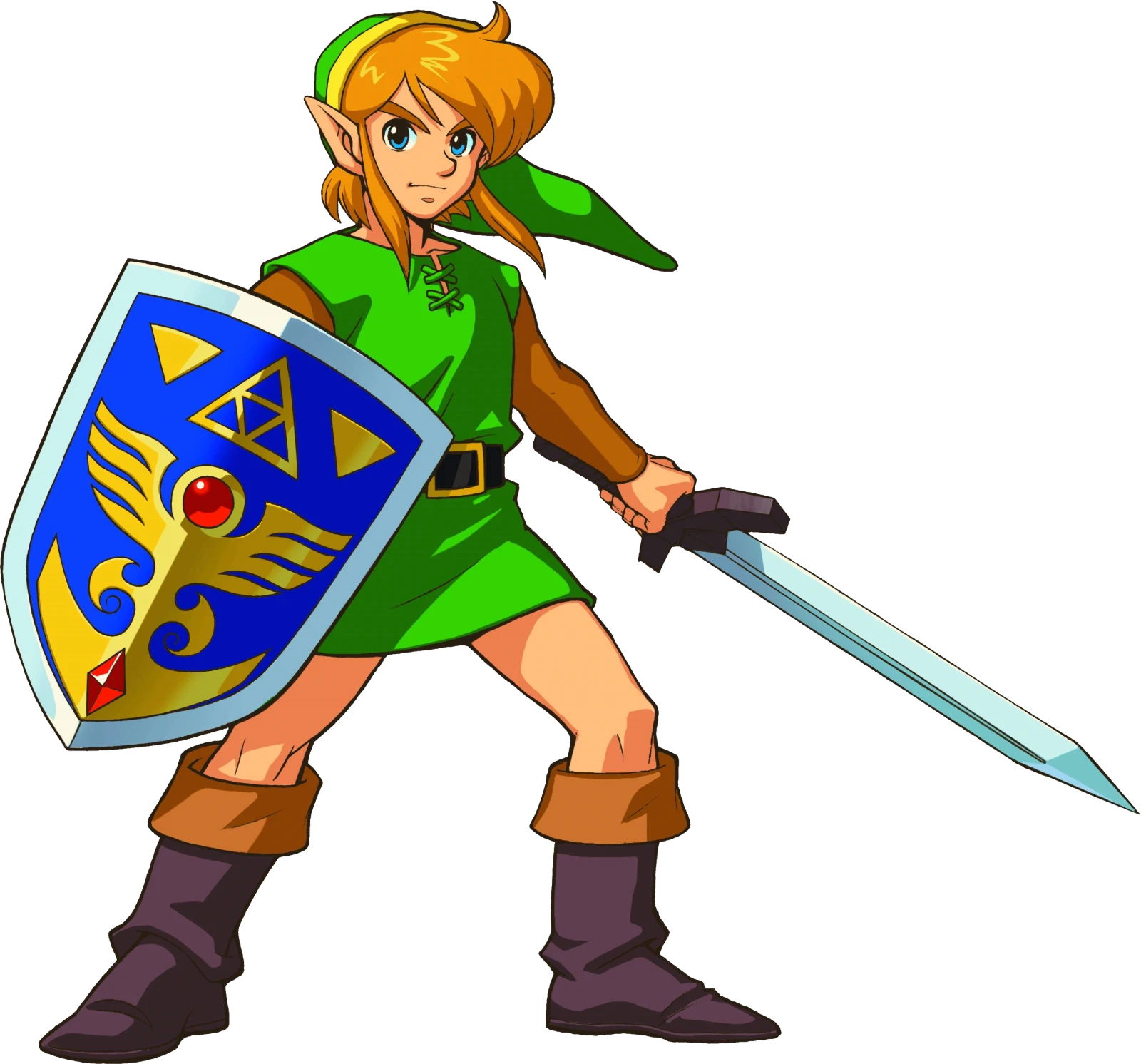
Link in official A Link to the Past artwork. The 1992 Futabasha books include a gamebook and a novel of the game.
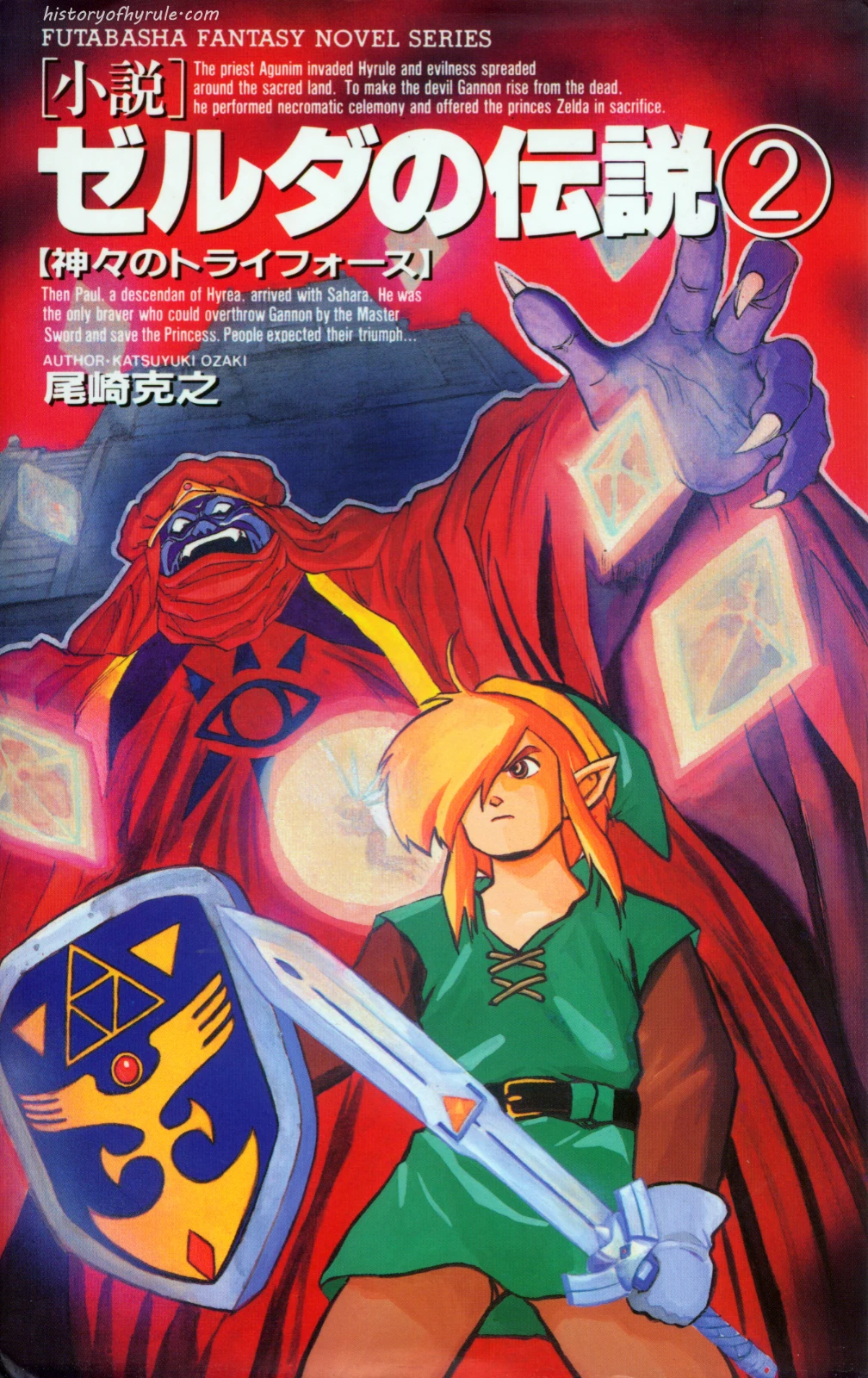
Futabasha published two Zelda novels in 1992 in its Fantasy Novel Series, both straightforward prose books rather than gamebooks. English Wikipedia says the series had five Zelda novels, but we have only been able to confirm these two, and they are the only novels in the Japanese Wikipedia’s list of Zelda books. English readers have only a much shorter children’s novel, Link and the Portal of Doom (Scholastic, 2006).
Novel 1
Zelda no Densetsu: Kuroki Kage no Hakushaku (The Count of Black Shadows)
Futabasha Fantasy Novel Series · Feb 1992 · Akio Higuchi · about 255 pages
The first of Futabasha’s Zelda novels, by Akio Higuchi, who had written The Battle of Mirage Castle six years earlier. The Japanese Wikipedia list describes it as an original story built on the setting of the first The Legend of Zelda, though History of Hyrule files it under A Link to the Past, which had been out in Japan for three months. Its title has also been translated as The Crown Prince of Darkness.
We have not found a reliable published synopsis, so we will not invent one. Readers who want the story can find it: History of Hyrule scanned the book in 2022 and links to a complete fan translation into English by Micicle, which makes this the one of the two novels that English speakers can read in full.
Zelda no Densetsu 2: Kamigami no Triforce
Futabasha Fantasy Novel Series · 10 Sep 1992 · Katsuyuki Ozaki · about 230 pages
The second novel in Futabasha’s series is Katsuyuki Ozaki’s prose version of A Link to the Past, published six weeks after the same company’s gamebook of the game.
It has not been translated into English, and we have found no reliable summary of how it handles the game’s plot, so we can only describe it in outline. Full scans are online at History of Hyrule, whose author first put scans of its illustrations on her site around 2003. It came out in the same year as Shotaro Ishinomori’s comic of the same game in Nintendo Power (see our page on it).
Reception and rediscovery
The English books
Gamebook enthusiasts have been hard on all four. At gamebooks.org, Demian Katz found The Crystal Trap forgettable, The Shadow Prince merely adequate, Oracle of Seasons walkthrough-like and Oracle of Ages “just a cynical rush job”; a fellow reviewer, Fireguard, called Oracle of Seasons “the most boring book I’ve ever read, game or otherwise”. Zelda Dungeon’s Mases Hagopian thought the Scholastic books too short and too linear for the format, though he liked the artwork and the boss tips.
Fans who read them as children are kinder. Rod Lloyd, looking back on Oracle of Ages for the Oracle games’ 20th anniversary in 2021, found its choices mostly an illusion but credited it with getting him hooked on the series, and called it flawed but charming.
The Japanese books
For a long time the Japanese gamebooks were hard to see outside Japan. That changed when History of Hyrule began publishing high-resolution scans in 2021 and 2022. When The Battle of Mirage Castle went online in January 2022, Nintendo Life and Zelda Dungeon both covered it, chiefly because it let readers play as Zelda; History of Hyrule’s tweet put it simply: “Yes, that is Zelda, and you do play as her too.” Fan translations have followed, complete for The Count of Black Shadows and started for Mirage Castle.
Trivia
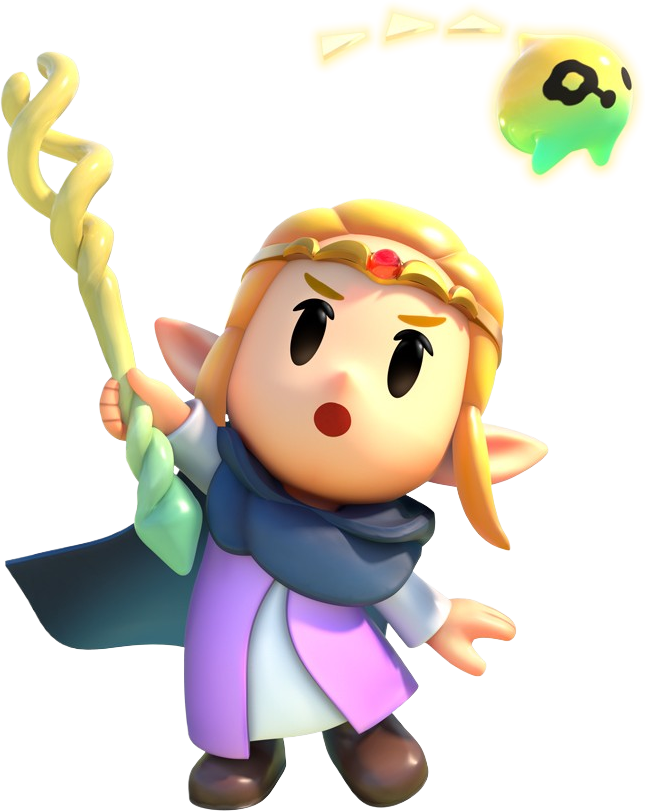
Zelda in Echoes of Wisdom, finally the star of a main-series game.Zelda was a playable heroine in The Battle of Mirage Castle in 1986 and in The Crystal Trap in 1992, long before she led a main-series game in Echoes of Wisdom (2024).
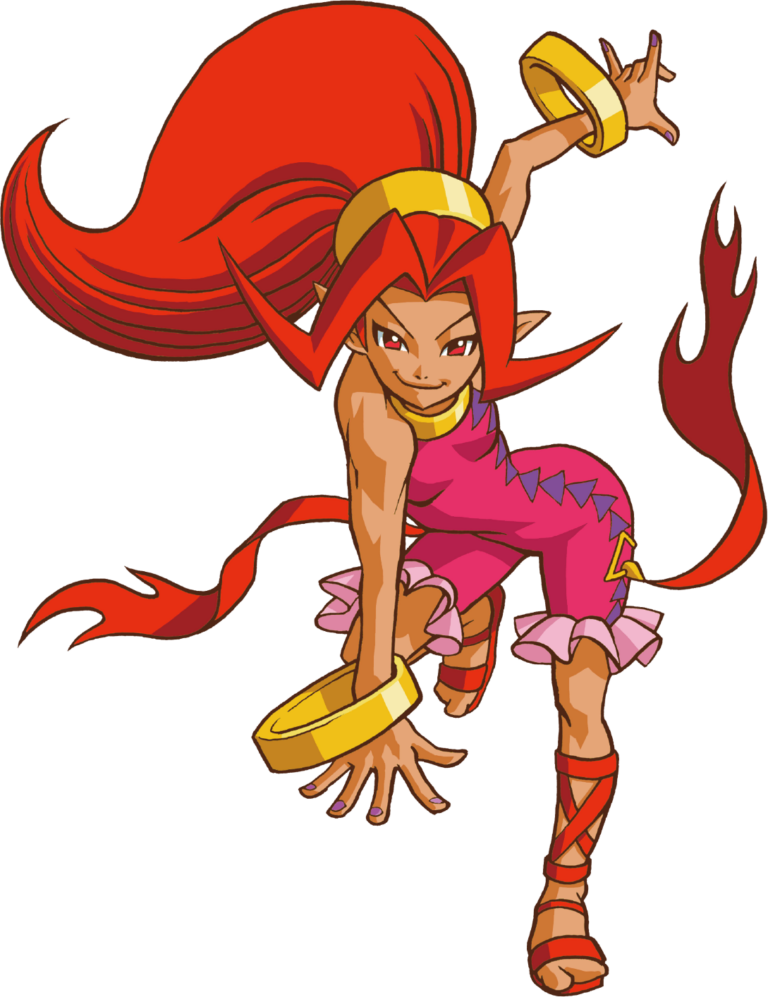
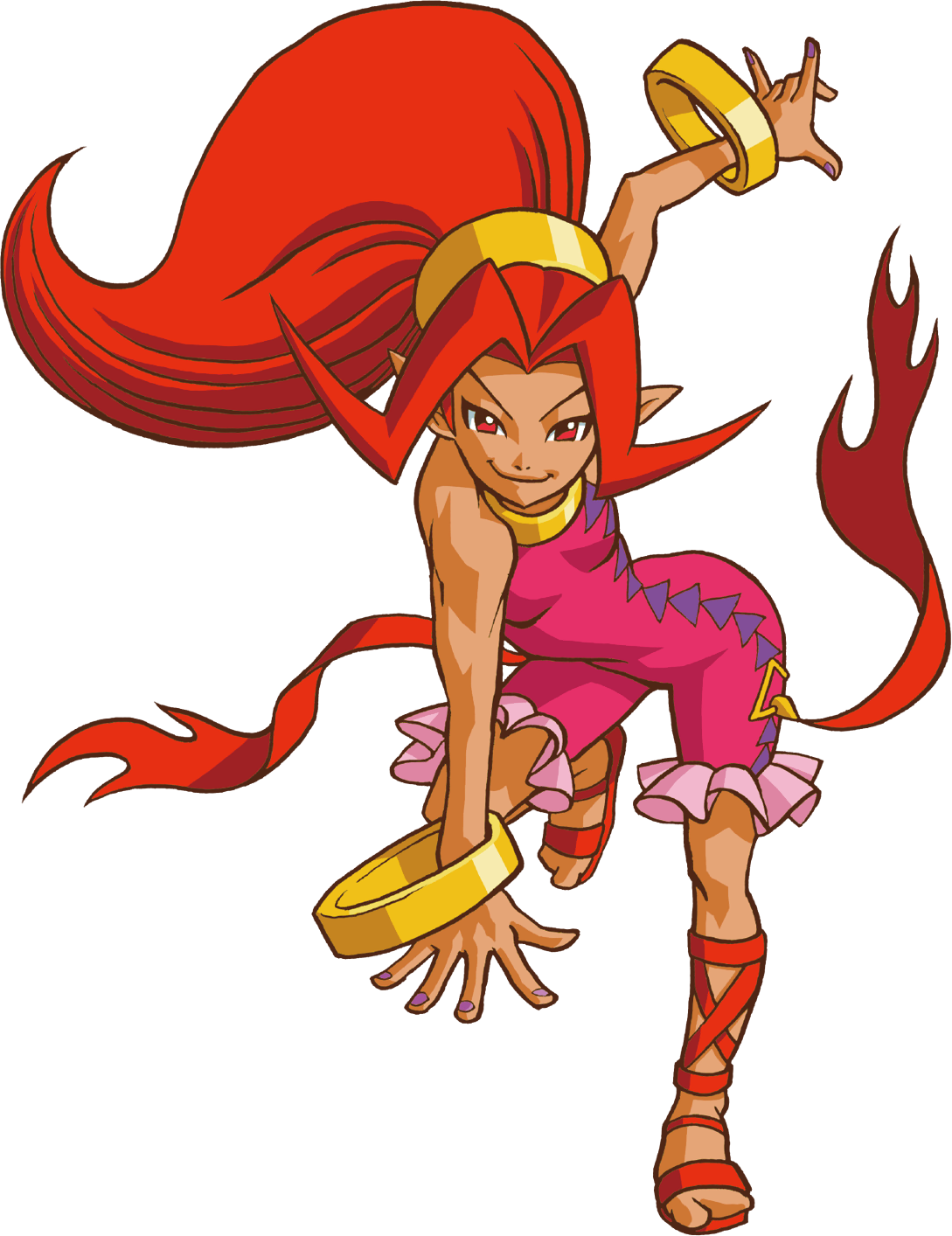
Din, official Oracle of Seasons artwork.In Scholastic’s Oracle of Seasons Link must rescue Din, the dancer who is secretly the Oracle of Seasons, from Onox. Both Scholastic books have a centre section of colour art.
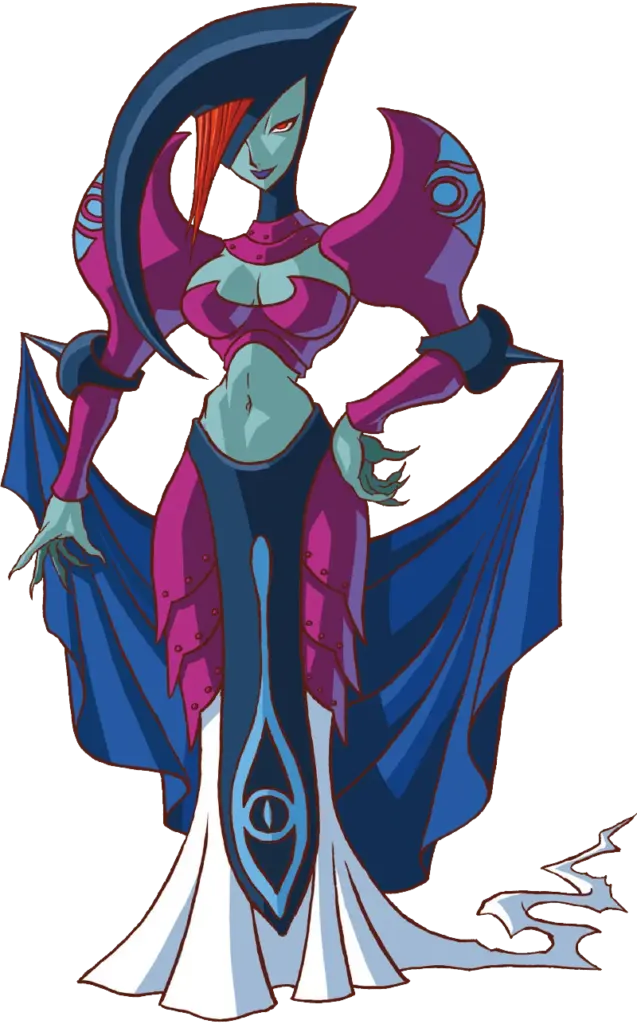
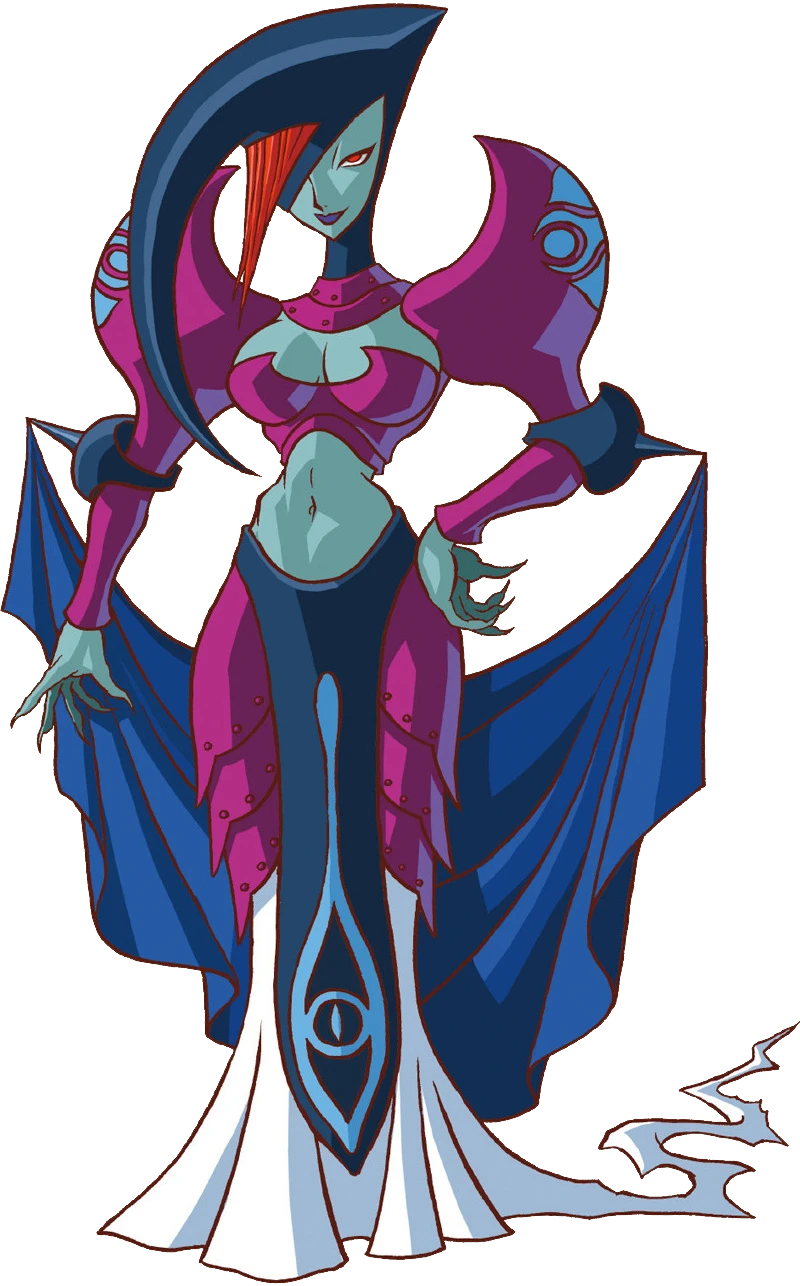
Veran, the villain of Oracle of Ages, official artwork.In Scholastic’s Oracle of Ages, when Bipin and Blossom ask for a name for their baby, Link offers a blend of their names, which Rod Lloyd reports as “Bipsom”.
Ganon has a younger brother in The Battle of Mirage Castle: the Demon General Gaia. The games have never mentioned him.
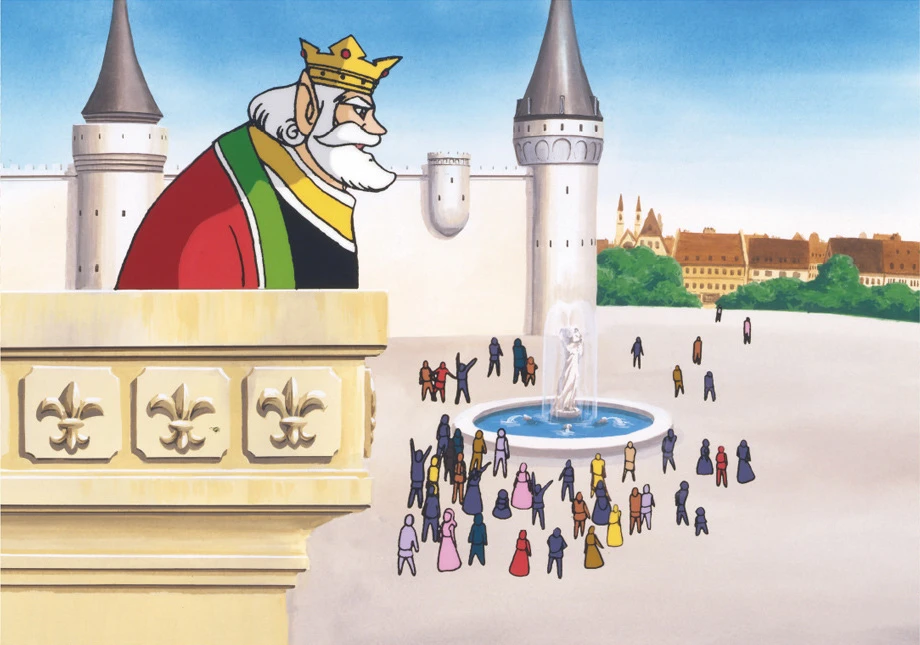
Mirage Castle names Zelda’s father King Graham II. In the 1989 cartoon he is King Harkinian.
Demian Katz noticed that the inside credit of The Crystal Trap reads “Richard Cherat”, probably a misprint for Richard Chevat, and wondered whether Chevat and Matt Wayne might be one and the same.
Later printings of Scholastic’s Oracle of Ages (2003) changed the cover to show the Maku Tree from Oracle of Seasons, which Rod Lloyd found baffling. He also spotted two Harps of Ages on the cover, though the game has only one.
Craig Wessel, who wrote both Scholastic Zelda books, was a strategy-guide writer whose credits include guides to Quake, Unreal and Duke Nukem.
Scholastic’s first Game Boy book, Super Mario Advance, carried the Choose Your Own Adventure logo; by the Zelda books the series had become You Decide on the Adventure, perhaps because the original name is a trademark.
The cover of JICC’s 1987 Black Triforce gamebook was painted by Yutaka Izubuchi, a designer better known for his anime work.
Further reading: Zelda Temple Comics & Books research dossier (sources listed inside)
Manage Consent
To provide the best experiences, we use technologies like cookies to store and/or access device information. Consenting to these technologies will allow us to process data such as browsing behavior or unique IDs on this site. Not consenting or withdrawing consent, may adversely affect certain features and functions.
Functional
Always active
The technical storage or access is strictly necessary for the legitimate purpose of enabling the use of a specific service explicitly requested by the subscriber or user, or for the sole purpose of carrying out the transmission of a communication over an electronic communications network.
Preferences
The technical storage or access is necessary for the legitimate purpose of storing preferences that are not requested by the subscriber or user.
Statistics
The technical storage or access that is used exclusively for statistical purposes.The technical storage or access that is used exclusively for anonymous statistical purposes. Without a subpoena, voluntary compliance on the part of your Internet Service Provider, or additional records from a third party, information stored or retrieved for this purpose alone cannot usually be used to identify you.
Marketing
The technical storage or access is required to create user profiles to send advertising, or to track the user on a website or across several websites for similar marketing purposes.