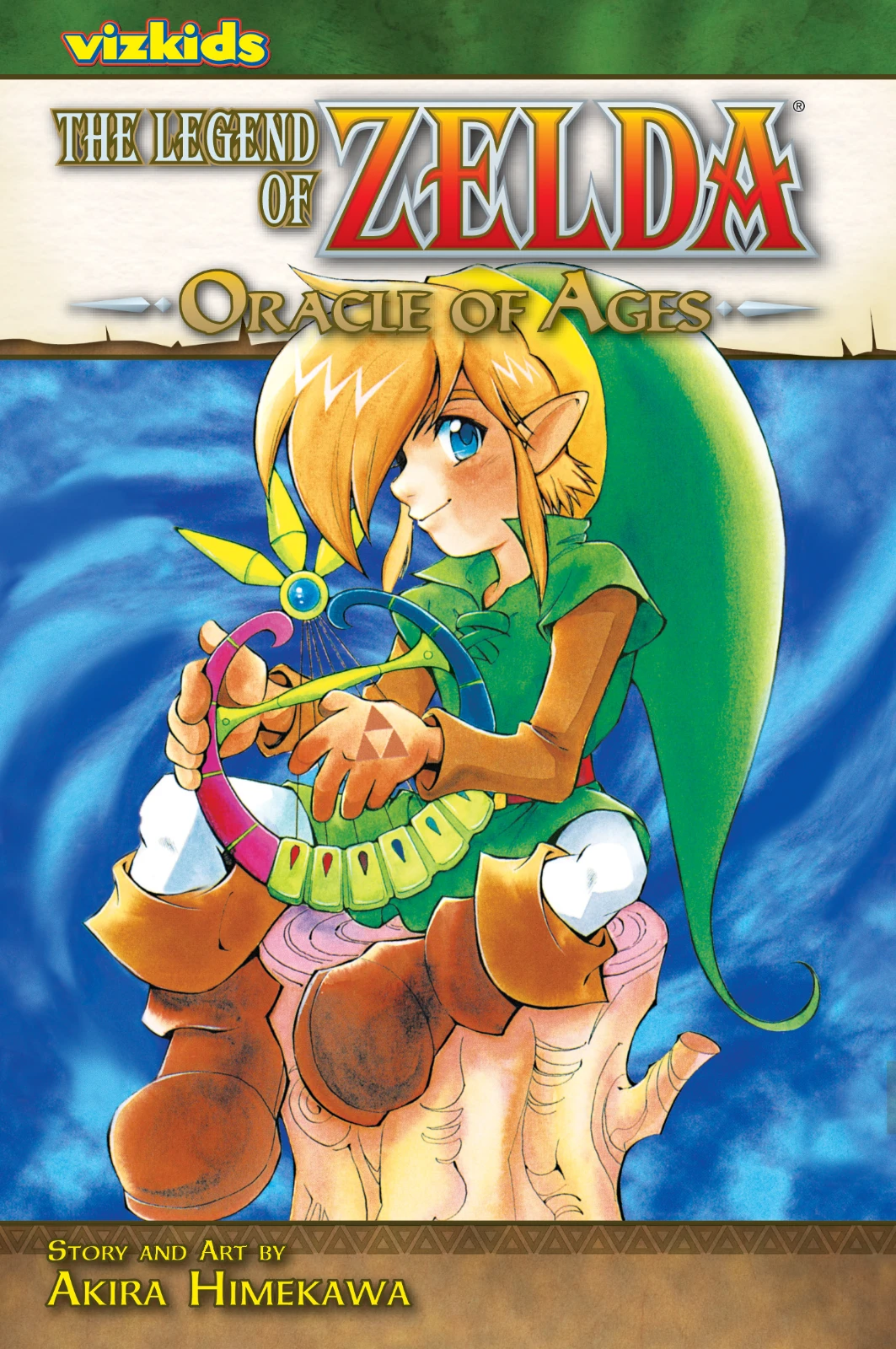
Oracle of Seasons & Oracle of Ages Akira Himekawa’s manga · 2 volumes
Two linked Game Boy Color adventures become two linked books: a farm boy, a talking chick and a dancing Oracle in Holodrum, then a race through Labrynna’s past to save the ancestor without whom Link would never have been born.
Story & artAkira Himekawa
Volumes2 (Seasons and Ages, one each)
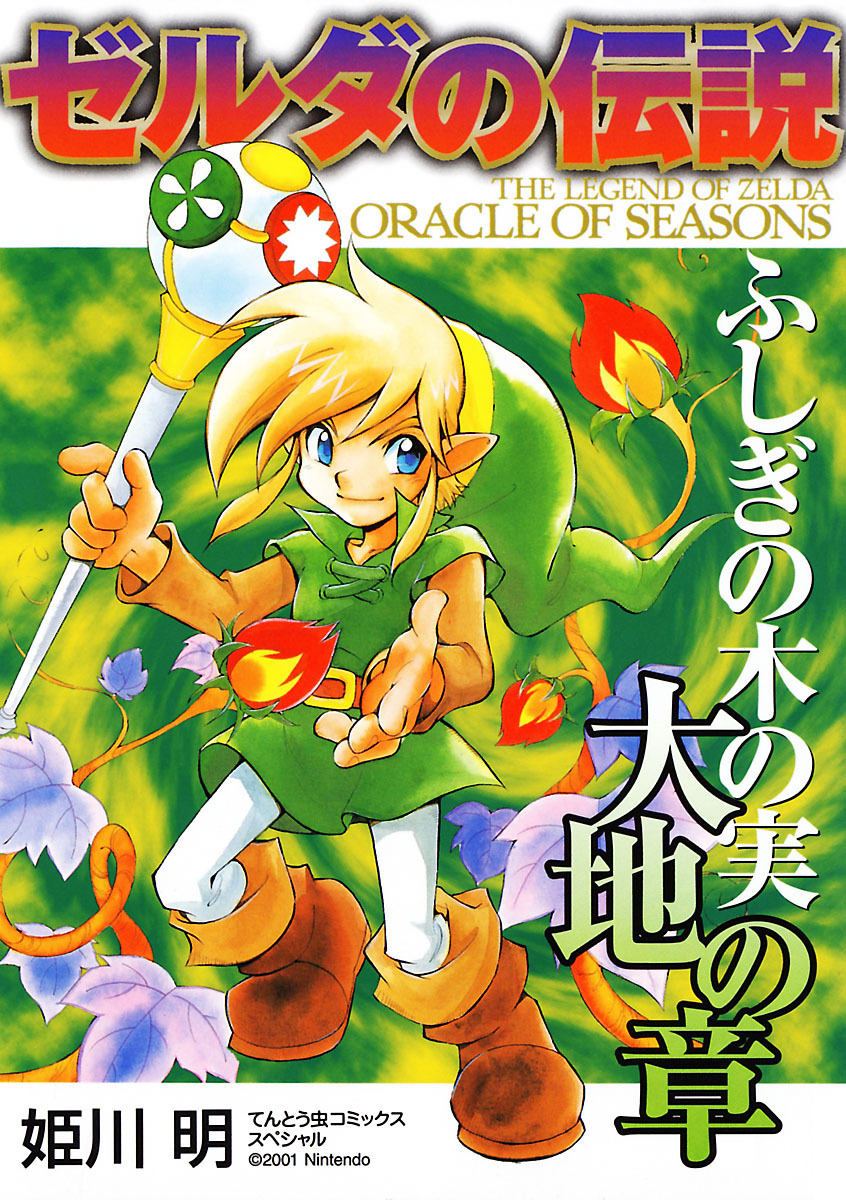
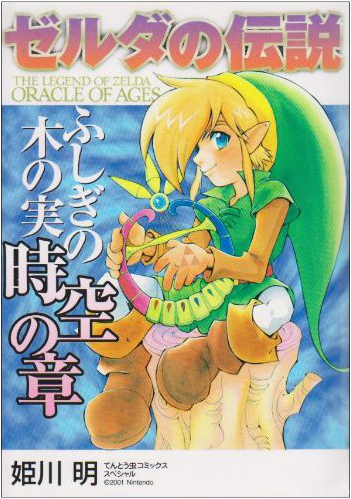
JapanShogakukan, November and December 2001
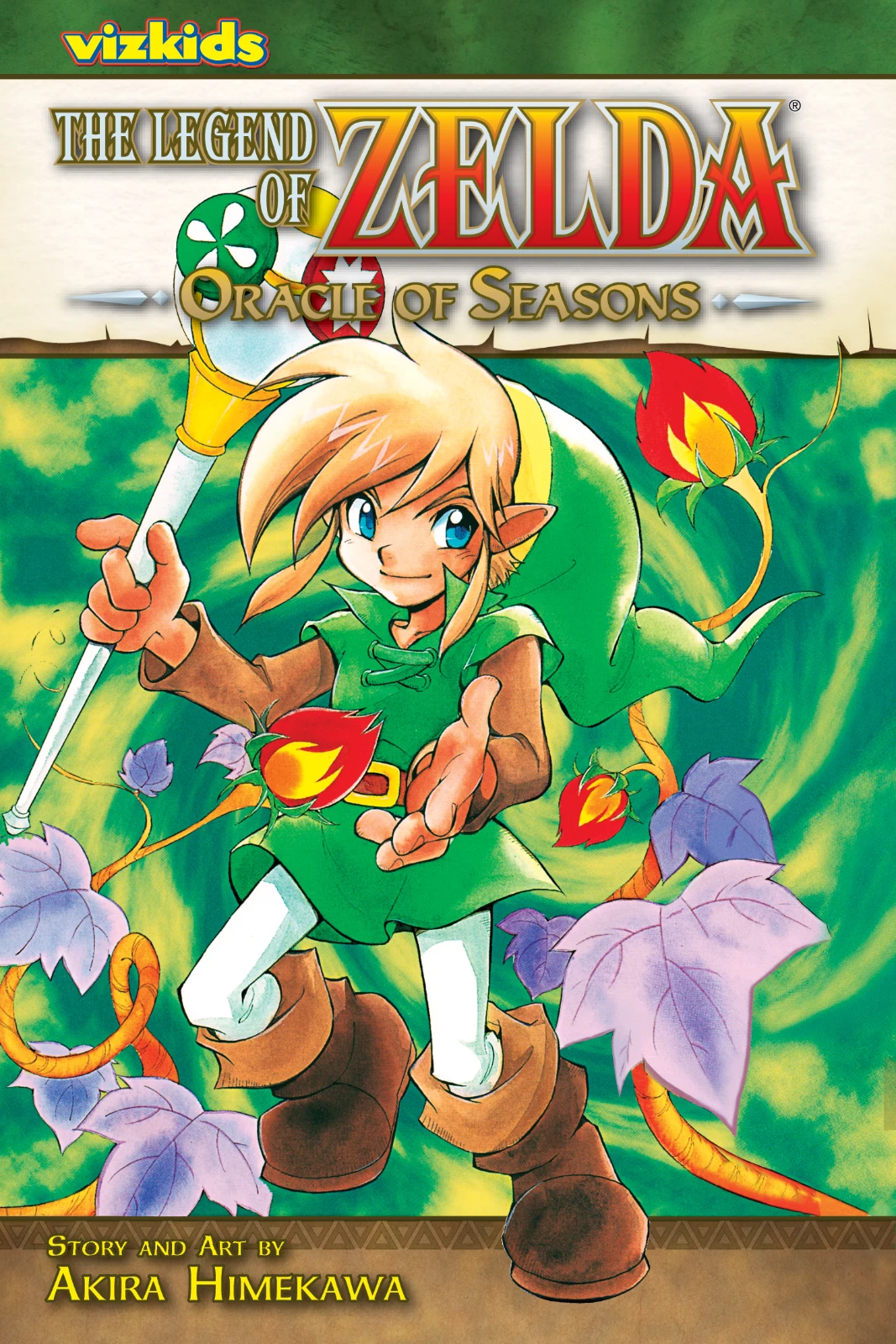
EnglishVIZ Media, April and June 2009
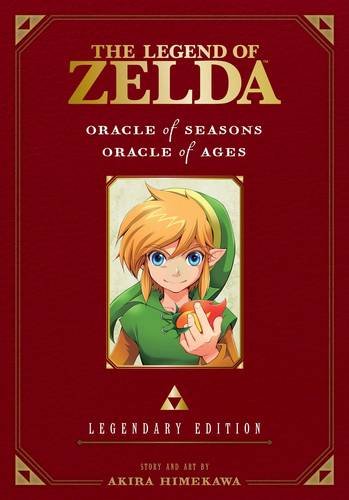
OmnibusLegendary Edition, 10 January 2017
AdaptsOracle of Seasons and Oracle of Ages (2001)
Original titles
ゼルダの伝説 ふしぎの木の実 大地の章 (Zelda no Densetsu: Fushigi no Kinomi – Daichi no Shō) and 時空の章 (Jikū no Shō)
Story and art
Akira Himekawa (A. Honda and S. Nagano)
Publisher (Japan)
Shogakukan, Tentōmushi Comics Special: 28 November and 25 December 2001
Publisher (English)
VIZ Media, as The Legend of Zelda vols. 4 and 5: 7 April and 2 June 2009
Volumes
2 (10 and 11 chapters)
Pages (English)
200 per volume
ISBNs
Japan 4-09-149604-0, 4-09-149605-9; English 978-1-4215-2330-9, 978-1-4215-2331-6
English text
Translation John Werry, adaptation Stan! Brown, touch-up and lettering John Hunt, editor Mike Montesa
Omnibus
Japan: Kanzenban, 27 May 2016; English: Legendary Edition, 10 January 2017
In 2001 Nintendo and Capcom’s Flagship studio gave the Game Boy Color two Zelda games at once, Oracle of Seasons and Oracle of Ages, each playable alone and both joined by a secret ending. Akira Himekawa followed them with a pair of books, published by Shogakukan a month apart at the end of 2001 under the games’ Japanese titles, Fushigi no Kinomi (“the mysterious nut”) Daichi no Shō and Jikū no Shō: the chapter of the earth and the chapter of space and time.
Unlike the games, the books have a fixed order. Seasons comes first: a country boy who would rather mind his chick than practise swordsmanship is carried off to Holodrum, where General Onox kidnaps Din, the dancing Oracle of Seasons. Ages opens a year later in Labrynna, where the sorceress Veran possesses Nayru and travels into the past to wipe out Link’s family line, and it ends with the shared finale of the linked games, the return of Ganon.
Both books are full of things the games do not have, from Link’s grandparents and his talking chick Piyoko to his knightly ancestor Sir Raven, and almost none of the dungeons. VIZ Media published them in English in April and June 2009 as volumes 4 and 5 of its Legend of Zelda series, and combined them in January 2017 as the second Legendary Edition, which is why we cover them together.
In a small village in Hyrule, a boy named Link has the mark of the Triforce on his left hand.
— VIZ Media’s description of Volume 4 (first sentence)
The blurb for volume 5 begins where volume 4 ends: “After defeating the evil General Onox in Holodrum, Link returns to Hyrule.” Do not confuse these books with Craig Wessel’s Scholastic gamebooks of the same names, which are covered on our gamebooks and novels page.
Volume guide
One book per game, read in this order: the first chapter of Ages places it a year after Seasons. Dates are Shogakukan’s Japanese on-sale dates and VIZ’s English release dates; the plot summaries draw on Zelda Dungeon and the Zelda Archive fan wiki, checked against VIZ’s blurbs and the reviews.
Oracle of Seasons (VIZ Volume 4)
Japan: Shogakukan, 28 Nov 2001 · English: VIZ Media, 7 Apr 2009 · 200 pages · ISBN 978-1-4215-2330-9
Link lives on his grandparents’ farm and cares more for Piyoko, a newly hatched chick, than for the sword lessons his grandfather insists on; the family is descended from Hyrule’s knights, and Link carries the Triforce mark on his left hand. Sent to the knights’ trial at Hyrule Castle, he gets into a fight with another boy, runs into trouble with the guards and is whisked away by the Triforce to Holodrum, where he falls in with a troupe of travelling performers and their star dancer, Din.
General Onox nearly kills him on their first meeting, and at the Temple of Seasons Din reveals that she is the Oracle, with Impa sent by Princess Zelda to guard her. Onox strikes, Link’s father’s sword snaps, Din gives herself up to save him, and the temple sinks out of sight, taking the seasons with it. Piyoko can suddenly talk; the Maku Tree gives Link seeds and a map; and he gathers allies: Ricky the boxing kangaroo, after winning back his gloves from Blaino, and Maple, a young witch who joins mainly to steal the Rod of Seasons. Maple makes off with the Rod, but with a lift from Moosh, Link reaches Onox’s castle, where Maple’s change of heart saves Din. Piyoko is killed defending him from Onox’s dragon form; after the victory Din restores the seasons and brings her back as a grown hen. Onox dies boasting that he has lit the flame of destruction, and in the shadows Koume and Kotake discuss what it means for their plans.
From game to page
Link gets a home, a family and a backstory: the grandparents, the knights’ trial and Piyoko are all inventions of the manga.
No dungeons are explored and no essences collected; the bosses turn up as monsters sent by the villain, and Subrosia is visited only once.
Ricky and Maple become companions who fight beside Link; in the game Ricky is one of three animal friends and Maple a witch Link keeps bumping into.
Link meets Din in a village rather than being found by her troupe after arriving in a forest, according to Zelda Dungeon.
Oracle of Ages (VIZ Volume 5)
Japan: Shogakukan, 25 Dec 2001 · English: VIZ Media, 2 Jun 2009 · 200 pages · ISBN 978-1-4215-2331-6
A year after Holodrum, Link turns up in Lynna City in Labrynna, wins a tournament, and is scolded by Impa, who has been sent by Zelda to find Nayru, the Oracle of Ages. But Impa is possessed by Veran, the Sorceress of Shadows; Link unwittingly breaks the barrier protecting Nayru, and Veran takes over the Oracle’s body and escapes into the past. Nayru’s hot-headed childhood friend Ralph blames Link, and Link follows her into the past, with Ralph soon at his side.
In the past, Queen Ambi is forcing slaves to build a tower to the heavens. Link is enslaved, escapes, and is caught by the knight Sir Raven, who turns out to be secretly helping a hidden village of runaways, and to be Link’s own ancestor. Veran’s plan is to end Link’s family line before it starts. Along the way come a desert island, a ghostly pirate captain still in love with Ambi, and the monster Ramrock. Veran finally leaps into Ambi herself, is driven out with a Mystery Seed and shows her true form, a giant spider, which Link and Raven defeat on top of the tower. Then Twinrova use the flames of Onox’s and Veran’s defeats to revive Ganon, a mindless monster this time, and the whole cast fights him off. Raven is knighted, and back in the present Link finds his ancestor’s portrait hanging in his grandparents’ house.
From game to page
Sir Raven, Link’s ancestor, is the manga’s creation, and so is the village of escaped slaves and its children, among them a girl called Roperi.
Again there are no dungeons and no essences; friends help Link in his battles.
Ganon’s return, which in the games needs a linked second playthrough, is simply the climax of this book.
Link starts the story with Impa in town, not alone in a forest.
How the two books fit together
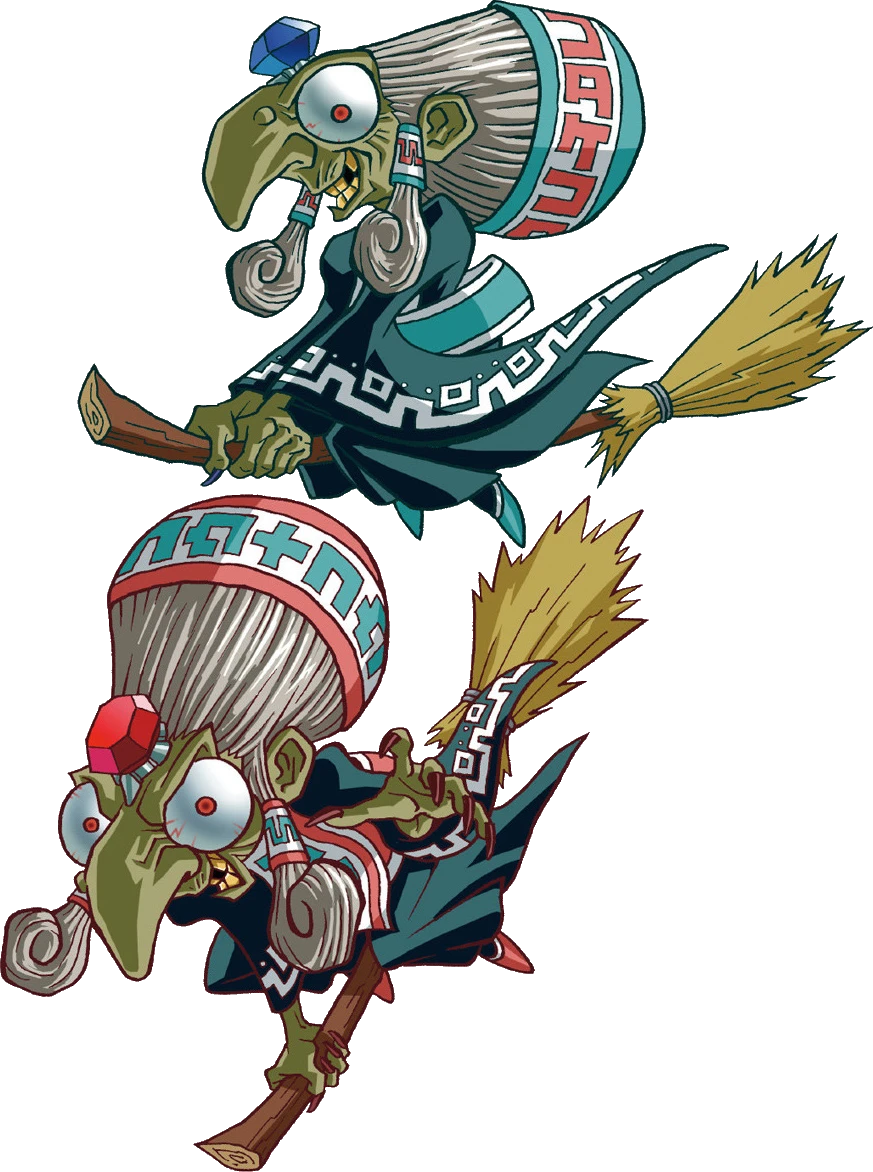
Twinrova, as drawn for Oracle of Seasons (official artwork).
The games let you start with either Oracle and carry a password into the other, and only a linked game reveals the real villains, Twinrova and their plan to bring back Ganon. Himekawa chose one route and stuck to it. Seasons plants the clues (Onox’s dying boast, the witches in the shadows) and Ages pays them off; Wikipedia’s list of Zelda manga cites the first chapter of Ages for the order. The family thread runs right through both: the grandparents who raise Link in the first book are the ones whose wall holds Sir Raven’s portrait at the end of the second.
The two books have different moods. Seasons is the sillier one, all slapstick, kangaroo boxing and a chick with opinions, and a 2022 reviewer on The 7th and Last blog found its broad comedy hard going. Ages is darker: slavery, possession, a hero who refuses to strike the Oracle whose body the villain has stolen. The same reviewer called it better than Seasons in every way, and Leroy Douresseaux at Comic Book Bin praised the dark edge and character drama it brings to an all-ages story, even if the jumps in time and place can feel arbitrary.
Link, for once, has a family
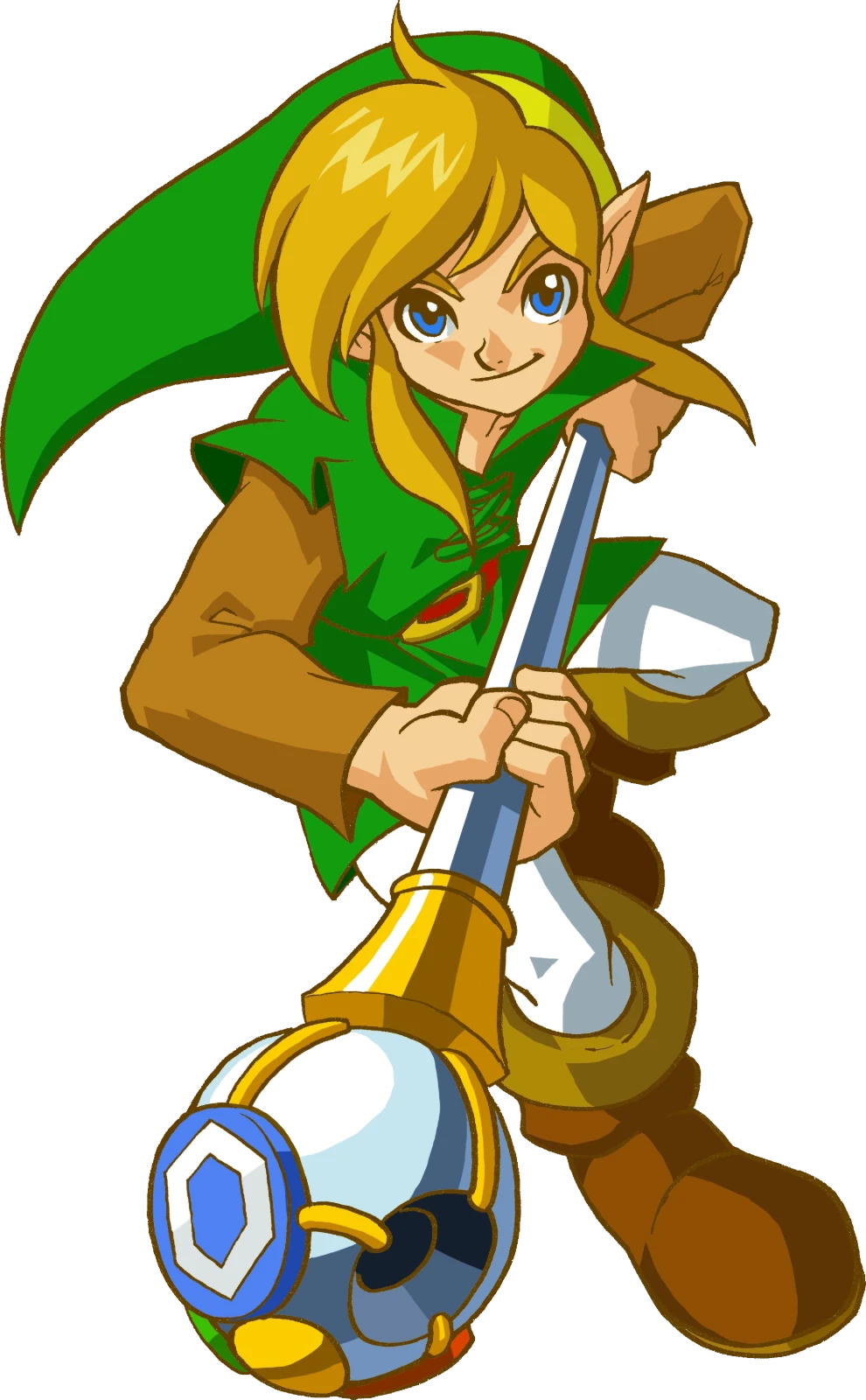
Link, as drawn for Oracle of Seasons (official artwork).
Earlier Himekawa books gave Link a voice; this pair gives him a past. He is a reluctant trainee with a grandfather nagging him about the family’s knightly blood, a sword inherited from his father, and a pet chick who becomes his conscience. Josh Piedra of The Outer Haven, reviewing the omnibus, found this young Link unruly in a way the games never show, and noted that Piyoko does Navi’s job without the nagging. In Ages the family theme turns into the plot itself: Veran’s scheme only works if Link’s ancestor dies.
Characters
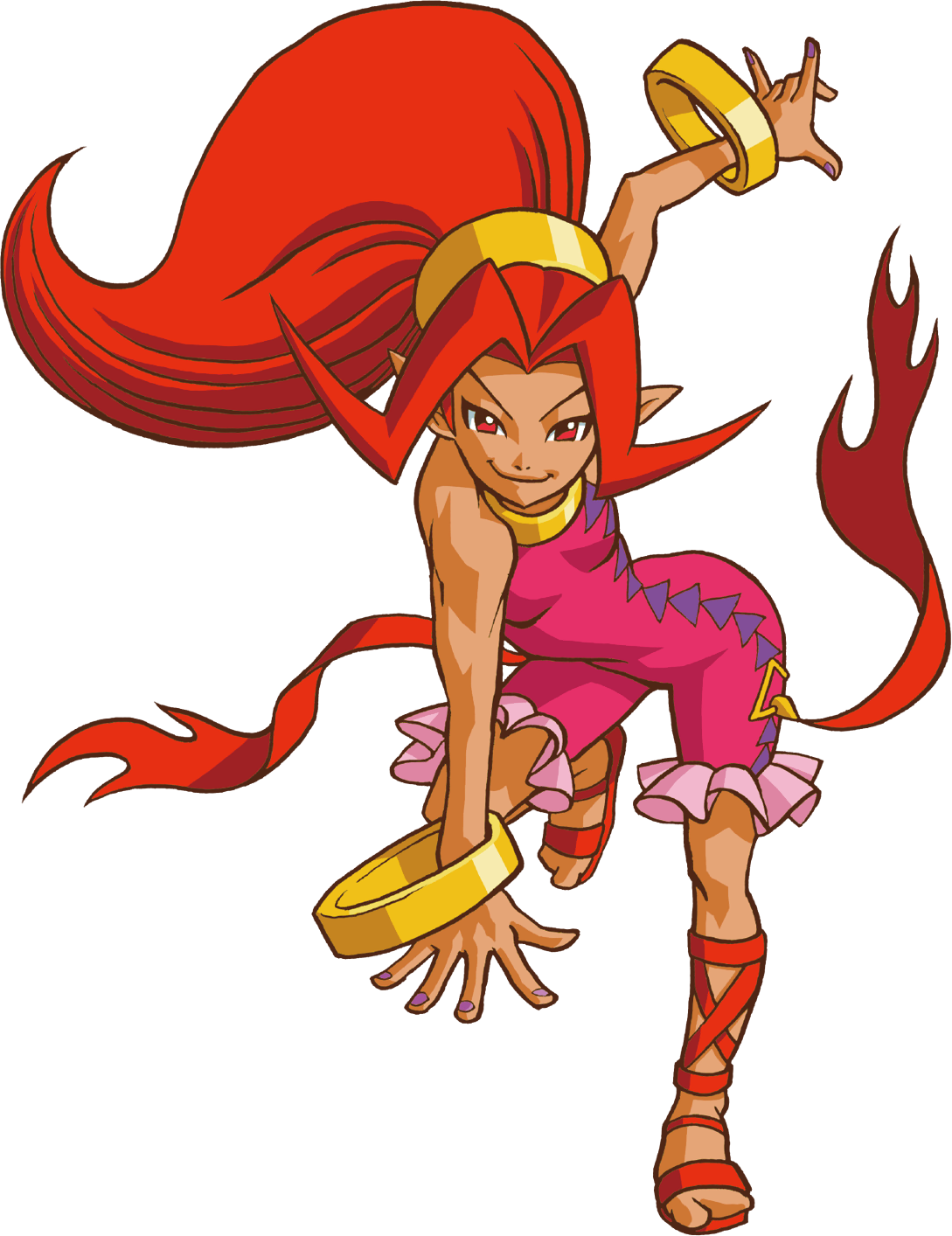
Din, as drawn for Oracle of Seasons (official artwork).
Characters from both books. The last column notes which book they appear in and how they differ from the games; several are inventions of the manga.
Character
Who they are
In the cartoon
Voice
LinkThe hero
A farm boy from a family of Hyrule knights, with the Triforce mark on his left hand.
Dodges his sword practice, gets carried off to Holodrum, and grows from a sulky trainee into a hero who will not hurt the possessed Nayru.
Both books. Given a family and a personality the games never mention.
PiyokoManga original
A chick hatched on Link’s grandparents’ farm.
Gains the power of speech in Holodrum and acts as Link’s adviser. She dies shielding him from Onox and is revived by Din as a grown hen, after which Link can no longer understand her.
Seasons. Invented for the manga; Zelda Universe ranked her sixth among Himekawa’s most memorable original characters.
Link’s grandparentsManga originals
The couple who raise Link on their farm.
The grandfather pushes Link towards the knights’ trial; their house holds Sir Raven’s portrait.
Both books. Invented for the manga.
DinOracle of Seasons
A dancer with a travelling troupe, secretly the Oracle of Seasons.
Nurses Link back to health, surrenders to Onox to save him, and restores the seasons (and Piyoko) at the end.
Seasons. Close to the game.
General OnoxGeneral of Darkness
The armoured general who steals the seasons.
Kidnaps Din, uses her as a shield in the final fight, then turns into a dragon. As he dies he boasts that he has lit the flame of destruction.
Seasons. His dungeons’ bosses become monsters he sends after Link.
RickyBoxing kangaroo
A kangaroo who has lost his boxing gloves.
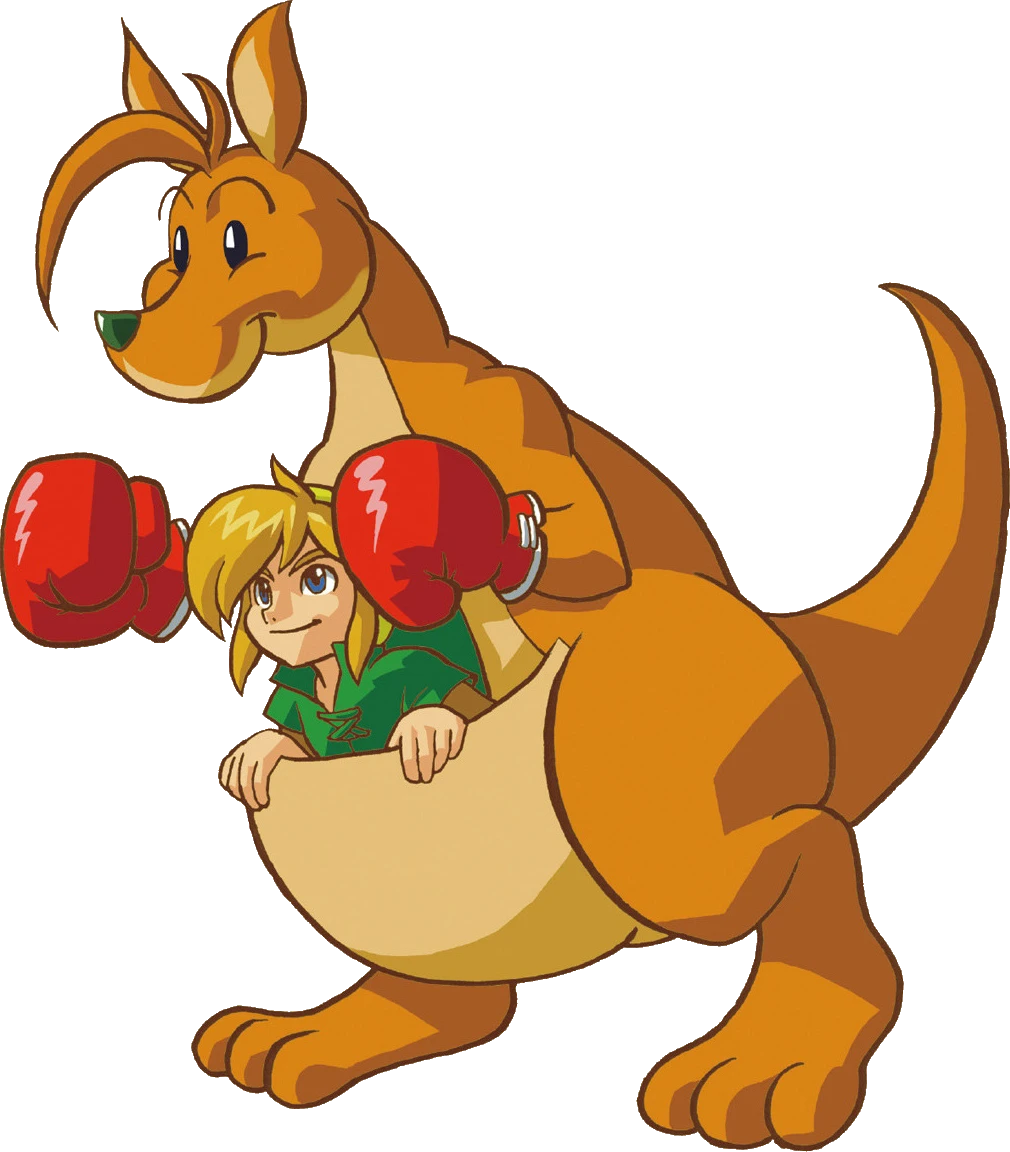
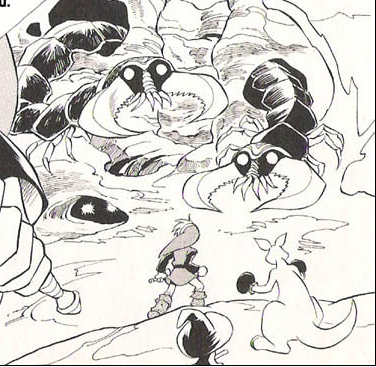
Joins Link after he wins the gloves back from Blaino, hides Link in his pouch and fights alone against Twinrova’s monsters.
Seasons. A full companion rather than a ride.
MapleYoung witch
A witch in training, after the Rod of Seasons.
Joins the party to steal the Rod, but comes back out of guilt and uses it to snatch Din away from Onox.
Seasons. In the games she is a recurring nuisance on a broomstick, not an ally.
ImpaZelda’s attendant
Princess Zelda’s attendant, sent to protect the Oracles.
Guards Din in Seasons; in Ages Veran possesses her to reach Nayru, and she blames herself afterwards.
Both books. Her possession follows the game.
NayruOracle of Ages
The Oracle who can travel through time with her harp.
Possessed by Veran and taken into the past; later she moves the heroes through time to safety.
Ages.
VeranSorceress of Shadows
A sorceress who jumps from body to body.
Possesses Impa, Nayru, Ralph and finally Queen Ambi, plans to kill Link’s ancestor, and is beaten in her giant spider form on top of the tower.
Ages. Her target is Link’s bloodline, a motive the manga adds.
RalphNayru’s friend
Nayru’s childhood friend, and a descendant of Queen Ambi.
Blames Link at first, then travels into the past with him and offers to sacrifice himself to stop Veran.
Ages. Close to the game; The Outer Haven found him hot-tempered.
Sir RavenManga original
A warrior in Queen Ambi’s service in Labrynna’s past.
Arrests Link, then secretly protects a village of runaway slaves, fights Veran at Link’s side and is knighted at the end. He is Link’s ancestor.
Ages. Invented for the manga; Zelda Universe ranked him fourth among Himekawa’s original characters.
Queen AmbiQueen of Labrynna
The ruler of Labrynna in the past.
Drives the slaves to build her tower, orders Link’s execution under Veran’s influence, and is finally possessed.
Ages. The manga also gives her a lost love, a skeletal pirate captain.
TwinrovaKoume and Kotake
The twin witches behind both villains.
Kotake poses as an old woman to throw Link off a cliff in Seasons; in Ages the sisters use the flames of Onox’s and Veran’s defeats to revive Ganon.
Both books. In the games their plan only plays out in full in a linked game.
From game to comic
Ricky, as drawn for Oracle of Seasons (official artwork).
Each Oracle game asks the player to clear eight dungeons and collect eight essences. The manga skips all of it. According to Zelda Dungeon, Link never enters one of the games’ dungeons in either book and collects no essences, and the bosses simply turn up as monsters sent by the villain. What fills the space is people: a family, a band of friends who fight alongside him, and in Ages a whole hidden village. The Outer Haven’s reviewer, who had played neither game, found the story easy to follow but the adventuring rushed, which he put down to the missing puzzles and dungeons.
The animal friends change most. In the games the player ends up with one of three animal companions to ride: Ricky, Dimitri or Moosh. The manga makes Ricky a full member of the party, gives Moosh a cameo as a flying taxi, and turns Maple, a witch who collides with Link in the games, into a reluctant ally.
In the games
In the manga
Order
Either game first, linked by passwords
Seasons, then Ages a year later
Dungeons and essences
Eight of each per game
None
Bosses
Waiting at the end of each dungeon
Sent after Link by the villain
Link’s home
Not shown
His grandparents’ farm, with Piyoko
Companions
Link adventures alone, with animal friends to ride
Ricky and Maple fight beside him; Ralph and Sir Raven in Ages
Twinrova and Ganon
The battle with Ganon comes only in a linked game
Hinted at in Seasons, the finale of Ages
Link’s ancestry
Not part of the story
Veran targets his ancestor, Sir Raven
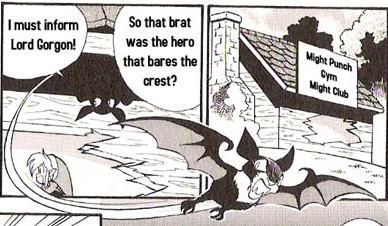
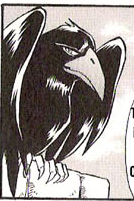
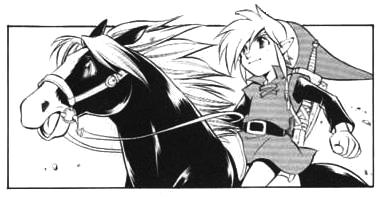
Keese in the Oracle of Seasons mangaA Crow in the Oracle of Seasons mangaHimekawa’s Oracle of Seasons: Pincers
Panels from the Seasons book kept by Zelda Wiki.
Creators
These were the third and fourth Zelda adaptations by Akira Himekawa, the duo A. Honda and S. Nagano, who have worked together since 1991. As they explained to Anime News Network in 2017, Honda shapes the concept and images and Nagano the script and details, and they add dialogue and new episodes so that a reader who has never touched the game can follow it. The farm, the family and the friends in these two books are the clearest example of that approach in their early work.
VIZ Media’s English edition was translated by John Werry and adapted by Stan! Brown, with touch-up art and lettering by John Hunt, design by Sean Lee and editing by Mike Montesa; Joel Enos edited the 2017 Legendary Edition and Shawn Carrico designed it, according to Anime News Network’s encyclopedia.
Editions
Shogakukan published the two books in its Tentōmushi Comics Special line on 28 November and 25 December 2001, by the Japanese Wikipedia’s dates (the National Diet Library files them under December 2001 and January 2002). VIZ Media issued them in 2009 under its VIZ Kids label, and both went into VIZ’s 2011 box set of all ten volumes (see the hub for the box sets).
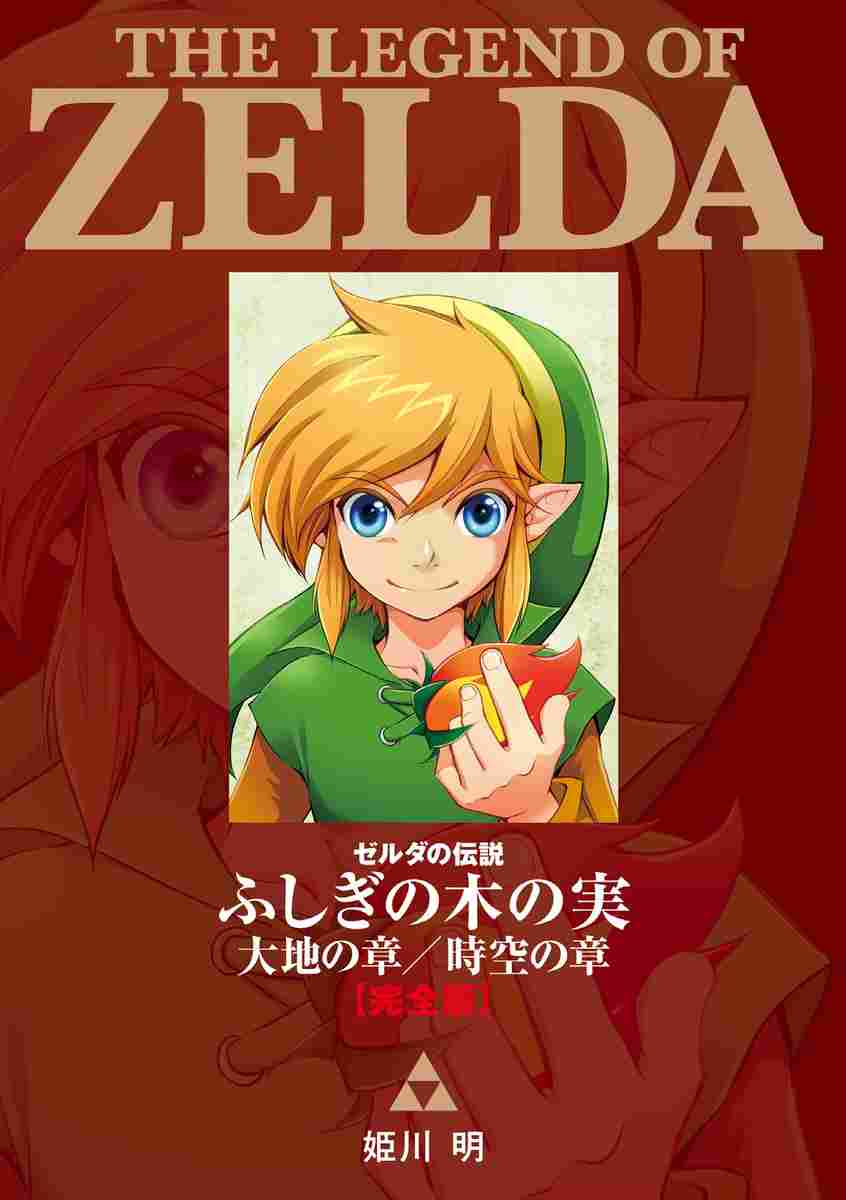
The two stories were reunited in Shogakukan’s Kanzenban on 27 May 2016 and in VIZ’s second Legendary Edition on 10 January 2017: 386 pages behind a maroon-and-gold cover, with new cover art and colour pages by Himekawa. The Outer Haven noted that only the Seasons half opens in colour, that concept art and sketches are scattered through the book, and that it ends with two bonus chapters for Oracle of Seasons and a brand-new short story. VIZ’s omnibus numbering puts the Oracles second, ahead of Majora’s Mask, a reshuffle one reviewer put down to fitting both stories into one book.
Edition
Released
Details
Japan, Daichi no Shō
28 Nov 2001
Shogakukan; ISBN 4-09-149604-0
Japan, Jikū no Shō
25 Dec 2001
ISBN 4-09-149605-9
VIZ Media, Vol. 4
7 Apr 2009
Oracle of Seasons; 200 pp; ISBN 978-1-4215-2330-9
VIZ Media, Vol. 5
2 Jun 2009
Oracle of Ages; 200 pp; ISBN 978-1-4215-2331-6
Japan, Kanzenban
27 May 2016
Both stories; 386 pp; ISBN 978-4-09-142147-0
VIZ Legendary Edition 2
10 Jan 2017
Both stories; 386 pp; ISBN 978-1-4215-8960-2
Other languages
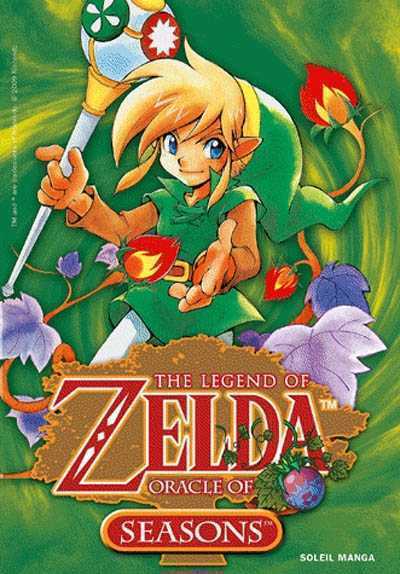
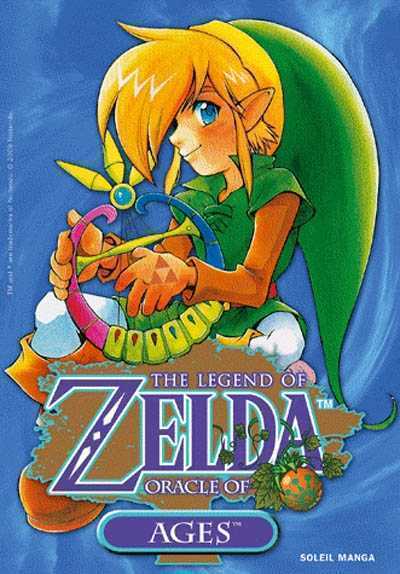
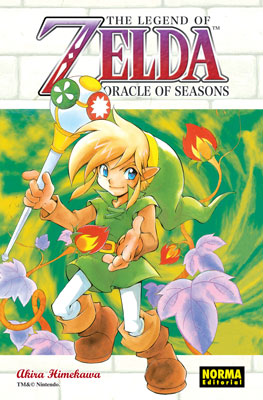
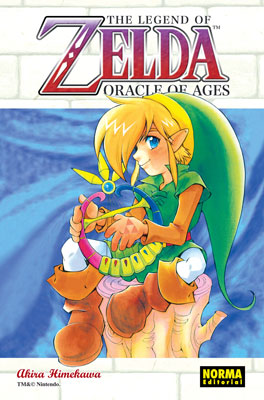
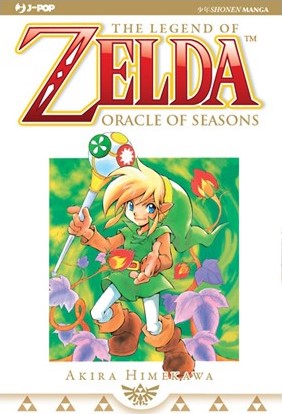
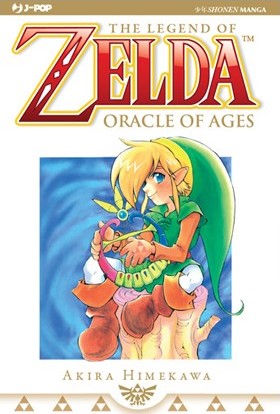
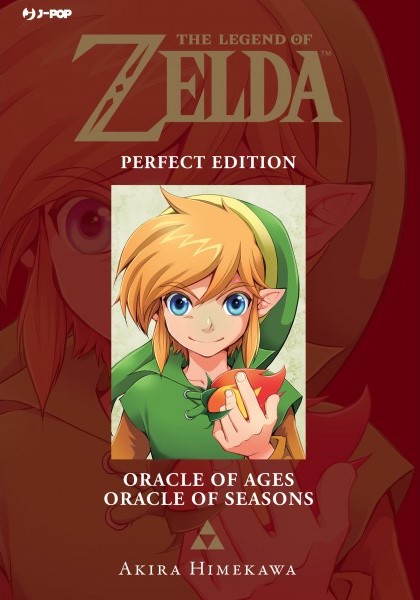
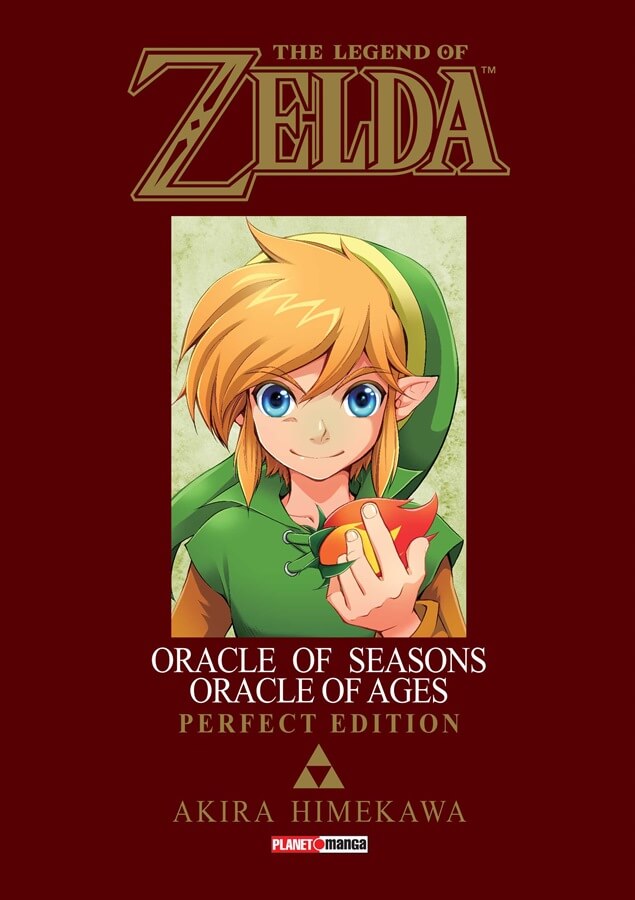
Anime News Network lists Soleil for the French books, J-Pop for the Italian, Norma Editorial in Spain, Ivrea in Argentina, Panini Comics in Mexico and Planet Mangá in Brazil, and there is a Chinese edition in Taiwan. Norma numbered the two single volumes 6 and 7 in its own series. The omnibus came out in Italian and German in 2016, in a French hardcover and a Mexican edition in 2017, and in Portuguese and in Argentine and Spanish editions in 2018, according to the Video Game Library.
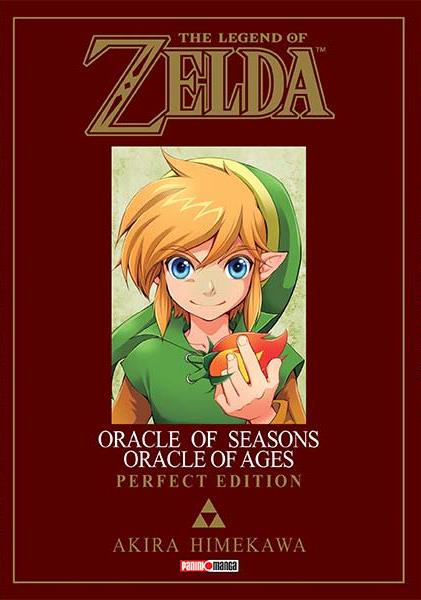
French Oracle of SeasonsFrench Oracle of AgesSpanish Oracle of SeasonsSpanish Oracle of AgesItalian Oracle of SeasonsItalian Oracle of AgesItalian Perfect EditionBrazilian Perfect EditionMexican Perfect Edition
Reception
The pair arrived in English with little fanfare in 2009, and most of the reviews came with the 2017 omnibus. They were warm. Leroy Douresseaux of Comic Book Bin gave it an A–, calling it one of the most enjoyable all-ages manga he had read, and two months later rated it above the Majora’s Mask omnibus. Josh Piedra of The Outer Haven recommended it to fans and newcomers alike, grumbling only about the lack of colour pages for Ages and the lighter extras. The omnibus was number 12 on BookScan’s top 20 adult graphic novels in March 2017, two months after release.
The one reviewer we found who judged the halves separately preferred the darker, more dramatic Ages by a distance; Seasons, with its slapstick and talking chick, is the one aimed most squarely at children.
“I like the clean drawing style of the art, which makes for clear storytelling.”
Leroy Douresseaux, Comic Book Bin Review of the Legendary Edition, January 2017
“superior to Seasons in every way”
The 7th and Last blog, on AgesFebruary 2022
Trivia
Piyoko the chick gets the most bittersweet ending in Himekawa’s run: revived by Din as a full-grown hen, she can no longer talk to Link.
Puini in the Oracle of Ages manga.In Ages Link wins a tournament in Lynna City and, according to the Zelda Archive fan wiki, is paid 200 rupees and a cow.
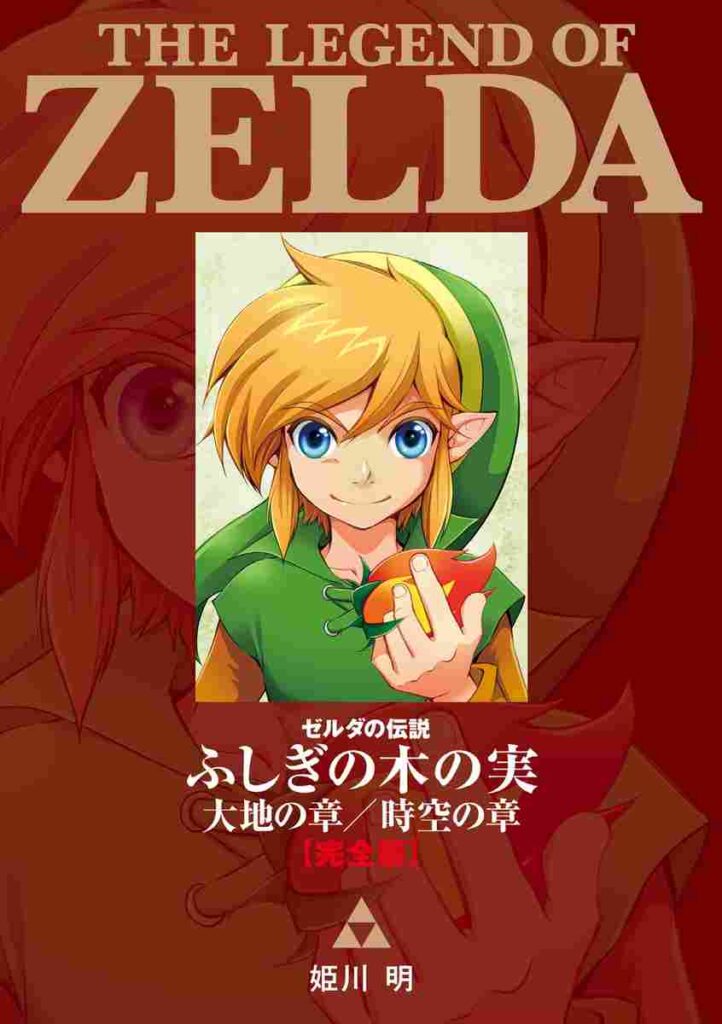
Cover of the Japanese omnibus of the two books.VIZ’s second and third Legendary Editions swap the original order: the Oracles became omnibus number 2 and Majora’s Mask number 3. Shogakukan’s Kanzenban put the Oracles second too.
The last page of Ages ties the two books together: Sir Raven’s portrait hangs in the house of the grandparents from Seasons.
Wikipedia’s list of Zelda manga cites the first chapter of Ages as its evidence that Seasons comes first.
The Japanese titles are the games’ own: Fushigi no Kinomi, “the mysterious nut”, with Daichi no Shō (the earth chapter) for Seasons and Jikū no Shō (the space-and-time chapter) for Ages.
Spain’s Norma Editorial placed the Oracles after A Link to the Past and The Minish Cap, as its volumes 6 and 7.
Moosh, one of the games’ animal friends, gets a single job in the manga: flying Link and Ricky to Onox’s castle.
In 2022 Zelda Universe picked its ten most memorable characters found only in Himekawa’s manga, and two came from these books: Sir Raven (fourth) and Piyoko (sixth).
Link breaks his father’s sword fighting Onox outside the Temple of Seasons, and goes back for the pieces after the temple sinks.
Further reading: Zelda Temple Comics & Books research dossier (VIZ series and box sets)
Manage Consent
To provide the best experiences, we use technologies like cookies to store and/or access device information. Consenting to these technologies will allow us to process data such as browsing behavior or unique IDs on this site. Not consenting or withdrawing consent, may adversely affect certain features and functions.
Functional
Always active
The technical storage or access is strictly necessary for the legitimate purpose of enabling the use of a specific service explicitly requested by the subscriber or user, or for the sole purpose of carrying out the transmission of a communication over an electronic communications network.
Preferences
The technical storage or access is necessary for the legitimate purpose of storing preferences that are not requested by the subscriber or user.
Statistics
The technical storage or access that is used exclusively for statistical purposes.The technical storage or access that is used exclusively for anonymous statistical purposes. Without a subpoena, voluntary compliance on the part of your Internet Service Provider, or additional records from a third party, information stored or retrieved for this purpose alone cannot usually be used to identify you.
Marketing
The technical storage or access is required to create user profiles to send advertising, or to track the user on a website or across several websites for similar marketing purposes.