
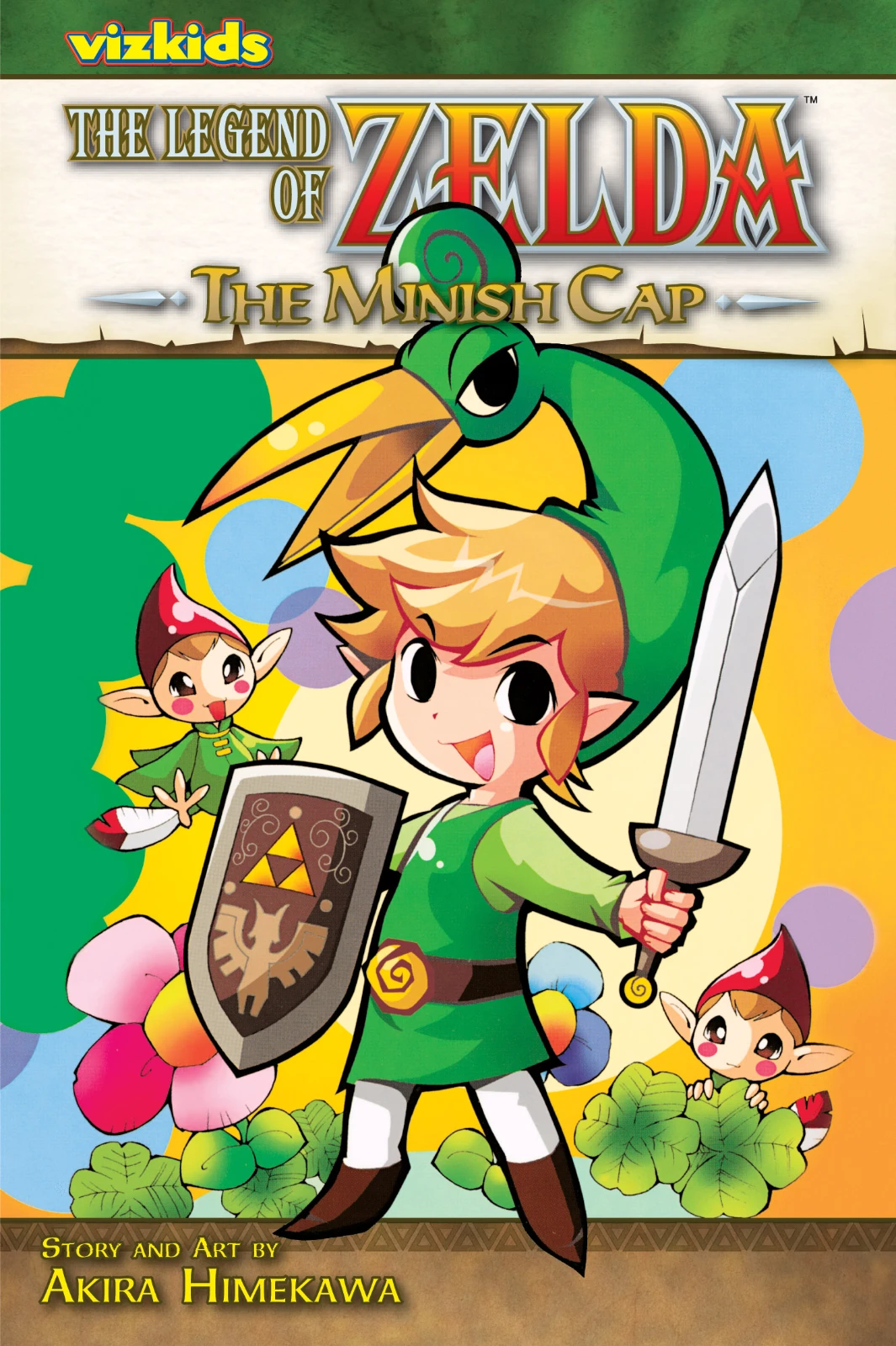
The Minish Cap Akira Himekawa’s manga · 1 volume
A tiny hero, a talking hat and a sorcerer who only wanted his teacher’s approval: Himekawa’s warm, funny take on the Game Boy Advance adventure.
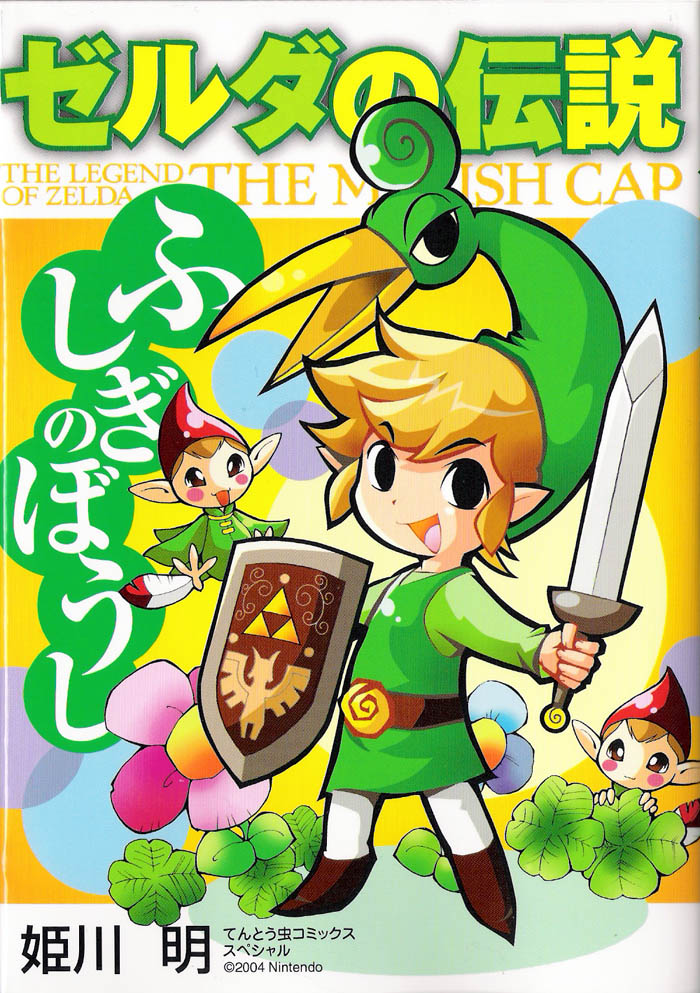  | |
| Original title | ゼルダの伝説 ふしぎのぼうし (Zelda no Densetsu: Fushigi no Bōshi, The Mysterious Cap) |
| Creators | Akira Himekawa (A. Honda and S. Nagano), story and art |
| Publisher (Japan) | Shogakukan, 27 January 2006 |
| Publisher (English) | VIZ Media, 1 December 2009, as The Legend of Zelda Vol. 8; ISBN 978-1-4215-2334-7 |
| Length | 192 pages: 6 chapters plus the bonus story “Vaati During Training” |
| Rating | All Ages (VIZ) |
| Collected in | The Minish Cap / Phantom Hourglass Legendary Edition (VIZ, 2017); Japanese Kanzenban (Shogakukan, 2016) |
| Adapts | The Legend of Zelda: The Minish Cap (2004) |
Overview
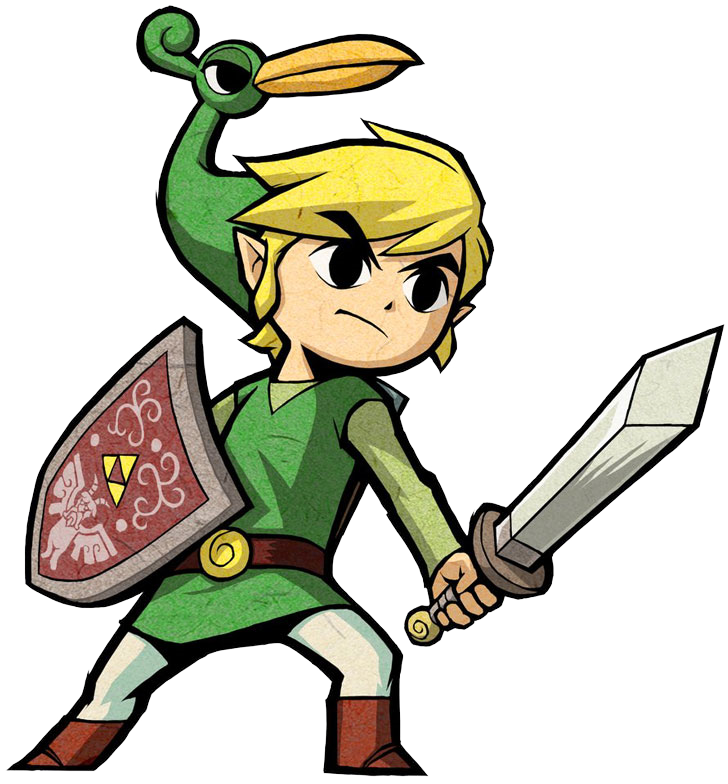
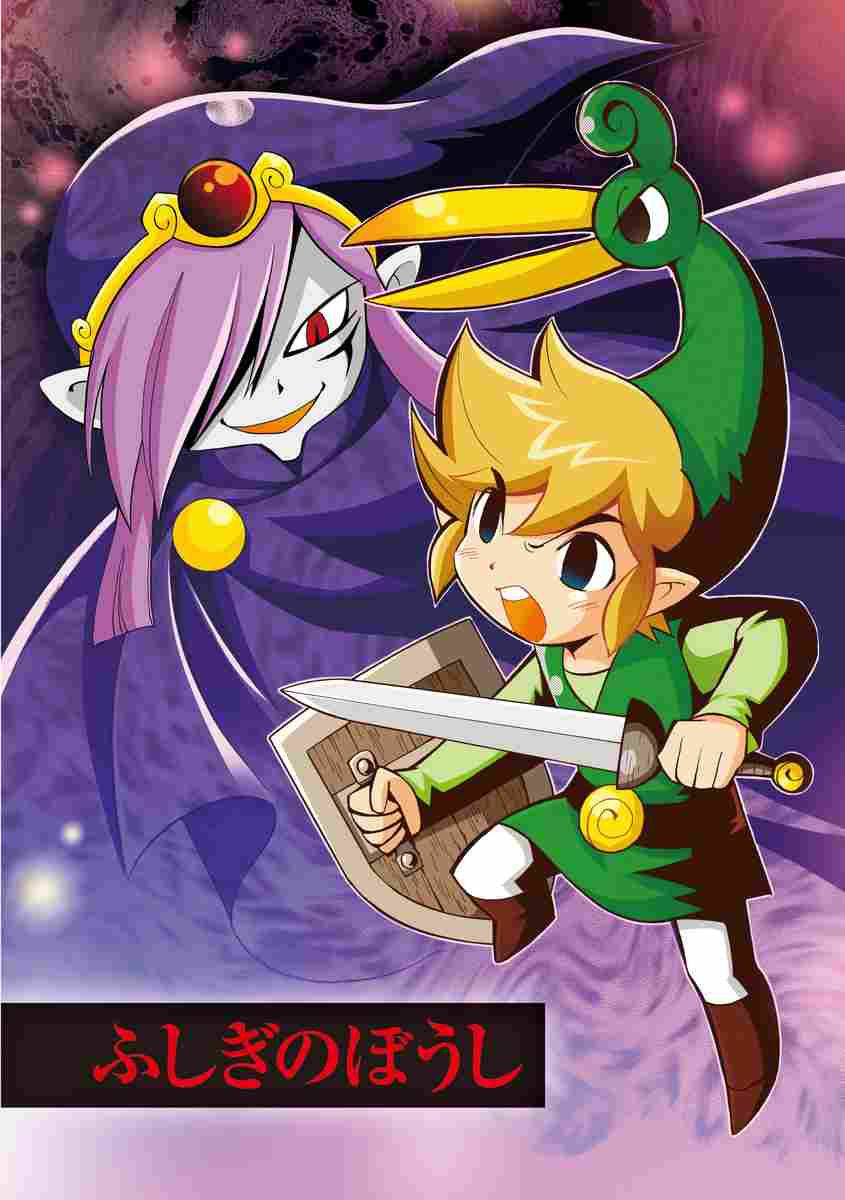
Akira Himekawa’s version of The Minish Cap packs the Game Boy Advance adventure into a single book of six chapters, plus a bonus story. Link, a smith’s grandson who is turned away from the Picori Festival’s sword tournament, watches the sorcerer Vaati win it, break the sacred blade and turn Princess Zelda to stone. Shrunk to the size of the Picori by a grumpy talking cap called Ezlo, he sets out to gather the four elements and have the sword reforged.
It is a light, funny book, but its heart is the relationship the game only sketches: Ezlo the master and Vaati the pupil who went wrong. The ending gives that story a reconciliation the game never offers, and the bonus chapter goes back to the start of their partnership.
Shogakukan published it in Japan on 27 January 2006, six months after Himekawa’s A Link to the Past. VIZ Media numbered the two the other way round, so in English The Minish Cap is Volume 8 (December 2009) and A Link to the Past Volume 9. Since 2017 it has shared a Legendary Edition with Phantom Hourglass.
On the day of the Picori Festival, Link and Princess Zelda go to watch the sword-fighting tournament. The winner is a strange man named Vaati, who has come to claim the Light Force which is sealed within the Bound Chest. When the Light Force turns up missing, Vaati turns Princess Zelda to stone! To save his friend, Link needs the power of the Picori Blade, but only a certain master swordsmith can reforge it. Can Link find the pieces of the broken sword before Vaati does?
— VIZ Media’s description of The Legend of Zelda, Vol. 8
Chapter guide
The book has six story chapters and a bonus chapter. Our outlines follow the chapter summaries of the Fandom-hosted Zelda wiki, checked against Zelda Dungeon’s wiki, and the chapter titles are those listed by Zelda Dungeon (the Fandom wiki gives Chapters 3 and 5 slightly different English titles). Spoilers throughout.
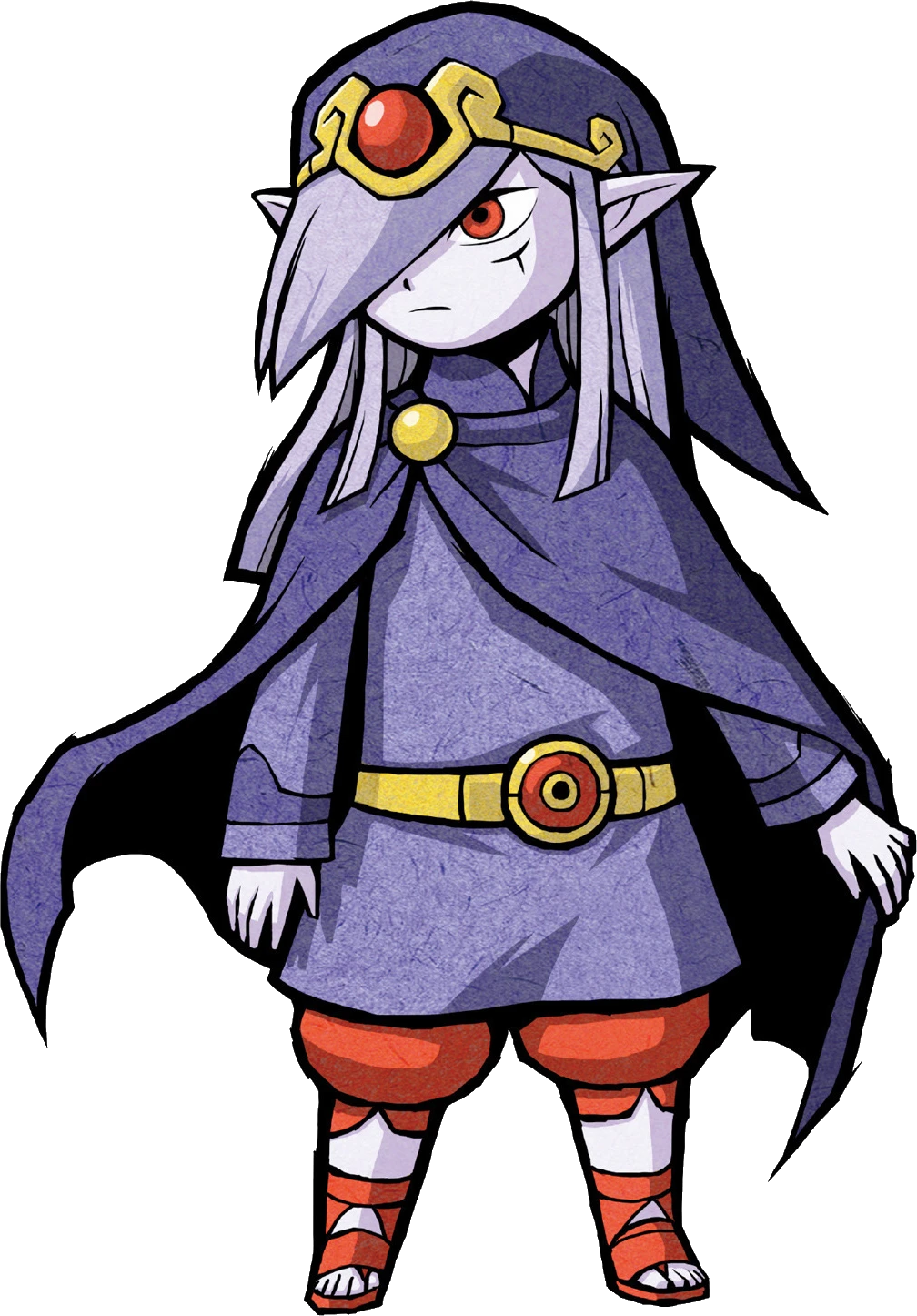
Chapter 1: Link and Vaati
The book opens at the forge, with the old Picori legend told while Link helps his grandfather make a sword. Barred from the festival’s tournament, Link storms off to the woods, and a stranger shows off by flattening the trees all around him: Vaati. Only Zelda’s tears change Link’s mind about the festival, and she gives him the shield she wins in a lottery there. Vaati walks away with the tournament and, at the prize-giving, frees the evil spirits shut in the chest by the Picori Sword. He turns Zelda to stone and, finding no Light Force in the chest, leaves. Sent by the king to the Minish Woods to have the broken sword remade, Link saves an odd, bird-like creature from a pair of Octoroks.
From game to page
- Link tries to enter the tournament and is refused; in the game he is simply delivering his grandfather’s sword.
- Zelda’s invitation and the lottery shield are the manga’s own.
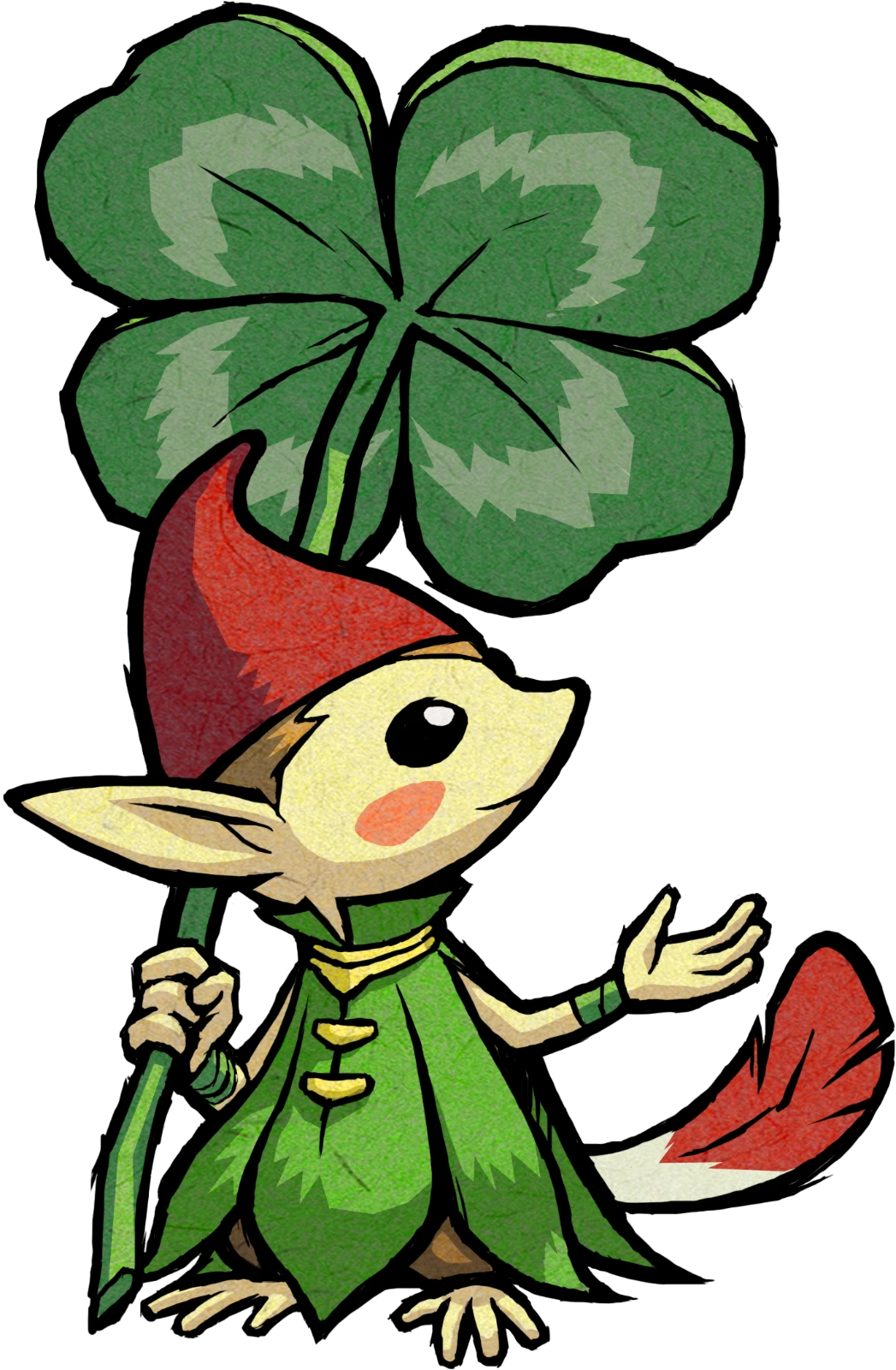
Chapter 2: Shrunken Link
The creature is Ezlo, who plants himself on Link’s head and, through a Minish portal, takes him down to Picori size. In the Picori village a Picori called Festari shows them around, the elders explain that the sword can only be remade with the four elements, and Link sets off for the Deepwood Shrine. There the spores of a Puffstool knock him out cold, and it is Festari and his friends who fetch the Gust Jar and clear the air. Link wins the Earth Element, learns that Festari is fascinated by Hylians, and is pointed towards Mount Crenel and a Picori smith named Melari.
From game to page
- Link gets help from the Picori inside the shrine instead of working through it alone.
- The Big Green ChuChu, the game’s boss here, does not appear (Zelda Dungeon).
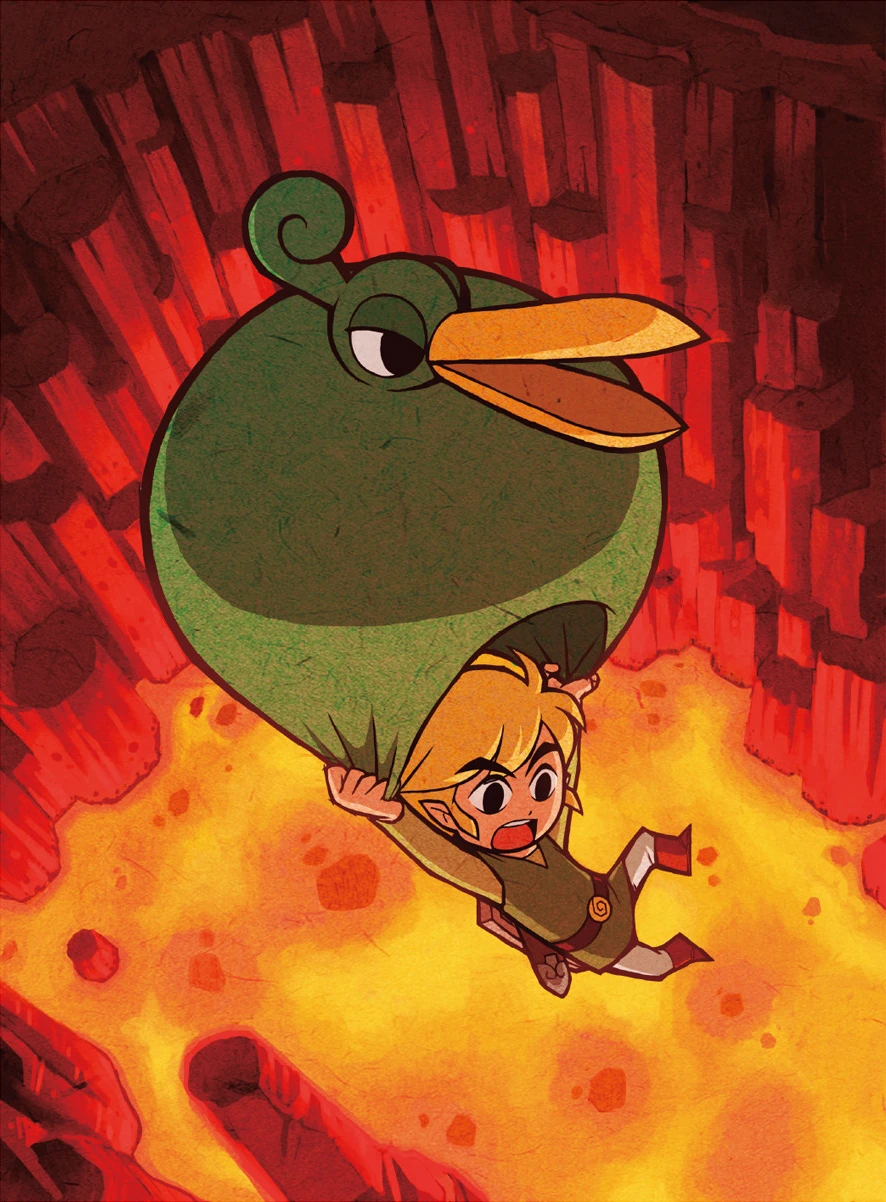
Chapter 3: Link and the Mountain Picori
On the mountain Link saves a young Mountain Minish, Chiruta, from a bee, and Chiruta takes him to Melari, a great swordsmith who has stopped working while he grieves for his wife. With no charcoal for the forge, Ezlo suggests iron ore, and that means the Fire Element. In the Cave of Flames Chiruta helps Link identify the Cane of Pacci, and after their fight the fire dragon Gleerok gives Link a grateful kiss on the cheek along with the element. Melari comes back to life and starts work on the sword.
From game to page
- Chiruta is an original character, and Melari’s grief for his wife is the manga’s addition.
- Link again has a companion in the dungeon.
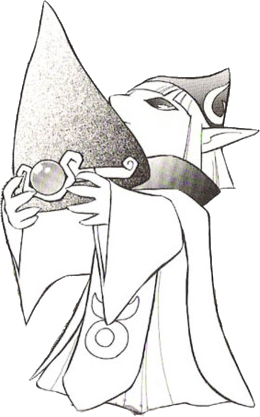
Chapter 4: Ezlo and Vaati
Still Minish-sized, Link and Ezlo flee a cat, a little girl and some hungry Cuccos before a puppy leads them to the library, where the scholar Librari is writing his memoirs. Librari tells them where to find the Water Element and gives Link a map of Hyrule. On the way Link joins a crowd of Picori at a concert given by a fading fairy singer, begs her to keep going, and is rewarded with the element. Then Vaati appears, greets Ezlo as his master and mocks him for his cursed shape, turns the fairy into a monster and vanishes. Ezlo has to admit that he and Vaati were once Picori themselves.
From game to page
- The fairy concert replaces the game’s Temple of Droplets dungeon.
- Vaati’s link to Ezlo comes out halfway through the story.
Chapter 5: The Wind People and the King
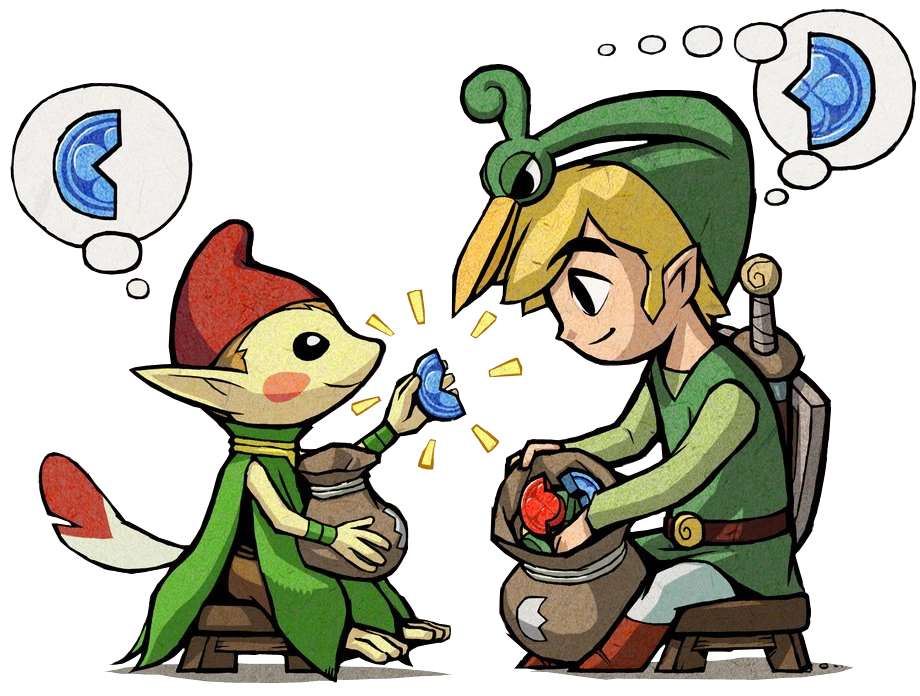
Ezlo tells his story: he was a famous Minish mage, Vaati was his apprentice, and Vaati’s taste for evil led him to steal Ezlo’s wish-granting hat, curse him into a cap and go hunting for the Light Force, which the Picori gave long ago to the hero who bore their sword and which passed to the royal family. The last element lies with the Wind Tribe, who have left for the skies. A pilgrim hands Link some Kinstones; at the grave of King Gustaf a hostile royal ghost is won over when Link’s Kinstone fits his, and the ghost sends Link to Veil Falls. A magic feather from Librari becomes wings for a fight with the Gyorgs in the sky; Link wakes among the Wind Tribe, receives the Wind Element and is flown back to Mount Crenel to see the sword finished.
From game to page
- Link reaches the Wind Tribe without the Palace of Winds or Fortress of Winds dungeons.
- The feather that turns into wings is the manga’s own device.
Chapter 6: True Strength
The Elemental Sanctuary is hidden in Hyrule Castle and opens only once a century. Minister Potho, suspicious of a king who cannot say where it is, shows Link the hidden door, and the king, who lunges after him too late, turns out to be Vaati in disguise. Inside the sanctuary the four elements and the sword reveal that the Light Force lies within Zelda herself. Vaati has turned the castle staff to stone and drawn the Light Force out of the princess. Link climbs Vaati’s tower and defeats him in his monstrous form, and Zelda and the rest of Hyrule are freed. What follows is the book’s real ending: a weeping Vaati apologises, confessing that he chased power because he felt he could never live up to Ezlo’s hopes, and Link urges him to find a better road. Ezlo goes home through the portal, leaving Link a green cap to remember him by, and the book closes a year later, with Link vowing never to forget their tiny adventure as two Picori climb out of a Minish portal he has just passed.
From game to page
- Vaati survives, repents and is reconciled with Ezlo; in the game he is destroyed.
- Link never uses the Four Sword’s power to split into copies.
Bonus story: Vaati During Training
A comic coda set long before the main story. The young Vaati, shy but hungry for success, wins a place as Ezlo’s apprentice by heaping praise on him, then is sent to the mountains for a herb that, the locals tell him, grows nowhere near them: the first lesson is not to trust everything you are told. The second, a strong spirit, turns out to be preparation for bad news, since Ezlo has wiped all of Vaati’s Game Boy saves by mistake. Vaati is buying exploding cigars to get even when Ezlo turns up with a Christmas cake telling his pupil how proud he is of him, and the two share it while the snow comes down.
From game to page
- Entirely original, and a counterweight to the game’s view of Vaati as simply wicked.
Characters
| Character | Who they are | In the cartoon | Voice |
|---|---|---|---|
| LinkThe hero | The smith’s grandson, learning to use a sword. | Eager, impatient and quick to sulk at first; by the end he is the one telling Vaati that it is not too late to change. | Turned away from the tournament he wants to enter, a scene the game does not have. |
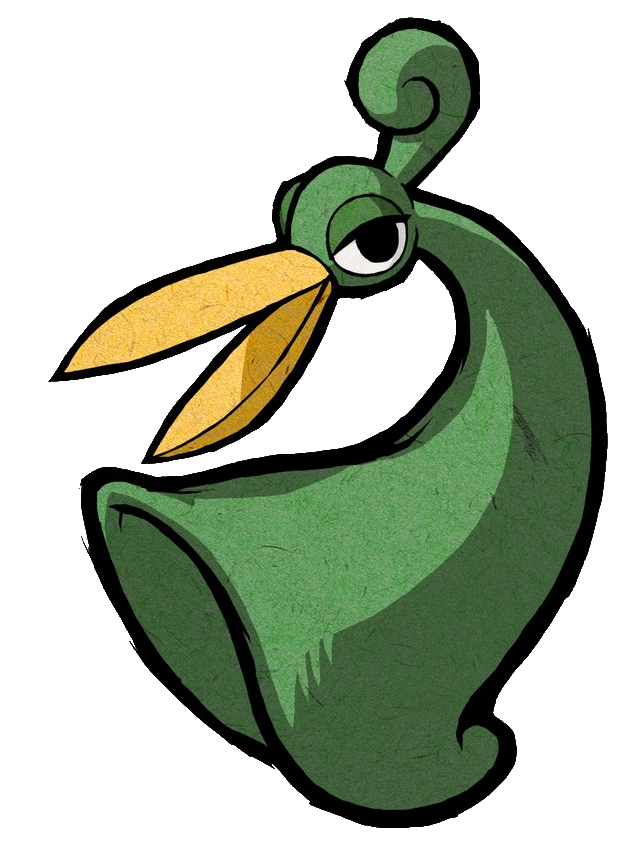
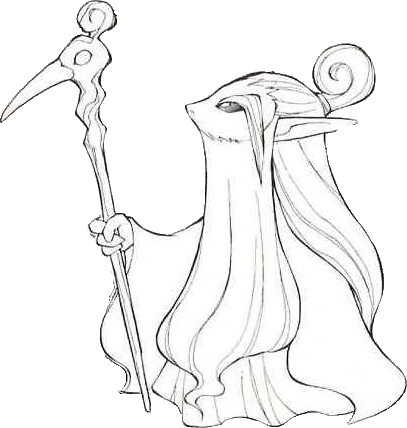 EzloThe talking cap | A Minish mage cursed into the shape of a bird-beaked hat by his former apprentice. | Rides on Link’s head, nags him constantly and slowly reveals his past with Vaati. He goes home at the end and leaves Link a green cap. | Stars in the bonus story as Vaati’s teacher. |
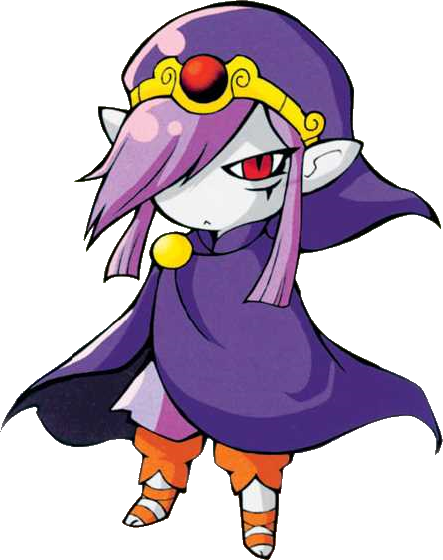 VaatiThe sorcerer | Ezlo’s one-time Minish apprentice, now a sorcerer hunting the Light Force. | Wins the tournament, petrifies Zelda and the castle staff and takes the king’s place. Beaten, he breaks down, explains himself and is reconciled with his old master. | Far more sympathetic than in the game, where he is simply destroyed. |
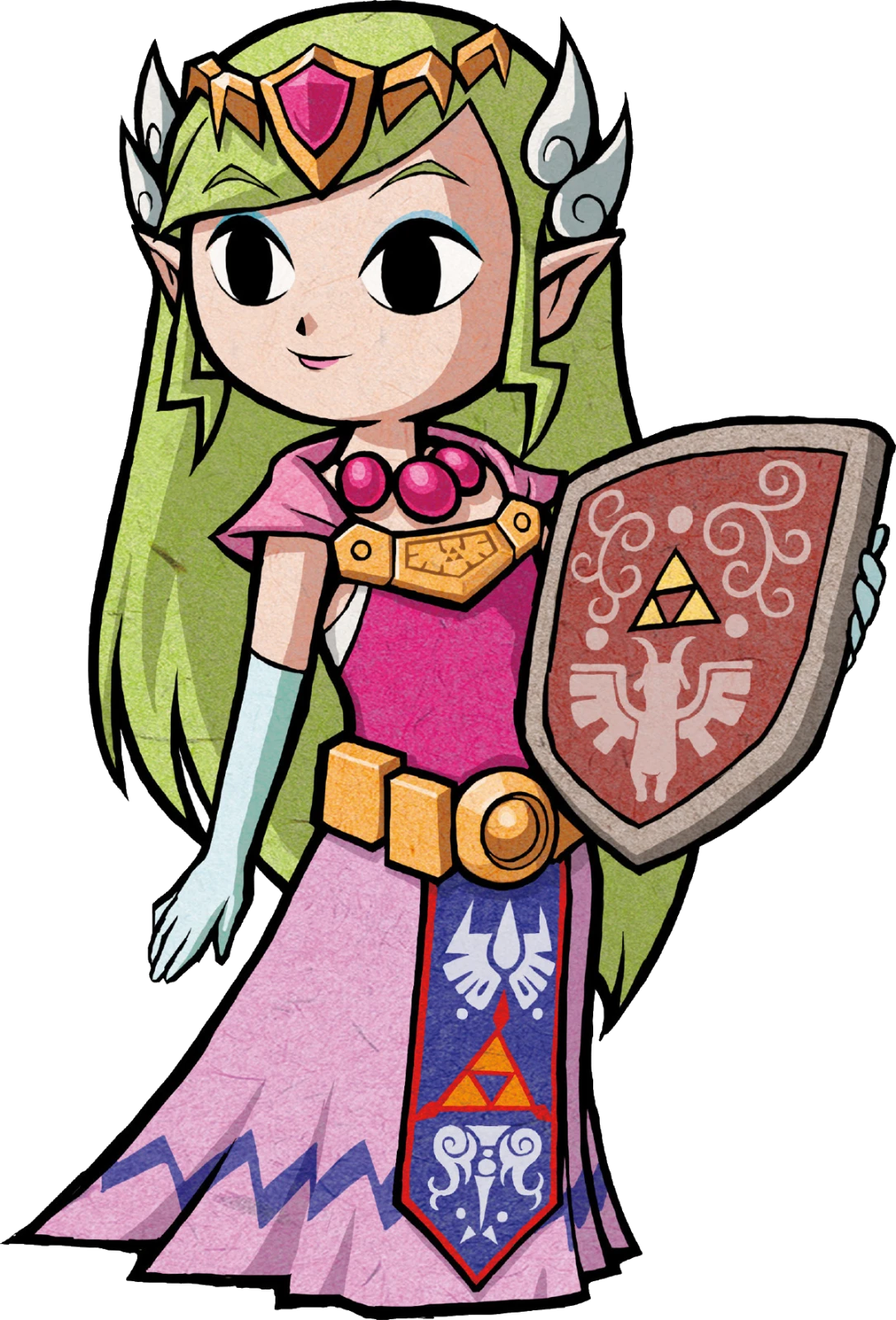
| Princess ZeldaLink’s friend | The lively princess of Hyrule. | Drags Link to the festival and gives him the shield she wins; the Light Force turns out to be inside her. | Turned to stone in Chapter 1. |
| MelariMaster swordsmith | The Mountain Minish smith who can reforge the Picori Blade. | Has given up work while mourning his wife until Link brings him the materials he needs. | His back story is added by the manga. |
| ChirutaOriginal character | A young Mountain Minish who works in Melari’s mine. | Guides Link through the Cave of Flames and helps reforge the blade. Zelda Universe named him one of the ten most memorable characters found only in the Zelda manga. | Created for the manga. |
| Festari and LibrariHelpers | A Picori fascinated by Hylians, and the town’s scholar. | Festari rescues Link in the Deepwood Shrine; Librari points the way to the Water Element and provides the magic feather that gives Link wings. | Both play bigger parts than in the game. |
From game to comic
Zelda Dungeon’s wiki describes the book as following the game with only minor alterations, and the outline is indeed the game’s: the festival, the petrified princess, the four elements, the sanctuary and Vaati’s tower. To fit it into six chapters Himekawa drop most of the dungeons. The Fortress of Winds is skipped, the Temple of Droplets and the Palace of Winds shrink to a concert and a fight in the sky, the Big Green ChuChu never appears, and the Four Sword’s trick of splitting Link into copies is never used.
What fills the space is people. Link has company where the game leaves him alone (the Picori in the Deepwood Shrine, Chiruta in the Cave of Flames), Melari is given a grief to overcome, and the small comic set pieces of Minish life, such as fleeing a cat or a flock of Cuccos, get room to breathe. The biggest change is Vaati. The game’s villain is a power-mad sorcerer to the last; the manga’s is a pupil who felt he could never please his teacher, and he is allowed to apologise and go home with Ezlo.
Editions
Japan. Shogakukan published Zelda no Densetsu: Fushigi no Bōshi on 27 January 2006 as a single volume in Himekawa’s Zelda series. In 2016 it was reissued with Phantom Hourglass as the fourth of five Kanzenban (complete-edition) omnibuses: Japanese Wikipedia dates it 28 September 2016, and the National Diet Library records October 2016, ISBN 978-4-09-142149-4.
English. VIZ Media published it as The Legend of Zelda Vol. 8 on 1 December 2009: 192 pages, rated All Ages, ISBN 978-1-4215-2334-7, originally US$7.99. It is also in VIZ’s ten-volume Complete Box Set of the original series. On 9 May 2017 VIZ reissued it in The Legend of Zelda: The Minish Cap / Phantom Hourglass -Legendary Edition-, a 374-page omnibus (ISBN 978-1-4215-8962-6) with new covers, colour illustrations, interviews, character sketches and commentary from the creators. It launched at US$17.99; VIZ lists it today at US$19.99.
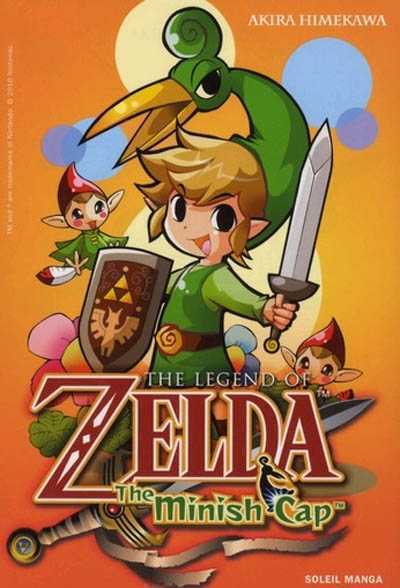
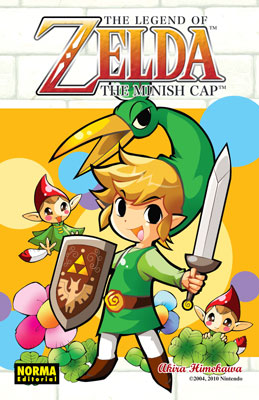
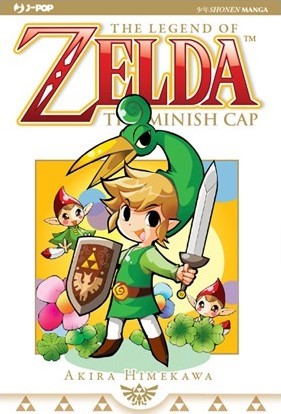
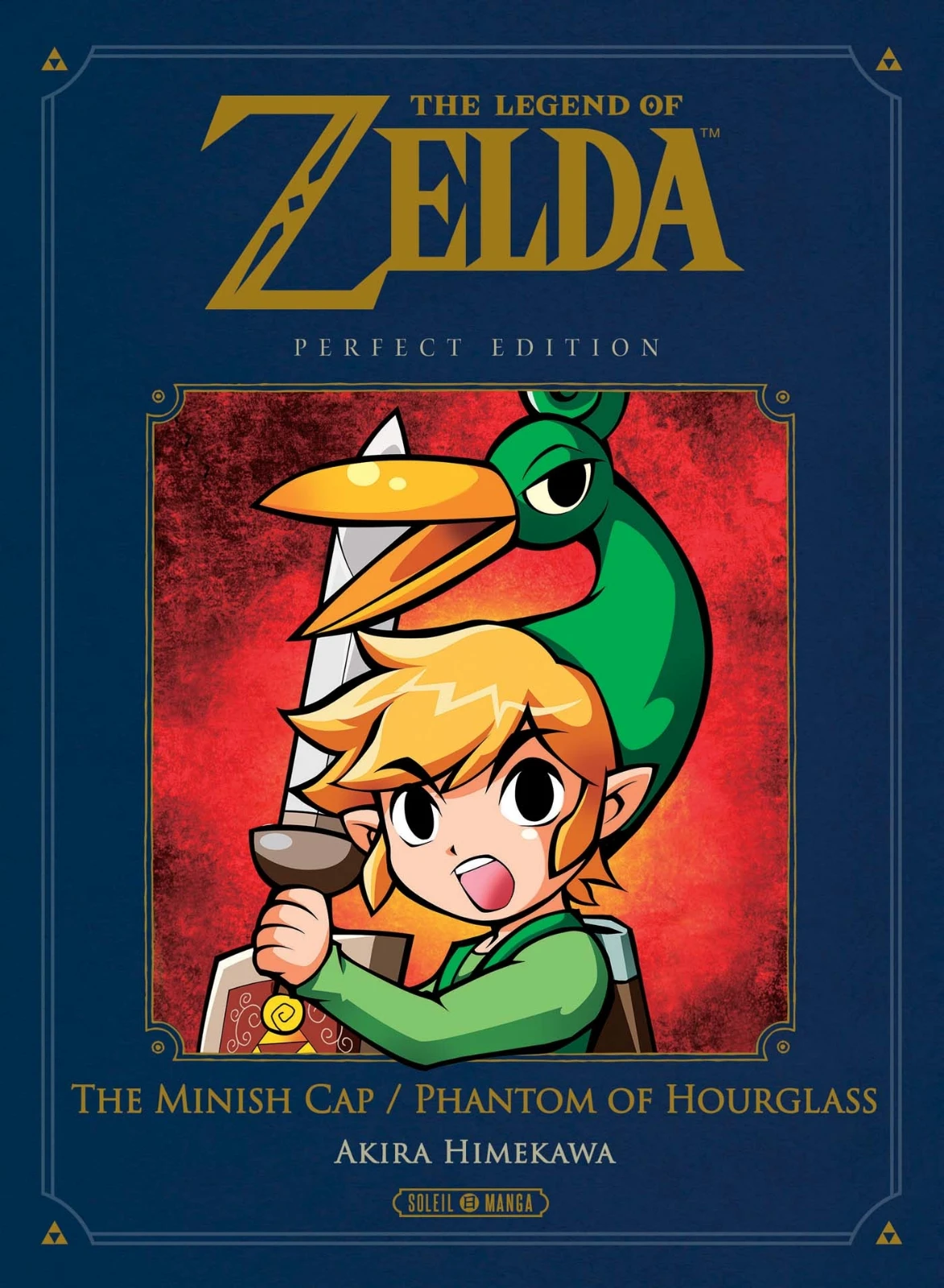
Other languages. Soleil Manga’s French edition came out on 28 April 2010, and Tokyopop published the original series in German between 2009 and 2011. Single-volume covers also exist in Spanish and Italian. TheVideoGameLibrary lists omnibus editions pairing the two stories in Italian, German, French, Spanish (Spain, Mexico and Argentina) and Portuguese, mostly from 2017, some of them under the name Perfect Edition.
Covers
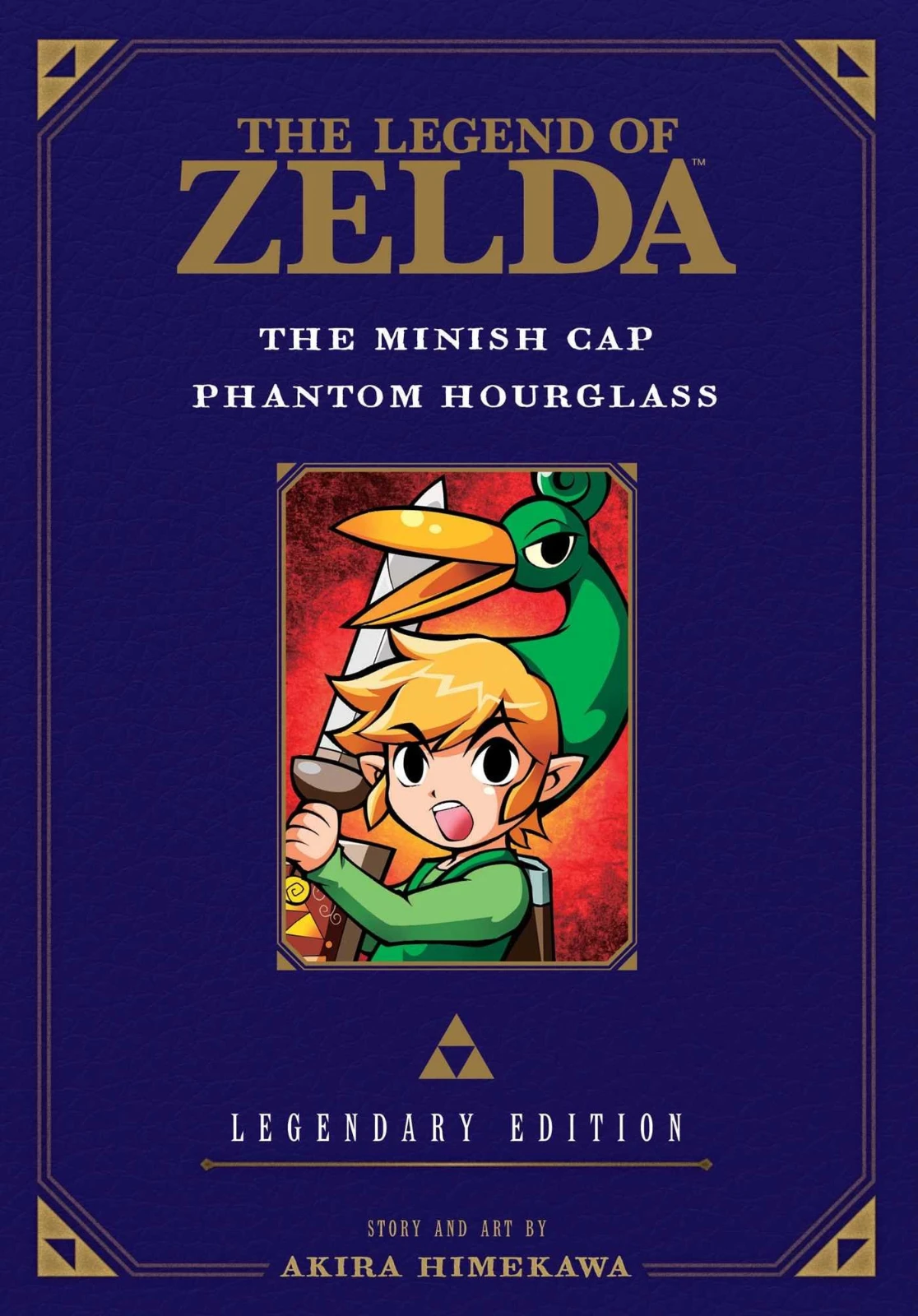
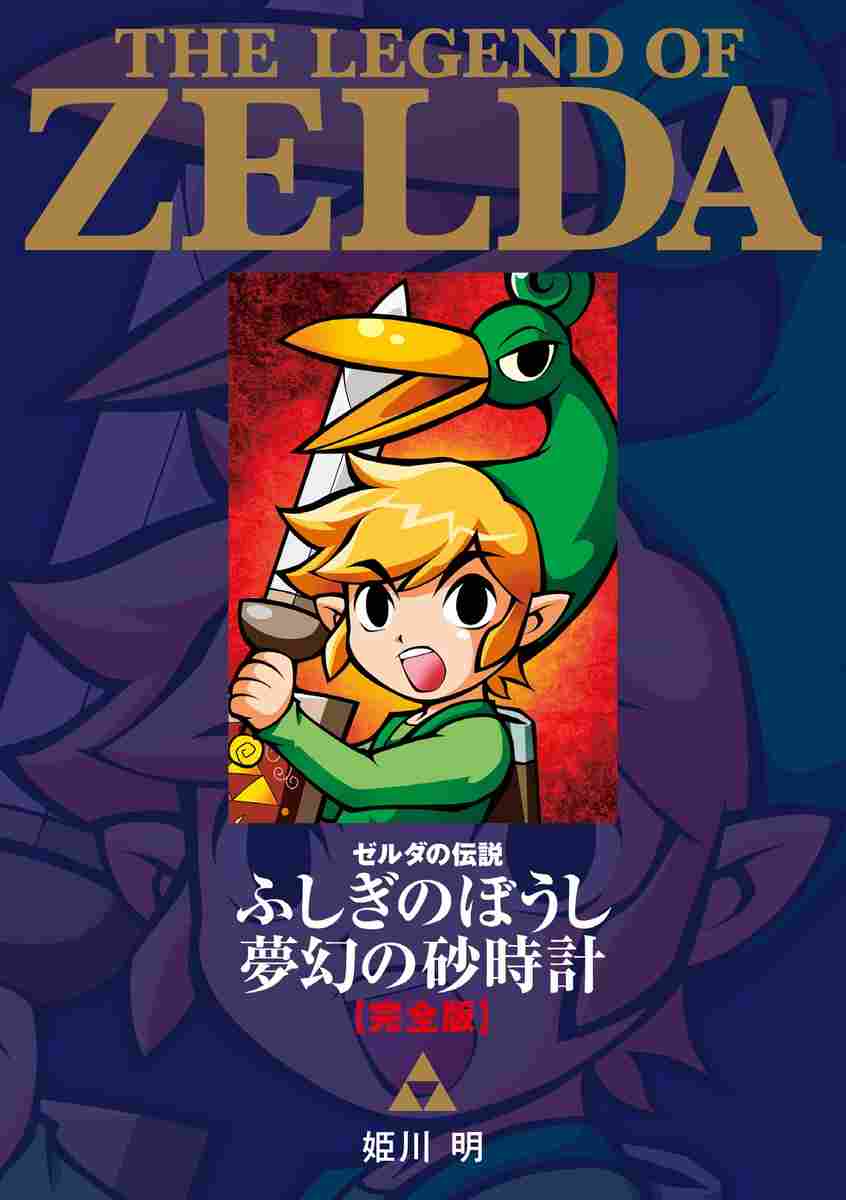
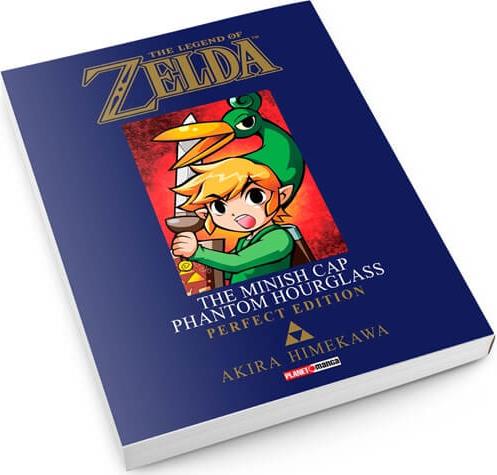
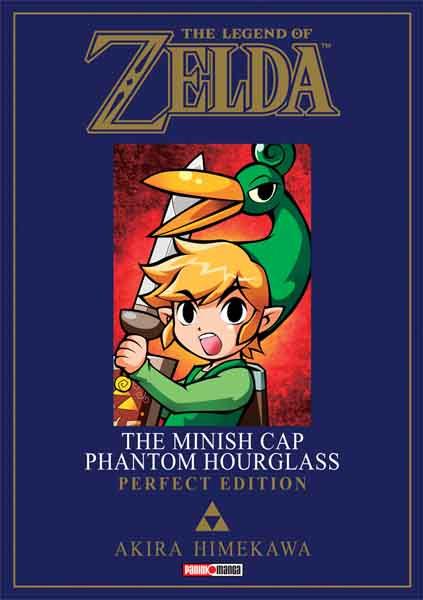
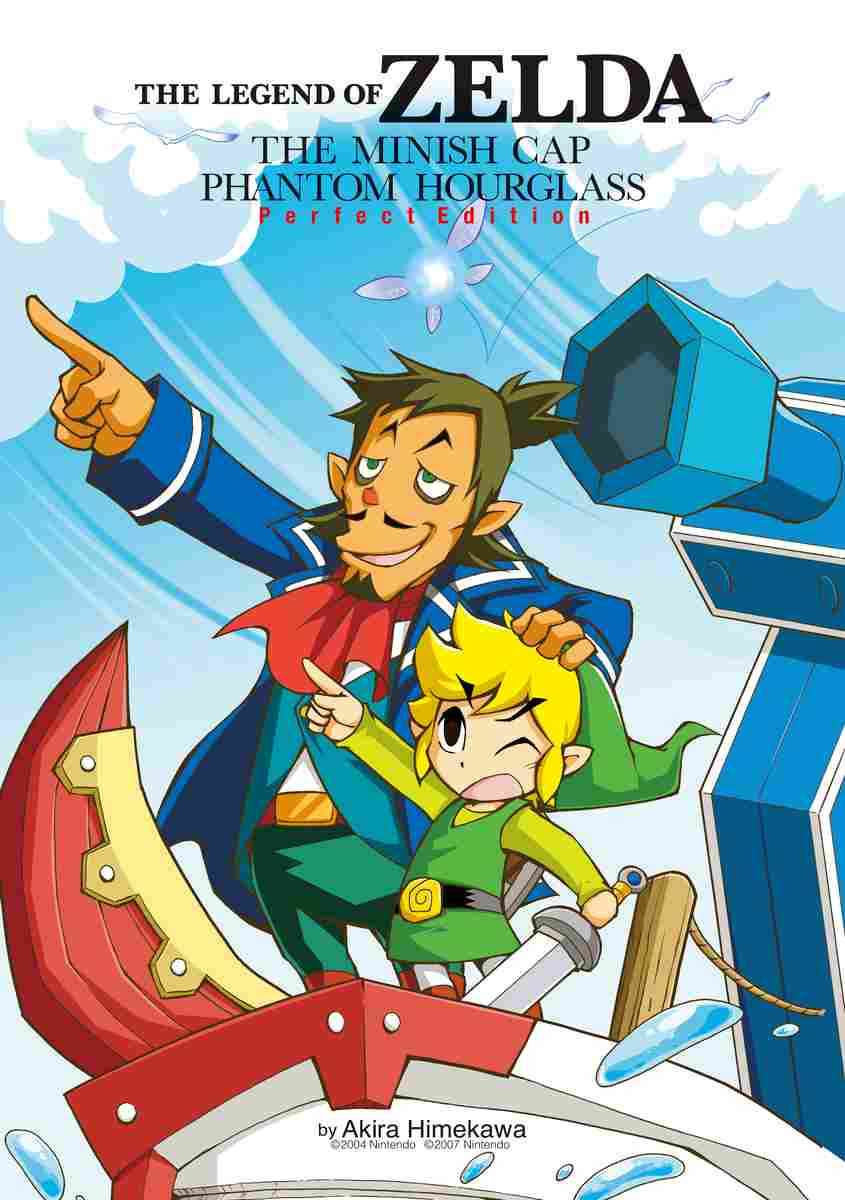
Reception
We found no contemporary review of the 2009 single volume from a major outlet. When the Legendary Edition came out in 2017, School Library Journal praised the book’s simple big-eyed art, its gentle, old-fashioned violence (beaten monsters simply vanish or turn into harmless animals) and its broad comedy, and called Himekawa’s Link a character worth emulating.
Trivia
- The bonus story has Ezlo admit that he accidentally wiped Vaati’s saves on a Game Boy: a Nintendo handheld in the Minish world, in a book adapting a Game Boy Advance game.
- Chiruta, the young Mountain Minish who helps Link in the Cave of Flames, came third in Zelda Universe’s 2022 list of the most memorable characters found only in the Zelda manga.
- Japan got Himekawa’s A Link to the Past first (July 2005) and The Minish Cap second (January 2006); VIZ published them the other way round, as Volumes 9 and 8.
- Gleerok, the fire dragon of the Cave of Flames, thanks Link with a kiss on the cheek after their fight.
- Sources disagree on the Japanese ISBN: Wikipedia gives 4-09-149608-3 and Zelda Dungeon 4-09-140116-3. English Wikipedia’s ISBN for the VIZ book is wrong; VIZ’s own page gives 978-1-4215-2334-7.
- The Japanese title, Fushigi no Bōshi (The Mysterious Cap), is the Japanese name of the game itself.
Further reading
Sources
Every fact on this page was checked against the sources below.
Show sources (8 sections)
- Overview: VIZ Media: The Legend of Zelda, Vol. 8 (The Minish Cap); Zelda Dungeon wiki: The Legend of Zelda: The Minish Cap (Manga); Wikipedia: List of The Legend of Zelda manga; Zelda Wiki on Fandom (fan-written): The Legend of Zelda: The Minish Cap (Himekawa), chapter summaries
- Chapter guide: Zelda Wiki on Fandom (fan-written): The Legend of Zelda: The Minish Cap (Himekawa), chapter summaries; Zelda Dungeon wiki: The Legend of Zelda: The Minish Cap (Manga); Wikipedia: List of The Legend of Zelda manga; Zelda Universe (12 May 2022): 10 memorable characters found only in The Legend of Zelda mangas
- Characters: Zelda Wiki on Fandom (fan-written): The Legend of Zelda: The Minish Cap (Himekawa), chapter summaries; Zelda Dungeon wiki: The Legend of Zelda: The Minish Cap (Manga); Zelda Universe (12 May 2022): 10 memorable characters found only in The Legend of Zelda mangas
- From game to comic: Zelda Dungeon wiki: The Legend of Zelda: The Minish Cap (Manga); Zelda Wiki on Fandom (fan-written): The Legend of Zelda: The Minish Cap (Himekawa), chapter summaries; Wikipedia: List of The Legend of Zelda manga
- Editions: VIZ Media: The Legend of Zelda, Vol. 8 (The Minish Cap); Anime News Network Encyclopedia: The Legend of Zelda: The Minish Cap (GN 8); Zelda Dungeon wiki: The Legend of Zelda: The Minish Cap (Manga); Wikipedia: List of The Legend of Zelda manga; VIZ Media: The Minish Cap / Phantom Hourglass -Legendary Edition-; The Outer Haven (April 2017): VIZ’s Legendary Edition of The Minish Cap / Phantom Hourglass (press release); TheVideoGameLibrary: The Minish Cap / Phantom Hourglass Legendary Edition (editions list); Zelda Temple research dossier (sources listed inside)
- Reception: School Library Journal (2017): Review: The Legend of Zelda: The Minish Cap/Phantom Hourglass
- Trivia: Zelda Wiki on Fandom (fan-written): The Legend of Zelda: The Minish Cap (Himekawa), chapter summaries; Zelda Universe (12 May 2022): 10 memorable characters found only in The Legend of Zelda mangas; Zelda Dungeon wiki: The Legend of Zelda: The Minish Cap (Manga); Wikipedia: List of The Legend of Zelda manga; Zelda Temple research dossier (sources listed inside)
- Further reading: Zelda Temple research dossier (sources listed inside)