
Phantom Hourglass Akira Himekawa’s manga · 1 volume
The last book of Himekawa’s original run sends Link to sea with a cowardly captain, a fairy with no memory and a very different ending from the game’s.
  | |
| Original title | ゼルダの伝説 夢幻の砂時計 (Zelda no Densetsu: Mugen no Sunadokei, roughly The Hourglass of Dreams) |
| Creators | Akira Himekawa (A. Honda and S. Nagano), story and art |
| Publisher (Japan) | Shogakukan, February 2009 (see below on the date) |
| Publisher (English) | VIZ Media, 7 September 2010, as The Legend of Zelda Vol. 10; ISBN 978-1-4215-3724-5 |
| English team | Translation John Werry; adaptation Stan! Brown; lettering John Hunt; editor Mike Montesa |
| Length | 192 pages, 12 chapters |
| Rating | All Ages (VIZ) |
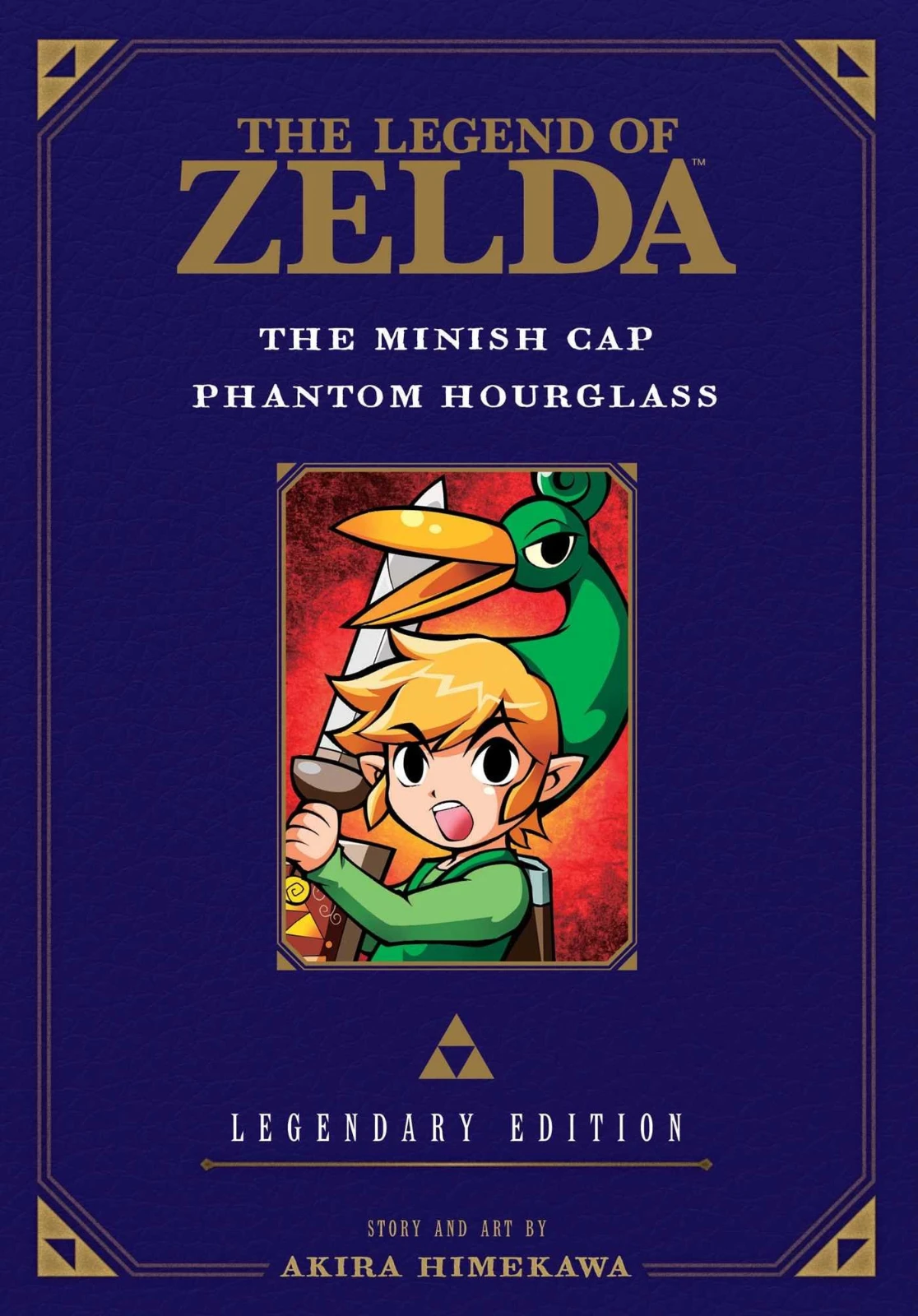
| Collected in | The Minish Cap / Phantom Hourglass Legendary Edition (VIZ, 2017); Japanese Kanzenban (Shogakukan, 2016) |
| Adapts | The Legend of Zelda: Phantom Hourglass (2007), the DS sequel to The Wind Waker |
Overview
Akira Himekawa’s Phantom Hourglass closed the run of game adaptations the duo had been drawing for Shogakukan since 1998, and VIZ Media’s English edition of September 2010 was billed as the final volume of its ten-book series. It follows the young hero of The Wind Waker onto the DS sequel’s seas: Tetra vanishes aboard a ghost ship, and Link, with the amnesiac fairy Ciela and the cowardly Captain Linebeck, has to fill the Phantom Hourglass and track the ship down.
The book keeps the game’s framework but shortens and simplifies the second half, and it rewrites a good deal along the way. Linebeck gets a guilty past and a moment of real courage, Jolene a new grudge, and Bellum a final battle that needs the whole crew. English Wikipedia notes that the changes to characters and events upset some fans of the game, though the book has generally been well reviewed. School Library Journal found it short on subtlety and long on charm.
There is a puzzle over its date. Japanese Wikipedia and Anime News Network date the Shogakukan book 26 February 2009, but Himekawa’s own website says the series ended with this volume in 2008. In English it is Volume 10, and since 2017 it has shared a Legendary Edition with The Minish Cap.
Link’s friend Tetra is taken prisoner by a ghost ship, and Link falls overboard when he tries to save her. When he wakes up, he finds himself embarked on another fantastic quest! The discovery of the Phantom Hourglass sets Link on a journey to rescue Tetra, find the Sand of Hours and break the curse on the Temple of the Ocean King. Come aboard with Link for an amazing adventure on the high seas!
— VIZ Media’s description of The Legend of Zelda, Vol. 10, billed as the final volume
Story guide
The book has 12 chapters. No reliable list of their English titles was available to us, so we group them by stage of the voyage. The outlines follow the fan-written summaries of the Zelda Archive wiki (Chapters 1 to 10) and the Fandom-hosted Zelda wiki (the climax and ending), checked against VIZ’s description and School Library Journal’s review. Spoilers throughout.
Chapters 1–3: The ghost ship and the temple
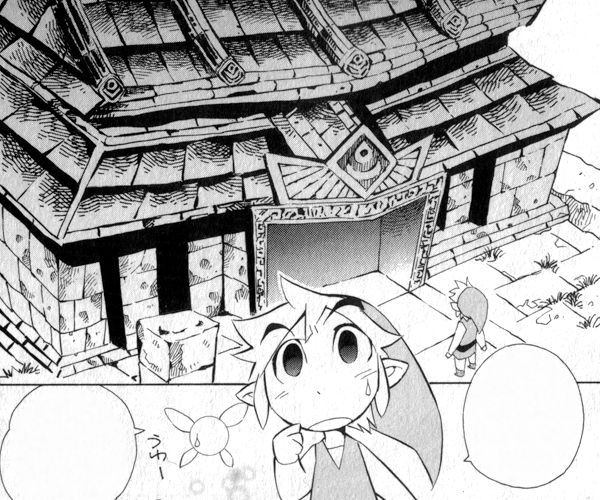
Link and Tetra are squabbling on her pirate ship as it reaches waters where vessels keep disappearing. Link knocks Tetra’s red scarf into the sea; she will not let him fetch it, because her crew matters more. Then the Ghost Ship looms up, Tetra boards it alone to scout and is gone in a flash of lightning, and Link, leaping after her, ends up in the sea with a vision of Tetra calling for help.
He washes up beside Ciela, a fairy with no memory, and the old man Oshus sends him to find a captain called Linebeck. Linebeck turns out to be stuck in the Temple of the Ocean King, a place that drains the life of anyone outside its glowing safe zones, nursing a supposed sprained ankle. Freed, he runs off, but outside he grabs the chest Link has found: it holds an empty hourglass, the Phantom Hourglass. Oshus explains that once it is filled with the Sand of Hours it will protect its bearer from the temple’s curse, and Linebeck agrees to give Link passage, with one eye on the Ghost Ship’s treasure.
From game to page
- The squabble on Tetra’s ship, the scarf and Tetra’s choice to put her crew first are the manga’s own.
- Linebeck, found trapped in the temple as in the game, pretends to have sprained his ankle.
Chapters 4–5: Fire and a cannon
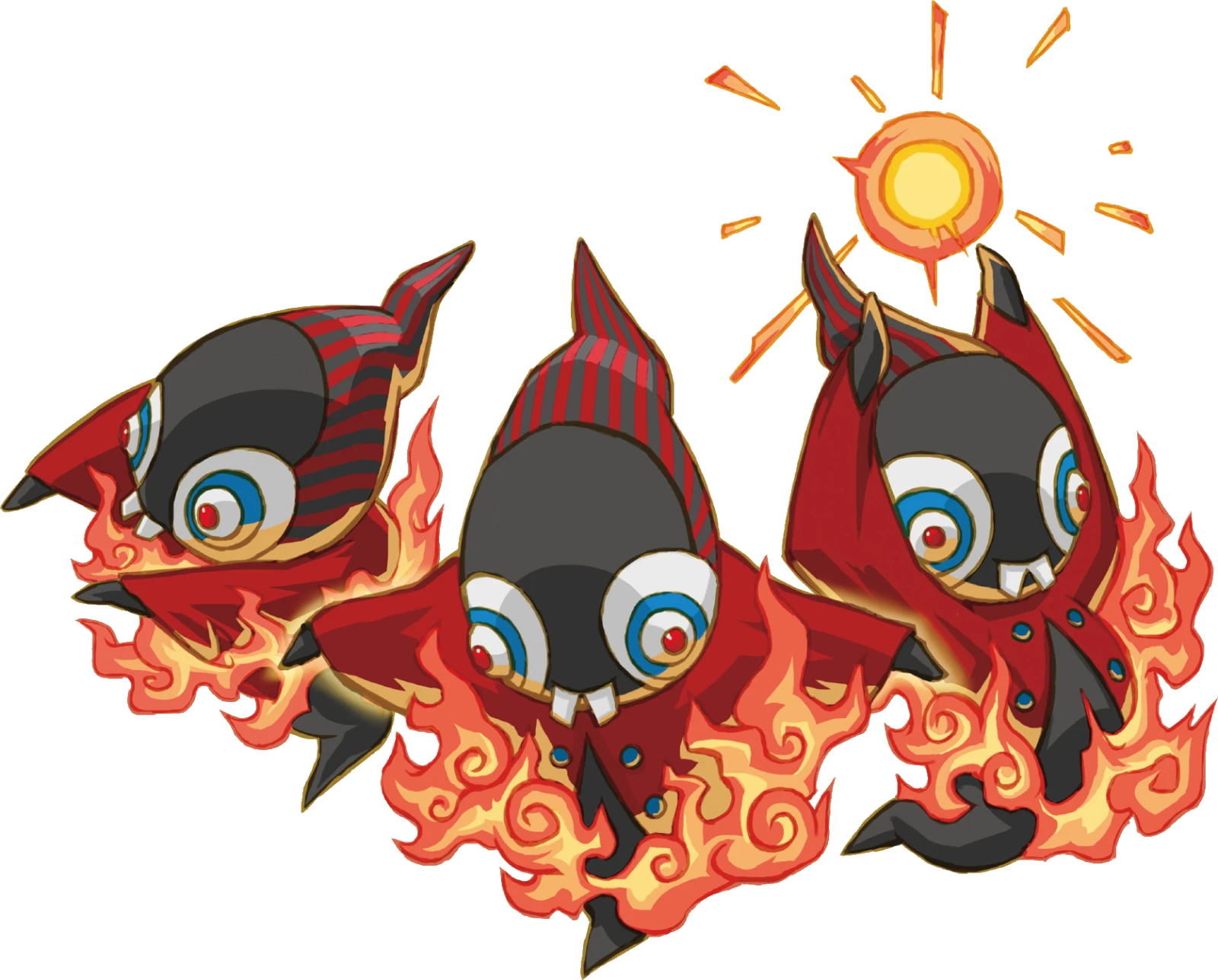
Linebeck makes Link pay for his passage with chores. A clue on the sea chart points to the Isle of Ember, where the fortune teller Astrid explains that the Spirits of Power, Wisdom and Courage are the way to the Ghost Ship. In the Temple of Fire Link beats Blaaz, Master of Fire, who splits into three; the last blow releases Sand of Hours and frees Leaf, the Spirit of Power.
Linebeck’s ship has no weapons, so Linebeck suggests a visit to Eddo on Cannon Island. Linebeck will not pay the 50 Rupees, but Eddo offers a free cannon to anyone who can show enough courage, and Link’s battle cry is so loud that it blows Linebeck and Ciela away and wrecks the cannon. With a new one mounted, the crew make short work of the local monsters and glimpse what may be the Ghost Ship, just before a tornado hits.
From game to page
- Eddo’s test of courage is an invented comic set piece.
- The dungeons are told in a few pages each.

Chapters 6–7: Wind, wisdom and courage
Blown into the fog, the crew lose the ship and wash up on an island where Link finds Tetra’s scarf caught in driftwood. A silent girl lies collapsed on the shore; Linebeck thinks she is a monster, Ciela trusts her. Link destroys Cyclok, the Stirrer of Winds, with a Bomb Flower, a mysterious voice orders Crayk to deal with whoever beat Cyclok and Blaaz, and Neri, the Spirit of Wisdom, joins them as Crayk snatches the girl.
Crayk leaves a sea chart to Molida Island. Linebeck refuses to go, Ciela tells him off, and Link sets out in a barrel until Linebeck relents and picks him up. Link defeats Crayk with a bow that the girl holds up and Linebeck throws to him, and Oshus reveals the truth: the girl is Ciela’s lost memories, and Ciela herself is the Spirit of Courage. She changes colour, and now she can hear Tetra’s cries.
From game to page
- The silent girl who carries Ciela’s memories is the manga’s invention.
- Linebeck’s refusal and change of heart give him a small arc of his own.
Chapters 8–9: Aboard the Ghost Ship
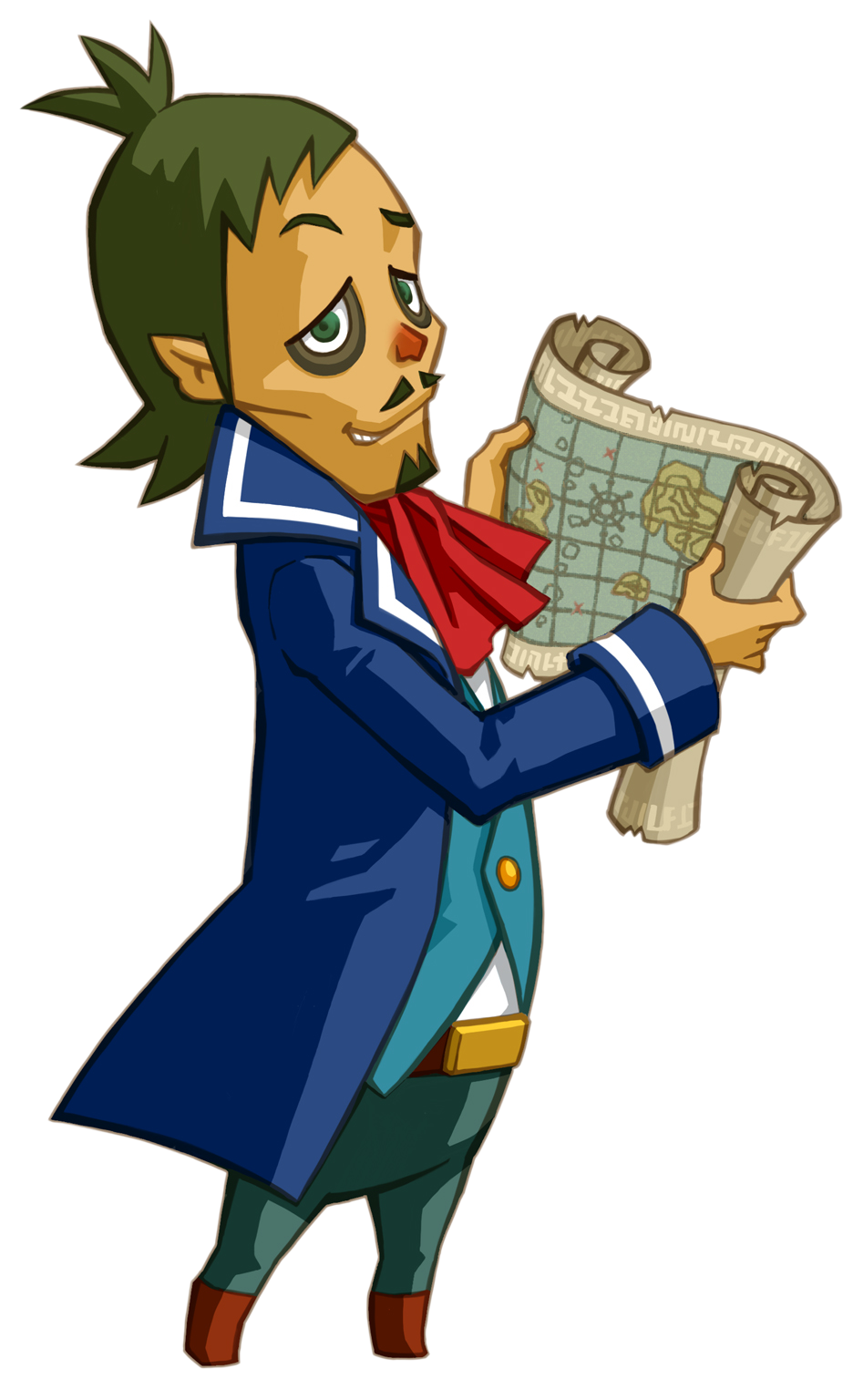
The book’s emotional centre. Linebeck once sailed this very ship: his old pirate crew found it and its treasure, the curse fell on them and he alone got away in a lifeboat, abandoning his captain. Now he guides Link aboard and turns up weapons hidden in wine barrels. Tetra is there, turned to stone. A crying girl claims Tetra sacrificed herself to save her, but she is one of the Cubus Sisters, and she taunts Linebeck with his past. When the sisters’ beams strike the statue, Tetra’s spirit, in her true form, bursts out and attacks them with powerful magic, and Link finishes them off.
Afterwards Link works out that Oshus is the Ocean King, and Oshus explains that the monster Bellum attacked his realm and probably wanted Tetra for her strong life force. He names Zauz and the Phantom Sword. Leaf and Neri do not trust Linebeck, Link stands up for him, and Oshus promises Linebeck a wish if he keeps helping.
From game to page
- Linebeck’s past aboard the Ghost Ship is entirely new.
- Tetra’s spirit fights the Cubus Sisters; in the game she stays petrified until the end.
- Link, rather than Oshus himself, reveals that the old man is the Ocean King.
Chapters 10–12: Bellum
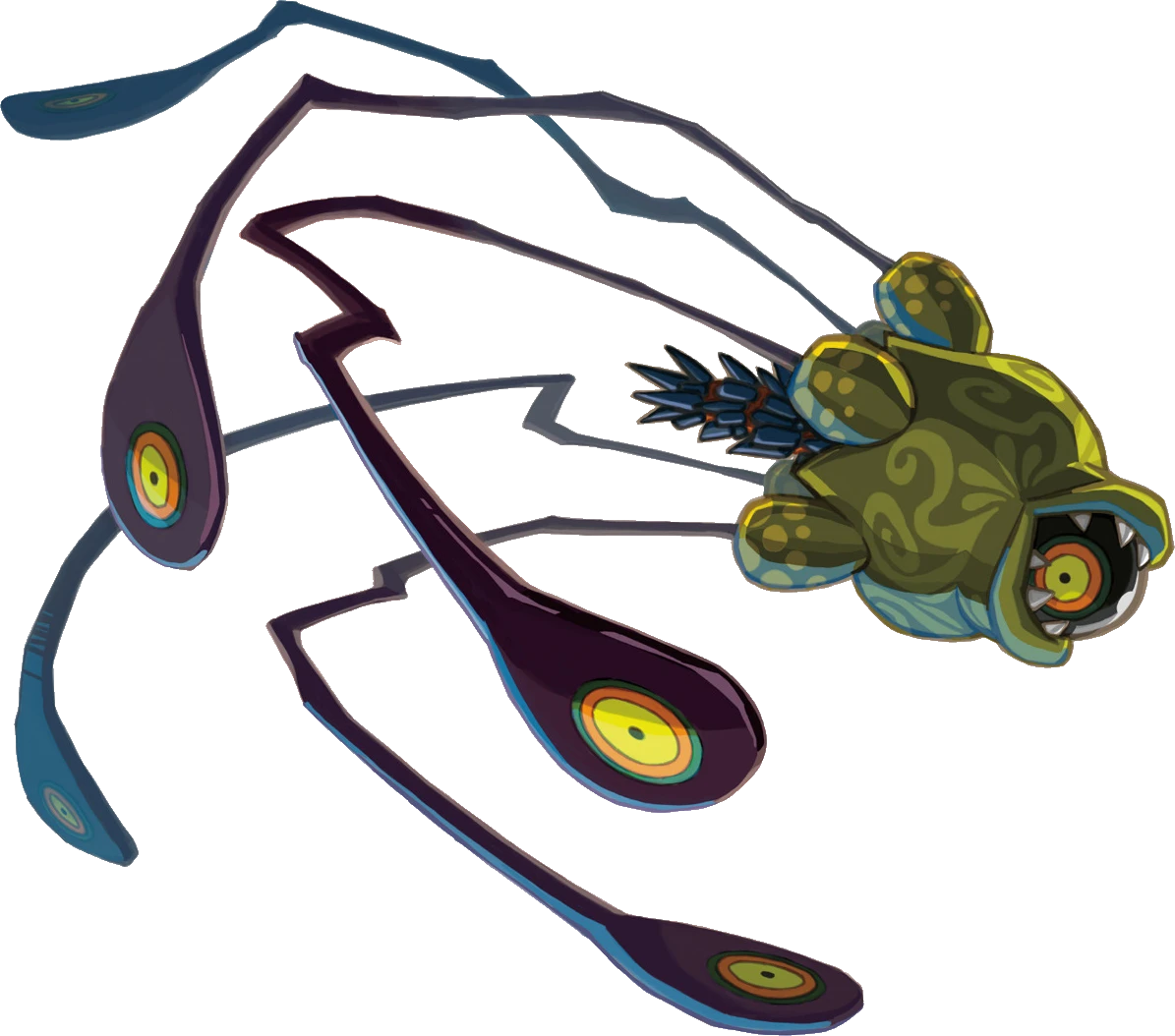
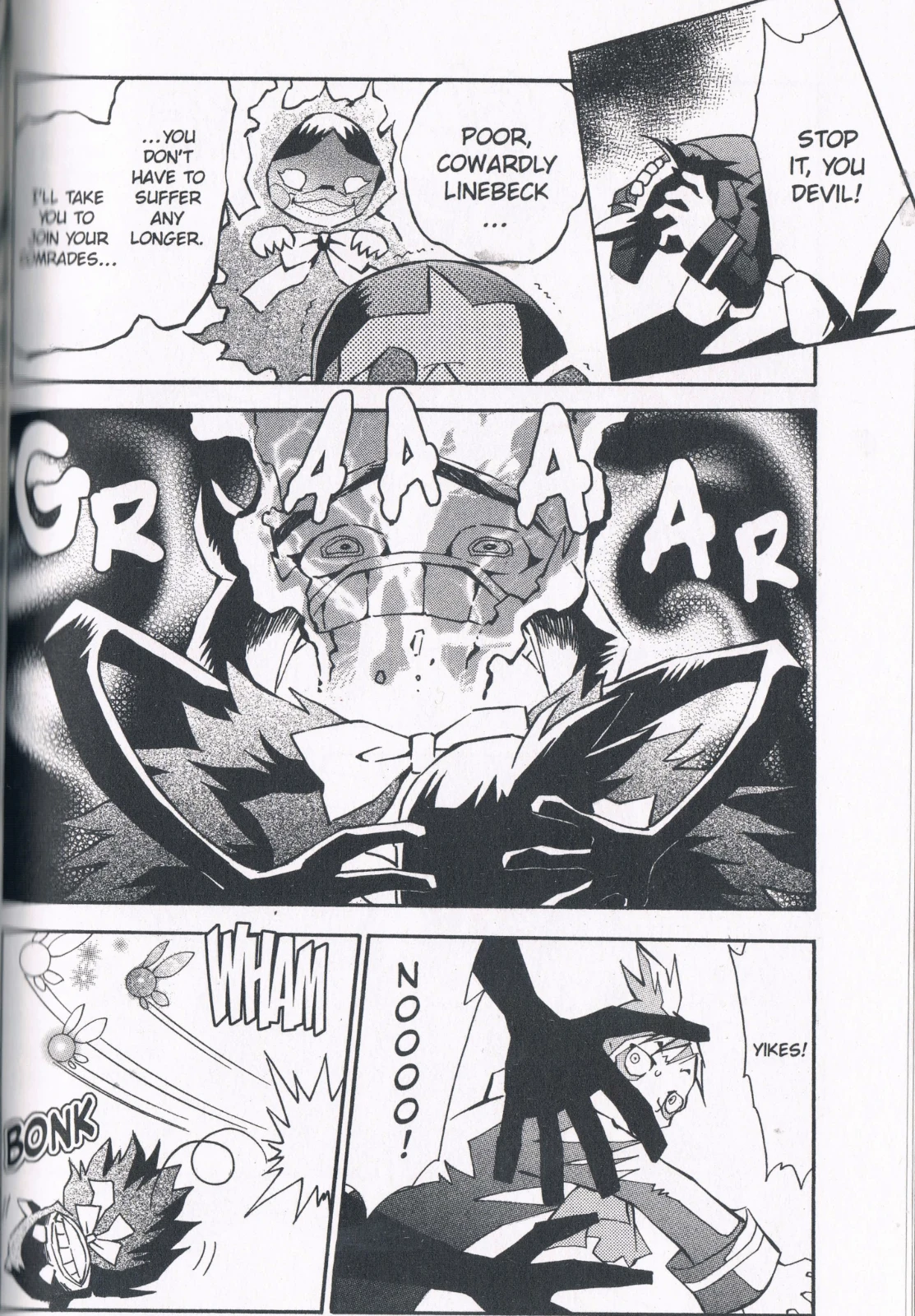
The pirate Jolene boards the ship with a score to settle: Linebeck once rescued her and then abandoned her crew. He hands back a toy squid he took from her years before and insists he has changed. Then tentacles seize the ship, Bellum takes possession of Linebeck and demands the Phantom Hourglass at the Temple of the Ocean King, and Link sends Jolene to find Zauz. There is no quest for the Pure Metals: Jolene talks Zauz into forging the Phantom Sword, and he is still at work when Link, on the temple’s deepest floor, is already fighting his possessed friend. For a moment Linebeck regains control and would rather end his own life than harm Link; the Phantom Hourglass freezes time before he can, and Link tears Bellum loose.
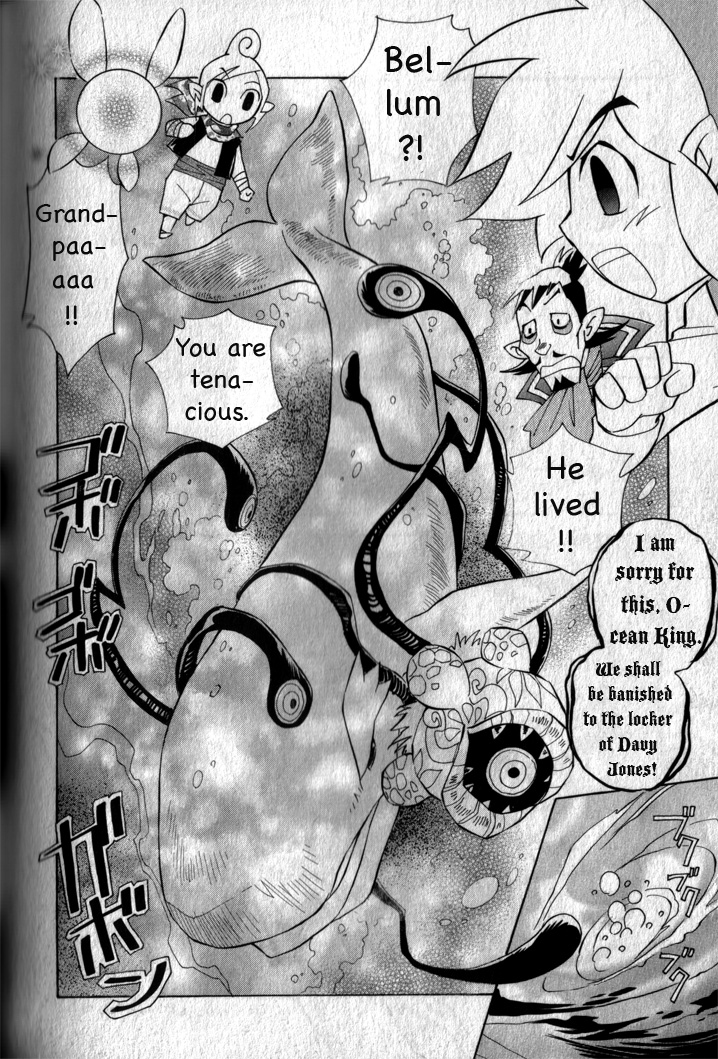
Freed, Oshus takes back his true form, only for Bellum, still alive, to turn on the Ocean King. The last battle needs everyone: Jolene returns with the Phantom Sword, Tetra steers, the cannon fires, and a Great Spin Attack from Link ends Bellum for good. After Oshus’s farewell, Linebeck makes his wish. Link and Tetra come to aboard the Ghost Ship, unsure whether any of it really happened, until Link spots Linebeck’s ship on the horizon and understands what he wished for: to remain in Link’s world.
From game to page
- The Phantom Sword is forged without Link collecting the Pure Metals, and while he is fighting.
- Link battles Bellum-possessed Linebeck on the temple’s deepest floor, which in the game holds only Bellum.
- Linebeck’s attempt to sacrifice himself and his wish to stay in Link’s world are new; Jolene’s grudge is reworked.
Characters
| Character | Who they are | In the cartoon | Voice |
|---|---|---|---|
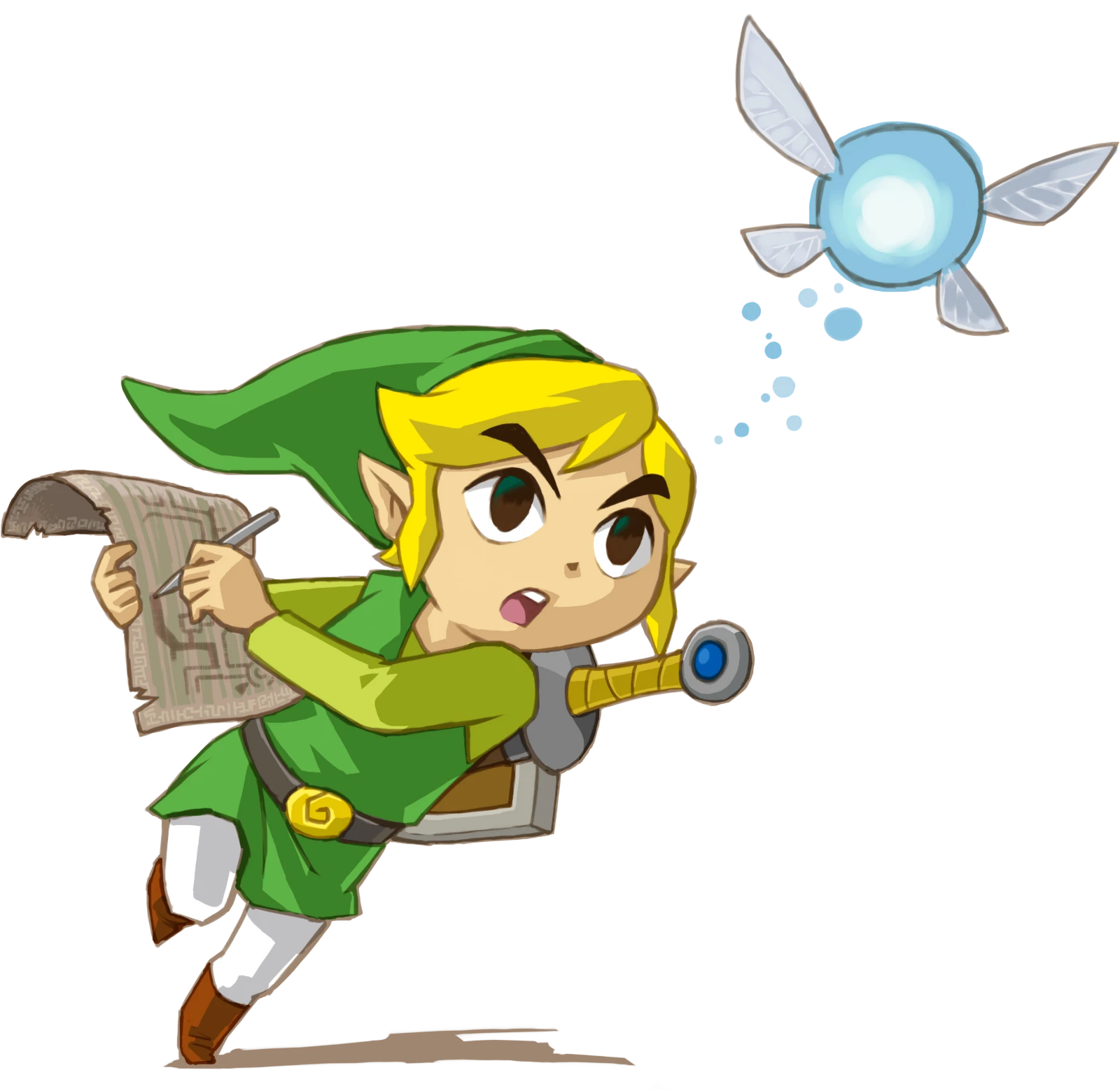
| LinkThe hero | The young hero of The Wind Waker, sailing with Tetra’s pirates. | Earnest, loud and loyal; the one who keeps believing in Linebeck when nobody else will. | School Library Journal called him a character worth emulating. |
| Captain LinebeckThe captain | A greedy, cowardly treasure hunter with a ship of his own. | Starts out in it for the Ghost Ship’s loot. The manga gives him a past (he deserted his old crew when the ship’s curse fell on them), a moment where he would rather die than hurt Link, and a wish to stay in Link’s world. | The most changed character, and the heart of the book. |
| CielaFairy companion | A fairy who has lost her memory. | Scolds Linebeck, trusts the silent girl and turns out to be the Spirit of Courage. | Her lost memories take the form of a silent girl, a manga invention. |
| TetraPirate captain | Link’s friend, captain of the pirates and Princess Zelda in disguise. | Puts her crew before her scarf, vanishes on the Ghost Ship and is found turned to stone; her spirit saves Link from the Cubus Sisters and she steers the ship in the final battle. | More active than in the game. |
| OshusThe old man | A kindly old man on the island where Link washes up, and secretly the Ocean King. | Explains the Phantom Hourglass, promises Linebeck a wish and is freed when Bellum is driven out. | Link guesses his identity himself. |
| JolenePirate | A pirate with a grudge against Linebeck. | Wants payback for the crew he abandoned, but ends up fetching the Phantom Sword from Zauz and bringing it to Link. | Her history with Linebeck is reworked. |
| BellumThe villain | The monster that has drained the Ocean King’s realm. | Possesses Linebeck, survives its first defeat and is finished by the whole crew and Link’s Great Spin Attack. | Its final battle is restaged. |
From game to comic
Phantom Hourglass was a game built around a single dungeon, the Temple of the Ocean King, which the player returns to again and again. Himekawa keep the temple, the hourglass, the three spirits and the Ghost Ship, but tell the islands in a few pages each, and after the Ghost Ship the story is shortened and simplified: no hunt for the Pure Metals, no long return trips to the temple, and a single climactic battle instead of the game’s last stretch.
The bigger changes are to people. Linebeck becomes a man running from his past who learns to stand by his friends; Ciela’s memories walk about as a girl; Tetra’s spirit fights; Jolene’s grudge and Linebeck’s wish are rewritten; and Link’s courage is played for laughs as well as heroics. English Wikipedia records that the altered characters and events drew a negative response from some fans of the game, while noting that the book’s reviews have stayed positive. School Library Journal’s reviewer thought readers who knew the game might be either irritated or intrigued by how far it strays.
Editions
Japan. Shogakukan published Zelda no Densetsu: Mugen no Sunadokei in February 2009: 26 February according to Japanese Wikipedia and Anime News Network, 27 February according to the Fandom wiki. Himekawa’s website, however, says the ten-book series ended in 2008, so the year is disputed. In 2016 it was reissued with The Minish Cap as a Kanzenban (complete-edition) omnibus, ISBN 978-4-09-142149-4.
English. VIZ Media published it as The Legend of Zelda Vol. 10 on 7 September 2010: 192 pages, rated All Ages, ISBN 978-1-4215-3724-5, originally US$7.99. It completes VIZ’s ten-volume Complete Box Set. On 9 May 2017 it returned in The Legend of Zelda: The Minish Cap / Phantom Hourglass -Legendary Edition-, 374 pages, ISBN 978-1-4215-8962-6, with new covers, colour illustrations, interviews, character sketches and creator commentary.
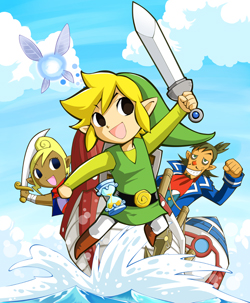
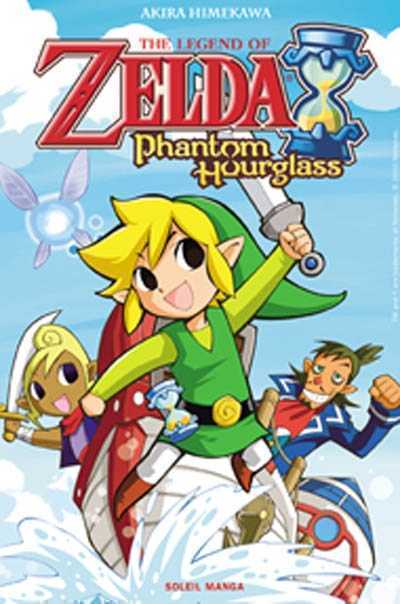
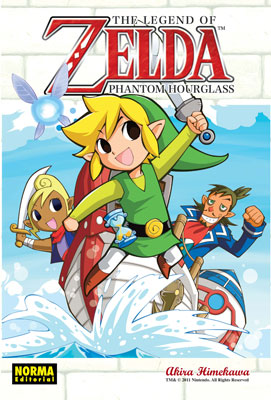
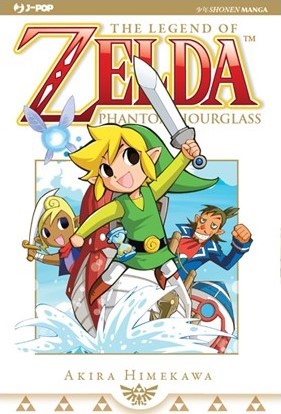
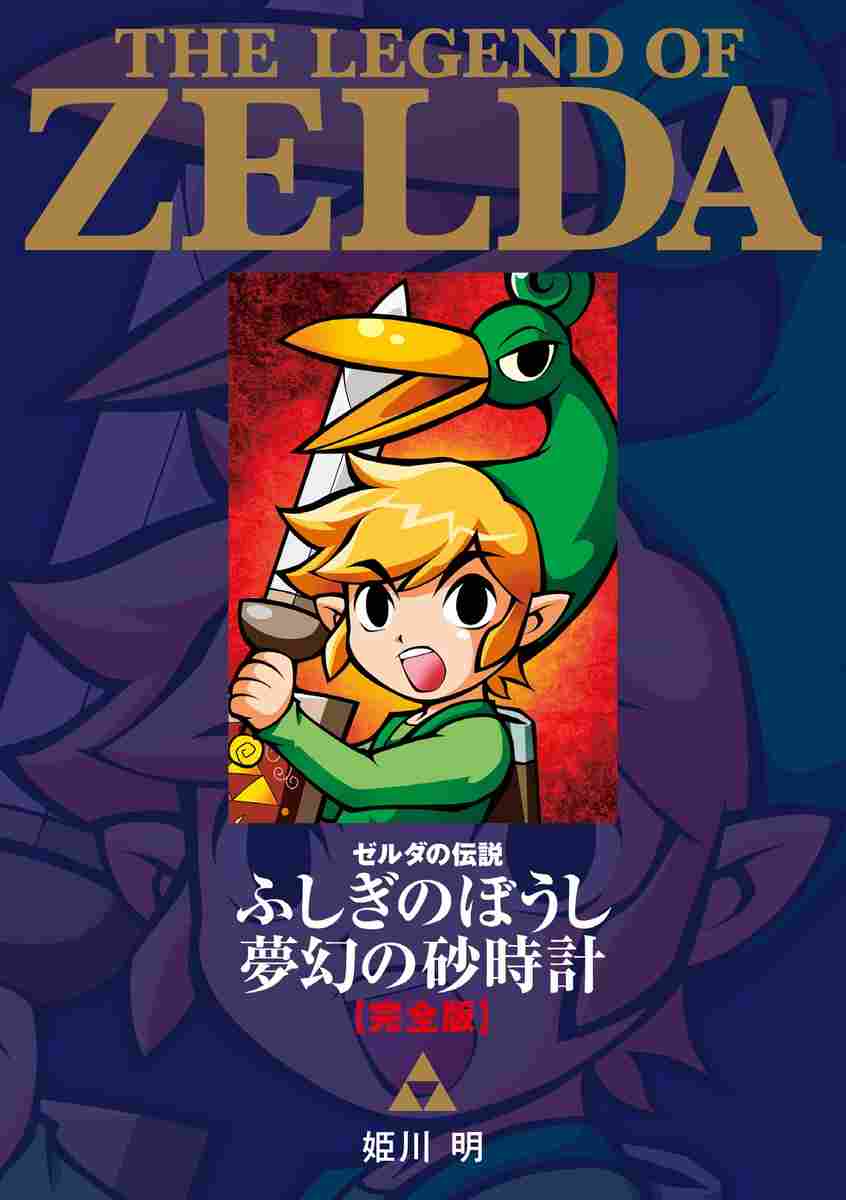
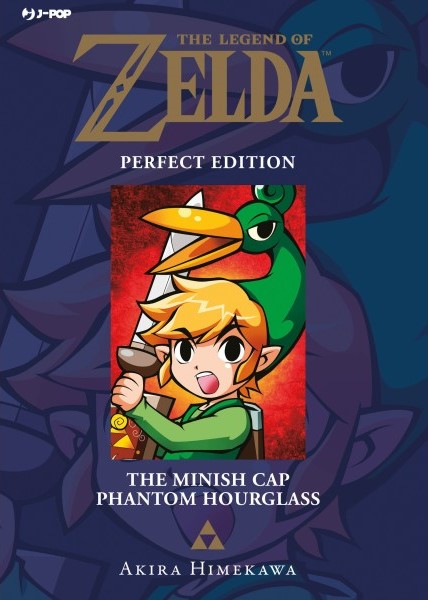
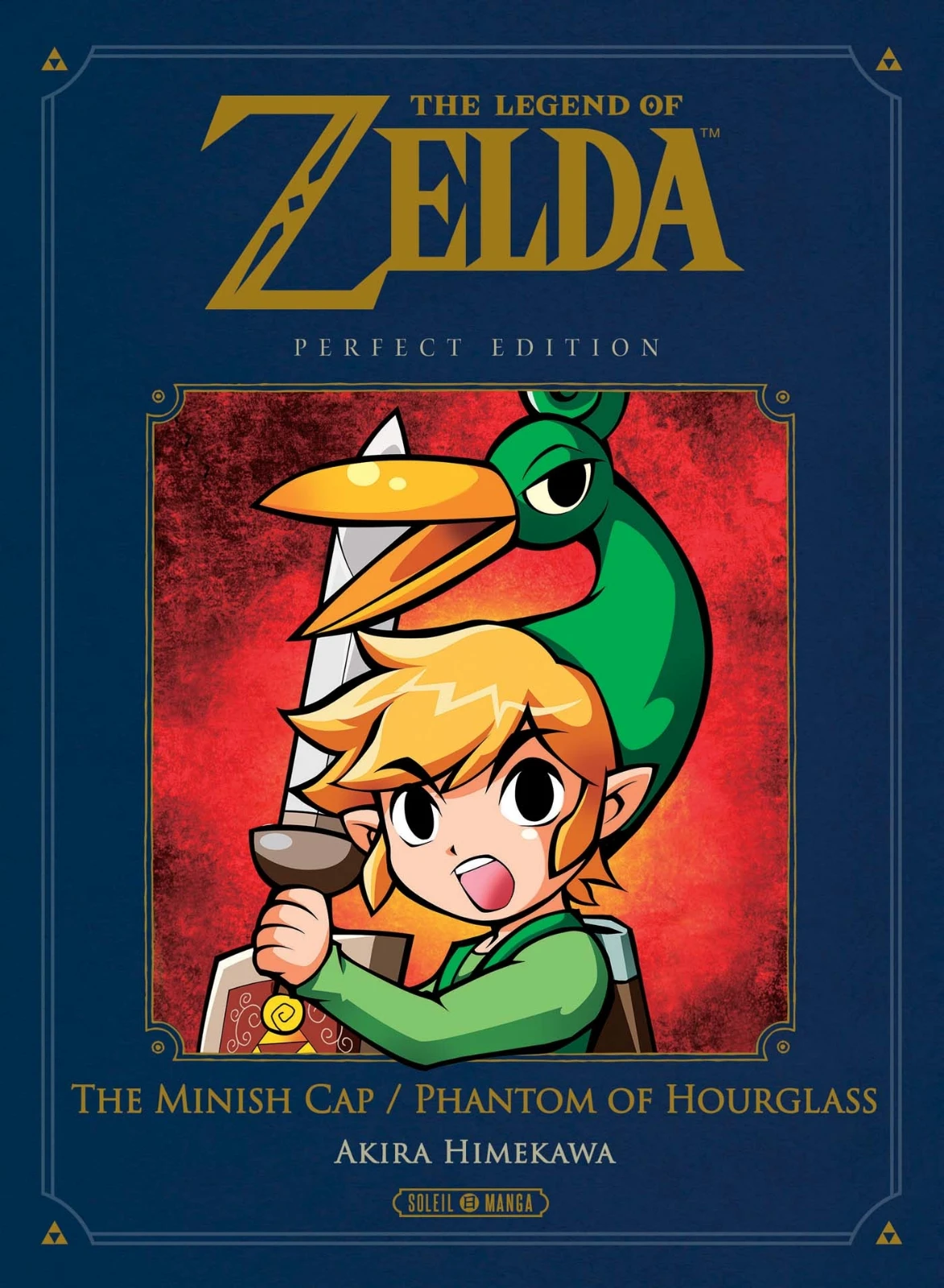
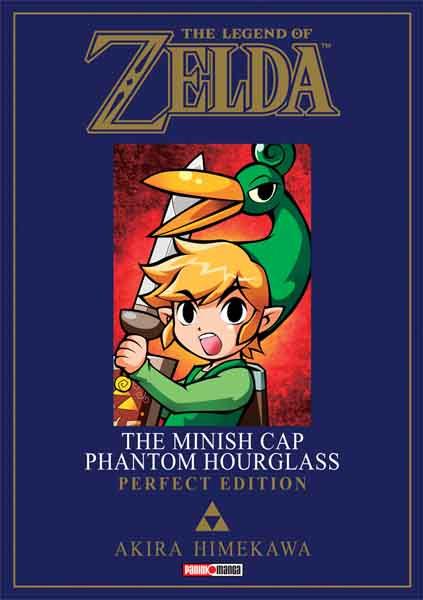
Other languages. Soleil Manga’s French edition followed on 16 March 2011. Anime News Network lists J-Pop (Italy), Norma Editorial (Spain), Panini Comics (Mexico), Editorial Ivréa (Argentina) and Planet Mangá (Brazil) among its publishers, and the omnibus with The Minish Cap appeared in Italian, German, French, Spanish and Portuguese from 2017. No cover of the Japanese book or of VIZ’s Volume 10 is available to us, so the pictures on this page show the Legendary Edition and foreign editions.
Covers
Reception
School Library Journal recommended the 2010 book for grades 2 to 5. Its reviewer, Benjamin Russell, enjoyed the comic drawing and the banter between Link and Linebeck, found the climax (the ultimate weapon being forged while Link is already fighting the final boss) absurd, and summed the book up as a guileless children’s story told with a sure hand and an innocent charm.
Reviewing the Legendary Edition in 2017, School Library Journal called both of its stories “cute” and singled out how the manga shows a cynical adult like Linebeck being changed by time spent with Link. It praised Himekawa’s Link as a hero in more than one sense: a character worth emulating.
utterly lacking in subtlety, but long on a certain innocent charisma
Benjamin Russell School Library Journal review of VIZ Vol. 10
Trivia
- VIZ’s description of Volume 10 opens with the words “Final Volume!”. It was the last full Himekawa Zelda book until Twilight Princess began in 2016, though the duo drew shorter Zelda comics in between, among them the Skyward Sword prologue in Hyrule Historia.
- Tetra’s red scarf runs through the story: Link knocks it overboard in Chapter 1, finds it in driftwood on the Isle of Gust and ties it back on her petrified statue.
- Jolene’s grudge involves a toy squid that Linebeck took from her years earlier and finally hands back.
- Link wins a free cannon from Eddo by yelling so loudly that he flattens his own companions.
- School Library Journal’s reviewer singled out the climax, in which the weapon Link needs to win is forged while he is already fighting the final boss, as absurd.
- The ending keeps the game’s was-it-a-dream finish, with Linebeck’s ship on the horizon, but gives it a new meaning: Linebeck’s wish was to stay in the same world as Link.
Further reading
Sources
Every fact on this page was checked against the sources below.
Show sources (8 sections)
- Overview: VIZ Media: The Legend of Zelda, Vol. 10 (Phantom Hourglass); Wikipedia: List of The Legend of Zelda manga; Anime News Network Encyclopedia: The Legend of Zelda: Phantom Hourglass (manga); Akira Himekawa’s official website: The Legend of Zelda; Zelda Wiki on Fandom (fan-written): The Legend of Zelda: Phantom Hourglass (Himekawa); Zelda Archive wiki on Fandom (fan-written): The Legend of Zelda: Phantom Hourglass (manga), chapter summaries
- Story guide: Zelda Archive wiki on Fandom (fan-written): The Legend of Zelda: Phantom Hourglass (manga), chapter summaries; Zelda Wiki on Fandom (fan-written): The Legend of Zelda: Phantom Hourglass (Himekawa); VIZ Media: The Legend of Zelda, Vol. 10 (Phantom Hourglass); School Library Journal: The Legend of Zelda: Phantom Hourglass, review by Benjamin Russell
- Characters: Zelda Archive wiki on Fandom (fan-written): The Legend of Zelda: Phantom Hourglass (manga), chapter summaries; Zelda Wiki on Fandom (fan-written): The Legend of Zelda: Phantom Hourglass (Himekawa); School Library Journal: The Legend of Zelda: Phantom Hourglass, review by Benjamin Russell; School Library Journal (2017): Review: The Legend of Zelda: The Minish Cap/Phantom Hourglass
- From game to comic: Zelda Wiki on Fandom (fan-written): The Legend of Zelda: Phantom Hourglass (Himekawa); Zelda Archive wiki on Fandom (fan-written): The Legend of Zelda: Phantom Hourglass (manga), chapter summaries; Wikipedia: List of The Legend of Zelda manga; School Library Journal: The Legend of Zelda: Phantom Hourglass, review by Benjamin Russell
- Editions: VIZ Media: The Legend of Zelda, Vol. 10 (Phantom Hourglass); Anime News Network Encyclopedia: The Legend of Zelda: Phantom Hourglass (manga); Zelda Wiki on Fandom (fan-written): The Legend of Zelda: Phantom Hourglass (Himekawa); VIZ Media: The Minish Cap / Phantom Hourglass -Legendary Edition-; The Outer Haven (April 2017): VIZ’s Legendary Edition of The Minish Cap / Phantom Hourglass (press release); TheVideoGameLibrary: The Minish Cap / Phantom Hourglass Legendary Edition (editions list); Akira Himekawa’s official website: The Legend of Zelda; Zelda Temple research dossier (sources listed inside)
- Reception: School Library Journal: The Legend of Zelda: Phantom Hourglass, review by Benjamin Russell; School Library Journal (2017): Review: The Legend of Zelda: The Minish Cap/Phantom Hourglass; Wikipedia: List of The Legend of Zelda manga
- Trivia: VIZ Media: The Legend of Zelda, Vol. 10 (Phantom Hourglass); Akira Himekawa’s official website: The Legend of Zelda; Zelda Archive wiki on Fandom (fan-written): The Legend of Zelda: Phantom Hourglass (manga), chapter summaries; Zelda Wiki on Fandom (fan-written): The Legend of Zelda: Phantom Hourglass (Himekawa); School Library Journal: The Legend of Zelda: Phantom Hourglass, review by Benjamin Russell; Anime News Network Encyclopedia: The Legend of Zelda: Phantom Hourglass (manga)
- Further reading: Zelda Temple research dossier (sources listed inside)