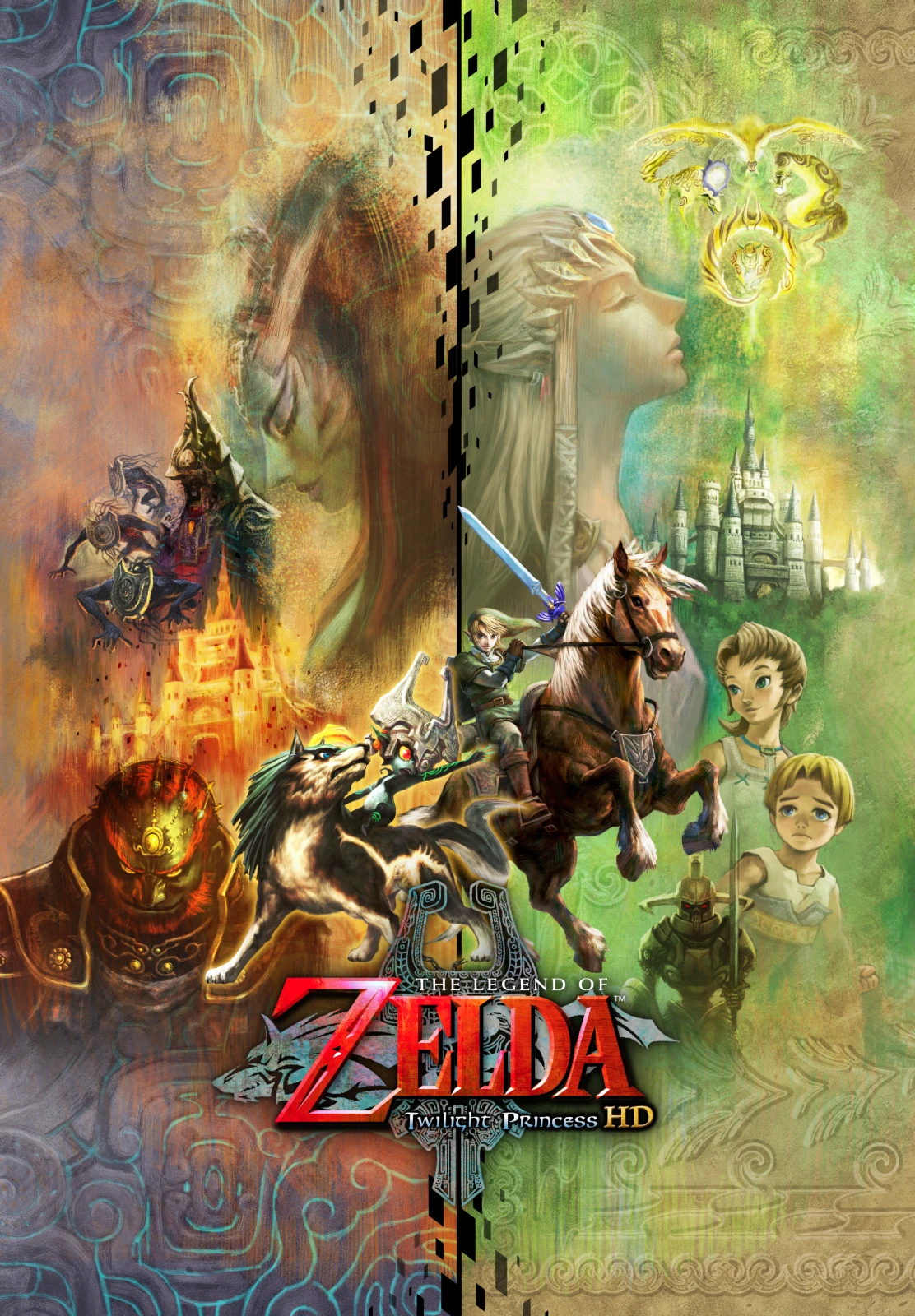
The darkest Zelda, restored for Wii U: a sharper Hyrule, shorter Tears of Light hunts, a mirrored Hero Mode that bites back, and a Wolf Link amiibo with a dungeon of its own.
Released4 March 2016 (Europe, North America) · 5 March 2016 (Australia) · 10 March 2016 (Japan)
New in HDHero Mode, Cave of Shadows, Ghost Lantern, 50 Miiverse stamps, amiibo
Players1
SalesAbout 1.17 million
Title
The Legend of Zelda: Twilight Princess HD ゼルダの伝説 トワイライトプリンセス HD (Zeruda no Densetsu: Towairaito Purinsesu HD)
Platform
Wii U (disc and Nintendo eShop download)
Developers
Tantalus Media (Melbourne, Australia) with Nintendo EPD
Publisher
Nintendo
Producer
Eiji Aonuma, director of the 2006 original
Assistant director
Tomomi Sano
Based on
The GameCube version of Twilight Princess (2006), with the mirrored Wii layout kept for Hero Mode
Announced
12 November 2015, in a Nintendo Direct
Released
Europe and North America 4 March 2016 · Australia 5 March 2016 · Japan 10 March 2016
Picture
1080p at 30 frames per second, with redrawn textures
Controllers
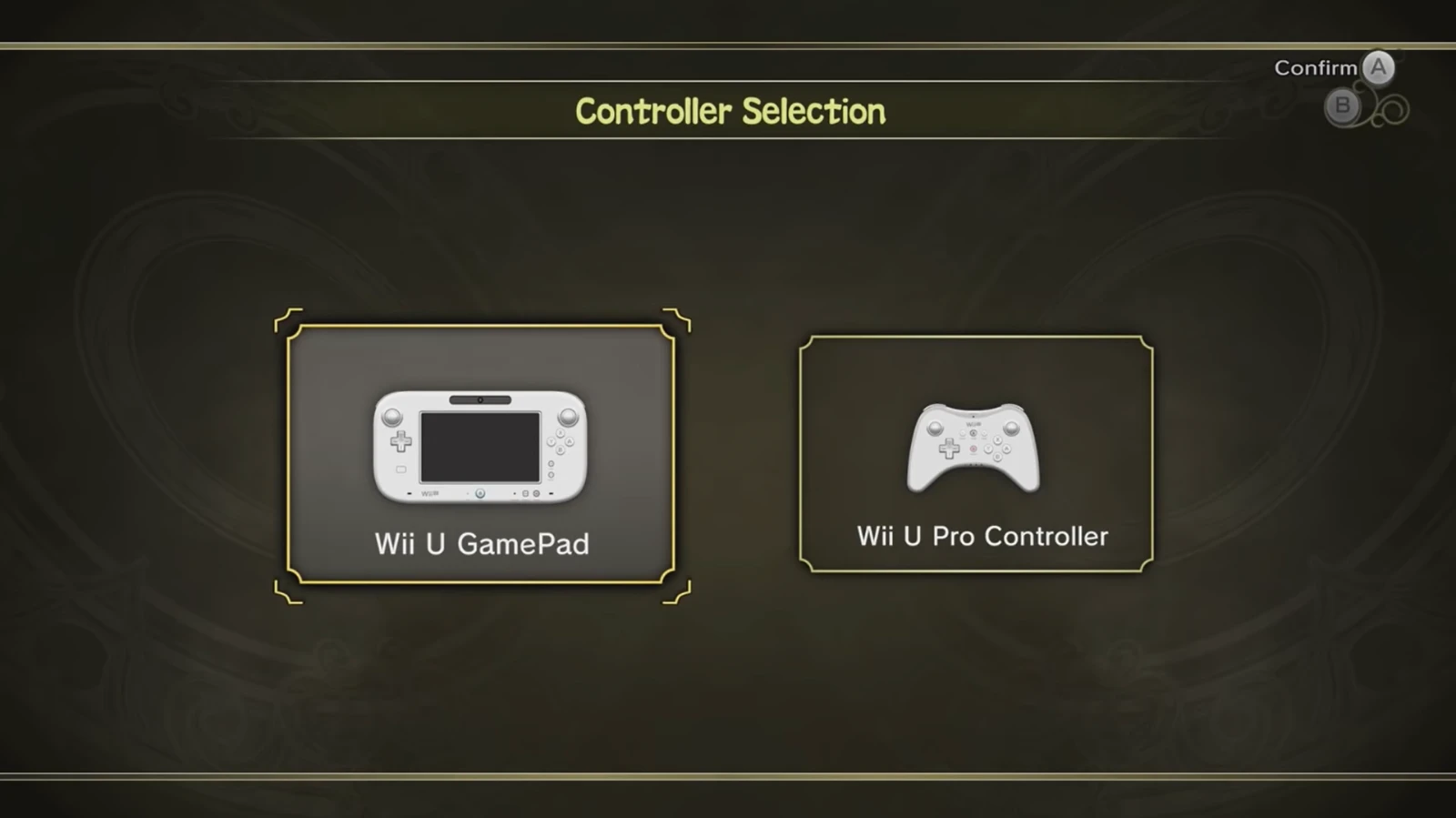
Wii U GamePad (touch screen, optional gyro aiming, Off-TV Play) or Wii U Pro Controller. The Wii Remote is not supported
amiibo
Wolf Link (new for this game), plus the Super Smash Bros. series Link, Toon Link, Zelda, Sheik and Ganondorf
Players
1
Age rating
PEGI 12 · CERO B
Languages (Europe)
English, German, French, Spanish, Italian
Download size
5,374 MB (Nintendo UK listing)
Launch prices
Japan: ¥5,700 plus tax (disc or download), ¥6,700 plus tax for the Special Edition. UK: £39.99 for the game alone at Nintendo’s own store
Editions
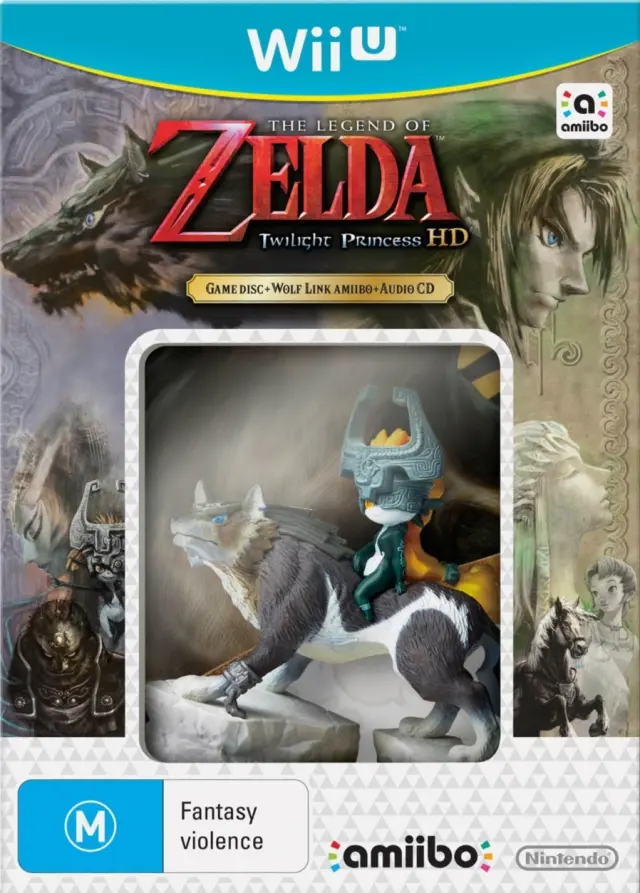
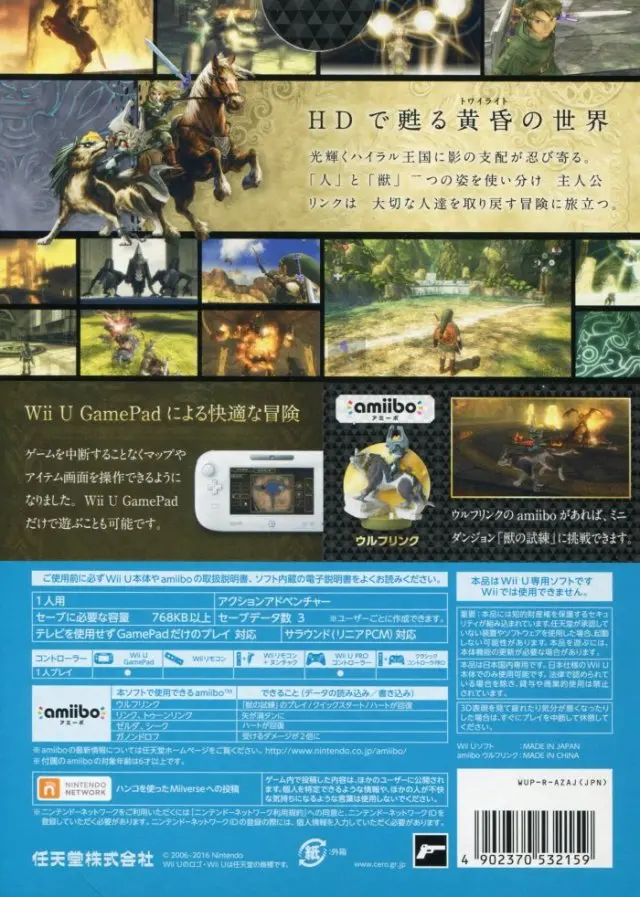
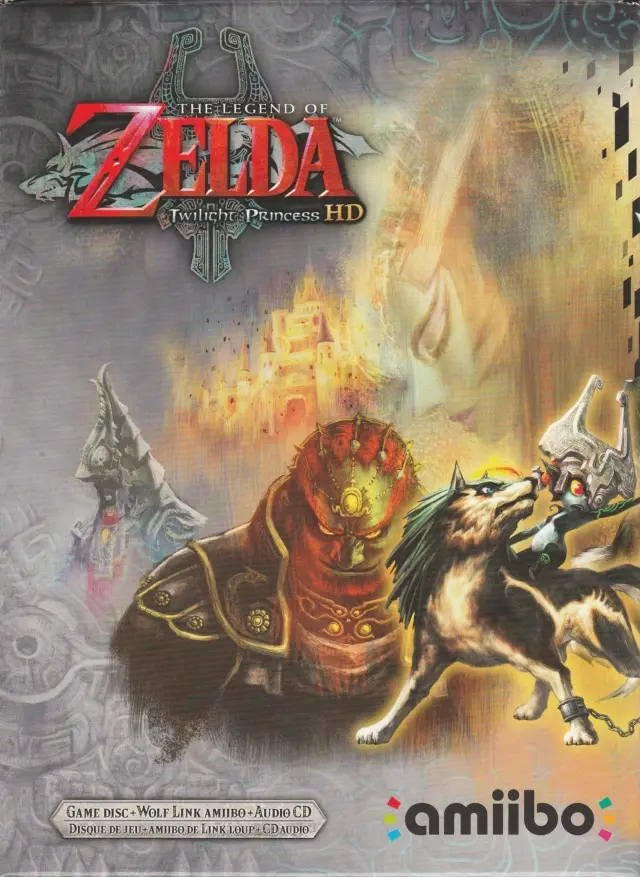
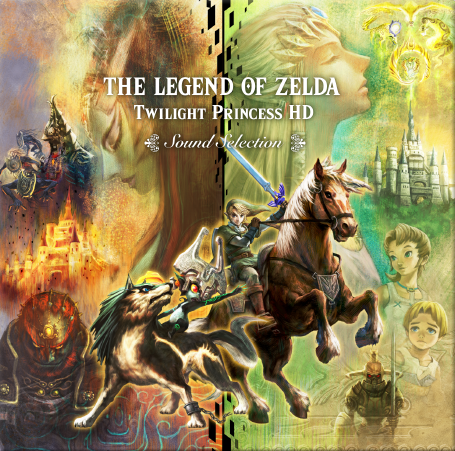
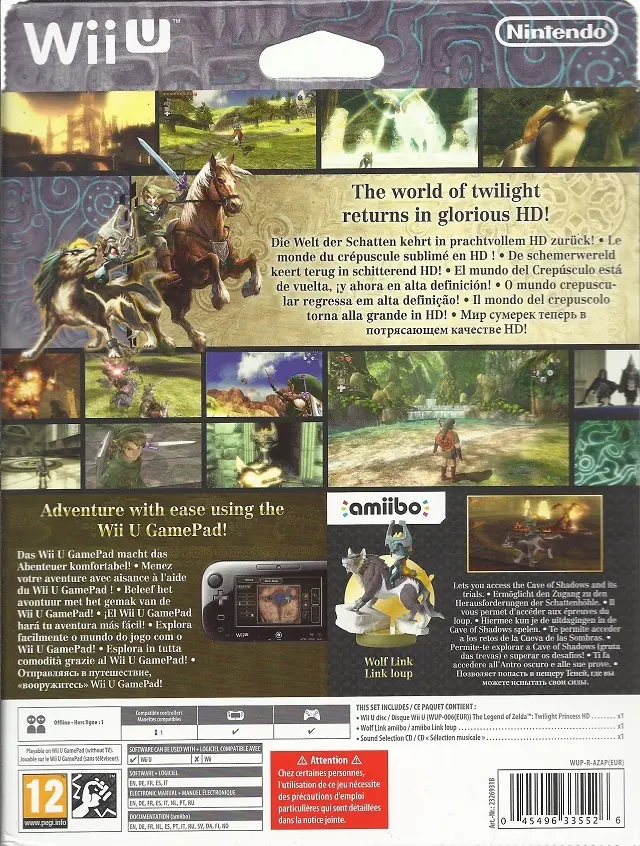
Limited Edition (Europe) and Special Edition (Japan) with the Wolf Link amiibo and a Sound Selection CD; in North America every boxed copy included the amiibo
Sales
About 1.17 million copies worldwide by December 2022
Honours
Golden Joystick Awards 2016: Nintendo Game of the Year
Where to play today
Wii U only. The Wii U eShop closed to new purchases on 27 March 2023, so a disc is now the only way to buy it
Overview
Twilight Princess HD is the Wii U remaster of Twilight Princess, the 2006 epic in which Link the ranch hand becomes Link the wolf. It reached Europe and North America on 4 March 2016, Australia a day later and Japan on 10 March: just short of ten years after the original, in the series’ 30th anniversary year. It was the second Zelda to be given an HD overhaul on Wii U, following The Wind Waker HD in 2013.
With Eiji Aonuma’s own team tied up on the game that became Breath of the Wild, Nintendo gave the job to Tantalus Media, a Melbourne studio that had caught its eye with Wii U conversions of Mass Effect 3 and Deus Ex: Human Revolution. Aonuma produced, Tomomi Sano was assistant director, and a dedicated group in Kyoto looked over every build. What they made is a restoration, not a remake: the same Hyrule, the same nine dungeons and the same story, now in 1080p with its textures redrawn.
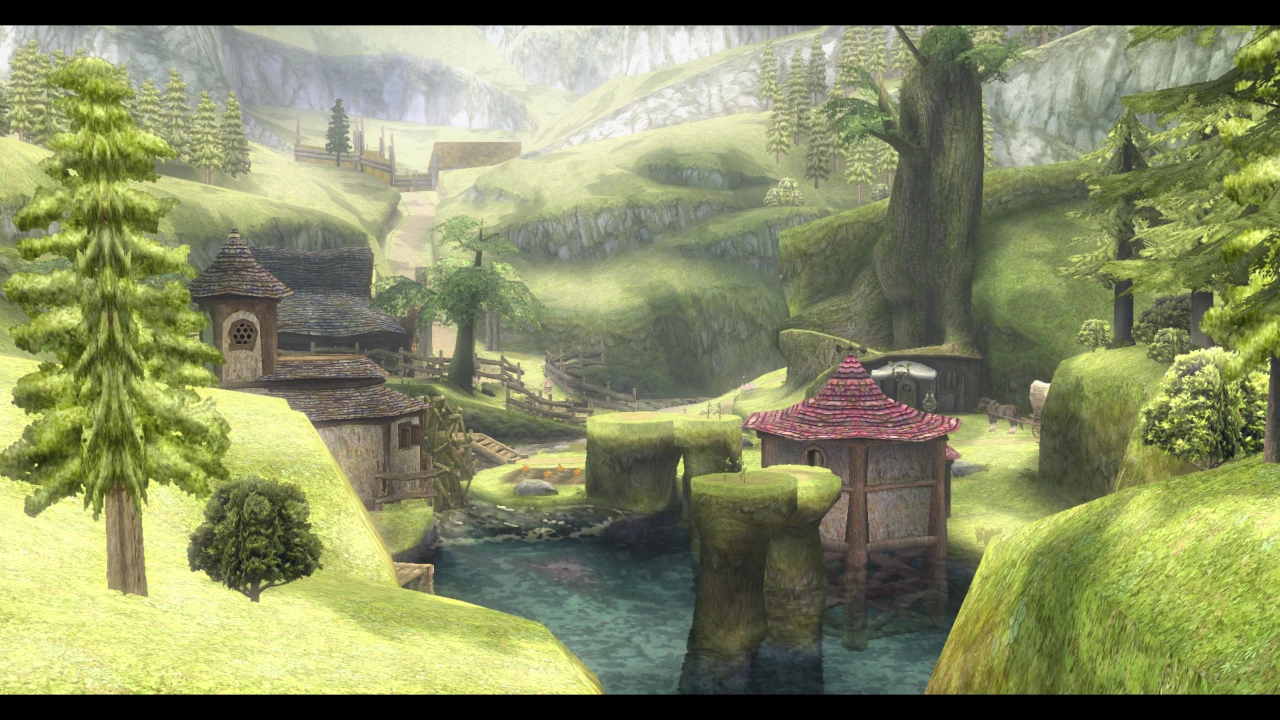
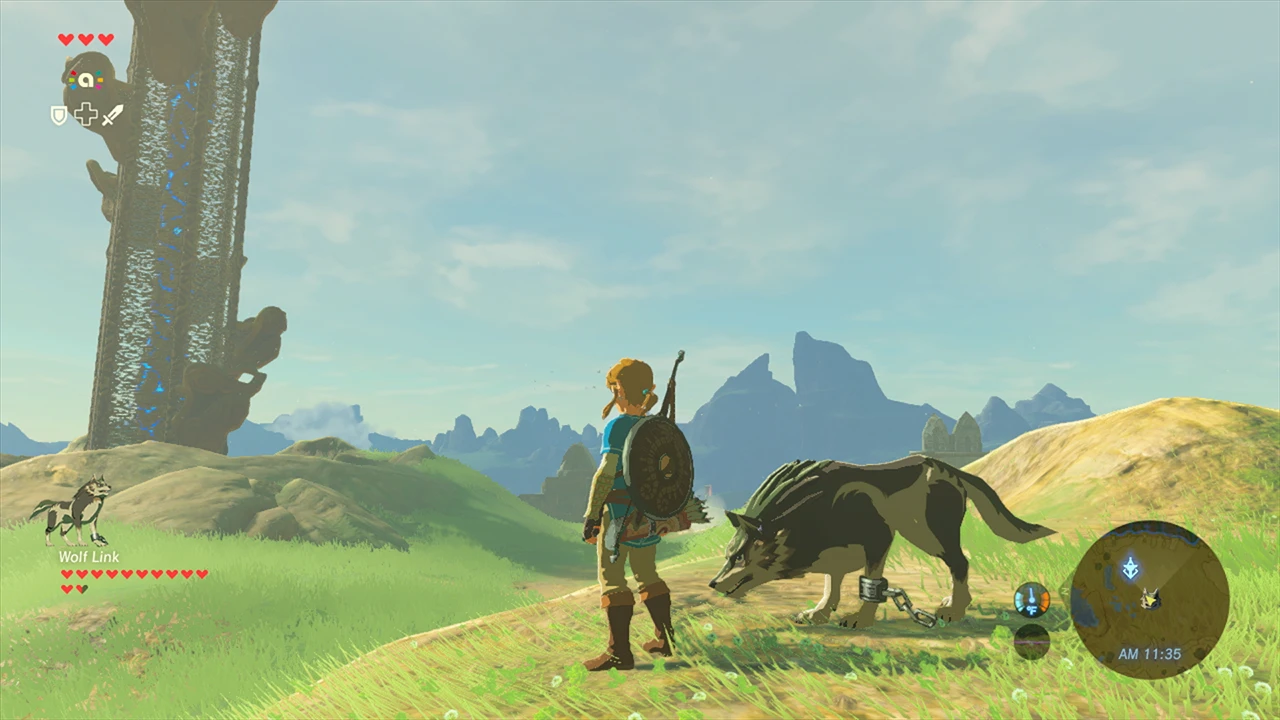
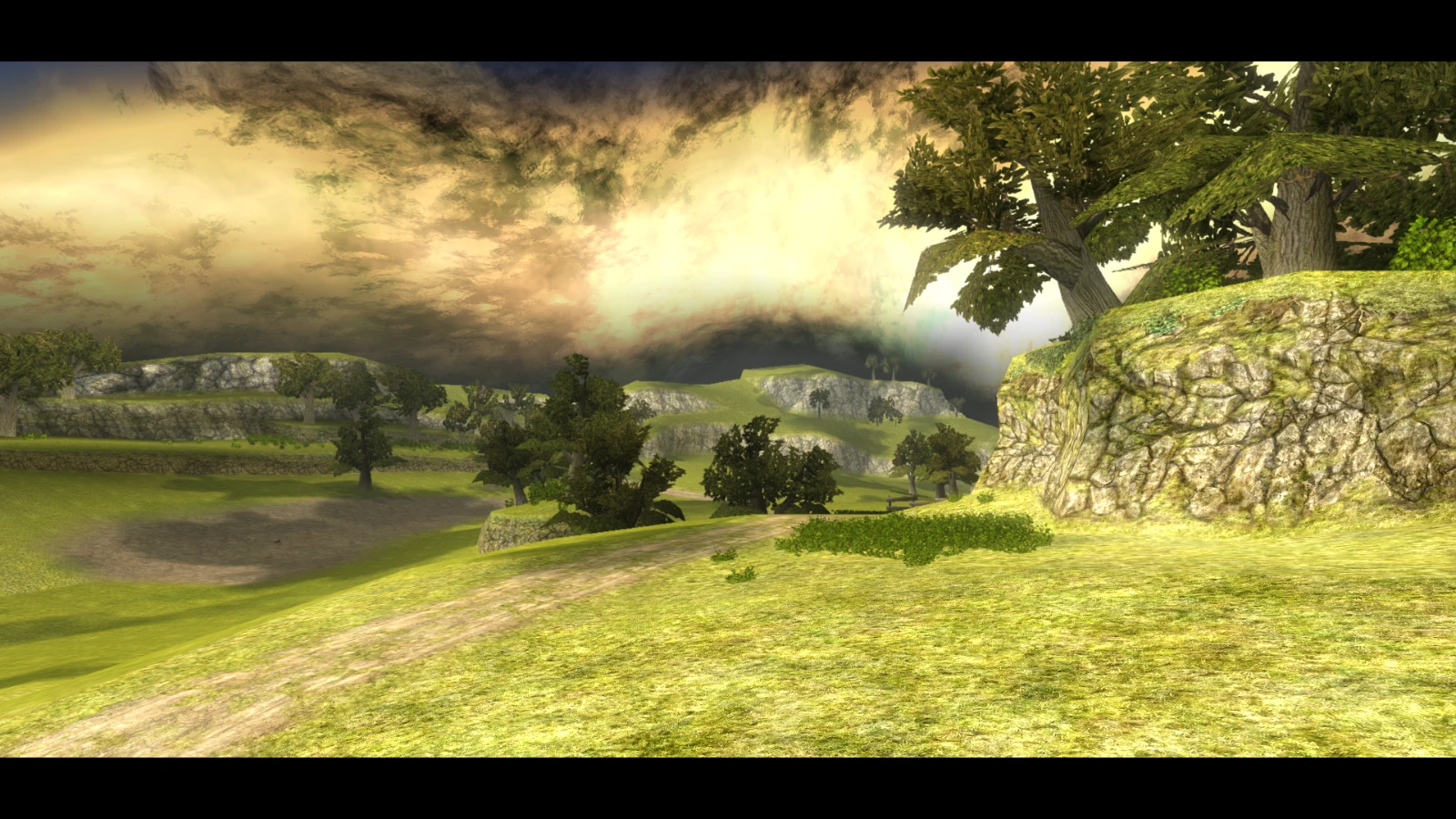
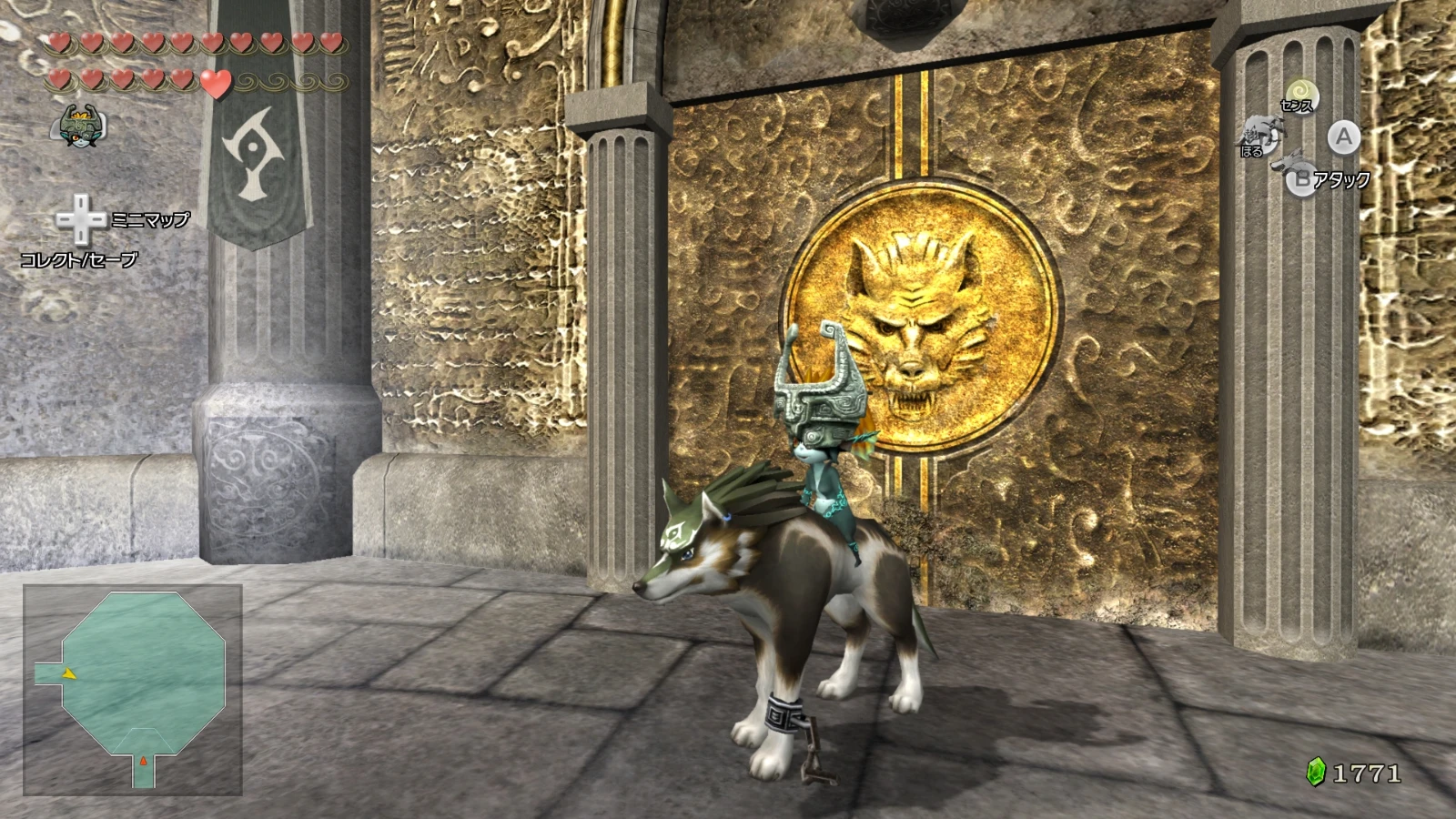
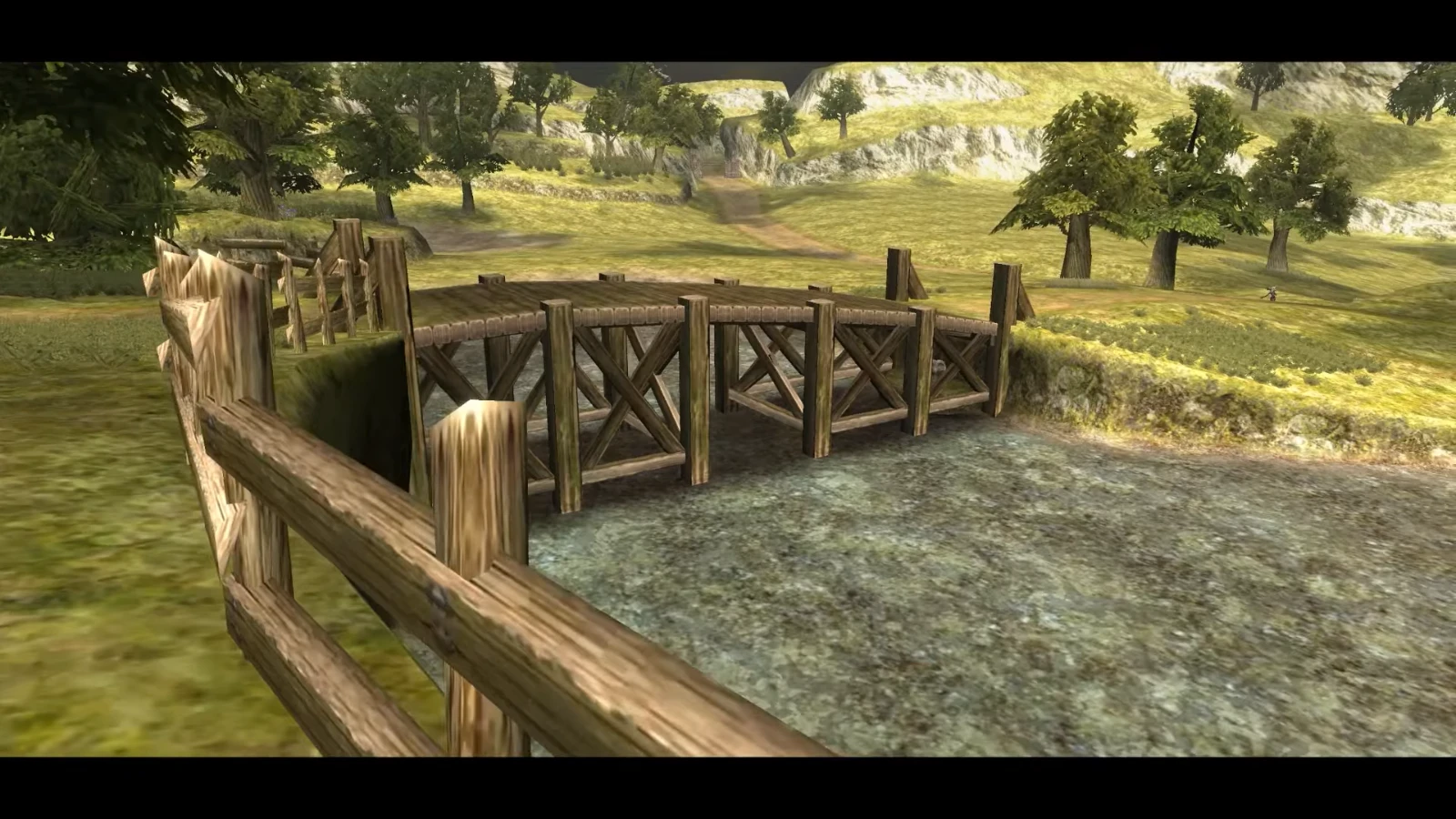
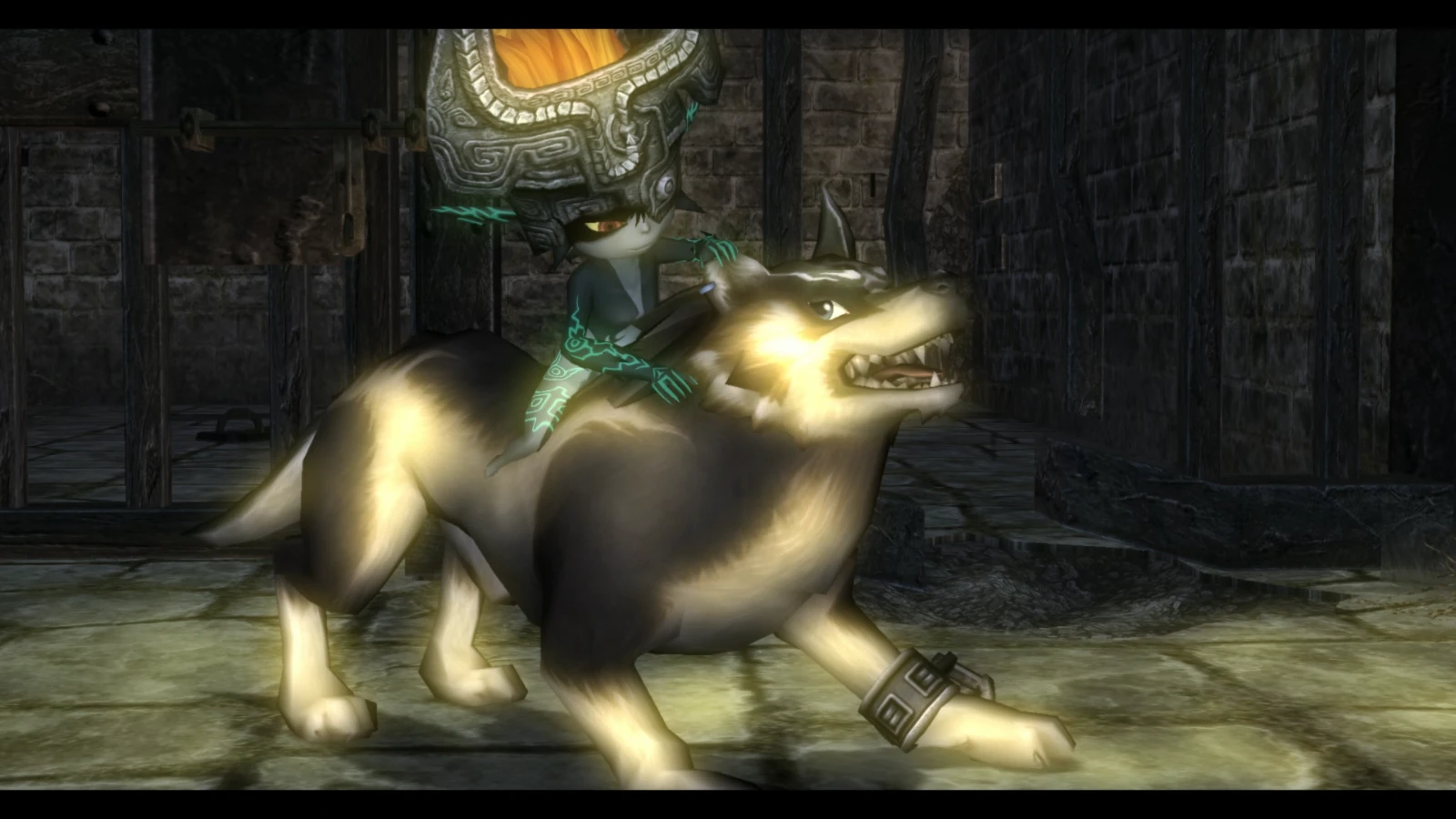
Hyrule Field in 1080p: the same land, with a great deal more to see in the distance.The Wii U GamePad keeps the map and items a tap away.Wolf Link and Midna in the Cave of Shadows, the one new place to explore.
The changes that count are the ones you feel in your hands. The map and inventory live on the Wii U GamePad’s touch screen, a single tap turns Link into a wolf, the Tears of Light hunts are shorter, the wallets are bigger and a new Ghost Lantern takes the guesswork out of chasing Poes. The world follows the GameCube layout, with a left-handed Link. Choose the new Hero Mode and you get the mirrored Wii world instead, along with double damage and no hearts to pick up. And the Wolf Link amiibo sold alongside the game opens the Cave of Shadows, a 40-floor gauntlet fought entirely on four legs.
Reviewers called it the best way to play Twilight Princess, and it averages 86 on Metacritic. The catch is where you can play it. Ten years on it has never left the Wii U, and the Wii U eShop stopped taking purchases in March 2023. This page is about what the HD version changed and how it was made; the full story, the cast and the making of the original are on our Twilight Princess page.
Between light and darkness, can you save Hyrule?
That is the question at the top of Nintendo UK’s official page for the game, and the line its launch-day news post signs off with. The page goes on to describe a definitive edition of the GameCube and Wii adventure with refreshed visuals, in which a farmhand chosen by the gods is turned into a wolf by Zant’s twilight and joins forces with Midna, a creature from the Twilight Realm.
— Official description: Nintendo UK, game page for The Legend of Zelda: Twilight Princess HD (nintendo.com/en-gb). Headline quoted; the rest summarised.
Quick Answers
The questions people most often ask about the Wii U version, answered quickly and explained further down the page.
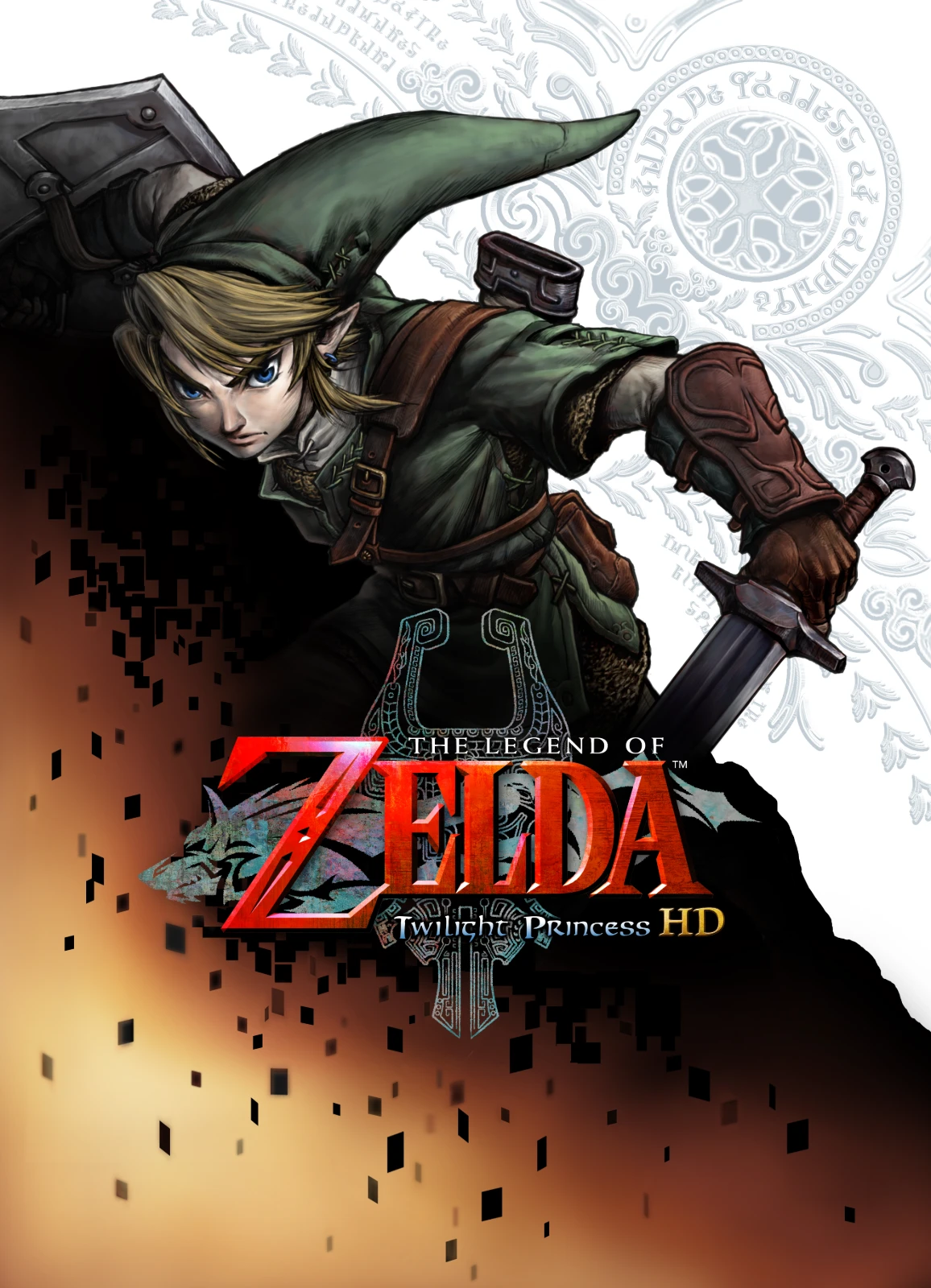
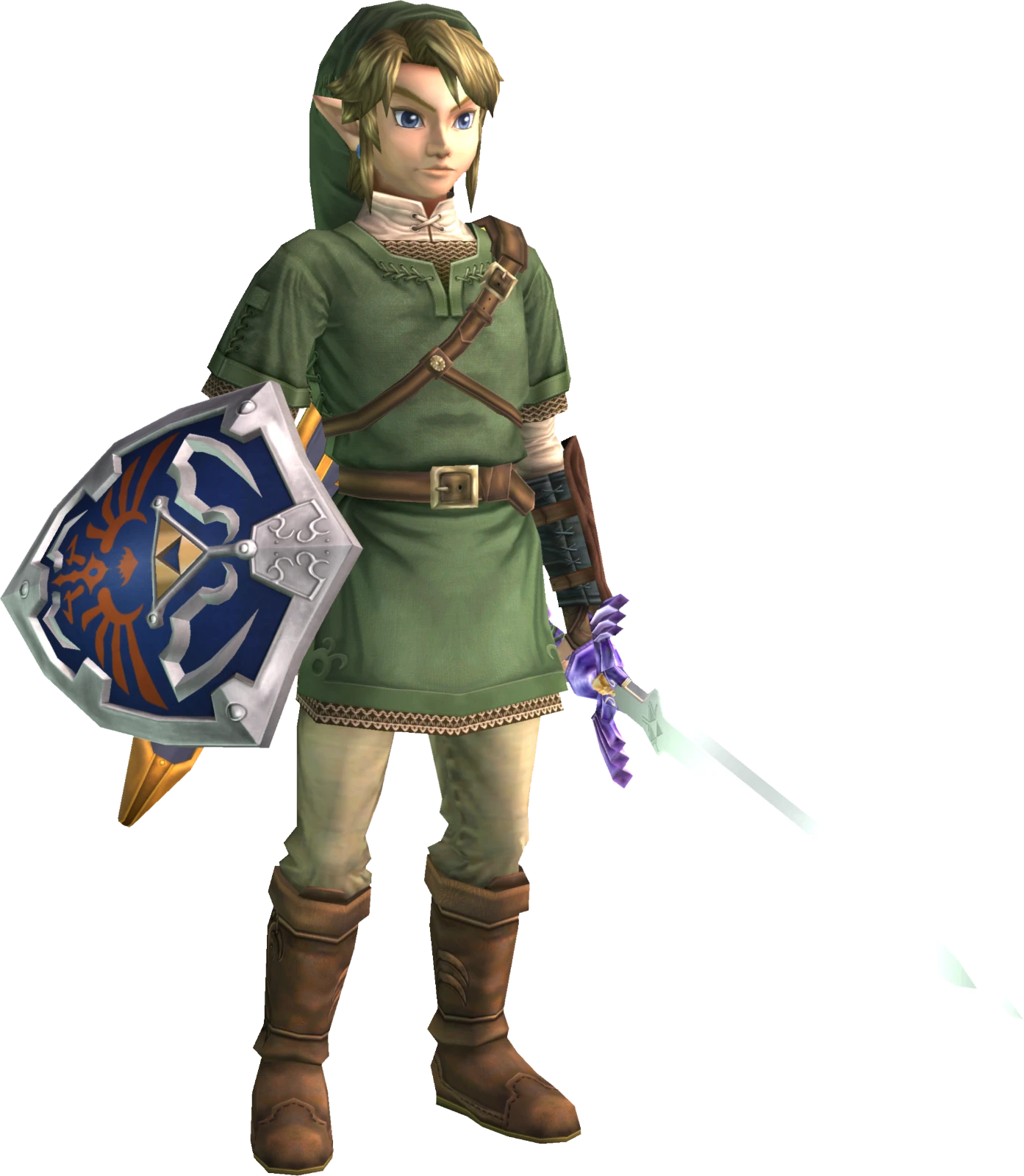
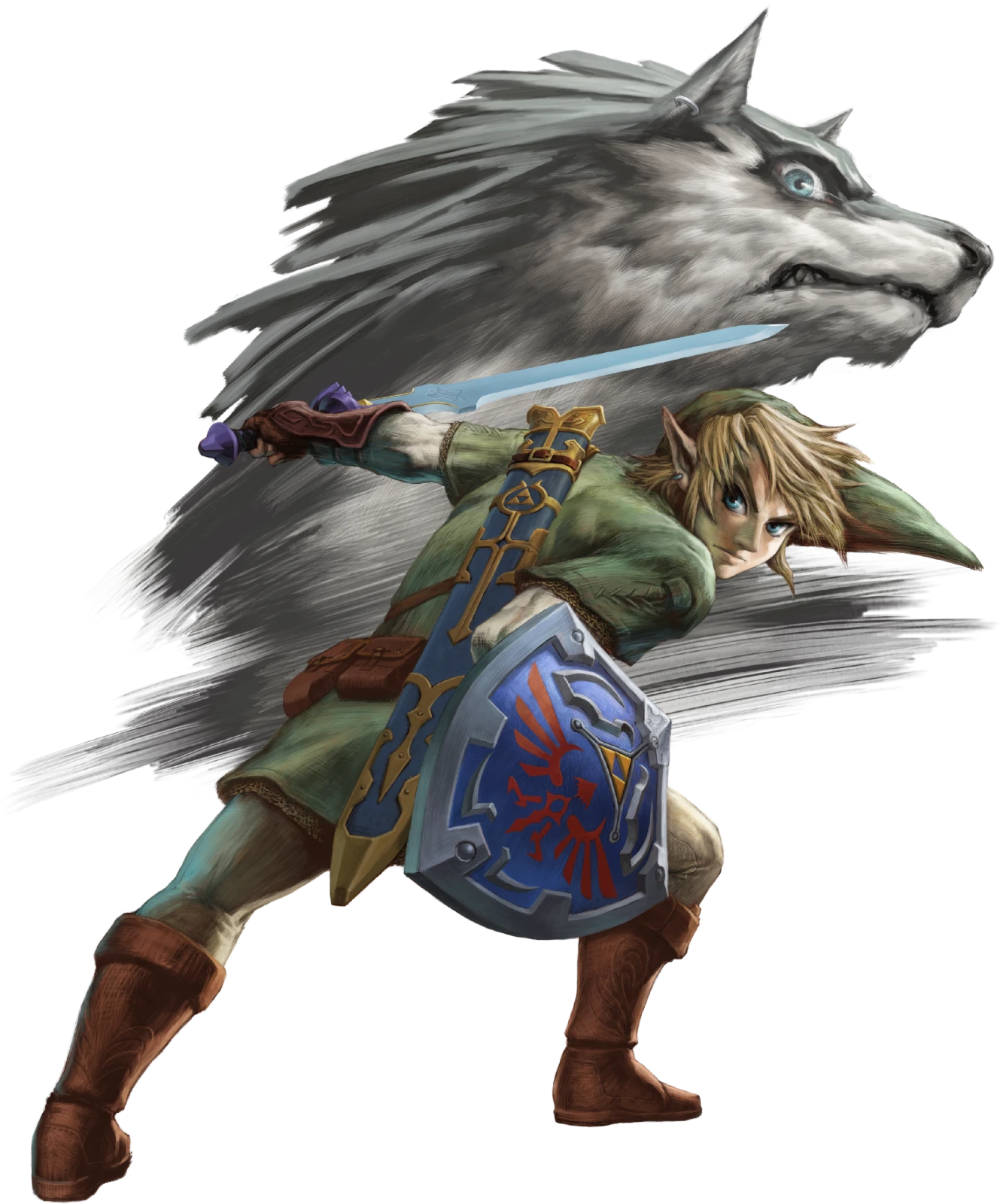
Link in the artwork from the Japanese cover of Twilight Princess HD.
When did Twilight Princess HD come out, and who made it?
On 4 March 2016 in Europe and North America, 5 March in Australia and 10 March in Japan, for Wii U only. It was developed by Tantalus Media of Melbourne under the supervision of Nintendo, with Eiji Aonuma as producer and Tomomi Sano as assistant director. More →
Is it the same game as the original Twilight Princess?
Yes. The story, the world, the nine dungeons and the bosses are those of the 2006 game. It is a remaster, not a remake: the character models and scenery keep their original shapes, while the resolution, textures, controls and a number of fiddly details were improved. More →
What is new in Twilight Princess HD?
A 1080p picture with redrawn textures; GamePad features (touch-screen map and inventory, one-tap wolf transformation, optional gyro aiming, Off-TV Play); Hero Mode; the Ghost Lantern; 50 Miiverse stamps hidden in chests; bigger wallets; fewer Tears of Light to collect; and amiibo support, including the Cave of Shadows, a bonus dungeon unlocked by the Wolf Link amiibo. More →
Is it based on the GameCube version or the Wii version?
The GameCube version. In the normal game Link is left-handed and Hyrule is laid out as it was on GameCube. The mirrored Wii layout, with a right-handed Link, is used only in Hero Mode, where Link also takes double damage and no hearts appear. More →
Do I need the Wolf Link amiibo?
Not to finish the game. The amiibo is needed only for the Cave of Shadows, which rewards you with Rupees and, at the bottom, the 9,999-Rupee Colossal Wallet. It can also store the hearts you finish the cave with, and that number sets Wolf Link’s health when the same figure is used in Breath of the Wild. More →
Are the Wii motion controls still in?
No. The Wii Remote is not supported, so there is no pointer aiming and no swinging the controller to use the sword. You play with the GamePad or a Wii U Pro Controller, and the only motion control is optional gyro aiming for items such as the Hero’s Bow on the GamePad. More →
Which version of Twilight Princess should I play?
If you have a Wii U, most critics would say this one: Nintendo World Report called it “the new and best way to experience Twilight Princess”, and Nintendo Life judged it the definitive version. The Wii original is still the only one with pointer and motion controls, and the GameCube original is the only other one with a left-handed Link. More →
Can I still buy it, and is it on Nintendo Switch?
Only second-hand, on disc. Nintendo’s UK page notes that purchases on the Wii U eShop ended on 27 March 2023. When we checked in November 2026, Twilight Princess HD had not been released on Nintendo Switch or Switch 2, and the GameCube original was not among the GameCube games offered through Nintendo Switch Online on Switch 2 either. More →
What’s different from the original
Hyrule Field in Faron Province as it looked in 2006. Compare the HD view at the top of the page.
Nintendo and Tantalus did not rebuild Twilight Princess. The characters and the scenery keep the shapes they had in 2006; what changed is the surface (resolution, textures, lighting) and a long list of small decisions about how the game controls and how much of your evening it asks for. Aonuma put the priority plainly when he answered fans’ questions on Miiverse: “the main reason we wanted to make a Wii U version was the picture quality!”
The table sets the 2006 game beside the 2016 one. The sections underneath go through the differences that matter most.
Feature
Twilight Princess (2006)
Twilight Princess HD (2016)
Platform
Wii and GameCube
Wii U only
Picture
480p; the GameCube version was 4:3
1080p widescreen at 30 frames per second, with textures redrawn or replaced
World layout
GameCube: the original layout, left-handed Link. Wii: the whole world mirrored, right-handed Link
Normal game: the GameCube layout. Hero Mode: the mirrored Wii layout
Controls
GameCube controller, or Wii Remote and Nunchuk with motion and pointer controls
Wii U GamePad or Pro Controller; no Wii Remote. Optional gyro aiming on the GamePad
Item buttons
Two on GameCube, four on Wii
Three (X, Y and R), with the whole inventory on the touch screen
Map
On the TV, via the mini-map and the pause screens
Always open on the GamePad screen; the TV mini-map is smaller and see-through
Turning into a wolf
Call Midna and ask her
One tap on the GamePad touch screen
Tears of Light
16 in each Twilight-covered province
12 in each
Wallets
300, 600 and 1,000 Rupees
500, 1,000 and 2,000 Rupees, plus the new Colossal Wallet (9,999)
Rupee chests
With a full wallet, the Rupees go back in the chest
The Rupees are no longer put back
Poe hunting
60 Poe Souls to find unaided
The Ghost Lantern (after 20 souls) glows when a Poe is in the area, and the map counts the Poes left
Difficulty
One setting
Normal or Hero Mode, chosen when a file is created: double damage, no hearts, mirrored world
Bonus dungeons
Cave of Ordeals (50 floors)
Cave of Ordeals, plus the Cave of Shadows (40 floors, wolf form only, Wolf Link amiibo needed)
Extras
None
50 Miiverse stamps, six compatible amiibo, Off-TV Play, new HD staff credits
A sharper Hyrule that still looks like dusk
Link in HD: new textures on the old model.
The original output 480p. The HD version runs at 1080p, which both big fan wikis reckon at about six times as many pixels, and holds the same 30 frames per second; Aonuma told Nintendo Life the frame rate was kept so that the game would feel exactly as it used to. Nintendo’s Japanese site makes a point of the textures for characters, backgrounds and menus having been redrawn in finer detail. Link’s hair and Zant’s armour were touched up, the grass of Hyrule Field and the stone Triforce in the Sacred Grove were replaced outright, the lighting is a little brighter and the heavy bloom of 2006 has been turned down.
What you do not get is a new set of models. Zelda Dungeon and the Zelda Wiki on Fandom both point out that characters and scenery keep their original geometry, which is why some reviewers found the flatter corners of Hyrule and a few of its monsters showing their age. Tomomi Sano described the balancing act to Nintendo Life: with more precise detail, everything at first looked too clear, and the soft, hazy mood of the twilight and the forest light was lost. The team had to put some of that softness back, with the stated aim of “preserving the feel of the original”.
There are smaller touches for the sharp-eyed. The on-screen display takes up less room, sword slashes now leave trails, and Midna has a reflection.
Left-handed again: the GameCube layout and Hero Mode
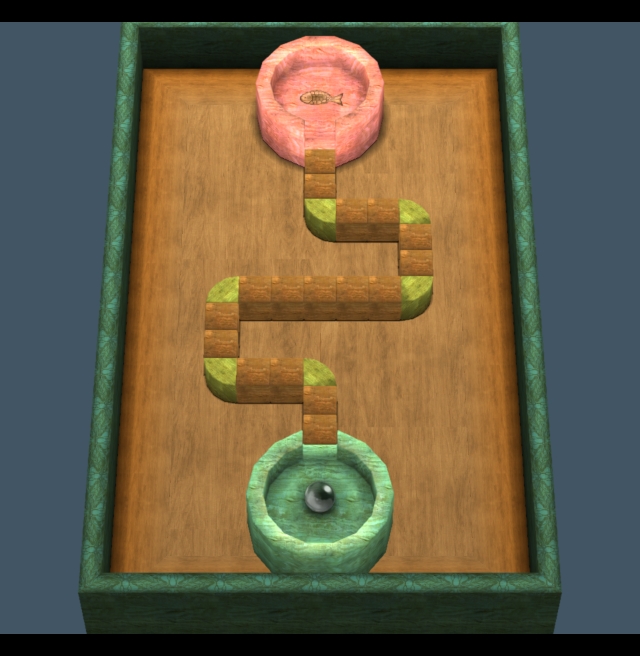
The first Rollgoal level, mirrored as it is in Hero Mode.
In 2006 the Wii version was a mirror image of the GameCube one, flipped so that Link held his sword in his right hand like most players swinging a Wii Remote. The HD version goes back to the GameCube original: Link is left-handed again, and east and west are where the GameCube game had them. Aonuma’s reasoning was practical. He wanted the remaster built around the Wii U GamePad, whose buttons are laid out much like a GameCube controller’s, so the GameCube control scheme was the natural starting point; the GameCube game had also been a 4:3 picture, which now became 16:9.
The Wii layout survives in Hero Mode, which is offered from the very first time you start a file and cannot be switched on or off afterwards. Link takes twice the damage, no recovery hearts appear, and, as Nintendo UK put it, “In a final layer of challenge the game world is also mirrored, so dungeon layouts will be reversed.” Anyone who learned the game on Wii will find Hero Mode is the Hyrule they remember, and the normal game is the back-to-front one.
For the truly brave there is a further step. Tap the Ganondorf amiibo while playing in Hero Mode and Link takes four times the normal damage until you stop playing.
The GamePad takes over
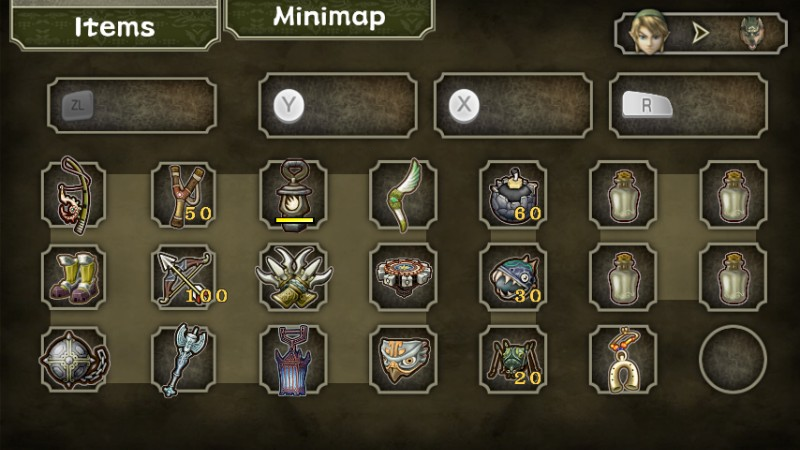
The HD version’s item screen: items are swapped on the GamePad without pausing.
The Wii Remote is gone, and with it the pointer and the sword-waggling. Twilight Princess HD is played on the Wii U GamePad or a Wii U Pro Controller, with the sword on a button as it was on GameCube. Three items can be set to X, Y and R, the right stick moves the camera freely, and the bow, the Gale Boomerang and other aimed items can be steered by tilting the GamePad if you like; the gyro can also be switched off.
The second screen does the rest. The map stays open on the GamePad, including a separate dungeon map, items can be equipped by touch without pausing the action, and once Link has earned the ability to change shape at will, one tap turns him into a wolf or back again. In the original that meant calling Midna and asking her every time. The whole game can also be played on the GamePad’s own screen with the television off.
It was not a foregone conclusion. Aonuma told Famitsu that the team argued over whether to keep Wii Remote controls “until the middle” of development, and settled on the GamePad once they saw what an always-visible map and gyro aiming could do. Other parts of the handling were quietly tuned as well. Nintendo’s Japanese site lists improved riding and swimming controls, and the wikis note that swimming and climbing animations are quicker. Swimming was the thing Aonuma most wanted to fix: the heavy underwater movement was meant to suggest water pressure, he said, but it could feel stressful, and the aim this time was a game “as stress free as possible”.
Less busywork: Tears, wallets and the Ghost Lantern
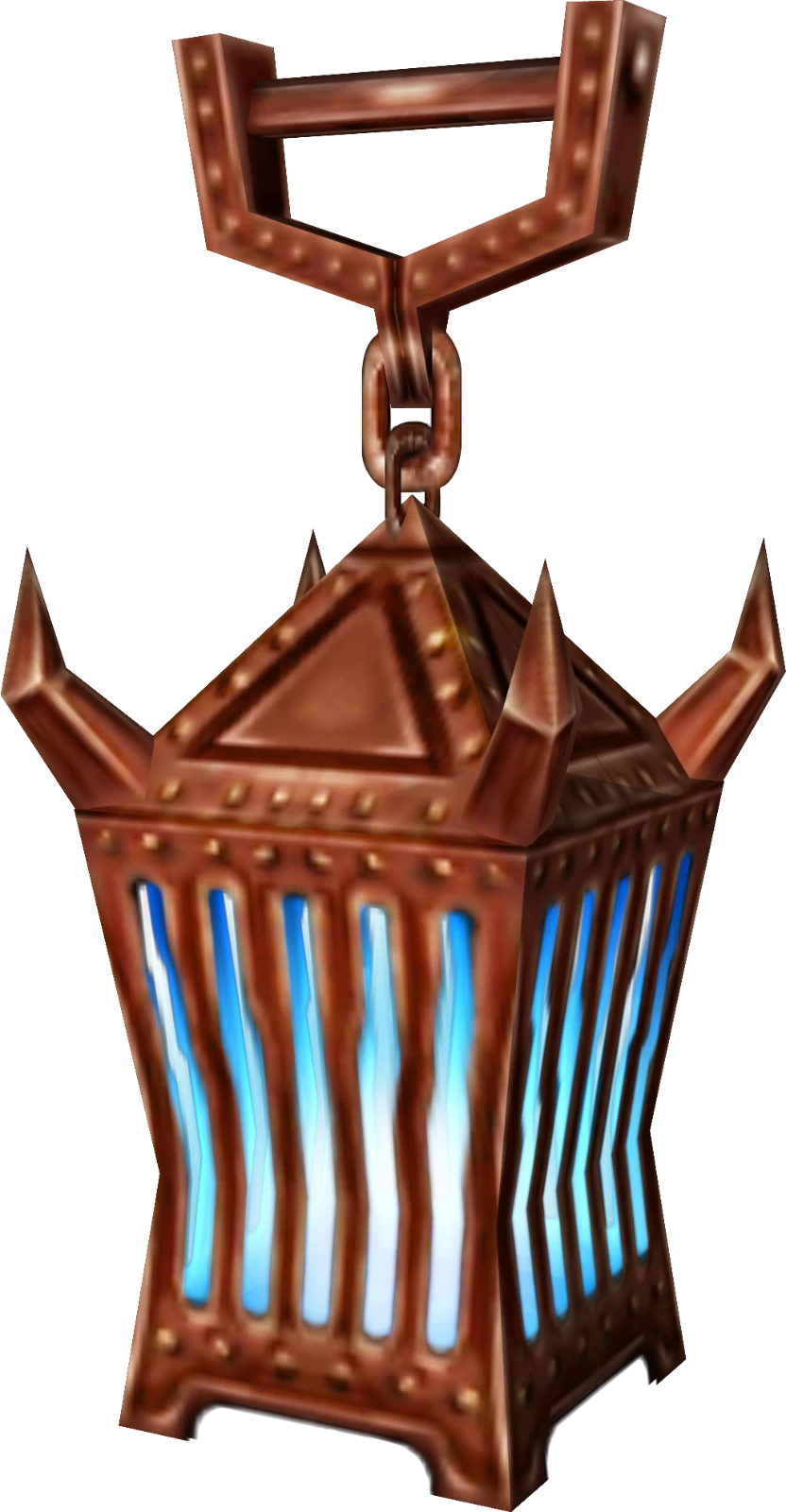
The Ghost Lantern, new to the HD version.
The most welcome cut is to the Tears of Light. Each time Link enters a province swallowed by Twilight he has to hunt down the insects carrying the Light Spirit’s tears, and in 2006 there were 16 to find each time. Now there are 12. Aonuma also said that cutscenes which felt slow in hindsight had their speed adjusted.
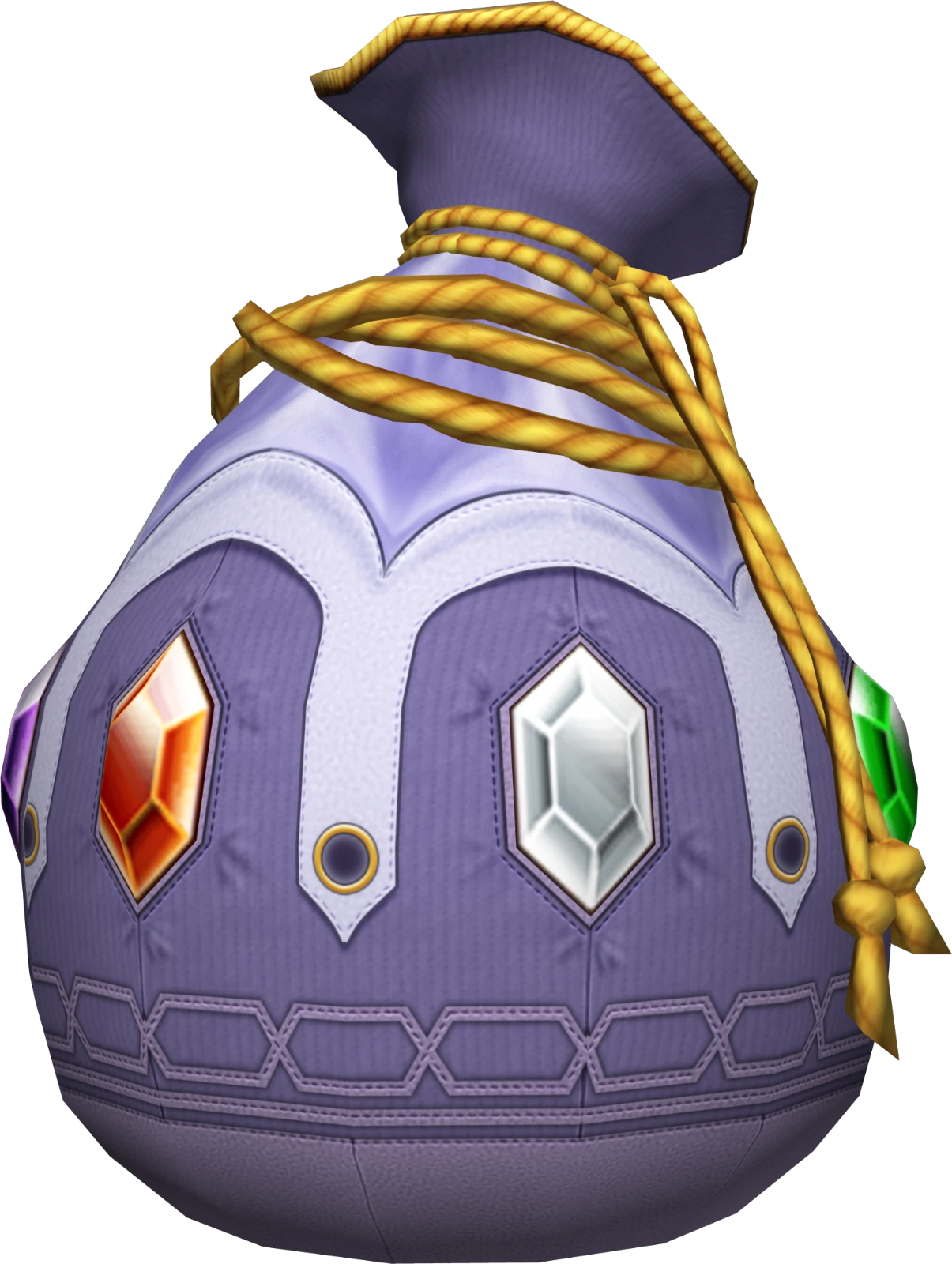
Money is less of a nuisance. The three wallets hold 500, 1,000 and 2,000 Rupees instead of 300, 600 and 1,000. Open a chest of Rupees with a full wallet and the game no longer puts them back for another day. The message explaining what each colour of Rupee is worth now appears once, and not again every time you load your save.
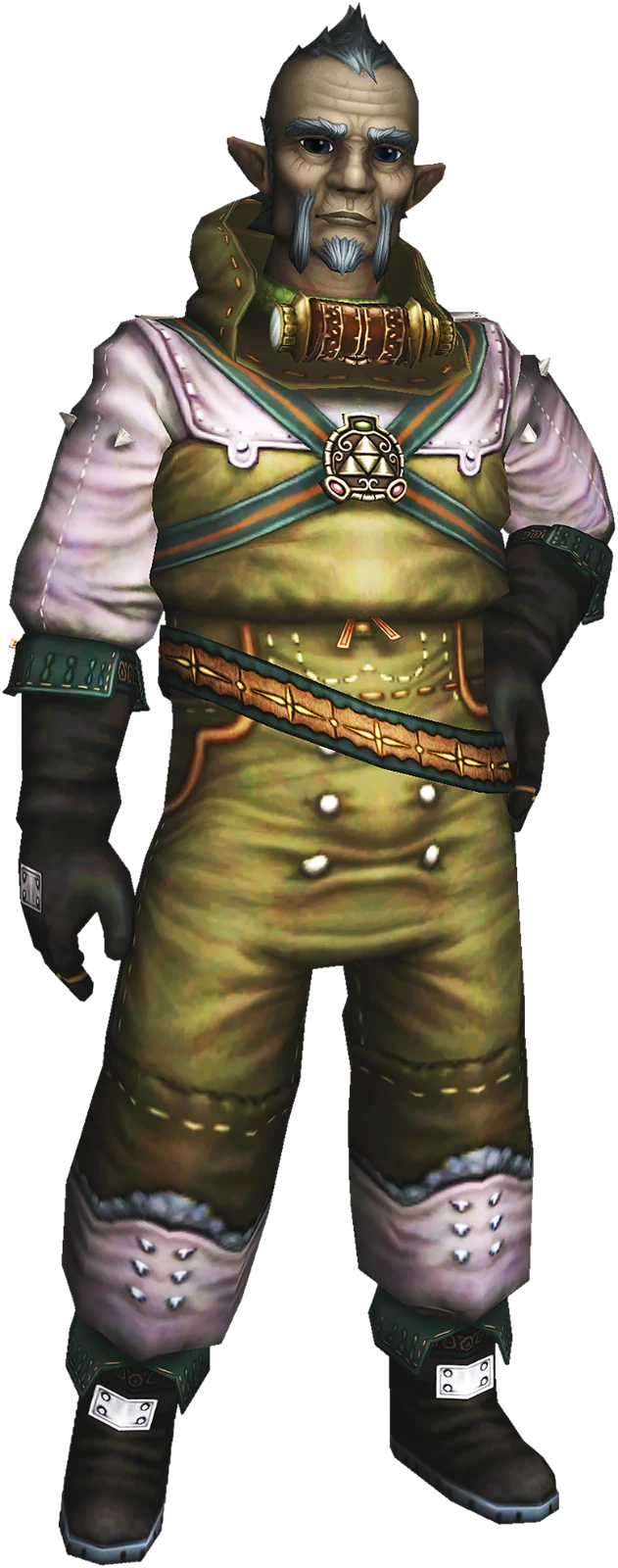
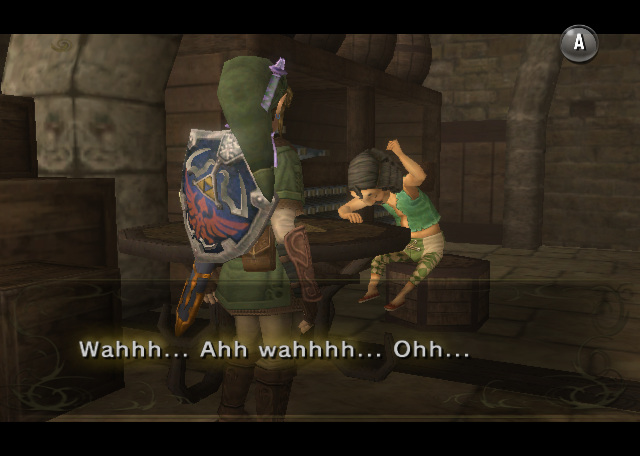
The Ghost Lantern is the one brand-new item. Jovani, the gold-cursed man in Castle Town, hands it over once Link has brought him 20 Poe Souls. It needs no oil and lights no torches. It simply glows whenever an Imp Poe is lurking in the part of the map you are in, or anywhere in the dungeon you are in, by day as well as by night, and goes dark when the area is clear. The map helps too, showing how many Poes are left in each area along with Horse Grass, mini-games, side quests and the place where you last saved.
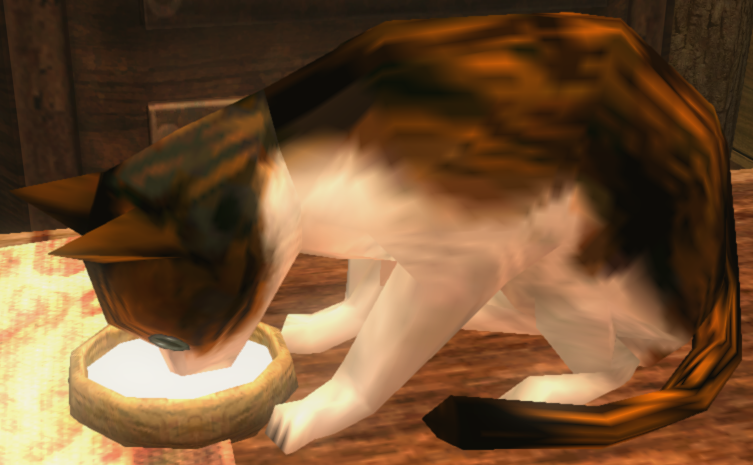
A handful of other rough edges were filed down. Sera’s cat in Ordon needs one fish, not two, falling into lava costs one heart, not two, Green Chu Jelly finally has a description, and spelling mistakes and errors in the script were corrected. Sano told Famitsu that directions and hints were reworded where players used to get lost, with care taken to keep each character’s voice.
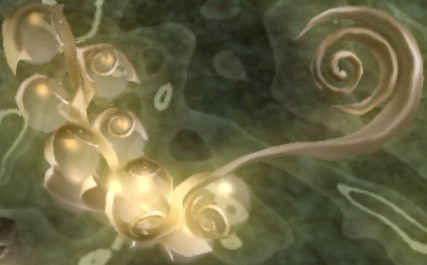
Tears of Light: twelve to a province now, not sixteen.Jovani, who hands over the Ghost Lantern for 20 Poe Souls.
Fifty stamps for a network that is gone
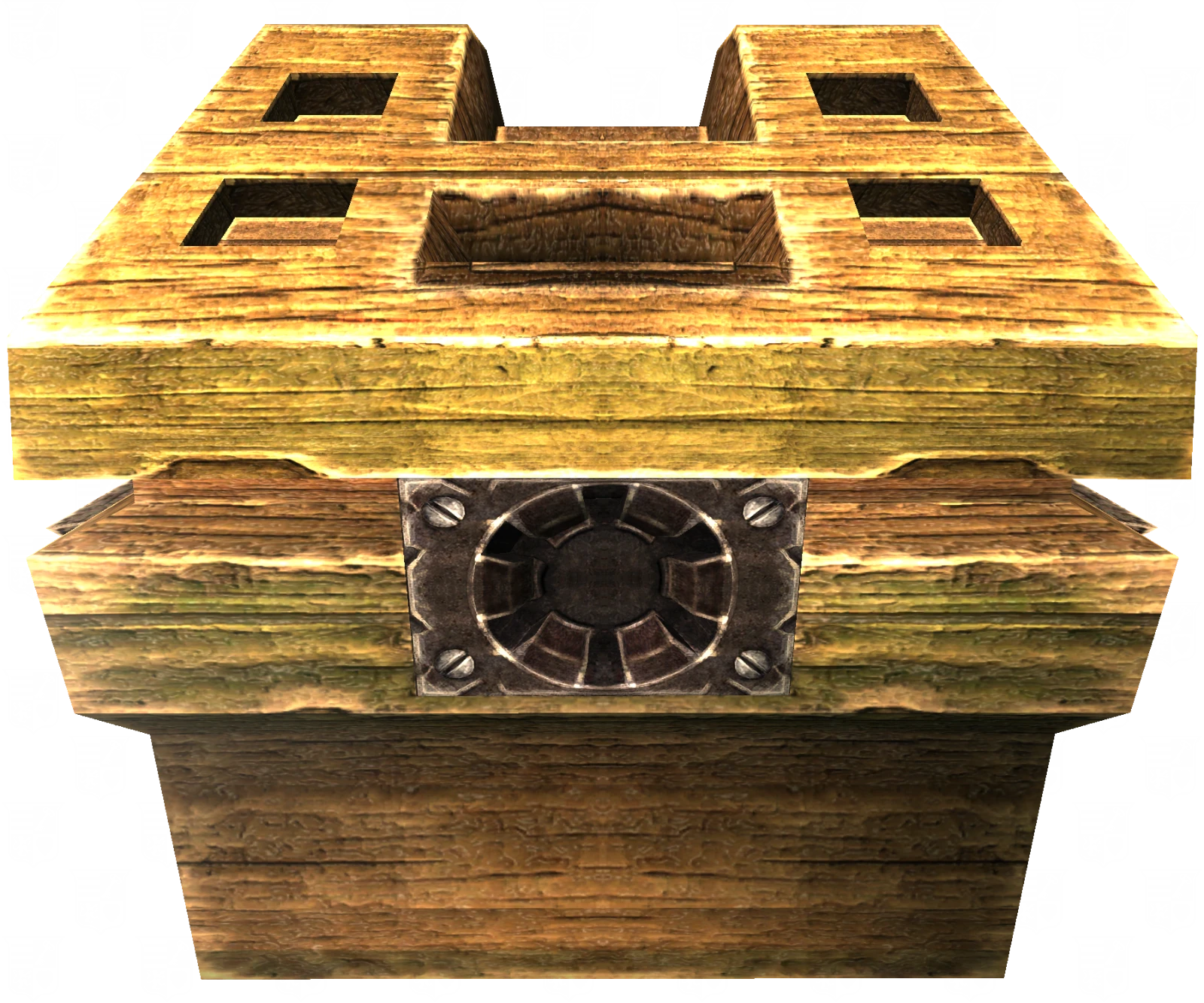
A treasure chest from the HD version. Most stamps sit in chests that held Rupees in 2006.
Fifty Miiverse stamps are hidden around Hyrule: the letters of the Hylian alphabet, the faces of characters in various moods, and a few items and objects. Most sit in treasure chests in dungeons and out in the fields, usually taking the place of a chest that held Rupees in 2006; a few are given to Link or bought. Sano explained the thinking: most of the original’s chests contained Rupees, so the team wanted to give players something more worth finding. Japan’s official guidebook, where the stamps are called hanko, maps every one.
The stamps were for decorating posts on Miiverse, Nintendo’s social network for Wii U and 3DS, which could be opened from the GamePad. Miiverse closed on 8 November 2017, a date Nintendo’s Japanese page for the game now carries as a footnote, so the stamps today are collectables and nothing more. Speedrunners still chase them: an “All Miiverse Stamps” category sits beside Any% and 100% in the records listed by the Zelda Wiki on Fandom.
amiibo and the Cave of Shadows
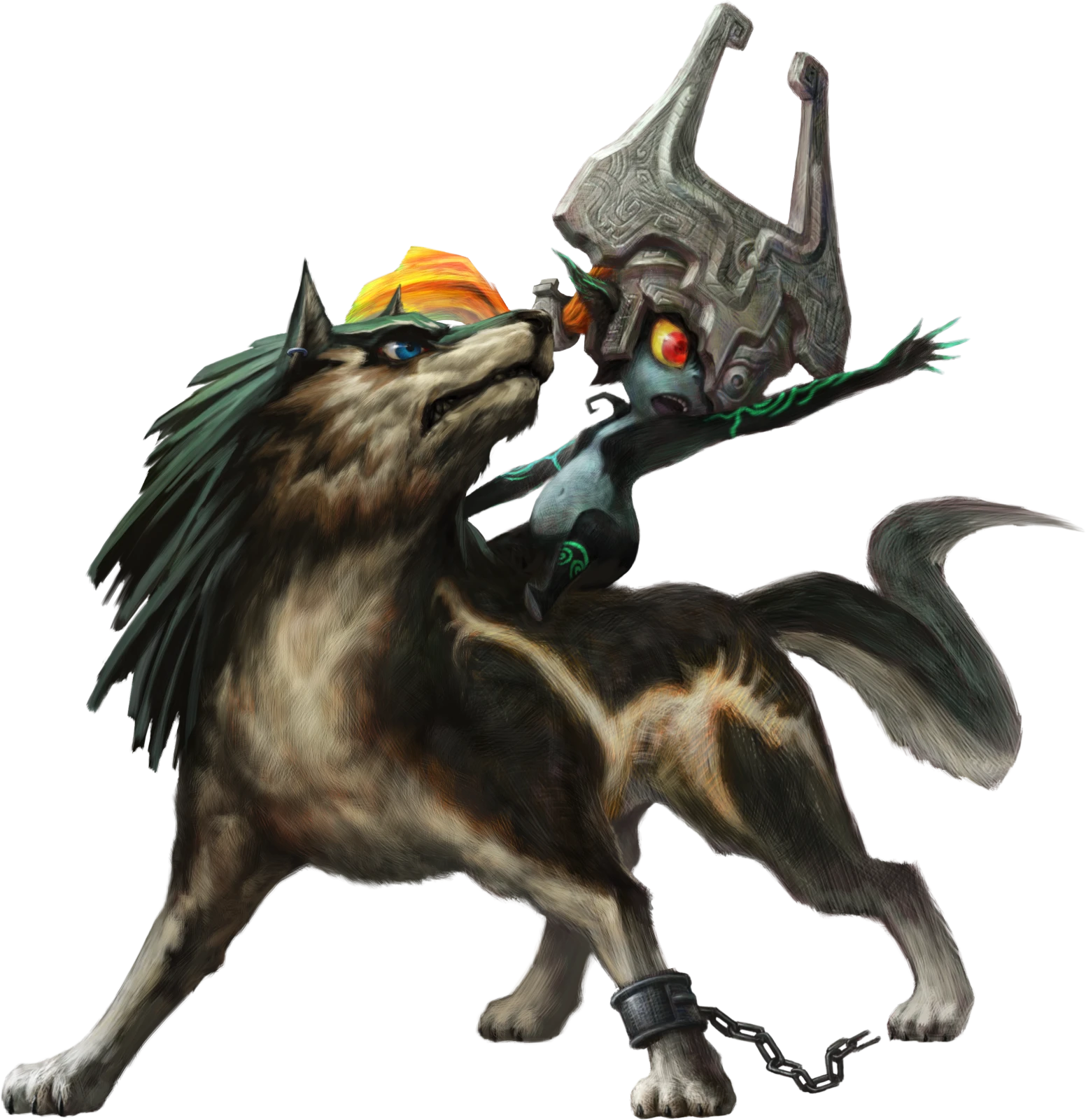
Midna riding Wolf Link in an official HD screenshot.
Six amiibo work with the game once light has been restored to Faron Province. Link and Toon Link from the Super Smash Bros. range refill your arrows, and Zelda and Sheik refill your hearts; these can be used only a limited number of times a day (once each, according to the Zelda Wiki on Fandom). Ganondorf, who was never going to help, doubles the damage Link takes until the play session ends, and the hearts on screen turn blue to show it.
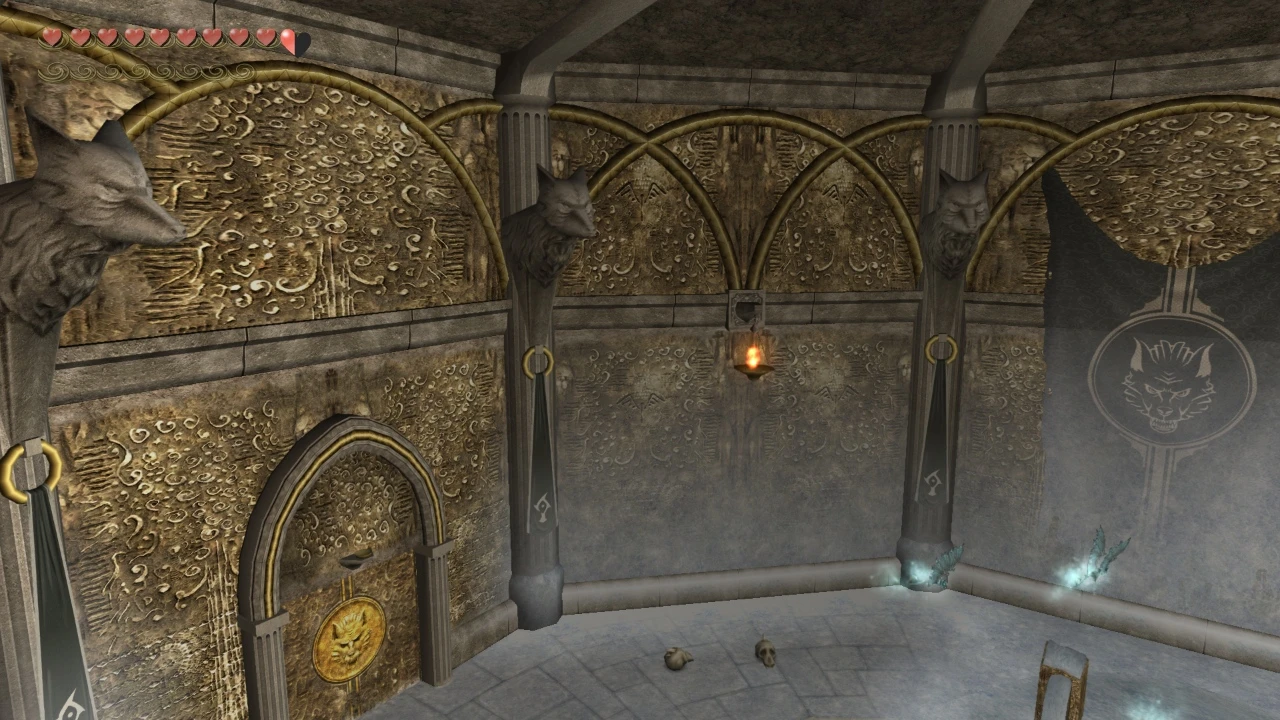
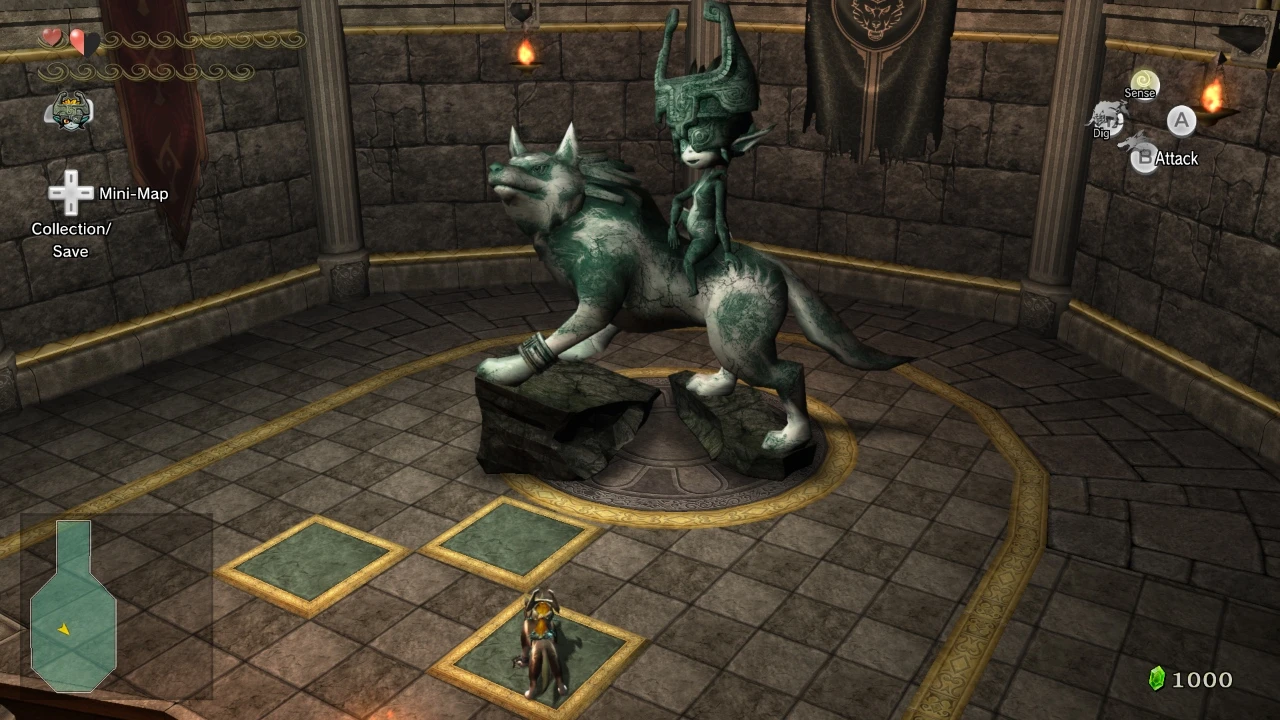
The sixth is the Wolf Link figure made for this game, and it opens the Cave of Shadows. The cave has no entrance in Hyrule: scanning the amiibo takes Link straight there. It is 40 floors of enemies fought in wolf form with no items allowed, bottled fairies included, and no hearts dropped, with only the odd heart buried in the floor to dig up. It unlocks in three stages. The first five floors are available as soon as amiibo are; the first 20 after the Arbiter’s Grounds; and all 40 once Link has been through the Palace of Twilight. Each stage ends on a quiet floor with a chest of Rupees, and the reward at the very bottom is the Colossal Wallet, which holds 9,999.
When a run ends, the hearts Link has left can be saved to the amiibo. On a later attempt, tapping the figure restores hearts up to that number, once per run, so choosing your moment matters. The same record is what Breath of the Wild reads when the figure is used there. A save file can also be registered to the amiibo, after which tapping it on the title screen loads straight into the game, a feature Nintendo Life’s reviewer called a gimmick.
The cave was Sano’s idea, and Tantalus built it. She told Nintendo Life that Wolf Link and Midna are so popular that she wanted a bonus built around the wolf, and had noticed that some enemies designed for human Link could be beaten on four legs as well. Reviewers were lukewarm (GameSpot called its battles shallow), but it is the only wholly new place in the game.
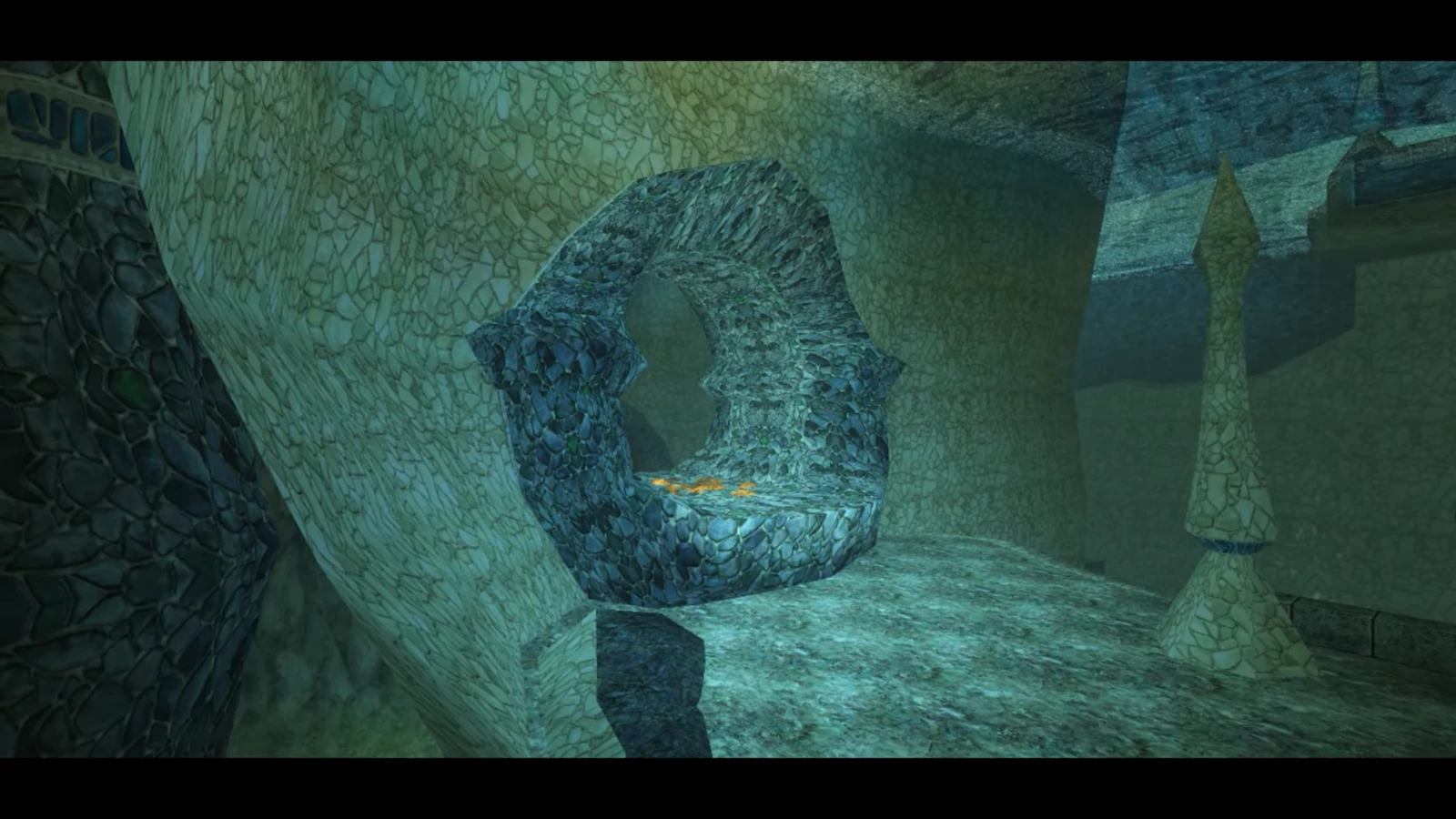
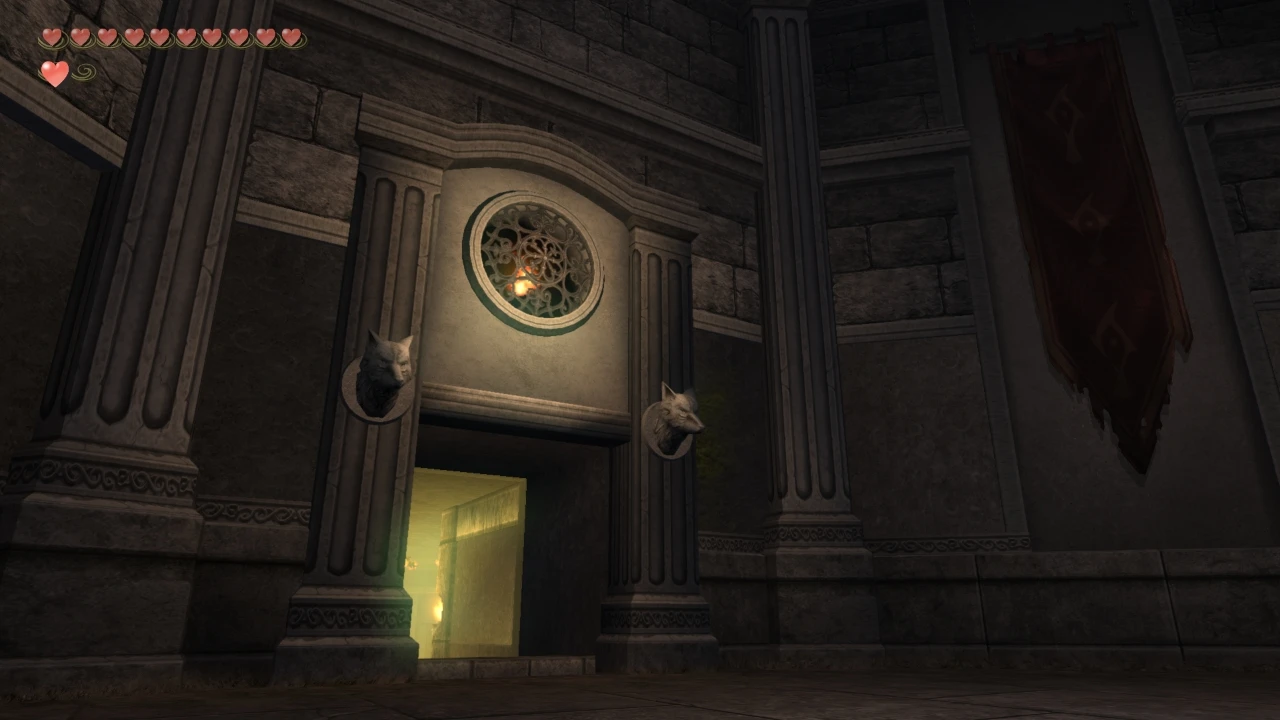
The Cave of Shadows: wolf form only, and no items.amiibo are scanned from the Collection screen.
Almost everything else is as it was. No dungeons, story scenes or characters were added to the main adventure, the Golden Bug, Poe Soul and Piece of Heart hunts are all still here, and the music in the game is the 2006 soundtrack, a point on which Nintendo Life’s review was a little wistful. The one new piece of presentation comes at the very end: after the original credits, a second set for the HD staff rolls to the orchestral piece from the game’s first teaser trailer.
Plot / Story
Official HD art of Link and Wolf Link.
The story has not changed, so this is the short version. Link is a young ranch hand in Ordon Village, at the southern edge of Hyrule. On the morning he is due to carry a gift to Hyrule Castle, Bulblin raiders storm the village spring and carry off his friend Ilia and the village children. Giving chase, Link is dragged through a wall of Twilight and collapses into the body of a wolf. He wakes in a castle cell, where a grinning imp called Midna breaks his chain, climbs on his back and takes charge. At the top of a tower they find Princess Zelda, who surrendered her kingdom to Zant, self-styled King of the Twili, to spare her people.
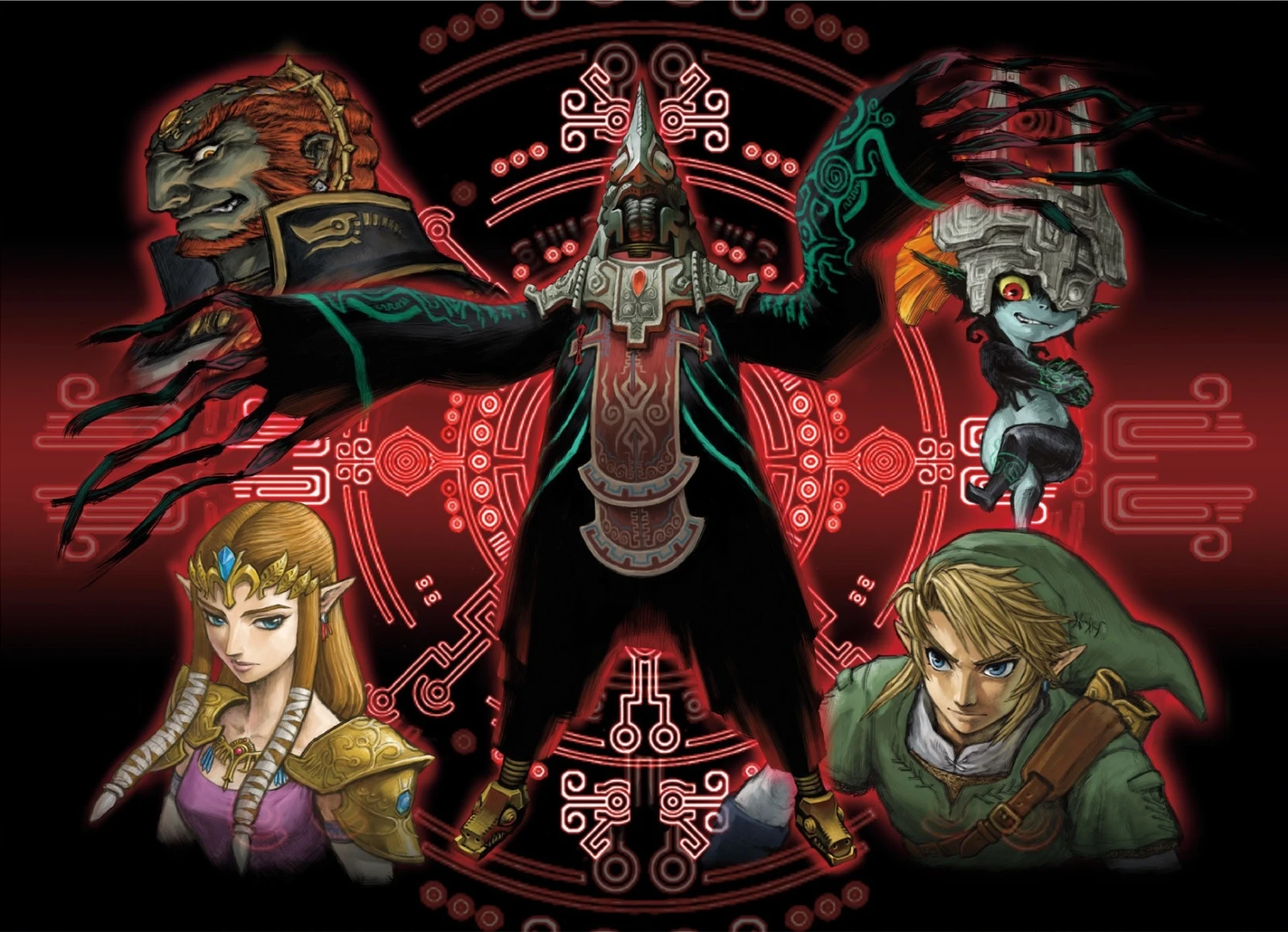
To push the Twilight back, Link restores the Light Spirits of Faron, Eldin and Lanayru by gathering their Tears of Light (twelve at a time in this version, down from sixteen), while Midna has him collect the pieces of an ancient power called the Fused Shadow from the Forest Temple, the Goron Mines and the Lakebed Temple. Zant takes all three, curses Link and leaves Midna dying; Zelda sacrifices herself to save her. With the Master Sword drawn from the Sacred Grove, Link and Midna fight through the Arbiter’s Grounds to the Mirror of Twilight, the only door to Zant’s world, find it shattered, and recover its missing shards from Snowpeak Ruins, the Temple of Time and the City in the Sky. When the mirror is whole the sages bow to Midna: she is the Twilight Princess, the true ruler Zant overthrew.
Zant falls in the Palace of Twilight, but he was only ever a servant of Ganondorf, who is waiting in Hyrule Castle. The finale runs through a possessed Zelda, the beast Ganon, a chase on horseback and a sword duel on Hyrule Field, and ends at the mirror, where Midna, restored to her true form, says goodbye and breaks the link between the two worlds for good.
The HD version tells all of this with the original scenes and script, apart from corrected typos, reworded hints and a few cutscenes that play a little faster. For the full telling, with every character and dungeon, see the story section of our Twilight Princess page.
Special editions, bundles & amiibo
How you bought Twilight Princess HD depended on where you lived. The Wolf Link amiibo was the centrepiece everywhere, and a 20-track Sound Selection CD came with it in Europe and Japan.
Wolf Link amiiboamiibo · March 2016Wolf Link with Midna on his back, made for this game. Aonuma said the figure was based on the in-game model, posed to match a piece of publicity artwork, and that recreating the fur and Midna’s hair took a great deal of work. In Europe and Japan it was also sold on its own (¥1,500 plus tax in Japan); in North America, at launch, the bundle was the only way to get one.
Limited Edition (Europe)Nintendo of Europe · 4 March 2016The game disc, the Wolf Link amiibo and the Sound Selection CD in one box, sold beside the standard game. Nintendo’s official UK store priced it at £49.99 with a Twilight Princess Link T-shirt as its pre-order bonus, against £39.99 for the game alone, and also offered a £99.99 set that added the five Smash Bros. Zelda amiibo.
amiibo bundle (North America)Nintendo of America · 4 March 2016Nintendo of America put the Wolf Link amiibo in every physical copy. The Sound Selection CD was not in the box: it was a pre-order bonus exclusive to GameStop, announced by Nintendo of America in January 2016.
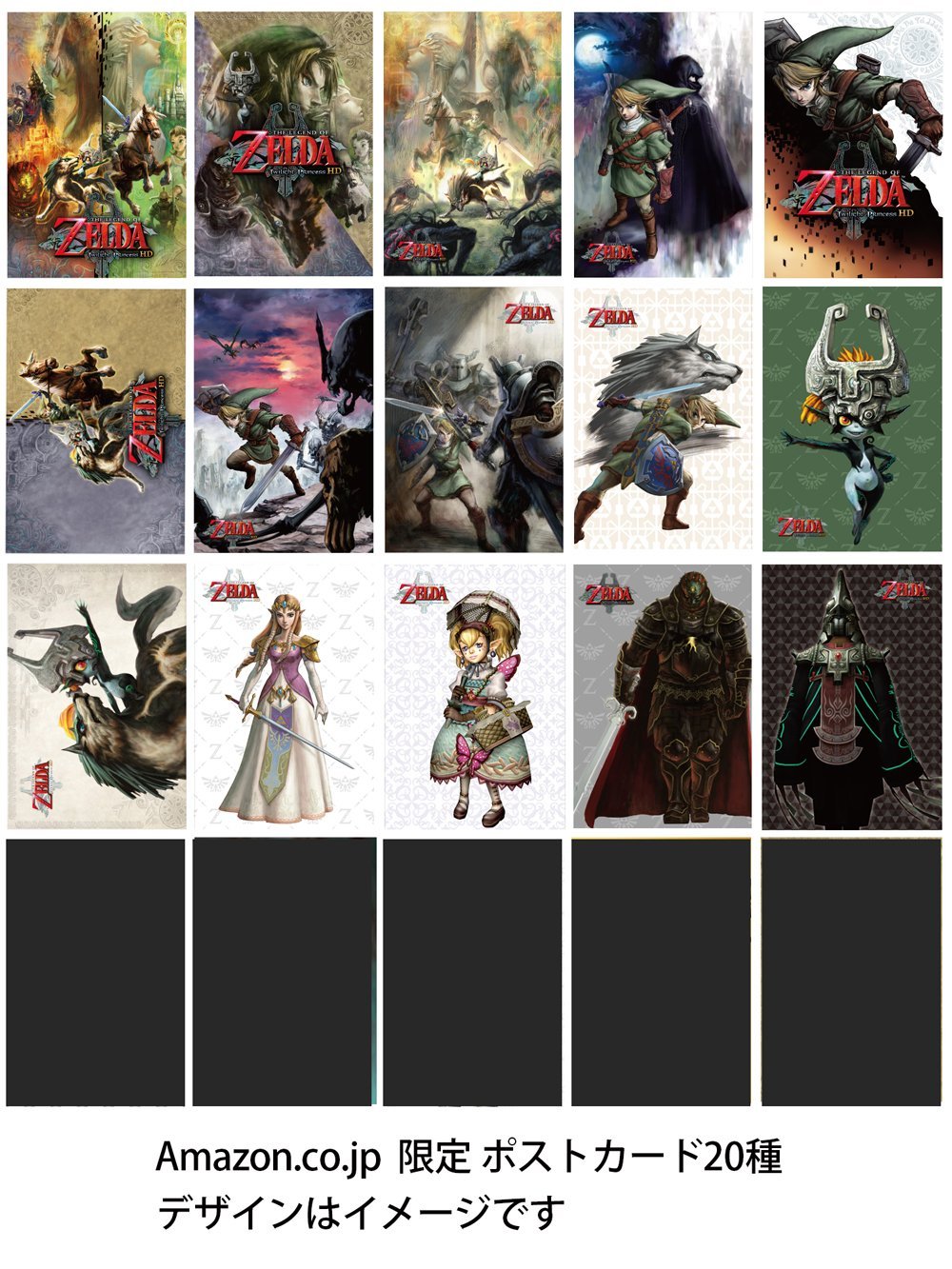
Special Edition (Japan)Nintendo · 10 March 2016The Japanese Special Edition packed the game with the Wolf Link amiibo and the soundtrack CD for ¥6,700 plus tax; the game alone, on disc or as a download, was ¥5,700 plus tax. Amazon Japan gave pre-order customers a set of 20 postcards of the game’s artwork.
Sound Selection CDPromotional CD · 20 tracksTwenty pieces from the soundtrack, described at the time as remastered. It opens with the title theme and the orchestral teaser music, takes in Ordon Village, Midna’s Theme, the Hyrule Field main theme, Kakariko Village, Lake Hylia, Midna’s Lament, the Sacred Grove, Malo Mart and the Hidden Village, and closes with the staff credits and a second orchestral teaser piece. The Wind Waker HD had been given a similar CD.
Super Smash Bros. series amiiboLink, Toon Link, Zelda, Sheik, GanondorfSold separately, and all five do something in the game. Sano wanted the figures to help a player in trouble, and admitted Ganondorf was the awkward one, since it was hard to imagine him helping Link; the answer was to make him “a worthy challenge to players”.
Nintendo Official GuidebookShogakukan · 10 March 2016 · JapanA 224-page A5 guide published on the day of the Japanese release at ¥1,400 before tax. It covers every dungeon and field with maps, the Pieces of Heart, Golden Bugs and Poe Souls, the new Hero Mode, the location of every stamp and what the amiibo do.
Hyrule Warriors LegendsNintendo 3DS · 24 March 2016 (Europe)The Wolf Link amiibo had a second use within three weeks. Nintendo UK announced that in Hyrule Warriors Legends it unlocks enhanced weapons for Midna.
My Nintendo Picross: Twilight PrincessNintendo 3DS · March 2016A Picross puzzle game themed on Twilight Princess, offered as a My Nintendo reward. In Japan it was available from 17 March 2016, a week after the HD version went on sale there.
How it was made
Twilight Princess HD was made on two continents: by a team of up to about 40 at Tantalus Media in Melbourne, and by a small group at Nintendo in Kyoto who approved every step. This is how the partnership came about, from the people who were there.
The people who made it
These are the names the interviews of the time put to the project. The team that made the original game is on our Twilight Princess page.
Eiji AonumaProducerDirector of the 2006 game and producer of the Zelda series. Chose Tantalus, pushed for the GamePad features and for easier swimming, and signed off everything.
Tomomi SanoAssistant directorNintendo’s day-to-day lead. She handled most of the contact with Tantalus, and the Cave of Shadows and the bonuses for the other Zelda amiibo were her ideas.
Satoru TakizawaArt supervisionArt director of the original Twilight Princess. According to the Famitsu interview he oversaw the look of the HD version.
Tom CragoCEO, Tantalus MediaTook the call from Nintendo in 2013 and led the studio’s pitch in Kyoto. Most of what is known about the Melbourne side comes from his later interviews.
Tantalus MediaDeveloper · MelbourneFounded in 1994 and based in Fitzroy, Melbourne. Before Zelda it had brought Mass Effect 3 and Deus Ex: Human Revolution to Wii U.
An experiment that became two remasters
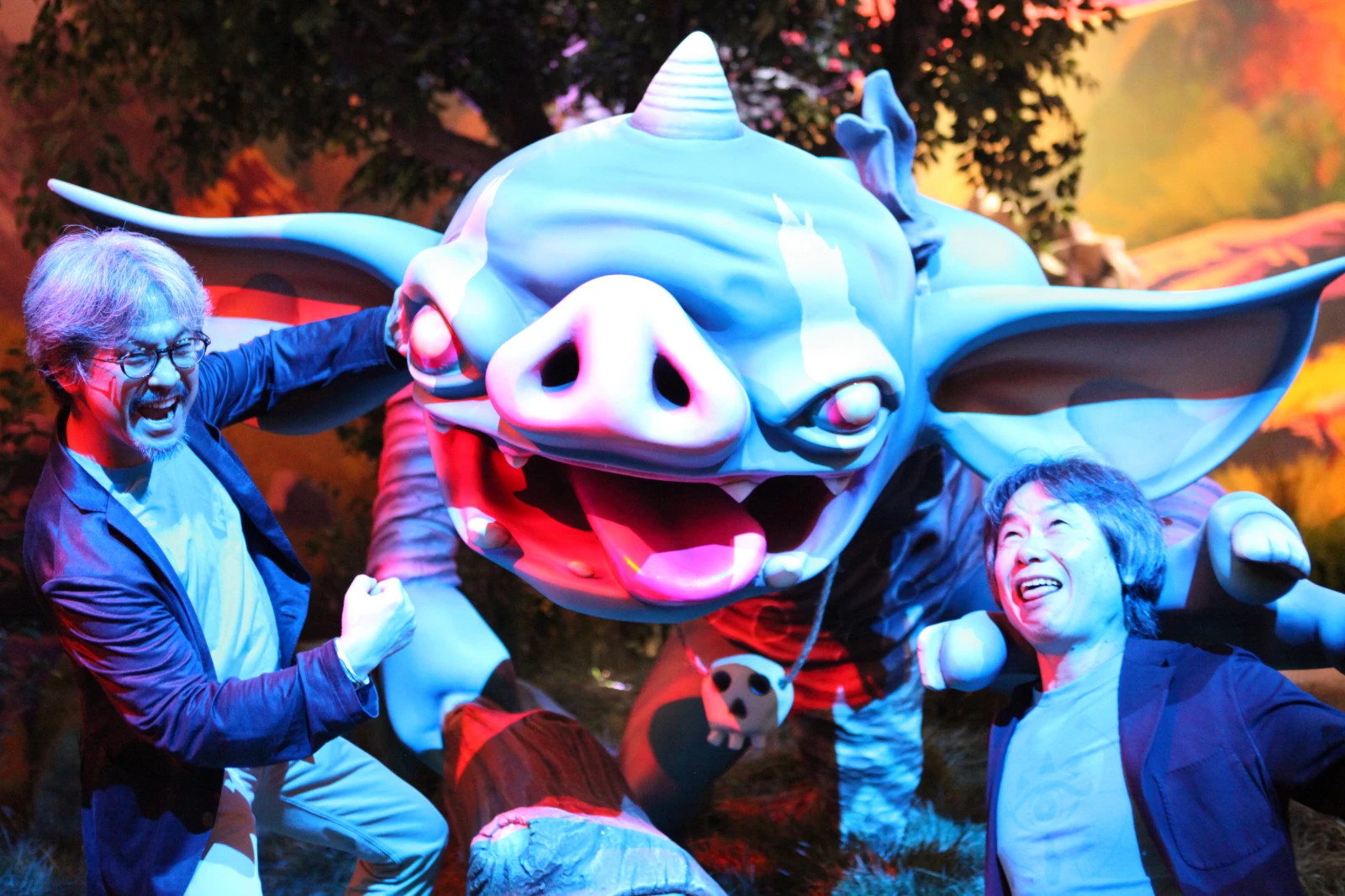
Eiji Aonuma, producer of the HD version, with Shigeru Miyamoto at E3 2016.
The HD version began as a test. When Aonuma’s team was deciding what the first Zelda built for Wii U should look like, it tried several older Zelda games in high definition on Wii U development hardware. Remaking them was not the aim, Aonuma told Nintendo Life in March 2016, but some of them “worked especially well in HD”. The first result was The Wind Waker HD, which Nintendo made itself in about six months and released in 2013.
Twilight Princess was next, but by then the Zelda team was needed for the new game. So Nintendo looked outside. In Aonuma’s account to the Australian magazine Stack, the project started at the end of 2013 with a phase of testing the technology.
A phone call to Melbourne
Tantalus Media was not an obvious choice for one of gaming’s grandest series, but it had history with Nintendo. Years earlier the studio had made Top Gear Rally for Game Boy Advance, which Nintendo published, and its chief executive Tom Crago had kept in touch with the people he met in Kyoto. More recently Tantalus had been one of the few outside studios doing good work on Wii U, with Mass Effect 3: Special Edition at the console’s launch and the Director’s Cut of Deus Ex: Human Revolution after it. By then, Crago said, the studio had shipped around thirty games on Nintendo machines.
In 2013 Nintendo rang to ask whether Tantalus would like to remaster Twilight Princess. “It’s not every day someone from Nintendo asks you if you’d be interested in making a Zelda game,” Crago told IGN in 2016. It was not a done deal. On the Fragments of Silicon show in 2017 he said it took several months to convince Nintendo: the team flew to Kyoto to present its past work and its proposal to Aonuma and his staff, and then worked through a series of experiments, tests and trials before full production was approved.
Aonuma’s side of the story is shorter. “I felt they had strong developing skills from seeing their work across remakes of previous titles,” he told Stack, and of the finished game: “I think they created great work beyond my expectations.” Crago put the length of development at 18 months or more, with the team reaching about 40 people at its largest.
Kyoto on the line every day
Ordon Village in HD. Every build went to Kyoto for approval.
Nintendo did not hand the game over and wait. Crago described the company as “very, very involved”: a dedicated team in Kyoto, daily conversations, regular calls, regular builds and reports. Of Aonuma he said, “he signs off on everything – it’s his game.” Senior Tantalus staff travelled to Japan several times. Nobody from Nintendo ever needed to make the trip to Melbourne.
Sano, who never visited Australia, ran things from Kyoto by video conference and a shared web system. It was confusing at first, she told Stack, but turned into a lively exchange of opinions, and she was grateful that “Tantalus always worked with our requests”. Language was a real obstacle. In Famitsu, Sano recalled that when words failed in a video call, both sides simply drew pictures for each other.
Tantalus arrived with ideas of its own. Crago said the studio had a list of 20 to 30 extra features it would have liked to add, and that Nintendo chose not to use them. He said he had no regrets.
“This should be intentionally blurred”
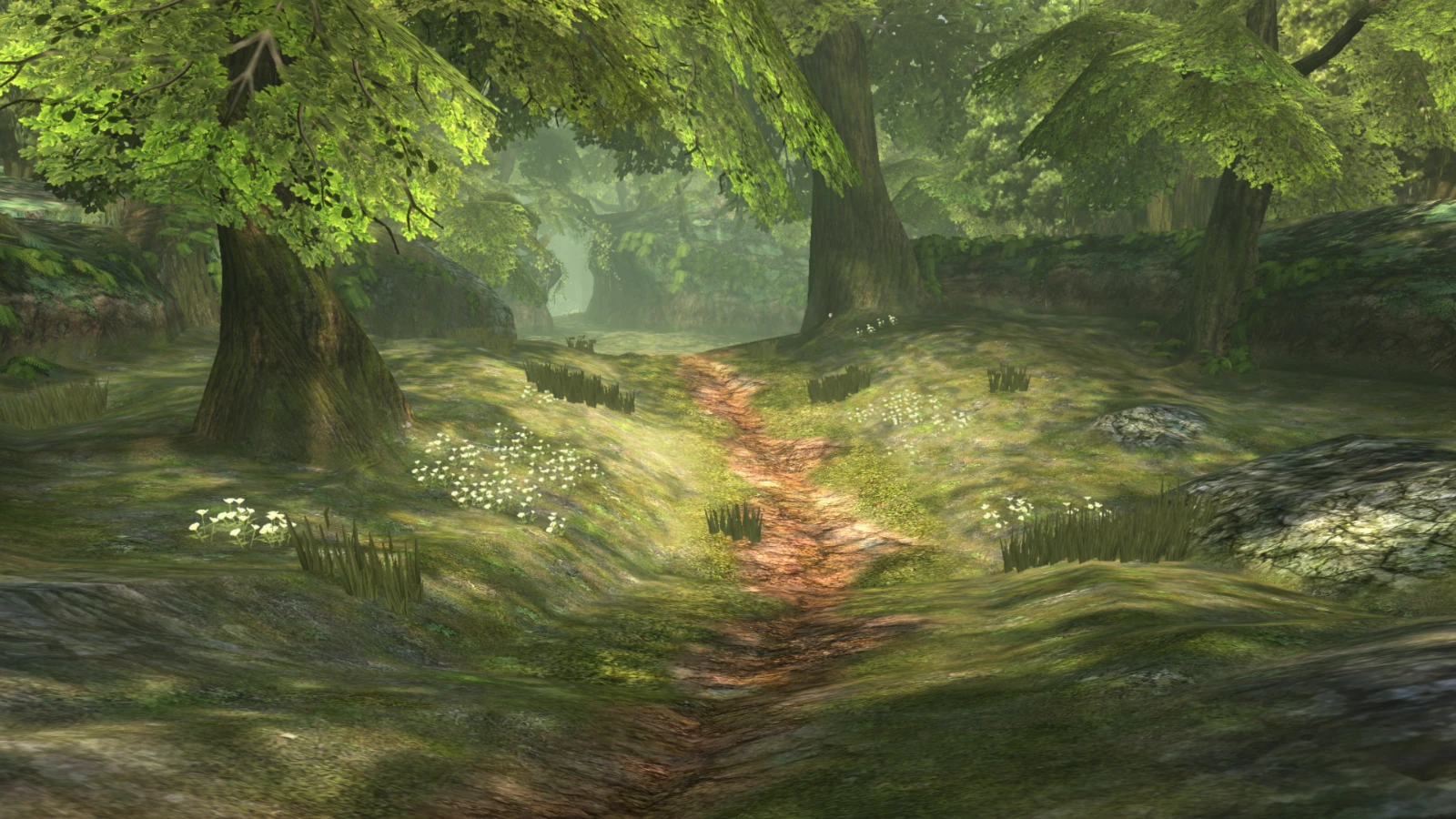
South Faron Woods in HD, one of the places where the soft light of 2006 had to be kept.
The hardest thing to explain across that distance was the look. Tantalus’s first versions leaned towards photorealism and, Sano said, looked too real. Aonuma explained that the original’s art was never meant to be realistic: its model was gekiga, the gritty, dramatic school of Japanese comics. Satoru Takizawa, art director of the 2006 game, supervised, and Nintendo’s notes to Melbourne included instructions such as “This should be intentionally blurred.”
The word that caused most trouble was bokeh, the photographer’s term for soft, out-of-focus areas of a picture. It took video calls and sketches to get the idea across. The finished game is the compromise Sano described: crisp where it helps you see, soft where the mood depends on it.
What to change, and what to leave alone
The Underwater Maze in HD. Swimming was the part of the game Aonuma most wanted to improve.
Aonuma’s rule for remakes, as he explained it to Nintendo Life, is that they should use what the new hardware offers, and that there is no template: each original was built for its own machine, so adapting one “is not all that straightforward”. For Twilight Princess that meant the GamePad. The GameCube version became the base because its controller matched, the Wii Remote was debated and dropped, and the map moved to the second screen. Aonuma noted that a map on a pause menu is easy to misread when it is not facing the way you are.
Beyond that, his aim was a game that returning players would recognise and newcomers would find easier to get into. The frame rate stayed at 30 because that was how the game had always felt; keeping it was the team’s own choice, he said, not something anyone forced on them.
A wolf, an imp and a phone call
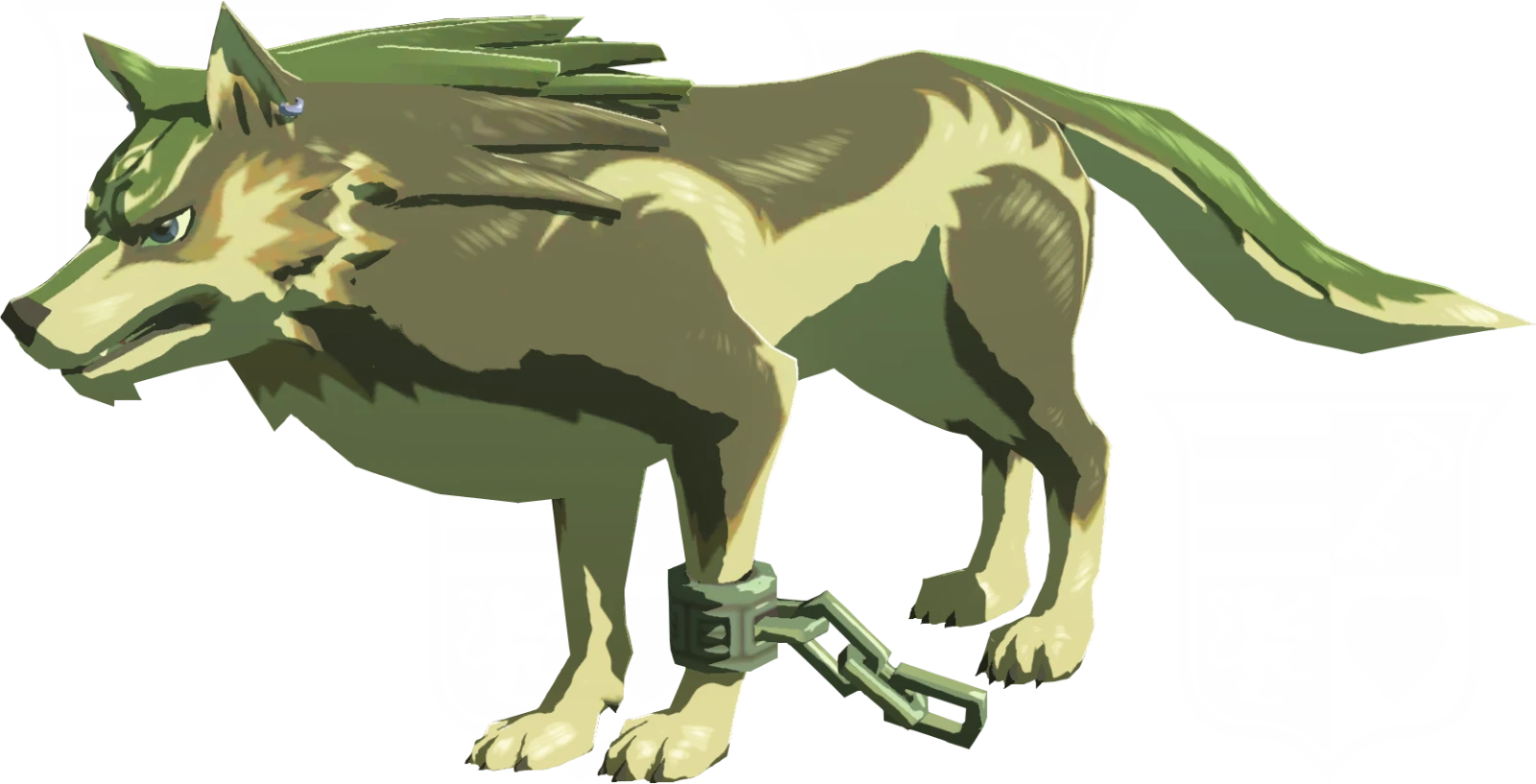
Official art of Wolf Link and Midna for the HD version.
The Wolf Link amiibo came late. Crago remembered it as Aonuma’s idea, and remembered Aonuma telephoning to ask whether Tantalus could add it. Aonuma asked Sano to think of something new for the figure to unlock. Her answer was the Cave of Shadows, which Tantalus built, and Aonuma told Famitsu he had cleared it himself before release, with some help from amiibo.
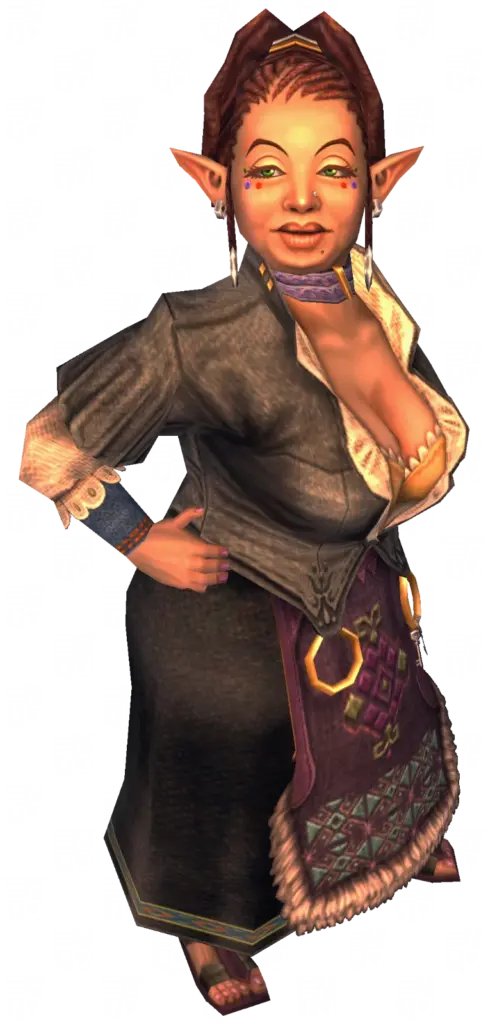
It was not the figure Aonuma first had in mind. In a question-and-answer session on Miiverse, reported in April 2016, he admitted he had wanted an amiibo of Telma, the formidable owner of the bar in Castle Town. Wolf Link and Midna got the figure instead.
Leak, reveal and release
A Japanese promotional image for the release in March 2016.
The secret slipped out a month early. On 13 October 2015 a dataminer known as NWPlayer123 found an icon and a title entry for Twilight Princess sitting in the Wii U eShop’s data, without the frame that Wii downloads normally carried, and fans drew the obvious conclusion. Nintendo confirmed it in a Nintendo Direct on 12 November 2015, with a release date of 4 March 2016 and a first look at the Wolf Link amiibo; reports the same day named Tantalus as co-developer.
The details followed in stages. In January Nintendo of Europe announced the Limited Edition and explained the amiibo; on 4 February 2016 Nintendo listed the gameplay changes, from Hero Mode to the Ghost Lantern. In the last days of February Nintendo published a series of retrospective videos in which Aonuma and colleagues from the 2006 team, among them writer Aya Kyogoku and enemy designer Yoshiyuki Oyama, looked back at how the original was made.
The game was released on 4 March 2016 in Europe and North America, 5 March in Australia and 10 March in Japan. “Fans of the original game will want to check out this version,” said Scott Moffitt, Nintendo of America’s head of sales and marketing, in the launch-day press release. At that point the same release still expected the next Zelda on Wii U within the year. It arrived, as Breath of the Wild, in March 2017.
Secrets & extras
The HD version adds no cheat codes, just a short list of extras, most of them tied to amiibo. Hero Mode and the amiibo effects are explained under What’s different. For the secrets of the main adventure (Hidden Skills, Golden Bugs, Poe Souls and the Cave of Ordeals), see our Twilight Princess page.
Clearing the Cave of Shadows
The third section of the Cave of Shadows, open once Link has been through the Palace of Twilight.
Scan the Wolf Link amiibo once Faron Province is back in the light and you are taken to the cave. The first visit covers five floors; beat the Arbiter’s Grounds and the first 20 are open; get through the Palace of Twilight and all 40 are. You cannot skip the floors you have already cleared, there are no items and no fairies, and enemies drop no hearts. Zelda Dungeon lists single hearts buried on floors 6, 9, 13, 20, 27, 32 and 38, so dig. Save your remaining hearts to the amiibo at the end of a stage and you can call on them once in your next attempt. The Great Fairy from the Cave of Ordeals is waiting at the bottom.
The Colossal Wallet
The Colossal Wallet holds 9,999 Rupees.
Finishing all 40 floors while carrying the Giant Wallet turns it into the Colossal Wallet, which holds 9,999 Rupees. If you get there before Agitha has given you her wallets for collecting Golden Bugs, the cave gives you the next size up, and Agitha hands over the Colossal Wallet later in its place. Either way it is always the last wallet you receive.
A stronger Wolf Link in Breath of the Wild
Wolf Link at the hero’s side in Breath of the Wild.
Tap the Wolf Link amiibo in Breath of the Wild and Wolf Link appears as a hunting and fighting companion. A figure with no Twilight Princess HD data gives him three hearts. A figure carrying a Cave of Shadows record gives him the number of hearts Link had left at the end of his best run, so a careful clear here pays off there.
A glimpse of the next Zelda
Chudley’s shop as it looked in the 2006 original.
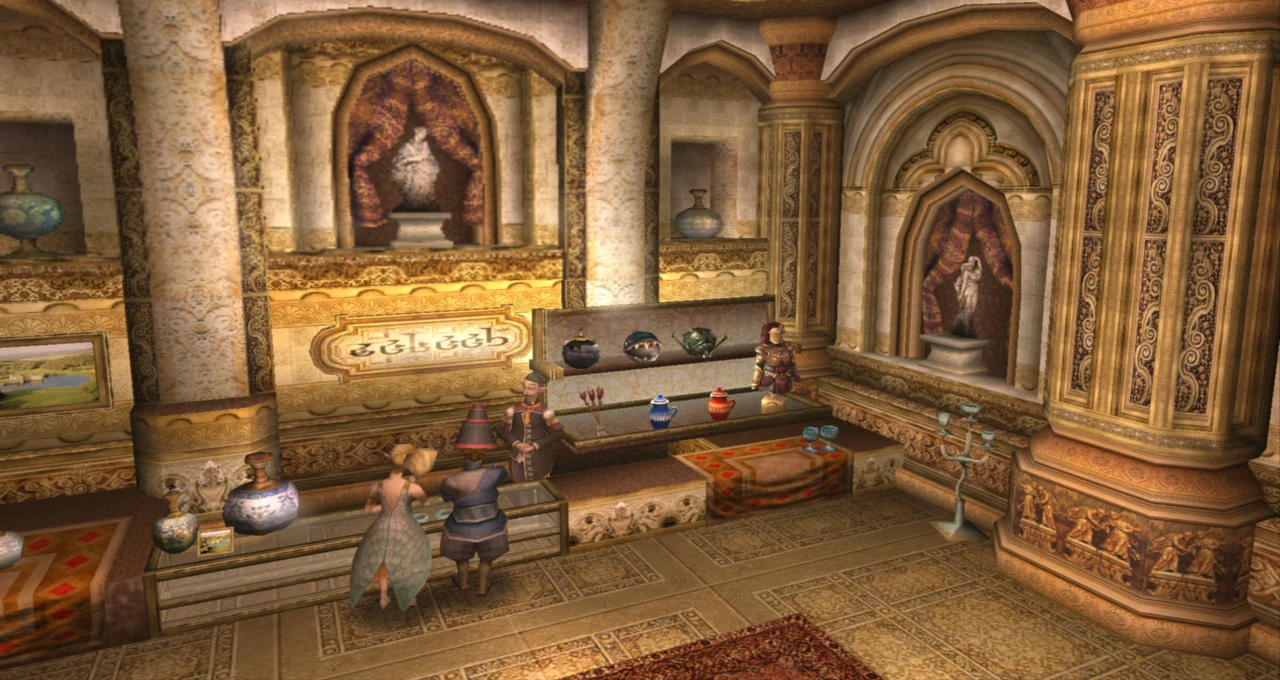
Chudley’s shop in Castle Town now displays two screenshots from the first trailer for the next Zelda on Wii U, the game that became Breath of the Wild and in March 2016 was still a year away with no name. Nintendo Life reported the find on 29 February 2016; the pictures go once the shop becomes Malo Mart.
Checked against Nintendo’s UK and Japanese sites, Nintendo of America’s press releases, Zelda Dungeon and the Zelda Wiki on Fandom, November 2026.
Glitches, exploits and oddities
Tantalus closed many of the holes speedrunners had found in the 2006 game, and opened one or two of its own. Most of this comes from the ZeldaSpeedRuns wiki and The Cutting Room Floor.
The famous skips, patched
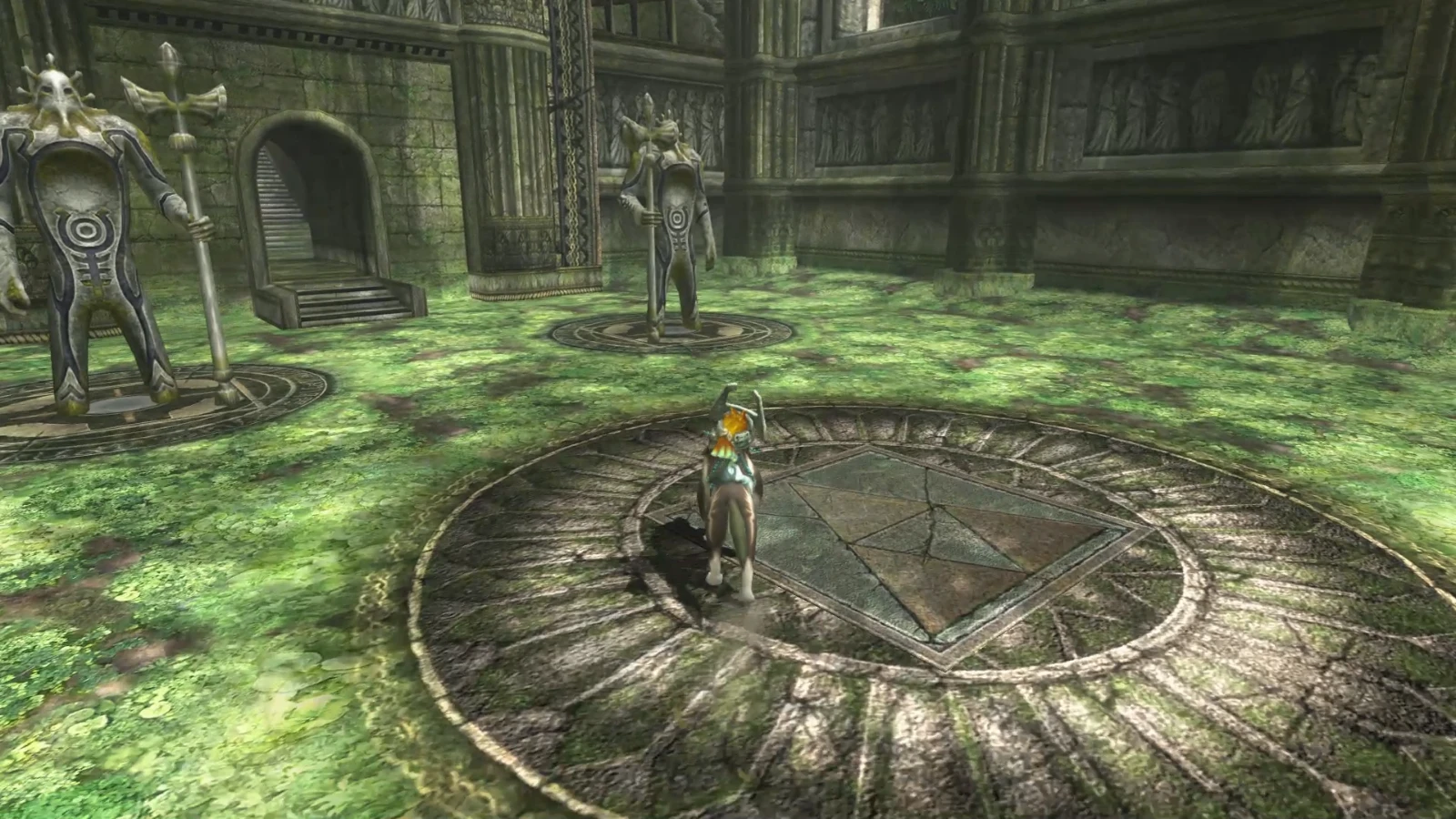
The Sacred Grove, now fenced in by invisible walls.
ZeldaSpeedRuns lists a dozen tricks that no longer work. Back in Time, the famous title-screen trick, was fixed. Early Master Sword is blocked by extended collision and invisible walls around the Sacred Grove, and the slow sword swing it relied on has been removed. The Map Glitch was patched in the same way as in the Japanese GameCube release, and the sidehop method of clipping through Ordon’s gate has gone too.
Gate Unloading
The Lakebed Temple, whose gate the HD version fails to unload.
One new trick appeared the day after launch. Gate Unloading, found on 5 March 2016 and worked out over the following week, exploits what runners describe as an oversight in the conversion from standard definition to HD. It saves about 45 seconds.
Early City in the Sky survives
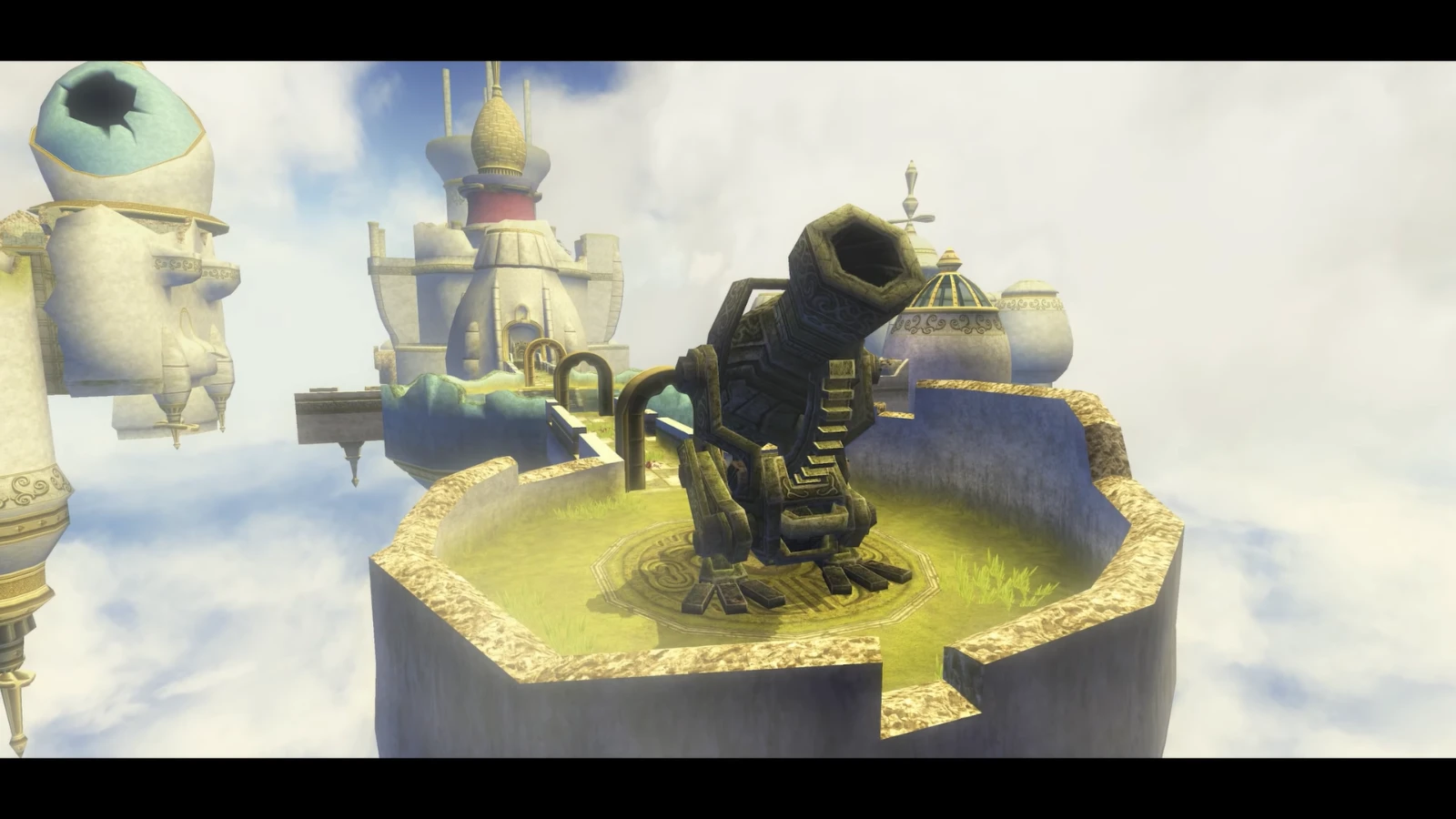
The City in the Sky in HD, which runners can still reach early.
Many runners expected the big sequence break of the original, reaching the City in the Sky early, to have been patched. It was confirmed working in HD on launch day, and skips half of Snowpeak Ruins, the Temple of Time and the Hidden Village for a saving of roughly an hour.
AuruBA
Auru, in a render from the 2006 game.
A glitch that exists only in HD. By breaking the cutscene with Auru on his tower at Lake Hylia, a player can make him hand over a copy of whatever item Link last held up, in place of the memo he is supposed to give. The set-up depends on the HD version’s longer targeting range. ZeldaSpeedRuns credits the discovery to the runner Jacquaid and notes, a little sadly, that it has no known use in a speedrun.
A sword that ignores walls
Not a bug but a deliberate change with the feel of one: Link’s sword now passes through walls instead of clanging off them, so a swing in a narrow corridor is no longer cut short.
Speedrun records
The first Any% record, set on launch day, was over six hours; within two weeks it was under four. ZeldaSpeedRuns’ history lists the current best as 3:07:59 by Gymnast86, set on 19 April 2026. 100% runs are split into categories with and without amiibo.
Left on the disc
The unused Beamos, one of the enemies left in the HD game’s files.
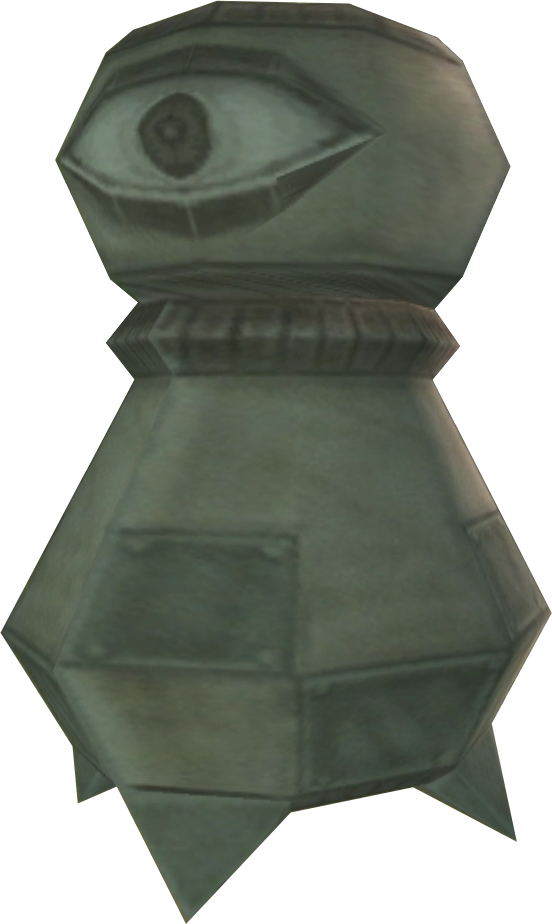
The Cutting Room Floor found a folder of 189 test saves covering both normal and Hero Mode, a debug font, and unused icons for three Ocarina of Time items: the Goron’s Bracelet, the Hylian Shield and the Mirror Shield. The unused enemies and objects known from the original files (a Beamos, an Armos Titan, a golem made of Gorons, a Deku Nut, a Bomb Flower) all survived the conversion, though some no longer draw properly, which the site puts down to the updated file formats.
Videos & media
Two official trailers from Nintendo UK: the tour of what is new, and the story trailer.
Game Features Trailer: the GamePad, Hero Mode, amiibo and the other additions. Video: Nintendo UK (official YouTube channel).
Story Trailer: Link, Midna and the Twilight in HD. Video: Nintendo UK (official YouTube channel).
Trivia & facts
Telma: the amiibo that never was.Eiji Aonuma wanted the game’s amiibo to be Telma, the barkeeper of Castle Town. He said so himself in a question-and-answer session on Miiverse, reported in April 2016. Wolf Link got the job.
In Japan, Hero Mode is called 辛口モード (Karakuchi Mode), the Cave of Shadows is 獣の試練, the “Trial of the Beast”, and the Colossal Wallet is the “Bottomless Wallet”. The Japanese official site sums the whole project up in one line: フルHDで生まれ変わる。 (“Reborn in full HD.”)
The game leaked through its own shop. A month before the announcement, dataminer NWPlayer123 found a Twilight Princess icon in the Wii U eShop’s data that lacked the frame used for Wii downloads, which told fans it was something new.
Tantalus had worked with Nintendo once before: its Game Boy Advance version of Top Gear Rally was published by Nintendo. Tom Crago credits the contacts he kept in Kyoto after that with getting his studio a hearing for Zelda.
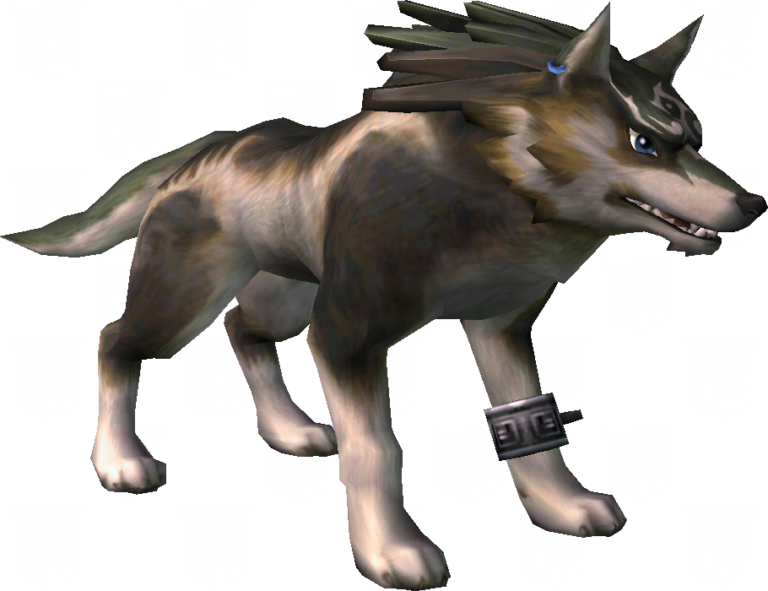
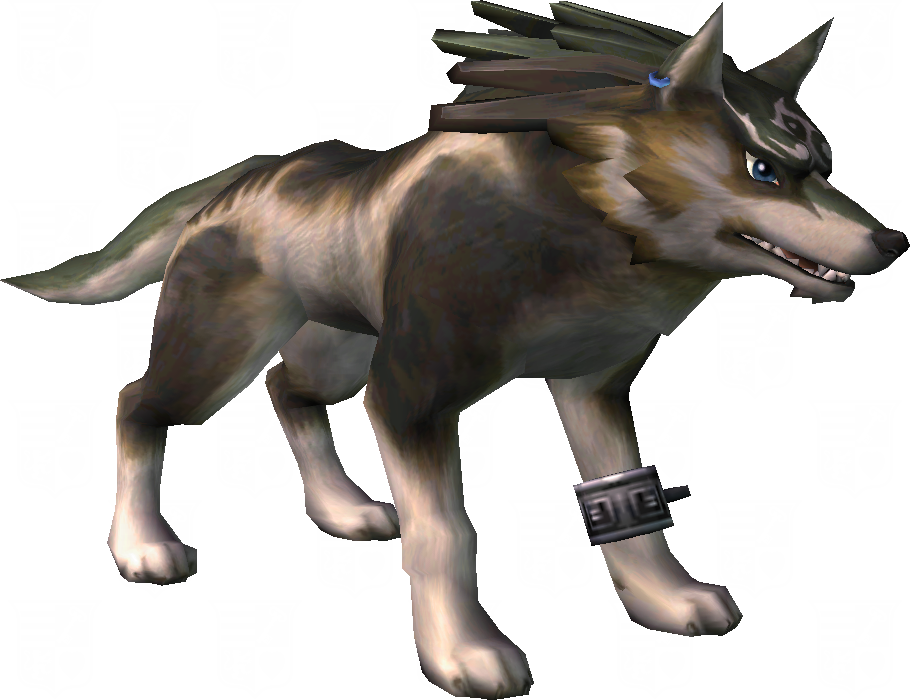
Wolf Link’s in-game model, the kind of model the amiibo was built from (2006 original).The Wolf Link amiibo began as a picture. Aonuma said the team took the in-game model and posed it to match a piece of publicity art, then laboured over the fur and Midna’s hair.
Before the original came out, Aonuma’s wife had never shown any interest in playing his games. He told Nintendo Life that she played Twilight Princess from start to finish with their three-year-old son, having meant only to help him through the opening. The boy, who had been too frightened of the Imp Poes to keep going back then, later finished the Wii version on his own initiative.
The cat’s model in HD. Sera’s cat now wants only one fish.Sera’s cat is easier to please in HD. In the original it wanted two fish; now a single catch does it.
Leave the original on its title screen and a trailer played. The HD version just loops the title sequence.
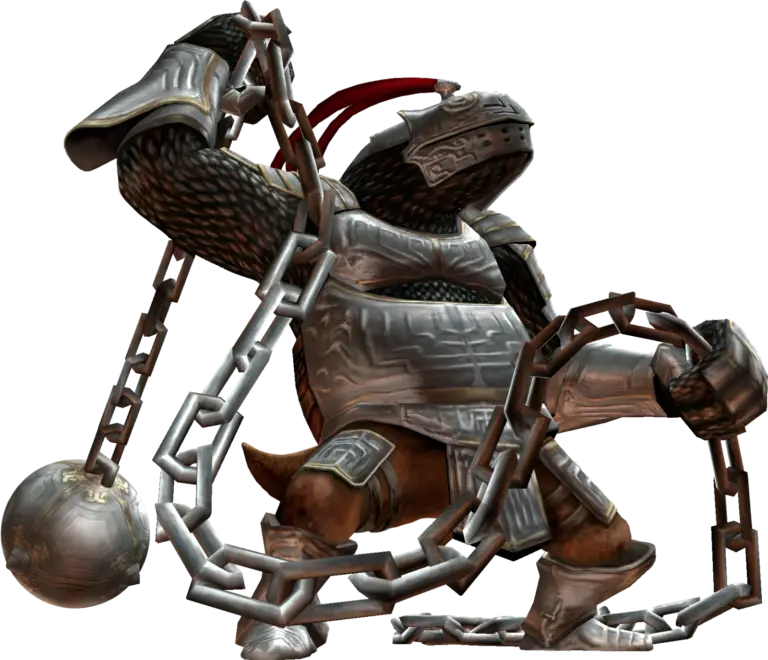
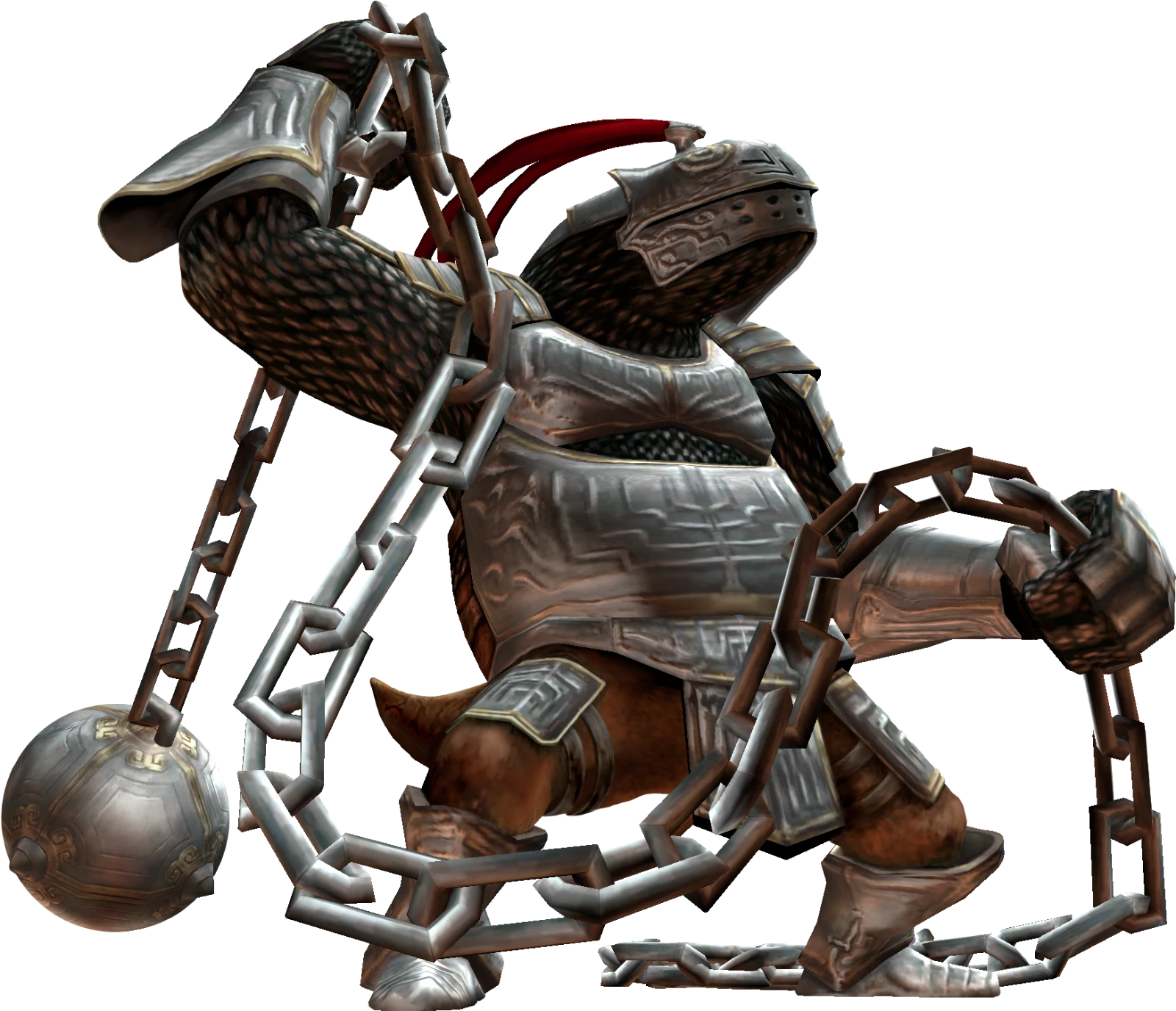
Darkhammer in a render from the 2006 game. The HD version adds armour to its tail.Darkhammer, the mini-boss of Snowpeak Ruins, has gained armour on its tail in HD. It changes nothing about the fight.
In its first week in Japan, Twilight Princess HD sold 52,282 copies. The Wind Waker HD had managed 30,264 in its own first week there, although worldwide The Wind Waker HD went on to sell roughly twice as many.
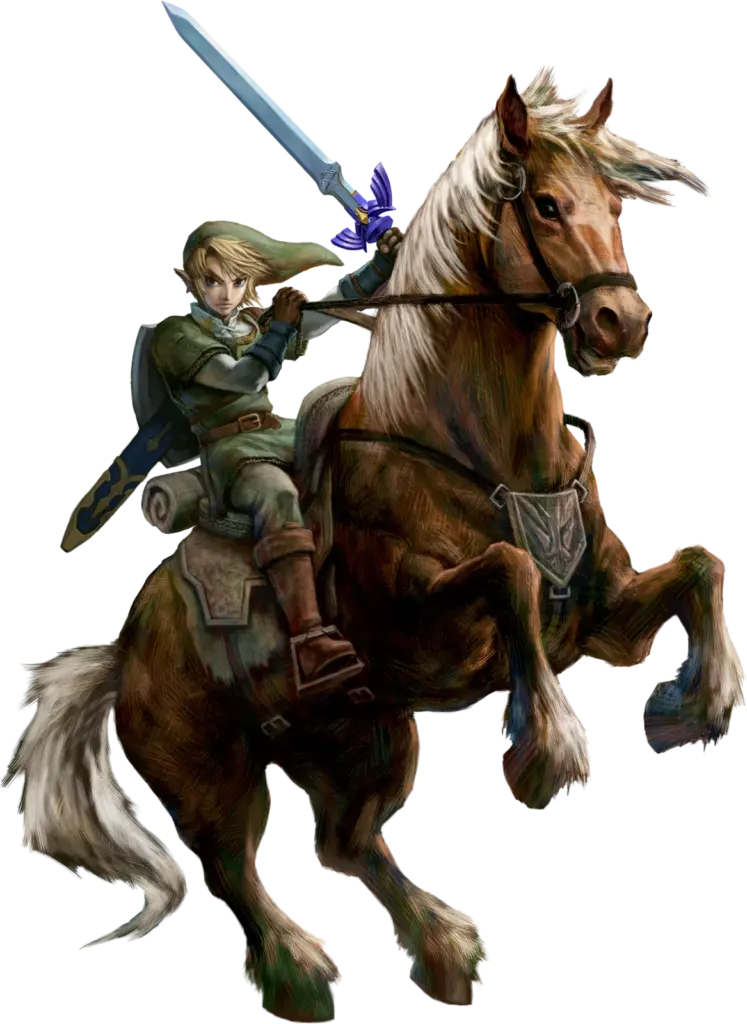
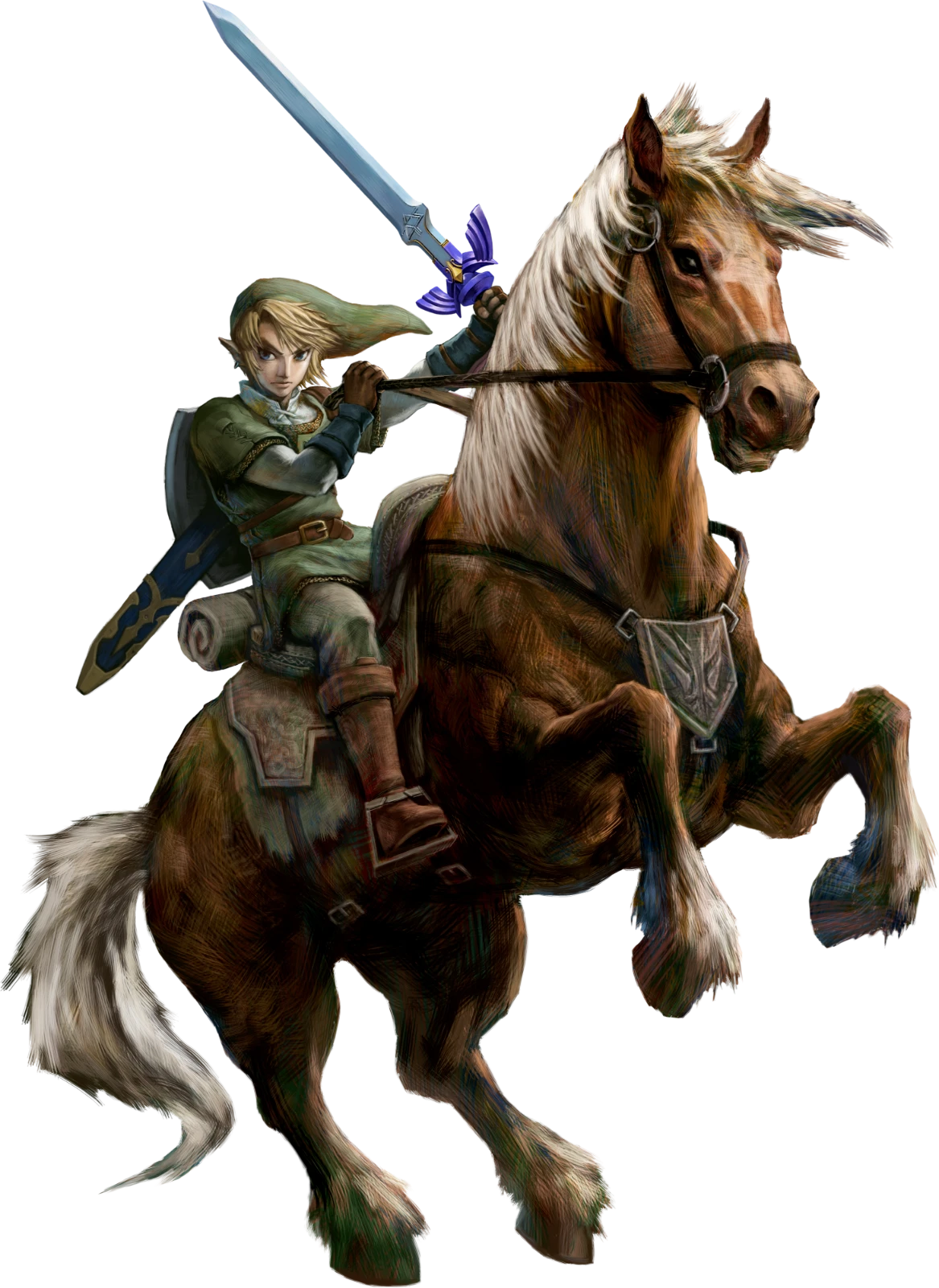
Link and Epona: Aonuma saw Twilight Princess in the game that came next.Aonuma told Famitsu that ideas in the Zelda his team was then making for Wii U had their roots in Twilight Princess, and that players might recognise them. That game was Breath of the Wild.
Media & artwork
Box art from each region, the Wolf Link amiibo, official artwork and HD screenshots. Select any image to view it larger.
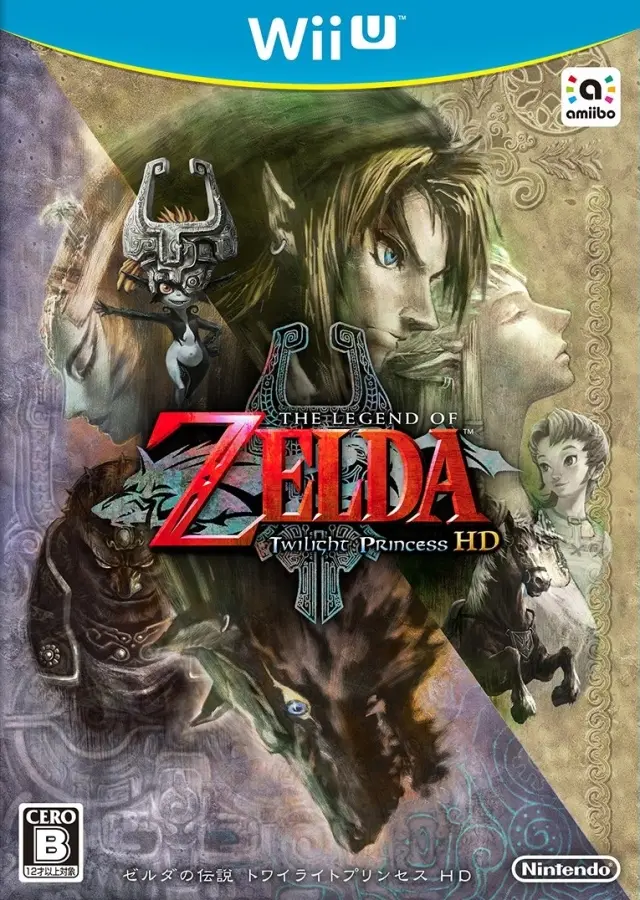
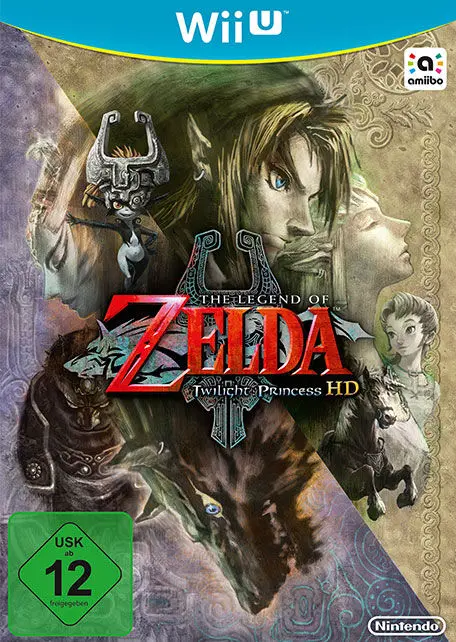
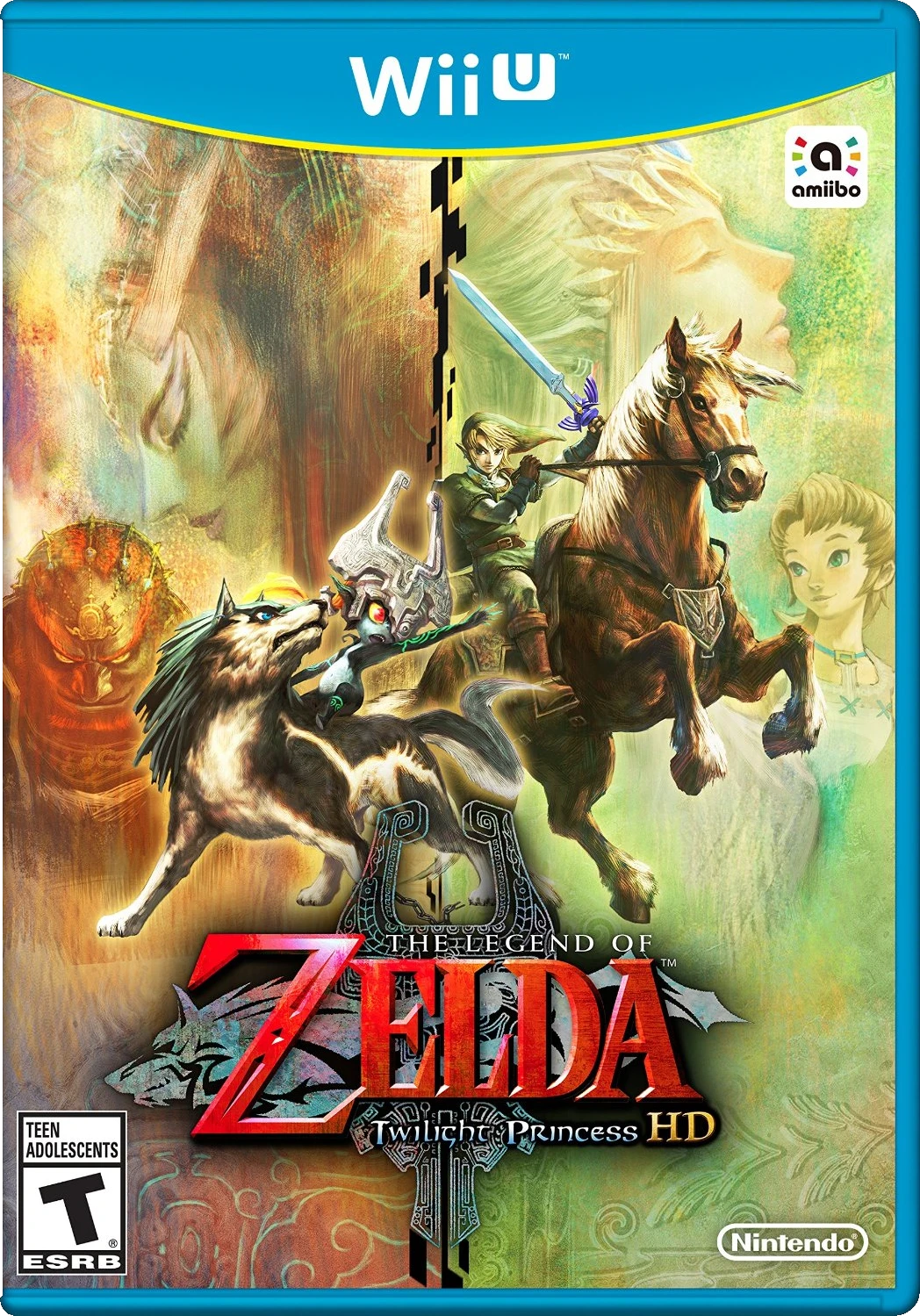
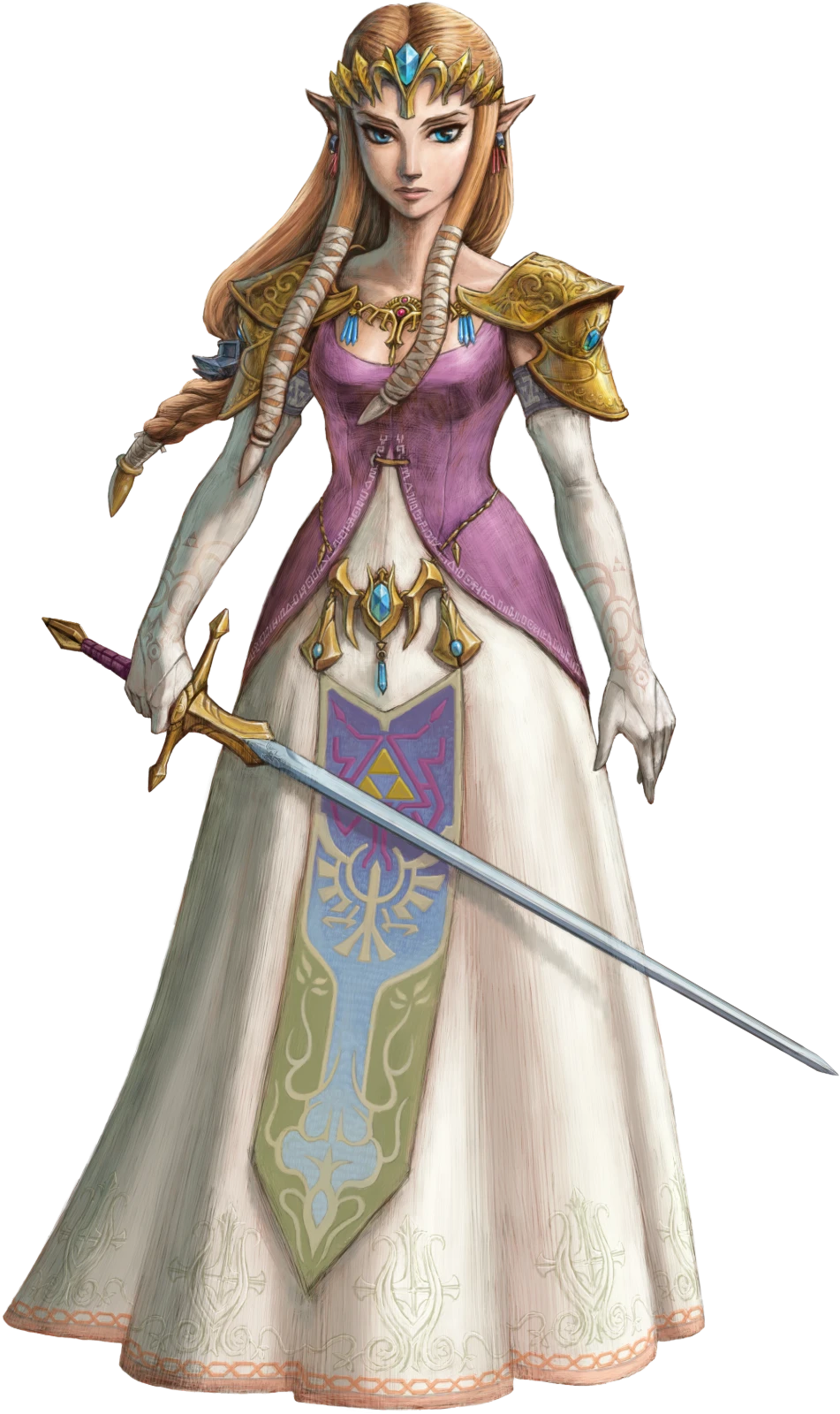
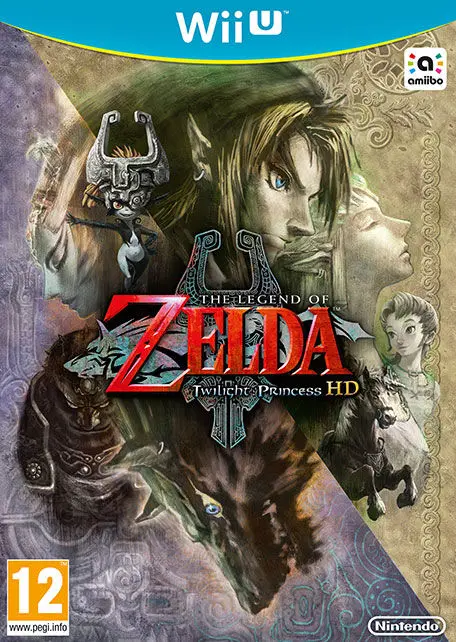
Japanese Wii U box (2016)German Wii U box (2016)Australian box with the Wolf Link amiibo (2016)North American Wii U box art (2016)Back of the Japanese Special Edition boxDisc case from the European Limited EditionCase of the Sound Selection CDJapanese postcards of the game’s artworkOfficial art of the cast for the HD versionOfficial art of Princess Zelda for the HD version
Twilight Princess HD turned out to be the last word on Twilight Princess for a long time. Here is its own timeline, what came after it, and where things stand today.
Release timeline
Project beginsLate 2013 – Nintendo approaches Tantalus; work starts with a technology test.
Leak13 October 2015 – A Twilight Princess icon is found in the Wii U eShop’s data.
Announced12 November 2015 – Revealed in a Nintendo Direct with the Wolf Link amiibo and a March date.
Changes detailed4 February 2016 – Nintendo lists Hero Mode, the Ghost Lantern, bigger wallets and the shorter Tears of Light hunts.
Wii U release4–10 March 2016 – Europe and North America 4 March, Australia 5 March, Japan 10 March.
Hyrule Warriors Legends24 March 2016 (Europe) – The Wolf Link amiibo unlocks enhanced weapons for Midna on 3DS.
Golden Joystick Awards18 November 2016 – Nintendo Game of the Year; Aonuma receives the Lifetime Achievement award the same night.
Breath of the WildMarch 2017 – The Wolf Link amiibo summons Wolf Link, with hearts carried over from the Cave of Shadows.
Miiverse closes8 November 2017 – The 50 stamps lose their purpose.
Skyward Sword HDJuly 2021 – Tantalus’s second Zelda remaster, on Nintendo Switch.
Wii U eShop closes27 March 2023 – The download version can no longer be bought.
Nintendo Switch 2June 2025 – The GameCube Wind Waker arrives on Nintendo Switch Online; Twilight Princess does not.
What followed
Wolf Link’s model in Breath of the Wild, where the amiibo found a second life.
The most lasting thing the HD version added may be the little plastic wolf. When Breath of the Wild arrived a year later, the Wolf Link amiibo called Wolf Link into its Hyrule as a companion who hunts and fights at the hero’s side, with the hearts its owner had saved in the Cave of Shadows. In Tears of the Kingdom the wolf no longer appears, but the same figure yields meat and a paraglider fabric patterned on the Mirror of Twilight.
For Tantalus it was the start of a relationship. The studio went on to bring Sonic Mania and Rime to Switch, and in July 2021 the credits of Skyward Sword HD showed it had been given a second Zelda. It was later named as the developer of Luigi’s Mansion 2 HD as well.
Still a Wii U exclusive
The North American Nintendo eShop cover. The Wii U eShop stopped selling games on 27 March 2023.
Twilight Princess HD has never been released on any other machine. It and The Wind Waker HD are among the few big Wii U games that were never ported to Switch, and rumours of a port have come round regularly. Asked on the Fragments of Silicon show whether Tantalus was working on a Switch version, Tom Crago said the studio had not been contacted and that a port “hasn’t been a priority for Nintendo”.
The Wii U eShop stopped selling games on 27 March 2023, so the download version can no longer be bought, and the disc, with or without its amiibo, is now a second-hand purchase. When Switch 2 launched in June 2025 with GameCube games on Nintendo Switch Online, the GameCube version of The Wind Waker was among the first three; asked whether that ruled out The Wind Waker HD, Nintendo of America’s Nate Bihldorff was reported as saying that “all options are on the table”. Twilight Princess, in either form, was not on that service when we checked in November 2026. To play the HD version today you need a Wii U and a disc.
Reputation
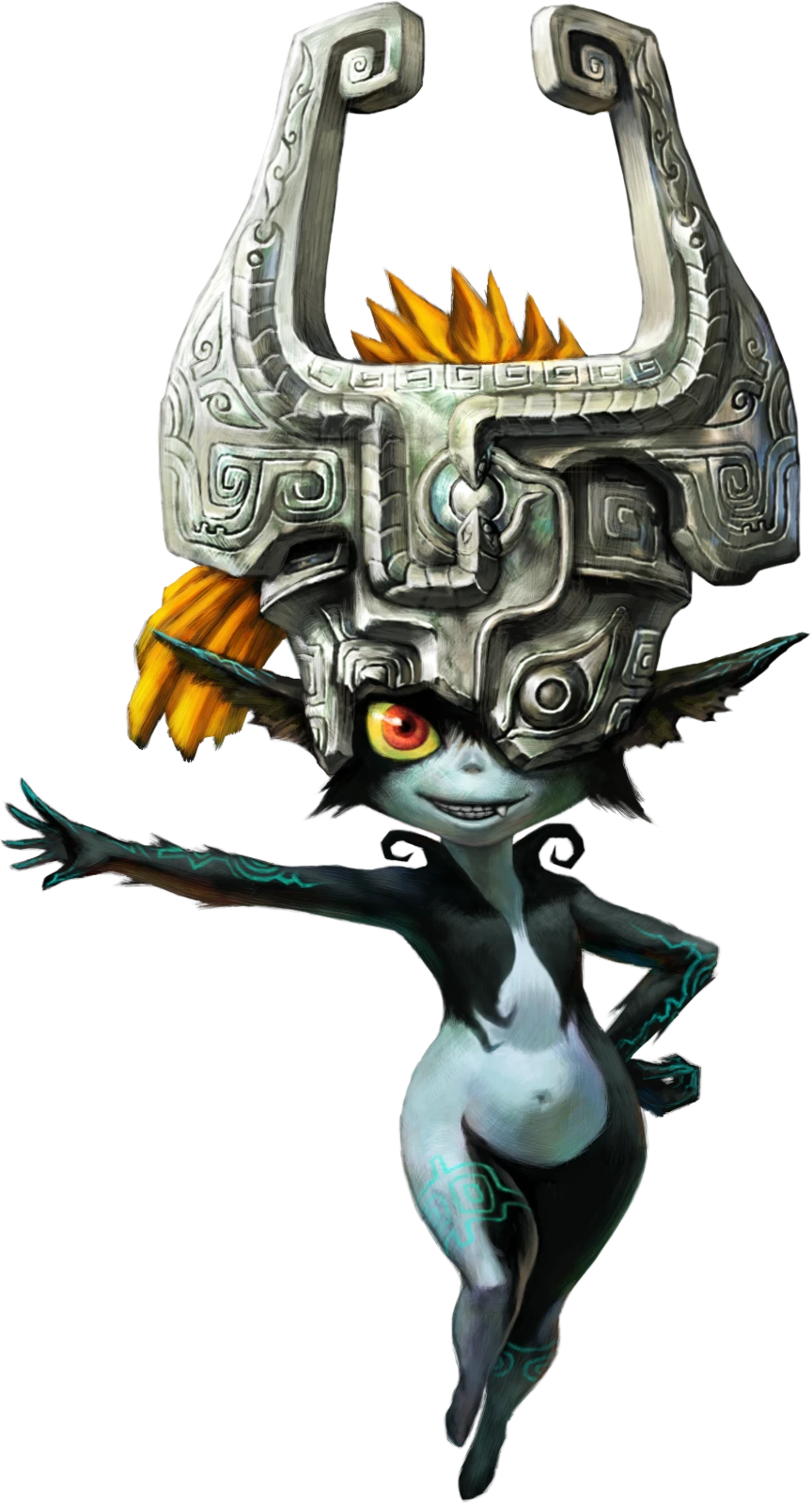
Official art of Midna, the one character Nintendo World Report singled out for praise.
The HD version is remembered as a careful, conservative job. Almost every reviewer agreed it was the best version of the game, and almost every reviewer wished it had gone a little further, with Nintendo World Report listing “few additions and tweaks” as its one real complaint about the remaster itself.
Sales & reviews
Sales figures
Twilight Princess HD sold steadily for a late Wii U release. In Japan it entered Media Create’s chart for 7–13 March 2016 in second place with 52,282 copies, behind only The Division on PlayStation 4, and sold another 7,705 the following week. In the UK it was the second best-selling game of its launch week and the best-selling game on a single format. In the United States The NPD Group ranked it third among games sold in shops in March 2016, behind The Division and Far Cry Primal.
Worldwide it had sold about 1.17 million copies by December 2022, the figure Wikipedia gives for it. That is roughly half of what The Wind Waker HD managed (2.37 million), although The Wind Waker HD was also bundled with some Wii U consoles. Added to the 8.85 million of the Wii and GameCube originals, it takes Twilight Princess past ten million.
52,282first week in Japan (Media Create, March 2016)
No. 2in the UK chart in its launch week
No. 3at US retail, March 2016 (NPD)
1.17mworldwide by December 2022
Reception and review scores
The back of the European Limited Edition box.
Reviews went up on 1 March 2016, three days before release. Metacritic gives the game 86 from 74 reviews: 70 positive, four mixed and none negative. These are the main scores, with out-of-ten and out-of-five scores converted for the bars.
VentureBeatUS · March 2016
90/100
GameSpotUS · Rob Crossley, 1 March 2016
9/10
Nintendo LifeUK · Thomas Whitehead, 1 March 2016
9/10
Nintendo World ReportUS · Neal Ronaghan, 1 March 2016
9/10
IGNUS · Jose Otero, March 2016
8.6/10
Metacritic average74 reviews
86
CGMagazineCanada · March 2016
8.5/10
DestructoidUS · Chris Carter, March 2016
8/10
PolygonUS · Griffin McElroy, 1 March 2016
8/10
GamesRadar+UK/US · March 2016
4/5
USgamerUS · March 2016
4/5
ShacknewsUS · Steve Watts, 1 March 2016
7/10
The verdicts were about two things at once: a ten-year-old game, and the work done on it. On the first, opinion had settled. GameSpot’s Rob Crossley called it “the dark and violent showpiece of a treasured series” and praised its dungeons and bosses; Polygon found that the remaster let the 2006 game be seen clearly, faults and all, and liked what it saw; IGN found the cleaner presentation still flat in some ways but ranked the puzzles and dungeons with the series’ best. Shacknews was the notable dissenter, calling it “the best version of the worst modern Zelda game”.
On the remaster itself, the praise went to the controls and the conveniences. Nintendo Life said the changes “deliver a definitive version of Twilight Princess”, and Nintendo World Report called it “the new and best way to experience Twilight Princess”. Destructoid credited touches such as item management on the GamePad with smoothing over old flaws. The complaints were that the visual upgrade was modest, that the frame rate was still 30, that the soundtrack had not been re-recorded, and that the Cave of Shadows was thin. The Washington Post was among the few to give it full marks.
Honours
Golden Joystick Awards · 18 November 2016Nintendo Game of the YearWon on the night Eiji Aonuma collected the Lifetime Achievement award on behalf of everyone who had made Zelda over 30 years.
Reader reviews
No reader reviews yet. Played it? Give it a score out of 10 and tell other fans what you think.
Every fact on this page was checked against the sources below in November 2026. Nintendo’s own UK and Japanese pages and press releases were used wherever they cover a point; interviews are cited from the outlets that published or reported them. IGN, Polygon and Eurogamer could not be read directly, so their reviews are quoted only as reported by GameSpot, Metacritic and Wikipedia. Zelda Wiki (zeldawiki.wiki) blocks automated reading and was not used.
To provide the best experiences, we use technologies like cookies to store and/or access device information. Consenting to these technologies will allow us to process data such as browsing behavior or unique IDs on this site. Not consenting or withdrawing consent, may adversely affect certain features and functions.
Functional
Always active
The technical storage or access is strictly necessary for the legitimate purpose of enabling the use of a specific service explicitly requested by the subscriber or user, or for the sole purpose of carrying out the transmission of a communication over an electronic communications network.
Preferences
The technical storage or access is necessary for the legitimate purpose of storing preferences that are not requested by the subscriber or user.
Statistics
The technical storage or access that is used exclusively for statistical purposes.The technical storage or access that is used exclusively for anonymous statistical purposes. Without a subpoena, voluntary compliance on the part of your Internet Service Provider, or additional records from a third party, information stored or retrieved for this purpose alone cannot usually be used to identify you.
Marketing
The technical storage or access is required to create user profiles to send advertising, or to track the user on a website or across several websites for similar marketing purposes.

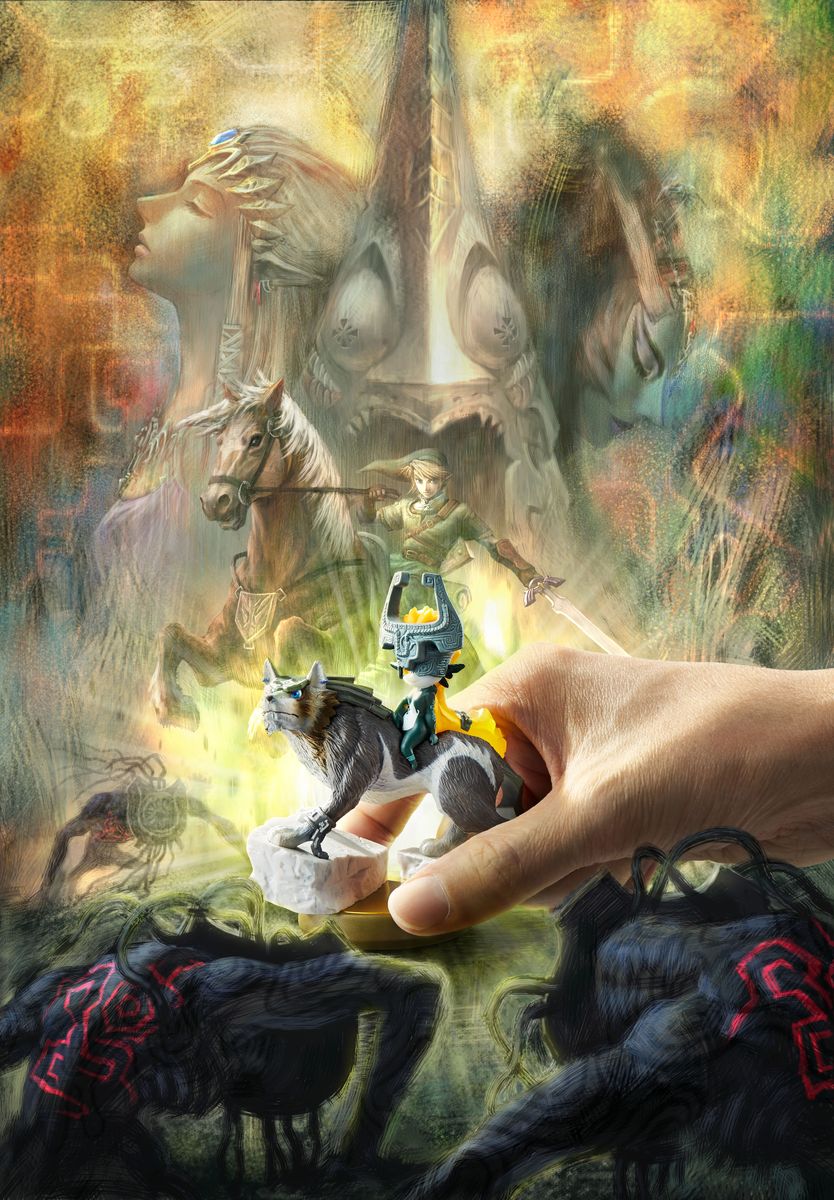 Wolf Link amiiboamiibo · March 2016Wolf Link with Midna on his back, made for this game. Aonuma said the figure was based on the in-game model, posed to match a piece of publicity artwork, and that recreating the fur and Midna’s hair took a great deal of work. In Europe and Japan it was also sold on its own (¥1,500 plus tax in Japan); in North America, at launch, the bundle was the only way to get one.
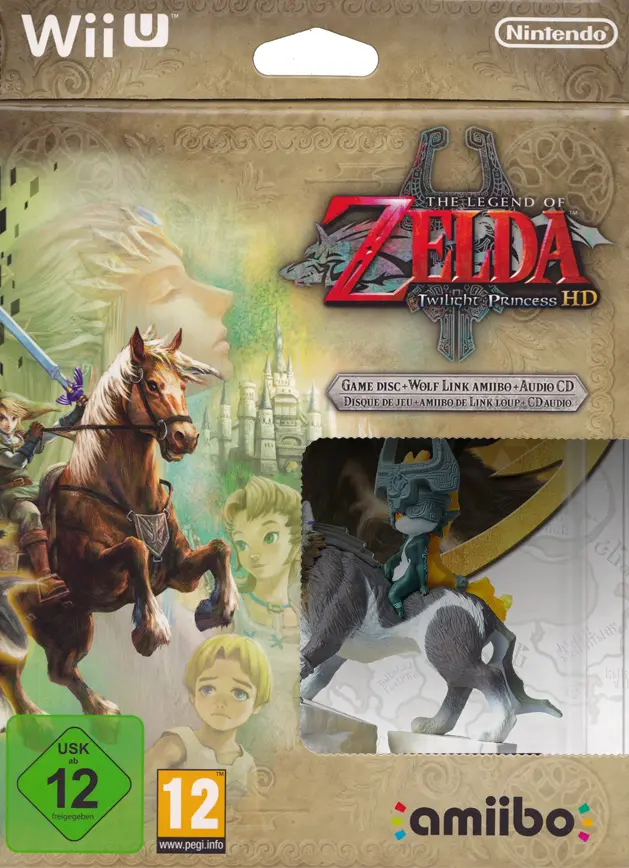 Limited Edition (Europe)Nintendo of Europe · 4 March 2016The game disc, the Wolf Link amiibo and the Sound Selection CD in one box, sold beside the standard game. Nintendo’s official UK store priced it at £49.99 with a Twilight Princess Link T-shirt as its pre-order bonus, against £39.99 for the game alone, and also offered a £99.99 set that added the five Smash Bros. Zelda amiibo.
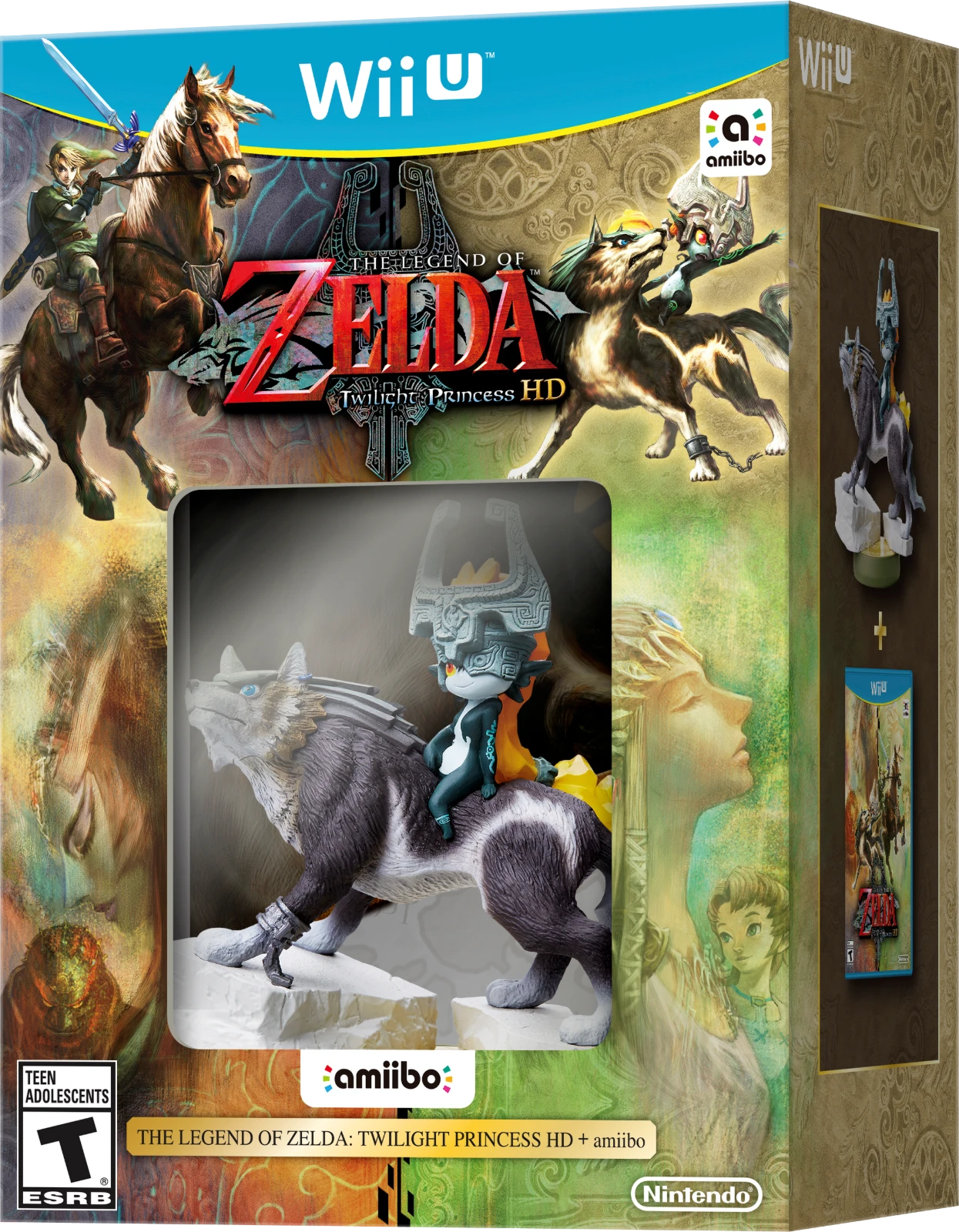 amiibo bundle (North America)Nintendo of America · 4 March 2016Nintendo of America put the Wolf Link amiibo in every physical copy. The Sound Selection CD was not in the box: it was a pre-order bonus exclusive to GameStop, announced by Nintendo of America in January 2016.
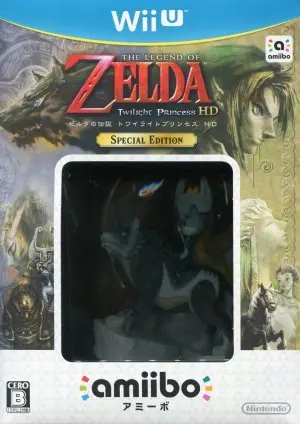 Special Edition (Japan)Nintendo · 10 March 2016The Japanese Special Edition packed the game with the Wolf Link amiibo and the soundtrack CD for ¥6,700 plus tax; the game alone, on disc or as a download, was ¥5,700 plus tax. Amazon Japan gave pre-order customers a set of 20 postcards of the game’s artwork.
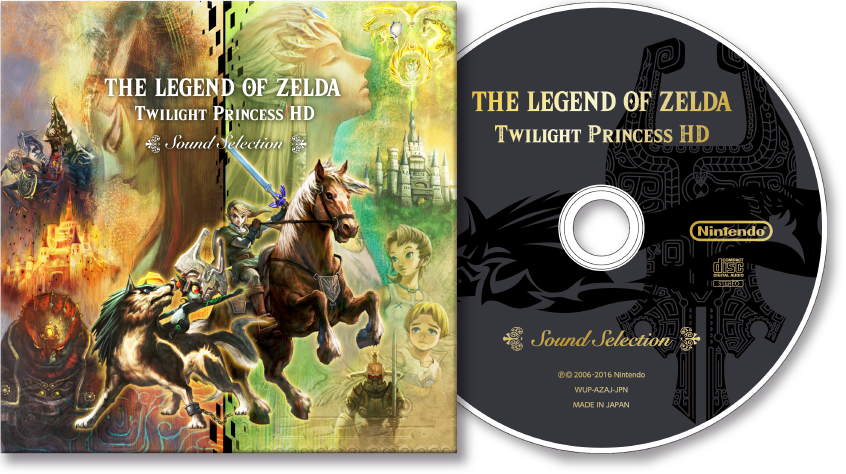 Sound Selection CDPromotional CD · 20 tracksTwenty pieces from the soundtrack, described at the time as remastered. It opens with the title theme and the orchestral teaser music, takes in Ordon Village, Midna’s Theme, the Hyrule Field main theme, Kakariko Village, Lake Hylia, Midna’s Lament, the Sacred Grove, Malo Mart and the Hidden Village, and closes with the staff credits and a second orchestral teaser piece. The Wind Waker HD had been given a similar CD.
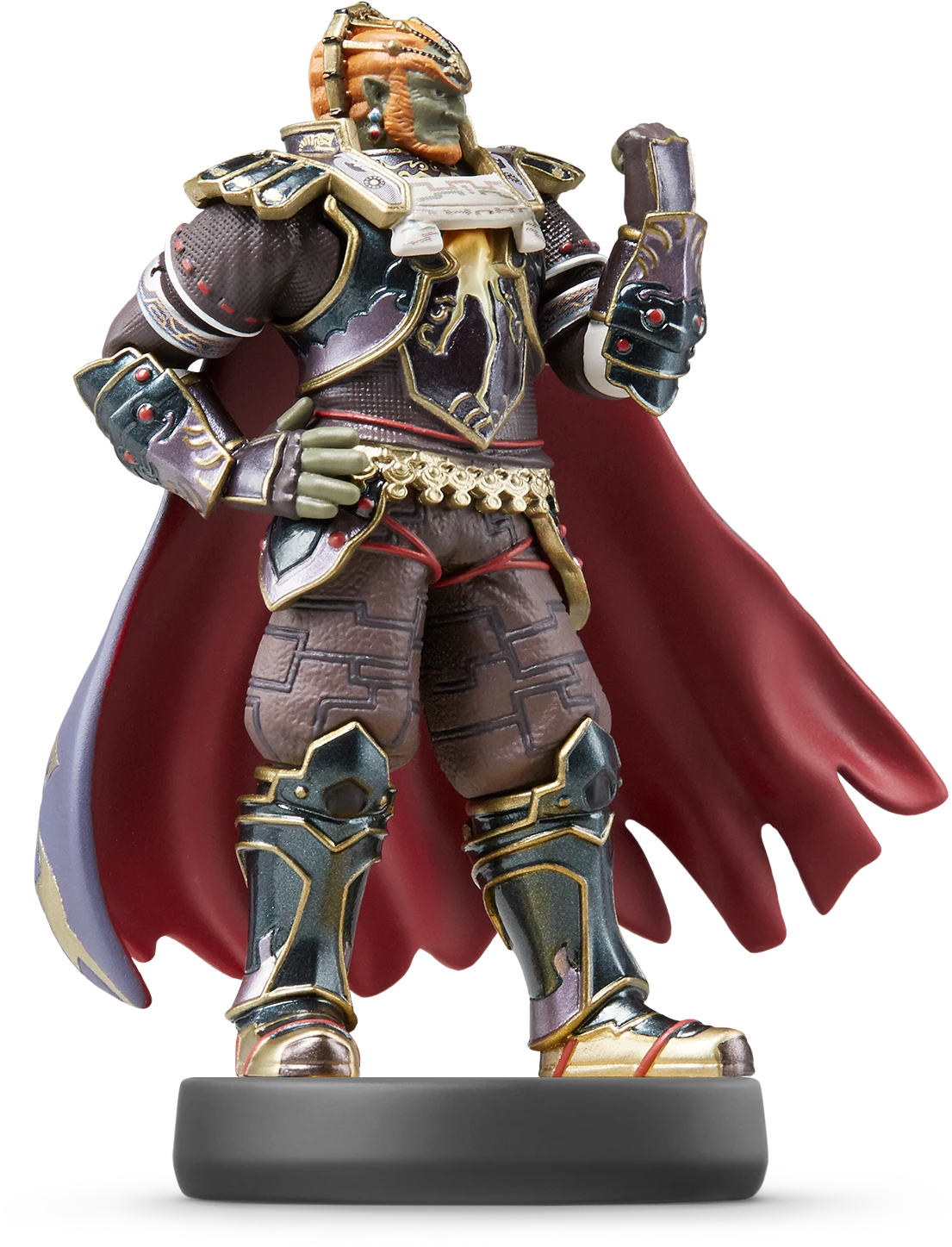 Super Smash Bros. series amiiboLink, Toon Link, Zelda, Sheik, GanondorfSold separately, and all five do something in the game. Sano wanted the figures to help a player in trouble, and admitted Ganondorf was the awkward one, since it was hard to imagine him helping Link; the answer was to make him “a worthy challenge to players”.
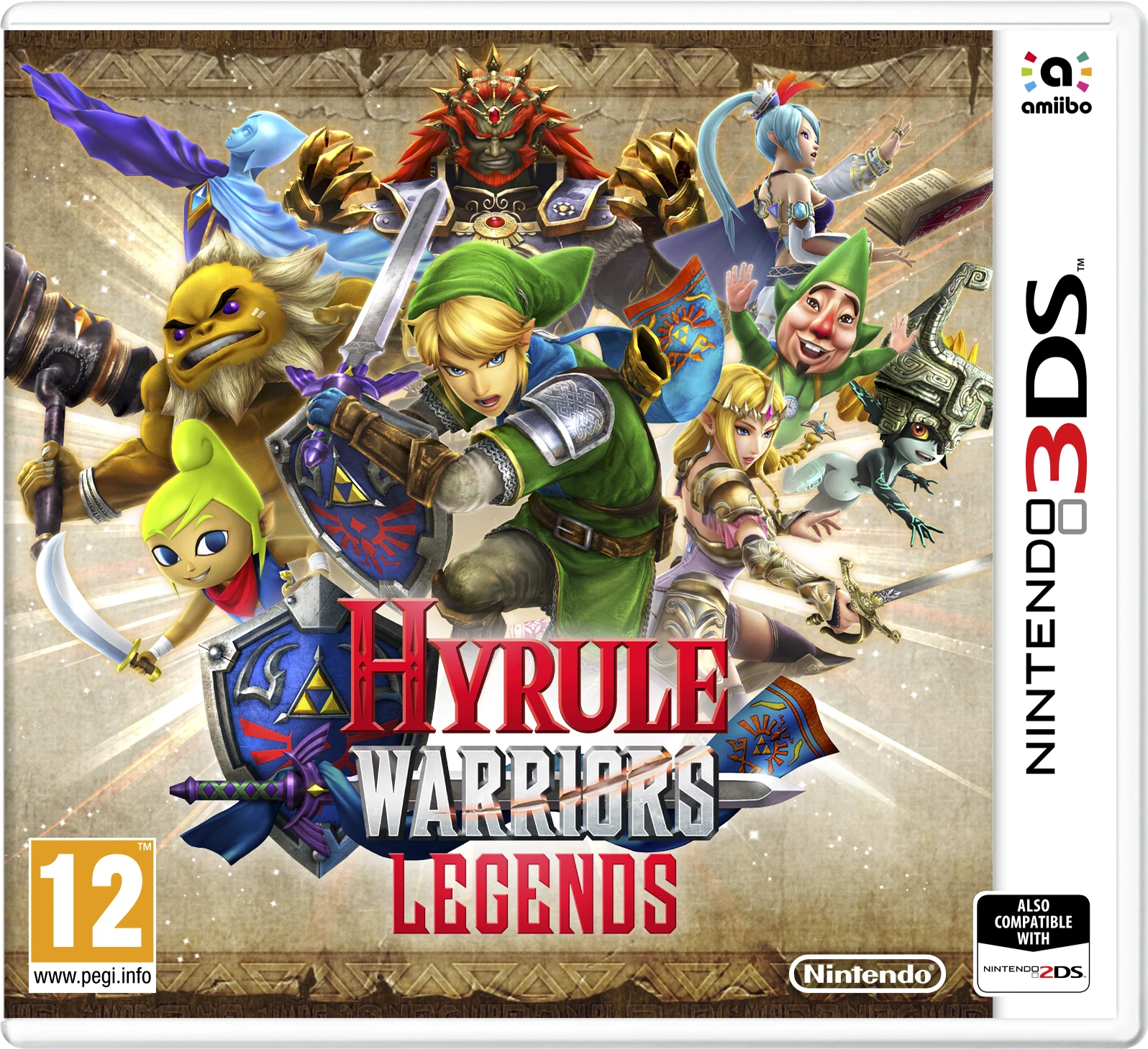 Hyrule Warriors LegendsNintendo 3DS · 24 March 2016 (Europe)The Wolf Link amiibo had a second use within three weeks. Nintendo UK announced that in Hyrule Warriors Legends it unlocks enhanced weapons for Midna.
 My Nintendo Picross: Twilight PrincessNintendo 3DS · March 2016A Picross puzzle game themed on Twilight Princess, offered as a My Nintendo reward. In Japan it was available from 17 March 2016, a week after the HD version went on sale there.