Game Boy Advance2004Capcom / FlagshipAction-adventure
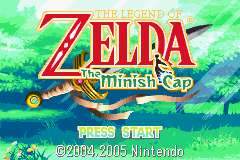
The Legend of Zelda: The Minish Cap
Link shrinks to the size of a thimble, a grumpy talking hat rides on his head, and the Zelda series finally learns where Vaati and the Four Sword came from.
Released4 November 2004 (JP) · 12 November 2004 (EU) · 10 January 2005 (NA)
DeveloperCapcom and Flagship
DirectorHidemaro Fujibayashi
MusicMitsuhiko Takano
Players1
Sales1.76 million (CESA, 2021)
Title
The Legend of Zelda: The Minish Cap ゼルダの伝説 ふしぎのぼうし (Zeruda no Densetsu: Fushigi no Bōshi, “the mysterious cap”)
Platform
Game Boy Advance
Developers
Capcom and Flagship (Capcom’s scenario-writing subsidiary)
Publisher
Nintendo
Director
Hidemaro Fujibayashi
Producer
Keiji Inafune
Programmers
Toshihiko Honda, Nobuhito Shimizu, Yoshiyuki Fujikawa, Nobuaki Minomiya, Yohei Doi, Koji Yoshida
Artists
Takenori Kimoto, Haruki Suetsugu
Music
Mitsuhiko Takano
Players
1
Released (Japan)
4 November 2004
Released (Europe)
12 November 2004, almost two months before North America
Released (North America)
10 January 2005
Released (Australia)
7 April 2005
Re-releases
3DS Virtual Console for Ambassador Programme members (16 December 2011); Wii U Virtual Console (Japan 30 April, Europe 29 May, North America 5 June 2014); Nintendo Switch Online + Expansion Pack (8 February 2023)
1.76 million worldwide (2021 CESA Games White Paper, via Wikipedia)
Metacritic
89/100 from 56 critics
Overview
Some Zeldas are epics. The Minish Cap is a pocket-sized treasure, and we mean that literally. Capcom’s Flagship team, who had already made the two Oracle games and Four Swords, built a whole Game Boy Advance adventure around one idea: what if Link could shrink? Step onto a magic tree stump and Hyrule turns into a giant’s world, where puddles become lakes, mouse holes become doorways and a whole hidden town of tiny people lives under your feet.
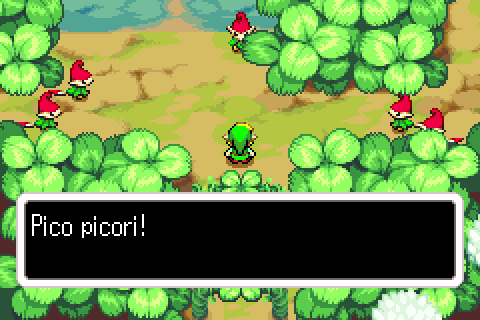
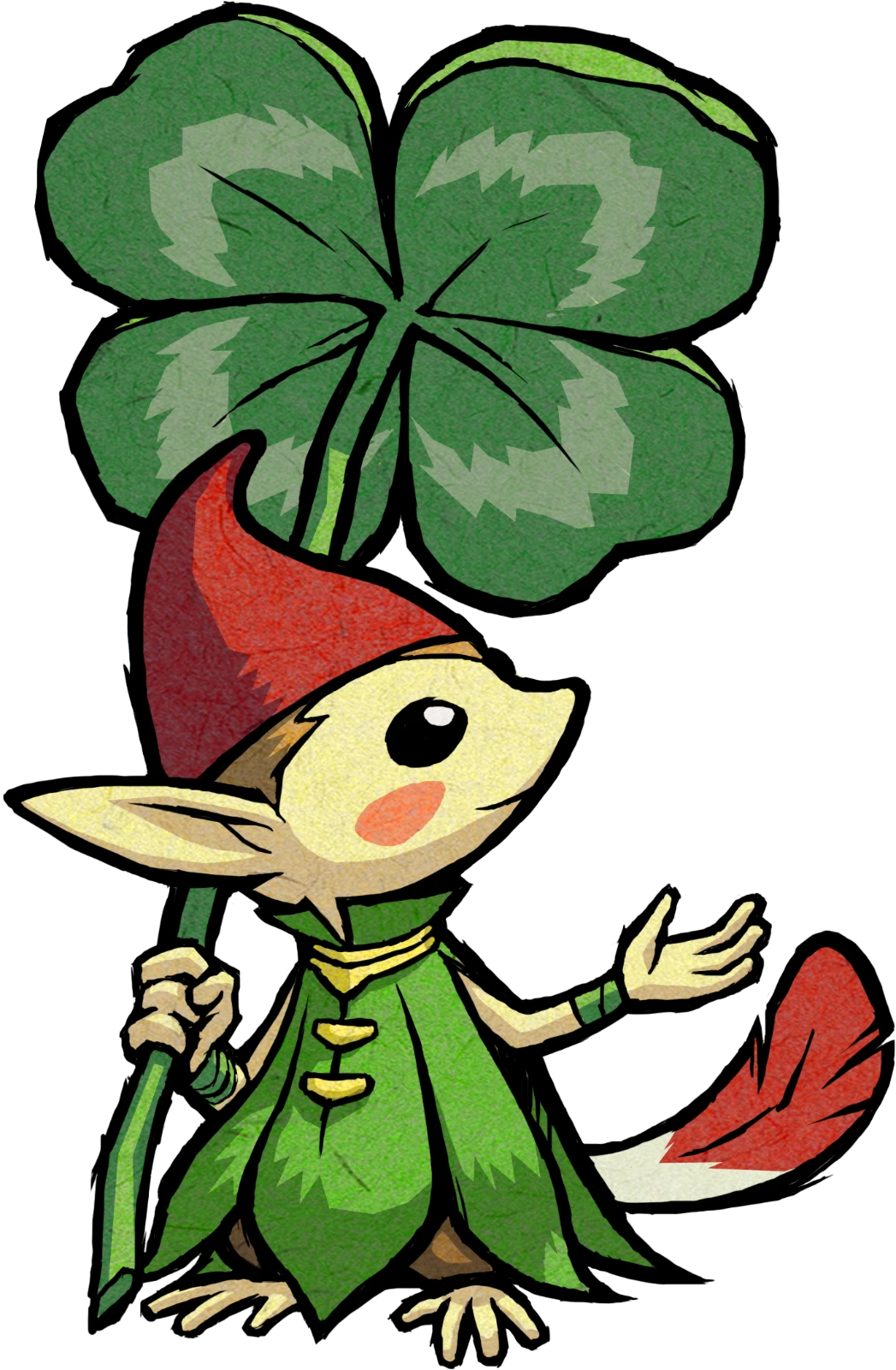
The tiny people are the Minish, or Picori, as Hylians call them, and only children can see them. When a sorcerer called Vaati wrecks the Picori Festival, smashes the sacred Picori Blade and turns Princess Zelda to stone, young Link is sent to find them. His guide is Ezlo, a talkative cap with a bird’s beak who sits on Link’s head and turns out to have history with the villain. Together they collect the four Elements, reforge the blade as the Four Sword, and set up the story of Four Swords and Four Swords Adventures.
Directed by Hidemaro Fujibayashi, who went on to direct Skyward Sword, Breath of the Wild and Tears of the Kingdom, it borrows The Wind Waker’s cartoon look and squeezes it into beautiful top-down pixel art. It topped the Japanese chart in its first week, scored 89 on Metacritic and is now playable on Nintendo Switch Online.
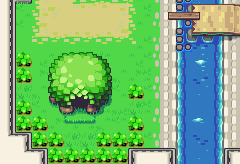
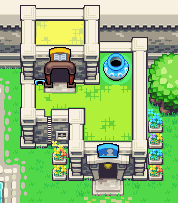
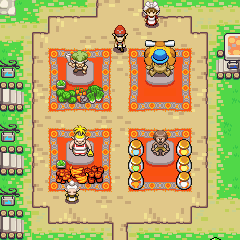
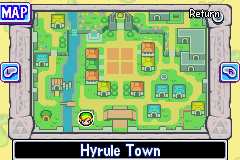
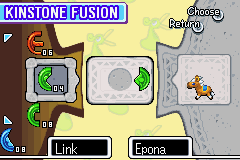
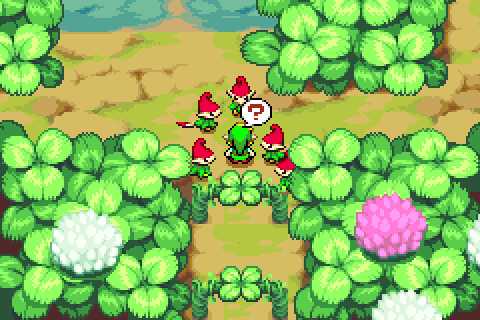
Hyrule Town during the Picori Festival.At Minish size, a patch of grass becomes a forest.Fusing Kinstones with a townsperson.
Quick Answers
Quick answers to the questions people most often ask about The Minish Cap.
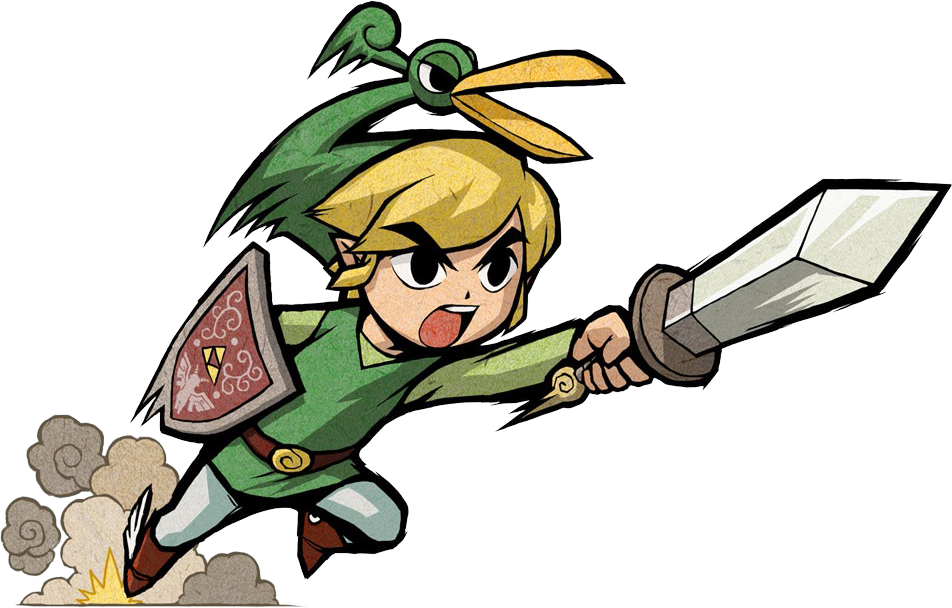
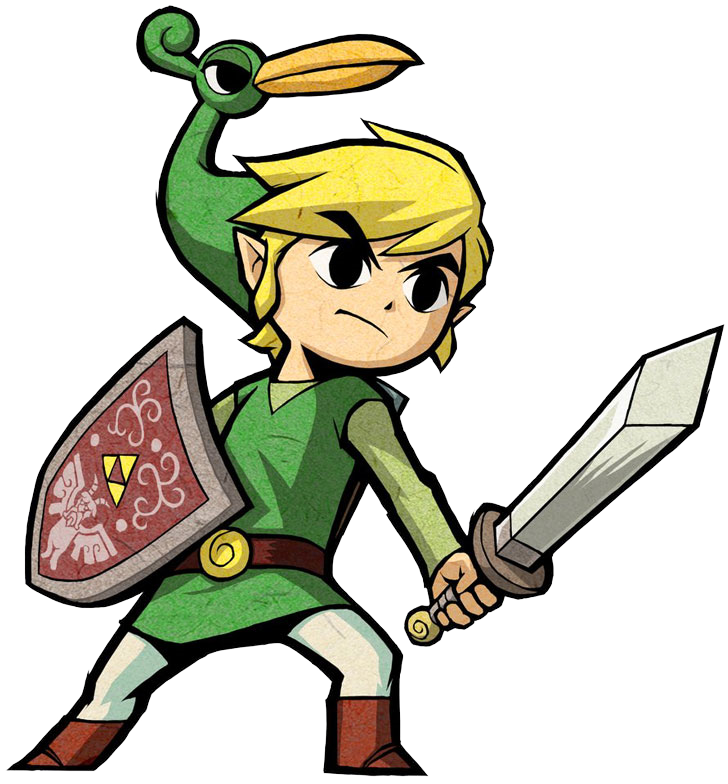
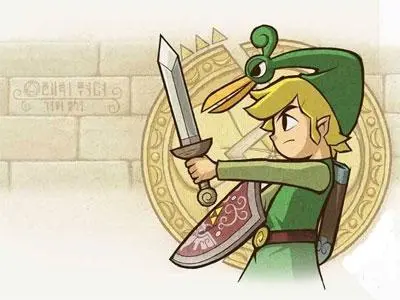
Official art of Link for The Minish Cap.
When did The Minish Cap come out?
On 4 November 2004 in Japan, 12 November 2004 in Europe, 10 January 2005 in North America and 7 April 2005 in Australia, on Game Boy Advance. More →
Who made The Minish Cap?
Capcom and its subsidiary Flagship, for Nintendo. Hidemaro Fujibayashi directed it, Keiji Inafune produced it and Mitsuhiko Takano wrote the music. More →
Is The Minish Cap made by Nintendo?
Nintendo published it and oversaw development, but the game itself was made by Capcom’s Flagship team, the same people behind the Oracle games and Four Swords. More →
Who is Vaati?
A Minish who was Ezlo’s apprentice. Fascinated by the evil in human hearts, he stole Ezlo’s wish-granting Mage’s Cap and became a sorcerer. He returns as the Wind Mage in Four Swords and Four Swords Adventures. More →
Who is Ezlo?
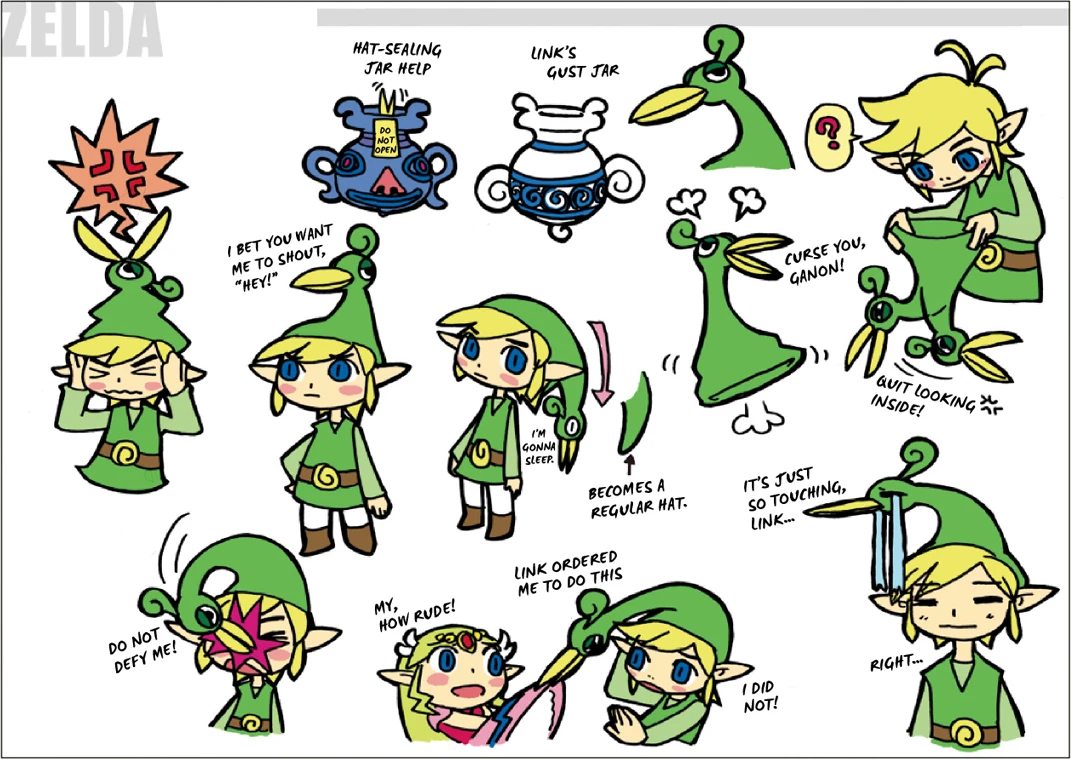
Link’s talking hat: a Minish sage whom Vaati cursed into the shape of a cap. He lets Link shrink to Minish size. More →
Where does The Minish Cap fit in the timeline?
Nintendo’s Zelda Encyclopedia places it after Skyward Sword and before Four Swords, making it one of the earliest stories in the series. It explains the origins of Vaati and the Four Sword. More →
How many dungeons are in The Minish Cap?
Six: the Deepwood Shrine, Cave of Flames, Fortress of Winds, Temple of Droplets, Palace of Winds and Dark Hyrule Castle, plus the small Royal Crypt. More →
What are Kinstones?
Broken halves of mysterious stones. Find someone with the matching half, fuse the pieces, and a secret opens somewhere in Hyrule. More →
Can I play The Minish Cap on Switch?
Yes. It was part of the Game Boy Advance launch line-up for Nintendo Switch Online + Expansion Pack on 8 February 2023. More →
Plot / Story
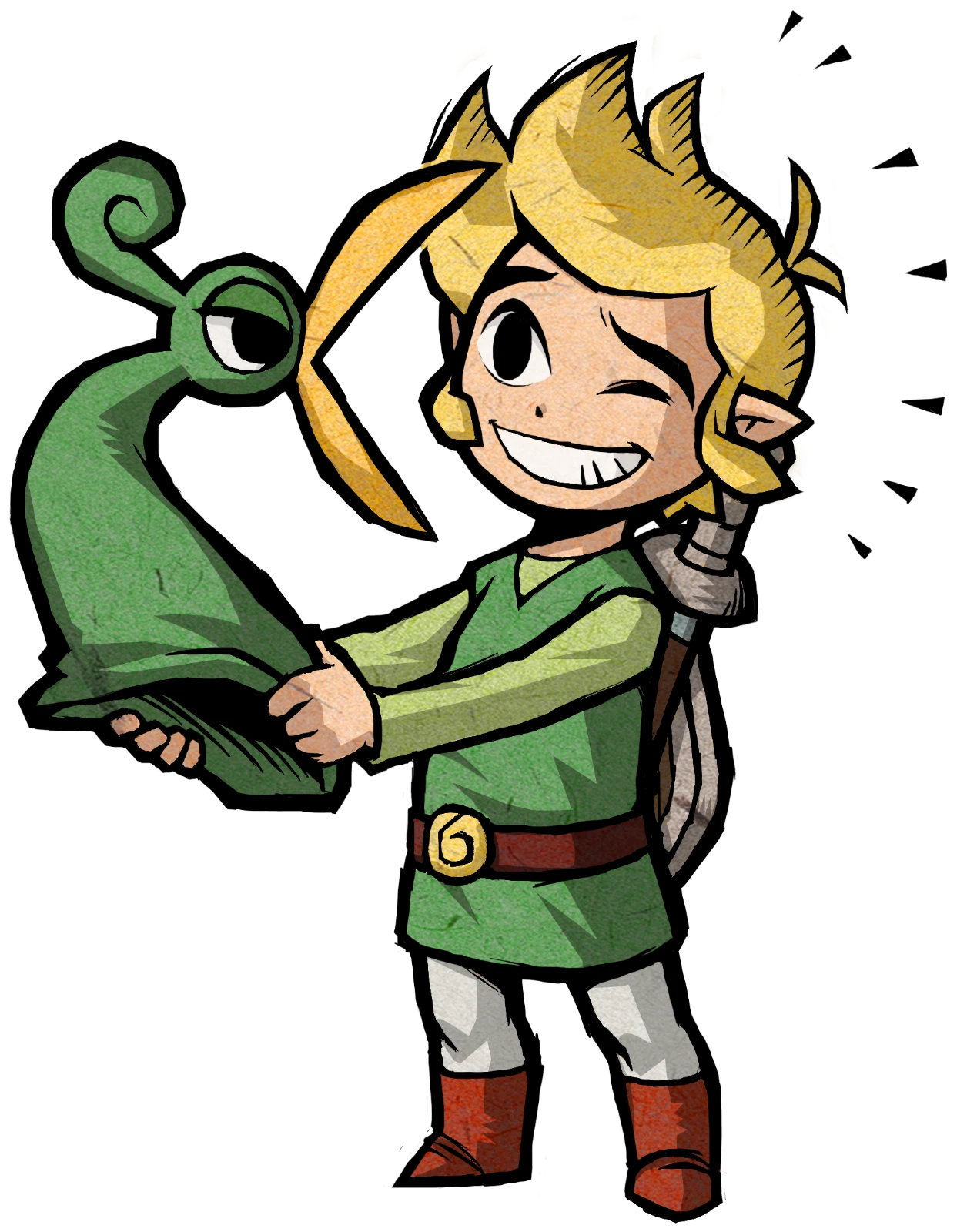
Link and Ezlo, in Nintendo’s official artwork.
Long ago, the story goes, when darkness covered Hyrule, the tiny Picori came to the aid of a young hero. They gave him a blade and a golden light, and with them he drove back the monsters and locked them in a chest, sealed by the blade itself. The golden light was the Light Force, and it is said to hold tremendous power.
Ever since, Hylians have held a festival in the Picori’s honour, and every hundred years, they say, the door to the Picori world opens. This year is one of those years.
Trouble at the Picori Festival
Link lives with his grandfather Smith, the royal blacksmith, who has forged a sword for the King to present to the winner of the festival’s sword-fighting tournament. Link’s childhood friend Princess Zelda drags him off to enjoy the festival first; she wins a prize in a lottery and gives Link a small shield.
At the castle, the champion steps forward to touch the sacred Picori Blade. He is Vaati, a mysterious sorcerer, and he smashes the blade, throws open the chest and releases its monsters across Hyrule. The chest does not hold the Light Force he came for. Fearing that the mysterious power in Zelda will get in his way, he turns her to stone and vanishes.
The Picori Festival in Hyrule Town.Vaati breaks the Picori Blade and opens the chest.
A hat with a beak
King Daltus, his minister Potho, Smith and Link agree on a plan. Only the Picori can repair their blade, and only children can see them, so Link sets off for the Minish Woods with the broken blade and a sword from his grandfather.
In the woods he rescues a strange green cap with a bird’s head from a gang of Octoroks. This is Ezlo, and he needs a lift. Perched on Link’s head, he shows him how to use a magic tree stump to shrink to Minish size, and Link walks into a village of tiny people. After a Jabber Nut lets him understand their language, the Forest Minish elder Gentari explains that the blade must be infused with four Elements, the crystallised energies of the world: Earth, Fire, Water and Wind.
Link meets Ezlo in the Minish Woods.Minish Village.
Earth and Fire
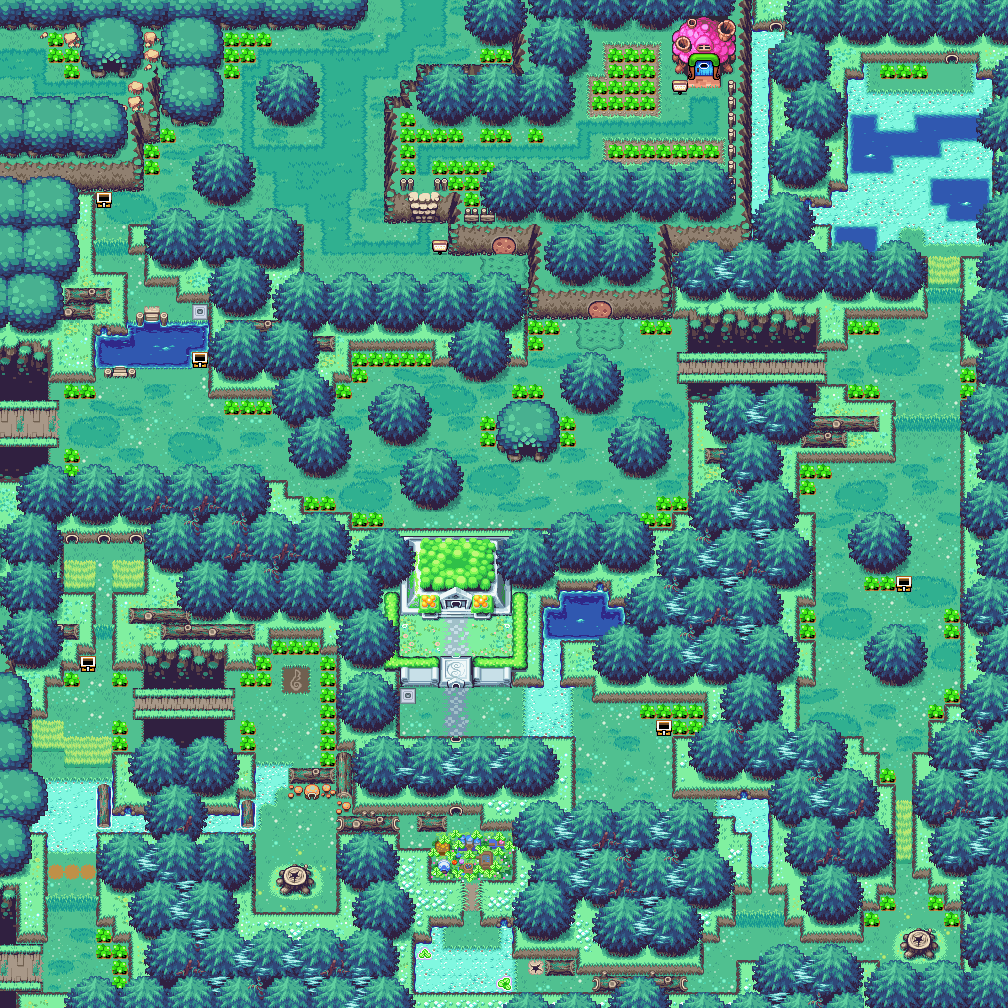
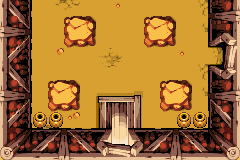
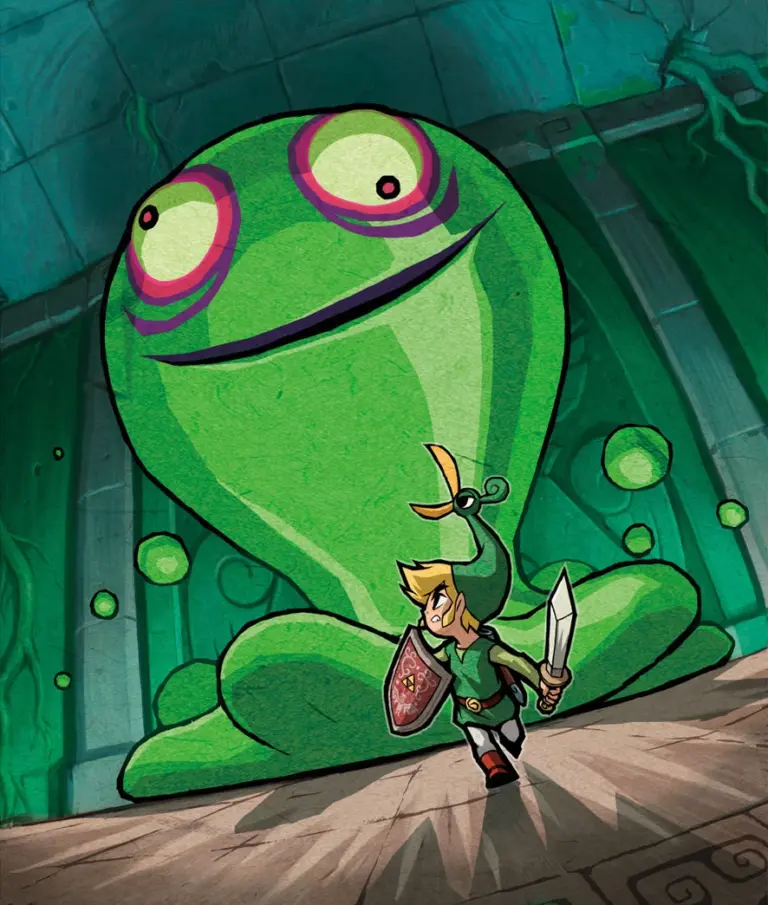
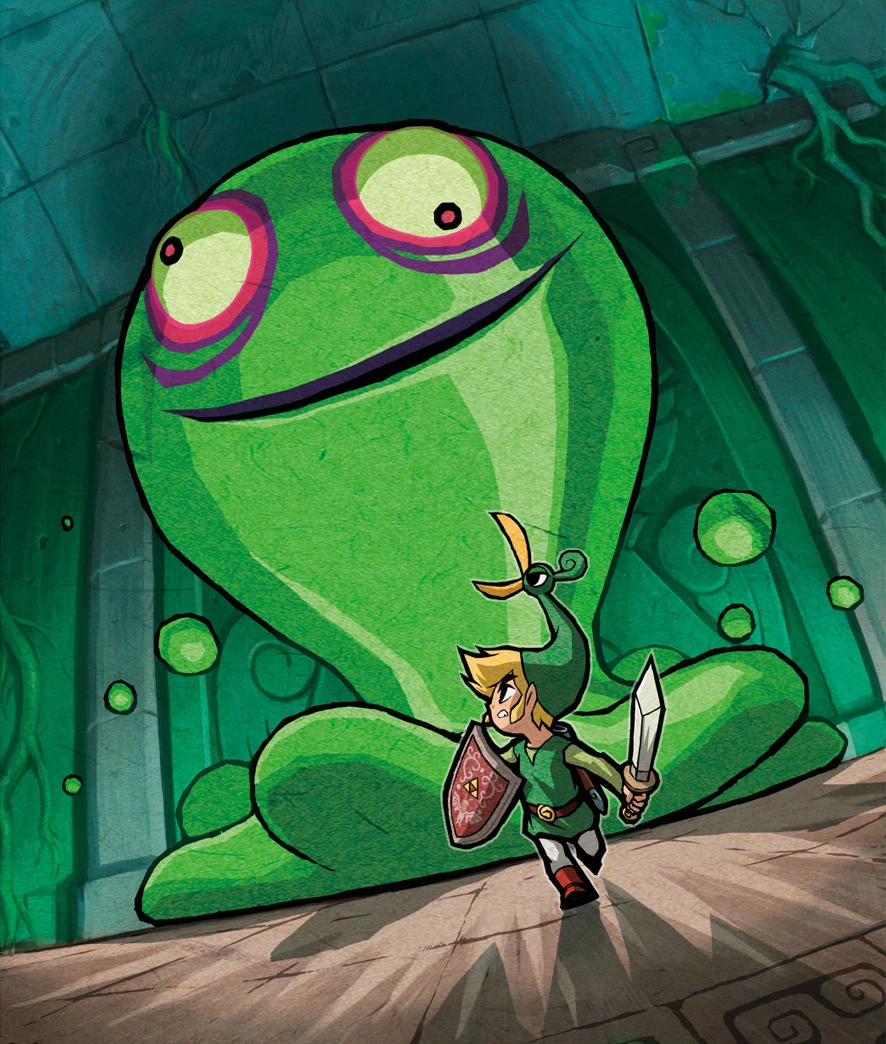
The Earth Element waits in the Deepwood Shrine, a dungeon in the woods that Link explores at Minish size. There he finds the Gust Jar, which sucks up enemies and objects, and defeats a Big Green ChuChu, an ordinary blob that looks enormous when you are the size of an acorn.
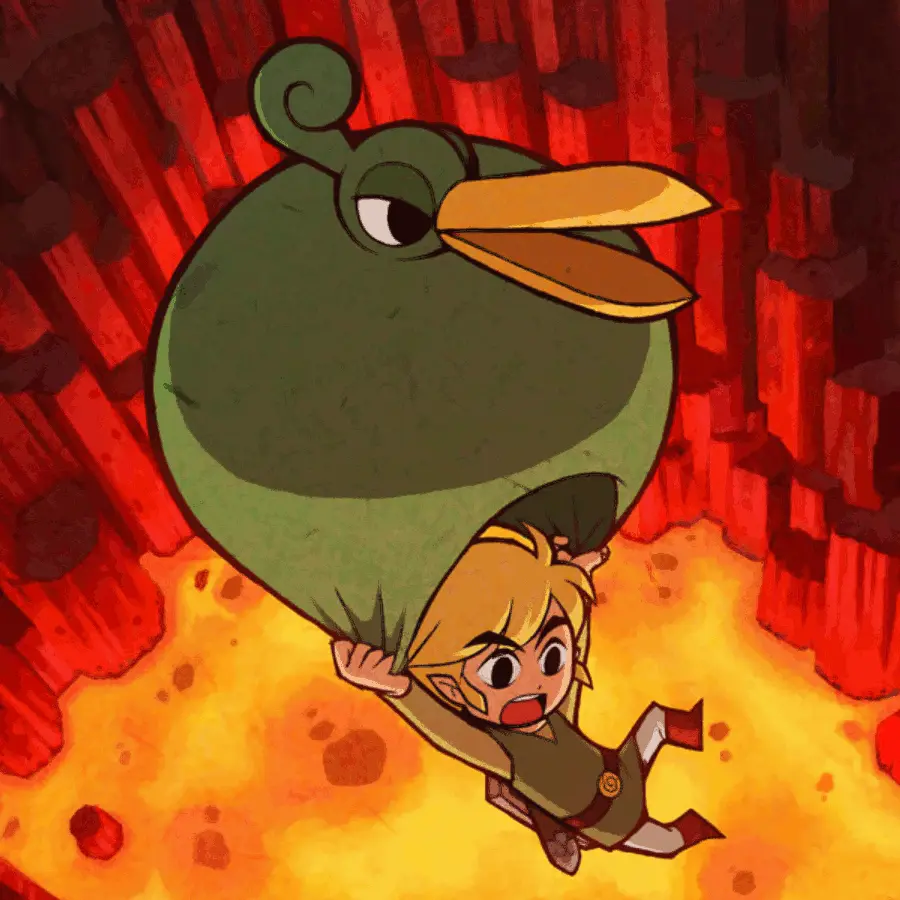
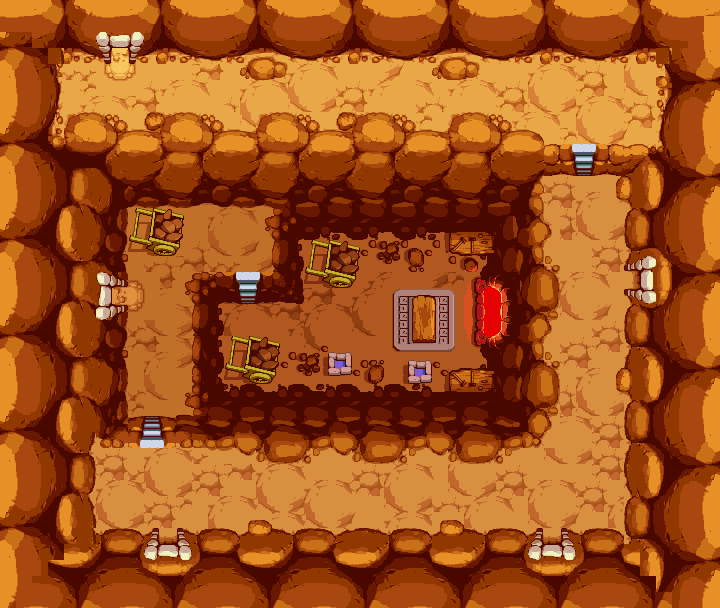
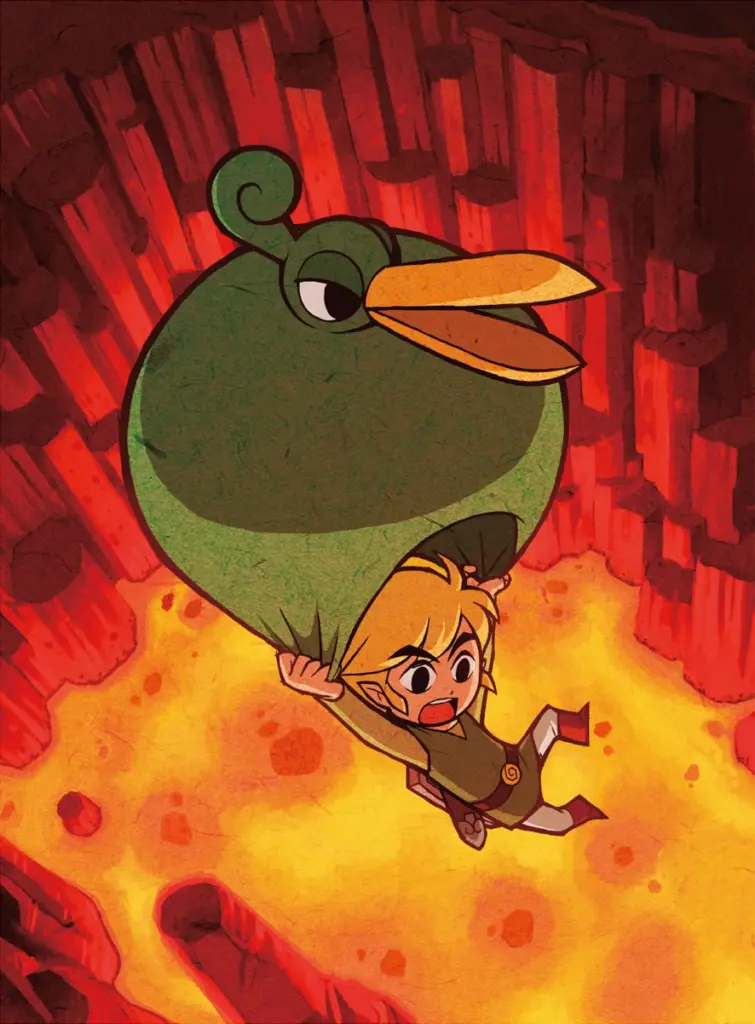
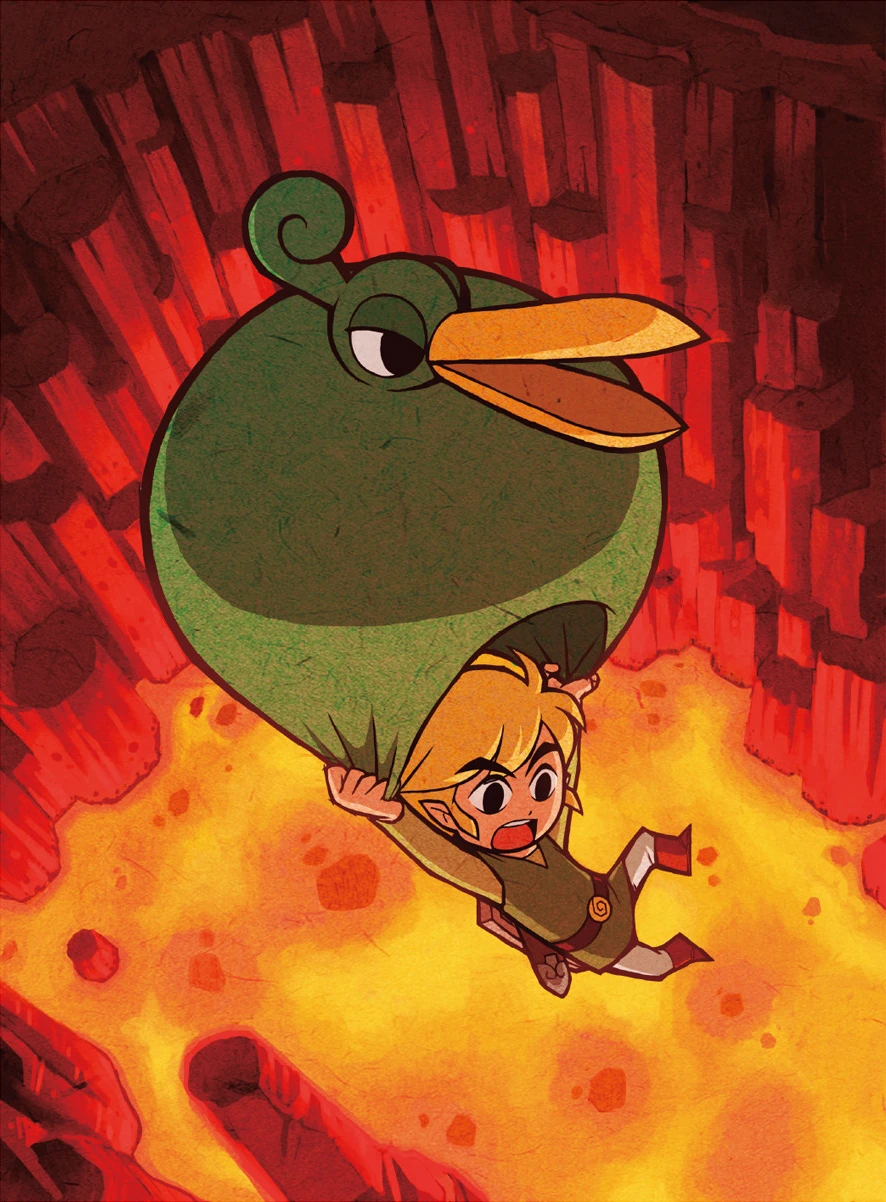
Gentari sends him on to Melari, a gruff Minish swordsmith who lives with seven apprentices in the mines at the top of Mount Crenel. While Melari reforges the blade, Link braves the Cave of Flames, earns the Cane of Pacci (which flips things over) and defeats Gleerok, the beast that lurks in its lava. By the time he returns with the Fire Element, Melari has turned the broken blade into the White Sword.
The Deepwood Shrine.Melari’s mines on Mount Crenel.Gleerok in the Cave of Flames.
Ezlo’s secret
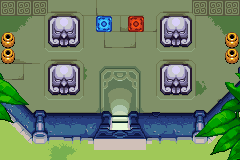
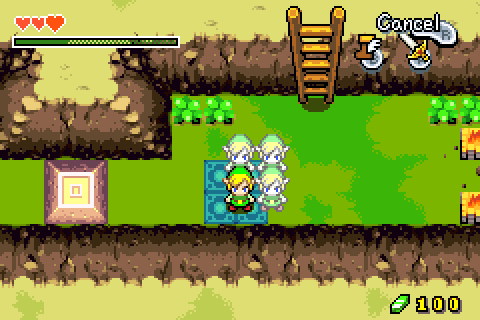
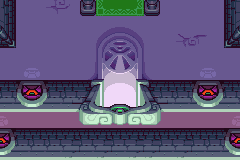
Back in Hyrule, Vaati has disguised himself as King Daltus and has the army scouring the land for the Light Force. Link sneaks into the castle garden to the Elemental Sanctuary, where fusing the two Elements with the sword gives it the power to create copies of Link. On the way out Vaati traps him with a pair of Moblins.
After the fight Ezlo finally comes clean. He and Vaati were both Minish. Ezlo was a sage and inventor who made the Mage’s Cap, a hat that grants its wearer’s wish. Vaati was his apprentice, and he stole it. When Ezlo tried to stop him, Vaati turned his old master into a hat.
The Elemental Sanctuary.Link splits into copies on a clone tile.
Winds, books and water
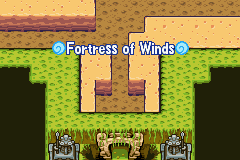
With the Pegasus Boots from Rem the shoemaker, Link crosses the marshy Castor Wilds, where giant Armos statues turn out to be ancient Minish robots. Inside the Fortress of Winds he finds the Mole Mitts and destroys the guardian machine Mazaal, but the Wind Element is not there. Instead he gets the Ocarina of Wind, which summons a great bird, Zeffa, to carry him around Hyrule.
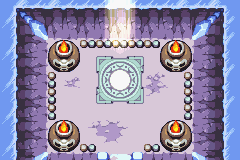
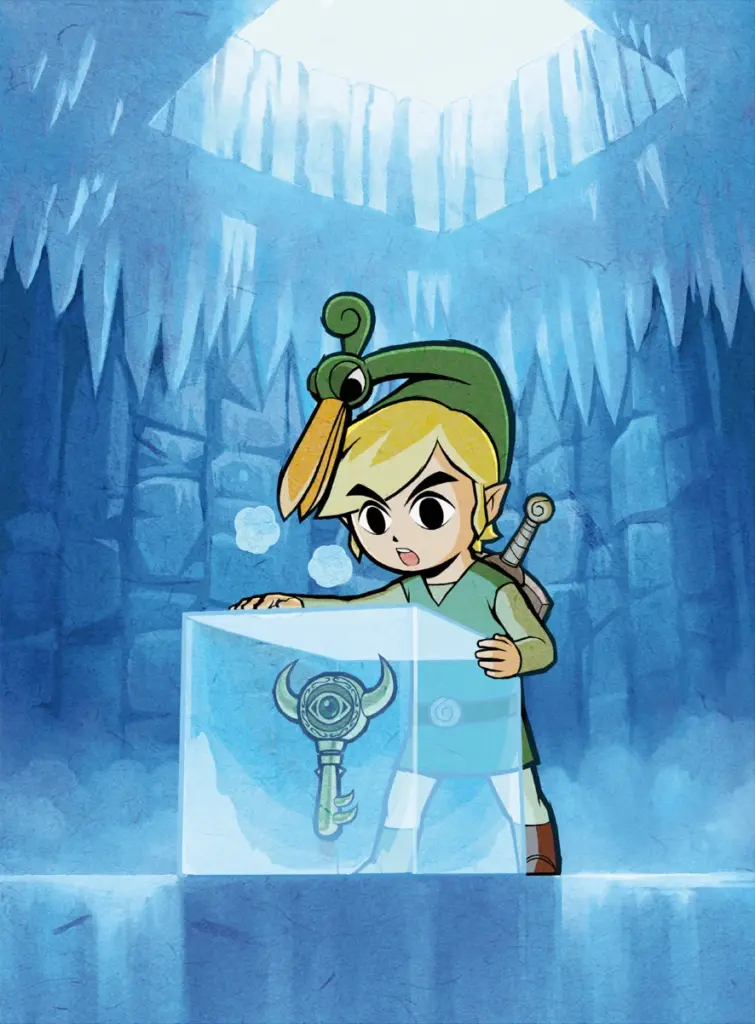
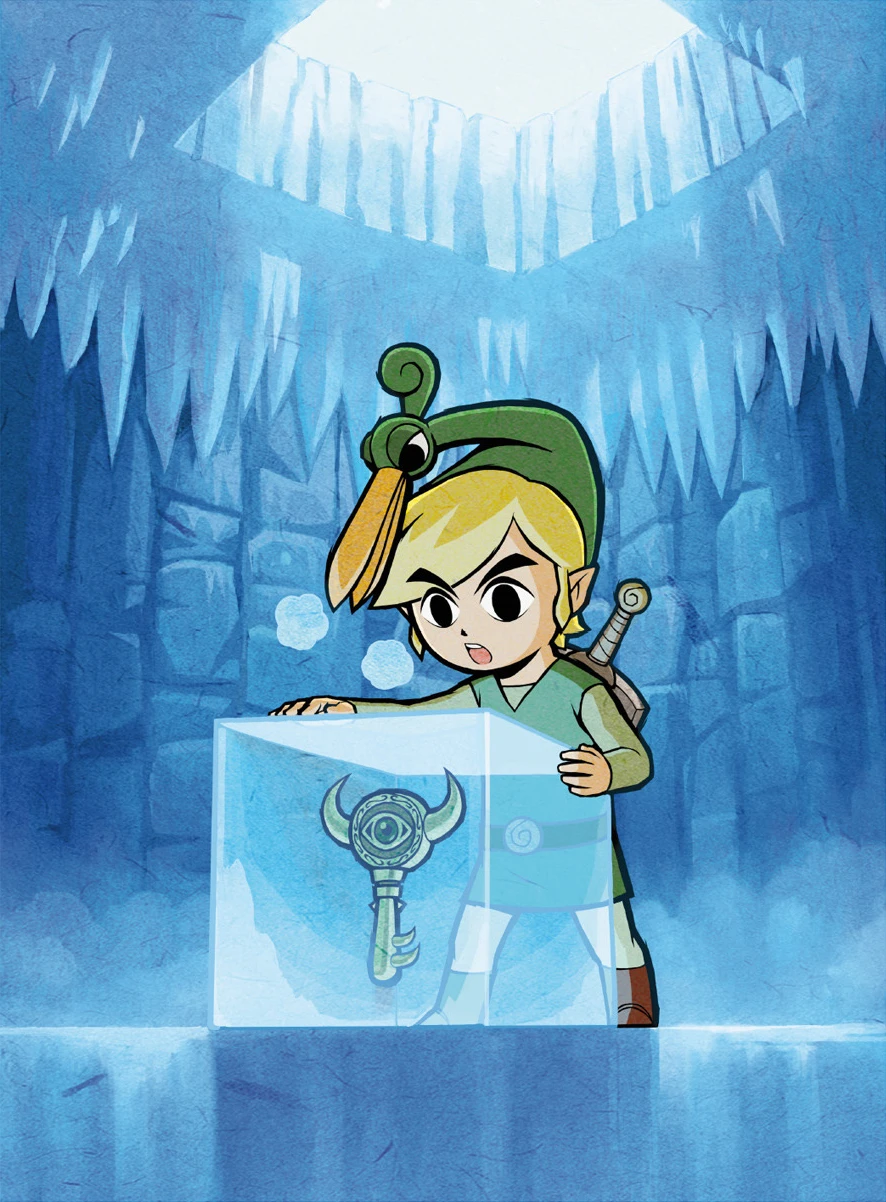
The Water Element lies across Lake Hylia, so Link needs Flippers. Finding them means returning overdue books to the Royal Hyrule Library to reach Librari, Gentari’s twin. In the frozen Temple of Droplets he finds the Flame Lantern and the Big Octorok, iced in with the Element. Melting the ice with beams of sunlight sets up the fight.
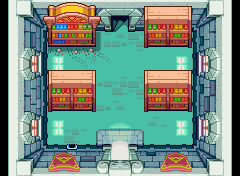
The Fortress of Winds in the Castor Wilds.The Royal Hyrule Library.The frozen Temple of Droplets.
Above the clouds
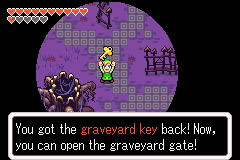
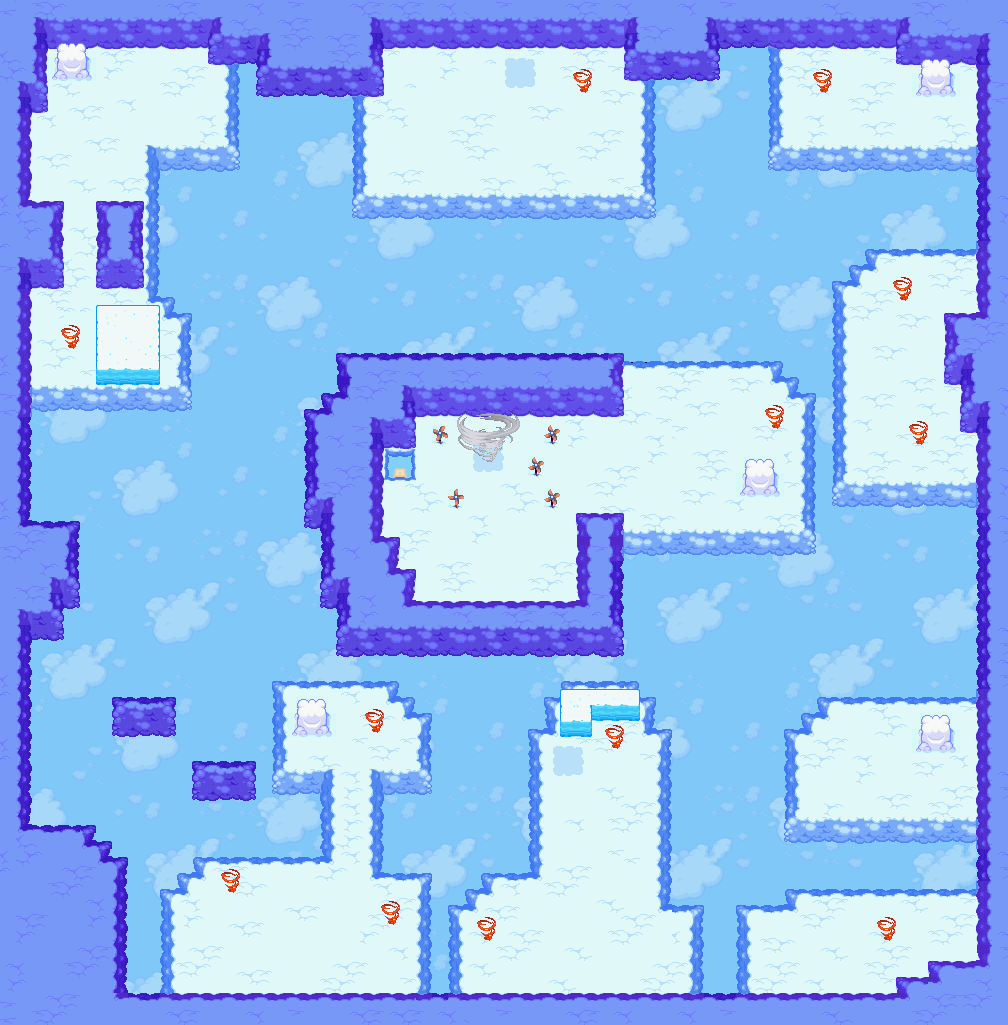
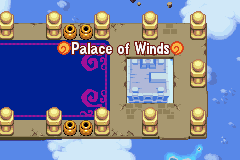
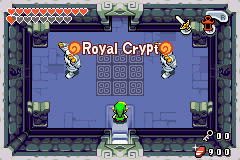
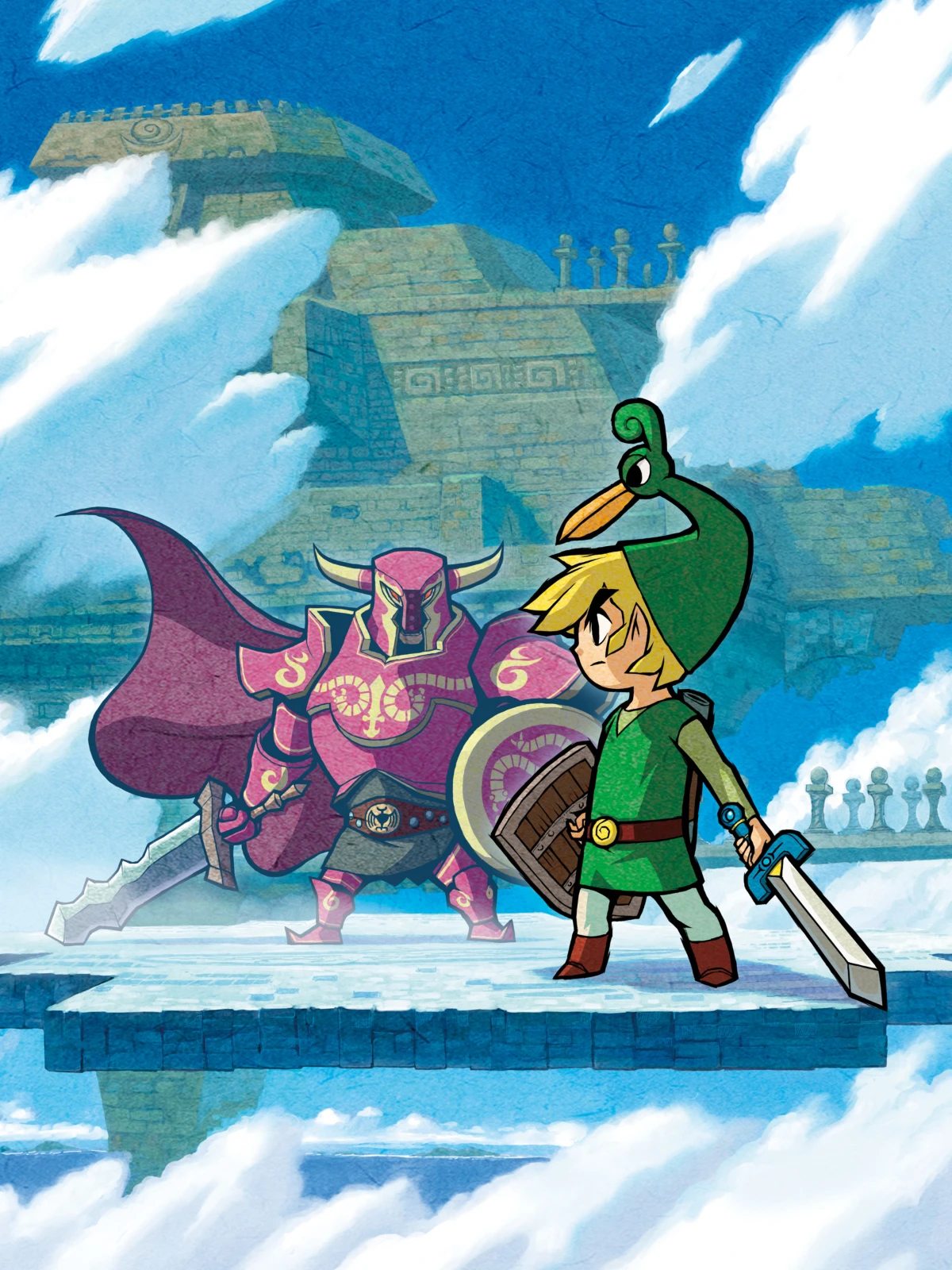
The ghost of King Gustaf, an ancient ruler of Hyrule, appears and points Link to his tomb in the Royal Crypt, where he hands over a golden Kinstone. It opens the way into Veil Falls, and an updraft carries Link up to the Cloud Tops and the Tower of Winds, home of the Wind Tribe, whom the old king loved dearly. At the Palace of Winds, Link takes the Roc’s Cape and defeats the flying Gyorg Pair in mid-air for the last Element.
King Gustaf’s ghost.The Cloud Tops.The Palace of Winds.
The Light Force
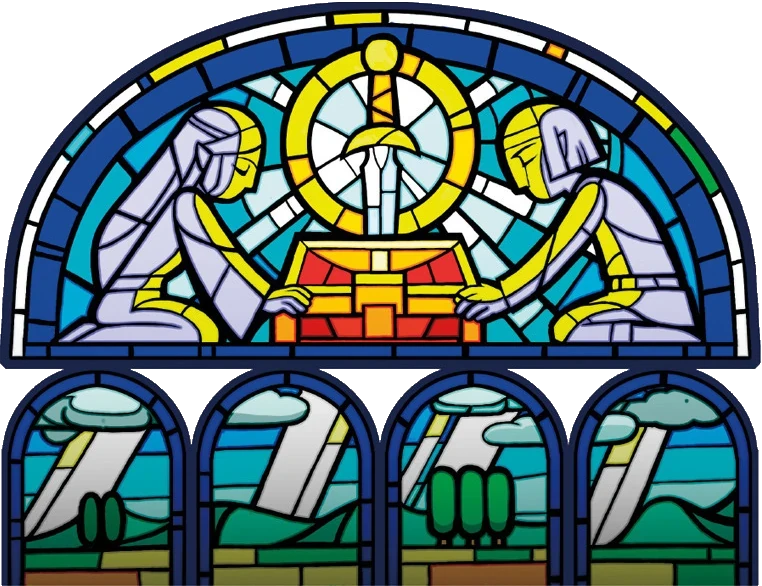
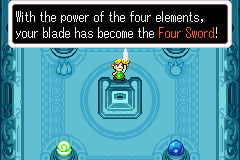
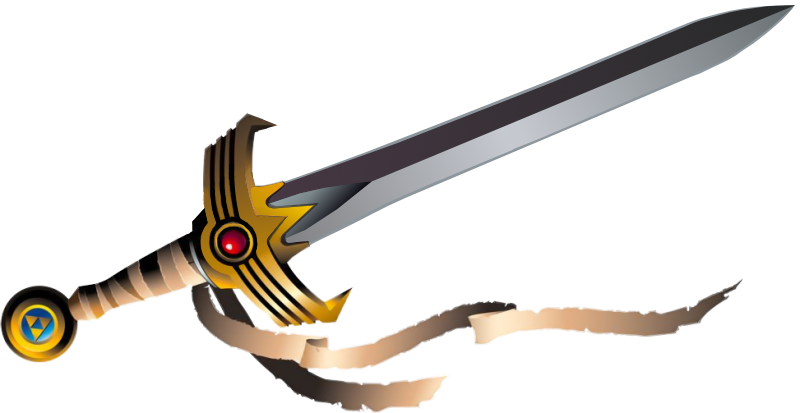
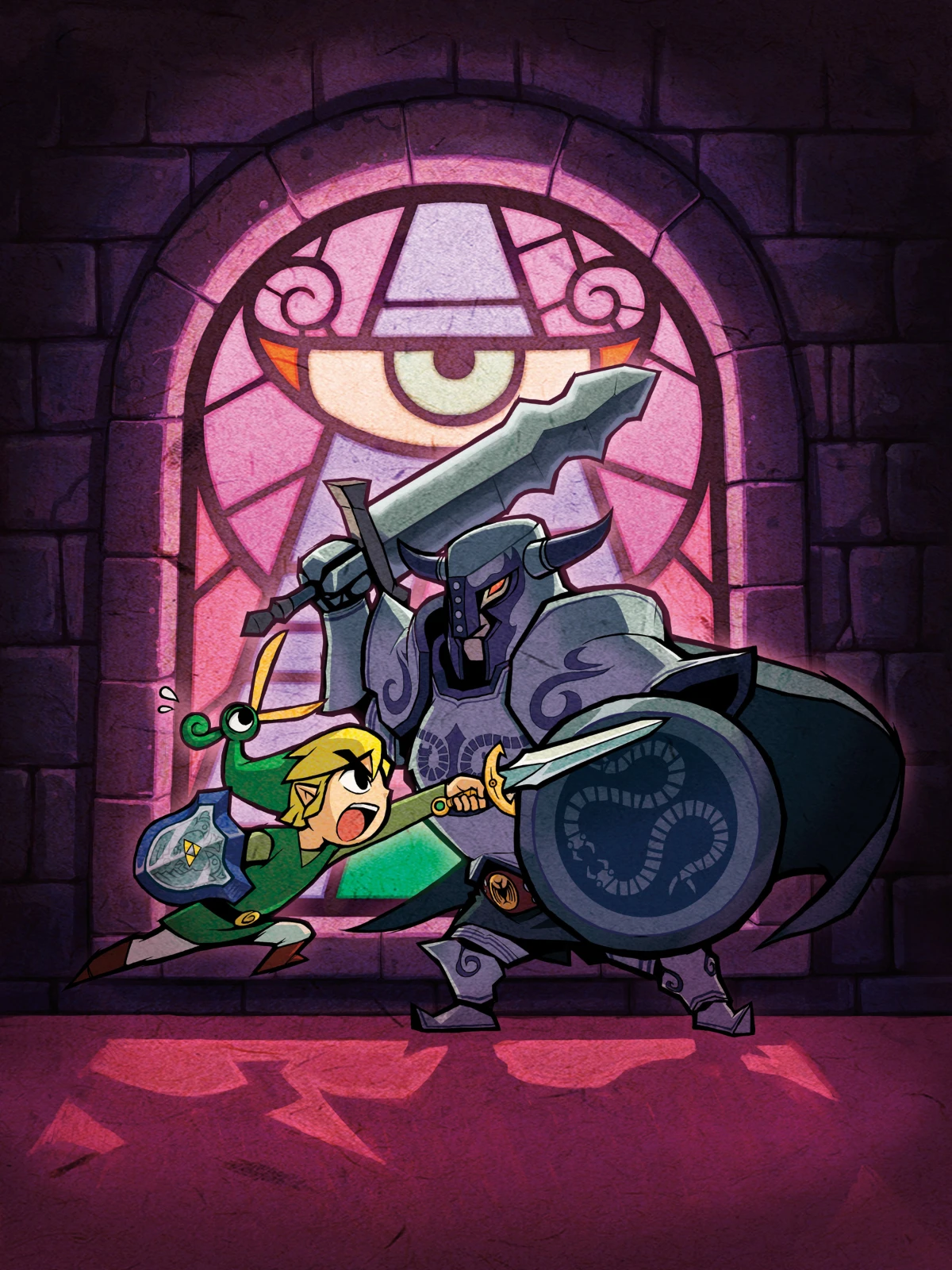
With all four Elements, the White Sword becomes the Four Sword. In a hidden room of stained glass, it reveals the truth: the Light Force was never in the chest. After the old war it passed to Hyrule’s royal family, and it lives inside Zelda.
Vaati, still wearing the King’s face, thanks Link for the information, knocks him out and carries Zelda off. Hyrule Castle twists into a dark fortress, and Vaati announces that the Light Force will be his by the third toll of the bell.
The Four Sword is complete.Dark Hyrule Castle.
Vaati’s wrath
Link reaches the top with one toll left. Swollen with stolen power, Vaati transforms again and again, from Vaati Reborn to Vaati Transfigured and finally Vaati’s Wrath, and Link has to wear him down with the Four Sword.
Zelda wakes and puts on the Mage’s Cap. Her wish undoes everything Vaati did, and the cap is destroyed. Freed from the curse, Ezlo returns to his true Minish form. As the door to the Minish world prepares to close for another hundred years, he gives Link a parting present: a green cap shaped just like his old hat form. It is hard not to see it as the origin of Link’s famous look.
Dungeons of Hyrule
There are six dungeons, counting the final castle, plus a short crypt. Between them lies a Hyrule packed with Minish-sized side paths: Hyrule Town, the Minish Woods, Mount Crenel, the Castor Wilds, Lake Hylia, Lon Lon Ranch, Veil Falls, the Royal Valley and the Cloud Tops.
Deepwood ShrineBoss: Big Green ChuChuIn the Minish Woods. Item: Gust Jar (after the mini-boss Madderpillar). Reward: Earth Element.
Cave of FlamesBoss: GleerokA volcanic mine on Mount Crenel. Item: Cane of Pacci. Reward: Fire Element.
Fortress of WindsBoss: MazaalRuins in the Castor Wilds. Item: Mole Mitts. Reward: Ocarina of Wind.
Temple of DropletsBoss: Big OctorokA frozen temple reached by swimming across Lake Hylia. Item: Flame Lantern. Reward: Water Element.
Royal CryptMini-dungeonKing Gustaf’s tomb in the Royal Valley. Reward: the golden Kinstone.
Palace of WindsBoss: Gyorg PairHigh above the Cloud Tops. Item: Roc’s Cape. Reward: Wind Element.
Dark Hyrule CastleBoss: VaatiHyrule Castle transformed. Three forms of Vaati.
In comics, TV & other media
The Minish Cap is a story that connects to other stories. These are the books and games that build on it.
Four SwordsGame Boy Advance · 2002Released two years before The Minish Cap but set after it. Vaati, by now sealed inside the Four Sword, breaks free as the seal weakens and carries off a later Zelda; a later Link has to seal him away again.
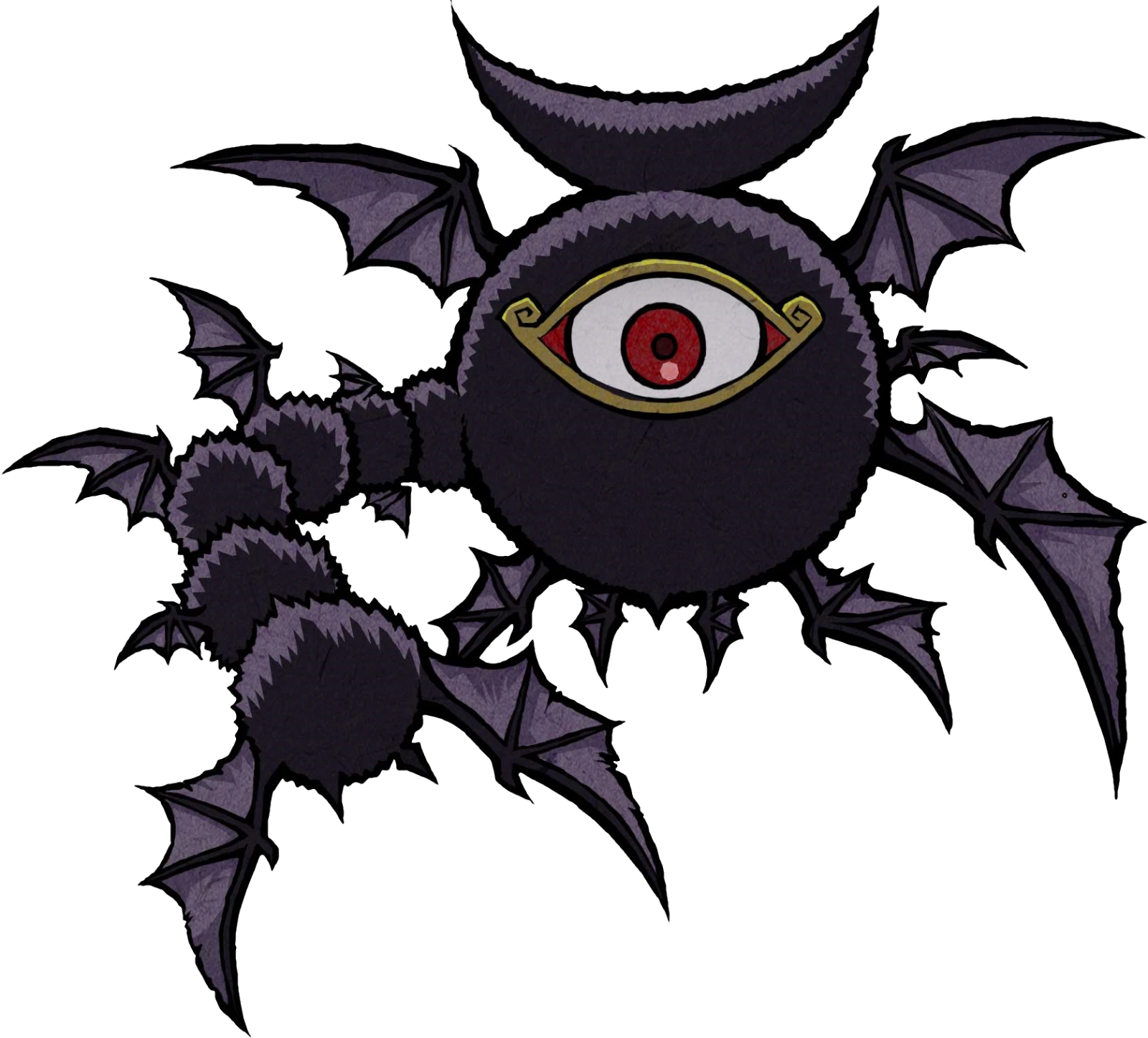
Four Swords AdventuresGameCube · 2004Vaati, now in his one-eyed Wind Mage form, turns out to be a pawn of Ganon. Aonuma described The Minish Cap as its prequel.
The Legend of Zelda EncyclopediaNintendo / Dark Horse · book · 2018Places The Minish Cap between Skyward Sword and Four Swords, and records that the Gust Jar was inspired by a magic gourd in Journey to the West.
The Wind WakerGameCube · 2002The Minish Cap’s look is based on it, and the cartridge hides unused stained-glass art of The Wind Waker’s Deku Tree, Valoo and Jabun.
My Nintendo Store posterNintendo of Europe · 2023The game’s key art was one of three Game Boy Advance posters offered to My Nintendo members in Europe in July 2023.
Characters
A small game with a big cast: a hat with a grudge, a fallen apprentice, three tribes of tiny people and a town full of busybodies with Kinstones in their pockets.
Character
Who they are
In this game
Stats & abilities
LinkThe hero
A boy who lives with his grandfather, the royal blacksmith Smith, and is Princess Zelda’s childhood friend. As a child, he can see the Picori, which is why the King chooses him. He wears the Wind Waker style of Link, drawn in pixels.
Repairs the Picori Blade by gathering the four Elements, forges the Four Sword and defeats Vaati. Ezlo’s parting gift explains where Link’s famous green cap came from.
Shrinks to Minish size at special portals
Four Sword: splits into up to four copies
Gust Jar, Cane of Pacci, Mole Mitts, Flame Lantern, Roc’s Cape, Pegasus Boots, Ocarina of Wind
Tiger Scroll sword techniques
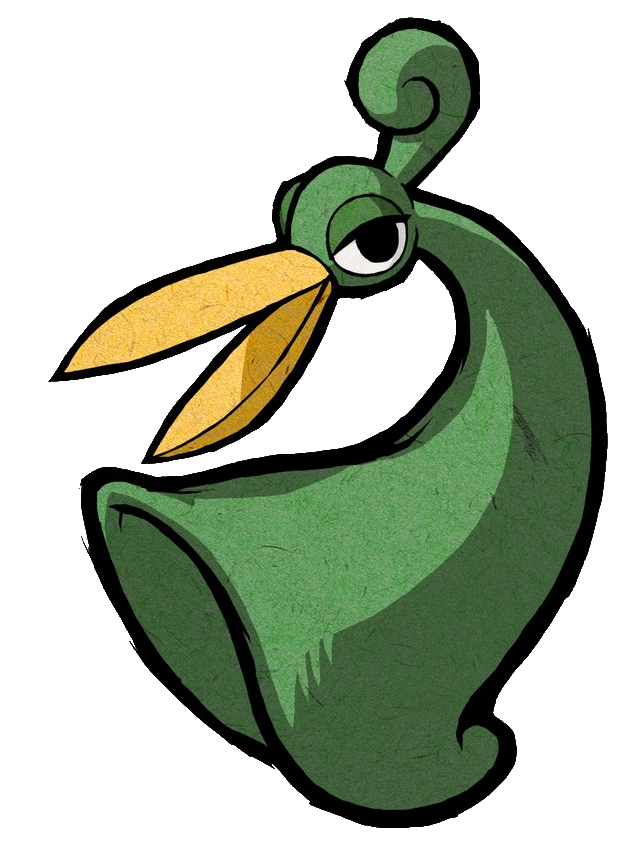
EzloThe Minish Cap
A Minish sage and inventor, creator of the wish-granting Mage’s Cap, who was cursed into the shape of a green hat with a bird’s beak by his own apprentice, Vaati. Talkative and full of advice, some of it unasked for, he is unique to this game.
Rides on Link’s head for the whole adventure, lets him shrink, gives hints when he is stuck and explains the history between himself and Vaati. Restored to his true form at the end, he gives Link a green cap as a goodbye present.
Shows his face only when talking; the rest of the time he looks like an ordinary cap.
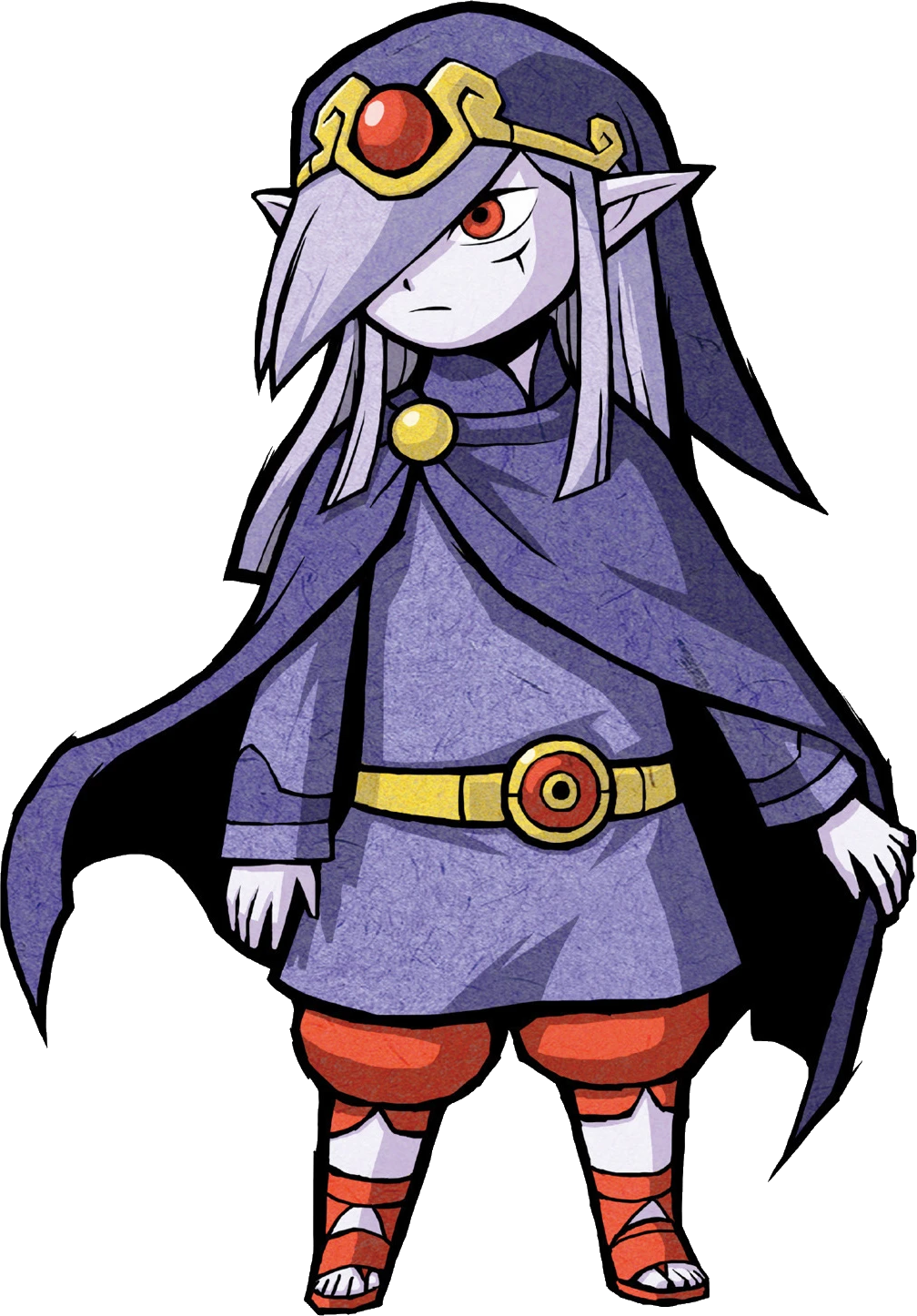
VaatiThe Wind Mage
A Minish who was Ezlo’s apprentice and had always been drawn to the evil in human hearts. He stole the Mage’s Cap, became a sorcerer and cursed his master. The Minish Cap is his origin story, though players had already met him in Four Swords (2002).
Wins the Picori Festival tournament to reach the sealed chest, petrifies Zelda, impersonates King Daltus and nearly drains her Light Force. Link defeats him with the Four Sword, the blade that has become his prison by the time of Four Swords.
Final forms: Vaati Reborn, Vaati Transfigured, Vaati’s Wrath
Returns in Four Swords and Four Swords Adventures as the one-eyed Wind Mage
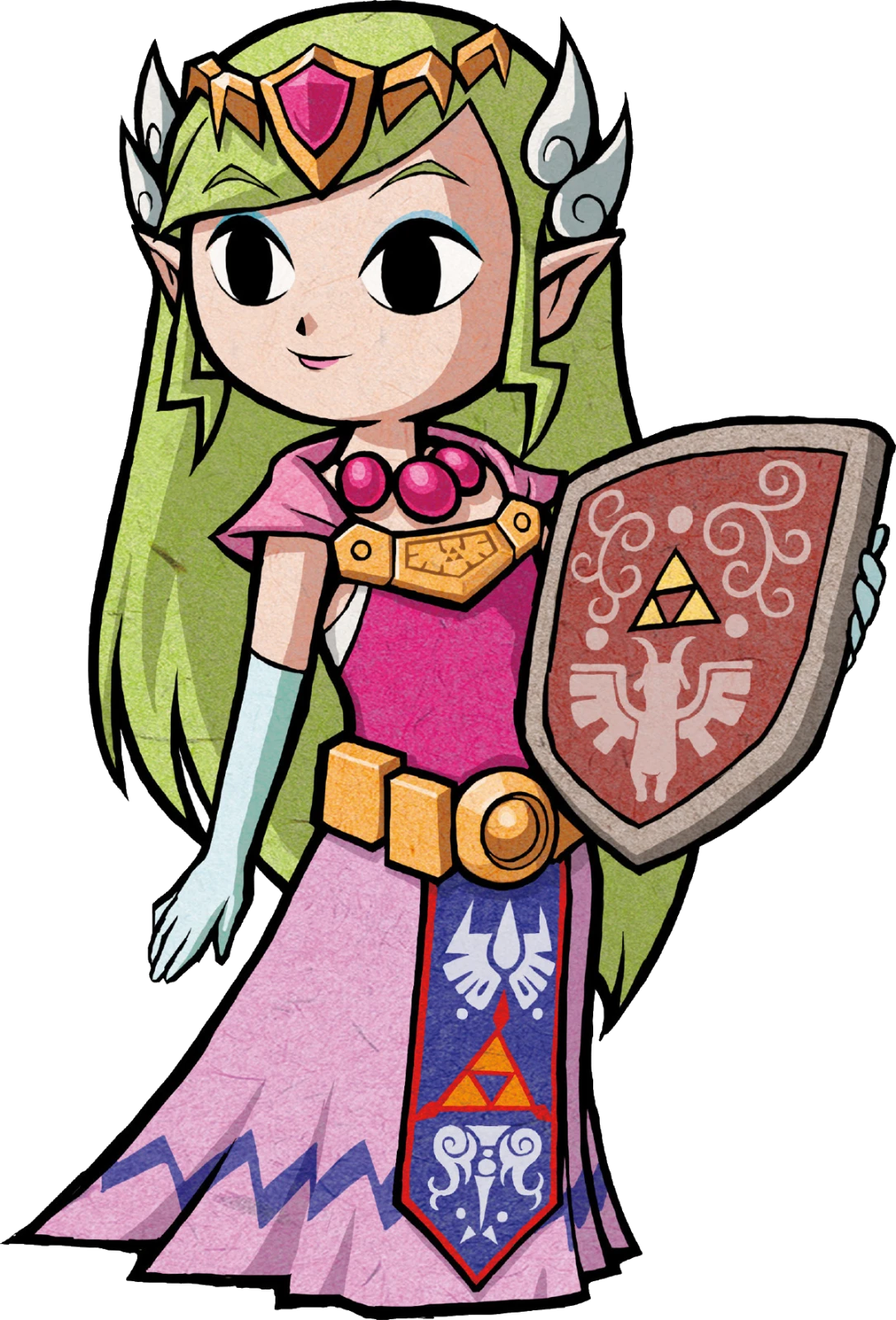
Princess ZeldaPrincess of Hyrule
King Daltus’s daughter and Link’s friend since childhood. According to Vaati, the Light Force, the Picori’s golden gift, flows in every woman of the royal line, and Zelda carries it without knowing.
Gives Link his first shield, is turned to stone by Vaati, who fears her power, and is later targeted by him for the Light Force. At the end she uses the Mage’s Cap to wish away Vaati’s damage.
Holds the Light Force.
King DaltusKing of Hyrule
Zelda’s father and a descendant of King Gustaf. Legend has it he once fought Smith to a draw in the festival tournament.
Sends Link to find the Picori. Vaati then takes his place, wearing his face to order the army about and to trick Link at the end.
Impersonated by Vaati for much of the game.
SmithLink’s grandfather
The royal blacksmith, who is raising Link in their home in Hyrule.
Forges the sword meant for the tournament winner and sends Link off with a blade of his own.
Gives Link the Smith’s Sword.
Gentari and LibrariMinish twins
Twin brothers. Gentari is the elder of the Forest Minish in Minish Village; Librari works at the Royal Hyrule Library in Hyrule Town.
Gentari explains the four Elements, marks them on Link’s map and sends him to Festari and then Melari. Librari helps Link find the Flippers once the library’s overdue books are back.
Both can fuse Kinstones.
MelariMountain Minish swordsmith
A gruff but trustworthy Minish blacksmith who lives in the mines on top of Mount Crenel with seven apprentices, whose song marks them as true Mountain Minish.
Reforges the broken Picori Blade into the White Sword and sends Link to the Elemental Sanctuary.
A Kinstone fusion with him grows a beanstalk with a Piece of Heart.
King GustafRoyal spirit
An ancient King of Hyrule and Daltus’s ancestor, who still watches over his land from beyond the grave. He was very fond of the Wind Tribe.
His ghost guides Link to the Royal Crypt and gives him the golden Kinstone that opens the way to the Cloud Tops and the Wind Element.
Gives Link the Gold Kinstone Piece.
SwiftbladeMaster swordsman
One of the eight Blade Brothers, who runs the Swiftblade School in the south-west of Hyrule Town. A brother, Swiftblade the First, has died.
Teaches Link sword techniques once he has the right equipment, each recorded on a Tiger Scroll.
Teaches the Spin Attack, Dash Attack, Rock Breaker and Down Thrust; his brothers teach other techniques.
Tingle and his brothersKinstone enthusiasts
The green-suited map seller of Majora’s Mask and The Wind Waker, here with his brothers Ankle and Knuckle and their friend David Jr.
Link finds Tingle in South Hyrule Field. Fusing Kinstones with him and the others opens trees in North Hyrule Field, leading to the Magical Boomerang.
Fuse every Kinstone in the game to win the Tingle Trophy.
BeedleTravelling merchant
The cheerful shopkeeper who made his debut in The Wind Waker.
Sells Picolyte in Hyrule Town.
Turns up again in many later Zeldas.
BiggoronGiant Goron
An enormous Goron who sits at Veil Falls.
After the game is finished, hand him your shield; he chews it, and when you come back he spits out the Mirror Shield.
Source of the Mirror Shield.
CarlovFigurine maker
The sculptor who also ran the Nintendo Gallery in The Wind Waker.
Trades figurines for Mysterious Shells. There are 136 to collect, six of them only after the game is finished.
Complete the set for a golden medal bearing his face.
ZeffaThe wind bird
A great bird that answers the Ocarina of Wind.
Summoned with the Ocarina of Wind, it carries Link quickly around Hyrule.
Fast travel.
Bosses and notable enemies
The main bosses in order, with a few familiar faces Link meets on the way. At Minish size, even small monsters become giants.
MadderpillarDeepwood Shrine (mini-boss)Beat it to reach the Gust Jar.
Big Green ChuChuDeepwood ShrineAn ordinary ChuChu, made huge by Link’s tiny size.
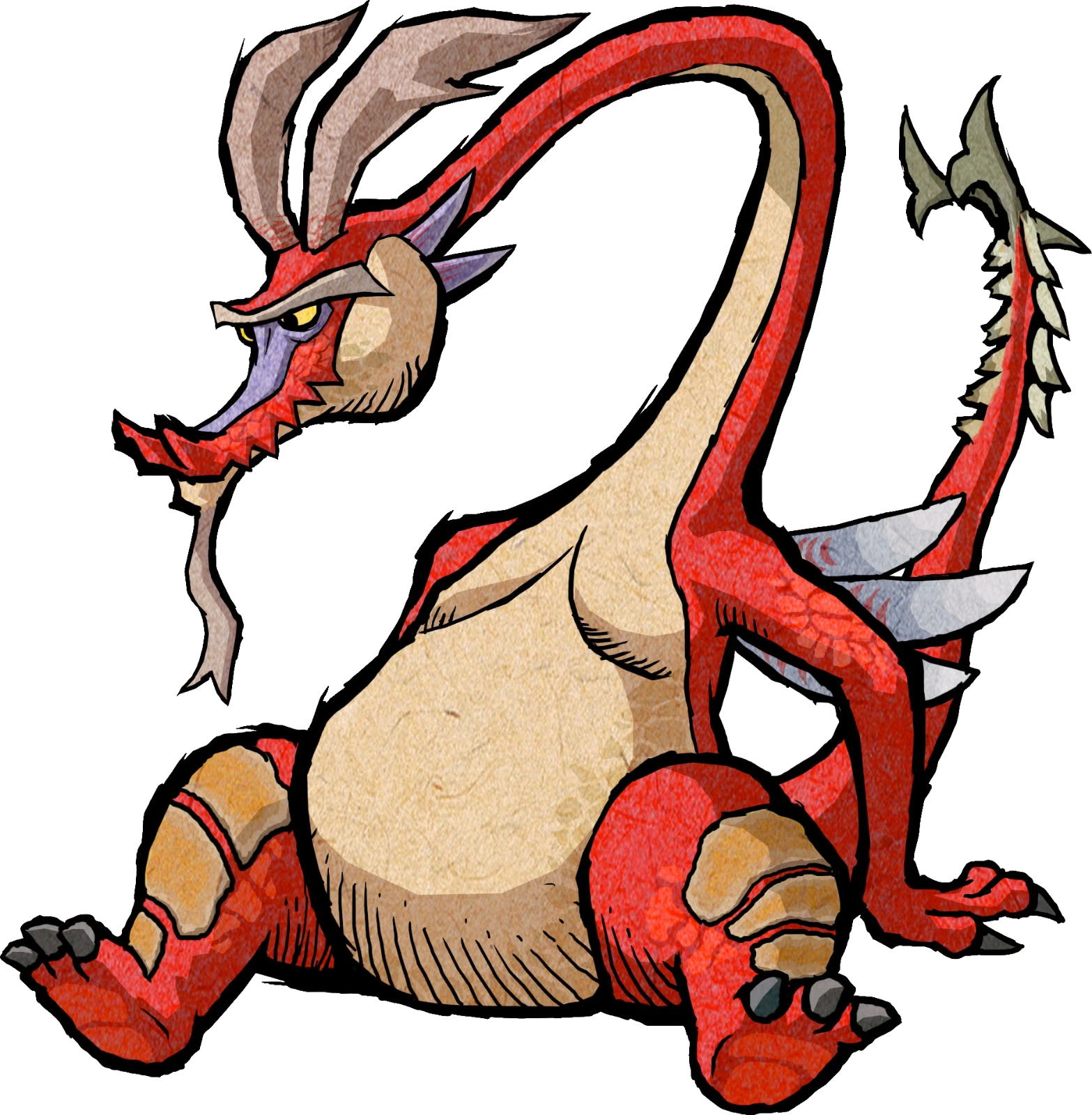
GleerokCave of FlamesThe lava beast guarding the Fire Element.
MazaalFortress of WindsAn ancient guardian machine.
Big OctorokTemple of DropletsFrozen in ice with the Water Element until Link lets the sunlight in.
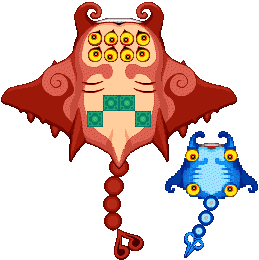
Gyorg PairPalace of WindsTwo flying Gyorgs, fought in mid-air.
Vaati (three forms)Dark Hyrule CastleVaati Reborn, Vaati Transfigured and finally Vaati’s Wrath; the last needs perfectly timed hits.
OctorokMinish Woods and beyondEzlo is being bullied by a gang of them when Link first meets him.
ArmosCastor WildsStatues that are really ancient Minish robots.
MoblinHyrule Castle and beyondVaati summons a pair to finish Link off outside the castle.
DarknutLater dungeonsArmoured knights; silver and red Darknuts appear as mini-bosses.
The people who made it
The Minish Cap was made at Capcom and its Flagship studio, with Nintendo overseeing development.
Hidemaro FujibayashiDirector (Capcom / Flagship)Director of the Oracle games and of Four Swords, he later moved to Nintendo and directed Skyward Sword, Breath of the Wild and Tears of the Kingdom. The Minish Cap was the last Zelda he directed outside Nintendo.
Keiji InafuneProducer (Capcom)Capcom’s producer on the project.
Mitsuhiko TakanoMusicWrote a score that also reworks familiar Zelda melodies.
Takenori Kimoto & Haruki SuetsuguArtCredited artists on the game’s detailed pixel art.
Toshihiko Honda, Nobuhito Shimizu & teamProgrammingCredited programmers, with Yoshiyuki Fujikawa, Nobuaki Minomiya, Yohei Doi and Koji Yoshida.
Shigeru Miyamoto & Eiji AonumaNintendoNintendo oversaw development; the two spoke publicly about the project in February 2003, saying work was well under way.
How it was made
Nintendo has published far less about The Minish Cap’s making than about its home-console Zeldas, so this account sticks to what the developers and contemporary reports have confirmed.
How Capcom got the keys to Hyrule
Oracle of Seasons (2001), one of the first Zelda games to come out of Capcom’s deal with Nintendo.
Capcom’s Zelda adventure began with a cheeky pitch. Producer Yoshiki Okamoto wanted to bring the original Zelda to Game Boy, and when Shigeru Miyamoto showed no interest, Okamoto threatened to make an identical game with different characters under another name. Capcom then claimed it could deliver four Zelda games in a year, and that was enough to win Nintendo round. The port never happened, but the partnership did.
It produced the two Oracle games for Game Boy Color in 2001 and Four Swords, the multiplayer adventure packed with A Link to the Past on Game Boy Advance in 2002. The Minish Cap was the team’s third Zelda project, made at Flagship, Capcom’s scenario-writing subsidiary.
Put on hold for Four Swords
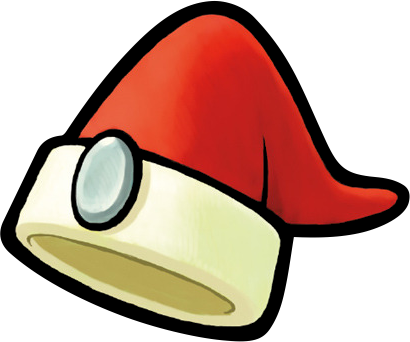
Official art of the Gnat Hat from Four Swords, the shrinking item The Minish Cap built on.
After the Oracles, Capcom and Flagship started work on a new single-player Game Boy Advance Zelda, then paused it so the team could concentrate on Four Swords. By February 2003 Miyamoto and Aonuma were telling the press that the new game was well under way. It was directed by Hidemaro Fujibayashi, who had directed Four Swords, and produced at Capcom by Keiji Inafune, with Nintendo overseeing the work.
Thinking small
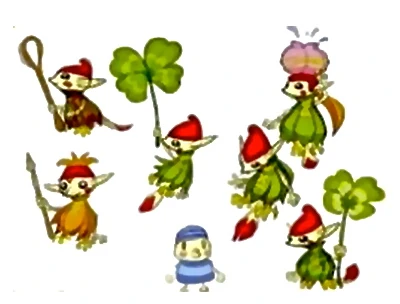
Concept art of the Minish.
The big idea was shrinking. Four Swords had already let players shrink with its Gnat Hat; The Minish Cap built a whole world around it, with a tiny people living in the cracks of Hyrule and a second, Minish-sized layer to almost every area. Nintendo opened an official website in September 2004 showing off how Link shrinks.
Some inspirations came from further afield. According to Nintendo’s Zelda Encyclopedia, the Gust Jar was inspired by a magical gourd in the Chinese classic Journey to the West.
The Wind Waker in miniature
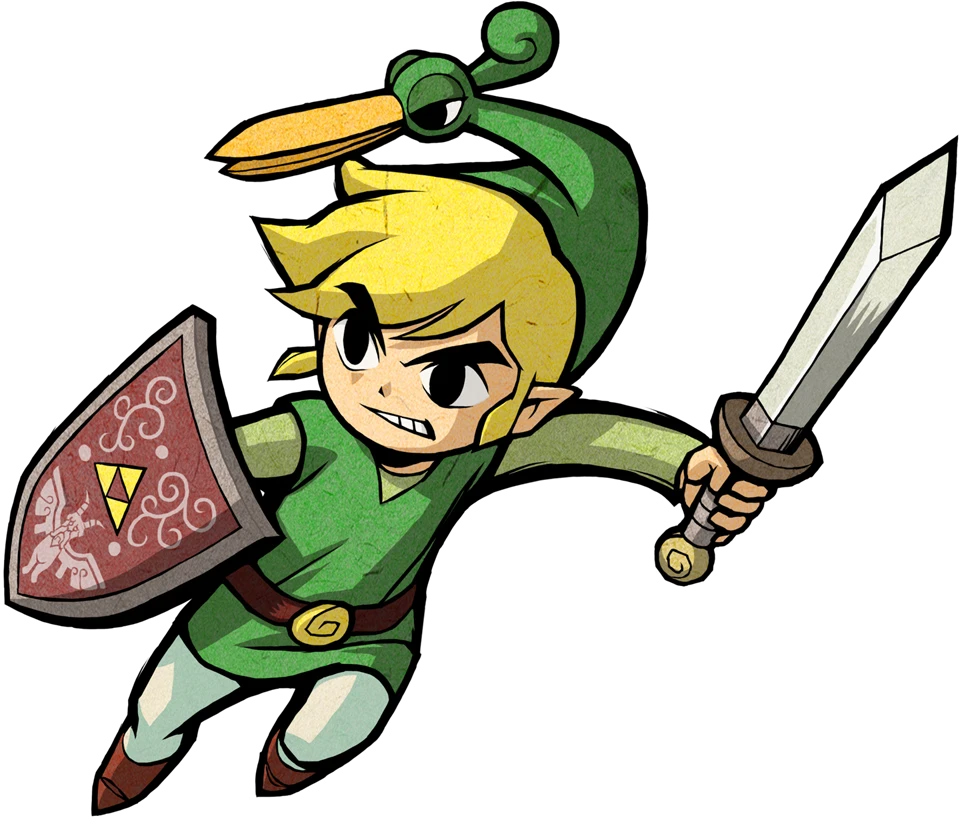
Official art of Link for The Minish Cap.
Visually the team started from its Four Swords style and nudged it towards The Wind Waker, so Link, Zelda and the monsters look like pixel-art versions of their cel-shaded selves. The on-screen interface was an evolution of the Game Boy and Game Boy Color games’, while many sound effects, Link’s voice included, were lifted from Ocarina of Time. Composer Mitsuhiko Takano mixed new music with reworked series favourites, which Nintendo Life later called fantastic sound for the hardware.
Filling in the Four Sword legend
Concept art of Ezlo.
Story-wise the game looks backwards. Speaking to Nintendo of Europe in November 2004, Aonuma confirmed it is a prequel to Four Swords Adventures and tells how the Four Sword came to be. It also gave Vaati, the Four Swords villain, an origin and a reason to hate the world, and introduced the Light Force, the Picori and Ezlo, none of whom had been seen before.
Europe first
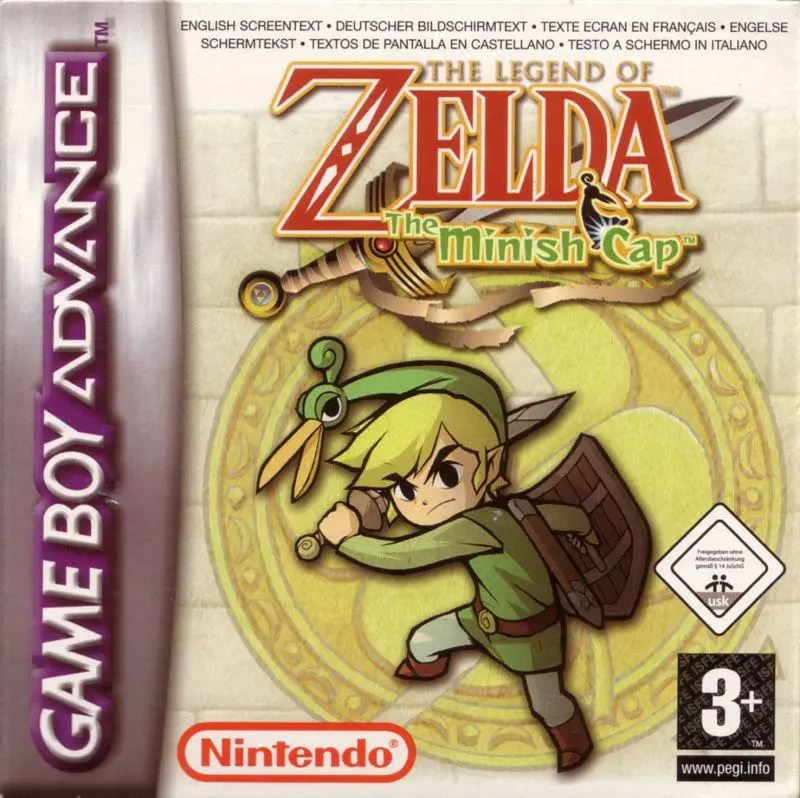
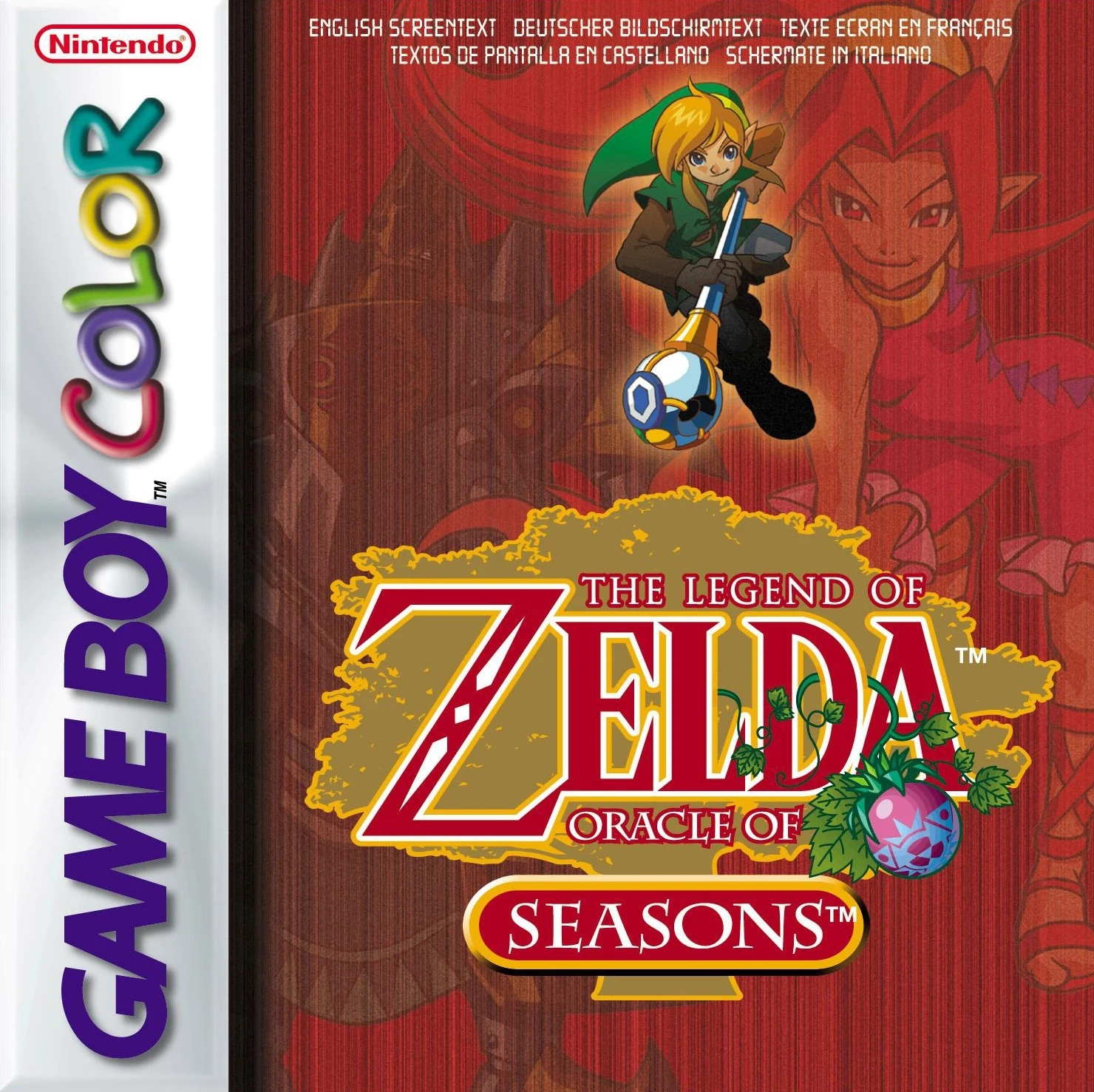
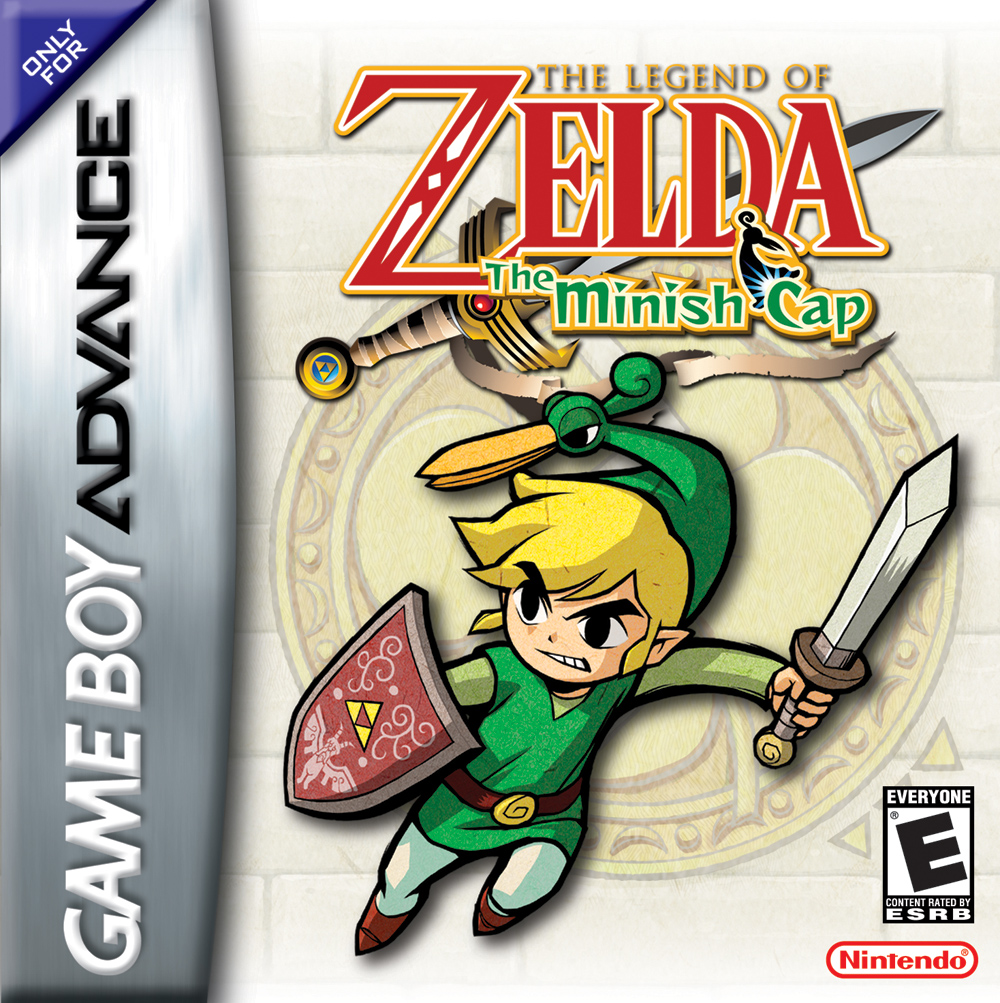
The North American box; the game reached North America on 10 January 2005.
The release order was unusual. Japan got the game on 4 November 2004 and Europe a week later, on 12 November, but North America waited until 10 January 2005. It is often called a first for the series, but it was not quite one: Zelda II had also reached European shops before American ones, in 1988.
Firsts: what this game introduced
What The Minish Cap brought to the series:
1Europe before AmericaLaunched in Europe almost two months before North America, which only Zelda II (1988) had done before among the main Zelda games.
2EzloA talking hat as Link’s companion, and a parting gift that hints at where Link’s cap came from.
3The MinishA race of tiny people, Picori to Hylians, visible only to children, in three communities: Forest, Town and Mountain.
4Kinstone fusionMatching broken stones with the people of Hyrule to unlock dozens of small secrets.
5Origins of Vaati and the Four SwordThe backstory of the Four Swords games, told for the first time.
6The Cane of PacciA new tool that flips things upside down.
Cheats & secrets
There are no cheat codes, but The Minish Cap is crammed with optional secrets, most of them unlocked by talking to people.
Kinstones
Official art of a green Kinstone.
Kinstones come in green, blue, red and gold. Talk to anyone with a Kinstone icon over their head; if your halves match, the fusion opens a secret somewhere in Hyrule: a chest, a beanstalk, a fairy fountain or a new path. The gold pieces are compulsory and open the way to the Wind Ruins, Veil Falls and the Cloud Tops. Fuse every Kinstone in the game for the Tingle Trophy.
Tiger Scrolls
Official art of the Dash Attack.
The Blade Brothers teach Link extra sword techniques, each recorded on a Tiger Scroll. Swiftblade alone teaches four: the Spin Attack, Dash Attack, Rock Breaker and Down Thrust, which need the White Sword, Pegasus Boots and Roc’s Cape. With the right scrolls, Link’s sword fires a beam when his health is full or almost gone.
Figurines
Outside the Figurine Gallery.
Spend Mysterious Shells at Carlov’s shop. Each shell raises the chance of a new figurine by 1%. There are 130 before the end and six more after Vaati falls; finish the collection for Carlov’s golden medal, then talk to Baris for the key to his house.
Mirror Shield
Biggoron.
After beating the game, visit Biggoron at Veil Falls and let him eat your shield. Come back later and he spits out the Mirror Shield.
Magical Boomerang
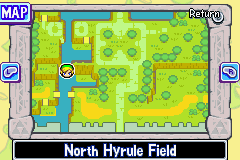
North Hyrule Field.
Fuse Kinstones with Tingle and his brothers to open the trees in North Hyrule Field; a chest beneath them holds the Magical Boomerang.
Grip Ring and Pieces of Heart
Official art of a Piece of Heart.
Beat the Business Scrub in a cave on Mount Crenel and he sells you the Grip Ring for 40 Rupees, letting you climb walls. A red Kinstone fusion with Melari grows a beanstalk with a Piece of Heart and 160 Rupees at the top.
Beedle’s Picolyte
Beedle, the merchant from The Wind Waker, has set up shop in Hyrule Town selling Picolyte.
Checked against Zelda Dungeon, November 2026.
Glitches, exploits and oddities
Data-miners have found plenty left behind on the cartridge, including several hints of ideas that were dropped.
A missing sword
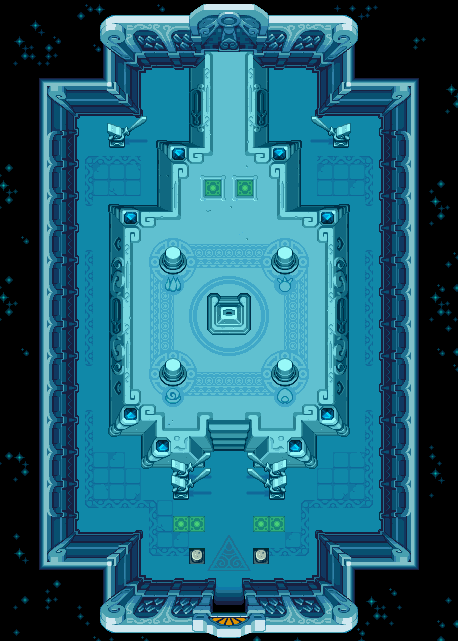
The Elemental Sanctuary, where the sword takes in each Element.
The game’s list of swords has an unused slot between the three-Element White Sword and the Four Sword, which suggests an extra stage of the blade was once planned.
The Fire Rod that never was
A Fire Rod has pickup text and even a shop price of 350 Rupees, but is never available. The European text still mentions it as a weakness of Ice Wizzrobes.
A bottle of butter
An unused bottled item called Butter has no function, perhaps a leftover from a removed character or event.
Visitors from The Wind Waker
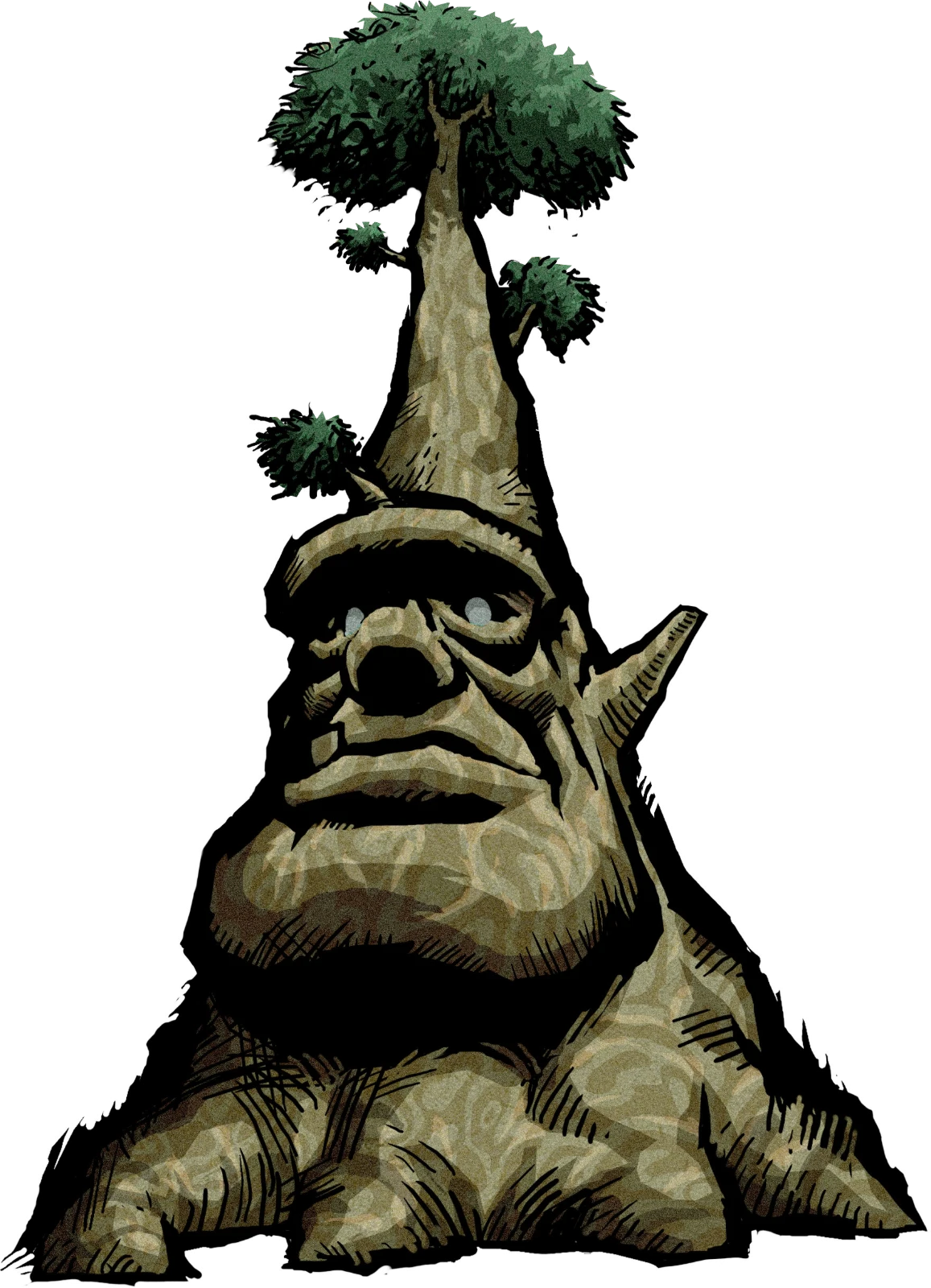
Official art of the Great Deku Tree from The Wind Waker.
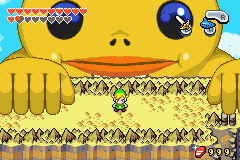
Unused stained-glass artwork shows The Wind Waker’s Deku Tree, Valoo and Jabun, along with the Pearls of the Goddesses. There is also an internal name for “Biggoron’s Dungeon”.
Four Swords leftovers
The logo of Four Swords, where most of the unused enemies came from.
Unused enemies include Zols, Gels, Bubbles and golden and purple Darknuts, most of them carried over from Four Swords. The two Darknuts behave erratically, borrowing the black Darknut’s moves.
Debug tools
A Debug Text screen shows every line of text in the game, used or not, and there are unused debug items and a half-dressed test character with odd movements.
Language menu
The European version’s language menu contains two extra options, American English and Japanese, which the game never uses.
Videos & media
Two official Nintendo videos: Nintendo UK’s trailer for the 2014 Wii U re-release, and the 2023 announcement that brought The Minish Cap to Nintendo Switch Online.
Nintendo UK’s trailer for the Wii U Virtual Console release, 2014.
Nintendo of America’s February 2023 announcement of Game Boy and Game Boy Advance games for Nintendo Switch Online + Expansion Pack, with The Minish Cap in the launch line-up.
Trivia & facts
The Japanese logo.The Japanese title, Fushigi no Bōshi, means “the mysterious cap”.
Famitsu’s four reviewers gave it 9, 8, 9 and 10, a total of 36 out of 40.
It went straight to number one in Japan, selling about 97,000 copies in its first week.
Ezlo shows his face only when he is talking. The rest of the time he looks just like Link’s ordinary cap from Four Swords.
According to Zelda Dungeon, the game’s title refers to Ezlo’s invention, the wish-granting Mage’s Cap, rather than to Ezlo himself.
Many sound effects, including Link’s voice, were borrowed from Ocarina of Time.
The Royal Hyrule Library from outside.Gentari, elder of the Forest Minish, has a twin brother, Librari, who works in the Royal Hyrule Library.
Melari’s seven apprentices followed him from Minish Village to Mount Crenel.
There are eight Blade Brothers, and one of them, Swiftblade the First, has died. Fuse a Kinstone with the Postman and Swiftblade starts writing a Swordsman Newsletter.
Hyrule Town Square.The Town Picori love humans so much they moved into Hyrule Town, where their attempts to help do not always go to plan.
Biggoron will turn your ordinary shield into a Mirror Shield, but only by eating it first.
Official art of Valoo from The Wind Waker.The data includes an unused Fire Rod, a bottle of butter and stained glass of The Wind Waker’s Valoo and Jabun.
It was the last Zelda that Hidemaro Fujibayashi directed outside Nintendo; his next turn in the director’s chair was Skyward Sword.
The Wii U Virtual Console version cost ¥700 in Japan, £6.29 in Europe and US$7.99 in North America.
Capcom won its Zelda deal partly by promising Nintendo four Zelda games in a single year.
Media & artwork
Box art, official artwork and screenshots from The Minish Cap. Select any image to see it larger.
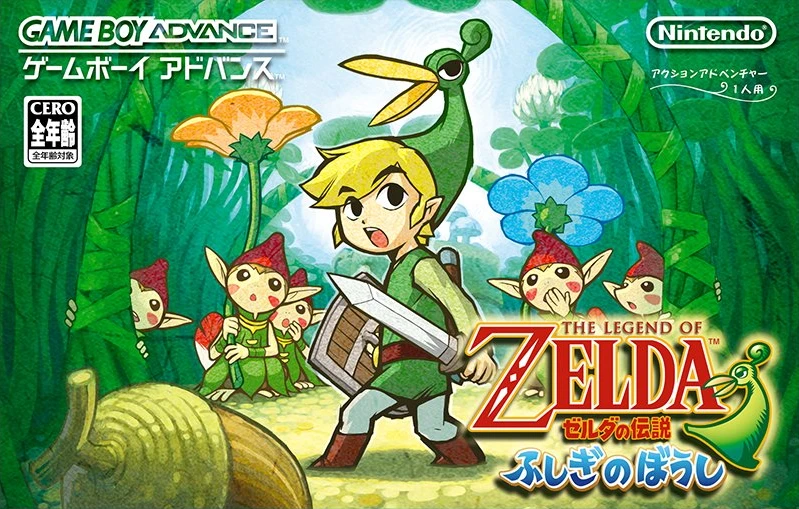
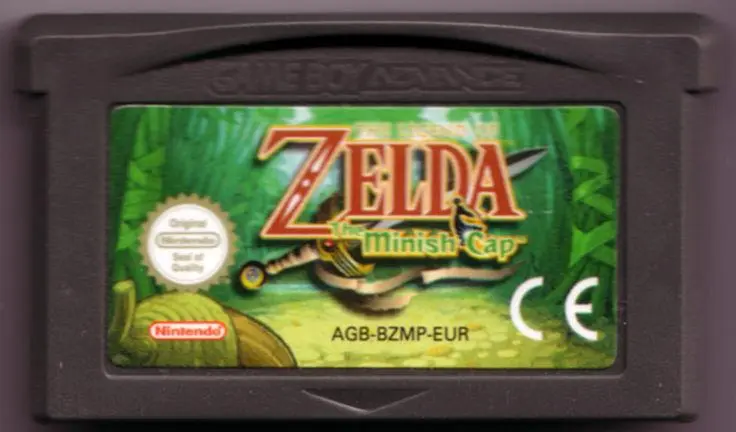
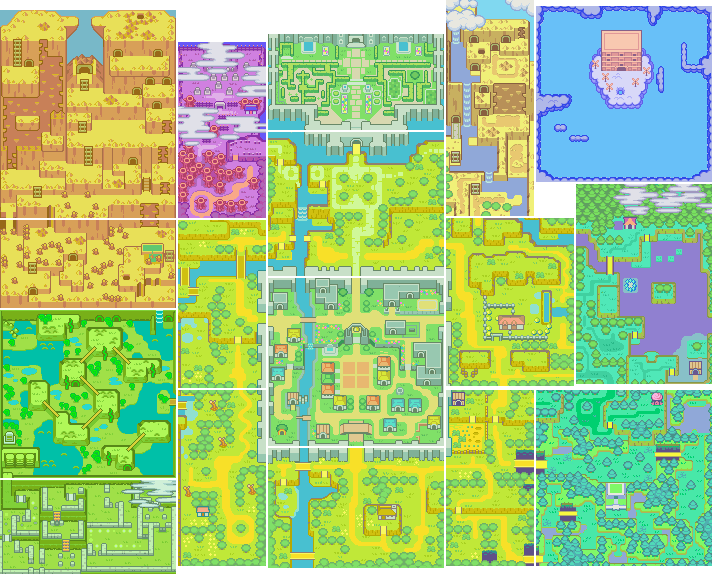
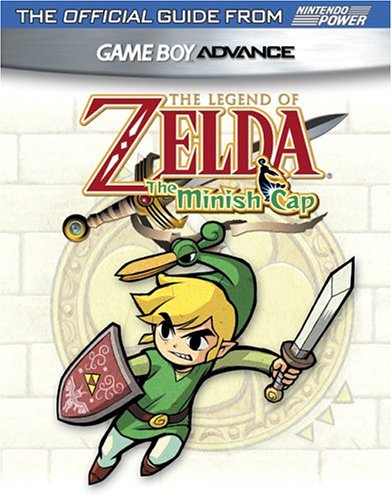
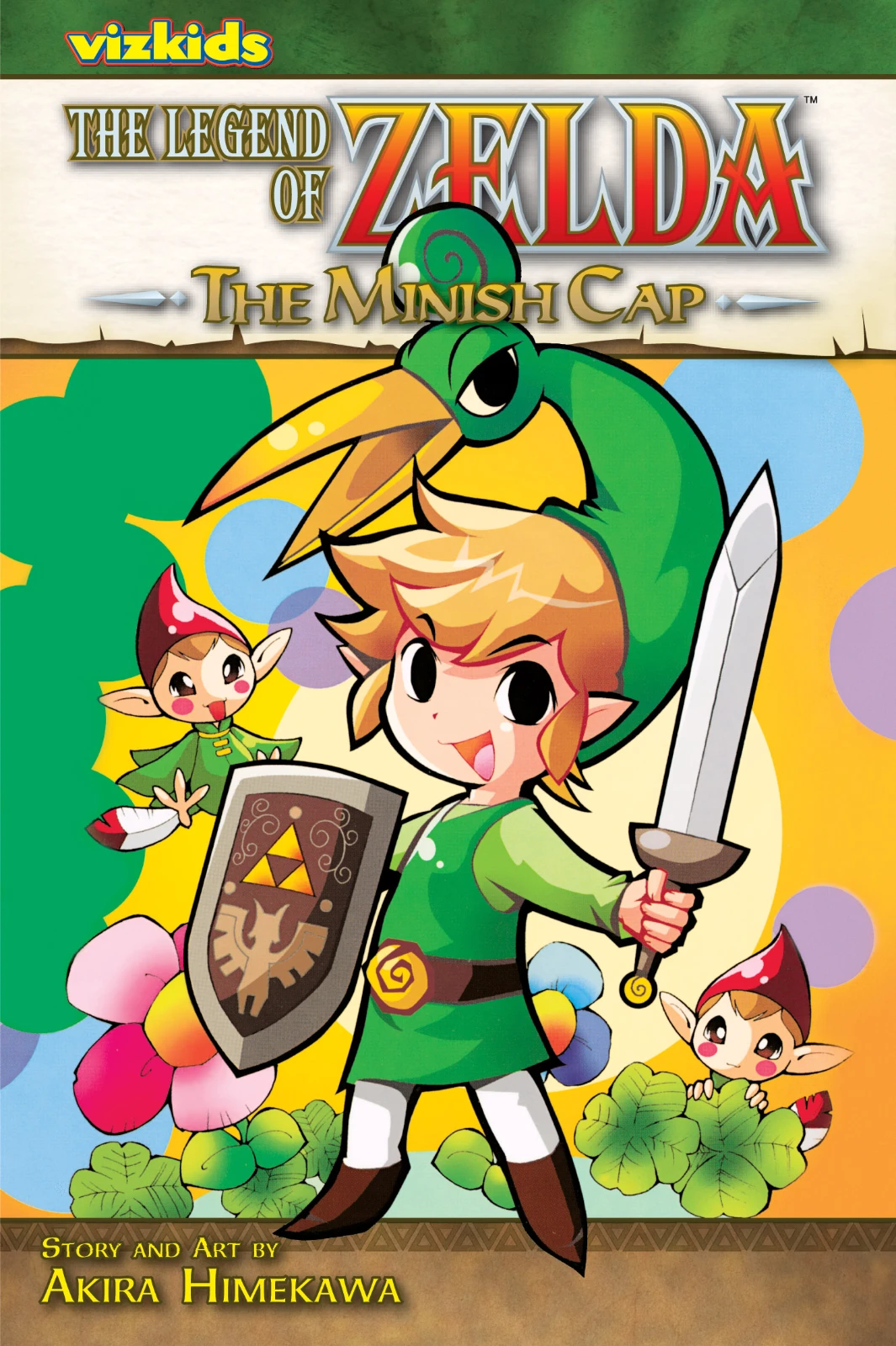
Back of the European box.Japanese box (2004).Australian box (2005).The European Game Boy Advance cartridge.The European instruction manual.An early version of the English logo.Map of Hyrule.Nintendo Power’s guide to the game.Cover of Akira Himekawa’s manga of The Minish Cap.
Since its Game Boy Advance debut, The Minish Cap has been re-released on Nintendo 3DS, Wii U and Nintendo Switch.
From Game Boy Advance to Nintendo Switch
Game Boy Advance4 November 2004 – Japan first, then Europe (12 November 2004), North America (10 January 2005) and Australia (7 April 2005).
3DS Virtual Console (Ambassador Programme)16 December 2011 – One of ten Game Boy Advance games given to early 3DS owners; Australia a day earlier.
Wii U Virtual Console30 April 2014 – Japan first; Europe and Australia on 29 May, North America on 5 June. The first time since the original release that it was on sale to everyone.
Nintendo Switch Online + Expansion Pack8 February 2023 – Part of the Game Boy Advance launch line-up.
Where it fits
The logo of Four Swords Adventures, where the story that starts here comes to an end.
Nintendo’s Zelda Encyclopedia (2018) puts The Minish Cap after Skyward Sword and before Four Swords, making it the second story in the series’ chronology. Everything that follows in the Four Swords saga, from Vaati’s escape to the sealing of Ganon in Four Swords Adventures, starts here.
The end of the Capcom era
Eiji Aonuma and Hidemaro Fujibayashi with amiibo, pictured for Tears of the Kingdom.
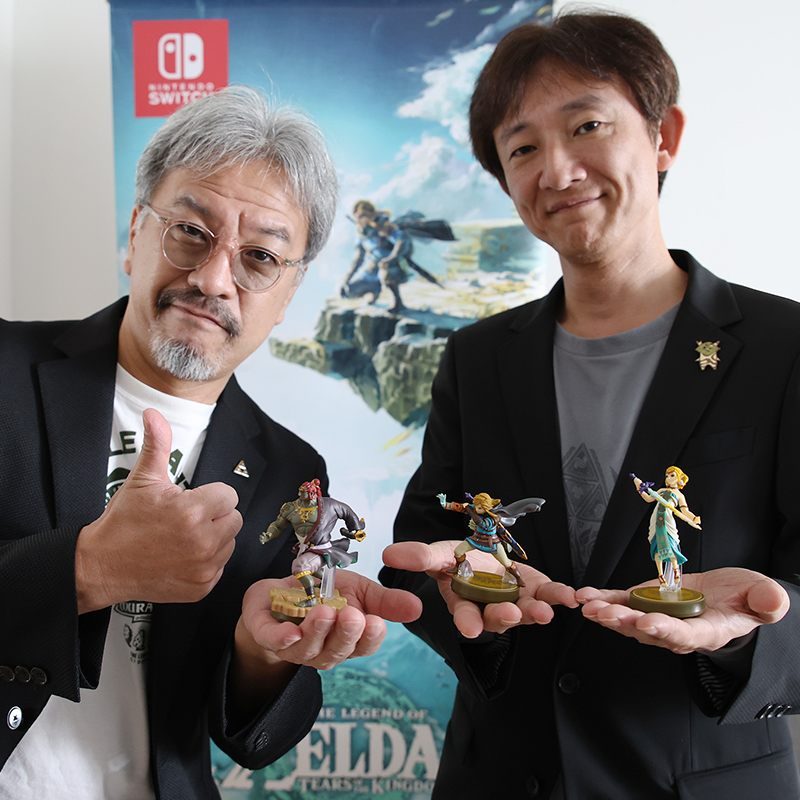
The Minish Cap was Capcom and Flagship’s last Zelda. Flagship is now defunct, but its director, Hidemaro Fujibayashi, joined Nintendo, worked as sub-director on Phantom Hourglass and went on to direct Skyward Sword, Breath of the Wild and Tears of the Kingdom.
Where to play it today
The easiest way to play is through Nintendo Switch Online + Expansion Pack, where the Game Boy Advance library has included The Minish Cap since February 2023.
Sales & reviews
Sales figures
The Minish Cap topped the Japanese chart in its launch week with about 97,000 copies. In North America it sold almost 217,000 copies in January 2005, the fourth-best seller of the month. Nintendo’s 2005 annual report put it at a million worldwide by March 2005, and the 2021 CESA Games White Paper gives a lifetime total of 1.76 million.
97,000first week in Japan (No. 1)
217,000North America, January 2005
1mworldwide by March 2005
1.76mlifetime (CESA, 2021)
Reception and review scores
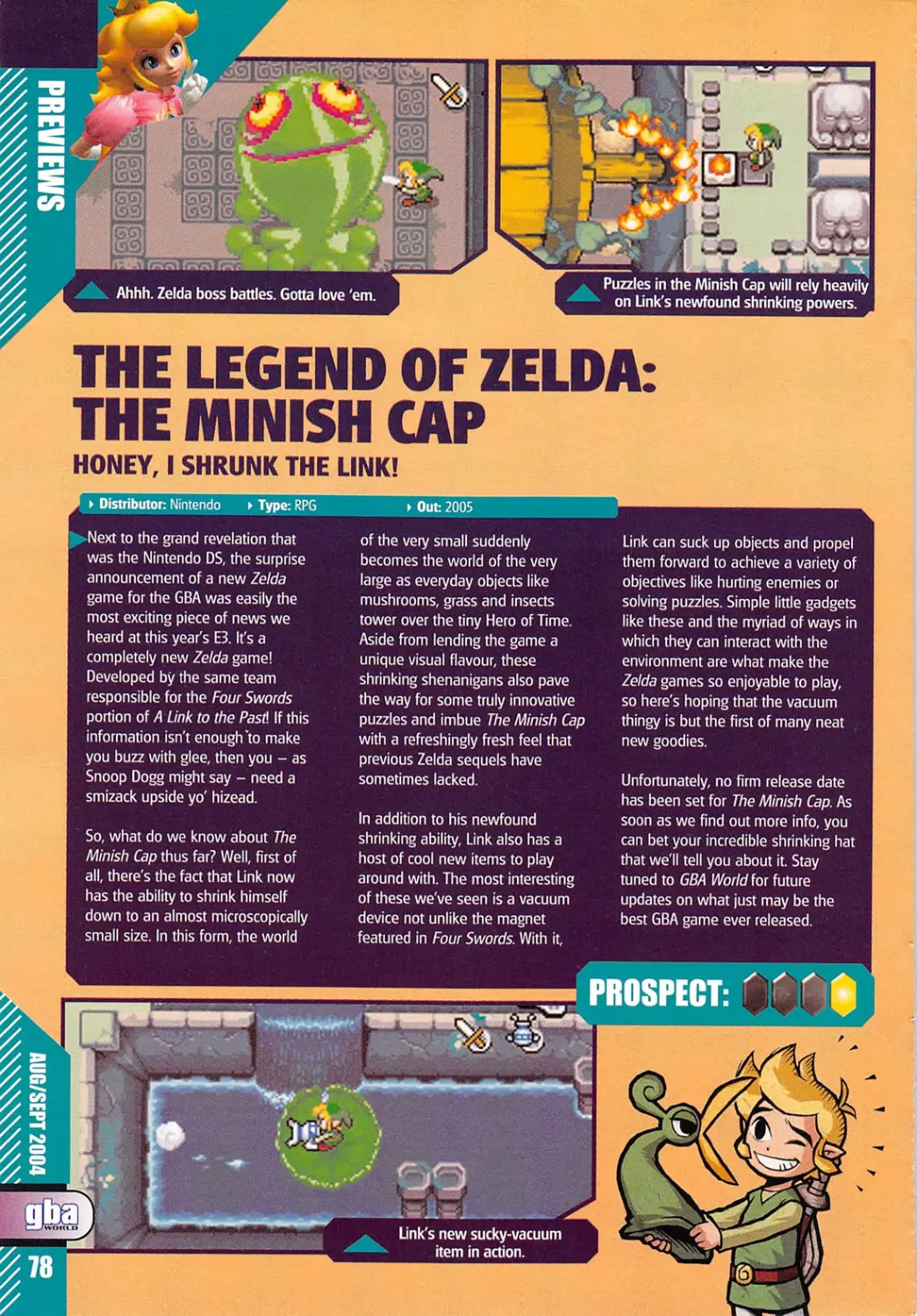
GBA World’s preview of The Minish Cap, from issue 10 (August 2004).
Reviews were warm. Metacritic averages 56 critics at 89. These are scores where we could confirm the outlet, with Metacritic’s conversions where the original was not out of 100.
Nintendo PowerUS · March 2005 (converted)
96%
Game InformerUS · February 2005
9.5/10
PelitFinland · January 2005
92%
FamitsuJapan · 2004 (9, 8, 9, 10)
36/40
Electronic Gaming MonthlyUS · February 2005 (converted)
90%
GMRUS · February 2005 (converted)
90%
PlayUS · March 2005 (converted)
90%
games™UK (converted)
90%
Nintendo LifeUK · 8 June 2014 (Wii U re-release, Martin Watts)
9/10
EdgeUK · Christmas 2004
8/10
Critics loved the shrinking puzzles, the dungeon design and the charming visuals. Nintendo Life felt it played like a Nintendo-made Zelda even though Capcom made it. The usual complaint was length: with six main dungeons, a typical run takes about ten hours. Some also found Kinstone-hunting repetitive. Looking back in 2014, Nintendo Life called it a surprisingly short entry but an excellent one.
Honours
Gamasutra Japanese chart · November 2004Number oneTop-selling game in Japan in its launch week.
NPD · January 2005Fourth best-selling game in North AmericaBehind Mercenaries, Resident Evil 4 and Grand Theft Auto: San Andreas.
Reader reviews
No reader reviews yet. Played it? Give it a score out of 10 and tell other fans what you think.
Every fact on this page was checked against the sources below in November 2026. Zelda Wiki (zeldawiki.wiki) could not be read, and several older IGN, Eurogamer and GameSpot pages were unreachable, so claims that rest only on those pages have been left out for now.
To provide the best experiences, we use technologies like cookies to store and/or access device information. Consenting to these technologies will allow us to process data such as browsing behavior or unique IDs on this site. Not consenting or withdrawing consent, may adversely affect certain features and functions.
Functional
Always active
The technical storage or access is strictly necessary for the legitimate purpose of enabling the use of a specific service explicitly requested by the subscriber or user, or for the sole purpose of carrying out the transmission of a communication over an electronic communications network.
Preferences
The technical storage or access is necessary for the legitimate purpose of storing preferences that are not requested by the subscriber or user.
Statistics
The technical storage or access that is used exclusively for statistical purposes.The technical storage or access that is used exclusively for anonymous statistical purposes. Without a subpoena, voluntary compliance on the part of your Internet Service Provider, or additional records from a third party, information stored or retrieved for this purpose alone cannot usually be used to identify you.
Marketing
The technical storage or access is required to create user profiles to send advertising, or to track the user on a website or across several websites for similar marketing purposes.

 Deepwood ShrineBoss: Big Green ChuChuIn the Minish Woods. Item: Gust Jar (after the mini-boss Madderpillar). Reward: Earth Element.
 Cave of FlamesBoss: GleerokA volcanic mine on Mount Crenel. Item: Cane of Pacci. Reward: Fire Element.
 Fortress of WindsBoss: MazaalRuins in the Castor Wilds. Item: Mole Mitts. Reward: Ocarina of Wind.
 Temple of DropletsBoss: Big OctorokA frozen temple reached by swimming across Lake Hylia. Item: Flame Lantern. Reward: Water Element.
 Royal CryptMini-dungeonKing Gustaf’s tomb in the Royal Valley. Reward: the golden Kinstone.
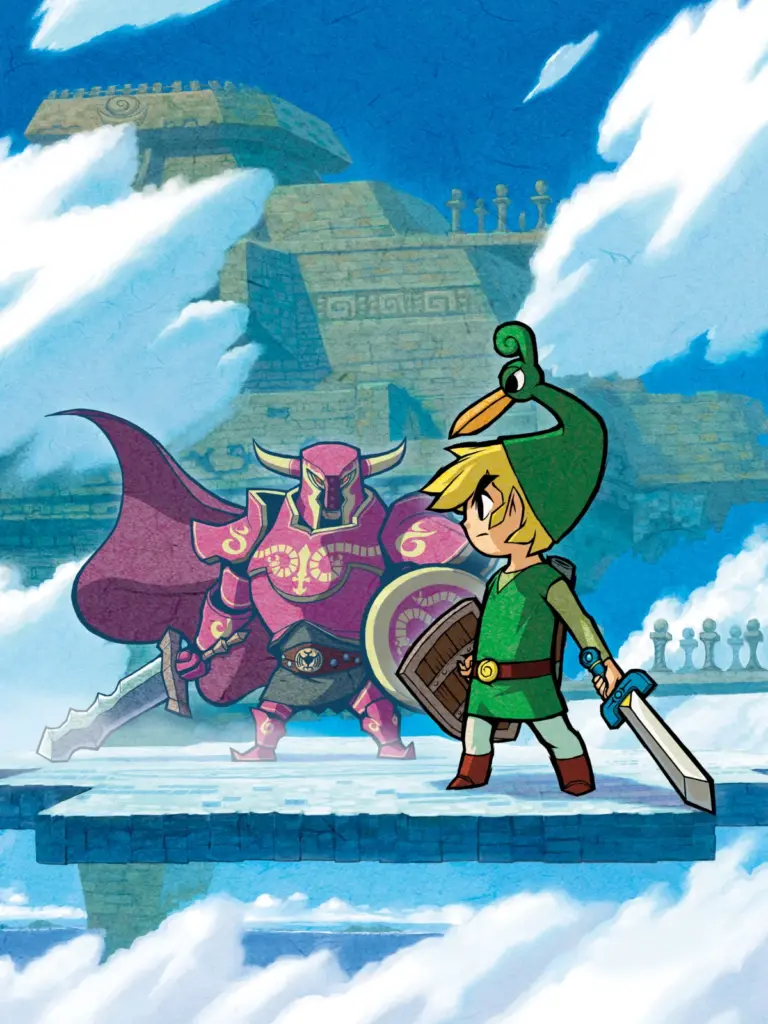 Palace of WindsBoss: Gyorg PairHigh above the Cloud Tops. Item: Roc’s Cape. Reward: Wind Element.
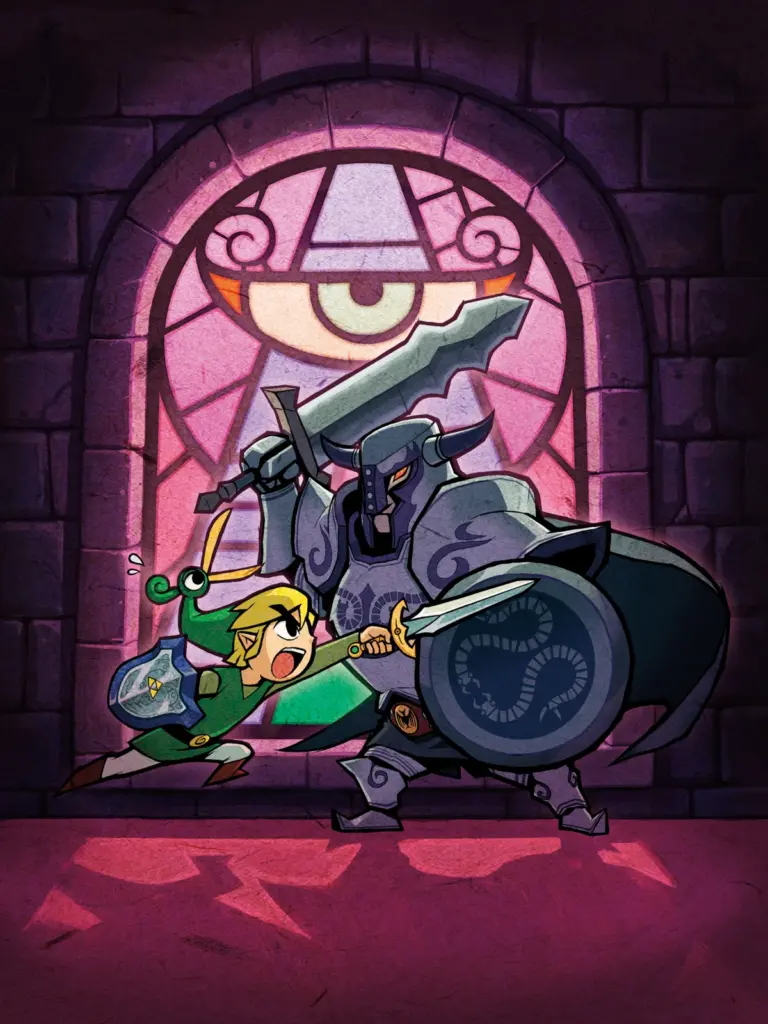 Dark Hyrule CastleBoss: VaatiHyrule Castle transformed. Three forms of Vaati.
 Four SwordsGame Boy Advance · 2002Released two years before The Minish Cap but set after it. Vaati, by now sealed inside the Four Sword, breaks free as the seal weakens and carries off a later Zelda; a later Link has to seal him away again.
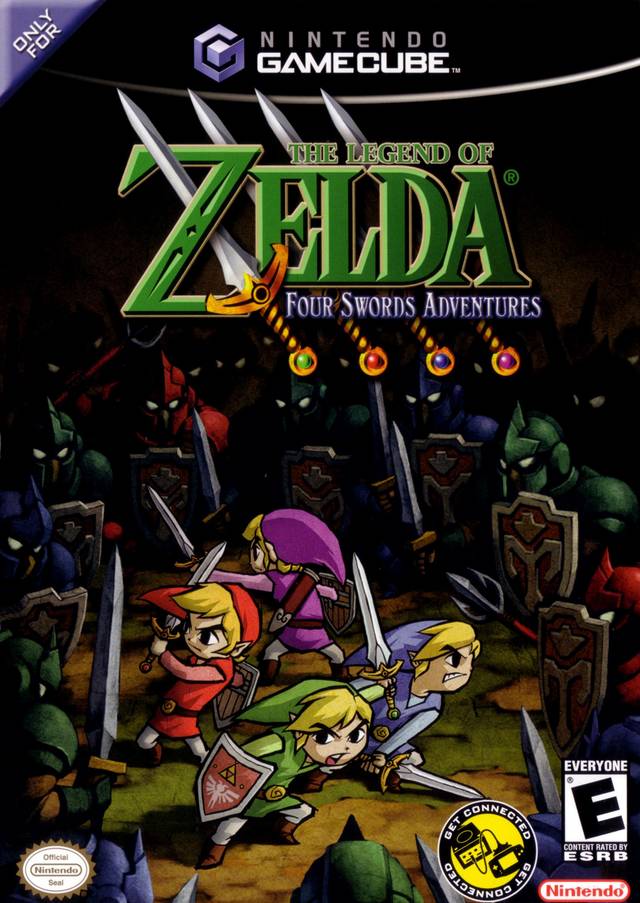 Four Swords AdventuresGameCube · 2004Vaati, now in his one-eyed Wind Mage form, turns out to be a pawn of Ganon. Aonuma described The Minish Cap as its prequel.
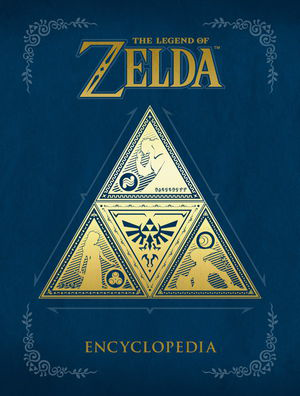 The Legend of Zelda EncyclopediaNintendo / Dark Horse · book · 2018Places The Minish Cap between Skyward Sword and Four Swords, and records that the Gust Jar was inspired by a magic gourd in Journey to the West.
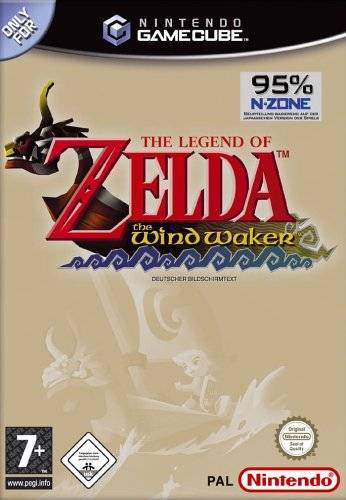 The Wind WakerGameCube · 2002The Minish Cap’s look is based on it, and the cartridge hides unused stained-glass art of The Wind Waker’s Deku Tree, Valoo and Jabun.
 LinkThe hero
 EzloThe Minish Cap
 VaatiThe Wind Mage
 Princess ZeldaPrincess of Hyrule
 King DaltusKing of Hyrule
 SmithLink’s grandfather
 Gentari and LibrariMinish twins
 MelariMountain Minish swordsmith
 King GustafRoyal spirit
 SwiftbladeMaster swordsman
 Tingle and his brothersKinstone enthusiasts
 BeedleTravelling merchant
 BiggoronGiant Goron
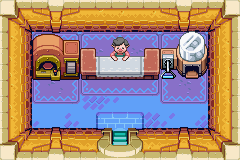 CarlovFigurine maker
 ZeffaThe wind bird
 MadderpillarDeepwood Shrine (mini-boss)Beat it to reach the Gust Jar.
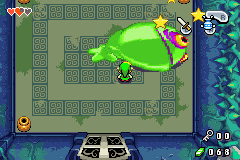 Big Green ChuChuDeepwood ShrineAn ordinary ChuChu, made huge by Link’s tiny size.
 GleerokCave of FlamesThe lava beast guarding the Fire Element.
 MazaalFortress of WindsAn ancient guardian machine.
 Big OctorokTemple of DropletsFrozen in ice with the Water Element until Link lets the sunlight in.
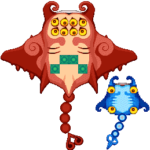 Gyorg PairPalace of WindsTwo flying Gyorgs, fought in mid-air.
 OctorokMinish Woods and beyondEzlo is being bullied by a gang of them when Link first meets him.
 ArmosCastor WildsStatues that are really ancient Minish robots.
 EzloA talking hat as Link’s companion, and a parting gift that hints at where Link’s cap came from.
 The MinishA race of tiny people, Picori to Hylians, visible only to children, in three communities: Forest, Town and Mountain.
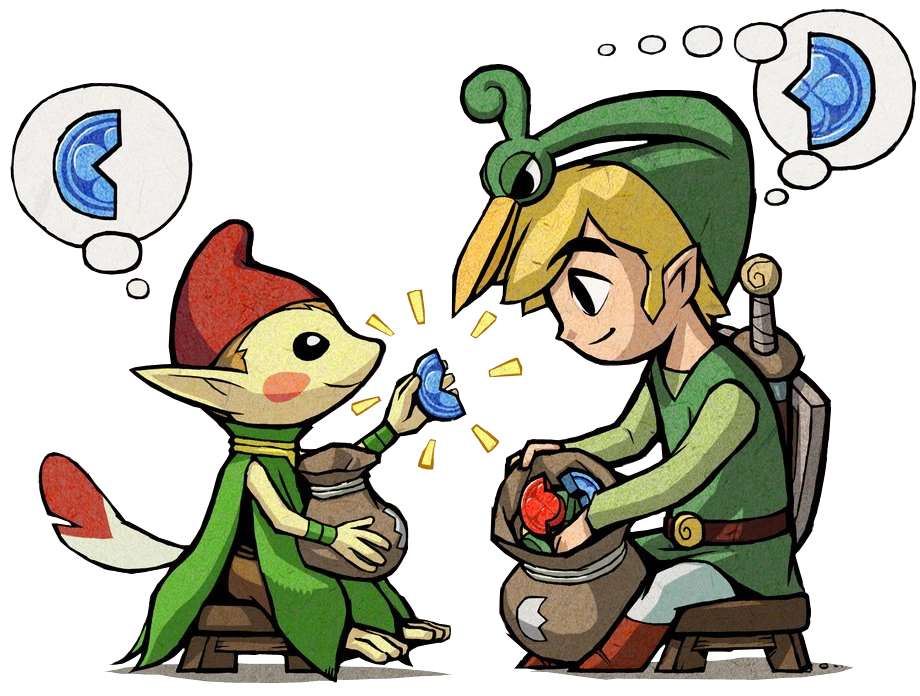 Kinstone fusionMatching broken stones with the people of Hyrule to unlock dozens of small secrets.
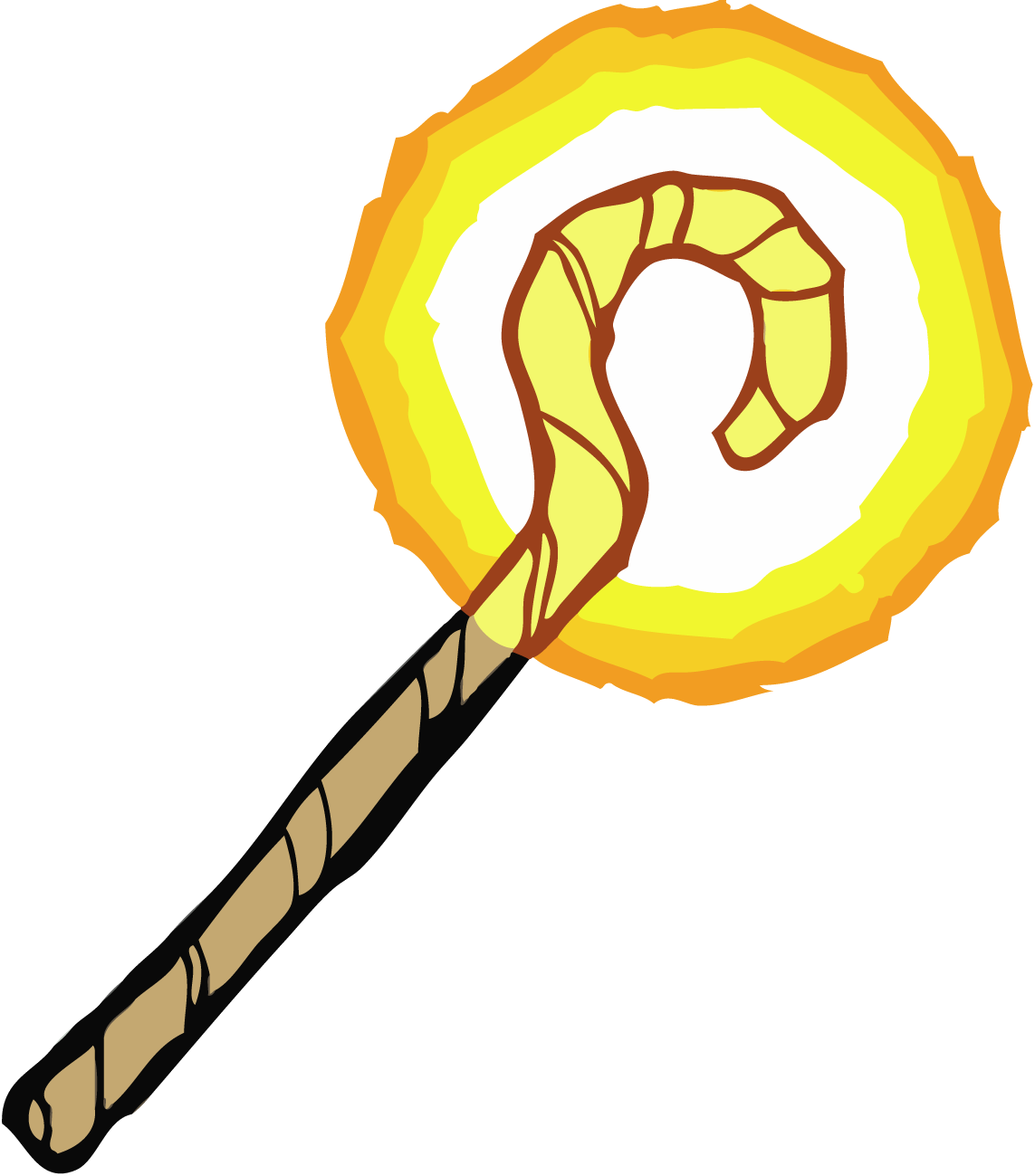 The Cane of PacciA new tool that flips things upside down.