Creating a Champion Breath of the Wild Master Works · art, design and history
The book of Breath of the Wild: Takumi Wada’s illustrations, nearly 300 pages of annotated design art, a 55-page history of the game’s Hyrule and four interviews, in a white cover made for Hylia.
Made byNintendo, with the editorial company Ambit
JapanMaster Works, Tokuma Shoten, 15 December 2017
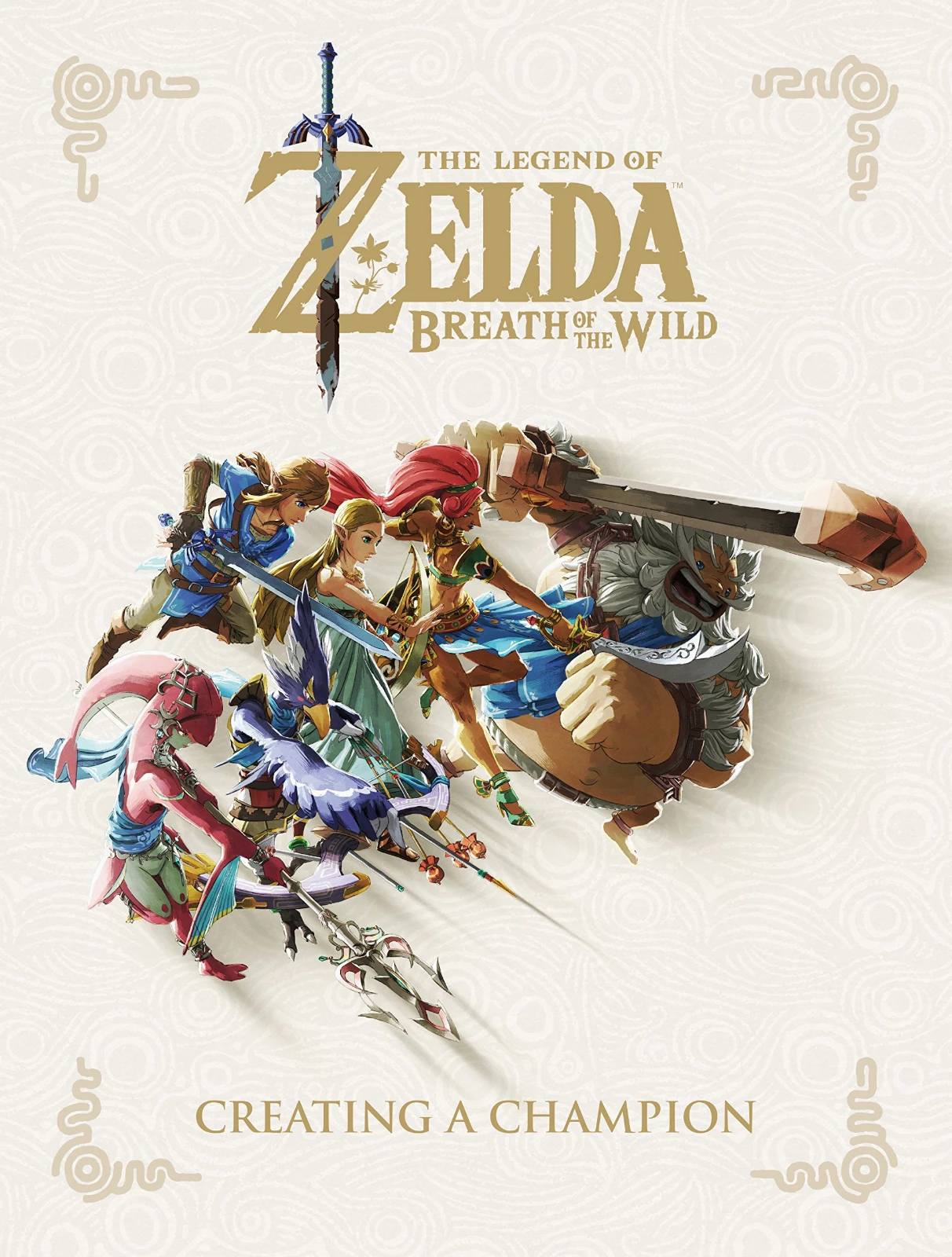
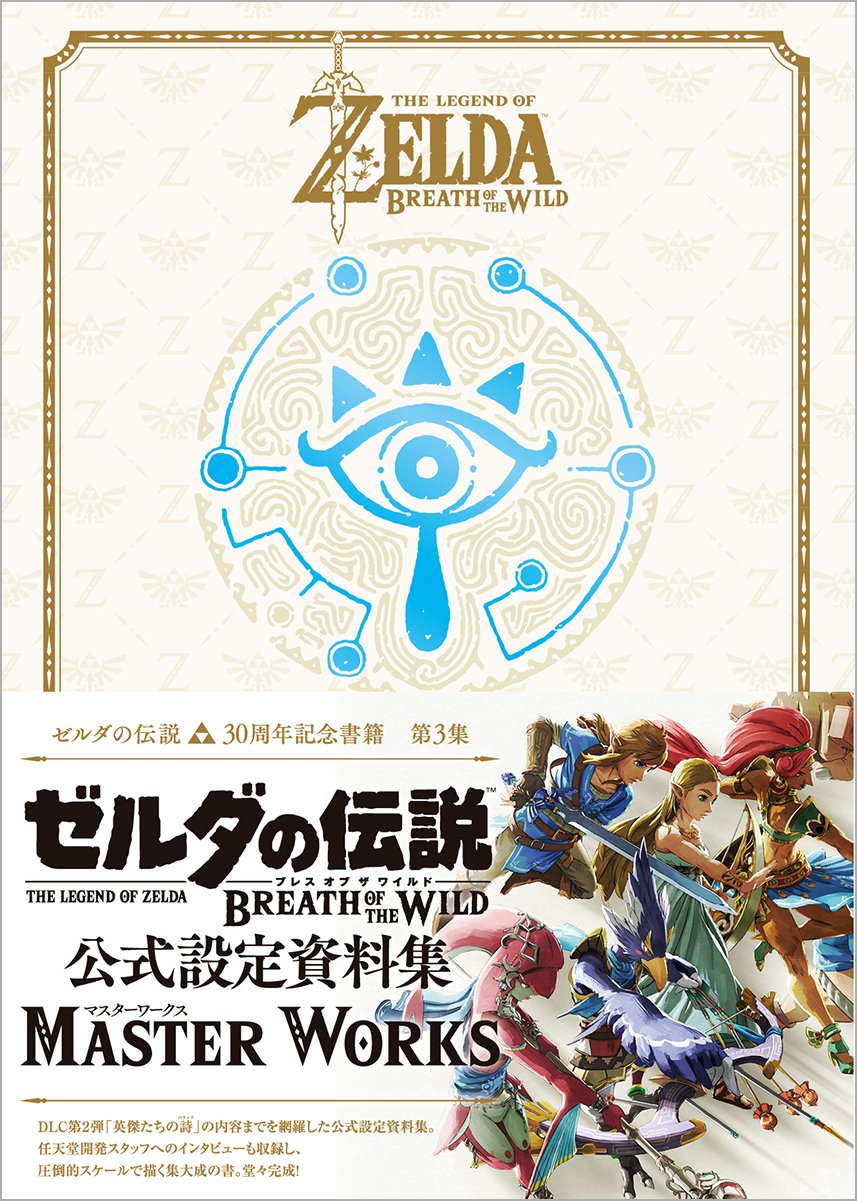
Most art books show you how a game was made. Creating a Champion also sets out to tell you what its world is. It is Dark Horse’s English edition of Breath of the Wild Master Works, which Tokuma Shoten published in Japan on 15 December 2017 as the third and last of the series’ 30th-anniversary books, after Hyrule Graphics and Hyrule Hyakka (Art & Artifacts and the Encyclopedia in English). Dark Horse’s version came out on 20 November 2018, just in time for Christmas shopping, as a 424-page, 9 × 12 inch hardback.
Inside, it moves from pictures to words. Nearly 50 pages of illustrations by Takumi Wada come first, then 296 pages of design artwork with notes from the artists, covering characters, monsters, items and places. A 55-page history of the game’s Hyrule follows, and the book ends with interviews with the director, Hidemaro Fujibayashi, the art director, Satoru Takizawa, Wada himself and the producer, Eiji Aonuma. Material from both DLC packs is included.
It was Dark Horse’s first Zelda book about a single game, and its first to step outside the goddess colours of the Goddess Collection: the standard cover is white, for Hylia. It came in three editions, entered the Publishers Weekly hardcover non-fiction list at number 15, and gave the series a much-quoted non-answer, Aonuma’s explanation of why the team would not say where Breath of the Wild sits on the timeline.
Awakening a Legend!
— Dark Horse, product description (opening line)
Dark Horse goes on to sell it as the definitive companion to the award-winning game, with content from both expansions, The Master Trials and The Champions’ Ballad.
What’s inside
The English book has four parts: Illustrations, a long Development section, History, and the interviews, which are headed “Building the World of Breath of the Wild”. Chapter titles below follow the contents page as reported by Parka Blogs. AIPT liked one touch in particular: the section dividers copy the game’s loading screens, adding another Divine Beast as you go. We have split the long Development section into three entries.
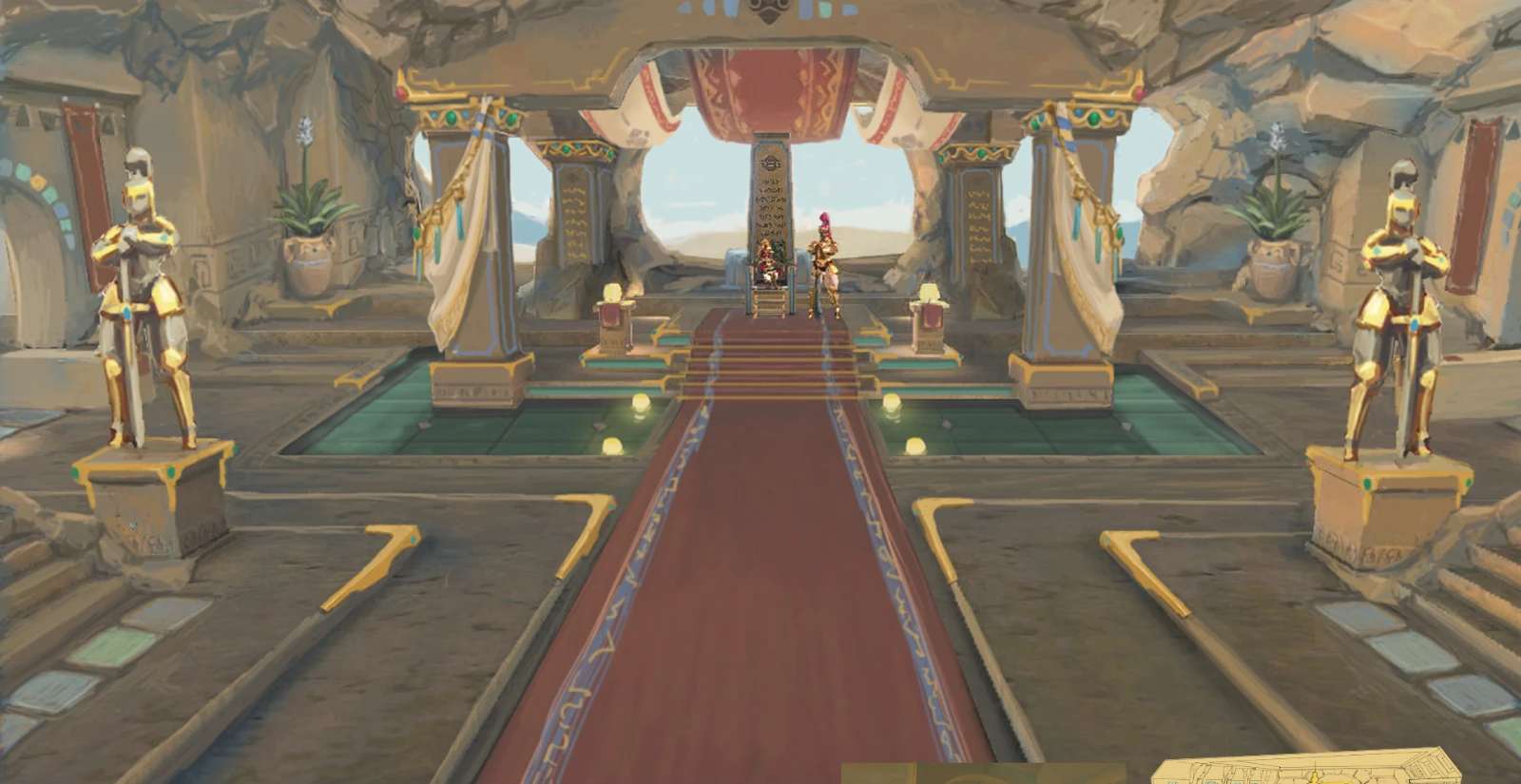
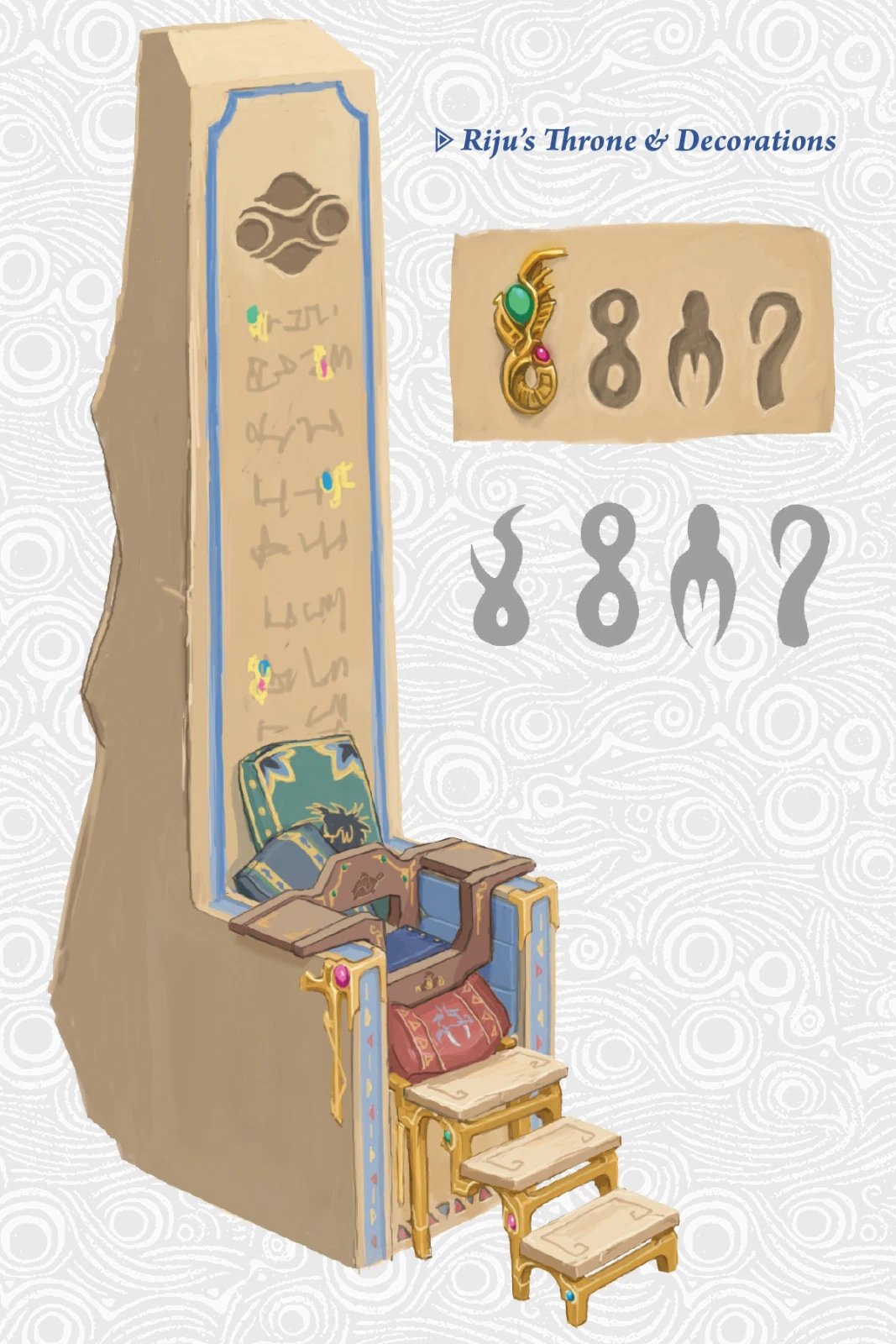
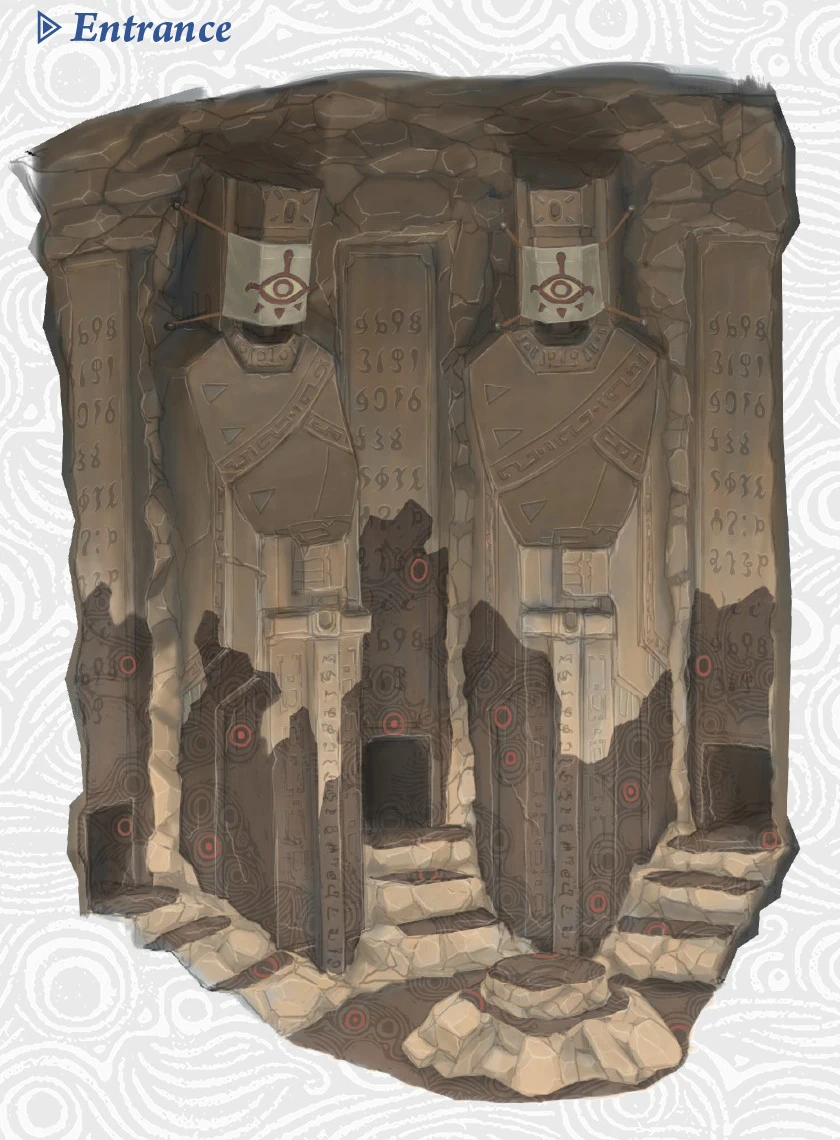
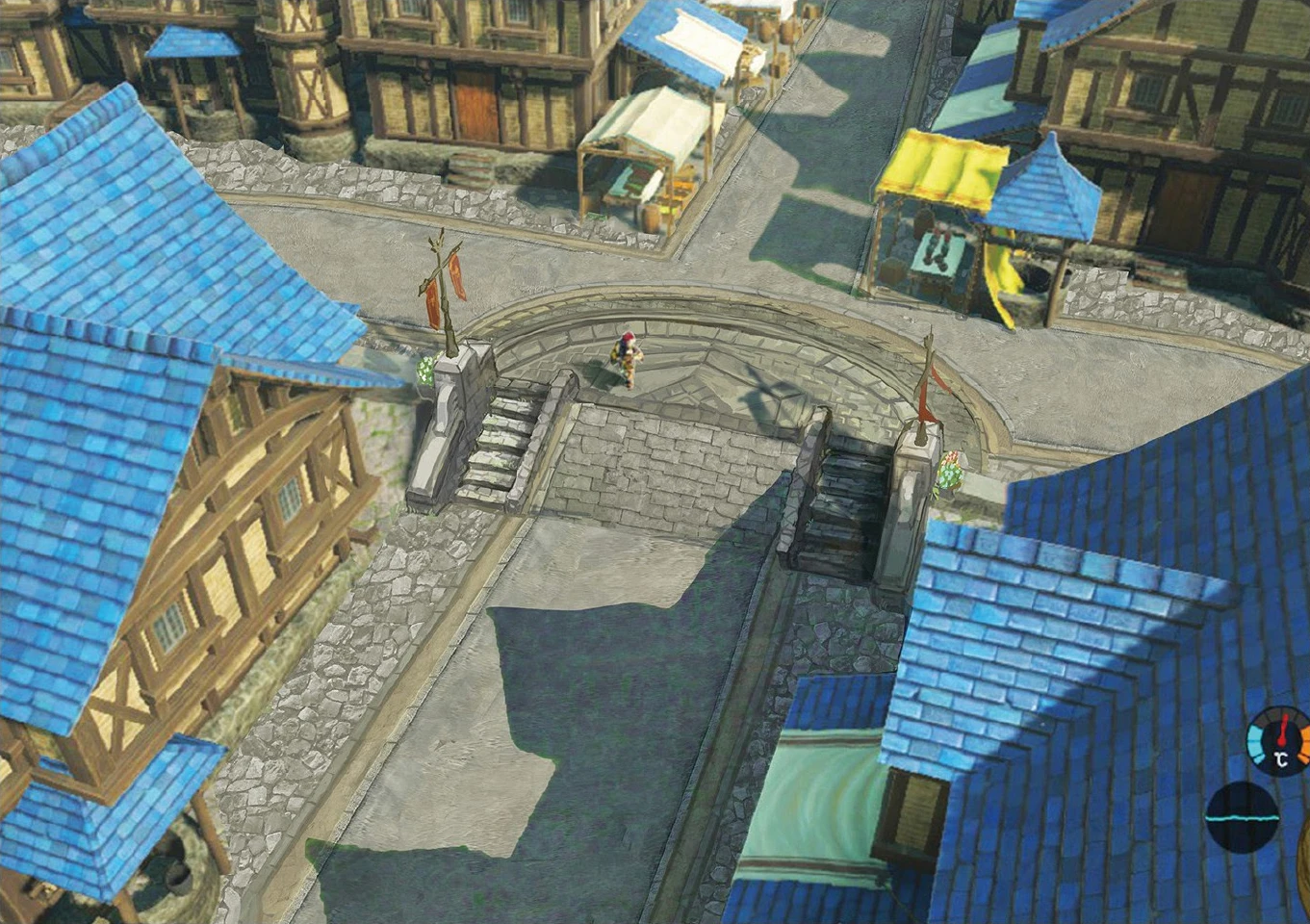
Concept art of the royal palace’s throne room, from Creating a Champion.Concept art of Riju’s throne, from Creating a Champion.Concept art of the entrance to the Yiga Clan hideout, from Creating a Champion.
Illustrations
Nearly 50 pages · sketches and official illustrations by Takumi Wada
The book opens with its showpiece: almost 50 pages of the game’s official illustrations by Takumi Wada, the illustrator behind the game’s official artwork. They are split into key art, the big promotional scenes, and character art, the portraits drawn to introduce the cast.
According to the Japanese review site Gamepedia, the Japanese edition gathered every original illustration published up to December 2017, including promotional pieces made for other countries that Japanese fans had rarely seen. Many are printed beside Wada’s rough sketches, with a few lines from him on what he was trying to achieve, so you can watch a picture settle from a loose pencil layout into the finished painting. Parka Blogs singled out the almost anime-like drawing and colouring. For anyone who has only seen these pictures as thumbnails on a shop page, the 9 × 12 inch format is a treat.
Chapters (2)
Key Art
Character Art
Worth knowing
Wada also painted the English standard cover.
Among the pieces collected here is the game’s debut illustration (pictured).
Development: characters
The first stretch of the 296 pages of design art and creator commentary
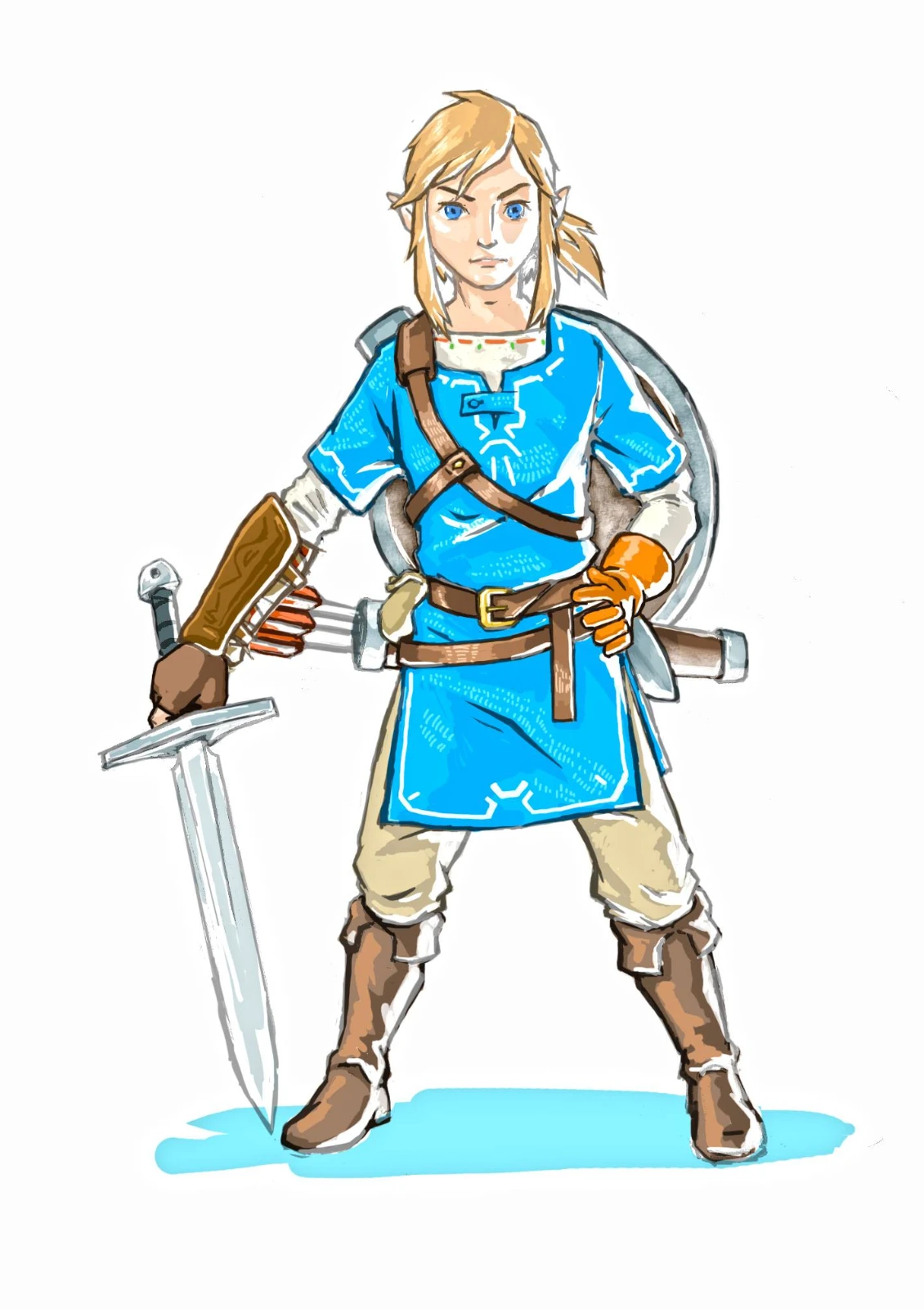
The heart of the book is 296 pages of design artwork, nearly every piece annotated by the team. It starts with the cast. Link comes first: drafts labelled as works in progress show the team trying ideas out before they settled on his look. The Champion’s tunic, a turquoise break from his usual forest green, gets its own explanation.
Zelda’s many outfits get the same care, down to how her braids are tied, and the Champions’ layered costumes are broken down piece by piece. Then come the peoples of Hyrule, race by race: Hylians, Sheikah, Zora, Gorons, Rito and Gerudo. The notes are short but full of small surprises. Fanbase Press’s reviewer enjoyed learning that nobody is quite sure why the Yiga Clan are so fond of bananas, and AIPT thought some of the costume sheets would make perfect cosplay references. The downside, AIPT added, is that some notes are printed so small that they are hard to read, especially in digital copies.
Chapters (10)
Link
Princess Zelda
Ganon
The Champions
The Hylians
The Sheikah
The Zora
The Gorons
The Rito
The Gerudo
Worth knowing
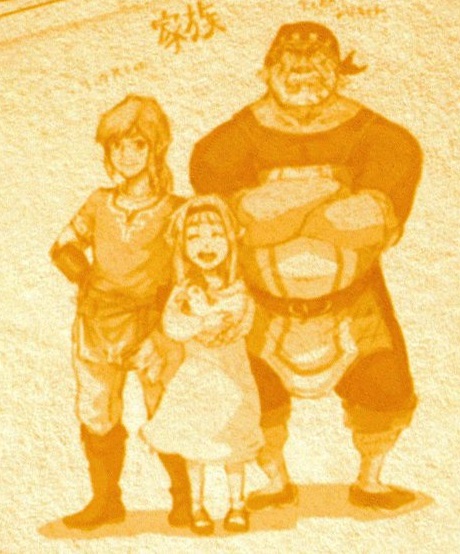
Concept art of Link’s family, printed in the Japanese Master Works, is not in the English edition (see Reception).
Development: enemies, creatures and items
Spirits, monsters and wildlife, then everything Link can carry
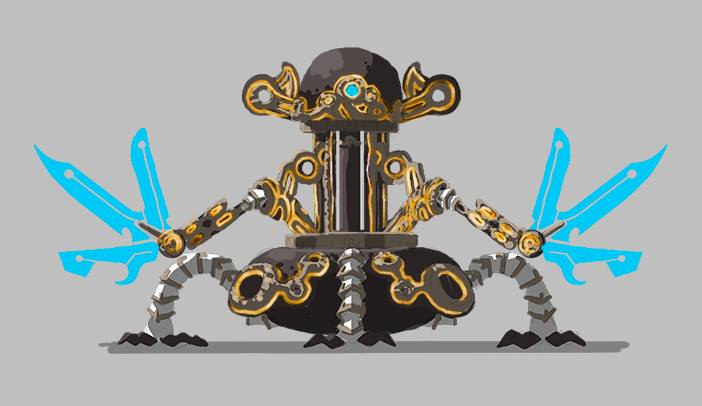
Next come the things Link fights, rides, cooks and carries. The Spirits of the Land lead into the monsters and then the wildlife, and the most detailed studies are of the ancient machines. Multi-page breakdowns of each Divine Beast show how it was designed to work as a dungeon and still look both unsettling and lovable; according to Wikipedia, each beast began from an animal. Gamepedia picked out notes on where the look of the Guardians came from.
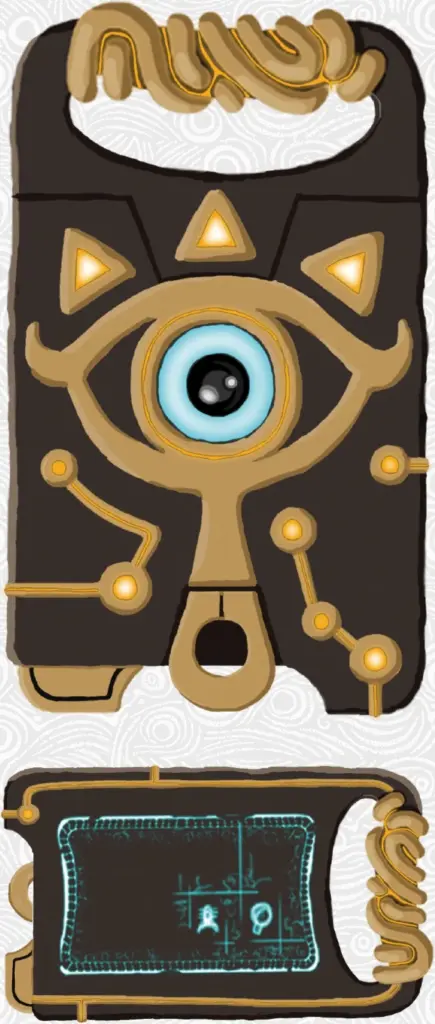
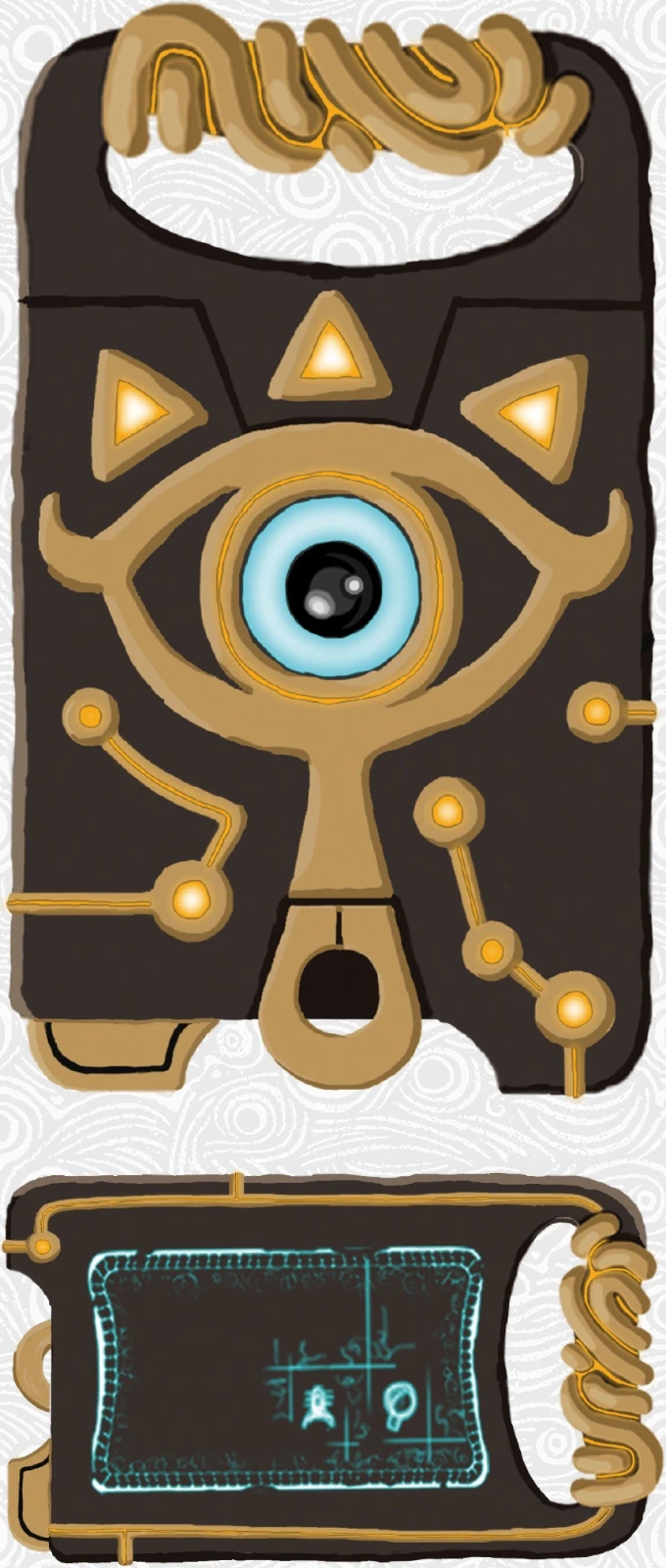
This is also where the could-have-beens live. AIPT points to early versions of the Sheikah Slate, Guardian designs that would not look out of place in Bloodborne, and a shield meter that never made it into the game. The inventory follows: weapons and shields, armour and clothing, monster parts, ingredients and ore, and the Sheikah Relics.
Chapters (7)
Spirits of the Land
Monsters
Creatures
Weapons & Shields
Armor & Clothing
Parts, Ingredients & Ore
Sheikah Relics
Worth knowing
Wikipedia’s summary of the book records a cut design for a fortress-like Guardian armed with several beam cannons.
Development: locations
Hyrule region by region, notable places and The Champions’ Ballad
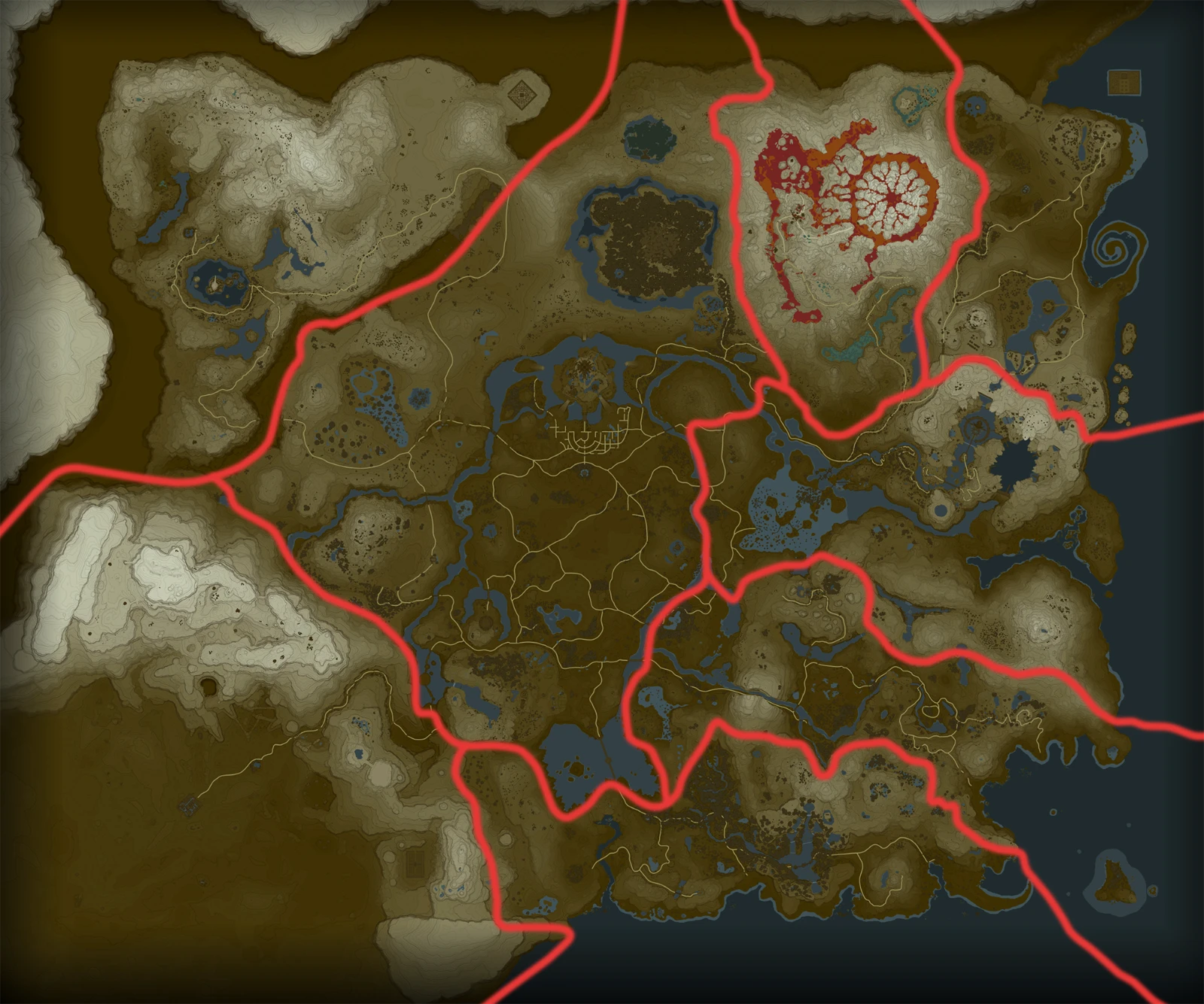
The design section ends with the world itself, mapped region by region: Central Hyrule, Necluda, Lanayru, Akkala, Eldin, Hebra, Gerudo and Faron. Each area gets its map and the concept art behind its settlements, ruins and landmarks, from the royal palace’s throne room to Riju’s throne in Gerudo Town and the entrance to the Yiga Clan’s hideout (see the pictures above).
A chapter of notable places gathers locations that do not belong to one region. The Ancient Shrines get detailed coverage, down to exploded concept drawings of the ball-launching contraptions inside them. A chapter on The Champions’ Ballad, the second DLC pack, closes the Development section. These pages are the book at its most useful as reference, and AIPT’s complaint that it offers more reference than new information applies most here. For anyone who explored every corner of the game, though, seeing the regions laid out with their design notes is a pleasure in itself.
Chapters (10)
Central Hyrule
Necluda
Lanayru
Akkala
Eldin
Hebra
Gerudo
Faron
Notable Locales
The Champions’ Ballad
Worth knowing
Both DLC packs are covered, as Dark Horse’s listing promises.
History
55 pages · the Hyrule of Breath of the Wild, from 10,000 years ago to the present
For many readers the 55-page history is the real prize. It does not try to fit the game into the series timeline. Instead it tells the story of this Hyrule, starting with how its past is written into its landscape and noting that its oldest history has faded into legend. It then works through the eras the game hints at: 10,000 years ago, when Sheikah machines helped a hero and a princess seal Calamity Ganon away; the preparations of a century ago, when the old machines were dug up and the Champions chosen; the Great Calamity and Hyrule’s fall, including the defence of Akkala Citadel and Zelda holding Ganon back; and the present, as Link wakes.
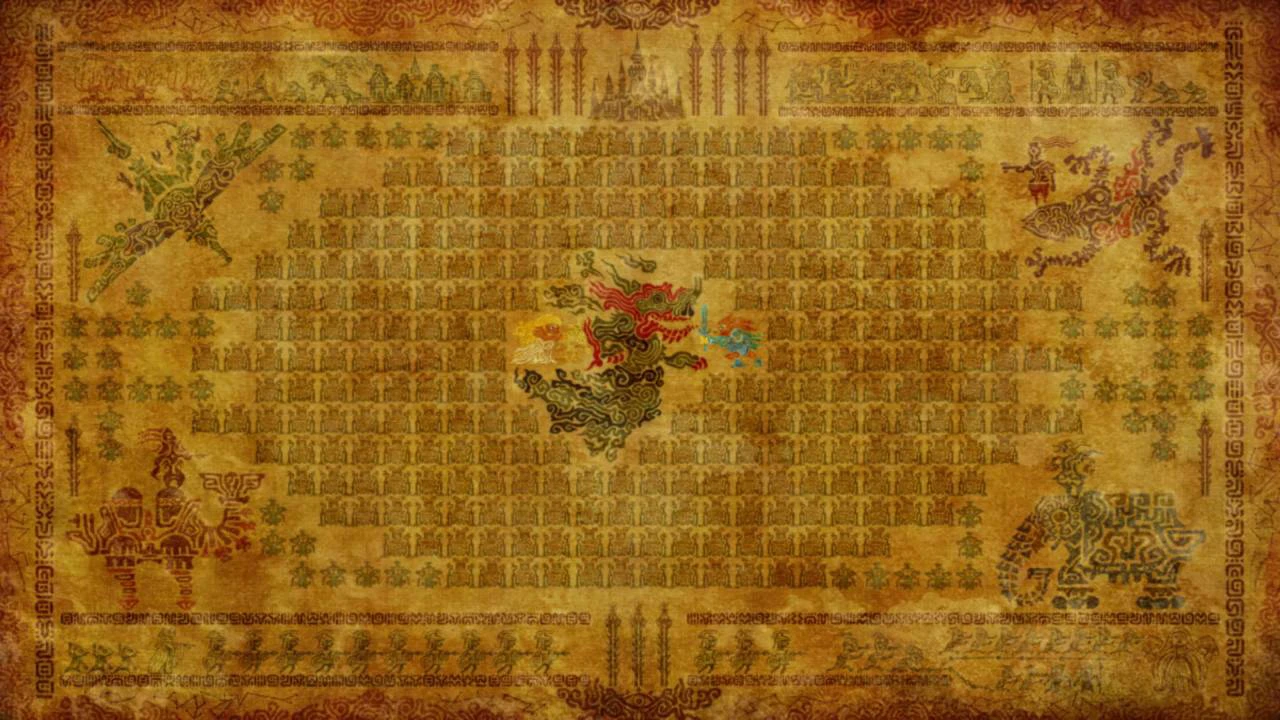
A last chapter lists ruins that nobody can date, the Zonai remains among them, which Gamepedia recommended reading before Tears of the Kingdom. Along the way are histories of each race, a breakdown of the great tapestry and annotated maps of moments such as Zelda’s flight from Hyrule Castle. AIPT found it repetitive and full of gaps (the Rito get no history before the game), but Fanbase Press called the writing beautifully executed.
Chapters (7)
History Written on the Geography of Hyrule
The History of Hyrule: Chronology & Events
10,000 Years Ago: Lore
About 100 Years Ago: Preparing for Calamity
The Great Calamity: Downfall
The Present: Resurrection of the Hero
Ruins from Times Unknown: Mysteries of Hyrule
The timeline question
Unlike Hyrule Historia and the Encyclopedia, the book does not place the game on the series timeline. In his interview Aonuma says the team chose not to, so that players can “find their own answer, in their own way”.
In 2018 Nintendo’s Japanese Zelda website put Breath of the Wild at the far end of all three branches of the timeline, which amounts to the same refusal to choose.
Patrick Thorpe checked the English text in the game itself, warping around Hyrule to compare the ruins and fortifications with what the book says.
Building the World of Breath of the Wild
Interviews with the director, art director, illustrator and producer
The book closes with four interviews, recorded after the game and its DLC were finished. Fujibayashi recalls that Zelda’s voice actor experienced the story from past to present, the opposite of the way the player meets it. AIPT found the interviews the most engaging part of the book for what they reveal about how the team felt once the work was done.
Aonuma looks back on the decision to return to the series’ roots, and hopes the Switch’s portability will lead people to play in new ways. Then he explains why there is no timeline placement: a fixed timeline would mean a definitive story, and the team wanted players to keep imagining the world after the credits. That answer made headlines when the English edition came out in November 2018 (see Reception).
Chapters (4)
Hidemaro Fujibayashi (director)
Satoru Takizawa (art director)
Takumi Wada (illustrator)
Eiji Aonuma (producer)
Editions
Japan
Tokuma Shoten published Zelda no Densetsu: Breath of the Wild Master Works on 15 December 2017 (ISBN 978-4-19-864539-7). It is the third of the 30th-anniversary books, and the only one about a single game.
English: standard edition
Dark Horse revealed the English title in the spring of 2018 and published the book on 20 November 2018: 424 full-colour pages, 9 × 12 inch hardback, US$49.99 (ISBN 978-1-5067-1010-5), with Wada’s art on a white cover. It was also sold as an e-book.
Hero’s Edition
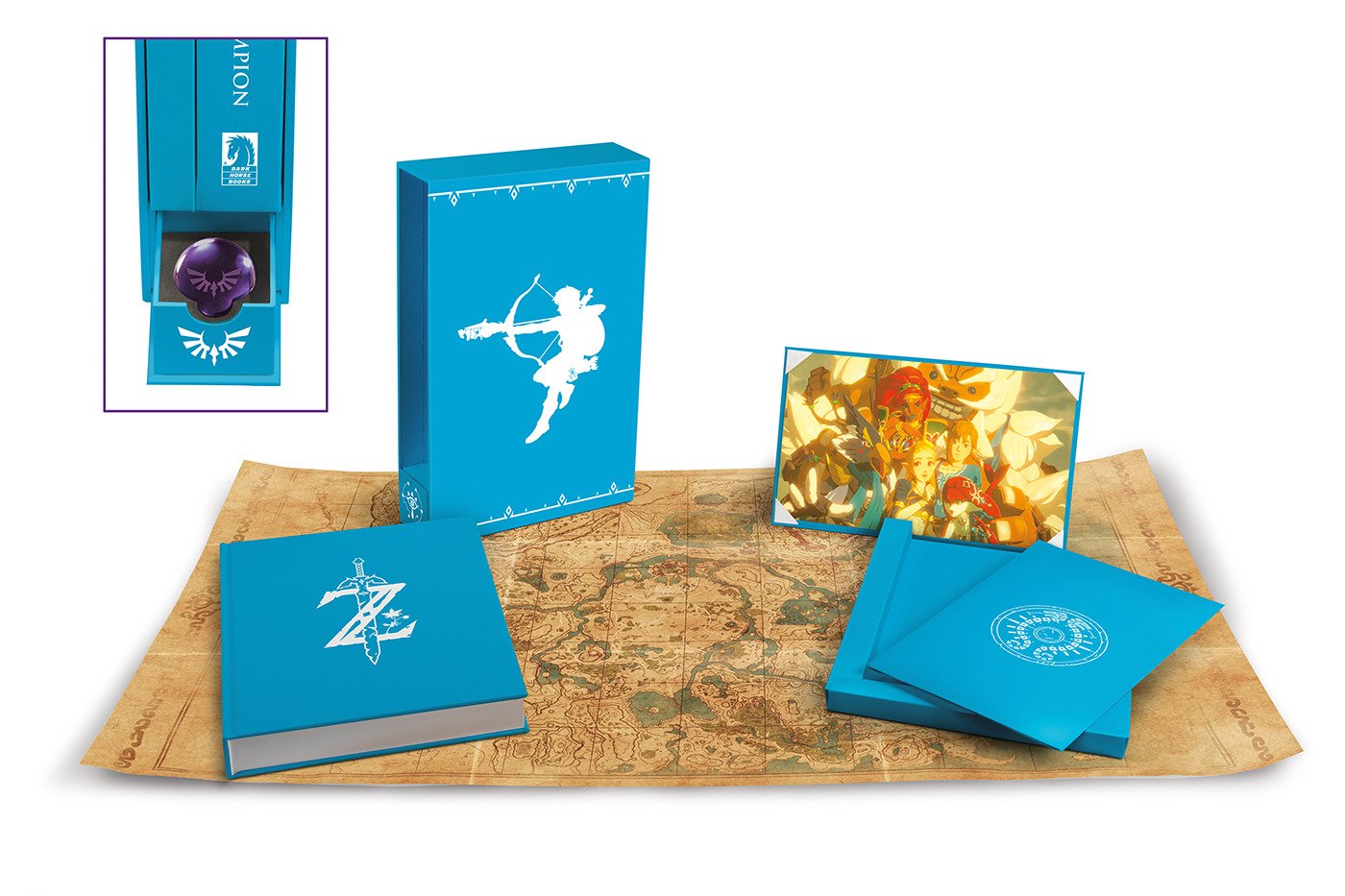
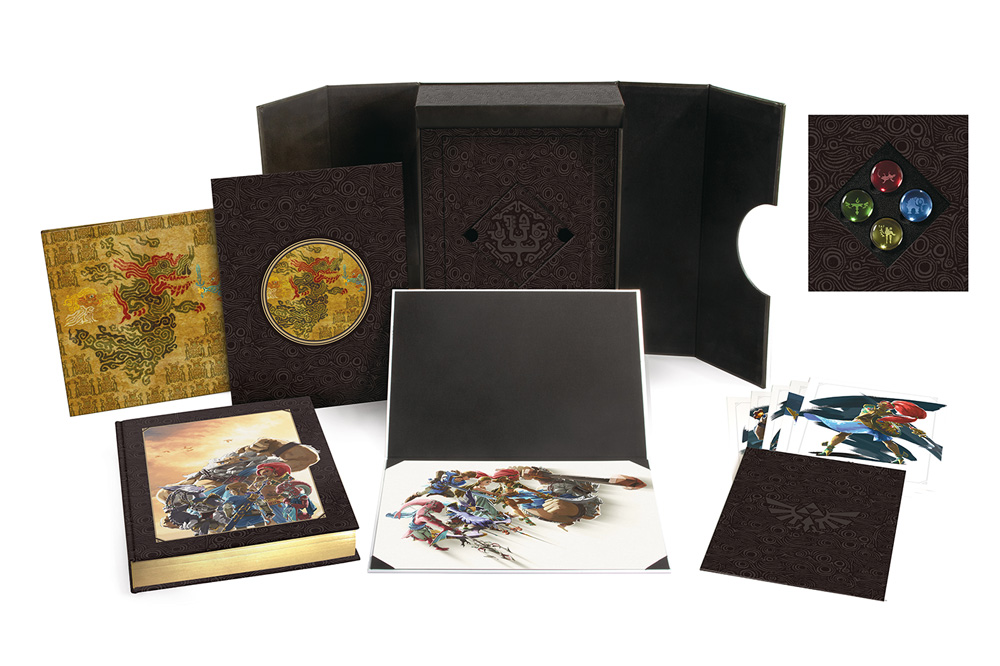
Released the same day at US$99.99 (ISBN 978-1-5067-1011-2), the Hero’s Edition puts the book, with its own exclusive cover, in a slipcase finished in the “royal blue worn by the Hylian Champion”, as Dark Horse puts it. Inside the slipcase are a cloth map of Hyrule, a glass spirit orb and a print of the photograph of the Champions from Link’s house in Hateno. Everything in the box belongs to Link.
Champions’ Edition
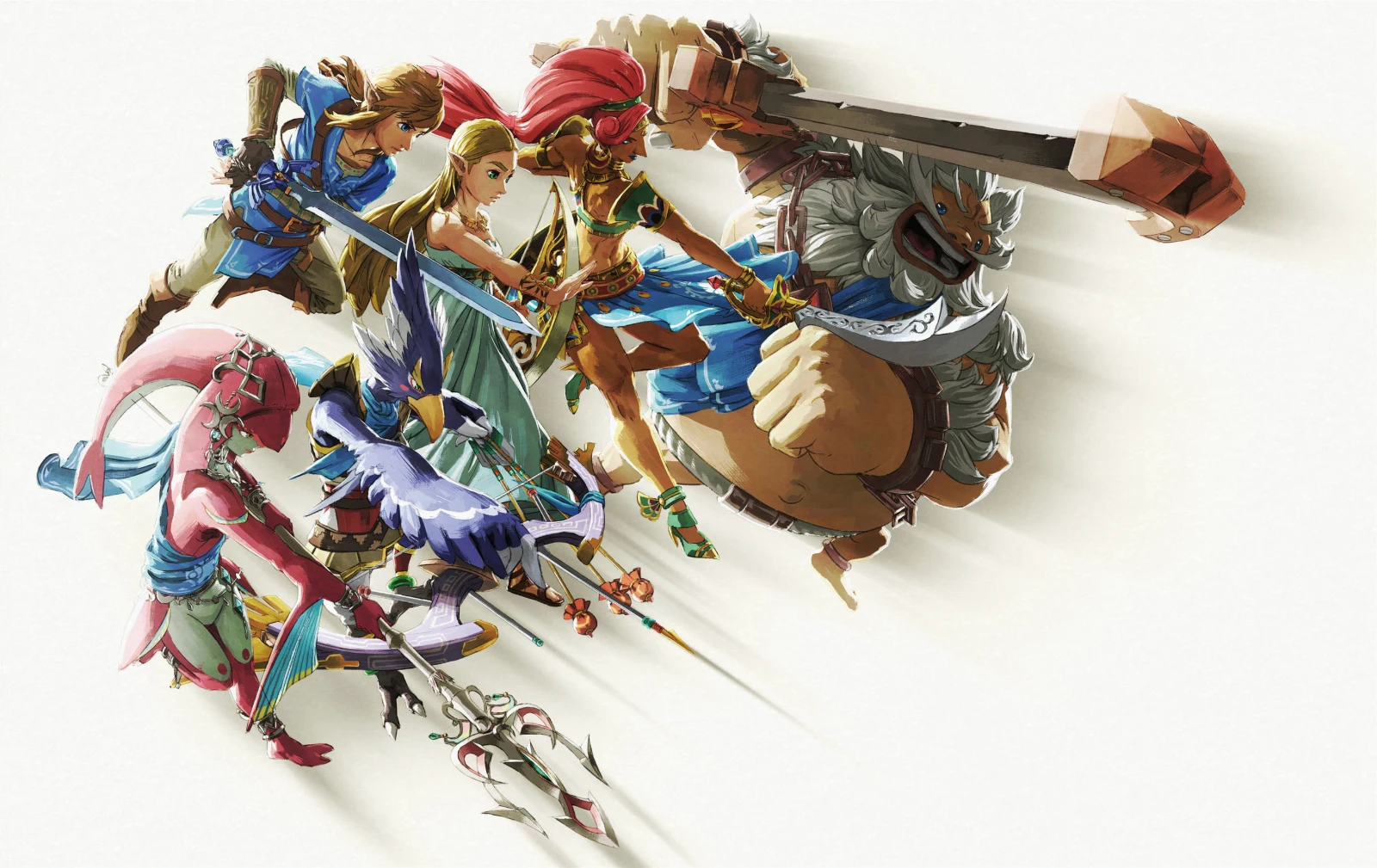
The third version was a GameStop exclusive at US$149.99, sold on pre-order. Its collector’s case is burnished leather with gold-foil decoration. Inside are the book with an exclusive cover and gold-gilded edges, a cloth tapestry of Calamity Ganon, an art print of the Champions flying into battle, six small prints of Zelda and the five Champions, Link included, and four glass orbs laser-etched with the Divine Beasts’ symbols. Thorpe described the two special editions as designed not to overlap, one for the hero and one for the four Champions.
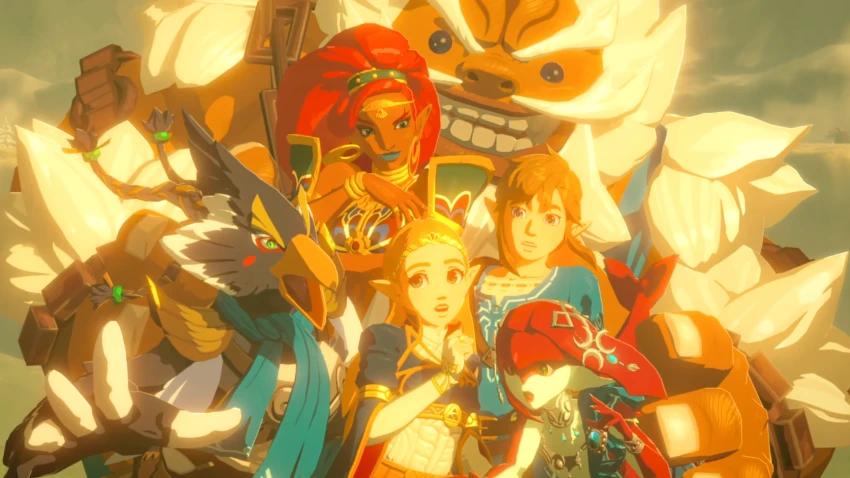
The Champions’ Edition (GameStop exclusive).The picture of the Champions in the game; the Hero’s Edition includes it as a print.The Calamity Ganon tapestry in the game; the Champions’ Edition came with a cloth version.
Making the book
From Master Works to Creating a Champion
Like the Encyclopedia, the Japanese book was put together by the Breath of the Wild team with Ambit, the editorial company behind all three anniversary books. Dark Horse translated and localised it, with Patrick Thorpe as editor. As early as June 2018 he was telling Variety that the Breath of the Wild book was a masterpiece; Variety gave its release date as Black Friday. We have found no explanation of the English title.
A Hylian anthropologist
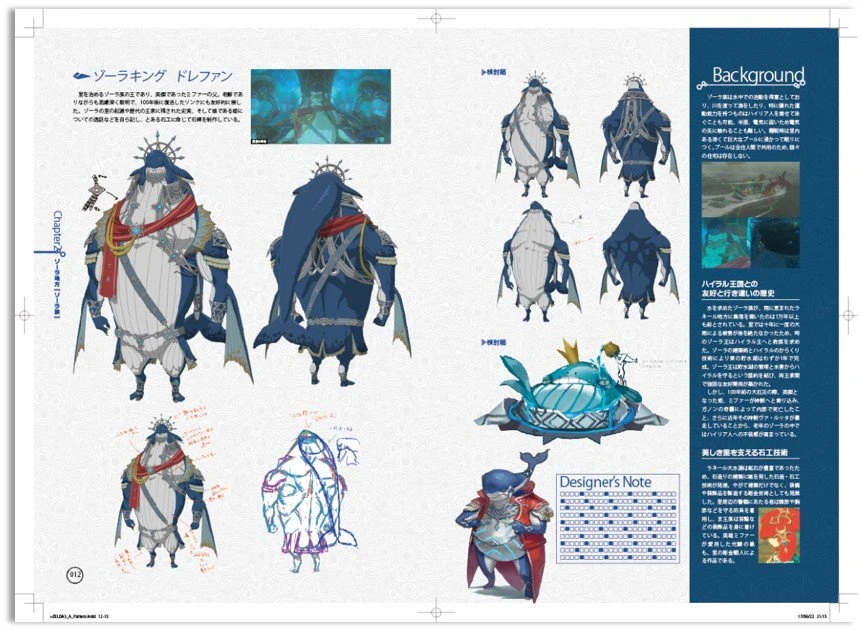
Sample page from the Japanese Master Works: King Dorephan.
Thorpe went about the history in an unusual way. Rather than trusting the text alone, he played the game like an archaeologist, warping from site to site to check the ruins against what the book said. What struck him most was the contrast between the fortifications at Akkala Citadel and at Fort Hateno. As he put it, “This time I was a Hylian anthropologist.”
The white cover came from Thorpe too. The first three Dark Horse books had used the colours of Farore, Din and Nayru, and he felt Hylia deserved her turn, so the four books together honour all the goddesses.
Two editions in a weekend
By the time the special editions had to be planned, Thorpe admits he was worn out and short of ideas, so he left them to Cary Grazzini, the designer of every Dark Horse Zelda book. Grazzini came back after a single weekend with both editions fully mocked up. He had been turning the ideas over for about a year. He made the Hero’s Edition personal to Link, with the spirit orb, the photo from his Hateno house, the adventurer’s map and a cloth case like his tunic. Thorpe calls the Champions’ Edition a love letter to Urbosa, Mipha, Daruk and Revali.
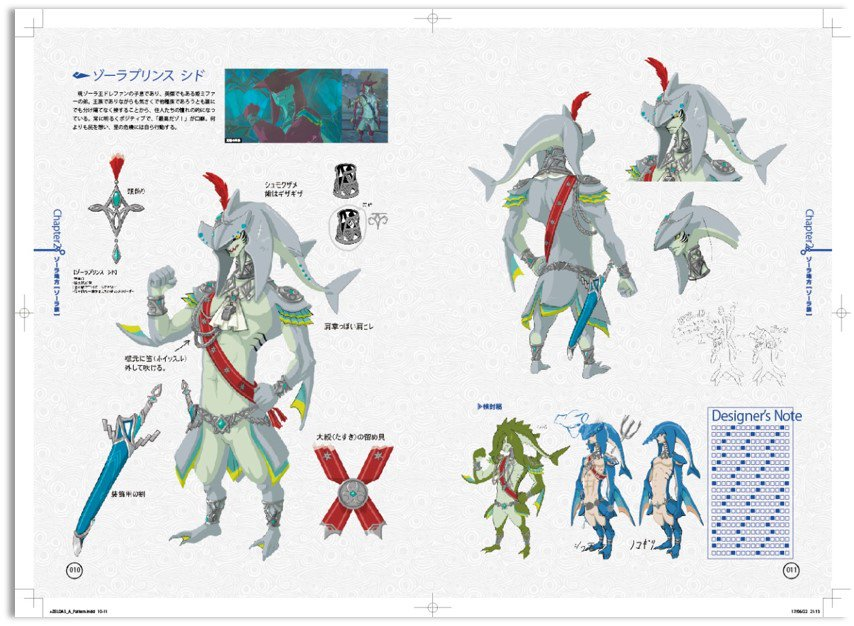
Sample page from Creating a Champion: Sidon.Creating a Champion banner artwork.
Reception and controversy
Sales and reviews
Creating a Champion entered the Publishers Weekly hardcover non-fiction list at number 15 in its first week, having sold more than 10,000 copies. Reviewers loved it. Fanbase Press’s Jocelyn Sakal Froese (11 December 2018) called it beautiful, said the story sections were her favourite part and called it a must for every fan of the game; the only drawback was some repetition if you read it straight through. Parka Blogs’ Teoh Yi Chie (January 2019) ranked it among the best art books of 2018 and alongside the three earlier Dark Horse Zelda books. AIPT was the most critical. It praised the depth of the art and the early designs, but found the history repetitive, some notes too small to read, and the whole more reference work than revelation. In Japan, Gamepedia said that even people who had played only Breath of the Wild would not regret buying Master Works.
This is an incredible artbook.
Teoh Yi Chie, Parka Blogs 15 January 2019
This outstanding tome is well worth the time investment required and is a must for all BotW lovers.
Jocelyn Sakal Froese, Fanbase Press 11 December 2018
I wish Nintendo could somehow put out a book of this caliber for every first-party game they make.
AIPT review, November 2018
Where does it fit? The timeline row
Every official history since Hyrule Historia had put each game in its place, so fans opened the English edition hoping for an answer about Breath of the Wild. In his interview Aonuma explains that the team chose not to give one. The Encyclopedia had placed every earlier game, he says, but this time they wanted to leave players room to imagine, because a fixed timeline would mean a definitive story. Nintendo Life and Zelda Dungeon both ran the quote on 22–23 November 2018.
Not everyone was convinced. As Wikipedia records, Destructoid’s Chris Carter took the vagueness as a sign that Nintendo had not settled the question itself, and Eurogamer’s Tom Phillips called it a cop-out, though perhaps a good one, since it keeps the fans arguing. The story of this Hyrule continues in Tears of the Kingdom Master Works (2024).
The missing family
Concept art of Link’s father.
In January 2019 Gaming Reinvented compared the two editions and found that the Japanese Master Works contains concept art of Link’s family that is missing from Creating a Champion. The sketches show a big man who appears to be Link’s father and a younger girl who appears to be his sister, neither of whom made it into the game. The English edition reportedly fills the gap with a second copy of a map printed elsewhere in the book. Neither Dark Horse nor Nintendo explained it, and Nintendo Life could not tell whether it was a slip or a deliberate cut.
Trivia
Creating a Champion was the first Dark Horse Zelda book about a single game rather than the whole series.
With a white cover for Hylia, it joins the green, red and blue of the Goddess Collection, so the four Dark Horse books between them stand for all four goddesses.
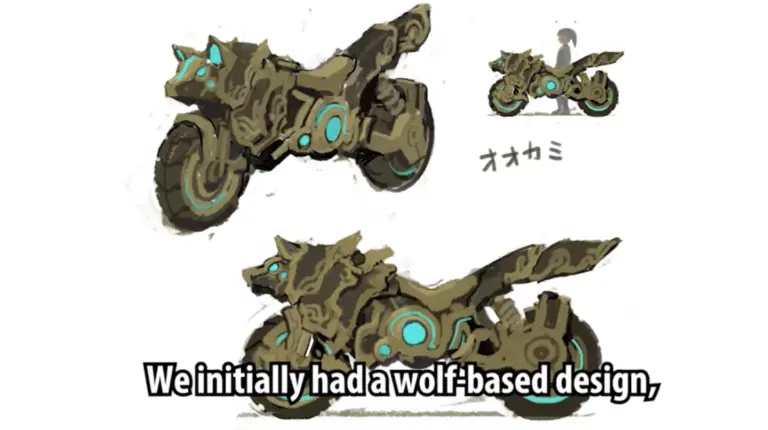
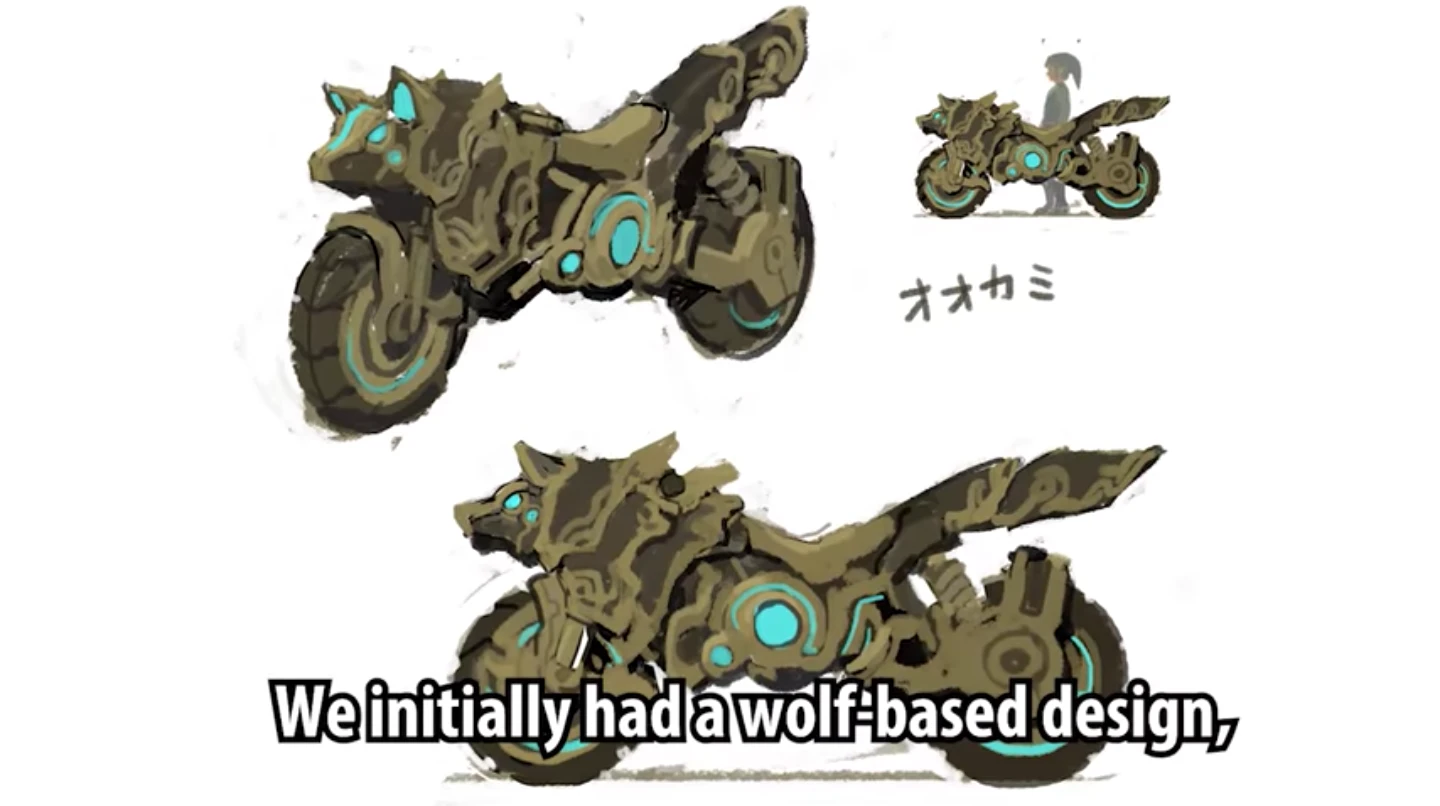
Concept art of the Master Cycle Zero.The notes on the Master Cycle Zero, the motorbike from The Champions’ Ballad, record that it was Aonuma’s suggestion and that the team said no at first before coming round to it.
Concept art of the Sheikah Slate.Early versions of the Sheikah Slate are among the abandoned designs, along with a shield meter that never made it into the game.
The Japanese site Gamepedia picked out a note tracing the Guardians’ look to Jōmon-period pottery, among the oldest ceramics in Japan.
The book admits that nobody really knows why the Yiga Clan are so devoted to bananas, one of the details Fanbase Press’s reviewer enjoyed most.
The standard edition’s price is given as US$39.99 in Zelda Dungeon’s report of the announcement, but as US$49.99 on Dark Horse’s own page, which is the price we give.
To provide the best experiences, we use technologies like cookies to store and/or access device information. Consenting to these technologies will allow us to process data such as browsing behavior or unique IDs on this site. Not consenting or withdrawing consent, may adversely affect certain features and functions.
Functional
Always active
The technical storage or access is strictly necessary for the legitimate purpose of enabling the use of a specific service explicitly requested by the subscriber or user, or for the sole purpose of carrying out the transmission of a communication over an electronic communications network.
Preferences
The technical storage or access is necessary for the legitimate purpose of storing preferences that are not requested by the subscriber or user.
Statistics
The technical storage or access that is used exclusively for statistical purposes.The technical storage or access that is used exclusively for anonymous statistical purposes. Without a subpoena, voluntary compliance on the part of your Internet Service Provider, or additional records from a third party, information stored or retrieved for this purpose alone cannot usually be used to identify you.
Marketing
The technical storage or access is required to create user profiles to send advertising, or to track the user on a website or across several websites for similar marketing purposes.