Nintendo Switch 22025Koei Tecmo / NintendoWarriors action spin-off
Hyrule Warriors: Age of Imprisonment
The war that Tears of the Kingdom only showed in glimpses, fought from the first day to the last: Zelda, King Rauru and the first sages against the armies of Ganondorf, with a wandering Korok and a silent construct running a secret war of their own.
Released6 November 2025 (worldwide)
DeveloperAAA Games Studio (Koei Tecmo)
DirectorKoki Aoyanagi
ProducersRyota Matsushita, Yosuke Hayashi
Players1–2
SalesMore than 1 million by January 2026
Title
Hyrule Warriors: Age of Imprisonment ゼルダ無双 封印戦記 (Zeruda Musō: Fūin Senki, roughly “Zelda Musō: Chronicle of the Sealing War”)
Platform
Nintendo Switch 2
Developer
AAA Games Studio (Koei Tecmo), supervised by Nintendo’s Zelda team
Publisher
Nintendo (Koei Tecmo in Japan)
Director
Koki Aoyanagi
Producers
Ryota Matsushita, Yosuke Hayashi
Supervision (Nintendo)
Eiji Aonuma (Zelda series producer), Hidemaro Fujibayashi (scenario)
Age of Calamity – Definitive Edition for Nintendo Switch 2, due on 25 February 2027
Sales
More than 1 million shipped and downloaded by 26 January 2026 (Koei Tecmo)
Metacritic
79 (105 critic reviews)
Honours
Future Division winner, Japan Game Awards 2025
Overview
Tears of the Kingdom has a war at its centre that you never get to fight. Zelda is thrown back to the founding of Hyrule, watches Ganondorf turn himself into the Demon King and sees King Rauru give his life to seal him away, and all of it reaches Link second-hand, in 18 short memories. Hyrule Warriors: Age of Imprisonment is that war played out in full, from the day Zelda arrives to the day the seal is made.
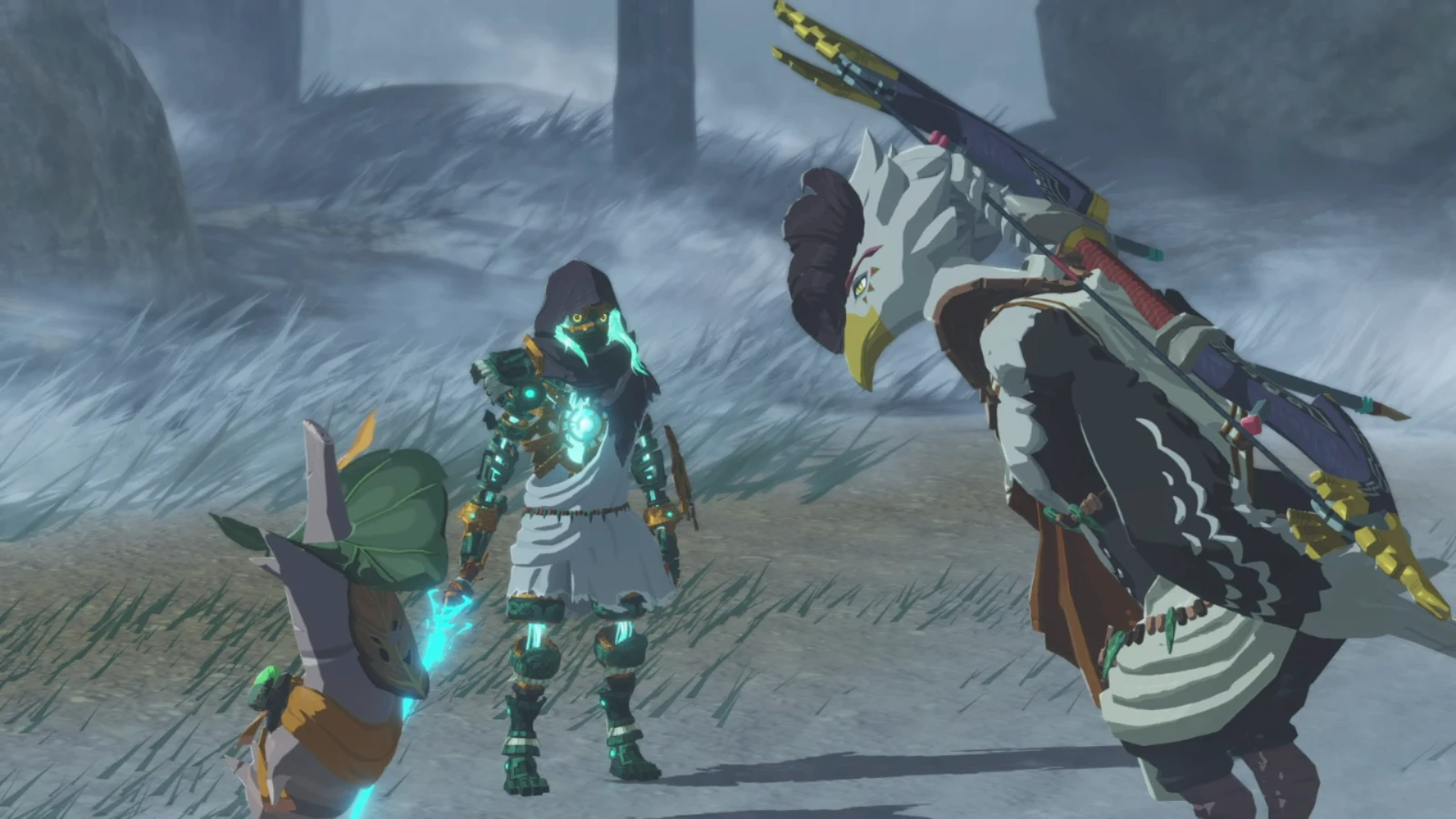
It is the third Hyrule Warriors game, after the series-wide party of Hyrule Warriors (2014) and the Breath of the Wild prequel Age of Calamity (2020), and the basic idea has not changed: you lead a hero on to a battlefield crowded with hundreds of monsters and carve a path through them, capturing outposts and hunting down the big targets. This time the heroes are Zelda, Rauru, his sister Mineru and the four ancient sages, who finally have names and faces. Fighting beside them are two newcomers, a boisterous Korok called Calamo and a silent construct with a sword, and theirs is the part of the story that Tears of the Kingdom never told.
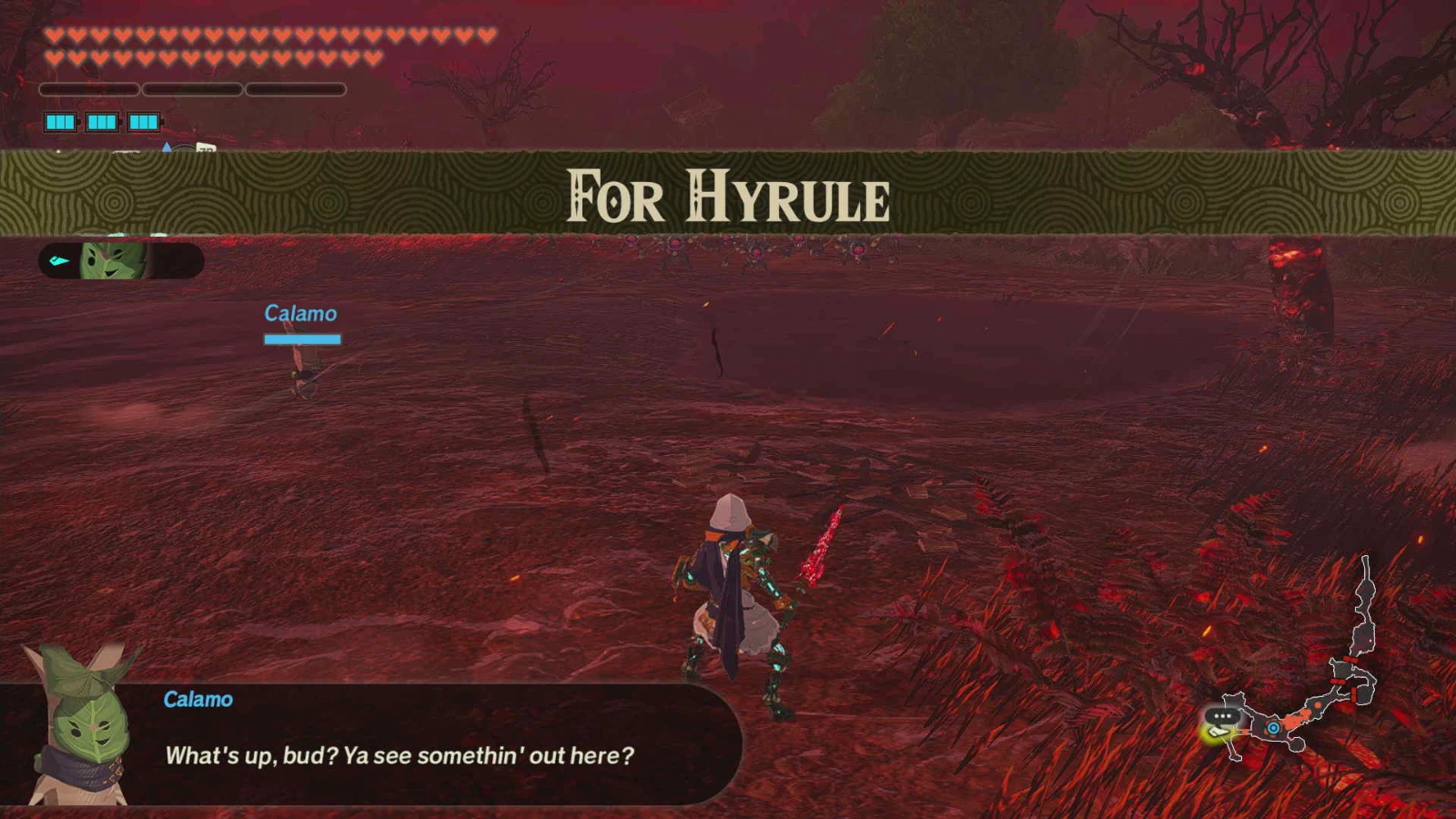
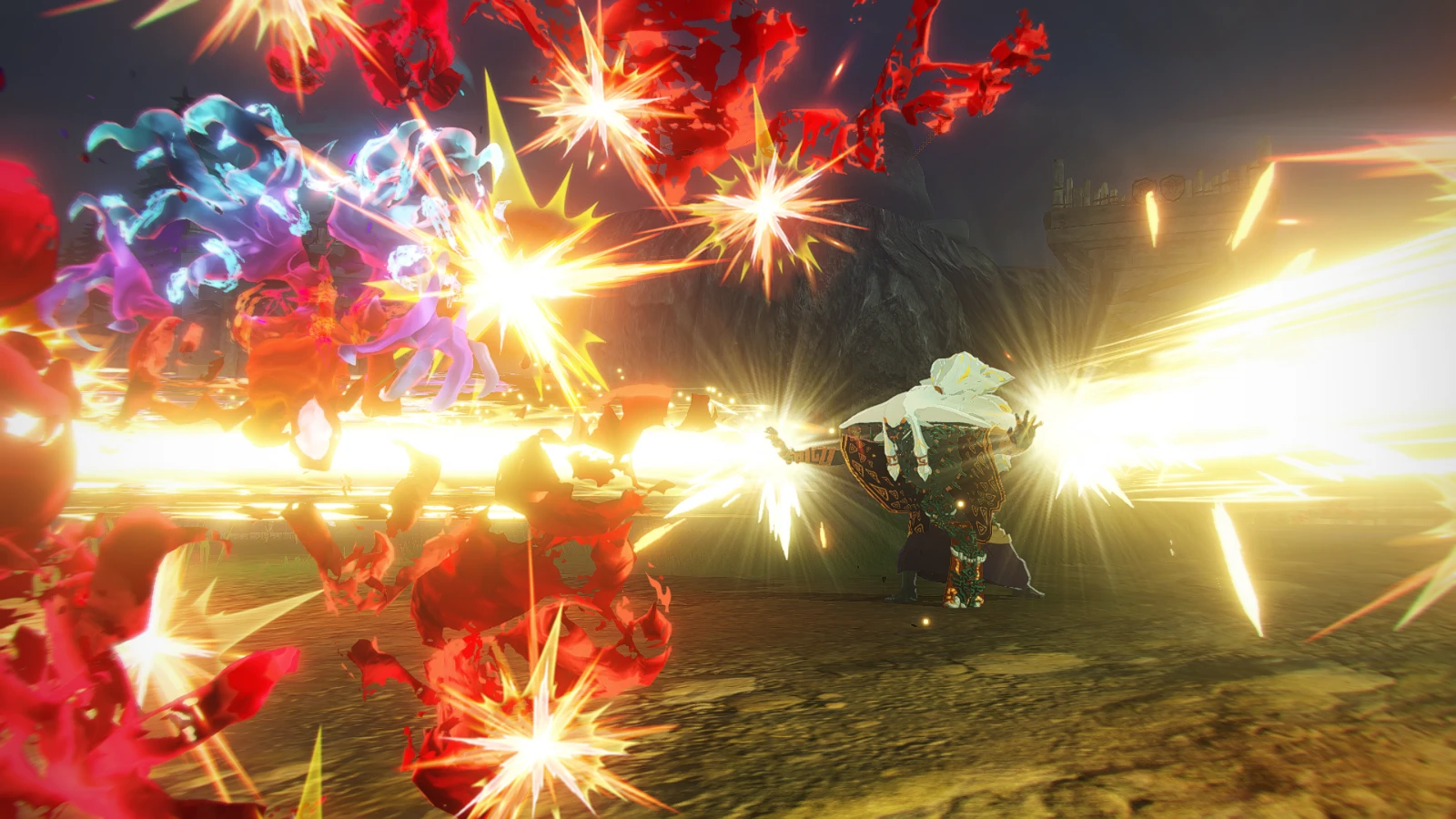
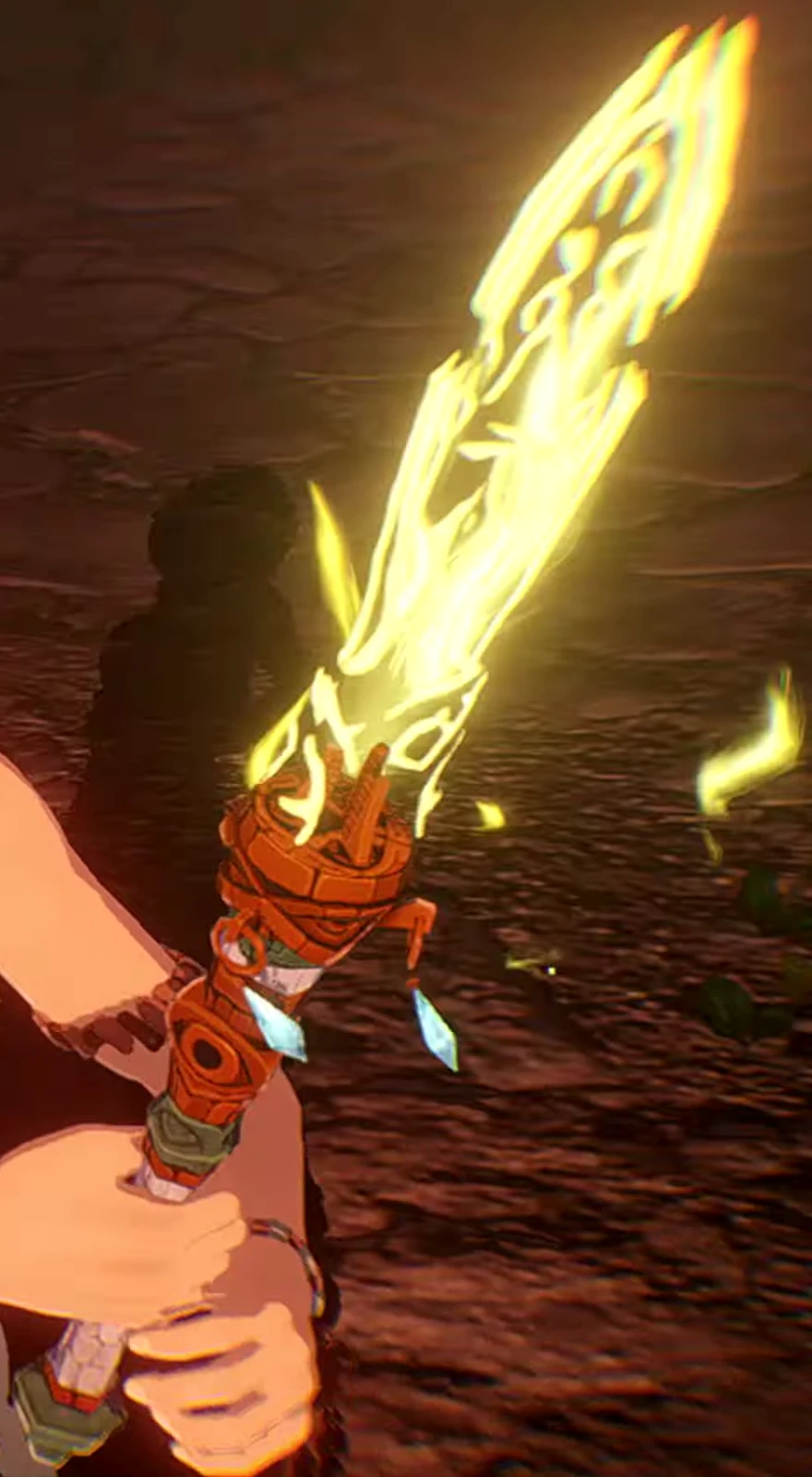
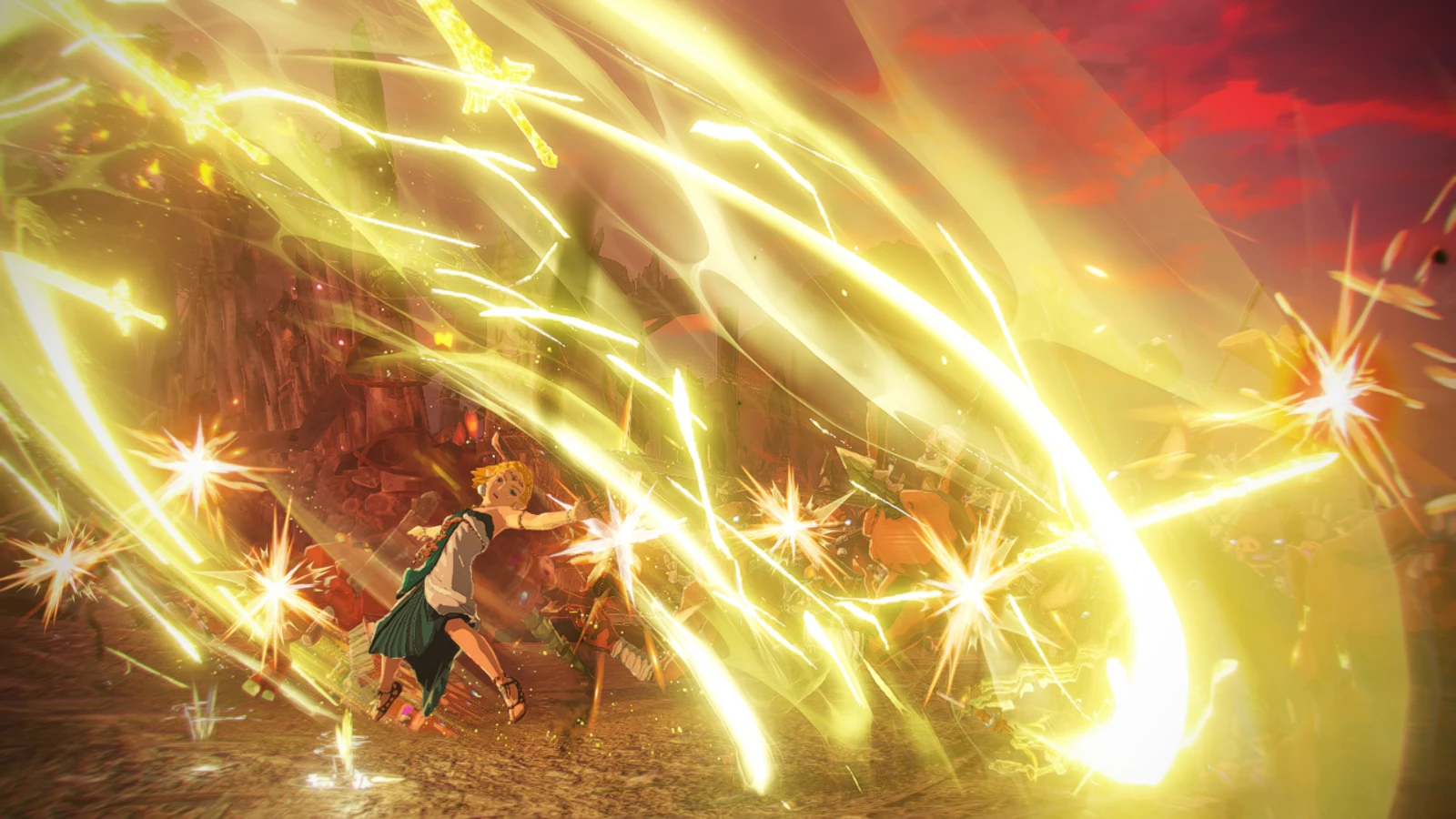
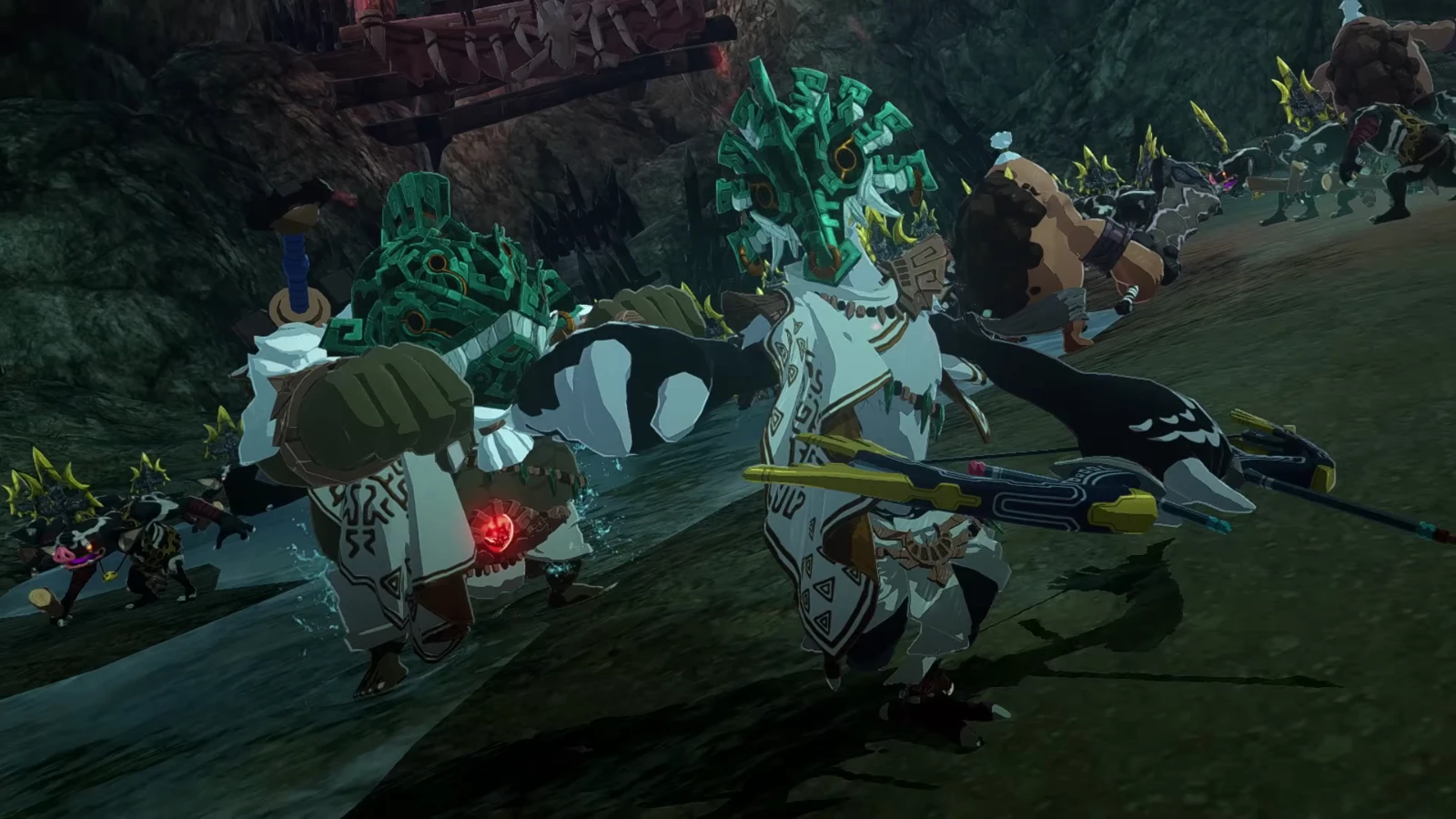
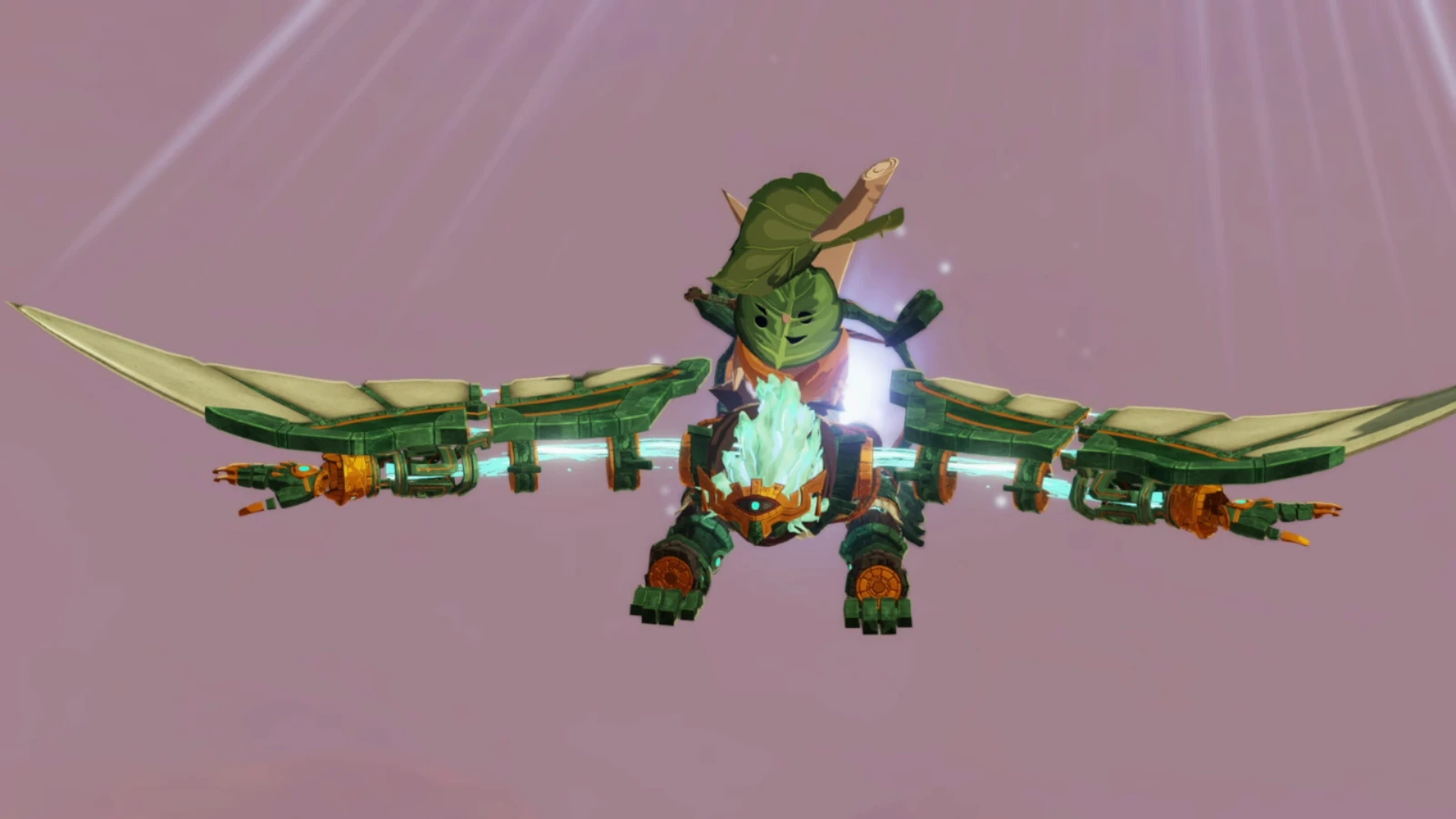
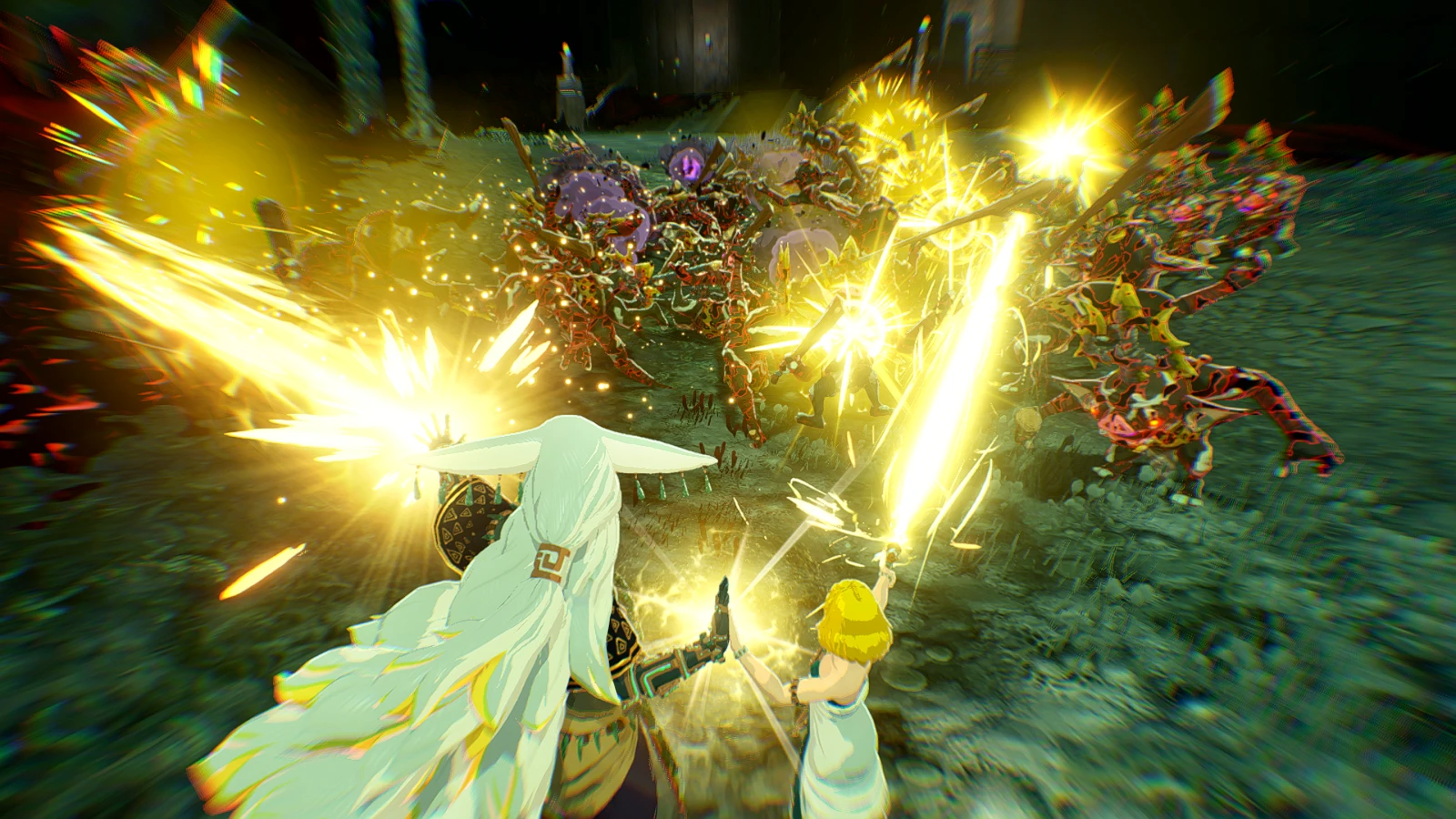
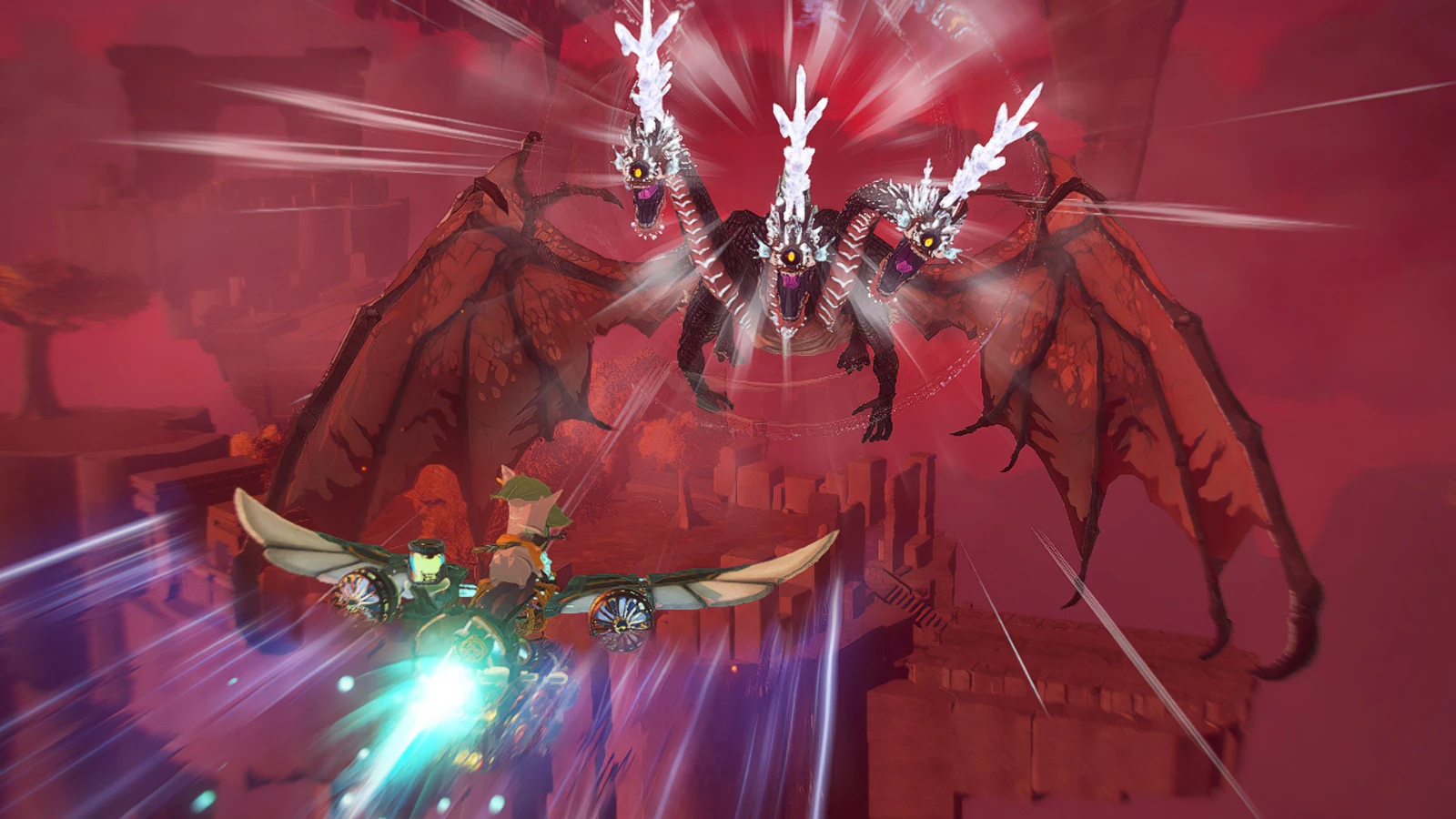
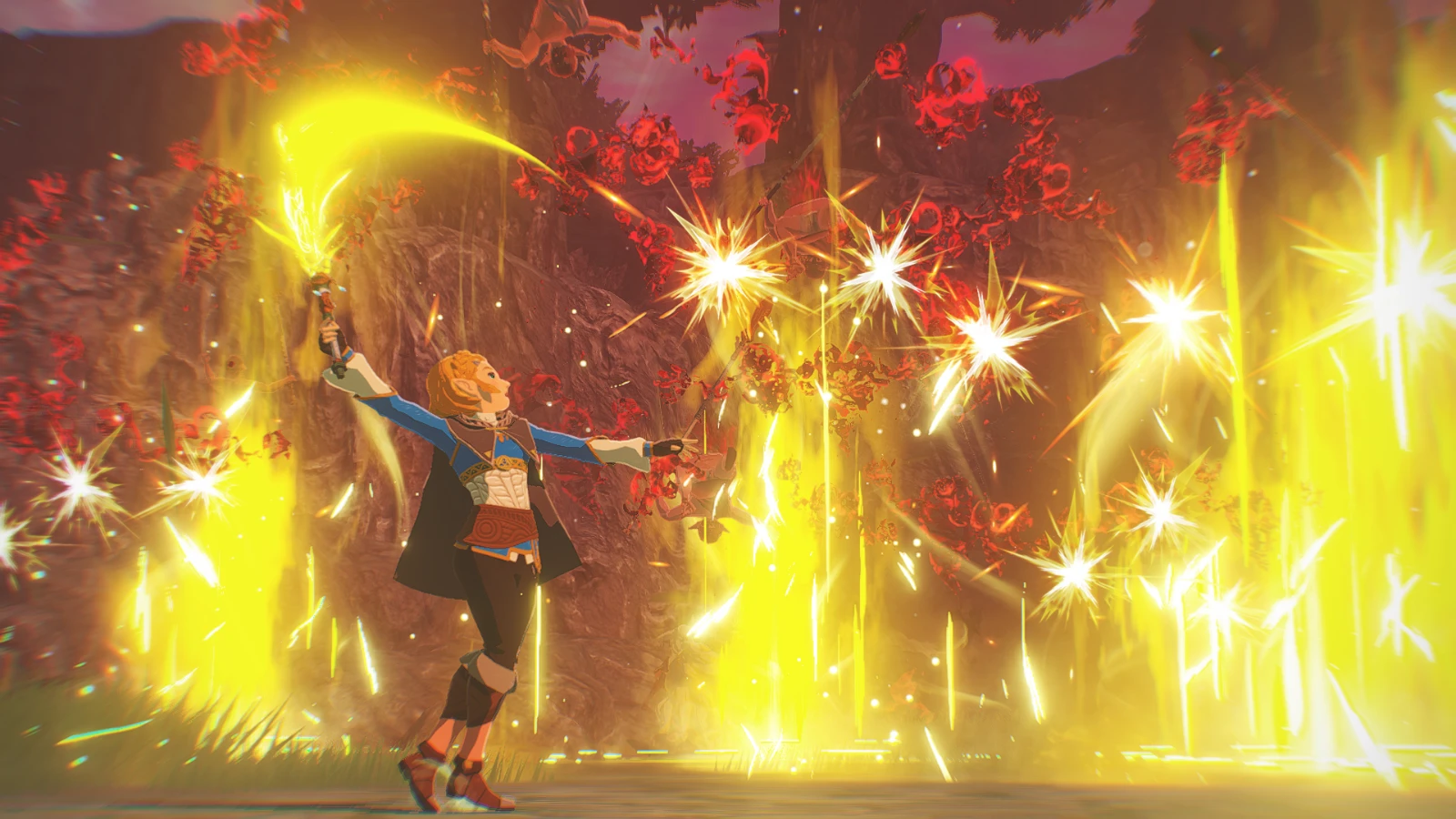
Zelda takes on Ganondorf’s army.A Sync Strike: two allies, one attack.The Mysterious Construct takes to the air.
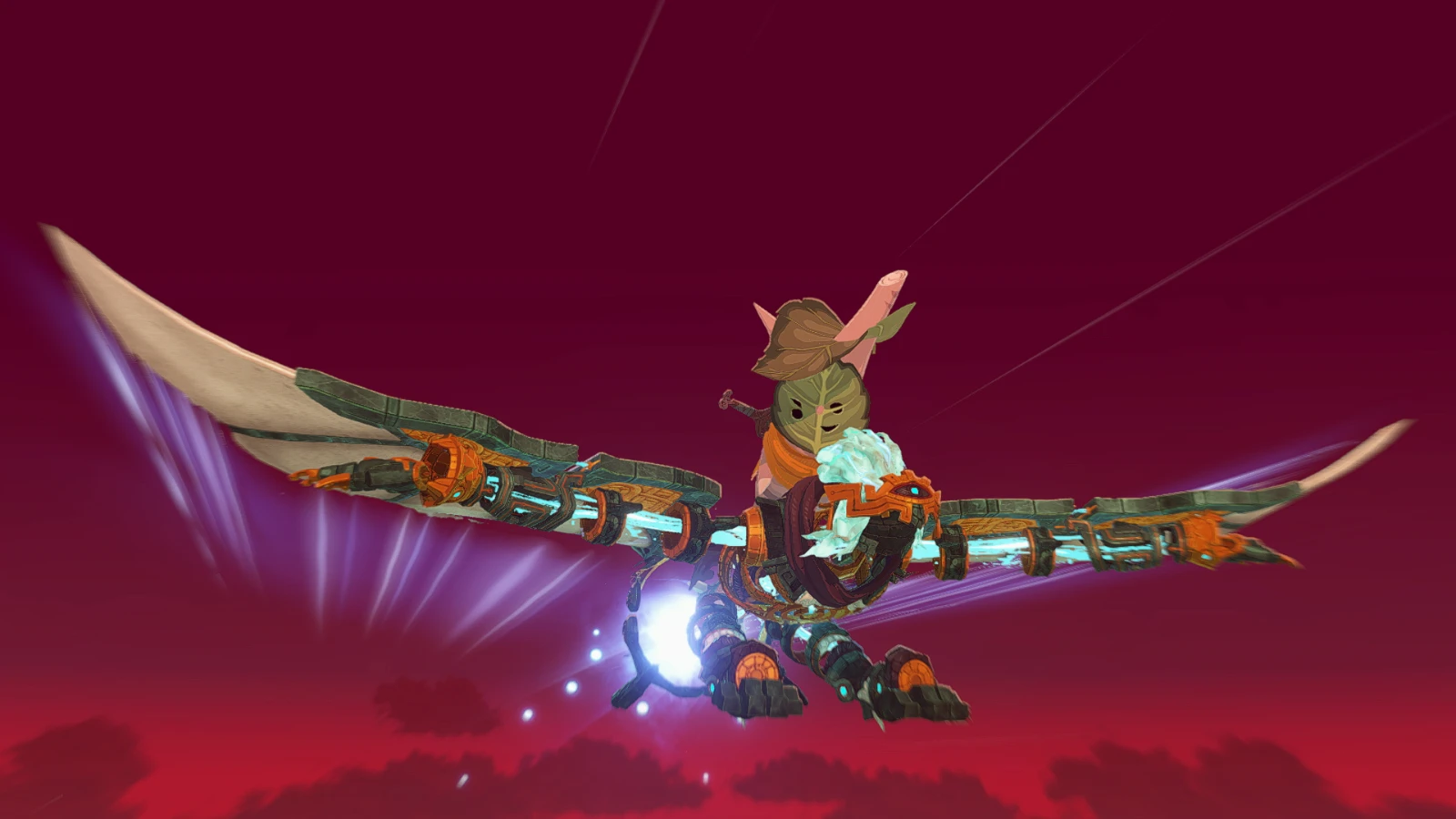
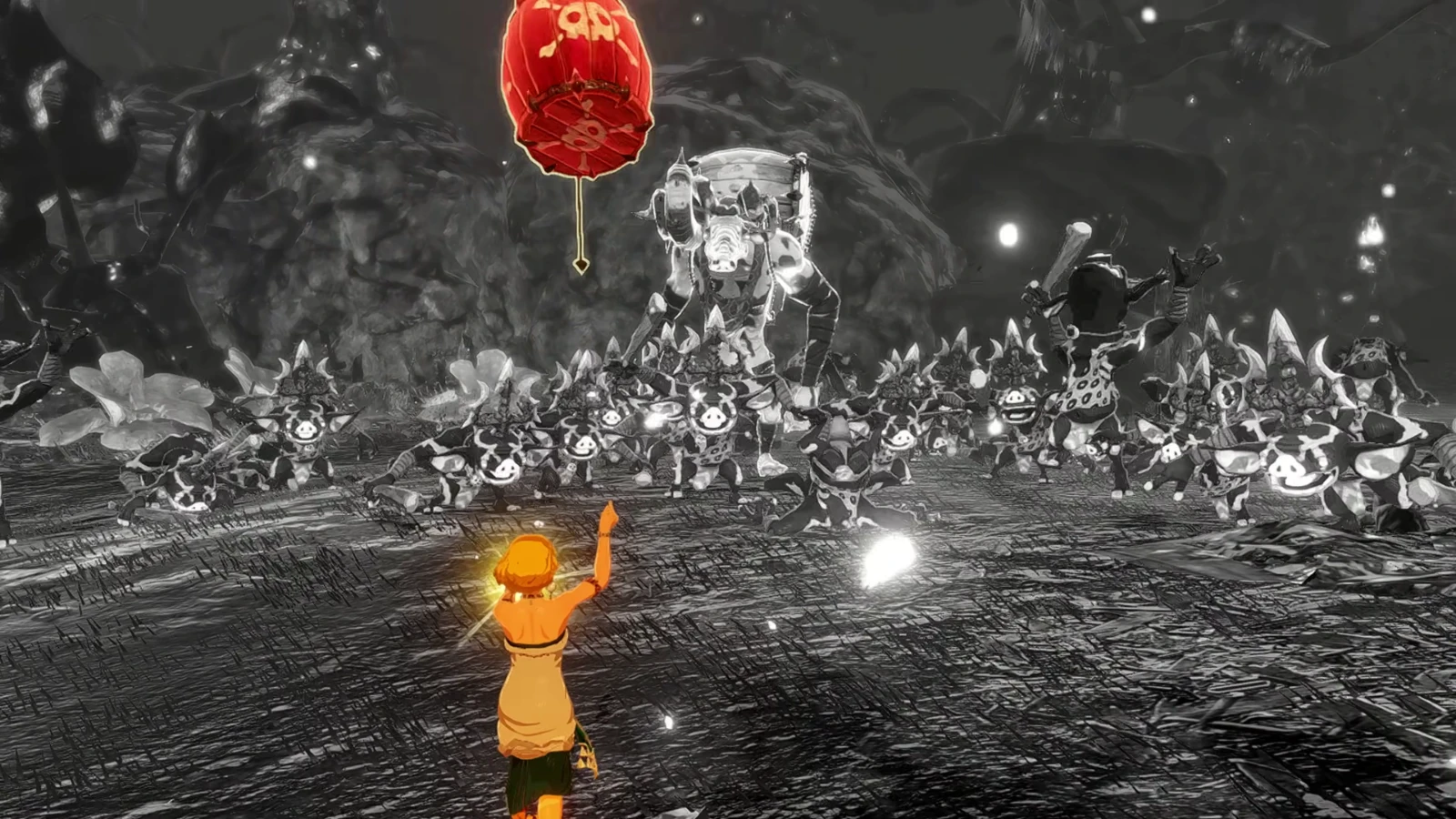
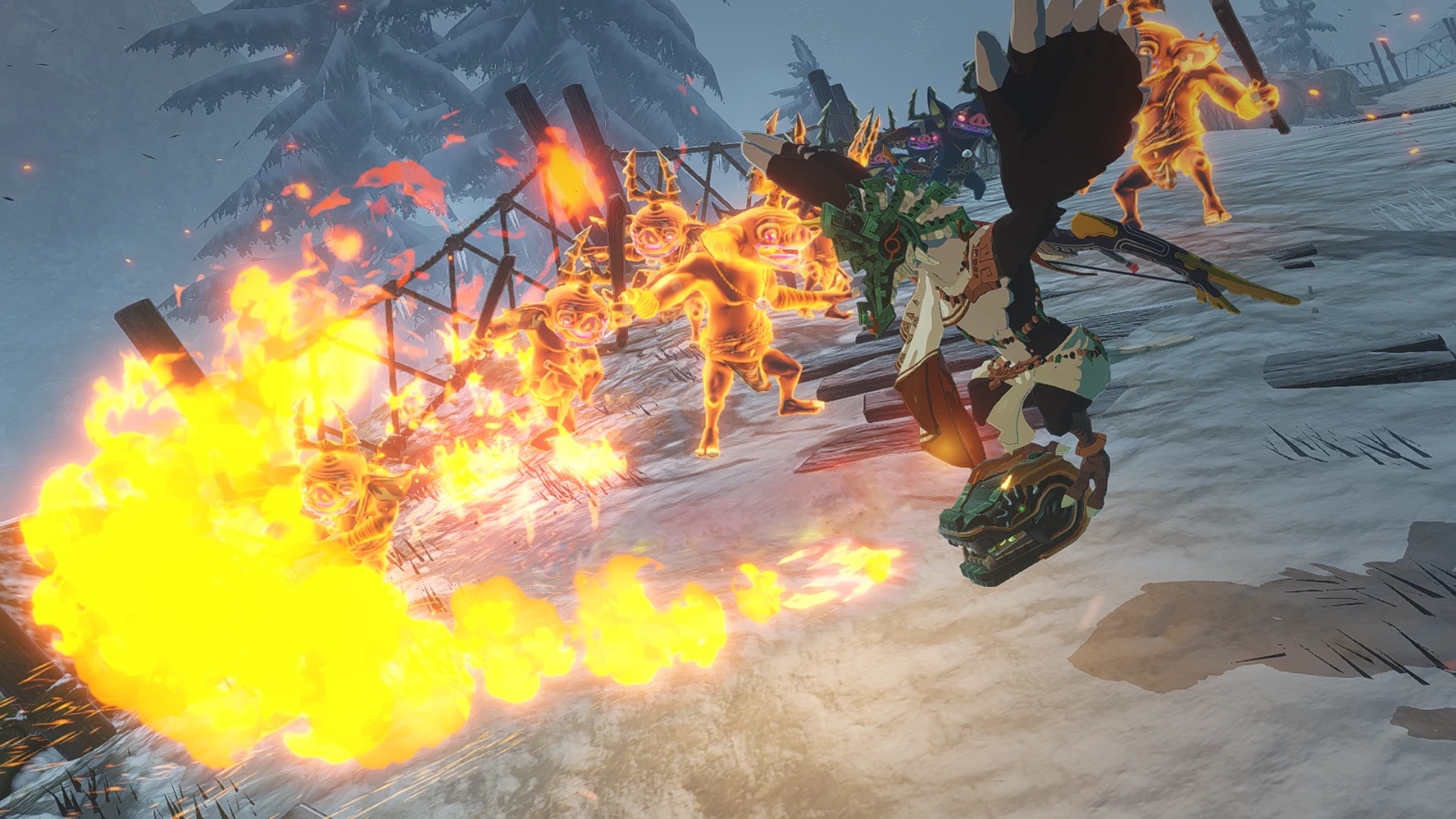
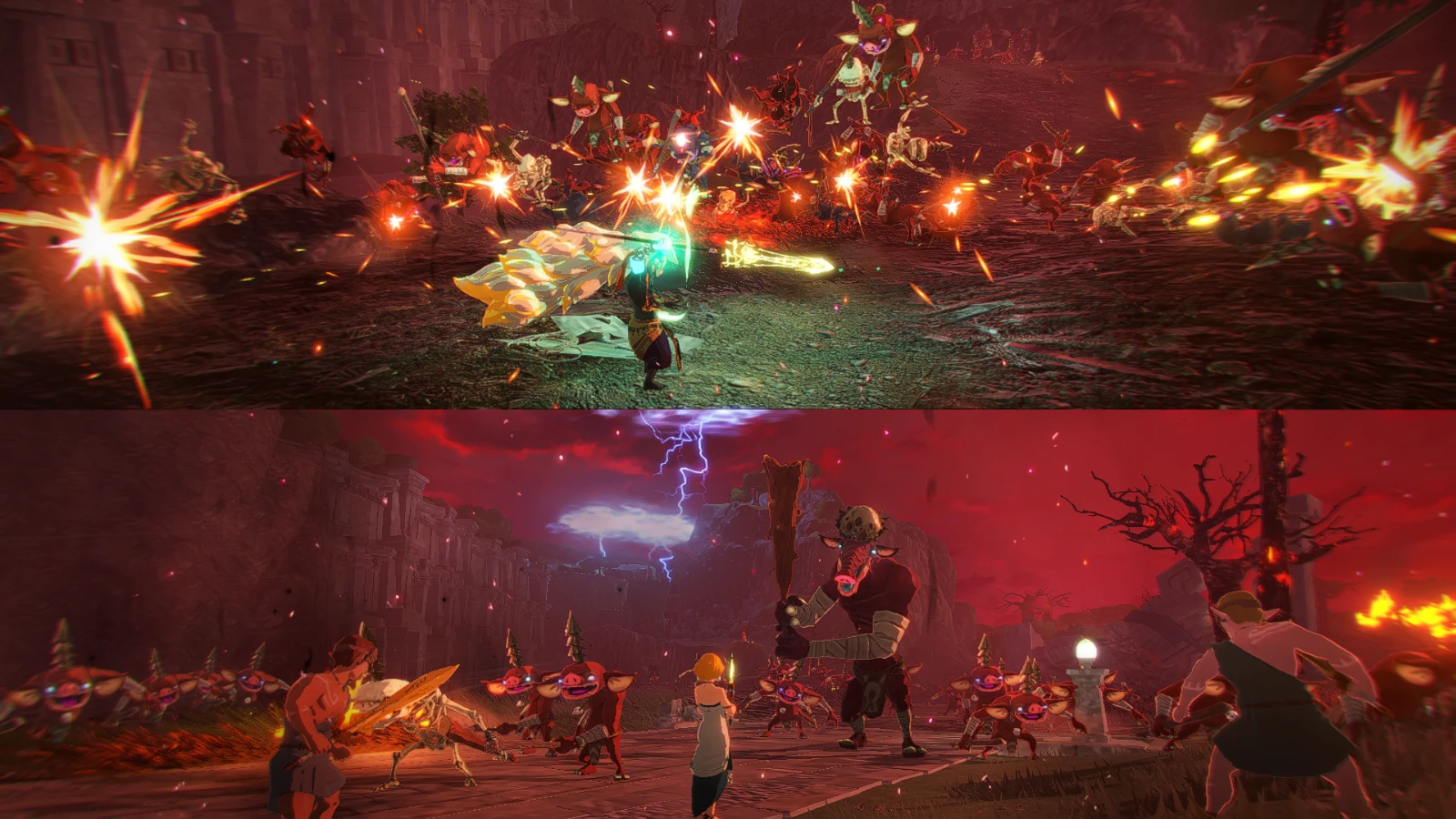
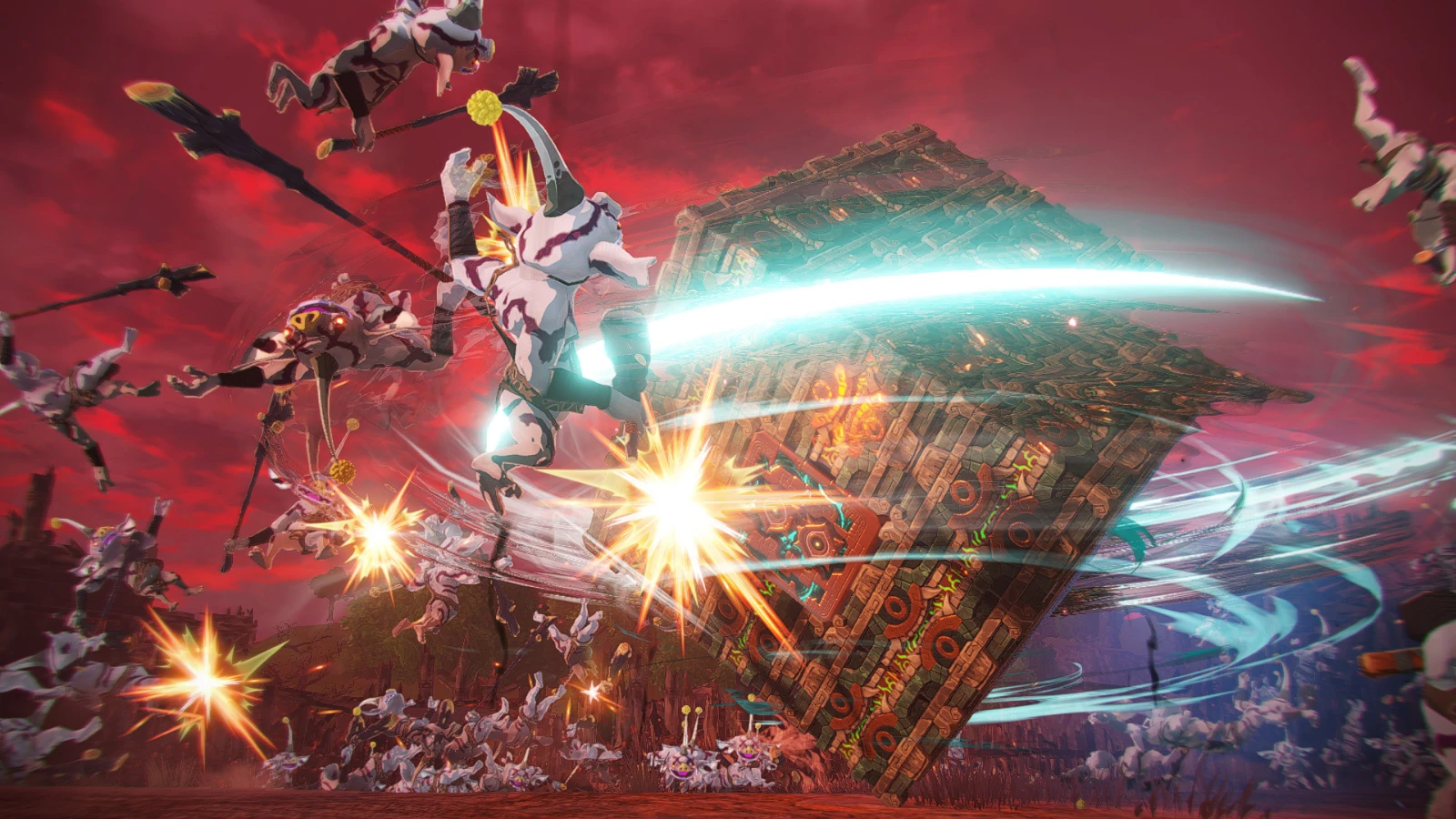
The fighting borrows freely from Tears of the Kingdom. Zonai devices become weapons, with flame emitters, time bombs and rockets all drawing on one battery. Pairs of allies can combine for a Sync Strike. Every so often the construct turns itself into a flying machine and the game becomes an on-rails shooter. A second player can join in split-screen, or on another console through GameShare, with only one copy of the game between them.
It was made by AAA Games Studio, a new team inside Koei Tecmo, with Tears of the Kingdom’s director Hidemaro Fujibayashi checking the story, and Nintendo billed it from the start as a canonical tale. Released worldwide for Nintendo Switch 2 on 6 November 2025, it reviewed well (79 on Metacritic), ran at a smooth 60 frames per second in single-player where Age of Calamity had struggled, and had passed a million copies by the end of January 2026.
“Battle hordes of enemies in the untold story of the Imprisoning War!”
That is the line at the top of Nintendo of America’s product page. The same page promises “the complete, true story of Demon King Ganondorf’s invasion”, which Tears of the Kingdom showed only briefly, and invites you on to the battlefield as Princess Zelda, King Rauru and other heroes. It goes on to introduce the game’s three big ideas, Sync Strikes, Unique Skills and Zonai Devices, and a cast list that runs from Sonia and Mineru to Calamo and the Mysterious Construct.
— Official description: Nintendo of America, Hyrule Warriors: Age of Imprisonment product page (nintendo.com), read in November 2026. Two short phrases quoted; the rest summarised.
Quick Answers
The questions people most often ask about Age of Imprisonment, answered quickly and explained further down the page.
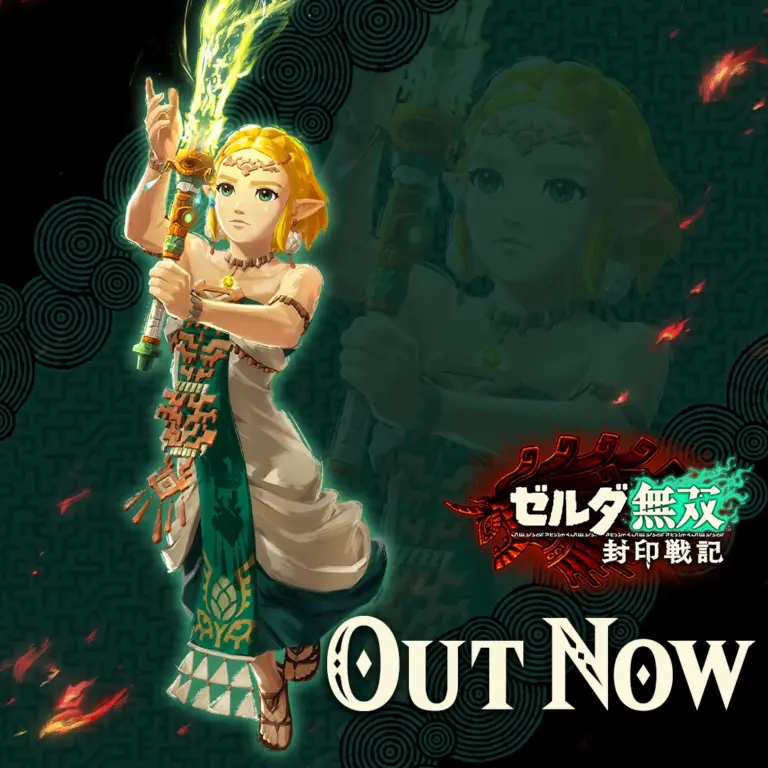
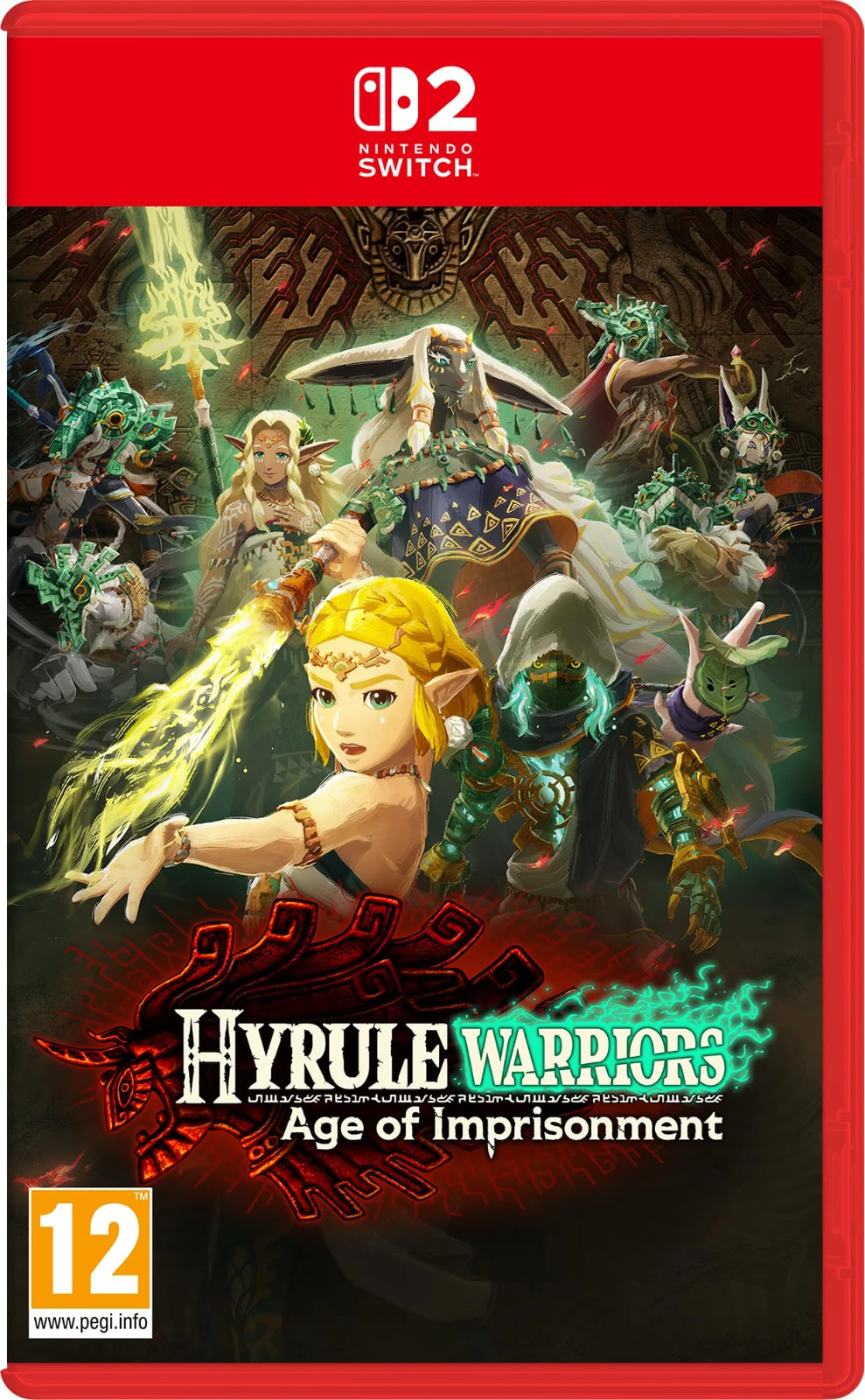
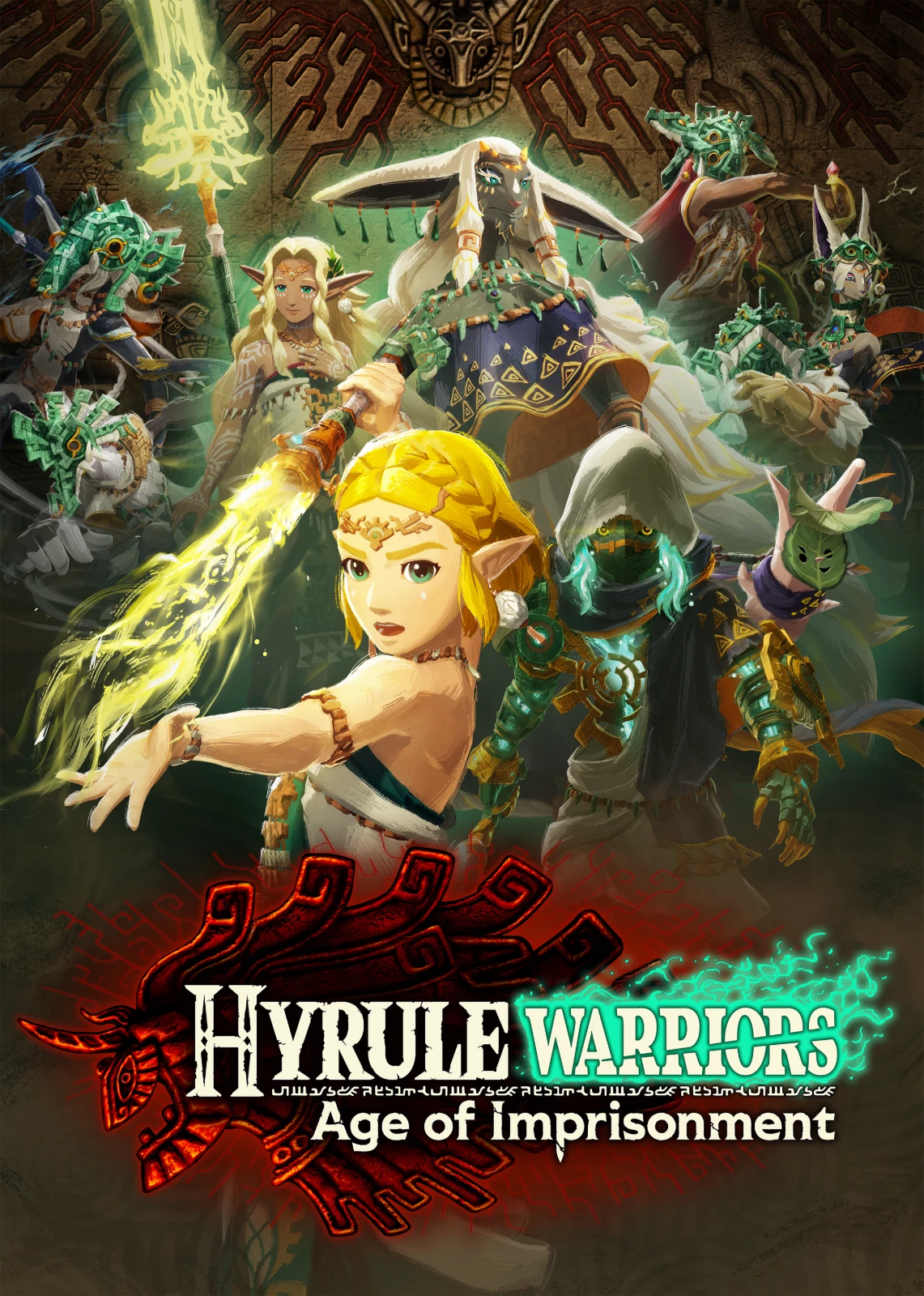
Key art for Hyrule Warriors: Age of Imprisonment.
When did Age of Imprisonment come out, and on what?
On 6 November 2025, on Nintendo Switch 2 only, on the same day in every region. It was announced on 2 April 2025, in the Nintendo Switch 2 Direct. More →
Who made it?
AAA Games Studio, a team at Koei Tecmo, with Koki Aoyanagi directing and Ryota Matsushita and Yosuke Hayashi producing. Nintendo’s Eiji Aonuma and Hidemaro Fujibayashi supervised. More →
Is Age of Imprisonment canon?
Nintendo says so. Its announcement material called the game a “canonical tale”, and its store page describes it as the complete, true story of Ganondorf’s invasion. Unlike Age of Calamity, it does not branch off into a timeline of its own. More →
Do I need to have played Tears of the Kingdom first?
No. Hidemaro Fujibayashi says it can be enjoyed without either Breath of the Wild or Tears of the Kingdom. Be warned, though, that it gives away everything Tears of the Kingdom reveals through Zelda’s memories. More →
Can you play as Link?
No. Link is seen for a moment in the opening cutscene and that is all, because the war takes place long before he was born. The Mysterious Construct, a silent sword-and-shield fighter, fills his boots. More →
How many playable characters are there?
Nineteen. Eleven join through the story, led by Zelda, Rauru, Mineru and the four sages, and eight more are recruited through optional Scouting Challenges. Ganondorf and Queen Sonia are not playable. More →
Does it have co-op?
Yes, for two players: in split-screen on one console, or across two consoles with GameShare, locally or online through GameChat. Only one player needs to own the game. More →
How long is it?
The story is 28 battles across six chapters. VGC’s reviewer reached the credits in 18 to 20 hours, with plenty of challenges, quests and extra fighters left over. More →
Is there any DLC?
Two free updates arrived on 27 November and 18 December 2025, adding battles, weapons, tougher enemies and a new difficulty. As of November 2026 Nintendo’s store page lists no paid add-on content. More →
How many copies has it sold?
More than a million. Koei Tecmo announced on 26 January 2026 that shipments and downloads had passed that mark. More →
Plot / Story
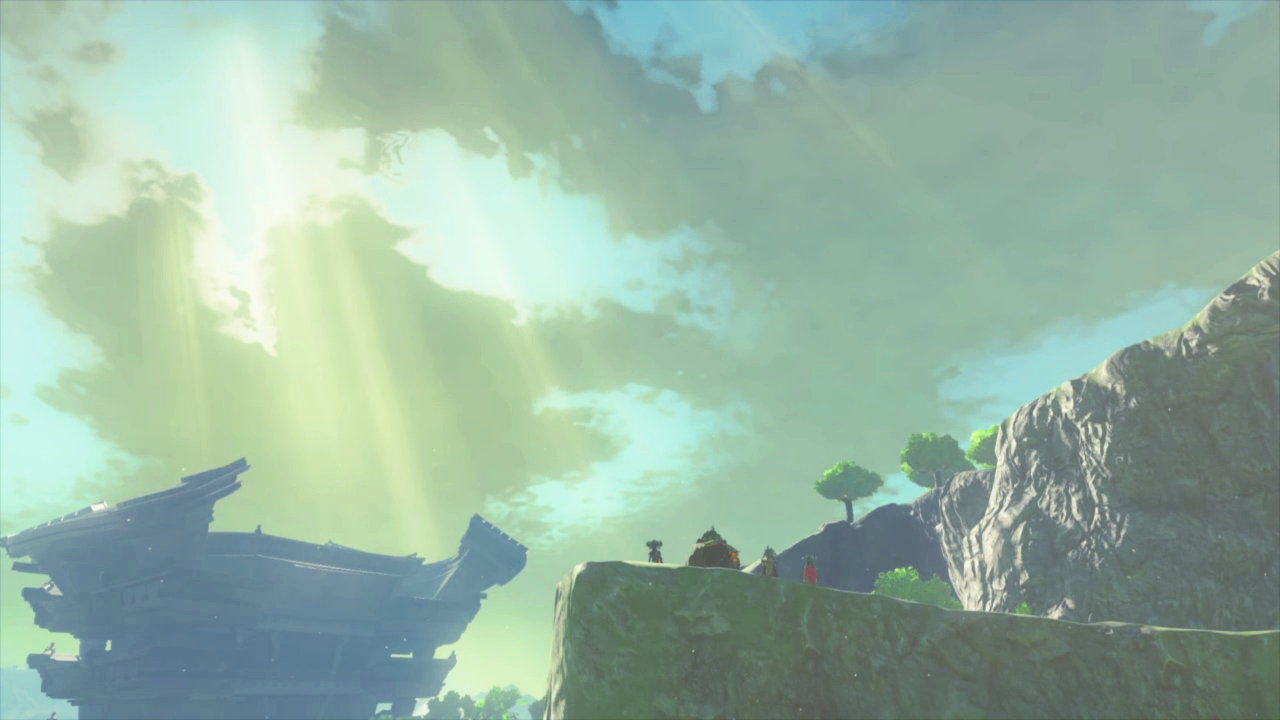
Zelda in the era of Hyrule’s founding.
The story starts where Tears of the Kingdom does, in the dark beneath Hyrule Castle. A mummified figure stirs, the Master Sword shatters and the ground gives way. Link is on screen for a moment and then gone. As Zelda falls, the strange stone in her hand answers her power and flings her back to the first days of the kingdom of Hyrule, and a splinter of the broken sword goes with her. Remember the splinter.
What follows is the tale told by the Dragon’s Tears, this time from beginning to end and from the inside. VGC’s review put the original telling at about 45 minutes of cutscenes; here it is a campaign of 28 battles, and several of its most important scenes are restaged almost exactly as Tears of the Kingdom showed them.
A princess out of time
Zelda is found by Rauru, the Zonai who founded the kingdom, and his Hylian queen, Sonia, who take her in while she looks for a way home. She helps Rauru with the business of ruling and practises her powers of light and time under Sonia’s eye. The second battle, The Art of the Blade, sets her against some friendly faces: the veteran soldier Typhan, the young recruit Quino, the Goron chief Agraston and the king himself.
With Rauru’s elder sister Mineru, the kingdom’s expert on all things Zonai, she then goes down into the Depths. There Mineru uncovers dormant Forbidden Constructs: thinking, humanoid weapons that once rose against their makers and all but wiped out the Zonai. It is the game’s first big addition to the lore, and the rest of the plot hangs on it.
King Rauru and Queen Sonia.Mineru leads the way into the Depths.
The king who knelt
Then Ganondorf arrives. In this telling the Gerudo chieftain attacks Hyrule Castle outright, and only when Rauru’s forces have beaten him back does he kneel and swear loyalty. A false oath needs a scapegoat, and he chooses Ardi, one of his own followers, who is bound by Gerudo law to serve him but has come to sympathise with the people of Hyrule. Framed for the attack, she is saved by an unlikely pair: Calamo, a wandering Korok, and a construct he has woken by accident in the Depths.
The next move is the one that anybody who has played Tears of the Kingdom will be dreading. Ganondorf sends a phantom in Zelda’s shape to wake a second Forbidden Construct. It absorbs the phantom, destroys the other constructs and goes on the rampage, and while Rauru is busy with it Ganondorf murders Sonia, takes her Secret Stone and becomes the Demon King.
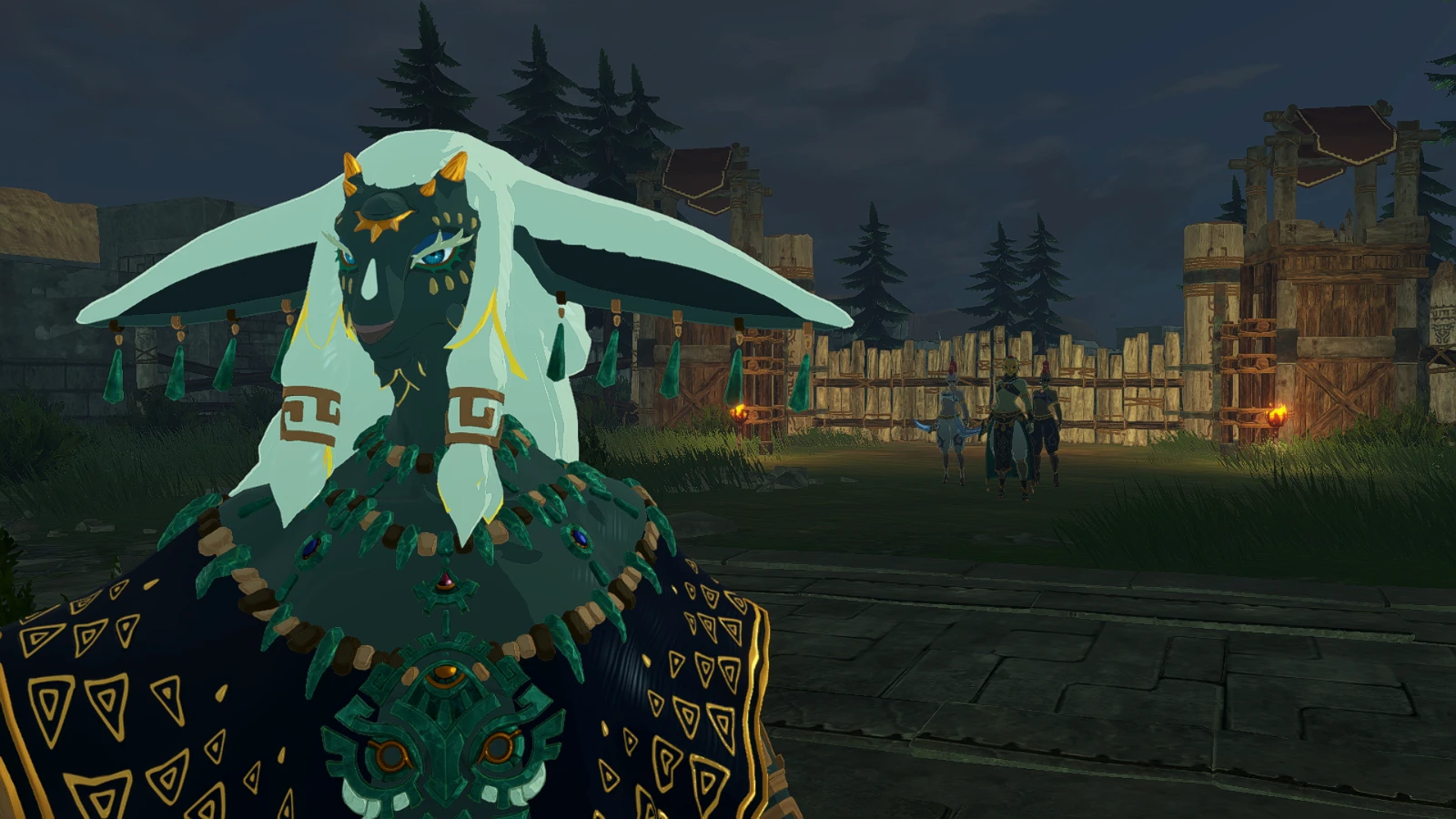
Ganondorf swears a false oath to Rauru.Ardi, framed by her own king.Sonia’s Secret Stone makes Ganondorf the Demon King.
Hyrule falls
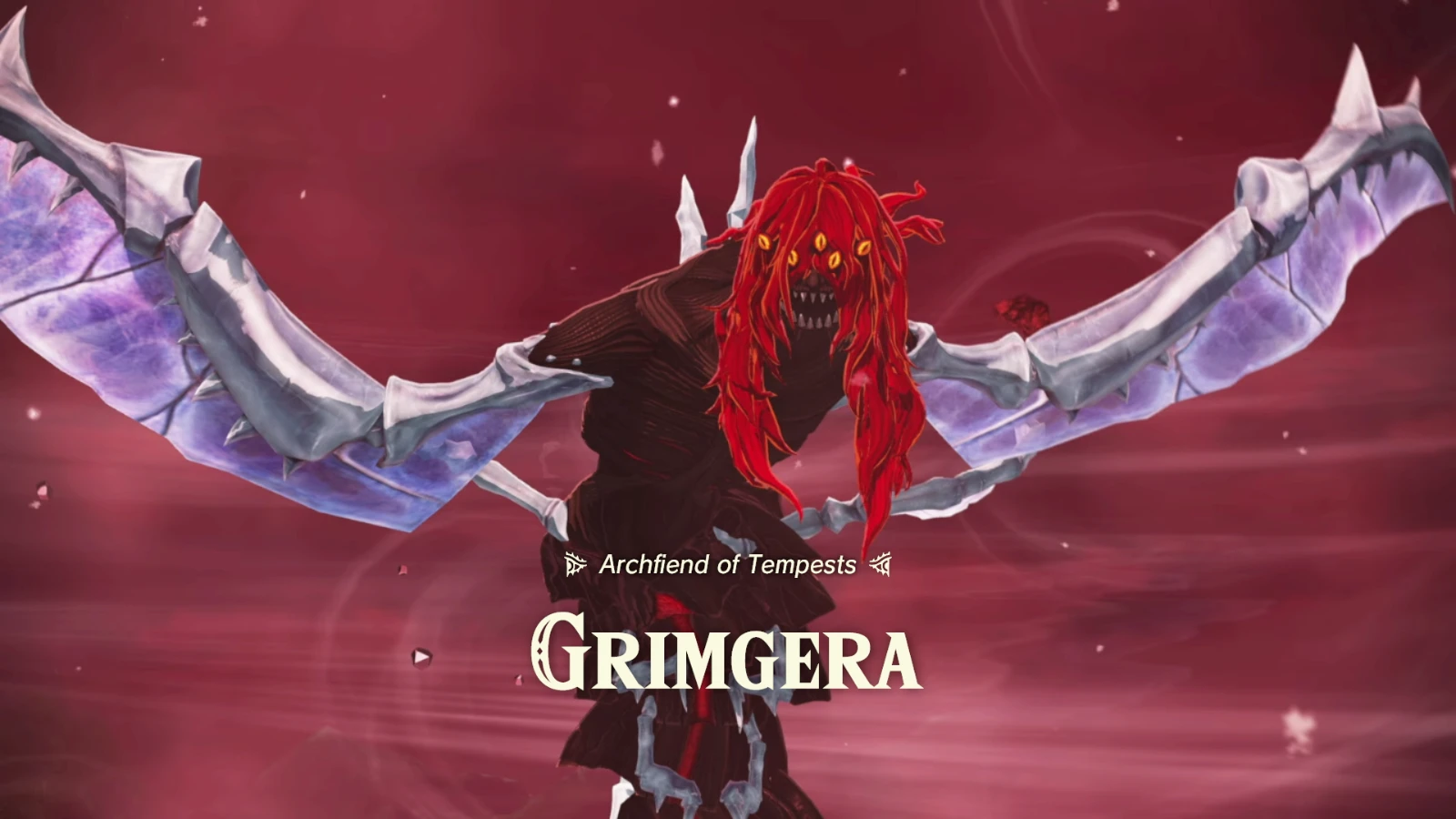
The Demon King seizes Hyrule Castle and fills the land with monsters, led by four archfiends: Grimgera, Grimtorok, Grimgohma and Grimgibdo. Rauru’s people are driven out, and they get away only because Calamo’s construct drives off the archfiend Grimgera, which gives the king time to fall back to Tanagar Canyon.
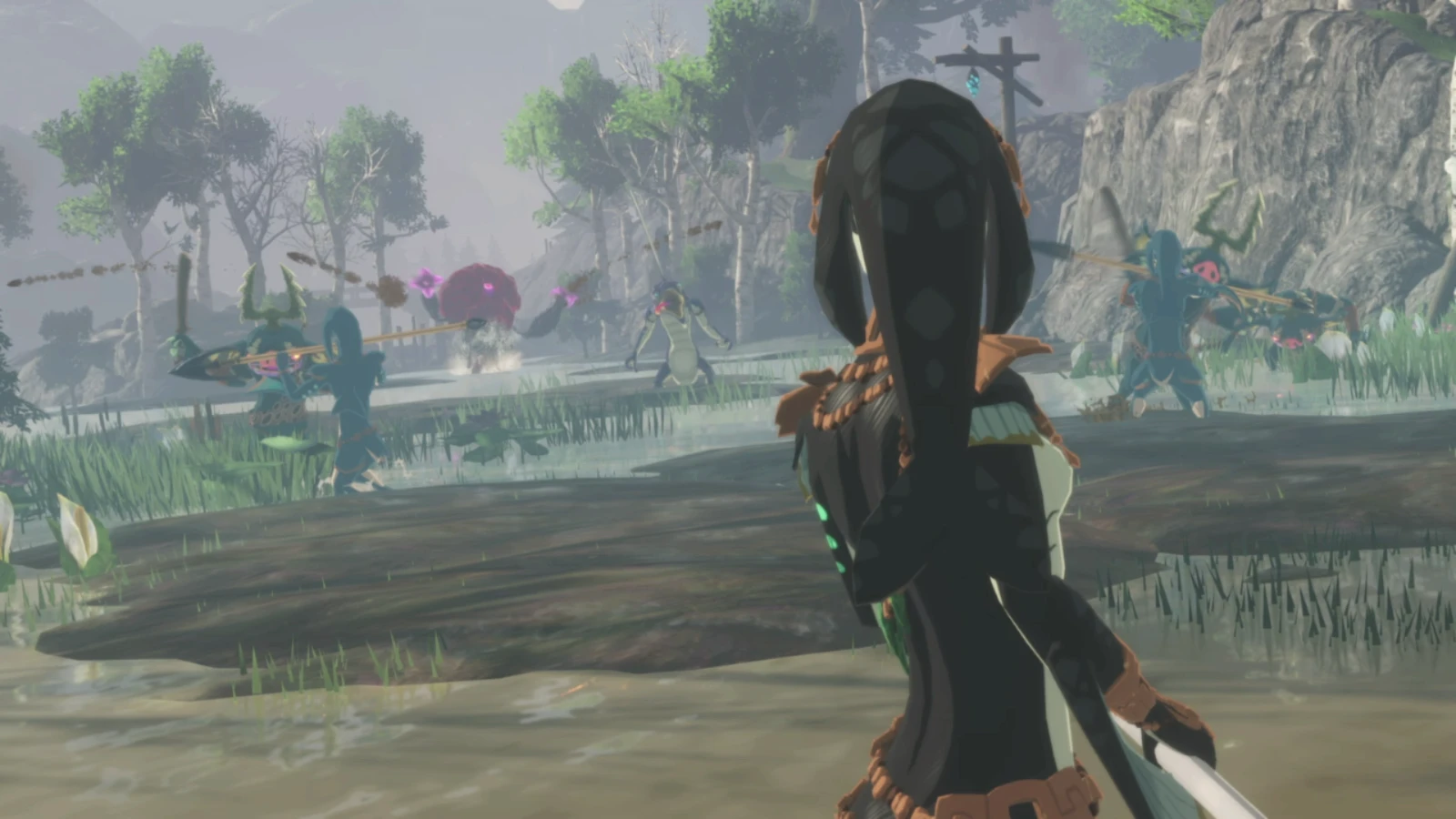
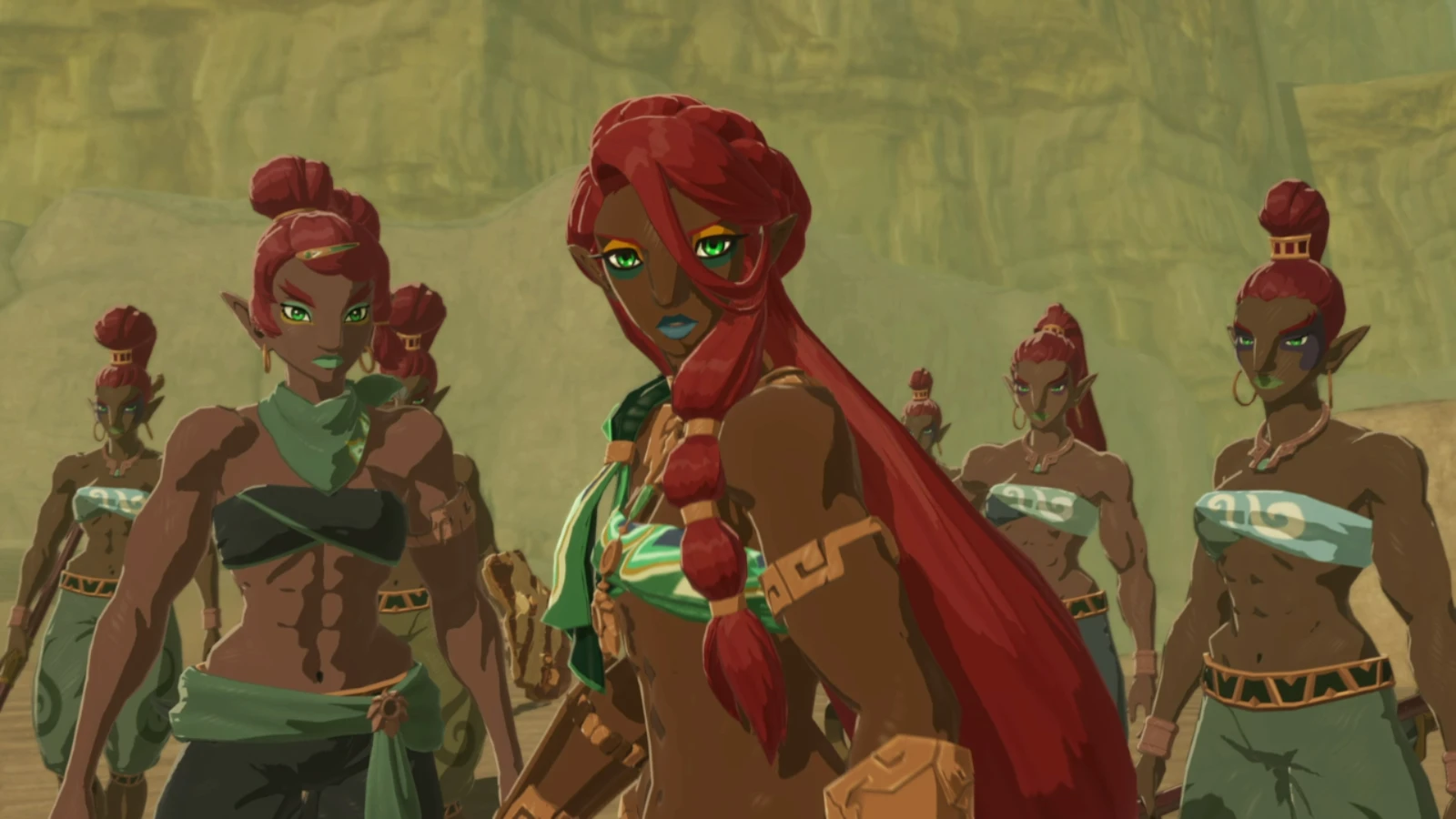
From there the campaign becomes a tour of a kingdom that barely exists yet. Rauru has to win the peoples of Hyrule to his side one at a time: the Rito under their quick-witted leader Raphica; the Zora and their fighting queen Qia, whose home in Lanayru is fouled with sludge; the Gorons of Death Mountain under Rauru’s old friend Agraston; and the Gerudo, whom Ardi now leads. Each alliance is paid for with a battle, and usually with an archfiend.
Hyrule Castle in the Demon King’s hands.The leaders of the Rito, Zora, Gorons and Gerudo.
The Korok and the knight
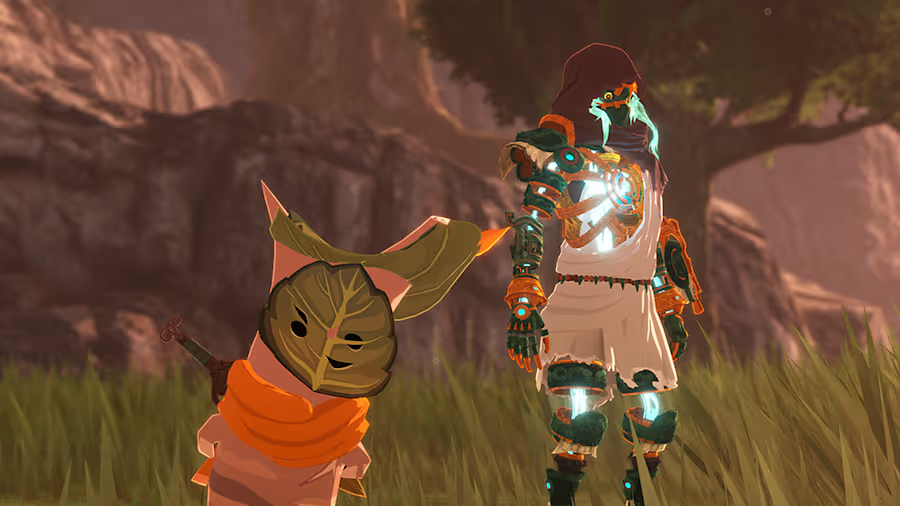
All the while Calamo and his construct are fighting a war of their own, roaming Hyrule, cutting down the Demon King’s monsters and clashing again and again with the corrupted Forbidden Construct. This is the part of the story that is entirely new, and Koei Tecmo kept the construct’s secrets back before release so that it would land as a surprise.
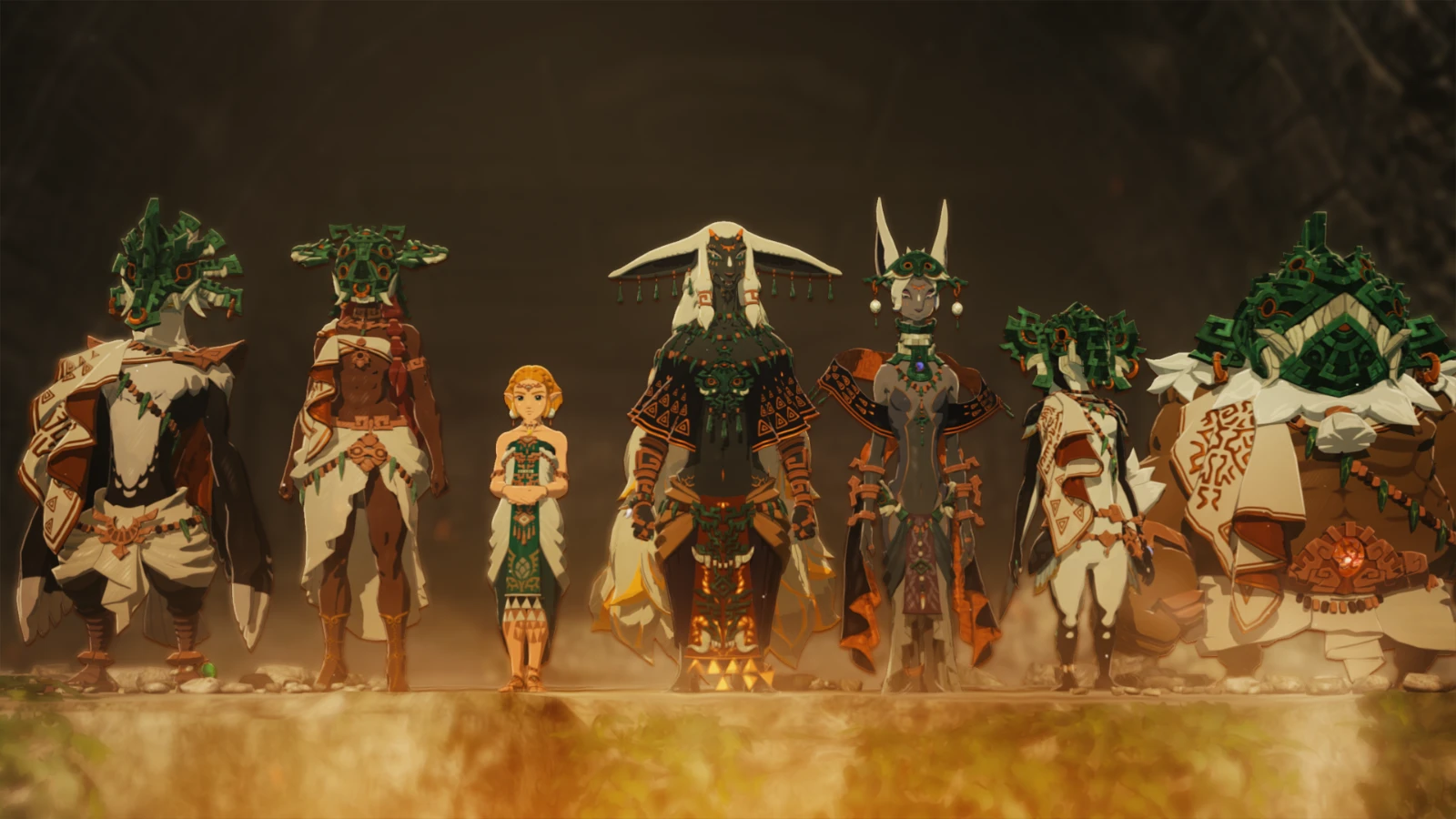
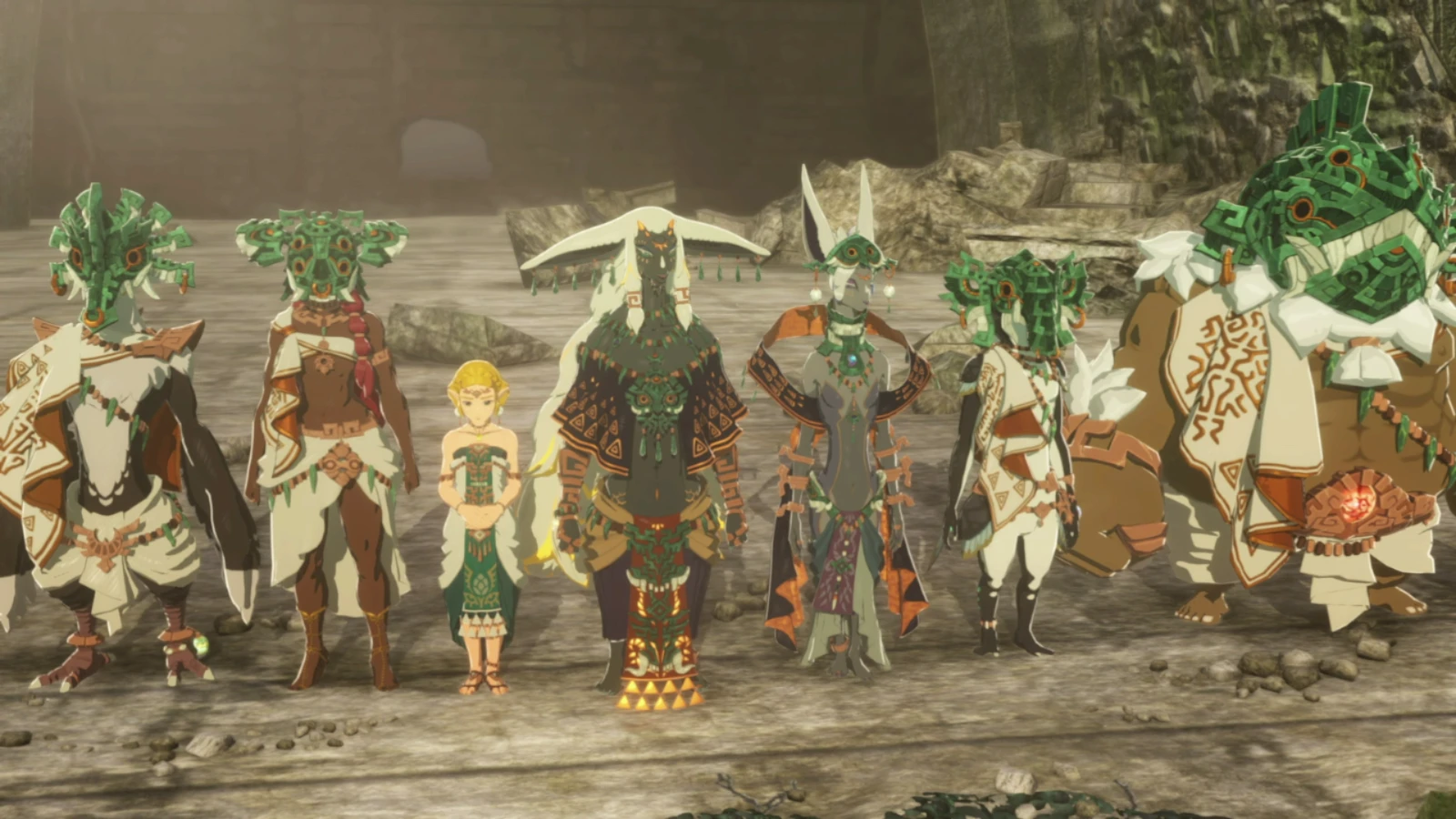
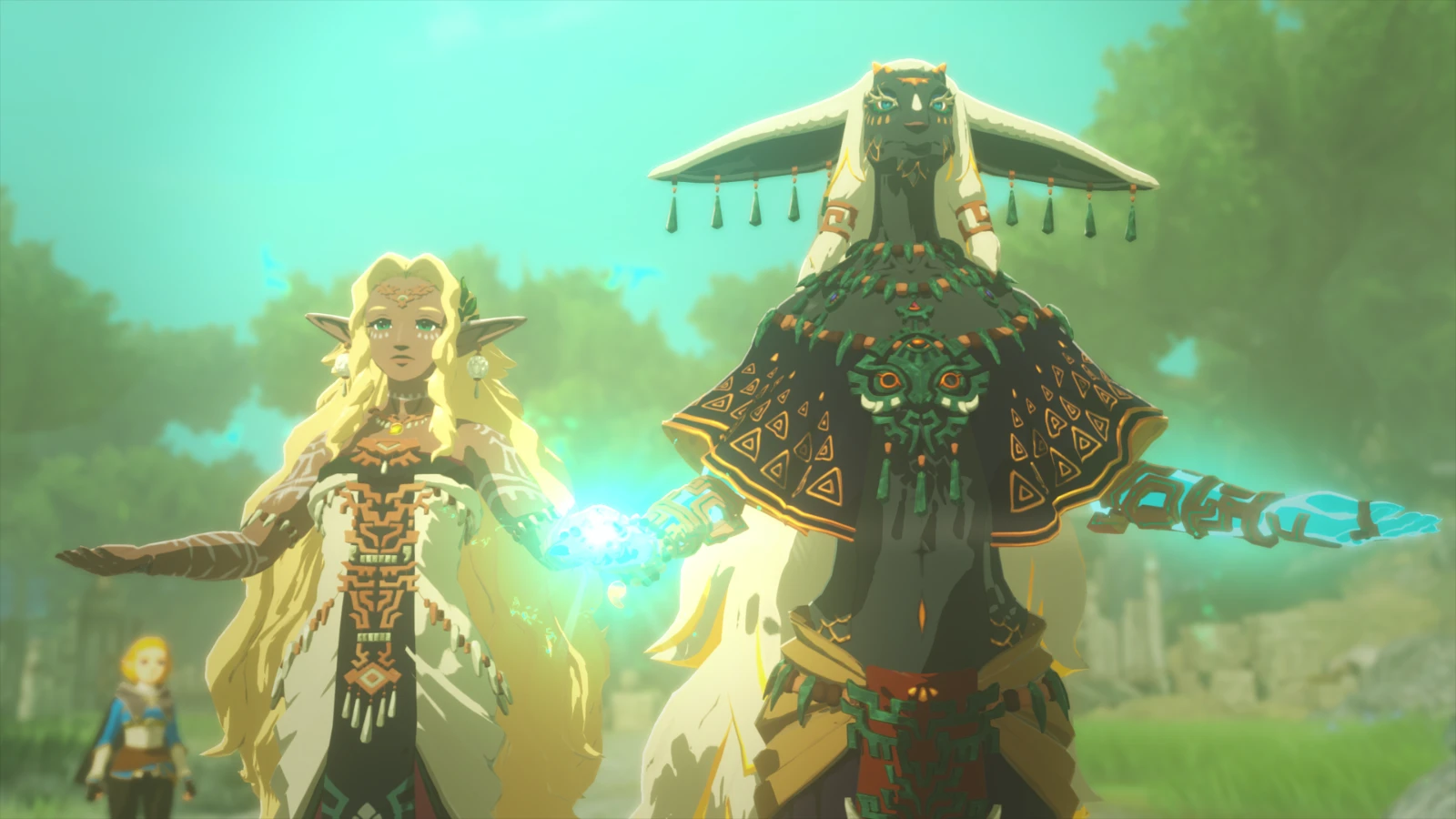
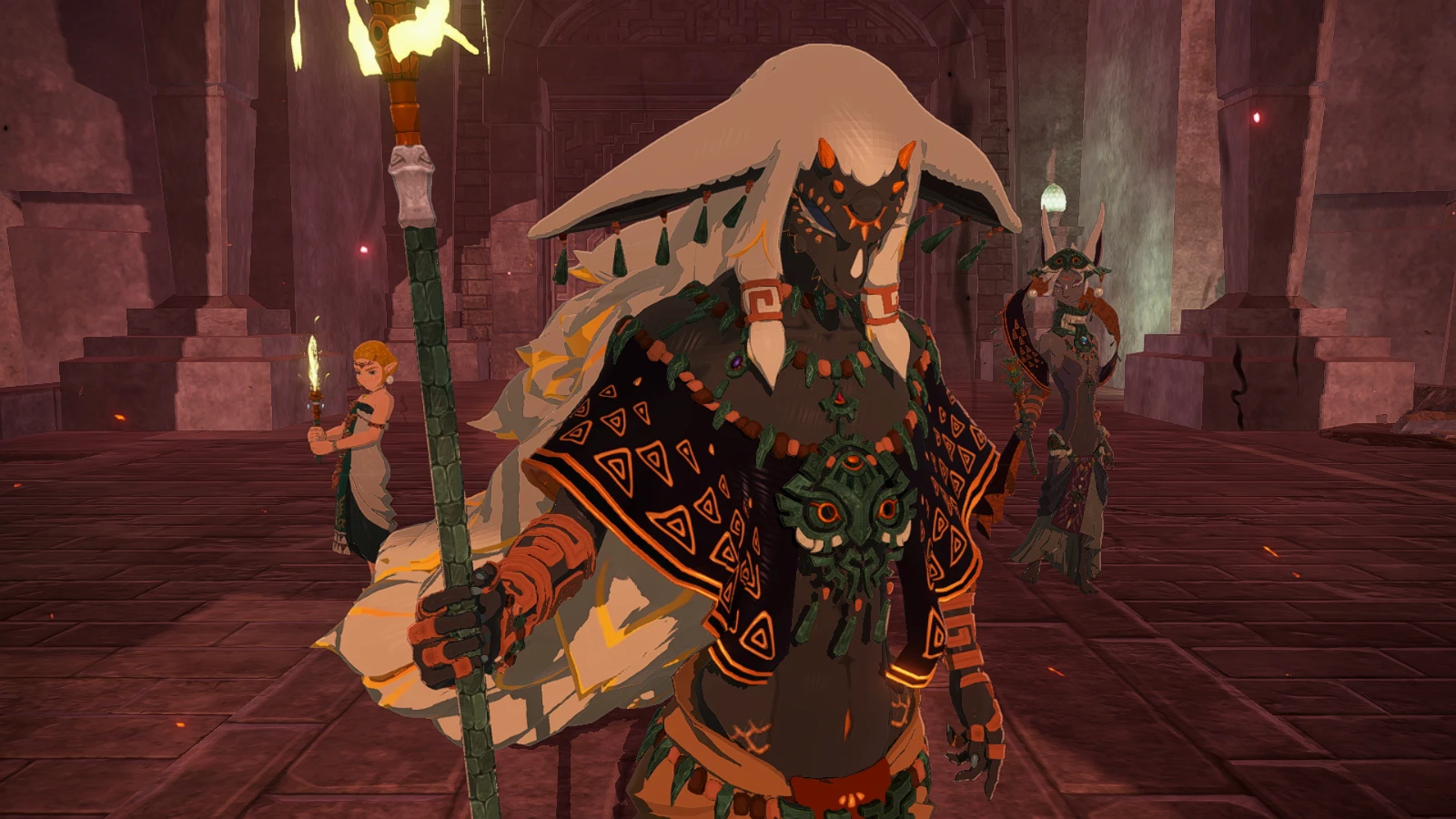
The surprise is what makes it tick. When Zelda studies the construct she recognises its power source: the splinter of the Master Sword that fell through time with her. It carries a sword and shield, it never says a word and it reminds her of Link, so she gives it a name, the Knight Construct. Rauru welcomes the pair into his army, hands Secret Stones to Raphica, Qia, Agraston and Ardi, and swears the four in as sages alongside Mineru and Zelda.
Calamo and the Mysterious Construct.The sages take their vow.
The sealing
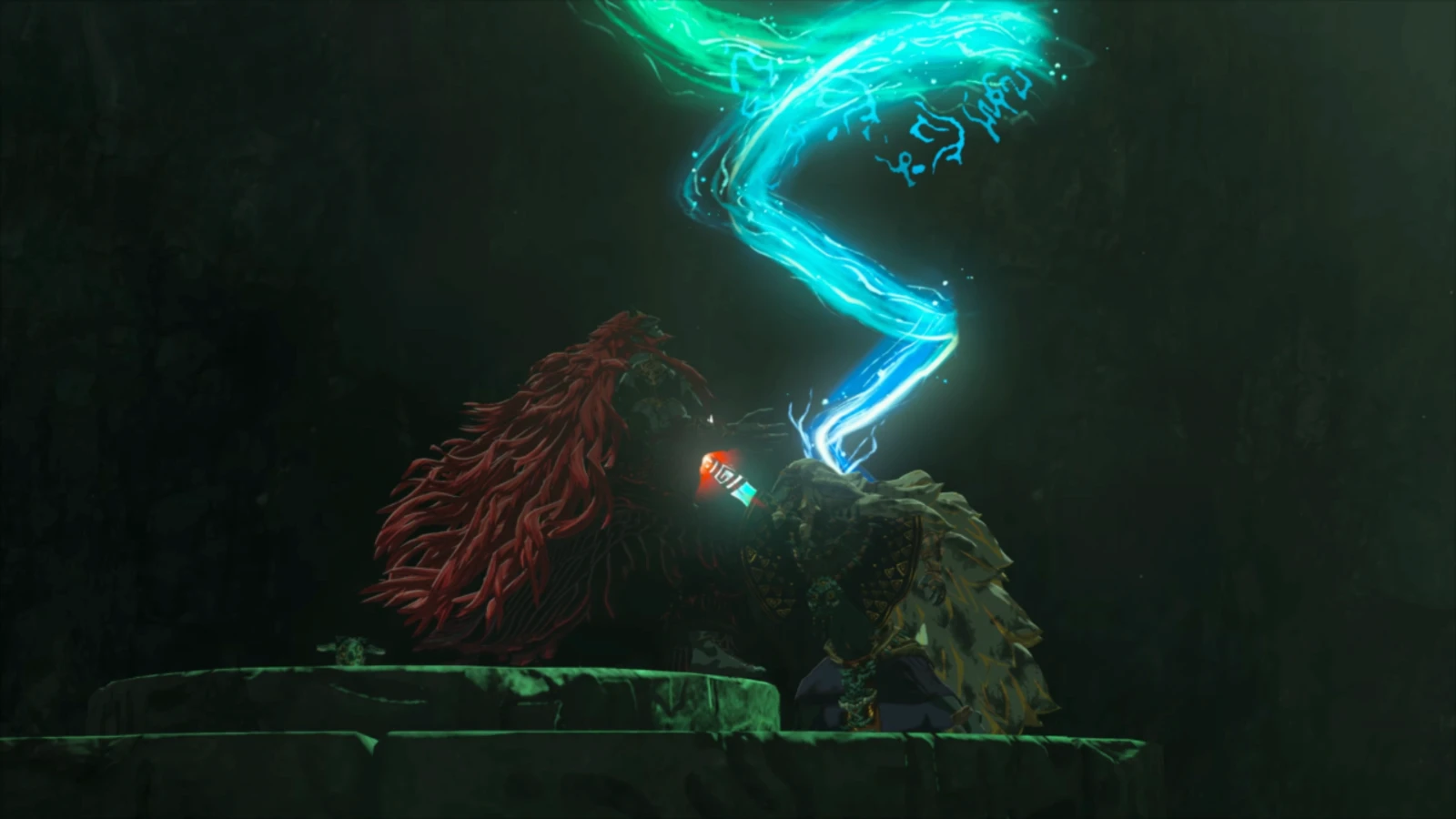
With the archfiends beaten, the sages march on Hyrule Castle, and fail. So the plan changes. They draw the Demon King down into the Depths beneath Hyrule Field, and there, in the scene every Tears of the Kingdom player knows, Rauru gives his life to bind Ganondorf in place.
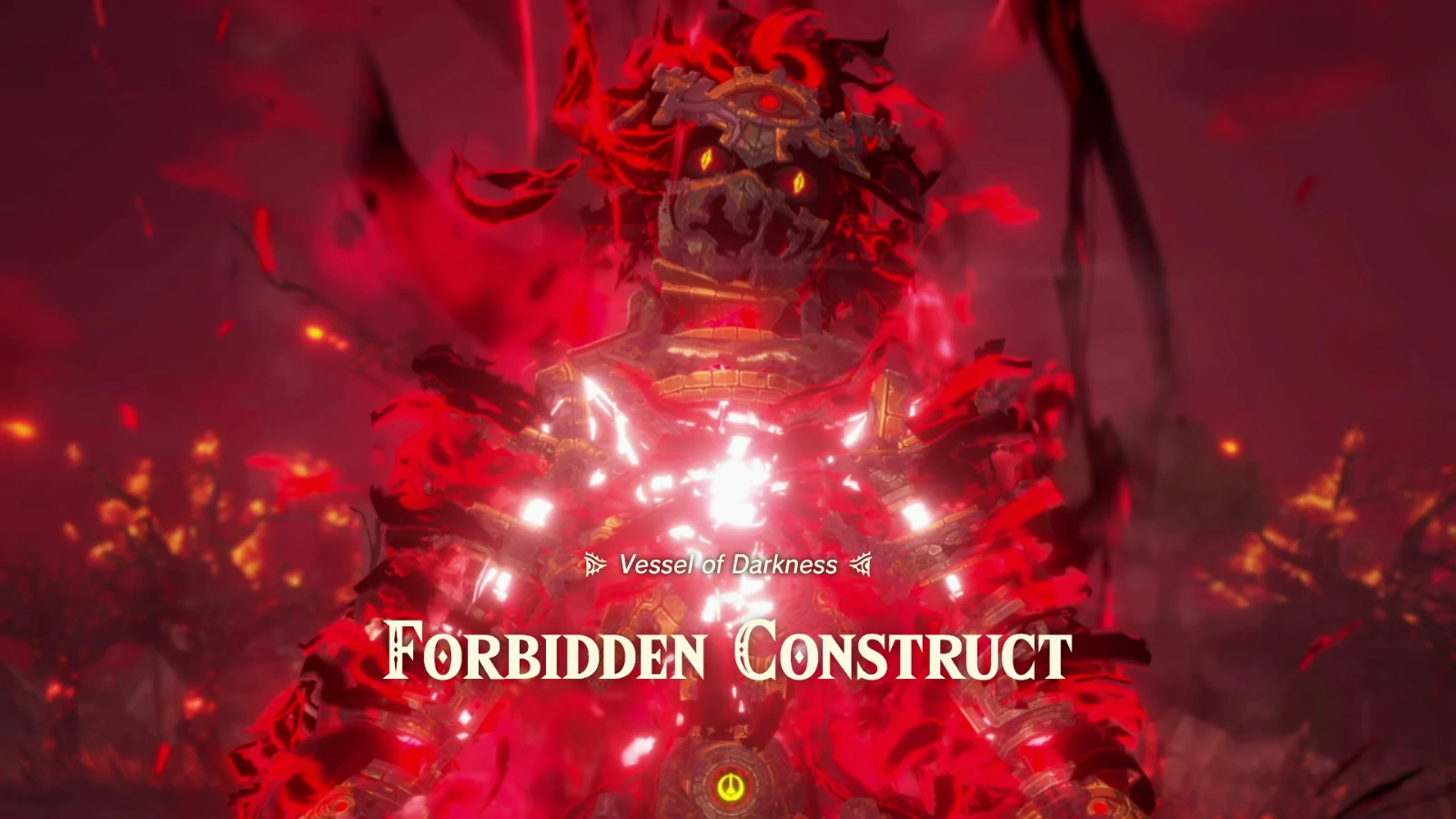
The last battle belongs to the newcomers. While the sages face Ganondorf, the Knight Construct and Calamo keep his army busy, and in the single battle of the final chapter, A Clash of Constructs, the knight destroys the Forbidden Construct for good. The effort breaks the shard inside it and the construct falls still. Calamo, who has spent the whole game looking for somewhere to put down roots, takes root beside it.
Rauru and the sages confront the Demon King.Knight Construct against Forbidden Construct.
What the murals left out
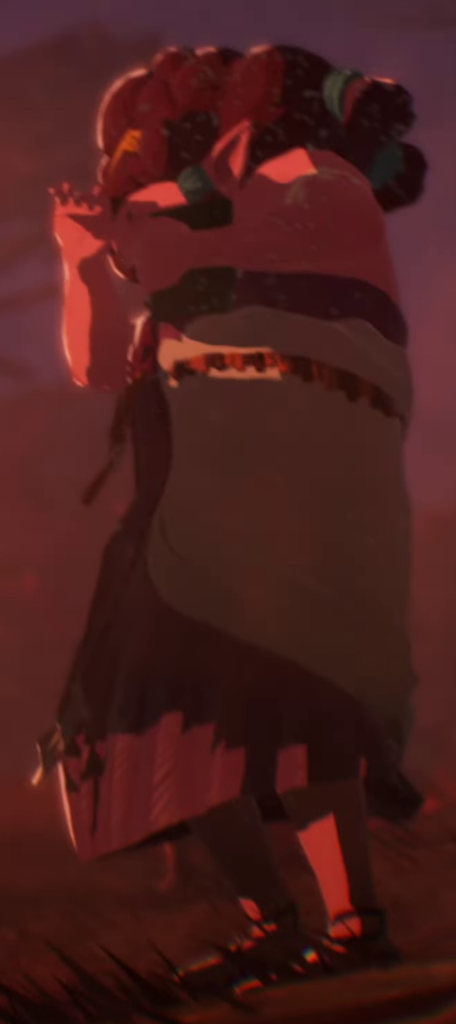
The epilogue explains why none of this was ever mentioned in Tears of the Kingdom. Lenalia, the attendant who has looked after Zelda, records the war in murals, and at Mineru’s request she leaves the Knight Construct out and burns every other record of it, so that the technology behind the Forbidden Constructs can never be misused.
After the credits the Light Dragon, the form Zelda takes in the main game to carry the Master Sword down the centuries to Link, is seen flying over Hyrule. The final shot is of one enormous tree, with a piece of the old construct held fast in its trunk.
Lenalia records the war.
Is it canon?
The royal family of Hyrule.
Nintendo says it is. The press material that went out with the announcement in April 2025 described “this canonical tale featuring Princess Zelda, King Rauru, and other familiar characters”, and Nintendo of America’s store page still promises “the complete, true story of Demon King Ganondorf’s invasion”. Fujibayashi told 4Gamer plainly that the game takes place in the same world as Breath of the Wild and Tears of the Kingdom.
That sets it apart from Age of Calamity, whose time-travelling little Guardian sends its story off down a branch of its own. There is no such escape hatch here. Age of Imprisonment ends where Tears of the Kingdom says it must, and its new material is tucked into the gaps. VGC headed its review “This time it’s canon(dorf)”, and Nintendo Life’s called the game worthy of the Zelda canon.
Every battle in Age of Imprisonment
The story is told in 28 battles spread over six chapters, chosen from a map of Hyrule. The first three teach the game; the last chapter is a single duel. Bosses, rewards and the fighters who join are as listed by Game8’s walkthrough.
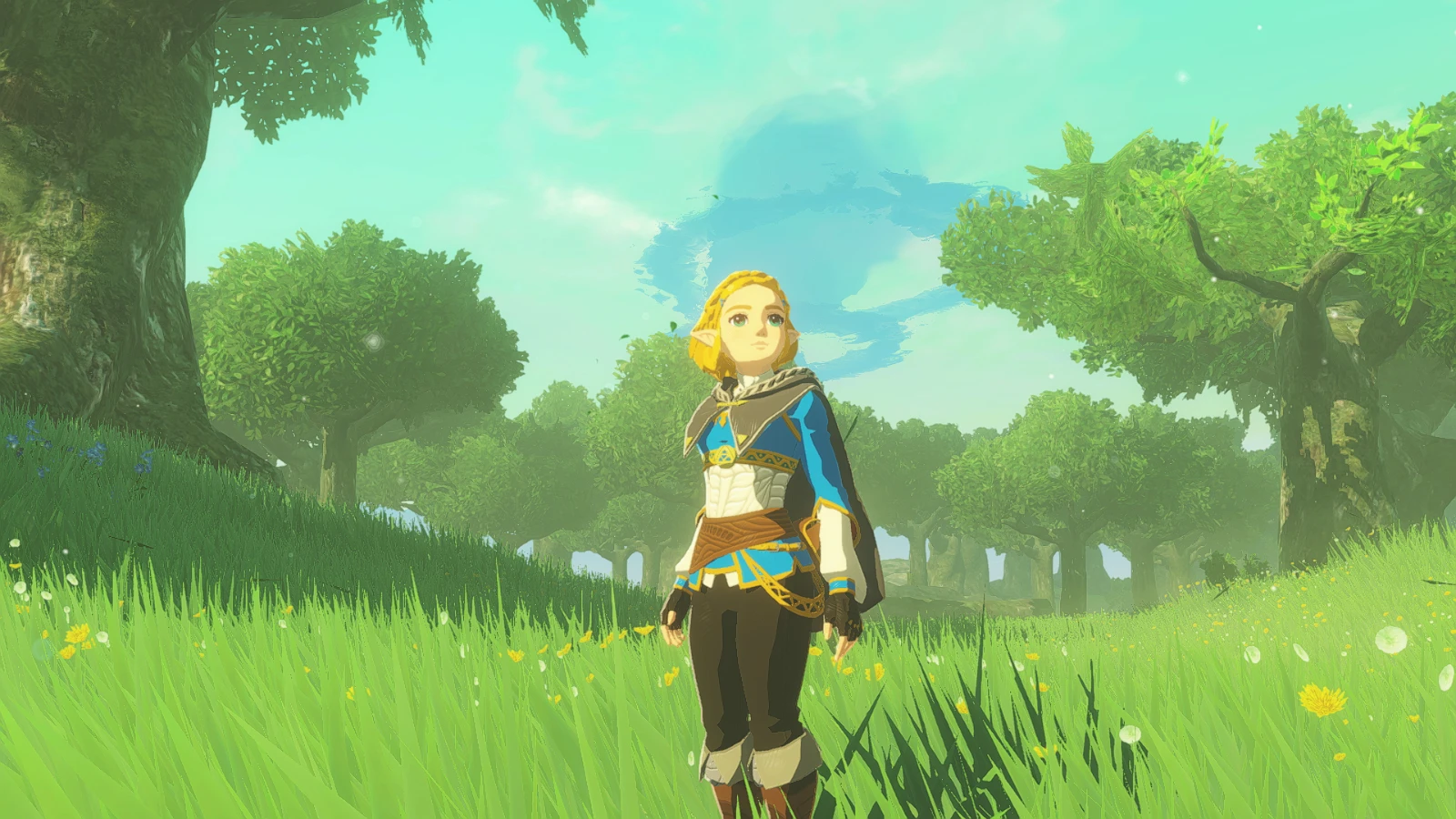
To the Great PlateauChapter 1 · Great PlateauRauru and Sonia walk Zelda through the basics, and shades provide the first fight.
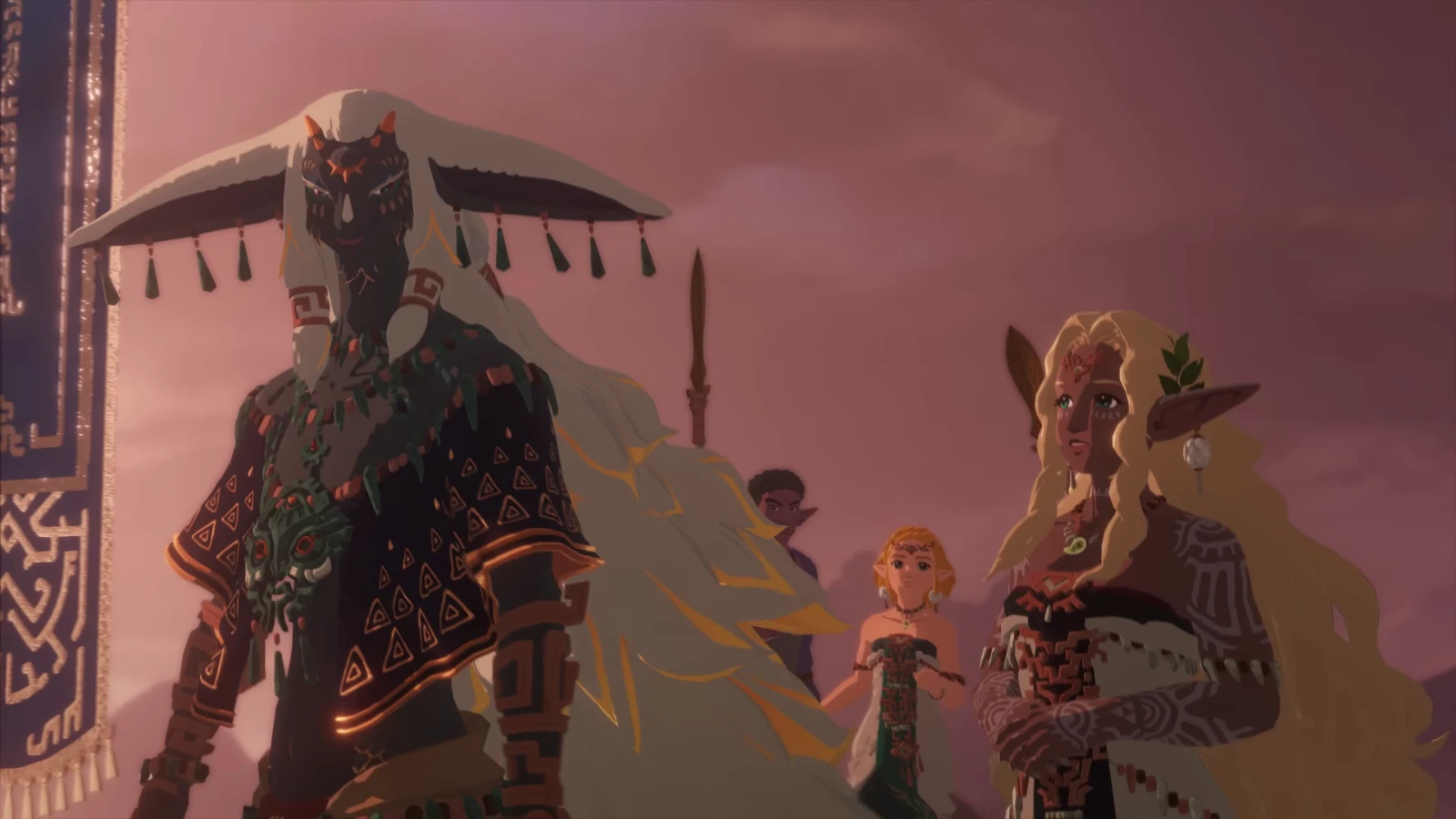
The Art of the BladeChapter 1Zelda’s first Unique Skills. Bosses: Typhan, Quino, Agraston and King Rauru.
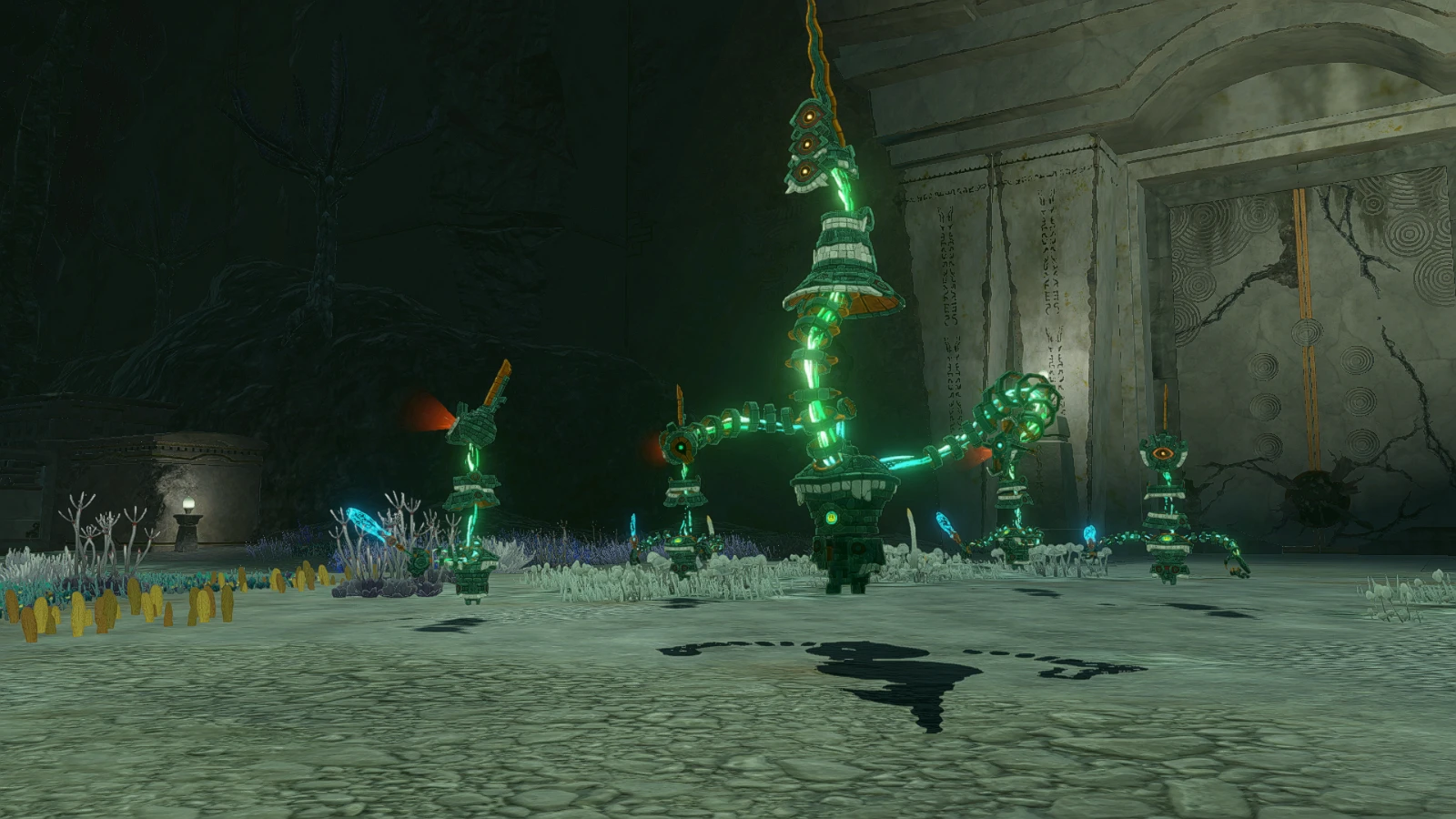
Where Ancient Wisdom SleepsChapter 1 · FaronIn through Tobio’s Hollow with Mineru. Bosses: a Frox, a Stone Talus and Flux Construct I. The first Zonai devices, the Flame Emitter and Time Bomb.
Raging SandsChapter 2Against the Gerudo. Bosses: Sholani, a Molduga and Ardi herself. Setting up camp is unlocked.
The Hands of EvilChapter 2The first outing as the Mysterious Construct, against a powerful shade. Reward: the Rocket.
Growing SuspicionChapter 2 · towards Hyrule CastleGerudo assassins, a Stone Talus and corrupted constructs on the road north.
Striking NorthChapter 2Three Hylian captains to rescue. Bosses: a Boss Bokoblin, a Hinox and a Lynel.
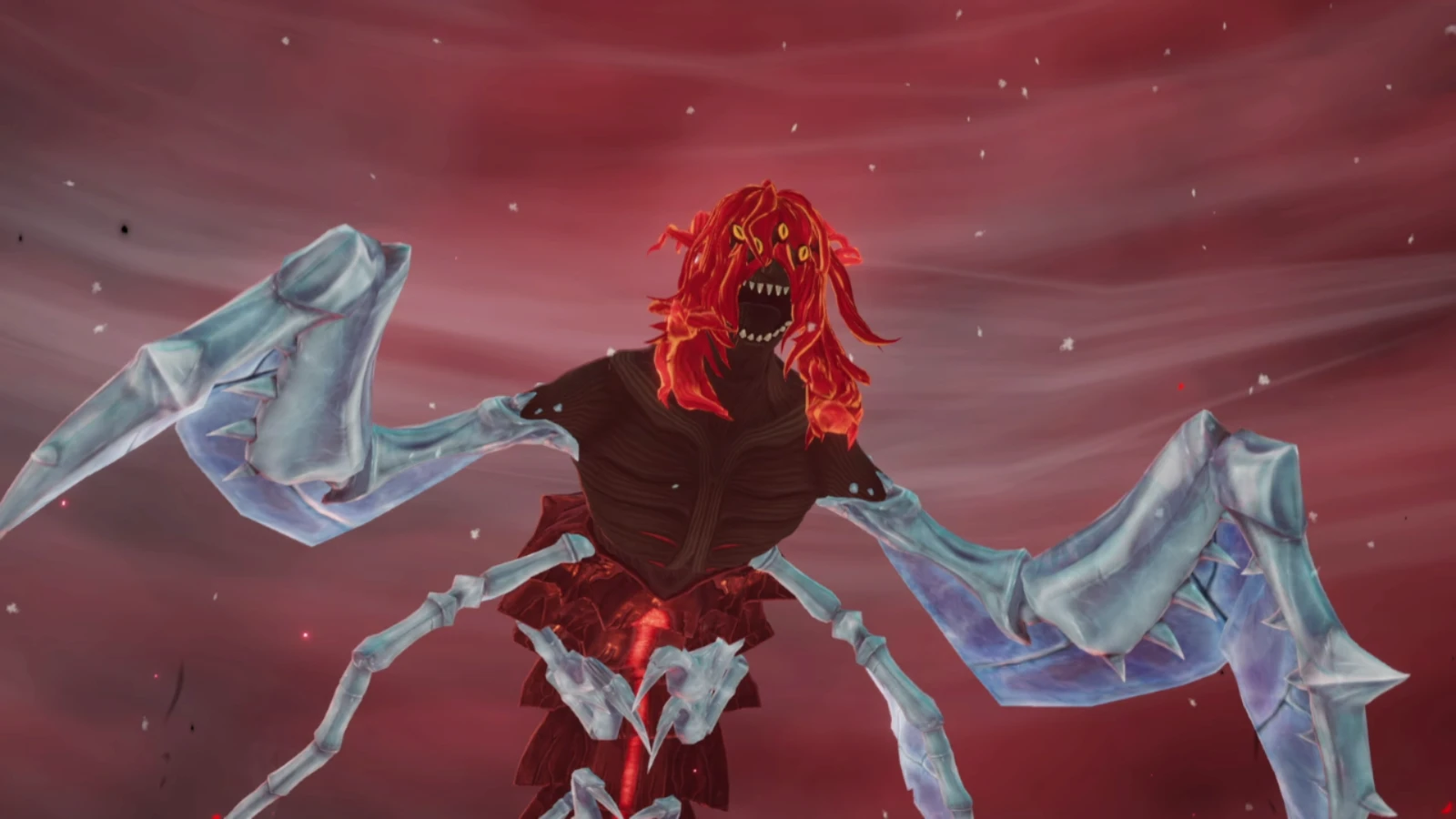
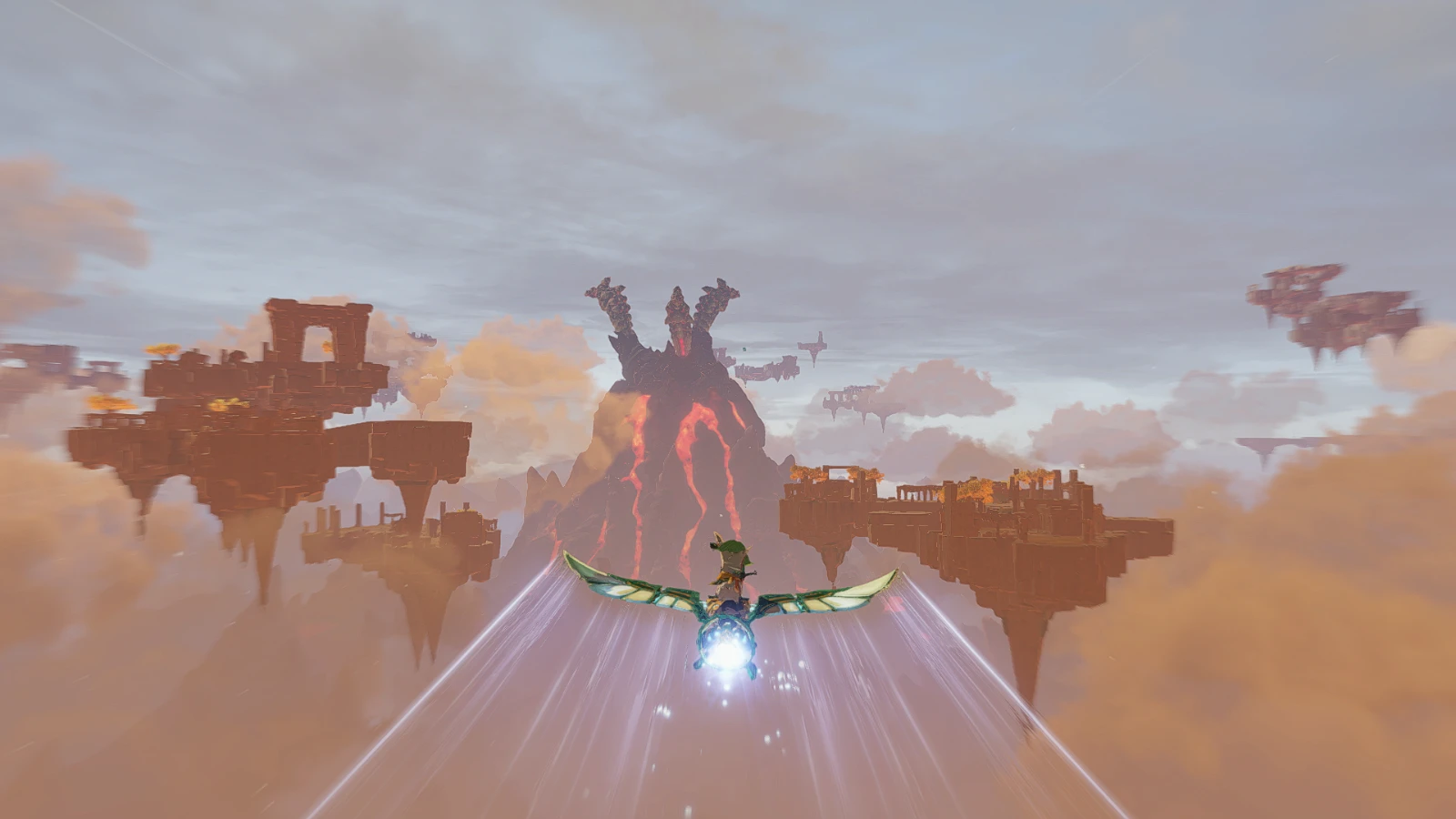
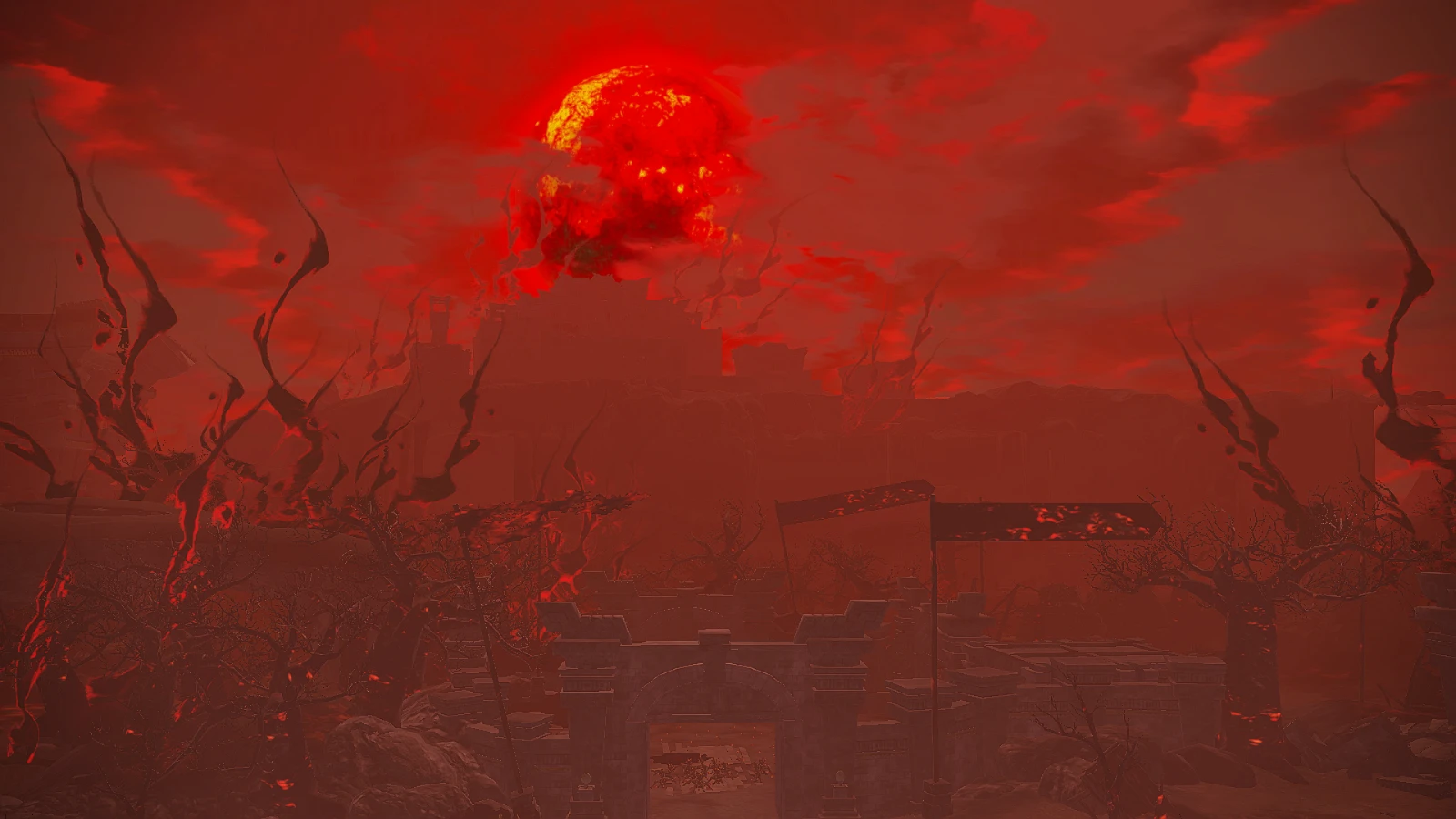
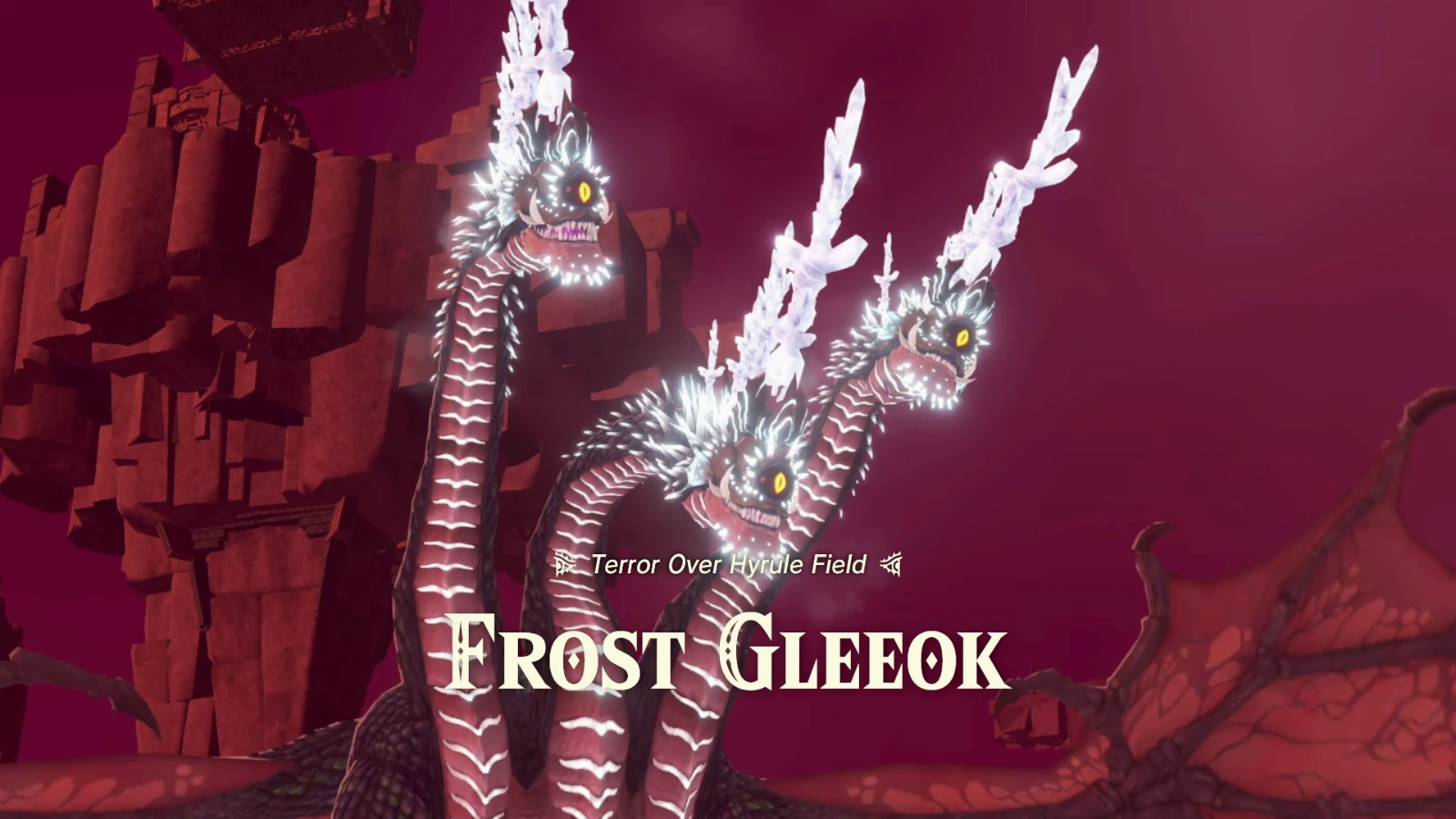
Beneath the Blood MoonChapter 2 · flight battleThe first aerial stage for the Mysterious Construct. Boss: a Frost Gleeok.
The Howling TempestsChapter 2Boss: the archfiend Grimgera. Calamo, the Mysterious Construct and Typhan join the roster afterwards.
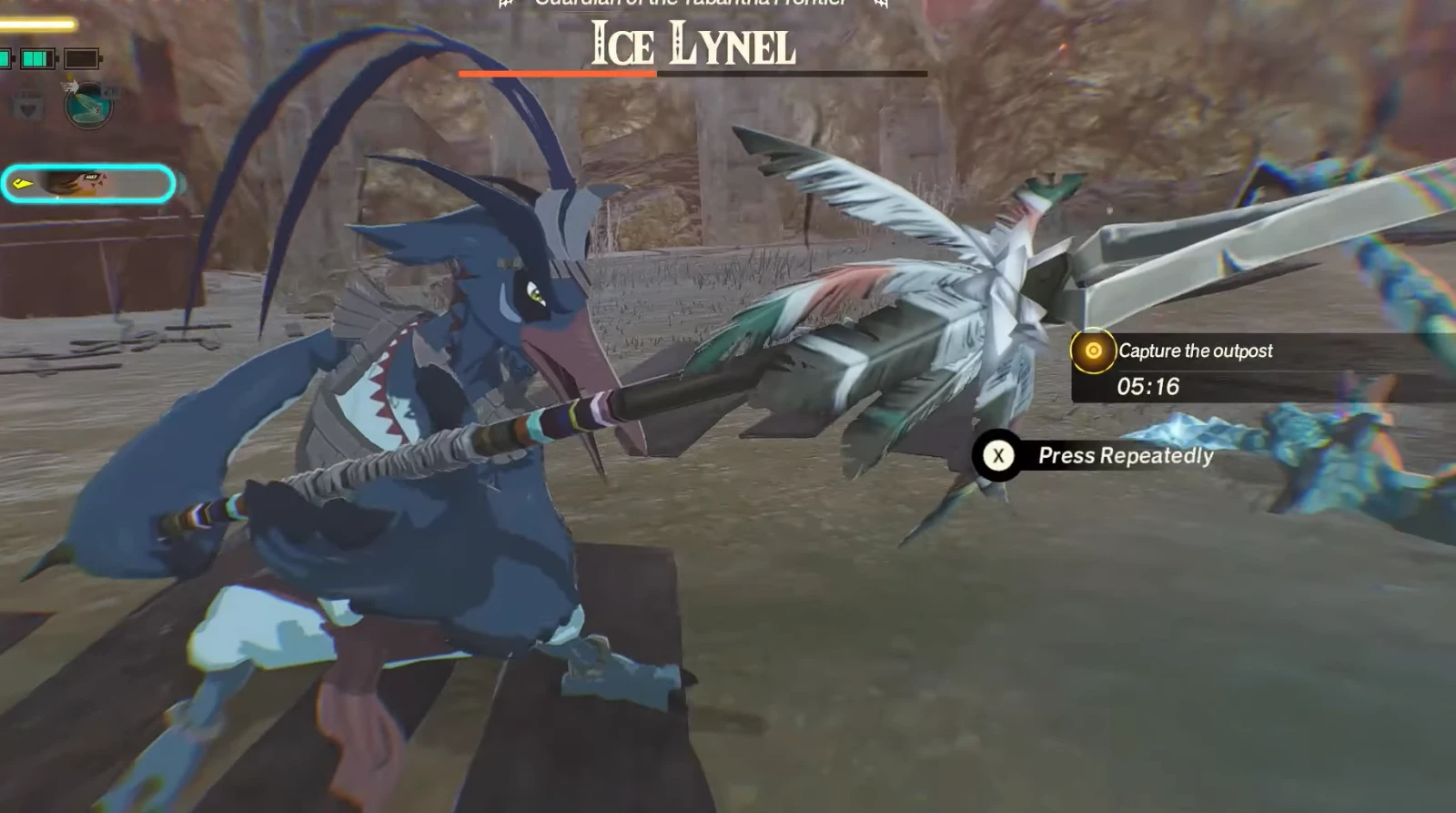
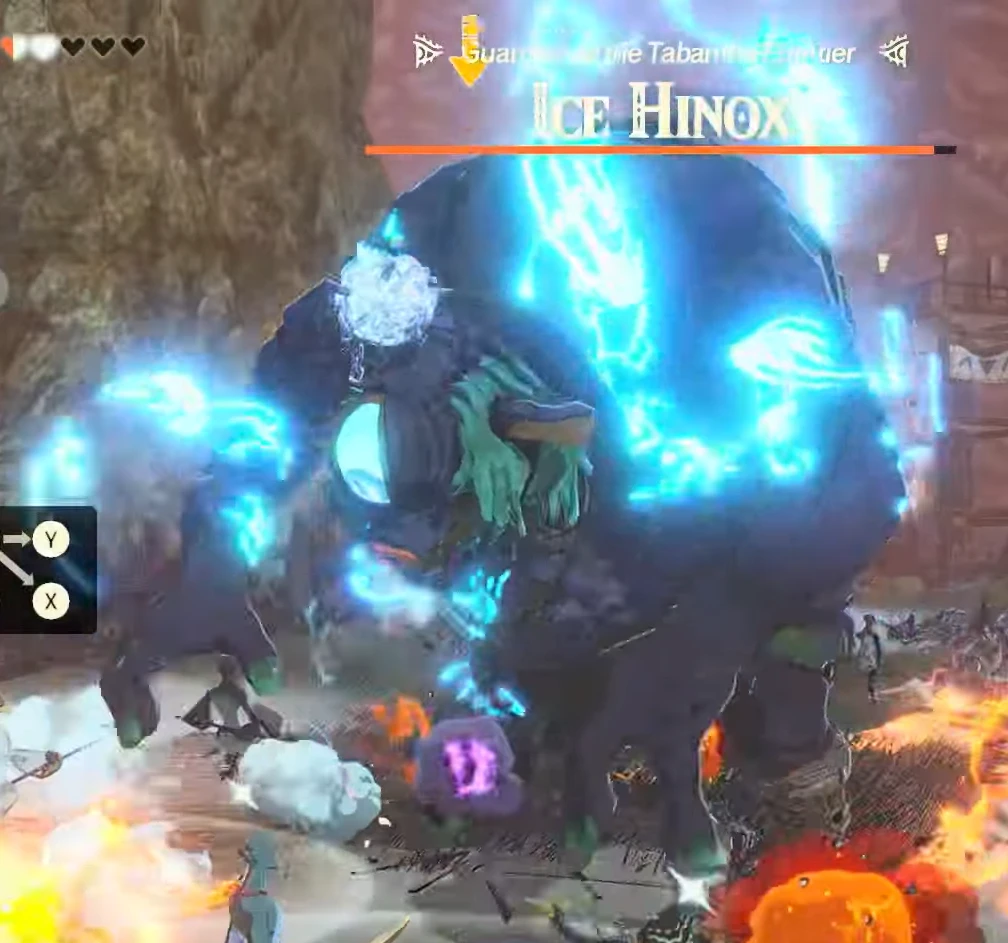
Shadows in the SnowChapter 3Raphica is playable from the start and Vence joins too. Bosses include an Ice Hinox and an Ice Lynel.
Lanayru DefiledChapter 3 · LanayruQia joins. Sludge-covered monsters, a Sludge Like and the archfiend Grimtorok. Reward: the Hydrant.
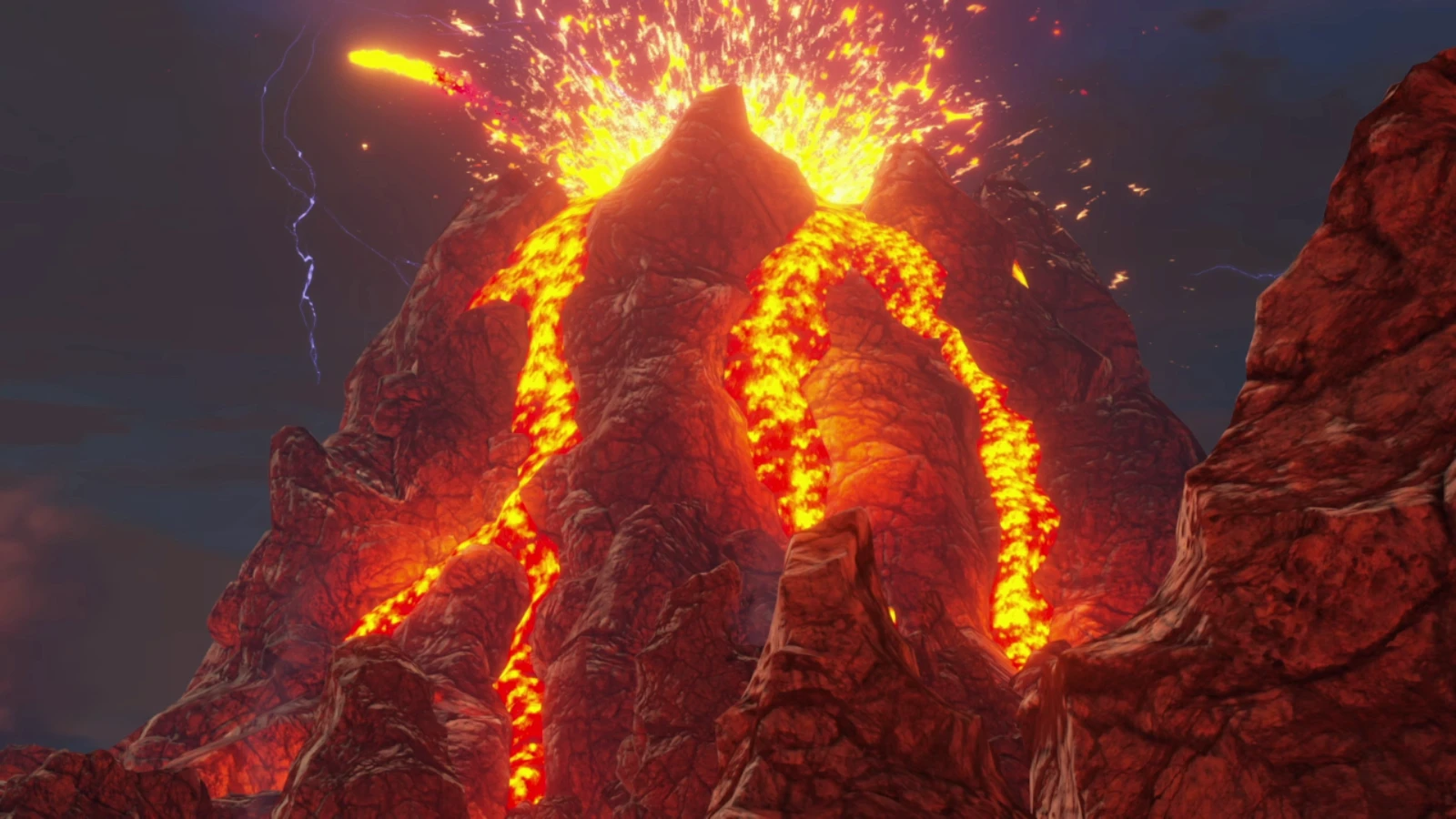
The Behemoth in the CraterChapter 3 · Death Mountain craterAn airborne fight with the Rocket and Cannon. Boss: Moragia.
Crisis on Death MountainChapter 3 · Death Mountain summitAgraston joins. Bosses include an Igneo Talus and Fire Lynels.
Under the Cover of MistChapter 3Fire and Electric Aerocudas, and a second meeting with Grimgera.
Terror of the SandsChapter 4Ardi is playable from the start. Hold the main outpost against a Molduga and a Blue Hinox.
Crimson OmenChapter 4The Mysterious Construct and Calamo against a corrupted construct.
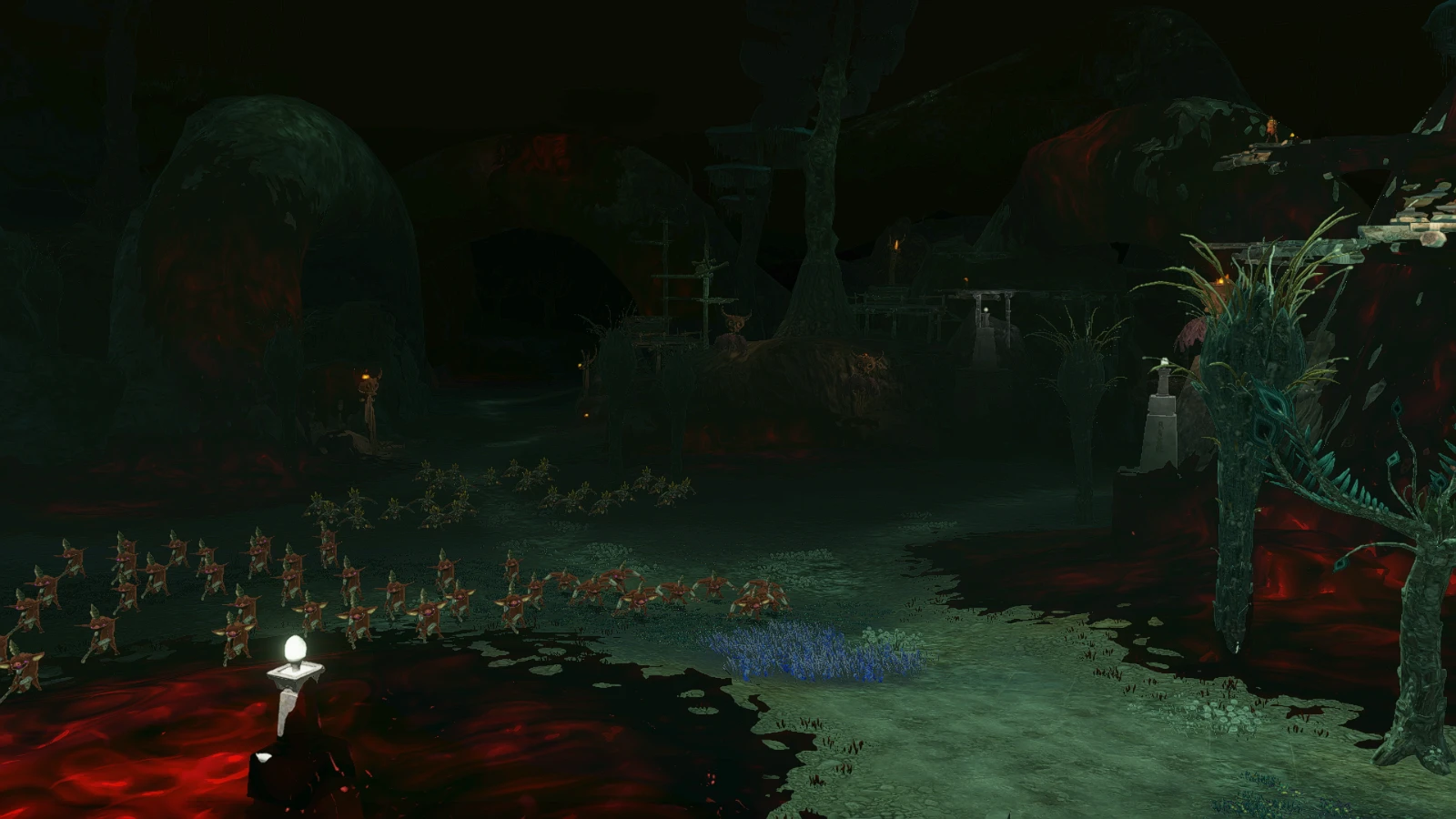
A Time for ActionChapter 4Outposts hidden in caves, and Balloons for getting between them. Bosses include a Stalnox and a White-Maned Lynel.
The CounterstrikeChapter 4Extra rewards for taking every outpost. Boss: the archfiend Grimgohma.
Ambush in the DepthsChapter 4 · the Depths · flight battleA flying stage underground, with Stone Taluses and a Black Hinox in the way.
Purging the ShadowsChapter 4Flux Construct II, a gloom-soaked Lynel, five Gloom Spawn and Phantom Ganon.
Fire and SandChapter 4Silver Moblins and the archfiend Grimgibdo. A Fan is handy against the projectiles.
Into the FrayChapter 5The Knight Construct, loaded with Zonai devices, against a King Gleeok.
The Archfiend’s ReturnChapter 5The third and last fight with Grimgera.
The Battle of Hyrule CastleChapter 5 · Hyrule CastleThe assault on the castle. Grimtorok and Grimgohma both return.
The Demon King, EnsnaredChapter 5A Silver Lynel, Captain Construct III and three Phantom Ganons.
The Battle of Hyrule FieldChapter 5 · Hyrule FieldGrimgibdo joins in once the enemy army is nearly beaten.
The Final ConfrontationChapter 5 · beneath Hyrule FieldZelda and Rauru against Phantom Ganons and, at last, Demon King Ganondorf.
A Clash of ConstructsChapter 6A three-phase duel with the Forbidden Construct, one phase of it in the air.
Around the story battles the map fills up with shorter challenges, the eight Scouting Challenges that recruit extra fighters, and quests that are settled by handing over materials. Game8 reckons about 20 hours for the story battles alone.
How it plays
The Mysterious Construct in battle.
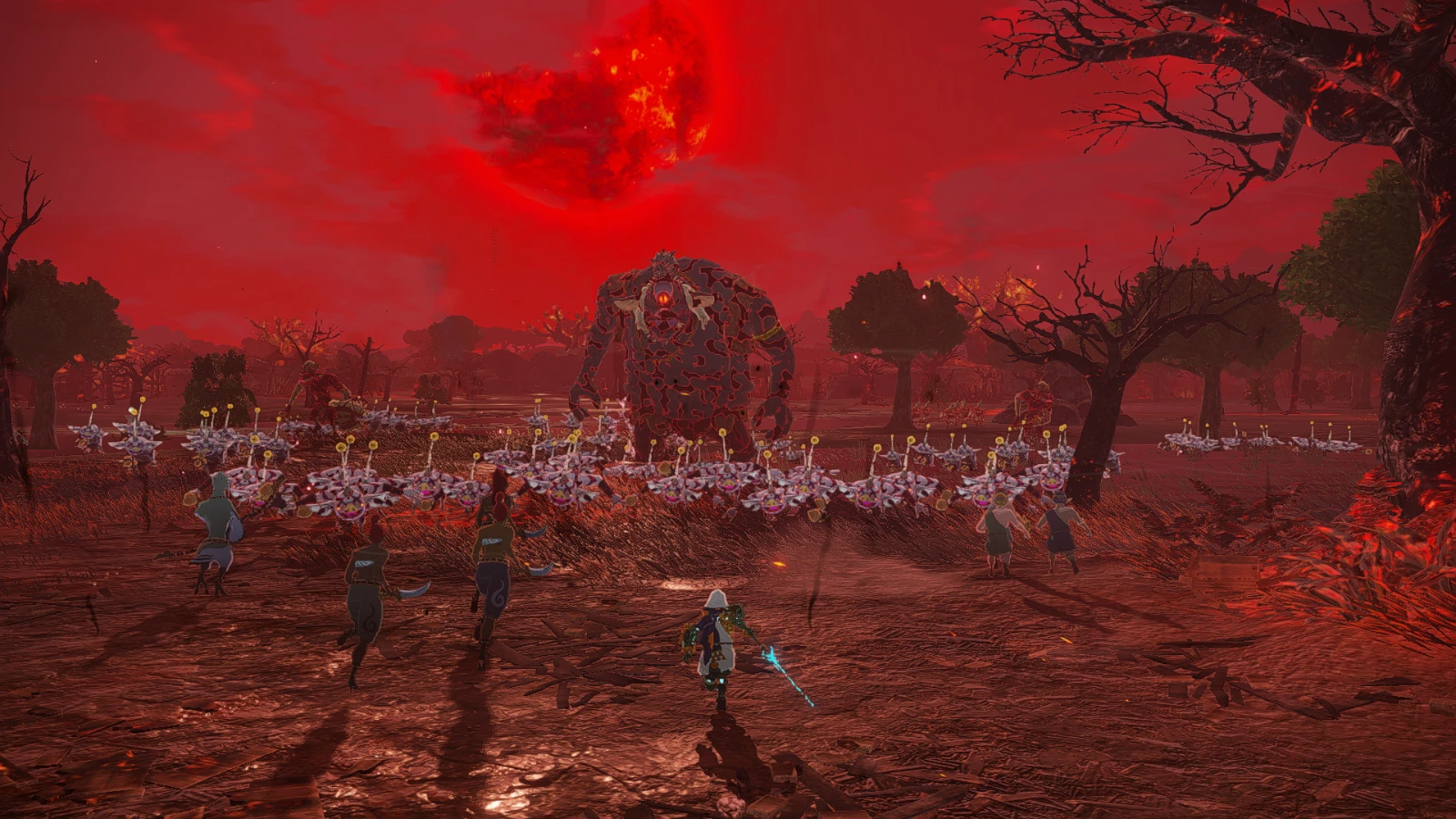
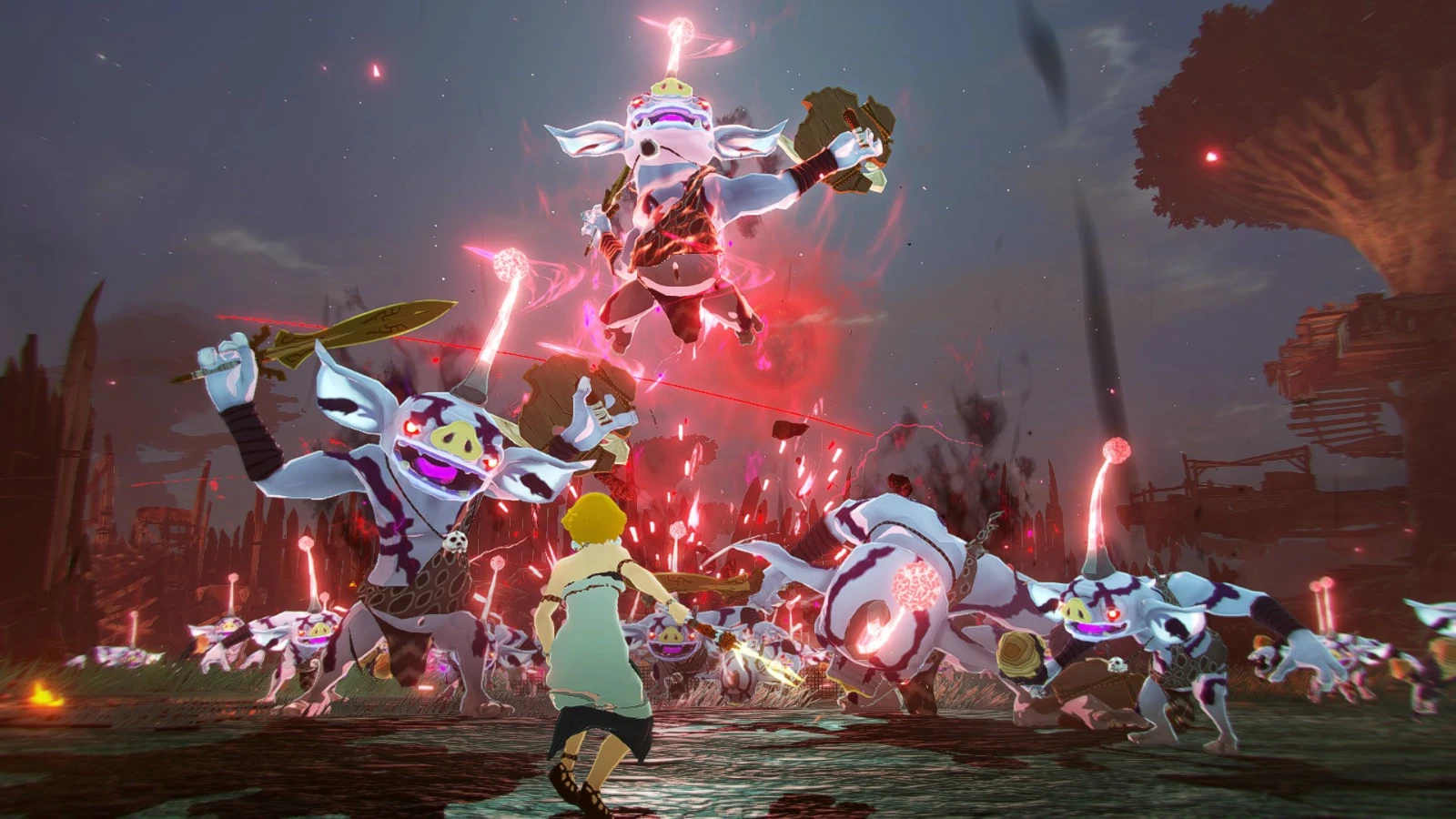
Like Age of Calamity before it, this is a Warriors game in a Zelda game’s clothes: one hero against a crowd, with outposts to capture, captains to rescue and something huge waiting at the far end of the map. What changes with each Hyrule Warriors is the wardrobe, and this one has been raided from Tears of the Kingdom.
The table shows where the main ideas came from. Most reviewers agreed that the result is the best-playing game of the three; VGC called its combat the most engaging and rewarding the series has had.
Borrowed idea
In Tears of the Kingdom
In Age of Imprisonment
Zonai devices
Fans, rockets and flame emitters for sticking on to whatever Link builds
Battle tools that every fighter can carry: ten in all, used from a menu on the R button
The battery
The gauge that powers Link’s devices
One energy gauge that every device drains. It refills in time, or at once with a Battery
Fuse
Bond materials to weapons, shields and arrows
Fuse Attacks: the Mysterious Construct and some other fighters briefly fuse monster parts to a weapon for a special move
Flurry Rush
Dodge at the last moment to strike back
The same, and it exposes a big enemy’s weak-point gauge
Hands
A running theme, starting with the arm Rauru lends to Link
Sync Strikes: two allies join hands for a combined attack
Sky, surface and Depths
Three layers of one open world
Battles on the surface and in the Depths, and flying stages for the Mysterious Construct
The Purah Pad
Link’s map and camera
The map of Hyrule between battles, where the people’s requests are how your fighters grow
The ancient sages
Masked spirits who hand their titles on to Link’s friends
Named, unmasked and playable, each with a fighting style of their own
Korok seeds
A thousand of them to find
Hidden in the story battles and traded in for more inventory space
Zonaite
Ore from the Depths
Zonaite Steel is what strengthens your weapons
Four fighters and a weak point
Emptying a weak-point gauge.
You take up to four fighters into a battle and hop between them with the D-pad, giving the others orders or leaving them to it; GamesRadar+ found that they look after themselves sensibly. Light attacks build combos and a heavy attack finishes them, and dealing and taking damage charges a powerful special attack.
Ordinary monsters are there to be mown down. Captains and bosses are another matter. Each has a weak-point gauge that shows only when the enemy is off balance: dodge at the last instant for a Flurry Rush, or use the right device at the right moment (a Flame Emitter on a creature of ice, say). Empty the gauge and you are rewarded with a weak-point smash that takes away a great chunk of health.
Unique Skills
Zelda’s Unique Skill Temporal Counter.
Every fighter has a handful of Unique Skills, used by holding R and pressing a face button and rationed by a gauge that refills over time, and faster while you are landing hits. They are strong moves in their own right, but their real job is defence. When a big enemy winds up a Dangerous Attack, marked by a red glow, the right skill stops it dead and lays the weak-point gauge bare. Icons show which skill suits which threat: one for enemies coming down from above, one for those charging straight at you, one for breaking a guard. As VGC noted, a well-chosen Zonai device can stand in if nobody in the party has the right skill.
Each set says something about its owner. Zelda has Temporal Counter and a Bow of Light. Rauru’s list includes Ultrahand, the power Link will one day inherit along with his arm. Calamo fights with Bomb Flowers and something called a Dazzlefruit Charge. More are learned by finishing a character’s own quests.
Zonai devices
Raphica uses a Flame Emitter.
Zonai devices take the place of Age of Calamity’s Sheikah Slate runes, and they are shared: once a device is unlocked, anyone can use it. Game8’s guide counts ten. The Flame, Frost and Shock Emitters and the Hydrant deal in fire, ice, electricity and water, and the Hydrant also washes sludge away. The Fan blows enemies back and bats projectiles aside. The Time Bomb, Cannon and Beam Emitter are plain firepower. The Rocket turns your hero into a battering ram for as long as the energy lasts, and the Balloon carries you to any outpost your side holds.
All of them drink from one energy gauge. Drain it completely and it turns from green to red and has to recharge, unless you have a Battery to refill it on the spot. The first two devices, the Flame Emitter and the Time Bomb, turn up in the third battle, where Mineru introduces the idea, and the fun is in matching the device to the enemy: fire for ice, water for sludge, a Fan for anything that throws things.
Sync Strikes
Zelda and Rauru join forces.
This is the headline addition. Fighting well, and countering attacks in particular, fills a Sync gauge. When it glows blue, stand next to an ally and press L, and the two characters touch hands and let fly together, the fighter you control and the partner each adding a different move. Certain pairs have Sync Strikes that belong to them alone; Game8 lists seven such partners for the Mysterious Construct.
The idea grew out of Tears of the Kingdom’s fondness for hands. Producer Ryota Matsushita told Japanese magazines that the team wanted partner attacks to carry that image, and that they were deliberately made into a trump card to be saved up, not a move to be used constantly. Nintendo Life’s reviewer found that they changed the way he played, keeping his allies close when earlier games would have had him scatter them across the map.
Battles in the sky
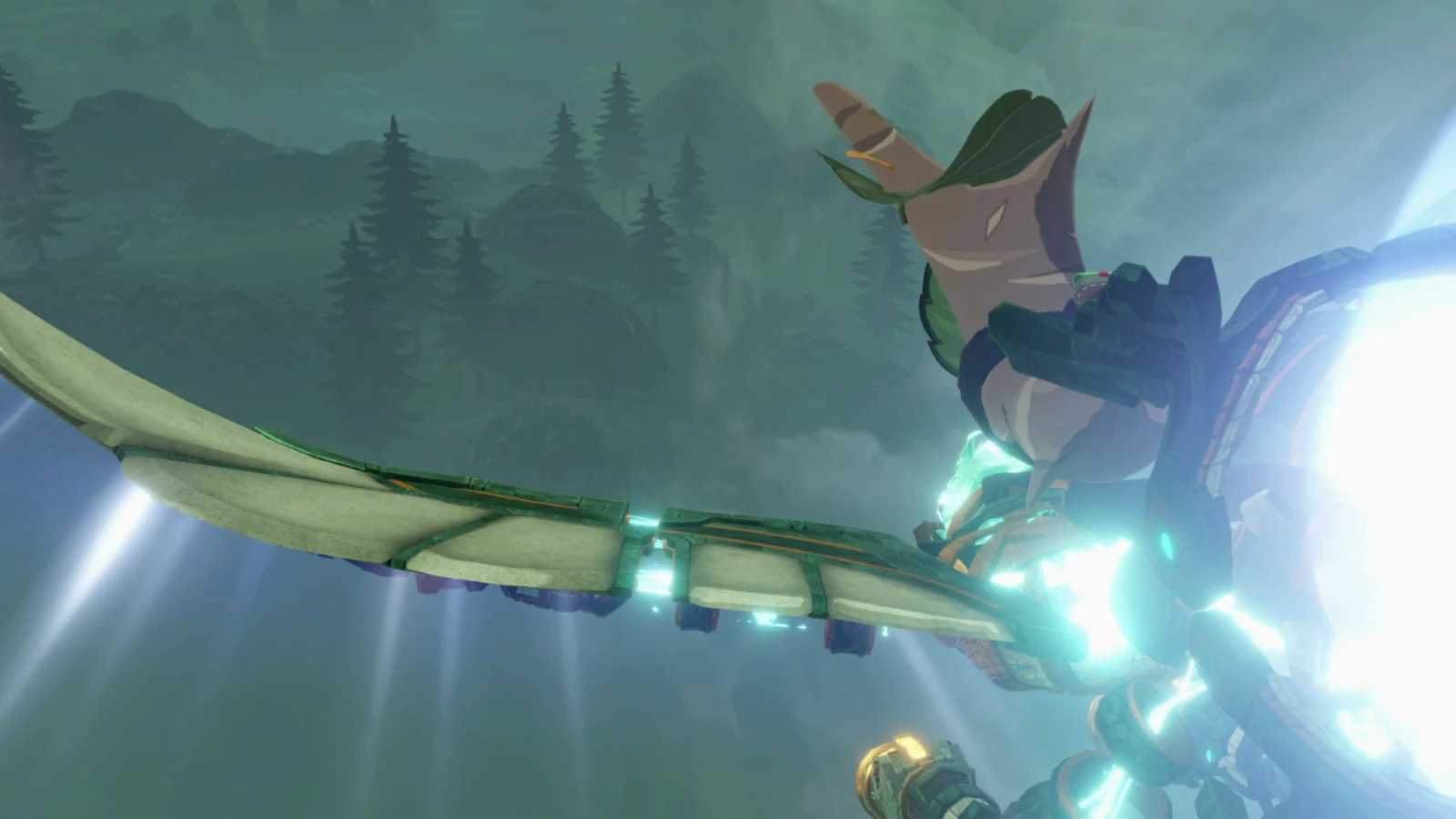
The Mysterious Construct against a Frost Gleeok.
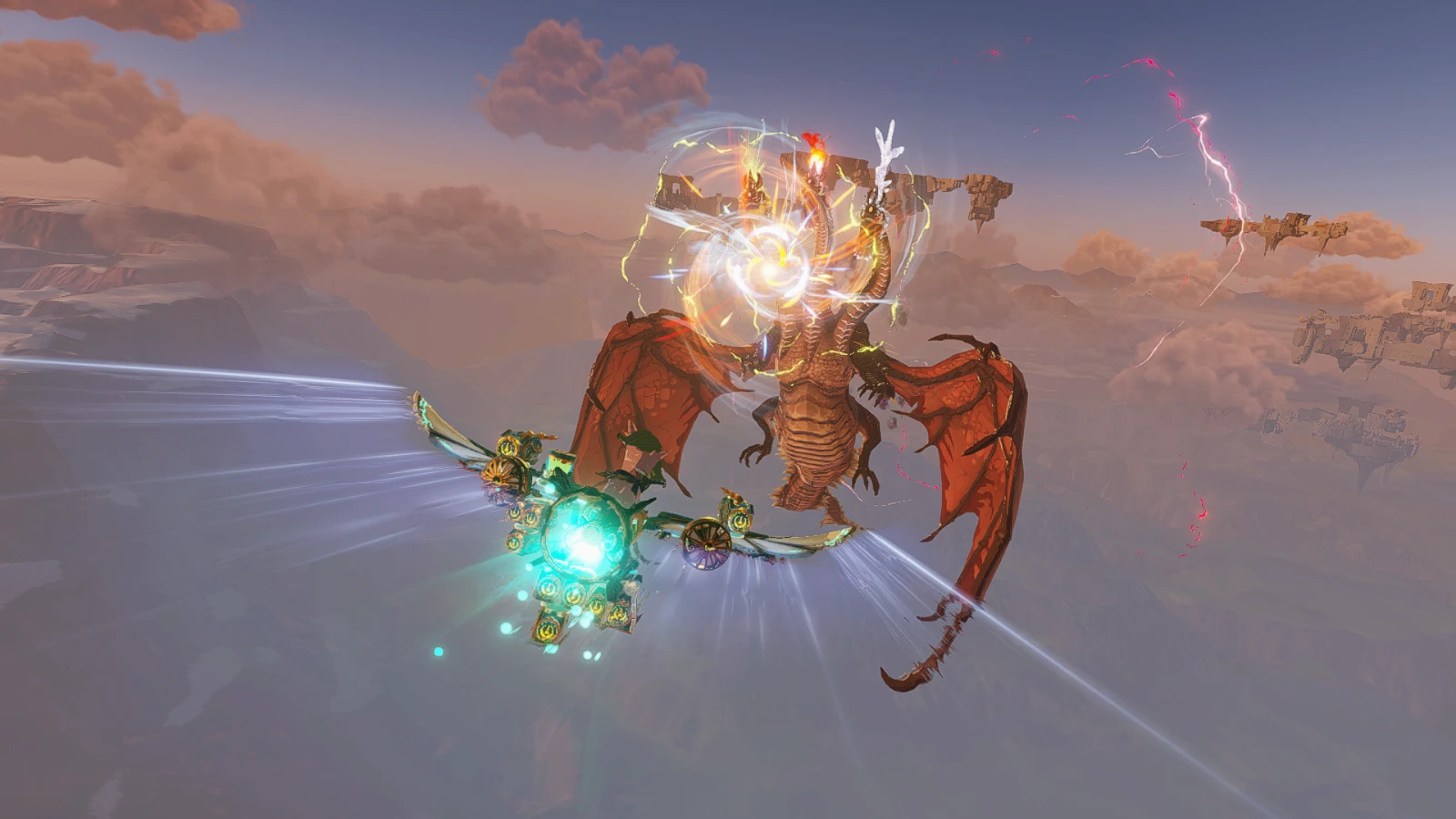
Age of Calamity had its lumbering Divine Beasts. Age of Imprisonment has something nimbler. The Mysterious Construct can transform and fly, and at set points the game turns into an on-rails shooter, with Zonai devices collected along the way as power-ups. The first of these stages is Beneath the Blood Moon, against a Frost Gleeok; others take place over Death Mountain’s crater and down in the Depths, and the last boss of all has a flying phase.
Director Koki Aoyanagi says the idea came from asking what a Warriors game in the sky would look like, given that Tears of the Kingdom covers sky, surface and underground, and the team’s working name for it was “sky Musou”. Not everybody was won over: GamesRadar+ thought the shooting stages felt like a mini-game from somewhere else.
Between battles
The map of Hyrule.
Between battles you are looking at a map of Hyrule on Zelda’s Purah Pad, split into regions that have to be won back from Ganondorf. Story battles move the plot along. Smaller challenges and skirmishes appear around them, and Matsushita says they were tied to the story, with their results showing on the map, so that players would feel they had never left the war. Quests are settled on the spot by handing over materials, and there is no skill tree: answering the requests of the people of ancient Hyrule is how your fighters grow stronger.
On the battlefield you can set up camp, an option that opens in the fourth battle, to keep the team going through a long fight. Nintendo Life also mentions Zonai device dispensers, which take spare parts and pay out traps to use in battle. Weapons are strengthened with Zonaite Steel, Training Sites let neglected fighters catch up, and each character has Aside Quests, small goals ticked off in the course of fighting, that unlock bonus conversations.
Two players, one copy
Split-screen co-op.
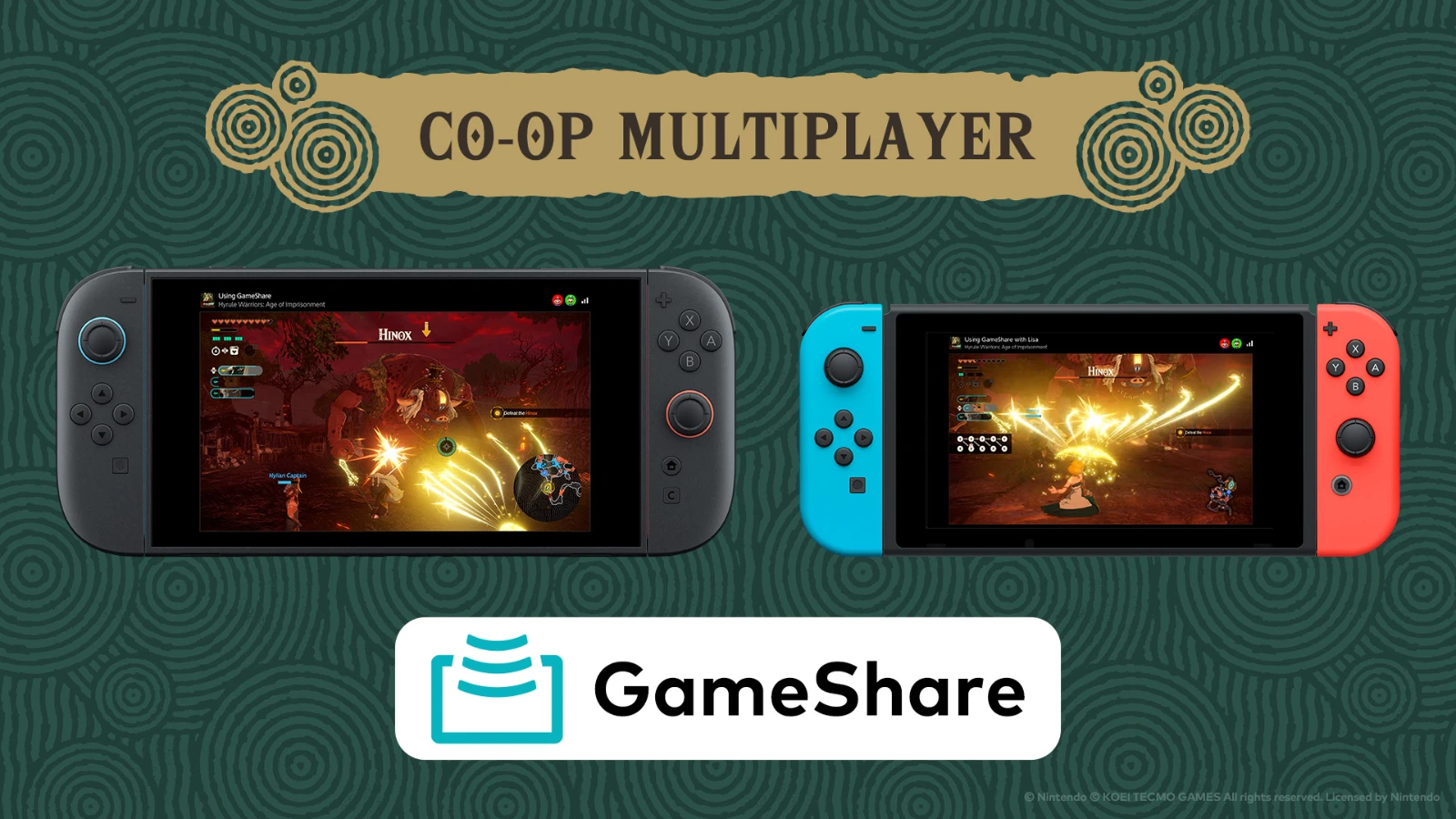
Two can play. A second player can join on the same screen, or on a second console through GameShare: locally, to another Switch 2 or an original Switch, or online to another Switch 2 through GameChat. Only one of you needs to own the game.
The price is frame rate. Alone, the game runs at 60 frames per second, and Nintendo Life’s reviewer did not notice it slip; with two players it aims for 30. That is still a long way from Age of Calamity’s split-screen troubles, and Zelda Universe’s reviewer called the difference negligible. The difficulty settings ran up to Very Hard at launch, and the second free update added a Forbidden setting above that.
Characters
Nineteen fighters are playable. Eleven join as the story goes on, and eight more are recruited through optional Scouting Challenges. The table also covers the three people at the heart of the story whom you cannot play. Descriptions in quotation marks are Nintendo’s own, from its store page.
Character
Who they are
In this game
Stats & abilities
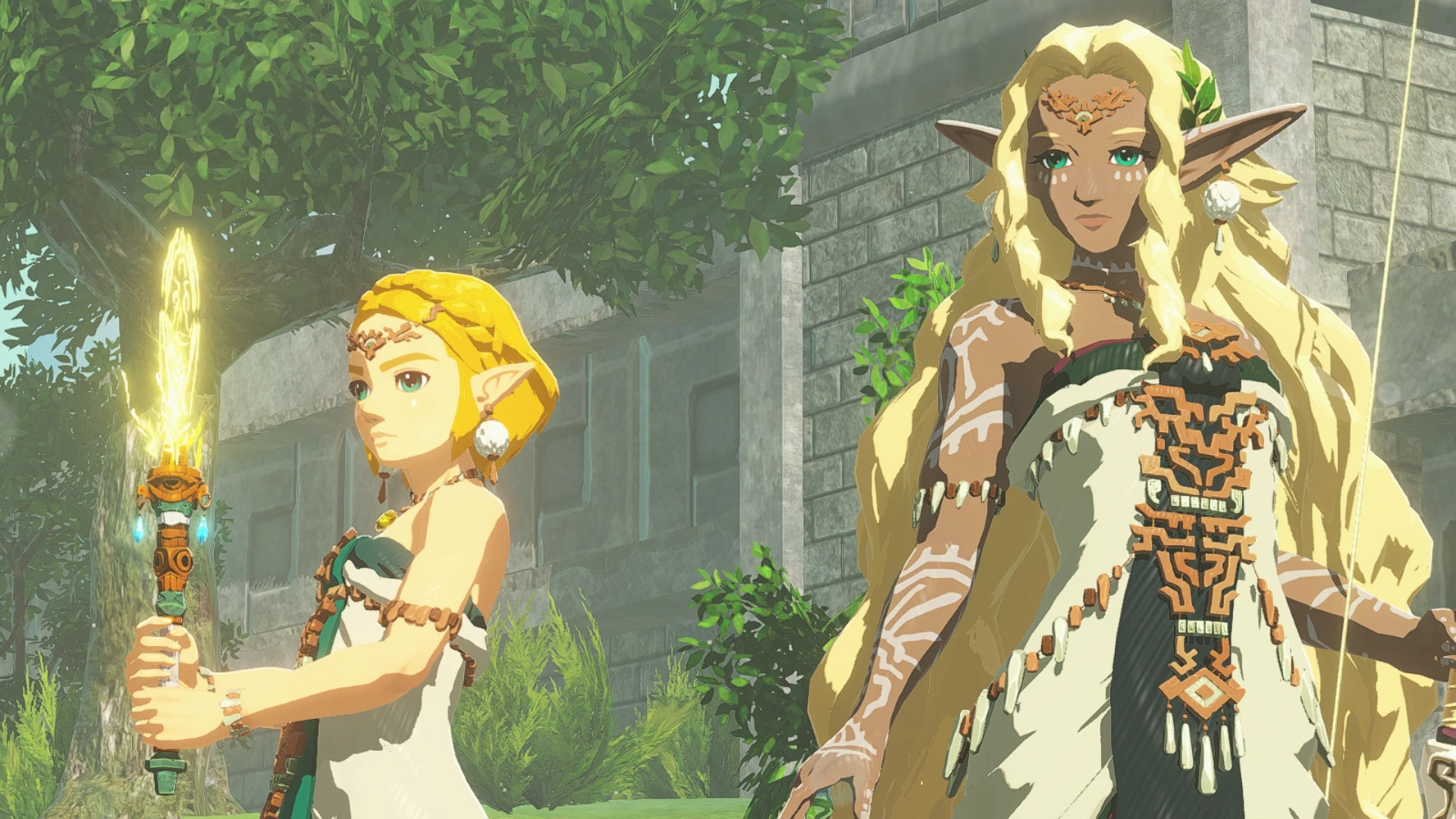
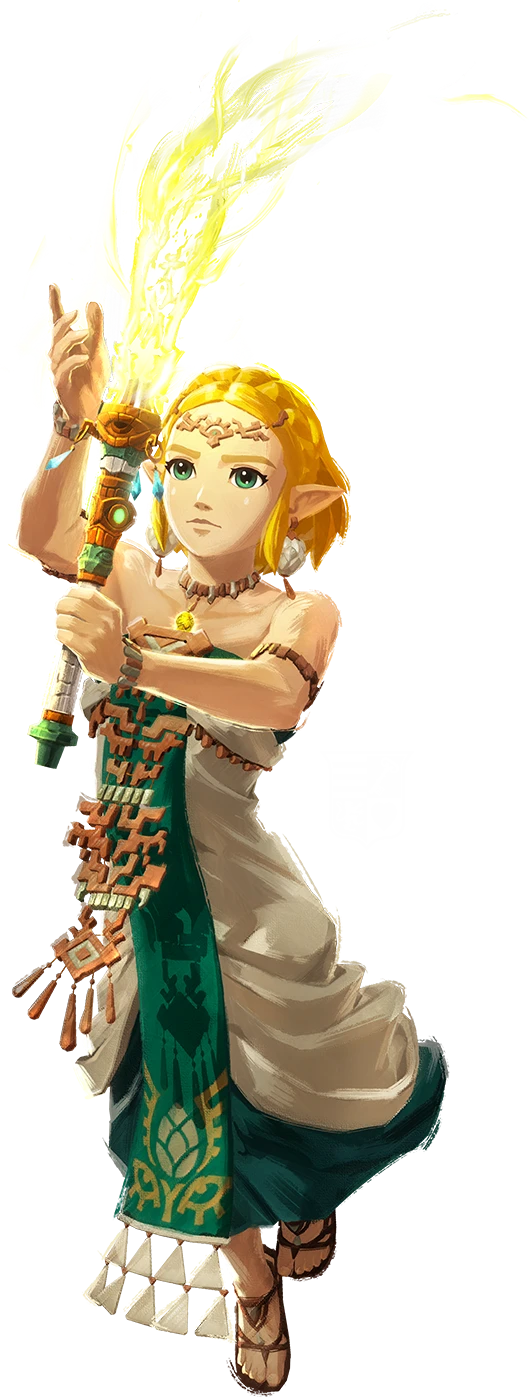
Princess ZeldaThe princess from the future
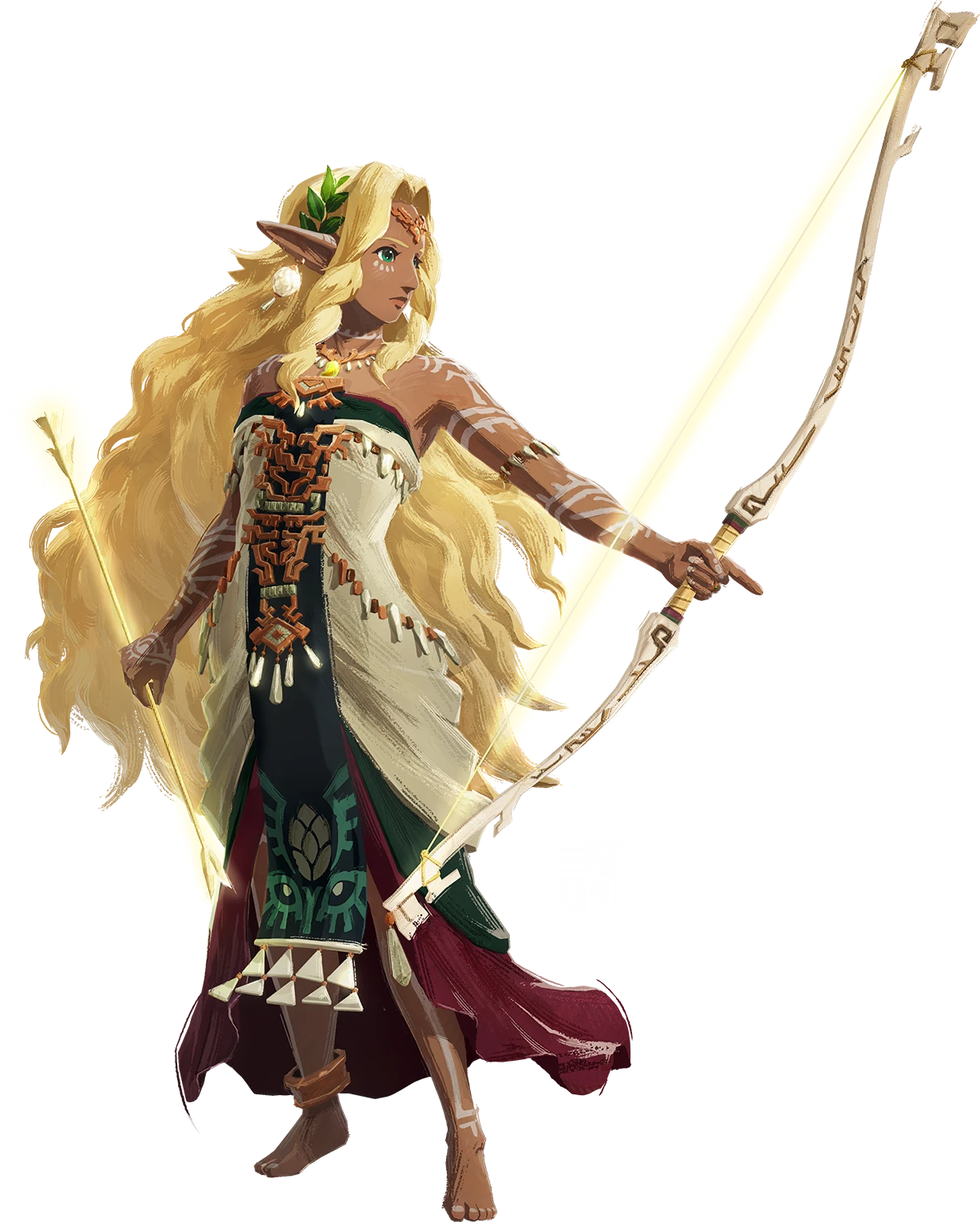
The Zelda of Breath of the Wild and Tears of the Kingdom, carried back to the founding of Hyrule and, in Nintendo’s words, “searching for a way home”. Koei Tecmo first modelled her fighting style on Link’s, decided it looked too sharp for her and rebuilt it around the movements of a shrine maiden’s dance.
The lead. She learns to use her powers from Sonia, becomes one of Rauru’s sages, works out what the Mysterious Construct really is and is last seen, after the credits, as the Light Dragon.
Joins: from the start
Weapon: a one-handed sword of light
Unique Skills include Temporal Counter and Bow of Light
After the story she can swap between her Zonai outfit and her modern-day clothes
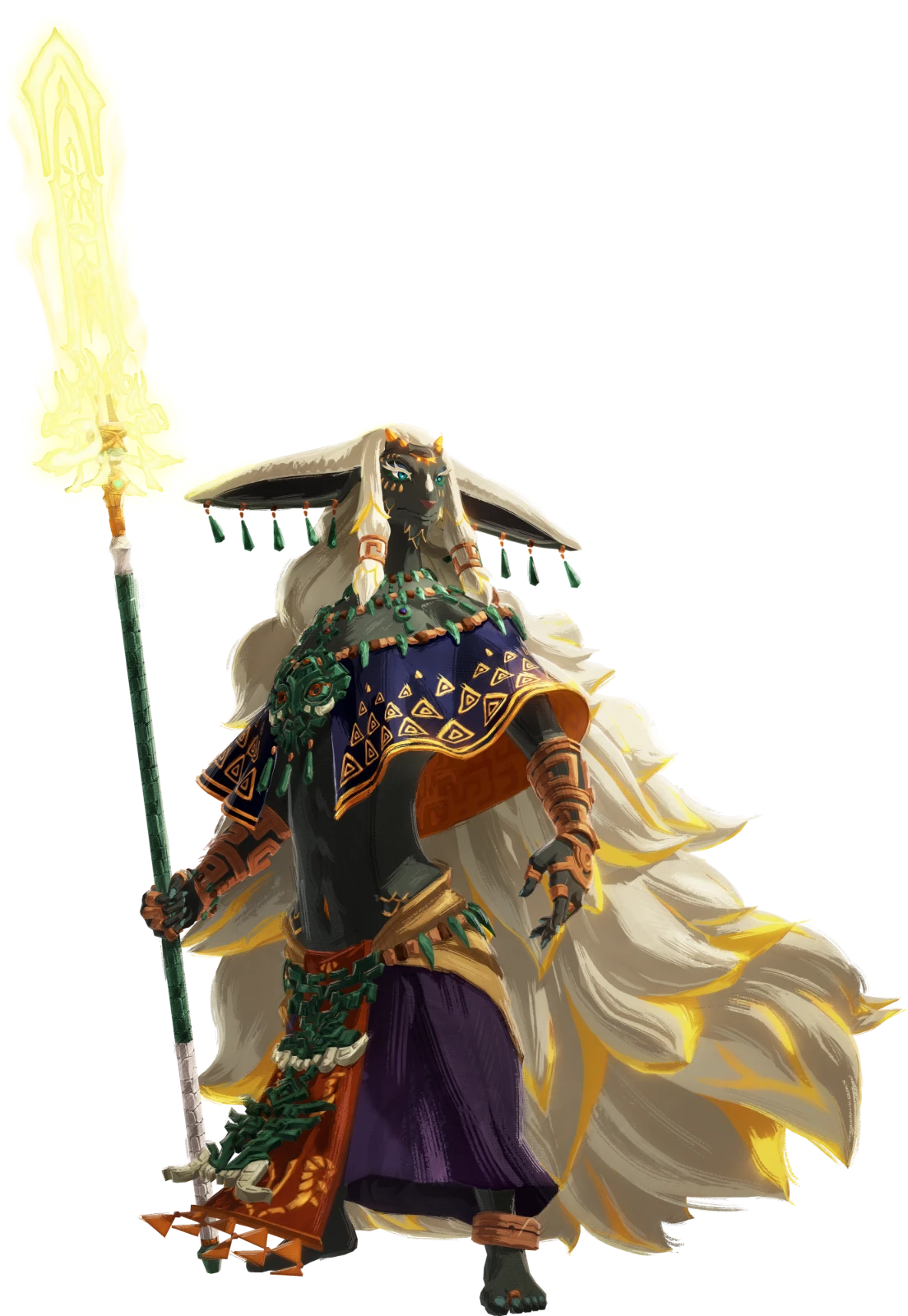
RauruFirst King of Hyrule
The Zonai who founded the kingdom, described by Nintendo as “one of the last surviving Zonai”. The developers treat him as a second lead: Aoyanagi calls the game the story of Rauru’s life.
Takes Zelda in, loses his queen and his castle, rallies the peoples of Hyrule, hands out the Secret Stones and gives his life to seal Ganondorf beneath Hyrule Field.
Joins: Chapter 1
Weapon type: spear, backed by beams of light
Unique Skills include Ultrahand
Fights the final battle beside Zelda
SoniaFirst Queen of Hyrule
Rauru’s Hylian wife, who shares Zelda’s power over time. Nintendo’s profile calls her a gentle soul who governs at Rauru’s side.
Zelda’s teacher. Ganondorf murders her for her Secret Stone while Rauru is fighting the Forbidden Construct, and that stone makes him the Demon King.
Not playable.
MineruRauru’s sister, Sage of Spirit
Rauru’s elder sister and the kingdom’s authority on the Zonai and their machines.
Leads Zelda into the Depths, uncovers the Forbidden Constructs and introduces the Zonai devices. At the end it is Mineru who asks for every record of the Knight Construct to be destroyed.
Joins: Chapter 1, in Where Ancient Wisdom Sleeps
Fights with constructs and machines she builds on the spot
Unique Skills include Construct Launch and Boundless Energy
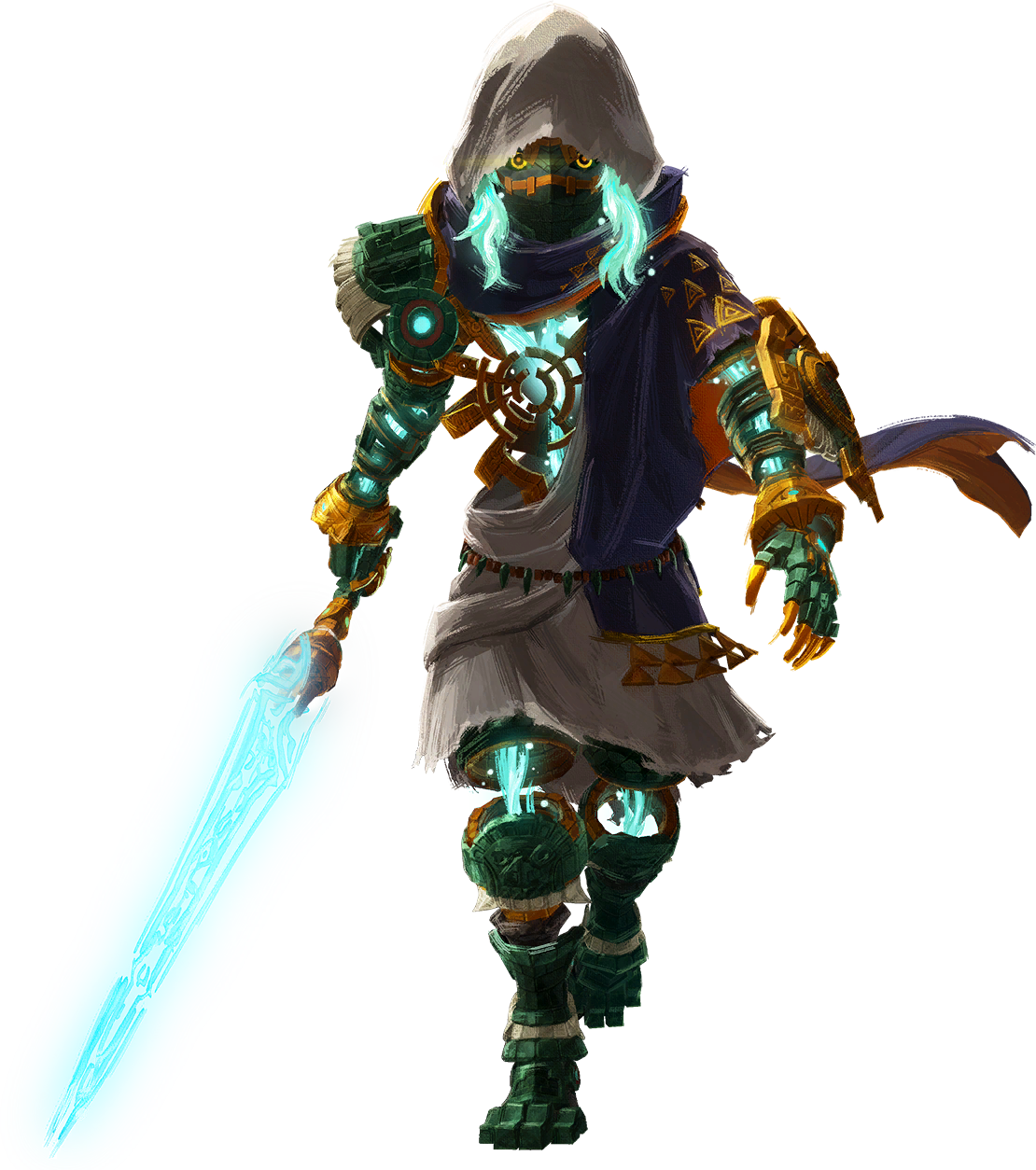
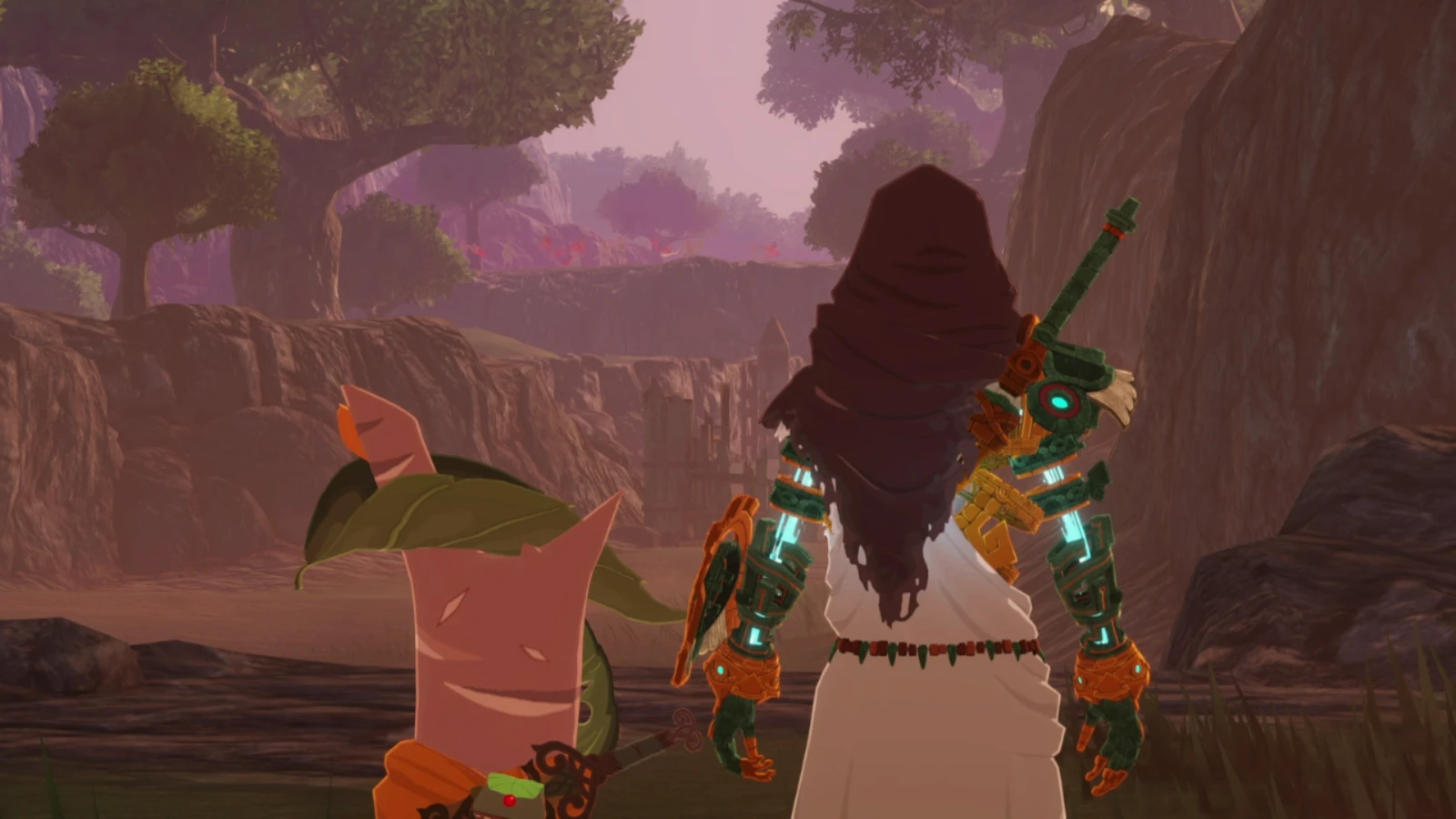
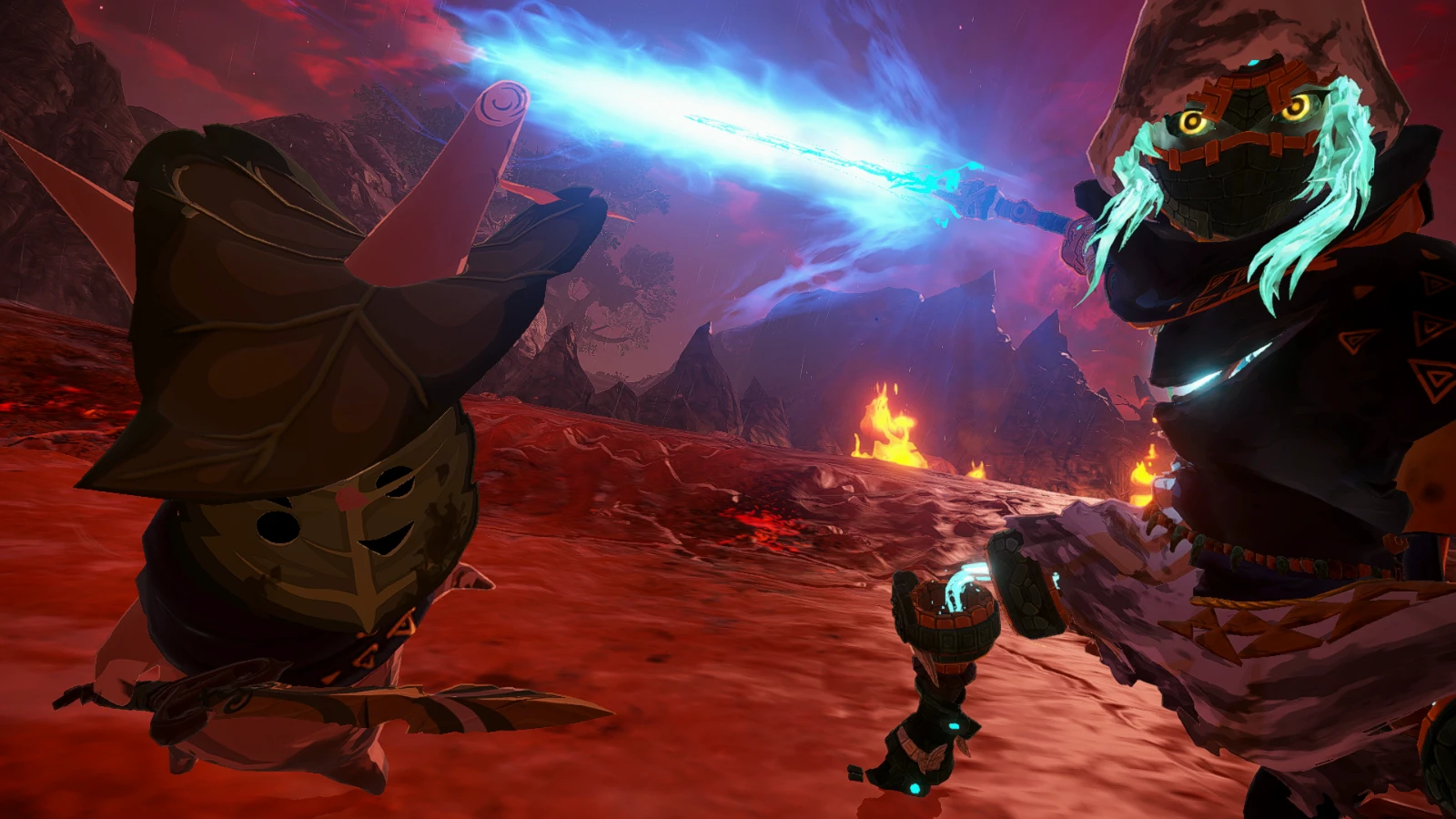
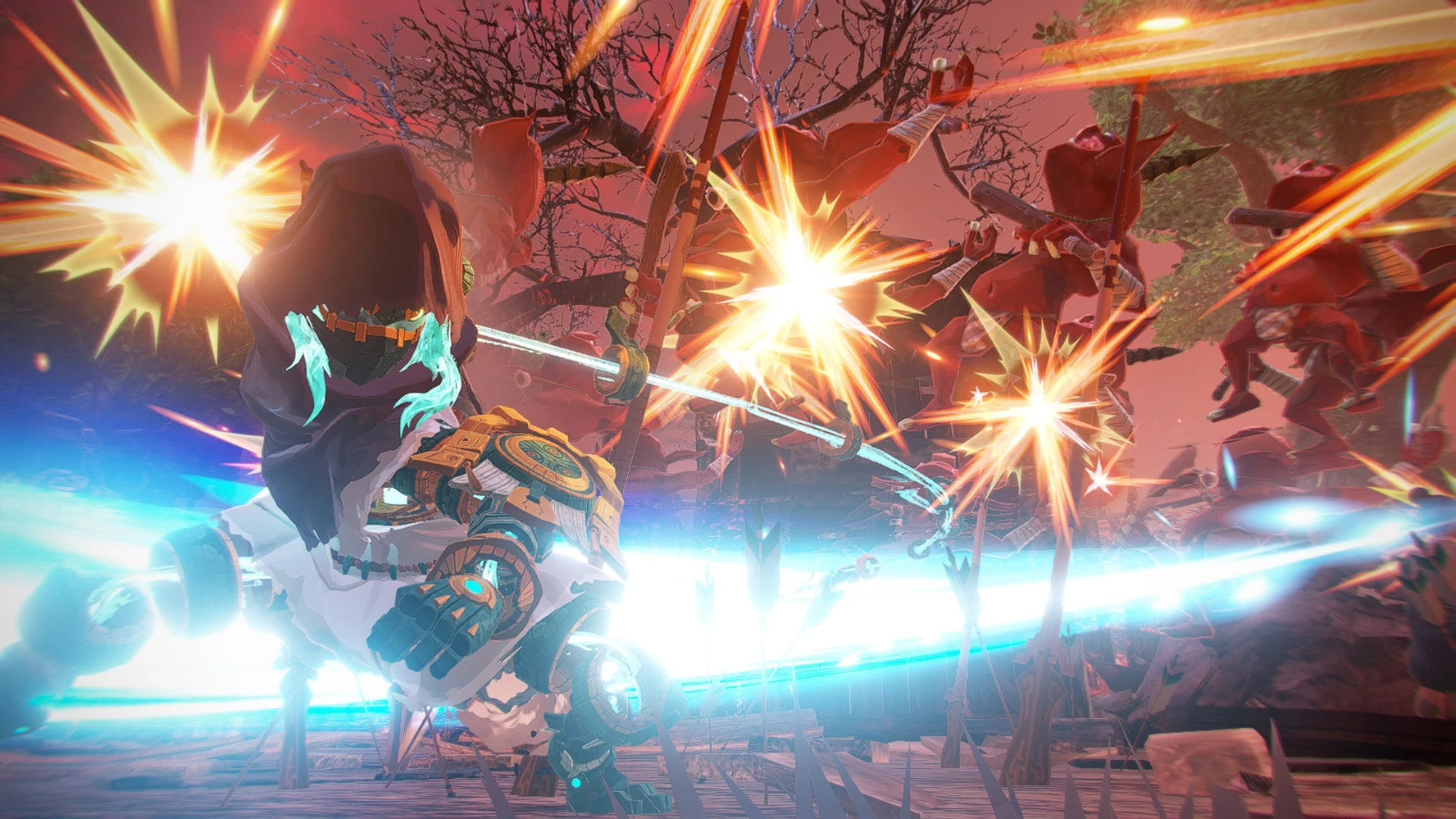
The Mysterious ConstructLater the Knight Construct
A Forbidden Construct that Calamo wakes by accident in the Depths. Unlike the rest of its kind it is on Hyrule’s side. It carries a sword and shield and never speaks, and its heart is a splinter of the Master Sword. Fujibayashi calls it the main character of the unknown Imprisoning War, and his favourite.
Rescues Ardi, holds off Grimgera, hunts the corrupted Forbidden Construct across Hyrule and destroys it in the final battle, at the cost of the shard that powers it.
Playable in The Hands of Evil; joins the roster after The Howling Tempests
Three weapon types: one-handed, two-handed and spear
Transforms to fly in the aerial stages
Fuse Attacks made from monster parts
The second update added new Unique Skills, such as Shield Charge
CalamoWandering Korok
“A boisterous Korok roaming Hyrule in search of a place to put down roots.” He is the comic foil to his silent partner, and Aoyanagi wanted him to come across as a big-hearted older brother. He is Eiji Aonuma’s favourite character in the game.
Wakes the construct, travels with it throughout and distracts Ganondorf’s army with it during the sealing. When the construct falls he plants himself beside it and grows into a tree.
Joins: after The Howling Tempests
Unique Skills: Bomb Flower, Bouncing Slash and Dazzlefruit Charge
The first update gave him a Sync Strike with Zelda, in which she catches the boomerang he throws
RaphicaLeader of the Rito, Sage of Wind
“The quick-witted leader of the Rito.” The profile on the Japanese site added that he is not the easiest person to read, but is loyal and cares about his friends.
The first of the four leaders to join Rauru, in the snowbound opening of Chapter 3.
Joins: Shadows in the Snow
Weapon: bow
QiaQueen of the Zora, Sage of Water
The Zora queen, a skilled fighter whose courage inspires her people.
Joins during the battle to clear the sludge from Lanayru, where the archfiend Grimtorok is waiting.
Joins: Lanayru Defiled
Weapon type: spear
AgrastonChief of the Gorons, Sage of Fire
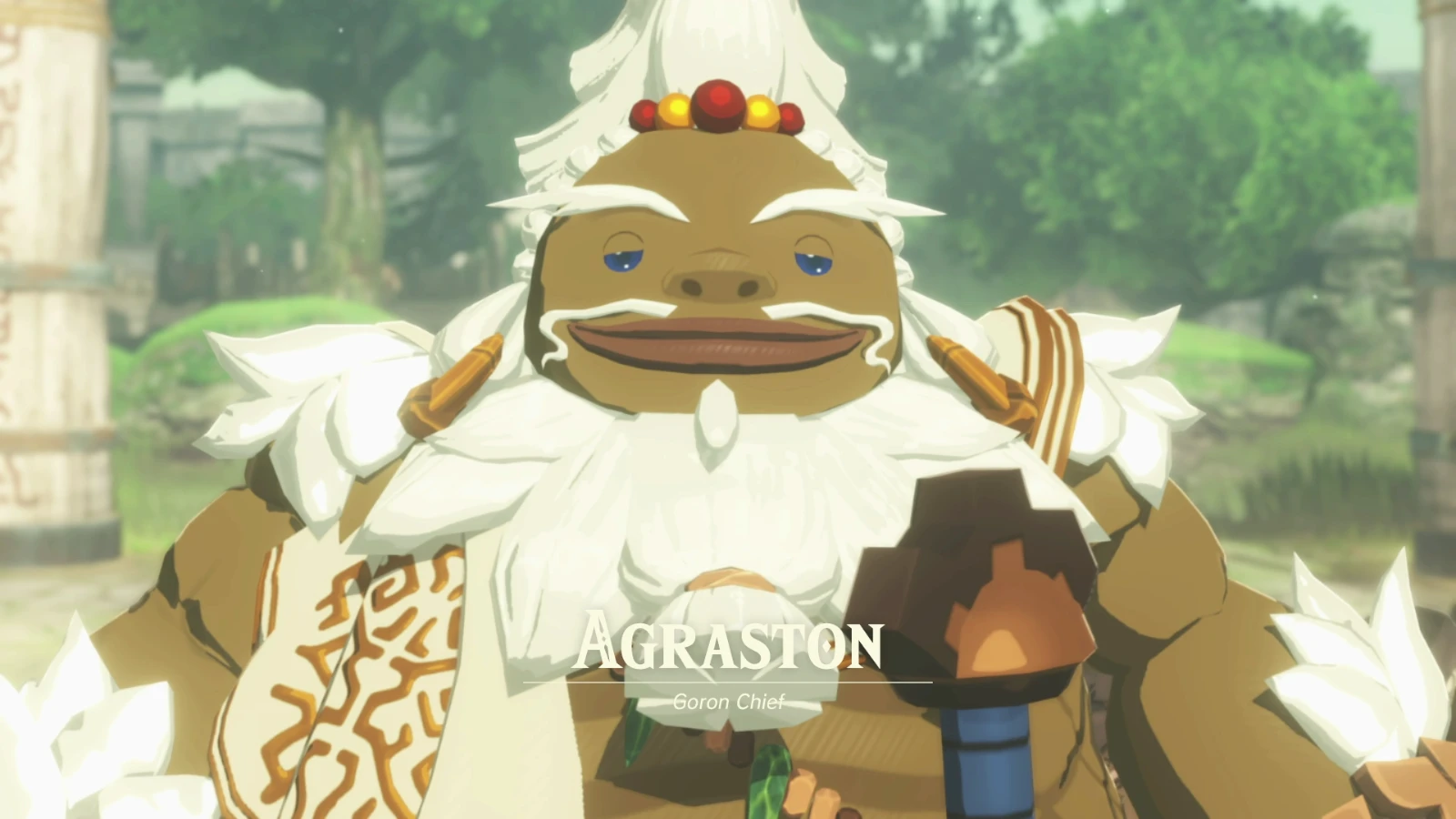
“The worldly chief of the Gorons”, and a close friend of Rauru. A picture caption in 4Gamer’s interview points out how much his face resembles Yunobo’s.
One of Zelda’s opponents in The Art of the Blade, long before he joins the war in earnest on Death Mountain.
Joins: Crisis on Death Mountain
Weapon type: two-handed
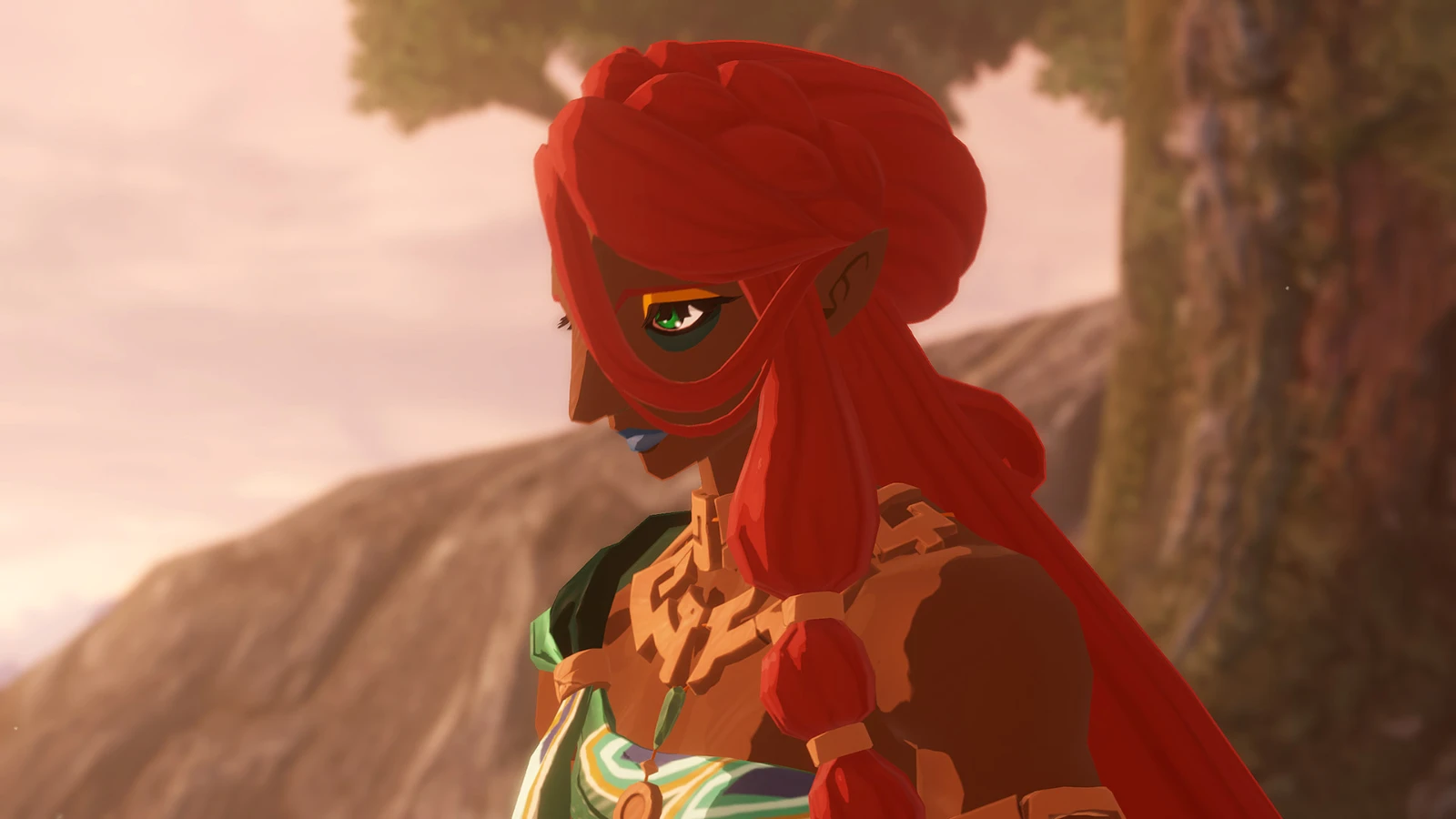
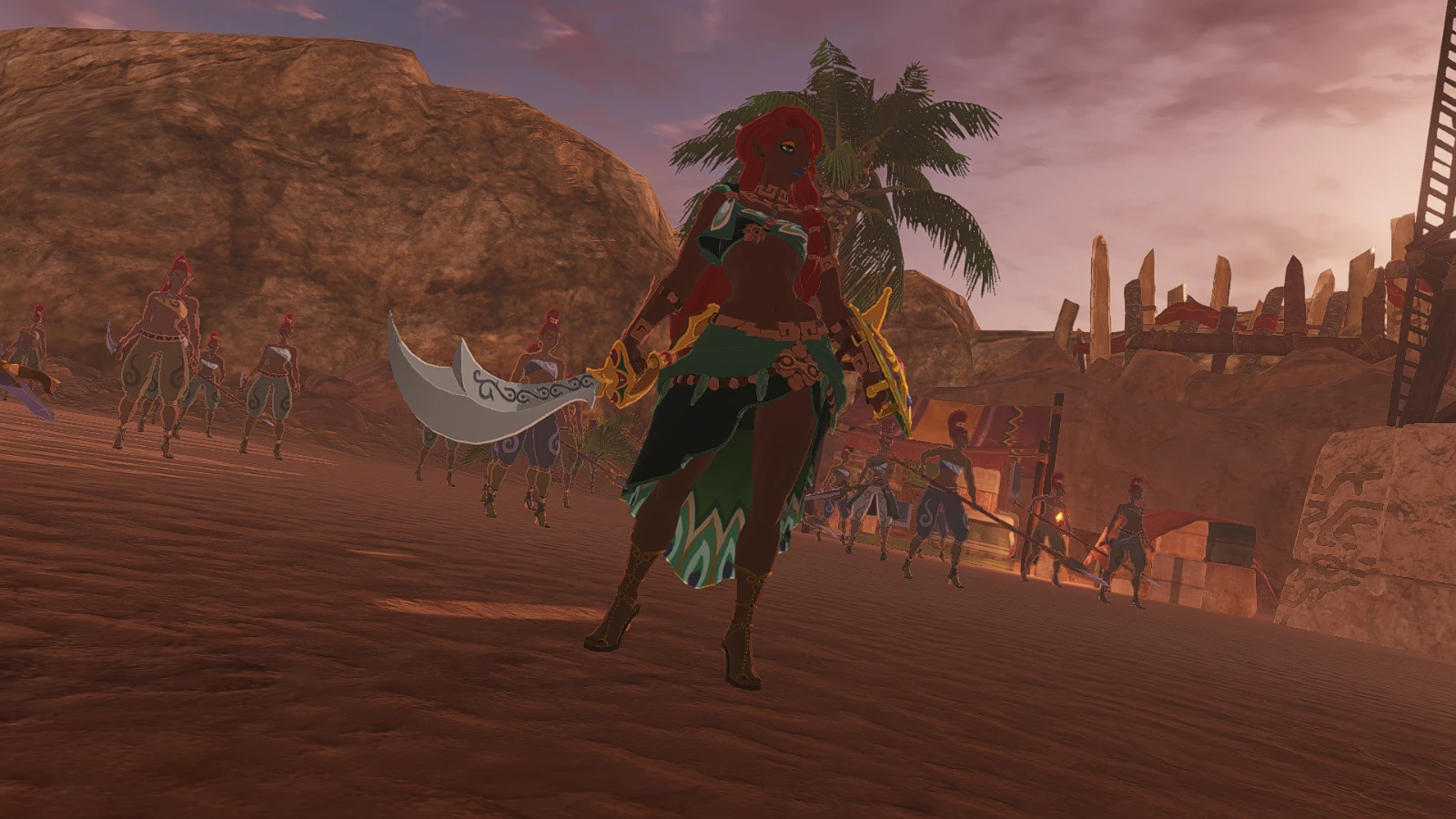
ArdiLeader of the Gerudo, Sage of Lightning
A Gerudo warrior, compassionate by Nintendo’s account, whom Gerudo law binds to serve Ganondorf.
A boss in Raging Sands while she still follows her king. He frames her for the attack on the castle; Calamo and the construct rescue her, and she ends up leading the Gerudo against him.
Joins: Terror of the Sands
Weapon type: one-handed
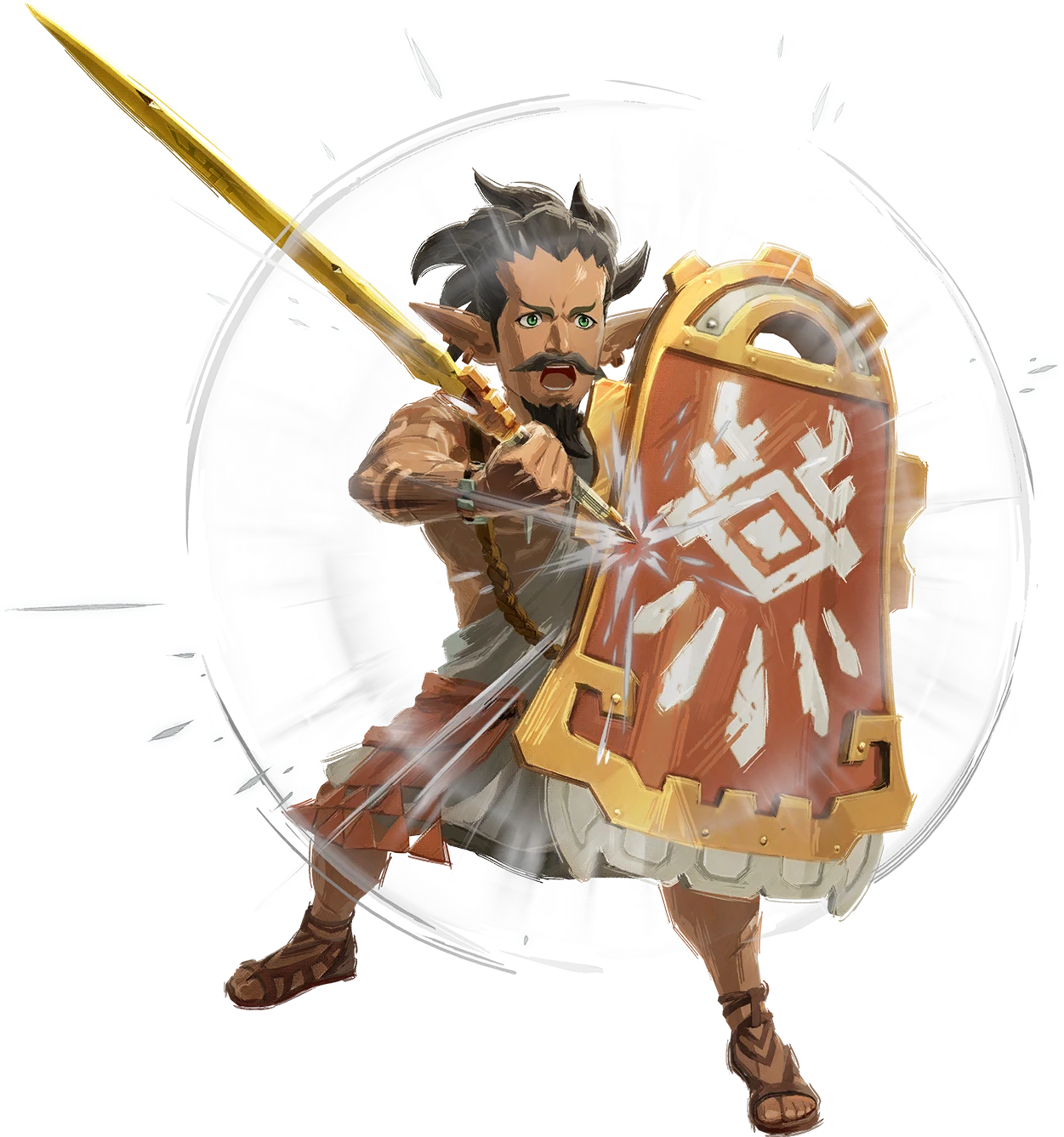
TyphanVeteran soldier
An old soldier who trains Hyrule’s troops.
One of the bosses of The Art of the Blade, who joins the roster at the same time as Calamo and the construct.
Joins: after The Howling Tempests
Fights with a huge shield and a broadsword, and is hard to knock down
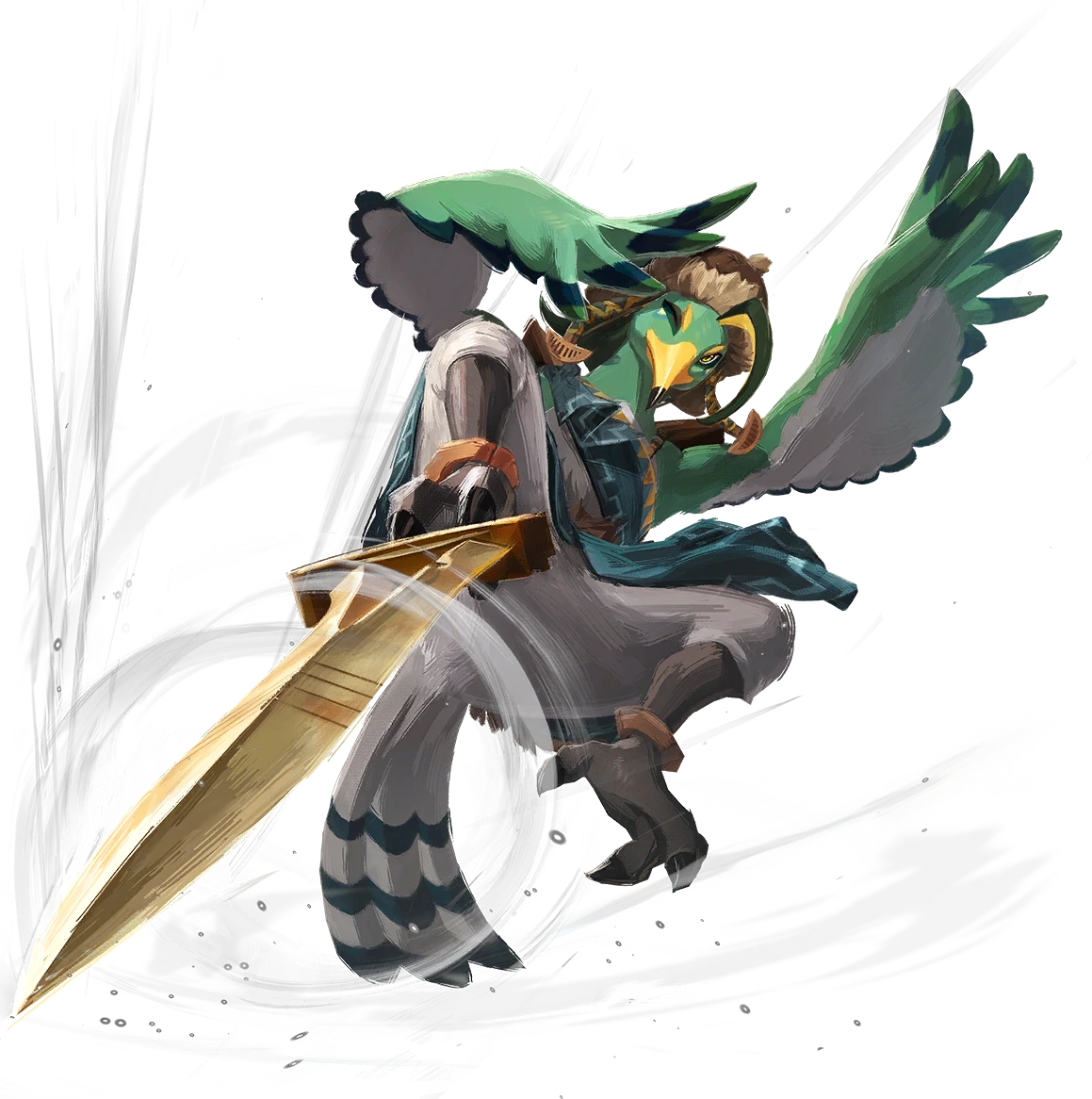
VenceRaphica’s old friend
A long-standing friend of Raphica who is forever joking and forever worrying about him.
Arrives with Raphica at the start of Chapter 3.
Joins: Shadows in the Snow
Weapon: a Feathered Edge sword, used acrobatically
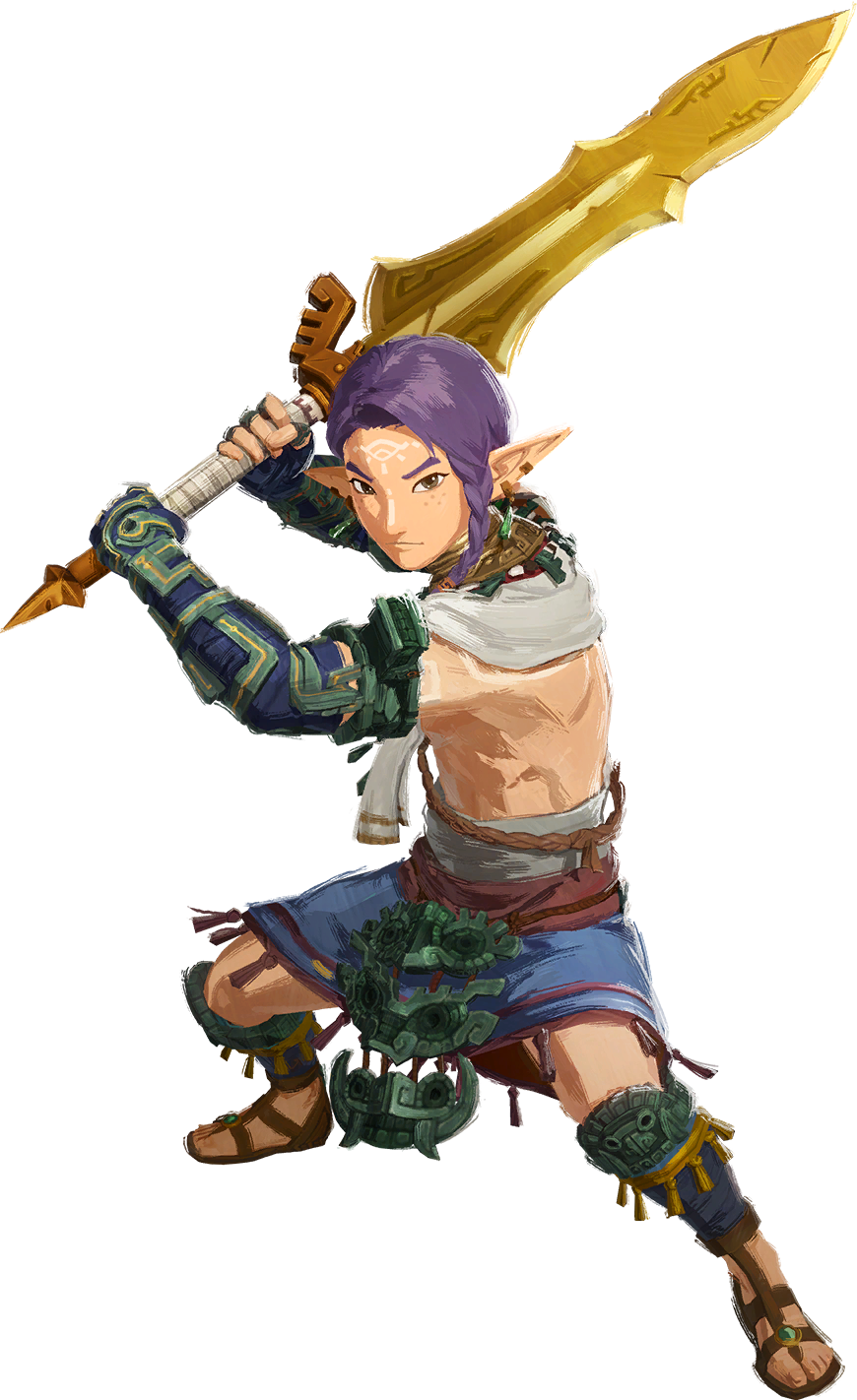
QuinoYoung soldier of Hyrule
A young soldier with a strong sense of justice.
Another of the bosses of The Art of the Blade, recruited later through a Scouting Challenge.
Joins: Scouting Challenge “For Hyrule”
Weapon: Soldier’s Claymore
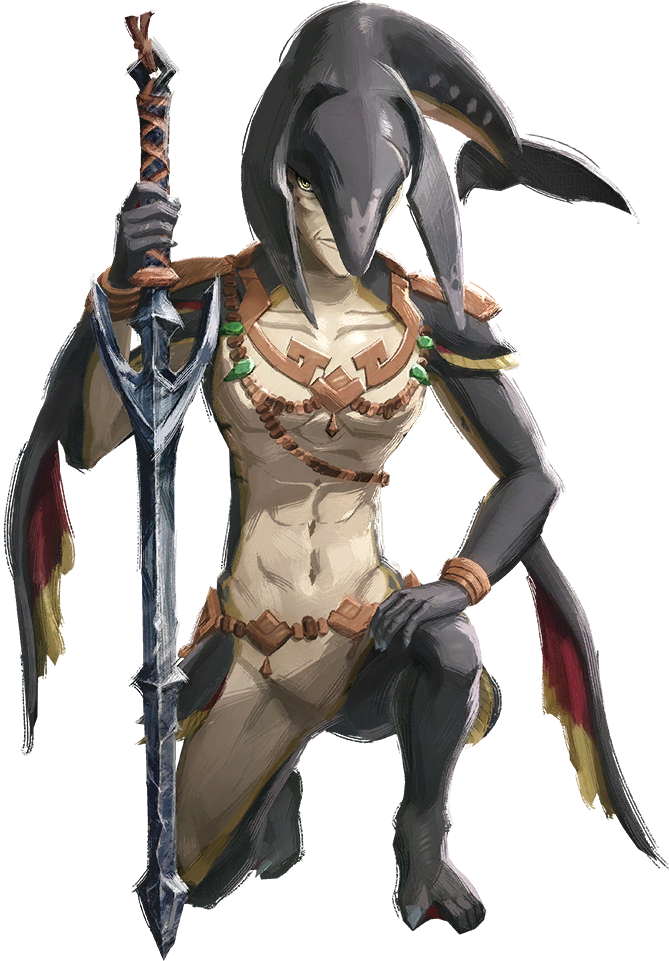
LagoZora veteran
A former Zora bodyguard who comes back to the fight. GamesRadar+ picked him out as an example of the supporting cast it liked.
Optional recruit.
Joins: Scouting Challenge “A Veteran’s Return”
Weapon: Zora sword
PinnecRito spearman
A Rito veteran and a loyal follower of Raphica.
Optional recruit.
Joins: Scouting Challenge “The Unsung Spearman”
Weapon: feathered spear
CadlanYoung Zora soldier
A young Zora who looks up to Queen Qia.
Optional recruit.
Joins: Scouting Challenge “The Strength to Protect”
Weapon: Zora spear
SholaniGerudo warrior
One of Ardi’s people, and an admirer of hers.
A boss in Raging Sands; an optional recruit later.
Joins: Scouting Challenge “Standing on Principle”
Weapon: scimitar
RonzaGerudo faction leader
The head of a Gerudo faction that keeps itself apart.
Optional recruit.
Joins: Scouting Challenge “In Search of Power”
Weapon: a huge claymore
BratonYoung Goron
A young Goron warrior who signed up at least partly to taste the local rocks.
Optional recruit.
Joins: Scouting Challenge “The Gourmand Goron”
PastosGoron faction leader
Leader of a breakaway Goron faction that opposed the alliance with Hyrule.
Optional recruit.
Joins: Scouting Challenge “A Lone Wolf’s Pride”
Weapon: Cobble Crusher
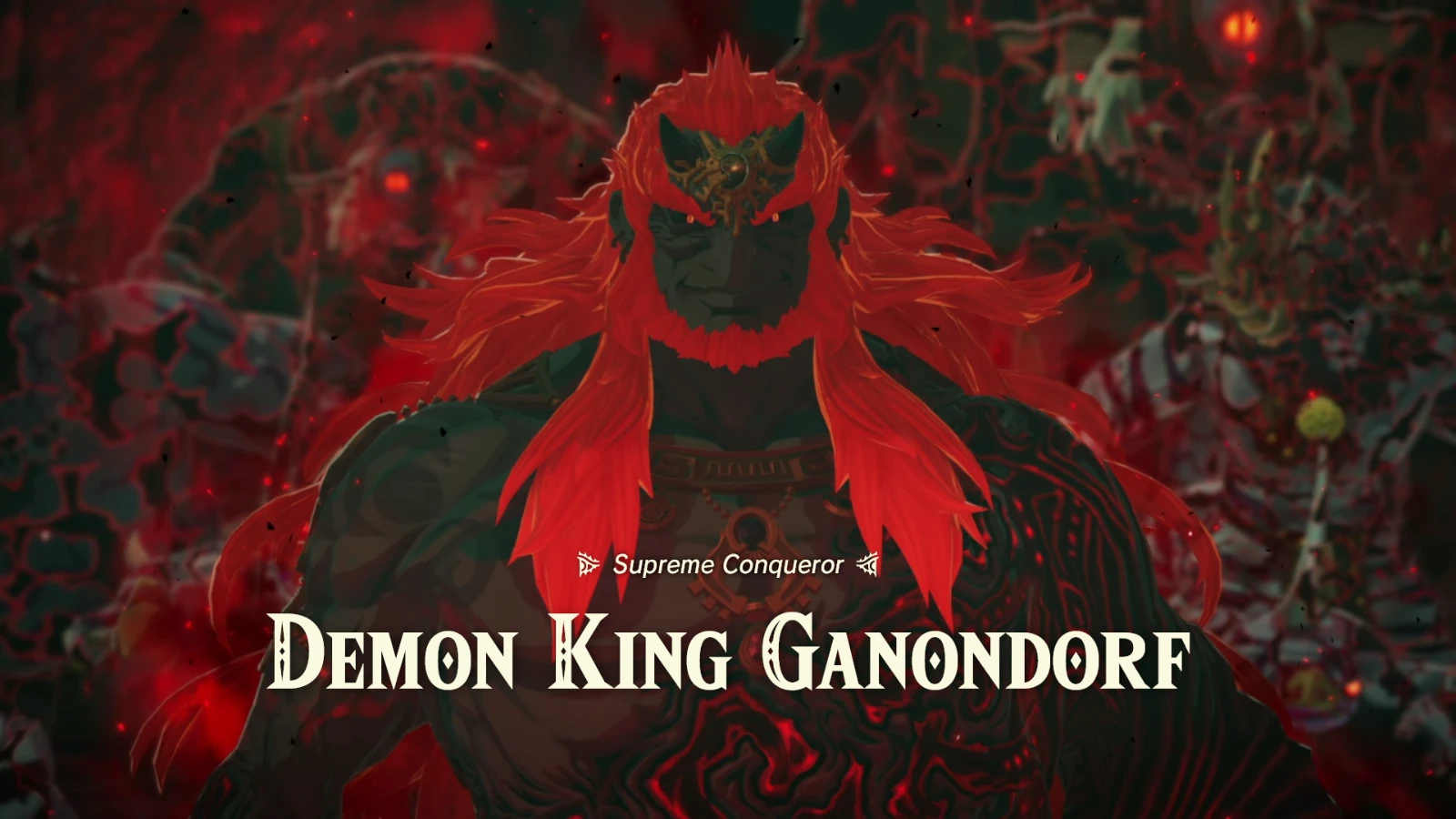
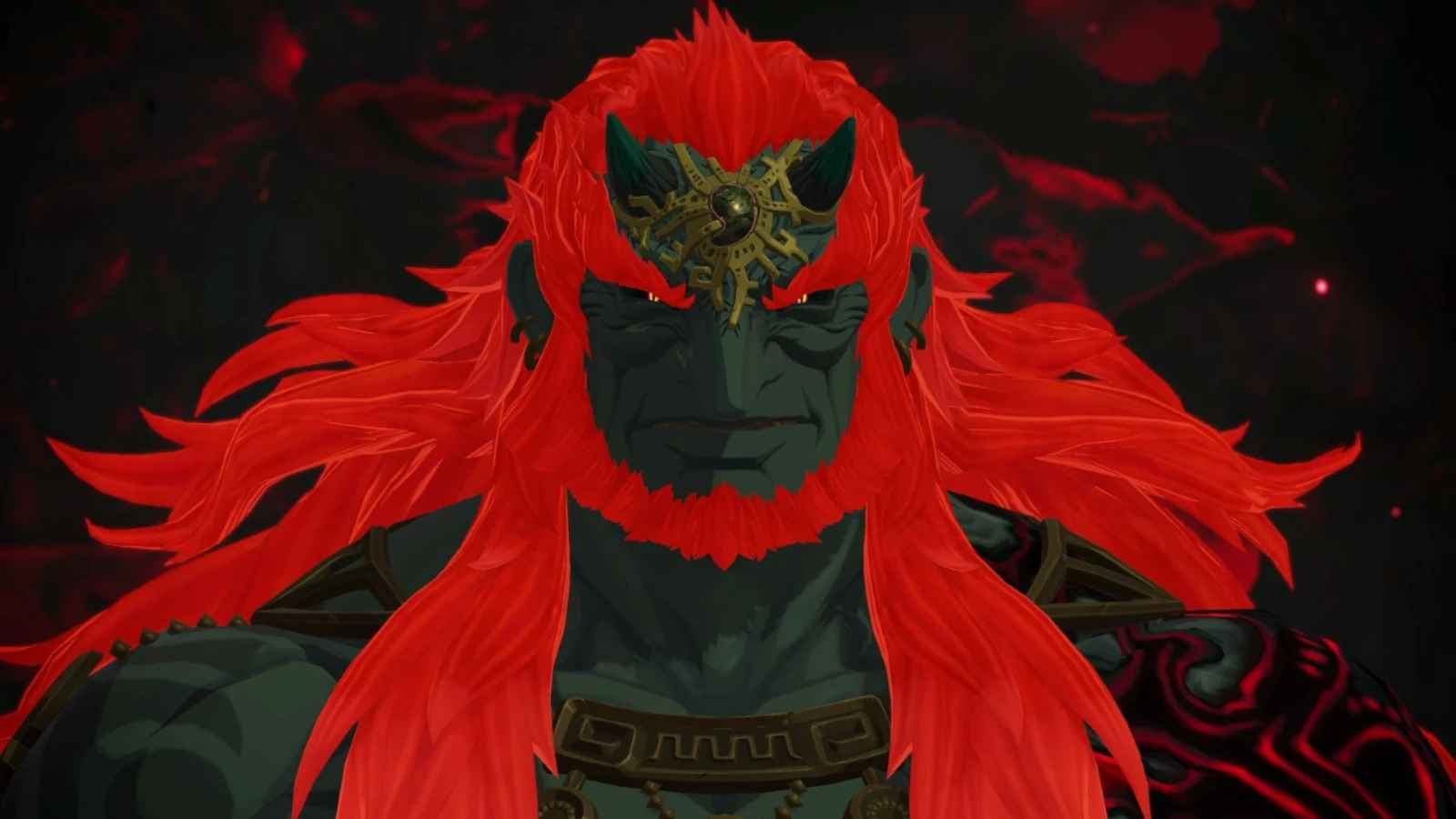
GanondorfGerudo chieftain, then Demon King
According to Nintendo’s profile, the only male born to the Gerudo in a hundred years, made chieftain under their laws.
Attacks Hyrule Castle, feigns surrender, frames Ardi, murders Sonia and looses the archfiends on Hyrule. He is the boss of The Final Confrontation, and is sealed away by Rauru.
Not playable.
LenaliaRoyal attendant
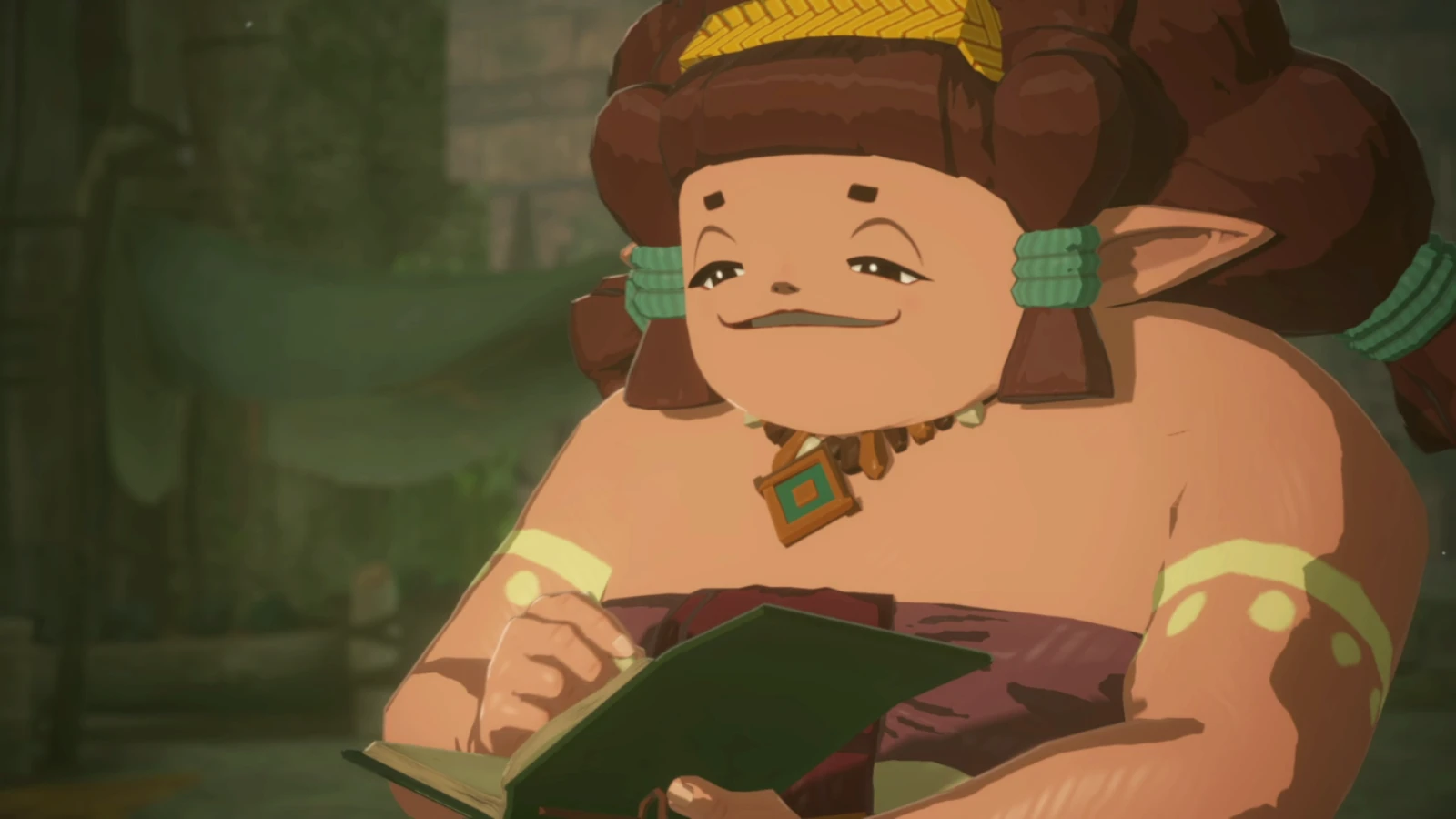
One of Rauru’s most trusted attendants, assigned to Zelda, with a notebook always in her hand and a curiosity about anything mystical.
Records the war in murals and, at Mineru’s request, leaves the Knight Construct out of them. After the story her sketches become a set of completion quests.
Not playable.
Bosses and enemies
Ganondorf’s army is led by four archfiends, whose names will ring a bell with anyone who has cleared the temples of Tears of the Kingdom (Colgera, Mucktorok, Marbled Gohma and Queen Gibdo).
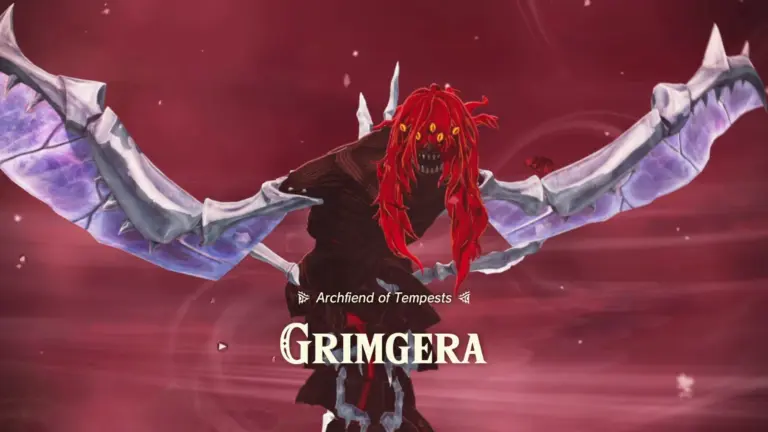
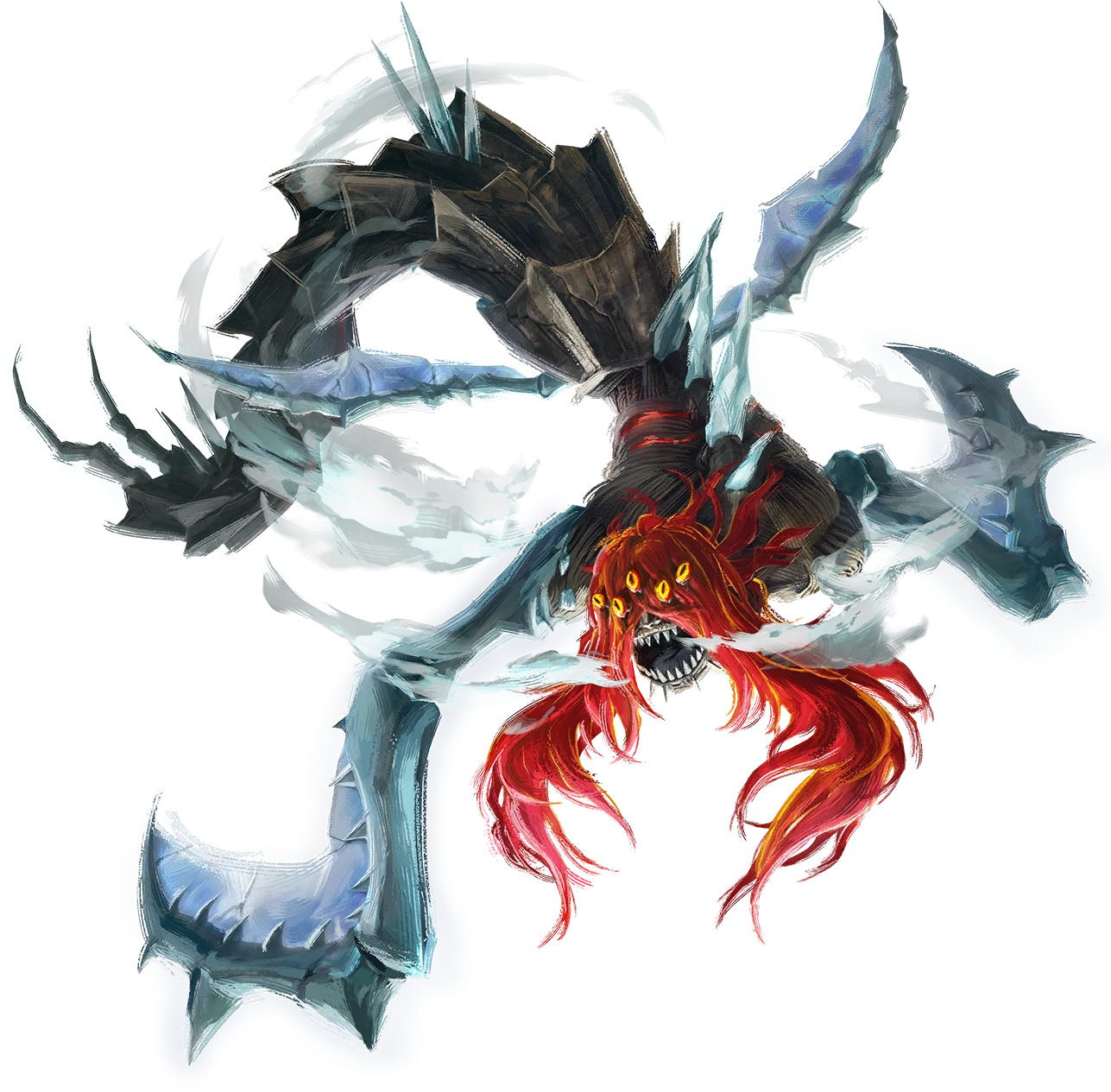
GrimgeraArchfiend · The Howling TempestsThe first archfiend and the most persistent, fought three times in all. Its homing icicles can be knocked away with a Fan or Zelda’s Temporal Counter.
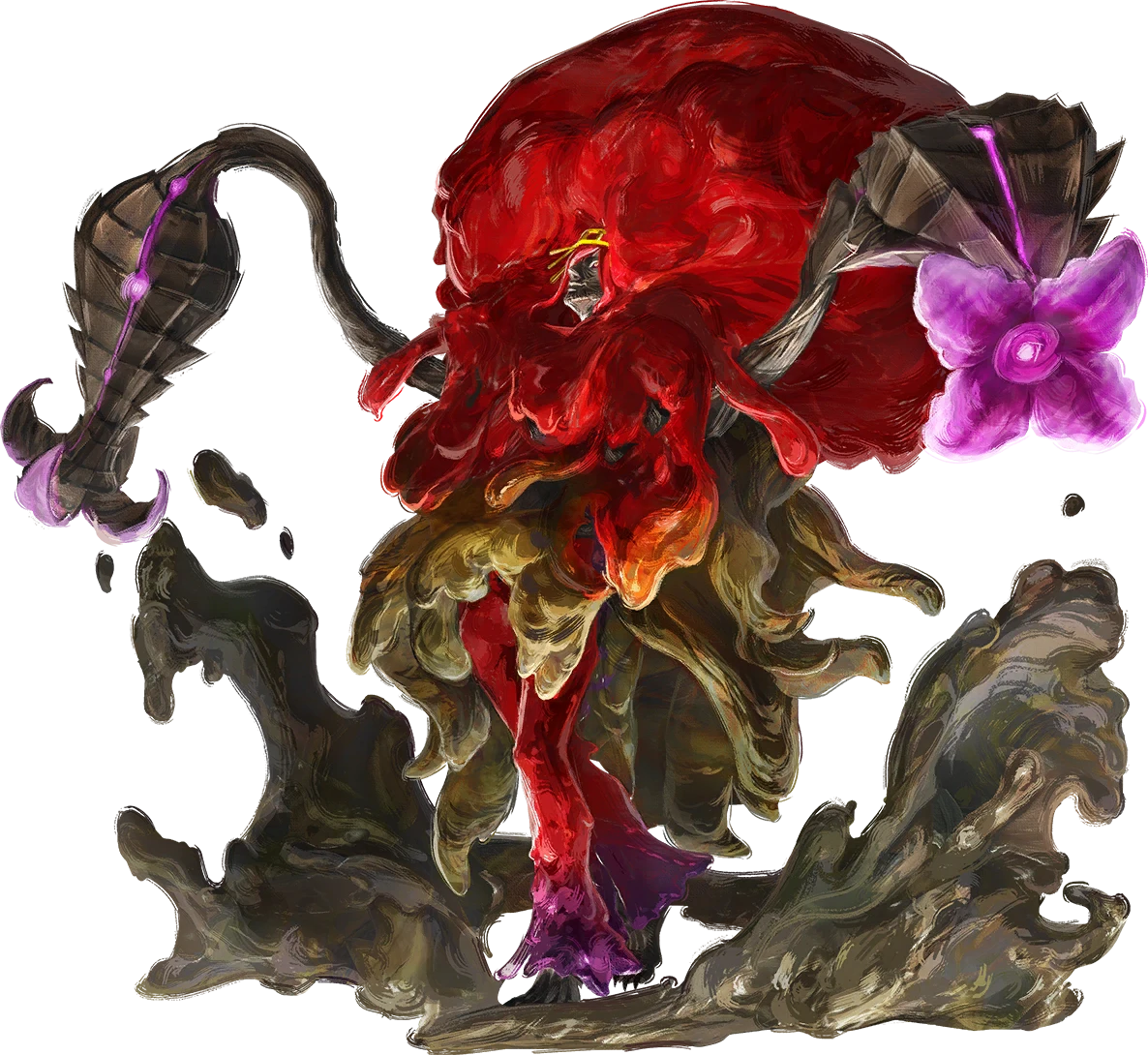
GrimtorokArchfiend · Lanayru DefiledThe boss of sludge-choked Lanayru. It comes back for The Battle of Hyrule Castle.
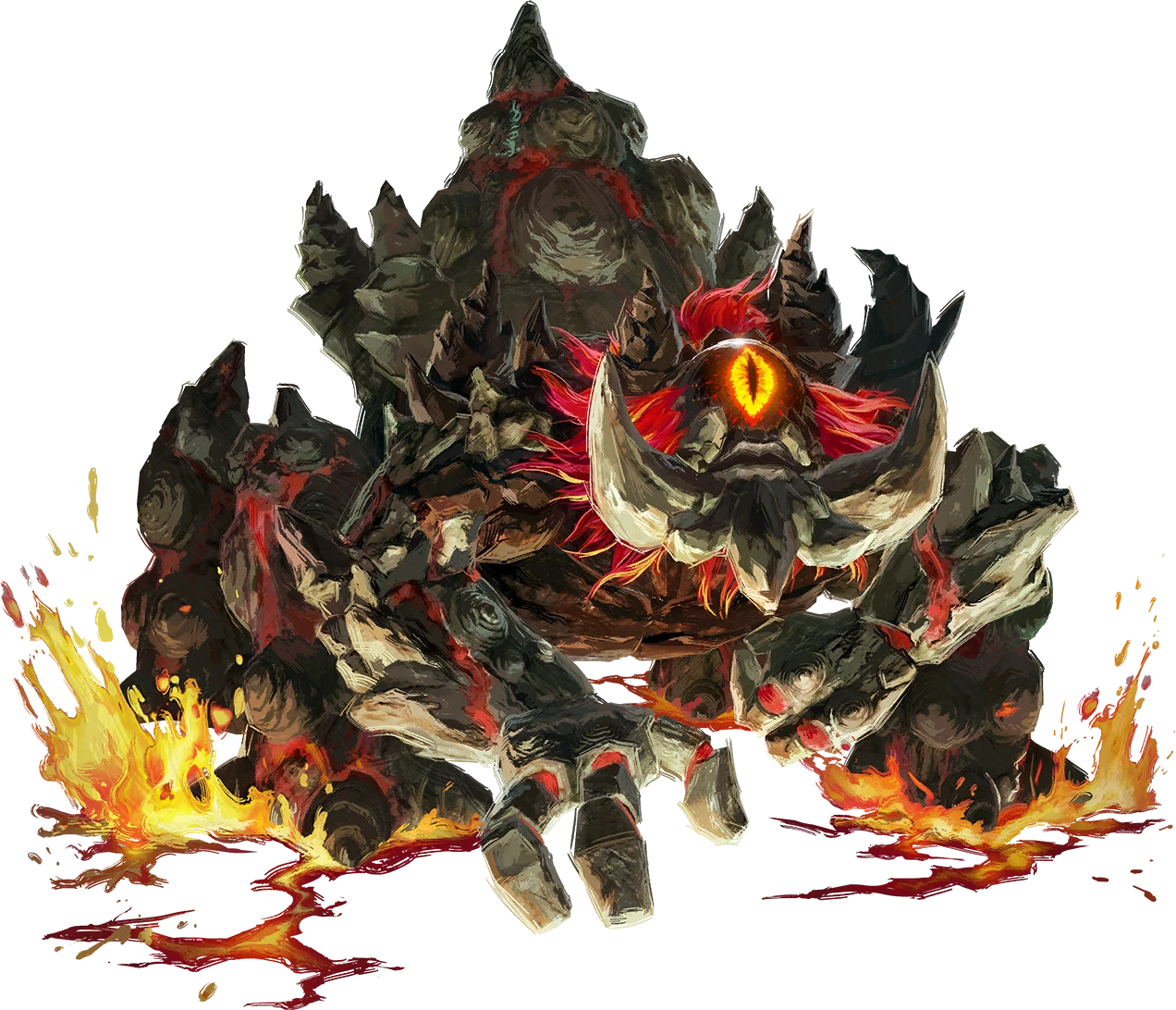
GrimgohmaArchfiend · The CounterstrikeFought in Chapter 4, and again at Hyrule Castle.
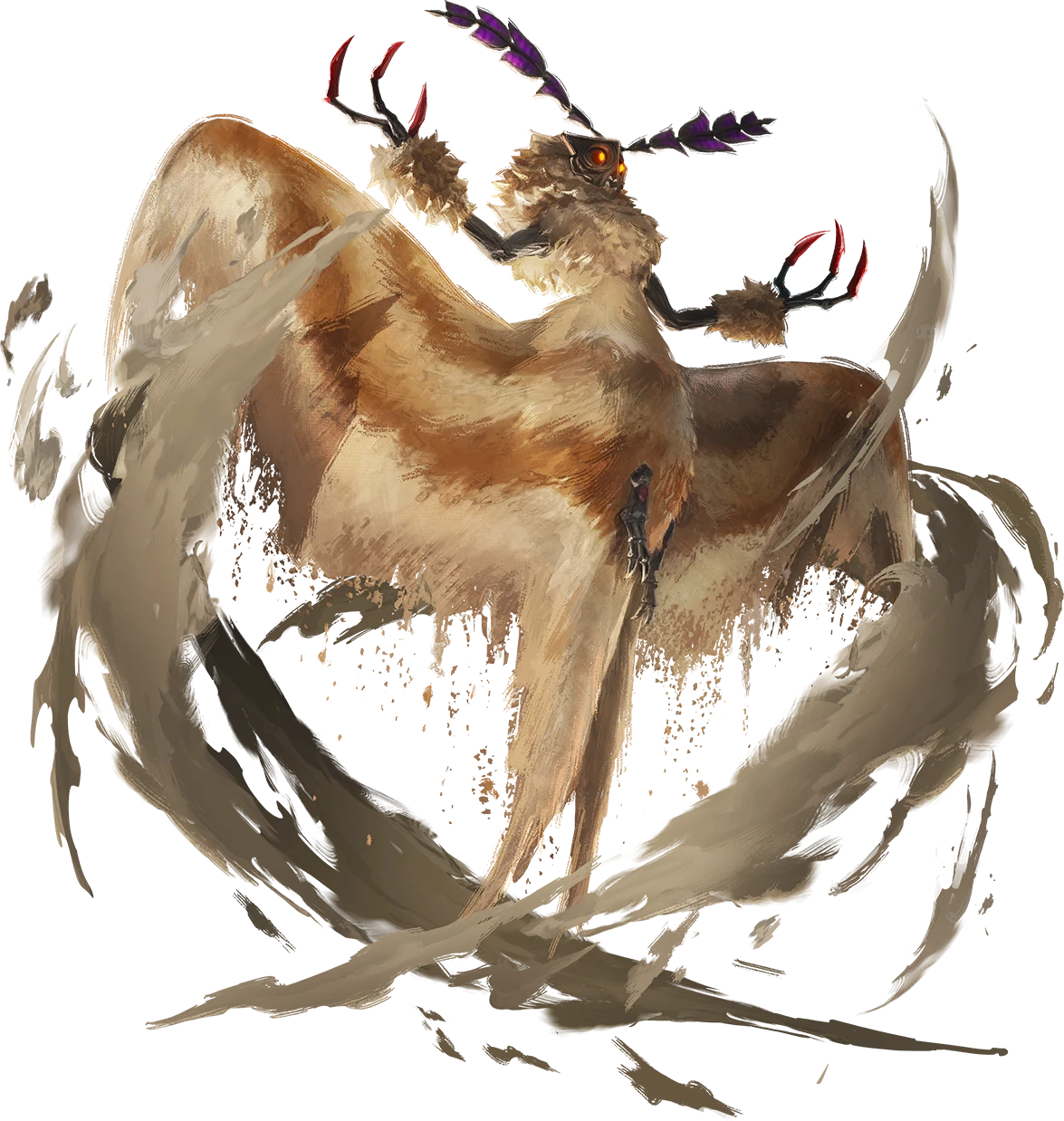
GrimgibdoArchfiend · Fire and SandThe last of the four to appear. It returns late in The Battle of Hyrule Field.
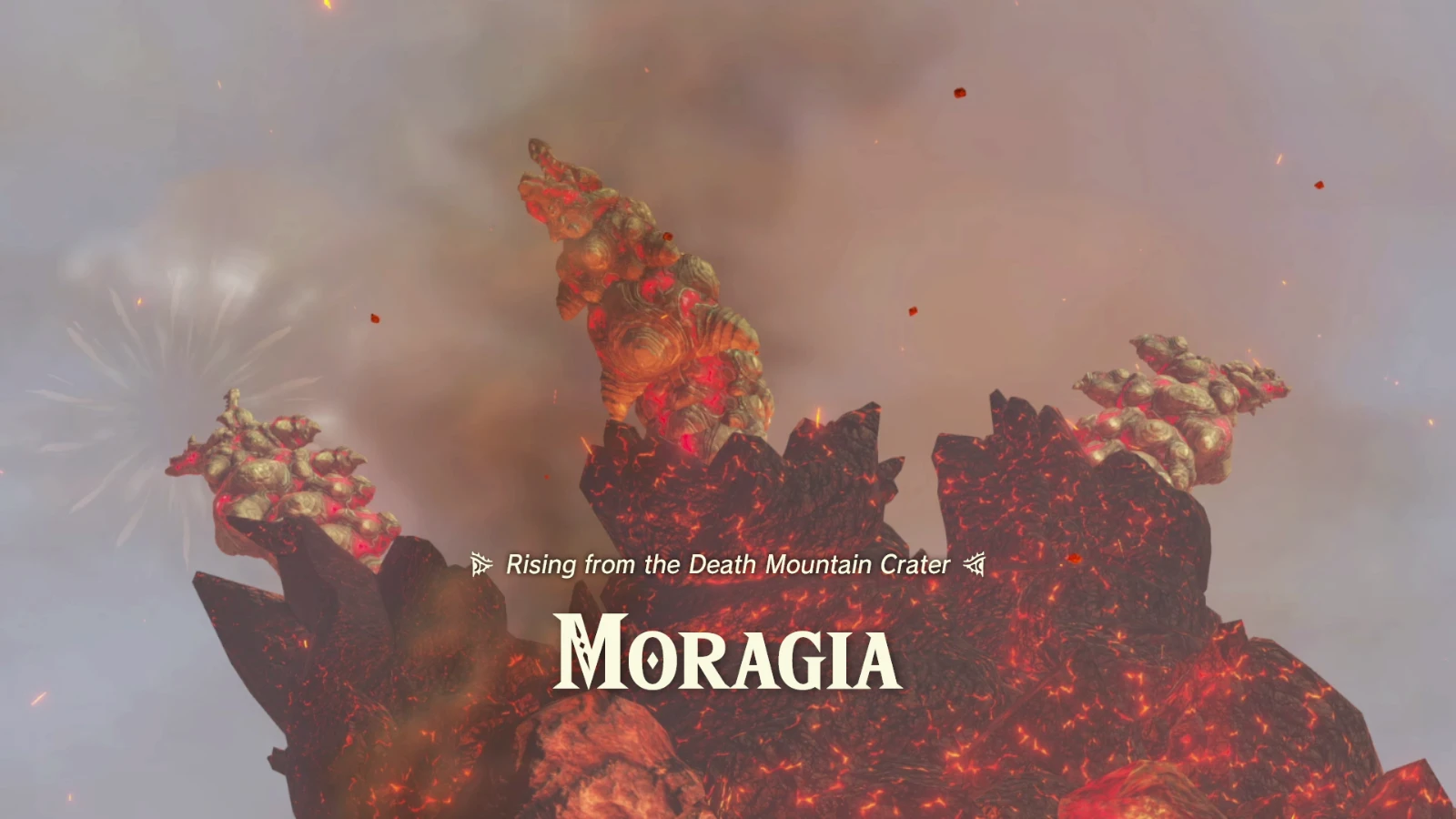
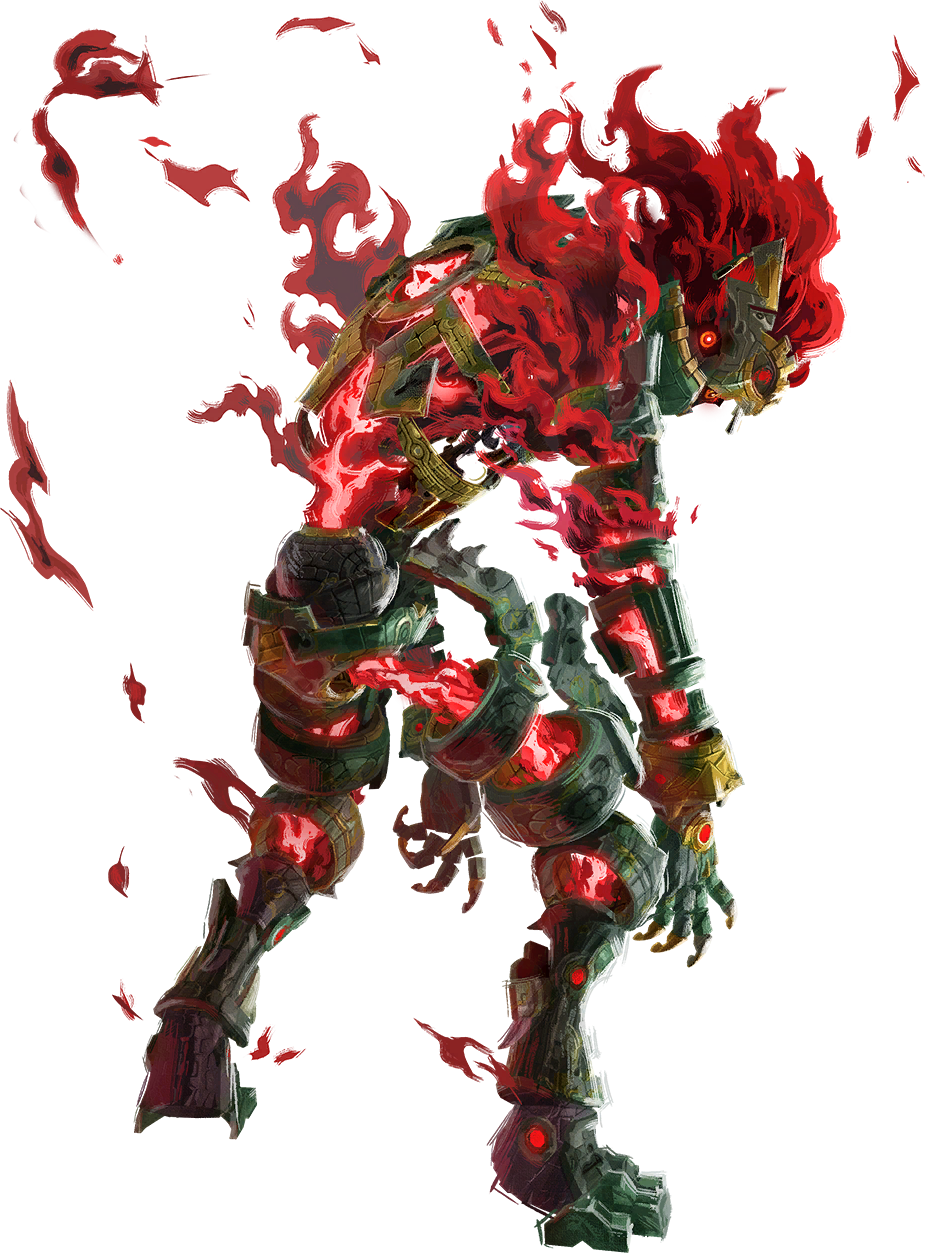
MoragiaThe Behemoth in the CraterThe volcanic giant of Death Mountain, fought from the air with the Rocket and Cannon.
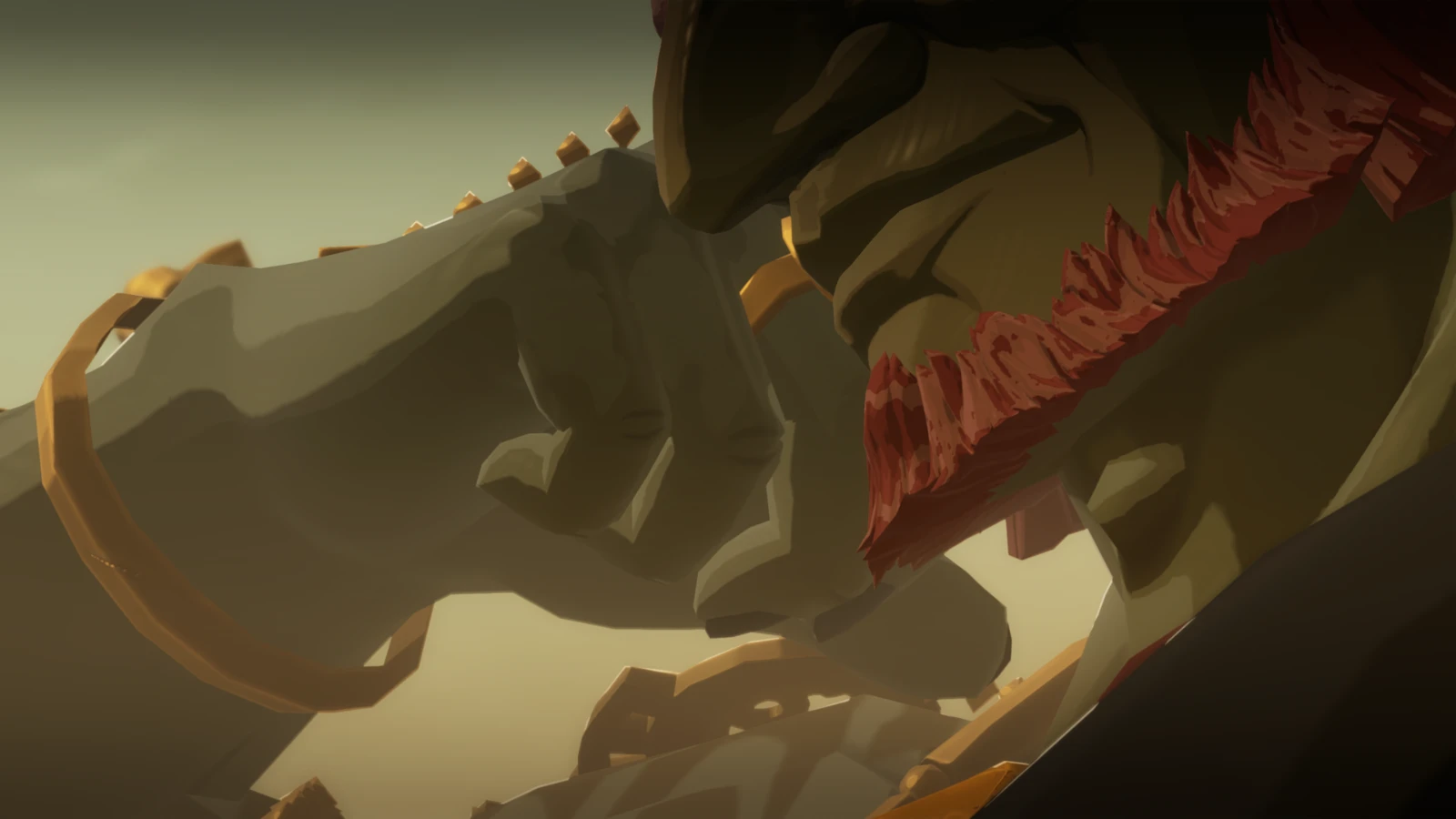
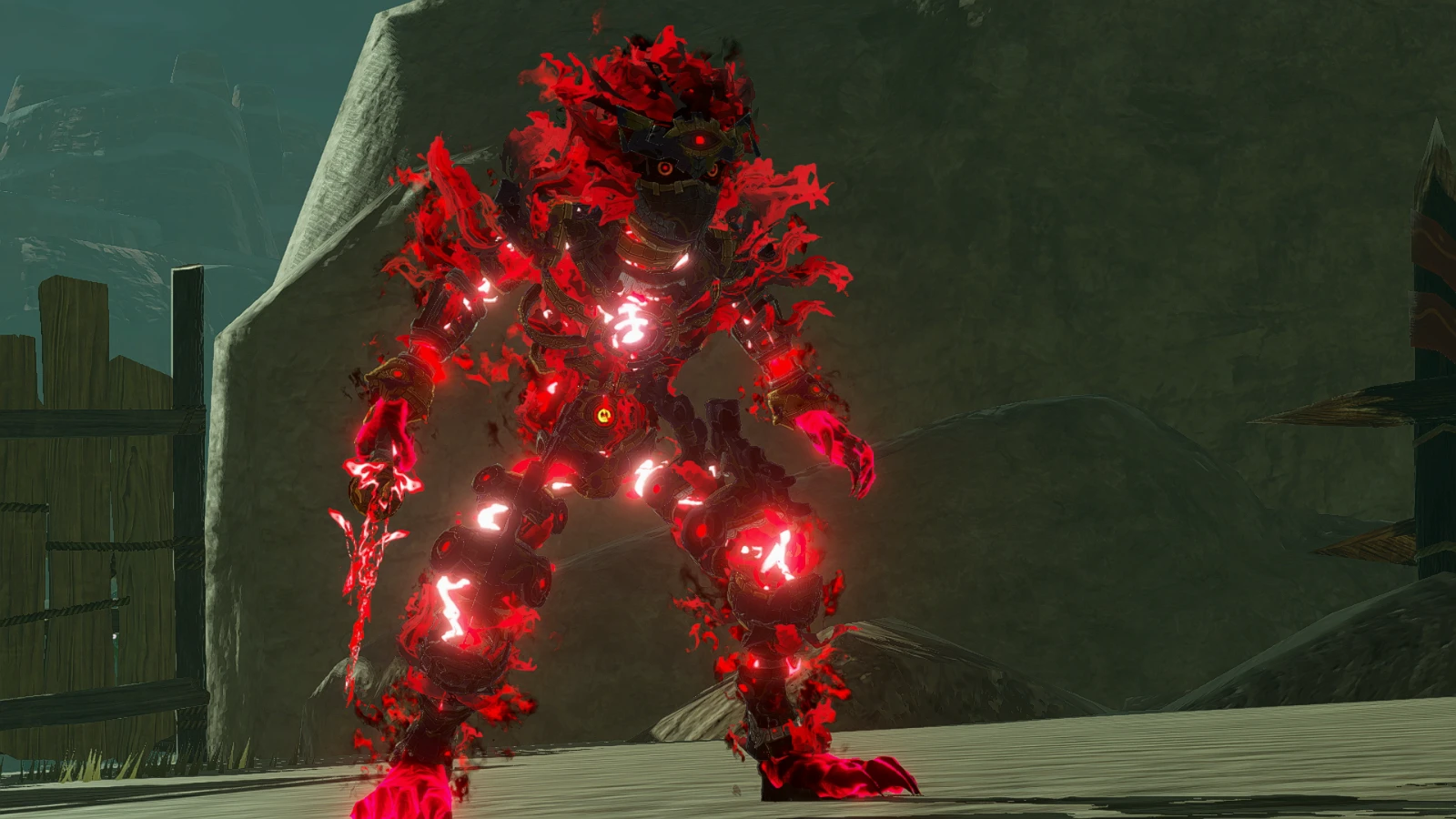
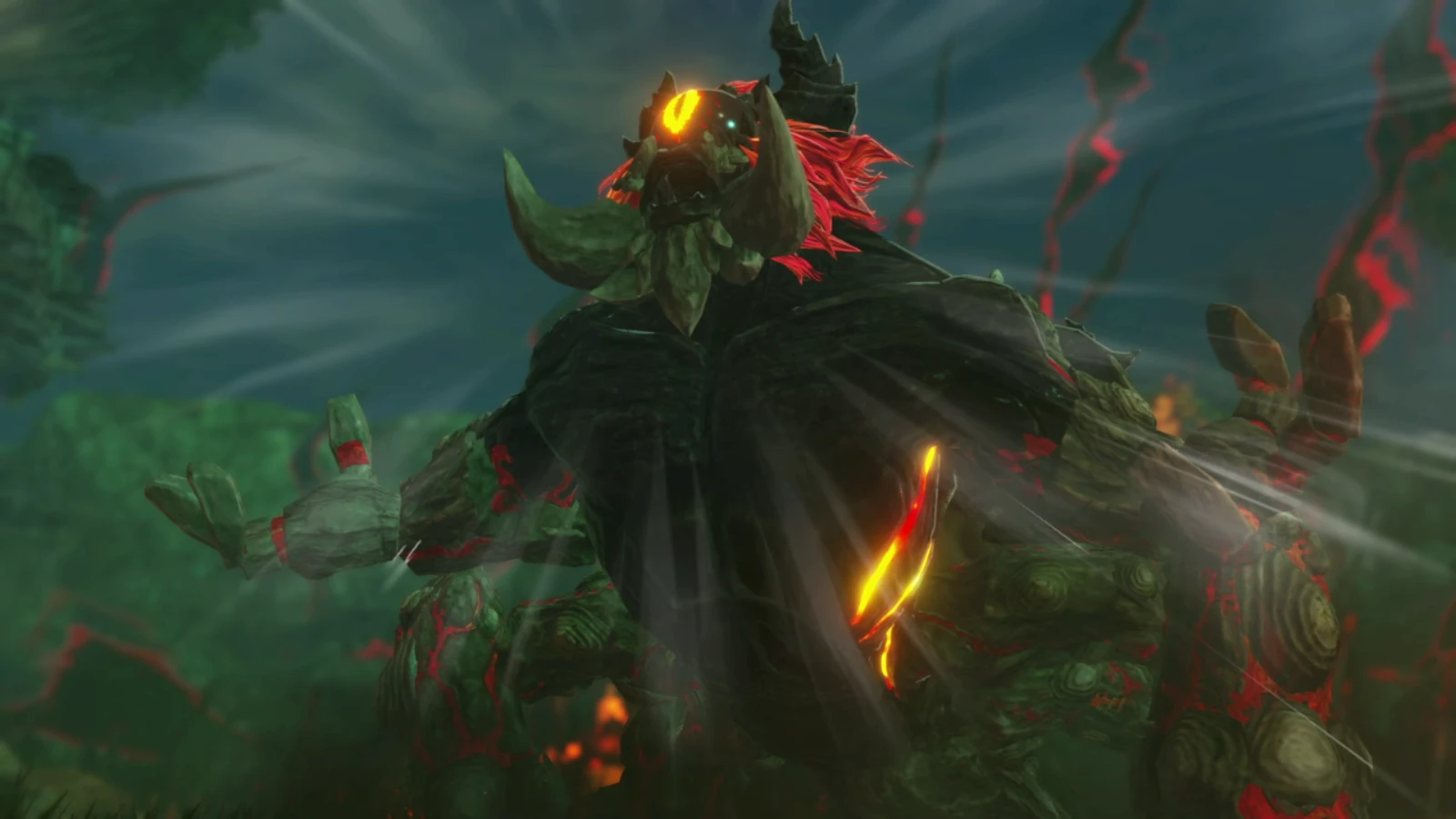
The Forbidden ConstructA Clash of ConstructsThe Knight Construct’s dark twin, corrupted by Ganondorf. The last fight has three phases, one of them airborne.
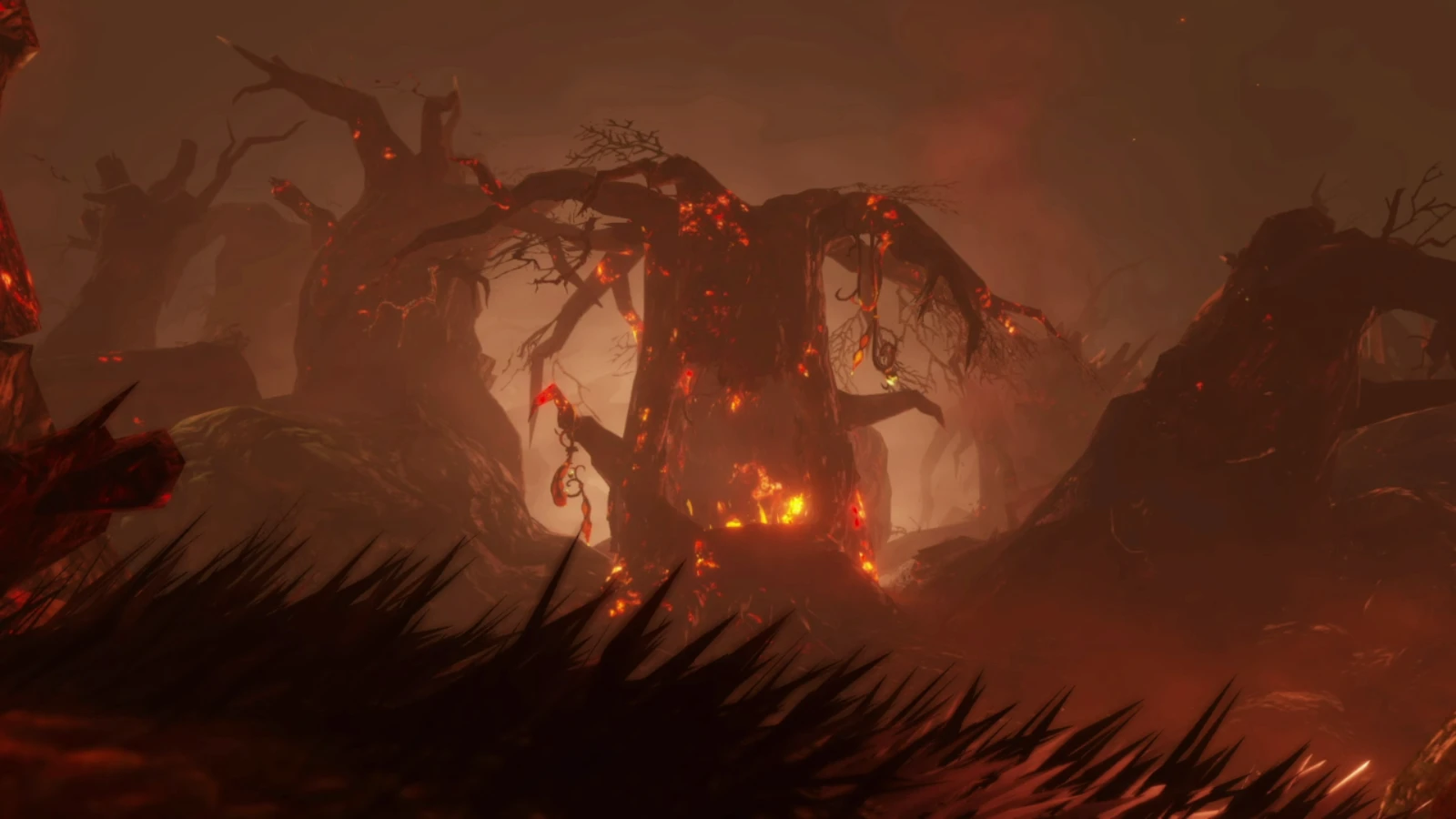
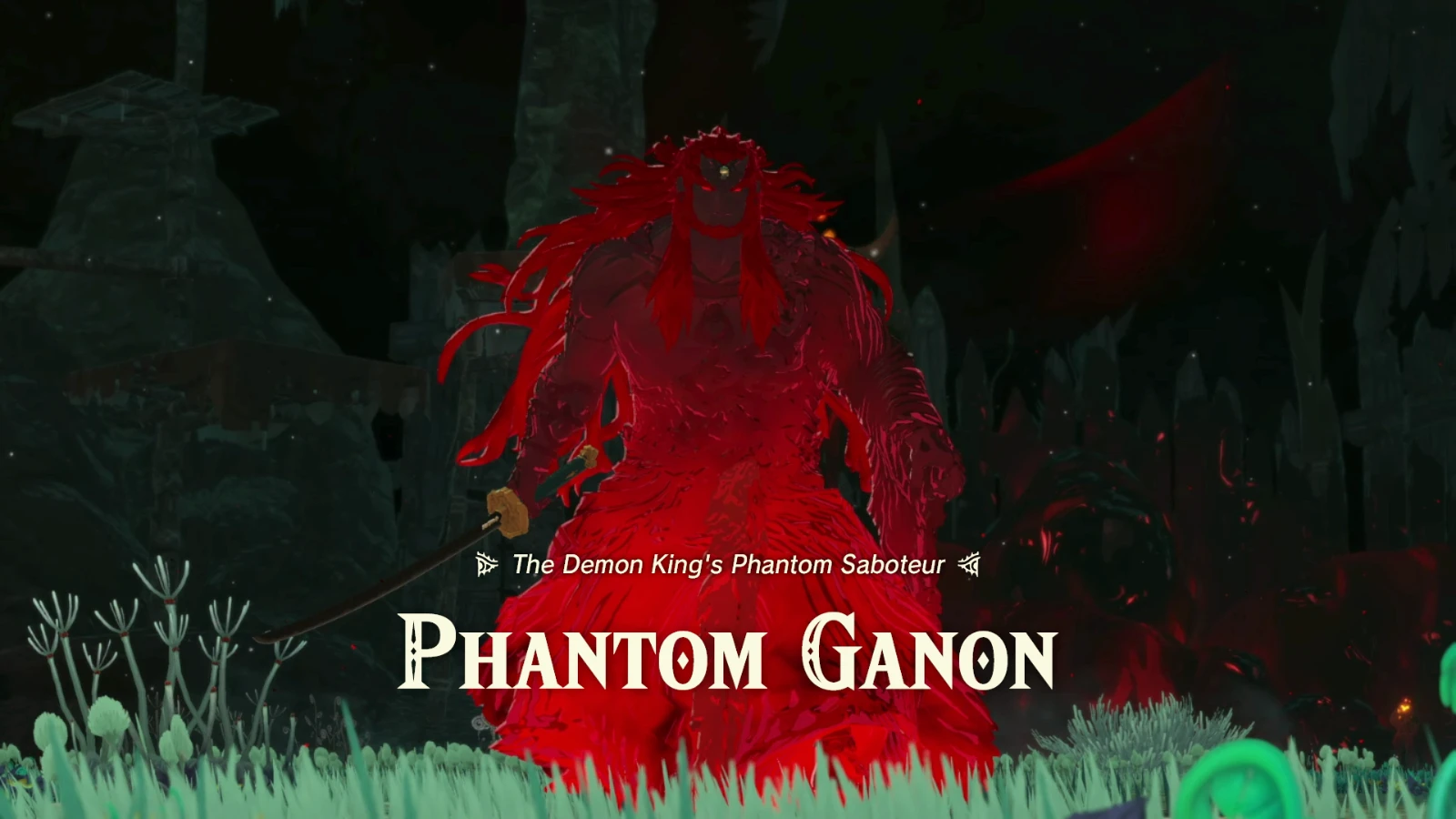
Phantom GanonPurging the Shadows · The Demon King, EnsnaredFirst met in Purging the Shadows; three attack together in The Demon King, Ensnared. Since the second update it can also turn up in battles you have already cleared.
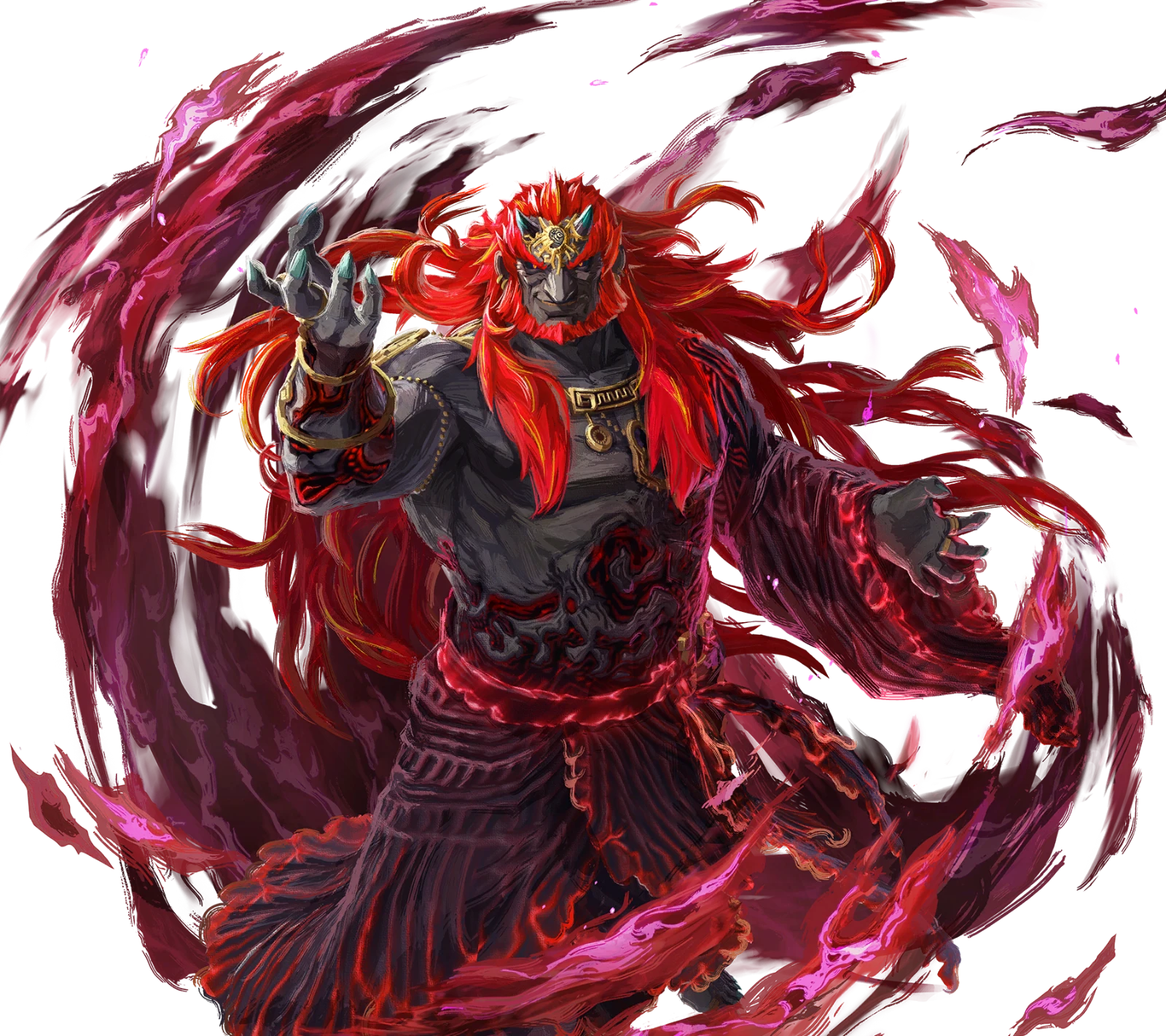
Demon King GanondorfThe Final ConfrontationThe last enemy of Chapter 5, faced by Zelda and Rauru.
GleeoksBeneath the Blood Moon · Into the FrayA Frost Gleeok is the boss of the first flying stage; a King Gleeok opens Chapter 5.
Flux ConstructsWhere Ancient Wisdom Sleeps · Purging the ShadowsFlux Construct I guards the third battle and Flux Construct II turns up in Chapter 4. Since the first update you can perform a Sync Strike with one.
Hinox, Talus, Lynel, Frox and MoldugaThroughoutThe heavyweights of Tears of the Kingdom, here in fire, ice, electric and sludge-covered varieties.
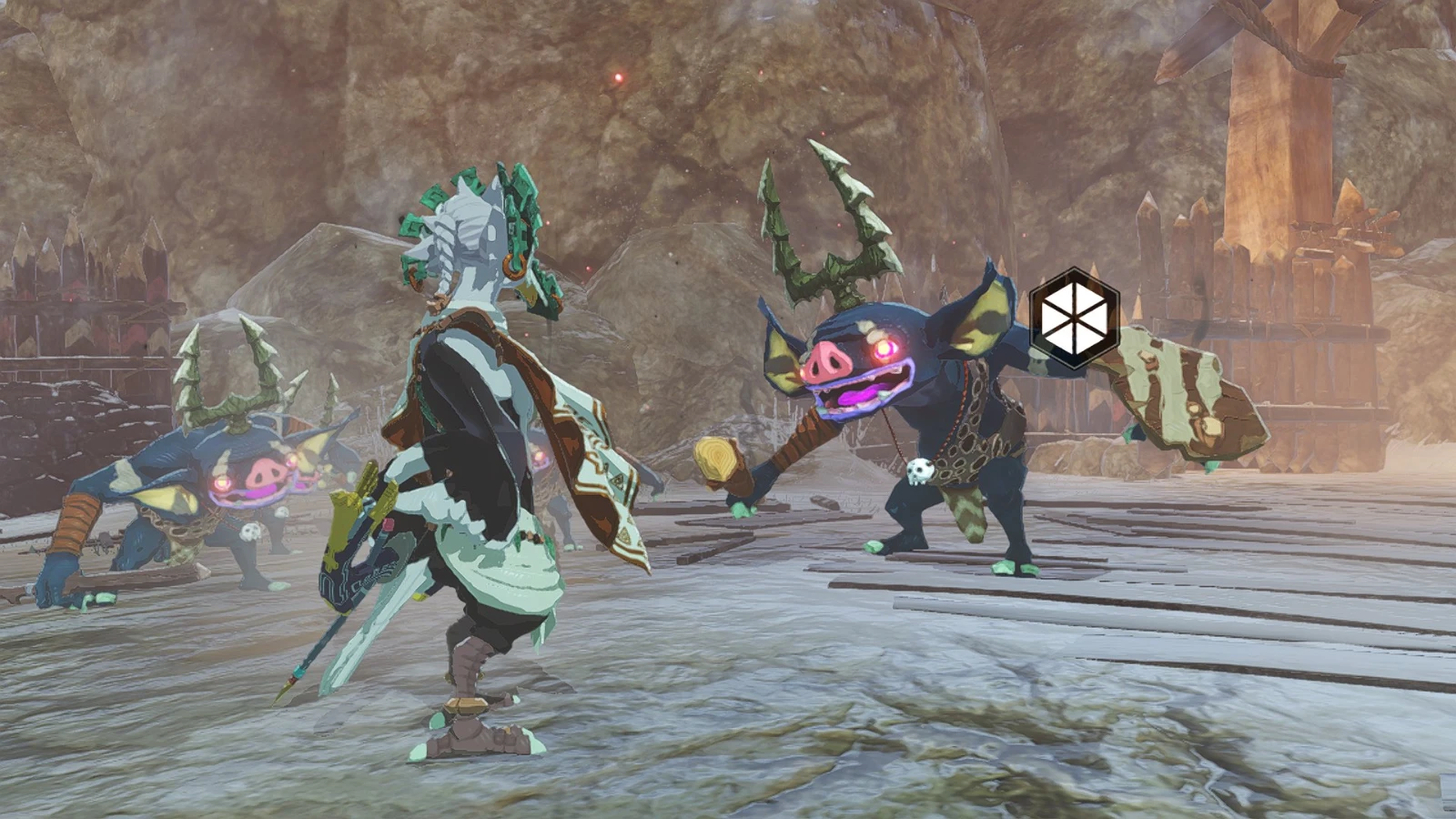
Vicious enemiesAfter the storyTougher versions added by the updates: Bokoblins and Flux Constructs first, then Lizalfos and ChuChus.
The people who made it
Age of Imprisonment was made by AAA Games Studio at Koei Tecmo, with Nintendo’s Zelda team supplying the history and checking the result. These are the key credited names.
Koki AoyanagiDirectorLed the game at Koei Tecmo. He traces the flying stages to one question, what a Warriors game in the sky would be like, and describes the story as the life of King Rauru.
Ryota MatsushitaProducerThe director of Age of Calamity, now producing. He says he was already drafting a proposal for this game when Hayashi came to him with the same idea.
Yosuke HayashiProducerA Koei Tecmo vice president and the head of AAA Games Studio, who was also a producer on Hyrule Warriors and Age of Calamity. He played Tears of the Kingdom on the weekend after its release and pitched this game the following week.
Eiji AonumaZelda series producer (Nintendo)Supervised for Nintendo, as he had on both earlier Hyrule Warriors games. He told Tears of the Kingdom’s director to wait for Koei Tecmo to make the first move, and suggested Calamo’s hat.
Hidemaro FujibayashiScenario supervisor (Nintendo)The director of Tears of the Kingdom, who had worked out the Imprisoning War in detail while making it. He handed his setting notes to Koei Tecmo, proposed the four sages and checked the script.
Yuta NagaiArtCredited artist.
Yuki Ikeno, Mari Okamoto & Kaho TakahashiWritersThe scenario team. Ikeno and Okamoto also wrote Age of Calamity. Matsushita says the script was so long that simply checking it took a great deal of time.
Keiichi Okabe, Ryuichi Takada, Kuniyuki Takahashi, Oliver Good, Keita Inoue & Taichi JorakuMusicThe six credited composers. The 69-track soundtrack was added to Nintendo Music in June 2026.
How it was made
Age of Calamity began with Nintendo knocking on Koei Tecmo’s door. Its successor began the other way round, on the weekend that Tears of the Kingdom came out.
“Let’s make it!”
The Imprisoning War as Tears of the Kingdom showed it.
Tears of the Kingdom was released on 12 May 2023, and Yosuke Hayashi of Koei Tecmo spent that weekend playing it. By his account, given to 4Gamer in December 2025 and reported in English by Nintendo Life, the game seemed to be “sending us a message”, and the message was “Make a Warriors game set in the time of the Imprisoning War!” On the Monday he went to Ryota Matsushita, the director of Age of Calamity, and said “Let’s make it!” Matsushita was ahead of him. He had already started on a proposal, having noticed the “seeds” of a Warriors game scattered all through Tears of the Kingdom.
Nintendo had been thinking along the same lines. Eiji Aonuma says that Hidemaro Fujibayashi, who had worked out the Imprisoning War in far more detail than his own game had room for, suggested asking Koei Tecmo to do something with it. Aonuma’s answer was “No, let’s wait to hear from Koei Tecmo first”. They did not wait long, because the proposal turned up almost at once. It was the mirror image of how Age of Calamity had started, when the idea came from Fujibayashi and Breath of the Wild’s art director and Aonuma carried it to Hayashi.
A new studio’s first game
The game is credited to AAA Games Studio, a division that Koei Tecmo set up in 2024 with Hayashi, by now a vice president of the company, at its head. The studio was not created for this project. Hayashi told Famitsu that Age of Imprisonment was already in production when the studio was founded, and that the team set out to make the studio’s first release live up to its name.
The people were not new either. According to Matsushita, most of the team had made Age of Calamity, which was credited to Koei Tecmo’s Omega Force, and this was their first job alongside Nintendo’s Zelda staff in about five years. Wikipedia gives the engine as Koei Tecmo’s Katana Engine.
Filling in the Dragon’s Tears
The ancient sages in Tears of the Kingdom.
Age of Calamity could change its ending. This story could not, so the work lay in what happened along the way. Koei Tecmo drew up the flow of the game first, deciding who would be where and which scenes were needed, and Nintendo answered with the facts. Fujibayashi handed over the setting material he had built up for Tears of the Kingdom, not all of which had made it into that game, and checked the script as scenario supervisor. Matsushita describes a to-and-fro in which every point Koei Tecmo raised would bring three back from Nintendo.
Some things Nintendo decided for itself. In Tears of the Kingdom the four ancient sages have no names and never show their faces, which Fujibayashi says was deliberate, to stop that story from sprawling. For this game Nintendo put forward the four of them, Agraston, Raphica, Qia and Ardi, and Koei Tecmo built the rest of the new cast around them. Lenalia is a special case. She already existed in Tears of the Kingdom’s background notes, without a face, as the attendant who wrote the stone tablets at the centre of one of that game’s side adventures, and Fujibayashi asked for her to speak in dialect.
A Korok and a golem
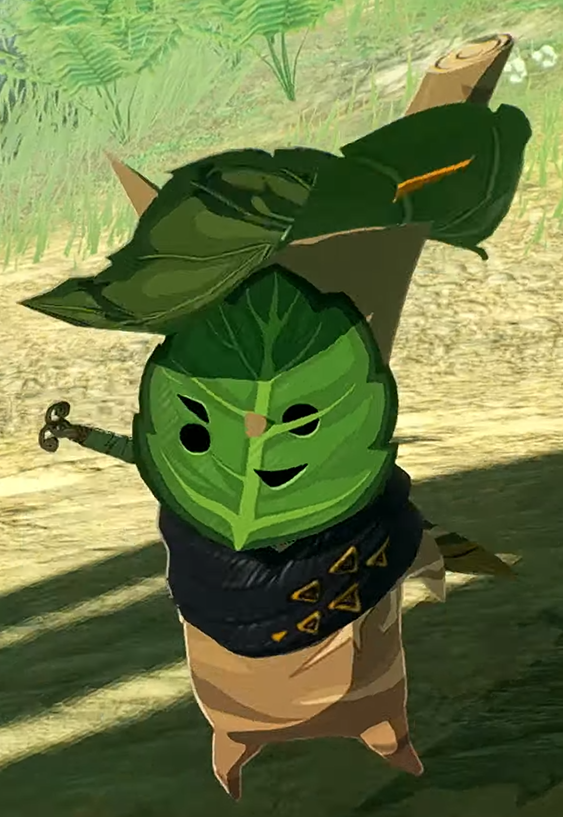
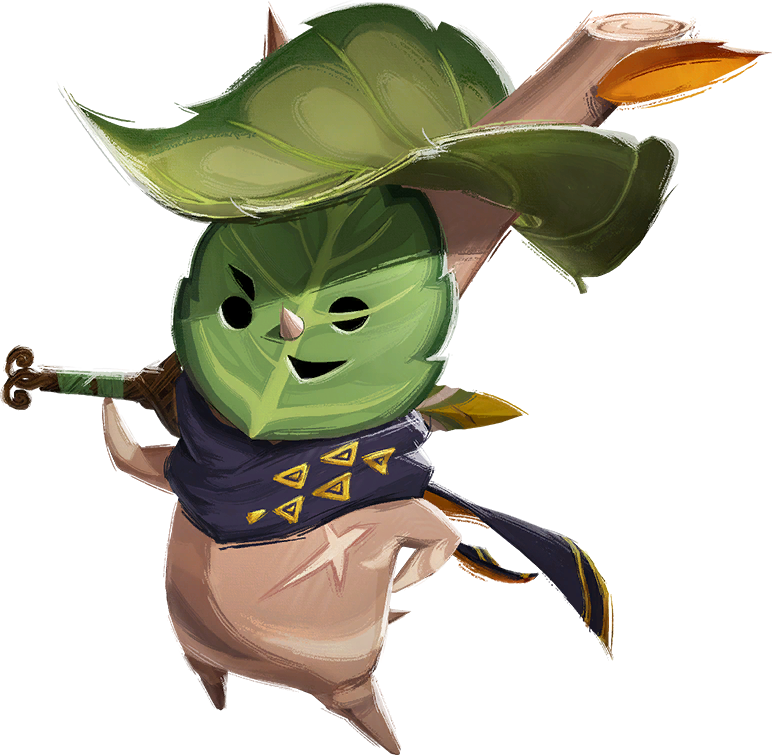
Official art of Calamo.
The Mysterious Construct and Calamo answer a question Nintendo had asked itself while making Tears of the Kingdom: while Rauru and the sages fought their battles, who was drawing the monsters away? Fujibayashi calls the construct the hero of the unknown Imprisoning War. It was also the hardest character to get right, and he speaks of both companies suffering birth pains over it. It ended up as his favourite.
Calamo is Aonuma’s favourite. The story team wrote out about a hundred possible names for him, Aoyanagi wanted him played as a gallant big-brother type, and the hat was Aonuma’s suggestion, though he cheerfully admits it lays things on thick. Fujibayashi confessed that he had pictured someone smaller. Aonuma was more surprised that a Korok could fight at all, and said that Calamo makes up for a partner who never speaks: comic relief, in his view, is something a Zelda game needs.
Hands, devices and “sky Musou”
Zelda’s fighting style was rebuilt around a shrine maiden’s dance.
The action was Koei Tecmo’s department, and the Famitsu interview suggests Nintendo had little to say about it. The team’s own aim was to turn Tears of the Kingdom’s ideas into Warriors moves. Hands became Sync Strikes. Zonai devices took over from the Sheikah Slate. Mineru was given the job of throwing Ultrahand-style machines together in the middle of a fight. The world’s three layers suggested a battle in the air, which the staff called “sky Musou” while they were building it.
The characters went through the same mill. Zelda’s first set of moves was modelled on Link’s and thrown out for looking too sharp. The version in the game is based on a shrine maiden’s dance, and staff at Koei Tecmo worked out her sword stance by posing with toy swords. Fujibayashi asked for Rauru to be more like Guan Yu, the famous general of ancient China, and Aoyanagi obliged. Matsushita adds that the team hid messages in the game for its keenest fans, who found nearly all of them almost straight away.
From reveal to release
Zelda and Rauru in a promotional screenshot.
Nintendo announced the game on 2 April 2025, in the Direct that introduced the Nintendo Switch 2, with a trailer of Zelda and Rauru in battle and a release window of “this winter”. The description given to the press called it a canonical tale, a word that GamesRadar+ read as Nintendo heading off the arguments that had followed Age of Calamity. A Creator’s Voice video with Matsushita and Hayashi followed in May.
A second trailer, in the Nintendo Direct: Partner Showcase of 31 July, set out the story and hinted at a new construct. The release date came in the Nintendo Direct of 12 September, along with the news that you would be able to play as a Korok. That month the game was named one of the Future Division winners of the Japan Game Awards, which honour unreleased games shown at Tokyo Game Show, and it went on sale worldwide on 6 November 2025, at US$69.99 or ¥8,980 in Japan.
Two free updates
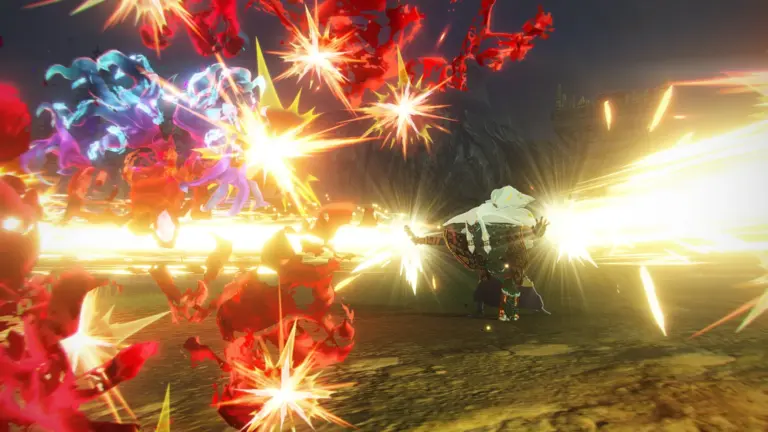
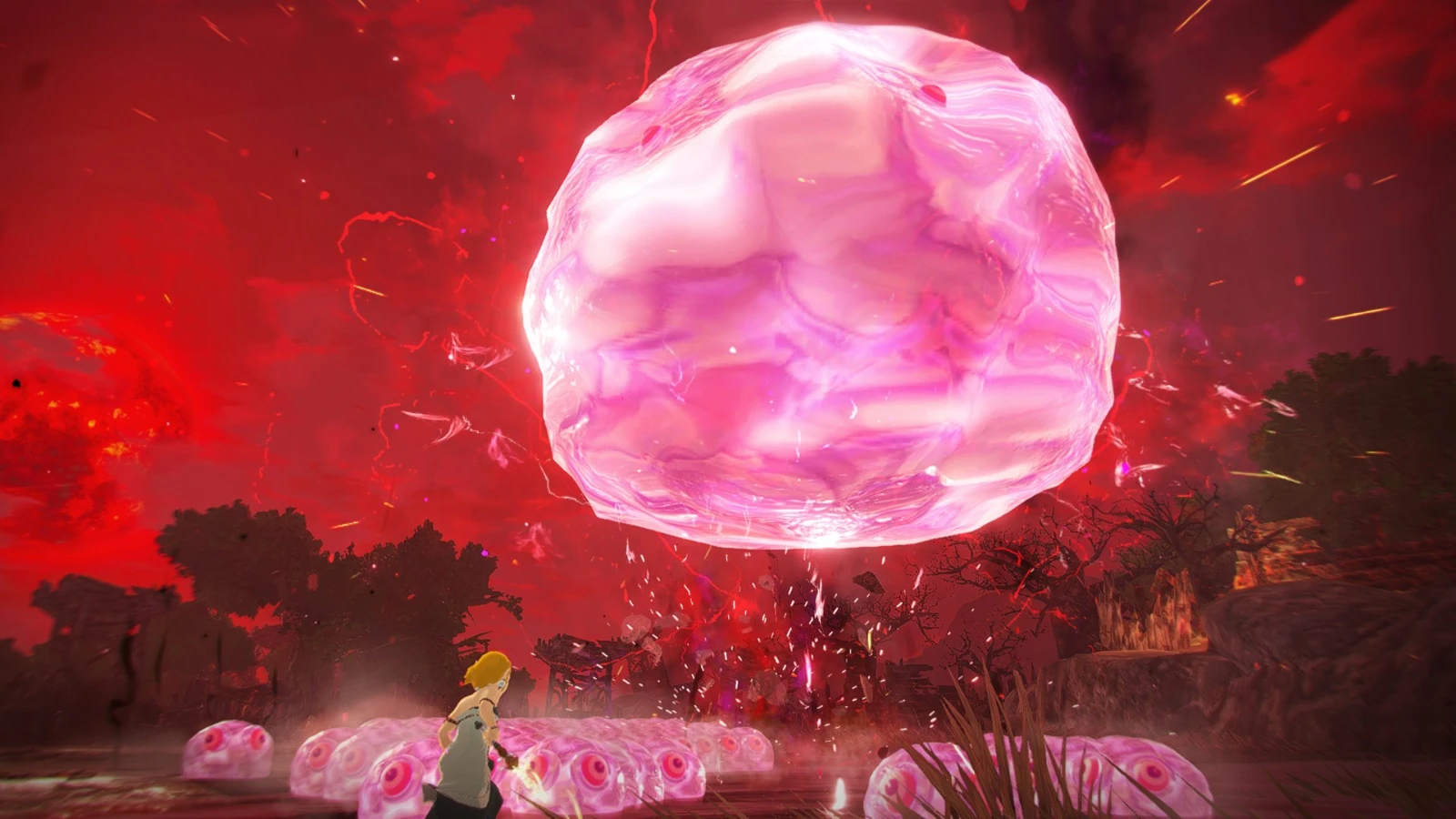
Where Phantom Ganon can appear, in a Japanese promotional screenshot.
At launch, Koei Tecmo’s Japanese account for the game announced that two free updates were on the way. The first, version 1.0.2 on 27 November 2025, added three battles (Eve of the Final Confrontation, In Search of Poes and The Struggle for Ash Swamp), Vicious versions of some enemies, two weapons (the Longsword of Light and the High Guard’s Spear), a new upgrade material called Pure Zonaite Steel, a Sync Strike for Zelda and Calamo, and the chance to perform Sync Strikes with Flux Constructs.
The second, version 1.0.3 on 18 December, was aimed at players who had finished the story. Phantom Ganon can now break into battles you have already cleared, turning some of the enemies into Vicious monsters or Gloom Spawn and paying out extra Pure Zonaite Steel if you win. There is a Forbidden difficulty above Very Hard, a Forbidden Blade to earn, more Unique Skills for the Mysterious Construct, Vicious Lizalfos and ChuChus, and Sync Strike practice for two characters in the Tanagar Meditation Hall, up on a sky island.
No paid expansion has followed. When Nintendo dated the Mineru’s Construct amiibo in May 2026, Zelda Universe noted that nothing was said about DLC for the game, and Nintendo’s store page listed no add-on content when we checked in November 2026.
Firsts: what this game introduced
A spin-off set inside somebody else’s story has to be careful, but Age of Imprisonment still managed a few things no earlier Hyrule Warriors game had done.
1The Imprisoning War, playableTears of the Kingdom shows the founding era only in Zelda’s memories. This is the first game that lets you fight in it.
2Sages with names and facesThe four ancient sages are masked and nameless in Tears of the Kingdom. Agraston, Raphica, Qia and Ardi were named and unmasked for this game.
3Sync StrikesA mechanic new to the series: two allies with full Sync gauges combine for one attack, with special versions for particular pairs.
4Hyrule Warriors on railsThe Mysterious Construct’s flying stages swap crowd combat for an on-rails shooter. They take the place of Age of Calamity’s Divine Beasts, one of which, Vah Medoh, had already taken the fighting into the air.
5A Hyrule Warriors billed as canonNintendo’s announcement called the story a canonical tale. VGC’s review pointed out that the two earlier Hyrule Warriors games are not regarded that way.
6AAA Games Studio’s debutKoei Tecmo chose it as the first release from its new AAA Games Studio. Eiji Aonuma, for his part, described it to 4Gamer as the first Zelda title on Nintendo Switch 2, which is true if you set aside the upgraded Switch 2 Editions of Breath of the Wild and Tears of the Kingdom released in June 2025.
Secrets & unlockables
There are no cheat codes, but there is a good deal to unlock, including eight fighters the story never hands you.
Eight extra fighters
For Hyrule, the Scouting Challenge that recruits Quino.
The optional fighters are won in Scouting Challenges, which appear on the map as the story goes on. In order of recommended level, as Nintendo Life lists them: For Hyrule (Quino, level 19), A Veteran’s Return (Lago, 22), The Unsung Spearman (Pinnec, 28), The Strength to Protect (Cadlan, 33), Standing on Principle (Sholani, 33), In Search of Power (Ronza, 33), The Gourmand Goron (Braton, 36) and A Lone Wolf’s Pride (Pastos, 38). The first opens after The Howling Tempests; the last five follow Crimson Omen in Chapter 4.
Save-data weapons
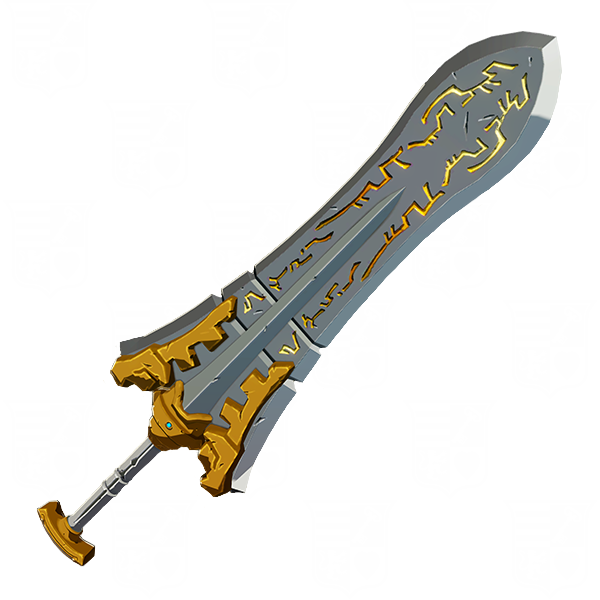
The High Guard’s Claymore, the reward for Age of Calamity save data.
Save data from Age of Calamity earns a High Guard’s Claymore, and save data from Tears of the Kingdom a High Guard’s Sword. Both can be claimed once you are back on the map after The Howling Tempests.
amiibo
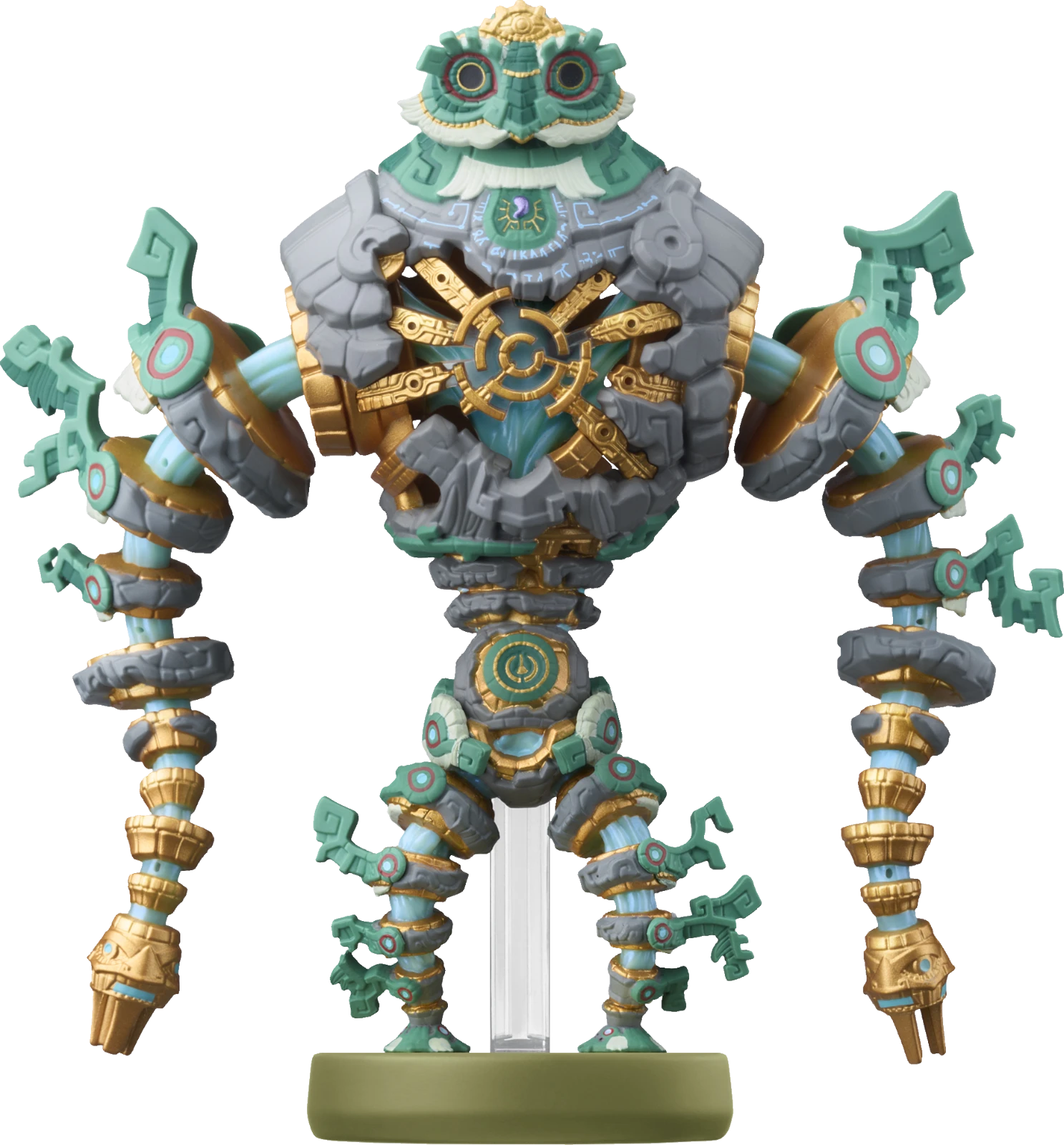
The Mineru’s Construct amiibo.
Any amiibo from the Legend of Zelda series can be scanned for crafting materials and other useful items. Zelda Universe reports that the Mineru’s Construct amiibo, released on 17 September 2026, works the same way here.
Unmask the sages
Finishing the story unlocks alternative outfits for certain characters. The sages can take off their masks, the construct gets an Unmasked Attire, and Zelda can swap her Zonai outfit for her modern-day one.
Lenalia’s Sketches and the second credits
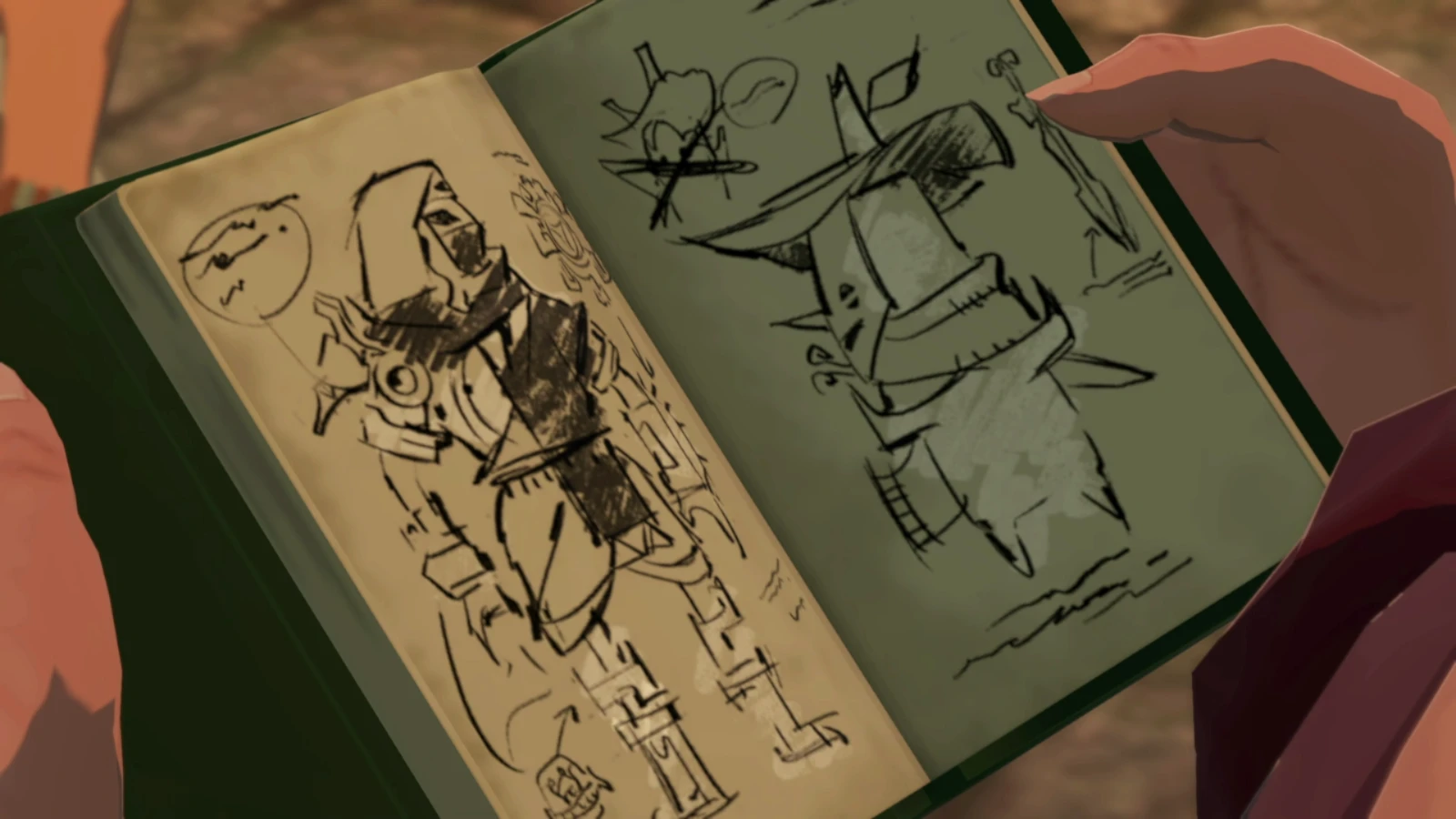
Pages from Lenalia’s journal.
After the story, each region of the map gets a Lenalia’s Sketches quest, completed by finishing everything in that region. Do them all and you unlock an alternative credits sequence, which can be watched from the map. Unlike Age of Calamity, the game has no secret ending: Game8 confirms that the one ending is all there is.
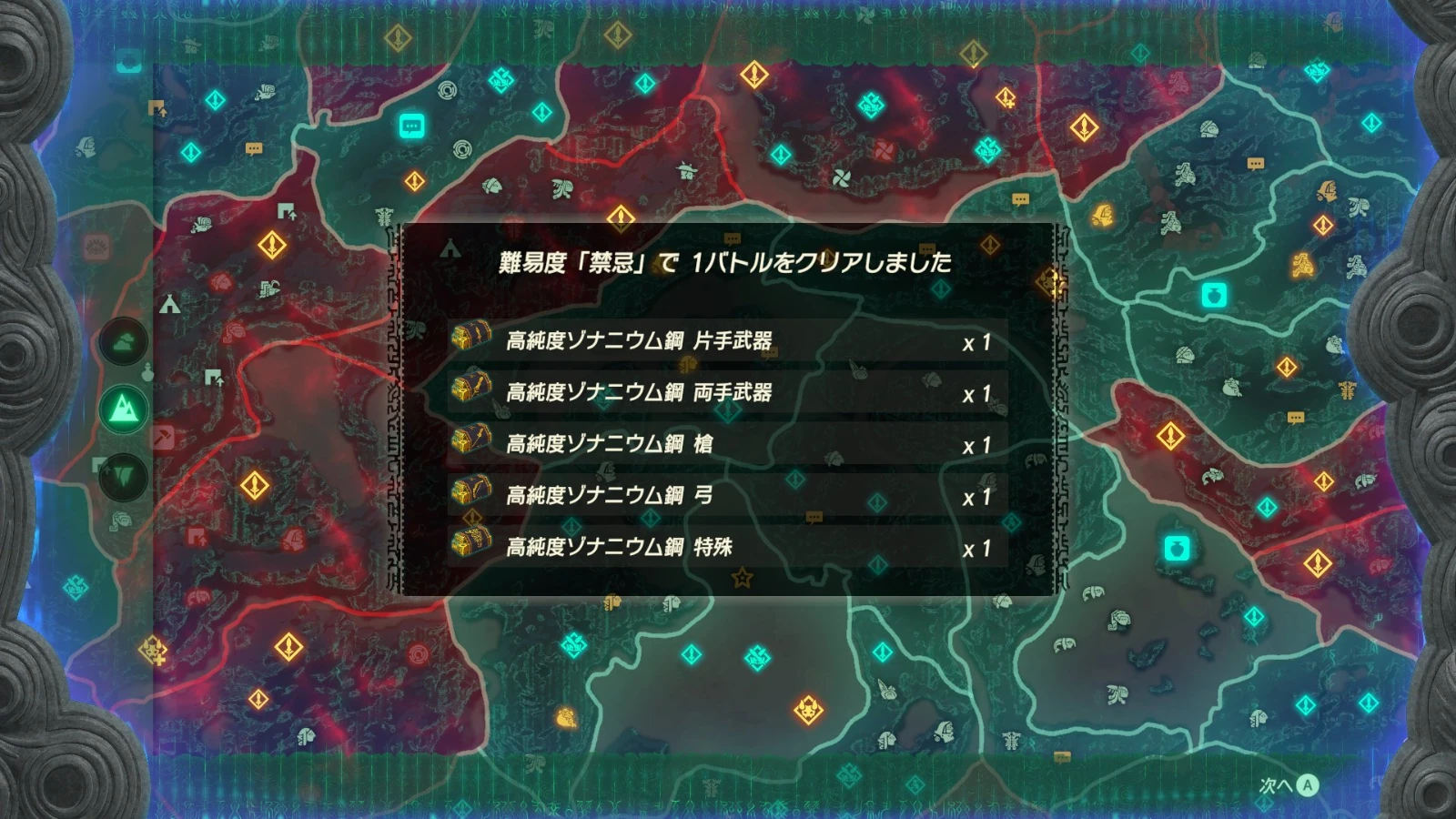
Vicious enemies, Phantom Ganon and Forbidden difficulty
Rewards for the Forbidden difficulty, in a Japanese promotional screenshot.
The real challenge starts after the credits. Vicious Battle Challenges pit you against souped-up monsters (Game8 suggests level 70 or so), Phantom Ganon may gatecrash battles you have cleared, and the Forbidden difficulty rewards persistence with Pure Zonaite Steel and room to carry more Special Rations.
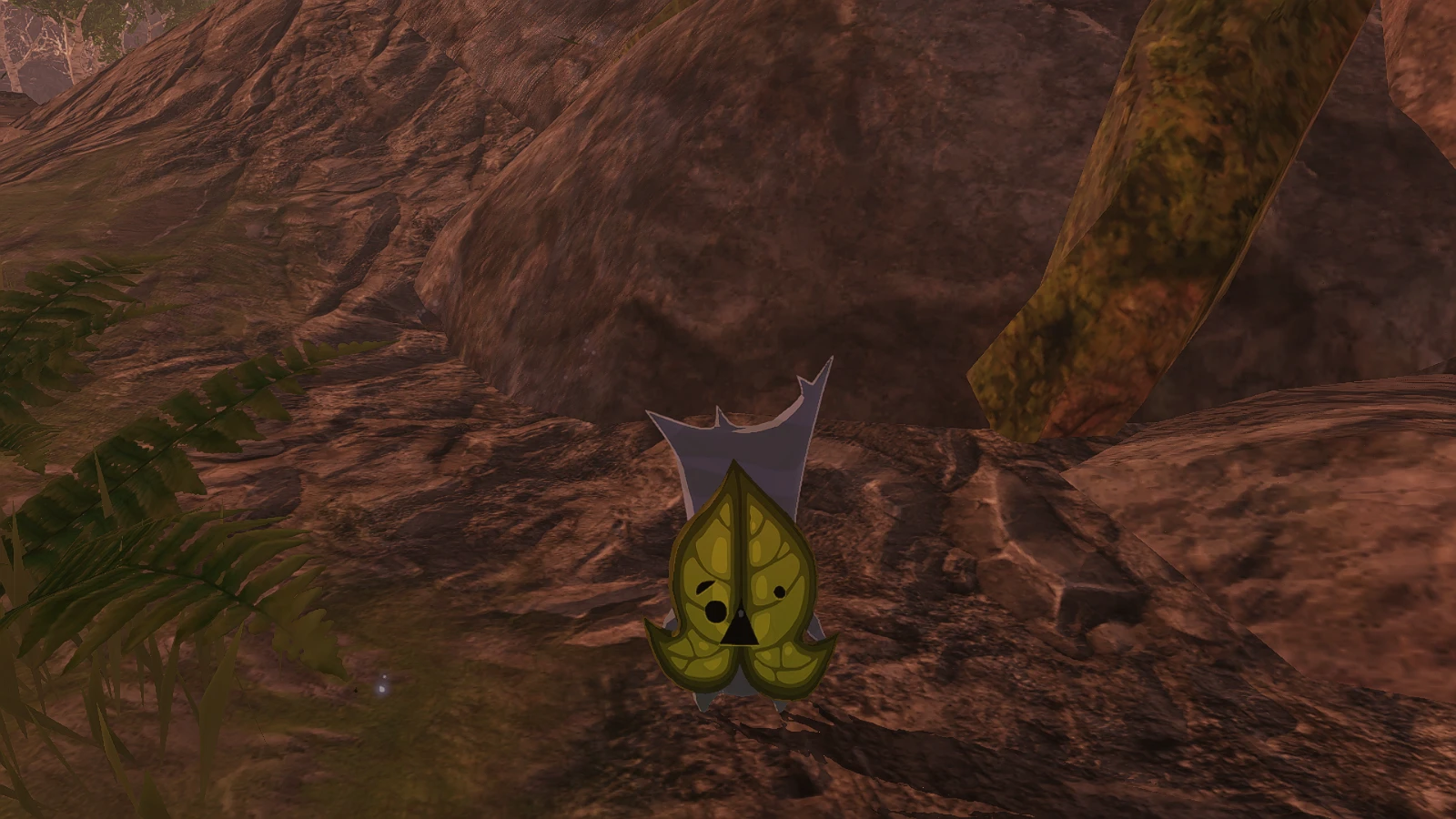
Korok seeds
A Korok in Raging Sands.
Koroks are hidden in the story battles, and their seeds are exchanged in certain quests for more inventory space. Complete the quest Dancing in the Rain and each battle’s information screen will show how many it holds.
Checked against Nintendo’s product page and news posts, Nintendo Life, Game8, Gematsu’s patch notes and Zelda Universe, November 2026.
Bugs, fixes & oddities
The best record of the game’s bugs is Koei Tecmo’s own: the patch notes for the two free updates, as reported by Gematsu. These are the more memorable entries.
GameShare could stop you in your tracks
GameShare, in a promotional screenshot.
Version 1.0.2 fixed a problem that made it impossible to progress while playing over GameShare, and another in which attacks stopped landing on certain enemies when the GameShare connection dropped.
Pinnec’s back-to-front camera
Pinnec’s in-game model.
In two-player split-screen the camera controls were reversed during Pinnec’s Sync Strike. Fixed in version 1.0.2.
The silent second player
Before version 1.0.3 the second player’s attacks and other sounds could not be heard in split-screen.
The challenge that never showed up
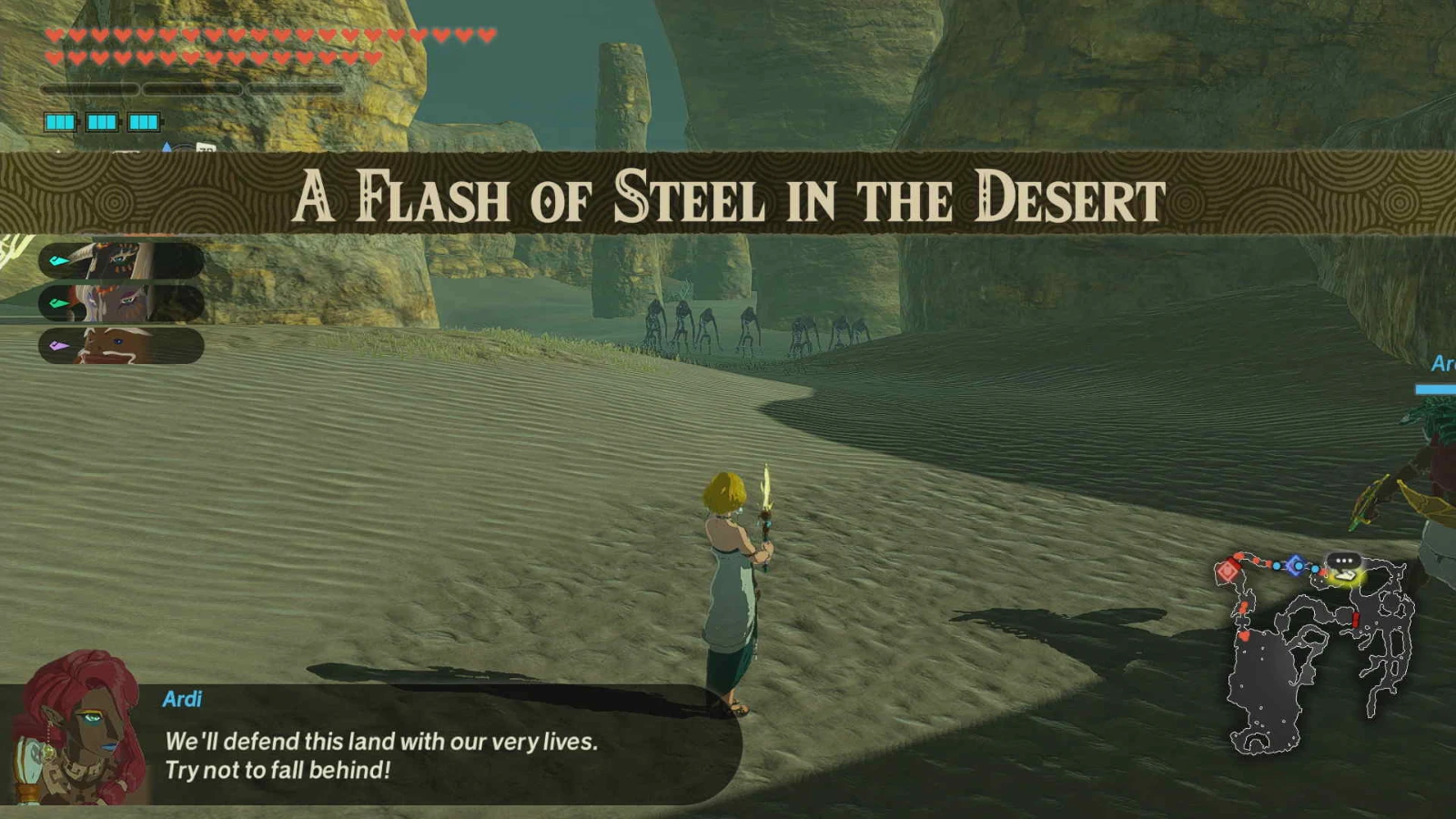
A Flash of Steel in the Desert, the challenge that would not appear.
A challenge called A Flash of Steel in the Desert failed to appear even when every battle it depended on had been cleared. Fixed in version 1.0.3.
Tracking Lizalfos that were not there
The Material Sensor would happily track Electric Lizalfos parts through Terror of the Sands, a battle with no Electric Lizalfos in it. Fixed in version 1.0.3.
Videos & media
Nintendo’s release-date trailer from the September 2025 Direct, and the Creator’s Voice video in which the game’s producers introduce it.
Release-date trailer, 12 September 2025. Video: Nintendo of America, YouTube.
Creator’s Voice, with Ryota Matsushita and Yosuke Hayashi, 2025. Video: Nintendo of America, YouTube.
Trivia & facts
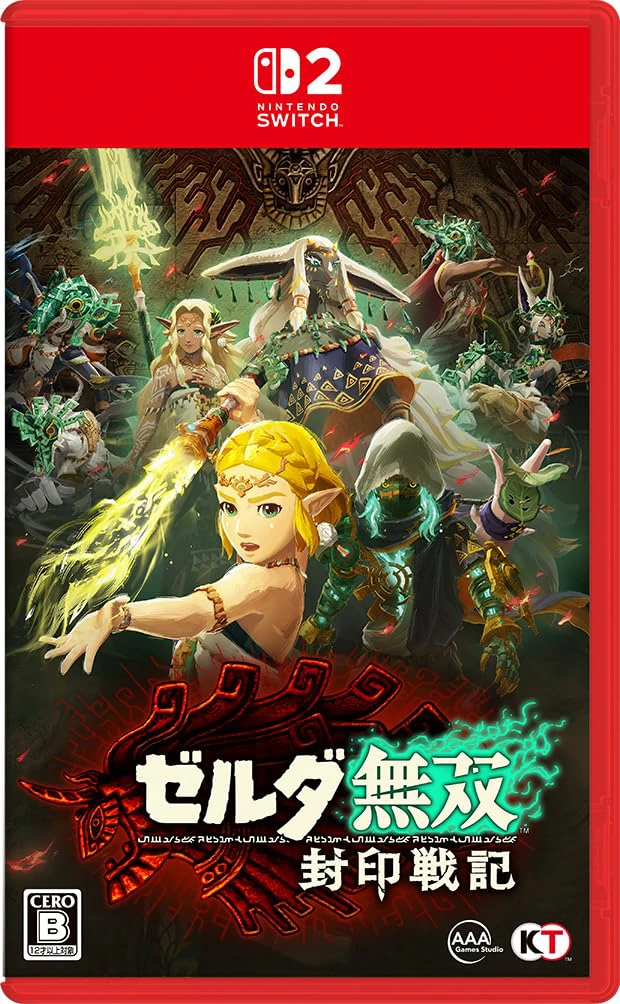
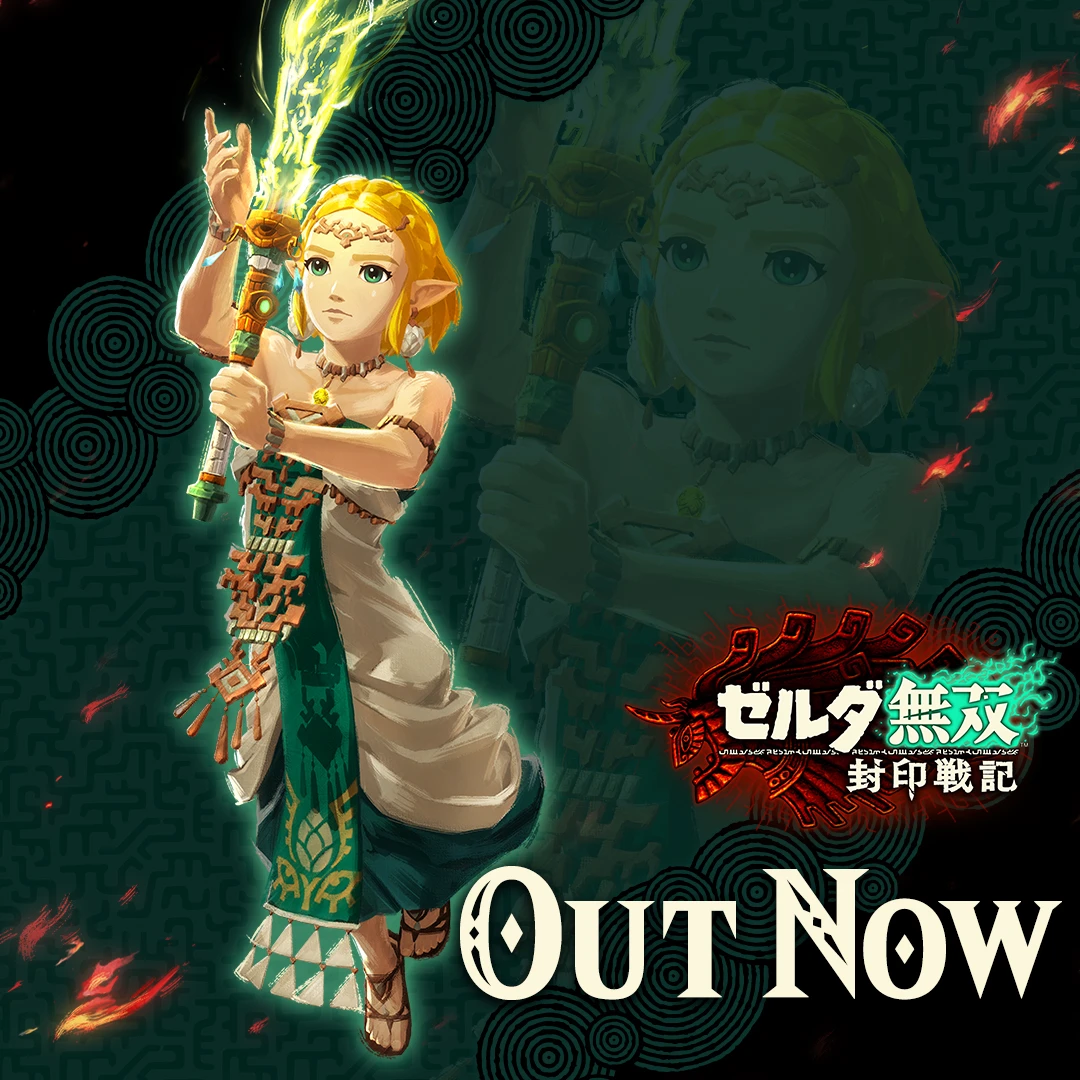
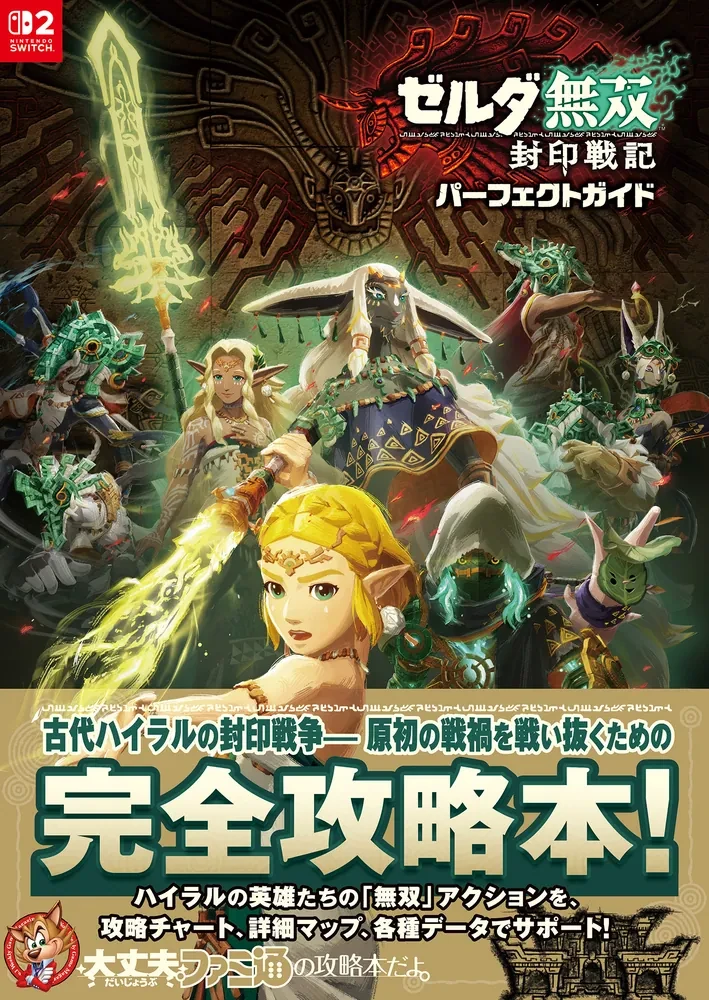
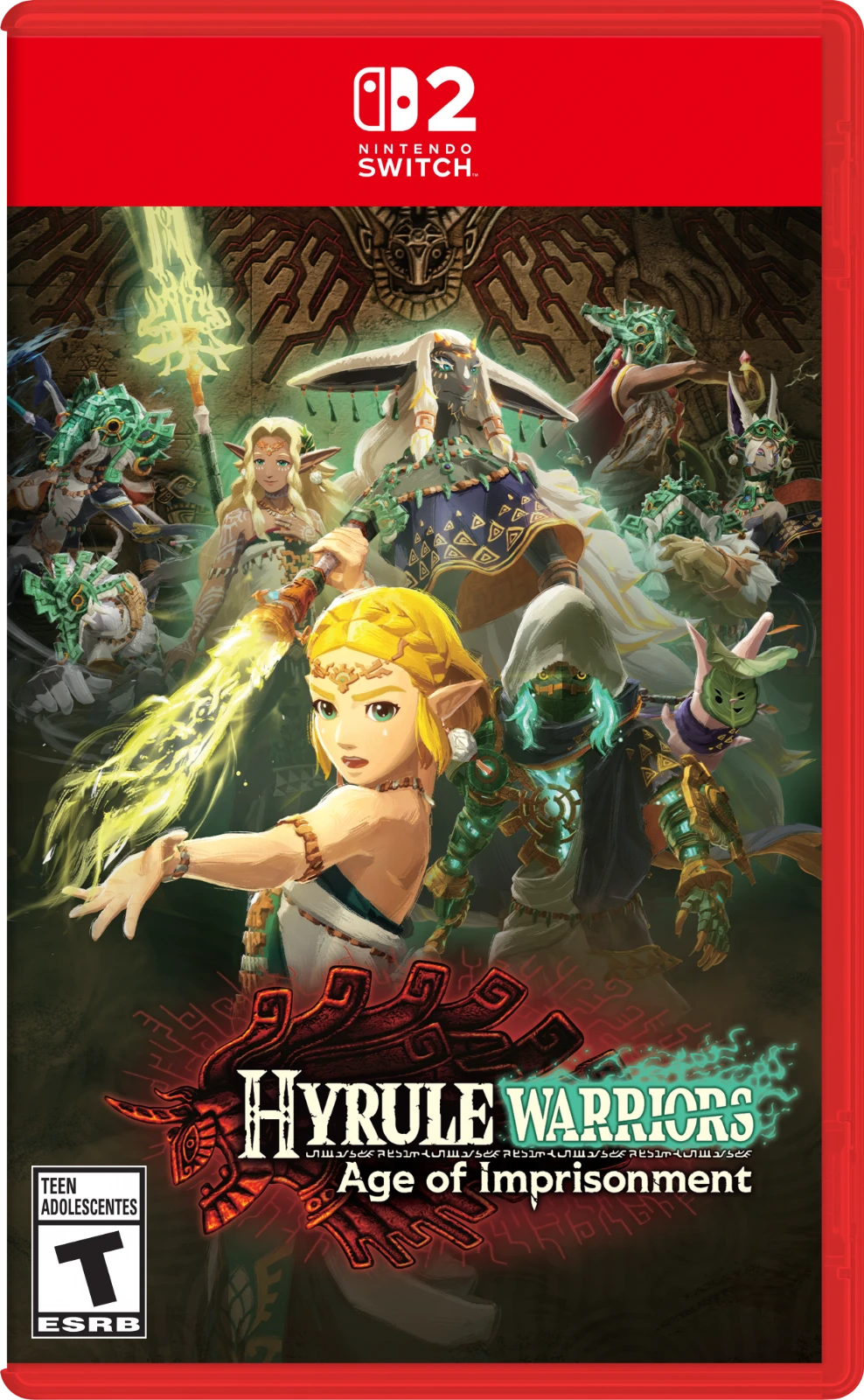
The Japanese box.The Japanese title, ゼルダ無双 封印戦記, reads Zeruda Musō: Fūin Senki. Musō is the Japanese name of the Warriors series, and the subtitle means something like “Chronicle of the Sealing War”.
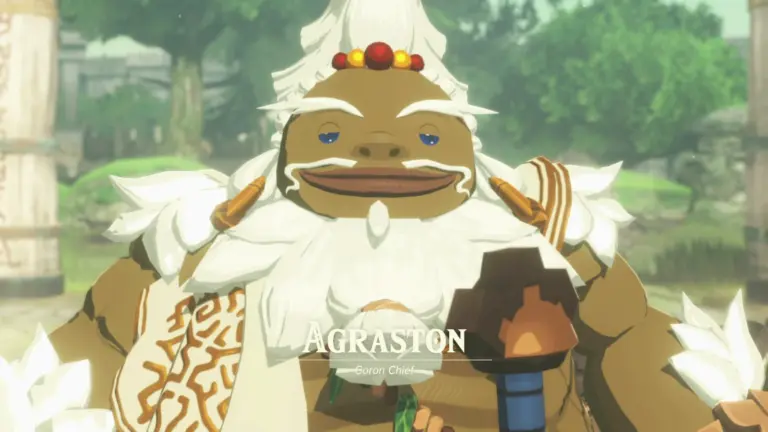
Agraston’s introduction.The sages have different names in Japanese: Agraston is アーガスタ, Raphica クラフィカ, Qia キア, Ardi アルディ and Lenalia ラナリア. When Koei Tecmo’s Japanese site first profiled them in October 2025, English-language sites reported them as Argusta, Krafika, Kia and Lanaria until Nintendo published the official spellings.
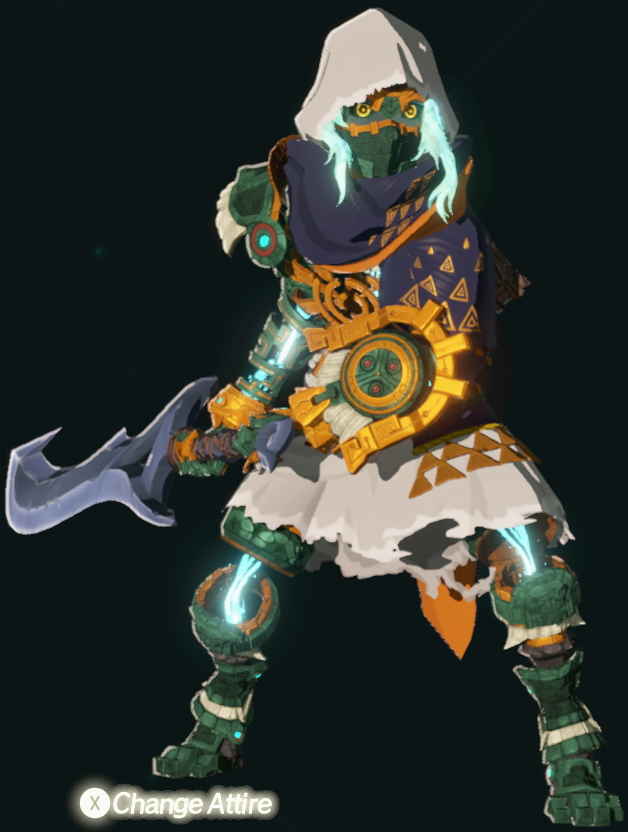
The construct’s in-game model, under its later name, the Knight Construct.In Japanese the Mysterious Construct is 謎のゴーレム, the “mysterious golem”.
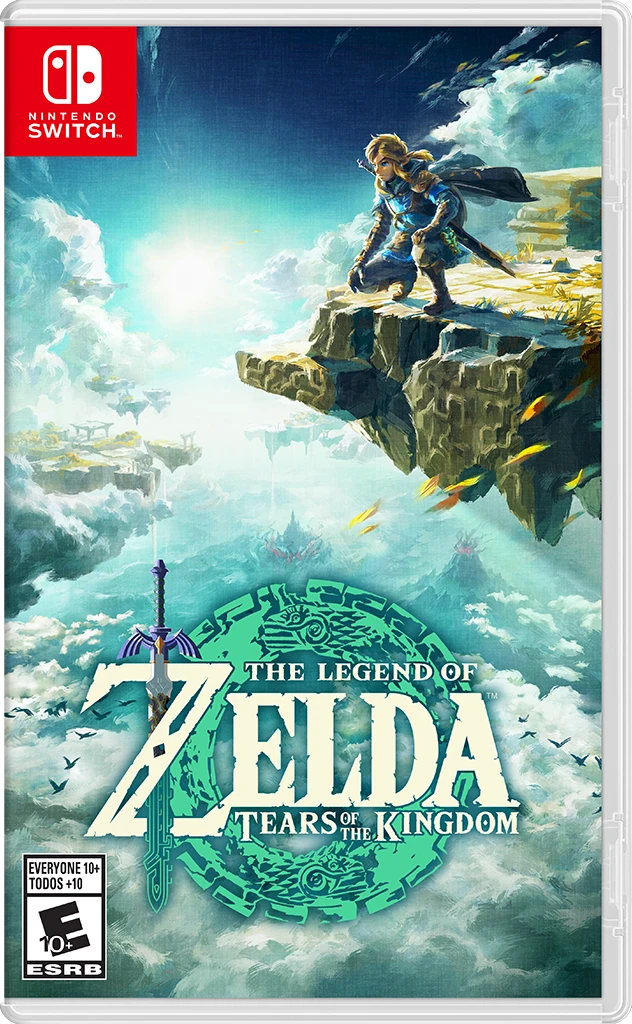
Tears of the Kingdom’s North American box, the game that started it.Yosuke Hayashi played Tears of the Kingdom on the weekend after it came out and proposed this game on the Monday.
Calamo’s hat came from Eiji Aonuma.Koei Tecmo’s story team drew up about a hundred candidate names before settling on Calamo. His hat was Eiji Aonuma’s idea.
Aonuma’s favourite character in the game is Calamo. Hidemaro Fujibayashi’s is the Mysterious Construct.
Lenalia’s in-game model.Lenalia existed before the game did. She was written into Tears of the Kingdom’s background, without a design, as the attendant who wrote that game’s ancient stone tablets, and Fujibayashi had wanted to see her in a Warriors game.
Rauru in battle.Fujibayashi asked for Rauru to be made more like Guan Yu.
Model of the Blade of Light.Zelda’s sword stance was worked out by Koei Tecmo staff posing with toy swords.
The Forbidden Construct in flight mode.During development the flying stages were known as “sky Musou”.
An archfiend.The four archfiends are Grimgera, Grimtorok, Grimgohma and Grimgibdo. Set them beside the temple bosses of Tears of the Kingdom, Colgera, Mucktorok, Marbled Gohma and Queen Gibdo, and the family resemblance is hard to miss.
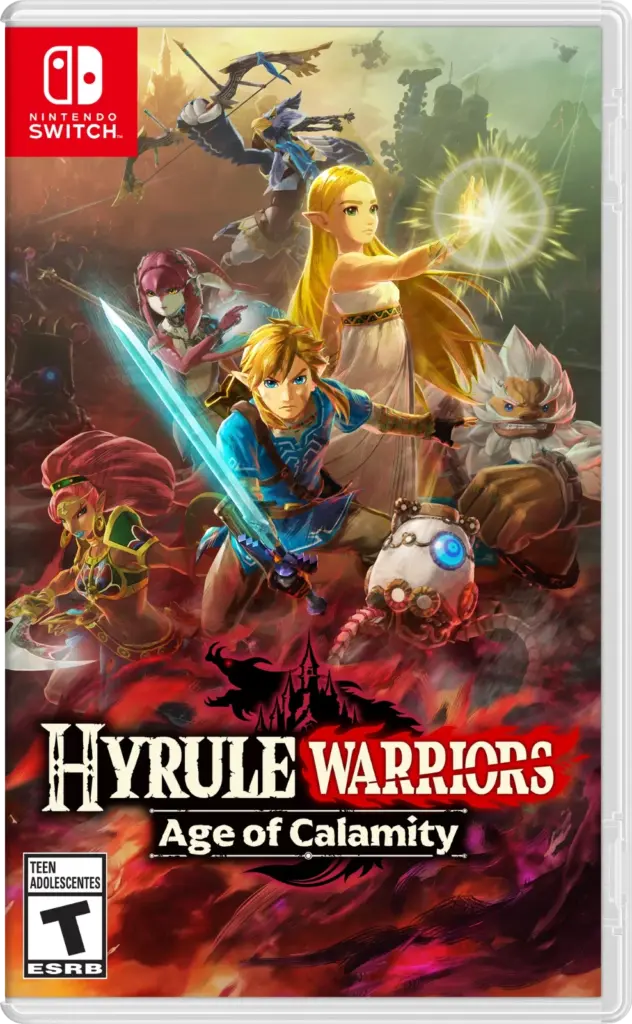
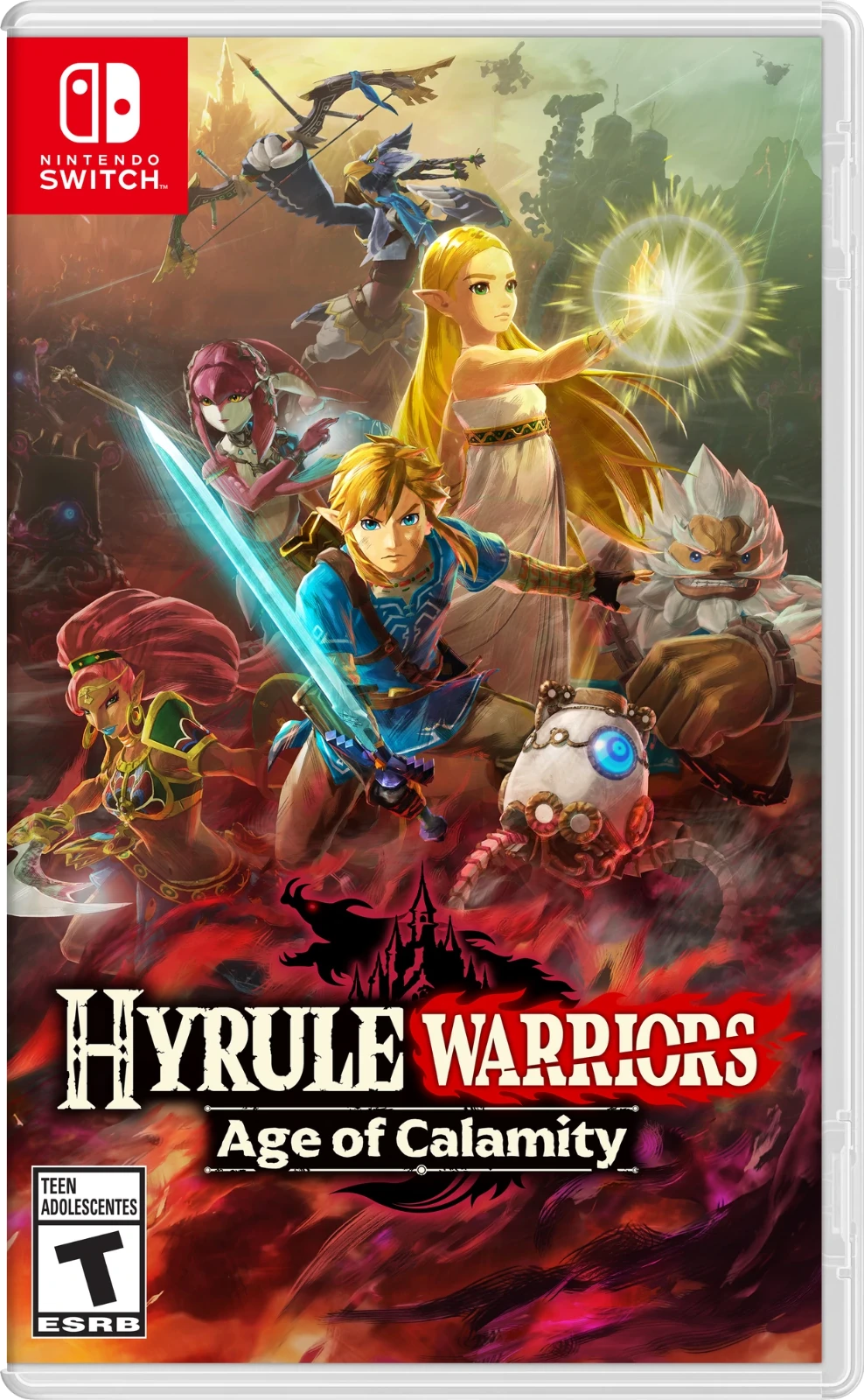
Age of Calamity’s North American box (2020).Writers Yuki Ikeno and Mari Okamoto also wrote Age of Calamity, and most of the development team worked on both games.
Famitsu’s four reviewers gave it 8, 9, 9 and 9, for 35 out of 40. Pokémon Legends: Z-A got exactly the same marks in the same issue.
Japanese launch artwork.In its first week it was Japan’s best-selling boxed game, ahead of Pokémon Legends: Z-A and Mario Kart World.
Zelda Universe’s reviewer counted more than three hours of fully voiced cutscenes.
The soundtrack on Nintendo Music runs to 69 tracks, including “Fierce Clash” boss themes, “Archfiend” themes for Grimgera and Grimtorok among others, and the main theme as the final track.
The download is 43.5 GB, according to Nintendo’s eShop listing.
Media & artwork
Box art, official character artwork and screenshots. Select any image to view it larger.
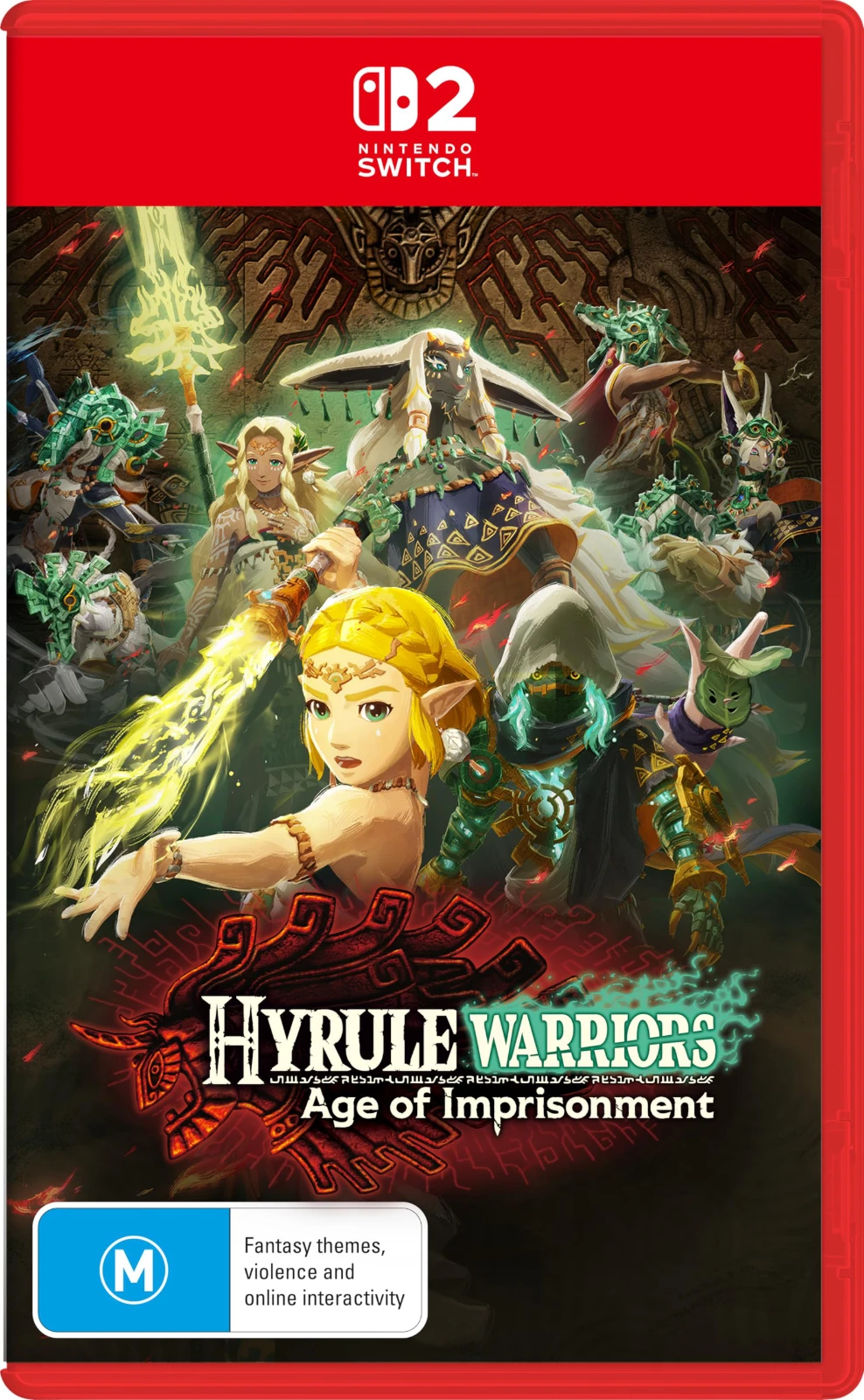
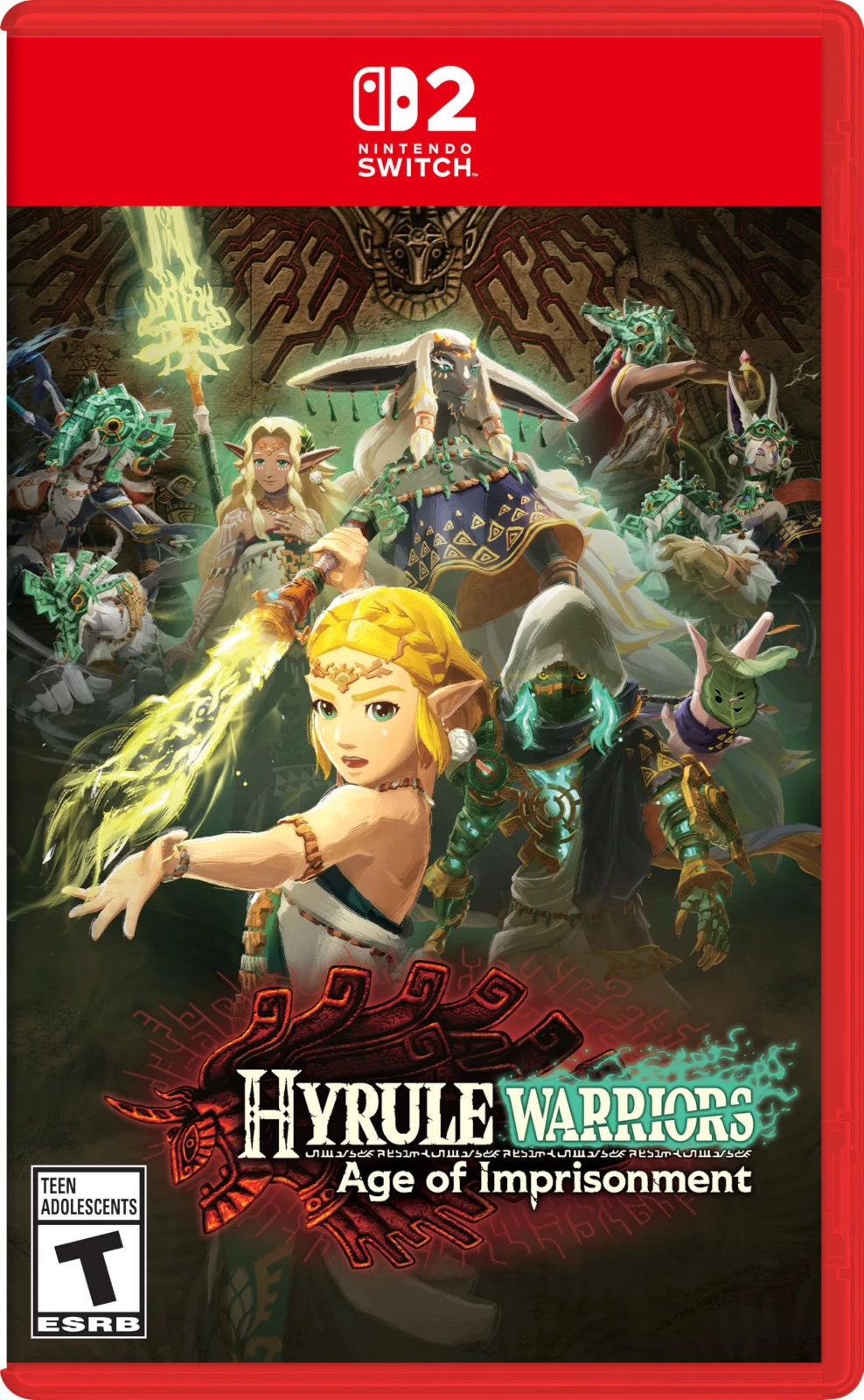
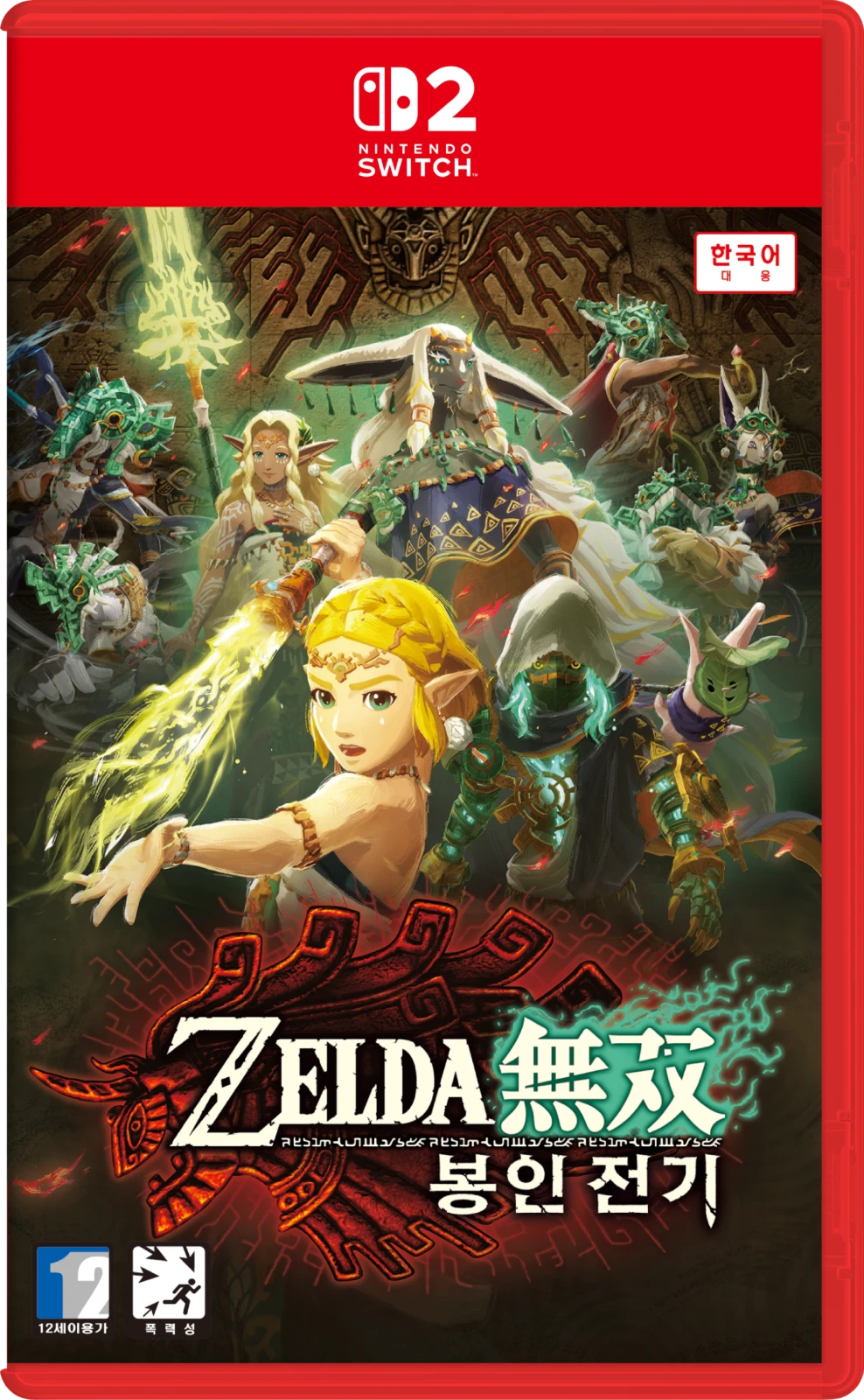
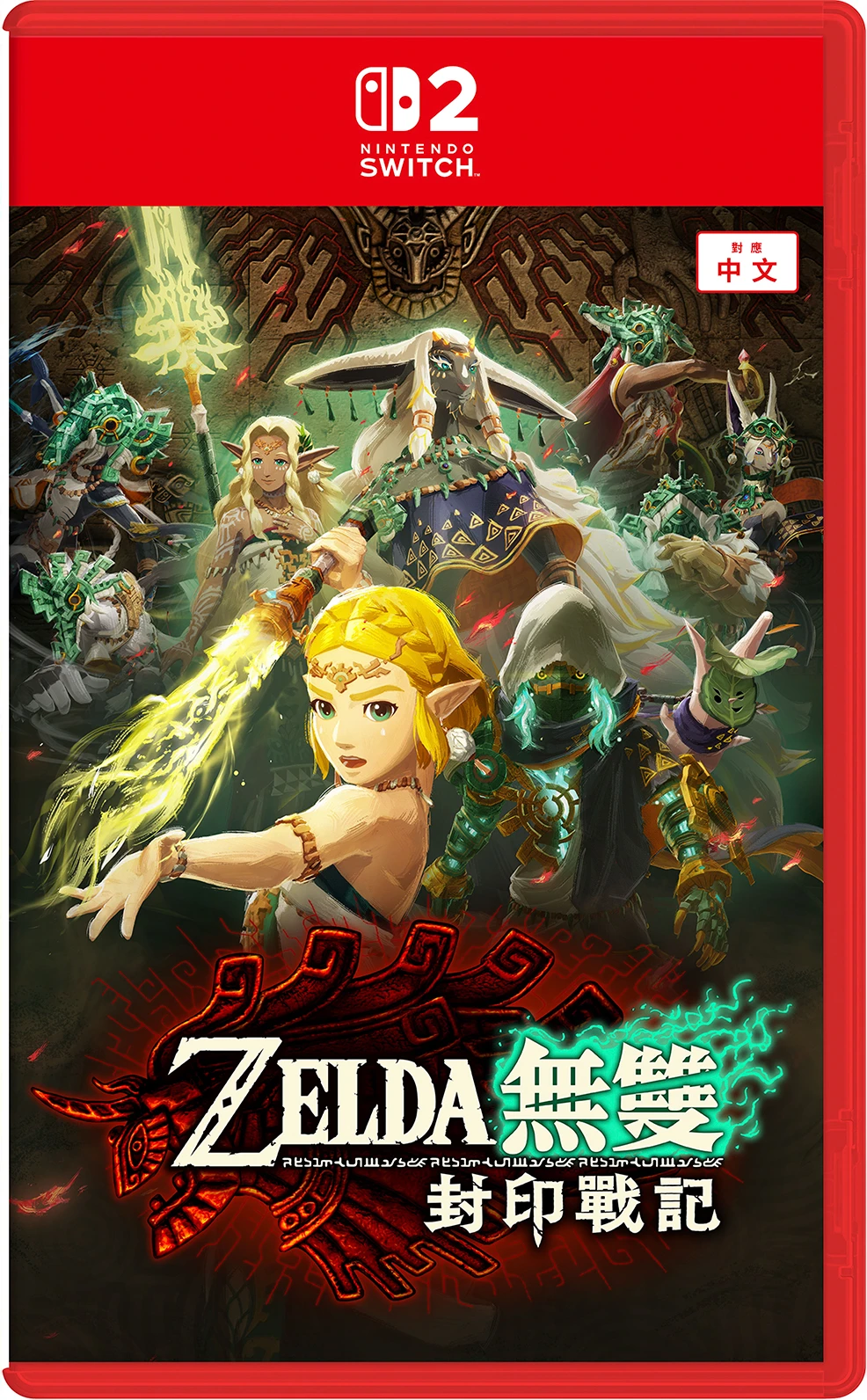
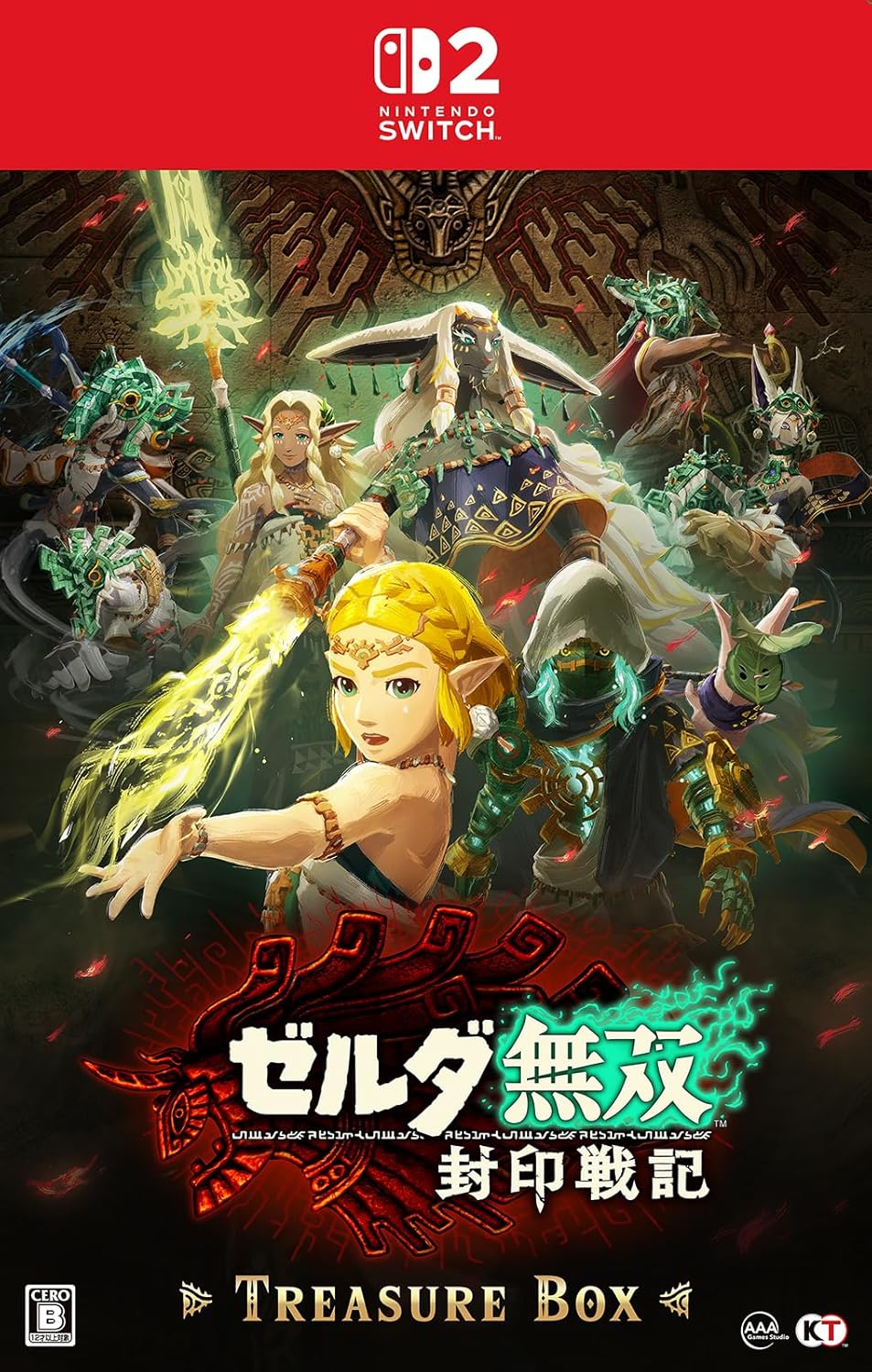
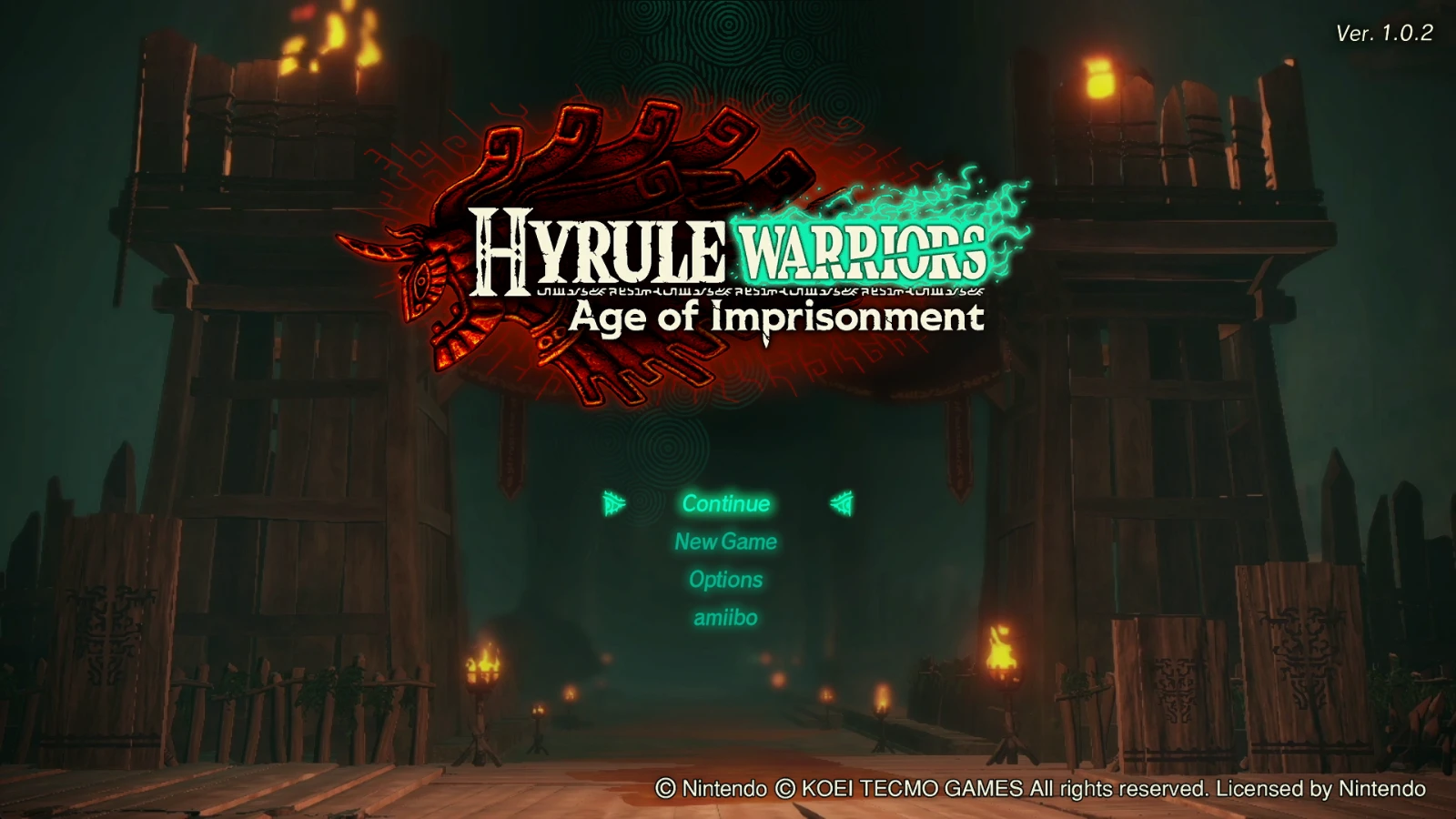
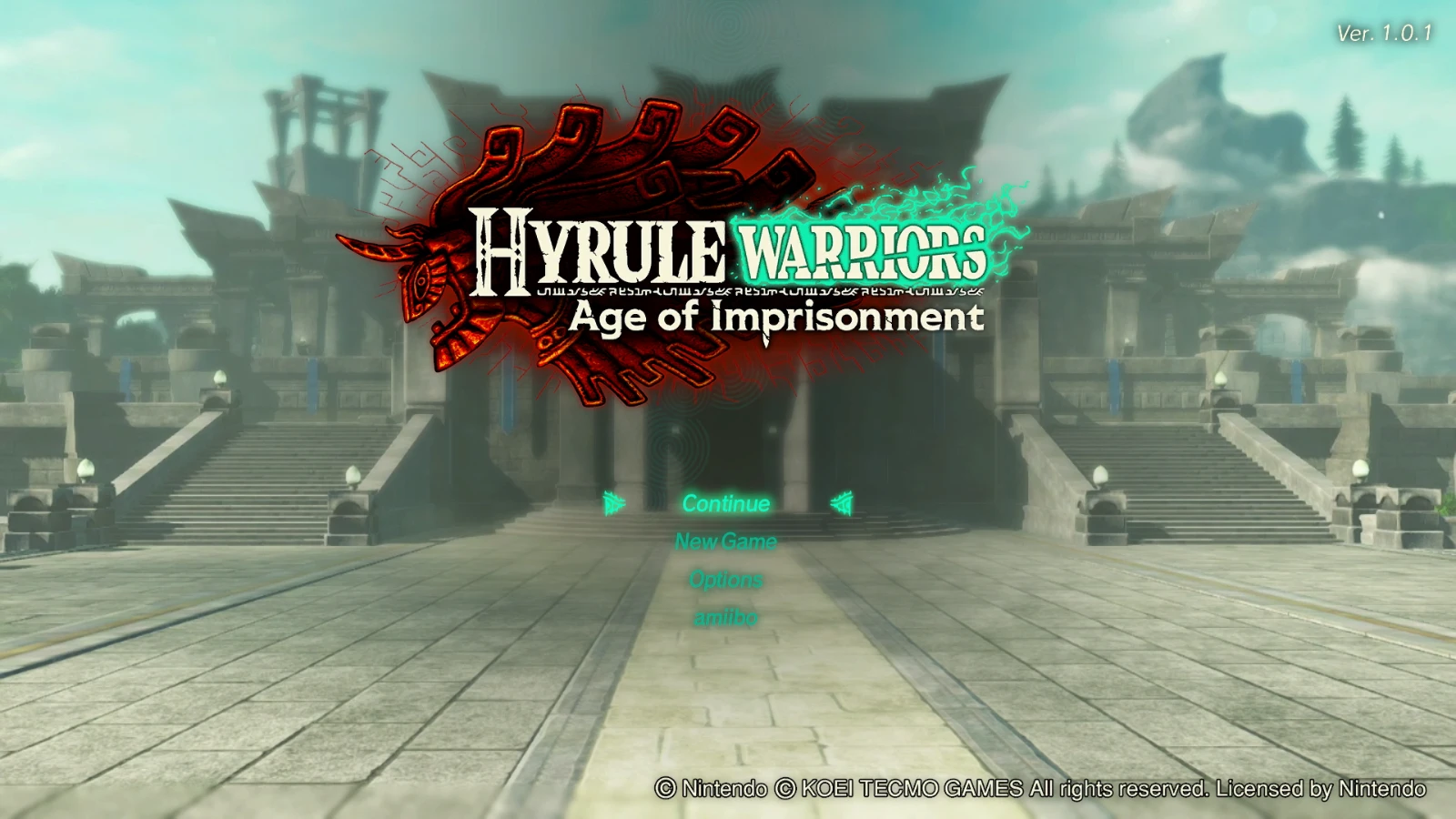
Australian boxCanadian boxSouth Korean boxHong Kong boxArt for the Japanese Treasure Box editionJapanese logoTitle screen: Tanagar Canyon TempleThe Perfect Guide
Legacy
A year on, Age of Imprisonment has settled into an unusual position for a spin-off: a Warriors game that Nintendo treats as part of the story.
Release history
Revealed2 April 2025 – Announced in the Nintendo Switch 2 Direct, for release “this winter”.
Creator’s VoiceMay 2025 – Ryota Matsushita and Yosuke Hayashi introduce the game in a Nintendo video.
Story trailer31 July 2025 – Shown in the Nintendo Direct: Partner Showcase, with a first hint of the construct.
Release date12 September 2025 – Announced in a Nintendo Direct, with Calamo confirmed as playable.
Japan Game AwardsSeptember 2025 – Named a Future Division winner at Tokyo Game Show.
Nintendo Switch 26 November 2025 – Released worldwide on the same day.
Version 1.0.227 November 2025 – First free update: new battles, weapons and Vicious enemies.
Version 1.0.318 December 2025 – Second free update: Phantom Ganon and Forbidden difficulty.
One million26 January 2026 – Koei Tecmo announces the sales milestone.
Nintendo MusicJune 2026 – The 69-track soundtrack joins Nintendo’s music app.
Age of Calamity returns9 September 2026 – A Definitive Edition of the previous game is announced for Switch 2, for 25 February 2027.
Mineru’s Construct amiibo17 September 2026 – The new figure can be scanned for items in the game.
Its place in the series
The Imprisoning Chamber in Tears of the Kingdom.
Everything in the game happens in the distant past that Zelda visits during Tears of the Kingdom, and it ends with Ganondorf sealed deep underground, where he stays until that game’s opening scene. Agraston, Raphica, Qia and Ardi are the sages whose titles Yunobo, Tulin, Sidon and Riju inherit thousands of years later.
Where Age of Calamity used time travel to branch away from Breath of the Wild, this game stays on the main line and was written to fit what Tears of the Kingdom had already established. Its own inventions, the Forbidden Constructs, the Knight Construct and Calamo, are explained away inside the story by having the records destroyed.
What it added to the story
The Knight Construct, erased from history.
For anyone who cares about Zelda lore, the game is a sourcebook. It gives the ancient sages names and personalities, says what nearly destroyed the Zonai, shows the war from Ganondorf’s first attack to the sealing, and adds the idea that a fragment of the Master Sword travelled back with Zelda. It also leaves a loose end on purpose. The game never says whether Calamo’s tree is one we already know, and guides such as Game8’s can only offer theories.
After launch
Vicious ChuChus, added by the second free update.
Two free updates arrived before the end of 2025, and Koei Tecmo announced a million sales in January 2026. The soundtrack reached Nintendo Music in June 2026, the game was among the nominees in the public vote for that year’s Japan Game Awards (it did not go on to win), and the Mineru’s Construct amiibo followed on 17 September 2026.
The series itself carries on. On 9 September 2026 Nintendo announced Hyrule Warriors: Age of Calamity – Definitive Edition for Nintendo Switch 2, due on 25 February 2027, with a sharper picture and a smoother frame rate than the original.
Where to play it today
The European box.
Only on Nintendo Switch 2. It is sold through the Nintendo eShop as a 43.5 GB download at US$69.99, as well as in shops. A friend with an original Switch can still join in, because local GameShare sends the second player’s half of the game to either console.
Reputation
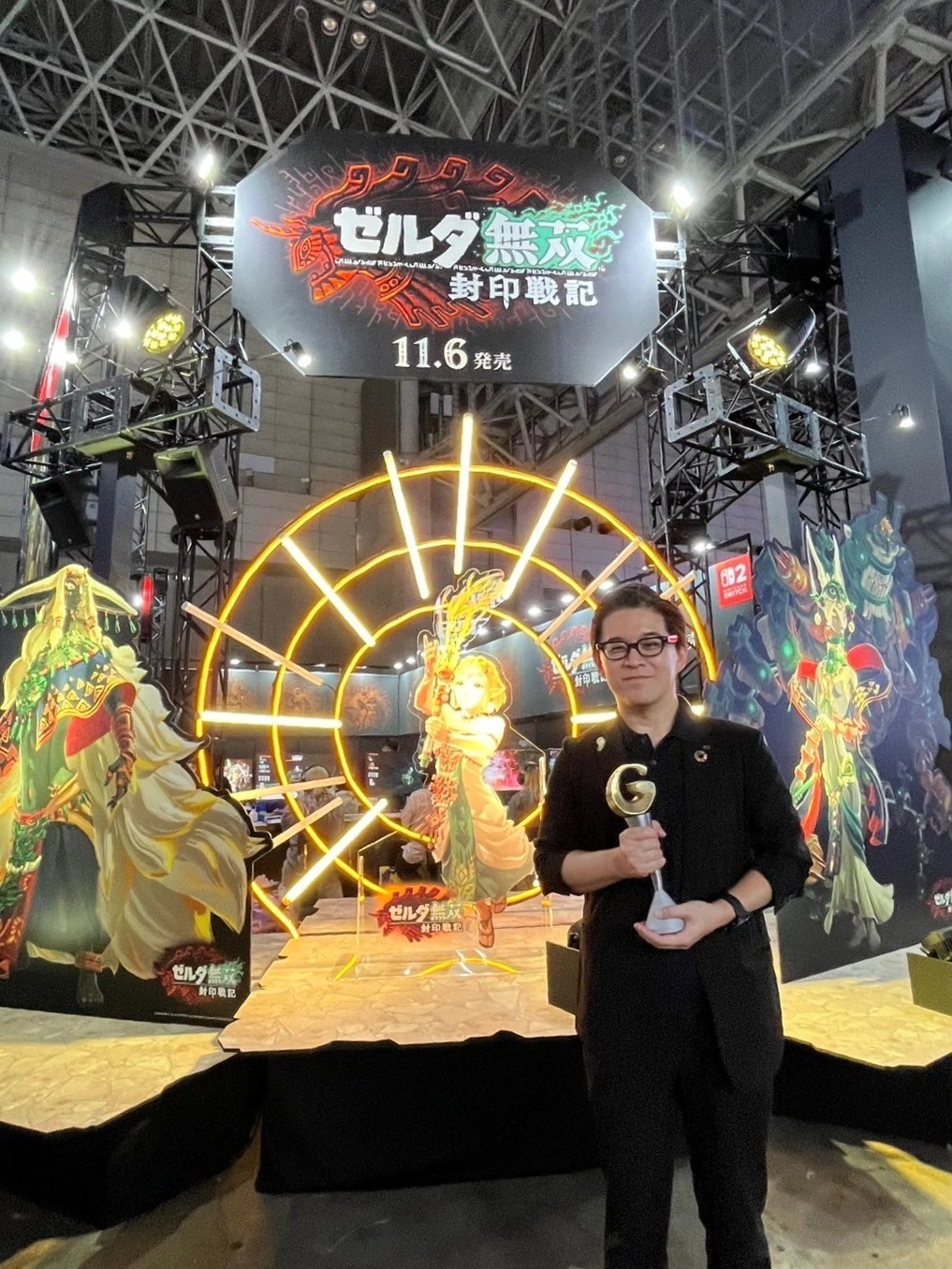
The Future Division award from Tokyo Game Show 2025.
The settled view is that this is the best Hyrule Warriors to play and the least adventurous to look at. Critics praised the combat, the frame rate and the confidence of the storytelling, and grumbled about plain, corridor-like maps and a roster that cannot match the first game’s for sheer variety. Nintendo Life’s reviewer called it his favourite musou game so far.
Sales & reviews
Sales figures
In Japan, where Koei Tecmo publishes the game itself, it went straight to number one. Famitsu counted 73,183 boxed copies sold between 3 and 9 November 2025, ahead of Pokémon Legends: Z-A on Switch (54,904) and Mario Kart World (54,413). That is well under half of Age of Calamity’s first week of 173,215, but the comparison is hardly fair: Nintendo Switch 2 was five months old, with about 2.64 million consoles sold in Japan by that week.
On 26 January 2026 Koei Tecmo announced, alongside its financial results, that shipments and download sales had passed one million; RPG Site reports that the company’s note gives this as a worldwide figure. Age of Calamity had needed four days to pass three million. We have not found a newer total.
1m+shipped and downloaded by 26 January 2026 (Koei Tecmo)
73,183boxed copies in its first week in Japan (Famitsu)
No. 1in Famitsu’s Japanese chart for 3–9 November 2025
Reception and review scores
Reviews were good, and a shade better than Age of Calamity’s. These are the main scores from the game’s release; the IGN, GameSpot and GamesRadar+ figures are as collected by Wikipedia and OpenCritic, and scores not out of 100 are converted.
Nintendo LifeUK · 4 November 2025
9/10
FamitsuJapan · issue 1922
35/40
IGNUS · 4 November 2025
8/10
VGCUK · 4 November 2025
4/5
DualShockersas listed by OpenCritic
8/10
TheGameras listed by OpenCritic
4/5
Hardcore Gameras listed by OpenCritic
4/5
GameSpotUS · 4 November 2025
7/10
GamesRadar+UK · 4 November 2025
3/5
Metro GameCentralUK · 4 November 2025
4/10
It averages 79 on Metacritic from 105 critic reviews, 87 of them positive, 17 mixed and one negative, a point above Age of Calamity’s 78. OpenCritic has it at 79 as well, with 81 per cent of critics recommending it.
The praise was for the fighting and the hardware. VGC’s Chris Scullion wrote that “the combat is the best in the Hyrule Warriors series to date”, and both he and Nintendo Life’s PJ O’Reilly reported a smooth 60 frames per second with hundreds of enemies on screen. Zelda herself went down well as the lead, as did the double act of Calamo and the construct, the English voice acting and the soundtrack.
The complaints were about everything around the fighting. Nintendo Life found the map layouts “still a bit bland”. GamesRadar+’s Oscar Taylor-Kent went further, calling the battlefields linear and the missions shorter and thinner than Age of Calamity’s, and signing off with “I wish they’d let me off the leash a little.” VGC missed the anything-goes roster of the first Hyrule Warriors and noticed how many cutscenes had been lifted from Tears of the Kingdom. Metro GameCentral was the harshest of the outlets listed here, at 4/10.
O’Reilly’s verdict for Nintendo Life was “a stunning slice of action, and my favourite musou game so far”, in a review titled “A Stunning Slice Of Musou, Worthy Of The Zelda Canon”. The fan site Zelda Universe gave it full marks and the neatest summary: “a Zelda saga hiding inside a Musou like one of those folk nesting dolls”.
Honours
Japan Game Awards 2025 · Future DivisionFuture Division winnerOne of eleven upcoming games honoured at Tokyo Game Show in September 2025, a few weeks before release.
Reader reviews
No reader reviews yet. Played it? Give it a score out of 10 and tell other fans what you think.
Every fact on this page was checked against the sources below in November 2026. Zelda Wiki (zeldawiki.wiki), Zelda Dungeon, IGN, GameSpot and Koei Tecmo’s Japanese site could not be read directly, so story details rest on Wikipedia and Game8’s walkthrough, and the IGN and GameSpot scores are given as collected by Wikipedia and OpenCritic. The Japanese interviews in 4Gamer and Famitsu are paraphrased from the originals, apart from the lines that Nintendo Life published in English.
To provide the best experiences, we use technologies like cookies to store and/or access device information. Consenting to these technologies will allow us to process data such as browsing behavior or unique IDs on this site. Not consenting or withdrawing consent, may adversely affect certain features and functions.
Functional
Always active
The technical storage or access is strictly necessary for the legitimate purpose of enabling the use of a specific service explicitly requested by the subscriber or user, or for the sole purpose of carrying out the transmission of a communication over an electronic communications network.
Preferences
The technical storage or access is necessary for the legitimate purpose of storing preferences that are not requested by the subscriber or user.
Statistics
The technical storage or access that is used exclusively for statistical purposes.The technical storage or access that is used exclusively for anonymous statistical purposes. Without a subpoena, voluntary compliance on the part of your Internet Service Provider, or additional records from a third party, information stored or retrieved for this purpose alone cannot usually be used to identify you.
Marketing
The technical storage or access is required to create user profiles to send advertising, or to track the user on a website or across several websites for similar marketing purposes.

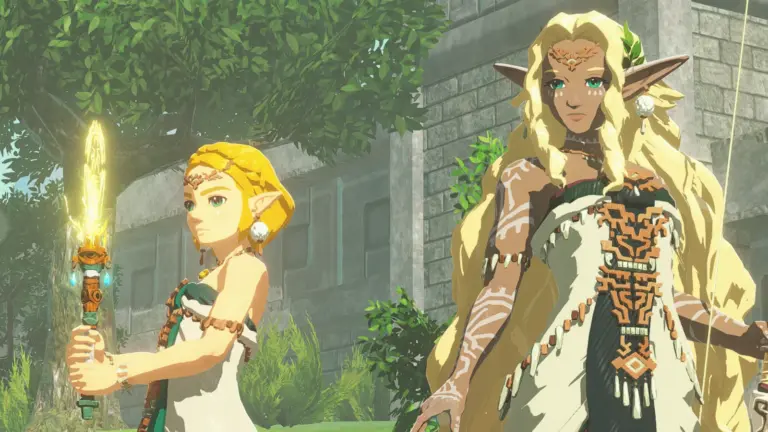
 To the Great PlateauChapter 1 · Great PlateauRauru and Sonia walk Zelda through the basics, and shades provide the first fight.
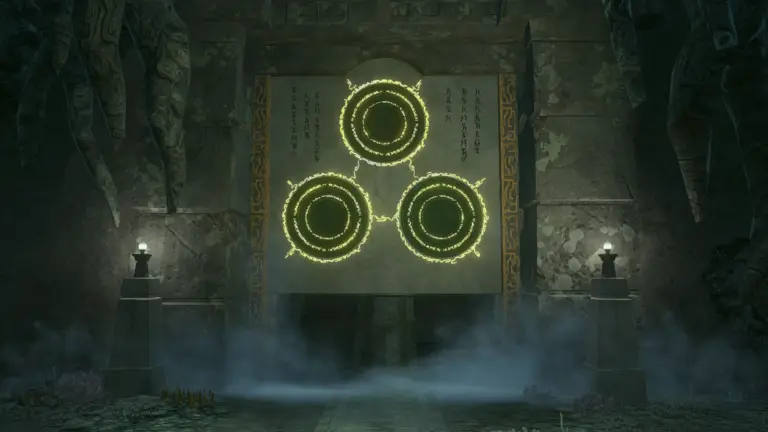
 The Art of the BladeChapter 1Zelda’s first Unique Skills. Bosses: Typhan, Quino, Agraston and King Rauru.
 Where Ancient Wisdom SleepsChapter 1 · FaronIn through Tobio’s Hollow with Mineru. Bosses: a Frox, a Stone Talus and Flux Construct I. The first Zonai devices, the Flame Emitter and Time Bomb.
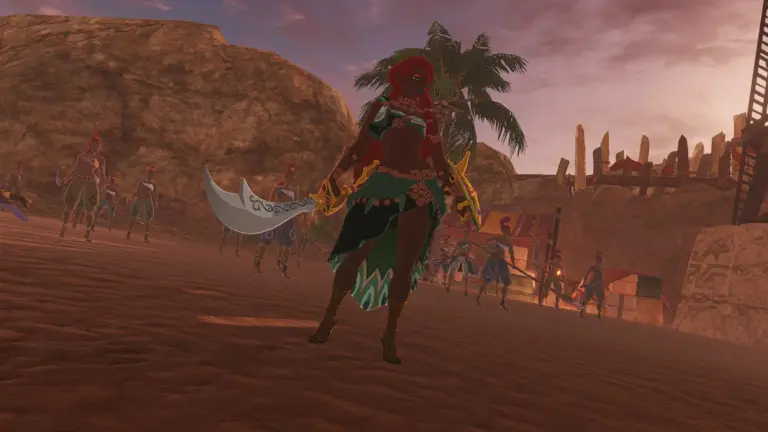 Raging SandsChapter 2Against the Gerudo. Bosses: Sholani, a Molduga and Ardi herself. Setting up camp is unlocked.
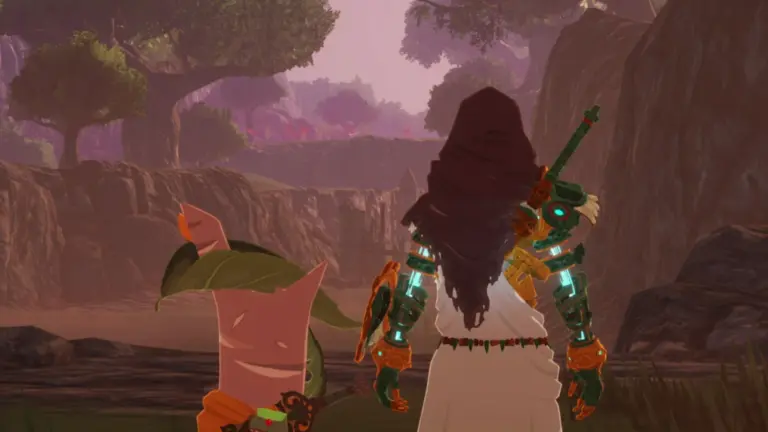 The Hands of EvilChapter 2The first outing as the Mysterious Construct, against a powerful shade. Reward: the Rocket.
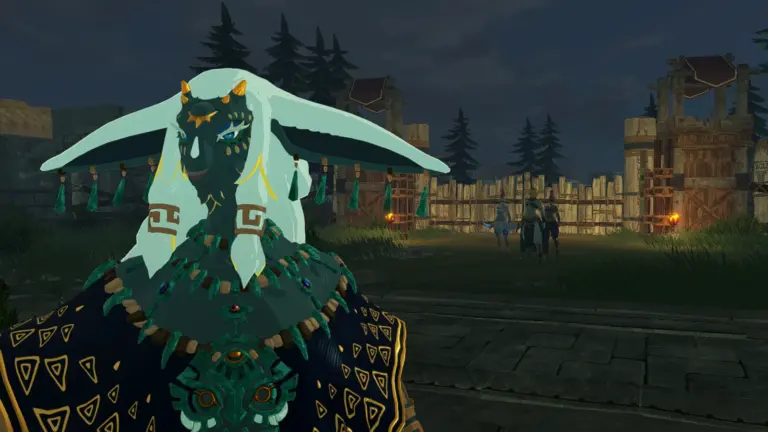 Growing SuspicionChapter 2 · towards Hyrule CastleGerudo assassins, a Stone Talus and corrupted constructs on the road north.
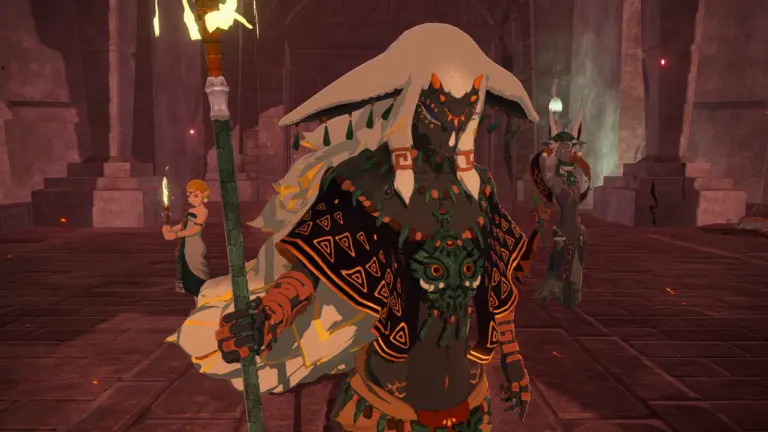 Striking NorthChapter 2Three Hylian captains to rescue. Bosses: a Boss Bokoblin, a Hinox and a Lynel.
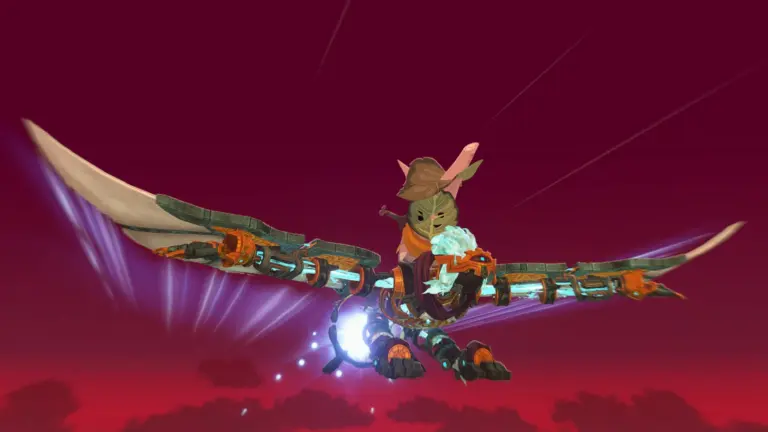 Beneath the Blood MoonChapter 2 · flight battleThe first aerial stage for the Mysterious Construct. Boss: a Frost Gleeok.
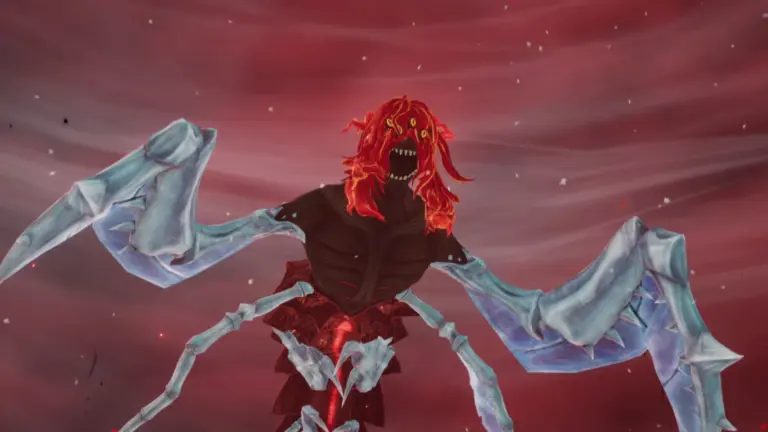 The Howling TempestsChapter 2Boss: the archfiend Grimgera. Calamo, the Mysterious Construct and Typhan join the roster afterwards.
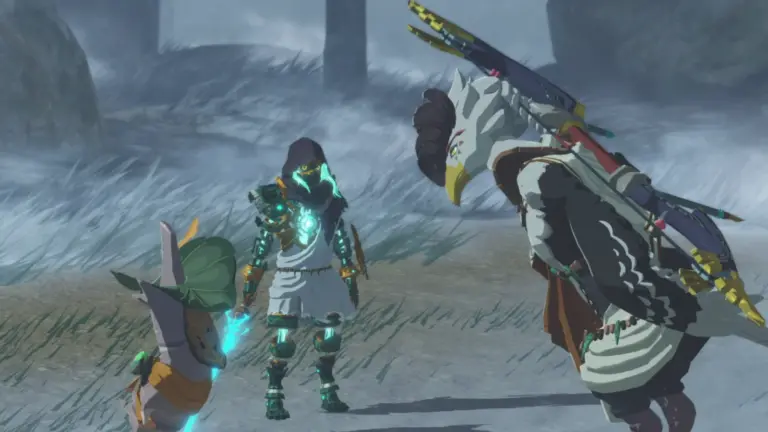 Shadows in the SnowChapter 3Raphica is playable from the start and Vence joins too. Bosses include an Ice Hinox and an Ice Lynel.
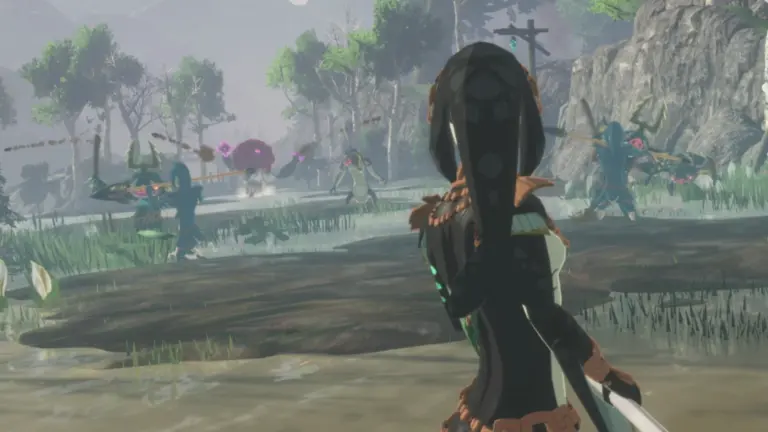 Lanayru DefiledChapter 3 · LanayruQia joins. Sludge-covered monsters, a Sludge Like and the archfiend Grimtorok. Reward: the Hydrant.
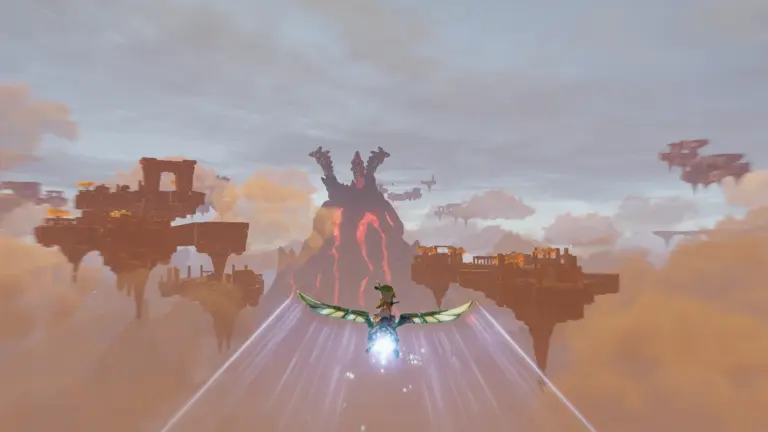 The Behemoth in the CraterChapter 3 · Death Mountain craterAn airborne fight with the Rocket and Cannon. Boss: Moragia.
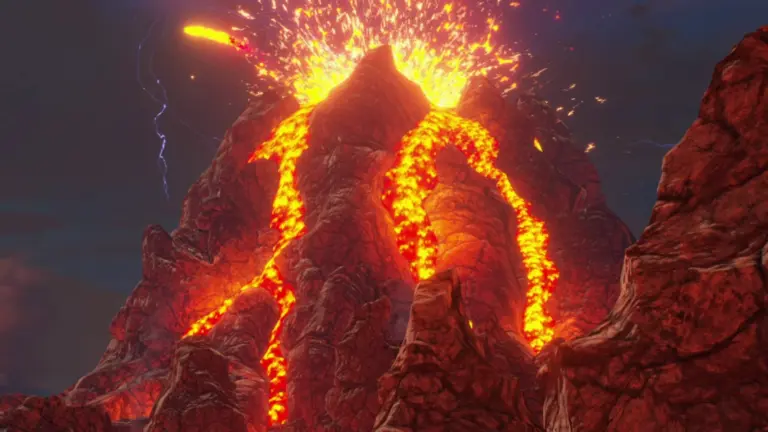 Crisis on Death MountainChapter 3 · Death Mountain summitAgraston joins. Bosses include an Igneo Talus and Fire Lynels.
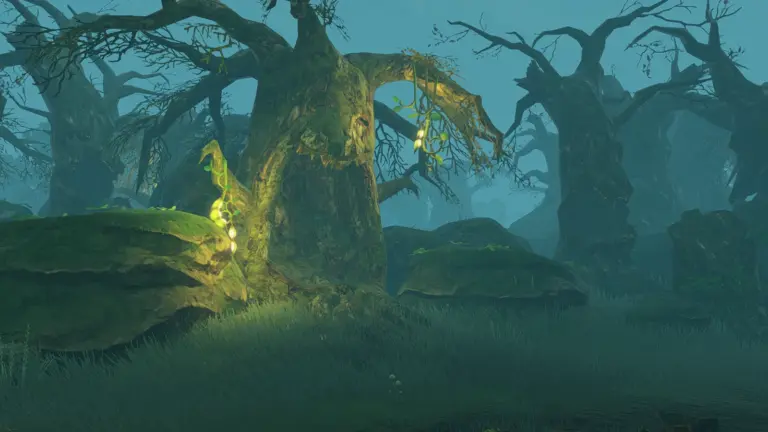 Under the Cover of MistChapter 3Fire and Electric Aerocudas, and a second meeting with Grimgera.
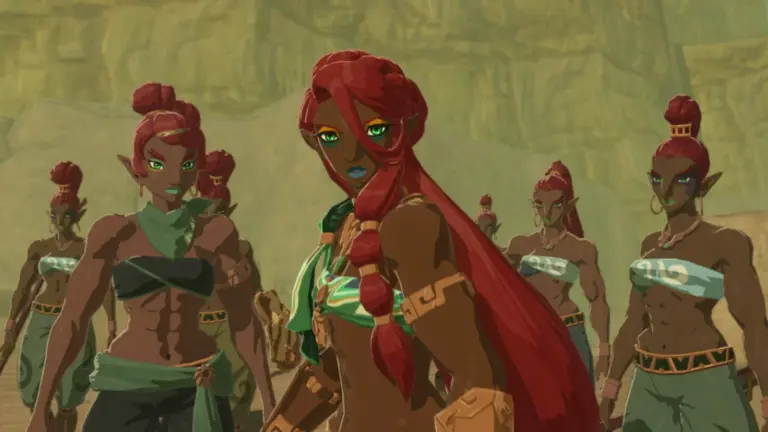 Terror of the SandsChapter 4Ardi is playable from the start. Hold the main outpost against a Molduga and a Blue Hinox.
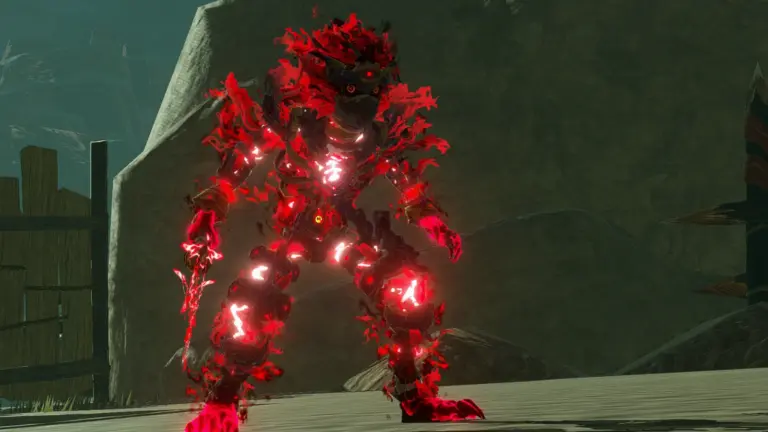 Crimson OmenChapter 4The Mysterious Construct and Calamo against a corrupted construct.
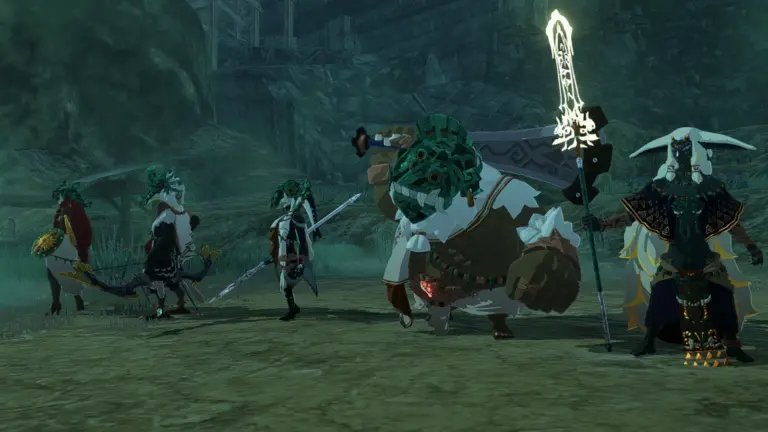 A Time for ActionChapter 4Outposts hidden in caves, and Balloons for getting between them. Bosses include a Stalnox and a White-Maned Lynel.
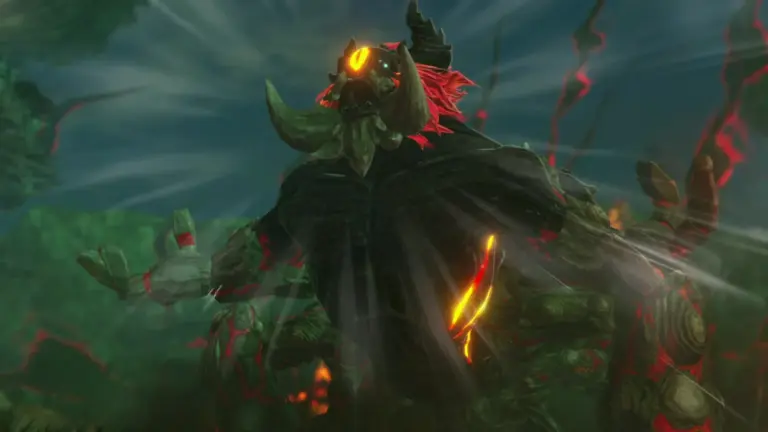 The CounterstrikeChapter 4Extra rewards for taking every outpost. Boss: the archfiend Grimgohma.
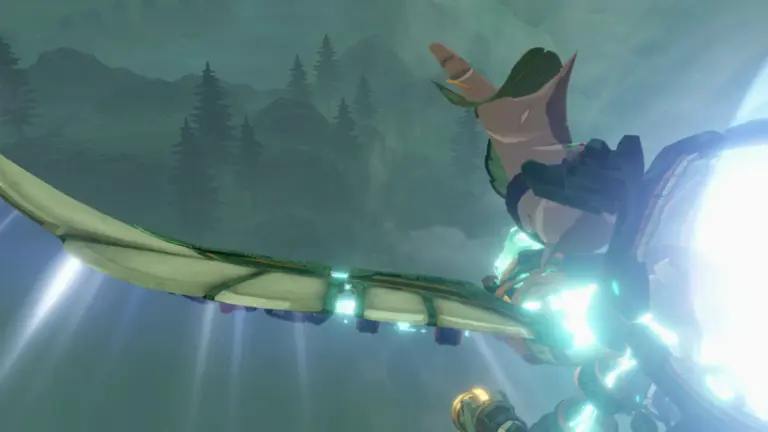 Ambush in the DepthsChapter 4 · the Depths · flight battleA flying stage underground, with Stone Taluses and a Black Hinox in the way.
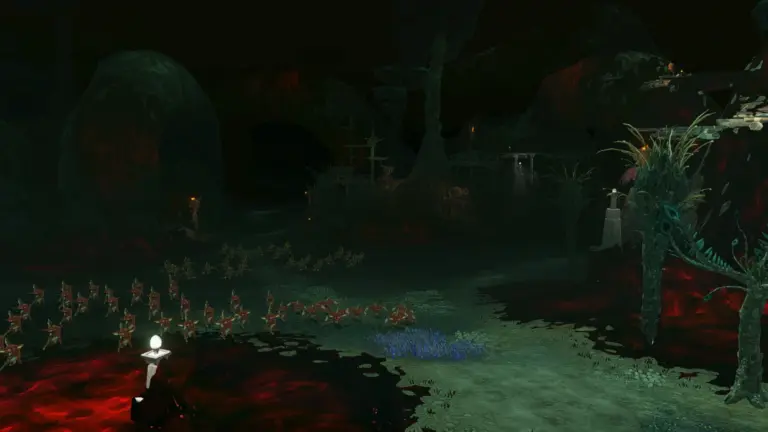 Purging the ShadowsChapter 4Flux Construct II, a gloom-soaked Lynel, five Gloom Spawn and Phantom Ganon.
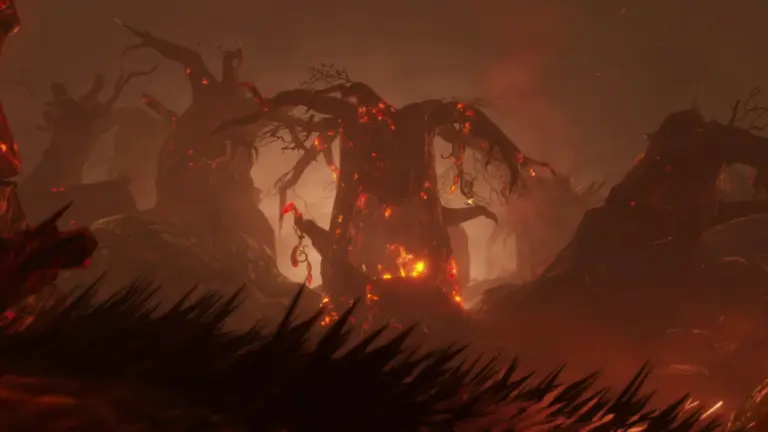 Fire and SandChapter 4Silver Moblins and the archfiend Grimgibdo. A Fan is handy against the projectiles.
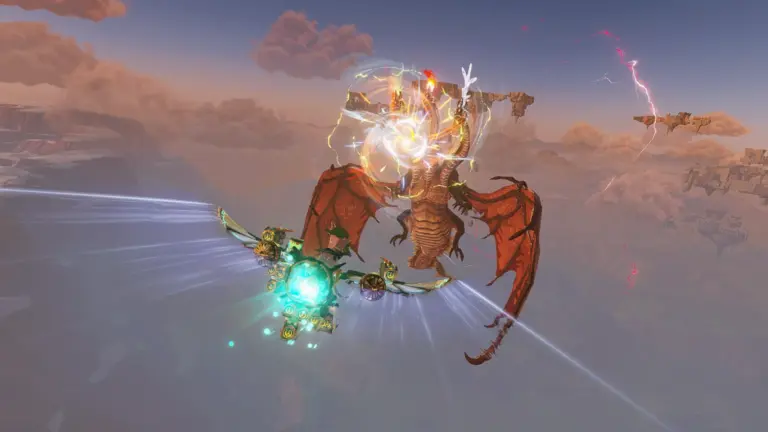 Into the FrayChapter 5The Knight Construct, loaded with Zonai devices, against a King Gleeok.
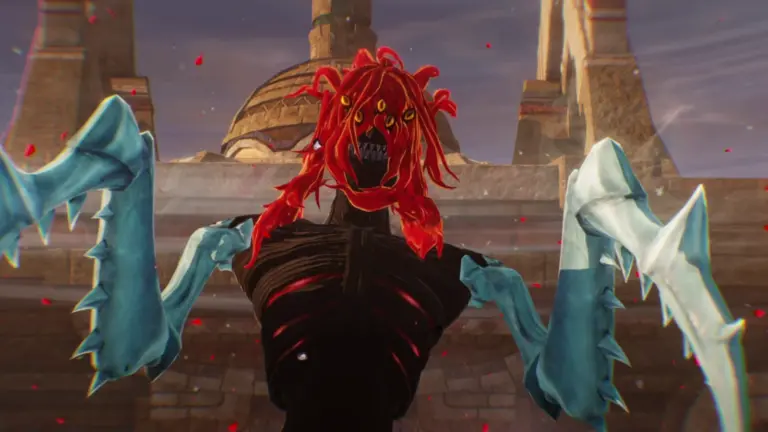 The Archfiend’s ReturnChapter 5The third and last fight with Grimgera.
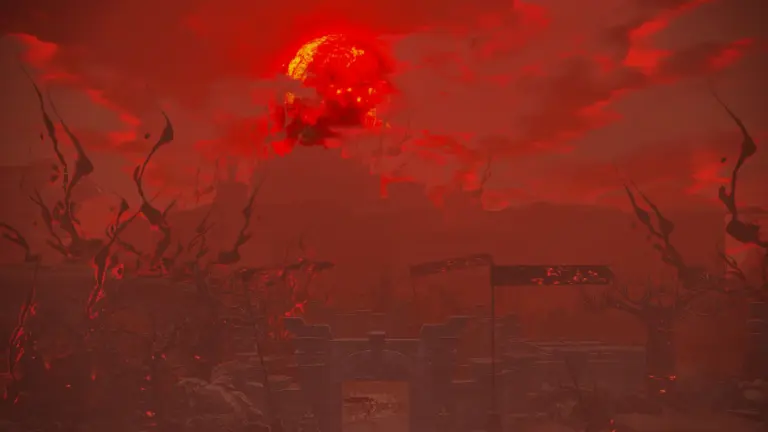 The Battle of Hyrule CastleChapter 5 · Hyrule CastleThe assault on the castle. Grimtorok and Grimgohma both return.
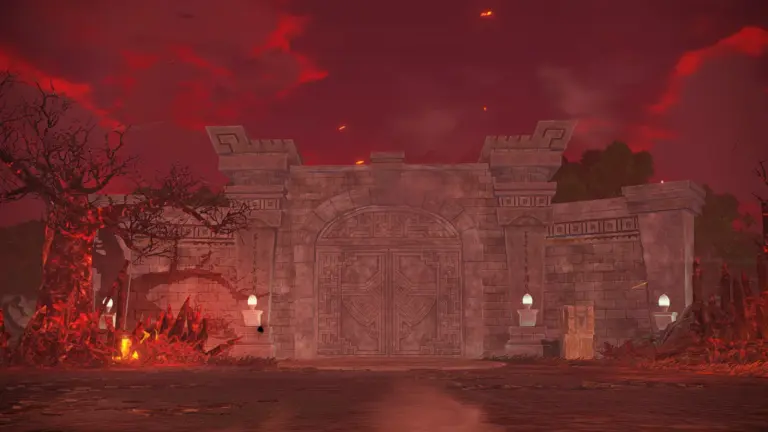 The Demon King, EnsnaredChapter 5A Silver Lynel, Captain Construct III and three Phantom Ganons.
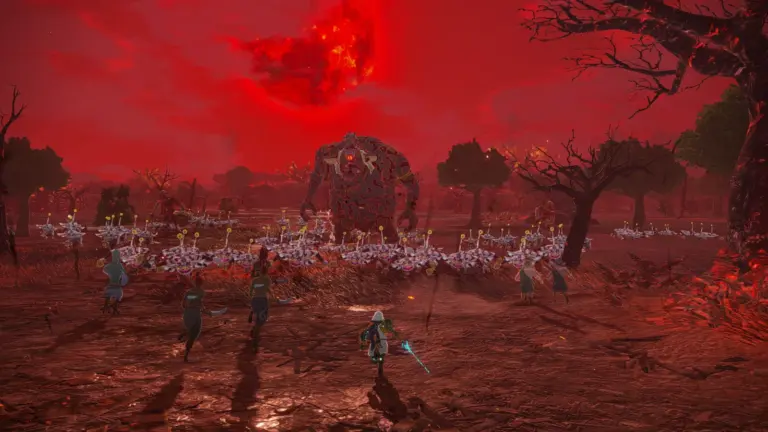 The Battle of Hyrule FieldChapter 5 · Hyrule FieldGrimgibdo joins in once the enemy army is nearly beaten.
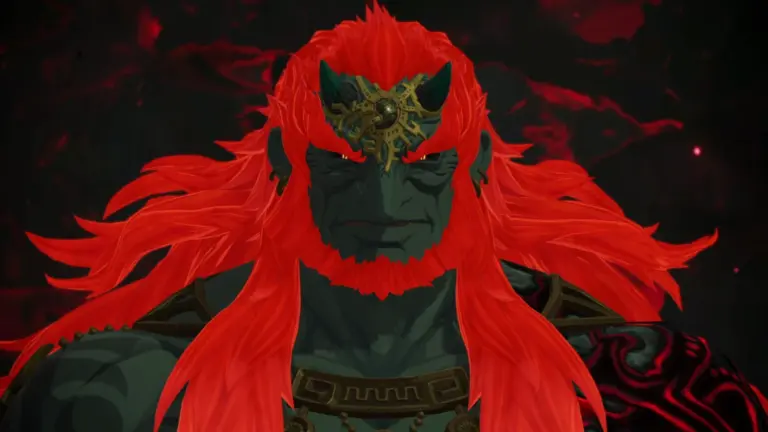 The Final ConfrontationChapter 5 · beneath Hyrule FieldZelda and Rauru against Phantom Ganons and, at last, Demon King Ganondorf.
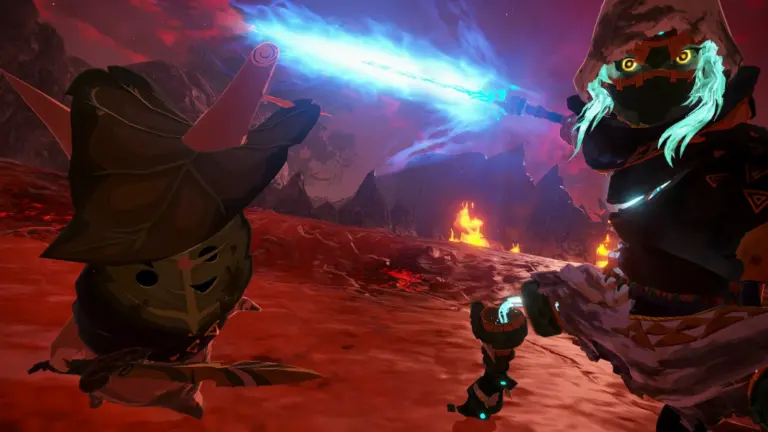 A Clash of ConstructsChapter 6A three-phase duel with the Forbidden Construct, one phase of it in the air.
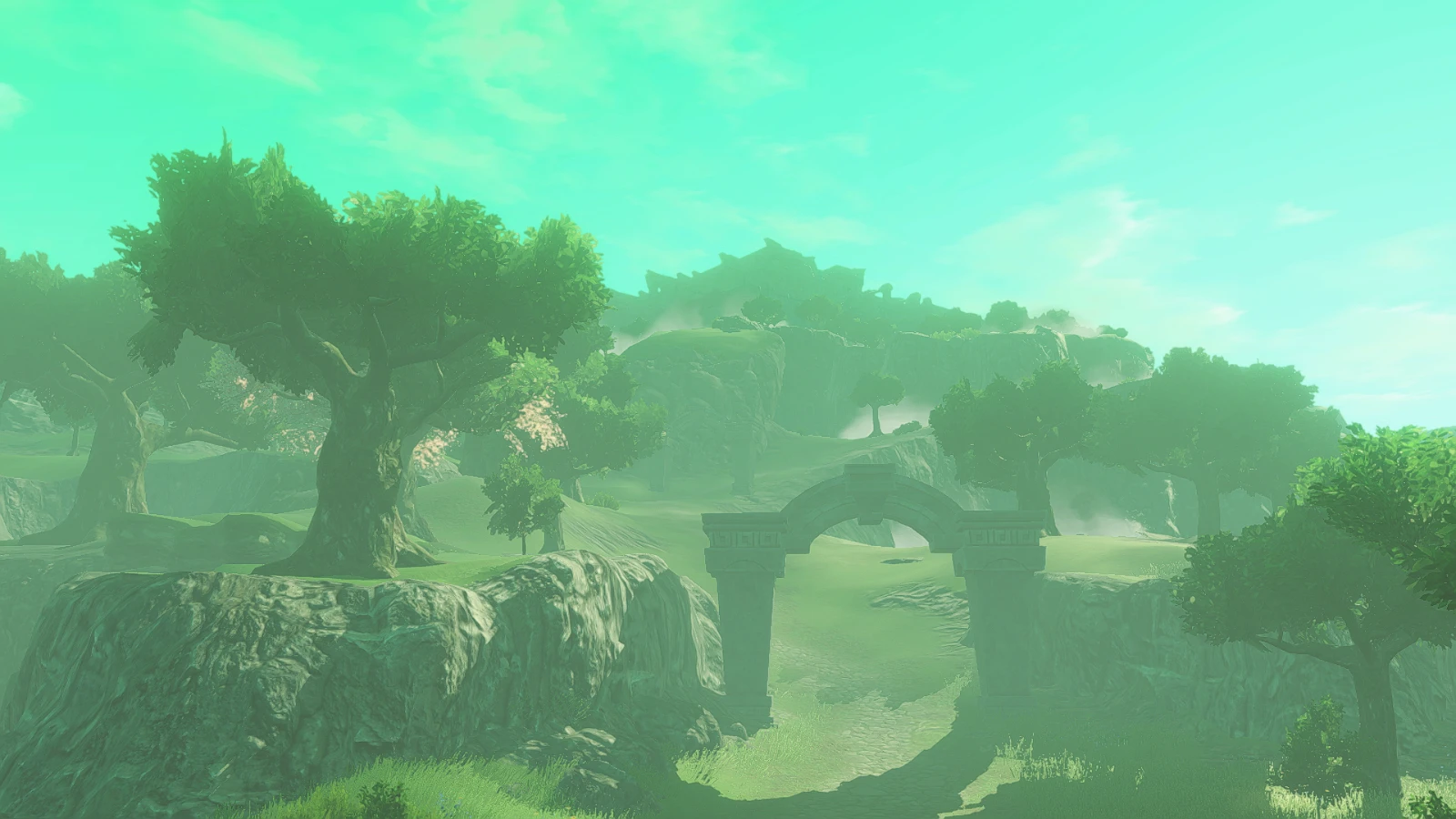

 Princess ZeldaThe princess from the future
 RauruFirst King of Hyrule
 SoniaFirst Queen of Hyrule
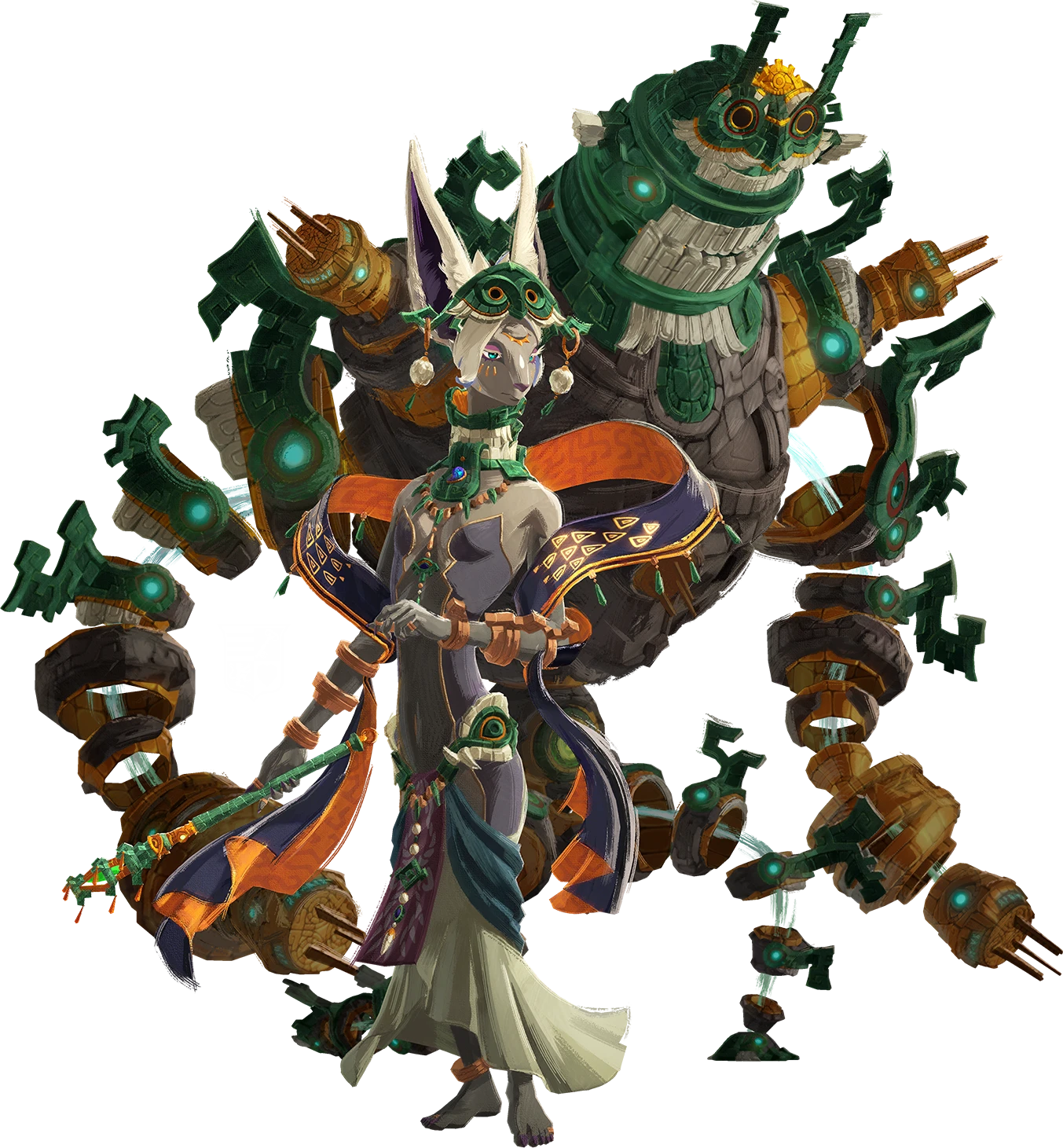 MineruRauru’s sister, Sage of Spirit
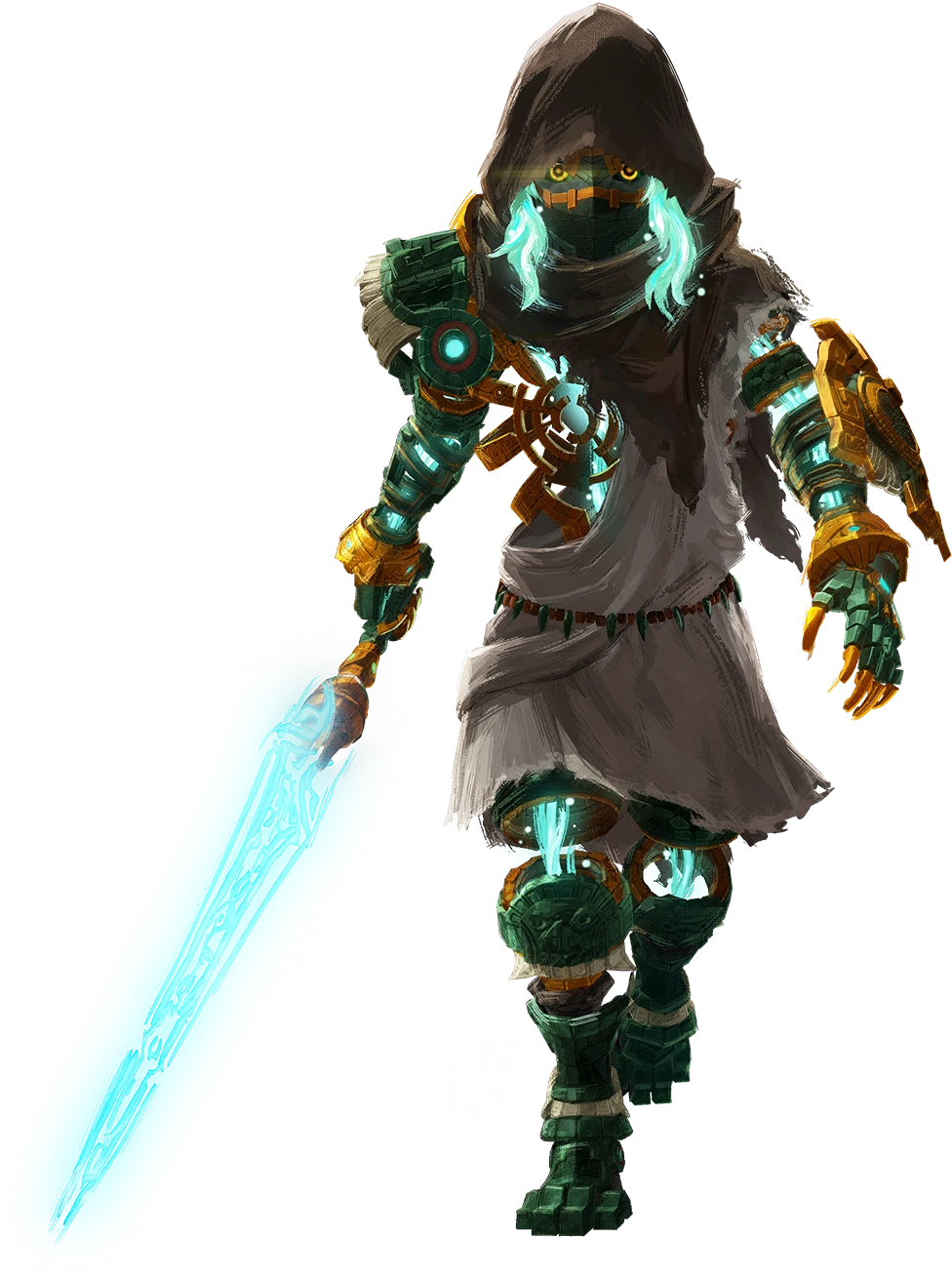 The Mysterious ConstructLater the Knight Construct
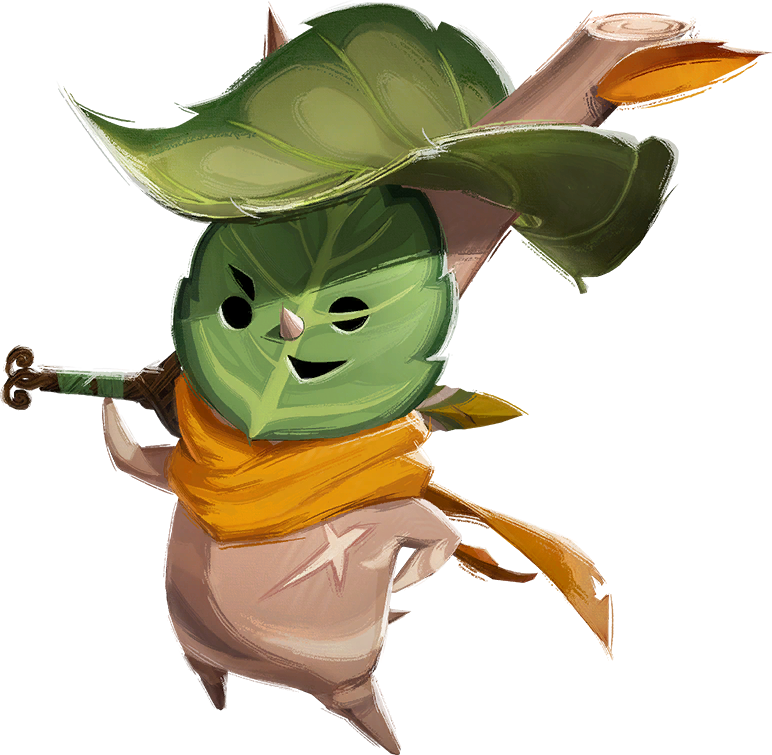 CalamoWandering Korok
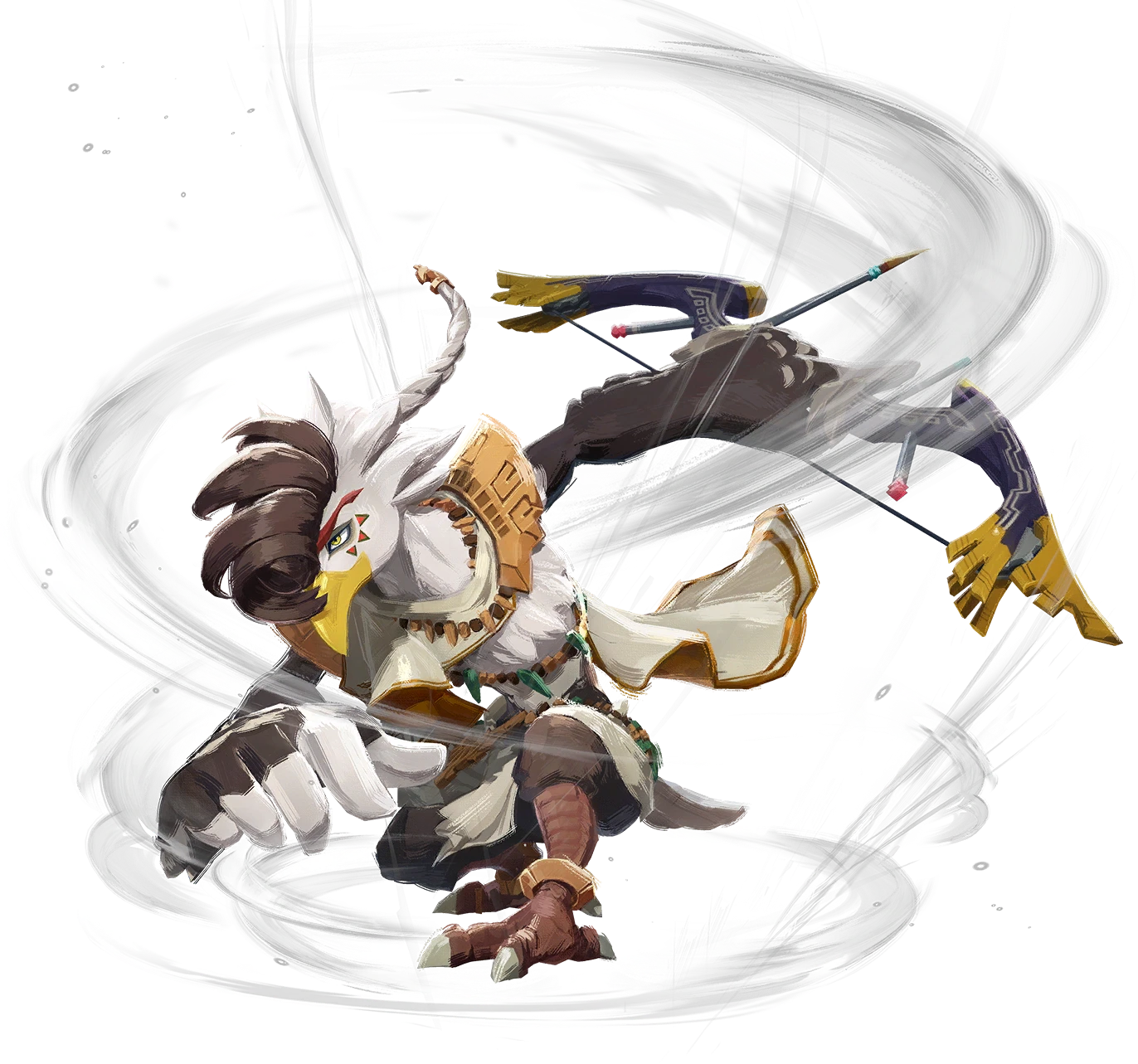 RaphicaLeader of the Rito, Sage of Wind
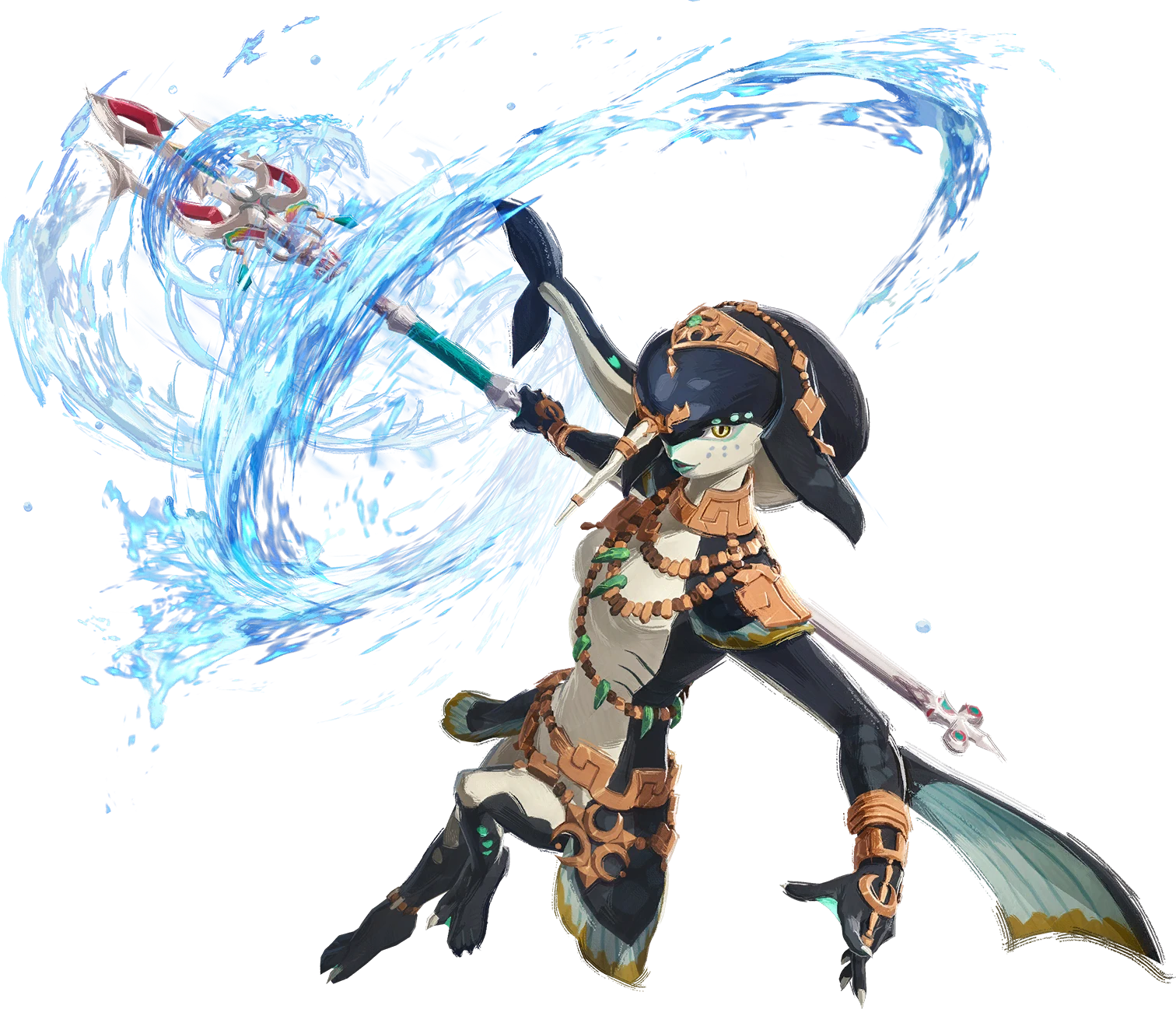 QiaQueen of the Zora, Sage of Water
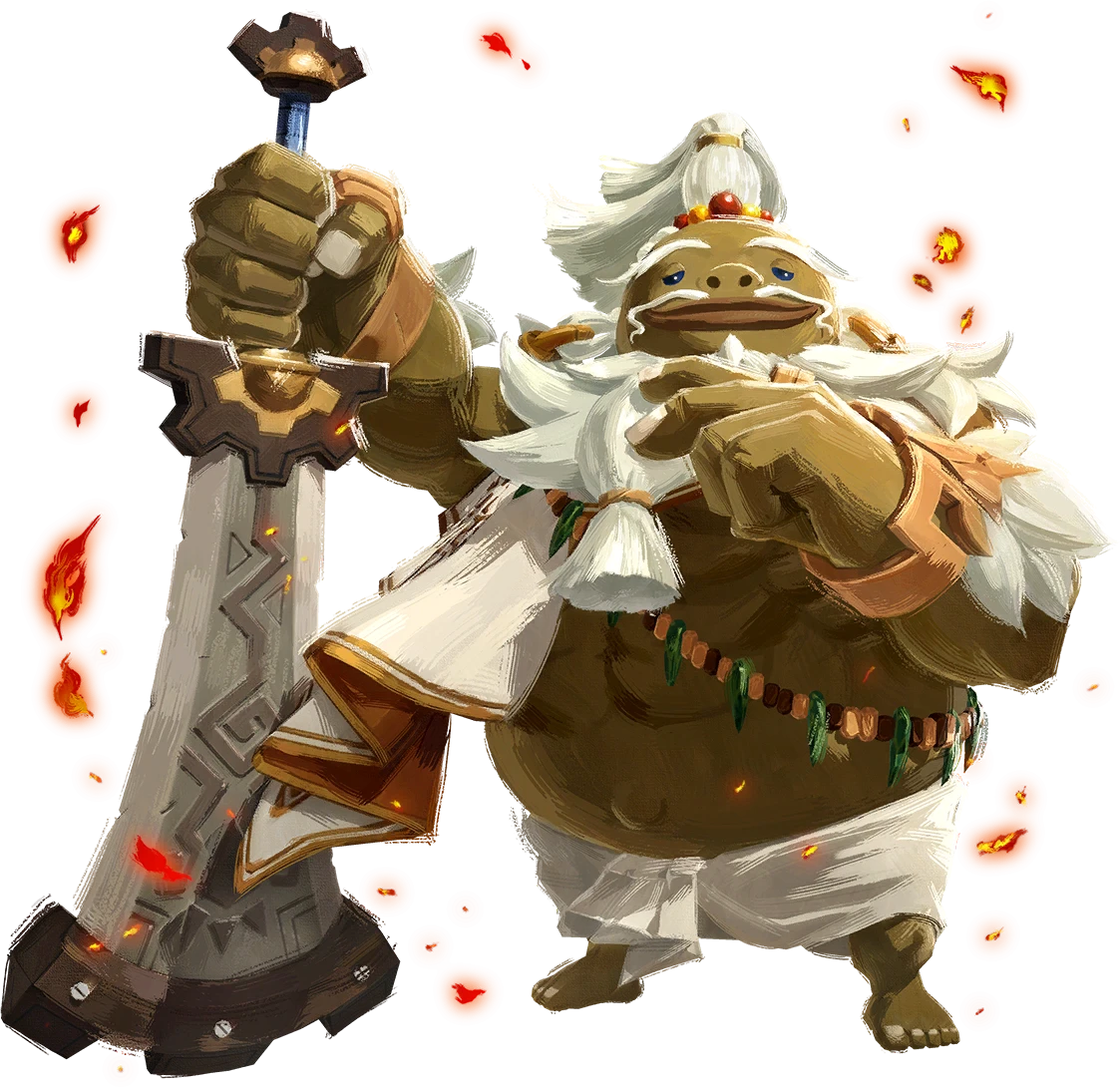 AgrastonChief of the Gorons, Sage of Fire
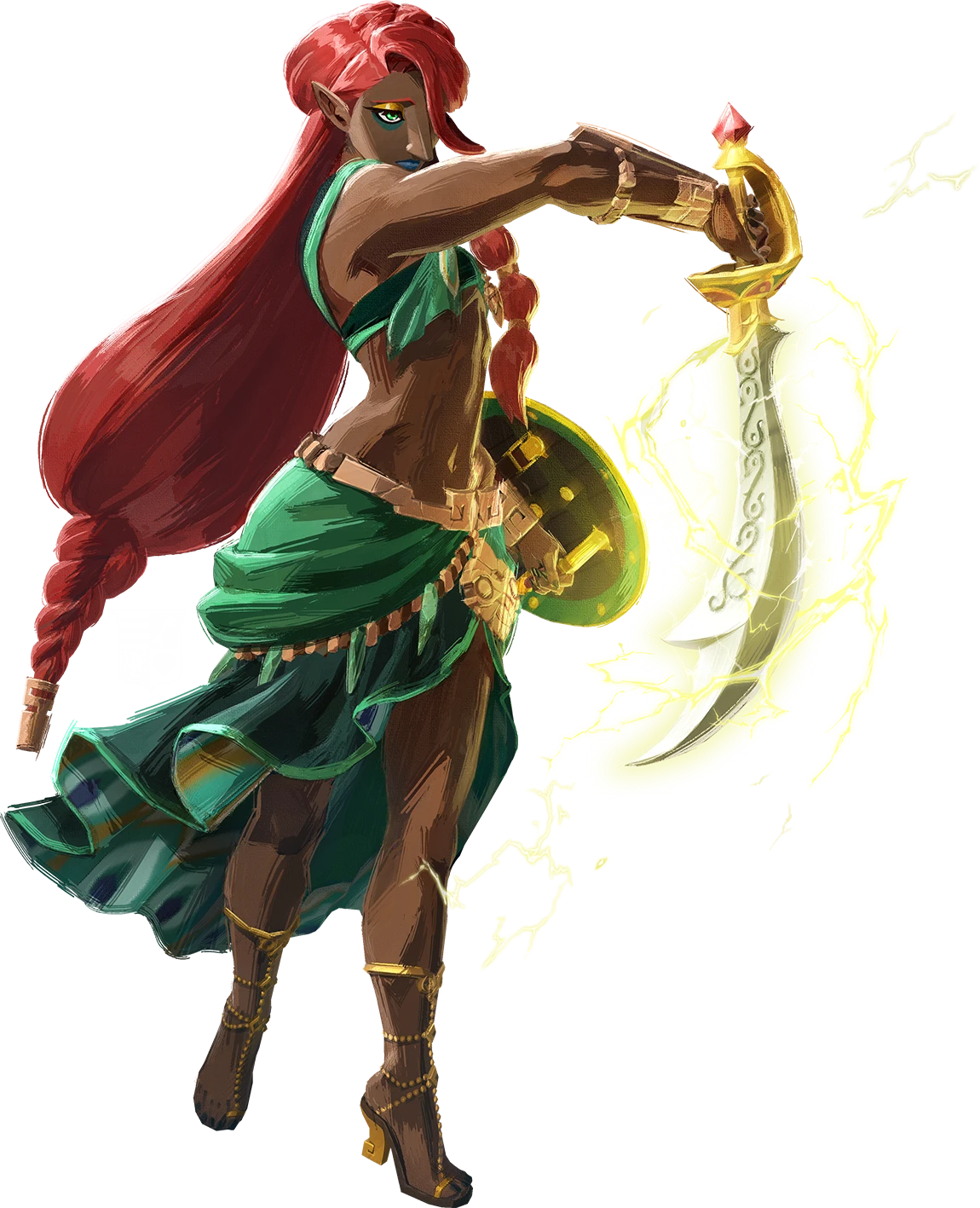 ArdiLeader of the Gerudo, Sage of Lightning
 TyphanVeteran soldier
 VenceRaphica’s old friend
 QuinoYoung soldier of Hyrule
 LagoZora veteran
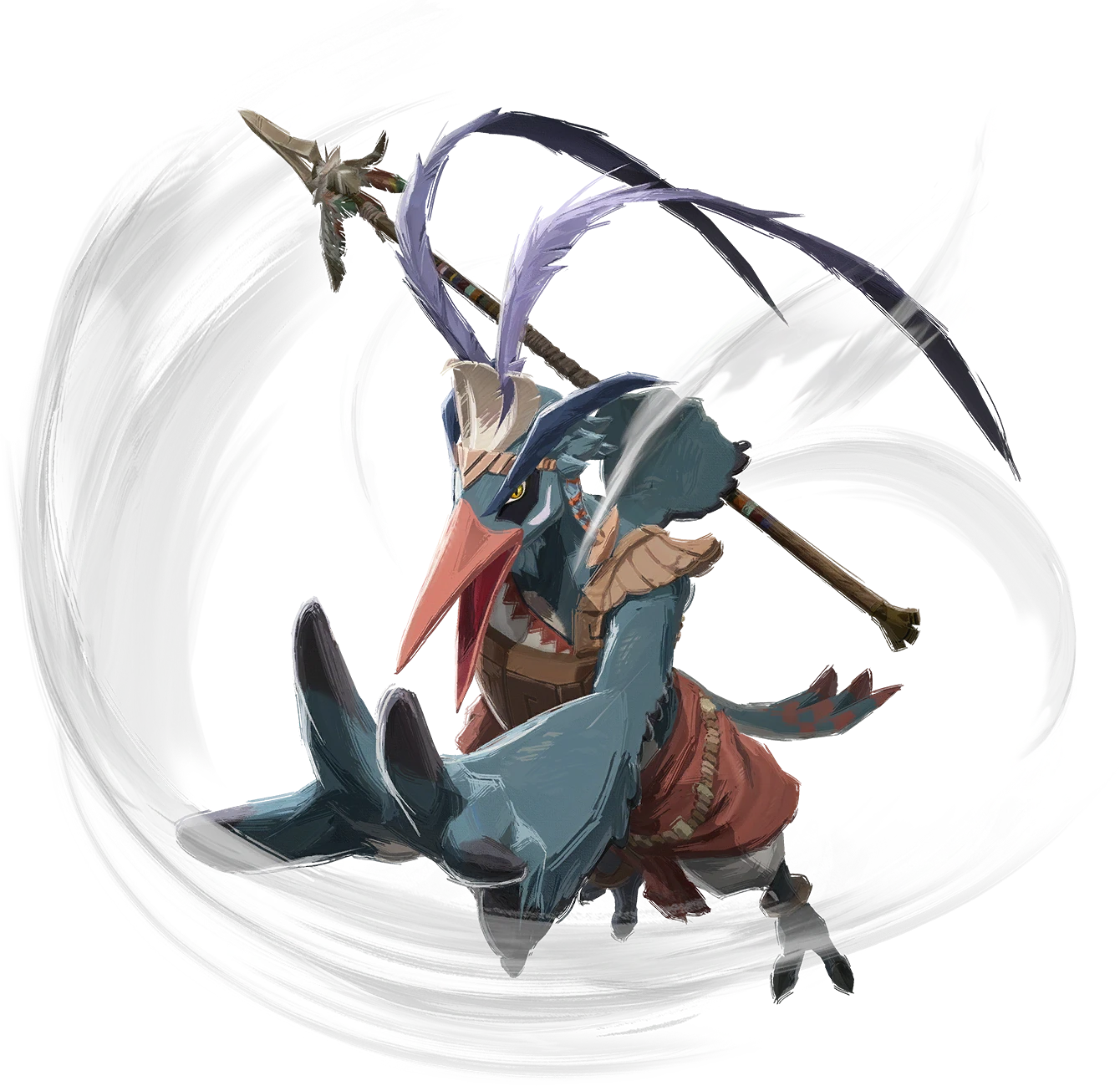 PinnecRito spearman
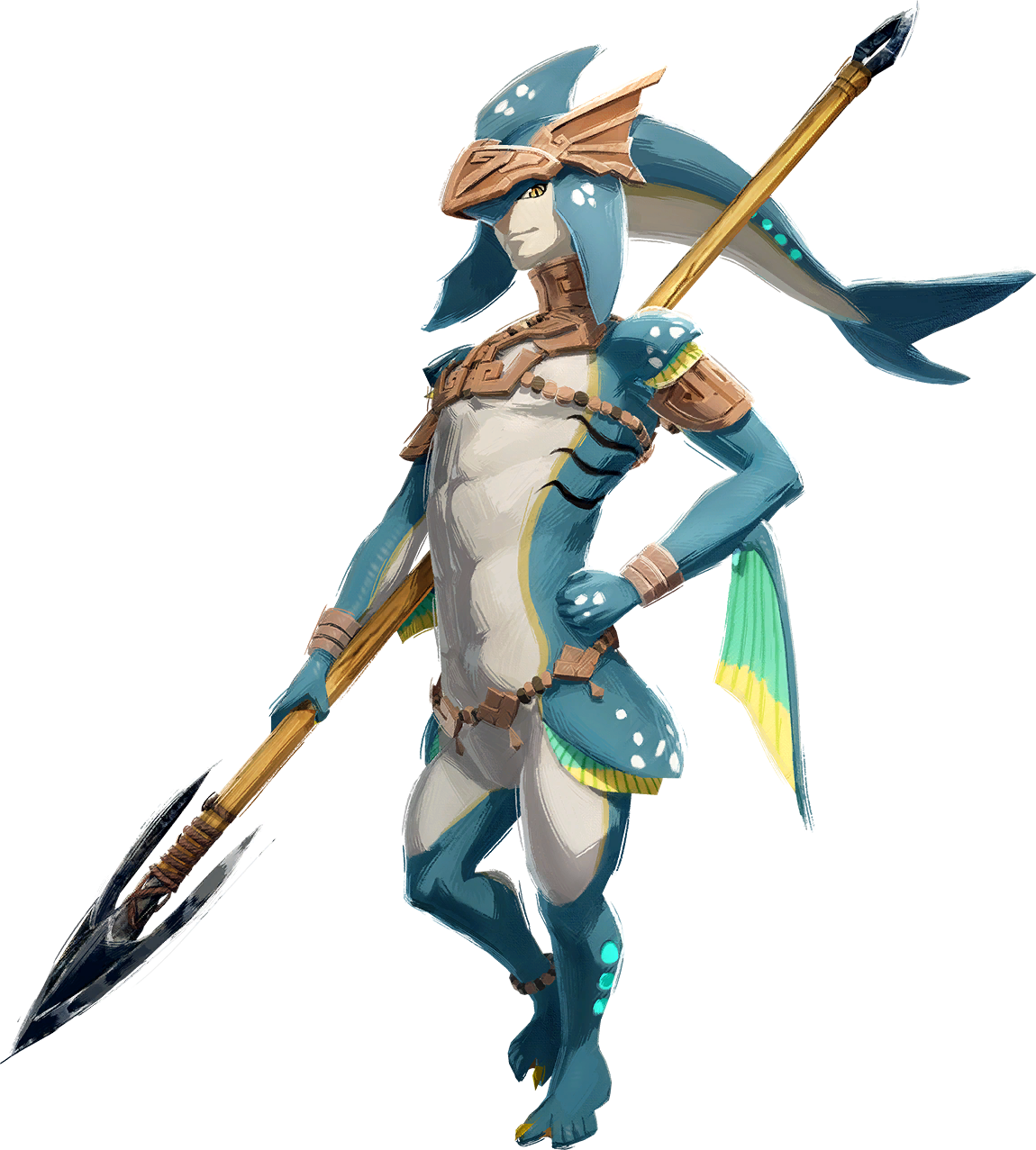 CadlanYoung Zora soldier
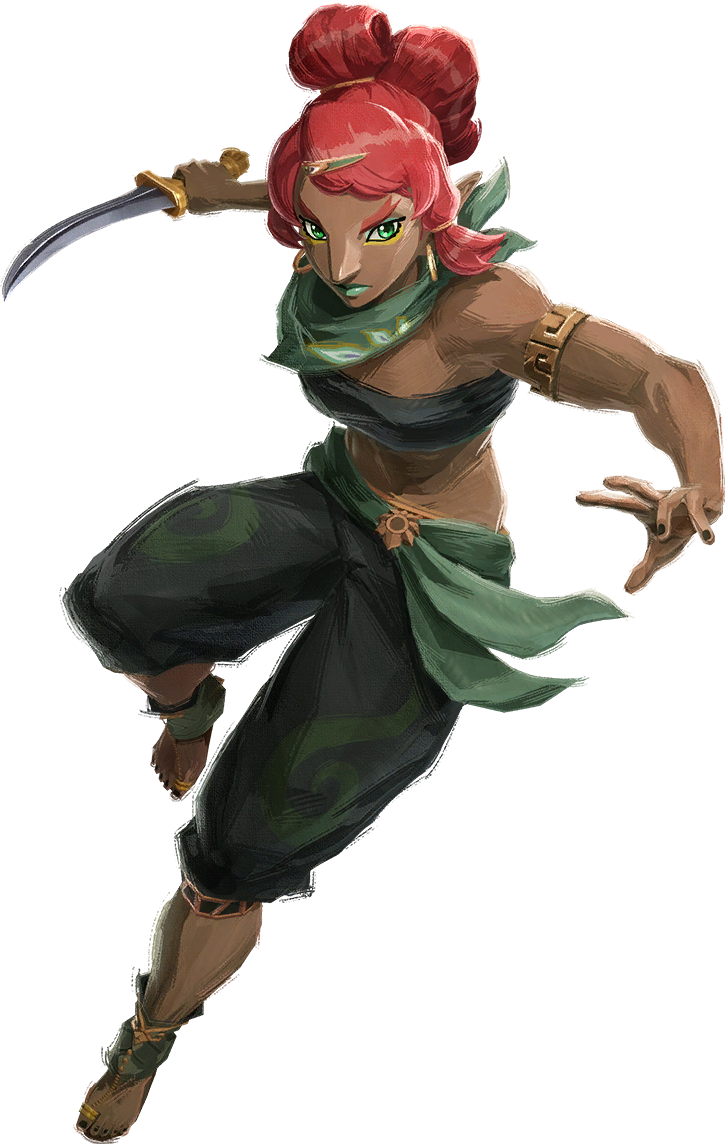 SholaniGerudo warrior
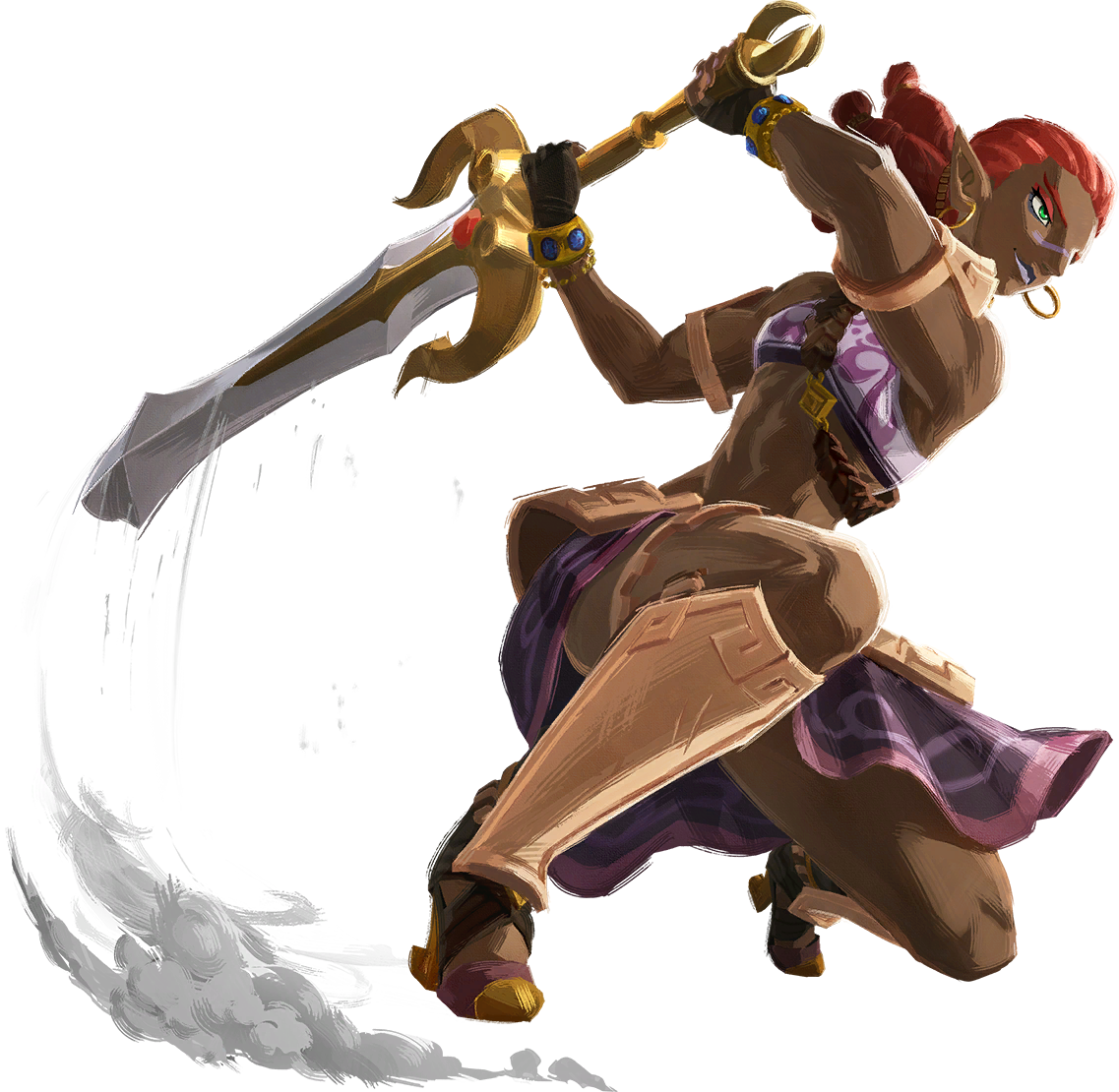 RonzaGerudo faction leader
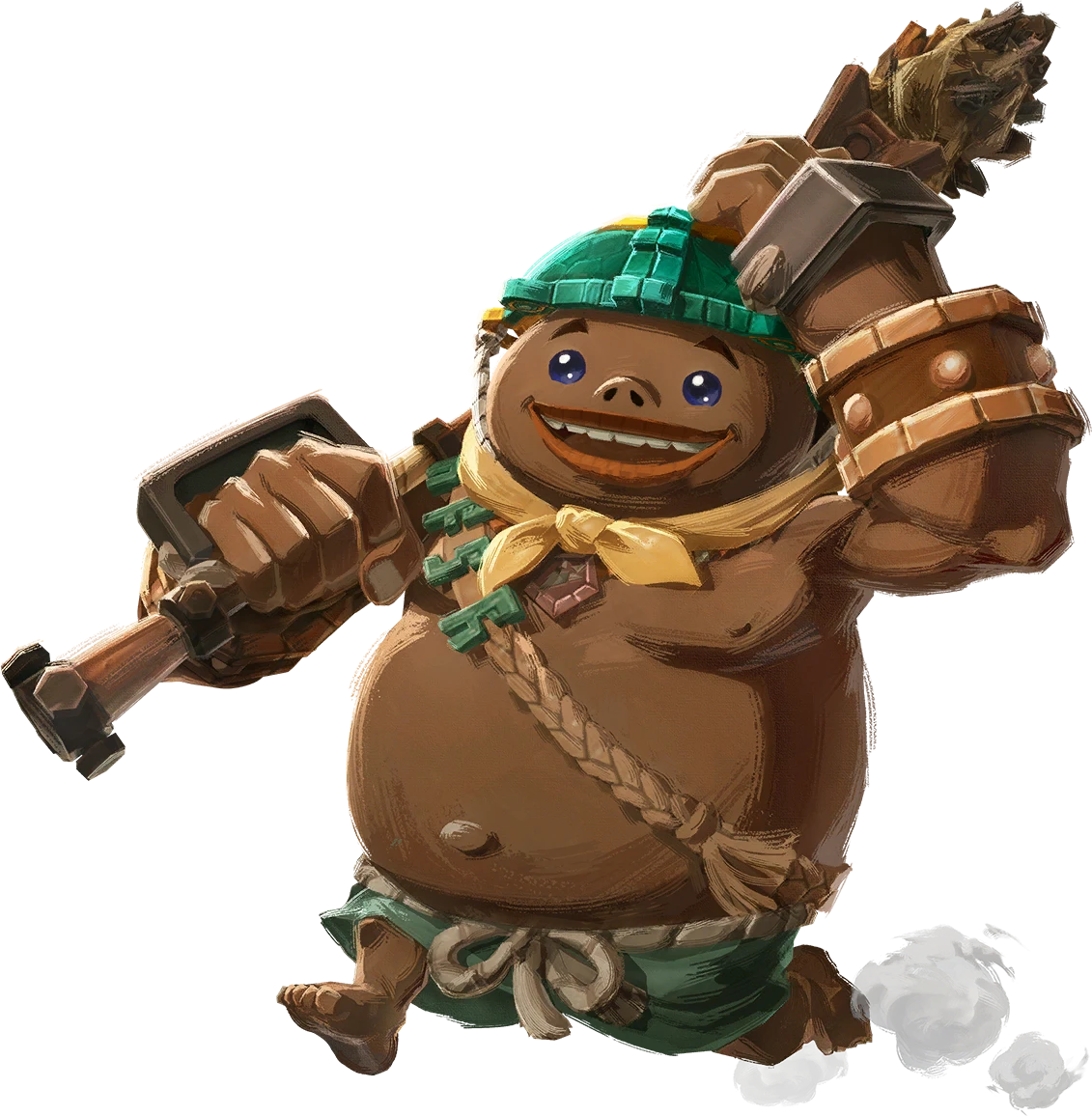 BratonYoung Goron
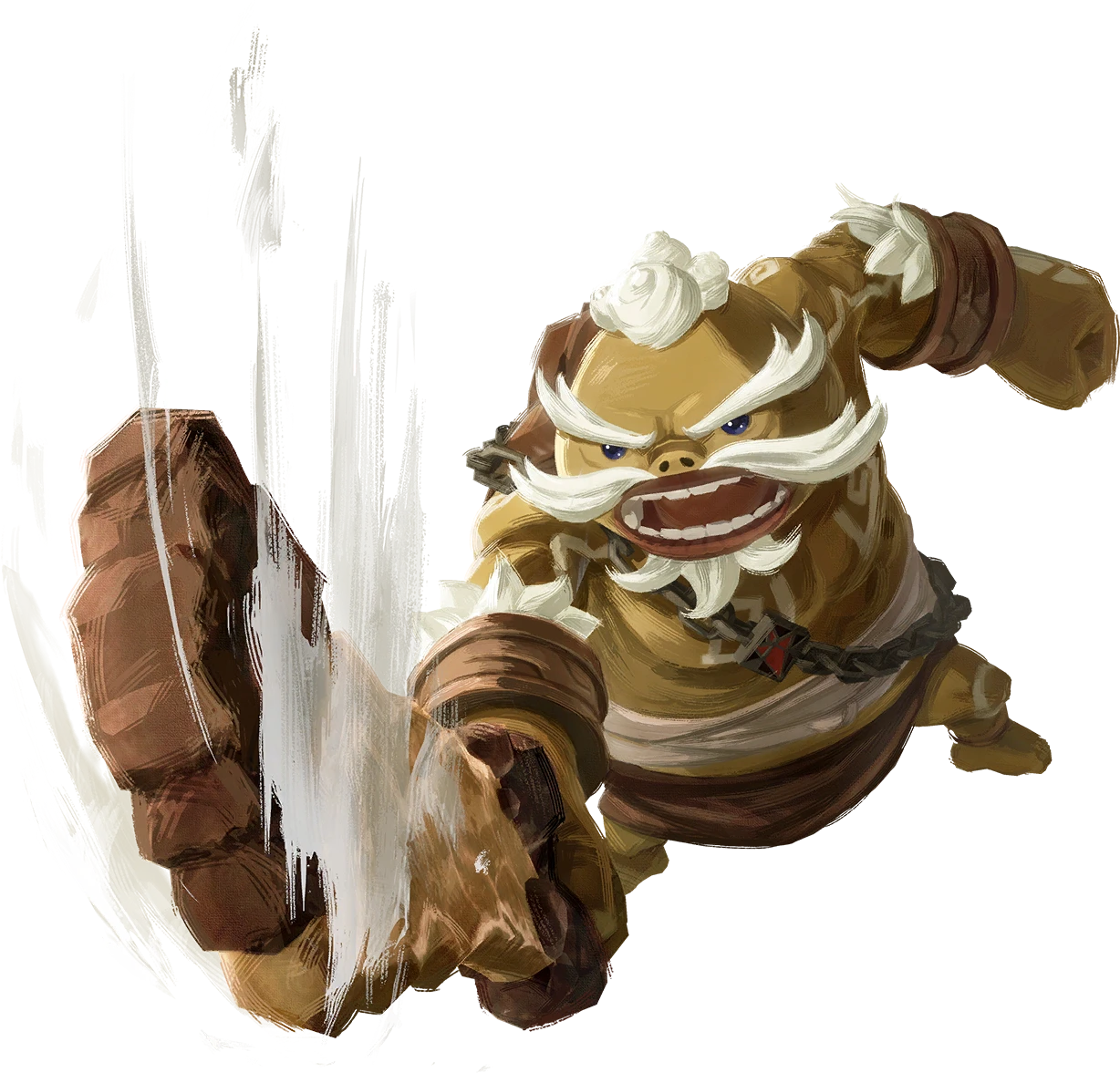 PastosGoron faction leader
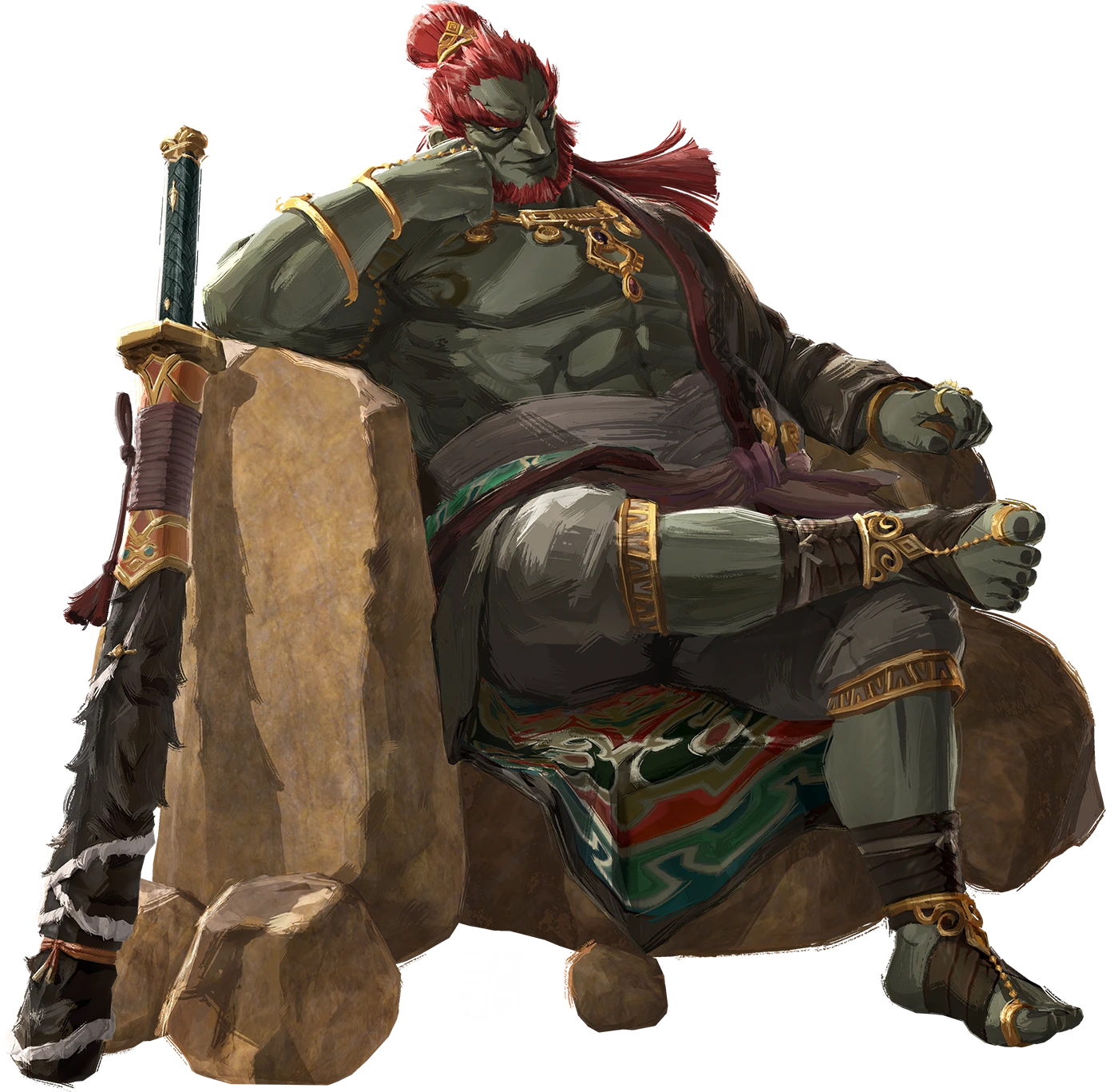 GanondorfGerudo chieftain, then Demon King
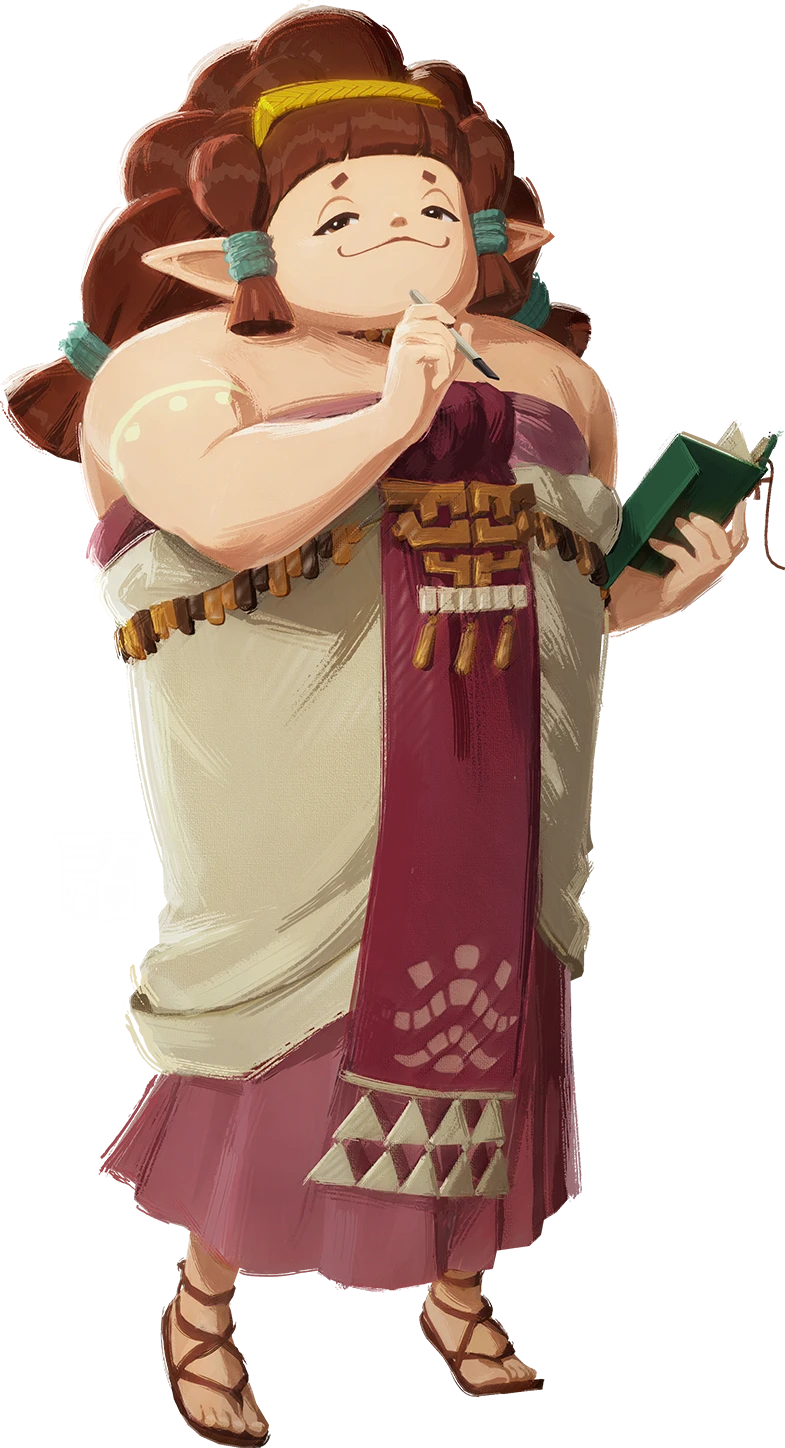 LenaliaRoyal attendant
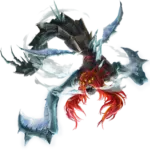 GrimgeraArchfiend · The Howling TempestsThe first archfiend and the most persistent, fought three times in all. Its homing icicles can be knocked away with a Fan or Zelda’s Temporal Counter.
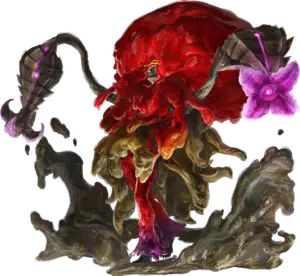 GrimtorokArchfiend · Lanayru DefiledThe boss of sludge-choked Lanayru. It comes back for The Battle of Hyrule Castle.
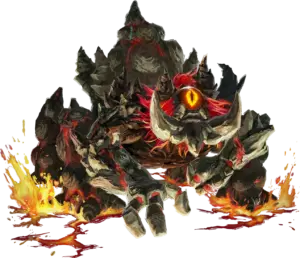 GrimgohmaArchfiend · The CounterstrikeFought in Chapter 4, and again at Hyrule Castle.
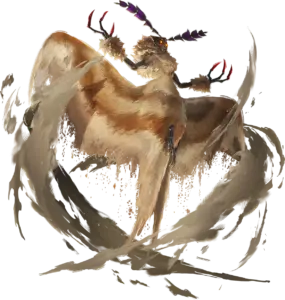 GrimgibdoArchfiend · Fire and SandThe last of the four to appear. It returns late in The Battle of Hyrule Field.
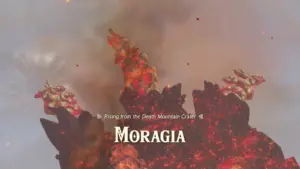 MoragiaThe Behemoth in the CraterThe volcanic giant of Death Mountain, fought from the air with the Rocket and Cannon.
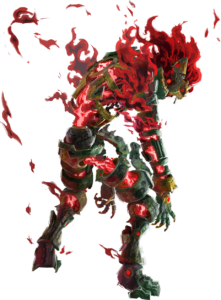 The Forbidden ConstructA Clash of ConstructsThe Knight Construct’s dark twin, corrupted by Ganondorf. The last fight has three phases, one of them airborne.
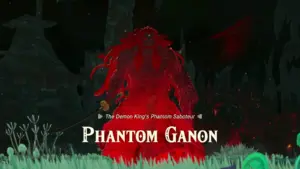 Phantom GanonPurging the Shadows · The Demon King, EnsnaredFirst met in Purging the Shadows; three attack together in The Demon King, Ensnared. Since the second update it can also turn up in battles you have already cleared.
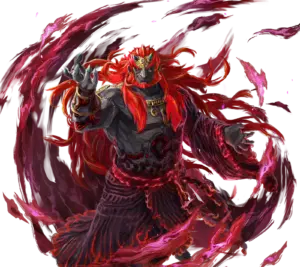 Demon King GanondorfThe Final ConfrontationThe last enemy of Chapter 5, faced by Zelda and Rauru.
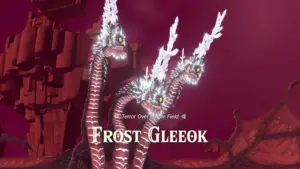 GleeoksBeneath the Blood Moon · Into the FrayA Frost Gleeok is the boss of the first flying stage; a King Gleeok opens Chapter 5.
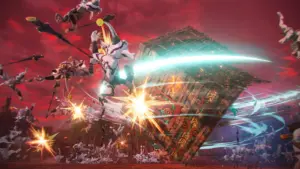 Flux ConstructsWhere Ancient Wisdom Sleeps · Purging the ShadowsFlux Construct I guards the third battle and Flux Construct II turns up in Chapter 4. Since the first update you can perform a Sync Strike with one.
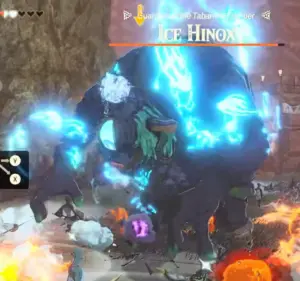 Hinox, Talus, Lynel, Frox and MoldugaThroughoutThe heavyweights of Tears of the Kingdom, here in fire, ice, electric and sludge-covered varieties.
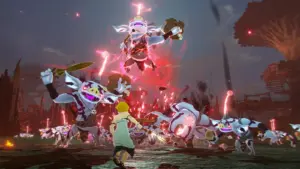 Vicious enemiesAfter the storyTougher versions added by the updates: Bokoblins and Flux Constructs first, then Lizalfos and ChuChus.
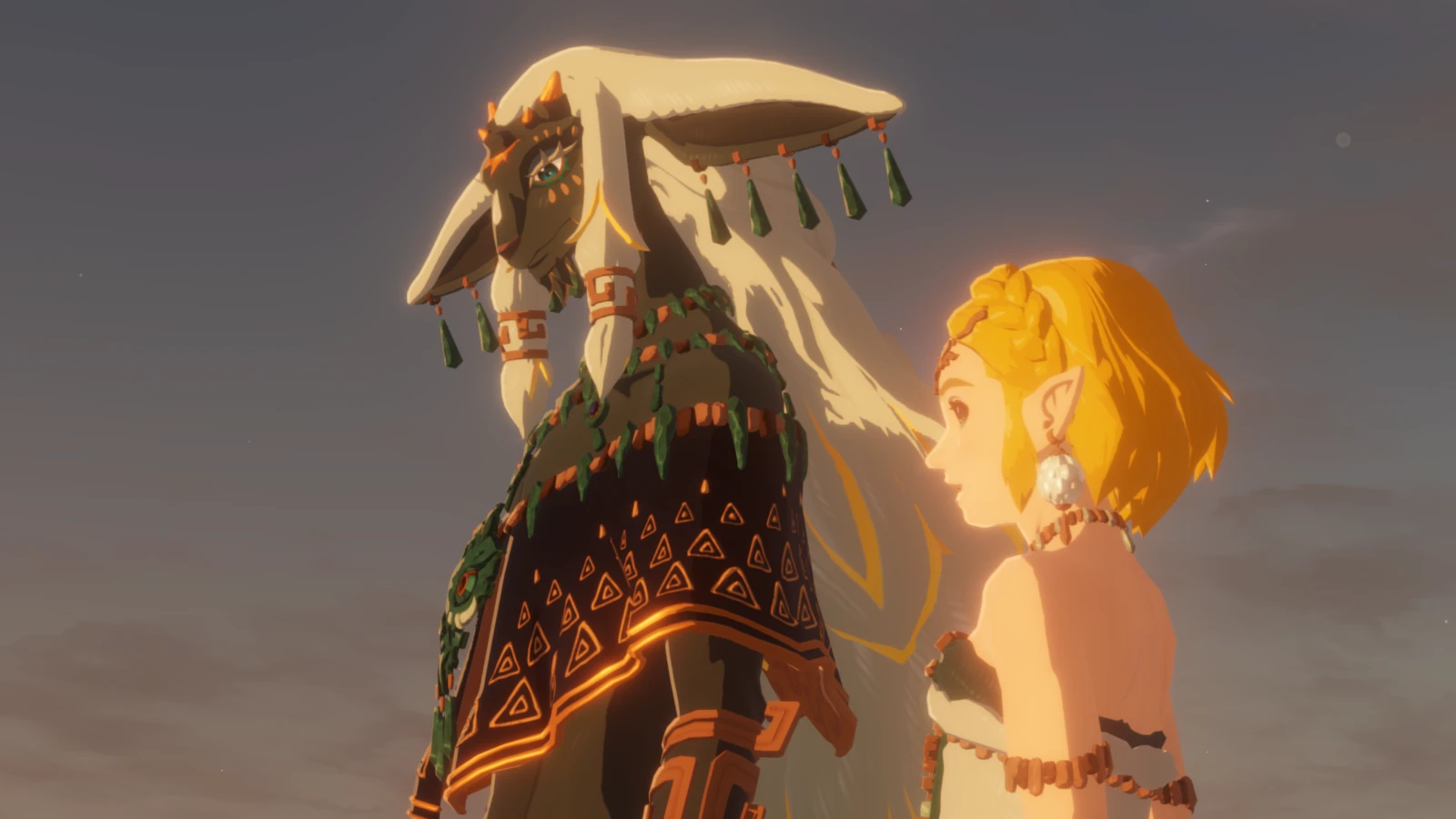
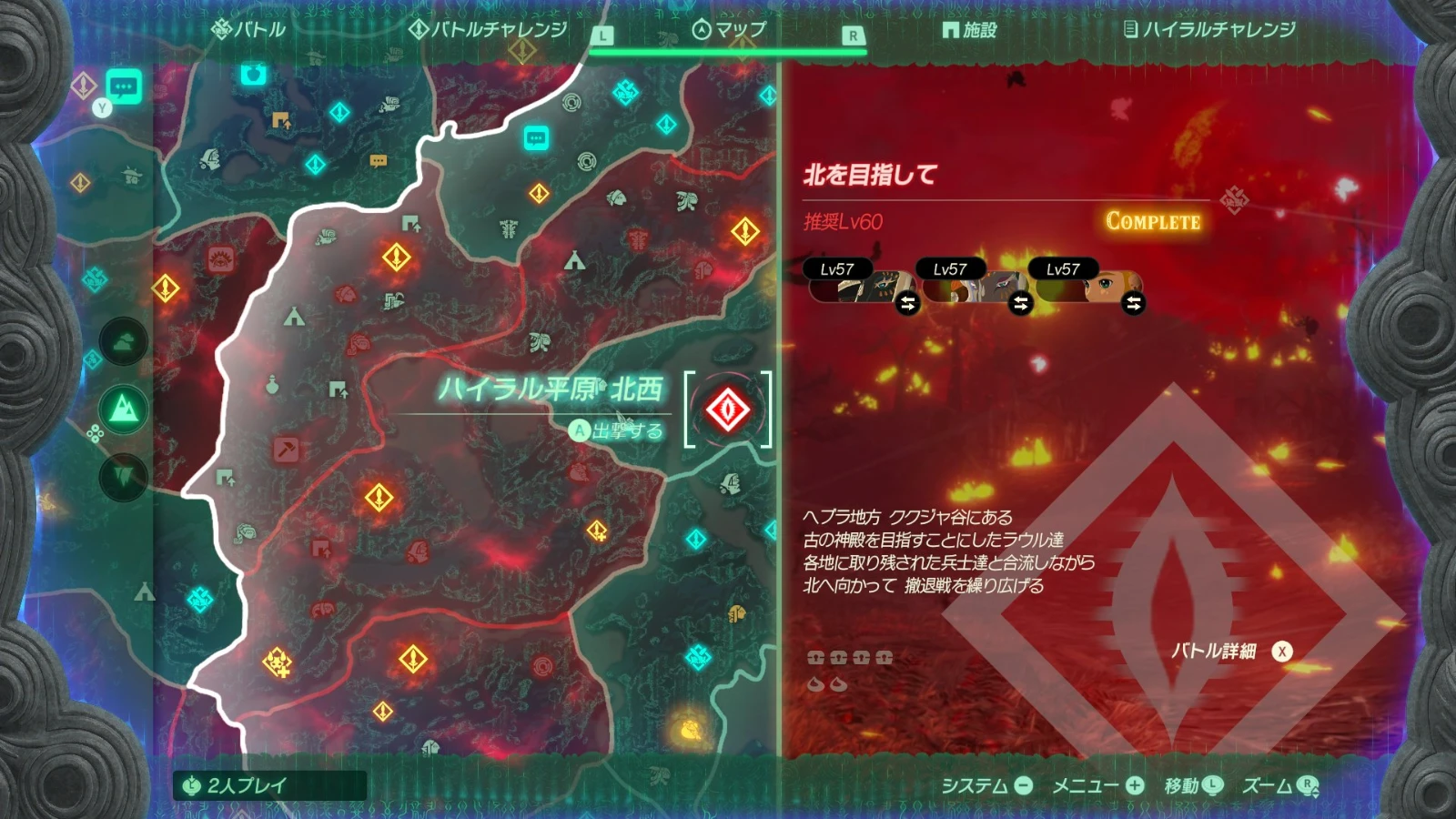
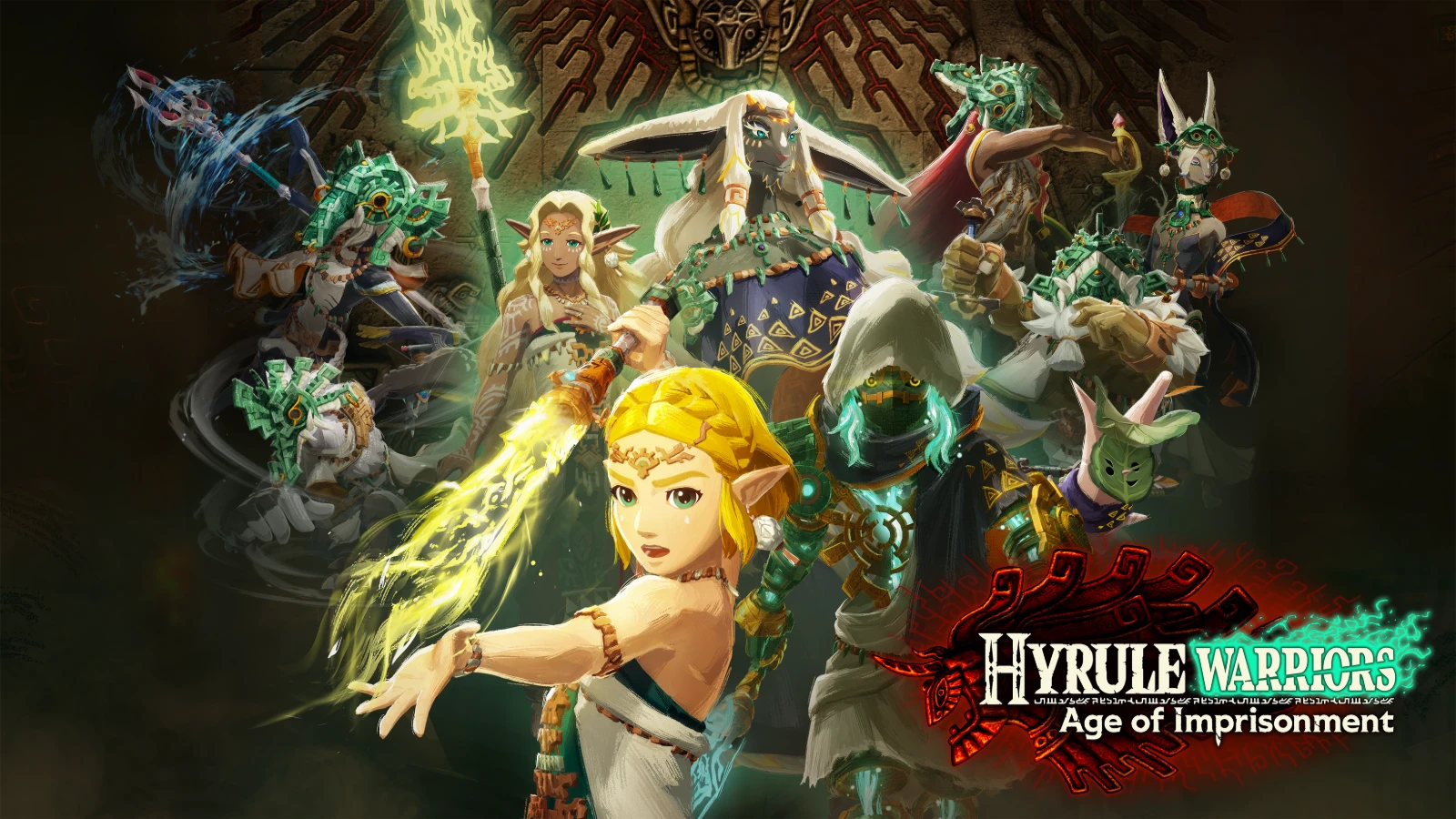 The Imprisoning War, playableTears of the Kingdom shows the founding era only in Zelda’s memories. This is the first game that lets you fight in it.
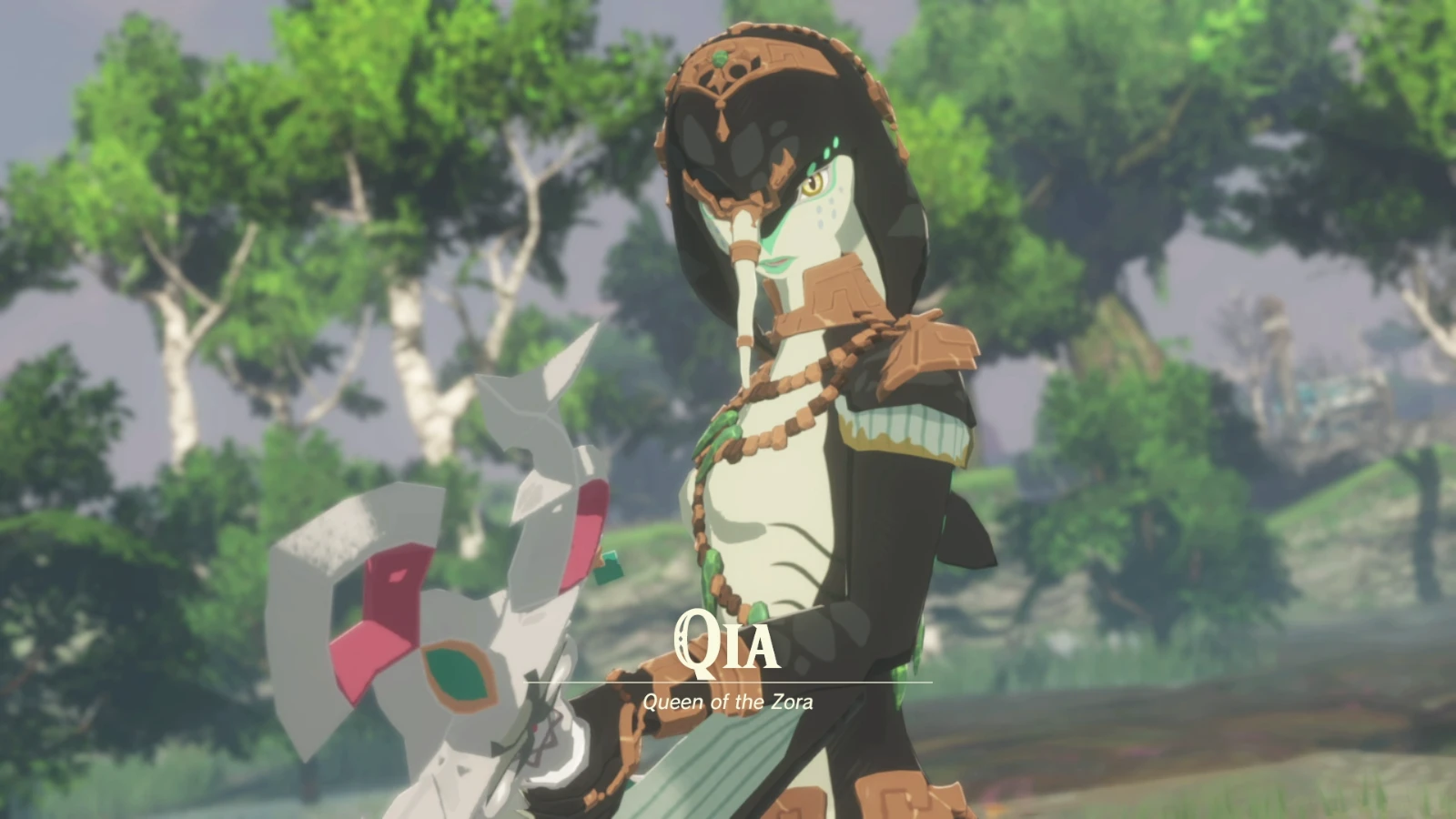 Sages with names and facesThe four ancient sages are masked and nameless in Tears of the Kingdom. Agraston, Raphica, Qia and Ardi were named and unmasked for this game.
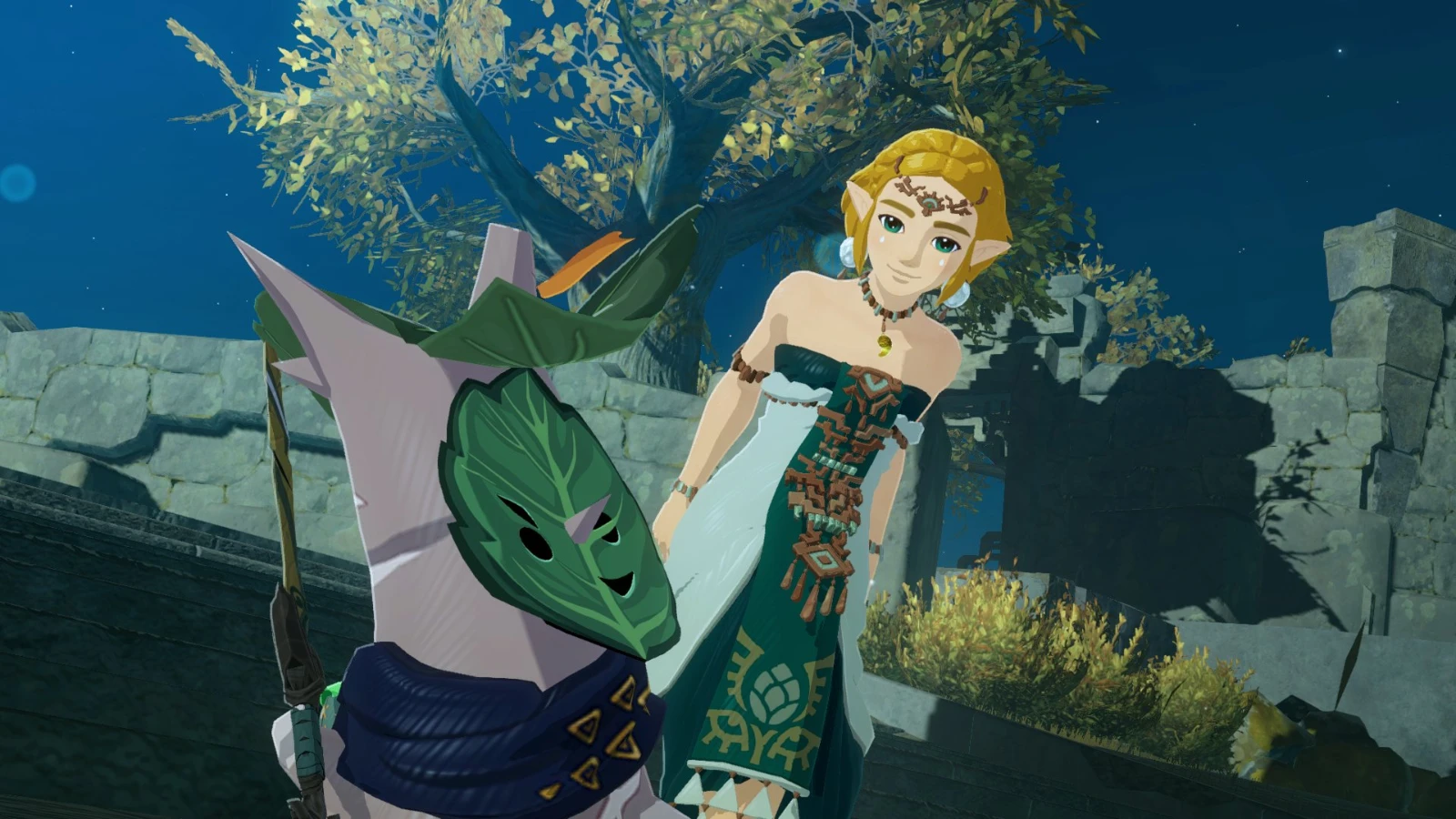 Sync StrikesA mechanic new to the series: two allies with full Sync gauges combine for one attack, with special versions for particular pairs.
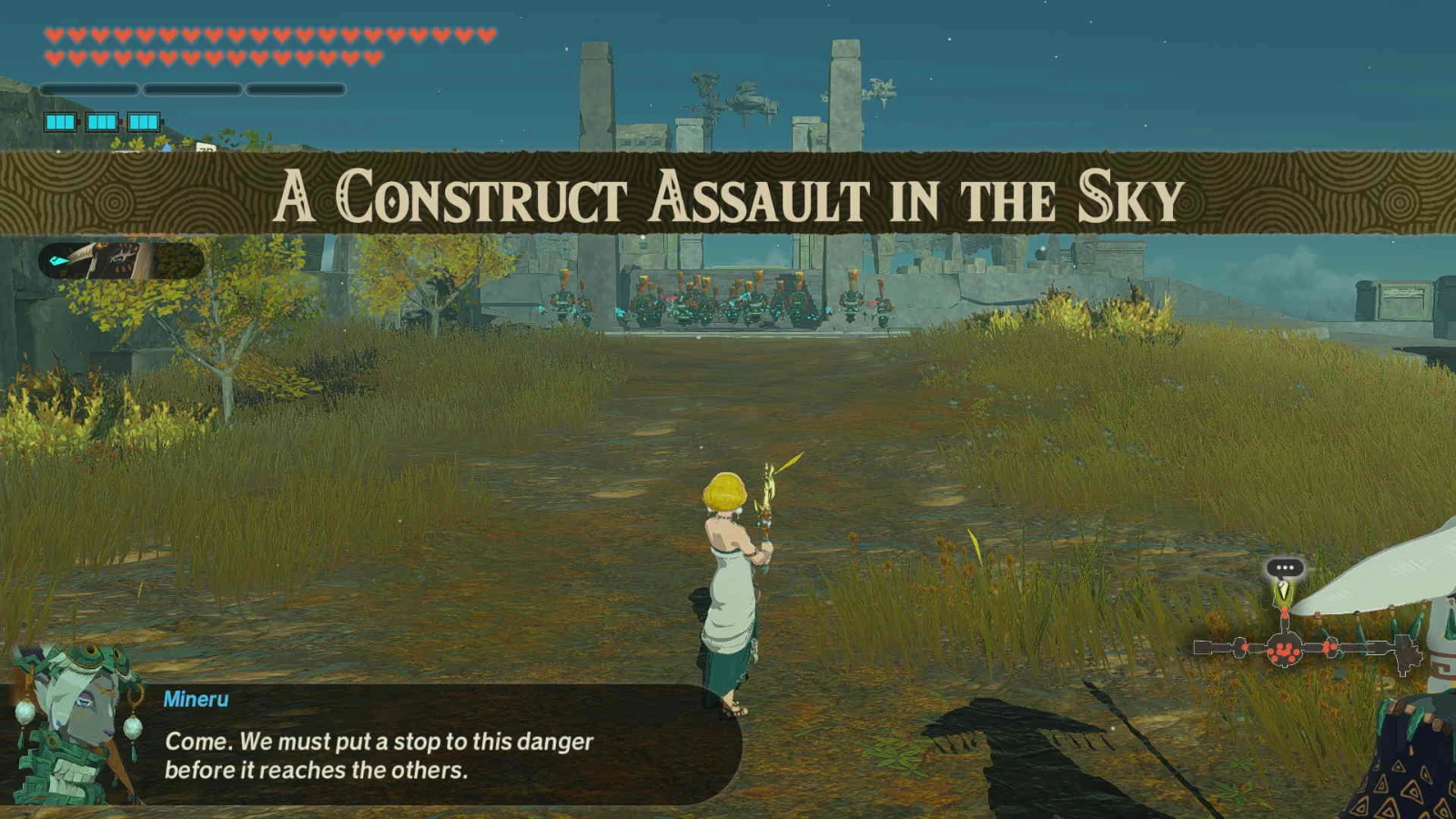 Hyrule Warriors on railsThe Mysterious Construct’s flying stages swap crowd combat for an on-rails shooter. They take the place of Age of Calamity’s Divine Beasts, one of which, Vah Medoh, had already taken the fighting into the air.
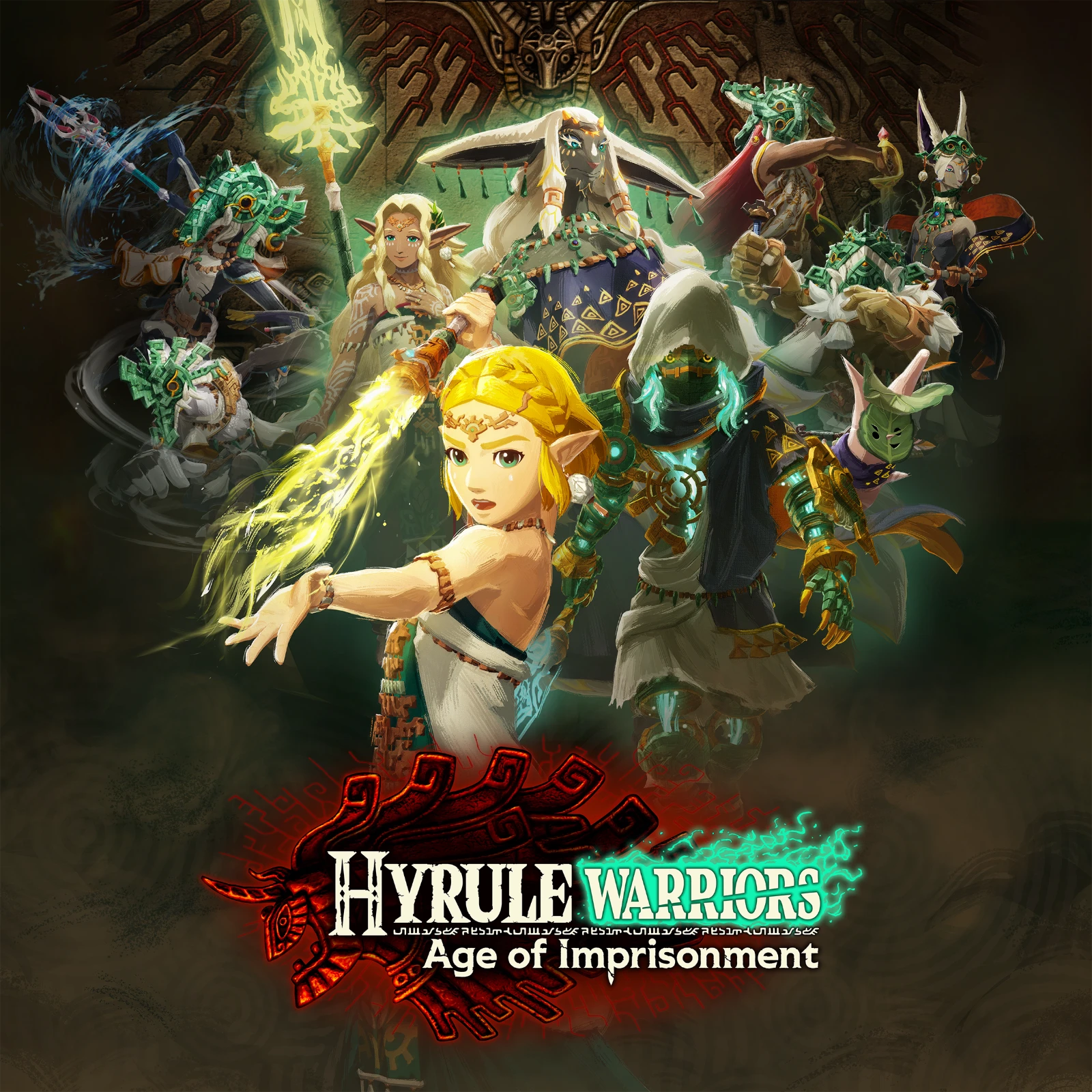 A Hyrule Warriors billed as canonNintendo’s announcement called the story a canonical tale. VGC’s review pointed out that the two earlier Hyrule Warriors games are not regarded that way.
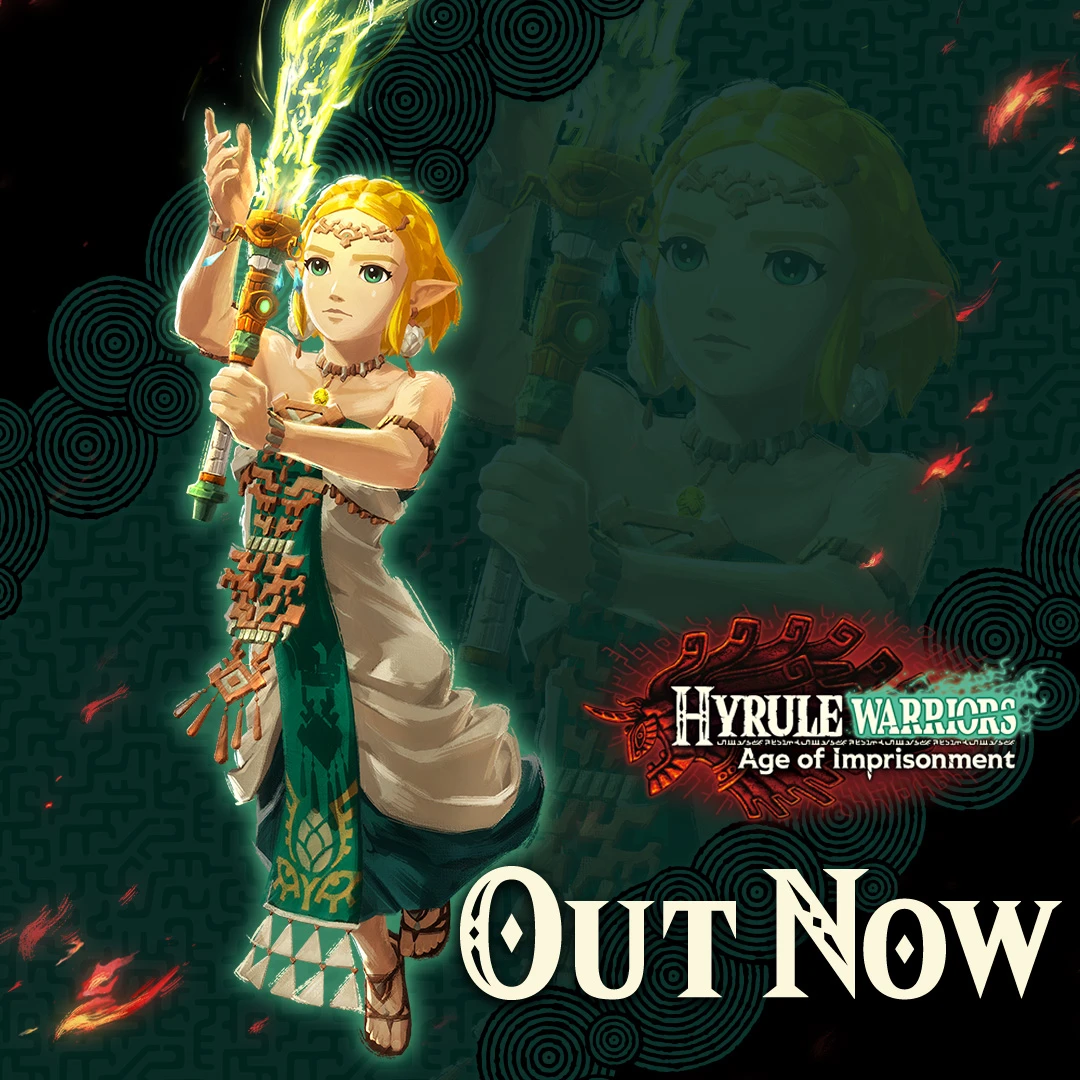 AAA Games Studio’s debutKoei Tecmo chose it as the first release from its new AAA Games Studio. Eiji Aonuma, for his part, described it to 4Gamer as the first Zelda title on Nintendo Switch 2, which is true if you set aside the upgraded Switch 2 Editions of Breath of the Wild and Tears of the Kingdom released in June 2025.