Game Boy Color2001Flagship (Capcom)Action-adventureLinked with Oracle of Ages
The Legend of Zelda: Oracle of Seasons
A dancer is snatched by a general of darkness, the seasons go haywire, and Link gets a magic rod that can turn summer into winter with one swing. The action-packed half of Capcom’s Oracle double act.
Released27 February 2001 (JP) · 14 May 2001 (NA) · 5 October 2001 (EU)
DeveloperFlagship (Capcom) with Nintendo
DirectorHidemaro Fujibayashi
ProducerNoritaka Funamizu
Players1
Companion gameOracle of Ages
Sales3.99 million (with Oracle of Ages)
Title
The Legend of Zelda: Oracle of Seasons ゼルダの伝説 ふしぎの木の実 大地の章 (Zeruda no Densetsu: Fushigi no Kinomi – Daichi no Shō)
Platform
Game Boy Color (with extras on Game Boy Advance)
Developer
Flagship (set up by Yoshiki Okamoto with funding from Capcom, Nintendo and Sega)
Publisher
Nintendo
Director, designer and writer
Hidemaro Fujibayashi
Producer
Noritaka Funamizu
Character design
Yusuke Nakano
Design
Yoichiro Ikeda, Su Chol Lee
Music
Minako Adachi (“M-Adachi”) and Kiyohiro Sada (“Kyopi”) of Pure Sound
Genre
Action-adventure
Players
1 (link two Game Boys to swap rings)
Cartridge
8 megabits (16 megabits in Europe)
Released (Japan)
27 February 2001
Released (North America)
14 May 2001 (some lists give 13 May)
Released (Europe)
5 October 2001
Released (Australia)
5 October 2001 according to Zelda Dungeon; Nintendo Australia’s own Zelda timeline gives 8 June 2001
Nintendo 3DS Virtual Console (2013); Nintendo Switch Online Game Boy (27 July 2023)
Sales
3.99 million with Oracle of Ages
GameRankings
91.37% (23 reviews)
Overview
Capcom making a Zelda game sounded like a fan’s daydream in 1999, but that is exactly what happened. Flagship, a studio set up under Capcom’s umbrella by the veteran producer Yoshiki Okamoto, pitched Shigeru Miyamoto a Game Boy Color remake of the original Legend of Zelda. Over two years of rethinking it grew into something much bigger: two brand-new adventures, Oracle of Seasons and Oracle of Ages, released on the same day and designed to talk to each other.
Seasons is the one with the sword arm. Link is whisked away to the land of Holodrum, where General Onox has kidnapped Din, the dancing Oracle of Seasons, and thrown the weather into chaos. With the Rod of Seasons Link can stand on a tree stump and change the season, freezing lakes in winter so he can walk across them or growing vines in summer so he can climb. Beneath Holodrum lies Subrosia, a volcanic underworld of hooded traders who pay in ore.
Finish it and the game hands you a password for Oracle of Ages that carries your adventure across, changes the story, and leads to a hidden final battle against the series’ greatest villain. The pair were directed by Hidemaro Fujibayashi, who later directed The Minish Cap, Skyward Sword, Breath of the Wild and Tears of the Kingdom.
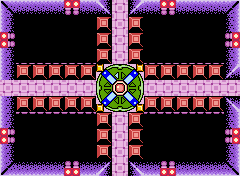
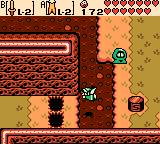
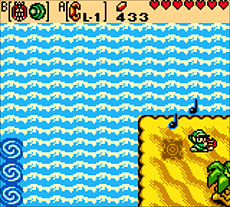
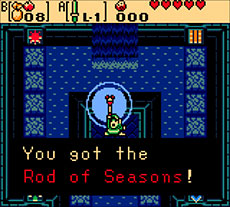
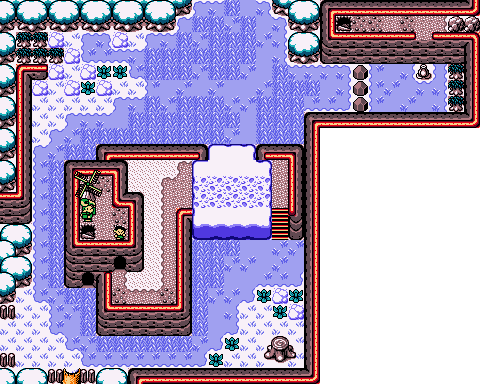
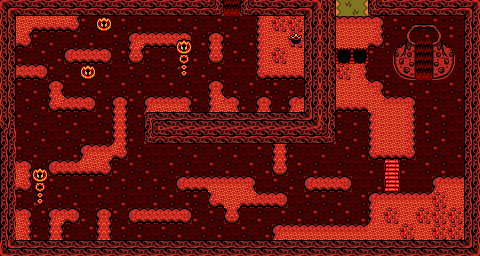
Swinging the Rod of Seasons on a tree stump.Winter freezes Holodrum’s water, opening new paths.Subrosia, the lava-lit world beneath Holodrum.
Link is summoned to Hyrule Castle by the Triforce itself, beginning a parallel set of thrilling adventures.
Nintendo’s own one-line summary of the Oracle pair, from the official Zelda history timeline on its Australian website. It treats Seasons and Ages as a single entry, two adventures running side by side.
— Official description: Nintendo Australia, “The Legend of Zelda history” (nintendo.com/au/zelda/history). One line quoted.
Quick Answers
Quick answers to the questions people ask most about Oracle of Seasons. More detail follows further down.
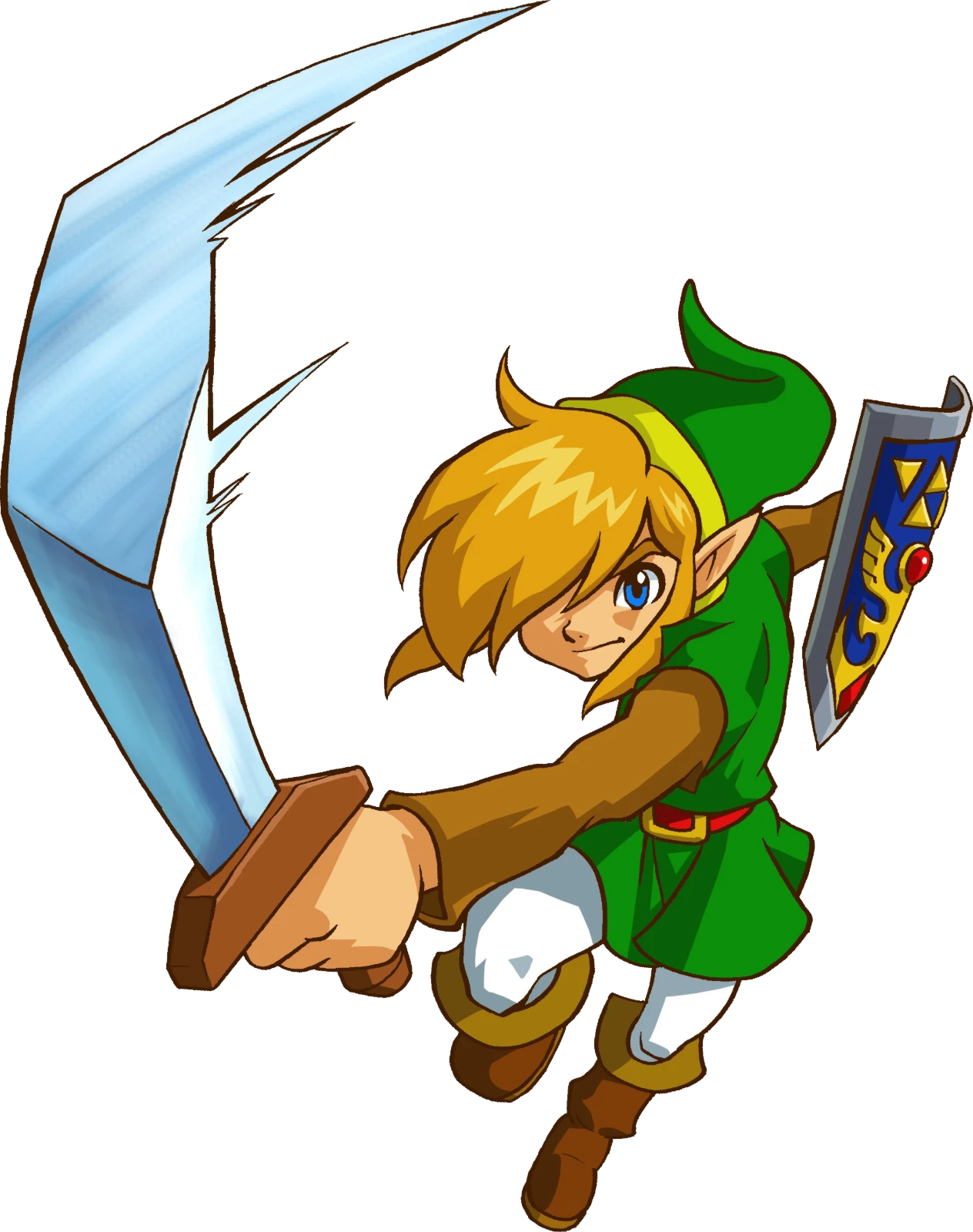
Official art of Link from Oracle of Seasons.
When did Oracle of Seasons come out?
27 February 2001 in Japan, 14 May 2001 in North America and 5 October 2001 in Europe, each time on the same day as Oracle of Ages. Australian sources disagree: 5 October or 8 June 2001. More →
Who made it?
Flagship, a studio under Capcom, working with Nintendo. Hidemaro Fujibayashi directed and Noritaka Funamizu produced; Nintendo published. More →
Should I play Seasons or Ages first?
Either order works. Seasons leans towards combat and Ages towards puzzles; whichever you finish first gives you a password to start a linked game in the other. More →
How does the linked game work?
Beat one game to get a password. Enter it when starting the other and the second game becomes a sequel: characters pass you secrets to swap items and upgrades between the two, and the real final battle is unlocked. More →
Who is the secret final boss?
Ganon. Only in a linked game, the witches Twinrova kidnap Princess Zelda to revive him, and Link must face both. More →
How many dungeons are there?
Eight main dungeons, each holding an Essence of Nature, plus the Hero’s Cave tutorial, an optional Moblin’s Keep and Onox’s Castle. More →
Which animal friend should I pick?
Ricky the boxing kangaroo, Dimitri the swimming Dodongo or Moosh the flying bear. Which one stays with you depends on which flute you have when you reach the Natzu region. More →
How many rings are there?
64 Magical Rings across the two Oracle games, some of which can only be found in one game or by linking them. More →
Where can I play it today?
On Nintendo Switch through Nintendo Switch Online, where it joined the Game Boy library on 27 July 2023. The 3DS Virtual Console version is no longer sold, as the 3DS eShop has closed. More →
Plot / Story
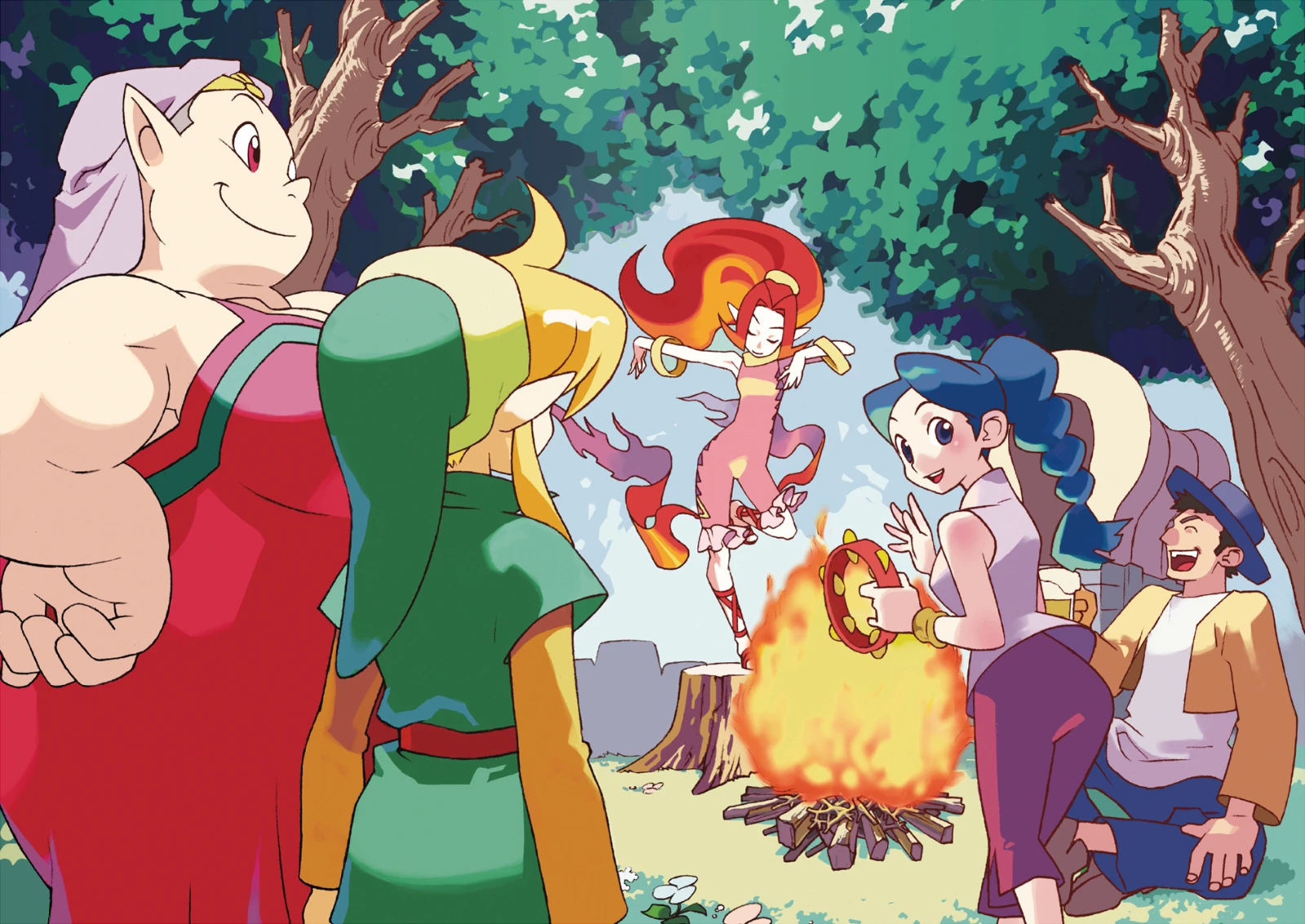
Din’s troupe of performers.
It starts in Hyrule, with a call from the Triforce. Link is summoned away from Hyrule Castle and dropped into a forest in a land he has never seen, Holodrum. There he stumbles on a band of travelling performers led by a dancer named Din, and is coaxed into joining the dance.
The fun lasts about a minute. Black clouds roll in and a voice booms out: Din is the Oracle of Seasons, says the voice, and its owner is Onox, General of Darkness. A twister carries Din away. Onox seals her inside a crystal and sinks the Temple of Seasons deep underground, and Holodrum’s weather goes mad, lurching from season to season with no warning.
The Maku Tree and the Rod of Seasons
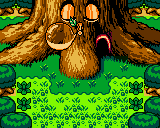
One of the troupe turns out to be Impa, Princess Zelda’s nursemaid, who had been trying to get the Oracle safely out of Holodrum. She sends Link to the Maku Tree, the great guardian tree of Horon Village, Holodrum’s largest town. Link takes a sword from the Hero’s Cave and finds the tree weary and withered, weakened by what Onox has done to Din’s power.
The Maku Tree gives Link the Gnarled Key and a task: gather the eight Essences of Nature, which will make the tree strong enough to break the barrier around Onox’s castle. Gathering all eight, he says, is the only option.
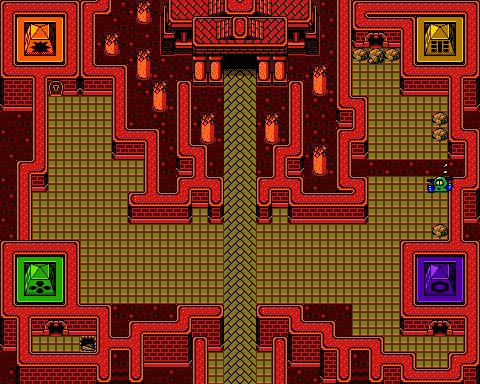
The Temple of Seasons has landed in Subrosia, a world of lava rivers and volcanoes hidden under Holodrum, reached through portals scattered across the land. In its ruins Link claims the Rod of Seasons, which holds some of Din’s power. At first it cannot do much, but each of the temple’s four towers holds a season spirit – winter, spring, summer and autumn – and each one Link reaches adds a season to the rod.
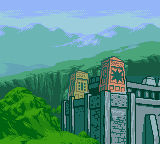
Onox’s twister carries Din away.The Maku Tree of Horon Village.The Temple of Seasons, sunk into Subrosia.
Eight Essences of Nature
The heart of the adventure is a journey round Holodrum, and down into Subrosia, to find eight dungeons and the Essence of Nature at the end of each. The rod is the key to everything outside: the same screen can be a dead end in one season and an open path in another, whether that means a frozen lake in winter or climbable vines in summer.
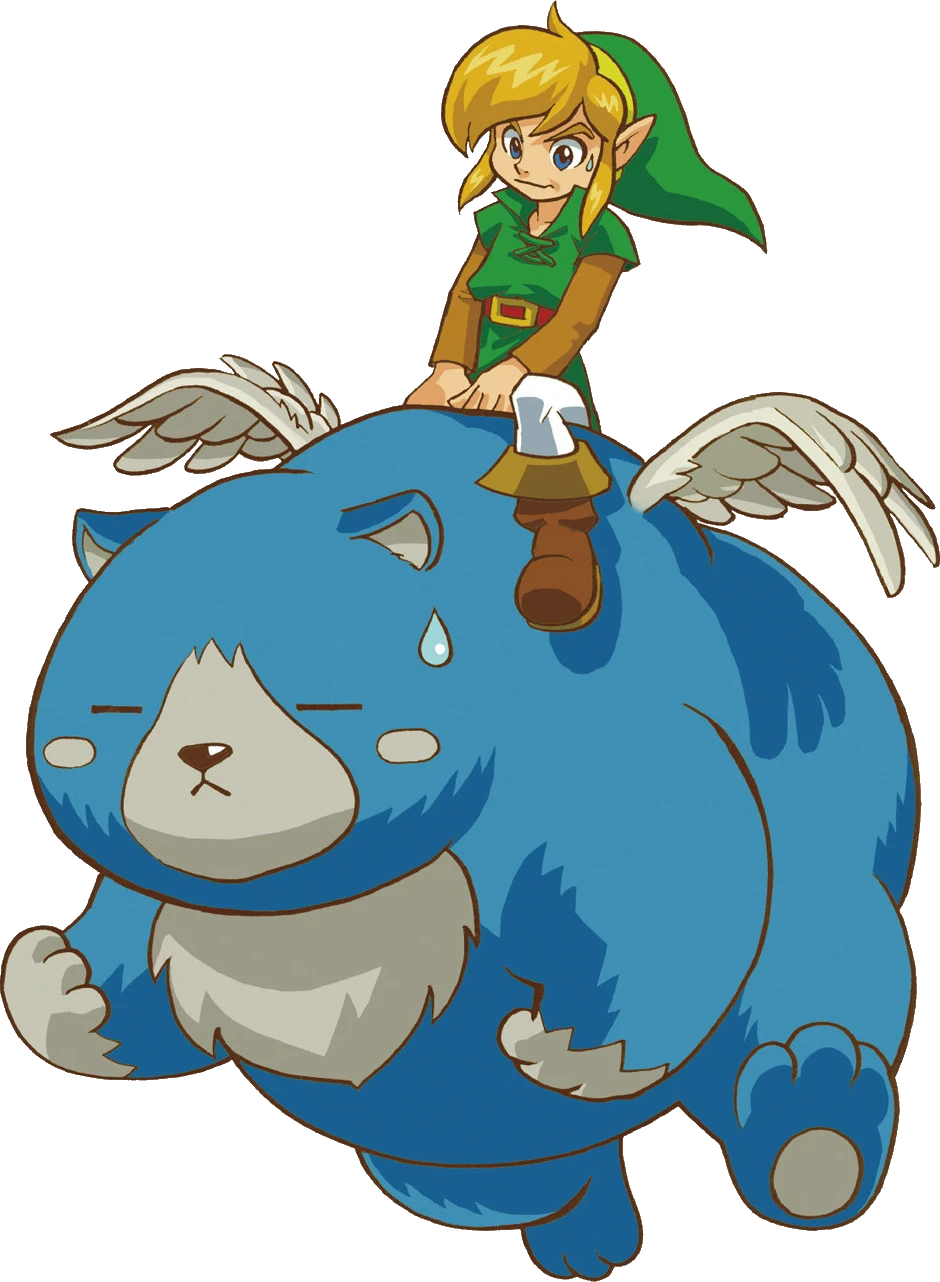
Link makes friends along the way. Ricky, a boxing kangaroo, has lost his gloves to a rival called Blaino. Dimitri, a gentle red Dodongo, is being bullied by local children in Sunken City. Moosh, a winged blue bear, needs Spring Bananas from the top of Mt. Cucco. One of the three ends up as Link’s companion for good.
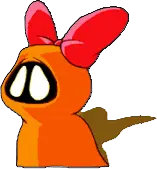
Below ground, the Subrosians have their own troubles. The temple’s arrival has caused havoc in their world, and they have their own little dramas to sort out, from a hooded girl named Rosa who will go on a date for the right ribbon, to a crew of Piratians whose ship crash-landed in the Samasa Desert.
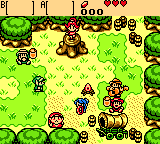
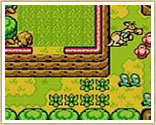
Ricky the kangaroo, one of Link’s animal companions.The hooded Subrosians and their market.The same screen in summer, with climbable vines.
The General of Darkness
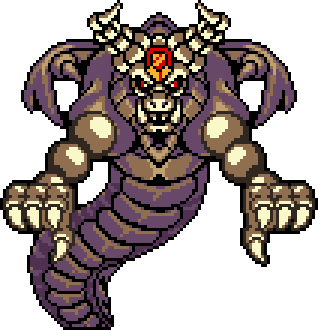
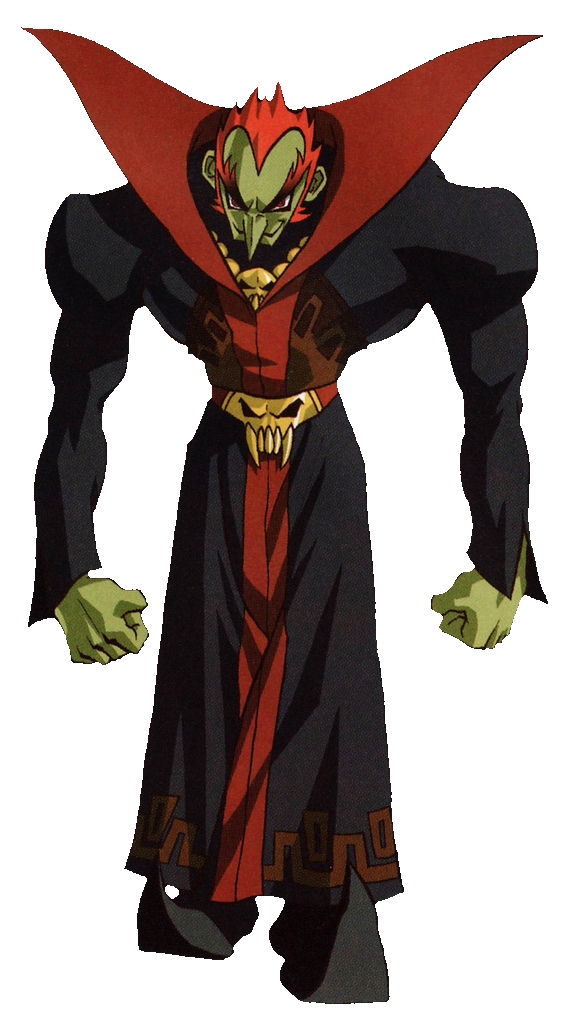
With all eight Essences, the Maku Tree produces the Huge Maku Seed, which clears the shadow barrier on Onox’s castle in the Northern Peak. Onox fights in heavy armour, holding the unconscious Din’s crystal as a shield; strike the crystal with the sword and it shocks you, but the Rod of Seasons can bat it away.
His armour is a disguise. Beaten, Onox reveals his true form, a great dark dragon, and Link must bring it down too. Din is freed, the seasons return to their proper order, and the Oracle dances again in Horon Village. She thanks Link but admits to a sense of dread: a new trial will call him away soon.
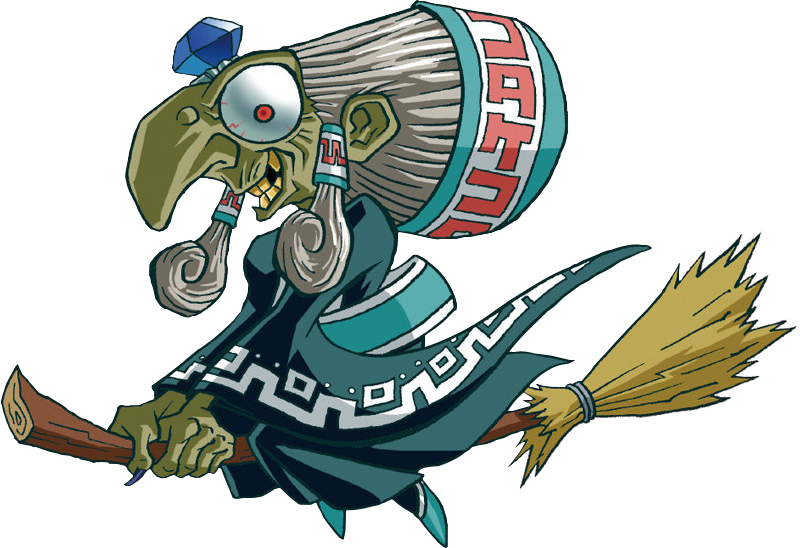
She is right. Far away, the twin witches Twinrova have been watching. Onox was their pawn, and all the chaos he caused has lit the Flame of Destruction, one of three flames they need to bring their master back.
General Onox, armoured and holding Din’s crystal.Twinrova watch from afar.
The linked game with Oracle of Ages
Oracle of Seasons is only half the story. Its partner, Oracle of Ages, sends Link to the land of Labrynna, where the sorceress Veran takes over the body of Nayru, the Oracle of Ages, and uses her power to cause chaos 400 years in the past. Each game stands alone, but finishing one gives you a password (the Secret to Labrynna in Seasons, the Secret to Holodrum in Ages) that turns the other into a sequel.
In a linked game the story changes. Characters who never normally appear in that land turn up with secrets, short passwords to carry back to the first game, where they unlock new items and upgrades; a second password brings the reward across again through Farore, the Oracle of Secrets. Rings can be traded the same way, or created at random by linking two Game Boys with a cable. Even the opening changes: in a linked Seasons game, Din’s troupe turn out to be Hylian knights sent by Zelda.
And there is a new ending. After the second Oracle is saved, Twinrova kidnap Princess Zelda to light the last of their three flames, the Flame of Despair, and use her as a sacrifice to revive Ganon. Din and Nayru combine their powers to help Link reach the witches’ lair, the Room of Rites. Link defeats Twinrova, who give up their own bodies as a vessel for Ganon. Without Zelda the ritual is incomplete, and Ganon rises as a mindless beast. Link destroys him, frees Zelda and earns the Hero’s Secret, a last password that unlocks the Victory Ring, a keepsake of Ganon’s defeat.
Princess Zelda in the linked game.Ganon, the secret final boss of the linked game.
Dungeons of Oracle of Seasons
Eight dungeons each guard an Essence of Nature. They are spread across Holodrum and Subrosia, and the last three hold upgraded versions of earlier items. The Hero’s Cave is a short tutorial, Moblin’s Keep is optional, and the Room of Rites only exists in a linked game.
Hero’s CaveTutorialWhere Link finds his first sword.
Gnarled Root DungeonDungeon 1 · Fertile SoilBoss: Aquamentus, the horned dragon from the first Zelda.
Snake’s RemainsDungeon 2 · Gift of TimeBoss: Dodongo.
Ancient RuinsDungeon 6 · Blowing WindBoss: Manhandla.
Explorer’s CryptDungeon 7 · Seed of LifeBoss: Gleeok.
Sword & Shield MazeDungeon 8 · Changing SeasonsIn Subrosia, home of the Hyper Slingshot. Boss: Medusa Head. (The European version calls it the Sword & Shield Dungeon.)
Moblin’s KeepOptionalThe Great Moblin’s fortress.
Onox’s CastleFinal dungeonIn the Northern Peak, sealed until Link has all eight Essences. Boss: General Onox and his dragon form.
Room of RitesLinked game onlyTwinrova’s lair, where Ganon is revived.
In comics, TV & other media
Holodrum never got its own cartoon, but the Oracle games have a manga, and their cast has popped up again in later Zelda games.
The Legend of Zelda: Oracle of Seasons (manga)Akira Himekawa · Viz Media volume 4 (2009)The manga duo Akira Himekawa adapted both Oracle games. In Viz’s English series, Oracle of Seasons is volume 4 and Oracle of Ages volume 5. The manga features Maple among its cast.
The Minish CapGame · Game Boy Advance · 2004Din, Nayru and Farore turn up in Hyrule Town looking for somewhere to live. Find them a house and each gives Link a charm: Din’s boosts his attack and turns his tunic red.
A Link to the Past (Game Boy Advance)Game · 2002Maple, the young witch who zooms around the Oracle games on her broom, replaces the hooded shopkeeper in the Magic Shop of the GBA version, working for her grandmother Syrup.
Characters
Holodrum has a bigger, sillier and more colourful cast than most handheld Zeldas: a dancing oracle, a boxing kangaroo, a land of hooded lava-dwellers, and a villain who is not what he seems. A linked game adds some very familiar faces.
Character
Who they are
In this game
Stats & abilities
LinkThe hero, far from home
The green-clad hero of the series. Here he begins at Hyrule Castle and is carried off to Holodrum by the Triforce itself, and has to find a sword in a cave before his adventure can begin.
He collects the eight Essences of Nature, masters the Rod of Seasons and defeats Onox. In a linked game he goes on to rescue Zelda and destroy Ganon.
Rod of Seasons: change the season from a tree stump
Sword and shield, each upgraded twice
Seasons-only items: Slingshot, Magnetic Gloves
Up to 64 Magical Rings to collect
DinThe Oracle of Seasons
A spirited dancer who travels Holodrum with a troupe of performers and, without making a fuss of it, keeps the four seasons in balance. She shares her name with Din, the Golden Goddess of Power who shaped Hyrule’s red earth in its creation story, but she is a different character.
Kidnapped by Onox in the opening scene and sealed in a crystal, she is used as a living shield in the final battle. Freed, she dances again and senses trouble to come. In a linked game she helps Link reach the Room of Rites.
Keeper of the seasons
Part of her power lives in the Rod of Seasons
Cameo in The Minish Cap, with her fellow Oracles
General OnoxThe General of Darkness
A towering figure in black armour who announces himself as the General of Darkness. The armour is a disguise: his true form is a dark dragon. He is the Seasons counterpart to Veran, the villain of Oracle of Ages, and like her he is a pawn of Twinrova.
He imprisons Din, buries the Temple of Seasons in Subrosia and wraps his castle in a shadow barrier. He waits in the Northern Peak as the final boss.
Shields himself with Din’s crystal
Protected by a shadow barrier until Link has every Essence
Second form: a dark dragon
The Maku TreeGuardian of Holodrum
A great talking tree in the north-east of Horon Village. Holodrum’s Maku Tree is male; Oracle of Ages has a different, female Maku Tree in Labrynna.
Weakened by Onox’s meddling, he sets Link the task of collecting the Essences of Nature and grows larger with each one, finally producing the Huge Maku Seed that opens Onox’s castle.
Gives Link the Gnarled Key
Farore’s Hall of Secrets is inside him
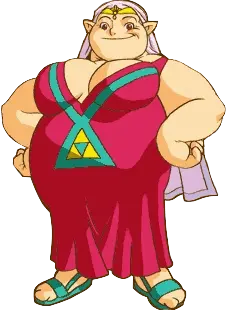
ImpaZelda’s nursemaid
Zelda’s loyal guardian, who in the first Legend of Zelda was the woman who told Link about the princess’s capture, and in Ocarina of Time became the Sage of Shadow.
She has been travelling with Din’s troupe in secret, trying to smuggle the Oracle out of Holodrum. After the kidnapping she sends Link to the Maku Tree, before being called away to Labrynna.
Points Link to the Maku Tree
Also appears in Oracle of Ages
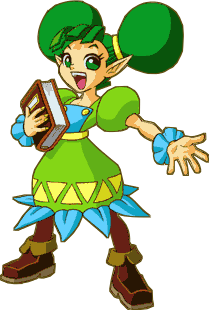
FaroreThe Oracle of Secrets
A woman who, like Din, shares a name with one of the three Golden Goddesses. She keeps the secret system of the two games running and plays no part in the main plot.
She lives in the Hall of Secrets inside the Maku Tree, which opens after Snake’s Remains. Link tells her the passwords he has collected, and she records them in a book called Farore’s Memory.
Turns secrets into rewards
Cameo in The Minish Cap
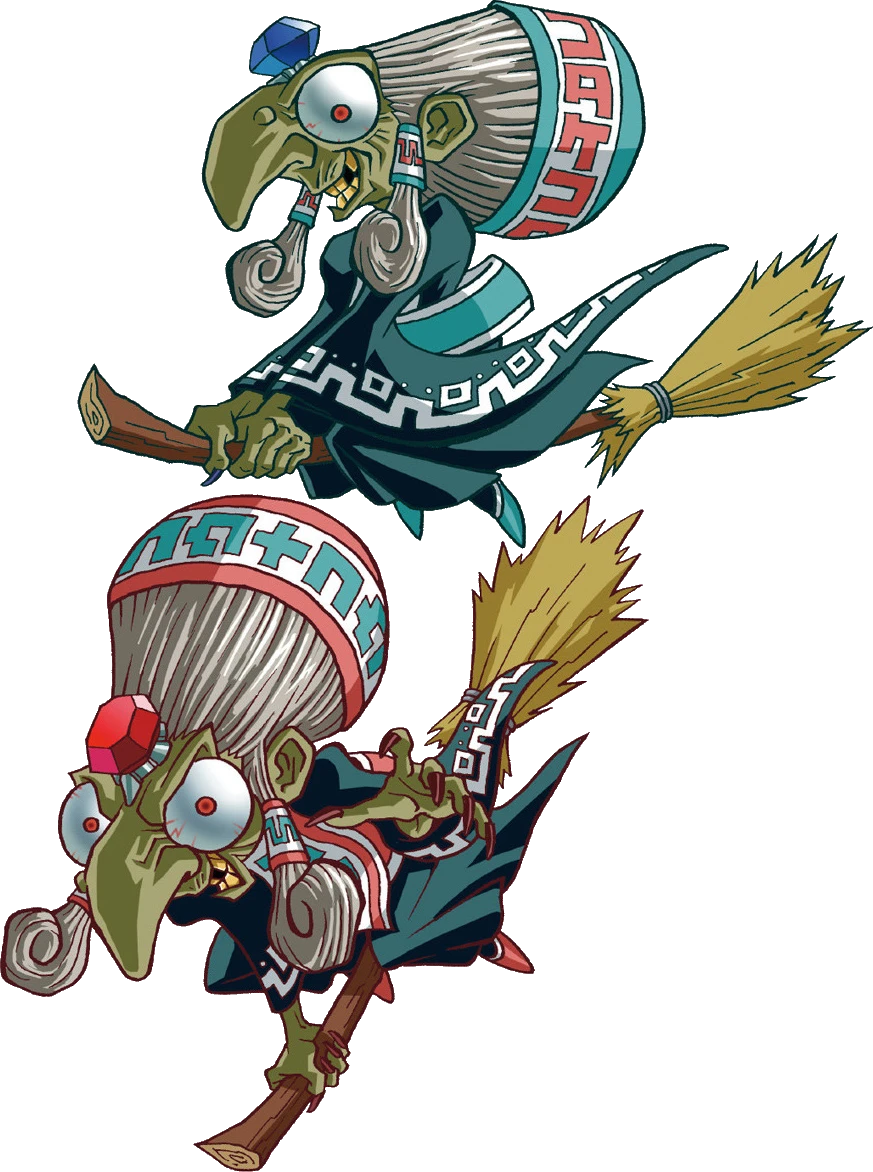
TwinrovaKoume and Kotake
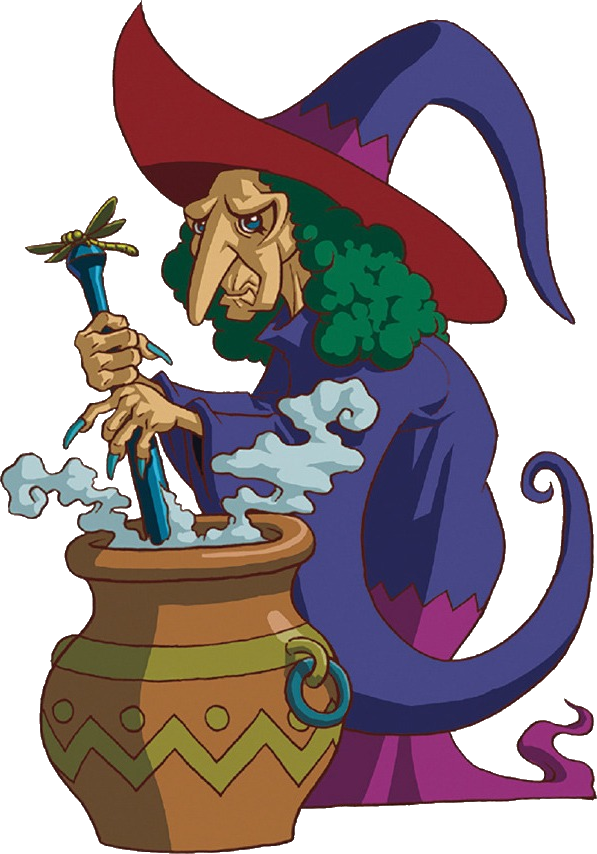
The fire witch Koume and the ice witch Kotake, Ganondorf’s surrogate mothers, who fought Link as the Spirit Temple boss in Ocarina of Time and ran a potion shop and a boat cruise in Majora’s Mask. Together they form Twinrova.
The schemers behind both Oracle games. They set Onox and Veran loose to light the Flames of Destruction and Sorrow, then, in a linked game, kidnap Zelda to light the Flame of Despair and bring back Ganon.
Fire and ice magic
Fused form in the linked game
Sacrifice themselves to revive Ganon
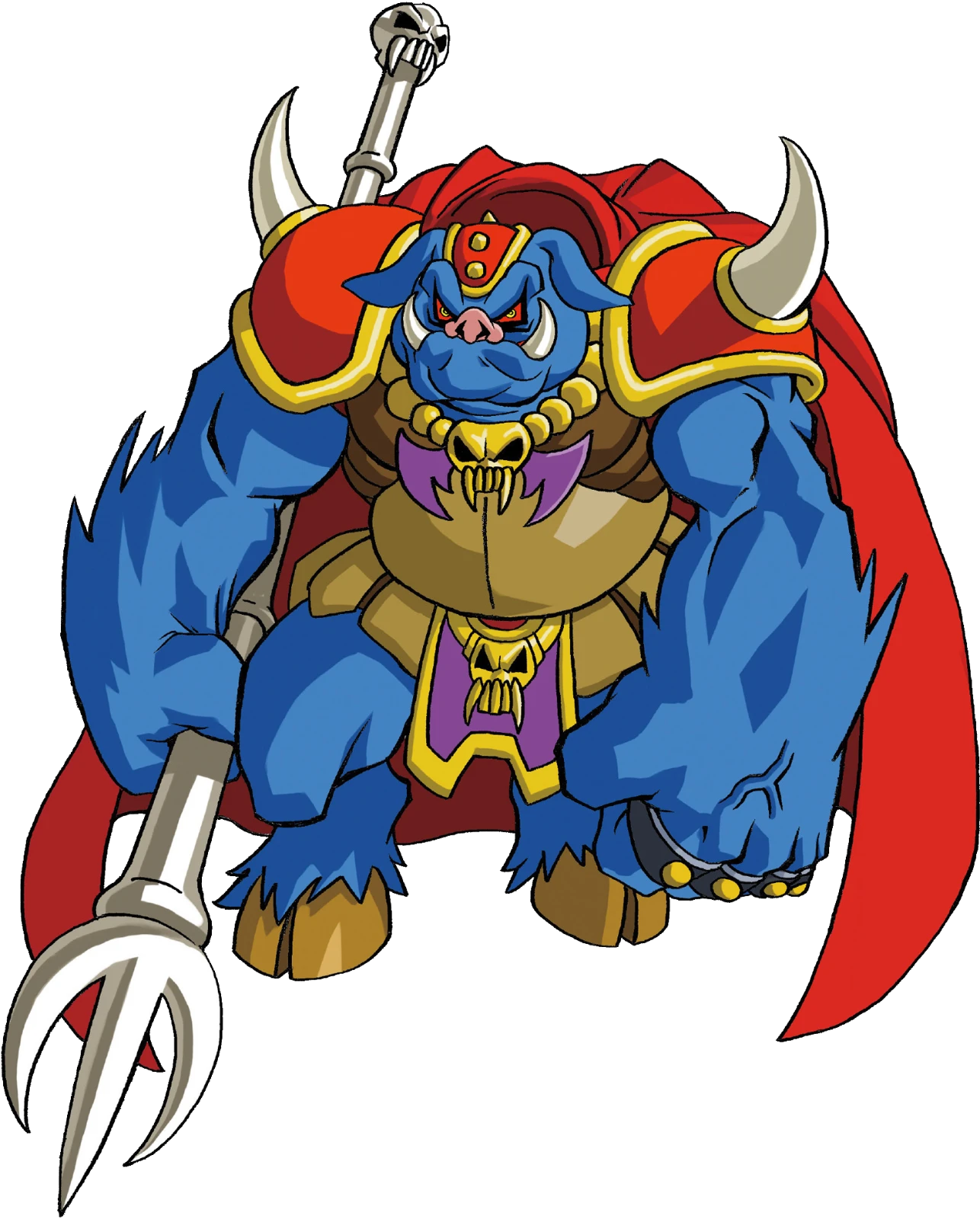
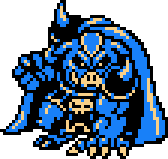
GanonThe secret final boss
The pig-like demon king who has been the series’ arch-villain since the first Legend of Zelda in 1986, and whose human form, Ganondorf, was first seen on screen in Ocarina of Time.
He appears only in a linked game. Revived without Zelda’s sacrifice, he returns as a mindless beast and is Link’s last opponent.
Linked game only
Defeating him earns the Victory Ring
Princess ZeldaPrincess of Hyrule
The princess of Hyrule and the title character of the series.
She only appears in a linked game, where Din’s troupe turn out to be Hylian knights she has sent. She is later kidnapped by Twinrova as the sacrifice needed to revive Ganon.
Linked game only
Rescued in the Room of Rites
NayruThe Oracle of Ages
A gifted singer from Labrynna who can control the currents of time, and the star of Oracle of Ages, in which the sorceress Veran takes over her body. Her name, too, is borrowed from a goddess: Nayru, the Goddess of Wisdom.
She appears briefly in Holodrum when the games are linked and, with Din, combines her power to send Link to face Twinrova.
Main character of Oracle of Ages
Linked game cameo in Seasons
RickyBoxing kangaroo
A hot-headed kangaroo with a pair of boxing gloves, who also appears in Oracle of Ages.
He has lost his gloves to his rival Blaino. Once Link wins them back, Ricky helps him jump pits on the way to Spool Swamp. If Link has no Strange Flute when he reaches the Natzu region, Ricky becomes his permanent companion.
Huge jumps across pits and up cliffs
Tornado Punch
Summoned with Ricky’s Flute
DimitriFriendly Dodongo
A big-hearted red Dodongo, a species usually found as a dungeon boss.
Link first meets him in Sunken City being bothered by local kids, who leave once Link gives them bombs. If Link has won the Strange Flute at the Subrosian Dance Hall, Dimitri joins him for good after Link pays off some Moblins.
Fast swimmer who can climb waterfalls
Can eat almost any enemy
Link can throw him
MooshWinged bear
A chubby blue bear with little wings, who also appears in Oracle of Ages.
Link meets him on Mt. Cucco and fetches him Spring Bananas. If Link bought the Strange Flute from the shop after the second dungeon, Moosh is rescued from Moblins in Spool Swamp and joins him.
Short flights over pits
Ground-pound attack
Afraid of water
Rosa & the SubrosiansPeople of the underworld
The hooded people of Subrosia, who are immune to heat, relax in the lava, love to dance and pay for things in Ore Chunks.
They run the market, the smithy and the Dance Hall, where Link can win prizes. Rosa, a Subrosian girl, will go on a date with Link if he buys her a ribbon.
Currency: Ore Chunks
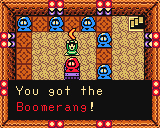
Subrosian Dance Hall prizes include the Boomerang
Smithy turns Hard Ore into the Iron Shield
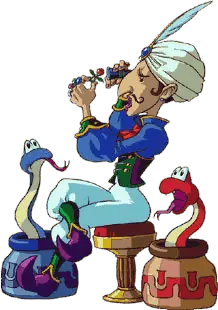
VasuJeweller
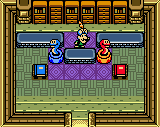
The owner of Vasu Jewelers in Horon Village, with a red snake and a blue snake for assistants.
He gives Link a Ring Box and the Friendship Ring and appraises the rings Link finds. His snakes handle ring passwords and the Fortune Link between two Game Boys.
Awards the Slayer’s Ring, Rupee Ring and 100th Ring
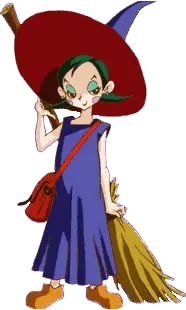
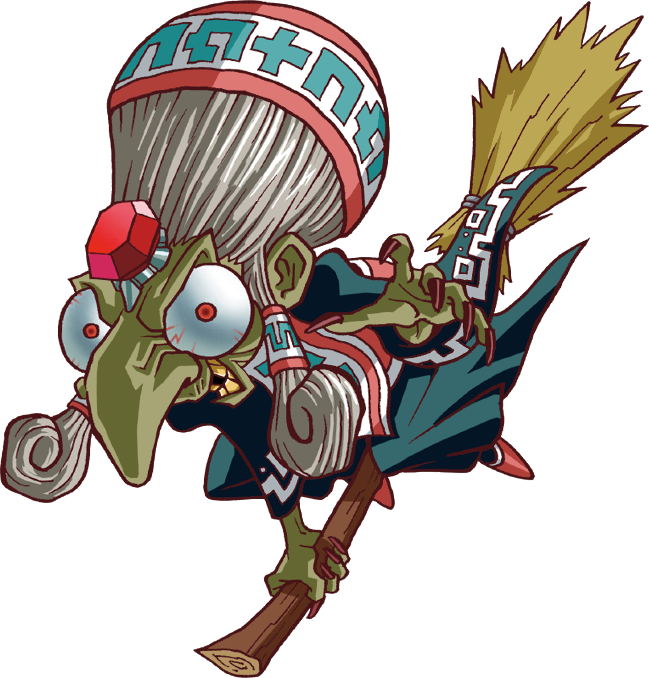
MapleApprentice witch
A young witch in training under her grandmother Syrup, the potion-maker of A Link to the Past. The Oracle games mark her first appearance.
She whizzes about on her broom after Link has beaten enough enemies. Bump into her and you both spill your bags, then race to grab the items; she sometimes carries rings or Pieces of Heart. In Oracle of Ages and in linked games she trades the broom for a vacuum cleaner or a flying saucer.
Random item race
Source of rare rings
Bosses and mini-bosses
Seasons began life as a remake of the first Legend of Zelda, and it shows: Aquamentus, Dodongo, Gohma, Digdogger, Manhandla and Gleeok all return from the 1986 original.
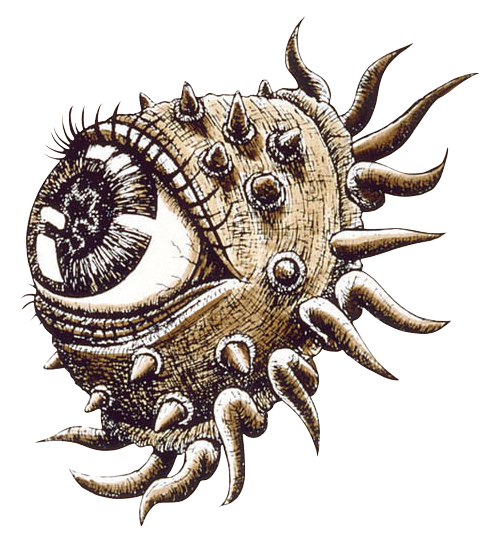
AquamentusGnarled Root DungeonBoss of Levels 1 and 7 in the first Legend of Zelda.
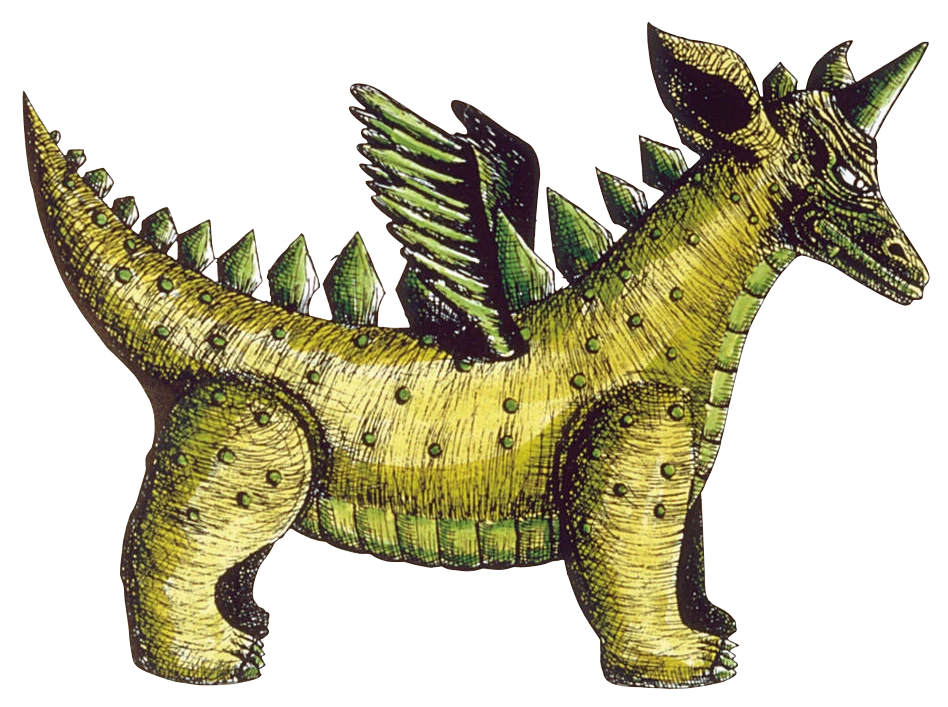
DigdoggerUnicorn’s CaveAnother boss revived from the 1986 game; this is only its second appearance.
ManhandlaAncient RuinsA plant monster with snapping heads.
GleeokExplorer’s CryptThe multi-headed dragon.
Medusa HeadSword & Shield MazeGuardian of the final Essence.
Great MoblinMoblin’s KeepBoss of the optional Moblin fortress.
Mini-bossesVarious dungeonsFacade, Omuai, Agunima, Syger, Vire, the Poe Sisters, Frypolar and the Goriya brothers.
General OnoxOnox’s CastleArmoured general, then dark dragon.
TwinrovaRoom of Rites (linked)Koume and Kotake, then their fused form.
GanonRoom of Rites (linked)The mindless, revived beast.
The people who made it
Flagship’s team made both Oracle games together, on the same engine.
Hidemaro FujibayashiDirector, designer, writerWent on to direct The Minish Cap, Skyward Sword, Breath of the Wild and Tears of the Kingdom.
Noritaka FunamizuProducerCapcom producer on both Oracle games.
Yoshiki OkamotoHead of FlagshipThe Capcom veteran who pitched a Game Boy Color Zelda to Shigeru Miyamoto in early 1999.
Shigeru MiyamotoNintendoSuggested the three-game “Triforce Series”, then that it be cut to two.
Yusuke NakanoCharacter designDesigned the cast, bringing elements of Ocarina of Time into Seasons.
Yoichiro Ikeda & Su Chol LeeDesignCredited designers.
Junichi MiyashitaScenarioOne of more than ten Flagship writers who worked on the three planned stories.
Minako Adachi & Kiyohiro SadaMusicPure Sound staff, credited as “M-Adachi” and “Kyopi”.
How it was made
The Oracle games are one of the strangest stories in Zelda’s history: a remake that became a trilogy that became a pair, made by a rival publisher’s studio. Most of what we know comes from a 2001 Nintendo Online Magazine interview with Hidemaro Fujibayashi and from IGN’s coverage at the time, as gathered in Wikipedia’s article, plus a recently translated interview with Yoshiki Okamoto.
A Capcom producer’s dare
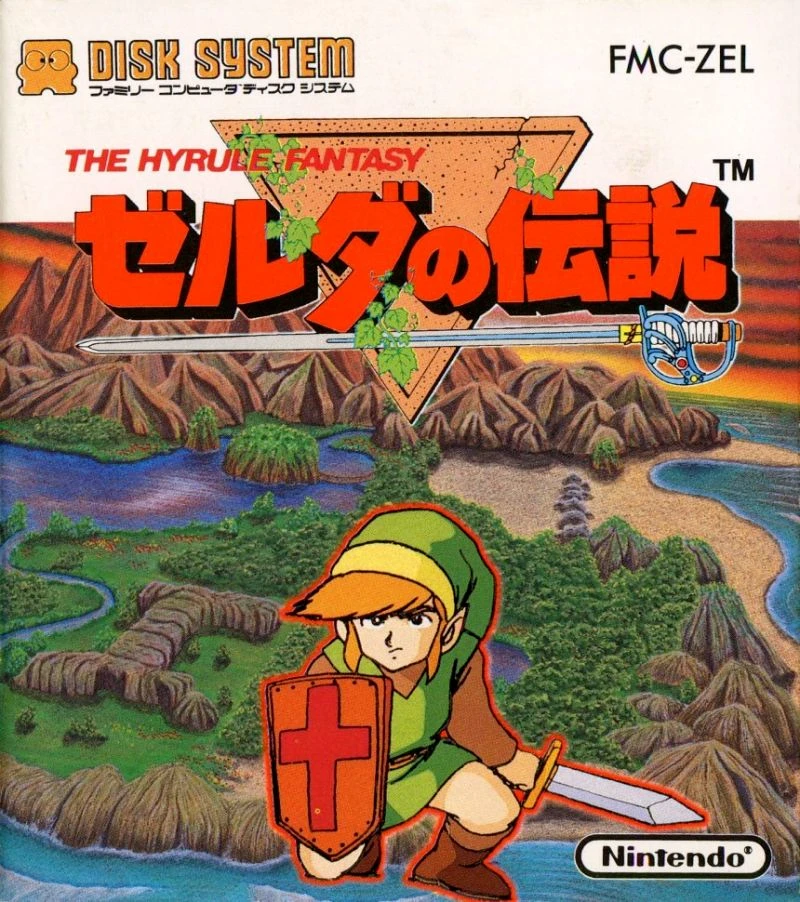
The original Legend of Zelda in its Famicom Disk System box, the game Okamoto wanted to remake.
In early 1999 Yoshiki Okamoto, then running Flagship, the scenario studio he had set up with Capcom’s backing, went to Shigeru Miyamoto with a proposal: a Game Boy Color remake of the original Legend of Zelda. The idea was to make a Zelda young children could manage, and to use it as a trial run for a more ambitious sequel.
Okamoto has told it more colourfully. In an interview translated by Did You Know Gaming in 2026, he recalled that he loved the first Zelda but Nintendo had no interest in bringing it to the Game Boy Color, so he threatened that Capcom would simply make its own version with different characters under another name. That, and a claim that Capcom could turn out four Zelda games in a single year, persuaded Miyamoto to take the idea seriously.
From remake to something new
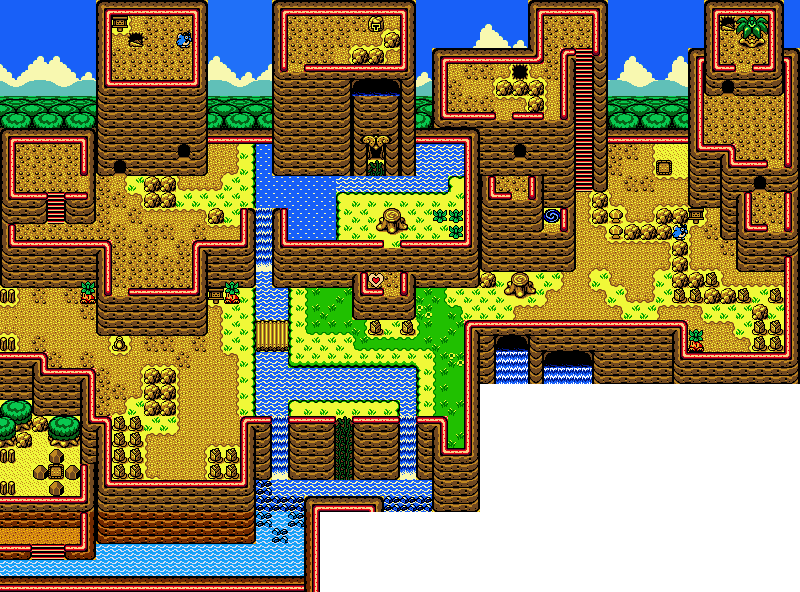
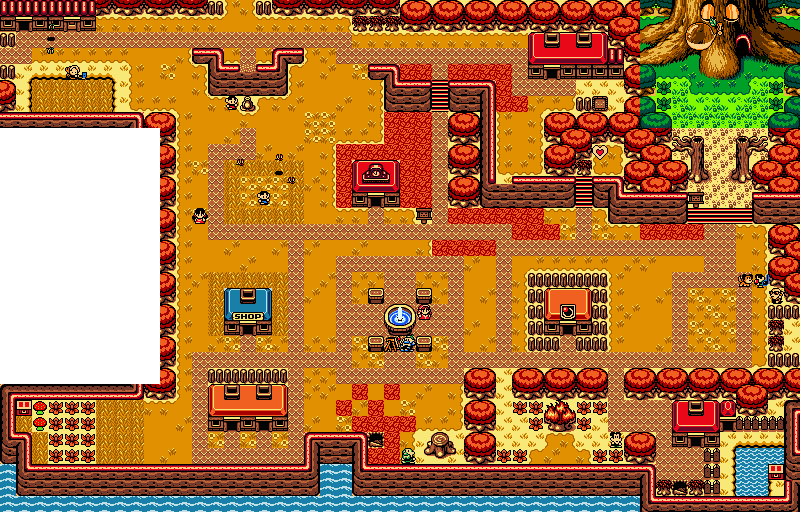
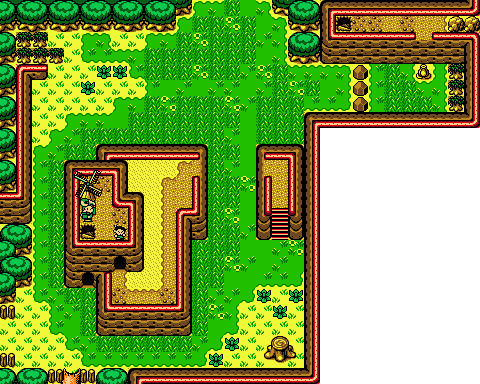
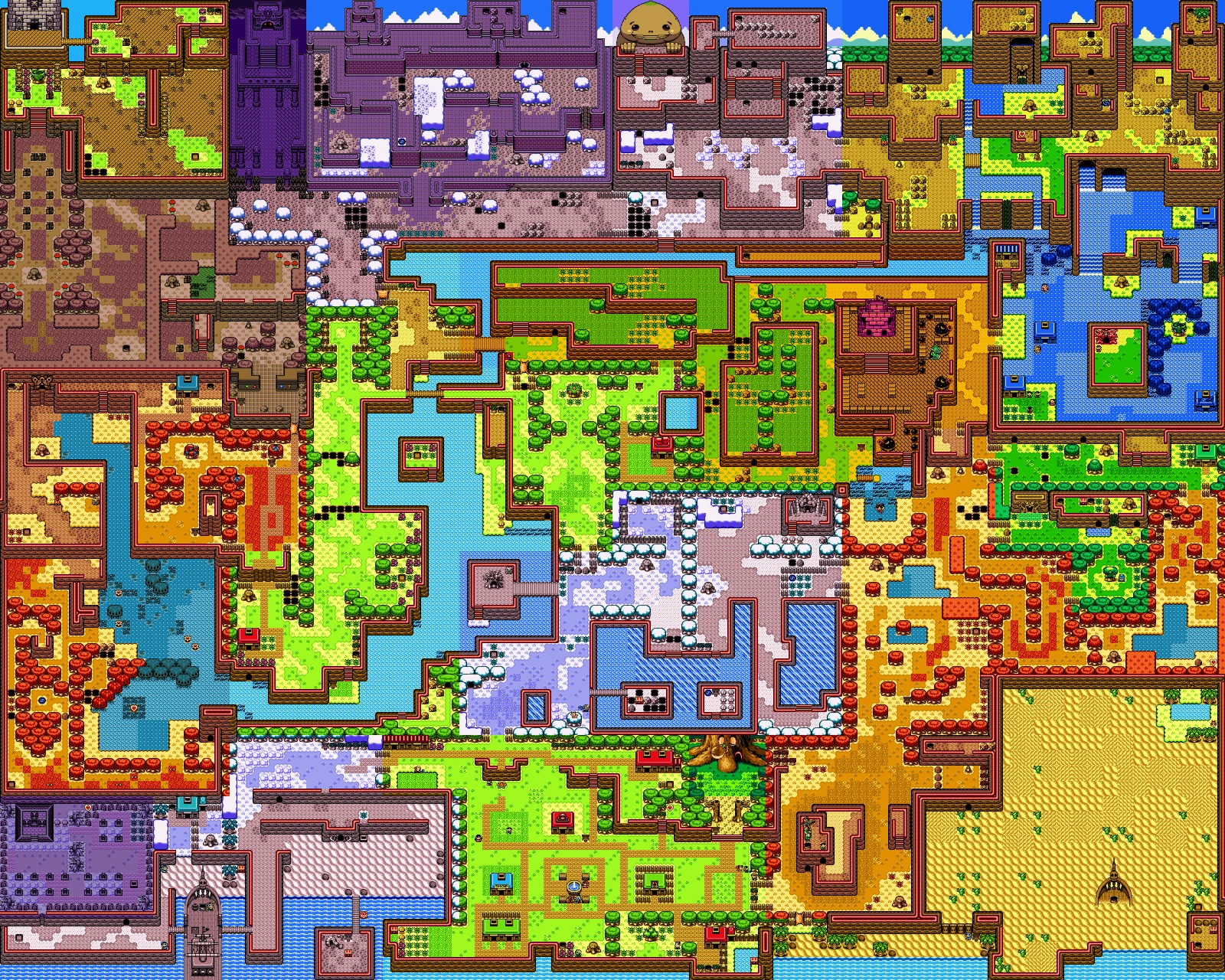
The world map of Holodrum in the finished game.
The team started with the story and found themselves redrawing the plot and the maps again and again. The original game was judged too hard for the audience they had in mind, so its world map was heavily reworked, and the Game Boy Color’s narrow screen made it easy to walk straight past a staircase or a clue.
Okamoto turned to Miyamoto for help, and Miyamoto came back with a much bigger idea: three games, a “Triforce Series” tied to the Triforce of Power, Wisdom and Courage. The first was shown at Nintendo Space World in 1999 as Fushigi no Kinomi – Chikara no Shō (the “Chapter of Power”), already built around the season-changing rod. The other two, the Chapters of Wisdom and Courage, were never shown.
Three games become two
The Japanese logo of the finished game.
The three intertwined stories kept more than ten of Flagship’s scenario writers busy, Junichi Miyashita included. The team toyed with a mobile phone adapter for connecting them before settling on passwords. Keeping three games in step proved too complicated, and Miyamoto suggested cutting back to two: the Mystical Seed of Power became Oracle of Seasons, the Mystical Seed of Wisdom became Oracle of Ages, and the Mystical Seed of Courage was cancelled.
Character designer Yusuke Nakano brought touches of Ocarina of Time into Seasons. The music came from two staff at the sound company Pure Sound, credited as “M-Adachi” and “Kyopi”.
Racing the Game Boy Advance
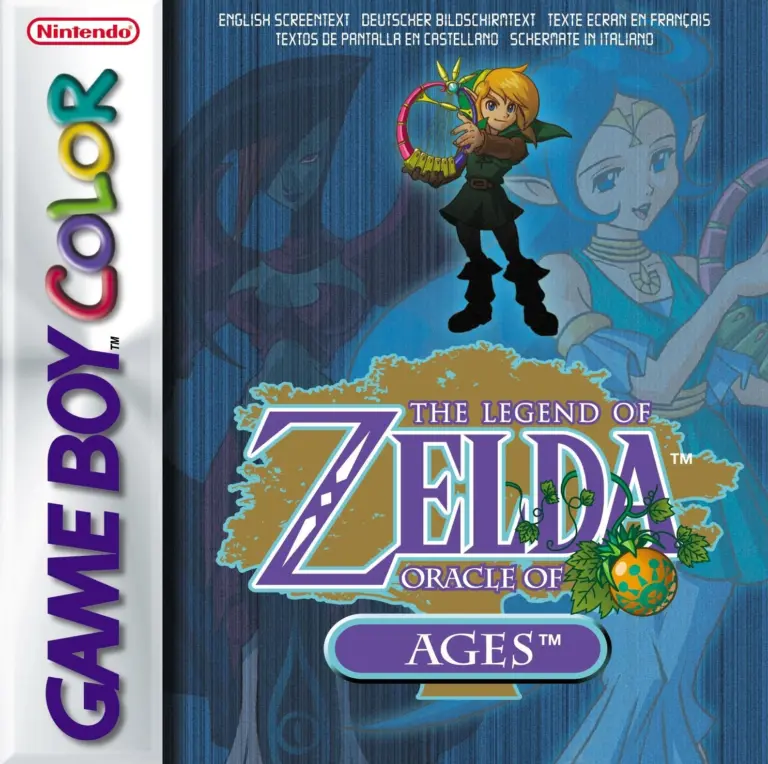
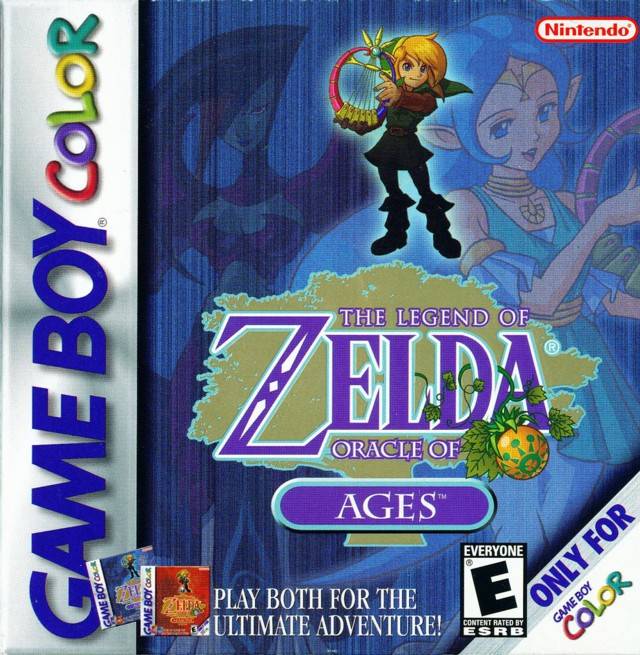
Oracle of Ages, launched on the same day as Seasons (North American box).
The team had wondered about features that only worked on the coming Game Boy Advance, but feared they would hold the games up. When the new handheld was pushed back, they added them after all and shipped both Oracle games about a month before it launched. Played on a Game Boy Advance, the games open a secret Advance Shop and adjust their colours for its screen.
Plans to release the two games some time apart were dropped in favour of launching them together. Each came on an 8-megabit cartridge, doubled to 16 megabits in Europe, and Nintendo backed them with a reported US$5 million marketing budget.
Firsts: what this game introduced
The Oracle games brought a lot of new ideas to the series, many of them unique to this pair.
1An outside studioNintendo Life calls the Oracle games the first “proper” Zelda games handed to another developer: Capcom’s Flagship.
2The linked gameTwo adventures that swap items, rings and story through passwords or a link cable, with a true ending only reachable by playing both.
3The Rod of SeasonsChange the whole landscape between spring, summer, autumn and winter.
4SubrosiaA second, volcanic world beneath Holodrum, reached by portals.
5Magical Rings64 collectible rings with effects from useful to useless to downright harmful, appraised by Vasu.
6Ricky, Dimitri and MooshThree animal companions, with the flute you hold deciding which one stays.
7The OraclesDin, Nayru and Farore, named after the three goddesses, as characters in their own right.
8Game Boy Advance extrasAn Advance Shop and special rings that only appear when the cartridge is played on a Game Boy Advance.
Cheats & secrets
Oracle of Seasons has no cheat codes in the usual sense, but its secrets, rings and passwords are a hobby in themselves. Here are the ones worth knowing.
Start a linked game
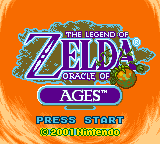
The title screen of Oracle of Ages, where a linked game continues.
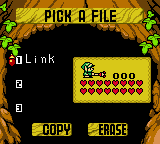
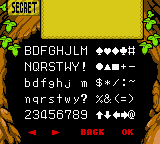
Finish Seasons and note down the Secret to Labrynna. Start Oracle of Ages with it to play a linked game, with extra events, secrets to trade and the real final battle against Twinrova and Ganon. Defeating Ganon there earns the Hero’s Secret, a further password that starts a new game with the Victory Ring.
Trading secrets
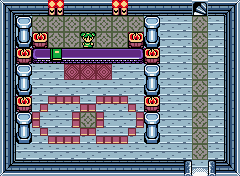
The Hall of Secrets.
In a linked game, characters who do not normally live in that land ask Link to pass a secret to someone in the first game’s land. Enter it in the first game to unlock an item or upgrade, get a new secret back, and give it to Farore to collect the reward.
Ring hunting
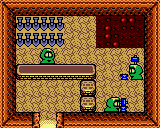
Inside Vasu Jewelers.
There are 64 rings across the two games. Vasu gives special rings for milestones: the Slayer’s Ring for defeating 1,000 enemies, the Rupee Ring for collecting 10,000 Rupees and the 100th Ring for having 100 rings appraised. Seasons’ Red Ring, which doubles sword damage, comes from defeating the four Golden Beasts.
Turn into a monster
Mt. Cucco.
Some rings change Link’s shape. In Seasons, the Moblin Ring is in a cave east of Snake’s Remains and the Subrosian Ring is on Mt. Cucco.
The Advance Shop
Inside the Advance Shop.
Play the original cartridge on a Game Boy Advance and a secret shop opens in Horon Village, selling the GBA Nature Ring among other things. It is not available in the Virtual Console and Switch Online versions.
Choose your companion
Inside the Subrosian Dance Hall.
If you reach the Natzu region without a Strange Flute, Ricky joins you. Win the Strange Flute at the Subrosian Dance Hall to get Dimitri instead, or buy it from the shop after the second dungeon to get Moosh.
Bump into Maple
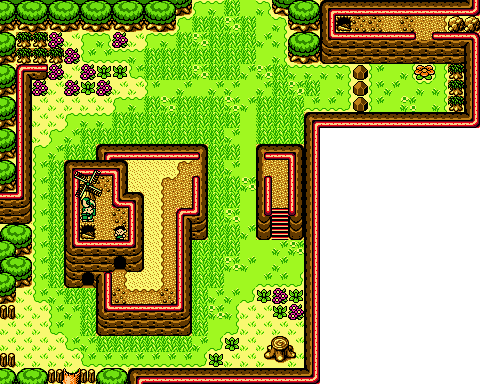
Where Maple can turn up in Holodrum.
After you defeat enough enemies, Maple flies past on her broom. Walk into her and you both drop items; grab what you can before she does. She can carry rings and Pieces of Heart.
A better shield and sword
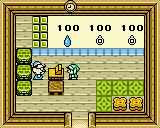
Inside the Subrosian smithy.
Combine Red Ore and Blue Ore into Hard Ore and the Subrosian smithy will turn your Wooden Shield into the Iron Shield. The trading sequence ends with an upgraded sword.
Checked against Zelda Dungeon’s ring, character and Subrosia pages, Wikipedia and The Cutting Room Floor.
Glitches, exploits and oddities
Seasons is a tidy game, but its code is full of leftovers from its twin and from development, and the Japanese and European versions are not quite the same as the American one. Most of this comes from The Cutting Room Floor’s study of the cartridge.
An early win against Facade
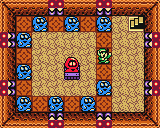
A room in Snake’s Remains, Facade’s dungeon.
In the Japanese version, the Facade mini-boss in Snake’s Remains can be hurt early by throwing bombs at it. The bug was fixed for the overseas releases.
The name that vanishes
In the American version only, entering a password made entirely of capital Ns swaps Link’s name for placeholder characters that are not seen anywhere else in the game.
Fool’s Ore
Gliding with Roc’s Cape.
The Fool’s Ore, an item from the trading sequence, actually works as a weapon dealing 6 damage, but you never meet an enemy while holding it, and getting Roc’s Feather or Roc’s Cape quietly removes it from the inventory.
Bits of Oracle of Ages
Link with the Harp of Ages in Oracle of Ages.
The cartridge contains a partly coded Long Hook from Ages, sprites of Link swimming in the Mermaid Suit and playing the Harp of Ages, an unused “Punch” item and two unused pieces of music. An unused room in the Subrosia map data has an old man who says “Shh! Don’t tell!”
Regional differences
The symbols of the four seasons.
The Japanese version has kanji season icons and no “to be continued” message at the end. The European release fixes typos, renames the Sword & Shield Maze to the Sword & Shield Dungeon, swaps two mentions of Santa for a chimney sweep, turns the Cukeman’s small talk into gameplay hints and hides debug graphics with a 1999 Capcom credit in its ROM.
Changes on Virtual Console and Switch
The re-releases fade to white when entering buildings, lock away the Advance Shop and its GBA ring, and on 3DS the Blue Snake’s link-cable service was removed.
Videos & media
Did You Know Gaming’s tour of cancelled Zelda projects includes the third Oracle game and the Okamoto interview quoted above.
Did You Know Gaming’s long-form history of Zelda projects that never shipped, including the Mystical Seed of Courage and a translated interview with Yoshiki Okamoto.
Nintendo of America’s official trailer for the 3DS Virtual Console release (2013).
Trivia & facts
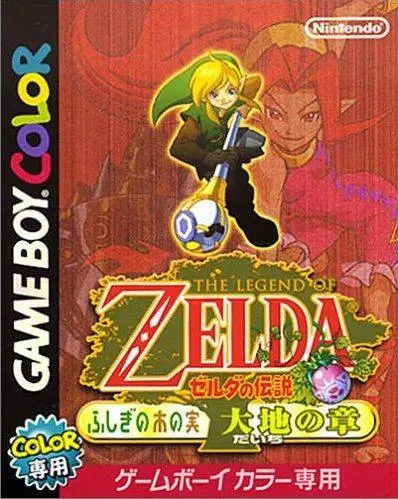
The Japanese box of Fushigi no Kinomi: Daichi no Shō.The Japanese title, Fushigi no Kinomi: Daichi no Shō, means roughly “The Mysterious Seed: Chapter of the Earth”. At Space World 1999 it was the “Chapter of Power”.
Six of its eight dungeon bosses – Aquamentus, Dodongo, Gohma, Digdogger, Manhandla and Gleeok – come straight from the 1986 Legend of Zelda, a reminder that the project began as a remake of it.
Official art of Digdogger from the original Legend of Zelda (1986).Before Seasons, Digdogger had only appeared in the original Legend of Zelda.
Din, Nayru and Farore share their names with the three Golden Goddesses of Hyrule’s creation myth.
All three Oracles reappear in The Minish Cap, house-hunting in Hyrule Town.
Official art of Syrup, Maple’s grandmother.Maple, Syrup’s granddaughter, made her debut in the Oracle games and replaced the hooded shopkeeper in the Game Boy Advance version of A Link to the Past.
Each game shipped on an 8-megabit cartridge, but the European versions needed 16 megabits.
Okamoto says he got the project started by threatening to release a Zelda clone with different characters.
Moosh the flying bear is afraid of water and cannot fly over it.
GameSpot named the Oracle pair the best Game Boy Color game of 2001.
Nintendo Power ranked Seasons 34th in its Top 200 games list.
The Japanese version shows the English title on a screen before the logos.
The Victory Ring exists only to commemorate beating Ganon.
Oracle of Ages, the other half of the pair (European box).Together the two games sold 3.99 million copies, and 746,054 in Japan, where they were the third best-selling Game Boy Color titles.
Media & artwork
Box art, artwork and screenshots from Oracle of Seasons. Select any image to view it larger.
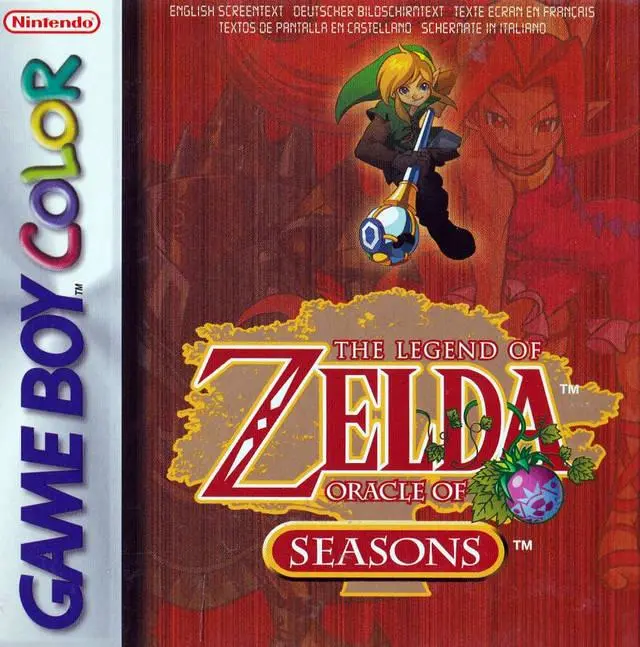
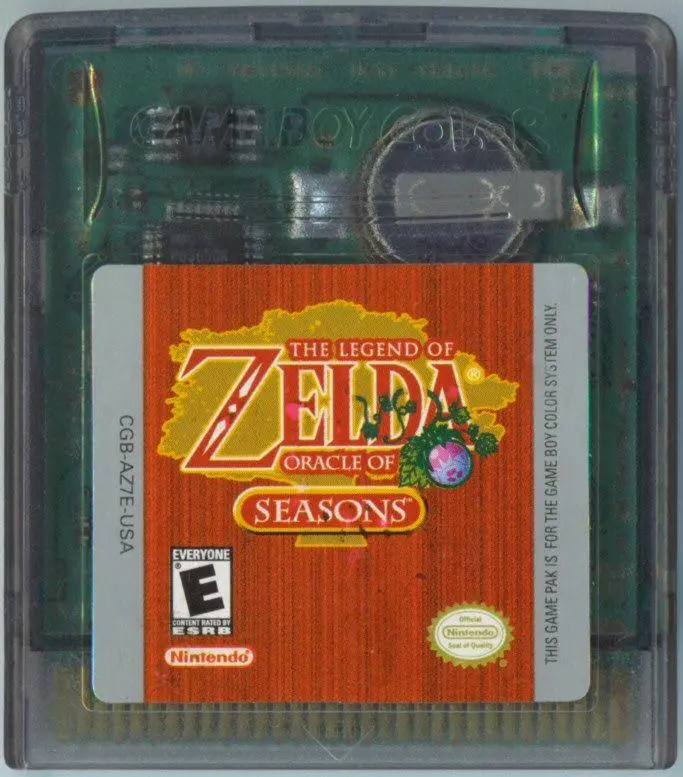
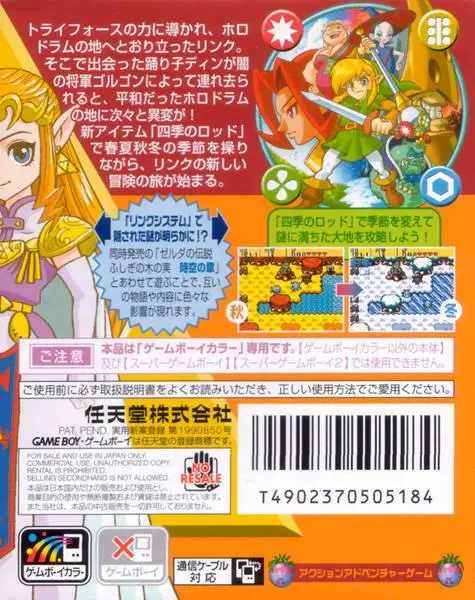
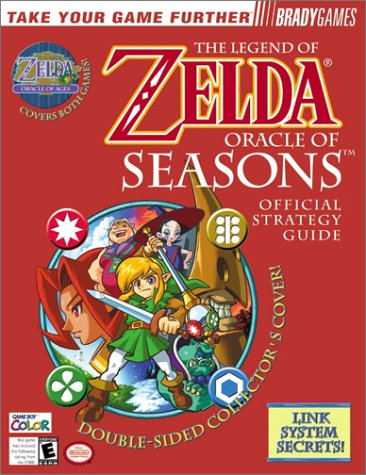
European Game Boy Color box (2001)Australian and New Zealand boxBack of the North American boxNorth American cartridgeBack of the Japanese boxBradyGames strategy guide coverOfficial artwork for Oracle of SeasonsHoron Village in autumnThe Eastern Suburbs in spring
The Oracle games cemented Capcom’s place as Nintendo’s Zelda partner for the Game Boy Advance era, and launched the Zelda career of the director who would go on to lead Breath of the Wild.
From Space World to Switch
Space World 1999August 1999 – First shown as Fushigi no Kinomi – Chikara no Shō.
Game Boy Color (Japan)27 February 2001 – Released alongside Oracle of Ages.
Game Boy Color (North America)14 May 2001 – Some sources say 13 May.
Game Boy Color (Europe)5 October 2001 – On a 16-megabit cartridge.
A Link to the Past & Four Swords2002–2003 – Flagship’s follow-up: the SNES classic on Game Boy Advance, with the new multiplayer Four Swords.
The Minish Cap2004 – Capcom and Flagship’s own Zelda, again directed by Fujibayashi.
Nintendo 3DS Virtual Console2013 – Japan 27 February; North America and Europe 30 May (US$5.99 / £5.39).
Nintendo Switch Online27 July 2023 – Added to the Game Boy library worldwide, Japan included.
The Capcom era
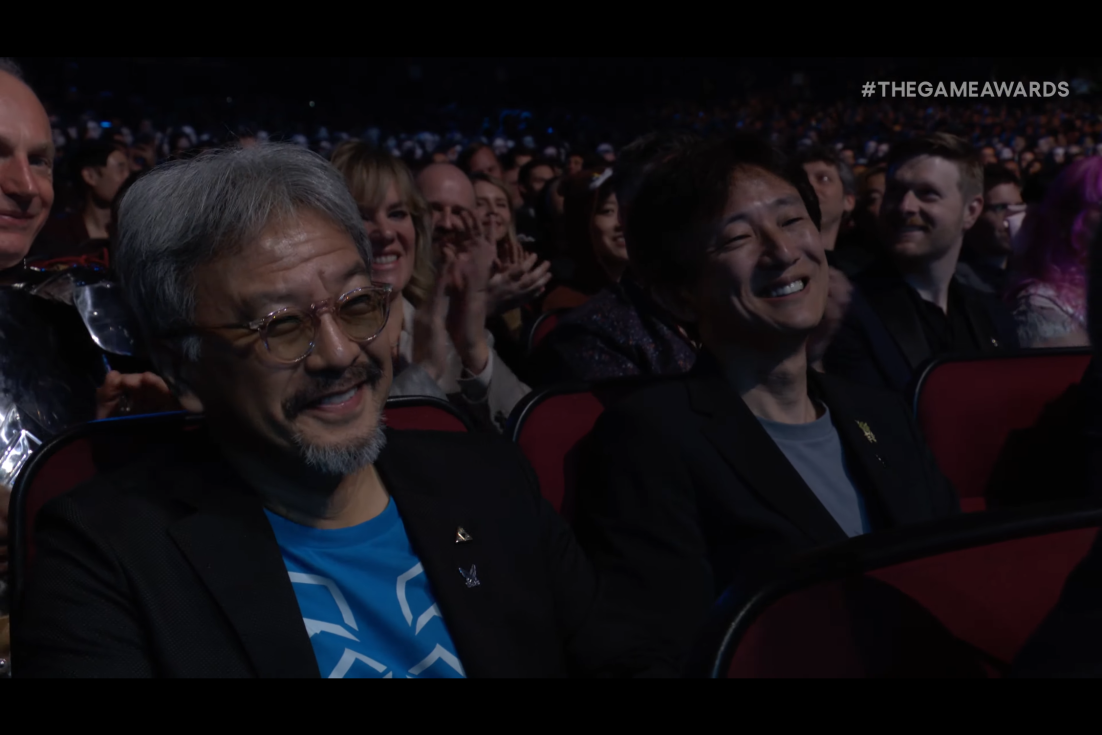
Eiji Aonuma and Hidemaro Fujibayashi at The Game Awards 2023.
Nintendo was clearly happy with the result. Flagship went on to port A Link to the Past to the Game Boy Advance with the new multiplayer Four Swords, and then Capcom and Flagship made The Minish Cap (2004), once more with Hidemaro Fujibayashi directing. Fujibayashi went on to direct Skyward Sword, Breath of the Wild and Tears of the Kingdom for Nintendo.
Where to play it today
On Nintendo Switch with a Nintendo Switch Online membership. The Switch version supports the password system, so a linked game still works, though the Advance Shop cannot be opened.
Sales & reviews
Sales figures
Figures are usually given for the two games together. Japan’s CESA Games White Paper puts the pair at 3.99 million copies worldwide. In Japan they sold 746,054 copies, making them the third best-selling Game Boy Color games there, according to Famitsu.
3.99mSeasons and Ages combined
746,054sold in Japan
3rdbest-selling GBC games in Japan
Reception and review scores
Critics loved it. GameRankings averaged 91.37% from 23 reviews. These are the period scores we could confirm.
IGNUS · Chris Carle, 14 May 2001
10/10
Nintendo PowerUS · 2001
5/5
GameSpotUS · Brad Shoemaker, 4 June 2001
9.2/10
Power UnlimitedNetherlands · 2001
91/100
Electronic Gaming MonthlyUS · 2001
9.0/10
GameProUS · 2001
4/5
FamitsuJapan · 8, 7, 8, 8
31/40
Nintendo LifeUK · Patrick Elliot, 3DS release (2013)
8/10
Reviewers praised the gameplay, the bright graphics and the clever way the two games fit together. GamePro called it bright and colourful, and IGN thought the palette-swapping seasons made it the better-looking of the pair. The sound was the sticking point: some blamed the Game Boy Color’s little speaker, others the plain beeping effects, though the new music and classic Zelda jingles went down well. Looking back in 2013, Nintendo Life’s Patrick Elliot enjoyed the tough combat and Subrosia’s humour but found the story thin.
Honours
GameSpot · 2001Best Game Boy Color GameAwarded to Oracle of Seasons and Oracle of Ages together.
Interactive Achievement Awards · 2002Nominee, Hand-Held Game of the YearAt the 5th annual awards.
Nintendo PowerTop 200 games: number 34In 2008 the magazine also ranked the pair fourth and fifth among Game Boy and Game Boy Color games.
Reader reviews
No reader reviews yet. Played it? Give it a score out of 10 and tell other fans what you think.
Every fact on this page was checked against the sources below in November 2026. Development history relies on Wikipedia’s summary of the 2001 Nintendo Online Magazine interview and IGN’s period reports, which could not be opened directly tonight.
To provide the best experiences, we use technologies like cookies to store and/or access device information. Consenting to these technologies will allow us to process data such as browsing behavior or unique IDs on this site. Not consenting or withdrawing consent, may adversely affect certain features and functions.
Functional
Always active
The technical storage or access is strictly necessary for the legitimate purpose of enabling the use of a specific service explicitly requested by the subscriber or user, or for the sole purpose of carrying out the transmission of a communication over an electronic communications network.
Preferences
The technical storage or access is necessary for the legitimate purpose of storing preferences that are not requested by the subscriber or user.
Statistics
The technical storage or access that is used exclusively for statistical purposes.The technical storage or access that is used exclusively for anonymous statistical purposes. Without a subpoena, voluntary compliance on the part of your Internet Service Provider, or additional records from a third party, information stored or retrieved for this purpose alone cannot usually be used to identify you.
Marketing
The technical storage or access is required to create user profiles to send advertising, or to track the user on a website or across several websites for similar marketing purposes.


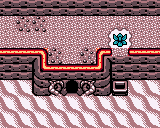 Hero’s CaveTutorialWhere Link finds his first sword.
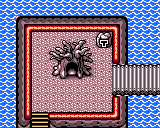 Gnarled Root DungeonDungeon 1 · Fertile SoilBoss: Aquamentus, the horned dragon from the first Zelda.
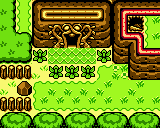 Snake’s RemainsDungeon 2 · Gift of TimeBoss: Dodongo.
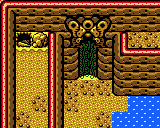 Poison Moth’s LairDungeon 3 · Bright SunBoss: Mothula.
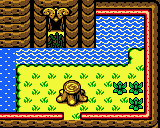 Dancing Dragon DungeonDungeon 4 · Soothing RainBoss: Gohma.
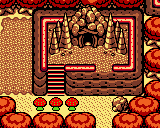 Unicorn’s CaveDungeon 5 · Nurturing WarmthBoss: Digdogger.
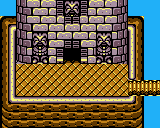 Ancient RuinsDungeon 6 · Blowing WindBoss: Manhandla.
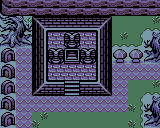 Explorer’s CryptDungeon 7 · Seed of LifeBoss: Gleeok.
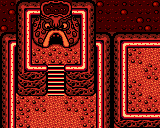 Sword & Shield MazeDungeon 8 · Changing SeasonsIn Subrosia, home of the Hyper Slingshot. Boss: Medusa Head. (The European version calls it the Sword & Shield Dungeon.)
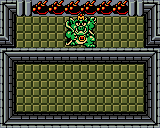 Moblin’s KeepOptionalThe Great Moblin’s fortress.
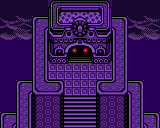 Onox’s CastleFinal dungeonIn the Northern Peak, sealed until Link has all eight Essences. Boss: General Onox and his dragon form.
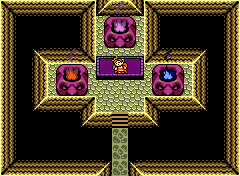 Room of RitesLinked game onlyTwinrova’s lair, where Ganon is revived.
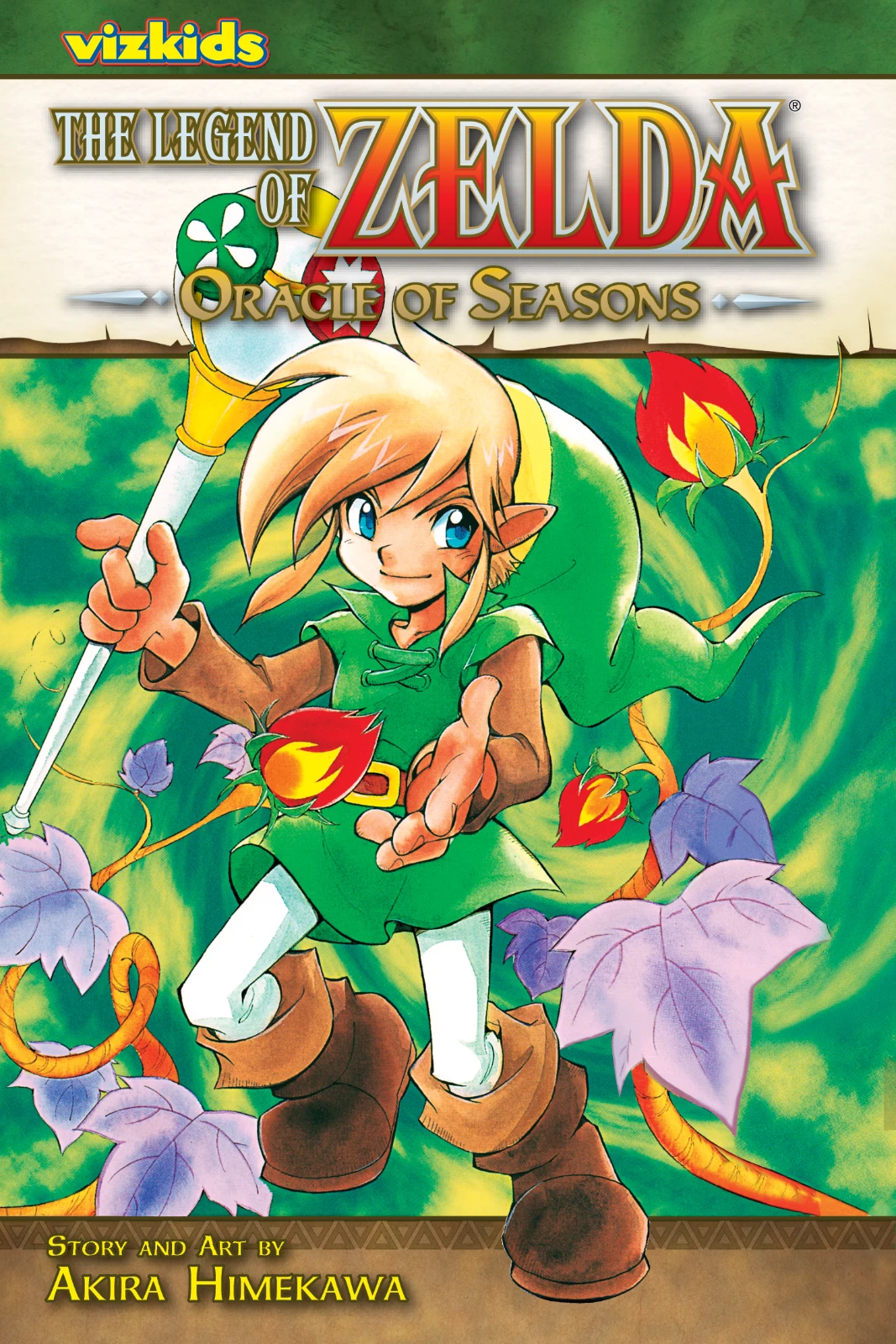 The Legend of Zelda: Oracle of Seasons (manga)Akira Himekawa · Viz Media volume 4 (2009)The manga duo Akira Himekawa adapted both Oracle games. In Viz’s English series, Oracle of Seasons is volume 4 and Oracle of Ages volume 5. The manga features Maple among its cast.
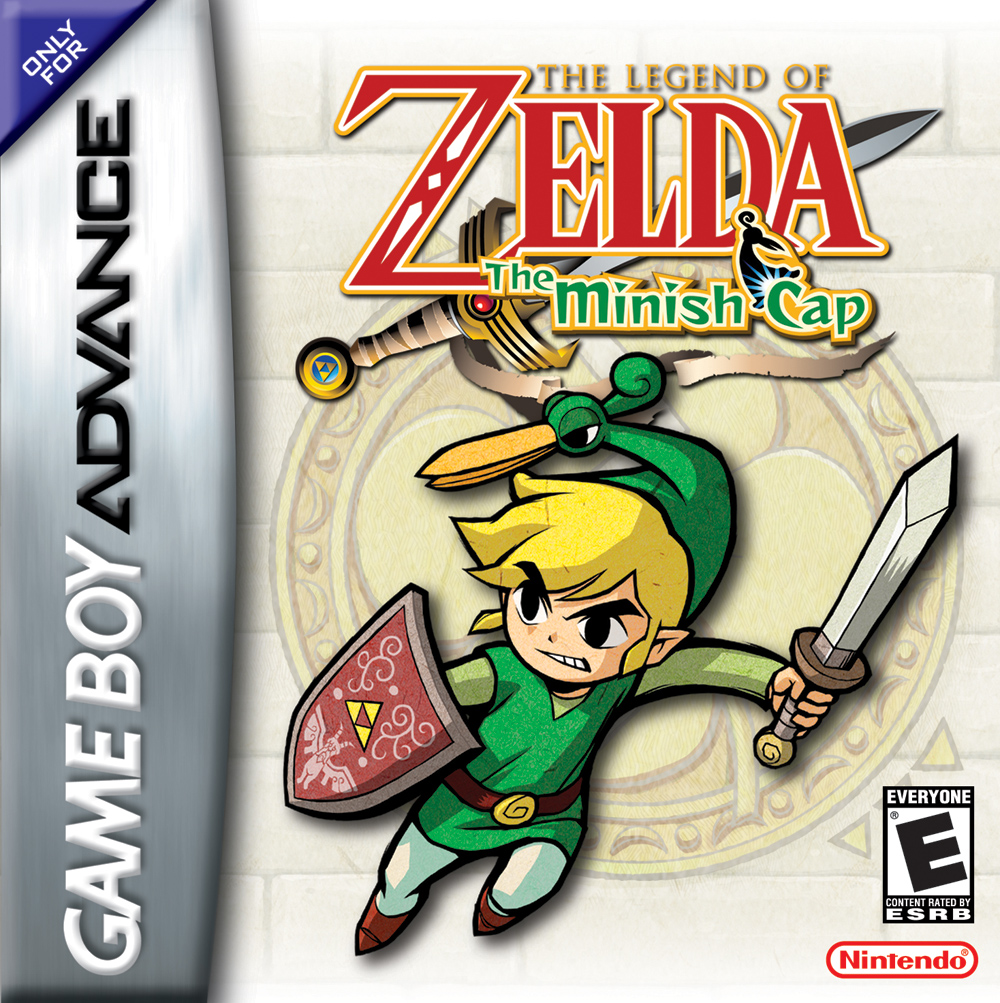 The Minish CapGame · Game Boy Advance · 2004Din, Nayru and Farore turn up in Hyrule Town looking for somewhere to live. Find them a house and each gives Link a charm: Din’s boosts his attack and turns his tunic red.
 A Link to the Past (Game Boy Advance)Game · 2002Maple, the young witch who zooms around the Oracle games on her broom, replaces the hooded shopkeeper in the Magic Shop of the GBA version, working for her grandmother Syrup.
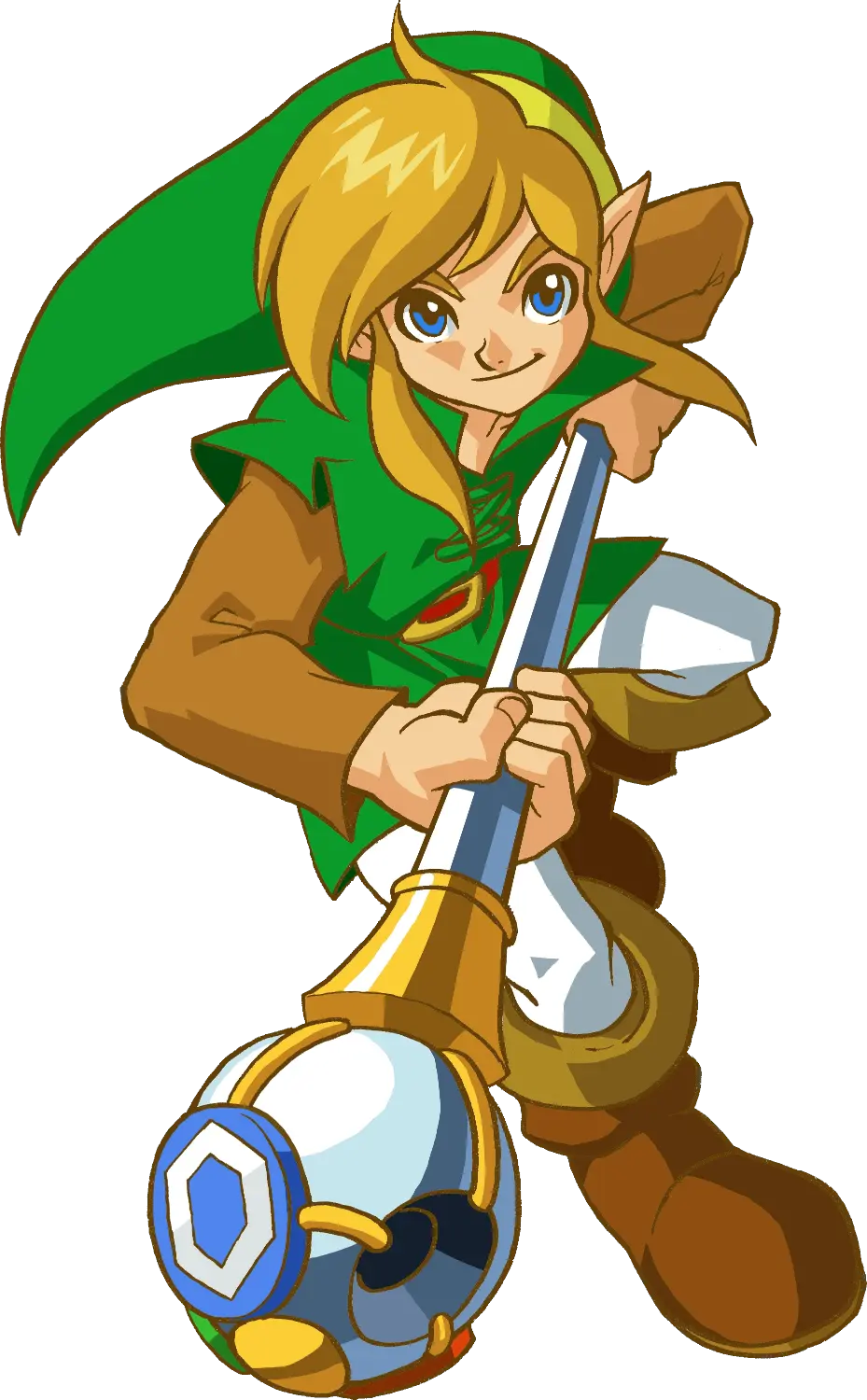 LinkThe hero, far from home
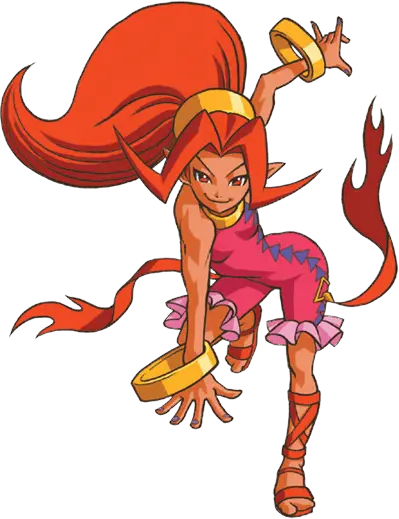 DinThe Oracle of Seasons
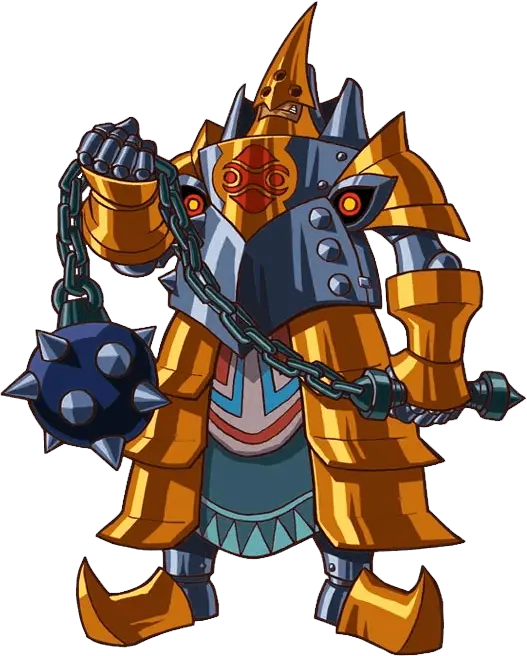 General OnoxThe General of Darkness
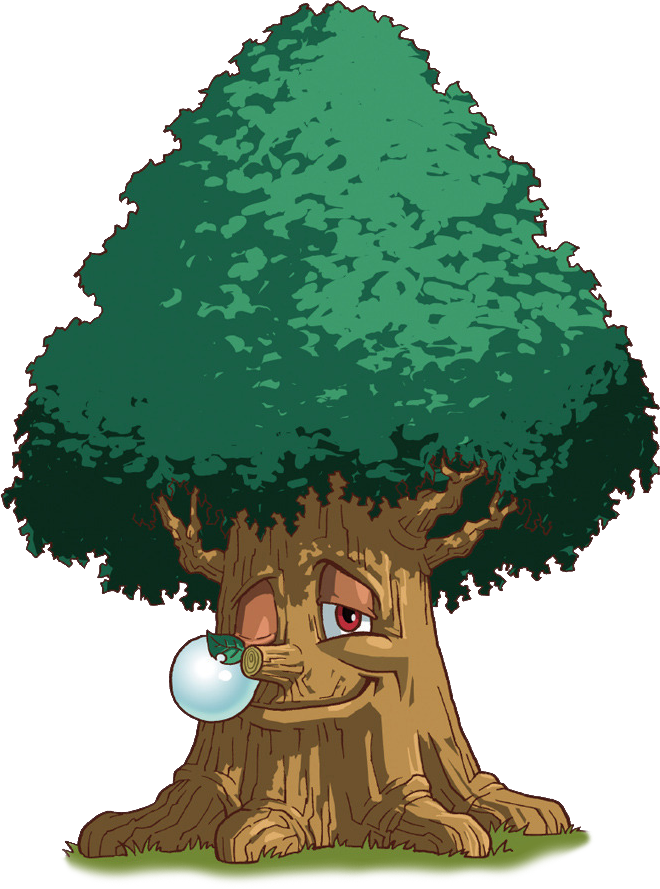 The Maku TreeGuardian of Holodrum
 ImpaZelda’s nursemaid
 FaroreThe Oracle of Secrets
 TwinrovaKoume and Kotake
 GanonThe secret final boss
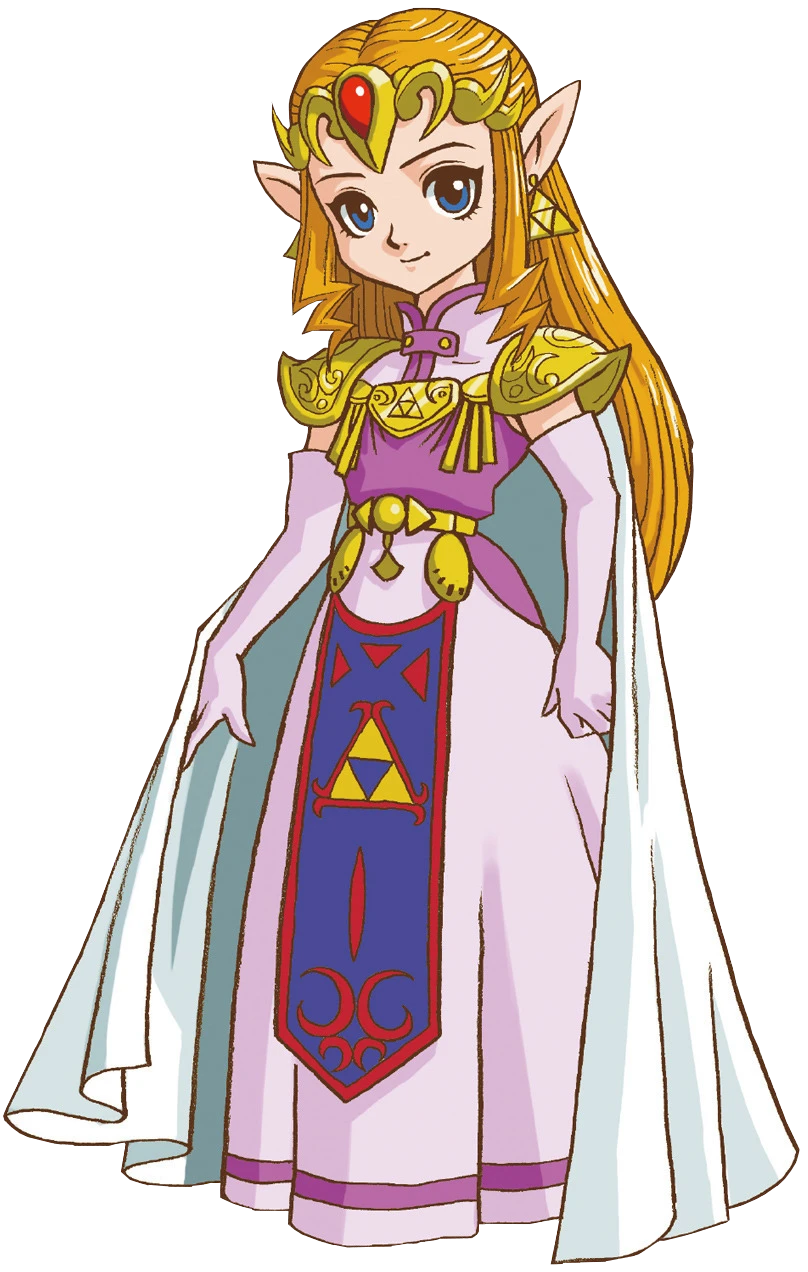 Princess ZeldaPrincess of Hyrule
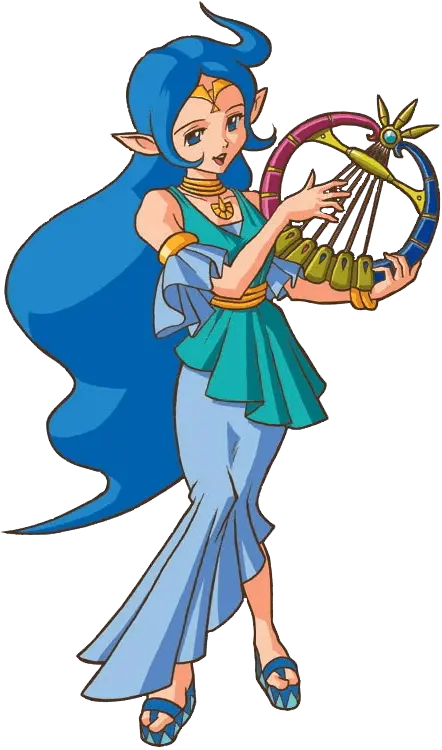 NayruThe Oracle of Ages
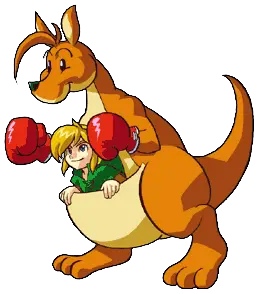 RickyBoxing kangaroo
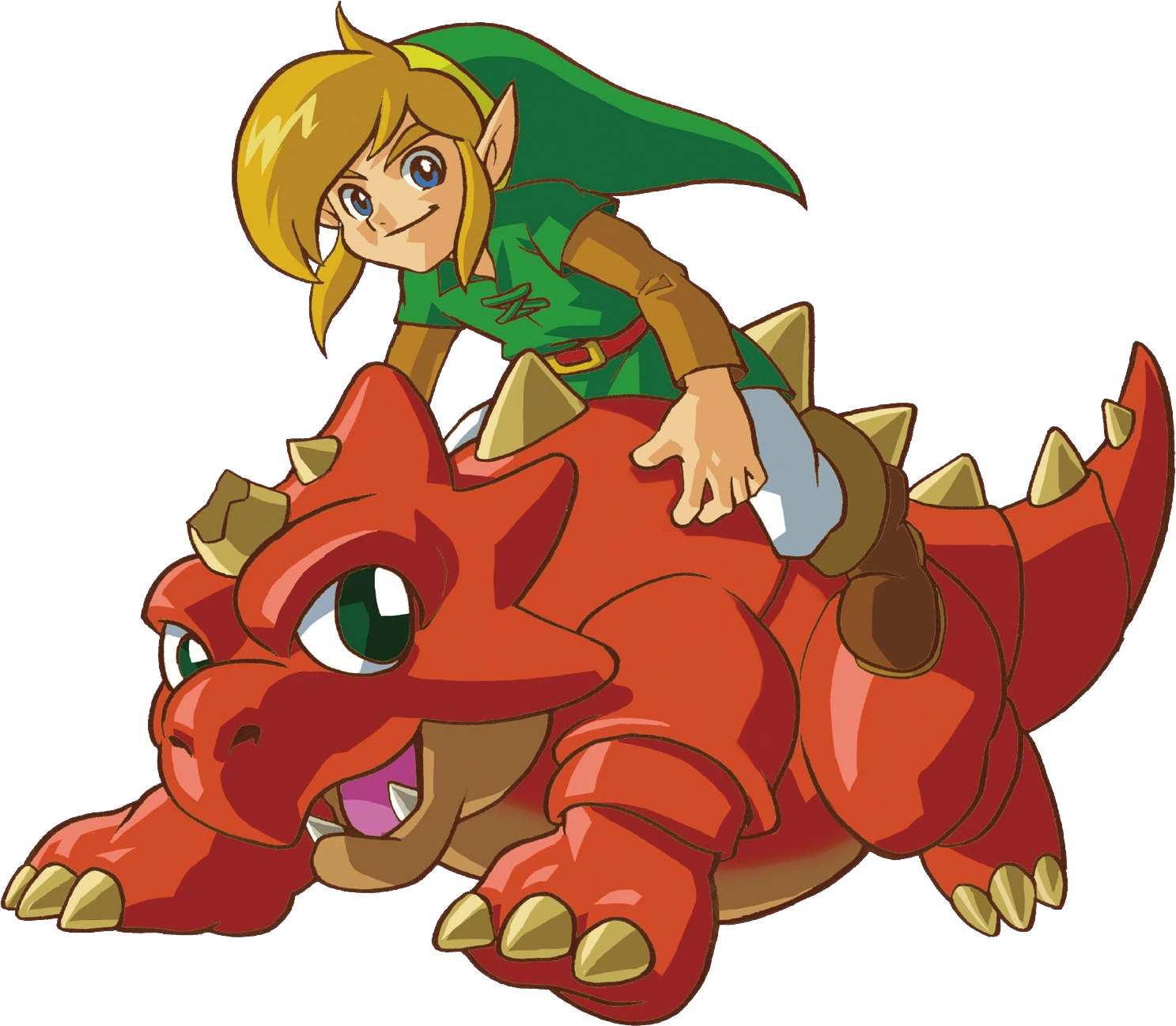 DimitriFriendly Dodongo
 MooshWinged bear
 Rosa & the SubrosiansPeople of the underworld
 VasuJeweller
 MapleApprentice witch
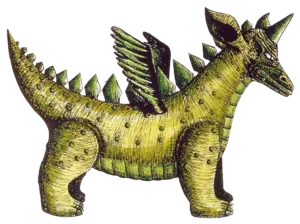 AquamentusGnarled Root DungeonBoss of Levels 1 and 7 in the first Legend of Zelda.
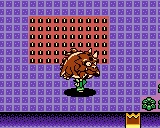 DodongoSnake’s RemainsThe bomb-swallowing reptile.
 MothulaPoison Moth’s LairA giant moth.
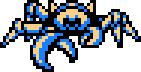 GohmaDancing Dragon DungeonThe one-eyed crab-spider.
 DigdoggerUnicorn’s CaveAnother boss revived from the 1986 game; this is only its second appearance.
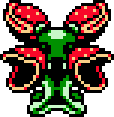 ManhandlaAncient RuinsA plant monster with snapping heads.
 GleeokExplorer’s CryptThe multi-headed dragon.
 Medusa HeadSword & Shield MazeGuardian of the final Essence.
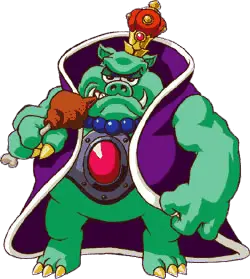 Great MoblinMoblin’s KeepBoss of the optional Moblin fortress.
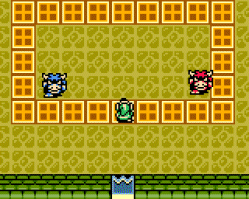 Mini-bossesVarious dungeonsFacade, Omuai, Agunima, Syger, Vire, the Poe Sisters, Frypolar and the Goriya brothers.
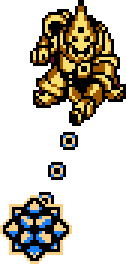 General OnoxOnox’s CastleArmoured general, then dark dragon.
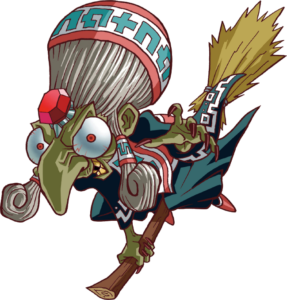 TwinrovaRoom of Rites (linked)Koume and Kotake, then their fused form.
 GanonRoom of Rites (linked)The mindless, revived beast.
 The linked gameTwo adventures that swap items, rings and story through passwords or a link cable, with a true ending only reachable by playing both.
 The Rod of SeasonsChange the whole landscape between spring, summer, autumn and winter.
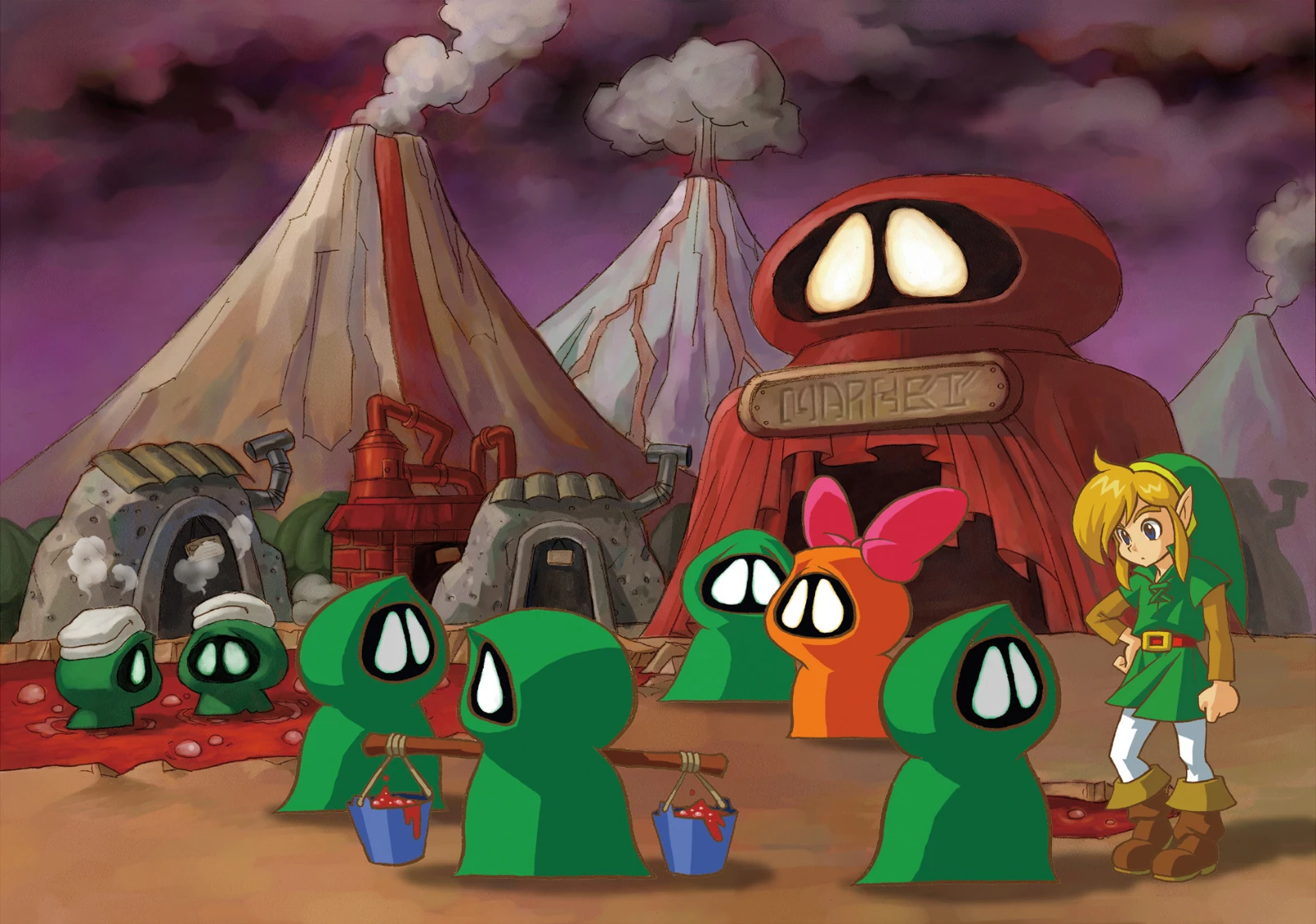 SubrosiaA second, volcanic world beneath Holodrum, reached by portals.
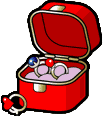 Magical Rings64 collectible rings with effects from useful to useless to downright harmful, appraised by Vasu.
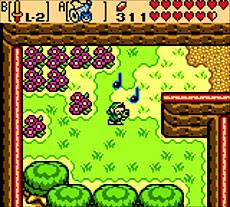 Ricky, Dimitri and MooshThree animal companions, with the flute you hold deciding which one stays.