Shipwrecked on an island that should not exist, Link must wake a sleeping god to get home, even if waking it means the island, and the girl who saved him, will vanish. The first full-sized Zelda on a handheld, and still one of the most moving.
Released6 June 1993 (JP) · 6 August 1993 (NA) · 18 November 1993 (EU)
DeveloperNintendo EAD
DirectorTakashi Tezuka
MusicKazumi Totaka, Minako Hamano, Kozue Ishikawa
SettingKoholint Island
Sales3.83 million (Game Boy), plus 2.22 million for DX
Title
The Legend of Zelda: Link’s Awakening ゼルダの伝説 夢をみる島 (Zeruda no Densetsu: Yume o Miru Shima, “The Dreaming Island”)
Platform
Game Boy
Developer
Nintendo EAD
Publisher
Nintendo
Director
Takashi Tezuka
Producer
Shigeru Miyamoto
Story
Yoshiaki Koizumi (main story, opening), Kensuke Tanabe (sub-events, most dialogue)
Dungeon design
Yasuhisa Yamamura
Programming
Takamitsu Kuzuhara, Kazuaki Morita
Art
Masanao Arimoto and Shigefumi Hino (characters), Yoichi Kotabe (illustration)
EGM Best Game Boy Game of 1993; Golden Joystick Awards Hand Held Game of the Year
Overview
Link’s Awakening began as a bit of fun. As A Link to the Past was wrapping up, Kazuaki Morita, a programmer at Nintendo’s partner company SRD, started tinkering with the only Game Boy development kit to hand and built something that played a lot like Zelda. Colleagues stayed late to help, in what director Takashi Tezuka later likened to an after-school club, and the experiment became an official project: first a plan to squeeze A Link to the Past onto the Game Boy, then something altogether stranger and more personal.
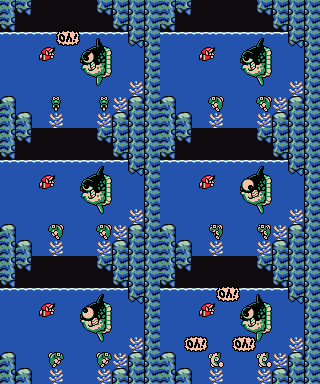
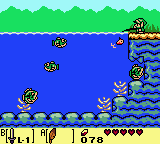
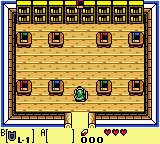
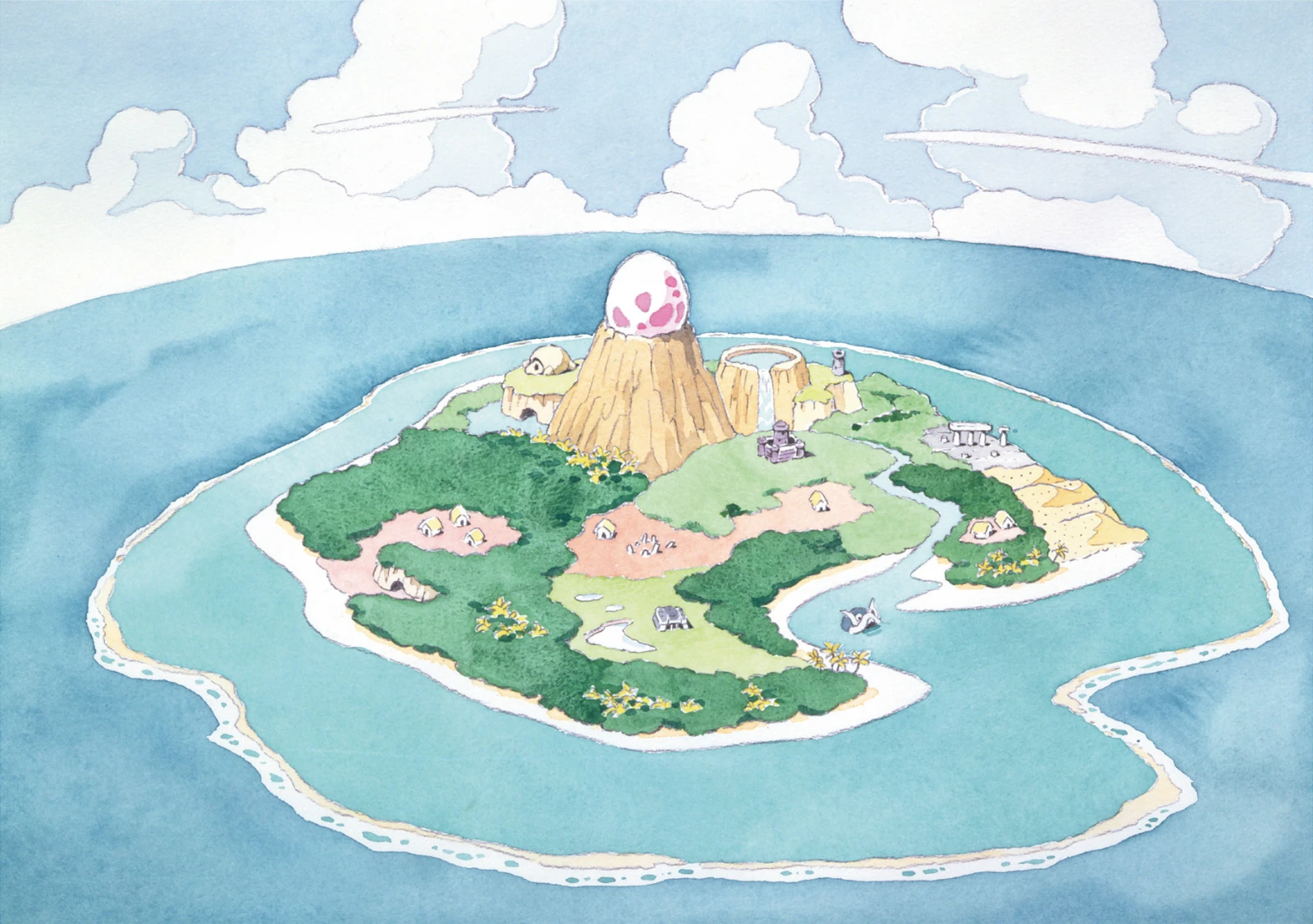
The finished game, released in Japan in June 1993, sends the Link of A Link to the Past to sea. A storm wrecks his boat and he wakes on Koholint Island, a small, sunny place of talking animals, telephone booths in trees and a giant egg on top of a mountain. To leave, he must collect eight magical instruments and wake the Wind Fish sleeping inside that egg. Bit by bit, he learns what that will cost: the whole island may be nothing more than the Wind Fish’s dream.
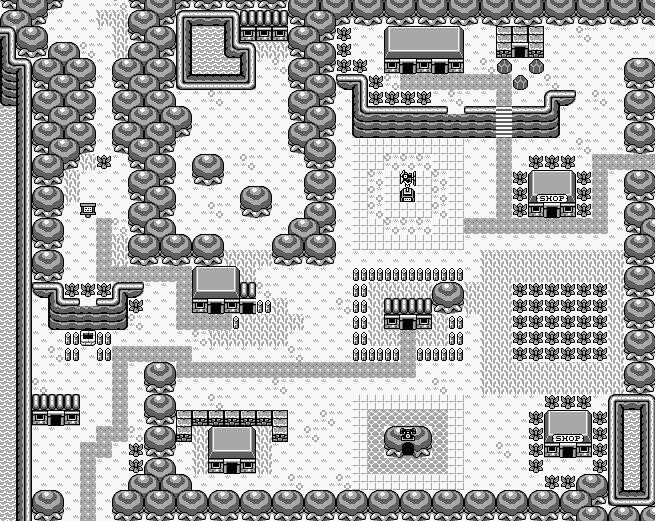
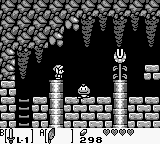
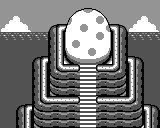
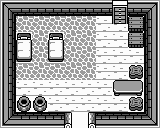
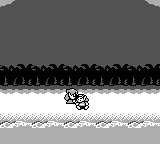
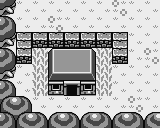
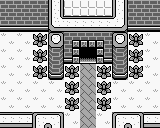
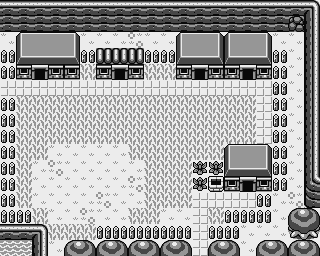
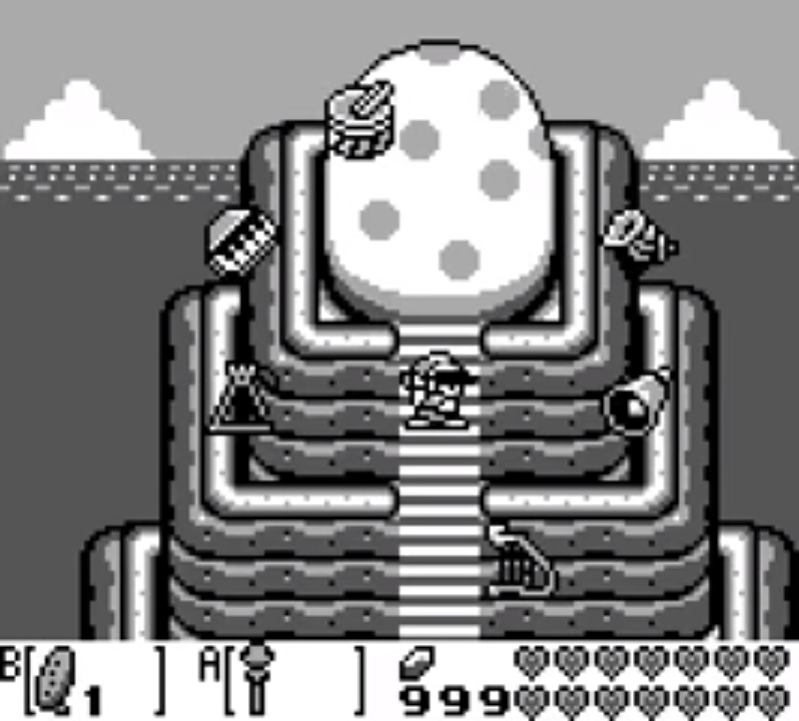
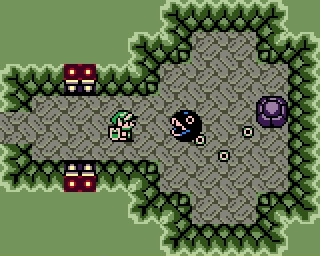
Mabe Village, where Link wakes up after the shipwreck.A side-scrolling cave, complete with Goombas from the Mario series.The Wind Fish’s egg on top of Mt. Tamaranch.
There is no Princess Zelda to rescue, no Triforce and no Hyrule. Instead there is Marin, the girl who pulled Link from the surf and dreams of flying away, and an island full of odd, slightly suspicious characters inspired by the TV series Twin Peaks. Eiji Aonuma has said it was the game that gave the series a proper plot. It also squeezes in a cast of guest stars from Mario and Kirby, a trading quest, fishing, and side-scrolling caves, all on a tiny monochrome screen.
EGM’s reviewers called it probably the best game on the Game Boy, and it sold millions. It was reborn in colour as Link’s Awakening DX in 1998 and remade in toy-like 3D for Nintendo Switch in 2019. This page covers the 1993 original; the DX version and the Switch remake are summarised under Legacy.
Wake the sleeping Wind Fish in the original 1993 Game Boy™ version of the first full-sized Legend of Zelda game…
That is how Nintendo itself sums up the original when it put the 1993 cartridge, in both its English and Japanese versions, inside the Game & Watch: The Legend of Zelda in 2021. The sentence goes on to say it was the first full-sized Zelda made for a handheld. Nintendo’s own Iwata Asks interviews from 2009 add that the series’ first Game Boy adventure came out in June 1993 and was remade for the Game Boy Color in December 1998.
— Official description: Nintendo, product overview for Game & Watch: The Legend of Zelda (2021), as reproduced by Gematsu. One line quoted; the rest summarised. (A period 1993 manual or box quotation could not be checked tonight.)
Quick Answers
The questions people most often ask about Link’s Awakening, answered briefly here and in more depth further down.
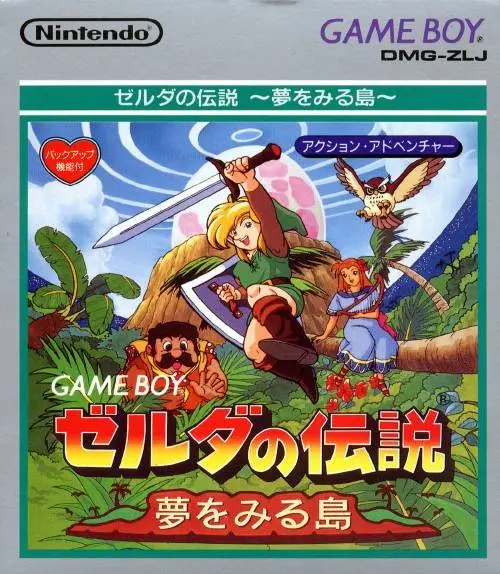
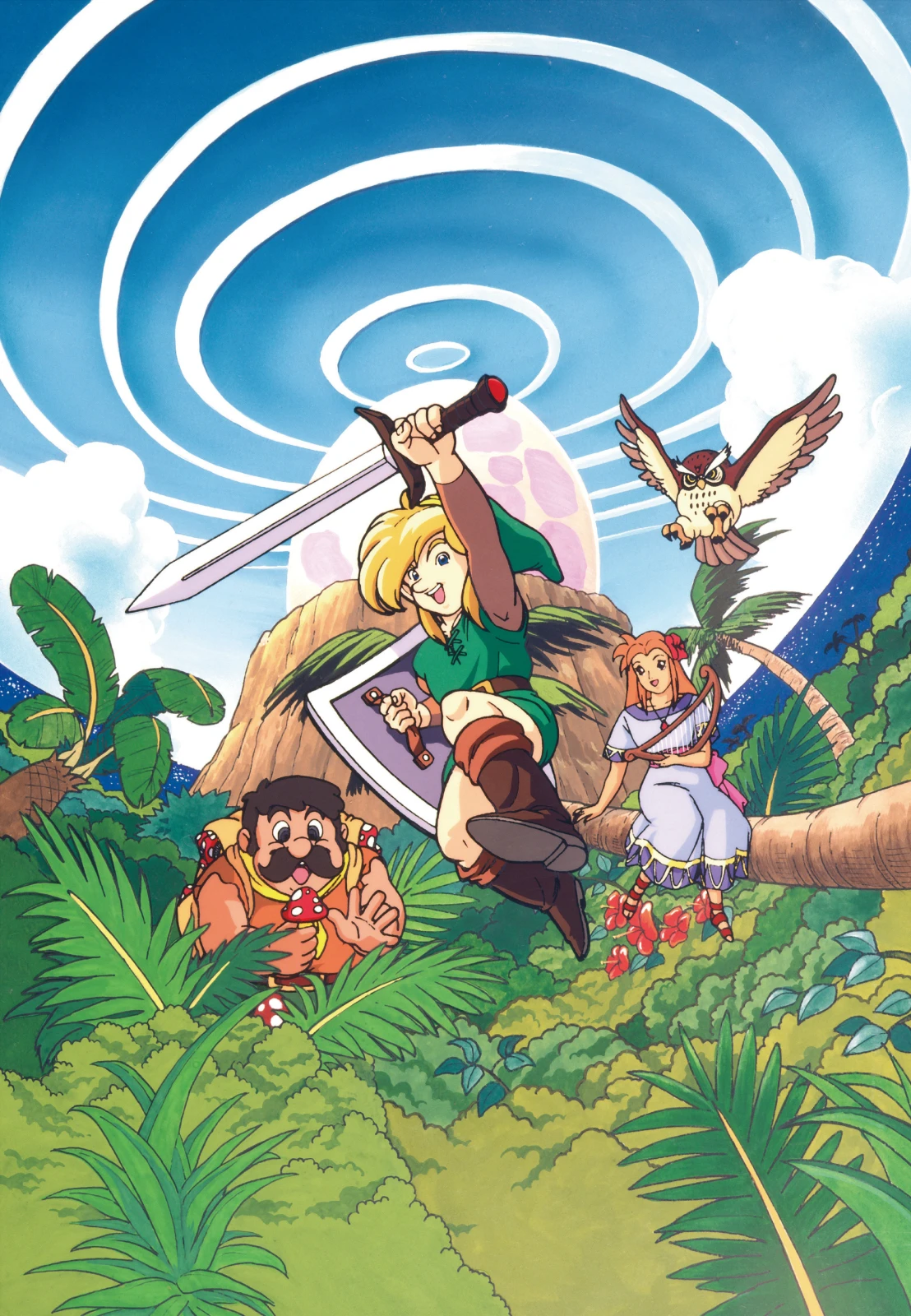
Official artwork for Link’s Awakening.
When did Link’s Awakening come out?
6 June 1993 in Japan, 6 August 1993 in North America and 18 November 1993 in Europe, on the original Game Boy. More →
Is Link’s Awakening a sequel to A Link to the Past?
Yes. It stars the same Link, who has set sail after A Link to the Past and is shipwrecked on Koholint Island. In 2018 Nintendo placed it after A Link to the Past and before the two Oracle games in its official timeline. More →
Is Princess Zelda in it?
Not really. Tezuka wanted a spin-off, so the team left out Zelda, the Triforce and Hyrule. Zelda is only mentioned, when Link mistakes Marin for her. More →
How many dungeons are there?
Eight, each guarded by a Nightmare and holding one of the eight Instruments of the Sirens, followed by the final showdown inside the Wind Fish’s egg. Link’s Awakening DX adds a ninth, optional Color Dungeon. More →
Why are there Mario characters in a Zelda game?
Because the team was having fun. Tezuka has said it felt like making a parody of Zelda, and Goombas, Piranha Plants, Chain Chomps, a Kirby-like enemy, Yoshi dolls and a Wart lookalike all wandered in. As the man in charge, he did not need anyone’s permission. More →
What is the secret ending?
Finish the game without losing a life and an extra scene follows the credits, showing Marin flying, a nod to her wish to leave the island like a seagull. More →
What happens if you steal from the shop?
You can get away with it, once. For the rest of the game everybody calls you THIEF, and if you go back into the shop the owner strikes you down. More →
What’s the difference between Link’s Awakening and DX?
DX (Game Boy Color, 1998) adds full colour, an optional Color Dungeon that rewards a red or blue tunic, extra hints and a photographer whose twelve snapshots can be printed on the Game Boy Printer. It still runs on an original Game Boy, in black and white. More →
How many copies did it sell?
About 3.83 million on Game Boy and another 2.22 million as DX. The 2019 Switch remake had reached 6.46 million by the end of 2022. More →
Where can I play Link’s Awakening today?
Link’s Awakening DX is part of the Nintendo Switch Online Game Boy library, the 1993 original is built into the 2021 Game & Watch: The Legend of Zelda, and the full 2019 remake is on Nintendo Switch. More →
Plot / Story
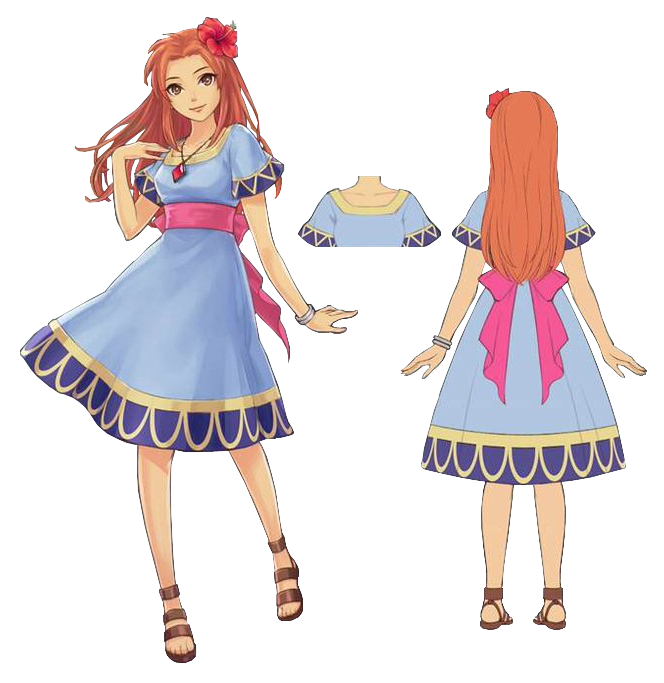
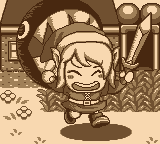
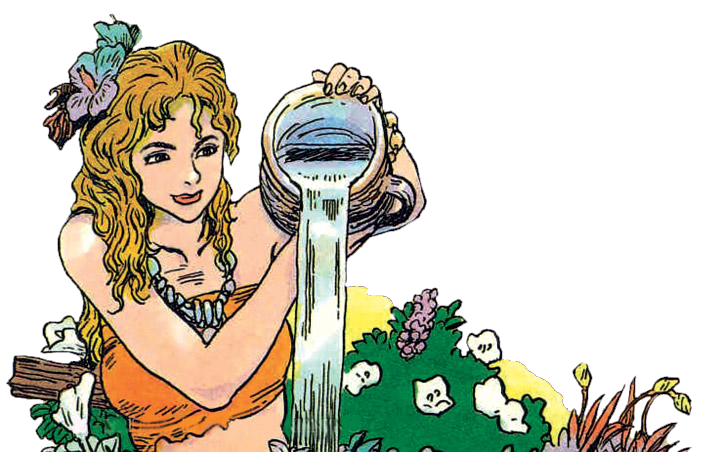
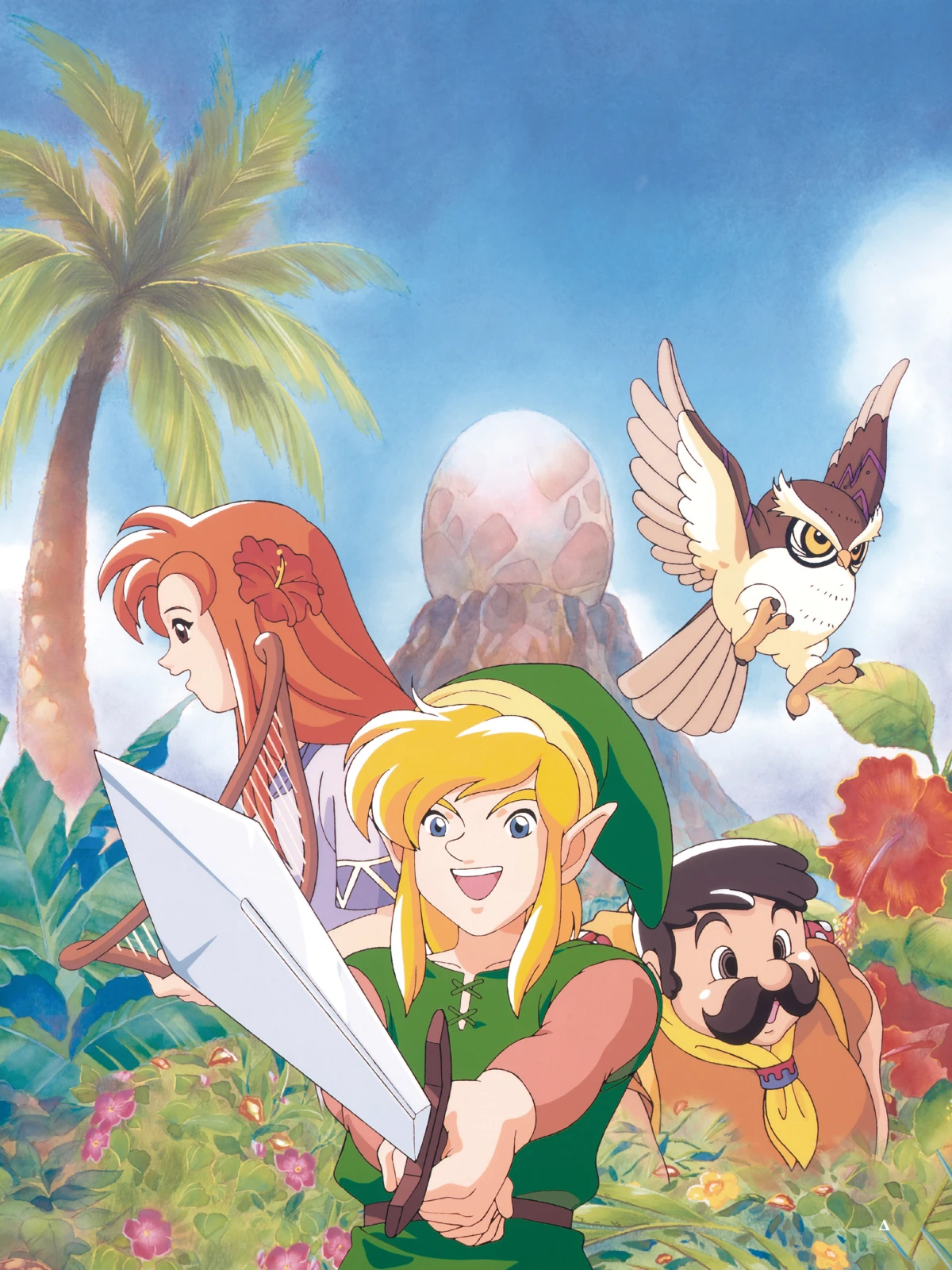
Link, Marin and Tarin in Nintendo’s official artwork for the game.
Ganon is beaten and Hyrule is at peace, but the hero of A Link to the Past is restless. He has set out across the sea in search of adventure and training for whatever comes next. On the voyage home a storm breaks; lightning shatters his little boat and the waves swallow him.
He wakes in a bed, looking up at a red-haired girl who for a moment he takes for Princess Zelda. She is Marin, and she found him washed up on the beach. Her father Tarin hands Link his shield, which they found with his name on it, and explains where he is: Mabe Village on Koholint Island. Link heads down to Toronbo Shores to look for his sword, and as soon as he has it, a large owl swoops down with a message. Nobody leaves Koholint, it says, unless the Wind Fish wakes.
The owl and the egg
The Wind Fish, the owl explains, is Koholint’s guardian. It sleeps inside a huge speckled egg on the summit of Mt. Tamaranch, and only the eight Instruments of the Sirens, played together, can wake it. Each instrument lies at the bottom of a dungeon, held by a monster the islanders call a Nightmare.
The first clue sends Link into the Mysterious Forest, where a raccoon that is really Tarin (he ate the wrong mushroom) keeps getting in the way of his search for the Tail Key. Behind its gate lies Tail Cave, home of the Roc’s Feather that lets Link jump, the worm-like Moldorm and the Full Moon Cello.
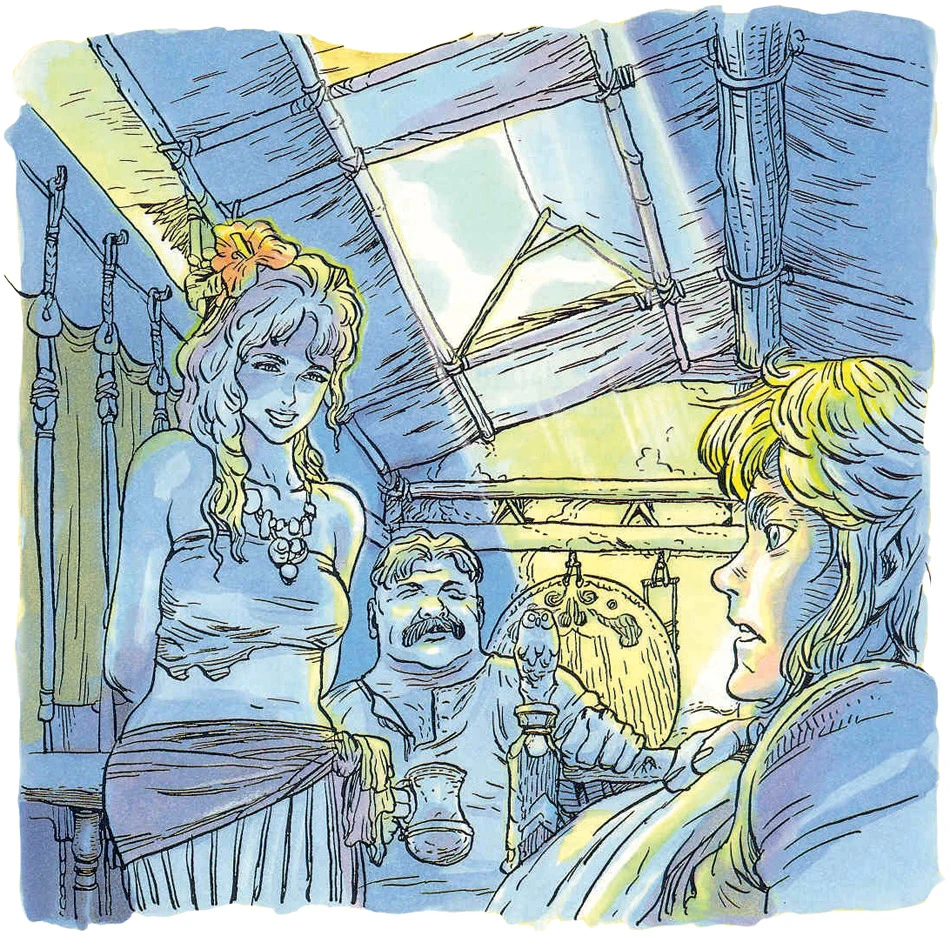
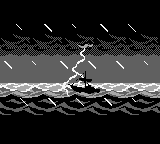
The storm that wrecks Link’s boat in the opening.Link wakes in Marin and Tarin’s house.The owl brings word of the Wind Fish.
A very strange island
Koholint does not behave like Hyrule. Its villagers keep Chain Chomps as pets, its animals live in their own village and talk, and the shy old man next door, Ulrira, will only speak to Link by telephone from a booth inside a tree. When Moblins kidnap Madam MeowMeow’s beloved Chain Chomp, BowWow, Link storms their hideout and takes the dog-sized ball of teeth for walks; BowWow happily chews up the flowers that block the way to Bottle Grotto in Goponga Swamp, where a genie in a bottle guards the Conch Horn.
Next comes Kanalet Castle, whose owner Richard has been driven out by his own servants. Kiki the monkey and his friends build a bridge in exchange for some bananas, Link hunts down five golden leaves, and Richard opens a secret way to Pothole Field, where the Slime Key is buried. It unlocks Key Cavern, where the Pegasus Boots and the Sea Lily’s Bell are waiting.
BowWow the Chain Chomp, Link’s most dangerous walking companion.Old Man Ulrira will only talk on the phone.Kanalet Castle.
The girl who wanted to fly
Marin is never far from the story. She teaches Link the Ballad of the Wind Fish on his ocarina, and her singing is the only thing that will wake the enormous Walrus blocking the road to Yarna Desert. For a while she even walks with him around the island, commenting on everything he does and refusing point-blank to follow him into dungeons.
On one visit to the beach she tells him she would love to see the world beyond the sea, to fly off like a seagull. Later, after he rescues her from a bridge high in Tal Tal Heights, she admits she has made a wish to the Wind Fish but will not say what it was. The game never makes it explicit, but she clearly likes him rather a lot.
Marin on the beach, dreaming of the world beyond the sea.Only Marin’s song will shift the Walrus.
The writing on the wall
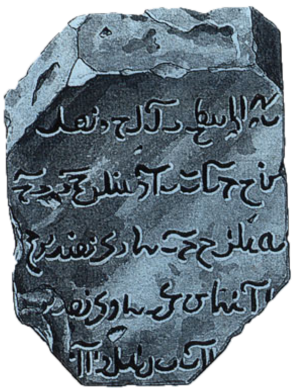
In Angler’s Tunnel behind a Tal Tal waterfall Link wins the Flippers and the Surf Harp, and in Catfish’s Maw, out in Martha’s Bay, he finally beats the persistent Master Stalfos for the Hookshot and claims the Wind Marimba. Then, in the Southern Face Shrine among the Ancient Ruins, he finds a carved relief with an unsettling message: the island is an illusion, and when the dreamer wakes it will all be gone.
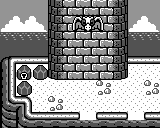
The owl brushes it off as a rumour. But the Nightmares know it is true. They have kept the Wind Fish asleep so that they can rule its dream, and the closer Link gets to waking it, the harder they fight. The Face Shrine yields the Coral Triangle, Eagle’s Tower the Organ of Evening Calm after a battle with the Evil Eagle on its roof, and Turtle Rock, unlocked with the Frog’s Song of Soul, the Thunder Drum.
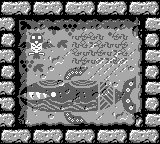
The relief in the Southern Face Shrine reveals the island’s secret.Catfish’s Maw, out in Martha’s Bay.Eagle’s Tower, the seventh dungeon.
The awakening
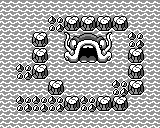
With all eight instruments, Link climbs Mt. Tamaranch and, standing before the egg, plays the Ballad of the Wind Fish. It cracks open. Inside is a dark maze, and at its heart the last of the Nightmares, the Shadow Nightmares, which throw the shapes of Link’s old enemies at him one after another, among them Agahnim and Ganon, before revealing their true form: DethI, a single huge eye with two lashing arms.
When DethI falls, the owl appears one last time and admits what it is: part of the Wind Fish’s own spirit, left to guard its dream. Then the Wind Fish itself speaks. Koholint, it confirms, exists only in its sleep, and when it wakes, the island and everyone on it will fade. It asks Link to play the ballad one last time so that they can wake together.
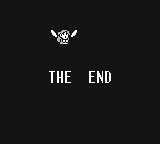
He does. The island dissolves, Link opens his eyes adrift on a piece of wreckage in the open sea, and the Wind Fish flies across the sky above him. Players who finish without losing a single life are shown one more scene after the credits: Marin, flying at last.
Playing the Ballad of the Wind Fish before the egg.Link adrift as the Wind Fish flies overhead.
Dungeons of Koholint Island
Koholint is small but crammed, and much of it opens up only as Link gains new items. Each of the eight dungeons ends with a Nightmare and one of the Instruments of the Sirens, and most hide the item you need for the next.
Level 1: Tail CaveSouth of Mabe VillageOpened with the Tail Key from the Mysterious Forest. Item: Roc’s Feather. Nightmare: Moldorm. Instrument: Full Moon Cello.
Level 2: Bottle GrottoGoponga SwampBowWow eats the flowers at the door. Item: Power Bracelet. Mini-boss: Hinox. Nightmare: Genie. Instrument: Conch Horn.
Level 3: Key CavernUkuku PrairieOpened with the Slime Key, dug up in Pothole Field. Item: Pegasus Boots. Nightmare: Slime Eye. Instrument: Sea Lily’s Bell.
Level 4: Angler’s TunnelTal Tal HeightsBehind a waterfall, opened with the Angler Key. Item: Flippers. Nightmare: Angler Fish. Instrument: Surf Harp.
Level 5: Catfish’s MawMartha’s BayReached by swimming. Item: Hookshot, after four bouts with Master Stalfos. Nightmare: Slime Eel. Instrument: Wind Marimba.
Level 6: Face ShrineNorth-east KoholintOpened with the Face Key. Item: a stronger Power Bracelet. Nightmare: Facade. Instrument: Coral Triangle.
Level 7: Eagle’s TowerTal Tal Mountain RangeOpened with the Bird Key. Item: Mirror Shield. Mini-boss: Grim Creeper. Nightmare: Evil Eagle. Instrument: Organ of Evening Calm.
Level 8: Turtle RockTal Tal Mountain RangeOpened with the Frog’s Song of Soul. Item: Magic Rod. Nightmare: Hot Head. Instrument: Thunder Drum.
The Wind Fish’s EggMt. TamaranchA dark maze leading to the Shadow Nightmares and DethI.
Color Dungeon (DX and the Switch remake)CemeteryHidden under a gravestone in Link’s Awakening DX. Colour puzzles, and a choice of red or blue tunic from the Fairy Queen.
The overworld also hides Kanalet Castle, Animal Village, Yarna Desert, the Signpost Maze, the Southern Face Shrine and plenty of caves that play as side-scrolling platform sections.
In comics, TV & other media
Link’s Awakening has been retold in guidebooks, celebrated in concert halls and toured across America by train, and its characters keep turning up in Nintendo’s other games.
Nintendo PowerNintendo of America · July 1993Issue 50 ran a ten-page guide to the game’s first three areas, and Nintendo of America followed it with a full Nintendo Player’s Guide in 1994.
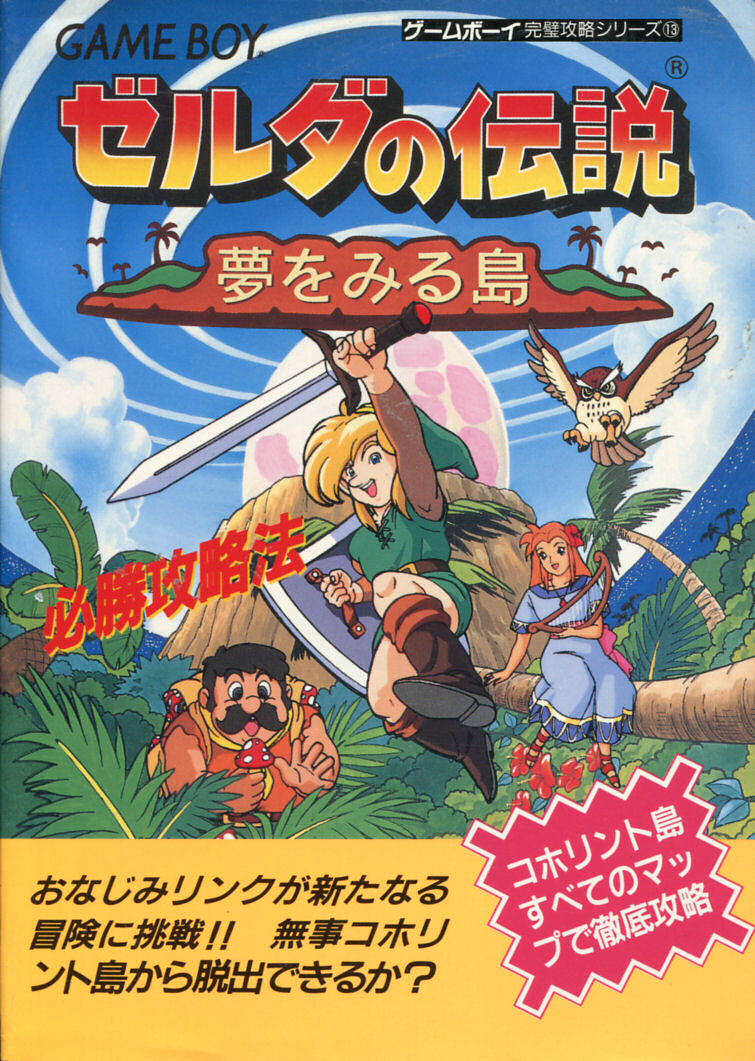
The Japanese strategy guideJapanA Japanese strategy guide carried comments from writer Kensuke Tanabe, including the revelation that Tezuka had asked for every character to be a suspicious type, like the people of Twin Peaks. Eiji Aonuma read the passage out to Satoru Iwata in 2009.
Orchestral Game Music Concert 3Concert · 1993The staff-credits theme, “Yume o Miru Shima e”, was arranged for orchestra by Yuka Tsujiyoko and performed at the third Orchestral Game Music Concert.
The Whistle Stop TourNorth America · 1993A three-day cross-country train trip on which selected players raced to finish the game, a stunt that also showed off the Game Boy’s battery life and portability.
The Legend of Zelda: Majora’s MaskNintendo · 2000In Termina the Zora band the Indigo-Go’s have an old favourite called the Ballad of the Wind Fish. It shares only its name with Marin’s song, and hearing Link play it moves Gorman, the troupe leader, to tears. See our Majora’s Mask page.
Super Smash Bros.Nintendo · 2001 onwardsMarin is a trophy in Melee and a spirit in Ultimate, and a remix of the Tal Tal Heights theme first appeared in Brawl and has returned in later games.
Hyrule Warriors LegendsNintendo and Koei Tecmo · 2016The Link’s Awakening Pack (30 June 2016) made Marin a playable fighter, swinging a bell and calling on the Wind Fish, and added a Koholint map to Adventure Mode.
Characters
Koholint’s islanders are some of the oddest in Zelda history: deliberately so, since Tezuka asked for every one of them to seem a little suspicious. Here are the people (and fish, owls, monkeys and Chain Chomps) who matter most.
Character
Who they are
In this game
Stats & abilities
LinkHero of A Link to the Past
The same Link who defeated Ganon in A Link to the Past. With Hyrule safe, he has sailed off to train and see the world. Nintendo’s official timeline, revised in 2018, puts this adventure after A Link to the Past and before the Oracle games.
Shipwrecked on Koholint, he must collect the eight Instruments of the Sirens and wake the Wind Fish to get home, slowly realising that doing so will end the island.
Sword and shield (any item can go on either button)
Roc’s Feather: the first jump in a top-down Zelda
Power Bracelet, Pegasus Boots, Flippers, Hookshot, Magic Rod, Mirror Shield
Bow, bombs, boomerang, Magic Powder, shovel
Ocarina: Ballad of the Wind Fish, Manbo’s Mambo, Frog’s Song of Soul
MarinThe girl who saved Link
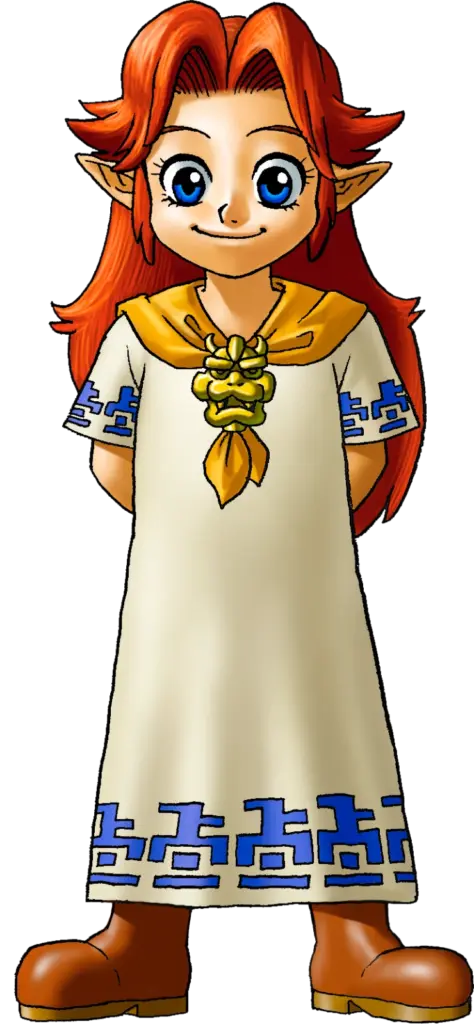
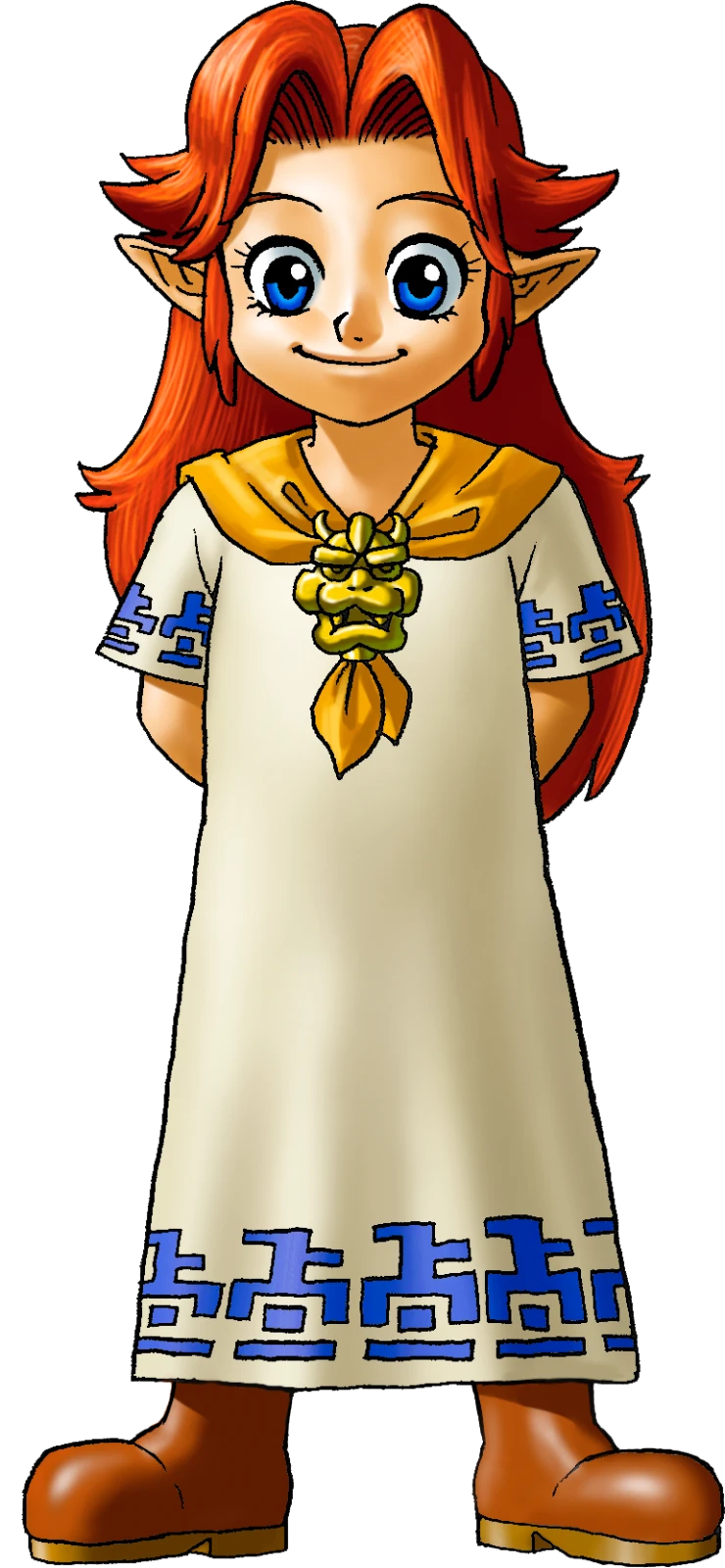
Tarin’s daughter, a singer from Mabe Village with red hair and a strong resemblance to Princess Zelda. She also has a lot in common with Malon of Ocarina of Time: the red hair, the singing, the love of animals. Nintendo’s Hyrule Historia suggests Marin and Tarin may come from Link’s memories of Malon and her father, Talon. She was a trophy in Super Smash Bros. Melee, became playable in Hyrule Warriors Legends and is a spirit in Smash Ultimate.
Finds Link on the beach and nurses him back to health, teaches him the Ballad of the Wind Fish, wakes the Walrus with her singing and walks with him for part of the adventure. She longs to leave the island, and makes a secret wish to the Wind Fish.
Teaches the Ballad of the Wind Fish
Her song wakes the Walrus
Will not enter dungeons
Appears in the secret ending if you never die
TarinMarin’s father
A cheerful, moustached villager who lives with Marin in Mabe Village and has a weakness for mushrooms. He is unique to Link’s Awakening.
Gives Link back his shield. Later he wanders into the Mysterious Forest, eats a mushroom and turns into a raccoon that blocks Link’s path until a dose of Magic Powder changes him back; he thinks it was all a dream. In the trading sequence he borrows a stick to poke a beehive and is chased off by the bees.
Returns Link’s shield
Raccoon form in the Mysterious Forest
Leaves behind the Honeycomb
The OwlGuardian of the dream
A wise owl who keeps turning up to point Link onwards. It is not Kaepora Gaebora, the owl of Ocarina of Time, but the island’s owl statues are clearly modelled on it.
Tells Link he must wake the Wind Fish and guides him from dungeon to dungeon, even dismissing the shrine relief as a rumour. In the end it reveals that it is part of the Wind Fish’s spirit, the guardian of its dream world.
Appears after key moments to give directions
Dungeon hints come from stone slabs in the original, and from owl statues and Stone Beaks in DX
The Wind FishKoholint’s sleeping god
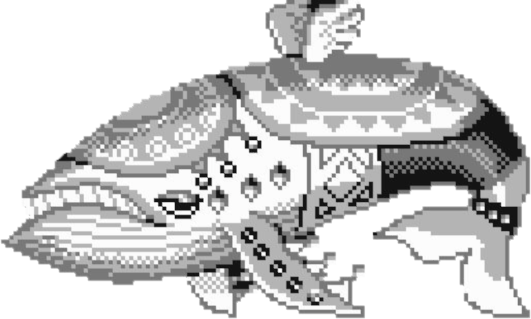
A vast whale-like creature with wings, the creator and deity of Koholint Island. Its look has been compared to Levias, the great sky whale of Skyward Sword. It appears only in Link’s Awakening and its remakes, though Marin can summon it in Hyrule Warriors Legends.
Sleeps in the egg on Mt. Tamaranch, dreaming the island into existence. Once the Nightmares are gone it explains the truth to Link and asks him to wake it, knowing Koholint will vanish.
Woken by the Ballad of the Wind Fish on the eight instruments
“COME, Link … LET US AWAKEN… TOGETHER!!”
The Shadow NightmaresThe final enemy
The monsters behind the Wind Fish’s endless sleep, who want to rule its dream. Their final form, DethI, is unique to this game.
Wait inside the egg and attack Link in a string of borrowed shapes, including Agahnim, Moldorm, Ganon and Lanmola, before showing their true face as DethI.
Shadow forms of old enemies
DethI: a giant eye with two spinning arms, vulnerable only when the eye opens
BowWow and Madam MeowMeowThe pet Chain Chomp
BowWow is a Chain Chomp, the snapping ball-and-chain enemy of the Mario series, kept as a much-loved pet by Madam MeowMeow of Mabe Village. Tezuka’s team added him after a programmer made it possible to pick a Chomp up and walk it.
Moblins kidnap BowWow after Link clears Tail Cave. Rescue him and he trots along at Link’s side, eating enemies and chomping through the flowers that block Bottle Grotto.
Eats enemies and Goponga Flowers
MeowMeow trades Dog Food in the trading sequence
RichardThe castle-less prince
A guest from another Game Boy game: Prince Richard of Kaeru no Tame ni Kane wa Naru (The Frog for Whom the Bell Tolls).
His servants have gone berserk and thrown him out of Kanalet Castle, so he lives in a villa nearby. Bring him five golden leaves from the castle and he opens the way to Pothole Field, where the Slime Key to Key Cavern is buried.
Opens the way to the Slime Key
Mr. Write and ChristineA pen-pal romance
Mr. Write is a nod to Dr. Wright from the SNES SimCity, with a face based on the game’s creator, Will Wright. His pen pal Christine is a goat in Animal Village.
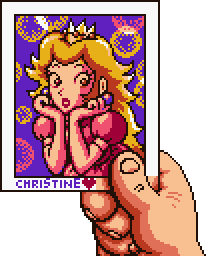
Christine asks Link to deliver a letter. Mr. Write is convinced she is a beautiful woman, and the photo inside is in fact a picture of Princess Peach. He gives Link a broom and dashes off a reply.
Trading sequence: Hibiscus to Christine, Goat’s Letter to Mr. Write, Broom in return
Old Man Ulrira and Grandma YahooThe couple next door
Ulrira is far too shy to speak to anyone face to face; Grandma Yahoo, who shares his house, is usually out sweeping.
Ulrira gives Link hints over the phone from the telephone booths hidden in Koholint’s trees. Grandma Yahoo swaps a fishing hook for a new broom, and later moves to Animal Village.
Telephone hints
Fishing Hook (trading sequence)
Kiki the monkeyBridge builder
A monkey who hangs about outside Kanalet Castle and is very fond of bananas.
Trade him bananas and he calls his friends to build a bridge across the castle moat, leaving a stick behind for the next step of the trading sequence.
Bananas in, bridge and Stick out
Mamu and ManboKoholint’s musicians
Mamu is a singing frog based on Wart, the villain of Super Mario Bros. 2, whose Japanese name is also Mamu. Manbo is a big fish who lives in a cave pond with his fishy friends.
For 300 Rupees Mamu teaches the Frog’s Song of Soul, which brings things back to life. Manbo teaches Manbo’s Mambo, a warp song.
Frog’s Song of Soul (opens Turtle Rock)
Manbo’s Mambo (warp)
The WalrusA very heavy sleeper
An enormous walrus snoozing across the path to Yarna Desert, and a big fan of Marin’s singing.
Nothing Link does will move him. Bring Marin, let her sing the Ballad of the Wind Fish, and he wakes up and flops out of the way.
Blocks Yarna Desert until Marin sings
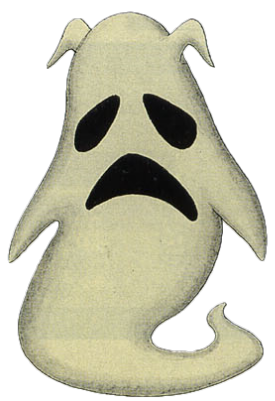
The GhostA homesick spirit
A melancholy little ghost who attaches itself to Link after Angler’s Tunnel.
It asks Link to take it back to its old house by the bay and then to its grave, and in thanks reveals a Secret Seashell hidden in the house.
Reward: a Secret Seashell
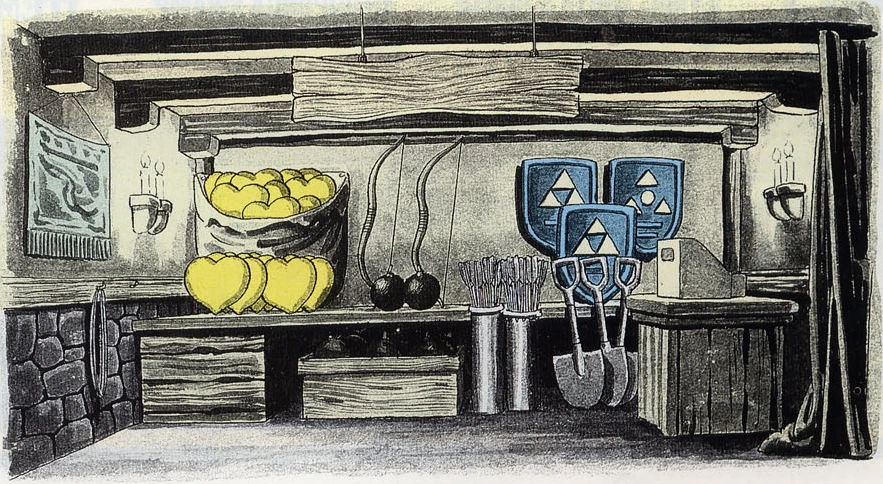
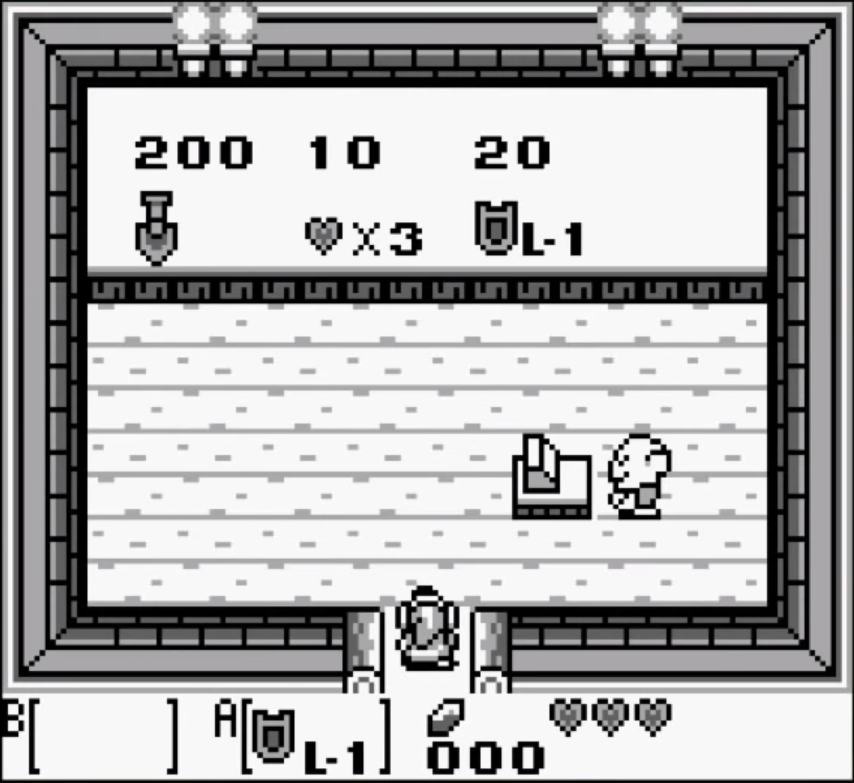
The Town Tool ShopkeeperDo not steal from this man
The owner of Mabe Village’s Town Tool Shop, who sells goods to help Link on his way.
Link can sneak out without paying. The shopkeeper never forgets: from then on Link’s name is THIEF, and stepping back into the shop is fatal.
Runs the only shop in Mabe Village
Punishes shoplifters with a bolt of lightning
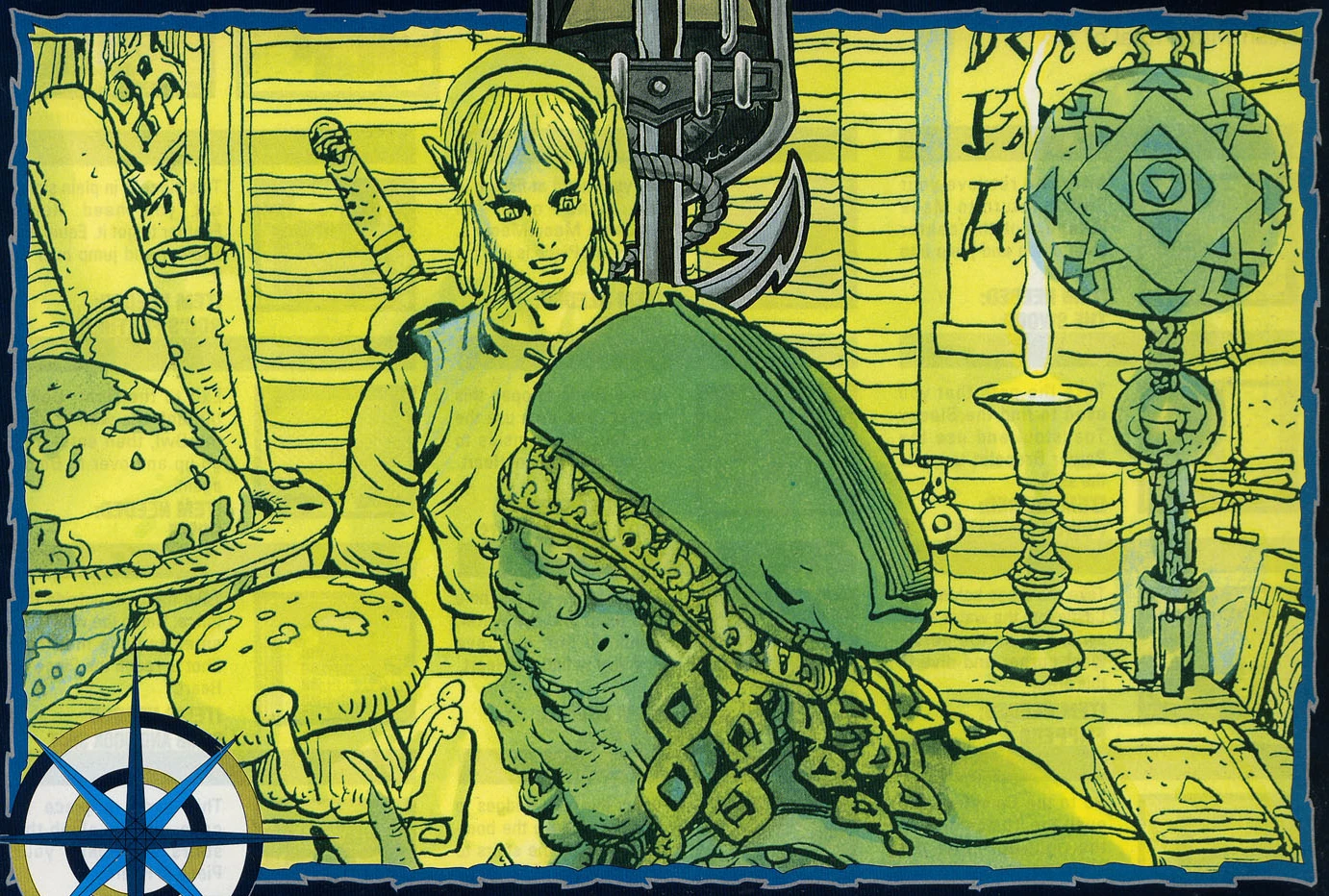
Crazy Tracy and SyrupPotions and powders
Crazy Tracy runs a little house by Manbo’s pond; Syrup is a witch who lives at the edge of the Mysterious Forest.
Tracy sells Secret Medicine, which saves Link when his hearts run out. Give Syrup a Sleepy Toadstool and she brews it into Magic Powder.
Secret Medicine (Tracy)
Magic Powder (Syrup)
The PhotographerDX only
The owner of the camera shop added in Link’s Awakening DX.
Pops up at twelve key moments to take Link’s picture; the photos can be viewed in his shop or printed on the Game Boy Printer. Tarin insists on joining one of Link and Marin.
Twelve photographs (DX)
Game Boy Printer support
Guests from Mario and KirbyThe cameo crowd
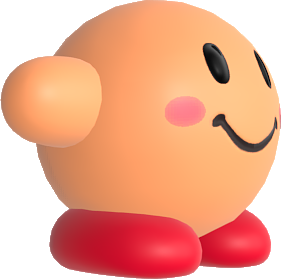
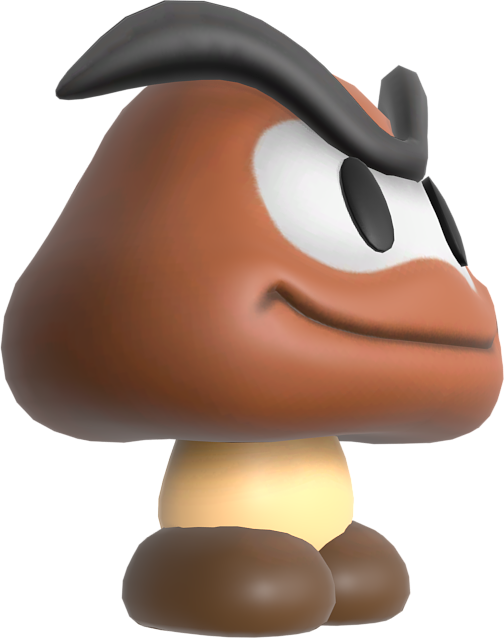
Goombas, Piranha Plants, Chain Chomps, Thwomps, Shy Guys, Cheep Cheeps, Bloopers and Boo Buddies from the Mario games, a Kirby-like enemy that tries to inhale Link, and Yoshi dolls as prizes. Tezuka has said he did not need permission because he was the one who would have given it.
Most turn up in the side-scrolling caves or as enemies in dungeons; a Yoshi doll starts the trading sequence.
Stomp Goombas in the side-scrolling sections
Yoshi Doll from the Trendy Game
Nightmares, mini-bosses and notable enemies
Every dungeon ends with a Nightmare, and most have a mini-boss halfway through. The Nightmares grow tougher as the instruments pile up.
MoldormTail CaveA segmented worm that tries to knock Link into the pits. Hit the tip of its tail.
GenieBottle GrottoThrow his bottle at the wall until it breaks, then deal with the furious genie.
Slime EyeKey CavernA gooey eyeball on the ceiling. Dash into the wall to shake it down, then split it in two.
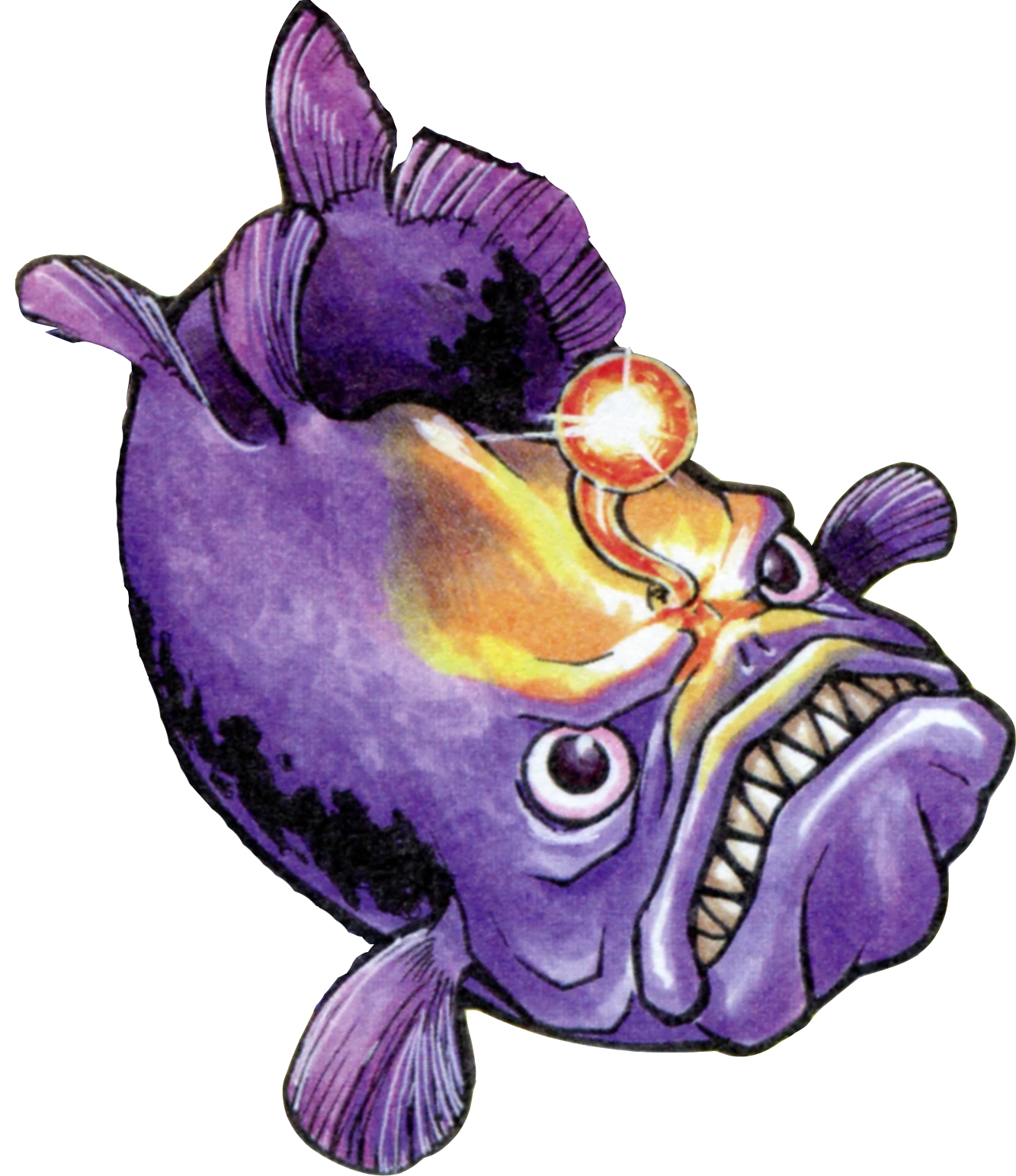
Angler FishAngler’s TunnelStrike the glowing lure on its head while dodging its charges.
Slime EelCatfish’s MawHookshot its head out of the walls and hit its heart. Some heads are fakes.
FacadeFace ShrineA face in the floor that hurls pots and opens holes. Bombs do the job.
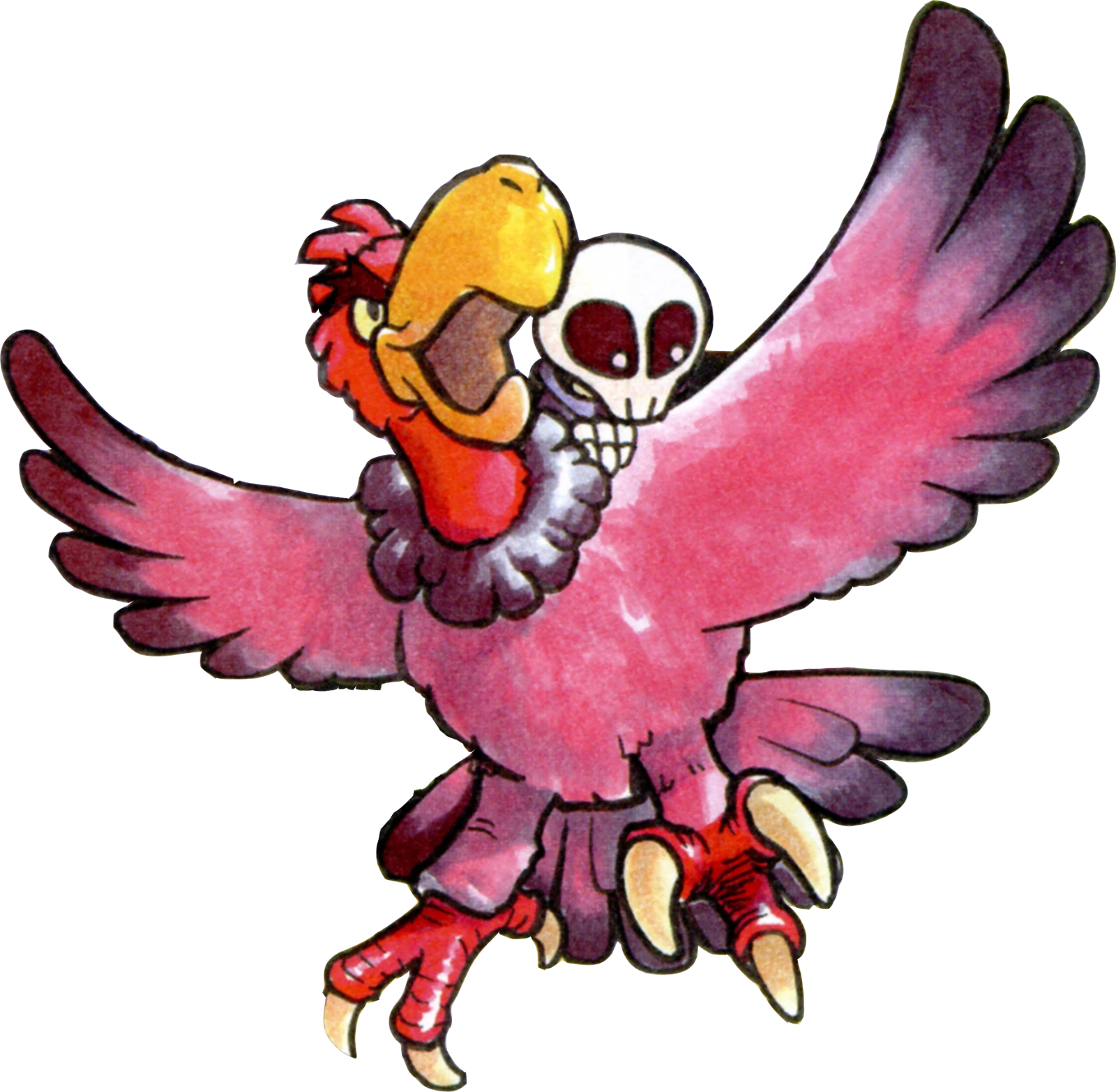
Grim Creeper and Evil EagleEagle’s TowerThe Grim Creeper flees and leaves the Evil Eagle to try to blow Link off the tower top.
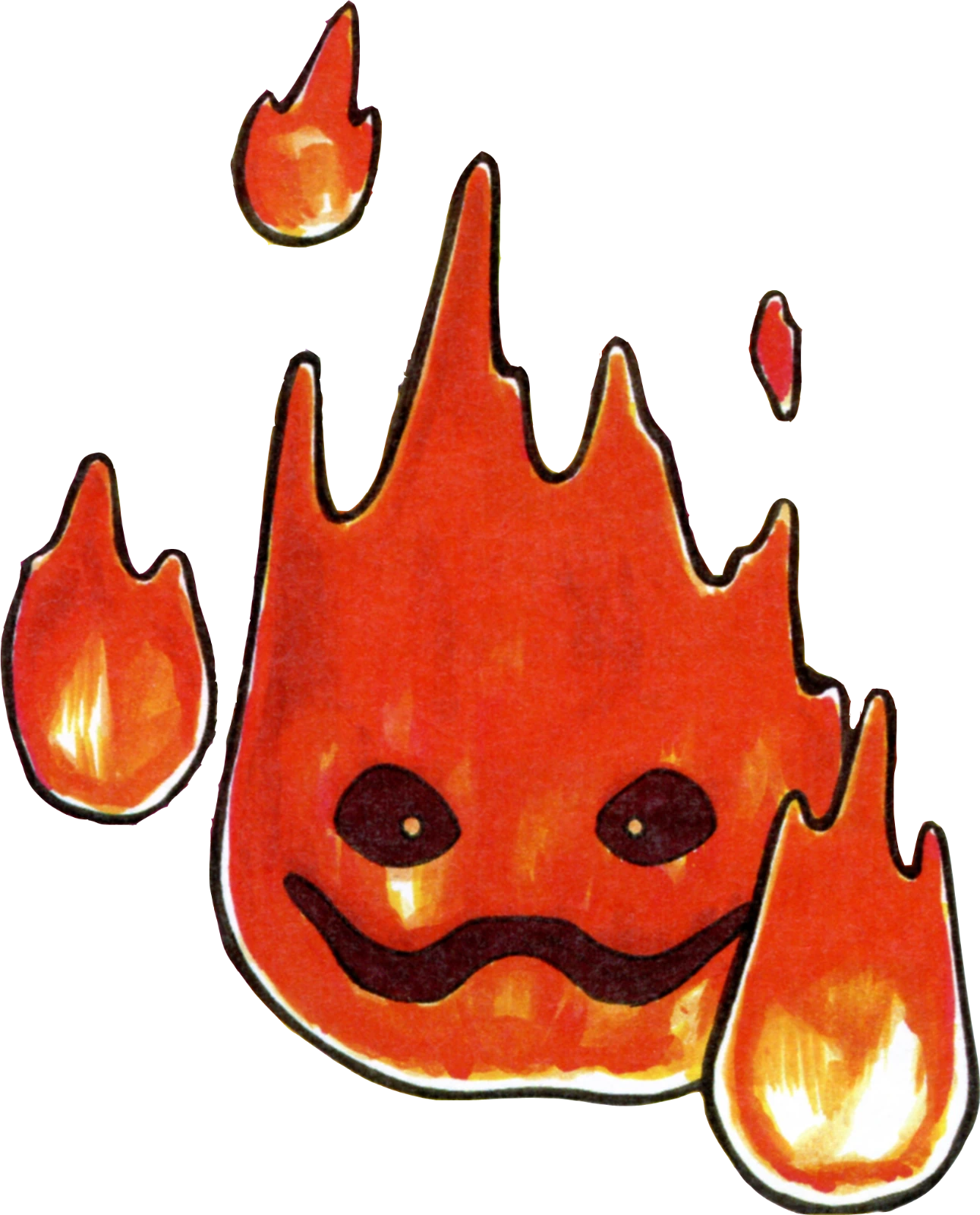
Hot HeadTurtle RockA fiery lava-dweller, beaten with the Magic Rod.
Shadow Nightmares / DethIWind Fish’s EggThe final battle: shadows of Agahnim, Moldorm, Ganon and Lanmola, then DethI itself.
Master StalfosCatfish’s MawA skeleton knight who keeps retreating deeper into the dungeon; beat him four times to win the Hookshot.
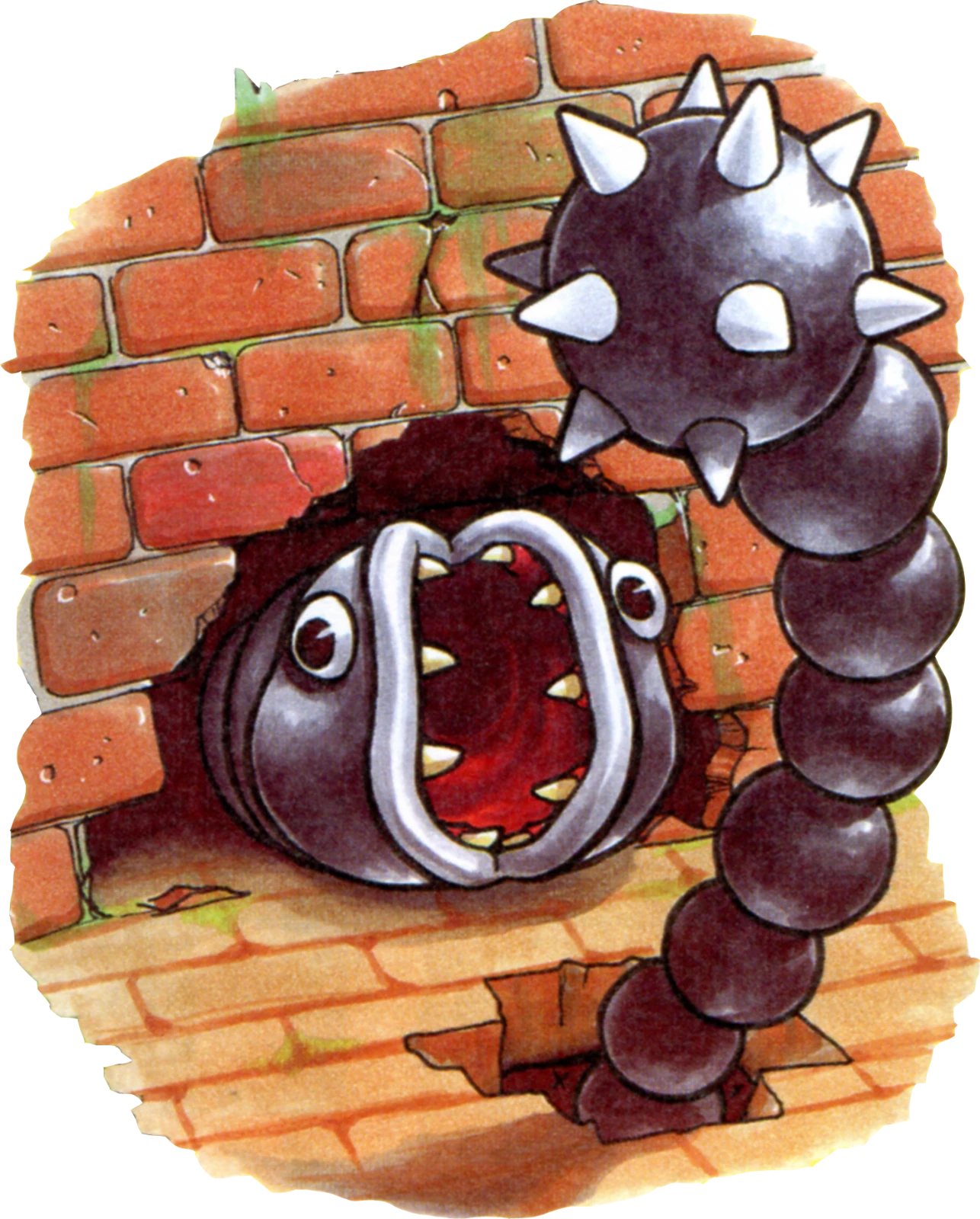
Rolling BonesTail CavePushes a spiked roller at Link; jump it with the Roc’s Feather.
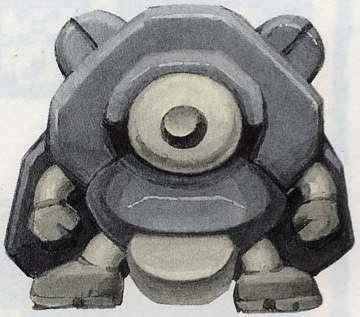
HinoxBottle Grotto and Turtle RockA hulking one-eyed giant, the mini-boss of the second dungeon.
Anti-KirbyDungeonsA Kirby-like enemy that tries to suck Link up.
Goomba and Piranha PlantSide-scrolling cavesMario enemies in Link’s world. Land on a Goomba to squash it.
The people who made it
Much of A Link to the Past’s team, working first after hours and then officially. Credits from Wikipedia and Nintendo’s Iwata Asks.
Takashi TezukaDirectorJoined A Link to the Past partway through as a director and wanted to do more; asked for the Game Boy project in 1991, steered it away from Zelda, the Triforce and Hyrule, and asked for a Twin Peaks mood. He also supervised DX.
Yoshiaki KoizumiStoryA young artist Tezuka “lured” into the after-hours club; he handled the opening and the main story, years before co-directing Majora’s Mask.
Kensuke TanabeStory and sub-eventsJoined early, devised the sub-events and the trading sequence and wrote most of the islanders’ dialogue.
Kazuaki MoritaProgrammingBuilt the original Game Boy prototype on the only development kit, and the fishing game that became a series tradition.
Yasuhisa YamamuraDungeon designPlanned the dungeons, their rooms, routes and enemy placement.
Masanao Arimoto and Shigefumi HinoCharacter designDesigned the characters; Arimoto drew all the pictures except the opening and ending.
Yoichi KotabeIllustrationNintendo’s veteran illustrator provided the artwork.
Kazumi Totaka, Minako Hamano and Kozue IshikawaMusic and soundTotaka composed, programmed the sound and made every sound effect; Hamano and Ishikawa composed, and it was Ishikawa’s first game.
Shigeru MiyamotoProducerMostly left the team alone, though he playtested and his opinions shaped the second half of development.
How it was made
Link’s Awakening is one of the best-documented Zelda games, thanks largely to a 2009 Iwata Asks in which Satoru Iwata sat down with Takashi Tezuka, Toshihiko Nakago and Eiji Aonuma to talk about the series on handhelds.
An after-school club
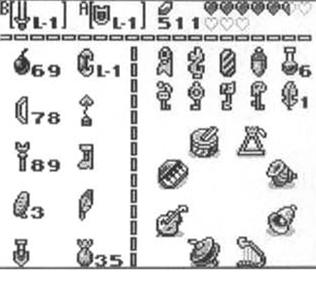
An inventory screen from the game during development.
It started with a programmer playing around. Kazuaki Morita of SRD, Nintendo’s programming partner, got hold of the only Game Boy development kit the team had and built something that worked like a Zelda game. Even in black and white it looked impressive, and the team had a lot of fun with it.
Tezuka, who had joined A Link to the Past partway through as a director and was keen to do more, started working on it in the evenings with a few colleagues. “We’d do our regular work during normal work hours,” he told Iwata, “and then work on it sort of like an afterschool club activity.” In 1991 he formally asked to make a handheld Zelda, the team’s development kits doubled from one to two, and the plan was simply to move A Link to the Past onto the Game Boy.
From port to spin-off
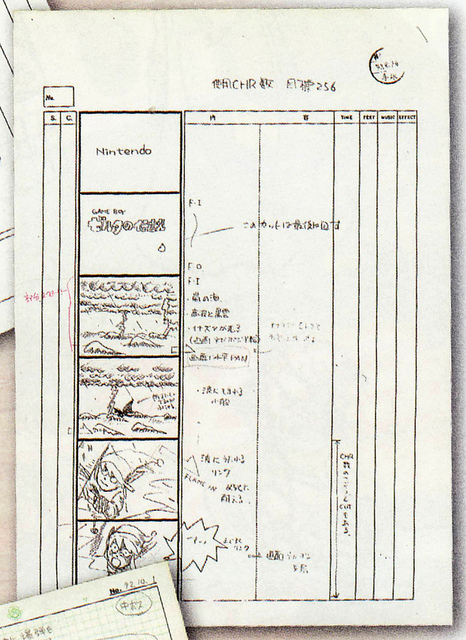
Concept art for the opening.
The port did not last. Tezuka wanted a spin-off rather than a shrunken copy, so he asked writer Kensuke Tanabe to leave out Princess Zelda, the Triforce and Hyrule altogether. Much of A Link to the Past’s team came back together, and the game took around a year and a half to make. Shigeru Miyamoto, the producer, was busy elsewhere; Tezuka said he “didn’t pay us much mind”, though Miyamoto did playtest the game and his opinions shaped its second half.
Twin Peaks and a proper plot
The cast of Link’s Awakening in official art for the DX version.
Tezuka wanted the island to feel like Twin Peaks, the TV mystery series that was a hit at the time: a small world packed with deep, peculiar characters. Tanabe’s comments in a Japanese strategy guide say Tezuka asked for every character to be a suspicious type. Aonuma admitted to Iwata that he did not understand the reference at first; Tezuka, for his part, had forgotten saying it until Aonuma reminded him.
Yoshiaki Koizumi, who had joined Nintendo as an artist a year or two earlier, was “lured” into the club because he seemed good at stories. He took charge of the opening and the main flow of the plot, while Tanabe came up with the sub-events, including the chain of swaps that became the trading sequence, and wrote most of the islanders’ lines. The result, Aonuma told Iwata, was the first Zelda with a proper plot.
A parody with guest stars
Link finds BowWow the Chain Chomp (Link’s Awakening DX).
Because the project started so informally, Tezuka said, it felt like making a parody of The Legend of Zelda, and that is why it is full of other people’s characters. A programmer made it possible to pick up a Chain Chomp and walk it, so BowWow stayed in. Goombas and Piranha Plants moved into the side-scrolling caves, Yoshi dolls became prizes, and a Kirby-like enemy tries to swallow Link. Asked in 2019 whether he needed permission for all this, Tezuka pointed out that he was the person who would have had to say yes.
Art, dungeons and music
Concept art of obstacles.
Masanao Arimoto and Shigefumi Hino designed the characters, with Arimoto drawing almost all the in-game pictures, and Yoichi Kotabe provided the illustrations. Yasuhisa Yamamura planned the dungeons, down to room layouts and enemy placement. The music came from Kazumi Totaka, Minako Hamano and Kozue Ishikawa, with Totaka also programming the sound and making all the effects. It was Ishikawa’s first game. Morita’s fishing game, meanwhile, started a tradition that Aonuma says carried into the console Zeldas, beginning with Ocarina of Time.
Selling it
A North American Game Boy bundle with Link’s Awakening.
Link’s Awakening topped the Famitsu sales chart in Japan in June 1993. In North America it was the best-selling Game Boy game in its launch month, supported by a ten-page Nintendo Power guide and the Whistle Stop Tour, a three-day cross-country train trip on which players raced to finish it. In Britain its advert won Best Advert of the Year at the 1994 Golden Joystick Awards.
Five years later: DX
Link’s Awakening DX for Game Boy Color (1998).
For the launch of the Game Boy Color, a small team at Nintendo R&D2 directed by Yoshinori Tsuchiyama recoloured the whole game, with Tezuka as supervisor while he worked on Ocarina of Time. Nobuo Matsumiya revised the script, adding hints to the boss battles, and Yuichi Ozaki wrote music for the new Color Dungeon based on Koji Kondo’s dungeon theme from the very first Zelda.
Firsts: what this game introduced
A lot of things we now take for granted in Zelda started on this little grey cartridge.
1A full-sized Zelda in your pocketNintendo calls it the first full-sized Legend of Zelda game made for a handheld system, and it was the series’ first Game Boy adventure.
2A proper plotEiji Aonuma has said the series did not have a proper story until Link’s Awakening.
3JumpingThe Roc’s Feather made this the first top-down Zelda in which Link can jump. The feather returned in both Oracle games and Four Swords Adventures.
4Any item on any buttonThe first Zelda that let you put different items on both A and B, even the sword.
5The trading sequenceA chain of swaps from a Yoshi doll to a magnifying lens, inspired by the Japanese folk tale of the Straw Millionaire. Most later Zeldas have one.
6FishingKazuaki Morita’s fishing pond began the series’ long love affair with fishing, continued in Ocarina of Time.
7Songs on an ocarinaLearning tunes to play on an ocarina starts here, five years before Ocarina of Time built a whole game around it.
8Life without HyruleThe first Zelda set entirely outside Hyrule, with no Princess Zelda to rescue and no Triforce to find.
Cheats & secrets
Link’s Awakening has no cheat codes in the usual sense, but Koholint is packed with secrets. These are the best.
The secret ending
Marin in the ending of the Game Boy original.
Finish the whole game without losing a single life and you will see an extra scene after the credits, in which Marin is seen flying. It is the only way to find out what she wished for.
Becoming THIEF
Official art of the Town Tool Shop.
In the Mabe Village shop, pick up an item and slip out of the door without paying while the shopkeeper is not looking. You keep the item, but every character now calls you THIEF for the rest of the game, and walking back into the shop gets you struck down on the spot.
Secret Seashells
Official art of a Secret Seashell.
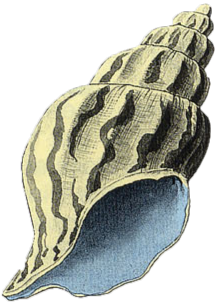
There are 26 Secret Seashells hidden around Koholint (the Switch remake raises this to 50). Bring 20 to the Seashell Mansion and you are given a stronger sword that fires beams when your health is full, like the sword in the very first Zelda.
The trading sequence
Link wins the Yoshi Doll (Link’s Awakening DX).
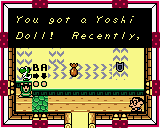
Win a Yoshi Doll at the Trendy Game crane in Mabe Village and the swapping begins: Yoshi Doll, Ribbon, Dog Food, Bananas, Stick, Honeycomb, Pineapple, Hibiscus, Goat’s Letter, Broom, Fishing Hook, Necklace, Mermaid’s Scale and finally the Magnifying Lens, which shows things nobody else can see.
Hints by telephone and stone slab
Official art of the Stone Slab Fragment, the hint item of the 1993 original.
Stuck? Call Old Man Ulrira from any telephone booth hidden in a tree. In the 1993 original each dungeon hides a Stone Slab Fragment, which lets Link read the hint on a stone slab; DX swapped these for the Stone Beak and talking owl statues.
Songs worth learning
Manbo’s Mambo in the Game Boy original.
Marin teaches the Ballad of the Wind Fish. Manbo the fish teaches Manbo’s Mambo, a warp song. For 300 Rupees the frog Mamu, waiting at the bottom of the Signpost Maze, teaches the Frog’s Song of Soul, which brings things back to life and opens Turtle Rock.
Fishing for hearts
Link fishing in Link’s Awakening DX.
The fisherman in Mabe Village gives you a Piece of Heart for landing a big fish in his pond.
The Color Dungeon (DX)
The Mabe Village library in Link’s Awakening DX.
In Link’s Awakening DX, dash into the bookcase in the Mabe Village library with the Pegasus Boots to knock down a book that tells you the order in which to push five gravestones in the Cemetery. Do it right and the Color Dungeon opens; answer the Color Guards’ question about their colours, clear the colour puzzles, and the Fairy Queen lets you choose the Red Mail (more attack) or the Blue Mail (better defence).
Secrets checked against Wikipedia, the Zelda Dungeon wiki and Nintendo’s Iwata Asks.
Glitches, exploits and oddities
The original Game Boy release is famous among speedrunners for being breakable, and DX fixed many of its bugs while keeping some of the best. A few of the best-documented:
The Doghouse Glitch
A glitched screen in Link’s Awakening DX.
Clip into the wall beside the doghouse outside Madam MeowMeow’s house and walk into its door warp from the wrong direction, and the game drops Link into a scrambled version of its underground maps, known to runners as the Kennel or Glitch Dungeon. Floors, sprites and even chest contents change, and what you get depends on how many enemies you have defeated beforehand.
Straight to the credits
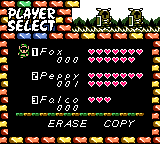
The player select screen of Link’s Awakening DX, where files are named.
Speedrunners have turned the doghouse wrong warp into arbitrary code execution on DX. With specially chosen file names, which can only be entered in the Japanese version, a precise kill count and some careful menu juggling, the game can be made to jump straight to the end credits.
Skipping the rooster
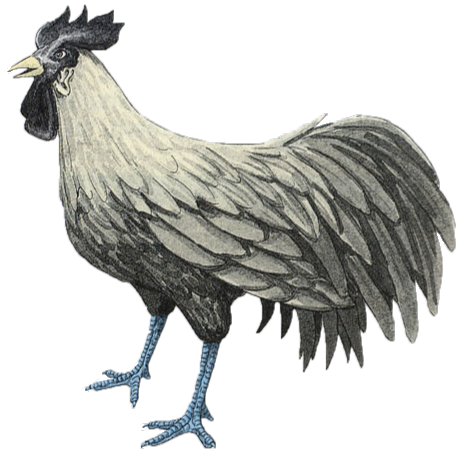
Official art of the flying rooster.
Eagle’s Tower normally needs the flying rooster, revived with the Frog’s Song of Soul. Runners discovered they could clip into a wall, dash-jump past it with the Pegasus Boots and chain Hookshot jumps to reach the Bird Key without the song at all.
Exploding arrows
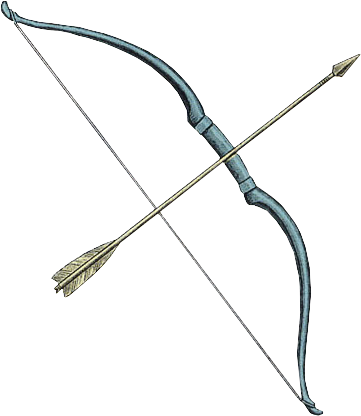
Official art of the bow.
Drop a bomb and fire an arrow at almost the same moment and the arrow carries the bomb with it, exploding the instant it hits. The timing window differs between versions 1.0 and 1.2 of DX.
Falling through floors
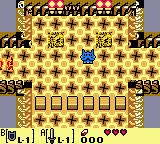
A pit in a Nightmare’s room in the Game Boy original.
Open the pause or save menu on exactly the frame Link drops into a pit and he can clip into the tile beneath, reaching places he should not. The save-menu version works in both the original and DX; the pause-menu version only in DX.
Videos & media
Two official films from Nintendo of America about the 2019 Switch remake, which recreates the original almost room for room: the announcement trailer, and a long Treehouse Live session playing through the opening.
Nintendo of America’s announcement trailer for the Switch remake, first shown in the Nintendo Direct of 13 February 2019.
Nintendo Treehouse: Live at E3 2019 (11 June 2019): an extended play session of the remake from Nintendo of America.
Trivia & facts
The game began as Kazuaki Morita’s experiment on the only Game Boy development kit the team had, and was worked on after hours like a school club before it became official in 1991.
The logo of A Link to the Past, the game the team first meant to port.The first plan was simply to port A Link to the Past to the Game Boy.
Takashi Tezuka wanted the island to feel like Twin Peaks, and asked for every character to be a suspicious type.
Tezuka said making it felt like making a parody of The Legend of Zelda.
Link with BowWow the Chain Chomp, in the DX colour version.BowWow exists because a programmer made it possible to pick up a Chain Chomp and walk it.
Mr. Write is a reference to Dr. Wright of the SNES SimCity, and his face is based on Will Wright, the game’s creator.
The photograph in Christine’s letter (Link’s Awakening DX sprite).The letter Christine the goat sends to Mr. Write contains a picture of Princess Peach.
Mamu the frog is based on Wart from Super Mario Bros. 2, whose Japanese name is Mamu.
Richard is the hero of another Nintendo Game Boy game, Kaeru no Tame ni Kane wa Naru (The Frog for Whom the Bell Tolls).
Tezuka has said he did not need permission to use other Nintendo characters, because he was the person who would have granted it.
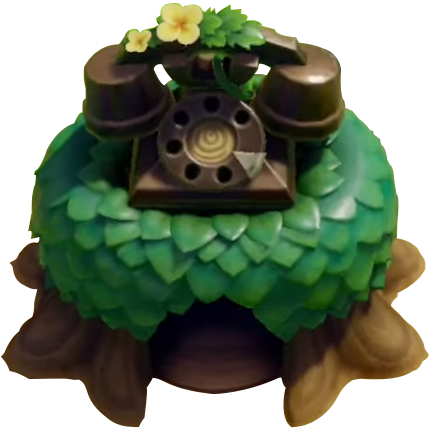
A telephone booth, as modelled in the 2019 Switch remake.Old Man Ulrira will only talk to Link on the telephone.
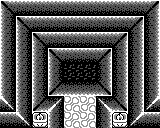
Some children in Mabe Village explain how to save the game, then admit they have no idea what they are talking about.
Steal from the shop and the game renames you THIEF for good.
The name Ballad of the Wind Fish turns up again in Majora’s Mask, on an entirely different song that belongs to the Zora band the Indigo-Go’s.
Official art of Malon from Ocarina of Time.According to Nintendo’s Hyrule Historia, Marin and Tarin may be drawn from Link’s memories of Malon and Talon of Ocarina of Time.
The Wind Fish’s appearance has been likened to Levias, the great sky whale of Skyward Sword.
Link’s Awakening was Kozue Ishikawa’s first game project.
Link’s Awakening DX on the 3DS Virtual Console was, by the analysts FADE’s estimate, the top-earning 3DS download of 2011, with about 338,700 copies sold.
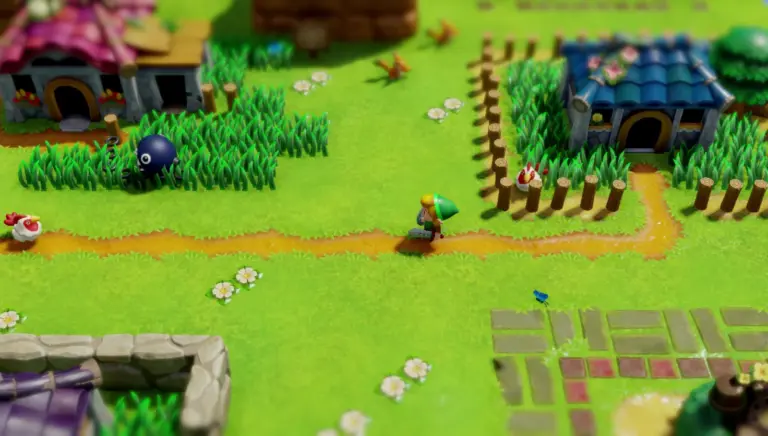
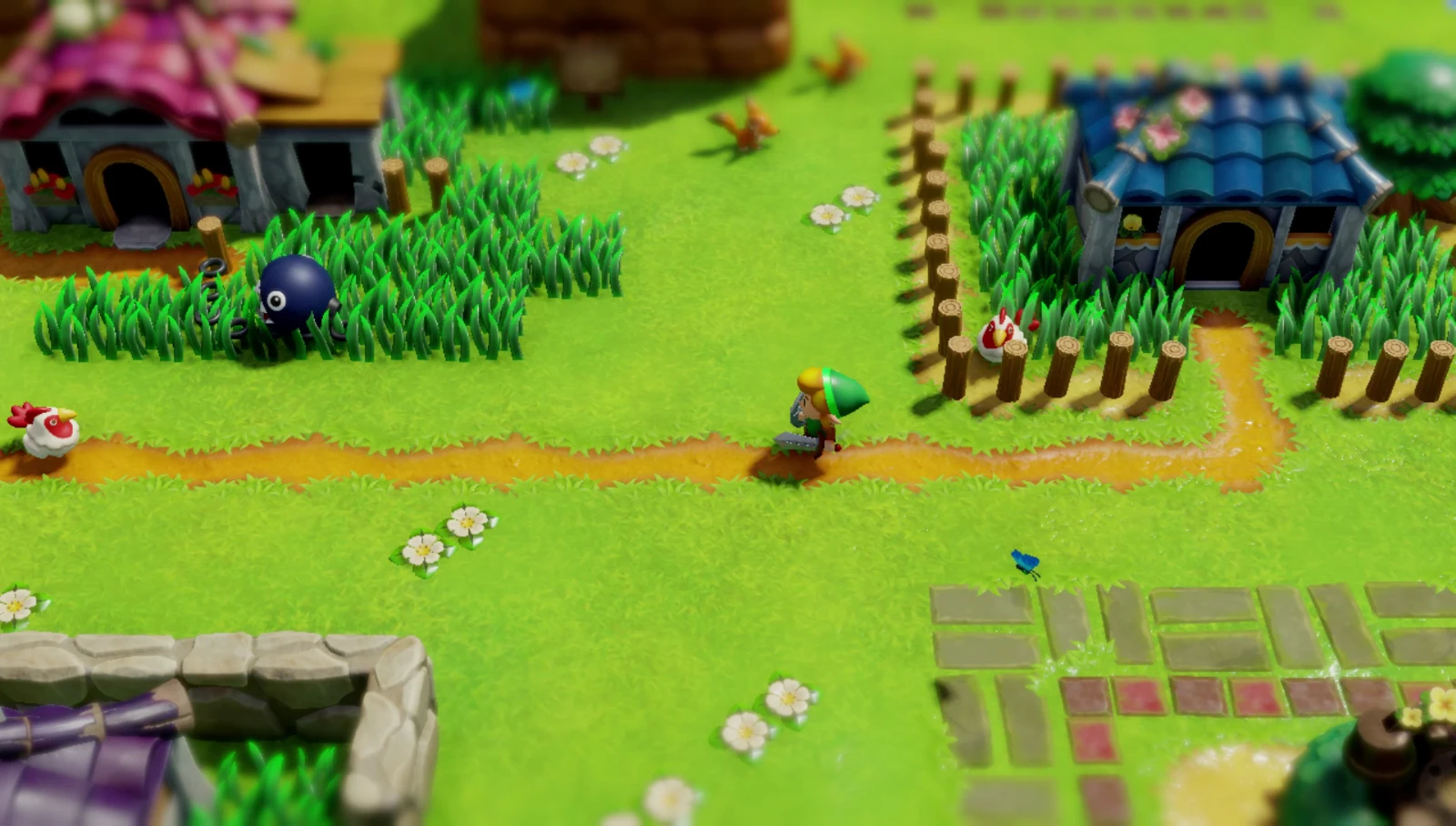
Mabe Village in the 2019 Switch remake.The 2019 remake’s diorama look was chosen, Aonuma said, to capture how vast the tiny Game Boy screen once made Koholint feel.
Nintendo issued a takedown notice against an unofficial PC port of DX in December 2023.
Media & artwork
Box art, artwork and screenshots of Link’s Awakening. Select any image to view it larger.
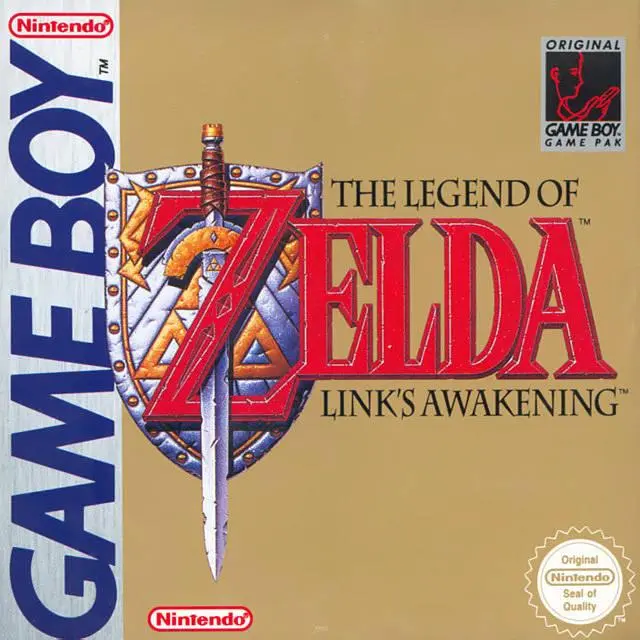
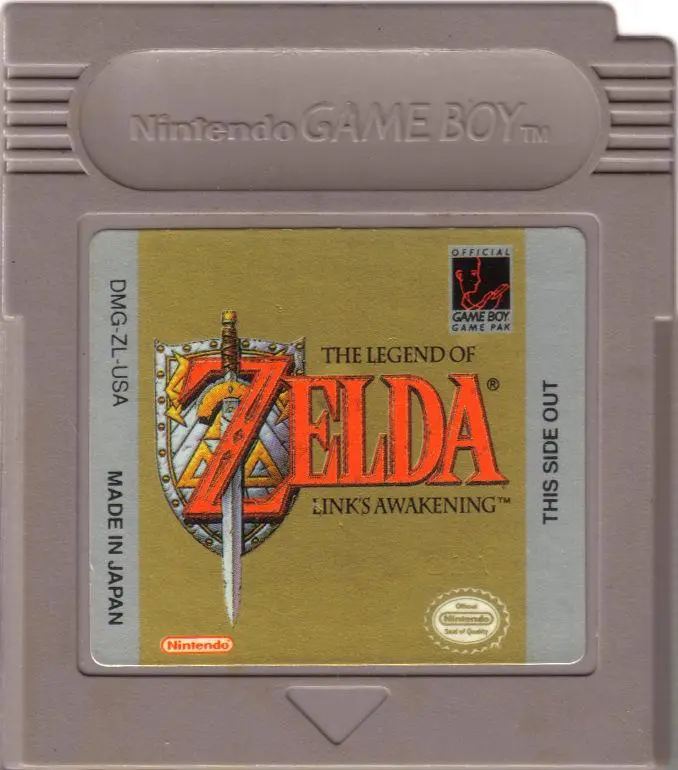
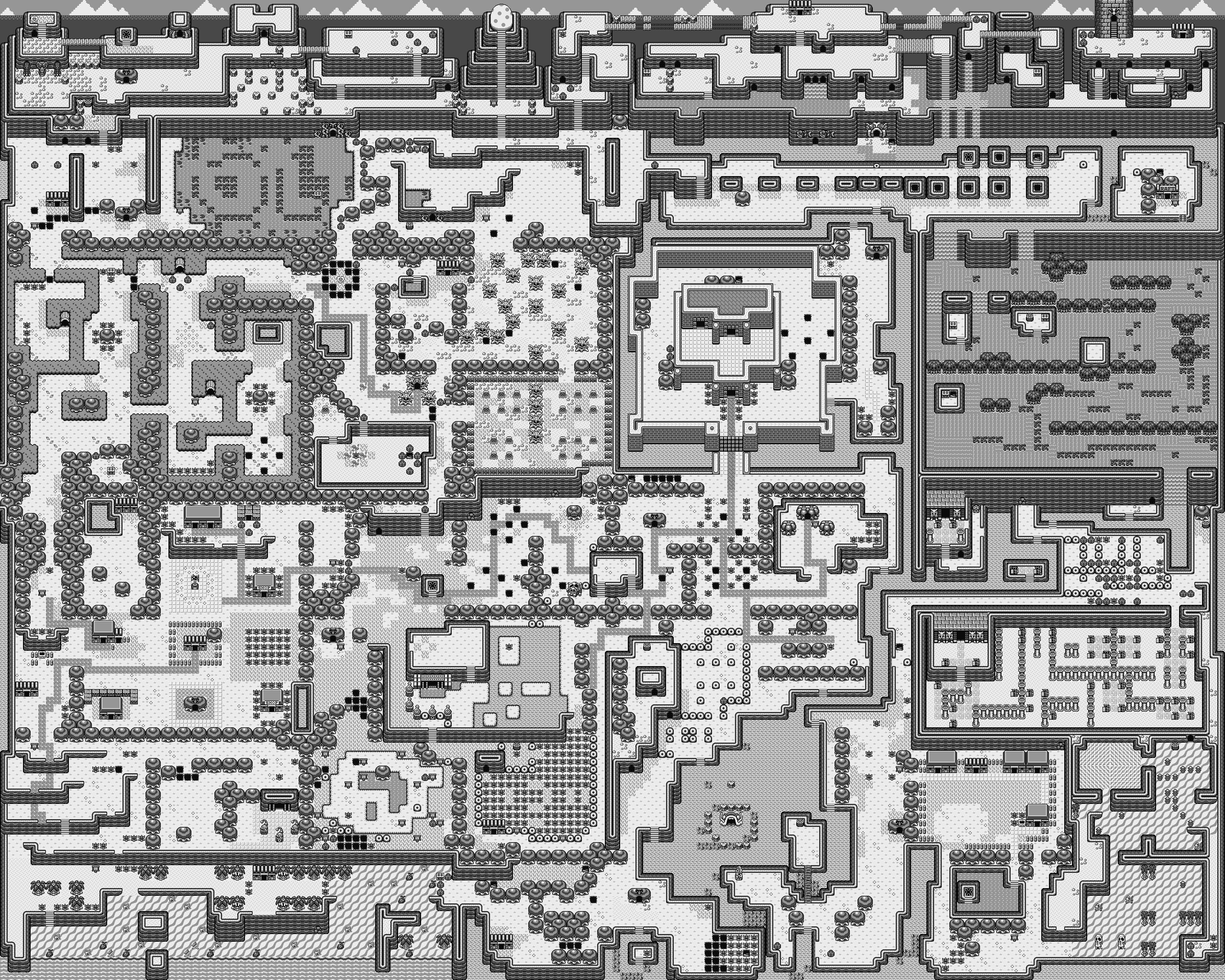
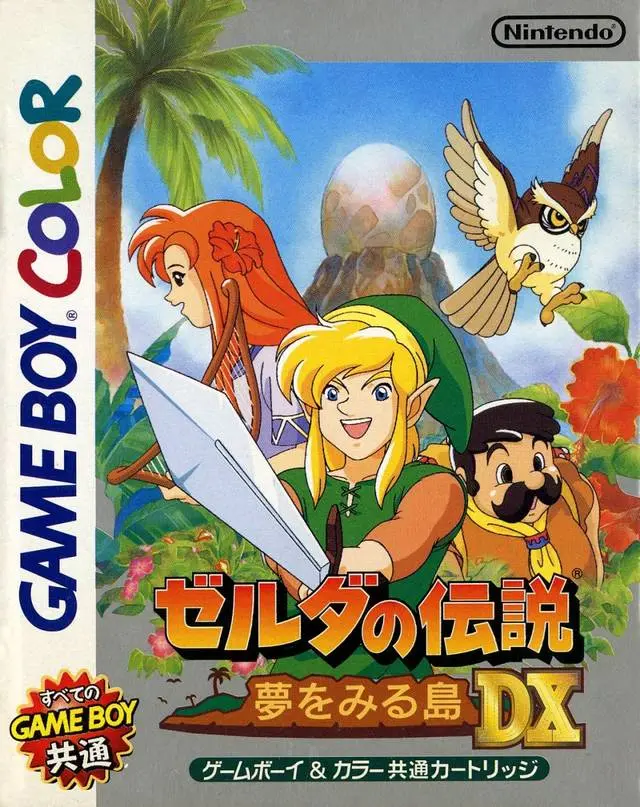
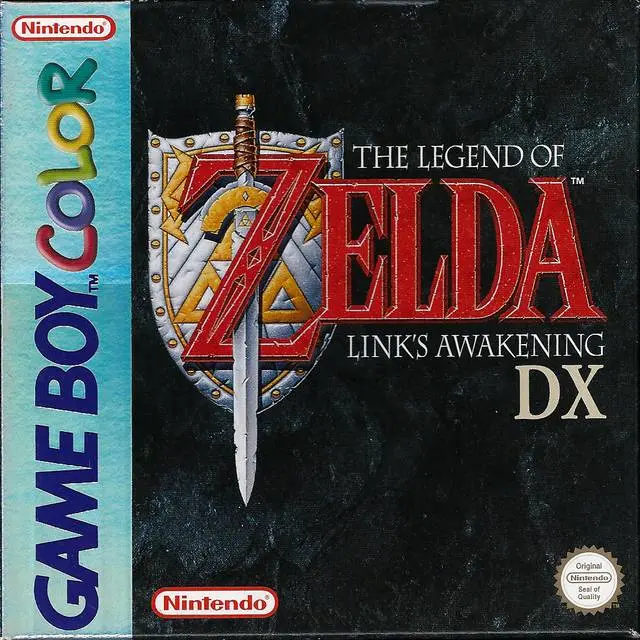
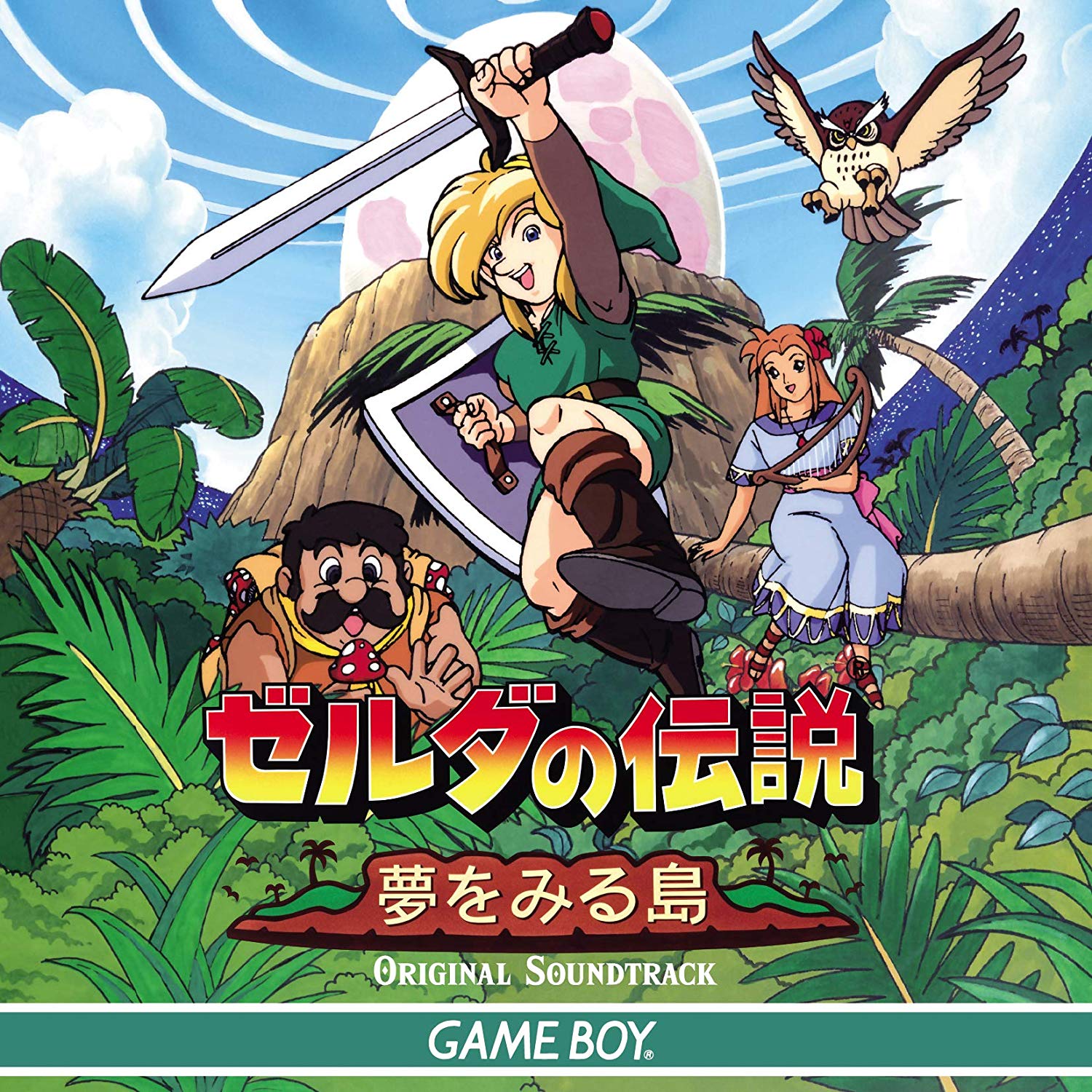
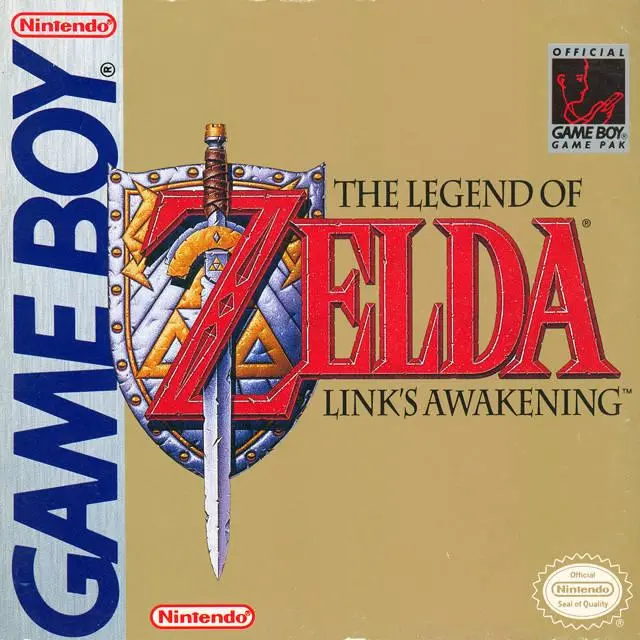
European Game Boy box (1993)North American Game Boy cartridgeLink’s Awakening logoMap of Koholint Island in the Game Boy originalJapanese Link’s Awakening DX box (1998)European Link’s Awakening DX boxLink’s Awakening DX title screenEuropean box of the 2019 Nintendo Switch remakeGame Boy cover of the Link’s Awakening Original SoundtrackA Japanese strategy guide published by Futabasha
Link’s Awakening has been in print in one form or another for most of its life: reissued, recoloured, remade and folded into a Game & Watch.
From Game Boy to Nintendo Switch
Game BoyJune–November 1993 – Japan 6 June, North America 6 August, Europe 18 November. Later reissued in the Player’s Choice range.
Link’s Awakening DXDecember 1998–January 1999 – Game Boy Color. Japan 12 December 1998; North America late 1998 (sources disagree on the day); Europe January 1999; Australia 22 January 1999.
3DS Virtual Console (DX)7 June 2011 – Without the Game Boy Printer features; the best-selling 3DS download of 2011.
Club Nintendo (DX)July 2013 – A free gift for North American members with elite status.
Hyrule Warriors Legends30 June 2016 – The Link’s Awakening Pack makes Marin playable and adds a Koholint map.
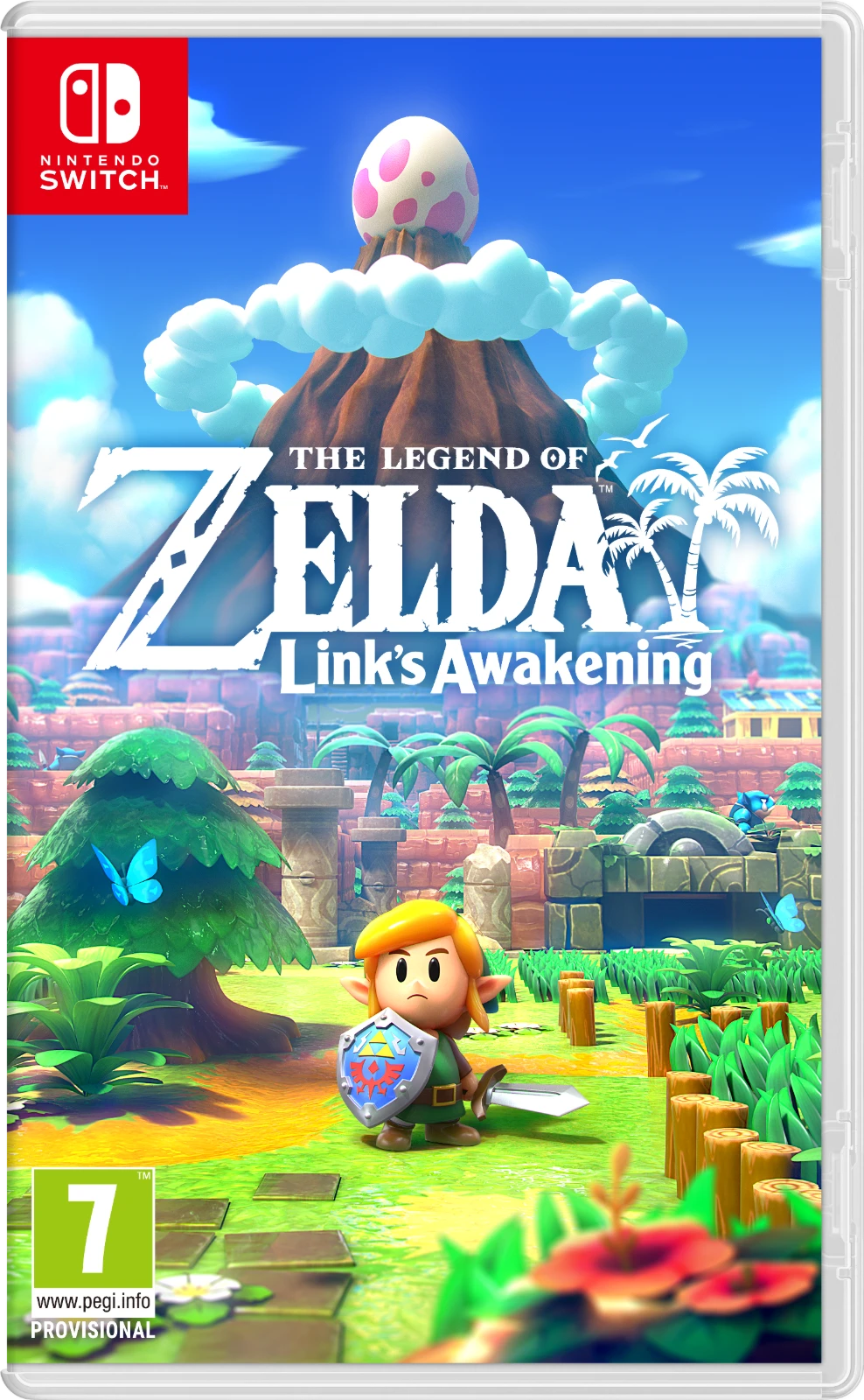
The Legend of Zelda: Link’s Awakening (Switch)20 September 2019 – Grezzo’s full remake, announced on 13 February 2019.
Game & Watch: The Legend of Zelda12 November 2021 – The 1993 original, in English and Japanese, alongside the first two Zelda games.
Nintendo Switch Online (DX)8 February 2023 – Added to the Nintendo Switch Online Game Boy library.
Link’s Awakening DX (1998)
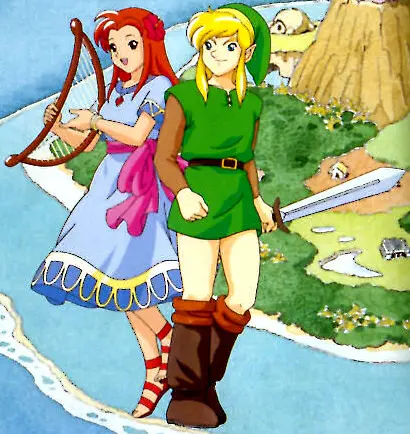
Official art of Link and Marin for Link’s Awakening DX.
Released for the arrival of the Game Boy Color, DX recolours every screen while still running on an original Game Boy. It adds the optional Color Dungeon, reached through a puzzle in the Cemetery, whose colour-coded enemies and switches lead to a choice of red or blue tunic; a camera shop whose owner turns up at twelve key moments to take Link’s photo, printable on the Game Boy Printer; and extra hints from the owl statues. Reviewers welcomed it, though several noted the new content was slight. It sold 2.22 million copies and is the version Nintendo chose for the 3DS Virtual Console and Nintendo Switch Online.
The 2019 Switch remake
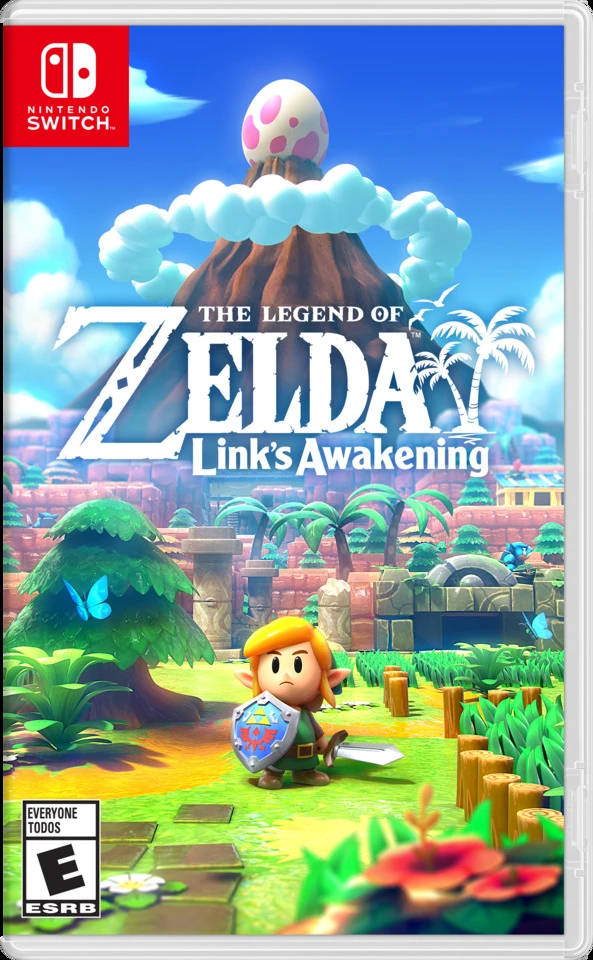
The North American box of the 2019 Switch remake.
Grezzo, directed by Mikiharu Oiwa with Aonuma producing, rebuilt the game in a glossy, toy-like style with a tilt-shift blur, so that Koholint looks like a diorama on a table. Aonuma said the look was meant to evoke how vast the small Game Boy world felt. The layout follows the original closely, but Link can attack diagonally, the sword, shield, boots and bracelet have their own buttons, there are 50 Secret Seashells and three Fairy Bottles, and Dampé replaces the photographer with Chamber Dungeons, in which players rearrange rooms they have cleared, an idea that grew from Miyamoto asking about something like Super Mario Maker. It scored 87 on Metacritic and 35/40 in Famitsu, entered the charts at number one in the UK and Japan, and had sold 6.46 million copies by the end of 2022.
Echoes in later games
Concept art of Marin for Hyrule Warriors Legends.
Many of Link’s Awakening’s ideas became series fixtures: trading sequences, fishing and ocarina songs above all. The Roc’s Feather returned in the Oracle games and Four Swords Adventures, a different song with the name Ballad of the Wind Fish is played in Majora’s Mask, and Marin has appeared in Super Smash Bros. and Hyrule Warriors Legends. Aonuma has said the original left a very strong impression on him and influenced the Zeldas he went on to make, and that Ocarina of Time’s staff had played it.
Where to play it today
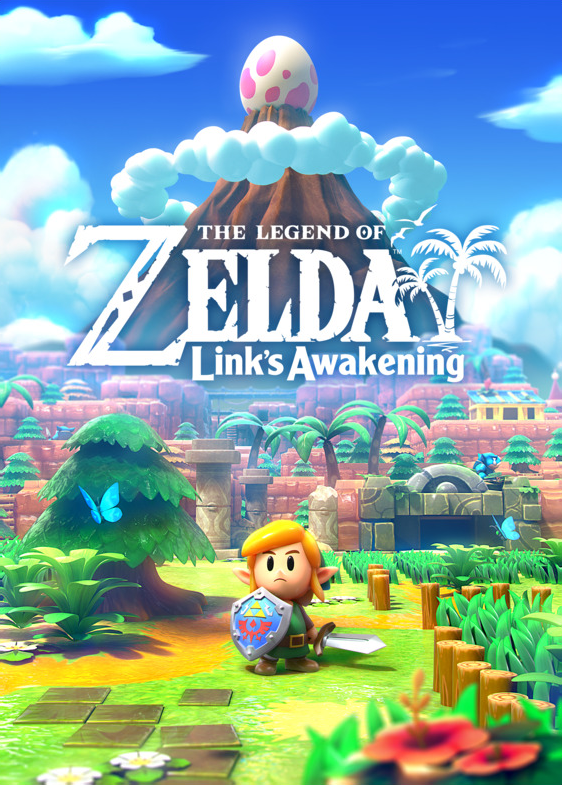
Key art for the 2019 Switch remake.
Link’s Awakening DX is in the Nintendo Switch Online Game Boy library, the black-and-white original is built into the 2021 Game & Watch: The Legend of Zelda, and the 2019 remake is on sale for Nintendo Switch.
Sales & reviews
Sales figures
Link’s Awakening went straight to the top of the Famitsu chart in June 1993 and was North America’s best-selling Game Boy game that August. It is credited with helping lift Game Boy sales by 13 per cent in 1993, stayed in bestseller lists for more than 90 months and was reissued as a Player’s Choice title. The original had sold 3.83 million copies by 2004 and DX another 2.22 million. On the 3DS Virtual Console, DX was the best-selling download of 2011, and the 2019 remake added 6.46 million more by the end of 2022.
3.83mGame Boy copies
2.22mLink’s Awakening DX
about 338,7003DS Virtual Console downloads in 2011
6.46m2019 Switch remake by December 2022
Reception and review scores
Critics in 1993 were blown away by how much Zelda fitted on a Game Boy. These are the scores we could confirm, for the original and for DX.
Nintendo LifeGame Boy (retro review) · Corbie Dillard, 16 August 2009
EGM’s Review Crew called it probably the best Game Boy game, and later named it the best Game Boy game of 1993; years on, Jeremy Parish of 1UP went further and called it the best Game Boy game ever. Newspaper critics were struck by how much adventure fitted in a pocket, though some found the two-button item juggling fiddly and the monochrome screen dim. GameRankings’ averages stand at 90% for the original and 91% for DX.
The 2019 Switch remake scored 87 on Metacritic, with 9.4 from IGN, 9/10 from Game Informer and Nintendo Life, 8/10 from GameSpot and a 35/40 from Famitsu.
Honours
Electronic Gaming Monthly · 1993Best Game Boy Game of 1993From EGM’s January 1994 Buyer’s Guide; DX later earned an EGM Editor’s Choice award.
Golden Joystick Awards · 16 May 1994Hand Held Game of the Year and Best Advert of the YearVoted for by the public and presented in London.
Nintendo Power Awards · 1993Five Game Boy categoriesReaders voted it best for Graphics and Sound, Challenge, Theme and Fun, Play Control, and Best Overall.
Electronic Gaming Monthly · November 199728th best console game of all timeIn EGM’s 100th issue.
Nintendo Power · February 200656th best Nintendo gameIn its Top 200; in 2008 the magazine named DX the second best Game Boy or Game Boy Color game.
Gamescom · 2019Best Nintendo Switch GameWon by the remake.
Reader reviews
No reader reviews yet. Played it? Give it a score out of 10 and tell other fans what you think.
Every fact on this page was checked against the sources below in November 2026. Zelda Wiki (zeldawiki.wiki), The Cutting Room Floor and Internet Archive’s Wayback Machine could not be read automatically and were not used; magazine scores come from Wikipedia’s cited reviews unless a scan is listed.
To provide the best experiences, we use technologies like cookies to store and/or access device information. Consenting to these technologies will allow us to process data such as browsing behavior or unique IDs on this site. Not consenting or withdrawing consent, may adversely affect certain features and functions.
Functional
Always active
The technical storage or access is strictly necessary for the legitimate purpose of enabling the use of a specific service explicitly requested by the subscriber or user, or for the sole purpose of carrying out the transmission of a communication over an electronic communications network.
Preferences
The technical storage or access is necessary for the legitimate purpose of storing preferences that are not requested by the subscriber or user.
Statistics
The technical storage or access that is used exclusively for statistical purposes.The technical storage or access that is used exclusively for anonymous statistical purposes. Without a subpoena, voluntary compliance on the part of your Internet Service Provider, or additional records from a third party, information stored or retrieved for this purpose alone cannot usually be used to identify you.
Marketing
The technical storage or access is required to create user profiles to send advertising, or to track the user on a website or across several websites for similar marketing purposes.

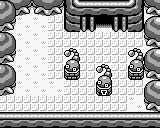 Level 1: Tail CaveSouth of Mabe VillageOpened with the Tail Key from the Mysterious Forest. Item: Roc’s Feather. Nightmare: Moldorm. Instrument: Full Moon Cello.
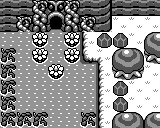 Level 2: Bottle GrottoGoponga SwampBowWow eats the flowers at the door. Item: Power Bracelet. Mini-boss: Hinox. Nightmare: Genie. Instrument: Conch Horn.
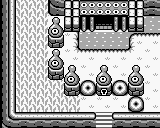 Level 3: Key CavernUkuku PrairieOpened with the Slime Key, dug up in Pothole Field. Item: Pegasus Boots. Nightmare: Slime Eye. Instrument: Sea Lily’s Bell.
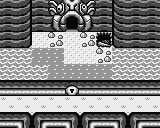 Level 4: Angler’s TunnelTal Tal HeightsBehind a waterfall, opened with the Angler Key. Item: Flippers. Nightmare: Angler Fish. Instrument: Surf Harp.
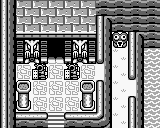 Level 6: Face ShrineNorth-east KoholintOpened with the Face Key. Item: a stronger Power Bracelet. Nightmare: Facade. Instrument: Coral Triangle.
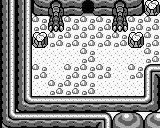 Level 8: Turtle RockTal Tal Mountain RangeOpened with the Frog’s Song of Soul. Item: Magic Rod. Nightmare: Hot Head. Instrument: Thunder Drum.
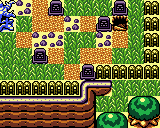 Color Dungeon (DX and the Switch remake)CemeteryHidden under a gravestone in Link’s Awakening DX. Colour puzzles, and a choice of red or blue tunic from the Fairy Queen.
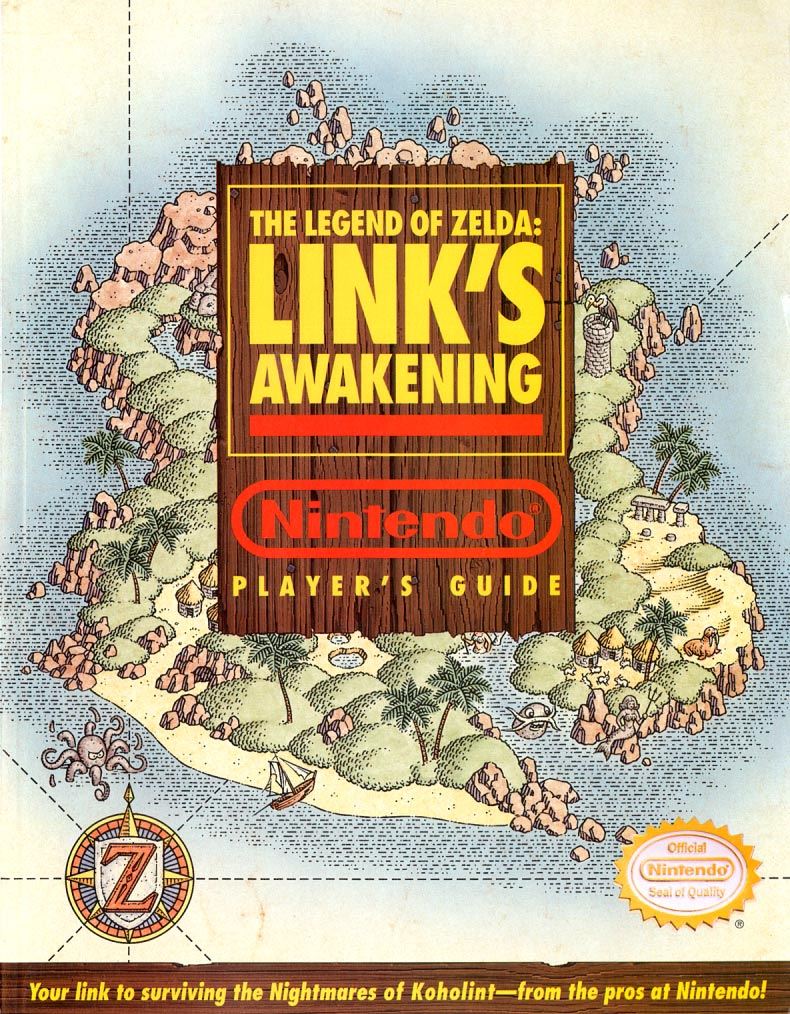 Nintendo PowerNintendo of America · July 1993Issue 50 ran a ten-page guide to the game’s first three areas, and Nintendo of America followed it with a full Nintendo Player’s Guide in 1994.
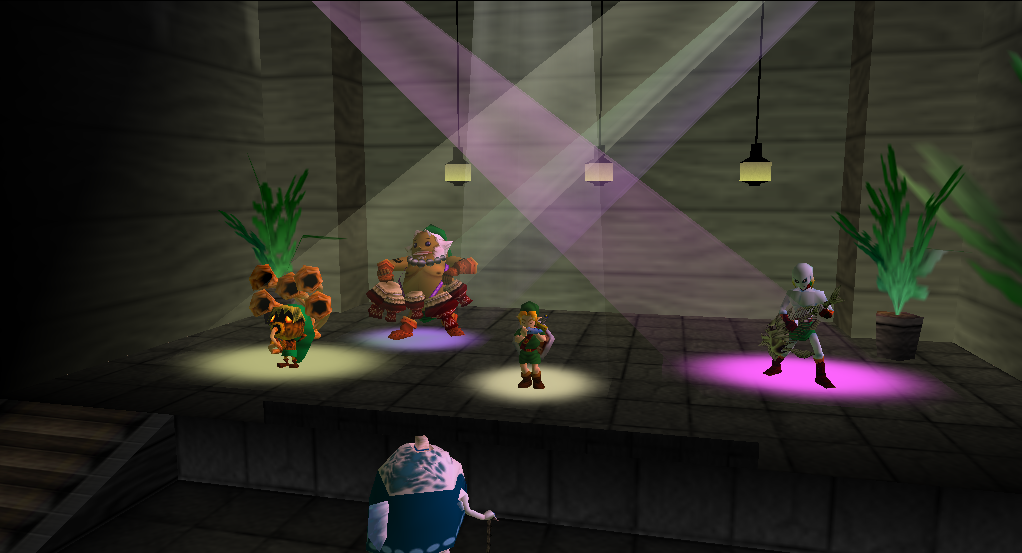 The Legend of Zelda: Majora’s MaskNintendo · 2000In Termina the Zora band the Indigo-Go’s have an old favourite called the Ballad of the Wind Fish. It shares only its name with Marin’s song, and hearing Link play it moves Gorman, the troupe leader, to tears. See our Majora’s Mask page.
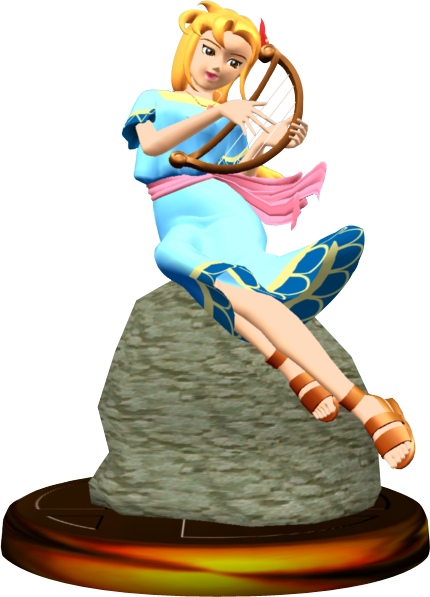 Super Smash Bros.Nintendo · 2001 onwardsMarin is a trophy in Melee and a spirit in Ultimate, and a remix of the Tal Tal Heights theme first appeared in Brawl and has returned in later games.
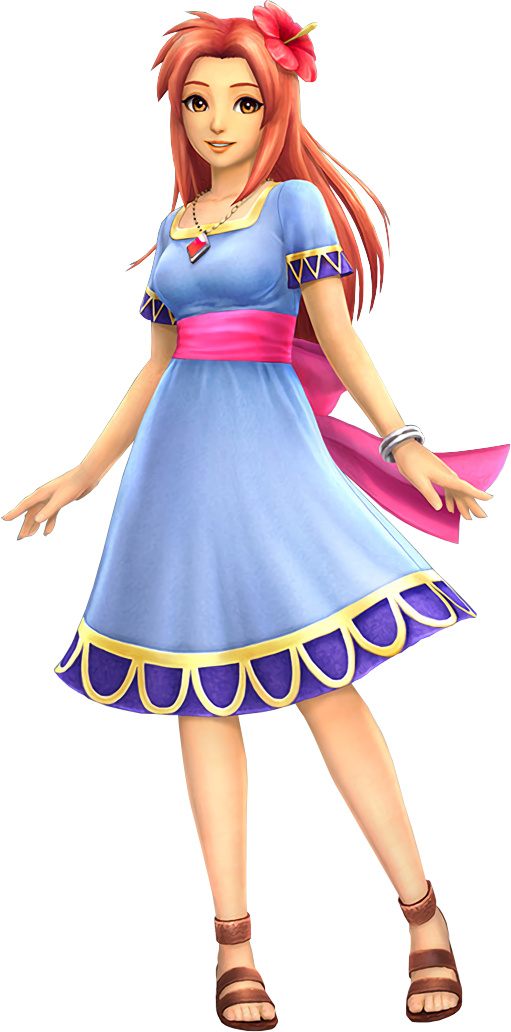 Hyrule Warriors LegendsNintendo and Koei Tecmo · 2016The Link’s Awakening Pack (30 June 2016) made Marin a playable fighter, swinging a bell and calling on the Wind Fish, and added a Koholint map to Adventure Mode.
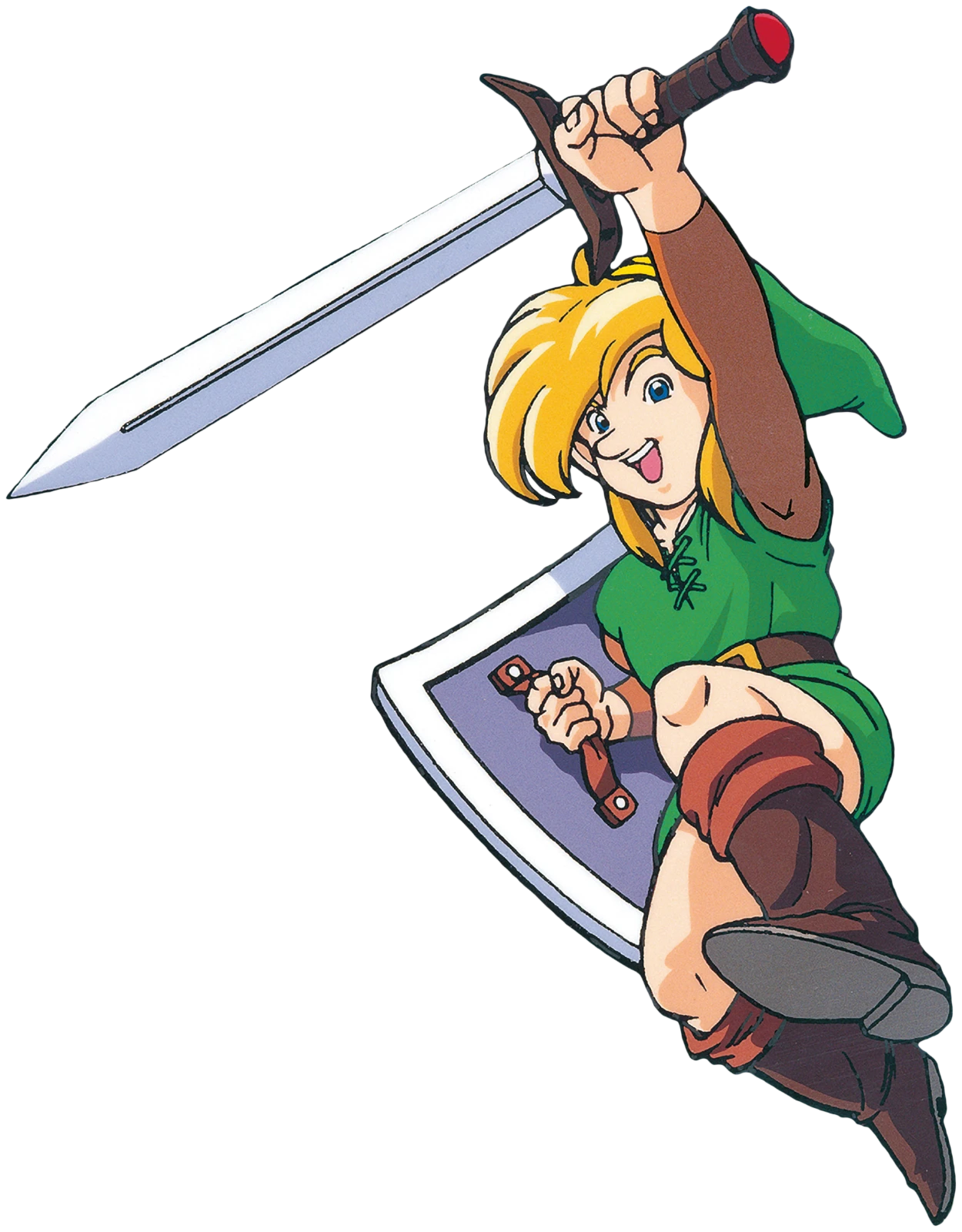 LinkHero of A Link to the Past
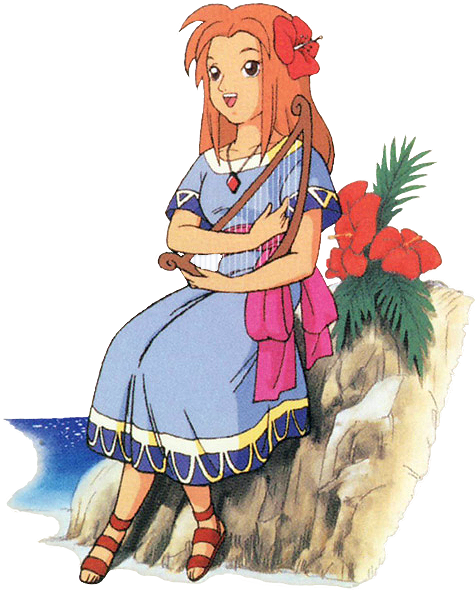 MarinThe girl who saved Link
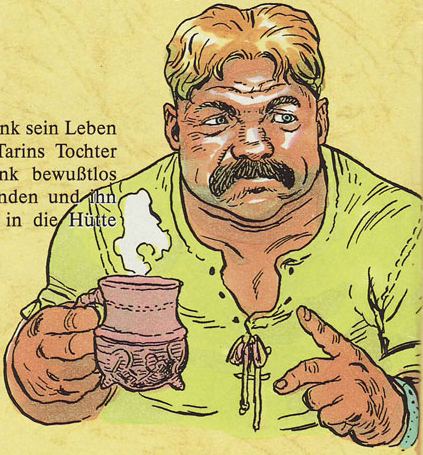 TarinMarin’s father
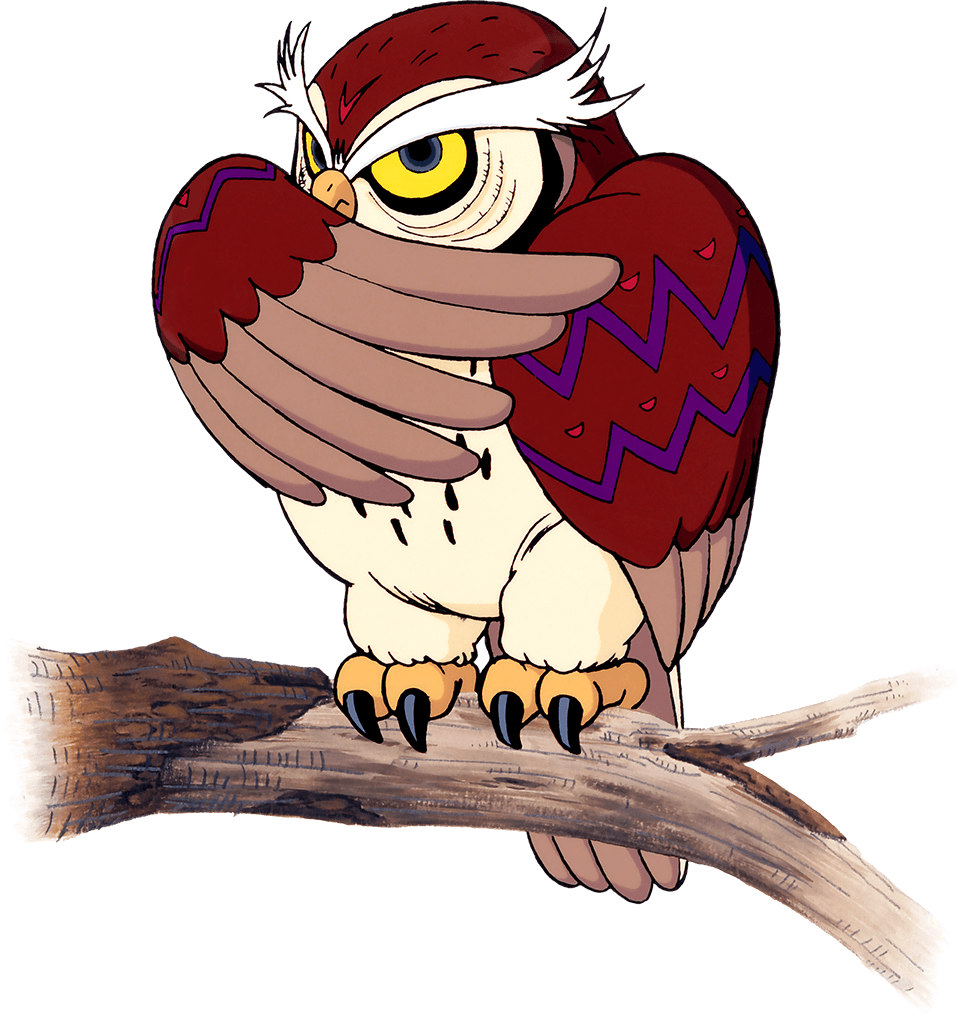 The OwlGuardian of the dream
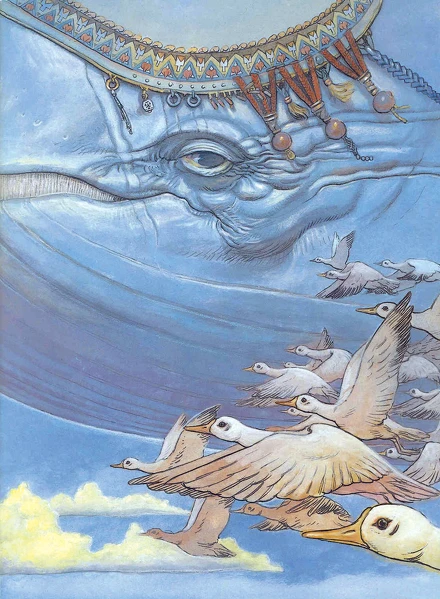 The Wind FishKoholint’s sleeping god
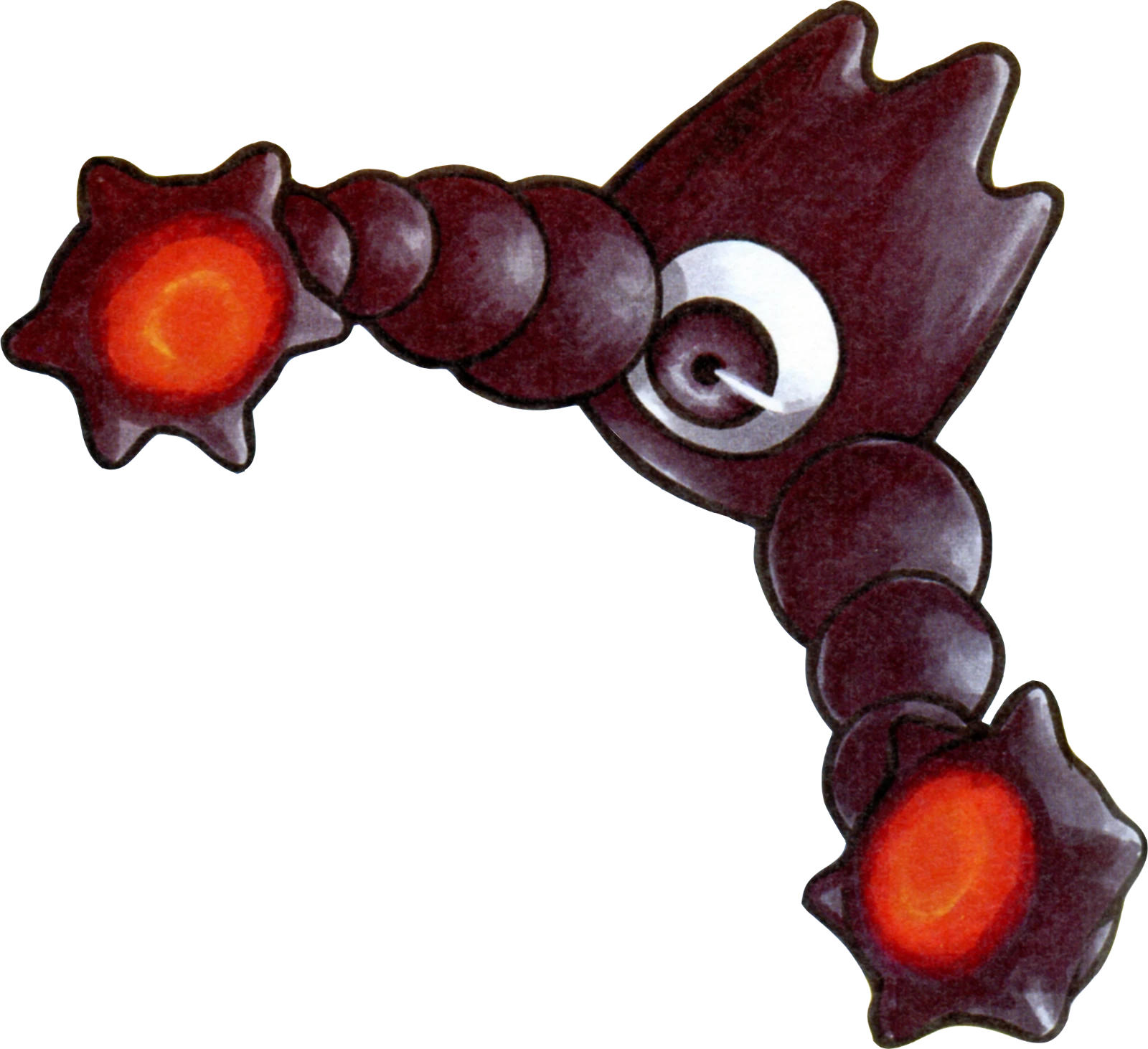 The Shadow NightmaresThe final enemy
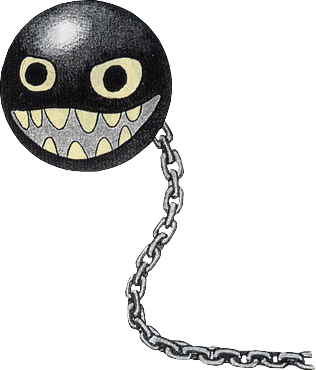 BowWow and Madam MeowMeowThe pet Chain Chomp
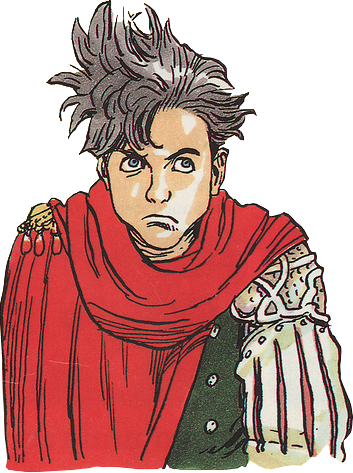 RichardThe castle-less prince
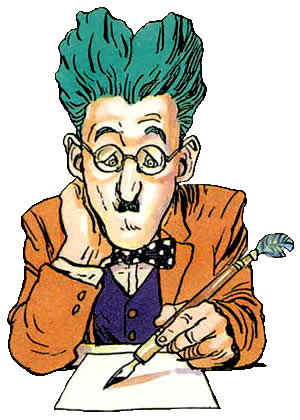 Mr. Write and ChristineA pen-pal romance
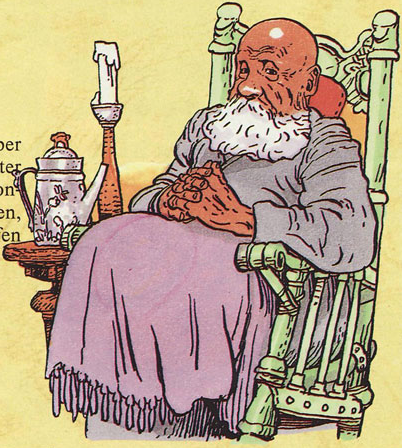 Old Man Ulrira and Grandma YahooThe couple next door
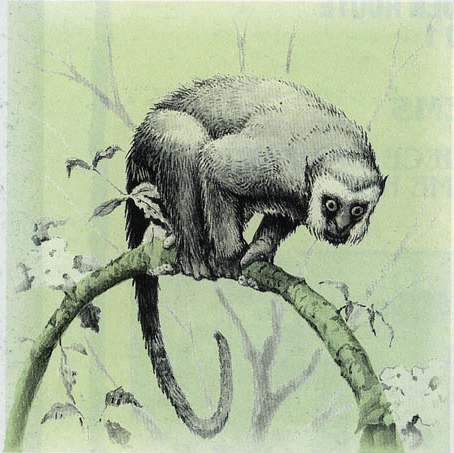 Kiki the monkeyBridge builder
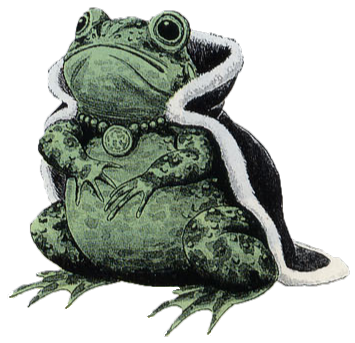 Mamu and ManboKoholint’s musicians
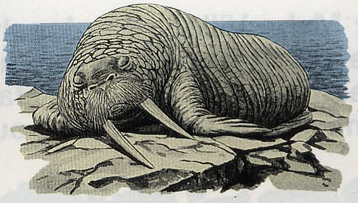 The WalrusA very heavy sleeper
 The GhostA homesick spirit
 The Town Tool ShopkeeperDo not steal from this man
 Crazy Tracy and SyrupPotions and powders
 The PhotographerDX only
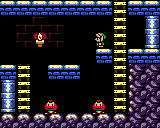 Guests from Mario and KirbyThe cameo crowd
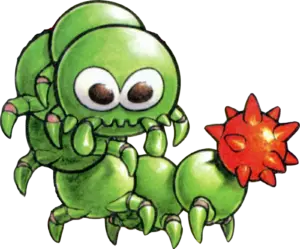 MoldormTail CaveA segmented worm that tries to knock Link into the pits. Hit the tip of its tail.
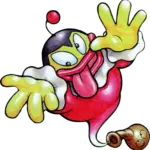 GenieBottle GrottoThrow his bottle at the wall until it breaks, then deal with the furious genie.
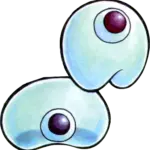 Slime EyeKey CavernA gooey eyeball on the ceiling. Dash into the wall to shake it down, then split it in two.
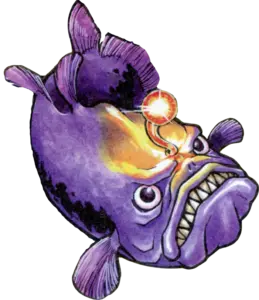 Angler FishAngler’s TunnelStrike the glowing lure on its head while dodging its charges.
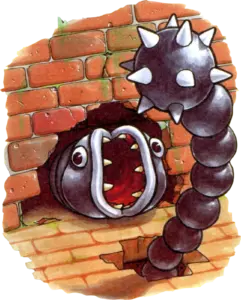 Slime EelCatfish’s MawHookshot its head out of the walls and hit its heart. Some heads are fakes.
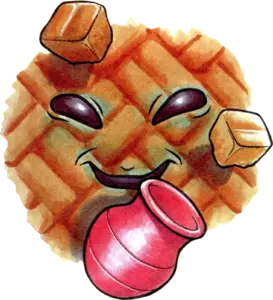 FacadeFace ShrineA face in the floor that hurls pots and opens holes. Bombs do the job.
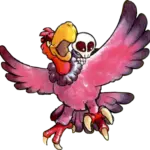 Grim Creeper and Evil EagleEagle’s TowerThe Grim Creeper flees and leaves the Evil Eagle to try to blow Link off the tower top.
 Hot HeadTurtle RockA fiery lava-dweller, beaten with the Magic Rod.
 Shadow Nightmares / DethIWind Fish’s EggThe final battle: shadows of Agahnim, Moldorm, Ganon and Lanmola, then DethI itself.
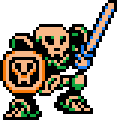 Master StalfosCatfish’s MawA skeleton knight who keeps retreating deeper into the dungeon; beat him four times to win the Hookshot.
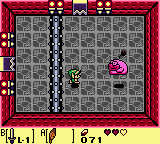 Rolling BonesTail CavePushes a spiked roller at Link; jump it with the Roc’s Feather.
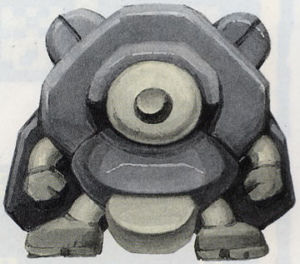 HinoxBottle Grotto and Turtle RockA hulking one-eyed giant, the mini-boss of the second dungeon.
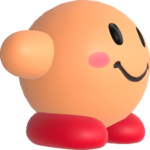 Anti-KirbyDungeonsA Kirby-like enemy that tries to suck Link up.
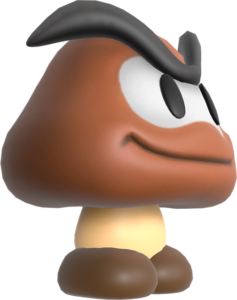 Goomba and Piranha PlantSide-scrolling cavesMario enemies in Link’s world. Land on a Goomba to squash it.
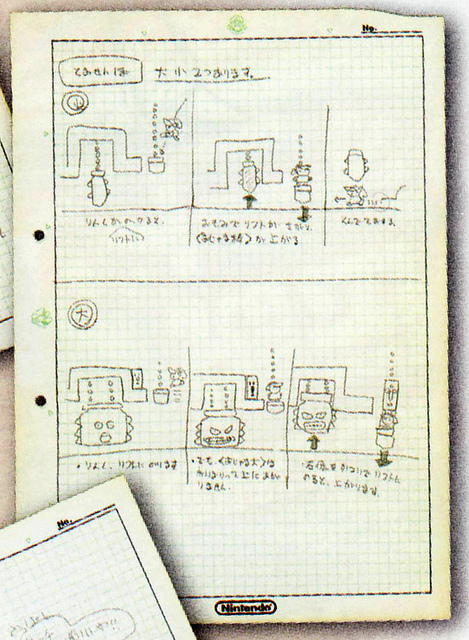
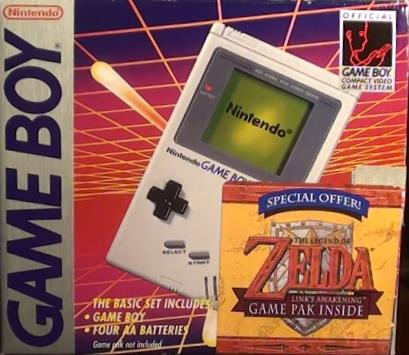
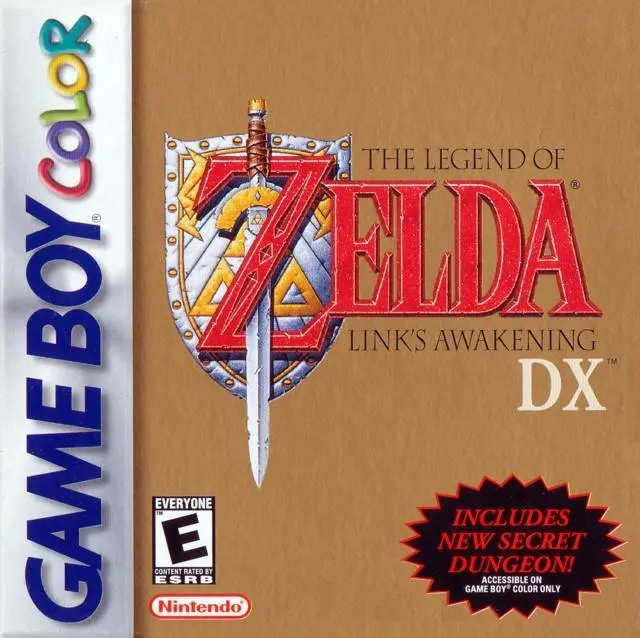
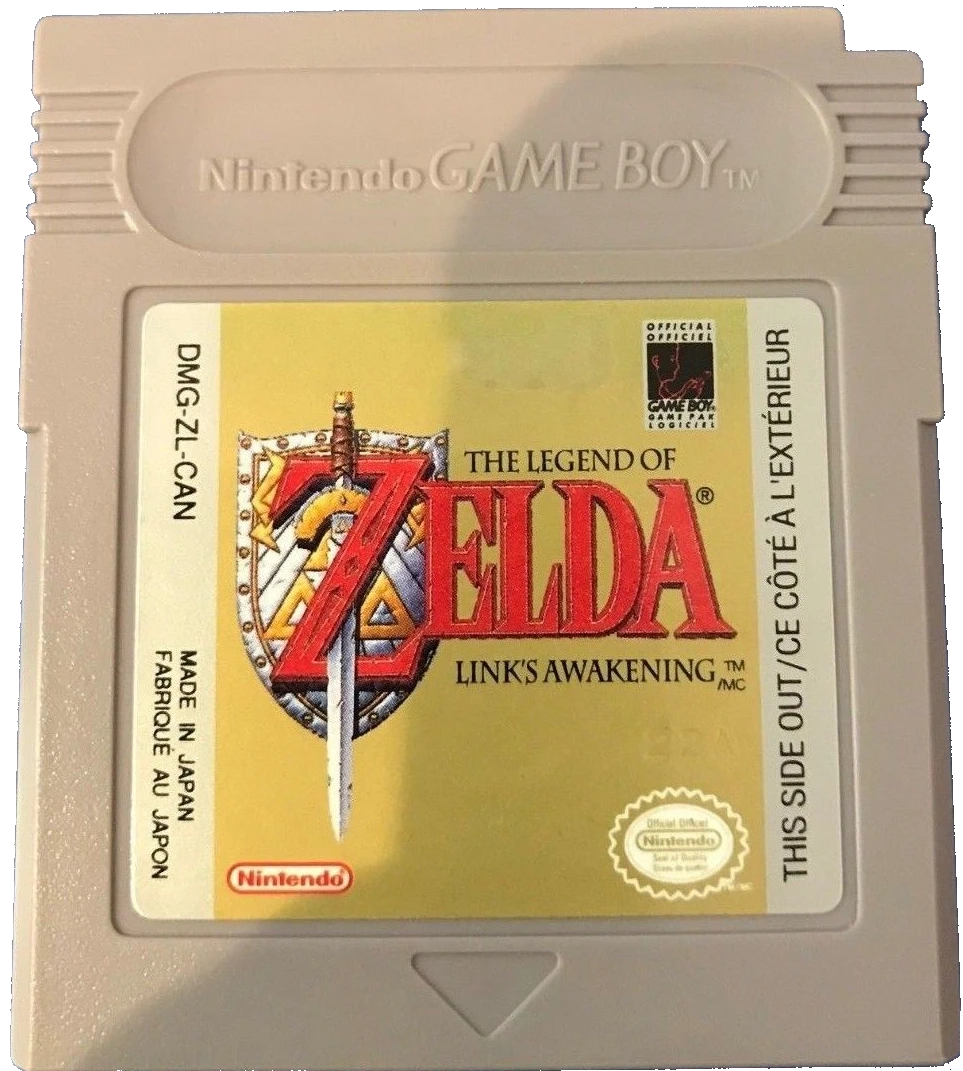 A full-sized Zelda in your pocketNintendo calls it the first full-sized Legend of Zelda game made for a handheld system, and it was the series’ first Game Boy adventure.
 JumpingThe Roc’s Feather made this the first top-down Zelda in which Link can jump. The feather returned in both Oracle games and Four Swords Adventures.
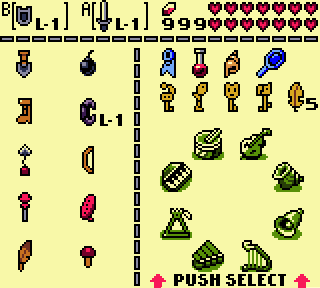 Any item on any buttonThe first Zelda that let you put different items on both A and B, even the sword.
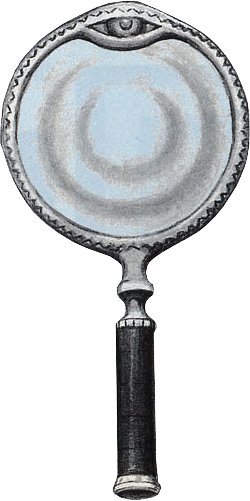 The trading sequenceA chain of swaps from a Yoshi doll to a magnifying lens, inspired by the Japanese folk tale of the Straw Millionaire. Most later Zeldas have one.
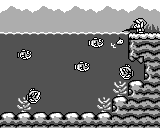 FishingKazuaki Morita’s fishing pond began the series’ long love affair with fishing, continued in Ocarina of Time.
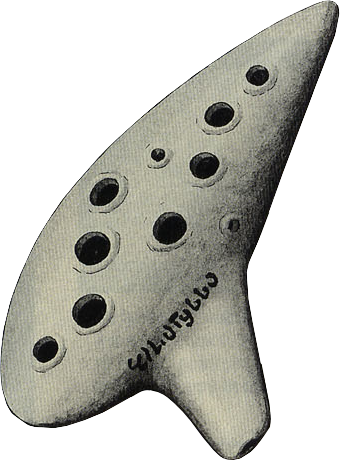 Songs on an ocarinaLearning tunes to play on an ocarina starts here, five years before Ocarina of Time built a whole game around it.
 Life without HyruleThe first Zelda set entirely outside Hyrule, with no Princess Zelda to rescue and no Triforce to find.